

Poems in this theme
Desire
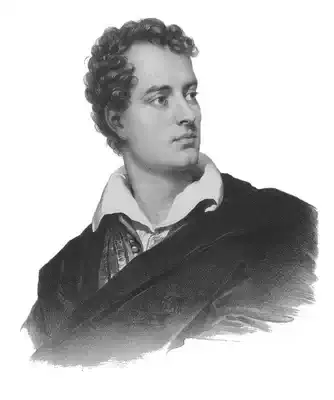
Lord Byron
From Anacreon: 'Twas Now The Hour When Night Had Driven
From Anacreon: 'Twas Now The Hour When Night Had Driven
'Twas now the hour when Night had driven
Her car half round yon sable heaven;
Boötes, only, seem'd to roll
His arctic charge around the pole;
While mortals, lost in gentle sleep,
Forgot to smile, or ceased to weep:
At this lone hour the Paphian boy,
Descending from the realms of joy,
Quick to my gate directs his course,
And knocks with all his little force.
My visions fled, alarm'd I rose,'
What stranger breaks my blest repose?'
'Alas!' replies the wily child,
In faltering accents sweetly mild,
'A hapless infant here I roam,
Far from my dear maternal home.
Oh! shield me from the wintry blast!
The nightly storm is pouring fast.
No prowling robber lingers here.
A wandering baby who can fear?'
I heard his seeming artless tale,
I heard his sighs upon the gale:
My breast was never pity's foe,
But felt for all the baby's woe.
I drew the bar, and by the light
Young Love, the infant, met my sight;
His bow across his shoulders flung,
And thence his fatal quiver hung
(Ah! little did I think the dart
Would rankle soon within my heart).
With care I tend my weary guest,
His little fingers chill my breast;
His glossy curls, his azure wing,
Which droop with nightly showers, I wring;
His shivering limbs the embers warm;
And now reviving from the storm,
Scarce had he felt his wonted glow,
Than swift he seized his slender bow:'
I fain would know, my gentle host,'
He cried, 'if this its strength has lost;
I fear, relax'd with midnight dews,
The strings their former aid refuse.'
With poison tipt, his arrow flies,
Deep in my tortured heart it lies:
Then loud the joyous urchin laugh'd:'
My bow can still impel the shaft:
'Tis firmly fix'd, thy sighs reveal it;
Say, courteous host, canst thou not feel it?'
'Twas now the hour when Night had driven
Her car half round yon sable heaven;
Boötes, only, seem'd to roll
His arctic charge around the pole;
While mortals, lost in gentle sleep,
Forgot to smile, or ceased to weep:
At this lone hour the Paphian boy,
Descending from the realms of joy,
Quick to my gate directs his course,
And knocks with all his little force.
My visions fled, alarm'd I rose,'
What stranger breaks my blest repose?'
'Alas!' replies the wily child,
In faltering accents sweetly mild,
'A hapless infant here I roam,
Far from my dear maternal home.
Oh! shield me from the wintry blast!
The nightly storm is pouring fast.
No prowling robber lingers here.
A wandering baby who can fear?'
I heard his seeming artless tale,
I heard his sighs upon the gale:
My breast was never pity's foe,
But felt for all the baby's woe.
I drew the bar, and by the light
Young Love, the infant, met my sight;
His bow across his shoulders flung,
And thence his fatal quiver hung
(Ah! little did I think the dart
Would rankle soon within my heart).
With care I tend my weary guest,
His little fingers chill my breast;
His glossy curls, his azure wing,
Which droop with nightly showers, I wring;
His shivering limbs the embers warm;
And now reviving from the storm,
Scarce had he felt his wonted glow,
Than swift he seized his slender bow:'
I fain would know, my gentle host,'
He cried, 'if this its strength has lost;
I fear, relax'd with midnight dews,
The strings their former aid refuse.'
With poison tipt, his arrow flies,
Deep in my tortured heart it lies:
Then loud the joyous urchin laugh'd:'
My bow can still impel the shaft:
'Tis firmly fix'd, thy sighs reveal it;
Say, courteous host, canst thou not feel it?'
402
Lord Byron
Fill The Goblet Again: A Song
Fill The Goblet Again: A Song
Fill the goblet again! for I never before
Felt the glow which now gladdens my heart to its core;
Let us drink!who
would not?since,
through life's varied round,
In the goblet alone no deception is found.
I have tried in its turn all that life can supply;
I have bask'd in the beam of a dark rolling eye;
I have loved!who
has not?but
what heart can declare
That pleasure existed while passion was there?
In the days of my youth, when the heart's in its spring,
And dreams that affection can never take wing,
I had friends!who
has not?but
what tongue will avow,
That friends, rosy wine! are so faithful as thou?
The heart of a mistress some boy may estrange,
Friendship shifts with the sunbeamthou
never canst change;
Thou grow'st oldwho
does not?but
on earth what appears,
Whose virtues, like thine, still increase with its years?
Yet if blest to the utmost that love can bestow,
Should a rival bow down to our idol below,
We aree jealous!who
is not?thou
hast no such alloy;
For the more that enjoy thee, the more we enjoy.
Then the season of youth and its vanities past,
For refuge we fly to the goblet at last;
There we finddo
we not?in
the flow of the soul,
That truth, as of yore, is confined to the bowl.
When the box of Pandora was opened on earth,
And Misery's triumph commenced over Mirth,
Hope was left,was
she not?but
the goblet we kiss,
And care not for Hope, who are certain of bliss.
Long life to the grape! for when summer is flown,
The age of our nectar shall gladden our own:
We must diewho
shall not?May
our sins be forgiven,
And Hebe shall never be idle in heaven.
Fill the goblet again! for I never before
Felt the glow which now gladdens my heart to its core;
Let us drink!who
would not?since,
through life's varied round,
In the goblet alone no deception is found.
I have tried in its turn all that life can supply;
I have bask'd in the beam of a dark rolling eye;
I have loved!who
has not?but
what heart can declare
That pleasure existed while passion was there?
In the days of my youth, when the heart's in its spring,
And dreams that affection can never take wing,
I had friends!who
has not?but
what tongue will avow,
That friends, rosy wine! are so faithful as thou?
The heart of a mistress some boy may estrange,
Friendship shifts with the sunbeamthou
never canst change;
Thou grow'st oldwho
does not?but
on earth what appears,
Whose virtues, like thine, still increase with its years?
Yet if blest to the utmost that love can bestow,
Should a rival bow down to our idol below,
We aree jealous!who
is not?thou
hast no such alloy;
For the more that enjoy thee, the more we enjoy.
Then the season of youth and its vanities past,
For refuge we fly to the goblet at last;
There we finddo
we not?in
the flow of the soul,
That truth, as of yore, is confined to the bowl.
When the box of Pandora was opened on earth,
And Misery's triumph commenced over Mirth,
Hope was left,was
she not?but
the goblet we kiss,
And care not for Hope, who are certain of bliss.
Long life to the grape! for when summer is flown,
The age of our nectar shall gladden our own:
We must diewho
shall not?May
our sins be forgiven,
And Hebe shall never be idle in heaven.
461
Lord Byron
Francisca
Francisca
Francisca walks in the shadow of night,
But it is not to gaze on the heavenly light But
if she sits in her garden bower,
'Tis not for the sake of its blowing flower.
She listens but
not for the nightingale Though
her ear expects as soft a tale.
There winds a step through the foliage thick,
And her cheek grows pale, and her heart beats quick.
There whispers a voice thro' the rustling leaves;
A moment more and they shall meet '
Tis past her
lover's at her feet.
Francisca walks in the shadow of night,
But it is not to gaze on the heavenly light But
if she sits in her garden bower,
'Tis not for the sake of its blowing flower.
She listens but
not for the nightingale Though
her ear expects as soft a tale.
There winds a step through the foliage thick,
And her cheek grows pale, and her heart beats quick.
There whispers a voice thro' the rustling leaves;
A moment more and they shall meet '
Tis past her
lover's at her feet.
509
Lord Byron
Damætas
Damætas
In law an infant, and in years a boy,
In mind a slave to every vicious joy;
From every sense of shame and virtue wean'd;
In lies an adept, in deceit a fiend;
Versed in hypocrisy, while yet a child;
Fickle as wind, of inclinations wild;
Women his dupe, his heedless friend a tool;
Old in the world, though scarcely broke from school;
Damætas ran through all the maze of sin,
And found the goal when others just begin:
Even still conflicting passions shake his soul,
And bid him drain the dregs of pleasure's bowl;
But, pall'd with vice, he breaks his former chain,
And what was once his bliss appears his bane.
In law an infant, and in years a boy,
In mind a slave to every vicious joy;
From every sense of shame and virtue wean'd;
In lies an adept, in deceit a fiend;
Versed in hypocrisy, while yet a child;
Fickle as wind, of inclinations wild;
Women his dupe, his heedless friend a tool;
Old in the world, though scarcely broke from school;
Damætas ran through all the maze of sin,
And found the goal when others just begin:
Even still conflicting passions shake his soul,
And bid him drain the dregs of pleasure's bowl;
But, pall'd with vice, he breaks his former chain,
And what was once his bliss appears his bane.
414
Lord Byron
Answer To Some Elegant Verses Sent By A Friend To The Author, Complaining
Answer To Some Elegant Verses Sent By A Friend To The Author, Complaining
That One Of His Descriptions Was Rather Too Warmly Drawn
'But if any old lady, knight, priest or physician
Should condemn me for printing a second edition;
If good Madam Squintum my work should abuse,
May I venture to give her a smack of my muse?'~New Bath Guide.
CANDOUR compels me, BECHER! to commend
The verse which blends the censor with the friend.
Your strong yet just reproof extorts applause
From me, the heedless and imprudent cause.
For this wild error which pervades my strain,
I sue for pardon, — must I sue In vain?
The wise sometlrnes ftom Wisdom's ways depart:
Can youth then hush the dlctates of the heart?
Precepts of prudence curb, but can't control
The fierce emotions of the flowing soul.
When Love's delirium haunts the glowing mind
Limping Decorum lingers far behind:
Vainly the dotard mends her prudish pace,
Outstript and vanquish'd In the mental chase.
The young, the old, have worn the chains of love;
Let those they ne'er confined my lay reprove:
Let those whose souls Conternn the pleasing power
Their censures on the hapless victim shower.
Oh! how I hate the nerveless, frigid song,
The ceaseless echo of the rhyming throng,
Whose labour'd lines In chilling numbers flow,
To paint a pang the author ne'er can know!
The artless Helicon I boast is youth;—
My lyre, the heart; my muse, the simple truth.
Far be 't from me the 'vlrgin's stand' to 'taint':
Seduction's dread is here no slight restraint.
The maid whose virgin breast is void of guile,
Whose wishes dimple in a modest smile,
Whose downcast eye disdains the wanton leer,
Firzn in her virtue's strength, yet not severe
She whom a conscious grace shall thus refine
Will ne'er be 'tainted' by a strain of mine.
But for the nymph whose premature desires
Torment her bosom with unholy fires,
No net to snare her willing heart is spread
Sho would have fallen, though she ne'er had read.
For me, I fain would please the chosen few,
Whose souls, to feeling and to nature true,
Will spare the childish verse, and not destroy
The light effusions of a heedless boy.
I seek not glory from the senseless crowd;
Of fancied laurels I shall ne'er he proud;
Their warrnest plaudits I would scarcely prize,
Their sneers or censures I alike despise.
That One Of His Descriptions Was Rather Too Warmly Drawn
'But if any old lady, knight, priest or physician
Should condemn me for printing a second edition;
If good Madam Squintum my work should abuse,
May I venture to give her a smack of my muse?'~New Bath Guide.
CANDOUR compels me, BECHER! to commend
The verse which blends the censor with the friend.
Your strong yet just reproof extorts applause
From me, the heedless and imprudent cause.
For this wild error which pervades my strain,
I sue for pardon, — must I sue In vain?
The wise sometlrnes ftom Wisdom's ways depart:
Can youth then hush the dlctates of the heart?
Precepts of prudence curb, but can't control
The fierce emotions of the flowing soul.
When Love's delirium haunts the glowing mind
Limping Decorum lingers far behind:
Vainly the dotard mends her prudish pace,
Outstript and vanquish'd In the mental chase.
The young, the old, have worn the chains of love;
Let those they ne'er confined my lay reprove:
Let those whose souls Conternn the pleasing power
Their censures on the hapless victim shower.
Oh! how I hate the nerveless, frigid song,
The ceaseless echo of the rhyming throng,
Whose labour'd lines In chilling numbers flow,
To paint a pang the author ne'er can know!
The artless Helicon I boast is youth;—
My lyre, the heart; my muse, the simple truth.
Far be 't from me the 'vlrgin's stand' to 'taint':
Seduction's dread is here no slight restraint.
The maid whose virgin breast is void of guile,
Whose wishes dimple in a modest smile,
Whose downcast eye disdains the wanton leer,
Firzn in her virtue's strength, yet not severe
She whom a conscious grace shall thus refine
Will ne'er be 'tainted' by a strain of mine.
But for the nymph whose premature desires
Torment her bosom with unholy fires,
No net to snare her willing heart is spread
Sho would have fallen, though she ne'er had read.
For me, I fain would please the chosen few,
Whose souls, to feeling and to nature true,
Will spare the childish verse, and not destroy
The light effusions of a heedless boy.
I seek not glory from the senseless crowd;
Of fancied laurels I shall ne'er he proud;
Their warrnest plaudits I would scarcely prize,
Their sneers or censures I alike despise.
415
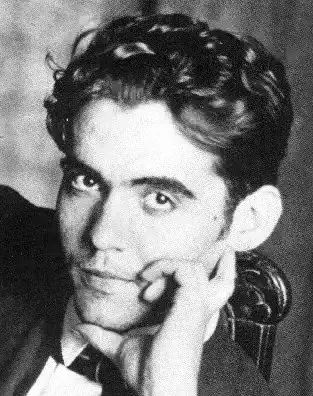
Federico García Lorca
The Gypsy and the Wind
The Gypsy and the Wind
Playing her parchment moon
Precosia comes
along a watery path of laurels and crystal lights.
The starless silence, fleeing
from her rhythmic tambourine,
falls where the sea whips and sings,
his night filled with silvery swarms.
High atop the mountain peaks
the sentinels are weeping;
they guard the tall white towers
of the English consulate.
And gypsies of the water
for their pleasure erect
little castles of conch shells
and arbors of greening pine.
Playing her parchment moon
Precosia comes.
The wind sees her and rises,
the wind that never slumbers.
Naked Saint Christopher swells,
watching the girl as he plays
with tongues of celestial bells
on an invisible bagpipe.
Gypsy, let me lift your skirt
and have a look at you.
Open in my ancient fingers
the blue rose of your womb.
Precosia throws the tambourine
and runs away in terror.
But the virile wind pursues her
with his breathing and burning sword.
The sea darkens and roars,
while the olive trees turn pale.
The flutes of darkness sound,
and a muted gong of the snow.
Precosia, run, Precosia!
Or the green wind will catch you!
Precosia, run, Precosia!
And look how fast he comes!
A satyr of low-born stars
with their long and glistening tongues.
Precosia, filled with fear,
now makes her way to that house
beyond the tall green pines
where the English consul lives.
Alarmed by the anguished cries,
three riflemen come running,
their black capes tightly drawn,
and berets down over their brow.
The Englishman gives the gypsy
a glass of tepid milk
and a shot of Holland gin
which Precosia does not drink.
And while she tells them, weeping,
of her strange adventure,
the wind furiously gnashes
against the slate roof tiles.
Playing her parchment moon
Precosia comes
along a watery path of laurels and crystal lights.
The starless silence, fleeing
from her rhythmic tambourine,
falls where the sea whips and sings,
his night filled with silvery swarms.
High atop the mountain peaks
the sentinels are weeping;
they guard the tall white towers
of the English consulate.
And gypsies of the water
for their pleasure erect
little castles of conch shells
and arbors of greening pine.
Playing her parchment moon
Precosia comes.
The wind sees her and rises,
the wind that never slumbers.
Naked Saint Christopher swells,
watching the girl as he plays
with tongues of celestial bells
on an invisible bagpipe.
Gypsy, let me lift your skirt
and have a look at you.
Open in my ancient fingers
the blue rose of your womb.
Precosia throws the tambourine
and runs away in terror.
But the virile wind pursues her
with his breathing and burning sword.
The sea darkens and roars,
while the olive trees turn pale.
The flutes of darkness sound,
and a muted gong of the snow.
Precosia, run, Precosia!
Or the green wind will catch you!
Precosia, run, Precosia!
And look how fast he comes!
A satyr of low-born stars
with their long and glistening tongues.
Precosia, filled with fear,
now makes her way to that house
beyond the tall green pines
where the English consul lives.
Alarmed by the anguished cries,
three riflemen come running,
their black capes tightly drawn,
and berets down over their brow.
The Englishman gives the gypsy
a glass of tepid milk
and a shot of Holland gin
which Precosia does not drink.
And while she tells them, weeping,
of her strange adventure,
the wind furiously gnashes
against the slate roof tiles.
689
Federico García Lorca
Sonnet
Sonnet
I know that my profile will be serene
in the north of an unreflecting sky.
Mercury of vigil, chaste mirror
to break the pulse of my style.
For if ivy and the cool of linen
are the norm of the body I leave behind,
my profile in the sand will be the old
unblushing silence of a crocodile.
And though my tongue of frozen doves
will never taste of flame,
only of empty broom,
I'll be a free sign of oppressed norms
on the neck of the stiff branch
and in an ache of dahlias without end.
Largo espectro de plata conmovida
el viento de la noche suspirando,
abrió con mano gris mi vieja herida
y se alejó: yo estaba deseando.
Llaga de amor que me dará la vida
perpetua sangre y pura luz brotando.
Grieta en que Filomela enmudecida
tendrá bosque, dolor y nido blando.
¡Ay qué dulce rumor en mi cabeza!
Me tenderé junto a la flor sencilla
donde flota sin alma tu belleza.
Y el agua errante se pondrá amarilla,
mientras corre mi sangre en la maleza
mojada y olorosa de la orilla.
I know that my profile will be serene
in the north of an unreflecting sky.
Mercury of vigil, chaste mirror
to break the pulse of my style.
For if ivy and the cool of linen
are the norm of the body I leave behind,
my profile in the sand will be the old
unblushing silence of a crocodile.
And though my tongue of frozen doves
will never taste of flame,
only of empty broom,
I'll be a free sign of oppressed norms
on the neck of the stiff branch
and in an ache of dahlias without end.
Largo espectro de plata conmovida
el viento de la noche suspirando,
abrió con mano gris mi vieja herida
y se alejó: yo estaba deseando.
Llaga de amor que me dará la vida
perpetua sangre y pura luz brotando.
Grieta en que Filomela enmudecida
tendrá bosque, dolor y nido blando.
¡Ay qué dulce rumor en mi cabeza!
Me tenderé junto a la flor sencilla
donde flota sin alma tu belleza.
Y el agua errante se pondrá amarilla,
mientras corre mi sangre en la maleza
mojada y olorosa de la orilla.
647
Federico García Lorca
Preciosa Y El Aire
Preciosa Y El Aire
Su luna de pergamino
Preciosa tocando viene
por un anfibio sendero
de cristales y laureles.
El silencio sin estrellas,
huyendo del sonsonete,
cae donde el mar bate y canta
su noche llena de peces.
En los picos de la sierra
los carabineros duermen
guardando las blancas torres
donde viven los ingleses.
Y los gitanos del agua
levantan por distraerse,
glorietas de caracolas
y ramas de pino verde.
Su luna de pergamino
Preciosa tocando viene.
Al verla se ha levantado
el viento que nunca duerme.
San Cristobalón desnudo,
lleno de lenguas celestes,
mira a la niña tocando
una dulce gaita ausente.
Niña, deja que levante
tu vestido para verte.
Abre en mi dedos antiguos
la rosa azul de tu vientre.
Preciosa tira el pandero
y corre sin detenerse.
El viento-hombrón la persigue
con una espada caliente.
Frunce su rumor el mar.
Los olivos palidecen.
Cantan las flautas de umbría
y el liso gong de la nieve.
¡Preciosa, corre, Preciosa,
que te coge el viento verde!
Preciosa, corre, Preciosa!
¡Míralo por donde viene!
Sátiro de estrellas bajas
con sus lenguas relucientes.
Preciosa, llena de miedo,
entra en la casa que tiene,
más arriba de los pinos,
el cónsul de los ingleses.
Asustados por los gritos
tres carabineros viene,
sus negras capas ceñidas
y los gorros en las sienes.
El inglés da a la gitana
un vaso de tibia leche,
y una copa de ginebra
que Preciosa no se bebe.
Y mientras cuenta, llorando
su aventura a aquella gente,
en las tejas de pizarra
el viento, furioso, muerde.
Su luna de pergamino
Preciosa tocando viene
por un anfibio sendero
de cristales y laureles.
El silencio sin estrellas,
huyendo del sonsonete,
cae donde el mar bate y canta
su noche llena de peces.
En los picos de la sierra
los carabineros duermen
guardando las blancas torres
donde viven los ingleses.
Y los gitanos del agua
levantan por distraerse,
glorietas de caracolas
y ramas de pino verde.
Su luna de pergamino
Preciosa tocando viene.
Al verla se ha levantado
el viento que nunca duerme.
San Cristobalón desnudo,
lleno de lenguas celestes,
mira a la niña tocando
una dulce gaita ausente.
Niña, deja que levante
tu vestido para verte.
Abre en mi dedos antiguos
la rosa azul de tu vientre.
Preciosa tira el pandero
y corre sin detenerse.
El viento-hombrón la persigue
con una espada caliente.
Frunce su rumor el mar.
Los olivos palidecen.
Cantan las flautas de umbría
y el liso gong de la nieve.
¡Preciosa, corre, Preciosa,
que te coge el viento verde!
Preciosa, corre, Preciosa!
¡Míralo por donde viene!
Sátiro de estrellas bajas
con sus lenguas relucientes.
Preciosa, llena de miedo,
entra en la casa que tiene,
más arriba de los pinos,
el cónsul de los ingleses.
Asustados por los gritos
tres carabineros viene,
sus negras capas ceñidas
y los gorros en las sienes.
El inglés da a la gitana
un vaso de tibia leche,
y una copa de ginebra
que Preciosa no se bebe.
Y mientras cuenta, llorando
su aventura a aquella gente,
en las tejas de pizarra
el viento, furioso, muerde.
916
Federico García Lorca
Peaceful Waters:Variation
Peaceful Waters:Variation
peaceful waters of the air
under echo's branches
peaceful waters of a pool
under a bough laden with stars
peaceful waters of your mouth
under a forest of kisses
peaceful waters of the air
under echo's branches
peaceful waters of a pool
under a bough laden with stars
peaceful waters of your mouth
under a forest of kisses
511
Federico García Lorca
Gacela of Unforseen Love
Gacela of Unforseen Love
No one understood the perfume
of the dark magnolia of your womb.
Nobody knew that you tormented
a hummingbird of love between your teeth.
A thousand Persian little horses fell asleep
in the plaza with moon of your forehead,
while through four nights I embraced
your waist, enemy of the snow.
Between plaster and jasmins, your glance
was a pale branch of seeds.
I sought in my heart to give you
the ivory letters that say "siempre",
"siempre", "siempre" : garden of my agony,
your body elusive always,
that blood of your veins in my mouth,
your mouth already lightless for my death.
No one understood the perfume
of the dark magnolia of your womb.
Nobody knew that you tormented
a hummingbird of love between your teeth.
A thousand Persian little horses fell asleep
in the plaza with moon of your forehead,
while through four nights I embraced
your waist, enemy of the snow.
Between plaster and jasmins, your glance
was a pale branch of seeds.
I sought in my heart to give you
the ivory letters that say "siempre",
"siempre", "siempre" : garden of my agony,
your body elusive always,
that blood of your veins in my mouth,
your mouth already lightless for my death.
850
Federico García Lorca
Ditty of First Desire
Ditty of First Desire
In the green morning
I wanted to be a heart.
A heart.
And in the ripe evening
I wanted to be a nightingale.
A nightingale.
(Soul,
turn orange-colored.
Soul,
turn the color of love.)
In the vivid morning
I wanted to be myself.
A heart.
And at the evening's end
I wanted to be my voice.
A nightingale.
Soul,
turn orange-colored.
Soul,
turn the color of love.
In the green morning
I wanted to be a heart.
A heart.
And in the ripe evening
I wanted to be a nightingale.
A nightingale.
(Soul,
turn orange-colored.
Soul,
turn the color of love.)
In the vivid morning
I wanted to be myself.
A heart.
And at the evening's end
I wanted to be my voice.
A nightingale.
Soul,
turn orange-colored.
Soul,
turn the color of love.
694
Federico García Lorca
Before the Dawn
Before the Dawn
But like love
the archers
are blind
Upon the green night,
the piercing saetas
leave traces of warm
lily.
The keel of the moon
breaks through purple clouds
and their quivers
fill with dew.
Ay, but like love
the archers
are blind!
But like love
the archers
are blind
Upon the green night,
the piercing saetas
leave traces of warm
lily.
The keel of the moon
breaks through purple clouds
and their quivers
fill with dew.
Ay, but like love
the archers
are blind!
631

Ezra Pound
The Picture
The Picture
The eyes of this dead lady speak to me,
For here was love, was not to be drowned out.
And here desire, not to be kissed away.
The eyes of this dead lady speak to me.
The eyes of this dead lady speak to me,
For here was love, was not to be drowned out.
And here desire, not to be kissed away.
The eyes of this dead lady speak to me.
414
Ezra Pound
The Flame
The Flame
‘Tis not a game that plays at mates and mating,
Provençe knew;
'Tis not a game of barter, lands and houses,
Provençe knew.
We who are wise beyond your dream of wisdom,
Drink our immortal moments; we 'pass through'.
We have gone forth beyond your bonds and borders,
Provençe knew;
And all the tales of Oisin say but this:
That man doth pass the net of days and hours.
Where time is shrivelled down to time's seed corn
We of the Ever-living, in that light
Meet through our veils and whisper, and of love.
O smoke and shadow of a darkling world,
These, and the rest, and all the rest we knew.
'Tis not a game that plays at mates and mating,
'Tis not a game of barter, lands and houses,
'Tis not 4of days and nights' and troubling years,
Of cheeks grown sunken and glad hair gone gray;
There is the subtler music, the clear light
Where time burns back about th' eternal embers.
We are not shut from all the thousand heavens:
Lo, there are many gods whom we have seen,
Folk of unearthly fashion, places splendid,
Bulwarks of beryl and of chrysoprase.
Sapphire Benacus, in thy mists and thee
Nature herself's turned metaphysical,
Who can look on that blue and not believe?
Thou hooded opal, thou eternal pearl,
O thou dark secret with a shimmering floor,
Through all thy various mood I know thee mine;
If I have merged my soul, or utterly
Am solved and bound in, through aught here on earth,
There canst thou find me, O thou anxious thou,
Who call’st about my gates for some lost me;
I say my soul flowed back, became translucent.
Search not my lips, O Love, let go my hands,
This thing that moves as man is no more mortal.
If thou hast seen my shade sans character,
If thou hast seen that mirror of all moments,
That glass to all things that o'ershadow it,
Call not that mirror me, for I have slipped
Your grasp, I have eluded.
‘Tis not a game that plays at mates and mating,
Provençe knew;
'Tis not a game of barter, lands and houses,
Provençe knew.
We who are wise beyond your dream of wisdom,
Drink our immortal moments; we 'pass through'.
We have gone forth beyond your bonds and borders,
Provençe knew;
And all the tales of Oisin say but this:
That man doth pass the net of days and hours.
Where time is shrivelled down to time's seed corn
We of the Ever-living, in that light
Meet through our veils and whisper, and of love.
O smoke and shadow of a darkling world,
These, and the rest, and all the rest we knew.
'Tis not a game that plays at mates and mating,
'Tis not a game of barter, lands and houses,
'Tis not 4of days and nights' and troubling years,
Of cheeks grown sunken and glad hair gone gray;
There is the subtler music, the clear light
Where time burns back about th' eternal embers.
We are not shut from all the thousand heavens:
Lo, there are many gods whom we have seen,
Folk of unearthly fashion, places splendid,
Bulwarks of beryl and of chrysoprase.
Sapphire Benacus, in thy mists and thee
Nature herself's turned metaphysical,
Who can look on that blue and not believe?
Thou hooded opal, thou eternal pearl,
O thou dark secret with a shimmering floor,
Through all thy various mood I know thee mine;
If I have merged my soul, or utterly
Am solved and bound in, through aught here on earth,
There canst thou find me, O thou anxious thou,
Who call’st about my gates for some lost me;
I say my soul flowed back, became translucent.
Search not my lips, O Love, let go my hands,
This thing that moves as man is no more mortal.
If thou hast seen my shade sans character,
If thou hast seen that mirror of all moments,
That glass to all things that o'ershadow it,
Call not that mirror me, for I have slipped
Your grasp, I have eluded.
474
Ezra Pound
The Bath-Tub
The Bath-Tub
As a bathtub lined with white porcelain,
When the hot water gives out or goes tepid,
So is the slow cooling of our chivalrous passion,
O my much praised but-not-altogether-satisfactory lady.
As a bathtub lined with white porcelain,
When the hot water gives out or goes tepid,
So is the slow cooling of our chivalrous passion,
O my much praised but-not-altogether-satisfactory lady.
406
Ezra Pound
Phyllidula
Phyllidula
Phyllidula is scrawny but amorous,
Thus have the gods awarded her,
That in pleasure she receives more than she can give;
If she does not count this blessed
Let her change her religion.
Phyllidula is scrawny but amorous,
Thus have the gods awarded her,
That in pleasure she receives more than she can give;
If she does not count this blessed
Let her change her religion.
473
Ezra Pound
Na Audiart
Na Audiart
Though thou well dost wish me ill
Audiart, Audiart,
Where thy bodice laces start
As ivy fingers clutching through
Its crevices,
Audiart, Audiart,
Stately, tall and lovely tender
Who shall render
Audiart, Audiart,
Praises meet unto thy fashion?
Here a word kiss !
Pass I on
Unto Lady ‘Miels-de-Ben’,
Having praised thy girdle's scope
How the stays ply back from it;
I breath no hope
That thou shouldst . . .
Nay no whit
Bespeak thyself for anything.
Just a word in thy praise, girl,
Just for the swirl
Thy satins make upon the stair,
'Cause never a flaw was there
Where thy torse and limbs are met
Though thou hate me, read it set
In rose and gold.
Or when the minstrel, tale half told,
Shall burst to lilting at the praise
'Audiart, Audiart' . .
Bertrans, master of his lays,
Bertrans of Aultaforte thy praise
Sets forth, and though thou hate me well,
Yea though thou wish me ill,
Audiart, Audiart.
Thy loveliness is here writ till,
Audiart,
Oh, till thou come again.
And being bent and wrinkled, in a form
That hath no perfect limning, when the warm
Youth dew is cold
Upon thy hands, and thy old soul
Scorning a new, wry'd casement,
Churlish at seemed misplacement,
Finds the earth as bitter
As now seems it sweet,
Being so young and fair
As then only in dreams,
Being then young and wry'd,
Broken of ancient pride,
Thou shalt then soften,
Knowing, I know not how,
Thou wert once she
Audiart, Audiart
For whose fairness one forgave
Audiart,
Audiart
Que be-m vols mal.
Though thou well dost wish me ill
Audiart, Audiart,
Where thy bodice laces start
As ivy fingers clutching through
Its crevices,
Audiart, Audiart,
Stately, tall and lovely tender
Who shall render
Audiart, Audiart,
Praises meet unto thy fashion?
Here a word kiss !
Pass I on
Unto Lady ‘Miels-de-Ben’,
Having praised thy girdle's scope
How the stays ply back from it;
I breath no hope
That thou shouldst . . .
Nay no whit
Bespeak thyself for anything.
Just a word in thy praise, girl,
Just for the swirl
Thy satins make upon the stair,
'Cause never a flaw was there
Where thy torse and limbs are met
Though thou hate me, read it set
In rose and gold.
Or when the minstrel, tale half told,
Shall burst to lilting at the praise
'Audiart, Audiart' . .
Bertrans, master of his lays,
Bertrans of Aultaforte thy praise
Sets forth, and though thou hate me well,
Yea though thou wish me ill,
Audiart, Audiart.
Thy loveliness is here writ till,
Audiart,
Oh, till thou come again.
And being bent and wrinkled, in a form
That hath no perfect limning, when the warm
Youth dew is cold
Upon thy hands, and thy old soul
Scorning a new, wry'd casement,
Churlish at seemed misplacement,
Finds the earth as bitter
As now seems it sweet,
Being so young and fair
As then only in dreams,
Being then young and wry'd,
Broken of ancient pride,
Thou shalt then soften,
Knowing, I know not how,
Thou wert once she
Audiart, Audiart
For whose fairness one forgave
Audiart,
Audiart
Que be-m vols mal.
528
Ezra Pound
Marvoil
Marvoil
A poor clerk I, 'Arnaut the less' they call me,
And because I have small mind to sit
Day long, long day cooped on a stool
A-jumbling o' figures for Maitre Jacques Polin,
I ha' taken to rambling the South here.
The Vicomte of Beziers's not such a bad lot.
I made rimes to his lady this three year:
Vers and canzone, till that damn'd son of Aragon,
Alfonso the half-bald, took to hanging
His helmet at Beziers.
Then came what might come, to wit: three men and one woman,
Beziers off at Mont-Ausier, I and his lady
Singing the stars in the turrets of Beziers,
And one lean Aragonese cursing the seneschal
To the end that you see, friends:
Aragon cursing in Aragon, Beziers busy at Beziers
Bored to an inch of extinction,
Tibors all tongue and temper at Mont-Ausier,
Me! in this damn'd inn of Avignon,
Stringing long verse for the Burlatz;
All for one half-bald, knock-knee'd king of the Aragonese,
Alfonso, Quattro, poke-nose.
And if when I am dead
They take the trouble to tear out this wall here,
They'11 know more of Arnaut of Marvoil
Than half his canzoni say of him.
As for will and testament I leave none,
Save this: ‘Vers and canzone to the Countess of Beziers
In return for the first kiss she gave me.'
May her eyes and her cheek be fair
To all men except the King of Aragon,
And may I come'speedily to Beziers
Whither my desire and my dream have preceded me.
O hole in the wall here! be thou my jongleur
As ne'er had I other, and when the wind blows,
Sing thou the grace of the Lady of Beziers,
For even as thou art hollow before I fill thee with this parchment,
So is my heart hollow when she filleth not mine eyes,
And so were my mind hollow, did she not fill utterly my thought.
Wherefore, O hole in the wall here,
When the wind blows sigh thou for my sorrow
That I have not the Countess of Beziers
Close in my arms here.
Even as thou shalt soon have this parchment.
O hole in the wall here, be thou my jongleur,
And though thou sighest my sorrow in the wind,
Keep yet my secret in thy breast here;
Even as I keep her image in my heart here.
A poor clerk I, 'Arnaut the less' they call me,
And because I have small mind to sit
Day long, long day cooped on a stool
A-jumbling o' figures for Maitre Jacques Polin,
I ha' taken to rambling the South here.
The Vicomte of Beziers's not such a bad lot.
I made rimes to his lady this three year:
Vers and canzone, till that damn'd son of Aragon,
Alfonso the half-bald, took to hanging
His helmet at Beziers.
Then came what might come, to wit: three men and one woman,
Beziers off at Mont-Ausier, I and his lady
Singing the stars in the turrets of Beziers,
And one lean Aragonese cursing the seneschal
To the end that you see, friends:
Aragon cursing in Aragon, Beziers busy at Beziers
Bored to an inch of extinction,
Tibors all tongue and temper at Mont-Ausier,
Me! in this damn'd inn of Avignon,
Stringing long verse for the Burlatz;
All for one half-bald, knock-knee'd king of the Aragonese,
Alfonso, Quattro, poke-nose.
And if when I am dead
They take the trouble to tear out this wall here,
They'11 know more of Arnaut of Marvoil
Than half his canzoni say of him.
As for will and testament I leave none,
Save this: ‘Vers and canzone to the Countess of Beziers
In return for the first kiss she gave me.'
May her eyes and her cheek be fair
To all men except the King of Aragon,
And may I come'speedily to Beziers
Whither my desire and my dream have preceded me.
O hole in the wall here! be thou my jongleur
As ne'er had I other, and when the wind blows,
Sing thou the grace of the Lady of Beziers,
For even as thou art hollow before I fill thee with this parchment,
So is my heart hollow when she filleth not mine eyes,
And so were my mind hollow, did she not fill utterly my thought.
Wherefore, O hole in the wall here,
When the wind blows sigh thou for my sorrow
That I have not the Countess of Beziers
Close in my arms here.
Even as thou shalt soon have this parchment.
O hole in the wall here, be thou my jongleur,
And though thou sighest my sorrow in the wind,
Keep yet my secret in thy breast here;
Even as I keep her image in my heart here.
497
Ezra Pound
La Regina Avrillouse
La Regina Avrillouse
Lady of rich allure,
Queen of the spring's embrace,
Your arms are long like boughs of ash,
Mid laugh-broken streams, spirit of rain unsure,
Breath of the poppy flower,
All the wood thy bower
And the hills thy dwelling-place.
This will I no more dream;
Warm is thy arm's allure,
Warm is the gust of breath
That ere thy lips meet mine
Kisseth my cheek and saith:
"This is the joy of earth,
Here is the wine of mirth
Drain ye one goblet sure,
Take ye the honey cup
The honied song raise up,
Drink of the spring's allure,
April and dew and rain;
Brown of the earth sing sure,
Cheeks and lips and hair
And soft breath that kisseth where
Thy lips have come not yet to drink."
Moss and the mold of earth,
These be thy couch of mirth,
Long arms thy boughs of shade
April-alluring, as the blade
Of grass doth catch the dew
And make it crown to hold the sun.
Banner be you
Above my head,
Glory to all wold display'd,
April-alluring, glory-bold.
Lady of rich allure,
Queen of the spring's embrace,
Your arms are long like boughs of ash,
Mid laugh-broken streams, spirit of rain unsure,
Breath of the poppy flower,
All the wood thy bower
And the hills thy dwelling-place.
This will I no more dream;
Warm is thy arm's allure,
Warm is the gust of breath
That ere thy lips meet mine
Kisseth my cheek and saith:
"This is the joy of earth,
Here is the wine of mirth
Drain ye one goblet sure,
Take ye the honey cup
The honied song raise up,
Drink of the spring's allure,
April and dew and rain;
Brown of the earth sing sure,
Cheeks and lips and hair
And soft breath that kisseth where
Thy lips have come not yet to drink."
Moss and the mold of earth,
These be thy couch of mirth,
Long arms thy boughs of shade
April-alluring, as the blade
Of grass doth catch the dew
And make it crown to hold the sun.
Banner be you
Above my head,
Glory to all wold display'd,
April-alluring, glory-bold.
427
Ezra Pound
Homage To Sextus Propertius - X
Homage To Sextus Propertius - X
.Light, light of my eyes, at an exceeding late hour I was wandering,
And intoxicated,
and no servant was leading me,
And a minute crowd of small boys came from opposite,
I do not know what boys,
And I am afraid of numerical estimate,
And some of them shook little torches,
and others held onto arrows,
And the rest laid their chains upon me,
and they were naked, the lot of them,
And one of the lot was given to lust.
'That incensed female has consigned him to our pleasure.'
So spoke. And the noose was over my neck.
And another said 'Get him plumb in the middle!
'Shove along there, shove along!'
And another broke in upon this:
'He thinks that we are not gods,'
'And she has been waiting for the scoundrel,
and in a new Sidonian night cap,
And with more than Arabian odours,
God knows where he has been.
She could scarcely keep her eyes open
enter that much for his bail.
Get along now!'
We were coming near to the house,
and they gave another yank to my cloak,
And it was morning, and I wanted to see if she was alone and resting,
And Cynthia was alone in her bed.
I was stupefied.
I had never seen her looking so beautiful,
No, not when she was tunick'd in purple.
Such aspect was presented to me, me recently emerged from my visions,
You will observe that pure form has its value.
‘You are a very early inspector of mistresses.
‘Do you think I have adopted your habits?'
There were upon the bed no signs of a voluptuous encounter,
No signs of a second incumbent.
She continued:
'No incubus has crushed his body against me,
‘Though spirits are celebrated for adultery.
‘And I am going to the temple of Vesta . . .'
and so on.
Since that day I have had no pleasant nights.
.Light, light of my eyes, at an exceeding late hour I was wandering,
And intoxicated,
and no servant was leading me,
And a minute crowd of small boys came from opposite,
I do not know what boys,
And I am afraid of numerical estimate,
And some of them shook little torches,
and others held onto arrows,
And the rest laid their chains upon me,
and they were naked, the lot of them,
And one of the lot was given to lust.
'That incensed female has consigned him to our pleasure.'
So spoke. And the noose was over my neck.
And another said 'Get him plumb in the middle!
'Shove along there, shove along!'
And another broke in upon this:
'He thinks that we are not gods,'
'And she has been waiting for the scoundrel,
and in a new Sidonian night cap,
And with more than Arabian odours,
God knows where he has been.
She could scarcely keep her eyes open
enter that much for his bail.
Get along now!'
We were coming near to the house,
and they gave another yank to my cloak,
And it was morning, and I wanted to see if she was alone and resting,
And Cynthia was alone in her bed.
I was stupefied.
I had never seen her looking so beautiful,
No, not when she was tunick'd in purple.
Such aspect was presented to me, me recently emerged from my visions,
You will observe that pure form has its value.
‘You are a very early inspector of mistresses.
‘Do you think I have adopted your habits?'
There were upon the bed no signs of a voluptuous encounter,
No signs of a second incumbent.
She continued:
'No incubus has crushed his body against me,
‘Though spirits are celebrated for adultery.
‘And I am going to the temple of Vesta . . .'
and so on.
Since that day I have had no pleasant nights.
402
Ezra Pound
Homage To Sextus Propertius - VII
Homage To Sextus Propertius - VII
Me happy, night, night full of brightness;
Oh couch made happy by iny long delectations;
How many words talked out with abundant candles;
Struggles when the lights were taken away;
Now with bared breasts she wrestled against me,
Tunic spread in delay;
And she then opening my eyelids fallen in sleep,
Her lips upon them; and it was her mouth saying:
Sluggard!
In how many varied embraces, our changing arms,
Her kisses, how many, lingering on my lips.
'Turn not Venus into a blinded motion,
Eyes are the guides of love,
Paris took Helen naked coming from the bed of Menelaus,
Endymion's naked body, bright bait for Diana,'
such at least is the story.
While our fates twine together, sate we our eyes with love;
For long night comes upon you
and a day when no day returns.
Let the gods lay chains upon us
so that no day shall unbind them.
Fool who would set a term to love's madness,
For the sun shall drive with black horses,
earth shall bring wheat from barley,
The flood shall move toward the fountain
Ere love know moderations,
The fish shall swim in dry streams.
No, now while it may be, let not the fruit of life cease.
Dry wreaths drop their petals,
their stalks are woven in baskets,
To-day we take the great breath of lovers,
to-morrow fate shuts us in.
Though you give all your kisses
you give but few.
Nor can I shift my pains to other,
Hers will I be dead,
If she confer such nights upon me,
long is my life, long in years,
If she give me many,
God am I for the time.
Me happy, night, night full of brightness;
Oh couch made happy by iny long delectations;
How many words talked out with abundant candles;
Struggles when the lights were taken away;
Now with bared breasts she wrestled against me,
Tunic spread in delay;
And she then opening my eyelids fallen in sleep,
Her lips upon them; and it was her mouth saying:
Sluggard!
In how many varied embraces, our changing arms,
Her kisses, how many, lingering on my lips.
'Turn not Venus into a blinded motion,
Eyes are the guides of love,
Paris took Helen naked coming from the bed of Menelaus,
Endymion's naked body, bright bait for Diana,'
such at least is the story.
While our fates twine together, sate we our eyes with love;
For long night comes upon you
and a day when no day returns.
Let the gods lay chains upon us
so that no day shall unbind them.
Fool who would set a term to love's madness,
For the sun shall drive with black horses,
earth shall bring wheat from barley,
The flood shall move toward the fountain
Ere love know moderations,
The fish shall swim in dry streams.
No, now while it may be, let not the fruit of life cease.
Dry wreaths drop their petals,
their stalks are woven in baskets,
To-day we take the great breath of lovers,
to-morrow fate shuts us in.
Though you give all your kisses
you give but few.
Nor can I shift my pains to other,
Hers will I be dead,
If she confer such nights upon me,
long is my life, long in years,
If she give me many,
God am I for the time.
466
Ezra Pound
Homage To Sextus Propertius - IV
Homage To Sextus Propertius - IV
DIFFERENCE OF OPINION WITH
LYGDAMUS
Tell me the truths which you hear of our constant young lady,
Lygdamus,
And may the bought yoke of a mistress lie with
equitable weight on your shoulders;
For I am swelled up with inane pleasurabilities
and deceived by your reference
To things which you think I would like to believe.
No messenger should come wholly empty,
and a slave should fear plausibilities;
Much conversation is as good as having a home.
Out with it, tell it to me, all of it, from the beginning,
I guzzle with outstretched ears.
Thus? She wept into uncombed hair,
And you saw it.
Vast waters flowed from her eyes ?
You, you Lygdamus
Saw her stretched on her bed,
was no glimpse in a mirror;
No gawds on her snowy hands, no orfevrerie,
Sad garment draped on her slender arms.
Her escritoires lay shut by the bed-feet.
Sadness hung over the house, and the desolated female attendants
Were desolated because she had told them her dreams.
She was veiled in the midst of that place,
Damp woolly handkerchiefs were stuffed into her undryable eyes,
And a querulous noise responded to our solicitous reprobations.
For which things you will get a reward from me, Lygdamus?
To say many things is equal to having a home.
And the other woman 'has not enticed me
by her pretty manners,
'She has caught me with herbaceous poison,
she twiddles the spiked wheel of a rhombus,
'She stews puffed frogs, snake's bones, the moulted
'She stews puffed frogs, snake's bones, the moulted
feathers of screech owls,
'She binds me with ravvles of shrouds.
Black spiders spin in her bedl
'Let her lovers snore at her in the morning!
May the gout cramp up her feet!
'Does he like me to sleep here alone,
Lygdamus?
'Will he say nasty things at my funeral?'
And you expect me to believe this
after twelve months of discomfort ?
DIFFERENCE OF OPINION WITH
LYGDAMUS
Tell me the truths which you hear of our constant young lady,
Lygdamus,
And may the bought yoke of a mistress lie with
equitable weight on your shoulders;
For I am swelled up with inane pleasurabilities
and deceived by your reference
To things which you think I would like to believe.
No messenger should come wholly empty,
and a slave should fear plausibilities;
Much conversation is as good as having a home.
Out with it, tell it to me, all of it, from the beginning,
I guzzle with outstretched ears.
Thus? She wept into uncombed hair,
And you saw it.
Vast waters flowed from her eyes ?
You, you Lygdamus
Saw her stretched on her bed,
was no glimpse in a mirror;
No gawds on her snowy hands, no orfevrerie,
Sad garment draped on her slender arms.
Her escritoires lay shut by the bed-feet.
Sadness hung over the house, and the desolated female attendants
Were desolated because she had told them her dreams.
She was veiled in the midst of that place,
Damp woolly handkerchiefs were stuffed into her undryable eyes,
And a querulous noise responded to our solicitous reprobations.
For which things you will get a reward from me, Lygdamus?
To say many things is equal to having a home.
And the other woman 'has not enticed me
by her pretty manners,
'She has caught me with herbaceous poison,
she twiddles the spiked wheel of a rhombus,
'She stews puffed frogs, snake's bones, the moulted
'She stews puffed frogs, snake's bones, the moulted
feathers of screech owls,
'She binds me with ravvles of shrouds.
Black spiders spin in her bedl
'Let her lovers snore at her in the morning!
May the gout cramp up her feet!
'Does he like me to sleep here alone,
Lygdamus?
'Will he say nasty things at my funeral?'
And you expect me to believe this
after twelve months of discomfort ?
485
Ezra Pound
Fratres Minores
Fratres Minores
With minds still hovering above their testicles
Certain poets here and in France
Still sigh over established and natural fact
Long since fully discussed by Ovid.
They howl. They complain in delicate and exhausted metres
That the twitching of three abdominal nerves
Is incapable of producing a lasting Nirvana.
With minds still hovering above their testicles
Certain poets here and in France
Still sigh over established and natural fact
Long since fully discussed by Ovid.
They howl. They complain in delicate and exhausted metres
That the twitching of three abdominal nerves
Is incapable of producing a lasting Nirvana.
381
Ezra Pound
Dompna Pois De Me No'us Cal
Dompna Pois De Me No'us Cal
FROM THE PROVENCAL OF EN BERTRANS DE BORN
Lady, since you care nothing for me,
And since you have shut me away from you
Causelessly,
I know not wnere to go seeking,
For certainly
I will never again gather
Joy so rich, and if I find not ever
A lady with look so speaking
To my desire, worth yours whom I have lost,
I’ll have no other love at any cost.
And since I could not find a peer to you,
Neither one so fair, nor of such heart,
So eager and alert,
Nor with such art
In attire, nor so gay
Nor with gift so bountiful and so true,
I will go out a-searching,
Culling from each a fair trait
To make me a borrowed lady
Till I again find you ready.
Bels Cembelins, I take of you your colour,
For it's your own, and your glance
Where love is,
A proud thing I do here,
For, as to colour and eyes
I shall have missed nothing at all,
Having yours.
I ask of Midons Aelis (of Montfort)
Her straight speech free-running,
That my phantom lack not in cunning,
At Chalais of the Viscountess, I would
That she give me outright
Her two hands and her throat,
So take I my road
To Rochechouart,
Swift-foot to my Lady Anhes,
Seeing that Tristan's lady Iseutz had never
Such grace of locks, I do ye to wit,
Though she'd the far fame for it.
Of Audiart at Malemort,
Though she with a full heart
Wish me ill,
I'd have her form that's laced
So cunningly,
Without blemish, for her love
Breaks not nor turns aside.
I of Miels-de-ben demand
Her straight fresh body,
She is so supple and young,
Her robes can but do her wrong.
Her white teeth, of the Lady Faidita
I ask, and the fine courtesy
She hath to welcome one,
And such replies she lavishes
Within her nest;
Of Bels Mirals, the rest,
Tall stature and gaiety,
To make these avail
She knoweth well, betide
No change nor turning aside.
Ah, Bels Senher, Maent, at last
I ask naught from you,
Save that I have such hunger for
This phantom
As I've for you, such flame-lap,
And yet I'd rather
Ask of you than hold another,
Mayhap, right close and kissed.
Ah, lady, why have you cast
Me out, knowing you hold me so fast!
FROM THE PROVENCAL OF EN BERTRANS DE BORN
Lady, since you care nothing for me,
And since you have shut me away from you
Causelessly,
I know not wnere to go seeking,
For certainly
I will never again gather
Joy so rich, and if I find not ever
A lady with look so speaking
To my desire, worth yours whom I have lost,
I’ll have no other love at any cost.
And since I could not find a peer to you,
Neither one so fair, nor of such heart,
So eager and alert,
Nor with such art
In attire, nor so gay
Nor with gift so bountiful and so true,
I will go out a-searching,
Culling from each a fair trait
To make me a borrowed lady
Till I again find you ready.
Bels Cembelins, I take of you your colour,
For it's your own, and your glance
Where love is,
A proud thing I do here,
For, as to colour and eyes
I shall have missed nothing at all,
Having yours.
I ask of Midons Aelis (of Montfort)
Her straight speech free-running,
That my phantom lack not in cunning,
At Chalais of the Viscountess, I would
That she give me outright
Her two hands and her throat,
So take I my road
To Rochechouart,
Swift-foot to my Lady Anhes,
Seeing that Tristan's lady Iseutz had never
Such grace of locks, I do ye to wit,
Though she'd the far fame for it.
Of Audiart at Malemort,
Though she with a full heart
Wish me ill,
I'd have her form that's laced
So cunningly,
Without blemish, for her love
Breaks not nor turns aside.
I of Miels-de-ben demand
Her straight fresh body,
She is so supple and young,
Her robes can but do her wrong.
Her white teeth, of the Lady Faidita
I ask, and the fine courtesy
She hath to welcome one,
And such replies she lavishes
Within her nest;
Of Bels Mirals, the rest,
Tall stature and gaiety,
To make these avail
She knoweth well, betide
No change nor turning aside.
Ah, Bels Senher, Maent, at last
I ask naught from you,
Save that I have such hunger for
This phantom
As I've for you, such flame-lap,
And yet I'd rather
Ask of you than hold another,
Mayhap, right close and kissed.
Ah, lady, why have you cast
Me out, knowing you hold me so fast!
608