

Poems in this theme
Desire
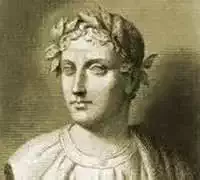
Horácio
BkI:XXV A Prophecy of Age
BkI:XXV A Prophecy of Age
Now the young men come less often, violently
beating your shutters, with blow after blow, or
stealing away your sleep, while the door sits tight,
hugging the threshold,
yet was once known to move its hinges, more than
readily. You’ll hear, less and less often now:
‘Are you sleeping, Lydia, while your lover
dies in the long night?’
Old, in your turn, you’ll bemoan coarse adulterers,
as you tremble in some deserted alley,
while the Thracian wind rages, furiously,
through the moonless nights,
while flagrant desire, libidinous passion,
those powers that will spur on a mare in heat,
will storm all around your corrupted heart, ah,
and you’ll complain,
that the youths, filled with laughter, take more delight
in the green ivy, the dark of the myrtle,
leaving the withering leaves to this East wind,
winter’s accomplice.
Now the young men come less often, violently
beating your shutters, with blow after blow, or
stealing away your sleep, while the door sits tight,
hugging the threshold,
yet was once known to move its hinges, more than
readily. You’ll hear, less and less often now:
‘Are you sleeping, Lydia, while your lover
dies in the long night?’
Old, in your turn, you’ll bemoan coarse adulterers,
as you tremble in some deserted alley,
while the Thracian wind rages, furiously,
through the moonless nights,
while flagrant desire, libidinous passion,
those powers that will spur on a mare in heat,
will storm all around your corrupted heart, ah,
and you’ll complain,
that the youths, filled with laughter, take more delight
in the green ivy, the dark of the myrtle,
leaving the withering leaves to this East wind,
winter’s accomplice.
253
Horácio
BkI:XXVII Entanglement
BkI:XXVII Entanglement
To fight with wine-cups intended for pleasure
only suits Thracians: forget those barbarous
games, and keep modest Bacchus away
from all those bloodthirsty quarrels of yours.
The Persian scimitar’s quite out of keeping
with the wine and the lamplight: my friends restrain
all that impious clamour, and rest
on the couches, lean back on your elbows.
So you want me to drink up my share, as well,
of the heavy Falernian? Then let’s hear
Opuntian Megylla’s brother tell
by what wound, and what arrow, blessed, he dies.
Does your will waver? I’ll drink on no other
terms. Whatever the passion rules over you,
it’s not with a shameful fire it burns,
and you always sin with the noblest
of lovers. Whoever it is, ah, come now,
let it be heard by faithful ears – oh, you wretch!
What a Charybdis you’re swimming in,
my boy, you deserve a far better flame!
What magician, with Thessalian potions,
what enchantress, or what god could release you?
Caught by the triple-formed Chimaera,
even Pegasus could barely free you.
To fight with wine-cups intended for pleasure
only suits Thracians: forget those barbarous
games, and keep modest Bacchus away
from all those bloodthirsty quarrels of yours.
The Persian scimitar’s quite out of keeping
with the wine and the lamplight: my friends restrain
all that impious clamour, and rest
on the couches, lean back on your elbows.
So you want me to drink up my share, as well,
of the heavy Falernian? Then let’s hear
Opuntian Megylla’s brother tell
by what wound, and what arrow, blessed, he dies.
Does your will waver? I’ll drink on no other
terms. Whatever the passion rules over you,
it’s not with a shameful fire it burns,
and you always sin with the noblest
of lovers. Whoever it is, ah, come now,
let it be heard by faithful ears – oh, you wretch!
What a Charybdis you’re swimming in,
my boy, you deserve a far better flame!
What magician, with Thessalian potions,
what enchantress, or what god could release you?
Caught by the triple-formed Chimaera,
even Pegasus could barely free you.
247
Horácio
BkI:XXII Singing of Lalage (Integer Vitae)
BkI:XXII Singing of Lalage (Integer Vitae)
The man who is pure of life, and free of sin,
has no need, dear Fuscus, for Moorish javelins,
nor a bow and a quiver, fully loaded
with poisoned arrows,
whether his path’s through the sweltering Syrtes,
or through the inhospitable Caucasus,
or makes its way through those fabulous regions
Hydaspes waters.
While I was wandering, beyond the boundaries
of my farm, in the Sabine woods, and singing
free from care, lightly-defended, of my Lalage,
a wolf fled from me:
a monster not even warlike Apulia
nourishes deep in its far-flung oak forests,
or that Juba’s parched Numidian land breeds,
nursery of lions.
Set me down on the lifeless plains, where no trees
spring to life in the burning midsummer wind,
that wide stretch of the world that’s burdened by mists
and a gloomy sky:
set me down in a land denied habitation,
where the sun’s chariot rumbles too near the earth:
I’ll still be in love with my sweetly laughing,
sweet talking Lalage.
The man who is pure of life, and free of sin,
has no need, dear Fuscus, for Moorish javelins,
nor a bow and a quiver, fully loaded
with poisoned arrows,
whether his path’s through the sweltering Syrtes,
or through the inhospitable Caucasus,
or makes its way through those fabulous regions
Hydaspes waters.
While I was wandering, beyond the boundaries
of my farm, in the Sabine woods, and singing
free from care, lightly-defended, of my Lalage,
a wolf fled from me:
a monster not even warlike Apulia
nourishes deep in its far-flung oak forests,
or that Juba’s parched Numidian land breeds,
nursery of lions.
Set me down on the lifeless plains, where no trees
spring to life in the burning midsummer wind,
that wide stretch of the world that’s burdened by mists
and a gloomy sky:
set me down in a land denied habitation,
where the sun’s chariot rumbles too near the earth:
I’ll still be in love with my sweetly laughing,
sweet talking Lalage.
237
Horácio
BkI:VII Tibur
BkI:VII Tibur
Let others sing in praise of Rhodes, or Mytilene,
or Ephesus, or Corinth on the Isthmus,
or Thebes that’s known for Bacchus, or Apollo’s isle
of Delphi, or Thessalian Tempe.
There’s some whose only purpose is to celebrate
virgin Athene’s city forever,
and set indiscriminately gathered olive on their heads.
Many a poet in honour of Juno
will speak fittingly of horses, Argos, rich Mycenae.
As for me not even stubborn Sparta
or the fields of lush Larisa are quite as striking,
as Albunea’s echoing cavern,
her headlong Anio, and the groves of Tiburnus,
and Tibur’s orchards, white with flowing streams.
Bright Notus from the south often blows away the clouds
from dark skies, without bringing endless rain,
so Plancus, my friend, remember to end a sad life
and your troubles, wisely, with sweet wine,
whether it’s the camp, and gleaming standards, that hold you
or the deep shadows of your own Tibur.
They say that Teucer, fleeing from Salamis and his
father, still wreathed the garlands, leaves of poplar,
round his forehead, flushed with wine, and in speech to his friends
said these words to them as they sorrowed:
‘Wherever fortune carries us, kinder than my father,
there, O friends and comrades, we’ll adventure!
Never despair, if Teucer leads, of Teucer’s omens!
Unerring Apollo surely promised,
in the uncertain future, a second Salamis
on a fresh soil. O you brave heroes, you
who suffered worse with me often, drown your cares with wine:
tomorrow we’ll sail the wide seas again.’
Let others sing in praise of Rhodes, or Mytilene,
or Ephesus, or Corinth on the Isthmus,
or Thebes that’s known for Bacchus, or Apollo’s isle
of Delphi, or Thessalian Tempe.
There’s some whose only purpose is to celebrate
virgin Athene’s city forever,
and set indiscriminately gathered olive on their heads.
Many a poet in honour of Juno
will speak fittingly of horses, Argos, rich Mycenae.
As for me not even stubborn Sparta
or the fields of lush Larisa are quite as striking,
as Albunea’s echoing cavern,
her headlong Anio, and the groves of Tiburnus,
and Tibur’s orchards, white with flowing streams.
Bright Notus from the south often blows away the clouds
from dark skies, without bringing endless rain,
so Plancus, my friend, remember to end a sad life
and your troubles, wisely, with sweet wine,
whether it’s the camp, and gleaming standards, that hold you
or the deep shadows of your own Tibur.
They say that Teucer, fleeing from Salamis and his
father, still wreathed the garlands, leaves of poplar,
round his forehead, flushed with wine, and in speech to his friends
said these words to them as they sorrowed:
‘Wherever fortune carries us, kinder than my father,
there, O friends and comrades, we’ll adventure!
Never despair, if Teucer leads, of Teucer’s omens!
Unerring Apollo surely promised,
in the uncertain future, a second Salamis
on a fresh soil. O you brave heroes, you
who suffered worse with me often, drown your cares with wine:
tomorrow we’ll sail the wide seas again.’
267
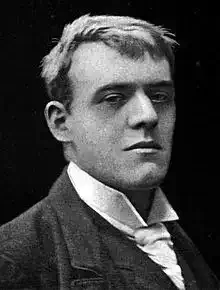
Hilaire Belloc
Her Final Role
Her Final Role
This man's desire; that other's hopeless end;
A third's capricious tyrant: and my friend.
This man's desire; that other's hopeless end;
A third's capricious tyrant: and my friend.
400
Hilaire Belloc
Heroic Poem in Praise of Wine
Heroic Poem in Praise of Wine
To exalt, enthrone, establish and defend,
To welcome home mankind's mysterious friend
Wine, true begetter of all arts that be;
Wine, privilege of the completely free;
Wine the recorder; wine the sagely strong;
Wine, bright avenger of sly-dealing wrong,
Awake, Ausonian Muse, and sing the vineyard song!
Sing how the Charioteer from Asia came,
And on his front the little dancing flame
Which marked the God-head. Sing the Panther-team,
The gilded Thrysus twirling, and the gleam
Of cymbals through the darkness. Sing the drums.
He comes; the young renewer of Hellas comes!
The Seas await him. Those Aegean Seas
Roll from the dawning, ponderous, ill at ease,
In lifts of lead, whose cresting hardly breaks
To ghostly foam, when suddenly there awakes
A mountain glory inland. All the skies
Are luminous; and amid the sea bird cries
The mariner hears a morning breeze arise.
Then goes the Pageant forward. The sea-way
Silvers the feet of that august array
Trailing above the waters, through the airs;
And as they pass a wind before them bears
The quickening word, the influence magical.
The Islands have received it, marble-tall;
The long shores of the mainland. Something fills
The warm Euboean combes, the sacred hills
Of Aulis and of Argos. Still they move
Touching the City walls, the Temple grove,
Till, far upon the horizon-glint, a gleam
Of light, of trembling light, revealed they seem
Turned to a cloud, but to a cloud that shines,
And everywhere as they pass, the Vines! The Vines!
The Vines, the conquering Vines! And the Vine
breaths
Her savour through the upland, empty heaths
Of treeless wastes; the Vines have come to where
The dark Pelasgian steep defends the lair
Of the wolf's hiding; to the empty fields
By Aufidus, the dry campaign that yields
No harvest for the husbandman, but now
Shall bear a nobler foison than the plough;
To where, festooned along the tall elm trees,
Tendrils are mirrored in Tyrrhenian seas;
To where the South awaits them; even to where
Stark, African informed of burning air,
Upturned to Heaven the broad Hipponian plain
Extends luxurious and invites the main.
Guelma's a mother: barren Thaspsa breeds;
And northward in the valleys, next the meads
That sleep by misty river banks, the Vines
Have struck to spread below the solemn pines.
The Vines are on the roof-trees. All the Shrines
And Homes of men are consecrate with Vines.
And now the task of that triumphant day
Has reached to victory. In the reddening ray
With all his train, from hard Iberian lands
Fulfilled, apparent, that Creator stands
Halted on Atlas. Far Beneath him, far,
The strength of Ocean darkening and the star
Beyond all shores. There is a silence made.
It glorifies: and the gigantic shade
Of Hercules adores him from the West.
Dead Lucre: burnt Ambition: Wine is best.
But what are these that from the outer murk
Of dense mephitic vapours creeping lurk
To breathe foul airs from that corrupted well
Which oozes slime along the floor of Hell?
These are the stricken palsied brood of sin
In whose vile veins, poor, poisonous and thin,
Decoctions of embittered hatreds crawl:
These are the Water-Drinkers, cursed all!
On what gin-sodden Hags, what flaccid sires
Bred these White Slugs from what exhaust desires?
In what close prison's horror were their wiles
Watched by what tyrant power with evil smiles;
Or in what caverns, blocked from grace and air
Received they, then, the mandates of despair?
What! Must our race, our tragic race, that roam
All exiled from our first, and final, home:
That in one moment of temptation lost
Our heritage, and now wander, hunger-tost
Beyond the Gates (still speaking with our eyes
For ever of remembered Paradise),
Must we with every gift accepted, still,
With every joy, receive attendant ill?
Must some lewd evil follow all our good
And muttering dog our brief beatitude?
A primal doom, inexorable, wise,
Permitted, ordered, even these to rise.
Even in the shadow of so bright a Lord
Must swarm and propagate the filthy horde
Debased, accursed I say, abhorrent and abhorred.
Accursed and curse-bestowing. For whosoe'er
Shall suffer their contagion, everywhere
Falls from the estate of man and finds his end
To the mere beverage of the beast condemned.
For such as these in vain the Rhine has rolled
Imperial centuries by hills of gold;
For such as these the flashing Rhone shall rage
In vain its lightning through the Hermitage
Or level-browed divine Touraine receive
The tribute of her vintages at eve.
For such as these Burgundian heats in vain
Swell the rich slope or load the empurpled plain.
Bootless for such as these the mighty task
Of bottling God the Father in a flask
And leading all Creation down distilled
To one small ardent sphere immensely filled.
With memories empty, with experience null,
With vapid eye-balls meaningless and dull
They pass unblest through the unfruitful light;
And when we open the bronze doors of Night,
When we in high carousal, we reclined,
Spur up to Heaven the still ascending mind,
Pass with the all inspiring, to and fro,
The torch of genius and the Muse's glow,
They, lifeless, stare at vacancy alone
Or plan mean traffic, or repeat their moan.
We, when repose demands us, welcomed are
In young white arms, like our great Exemplar
Who, wearied with creation, takes his rest
And sinks to sleep on Ariadne's breast.
They through the darkness into darkness press
Despised, abandoned and companionless.
And when the course of either's sleep has run
We leap to life like heralds of the sun;
We from the couch in roseate mornings gay
Salute as equals the exultant day
While they, the unworthy, unrewarded, they
The dank despisers of the Vine, arise
To watch grey dawns and mourn indifferent skies.
Forget them! Form the Dionysian ring
And pulse the ground, and Io, Io, sing.
Father Lenaean, to whom our strength belongs,
Our loves, our wars, our laughter and our songs,
Remember our inheritance, who praise
Your glory in these last unhappy days
When beauty sickens and a muddied robe
Of baseness fouls the universal globe.
Though all the Gods indignant and their train
Abandon ruined man, do thou remain!
By thee the vesture of our life was made,
The Embattled Gate, the lordly Colonnade,
The woven fabric's gracious hues, the sound
Of trumpets, and the quivering fountain-round,
And, indestructible, the Arch, and, high,
The Shaft of Stone that stands against the sky,
And, last, the guardian-genius of them, Rhyme,
Come from beyond the world to conquer time:
All these are thine, Lenaean.
By thee do seers the inward light discern;
By thee the statue lives, the Gods return;
By thee the thunder and the falling foam
Of loud Acquoria's torrent call to Rome;
Alba rejoices in a thousand springs,
Gensano laughs, and Orvieto sings...
But, Ah! With Orvieto, with that name
Of dark, Eturian, subterranean flame
The years dissolve. I am standing in that hour
Of majesty Septembral, and the power
Which swells the clusters when the nights are still
With autumn stars on Orvieto hill.
Had these been mine, Ausonian Muse, to know
The large contented oxen heaving slow;
To count my sheaves at harvest; so to spend
Perfected days in peace until the end;
With every evening's dust of gold to hear
The bells upon the pasture height, the clear
Full horn of herdsmen gathering in the kine
To ancient byres in hamlets Appenine,
And crown abundant age with generous ease:
Had these, Ausonian Muse, had these, had these.....
But since I would not, since I could not stay,
Let me remember even in this my day
How, when the ephemeral vision's lure is past
All, all, must face their Passion at the last
Was there not one that did to Heaven complain
How, driving through the midnight and the rain,
He struck, the Atlantic seethe and surge before,
Wrecked in the North along a lonely shore
To make the lights of home and hear his name no
more.
Was there not one that from a desperate field
Rode with no guerdon but a rifted shield;
A name disherited; a broken sword;
Wounds unrenowned; battle beneath no Lord;
Strong blows, but on the void, and toil without
reward.
When from the waste of such long labour done
I too must leave the grape-ennobling sun
And like the vineyard worker take my way
Down the long shadows of declining day,
Bend on the sombre plain my clouded sight
And leave the mountain to the advancing night,
Come to the term of all that was mine own
With nothingness before me, and alone;
Then to what hope of answer shall I turn?
Comrade-Commander whom I dared not earn,
What said You then to trembling friends and
few?
"A moment, and I drink it with you new:
But in my Father's Kingdom." So, my Friend,
Let not Your cup desert me in the end.
But when the hour of mine adventure's near
Just and benignant, let my youth appear
Bearing a Chalice, open, golden, wide,
With benediction graven on its side.
So touch my dying lip: so bridge that deep:
So pledge my waking from the gift of sleep,
And, sacramental, raise me the Divine:
Strong brother in God and last companion, Wine.
To exalt, enthrone, establish and defend,
To welcome home mankind's mysterious friend
Wine, true begetter of all arts that be;
Wine, privilege of the completely free;
Wine the recorder; wine the sagely strong;
Wine, bright avenger of sly-dealing wrong,
Awake, Ausonian Muse, and sing the vineyard song!
Sing how the Charioteer from Asia came,
And on his front the little dancing flame
Which marked the God-head. Sing the Panther-team,
The gilded Thrysus twirling, and the gleam
Of cymbals through the darkness. Sing the drums.
He comes; the young renewer of Hellas comes!
The Seas await him. Those Aegean Seas
Roll from the dawning, ponderous, ill at ease,
In lifts of lead, whose cresting hardly breaks
To ghostly foam, when suddenly there awakes
A mountain glory inland. All the skies
Are luminous; and amid the sea bird cries
The mariner hears a morning breeze arise.
Then goes the Pageant forward. The sea-way
Silvers the feet of that august array
Trailing above the waters, through the airs;
And as they pass a wind before them bears
The quickening word, the influence magical.
The Islands have received it, marble-tall;
The long shores of the mainland. Something fills
The warm Euboean combes, the sacred hills
Of Aulis and of Argos. Still they move
Touching the City walls, the Temple grove,
Till, far upon the horizon-glint, a gleam
Of light, of trembling light, revealed they seem
Turned to a cloud, but to a cloud that shines,
And everywhere as they pass, the Vines! The Vines!
The Vines, the conquering Vines! And the Vine
breaths
Her savour through the upland, empty heaths
Of treeless wastes; the Vines have come to where
The dark Pelasgian steep defends the lair
Of the wolf's hiding; to the empty fields
By Aufidus, the dry campaign that yields
No harvest for the husbandman, but now
Shall bear a nobler foison than the plough;
To where, festooned along the tall elm trees,
Tendrils are mirrored in Tyrrhenian seas;
To where the South awaits them; even to where
Stark, African informed of burning air,
Upturned to Heaven the broad Hipponian plain
Extends luxurious and invites the main.
Guelma's a mother: barren Thaspsa breeds;
And northward in the valleys, next the meads
That sleep by misty river banks, the Vines
Have struck to spread below the solemn pines.
The Vines are on the roof-trees. All the Shrines
And Homes of men are consecrate with Vines.
And now the task of that triumphant day
Has reached to victory. In the reddening ray
With all his train, from hard Iberian lands
Fulfilled, apparent, that Creator stands
Halted on Atlas. Far Beneath him, far,
The strength of Ocean darkening and the star
Beyond all shores. There is a silence made.
It glorifies: and the gigantic shade
Of Hercules adores him from the West.
Dead Lucre: burnt Ambition: Wine is best.
But what are these that from the outer murk
Of dense mephitic vapours creeping lurk
To breathe foul airs from that corrupted well
Which oozes slime along the floor of Hell?
These are the stricken palsied brood of sin
In whose vile veins, poor, poisonous and thin,
Decoctions of embittered hatreds crawl:
These are the Water-Drinkers, cursed all!
On what gin-sodden Hags, what flaccid sires
Bred these White Slugs from what exhaust desires?
In what close prison's horror were their wiles
Watched by what tyrant power with evil smiles;
Or in what caverns, blocked from grace and air
Received they, then, the mandates of despair?
What! Must our race, our tragic race, that roam
All exiled from our first, and final, home:
That in one moment of temptation lost
Our heritage, and now wander, hunger-tost
Beyond the Gates (still speaking with our eyes
For ever of remembered Paradise),
Must we with every gift accepted, still,
With every joy, receive attendant ill?
Must some lewd evil follow all our good
And muttering dog our brief beatitude?
A primal doom, inexorable, wise,
Permitted, ordered, even these to rise.
Even in the shadow of so bright a Lord
Must swarm and propagate the filthy horde
Debased, accursed I say, abhorrent and abhorred.
Accursed and curse-bestowing. For whosoe'er
Shall suffer their contagion, everywhere
Falls from the estate of man and finds his end
To the mere beverage of the beast condemned.
For such as these in vain the Rhine has rolled
Imperial centuries by hills of gold;
For such as these the flashing Rhone shall rage
In vain its lightning through the Hermitage
Or level-browed divine Touraine receive
The tribute of her vintages at eve.
For such as these Burgundian heats in vain
Swell the rich slope or load the empurpled plain.
Bootless for such as these the mighty task
Of bottling God the Father in a flask
And leading all Creation down distilled
To one small ardent sphere immensely filled.
With memories empty, with experience null,
With vapid eye-balls meaningless and dull
They pass unblest through the unfruitful light;
And when we open the bronze doors of Night,
When we in high carousal, we reclined,
Spur up to Heaven the still ascending mind,
Pass with the all inspiring, to and fro,
The torch of genius and the Muse's glow,
They, lifeless, stare at vacancy alone
Or plan mean traffic, or repeat their moan.
We, when repose demands us, welcomed are
In young white arms, like our great Exemplar
Who, wearied with creation, takes his rest
And sinks to sleep on Ariadne's breast.
They through the darkness into darkness press
Despised, abandoned and companionless.
And when the course of either's sleep has run
We leap to life like heralds of the sun;
We from the couch in roseate mornings gay
Salute as equals the exultant day
While they, the unworthy, unrewarded, they
The dank despisers of the Vine, arise
To watch grey dawns and mourn indifferent skies.
Forget them! Form the Dionysian ring
And pulse the ground, and Io, Io, sing.
Father Lenaean, to whom our strength belongs,
Our loves, our wars, our laughter and our songs,
Remember our inheritance, who praise
Your glory in these last unhappy days
When beauty sickens and a muddied robe
Of baseness fouls the universal globe.
Though all the Gods indignant and their train
Abandon ruined man, do thou remain!
By thee the vesture of our life was made,
The Embattled Gate, the lordly Colonnade,
The woven fabric's gracious hues, the sound
Of trumpets, and the quivering fountain-round,
And, indestructible, the Arch, and, high,
The Shaft of Stone that stands against the sky,
And, last, the guardian-genius of them, Rhyme,
Come from beyond the world to conquer time:
All these are thine, Lenaean.
By thee do seers the inward light discern;
By thee the statue lives, the Gods return;
By thee the thunder and the falling foam
Of loud Acquoria's torrent call to Rome;
Alba rejoices in a thousand springs,
Gensano laughs, and Orvieto sings...
But, Ah! With Orvieto, with that name
Of dark, Eturian, subterranean flame
The years dissolve. I am standing in that hour
Of majesty Septembral, and the power
Which swells the clusters when the nights are still
With autumn stars on Orvieto hill.
Had these been mine, Ausonian Muse, to know
The large contented oxen heaving slow;
To count my sheaves at harvest; so to spend
Perfected days in peace until the end;
With every evening's dust of gold to hear
The bells upon the pasture height, the clear
Full horn of herdsmen gathering in the kine
To ancient byres in hamlets Appenine,
And crown abundant age with generous ease:
Had these, Ausonian Muse, had these, had these.....
But since I would not, since I could not stay,
Let me remember even in this my day
How, when the ephemeral vision's lure is past
All, all, must face their Passion at the last
Was there not one that did to Heaven complain
How, driving through the midnight and the rain,
He struck, the Atlantic seethe and surge before,
Wrecked in the North along a lonely shore
To make the lights of home and hear his name no
more.
Was there not one that from a desperate field
Rode with no guerdon but a rifted shield;
A name disherited; a broken sword;
Wounds unrenowned; battle beneath no Lord;
Strong blows, but on the void, and toil without
reward.
When from the waste of such long labour done
I too must leave the grape-ennobling sun
And like the vineyard worker take my way
Down the long shadows of declining day,
Bend on the sombre plain my clouded sight
And leave the mountain to the advancing night,
Come to the term of all that was mine own
With nothingness before me, and alone;
Then to what hope of answer shall I turn?
Comrade-Commander whom I dared not earn,
What said You then to trembling friends and
few?
"A moment, and I drink it with you new:
But in my Father's Kingdom." So, my Friend,
Let not Your cup desert me in the end.
But when the hour of mine adventure's near
Just and benignant, let my youth appear
Bearing a Chalice, open, golden, wide,
With benediction graven on its side.
So touch my dying lip: so bridge that deep:
So pledge my waking from the gift of sleep,
And, sacramental, raise me the Divine:
Strong brother in God and last companion, Wine.
705
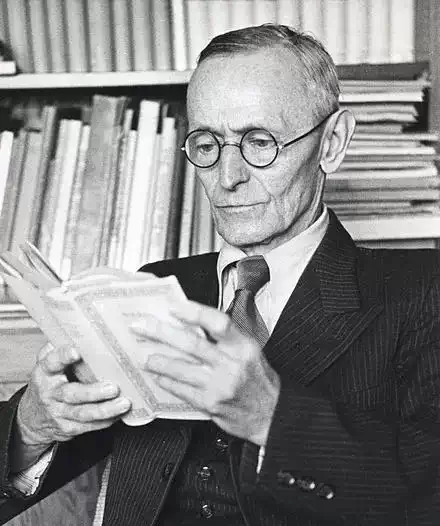
Hermann Hesse
In Secret We Thirst
In Secret We Thirst
Graceful, spiritual,
with the gentleness of arabesques
our life is similar
to the existence of fairies
that spin in soft cadence
around nothingness
to which we sacrifice
the here and now
Dreams of beauty, youthful joy
like a breath in pure harmony
with the depth of your young surface
where sparkles the longing for the night
for blood and barbarity
In the emptiness, spinning, without aims or needs
dance free our lives
always ready for the game
yet, secretly, we thirst for reality
for the conceiving, for the birth
we are thirst for sorrows and death
Graceful, spiritual,
with the gentleness of arabesques
our life is similar
to the existence of fairies
that spin in soft cadence
around nothingness
to which we sacrifice
the here and now
Dreams of beauty, youthful joy
like a breath in pure harmony
with the depth of your young surface
where sparkles the longing for the night
for blood and barbarity
In the emptiness, spinning, without aims or needs
dance free our lives
always ready for the game
yet, secretly, we thirst for reality
for the conceiving, for the birth
we are thirst for sorrows and death
620
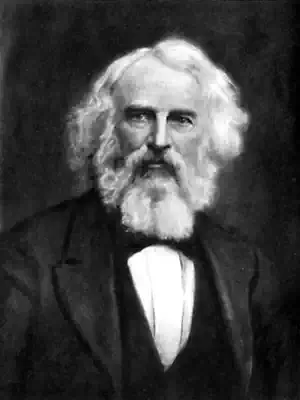
Henry Wadsworth Longfellow
Youth And Age. (Sonnet III.)
Youth And Age. (Sonnet III.)
Oh give me back the days when loose and free
To my blind passion were the curb and rein,
Oh give me back the angelic face again,
With which all virtue buried seems to be!
Oh give my panting footsteps back to me,
That are in age so slow and fraught with pain,
And fire and moisture in the heart and brain,
If thou wouldst have me burn and weep for thee!
If it be true thou livest alone, Amor,
On the sweet-bitter tears of human hearts,
In an old man thou canst not wake desire;
Souls that have almost reached the other shore
Of a diviner love should feel the darts,
And be as tinder to a holier fire.
Oh give me back the days when loose and free
To my blind passion were the curb and rein,
Oh give me back the angelic face again,
With which all virtue buried seems to be!
Oh give my panting footsteps back to me,
That are in age so slow and fraught with pain,
And fire and moisture in the heart and brain,
If thou wouldst have me burn and weep for thee!
If it be true thou livest alone, Amor,
On the sweet-bitter tears of human hearts,
In an old man thou canst not wake desire;
Souls that have almost reached the other shore
Of a diviner love should feel the darts,
And be as tinder to a holier fire.
406
Henry Wadsworth Longfellow
The Dwarves
The Dwarves
Loke sat and thought, till his dark eyes gleam
With joy at the deed he'd done;
When Sif looked into the crystal stream,
Her courage was wellnigh gone.
For never again her soft amber hair
Shall she braid with her hands of snow;
From the hateful image she turned in despair,
And hot tears began to flow.
In a cavern's mouth, like a crafty fox,
Loke sat 'neath the tall pine's shade,
When sudden a thundering was heard in the rocks,
And fearfully trembled the glade.
Then he knew that the noise good boded him naught,
He knew that 't was Thor who was coming;
He changed himself straight to a salmon trout,
And leaped in a fright in the Glommen.
But Thor changed too, to a huge seagull,
And the salmon trout seized in his beak;
He cried: Thou, traitor, I know thee well,
And dear shalt thou pay thy freak!
Thy caitiff's bones to a meal I'll pound,
As a millstone crusheth the grain.
When Loke that naught booted his magic found,
He took straight his own form again.
And what if thou scatter'st my limbs in air?
He spake, will it mend thy case?
Will it gain back for Sif a single hair?
Thou 'lt still a bald spouse embrace.
But if now thou 'lt pardon my heedless joke,--
For malice sure meant I none,--
I swear to thee here, by root, billow and rock,
By the moss on the Beata-stone,
By Mimer's well, and by Odin's eye,
And by Mjolmer, greatest of all,
That straight to the secret caves I'll hie,
To the dwarfs, my kinsmen small;
And thence for Sif new tresses I'll bring
Of gold ere the daylight's gone,
So that she will liken a field in spring,
With its yellow-flowered garment on.
* * * * * * * * * * *
Loke promised so well with his glozing tongue
That the Asas at length let him go,
And he sank in the earth, the dark rocks among,
Near the cold-fountain, far below.
He crept on his belly, as supple as eel,
The cracks in the hard granite through,
Till he came where the dwarfs stood hammering steel,
By the light of a furnace blue.
I trow 't was a goodly sight to see
The dwarfs, with their aprons on,
A-hammering and smelting so busily
Pure gold from the rough brown stone.
Rock crystals from sand and hard flint they made,
Which, tinged with the rosebud's dye,
They cast into rubies and carbuncles red,
And hid them in cracks hard by.
They took them fresh violets all dripping with dew,
Dwarf women had plucked them, the morn,--
And stained with their juice the clear sapphires blue,
King Dan in his crown since hath worn.
Then for emeralds they searched out the brightest green
Which the young spring meadow wears,
And dropped round pearls, without flaw or stain,
From widows' and maidens' tears.
* * * * * * * * * * *
When Loke to the dwarfs had his errand made known,
In a trice for the work they were ready;
Quoth Dvalin: O Lopter, it now shall be shown
That dwarfs in their friendship are steady.
We both trace our line from the selfsame stock;
What you ask shall be furnished with speed,
For it ne'er shall be said that the sons of the rock
Turned their backs on a kinsman in need.
They took them the skin of a large wild-boar,
The largest that they could find,
And the bellows they blew till the furnace 'gan roar,
And the fire flamed on high for the wind.
And they struck with their sledge-hammers stroke on stroke,
That the sparks from the skin flew on high,
But never a word good or bad spoke Loke,
Though foul malice lurked in his eye.
The thunderer far distant, with sorrow he thought
On all he'd engaged to obtain,
And, as summer-breeze fickle, now anxiously sought
To render the dwarf's labour vain.
Whilst the bellows plied Brok, and Sindre the hammer,
And Thor, that the sparks flew on high,
And the slides of the vaulted cave rang with the clamour,
Loke changed to a huge forest-fly.
And he sat him all swelling with venom and spite,
On Brok, the wrist just below;
But the dwarf's skin was thick, and he recked not the bite,
Nor once ceased the bellows to blow.
And now, strange to say, from the roaring fire
Came the golden-haired Gullinburste,
To serve as a charger the sun-god Frey,
Sure, of all wild-boars this the first.
They took them pure gold from their secret store.
The piece 't was but small in size,
But ere 't had been long n the furnace roar,
'T was a jewel beyond all prize.
A broad red ring all of wroughten gold,
As a snake with its tail in its head,
And a garland of gems did the rim enfold,
Together with rare art laid.
'T was solid and heavy, and wrought with care,
Thrice it passed through the white flames' glow;
A ring to produce, fit for Odin to wear,
No labour they spared, I trow.
They worked it and turned it with wondrous skill,
Till they gave it the virtue rare,
That each thrice third night from its rim there fell
Eight rings, as their parent fair.
* * * * * * * * * * *
Next they laid on the anvil a steel-bar cold,
They needed nor fire nor file;
But their sledge-hammers, following, like thunder rolled,
And Sindre sang runes the while.
When Loke now marked how the steel gat power,
And how warily out 't was beat
--'T was to make a new hammer for Ake-Thor,-He'd
recourse once more to deceit.
In a trice, of a hornet the semblance he took,
Whilst in cadence fell blow on blow,
In the leading dwarf's forehead his barbed sting he stuck,
That the blood in a stream down did flow.
Then the dwarf raised his hand to his brow for the smart,
Ere the iron well out was beat,
And they found that the haft by an inch was too short,
But to alter it then 't was too late.
* * * * * * * * * * *
His object attained, Loke no longer remained
'Neath the earth, but straight hied him to Thor,
Who owned than the hair ne'er, sure, aught more fair
His eyes had e'er looked on before.
The boar Frey bestrode, and away proudly rode,
And Thor took the ringlets and hammer;
To Valhal they hied, where the Asas reside,
'Mid of tilting and wassail the clamour.
At a full solemn ting, Thor gave Odin the ring,
And Loke his foul treachery pardoned;
But the pardon was vain, for his crimes soon again
Must do penance the arch-sinner hardened.
Loke sat and thought, till his dark eyes gleam
With joy at the deed he'd done;
When Sif looked into the crystal stream,
Her courage was wellnigh gone.
For never again her soft amber hair
Shall she braid with her hands of snow;
From the hateful image she turned in despair,
And hot tears began to flow.
In a cavern's mouth, like a crafty fox,
Loke sat 'neath the tall pine's shade,
When sudden a thundering was heard in the rocks,
And fearfully trembled the glade.
Then he knew that the noise good boded him naught,
He knew that 't was Thor who was coming;
He changed himself straight to a salmon trout,
And leaped in a fright in the Glommen.
But Thor changed too, to a huge seagull,
And the salmon trout seized in his beak;
He cried: Thou, traitor, I know thee well,
And dear shalt thou pay thy freak!
Thy caitiff's bones to a meal I'll pound,
As a millstone crusheth the grain.
When Loke that naught booted his magic found,
He took straight his own form again.
And what if thou scatter'st my limbs in air?
He spake, will it mend thy case?
Will it gain back for Sif a single hair?
Thou 'lt still a bald spouse embrace.
But if now thou 'lt pardon my heedless joke,--
For malice sure meant I none,--
I swear to thee here, by root, billow and rock,
By the moss on the Beata-stone,
By Mimer's well, and by Odin's eye,
And by Mjolmer, greatest of all,
That straight to the secret caves I'll hie,
To the dwarfs, my kinsmen small;
And thence for Sif new tresses I'll bring
Of gold ere the daylight's gone,
So that she will liken a field in spring,
With its yellow-flowered garment on.
* * * * * * * * * * *
Loke promised so well with his glozing tongue
That the Asas at length let him go,
And he sank in the earth, the dark rocks among,
Near the cold-fountain, far below.
He crept on his belly, as supple as eel,
The cracks in the hard granite through,
Till he came where the dwarfs stood hammering steel,
By the light of a furnace blue.
I trow 't was a goodly sight to see
The dwarfs, with their aprons on,
A-hammering and smelting so busily
Pure gold from the rough brown stone.
Rock crystals from sand and hard flint they made,
Which, tinged with the rosebud's dye,
They cast into rubies and carbuncles red,
And hid them in cracks hard by.
They took them fresh violets all dripping with dew,
Dwarf women had plucked them, the morn,--
And stained with their juice the clear sapphires blue,
King Dan in his crown since hath worn.
Then for emeralds they searched out the brightest green
Which the young spring meadow wears,
And dropped round pearls, without flaw or stain,
From widows' and maidens' tears.
* * * * * * * * * * *
When Loke to the dwarfs had his errand made known,
In a trice for the work they were ready;
Quoth Dvalin: O Lopter, it now shall be shown
That dwarfs in their friendship are steady.
We both trace our line from the selfsame stock;
What you ask shall be furnished with speed,
For it ne'er shall be said that the sons of the rock
Turned their backs on a kinsman in need.
They took them the skin of a large wild-boar,
The largest that they could find,
And the bellows they blew till the furnace 'gan roar,
And the fire flamed on high for the wind.
And they struck with their sledge-hammers stroke on stroke,
That the sparks from the skin flew on high,
But never a word good or bad spoke Loke,
Though foul malice lurked in his eye.
The thunderer far distant, with sorrow he thought
On all he'd engaged to obtain,
And, as summer-breeze fickle, now anxiously sought
To render the dwarf's labour vain.
Whilst the bellows plied Brok, and Sindre the hammer,
And Thor, that the sparks flew on high,
And the slides of the vaulted cave rang with the clamour,
Loke changed to a huge forest-fly.
And he sat him all swelling with venom and spite,
On Brok, the wrist just below;
But the dwarf's skin was thick, and he recked not the bite,
Nor once ceased the bellows to blow.
And now, strange to say, from the roaring fire
Came the golden-haired Gullinburste,
To serve as a charger the sun-god Frey,
Sure, of all wild-boars this the first.
They took them pure gold from their secret store.
The piece 't was but small in size,
But ere 't had been long n the furnace roar,
'T was a jewel beyond all prize.
A broad red ring all of wroughten gold,
As a snake with its tail in its head,
And a garland of gems did the rim enfold,
Together with rare art laid.
'T was solid and heavy, and wrought with care,
Thrice it passed through the white flames' glow;
A ring to produce, fit for Odin to wear,
No labour they spared, I trow.
They worked it and turned it with wondrous skill,
Till they gave it the virtue rare,
That each thrice third night from its rim there fell
Eight rings, as their parent fair.
* * * * * * * * * * *
Next they laid on the anvil a steel-bar cold,
They needed nor fire nor file;
But their sledge-hammers, following, like thunder rolled,
And Sindre sang runes the while.
When Loke now marked how the steel gat power,
And how warily out 't was beat
--'T was to make a new hammer for Ake-Thor,-He'd
recourse once more to deceit.
In a trice, of a hornet the semblance he took,
Whilst in cadence fell blow on blow,
In the leading dwarf's forehead his barbed sting he stuck,
That the blood in a stream down did flow.
Then the dwarf raised his hand to his brow for the smart,
Ere the iron well out was beat,
And they found that the haft by an inch was too short,
But to alter it then 't was too late.
* * * * * * * * * * *
His object attained, Loke no longer remained
'Neath the earth, but straight hied him to Thor,
Who owned than the hair ne'er, sure, aught more fair
His eyes had e'er looked on before.
The boar Frey bestrode, and away proudly rode,
And Thor took the ringlets and hammer;
To Valhal they hied, where the Asas reside,
'Mid of tilting and wassail the clamour.
At a full solemn ting, Thor gave Odin the ring,
And Loke his foul treachery pardoned;
But the pardon was vain, for his crimes soon again
Must do penance the arch-sinner hardened.
346
Henry Wadsworth Longfellow
The Artist. (Sonnet I.)
The Artist. (Sonnet I.)
Nothing the greatest artist can conceive
That every marble block doth not confine
Within itself; and only its design
The hand that follows intellect can achieve.
The ill I flee, the good that I believe,
In thee, fair lady, lofty and divine,
Thus hidden lie; and so that death be mine
Art, of desired success, doth me bereave.
Love is not guilty, then, nor thy fair face,
Nor fortune, cruelty, nor great disdain,
Of my disgrace, nor chance, nor destiny,
If in thy heart both death and love find place
At the same time, and if my humble brain,
Burning, can nothing draw but death from thee.
Nothing the greatest artist can conceive
That every marble block doth not confine
Within itself; and only its design
The hand that follows intellect can achieve.
The ill I flee, the good that I believe,
In thee, fair lady, lofty and divine,
Thus hidden lie; and so that death be mine
Art, of desired success, doth me bereave.
Love is not guilty, then, nor thy fair face,
Nor fortune, cruelty, nor great disdain,
Of my disgrace, nor chance, nor destiny,
If in thy heart both death and love find place
At the same time, and if my humble brain,
Burning, can nothing draw but death from thee.
273
Henry Wadsworth Longfellow
Hiawatha's Wedding-Feast
Hiawatha's Wedding-Feast
You shall hear how Pau-Puk-Keewis,
How the handsome Yenadizze
Danced at Hiawatha's wedding;
How the gentle Chibiabos,
He the sweetest of musicians,
Sang his songs of love and longing;
How Iagoo, the great boaster,
He the marvellous story-teller,
Told his tales of strange adventure,
That the feast might be more joyous,
That the time might pass more gayly,
And the guests be more contented.
Sumptuous was the feast Nokomis
Made at Hiawatha's wedding;
All the bowls were made of bass-wood,
White and polished very smoothly,
All the spoons of horn of bison,
Black and polished very smoothly.
She had sent through all the village
Messengers with wands of willow,
As a sign of invitation,
As a token of the feasting;
And the wedding guests assembled,
Clad in all their richest raiment,
Robes of fur and belts of wampum,
Splendid with their paint and plumage,
Beautiful with beads and tassels.
First they ate the sturgeon, Nahma,
And the pike, the Maskenozha,
Caught and cooked by old Nokomis;
Then on pemican they feasted,
Pemican and buffalo marrow,
Haunch of deer and hump of bison,
Yellow cakes of the Mondamin,
And the wild rice of the river.
But the gracious Hiawatha,
And the lovely Laughing Water,
And the careful old Nokomis,
Tasted not the food before them,
Only waited on the others
Only served their guests in silence.
And when all the guests had finished,
Old Nokomis, brisk and busy,
From an ample pouch of otter,
Filled the red-stone pipes for smoking
With tobacco from the South-land,
Mixed with bark of the red willow,
And with herbs and leaves of fragrance.
Then she said, "O Pau-Puk-Keewis,
Dance for us your merry dances,
Dance the Beggar's Dance to please us,
That the feast may be more joyous,
That the time may pass more gayly,
And our guests be more contented!"
Then the handsome Pau-Puk-Keewis,
He the idle Yenadizze,
He the merry mischief-maker,
Whom the people called the Storm-Fool,
Rose among the guests assembled.
Skilled was he in sports and pastimes,
In the merry dance of snow-shoes,
In the play of quoits and ball-play;
Skilled was he in games of hazard,
In all games of skill and hazard,
Pugasaing, the Bowl and Counters,
Kuntassoo, the Game of Plum-stones.
Though the warriors called him Faint-Heart,
Called him coward, Shaugodaya,
Idler, gambler, Yenadizze,
Little heeded he their jesting,
Little cared he for their insults,
For the women and the maidens
Loved the handsome Pau-Puk-Keewis.
He was dressed in shirt of doeskin,
White and soft, and fringed with ermine,
All inwrought with beads of wampum;
He was dressed in deer-skin leggings,
Fringed with hedgehog quills and ermine,
And in moccasins of buck-skin,
Thick with quills and beads embroidered.
On his head were plumes of swan's down,
On his heels were tails of foxes,
In one hand a fan of feathers,
And a pipe was in the other.
Barred with streaks of red and yellow,
Streaks of blue and bright vermilion,
Shone the face of Pau-Puk-Keewis.
From his forehead fell his tresses,
Smooth, and parted like a woman's,
Shining bright with oil, and plaited,
Hung with braids of scented grasses,
As among the guests assembled,
To the sound of flutes and singing,
To the sound of drums and voices,
Rose the handsome Pau-Puk-Keewis,
And began his mystic dances.
First he danced a solemn measure,
Very slow in step and gesture,
In and out among the pine-trees,
Through the shadows and the sunshine,
Treading softly like a panther.
Then more swiftly and still swifter,
Whirling, spinning round in circles,
Leaping o'er the guests assembled,
Eddying round and round the wigwam,
Till the leaves went whirling with him,
Till the dust and wind together
Swept in eddies round about him.
Then along the sandy margin
Of the lake, the Big-Sea-Water,
On he sped with frenzied gestures,
Stamped upon the sand, and tossed it
Wildly in the air around him;
Till the wind became a whirlwind,
Till the sand was blown and sifted
Like great snowdrifts o'er the landscape,
Heaping all the shores with Sand Dunes,
Sand Hills of the Nagow Wudjoo!
Thus the merry Pau-Puk-Keewis
Danced his Beggar's Dance to please them,
And, returning, sat down laughing
There among the guests assembled,
Sat and fanned himself serenely
With his fan of turkey-feathers.
Then they said to Chibiabos,
To the friend of Hiawatha,
To the sweetest of all singers,
To the best of all musicians,
"Sing to us, O Chibiabos!
Songs of love and songs of longing,
That the feast may be more joyous,
That the time may pass more gayly,
And our guests be more contented!"
And the gentle Chibiabos
Sang in accents sweet and tender,
Sang in tones of deep emotion,
Songs of love and songs of longing;
Looking still at Hiawatha,
Looking at fair Laughing Water,
Sang he softly, sang in this wise:
"Onaway! Awake, beloved!
Thou the wild-flower of the forest!
Thou the wild-bird of the prairie!
Thou with eyes so soft and fawn-like!
"If thou only lookest at me,
I am happy, I am happy,
As the lilies of the prairie,
When they feel the dew upon them!
"Sweet thy breath is as the fragrance
Of the wild-flowers in the morning,
As their fragrance is at evening,
In the Moon when leaves are falling.
"Does not all the blood within me
Leap to meet thee, leap to meet thee,
As the springs to meet the sunshine,
In the Moon when nights are brightest?
"Onaway! my heart sings to thee,
Sings with joy when thou art near me,
As the sighing, singing branches
In the pleasant Moon of Strawberries!
"When thou art not pleased, beloved,
Then my heart is sad and darkened,
As the shining river darkens
When the clouds drop shadows on it!
"When thou smilest, my beloved,
Then my troubled heart is brightened,
As in sunshine gleam the ripples
That the cold wind makes in rivers.
"Smiles the earth, and smile the waters,
Smile the cloudless skies above us,
But I lose the way of smiling
When thou art no longer near me!
"I myself, myself! behold me!
Blood of my beating heart, behold me!
Oh awake, awake, beloved!
Onaway! awake, beloved!"
Thus the gentle Chibiabos
Sang his song of love and longing;
And Iagoo, the great boaster,
He the marvellous story-teller,
He the friend of old Nokomis,
Jealous of the sweet musician,
Jealous of the applause they gave him,
Saw in all the eyes around him,
Saw in all their looks and gestures,
That the wedding guests assembled
Longed to hear his pleasant stories,
His immeasurable falsehoods.
Very boastful was Iagoo;
Never heard he an adventure
But himself had met a greater;
Never any deed of daring
But himself had done a bolder;
Never any marvellous story
But himself could tell a stranger.
Would you listen to his boasting,
Would you only give him credence,
No one ever shot an arrow
Half so far and high as he had;
Ever caught so many fishes,
Ever killed so many reindeer,
Ever trapped so many beaver!
None could run so fast as he could,
None could dive so deep as he could,
None could swim so far as he could;
None had made so many journeys,
None had seen so many wonders,
As this wonderful Iagoo,
As this marvellous story-teller!
Thus his name became a by-word
And a jest among the people;
And whene'er a boastful hunter
Praised his own address too highly,
Or a warrior, home returning,
Talked too much of his achievements,
All his hearers cried, "Iagoo!
Here's Iagoo come among us!"
He it was who carved the cradle
Of the little Hiawatha,
Carved its framework out of linden,
Bound it strong with reindeer sinews;
He it was who taught him later
How to make his bows and arrows,
How to make the bows of ash-tree,
And the arrows of the oak-tree.
So among the guests assembled
At my Hiawatha's wedding
Sat Iagoo, old and ugly,
Sat the marvellous story-teller.
And they said, "O good Iagoo,
Tell us now a tale of wonder,
Tell us of some strange adventure,
That the feast may be more joyous,
That the time may pass more gayly,
And our guests be more contented!"
And Iagoo answered straightway,
"You shall hear a tale of wonder,
You shall hear the strange adventures
Of Osseo, the Magician,
From the Evening Star descending."
You shall hear how Pau-Puk-Keewis,
How the handsome Yenadizze
Danced at Hiawatha's wedding;
How the gentle Chibiabos,
He the sweetest of musicians,
Sang his songs of love and longing;
How Iagoo, the great boaster,
He the marvellous story-teller,
Told his tales of strange adventure,
That the feast might be more joyous,
That the time might pass more gayly,
And the guests be more contented.
Sumptuous was the feast Nokomis
Made at Hiawatha's wedding;
All the bowls were made of bass-wood,
White and polished very smoothly,
All the spoons of horn of bison,
Black and polished very smoothly.
She had sent through all the village
Messengers with wands of willow,
As a sign of invitation,
As a token of the feasting;
And the wedding guests assembled,
Clad in all their richest raiment,
Robes of fur and belts of wampum,
Splendid with their paint and plumage,
Beautiful with beads and tassels.
First they ate the sturgeon, Nahma,
And the pike, the Maskenozha,
Caught and cooked by old Nokomis;
Then on pemican they feasted,
Pemican and buffalo marrow,
Haunch of deer and hump of bison,
Yellow cakes of the Mondamin,
And the wild rice of the river.
But the gracious Hiawatha,
And the lovely Laughing Water,
And the careful old Nokomis,
Tasted not the food before them,
Only waited on the others
Only served their guests in silence.
And when all the guests had finished,
Old Nokomis, brisk and busy,
From an ample pouch of otter,
Filled the red-stone pipes for smoking
With tobacco from the South-land,
Mixed with bark of the red willow,
And with herbs and leaves of fragrance.
Then she said, "O Pau-Puk-Keewis,
Dance for us your merry dances,
Dance the Beggar's Dance to please us,
That the feast may be more joyous,
That the time may pass more gayly,
And our guests be more contented!"
Then the handsome Pau-Puk-Keewis,
He the idle Yenadizze,
He the merry mischief-maker,
Whom the people called the Storm-Fool,
Rose among the guests assembled.
Skilled was he in sports and pastimes,
In the merry dance of snow-shoes,
In the play of quoits and ball-play;
Skilled was he in games of hazard,
In all games of skill and hazard,
Pugasaing, the Bowl and Counters,
Kuntassoo, the Game of Plum-stones.
Though the warriors called him Faint-Heart,
Called him coward, Shaugodaya,
Idler, gambler, Yenadizze,
Little heeded he their jesting,
Little cared he for their insults,
For the women and the maidens
Loved the handsome Pau-Puk-Keewis.
He was dressed in shirt of doeskin,
White and soft, and fringed with ermine,
All inwrought with beads of wampum;
He was dressed in deer-skin leggings,
Fringed with hedgehog quills and ermine,
And in moccasins of buck-skin,
Thick with quills and beads embroidered.
On his head were plumes of swan's down,
On his heels were tails of foxes,
In one hand a fan of feathers,
And a pipe was in the other.
Barred with streaks of red and yellow,
Streaks of blue and bright vermilion,
Shone the face of Pau-Puk-Keewis.
From his forehead fell his tresses,
Smooth, and parted like a woman's,
Shining bright with oil, and plaited,
Hung with braids of scented grasses,
As among the guests assembled,
To the sound of flutes and singing,
To the sound of drums and voices,
Rose the handsome Pau-Puk-Keewis,
And began his mystic dances.
First he danced a solemn measure,
Very slow in step and gesture,
In and out among the pine-trees,
Through the shadows and the sunshine,
Treading softly like a panther.
Then more swiftly and still swifter,
Whirling, spinning round in circles,
Leaping o'er the guests assembled,
Eddying round and round the wigwam,
Till the leaves went whirling with him,
Till the dust and wind together
Swept in eddies round about him.
Then along the sandy margin
Of the lake, the Big-Sea-Water,
On he sped with frenzied gestures,
Stamped upon the sand, and tossed it
Wildly in the air around him;
Till the wind became a whirlwind,
Till the sand was blown and sifted
Like great snowdrifts o'er the landscape,
Heaping all the shores with Sand Dunes,
Sand Hills of the Nagow Wudjoo!
Thus the merry Pau-Puk-Keewis
Danced his Beggar's Dance to please them,
And, returning, sat down laughing
There among the guests assembled,
Sat and fanned himself serenely
With his fan of turkey-feathers.
Then they said to Chibiabos,
To the friend of Hiawatha,
To the sweetest of all singers,
To the best of all musicians,
"Sing to us, O Chibiabos!
Songs of love and songs of longing,
That the feast may be more joyous,
That the time may pass more gayly,
And our guests be more contented!"
And the gentle Chibiabos
Sang in accents sweet and tender,
Sang in tones of deep emotion,
Songs of love and songs of longing;
Looking still at Hiawatha,
Looking at fair Laughing Water,
Sang he softly, sang in this wise:
"Onaway! Awake, beloved!
Thou the wild-flower of the forest!
Thou the wild-bird of the prairie!
Thou with eyes so soft and fawn-like!
"If thou only lookest at me,
I am happy, I am happy,
As the lilies of the prairie,
When they feel the dew upon them!
"Sweet thy breath is as the fragrance
Of the wild-flowers in the morning,
As their fragrance is at evening,
In the Moon when leaves are falling.
"Does not all the blood within me
Leap to meet thee, leap to meet thee,
As the springs to meet the sunshine,
In the Moon when nights are brightest?
"Onaway! my heart sings to thee,
Sings with joy when thou art near me,
As the sighing, singing branches
In the pleasant Moon of Strawberries!
"When thou art not pleased, beloved,
Then my heart is sad and darkened,
As the shining river darkens
When the clouds drop shadows on it!
"When thou smilest, my beloved,
Then my troubled heart is brightened,
As in sunshine gleam the ripples
That the cold wind makes in rivers.
"Smiles the earth, and smile the waters,
Smile the cloudless skies above us,
But I lose the way of smiling
When thou art no longer near me!
"I myself, myself! behold me!
Blood of my beating heart, behold me!
Oh awake, awake, beloved!
Onaway! awake, beloved!"
Thus the gentle Chibiabos
Sang his song of love and longing;
And Iagoo, the great boaster,
He the marvellous story-teller,
He the friend of old Nokomis,
Jealous of the sweet musician,
Jealous of the applause they gave him,
Saw in all the eyes around him,
Saw in all their looks and gestures,
That the wedding guests assembled
Longed to hear his pleasant stories,
His immeasurable falsehoods.
Very boastful was Iagoo;
Never heard he an adventure
But himself had met a greater;
Never any deed of daring
But himself had done a bolder;
Never any marvellous story
But himself could tell a stranger.
Would you listen to his boasting,
Would you only give him credence,
No one ever shot an arrow
Half so far and high as he had;
Ever caught so many fishes,
Ever killed so many reindeer,
Ever trapped so many beaver!
None could run so fast as he could,
None could dive so deep as he could,
None could swim so far as he could;
None had made so many journeys,
None had seen so many wonders,
As this wonderful Iagoo,
As this marvellous story-teller!
Thus his name became a by-word
And a jest among the people;
And whene'er a boastful hunter
Praised his own address too highly,
Or a warrior, home returning,
Talked too much of his achievements,
All his hearers cried, "Iagoo!
Here's Iagoo come among us!"
He it was who carved the cradle
Of the little Hiawatha,
Carved its framework out of linden,
Bound it strong with reindeer sinews;
He it was who taught him later
How to make his bows and arrows,
How to make the bows of ash-tree,
And the arrows of the oak-tree.
So among the guests assembled
At my Hiawatha's wedding
Sat Iagoo, old and ugly,
Sat the marvellous story-teller.
And they said, "O good Iagoo,
Tell us now a tale of wonder,
Tell us of some strange adventure,
That the feast may be more joyous,
That the time may pass more gayly,
And our guests be more contented!"
And Iagoo answered straightway,
"You shall hear a tale of wonder,
You shall hear the strange adventures
Of Osseo, the Magician,
From the Evening Star descending."
355
Henry Wadsworth Longfellow
Drinking Song
Drinking Song
INSCRIPTION FOR AN ANTIQUE PITCHER,
Come, old friend! sit down and listen!
From the pitcher, placed between us,
How the waters laugh and glisten
In the head of old Silenus!
Old Silenus, bloated, drunken,
Led by his inebriate Satyrs;
On his breast his head is sunken,
Vacantly he leers and chatters.
Fauns with youthful Bacchus follow;
Ivy crowns that brow supernal
As the forehead of Apollo,
And possessing youth eternal.
Round about him, fair Bacchantes,
Bearing cymbals, flutes, and thyrses,
Wild from Naxian groves, or Zante's
Vineyards, sing delirious verses.
Thus he won, through all the nations,
Bloodless victories, and the farmer
Bore, as trophies and oblations,
Vines for banners, ploughs for armor.
Judged by no o'erzealous rigor,
Much this mystic throng expresses:
Bacchus was the type of vigor,
And Silenus of excesses.
These are ancient ethnic revels,
Of a faith long since forsaken;
Now the Satyrs, changed to devils,
Frighten mortals wine-o'ertaken.
Now to rivulets from the mountains
Point the rods of fortune-tellers;
Youth perpetual dwells in fountains;
Not in flasks, and casks, and cellars.
Claudius, though he sang of flagons
And huge tankards filled with Rhenish,
From that fiery blood of dragons
Never would his own replenish.
Even Redi, though he chaunted
Bacchus in the Tuscan valleys,
Never drank the wine he vaunted
In his dithyrambic sallies.
Then with water fill the pitcher
Wreathed about with classic fables,
Ne'er Falernian threw a richer
Light upon Lucullus' tables.
Come, old friend, sit down and listen!
As it passes thus between us,
How its wavelets laugh and glisten
In the head of old Silenus!
INSCRIPTION FOR AN ANTIQUE PITCHER,
Come, old friend! sit down and listen!
From the pitcher, placed between us,
How the waters laugh and glisten
In the head of old Silenus!
Old Silenus, bloated, drunken,
Led by his inebriate Satyrs;
On his breast his head is sunken,
Vacantly he leers and chatters.
Fauns with youthful Bacchus follow;
Ivy crowns that brow supernal
As the forehead of Apollo,
And possessing youth eternal.
Round about him, fair Bacchantes,
Bearing cymbals, flutes, and thyrses,
Wild from Naxian groves, or Zante's
Vineyards, sing delirious verses.
Thus he won, through all the nations,
Bloodless victories, and the farmer
Bore, as trophies and oblations,
Vines for banners, ploughs for armor.
Judged by no o'erzealous rigor,
Much this mystic throng expresses:
Bacchus was the type of vigor,
And Silenus of excesses.
These are ancient ethnic revels,
Of a faith long since forsaken;
Now the Satyrs, changed to devils,
Frighten mortals wine-o'ertaken.
Now to rivulets from the mountains
Point the rods of fortune-tellers;
Youth perpetual dwells in fountains;
Not in flasks, and casks, and cellars.
Claudius, though he sang of flagons
And huge tankards filled with Rhenish,
From that fiery blood of dragons
Never would his own replenish.
Even Redi, though he chaunted
Bacchus in the Tuscan valleys,
Never drank the wine he vaunted
In his dithyrambic sallies.
Then with water fill the pitcher
Wreathed about with classic fables,
Ne'er Falernian threw a richer
Light upon Lucullus' tables.
Come, old friend, sit down and listen!
As it passes thus between us,
How its wavelets laugh and glisten
In the head of old Silenus!
336
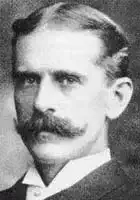
Henry Van Dyke
The Foolish Fir-Tree
The Foolish Fir-Tree
A tale that the poet Rückert told
To German children, in days of old;
Disguised in a random, rollicking rhyme
Like a merry mummer of ancient time,
And sent, in its English dress, to please
The little folk of the Christmas trees.
A little fir grew in the midst of the wood
Contented and happy, as young trees should.
His body was straight and his boughs were clean;
And summer and winter the bountiful sheen
Of his needles bedecked him, from top to root,
In a beautiful, all-the-year, evergreen suit.
But a trouble came into his heart one day,
When he saw that the other trees were gay
In the wonderful raiment that summer weaves
Of manifold shapes and kinds of leaves:
He looked at his needles so stiff and small,
And thought that his dress was the poorest of all.
Then jealousy clouded the little tree's mind,
And he said to himself, "It was not very kind
"To give such an ugly old dress to a tree!
"If the fays of the forest would only ask me,
"I'd tell them how I should like to be dressed,—
"In a garment of gold, to bedazzle the rest!"
So he fell asleep, but his dreams were bad.
When he woke in the morning, his heart was glad;
For every leaf that his boughs could hold
Was made of the brightest beaten gold.
I tell you, children, the tree was proud;
He was something above the common crowd;
And he tinkled his leaves, as if he would say
To a pedlar who happened to pass that way,
"Just look at me! don't you think I am fine?
"And wouldn't you like such a dress as mine?"
"Oh, yes!" said the man, "and I really guess
I must fill my pack with your beautiful dress."
So he picked the golden leaves with care,
And left the little tree shivering there.
"Oh, why did I wish for golden leaves?"
The fir-tree said, "I forgot that thieves
"Would be sure to rob me in passing by.
"If the fairies would give me another try,
"I'd wish for something that cost much less,
"And be satisfied with glass for my dress!"
Then he fell asleep; and, just as before,
The fairies granted his wish once more.
When the night was gone, and the sun rose clear,
The tree was a crystal chandelier;
And it seemed, as he stood in the morning light,
That his branches were covered with jewels bright.
"Aha!" said the tree. "This is something great!"
And he held himself up, very proud and straight;
But a rude young wind through the forest dashed,
In a reckless temper, and quickly smashed
The delicate leaves. With a clashing sound
They broke into pieces and fell on the ground,
Like a silvery, shimmering shower of hail,
And the tree stood naked and bare to the gale.
Then his heart was sad; and he cried, "Alas
"For my beautiful leaves of shining glass!
"Perhaps I have made another mistake
"In choosing a dress so easy to break.
"If the fairies only would hear me again
"I'd ask them for something both pretty and plain:
"It wouldn't cost much to grant my request,—
"In leaves of green lettuce I'd like to be dressed!"
By this time the fairies were laughing, I know;
But they gave him his wish in a second; and so
With leaves of green lettuce, all tender and sweet,
The tree was arrayed, from his head to his feet.
"I knew it!" he cried, "I was sure I could find
"The sort of a suit that would be to my mind.
"There's none of the trees has a prettier dress,
"And none as attractive as I am, I guess."
But a goat, who was taking an afternoon walk,
By chance overheard the fir-tree's talk.
So he came up close for a nearer view;—
"My salad!" he bleated, "I think so too!
"You're the most attractive kind of a tree,
"And I want your leaves for my five-o'clock tea."
So he ate them all without saying grace,
And walked away with a grin on his face;
While the little tree stood in the twilight dim,
With never a leaf on a single limb.
Then he sighed and groaned; but his voice was weak—
He was so ashamed that he could not speak.
He knew at last that he had been a fool,
To think of breaking the forest rule,
And choosing a dress himself to please,
Because he envied the other trees.
But it couldn't be helped, it was now too late,
He must make up his mind to a leafless fate!
So he let himself sink in a slumber deep,
But he moaned and he tossed in his troubled sleep,
Till the morning touched him with joyful beam,
And he woke to find it was all a dream.
For there in his evergreen dress he stood,
A pointed fir in the midst of the wood!
His branches were sweet with the balsam smell,
His needles were green when the white snow fell.
And always contented and happy was he,—
The very best kind of a Christmas tree.
A tale that the poet Rückert told
To German children, in days of old;
Disguised in a random, rollicking rhyme
Like a merry mummer of ancient time,
And sent, in its English dress, to please
The little folk of the Christmas trees.
A little fir grew in the midst of the wood
Contented and happy, as young trees should.
His body was straight and his boughs were clean;
And summer and winter the bountiful sheen
Of his needles bedecked him, from top to root,
In a beautiful, all-the-year, evergreen suit.
But a trouble came into his heart one day,
When he saw that the other trees were gay
In the wonderful raiment that summer weaves
Of manifold shapes and kinds of leaves:
He looked at his needles so stiff and small,
And thought that his dress was the poorest of all.
Then jealousy clouded the little tree's mind,
And he said to himself, "It was not very kind
"To give such an ugly old dress to a tree!
"If the fays of the forest would only ask me,
"I'd tell them how I should like to be dressed,—
"In a garment of gold, to bedazzle the rest!"
So he fell asleep, but his dreams were bad.
When he woke in the morning, his heart was glad;
For every leaf that his boughs could hold
Was made of the brightest beaten gold.
I tell you, children, the tree was proud;
He was something above the common crowd;
And he tinkled his leaves, as if he would say
To a pedlar who happened to pass that way,
"Just look at me! don't you think I am fine?
"And wouldn't you like such a dress as mine?"
"Oh, yes!" said the man, "and I really guess
I must fill my pack with your beautiful dress."
So he picked the golden leaves with care,
And left the little tree shivering there.
"Oh, why did I wish for golden leaves?"
The fir-tree said, "I forgot that thieves
"Would be sure to rob me in passing by.
"If the fairies would give me another try,
"I'd wish for something that cost much less,
"And be satisfied with glass for my dress!"
Then he fell asleep; and, just as before,
The fairies granted his wish once more.
When the night was gone, and the sun rose clear,
The tree was a crystal chandelier;
And it seemed, as he stood in the morning light,
That his branches were covered with jewels bright.
"Aha!" said the tree. "This is something great!"
And he held himself up, very proud and straight;
But a rude young wind through the forest dashed,
In a reckless temper, and quickly smashed
The delicate leaves. With a clashing sound
They broke into pieces and fell on the ground,
Like a silvery, shimmering shower of hail,
And the tree stood naked and bare to the gale.
Then his heart was sad; and he cried, "Alas
"For my beautiful leaves of shining glass!
"Perhaps I have made another mistake
"In choosing a dress so easy to break.
"If the fairies only would hear me again
"I'd ask them for something both pretty and plain:
"It wouldn't cost much to grant my request,—
"In leaves of green lettuce I'd like to be dressed!"
By this time the fairies were laughing, I know;
But they gave him his wish in a second; and so
With leaves of green lettuce, all tender and sweet,
The tree was arrayed, from his head to his feet.
"I knew it!" he cried, "I was sure I could find
"The sort of a suit that would be to my mind.
"There's none of the trees has a prettier dress,
"And none as attractive as I am, I guess."
But a goat, who was taking an afternoon walk,
By chance overheard the fir-tree's talk.
So he came up close for a nearer view;—
"My salad!" he bleated, "I think so too!
"You're the most attractive kind of a tree,
"And I want your leaves for my five-o'clock tea."
So he ate them all without saying grace,
And walked away with a grin on his face;
While the little tree stood in the twilight dim,
With never a leaf on a single limb.
Then he sighed and groaned; but his voice was weak—
He was so ashamed that he could not speak.
He knew at last that he had been a fool,
To think of breaking the forest rule,
And choosing a dress himself to please,
Because he envied the other trees.
But it couldn't be helped, it was now too late,
He must make up his mind to a leafless fate!
So he let himself sink in a slumber deep,
But he moaned and he tossed in his troubled sleep,
Till the morning touched him with joyful beam,
And he woke to find it was all a dream.
For there in his evergreen dress he stood,
A pointed fir in the midst of the wood!
His branches were sweet with the balsam smell,
His needles were green when the white snow fell.
And always contented and happy was he,—
The very best kind of a Christmas tree.
311
Henry Van Dyke
Shelley
Shelley
Knight-errant of the Never-ending Quest,
And Minstrel of the Unfulfilled Desire;
For ever tuning thy frail earthly lyre
To some unearthly music, and possessed
With painful passionate longing to invest
The golden dream of Love's immortal fire
In mortal robes of beautiful attire,
And fold perfection to thy throbbing breast!
What wonder, Shelley, if the restless wave
Should claim thee and the leaping flame consume
Thy drifted form on Viareggio's beach?
Fate to thy body gave a fitting grave,
And bade thy soul ride on with fiery plume,
Thy wild song ring in ocean's yearning speech!
Knight-errant of the Never-ending Quest,
And Minstrel of the Unfulfilled Desire;
For ever tuning thy frail earthly lyre
To some unearthly music, and possessed
With painful passionate longing to invest
The golden dream of Love's immortal fire
In mortal robes of beautiful attire,
And fold perfection to thy throbbing breast!
What wonder, Shelley, if the restless wave
Should claim thee and the leaping flame consume
Thy drifted form on Viareggio's beach?
Fate to thy body gave a fitting grave,
And bade thy soul ride on with fiery plume,
Thy wild song ring in ocean's yearning speech!
226
Henry Van Dyke
Love's Reason
Love's Reason
For that thy face is fair I love thee not;
Nor yet because the light of thy brown eyes
Hath gleams of wonder and of glad surprise,
Like woodland streams that cross a sunlit spot:
Nor for thy beauty, born without a blot,
Most perfect when it shines through no disguise
Pure as the star of Eve in Paradise, ---
For all these outward things I love thee not:
But for a something in thy form and face,
Thy looks and ways, of primal harmony;
A certain soothing charm, a vital grace
That breathes of the eternal womanly,
And makes me feel the warmth of Nature's breast,
When in her arms, and thine, I sink to rest.
For that thy face is fair I love thee not;
Nor yet because the light of thy brown eyes
Hath gleams of wonder and of glad surprise,
Like woodland streams that cross a sunlit spot:
Nor for thy beauty, born without a blot,
Most perfect when it shines through no disguise
Pure as the star of Eve in Paradise, ---
For all these outward things I love thee not:
But for a something in thy form and face,
Thy looks and ways, of primal harmony;
A certain soothing charm, a vital grace
That breathes of the eternal womanly,
And makes me feel the warmth of Nature's breast,
When in her arms, and thine, I sink to rest.
334

Henry Lawson
The Watch on the Kerb
The Watch on the Kerb
Night-Lights are falling;
Girl of the street,
Go to your calling
If you would eat.
Lamplight and starlight
And moonlight superb,
Bright hope is a farlight,
So watch on the kerb.
Watch on the kerb,
Watch on the kerb;
Hope is a farlight;
Then watch on the kerb.
Comes a man: call him —
Gone! he is vext;
Curses befall him,
Wait for the next!
Fair world and bright world,
Life still is sweet —
Girl of the night-world,
Watch on the street.
Dreary the watch is:
Moon sinks from sight,
Gas only blotches
Darkness with light;
Never, Oh, never
Let courage go down;
Keep from the river,
Oh, Girl of the Town!
Night-Lights are falling;
Girl of the street,
Go to your calling
If you would eat.
Lamplight and starlight
And moonlight superb,
Bright hope is a farlight,
So watch on the kerb.
Watch on the kerb,
Watch on the kerb;
Hope is a farlight;
Then watch on the kerb.
Comes a man: call him —
Gone! he is vext;
Curses befall him,
Wait for the next!
Fair world and bright world,
Life still is sweet —
Girl of the night-world,
Watch on the street.
Dreary the watch is:
Moon sinks from sight,
Gas only blotches
Darkness with light;
Never, Oh, never
Let courage go down;
Keep from the river,
Oh, Girl of the Town!
239
Henry Lawson
O Cupid, Cupid; Get Your Bow!
O Cupid, Cupid; Get Your Bow!
Arming down along the stream,
Along the sparkling water,
And past the pool where lilies gleam,
There comes the squatter’s daughter.
Her eyes are kind; her lips are warm;
And like a flower her face is;
The habit shows her bonny form
As graceful as a Grace’s.
O I’ll be mad of love, I know;
My head she’ll surely addle;
O Cupid, Cupid; get your bow;
And shoot her from the saddle!
For, like a bird on breezes waft,
She quickly, quickly passes;
O Cupid, Cupid, draw your shaft;
And bring her to the grasses!
O she is worthy game for you;
And there is none to match her.
So, Cupid, send your arrow true;
And I’ll be there to catch her!
Arming down along the stream,
Along the sparkling water,
And past the pool where lilies gleam,
There comes the squatter’s daughter.
Her eyes are kind; her lips are warm;
And like a flower her face is;
The habit shows her bonny form
As graceful as a Grace’s.
O I’ll be mad of love, I know;
My head she’ll surely addle;
O Cupid, Cupid; get your bow;
And shoot her from the saddle!
For, like a bird on breezes waft,
She quickly, quickly passes;
O Cupid, Cupid, draw your shaft;
And bring her to the grasses!
O she is worthy game for you;
And there is none to match her.
So, Cupid, send your arrow true;
And I’ll be there to catch her!
308
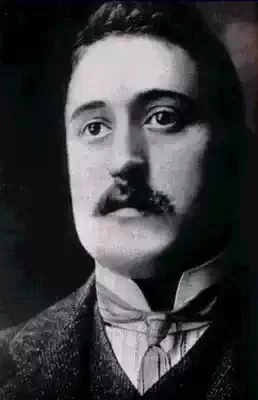
Guillaume Apollinaire
The Skirt
The Skirt
Hallo Germaine that's a fine skirt you have
A fine skirt for a queen A cruel queen
Let's feel the silk of it Silk from Japan
And trimmed with wide lace made on no machine
Your skirt's a silken bell whose double clapper
Your legs have struck the passing of my fancies
O Germaine now I ring it my breast heaving
My hands press down upon your willing haunches
Your bedroom O my bell is a fine belfry
My hands touch silk and seem to tear my ears
Those pegs are gallows on which skirts are hanging
Those hanging men are dazzling my eyes
Motionless as an owl the oil lamp watches
Hallo Germaine that's a fine skirt you have
A fine skirt for a queen A cruel queen
Let's feel the silk of it Silk from Japan
And trimmed with wide lace made on no machine
Your skirt's a silken bell whose double clapper
Your legs have struck the passing of my fancies
O Germaine now I ring it my breast heaving
My hands press down upon your willing haunches
Your bedroom O my bell is a fine belfry
My hands touch silk and seem to tear my ears
Those pegs are gallows on which skirts are hanging
Those hanging men are dazzling my eyes
Motionless as an owl the oil lamp watches
735
Guillaume Apollinaire
The Ninth Secret Poem
The Ninth Secret Poem
I worship your fleece which is the perfect triangle
Of the Goddess
I am the lumberjack of the only virgin forest
O my Eldorado
I am the only fish in your voluptuous ocean
You my lovely Siren
I am the climber on your snowy mountains
O my whitest Alp
I am the heavenly archer at your beautiful mouth
O my darling quiver
I am the hauler of your midnight hair
O lovely ship on the canal of my kisses
And the lilies of your arms are beckoning me
O my summer garden
The fruits of your breast are ripening their honey for me
O my sweet-smelling orchard
And I am raising you O Madeleine O my beauty above the earth
Like the torch of all light
I worship your fleece which is the perfect triangle
Of the Goddess
I am the lumberjack of the only virgin forest
O my Eldorado
I am the only fish in your voluptuous ocean
You my lovely Siren
I am the climber on your snowy mountains
O my whitest Alp
I am the heavenly archer at your beautiful mouth
O my darling quiver
I am the hauler of your midnight hair
O lovely ship on the canal of my kisses
And the lilies of your arms are beckoning me
O my summer garden
The fruits of your breast are ripening their honey for me
O my sweet-smelling orchard
And I am raising you O Madeleine O my beauty above the earth
Like the torch of all light
857
Guillaume Apollinaire
Palace
Palace
In deepest dream towards Rosemonde's palace
My barefoot brain inclined for the evening
Like a naked king the walls are waking
Beaten flesh and fresh-cut roses
You can see my thoughts immersed in roses
Smiling at the concert of the toads
They are in the mood for cypress bedposts
The sun is a broken mirror of the rose
What badly wounded bowman opened
Stigmata of palms on the windowpane
At the white lamb's love-feast I have tasted
Resins that bitter the Cyprian wine
On the jagged lap of the lascivious king
In the May-time of her age and finest frock
Mysterious Madame Rosemonde rolls
Her little round eyes like a Hun
Lady of my thoughts your pearly asshole
Is unrivalled by anything Oriental
For whom are you waiting
Deepest dreams en route to the Orient
Are my loveliest neighbors
Knock knock Come into the forecourt night is coming
In shadow the night-light is toasted tinsel
Hang your heads by the hair on the hat-rack
The evening sky is aglimmer with pins
We entered the dining room our noses
Caught a whiff of grease and mucus
Of twenty soup bowls three were urine
The king ate two poached eggs in bouillon
And then the scullions brought in the meat dishes
A standing roast of thoughts deceased in my brain
My lovely still-born dreams in slices still bloody
And gamy little meatballs of memory
Dead for millennia now these thoughts
Had a flavorless taste of frozen mammoth
Bones or visionaries danced out of ossuaries
The dance of death in the folds of my brain
And all those meats pronounced revelations
But Holy Christ!
A famished belly has no hearing
The guests continued their best mastications
Ah Holy Christ! cried out the rib-eyes
The huge pâtes the marrow and hot-pots
Tongues of fire o where is the pentecost
Of my thoughts for all places nations and times
In deepest dream towards Rosemonde's palace
My barefoot brain inclined for the evening
Like a naked king the walls are waking
Beaten flesh and fresh-cut roses
You can see my thoughts immersed in roses
Smiling at the concert of the toads
They are in the mood for cypress bedposts
The sun is a broken mirror of the rose
What badly wounded bowman opened
Stigmata of palms on the windowpane
At the white lamb's love-feast I have tasted
Resins that bitter the Cyprian wine
On the jagged lap of the lascivious king
In the May-time of her age and finest frock
Mysterious Madame Rosemonde rolls
Her little round eyes like a Hun
Lady of my thoughts your pearly asshole
Is unrivalled by anything Oriental
For whom are you waiting
Deepest dreams en route to the Orient
Are my loveliest neighbors
Knock knock Come into the forecourt night is coming
In shadow the night-light is toasted tinsel
Hang your heads by the hair on the hat-rack
The evening sky is aglimmer with pins
We entered the dining room our noses
Caught a whiff of grease and mucus
Of twenty soup bowls three were urine
The king ate two poached eggs in bouillon
And then the scullions brought in the meat dishes
A standing roast of thoughts deceased in my brain
My lovely still-born dreams in slices still bloody
And gamy little meatballs of memory
Dead for millennia now these thoughts
Had a flavorless taste of frozen mammoth
Bones or visionaries danced out of ossuaries
The dance of death in the folds of my brain
And all those meats pronounced revelations
But Holy Christ!
A famished belly has no hearing
The guests continued their best mastications
Ah Holy Christ! cried out the rib-eyes
The huge pâtes the marrow and hot-pots
Tongues of fire o where is the pentecost
Of my thoughts for all places nations and times
1,088
Guillaume Apollinaire
Moonlight
Moonlight
Mellifluent moon on the lips of the maddened
The orchards and towns are greedy tonight
The stars appear like the image of bees
Of this luminous honey that offends the vines
For now all sweet in their fall from the sky
Each ray of moonlight’s a ray of honey
Now hid I conceive the sweetest adventure
I fear stings of fire from this Polar bee
that sets these deceptive rays in my hands
And takes its moon-honey to the rose of the winds
Mellifluent moon on the lips of the maddened
The orchards and towns are greedy tonight
The stars appear like the image of bees
Of this luminous honey that offends the vines
For now all sweet in their fall from the sky
Each ray of moonlight’s a ray of honey
Now hid I conceive the sweetest adventure
I fear stings of fire from this Polar bee
that sets these deceptive rays in my hands
And takes its moon-honey to the rose of the winds
845
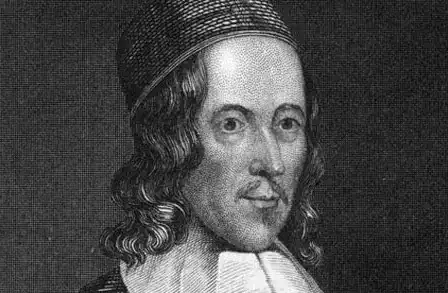
George Herbert
The Pearl
The Pearl
The Kingdom of heaven is like unto a merchant man,
seeking goodly pearls; who, when he had found one,
sold all that he had and bought it.-Matthew 13.45
I know the ways of Learning; both the head
And pipes that feed the press, and make it run;
What reason hath from nature borrowed,
Or of itself, like a good huswife, spun
In laws and policy; what the stars conspire,
What willing nature speaks, what forced by fire;
Both th' old discoveries, and the new-found seas,
The stock and surplus, cause and history:
All these stand open, or I have the keys:
Yet I love thee.
I know the ways of Honour, what maintains
The quick returns of courtesy and wit:
In vies of favours whether party gains,
When glory swells the heart, and moldeth it
To all expressions both of hand and eye,
Which on the world a true-love-knot may tie,
And bear the bundle, wheresoe'er it goes:
How many drams of spirit there must be
To sell my life unto my friends or foes:
Yet I love thee.
I know the ways of Pleasure, the sweet strains,
The lullings and the relishes of it;
The propositions of hot blood and brains;
What mirth and music mean; what love and wit
Have done these twenty hundred years, and more:
I know the projects of unbridled store:
My stuff is flesh, not brass; my senses live,
And grumble oft, that they have more in me
Than he that curbs them, being but one to five:
Yet I love thee.
I know all these, and have them in my hand:
Therefore not sealed, but with open eyes
I fly to thee, and fully understand
Both the main sale, and the commodities;
And at what rate and price I have thy love;
With all the circumstances that may move:
Yet through these labyrinths, not my grovelling wit,
But thy silk twist let down from heav'n to me,
Did both conduct and teach me, how by it
To climb to thee.
The Kingdom of heaven is like unto a merchant man,
seeking goodly pearls; who, when he had found one,
sold all that he had and bought it.-Matthew 13.45
I know the ways of Learning; both the head
And pipes that feed the press, and make it run;
What reason hath from nature borrowed,
Or of itself, like a good huswife, spun
In laws and policy; what the stars conspire,
What willing nature speaks, what forced by fire;
Both th' old discoveries, and the new-found seas,
The stock and surplus, cause and history:
All these stand open, or I have the keys:
Yet I love thee.
I know the ways of Honour, what maintains
The quick returns of courtesy and wit:
In vies of favours whether party gains,
When glory swells the heart, and moldeth it
To all expressions both of hand and eye,
Which on the world a true-love-knot may tie,
And bear the bundle, wheresoe'er it goes:
How many drams of spirit there must be
To sell my life unto my friends or foes:
Yet I love thee.
I know the ways of Pleasure, the sweet strains,
The lullings and the relishes of it;
The propositions of hot blood and brains;
What mirth and music mean; what love and wit
Have done these twenty hundred years, and more:
I know the projects of unbridled store:
My stuff is flesh, not brass; my senses live,
And grumble oft, that they have more in me
Than he that curbs them, being but one to five:
Yet I love thee.
I know all these, and have them in my hand:
Therefore not sealed, but with open eyes
I fly to thee, and fully understand
Both the main sale, and the commodities;
And at what rate and price I have thy love;
With all the circumstances that may move:
Yet through these labyrinths, not my grovelling wit,
But thy silk twist let down from heav'n to me,
Did both conduct and teach me, how by it
To climb to thee.
267
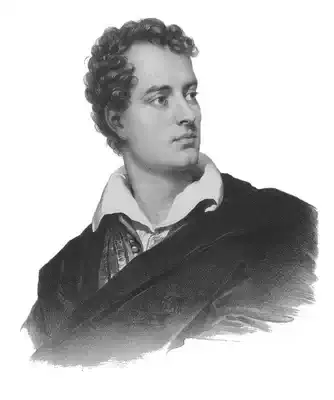
Lord Byron
Lines Addressed To A Young Lady
Lines Addressed To A Young Lady
Doubtless, sweet girl! the hissing lead,
Wafting destruction o'er thy charms,
And hurtling o'er thy lovely head,
Has fill'd that breast with fond alarms.
Surely some envious demon's force,
Vex'd to behold such beauty here,
Impell'd the bullet's viewless course,
Diverted from its first career.
Yes! in that nearly fatal hour
The ball obey'd some hellborn
guide;
But Heaven, with interposing power,
In pity turn'd the death aside.
Yet, as perchance one trembling tear
Upon that thrilling bosom fell;
Which I, th' unconscious cause of fear,
Extracted fromn its glistening cell:
Say, what dire penance can atone
For such an outrage done to thee?
Arraign'd before thy beauty's throne,
What punishment wilt thou decree?
Might I perform the judge's part,
The sentence I should scarce deplore;
It only would restore a heart
Which but belong'd to thee before.
The least atonement I can make
Is to become no longer free;
Henceforth I breathe but for thy sake,
Thou shalt be all in all to me.
But thou, perhaps, may'st now reject
Such expiation of my guilt;
Come then, some other mode elect;
Let it be death, or what thou wilt.
Choose then, relentless! and I swear
Nought shall thy dread decree prevent;
Yet holdone
little word forbear!
Let it be aught but banishment.
Doubtless, sweet girl! the hissing lead,
Wafting destruction o'er thy charms,
And hurtling o'er thy lovely head,
Has fill'd that breast with fond alarms.
Surely some envious demon's force,
Vex'd to behold such beauty here,
Impell'd the bullet's viewless course,
Diverted from its first career.
Yes! in that nearly fatal hour
The ball obey'd some hellborn
guide;
But Heaven, with interposing power,
In pity turn'd the death aside.
Yet, as perchance one trembling tear
Upon that thrilling bosom fell;
Which I, th' unconscious cause of fear,
Extracted fromn its glistening cell:
Say, what dire penance can atone
For such an outrage done to thee?
Arraign'd before thy beauty's throne,
What punishment wilt thou decree?
Might I perform the judge's part,
The sentence I should scarce deplore;
It only would restore a heart
Which but belong'd to thee before.
The least atonement I can make
Is to become no longer free;
Henceforth I breathe but for thy sake,
Thou shalt be all in all to me.
But thou, perhaps, may'st now reject
Such expiation of my guilt;
Come then, some other mode elect;
Let it be death, or what thou wilt.
Choose then, relentless! and I swear
Nought shall thy dread decree prevent;
Yet holdone
little word forbear!
Let it be aught but banishment.
428
Lord Byron
I Speak Not, I Trace Not, I Breathe Not Thy Name
I Speak Not, I Trace Not, I Breathe Not Thy Name
I speak not, I trace not, I breathe not thy name;
There is grief in the sound, there is guilt in the fame;
But the tear that now burns on my cheek may impart
The deep thoughts that dwell in that silence of heart.
Too brief for our passion, too long for our peace,
Were those hours can
their joy or their bitterness cease?
We repent, we abjure, we will break from our chain, We
will part, we will fly to unite
it again!
Oh! thine be the gladness, and mine be the guilt!
Forgive me, adored one! forsake
if thou wilt;
But the heart which is thine shall expire undebased,
And man shall not break it whatever
thou may'st.
And stern to the haughty, but humble to thee,
This soul in its bitterest blackness shall be;
And our days seem as swift, and our moments more sweet,
With thee at my side, than with worlds at our feet.
One sigh of thy sorrow, one look of thy love,
Shall turn me or fix, shall reward or reprove.
And the heartless may wonder at all I resign Thy
lips shall reply, not to them, but to mine.
May, 1814.
I speak not, I trace not, I breathe not thy name;
There is grief in the sound, there is guilt in the fame;
But the tear that now burns on my cheek may impart
The deep thoughts that dwell in that silence of heart.
Too brief for our passion, too long for our peace,
Were those hours can
their joy or their bitterness cease?
We repent, we abjure, we will break from our chain, We
will part, we will fly to unite
it again!
Oh! thine be the gladness, and mine be the guilt!
Forgive me, adored one! forsake
if thou wilt;
But the heart which is thine shall expire undebased,
And man shall not break it whatever
thou may'st.
And stern to the haughty, but humble to thee,
This soul in its bitterest blackness shall be;
And our days seem as swift, and our moments more sweet,
With thee at my side, than with worlds at our feet.
One sigh of thy sorrow, one look of thy love,
Shall turn me or fix, shall reward or reprove.
And the heartless may wonder at all I resign Thy
lips shall reply, not to them, but to mine.
May, 1814.
652