

Poems
Culture and Tradition
Poems in this topic
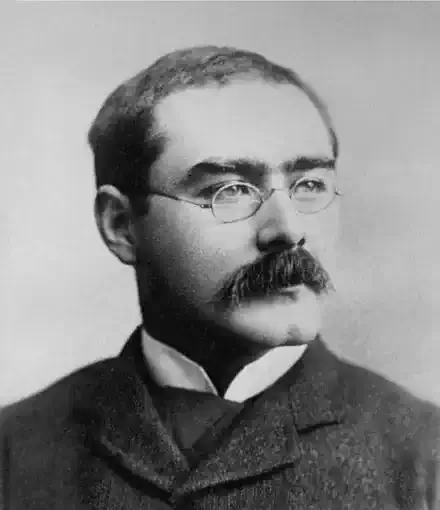
Rudyard Kipling
The Puzzler
The Puzzler
The Celt in all his variants from Builth to Ballyhoo,
His mental processes are plain--one knows what he will do,
And can logically predicate his finish by his start;
But the English--ah, the English!--they are quite a race apart.
Their psychology is bovine, their outlook crude and raw.
They abandon vital matters to be tickled with a straw;
But the straw that they were tickled with-the chaff that they were fed with--
They convert into a weaver's beam to break their foeman's head with.
For undemocratic reasons and for motives not of State,
They arrive at their conclusions--largely inarticulate.
Being void of self-expression they confide their views to none;
But sometimes in a smoking-room, one learns why things were done.
Yes, sometimes in a smoking-room, through clouds of "Ers" an "Ums,"
Obliquely and by inference, illumination comes,
On some step that they have taken, or some action they approve
Embellished with the argot of the Upper Fourth Remove.
In telegraphic sentences half nodded to their friends,
They hint a matter's inwardness--and there the matter ends.
And while the Celt is talking from Valencia to Kirkwall,
The English--ah, the English!--don't say anything at all.
The Celt in all his variants from Builth to Ballyhoo,
His mental processes are plain--one knows what he will do,
And can logically predicate his finish by his start;
But the English--ah, the English!--they are quite a race apart.
Their psychology is bovine, their outlook crude and raw.
They abandon vital matters to be tickled with a straw;
But the straw that they were tickled with-the chaff that they were fed with--
They convert into a weaver's beam to break their foeman's head with.
For undemocratic reasons and for motives not of State,
They arrive at their conclusions--largely inarticulate.
Being void of self-expression they confide their views to none;
But sometimes in a smoking-room, one learns why things were done.
Yes, sometimes in a smoking-room, through clouds of "Ers" an "Ums,"
Obliquely and by inference, illumination comes,
On some step that they have taken, or some action they approve
Embellished with the argot of the Upper Fourth Remove.
In telegraphic sentences half nodded to their friends,
They hint a matter's inwardness--and there the matter ends.
And while the Celt is talking from Valencia to Kirkwall,
The English--ah, the English!--don't say anything at all.
425
Rudyard Kipling
The Native-Born
The Native-Born
We've drunk to the Queen -- God bless her! --
We've drunk to our mothers' land;
We've drunk to our English brother
(But he does not understand);
We've drunk to the wide creation,
And the Cross swings low for the morn;
Last toast, and of obligation,
A health to the Native-born!
They change their skies above them,
But not their hearts that roam!
We learned from our wistful mothers
To call old England "home";
We read of the English skylark,
Of the spring in the English lanes,
But we screamed with the painted lories
As we rode on the dusty plains!
They passed with their old-world legends --
Their tales of wrong and dearth --
Our fathers held by purchase,
But we by the right of birth;
Our heart's where they rocked our cradle,
Our love where we spent our toil,
And our faith and our hope and our honour
We pledge to our native soil!
I charge you charge your glasses --
I charge you drink with me
To the men of the Four New Nations,
And the Islands of the Sea --
To the last least lump of coral
That none may stand outside,
And our own good pride shall teach us
To praise our comrade's pride!
To the hush of the breathless morning
On the thin, tin, crackling roofs,
To the haze of the burned back-ranges
And the dust of the shoeless hoofs --
To the risk of a death by drowning,
To the risk of a death by drouth --
To the men of a million acres,
To the Sons of the Golden South!
To the Sons of the Golden South (Stand up!),
And the life we live and know,
Let a fellow sing o' the little things he cares about,
If a fellow fights for the little things he cares about
With the weight of a single blow!
To the smoke of a hundred coasters,
To the sheep on a thousand hills,
To the sun that never blisters,
To the rain that never chills --
To the land of the waiting spring-time,
To our five-meal, meat-fed men,
To the tall, deep-bosomed women,
And the children nine and ten!
And the children nine and ten (Stand up!),
And the life we live and know,
Let a fellow sing o' the little things he cares about,
If a fellow fights for the little things he cares about
With the weight of a two-fold blow!
To the far-flung fenceless prairie
Where the quick cloud-shadows trail,
To our neighbour's barn in the offing
And the line of the new-cut rail;
To the plough in her league-long furrow
With the gray Lake gulls behind --
To the weight of a half-year's winter
And the warm wet western wind!
To the home of the floods and thunder,
To her pale dry healing blue --
To the lift of the great Cape combers,
And the smell of the baked Karroo.
To the growl of the sluicing stamp-head --
To the reef and the water-gold,
To the last and the largest Empire,
To the map that is half unrolled!
To our dear dark foster-mothers,
To the heathen songs they sung --
To the heathen speech we babbled
Ere we came to the white man's tongue.
To the cool of our deep verandas --
To the blaze of our jewelled main,
To the night, to the palms in the moonlight,
And the fire-fly in the cane!
To the hearth of our people's people --
To her well-ploughed windy sea,
To the hush of our dread high-altar
Where The Abbey makes us We;
To the grist of the slow-ground ages,
To the gain that is yours and mine --
To the Bank of the Open Credit,
To the Power-house of the Line!
We've drunk to the Queen -- God bless her! --
We've drunk to our mothers' land;
We've drunk to our English brother
(And we hope he'll understand).
We've drunk as much as we're able,
And the Cross swings low for the morn;
Last toast -- and your foot on the table! --
A health to the Native-born!
A health to the Native-born (Stand up!),
We're six white men arow,
All bound to sing o' the little things we care about,
All bound to fight for the little things we care about
With the weight of a six-fold blow!
By the might of our cable-tow (Take hands!),
From the Orkneys to the Horn,
All round the world (and a little loop to pull it by),
All round the world (and a little strap to buckle it),
A health to the Native-born!
We've drunk to the Queen -- God bless her! --
We've drunk to our mothers' land;
We've drunk to our English brother
(But he does not understand);
We've drunk to the wide creation,
And the Cross swings low for the morn;
Last toast, and of obligation,
A health to the Native-born!
They change their skies above them,
But not their hearts that roam!
We learned from our wistful mothers
To call old England "home";
We read of the English skylark,
Of the spring in the English lanes,
But we screamed with the painted lories
As we rode on the dusty plains!
They passed with their old-world legends --
Their tales of wrong and dearth --
Our fathers held by purchase,
But we by the right of birth;
Our heart's where they rocked our cradle,
Our love where we spent our toil,
And our faith and our hope and our honour
We pledge to our native soil!
I charge you charge your glasses --
I charge you drink with me
To the men of the Four New Nations,
And the Islands of the Sea --
To the last least lump of coral
That none may stand outside,
And our own good pride shall teach us
To praise our comrade's pride!
To the hush of the breathless morning
On the thin, tin, crackling roofs,
To the haze of the burned back-ranges
And the dust of the shoeless hoofs --
To the risk of a death by drowning,
To the risk of a death by drouth --
To the men of a million acres,
To the Sons of the Golden South!
To the Sons of the Golden South (Stand up!),
And the life we live and know,
Let a fellow sing o' the little things he cares about,
If a fellow fights for the little things he cares about
With the weight of a single blow!
To the smoke of a hundred coasters,
To the sheep on a thousand hills,
To the sun that never blisters,
To the rain that never chills --
To the land of the waiting spring-time,
To our five-meal, meat-fed men,
To the tall, deep-bosomed women,
And the children nine and ten!
And the children nine and ten (Stand up!),
And the life we live and know,
Let a fellow sing o' the little things he cares about,
If a fellow fights for the little things he cares about
With the weight of a two-fold blow!
To the far-flung fenceless prairie
Where the quick cloud-shadows trail,
To our neighbour's barn in the offing
And the line of the new-cut rail;
To the plough in her league-long furrow
With the gray Lake gulls behind --
To the weight of a half-year's winter
And the warm wet western wind!
To the home of the floods and thunder,
To her pale dry healing blue --
To the lift of the great Cape combers,
And the smell of the baked Karroo.
To the growl of the sluicing stamp-head --
To the reef and the water-gold,
To the last and the largest Empire,
To the map that is half unrolled!
To our dear dark foster-mothers,
To the heathen songs they sung --
To the heathen speech we babbled
Ere we came to the white man's tongue.
To the cool of our deep verandas --
To the blaze of our jewelled main,
To the night, to the palms in the moonlight,
And the fire-fly in the cane!
To the hearth of our people's people --
To her well-ploughed windy sea,
To the hush of our dread high-altar
Where The Abbey makes us We;
To the grist of the slow-ground ages,
To the gain that is yours and mine --
To the Bank of the Open Credit,
To the Power-house of the Line!
We've drunk to the Queen -- God bless her! --
We've drunk to our mothers' land;
We've drunk to our English brother
(And we hope he'll understand).
We've drunk as much as we're able,
And the Cross swings low for the morn;
Last toast -- and your foot on the table! --
A health to the Native-born!
A health to the Native-born (Stand up!),
We're six white men arow,
All bound to sing o' the little things we care about,
All bound to fight for the little things we care about
With the weight of a six-fold blow!
By the might of our cable-tow (Take hands!),
From the Orkneys to the Horn,
All round the world (and a little loop to pull it by),
All round the world (and a little strap to buckle it),
A health to the Native-born!
485
Rudyard Kipling
The Law of the Jungle
The Law of the Jungle
Now this is the Law of the Jungle -- as old and as true as the sky; And the Wolf
that shall keep it may prosper, but the Wolf that shall break it must die. AAs the
creeper that girdles the tree-trunk the Law runneth forward and back --
For the strength of the Pack is the Wolf, and the strength of the Wolf is the Pack.
Wash daily from nose-tip to tail-tip; drink deeply, but never too deep;
And remember the night is for hunting, and forget not the day is for sleep.
The Jackal may follow the Tiger, but, Cub, when thy whiskers are grown,
Remember the Wolf is a Hunter -- go forth and get food of thine own.
Keep peace withe Lords of the Jungle -- the Tiger, the Panther, and Bear.
And trouble not Hathi the Silent, and mock not the Boar in his lair.
When Pack meets with Pack in the Jungle, and neither will go from the trail,
Lie down till the leaders have spoken -- it may be fair words shall prevail.
When ye fight with a Wolf of the Pack, ye must fight him alone and afar,
Lest others take part in the quarrel, and the Pack be diminished by war.
The Lair of the Wolf is his refuge, and where he has made him his home,
Not even the Head Wolf may enter, not even the Council may come.
The Lair of the Wolf is his refuge, but where he has digged it too plain,
The Council shall send him a message, and so he shall change it again.
If ye kill before midnight, be silent, and wake not the woods with your bay,
Lest ye frighten the deer from the crop, and your brothers go empty away.
Ye may kill for yourselves, and your mates, and your cubs as they need, and ye can;
But kill not for pleasure of killing, and seven times never kill Man!
If ye plunder his Kill from a weaker, devour not all in thy pride;
Pack-Right is the right of the meanest; so leave him the head and the hide.
The Kill of the Pack is the meat of the Pack. Ye must eat where it lies;
And no one may carry away of that meat to his lair, or he dies.
The Kill of the Wolf is the meat of the Wolf. He may do what he will;
But, till he has given permission, the Pack may not eat of that Kill.
Cub-Right is the right of the Yearling. From all of his Pack he may claim
Full-gorge when the killer has eaten; and none may refuse him the same.
Lair-Right is the right of the Mother. From all of her year she may claim
One haunch of each kill for her litter, and none may deny her the same.
Cave-Right is the right of the Father -- to hunt by himself for his own:
He is freed of all calls to the Pack; he is judged by the Council alone.
Because of his age and his cunning, because of his gripe and his paw,
In all that the Law leaveth open, the word of your Head Wolf is Law.
Now these are the Laws of the Jungle, and many and mighty are they;
But the head and the hoof of the Law and the haunch and the hump is -- Obey!
Now this is the Law of the Jungle -- as old and as true as the sky; And the Wolf
that shall keep it may prosper, but the Wolf that shall break it must die. AAs the
creeper that girdles the tree-trunk the Law runneth forward and back --
For the strength of the Pack is the Wolf, and the strength of the Wolf is the Pack.
Wash daily from nose-tip to tail-tip; drink deeply, but never too deep;
And remember the night is for hunting, and forget not the day is for sleep.
The Jackal may follow the Tiger, but, Cub, when thy whiskers are grown,
Remember the Wolf is a Hunter -- go forth and get food of thine own.
Keep peace withe Lords of the Jungle -- the Tiger, the Panther, and Bear.
And trouble not Hathi the Silent, and mock not the Boar in his lair.
When Pack meets with Pack in the Jungle, and neither will go from the trail,
Lie down till the leaders have spoken -- it may be fair words shall prevail.
When ye fight with a Wolf of the Pack, ye must fight him alone and afar,
Lest others take part in the quarrel, and the Pack be diminished by war.
The Lair of the Wolf is his refuge, and where he has made him his home,
Not even the Head Wolf may enter, not even the Council may come.
The Lair of the Wolf is his refuge, but where he has digged it too plain,
The Council shall send him a message, and so he shall change it again.
If ye kill before midnight, be silent, and wake not the woods with your bay,
Lest ye frighten the deer from the crop, and your brothers go empty away.
Ye may kill for yourselves, and your mates, and your cubs as they need, and ye can;
But kill not for pleasure of killing, and seven times never kill Man!
If ye plunder his Kill from a weaker, devour not all in thy pride;
Pack-Right is the right of the meanest; so leave him the head and the hide.
The Kill of the Pack is the meat of the Pack. Ye must eat where it lies;
And no one may carry away of that meat to his lair, or he dies.
The Kill of the Wolf is the meat of the Wolf. He may do what he will;
But, till he has given permission, the Pack may not eat of that Kill.
Cub-Right is the right of the Yearling. From all of his Pack he may claim
Full-gorge when the killer has eaten; and none may refuse him the same.
Lair-Right is the right of the Mother. From all of her year she may claim
One haunch of each kill for her litter, and none may deny her the same.
Cave-Right is the right of the Father -- to hunt by himself for his own:
He is freed of all calls to the Pack; he is judged by the Council alone.
Because of his age and his cunning, because of his gripe and his paw,
In all that the Law leaveth open, the word of your Head Wolf is Law.
Now these are the Laws of the Jungle, and many and mighty are they;
But the head and the hoof of the Law and the haunch and the hump is -- Obey!
791
Rudyard Kipling
The Last Shuttee
The Last Shuttee
Not many years ago a King died in one of the Rajpoot States.
His wives, disregarding the orders of the English against Suttee,
would have broken out of the palace had not the gates been barred.
But one of them, disguised as the King's favourite dancing-girl,
passed through the line of guards and reached the pyre. There,
her courage failing, she prayed her cousin, a baron of the court,
to kill her. This he did, not knowing who she was.
Udai Chand lay sick to death
In his hold by Gungra hill.
All night we heard the death-gongs ring
For the soul of the dying Rajpoot King,
All night beat up from the women's wing
A cry that we could not still.
All night the barons came and went,
The lords of the outer guard:
All night the cressets glimmered pale
On Ulwar sabre and Tonk jezail,
Mewar headstall and Marwar mail,
That clinked in the palace yard.
In the Golden room on the palace roof
All night he fought for air:
And there was sobbing behind the screen,
Rustle and whisper of women unseen,
And the hungry eyes of the Boondi Queen
On the death she might not share.
He passed at dawn -- the death-fire leaped
From ridge to river-head,
From the Malwa plains to the Abu scars:
And wail upon wail went up to the stars
Behind the grim zenana-bars,
When they knew that the King was dead.
The dumb priest knelt to tie his mouth
And robe him for the pyre.
The Boondi Queen beneath us cried:
"See, now, that we die as our mothers died
In the bridal-bed by our master's side!
Out, women! -- to the fire!"
We drove the great gates home apace:
White hands were on the sill:
But ere the rush of the unseen feet
Had reached the turn to the open street,
The bars shot down, the guard-drum beat --
We held the dovecot still.
A face looked down in the gathering day,
And laughing spoke from the wall:
"Oh]/e, they mourn here: let me by --
Azizun, the Lucknow nautch-girl, I!
When the house is rotten, the rats must fly,
And I seek another thrall.
"For I ruled the King as ne'er did Queen, --
To-night the Queens rule me!
Guard them safely, but let me go,
Or ever they pay the debt they owe
In scourge and torture!" She leaped below,
And the grim guard watched her flee.
They knew that the King had spent his soul
On a North-bred dancing-girl:
That he prayed to a flat-nosed Lucknow god,
And kissed the ground where her feet had trod,
And doomed to death at her drunken nod,
And swore by her lightest curl.
We bore the King to his fathers' place,
Where the tombs of the Sun-born stand:
Where the gray apes swing, and the peacocks preen
On fretted pillar and jewelled screen,
And the wild boar couch in the house of the Queen
On the drift of the desert sand.
The herald read his titles forth,
We set the logs aglow:
"Friend of the English, free from fear,
Baron of Luni to Jeysulmeer,
Lord of the Desert of Bikaneer,
King of the Jungle, -- go!"
All night the red flame stabbed the sky
With wavering wind-tossed spears:
And out of a shattered temple crept
A woman who veiled her head and wept,
And called on the King -- but the great King slept,
And turned not for her tears.
Small thought had he to mark the strife --
Cold fear with hot desire --
When thrice she leaped from the leaping flame,
And thrice she beat her breast for shame,
And thrice like a wounded dove she came
And moaned about the fire.
One watched, a bow-shot from the blaze,
The silent streets between,
Who had stood by the King in sport and fray,
To blade in ambush or boar at bay,
And he was a baron old and gray,
And kin to the Boondi Queen.
He said: "O shameless, put aside
The veil upon thy brow!
Who held the King and all his land
To the wanton will of a harlot's hand!
Will the white ash rise from the blistered brand?
Stoop down, and call him now!"
Then she: "By the faith of my tarnished soul,
All things I did not well,
I had hoped to clear ere the fire died,
And lay me down by my master's side
To rule in Heaven his only bride,
While the others howl in Hell.
"But I have felt the fire's breath,
And hard it is to die!
Yet if I may pray a Rajpoot lord
To sully the steel of a Thakur's sword
With base-born blood of a trade abhorred," --
And the Thakur answered, "Ay."
He drew and struck: the straight blade drank
The life beneath the breast.
"I had looked for the Queen to face the flame,
But the harlot dies for the Rajpoot dame --
Sister of mine, pass, free from shame,
Pass with thy King to rest!"
The black log crashed above the white:
The little flames and lean,
Red as slaughter and blue as steel,
That whistled and fluttered from head to heel,
Leaped up anew, for they found their meal
On the heart of -- the Boondi Queen!
Not many years ago a King died in one of the Rajpoot States.
His wives, disregarding the orders of the English against Suttee,
would have broken out of the palace had not the gates been barred.
But one of them, disguised as the King's favourite dancing-girl,
passed through the line of guards and reached the pyre. There,
her courage failing, she prayed her cousin, a baron of the court,
to kill her. This he did, not knowing who she was.
Udai Chand lay sick to death
In his hold by Gungra hill.
All night we heard the death-gongs ring
For the soul of the dying Rajpoot King,
All night beat up from the women's wing
A cry that we could not still.
All night the barons came and went,
The lords of the outer guard:
All night the cressets glimmered pale
On Ulwar sabre and Tonk jezail,
Mewar headstall and Marwar mail,
That clinked in the palace yard.
In the Golden room on the palace roof
All night he fought for air:
And there was sobbing behind the screen,
Rustle and whisper of women unseen,
And the hungry eyes of the Boondi Queen
On the death she might not share.
He passed at dawn -- the death-fire leaped
From ridge to river-head,
From the Malwa plains to the Abu scars:
And wail upon wail went up to the stars
Behind the grim zenana-bars,
When they knew that the King was dead.
The dumb priest knelt to tie his mouth
And robe him for the pyre.
The Boondi Queen beneath us cried:
"See, now, that we die as our mothers died
In the bridal-bed by our master's side!
Out, women! -- to the fire!"
We drove the great gates home apace:
White hands were on the sill:
But ere the rush of the unseen feet
Had reached the turn to the open street,
The bars shot down, the guard-drum beat --
We held the dovecot still.
A face looked down in the gathering day,
And laughing spoke from the wall:
"Oh]/e, they mourn here: let me by --
Azizun, the Lucknow nautch-girl, I!
When the house is rotten, the rats must fly,
And I seek another thrall.
"For I ruled the King as ne'er did Queen, --
To-night the Queens rule me!
Guard them safely, but let me go,
Or ever they pay the debt they owe
In scourge and torture!" She leaped below,
And the grim guard watched her flee.
They knew that the King had spent his soul
On a North-bred dancing-girl:
That he prayed to a flat-nosed Lucknow god,
And kissed the ground where her feet had trod,
And doomed to death at her drunken nod,
And swore by her lightest curl.
We bore the King to his fathers' place,
Where the tombs of the Sun-born stand:
Where the gray apes swing, and the peacocks preen
On fretted pillar and jewelled screen,
And the wild boar couch in the house of the Queen
On the drift of the desert sand.
The herald read his titles forth,
We set the logs aglow:
"Friend of the English, free from fear,
Baron of Luni to Jeysulmeer,
Lord of the Desert of Bikaneer,
King of the Jungle, -- go!"
All night the red flame stabbed the sky
With wavering wind-tossed spears:
And out of a shattered temple crept
A woman who veiled her head and wept,
And called on the King -- but the great King slept,
And turned not for her tears.
Small thought had he to mark the strife --
Cold fear with hot desire --
When thrice she leaped from the leaping flame,
And thrice she beat her breast for shame,
And thrice like a wounded dove she came
And moaned about the fire.
One watched, a bow-shot from the blaze,
The silent streets between,
Who had stood by the King in sport and fray,
To blade in ambush or boar at bay,
And he was a baron old and gray,
And kin to the Boondi Queen.
He said: "O shameless, put aside
The veil upon thy brow!
Who held the King and all his land
To the wanton will of a harlot's hand!
Will the white ash rise from the blistered brand?
Stoop down, and call him now!"
Then she: "By the faith of my tarnished soul,
All things I did not well,
I had hoped to clear ere the fire died,
And lay me down by my master's side
To rule in Heaven his only bride,
While the others howl in Hell.
"But I have felt the fire's breath,
And hard it is to die!
Yet if I may pray a Rajpoot lord
To sully the steel of a Thakur's sword
With base-born blood of a trade abhorred," --
And the Thakur answered, "Ay."
He drew and struck: the straight blade drank
The life beneath the breast.
"I had looked for the Queen to face the flame,
But the harlot dies for the Rajpoot dame --
Sister of mine, pass, free from shame,
Pass with thy King to rest!"
The black log crashed above the white:
The little flames and lean,
Red as slaughter and blue as steel,
That whistled and fluttered from head to heel,
Leaped up anew, for they found their meal
On the heart of -- the Boondi Queen!
761
Rudyard Kipling
The English Flag
The English Flag
Above the portico a flag-staff, bearing the Union Jack,
remained fluttering in the flames for some time, but ultimately
when it fell the crowds rent the air with shouts,
and seemed to see significance in the incident. -- DAILY PAPERS.
Winds of the World, give answer! They are whimpering to and fro --
And what should they know of England who only England know? --
The poor little street-bred people that vapour and fume and brag,
They are lifting their heads in the stillness to yelp at the English Flag!
Must we borrow a clout from the Boer -- to plaster anew with dirt?
An Irish liar's bandage, or an English coward's shirt?
We may not speak of England; her Flag's to sell or share.
What is the Flag of England? Winds of the World, declare!
The North Wind blew: -- "From Bergen my steel-shod vanguards go;
I chase your lazy whalers home from the Disko floe;
By the great North Lights above me I work the will of God,
And the liner splits on the ice-field or the Dogger fills with cod.
"I barred my gates with iron, I shuttered my doors with flame,
Because to force my ramparts your nutshell navies came;
I took the sun from their presence, I cut them down with my blast,
And they died, but the Flag of England blew free ere the spirit passed.
"The lean white bear hath seen it in the long, long Arctic night,
The musk-ox knows the standard that flouts the Northern Light:
What is the Flag of England? Ye have but my bergs to dare,
Ye have but my drifts to conquer. Go forth, for it is there!"
The South Wind sighed: -- "From the Virgins my mid-sea course was ta'en
Over a thousand islands lost in an idle main,
Where the sea-egg flames on the coral and the long-backed breakers croon
Their endless ocean legends to the lazy, locked lagoon.
"Strayed amid lonely islets, mazed amid outer keys,
I waked the palms to laughter -- I tossed the scud in the breeze --
Never was isle so little, never was sea so lone,
But over the scud and the palm-trees an English flag was flown.
"I have wrenched it free from the halliard to hang for a wisp on the Horn;
I have chased it north to the Lizard -- ribboned and rolled and torn;
I have spread its fold o'er the dying, adrift in a hopeless sea;
I have hurled it swift on the slaver, and seen the slave set free.
"My basking sunfish know it, and wheeling albatross,
Where the lone wave fills with fire beneath the Southern Cross.
What is the Flag of England? Ye have but my reefs to dare,
Ye have but my seas to furrow. Go forth, for it is there!"
The East Wind roared: -- "From the Kuriles, the Bitter Seas, I come,
And me men call the Home-Wind, for I bring the English home.
Look -- look well to your shipping! By the breath of my mad typhoon
I swept your close-packed Praya and beached your best at Kowloon!
"The reeling junks behind me and the racing seas before,
I raped your richest roadstead -- I plundered Singapore!
I set my hand on the Hoogli; as a hooded snake she rose,
And I flung your stoutest steamers to roost with the startled crows.
"Never the lotus closes, never the wild-fowl wake,
But a soul goes out on the East Wind that died for England's sake --
Man or woman or suckling, mother or bride or maid --
Because on the bones of the English the English Flag is stayed.
"The desert-dust hath dimmed it, the flying wild-ass knows,
The scared white leopard winds it across the taintless snows.
What is the Flag of England? Ye have but my sun to dare,
Ye have but my sands to travel. Go forth, for it is there!"
The West Wind called: -- "In squadrons the thoughtless galleons fly
That bear the wheat and cattle lest street-bred people die.
They make my might their porter, they make my house their path,
Till I loose my neck from their rudder and whelm them all in my wrath.
"I draw the gliding fog-bank as a snake is drawn from the hole,
They bellow one to the other, the frighted ship-bells toll,
For day is a drifting terror till I raise the shroud with my breath,
And they see strange bows above them and the two go locked to death.
"But whether in calm or wrack-wreath, whether by dark or day,
I heave them whole to the conger or rip their plates away,
First of the scattered legions, under a shrieking sky,
Dipping between the rollers, the English Flag goes by.
"The dead dumb fog hath wrapped it -- the frozen dews have kissed --
The naked stars have seen it, a fellow-star in the mist.
What is the Flag of England? Ye have but my breath to dare,
Ye have but my waves to conquer. Go forth, for it is there!"
Above the portico a flag-staff, bearing the Union Jack,
remained fluttering in the flames for some time, but ultimately
when it fell the crowds rent the air with shouts,
and seemed to see significance in the incident. -- DAILY PAPERS.
Winds of the World, give answer! They are whimpering to and fro --
And what should they know of England who only England know? --
The poor little street-bred people that vapour and fume and brag,
They are lifting their heads in the stillness to yelp at the English Flag!
Must we borrow a clout from the Boer -- to plaster anew with dirt?
An Irish liar's bandage, or an English coward's shirt?
We may not speak of England; her Flag's to sell or share.
What is the Flag of England? Winds of the World, declare!
The North Wind blew: -- "From Bergen my steel-shod vanguards go;
I chase your lazy whalers home from the Disko floe;
By the great North Lights above me I work the will of God,
And the liner splits on the ice-field or the Dogger fills with cod.
"I barred my gates with iron, I shuttered my doors with flame,
Because to force my ramparts your nutshell navies came;
I took the sun from their presence, I cut them down with my blast,
And they died, but the Flag of England blew free ere the spirit passed.
"The lean white bear hath seen it in the long, long Arctic night,
The musk-ox knows the standard that flouts the Northern Light:
What is the Flag of England? Ye have but my bergs to dare,
Ye have but my drifts to conquer. Go forth, for it is there!"
The South Wind sighed: -- "From the Virgins my mid-sea course was ta'en
Over a thousand islands lost in an idle main,
Where the sea-egg flames on the coral and the long-backed breakers croon
Their endless ocean legends to the lazy, locked lagoon.
"Strayed amid lonely islets, mazed amid outer keys,
I waked the palms to laughter -- I tossed the scud in the breeze --
Never was isle so little, never was sea so lone,
But over the scud and the palm-trees an English flag was flown.
"I have wrenched it free from the halliard to hang for a wisp on the Horn;
I have chased it north to the Lizard -- ribboned and rolled and torn;
I have spread its fold o'er the dying, adrift in a hopeless sea;
I have hurled it swift on the slaver, and seen the slave set free.
"My basking sunfish know it, and wheeling albatross,
Where the lone wave fills with fire beneath the Southern Cross.
What is the Flag of England? Ye have but my reefs to dare,
Ye have but my seas to furrow. Go forth, for it is there!"
The East Wind roared: -- "From the Kuriles, the Bitter Seas, I come,
And me men call the Home-Wind, for I bring the English home.
Look -- look well to your shipping! By the breath of my mad typhoon
I swept your close-packed Praya and beached your best at Kowloon!
"The reeling junks behind me and the racing seas before,
I raped your richest roadstead -- I plundered Singapore!
I set my hand on the Hoogli; as a hooded snake she rose,
And I flung your stoutest steamers to roost with the startled crows.
"Never the lotus closes, never the wild-fowl wake,
But a soul goes out on the East Wind that died for England's sake --
Man or woman or suckling, mother or bride or maid --
Because on the bones of the English the English Flag is stayed.
"The desert-dust hath dimmed it, the flying wild-ass knows,
The scared white leopard winds it across the taintless snows.
What is the Flag of England? Ye have but my sun to dare,
Ye have but my sands to travel. Go forth, for it is there!"
The West Wind called: -- "In squadrons the thoughtless galleons fly
That bear the wheat and cattle lest street-bred people die.
They make my might their porter, they make my house their path,
Till I loose my neck from their rudder and whelm them all in my wrath.
"I draw the gliding fog-bank as a snake is drawn from the hole,
They bellow one to the other, the frighted ship-bells toll,
For day is a drifting terror till I raise the shroud with my breath,
And they see strange bows above them and the two go locked to death.
"But whether in calm or wrack-wreath, whether by dark or day,
I heave them whole to the conger or rip their plates away,
First of the scattered legions, under a shrieking sky,
Dipping between the rollers, the English Flag goes by.
"The dead dumb fog hath wrapped it -- the frozen dews have kissed --
The naked stars have seen it, a fellow-star in the mist.
What is the Flag of England? Ye have but my breath to dare,
Ye have but my waves to conquer. Go forth, for it is there!"
653
Rudyard Kipling
The Decline of the West
The Decline of the West
Now it is not good for the Christian's health to hustle the Aryan
brown,
For the Christian riles, and the Aryan smiles, and he weareth the
Christian down;
And the end of the fight is a tombstone white with the name of
the late deceased,
And the epitaph drear: "A Fool lies here who tried to hustle the
East."
Now it is not good for the Christian's health to hustle the Aryan
brown,
For the Christian riles, and the Aryan smiles, and he weareth the
Christian down;
And the end of the fight is a tombstone white with the name of
the late deceased,
And the epitaph drear: "A Fool lies here who tried to hustle the
East."
648
Rudyard Kipling
The Bee-Boy's Song
The Bee-Boy's Song
Bees! Bees! Hark to your bees!
"Hide from your neigbours as much as you please,
But all that has happened, to us you must tell,
Or else we will give you no honey to sell!"
A maiden in her glory,
Upon her wedding - day,
Must tell her Bees the story,
Or else they'll fly away.
Fly away -- die away --
Dwindle down and leave you!
But if you don't deceive your Bees,
Your Bees will not deceive you.
Marriage, birth or buryin',
News across the seas,
All you're sad or merry in,
You must tell the Bees.
Tell 'em coming in an' out,
Where the Fanners fan,
'Cause the Bees are just about
As curious as a man!
Don't you wait where the trees are,
When the lightnings play,
Nor don't you hate where Bees are,
Or else they'll pine away.
Pine away -- dwine away --
Anything to leave you!
But if you never grieve your Bees,
Your Bees'll never grieve you.
Bees! Bees! Hark to your bees!
"Hide from your neigbours as much as you please,
But all that has happened, to us you must tell,
Or else we will give you no honey to sell!"
A maiden in her glory,
Upon her wedding - day,
Must tell her Bees the story,
Or else they'll fly away.
Fly away -- die away --
Dwindle down and leave you!
But if you don't deceive your Bees,
Your Bees will not deceive you.
Marriage, birth or buryin',
News across the seas,
All you're sad or merry in,
You must tell the Bees.
Tell 'em coming in an' out,
Where the Fanners fan,
'Cause the Bees are just about
As curious as a man!
Don't you wait where the trees are,
When the lightnings play,
Nor don't you hate where Bees are,
Or else they'll pine away.
Pine away -- dwine away --
Anything to leave you!
But if you never grieve your Bees,
Your Bees'll never grieve you.
475
Rudyard Kipling
Quiquern
Quiquern
The People of the Eastern Ice, they are melting like the snow--
They beg for coffee and sugar; they go where the white men go.
The People of the Western Ice, they learn to steal and fight;
They sell their furs to the trading-post; they sell their souls to
the white.
The People of the Southern Ice, they trade with the whaler's
crew;
Their women have many ribbons, but their tents are torn and few.
But the People of the Elder Ice, beyond the white man's ken--
Their spears are made of the narwhal-horn, and they are the last
of the Men!
The People of the Eastern Ice, they are melting like the snow--
They beg for coffee and sugar; they go where the white men go.
The People of the Western Ice, they learn to steal and fight;
They sell their furs to the trading-post; they sell their souls to
the white.
The People of the Southern Ice, they trade with the whaler's
crew;
Their women have many ribbons, but their tents are torn and few.
But the People of the Elder Ice, beyond the white man's ken--
Their spears are made of the narwhal-horn, and they are the last
of the Men!
609
Rudyard Kipling
Giffen's Debt
Giffen's Debt
Imprimis he was "broke." Thereafter left
His Regiment and, later, took to drink;
Then, having lost the balance of his friends,
"Went Fantee" -- joined the people of the land,
Turned three parts Mussulman and one Hindu,
And lived among the Gauri villagers,
Who gave him shelter and a wife or twain.
And boasted that a thorough, full-blood sahib
Had come among them. Thus he spent his time,
Deeply indebted to the village shroff
(Who never asked for payment), always drunk,
Unclean, abominable, out-at-heels;
Forgetting that he was an Englishman.
You know they dammed the Gauri with a dam,
And all the good contractors scamped their work
And all the bad material at hand
Was used to dam the Gauri -- which was cheap,
And, therefore, proper. Then the Gauri burst,
And several hundred thousand cubic tons
Of water dropped into the valley, flop,
And drowned some five-and-twenty villagers,
And did a lakh or two of detriment
To crops and cattle. When the flood went down
We found him dead, beneath an old dead horse,
Full six miles down the valley. So we said
He was a victim to the Demon Drink,
And moralised upon him for a week,
And then forgot him. Which was natural.
But, in the valley of the Gauri, men
Beneath the shadow of the big new dam,
Relate a foolish legend of the flood,
Accounting for the little loss of life
(Only those five-and-twenty villagers)
In this wise: -- On the evening of the flood,
They heard the groaning of the rotten dam,
And voices of the Mountain Devils. Then
And incarnation of the local God,
Mounted upon a monster-neighing horse,
And flourishing a flail-like whip, came down,
Breathing ambrosia, to the villages,
And fell upon the simple villagers
With yells beyond the power of mortal throat,
And blows beyond the power of mortal hand,
And smote them with his flail-like whip, and drove
Them clamorous with terror up the hill,
And scattered, with the monster-neighing steed,
Their crazy cottages about their ears,
And generally cleared those villages.
Then came the water, and the local God,
Breathing ambrosia, flourishing his whip,
And mounted on his monster-neighing steed,
Went down the valley with the flying trees
And residue of homesteads, while they watched
Safe on the mountain-side these wondrous things,
And knew that they were much beloved of Heaven.
Wherefore, and when the dam was newly built,
They raised a temple to the local God,
And burnt all manner of unsavoury things
Upon his altar, and created priests,
And blew into a conch and banged a bell,
And told the story of the Gauri flood
With circumstance and much embroidery. . . .
So hi, the whiskified Objectionable,
Unclean, abominable, out-at-heels,
Became the tutelary Deity
Of all the Gauri valley villages,
And may in time become a Solar Myth.
Imprimis he was "broke." Thereafter left
His Regiment and, later, took to drink;
Then, having lost the balance of his friends,
"Went Fantee" -- joined the people of the land,
Turned three parts Mussulman and one Hindu,
And lived among the Gauri villagers,
Who gave him shelter and a wife or twain.
And boasted that a thorough, full-blood sahib
Had come among them. Thus he spent his time,
Deeply indebted to the village shroff
(Who never asked for payment), always drunk,
Unclean, abominable, out-at-heels;
Forgetting that he was an Englishman.
You know they dammed the Gauri with a dam,
And all the good contractors scamped their work
And all the bad material at hand
Was used to dam the Gauri -- which was cheap,
And, therefore, proper. Then the Gauri burst,
And several hundred thousand cubic tons
Of water dropped into the valley, flop,
And drowned some five-and-twenty villagers,
And did a lakh or two of detriment
To crops and cattle. When the flood went down
We found him dead, beneath an old dead horse,
Full six miles down the valley. So we said
He was a victim to the Demon Drink,
And moralised upon him for a week,
And then forgot him. Which was natural.
But, in the valley of the Gauri, men
Beneath the shadow of the big new dam,
Relate a foolish legend of the flood,
Accounting for the little loss of life
(Only those five-and-twenty villagers)
In this wise: -- On the evening of the flood,
They heard the groaning of the rotten dam,
And voices of the Mountain Devils. Then
And incarnation of the local God,
Mounted upon a monster-neighing horse,
And flourishing a flail-like whip, came down,
Breathing ambrosia, to the villages,
And fell upon the simple villagers
With yells beyond the power of mortal throat,
And blows beyond the power of mortal hand,
And smote them with his flail-like whip, and drove
Them clamorous with terror up the hill,
And scattered, with the monster-neighing steed,
Their crazy cottages about their ears,
And generally cleared those villages.
Then came the water, and the local God,
Breathing ambrosia, flourishing his whip,
And mounted on his monster-neighing steed,
Went down the valley with the flying trees
And residue of homesteads, while they watched
Safe on the mountain-side these wondrous things,
And knew that they were much beloved of Heaven.
Wherefore, and when the dam was newly built,
They raised a temple to the local God,
And burnt all manner of unsavoury things
Upon his altar, and created priests,
And blew into a conch and banged a bell,
And told the story of the Gauri flood
With circumstance and much embroidery. . . .
So hi, the whiskified Objectionable,
Unclean, abominable, out-at-heels,
Became the tutelary Deity
Of all the Gauri valley villages,
And may in time become a Solar Myth.
489
Rudyard Kipling
Buddha at Kamakura
Buddha at Kamakura
Oye who treated the Narrow Way
By Tophet-flare to Judgment Day,
Be gentle when "the heathen" pray
To Buddha at Kamakura!
To him the Way, the Law, apart,
Whom Maya held beneath her heart,
Ananda's Lord, the Bodhisat,
The Buddha of Kamakura.
For though he neither burns nor sees,
Nor hears ye thank your Deities,
Ye have not sinned with such as these,
His children at Kamakura,
Yet spare us still the Western joke
When joss-sticks turn to scented smoke
The little sins of little folk
That worship at Kamakura --
The grey-robed, gay-sashed butterflies
That flit beneath the Master's eyes.
He is beyond the Mysteries
But loves them at Kamakura.
And whoso will, from Pride released,
Contemning neither creed nor priest,
May feel the Soul of all the East
About him at Kamakura.
Yea, every tale Ananda heard,
Of birth as fish or beast or bird,
While yet in lives the Master stirred,
The warm wind brings Kamakura.
Till drowsy eyelids seem to see
A-flower 'neath her golden htee
The Shwe-Dagon flare easterly
From Burmah to Kamakura,
And down the loaded air there comes
The thunder of Thibetan drums,
And droned -- "Om mane padme hums" --
A world's-width from Kamakura.
Yet Brahmans rule Benares still,
Buddh-Gaya's ruins pit the hill,
And beef-fed zealots threaten ill
To Buddha and Kamakura.
A tourist-show, a legend told,
A rusting bulk of bronze and gold,
So much, and scarce so much, ye hold
The meaning of Kamakura?
But when the morning prayer is prayed,
Think, ere ye pass to strife and trade,
Is God in human image made
No nearer than Kamakura?
Oye who treated the Narrow Way
By Tophet-flare to Judgment Day,
Be gentle when "the heathen" pray
To Buddha at Kamakura!
To him the Way, the Law, apart,
Whom Maya held beneath her heart,
Ananda's Lord, the Bodhisat,
The Buddha of Kamakura.
For though he neither burns nor sees,
Nor hears ye thank your Deities,
Ye have not sinned with such as these,
His children at Kamakura,
Yet spare us still the Western joke
When joss-sticks turn to scented smoke
The little sins of little folk
That worship at Kamakura --
The grey-robed, gay-sashed butterflies
That flit beneath the Master's eyes.
He is beyond the Mysteries
But loves them at Kamakura.
And whoso will, from Pride released,
Contemning neither creed nor priest,
May feel the Soul of all the East
About him at Kamakura.
Yea, every tale Ananda heard,
Of birth as fish or beast or bird,
While yet in lives the Master stirred,
The warm wind brings Kamakura.
Till drowsy eyelids seem to see
A-flower 'neath her golden htee
The Shwe-Dagon flare easterly
From Burmah to Kamakura,
And down the loaded air there comes
The thunder of Thibetan drums,
And droned -- "Om mane padme hums" --
A world's-width from Kamakura.
Yet Brahmans rule Benares still,
Buddh-Gaya's ruins pit the hill,
And beef-fed zealots threaten ill
To Buddha and Kamakura.
A tourist-show, a legend told,
A rusting bulk of bronze and gold,
So much, and scarce so much, ye hold
The meaning of Kamakura?
But when the morning prayer is prayed,
Think, ere ye pass to strife and trade,
Is God in human image made
No nearer than Kamakura?
480
Rudyard Kipling
Banquet Night
Banquet Night
"ONCE in so often," King Solomon said,
Watching his quarrymen drill the stone,
"We will curb our garlic and wine and bread
And banquet together beneath my Throne,
And all Brethren shall come to that mess
As Fellow-Craftsmen-no more and no less."
"Send a swift shallop to Hiram of Tyre,
Felling and floating our beautiful trees,
Say that the Brethren and I desire
Talk with our Brethren who use the seas.
And we shall be happy to meet them at mess
As Fellow-Craftsmen-no more and no less."
"Carry this message to Hiram Abif-
Excellent master of forge and mine :-
I and the Brethren would like it if
He and the Brethren will come to dine
(Garments from Bozrah or morning-dress)
As Fellow-Craftsmen-no more and no less."
"God gave the Cedar their place-
Also the Bramble, the Fig and the Thorn-
But that is no reason to black a man's face
Because he is not what he hasn't been born.
And, as touching the Temple, I hold and profess
We are Fellow-Craftsmen-no more and no less."
So it was ordered and so it was done,
And the hewers of wood and the Masons of Mark,
With foc'sle hands of Sidon run
And Navy Lords from the ROYAL ARK,
Came and sat down and were merry at mess
As Fellow-Craftsmen-no more and no less.
The Quarries are hotter than Hiram's forge,
No one is safe from the dog-whip's reach.
It's mostly snowing up Lebanon gorge,
And it's always blowing off Joppa beach;
But once in so often, the messenger brings
Solomon's mandate : "Forget these things!
Brother to Beggars and Fellow to Kings,
Companion of Princes-forget these things!
Fellow-Craftsmen, forget these things!"
"ONCE in so often," King Solomon said,
Watching his quarrymen drill the stone,
"We will curb our garlic and wine and bread
And banquet together beneath my Throne,
And all Brethren shall come to that mess
As Fellow-Craftsmen-no more and no less."
"Send a swift shallop to Hiram of Tyre,
Felling and floating our beautiful trees,
Say that the Brethren and I desire
Talk with our Brethren who use the seas.
And we shall be happy to meet them at mess
As Fellow-Craftsmen-no more and no less."
"Carry this message to Hiram Abif-
Excellent master of forge and mine :-
I and the Brethren would like it if
He and the Brethren will come to dine
(Garments from Bozrah or morning-dress)
As Fellow-Craftsmen-no more and no less."
"God gave the Cedar their place-
Also the Bramble, the Fig and the Thorn-
But that is no reason to black a man's face
Because he is not what he hasn't been born.
And, as touching the Temple, I hold and profess
We are Fellow-Craftsmen-no more and no less."
So it was ordered and so it was done,
And the hewers of wood and the Masons of Mark,
With foc'sle hands of Sidon run
And Navy Lords from the ROYAL ARK,
Came and sat down and were merry at mess
As Fellow-Craftsmen-no more and no less.
The Quarries are hotter than Hiram's forge,
No one is safe from the dog-whip's reach.
It's mostly snowing up Lebanon gorge,
And it's always blowing off Joppa beach;
But once in so often, the messenger brings
Solomon's mandate : "Forget these things!
Brother to Beggars and Fellow to Kings,
Companion of Princes-forget these things!
Fellow-Craftsmen, forget these things!"
540
Rudyard Kipling
A Counting-Out Song
A Counting-Out Song
What is the song the children sing,
When doorway lilacs bloom in Spring,
And the Schools are loosed, and the games are played
That were deadly earnest when Earth was made?
Hear them chattering, shrill and hard,
After dinner-time, out in the yard,
As the sides are chosen and all submit
To the chance of the lot that shall make them "It."
(Singing) "Eenee, Meenee, Mainee, Mo!
Catch a nigger by the toe!
(If he hollers let him go!)
Eenee, Meenee. Mainee, Mo!
You-are-It!"
Eenee, Meenee, Mainee, and Mo
Were the First Big Four of the Long Ago,
When the Pole of the Earth sloped thirty degrees,
And Central Europe began to freeze,
And they needed Ambassadors staunch and stark
To steady the Tribes in the gathering dark:
But the frost was fierce and flesh was frail,
So they launched a Magic that could not fail.
(Singing) "Eenee, Meenee, Mainee, Mo!
Hear the wolves across the snow!
Some one has to kill 'em--so
Eenee, Meenee, Mainee, Mo
Make--you--It!"
Slowly the Glacial Epoch passed,
Central Europe thawed out at last;
And, under the slush of the melting snows
The first dim shapes of the Nations rose.
Rome, Britannia, Belgium, Gaul--
Flood and avalanche fathered them all;
And the First Big Four, as they watched the mess,
Pitied Man in his helplessness.
(Singing) "Eenee, Meenee, Mainee, Mo!
Trouble starts When Nations grow,
Some one has to stop it--so
Eenee, Meenee, Mainee, Mo!
Make-you-It!"
Thus it happened, but none can tell
What was the Power behind the spell--
Fear, or Duty, or Pride, or Faith--
That sent men shuddering out to death--
To cold and watching, and, worse than these,
Work, more work, when they looked for ease--
To the days discomfort, the nights despair,
In the hope of a prize that they never could share,
(Singing) "Eenee, Meenee, Mainee, Mo!
Man is born to Toil and Woe.
One will cure another--so
Eenee, Meenee, Mainee, Mo
Make--you--It!"
Once and again, as the Ice went North
The grass crept up to the Firth of Forth.
Once and again, as the Ice came South
The glaciers ground over Lossiemouth.
But, grass or glacier, cold or hot,
The men went out who would rather not,
And fought with the Tiger, the Pig and the Ape,
To hammer the world into decent shape.
(Singing) "Eenee, Meenee, Mainee, Mo!
What's the use of doing so?
Ask the Gods, for we don't know;
But Eenee, Meenee, Mainee, Mo
Make-us-It!"
Nothing is left of that terrible rune
But a tag of gibberish tacked to a tune
That ends the waiting and settles the claims
Of children arguing over their games;
For never yet has a boy been found
To shirk his turn when the turn came round;
Nor even a girl has been known to say
"If you laugh at me I shan't play."
For-- "Eenee, Meenee, Mainee, Mo,
(Don't you let the grown-ups know!)
You may hate it ever so,
But if you're chose you're bound to go,
When Eenee, Meenee, Mainee, Mo
Make-you-It!"
What is the song the children sing,
When doorway lilacs bloom in Spring,
And the Schools are loosed, and the games are played
That were deadly earnest when Earth was made?
Hear them chattering, shrill and hard,
After dinner-time, out in the yard,
As the sides are chosen and all submit
To the chance of the lot that shall make them "It."
(Singing) "Eenee, Meenee, Mainee, Mo!
Catch a nigger by the toe!
(If he hollers let him go!)
Eenee, Meenee. Mainee, Mo!
You-are-It!"
Eenee, Meenee, Mainee, and Mo
Were the First Big Four of the Long Ago,
When the Pole of the Earth sloped thirty degrees,
And Central Europe began to freeze,
And they needed Ambassadors staunch and stark
To steady the Tribes in the gathering dark:
But the frost was fierce and flesh was frail,
So they launched a Magic that could not fail.
(Singing) "Eenee, Meenee, Mainee, Mo!
Hear the wolves across the snow!
Some one has to kill 'em--so
Eenee, Meenee, Mainee, Mo
Make--you--It!"
Slowly the Glacial Epoch passed,
Central Europe thawed out at last;
And, under the slush of the melting snows
The first dim shapes of the Nations rose.
Rome, Britannia, Belgium, Gaul--
Flood and avalanche fathered them all;
And the First Big Four, as they watched the mess,
Pitied Man in his helplessness.
(Singing) "Eenee, Meenee, Mainee, Mo!
Trouble starts When Nations grow,
Some one has to stop it--so
Eenee, Meenee, Mainee, Mo!
Make-you-It!"
Thus it happened, but none can tell
What was the Power behind the spell--
Fear, or Duty, or Pride, or Faith--
That sent men shuddering out to death--
To cold and watching, and, worse than these,
Work, more work, when they looked for ease--
To the days discomfort, the nights despair,
In the hope of a prize that they never could share,
(Singing) "Eenee, Meenee, Mainee, Mo!
Man is born to Toil and Woe.
One will cure another--so
Eenee, Meenee, Mainee, Mo
Make--you--It!"
Once and again, as the Ice went North
The grass crept up to the Firth of Forth.
Once and again, as the Ice came South
The glaciers ground over Lossiemouth.
But, grass or glacier, cold or hot,
The men went out who would rather not,
And fought with the Tiger, the Pig and the Ape,
To hammer the world into decent shape.
(Singing) "Eenee, Meenee, Mainee, Mo!
What's the use of doing so?
Ask the Gods, for we don't know;
But Eenee, Meenee, Mainee, Mo
Make-us-It!"
Nothing is left of that terrible rune
But a tag of gibberish tacked to a tune
That ends the waiting and settles the claims
Of children arguing over their games;
For never yet has a boy been found
To shirk his turn when the turn came round;
Nor even a girl has been known to say
"If you laugh at me I shan't play."
For-- "Eenee, Meenee, Mainee, Mo,
(Don't you let the grown-ups know!)
You may hate it ever so,
But if you're chose you're bound to go,
When Eenee, Meenee, Mainee, Mo
Make-you-It!"
527
Rudyard Kipling
Banquet Night
"Banquet Night"
"Once in so often," King Solomon said,
Watching his quarrymen drill the stone,
"We will curb our garlic and wine and bread
And banquet together beneath my Throne,
And all Brethren shall come to that mess
As Fellow-Craftsmen-no more and no less."
"Send a swift shallop to Hiram of Tyre,
Felling and floating our beautiful trees,
Say that the Brethren and I desire
Talk with our Brethren who use the seas.
And we shall be happy to meet them at mess
As Fellow-Craftsmen-no more and no less."
"Carry this message to Hiram Abif-
Excellent master of forge and mine :-
I and the Brethren would like it if
He and the Brethren will come to dine
(Garments from Bozrah or morning-dress)
As Fellow-Craftsmen-no more and no less."
"God gave the Cedar their place-
Also the Bramble, the Fig and the Thorn-
But that is no reason to black a man's face
Because he is not what he hasn't been born.
And, as touching the Temple, I hold and profess
We are Fellow-Craftsmen-no more and no less."
So it was ordered and so it was done,
And the hewers of wood and the Masons of Mark,
With foc'sle hands of Sidon run
And Navy Lords from the ROYAL ARK,
Came and sat down and were merry at mess
As Fellow-Craftsmen-no more and no less.
The Quarries are hotter than Hiram's forge,
No one is safe from the dog-whip's reach.
It's mostly snowing up Lebanon gorge,
And it's always blowing off Joppa beach;
But once in so often, the messenger brings
Solomon's mandate : "Forget these things!
Brother to Beggars and Fellow to Kings,
Companion of Princes-forget these things!
Fellow-Craftsmen, forget these things!"
"Once in so often," King Solomon said,
Watching his quarrymen drill the stone,
"We will curb our garlic and wine and bread
And banquet together beneath my Throne,
And all Brethren shall come to that mess
As Fellow-Craftsmen-no more and no less."
"Send a swift shallop to Hiram of Tyre,
Felling and floating our beautiful trees,
Say that the Brethren and I desire
Talk with our Brethren who use the seas.
And we shall be happy to meet them at mess
As Fellow-Craftsmen-no more and no less."
"Carry this message to Hiram Abif-
Excellent master of forge and mine :-
I and the Brethren would like it if
He and the Brethren will come to dine
(Garments from Bozrah or morning-dress)
As Fellow-Craftsmen-no more and no less."
"God gave the Cedar their place-
Also the Bramble, the Fig and the Thorn-
But that is no reason to black a man's face
Because he is not what he hasn't been born.
And, as touching the Temple, I hold and profess
We are Fellow-Craftsmen-no more and no less."
So it was ordered and so it was done,
And the hewers of wood and the Masons of Mark,
With foc'sle hands of Sidon run
And Navy Lords from the ROYAL ARK,
Came and sat down and were merry at mess
As Fellow-Craftsmen-no more and no less.
The Quarries are hotter than Hiram's forge,
No one is safe from the dog-whip's reach.
It's mostly snowing up Lebanon gorge,
And it's always blowing off Joppa beach;
But once in so often, the messenger brings
Solomon's mandate : "Forget these things!
Brother to Beggars and Fellow to Kings,
Companion of Princes-forget these things!
Fellow-Craftsmen, forget these things!"
576

Robert W. Service
The Old Armchair
The Old Armchair
In all the pubs from Troon to Ayr
Grandfather's father would repair
With Bobby Burns, a drouthy pair,
The glass to clink;
And oftenwhiles, when not too "fou,"
They'd roar a bawdy stave or two,
From midnight muk to morning dew,
And drink and drink.
And Grandfather, with eye aglow
And proper pride, would often show
An old armchair where long ago
The Bard would sit;
Reciting there with pawky glee
"The Lass that Made the Bed for Me;"
Or whiles a rhyme about the flea
That ne'er was writ.
Then I would seek the Poet's chair
And plant my kilted buttocks there,
And read with joy the Bard of Ayr
In my own tongue;
The Diel, the Daisy and the Louse
The Hare, the Haggis and the Mouse,
(What fornication and carouse!)
When I was young.
Though Kipling, Hardy, Stevenson
Have each my admiration won,
Today, my rhyme-race almost run,
My fancy turns
To him who did Pegasus prod
For me, Bard of my native sod,
The sinner best-loved of God
Rare Robbie Burns.
In all the pubs from Troon to Ayr
Grandfather's father would repair
With Bobby Burns, a drouthy pair,
The glass to clink;
And oftenwhiles, when not too "fou,"
They'd roar a bawdy stave or two,
From midnight muk to morning dew,
And drink and drink.
And Grandfather, with eye aglow
And proper pride, would often show
An old armchair where long ago
The Bard would sit;
Reciting there with pawky glee
"The Lass that Made the Bed for Me;"
Or whiles a rhyme about the flea
That ne'er was writ.
Then I would seek the Poet's chair
And plant my kilted buttocks there,
And read with joy the Bard of Ayr
In my own tongue;
The Diel, the Daisy and the Louse
The Hare, the Haggis and the Mouse,
(What fornication and carouse!)
When I was young.
Though Kipling, Hardy, Stevenson
Have each my admiration won,
Today, my rhyme-race almost run,
My fancy turns
To him who did Pegasus prod
For me, Bard of my native sod,
The sinner best-loved of God
Rare Robbie Burns.
198
Robert W. Service
The Boola-Boola Maid
The Boola-Boola Maid
In the wilds of Madagascar, Dwelt a Boola-boola maid;
For her hand young men would ask her, But she always was afraid.
Oh that Boola-boola maid She was living in the shade Of a spreading Yum-yum tree;
And - when the day was done At the setting of the sun, She would make this melodee:
As this ditty she was cooing, Came a Boola-boola man;
And he lost no time in wooing; For he punched her on the pan.
Oh that Boola-boola maid She was terribly afraid So he punched her on the eye;
And - then he laugh'd with glee As beneath the Yum-yum tree He - heard that maiden
cry:
Then with shrieks of ribald laughter, Said the Boola-boola man;
"If it's only socks you're after, I will do the best I can.
I have handed you a pair, And I've plenty more to spare," So he socked her on the
nose;
And a woeful maid was she, As beneath the Yum-yum tree, This - lamentation 'rose:
Now the wedding tom-tom's over, for this Boola-boola maid;
And when ev'ning shadows hover, She no longer is afraid.
For she weasrs a palm-leaf pinny And she rocks a pickaninny In the shade of the
Yum-yum tree,
And she's happy with her he-man, Though she still dreams of a She-man, As she sings
this song with glee:
Chorus:
Oh - I don't want my cave-man to caress me,
Oh I don't want no coal-black heads to press me.
All I want is a fellow who wears suspenders,
That'll be the coon to whom this babe surenders.
For the man I wed must have a proper trouseau.
On none of your fig-leaf dudes will make me do so.
For it's funny how I feel, But I'm crazy for socks appeal
And my dream is to marry a man with a pair of socks.
In the wilds of Madagascar, Dwelt a Boola-boola maid;
For her hand young men would ask her, But she always was afraid.
Oh that Boola-boola maid She was living in the shade Of a spreading Yum-yum tree;
And - when the day was done At the setting of the sun, She would make this melodee:
As this ditty she was cooing, Came a Boola-boola man;
And he lost no time in wooing; For he punched her on the pan.
Oh that Boola-boola maid She was terribly afraid So he punched her on the eye;
And - then he laugh'd with glee As beneath the Yum-yum tree He - heard that maiden
cry:
Then with shrieks of ribald laughter, Said the Boola-boola man;
"If it's only socks you're after, I will do the best I can.
I have handed you a pair, And I've plenty more to spare," So he socked her on the
nose;
And a woeful maid was she, As beneath the Yum-yum tree, This - lamentation 'rose:
Now the wedding tom-tom's over, for this Boola-boola maid;
And when ev'ning shadows hover, She no longer is afraid.
For she weasrs a palm-leaf pinny And she rocks a pickaninny In the shade of the
Yum-yum tree,
And she's happy with her he-man, Though she still dreams of a She-man, As she sings
this song with glee:
Chorus:
Oh - I don't want my cave-man to caress me,
Oh I don't want no coal-black heads to press me.
All I want is a fellow who wears suspenders,
That'll be the coon to whom this babe surenders.
For the man I wed must have a proper trouseau.
On none of your fig-leaf dudes will make me do so.
For it's funny how I feel, But I'm crazy for socks appeal
And my dream is to marry a man with a pair of socks.
239
Robert W. Service
The Bulls
The Bulls
Six bulls I saw as black as jet,
With crimsoned horns and amber eyes
That chewed their cud without a fret,
And swished to brush away the flies,
Unwitting their soon sacrifice.
It is the Corpus Christi fête;
Processions crowd the bannered ways;
Before the alters women wait,
While men unite in hymns of praise,
And children look with angel gaze.
The bulls know naught of holiness,
To pious pomp their eyes are blind;
Their brutish brains will never guess
The sordid passions of mankind:
Poor innocents, they wait resigned.
Till in a black room each is penned,
While from above with cruel aim
Two torturers with lances bend
To goad their fieriness to flame,
To devil them to play the game.
The red with rage and mad with fear
They charge into the roaring ring;
Against the mockery most near
Of human might their hate they fling,
In futile, blind blood-boltering.
And so the day of unction ends;
Six bulls are dragged across the sand.
Ferocity and worship blends,
Religion and red thirst hold hands . . .
Dear Christ! 'Tis hard to understand!
Six bulls I saw as black as jet,
With crimsoned horns and amber eyes
That chewed their cud without a fret,
And swished to brush away the flies,
Unwitting their soon sacrifice.
It is the Corpus Christi fête;
Processions crowd the bannered ways;
Before the alters women wait,
While men unite in hymns of praise,
And children look with angel gaze.
The bulls know naught of holiness,
To pious pomp their eyes are blind;
Their brutish brains will never guess
The sordid passions of mankind:
Poor innocents, they wait resigned.
Till in a black room each is penned,
While from above with cruel aim
Two torturers with lances bend
To goad their fieriness to flame,
To devil them to play the game.
The red with rage and mad with fear
They charge into the roaring ring;
Against the mockery most near
Of human might their hate they fling,
In futile, blind blood-boltering.
And so the day of unction ends;
Six bulls are dragged across the sand.
Ferocity and worship blends,
Religion and red thirst hold hands . . .
Dear Christ! 'Tis hard to understand!
283
Robert W. Service
The Ballad Of How Macpherson Held The Floor
The Ballad Of How Macpherson Held The Floor
Said President MacConnachie to Treasurer MacCall:
"We ought to have a piper for our next Saint Andrew's Ball.
Yon squakin' saxophone gives me the syncopated gripes.
I'm sick of jazz, I want to hear the skirling of the pipes."
"Alas! it's true," said Tam MacCall. "The young folk of to-day
Are fox-trot mad and dinna ken a reel from Strathspey.
Now, what we want's a kiltie lad, primed up wi' mountain dew,
To strut the floor at supper time, and play a lilt or two.
In all the North there's only one; of him I've heard them speak:
His name is Jock MacPherson, and he lives on Boulder Creek;
An old-time hard-rock miner, and a wild and wastrel loon,
Who spends his nights in glory, playing pibrochs to the moon.
I'll seek him out; beyond a doubt on next Saint Andrew's night
We'll proudly hear the pipes to cheer and charm our appetite.
Oh lads were neat and lassies sweet who graced Saint Andrew's Ball;
But there was none so full of fun as Treasurer MacCall.
And as Maloney's rag-time bank struck up the newest hit,
He smiled a smile behind his hand, and chuckled: "Wait a bit."
And so with many a Celtic snort, with malice in his eye,
He watched the merry crowd cavort, till supper time drew nigh.
Then gleefully he seemed to steal, and sought the Nugget Bar,
Wherein there sat a tartaned chiel, as lonely as a star;
A huge and hairy Highlandman as hearty as a breeze,
A glass of whisky in his hand, his bag-pipes on his knees.
"Drink down your doch and doris, Jock," cried Treasurer MacCall;
"The time is ripe to up and pipe; they wait you in the hall.
Gird up your loins and grit your teeth, and here's a pint of hooch
To mind you of your native heath - jist pit it in your pooch.
Play on and on for all you're worth; you'll shame us if you stop.
Remember you're of Scottish birth - keep piping till you drop.
Aye, though a bunch of Willie boys should bluster and implore,
For the glory of the Highlands, lad, you've got to hold the floor."
The dancers were at supper, and the tables groaned with cheer,
When President MacConnachie exclaimed: "What do I hear?
Methinks it's like a chanter, and its coming from the hall."
"It's Jock MacPherson tuning up," cried Treasurer MacCall.
So up they jumped with shouts of glee, and gaily hurried forth.
Said they: "We never thought to see a piper in the North."
Aye, all the lads and lassies braw went buzzing out like bees,
And Jock MacPherson there they saw, with red and rugged knees.
Full six foot four he strode the floor, a grizzled son of Skye,
With glory in his whiskers and with whisky in his eye.
With skelping stride and Scottish pride he towered above them all:
"And is he no' a bonny sight?" said Treasurer MacCall.
While President MacConnachie was fairly daft with glee,
And there was jubilation in the Scottish Commy-tee.
But the dancers seemed uncertain, and they signified their doubt,
By dashing back to eat as fast as they had darted out.
And someone raised the question 'twixt the coffee and the cakes:
"Does the Piper walk to get away from all the noise he makes?"
Then reinforced with fancy food they slowly trickled forth,
And watching in patronizing mood the Piper of the North.
Proud, proud was Jock MacPherson, as he made his bag-pipes skirl,
And he set his sporran swinging, and he gave his kilts a whirl.
And President MacConnachie was jumping like a flea,
And there was joy and rapture in the Scottish Commy-tee.
"Jist let them have their saxophones wi' constipated squall;
We're having Heaven's music now," said Treasurer MacCall.
But the dancers waxed impatient, and they rather seemed to fret
For Maloney and the jazz of his Hibernian Quartette.
Yet little recked the Piper, as he swung with head on high,
Lamenting with MacCrimmon on the heather hills of Skye.
With Highland passion in his heart he held the centre floor;
Aye, Jock MacPherson played as he had never played before.
Maloney's Irish melodists were sitting in their place,
And as Maloney waited, there was wonder in his face.
'Twas sure the gorgeous music - Golly! wouldn't it be grand
If he could get MacPherson as a member of his band?
But the dancers moped and mumbled, as around the room they sat:
"We paid to dance," they grumbled; "But we cannot dance to that.
Of course we're not denying that it's really splendid stuff;
But it's mighty satisfying - don't you think we've had enough?"
"You've raised a pretty problem," answered Treasurer MacCall;
"For on Saint Andrew's Night, ye ken, the Piper rules the Ball."
Said President MacConnachie: "You've said a solemn thing.
Tradition holds him sacred, and he's got to have his fling.
But soon, no doubt, he'll weary out. Have patience; bide a wee."
"That's right. Respect the Piper," said the Scottish Commy-tee.
And so MacPherson stalked the floor, and fast the moments flew,
Till half an hour went past, as irritation grew and grew.
Then the dancers held a council, and with faces fiercely set,
They hailed Maloney, heading his Hibernian Quartette:
"It's long enough, we've waited. Come on, Mike, play up the Blues."
And Maloney hesitated, but he didn't dare refuse.
So banjo and piano, and guitar and saxophone
Contended with the shrilling of the chanter and the drone;
And the women's ears were muffled, so infernal was the din,
But MacPherson was unruffled, for he knew that he would win.
Then two bright boys jazzed round him, and they sought to play the clown,
But MacPherson jolted sideways, and the Sassenachs went down.
And as if it was a signal, with a wild and angry roar,
The gates of wrath were riven - yet MacPherson held the floor.
Aye, amid the rising tumult, still he strode with head on high,
With ribbands gaily streaming, yet with battle in his eye.
Amid the storm that gathered, still he stalked with Highland pride,
While President and Treasurer sprang bravely to his side.
And with ire and indignation that was glorious to see,
Around him in a body ringed the Scottish Commy-tee.
Their teeth were clenched with fury; their eyes with anger blazed:
"Ye manna touch the Piper," was the slogan that they raised.
Then blows were struck, and men went down; yet 'mid the rising fray
MacPherson towered in triumph -and he never ceased to play.
Alas! his faithful followers were but a gallant few,
And faced defeat, although they fought with all the skill they knew.
For President MacConnachie was seen to slip and fall,
And o'er his prostrate body stumbled Treasurer MacCall.
And as their foes with triumph roared, and leagured them about,
It looked as if their little band would soon be counted out.
For eyes were black and noses red, yet on that field of gore,
As resolute as Highland rock - MacPherson held the floor.
Maloney watched the battle, and his brows were bleakly set,
While with him paused and panted his Hibernian Quartette.
For sure it is an evil spite, and breaking to the heart,
For Irishman to watch a fight and not be taking part.
Then suddenly on high he soared, and tightened up his belt:
"And shall we see them crush," he roared, "a brother and a Celt?
A fellow artiste needs our aid. Come on, boys, take a hand."
Then down into the mêlée dashed Maloney and his band.
Now though it was Saint Andrew's Ball, yet men of every race,
That bow before the Great God Jazz were gathered in that place.
Yea, there were those who grunt: "Ya! Ya!" and those who squeak:
"We! We!"
Likewise Dutch, Dago, Swede and Finn, Polack and Portugee.
Yet like ripe grain before the gale that national hotch-potch
Went down before the fury of the Irish and the Scotch.
Aye, though they closed their gaping ranks and rallied to the fray,
To the Shamrock and the Thistle went the glory of the day.
You should have seen the carnage in the drooling light of dawn,
Yet 'mid the scene of slaughter Jock MacPherson playing on.
Though all lay low about him, yet he held his head on high,
And piped as if he stood upon the caller crags of Skye.
His face was grim as granite, and no favour did he ask,
Though weary were his mighty lungs and empty was his flask.
And when a fallen foe wailed out: "Say! when will you have done?"
MacPherson grinned and answered: "Hoots! She's only ha'f begun."
Aye, though his hands were bloody, and his knees were gay with gore,
A Grampian of Highland pride - MacPherson held the floor.
And still in Yukon valleys where the silent peaks look down,
They tell of how the Piper was invited up to town,
And he went in kilted glory, and he piped before them all,
But wouldn't stop his piping till he busted up the Ball.
Of that Homeric scrap they speak, and how the fight went on,
With sally and with rally till the breaking of the dawn.
And how the Piper towered like a rock amid the fray,
And the battle surged about him, but he never ceased to play.
Aye, by the lonely camp-fires, still they tell the story o'er
How the Sassenach was vanquished and - MacPherson held the floor.
Said President MacConnachie to Treasurer MacCall:
"We ought to have a piper for our next Saint Andrew's Ball.
Yon squakin' saxophone gives me the syncopated gripes.
I'm sick of jazz, I want to hear the skirling of the pipes."
"Alas! it's true," said Tam MacCall. "The young folk of to-day
Are fox-trot mad and dinna ken a reel from Strathspey.
Now, what we want's a kiltie lad, primed up wi' mountain dew,
To strut the floor at supper time, and play a lilt or two.
In all the North there's only one; of him I've heard them speak:
His name is Jock MacPherson, and he lives on Boulder Creek;
An old-time hard-rock miner, and a wild and wastrel loon,
Who spends his nights in glory, playing pibrochs to the moon.
I'll seek him out; beyond a doubt on next Saint Andrew's night
We'll proudly hear the pipes to cheer and charm our appetite.
Oh lads were neat and lassies sweet who graced Saint Andrew's Ball;
But there was none so full of fun as Treasurer MacCall.
And as Maloney's rag-time bank struck up the newest hit,
He smiled a smile behind his hand, and chuckled: "Wait a bit."
And so with many a Celtic snort, with malice in his eye,
He watched the merry crowd cavort, till supper time drew nigh.
Then gleefully he seemed to steal, and sought the Nugget Bar,
Wherein there sat a tartaned chiel, as lonely as a star;
A huge and hairy Highlandman as hearty as a breeze,
A glass of whisky in his hand, his bag-pipes on his knees.
"Drink down your doch and doris, Jock," cried Treasurer MacCall;
"The time is ripe to up and pipe; they wait you in the hall.
Gird up your loins and grit your teeth, and here's a pint of hooch
To mind you of your native heath - jist pit it in your pooch.
Play on and on for all you're worth; you'll shame us if you stop.
Remember you're of Scottish birth - keep piping till you drop.
Aye, though a bunch of Willie boys should bluster and implore,
For the glory of the Highlands, lad, you've got to hold the floor."
The dancers were at supper, and the tables groaned with cheer,
When President MacConnachie exclaimed: "What do I hear?
Methinks it's like a chanter, and its coming from the hall."
"It's Jock MacPherson tuning up," cried Treasurer MacCall.
So up they jumped with shouts of glee, and gaily hurried forth.
Said they: "We never thought to see a piper in the North."
Aye, all the lads and lassies braw went buzzing out like bees,
And Jock MacPherson there they saw, with red and rugged knees.
Full six foot four he strode the floor, a grizzled son of Skye,
With glory in his whiskers and with whisky in his eye.
With skelping stride and Scottish pride he towered above them all:
"And is he no' a bonny sight?" said Treasurer MacCall.
While President MacConnachie was fairly daft with glee,
And there was jubilation in the Scottish Commy-tee.
But the dancers seemed uncertain, and they signified their doubt,
By dashing back to eat as fast as they had darted out.
And someone raised the question 'twixt the coffee and the cakes:
"Does the Piper walk to get away from all the noise he makes?"
Then reinforced with fancy food they slowly trickled forth,
And watching in patronizing mood the Piper of the North.
Proud, proud was Jock MacPherson, as he made his bag-pipes skirl,
And he set his sporran swinging, and he gave his kilts a whirl.
And President MacConnachie was jumping like a flea,
And there was joy and rapture in the Scottish Commy-tee.
"Jist let them have their saxophones wi' constipated squall;
We're having Heaven's music now," said Treasurer MacCall.
But the dancers waxed impatient, and they rather seemed to fret
For Maloney and the jazz of his Hibernian Quartette.
Yet little recked the Piper, as he swung with head on high,
Lamenting with MacCrimmon on the heather hills of Skye.
With Highland passion in his heart he held the centre floor;
Aye, Jock MacPherson played as he had never played before.
Maloney's Irish melodists were sitting in their place,
And as Maloney waited, there was wonder in his face.
'Twas sure the gorgeous music - Golly! wouldn't it be grand
If he could get MacPherson as a member of his band?
But the dancers moped and mumbled, as around the room they sat:
"We paid to dance," they grumbled; "But we cannot dance to that.
Of course we're not denying that it's really splendid stuff;
But it's mighty satisfying - don't you think we've had enough?"
"You've raised a pretty problem," answered Treasurer MacCall;
"For on Saint Andrew's Night, ye ken, the Piper rules the Ball."
Said President MacConnachie: "You've said a solemn thing.
Tradition holds him sacred, and he's got to have his fling.
But soon, no doubt, he'll weary out. Have patience; bide a wee."
"That's right. Respect the Piper," said the Scottish Commy-tee.
And so MacPherson stalked the floor, and fast the moments flew,
Till half an hour went past, as irritation grew and grew.
Then the dancers held a council, and with faces fiercely set,
They hailed Maloney, heading his Hibernian Quartette:
"It's long enough, we've waited. Come on, Mike, play up the Blues."
And Maloney hesitated, but he didn't dare refuse.
So banjo and piano, and guitar and saxophone
Contended with the shrilling of the chanter and the drone;
And the women's ears were muffled, so infernal was the din,
But MacPherson was unruffled, for he knew that he would win.
Then two bright boys jazzed round him, and they sought to play the clown,
But MacPherson jolted sideways, and the Sassenachs went down.
And as if it was a signal, with a wild and angry roar,
The gates of wrath were riven - yet MacPherson held the floor.
Aye, amid the rising tumult, still he strode with head on high,
With ribbands gaily streaming, yet with battle in his eye.
Amid the storm that gathered, still he stalked with Highland pride,
While President and Treasurer sprang bravely to his side.
And with ire and indignation that was glorious to see,
Around him in a body ringed the Scottish Commy-tee.
Their teeth were clenched with fury; their eyes with anger blazed:
"Ye manna touch the Piper," was the slogan that they raised.
Then blows were struck, and men went down; yet 'mid the rising fray
MacPherson towered in triumph -and he never ceased to play.
Alas! his faithful followers were but a gallant few,
And faced defeat, although they fought with all the skill they knew.
For President MacConnachie was seen to slip and fall,
And o'er his prostrate body stumbled Treasurer MacCall.
And as their foes with triumph roared, and leagured them about,
It looked as if their little band would soon be counted out.
For eyes were black and noses red, yet on that field of gore,
As resolute as Highland rock - MacPherson held the floor.
Maloney watched the battle, and his brows were bleakly set,
While with him paused and panted his Hibernian Quartette.
For sure it is an evil spite, and breaking to the heart,
For Irishman to watch a fight and not be taking part.
Then suddenly on high he soared, and tightened up his belt:
"And shall we see them crush," he roared, "a brother and a Celt?
A fellow artiste needs our aid. Come on, boys, take a hand."
Then down into the mêlée dashed Maloney and his band.
Now though it was Saint Andrew's Ball, yet men of every race,
That bow before the Great God Jazz were gathered in that place.
Yea, there were those who grunt: "Ya! Ya!" and those who squeak:
"We! We!"
Likewise Dutch, Dago, Swede and Finn, Polack and Portugee.
Yet like ripe grain before the gale that national hotch-potch
Went down before the fury of the Irish and the Scotch.
Aye, though they closed their gaping ranks and rallied to the fray,
To the Shamrock and the Thistle went the glory of the day.
You should have seen the carnage in the drooling light of dawn,
Yet 'mid the scene of slaughter Jock MacPherson playing on.
Though all lay low about him, yet he held his head on high,
And piped as if he stood upon the caller crags of Skye.
His face was grim as granite, and no favour did he ask,
Though weary were his mighty lungs and empty was his flask.
And when a fallen foe wailed out: "Say! when will you have done?"
MacPherson grinned and answered: "Hoots! She's only ha'f begun."
Aye, though his hands were bloody, and his knees were gay with gore,
A Grampian of Highland pride - MacPherson held the floor.
And still in Yukon valleys where the silent peaks look down,
They tell of how the Piper was invited up to town,
And he went in kilted glory, and he piped before them all,
But wouldn't stop his piping till he busted up the Ball.
Of that Homeric scrap they speak, and how the fight went on,
With sally and with rally till the breaking of the dawn.
And how the Piper towered like a rock amid the fray,
And the battle surged about him, but he never ceased to play.
Aye, by the lonely camp-fires, still they tell the story o'er
How the Sassenach was vanquished and - MacPherson held the floor.
158
Robert W. Service
The Argument
The Argument
Said Jock McBrown to Tam McSmith,
"A little bet I'm game to take on,
That I can scotch this Shakespeare myth
And prove Will just a stoodge for Bacon."
Said Tam McSmith to Jock McBrown,
"Ye gyke, I canna let ye rave on.
See here, I put a shilling down:
My betting's on the Bard of Avon."
Said Jock McBrown to Tam McSmith,
"Come on, ye'll pay a braw wee dramlet;
Bacon's my bet - the proof herewith . . .
He called his greatest hero - HAMlet."
Said Jock McBrown to Tam McSmith,
"A little bet I'm game to take on,
That I can scotch this Shakespeare myth
And prove Will just a stoodge for Bacon."
Said Tam McSmith to Jock McBrown,
"Ye gyke, I canna let ye rave on.
See here, I put a shilling down:
My betting's on the Bard of Avon."
Said Jock McBrown to Tam McSmith,
"Come on, ye'll pay a braw wee dramlet;
Bacon's my bet - the proof herewith . . .
He called his greatest hero - HAMlet."
217
Robert W. Service
Segregation
Segregation
I stood beside the silken rope,
Five dollars in my hand,
And waited in my patient hope
To sit anear the Band,
And hear the famous Louie play
The best hot trumpet of today.
And then a waiter loafing near
Says in a nasty tone:
"Old coon, we don't want darkies here,
Beat it before you're thrown."
So knowin' nothin' I could do
I turned to go and--there was Lou.
I think he slapped that Dago's face;
His voice was big an' loud;
An' then he leads me from my place
Through all that tony crowd.
World-famous Louie by the hand
Took me to meet his famous Band.
"Listen, you folks," I heard him say.
"Here's Grand-papa what's come.
Savin' he teached me how to play,
I mighta been a bum.
Come on, Grand-pop, git up an' show
How you kin trumpet Ol' Black Joe."
Tremblin' I played before his Band:
You should have heard the cheers.
Them swell folks gave me such a hand
My cheeks was wet wi' tears . . .
An' now I'm off to tell the wife
The proudest night o' all ma life.
I stood beside the silken rope,
Five dollars in my hand,
And waited in my patient hope
To sit anear the Band,
And hear the famous Louie play
The best hot trumpet of today.
And then a waiter loafing near
Says in a nasty tone:
"Old coon, we don't want darkies here,
Beat it before you're thrown."
So knowin' nothin' I could do
I turned to go and--there was Lou.
I think he slapped that Dago's face;
His voice was big an' loud;
An' then he leads me from my place
Through all that tony crowd.
World-famous Louie by the hand
Took me to meet his famous Band.
"Listen, you folks," I heard him say.
"Here's Grand-papa what's come.
Savin' he teached me how to play,
I mighta been a bum.
Come on, Grand-pop, git up an' show
How you kin trumpet Ol' Black Joe."
Tremblin' I played before his Band:
You should have heard the cheers.
Them swell folks gave me such a hand
My cheeks was wet wi' tears . . .
An' now I'm off to tell the wife
The proudest night o' all ma life.
252
Robert W. Service
An Epicure
An Epicure
Should you preserve white mice in honey
Don't use imported ones from China,
For though they cost you less in money
You'll find the Japanese ones finer.
But if Chinese, stuff them with spice,
Which certainly improves their savour,
And though the Canton mice are nice,
The Pekinese have finer flavour.
If you should pickle bracken shoots
The way the wily Japanese do,
Be sure to pluck then young - what suits
Our Eastern taste may fail to please you.
And as for nettles, cook them well;
To eat them raw may give you skin-itch;
But if you boil them for a spell
They taste almost as good as spinach.
So Reader, if you chance to be
Of Oriental food a lover,
And care to share a meal with me,
I'll add the addled eggs of plover;
And gaily I will welcome you
To lunch within an arbour sunny,
On nettle broth and bracken stew.
And nice white mice, conserved in honey.
Should you preserve white mice in honey
Don't use imported ones from China,
For though they cost you less in money
You'll find the Japanese ones finer.
But if Chinese, stuff them with spice,
Which certainly improves their savour,
And though the Canton mice are nice,
The Pekinese have finer flavour.
If you should pickle bracken shoots
The way the wily Japanese do,
Be sure to pluck then young - what suits
Our Eastern taste may fail to please you.
And as for nettles, cook them well;
To eat them raw may give you skin-itch;
But if you boil them for a spell
They taste almost as good as spinach.
So Reader, if you chance to be
Of Oriental food a lover,
And care to share a meal with me,
I'll add the addled eggs of plover;
And gaily I will welcome you
To lunch within an arbour sunny,
On nettle broth and bracken stew.
And nice white mice, conserved in honey.
232
Robert Louis Stevenson
Tales Of Arabia
Tales Of Arabia
YES, friend, I own these tales of Arabia
Smile not, as smiled their flawless originals,
Age-old but yet untamed, for ages
Pass and the magic is undiminished.
Thus, friend, the tales of the old Camaralzaman,
Ayoub, the Slave of Love, or the Calendars,
Blind-eyed and ill-starred royal scions,
Charm us in age as they charmed in childhood.
Fair ones, beyond all numerability,
Beam from the palace, beam on humanity,
Bright-eyed, in truth, yet soul-less houris
Offering pleasure and only pleasure.
Thus they, the venal Muses Arabian,
Unlike, indeed, the nobler divinities,
Greek Gods or old time-honoured muses,
Easily proffer unloved caresses.
Lost, lost, the man who mindeth the minstrelsy;
Since still, in sandy, glittering pleasances,
Cold, stony fruits, gem-like but quite in-
Edible, flatter and wholly starve him.
YES, friend, I own these tales of Arabia
Smile not, as smiled their flawless originals,
Age-old but yet untamed, for ages
Pass and the magic is undiminished.
Thus, friend, the tales of the old Camaralzaman,
Ayoub, the Slave of Love, or the Calendars,
Blind-eyed and ill-starred royal scions,
Charm us in age as they charmed in childhood.
Fair ones, beyond all numerability,
Beam from the palace, beam on humanity,
Bright-eyed, in truth, yet soul-less houris
Offering pleasure and only pleasure.
Thus they, the venal Muses Arabian,
Unlike, indeed, the nobler divinities,
Greek Gods or old time-honoured muses,
Easily proffer unloved caresses.
Lost, lost, the man who mindeth the minstrelsy;
Since still, in sandy, glittering pleasances,
Cold, stony fruits, gem-like but quite in-
Edible, flatter and wholly starve him.
363
Robert Burns
Tam O' Shanter
Tam O' Shanter
A Tale
"Of Brownyis and of Bogillis full is this Buke."
Gawin Douglas.
When chapman billies leave the street,
And drouthy neibors neibors meet;
As market days are wearing late,
And folk begin to tak the gate,
While we sit bousing at the nappy,
An' getting fou and unco happy,
We think na on the lang Scots miles,
The mosses, waters, slaps and stiles,
That lie between us and our hame,
Where sits our sulky, sullen dame,
Gathering her brows like gathering storm,
Nursing her wrath to keep it warm.
This truth fand honest Tam o' Shanter,
As he frae Ayr ae night did canter:
(Auld Ayr, wham ne'er a town surpasses,
For honest men and bonie lasses).
O Tam! had'st thou but been sae wise,
As taen thy ain wife Kate's advice!
She tauld thee weel thou was a skellum,
A blethering, blustering, drunken blellum;
That frae November till October,
Ae market-day thou was na sober;
That ilka melder wi' the Miller,
Thou sat as lang as thou had siller;
That ev'ry naig was ca'd a shoe on
The Smith and thee gat roarin fou on;
That at the Lord's house, ev'n on Sunday,
Thou drank wi' Kirkton Jean till Monday;
She prophesied that late or soon,
Thou wad be found, deep drown'd in Doon,
Or catch'd wi' warlocks in the mirk,
By Alloway's auld, haunted kirk.
Ah, gentle dames! it gars me greet,
To think how mony counsels sweet,
How mony lengthen'd, sage advices,
The husband frae the wife despises!
But to our tale: - Ae market night,
Tam had got planted unco right,
Fast by the ingle, bleezing finely,
Wi' reaming swats that drank divinely;
And at his elbow, Souter Johnie,
His ancient, trusty, drouthy crony:
Tam lo'ed him like a very brither;
They had been fou for weeks thegither.
The night drave on wi' sangs an' clatter;
And aye the ale was growing better:
The Landlady and Tam grew gracious,
Wi' favours secret, sweet and precious:
The Souter tauld his queerest stories;
The Landlord's laugh was ready chorus:
The storm without might rair and rustle,
Tam did na mind the storm a whistle.
Care, mad to see a man sae happy,
E'en drown'd himsel amang the nappy.
As bees flee hame wi' lades o' treasure,
The minutes wing'd their way wi' pleasure:
Kings may be blest, but Tam was glorious,
O'er a' the ills o' life victorious!
But pleasures are like poppies spread,
You seize the flow'r, its bloom is shed;
Or like the snow falls in the river,
A moment white - then melts for ever;
Or like the Borealis race,
That flit ere you can point their place;
Or like the Rainbow's lovely form
Evanishing amid the storm. -
Nae man can tecther Time nor Tide,
The hour approaches Tam maun ride;
That hour, o' night's black arch the key-stane,
That dreary hour he mounts his beast in;
And sic a night he taks the road in,
As ne'er poor sinner was abroad in.
The wind blew as 'twad blawn its last;
The rattling showers rose on the blast;
The speedy gleams the darkness swallow'd;
Loud, deep, and lang the thunder bellow'd:
That night, a child might understand,
The deil had business on his hand.
Weel-mounted on his grey mare Meg,
A better never leg,
Tam skelpit on thro' dub and mire,
Despising wind, and rain, and fire;
Whiles holding fast his gude blue bonnett,
Whiles crooning o'er some auld Scots sonnet,
Whiles glow'rin round wi' prudent cares,
Lest bogles catch him unawares;
Kirk-Alloway was drawing nigh,
Where ghaists and houlets nightly cry.
By this time he was cross the ford,
Where in the snaw the chapman smoor'd;
And past the birks and meikle stane,
Where drunken Charlie brak's neck-bane;
And thro' the whins, and by the cairn,
Where hunters fand the murder'd bairn;
And near the thorn, aboon the well,
Where Mungo's mither hang'd hersel'.
Before him Doon pours all his floods,
The doubling storm roars thro' the woods,
The lightnings flash from pole to pole,
Near and more near the thunders roll,
When, glimmering thro' the groaning trees,
Kirk-Alloway seem'd in a bleeze,
Thro' ilka bore the beams were glancing,
And loud resounded mirth and dancing.
Inspiring bold John Barleycorn!
What dangers thou canst make us scorn!
Wi' tippeny, we fear nae evil;
Wi' usquabae, we'll face the devil!
The swats sae ream'd in Tammie's noddle,
Fair play, he car'd na deils a boddle,
But Maggie stood, right sair astonish'd,
Till, by the heel and hand admonish'd,
She ventur'd forward on the light;
And wow! Tam saw an unco sight!
Warlocks and witches in a dance:
Nae cotillon, brent new frae France,
But hornpipes, jigs, strathspeys, and reels,
Put life and mettle in their heels.
A winnock-bunker in the east,
There sat auld Nick, in shape o' beast;
A tousie tyke, black, grim, and large,
To gie them music was his charge.
He screw'd the pipes and gart them skirl,
Till roof and rafters a' did dirl. -
Coffins stood round, like open presses,
That shaw'd the Dead in their last dresses;
And (by some devilish cantraip sleight)
Each in its cauld hand held a light.
By which heroic Tam was able
To note upon the haly table,
A murderer's banes, in gibbet-airns;
Twa span-lang, wee, unchristened bairns;
A thief, new-cutted frae a rape,
Wi' his last gasp his gab did gape;
Five tomahawks, wi' blude red-rusted:
Five scimitars, wi' murder crusted;
A garter which a babe had strangled:
A knife, a father's throat had mangled,
Whom his ain son of life bereft,
The grey hairs yet stack to the heft;
Wi' mair of horrible and awfu',
Which even to name was be unlawfu'.
As Tammie glowr'd, amaz'd, and curious,
The mirth and fun grew fast and furious;
The Piper loud and louder blew,
The dancers quick and quicker flew,
They reel'd, they set, they cross'd, they cleekit,
Till ilka carlin swat and reekit,
And coost her duddies to the wark,
And linkit at it in her sark!
Now Tam, O Tam! had they been queans,
A' plump and strapping in their teens!
Their sarks, instead o' creeshie flainen,
Been snaw-white seventeen-hunder linen! -
Thir breeks o' mine, my only pair,
That aince were plush, o' guid blue hair,
I wud hae gien them off my hurdies,
For ae blink o' the bonie burdies!
But wither'd beldams, auld and droll,
Rigwoodie hags wad spean a foal,
Louping an' flinging on a crummock,
I wonder did na turn thy stomach.
But Tam kent what was what fu' brawlie:
There was ae winsome wench and waulie
That night enlisted in the core,
Lang after ken'd on Carrick shore
(For mony a beast to dead she shot,
And perish'd mony a bonie boat,
And shook baith meikle corn and bear,
And kept the country-side in fear);
Her cutty sark, o' Paisley harn,
That while a lassie she had worn,
In longitude tho' sorely scanty,
It was her best, and she was vauntie.
Ah! little ken'd thy reverend grannie,
That sark she coft for her wee Nannie,
Wi' twa pund Scots ('twas a' her riches),
Wad ever grac'd a dance of witches!
But here my Muse her wing maun cour,
Sic flights are far beyond her power;
To sing how Nannie lap and flang
(A souple jade she was and strang),
And how Tam stood, like ane bewitch'd,
And thought his very een enrich'd:
Even Satan glowr'd, and fidg'd fu' fain,
And hotch'd and blew wi' might and main:
Till first ae caper, syne anither,
Tam tint his reason a' thegither,
And roars out, "Weel done, Cutty-sark!"
And in an instant all was dark:
And scarcely had he Maggie rallied,
When out the hellish legion sallied.
As bees bizz out wi' angry fyke,
When plundering herds assail their byke;
As open pussie's mortal foes,
When, pop! she starts before their nose;
As eager runs the market-crowd,
When "Catch the thief!" resounds aloud;
So Maggie runs, the witches follow,
Wi' mony an eldritch skreich and hollo.
Ah, Tam! Ah, Tam! thou'll get thy fairin!
In hell they'll roast thee like a herrin!
In vain thy Kate awaits thy comin!
Kate soon will be a woefu' woman!
Now, do thy speedy utmost, Meg,
And win the key-stane o' the brig;
There, at them thou thy tail may toss,
A running stream they dare ne cross.
But ere the key-stane she could make,
The fient a tail she had to shake!
For Nannie, far before the rest,
Hard upon noble Maggie prest,
And flew at Tam wi' furious ettle;
But little wist she Maggie's mettle!
Ae spring brought off her master hale,
But left behind her ain grey tale:
The carlin claught her by the rump,
And left poor Maggie scarce a stump.
Now, wha this tale o' truth shall read,
Ilk man, and mother's son, take heed:
Whene'er to Drink you are inclin'd,
Or Cutty-sarks rin in your mind,
Think ye may buy the joys o'er dear;
Remember Tam o' Shanter's mare.
A Tale
"Of Brownyis and of Bogillis full is this Buke."
Gawin Douglas.
When chapman billies leave the street,
And drouthy neibors neibors meet;
As market days are wearing late,
And folk begin to tak the gate,
While we sit bousing at the nappy,
An' getting fou and unco happy,
We think na on the lang Scots miles,
The mosses, waters, slaps and stiles,
That lie between us and our hame,
Where sits our sulky, sullen dame,
Gathering her brows like gathering storm,
Nursing her wrath to keep it warm.
This truth fand honest Tam o' Shanter,
As he frae Ayr ae night did canter:
(Auld Ayr, wham ne'er a town surpasses,
For honest men and bonie lasses).
O Tam! had'st thou but been sae wise,
As taen thy ain wife Kate's advice!
She tauld thee weel thou was a skellum,
A blethering, blustering, drunken blellum;
That frae November till October,
Ae market-day thou was na sober;
That ilka melder wi' the Miller,
Thou sat as lang as thou had siller;
That ev'ry naig was ca'd a shoe on
The Smith and thee gat roarin fou on;
That at the Lord's house, ev'n on Sunday,
Thou drank wi' Kirkton Jean till Monday;
She prophesied that late or soon,
Thou wad be found, deep drown'd in Doon,
Or catch'd wi' warlocks in the mirk,
By Alloway's auld, haunted kirk.
Ah, gentle dames! it gars me greet,
To think how mony counsels sweet,
How mony lengthen'd, sage advices,
The husband frae the wife despises!
But to our tale: - Ae market night,
Tam had got planted unco right,
Fast by the ingle, bleezing finely,
Wi' reaming swats that drank divinely;
And at his elbow, Souter Johnie,
His ancient, trusty, drouthy crony:
Tam lo'ed him like a very brither;
They had been fou for weeks thegither.
The night drave on wi' sangs an' clatter;
And aye the ale was growing better:
The Landlady and Tam grew gracious,
Wi' favours secret, sweet and precious:
The Souter tauld his queerest stories;
The Landlord's laugh was ready chorus:
The storm without might rair and rustle,
Tam did na mind the storm a whistle.
Care, mad to see a man sae happy,
E'en drown'd himsel amang the nappy.
As bees flee hame wi' lades o' treasure,
The minutes wing'd their way wi' pleasure:
Kings may be blest, but Tam was glorious,
O'er a' the ills o' life victorious!
But pleasures are like poppies spread,
You seize the flow'r, its bloom is shed;
Or like the snow falls in the river,
A moment white - then melts for ever;
Or like the Borealis race,
That flit ere you can point their place;
Or like the Rainbow's lovely form
Evanishing amid the storm. -
Nae man can tecther Time nor Tide,
The hour approaches Tam maun ride;
That hour, o' night's black arch the key-stane,
That dreary hour he mounts his beast in;
And sic a night he taks the road in,
As ne'er poor sinner was abroad in.
The wind blew as 'twad blawn its last;
The rattling showers rose on the blast;
The speedy gleams the darkness swallow'd;
Loud, deep, and lang the thunder bellow'd:
That night, a child might understand,
The deil had business on his hand.
Weel-mounted on his grey mare Meg,
A better never leg,
Tam skelpit on thro' dub and mire,
Despising wind, and rain, and fire;
Whiles holding fast his gude blue bonnett,
Whiles crooning o'er some auld Scots sonnet,
Whiles glow'rin round wi' prudent cares,
Lest bogles catch him unawares;
Kirk-Alloway was drawing nigh,
Where ghaists and houlets nightly cry.
By this time he was cross the ford,
Where in the snaw the chapman smoor'd;
And past the birks and meikle stane,
Where drunken Charlie brak's neck-bane;
And thro' the whins, and by the cairn,
Where hunters fand the murder'd bairn;
And near the thorn, aboon the well,
Where Mungo's mither hang'd hersel'.
Before him Doon pours all his floods,
The doubling storm roars thro' the woods,
The lightnings flash from pole to pole,
Near and more near the thunders roll,
When, glimmering thro' the groaning trees,
Kirk-Alloway seem'd in a bleeze,
Thro' ilka bore the beams were glancing,
And loud resounded mirth and dancing.
Inspiring bold John Barleycorn!
What dangers thou canst make us scorn!
Wi' tippeny, we fear nae evil;
Wi' usquabae, we'll face the devil!
The swats sae ream'd in Tammie's noddle,
Fair play, he car'd na deils a boddle,
But Maggie stood, right sair astonish'd,
Till, by the heel and hand admonish'd,
She ventur'd forward on the light;
And wow! Tam saw an unco sight!
Warlocks and witches in a dance:
Nae cotillon, brent new frae France,
But hornpipes, jigs, strathspeys, and reels,
Put life and mettle in their heels.
A winnock-bunker in the east,
There sat auld Nick, in shape o' beast;
A tousie tyke, black, grim, and large,
To gie them music was his charge.
He screw'd the pipes and gart them skirl,
Till roof and rafters a' did dirl. -
Coffins stood round, like open presses,
That shaw'd the Dead in their last dresses;
And (by some devilish cantraip sleight)
Each in its cauld hand held a light.
By which heroic Tam was able
To note upon the haly table,
A murderer's banes, in gibbet-airns;
Twa span-lang, wee, unchristened bairns;
A thief, new-cutted frae a rape,
Wi' his last gasp his gab did gape;
Five tomahawks, wi' blude red-rusted:
Five scimitars, wi' murder crusted;
A garter which a babe had strangled:
A knife, a father's throat had mangled,
Whom his ain son of life bereft,
The grey hairs yet stack to the heft;
Wi' mair of horrible and awfu',
Which even to name was be unlawfu'.
As Tammie glowr'd, amaz'd, and curious,
The mirth and fun grew fast and furious;
The Piper loud and louder blew,
The dancers quick and quicker flew,
They reel'd, they set, they cross'd, they cleekit,
Till ilka carlin swat and reekit,
And coost her duddies to the wark,
And linkit at it in her sark!
Now Tam, O Tam! had they been queans,
A' plump and strapping in their teens!
Their sarks, instead o' creeshie flainen,
Been snaw-white seventeen-hunder linen! -
Thir breeks o' mine, my only pair,
That aince were plush, o' guid blue hair,
I wud hae gien them off my hurdies,
For ae blink o' the bonie burdies!
But wither'd beldams, auld and droll,
Rigwoodie hags wad spean a foal,
Louping an' flinging on a crummock,
I wonder did na turn thy stomach.
But Tam kent what was what fu' brawlie:
There was ae winsome wench and waulie
That night enlisted in the core,
Lang after ken'd on Carrick shore
(For mony a beast to dead she shot,
And perish'd mony a bonie boat,
And shook baith meikle corn and bear,
And kept the country-side in fear);
Her cutty sark, o' Paisley harn,
That while a lassie she had worn,
In longitude tho' sorely scanty,
It was her best, and she was vauntie.
Ah! little ken'd thy reverend grannie,
That sark she coft for her wee Nannie,
Wi' twa pund Scots ('twas a' her riches),
Wad ever grac'd a dance of witches!
But here my Muse her wing maun cour,
Sic flights are far beyond her power;
To sing how Nannie lap and flang
(A souple jade she was and strang),
And how Tam stood, like ane bewitch'd,
And thought his very een enrich'd:
Even Satan glowr'd, and fidg'd fu' fain,
And hotch'd and blew wi' might and main:
Till first ae caper, syne anither,
Tam tint his reason a' thegither,
And roars out, "Weel done, Cutty-sark!"
And in an instant all was dark:
And scarcely had he Maggie rallied,
When out the hellish legion sallied.
As bees bizz out wi' angry fyke,
When plundering herds assail their byke;
As open pussie's mortal foes,
When, pop! she starts before their nose;
As eager runs the market-crowd,
When "Catch the thief!" resounds aloud;
So Maggie runs, the witches follow,
Wi' mony an eldritch skreich and hollo.
Ah, Tam! Ah, Tam! thou'll get thy fairin!
In hell they'll roast thee like a herrin!
In vain thy Kate awaits thy comin!
Kate soon will be a woefu' woman!
Now, do thy speedy utmost, Meg,
And win the key-stane o' the brig;
There, at them thou thy tail may toss,
A running stream they dare ne cross.
But ere the key-stane she could make,
The fient a tail she had to shake!
For Nannie, far before the rest,
Hard upon noble Maggie prest,
And flew at Tam wi' furious ettle;
But little wist she Maggie's mettle!
Ae spring brought off her master hale,
But left behind her ain grey tale:
The carlin claught her by the rump,
And left poor Maggie scarce a stump.
Now, wha this tale o' truth shall read,
Ilk man, and mother's son, take heed:
Whene'er to Drink you are inclin'd,
Or Cutty-sarks rin in your mind,
Think ye may buy the joys o'er dear;
Remember Tam o' Shanter's mare.
497
Robert Burns
Scotch Drink
Scotch Drink
Let other poets raise a fracas
Bout vines, and wines, an drucken Bacchus,
An crabbit names an stories wrack us,
An grate our lug:
I sing the juice Scotch bear can mak us,
In glass or Jug.
O thou, my Muse! guid auld Scotch drink!
Whether thro' wimplin worms thou jink,
Or, richly brown, ream owre the brink,
In glorious faem
Inspire me, till I lisp an wink,
To sing thy name!
Let husky wheat the haughs adorn,
An aits set up their awnie horn,
An Pease and beans, at e'en or morn,
Perfume the plain:
Leeze me on thee, John Barleycorn,
Thou king o' grain!
On thee aft Scotland chows her cood,
In souple scones, the wale o' food!
Or tumbling in the boiling flood
Wi' kail an beef;
But when thou pours thy strong heart's blood
There thou shines chief.
Food fills the wame, an keeps us livin;
Tho life's a gift no worth receivin
When heavy-dragg'd wi pine an grievin;
But oil'd by thee
The wheels o' life gae down-hill, scrievin,
Wi' rattlin glee.
Thou clears the head o' doited Lear,
Thou cheers the heart o' drooping Care;
Thou strings the nerves o' Labour sair,
At 's weary toil;
Thou ev'n brightens dark Despair
Wi' gloomy smile.
Aft, clad in massy siller weed,
Wi gentles thou erscts thy head;
Yet humbly kind in time o' need,
The poor man's wine:
His wee drap parritch, or his bread,
Thou kitchens fine.
Thou art the life o' public haunts;
But thee, what were our fairs and rants?
Ev'n godly meetings o' the saunts,
By thee inspir'd,
When, gaping, they besiege the tents,
Are doubly fir'd.
That merry night we get the corn in,
O sweetly, then, thou reams the horn
Or reekin on a New-Year mornin
In cog or bicker,
An just a wee drap sp'ritual burn in,
An gusty sucker!
When Vulcan gies his bellows breath,
An ploughmen gather wi their graith,
O rare! to see thee fizz an freath
I' th' lugget caup!
Then Burnewin comes on like death
At every chaup.
Nae mercy, then, for airn or steel:
The brawnie, bainie, ploughman chiel,
Brings hard owrehip, wi sturdy wheel,
The strong forehammer,
Till block an studdie ring an reel,
Wi dinsome clamour.
When skirlin' weanies see the light,
Thou maks the gossips clatter bright,
How fumblin coofs their dearies slight;
Wae worth the name!
Nae howdie gets a social night,
Or plack frae them.
When neebors anger at a plea,
An just as wud as wud can be,
How easy can the barley-brie
Cement the quarrel!
It's aye the cheapest lawyer's fee,
To taste the barrel.
Alake! that e'er my Muse has reason,
To wyte her countrymen wi' treason!
But monie daily weet their weason
Wi' liquors nice,
An hardly, in a winter season,
E'er spier her price.
Wae worth that brandy, burnin trash!
Fell source o' monie a pain an brash!
Twins monie a poor, doylt, drucken hash
O' half his days;
An sends, beside, auld Scotland's cash
To her warst faes.
Ye Scots, wha wish auld Scotland well!
Ye chief, to you my tale I tell,
Poor, plackless devils like mysel!
It sets you ill
Wi' bitter, dearthfu' wines to mell,
Or foreign gill.
May gravels round his blather wrench,
An gouts torment him, inch by inch,
Wha twists his gruntle wi' a glunch
O' sour disdain
Out owre a glass o' whisky-punch
Wi honest men!
O Whisky! soul o' plays an pranks!
Accept a Bardie's gratefu thanks!
When wanting thee, what tuneless cranks
Are my poor verses!
Thou comes---they rattle i' their ranks,
At ither's arses!
Thee, Ferintosh! O sadly lost!
Scotland lament frae coast to coast!
Now colic grips, an barkin hoast
May kill us a';
For loyal Eorbes' charter'd boast
Is taen awa!
They curst horse-leeches o' th' Excise,
Wha mak the whisky stells their prize!
Haud up thy han', Deil! ance, twice, thrice!
There, seize the blinkers!
An bake them up in brunstane pies
For poor damn'd drinkers.
Fortune! if thou'll but gie me still
Hale breeks, a scone, an whisky gill,
An rowth o' rhyme to rave at will,
Tak a' the rest,
An deal't about as thy blind skill
Directs thee best.
Let other poets raise a fracas
Bout vines, and wines, an drucken Bacchus,
An crabbit names an stories wrack us,
An grate our lug:
I sing the juice Scotch bear can mak us,
In glass or Jug.
O thou, my Muse! guid auld Scotch drink!
Whether thro' wimplin worms thou jink,
Or, richly brown, ream owre the brink,
In glorious faem
Inspire me, till I lisp an wink,
To sing thy name!
Let husky wheat the haughs adorn,
An aits set up their awnie horn,
An Pease and beans, at e'en or morn,
Perfume the plain:
Leeze me on thee, John Barleycorn,
Thou king o' grain!
On thee aft Scotland chows her cood,
In souple scones, the wale o' food!
Or tumbling in the boiling flood
Wi' kail an beef;
But when thou pours thy strong heart's blood
There thou shines chief.
Food fills the wame, an keeps us livin;
Tho life's a gift no worth receivin
When heavy-dragg'd wi pine an grievin;
But oil'd by thee
The wheels o' life gae down-hill, scrievin,
Wi' rattlin glee.
Thou clears the head o' doited Lear,
Thou cheers the heart o' drooping Care;
Thou strings the nerves o' Labour sair,
At 's weary toil;
Thou ev'n brightens dark Despair
Wi' gloomy smile.
Aft, clad in massy siller weed,
Wi gentles thou erscts thy head;
Yet humbly kind in time o' need,
The poor man's wine:
His wee drap parritch, or his bread,
Thou kitchens fine.
Thou art the life o' public haunts;
But thee, what were our fairs and rants?
Ev'n godly meetings o' the saunts,
By thee inspir'd,
When, gaping, they besiege the tents,
Are doubly fir'd.
That merry night we get the corn in,
O sweetly, then, thou reams the horn
Or reekin on a New-Year mornin
In cog or bicker,
An just a wee drap sp'ritual burn in,
An gusty sucker!
When Vulcan gies his bellows breath,
An ploughmen gather wi their graith,
O rare! to see thee fizz an freath
I' th' lugget caup!
Then Burnewin comes on like death
At every chaup.
Nae mercy, then, for airn or steel:
The brawnie, bainie, ploughman chiel,
Brings hard owrehip, wi sturdy wheel,
The strong forehammer,
Till block an studdie ring an reel,
Wi dinsome clamour.
When skirlin' weanies see the light,
Thou maks the gossips clatter bright,
How fumblin coofs their dearies slight;
Wae worth the name!
Nae howdie gets a social night,
Or plack frae them.
When neebors anger at a plea,
An just as wud as wud can be,
How easy can the barley-brie
Cement the quarrel!
It's aye the cheapest lawyer's fee,
To taste the barrel.
Alake! that e'er my Muse has reason,
To wyte her countrymen wi' treason!
But monie daily weet their weason
Wi' liquors nice,
An hardly, in a winter season,
E'er spier her price.
Wae worth that brandy, burnin trash!
Fell source o' monie a pain an brash!
Twins monie a poor, doylt, drucken hash
O' half his days;
An sends, beside, auld Scotland's cash
To her warst faes.
Ye Scots, wha wish auld Scotland well!
Ye chief, to you my tale I tell,
Poor, plackless devils like mysel!
It sets you ill
Wi' bitter, dearthfu' wines to mell,
Or foreign gill.
May gravels round his blather wrench,
An gouts torment him, inch by inch,
Wha twists his gruntle wi' a glunch
O' sour disdain
Out owre a glass o' whisky-punch
Wi honest men!
O Whisky! soul o' plays an pranks!
Accept a Bardie's gratefu thanks!
When wanting thee, what tuneless cranks
Are my poor verses!
Thou comes---they rattle i' their ranks,
At ither's arses!
Thee, Ferintosh! O sadly lost!
Scotland lament frae coast to coast!
Now colic grips, an barkin hoast
May kill us a';
For loyal Eorbes' charter'd boast
Is taen awa!
They curst horse-leeches o' th' Excise,
Wha mak the whisky stells their prize!
Haud up thy han', Deil! ance, twice, thrice!
There, seize the blinkers!
An bake them up in brunstane pies
For poor damn'd drinkers.
Fortune! if thou'll but gie me still
Hale breeks, a scone, an whisky gill,
An rowth o' rhyme to rave at will,
Tak a' the rest,
An deal't about as thy blind skill
Directs thee best.
273
Robert Burns
John Barleycorn
John Barleycorn
There were three kings into the east,
Three kings both great and high,
An' they hae sworn a solemn oath
John Barleycorn should die.
They took a plough and ploughed him down,
Put clods upon his head;
An' they hae sworn a solemn oath
John Barleycorn was dead.
But the cheerfu' spring came kindly on,
And show'rs began to fall;
John Barleycorn got up again,
And sore surprised them all.
The sultry suns of summer came,
And he grew thick and strong;
His head weel armed wi' pointed spears,
That no one should him wrong.
The sober autumn entered mild,
When he grew wan and pale;
His bending joints and drooping head
Showed he began to fail.
His colour sickened more and more,
He faded into age;
And then his enemies began
To show their deadly rage.
They've ta'en a weapon long and sharp,
And cut him by the knee;
Then tied him fast upon a cart,
Like a rogue for forgerie.
They laid him down upon his back,
And cudgelled him full sore;
They hung him up before the storm,
And turned him o'er and o'er.
They filled up a darksome pit
With water to the brim;
They heaved in John Barleycorn,
There let him sink or swim.
They laid him out upon the floor,
To work him farther woe,
And still, as signs of life appeared,
They tossed him to and fro.
They wasted, o'er a scorching flame,
The marrow of his bones;
But a miller used him worst of all,
For he crushed him 'tween two stones.
And they hae ta'en his very heart's blood,
And drank it round and round;
And still the more and more they drank,
Their joy did more abound.
John Barleycorn was a hero bold,
Of noble enterprise;
For if you do but taste his blood,
'Twill make your courage rise;
'Twill make a man forget his woe;
'Twill heighten all his joy:
'Twill make the widow's heart to sing,
Tho' the tear were in her eye.
Then let us toast John Barleycorn,
Each man a glass in hand;
And may his great posterity
Ne'er fail in old Scotland!
There were three kings into the east,
Three kings both great and high,
An' they hae sworn a solemn oath
John Barleycorn should die.
They took a plough and ploughed him down,
Put clods upon his head;
An' they hae sworn a solemn oath
John Barleycorn was dead.
But the cheerfu' spring came kindly on,
And show'rs began to fall;
John Barleycorn got up again,
And sore surprised them all.
The sultry suns of summer came,
And he grew thick and strong;
His head weel armed wi' pointed spears,
That no one should him wrong.
The sober autumn entered mild,
When he grew wan and pale;
His bending joints and drooping head
Showed he began to fail.
His colour sickened more and more,
He faded into age;
And then his enemies began
To show their deadly rage.
They've ta'en a weapon long and sharp,
And cut him by the knee;
Then tied him fast upon a cart,
Like a rogue for forgerie.
They laid him down upon his back,
And cudgelled him full sore;
They hung him up before the storm,
And turned him o'er and o'er.
They filled up a darksome pit
With water to the brim;
They heaved in John Barleycorn,
There let him sink or swim.
They laid him out upon the floor,
To work him farther woe,
And still, as signs of life appeared,
They tossed him to and fro.
They wasted, o'er a scorching flame,
The marrow of his bones;
But a miller used him worst of all,
For he crushed him 'tween two stones.
And they hae ta'en his very heart's blood,
And drank it round and round;
And still the more and more they drank,
Their joy did more abound.
John Barleycorn was a hero bold,
Of noble enterprise;
For if you do but taste his blood,
'Twill make your courage rise;
'Twill make a man forget his woe;
'Twill heighten all his joy:
'Twill make the widow's heart to sing,
Tho' the tear were in her eye.
Then let us toast John Barleycorn,
Each man a glass in hand;
And may his great posterity
Ne'er fail in old Scotland!
280