

Poems
Creativity and Inspiration
Poems in this topic
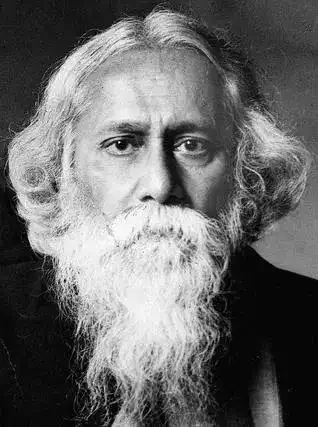
Rabindranath Tagore
Gitanjali
Gitanjali
1.
Thou hast made me endless, such is thy pleasure. This frail vessel thou emptiest again
and again, and fillest it ever with fresh life.
This little flute of a reed thou hast carried over hills and dales, and hast breathed
through it melodies eternally new.
At the immortal touch of thy hands my little heart loses its limits in joy and gives birth
to utterance ineffable.
Thy infinite gifts come to me only on these very small hands of mine. Ages pass, and
still thou pourest, and still there is room to fill.
2.
When thou commandest me to sing it seems that my heart would break with pride; and
I look to thy face, and tears come to my eyes.
All that is harsh and dissonant in my life melts into one sweet harmony - and my
adoration spreads wings like a glad bird on its flight across the sea.
I know thou takest pleasure in my singing. I know that only as a singer I come before
thy presence.
I touch by the edge of the far-spreading wing of my song thy feet which I could never
aspire to reach.
Drunk with the joy of singing I forget myself and call thee friend who art my lord.
3.
I know not how thou singest, my master! I ever listen in silent amazement.
The light of thy music illumines the world. The life breath of thy music runs from sky to
sky. The holy stream of thy music breaks through all stony obstacles and rushes on.
My heart longs to join in thy song, but vainly struggles for a voice. I would speak, but
speech breaks not into song, and I cry out baffled. Ah, thou hast made my heart
captive in the endless meshes of thy music, my master!
4.
Life of my life, I shall ever try to keep my body pure, knowing that thy living touch is
upon all my limbs.
I shall ever try to keep all untruths out from my thoughts, knowing that thou art that
truth which has kindled the light of reason in my mind.
I shall ever try to drive all evils away from my heart and keep my love in flower,
knowing that thou hast thy seat in the inmost shrine of my heart.
And it shall be my endeavour to reveal thee in my actions, knowing it is thy power
gives me strength to act.
5.
I ask for a moment's indulgence to sit by thy side. The works that I have in hand I will
finish afterwards.
Away from the sight of thy face my heart knows no rest nor respite, and my work
becomes an endless toil in a shoreless sea of toil.
Today the summer has come at my window with its sighs and murmurs; and the bees
are plying their minstrelsy at the court of the flowering grove.
Now it is time to sit quite, face to face with thee, and to sing dedication of life in this
silent and overflowing leisure.
6.
Pluck this little flower and take it, delay not! I fear lest it droop and drop into the dust.
I may not find a place in thy garland, but honour it with a touch of pain from thy hand
and pluck it. I fear lest the day end before I am aware, and the time of offering go by.
Though its colour be not deep and its smell be faint, use this flower in thy service and
pluck it while there is time.
7.
My song has put off her adornments. She has no pride of dress and decoration.
Ornaments would mar our union; they would come between thee and me; their jingling
would drown thy whispers.
My poet's vanity dies in shame before thy sight. O master poet, I have sat down at thy
feet. Only let me make my life simple and straight, like a flute of reed for thee to fill
with music.
8.
The child who is decked with prince's robes and who has jewelled chains round his neck
loses all pleasure in his play; his dress hampers him at every step.
In fear that it may be frayed, or stained with dust he keeps himself from the world, and
is afraid even to move.
Mother, it is no gain, thy bondage of finery, if it keeps one shut off from the healthful
dust of the earth, if it rob one of the right of entrance to the great fair of common
human life.
9.
O Fool, try to carry thyself upon thy own shoulders! O beggar, to come beg at thy own
door!
Leave all thy burdens on his hands who can bear all, and never look behind in regret.
Thy desire at once puts out the light from the lamp it touches with its breath. It is
unholy - take not thy gifts through its unclean hands. Accept only what is offered by
sacred love.
10.
Here is thy footstool and there rest thy feet where live the poorest, and lowliest, and
lost.
When I try to bow to thee, my obeisance cannot reach down to the depth where thy
feet rest among the poorest, and lowliest, and lost.
Pride can never approach to where thou walkest in the clothes of the humble among
the poorest, and lowliest, and lost.
My heart can never find its way to where thou keepest company with the
companionless among the poorest, the lowliest, and the lost.
11.
Leave this chanting and singing and telling of beads! Whom dost thou worship in this
lonely dark corner of a temple with doors all shut? Open thine eyes and see thy God is
not before thee!
He is there where the tiller is tilling the hard ground and where the pathmaker is
breaking stones. He is with them in sun and in shower, and his garment is covered with
dust. Put of thy holy mantle and even like him come down on the dusty soil!
Deliverance? Where is this deliverance to be found? Our master himself has joyfully
taken upon him the bonds of creation; he is bound with us all for ever.
Come out of thy meditations and leave aside thy flowers and incense! What harm is
there if thy clothes become tattered and stained? Meet him and stand by him in toil
and in sweat of thy brow.
12.
The time that my journey takes is long and the way of it long.
I came out on the chariot of the first gleam of light, and pursued my voyage through
the wildernesses of worlds leaving my track on many a star and planet.
It is the most distant course that comes nearest to thyself, and that training is the
most intricate which leads to the utter simplicity of a tune.
The traveller has to knock at every alien door to come to his own, and one has to
wander through all the outer worlds to reach the innermost shrine at the end.
My eyes strayed far and wide before I shut them and said 'Here art thou!'
The question and the cry 'Oh, where?' melt into tears of a thousand streams and
deluge the world with the flood of the assurance 'I am!'
13.
The song that I came to sing remains unsung to this day. I have spent my days in
stringing and in unstringing my instrument.
The time has not come true, the words have not been rightly set; only there is the
agony of wishing in my heart.
The blossom has not opened; only the wind is sighing by. I have not seen his face, nor
have I listened to his voice; only I have heard his gentle footsteps from the road before
my house.
The livelong day has passed in spreading his seat on the floor; but the lamp has not
been lit and I cannot ask him into my house.
I live in the hope of meeting with him; but this meeting is not yet.
14.
My desires are many and my cry is pitiful, but ever didst thou save me by hard
refusals; and this strong mercy has been wrought into my life through and through.
Day by day thou art making me worthy of the simple, great gifts that thou gavest to
me unasked - this sky and the light, this body and the life and the mind - saving me
from perils of overmuch desire.
There are times when I languidly linger and times when I awaken and hurry in search
of my goal; but cruelly thou hidest thyself from before me.
Day by day thou art making me worthy of thy full acceptance by refusing me ever and
anon, saving me from perils of weak, uncertain desire.
15.
I am here to sing thee songs. In this hall of thine I have a corner seat.
In thy world I have no work to do; my useless life can only break out in tunes without
a purpose.
When the hour strikes for thy silent worship at the dark temple of midnight, command
me, my master, to stand before thee to sing.
When in the morning air the golden harp is tuned, honour me, commanding my
presence.
16.
I have had my invitation to this world's festival, and thus my life has been blessed. My
eyes have seen and my ears have heard.
It was my part at this feast to play upon my instrument, and I have done all I could.
Now, I ask, has the time come at last when I may go in and see thy face and offer thee
my silent salutation?
17.
I am only waiting for love to give myself up at last into his hands. That is why it is so
late and why I have been guilty of such omissions.
They come with their laws and their codes to bind me fast; but I evade them ever, for I
am only waiting for love to give myself up at last into his hands.
People blame me and call me heedless; I doubt not they are right in their blame.
The market day is over and work is all done for the busy. Those who came to call me in
vain have gone back in anger. I am only waiting for love to give myself up at last into
his hands.
18.
Clouds heap upon clouds and it darkens. Ah, love, why dost thou let me wait outside at
the door all alone?
In the busy moments of the noontide work I am with the crowd, but on this dark lonely
day it is only for thee that I hope.
If thou showest me not thy face, if thou leavest me wholly aside, I know not how I am
to pass these long, rainy hours.
I keep gazing on the far-away gloom of the sky, and my heart wanders wailing with the
restless wind.
19.
If thou speakest not I will fill my heart with thy silence and endure it. I will keep still
and wait like the night with starry vigil and its head bent low with patience.
The morning will surely come, the darkness will vanish, and thy voice pour down in
golden streams breaking through the sky.
Then thy words will take wing in songs from every one of my birds' nests, and thy
melodies will break forth in flowers in all my forest groves.
20.
On the day when the lotus bloomed, alas, my mind was straying, and I knew it not. My
basket was empty and the flower remained unheeded.
Only now and again a sadness fell upon me, and I started up from my dream and felt a
sweet trace of a strange fragrance in the south wind.
That vague sweetness made my heart ache with longing and it seemed to me that is
was the eager breath of the summer seeking for its completion.
I knew not then that it was so near, that it was mine, and that this perfect sweetness
had blossomed in the depth of my own heart.
21.
I must launch out my boat. The languid hours pass by on the shore - Alas for me!
The spring has done its flowering and taken leave. And now with the burden of faded
futile flowers I wait and linger.
The waves have become clamorous, and upon the bank in the shady lane the yellow
leaves flutter and fall.
What emptiness do you gaze upon! Do you not feel a thrill passing through the air with
the notes of the far-away song floating from the other shore?
22.
In the deep shadows of the rainy July, with secret steps, thou walkest, silent as night,
eluding all watchers.
Today the morning has closed its eyes, heedless of the insistent calls of the loud east
wind, and a thick veil has been drawn over the ever-wakeful blue sky.
The woodlands have hushed their songs, and doors are all shut at every house. Thou
art the solitary wayfarer in this deserted street. Oh my only friend, my best beloved,
the gates are open in my house - do not pass by like a dream.
23.
Art thou abroad on this stormy night on thy journey of love, my friend? The sky groans
like one in despair.
I have no sleep tonight. Ever and again I open my door and look out on the darkness,
my friend!
I can see nothing before me. I wonder where lies thy path!
By what dim shore of the ink-black river, by what far edge of the frowning forest,
through what mazy depth of gloom art thou threading thy course to come to me, my
friend?
24.
If the day is done, if birds sing no more, if the wind has flagged tired, then draw the
veil of darkness thick upon me, even as thou hast wrapt the earth with the coverlet of
sleep and tenderly closed the petals of the drooping lotus at dusk.
From the traveller, whose sack of provisions is empty before the voyage is ended,
whose garment is torn and dustladen, whose strength is exhausted, remove shame and
poverty, and renew his life like a flower under the cover of thy kindly night.
25.
In the night of weariness let me give myself up to sleep without struggle, resting my
trust upon thee.
Let me not force my flagging spirit into a poor preparation for thy worship.
It is thou who drawest the veil of night upon the tired eyes of the day to renew its sight
in a fresher gladness of awakening.
26.
He came and sat by my side but I woke not. What a cursed sleep it was, O miserable
me!
He came when the night was still; he had his harp in his hands, and my dreams
became resonant with its melodies.
Alas, why are my nights all thus lost? Ah, why do I ever miss his sight whose breath
touches my sleep?
27.
Light, oh where is the light? Kindle it with the burning fire of desire!
There is the lamp but never a flicker of a flame - is such thy fate, my heart? Ah, death
were better by far for thee!
Misery knocks at thy door, and her message is that thy lord is wakeful, and he calls
thee to the love-tryst through the darkness of night.
The sky is overcast with clouds and the rain is ceaseless. I know not what this is that
stirs in me - I know not its meaning.
A moment's flash of lightning drags down a deeper gloom on my sight, and my heart
gropes for the path to where the music of the night calls me.
Light, oh where is the light! Kindle it with the burning fire of desire! It thunders and the
wind rushes screaming through the void. The night is black as a black stone. Let not
the hours pass by in the dark. Kindle the lamp of love with thy life.
28.
Obstinate are the trammels, but my heart aches when I try to break them.
Freedom is all I want, but to hope for it I feel ashamed.
I am certain that priceless wealth is in thee, and that thou art my best friend, but I
have not the heart to sweep away the tinsel that fills my room.
The shroud that covers me is a shroud of dust and death; I hate it, yet hug it in love.
My debts are large, my failures great, my shame secret and heavy; yet when I come to
ask for my good, I quake in fear lest my prayer be granted.
29.
He whom I enclose with my name is weeping in this dungeon. I am ever busy building
this wall all around; and as this wall goes up into the sky day by day I lose sight of my
true being in its dark shadow.
I take pride in this great wall, and I plaster it with dust and sand lest a least hole
should be left in this name; and for all the care I take I lose sight of my true being.
30.
I came out alone on my way to my tryst. But who is this that follows me in the silent
dark?
I move aside to avoid his presence but I escape him not.
He makes the dust rise from the earth with his swagger; he adds his loud voice to
every word that I utter.
He is my own little self, my lord, he knows no shame; but I am ashamed to come to
thy door in his company.
31.
'Prisoner, tell me, who was it that bound you?'
'It was my master,' said the prisoner. 'I thought I could outdo everybody in the world
in wealth and power, and I amassed in my own treasure-house the money due to my
king. When sleep overcame me I lay upon the bad that was for my lord, and on waking
up I found I was a prisoner in my own treasure-house.'
'Prisoner, tell me, who was it that wrought this unbreakable chain?'
'It was I,' said the prisoner, 'who forged this chain very carefully. I thought my
invincible power would hold the world captive leaving me in a freedom undisturbed.
Thus night and day I worked at the chain with huge fires and cruel hard strokes. When
at last the work was done and the links were complete and unbreakable, I found that it
held me in its grip.'
32.
By all means they try to hold me secure who love me in this world. But it is otherwise
with thy love which is greater than theirs, and thou keepest me free.
Lest I forget them they never venture to leave me alone. But day passes by after day
and thou art not seen.
If I call not thee in my prayers, if I keep not thee in my heart, thy love for me still
waits for my love.
33.
When it was day they came into my house and said, 'We shall only take the smallest
room here.'
They said, 'We shall help you in the worship of your God and humbly accept only our
own share in his grace'; and then they took their seat in a corner and they sat quiet
and meek.
But in the darkness of night I find they break into my sacred shrine, strong and
turbulent, and snatch with unholy greed the offerings from God's altar.
34.
Let only that little be left of me whereby I may name thee my all.
Let only that little be left of my will whereby I may feel thee on every side, and come
to thee in everything, and offer to thee my love every moment.
Let only that little be left of me whereby I may never hide thee.
Let only that little of my fetters be left whereby I am bound with thy will, and thy
purpose is carried out in my life - and that is the fetter of thy love.
35.
Where the mind is without fear and the head is held high; Where knowledge is free;
Where the world has not been broken up into fragments by narrow domestic walls;
Where words come out from the depth of truth; Where tireless striving stretches its
arms towards perfection; Where the clear stream of reason has not lost its way into the
dreary desert sand of dead habit; Where the mind is led forward by thee into
ever-widening thought and action- Into that heaven of freedom, my Father, let my
country awake.
36.
This is my prayer to thee, my lord - strike, strike at the root of penury in my heart.
Give me the strength lightly to bear my joys and sorrows. Give me the strength to
make my love fruitful in service. Give me the strength never to disown the poor or
bend my knees before insolent might. Give me the strength to raise my mind high
above daily trifles. And give me the strength to surrender my strength to thy will with
love.
37.
I thought that my voyage had come to its end at the last limit of my power, - that the
path before me was closed, that provisions were exhausted and the time come to take
shelter in a silent obscurity.
But I find that thy will knows no end in me. And when old words die out on the tongue,
new melodies break forth from the heart; and where the old tracks are lost, new
country is revealed with its wonders.
38.
That I want thee, only thee - let my heart repeat without end. All desires that distract
me, day and night, are false and empty to the core.
As the night keeps hidden in its gloom the petition for light, even thus in the depth of
my unconsciousness rings the cry - 'I want thee, only thee'.
As the storm still seeks its end in peace when it strikes against peace with all its might,
even thus my rebellion strikes against thy love and still its cry is - 'I want thee, only
thee'.
39.
When the heart is hard and parched up, come upon me with a shower of mercy.
When grace is lost from life, come with a burst of song.
When tumultuous work raises its din on all sides shutting me out from beyond, come to
me, my lord of silence, with thy peace and rest.
When my beggarly heart sits crouched, shut up in a corner, break open the door, my
king, and come with the ceremony of a king.
When desire blinds the mind with delusion and dust, O thou holy one, thou wakeful,
come with thy light and thy thunder.
40.
The rain has held back for days and days, my God, in my arid heart. The horizon is
fiercely naked - not the thinnest cover of a soft cloud, not the vaguest hint of a distant
cool shower.
Send thy angry storm, dark with death, if it is thy wish, and with lashes of lightning
startle the sky from end to end.
But call back, my lord, call back this pervading silent heat, still and keen and cruel,
burning the heart with dire despair.
Let the cloud of grace bend low from above like the tearful look of the mother on the
day of the father's wrath.
41.
Where dost thou stand behind them all, my lover, hiding thyself in the shadows? They
push thee and pass thee by on the dusty road, taking thee for naught. I wait here
weary hours spreading my offerings for thee, while passers-by come and take my
flowers, one by one, and my basket is nearly empty.
The morning time is past, and the noon. In the shade of evening my eyes are drowsy
with sleep. Men going home glance at me and smile and fill me with shame. I sit like a
beggar maid, drawing my skirt over my face, and when they ask me, what it is I want,
I drop my eyes and answer them not.
Oh, how, indeed, could I tell them that for thee I wait, and that thou hast promised to
come. How could I utter for shame that I keep for my dowry this poverty. Ah, I hug
this pride in the secret of my heart.
I sit on the grass and gaze upon the sky and dream of the sudden splendour of thy
coming - all the lights ablaze, golden pennons flying over thy car, and they at the
roadside standing agape, when they see thee come down from thy seat to raise me
from the dust, and set at thy side this ragged beggar girl a-tremble with shame and
pride, like a creeper in a summer breeze.
But time glides on and still no sound of the wheels of thy chariot. Many a procession
passes by with noise and shouts and glamour of glory. Is it only thou who wouldst
stand in the shadow silent and behind them all? And only I who would wait and weep
and wear out my heart in vain longing?
42.
Early in the day it was whispered that we should sail in a boat, only thou and I, and
never a soul in the world would know of this our pilgrimage to no country and to no
end.
In that shoreless ocean, at thy silently listening smile my songs would swell in
melodies, free as waves, free from all bondage of words.
Is the time not come yet? Are there works still to do? Lo, the evening has come down
upon the shore and in the fading light the seabirds come flying to their nests.
Who knows when the chains will be off, and the boat, like the last glimmer of sunset,
vanish into the night?
43.
The day was when I did not keep myself in readiness for thee; and entering my heart
unbidden even as one of the common crowd, unknown to me, my king, thou didst
press the signet of eternity upon many a fleeting moment of my life.
And today when by chance I light upon them and see thy signature, I find they have
lain scattered in the dust mixed with the memory of joys and sorrows of my trivial days
forgotten.
Thou didst not turn in contempt from my childish play among dust, and the steps that I
heard in my playroom are the same that are echoing from star to star.
44.
This is my delight, thus to wait and watch at the wayside where shadow chases light
and the rain comes in the wake of the summer.
Messengers, with tidings from unknown skies, greet me and speed along the road. My
heart is glad within, and the breath of the passing breeze is sweet.
From dawn till dusk I sit here before my door, and I know that of a sudden the happy
moment will arrive when I shall see.
In the meanwhile I smile and I sing all alone. In the meanwhile the air is filling with the
perfume of promise.
45.
Have you not heard his silent steps? He comes, comes, ever comes.
Every moment and every age, every day and every night he comes, comes, ever
comes.
Many a song have I sung in many a mood of mind, but all their notes have always
proclaimed, 'He comes, comes, ever comes.'
In the fragrant days of sunny April through the forest path he comes, comes, ever
comes.
In the rainy gloom of July nights on the thundering chariot of clouds he comes, comes,
ever comes.
In sorrow after sorrow it is his steps that press upon my heart, and it is the golden
touch of his feet that makes my joy to shine.
46.
I know not from what distant time thou art ever coming nearer to meet me. Thy sun
and stars can never keep thee hidden from me for aye.
In many a morning and eve thy footsteps have been heard and thy messenger has
come within my heart and called me in secret.
I know not only why today my life is all astir, and a feeling of tremulous joy is passing
through my heart.
It is as if the time were come to wind up my work, and I feel in the air a faint smell of
thy sweet presence.
47.
The night is nearly spent waiting for him in vain. I fear lest in the morning he suddenly
come to my door when I have fallen asleep wearied out. Oh friends, leave the way
open to him - forbid him not.
If the sounds of his steps does not wake me, do not try to rouse me, I pray. I wish not
to be called from my sleep by the clamorous choir of birds, by the riot of wind at the
festival of morning light. Let me sleep undisturbed even if my lord comes of a sudden
to my door.
Ah, my sleep, precious sleep, which only waits for his touch to vanish. Ah, my closed
eyes that would open their lids only to the light of his smile when he stands before me
like a dream emerging from darkness of sleep.
Let him appear before my sight as the first of all lights and all forms. The first thrill of
joy to my awakened soul let it come from his glance. And let my return to myself be
immediate return to him.
48.
The morning sea of silence broke into ripples of bird songs; and the flowers were all
merry by the roadside; and the wealth of gold was scattered through the rift of the
clouds while we busily went on our way and paid no heed.
We sang no glad songs nor played; we went not to the village for barter; we spoke not
a word nor smiled; we lingered not on the way. We quickened our pave more and more
as the time sped by.
The sun rose to the mid sky and doves cooed in the shade. Withered leaves danced
and whirled in the hot air of noon. The shepherd boy drowsed and dreamed in the
shadow of the banyan tree, and I laid myself down by the water and stretched my tired
limbs on the grass.
My companions laughed at me in scorn; they held their heads high and hurried on;
they never looked back nor rested; they vanished in the distant blue haze. They
crossed many meadows and hills, and passed through strange, far-away countries. All
honour to you, heroic host of the interminable path! Mockery and reproach pricked me
to rise, but found no response in me. I gave myself up for lost in the depth of a glad
humiliation - in the shadow of a dim delight.
The repose of the sun-embroidered green gloom slowly spread over my heart. I forgot
for what I had travelled, and I surrendered my mind without struggle to the maze of
shadows and songs.
At last, when I woke from my slumber and opened my eyes, I saw thee standing by
me, flooding my sleep with thy smile. How I had feared that the path was long and
wearisome, and the struggle to reach thee was hard!
49.
You came down from your throne and stood at my cottage door.
I was singing all alone in a corner, and the melody caught your ear. You came down
and stood at my cottage door.
Masters are many in your hall, and songs are sung there at all hours. But the simple
carol of this novice struck at your love. One plaintive little strain mingled with the great
music of the world, and with a flower for a prize you came down and stopped at my
cottage door.
50.
I had gone a-begging from door to door in the village path, when thy golden chariot
appeared in the distance like a gorgeous dream and I wondered who was this King of
all kings!
My hopes rose high and methought my evil days were at an end, and I stood waiting
for alms to be given unasked and for wealth scattered on all sides in the dust.
The chariot stopped where I stood. Thy glance fell on me and thou camest down with a
smile. I felt that the luck of my life had come at last. Then of a sudden thou didst hold
out thy right hand and say 'What hast thou to give to me?'
Ah, what a kingly jest was it to open thy palm to a beggar to beg! I was confused and
stood undecided, and then from my wallet I slowly took out the least little grain of corn
and gave it to thee.
But how great my surprise when at the day's end I emptied my bag on the floor to find
a least little gram of gold among the poor heap. I bitterly wept and wished that I had
had the heart to give thee my all.
51.
The night darkened. Our day's works had been done. We thought that the last guest
had arrived for the night and the doors in the village were all shut. Only some said the
king was to come. We laughed and said 'No, it cannot be!'
It seemed there were knocks at the door and we said it was nothing but the wind. We
put out the lamps and lay down to sleep. Only some said, 'It is the messenger!' We
laughed and said 'No, it must be the wind!'
There came a sound in the dead of the night. We sleepily thought it was the distant
thunder. The earth shook, the walls rocked, and it troubled us in our sleep. Only some
said it was the sound of wheels. We said in a drowsy murmur, 'No, it must be the
rumbling of clouds!'
The night was still dark when the drum sounded. The voice came 'Wake up! delay not!'
We pressed our hands on our hearts and shuddered with fear. Some said, 'Lo, there is
the king's flag!' We stood up on our feet and cried 'There is no time for delay!'
The king has come - but where are lights, where are wreaths? Where is the throne to
seat him? Oh, shame! Oh utter shame! Where is the hall, the decorations? Someone
has said, 'Vain is this cry! Greet him with empty hands, lead him into thy rooms all
bare!'
Open the doors, let the conch-shells be sounded! in the depth of the night has come
the king of our dark, dreary house. The thunder roars in the sky. The darkness
shudders with lightning. Bring out thy tattered piece of mat and spread it in the
courtyard. With the storm has come of a sudden our king of the fearful night.
52.
I thought I should ask of thee - but I dared not - the rose wreath thou hadst on thy
neck. Thus I waited for the morning, when thou didst depart, to find a few fragments
on the bed. And like a beggar I searched in the dawn only for a stray petal or two.
Ah me, what is it I find? What token left of thy love? It is no flower, no spices, no vase
of perfumed water. It is thy mighty sword, flashing as a flame, heavy as a bolt of
thunder. The young light of morning comes through the window and spread itself upon
thy bed. The morning bird twitters and asks, 'Woman, what hast thou got?' No, it is no
flower, nor spices, nor vase of perfumed water - it is thy dreadful sword.
I sit and muse in wonder, what gift is this of thine. I can find no place to hide it. I am
ashamed to wear it, frail as I am, and it hurts me when press it to my bosom. Yet shall
I bear in my heart this honour of the burden of pain, this gift of thine.
From now there shall be no fear left for me in this world, and thou shalt be victorious in
all my strife. Thou hast left death for my companion and I shall crown him with my life.
Thy sword is with me to cut asunder my bonds, and there shall be no fear left for me in
the world.
From now I leave off all petty decorations. Lord of my heart, no more shall there be for
me waiting and weeping in corners, no more coyness and sweetness of demeanour.
Thou hast given me thy sword for adornment. No more doll's decorations for me!
53.
Beautiful is thy wristlet, decked with stars and cunningly wrought in myriad-coloured
jewels. But more beautiful to me thy sword with its curve of lightning like the
outspread wings of the divine bird of Vishnu, perfectly poised in the angry red light of
the sunset.
It quivers like the one last response of life in ecstasy of pain at the final stroke of
death; it shines like the pure flame of being burning up earty sense with one fierce
flash.
Beautiful is thy wristlet, decked with starry gems; but thy sword, O lord of thunder, is
wrought with uttermost beauty, terrible to behold or think of.
54.
I asked nothing from thee; I uttered not my name to thine ear. When thou took'st thy
leave I stood silent. I was alone by the well where the shadow of the tree fell aslant,
and the women had gone home with their brown earthen pitchers full to the brim. They
called me and shouted, 'Come with us, the morning is wearing on to noon.' But I
languidly lingered awhile lost in the midst of vague musings.
I heard not thy steps as thou camest. Thine eyes were sad when they fell on me; thy
voice was tired as thou spokest low - 'Ah, I am a thirsty traveller.' I started up from my
day-dreams and poured water from my jar on thy joined palms. The leaves rustled
overhead; the cuckoo sang from the unseen dark, and perfume of babla flowers came
from the bend of the road.
I stood speecess with shame when my name thou didst ask. Indeed, what had I done
for thee to keep me in remembrance? But the memory that I could give water to thee
to allay thy thirst will cling to my heart and enfold it in sweetness. The morning hour is
late, the bird sings in weary notes, neem leaves rustle overhead and I sit and think and
think.
55.
Languor is upon your heart and the slumber is still on your eyes.
Has not the word come to you that the flower is reigning in splendour among thorns?
Wake, oh awaken! let not the time pass in vain!
At the end of the stony path, in the country of virgin solitude, my friend is sitting all
alone. Deceive him not. Wake, oh awaken!
What if the sky pants and trembles with the heat of the midday sun - what if the
burning sand spreads its mantle of thirst -
Is there no joy in the deep of your heart? At every footfall of yours, will not the harp of
the road break out in sweet music of pain?
56.
Thus it is that thy joy in me is so full. Thus it is that thou hast come down to me. O
thou lord of all heavens, where would be thy love if I were not?
Thou hast taken me as thy partner of all this wealth. In my heart is the endless play of
thy delight. In my life thy will is ever taking shape.
And for this, thou who art the King of kings hast decked thyself in beauty to captivate
my heart. And for this thy love loses itself in the love of thy lover, and there art thou
seen in the perfect union of two.
57.
Light, my light, the world-filling light, the eye-kissing light, heart-sweetening light!
Ah, the light dances, my darling, at the centre of my life; the light strikes, my darling,
the chords of my love; the sky opens, the wind runs wild, laughter passes over the
earth.
The butterflies spread their sails on the sea of light. Lilies and jasmines surge up on the
crest of the waves of light.
The light is shattered into gold on every cloud, my darling, and it scatters gems in
profusion.
Mirth spreads from leaf to leaf, my darling, and gladness without measure. The
heaven's river has drowned its banks and the flood of joy is abroad.
58.
Let all the strains of joy mingle in my last song - the joy that makes the earth flow
over in the riotous excess of the grass, the joy that sets the twin brothers, life and
death, dancing over the wide world, the joy that sweeps in with the tempest, shaking
and waking all life with laughter, the joy that sits still with its tears on the open red
lotus of pain, and the joy that throws everything it has upon the dust, and knows not a
word.
59.
Yes, I know, this is nothing but thy love, O beloved of my heart - this golden light that
dances upon the leaves, these idle clouds sailing across the sky, this passing breeze
leaving its coolness upon my forehead.
The morning light has flooded my eyes - this is thy message to my heart. Thy face is
bent from above, thy eyes look down on my eyes, and my heart has touched thy feet.
60.
On the seashore of endless worlds children meet. The infinite sky is motionless
overhead and the restless water is boisterous. On the seashore of endless worlds the
children meet with shouts and dances.
They build their houses with sand and they play with empty shells. With withered
leaves they weave their boats and smilingly float them on the vast deep. Children have
their play on the seashore of worlds.
They know not how to swim, they know not how to cast nets. Pearl fishers dive for
pearls, merchants sail in their ships, while children gather pebbles and scatter them
again. they seek not for hidden treasures, they know not how to cast nets.
The sea surges up with laughter and pale gleams the smile of the sea beach.
Death-dealing waves sing meaningless ballads to the children, even like a mother while
rocking her baby's cradle. The sea plays with children, and pale gleams the smile of the
sea beach.
On the seashore of endless worlds children meet. Tempest roams in the patess sky,
ships get wrecked in the trackless water, death is abroad and children play. On the
seashore of endless worlds is the great meeting of children.
61.
The sleep that flits on baby's eyes - does anybody know from where it comes? Yes,
there is a rumour that it has its dwelling where, in the fairy village among shadows of
the forest dimly lit with glow-worms, there hang two timid buds of enchantment. From
there it comes to kiss baby's eyes.
The smile that flickers on baby's lips when he sleeps - does anybody know where it was
born? Yes, there is a rumour that a young pale beam of a crescent moon touched the
edge of a vanishing autumn cloud, and there the smile was first born in the dream of a
dew-washed morning - the smile that flickers on baby's lips when he sleeps.
The sweet, soft freshness that blooms on baby's limbs - does anybody know where it
was hidden so long? Yes, when the mother was a young girl it lay pervading her heart
in tender and silent mystery of love - the sweet, soft freshness that has bloomed on
baby's limbs.
62.
When I bring to you coloured toys, my child, I understand why there is such a play of
colours on clouds, on water, and why flowers are painted in tints - when I give
coloured toys to you, my child.
When I sing to make you dance I truly now why there is music in leaves, and why
waves send their chorus of voices to the heart of the listening earth - when I sing to
make you dance.
When I bring sweet things to your greedy hands I know why there is honey in the cup
of the flowers and why fruits are secretly filled with sweet juice - when I bring sweet
things to your greedy hands.
When I kiss your face to make you smile, my darling, I surely understand what
pleasure streams from the sky in morning light, and what delight that is that is which
the summer breeze brings to my body - when I kiss you to make you smile.
63.
Thou hast made me known to friends whom I knew not. Thou hast given me seats in
homes not my own. Thou hast brought the distant near and made a brother of the
stranger.
I am uneasy at heart when I have to leave my accustomed shelter; I forget that there
abides the old in the new, and that there also thou abidest.
Through birth and death, in this world or in others, wherever thou leadest me it is
thou, the same, the one companion of my endless life who ever linkest my heart with
bonds of joy to the unfamiliar.
When one knows thee, then alien there is none, then no door is shut. Oh, grant me my
prayer that I may never lose the bliss of the touch of the one in the play of many.
64.
On the slope of the desolate river among tall grasses I asked her, 'Maiden, where do
you go shading your lamp with your mantle? My house is all dark and lonesome - lend
me your light!' she raised her dark eyes for a moment and looked at my face through
the dusk. 'I have come to the river,' she said, 'to float my lamp on the stream when
the daylight wanes in the west.' I stood alone among tall grasses and watched the
timid flame of her lamp uselessly drifting in the tide.
In the silence of gathering night I asked her, 'Maiden, your lights are all lit - then
where do you go with your lamp? My house is all dark and lonesome - lend me your
light.' She raised her dark eyes on my face and stood for a moment doubtful. 'I have
come,' she said at last, 'to dedicate my lamp to the sky.' I stood and watched her light
uselessly burning in the void.
In the moonless gloom of midnight I ask her, 'Maiden, what is your quest, holding the
lamp near your heart? My house is all dark and lonesome- - lend me your light.' She
stopped for a minute and thought and gazed at my face in the dark. 'I have brought
my light,' she said, 'to join the carnival of lamps.' I stood and watched her little lamp
uselessly lost among lights.
65.
What divine drink wouldst thou have, my God, from this overflowing cup of my life?
My poet, is it thy delight to see thy creation through my eyes and to stand at the
portals of my ears silently to listen to thine own eternal harmony?
Thy world is weaving words in my mind and thy joy is adding music to them. Thou
givest thyself to me in love and then feelest thine own entire sweetness in me.
66.
She who ever had remained in the depth of my being, in the twilight of gleams and of
glimpses; she who never opened her veils in the morning light, will be my last gift to
thee, my God, folded in my final song.
Words have wooed yet failed to win her; persuasion has stretched to her its eager
arms in vain.
I have roamed from country to country keeping her in the core of my heart, and
around her have risen and fallen the growth and decay of my life.
Over my thoughts and actions, my slumbers and dreams, she reigned yet dwelled
alone and apart.
many a man knocked at my door and asked for her and turned away in despair.
There was none in the world who ever saw her face to face, and she remained in her
loneliness waiting for thy recognition.
67.
Thou art the sky and thou art the nest as well.
O thou beautiful, there in the nest is thy love that encloses the soul with colours and
sounds and odours.
There comes the morning with the golden basket in her right hand bearing the wreath
of beauty, silently to crown the earth.
And there comes the evening over the lonely meadows deserted by herds, through
trackless paths, carrying cool draughts of peace in her golden pitcher from the western
ocean of rest.
But there, where spreads the infinite sky for the soul to take her flight in, reigns the
stainless white radiance. There is no day nor night, nor form nor colour, and never,
never a word.
68.
Thy sunbeam comes upon this earth of mine with arms outstretched and stands at my
door the livelong day to carry back to thy feet clouds made of my tears and sighs and
songs.
With fond delight thou wrappest about thy starry breast that mantle of misty cloud,
turning it into numberless shapes and folds and colouring it with hues everchanging.
It is so light and so fleeting, tender and tearful and dark, that is why thou lovest it, O
thou spotless and serene. And that is why it may cover thy awful white light with its
pathetic shadows.
69.
The same stream of life that runs through my veins night and day runs through the
world and dances in rhythmic measures.
It is the same life that shoots in joy through the dust of the earth in numberless blades
of grass and breaks into tumultuous waves of leaves and flowers.
It is the same life that is rocked in the ocean-cradle of birth and of death, in ebb and in
flow.
I feel my limbs are made glorious by the touch of this world of life. And my pride is
from the life-throb of ages dancing in my blood this moment.
70.
Is it beyond thee to be glad with the gladness of this rhythm? to be tossed and lost and
broken in the whirl of this fearful joy?
All things rush on, they stop not, they look not behind, no power can hold them back,
they rush on.
Keeping steps with that restless, rapid music, seasons come dancing and pass away colours,
tunes, and perfumes pour in endless cascades in the abounding joy that
scatters and gives up and dies every moment.
71.
That I should make much of myself and turn it on all sides, thus casting coloured
shadows on thy radiance - such is thy maya.
Thou settest a barrier in thine own being and then callest thy severed self in myriad
notes. This thy self-separation has taken body in me.
The poignant song is echoed through all the sky in many-coloured tears and smiles,
alarms and hopes; waves rise up and sink again, dreams break and form. In me is thy
own defeat of self.
This screen that thou hast raised is painted with innumerable figures with the brush of
the night and the day. Behind it thy seat is woven in wondrous mysteries of curves,
casting away all barren lines of straightness.
The great pageant of thee and me has overspread the sky. With the tune of thee and
me all the air is vibrant, and all ages pass with the hiding and seeking of thee and me.
72.
He it is, the innermost one, who awakens my being with his deep hidden touches.
He it is who puts his enchantment upon these eyes and joyfully plays on the chords of
my heart in varied cadence of pleasure and pain.
He it is who weaves the web of this maya in evanescent hues of gold and silver, blue
and green, and lets peep out through the folds his feet, at whose touch I forget myself.
Days come and ages pass, and it is ever he who moves my heart in many a name, in
many a guise, in many a rapture of joy and of sorrow.
73.
Deliverance is not for me in renunciation. I feel the embrace of freedom in a thousand
bonds of delight.
Thou ever pourest for me the fresh draught of thy wine of various colours and
fragrance, filling this earthen vessel to the brim.
My world will light its hundred different lamps with thy flame and place them before the
altar of thy temple.
No, I will never shut the doors of my senses. The delights of sight and hearing and
touch will bear thy delight.
Yes, all my illusions will burn into illumination of joy, and all my desires ripen into fruits
of love.
74.
The day is no more, the shadow is upon the earth. It is time that I go to the stream to
fill my pitcher.
The evening air is eager with the sad music of the water. Ah, it calls me out into the
dusk. In the lonely lane there is no passer-by, the wind is up, the ripples are rampant
in the river.
I know not if I shall come back home. I know not whom I shall chance to meet. There
at the fording in the little boat the unknown man plays upon his lute.
75.
Thy gifts to us mortals fulfil all our needs and yet run back to thee undiminished.
The river has its everyday work to do and hastens through fields and hamlets; yet its
incessant stream winds towards the washing of thy feet.
The flower sweetens the air with its perfume; yet its last service is to offer itself to
thee.
Thy worship does not impoverish the world.
From the words of the poet men take what meanings please them; yet their last
meaning points to thee.
76.
Day after day, O lord of my life, shall I stand before thee face to face. With folded
hands, O lord of all worlds, shall I stand before thee face to face.
Under thy great sky in solitude and silence, with humble heart shall I stand before thee
face to face.
In this laborious world of thine, tumultuous with toil and with struggle, among hurrying
crowds shall I stand before thee face to face.
And when my work shall be done in this world, O King of kings, alone and speecess
shall I stand before thee face to face.
77.
I know thee as my God and stand apart - I do not know thee as my own and come
closer. I know thee as my father and bow before thy feet- I do not grasp thy hand as
my friend's.
I stand not where thou comest down and ownest thyself as mine, there to clasp thee to
my heart and take thee as my comrade.
Thou art the Brother amongst my brothers, but I heed them not, I divide not my
earnings with them, thus sharing my all with thee.
In pleasure and in pain I stand not by the side of men, and thus stand by thee. I shrink
to give up my life, and thus do not plunge into the great waters of life.
78.
When the creation was new and all the stars shone in their first splendour, the gods
held their assembly in the sky and sang 'Oh, the picture of perfection! the joy
unalloyed!'
But one cried of a sudden - 'It seems that somewhere there is a break in the chain of
light and one of the stars has been lost.'
The golden string of their harp snapped, their song stopped, and they cried in dismay '
Yes, that lost star was the best, she was the glory of all heavens!'
From that day the search is unceasing for her, and the cry goes on from one to the
other that in her the world has lost its one joy!
Only in the deepest silence of night the stars smile and whisper among themselves '
Vain is this seeking! unbroken perfection is over all!'
79.
If it is not my portion to meet thee in this life then let me ever feel that I have missed
thy sight - let me not forget for a moment, let me carry the pangs of this sorrow in my
dreams and in my wakeful hours.
As my days pass in the crowded market of this world and my hands grow full with the
daily profits, let me ever feel that I have gained nothing - let me not forget for a
moment, let me carry the pangs of this sorrow in my dreams and in my wakeful hours.
When I sit by the roadside, tired and panting, when I spread my bed low in the dust,
let me ever feel that the long journey is still before me - let me not forget a moment,
let me carry the pangs of this sorrow in my dreams and in my wakeful hours.
When my rooms have been decked out and the flutes sound and the laughter there is
loud, let me ever feel that I have not invited thee to my house - let me not forget for a
moment, let me carry the pangs of this sorrow in my dreams and in my wakeful hours.
80.
I am like a remnant of a cloud of autumn uselessly roaming in the sky, O my sun
ever-glorious! Thy touch has not yet melted my vapour, making me one with thy light,
and thus I count months and years separated from thee.
If this be thy wish and if this be thy play, then take this fleeting emptiness of mine,
paint it with colours, gild it with gold, float it on the wanton wind and spread it in
varied wonders.
And again when it shall be thy wish to end this play at night, I shall melt and vanish
away in the dark, or it may be in a smile of the white morning, in a coolness of purity
transparent.
81.
On many an idle day have I grieved over lost time. But it is never lost, my lord. Thou
hast taken every moment of my life in thine own hands.
Hidden in the heart of things thou art nourishing seeds into sprouts, buds into
blossoms, and ripening flowers into fruitfulness.
I was tired and sleeping on my idle bed and imagined all work had ceased. In the
morning I woke up and found my garden full with wonders of flowers.
82.
Time is endless in thy hands, my lord. There is none to count thy minutes.
Days and nights pass and ages bloom and fade like flowers. Thou knowest how to wait.
Thy centuries follow each other perfecting a small wild flower.
We have no time to lose, and having no time we must scramble for a chances. We are
too poor to be late.
And thus it is that time goes by while I give it to every querulous man who claims it,
and thine altar is empty of all offerings to the last.
At the end of the day I hasten in fear lest thy gate to be shut; but I find that yet there
is time.
83.
Mother, I shall weave a chain of pearls for thy neck with my tears of sorrow.
The stars have wrought their anklets of light to deck thy feet, but mine will hang upon
thy breast.
Wealth and fame come from thee and it is for thee to give or to withhold them. But this
my sorrow is absolutely mine own, and when I bring it to thee as my offering thou
rewardest me with thy grace.
84.
It is the pang of separation that spreads throughout the world and gives birth to
shapes innumerable in the infinite sky.
It is this sorrow of separation that gazes in silence all nights from star to star and
becomes lyric among rustling leaves in rainy darkness of July.
It is this overspreading pain that deepens into loves and desires, into sufferings and
joy in human homes; and this it is that ever melts and flows in songs through my
poet's heart.
85.
When the warriors came out first from their master's hall, where had they hid their
power? Where were their armour and their arms?
They looked poor and helpless, and the arrows were showered upon them on the day
they came out from their master's hall.
When the warriors marched back again to their master's hall where did they hide their
power?
They had dropped the sword and dropped the bow and the arrow; peace was on their
foreheads, and they had left the fruits of their life behind them on the day they
marched back again to their master's hall.
86.
Death, thy servant, is at my door. He has crossed the unknown sea and brought thy
call to my home.
The night is dark and my heart is fearful - yet I will take up the lamp, open my gates
and bow to him my welcome. It is thy messenger who stands at my door.
I will worship him placing at his feet the treasure of my heart.
He will go back with his errand done, leaving a dark shadow on my morning; and in my
desolate home only my forlorn self will remain as my last offering to thee.
87.
In desperate hope I go and search for her in all the corners of my room; I find her not.
My house is small and what once has gone from it can never be regained.
But infinite is thy mansion, my lord, and seeking her I have to come to thy door.
I stand under the golden canopy of thine evening sky and I lift my eager eyes to thy
face.
I have come to the brink of eternity from which nothing can vanish - no hope, no
happiness, no vision of a face seen through tears.
Oh, dip my emptied life into that ocean, plunge it into the deepest fullness. Let me for
once feel that lost sweet touch in the allness of the universe.
88.
Deity of the ruined temple! The broken strings of Vina sing no more your praise. The
bells in the evening proclaim not your time of worship. The air is still and silent about
you.
In your desolate dwelling comes the vagrant spring breeze. It brings the tidings of
flowers - the flowers that for your worship are offered no more.
Your worshipper of old wanders ever longing for favour still refused. In the eventide,
when fires and shadows mingle with the gloom of dust, he wearily comes back to the
ruined temple with hunger in his heart.
Many a festival day comes to you in silence, deity of the ruined temple. Many a night of
worship goes away with lamp unlit.
Many new images are built by masters of cunning art and carried to the holy stream of
oblivion when their time is come.
Only the deity of the ruined temple remains unworshipped in deatess neglect.
89.
No more noisy, loud words from me - such is my master's will. Henceforth I deal in
whispers. The speech of my heart will be carried on in murmurings of a song.
Men hasten to the King's market. All the buyers and sellers are there. But I have my
untimely leave in the middle of the day, in the thick of work.
Let then the flowers come out in my garden, though it is not their time; and let the
midday bees strike up their lazy hum.
Full many an hour have I spent in the strife of the good and the evil, but now it is the
pleasure of my playmate of the empty days to draw my heart on to him; and I know
not why is this sudden call to what useless inconsequence!
90.
On the day when death will knock at thy door what wilt thou offer to him?
Oh, I will set before my guest the full vessel of my life - I will never let him go with
empty hands.
All the sweet vintage of all my autumn days and summer nights, all the earnings and
gleanings of my busy life will I place before him at the close of my days when death
will knock at my door.
91.
O thou the last fulfilment of life, Death, my death, come and whisper to me!
Day after day I have kept watch for thee; for thee have I borne the joys and pangs of
life.
All that I am, that I have, that I hope and all my love have ever flowed towards thee in
depth of secrecy. One final glance from thine eyes and my life will be ever thine own.
The flowers have been woven and the garland is ready for the bridegroom. After the
wedding the bride shall leave her home and meet her lord alone in the solitude of
night.
92.
I know that the day will come when my sight of this earth shall be lost, and life will
take its leave in silence, drawing the last curtain over my eyes.
Yet stars will watch at night, and morning rise as before, and hours heave like sea
waves casting up pleasures and pains.
When I think of this end of my moments, the barrier of the moments breaks and I see
by the light of death thy world with its careless treasures. Rare is its lowliest seat, rare
is its meanest of lives.
Things that I longed for in vain and things that I got - let them pass. Let me but truly
possess the things that I ever spurned and overlooked.
93.
I have got my leave. Bid me farewell, my brothers! I bow to you all and take my
departure.
Here I give back the keys of my door - and I give up all claims to my house. I only ask
for last kind words from you.
We were neighbours for long, but I received more than I could give. Now the day has
dawned and the lamp that lit my dark corner is out. A summons has come and I am
ready for my journey.
94.
At this time of my parting, wish me good luck, my friends! The sky is flushed with the
dawn and my path lies beautiful.
Ask not what I have with me to take there. I start on my journey with empty hands
and expectant heart.
I shall put on my wedding garland. Mine is not the red-brown dress of the traveller,
and though there are dangers on the way I have no fear in mind.
The evening star will come out when my voyage is done and the plaintive notes of the
twilight melodies be struck up from the King's gateway.
95.
I was not aware of the moment when I first crossed the threshold of this life.
What was the power that made me open out into this vast mystery like a bud in the
forest at midnight!
When in the morning I looked upon the light I felt in a moment that I was no stranger
in this world, that the inscrutable without name and form had taken me in its arms in
the form of my own mother.
Even so, in death the same unknown will appear as ever known to me. And because I
love this life, I know I shall love death as well.
The child cries out when from the right breast the mother takes it away, in the very
next moment to find in the left one its consolation.
96.
When I go from hence let this be my parting word, that what I have seen is
unsurpassable.
I have tasted of the hidden honey of this lotus that expands on the ocean of light, and
thus am I blessed - let this be my parting word.
In this playhouse of infinite forms I have had my play and here have I caught sight of
him that is formless.
My whole body and my limbs have thrilled with his touch who is beyond touch; and if
the end comes here, let it come - let this be my parting word.
97.
When my play was with thee I never questioned who thou wert. I knew nor shyness
nor fear, my life was boisterous.
In the early morning thou wouldst call me from my sleep like my own comrade and
lead me running from glade to glade.
On those days I never cared to know the meaning of songs thou sangest to me. Only
my voice took up the tunes, and my heart danced in their cadence.
Now, when the playtime is over, what is this sudden sight that is come upon me? The
world with eyes bent upon thy feet stands in awe with all its silent stars.
98.
I will deck thee with trophies, garlands of my defeat. It is never in my power to escape
unconquered.
I surely know my pride will go to the wall, my life will burst its bonds in exceeding pain,
and my empty heart will sob out in music like a hollow reed, and the stone will melt in
tears.
I surely know the hundred petals of a lotus will not remain closed for ever and the
secret recess of its honey will be bared.
From the blue sky an eye shall gaze upon me and summon me in silence. Nothing will
be left for me, nothing whatever, and utter death shall I receive at thy feet.
99.
When I give up the helm I know that the time has come for thee to take it. What there
is to do will be instantly done. Vain is this struggle.
Then take away your hands and silently put up with your defeat, my heart, and think it
your good fortune to sit perfectly still where you are placed.
These my lamps are blown out at every little puff of wind, and trying to light them I
forget all else again and again.
But I shall be wise this time and wait in the dark, spreading my mat on the floor; and
whenever it is thy pleasure, my lord, come silently and take thy seat here.
100.
I dive down into the depth of the ocean of forms, hoping to gain the perfect pearl of
the formless.
No more sailing from harbour to harbour with this my weather-beaten boat. The days
are long passed when my sport was to be tossed on waves.
And now I am eager to die into the deatess.
Into the audience hall by the fathomless abyss where swells up the music of toneless
strings I shall take this harp of my life.
I shall tune it to the notes of forever, and when it has sobbed out its last utterance, lay
down my silent harp at the feet of the silent.
101.
Ever in my life have I sought thee with my songs. It was they who led me from door to
door, and with them have I felt about me, searching and touching my world.
It was my songs that taught me all the lessons I ever learnt; they showed me secret
paths, they brought before my sight many a star on the horizon of my heart.
They guided me all the day long to the mysteries of the country of pleasure and pain,
and, at last, to what palace gate have the brought me in the evening at the end of my
journey?
102.
I boasted among men that I had known you. They see your pictures in all works of
mine. They come and ask me, 'Who is he?' I know not how to answer them. I say,
'Indeed, I cannot tell.' They blame me and they go away in scorn. And you sit there
smiling.
I put my tales of you into lasting songs. The secret gushes out from my heart. They
come and ask me, 'Tell me all your meanings.' I know not how to answer them. I say,
'Ah, who knows what they mean!' They smile and go away in utter scorn. And you sit
there smiling.
103.
In one salutation to thee, my God, let all my senses spread out and touch this world at
thy feet.
Like a rain-cloud of July hung low with its burden of unshed showers let all my mind
bend down at thy door in one salutation to thee.
Let all my songs gather together their diverse strains into a single current and flow to a
sea of silence in one salutation to thee.
Like a flock of homesick cranes flying night and day back to their mountain nests let all
my life take its voyage to its eternal home in one salutation to thee.
1.
Thou hast made me endless, such is thy pleasure. This frail vessel thou emptiest again
and again, and fillest it ever with fresh life.
This little flute of a reed thou hast carried over hills and dales, and hast breathed
through it melodies eternally new.
At the immortal touch of thy hands my little heart loses its limits in joy and gives birth
to utterance ineffable.
Thy infinite gifts come to me only on these very small hands of mine. Ages pass, and
still thou pourest, and still there is room to fill.
2.
When thou commandest me to sing it seems that my heart would break with pride; and
I look to thy face, and tears come to my eyes.
All that is harsh and dissonant in my life melts into one sweet harmony - and my
adoration spreads wings like a glad bird on its flight across the sea.
I know thou takest pleasure in my singing. I know that only as a singer I come before
thy presence.
I touch by the edge of the far-spreading wing of my song thy feet which I could never
aspire to reach.
Drunk with the joy of singing I forget myself and call thee friend who art my lord.
3.
I know not how thou singest, my master! I ever listen in silent amazement.
The light of thy music illumines the world. The life breath of thy music runs from sky to
sky. The holy stream of thy music breaks through all stony obstacles and rushes on.
My heart longs to join in thy song, but vainly struggles for a voice. I would speak, but
speech breaks not into song, and I cry out baffled. Ah, thou hast made my heart
captive in the endless meshes of thy music, my master!
4.
Life of my life, I shall ever try to keep my body pure, knowing that thy living touch is
upon all my limbs.
I shall ever try to keep all untruths out from my thoughts, knowing that thou art that
truth which has kindled the light of reason in my mind.
I shall ever try to drive all evils away from my heart and keep my love in flower,
knowing that thou hast thy seat in the inmost shrine of my heart.
And it shall be my endeavour to reveal thee in my actions, knowing it is thy power
gives me strength to act.
5.
I ask for a moment's indulgence to sit by thy side. The works that I have in hand I will
finish afterwards.
Away from the sight of thy face my heart knows no rest nor respite, and my work
becomes an endless toil in a shoreless sea of toil.
Today the summer has come at my window with its sighs and murmurs; and the bees
are plying their minstrelsy at the court of the flowering grove.
Now it is time to sit quite, face to face with thee, and to sing dedication of life in this
silent and overflowing leisure.
6.
Pluck this little flower and take it, delay not! I fear lest it droop and drop into the dust.
I may not find a place in thy garland, but honour it with a touch of pain from thy hand
and pluck it. I fear lest the day end before I am aware, and the time of offering go by.
Though its colour be not deep and its smell be faint, use this flower in thy service and
pluck it while there is time.
7.
My song has put off her adornments. She has no pride of dress and decoration.
Ornaments would mar our union; they would come between thee and me; their jingling
would drown thy whispers.
My poet's vanity dies in shame before thy sight. O master poet, I have sat down at thy
feet. Only let me make my life simple and straight, like a flute of reed for thee to fill
with music.
8.
The child who is decked with prince's robes and who has jewelled chains round his neck
loses all pleasure in his play; his dress hampers him at every step.
In fear that it may be frayed, or stained with dust he keeps himself from the world, and
is afraid even to move.
Mother, it is no gain, thy bondage of finery, if it keeps one shut off from the healthful
dust of the earth, if it rob one of the right of entrance to the great fair of common
human life.
9.
O Fool, try to carry thyself upon thy own shoulders! O beggar, to come beg at thy own
door!
Leave all thy burdens on his hands who can bear all, and never look behind in regret.
Thy desire at once puts out the light from the lamp it touches with its breath. It is
unholy - take not thy gifts through its unclean hands. Accept only what is offered by
sacred love.
10.
Here is thy footstool and there rest thy feet where live the poorest, and lowliest, and
lost.
When I try to bow to thee, my obeisance cannot reach down to the depth where thy
feet rest among the poorest, and lowliest, and lost.
Pride can never approach to where thou walkest in the clothes of the humble among
the poorest, and lowliest, and lost.
My heart can never find its way to where thou keepest company with the
companionless among the poorest, the lowliest, and the lost.
11.
Leave this chanting and singing and telling of beads! Whom dost thou worship in this
lonely dark corner of a temple with doors all shut? Open thine eyes and see thy God is
not before thee!
He is there where the tiller is tilling the hard ground and where the pathmaker is
breaking stones. He is with them in sun and in shower, and his garment is covered with
dust. Put of thy holy mantle and even like him come down on the dusty soil!
Deliverance? Where is this deliverance to be found? Our master himself has joyfully
taken upon him the bonds of creation; he is bound with us all for ever.
Come out of thy meditations and leave aside thy flowers and incense! What harm is
there if thy clothes become tattered and stained? Meet him and stand by him in toil
and in sweat of thy brow.
12.
The time that my journey takes is long and the way of it long.
I came out on the chariot of the first gleam of light, and pursued my voyage through
the wildernesses of worlds leaving my track on many a star and planet.
It is the most distant course that comes nearest to thyself, and that training is the
most intricate which leads to the utter simplicity of a tune.
The traveller has to knock at every alien door to come to his own, and one has to
wander through all the outer worlds to reach the innermost shrine at the end.
My eyes strayed far and wide before I shut them and said 'Here art thou!'
The question and the cry 'Oh, where?' melt into tears of a thousand streams and
deluge the world with the flood of the assurance 'I am!'
13.
The song that I came to sing remains unsung to this day. I have spent my days in
stringing and in unstringing my instrument.
The time has not come true, the words have not been rightly set; only there is the
agony of wishing in my heart.
The blossom has not opened; only the wind is sighing by. I have not seen his face, nor
have I listened to his voice; only I have heard his gentle footsteps from the road before
my house.
The livelong day has passed in spreading his seat on the floor; but the lamp has not
been lit and I cannot ask him into my house.
I live in the hope of meeting with him; but this meeting is not yet.
14.
My desires are many and my cry is pitiful, but ever didst thou save me by hard
refusals; and this strong mercy has been wrought into my life through and through.
Day by day thou art making me worthy of the simple, great gifts that thou gavest to
me unasked - this sky and the light, this body and the life and the mind - saving me
from perils of overmuch desire.
There are times when I languidly linger and times when I awaken and hurry in search
of my goal; but cruelly thou hidest thyself from before me.
Day by day thou art making me worthy of thy full acceptance by refusing me ever and
anon, saving me from perils of weak, uncertain desire.
15.
I am here to sing thee songs. In this hall of thine I have a corner seat.
In thy world I have no work to do; my useless life can only break out in tunes without
a purpose.
When the hour strikes for thy silent worship at the dark temple of midnight, command
me, my master, to stand before thee to sing.
When in the morning air the golden harp is tuned, honour me, commanding my
presence.
16.
I have had my invitation to this world's festival, and thus my life has been blessed. My
eyes have seen and my ears have heard.
It was my part at this feast to play upon my instrument, and I have done all I could.
Now, I ask, has the time come at last when I may go in and see thy face and offer thee
my silent salutation?
17.
I am only waiting for love to give myself up at last into his hands. That is why it is so
late and why I have been guilty of such omissions.
They come with their laws and their codes to bind me fast; but I evade them ever, for I
am only waiting for love to give myself up at last into his hands.
People blame me and call me heedless; I doubt not they are right in their blame.
The market day is over and work is all done for the busy. Those who came to call me in
vain have gone back in anger. I am only waiting for love to give myself up at last into
his hands.
18.
Clouds heap upon clouds and it darkens. Ah, love, why dost thou let me wait outside at
the door all alone?
In the busy moments of the noontide work I am with the crowd, but on this dark lonely
day it is only for thee that I hope.
If thou showest me not thy face, if thou leavest me wholly aside, I know not how I am
to pass these long, rainy hours.
I keep gazing on the far-away gloom of the sky, and my heart wanders wailing with the
restless wind.
19.
If thou speakest not I will fill my heart with thy silence and endure it. I will keep still
and wait like the night with starry vigil and its head bent low with patience.
The morning will surely come, the darkness will vanish, and thy voice pour down in
golden streams breaking through the sky.
Then thy words will take wing in songs from every one of my birds' nests, and thy
melodies will break forth in flowers in all my forest groves.
20.
On the day when the lotus bloomed, alas, my mind was straying, and I knew it not. My
basket was empty and the flower remained unheeded.
Only now and again a sadness fell upon me, and I started up from my dream and felt a
sweet trace of a strange fragrance in the south wind.
That vague sweetness made my heart ache with longing and it seemed to me that is
was the eager breath of the summer seeking for its completion.
I knew not then that it was so near, that it was mine, and that this perfect sweetness
had blossomed in the depth of my own heart.
21.
I must launch out my boat. The languid hours pass by on the shore - Alas for me!
The spring has done its flowering and taken leave. And now with the burden of faded
futile flowers I wait and linger.
The waves have become clamorous, and upon the bank in the shady lane the yellow
leaves flutter and fall.
What emptiness do you gaze upon! Do you not feel a thrill passing through the air with
the notes of the far-away song floating from the other shore?
22.
In the deep shadows of the rainy July, with secret steps, thou walkest, silent as night,
eluding all watchers.
Today the morning has closed its eyes, heedless of the insistent calls of the loud east
wind, and a thick veil has been drawn over the ever-wakeful blue sky.
The woodlands have hushed their songs, and doors are all shut at every house. Thou
art the solitary wayfarer in this deserted street. Oh my only friend, my best beloved,
the gates are open in my house - do not pass by like a dream.
23.
Art thou abroad on this stormy night on thy journey of love, my friend? The sky groans
like one in despair.
I have no sleep tonight. Ever and again I open my door and look out on the darkness,
my friend!
I can see nothing before me. I wonder where lies thy path!
By what dim shore of the ink-black river, by what far edge of the frowning forest,
through what mazy depth of gloom art thou threading thy course to come to me, my
friend?
24.
If the day is done, if birds sing no more, if the wind has flagged tired, then draw the
veil of darkness thick upon me, even as thou hast wrapt the earth with the coverlet of
sleep and tenderly closed the petals of the drooping lotus at dusk.
From the traveller, whose sack of provisions is empty before the voyage is ended,
whose garment is torn and dustladen, whose strength is exhausted, remove shame and
poverty, and renew his life like a flower under the cover of thy kindly night.
25.
In the night of weariness let me give myself up to sleep without struggle, resting my
trust upon thee.
Let me not force my flagging spirit into a poor preparation for thy worship.
It is thou who drawest the veil of night upon the tired eyes of the day to renew its sight
in a fresher gladness of awakening.
26.
He came and sat by my side but I woke not. What a cursed sleep it was, O miserable
me!
He came when the night was still; he had his harp in his hands, and my dreams
became resonant with its melodies.
Alas, why are my nights all thus lost? Ah, why do I ever miss his sight whose breath
touches my sleep?
27.
Light, oh where is the light? Kindle it with the burning fire of desire!
There is the lamp but never a flicker of a flame - is such thy fate, my heart? Ah, death
were better by far for thee!
Misery knocks at thy door, and her message is that thy lord is wakeful, and he calls
thee to the love-tryst through the darkness of night.
The sky is overcast with clouds and the rain is ceaseless. I know not what this is that
stirs in me - I know not its meaning.
A moment's flash of lightning drags down a deeper gloom on my sight, and my heart
gropes for the path to where the music of the night calls me.
Light, oh where is the light! Kindle it with the burning fire of desire! It thunders and the
wind rushes screaming through the void. The night is black as a black stone. Let not
the hours pass by in the dark. Kindle the lamp of love with thy life.
28.
Obstinate are the trammels, but my heart aches when I try to break them.
Freedom is all I want, but to hope for it I feel ashamed.
I am certain that priceless wealth is in thee, and that thou art my best friend, but I
have not the heart to sweep away the tinsel that fills my room.
The shroud that covers me is a shroud of dust and death; I hate it, yet hug it in love.
My debts are large, my failures great, my shame secret and heavy; yet when I come to
ask for my good, I quake in fear lest my prayer be granted.
29.
He whom I enclose with my name is weeping in this dungeon. I am ever busy building
this wall all around; and as this wall goes up into the sky day by day I lose sight of my
true being in its dark shadow.
I take pride in this great wall, and I plaster it with dust and sand lest a least hole
should be left in this name; and for all the care I take I lose sight of my true being.
30.
I came out alone on my way to my tryst. But who is this that follows me in the silent
dark?
I move aside to avoid his presence but I escape him not.
He makes the dust rise from the earth with his swagger; he adds his loud voice to
every word that I utter.
He is my own little self, my lord, he knows no shame; but I am ashamed to come to
thy door in his company.
31.
'Prisoner, tell me, who was it that bound you?'
'It was my master,' said the prisoner. 'I thought I could outdo everybody in the world
in wealth and power, and I amassed in my own treasure-house the money due to my
king. When sleep overcame me I lay upon the bad that was for my lord, and on waking
up I found I was a prisoner in my own treasure-house.'
'Prisoner, tell me, who was it that wrought this unbreakable chain?'
'It was I,' said the prisoner, 'who forged this chain very carefully. I thought my
invincible power would hold the world captive leaving me in a freedom undisturbed.
Thus night and day I worked at the chain with huge fires and cruel hard strokes. When
at last the work was done and the links were complete and unbreakable, I found that it
held me in its grip.'
32.
By all means they try to hold me secure who love me in this world. But it is otherwise
with thy love which is greater than theirs, and thou keepest me free.
Lest I forget them they never venture to leave me alone. But day passes by after day
and thou art not seen.
If I call not thee in my prayers, if I keep not thee in my heart, thy love for me still
waits for my love.
33.
When it was day they came into my house and said, 'We shall only take the smallest
room here.'
They said, 'We shall help you in the worship of your God and humbly accept only our
own share in his grace'; and then they took their seat in a corner and they sat quiet
and meek.
But in the darkness of night I find they break into my sacred shrine, strong and
turbulent, and snatch with unholy greed the offerings from God's altar.
34.
Let only that little be left of me whereby I may name thee my all.
Let only that little be left of my will whereby I may feel thee on every side, and come
to thee in everything, and offer to thee my love every moment.
Let only that little be left of me whereby I may never hide thee.
Let only that little of my fetters be left whereby I am bound with thy will, and thy
purpose is carried out in my life - and that is the fetter of thy love.
35.
Where the mind is without fear and the head is held high; Where knowledge is free;
Where the world has not been broken up into fragments by narrow domestic walls;
Where words come out from the depth of truth; Where tireless striving stretches its
arms towards perfection; Where the clear stream of reason has not lost its way into the
dreary desert sand of dead habit; Where the mind is led forward by thee into
ever-widening thought and action- Into that heaven of freedom, my Father, let my
country awake.
36.
This is my prayer to thee, my lord - strike, strike at the root of penury in my heart.
Give me the strength lightly to bear my joys and sorrows. Give me the strength to
make my love fruitful in service. Give me the strength never to disown the poor or
bend my knees before insolent might. Give me the strength to raise my mind high
above daily trifles. And give me the strength to surrender my strength to thy will with
love.
37.
I thought that my voyage had come to its end at the last limit of my power, - that the
path before me was closed, that provisions were exhausted and the time come to take
shelter in a silent obscurity.
But I find that thy will knows no end in me. And when old words die out on the tongue,
new melodies break forth from the heart; and where the old tracks are lost, new
country is revealed with its wonders.
38.
That I want thee, only thee - let my heart repeat without end. All desires that distract
me, day and night, are false and empty to the core.
As the night keeps hidden in its gloom the petition for light, even thus in the depth of
my unconsciousness rings the cry - 'I want thee, only thee'.
As the storm still seeks its end in peace when it strikes against peace with all its might,
even thus my rebellion strikes against thy love and still its cry is - 'I want thee, only
thee'.
39.
When the heart is hard and parched up, come upon me with a shower of mercy.
When grace is lost from life, come with a burst of song.
When tumultuous work raises its din on all sides shutting me out from beyond, come to
me, my lord of silence, with thy peace and rest.
When my beggarly heart sits crouched, shut up in a corner, break open the door, my
king, and come with the ceremony of a king.
When desire blinds the mind with delusion and dust, O thou holy one, thou wakeful,
come with thy light and thy thunder.
40.
The rain has held back for days and days, my God, in my arid heart. The horizon is
fiercely naked - not the thinnest cover of a soft cloud, not the vaguest hint of a distant
cool shower.
Send thy angry storm, dark with death, if it is thy wish, and with lashes of lightning
startle the sky from end to end.
But call back, my lord, call back this pervading silent heat, still and keen and cruel,
burning the heart with dire despair.
Let the cloud of grace bend low from above like the tearful look of the mother on the
day of the father's wrath.
41.
Where dost thou stand behind them all, my lover, hiding thyself in the shadows? They
push thee and pass thee by on the dusty road, taking thee for naught. I wait here
weary hours spreading my offerings for thee, while passers-by come and take my
flowers, one by one, and my basket is nearly empty.
The morning time is past, and the noon. In the shade of evening my eyes are drowsy
with sleep. Men going home glance at me and smile and fill me with shame. I sit like a
beggar maid, drawing my skirt over my face, and when they ask me, what it is I want,
I drop my eyes and answer them not.
Oh, how, indeed, could I tell them that for thee I wait, and that thou hast promised to
come. How could I utter for shame that I keep for my dowry this poverty. Ah, I hug
this pride in the secret of my heart.
I sit on the grass and gaze upon the sky and dream of the sudden splendour of thy
coming - all the lights ablaze, golden pennons flying over thy car, and they at the
roadside standing agape, when they see thee come down from thy seat to raise me
from the dust, and set at thy side this ragged beggar girl a-tremble with shame and
pride, like a creeper in a summer breeze.
But time glides on and still no sound of the wheels of thy chariot. Many a procession
passes by with noise and shouts and glamour of glory. Is it only thou who wouldst
stand in the shadow silent and behind them all? And only I who would wait and weep
and wear out my heart in vain longing?
42.
Early in the day it was whispered that we should sail in a boat, only thou and I, and
never a soul in the world would know of this our pilgrimage to no country and to no
end.
In that shoreless ocean, at thy silently listening smile my songs would swell in
melodies, free as waves, free from all bondage of words.
Is the time not come yet? Are there works still to do? Lo, the evening has come down
upon the shore and in the fading light the seabirds come flying to their nests.
Who knows when the chains will be off, and the boat, like the last glimmer of sunset,
vanish into the night?
43.
The day was when I did not keep myself in readiness for thee; and entering my heart
unbidden even as one of the common crowd, unknown to me, my king, thou didst
press the signet of eternity upon many a fleeting moment of my life.
And today when by chance I light upon them and see thy signature, I find they have
lain scattered in the dust mixed with the memory of joys and sorrows of my trivial days
forgotten.
Thou didst not turn in contempt from my childish play among dust, and the steps that I
heard in my playroom are the same that are echoing from star to star.
44.
This is my delight, thus to wait and watch at the wayside where shadow chases light
and the rain comes in the wake of the summer.
Messengers, with tidings from unknown skies, greet me and speed along the road. My
heart is glad within, and the breath of the passing breeze is sweet.
From dawn till dusk I sit here before my door, and I know that of a sudden the happy
moment will arrive when I shall see.
In the meanwhile I smile and I sing all alone. In the meanwhile the air is filling with the
perfume of promise.
45.
Have you not heard his silent steps? He comes, comes, ever comes.
Every moment and every age, every day and every night he comes, comes, ever
comes.
Many a song have I sung in many a mood of mind, but all their notes have always
proclaimed, 'He comes, comes, ever comes.'
In the fragrant days of sunny April through the forest path he comes, comes, ever
comes.
In the rainy gloom of July nights on the thundering chariot of clouds he comes, comes,
ever comes.
In sorrow after sorrow it is his steps that press upon my heart, and it is the golden
touch of his feet that makes my joy to shine.
46.
I know not from what distant time thou art ever coming nearer to meet me. Thy sun
and stars can never keep thee hidden from me for aye.
In many a morning and eve thy footsteps have been heard and thy messenger has
come within my heart and called me in secret.
I know not only why today my life is all astir, and a feeling of tremulous joy is passing
through my heart.
It is as if the time were come to wind up my work, and I feel in the air a faint smell of
thy sweet presence.
47.
The night is nearly spent waiting for him in vain. I fear lest in the morning he suddenly
come to my door when I have fallen asleep wearied out. Oh friends, leave the way
open to him - forbid him not.
If the sounds of his steps does not wake me, do not try to rouse me, I pray. I wish not
to be called from my sleep by the clamorous choir of birds, by the riot of wind at the
festival of morning light. Let me sleep undisturbed even if my lord comes of a sudden
to my door.
Ah, my sleep, precious sleep, which only waits for his touch to vanish. Ah, my closed
eyes that would open their lids only to the light of his smile when he stands before me
like a dream emerging from darkness of sleep.
Let him appear before my sight as the first of all lights and all forms. The first thrill of
joy to my awakened soul let it come from his glance. And let my return to myself be
immediate return to him.
48.
The morning sea of silence broke into ripples of bird songs; and the flowers were all
merry by the roadside; and the wealth of gold was scattered through the rift of the
clouds while we busily went on our way and paid no heed.
We sang no glad songs nor played; we went not to the village for barter; we spoke not
a word nor smiled; we lingered not on the way. We quickened our pave more and more
as the time sped by.
The sun rose to the mid sky and doves cooed in the shade. Withered leaves danced
and whirled in the hot air of noon. The shepherd boy drowsed and dreamed in the
shadow of the banyan tree, and I laid myself down by the water and stretched my tired
limbs on the grass.
My companions laughed at me in scorn; they held their heads high and hurried on;
they never looked back nor rested; they vanished in the distant blue haze. They
crossed many meadows and hills, and passed through strange, far-away countries. All
honour to you, heroic host of the interminable path! Mockery and reproach pricked me
to rise, but found no response in me. I gave myself up for lost in the depth of a glad
humiliation - in the shadow of a dim delight.
The repose of the sun-embroidered green gloom slowly spread over my heart. I forgot
for what I had travelled, and I surrendered my mind without struggle to the maze of
shadows and songs.
At last, when I woke from my slumber and opened my eyes, I saw thee standing by
me, flooding my sleep with thy smile. How I had feared that the path was long and
wearisome, and the struggle to reach thee was hard!
49.
You came down from your throne and stood at my cottage door.
I was singing all alone in a corner, and the melody caught your ear. You came down
and stood at my cottage door.
Masters are many in your hall, and songs are sung there at all hours. But the simple
carol of this novice struck at your love. One plaintive little strain mingled with the great
music of the world, and with a flower for a prize you came down and stopped at my
cottage door.
50.
I had gone a-begging from door to door in the village path, when thy golden chariot
appeared in the distance like a gorgeous dream and I wondered who was this King of
all kings!
My hopes rose high and methought my evil days were at an end, and I stood waiting
for alms to be given unasked and for wealth scattered on all sides in the dust.
The chariot stopped where I stood. Thy glance fell on me and thou camest down with a
smile. I felt that the luck of my life had come at last. Then of a sudden thou didst hold
out thy right hand and say 'What hast thou to give to me?'
Ah, what a kingly jest was it to open thy palm to a beggar to beg! I was confused and
stood undecided, and then from my wallet I slowly took out the least little grain of corn
and gave it to thee.
But how great my surprise when at the day's end I emptied my bag on the floor to find
a least little gram of gold among the poor heap. I bitterly wept and wished that I had
had the heart to give thee my all.
51.
The night darkened. Our day's works had been done. We thought that the last guest
had arrived for the night and the doors in the village were all shut. Only some said the
king was to come. We laughed and said 'No, it cannot be!'
It seemed there were knocks at the door and we said it was nothing but the wind. We
put out the lamps and lay down to sleep. Only some said, 'It is the messenger!' We
laughed and said 'No, it must be the wind!'
There came a sound in the dead of the night. We sleepily thought it was the distant
thunder. The earth shook, the walls rocked, and it troubled us in our sleep. Only some
said it was the sound of wheels. We said in a drowsy murmur, 'No, it must be the
rumbling of clouds!'
The night was still dark when the drum sounded. The voice came 'Wake up! delay not!'
We pressed our hands on our hearts and shuddered with fear. Some said, 'Lo, there is
the king's flag!' We stood up on our feet and cried 'There is no time for delay!'
The king has come - but where are lights, where are wreaths? Where is the throne to
seat him? Oh, shame! Oh utter shame! Where is the hall, the decorations? Someone
has said, 'Vain is this cry! Greet him with empty hands, lead him into thy rooms all
bare!'
Open the doors, let the conch-shells be sounded! in the depth of the night has come
the king of our dark, dreary house. The thunder roars in the sky. The darkness
shudders with lightning. Bring out thy tattered piece of mat and spread it in the
courtyard. With the storm has come of a sudden our king of the fearful night.
52.
I thought I should ask of thee - but I dared not - the rose wreath thou hadst on thy
neck. Thus I waited for the morning, when thou didst depart, to find a few fragments
on the bed. And like a beggar I searched in the dawn only for a stray petal or two.
Ah me, what is it I find? What token left of thy love? It is no flower, no spices, no vase
of perfumed water. It is thy mighty sword, flashing as a flame, heavy as a bolt of
thunder. The young light of morning comes through the window and spread itself upon
thy bed. The morning bird twitters and asks, 'Woman, what hast thou got?' No, it is no
flower, nor spices, nor vase of perfumed water - it is thy dreadful sword.
I sit and muse in wonder, what gift is this of thine. I can find no place to hide it. I am
ashamed to wear it, frail as I am, and it hurts me when press it to my bosom. Yet shall
I bear in my heart this honour of the burden of pain, this gift of thine.
From now there shall be no fear left for me in this world, and thou shalt be victorious in
all my strife. Thou hast left death for my companion and I shall crown him with my life.
Thy sword is with me to cut asunder my bonds, and there shall be no fear left for me in
the world.
From now I leave off all petty decorations. Lord of my heart, no more shall there be for
me waiting and weeping in corners, no more coyness and sweetness of demeanour.
Thou hast given me thy sword for adornment. No more doll's decorations for me!
53.
Beautiful is thy wristlet, decked with stars and cunningly wrought in myriad-coloured
jewels. But more beautiful to me thy sword with its curve of lightning like the
outspread wings of the divine bird of Vishnu, perfectly poised in the angry red light of
the sunset.
It quivers like the one last response of life in ecstasy of pain at the final stroke of
death; it shines like the pure flame of being burning up earty sense with one fierce
flash.
Beautiful is thy wristlet, decked with starry gems; but thy sword, O lord of thunder, is
wrought with uttermost beauty, terrible to behold or think of.
54.
I asked nothing from thee; I uttered not my name to thine ear. When thou took'st thy
leave I stood silent. I was alone by the well where the shadow of the tree fell aslant,
and the women had gone home with their brown earthen pitchers full to the brim. They
called me and shouted, 'Come with us, the morning is wearing on to noon.' But I
languidly lingered awhile lost in the midst of vague musings.
I heard not thy steps as thou camest. Thine eyes were sad when they fell on me; thy
voice was tired as thou spokest low - 'Ah, I am a thirsty traveller.' I started up from my
day-dreams and poured water from my jar on thy joined palms. The leaves rustled
overhead; the cuckoo sang from the unseen dark, and perfume of babla flowers came
from the bend of the road.
I stood speecess with shame when my name thou didst ask. Indeed, what had I done
for thee to keep me in remembrance? But the memory that I could give water to thee
to allay thy thirst will cling to my heart and enfold it in sweetness. The morning hour is
late, the bird sings in weary notes, neem leaves rustle overhead and I sit and think and
think.
55.
Languor is upon your heart and the slumber is still on your eyes.
Has not the word come to you that the flower is reigning in splendour among thorns?
Wake, oh awaken! let not the time pass in vain!
At the end of the stony path, in the country of virgin solitude, my friend is sitting all
alone. Deceive him not. Wake, oh awaken!
What if the sky pants and trembles with the heat of the midday sun - what if the
burning sand spreads its mantle of thirst -
Is there no joy in the deep of your heart? At every footfall of yours, will not the harp of
the road break out in sweet music of pain?
56.
Thus it is that thy joy in me is so full. Thus it is that thou hast come down to me. O
thou lord of all heavens, where would be thy love if I were not?
Thou hast taken me as thy partner of all this wealth. In my heart is the endless play of
thy delight. In my life thy will is ever taking shape.
And for this, thou who art the King of kings hast decked thyself in beauty to captivate
my heart. And for this thy love loses itself in the love of thy lover, and there art thou
seen in the perfect union of two.
57.
Light, my light, the world-filling light, the eye-kissing light, heart-sweetening light!
Ah, the light dances, my darling, at the centre of my life; the light strikes, my darling,
the chords of my love; the sky opens, the wind runs wild, laughter passes over the
earth.
The butterflies spread their sails on the sea of light. Lilies and jasmines surge up on the
crest of the waves of light.
The light is shattered into gold on every cloud, my darling, and it scatters gems in
profusion.
Mirth spreads from leaf to leaf, my darling, and gladness without measure. The
heaven's river has drowned its banks and the flood of joy is abroad.
58.
Let all the strains of joy mingle in my last song - the joy that makes the earth flow
over in the riotous excess of the grass, the joy that sets the twin brothers, life and
death, dancing over the wide world, the joy that sweeps in with the tempest, shaking
and waking all life with laughter, the joy that sits still with its tears on the open red
lotus of pain, and the joy that throws everything it has upon the dust, and knows not a
word.
59.
Yes, I know, this is nothing but thy love, O beloved of my heart - this golden light that
dances upon the leaves, these idle clouds sailing across the sky, this passing breeze
leaving its coolness upon my forehead.
The morning light has flooded my eyes - this is thy message to my heart. Thy face is
bent from above, thy eyes look down on my eyes, and my heart has touched thy feet.
60.
On the seashore of endless worlds children meet. The infinite sky is motionless
overhead and the restless water is boisterous. On the seashore of endless worlds the
children meet with shouts and dances.
They build their houses with sand and they play with empty shells. With withered
leaves they weave their boats and smilingly float them on the vast deep. Children have
their play on the seashore of worlds.
They know not how to swim, they know not how to cast nets. Pearl fishers dive for
pearls, merchants sail in their ships, while children gather pebbles and scatter them
again. they seek not for hidden treasures, they know not how to cast nets.
The sea surges up with laughter and pale gleams the smile of the sea beach.
Death-dealing waves sing meaningless ballads to the children, even like a mother while
rocking her baby's cradle. The sea plays with children, and pale gleams the smile of the
sea beach.
On the seashore of endless worlds children meet. Tempest roams in the patess sky,
ships get wrecked in the trackless water, death is abroad and children play. On the
seashore of endless worlds is the great meeting of children.
61.
The sleep that flits on baby's eyes - does anybody know from where it comes? Yes,
there is a rumour that it has its dwelling where, in the fairy village among shadows of
the forest dimly lit with glow-worms, there hang two timid buds of enchantment. From
there it comes to kiss baby's eyes.
The smile that flickers on baby's lips when he sleeps - does anybody know where it was
born? Yes, there is a rumour that a young pale beam of a crescent moon touched the
edge of a vanishing autumn cloud, and there the smile was first born in the dream of a
dew-washed morning - the smile that flickers on baby's lips when he sleeps.
The sweet, soft freshness that blooms on baby's limbs - does anybody know where it
was hidden so long? Yes, when the mother was a young girl it lay pervading her heart
in tender and silent mystery of love - the sweet, soft freshness that has bloomed on
baby's limbs.
62.
When I bring to you coloured toys, my child, I understand why there is such a play of
colours on clouds, on water, and why flowers are painted in tints - when I give
coloured toys to you, my child.
When I sing to make you dance I truly now why there is music in leaves, and why
waves send their chorus of voices to the heart of the listening earth - when I sing to
make you dance.
When I bring sweet things to your greedy hands I know why there is honey in the cup
of the flowers and why fruits are secretly filled with sweet juice - when I bring sweet
things to your greedy hands.
When I kiss your face to make you smile, my darling, I surely understand what
pleasure streams from the sky in morning light, and what delight that is that is which
the summer breeze brings to my body - when I kiss you to make you smile.
63.
Thou hast made me known to friends whom I knew not. Thou hast given me seats in
homes not my own. Thou hast brought the distant near and made a brother of the
stranger.
I am uneasy at heart when I have to leave my accustomed shelter; I forget that there
abides the old in the new, and that there also thou abidest.
Through birth and death, in this world or in others, wherever thou leadest me it is
thou, the same, the one companion of my endless life who ever linkest my heart with
bonds of joy to the unfamiliar.
When one knows thee, then alien there is none, then no door is shut. Oh, grant me my
prayer that I may never lose the bliss of the touch of the one in the play of many.
64.
On the slope of the desolate river among tall grasses I asked her, 'Maiden, where do
you go shading your lamp with your mantle? My house is all dark and lonesome - lend
me your light!' she raised her dark eyes for a moment and looked at my face through
the dusk. 'I have come to the river,' she said, 'to float my lamp on the stream when
the daylight wanes in the west.' I stood alone among tall grasses and watched the
timid flame of her lamp uselessly drifting in the tide.
In the silence of gathering night I asked her, 'Maiden, your lights are all lit - then
where do you go with your lamp? My house is all dark and lonesome - lend me your
light.' She raised her dark eyes on my face and stood for a moment doubtful. 'I have
come,' she said at last, 'to dedicate my lamp to the sky.' I stood and watched her light
uselessly burning in the void.
In the moonless gloom of midnight I ask her, 'Maiden, what is your quest, holding the
lamp near your heart? My house is all dark and lonesome- - lend me your light.' She
stopped for a minute and thought and gazed at my face in the dark. 'I have brought
my light,' she said, 'to join the carnival of lamps.' I stood and watched her little lamp
uselessly lost among lights.
65.
What divine drink wouldst thou have, my God, from this overflowing cup of my life?
My poet, is it thy delight to see thy creation through my eyes and to stand at the
portals of my ears silently to listen to thine own eternal harmony?
Thy world is weaving words in my mind and thy joy is adding music to them. Thou
givest thyself to me in love and then feelest thine own entire sweetness in me.
66.
She who ever had remained in the depth of my being, in the twilight of gleams and of
glimpses; she who never opened her veils in the morning light, will be my last gift to
thee, my God, folded in my final song.
Words have wooed yet failed to win her; persuasion has stretched to her its eager
arms in vain.
I have roamed from country to country keeping her in the core of my heart, and
around her have risen and fallen the growth and decay of my life.
Over my thoughts and actions, my slumbers and dreams, she reigned yet dwelled
alone and apart.
many a man knocked at my door and asked for her and turned away in despair.
There was none in the world who ever saw her face to face, and she remained in her
loneliness waiting for thy recognition.
67.
Thou art the sky and thou art the nest as well.
O thou beautiful, there in the nest is thy love that encloses the soul with colours and
sounds and odours.
There comes the morning with the golden basket in her right hand bearing the wreath
of beauty, silently to crown the earth.
And there comes the evening over the lonely meadows deserted by herds, through
trackless paths, carrying cool draughts of peace in her golden pitcher from the western
ocean of rest.
But there, where spreads the infinite sky for the soul to take her flight in, reigns the
stainless white radiance. There is no day nor night, nor form nor colour, and never,
never a word.
68.
Thy sunbeam comes upon this earth of mine with arms outstretched and stands at my
door the livelong day to carry back to thy feet clouds made of my tears and sighs and
songs.
With fond delight thou wrappest about thy starry breast that mantle of misty cloud,
turning it into numberless shapes and folds and colouring it with hues everchanging.
It is so light and so fleeting, tender and tearful and dark, that is why thou lovest it, O
thou spotless and serene. And that is why it may cover thy awful white light with its
pathetic shadows.
69.
The same stream of life that runs through my veins night and day runs through the
world and dances in rhythmic measures.
It is the same life that shoots in joy through the dust of the earth in numberless blades
of grass and breaks into tumultuous waves of leaves and flowers.
It is the same life that is rocked in the ocean-cradle of birth and of death, in ebb and in
flow.
I feel my limbs are made glorious by the touch of this world of life. And my pride is
from the life-throb of ages dancing in my blood this moment.
70.
Is it beyond thee to be glad with the gladness of this rhythm? to be tossed and lost and
broken in the whirl of this fearful joy?
All things rush on, they stop not, they look not behind, no power can hold them back,
they rush on.
Keeping steps with that restless, rapid music, seasons come dancing and pass away colours,
tunes, and perfumes pour in endless cascades in the abounding joy that
scatters and gives up and dies every moment.
71.
That I should make much of myself and turn it on all sides, thus casting coloured
shadows on thy radiance - such is thy maya.
Thou settest a barrier in thine own being and then callest thy severed self in myriad
notes. This thy self-separation has taken body in me.
The poignant song is echoed through all the sky in many-coloured tears and smiles,
alarms and hopes; waves rise up and sink again, dreams break and form. In me is thy
own defeat of self.
This screen that thou hast raised is painted with innumerable figures with the brush of
the night and the day. Behind it thy seat is woven in wondrous mysteries of curves,
casting away all barren lines of straightness.
The great pageant of thee and me has overspread the sky. With the tune of thee and
me all the air is vibrant, and all ages pass with the hiding and seeking of thee and me.
72.
He it is, the innermost one, who awakens my being with his deep hidden touches.
He it is who puts his enchantment upon these eyes and joyfully plays on the chords of
my heart in varied cadence of pleasure and pain.
He it is who weaves the web of this maya in evanescent hues of gold and silver, blue
and green, and lets peep out through the folds his feet, at whose touch I forget myself.
Days come and ages pass, and it is ever he who moves my heart in many a name, in
many a guise, in many a rapture of joy and of sorrow.
73.
Deliverance is not for me in renunciation. I feel the embrace of freedom in a thousand
bonds of delight.
Thou ever pourest for me the fresh draught of thy wine of various colours and
fragrance, filling this earthen vessel to the brim.
My world will light its hundred different lamps with thy flame and place them before the
altar of thy temple.
No, I will never shut the doors of my senses. The delights of sight and hearing and
touch will bear thy delight.
Yes, all my illusions will burn into illumination of joy, and all my desires ripen into fruits
of love.
74.
The day is no more, the shadow is upon the earth. It is time that I go to the stream to
fill my pitcher.
The evening air is eager with the sad music of the water. Ah, it calls me out into the
dusk. In the lonely lane there is no passer-by, the wind is up, the ripples are rampant
in the river.
I know not if I shall come back home. I know not whom I shall chance to meet. There
at the fording in the little boat the unknown man plays upon his lute.
75.
Thy gifts to us mortals fulfil all our needs and yet run back to thee undiminished.
The river has its everyday work to do and hastens through fields and hamlets; yet its
incessant stream winds towards the washing of thy feet.
The flower sweetens the air with its perfume; yet its last service is to offer itself to
thee.
Thy worship does not impoverish the world.
From the words of the poet men take what meanings please them; yet their last
meaning points to thee.
76.
Day after day, O lord of my life, shall I stand before thee face to face. With folded
hands, O lord of all worlds, shall I stand before thee face to face.
Under thy great sky in solitude and silence, with humble heart shall I stand before thee
face to face.
In this laborious world of thine, tumultuous with toil and with struggle, among hurrying
crowds shall I stand before thee face to face.
And when my work shall be done in this world, O King of kings, alone and speecess
shall I stand before thee face to face.
77.
I know thee as my God and stand apart - I do not know thee as my own and come
closer. I know thee as my father and bow before thy feet- I do not grasp thy hand as
my friend's.
I stand not where thou comest down and ownest thyself as mine, there to clasp thee to
my heart and take thee as my comrade.
Thou art the Brother amongst my brothers, but I heed them not, I divide not my
earnings with them, thus sharing my all with thee.
In pleasure and in pain I stand not by the side of men, and thus stand by thee. I shrink
to give up my life, and thus do not plunge into the great waters of life.
78.
When the creation was new and all the stars shone in their first splendour, the gods
held their assembly in the sky and sang 'Oh, the picture of perfection! the joy
unalloyed!'
But one cried of a sudden - 'It seems that somewhere there is a break in the chain of
light and one of the stars has been lost.'
The golden string of their harp snapped, their song stopped, and they cried in dismay '
Yes, that lost star was the best, she was the glory of all heavens!'
From that day the search is unceasing for her, and the cry goes on from one to the
other that in her the world has lost its one joy!
Only in the deepest silence of night the stars smile and whisper among themselves '
Vain is this seeking! unbroken perfection is over all!'
79.
If it is not my portion to meet thee in this life then let me ever feel that I have missed
thy sight - let me not forget for a moment, let me carry the pangs of this sorrow in my
dreams and in my wakeful hours.
As my days pass in the crowded market of this world and my hands grow full with the
daily profits, let me ever feel that I have gained nothing - let me not forget for a
moment, let me carry the pangs of this sorrow in my dreams and in my wakeful hours.
When I sit by the roadside, tired and panting, when I spread my bed low in the dust,
let me ever feel that the long journey is still before me - let me not forget a moment,
let me carry the pangs of this sorrow in my dreams and in my wakeful hours.
When my rooms have been decked out and the flutes sound and the laughter there is
loud, let me ever feel that I have not invited thee to my house - let me not forget for a
moment, let me carry the pangs of this sorrow in my dreams and in my wakeful hours.
80.
I am like a remnant of a cloud of autumn uselessly roaming in the sky, O my sun
ever-glorious! Thy touch has not yet melted my vapour, making me one with thy light,
and thus I count months and years separated from thee.
If this be thy wish and if this be thy play, then take this fleeting emptiness of mine,
paint it with colours, gild it with gold, float it on the wanton wind and spread it in
varied wonders.
And again when it shall be thy wish to end this play at night, I shall melt and vanish
away in the dark, or it may be in a smile of the white morning, in a coolness of purity
transparent.
81.
On many an idle day have I grieved over lost time. But it is never lost, my lord. Thou
hast taken every moment of my life in thine own hands.
Hidden in the heart of things thou art nourishing seeds into sprouts, buds into
blossoms, and ripening flowers into fruitfulness.
I was tired and sleeping on my idle bed and imagined all work had ceased. In the
morning I woke up and found my garden full with wonders of flowers.
82.
Time is endless in thy hands, my lord. There is none to count thy minutes.
Days and nights pass and ages bloom and fade like flowers. Thou knowest how to wait.
Thy centuries follow each other perfecting a small wild flower.
We have no time to lose, and having no time we must scramble for a chances. We are
too poor to be late.
And thus it is that time goes by while I give it to every querulous man who claims it,
and thine altar is empty of all offerings to the last.
At the end of the day I hasten in fear lest thy gate to be shut; but I find that yet there
is time.
83.
Mother, I shall weave a chain of pearls for thy neck with my tears of sorrow.
The stars have wrought their anklets of light to deck thy feet, but mine will hang upon
thy breast.
Wealth and fame come from thee and it is for thee to give or to withhold them. But this
my sorrow is absolutely mine own, and when I bring it to thee as my offering thou
rewardest me with thy grace.
84.
It is the pang of separation that spreads throughout the world and gives birth to
shapes innumerable in the infinite sky.
It is this sorrow of separation that gazes in silence all nights from star to star and
becomes lyric among rustling leaves in rainy darkness of July.
It is this overspreading pain that deepens into loves and desires, into sufferings and
joy in human homes; and this it is that ever melts and flows in songs through my
poet's heart.
85.
When the warriors came out first from their master's hall, where had they hid their
power? Where were their armour and their arms?
They looked poor and helpless, and the arrows were showered upon them on the day
they came out from their master's hall.
When the warriors marched back again to their master's hall where did they hide their
power?
They had dropped the sword and dropped the bow and the arrow; peace was on their
foreheads, and they had left the fruits of their life behind them on the day they
marched back again to their master's hall.
86.
Death, thy servant, is at my door. He has crossed the unknown sea and brought thy
call to my home.
The night is dark and my heart is fearful - yet I will take up the lamp, open my gates
and bow to him my welcome. It is thy messenger who stands at my door.
I will worship him placing at his feet the treasure of my heart.
He will go back with his errand done, leaving a dark shadow on my morning; and in my
desolate home only my forlorn self will remain as my last offering to thee.
87.
In desperate hope I go and search for her in all the corners of my room; I find her not.
My house is small and what once has gone from it can never be regained.
But infinite is thy mansion, my lord, and seeking her I have to come to thy door.
I stand under the golden canopy of thine evening sky and I lift my eager eyes to thy
face.
I have come to the brink of eternity from which nothing can vanish - no hope, no
happiness, no vision of a face seen through tears.
Oh, dip my emptied life into that ocean, plunge it into the deepest fullness. Let me for
once feel that lost sweet touch in the allness of the universe.
88.
Deity of the ruined temple! The broken strings of Vina sing no more your praise. The
bells in the evening proclaim not your time of worship. The air is still and silent about
you.
In your desolate dwelling comes the vagrant spring breeze. It brings the tidings of
flowers - the flowers that for your worship are offered no more.
Your worshipper of old wanders ever longing for favour still refused. In the eventide,
when fires and shadows mingle with the gloom of dust, he wearily comes back to the
ruined temple with hunger in his heart.
Many a festival day comes to you in silence, deity of the ruined temple. Many a night of
worship goes away with lamp unlit.
Many new images are built by masters of cunning art and carried to the holy stream of
oblivion when their time is come.
Only the deity of the ruined temple remains unworshipped in deatess neglect.
89.
No more noisy, loud words from me - such is my master's will. Henceforth I deal in
whispers. The speech of my heart will be carried on in murmurings of a song.
Men hasten to the King's market. All the buyers and sellers are there. But I have my
untimely leave in the middle of the day, in the thick of work.
Let then the flowers come out in my garden, though it is not their time; and let the
midday bees strike up their lazy hum.
Full many an hour have I spent in the strife of the good and the evil, but now it is the
pleasure of my playmate of the empty days to draw my heart on to him; and I know
not why is this sudden call to what useless inconsequence!
90.
On the day when death will knock at thy door what wilt thou offer to him?
Oh, I will set before my guest the full vessel of my life - I will never let him go with
empty hands.
All the sweet vintage of all my autumn days and summer nights, all the earnings and
gleanings of my busy life will I place before him at the close of my days when death
will knock at my door.
91.
O thou the last fulfilment of life, Death, my death, come and whisper to me!
Day after day I have kept watch for thee; for thee have I borne the joys and pangs of
life.
All that I am, that I have, that I hope and all my love have ever flowed towards thee in
depth of secrecy. One final glance from thine eyes and my life will be ever thine own.
The flowers have been woven and the garland is ready for the bridegroom. After the
wedding the bride shall leave her home and meet her lord alone in the solitude of
night.
92.
I know that the day will come when my sight of this earth shall be lost, and life will
take its leave in silence, drawing the last curtain over my eyes.
Yet stars will watch at night, and morning rise as before, and hours heave like sea
waves casting up pleasures and pains.
When I think of this end of my moments, the barrier of the moments breaks and I see
by the light of death thy world with its careless treasures. Rare is its lowliest seat, rare
is its meanest of lives.
Things that I longed for in vain and things that I got - let them pass. Let me but truly
possess the things that I ever spurned and overlooked.
93.
I have got my leave. Bid me farewell, my brothers! I bow to you all and take my
departure.
Here I give back the keys of my door - and I give up all claims to my house. I only ask
for last kind words from you.
We were neighbours for long, but I received more than I could give. Now the day has
dawned and the lamp that lit my dark corner is out. A summons has come and I am
ready for my journey.
94.
At this time of my parting, wish me good luck, my friends! The sky is flushed with the
dawn and my path lies beautiful.
Ask not what I have with me to take there. I start on my journey with empty hands
and expectant heart.
I shall put on my wedding garland. Mine is not the red-brown dress of the traveller,
and though there are dangers on the way I have no fear in mind.
The evening star will come out when my voyage is done and the plaintive notes of the
twilight melodies be struck up from the King's gateway.
95.
I was not aware of the moment when I first crossed the threshold of this life.
What was the power that made me open out into this vast mystery like a bud in the
forest at midnight!
When in the morning I looked upon the light I felt in a moment that I was no stranger
in this world, that the inscrutable without name and form had taken me in its arms in
the form of my own mother.
Even so, in death the same unknown will appear as ever known to me. And because I
love this life, I know I shall love death as well.
The child cries out when from the right breast the mother takes it away, in the very
next moment to find in the left one its consolation.
96.
When I go from hence let this be my parting word, that what I have seen is
unsurpassable.
I have tasted of the hidden honey of this lotus that expands on the ocean of light, and
thus am I blessed - let this be my parting word.
In this playhouse of infinite forms I have had my play and here have I caught sight of
him that is formless.
My whole body and my limbs have thrilled with his touch who is beyond touch; and if
the end comes here, let it come - let this be my parting word.
97.
When my play was with thee I never questioned who thou wert. I knew nor shyness
nor fear, my life was boisterous.
In the early morning thou wouldst call me from my sleep like my own comrade and
lead me running from glade to glade.
On those days I never cared to know the meaning of songs thou sangest to me. Only
my voice took up the tunes, and my heart danced in their cadence.
Now, when the playtime is over, what is this sudden sight that is come upon me? The
world with eyes bent upon thy feet stands in awe with all its silent stars.
98.
I will deck thee with trophies, garlands of my defeat. It is never in my power to escape
unconquered.
I surely know my pride will go to the wall, my life will burst its bonds in exceeding pain,
and my empty heart will sob out in music like a hollow reed, and the stone will melt in
tears.
I surely know the hundred petals of a lotus will not remain closed for ever and the
secret recess of its honey will be bared.
From the blue sky an eye shall gaze upon me and summon me in silence. Nothing will
be left for me, nothing whatever, and utter death shall I receive at thy feet.
99.
When I give up the helm I know that the time has come for thee to take it. What there
is to do will be instantly done. Vain is this struggle.
Then take away your hands and silently put up with your defeat, my heart, and think it
your good fortune to sit perfectly still where you are placed.
These my lamps are blown out at every little puff of wind, and trying to light them I
forget all else again and again.
But I shall be wise this time and wait in the dark, spreading my mat on the floor; and
whenever it is thy pleasure, my lord, come silently and take thy seat here.
100.
I dive down into the depth of the ocean of forms, hoping to gain the perfect pearl of
the formless.
No more sailing from harbour to harbour with this my weather-beaten boat. The days
are long passed when my sport was to be tossed on waves.
And now I am eager to die into the deatess.
Into the audience hall by the fathomless abyss where swells up the music of toneless
strings I shall take this harp of my life.
I shall tune it to the notes of forever, and when it has sobbed out its last utterance, lay
down my silent harp at the feet of the silent.
101.
Ever in my life have I sought thee with my songs. It was they who led me from door to
door, and with them have I felt about me, searching and touching my world.
It was my songs that taught me all the lessons I ever learnt; they showed me secret
paths, they brought before my sight many a star on the horizon of my heart.
They guided me all the day long to the mysteries of the country of pleasure and pain,
and, at last, to what palace gate have the brought me in the evening at the end of my
journey?
102.
I boasted among men that I had known you. They see your pictures in all works of
mine. They come and ask me, 'Who is he?' I know not how to answer them. I say,
'Indeed, I cannot tell.' They blame me and they go away in scorn. And you sit there
smiling.
I put my tales of you into lasting songs. The secret gushes out from my heart. They
come and ask me, 'Tell me all your meanings.' I know not how to answer them. I say,
'Ah, who knows what they mean!' They smile and go away in utter scorn. And you sit
there smiling.
103.
In one salutation to thee, my God, let all my senses spread out and touch this world at
thy feet.
Like a rain-cloud of July hung low with its burden of unshed showers let all my mind
bend down at thy door in one salutation to thee.
Let all my songs gather together their diverse strains into a single current and flow to a
sea of silence in one salutation to thee.
Like a flock of homesick cranes flying night and day back to their mountain nests let all
my life take its voyage to its eternal home in one salutation to thee.
1,595
Rabindranath Tagore
Brahmā, Vişņu, Śiva
Brahmā, Vişņu, Śiva
I THE DARK
In a worldless timeless lightless great emptiness
Four-faced Brahma broods.
nasad asin, no sad asit tadanim;
nasid raja no vioma paro yat.
kim avarivah? kuha? kasya sarmann?
Ambhah kim asid, gahanam gabhiram?
na mytur asid, amrtam na tarhi.
na ratria ahna asit pratekh.
anid avatam svadhaya tad ekam.
tasmad dhanyan na parah kim canasa.
tama asit tamasa gudham agre;
apraketam salilam sarvam a idam.
tuchyenabhu apihitam yad asit,
tapasas tan mahinajayataikam.
Of a sudden sea of joy surges through his heart –
The ur-god opens his eyes.
Speech from four mouths
Speeds from each quarter.
Through infinite dark,
Through limitless sky,
Like a growing sea-storm,
Like hope never sated,
His Word starts to move.
Stirred by joy his breathing quickens,
His eight eyes quiver with flame.
His fire-matted hair sweeps the horizon,
Bright as a million suns.
From the towering source of the world
In a thousand streams
Cascades the primeval blazing fountain,
Fragmenting silence,
Splitting its stone heart.
kamas tad agre sam avartatadhi
manaso retah prathamam yad asit?
sato bandhum asati nir avindan
hrdi pratisya kavayo manisa
II THE MUSIC
In a universe rampant
With new life exhalant,
With new life exultant,
Vishnu spreads wide
His four-handed blessing.
He raises his conch
And all things quake
At its booming sound.
The frenzy dies down,
The furnace expires,
The planets douse
Their flames with tears,
The world’s Divine Poet
Constructs its history,
From wild cosmic song
Its epic is formed.
Stars in their orbits,
Moon sun and planets –
He binds with his mace
All things to Law,
Imposes the discipline
Of metre and rhyme.
In the Manasa depths
Vishnu watches -
Beauties arise
From the light of lotuses.
Lakshmi strews smiles -
Clouds show a rainbow,
Gardens show flowers.
The roar of Creation
Resolves into music.
Softness hides rigour,
Forms cover power.
tirascino vitato rasmir esam:
adhah svid asid, upari svid asit?
retodha asan, mahimana asan;
svadha avasat, prayatih parastat.
Age after age after age is slave to a mighty rhythm –
At last the world-frame
Tires in its body,
Sleep in its eyes
Slackens its structure,
Diffuses its energy.
From the heart of all matter
Comes the anguished cry –
‘Wake, wake, great Shiva,
Our body grows weary
Of its law-fixed path,
Give us new form.
Sing our destruction,
That we gain new life.’
III THE FIRE
The great god awakes,
His three eyes open,
He surveys all horizons.
He lifts his bow, his fell pinaka,
He pounds the world with his tread.
From first things to last it trembles and shakes
And shudders.
The bonds of nature are ripped.
The sky is rocked by the roar
Of a wave of ecstatic release.
An inferno soars –
The pyre of the universe.
Shattered sun and moon, smashed stars and planets,
Rain down from all angles,
A blackness of all particles
To be swallowed by flame,
Absorbed in an instant.
At the start of Creation
There was a dark without origin,
At the breaking of Creation
There is fire without end
In an all-pervading sky-engulfing sea of burning
Shiva shuts his three eyes.
He begins his great trance.
ko adha veda? Ka iha pravocat,
kuta ajata, kuta iyam visrstih?
arvag deva asya visajanena:
atha ko veda yata ababhuva?
iyam visrstir yata ababhuva;
yadi vasa dadhe yadi van na:
yo asyadhyaksah parame vioman
so anga veda, yadi va na veda.
I THE DARK
In a worldless timeless lightless great emptiness
Four-faced Brahma broods.
nasad asin, no sad asit tadanim;
nasid raja no vioma paro yat.
kim avarivah? kuha? kasya sarmann?
Ambhah kim asid, gahanam gabhiram?
na mytur asid, amrtam na tarhi.
na ratria ahna asit pratekh.
anid avatam svadhaya tad ekam.
tasmad dhanyan na parah kim canasa.
tama asit tamasa gudham agre;
apraketam salilam sarvam a idam.
tuchyenabhu apihitam yad asit,
tapasas tan mahinajayataikam.
Of a sudden sea of joy surges through his heart –
The ur-god opens his eyes.
Speech from four mouths
Speeds from each quarter.
Through infinite dark,
Through limitless sky,
Like a growing sea-storm,
Like hope never sated,
His Word starts to move.
Stirred by joy his breathing quickens,
His eight eyes quiver with flame.
His fire-matted hair sweeps the horizon,
Bright as a million suns.
From the towering source of the world
In a thousand streams
Cascades the primeval blazing fountain,
Fragmenting silence,
Splitting its stone heart.
kamas tad agre sam avartatadhi
manaso retah prathamam yad asit?
sato bandhum asati nir avindan
hrdi pratisya kavayo manisa
II THE MUSIC
In a universe rampant
With new life exhalant,
With new life exultant,
Vishnu spreads wide
His four-handed blessing.
He raises his conch
And all things quake
At its booming sound.
The frenzy dies down,
The furnace expires,
The planets douse
Their flames with tears,
The world’s Divine Poet
Constructs its history,
From wild cosmic song
Its epic is formed.
Stars in their orbits,
Moon sun and planets –
He binds with his mace
All things to Law,
Imposes the discipline
Of metre and rhyme.
In the Manasa depths
Vishnu watches -
Beauties arise
From the light of lotuses.
Lakshmi strews smiles -
Clouds show a rainbow,
Gardens show flowers.
The roar of Creation
Resolves into music.
Softness hides rigour,
Forms cover power.
tirascino vitato rasmir esam:
adhah svid asid, upari svid asit?
retodha asan, mahimana asan;
svadha avasat, prayatih parastat.
Age after age after age is slave to a mighty rhythm –
At last the world-frame
Tires in its body,
Sleep in its eyes
Slackens its structure,
Diffuses its energy.
From the heart of all matter
Comes the anguished cry –
‘Wake, wake, great Shiva,
Our body grows weary
Of its law-fixed path,
Give us new form.
Sing our destruction,
That we gain new life.’
III THE FIRE
The great god awakes,
His three eyes open,
He surveys all horizons.
He lifts his bow, his fell pinaka,
He pounds the world with his tread.
From first things to last it trembles and shakes
And shudders.
The bonds of nature are ripped.
The sky is rocked by the roar
Of a wave of ecstatic release.
An inferno soars –
The pyre of the universe.
Shattered sun and moon, smashed stars and planets,
Rain down from all angles,
A blackness of all particles
To be swallowed by flame,
Absorbed in an instant.
At the start of Creation
There was a dark without origin,
At the breaking of Creation
There is fire without end
In an all-pervading sky-engulfing sea of burning
Shiva shuts his three eyes.
He begins his great trance.
ko adha veda? Ka iha pravocat,
kuta ajata, kuta iyam visrstih?
arvag deva asya visajanena:
atha ko veda yata ababhuva?
iyam visrstir yata ababhuva;
yadi vasa dadhe yadi van na:
yo asyadhyaksah parame vioman
so anga veda, yadi va na veda.
20
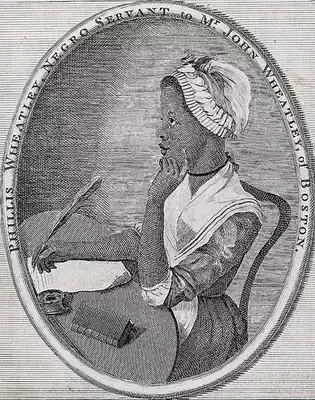
Phillis Wheatley
To Maecenas
To Maecenas
MAECENAS, you, beneath the myrtle shade,
Read o'er what poets sung, and shepherds play'd.
What felt those poets but you feel the same?
Does not your soul possess the sacred flame?
Their noble strains your equal genius shares
In softer language, and diviner airs.
While Homer paints, lo! circumfus'd in air,
Celestial Gods in mortal forms appear;
Swift as they move hear each recess rebound,
Heav'n quakes, earth trembles, and the shores resound.
Great Sire of verse, before my mortal eyes,
The lightnings blaze across the vaulted skies,
And, as the thunder shakes the heav'nly plains,
A deep felt horror thrills through all my veins.
When gentler strains demand thy graceful song,
The length'ning line moves languishing along.
When great Patroclus courts Achilles' aid,
The grateful tribute of my tears is paid;
Prone on the shore he feels the pangs of love,
And stern Pelides tend'rest passions move.
Great Maro's strain in heav'nly numbers flows,
The Nine inspire, and all the bosom glows.
O could I rival thine and Virgil's page,
Or claim the Muses with the Mantuan Sage;
Soon the same beauties should my mind adorn,
And the same ardors in my soul should burn:
Then should my song in bolder notes arise,
And all my numbers pleasingly surprise;
But here I sit, and mourn a grov'ling mind,
That fain would mount, and ride upon the wind.
Not you, my friend, these plaintive strains become,
Not you, whose bosom is the Muses home;
When they from tow'ring Helicon retire,
They fan in you the bright immortal fire,
But I less happy, cannot raise the song,
The fault'ring music dies upon my tongue.
The happier Terence* all the choir inspir'd,
His soul replenish'd, and his bosom fir'd;
But say, ye Muses, why this partial grace,
To one alone of Afric's sable race;
From age to age transmitting thus his name
With the finest glory in the rolls of fame?
Thy virtues, great Maecenas! shall be sung
In praise of him, from whom those virtues sprung:
While blooming wreaths around thy temples spread,
I'll snatch a laurel from thine honour'd head,
While you indulgent smile upon the deed.
*He was an African by birth.
As long as Thames in streams majestic flows,
Or Naiads in their oozy beds repose
While Phoebus reigns above the starry train
While bright Aurora purples o'er the main,
So long, great Sir, the muse thy praise shall sing,
So long thy praise shal' make Parnassus ring:
Then grant, Maecenas, thy paternal rays,
Hear me propitious, and defend my lays.
MAECENAS, you, beneath the myrtle shade,
Read o'er what poets sung, and shepherds play'd.
What felt those poets but you feel the same?
Does not your soul possess the sacred flame?
Their noble strains your equal genius shares
In softer language, and diviner airs.
While Homer paints, lo! circumfus'd in air,
Celestial Gods in mortal forms appear;
Swift as they move hear each recess rebound,
Heav'n quakes, earth trembles, and the shores resound.
Great Sire of verse, before my mortal eyes,
The lightnings blaze across the vaulted skies,
And, as the thunder shakes the heav'nly plains,
A deep felt horror thrills through all my veins.
When gentler strains demand thy graceful song,
The length'ning line moves languishing along.
When great Patroclus courts Achilles' aid,
The grateful tribute of my tears is paid;
Prone on the shore he feels the pangs of love,
And stern Pelides tend'rest passions move.
Great Maro's strain in heav'nly numbers flows,
The Nine inspire, and all the bosom glows.
O could I rival thine and Virgil's page,
Or claim the Muses with the Mantuan Sage;
Soon the same beauties should my mind adorn,
And the same ardors in my soul should burn:
Then should my song in bolder notes arise,
And all my numbers pleasingly surprise;
But here I sit, and mourn a grov'ling mind,
That fain would mount, and ride upon the wind.
Not you, my friend, these plaintive strains become,
Not you, whose bosom is the Muses home;
When they from tow'ring Helicon retire,
They fan in you the bright immortal fire,
But I less happy, cannot raise the song,
The fault'ring music dies upon my tongue.
The happier Terence* all the choir inspir'd,
His soul replenish'd, and his bosom fir'd;
But say, ye Muses, why this partial grace,
To one alone of Afric's sable race;
From age to age transmitting thus his name
With the finest glory in the rolls of fame?
Thy virtues, great Maecenas! shall be sung
In praise of him, from whom those virtues sprung:
While blooming wreaths around thy temples spread,
I'll snatch a laurel from thine honour'd head,
While you indulgent smile upon the deed.
*He was an African by birth.
As long as Thames in streams majestic flows,
Or Naiads in their oozy beds repose
While Phoebus reigns above the starry train
While bright Aurora purples o'er the main,
So long, great Sir, the muse thy praise shall sing,
So long thy praise shal' make Parnassus ring:
Then grant, Maecenas, thy paternal rays,
Hear me propitious, and defend my lays.
215
Phillis Wheatley
On Imagination
On Imagination
THY various works, imperial queen, we see,
How bright their forms! how deck'd with pomp
by thee!
Thy wond'rous acts in beauteous order stand,
And all attest how potent is thine hand.
From Helicon's refulgent heights attend,
Ye sacred choir, and my attempts befriend:
To tell her glories with a faithful tongue,
Ye blooming graces, triumph in my song.
Now here, now there, the roving Fancy flies,
Till some lov'd object strikes her wand'ring eyes,
Whose silken fetters all the senses bind,
And soft captivity involves the mind.
Imagination! who can sing thy force?
Or who describe the swiftness of thy course?
Soaring through air to find the bright abode,
Th' empyreal palace of the thund'ring God,
We on thy pinions can surpass the wind,
And leave the rolling universe behind:
From star to star the mental optics rove,
Measure the skies, and range the realms above.
There in one view we grasp the mighty whole,
Or with new worlds amaze th' unbounded soul.
Though Winter frowns to Fancy's raptur'd eyes
The fields may flourish, and gay scenes arise;
The frozen deeps may break their iron bands,
And bid their waters murmur o'er the sands.
Fair Flora may resume her fragrant reign,
And with her flow'ry riches deck the plain;
Sylvanus may diffuse his honours round,
And all the forest may with leaves be crown'd:
Show'rs may descend, and dews their gems disclose,
And nectar sparkle on the blooming rose.
Such is thy pow'r, nor are thine orders vain,
O thou the leader of the mental train:
In full perfection all thy works are wrought,
And thine the sceptre o'er the realms of thought.
Before thy throne the subject-passions bow,
Of subject-passions sov'reign ruler thou;
At thy command joy rushes on the heart,
And through the glowing veins the spirits dart.
Fancy might now her silken pinions try
To rise from earth, and sweep th' expanse on high:
From Tithon's bed now might Aurora rise,
Her cheeks all glowing with celestial dies,
While a pure stream of light o'erflows the skies.
The monarch of the day I might behold,
And all the mountains tipt with radiant gold,
But I reluctant leave the pleasing views,
Which Fancy dresses to delight the Muse;
Winter austere forbids me to aspire,
And northern tempests damp the rising fire;
They chill the tides of Fancy's flowing sea,
Cease then, my song, cease the unequal lay.
THY various works, imperial queen, we see,
How bright their forms! how deck'd with pomp
by thee!
Thy wond'rous acts in beauteous order stand,
And all attest how potent is thine hand.
From Helicon's refulgent heights attend,
Ye sacred choir, and my attempts befriend:
To tell her glories with a faithful tongue,
Ye blooming graces, triumph in my song.
Now here, now there, the roving Fancy flies,
Till some lov'd object strikes her wand'ring eyes,
Whose silken fetters all the senses bind,
And soft captivity involves the mind.
Imagination! who can sing thy force?
Or who describe the swiftness of thy course?
Soaring through air to find the bright abode,
Th' empyreal palace of the thund'ring God,
We on thy pinions can surpass the wind,
And leave the rolling universe behind:
From star to star the mental optics rove,
Measure the skies, and range the realms above.
There in one view we grasp the mighty whole,
Or with new worlds amaze th' unbounded soul.
Though Winter frowns to Fancy's raptur'd eyes
The fields may flourish, and gay scenes arise;
The frozen deeps may break their iron bands,
And bid their waters murmur o'er the sands.
Fair Flora may resume her fragrant reign,
And with her flow'ry riches deck the plain;
Sylvanus may diffuse his honours round,
And all the forest may with leaves be crown'd:
Show'rs may descend, and dews their gems disclose,
And nectar sparkle on the blooming rose.
Such is thy pow'r, nor are thine orders vain,
O thou the leader of the mental train:
In full perfection all thy works are wrought,
And thine the sceptre o'er the realms of thought.
Before thy throne the subject-passions bow,
Of subject-passions sov'reign ruler thou;
At thy command joy rushes on the heart,
And through the glowing veins the spirits dart.
Fancy might now her silken pinions try
To rise from earth, and sweep th' expanse on high:
From Tithon's bed now might Aurora rise,
Her cheeks all glowing with celestial dies,
While a pure stream of light o'erflows the skies.
The monarch of the day I might behold,
And all the mountains tipt with radiant gold,
But I reluctant leave the pleasing views,
Which Fancy dresses to delight the Muse;
Winter austere forbids me to aspire,
And northern tempests damp the rising fire;
They chill the tides of Fancy's flowing sea,
Cease then, my song, cease the unequal lay.
278
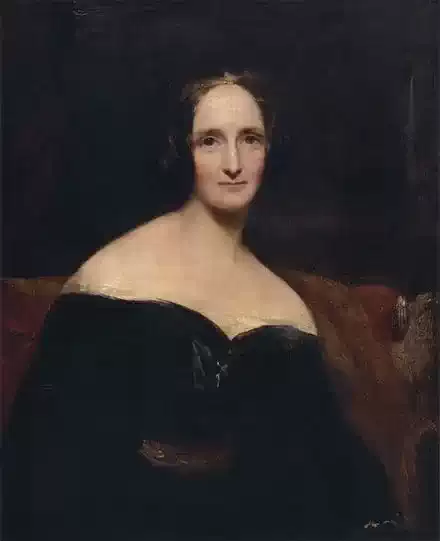
Percy Bysshe Shelley
To A Skylark
To A Skylark
Hail to thee, blithe Spirit!
Bird thou never wert,
That from Heaven, or near it,
Pourest thy full heart
In profuse strains of unpremeditated art.
Higher still and higher
From the earth thou springest
Like a cloud of fire;
The blue deep thou wingest,
And singing still dost soar, and soaring ever singest.
In the golden lightning
Of the sunken sun
O'er which clouds are bright'ning,
Thou dost float and run,
Like an unbodied joy whose race is just begun.
The pale purple even
Melts around thy flight;
Like a star of Heaven
In the broad daylight
Thou art unseen, but yet I hear thy shrill delight:
Keen as are the arrows
Of that silver sphere,
Whose intense lamp narrows
In the white dawn clear
Until we hardly see--we feel that it is there.
All the earth and air
With thy voice is loud.
As, when night is bare,
From one lonely cloud
The moon rains out her beams, and heaven is overflowed.
What thou art we know not;
What is most like thee?
From rainbow clouds there flow not
Drops so bright to see
As from thy presence showers a rain of melody.
Like a poet hidden
In the light of thought,
Singing hymns unbidden,
Till the world is wrought
To sympathy with hopes and fears it heeded not:
Like a high-born maiden
In a palace tower,
Soothing her love-laden
Soul in secret hour
With music sweet as love, which overflows her bower:
Like a glow-worm golden
In a dell of dew,
Scattering unbeholden
Its aerial hue
Among the flowers and grass, which screen it from the view:
Like a rose embowered
In its own green leaves,
By warm winds deflowered,
Till the scent it gives
Makes faint with too much sweet these heavy-winged thieves.
Sound of vernal showers
On the twinkling grass,
Rain-awakened flowers,
All that ever was
Joyous, and clear, and fresh, thy music doth surpass.
Teach us, sprite or bird,
What sweet thoughts are thine:
I have never heard
Praise of love or wine
That panted forth a flood of rapture so divine.
Chorus hymeneal
Or triumphal chaunt
Matched with thine, would be all
But an empty vaunt--
A thing wherein we feel there is some hidden want.
What objects are the fountains
Of thy happy strain?
What fields, or waves, or mountains?
What shapes of sky or plain?
What love of thine own kind? what ignorance of pain?
With thy clear keen joyance
Languor cannot be:
Shadow of annoyance
Never came near thee:
Thou lovest, but ne'er knew love's sad satiety.
Waking or asleep,
Thou of death must deem
Things more true and deep
Than we mortals dream,
Or how could thy notes flow in such a crystal stream?
We look before and after,
And pine for what is not:
Our sincerest laughter
With some pain is fraught;
Our sweetest songs are those that tell of saddest thought.
Yet if we could scorn
Hate, and pride, and fear;
If we were things born
Not to shed a tear,
I know not how thy joy we ever should come near.
Better than all measures
Of delightful sound,
Better than all treasures
That in books are found,
Thy skill to poet were, thou scorner of the ground!
Teach me half the gladness
That thy brain must know,
Such harmonious madness
From my lips would flow
The world should listen then, as I am listening now!
Hail to thee, blithe Spirit!
Bird thou never wert,
That from Heaven, or near it,
Pourest thy full heart
In profuse strains of unpremeditated art.
Higher still and higher
From the earth thou springest
Like a cloud of fire;
The blue deep thou wingest,
And singing still dost soar, and soaring ever singest.
In the golden lightning
Of the sunken sun
O'er which clouds are bright'ning,
Thou dost float and run,
Like an unbodied joy whose race is just begun.
The pale purple even
Melts around thy flight;
Like a star of Heaven
In the broad daylight
Thou art unseen, but yet I hear thy shrill delight:
Keen as are the arrows
Of that silver sphere,
Whose intense lamp narrows
In the white dawn clear
Until we hardly see--we feel that it is there.
All the earth and air
With thy voice is loud.
As, when night is bare,
From one lonely cloud
The moon rains out her beams, and heaven is overflowed.
What thou art we know not;
What is most like thee?
From rainbow clouds there flow not
Drops so bright to see
As from thy presence showers a rain of melody.
Like a poet hidden
In the light of thought,
Singing hymns unbidden,
Till the world is wrought
To sympathy with hopes and fears it heeded not:
Like a high-born maiden
In a palace tower,
Soothing her love-laden
Soul in secret hour
With music sweet as love, which overflows her bower:
Like a glow-worm golden
In a dell of dew,
Scattering unbeholden
Its aerial hue
Among the flowers and grass, which screen it from the view:
Like a rose embowered
In its own green leaves,
By warm winds deflowered,
Till the scent it gives
Makes faint with too much sweet these heavy-winged thieves.
Sound of vernal showers
On the twinkling grass,
Rain-awakened flowers,
All that ever was
Joyous, and clear, and fresh, thy music doth surpass.
Teach us, sprite or bird,
What sweet thoughts are thine:
I have never heard
Praise of love or wine
That panted forth a flood of rapture so divine.
Chorus hymeneal
Or triumphal chaunt
Matched with thine, would be all
But an empty vaunt--
A thing wherein we feel there is some hidden want.
What objects are the fountains
Of thy happy strain?
What fields, or waves, or mountains?
What shapes of sky or plain?
What love of thine own kind? what ignorance of pain?
With thy clear keen joyance
Languor cannot be:
Shadow of annoyance
Never came near thee:
Thou lovest, but ne'er knew love's sad satiety.
Waking or asleep,
Thou of death must deem
Things more true and deep
Than we mortals dream,
Or how could thy notes flow in such a crystal stream?
We look before and after,
And pine for what is not:
Our sincerest laughter
With some pain is fraught;
Our sweetest songs are those that tell of saddest thought.
Yet if we could scorn
Hate, and pride, and fear;
If we were things born
Not to shed a tear,
I know not how thy joy we ever should come near.
Better than all measures
Of delightful sound,
Better than all treasures
That in books are found,
Thy skill to poet were, thou scorner of the ground!
Teach me half the gladness
That thy brain must know,
Such harmonious madness
From my lips would flow
The world should listen then, as I am listening now!
704
Percy Bysshe Shelley
Hymn to Intellectual Beauty
Hymn to Intellectual Beauty
The awful shadow of some unseen Power
Floats through unseen among us, -- visiting
This various world with as inconstant wing
As summer winds that creep from flower to flower, --
Like moonbeams that behind some piny mountain shower,
It visits with inconstant glance
Each human heart and countenance;
Like hues and harmonies of evening, --
Like clouds in starlight widely spread, --
Like memory of music fled, --
Like aught that for its grace may be
Dear, and yet dearer for its mystery.
Spirit of Beauty, that dost consecrate
With thine own hues all thou dost shine upon
Of human thought or form, -- where art thou gone?
Why dost thou pass away and leave our state,
This dim vast vale of tears, vacant and desolate?
Ask why the sunlight not for ever
Weaves rainbows o'er yon mountain-river,
Why aught should fail and fade that once is shown,
Why fear and dream and death and birth
Cast on the daylight of this earth
Such gloom, -- why man has such a scope
For love and hate, despondency and hope?
No voice from some sublimer world hath ever
To sage or poet these responses given --
Therefore the names of Demon, Ghost, and Heaven,
Remain the records of their vain endeavour,
Frail spells -- whose uttered charm might not avail to sever,
From all we hear and all we see,
Doubt, chance, and mutability.
Thy light alone -- like mist oe'er the mountains driven,
Or music by the night-wind sent
Through strings of some still instrument,
Or moonlight on a midnight stream,
Gives grace and truth to life's unquiet dream.
Love, Hope, and Self-esteem, like clouds depart
And come, for some uncertain moments lent.
Man were immortal, and omnipotent,
Didst thou, unknown and awful as thou art,
Keep with thy glorious train firm state within his heart.
Thou messgenger of sympathies,
That wax and wane in lovers' eyes --
Thou -- that to human thought art nourishment,
Like darkness to a dying flame!
Depart not as thy shadow came,
Depart not -- lest the grave should be,
Like life and fear, a dark reality.
While yet a boy I sought for ghosts, and sped
Through many a listening chamber, cave and ruin,
And starlight wood, with fearful steps pursuing
Hopes of high talk with the departed dead.
I called on poisonous names with which our youth is fed;
I was not heard -- I saw them not --
When musing deeply on the lot
Of life, at that sweet time when winds are wooing
All vital things that wake to bring
News of birds and blossoming, --
Sudden, thy shadow fell on me;
I shrieked, and clasped my hands in ecstasy!
I vowed that I would dedicate my powers
To thee and thine -- have I not kept the vow?
With beating heart and streaming eyes, even now
I call the phantoms of a thousand hours
Each from his voiceless grave: they have in visioned bowers
Of studious zeal or love's delight
Outwatched with me the envious night --
They know that never joy illumed my brow
Unlinked with hope that thou wouldst free
This world from its dark slavery,
That thou - O awful Loveliness,
Wouldst give whate'er these words cannot express.
The day becomes more solemn and serene
When noon is past -- there is a harmony
In autumn, and a lustre in its sky,
Which through the summer is not heard or seen,
As if it could not be, as if it had not been!
Thus let thy power, which like the truth
Of nature on my passive youth
Descended, to my onward life supply
Its calm -- to one who worships thee,
And every form containing thee,
Whom, Spirit fair, thy spells did bind
To fear himself, and love all human kind.
The awful shadow of some unseen Power
Floats through unseen among us, -- visiting
This various world with as inconstant wing
As summer winds that creep from flower to flower, --
Like moonbeams that behind some piny mountain shower,
It visits with inconstant glance
Each human heart and countenance;
Like hues and harmonies of evening, --
Like clouds in starlight widely spread, --
Like memory of music fled, --
Like aught that for its grace may be
Dear, and yet dearer for its mystery.
Spirit of Beauty, that dost consecrate
With thine own hues all thou dost shine upon
Of human thought or form, -- where art thou gone?
Why dost thou pass away and leave our state,
This dim vast vale of tears, vacant and desolate?
Ask why the sunlight not for ever
Weaves rainbows o'er yon mountain-river,
Why aught should fail and fade that once is shown,
Why fear and dream and death and birth
Cast on the daylight of this earth
Such gloom, -- why man has such a scope
For love and hate, despondency and hope?
No voice from some sublimer world hath ever
To sage or poet these responses given --
Therefore the names of Demon, Ghost, and Heaven,
Remain the records of their vain endeavour,
Frail spells -- whose uttered charm might not avail to sever,
From all we hear and all we see,
Doubt, chance, and mutability.
Thy light alone -- like mist oe'er the mountains driven,
Or music by the night-wind sent
Through strings of some still instrument,
Or moonlight on a midnight stream,
Gives grace and truth to life's unquiet dream.
Love, Hope, and Self-esteem, like clouds depart
And come, for some uncertain moments lent.
Man were immortal, and omnipotent,
Didst thou, unknown and awful as thou art,
Keep with thy glorious train firm state within his heart.
Thou messgenger of sympathies,
That wax and wane in lovers' eyes --
Thou -- that to human thought art nourishment,
Like darkness to a dying flame!
Depart not as thy shadow came,
Depart not -- lest the grave should be,
Like life and fear, a dark reality.
While yet a boy I sought for ghosts, and sped
Through many a listening chamber, cave and ruin,
And starlight wood, with fearful steps pursuing
Hopes of high talk with the departed dead.
I called on poisonous names with which our youth is fed;
I was not heard -- I saw them not --
When musing deeply on the lot
Of life, at that sweet time when winds are wooing
All vital things that wake to bring
News of birds and blossoming, --
Sudden, thy shadow fell on me;
I shrieked, and clasped my hands in ecstasy!
I vowed that I would dedicate my powers
To thee and thine -- have I not kept the vow?
With beating heart and streaming eyes, even now
I call the phantoms of a thousand hours
Each from his voiceless grave: they have in visioned bowers
Of studious zeal or love's delight
Outwatched with me the envious night --
They know that never joy illumed my brow
Unlinked with hope that thou wouldst free
This world from its dark slavery,
That thou - O awful Loveliness,
Wouldst give whate'er these words cannot express.
The day becomes more solemn and serene
When noon is past -- there is a harmony
In autumn, and a lustre in its sky,
Which through the summer is not heard or seen,
As if it could not be, as if it had not been!
Thus let thy power, which like the truth
Of nature on my passive youth
Descended, to my onward life supply
Its calm -- to one who worships thee,
And every form containing thee,
Whom, Spirit fair, thy spells did bind
To fear himself, and love all human kind.
1,101
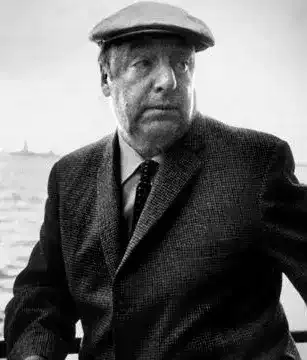
Pablo Neruda
Poetry
Poetry
And it was at that age ... Poetry arrived
in search of me. I don't know, I don't know where
it came from, from winter or a river.
I don't know how or when,
no they were not voices, they were not
words, nor silence,
but from a street I was summoned,
from the branches of night,
abruptly from the others,
among violent fires
or returning alone,
there I was without a face
and it touched me.
I did not know what to say, my mouth
had no way
with names,
my eyes were blind,
and something started in my soul,
fever or forgotten wings,
and I made my own way,
deciphering
that fire,
and I wrote the first faint line,
faint, without substance, pure
nonsense,
pure wisdom
of someone who knows nothing,
and suddenly I saw
the heavens
unfastened
and open,
planets,
palpitating plantations,
shadow perforated,
riddled
with arrows, fire and flowers,
the winding night, the universe.
And I, infinitesimal being,
drunk with the great starry
void,
likeness, image of
mystery,
felt myself a pure part
of the abyss,
I wheeled with the stars,
my heart broke loose on the wind.
And it was at that age ... Poetry arrived
in search of me. I don't know, I don't know where
it came from, from winter or a river.
I don't know how or when,
no they were not voices, they were not
words, nor silence,
but from a street I was summoned,
from the branches of night,
abruptly from the others,
among violent fires
or returning alone,
there I was without a face
and it touched me.
I did not know what to say, my mouth
had no way
with names,
my eyes were blind,
and something started in my soul,
fever or forgotten wings,
and I made my own way,
deciphering
that fire,
and I wrote the first faint line,
faint, without substance, pure
nonsense,
pure wisdom
of someone who knows nothing,
and suddenly I saw
the heavens
unfastened
and open,
planets,
palpitating plantations,
shadow perforated,
riddled
with arrows, fire and flowers,
the winding night, the universe.
And I, infinitesimal being,
drunk with the great starry
void,
likeness, image of
mystery,
felt myself a pure part
of the abyss,
I wheeled with the stars,
my heart broke loose on the wind.
745
Pablo Neruda
Ode to the Book
Ode to the Book
When I close a book
I open life.
I hear
faltering cries
among harbours.
Copper ignots
slide down sand-pits
to Tocopilla.
Night time.
Among the islands
our ocean
throbs with fish,
touches the feet, the thighs,
the chalk ribs
of my country.
The whole of night
clings to its shores, by dawn
it wakes up singing
as if it had excited a guitar.
The ocean's surge is calling.
The wind
calls me
and Rodriguez calls,
and Jose Antonio--
I got a telegram
from the "Mine" Union
and the one I love
(whose name I won't let out)
expects me in Bucalemu.
No book has been able
to wrap me in paper,
to fill me up
with typography,
with heavenly imprints
or was ever able
to bind my eyes,
I come out of books to people orchards
with the hoarse family of my song,
to work the burning metals
or to eat smoked beef
by mountain firesides.
I love adventurous
books,
books of forest or snow,
depth or sky
but hate
the spider book
in which thought
has laid poisonous wires
to trap the juvenile
and circling fly.
Book, let me go.
I won't go clothed
in volumes,
I don't come out
of collected works,
my poems
have not eaten poems-they
devour
exciting happenings,
feed on rough weather,
and dig their food
out of earth and men.
I'm on my way
with dust in my shoes
free of mythology:
send books back to their shelves,
I'm going down into the streets.
I learned about life
from life itself,
love I learned in a single kiss
and could teach no one anything
except that I have lived
with something in common among men,
when fighting with them,
when saying all their say in my song.
When I close a book
I open life.
I hear
faltering cries
among harbours.
Copper ignots
slide down sand-pits
to Tocopilla.
Night time.
Among the islands
our ocean
throbs with fish,
touches the feet, the thighs,
the chalk ribs
of my country.
The whole of night
clings to its shores, by dawn
it wakes up singing
as if it had excited a guitar.
The ocean's surge is calling.
The wind
calls me
and Rodriguez calls,
and Jose Antonio--
I got a telegram
from the "Mine" Union
and the one I love
(whose name I won't let out)
expects me in Bucalemu.
No book has been able
to wrap me in paper,
to fill me up
with typography,
with heavenly imprints
or was ever able
to bind my eyes,
I come out of books to people orchards
with the hoarse family of my song,
to work the burning metals
or to eat smoked beef
by mountain firesides.
I love adventurous
books,
books of forest or snow,
depth or sky
but hate
the spider book
in which thought
has laid poisonous wires
to trap the juvenile
and circling fly.
Book, let me go.
I won't go clothed
in volumes,
I don't come out
of collected works,
my poems
have not eaten poems-they
devour
exciting happenings,
feed on rough weather,
and dig their food
out of earth and men.
I'm on my way
with dust in my shoes
free of mythology:
send books back to their shelves,
I'm going down into the streets.
I learned about life
from life itself,
love I learned in a single kiss
and could teach no one anything
except that I have lived
with something in common among men,
when fighting with them,
when saying all their say in my song.
670

Nazim Hikmet
A Spring Piece Left In The Middle
A Spring Piece Left In The Middle
Taut, thick fingers punch
the teeth of my typewriter.
Three words are down on paper
in capitals:
SPRING
SPRING
SPRING...
And me -- poet, proofreader,
the man who's forced to read
two thousand bad lines
every day
for two liras--
why,
since spring
has come, am I
still sitting here
like a ragged
black chair?
My head puts on its cap by itself,
I fly out of the printer's,
I'm on the street.
The lead dirt of the composing room
on my face,
seventy-five cents in my pocket.
SPRING IN THE AIR...
In the barbershops
they're powdering
the sallow cheeks
of the pariah of Publishers Row.
And in the store windows
three-color bookcovers
flash like sunstruck mirrors.
But me,
I don't have even a book of ABC's
that lives on this street
and carries my name on its door!
But what the hell...
I don't look back,
the lead dirt of the composing room
on my face,
seventy-five cents in my pocket,
SPRING IN THE AIR...
*
The piece got left in the middle.
It rained and swamped the lines.
But oh! what I would have written...
The starving writer sitting on his three-thousand-page
three-volume manuscript
wouldn't stare at the window of the kebab joint
but with his shining eyes would take
the Armenian bookseller's dark plump daughter by storm...
The sea would start smelling sweet.
Spring would rear up
like a sweating red mare
and, leaping onto its bare back,
I'd ride it
into the water.
Then
my typewriter would follow me
every step of the way.
I'd say:
"Oh, don't do it!
Leave me alone for an hour..."
then
my head-my hair failing out--
would shout into the distance:
"I AM IN LOVE..."
*
I'm twenty-seven,
she's seventeen.
"Blind Cupid,
lame Cupid,
both blind and lame Cupid
said, Love this girl,"
I was going to write;
I couldn't say it
but still can!
But if
it rained,
if the lines I wrote got swamped,
if I have twenty-five cents left in my pocket,
what the hell...
Hey, spring is here spring is here spring
spring is here!
My blood is budding inside me!
and April
Trans. by Randy Blasing and Mutlu Konuk ()
Taut, thick fingers punch
the teeth of my typewriter.
Three words are down on paper
in capitals:
SPRING
SPRING
SPRING...
And me -- poet, proofreader,
the man who's forced to read
two thousand bad lines
every day
for two liras--
why,
since spring
has come, am I
still sitting here
like a ragged
black chair?
My head puts on its cap by itself,
I fly out of the printer's,
I'm on the street.
The lead dirt of the composing room
on my face,
seventy-five cents in my pocket.
SPRING IN THE AIR...
In the barbershops
they're powdering
the sallow cheeks
of the pariah of Publishers Row.
And in the store windows
three-color bookcovers
flash like sunstruck mirrors.
But me,
I don't have even a book of ABC's
that lives on this street
and carries my name on its door!
But what the hell...
I don't look back,
the lead dirt of the composing room
on my face,
seventy-five cents in my pocket,
SPRING IN THE AIR...
*
The piece got left in the middle.
It rained and swamped the lines.
But oh! what I would have written...
The starving writer sitting on his three-thousand-page
three-volume manuscript
wouldn't stare at the window of the kebab joint
but with his shining eyes would take
the Armenian bookseller's dark plump daughter by storm...
The sea would start smelling sweet.
Spring would rear up
like a sweating red mare
and, leaping onto its bare back,
I'd ride it
into the water.
Then
my typewriter would follow me
every step of the way.
I'd say:
"Oh, don't do it!
Leave me alone for an hour..."
then
my head-my hair failing out--
would shout into the distance:
"I AM IN LOVE..."
*
I'm twenty-seven,
she's seventeen.
"Blind Cupid,
lame Cupid,
both blind and lame Cupid
said, Love this girl,"
I was going to write;
I couldn't say it
but still can!
But if
it rained,
if the lines I wrote got swamped,
if I have twenty-five cents left in my pocket,
what the hell...
Hey, spring is here spring is here spring
spring is here!
My blood is budding inside me!
and April
Trans. by Randy Blasing and Mutlu Konuk ()
299

Mirza Ghalib
These Divine Verses
These Divine Verses
These divine verses,
As I write
Are
The hallowed revelations
Descending
From on high
The sound of the scribe's pen
In the stillness of the night is indeed
The heavenly muse
Uttering her immortal words
These divine verses,
As I write
Are
The hallowed revelations
Descending
From on high
The sound of the scribe's pen
In the stillness of the night is indeed
The heavenly muse
Uttering her immortal words
321
Mirza Ghalib
About My Poems
About My Poems
I agree, O heart, that my ghazals are not easy to take in.
When they hear my works, experienced poets
tell meI should write something easier.
I have to write difficult, otherwise it is difficult to write.
I agree, O heart, that my ghazals are not easy to take in.
When they hear my works, experienced poets
tell meI should write something easier.
I have to write difficult, otherwise it is difficult to write.
337

Kazi Nazrul Islam
My Songs
My Songs
My songs like wounded birds, faIl
At thy feet, O darling. Pick up all
Those bleeding birds in your breast
Tenderly and let them meet their eternal rest
At thy bosom, a death beautiful and serene.
Borne on the wings of music they were seen
Flying in the sky when the arrow of thine eyes Pierced them:
And with their dying notes there
did arise
A new flood tide of songs, O my hunter
Thou brought for me a taste of nectar
Shrouded in death's melancholy.
[Original in Bangla: Gaan-guli mor; Translation: Kabir Chowdhury]
My songs like wounded birds, faIl
At thy feet, O darling. Pick up all
Those bleeding birds in your breast
Tenderly and let them meet their eternal rest
At thy bosom, a death beautiful and serene.
Borne on the wings of music they were seen
Flying in the sky when the arrow of thine eyes Pierced them:
And with their dying notes there
did arise
A new flood tide of songs, O my hunter
Thou brought for me a taste of nectar
Shrouded in death's melancholy.
[Original in Bangla: Gaan-guli mor; Translation: Kabir Chowdhury]
462
Kazi Nazrul Islam
My Explanation
My Explanation
I am a poet of today, not a prophet of a future day,
Poet or worthless, call me whatever, I put up with anything you say.
Some say, to the future you belong,
Your place, as a poet, tomorrow will come along.
How come you lack message enduring like that emanates from Rabi's hand?
I am blamed, but I wont' quit playing rising sun's music band.
My fellow poets are disappointed, they read my works and sigh,
Saying: the good one is becoming no good, as he can't say to politics good-bye.
Does not read a book - finished is this chap!
Some say: His wife has brought, indeed, all this mishap!
Some say: The fat one is spoiled, playing cards - non-stop - in the jail,
Others say: You were better there; toward jail again you should sail!
Mentor says: You're no good, except shaving using a sword!
Every Saturday my lover's letter conveys me, 'Nothing useful in you is stored.'
I say: Honey, shall I reveal the secret?
Letters stop in a hurry; not one more I get.
Sacrificing everything, I got married: Hindus say, 'Get lost'!
Am I Muslim or a heathen? Where is my pigtail or beard, or the hem of loin-cloth?
All the goody-searching priests or Mollahs wave their hands and pronounce:
This one invokes names of deities; this rogue one we must denounce!
Hear the Fatwa: Kafir is this Kazi; nothing else,
Even though he wants martyrdom, or so he tells!
Some scripture we know, and we still earn our livelihood!
Hindus detest my use of Persian words saying: from us, this guy deserves no good!
No one is happy with me; the disciples of non-violence? of course, not!
I am blamed I play the violin of violence; I get the revolutionaries' hot heads even
more hot.
The revolutionaries say: This one is non-violent,
My songs deal with spinning wheels: they resent.
Top Brahmins find me atheist, lesser ones regard me as one of the Confucians;
Independence lovers don't accept me; their opponents prefer me to be with those
Europeans!
Men think I am a feminist; women, however, think otherwise,
I never went to England; I am worthless in my expatriate friends' eyes!
My admirers see me as Rabi of new age,
If not of new age, at least a poet of these trendy days!
I hear all these, bemused; exercise for a stronger heart,
Lie down with eyeglasses on; sleeping through the day is my life's part.
I don't know what I write; Do I even understand anything of my own?
I couldn't raise my hand in protest, so I write with my head down.
Dear friends, I did not find appreciation in you,
but my name shines in government's list in lieu.
Honoring my works as invaluable, without value people take it.
Have you heard anything else? Be careful, may not be far a government spy's pit!
Friends, you have seen me engrossed in my own mind's temple,
I rebuke and admonish my mind, but bringing it under control I wish were so simple!
Every time I chain itself, somehow it escapes free
I beat it, and the same I repeat, to complete my victory,
I wish this mad mind would listen to me, but even to Rabi or Gandhi, it did not listen,
Abruptly it wakes up and then wanders in the jungle's darkness in search of roaring
tigers that glisten.
I say, O this insane one, you are doing so great in the community,
You are already a half-leader; but if you lose this opportunity,
would you ever be a full leader,
and weep with the crowd as a speaker?
Pick up the fish in the net now, O fool, before it slips away, I bet!
Take this break to get your leaky house fixed, otherwise soon you will regret.
Who understands that this minstrel's mind roams around singing and reciting!
This name hardly rings any bell; Days are passed chewing Betel leaves, ah, a taste so
inviting!
May be some day there won't be any more of epidemic of malaria,
Especially, since the autonomy is coming in its full pomp and euphoria.
Yes, we want moon, but those hapless ones cherish a meal, as teardrops of their little
ones dribble,
The agonized mother shouts: Hush, you miserables! See, independence is coming - no
more quibble!
But those hungry kids can't care less about autonomy; their desire: a little salt and
some rice,
Ah! the hour is late; nothing they have nibbled yet; the flame of hunger seeks no
advice.
When I hear that cry, my insane mind charges in a rush,
My intoxication for autonomy seeks shelter merely in my dream's brush!
I say, bemoaning: O God, are you still there? Why are they not, then,
Humiliated or destroyed, those who suck the blood of these children?
We all know, to bring independence, those lofty slogans we have devised,
And, at the same time, how burning hunger of so many million children, we have
compromised!
So much money was raised, but independence still remained a dream,
as the hungry people can't pay enough, they are so weak even to scream!
When a baby is snatched away from the mother's bosom, we plead, O royal tiger,
please eat grass!
The mother keeps begging from door to door, while in her shack hiding the baby's
carcass.
My friends, I can't say any more; my mind feels so much agony and pain,
I have gone mad; now, I utter whatever my mouth throws out in disdain.
My own blood won't make much difference,
With blood-ink I keep writing, hence,
My head can't forbear robust ideas or big thought any more; so agonized is this mortal,
All those who are in peace and happiness, it's your privilege to write epics immortal.
I don't care any more, if I live or don't, when gone is this trendy sensation,
Rabi is shining above our head, and then there are you, the golden generation.
Those who usurp the morsel of three hundred thirty million people: let our prayer keep
brewin',
In my blood-ink writing, may it be engraved and sealed their utter ruin.
[Original: Bengali, Translator: Dr. Mohammad Omar Farooq ]
I am a poet of today, not a prophet of a future day,
Poet or worthless, call me whatever, I put up with anything you say.
Some say, to the future you belong,
Your place, as a poet, tomorrow will come along.
How come you lack message enduring like that emanates from Rabi's hand?
I am blamed, but I wont' quit playing rising sun's music band.
My fellow poets are disappointed, they read my works and sigh,
Saying: the good one is becoming no good, as he can't say to politics good-bye.
Does not read a book - finished is this chap!
Some say: His wife has brought, indeed, all this mishap!
Some say: The fat one is spoiled, playing cards - non-stop - in the jail,
Others say: You were better there; toward jail again you should sail!
Mentor says: You're no good, except shaving using a sword!
Every Saturday my lover's letter conveys me, 'Nothing useful in you is stored.'
I say: Honey, shall I reveal the secret?
Letters stop in a hurry; not one more I get.
Sacrificing everything, I got married: Hindus say, 'Get lost'!
Am I Muslim or a heathen? Where is my pigtail or beard, or the hem of loin-cloth?
All the goody-searching priests or Mollahs wave their hands and pronounce:
This one invokes names of deities; this rogue one we must denounce!
Hear the Fatwa: Kafir is this Kazi; nothing else,
Even though he wants martyrdom, or so he tells!
Some scripture we know, and we still earn our livelihood!
Hindus detest my use of Persian words saying: from us, this guy deserves no good!
No one is happy with me; the disciples of non-violence? of course, not!
I am blamed I play the violin of violence; I get the revolutionaries' hot heads even
more hot.
The revolutionaries say: This one is non-violent,
My songs deal with spinning wheels: they resent.
Top Brahmins find me atheist, lesser ones regard me as one of the Confucians;
Independence lovers don't accept me; their opponents prefer me to be with those
Europeans!
Men think I am a feminist; women, however, think otherwise,
I never went to England; I am worthless in my expatriate friends' eyes!
My admirers see me as Rabi of new age,
If not of new age, at least a poet of these trendy days!
I hear all these, bemused; exercise for a stronger heart,
Lie down with eyeglasses on; sleeping through the day is my life's part.
I don't know what I write; Do I even understand anything of my own?
I couldn't raise my hand in protest, so I write with my head down.
Dear friends, I did not find appreciation in you,
but my name shines in government's list in lieu.
Honoring my works as invaluable, without value people take it.
Have you heard anything else? Be careful, may not be far a government spy's pit!
Friends, you have seen me engrossed in my own mind's temple,
I rebuke and admonish my mind, but bringing it under control I wish were so simple!
Every time I chain itself, somehow it escapes free
I beat it, and the same I repeat, to complete my victory,
I wish this mad mind would listen to me, but even to Rabi or Gandhi, it did not listen,
Abruptly it wakes up and then wanders in the jungle's darkness in search of roaring
tigers that glisten.
I say, O this insane one, you are doing so great in the community,
You are already a half-leader; but if you lose this opportunity,
would you ever be a full leader,
and weep with the crowd as a speaker?
Pick up the fish in the net now, O fool, before it slips away, I bet!
Take this break to get your leaky house fixed, otherwise soon you will regret.
Who understands that this minstrel's mind roams around singing and reciting!
This name hardly rings any bell; Days are passed chewing Betel leaves, ah, a taste so
inviting!
May be some day there won't be any more of epidemic of malaria,
Especially, since the autonomy is coming in its full pomp and euphoria.
Yes, we want moon, but those hapless ones cherish a meal, as teardrops of their little
ones dribble,
The agonized mother shouts: Hush, you miserables! See, independence is coming - no
more quibble!
But those hungry kids can't care less about autonomy; their desire: a little salt and
some rice,
Ah! the hour is late; nothing they have nibbled yet; the flame of hunger seeks no
advice.
When I hear that cry, my insane mind charges in a rush,
My intoxication for autonomy seeks shelter merely in my dream's brush!
I say, bemoaning: O God, are you still there? Why are they not, then,
Humiliated or destroyed, those who suck the blood of these children?
We all know, to bring independence, those lofty slogans we have devised,
And, at the same time, how burning hunger of so many million children, we have
compromised!
So much money was raised, but independence still remained a dream,
as the hungry people can't pay enough, they are so weak even to scream!
When a baby is snatched away from the mother's bosom, we plead, O royal tiger,
please eat grass!
The mother keeps begging from door to door, while in her shack hiding the baby's
carcass.
My friends, I can't say any more; my mind feels so much agony and pain,
I have gone mad; now, I utter whatever my mouth throws out in disdain.
My own blood won't make much difference,
With blood-ink I keep writing, hence,
My head can't forbear robust ideas or big thought any more; so agonized is this mortal,
All those who are in peace and happiness, it's your privilege to write epics immortal.
I don't care any more, if I live or don't, when gone is this trendy sensation,
Rabi is shining above our head, and then there are you, the golden generation.
Those who usurp the morsel of three hundred thirty million people: let our prayer keep
brewin',
In my blood-ink writing, may it be engraved and sealed their utter ruin.
[Original: Bengali, Translator: Dr. Mohammad Omar Farooq ]
602
Kazi Nazrul Islam
I'll Hide in Song after Song
I'll Hide in Song after Song
To-day my pensive mood
I'll hide in song after song
I'll expose my soul turning
the thorny wound into a flower,
To forget your neglect
I will sing all the while
The greater the shocks
the more tuneful my violin.
If absent-mindedly the flower is torn
I'll make a garland of it
And give it to you as a
gift when you arrive
By the fountain of my tunes
I'll compose divine music
You'll bathe in the stream
of those tunes and arise
I'll strike a rhyme out of word after word,
oh poet are you content now.
Your mind is desolate, your empty,
your soul without joy.
[Original: Aji gane gane dhakbo; Translation: Abu Rushd]
To-day my pensive mood
I'll hide in song after song
I'll expose my soul turning
the thorny wound into a flower,
To forget your neglect
I will sing all the while
The greater the shocks
the more tuneful my violin.
If absent-mindedly the flower is torn
I'll make a garland of it
And give it to you as a
gift when you arrive
By the fountain of my tunes
I'll compose divine music
You'll bathe in the stream
of those tunes and arise
I'll strike a rhyme out of word after word,
oh poet are you content now.
Your mind is desolate, your empty,
your soul without joy.
[Original: Aji gane gane dhakbo; Translation: Abu Rushd]
582
John Keats
Two Sonnets. To Haydon, With A Sonnet Written On Seeing The Elgin Marbles
Two Sonnets. To Haydon, With A Sonnet Written On Seeing The Elgin Marbles
I.
Haydon! forgive me that I cannot speak
Definitively of these mighty things;
Forgive me, that I have not eagle's wings,
That what I want I know not where to seek,
And think that I would not be over-meek,
In rolling out upfollowed thunderings,
Even to the steep of Heliconian springs,
Were I of ample strength for such a freak.
Think, too, that all these numbers should be thine;
Whose else? In this who touch thy vesture's hem?
For, when men stared at what was most divine
With brainless idiotism and o'erwise phlegm,
Thou hadst beheld the full Hesperian shine
Of their star in the east, and gone to worship them.
II. On Seeing The Elgin Marbles.
My spirit is too weak - mortality
Weighs heavily upon me like unwilling sleep,
And each imagined pinnacle and steep
Of godlike hardship tells me I must die
Like a sick eagle looking at the sky.
Yet 'tis a gentle luxury to weep
That I have not the cloudy winds to keep,
Fresh for the opening of the morning's eye.
Such dim-conceived glories of the brain
Bring round the heart an undescribable feud;
So do these wonders a most dizzy pain,
That mingles Grecian grandeur with the rude
Wasting of old Time -- with a billowy main --
A sun -- a shadow of a magnitude.
I.
Haydon! forgive me that I cannot speak
Definitively of these mighty things;
Forgive me, that I have not eagle's wings,
That what I want I know not where to seek,
And think that I would not be over-meek,
In rolling out upfollowed thunderings,
Even to the steep of Heliconian springs,
Were I of ample strength for such a freak.
Think, too, that all these numbers should be thine;
Whose else? In this who touch thy vesture's hem?
For, when men stared at what was most divine
With brainless idiotism and o'erwise phlegm,
Thou hadst beheld the full Hesperian shine
Of their star in the east, and gone to worship them.
II. On Seeing The Elgin Marbles.
My spirit is too weak - mortality
Weighs heavily upon me like unwilling sleep,
And each imagined pinnacle and steep
Of godlike hardship tells me I must die
Like a sick eagle looking at the sky.
Yet 'tis a gentle luxury to weep
That I have not the cloudy winds to keep,
Fresh for the opening of the morning's eye.
Such dim-conceived glories of the brain
Bring round the heart an undescribable feud;
So do these wonders a most dizzy pain,
That mingles Grecian grandeur with the rude
Wasting of old Time -- with a billowy main --
A sun -- a shadow of a magnitude.
430
John Keats
To Homer
To Homer
Standing aloof in giant ignorance,
Of thee I hear and of the Cyclades,
As one who sits ashore and longs perchance
To visit dolphin-coral in deep seas.
So thou wast blind;--but then the veil was rent,
For Jove uncurtain'd Heaven to let thee live,
And Neptune made for thee a spumy tent,
And Pan made sing for thee his forest-hive;
Aye on the shores of darkness there is light,
And precipices show untrodden green,
There is a budding morrow in midnight,
There is a triple sight in blindness keen;
Such seeing hadst thou, as it once befel
To Dian, Queen of Earth, and Heaven, and Hell.
Standing aloof in giant ignorance,
Of thee I hear and of the Cyclades,
As one who sits ashore and longs perchance
To visit dolphin-coral in deep seas.
So thou wast blind;--but then the veil was rent,
For Jove uncurtain'd Heaven to let thee live,
And Neptune made for thee a spumy tent,
And Pan made sing for thee his forest-hive;
Aye on the shores of darkness there is light,
And precipices show untrodden green,
There is a budding morrow in midnight,
There is a triple sight in blindness keen;
Such seeing hadst thou, as it once befel
To Dian, Queen of Earth, and Heaven, and Hell.
453
John Keats
To George Felton Mathew
To George Felton Mathew
Sweet are the pleasures that to verse belong,
And doubly sweet a brotherhood in song;
Nor can remembrance, Mathew! bring to view
A fate more pleasing, a delight more true
Than that in which the brother Poets joy'd,
Who with combined powers, their wit employ'd
To raise a trophy to the drama's muses.
The thought of this great partnership diffuses
Over the genius loving heart, a feeling
Of all that's high, and great, and good, and healing.
Too partial friend! fain would I follow thee
Past each horizon of fine poesy;
Fain would I echo back each pleasant note
As o'er Sicilian seas, clear anthems float
'Mong the light skimming gondolas far parted,
Just when the sun his farewell beam has darted:
But 'tis impossible, far different cares
Beckon me sternly from soft 'Lydian airs,'
And hold my faculties so long in thrall,
That I am oft in doubt whether at all
I shall again see Phoebus in the morning:
Or flush'd Aurora in the roseate dawning!
Or a white Naiad in a rippling stream;
Or a rapt seraph in a moonlight beam;
Or again witness what with thee I've seen,
The dew by fairy feet swept from the green,
After a night of some quaint jubilee
Which every elf and fay had come to see:
When bright processions took their airy march
Beneath the curved moon's triumphal arch.
But might I now each passing moment give
To the coy muse, with me she would not live
In this dark city, nor would condescend
'Mid contradictions her delights to lend.
Should e'er the fine-eyed maid to me be kind,
Ah! surely it must be whene'er I find
Some flowery spot, sequester'd, wild, romantic,
That often must have seen a poet frantic;
Where oaks, that erst the Druid knew, are growing,
And flowers, the glory of one day, are blowing;
Where the dark-leav'd laburnum's drooping clusters
Reflect athwart the stream their yellow lustres,
And intertwined the cassia's arms unite,
With its own drooping buds, but very white.
Where on one side are covert branches hung,
'Mong which the nightingales have always sung
In leafy quiet; where to pry, aloof,
Atween the pillars of the sylvan roof,
Would be to find where violet beds were nestling,
And where the bee with cowslip bells was wrestling.
There must be too a ruin dark, and gloomy,
To say 'joy not too much in all that's bloomy.'
Yet this is vain--O Mathew lend thy aid
To find a place where I may greet the maid--
Where we may soft humanity put on,
And sit, and rhyme and think on Chatterton;
And that warm-hearted Shakspeare sent to meet him
Four laurell'd spirits, heaven-ward to intreat him.
With reverence would we speak of all the sages
Who have left streaks of light athwart their ages:
And thou shouldst moralize on Milton's blindness,
And mourn the fearful dearth of human kindness
To those who strove with the bright golden wing
Of genius, to flap away each sting
Thrown by the pitiless world. We next could tell
Of those who in the cause of freedom fell;
Of our own Alfred, of Helvetian Tell;
Of him whose name to ev'ry heart's a solace,
High-minded and unbending William Wallace.
While to the rugged north our musing turns
We well might drop a tear for him, and Burns.
Felton! without incitements such as these,
How vain for me the niggard Muse to tease;
For thee, she will thy every dwelling grace,
And make 'a sunshine in a shady place:'
For thou wast once a flowret blooming wild,
Close to the source, bright, pure, and undefil'd,
Whence gush the streams of song: in happy hour
Came chaste Diana from her shady bower,
Just as the sun was from the east uprising;
And, as for him some gift she was devising,
Beheld thee, pluck'd thee, cast thee in the stream
To meet her glorious brother’s greeting beam.
I marvel much that thou hast never told
How, from a flower, into a fish of gold
Apollo chang'd thee; how thou next didst seem
A black-eyed swan upon the widening stream;
And when thou first didst in that mirror trace
The placid features of a human face:
That thou hast never told thy travels strange,
And all the wonders of the mazy range
O’er pebbly crystal, and o'er golden sands;
Kissing thy daily food from Naiad’s pearly hands.
Sweet are the pleasures that to verse belong,
And doubly sweet a brotherhood in song;
Nor can remembrance, Mathew! bring to view
A fate more pleasing, a delight more true
Than that in which the brother Poets joy'd,
Who with combined powers, their wit employ'd
To raise a trophy to the drama's muses.
The thought of this great partnership diffuses
Over the genius loving heart, a feeling
Of all that's high, and great, and good, and healing.
Too partial friend! fain would I follow thee
Past each horizon of fine poesy;
Fain would I echo back each pleasant note
As o'er Sicilian seas, clear anthems float
'Mong the light skimming gondolas far parted,
Just when the sun his farewell beam has darted:
But 'tis impossible, far different cares
Beckon me sternly from soft 'Lydian airs,'
And hold my faculties so long in thrall,
That I am oft in doubt whether at all
I shall again see Phoebus in the morning:
Or flush'd Aurora in the roseate dawning!
Or a white Naiad in a rippling stream;
Or a rapt seraph in a moonlight beam;
Or again witness what with thee I've seen,
The dew by fairy feet swept from the green,
After a night of some quaint jubilee
Which every elf and fay had come to see:
When bright processions took their airy march
Beneath the curved moon's triumphal arch.
But might I now each passing moment give
To the coy muse, with me she would not live
In this dark city, nor would condescend
'Mid contradictions her delights to lend.
Should e'er the fine-eyed maid to me be kind,
Ah! surely it must be whene'er I find
Some flowery spot, sequester'd, wild, romantic,
That often must have seen a poet frantic;
Where oaks, that erst the Druid knew, are growing,
And flowers, the glory of one day, are blowing;
Where the dark-leav'd laburnum's drooping clusters
Reflect athwart the stream their yellow lustres,
And intertwined the cassia's arms unite,
With its own drooping buds, but very white.
Where on one side are covert branches hung,
'Mong which the nightingales have always sung
In leafy quiet; where to pry, aloof,
Atween the pillars of the sylvan roof,
Would be to find where violet beds were nestling,
And where the bee with cowslip bells was wrestling.
There must be too a ruin dark, and gloomy,
To say 'joy not too much in all that's bloomy.'
Yet this is vain--O Mathew lend thy aid
To find a place where I may greet the maid--
Where we may soft humanity put on,
And sit, and rhyme and think on Chatterton;
And that warm-hearted Shakspeare sent to meet him
Four laurell'd spirits, heaven-ward to intreat him.
With reverence would we speak of all the sages
Who have left streaks of light athwart their ages:
And thou shouldst moralize on Milton's blindness,
And mourn the fearful dearth of human kindness
To those who strove with the bright golden wing
Of genius, to flap away each sting
Thrown by the pitiless world. We next could tell
Of those who in the cause of freedom fell;
Of our own Alfred, of Helvetian Tell;
Of him whose name to ev'ry heart's a solace,
High-minded and unbending William Wallace.
While to the rugged north our musing turns
We well might drop a tear for him, and Burns.
Felton! without incitements such as these,
How vain for me the niggard Muse to tease;
For thee, she will thy every dwelling grace,
And make 'a sunshine in a shady place:'
For thou wast once a flowret blooming wild,
Close to the source, bright, pure, and undefil'd,
Whence gush the streams of song: in happy hour
Came chaste Diana from her shady bower,
Just as the sun was from the east uprising;
And, as for him some gift she was devising,
Beheld thee, pluck'd thee, cast thee in the stream
To meet her glorious brother’s greeting beam.
I marvel much that thou hast never told
How, from a flower, into a fish of gold
Apollo chang'd thee; how thou next didst seem
A black-eyed swan upon the widening stream;
And when thou first didst in that mirror trace
The placid features of a human face:
That thou hast never told thy travels strange,
And all the wonders of the mazy range
O’er pebbly crystal, and o'er golden sands;
Kissing thy daily food from Naiad’s pearly hands.
447
John Keats
On Receiving A Laurel Crown From Leigh Hunt
On Receiving A Laurel Crown From Leigh Hunt
MINUTES are flying swiftly, and as yet
Nothing unearthly has enticed my brain
Into a delphic Labyrinth I would fain
Catch an unmortal thought to pay the debt
I owe to the kind Poet who has set
Upon my ambitious head a glorious gain.
Two bending laurel Sprigs 'tis nearly pain
To be conscious of such a Coronet.
Still time is fleeting, and no dream arises
Gorgeous as I would have it only I see
A Trampling down of what the world most prizes
Turbans and Crowns, and blank regality;
And then I run into most wild surmises
Of all the many glories that may be.
MINUTES are flying swiftly, and as yet
Nothing unearthly has enticed my brain
Into a delphic Labyrinth I would fain
Catch an unmortal thought to pay the debt
I owe to the kind Poet who has set
Upon my ambitious head a glorious gain.
Two bending laurel Sprigs 'tis nearly pain
To be conscious of such a Coronet.
Still time is fleeting, and no dream arises
Gorgeous as I would have it only I see
A Trampling down of what the world most prizes
Turbans and Crowns, and blank regality;
And then I run into most wild surmises
Of all the many glories that may be.
469
John Keats
Epistle To My Brother George
Epistle To My Brother George
Full many a dreary hour have I past,
My brain bewildered, and my mind o'ercast
With heaviness; in seasons when I've thought
No spherey strains by me could e'er be caught
From the blue dome, though I to dimness gaze
On the far depth where sheeted lightning plays;
Or, on the wavy grass outstretched supinely,
Pry 'mong the stars, to strive to think divinely:
That I should never hear Apollo's song,
Though feathery clouds were floating all along
The purple west, and, two bright streaks between,
The golden lyre itself were dimly seen:
That the still murmur of the honey bee
Would never teach a rural song to me:
That the bright glance from beauty's eyelids slanting
Would never make a lay of mine enchanting,
Or warm my breast with ardour to unfold
Some tale of love and arms in time of old.
But there are times, when those that love the bay,
Fly from all sorrowing far, far away;
A sudden glow comes on them, nought they see
In water, earth, or air, but poesy.
It has been said, dear George, and true I hold it,
(For knightly Spenser to Libertas told it,)
That when a Poet is in such a trance,
In air her sees white coursers paw, and prance,
Bestridden of gay knights, in gay apparel,
Who at each other tilt in playful quarrel,
And what we, ignorantly, sheet-lightning call,
Is the swift opening of their wide portal,
When the bright warder blows his trumpet clear,
Whose tones reach nought on earth but Poet's ear.
When these enchanted portals open wide,
And through the light the horsemen swiftly glide,
The Poet's eye can reach those golden halls,
And view the glory of their festivals:
Their ladies fair, that in the distance seem
Fit for the silv'ring of a seraph's dream;
Their rich brimmed goblets, that incessant run
Like the bright spots that move about the sun;
And, when upheld, the wine from each bright jar
Pours with the lustre of a falling star.
Yet further off, are dimly seen their bowers,
Of which, no mortal eye can reach the flowers;
And 'tis right just, for well Apollo knows
'Twould make the Poet quarrel with the rose.
All that's revealed from that far seat of blisses
Is the clear fountains' interchanging kisses,
As gracefully descending, light and thin,
Like silver streaks across a dolphin's fin,
When he upswimmeth from the coral caves,
And sports with half his tail above the waves.
These wonders strange he sees, and many more,
Whose head is pregnant with poetic lore.
Should he upon an evening ramble fare
With forehead to the soothing breezes bare,
Would he nought see but the dark, silent blue
With all its diamonds trembling through and through?
Or the coy moon, when in the waviness
Of whitest clouds she does her beauty dress,
And staidly paces higher up, and higher,
Like a sweet nun in holy-day attire?
Ah, yes! much more would start into his sight-
The revelries and mysteries of night:
And should I ever see them, I will tell you
Such tales as needs must with amazement spell you.
These are the living pleasures of the bard:
But richer far posterity's reward.
What does he murmur with his latest breath,
While his proud eye looks though the film of death?
"What though I leave this dull and earthly mould,
Yet shall my spirit lofty converse hold
With after times.-The patriot shall feel
My stern alarum, and unsheath his steel;
Or, in the senate thunder out my numbers
To startle princes from their easy slumbers.
The sage will mingle with each moral theme
My happy thoughts sententious; he will teem
With lofty periods when my verses fire him,
And then I'll stoop from heaven to inspire him.
Lays have I left of such a dear delight
That maids will sing them on their bridal night.
Gay villagers, upon a morn of May,
When they have tired their gentle limbs with play
And formed a snowy circle on the grass,
And placed in midst of all that lovely lass
Who chosen is their queen,-with her fine head
Crowned with flowers purple, white, and red:
For there the lily, and the musk-rose, sighing,
Are emblems true of hapless lovers dying:
Between her breasts, that never yet felt trouble,
A bunch of violets full blown, and double,
Serenely sleep:-she from a casket takes
A little book,-and then a joy awakes
About each youthful heart,-with stifled cries,
And rubbing of white hands, and sparkling eyes:
For she's to read a tale of hopes, and fears;
One that I fostered in my youthful years:
The pearls, that on each glist'ning circlet sleep,
Must ever and anon with silent creep,
Lured by the innocent dimples. To sweet rest
Shall the dear babe, upon its mother's breast,
Be lulled with songs of mine. Fair world, adieu!
Thy dales, and hills, are fading from my view:
Swiftly I mount, upon wide spreading pinions,
Far from the narrow bound of thy dominions.
Full joy I feel, while thus I cleave the air,
That my soft verse will charm thy daughters fair,
And warm thy sons!" Ah, my dear friend and brother,
Could I, at once, my mad ambition smother,
For tasting joys like these, sure I should be
Happier, and dearer to society.
At times, 'tis true, I've felt relief from pain
When some bright thought has darted through my brain:
Through all that day I've felt a greater pleasure
Than if I'd brought to light a hidden treasure.
As to my sonnets, though none else should heed them,
I feel delighted, still, that you should read them.
Of late, too, I have had much calm enjoyment,
Stretched on the grass at my best loved employment
Of scribbling lines for you. These things I thought
While, in my face, the freshest breeze I caught.
E'en now I'm pillowed on a bed of flowers
That crowns a lofty clift, which proudly towers
Above the ocean-waves, The stalks, and blades,
Chequer my tablet with their quivering shades.
On one side is a field of drooping oats,
Through which the poppies show their scarlet coats;
So pert and useless, that they bring to mind
The scarlet coats that pester human-kind.
And on the other side, outspread, is seen
Ocean's blue mantle streaked with purple, and green.
Now 'tis I see a canvassed ship, and now
Mark the bright silver curling round her prow.
I see the lark dowm-dropping to his nest,
And the broad winged sea-gull never at rest;
For when no more he spreads his feathers free,
His breast is dancing on the restless sea.
Now I direct my eyes into the west,
Which at this moment is in sunbeams drest:
Why westward turn? 'Twas but to say adieu!
'Twas but to kiss my hand, dear George, to you!
Full many a dreary hour have I past,
My brain bewildered, and my mind o'ercast
With heaviness; in seasons when I've thought
No spherey strains by me could e'er be caught
From the blue dome, though I to dimness gaze
On the far depth where sheeted lightning plays;
Or, on the wavy grass outstretched supinely,
Pry 'mong the stars, to strive to think divinely:
That I should never hear Apollo's song,
Though feathery clouds were floating all along
The purple west, and, two bright streaks between,
The golden lyre itself were dimly seen:
That the still murmur of the honey bee
Would never teach a rural song to me:
That the bright glance from beauty's eyelids slanting
Would never make a lay of mine enchanting,
Or warm my breast with ardour to unfold
Some tale of love and arms in time of old.
But there are times, when those that love the bay,
Fly from all sorrowing far, far away;
A sudden glow comes on them, nought they see
In water, earth, or air, but poesy.
It has been said, dear George, and true I hold it,
(For knightly Spenser to Libertas told it,)
That when a Poet is in such a trance,
In air her sees white coursers paw, and prance,
Bestridden of gay knights, in gay apparel,
Who at each other tilt in playful quarrel,
And what we, ignorantly, sheet-lightning call,
Is the swift opening of their wide portal,
When the bright warder blows his trumpet clear,
Whose tones reach nought on earth but Poet's ear.
When these enchanted portals open wide,
And through the light the horsemen swiftly glide,
The Poet's eye can reach those golden halls,
And view the glory of their festivals:
Their ladies fair, that in the distance seem
Fit for the silv'ring of a seraph's dream;
Their rich brimmed goblets, that incessant run
Like the bright spots that move about the sun;
And, when upheld, the wine from each bright jar
Pours with the lustre of a falling star.
Yet further off, are dimly seen their bowers,
Of which, no mortal eye can reach the flowers;
And 'tis right just, for well Apollo knows
'Twould make the Poet quarrel with the rose.
All that's revealed from that far seat of blisses
Is the clear fountains' interchanging kisses,
As gracefully descending, light and thin,
Like silver streaks across a dolphin's fin,
When he upswimmeth from the coral caves,
And sports with half his tail above the waves.
These wonders strange he sees, and many more,
Whose head is pregnant with poetic lore.
Should he upon an evening ramble fare
With forehead to the soothing breezes bare,
Would he nought see but the dark, silent blue
With all its diamonds trembling through and through?
Or the coy moon, when in the waviness
Of whitest clouds she does her beauty dress,
And staidly paces higher up, and higher,
Like a sweet nun in holy-day attire?
Ah, yes! much more would start into his sight-
The revelries and mysteries of night:
And should I ever see them, I will tell you
Such tales as needs must with amazement spell you.
These are the living pleasures of the bard:
But richer far posterity's reward.
What does he murmur with his latest breath,
While his proud eye looks though the film of death?
"What though I leave this dull and earthly mould,
Yet shall my spirit lofty converse hold
With after times.-The patriot shall feel
My stern alarum, and unsheath his steel;
Or, in the senate thunder out my numbers
To startle princes from their easy slumbers.
The sage will mingle with each moral theme
My happy thoughts sententious; he will teem
With lofty periods when my verses fire him,
And then I'll stoop from heaven to inspire him.
Lays have I left of such a dear delight
That maids will sing them on their bridal night.
Gay villagers, upon a morn of May,
When they have tired their gentle limbs with play
And formed a snowy circle on the grass,
And placed in midst of all that lovely lass
Who chosen is their queen,-with her fine head
Crowned with flowers purple, white, and red:
For there the lily, and the musk-rose, sighing,
Are emblems true of hapless lovers dying:
Between her breasts, that never yet felt trouble,
A bunch of violets full blown, and double,
Serenely sleep:-she from a casket takes
A little book,-and then a joy awakes
About each youthful heart,-with stifled cries,
And rubbing of white hands, and sparkling eyes:
For she's to read a tale of hopes, and fears;
One that I fostered in my youthful years:
The pearls, that on each glist'ning circlet sleep,
Must ever and anon with silent creep,
Lured by the innocent dimples. To sweet rest
Shall the dear babe, upon its mother's breast,
Be lulled with songs of mine. Fair world, adieu!
Thy dales, and hills, are fading from my view:
Swiftly I mount, upon wide spreading pinions,
Far from the narrow bound of thy dominions.
Full joy I feel, while thus I cleave the air,
That my soft verse will charm thy daughters fair,
And warm thy sons!" Ah, my dear friend and brother,
Could I, at once, my mad ambition smother,
For tasting joys like these, sure I should be
Happier, and dearer to society.
At times, 'tis true, I've felt relief from pain
When some bright thought has darted through my brain:
Through all that day I've felt a greater pleasure
Than if I'd brought to light a hidden treasure.
As to my sonnets, though none else should heed them,
I feel delighted, still, that you should read them.
Of late, too, I have had much calm enjoyment,
Stretched on the grass at my best loved employment
Of scribbling lines for you. These things I thought
While, in my face, the freshest breeze I caught.
E'en now I'm pillowed on a bed of flowers
That crowns a lofty clift, which proudly towers
Above the ocean-waves, The stalks, and blades,
Chequer my tablet with their quivering shades.
On one side is a field of drooping oats,
Through which the poppies show their scarlet coats;
So pert and useless, that they bring to mind
The scarlet coats that pester human-kind.
And on the other side, outspread, is seen
Ocean's blue mantle streaked with purple, and green.
Now 'tis I see a canvassed ship, and now
Mark the bright silver curling round her prow.
I see the lark dowm-dropping to his nest,
And the broad winged sea-gull never at rest;
For when no more he spreads his feathers free,
His breast is dancing on the restless sea.
Now I direct my eyes into the west,
Which at this moment is in sunbeams drest:
Why westward turn? 'Twas but to say adieu!
'Twas but to kiss my hand, dear George, to you!
601
John Keats
Endymion: A Poetic Romance (Excerpt)
Endymion: A Poetic Romance (Excerpt)
BOOK I
A thing of beauty is a joy for ever:
Its loveliness increases; it will never
Pass into nothingness; but still will keep
A bower quiet for us, and a sleep
Full of sweet dreams, and health, and quiet breathing.
Therefore, on every morrow, are we wreathing
A flowery band to bind us to the earth,
Spite of despondence, of the inhuman dearth
Of noble natures, of the gloomy days,
Of all the unhealthy and o'er-darkened ways
Made for our searching: yes, in spite of all,
Some shape of beauty moves away the pall
From our dark spirits. Such the sun, the moon,
Trees old and young, sprouting a shady boon
For simple sheep; and such are daffodils
With the green world they live in; and clear rills
That for themselves a cooling covert make
'Gainst the hot season; the mid forest brake,
Rich with a sprinkling of fair musk-rose blooms:
And such too is the grandeur of the dooms
We have imagined for the mighty dead;
All lovely tales that we have heard or read:
An endless fountain of immortal drink,
Pouring unto us from the heaven's brink.
Nor do we merely feel these essences
For one short hour; no, even as the trees
That whisper round a temple become soon
Dear as the temple's self, so does the moon,
The passion poesy, glories infinite,
Haunt us till they become a cheering light
Unto our souls, and bound to us so fast,
That, whether there be shine, or gloom o'ercast;
They always must be with us, or we die.
Therefore, 'tis with full happiness that I
Will trace the story of Endymion.
The very music of the name has gone
Into my being, and each pleasant scene
Is growing fresh before me as the green
Of our own valleys: so I will begin
Now while I cannot hear the city's din;
Now while the early budders are just new,
And run in mazes of the youngest hue
About old forests; while the willow trails
Its delicate amber; and the dairy pails
Bring home increase of milk. And, as the year
Grows lush in juicy stalks, I'll smoothly steer
My little boat, for many quiet hours,
With streams that deepen freshly into bowers.
Many and many a verse I hope to write,
Before the daisies, vermeil rimm'd and white,
Hide in deep herbage; and ere yet the bees
Hum about globes of clover and sweet peas,
I must be near the middle of my story.
O may no wintry season, bare and hoary,
See it half finish'd: but let Autumn bold,
With universal tinge of sober gold,
Be all about me when I make an end.
And now, at once adventuresome, I send
My herald thought into a wilderness:
There let its trumpet blow, and quickly dress
My uncertain path with green, that I may speed
Easily onward, thorough flowers and weed....
BOOK I
A thing of beauty is a joy for ever:
Its loveliness increases; it will never
Pass into nothingness; but still will keep
A bower quiet for us, and a sleep
Full of sweet dreams, and health, and quiet breathing.
Therefore, on every morrow, are we wreathing
A flowery band to bind us to the earth,
Spite of despondence, of the inhuman dearth
Of noble natures, of the gloomy days,
Of all the unhealthy and o'er-darkened ways
Made for our searching: yes, in spite of all,
Some shape of beauty moves away the pall
From our dark spirits. Such the sun, the moon,
Trees old and young, sprouting a shady boon
For simple sheep; and such are daffodils
With the green world they live in; and clear rills
That for themselves a cooling covert make
'Gainst the hot season; the mid forest brake,
Rich with a sprinkling of fair musk-rose blooms:
And such too is the grandeur of the dooms
We have imagined for the mighty dead;
All lovely tales that we have heard or read:
An endless fountain of immortal drink,
Pouring unto us from the heaven's brink.
Nor do we merely feel these essences
For one short hour; no, even as the trees
That whisper round a temple become soon
Dear as the temple's self, so does the moon,
The passion poesy, glories infinite,
Haunt us till they become a cheering light
Unto our souls, and bound to us so fast,
That, whether there be shine, or gloom o'ercast;
They always must be with us, or we die.
Therefore, 'tis with full happiness that I
Will trace the story of Endymion.
The very music of the name has gone
Into my being, and each pleasant scene
Is growing fresh before me as the green
Of our own valleys: so I will begin
Now while I cannot hear the city's din;
Now while the early budders are just new,
And run in mazes of the youngest hue
About old forests; while the willow trails
Its delicate amber; and the dairy pails
Bring home increase of milk. And, as the year
Grows lush in juicy stalks, I'll smoothly steer
My little boat, for many quiet hours,
With streams that deepen freshly into bowers.
Many and many a verse I hope to write,
Before the daisies, vermeil rimm'd and white,
Hide in deep herbage; and ere yet the bees
Hum about globes of clover and sweet peas,
I must be near the middle of my story.
O may no wintry season, bare and hoary,
See it half finish'd: but let Autumn bold,
With universal tinge of sober gold,
Be all about me when I make an end.
And now, at once adventuresome, I send
My herald thought into a wilderness:
There let its trumpet blow, and quickly dress
My uncertain path with green, that I may speed
Easily onward, thorough flowers and weed....
599
John Keats
A Song About Myself
A Song About Myself
I.
There was a naughty boy,
A naughty boy was he,
He would not stop at home,
He could not quiet be-
He took
In his knapsack
A book
Full of vowels
And a shirt
With some towels,
A slight cap
For night cap,
A hair brush,
Comb ditto,
New stockings
For old ones
Would split O!
This knapsack
Tight at's back
He rivetted close
And followed his nose
To the north,
To the north,
And follow'd his nose
To the north.
II.
There was a naughty boy
And a naughty boy was he,
For nothing would he do
But scribble poetry-
He took
An ink stand
In his hand
And a pen
Big as ten
In the other,
And away
In a pother
He ran
To the mountains
And fountains
And ghostes
And postes
And witches
And ditches
And wrote
In his coat
When the weather
Was cool,
Fear of gout,
And without
When the weather
Was warm-
Och the charm
When we choose
To follow one's nose
To the north,
To the north,
To follow one's nose
To the north!
III.
There was a naughty boy
And a naughty boy was he,
He kept little fishes
In washing tubs three
In spite
Of the might
Of the maid
Nor afraid
Of his Granny-good-
He often would
Hurly burly
Get up early
And go
By hook or crook
To the brook
And bring home
Miller's thumb,
Tittlebat
Not over fat,
Minnows small
As the stall
Of a glove,
Not above
The size
Of a nice
Little baby's
Little fingers-
O he made
'Twas his trade
Of fish a pretty kettle
A kettle-
A kettle
Of fish a pretty kettle
A kettle!
IV.
There was a naughty boy,
And a naughty boy was he,
He ran away to Scotland
The people for to seewww.
PoemHunter.com - The World's Poetry Archive
There he found
That the ground
Was as hard,
That a yard
Was as long,
That a song
Was as merry,
That a cherry
Was as red,
That lead
Was as weighty,
That fourscore
Was as eighty,
That a door
Was as wooden
As in England-
So he stood in his shoes
And he wonder'd,
He wonder'd,
He stood in his
Shoes and he wonder'd.
I.
There was a naughty boy,
A naughty boy was he,
He would not stop at home,
He could not quiet be-
He took
In his knapsack
A book
Full of vowels
And a shirt
With some towels,
A slight cap
For night cap,
A hair brush,
Comb ditto,
New stockings
For old ones
Would split O!
This knapsack
Tight at's back
He rivetted close
And followed his nose
To the north,
To the north,
And follow'd his nose
To the north.
II.
There was a naughty boy
And a naughty boy was he,
For nothing would he do
But scribble poetry-
He took
An ink stand
In his hand
And a pen
Big as ten
In the other,
And away
In a pother
He ran
To the mountains
And fountains
And ghostes
And postes
And witches
And ditches
And wrote
In his coat
When the weather
Was cool,
Fear of gout,
And without
When the weather
Was warm-
Och the charm
When we choose
To follow one's nose
To the north,
To the north,
To follow one's nose
To the north!
III.
There was a naughty boy
And a naughty boy was he,
He kept little fishes
In washing tubs three
In spite
Of the might
Of the maid
Nor afraid
Of his Granny-good-
He often would
Hurly burly
Get up early
And go
By hook or crook
To the brook
And bring home
Miller's thumb,
Tittlebat
Not over fat,
Minnows small
As the stall
Of a glove,
Not above
The size
Of a nice
Little baby's
Little fingers-
O he made
'Twas his trade
Of fish a pretty kettle
A kettle-
A kettle
Of fish a pretty kettle
A kettle!
IV.
There was a naughty boy,
And a naughty boy was he,
He ran away to Scotland
The people for to seewww.
PoemHunter.com - The World's Poetry Archive
There he found
That the ground
Was as hard,
That a yard
Was as long,
That a song
Was as merry,
That a cherry
Was as red,
That lead
Was as weighty,
That fourscore
Was as eighty,
That a door
Was as wooden
As in England-
So he stood in his shoes
And he wonder'd,
He wonder'd,
He stood in his
Shoes and he wonder'd.
595
John Greenleaf Whittier
Raphael
Raphael
I shall not soon forget that sight
The glow of Autumn's westering day,
A hazy warmth, a dreamy light,
On Raphael's picture lay.
It was a simple print I saw,
The fair face of a musing boy;
Yet, while I gazed, a sense of awe
Seemed blending with my joy.
A simple print,--the graceful flow
Of boyhood's soft and wavy hair,
And fresh young lip and cheek, and brow
Unmarked and clear, were there.
Yet through its sweet and calm repose
I saw the inward spirit shine;
It was as if before me rose
The white veil of a shrine.
As if, as Gothland's sage has told,
The hidden life, the man within,
Dissevered from its frame and mould,
By mortal eye were seen.
Was it the lifting of that eye,
The waving of that pictured hand?
Loose as a cloud-wreath on the sky,
I saw the walls expand.
The narrow room had vanished,--space,
Broad, luminous, remained alone,
Through which all hues and shapes of grace
And beauty looked or shone.
Around the mighty master came
The marvels which his pencil wrought,
Those miracles of power whose fame
Is wide as human thought.
There drooped thy more than mortal face,
O Mother, beautiful and mild
Enfolding in one dear embrace
Thy Saviour and thy Child!
The rapt brow of the Desert John;
The awful glory of that day
When all the Father's brightness shone
Through manhood's veil of clay.
And, midst gray prophet forms, and wild
Dark visions of the days of old,
How sweetly woman's beauty smiled
Through locks of brown and gold!
There Fornarina's fair young face
Once more upon her lover shone,
Whose model of an angel's grace
He borrowed from her own.
Slow passed that vision from my view,
But not the lesson which it taught;
The soft, calm shadows which it threw
Still rested on my thought:
The truth, that painter, bard, and sage,
Even in Earth's cold and changeful clime,
Plant for their deathless heritage
The fruits and flowers of time.
We shape ourselves the joy or fear
Of which the coming life is made,
And fill our Future's atmosphere
With sunshine or with shade.
The tissue of the Life to be
We weave with colors all our own,
And in the field of Destiny
We reap as we have sown.
Still shall the soul around it call
The shadows which it gathered here,
And, painted on the eternal wall,
The Past shall reappear.
Think ye the notes of holy song
On Milton's tuneful ear have died?
Think ye that Raphael's angel throng
Has vanished from his side?
Oh no!--We live our life again;
Or warmly touched, or coldly dim,
The pictures of the Past remain,--Man's
works shall follow him!
I shall not soon forget that sight
The glow of Autumn's westering day,
A hazy warmth, a dreamy light,
On Raphael's picture lay.
It was a simple print I saw,
The fair face of a musing boy;
Yet, while I gazed, a sense of awe
Seemed blending with my joy.
A simple print,--the graceful flow
Of boyhood's soft and wavy hair,
And fresh young lip and cheek, and brow
Unmarked and clear, were there.
Yet through its sweet and calm repose
I saw the inward spirit shine;
It was as if before me rose
The white veil of a shrine.
As if, as Gothland's sage has told,
The hidden life, the man within,
Dissevered from its frame and mould,
By mortal eye were seen.
Was it the lifting of that eye,
The waving of that pictured hand?
Loose as a cloud-wreath on the sky,
I saw the walls expand.
The narrow room had vanished,--space,
Broad, luminous, remained alone,
Through which all hues and shapes of grace
And beauty looked or shone.
Around the mighty master came
The marvels which his pencil wrought,
Those miracles of power whose fame
Is wide as human thought.
There drooped thy more than mortal face,
O Mother, beautiful and mild
Enfolding in one dear embrace
Thy Saviour and thy Child!
The rapt brow of the Desert John;
The awful glory of that day
When all the Father's brightness shone
Through manhood's veil of clay.
And, midst gray prophet forms, and wild
Dark visions of the days of old,
How sweetly woman's beauty smiled
Through locks of brown and gold!
There Fornarina's fair young face
Once more upon her lover shone,
Whose model of an angel's grace
He borrowed from her own.
Slow passed that vision from my view,
But not the lesson which it taught;
The soft, calm shadows which it threw
Still rested on my thought:
The truth, that painter, bard, and sage,
Even in Earth's cold and changeful clime,
Plant for their deathless heritage
The fruits and flowers of time.
We shape ourselves the joy or fear
Of which the coming life is made,
And fill our Future's atmosphere
With sunshine or with shade.
The tissue of the Life to be
We weave with colors all our own,
And in the field of Destiny
We reap as we have sown.
Still shall the soul around it call
The shadows which it gathered here,
And, painted on the eternal wall,
The Past shall reappear.
Think ye the notes of holy song
On Milton's tuneful ear have died?
Think ye that Raphael's angel throng
Has vanished from his side?
Oh no!--We live our life again;
Or warmly touched, or coldly dim,
The pictures of the Past remain,--Man's
works shall follow him!
215
John Donne
To The Earl Of Doncaster
To The Earl Of Doncaster
SEE, sir, how, as the sun's hot masculine flame
Begets strange creatures on Nile's dirty slime,
In me your fatherly yet lusty rhyme
—For these songs are their fruits—have wrought the same.
But though th' engend'ring force from which they came
Be strong enough, and Nature doth admit
Seven to be born at once ; I send as yet
But six ; they say the seventh hath still some maim.
I choose your judgment, which the same degree
Doth with her sister, your invention, hold,
As fire these drossy rhymes to purify,
Or as elixir, to change them to gold.
You are that alchemist, which always had
Wit, whose one spark could make good things of bad.
SEE, sir, how, as the sun's hot masculine flame
Begets strange creatures on Nile's dirty slime,
In me your fatherly yet lusty rhyme
—For these songs are their fruits—have wrought the same.
But though th' engend'ring force from which they came
Be strong enough, and Nature doth admit
Seven to be born at once ; I send as yet
But six ; they say the seventh hath still some maim.
I choose your judgment, which the same degree
Doth with her sister, your invention, hold,
As fire these drossy rhymes to purify,
Or as elixir, to change them to gold.
You are that alchemist, which always had
Wit, whose one spark could make good things of bad.
320
Johann Wolfgang von Goethe
The Pupil In Magic
The Pupil In Magic
I AM now,--what joy to hear it!--
Of the old magician rid;
And henceforth shall ev'ry spirit
Do whate'er by me is bid;
I have watch'd with rigour
All he used to do,
And will now with vigour
Work my wonders too.
Wander, wander
Onward lightly,
So that rightly
Flow the torrent,
And with teeming waters yonder
In the bath discharge its current!
And now come, thou well-worn broom,
And thy wretched form bestir;
Thou hast ever served as groom,
So fulfil my pleasure, sir!
On two legs now stand,
With a head on top;
Waterpail in hand,
Haste, and do not stop!
Wander, wander
Onward lightly,
So that rightly
Flow the torrent,
And with teeming waters yonder
In the bath discharge its current!
See! he's running to the shore,
And has now attain'd the pool,
And with lightning speed once more
Comes here, with his bucket full!
Back he then repairs;
See how swells the tide!
How each pail he bears
Straightway is supplied!
Stop, for, lo!
All the measure
Of thy treasure
Now is right!-
Ah, I see it! woe, oh woe!
I forget the word of might.
Ah, the word whose sound can straight
Make him what he was before!
Ah, he runs with nimble gait!
Would thou wert a broom once more!
Streams renew'd for ever
Quickly bringeth he;
River after river
Rusheth on poor me!
Now no longer
Can I bear him;
I will snare him,
Knavish sprite!
Ah, my terror waxes stronger!
What a look! what fearful sight
Oh, thou villain child of hell!
Shall the house through thee be drown'd
Floods I see that wildly swell,
O'er the threshold gaining ground.
Wilt thou not obey,
Oh, thou broom accurs'd?
Be thou still I pray,
As thou wert at first!
Will enough
Never please thee?
I will seize thee,
Hold thee fast,
And thy nimble wood so tough,
With my sharp axe split at last.
See, once more he hastens back!
Now, oh Cobold, thou shalt catch it!
I will rush upon his track;
Crashing on him falls my hatchet.
Bravely done, indeed!
See, he's cleft in twain!
Now from care I'm freed,
And can breathe again.
Woe, oh woe!
Both the parts,
Quick as darts,
Stand on end,
Servants of my dreaded foe!
Oh, ye gods protection send!
And they run! and wetter still
Grow the steps and grows the hail.
Lord and master hear me call!
Ever seems the flood to fill,
Ah, he's coming! see,
Great is my dismay!
Spirits raised by me
Vainly would I lay!
"To the side
Of the room
Hasten, broom,
As of old!
Spirits I have ne'er untied
Save to act as they are told."
I AM now,--what joy to hear it!--
Of the old magician rid;
And henceforth shall ev'ry spirit
Do whate'er by me is bid;
I have watch'd with rigour
All he used to do,
And will now with vigour
Work my wonders too.
Wander, wander
Onward lightly,
So that rightly
Flow the torrent,
And with teeming waters yonder
In the bath discharge its current!
And now come, thou well-worn broom,
And thy wretched form bestir;
Thou hast ever served as groom,
So fulfil my pleasure, sir!
On two legs now stand,
With a head on top;
Waterpail in hand,
Haste, and do not stop!
Wander, wander
Onward lightly,
So that rightly
Flow the torrent,
And with teeming waters yonder
In the bath discharge its current!
See! he's running to the shore,
And has now attain'd the pool,
And with lightning speed once more
Comes here, with his bucket full!
Back he then repairs;
See how swells the tide!
How each pail he bears
Straightway is supplied!
Stop, for, lo!
All the measure
Of thy treasure
Now is right!-
Ah, I see it! woe, oh woe!
I forget the word of might.
Ah, the word whose sound can straight
Make him what he was before!
Ah, he runs with nimble gait!
Would thou wert a broom once more!
Streams renew'd for ever
Quickly bringeth he;
River after river
Rusheth on poor me!
Now no longer
Can I bear him;
I will snare him,
Knavish sprite!
Ah, my terror waxes stronger!
What a look! what fearful sight
Oh, thou villain child of hell!
Shall the house through thee be drown'd
Floods I see that wildly swell,
O'er the threshold gaining ground.
Wilt thou not obey,
Oh, thou broom accurs'd?
Be thou still I pray,
As thou wert at first!
Will enough
Never please thee?
I will seize thee,
Hold thee fast,
And thy nimble wood so tough,
With my sharp axe split at last.
See, once more he hastens back!
Now, oh Cobold, thou shalt catch it!
I will rush upon his track;
Crashing on him falls my hatchet.
Bravely done, indeed!
See, he's cleft in twain!
Now from care I'm freed,
And can breathe again.
Woe, oh woe!
Both the parts,
Quick as darts,
Stand on end,
Servants of my dreaded foe!
Oh, ye gods protection send!
And they run! and wetter still
Grow the steps and grows the hail.
Lord and master hear me call!
Ever seems the flood to fill,
Ah, he's coming! see,
Great is my dismay!
Spirits raised by me
Vainly would I lay!
"To the side
Of the room
Hasten, broom,
As of old!
Spirits I have ne'er untied
Save to act as they are told."
338