

Poems in this theme
Courage and Strength

Anne Brontë
The Narrow Way
The Narrow Way
Believe not those who say
The upward path is smooth,
Lest thou shouldst stumble in the way
And faint before the truth.
It is the only road
Unto the realms of joy;
But he who seeks that blest abode
Must all his powers employ.
Bright hopes and pure delights
Upon his course may beam,
And there amid the sternest heights,
The sweetest flowerets gleam;
On all her breezes borne
Earth yields no scents like those;
But he, that dares not grasp the thorn
Should never crave the rose.
Arm, arm thee for the fight!
Cast useless loads away:
Watch through the darkest hours of night;
Toil through the hottest day.
Crush pride into the dust,
Or thou must needs be slack;
And trample down rebellious lust,
Or it will hold thee back.
Seek not thy treasure here;
Waive pleasure and renown;
The World's dread scoff undaunted bear,
And face its deadliest frown.
To labour and to love,
To pardon and endure,
To lift thy heart to God above,
And keep thy conscience pure,
Be this thy constant aim,
Thy hope and thy delight, What
matters who should whisper blame,
Or who should scorn or slight?
What matters if
thy God approve,
And if within thy breast,
Thou feel the comfort of his love,
The earnest of his rest?
Believe not those who say
The upward path is smooth,
Lest thou shouldst stumble in the way
And faint before the truth.
It is the only road
Unto the realms of joy;
But he who seeks that blest abode
Must all his powers employ.
Bright hopes and pure delights
Upon his course may beam,
And there amid the sternest heights,
The sweetest flowerets gleam;
On all her breezes borne
Earth yields no scents like those;
But he, that dares not grasp the thorn
Should never crave the rose.
Arm, arm thee for the fight!
Cast useless loads away:
Watch through the darkest hours of night;
Toil through the hottest day.
Crush pride into the dust,
Or thou must needs be slack;
And trample down rebellious lust,
Or it will hold thee back.
Seek not thy treasure here;
Waive pleasure and renown;
The World's dread scoff undaunted bear,
And face its deadliest frown.
To labour and to love,
To pardon and endure,
To lift thy heart to God above,
And keep thy conscience pure,
Be this thy constant aim,
Thy hope and thy delight, What
matters who should whisper blame,
Or who should scorn or slight?
What matters if
thy God approve,
And if within thy breast,
Thou feel the comfort of his love,
The earnest of his rest?
82
Anne Brontë
Power of Love
Power of Love
Love, indeed thy strength is mighty
Thus, alone, such strife to bear Three
'gainst one, and never ceasing Death,
and Madness, and Despair!
'Tis not my own strength has saved me;
Health, and hope, and fortitude,
But for love, had long since failed me;
Heart and soul had sunk subdued.
Often, in my wild impatience,
I have lost my trust in Heaven,
And my soul has tossed and struggled,
Like a vessel tempestdriven;
But the voice of my beloved
In my ear has seemed to say '
O, be patient if thou lov'st me!'
And the storm has passed away.
When outworn with weary thinking,
Sight and thought were waxing dim,
And my mind began to wander,
And my brain began to swim,
Then those hands outstretched to save me
Seemed to call me back again Those
dark eyes did so implore me
To resume my reason's reign,
That I could not but remember
How her hopes were fixed on me,
And, with one determined effort,
Rose, and shook my spirit free.
When hope leaves my weary spirit All
the power to hold it gone That
loved voice so loudly prays me,
'For my sake, keep hoping on,'
That, at once my strength renewing,
Though Despair had crushed me down,
I can burst his bonds asunder,
And defy his deadliest frown.
When, from nights of restless tossing,
Days of gloom and pining care,
Pain and weakness, still increasing,
Seem to whisper 'Death is near,'
And I almost bid him welcome,
Knowing he would bring release,
Weary of this restless struggle
Longing to repose in peace,
Then a glance of fond reproval
Bids such selfish longings flee
And a voice of matchless music
Murmurs 'Cherish life for me!'
Roused to newborn strength and courage,
Pain and grief, I cast away,
Health and life, I keenly follow,
Mighty Death is held at bay.
Yes, my love, I will be patient!
Firm and bold my heart shall be:
Fear not though
this life is dreary,
I can bear it well for thee.
Let our foes still rain upon me
Cruel wrongs and taunting scorn;
'Tis for thee their hate pursues me,
And for thee, it shall be borne!
A.E.
Love, indeed thy strength is mighty
Thus, alone, such strife to bear Three
'gainst one, and never ceasing Death,
and Madness, and Despair!
'Tis not my own strength has saved me;
Health, and hope, and fortitude,
But for love, had long since failed me;
Heart and soul had sunk subdued.
Often, in my wild impatience,
I have lost my trust in Heaven,
And my soul has tossed and struggled,
Like a vessel tempestdriven;
But the voice of my beloved
In my ear has seemed to say '
O, be patient if thou lov'st me!'
And the storm has passed away.
When outworn with weary thinking,
Sight and thought were waxing dim,
And my mind began to wander,
And my brain began to swim,
Then those hands outstretched to save me
Seemed to call me back again Those
dark eyes did so implore me
To resume my reason's reign,
That I could not but remember
How her hopes were fixed on me,
And, with one determined effort,
Rose, and shook my spirit free.
When hope leaves my weary spirit All
the power to hold it gone That
loved voice so loudly prays me,
'For my sake, keep hoping on,'
That, at once my strength renewing,
Though Despair had crushed me down,
I can burst his bonds asunder,
And defy his deadliest frown.
When, from nights of restless tossing,
Days of gloom and pining care,
Pain and weakness, still increasing,
Seem to whisper 'Death is near,'
And I almost bid him welcome,
Knowing he would bring release,
Weary of this restless struggle
Longing to repose in peace,
Then a glance of fond reproval
Bids such selfish longings flee
And a voice of matchless music
Murmurs 'Cherish life for me!'
Roused to newborn strength and courage,
Pain and grief, I cast away,
Health and life, I keenly follow,
Mighty Death is held at bay.
Yes, my love, I will be patient!
Firm and bold my heart shall be:
Fear not though
this life is dreary,
I can bear it well for thee.
Let our foes still rain upon me
Cruel wrongs and taunting scorn;
'Tis for thee their hate pursues me,
And for thee, it shall be borne!
A.E.
105
Anne Brontë
Parting Address From Z.Z. To A.E.
Parting Address From Z.Z. To A.E.
O weep not, love! each tear that springs
In those dear eyes of thine,
To me a keener suffering brings
Than if they flowed from mine.
And do not droop! however drear
The fate awaiting thee.
For my sake, combat pain and care,
And cherish life for me!
I do not fear thy love will fail,
Thy faith is true I know;
But O! my love! thy strength is frail
For such a life of woe.
Were't not for this, I well could trace
(Though banished long from thee)
Life's rugged path, and boldly face
The storms that threaten me.
Fear not for me I've
steeled my mind
Sorrow and strife to greet,
Joy with my love I leave behind,
Care with my friends I meet.
A mother's sad reproachful eye,
A father's scowling brow But
he may frown, and she may sigh;
I will not break my vow!
I love my mother, I revere
My sire, but doubt not me.
Believe that Death alone can tear
This faithful heart from thee.
Zerona
O weep not, love! each tear that springs
In those dear eyes of thine,
To me a keener suffering brings
Than if they flowed from mine.
And do not droop! however drear
The fate awaiting thee.
For my sake, combat pain and care,
And cherish life for me!
I do not fear thy love will fail,
Thy faith is true I know;
But O! my love! thy strength is frail
For such a life of woe.
Were't not for this, I well could trace
(Though banished long from thee)
Life's rugged path, and boldly face
The storms that threaten me.
Fear not for me I've
steeled my mind
Sorrow and strife to greet,
Joy with my love I leave behind,
Care with my friends I meet.
A mother's sad reproachful eye,
A father's scowling brow But
he may frown, and she may sigh;
I will not break my vow!
I love my mother, I revere
My sire, but doubt not me.
Believe that Death alone can tear
This faithful heart from thee.
Zerona
70

Anaïs Nin
Risk
Risk
And then the day came,
when the risk
to remain tight
in a bud
was more painful
than the risk
it took
to Blossom.
And then the day came,
when the risk
to remain tight
in a bud
was more painful
than the risk
it took
to Blossom.
227
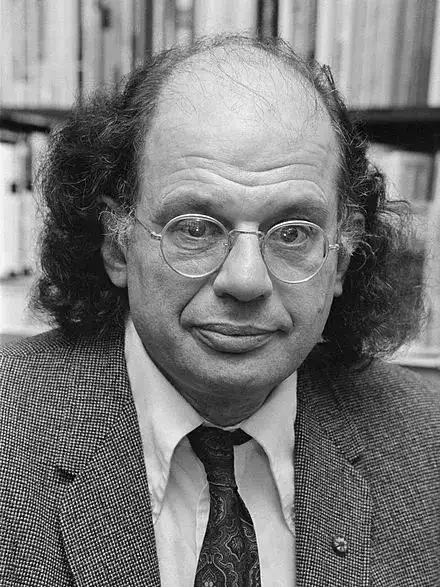
Allen Ginsberg
Kral Majales (King of May)
Kral Majales (King of May)
And the Communists have nothing to offer but fat cheeks and eyeglasses and
lying policemen
and the Capitalists proffer Napalm and money in green suitcases to the
Naked,
and the Communists create heavy industry but the heart is also heavy
and the beautiful engineers are all dead, the secret technicians conspire for
their own glamour
in the Future, in the Future, but now drink vodka and lament the Security
Forces,
and the Capitalists drink gin and whiskey on airplanes but let Indian brown
millions starve
and when Communist and Capitalist assholes tangle the Just man is arrested
or robbed or has his head cut off,
but not like Kabir, and the cigarette cough of the Just man above the clouds
in the bright sunshine is a salute to the health of the blue sky.
For I was arrested thrice in Prague, once for singing drunk on Narodni
street,
once knocked down on the midnight pavement by a mustached agent who
screamed out BOUZERANT,
once for losing my notebooks of unusual sex politics dream opinions,
and I was sent from Havana by planes by detectives in green uniform,
and I was sent from Prague by plane by detectives in Czechoslovakian
business suits,
Cardplayers out of Cezanne, the two strange dolls that entered Joseph K's
room at morn
also entered mine and ate at my table, and examined my scribbles,
and followed me night and morn from the houses of the lovers to the cafes of
Centrum -
And I am the King of May, which is the power of sexual youth,
and I am the King of May, which is long hair of Adam and Beard of my
own body
and I am the King of May, which is Kral Majales in the Czechoslovakian
tongue,
and I am the King of May, which is old Human poesy, and 100,000 people
chose my name,
and I am the King of May, and in a few minutes I will land at London
Airport,
and I am the King of May, naturally, for I am of Slavic parentage and a
Buddhist Jew
who whorships the Sacred Heart of Christ the blue body of Krishna the
straight back of Ram
the beads of Chango the Nigerian singing Shiva Shiva in a manner which
I have invented,
and the King of May is a middleeuropean honor, mine in the XX century
despite space ships and the Time Machine, because I have heard the voice of Blake
in a vision
and repeat that voice. And I am the King of May that sleeps with teenagers
laughing.
And I am the King of May, that I may be expelled from my Kingdom with
Honor, as of old,
To show the difference between Caesar's Kingdom and the Kingdom of the
May of Man
and I am the King of May because I touched my finger to my forehead
saluting
a luminous heavy girl trembling hands who said 'one moment Mr. Ginsberg'
before a fat young Plainclothesman stepped between our bodies - I was
going to England and
I am the King of May, in a giant jetplane touching Albion's airfield
trembling in fear
as the plane roars to a landing on the gray concrete, shakes & expels air,
and rolls slowly to a stop under the clouds with part of blue heaven still
visible.
And tho' I am the King of May, the Marxists have beat me upon the street,
kept me up all night in Police Station, followed me thru Springtime
Prague, detained me in secret and deported me from our kingdom by
airplane.
This I have written this poem on a jet seat in mid Heaven.
And the Communists have nothing to offer but fat cheeks and eyeglasses and
lying policemen
and the Capitalists proffer Napalm and money in green suitcases to the
Naked,
and the Communists create heavy industry but the heart is also heavy
and the beautiful engineers are all dead, the secret technicians conspire for
their own glamour
in the Future, in the Future, but now drink vodka and lament the Security
Forces,
and the Capitalists drink gin and whiskey on airplanes but let Indian brown
millions starve
and when Communist and Capitalist assholes tangle the Just man is arrested
or robbed or has his head cut off,
but not like Kabir, and the cigarette cough of the Just man above the clouds
in the bright sunshine is a salute to the health of the blue sky.
For I was arrested thrice in Prague, once for singing drunk on Narodni
street,
once knocked down on the midnight pavement by a mustached agent who
screamed out BOUZERANT,
once for losing my notebooks of unusual sex politics dream opinions,
and I was sent from Havana by planes by detectives in green uniform,
and I was sent from Prague by plane by detectives in Czechoslovakian
business suits,
Cardplayers out of Cezanne, the two strange dolls that entered Joseph K's
room at morn
also entered mine and ate at my table, and examined my scribbles,
and followed me night and morn from the houses of the lovers to the cafes of
Centrum -
And I am the King of May, which is the power of sexual youth,
and I am the King of May, which is long hair of Adam and Beard of my
own body
and I am the King of May, which is Kral Majales in the Czechoslovakian
tongue,
and I am the King of May, which is old Human poesy, and 100,000 people
chose my name,
and I am the King of May, and in a few minutes I will land at London
Airport,
and I am the King of May, naturally, for I am of Slavic parentage and a
Buddhist Jew
who whorships the Sacred Heart of Christ the blue body of Krishna the
straight back of Ram
the beads of Chango the Nigerian singing Shiva Shiva in a manner which
I have invented,
and the King of May is a middleeuropean honor, mine in the XX century
despite space ships and the Time Machine, because I have heard the voice of Blake
in a vision
and repeat that voice. And I am the King of May that sleeps with teenagers
laughing.
And I am the King of May, that I may be expelled from my Kingdom with
Honor, as of old,
To show the difference between Caesar's Kingdom and the Kingdom of the
May of Man
and I am the King of May because I touched my finger to my forehead
saluting
a luminous heavy girl trembling hands who said 'one moment Mr. Ginsberg'
before a fat young Plainclothesman stepped between our bodies - I was
going to England and
I am the King of May, in a giant jetplane touching Albion's airfield
trembling in fear
as the plane roars to a landing on the gray concrete, shakes & expels air,
and rolls slowly to a stop under the clouds with part of blue heaven still
visible.
And tho' I am the King of May, the Marxists have beat me upon the street,
kept me up all night in Police Station, followed me thru Springtime
Prague, detained me in secret and deported me from our kingdom by
airplane.
This I have written this poem on a jet seat in mid Heaven.
804

Alice Walker
Be Nobody's Darling
Be Nobody's Darling
Be nobody's darling;
Be an outcast.
Take the contradictions
Of your life
And wrap around
You like a shawl,
To parry stones
To keep you warm.
Watch the people succumb
To madness
With ample cheer;
Let them look askance at you
And you askance reply.
Be an outcast;
Be pleased to walk alone
(Uncool)
Or line the crowded
River beds
With other impetuous
Fools.
Make a merry gathering
On the bank
Where thousands perished
For brave hurt words
They said.
But be nobody's darling;
Be an outcast.
Qualified to live
Among your dead.
Be nobody's darling;
Be an outcast.
Take the contradictions
Of your life
And wrap around
You like a shawl,
To parry stones
To keep you warm.
Watch the people succumb
To madness
With ample cheer;
Let them look askance at you
And you askance reply.
Be an outcast;
Be pleased to walk alone
(Uncool)
Or line the crowded
River beds
With other impetuous
Fools.
Make a merry gathering
On the bank
Where thousands perished
For brave hurt words
They said.
But be nobody's darling;
Be an outcast.
Qualified to live
Among your dead.
266
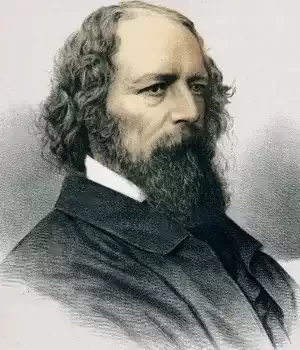
Alfred Lord Tennyson
You Ask Me, Why, Tho' Ill at Ease
You Ask Me, Why, Tho' Ill at Ease
You ask me, why, tho' ill at ease,
Within this region I subsist,
Whose spirits falter in the mist,
And languish for the purple seas.
It is the land that freemen till,
That sober-suited Freedom chose,
The land, where girt with friends or foes
A man may speak the thing he will;
A land of settled government,
A land of just and old renown,
Where Freedom slowly broadens down
From precedent to precedent:
Where faction seldom gathers head,
But by degrees to fullness wrought,
The strength of some diffusive thought
Hath time and space to work and spread.
Should banded unions persecute
Opinion, and induce a time
When single thought is civil crime,
And individual freedom mute;
Tho' Power should make from land to land
The name of Britain trebly great-Tho'
every channel of the State
Should fill and choke with golden sand-
Yet waft me from the harbour-mouth,
Wild wind! I seek a warmer sky,
And I will see before I die
The palms and temples of the South.
You ask me, why, tho' ill at ease,
Within this region I subsist,
Whose spirits falter in the mist,
And languish for the purple seas.
It is the land that freemen till,
That sober-suited Freedom chose,
The land, where girt with friends or foes
A man may speak the thing he will;
A land of settled government,
A land of just and old renown,
Where Freedom slowly broadens down
From precedent to precedent:
Where faction seldom gathers head,
But by degrees to fullness wrought,
The strength of some diffusive thought
Hath time and space to work and spread.
Should banded unions persecute
Opinion, and induce a time
When single thought is civil crime,
And individual freedom mute;
Tho' Power should make from land to land
The name of Britain trebly great-Tho'
every channel of the State
Should fill and choke with golden sand-
Yet waft me from the harbour-mouth,
Wild wind! I seek a warmer sky,
And I will see before I die
The palms and temples of the South.
422
Alfred Lord Tennyson
To The Queen
To The Queen
O loyal to the royal in thyself,
And loyal to thy land, as this to thee--
Bear witness, that rememberable day,
When, pale as yet, and fever-worn, the Prince
Who scarce had plucked his flickering life again
From halfway down the shadow of the grave,
Past with thee through thy people and their love,
And London rolled one tide of joy through all
Her trebled millions, and loud leagues of man
And welcome! witness, too, the silent cry,
The prayer of many a race and creed, and clime--
Thunderless lightnings striking under sea
From sunset and sunrise of all thy realm,
And that true North, whereof we lately heard
A strain to shame us 'keep you to yourselves;
So loyal is too costly! friends--your love
Is but a burthen: loose the bond, and go.'
Is this the tone of empire? here the faith
That made us rulers? this, indeed, her voice
And meaning, whom the roar of Hougoumont
Left mightiest of all peoples under heaven?
What shock has fooled her since, that she should speak
So feebly? wealthier--wealthier--hour by hour!
The voice of Britain, or a sinking land,
Some third-rate isle half-lost among her seas?
THERE rang her voice, when the full city pealed
Thee and thy Prince! The loyal to their crown
Are loyal to their own far sons, who love
Our ocean-empire with her boundless homes
For ever-broadening England, and her throne
In our vast Orient, and one isle, one isle,
That knows not her own greatness: if she knows
And dreads it we are fallen. --But thou, my Queen,
Not for itself, but through thy living love
For one to whom I made it o'er his grave
Sacred, accept this old imperfect tale,
New-old, and shadowing Sense at war with Soul,
Ideal manhood closed in real man,
Rather than that gray king, whose name, a ghost,
Streams like a cloud, man-shaped, from mountain peak,
And cleaves to cairn and cromlech still; or him
Of Geoffrey's book, or him of Malleor's, one
Touched by the adulterous finger of a time
That hovered between war and wantonness,
And crownings and dethronements: take withal
Thy poet's blessing, and his trust that Heaven
Will blow the tempest in the distance back
From thine and ours: for some are sacred, who mark,
Or wisely or unwisely, signs of storm,
Waverings of every vane with every wind,
And wordy trucklings to the transient hour,
And fierce or careless looseners of the faith,
And Softness breeding scorn of simple life,
Or Cowardice, the child of lust for gold,
Or Labour, with a groan and not a voice,
Or Art with poisonous honey stolen from France,
And that which knows, but careful for itself,
And that which knows not, ruling that which knows
To its own harm: the goal of this great world
Lies beyond sight: yet--if our slowly-grown
And crowned Republic's crowning common-sense,
That saved her many times, not fail--their fears
Are morning shadows huger than the shapes
That cast them, not those gloomier which forego
The darkness of that battle in the West,
Where all of high and holy dies away.
O loyal to the royal in thyself,
And loyal to thy land, as this to thee--
Bear witness, that rememberable day,
When, pale as yet, and fever-worn, the Prince
Who scarce had plucked his flickering life again
From halfway down the shadow of the grave,
Past with thee through thy people and their love,
And London rolled one tide of joy through all
Her trebled millions, and loud leagues of man
And welcome! witness, too, the silent cry,
The prayer of many a race and creed, and clime--
Thunderless lightnings striking under sea
From sunset and sunrise of all thy realm,
And that true North, whereof we lately heard
A strain to shame us 'keep you to yourselves;
So loyal is too costly! friends--your love
Is but a burthen: loose the bond, and go.'
Is this the tone of empire? here the faith
That made us rulers? this, indeed, her voice
And meaning, whom the roar of Hougoumont
Left mightiest of all peoples under heaven?
What shock has fooled her since, that she should speak
So feebly? wealthier--wealthier--hour by hour!
The voice of Britain, or a sinking land,
Some third-rate isle half-lost among her seas?
THERE rang her voice, when the full city pealed
Thee and thy Prince! The loyal to their crown
Are loyal to their own far sons, who love
Our ocean-empire with her boundless homes
For ever-broadening England, and her throne
In our vast Orient, and one isle, one isle,
That knows not her own greatness: if she knows
And dreads it we are fallen. --But thou, my Queen,
Not for itself, but through thy living love
For one to whom I made it o'er his grave
Sacred, accept this old imperfect tale,
New-old, and shadowing Sense at war with Soul,
Ideal manhood closed in real man,
Rather than that gray king, whose name, a ghost,
Streams like a cloud, man-shaped, from mountain peak,
And cleaves to cairn and cromlech still; or him
Of Geoffrey's book, or him of Malleor's, one
Touched by the adulterous finger of a time
That hovered between war and wantonness,
And crownings and dethronements: take withal
Thy poet's blessing, and his trust that Heaven
Will blow the tempest in the distance back
From thine and ours: for some are sacred, who mark,
Or wisely or unwisely, signs of storm,
Waverings of every vane with every wind,
And wordy trucklings to the transient hour,
And fierce or careless looseners of the faith,
And Softness breeding scorn of simple life,
Or Cowardice, the child of lust for gold,
Or Labour, with a groan and not a voice,
Or Art with poisonous honey stolen from France,
And that which knows, but careful for itself,
And that which knows not, ruling that which knows
To its own harm: the goal of this great world
Lies beyond sight: yet--if our slowly-grown
And crowned Republic's crowning common-sense,
That saved her many times, not fail--their fears
Are morning shadows huger than the shapes
That cast them, not those gloomier which forego
The darkness of that battle in the West,
Where all of high and holy dies away.
461
Alfred Lord Tennyson
The Princess: A Medley: Thy Voice is Heard
The Princess: A Medley: Thy Voice is Heard
Thy voice is heard thro' rolling drums,
That beat to battle where he stands;
Thy face across his fancy comes,
And gives the battle to his hands:
A moment, while the trumpets blow,
He sees his brood about thy knee;
The next, like fire he meets the foe,
And strikes him dead for thine and thee.
Thy voice is heard thro' rolling drums,
That beat to battle where he stands;
Thy face across his fancy comes,
And gives the battle to his hands:
A moment, while the trumpets blow,
He sees his brood about thy knee;
The next, like fire he meets the foe,
And strikes him dead for thine and thee.
431
Alfred Lord Tennyson
The Eagle
The Eagle
He clasps the crag with crooked hands;
Close to the sun in lonely lands,
Ring'd with the azure world, he stands.
The wrinkled sea beneath him crawls;
He watches from his mountain walls,
And like a thunderbolt he falls.
He clasps the crag with crooked hands;
Close to the sun in lonely lands,
Ring'd with the azure world, he stands.
The wrinkled sea beneath him crawls;
He watches from his mountain walls,
And like a thunderbolt he falls.
1,200
Alfred Lord Tennyson
The Defence of Lucknow
The Defence of Lucknow
I
BANNER of England, not for a season, O banner of Britain, hast thou
Floated in conquering battle or flapt to the battle-cry!
Never with mightier glory than when we had rear’d thee on high
Flying at top of the roofs in the ghastly siege of Lucknow—
Shot thro’ the staff or the halyard, but ever we raised thee anew,
And ever upon the topmost roof our banner of England blew.
II.
Frail were the works that defended the hold that we held with our lives—
Women and children among us, God help them, our children and wives!
Hold it we might—and for fifteen days or for twenty at most.
‘Never surrender, I charge you, but every man die at his post!’
Voice of the dead whom we loved, our Lawrence the best of the brave:
Cold were his brows when we kiss’d him—we laid him that night in his grave.
‘Every man die at his post!’ and there hail’d on our houses and halls
Death from their rifle-bullets, and death from their cannon-balls,
Death in our innermost chamber, and death at our slight barricade,
Death while we stood with the musket, and death while we stoopt to the spade,
Death to the dying, and wounds to the wounded, for often there fell,
Striking the hospital wall, crashing thro’ it, their shot and their shell,
Death—for their spies were among us, their marksmen were told of our best,
So that the brute bullet broke thro’ the brain that could think for the rest;
Bullets would sing by our foreheads, and bullets would rain at our feet—
Fire from ten thousand at once of the rebels that girdled us round—
Death at the glimpse of a finger from over the breadth of a street,
Death from the heights of the mosque and the palace, and death in the ground!
Mine? yes, a mine! Countermine! down, down! and creep thro’ the hole!
Keep the revolver in hand! you can hear him—the murderous mole!
Quiet, ah! quiet—wait till the point of the pickaxe be thro’!
Click with the pick, coming nearer and nearer again than before—
Now let it speak, and you fire, and the dark pioneer is no more;
And ever upon the topmost roof our banner of England blew!
III.
Ay, but the foe sprung his mine many times, and it chanced on a day
Soon as the blast of that underground thunderclap echo ‘d away,
Dark thro’ the smoke and the sulphur like so many fiends in their hell—
Cannon-shot, musket-shot, volley on volley, and yell upon yell—
Fiercely on all the defences our myriad enemy fell.
What have they done? where is it? Out yonder. Guard the Redan!
Storm at the Water-gate! storm at the Bailey-gate! storm, and it ran
Surging and swaying all round us, as ocean on every side
Plunges and heaves at a bank that is daily devour’d by the tide—
So many thousands that if they be bold enough, who shall escape?
Kill or be kill’d, live or die, they shall know we are soldiers and men
Ready! take aim at their leaders—their masses are gapp’d with our grape—
Backward they reel like the wave, like the wave flinging forward again,
Flying and foil’d at the last by the handful they could not subdue;
And ever upon the topmost roof our banner of England blew.
IV.
Handful of men as we were, we were English in heart and in limb,
Strong with the strength of the race to command, to obey, to endure,
Each of us fought as if hope for the garrison hung but on him;
Still—could we watch at all points? we were every day fewer and fewer.
There was a whisper among us, but only a whisper that past
‘Children and wives—if the tigers leap into the fold unawares—
Every man die at his post—and the foe may outlive us at last—
Better to fall by the hands that they love, than to fall into theirs!’
Roar upon roar in a moment two mines by the enemy sprung
Clove into perilous chasms our walls and our poor palisades.
Rifleman, true is your heart, but be sure that your hand be as true!
Sharp is the fire of assault, better aimed are your flank fusillades—
Twice do we hurl them to earth from the ladders to which they had clung,
Twice from the ditch where they shelter we drive them with hand-grenades;
And ever upon the topmost roof our banner of England blew.
V.
Then on another wild morning another wild earthquake out-tore
Clean from our lines of defence ten or twelve good paces or more.
Rifleman, high on the roof, hidden there from the light of the sun—
One has leapt up on the breach, crying out: ‘Follow me, follow me!’—
Mark him—he falls! then another, and him too, and down goes he.
Had they been bold enough then, who can tell but the traitors had won?
Boardings and rafters and doors—an embrasure I make way for the gun!
Now double-charge it with grape! It is charged and we fire, and they run.
Praise to our Indian brothers, and let the dark face have his due!
Thanks to the kindly dark faces who fought with us, faithful and few,
Fought with the bravest among us, and drove them, and smote them, and slew,
That ever upon the topmost roof our banner in India blew.
VI.
Men will forget what we suffer and not what we do. We can fight!
But to be soldier all day and be sentinel all thro’ the night—
Ever the mine and assault, our sallies, their lying alarms,
Bugles and drums in the darkness, and shoutings and soundings to arms,
Ever the labour of fifty that had to be done by five,
Ever the marvel among us that one should be left alive,
Ever the day with its traitorous death from the loopholes around,
Ever the night with its coffinless corpse to be laid in the ground,
Heat like the mouth of a hell, or a deluge of cataract skies,
Stench of old offal decaying, and infinite torment of flies.
Thoughts of the breezes of May blowing over an English field,
Cholera, scurvy, and fever, the wound that would not be heal’d,
Lopping away of the limb by the pitiful-pitiless knife,—
Torture and trouble in vain,—for it never could save us a life.
Valour of delicate women who tended the hospital bed,
Horror of women in travail among the dying and dead,
Grief for our perishing children, and never a moment for grief,
Toil and ineffable weariness, faltering hopes of relief,
Havelock baffled, or beaten, or butcher’d for all that we knew—
Then day and night, day and night, coming down on the still-shatter’d walls
Millions of musket-bullets, and thousands of cannon-balls—
But ever upon the topmost roof our banner of England blew.
VII.
Hark cannonade, fusillade! is it true what was told by the scout,
Outram and Havelock breaking their way through the fell mutineers?
Surely the pibroch of Europe is ringing again in our ears!
All on a sudden the garrison utter a jubilant shout,
Havelock’s glorious Highlanders answer with conquering cheers,
Sick from the hospital echo them, women and children come out,
Blessing the wholesome white faces of Havelock’s good fusileers,
Kissing the war-harden’d hand of the Highlander wet with their tears!
Dance to the pibroch!—saved! we are saved!—is it you? is it you?
Saved by the valour of Havelock, saved by the blessing of Heaven!
‘Hold it for fifteen days!’ we have held it for eighty-seven!
And ever aloft on the palace roof the old banner of England blew.
I
BANNER of England, not for a season, O banner of Britain, hast thou
Floated in conquering battle or flapt to the battle-cry!
Never with mightier glory than when we had rear’d thee on high
Flying at top of the roofs in the ghastly siege of Lucknow—
Shot thro’ the staff or the halyard, but ever we raised thee anew,
And ever upon the topmost roof our banner of England blew.
II.
Frail were the works that defended the hold that we held with our lives—
Women and children among us, God help them, our children and wives!
Hold it we might—and for fifteen days or for twenty at most.
‘Never surrender, I charge you, but every man die at his post!’
Voice of the dead whom we loved, our Lawrence the best of the brave:
Cold were his brows when we kiss’d him—we laid him that night in his grave.
‘Every man die at his post!’ and there hail’d on our houses and halls
Death from their rifle-bullets, and death from their cannon-balls,
Death in our innermost chamber, and death at our slight barricade,
Death while we stood with the musket, and death while we stoopt to the spade,
Death to the dying, and wounds to the wounded, for often there fell,
Striking the hospital wall, crashing thro’ it, their shot and their shell,
Death—for their spies were among us, their marksmen were told of our best,
So that the brute bullet broke thro’ the brain that could think for the rest;
Bullets would sing by our foreheads, and bullets would rain at our feet—
Fire from ten thousand at once of the rebels that girdled us round—
Death at the glimpse of a finger from over the breadth of a street,
Death from the heights of the mosque and the palace, and death in the ground!
Mine? yes, a mine! Countermine! down, down! and creep thro’ the hole!
Keep the revolver in hand! you can hear him—the murderous mole!
Quiet, ah! quiet—wait till the point of the pickaxe be thro’!
Click with the pick, coming nearer and nearer again than before—
Now let it speak, and you fire, and the dark pioneer is no more;
And ever upon the topmost roof our banner of England blew!
III.
Ay, but the foe sprung his mine many times, and it chanced on a day
Soon as the blast of that underground thunderclap echo ‘d away,
Dark thro’ the smoke and the sulphur like so many fiends in their hell—
Cannon-shot, musket-shot, volley on volley, and yell upon yell—
Fiercely on all the defences our myriad enemy fell.
What have they done? where is it? Out yonder. Guard the Redan!
Storm at the Water-gate! storm at the Bailey-gate! storm, and it ran
Surging and swaying all round us, as ocean on every side
Plunges and heaves at a bank that is daily devour’d by the tide—
So many thousands that if they be bold enough, who shall escape?
Kill or be kill’d, live or die, they shall know we are soldiers and men
Ready! take aim at their leaders—their masses are gapp’d with our grape—
Backward they reel like the wave, like the wave flinging forward again,
Flying and foil’d at the last by the handful they could not subdue;
And ever upon the topmost roof our banner of England blew.
IV.
Handful of men as we were, we were English in heart and in limb,
Strong with the strength of the race to command, to obey, to endure,
Each of us fought as if hope for the garrison hung but on him;
Still—could we watch at all points? we were every day fewer and fewer.
There was a whisper among us, but only a whisper that past
‘Children and wives—if the tigers leap into the fold unawares—
Every man die at his post—and the foe may outlive us at last—
Better to fall by the hands that they love, than to fall into theirs!’
Roar upon roar in a moment two mines by the enemy sprung
Clove into perilous chasms our walls and our poor palisades.
Rifleman, true is your heart, but be sure that your hand be as true!
Sharp is the fire of assault, better aimed are your flank fusillades—
Twice do we hurl them to earth from the ladders to which they had clung,
Twice from the ditch where they shelter we drive them with hand-grenades;
And ever upon the topmost roof our banner of England blew.
V.
Then on another wild morning another wild earthquake out-tore
Clean from our lines of defence ten or twelve good paces or more.
Rifleman, high on the roof, hidden there from the light of the sun—
One has leapt up on the breach, crying out: ‘Follow me, follow me!’—
Mark him—he falls! then another, and him too, and down goes he.
Had they been bold enough then, who can tell but the traitors had won?
Boardings and rafters and doors—an embrasure I make way for the gun!
Now double-charge it with grape! It is charged and we fire, and they run.
Praise to our Indian brothers, and let the dark face have his due!
Thanks to the kindly dark faces who fought with us, faithful and few,
Fought with the bravest among us, and drove them, and smote them, and slew,
That ever upon the topmost roof our banner in India blew.
VI.
Men will forget what we suffer and not what we do. We can fight!
But to be soldier all day and be sentinel all thro’ the night—
Ever the mine and assault, our sallies, their lying alarms,
Bugles and drums in the darkness, and shoutings and soundings to arms,
Ever the labour of fifty that had to be done by five,
Ever the marvel among us that one should be left alive,
Ever the day with its traitorous death from the loopholes around,
Ever the night with its coffinless corpse to be laid in the ground,
Heat like the mouth of a hell, or a deluge of cataract skies,
Stench of old offal decaying, and infinite torment of flies.
Thoughts of the breezes of May blowing over an English field,
Cholera, scurvy, and fever, the wound that would not be heal’d,
Lopping away of the limb by the pitiful-pitiless knife,—
Torture and trouble in vain,—for it never could save us a life.
Valour of delicate women who tended the hospital bed,
Horror of women in travail among the dying and dead,
Grief for our perishing children, and never a moment for grief,
Toil and ineffable weariness, faltering hopes of relief,
Havelock baffled, or beaten, or butcher’d for all that we knew—
Then day and night, day and night, coming down on the still-shatter’d walls
Millions of musket-bullets, and thousands of cannon-balls—
But ever upon the topmost roof our banner of England blew.
VII.
Hark cannonade, fusillade! is it true what was told by the scout,
Outram and Havelock breaking their way through the fell mutineers?
Surely the pibroch of Europe is ringing again in our ears!
All on a sudden the garrison utter a jubilant shout,
Havelock’s glorious Highlanders answer with conquering cheers,
Sick from the hospital echo them, women and children come out,
Blessing the wholesome white faces of Havelock’s good fusileers,
Kissing the war-harden’d hand of the Highlander wet with their tears!
Dance to the pibroch!—saved! we are saved!—is it you? is it you?
Saved by the valour of Havelock, saved by the blessing of Heaven!
‘Hold it for fifteen days!’ we have held it for eighty-seven!
And ever aloft on the palace roof the old banner of England blew.
521
Alfred Lord Tennyson
The Charge Of The Light Brigade
The Charge Of The Light Brigade
Half a league, half a league,
Half a league onward,
All in the valley of Death
Rode the six hundred.
'Forward, the Light Brigade!
Charge for the guns!' he said:
Into the valley of Death
Rode the six hundred.
'Forward, the Light Brigade!'
Was there a man dismay'd ?
Not tho' the soldier knew
Some one had blunder'd:
Their's not to make reply,
Their's not to reason why,
Their's but to do and die:
Into the valley of Death
Rode the six hundred.
Cannon to right of them,
Cannon to left of them,
Cannon in front of them
Volley'd and thunder'd;
Storm'd at with shot and shell,
Boldly they rode and well,
Into the jaws of Death,
Into the mouth of Hell
Rode the six hundred.
Flash'd all their sabres bare,
Flash'd as they turn'd in air
Sabring the gunners there,
Charging an army, while
All the world wonder'd:
Plunged in the battery-smoke
Right thro' the line they broke;
Cossack and Russian
Reel'd from the sabre-stroke
Shatter'd and sunder'd.
Then they rode back, but not
Not the six hundred.
Cannon to right of them,
Cannon to left of them,
Cannon behind them
Volley'd and thunder'd;
Storm'd at with shot and shell,
While horse and hero fell,
They that had fought so well
Came thro' the jaws of Death,
Back from the mouth of Hell,
All that was left of them,
Left of six hundred.
When can their glory fade ?
O the wild charge they made!
All the world wonder'd.
Honour the charge they made!
Honour the Light Brigade,
Noble six hundred!
Half a league, half a league,
Half a league onward,
All in the valley of Death
Rode the six hundred.
'Forward, the Light Brigade!
Charge for the guns!' he said:
Into the valley of Death
Rode the six hundred.
'Forward, the Light Brigade!'
Was there a man dismay'd ?
Not tho' the soldier knew
Some one had blunder'd:
Their's not to make reply,
Their's not to reason why,
Their's but to do and die:
Into the valley of Death
Rode the six hundred.
Cannon to right of them,
Cannon to left of them,
Cannon in front of them
Volley'd and thunder'd;
Storm'd at with shot and shell,
Boldly they rode and well,
Into the jaws of Death,
Into the mouth of Hell
Rode the six hundred.
Flash'd all their sabres bare,
Flash'd as they turn'd in air
Sabring the gunners there,
Charging an army, while
All the world wonder'd:
Plunged in the battery-smoke
Right thro' the line they broke;
Cossack and Russian
Reel'd from the sabre-stroke
Shatter'd and sunder'd.
Then they rode back, but not
Not the six hundred.
Cannon to right of them,
Cannon to left of them,
Cannon behind them
Volley'd and thunder'd;
Storm'd at with shot and shell,
While horse and hero fell,
They that had fought so well
Came thro' the jaws of Death,
Back from the mouth of Hell,
All that was left of them,
Left of six hundred.
When can their glory fade ?
O the wild charge they made!
All the world wonder'd.
Honour the charge they made!
Honour the Light Brigade,
Noble six hundred!
819
Alfred Lord Tennyson
Sir Galahad
Sir Galahad
MY good blade carves the casques of men,
My tough lance thrusteth sure,
My strength is as the strength of ten,
Because my heart is pure.
The shattering trumpet shrilleth high,
The hard brands shiver on the steel,
The splinter'd spear-shafts crack and fly,
The horse and rider reel:
They reel, they roll in clanging lists,
And when the tide of combat stands,
Perfume and flowers fall in showers,
That lightly rain from ladies' hands.
How sweet are looks that ladies bend
On whom their favours fall !
For them I battle till the end,
To save from shame and thrall:
But all my heart is drawn above,
My knees are bow'd in crypt and shrine:
I never felt the kiss of love,
Nor maiden's hand in mine.
More bounteous aspects on me beam,
Me mightier transports move and thrill;
So keep I fair thro' faith and prayer
A virgin heart in work and will.
When down the stormy crescent goes,
A light before me swims,
Between dark stems the forest glows,
I hear a noise of hymns:
Then by some secret shrine I ride;
I hear a voice but none are there;
The stalls are void, the doors are wide,
The tapers burning fair.
Fair gleams the snowy altar-cloth,
The silver vessels sparkle clean,
The shrill bell rings, the censer swings,
And solemn chaunts resound between.
Sometimes on lonely mountain-meres
I find a magic bark;
I leap on board: no helmsman steers:
I float till all is dark.
A gentle sound, an awful light !
Three arngels bear the holy Grail:
With folded feet, in stoles of white,
On sleeping wings they sail.
Ah, blessed vision! blood of God!
My spirit beats her mortal bars,
As down dark tides the glory slides,
And star-like mingles with the stars.
When on my goodly charger borne
Thro' dreaming towns I go,
The cock crows ere the Christmas morn,
The streets are dumb with snow.
The tempest crackles on the leads,
And, ringing, springs from brand and mail;
But o'er the dark a glory spreads,
And gilds the driving hail.
I leave the plain, I climb the height;
No branchy thicket shelter yields;
But blessed forms in whistling storms
Fly o'er waste fens and windy fields.
A maiden knight--to me is given
Such hope, I know not fear;
I yearn to breathe the airs of heaven
That often meet me here.
I muse on joy that will not cease,
Pure spaces clothed in living beams,
Pure lilies of eternal peace,
Whose odours haunt my dreams;
And, stricken by an angel's hand,
This mortal armour that I wear,
This weight and size, this heart and eyes,
Are touch'd, are turn'd to finest air.
The clouds are broken in the sky,
And thro' the mountain-walls
A rolling organ-harmony
Swells up, and shakes and falls.
Then move the trees, the copses nod,
Wings flutter, voices hover clear:
'O just and faithful knight of God!
Ride on ! the prize is near.'
So pass I hostel, hall, and grange;
By bridge and ford, by park and pale,
All-arm'd I ride, whate'er betide,
Until I find the holy Grail.
MY good blade carves the casques of men,
My tough lance thrusteth sure,
My strength is as the strength of ten,
Because my heart is pure.
The shattering trumpet shrilleth high,
The hard brands shiver on the steel,
The splinter'd spear-shafts crack and fly,
The horse and rider reel:
They reel, they roll in clanging lists,
And when the tide of combat stands,
Perfume and flowers fall in showers,
That lightly rain from ladies' hands.
How sweet are looks that ladies bend
On whom their favours fall !
For them I battle till the end,
To save from shame and thrall:
But all my heart is drawn above,
My knees are bow'd in crypt and shrine:
I never felt the kiss of love,
Nor maiden's hand in mine.
More bounteous aspects on me beam,
Me mightier transports move and thrill;
So keep I fair thro' faith and prayer
A virgin heart in work and will.
When down the stormy crescent goes,
A light before me swims,
Between dark stems the forest glows,
I hear a noise of hymns:
Then by some secret shrine I ride;
I hear a voice but none are there;
The stalls are void, the doors are wide,
The tapers burning fair.
Fair gleams the snowy altar-cloth,
The silver vessels sparkle clean,
The shrill bell rings, the censer swings,
And solemn chaunts resound between.
Sometimes on lonely mountain-meres
I find a magic bark;
I leap on board: no helmsman steers:
I float till all is dark.
A gentle sound, an awful light !
Three arngels bear the holy Grail:
With folded feet, in stoles of white,
On sleeping wings they sail.
Ah, blessed vision! blood of God!
My spirit beats her mortal bars,
As down dark tides the glory slides,
And star-like mingles with the stars.
When on my goodly charger borne
Thro' dreaming towns I go,
The cock crows ere the Christmas morn,
The streets are dumb with snow.
The tempest crackles on the leads,
And, ringing, springs from brand and mail;
But o'er the dark a glory spreads,
And gilds the driving hail.
I leave the plain, I climb the height;
No branchy thicket shelter yields;
But blessed forms in whistling storms
Fly o'er waste fens and windy fields.
A maiden knight--to me is given
Such hope, I know not fear;
I yearn to breathe the airs of heaven
That often meet me here.
I muse on joy that will not cease,
Pure spaces clothed in living beams,
Pure lilies of eternal peace,
Whose odours haunt my dreams;
And, stricken by an angel's hand,
This mortal armour that I wear,
This weight and size, this heart and eyes,
Are touch'd, are turn'd to finest air.
The clouds are broken in the sky,
And thro' the mountain-walls
A rolling organ-harmony
Swells up, and shakes and falls.
Then move the trees, the copses nod,
Wings flutter, voices hover clear:
'O just and faithful knight of God!
Ride on ! the prize is near.'
So pass I hostel, hall, and grange;
By bridge and ford, by park and pale,
All-arm'd I ride, whate'er betide,
Until I find the holy Grail.
683
Alfred Lord Tennyson
In Memoriam A. H. H.: 96. You say, but with no touch of sco
In Memoriam A. H. H.: 96. You say, but with no touch of sco
You say, but with no touch of scorn,
Sweet-hearted, you, whose light-blue eyes
Are tender over drowning flies,
You tell me, doubt is Devil-born.
I know not: one indeed I knew
In many a subtle question versed,
Who touch'd a jarring lyre at first,
But ever strove to make it true:
Perplext in faith, but pure in deeds,
At last he beat his music out.
There lives more faith in honest doubt,
Believe me, than in half the creeds.
He fought his doubts and gather'd strength,
He would not make his judgment blind,
He faced the spectres of the mind
And laid them: thus he came at length
To find a stronger faith his own;
And Power was with him in the night,
Which makes the darkness and the light,
And dwells not in the light alone,
But in the darkness and the cloud,
As over Sinaï's peaks of old,
While Israel made their gods of gold,
Altho' the trumpet blew so loud.
You say, but with no touch of scorn,
Sweet-hearted, you, whose light-blue eyes
Are tender over drowning flies,
You tell me, doubt is Devil-born.
I know not: one indeed I knew
In many a subtle question versed,
Who touch'd a jarring lyre at first,
But ever strove to make it true:
Perplext in faith, but pure in deeds,
At last he beat his music out.
There lives more faith in honest doubt,
Believe me, than in half the creeds.
He fought his doubts and gather'd strength,
He would not make his judgment blind,
He faced the spectres of the mind
And laid them: thus he came at length
To find a stronger faith his own;
And Power was with him in the night,
Which makes the darkness and the light,
And dwells not in the light alone,
But in the darkness and the cloud,
As over Sinaï's peaks of old,
While Israel made their gods of gold,
Altho' the trumpet blew so loud.
410
Alfred Lord Tennyson
In Memoriam A. H. H.: 15. To-night the winds begin to rise
In Memoriam A. H. H.: 15. To-night the winds begin to rise
To-night the winds begin to rise
And roar from yonder dropping day:
The last red leaf is whirl'd away,
The rooks are blown about the skies;
The forest crack'd, the waters curl'd,
The cattle huddled on the lea;
And wildly dash'd on tower and tree
The sunbeam strikes along the world:
And but for fancies, which aver
That all thy motions gently pass
Athwart a plane of molten glass,
I scarce could brook the strain and stir
That makes the barren branches loud;
And but for fear it is not so,
The wild unrest that lives in woe
Would dote and pore on yonder cloud
That rises upward always higher,
And onward drags a labouring breast,
And topples round the dreary west,
A looming bastion fringed with fire.
To-night the winds begin to rise
And roar from yonder dropping day:
The last red leaf is whirl'd away,
The rooks are blown about the skies;
The forest crack'd, the waters curl'd,
The cattle huddled on the lea;
And wildly dash'd on tower and tree
The sunbeam strikes along the world:
And but for fancies, which aver
That all thy motions gently pass
Athwart a plane of molten glass,
I scarce could brook the strain and stir
That makes the barren branches loud;
And but for fear it is not so,
The wild unrest that lives in woe
Would dote and pore on yonder cloud
That rises upward always higher,
And onward drags a labouring breast,
And topples round the dreary west,
A looming bastion fringed with fire.
454
Alfred Lord Tennyson
Idylls of the King: The Marriage of Geraint (Fortune, Turn
Idylls of the King: The Marriage of Geraint (Fortune, Turn
Turn, Fortune, turn thy wheel, and lower the proud;
Turn thy wild wheel thro' sunshine, storm, and cloud;
Thy wheel and thee we neither love nor hate.
Turn, Fortune, turn thy wheel with smile or frown;
With that wild wheel we go not up or down;
Our hoard is little, but our hearts are great.
Smile and we smile, the lords of many lands;
Frown and we smile, the lords of our own hands;
For man is man and master of his fate.
Turn, turn thy wheel above the staring crowd;
Thy wheel and thou are shadows in the cloud;
Thy wheel and thee we neither love nor hate.
Turn, Fortune, turn thy wheel, and lower the proud;
Turn thy wild wheel thro' sunshine, storm, and cloud;
Thy wheel and thee we neither love nor hate.
Turn, Fortune, turn thy wheel with smile or frown;
With that wild wheel we go not up or down;
Our hoard is little, but our hearts are great.
Smile and we smile, the lords of many lands;
Frown and we smile, the lords of our own hands;
For man is man and master of his fate.
Turn, turn thy wheel above the staring crowd;
Thy wheel and thou are shadows in the cloud;
Thy wheel and thee we neither love nor hate.
450
Alfred Lord Tennyson
Balin and Balan
Balin and Balan
Pellam the King, who held and lost with Lot
In that first war, and had his realm restored
But rendered tributary, failed of late
To send his tribute; wherefore Arthur called
His treasurer, one of many years, and spake,
'Go thou with him and him and bring it to us,
Lest we should set one truer on his throne.
Man's word is God in man.'
His Baron said
'We go but harken: there be two strange knights
Who sit near Camelot at a fountain-side,
A mile beneath the forest, challenging
And overthrowing every knight who comes.
Wilt thou I undertake them as we pass,
And send them to thee?'
Arthur laughed upon him.
'Old friend, too old to be so young, depart,
Delay not thou for aught, but let them sit,
Until they find a lustier than themselves.'
So these departed. Early, one fair dawn,
The light-winged spirit of his youth returned
On Arthur's heart; he armed himself and went,
So coming to the fountain-side beheld
Balin and Balan sitting statuelike,
Brethren, to right and left the spring, that down,
From underneath a plume of lady-fern,
Sang, and the sand danced at the bottom of it.
And on the right of Balin Balin's horse
Was fast beside an alder, on the left
Of Balan Balan's near a poplartree.
'Fair Sirs,' said Arthur, 'wherefore sit ye here?'
Balin and Balan answered 'For the sake
Of glory; we be mightier men than all
In Arthur's court; that also have we proved;
For whatsoever knight against us came
Or I or he have easily overthrown.'
'I too,' said Arthur, 'am of Arthur's hall,
But rather proven in his Paynim wars
Than famous jousts; but see, or proven or not,
Whether me likewise ye can overthrow.'
And Arthur lightly smote the brethren down,
And lightly so returned, and no man knew.
Then Balin rose, and Balan, and beside
The carolling water set themselves again,
And spake no word until the shadow turned;
When from the fringe of coppice round them burst
A spangled pursuivant, and crying 'Sirs,
Rise, follow! ye be sent for by the King,'
They followed; whom when Arthur seeing asked
'Tell me your names; why sat ye by the well?'
Balin the stillness of a minute broke
Saying 'An unmelodious name to thee,
Balin, "the Savage"--that addition thine--
My brother and my better, this man here,
Balan. I smote upon the naked skull
A thrall of thine in open hall, my hand
Was gauntleted, half slew him; for I heard
He had spoken evil of me; thy just wrath
Sent me a three-years' exile from thine eyes.
I have not lived my life delightsomely:
For I that did that violence to thy thrall,
Had often wrought some fury on myself,
Saving for Balan: those three kingless years
Have past--were wormwood-bitter to me. King,
Methought that if we sat beside the well,
And hurled to ground what knight soever spurred
Against us, thou would'st take me gladlier back,
And make, as ten-times worthier to be thine
Than twenty Balins, Balan knight. I have said.
Not so--not all. A man of thine today
Abashed us both, and brake my boast. Thy will?'
Said Arthur 'Thou hast ever spoken truth;
Thy too fierce manhood would not let thee lie.
Rise, my true knight. As children learn, be thou
Wiser for falling! walk with me, and move
To music with thine Order and the King.
Thy chair, a grief to all the brethren, stands
Vacant, but thou retake it, mine again!'
Thereafter, when Sir Balin entered hall,
The Lost one Found was greeted as in Heaven
With joy that blazed itself in woodland wealth
Of leaf, and gayest garlandage of flowers,
Along the walls and down the board; they sat,
And cup clashed cup; they drank and some one sang,
Sweet-voiced, a song of welcome, whereupon
Their common shout in chorus, mounting, made
Those banners of twelve battles overhead
Stir, as they stirred of old, when Arthur's host
Proclaimed him Victor, and the day was won.
Then Balan added to their Order lived
A wealthier life than heretofore with these
And Balin, till their embassage returned.
'Sir King' they brought report 'we hardly found,
So bushed about it is with gloom, the hall
Of him to whom ye sent us, Pellam, once
A Christless foe of thine as ever dashed
Horse against horse; but seeing that thy realm
Hath prospered in the name of Christ, the King
Took, as in rival heat, to holy things;
And finds himself descended from the Saint
Arimathan Joseph; him who first
Brought the great faith to Britain over seas;
He boasts his life as purer than thine own;
Eats scarce enow to keep his pulse abeat;
Hath pushed aside his faithful wife, nor lets
Or dame or damsel enter at his gates
Lest he should be polluted. This gray King
Showed us a shrine wherein were wonders--yea--
Rich arks with priceless bones of martyrdom,
Thorns of the crown and shivers of the cross,
And therewithal (for thus he told us) brought
By holy Joseph thither, that same spear
Wherewith the Roman pierced the side of Christ.
He much amazed us; after, when we sought
The tribute, answered "I have quite foregone
All matters of this world: Garlon, mine heir,
Of him demand it," which this Garlon gave
With much ado, railing at thine and thee.
'But when we left, in those deep woods we found
A knight of thine spear-stricken from behind,
Dead, whom we buried; more than one of us
Cried out on Garlon, but a woodman there
Reported of some demon in the woods
Was once a man, who driven by evil tongues
From all his fellows, lived alone, and came
To learn black magic, and to hate his kind
With such a hate, that when he died, his soul
Became a Fiend, which, as the man in life
Was wounded by blind tongues he saw not whence,
Strikes from behind. This woodman showed the cave
From which he sallies, and wherein he dwelt.
We saw the hoof-print of a horse, no more.'
Then Arthur, 'Let who goes before me, see
He do not fall behind me: foully slain
And villainously! who will hunt for me
This demon of the woods?' Said Balan, 'I'!
So claimed the quest and rode away, but first,
Embracing Balin, 'Good my brother, hear!
Let not thy moods prevail, when I am gone
Who used to lay them! hold them outer fiends,
Who leap at thee to tear thee; shake them aside,
Dreams ruling when wit sleeps! yea, but to dream
That any of these would wrong thee, wrongs thyself.
Witness their flowery welcome. Bound are they
To speak no evil. Truly save for fears,
My fears for thee, so rich a fellowship
Would make me wholly blest: thou one of them,
Be one indeed: consider them, and all
Their bearing in their common bond of love,
No more of hatred than in Heaven itself,
No more of jealousy than in Paradise.'
So Balan warned, and went; Balin remained:
Who--for but three brief moons had glanced away
From being knighted till he smote the thrall,
And faded from the presence into years
Of exile--now would strictlier set himself
To learn what Arthur meant by courtesy,
Manhood, and knighthood; wherefore hovered round
Lancelot, but when he marked his high sweet smile
In passing, and a transitory word
Make knight or churl or child or damsel seem
From being smiled at happier in themselves--
Sighed, as a boy lame-born beneath a height,
That glooms his valley, sighs to see the peak
Sun-flushed, or touch at night the northern star;
For one from out his village lately climed
And brought report of azure lands and fair,
Far seen to left and right; and he himself
Hath hardly scaled with help a hundred feet
Up from the base: so Balin marvelling oft
How far beyond him Lancelot seemed to move,
Groaned, and at times would mutter, 'These be gifts,
Born with the blood, not learnable, divine,
Beyond MY reach. Well had I foughten--well--
In those fierce wars, struck hard--and had I crowned
With my slain self the heaps of whom I slew-So--
better!--But this worship of the Queen,
That honour too wherein she holds him--this,
This was the sunshine that hath given the man
A growth, a name that branches o'er the rest,
And strength against all odds, and what the King
So prizes--overprizes--gentleness.
Her likewise would I worship an I might.
I never can be close with her, as he
That brought her hither. Shall I pray the King
To let me bear some token of his Queen
Whereon to gaze, remembering her--forget
My heats and violences? live afresh?
What, if the Queen disdained to grant it! nay
Being so stately-gentle, would she make
My darkness blackness? and with how sweet grace
She greeted my return! Bold will I be--
Some goodly cognizance of Guinevere,
In lieu of this rough beast upon my shield,
Langued gules, and toothed with grinning savagery.'
And Arthur, when Sir Balin sought him, said
'What wilt thou bear?' Balin was bold, and asked
To bear her own crown-royal upon shield,
Whereat she smiled and turned her to the King,
Who answered 'Thou shalt put the crown to use.
The crown is but the shadow of the King,
And this a shadow's shadow, let him have it,
So this will help him of his violences!'
'No shadow' said Sir Balin 'O my Queen,
But light to me! no shadow, O my King,
But golden earnest of a gentler life!'
So Balin bare the crown, and all the knights
Approved him, and the Queen, and all the world
Made music, and he felt his being move
In music with his Order, and the King.
The nightingale, full-toned in middle May,
Hath ever and anon a note so thin
It seems another voice in other groves;
Thus, after some quick burst of sudden wrath,
The music in him seemed to change, and grow
Faint and far-off.
And once he saw the thrall
His passion half had gauntleted to death,
That causer of his banishment and shame,
Smile at him, as he deemed, presumptuously:
His arm half rose to strike again, but fell:
The memory of that cognizance on shield
Weighted it down, but in himself he moaned:
'Too high this mount of Camelot for me:
These high-set courtesies are not for me.
Shall I not rather prove the worse for these?
Fierier and stormier from restraining, break
Into some madness even before the Queen?'
Thus, as a hearth lit in a mountain home,
And glancing on the window, when the gloom
Of twilight deepens round it, seems a flame
That rages in the woodland far below,
So when his moods were darkened, court and King
And all the kindly warmth of Arthur's hall
Shadowed an angry distance: yet he strove
To learn the graces of their Table, fought
Hard with himself, and seemed at length in peace.
Then chanced, one morning, that Sir Balin sat
Close-bowered in that garden nigh the hall.
A walk of roses ran from door to door;
A walk of lilies crost it to the bower:
And down that range of roses the great Queen
Came with slow steps, the morning on her face;
And all in shadow from the counter door
Sir Lancelot as to meet her, then at once,
As if he saw not, glanced aside, and paced
The long white walk of lilies toward the bower.
Followed the Queen; Sir Balin heard her 'Prince,
Art thou so little loyal to thy Queen,
As pass without good morrow to thy Queen?'
To whom Sir Lancelot with his eyes on earth,
'Fain would I still be loyal to the Queen.'
'Yea so' she said 'but so to pass me by--
So loyal scarce is loyal to thyself,
Whom all men rate the king of courtesy.
Let be: ye stand, fair lord, as in a dream.'
Then Lancelot with his hand among the flowers
'Yea--for a dream. Last night methought I saw
That maiden Saint who stands with lily in hand
In yonder shrine. All round her prest the dark,
And all the light upon her silver face
Flowed from the spiritual lily that she held.
Lo! these her emblems drew mine eyes--away:
For see, how perfect-pure! As light a flush
As hardly tints the blossom of the quince
Would mar their charm of stainless maidenhood.'
'Sweeter to me' she said 'this garden rose
Deep-hued and many-folded! sweeter still
The wild-wood hyacinth and the bloom of May.
Prince, we have ridden before among the flowers
In those fair days--not all as cool as these,
Though season-earlier. Art thou sad? or sick?
Our noble King will send thee his own leech--
Sick? or for any matter angered at me?'
Then Lancelot lifted his large eyes; they dwelt
Deep-tranced on hers, and could not fall: her hue
Changed at his gaze: so turning side by side
They past, and Balin started from his bower.
'Queen? subject? but I see not what I see.
Damsel and lover? hear not what I hear.
My father hath begotten me in his wrath.
I suffer from the things before me, know,
Learn nothing; am not worthy to be knight;
A churl, a clown!' and in him gloom on gloom
Deepened: he sharply caught his lance and shield,
Nor stayed to crave permission of the King,
But, mad for strange adventure, dashed away.
He took the selfsame track as Balan, saw
The fountain where they sat together, sighed
'Was I not better there with him?' and rode
The skyless woods, but under open blue
Came on the hoarhead woodman at a bough
Wearily hewing. 'Churl, thine axe!' he cried,
Descended, and disjointed it at a blow:
To whom the woodman uttered wonderingly
'Lord, thou couldst lay the Devil of these woods
If arm of flesh could lay him.' Balin cried
'Him, or the viler devil who plays his part,
To lay that devil would lay the Devil in me.'
'Nay' said the churl, 'our devil is a truth,
I saw the flash of him but yestereven.
And some DO say that our Sir Garlon too
Hath learned black magic, and to ride unseen.
Look to the cave.' But Balin answered him
'Old fabler, these be fancies of the churl,
Look to thy woodcraft,' and so leaving him,
Now with slack rein and careless of himself,
Now with dug spur and raving at himself,
Now with droopt brow down the long glades he rode;
So marked not on his right a cavern-chasm
Yawn over darkness, where, nor far within,
The whole day died, but, dying, gleamed on rocks
Roof-pendent, sharp; and others from the floor,
Tusklike, arising, made that mouth of night
Whereout the Demon issued up from Hell.
He marked not this, but blind and deaf to all
Save that chained rage, which ever yelpt within,
Past eastward from the falling sun. At once
He felt the hollow-beaten mosses thud
And tremble, and then the shadow of a spear,
Shot from behind him, ran along the ground.
Sideways he started from the path, and saw,
With pointed lance as if to pierce, a shape,
A light of armour by him flash, and pass
And vanish in the woods; and followed this,
But all so blind in rage that unawares
He burst his lance against a forest bough,
Dishorsed himself, and rose again, and fled
Far, till the castle of a King, the hall
Of Pellam, lichen-bearded, grayly draped
With streaming grass, appeared, low-built but strong;
The ruinous donjon as a knoll of moss,
The battlement overtopt with ivytods,
A home of bats, in every tower an owl.
Then spake the men of Pellam crying 'Lord,
Why wear ye this crown-royal upon shield?'
Said Balin 'For the fairest and the best
Of ladies living gave me this to bear.'
So stalled his horse, and strode across the court,
But found the greetings both of knight and King
Faint in the low dark hall of banquet: leaves
Laid their green faces flat against the panes,
Sprays grated, and the cankered boughs without
Whined in the wood; for all was hushed within,
Till when at feast Sir Garlon likewise asked
'Why wear ye that crown-royal?' Balin said
'The Queen we worship, Lancelot, I, and all,
As fairest, best and purest, granted me
To bear it!' Such a sound (for Arthur's knights
Were hated strangers in the hall) as makes
The white swan-mother, sitting, when she hears
A strange knee rustle through her secret reeds,
Made Garlon, hissing; then he sourly smiled.
'Fairest I grant her: I have seen; but best,
Best, purest? THOU from Arthur's hall, and yet
So simple! hast thou eyes, or if, are these
So far besotted that they fail to see
This fair wife-worship cloaks a secret shame?
Truly, ye men of Arthur be but babes.'
A goblet on the board by Balin, bossed
With holy Joseph's legend, on his right
Stood, all of massiest bronze: one side had sea
And ship and sail and angels blowing on it:
And one was rough with wattling, and the walls
Of that low church he built at Glastonbury.
This Balin graspt, but while in act to hurl,
Through memory of that token on the shield
Relaxed his hold: 'I will be gentle' he thought
'And passing gentle' caught his hand away,
Then fiercely to Sir Garlon 'Eyes have I
That saw today the shadow of a spear,
Shot from behind me, run along the ground;
Eyes too that long have watched how Lancelot draws
From homage to the best and purest, might,
Name, manhood, and a grace, but scantly thine,
Who, sitting in thine own hall, canst endure
To mouth so huge a foulness--to thy guest,
Me, me of Arthur's Table. Felon talk!
Let be! no more!'
But not the less by night
The scorn of Garlon, poisoning all his rest,
Stung him in dreams. At length, and dim through leaves
Blinkt the white morn, sprays grated, and old boughs
Whined in the wood. He rose, descended, met
The scorner in the castle court, and fain,
For hate and loathing, would have past him by;
But when Sir Garlon uttered mocking-wise;
'What, wear ye still that same crown-scandalous?'
His countenance blackened, and his forehead veins
Bloated, and branched; and tearing out of sheath
The brand, Sir Balin with a fiery 'Ha!
So thou be shadow, here I make thee ghost,'
Hard upon helm smote him, and the blade flew
Splintering in six, and clinkt upon the stones.
Then Garlon, reeling slowly backward, fell,
And Balin by the banneret of his helm
Dragged him, and struck, but from the castle a cry
Sounded across the court, and--men-at-arms,
A score with pointed lances, making at him--
He dashed the pummel at the foremost face,
Beneath a low door dipt, and made his feet
Wings through a glimmering gallery, till he marked
The portal of King Pellam's chapel wide
And inward to the wall; he stept behind;
Thence in a moment heard them pass like wolves
Howling; but while he stared about the shrine,
In which he scarce could spy the Christ for Saints,
Beheld before a golden altar lie
The longest lance his eyes had ever seen,
Point-painted red; and seizing thereupon
Pushed through an open casement down, leaned on it,
Leapt in a semicircle, and lit on earth;
Then hand at ear, and harkening from what side
The blindfold rummage buried in the walls
Might echo, ran the counter path, and found
His charger, mounted on him and away.
An arrow whizzed to the right, one to the left,
One overhead; and Pellam's feeble cry
'Stay, stay him! he defileth heavenly things
With earthly uses'--made him quickly dive
Beneath the boughs, and race through many a mile
Of dense and open, till his goodly horse,
Arising wearily at a fallen oak,
Stumbled headlong, and cast him face to ground.
Half-wroth he had not ended, but all glad,
Knightlike, to find his charger yet unlamed,
Sir Balin drew the shield from off his neck,
Stared at the priceless cognizance, and thought
'I have shamed thee so that now thou shamest me,
Thee will I bear no more,' high on a branch
Hung it, and turned aside into the woods,
And there in gloom cast himself all along,
Moaning 'My violences, my violences!'
But now the wholesome music of the wood
Was dumbed by one from out the hall of Mark,
A damsel-errant, warbling, as she rode
The woodland alleys, Vivien, with her Squire.
'The fire of Heaven has killed the barren cold,
And kindled all the plain and all the wold.
The new leaf ever pushes off the old.
The fire of Heaven is not the flame of Hell.
'Old priest, who mumble worship in your quire--
Old monk and nun, ye scorn the world's desire,
Yet in your frosty cells ye feel the fire!
The fire of Heaven is not the flame of Hell.
'The fire of Heaven is on the dusty ways.
The wayside blossoms open to the blaze.
The whole wood-world is one full peal of praise.
The fire of Heaven is not the flame of Hell.
'The fire of Heaven is lord of all things good,
And starve not thou this fire within thy blood,
But follow Vivien through the fiery flood!
The fire of Heaven is not the flame of Hell!'
Then turning to her Squire 'This fire of Heaven,
This old sun-worship, boy, will rise again,
And beat the cross to earth, and break the King
And all his Table.'
Then they reached a glade,
Where under one long lane of cloudless air
Before another wood, the royal crown
Sparkled, and swaying upon a restless elm
Drew the vague glance of Vivien, and her Squire;
Amazed were these; 'Lo there' she cried--'a crown--
Borne by some high lord-prince of Arthur's hall,
And there a horse! the rider? where is he?
See, yonder lies one dead within the wood.
Not dead; he stirs!--but sleeping. I will speak.
Hail, royal knight, we break on thy sweet rest,
Not, doubtless, all unearned by noble deeds.
But bounden art thou, if from Arthur's hall,
To help the weak. Behold, I fly from shame,
A lustful King, who sought to win my love
Through evil ways: the knight, with whom I rode,
Hath suffered misadventure, and my squire
Hath in him small defence; but thou, Sir Prince,
Wilt surely guide me to the warrior King,
Arthur the blameless, pure as any maid,
To get me shelter for my maidenhood.
I charge thee by that crown upon thy shield,
And by the great Queen's name, arise and hence.'
And Balin rose, 'Thither no more! nor Prince
Nor knight am I, but one that hath defamed
The cognizance she gave me: here I dwell
Savage among the savage woods, here die--
Die: let the wolves' black maws ensepulchre
Their brother beast, whose anger was his lord.
O me, that such a name as Guinevere's,
Which our high Lancelot hath so lifted up,
And been thereby uplifted, should through me,
My violence, and my villainy, come to shame.'
Thereat she suddenly laughed and shrill, anon
Sighed all as suddenly. Said Balin to her
'Is this thy courtesy--to mock me, ha?
Hence, for I will not with thee.' Again she sighed
'Pardon, sweet lord! we maidens often laugh
When sick at heart, when rather we should weep.
I knew thee wronged. I brake upon thy rest,
And now full loth am I to break thy dream,
But thou art man, and canst abide a truth,
Though bitter. Hither, boy--and mark me well.
Dost thou remember at Caerleon once--
A year ago--nay, then I love thee not--
Ay, thou rememberest well--one summer dawn--
By the great tower--Caerleon upon Usk--
Nay, truly we were hidden: this fair lord,
The flower of all their vestal knighthood, knelt
In amorous homage--knelt--what else?--O ay
Knelt, and drew down from out his night-black hair
And mumbled that white hand whose ringed caress
Had wandered from her own King's golden head,
And lost itself in darkness, till she cried--
I thought the great tower would crash down on both-"
Rise, my sweet King, and kiss me on the lips,
Thou art my King." This lad, whose lightest word
Is mere white truth in simple nakedness,
Saw them embrace: he reddens, cannot speak,
So bashful, he! but all the maiden Saints,
The deathless mother-maidenhood of Heaven,
Cry out upon her. Up then, ride with me!
Talk not of shame! thou canst not, an thou would'st,
Do these more shame than these have done themselves.'
She lied with ease; but horror-stricken he,
Remembering that dark bower at Camelot,
Breathed in a dismal whisper 'It is truth.'
Sunnily she smiled 'And even in this lone wood,
Sweet lord, ye do right well to whisper this.
Fools prate, and perish traitors. Woods have tongues,
As walls have ears: but thou shalt go with me,
And we will speak at first exceeding low.
Meet is it the good King be not deceived.
See now, I set thee high on vantage ground,
From whence to watch the time, and eagle-like
Stoop at thy will on Lancelot and the Queen.'
She ceased; his evil spirit upon him leapt,
He ground his teeth together, sprang with a yell,
Tore from the branch, and cast on earth, the shield,
Drove his mailed heel athwart the royal crown,
Stampt all into defacement, hurled it from him
Among the forest weeds, and cursed the tale,
The told-of, and the teller.
That weird yell,
Unearthlier than all shriek of bird or beast,
Thrilled through the woods; and Balan lurking there
(His quest was unaccomplished) heard and thought
'The scream of that Wood-devil I came to quell!'
Then nearing 'Lo! he hath slain some brother-knight,
And tramples on the goodly shield to show
His loathing of our Order and the Queen.
My quest, meseems, is here. Or devil or man
Guard thou thine head.' Sir Balin spake not word,
But snatched a sudden buckler from the Squire,
And vaulted on his horse, and so they crashed
In onset, and King Pellam's holy spear,
Reputed to be red with sinless blood,
Redded at once with sinful, for the point
Across the maiden shield of Balan pricked
The hauberk to the flesh; and Balin's horse
Was wearied to the death, and, when they clashed,
Rolling back upon Balin, crushed the man
Inward, and either fell, and swooned away.
Then to her Squire muttered the damsel 'Fools!
This fellow hath wrought some foulness with his Queen:
Else never had he borne her crown, nor raved
And thus foamed over at a rival name:
But thou, Sir Chick, that scarce hast broken shell,
Art yet half-yolk, not even come to down--
Who never sawest Caerleon upon Usk--
And yet hast often pleaded for my love--
See what I see, be thou where I have been,
Or else Sir Chick--dismount and loose their casques
I fain would know what manner of men they be.'
And when the Squire had loosed them, 'Goodly!--look!
They might have cropt the myriad flower of May,
And butt each other here, like brainless bulls,
Dead for one heifer!
Then the gentle Squire
'I hold them happy, so they died for love:
And, Vivien, though ye beat me like your dog,
I too could die, as now I live, for thee.'
'Live on, Sir Boy,' she cried. 'I better prize
The living dog than the dead lion: away!
I cannot brook to gaze upon the dead.'
Then leapt her palfrey o'er the fallen oak,
And bounding forward 'Leave them to the wolves.'
But when their foreheads felt the cooling air,
Balin first woke, and seeing that true face,
Familiar up from cradle-time, so wan,
Crawled slowly with low moans to where he lay,
And on his dying brother cast himself
Dying; and HE lifted faint eyes; he felt
One near him; all at once they found the world,
Staring wild-wide; then with a childlike wail
And drawing down the dim disastrous brow
That o'er him hung, he kissed it, moaned and spake;
'O Balin, Balin, I that fain had died
To save thy life, have brought thee to thy death.
Why had ye not the shield I knew? and why
Trampled ye thus on that which bare the Crown?'
Then Balin told him brokenly, and in gasps,
All that had chanced, and Balan moaned again.
'Brother, I dwelt a day in Pellam's hall:
This Garlon mocked me, but I heeded not.
And one said "Eat in peace! a liar is he,
And hates thee for the tribute!" this good knight
Told me, that twice a wanton damsel came,
And sought for Garlon at the castle-gates,
Whom Pellam drove away with holy heat.
I well believe this damsel, and the one
Who stood beside thee even now, the same.
"She dwells among the woods" he said "and meets
And dallies with him in the Mouth of Hell."
Foul are their lives; foul are their lips; they lied.
Pure as our own true Mother is our Queen."
'O brother' answered Balin 'woe is me!
My madness all thy life has been thy doom,
Thy curse, and darkened all thy day; and now
The night has come. I scarce can see thee now.
Goodnight! for we shall never bid again
Goodmorrow--Dark my doom was here, and dark
It will be there. I see thee now no more.
I would not mine again should darken thine,
Goodnight, true brother.
Balan answered low
'Goodnight, true brother here! goodmorrow there!
We two were born together, and we die
Together by one doom:' and while he spoke
Closed his death-drowsing eyes, and slept the sleep
With Balin, either locked in either's arm.
Pellam the King, who held and lost with Lot
In that first war, and had his realm restored
But rendered tributary, failed of late
To send his tribute; wherefore Arthur called
His treasurer, one of many years, and spake,
'Go thou with him and him and bring it to us,
Lest we should set one truer on his throne.
Man's word is God in man.'
His Baron said
'We go but harken: there be two strange knights
Who sit near Camelot at a fountain-side,
A mile beneath the forest, challenging
And overthrowing every knight who comes.
Wilt thou I undertake them as we pass,
And send them to thee?'
Arthur laughed upon him.
'Old friend, too old to be so young, depart,
Delay not thou for aught, but let them sit,
Until they find a lustier than themselves.'
So these departed. Early, one fair dawn,
The light-winged spirit of his youth returned
On Arthur's heart; he armed himself and went,
So coming to the fountain-side beheld
Balin and Balan sitting statuelike,
Brethren, to right and left the spring, that down,
From underneath a plume of lady-fern,
Sang, and the sand danced at the bottom of it.
And on the right of Balin Balin's horse
Was fast beside an alder, on the left
Of Balan Balan's near a poplartree.
'Fair Sirs,' said Arthur, 'wherefore sit ye here?'
Balin and Balan answered 'For the sake
Of glory; we be mightier men than all
In Arthur's court; that also have we proved;
For whatsoever knight against us came
Or I or he have easily overthrown.'
'I too,' said Arthur, 'am of Arthur's hall,
But rather proven in his Paynim wars
Than famous jousts; but see, or proven or not,
Whether me likewise ye can overthrow.'
And Arthur lightly smote the brethren down,
And lightly so returned, and no man knew.
Then Balin rose, and Balan, and beside
The carolling water set themselves again,
And spake no word until the shadow turned;
When from the fringe of coppice round them burst
A spangled pursuivant, and crying 'Sirs,
Rise, follow! ye be sent for by the King,'
They followed; whom when Arthur seeing asked
'Tell me your names; why sat ye by the well?'
Balin the stillness of a minute broke
Saying 'An unmelodious name to thee,
Balin, "the Savage"--that addition thine--
My brother and my better, this man here,
Balan. I smote upon the naked skull
A thrall of thine in open hall, my hand
Was gauntleted, half slew him; for I heard
He had spoken evil of me; thy just wrath
Sent me a three-years' exile from thine eyes.
I have not lived my life delightsomely:
For I that did that violence to thy thrall,
Had often wrought some fury on myself,
Saving for Balan: those three kingless years
Have past--were wormwood-bitter to me. King,
Methought that if we sat beside the well,
And hurled to ground what knight soever spurred
Against us, thou would'st take me gladlier back,
And make, as ten-times worthier to be thine
Than twenty Balins, Balan knight. I have said.
Not so--not all. A man of thine today
Abashed us both, and brake my boast. Thy will?'
Said Arthur 'Thou hast ever spoken truth;
Thy too fierce manhood would not let thee lie.
Rise, my true knight. As children learn, be thou
Wiser for falling! walk with me, and move
To music with thine Order and the King.
Thy chair, a grief to all the brethren, stands
Vacant, but thou retake it, mine again!'
Thereafter, when Sir Balin entered hall,
The Lost one Found was greeted as in Heaven
With joy that blazed itself in woodland wealth
Of leaf, and gayest garlandage of flowers,
Along the walls and down the board; they sat,
And cup clashed cup; they drank and some one sang,
Sweet-voiced, a song of welcome, whereupon
Their common shout in chorus, mounting, made
Those banners of twelve battles overhead
Stir, as they stirred of old, when Arthur's host
Proclaimed him Victor, and the day was won.
Then Balan added to their Order lived
A wealthier life than heretofore with these
And Balin, till their embassage returned.
'Sir King' they brought report 'we hardly found,
So bushed about it is with gloom, the hall
Of him to whom ye sent us, Pellam, once
A Christless foe of thine as ever dashed
Horse against horse; but seeing that thy realm
Hath prospered in the name of Christ, the King
Took, as in rival heat, to holy things;
And finds himself descended from the Saint
Arimathan Joseph; him who first
Brought the great faith to Britain over seas;
He boasts his life as purer than thine own;
Eats scarce enow to keep his pulse abeat;
Hath pushed aside his faithful wife, nor lets
Or dame or damsel enter at his gates
Lest he should be polluted. This gray King
Showed us a shrine wherein were wonders--yea--
Rich arks with priceless bones of martyrdom,
Thorns of the crown and shivers of the cross,
And therewithal (for thus he told us) brought
By holy Joseph thither, that same spear
Wherewith the Roman pierced the side of Christ.
He much amazed us; after, when we sought
The tribute, answered "I have quite foregone
All matters of this world: Garlon, mine heir,
Of him demand it," which this Garlon gave
With much ado, railing at thine and thee.
'But when we left, in those deep woods we found
A knight of thine spear-stricken from behind,
Dead, whom we buried; more than one of us
Cried out on Garlon, but a woodman there
Reported of some demon in the woods
Was once a man, who driven by evil tongues
From all his fellows, lived alone, and came
To learn black magic, and to hate his kind
With such a hate, that when he died, his soul
Became a Fiend, which, as the man in life
Was wounded by blind tongues he saw not whence,
Strikes from behind. This woodman showed the cave
From which he sallies, and wherein he dwelt.
We saw the hoof-print of a horse, no more.'
Then Arthur, 'Let who goes before me, see
He do not fall behind me: foully slain
And villainously! who will hunt for me
This demon of the woods?' Said Balan, 'I'!
So claimed the quest and rode away, but first,
Embracing Balin, 'Good my brother, hear!
Let not thy moods prevail, when I am gone
Who used to lay them! hold them outer fiends,
Who leap at thee to tear thee; shake them aside,
Dreams ruling when wit sleeps! yea, but to dream
That any of these would wrong thee, wrongs thyself.
Witness their flowery welcome. Bound are they
To speak no evil. Truly save for fears,
My fears for thee, so rich a fellowship
Would make me wholly blest: thou one of them,
Be one indeed: consider them, and all
Their bearing in their common bond of love,
No more of hatred than in Heaven itself,
No more of jealousy than in Paradise.'
So Balan warned, and went; Balin remained:
Who--for but three brief moons had glanced away
From being knighted till he smote the thrall,
And faded from the presence into years
Of exile--now would strictlier set himself
To learn what Arthur meant by courtesy,
Manhood, and knighthood; wherefore hovered round
Lancelot, but when he marked his high sweet smile
In passing, and a transitory word
Make knight or churl or child or damsel seem
From being smiled at happier in themselves--
Sighed, as a boy lame-born beneath a height,
That glooms his valley, sighs to see the peak
Sun-flushed, or touch at night the northern star;
For one from out his village lately climed
And brought report of azure lands and fair,
Far seen to left and right; and he himself
Hath hardly scaled with help a hundred feet
Up from the base: so Balin marvelling oft
How far beyond him Lancelot seemed to move,
Groaned, and at times would mutter, 'These be gifts,
Born with the blood, not learnable, divine,
Beyond MY reach. Well had I foughten--well--
In those fierce wars, struck hard--and had I crowned
With my slain self the heaps of whom I slew-So--
better!--But this worship of the Queen,
That honour too wherein she holds him--this,
This was the sunshine that hath given the man
A growth, a name that branches o'er the rest,
And strength against all odds, and what the King
So prizes--overprizes--gentleness.
Her likewise would I worship an I might.
I never can be close with her, as he
That brought her hither. Shall I pray the King
To let me bear some token of his Queen
Whereon to gaze, remembering her--forget
My heats and violences? live afresh?
What, if the Queen disdained to grant it! nay
Being so stately-gentle, would she make
My darkness blackness? and with how sweet grace
She greeted my return! Bold will I be--
Some goodly cognizance of Guinevere,
In lieu of this rough beast upon my shield,
Langued gules, and toothed with grinning savagery.'
And Arthur, when Sir Balin sought him, said
'What wilt thou bear?' Balin was bold, and asked
To bear her own crown-royal upon shield,
Whereat she smiled and turned her to the King,
Who answered 'Thou shalt put the crown to use.
The crown is but the shadow of the King,
And this a shadow's shadow, let him have it,
So this will help him of his violences!'
'No shadow' said Sir Balin 'O my Queen,
But light to me! no shadow, O my King,
But golden earnest of a gentler life!'
So Balin bare the crown, and all the knights
Approved him, and the Queen, and all the world
Made music, and he felt his being move
In music with his Order, and the King.
The nightingale, full-toned in middle May,
Hath ever and anon a note so thin
It seems another voice in other groves;
Thus, after some quick burst of sudden wrath,
The music in him seemed to change, and grow
Faint and far-off.
And once he saw the thrall
His passion half had gauntleted to death,
That causer of his banishment and shame,
Smile at him, as he deemed, presumptuously:
His arm half rose to strike again, but fell:
The memory of that cognizance on shield
Weighted it down, but in himself he moaned:
'Too high this mount of Camelot for me:
These high-set courtesies are not for me.
Shall I not rather prove the worse for these?
Fierier and stormier from restraining, break
Into some madness even before the Queen?'
Thus, as a hearth lit in a mountain home,
And glancing on the window, when the gloom
Of twilight deepens round it, seems a flame
That rages in the woodland far below,
So when his moods were darkened, court and King
And all the kindly warmth of Arthur's hall
Shadowed an angry distance: yet he strove
To learn the graces of their Table, fought
Hard with himself, and seemed at length in peace.
Then chanced, one morning, that Sir Balin sat
Close-bowered in that garden nigh the hall.
A walk of roses ran from door to door;
A walk of lilies crost it to the bower:
And down that range of roses the great Queen
Came with slow steps, the morning on her face;
And all in shadow from the counter door
Sir Lancelot as to meet her, then at once,
As if he saw not, glanced aside, and paced
The long white walk of lilies toward the bower.
Followed the Queen; Sir Balin heard her 'Prince,
Art thou so little loyal to thy Queen,
As pass without good morrow to thy Queen?'
To whom Sir Lancelot with his eyes on earth,
'Fain would I still be loyal to the Queen.'
'Yea so' she said 'but so to pass me by--
So loyal scarce is loyal to thyself,
Whom all men rate the king of courtesy.
Let be: ye stand, fair lord, as in a dream.'
Then Lancelot with his hand among the flowers
'Yea--for a dream. Last night methought I saw
That maiden Saint who stands with lily in hand
In yonder shrine. All round her prest the dark,
And all the light upon her silver face
Flowed from the spiritual lily that she held.
Lo! these her emblems drew mine eyes--away:
For see, how perfect-pure! As light a flush
As hardly tints the blossom of the quince
Would mar their charm of stainless maidenhood.'
'Sweeter to me' she said 'this garden rose
Deep-hued and many-folded! sweeter still
The wild-wood hyacinth and the bloom of May.
Prince, we have ridden before among the flowers
In those fair days--not all as cool as these,
Though season-earlier. Art thou sad? or sick?
Our noble King will send thee his own leech--
Sick? or for any matter angered at me?'
Then Lancelot lifted his large eyes; they dwelt
Deep-tranced on hers, and could not fall: her hue
Changed at his gaze: so turning side by side
They past, and Balin started from his bower.
'Queen? subject? but I see not what I see.
Damsel and lover? hear not what I hear.
My father hath begotten me in his wrath.
I suffer from the things before me, know,
Learn nothing; am not worthy to be knight;
A churl, a clown!' and in him gloom on gloom
Deepened: he sharply caught his lance and shield,
Nor stayed to crave permission of the King,
But, mad for strange adventure, dashed away.
He took the selfsame track as Balan, saw
The fountain where they sat together, sighed
'Was I not better there with him?' and rode
The skyless woods, but under open blue
Came on the hoarhead woodman at a bough
Wearily hewing. 'Churl, thine axe!' he cried,
Descended, and disjointed it at a blow:
To whom the woodman uttered wonderingly
'Lord, thou couldst lay the Devil of these woods
If arm of flesh could lay him.' Balin cried
'Him, or the viler devil who plays his part,
To lay that devil would lay the Devil in me.'
'Nay' said the churl, 'our devil is a truth,
I saw the flash of him but yestereven.
And some DO say that our Sir Garlon too
Hath learned black magic, and to ride unseen.
Look to the cave.' But Balin answered him
'Old fabler, these be fancies of the churl,
Look to thy woodcraft,' and so leaving him,
Now with slack rein and careless of himself,
Now with dug spur and raving at himself,
Now with droopt brow down the long glades he rode;
So marked not on his right a cavern-chasm
Yawn over darkness, where, nor far within,
The whole day died, but, dying, gleamed on rocks
Roof-pendent, sharp; and others from the floor,
Tusklike, arising, made that mouth of night
Whereout the Demon issued up from Hell.
He marked not this, but blind and deaf to all
Save that chained rage, which ever yelpt within,
Past eastward from the falling sun. At once
He felt the hollow-beaten mosses thud
And tremble, and then the shadow of a spear,
Shot from behind him, ran along the ground.
Sideways he started from the path, and saw,
With pointed lance as if to pierce, a shape,
A light of armour by him flash, and pass
And vanish in the woods; and followed this,
But all so blind in rage that unawares
He burst his lance against a forest bough,
Dishorsed himself, and rose again, and fled
Far, till the castle of a King, the hall
Of Pellam, lichen-bearded, grayly draped
With streaming grass, appeared, low-built but strong;
The ruinous donjon as a knoll of moss,
The battlement overtopt with ivytods,
A home of bats, in every tower an owl.
Then spake the men of Pellam crying 'Lord,
Why wear ye this crown-royal upon shield?'
Said Balin 'For the fairest and the best
Of ladies living gave me this to bear.'
So stalled his horse, and strode across the court,
But found the greetings both of knight and King
Faint in the low dark hall of banquet: leaves
Laid their green faces flat against the panes,
Sprays grated, and the cankered boughs without
Whined in the wood; for all was hushed within,
Till when at feast Sir Garlon likewise asked
'Why wear ye that crown-royal?' Balin said
'The Queen we worship, Lancelot, I, and all,
As fairest, best and purest, granted me
To bear it!' Such a sound (for Arthur's knights
Were hated strangers in the hall) as makes
The white swan-mother, sitting, when she hears
A strange knee rustle through her secret reeds,
Made Garlon, hissing; then he sourly smiled.
'Fairest I grant her: I have seen; but best,
Best, purest? THOU from Arthur's hall, and yet
So simple! hast thou eyes, or if, are these
So far besotted that they fail to see
This fair wife-worship cloaks a secret shame?
Truly, ye men of Arthur be but babes.'
A goblet on the board by Balin, bossed
With holy Joseph's legend, on his right
Stood, all of massiest bronze: one side had sea
And ship and sail and angels blowing on it:
And one was rough with wattling, and the walls
Of that low church he built at Glastonbury.
This Balin graspt, but while in act to hurl,
Through memory of that token on the shield
Relaxed his hold: 'I will be gentle' he thought
'And passing gentle' caught his hand away,
Then fiercely to Sir Garlon 'Eyes have I
That saw today the shadow of a spear,
Shot from behind me, run along the ground;
Eyes too that long have watched how Lancelot draws
From homage to the best and purest, might,
Name, manhood, and a grace, but scantly thine,
Who, sitting in thine own hall, canst endure
To mouth so huge a foulness--to thy guest,
Me, me of Arthur's Table. Felon talk!
Let be! no more!'
But not the less by night
The scorn of Garlon, poisoning all his rest,
Stung him in dreams. At length, and dim through leaves
Blinkt the white morn, sprays grated, and old boughs
Whined in the wood. He rose, descended, met
The scorner in the castle court, and fain,
For hate and loathing, would have past him by;
But when Sir Garlon uttered mocking-wise;
'What, wear ye still that same crown-scandalous?'
His countenance blackened, and his forehead veins
Bloated, and branched; and tearing out of sheath
The brand, Sir Balin with a fiery 'Ha!
So thou be shadow, here I make thee ghost,'
Hard upon helm smote him, and the blade flew
Splintering in six, and clinkt upon the stones.
Then Garlon, reeling slowly backward, fell,
And Balin by the banneret of his helm
Dragged him, and struck, but from the castle a cry
Sounded across the court, and--men-at-arms,
A score with pointed lances, making at him--
He dashed the pummel at the foremost face,
Beneath a low door dipt, and made his feet
Wings through a glimmering gallery, till he marked
The portal of King Pellam's chapel wide
And inward to the wall; he stept behind;
Thence in a moment heard them pass like wolves
Howling; but while he stared about the shrine,
In which he scarce could spy the Christ for Saints,
Beheld before a golden altar lie
The longest lance his eyes had ever seen,
Point-painted red; and seizing thereupon
Pushed through an open casement down, leaned on it,
Leapt in a semicircle, and lit on earth;
Then hand at ear, and harkening from what side
The blindfold rummage buried in the walls
Might echo, ran the counter path, and found
His charger, mounted on him and away.
An arrow whizzed to the right, one to the left,
One overhead; and Pellam's feeble cry
'Stay, stay him! he defileth heavenly things
With earthly uses'--made him quickly dive
Beneath the boughs, and race through many a mile
Of dense and open, till his goodly horse,
Arising wearily at a fallen oak,
Stumbled headlong, and cast him face to ground.
Half-wroth he had not ended, but all glad,
Knightlike, to find his charger yet unlamed,
Sir Balin drew the shield from off his neck,
Stared at the priceless cognizance, and thought
'I have shamed thee so that now thou shamest me,
Thee will I bear no more,' high on a branch
Hung it, and turned aside into the woods,
And there in gloom cast himself all along,
Moaning 'My violences, my violences!'
But now the wholesome music of the wood
Was dumbed by one from out the hall of Mark,
A damsel-errant, warbling, as she rode
The woodland alleys, Vivien, with her Squire.
'The fire of Heaven has killed the barren cold,
And kindled all the plain and all the wold.
The new leaf ever pushes off the old.
The fire of Heaven is not the flame of Hell.
'Old priest, who mumble worship in your quire--
Old monk and nun, ye scorn the world's desire,
Yet in your frosty cells ye feel the fire!
The fire of Heaven is not the flame of Hell.
'The fire of Heaven is on the dusty ways.
The wayside blossoms open to the blaze.
The whole wood-world is one full peal of praise.
The fire of Heaven is not the flame of Hell.
'The fire of Heaven is lord of all things good,
And starve not thou this fire within thy blood,
But follow Vivien through the fiery flood!
The fire of Heaven is not the flame of Hell!'
Then turning to her Squire 'This fire of Heaven,
This old sun-worship, boy, will rise again,
And beat the cross to earth, and break the King
And all his Table.'
Then they reached a glade,
Where under one long lane of cloudless air
Before another wood, the royal crown
Sparkled, and swaying upon a restless elm
Drew the vague glance of Vivien, and her Squire;
Amazed were these; 'Lo there' she cried--'a crown--
Borne by some high lord-prince of Arthur's hall,
And there a horse! the rider? where is he?
See, yonder lies one dead within the wood.
Not dead; he stirs!--but sleeping. I will speak.
Hail, royal knight, we break on thy sweet rest,
Not, doubtless, all unearned by noble deeds.
But bounden art thou, if from Arthur's hall,
To help the weak. Behold, I fly from shame,
A lustful King, who sought to win my love
Through evil ways: the knight, with whom I rode,
Hath suffered misadventure, and my squire
Hath in him small defence; but thou, Sir Prince,
Wilt surely guide me to the warrior King,
Arthur the blameless, pure as any maid,
To get me shelter for my maidenhood.
I charge thee by that crown upon thy shield,
And by the great Queen's name, arise and hence.'
And Balin rose, 'Thither no more! nor Prince
Nor knight am I, but one that hath defamed
The cognizance she gave me: here I dwell
Savage among the savage woods, here die--
Die: let the wolves' black maws ensepulchre
Their brother beast, whose anger was his lord.
O me, that such a name as Guinevere's,
Which our high Lancelot hath so lifted up,
And been thereby uplifted, should through me,
My violence, and my villainy, come to shame.'
Thereat she suddenly laughed and shrill, anon
Sighed all as suddenly. Said Balin to her
'Is this thy courtesy--to mock me, ha?
Hence, for I will not with thee.' Again she sighed
'Pardon, sweet lord! we maidens often laugh
When sick at heart, when rather we should weep.
I knew thee wronged. I brake upon thy rest,
And now full loth am I to break thy dream,
But thou art man, and canst abide a truth,
Though bitter. Hither, boy--and mark me well.
Dost thou remember at Caerleon once--
A year ago--nay, then I love thee not--
Ay, thou rememberest well--one summer dawn--
By the great tower--Caerleon upon Usk--
Nay, truly we were hidden: this fair lord,
The flower of all their vestal knighthood, knelt
In amorous homage--knelt--what else?--O ay
Knelt, and drew down from out his night-black hair
And mumbled that white hand whose ringed caress
Had wandered from her own King's golden head,
And lost itself in darkness, till she cried--
I thought the great tower would crash down on both-"
Rise, my sweet King, and kiss me on the lips,
Thou art my King." This lad, whose lightest word
Is mere white truth in simple nakedness,
Saw them embrace: he reddens, cannot speak,
So bashful, he! but all the maiden Saints,
The deathless mother-maidenhood of Heaven,
Cry out upon her. Up then, ride with me!
Talk not of shame! thou canst not, an thou would'st,
Do these more shame than these have done themselves.'
She lied with ease; but horror-stricken he,
Remembering that dark bower at Camelot,
Breathed in a dismal whisper 'It is truth.'
Sunnily she smiled 'And even in this lone wood,
Sweet lord, ye do right well to whisper this.
Fools prate, and perish traitors. Woods have tongues,
As walls have ears: but thou shalt go with me,
And we will speak at first exceeding low.
Meet is it the good King be not deceived.
See now, I set thee high on vantage ground,
From whence to watch the time, and eagle-like
Stoop at thy will on Lancelot and the Queen.'
She ceased; his evil spirit upon him leapt,
He ground his teeth together, sprang with a yell,
Tore from the branch, and cast on earth, the shield,
Drove his mailed heel athwart the royal crown,
Stampt all into defacement, hurled it from him
Among the forest weeds, and cursed the tale,
The told-of, and the teller.
That weird yell,
Unearthlier than all shriek of bird or beast,
Thrilled through the woods; and Balan lurking there
(His quest was unaccomplished) heard and thought
'The scream of that Wood-devil I came to quell!'
Then nearing 'Lo! he hath slain some brother-knight,
And tramples on the goodly shield to show
His loathing of our Order and the Queen.
My quest, meseems, is here. Or devil or man
Guard thou thine head.' Sir Balin spake not word,
But snatched a sudden buckler from the Squire,
And vaulted on his horse, and so they crashed
In onset, and King Pellam's holy spear,
Reputed to be red with sinless blood,
Redded at once with sinful, for the point
Across the maiden shield of Balan pricked
The hauberk to the flesh; and Balin's horse
Was wearied to the death, and, when they clashed,
Rolling back upon Balin, crushed the man
Inward, and either fell, and swooned away.
Then to her Squire muttered the damsel 'Fools!
This fellow hath wrought some foulness with his Queen:
Else never had he borne her crown, nor raved
And thus foamed over at a rival name:
But thou, Sir Chick, that scarce hast broken shell,
Art yet half-yolk, not even come to down--
Who never sawest Caerleon upon Usk--
And yet hast often pleaded for my love--
See what I see, be thou where I have been,
Or else Sir Chick--dismount and loose their casques
I fain would know what manner of men they be.'
And when the Squire had loosed them, 'Goodly!--look!
They might have cropt the myriad flower of May,
And butt each other here, like brainless bulls,
Dead for one heifer!
Then the gentle Squire
'I hold them happy, so they died for love:
And, Vivien, though ye beat me like your dog,
I too could die, as now I live, for thee.'
'Live on, Sir Boy,' she cried. 'I better prize
The living dog than the dead lion: away!
I cannot brook to gaze upon the dead.'
Then leapt her palfrey o'er the fallen oak,
And bounding forward 'Leave them to the wolves.'
But when their foreheads felt the cooling air,
Balin first woke, and seeing that true face,
Familiar up from cradle-time, so wan,
Crawled slowly with low moans to where he lay,
And on his dying brother cast himself
Dying; and HE lifted faint eyes; he felt
One near him; all at once they found the world,
Staring wild-wide; then with a childlike wail
And drawing down the dim disastrous brow
That o'er him hung, he kissed it, moaned and spake;
'O Balin, Balin, I that fain had died
To save thy life, have brought thee to thy death.
Why had ye not the shield I knew? and why
Trampled ye thus on that which bare the Crown?'
Then Balin told him brokenly, and in gasps,
All that had chanced, and Balan moaned again.
'Brother, I dwelt a day in Pellam's hall:
This Garlon mocked me, but I heeded not.
And one said "Eat in peace! a liar is he,
And hates thee for the tribute!" this good knight
Told me, that twice a wanton damsel came,
And sought for Garlon at the castle-gates,
Whom Pellam drove away with holy heat.
I well believe this damsel, and the one
Who stood beside thee even now, the same.
"She dwells among the woods" he said "and meets
And dallies with him in the Mouth of Hell."
Foul are their lives; foul are their lips; they lied.
Pure as our own true Mother is our Queen."
'O brother' answered Balin 'woe is me!
My madness all thy life has been thy doom,
Thy curse, and darkened all thy day; and now
The night has come. I scarce can see thee now.
Goodnight! for we shall never bid again
Goodmorrow--Dark my doom was here, and dark
It will be there. I see thee now no more.
I would not mine again should darken thine,
Goodnight, true brother.
Balan answered low
'Goodnight, true brother here! goodmorrow there!
We two were born together, and we die
Together by one doom:' and while he spoke
Closed his death-drowsing eyes, and slept the sleep
With Balin, either locked in either's arm.
442
Alfred Edward Housman
The Day of Battle
The Day of Battle
"Far I hear the bugle blow
To call me where I would not go,
And the guns begin the song,
'Soldier, fly or stay for long.'
"Comrade, if to turn and fly
Made a soldier never die,
Fly I would, for who would not?
'Tis sure no pleasure to be shot.
"But since the man that runs away
Lives to die another day,
And cowards' funerals, when they come,
Are not wept so well at home,
"Therefore, though the best is bad,
Stand and do the best, my lad;
Stand and fight and see your slain,
And take the bullet in your brain."
"Far I hear the bugle blow
To call me where I would not go,
And the guns begin the song,
'Soldier, fly or stay for long.'
"Comrade, if to turn and fly
Made a soldier never die,
Fly I would, for who would not?
'Tis sure no pleasure to be shot.
"But since the man that runs away
Lives to die another day,
And cowards' funerals, when they come,
Are not wept so well at home,
"Therefore, though the best is bad,
Stand and do the best, my lad;
Stand and fight and see your slain,
And take the bullet in your brain."
440
Alfred Edward Housman
Loitering with a Vacant Eye
Loitering with a Vacant Eye
Loitering with a vacant eye
Along the Grecian gallery,
And brooding on my heavy ill,
I met a statue standing still.
Still in marble stone stood he,
And stedfastly he looked at me.
"Well met," I thought the look would say,
"We both were fashioned far away;
We neither knew, when we were young,
These Londoners we live among."
Still he stood and eyed me hard,
An earnest and a grave regard:
"What, lad, drooping with your lot?
I too would be where I am not.
I too survey that endless line
Of men whose thoughts are not as mine.
Years, ere you stood up from rest,
On my neck the collar prest;
Years, when you lay down your ill,
I shall stand and bear it still.
Courage, lad, 'tis not for long:
Stand, quit you like stone, be strong."
So I thought his look would say;
And light on me my trouble lay,
And I stept out in flesh and bone
Manful like the man of stone.
Loitering with a vacant eye
Along the Grecian gallery,
And brooding on my heavy ill,
I met a statue standing still.
Still in marble stone stood he,
And stedfastly he looked at me.
"Well met," I thought the look would say,
"We both were fashioned far away;
We neither knew, when we were young,
These Londoners we live among."
Still he stood and eyed me hard,
An earnest and a grave regard:
"What, lad, drooping with your lot?
I too would be where I am not.
I too survey that endless line
Of men whose thoughts are not as mine.
Years, ere you stood up from rest,
On my neck the collar prest;
Years, when you lay down your ill,
I shall stand and bear it still.
Courage, lad, 'tis not for long:
Stand, quit you like stone, be strong."
So I thought his look would say;
And light on me my trouble lay,
And I stept out in flesh and bone
Manful like the man of stone.
448
Alexander Pope
Verses Left by Mr. Pope
Verses Left by Mr. Pope
With no poetic ardour fir'd
I press the bed where Wilmot lay;
That here he lov'd, or here expir'd,
Begets no numbers grave or gay.
Beneath thy roof, Argyle, are bred
Such thoughts as prompt the brave to lie
Stretch'd out in honour's nobler bed,
Beneath a nobler roof - the sky.
Such flames as high in patriots burn,
Yet stoop to bless a child or wife;
And such as wicked kings may mourn,
When freedom is more dear than life.
With no poetic ardour fir'd
I press the bed where Wilmot lay;
That here he lov'd, or here expir'd,
Begets no numbers grave or gay.
Beneath thy roof, Argyle, are bred
Such thoughts as prompt the brave to lie
Stretch'd out in honour's nobler bed,
Beneath a nobler roof - the sky.
Such flames as high in patriots burn,
Yet stoop to bless a child or wife;
And such as wicked kings may mourn,
When freedom is more dear than life.
348
Previous
Page 19