

Poems in this theme
Courage and Strength

Carl Sandburg
Shirt
Shirt
My shirt is a token and symbol,
more than a cover for sun and rain,
my shirt is a signal,
and a teller of souls.
I can take off my shirt and tear it,
and so make a ripping razzly noise,
and the people will say,
"Look at him tear his shirt."
I can keep my shirt on.
I can stick around and sing like a little bird
and look 'em all in the eye and never be fazed.
I can keep my shirt on.
My shirt is a token and symbol,
more than a cover for sun and rain,
my shirt is a signal,
and a teller of souls.
I can take off my shirt and tear it,
and so make a ripping razzly noise,
and the people will say,
"Look at him tear his shirt."
I can keep my shirt on.
I can stick around and sing like a little bird
and look 'em all in the eye and never be fazed.
I can keep my shirt on.
365
Carl Sandburg
Prayers of Steel
Prayers of Steel
Lay me on an anvil, O God.
Beat me and hammer me into a crowbar.
Let me pry loose old walls.
Let me lift and loosen old foundations.
Lay me on an anvil, O God.
Beat me and hammer me into a steel spike.
Drive me into the girders that hold a skyscraper together.
Take red-hot rivets and fasten me into the central girders.
Let me be the great nail holding a skyscraper through blue nights into white stars.
Lay me on an anvil, O God.
Beat me and hammer me into a crowbar.
Let me pry loose old walls.
Let me lift and loosen old foundations.
Lay me on an anvil, O God.
Beat me and hammer me into a steel spike.
Drive me into the girders that hold a skyscraper together.
Take red-hot rivets and fasten me into the central girders.
Let me be the great nail holding a skyscraper through blue nights into white stars.
290
Carl Sandburg
Ice Handler
Ice Handler
I know an ice handler who wears a flannel shirt with pearl buttons the size of a dollar,
And he lugs a hundred-pound hunk into a saloon ice-box, helps himself to cold ham
and rye bread,
Tells the bartender it’s hotter than yesterday and will be hotter yet to-morrow, by
Jesus,
And is on his way with his head in the air and a hard pair of fists.
He spends a dollar or so every Saturday night on a two hundred pound woman who
washes dishes in the Hotel Morrison.
He remembers when the union was organized he broke the noses of two scabs and
loosened the nuts so the wheels came off six different wagons one morning, and he
came around and watched the ice melt in the street.
All he was sorry for was one of the scabs bit him on the knuckles of the right hand so
they bled when he came around to the saloon to tell the boys about it.
I know an ice handler who wears a flannel shirt with pearl buttons the size of a dollar,
And he lugs a hundred-pound hunk into a saloon ice-box, helps himself to cold ham
and rye bread,
Tells the bartender it’s hotter than yesterday and will be hotter yet to-morrow, by
Jesus,
And is on his way with his head in the air and a hard pair of fists.
He spends a dollar or so every Saturday night on a two hundred pound woman who
washes dishes in the Hotel Morrison.
He remembers when the union was organized he broke the noses of two scabs and
loosened the nuts so the wheels came off six different wagons one morning, and he
came around and watched the ice melt in the street.
All he was sorry for was one of the scabs bit him on the knuckles of the right hand so
they bled when he came around to the saloon to tell the boys about it.
343
Carl Sandburg
Choices
Choices
They offer you many things,
I a few.
Moonlight on the play of fountains at night
With water sparkling a drowsy monotone,
Bare-shouldered, smiling women and talk
And a cross-play of loves and adulteries
And a fear of death
and a remembering of regrets:
All this they offer you.
I come with:
salt and bread
a terrible job of work
and tireless war;
Come and have now:
hunger.
danger
and hate.
They offer you many things,
I a few.
Moonlight on the play of fountains at night
With water sparkling a drowsy monotone,
Bare-shouldered, smiling women and talk
And a cross-play of loves and adulteries
And a fear of death
and a remembering of regrets:
All this they offer you.
I come with:
salt and bread
a terrible job of work
and tireless war;
Come and have now:
hunger.
danger
and hate.
369
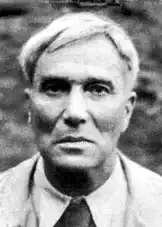
Boris Pasternak
Fairy Tale
Fairy Tale
Once, in times forgotten,
In a fairy place,
Through the steppe, a rider
Made his way apace.
While he sped to battle,
Nearing from the dim
Distance, a dark forest
Rose ahead of him.
Something kept repeating,
Seemed his heart to graze:
Tighten up the saddle,
Fear the watering-place.
But he did not listen.
Heeding but his will,
At full speed he bounded
Up the wooded hill;
Rode into a valley,
Turning from the mound,
Galloped through a meadow,
Skirted higher ground;
Reached a gloomy hollow,
Found a trail to trace
Down the woodland pathway
To the watering-place.
Deaf to voice of warning,
And without remorse,
Down the slope, the rider
Led his thirsty horse.
Where the stream grew shallow,
Winding through the glen,
Eerie flames lit up the
Entrance to a den.
Through thick clouds of crimson
Smoke above the spring,
An uncanny calling
Made the forest ring.
And the rider started,
And with peering eye
Urged his horse in answer
To the haunting cry.
Then he saw the dragon,
And he gripped his lance;
And his horse stood breathless
Fearing to advance.
Thrice around a maiden
Was the serpent wound;
Fire-breathing nostrils
Cast a glare around.
And the dragon's body
Moved his scaly neck,
At her shoulder snaking
Whiplike forth and back.
By that country's custom
Was a young and fair
Captive brought as ransom
To the dragon's lair.
This then was the tribute
That the people owed
To the worm-protection
For a poor abode.
Now the dragon hugged his
Victim in alarm,
And the coils grew tighter
Round her throat and arm.
Skyward looked the horseman
With imploring glance,
And for the impending
Fight he couched his lance.
Tightly closing eyelids.
Heights and cloudy spheres.
Rivers. Waters. Boulders.
Centuries and years.
Helmetless, the wounded
Lies, his life at stake.
With his hooves the charger
Tramples down the snake.
On the sand, together-
Dragon, steed, and lance;
In a swoon the rider,
The maiden-in a trance.
Blue the sky; soft breezes
Tender noon caress.
Who is she? A lady?
Peasant girl? Princess?
Now in joyous wonder
Cannot cease to weep;
Now again abandoned
To unending sleep.
Now, his strength returning,
Opens up his eyes;
Now anew the wounded
Limp and listless lies.
But their hearts are beating.
Waves surge up, die down;
Carry them, and waken,
And in slumber drown.
Tightly closing eyelids.
Heights and cloudy spheres.
Rivers. Waters. Boulders.
Centuries and years.
Once, in times forgotten,
In a fairy place,
Through the steppe, a rider
Made his way apace.
While he sped to battle,
Nearing from the dim
Distance, a dark forest
Rose ahead of him.
Something kept repeating,
Seemed his heart to graze:
Tighten up the saddle,
Fear the watering-place.
But he did not listen.
Heeding but his will,
At full speed he bounded
Up the wooded hill;
Rode into a valley,
Turning from the mound,
Galloped through a meadow,
Skirted higher ground;
Reached a gloomy hollow,
Found a trail to trace
Down the woodland pathway
To the watering-place.
Deaf to voice of warning,
And without remorse,
Down the slope, the rider
Led his thirsty horse.
Where the stream grew shallow,
Winding through the glen,
Eerie flames lit up the
Entrance to a den.
Through thick clouds of crimson
Smoke above the spring,
An uncanny calling
Made the forest ring.
And the rider started,
And with peering eye
Urged his horse in answer
To the haunting cry.
Then he saw the dragon,
And he gripped his lance;
And his horse stood breathless
Fearing to advance.
Thrice around a maiden
Was the serpent wound;
Fire-breathing nostrils
Cast a glare around.
And the dragon's body
Moved his scaly neck,
At her shoulder snaking
Whiplike forth and back.
By that country's custom
Was a young and fair
Captive brought as ransom
To the dragon's lair.
This then was the tribute
That the people owed
To the worm-protection
For a poor abode.
Now the dragon hugged his
Victim in alarm,
And the coils grew tighter
Round her throat and arm.
Skyward looked the horseman
With imploring glance,
And for the impending
Fight he couched his lance.
Tightly closing eyelids.
Heights and cloudy spheres.
Rivers. Waters. Boulders.
Centuries and years.
Helmetless, the wounded
Lies, his life at stake.
With his hooves the charger
Tramples down the snake.
On the sand, together-
Dragon, steed, and lance;
In a swoon the rider,
The maiden-in a trance.
Blue the sky; soft breezes
Tender noon caress.
Who is she? A lady?
Peasant girl? Princess?
Now in joyous wonder
Cannot cease to weep;
Now again abandoned
To unending sleep.
Now, his strength returning,
Opens up his eyes;
Now anew the wounded
Limp and listless lies.
But their hearts are beating.
Waves surge up, die down;
Carry them, and waken,
And in slumber drown.
Tightly closing eyelids.
Heights and cloudy spheres.
Rivers. Waters. Boulders.
Centuries and years.
568
Boris Pasternak
Do not fret, do not cry, do not tax...
Do not fret, do not cry, do not tax...
Do not fret, do not cry, do not tax
Your last strength, and your heart do not torture.
You're alive, you're inside me, intact,
As a buttress, a friend, an adventure.
I've no fear of standing exposed
As a fraud in my faith in the future.
It's not life, not a union of souls
We are breaking off, but a hoax mutual.
From straw mattresses' sick wretchedness
To the fresh air of wide open spaces!
It's my brother and hand. It's addressed
Like a letter, to you, crisp and bracing.
Like an envelope, tear it across,
With Horizon begin correspondence,
Give your speech the sheer Alpian force,
Overcome the sick sense of forlornness.
O'er the bowl of Bavarian lakes
With the marrow of osseous mountains
You will know I was not a glib fake
And of sugared assurances spouter.
Fare ye well and God bless you! Our bond
And our honour aren't tamely domestic.
Like a sprout in the sunlight, unbend,
And then things will assume a new aspect.
Do not fret, do not cry, do not tax
Your last strength, and your heart do not torture.
You're alive, you're inside me, intact,
As a buttress, a friend, an adventure.
I've no fear of standing exposed
As a fraud in my faith in the future.
It's not life, not a union of souls
We are breaking off, but a hoax mutual.
From straw mattresses' sick wretchedness
To the fresh air of wide open spaces!
It's my brother and hand. It's addressed
Like a letter, to you, crisp and bracing.
Like an envelope, tear it across,
With Horizon begin correspondence,
Give your speech the sheer Alpian force,
Overcome the sick sense of forlornness.
O'er the bowl of Bavarian lakes
With the marrow of osseous mountains
You will know I was not a glib fake
And of sugared assurances spouter.
Fare ye well and God bless you! Our bond
And our honour aren't tamely domestic.
Like a sprout in the sunlight, unbend,
And then things will assume a new aspect.
520

Billy Collins
For Bartleby The Scrivener
For Bartleby The Scrivener
"Every time we get a big gale around here
some people just refuse to batten down."
we estimate that
ice skating into a sixty
mile an hour wind, fully exerting
the legs and swinging arms
you will be pushed backward
an inch every twenty minutes.
in a few days, depending on
the size of the lake,
the backs of your skates
will touch land.
you will then fall on your ass
and be blown into the forest.
if you gather enough speed
by flapping your arms
and keeping your skates pointed
you will catch up to other
flying people who refused to batten down.
you will exchange knowing waves
as you ride the great wind north.
"Every time we get a big gale around here
some people just refuse to batten down."
we estimate that
ice skating into a sixty
mile an hour wind, fully exerting
the legs and swinging arms
you will be pushed backward
an inch every twenty minutes.
in a few days, depending on
the size of the lake,
the backs of your skates
will touch land.
you will then fall on your ass
and be blown into the forest.
if you gather enough speed
by flapping your arms
and keeping your skates pointed
you will catch up to other
flying people who refused to batten down.
you will exchange knowing waves
as you ride the great wind north.
253
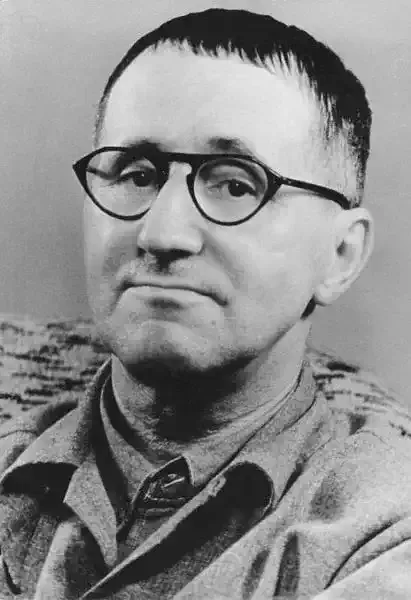
Bertolt Brecht
To the Students of the Workers' and Peasants' Faculty
To the Students of the Workers' and Peasants' Faculty
So there you sit. And how much blood was shed
That you might sit there. Do such stories bore you?
Well, don't forget that others sat before you
who later sat on people. Keep your head!
Your science will be valueless, you'll find
And learning will be sterile, if inviting
Unless you pledge your intellect to fighting
Against all enemies of all mankind.
Never forget that men like you got hurt
That you might sit here, not the other lot.
And now don't shut your eyes, and don't desert
But learn to learn, and try to learn for what.
So there you sit. And how much blood was shed
That you might sit there. Do such stories bore you?
Well, don't forget that others sat before you
who later sat on people. Keep your head!
Your science will be valueless, you'll find
And learning will be sterile, if inviting
Unless you pledge your intellect to fighting
Against all enemies of all mankind.
Never forget that men like you got hurt
That you might sit here, not the other lot.
And now don't shut your eyes, and don't desert
But learn to learn, and try to learn for what.
663
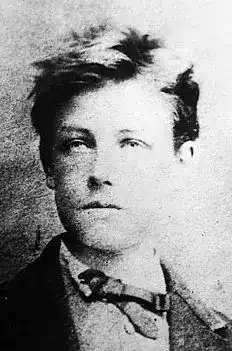
Arthur Rimbaud
Movement
Movement
A winding movement on the slope beside the rapids of the river.
The abyss at the stern,
The swiftness of the incline,
The overwhelming passage of the tide,
With extraordinary lights and chemical wonders
Lead on the travelers
Through the windspouts of the valley
And the whirlpool.
These are the conquerors of the world,
Seeking their personal chemical fortune;
Sport and comfort accompany them;
They bring education for races, for classes, for animals
Within this vessel, rest adn vertigo
In diluvian light,
In terrible evenings of study.
For in this conversation in the midst of machines,
Of blood, of flowers, of fire, of jewels,
In busy calculations on this fugitive deck,
Is their stock of studies visible
-Rolling like dike beyond
The hydraulic propulsive road,
Monstrous, endlessly lighting its way -
Themselves driven into harmonic ecstasy
And the heroism of discovery.
Amid the most amazing accidents,
Two youths stand out alone upon the ark
- Can one excuse past savagery? -
And sing, upon their watch.
A winding movement on the slope beside the rapids of the river.
The abyss at the stern,
The swiftness of the incline,
The overwhelming passage of the tide,
With extraordinary lights and chemical wonders
Lead on the travelers
Through the windspouts of the valley
And the whirlpool.
These are the conquerors of the world,
Seeking their personal chemical fortune;
Sport and comfort accompany them;
They bring education for races, for classes, for animals
Within this vessel, rest adn vertigo
In diluvian light,
In terrible evenings of study.
For in this conversation in the midst of machines,
Of blood, of flowers, of fire, of jewels,
In busy calculations on this fugitive deck,
Is their stock of studies visible
-Rolling like dike beyond
The hydraulic propulsive road,
Monstrous, endlessly lighting its way -
Themselves driven into harmonic ecstasy
And the heroism of discovery.
Amid the most amazing accidents,
Two youths stand out alone upon the ark
- Can one excuse past savagery? -
And sing, upon their watch.
632

Anonymous
Edom o' Gordon
Edom o' Gordon
IT fell about the Martinmas,
When the wind blew shrill and cauld,
Said Edom o' Gordon to his men,
'We maun draw to a hauld.
'And what a hauld sall we draw to,
My merry men and me?
We will gae to the house o' the Rodes,
To see that fair ladye.'
The lady stood on her castle wa',
Beheld baith dale and down;
There she was ware of a host of men
Cam riding towards the town.
'O see ye not, my merry men a',
O see ye not what I see?
Methinks I see a host of men;
I marvel wha they be.'
She ween'd it had been her lovely lord,
As he cam riding hame;
It was the traitor, Edom o' Gordon,
Wha reck'd nae sin nor shame.
She had nae sooner buskit hersell,
And putten on her gown,
But Edom o' Gordon an' his men
Were round about the town.
They had nae sooner supper set,
Nae sooner said the grace,
But Edom o' Gordon an' his men
Were lighted about the place.
The lady ran up to her tower-head,
Sae fast as she could hie,
To see if by her fair speeches
She could wi' him agree.
'Come doun to me, ye lady gay,
Come doun, come doun to me;
This night sall ye lig within mine arms,
To-morrow my bride sall be.'
'I winna come down, ye fals Gordon,
I winna come down to thee;
I winna forsake my ain dear lord,
That is sae far frae me.'
'Gie owre your house, ye lady fair,
Gie owre your house to me;
Or I sall brenn yoursel therein,
But and your babies three.'
'I winna gie owre, ye fals Gordon,
To nae sic traitor as yee;
And if ye brenn my ain dear babes,
My lord sall mak ye dree.
'Now reach my pistol, Glaud, my man,
And charge ye weel my gun;
For, but an I pierce that bluidy butcher,
My babes, we been undone!'
She stood upon her castle wa',
And let twa bullets flee:
She miss'd that bluidy butcher's heart,
And only razed his knee.
'Set fire to the house!' quo' fals Gordon,
All wud wi' dule and ire:
'Fals lady, ye sall rue this deid
As ye brenn in the fire!'
Wae worth, wae worth ye, Jock, my man!
I paid ye weel your fee;
Why pu' ye out the grund-wa' stane,
Lets in the reek to me?
'And e'en wae worth ye, Jock, my man!
I paid ye weel your hire;
Why pu' ye out the grund-wa' stane,
To me lets in the fire?'
'Ye paid me weel my hire, ladye,
Ye paid me weel my fee:
But now I'm Edom o' Gordon's man--
Maun either do or die.'
O then bespake her little son,
Sat on the nurse's knee:
Says, 'Mither dear, gie owre this house,
For the reek it smithers me.'
'I wad gie a' my gowd, my bairn,
Sae wad I a' my fee,
For ae blast o' the western wind,
To blaw the reek frae thee.'
O then bespake her dochter dear--
She was baith jimp and sma':
'O row me in a pair o' sheets,
And tow me owre the wa'!'
They row'd her in a pair o' sheets,
And tow'd her owre the wa';
But on the point o' Gordon's spear
She gat a deadly fa'.
O bonnie, bonnie was her mouth,
And cherry were her cheiks,
And clear, clear was her yellow hair,
Whereon the red blood dreips.
Then wi' his spear he turn'd her owre;
O gin her face was wane!
He said, 'Ye are the first that e'er
I wish'd alive again.'
He turn'd her owre and owre again;
O gin her skin was white!
'I might hae spared that bonnie face
To hae been some man's delight.
'Busk and boun, my merry men a',
For ill dooms I do guess;
I canna look in that bonnie face
As it lies on the grass.'
'Wha looks to freits, my master dear,
It 's freits will follow them;
Let it ne'er be said that Edom o' Gordon
Was daunted by a dame.'
But when the lady saw the fire
Come flaming owre her head,
She wept, and kiss'd her children twain,
Says, 'Bairns, we been but dead.'
The Gordon then his bugle blew,
And said, 'Awa', awa'!
This house o' the Rodes is a' in a flame;
I hauld it time to ga'.'
And this way lookit her ain dear lord,
As he cam owre the lea;
He saw his castle a' in a lowe,
As far as he could see.
The sair, O sair, his mind misgave,
And all his heart was wae:
'Put on, put on, my wighty men,
Sae fast as ye can gae.
'Put on, put on, my wighty men,
Sae fast as ye can drie!
For he that 's hindmost o' the thrang
Sall ne'er get good o' me.'
Then some they rade, and some they ran,
Out-owre the grass and bent;
But ere the foremost could win up,
Baith lady and babes were brent.
And after the Gordon he is gane,
Sae fast as he might drie;
And soon i' the Gordon's foul heart's blude
He 's wroken his dear ladye.
IT fell about the Martinmas,
When the wind blew shrill and cauld,
Said Edom o' Gordon to his men,
'We maun draw to a hauld.
'And what a hauld sall we draw to,
My merry men and me?
We will gae to the house o' the Rodes,
To see that fair ladye.'
The lady stood on her castle wa',
Beheld baith dale and down;
There she was ware of a host of men
Cam riding towards the town.
'O see ye not, my merry men a',
O see ye not what I see?
Methinks I see a host of men;
I marvel wha they be.'
She ween'd it had been her lovely lord,
As he cam riding hame;
It was the traitor, Edom o' Gordon,
Wha reck'd nae sin nor shame.
She had nae sooner buskit hersell,
And putten on her gown,
But Edom o' Gordon an' his men
Were round about the town.
They had nae sooner supper set,
Nae sooner said the grace,
But Edom o' Gordon an' his men
Were lighted about the place.
The lady ran up to her tower-head,
Sae fast as she could hie,
To see if by her fair speeches
She could wi' him agree.
'Come doun to me, ye lady gay,
Come doun, come doun to me;
This night sall ye lig within mine arms,
To-morrow my bride sall be.'
'I winna come down, ye fals Gordon,
I winna come down to thee;
I winna forsake my ain dear lord,
That is sae far frae me.'
'Gie owre your house, ye lady fair,
Gie owre your house to me;
Or I sall brenn yoursel therein,
But and your babies three.'
'I winna gie owre, ye fals Gordon,
To nae sic traitor as yee;
And if ye brenn my ain dear babes,
My lord sall mak ye dree.
'Now reach my pistol, Glaud, my man,
And charge ye weel my gun;
For, but an I pierce that bluidy butcher,
My babes, we been undone!'
She stood upon her castle wa',
And let twa bullets flee:
She miss'd that bluidy butcher's heart,
And only razed his knee.
'Set fire to the house!' quo' fals Gordon,
All wud wi' dule and ire:
'Fals lady, ye sall rue this deid
As ye brenn in the fire!'
Wae worth, wae worth ye, Jock, my man!
I paid ye weel your fee;
Why pu' ye out the grund-wa' stane,
Lets in the reek to me?
'And e'en wae worth ye, Jock, my man!
I paid ye weel your hire;
Why pu' ye out the grund-wa' stane,
To me lets in the fire?'
'Ye paid me weel my hire, ladye,
Ye paid me weel my fee:
But now I'm Edom o' Gordon's man--
Maun either do or die.'
O then bespake her little son,
Sat on the nurse's knee:
Says, 'Mither dear, gie owre this house,
For the reek it smithers me.'
'I wad gie a' my gowd, my bairn,
Sae wad I a' my fee,
For ae blast o' the western wind,
To blaw the reek frae thee.'
O then bespake her dochter dear--
She was baith jimp and sma':
'O row me in a pair o' sheets,
And tow me owre the wa'!'
They row'd her in a pair o' sheets,
And tow'd her owre the wa';
But on the point o' Gordon's spear
She gat a deadly fa'.
O bonnie, bonnie was her mouth,
And cherry were her cheiks,
And clear, clear was her yellow hair,
Whereon the red blood dreips.
Then wi' his spear he turn'd her owre;
O gin her face was wane!
He said, 'Ye are the first that e'er
I wish'd alive again.'
He turn'd her owre and owre again;
O gin her skin was white!
'I might hae spared that bonnie face
To hae been some man's delight.
'Busk and boun, my merry men a',
For ill dooms I do guess;
I canna look in that bonnie face
As it lies on the grass.'
'Wha looks to freits, my master dear,
It 's freits will follow them;
Let it ne'er be said that Edom o' Gordon
Was daunted by a dame.'
But when the lady saw the fire
Come flaming owre her head,
She wept, and kiss'd her children twain,
Says, 'Bairns, we been but dead.'
The Gordon then his bugle blew,
And said, 'Awa', awa'!
This house o' the Rodes is a' in a flame;
I hauld it time to ga'.'
And this way lookit her ain dear lord,
As he cam owre the lea;
He saw his castle a' in a lowe,
As far as he could see.
The sair, O sair, his mind misgave,
And all his heart was wae:
'Put on, put on, my wighty men,
Sae fast as ye can gae.
'Put on, put on, my wighty men,
Sae fast as ye can drie!
For he that 's hindmost o' the thrang
Sall ne'er get good o' me.'
Then some they rade, and some they ran,
Out-owre the grass and bent;
But ere the foremost could win up,
Baith lady and babes were brent.
And after the Gordon he is gane,
Sae fast as he might drie;
And soon i' the Gordon's foul heart's blude
He 's wroken his dear ladye.
198
Anonymous
Episode
Episode
IT was heavy hap for that hero young
on his lord beloved to look and find him
lying on earth with life at end,
sorrowful sight. But the slayer too,
awful earth-dragon, empty of breath,
lay felled in fight, nor, fain of its treasure,
could the writhing monster rule it more.
For edges of iron had ended its days,
hard and battle-sharp, hammers' leaving;
and that flier-afar had fallen to ground
hushed by its hurt, its hoard all near,
no longer lusty aloft to whirl
at midnight, making its merriment seen,
proud of its prizes: prone it sank
by the handiwork of the hero-king.
Forsooth among folk but few achieve,
-- though sturdy and strong, as stories tell me,
and never so daring in deed of valor, --
the perilous breath of a poison-foe
to brave, and to rush on the ring-board hall,
whenever his watch the warden keeps
bold in the barrow. Beowulf paid
the price of death for that precious hoard;
and each of the foes had found the end
of this fleeting life.
Befell erelong
that the laggards in war the wood had left,
trothbreakers, cowards, ten together,
fearing before to flourish a spear
in the sore distress of their sovran lord.
Now in their shame their shields they carried,
armor of fight, where the old man lay;
and they gazed on Wiglaf. Wearied he sat
at his sovran's shoulder, shieldsman good,
to wake him with water. Nowise it availed.
Though well he wished it, in world no more
could he barrier life for that leader-of-battles
nor baffle the will of all-wielding God.
Doom of the Lord was law o'er the deeds
of every man, as it is to-day.
Grim was the answer, easy to get,
from the youth for those that had yielded to fear!
Wiglaf spake, the son of Weohstan, --
mournful he looked on those men unloved: --
"Who sooth will speak, can say indeed
that the ruler who gave you golden rings
and the harness of war in which ye stand
-- for he at ale-bench often-times
bestowed on hall-folk helm and breastplate,
lord to liegemen, the likeliest gear
which near of far he could find to give, --
threw away and wasted these weeds of battle,
on men who failed when the foemen came!
Not at all could the king of his comrades-in-arms
venture to vaunt, though the Victory-Wielder,
God, gave him grace that he got revenge
sole with his sword in stress and need.
To rescue his life, 'twas little that I
could serve him in struggle; yet shift I made
(hopeless it seemed) to help my kinsman.
Its strength ever waned, when with weapon I struck
that fatal foe, and the fire less strongly
flowed from its head. -- Too few the heroes
in throe of contest that thronged to our king!
Now gift of treasure and girding of sword,
joy of the house and home-delight
shall fail your folk; his freehold-land
every clansman within your kin
shall lose and leave, when lords highborn
hear afar of that flight of yours,
a fameless deed. Yea, death is better
for liegemen all than a life of shame!"
IT was heavy hap for that hero young
on his lord beloved to look and find him
lying on earth with life at end,
sorrowful sight. But the slayer too,
awful earth-dragon, empty of breath,
lay felled in fight, nor, fain of its treasure,
could the writhing monster rule it more.
For edges of iron had ended its days,
hard and battle-sharp, hammers' leaving;
and that flier-afar had fallen to ground
hushed by its hurt, its hoard all near,
no longer lusty aloft to whirl
at midnight, making its merriment seen,
proud of its prizes: prone it sank
by the handiwork of the hero-king.
Forsooth among folk but few achieve,
-- though sturdy and strong, as stories tell me,
and never so daring in deed of valor, --
the perilous breath of a poison-foe
to brave, and to rush on the ring-board hall,
whenever his watch the warden keeps
bold in the barrow. Beowulf paid
the price of death for that precious hoard;
and each of the foes had found the end
of this fleeting life.
Befell erelong
that the laggards in war the wood had left,
trothbreakers, cowards, ten together,
fearing before to flourish a spear
in the sore distress of their sovran lord.
Now in their shame their shields they carried,
armor of fight, where the old man lay;
and they gazed on Wiglaf. Wearied he sat
at his sovran's shoulder, shieldsman good,
to wake him with water. Nowise it availed.
Though well he wished it, in world no more
could he barrier life for that leader-of-battles
nor baffle the will of all-wielding God.
Doom of the Lord was law o'er the deeds
of every man, as it is to-day.
Grim was the answer, easy to get,
from the youth for those that had yielded to fear!
Wiglaf spake, the son of Weohstan, --
mournful he looked on those men unloved: --
"Who sooth will speak, can say indeed
that the ruler who gave you golden rings
and the harness of war in which ye stand
-- for he at ale-bench often-times
bestowed on hall-folk helm and breastplate,
lord to liegemen, the likeliest gear
which near of far he could find to give, --
threw away and wasted these weeds of battle,
on men who failed when the foemen came!
Not at all could the king of his comrades-in-arms
venture to vaunt, though the Victory-Wielder,
God, gave him grace that he got revenge
sole with his sword in stress and need.
To rescue his life, 'twas little that I
could serve him in struggle; yet shift I made
(hopeless it seemed) to help my kinsman.
Its strength ever waned, when with weapon I struck
that fatal foe, and the fire less strongly
flowed from its head. -- Too few the heroes
in throe of contest that thronged to our king!
Now gift of treasure and girding of sword,
joy of the house and home-delight
shall fail your folk; his freehold-land
every clansman within your kin
shall lose and leave, when lords highborn
hear afar of that flight of yours,
a fameless deed. Yea, death is better
for liegemen all than a life of shame!"
215
Anonymous
Episode
Episode
'TWAS now, men say, in his sovran's need
that the earl made known his noble strain,
craft and keenness and courage enduring.
Heedless of harm, though his hand was burned,
hardy-hearted, he helped his kinsman.
A little lower the loathsome beast
he smote with sword; his steel drove in
bright and burnished; that blaze began
to lose and lessen. At last the king
wielded his wits again, war-knife drew,
a biting blade by his breastplate hanging,
and the Weders'-helm smote that worm asunder,
felled the foe, flung forth its life.
So had they killed it, kinsmen both,
athelings twain: thus an earl should be
in danger's day! -- Of deeds of valor
this conqueror's-hour of the king was last,
of his work in the world. The wound began,
which that dragon-of-earth had erst inflicted,
to swell and smart; and soon he found
in his breast was boiling, baleful and deep,
pain of poison. The prince walked on,
wise in his thought, to the wall of rock;
then sat, and stared at the structure of giants,
where arch of stone and steadfast column
upheld forever that hall in earth.
Yet here must the hand of the henchman peerless
lave with water his winsome lord,
the king and conqueror covered with blood,
with struggle spent, and unspan his helmet.
Beowulf spake in spite of his hurt,
his mortal wound; full well he knew
his portion now was past and gone
of earthly bliss, and all had fled
of his file of days, and death was near:
"I would fain bestow on son of mine
this gear of war, were given me now
that any heir should after me come
of my proper blood. This people I ruled
fifty winters. No folk-king was there,
none at all, of the neighboring clans
who war would wage me with 'warriors'-friends'
and threat me with horrors. At home I bided
what fate might come, and I cared for mine own;
feuds I sought not, nor falsely swore
ever on oath. For all these things,
though fatally wounded, fain am I!
From the Ruler-of-Man no wrath shall seize me,
when life from my frame must flee away,
for killing of kinsmen! Now quickly go
and gaze on that hoard 'neath the hoary rock,
Wiglaf loved, now the worm lies low,
sleeps, heart-sore, of his spoil bereaved.
And fare in haste. I would fain behold
the gorgeous heirlooms, golden store,
have joy in the jewels and gems, lay down
softlier for sight of this splendid hoard
my life and the lordship I long have held."
'TWAS now, men say, in his sovran's need
that the earl made known his noble strain,
craft and keenness and courage enduring.
Heedless of harm, though his hand was burned,
hardy-hearted, he helped his kinsman.
A little lower the loathsome beast
he smote with sword; his steel drove in
bright and burnished; that blaze began
to lose and lessen. At last the king
wielded his wits again, war-knife drew,
a biting blade by his breastplate hanging,
and the Weders'-helm smote that worm asunder,
felled the foe, flung forth its life.
So had they killed it, kinsmen both,
athelings twain: thus an earl should be
in danger's day! -- Of deeds of valor
this conqueror's-hour of the king was last,
of his work in the world. The wound began,
which that dragon-of-earth had erst inflicted,
to swell and smart; and soon he found
in his breast was boiling, baleful and deep,
pain of poison. The prince walked on,
wise in his thought, to the wall of rock;
then sat, and stared at the structure of giants,
where arch of stone and steadfast column
upheld forever that hall in earth.
Yet here must the hand of the henchman peerless
lave with water his winsome lord,
the king and conqueror covered with blood,
with struggle spent, and unspan his helmet.
Beowulf spake in spite of his hurt,
his mortal wound; full well he knew
his portion now was past and gone
of earthly bliss, and all had fled
of his file of days, and death was near:
"I would fain bestow on son of mine
this gear of war, were given me now
that any heir should after me come
of my proper blood. This people I ruled
fifty winters. No folk-king was there,
none at all, of the neighboring clans
who war would wage me with 'warriors'-friends'
and threat me with horrors. At home I bided
what fate might come, and I cared for mine own;
feuds I sought not, nor falsely swore
ever on oath. For all these things,
though fatally wounded, fain am I!
From the Ruler-of-Man no wrath shall seize me,
when life from my frame must flee away,
for killing of kinsmen! Now quickly go
and gaze on that hoard 'neath the hoary rock,
Wiglaf loved, now the worm lies low,
sleeps, heart-sore, of his spoil bereaved.
And fare in haste. I would fain behold
the gorgeous heirlooms, golden store,
have joy in the jewels and gems, lay down
softlier for sight of this splendid hoard
my life and the lordship I long have held."
248
Anonymous
Episode
Episode
THEN the baleful fiend its fire belched out,
and bright homes burned. The blaze stood high
all landsfolk frighting. No living thing
would that loathly one leave as aloft it flew.
Wide was the dragon's warring seen,
its fiendish fury far and near,
as the grim destroyer those Geatish people
hated and hounded. To hidden lair,
to its hoard it hastened at hint of dawn.
Folk of the land it had lapped in flame,
with bale and brand. In its barrow it trusted,
its battling and bulwarks: that boast was vain!
To Beowulf then the bale was told
quickly and truly: the king's own home,
of buildings the best, in brand-waves melted,
that gift-throne of Geats. To the good old man
sad in heart, 'twas heaviest sorrow.
The sage assumed that his sovran God
he had angered, breaking ancient law,
and embittered the Lord. His breast within
with black thoughts welled, as his wont was never.
The folk's own fastness that fiery dragon
with flame had destroyed, and the stronghold all
washed by waves; but the warlike king,
prince of the Weders, plotted vengeance.
Warriors'-bulwark, he bade them work
all of iron -- the earl's commander --
a war-shield wondrous: well he knew
that forest-wood against fire were worthless,
linden could aid not. -- Atheling brave,
he was fated to finish this fleeting life,
his days on earth, and the dragon with him,
though long it had watched o'er the wealth of thehoard! --
Shame he reckoned it, sharer-of-rings,
to follow the flyer-afar with a host,
a broad-flung band; nor the battle feared he,
nor deemed he dreadful the dragon's warring,
its vigor and valor: ventures desperate
he had passed a-plenty, and perils of war,
contest-crash, since, conqueror proud,
Hrothgar's hall he had wholly purged,
and in grapple had killed the kin of Grendel,
loathsome breed! Not least was that
of hand-to-hand fights where Hygelac fell,
when the ruler of Geats in rush of battle,
lord of his folk, in the Frisian land,
son of Hrethel, by sword-draughts died,
by brands down-beaten. Thence Beowulf fled
through strength of himself and his swimming power,
though alone, and his arms were laden with thirty
coats of mail, when he came to the sea!
Nor yet might Hetwaras haughtily boast
their craft of contest, who carried against him
shields to the fight: but few escaped
from strife with the hero to seek their homes!
Then swam over ocean Ecgtheow's son
lonely and sorrowful, seeking his land,
where Hygd made him offer of hoard and realm,
rings and royal-seat, reckoning naught
the strength of her son to save their kingdom
from hostile hordes, after Hygelac's death.
No sooner for this could the stricken ones
in any wise move that atheling's mind
over young Heardred's head as lord
and ruler of all the realm to be:
yet the hero upheld him with helpful words,
aided in honor, till, older grown,
he wielded the Weder-Geats. -- Wandering exiles
sought him o'er seas, the sons of Ohtere,
who had spurned the sway of the Scylfings'-helmet,
the bravest and best that broke the rings,
in Swedish land, of the sea-kings' line,
haughty hero. Hence Heardred's end.
For shelter he gave them, sword-death came,
the blade's fell blow, to bairn of Hygelac;
but the son of Ongentheow sought again
house and home when Heardred fell,
leaving Beowulf lord of Geats
and gift-seat's master. -- A good king he!
THEN the baleful fiend its fire belched out,
and bright homes burned. The blaze stood high
all landsfolk frighting. No living thing
would that loathly one leave as aloft it flew.
Wide was the dragon's warring seen,
its fiendish fury far and near,
as the grim destroyer those Geatish people
hated and hounded. To hidden lair,
to its hoard it hastened at hint of dawn.
Folk of the land it had lapped in flame,
with bale and brand. In its barrow it trusted,
its battling and bulwarks: that boast was vain!
To Beowulf then the bale was told
quickly and truly: the king's own home,
of buildings the best, in brand-waves melted,
that gift-throne of Geats. To the good old man
sad in heart, 'twas heaviest sorrow.
The sage assumed that his sovran God
he had angered, breaking ancient law,
and embittered the Lord. His breast within
with black thoughts welled, as his wont was never.
The folk's own fastness that fiery dragon
with flame had destroyed, and the stronghold all
washed by waves; but the warlike king,
prince of the Weders, plotted vengeance.
Warriors'-bulwark, he bade them work
all of iron -- the earl's commander --
a war-shield wondrous: well he knew
that forest-wood against fire were worthless,
linden could aid not. -- Atheling brave,
he was fated to finish this fleeting life,
his days on earth, and the dragon with him,
though long it had watched o'er the wealth of thehoard! --
Shame he reckoned it, sharer-of-rings,
to follow the flyer-afar with a host,
a broad-flung band; nor the battle feared he,
nor deemed he dreadful the dragon's warring,
its vigor and valor: ventures desperate
he had passed a-plenty, and perils of war,
contest-crash, since, conqueror proud,
Hrothgar's hall he had wholly purged,
and in grapple had killed the kin of Grendel,
loathsome breed! Not least was that
of hand-to-hand fights where Hygelac fell,
when the ruler of Geats in rush of battle,
lord of his folk, in the Frisian land,
son of Hrethel, by sword-draughts died,
by brands down-beaten. Thence Beowulf fled
through strength of himself and his swimming power,
though alone, and his arms were laden with thirty
coats of mail, when he came to the sea!
Nor yet might Hetwaras haughtily boast
their craft of contest, who carried against him
shields to the fight: but few escaped
from strife with the hero to seek their homes!
Then swam over ocean Ecgtheow's son
lonely and sorrowful, seeking his land,
where Hygd made him offer of hoard and realm,
rings and royal-seat, reckoning naught
the strength of her son to save their kingdom
from hostile hordes, after Hygelac's death.
No sooner for this could the stricken ones
in any wise move that atheling's mind
over young Heardred's head as lord
and ruler of all the realm to be:
yet the hero upheld him with helpful words,
aided in honor, till, older grown,
he wielded the Weder-Geats. -- Wandering exiles
sought him o'er seas, the sons of Ohtere,
who had spurned the sway of the Scylfings'-helmet,
the bravest and best that broke the rings,
in Swedish land, of the sea-kings' line,
haughty hero. Hence Heardred's end.
For shelter he gave them, sword-death came,
the blade's fell blow, to bairn of Hygelac;
but the son of Ongentheow sought again
house and home when Heardred fell,
leaving Beowulf lord of Geats
and gift-seat's master. -- A good king he!
251
Anonymous
Beowulf (Episode )
Beowulf (Episode )
BEOWULF spake, bairn of Ecgtheow: --
"Lo, we seafarers say our will,
far-come men, that we fain would seek
Hygelac now. We here have found
hosts to our heart: thou hast harbored us well.
If ever on earth I am able to win me
more of thy love, O lord of men,
aught anew, than I now have done,
for work of war I am willing still!
If it come to me ever across the seas
that neighbor foemen annoy and fright thee, --
as they that hate thee erewhile have used, --
thousands then of thanes I shall bring,
heroes to help thee. Of Hygelac I know,
ward of his folk, that, though few his years,
the lord of the Geats will give me aid
by word and by work, that well I may serve thee,
wielding the war-wood to win thy triumph
and lending thee might when thou lackest men.
If thy Hrethric should come to court of Geats,
a sovran's son, he will surely there
find his friends. A far-off land
each man should visit who vaunts him brave."
Him then answering, Hrothgar spake: --
"These words of thine the wisest God
sent to thy soul! No sager counsel
from so young in years e'er yet have I heard.
Thou art strong of main and in mind art wary,
art wise in words! I ween indeed
if ever it hap that Hrethel's heir
by spear be seized, by sword-grim battle,
by illness or iron, thine elder and lord,
people's leader, -- and life be thine, --
no seemlier man will the Sea-Geats find
at all to choose for their chief and king,
for hoard-guard of heroes, if hold thou wilt
thy kinsman's kingdom! Thy keen mind pleases me
the longer the better, Beowulf loved!
Thou hast brought it about that both our peoples,
sons of the Geat and Spear-Dane folk,
shall have mutual peace, and from murderous strife,
such as once they waged, from war refrain.
Long as I rule this realm so wide,
let our hoards be common, let heroes with gold
each other greet o'er the gannet's-bath,
and the ringed-prow bear o'er rolling waves
tokens of love. I trow my landfolk
towards friend and foe are firmly joined,
and honor they keep in the olden way."
To him in the hall, then, Healfdene's son
gave treasures twelve, and the trust-of-earls
bade him fare with the gifts to his folk beloved,
hale to his home, and in haste return.
Then kissed the king of kin renowned,
Scyldings' chieftain, that choicest thane,
and fell on his neck. Fast flowed the tears
of the hoary-headed. Heavy with winters,
he had chances twain, but he clung to this, --
that each should look on the other again,
and hear him in hall. Was this hero so dear to him.
his breast's wild billows he banned in vain;
safe in his soul a secret longing,
locked in his mind, for that loved man
burned in his blood. Then Beowulf strode,
glad of his gold-gifts, the grass-plot o'er,
warrior blithe. The wave-roamer bode
riding at anchor, its owner awaiting.
As they hastened onward, Hrothgar's gift
they lauded at length. -- 'Twas a lord unpeered,
every way blameless, till age had broken
-- it spareth no mortal -- his splendid might.
BEOWULF spake, bairn of Ecgtheow: --
"Lo, we seafarers say our will,
far-come men, that we fain would seek
Hygelac now. We here have found
hosts to our heart: thou hast harbored us well.
If ever on earth I am able to win me
more of thy love, O lord of men,
aught anew, than I now have done,
for work of war I am willing still!
If it come to me ever across the seas
that neighbor foemen annoy and fright thee, --
as they that hate thee erewhile have used, --
thousands then of thanes I shall bring,
heroes to help thee. Of Hygelac I know,
ward of his folk, that, though few his years,
the lord of the Geats will give me aid
by word and by work, that well I may serve thee,
wielding the war-wood to win thy triumph
and lending thee might when thou lackest men.
If thy Hrethric should come to court of Geats,
a sovran's son, he will surely there
find his friends. A far-off land
each man should visit who vaunts him brave."
Him then answering, Hrothgar spake: --
"These words of thine the wisest God
sent to thy soul! No sager counsel
from so young in years e'er yet have I heard.
Thou art strong of main and in mind art wary,
art wise in words! I ween indeed
if ever it hap that Hrethel's heir
by spear be seized, by sword-grim battle,
by illness or iron, thine elder and lord,
people's leader, -- and life be thine, --
no seemlier man will the Sea-Geats find
at all to choose for their chief and king,
for hoard-guard of heroes, if hold thou wilt
thy kinsman's kingdom! Thy keen mind pleases me
the longer the better, Beowulf loved!
Thou hast brought it about that both our peoples,
sons of the Geat and Spear-Dane folk,
shall have mutual peace, and from murderous strife,
such as once they waged, from war refrain.
Long as I rule this realm so wide,
let our hoards be common, let heroes with gold
each other greet o'er the gannet's-bath,
and the ringed-prow bear o'er rolling waves
tokens of love. I trow my landfolk
towards friend and foe are firmly joined,
and honor they keep in the olden way."
To him in the hall, then, Healfdene's son
gave treasures twelve, and the trust-of-earls
bade him fare with the gifts to his folk beloved,
hale to his home, and in haste return.
Then kissed the king of kin renowned,
Scyldings' chieftain, that choicest thane,
and fell on his neck. Fast flowed the tears
of the hoary-headed. Heavy with winters,
he had chances twain, but he clung to this, --
that each should look on the other again,
and hear him in hall. Was this hero so dear to him.
his breast's wild billows he banned in vain;
safe in his soul a secret longing,
locked in his mind, for that loved man
burned in his blood. Then Beowulf strode,
glad of his gold-gifts, the grass-plot o'er,
warrior blithe. The wave-roamer bode
riding at anchor, its owner awaiting.
As they hastened onward, Hrothgar's gift
they lauded at length. -- 'Twas a lord unpeered,
every way blameless, till age had broken
-- it spareth no mortal -- his splendid might.
212
Anonymous
Beowulf (Episode )
Beowulf (Episode )
BEOWULF spake, bairn of Ecgtheow: --
"Have mind, thou honored offspring of Healfdene
gold-friend of men, now I go on this quest,
sovran wise, what once was said:
if in thy cause it came that I
should lose my life, thou wouldst loyal bide
to me, though fallen, in father's place!
Be guardian, thou, to this group of my thanes,
my warrior-friends, if War should seize me;
and the goodly gifts thou gavest me,
Hrothgar beloved, to Hygelac send!
Geatland's king may ken by the gold,
Hrethel's son see, when he stares at the treasure,
that I got me a friend for goodness famed,
and joyed while I could in my jewel-bestower.
And let Unferth wield this wondrous sword,
earl far-honored, this heirloom precious,
hard of edge: with Hrunting I
seek doom of glory, or Death shall take me."
After these words the Weder-Geat lord
boldly hastened, biding never
answer at all: the ocean floods
closed o'er the hero. Long while of the day
fled ere he felt the floor of the sea.
Soon found the fiend who the flood-domain
sword-hungry held these hundred winters,
greedy and grim, that some guest from above,
some man, was raiding her monster-realm.
She grasped out for him with grisly claws,
and the warrior seized; yet scathed she not
his body hale; the breastplate hindered,
as she strove to shatter the sark of war,
the linked harness, with loathsome hand.
Then bore this brine-wolf, when bottom she touched,
the lord of rings to the lair she haunted
whiles vainly he strove, though his valor held,
weapon to wield against wondrous monsters
that sore beset him; sea-beasts many
tried with fierce tusks to tear his mail,
and swarmed on the stranger. But soon he marked
he was now in some hall, he knew not which,
where water never could work him harm,
nor through the roof could reach him ever
fangs of the flood. Firelight he saw,
beams of a blaze that brightly shone.
Then the warrior was ware of that wolf-of-the-deep,
mere-wife monstrous. For mighty stroke
he swung his blade, and the blow withheld not.
Then sang on her head that seemly blade
its war-song wild. But the warrior found
the light-of-battle was loath to bite,
to harm the heart: its hard edge failed
the noble at need, yet had known of old
strife hand to hand, and had helmets cloven,
doomed men's fighting-gear. First time, this,
for the gleaming blade that its glory fell.
Firm still stood, nor failed in valor,
heedful of high deeds, Hygelac's kinsman;
flung away fretted sword, featly jewelled,
the angry earl; on earth it lay
steel-edged and stiff. His strength he trusted,
hand-gripe of might. So man shall do
whenever in war he weens to earn him
lasting fame, nor fears for his life!
Seized then by shoulder, shrank not from combat,
the Geatish war-prince Grendel's mother.
Flung then the fierce one, filled with wrath,
his deadly foe, that she fell to ground.
Swift on her part she paid him back
with grisly grasp, and grappled with him.
Spent with struggle, stumbled the warrior,
fiercest of fighting-men, fell adown.
On the hall-guest she hurled herself, hent her short sword,
broad and brown-edged, the bairn to avenge,
the sole-born son. -- On his shoulder lay
braided breast-mail, barring death,
withstanding entrance of edge or blade.
Life would have ended for Ecgtheow's son,
under wide earth for that earl of Geats,
had his armor of war not aided him,
battle-net hard, and holy God
wielded the victory, wisest Maker.
The Lord of Heaven allowed his cause;
and easily rose the earl erect.
BEOWULF spake, bairn of Ecgtheow: --
"Have mind, thou honored offspring of Healfdene
gold-friend of men, now I go on this quest,
sovran wise, what once was said:
if in thy cause it came that I
should lose my life, thou wouldst loyal bide
to me, though fallen, in father's place!
Be guardian, thou, to this group of my thanes,
my warrior-friends, if War should seize me;
and the goodly gifts thou gavest me,
Hrothgar beloved, to Hygelac send!
Geatland's king may ken by the gold,
Hrethel's son see, when he stares at the treasure,
that I got me a friend for goodness famed,
and joyed while I could in my jewel-bestower.
And let Unferth wield this wondrous sword,
earl far-honored, this heirloom precious,
hard of edge: with Hrunting I
seek doom of glory, or Death shall take me."
After these words the Weder-Geat lord
boldly hastened, biding never
answer at all: the ocean floods
closed o'er the hero. Long while of the day
fled ere he felt the floor of the sea.
Soon found the fiend who the flood-domain
sword-hungry held these hundred winters,
greedy and grim, that some guest from above,
some man, was raiding her monster-realm.
She grasped out for him with grisly claws,
and the warrior seized; yet scathed she not
his body hale; the breastplate hindered,
as she strove to shatter the sark of war,
the linked harness, with loathsome hand.
Then bore this brine-wolf, when bottom she touched,
the lord of rings to the lair she haunted
whiles vainly he strove, though his valor held,
weapon to wield against wondrous monsters
that sore beset him; sea-beasts many
tried with fierce tusks to tear his mail,
and swarmed on the stranger. But soon he marked
he was now in some hall, he knew not which,
where water never could work him harm,
nor through the roof could reach him ever
fangs of the flood. Firelight he saw,
beams of a blaze that brightly shone.
Then the warrior was ware of that wolf-of-the-deep,
mere-wife monstrous. For mighty stroke
he swung his blade, and the blow withheld not.
Then sang on her head that seemly blade
its war-song wild. But the warrior found
the light-of-battle was loath to bite,
to harm the heart: its hard edge failed
the noble at need, yet had known of old
strife hand to hand, and had helmets cloven,
doomed men's fighting-gear. First time, this,
for the gleaming blade that its glory fell.
Firm still stood, nor failed in valor,
heedful of high deeds, Hygelac's kinsman;
flung away fretted sword, featly jewelled,
the angry earl; on earth it lay
steel-edged and stiff. His strength he trusted,
hand-gripe of might. So man shall do
whenever in war he weens to earn him
lasting fame, nor fears for his life!
Seized then by shoulder, shrank not from combat,
the Geatish war-prince Grendel's mother.
Flung then the fierce one, filled with wrath,
his deadly foe, that she fell to ground.
Swift on her part she paid him back
with grisly grasp, and grappled with him.
Spent with struggle, stumbled the warrior,
fiercest of fighting-men, fell adown.
On the hall-guest she hurled herself, hent her short sword,
broad and brown-edged, the bairn to avenge,
the sole-born son. -- On his shoulder lay
braided breast-mail, barring death,
withstanding entrance of edge or blade.
Life would have ended for Ecgtheow's son,
under wide earth for that earl of Geats,
had his armor of war not aided him,
battle-net hard, and holy God
wielded the victory, wisest Maker.
The Lord of Heaven allowed his cause;
and easily rose the earl erect.
208
Anonymous
Beowulf (Episode )
Beowulf (Episode )
BEOWULF spake, bairn of Ecgtheow: --
"Lo, now, this sea-booty, son of Healfdene,
Lord of Scyldings, we've lustily brought thee,
sign of glory; thou seest it here.
Not lightly did I with my life escape!
In war under water this work I essayed
with endless effort; and even so
my strength had been lost had the Lord not shielded me.
Not a whit could I with Hrunting do
in work of war, though the weapon is good;
yet a sword the Sovran of Men vouchsafed me
to spy on the wall there, in splendor hanging,
old, gigantic, -- how oft He guides
the friendless wight! -- and I fought with that brand,
felling in fight, since fate was with me,
the house's wardens. That war-sword then
all burned, bright blade, when the blood gushed o'er it,
battle-sweat hot; but the hilt I brought back
from my foes. So avenged I their fiendish deeds
death-fall of Danes, as was due and right.
And this is my hest, that in Heorot now
safe thou canst sleep with thy soldier band,
and every thane of all thy folk
both old and young; no evil fear,
Scyldings' lord, from that side again,
aught ill for thy earls, as erst thou must!"
Then the golden hilt, for that gray-haired leader,
hoary hero, in hand was laid,
giant-wrought, old. So owned and enjoyed it
after downfall of devils, the Danish lord,
wonder-smiths' work, since the world was rid
of that grim-souled fiend, the foe of God,
murder-marked, and his mother as well.
Now it passed into power of the people's king,
best of all that the oceans bound
who have scattered their gold o'er Scandia's isle.
Hrothgar spake -- the hilt he viewed,
heirloom old, where was etched the rise
of that far-off fight when the floods o'erwhelmed,
raging waves, the race of giants
(fearful their fate!), a folk estranged
from God Eternal: whence guerdon due
in that waste of waters the Wielder paid them.
So on the guard of shining gold
in runic staves it was rightly said
for whom the serpent-traced sword was wrought,
best of blades, in bygone days,
and the hilt well wound. -- The wise-one spake,
son of Healfdene; silent were all: --
"Lo, so may he say who sooth and right
follows 'mid folk, of far times mindful,
a land-warden old, that this earl belongs
to the better breed! So, borne aloft,
thy fame must fly, O friend my Beowulf,
far and wide o'er folksteads many. Firmly thou
shalt all maintain,
mighty strength with mood of wisdom. Love of
mine will I assure thee,
as, awhile ago, I promised; thou shalt prove a stay
in future,
in far-off years, to folk of thine,
to the heroes a help. Was not Heremod thus
to offspring of Ecgwela, Honor-Scyldings,
nor grew for their grace, but for grisly slaughter,
for doom of death to the Danishmen.
He slew, wrath-swollen, his shoulder-comrades,
companions at board! So he passed alone,
chieftain haughty, from human cheer.
Though him the Maker with might endowed,
delights of power, and uplifted high
above all men, yet blood-fierce his mind,
his breast-hoard, grew, no bracelets gave he
to Danes as was due; he endured all joyless
strain of struggle and stress of woe,
long feud with his folk. Here find thy lesson!
Of virtue advise thee! This verse I have said for thee,
wise from lapsed winters. Wondrous seems
how to sons of men Almighty God
in the strength of His spirit sendeth wisdom,
estate, high station: He swayeth all things.
Whiles He letteth right lustily fare
the heart of the hero of high-born race, --
in seat ancestral assigns him bliss,
his folk's sure fortress in fee to hold,
puts in his power great parts of the earth,
empire so ample, that end of it
this wanter-of-wisdom weeneth none.
So he waxes in wealth, nowise can harm him
illness or age; no evil cares
shadow his spirit; no sword-hate threatens
from ever an enemy: all the world
wends at his will, no worse he knoweth,
till all within him obstinate pride
waxes and wakes while the warden slumbers,
the spirit's sentry; sleep is too fast
which masters his might, and the murderer nears,
stealthily shooting the shafts from his bow!
BEOWULF spake, bairn of Ecgtheow: --
"Lo, now, this sea-booty, son of Healfdene,
Lord of Scyldings, we've lustily brought thee,
sign of glory; thou seest it here.
Not lightly did I with my life escape!
In war under water this work I essayed
with endless effort; and even so
my strength had been lost had the Lord not shielded me.
Not a whit could I with Hrunting do
in work of war, though the weapon is good;
yet a sword the Sovran of Men vouchsafed me
to spy on the wall there, in splendor hanging,
old, gigantic, -- how oft He guides
the friendless wight! -- and I fought with that brand,
felling in fight, since fate was with me,
the house's wardens. That war-sword then
all burned, bright blade, when the blood gushed o'er it,
battle-sweat hot; but the hilt I brought back
from my foes. So avenged I their fiendish deeds
death-fall of Danes, as was due and right.
And this is my hest, that in Heorot now
safe thou canst sleep with thy soldier band,
and every thane of all thy folk
both old and young; no evil fear,
Scyldings' lord, from that side again,
aught ill for thy earls, as erst thou must!"
Then the golden hilt, for that gray-haired leader,
hoary hero, in hand was laid,
giant-wrought, old. So owned and enjoyed it
after downfall of devils, the Danish lord,
wonder-smiths' work, since the world was rid
of that grim-souled fiend, the foe of God,
murder-marked, and his mother as well.
Now it passed into power of the people's king,
best of all that the oceans bound
who have scattered their gold o'er Scandia's isle.
Hrothgar spake -- the hilt he viewed,
heirloom old, where was etched the rise
of that far-off fight when the floods o'erwhelmed,
raging waves, the race of giants
(fearful their fate!), a folk estranged
from God Eternal: whence guerdon due
in that waste of waters the Wielder paid them.
So on the guard of shining gold
in runic staves it was rightly said
for whom the serpent-traced sword was wrought,
best of blades, in bygone days,
and the hilt well wound. -- The wise-one spake,
son of Healfdene; silent were all: --
"Lo, so may he say who sooth and right
follows 'mid folk, of far times mindful,
a land-warden old, that this earl belongs
to the better breed! So, borne aloft,
thy fame must fly, O friend my Beowulf,
far and wide o'er folksteads many. Firmly thou
shalt all maintain,
mighty strength with mood of wisdom. Love of
mine will I assure thee,
as, awhile ago, I promised; thou shalt prove a stay
in future,
in far-off years, to folk of thine,
to the heroes a help. Was not Heremod thus
to offspring of Ecgwela, Honor-Scyldings,
nor grew for their grace, but for grisly slaughter,
for doom of death to the Danishmen.
He slew, wrath-swollen, his shoulder-comrades,
companions at board! So he passed alone,
chieftain haughty, from human cheer.
Though him the Maker with might endowed,
delights of power, and uplifted high
above all men, yet blood-fierce his mind,
his breast-hoard, grew, no bracelets gave he
to Danes as was due; he endured all joyless
strain of struggle and stress of woe,
long feud with his folk. Here find thy lesson!
Of virtue advise thee! This verse I have said for thee,
wise from lapsed winters. Wondrous seems
how to sons of men Almighty God
in the strength of His spirit sendeth wisdom,
estate, high station: He swayeth all things.
Whiles He letteth right lustily fare
the heart of the hero of high-born race, --
in seat ancestral assigns him bliss,
his folk's sure fortress in fee to hold,
puts in his power great parts of the earth,
empire so ample, that end of it
this wanter-of-wisdom weeneth none.
So he waxes in wealth, nowise can harm him
illness or age; no evil cares
shadow his spirit; no sword-hate threatens
from ever an enemy: all the world
wends at his will, no worse he knoweth,
till all within him obstinate pride
waxes and wakes while the warden slumbers,
the spirit's sentry; sleep is too fast
which masters his might, and the murderer nears,
stealthily shooting the shafts from his bow!
217
Anonymous
Beowulf (Episode )
Beowulf (Episode )
HROTHGAR spake, -- to the hall he went,
stood by the steps, the steep roof saw,
garnished with gold, and Grendel's hand: --
"For the sight I see to the Sovran Ruler
be speedy thanks! A throng of sorrows
I have borne from Grendel; but God still works
wonder on wonder, the Warden-of-Glory.
It was but now that I never more
for woes that weighed on me waited help
long as I lived, when, laved in blood,
stood sword-gore-stained this stateliest house, --
widespread woe for wise men all,
who had no hope to hinder ever
foes infernal and fiendish sprites
from havoc in hall. This hero now,
by the Wielder's might, a work has done
that not all of us erst could ever do
by wile and wisdom. Lo, well can she say
whoso of women this warrior bore
among sons of men, if still she liveth,
that the God of the ages was good to her
in the birth of her bairn. Now, Beowulf, thee,
of heroes best, I shall heartily love
as mine own, my son; preserve thou ever
this kinship new: thou shalt never lack
wealth of the world that I wield as mine!
Full oft for less have I largess showered,
my precious hoard, on a punier man,
less stout in struggle. Thyself hast now
fulfilled such deeds, that thy fame shall endure
through all the ages. As ever he did,
well may the Wielder reward thee still!"
Beowulf spake, bairn of Ecgtheow: --
"This work of war most willingly
we have fought, this fight, and fearlessly dared
force of the foe. Fain, too, were I
hadst thou but seen himself, what time
the fiend in his trappings tottered to fall!
Swiftly, I thought, in strongest gripe
on his bed of death to bind him down,
that he in the hent of this hand of mine
should breathe his last: but he broke away.
Him I might not -- the Maker willed not --
hinder from flight, and firm enough hold
the life-destroyer: too sturdy was he,
the ruthless, in running! For rescue, however,
he left behind him his hand in pledge,
arm and shoulder; nor aught of help
could the cursed one thus procure at all.
None the longer liveth he, loathsome fiend,
sunk in his sins, but sorrow holds him
tightly grasped in gripe of anguish,
in baleful bonds, where bide he must,
evil outlaw, such awful doom
as the Mighty Maker shall mete him out."
More silent seemed the son of Ecglaf
in boastful speech of his battle-deeds,
since athelings all, through the earl's great prowess,
beheld that hand, on the high roof gazing,
foeman's fingers, -- the forepart of each
of the sturdy nails to steel was likest, --
heathen's "hand-spear," hostile warrior's
claw uncanny. 'Twas clear, they said,
that him no blade of the brave could touch,
how keen soever, or cut away
that battle-hand bloody from baneful foe.
HROTHGAR spake, -- to the hall he went,
stood by the steps, the steep roof saw,
garnished with gold, and Grendel's hand: --
"For the sight I see to the Sovran Ruler
be speedy thanks! A throng of sorrows
I have borne from Grendel; but God still works
wonder on wonder, the Warden-of-Glory.
It was but now that I never more
for woes that weighed on me waited help
long as I lived, when, laved in blood,
stood sword-gore-stained this stateliest house, --
widespread woe for wise men all,
who had no hope to hinder ever
foes infernal and fiendish sprites
from havoc in hall. This hero now,
by the Wielder's might, a work has done
that not all of us erst could ever do
by wile and wisdom. Lo, well can she say
whoso of women this warrior bore
among sons of men, if still she liveth,
that the God of the ages was good to her
in the birth of her bairn. Now, Beowulf, thee,
of heroes best, I shall heartily love
as mine own, my son; preserve thou ever
this kinship new: thou shalt never lack
wealth of the world that I wield as mine!
Full oft for less have I largess showered,
my precious hoard, on a punier man,
less stout in struggle. Thyself hast now
fulfilled such deeds, that thy fame shall endure
through all the ages. As ever he did,
well may the Wielder reward thee still!"
Beowulf spake, bairn of Ecgtheow: --
"This work of war most willingly
we have fought, this fight, and fearlessly dared
force of the foe. Fain, too, were I
hadst thou but seen himself, what time
the fiend in his trappings tottered to fall!
Swiftly, I thought, in strongest gripe
on his bed of death to bind him down,
that he in the hent of this hand of mine
should breathe his last: but he broke away.
Him I might not -- the Maker willed not --
hinder from flight, and firm enough hold
the life-destroyer: too sturdy was he,
the ruthless, in running! For rescue, however,
he left behind him his hand in pledge,
arm and shoulder; nor aught of help
could the cursed one thus procure at all.
None the longer liveth he, loathsome fiend,
sunk in his sins, but sorrow holds him
tightly grasped in gripe of anguish,
in baleful bonds, where bide he must,
evil outlaw, such awful doom
as the Mighty Maker shall mete him out."
More silent seemed the son of Ecglaf
in boastful speech of his battle-deeds,
since athelings all, through the earl's great prowess,
beheld that hand, on the high roof gazing,
foeman's fingers, -- the forepart of each
of the sturdy nails to steel was likest, --
heathen's "hand-spear," hostile warrior's
claw uncanny. 'Twas clear, they said,
that him no blade of the brave could touch,
how keen soever, or cut away
that battle-hand bloody from baneful foe.
250
Anonymous
Beowulf (Episode )
Beowulf (Episode )
NOT in any wise would the earls'-defence
suffer that slaughterous stranger to live,
useless deeming his days and years
to men on earth. Now many an earl
of Beowulf brandished blade ancestral,
fain the life of their lord to shield,
their praised prince, if power were theirs;
never they knew, -- as they neared the foe,
hardy-hearted heroes of war,
aiming their swords on every side
the accursed to kill, -- no keenest blade,
no farest of falchions fashioned on earth,
could harm or hurt that hideous fiend!
He was safe, by his spells, from sword of battle,
from edge of iron. Yet his end and parting
on that same day of this our life
woful should be, and his wandering soul
far off flit to the fiends' domain.
Soon he found, who in former days,
harmful in heart and hated of God,
on many a man such murder wrought,
that the frame of his body failed him now.
For him the keen-souled kinsman of Hygelac
held in hand; hateful alive
was each to other. The outlaw dire
took mortal hurt; a mighty wound
showed on his shoulder, and sinews cracked,
and the bone-frame burst. To Beowulf now
the glory was given, and Grendel thence
death-sick his den in the dark moor sought,
noisome abode: he knew too well
that here was the last of life, an end
of his days on earth. -- To all the Danes
by that bloody battle the boon had come.
From ravage had rescued the roving stranger
Hrothgar's hall; the hardy and wise one
had purged it anew. His night-work pleased him,
his deed and its honor. To Eastern Danes
had the valiant Geat his vaunt made good,
all their sorrow and ills assuaged,
their bale of battle borne so long,
and all the dole they erst endured
pain a-plenty. -- 'Twas proof of this,
when the hardy-in-fight a hand laid down,
arm and shoulder, -- all, indeed,
of Grendel's gripe, -- 'neath the gabled roof.
NOT in any wise would the earls'-defence
suffer that slaughterous stranger to live,
useless deeming his days and years
to men on earth. Now many an earl
of Beowulf brandished blade ancestral,
fain the life of their lord to shield,
their praised prince, if power were theirs;
never they knew, -- as they neared the foe,
hardy-hearted heroes of war,
aiming their swords on every side
the accursed to kill, -- no keenest blade,
no farest of falchions fashioned on earth,
could harm or hurt that hideous fiend!
He was safe, by his spells, from sword of battle,
from edge of iron. Yet his end and parting
on that same day of this our life
woful should be, and his wandering soul
far off flit to the fiends' domain.
Soon he found, who in former days,
harmful in heart and hated of God,
on many a man such murder wrought,
that the frame of his body failed him now.
For him the keen-souled kinsman of Hygelac
held in hand; hateful alive
was each to other. The outlaw dire
took mortal hurt; a mighty wound
showed on his shoulder, and sinews cracked,
and the bone-frame burst. To Beowulf now
the glory was given, and Grendel thence
death-sick his den in the dark moor sought,
noisome abode: he knew too well
that here was the last of life, an end
of his days on earth. -- To all the Danes
by that bloody battle the boon had come.
From ravage had rescued the roving stranger
Hrothgar's hall; the hardy and wise one
had purged it anew. His night-work pleased him,
his deed and its honor. To Eastern Danes
had the valiant Geat his vaunt made good,
all their sorrow and ills assuaged,
their bale of battle borne so long,
and all the dole they erst endured
pain a-plenty. -- 'Twas proof of this,
when the hardy-in-fight a hand laid down,
arm and shoulder, -- all, indeed,
of Grendel's gripe, -- 'neath the gabled roof.
229
Anonymous
Beowulf (Episode )
Beowulf (Episode )
THEN Hrothgar went with his hero-train,
defence-of-Scyldings, forth from hall;
fain would the war-lord Wealhtheow seek,
couch of his queen. The King-of-Glory
against this Grendel a guard had set,
so heroes heard, a hall-defender,
who warded the monarch and watched for the monster.
In truth, the Geats' prince gladly trusted
his mettle, his might, the mercy of God!
Cast off then his corselet of iron,
helmet from head; to his henchman gave, --
choicest of weapons, -- the well-chased sword,
bidding him guard the gear of battle.
Spake then his Vaunt the valiant man,
Beowulf Geat, ere the bed be sought: --
"Of force in fight no feebler I count me,
in grim war-deeds, than Grendel deems him.
Not with the sword, then, to sleep of death
his life will I give, though it lie in my power.
No skill is his to strike against me,
my shield to hew though he hardy be,
bold in battle; we both, this night,
shall spurn the sword, if he seek me here,
unweaponed, for war. Let wisest God,
sacred Lord, on which side soever
doom decree as he deemeth right."
Reclined then the chieftain, and cheek-pillows held
the head of the earl, while all about him
seamen hardy on hall-beds sank.
None of them thought that thence their steps
to the folk and fastness that fostered them,
to the land they loved, would lead them back!
Full well they wist that on warriors many
battle-death seized, in the banquet-hall,
of Danish clan. But comfort and help,
war-weal weaving, to Weder folk
the Master gave, that, by might of one,
over their enemy all prevailed,
by single strength. In sooth 'tis told
that highest God o'er human kind
hath wielded ever! -- Thro' wan night striding,
came the walker-in-shadow. Warriors slept
whose hest was to guard the gabled hall, --
all save one. 'Twas widely known
that against God's will the ghostly ravager
him could not hurl to haunts of darkness;
wakeful, ready, with warrior's wrath,
bold he bided the battle's issue.
Beowulf, -- the "one."
THEN Hrothgar went with his hero-train,
defence-of-Scyldings, forth from hall;
fain would the war-lord Wealhtheow seek,
couch of his queen. The King-of-Glory
against this Grendel a guard had set,
so heroes heard, a hall-defender,
who warded the monarch and watched for the monster.
In truth, the Geats' prince gladly trusted
his mettle, his might, the mercy of God!
Cast off then his corselet of iron,
helmet from head; to his henchman gave, --
choicest of weapons, -- the well-chased sword,
bidding him guard the gear of battle.
Spake then his Vaunt the valiant man,
Beowulf Geat, ere the bed be sought: --
"Of force in fight no feebler I count me,
in grim war-deeds, than Grendel deems him.
Not with the sword, then, to sleep of death
his life will I give, though it lie in my power.
No skill is his to strike against me,
my shield to hew though he hardy be,
bold in battle; we both, this night,
shall spurn the sword, if he seek me here,
unweaponed, for war. Let wisest God,
sacred Lord, on which side soever
doom decree as he deemeth right."
Reclined then the chieftain, and cheek-pillows held
the head of the earl, while all about him
seamen hardy on hall-beds sank.
None of them thought that thence their steps
to the folk and fastness that fostered them,
to the land they loved, would lead them back!
Full well they wist that on warriors many
battle-death seized, in the banquet-hall,
of Danish clan. But comfort and help,
war-weal weaving, to Weder folk
the Master gave, that, by might of one,
over their enemy all prevailed,
by single strength. In sooth 'tis told
that highest God o'er human kind
hath wielded ever! -- Thro' wan night striding,
came the walker-in-shadow. Warriors slept
whose hest was to guard the gabled hall, --
all save one. 'Twas widely known
that against God's will the ghostly ravager
him could not hurl to haunts of darkness;
wakeful, ready, with warrior's wrath,
bold he bided the battle's issue.
Beowulf, -- the "one."
236
Anonymous
Beowulf (Episode )
Beowulf (Episode )
UNFERTH spake, the son of Ecglaf,
who sat at the feet of the Scyldings' lord,
unbound the battle-runes. -- Beowulf's quest,
sturdy seafarer's, sorely galled him;
ever he envied that other men
should more achieve in middle-earth
of fame under heaven than he himself. --
"Art thou that Beowulf, Breca's rival,
who emulous swam on the open sea,
when for pride the pair of you proved the floods,
and wantonly dared in waters deep
to risk your lives? No living man,
or lief or loath, from your labor dire
could you dissuade, from swimming the main.
Ocean-tides with your arms ye covered,
with strenuous hands the sea-streets measured,
swam o'er the waters. Winter's storm
rolled the rough waves. In realm of sea
a sennight strove ye. In swimming he topped thee,
had more of main! Him at morning-tide
billows bore to the Battling Reamas,
whence he hied to his home so dear
beloved of his liegemen, to land of Brondings,
fastness fair, where his folk he ruled,
town and treasure. In triumph o'er thee
Beanstan's bairn his boast achieved.
So ween I for thee a worse adventure
-- though in buffet of battle thou brave hast been,
in struggle grim, -- if Grendel's approach
thou darst await through the watch of night!"
Beowulf spake, bairn of Ecgtheow: --
"What a deal hast uttered, dear my Unferth,
drunken with beer, of Breca now,
told of his triumph! Truth I claim it,
that I had more of might in the sea
than any man else, more ocean-endurance.
We twain had talked, in time of youth,
and made our boast, -- we were merely boys,
striplings still, -- to stake our lives
far at sea: and so we performed it.
Naked swords, as we swam along,
we held in hand, with hope to guard us
against the whales. Not a whit from me
could he float afar o'er the flood of waves,
haste o'er the billows; nor him I abandoned.
Together we twain on the tides abode
five nights full till the flood divided us,
churning waves and chillest weather,
darkling night, and the northern wind
ruthless rushed on us: rough was the surge.
Now the wrath of the sea-fish rose apace;
yet me 'gainst the monsters my mailed coat,
hard and hand-linked, help afforded, --
battle-sark braided my breast to ward,
garnished with gold. There grasped me firm
and haled me to bottom the hated foe,
with grimmest gripe. 'Twas granted me, though,
to pierce the monster with point of sword,
with blade of battle: huge beast of the sea
was whelmed by the hurly through hand of mine.
"Began the fight." Breca.
UNFERTH spake, the son of Ecglaf,
who sat at the feet of the Scyldings' lord,
unbound the battle-runes. -- Beowulf's quest,
sturdy seafarer's, sorely galled him;
ever he envied that other men
should more achieve in middle-earth
of fame under heaven than he himself. --
"Art thou that Beowulf, Breca's rival,
who emulous swam on the open sea,
when for pride the pair of you proved the floods,
and wantonly dared in waters deep
to risk your lives? No living man,
or lief or loath, from your labor dire
could you dissuade, from swimming the main.
Ocean-tides with your arms ye covered,
with strenuous hands the sea-streets measured,
swam o'er the waters. Winter's storm
rolled the rough waves. In realm of sea
a sennight strove ye. In swimming he topped thee,
had more of main! Him at morning-tide
billows bore to the Battling Reamas,
whence he hied to his home so dear
beloved of his liegemen, to land of Brondings,
fastness fair, where his folk he ruled,
town and treasure. In triumph o'er thee
Beanstan's bairn his boast achieved.
So ween I for thee a worse adventure
-- though in buffet of battle thou brave hast been,
in struggle grim, -- if Grendel's approach
thou darst await through the watch of night!"
Beowulf spake, bairn of Ecgtheow: --
"What a deal hast uttered, dear my Unferth,
drunken with beer, of Breca now,
told of his triumph! Truth I claim it,
that I had more of might in the sea
than any man else, more ocean-endurance.
We twain had talked, in time of youth,
and made our boast, -- we were merely boys,
striplings still, -- to stake our lives
far at sea: and so we performed it.
Naked swords, as we swam along,
we held in hand, with hope to guard us
against the whales. Not a whit from me
could he float afar o'er the flood of waves,
haste o'er the billows; nor him I abandoned.
Together we twain on the tides abode
five nights full till the flood divided us,
churning waves and chillest weather,
darkling night, and the northern wind
ruthless rushed on us: rough was the surge.
Now the wrath of the sea-fish rose apace;
yet me 'gainst the monsters my mailed coat,
hard and hand-linked, help afforded, --
battle-sark braided my breast to ward,
garnished with gold. There grasped me firm
and haled me to bottom the hated foe,
with grimmest gripe. 'Twas granted me, though,
to pierce the monster with point of sword,
with blade of battle: huge beast of the sea
was whelmed by the hurly through hand of mine.
"Began the fight." Breca.
344
Anonymous
Beowulf (Episode )
Beowulf (Episode )
HROTHGAR answered, helmet of Scyldings: --
"I knew him of yore in his youthful days;
his aged father was Ecgtheow named,
to whom, at home, gave Hrethel the Geat
his only daughter. Their offspring bold
fares hither to seek the steadfast friend.
And seamen, too, have said me this, --
who carried my gifts to the Geatish court,
thither for thanks, -- he has thirty men's
heft of grasp in the gripe of his hand,
the bold-in-battle. Blessed God
out of his mercy this man hath sent
to Danes of the West, as I ween indeed,
against horror of Grendel. I hope to give
the good youth gold for his gallant thought.
Be thou in haste, and bid them hither,
clan of kinsmen, to come before me;
and add this word, -- they are welcome guests
to folk of the Danes."
[To the door of the hall
Wulfgar went] and the word declared: --
"To you this message my master sends,
East-Danes' king, that your kin he knows,
hardy heroes, and hails you all
welcome hither o'er waves of the sea!
Ye may wend your way in war-attire,
and under helmets Hrothgar greet;
but let here the battle-shields bide your parley,
and wooden war-shafts wait its end."
Uprose the mighty one, ringed with his men,
brave band of thanes: some bode without,
battle-gear guarding, as bade the chief.
Then hied that troop where the herald led them,
under Heorot's roof: [the hero strode,]
hardy 'neath helm, till the hearth he neared.
Beowulf spake, -- his breastplate gleamed,
war-net woven by wit of the smith: --
"Thou Hrothgar, hail! Hygelac's I,
kinsman and follower. Fame a plenty
have I gained in youth! These Grendel-deeds
I heard in my home-land heralded clear.
Seafarers say how stands this hall,
of buildings best, for your band of thanes
empty and idle, when evening sun
in the harbor of heaven is hidden away.
So my vassals advised me well, --
brave and wise, the best of men, --
O sovran Hrothgar, to seek thee here,
for my nerve and my might they knew full well.
Themselves had seen me from slaughter come
blood-flecked from foes, where five I bound,
and that wild brood worsted. I' the waves I slew
nicors by night, in need and peril
avenging the Weders, whose woe they sought, --
crushing the grim ones. Grendel now,
monster cruel, be mine to quell
in single battle! So, from thee,
thou sovran of the Shining-Danes,
Scyldings'-bulwark, a boon I seek, --
and, Friend-of-the-folk, refuse it not,
O Warriors'-shield, now I've wandered far, --
that I alone with my liegemen here,
this hardy band, may Heorot purge!
More I hear, that the monster dire,
in his wanton mood, of weapons recks not;
hence shall I scorn -- so Hygelac stay,
king of my kindred, kind to me! --
brand or buckler to bear in the fight,
gold-colored targe: but with gripe alone
must I front the fiend and fight for life,
foe against foe. Then faith be his
in the doom of the Lord whom death shall take.
Fain, I ween, if the fight he win,
in this hall of gold my Geatish band
will he fearless eat, -- as oft before, --
my noblest thanes. Nor need'st thou then
to hide my head; for his shall I be,
dyed in gore, if death must take me;
and my blood-covered body he'll bear as prey,
ruthless devour it, the roamer-lonely,
with my life-blood redden his lair in the fen:
no further for me need'st food prepare!
To Hygelac send, if Hild should take me,
best of war-weeds, warding my breast,
armor excellent, heirloom of Hrethel
and work of Wayland. Fares Wyrd as she must."
HROTHGAR answered, helmet of Scyldings: --
"I knew him of yore in his youthful days;
his aged father was Ecgtheow named,
to whom, at home, gave Hrethel the Geat
his only daughter. Their offspring bold
fares hither to seek the steadfast friend.
And seamen, too, have said me this, --
who carried my gifts to the Geatish court,
thither for thanks, -- he has thirty men's
heft of grasp in the gripe of his hand,
the bold-in-battle. Blessed God
out of his mercy this man hath sent
to Danes of the West, as I ween indeed,
against horror of Grendel. I hope to give
the good youth gold for his gallant thought.
Be thou in haste, and bid them hither,
clan of kinsmen, to come before me;
and add this word, -- they are welcome guests
to folk of the Danes."
[To the door of the hall
Wulfgar went] and the word declared: --
"To you this message my master sends,
East-Danes' king, that your kin he knows,
hardy heroes, and hails you all
welcome hither o'er waves of the sea!
Ye may wend your way in war-attire,
and under helmets Hrothgar greet;
but let here the battle-shields bide your parley,
and wooden war-shafts wait its end."
Uprose the mighty one, ringed with his men,
brave band of thanes: some bode without,
battle-gear guarding, as bade the chief.
Then hied that troop where the herald led them,
under Heorot's roof: [the hero strode,]
hardy 'neath helm, till the hearth he neared.
Beowulf spake, -- his breastplate gleamed,
war-net woven by wit of the smith: --
"Thou Hrothgar, hail! Hygelac's I,
kinsman and follower. Fame a plenty
have I gained in youth! These Grendel-deeds
I heard in my home-land heralded clear.
Seafarers say how stands this hall,
of buildings best, for your band of thanes
empty and idle, when evening sun
in the harbor of heaven is hidden away.
So my vassals advised me well, --
brave and wise, the best of men, --
O sovran Hrothgar, to seek thee here,
for my nerve and my might they knew full well.
Themselves had seen me from slaughter come
blood-flecked from foes, where five I bound,
and that wild brood worsted. I' the waves I slew
nicors by night, in need and peril
avenging the Weders, whose woe they sought, --
crushing the grim ones. Grendel now,
monster cruel, be mine to quell
in single battle! So, from thee,
thou sovran of the Shining-Danes,
Scyldings'-bulwark, a boon I seek, --
and, Friend-of-the-folk, refuse it not,
O Warriors'-shield, now I've wandered far, --
that I alone with my liegemen here,
this hardy band, may Heorot purge!
More I hear, that the monster dire,
in his wanton mood, of weapons recks not;
hence shall I scorn -- so Hygelac stay,
king of my kindred, kind to me! --
brand or buckler to bear in the fight,
gold-colored targe: but with gripe alone
must I front the fiend and fight for life,
foe against foe. Then faith be his
in the doom of the Lord whom death shall take.
Fain, I ween, if the fight he win,
in this hall of gold my Geatish band
will he fearless eat, -- as oft before, --
my noblest thanes. Nor need'st thou then
to hide my head; for his shall I be,
dyed in gore, if death must take me;
and my blood-covered body he'll bear as prey,
ruthless devour it, the roamer-lonely,
with my life-blood redden his lair in the fen:
no further for me need'st food prepare!
To Hygelac send, if Hild should take me,
best of war-weeds, warding my breast,
armor excellent, heirloom of Hrethel
and work of Wayland. Fares Wyrd as she must."
209
Anonymous
Beowulf (Episode )
Beowulf (Episode )
To him the stateliest spake in answer;
the warriors' leader his word-hoard unlocked: --
"We are by kin of the clan of Geats,
and Hygelac's own hearth-fellows we.
To folk afar was my father known,
noble atheling, Ecgtheow named.
Full of winters, he fared away
aged from earth; he is honored still
through width of the world by wise men all.
To thy lord and liege in loyal mood
we hasten hither, to Healfdene's son,
people-protector: be pleased to advise us!
To that mighty-one come we on mickle errand,
to the lord of the Danes; nor deem I right
that aught be hidden. We hear -- thou knowest
if sooth it is -- the saying of men,
that amid the Scyldings a scathing monster,
dark ill-doer, in dusky nights
shows terrific his rage unmatched,
hatred and murder. To Hrothgar I
in greatness of soul would succor bring,
so the Wise-and-Brave may worst his foes, --
if ever the end of ills is fated,
of cruel contest, if cure shall follow,
and the boiling care-waves cooler grow;
else ever afterward anguish-days
he shall suffer in sorrow while stands in place
high on its hill that house unpeered!"
Astride his steed, the strand-ward answered,
clansman unquailing: "The keen-souled thane
must be skilled to sever and sunder duly
words and works, if he well intends.
I gather, this band is graciously bent
to the Scyldings' master. March, then, bearing
weapons and weeds the way I show you.
I will bid my men your boat meanwhile
to guard for fear lest foemen come, --
your new-tarred ship by shore of ocean
faithfully watching till once again
it waft o'er the waters those well-loved thanes,
-- winding-neck'd wood, -- to Weders' bounds,
heroes such as the hest of fate
shall succor and save from the shock of war."
They bent them to march, -- the boat lay still,
fettered by cable and fast at anchor,
broad-bosomed ship. -- Then shone the boars
over the cheek-guard; chased with gold,
keen and gleaming, guard it kept
o'er the man of war, as marched along
heroes in haste, till the hall they saw,
broad of gable and bright with gold:
that was the fairest, 'mid folk of earth,
of houses 'neath heaven, where Hrothgar lived,
and the gleam of it lightened o'er lands afar.
The sturdy shieldsman showed that bright
burg-of-the-boldest; bade them go
straightway thither; his steed then turned,
hardy hero, and hailed them thus: --
"Tis time that I fare from you. Father Almighty
in grace and mercy guard you well,
safe in your seekings. Seaward I go,
'gainst hostile warriors hold my watch."
To him the stateliest spake in answer;
the warriors' leader his word-hoard unlocked: --
"We are by kin of the clan of Geats,
and Hygelac's own hearth-fellows we.
To folk afar was my father known,
noble atheling, Ecgtheow named.
Full of winters, he fared away
aged from earth; he is honored still
through width of the world by wise men all.
To thy lord and liege in loyal mood
we hasten hither, to Healfdene's son,
people-protector: be pleased to advise us!
To that mighty-one come we on mickle errand,
to the lord of the Danes; nor deem I right
that aught be hidden. We hear -- thou knowest
if sooth it is -- the saying of men,
that amid the Scyldings a scathing monster,
dark ill-doer, in dusky nights
shows terrific his rage unmatched,
hatred and murder. To Hrothgar I
in greatness of soul would succor bring,
so the Wise-and-Brave may worst his foes, --
if ever the end of ills is fated,
of cruel contest, if cure shall follow,
and the boiling care-waves cooler grow;
else ever afterward anguish-days
he shall suffer in sorrow while stands in place
high on its hill that house unpeered!"
Astride his steed, the strand-ward answered,
clansman unquailing: "The keen-souled thane
must be skilled to sever and sunder duly
words and works, if he well intends.
I gather, this band is graciously bent
to the Scyldings' master. March, then, bearing
weapons and weeds the way I show you.
I will bid my men your boat meanwhile
to guard for fear lest foemen come, --
your new-tarred ship by shore of ocean
faithfully watching till once again
it waft o'er the waters those well-loved thanes,
-- winding-neck'd wood, -- to Weders' bounds,
heroes such as the hest of fate
shall succor and save from the shock of war."
They bent them to march, -- the boat lay still,
fettered by cable and fast at anchor,
broad-bosomed ship. -- Then shone the boars
over the cheek-guard; chased with gold,
keen and gleaming, guard it kept
o'er the man of war, as marched along
heroes in haste, till the hall they saw,
broad of gable and bright with gold:
that was the fairest, 'mid folk of earth,
of houses 'neath heaven, where Hrothgar lived,
and the gleam of it lightened o'er lands afar.
The sturdy shieldsman showed that bright
burg-of-the-boldest; bade them go
straightway thither; his steed then turned,
hardy hero, and hailed them thus: --
"Tis time that I fare from you. Father Almighty
in grace and mercy guard you well,
safe in your seekings. Seaward I go,
'gainst hostile warriors hold my watch."
233
Anonymous
The Moral
The Moral
You mustn't groom an Arab with a file.
You hadn't ought to tension-spring a mule.
You couldn't push a brumby fifty mile
And drop him in a boiler-shed to cool.
I'll sling you through six counties in a day.
I'll hike you up a grade of one in ten.
I am Duty, Law and Order under way,
I'm the Mentor of banana-fingered men!
I will make you I know your left hand from your right.
I will teach you not to drink about your biz.
I'm the only temperance advocate in sight!
I am all the Education Act there is!
You mustn't groom an Arab with a file.
You hadn't ought to tension-spring a mule.
You couldn't push a brumby fifty mile
And drop him in a boiler-shed to cool.
I'll sling you through six counties in a day.
I'll hike you up a grade of one in ten.
I am Duty, Law and Order under way,
I'm the Mentor of banana-fingered men!
I will make you I know your left hand from your right.
I will teach you not to drink about your biz.
I'm the only temperance advocate in sight!
I am all the Education Act there is!
217

Anne Brontë
The Three Guides
The Three Guides
1
Spirit of earth! thy hand is chill.
I've felt its icy clasp;
And shuddering I remember still
That stonyhearted
grasp.
Thine eye bids love and joy depart,
O turn its gaze from me!
It presses down my sinking heart; I
will not walk with thee!
2
'Wisdom is mine,' I've heard thee say,
'Beneath my searching eye,
All mist and darkness melt away,
Phantoms and fables fly.
Before me, truth can stand alone,
The naked, solid truth:
And man matured my worth will own,
If I am shunned by youth.
3
'Firm is my tread, and sure, though slow:
My footsteps never slide:
And he that follows me shall know
I am the surest guide.'
Thy boast is vain: but were it true
That thou couldst safely steer
Life's rough and devious pathway through
Such guidance I should fear.
4
How could I bear to walk for aye,
With eyes to earthward prone,
O'er trampled weeds, and miry clay,
And sand, and flinty stone.
Never the glorious view to greet
Of hill and dale and sky,
To see that Nature's charms are sweet
Or feel that Heaven is nigh?
5
If, in my heart arose a spring A
gush of thought divine,
At once stagnation thou wouldst bring
With that cold touch of thine!
If glancing up, I sought to snatch
But one glimpse of the sky,
My baffled gaze would only catch
Thy heartless, cold grey eye.
6
If, to the breezes wandering near,
I listened eagerly,
And deemed an angel's tongue to hear
That whispered hope to me,
That heavenly music would be drowned
In thy harsh, droning voice,
Nor inward thought, nor sight, nor sound
Might my sad soul rejoice.
7
Dull is thine ear; unheard by thee
The still small voice of Heaven.
Thine eyes are dim, and cannot see
The helps that God has given.
There is a bridge, o'er every flood,
Which thou canst not perceive,
A path, through every tangled wood;
But thou will not believe.
8
Striving to make thy way by force,
Toilspent
and bramble torn,
Thou'lt fell the tree that stops thy course,
And burst through briar and thorn;
And pausing by the river's side,
Poor reasoner, thou wilt deem,
By casting pebbles in its tide
To cross the swelling stream.
9
Right through the flinty rock thou'lt try
Thy toilsome way to bore,
Regardless of the pathway nigh
That would conduct thee o'er.
Not only are thou, then, unkind,
And freezing cold to me,
But unbelieving, deaf, and blind I
will not walk with thee!
10
Spirit of Pride! thy wings are strong;
Thine eyes like lightning shine;
Ecstatic joys to thee belong
And powers almost divine.
But 'tis a false destructive blaze,
Within those eyes I see,
Turn hence their fascinating gaze I
will not follow thee!
11
'Coward and fool!' thou mayst reply;
'Walk on the common sod;
Go trace, with timid foot and eye,
The steps by others trod.
'Tis best the beaten path to keep,
The ancient faith to hold,
To pasture with thy fellow sheep,
And lie within the fold.
12
'Cling to the earth, poor grovelling worm,
'Tis not for thee to soar
Against the fury of the storm,
Amid the thunder's roar.
There's glory in that daring strife
Unknown, undreamt by thee;
There's speechless rapture in the life
Of those who follow me!'
13
Yes; I have seen thy votaries oft,
Upheld by thee their guide,
In strength and courage mount aloft
The steepy mountainside;
I've seen them stand against the sky,
And gazing from below
Beheld thy lightning in their eye,
Thy triumph on their brow.
14
Oh! I have felt what glory then What
transport must be theirs'
So far above their fellow men,
Above their toils and cares,
Inhaling nature's purest breath,
Her riches round them spread,
The wide expanse of earth beneath,
Heaven's glories overhead!
15
But I
have seen them downwards dashed,
Down to a bloody grave;
And still thy ruthless eye has flashed,
Thy strong hand did not save!
I've seen some o'er the mountain's brow
Sustained a while by thee,
O'er rocks of ice and hills of snow
Bound fearless, wild, and free.
16
Bold and exultant was their mien
While thou didst cheer them on;
But evening fell and
then, I ween,
Their faithless guide was gone.
Alas! how fared thy favourites then
Lone, helpless, weary, cold Did
ever wanderer find again
The path he left of old?
17
Where is their glory, where the pride
That swelled their hearts before;
Where now the courage that defied
The mightiest tempest's roar?
What shall they do when night grows black,
When angry storms arise?
Who now will lead them to the track
Thou taught'st them to despise?
18
Spirit of Pride! it needs not this
To make me shun thy wiles,
Renounce thy triumph and thy bliss,
Thy honours and thy smiles.
Bright as thou art, and bold, and strong,
That fierce glance wins not me,
And I abhor thy scoffing tongue I
will not walk with thee!
19
Spirit of Faith! be thou my guide,
O, clasp my hand in thine,
And let me never quit thy side:
Thy comforts are divine!
Earth calls thee 'blind misguided one',
But who can show like thee
Past things that have been seen and done,
And things that are to be?
20
Secrets concealed from Nature's ken,
Who like thee can declare;
Or who like thee to erring men
God's holy will can bear?
Pride scorns thee for thy lowly mien;
But who like thee can rise
Above this restless, clouded scene, Beyond
the holy skies?
21
Meek is thine eye and soft thy voice
But wondrous is thy might
To make the wretched soul rejoice,
To give the simple light.
And still to all that seek thy way,
Such magic power is given E'en
while their footsteps press the clay
Their souls ascend to heaven.
22
Danger surrounds them, pain and woe
Their portion here must be;
But only they that trust thee know
What comfort dwells with thee,
Strength to sustain their drooping powers
And vigour to defend.
Thou polestar
of my darkest hours,
Affliction's firmest friend!
23
Day does not always mark our way;
Night's terrors oft appal,
But lead me, and I cannot stray;
Hold me: I shall not fall;
Sustain me, I shall never faint,
How rough soe'er may be
My upward road, nor
moan nor plaint
Shall mar my trust in thee.
24
Narrow the path by which we go;
And oft it turns aside,
From pleasant meads where roses blow
And murmuring waters glide;
Where flowery turf lies green and soft,
And gentle gales are sweet,
To where dark mountains frown aloft,
Hard rocks distress the feet.
25
Deserts beyond lie bleak and bare,
And keen winds round us blow;
But if thy hand conducts me there,
The way is right, I know.
I have no wish to turn away:
My spirit does not quail.
How can it while I hear thee say,
'Press forward and
prevail.'?
26
Even above the tempest's swell,
I hear thy voice of love.
Of hope and peace I hear thee tell,
And that blest home above.
Through pain and death, I can rejoice,
If but thy strength be mine.
Earth hath no music like thy voice;
Life owns no joy like thine!
27
Spirit of Faith! I'll go with thee:
Thou, if I hold thee fast,
Wilt guide, defend, and strengthen me,
And bring me home at last.
By thy help, all things I can do;
In thy strength all things bear.
Teach me, for thou art just and true,
Smile on me, thou
art fair!
1
Spirit of earth! thy hand is chill.
I've felt its icy clasp;
And shuddering I remember still
That stonyhearted
grasp.
Thine eye bids love and joy depart,
O turn its gaze from me!
It presses down my sinking heart; I
will not walk with thee!
2
'Wisdom is mine,' I've heard thee say,
'Beneath my searching eye,
All mist and darkness melt away,
Phantoms and fables fly.
Before me, truth can stand alone,
The naked, solid truth:
And man matured my worth will own,
If I am shunned by youth.
3
'Firm is my tread, and sure, though slow:
My footsteps never slide:
And he that follows me shall know
I am the surest guide.'
Thy boast is vain: but were it true
That thou couldst safely steer
Life's rough and devious pathway through
Such guidance I should fear.
4
How could I bear to walk for aye,
With eyes to earthward prone,
O'er trampled weeds, and miry clay,
And sand, and flinty stone.
Never the glorious view to greet
Of hill and dale and sky,
To see that Nature's charms are sweet
Or feel that Heaven is nigh?
5
If, in my heart arose a spring A
gush of thought divine,
At once stagnation thou wouldst bring
With that cold touch of thine!
If glancing up, I sought to snatch
But one glimpse of the sky,
My baffled gaze would only catch
Thy heartless, cold grey eye.
6
If, to the breezes wandering near,
I listened eagerly,
And deemed an angel's tongue to hear
That whispered hope to me,
That heavenly music would be drowned
In thy harsh, droning voice,
Nor inward thought, nor sight, nor sound
Might my sad soul rejoice.
7
Dull is thine ear; unheard by thee
The still small voice of Heaven.
Thine eyes are dim, and cannot see
The helps that God has given.
There is a bridge, o'er every flood,
Which thou canst not perceive,
A path, through every tangled wood;
But thou will not believe.
8
Striving to make thy way by force,
Toilspent
and bramble torn,
Thou'lt fell the tree that stops thy course,
And burst through briar and thorn;
And pausing by the river's side,
Poor reasoner, thou wilt deem,
By casting pebbles in its tide
To cross the swelling stream.
9
Right through the flinty rock thou'lt try
Thy toilsome way to bore,
Regardless of the pathway nigh
That would conduct thee o'er.
Not only are thou, then, unkind,
And freezing cold to me,
But unbelieving, deaf, and blind I
will not walk with thee!
10
Spirit of Pride! thy wings are strong;
Thine eyes like lightning shine;
Ecstatic joys to thee belong
And powers almost divine.
But 'tis a false destructive blaze,
Within those eyes I see,
Turn hence their fascinating gaze I
will not follow thee!
11
'Coward and fool!' thou mayst reply;
'Walk on the common sod;
Go trace, with timid foot and eye,
The steps by others trod.
'Tis best the beaten path to keep,
The ancient faith to hold,
To pasture with thy fellow sheep,
And lie within the fold.
12
'Cling to the earth, poor grovelling worm,
'Tis not for thee to soar
Against the fury of the storm,
Amid the thunder's roar.
There's glory in that daring strife
Unknown, undreamt by thee;
There's speechless rapture in the life
Of those who follow me!'
13
Yes; I have seen thy votaries oft,
Upheld by thee their guide,
In strength and courage mount aloft
The steepy mountainside;
I've seen them stand against the sky,
And gazing from below
Beheld thy lightning in their eye,
Thy triumph on their brow.
14
Oh! I have felt what glory then What
transport must be theirs'
So far above their fellow men,
Above their toils and cares,
Inhaling nature's purest breath,
Her riches round them spread,
The wide expanse of earth beneath,
Heaven's glories overhead!
15
But I
have seen them downwards dashed,
Down to a bloody grave;
And still thy ruthless eye has flashed,
Thy strong hand did not save!
I've seen some o'er the mountain's brow
Sustained a while by thee,
O'er rocks of ice and hills of snow
Bound fearless, wild, and free.
16
Bold and exultant was their mien
While thou didst cheer them on;
But evening fell and
then, I ween,
Their faithless guide was gone.
Alas! how fared thy favourites then
Lone, helpless, weary, cold Did
ever wanderer find again
The path he left of old?
17
Where is their glory, where the pride
That swelled their hearts before;
Where now the courage that defied
The mightiest tempest's roar?
What shall they do when night grows black,
When angry storms arise?
Who now will lead them to the track
Thou taught'st them to despise?
18
Spirit of Pride! it needs not this
To make me shun thy wiles,
Renounce thy triumph and thy bliss,
Thy honours and thy smiles.
Bright as thou art, and bold, and strong,
That fierce glance wins not me,
And I abhor thy scoffing tongue I
will not walk with thee!
19
Spirit of Faith! be thou my guide,
O, clasp my hand in thine,
And let me never quit thy side:
Thy comforts are divine!
Earth calls thee 'blind misguided one',
But who can show like thee
Past things that have been seen and done,
And things that are to be?
20
Secrets concealed from Nature's ken,
Who like thee can declare;
Or who like thee to erring men
God's holy will can bear?
Pride scorns thee for thy lowly mien;
But who like thee can rise
Above this restless, clouded scene, Beyond
the holy skies?
21
Meek is thine eye and soft thy voice
But wondrous is thy might
To make the wretched soul rejoice,
To give the simple light.
And still to all that seek thy way,
Such magic power is given E'en
while their footsteps press the clay
Their souls ascend to heaven.
22
Danger surrounds them, pain and woe
Their portion here must be;
But only they that trust thee know
What comfort dwells with thee,
Strength to sustain their drooping powers
And vigour to defend.
Thou polestar
of my darkest hours,
Affliction's firmest friend!
23
Day does not always mark our way;
Night's terrors oft appal,
But lead me, and I cannot stray;
Hold me: I shall not fall;
Sustain me, I shall never faint,
How rough soe'er may be
My upward road, nor
moan nor plaint
Shall mar my trust in thee.
24
Narrow the path by which we go;
And oft it turns aside,
From pleasant meads where roses blow
And murmuring waters glide;
Where flowery turf lies green and soft,
And gentle gales are sweet,
To where dark mountains frown aloft,
Hard rocks distress the feet.
25
Deserts beyond lie bleak and bare,
And keen winds round us blow;
But if thy hand conducts me there,
The way is right, I know.
I have no wish to turn away:
My spirit does not quail.
How can it while I hear thee say,
'Press forward and
prevail.'?
26
Even above the tempest's swell,
I hear thy voice of love.
Of hope and peace I hear thee tell,
And that blest home above.
Through pain and death, I can rejoice,
If but thy strength be mine.
Earth hath no music like thy voice;
Life owns no joy like thine!
27
Spirit of Faith! I'll go with thee:
Thou, if I hold thee fast,
Wilt guide, defend, and strengthen me,
And bring me home at last.
By thy help, all things I can do;
In thy strength all things bear.
Teach me, for thou art just and true,
Smile on me, thou
art fair!
85