

Poems in this theme
Courage and Strength
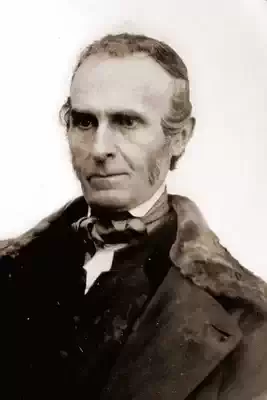
John Greenleaf Whittier
New Hampshire
New Hampshire
GOD bless New Hampshire! from her granite peaks
Once more the voice of Stark and Langdon speaks.
The long-bound vassal of the exulting South
For very shame her self-forged chain has broken;
Turn the black seal of slavery from her mouth,
And in the clear tones of her old time spoken!
Oh, all undreamed-of, all unhoped for changes!
The tyrants's ally proves his sternest foe;
To all his biddings, from her mountain ranges,
New Hampshire thunders an indignant No!
Who is it now despairs? Oh, faint of heart,
Look upward to those Northern mountain cold,
Flouted by Freedom's victor-flag unrolled
And gather strength to bear a manlier part!
All is not lost. The angel of God's blessing
Encamps with Freedom on the field of fight;
Still to her banner, day by day, are pressing,
Unlooked-for allies, striking for the right!
Courage, then, Northern hearts! Be firm, be true:
What one brave State hath done, can ye not also do?
GOD bless New Hampshire! from her granite peaks
Once more the voice of Stark and Langdon speaks.
The long-bound vassal of the exulting South
For very shame her self-forged chain has broken;
Turn the black seal of slavery from her mouth,
And in the clear tones of her old time spoken!
Oh, all undreamed-of, all unhoped for changes!
The tyrants's ally proves his sternest foe;
To all his biddings, from her mountain ranges,
New Hampshire thunders an indignant No!
Who is it now despairs? Oh, faint of heart,
Look upward to those Northern mountain cold,
Flouted by Freedom's victor-flag unrolled
And gather strength to bear a manlier part!
All is not lost. The angel of God's blessing
Encamps with Freedom on the field of fight;
Still to her banner, day by day, are pressing,
Unlooked-for allies, striking for the right!
Courage, then, Northern hearts! Be firm, be true:
What one brave State hath done, can ye not also do?
261
John Greenleaf Whittier
Lexington
Lexington
1775.
No Berserk thirst of blood had they,
No battle-joy was theirs, who set
Against the alien bayonet
Their homespun breasts in that old day.
Their feet had trodden peaceful, ways;
They loved not strife, they dreaded pain;
They saw not, what to us is plain,
That God would make man's wrath his praise.
No seers were they, but simple men;
Its vast results the future hid
The meaning of the work they did
Was strange and dark and doubtful then.
Swift as their summons came they left
The plough mid-furrow standing still,
The half-ground corn grist in the mill,
The spade in earth, the axe in cleft.
They went where duty seemed to call,
They scarcely asked the reason why;
They only knew they could but die,
And death was not the worst of all!
Of man for man the sacrifice,
All that was theirs to give, they gave.
The flowers that blossomed from their grave
Have sown themselves beneath all skies.
Their death-shot shook the feudal tower,
And shattered slavery's chain as well;
On the sky's dome, as on a bell,
Its echo struck the world's great hour.
That fateful echo is not dumb
The nations listening to its sound
Wait, from a century's vantage-ground,
The holier triumphs yet to come,-
The bridal time of Law and Love,
The gladness of the world's release,
When, war-sick, at the feet of Peace
The hawk shall nestle with the dove!-
The golden age of brotherhood
Unknown to other rivalries
Than of the mild humanities,
And gracious interchange of good,
When closer strand shall lean to strand,
Till meet, beneath saluting flags,
The eagle of our mountain-crags,
The lion of our Motherland!
1775.
No Berserk thirst of blood had they,
No battle-joy was theirs, who set
Against the alien bayonet
Their homespun breasts in that old day.
Their feet had trodden peaceful, ways;
They loved not strife, they dreaded pain;
They saw not, what to us is plain,
That God would make man's wrath his praise.
No seers were they, but simple men;
Its vast results the future hid
The meaning of the work they did
Was strange and dark and doubtful then.
Swift as their summons came they left
The plough mid-furrow standing still,
The half-ground corn grist in the mill,
The spade in earth, the axe in cleft.
They went where duty seemed to call,
They scarcely asked the reason why;
They only knew they could but die,
And death was not the worst of all!
Of man for man the sacrifice,
All that was theirs to give, they gave.
The flowers that blossomed from their grave
Have sown themselves beneath all skies.
Their death-shot shook the feudal tower,
And shattered slavery's chain as well;
On the sky's dome, as on a bell,
Its echo struck the world's great hour.
That fateful echo is not dumb
The nations listening to its sound
Wait, from a century's vantage-ground,
The holier triumphs yet to come,-
The bridal time of Law and Love,
The gladness of the world's release,
When, war-sick, at the feet of Peace
The hawk shall nestle with the dove!-
The golden age of brotherhood
Unknown to other rivalries
Than of the mild humanities,
And gracious interchange of good,
When closer strand shall lean to strand,
Till meet, beneath saluting flags,
The eagle of our mountain-crags,
The lion of our Motherland!
522
John Greenleaf Whittier
Help
Help
Dream not, O Soul, that easy is the task
Thus set before thee. If it proves at length,
As well it may, beyond thy natural strength,
Faint not, despair not. As a child may ask
A father, pray the Everlasting Good
For light and guidance midst the subtle snares
Of sin thick planted in life's thoroughfares,
For spiritual strength and moral hardihood;
Still listening, through the noise of time and sense,
To the still whisper of the Inward Word;
Bitter in blame, sweet in approval heard,
Itself its own confirming evidence
To health of soul a voice to cheer and please,
To guilt the wrath of the Eumenides.
Dream not, O Soul, that easy is the task
Thus set before thee. If it proves at length,
As well it may, beyond thy natural strength,
Faint not, despair not. As a child may ask
A father, pray the Everlasting Good
For light and guidance midst the subtle snares
Of sin thick planted in life's thoroughfares,
For spiritual strength and moral hardihood;
Still listening, through the noise of time and sense,
To the still whisper of the Inward Word;
Bitter in blame, sweet in approval heard,
Itself its own confirming evidence
To health of soul a voice to cheer and please,
To guilt the wrath of the Eumenides.
265
John Greenleaf Whittier
Daniel Neall
Daniel Neall
I.
FRIENDof the Slave, and yet the friend of all;
Lover of peace, yet ever foremost when
The need of battling Freedom called for men
To plant the banner on the outer wall;
Gentle and kindly, ever at distress
Melted to more than woman's tenderness,
Yet firm and steadfast, at his duty's post
Fronting the violence of a maddened host,
Like some-gray rock from which the waves are tossed!
Knowing his deeds of love, men questioned not
The faith of one whose walk and word were right;
Who tranquilly in Life's great task-field wrought,
And, side by side with evil, scarcely caught
A stain upon his pilgrim garb of white:
Prompt to redress another's wrong, his own
Leaving to Time and Truth and Penitence alone.
II.
Such was our friend. Formed on the good old plan,
A true and brave and downright honest man!
He blew no trumpet in the market-place,
Nor in the church with hypocritic face
Supplied with cant the lack of Christian grace;
Loathing pretence, he did with cheerful will
What others talked of while their hands were still;
And, while 'Lord, Lord!' the pious tyrants cried,
Who, in the poor, their Master crucified,
His daily prayer, far better understood.
In acts than words, was simply doing good.
So calm, so constant was his rectitude,
That by his loss alone we know its worth,
And feel how true a man has walked with us on earth.
I.
FRIENDof the Slave, and yet the friend of all;
Lover of peace, yet ever foremost when
The need of battling Freedom called for men
To plant the banner on the outer wall;
Gentle and kindly, ever at distress
Melted to more than woman's tenderness,
Yet firm and steadfast, at his duty's post
Fronting the violence of a maddened host,
Like some-gray rock from which the waves are tossed!
Knowing his deeds of love, men questioned not
The faith of one whose walk and word were right;
Who tranquilly in Life's great task-field wrought,
And, side by side with evil, scarcely caught
A stain upon his pilgrim garb of white:
Prompt to redress another's wrong, his own
Leaving to Time and Truth and Penitence alone.
II.
Such was our friend. Formed on the good old plan,
A true and brave and downright honest man!
He blew no trumpet in the market-place,
Nor in the church with hypocritic face
Supplied with cant the lack of Christian grace;
Loathing pretence, he did with cheerful will
What others talked of while their hands were still;
And, while 'Lord, Lord!' the pious tyrants cried,
Who, in the poor, their Master crucified,
His daily prayer, far better understood.
In acts than words, was simply doing good.
So calm, so constant was his rectitude,
That by his loss alone we know its worth,
And feel how true a man has walked with us on earth.
285
John Greenleaf Whittier
Cassandra Southwick
Cassandra Southwick
To the God of all sure mercies let my blessing rise today,
From the scoffer and the cruel He hath plucked the spoil away;
Yes, he who cooled the furnace around the faithful three,
And tamed the Chaldean lions, hath set His handmaid free!
Last night I saw the sunset melt though my prison bars,
Last night across my damp earth-floor fell the pale gleam of stars;
In the coldness and the darkness all through the long night-time,
My grated casement whitened with autumn's early rime.
Alone, in that dark sorrow, hour after hour crept by;
Star after star looked palely in and sank adown the sky;
No sound amid night's stillness, save that which seemed to be
The dull and heavy beating of the pulses of the sea;
All night I sat unsleeping, for I knew that on the morrow
The ruler said the cruel priest would mock me in my sorrow,
Dragged to their place of market, and bargained for and sold,
Like a lamb before the shambles, like a heifer from the fold!
Oh, the weakness of the flesh was there¯the shrinking and the shame;
And the low voice of the Tempter like whispers to me came,
'Why sit'st thou thus forlornly,' the wicked murmur said,
'Damp walls thy bower beauty, cold earth thy maiden bed?
'Where be the smiling faces, and voices soft and sweet,
Seen in thy father's dwelling, hoard in the pleasant street?
Where be the youths whose glances, the summer Sabbath through,
Turned tenderly and timidly unto thy father's pew?
'Why sit'st thou here, Cassandra? Bethink thee with what mirth
Thy happy schoolmates gather around the warm, dark hearth;
How the crimson shadows tremble on foreheads white and fair,
On eyes of merry girlhood, half hid in golden hair.
'Not for thee the hearth-fire brightens, not for thee kind words are spoken,
Not for thee the nuts of Wenham woods by laughing boys are broken;
No first-fruits of the orchard within thy lap are laid,
For thee no flowers of autumn the youthful hunters braid.
'O weak, deluded maiden!¯by crazy fancies led,
With wild and raving railers an evil path to tread;
To leave a wholesome worship, and teaching pure and sound,
And mate with maniac women, loose-haired and sackcloth-bound,
'And scoffers of the priesthood, who mock at things divine,
Who rail against thy pulpit, and holy bread and wine;
Bore from their cart-tail scourgings, and from the pillory lame,
Rejoicing in their wretchedness, and glorying in their shame.
'And what a fate awaits thee!¯a sadly toiling slave,
Dragging the slowly lengthening chain of bondage to the grave!
Think of thy woman's nature, subdued in hopeless thrall,
The easy prey of any, the scoff and scorn of all!'
Oh, ever as the Tempter spoke, and feecle Nature's fears
Wrung drop by drop the scalding flow of unavailing tears,
I wrestled down the evil thoughts, and strove in silent prayer
To feel, O Helper of the weak! that Thou indeed wert there!
I thought of Paul and Silas, within Philippi's call,
And how from Peter's sleeping limbs the prison shackles fell,
Till I seemed to hear the trailing of an Angel's robe of white,
And to feel a blessed presence invisible to sight.
Bless the Lord for all his mercies!¯for the peace and love I felt,
Like the dew of Hermon's holy hill, upon my spirit melt;
When 'Get behind me, Satan! ' was the language of my heart,
And I felt the Evil Tempter with all his doubts depart.
Slow broke the gray cold morning; again the sunshine fell,
Flocked with the shade of bar and grate within my lonely cell;
The hoar-frost melted on the wall, and upward from the street
Came careless laugh and idle word, and tread of passing feet.
At length the heavy bolts fell back, my door was open cast,
And slowly at the sheriff's side, up the long street I passed;
I heard the murmur round me, and felt, but dared not see,
How, from every door and window, the people gazed on me.
And doubt and fear fell on me, shame burned upon my cheek,
Swam earth and sky around me, my trembling limbs grew weak;
'Oh Lord, support thy handmaid, and from her soul cast out
The fear of men, which brings a snare, the weakness and the doubt.
Then the dreary shadows scattered, like a cloud in morning's breeze,
And a low deep voice within me seemed whispering words like these:
'Though thy earth be as the iron, and thy heaven a brazen wall,
Trust still His loving-kindness whose power is over all.'
We paused at length, where at my feet the sunlit waters broke
On glaring roach of shining beach, and shingly wall of rock;
The merchant-ships lay idle there, in hard clear lines on high,
Treeing with rope and slender spar their network on the sky.
And there were ancient citizens, cloak-wrapped and grave and cold,
And grim and stout sea-captains with faces bronzed and old,
And on his horse, with Rawson, his cruel clerk at hand,
Sat dark and haughty Endicott, the ruler of the land.
And poisoning with his evil words the ruler's ready ear,
The priest leaned over his saddle, with laugh and scoff and jeer;
It stirred my soul, and from my lips the soul of silence broke,
As if through woman's weakness a warning spirit spoke.
I cried 'The Lord rebuke thee, thou smiter of the meek,
Thou robber of the righteous, thou trampler of the weak!
Go light the cold, dark hearth-stones,¯go turn the prison lock
Of the poor hearts though hast hunted, thou wolf amid the flock!'
Dark lowered the brows of Endicott, and with a deeper red
O'er Rawson's wine-empurpled cheek the flash of anger spread;
'Good people, ' quoth the white-lipped priest, 'heed not her words so wild,
Her Master speaks within her¯ the Devil owns his child!'
But gray heads shook, and young brows knit, the while the sheriff read
That law the wicked rulers against the poor have made,
Who to their house of Rimmon and idol priesthood bring
No bonded knee of worship, nor gainful offering.
Then to the stout sea-captains the sheriff, turning, said¯
'Wish of ye, worthy seamen, will take this Quaker maid?
On the Isle of fair Barbados, or on Virginia's shore
You may hold her at a higher price than Indian girl or Moor!'
Grim and silent stood the captains; and when again he cried,
'Speak out my worthy seamen!' no voice, no sign replied;
But I felt a hard hand press my own, and kind words met my ear,¯
'God bless thee, and preserve thee, my gentle girl and dear!'
A weight seemed lifted from my heart, a pitying friend was nigh,
I felt it in his hard, rough hand, and saw it in his eye;
And when again the sheriff spoke, that voice, so kind to me,
Growled back its stormy answer like the roaring of the sea.
'Pile my ship with bars of silver, pack with coins of Spanish gold
From keel-piece up to deck-plank, the roomage of her hold,
By the living God that made me! I would sooner in your bay
Sink ship and crew and cargo, than bear this child away!'
'Well answered, worthy captain, shame on their cruel laws!'
Ran through the crowd in murmurs loud the people's just applause.
'Like the herdsmen of Tekoa, In Israel of old,
Shall we see the poor and righteous again for silver sold ?'
I looked on haughty Endicott; with weapon half-way drawn,
Swept around the throng his lion glare of bitter hate and scorn;
Fiercely he drew his bridle-rain, and turned in silence back,
And sneering priest and baffled clerk rode murmuring in his track.
Hard after them the sheriff looked, in bitterness of soul,
Thrice smote his staff upon the ground, and crushed his parchment-roll.
'Good friends,' he said, 'since both have fled, the ruler and the priest
Judge ye, if from their further work I be not well released.'
Loud was the cheer which, full and clear, swept round the silent bay,
As, with kind words and kinder looks, he bade me go my way;
For he who turns the courses of the streamlet of the glen,
And the river of great waters, had turned the hearts of men.
Oh, at that hour the very earth seemed changed beneath my eye,
A holier wonder round no rose the blue walls of the sky,
A lovelier light on rock and hill and stream and woodland lay,
And softer lapsed on sunnier sands the waters of the bay.
Thanksgiving to the Lord of life! To him all praises be,
Who from the hands of evil men hath set his handmaid free;
All praise to Him before whose power the mighty are afraid,
Who take the crafty in the snare which for the poor is laid!
Sing, O my soul, rejoicingly, on evening's twilight calm
Uplift the loud thanksgiving, pour forth the grateful psalm;
Let all dear hearts with me rejoice, as did the saints of old,
When of the Lord's good angel the rescued Peter told.
And weep and howl, ye evil priests and mighty men of wrong,
The lord shall smite the proud, and lay His hand upon the strong.
Woe to the wicked rulers in his avenging hour!
Woe to the wolves who seek the flocks to raven and devour!
But let the humble ones arise, the poor in heart be glad,
And let the mourning ones again with robes of praise be clad,
For he who cooled the furnace, and smoothed the stormy wave,
And tamed the Chaldean lions, is mighty still to save!
To the God of all sure mercies let my blessing rise today,
From the scoffer and the cruel He hath plucked the spoil away;
Yes, he who cooled the furnace around the faithful three,
And tamed the Chaldean lions, hath set His handmaid free!
Last night I saw the sunset melt though my prison bars,
Last night across my damp earth-floor fell the pale gleam of stars;
In the coldness and the darkness all through the long night-time,
My grated casement whitened with autumn's early rime.
Alone, in that dark sorrow, hour after hour crept by;
Star after star looked palely in and sank adown the sky;
No sound amid night's stillness, save that which seemed to be
The dull and heavy beating of the pulses of the sea;
All night I sat unsleeping, for I knew that on the morrow
The ruler said the cruel priest would mock me in my sorrow,
Dragged to their place of market, and bargained for and sold,
Like a lamb before the shambles, like a heifer from the fold!
Oh, the weakness of the flesh was there¯the shrinking and the shame;
And the low voice of the Tempter like whispers to me came,
'Why sit'st thou thus forlornly,' the wicked murmur said,
'Damp walls thy bower beauty, cold earth thy maiden bed?
'Where be the smiling faces, and voices soft and sweet,
Seen in thy father's dwelling, hoard in the pleasant street?
Where be the youths whose glances, the summer Sabbath through,
Turned tenderly and timidly unto thy father's pew?
'Why sit'st thou here, Cassandra? Bethink thee with what mirth
Thy happy schoolmates gather around the warm, dark hearth;
How the crimson shadows tremble on foreheads white and fair,
On eyes of merry girlhood, half hid in golden hair.
'Not for thee the hearth-fire brightens, not for thee kind words are spoken,
Not for thee the nuts of Wenham woods by laughing boys are broken;
No first-fruits of the orchard within thy lap are laid,
For thee no flowers of autumn the youthful hunters braid.
'O weak, deluded maiden!¯by crazy fancies led,
With wild and raving railers an evil path to tread;
To leave a wholesome worship, and teaching pure and sound,
And mate with maniac women, loose-haired and sackcloth-bound,
'And scoffers of the priesthood, who mock at things divine,
Who rail against thy pulpit, and holy bread and wine;
Bore from their cart-tail scourgings, and from the pillory lame,
Rejoicing in their wretchedness, and glorying in their shame.
'And what a fate awaits thee!¯a sadly toiling slave,
Dragging the slowly lengthening chain of bondage to the grave!
Think of thy woman's nature, subdued in hopeless thrall,
The easy prey of any, the scoff and scorn of all!'
Oh, ever as the Tempter spoke, and feecle Nature's fears
Wrung drop by drop the scalding flow of unavailing tears,
I wrestled down the evil thoughts, and strove in silent prayer
To feel, O Helper of the weak! that Thou indeed wert there!
I thought of Paul and Silas, within Philippi's call,
And how from Peter's sleeping limbs the prison shackles fell,
Till I seemed to hear the trailing of an Angel's robe of white,
And to feel a blessed presence invisible to sight.
Bless the Lord for all his mercies!¯for the peace and love I felt,
Like the dew of Hermon's holy hill, upon my spirit melt;
When 'Get behind me, Satan! ' was the language of my heart,
And I felt the Evil Tempter with all his doubts depart.
Slow broke the gray cold morning; again the sunshine fell,
Flocked with the shade of bar and grate within my lonely cell;
The hoar-frost melted on the wall, and upward from the street
Came careless laugh and idle word, and tread of passing feet.
At length the heavy bolts fell back, my door was open cast,
And slowly at the sheriff's side, up the long street I passed;
I heard the murmur round me, and felt, but dared not see,
How, from every door and window, the people gazed on me.
And doubt and fear fell on me, shame burned upon my cheek,
Swam earth and sky around me, my trembling limbs grew weak;
'Oh Lord, support thy handmaid, and from her soul cast out
The fear of men, which brings a snare, the weakness and the doubt.
Then the dreary shadows scattered, like a cloud in morning's breeze,
And a low deep voice within me seemed whispering words like these:
'Though thy earth be as the iron, and thy heaven a brazen wall,
Trust still His loving-kindness whose power is over all.'
We paused at length, where at my feet the sunlit waters broke
On glaring roach of shining beach, and shingly wall of rock;
The merchant-ships lay idle there, in hard clear lines on high,
Treeing with rope and slender spar their network on the sky.
And there were ancient citizens, cloak-wrapped and grave and cold,
And grim and stout sea-captains with faces bronzed and old,
And on his horse, with Rawson, his cruel clerk at hand,
Sat dark and haughty Endicott, the ruler of the land.
And poisoning with his evil words the ruler's ready ear,
The priest leaned over his saddle, with laugh and scoff and jeer;
It stirred my soul, and from my lips the soul of silence broke,
As if through woman's weakness a warning spirit spoke.
I cried 'The Lord rebuke thee, thou smiter of the meek,
Thou robber of the righteous, thou trampler of the weak!
Go light the cold, dark hearth-stones,¯go turn the prison lock
Of the poor hearts though hast hunted, thou wolf amid the flock!'
Dark lowered the brows of Endicott, and with a deeper red
O'er Rawson's wine-empurpled cheek the flash of anger spread;
'Good people, ' quoth the white-lipped priest, 'heed not her words so wild,
Her Master speaks within her¯ the Devil owns his child!'
But gray heads shook, and young brows knit, the while the sheriff read
That law the wicked rulers against the poor have made,
Who to their house of Rimmon and idol priesthood bring
No bonded knee of worship, nor gainful offering.
Then to the stout sea-captains the sheriff, turning, said¯
'Wish of ye, worthy seamen, will take this Quaker maid?
On the Isle of fair Barbados, or on Virginia's shore
You may hold her at a higher price than Indian girl or Moor!'
Grim and silent stood the captains; and when again he cried,
'Speak out my worthy seamen!' no voice, no sign replied;
But I felt a hard hand press my own, and kind words met my ear,¯
'God bless thee, and preserve thee, my gentle girl and dear!'
A weight seemed lifted from my heart, a pitying friend was nigh,
I felt it in his hard, rough hand, and saw it in his eye;
And when again the sheriff spoke, that voice, so kind to me,
Growled back its stormy answer like the roaring of the sea.
'Pile my ship with bars of silver, pack with coins of Spanish gold
From keel-piece up to deck-plank, the roomage of her hold,
By the living God that made me! I would sooner in your bay
Sink ship and crew and cargo, than bear this child away!'
'Well answered, worthy captain, shame on their cruel laws!'
Ran through the crowd in murmurs loud the people's just applause.
'Like the herdsmen of Tekoa, In Israel of old,
Shall we see the poor and righteous again for silver sold ?'
I looked on haughty Endicott; with weapon half-way drawn,
Swept around the throng his lion glare of bitter hate and scorn;
Fiercely he drew his bridle-rain, and turned in silence back,
And sneering priest and baffled clerk rode murmuring in his track.
Hard after them the sheriff looked, in bitterness of soul,
Thrice smote his staff upon the ground, and crushed his parchment-roll.
'Good friends,' he said, 'since both have fled, the ruler and the priest
Judge ye, if from their further work I be not well released.'
Loud was the cheer which, full and clear, swept round the silent bay,
As, with kind words and kinder looks, he bade me go my way;
For he who turns the courses of the streamlet of the glen,
And the river of great waters, had turned the hearts of men.
Oh, at that hour the very earth seemed changed beneath my eye,
A holier wonder round no rose the blue walls of the sky,
A lovelier light on rock and hill and stream and woodland lay,
And softer lapsed on sunnier sands the waters of the bay.
Thanksgiving to the Lord of life! To him all praises be,
Who from the hands of evil men hath set his handmaid free;
All praise to Him before whose power the mighty are afraid,
Who take the crafty in the snare which for the poor is laid!
Sing, O my soul, rejoicingly, on evening's twilight calm
Uplift the loud thanksgiving, pour forth the grateful psalm;
Let all dear hearts with me rejoice, as did the saints of old,
When of the Lord's good angel the rescued Peter told.
And weep and howl, ye evil priests and mighty men of wrong,
The lord shall smite the proud, and lay His hand upon the strong.
Woe to the wicked rulers in his avenging hour!
Woe to the wolves who seek the flocks to raven and devour!
But let the humble ones arise, the poor in heart be glad,
And let the mourning ones again with robes of praise be clad,
For he who cooled the furnace, and smoothed the stormy wave,
And tamed the Chaldean lions, is mighty still to save!
375
John Greenleaf Whittier
Barclay Of Ury
Barclay Of Ury
Up the streets of Aberdeen,
By the kirk and college green,
Rode the Laird of Ury;
Close behind him, close beside,
Foul of mouth and evil-eyed,
Pressed the mob in fury.
Flouted him the drunken churl,
Jeered at him the serving-girl,
Prompt to please her master;
And the begging carlin, late
Fed and clothed at Ury's gate,
Cursed him as he passed her.
Yet, with calm and stately mien,
Up the streets of Aberdeen
Came he slowly riding;
And, to all he saw and heard,
Answering not with bitter word,
Turning not for chiding.
Came a troop with broad swords swinging,
Bits and bridles sharply ringing,
Loose and free and forward;
Quoth the foremost, 'Ride him down!
Push him! prick him! through the town
Drive the Quaker coward!'
But from out the thickening crowd
Cried a sudden voice and loud:
'Barclay! Ho! a Barclay!
And the old man at his side
Saw a comrade, battle tried,
Scarred and sunburned darkly,
Who with ready weapon bare,
Fronting to the troopers there,
Cried aloud: 'God save us,
Call ye coward him who stood
Ankle deep in Lutzen's blood,
With the brave Gustavus?'
'Nay, I do not need thy sword,
Comrade mine,' said Ury's lord.
'Put it up, I pray thee:
Passive to His holy will,
Trust I in my Master still,
Even though He slay me.
'Pledges of thy love and faith,
Proved on many a field of death,
Not by me are needed.'
Marvelled much that henchman bold,
That his laird, so stout of old,
Now so meekly pleaded.
'Woe's the day!' he sadly said,
With a slowly shaking head,
And a look of pity;
'Ury's honest lord reviled,
Mock of knave and sport of child,
In his own good city!
'Speak the word, and, master mine,
As we charged on Tilly's line,
And his Walloon lancers,
Smiting through their midst we'll teach
Civil look and decent speech
To these boyish prancers!'
'Marvel not, mine ancient friend,
Like beginning, like the end,'
Quoth the Laird of Ury;
'Is the sinful servant more
Than his gracious Lord who bore
Bonds and stripes in Jewry?
'Give me joy that in his name
I can bear, with patient frame,
All these vain ones offer;
While for them He suffereth long,
Shall I answer wrong with wrong,
Scoffing with the scoffer?
'Happier I, with loss of all,
Hunted, outlawed, held in thrall,
With few friends to greet me,
Than when reeve and squire were seen,
Riding our from Aberdeen,
With bared heads to meet me.
'When each goodwife, o'er and o'er,
Blessed me as I passed her door;
And the snooded daughter,
Through her casement glancing down,
Smiled on him who bore renown
From red fields of slaughter.
'Hard to feel the stranger's scoff,
Hard the old friend's falling off,
Hard to learn forgiving;
But the Lord His own rewards,
And His love with theirs accords,
Warm and fresh and living.
'Through this dark and stormy night
Faith beholds a feeble light
Up the blackness streaking;
Knowing God's own time is best,
In a patient hope I rest
For the full day-breaking!'
So the Laird of Ury said,
Turning slow his horse's head
Towards the Tolbooth prison,
Where, through iron gates, he heard
Poor disciples of thee Word
Preach of Christ arisen!
Not in vain, Confessor old,
Unto us the tale is told
Of thy day of trial;
Every age on him who strays
From its broad and beaten ways
Pours its seven-fold vial.
Happy he whose inward ear
Angel comfortings can hear,
O'er the rabble's laughter;
And while Hatred's fagots burn,
Glimpses through the smoke discern
Of the good hereafter.
Knowing this, that never yet
Share of Truth was vainly set
In the world's wide fallow;
After hands shall sow the seed,
After hands from hill and mead
Reap the harvests yellow.
Thus, with somewhat of the Seer,
Must the moral pioneer
From the Future borrow;
Clothe the waste with dreams of grain,
And, on midnight's sky of rain,
Paint the golden morrow!
Up the streets of Aberdeen,
By the kirk and college green,
Rode the Laird of Ury;
Close behind him, close beside,
Foul of mouth and evil-eyed,
Pressed the mob in fury.
Flouted him the drunken churl,
Jeered at him the serving-girl,
Prompt to please her master;
And the begging carlin, late
Fed and clothed at Ury's gate,
Cursed him as he passed her.
Yet, with calm and stately mien,
Up the streets of Aberdeen
Came he slowly riding;
And, to all he saw and heard,
Answering not with bitter word,
Turning not for chiding.
Came a troop with broad swords swinging,
Bits and bridles sharply ringing,
Loose and free and forward;
Quoth the foremost, 'Ride him down!
Push him! prick him! through the town
Drive the Quaker coward!'
But from out the thickening crowd
Cried a sudden voice and loud:
'Barclay! Ho! a Barclay!
And the old man at his side
Saw a comrade, battle tried,
Scarred and sunburned darkly,
Who with ready weapon bare,
Fronting to the troopers there,
Cried aloud: 'God save us,
Call ye coward him who stood
Ankle deep in Lutzen's blood,
With the brave Gustavus?'
'Nay, I do not need thy sword,
Comrade mine,' said Ury's lord.
'Put it up, I pray thee:
Passive to His holy will,
Trust I in my Master still,
Even though He slay me.
'Pledges of thy love and faith,
Proved on many a field of death,
Not by me are needed.'
Marvelled much that henchman bold,
That his laird, so stout of old,
Now so meekly pleaded.
'Woe's the day!' he sadly said,
With a slowly shaking head,
And a look of pity;
'Ury's honest lord reviled,
Mock of knave and sport of child,
In his own good city!
'Speak the word, and, master mine,
As we charged on Tilly's line,
And his Walloon lancers,
Smiting through their midst we'll teach
Civil look and decent speech
To these boyish prancers!'
'Marvel not, mine ancient friend,
Like beginning, like the end,'
Quoth the Laird of Ury;
'Is the sinful servant more
Than his gracious Lord who bore
Bonds and stripes in Jewry?
'Give me joy that in his name
I can bear, with patient frame,
All these vain ones offer;
While for them He suffereth long,
Shall I answer wrong with wrong,
Scoffing with the scoffer?
'Happier I, with loss of all,
Hunted, outlawed, held in thrall,
With few friends to greet me,
Than when reeve and squire were seen,
Riding our from Aberdeen,
With bared heads to meet me.
'When each goodwife, o'er and o'er,
Blessed me as I passed her door;
And the snooded daughter,
Through her casement glancing down,
Smiled on him who bore renown
From red fields of slaughter.
'Hard to feel the stranger's scoff,
Hard the old friend's falling off,
Hard to learn forgiving;
But the Lord His own rewards,
And His love with theirs accords,
Warm and fresh and living.
'Through this dark and stormy night
Faith beholds a feeble light
Up the blackness streaking;
Knowing God's own time is best,
In a patient hope I rest
For the full day-breaking!'
So the Laird of Ury said,
Turning slow his horse's head
Towards the Tolbooth prison,
Where, through iron gates, he heard
Poor disciples of thee Word
Preach of Christ arisen!
Not in vain, Confessor old,
Unto us the tale is told
Of thy day of trial;
Every age on him who strays
From its broad and beaten ways
Pours its seven-fold vial.
Happy he whose inward ear
Angel comfortings can hear,
O'er the rabble's laughter;
And while Hatred's fagots burn,
Glimpses through the smoke discern
Of the good hereafter.
Knowing this, that never yet
Share of Truth was vainly set
In the world's wide fallow;
After hands shall sow the seed,
After hands from hill and mead
Reap the harvests yellow.
Thus, with somewhat of the Seer,
Must the moral pioneer
From the Future borrow;
Clothe the waste with dreams of grain,
And, on midnight's sky of rain,
Paint the golden morrow!
256
John Greenleaf Whittier
A Word for the Hour
A Word for the Hour
The firmament breaks up. In black eclipse
Light after light goes out. One evil star,
Luridly glaring through the smoke of war,
As in the dream of the Apocalypse,
Drags others down. Let us not weakly weep
Nor rashly threaten. Give us grace to keep
Our faith and patience; wherefore should we leap
On one hand into fratricidal fight,
Or, on the other, yield eternal right,
Frame lies of laws, and good and ill confound?
What fear we? Safe on freedom's vantage ground
Our feet are planted; let us there remain
In unrevengeful calm, no means untried
Which truth can sanction, no just claim denied,
The sad spectators of a suicide!
They break the lines of Union: shall we light
The fires of hell to weld anew the chain
On that red anvil where each blow is pain?
Draw we not even now a freer breath,
As from our shoulders falls a load of death
Loathsome as that the Tuscan's victim bore
When keen with life to a dead horror bound?
Why take we up the accursed thing again?
Pity, forgive, but urge them back no more
Who, drunk with passion, flaunt disunion's rag
With its vile reptile blazon. Let us press
The golden cluster on our brave old flag
In closer union, and, if numbering less,
Brighter shall shine the stars which still remain.
The firmament breaks up. In black eclipse
Light after light goes out. One evil star,
Luridly glaring through the smoke of war,
As in the dream of the Apocalypse,
Drags others down. Let us not weakly weep
Nor rashly threaten. Give us grace to keep
Our faith and patience; wherefore should we leap
On one hand into fratricidal fight,
Or, on the other, yield eternal right,
Frame lies of laws, and good and ill confound?
What fear we? Safe on freedom's vantage ground
Our feet are planted; let us there remain
In unrevengeful calm, no means untried
Which truth can sanction, no just claim denied,
The sad spectators of a suicide!
They break the lines of Union: shall we light
The fires of hell to weld anew the chain
On that red anvil where each blow is pain?
Draw we not even now a freer breath,
As from our shoulders falls a load of death
Loathsome as that the Tuscan's victim bore
When keen with life to a dead horror bound?
Why take we up the accursed thing again?
Pity, forgive, but urge them back no more
Who, drunk with passion, flaunt disunion's rag
With its vile reptile blazon. Let us press
The golden cluster on our brave old flag
In closer union, and, if numbering less,
Brighter shall shine the stars which still remain.
361
John Greenleaf Whittier
Abraham Davenport
Abraham Davenport
In the old days (a custom laid aside
With breeches and cocked hats) the people sent
Their wisest men to make the public laws.
And so, from a brown homestead, where the Sound
Drinks the small tribute of the Mianas,
Waved over by the woods of Rippowams,
And hallowed by pure lives and tranquil deaths,
Stamford sent up to the councils of the State
Wisdom and grace in Abraham Davenport.
'T was on a May-day of the far old year
Seventeen hundred eighty, that there fell
Over the bloom and sweet life of the Spring,
Over the fresh earth and the heaven of noon,
A horror of great darkness, like the night
In day of which the Norland sagas tell,-
The Twilight of the Gods. The low-hung sky
Was black with ominous clouds, save where its rim
Was fringed with a dull glow, like that which climbs
The crater's sides from the red hell below.
Birds ceased to sing, and all the barn-yard fowls
Roosted; the cattle at the pasture bars
Lowed, and looked homeward; bats on leathern wings
Flitted abroad; the sounds of labor died;
Men prayed, and women wept; all ears grew sharp
To hear the doom-blast of the trumpet shatter
The black sky, that the dreadful face of Christ
Might look from the rent clouds, not as he looked
A loving guest at Bethany, but stern
As Justice and inexorable Law.
Meanwhile in the old State House, dim as ghosts,
Sat the lawgivers of Connecticut,
Trembling beneath their legislative robes.
'It is the Lord's Great Day! Let us adjourn,'
Some said; and then, as if with one accord,
All eyes were turned to Abraham Davenport.
He rose, slow cleaving with his steady voice
The intolerable hush. 'This well may be
The Day of Judgment which the world awaits;
But be it so or not, I only know
My present duty, and my Lord's command
To occupy till He come. So at the post
Where He hath set me in His providence,
I choose, for one, to meet Him face to face,-No
faithless servant frightened from my task,
But ready when the Lord of the harvest calls;
And therefore, with all reverence, I would say,
Let God do His work, we will see to ours.
Bring in the candles.' And they brought them in.
Then by the flaring lights the Speaker read,
Albeit with husky voice and shaking hands,
An act to amend an act to regulate
The shad and alewive fisheries. Whereupon
Wisely and well spake Abraham Davenport,
Straight to the question, with no figures of speech
Save the ten Arab signs, yet not without
The shrewd dry humor natural to the man
His awe-struck colleagues listening all the while,
Between the pauses of his argument,
To hear the thunder of the wrath of God
Break from the hollow trumpet of the cloud.
And there he stands in memory to this day,
Erect, self-poised, a rugged face, half seen
Against the background of unnatural dark,
A witness to the ages as they pass,
That simple duty hath no place for fear.
. . . . .
He ceased: just then the ocean seemed
To lift a half-faced moon in sight;
And, shore-ward, o'er the waters gleamed,
From crest to crest, a line of light,
Such as of old, with solemn awe,
The fishers by Gennesaret saw,
When dry-shod o'er it walked the Son of God,
Tracking the waves with light where'er his sandals trod.
Silently for a space each eye
Upon that sudden glory turned
Cool from the land the breeze blew by,
The tent-ropes flapped, the long beach churned
Its waves to foam; on either hand
Stretched, far as sight, the hills of sand;
With bays of marsh, and capes of bush and tree,
The wood's black shore-line loomed beyond the meadowy sea.
The lady rose to leave. 'One song,
Or hymn,' they urged, 'before we part.'
And she, with lips to which belong
Sweet intuitions of all art,
Gave to the winds of night a strain
Which they who heard would hear again;
And to her voice the solemn ocean lent,
Touching its harp of sand, a deep accompaniment.
In the old days (a custom laid aside
With breeches and cocked hats) the people sent
Their wisest men to make the public laws.
And so, from a brown homestead, where the Sound
Drinks the small tribute of the Mianas,
Waved over by the woods of Rippowams,
And hallowed by pure lives and tranquil deaths,
Stamford sent up to the councils of the State
Wisdom and grace in Abraham Davenport.
'T was on a May-day of the far old year
Seventeen hundred eighty, that there fell
Over the bloom and sweet life of the Spring,
Over the fresh earth and the heaven of noon,
A horror of great darkness, like the night
In day of which the Norland sagas tell,-
The Twilight of the Gods. The low-hung sky
Was black with ominous clouds, save where its rim
Was fringed with a dull glow, like that which climbs
The crater's sides from the red hell below.
Birds ceased to sing, and all the barn-yard fowls
Roosted; the cattle at the pasture bars
Lowed, and looked homeward; bats on leathern wings
Flitted abroad; the sounds of labor died;
Men prayed, and women wept; all ears grew sharp
To hear the doom-blast of the trumpet shatter
The black sky, that the dreadful face of Christ
Might look from the rent clouds, not as he looked
A loving guest at Bethany, but stern
As Justice and inexorable Law.
Meanwhile in the old State House, dim as ghosts,
Sat the lawgivers of Connecticut,
Trembling beneath their legislative robes.
'It is the Lord's Great Day! Let us adjourn,'
Some said; and then, as if with one accord,
All eyes were turned to Abraham Davenport.
He rose, slow cleaving with his steady voice
The intolerable hush. 'This well may be
The Day of Judgment which the world awaits;
But be it so or not, I only know
My present duty, and my Lord's command
To occupy till He come. So at the post
Where He hath set me in His providence,
I choose, for one, to meet Him face to face,-No
faithless servant frightened from my task,
But ready when the Lord of the harvest calls;
And therefore, with all reverence, I would say,
Let God do His work, we will see to ours.
Bring in the candles.' And they brought them in.
Then by the flaring lights the Speaker read,
Albeit with husky voice and shaking hands,
An act to amend an act to regulate
The shad and alewive fisheries. Whereupon
Wisely and well spake Abraham Davenport,
Straight to the question, with no figures of speech
Save the ten Arab signs, yet not without
The shrewd dry humor natural to the man
His awe-struck colleagues listening all the while,
Between the pauses of his argument,
To hear the thunder of the wrath of God
Break from the hollow trumpet of the cloud.
And there he stands in memory to this day,
Erect, self-poised, a rugged face, half seen
Against the background of unnatural dark,
A witness to the ages as they pass,
That simple duty hath no place for fear.
. . . . .
He ceased: just then the ocean seemed
To lift a half-faced moon in sight;
And, shore-ward, o'er the waters gleamed,
From crest to crest, a line of light,
Such as of old, with solemn awe,
The fishers by Gennesaret saw,
When dry-shod o'er it walked the Son of God,
Tracking the waves with light where'er his sandals trod.
Silently for a space each eye
Upon that sudden glory turned
Cool from the land the breeze blew by,
The tent-ropes flapped, the long beach churned
Its waves to foam; on either hand
Stretched, far as sight, the hills of sand;
With bays of marsh, and capes of bush and tree,
The wood's black shore-line loomed beyond the meadowy sea.
The lady rose to leave. 'One song,
Or hymn,' they urged, 'before we part.'
And she, with lips to which belong
Sweet intuitions of all art,
Gave to the winds of night a strain
Which they who heard would hear again;
And to her voice the solemn ocean lent,
Touching its harp of sand, a deep accompaniment.
327
John Greenleaf Whittier
A Song Inscribed To The Fremont Clubs
A Song Inscribed To The Fremont Clubs
BENEATH thy skies, November!
Thy skies of cloud and rain,
Around our blazing camp-fires
We close our ranks again.
Then sound again the bugles,
Call the muster-roll anew;
If months have well-nigh won the field,
What may not four years do?
For God be praised! New England
Takes once more her ancient place;
Again the Pilgrim's banner
Leads the vanguard of the race.
Then sound again the bugles, etc.
Along the lordly Hudson,
A shout of triumph breaks;
The Empire State is speaking,
From the ocean to the lakes.
Then sound again the bugles, etc.
The Northern hills are blazing,
The Northern skies are bright;
And the fair young West is turning
Her forehead to the light!
Then sound again the bugles,. etc.
Push every outpost nearer,
Press hard the hostile towers!
Another Balaklava,
And the Malakoff is ours!
Then sound again the bugles,
Call the muster-roll anew;
If months have well-nigh won the field,
What may not four years do?
BENEATH thy skies, November!
Thy skies of cloud and rain,
Around our blazing camp-fires
We close our ranks again.
Then sound again the bugles,
Call the muster-roll anew;
If months have well-nigh won the field,
What may not four years do?
For God be praised! New England
Takes once more her ancient place;
Again the Pilgrim's banner
Leads the vanguard of the race.
Then sound again the bugles, etc.
Along the lordly Hudson,
A shout of triumph breaks;
The Empire State is speaking,
From the ocean to the lakes.
Then sound again the bugles, etc.
The Northern hills are blazing,
The Northern skies are bright;
And the fair young West is turning
Her forehead to the light!
Then sound again the bugles,. etc.
Push every outpost nearer,
Press hard the hostile towers!
Another Balaklava,
And the Malakoff is ours!
Then sound again the bugles,
Call the muster-roll anew;
If months have well-nigh won the field,
What may not four years do?
198
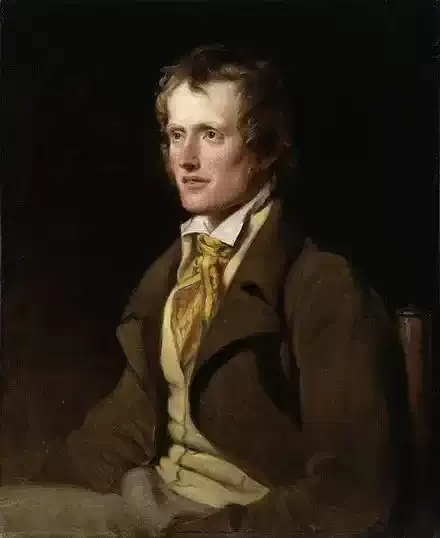
John Clare
To Napoleon
To Napoleon
The heroes of the present and the past
Were puny, vague, and nothingness to thee:
Thou didst a span grasp mighty to the last,
And strain for glory when thy die was cast.
That little island, on the Atlantic sea,
Was but a dust-spot in a lake: thy mind
Swept space as shoreless as eternity.
Thy giant powers outstript this gaudy age
Of heroes; and, as looking at the sun,
So gazing on thy greatness, made men blind
To merits, that had adoration won
In olden times. The world was on thy page
Of victories but a comma. Fame could find
No parallel, thy greatness to presage.
The heroes of the present and the past
Were puny, vague, and nothingness to thee:
Thou didst a span grasp mighty to the last,
And strain for glory when thy die was cast.
That little island, on the Atlantic sea,
Was but a dust-spot in a lake: thy mind
Swept space as shoreless as eternity.
Thy giant powers outstript this gaudy age
Of heroes; and, as looking at the sun,
So gazing on thy greatness, made men blind
To merits, that had adoration won
In olden times. The world was on thy page
Of victories but a comma. Fame could find
No parallel, thy greatness to presage.
398
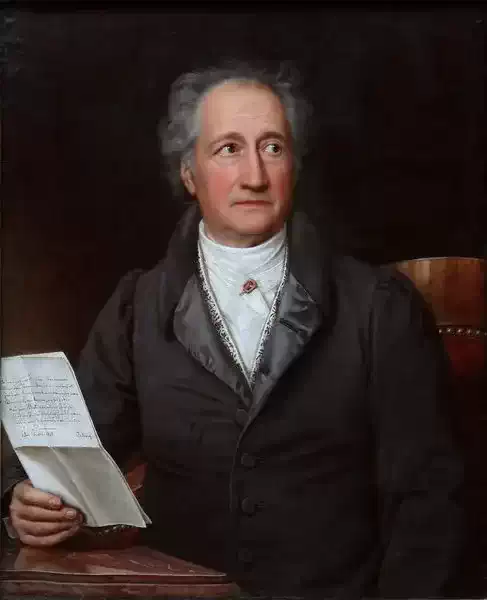
Johann Wolfgang von Goethe
The Wanderer's Storm-Song
The Wanderer's Storm-Song
He whom thou ne'er leavest, Genius,
Feels no dread within his heart
At the tempest or the rain.
He whom thou ne'er leavest, Genius,
Will to the rain-clouds,
Will to the hailstorm,
Sing in reply
As the lark sings,
Oh thou on high!
Him whom thou ne'er leavest, Genius,
Thou wilt raise above the mud-track
With thy fiery pinions.
He will wander,
As, with flowery feet,
Over Deucalion's dark flood,
Python-slaying, light, glorious,
Pythius Apollo.
Him whom thou ne'er leavest, Genius,
Thou wilt place upon thy fleecy pinion
When he sleepeth on the rock,--
Thou wilt shelter with thy guardian wing
In the forest's midnight hour.
Him whom thou ne'er leavest, Genius,
Thou wilt wrap up warmly
In the snow-drift;
Tow'rd the warmth approach the Muses,
Tow'rd the warmth approach the Graces.
Ye Muses, hover round me!
Ye Graces also!
That is water, that is earth,
And the son of water and of earth
Over which I wander,
Like the gods.
Ye are pure, like the heart of the water,
Ye are pure like the marrow of earth,
Hov'ring round me, while I hover
Over water, o'er the earth
Like the gods.
Shall he, then, return,
The small, the dark, the fiery peasant?
Shall he, then, return, waiting
Only thy gifts, oh Father Bromius,
And brightly gleaming, warmth-spreading fire?
Return with joy?
And I, whom ye attended,
Ye Muses and ye Graces,
Whom all awaits that ye,
Ye Muses and ye Graces,
Of circling bliss in life
Have glorified--shall I
Return dejected?
Father Bromius!
Thourt the Genius,
Genius of ages,
Thou'rt what inward glow
To Pindar was,
What to the world
Phoebus Apollo.
Woe! Woe Inward warmth,
Spirit-warmth,
Central-point!
Glow, and vie with
Phoebus Apollo!
Coldly soon
His regal look
Over thee will swiftly glide,-
Envy-struck
Linger o'er the cedar's strength,
Which, to flourish,
Waits him not.
Why doth my lay name thee the last?
Thee, from whom it began,
Thee, in whom it endeth,
Thee, from whom it flows,
Jupiter Pluvius!
Tow'rd thee streams my song.
And a Castalian spring
Runs as a fellow-brook,
Runs to the idle ones,
Mortal, happy ones,
Apart from thee,
Who cov'rest me around,
Jupiter Pluvius!
Not by the elm-tree
Him didst thou visit,
With the pair of doves
Held in his gentle arm,--
With the beauteous garland of roses,--
Caressing him, so blest in his flowers,
Anacreon,
Storm-breathing godhead!
Not in the poplar grove,
Near the Sybaris' strand,
Not on the mountain's
Sun-illumined brow
Didst thou seize him,
The flower-singing,
Honey-breathing,
Sweetly nodding
Theocritus.
When the wheels were rattling,
Wheel on wheel tow'rd the goal,
High arose
The sound of the lash
Of youths with victory glowing,
In the dust rolling,
As from the mountain fall
Showers of stones in the vale--
Then thy soul was brightly glowing, Pindar--
Glowing? Poor heart!
There, on the hill,--
Heavenly might!
But enough glow
Thither to wend,
Where is my cot!
He whom thou ne'er leavest, Genius,
Feels no dread within his heart
At the tempest or the rain.
He whom thou ne'er leavest, Genius,
Will to the rain-clouds,
Will to the hailstorm,
Sing in reply
As the lark sings,
Oh thou on high!
Him whom thou ne'er leavest, Genius,
Thou wilt raise above the mud-track
With thy fiery pinions.
He will wander,
As, with flowery feet,
Over Deucalion's dark flood,
Python-slaying, light, glorious,
Pythius Apollo.
Him whom thou ne'er leavest, Genius,
Thou wilt place upon thy fleecy pinion
When he sleepeth on the rock,--
Thou wilt shelter with thy guardian wing
In the forest's midnight hour.
Him whom thou ne'er leavest, Genius,
Thou wilt wrap up warmly
In the snow-drift;
Tow'rd the warmth approach the Muses,
Tow'rd the warmth approach the Graces.
Ye Muses, hover round me!
Ye Graces also!
That is water, that is earth,
And the son of water and of earth
Over which I wander,
Like the gods.
Ye are pure, like the heart of the water,
Ye are pure like the marrow of earth,
Hov'ring round me, while I hover
Over water, o'er the earth
Like the gods.
Shall he, then, return,
The small, the dark, the fiery peasant?
Shall he, then, return, waiting
Only thy gifts, oh Father Bromius,
And brightly gleaming, warmth-spreading fire?
Return with joy?
And I, whom ye attended,
Ye Muses and ye Graces,
Whom all awaits that ye,
Ye Muses and ye Graces,
Of circling bliss in life
Have glorified--shall I
Return dejected?
Father Bromius!
Thourt the Genius,
Genius of ages,
Thou'rt what inward glow
To Pindar was,
What to the world
Phoebus Apollo.
Woe! Woe Inward warmth,
Spirit-warmth,
Central-point!
Glow, and vie with
Phoebus Apollo!
Coldly soon
His regal look
Over thee will swiftly glide,-
Envy-struck
Linger o'er the cedar's strength,
Which, to flourish,
Waits him not.
Why doth my lay name thee the last?
Thee, from whom it began,
Thee, in whom it endeth,
Thee, from whom it flows,
Jupiter Pluvius!
Tow'rd thee streams my song.
And a Castalian spring
Runs as a fellow-brook,
Runs to the idle ones,
Mortal, happy ones,
Apart from thee,
Who cov'rest me around,
Jupiter Pluvius!
Not by the elm-tree
Him didst thou visit,
With the pair of doves
Held in his gentle arm,--
With the beauteous garland of roses,--
Caressing him, so blest in his flowers,
Anacreon,
Storm-breathing godhead!
Not in the poplar grove,
Near the Sybaris' strand,
Not on the mountain's
Sun-illumined brow
Didst thou seize him,
The flower-singing,
Honey-breathing,
Sweetly nodding
Theocritus.
When the wheels were rattling,
Wheel on wheel tow'rd the goal,
High arose
The sound of the lash
Of youths with victory glowing,
In the dust rolling,
As from the mountain fall
Showers of stones in the vale--
Then thy soul was brightly glowing, Pindar--
Glowing? Poor heart!
There, on the hill,--
Heavenly might!
But enough glow
Thither to wend,
Where is my cot!
349
Johann Wolfgang von Goethe
The Reckoning
The Reckoning
LEADER.
LET no cares now hover o'er us
Let the wine unsparing run!
Wilt thou swell our merry chorus?
Hast thou all thy duty done?
SOLO.
Two young folks--the thing is curious--
Loved each other; yesterday
Both quite mild, to-day quite furious,
Next day, quite the deuce to pay!
If her neck she there was stooping,
He must here needs pull his hair.
I revived their spirits drooping,
And they're now a happy pair.
CHORUS.
Surely we for wine may languish!
Let the bumper then go round!
For all sighs and groans of anguish
Thou to-day in joy hast drown'd.
SOLO.
Why, young orphan, all this wailing?
"Would to heaven that I were dead!
For my guardian's craft prevailing
Soon will make me beg my bread."
Knowing well the rascal genus,
Into court I dragg'd the knave;
Fair the judges were between us,
And the maiden's wealth did save.
CHORUS.
Surely we for wine may languish!
Let the bumper then go round!
For all sighs and groans of anguish
Thou to-day in joy hast drown'd.
SOLO.
To a little fellow, quiet,
Unpretending and subdued,
Has a big clown, running riot,
Been to-day extremely rude.
I bethought me of my duty,
And my courage swell'd apace,
So I spoil'd the rascal's beauty,
Slashing him across the face.
CHORUS.
Surely we for wine may languish!
Let the bumper then go round!
For all sighs and groans of anguish
Thou to-day in joy hast drown'd.
SOLO.
Brief must be my explanation,
For I really have done nought.
Free from trouble and vexation,
I a landlord's business bought.
There I've done, with all due ardour,
All that duty order'd me;
Each one ask'd me for the larder,
And there was no scarcity.
CHORUS.
Surely we for wine may languish!
Let the bumper then go round!
For all sighs and groans of anguish
Thou to-day in joy hast drown'd.
LEADER.
Each should thus make proclamation
Of what he did well to-day!
That's the match whose conflagration
Should inflame our tuneful lay.
Let it be our precept ever
To admit no waverer here!
For to act the good endeavour,
None but rascals meek appear.
CHORUS.
Surely we for wine may languish!
Let the bumper then go round!
For all sighs and groans of anguish
We have now in rapture drown'd.
TRIO.
Let each merry minstrel enter,
He's right welcome to our hall!
'Tis but with the selfÄtormentor
That we are not liberal;
For we fear that his caprices,
That his eye-brows dark and sad,
That his grief that never ceases
Hide an empty heart, or bad.
CHORUS.
No one now for wine shall languish!
Here no minstrel shall be found,
Who all sighs and groans of anguish,
Has not first in rapture drown'd!
LEADER.
LET no cares now hover o'er us
Let the wine unsparing run!
Wilt thou swell our merry chorus?
Hast thou all thy duty done?
SOLO.
Two young folks--the thing is curious--
Loved each other; yesterday
Both quite mild, to-day quite furious,
Next day, quite the deuce to pay!
If her neck she there was stooping,
He must here needs pull his hair.
I revived their spirits drooping,
And they're now a happy pair.
CHORUS.
Surely we for wine may languish!
Let the bumper then go round!
For all sighs and groans of anguish
Thou to-day in joy hast drown'd.
SOLO.
Why, young orphan, all this wailing?
"Would to heaven that I were dead!
For my guardian's craft prevailing
Soon will make me beg my bread."
Knowing well the rascal genus,
Into court I dragg'd the knave;
Fair the judges were between us,
And the maiden's wealth did save.
CHORUS.
Surely we for wine may languish!
Let the bumper then go round!
For all sighs and groans of anguish
Thou to-day in joy hast drown'd.
SOLO.
To a little fellow, quiet,
Unpretending and subdued,
Has a big clown, running riot,
Been to-day extremely rude.
I bethought me of my duty,
And my courage swell'd apace,
So I spoil'd the rascal's beauty,
Slashing him across the face.
CHORUS.
Surely we for wine may languish!
Let the bumper then go round!
For all sighs and groans of anguish
Thou to-day in joy hast drown'd.
SOLO.
Brief must be my explanation,
For I really have done nought.
Free from trouble and vexation,
I a landlord's business bought.
There I've done, with all due ardour,
All that duty order'd me;
Each one ask'd me for the larder,
And there was no scarcity.
CHORUS.
Surely we for wine may languish!
Let the bumper then go round!
For all sighs and groans of anguish
Thou to-day in joy hast drown'd.
LEADER.
Each should thus make proclamation
Of what he did well to-day!
That's the match whose conflagration
Should inflame our tuneful lay.
Let it be our precept ever
To admit no waverer here!
For to act the good endeavour,
None but rascals meek appear.
CHORUS.
Surely we for wine may languish!
Let the bumper then go round!
For all sighs and groans of anguish
We have now in rapture drown'd.
TRIO.
Let each merry minstrel enter,
He's right welcome to our hall!
'Tis but with the selfÄtormentor
That we are not liberal;
For we fear that his caprices,
That his eye-brows dark and sad,
That his grief that never ceases
Hide an empty heart, or bad.
CHORUS.
No one now for wine shall languish!
Here no minstrel shall be found,
Who all sighs and groans of anguish,
Has not first in rapture drown'd!
359
Johann Wolfgang von Goethe
The Garlands
The Garlands
KLOPSTOCK would lead us away from Pindus; no longer for laurel
May we be eager--the homely acorn alone must content us;
Yet he himself his more-than-epic crusade is conducting
High on Golgotha's summit, that foreign gods he may honour!
Yet, on what hill he prefers, let him gather the angels together,
Suffer deserted disciples to weep o'er the grave of the just one:
There where a hero and saint hath died, where a bard breath'd his numbers,
Both for our life and our death an ensample of courage resplendent
And of the loftiest human worth to bequeath,--ev'ry nation
There will joyously kneel in devotion ecstatic, revering
Thorn and laurel garland, and all its charms and its tortures.
KLOPSTOCK would lead us away from Pindus; no longer for laurel
May we be eager--the homely acorn alone must content us;
Yet he himself his more-than-epic crusade is conducting
High on Golgotha's summit, that foreign gods he may honour!
Yet, on what hill he prefers, let him gather the angels together,
Suffer deserted disciples to weep o'er the grave of the just one:
There where a hero and saint hath died, where a bard breath'd his numbers,
Both for our life and our death an ensample of courage resplendent
And of the loftiest human worth to bequeath,--ev'ry nation
There will joyously kneel in devotion ecstatic, revering
Thorn and laurel garland, and all its charms and its tortures.
442
Johann Wolfgang von Goethe
River Lilies
River Lilies
Saw a boy three lilies white,
Lilies in the river,
Half heart-open to the light,
Full of golden arrows bright,
Each a silver quiver.
Lilies, lilies, lilies white,
Lilies in the river.
Said the boy, “I’ll pluck you there,
Lilies in the river!”
Said the lilies, “If you dare
You shall drown, or homeward fare
Dripping and a-shiver!”
Lilies, lilies, lilies white,
Lilies in the river.
Wilful still the boy would clasp
Lilies in the river;
Tumbled in ere he could grasp,
Scrambled out with puff and gasp,
Plucked no lilies ever.
Lilies, lilies, lilies white,
Lilies in the river.
Saw a boy three lilies white,
Lilies in the river,
Half heart-open to the light,
Full of golden arrows bright,
Each a silver quiver.
Lilies, lilies, lilies white,
Lilies in the river.
Said the boy, “I’ll pluck you there,
Lilies in the river!”
Said the lilies, “If you dare
You shall drown, or homeward fare
Dripping and a-shiver!”
Lilies, lilies, lilies white,
Lilies in the river.
Wilful still the boy would clasp
Lilies in the river;
Tumbled in ere he could grasp,
Scrambled out with puff and gasp,
Plucked no lilies ever.
Lilies, lilies, lilies white,
Lilies in the river.
326
Johann Wolfgang von Goethe
Human Feelings
Human Feelings
AH, ye gods! ye great immortals
In the spacious heavens above us!
Would ye on this earth but give us
Steadfast minds and dauntless courage
We, oh kindly ones, would leave you
All your spacious heavens above us!
AH, ye gods! ye great immortals
In the spacious heavens above us!
Would ye on this earth but give us
Steadfast minds and dauntless courage
We, oh kindly ones, would leave you
All your spacious heavens above us!
366
Johann Wolfgang von Goethe
Another
Another
Go! obedient to my call,
Turn to profit thy young days,
Wiser make betimes thy breast
In Fate's balance as it sways,
Seldom is the cock at rest;
Thou must either mount, or fall,
Thou must either rule and win,
Or submissively give in,
Triumph, or else yield to clamour:
Be the anvil or the hammer.
Go! obedient to my call,
Turn to profit thy young days,
Wiser make betimes thy breast
In Fate's balance as it sways,
Seldom is the cock at rest;
Thou must either mount, or fall,
Thou must either rule and win,
Or submissively give in,
Triumph, or else yield to clamour:
Be the anvil or the hammer.
384
Johann Wolfgang von Goethe
A Symbol
A Symbol
THE mason's trade Observe them well,
Resembles life, And watch them revealing
With all its strife,--How solemn feeling
Is like the stir made And wonderment swell
By man on earth's face. The hearts of the brave.
Though weal and woe The voice of the blest,
The future may hide, And of spirits on high
Unterrified Seems loudly to cry:
We onward go "To do what is best,
In ne'er changing race. Unceasing endeavour!
A veil of dread "In silence eterne
Hangs heavier still. Here chaplets are twin'd,
Deep slumbers fill That each noble mind
The stars over-head, Its guerdon may earn.--
And the foot-trodden grave. Then hope ye for ever!"
THE mason's trade Observe them well,
Resembles life, And watch them revealing
With all its strife,--How solemn feeling
Is like the stir made And wonderment swell
By man on earth's face. The hearts of the brave.
Though weal and woe The voice of the blest,
The future may hide, And of spirits on high
Unterrified Seems loudly to cry:
We onward go "To do what is best,
In ne'er changing race. Unceasing endeavour!
A veil of dread "In silence eterne
Hangs heavier still. Here chaplets are twin'd,
Deep slumbers fill That each noble mind
The stars over-head, Its guerdon may earn.--
And the foot-trodden grave. Then hope ye for ever!"
470
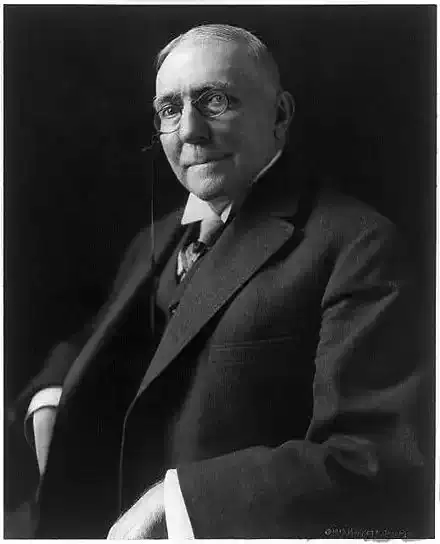
James Whitcomb Riley
The Legend Glorified
The Legend Glorified
'I deem that God is not disquieted'--
This in a mighty poet's rhymes I read;
And blazoned so forever doth abide
Within my soul the legend glorified.
Though awful tempests thunder overhead,
I deem that God is not disquieted,--
The faith that trembles somewhat yet is sure
Through storm and darkness of a way secure.
Bleak winters, when the naked spirit hears
The break of hearts, through stinging sleet of tears,
I deem that God is not disquieted;
Against all stresses am I clothed and fed.
Nay, even with fixed eyes and broken breath,
My feet dip down into the tides of death,
Nor any friend be left, nor prayer be said,
I deem that God is not disquieted.
'I deem that God is not disquieted'--
This in a mighty poet's rhymes I read;
And blazoned so forever doth abide
Within my soul the legend glorified.
Though awful tempests thunder overhead,
I deem that God is not disquieted,--
The faith that trembles somewhat yet is sure
Through storm and darkness of a way secure.
Bleak winters, when the naked spirit hears
The break of hearts, through stinging sleet of tears,
I deem that God is not disquieted;
Against all stresses am I clothed and fed.
Nay, even with fixed eyes and broken breath,
My feet dip down into the tides of death,
Nor any friend be left, nor prayer be said,
I deem that God is not disquieted.
264
James Whitcomb Riley
The Drum
The Drum
O the drum!
There is some
Intonation in thy grum
Monotony of utterance that strikes the spirit dumb,
As we hear
Through the clear
And unclouded atmosphere,
Thy palpitating syllables roll in upon the car!
There's a part
Of the art
Of thy music-throbbing heart
That thrills a something in us that awakens with a start,
And in rhyme
With the chime
And exactitude of time,
Goes marching on to glory to thy melody sublime.
And the guest
Of the breast
That thy rolling robs of rest
Is a patriotic spirit as a Continental dressed;
And he looms
From the glooms
Of a century of tombs,
And the blood he spilled at Lexington in living beauty blooms.
And his eyes
Wear the guise
Of a purpose pure and wise,
As the love of them is lifted to a something in the skies
That is bright
Red and white,
With a blur of starry light,
As it laughs in silken ripples to the breezes day and night.
There are deep
Hushes creep
O'er the pulses as they leap,
As thy tumult, fainter growing, on the silence falls asleep,
While the prayer
Rising there
Wills the sea and earth and air
As a heritage to Freedom's sons and daughters everywhere.
Then, with sound
As profound
As the thunderings resound,
Come thy wild reverberations in a throe that shakes the ground,
And a cry
Flung on high,
Like the flag it flutters by,
Wings rapturously upward till it nestles in the sky.
O the drum!
There is some
Intonation in thy grum
Monotony of utterance that strikes the spirit dumb,
As we hear
Through the clear
And unclouded atmosphere,
Thy palpitating syllables roll in upon the ear!
O the drum!
There is some
Intonation in thy grum
Monotony of utterance that strikes the spirit dumb,
As we hear
Through the clear
And unclouded atmosphere,
Thy palpitating syllables roll in upon the car!
There's a part
Of the art
Of thy music-throbbing heart
That thrills a something in us that awakens with a start,
And in rhyme
With the chime
And exactitude of time,
Goes marching on to glory to thy melody sublime.
And the guest
Of the breast
That thy rolling robs of rest
Is a patriotic spirit as a Continental dressed;
And he looms
From the glooms
Of a century of tombs,
And the blood he spilled at Lexington in living beauty blooms.
And his eyes
Wear the guise
Of a purpose pure and wise,
As the love of them is lifted to a something in the skies
That is bright
Red and white,
With a blur of starry light,
As it laughs in silken ripples to the breezes day and night.
There are deep
Hushes creep
O'er the pulses as they leap,
As thy tumult, fainter growing, on the silence falls asleep,
While the prayer
Rising there
Wills the sea and earth and air
As a heritage to Freedom's sons and daughters everywhere.
Then, with sound
As profound
As the thunderings resound,
Come thy wild reverberations in a throe that shakes the ground,
And a cry
Flung on high,
Like the flag it flutters by,
Wings rapturously upward till it nestles in the sky.
O the drum!
There is some
Intonation in thy grum
Monotony of utterance that strikes the spirit dumb,
As we hear
Through the clear
And unclouded atmosphere,
Thy palpitating syllables roll in upon the ear!
266
James Whitcomb Riley
The Chant Of The Cross-Bearing Child
The Chant Of The Cross-Bearing Child
I bear dis cross dis many a mile.
O de cross-bearin' chile--
De cross-bearin' chile!
I bear dis cross 'long many a road
Wha' de pink ain't bloom' an' de grass done mowed.
O de cross-bearin' chile--
De cross-bearin' chile!
Hits on my conscience all dese days
Fo' ter bear de cross ut de good Lord lays
On my po' soul, an' ter lif my praise.
O de cross-bearin' chile--
De cross-bearin' chile!
I 's nigh-'bout weak ez I mos' kin be,
Yit de Marstah call an' He say,--'You 's free
Fo' ter 'cept dis cross, an' ter cringe yo' knee
To no n'er man in de worl' but me!'
O de cross-bearin' chile--
De cross-bearin' chile!
Says you guess wrong, ef I let you guess--
Says you 'spec' mo', an'-a you git less:--
Says you go eas', says you go wes',
An' whense you fine de road ut you like bes'
You betteh take ch'ice er any er de res'!
O de cross-bearin' chile--
De cross-bearin' chile!
He build my feet, an' He fix de signs
Dat de shoe hit pinch an' de shoe hit bines
Ef I on'y w'ah eights an-a wanter w'ah nines;
I hone fo' de rain, an' de sun hit shines,
An' whilse I hunt de sun, hits de rain I fines.-O-
a trim my lamp, an-a gyrd my lines!
O de cross-bearin' chile--
De cross-bearin' chile!
I wade de wet, an' I walk de dry:
I done tromp long, an' I done clim high;
An' I pilgrim on ter de jasper sky,
An' I taken de resk fo' ter cas' my eye
Wha' de Gate swing wide an' de Lord draw nigh,
An' de Trump hit blow, an' I hear de cry,-'
You lay dat cross down by an' by!--
O de Cross-bearin' Chile--
Do Cross-bearin' Chile!'
I bear dis cross dis many a mile.
O de cross-bearin' chile--
De cross-bearin' chile!
I bear dis cross 'long many a road
Wha' de pink ain't bloom' an' de grass done mowed.
O de cross-bearin' chile--
De cross-bearin' chile!
Hits on my conscience all dese days
Fo' ter bear de cross ut de good Lord lays
On my po' soul, an' ter lif my praise.
O de cross-bearin' chile--
De cross-bearin' chile!
I 's nigh-'bout weak ez I mos' kin be,
Yit de Marstah call an' He say,--'You 's free
Fo' ter 'cept dis cross, an' ter cringe yo' knee
To no n'er man in de worl' but me!'
O de cross-bearin' chile--
De cross-bearin' chile!
Says you guess wrong, ef I let you guess--
Says you 'spec' mo', an'-a you git less:--
Says you go eas', says you go wes',
An' whense you fine de road ut you like bes'
You betteh take ch'ice er any er de res'!
O de cross-bearin' chile--
De cross-bearin' chile!
He build my feet, an' He fix de signs
Dat de shoe hit pinch an' de shoe hit bines
Ef I on'y w'ah eights an-a wanter w'ah nines;
I hone fo' de rain, an' de sun hit shines,
An' whilse I hunt de sun, hits de rain I fines.-O-
a trim my lamp, an-a gyrd my lines!
O de cross-bearin' chile--
De cross-bearin' chile!
I wade de wet, an' I walk de dry:
I done tromp long, an' I done clim high;
An' I pilgrim on ter de jasper sky,
An' I taken de resk fo' ter cas' my eye
Wha' de Gate swing wide an' de Lord draw nigh,
An' de Trump hit blow, an' I hear de cry,-'
You lay dat cross down by an' by!--
O de Cross-bearin' Chile--
Do Cross-bearin' Chile!'
229
James Whitcomb Riley
Grant At Rest-- August 8, 1885
Grant At Rest-- August 8, 1885
Sir Launcelot rode overthwart and endlong in a wide forest, and held no
path but as wild adventure led him... And he returned and came again to his
horse, and took off his saddle and his bridle, and let him pasture; and
unlaced his helm, and ungirdled his sword, and laid him down to sleep upon
his shield before the cross. --Age of Chivalary
_Grant_
What shall we say of the soldier. Grant,
His sword put by and his great soul free?
How shall we cheer him now or chant
His requiem befittingly?
The fields of his conquest now are seen
Ranged no more with his armed men--
But the rank and file of the gold and green
Of the waving grain is there again.
Though his valiant life is a nation's pride,
And his death heroic and half divine,
And our grief as great as the world is wide,
There breaks in speech but a single line--:
We loved him living, revere him dead--!
A silence then on our lips is laid:
We can say no thing that has not been said,
Nor pray one prayer that has not been prayed.
But a spirit within us speaks: and lo,
We lean and listen to wondrous words
That have a sound as of winds that blow,
And the voice of waters and low of herds;
And we hear, as the song flows on serene,
The neigh of horses, and then the beat
Of hooves that skurry o'er pastures green,
And the patter and pad of a boy's bare feet.
A brave lad, wearing a manly brow,
Knit as with problems of grave dispute,
And a face, like the bloom of the orchard bough,
Pink and pallid, but resolute;
And flushed it grows as the clover-bloom,
And fresh it gleams as the morning dew,
As he reins his steed where the quick quails boom
Up from the grasses he races through.
And ho! As he rides what dreams are his?
And what have the breezes to suggest--?
Do they whisper to him of shells that whiz
O'er fields made ruddy with wrongs redressed?
Does the hawk above him an Eagle float?
Does he thrill and his boyish heart beat high,
Hearing the ribbon about his throat
Flap as a Flag as the winds go by?
And does he dream of the Warrior's fame--
This Western boy in his rustic dress?
For in miniature, this is the man that came
Riding out of the Wilderness--!
The selfsame figure-- the knitted brow--
The eyes full steady-- the lips full mute--
And the face, like the bloom of the orchard bough,
Pink and pallid, but resolute.
Ay, this is the man, with features grim
And stoical as the Sphinx's own,
That heard the harsh guns calling him,
As musical as the bugle blown,
When the sweet spring heavens were clouded o'er
With a tempest, glowering and wild,
And our country's flag bowed down before
Its bursting wrath as a stricken child.
Thus, ready mounted and booted and spurred,
He loosed his bridle and dashed away--!
Like a roll of drums were his hoof-beats heard,
Like the shriek of the fife his charger's neigh!
And over his shoulder and backward blown,
We heard his voice, and we saw the sod
Reel, as our wild steeds chased his own
As though hurled on by the hand of God!
And still, in fancy, we see him ride
In the blood-red front of a hundred frays,
His face set stolid, but glorified
As a knight's of the old Arthurian days:
And victor ever as courtly too,
Gently lifting the vanquished foe,
And staying him with a hand as true
As dealt the deadly avenging blow.
So brighter than all of the cluster of stars
Of the flag enshrouding his form to-day,
His face shines forth from the grime of wars
With a glory that shall not pass away:
He rests at last: he has borne his part
Of salutes and salvos and cheers on cheers--
But O the sobs of his country's heart,
And the driving rain of a nations tears!
Sir Launcelot rode overthwart and endlong in a wide forest, and held no
path but as wild adventure led him... And he returned and came again to his
horse, and took off his saddle and his bridle, and let him pasture; and
unlaced his helm, and ungirdled his sword, and laid him down to sleep upon
his shield before the cross. --Age of Chivalary
_Grant_
What shall we say of the soldier. Grant,
His sword put by and his great soul free?
How shall we cheer him now or chant
His requiem befittingly?
The fields of his conquest now are seen
Ranged no more with his armed men--
But the rank and file of the gold and green
Of the waving grain is there again.
Though his valiant life is a nation's pride,
And his death heroic and half divine,
And our grief as great as the world is wide,
There breaks in speech but a single line--:
We loved him living, revere him dead--!
A silence then on our lips is laid:
We can say no thing that has not been said,
Nor pray one prayer that has not been prayed.
But a spirit within us speaks: and lo,
We lean and listen to wondrous words
That have a sound as of winds that blow,
And the voice of waters and low of herds;
And we hear, as the song flows on serene,
The neigh of horses, and then the beat
Of hooves that skurry o'er pastures green,
And the patter and pad of a boy's bare feet.
A brave lad, wearing a manly brow,
Knit as with problems of grave dispute,
And a face, like the bloom of the orchard bough,
Pink and pallid, but resolute;
And flushed it grows as the clover-bloom,
And fresh it gleams as the morning dew,
As he reins his steed where the quick quails boom
Up from the grasses he races through.
And ho! As he rides what dreams are his?
And what have the breezes to suggest--?
Do they whisper to him of shells that whiz
O'er fields made ruddy with wrongs redressed?
Does the hawk above him an Eagle float?
Does he thrill and his boyish heart beat high,
Hearing the ribbon about his throat
Flap as a Flag as the winds go by?
And does he dream of the Warrior's fame--
This Western boy in his rustic dress?
For in miniature, this is the man that came
Riding out of the Wilderness--!
The selfsame figure-- the knitted brow--
The eyes full steady-- the lips full mute--
And the face, like the bloom of the orchard bough,
Pink and pallid, but resolute.
Ay, this is the man, with features grim
And stoical as the Sphinx's own,
That heard the harsh guns calling him,
As musical as the bugle blown,
When the sweet spring heavens were clouded o'er
With a tempest, glowering and wild,
And our country's flag bowed down before
Its bursting wrath as a stricken child.
Thus, ready mounted and booted and spurred,
He loosed his bridle and dashed away--!
Like a roll of drums were his hoof-beats heard,
Like the shriek of the fife his charger's neigh!
And over his shoulder and backward blown,
We heard his voice, and we saw the sod
Reel, as our wild steeds chased his own
As though hurled on by the hand of God!
And still, in fancy, we see him ride
In the blood-red front of a hundred frays,
His face set stolid, but glorified
As a knight's of the old Arthurian days:
And victor ever as courtly too,
Gently lifting the vanquished foe,
And staying him with a hand as true
As dealt the deadly avenging blow.
So brighter than all of the cluster of stars
Of the flag enshrouding his form to-day,
His face shines forth from the grime of wars
With a glory that shall not pass away:
He rests at last: he has borne his part
Of salutes and salvos and cheers on cheers--
But O the sobs of his country's heart,
And the driving rain of a nations tears!
311
James Whitcomb Riley
A Song of the Road
A Song of the Road
O I will walk with you, my lad, whichever way you fare,
You'll have me, too, the side o' you, with heart as light as air;
No care for where the road you take's a-leadin' anywhere,--
It can but be a joyful ja'nt whilst you journey there.
The road you take's the path o' love, an' that's the bridth o' two--
An' I will walk with you, my lad -- O I will walk with you.
Ho! I will walk with you, my lad,
Be weather black or blue
Or roadsides frost or dew, my lad --
O I will walk with you.
Aye, glad, my lad, I'll walk with you, whatever winds may blow,
Or summer blossoms stay our steps, or blinding drifts of snow;
The way thay you set face an' foot 's the way that I will go,
An' brave I'll be, abreast o' ye, the Saints and Angels know!
With loyal hand in loyal hand, an' one heart made o' two,
Through summer's gold, or winter's cold, It's I will walk with you.
Sure, I will walk with you, my lad,
A love ordains me to,--
To Heaven's door, an' through, my lad.
O I will walk with you.
O I will walk with you, my lad, whichever way you fare,
You'll have me, too, the side o' you, with heart as light as air;
No care for where the road you take's a-leadin' anywhere,--
It can but be a joyful ja'nt whilst you journey there.
The road you take's the path o' love, an' that's the bridth o' two--
An' I will walk with you, my lad -- O I will walk with you.
Ho! I will walk with you, my lad,
Be weather black or blue
Or roadsides frost or dew, my lad --
O I will walk with you.
Aye, glad, my lad, I'll walk with you, whatever winds may blow,
Or summer blossoms stay our steps, or blinding drifts of snow;
The way thay you set face an' foot 's the way that I will go,
An' brave I'll be, abreast o' ye, the Saints and Angels know!
With loyal hand in loyal hand, an' one heart made o' two,
Through summer's gold, or winter's cold, It's I will walk with you.
Sure, I will walk with you, my lad,
A love ordains me to,--
To Heaven's door, an' through, my lad.
O I will walk with you.
273
Horácio
BkIV:XIV Drusus and Tiberius
BkIV:XIV Drusus and Tiberius
What care the Citizens and the Senators
shall take in immortalising your virtues,
granting you full honours, Augustus,
with titles and memorial plaques, O,
greatest of princes, wherever the sun shines
over the countries where people can live, you,
whose power in war the Vindelici
free of our Roman laws, till now, have learnt.
For, with your army, brave Drusus, demolished
the Genauni, that implacable race, in more
direct retaliation, the swift
Breuni, and their defences, established
on the formidable Alpine heights: and soon
Tiberius, the elder Nero, entered
that fierce fight, with his favourable
omens, defeating the wild Rhaetians:
it was wonderful to see with what destruction,
in contesting the war, he exhausted those minds
intent on the deaths of our freemen,
as the south wind, almost, when it troubles
the ungovernable waves, while the Pleiades’
constellation pierces the clouds, he was eager
to attack the hostile ranks, and drive
his neighing horse through the midst of their fire.
As, bull-like, the Aufidus rolls on, flowing
by the domains of Apulian Daunus,
when it rages and threatens fearful
destruction to their cultivated fields,
so Tiberius overwhelmed the armoured
ranks of barbarians, his fierce impetus
covering the earth, mowing down front
and rear, and conquering them without loss,
yours the troops, the strategy and the friendly
gods. For on that date when Alexandria
opened all its harbour, and empty
palaces to you, in supplication,
good Fortune, fifteen years later, delivered
a favourable outcome to the campaign,
and awarded fame, and the glory
hoped-for, to your imperial action.
The Spaniards, never conquered before, the Medes,
the Indians, marvel at you, the roving
Scythians, O eager protector
of Italy and Imperial Rome.
The Nile, that conceals its origin, hears you,
the Danube hears, and the swift-flowing Tigris,
the Ocean, filled with monsters, roaring
around the distant island of Britain,
and the regions of Gaul, unafraid of death,
and the stubborn Iberian land, hear you:
Sygambri, delighting in slaughter,
stand, with grounded weapons, worshipping you.
What care the Citizens and the Senators
shall take in immortalising your virtues,
granting you full honours, Augustus,
with titles and memorial plaques, O,
greatest of princes, wherever the sun shines
over the countries where people can live, you,
whose power in war the Vindelici
free of our Roman laws, till now, have learnt.
For, with your army, brave Drusus, demolished
the Genauni, that implacable race, in more
direct retaliation, the swift
Breuni, and their defences, established
on the formidable Alpine heights: and soon
Tiberius, the elder Nero, entered
that fierce fight, with his favourable
omens, defeating the wild Rhaetians:
it was wonderful to see with what destruction,
in contesting the war, he exhausted those minds
intent on the deaths of our freemen,
as the south wind, almost, when it troubles
the ungovernable waves, while the Pleiades’
constellation pierces the clouds, he was eager
to attack the hostile ranks, and drive
his neighing horse through the midst of their fire.
As, bull-like, the Aufidus rolls on, flowing
by the domains of Apulian Daunus,
when it rages and threatens fearful
destruction to their cultivated fields,
so Tiberius overwhelmed the armoured
ranks of barbarians, his fierce impetus
covering the earth, mowing down front
and rear, and conquering them without loss,
yours the troops, the strategy and the friendly
gods. For on that date when Alexandria
opened all its harbour, and empty
palaces to you, in supplication,
good Fortune, fifteen years later, delivered
a favourable outcome to the campaign,
and awarded fame, and the glory
hoped-for, to your imperial action.
The Spaniards, never conquered before, the Medes,
the Indians, marvel at you, the roving
Scythians, O eager protector
of Italy and Imperial Rome.
The Nile, that conceals its origin, hears you,
the Danube hears, and the swift-flowing Tigris,
the Ocean, filled with monsters, roaring
around the distant island of Britain,
and the regions of Gaul, unafraid of death,
and the stubborn Iberian land, hear you:
Sygambri, delighting in slaughter,
stand, with grounded weapons, worshipping you.
228
Horácio
BkIV:IV Drusus and the Claudians
BkIV:IV Drusus and the Claudians
Like the winged agent of the bright lightning-bolt,
to whom Jove granted power over wandering
birds, once the divine king had found him
faithful in snatching blond Ganymede:
youth and his native vigour first launching him
fresh to his labours, out from the nest: spring winds,
despite his fears, when the storms were past,
teaching him, then, unaccustomed effort:
now with a fierce, hostile assault sweeping down
on the sheepfold, and love of spoils, and the fight,
hurling him at writhing snakes: or like
a lion-cub newly weaned from rich milk
and its tawny mother, seeing a roe deer
intent on its browsing, that’s fated to die
in his inexperienced jaws, such
was Drusus, as the Vindelici found
waging war beneath the Rhaetian Alps:
(where the custom’s derived from that, as long as
is known, has forced them to arm themselves,
clutch, in their right hands, Amazonian
battle-axes, I’ve not tried to ascertain,
it’s not right to know everything) but those hordes,
triumphant everywhere, for so long,
were conquered by the young man’s strategies:
they came to realise what mind, and character
nurtured, with care, in a fortunate household,
by Augustus’ fatherly feelings
towards his stepsons, the Neros, could do.
By the brave and good, are the brave created:
their sire’s virtues exist in horses and men,
while the ferocious golden eagles
don’t produce shy doves, but education
improves inborn qualities, and its proper
cultivation strengthens the mind: whenever
moral behaviour falls short, its faults
dishonour whatever was good at birth.
The Metaurus river’s a witness, O Rome
to what you owe to the Neros, so too is
defeated Hasdrubal, and that day
as sweet, when the shadows fled Latium,
the first day to smile in its kindly glory,
since dread Hannibal rode through Italy’s
cities, a fire among the pine-trees,
or an East wind on Sicilian seas.
And after that, through favourable efforts,
the Roman youth grew in stature, and the shrines
destroyed by Carthaginians’
impious uproar, had their gods restored.
At last that treacherous Hannibal proclaimed:
‘Of our own will, like deer who become the prey
of ravening wolves, we’re chasing those
whom it’s a triumph to flee and evade.
Their race, still strong despite the burning of Troy,
brought their children, sacred icons, and aged
fathers, tossed about on Tuscan seas,
to the towns of Italy, as some oak,
rich in its dark leaves, high on Mount Algidus,
trimmed back by the double-bladed axe, draws strength
and life, despite loss and destruction,
from the very steel itself. The Hydra,
as its body was lopped, grew no mightier,
in grief at being conquered by Hercules,
nor was any greater monster reared
by Colchis or Echionian Thebes.
Drowned in the deep, it emerges lovelier:
contend, it defeats the freshest opponent,
with great glory, and wages wars
that the housewives will tell of in story.
I’ll send no more proud messages to Carthage:
every hope of mine is ended, and ended
the fortunes of all my family,
since my brother Hasdrubal’s destruction.
There’s nothing that Claudian power can’t achieve,
protected by Jove, protected by the god’s
authority, power for which shrewd minds
clear the way through the harsh dangers of war.’
Like the winged agent of the bright lightning-bolt,
to whom Jove granted power over wandering
birds, once the divine king had found him
faithful in snatching blond Ganymede:
youth and his native vigour first launching him
fresh to his labours, out from the nest: spring winds,
despite his fears, when the storms were past,
teaching him, then, unaccustomed effort:
now with a fierce, hostile assault sweeping down
on the sheepfold, and love of spoils, and the fight,
hurling him at writhing snakes: or like
a lion-cub newly weaned from rich milk
and its tawny mother, seeing a roe deer
intent on its browsing, that’s fated to die
in his inexperienced jaws, such
was Drusus, as the Vindelici found
waging war beneath the Rhaetian Alps:
(where the custom’s derived from that, as long as
is known, has forced them to arm themselves,
clutch, in their right hands, Amazonian
battle-axes, I’ve not tried to ascertain,
it’s not right to know everything) but those hordes,
triumphant everywhere, for so long,
were conquered by the young man’s strategies:
they came to realise what mind, and character
nurtured, with care, in a fortunate household,
by Augustus’ fatherly feelings
towards his stepsons, the Neros, could do.
By the brave and good, are the brave created:
their sire’s virtues exist in horses and men,
while the ferocious golden eagles
don’t produce shy doves, but education
improves inborn qualities, and its proper
cultivation strengthens the mind: whenever
moral behaviour falls short, its faults
dishonour whatever was good at birth.
The Metaurus river’s a witness, O Rome
to what you owe to the Neros, so too is
defeated Hasdrubal, and that day
as sweet, when the shadows fled Latium,
the first day to smile in its kindly glory,
since dread Hannibal rode through Italy’s
cities, a fire among the pine-trees,
or an East wind on Sicilian seas.
And after that, through favourable efforts,
the Roman youth grew in stature, and the shrines
destroyed by Carthaginians’
impious uproar, had their gods restored.
At last that treacherous Hannibal proclaimed:
‘Of our own will, like deer who become the prey
of ravening wolves, we’re chasing those
whom it’s a triumph to flee and evade.
Their race, still strong despite the burning of Troy,
brought their children, sacred icons, and aged
fathers, tossed about on Tuscan seas,
to the towns of Italy, as some oak,
rich in its dark leaves, high on Mount Algidus,
trimmed back by the double-bladed axe, draws strength
and life, despite loss and destruction,
from the very steel itself. The Hydra,
as its body was lopped, grew no mightier,
in grief at being conquered by Hercules,
nor was any greater monster reared
by Colchis or Echionian Thebes.
Drowned in the deep, it emerges lovelier:
contend, it defeats the freshest opponent,
with great glory, and wages wars
that the housewives will tell of in story.
I’ll send no more proud messages to Carthage:
every hope of mine is ended, and ended
the fortunes of all my family,
since my brother Hasdrubal’s destruction.
There’s nothing that Claudian power can’t achieve,
protected by Jove, protected by the god’s
authority, power for which shrewd minds
clear the way through the harsh dangers of war.’
216