

Poems in this theme
Consciousness and Self-Knowledge
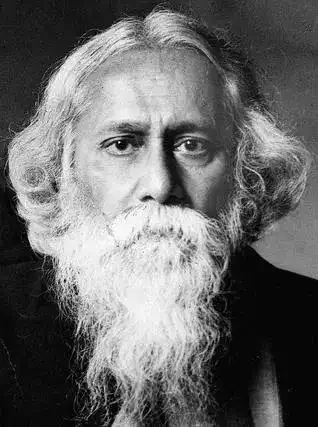
Rabindranath Tagore
Senses
Senses
Deliverance is not for me in renunciation.
I feel the embrace of freedom in a thousand bonds of delight.
Thou ever pourest for me the fresh draught of thy wine of various
colours and fragrance, filling this earthen vessel to the brim.
My world will light its hundred different lamps with thy flame
and place them before the altar of thy temple.
No, I will never shut the doors of my senses.
The delights of sight and hearing and touch will bear thy delight.
Yes, all my illusions will burn into illumination of joy,
and all my desires ripen into fruits of love.
Deliverance is not for me in renunciation.
I feel the embrace of freedom in a thousand bonds of delight.
Thou ever pourest for me the fresh draught of thy wine of various
colours and fragrance, filling this earthen vessel to the brim.
My world will light its hundred different lamps with thy flame
and place them before the altar of thy temple.
No, I will never shut the doors of my senses.
The delights of sight and hearing and touch will bear thy delight.
Yes, all my illusions will burn into illumination of joy,
and all my desires ripen into fruits of love.
471
Rabindranath Tagore
Prisoner
Prisoner
`Prisoner, tell me, who was it that bound you?'
`It was my master,' said the prisoner.
`I thought I could outdo everybody in the world in wealth and power,
and I amassed in my own treasure-house the money due to my king.
When sleep overcame me I lay upon the bed that was for my lord,
and on waking up I found I was a prisoner in my own treasure-house.'
`Prisoner, tell me, who was it that wrought this unbreakable chain?'
`It was I,' said the prisoner, `who forged this chain very carefully.
I thought my invincible power would hold the world captive
leaving me in a freedom undisturbed.
Thus night and day I worked at the chain
with huge fires and cruel hard strokes.
When at last the work was done
and the links were complete and unbreakable,
I found that it held me in its grip.'
`Prisoner, tell me, who was it that bound you?'
`It was my master,' said the prisoner.
`I thought I could outdo everybody in the world in wealth and power,
and I amassed in my own treasure-house the money due to my king.
When sleep overcame me I lay upon the bed that was for my lord,
and on waking up I found I was a prisoner in my own treasure-house.'
`Prisoner, tell me, who was it that wrought this unbreakable chain?'
`It was I,' said the prisoner, `who forged this chain very carefully.
I thought my invincible power would hold the world captive
leaving me in a freedom undisturbed.
Thus night and day I worked at the chain
with huge fires and cruel hard strokes.
When at last the work was done
and the links were complete and unbreakable,
I found that it held me in its grip.'
588
Rabindranath Tagore
Maya
Maya
That I should make much of myself and turn it on all sides,
thus casting colored shadows on thy radiance
---such is thy Maya.
Thou settest a barrier in thine own being
and then callest thy severed self in myriad notes.
This thy self-separation has taken body in me.
The poignant song is echoed through all the sky in many-coloued tears
and smiles, alarms and hopes; waves rise up and sink again,
dreams break and form.
In me is thy own defeat of self.
This screen that thou hast raised is painted with innumerable figures
with the brush of the night and the day.
Behind it thy seat is woven in wondrous mysteries of curves,
casting away all barren lines of straightness.
The great pageant of thee and me has overspread the sky.
With the tune of thee and me all the air is vibrant,
and all ages pass with the hiding and seeking of thee and me.
That I should make much of myself and turn it on all sides,
thus casting colored shadows on thy radiance
---such is thy Maya.
Thou settest a barrier in thine own being
and then callest thy severed self in myriad notes.
This thy self-separation has taken body in me.
The poignant song is echoed through all the sky in many-coloued tears
and smiles, alarms and hopes; waves rise up and sink again,
dreams break and form.
In me is thy own defeat of self.
This screen that thou hast raised is painted with innumerable figures
with the brush of the night and the day.
Behind it thy seat is woven in wondrous mysteries of curves,
casting away all barren lines of straightness.
The great pageant of thee and me has overspread the sky.
With the tune of thee and me all the air is vibrant,
and all ages pass with the hiding and seeking of thee and me.
499
Rabindranath Tagore
Dungeon
Dungeon
He whom I enclose with my name is weeping in this dungeon.
I am ever busy building this wall all around; and as this wall goes up into
the sky day by day I lose sight of my true being in its dark shadow.
I take pride in this great wall, and I plaster it with dust and sand
lest a least hole should be left in this name;
and for all the care I take I lose sight of my true being.
He whom I enclose with my name is weeping in this dungeon.
I am ever busy building this wall all around; and as this wall goes up into
the sky day by day I lose sight of my true being in its dark shadow.
I take pride in this great wall, and I plaster it with dust and sand
lest a least hole should be left in this name;
and for all the care I take I lose sight of my true being.
627
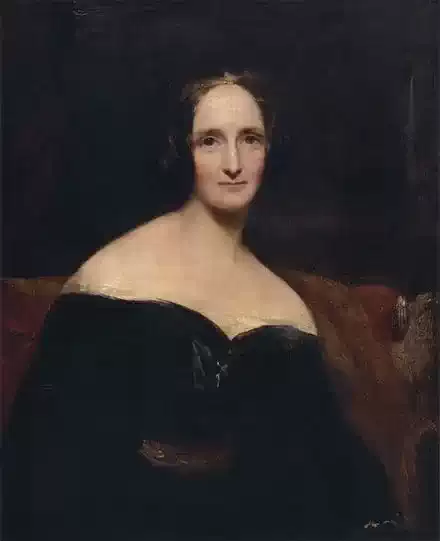
Percy Bysshe Shelley
Mont Blanc
Mont Blanc
(Lines written in the Vale of Chamouni)
The everlasting universe of things
Flows through the mind, and rolls its rapid waves,
Now dark - now glittering - now reflecting gloom -
Now lending splendor, where from secret springs
The source of human thought its tribute brings
Of waters, - with a sound but half its own,
Such as a feeble brook will oft assume
In the wild woods, amon the mountains lone,
Where waterfalls around it leap for ever,
Where woods and winds contend, and a vast river
Over its rocks ceaselessly bursts and raves.
Thus thou, Ravine of Arve - dark, deep Ravine-
Thou many-colored, many voiced vale,
Over whose pines, and crags, and caverns sail
Fast cloud-shadows and sunbeams: awful scene,
Where Power in likeness of the Arve comes down
From the ice-gulfs that gird his secret throne,
Bursting through these dark mountains like the flame
Of lightning through the tempest; -thou dost lie,
Thy giant brood of pines around thee clinging,
Children of elder time, in whose devotion
The chainless winds still come and ever came
To drink their odors, and their mighty swinging
To hear - an old and solemn harmony;
Thine earthly rainbows stretched across the sweep
Of the ethereal waterfall, whose veil
Robes some unsculptured image; the strange sleep
Which when the voices of the desert fail
Wraps all in its own deep eternity;-
Thy caverns echoing to the Arve's commotion,
A loud, lone sound no other sound can tame;
Thou art pervaded with that ceaseless motion,
Thou art the path of that unresting sound-
Dizzy Ravine! and when I gaze on thee
I seem as in a trance sublime and strange
To muse on my own separate fantasy,
My own, my human mind, which passively
Now renders and receives fast influencings,
Holding an unremitting interchange
With the clear universe of things around;
One legion of wild thoughts, whose wandering wings
Now float above thy darkness, and now rest
Where that or thou art no unbidden guest,
In the still cave of the witch Poesy,
Seeking among the shadows that pass by
Ghosts of all things that are, some shade of thee,
Some phantom, some faint image; till the breast
From which they fled recalls them, thou art there!
Some say that gleams of a remoter world
Visit the soul in sleep,-that death is slumber,
And that its shapes the busy thoughts outnumber
Of those who wake and live. -I look on high;
Has some unknown omnipotence unfurled
The veil of life and death? or do I lie
In dream, and does the mightier world of sleep
Spread far and round and inaccessibly
Its circles? For the very spirit fails,
Driven like a homeless cloud from steep to steep
That vanishes amon the viewless gales!
Far, far above, piercing the infinite sky,
Mont Blanc appears,-still snowy and serene-
Its subject mountains their unearthly forms
Pile around it, ice and rock; broad vales between
Of frozen floods, unfathomable deeps,
Blue as the overhanging heaven, that spread
And wind among the accumulated steeps;
A desert peopled by the storms alone,
Save when the eagle brings some hunter's bone,
And the wolf tracks her there - how hideously
Its shapes are heaped around! rude, bare, and high,
Ghastly, and scarred, and riven. -Is this the scene
Where the old Earthquake-demon taught her young
Ruin? Were these their toys? or did a sea
Of fire envelop once this silent snow?
None can reply - all seems eternal now.
The wilderness has a mysterious tongue
Which teaches awful doubt, or faith so mild,
So solemn, so serene, that man may be,
But for such faith, with nature reconciled;
Thou hast a voice, great Mountain, to repeal
Large codes of fraud and woe; not understood
By all, but which the wise, and great, and good
Interpret, or make felt, or deeply feel.
The fields, the lakes, the forests, and the streams,
Ocean, and all the living things that dwell
Within the daedal earth; lightning, and rain,
Earthquake, and fiery flood, and hurricane,
The torpor of the year when feeble dreams
Visit the hidden buds, or dreamless sleep
Holds every future leaf and flower; -the bound
With which from that detested trance they leap;
The works and ways of man, their death and birth,
And that of him, and all that his may be;
All things that move and breathe with toil and sound
Are born and die; revolve, subside, and swell.
Power dwells apart in its tranquility,
Remote, serene, and inaccessible:
And this, the naked countenance of earth,
On which I gaze, even these primeval mountains
Teach the adverting mind. The glaciers creep
Like snakes that watch their prey, from their far fountains,
Slow rolling on; there, many a precipice,
Frost and the Sun in scorn of mortal power
Have piled: dome, pyramid, and pinnacle,
A city of death, distinct with many a tower
And wall impregnable of beaming ice.
Yet not a city, but a flood of ruin
Is there, that from the boundaries of the sky
Rolls its perpetual stream; vast pines are strewing
Its destined path, or in the mangled soil
Branchless and shattered stand; the rocks, drawn down
From yon remotest waste, have overthrown
The limits of the dead and living world,
Never to be reclaimed. The dwelling-place
Of insects, beasts, and birds, becomes its spoil
Their food and their retreat for ever gone,
So much of life and joy is lost. The race
Of man flies far in dread; his work and dwelling
Vanish, like smoke before the tempest's stream,
And their place is not known. Below, vast caves
Shine in the rushing torrents' restless gleam,
Which from those secret chasms in tumult welling
Meet in the vale, and one majestic River,
The breath and blood of distant lands , for ever
Rolls its loud waters to the ocean-waves,
Breathes its swift vapors to the circling air.
Mont Blanc yet gleams on high:-the power is there,
The still and solemn power of many sights,
And many sounds, and much of life and death.
In the calm darkness of the moonless nights,
In the lone glare of day, the snows descend
Upon that mountain; none beholds them there,
Nor when the flakes burn in the sinking sun,
Or the star-beams dart through them:-Winds contend
Silently there, and heap the snow with breath
Rapid and strong, but silently! Its home
The voiceless lightning in these solitudes
Keeps innocently, and like vapor broods
Over the snow. The secret Strength of things
Which governs thought, and to the infinite dome
Of Heaven is as a law, inhabits thee!
And what were thou, and earth, and stars, and sea,
If to the human mind's imaginings
Silence and solitude were vacancy?
(Lines written in the Vale of Chamouni)
The everlasting universe of things
Flows through the mind, and rolls its rapid waves,
Now dark - now glittering - now reflecting gloom -
Now lending splendor, where from secret springs
The source of human thought its tribute brings
Of waters, - with a sound but half its own,
Such as a feeble brook will oft assume
In the wild woods, amon the mountains lone,
Where waterfalls around it leap for ever,
Where woods and winds contend, and a vast river
Over its rocks ceaselessly bursts and raves.
Thus thou, Ravine of Arve - dark, deep Ravine-
Thou many-colored, many voiced vale,
Over whose pines, and crags, and caverns sail
Fast cloud-shadows and sunbeams: awful scene,
Where Power in likeness of the Arve comes down
From the ice-gulfs that gird his secret throne,
Bursting through these dark mountains like the flame
Of lightning through the tempest; -thou dost lie,
Thy giant brood of pines around thee clinging,
Children of elder time, in whose devotion
The chainless winds still come and ever came
To drink their odors, and their mighty swinging
To hear - an old and solemn harmony;
Thine earthly rainbows stretched across the sweep
Of the ethereal waterfall, whose veil
Robes some unsculptured image; the strange sleep
Which when the voices of the desert fail
Wraps all in its own deep eternity;-
Thy caverns echoing to the Arve's commotion,
A loud, lone sound no other sound can tame;
Thou art pervaded with that ceaseless motion,
Thou art the path of that unresting sound-
Dizzy Ravine! and when I gaze on thee
I seem as in a trance sublime and strange
To muse on my own separate fantasy,
My own, my human mind, which passively
Now renders and receives fast influencings,
Holding an unremitting interchange
With the clear universe of things around;
One legion of wild thoughts, whose wandering wings
Now float above thy darkness, and now rest
Where that or thou art no unbidden guest,
In the still cave of the witch Poesy,
Seeking among the shadows that pass by
Ghosts of all things that are, some shade of thee,
Some phantom, some faint image; till the breast
From which they fled recalls them, thou art there!
Some say that gleams of a remoter world
Visit the soul in sleep,-that death is slumber,
And that its shapes the busy thoughts outnumber
Of those who wake and live. -I look on high;
Has some unknown omnipotence unfurled
The veil of life and death? or do I lie
In dream, and does the mightier world of sleep
Spread far and round and inaccessibly
Its circles? For the very spirit fails,
Driven like a homeless cloud from steep to steep
That vanishes amon the viewless gales!
Far, far above, piercing the infinite sky,
Mont Blanc appears,-still snowy and serene-
Its subject mountains their unearthly forms
Pile around it, ice and rock; broad vales between
Of frozen floods, unfathomable deeps,
Blue as the overhanging heaven, that spread
And wind among the accumulated steeps;
A desert peopled by the storms alone,
Save when the eagle brings some hunter's bone,
And the wolf tracks her there - how hideously
Its shapes are heaped around! rude, bare, and high,
Ghastly, and scarred, and riven. -Is this the scene
Where the old Earthquake-demon taught her young
Ruin? Were these their toys? or did a sea
Of fire envelop once this silent snow?
None can reply - all seems eternal now.
The wilderness has a mysterious tongue
Which teaches awful doubt, or faith so mild,
So solemn, so serene, that man may be,
But for such faith, with nature reconciled;
Thou hast a voice, great Mountain, to repeal
Large codes of fraud and woe; not understood
By all, but which the wise, and great, and good
Interpret, or make felt, or deeply feel.
The fields, the lakes, the forests, and the streams,
Ocean, and all the living things that dwell
Within the daedal earth; lightning, and rain,
Earthquake, and fiery flood, and hurricane,
The torpor of the year when feeble dreams
Visit the hidden buds, or dreamless sleep
Holds every future leaf and flower; -the bound
With which from that detested trance they leap;
The works and ways of man, their death and birth,
And that of him, and all that his may be;
All things that move and breathe with toil and sound
Are born and die; revolve, subside, and swell.
Power dwells apart in its tranquility,
Remote, serene, and inaccessible:
And this, the naked countenance of earth,
On which I gaze, even these primeval mountains
Teach the adverting mind. The glaciers creep
Like snakes that watch their prey, from their far fountains,
Slow rolling on; there, many a precipice,
Frost and the Sun in scorn of mortal power
Have piled: dome, pyramid, and pinnacle,
A city of death, distinct with many a tower
And wall impregnable of beaming ice.
Yet not a city, but a flood of ruin
Is there, that from the boundaries of the sky
Rolls its perpetual stream; vast pines are strewing
Its destined path, or in the mangled soil
Branchless and shattered stand; the rocks, drawn down
From yon remotest waste, have overthrown
The limits of the dead and living world,
Never to be reclaimed. The dwelling-place
Of insects, beasts, and birds, becomes its spoil
Their food and their retreat for ever gone,
So much of life and joy is lost. The race
Of man flies far in dread; his work and dwelling
Vanish, like smoke before the tempest's stream,
And their place is not known. Below, vast caves
Shine in the rushing torrents' restless gleam,
Which from those secret chasms in tumult welling
Meet in the vale, and one majestic River,
The breath and blood of distant lands , for ever
Rolls its loud waters to the ocean-waves,
Breathes its swift vapors to the circling air.
Mont Blanc yet gleams on high:-the power is there,
The still and solemn power of many sights,
And many sounds, and much of life and death.
In the calm darkness of the moonless nights,
In the lone glare of day, the snows descend
Upon that mountain; none beholds them there,
Nor when the flakes burn in the sinking sun,
Or the star-beams dart through them:-Winds contend
Silently there, and heap the snow with breath
Rapid and strong, but silently! Its home
The voiceless lightning in these solitudes
Keeps innocently, and like vapor broods
Over the snow. The secret Strength of things
Which governs thought, and to the infinite dome
Of Heaven is as a law, inhabits thee!
And what were thou, and earth, and stars, and sea,
If to the human mind's imaginings
Silence and solitude were vacancy?
622
Percy Bysshe Shelley
Lift Not The Painted Veil Which Those Who Live
Lift Not The Painted Veil Which Those Who Live
Lift not the painted veil which those who live
Call Life: though unreal shapes be pictured there,
And it but mimic all we would believe
With colours idly spread,--behind, lurk Fear
And Hope, twin Destinies; who ever weave
Their shadows, o'er the chasm, sightless and drear.
I knew one who had lifted it--he sought,
For his lost heart was tender, things to love,
But found them not, alas! nor was there aught
The world contains, the which he could approve.
Through the unheeding many he did move,
A splendour among shadows, a bright blot
Upon this gloomy scene, a Spirit that strove
For truth, and like the Preacher found it not.
Lift not the painted veil which those who live
Call Life: though unreal shapes be pictured there,
And it but mimic all we would believe
With colours idly spread,--behind, lurk Fear
And Hope, twin Destinies; who ever weave
Their shadows, o'er the chasm, sightless and drear.
I knew one who had lifted it--he sought,
For his lost heart was tender, things to love,
But found them not, alas! nor was there aught
The world contains, the which he could approve.
Through the unheeding many he did move,
A splendour among shadows, a bright blot
Upon this gloomy scene, a Spirit that strove
For truth, and like the Preacher found it not.
471
Percy Bysshe Shelley
Art Thou Pale For Weariness
Art Thou Pale For Weariness
Art thou pale for weariness
Of climbing heaven and gazing on the earth,
Wandering companionless
Among the stars that have a different birth,
And ever changing, like a joyless eye
That finds no object worth its constancy?
Art thou pale for weariness
Of climbing heaven and gazing on the earth,
Wandering companionless
Among the stars that have a different birth,
And ever changing, like a joyless eye
That finds no object worth its constancy?
508

Paul Laurence Dunbar
We Wear the Mask
We Wear the Mask
We wear the mask that grins and lies,
It hides our cheeks and shades our eyes,--
This debt we pay to human guile;
With torn and bleeding hearts we smile,
And mouth with myriad subtleties.
Why should the world be overwise,
In counting all our tears and sighs?
Nay, let them only see us, while
We wear the mask.
We smile, but, O great Christ, our cries
To thee from tortured souls arise.
We sing, but oh the clay is vile
Beneath our feet, and long the mile;
But let the world dream otherwise,
We wear the mask!
We wear the mask that grins and lies,
It hides our cheeks and shades our eyes,--
This debt we pay to human guile;
With torn and bleeding hearts we smile,
And mouth with myriad subtleties.
Why should the world be overwise,
In counting all our tears and sighs?
Nay, let them only see us, while
We wear the mask.
We smile, but, O great Christ, our cries
To thee from tortured souls arise.
We sing, but oh the clay is vile
Beneath our feet, and long the mile;
But let the world dream otherwise,
We wear the mask!
645
Paul Laurence Dunbar
Accountability
Accountability
FOLKS ain't got no right to censuah othah folks about dey habits;
Him dat giv' de squir'ls de bushtails made de bobtails fu' de rabbits.
Him dat built de gread big mountains hollered out de little valleys,
Him dat made de streets an' driveways wasn't shamed to make de alleys.
We is all constructed diff'ent, d'ain't no two of us de same;
We cain't he'p ouah likes an' dislikes, ef we'se bad we ain't to blame.
Ef we'se good, we need n't show off, case you bet it ain't ouah doin'
We gits into su'ttain channels dat we jes' cain't he'p pu'suin'.
But we all fits into places dat no othah ones could fill,
An' we does the things we has to, big er little, good er ill.
John cain't tek de place o' Henry, Su an' Sally ain't alike;
Bass ain't nuthin' like a suckah, chub ain't nuthin' like a pike.
When you come to think about it, how it's all planned out it's splendid.
Nuthin's done er evah happens, 'dout hit's somefin' dat's intended;
Don't keer whut you does, you has to, an' hit sholy beats de dickens,--
Viney, go put on de kittle, I got one o' mastah's chickens.
FOLKS ain't got no right to censuah othah folks about dey habits;
Him dat giv' de squir'ls de bushtails made de bobtails fu' de rabbits.
Him dat built de gread big mountains hollered out de little valleys,
Him dat made de streets an' driveways wasn't shamed to make de alleys.
We is all constructed diff'ent, d'ain't no two of us de same;
We cain't he'p ouah likes an' dislikes, ef we'se bad we ain't to blame.
Ef we'se good, we need n't show off, case you bet it ain't ouah doin'
We gits into su'ttain channels dat we jes' cain't he'p pu'suin'.
But we all fits into places dat no othah ones could fill,
An' we does the things we has to, big er little, good er ill.
John cain't tek de place o' Henry, Su an' Sally ain't alike;
Bass ain't nuthin' like a suckah, chub ain't nuthin' like a pike.
When you come to think about it, how it's all planned out it's splendid.
Nuthin's done er evah happens, 'dout hit's somefin' dat's intended;
Don't keer whut you does, you has to, an' hit sholy beats de dickens,--
Viney, go put on de kittle, I got one o' mastah's chickens.
472
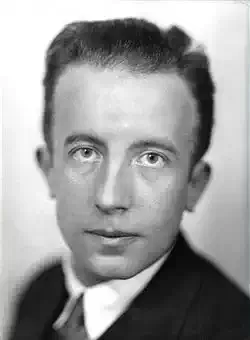
Paul Éluard
The Nakedness of Truth (I know it well)
The Nakedness of Truth (I know it well)
Despair has no wings,
Nor has love,
No countenance:
They do not speak.
I do not stir,
I do not behold them,
I do not speak to them,
But I am as real as my love and my despair.
Despair has no wings,
Nor has love,
No countenance:
They do not speak.
I do not stir,
I do not behold them,
I do not speak to them,
But I am as real as my love and my despair.
288
Paul Éluard
I Cannot be Known
I Cannot be Known
I cannot be known
Better than you know me
Your eyes in which we sleep
We together
Have made for my man's gleam
A better fate than for the common nights
Your eyes in which I travel
Have given to signs along the roads
A meaning alien to the earth
In your eyes who reveal to us
Our endless solitude
Are no longer what they thought themselves to be
You cannot be known
Better than I know you.
I cannot be known
Better than you know me
Your eyes in which we sleep
We together
Have made for my man's gleam
A better fate than for the common nights
Your eyes in which I travel
Have given to signs along the roads
A meaning alien to the earth
In your eyes who reveal to us
Our endless solitude
Are no longer what they thought themselves to be
You cannot be known
Better than I know you.
372
Paul Éluard
At the Window
At the Window
I have not always had this certainty, this pessimism which reassures the best among
us. There was
a time when my friends laughed at me. I was not the master of my words. A certain
indifference, I
have not always known well what I wanted to say, but most often it was because I had
nothing to
say. The necessity of speaking and the desire not to be heard. My life hanging only by
a thread.
There was a time when I seemed to understand nothing. My chains floated on the
water.
All my desires are born of my dreams. And I have proven my love with words. To what
fantastic
creatures have I entrusted myself, in what dolorous and ravishing world has my
imagination
enclosed me? I am sure of having been loved in the most mysterious of domains, my
own. The
language of my love does not belong to human language, my human body does not
touch the flesh
of my love. My amorous imagination has always been constant and high enough so
that nothing
could attempt to convince me of error.
I have not always had this certainty, this pessimism which reassures the best among
us. There was
a time when my friends laughed at me. I was not the master of my words. A certain
indifference, I
have not always known well what I wanted to say, but most often it was because I had
nothing to
say. The necessity of speaking and the desire not to be heard. My life hanging only by
a thread.
There was a time when I seemed to understand nothing. My chains floated on the
water.
All my desires are born of my dreams. And I have proven my love with words. To what
fantastic
creatures have I entrusted myself, in what dolorous and ravishing world has my
imagination
enclosed me? I am sure of having been loved in the most mysterious of domains, my
own. The
language of my love does not belong to human language, my human body does not
touch the flesh
of my love. My amorous imagination has always been constant and high enough so
that nothing
could attempt to convince me of error.
374
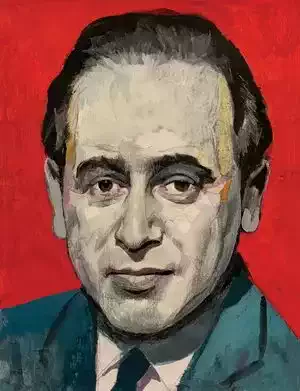
Paul Celan
With Every Thought
With Every Thought
With every Thought I went
out of the World: there you were,
you my Gentle One, you my Open One, and –
you received us.
Who
says that for us everything died,
that for us there the Eye broke?
Everything woke, all things began.
Vast, a Sun came swimming by, bright
a Soul and a Soul engaged, clear,
masterfully made a silence for it
a path ahead.
Lightly
you opened your Lap, quiet
rose a Breath in the Aether,
and what became cloud, was it not,
was it not Form, and for us then,
was it not
as good as a Name?
With every Thought I went
out of the World: there you were,
you my Gentle One, you my Open One, and –
you received us.
Who
says that for us everything died,
that for us there the Eye broke?
Everything woke, all things began.
Vast, a Sun came swimming by, bright
a Soul and a Soul engaged, clear,
masterfully made a silence for it
a path ahead.
Lightly
you opened your Lap, quiet
rose a Breath in the Aether,
and what became cloud, was it not,
was it not Form, and for us then,
was it not
as good as a Name?
448
Paul Celan
To Stand in the Shadow
To Stand in the Shadow
To stand in the Shadow
of the Wound’s-Mark in the Air.
For no-one and nothing to Stand.
Unknown,
for you
alone.
With all, that within finds Room,
even without
Speech.
To stand in the Shadow
of the Wound’s-Mark in the Air.
For no-one and nothing to Stand.
Unknown,
for you
alone.
With all, that within finds Room,
even without
Speech.
466
Paul Celan
Count The Almonds
Count The Almonds
Count the Almonds,
count, what was bitter, watched for you,
count me in:
I sought your Eye, as it opened and no one announced
you,
I spun that hidden Thread,
on which the Dew, of your thought,
slid down to the Pitchers,
that a Speech, which no one’s Heart found, guarded.
Only there did you enter wholly the Name, that is yours,
stepping sure-footedly into yourself,
the Hammers swung free in the Bell-Cradle of Silences,
yours,
the Listened-For reached you,
the Dead put its arm round you too,
and the three of you walked through the Evening.
Make me bitter.
Count me among the Almonds.
Count the Almonds,
count, what was bitter, watched for you,
count me in:
I sought your Eye, as it opened and no one announced
you,
I spun that hidden Thread,
on which the Dew, of your thought,
slid down to the Pitchers,
that a Speech, which no one’s Heart found, guarded.
Only there did you enter wholly the Name, that is yours,
stepping sure-footedly into yourself,
the Hammers swung free in the Bell-Cradle of Silences,
yours,
the Listened-For reached you,
the Dead put its arm round you too,
and the three of you walked through the Evening.
Make me bitter.
Count me among the Almonds.
487
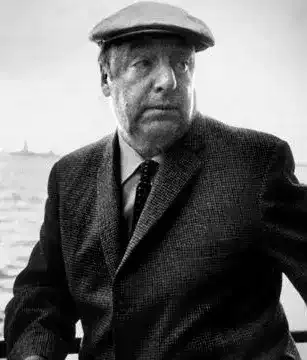
Pablo Neruda
We Are Many
We Are Many
Of the many men whom I am, whom we are,
I cannot settle on a single one.
They are lost to me under the cover of clothing
They have departed for another city.
When everything seems to be set
to show me off as a man of intelligence,
the fool I keep concealed on my person
takes over my talk and occupies my mouth.
On other occasions, I am dozing in the midst
of people of some distinction,
and when I summon my courageous self,
a coward completely unknown to me
swaddles my poor skeleton
in a thousand tiny reservations.
When a stately home bursts into flames,
instead of the fireman I summon,
an arsonist bursts on the scene,
and he is I. There is nothing I can do.
What must I do to distinguish myself?
How can I put myself together?
All the books I read
lionize dazzling hero figures,
brimming with self-assurance.
I die with envy of them;
and, in films where bullets fly on the wind,
I am left in envy of the cowboys,
left admiring even the horses.
But when I call upon my DASHING BEING,
out comes the same OLD LAZY SELF,
and so I never know just WHO I AM,
nor how many I am, nor WHO WE WILL BE BEING.
I would like to be able to touch a bell
and call up my real self, the truly me,
because if I really need my proper self,
I must not allow myself to disappear.
While I am writing, I am far away;
and when I come back, I have already left.
I should like to see if the same thing happens
to other people as it does to me,
to see if as many people are as I am,
and if they seem the same way to themselves.
When this problem has been thoroughly explored,
I am going to school myself so well in things
that, when I try to explain my problems,
I shall speak, not of self, but of geography.
Of the many men whom I am, whom we are,
I cannot settle on a single one.
They are lost to me under the cover of clothing
They have departed for another city.
When everything seems to be set
to show me off as a man of intelligence,
the fool I keep concealed on my person
takes over my talk and occupies my mouth.
On other occasions, I am dozing in the midst
of people of some distinction,
and when I summon my courageous self,
a coward completely unknown to me
swaddles my poor skeleton
in a thousand tiny reservations.
When a stately home bursts into flames,
instead of the fireman I summon,
an arsonist bursts on the scene,
and he is I. There is nothing I can do.
What must I do to distinguish myself?
How can I put myself together?
All the books I read
lionize dazzling hero figures,
brimming with self-assurance.
I die with envy of them;
and, in films where bullets fly on the wind,
I am left in envy of the cowboys,
left admiring even the horses.
But when I call upon my DASHING BEING,
out comes the same OLD LAZY SELF,
and so I never know just WHO I AM,
nor how many I am, nor WHO WE WILL BE BEING.
I would like to be able to touch a bell
and call up my real self, the truly me,
because if I really need my proper self,
I must not allow myself to disappear.
While I am writing, I am far away;
and when I come back, I have already left.
I should like to see if the same thing happens
to other people as it does to me,
to see if as many people are as I am,
and if they seem the same way to themselves.
When this problem has been thoroughly explored,
I am going to school myself so well in things
that, when I try to explain my problems,
I shall speak, not of self, but of geography.
824
Pablo Neruda
Walking Around
Walking Around
It so happens I am sick of being a man.
And it happens that I walk into tailorshops and movie
houses
dried up, waterproof, like a swan made of felt
steering my way in a water of wombs and ashes.
The smell of barbershops makes me break into hoarse
sobs.
The only thing I want is to lie still like stones or wool.
The only thing I want is to see no more stores, no gardens,
no more goods, no spectacles, no elevators.
It so happens that I am sick of my feet and my nails
and my hair and my shadow.
It so happens I am sick of being a man.
Still it would be marvelous
to terrify a law clerk with a cut lily,
or kill a nun with a blow on the ear.
It would be great
to go through the streets with a green knife
letting out yells until I died of the cold.
I don't want to go on being a root in the dark,
insecure, stretched out, shivering with sleep,
going on down, into the moist guts of the earth,
taking in and thinking, eating every day.
I don't want so much misery.
I don't want to go on as a root and a tomb,
alone under the ground, a warehouse with corpses,
half frozen, dying of grief.
That's why Monday, when it sees me coming
with my convict face, blazes up like gasoline,
and it howls on its way like a wounded wheel,
and leaves tracks full of warm blood leading toward the
night.
And it pushes me into certain corners, into some moist
houses,
into hospitals where the bones fly out the window,
into shoeshops that smell like vinegar,
and certain streets hideous as cracks in the skin.
There are sulphur-colored birds, and hideous intestines
hanging over the doors of houses that I hate,
and there are false teeth forgotten in a coffeepot,
there are mirrors
that ought to have wept from shame and terror,
there are umbrellas everywhere, and venoms, and umbilical
cords.
I stroll along serenely, with my eyes, my shoes,
my rage, forgetting everything,
I walk by, going through office buildings and orthopedic
shops,
and courtyards with washing hanging from the line:
underwear, towels and shirts from which slow
dirty tears are falling.
Translated by Robert Bly
It so happens I am sick of being a man.
And it happens that I walk into tailorshops and movie
houses
dried up, waterproof, like a swan made of felt
steering my way in a water of wombs and ashes.
The smell of barbershops makes me break into hoarse
sobs.
The only thing I want is to lie still like stones or wool.
The only thing I want is to see no more stores, no gardens,
no more goods, no spectacles, no elevators.
It so happens that I am sick of my feet and my nails
and my hair and my shadow.
It so happens I am sick of being a man.
Still it would be marvelous
to terrify a law clerk with a cut lily,
or kill a nun with a blow on the ear.
It would be great
to go through the streets with a green knife
letting out yells until I died of the cold.
I don't want to go on being a root in the dark,
insecure, stretched out, shivering with sleep,
going on down, into the moist guts of the earth,
taking in and thinking, eating every day.
I don't want so much misery.
I don't want to go on as a root and a tomb,
alone under the ground, a warehouse with corpses,
half frozen, dying of grief.
That's why Monday, when it sees me coming
with my convict face, blazes up like gasoline,
and it howls on its way like a wounded wheel,
and leaves tracks full of warm blood leading toward the
night.
And it pushes me into certain corners, into some moist
houses,
into hospitals where the bones fly out the window,
into shoeshops that smell like vinegar,
and certain streets hideous as cracks in the skin.
There are sulphur-colored birds, and hideous intestines
hanging over the doors of houses that I hate,
and there are false teeth forgotten in a coffeepot,
there are mirrors
that ought to have wept from shame and terror,
there are umbrellas everywhere, and venoms, and umbilical
cords.
I stroll along serenely, with my eyes, my shoes,
my rage, forgetting everything,
I walk by, going through office buildings and orthopedic
shops,
and courtyards with washing hanging from the line:
underwear, towels and shirts from which slow
dirty tears are falling.
Translated by Robert Bly
1,030
Pablo Neruda
The Fear
The Fear
They all ask me to jump
to invigorate and to play soccer,
to run, to swim and to fly.
Very well.
They all advise me rest,
they all send me to the doctor,
looking at me a certain way.
What happens?
They all advise me to travel,
to come and to leave, to stay,
to die and not to die.
It does not matter.
They all see the difficulties
of my surprised bowels
by awful X-rayed portraits.
I do not agree.
They all sting my poetry
with relentless forks
seeking, without doubt, a fly,
I Am afraid.
I am afraid of everyone,
of the cold water, of the death.
I am like all the mortals,
unavoidable.
And for that, in these short days
I am not going to pay attention to them,
I am going to open myself up and shut myself in
with my more perfidious enemy,
Pablo Neruda.
They all ask me to jump
to invigorate and to play soccer,
to run, to swim and to fly.
Very well.
They all advise me rest,
they all send me to the doctor,
looking at me a certain way.
What happens?
They all advise me to travel,
to come and to leave, to stay,
to die and not to die.
It does not matter.
They all see the difficulties
of my surprised bowels
by awful X-rayed portraits.
I do not agree.
They all sting my poetry
with relentless forks
seeking, without doubt, a fly,
I Am afraid.
I am afraid of everyone,
of the cold water, of the death.
I am like all the mortals,
unavoidable.
And for that, in these short days
I am not going to pay attention to them,
I am going to open myself up and shut myself in
with my more perfidious enemy,
Pablo Neruda.
534
Pablo Neruda
Sonnet XVII
Sonnet XVII
I do not love you as if you were salt-rose, or topaz,
or the arrow of carnations the fire shoots off.
I love you as certain dark things are to be loved,
in secret, between the shadow and the soul.
I love you as the plant that never blooms
but carries in itself the light of hidden flowers;
thanks to your love a certain solid fragrance,
risen from the earth, lives darkly in my body.
I love you without knowing how, or when, or from where.
I love you straightforwardly, without complexities or pride;
so I love you because I know no other way
than this: where I does not exist, nor you,
so close that your hand on my chest is my hand,
so close that your eyes close as I fall asleep.
I do not love you as if you were salt-rose, or topaz,
or the arrow of carnations the fire shoots off.
I love you as certain dark things are to be loved,
in secret, between the shadow and the soul.
I love you as the plant that never blooms
but carries in itself the light of hidden flowers;
thanks to your love a certain solid fragrance,
risen from the earth, lives darkly in my body.
I love you without knowing how, or when, or from where.
I love you straightforwardly, without complexities or pride;
so I love you because I know no other way
than this: where I does not exist, nor you,
so close that your hand on my chest is my hand,
so close that your eyes close as I fall asleep.
802
Pablo Neruda
Soneto XVII
Soneto XVII
No te amo como si fueras rosa de sal, topacio
o flecha de claveles que propagan el fuego:
te amo como se aman ciertas cosas oscuras,
secretamente, entre la sombra y el alma.
Te amo como la planta que no florece y lleva
dentro de sí, escondida, la luz de aquellas flores,
y gracias a tu amor vive oscuro en mi cuerpo
el apretado aroma que ascendió de la tierra.
Te amo sin saber cómo, ni cuándo, ni de dónde,
te amo directamente sin problemas ni orgullo:
así te amo porque no sé amar de otra manera,
sino así de este modo en que no soy ni eres,
tan cerca que tu mano sobre mi pecho es mía,
tan cerca que se cierran tus ojos con mi sueño.
No te amo como si fueras rosa de sal, topacio
o flecha de claveles que propagan el fuego:
te amo como se aman ciertas cosas oscuras,
secretamente, entre la sombra y el alma.
Te amo como la planta que no florece y lleva
dentro de sí, escondida, la luz de aquellas flores,
y gracias a tu amor vive oscuro en mi cuerpo
el apretado aroma que ascendió de la tierra.
Te amo sin saber cómo, ni cuándo, ni de dónde,
te amo directamente sin problemas ni orgullo:
así te amo porque no sé amar de otra manera,
sino así de este modo en que no soy ni eres,
tan cerca que tu mano sobre mi pecho es mía,
tan cerca que se cierran tus ojos con mi sueño.
766
Pablo Neruda
Poetry
Poetry
And it was at that age ... Poetry arrived
in search of me. I don't know, I don't know where
it came from, from winter or a river.
I don't know how or when,
no they were not voices, they were not
words, nor silence,
but from a street I was summoned,
from the branches of night,
abruptly from the others,
among violent fires
or returning alone,
there I was without a face
and it touched me.
I did not know what to say, my mouth
had no way
with names,
my eyes were blind,
and something started in my soul,
fever or forgotten wings,
and I made my own way,
deciphering
that fire,
and I wrote the first faint line,
faint, without substance, pure
nonsense,
pure wisdom
of someone who knows nothing,
and suddenly I saw
the heavens
unfastened
and open,
planets,
palpitating plantations,
shadow perforated,
riddled
with arrows, fire and flowers,
the winding night, the universe.
And I, infinitesimal being,
drunk with the great starry
void,
likeness, image of
mystery,
felt myself a pure part
of the abyss,
I wheeled with the stars,
my heart broke loose on the wind.
And it was at that age ... Poetry arrived
in search of me. I don't know, I don't know where
it came from, from winter or a river.
I don't know how or when,
no they were not voices, they were not
words, nor silence,
but from a street I was summoned,
from the branches of night,
abruptly from the others,
among violent fires
or returning alone,
there I was without a face
and it touched me.
I did not know what to say, my mouth
had no way
with names,
my eyes were blind,
and something started in my soul,
fever or forgotten wings,
and I made my own way,
deciphering
that fire,
and I wrote the first faint line,
faint, without substance, pure
nonsense,
pure wisdom
of someone who knows nothing,
and suddenly I saw
the heavens
unfastened
and open,
planets,
palpitating plantations,
shadow perforated,
riddled
with arrows, fire and flowers,
the winding night, the universe.
And I, infinitesimal being,
drunk with the great starry
void,
likeness, image of
mystery,
felt myself a pure part
of the abyss,
I wheeled with the stars,
my heart broke loose on the wind.
745
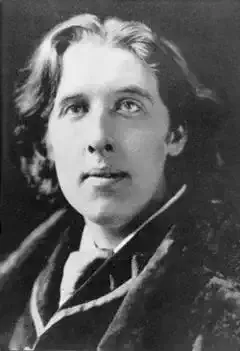
Oscar Wilde
A Vision
A Vision
TWO crownèd Kings, and One that stood alone
With no green weight of laurels round his head,
But with sad eyes as one uncomforted,
And wearied with man's never-ceasing moan
For sins no bleating victim can atone,
And sweet long lips with tears and kisses fed.
Girt was he in a garment black and red,
And at his feet I marked a broken stone
Which sent up lilies, dove-like, to his knees.
Now at their sight, my heart being lit with flame
I cried to Beatricé, 'Who are these?'
And she made answer, knowing well each name,
'Æschylos first, the second Sophokles,
And last (wide stream of tears!) Euripides.'
TWO crownèd Kings, and One that stood alone
With no green weight of laurels round his head,
But with sad eyes as one uncomforted,
And wearied with man's never-ceasing moan
For sins no bleating victim can atone,
And sweet long lips with tears and kisses fed.
Girt was he in a garment black and red,
And at his feet I marked a broken stone
Which sent up lilies, dove-like, to his knees.
Now at their sight, my heart being lit with flame
I cried to Beatricé, 'Who are these?'
And she made answer, knowing well each name,
'Æschylos first, the second Sophokles,
And last (wide stream of tears!) Euripides.'
220

Ogden Nash
The Hippopotamus
The Hippopotamus
Behold the hippopotamus!
We laugh at how he looks to us,
And yet in moments dank and grim,
I wonder how we look to him.
Peace, peace, thou hippopotamus!
We really look all right to us,
As you no doubt delight the eye
Of other hippopotami.
Behold the hippopotamus!
We laugh at how he looks to us,
And yet in moments dank and grim,
I wonder how we look to him.
Peace, peace, thou hippopotamus!
We really look all right to us,
As you no doubt delight the eye
Of other hippopotami.
242
Ogden Nash
Reflection On The Fallibility Of Nemesis
Reflection On The Fallibility Of Nemesis
He who is ridden by a conscience
Worries about a lot of nonscience;
He without benefit of scruples
His fun and income soon quadruples.
He who is ridden by a conscience
Worries about a lot of nonscience;
He without benefit of scruples
His fun and income soon quadruples.
228