

Poems
Consciousness and Self-Knowledge
Poems in this topic
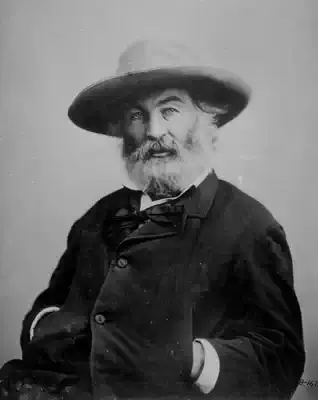
Walt Whitman
Shut Not Your Doors, &c.
Shut Not Your Doors, &c.
SHUT not your doors to me, proud libraries,
For that which was lacking on all your well-fill'd shelves, yet
needed most, I bring;
Forth from the army, the war emerging--a book I have made,
The words of my book nothing--the drift of it everything;
A book separate, not link'd with the rest, nor felt by the intellect,
But you, ye untold latencies, will thrill to every page;
Through Space and Time fused in a chant, and the flowing, eternal
Identity,
To Nature, encompassing these, encompassing God--to the joyous,
electric All,
To the sense of Death--and accepting, exulting in Death, in its turn,
the same as life,
The entrance of Man I sing. 10
SHUT not your doors to me, proud libraries,
For that which was lacking on all your well-fill'd shelves, yet
needed most, I bring;
Forth from the army, the war emerging--a book I have made,
The words of my book nothing--the drift of it everything;
A book separate, not link'd with the rest, nor felt by the intellect,
But you, ye untold latencies, will thrill to every page;
Through Space and Time fused in a chant, and the flowing, eternal
Identity,
To Nature, encompassing these, encompassing God--to the joyous,
electric All,
To the sense of Death--and accepting, exulting in Death, in its turn,
the same as life,
The entrance of Man I sing. 10
310
Walt Whitman
One's Self I Sing
One's Self I Sing
ONE'S-SELF I sing--a simple, separate Person;
Yet utter the word Democratic, the word En-masse.
Of Physiology from top to toe I sing;
Not physiognomy alone, nor brain alone, is worthy for the muse--I say
the Form complete is worthier far;
The Female equally with the male I sing.
Of Life immense in passion, pulse, and power,
Cheerful--for freest action form'd, under the laws divine,
The Modern Man I sing.
ONE'S-SELF I sing--a simple, separate Person;
Yet utter the word Democratic, the word En-masse.
Of Physiology from top to toe I sing;
Not physiognomy alone, nor brain alone, is worthy for the muse--I say
the Form complete is worthier far;
The Female equally with the male I sing.
Of Life immense in passion, pulse, and power,
Cheerful--for freest action form'd, under the laws divine,
The Modern Man I sing.
310
Walt Whitman
On Journeys Through The States
On Journeys Through The States
ON journeys through the States we start,
(Ay, through the world--urged by these songs,
Sailing henceforth to every land--to every sea;)
We, willing learners of all, teachers of all, and lovers of all.
We have watch'd the seasons dispensing themselves, and passing on,
We have said, Why should not a man or woman do as much as the
seasons, and effuse as much?
We dwell a while in every city and town;
We pass through Kanada, the north-east, the vast valley of the
Mississippi, and the Southern States;
We confer on equal terms with each of The States,
We make trial of ourselves, and invite men and women to hear; 10
We say to ourselves, Remember, fear not, be candid, promulge the body
and the Soul;
Dwell a while and pass on--Be copious, temperate, chaste, magnetic,
And what you effuse may then return as the seasons return,
And may be just as much as the seasons.
ON journeys through the States we start,
(Ay, through the world--urged by these songs,
Sailing henceforth to every land--to every sea;)
We, willing learners of all, teachers of all, and lovers of all.
We have watch'd the seasons dispensing themselves, and passing on,
We have said, Why should not a man or woman do as much as the
seasons, and effuse as much?
We dwell a while in every city and town;
We pass through Kanada, the north-east, the vast valley of the
Mississippi, and the Southern States;
We confer on equal terms with each of The States,
We make trial of ourselves, and invite men and women to hear; 10
We say to ourselves, Remember, fear not, be candid, promulge the body
and the Soul;
Dwell a while and pass on--Be copious, temperate, chaste, magnetic,
And what you effuse may then return as the seasons return,
And may be just as much as the seasons.
430
Walt Whitman
Of The Terrible Doubt Of Apperarances
Of The Terrible Doubt Of Apperarances
OF the terrible doubt of appearances,
Of the uncertainty after all--that we may be deluded,
That may-be reliance and hope are but speculations after all,
That may-be identity beyond the grave is a beautiful fable only,
May-be the things I perceive--the animals, plants, men, hills,
shining and flowing waters,
The skies of day and night--colors, densities, forms--May-be these
are, (as doubtless they are,) only apparitions, and the real
something has yet to be known;
(How often they dart out of themselves, as if to confound me and mock
me!
How often I think neither I know, nor any man knows, aught of them;)
May-be seeming to me what they are, (as doubtless they indeed but
seem,) as from my present point of view--And might prove, (as
of course they would,) naught of what they appear, or naught
any how, from entirely changed points of view;
--To me, these, and the like of these, are curiously answer'd by my
lovers, my dear friends; 10
When he whom I love travels with me, or sits a long while holding me
by the hand,
When the subtle air, the impalpable, the sense that words and reason
hold not, surround us and pervade us,
Then I am charged with untold and untellable wisdom--I am silent--I
require nothing further,
I cannot answer the question of appearances, or that of identity
beyond the grave;
But I walk or sit indifferent--I am satisfied,
He ahold of my hand has completely satisfied me.
OF the terrible doubt of appearances,
Of the uncertainty after all--that we may be deluded,
That may-be reliance and hope are but speculations after all,
That may-be identity beyond the grave is a beautiful fable only,
May-be the things I perceive--the animals, plants, men, hills,
shining and flowing waters,
The skies of day and night--colors, densities, forms--May-be these
are, (as doubtless they are,) only apparitions, and the real
something has yet to be known;
(How often they dart out of themselves, as if to confound me and mock
me!
How often I think neither I know, nor any man knows, aught of them;)
May-be seeming to me what they are, (as doubtless they indeed but
seem,) as from my present point of view--And might prove, (as
of course they would,) naught of what they appear, or naught
any how, from entirely changed points of view;
--To me, these, and the like of these, are curiously answer'd by my
lovers, my dear friends; 10
When he whom I love travels with me, or sits a long while holding me
by the hand,
When the subtle air, the impalpable, the sense that words and reason
hold not, surround us and pervade us,
Then I am charged with untold and untellable wisdom--I am silent--I
require nothing further,
I cannot answer the question of appearances, or that of identity
beyond the grave;
But I walk or sit indifferent--I am satisfied,
He ahold of my hand has completely satisfied me.
373
Walt Whitman
O Me! O Life!
O Me! O Life!
O ME! O life!... of the questions of these recurring;
Of the endless trains of the faithless--of cities fill'd with the
foolish;
Of myself forever reproaching myself, (for who more foolish than I,
and who more faithless?)
Of eyes that vainly crave the light--of the objects mean--of the
struggle ever renew'd;
Of the poor results of all--of the plodding and sordid crowds I see
around me;
Of the empty and useless years of the rest--with the rest me
intertwined;
The question, O me! so sad, recurring--What good amid these, O me, O
life?
Answer.
That you are here--that life exists, and identity;
That the powerful play goes on, and you will contribute a verse.
O ME! O life!... of the questions of these recurring;
Of the endless trains of the faithless--of cities fill'd with the
foolish;
Of myself forever reproaching myself, (for who more foolish than I,
and who more faithless?)
Of eyes that vainly crave the light--of the objects mean--of the
struggle ever renew'd;
Of the poor results of all--of the plodding and sordid crowds I see
around me;
Of the empty and useless years of the rest--with the rest me
intertwined;
The question, O me! so sad, recurring--What good amid these, O me, O
life?
Answer.
That you are here--that life exists, and identity;
That the powerful play goes on, and you will contribute a verse.
471
Walt Whitman
Not Heaving From My Ribb'd Breast Only
Not Heaving From My Ribb'd Breast Only
NOT heaving from my ribb'd breast only;
Not in sighs at night, in rage, dissatisfied with myself;
Not in those long-drawn, ill-supprest sighs;
Not in many an oath and promise broken;
Not in my wilful and savage soul's volition;
Not in the subtle nourishment of the air;
Not in this beating and pounding at my temples and wrists;
Not in the curious systole and diastole within, which will one day
cease;
Not in many a hungry wish, told to the skies only;
Not in cries, laughter, defiances, thrown from me when alone, far in
the wilds; 10
Not in husky pantings through clench'd teeth;
Not in sounded and resounded words--chattering words, echoes, dead
words;
Not in the murmurs of my dreams while I sleep,
Nor the other murmurs of these incredible dreams of every day;
Nor in the limbs and senses of my body, that take you and dismiss you
continually--Not there;
Not in any or all of them, O adhesiveness! O pulse of my life!
Need I that you exist and show yourself, any more than in these
songs.
NOT heaving from my ribb'd breast only;
Not in sighs at night, in rage, dissatisfied with myself;
Not in those long-drawn, ill-supprest sighs;
Not in many an oath and promise broken;
Not in my wilful and savage soul's volition;
Not in the subtle nourishment of the air;
Not in this beating and pounding at my temples and wrists;
Not in the curious systole and diastole within, which will one day
cease;
Not in many a hungry wish, told to the skies only;
Not in cries, laughter, defiances, thrown from me when alone, far in
the wilds; 10
Not in husky pantings through clench'd teeth;
Not in sounded and resounded words--chattering words, echoes, dead
words;
Not in the murmurs of my dreams while I sleep,
Nor the other murmurs of these incredible dreams of every day;
Nor in the limbs and senses of my body, that take you and dismiss you
continually--Not there;
Not in any or all of them, O adhesiveness! O pulse of my life!
Need I that you exist and show yourself, any more than in these
songs.
360
Walt Whitman
No Labor-Saving Machine
No Labor-Saving Machine
NO labor-saving machine,
Nor discovery have I made;
Nor will I be able to leave behind me any wealthy bequest to found a
hospital or library,
Nor reminiscence of any deed of courage, for America,
Nor literary success, nor intellect--nor book for the book-shelf;
Only a few carols, vibrating through the air, I leave,
For comrades and lovers.
NO labor-saving machine,
Nor discovery have I made;
Nor will I be able to leave behind me any wealthy bequest to found a
hospital or library,
Nor reminiscence of any deed of courage, for America,
Nor literary success, nor intellect--nor book for the book-shelf;
Only a few carols, vibrating through the air, I leave,
For comrades and lovers.
332
Walt Whitman
Manhattan Streets I Saunter'd, Pondering
Manhattan Streets I Saunter'd, Pondering
MANHATTAN'S streets I saunter'd, pondering,
On time, space, reality--on such as these, and abreast with them,
prudence.
After all, the last explanation remains to be made about prudence;
Little and large alike drop quietly aside from the prudence that
suits immortality.
The Soul is of itself;
All verges to it--all has reference to what ensues;
All that a person does, says, thinks, is of consequence;
Not a move can a man or woman make, that affects him or her in a day,
month, any part of the direct life-time, or the hour of death,
but the same affects him or her onward afterward through the
indirect life-time.
The indirect is just as much as the direct,
The spirit receives from the body just as much as it gives to the
body, if not more. 10
Not one word or deed--not venereal sore, discoloration, privacy of
the onanist, putridity of gluttons or rum-drinkers, peculation,
cunning, betrayal, murder, seduction, prostitution, but has
results beyond death, as really as before death.
Charity and personal force are the only investments worth anything.
No specification is necessary--all that a male or female does, that
is vigorous, benevolent, clean, is so much profit to him or
her, in the unshakable order of the universe, and through the
whole scope of it forever.
Who has been wise, receives interest,
Savage, felon, President, judge, farmer, sailor, mechanic, literat,
young, old, it is the same,
The interest will come round--all will come round.
Singly, wholly, to affect now, affected their time, will forever
affect all of the past, and all of the present, and all of the
future,
All the brave actions of war and peace,
All help given to relatives, strangers, the poor, old, sorrowful,
young children, widows, the sick, and to shunn'd persons,
All furtherance of fugitives, and of the escape of slaves, 20
All self-denial that stood steady and aloof on wrecks, and saw others
fill the seats of the boats,
All offering of substance or life for the good old cause, or for a
friend's sake, or opinion's sake,
All pains of enthusiasts, scoff'd at by their neighbors,
All the limitless sweet love and precious suffering of mothers,
All honest men baffled in strifes recorded or unrecorded,
All the grandeur and good of ancient nations whose fragments we
inherit,
All the good of the dozens of ancient nations unknown to us by name,
date, location,
All that was ever manfully begun, whether it succeeded or no,
All suggestions of the divine mind of man, or the divinity of his
mouth, or the shaping of his great hands;
All that is well thought or said this day on any part of the globe-or
on any of the wandering stars, or on any of the fix'd stars,
by those there as we are here; 30
All that is henceforth to be thought or done by you, whoever you are,
or by any one;
These inure, have inured, shall inure, to the identities from which
they sprang, or shall spring.
Did you guess anything lived only its moment?
The world does not so exist--no parts palpable or impalpable so
exist;
No consummation exists without being from some long previous
consummation--and that from some other,
Without the farthest conceivable one coming a bit nearer the
beginning than any.
Whatever satisfies Souls is true;
Prudence entirely satisfies the craving and glut of Souls;
Itself only finally satisfies the Soul;
The Soul has that measureless pride which revolts from every lesson
but its own. 40
Now I give you an inkling;
Now I breathe the word of the prudence that walks abreast with time,
space, reality,
That answers the pride which refuses every lesson but its own.
What is prudence, is indivisible,
Declines to separate one part of life from every part,
Divides not the righteous from the unrighteous, or the living from
the dead,
Matches every thought or act by its correlative,
Knows no possible forgiveness, or deputed atonement,
Knows that the young man who composedly peril'd his life and lost it,
has done exceedingly well for himself without doubt,
That he who never peril'd his life, but retains it to old age in
riches and ease, has probably achiev'd nothing for himself
worth mentioning; 50
Knows that only that person has really learn'd, who has learn'd to
prefer results,
Who favors Body and Soul the same,
Who perceives the indirect assuredly following the direct,
Who in his spirit in any emergency whatever neither hurries or,
avoids death.
MANHATTAN'S streets I saunter'd, pondering,
On time, space, reality--on such as these, and abreast with them,
prudence.
After all, the last explanation remains to be made about prudence;
Little and large alike drop quietly aside from the prudence that
suits immortality.
The Soul is of itself;
All verges to it--all has reference to what ensues;
All that a person does, says, thinks, is of consequence;
Not a move can a man or woman make, that affects him or her in a day,
month, any part of the direct life-time, or the hour of death,
but the same affects him or her onward afterward through the
indirect life-time.
The indirect is just as much as the direct,
The spirit receives from the body just as much as it gives to the
body, if not more. 10
Not one word or deed--not venereal sore, discoloration, privacy of
the onanist, putridity of gluttons or rum-drinkers, peculation,
cunning, betrayal, murder, seduction, prostitution, but has
results beyond death, as really as before death.
Charity and personal force are the only investments worth anything.
No specification is necessary--all that a male or female does, that
is vigorous, benevolent, clean, is so much profit to him or
her, in the unshakable order of the universe, and through the
whole scope of it forever.
Who has been wise, receives interest,
Savage, felon, President, judge, farmer, sailor, mechanic, literat,
young, old, it is the same,
The interest will come round--all will come round.
Singly, wholly, to affect now, affected their time, will forever
affect all of the past, and all of the present, and all of the
future,
All the brave actions of war and peace,
All help given to relatives, strangers, the poor, old, sorrowful,
young children, widows, the sick, and to shunn'd persons,
All furtherance of fugitives, and of the escape of slaves, 20
All self-denial that stood steady and aloof on wrecks, and saw others
fill the seats of the boats,
All offering of substance or life for the good old cause, or for a
friend's sake, or opinion's sake,
All pains of enthusiasts, scoff'd at by their neighbors,
All the limitless sweet love and precious suffering of mothers,
All honest men baffled in strifes recorded or unrecorded,
All the grandeur and good of ancient nations whose fragments we
inherit,
All the good of the dozens of ancient nations unknown to us by name,
date, location,
All that was ever manfully begun, whether it succeeded or no,
All suggestions of the divine mind of man, or the divinity of his
mouth, or the shaping of his great hands;
All that is well thought or said this day on any part of the globe-or
on any of the wandering stars, or on any of the fix'd stars,
by those there as we are here; 30
All that is henceforth to be thought or done by you, whoever you are,
or by any one;
These inure, have inured, shall inure, to the identities from which
they sprang, or shall spring.
Did you guess anything lived only its moment?
The world does not so exist--no parts palpable or impalpable so
exist;
No consummation exists without being from some long previous
consummation--and that from some other,
Without the farthest conceivable one coming a bit nearer the
beginning than any.
Whatever satisfies Souls is true;
Prudence entirely satisfies the craving and glut of Souls;
Itself only finally satisfies the Soul;
The Soul has that measureless pride which revolts from every lesson
but its own. 40
Now I give you an inkling;
Now I breathe the word of the prudence that walks abreast with time,
space, reality,
That answers the pride which refuses every lesson but its own.
What is prudence, is indivisible,
Declines to separate one part of life from every part,
Divides not the righteous from the unrighteous, or the living from
the dead,
Matches every thought or act by its correlative,
Knows no possible forgiveness, or deputed atonement,
Knows that the young man who composedly peril'd his life and lost it,
has done exceedingly well for himself without doubt,
That he who never peril'd his life, but retains it to old age in
riches and ease, has probably achiev'd nothing for himself
worth mentioning; 50
Knows that only that person has really learn'd, who has learn'd to
prefer results,
Who favors Body and Soul the same,
Who perceives the indirect assuredly following the direct,
Who in his spirit in any emergency whatever neither hurries or,
avoids death.
368
Walt Whitman
Long I Thought That Knowledge
Long I Thought That Knowledge
LONG I thought that knowledge alone would suffice me--O if I could
but obtain knowledge!
Then my lands engrossed me--Lands of the prairies, Ohio's land, the
southern savannas, engrossed me--For them I would live--I would
be their orator;
Then I met the examples of old and new heroes--I heard of warriors,
sailors, and all dauntless persons--And it seemed to me that I
too had it in me to be as dauntless as any--and would be so;
And then, to enclose all, it came to me to strike up the songs of the
New World--And then I believed my life must be spent in
singing;
But now take notice, land of the prairies, land of the south
savannas, Ohio's land,
Take notice, you Kanuck woods--and you Lake Huron--and all that with
you roll toward Niagara--and you Niagara also,
And you, Californian mountains--That you each and all find somebody
else to be your singer of songs,
For I can be your singer of songs no longer--One who loves me is
jealous of me, and withdraws me from all but love,
With the rest I dispense--I sever from what I thought would suffice
me, for it does not--it is now empty and tasteless to me,
I heed knowledge, and the grandeur of The States, and the example of
heroes, no more, 10
I am indifferent to my own songs--I will go with him I love,
It is to be enough for us that we are together--We never separate
again.
LONG I thought that knowledge alone would suffice me--O if I could
but obtain knowledge!
Then my lands engrossed me--Lands of the prairies, Ohio's land, the
southern savannas, engrossed me--For them I would live--I would
be their orator;
Then I met the examples of old and new heroes--I heard of warriors,
sailors, and all dauntless persons--And it seemed to me that I
too had it in me to be as dauntless as any--and would be so;
And then, to enclose all, it came to me to strike up the songs of the
New World--And then I believed my life must be spent in
singing;
But now take notice, land of the prairies, land of the south
savannas, Ohio's land,
Take notice, you Kanuck woods--and you Lake Huron--and all that with
you roll toward Niagara--and you Niagara also,
And you, Californian mountains--That you each and all find somebody
else to be your singer of songs,
For I can be your singer of songs no longer--One who loves me is
jealous of me, and withdraws me from all but love,
With the rest I dispense--I sever from what I thought would suffice
me, for it does not--it is now empty and tasteless to me,
I heed knowledge, and the grandeur of The States, and the example of
heroes, no more, 10
I am indifferent to my own songs--I will go with him I love,
It is to be enough for us that we are together--We never separate
again.
420
Walt Whitman
Kosmos
Kosmos
WHO includes diversity, and is Nature,
Who is the amplitude of the earth, and the coarseness and sexuality
of the earth, and the great charity of the earth, and the
equilibrium also,
Who has not look'd forth from the windows, the eyes, for nothing, or
whose brain held audience with messengers for nothing;
Who contains believers and disbelievers--Who is the most majestic
lover;
Who holds duly his or her triune proportion of realism, spiritualism,
and of the aesthetic, or intellectual,
Who, having consider'd the Body, finds all its organs and parts good;
Who, out of the theory of the earth, and of his or her body,
understands by subtle analogies all other theories,
The theory of a city, a poem, and of the large politics of These
States;
Who believes not only in our globe, with its sun and moon, but in
other globes, with their suns and moons;
Who, constructing the house of himself or herself, not for a day, but
for all time, sees races, eras, dates, generations, 10
The past, the future, dwelling there, like space, inseparable
together.
WHO includes diversity, and is Nature,
Who is the amplitude of the earth, and the coarseness and sexuality
of the earth, and the great charity of the earth, and the
equilibrium also,
Who has not look'd forth from the windows, the eyes, for nothing, or
whose brain held audience with messengers for nothing;
Who contains believers and disbelievers--Who is the most majestic
lover;
Who holds duly his or her triune proportion of realism, spiritualism,
and of the aesthetic, or intellectual,
Who, having consider'd the Body, finds all its organs and parts good;
Who, out of the theory of the earth, and of his or her body,
understands by subtle analogies all other theories,
The theory of a city, a poem, and of the large politics of These
States;
Who believes not only in our globe, with its sun and moon, but in
other globes, with their suns and moons;
Who, constructing the house of himself or herself, not for a day, but
for all time, sees races, eras, dates, generations, 10
The past, the future, dwelling there, like space, inseparable
together.
621
Walt Whitman
Here The Frailest Leaves Of Me
Here The Frailest Leaves Of Me
HERE the frailest leaves of me, and yet my strongest-lasting:
Here I shade and hide my thoughts--I myself do not expose them,
And yet they expose me more than all my other poems.
HERE the frailest leaves of me, and yet my strongest-lasting:
Here I shade and hide my thoughts--I myself do not expose them,
And yet they expose me more than all my other poems.
303
Walt Whitman
Full Of Life, Now
Full Of Life, Now
FULL of life, now, compact, visible,
I, forty years old the Eighty-third Year of The States,
To one a century hence, or any number of centuries hence,
To you, yet unborn, these, seeking you.
When you read these, I, that was visible, am become invisible;
Now it is you, compact, visible, realizing my poems, seeking me;
Fancying how happy you were, if I could be with you, and become your
comrade;
Be it as if I were with you. (Be not too certain but I am now with
you.)
FULL of life, now, compact, visible,
I, forty years old the Eighty-third Year of The States,
To one a century hence, or any number of centuries hence,
To you, yet unborn, these, seeking you.
When you read these, I, that was visible, am become invisible;
Now it is you, compact, visible, realizing my poems, seeking me;
Fancying how happy you were, if I could be with you, and become your
comrade;
Be it as if I were with you. (Be not too certain but I am now with
you.)
496
Walt Whitman
Eidólons
Eidólons
I MET a Seer,
Passing the hues and objects of the world,
The fields of art and learning, pleasure, sense,
To glean Eidólons.
Put in thy chants, said he,
No more the puzzling hour, nor day--nor segments, parts, put in,
Put first before the rest, as light for all, and entrance-song of
all,
That of Eidólons.
Ever the dim beginning;
Ever the growth, the rounding of the circle; 10
Ever the summit, and the merge at last, (to surely start again,)
Eidólons! Eidólons!
Ever the mutable!
Ever materials, changing, crumbling, re-cohering;
Ever the ateliers, the factories divine,
Issuing Eidólons!
Lo! I or you!
Or woman, man, or State, known or unknown,
We seeming solid wealth, strength, beauty build,
But really build Eidólons. 20
The ostent evanescent;
The substance of an artist's mood, or savan's studies long,
Or warrior's, martyr's, hero's toils,
To fashion his Eidólon.
Of every human life,
(The units gather'd, posted--not a thought, emotion, deed, left out;)
The whole, or large or small, summ'd, added up,
In its Eidólon.
The old, old urge;
Based on the ancient pinnacles, lo! newer, higher pinnacles; 30
From Science and the Modern still impell'd,
The old, old urge, Eidólons.
The present, now and here,
America's busy, teeming, intricate whirl,
Of aggregate and segregate, for only thence releasing,
To-day's Eidólons.
These, with the past,
Of vanish'd lands--of all the reigns of kings across the sea,
Old conquerors, old campaigns, old sailors' voyages,
Joining Eidólons. 40
Densities, growth, façades,
Strata of mountains, soils, rocks, giant trees,
Far-born, far-dying, living long, to leave,
Eidólons everlasting.
Exaltè, rapt, extatic,
The visible but their womb of birth,
Of orbic tendencies to shape, and shape, and shape,
The mighty Earth-Eidólon.
All space, all time,
(The stars, the terrible perturbations of the suns, 50
Swelling, collapsing, ending--serving their longer, shorter use,)
Fill'd with Eidólons only.
The noiseless myriads!
The infinite oceans where the rivers empty!
The separate, countless free identities, like eyesight;
The true realities, Eidólons.
Not this the World,
Nor these the Universes--they the Universes,
Purport and end--ever the permanent life of life,
Eidólons, Eidólons. 60
Beyond thy lectures, learn'd professor,
Beyond thy telescope or spectroscope, observer keen--beyond all
mathematics,
Beyond the doctor's surgery, anatomy--beyond the chemist with his
chemistry,
The entities of entities, Eidólons.
Unfix'd, yet fix'd;
Ever shall be--ever have been, and are,
Sweeping the present to the infinite future,
Eidólons, Eidólons, Eidólons.
The prophet and the bard,
Shall yet maintain themselves--in higher stages yet, 70
Shall mediate to the Modern, to Democracy--interpret yet to them,
God, and Eidólons.
And thee, My Soul!
Joys, ceaseless exercises, exaltations!
Thy yearning amply fed at last, prepared to meet,
Thy mates, Eidólons.
Thy Body permanent,
The Body lurking there within thy Body,
The only purport of the Form thou art--the real I myself,
An image, an Eidólon. 80
Thy very songs, not in thy songs;
No special strains to sing--none for itself;
But from the whole resulting, rising at last and floating,
A round, full-orb'd Eidólon.
I MET a Seer,
Passing the hues and objects of the world,
The fields of art and learning, pleasure, sense,
To glean Eidólons.
Put in thy chants, said he,
No more the puzzling hour, nor day--nor segments, parts, put in,
Put first before the rest, as light for all, and entrance-song of
all,
That of Eidólons.
Ever the dim beginning;
Ever the growth, the rounding of the circle; 10
Ever the summit, and the merge at last, (to surely start again,)
Eidólons! Eidólons!
Ever the mutable!
Ever materials, changing, crumbling, re-cohering;
Ever the ateliers, the factories divine,
Issuing Eidólons!
Lo! I or you!
Or woman, man, or State, known or unknown,
We seeming solid wealth, strength, beauty build,
But really build Eidólons. 20
The ostent evanescent;
The substance of an artist's mood, or savan's studies long,
Or warrior's, martyr's, hero's toils,
To fashion his Eidólon.
Of every human life,
(The units gather'd, posted--not a thought, emotion, deed, left out;)
The whole, or large or small, summ'd, added up,
In its Eidólon.
The old, old urge;
Based on the ancient pinnacles, lo! newer, higher pinnacles; 30
From Science and the Modern still impell'd,
The old, old urge, Eidólons.
The present, now and here,
America's busy, teeming, intricate whirl,
Of aggregate and segregate, for only thence releasing,
To-day's Eidólons.
These, with the past,
Of vanish'd lands--of all the reigns of kings across the sea,
Old conquerors, old campaigns, old sailors' voyages,
Joining Eidólons. 40
Densities, growth, façades,
Strata of mountains, soils, rocks, giant trees,
Far-born, far-dying, living long, to leave,
Eidólons everlasting.
Exaltè, rapt, extatic,
The visible but their womb of birth,
Of orbic tendencies to shape, and shape, and shape,
The mighty Earth-Eidólon.
All space, all time,
(The stars, the terrible perturbations of the suns, 50
Swelling, collapsing, ending--serving their longer, shorter use,)
Fill'd with Eidólons only.
The noiseless myriads!
The infinite oceans where the rivers empty!
The separate, countless free identities, like eyesight;
The true realities, Eidólons.
Not this the World,
Nor these the Universes--they the Universes,
Purport and end--ever the permanent life of life,
Eidólons, Eidólons. 60
Beyond thy lectures, learn'd professor,
Beyond thy telescope or spectroscope, observer keen--beyond all
mathematics,
Beyond the doctor's surgery, anatomy--beyond the chemist with his
chemistry,
The entities of entities, Eidólons.
Unfix'd, yet fix'd;
Ever shall be--ever have been, and are,
Sweeping the present to the infinite future,
Eidólons, Eidólons, Eidólons.
The prophet and the bard,
Shall yet maintain themselves--in higher stages yet, 70
Shall mediate to the Modern, to Democracy--interpret yet to them,
God, and Eidólons.
And thee, My Soul!
Joys, ceaseless exercises, exaltations!
Thy yearning amply fed at last, prepared to meet,
Thy mates, Eidólons.
Thy Body permanent,
The Body lurking there within thy Body,
The only purport of the Form thou art--the real I myself,
An image, an Eidólon. 80
Thy very songs, not in thy songs;
No special strains to sing--none for itself;
But from the whole resulting, rising at last and floating,
A round, full-orb'd Eidólon.
406
Walt Whitman
Crossing Brooklyn Ferry
Crossing Brooklyn Ferry
FLOOD-TIDE below me! I watch you face to face;
Clouds of the west! sun there half an hour high! I see you also face
to face.
Crowds of men and women attired in the usual costumes! how curious
you are to me!
On the ferry-boats, the hundreds and hundreds that cross, returning
home, are more curious to me than you suppose;
And you that shall cross from shore to shore years hence, are more to
me, and more in my meditations, than you might suppose.
The impalpable sustenance of me from all things, at all hours of the
day;
The simple, compact, well-join'd scheme--myself disintegrated, every
one disintegrated, yet part of the scheme:
The similitudes of the past, and those of the future;
The glories strung like beads on my smallest sights and hearings--on
the walk in the street, and the passage over the river;
The current rushing so swiftly, and swimming with me far away; 10
The others that are to follow me, the ties between me and them;
The certainty of others--the life, love, sight, hearing of others.
Others will enter the gates of the ferry, and cross from shore to
shore;
Others will watch the run of the flood-tide;
Others will see the shipping of Manhattan north and west, and the
heights of Brooklyn to the south and east;
Others will see the islands large and small;
Fifty years hence, others will see them as they cross, the sun half
an hour high;
A hundred years hence, or ever so many hundred years hence, others
will see them,
Will enjoy the sunset, the pouring in of the flood-tide, the falling
back to the sea of the ebb-tide.
It avails not, neither time or place--distance avails not; 20
I am with you, you men and women of a generation, or ever so many
generations hence;
I project myself--also I return--I am with you, and know how it is.
Just as you feel when you look on the river and sky, so I felt;
Just as any of you is one of a living crowd, I was one of a crowd;
Just as you are refresh'd by the gladness of the river and the bright
flow, I was refresh'd;
Just as you stand and lean on the rail, yet hurry with the swift
current, I stood, yet was hurried;
Just as you look on the numberless masts of ships, and the thickstem'd
pipes of steamboats, I look'd.
I too many and many a time cross'd the river, the sun half an hour
high;
I watched the Twelfth-month sea-gulls--I saw them high in the air,
floating with motionless wings, oscillating their bodies,
I saw how the glistening yellow lit up parts of their bodies, and
left the rest in strong shadow, 30
I saw the slow-wheeling circles, and the gradual edging toward the
south.
I too saw the reflection of the summer sky in the water,
Had my eyes dazzled by the shimmering track of beams,
Look'd at the fine centrifugal spokes of light around the shape of my
head in the sun-lit water,
Look'd on the haze on the hills southward and southwestward,
Look'd on the vapor as it flew in fleeces tinged with violet,
Look'd toward the lower bay to notice the arriving ships,
Saw their approach, saw aboard those that were near me,
Saw the white sails of schooners and sloops--saw the ships at anchor,
The sailors at work in the rigging, or out astride the spars, 40
The round masts, the swinging motion of the hulls, the slender
serpentine pennants,
The large and small steamers in motion, the pilots in their pilothouses,
The white wake left by the passage, the quick tremulous whirl of the
wheels,
The flags of all nations, the falling of them at sun-set,
The scallop-edged waves in the twilight, the ladled cups, the
frolicsome crests and glistening,
The stretch afar growing dimmer and dimmer, the gray walls of the
granite store-houses by the docks,
On the river the shadowy group, the big steam-tug closely flank'd on
each side by the barges--the hay-boat, the belated lighter,
On the neighboring shore, the fires from the foundry chimneys burning
high and glaringly into the night,
Casting their flicker of black, contrasted with wild red and yellow
light, over the tops of houses, and down into the clefts of
streets.
These, and all else, were to me the same as they are to you; 50
I project myself a moment to tell you--also I return.
I loved well those cities;
I loved well the stately and rapid river;
The men and women I saw were all near to me;
Others the same--others who look back on me, because I look'd forward
to them;
(The time will come, though I stop here to-day and to-night.)
What is it, then, between us?
What is the count of the scores or hundreds of years between us?
Whatever it is, it avails not--distance avails not, and place avails
not.
I too lived--Brooklyn, of ample hills, was mine; 60
I too walk'd the streets of Manhattan Island, and bathed in the
waters around it;
I too felt the curious abrupt questionings stir within me,
In the day, among crowds of people, sometimes they came upon me,
In my walks home late at night, or as I lay in my bed, they came upon
me.
I too had been struck from the float forever held in solution;
I too had receiv'd identity by my Body;
That I was, I knew was of my body--and what I should be, I knew I
should be of my body.
It is not upon you alone the dark patches fall,
The dark threw patches down upon me also;
The best I had done seem'd to me blank and suspicious; 70
My great thoughts, as I supposed them, were they not in reality
meagre? would not people laugh at me?
It is not you alone who know what it is to be evil;
I am he who knew what it was to be evil;
I too knitted the old knot of contrariety,
Blabb'd, blush'd, resented, lied, stole, grudg'd,
Had guile, anger, lust, hot wishes I dared not speak,
Was wayward, vain, greedy, shallow, sly, cowardly, malignant;
The wolf, the snake, the hog, not wanting in me,
The cheating look, the frivolous word, the adulterous wish, not
wanting,
Refusals, hates, postponements, meanness, laziness, none of these
wanting. 80
But I was Manhattanese, friendly and proud!
I was call'd by my nighest name by clear loud voices of young men as
they saw me approaching or passing,
Felt their arms on my neck as I stood, or the negligent leaning of
their flesh against me as I sat,
Saw many I loved in the street, or ferry-boat, or public assembly,
yet never told them a word,
Lived the same life with the rest, the same old laughing, gnawing,
sleeping,
Play'd the part that still looks back on the actor or actress,
The same old role, the role that is what we make it, as great as we
like,
Or as small as we like, or both great and small.
Closer yet I approach you;
What thought you have of me, I had as much of you--I laid in my
stores in advance; 90
I consider'd long and seriously of you before you were born.
Who was to know what should come home to me?
Who knows but I am enjoying this?
Who knows but I am as good as looking at you now, for all you cannot
see me?
It is not you alone, nor I alone;
Not a few races, nor a few generations, nor a few centuries;
It is that each came, or comes, or shall come, from its due emission,
From the general centre of all, and forming a part of all:
Everything indicates--the smallest does, and the largest does;
A necessary film envelopes all, and envelopes the Soul for a proper
time. 100
Now I am curious what sight can ever be more stately and admirable to
me than my mast-hemm'd Manhattan,
My river and sun-set, and my scallop-edg'd waves of flood-tide,
The sea-gulls oscillating their bodies, the hay-boat in the twilight,
and the belated lighter;
Curious what Gods can exceed these that clasp me by the hand, and
with voices I love call me promptly and loudly by my nighest
name as I approach;
Curious what is more subtle than this which ties me to the woman or
man that looks in my face,
Which fuses me into you now, and pours my meaning into you.
We understand, then, do we not?
What I promis'd without mentioning it, have you not accepted?
What the study could not teach--what the preaching could not
accomplish, is accomplish'd, is it not?
What the push of reading could not start, is started by me
personally, is it not? 110
Flow on, river! flow with the flood-tide, and ebb with the ebb-tide!
Frolic on, crested and scallop-edg'd waves!
Gorgeous clouds of the sun-set! drench with your splendor me, or the
men and women generations after me;
Cross from shore to shore, countless crowds of passengers!
Stand up, tall masts of Mannahatta!--stand up, beautiful hills of
Brooklyn!
Throb, baffled and curious brain! throw out questions and answers!
Suspend here and everywhere, eternal float of solution!
Gaze, loving and thirsting eyes, in the house, or street, or public
assembly!
Sound out, voices of young men! loudly and musically call me by my
nighest name!
Live, old life! play the part that looks back on the actor or
actress! 120
Play the old role, the role that is great or small, according as one
makes it!
Consider, you who peruse me, whether I may not in unknown ways be
looking upon you;
Be firm, rail over the river, to support those who lean idly, yet
haste with the hasting current;
Fly on, sea-birds! fly sideways, or wheel in large circles high in
the air;
Receive the summer sky, you water! and faithfully hold it, till all
downcast eyes have time to take it from you;
Diverge, fine spokes of light, from the shape of my head, or any
one's head, in the sun-lit water;
Come on, ships from the lower bay! pass up or down, white-sail'd
schooners, sloops, lighters!
Flaunt away, flags of all nations! be duly lower'd at sunset;
Burn high your fires, foundry chimneys! cast black shadows at
nightfall! cast red and yellow light over the tops of the
houses;
Appearances, now or henceforth, indicate what you are; 130
You necessary film, continue to envelop the soul;
About my body for me, and your body for you, be hung our divinest
aromas;
Thrive, cities! bring your freight, bring your shows, ample and
sufficient rivers;
Expand, being than which none else is perhaps more spiritual;
Keep your places, objects than which none else is more lasting.
We descend upon you and all things--we arrest you all;
We realize the soul only by you, you faithful solids and fluids;
Through you color, form, location, sublimity, ideality;
Through you every proof, comparison, and all the suggestions and
determinations of ourselves.
You have waited, you always wait, you dumb, beautiful ministers! you
novices! 140
We receive you with free sense at last, and are insatiate
henceforward;
Not you any more shall be able to foil us, or withhold yourselves
from us;
We use you, and do not cast you aside--we plant you permanently
within us;
We fathom you not--we love you--there is perfection in you also;
You furnish your parts toward eternity;
Great or small, you furnish your parts toward the soul.
FLOOD-TIDE below me! I watch you face to face;
Clouds of the west! sun there half an hour high! I see you also face
to face.
Crowds of men and women attired in the usual costumes! how curious
you are to me!
On the ferry-boats, the hundreds and hundreds that cross, returning
home, are more curious to me than you suppose;
And you that shall cross from shore to shore years hence, are more to
me, and more in my meditations, than you might suppose.
The impalpable sustenance of me from all things, at all hours of the
day;
The simple, compact, well-join'd scheme--myself disintegrated, every
one disintegrated, yet part of the scheme:
The similitudes of the past, and those of the future;
The glories strung like beads on my smallest sights and hearings--on
the walk in the street, and the passage over the river;
The current rushing so swiftly, and swimming with me far away; 10
The others that are to follow me, the ties between me and them;
The certainty of others--the life, love, sight, hearing of others.
Others will enter the gates of the ferry, and cross from shore to
shore;
Others will watch the run of the flood-tide;
Others will see the shipping of Manhattan north and west, and the
heights of Brooklyn to the south and east;
Others will see the islands large and small;
Fifty years hence, others will see them as they cross, the sun half
an hour high;
A hundred years hence, or ever so many hundred years hence, others
will see them,
Will enjoy the sunset, the pouring in of the flood-tide, the falling
back to the sea of the ebb-tide.
It avails not, neither time or place--distance avails not; 20
I am with you, you men and women of a generation, or ever so many
generations hence;
I project myself--also I return--I am with you, and know how it is.
Just as you feel when you look on the river and sky, so I felt;
Just as any of you is one of a living crowd, I was one of a crowd;
Just as you are refresh'd by the gladness of the river and the bright
flow, I was refresh'd;
Just as you stand and lean on the rail, yet hurry with the swift
current, I stood, yet was hurried;
Just as you look on the numberless masts of ships, and the thickstem'd
pipes of steamboats, I look'd.
I too many and many a time cross'd the river, the sun half an hour
high;
I watched the Twelfth-month sea-gulls--I saw them high in the air,
floating with motionless wings, oscillating their bodies,
I saw how the glistening yellow lit up parts of their bodies, and
left the rest in strong shadow, 30
I saw the slow-wheeling circles, and the gradual edging toward the
south.
I too saw the reflection of the summer sky in the water,
Had my eyes dazzled by the shimmering track of beams,
Look'd at the fine centrifugal spokes of light around the shape of my
head in the sun-lit water,
Look'd on the haze on the hills southward and southwestward,
Look'd on the vapor as it flew in fleeces tinged with violet,
Look'd toward the lower bay to notice the arriving ships,
Saw their approach, saw aboard those that were near me,
Saw the white sails of schooners and sloops--saw the ships at anchor,
The sailors at work in the rigging, or out astride the spars, 40
The round masts, the swinging motion of the hulls, the slender
serpentine pennants,
The large and small steamers in motion, the pilots in their pilothouses,
The white wake left by the passage, the quick tremulous whirl of the
wheels,
The flags of all nations, the falling of them at sun-set,
The scallop-edged waves in the twilight, the ladled cups, the
frolicsome crests and glistening,
The stretch afar growing dimmer and dimmer, the gray walls of the
granite store-houses by the docks,
On the river the shadowy group, the big steam-tug closely flank'd on
each side by the barges--the hay-boat, the belated lighter,
On the neighboring shore, the fires from the foundry chimneys burning
high and glaringly into the night,
Casting their flicker of black, contrasted with wild red and yellow
light, over the tops of houses, and down into the clefts of
streets.
These, and all else, were to me the same as they are to you; 50
I project myself a moment to tell you--also I return.
I loved well those cities;
I loved well the stately and rapid river;
The men and women I saw were all near to me;
Others the same--others who look back on me, because I look'd forward
to them;
(The time will come, though I stop here to-day and to-night.)
What is it, then, between us?
What is the count of the scores or hundreds of years between us?
Whatever it is, it avails not--distance avails not, and place avails
not.
I too lived--Brooklyn, of ample hills, was mine; 60
I too walk'd the streets of Manhattan Island, and bathed in the
waters around it;
I too felt the curious abrupt questionings stir within me,
In the day, among crowds of people, sometimes they came upon me,
In my walks home late at night, or as I lay in my bed, they came upon
me.
I too had been struck from the float forever held in solution;
I too had receiv'd identity by my Body;
That I was, I knew was of my body--and what I should be, I knew I
should be of my body.
It is not upon you alone the dark patches fall,
The dark threw patches down upon me also;
The best I had done seem'd to me blank and suspicious; 70
My great thoughts, as I supposed them, were they not in reality
meagre? would not people laugh at me?
It is not you alone who know what it is to be evil;
I am he who knew what it was to be evil;
I too knitted the old knot of contrariety,
Blabb'd, blush'd, resented, lied, stole, grudg'd,
Had guile, anger, lust, hot wishes I dared not speak,
Was wayward, vain, greedy, shallow, sly, cowardly, malignant;
The wolf, the snake, the hog, not wanting in me,
The cheating look, the frivolous word, the adulterous wish, not
wanting,
Refusals, hates, postponements, meanness, laziness, none of these
wanting. 80
But I was Manhattanese, friendly and proud!
I was call'd by my nighest name by clear loud voices of young men as
they saw me approaching or passing,
Felt their arms on my neck as I stood, or the negligent leaning of
their flesh against me as I sat,
Saw many I loved in the street, or ferry-boat, or public assembly,
yet never told them a word,
Lived the same life with the rest, the same old laughing, gnawing,
sleeping,
Play'd the part that still looks back on the actor or actress,
The same old role, the role that is what we make it, as great as we
like,
Or as small as we like, or both great and small.
Closer yet I approach you;
What thought you have of me, I had as much of you--I laid in my
stores in advance; 90
I consider'd long and seriously of you before you were born.
Who was to know what should come home to me?
Who knows but I am enjoying this?
Who knows but I am as good as looking at you now, for all you cannot
see me?
It is not you alone, nor I alone;
Not a few races, nor a few generations, nor a few centuries;
It is that each came, or comes, or shall come, from its due emission,
From the general centre of all, and forming a part of all:
Everything indicates--the smallest does, and the largest does;
A necessary film envelopes all, and envelopes the Soul for a proper
time. 100
Now I am curious what sight can ever be more stately and admirable to
me than my mast-hemm'd Manhattan,
My river and sun-set, and my scallop-edg'd waves of flood-tide,
The sea-gulls oscillating their bodies, the hay-boat in the twilight,
and the belated lighter;
Curious what Gods can exceed these that clasp me by the hand, and
with voices I love call me promptly and loudly by my nighest
name as I approach;
Curious what is more subtle than this which ties me to the woman or
man that looks in my face,
Which fuses me into you now, and pours my meaning into you.
We understand, then, do we not?
What I promis'd without mentioning it, have you not accepted?
What the study could not teach--what the preaching could not
accomplish, is accomplish'd, is it not?
What the push of reading could not start, is started by me
personally, is it not? 110
Flow on, river! flow with the flood-tide, and ebb with the ebb-tide!
Frolic on, crested and scallop-edg'd waves!
Gorgeous clouds of the sun-set! drench with your splendor me, or the
men and women generations after me;
Cross from shore to shore, countless crowds of passengers!
Stand up, tall masts of Mannahatta!--stand up, beautiful hills of
Brooklyn!
Throb, baffled and curious brain! throw out questions and answers!
Suspend here and everywhere, eternal float of solution!
Gaze, loving and thirsting eyes, in the house, or street, or public
assembly!
Sound out, voices of young men! loudly and musically call me by my
nighest name!
Live, old life! play the part that looks back on the actor or
actress! 120
Play the old role, the role that is great or small, according as one
makes it!
Consider, you who peruse me, whether I may not in unknown ways be
looking upon you;
Be firm, rail over the river, to support those who lean idly, yet
haste with the hasting current;
Fly on, sea-birds! fly sideways, or wheel in large circles high in
the air;
Receive the summer sky, you water! and faithfully hold it, till all
downcast eyes have time to take it from you;
Diverge, fine spokes of light, from the shape of my head, or any
one's head, in the sun-lit water;
Come on, ships from the lower bay! pass up or down, white-sail'd
schooners, sloops, lighters!
Flaunt away, flags of all nations! be duly lower'd at sunset;
Burn high your fires, foundry chimneys! cast black shadows at
nightfall! cast red and yellow light over the tops of the
houses;
Appearances, now or henceforth, indicate what you are; 130
You necessary film, continue to envelop the soul;
About my body for me, and your body for you, be hung our divinest
aromas;
Thrive, cities! bring your freight, bring your shows, ample and
sufficient rivers;
Expand, being than which none else is perhaps more spiritual;
Keep your places, objects than which none else is more lasting.
We descend upon you and all things--we arrest you all;
We realize the soul only by you, you faithful solids and fluids;
Through you color, form, location, sublimity, ideality;
Through you every proof, comparison, and all the suggestions and
determinations of ourselves.
You have waited, you always wait, you dumb, beautiful ministers! you
novices! 140
We receive you with free sense at last, and are insatiate
henceforward;
Not you any more shall be able to foil us, or withhold yourselves
from us;
We use you, and do not cast you aside--we plant you permanently
within us;
We fathom you not--we love you--there is perfection in you also;
You furnish your parts toward eternity;
Great or small, you furnish your parts toward the soul.
578
Walt Whitman
Beginning My Studies
Beginning My Studies
BEGINNING my studies, the first step pleas'd me so much,
The mere fact, consciousness--these forms--the power of motion,
The least insect or animal--the senses--eyesight--love;
The first step, I say, aw'd me and pleas'd me so much,
I have hardly gone, and hardly wish'd to go, any farther,
But stop and loiter all the time, to sing it in extatic songs.
BEGINNING my studies, the first step pleas'd me so much,
The mere fact, consciousness--these forms--the power of motion,
The least insect or animal--the senses--eyesight--love;
The first step, I say, aw'd me and pleas'd me so much,
I have hardly gone, and hardly wish'd to go, any farther,
But stop and loiter all the time, to sing it in extatic songs.
465
Walt Whitman
As I Ebb'd With the Ocean of Life
As I Ebb'd With the Ocean of Life
1
As I ebb'd with the ocean of life,
As I wended the shores I know,
As I walk'd where the ripples continually wash you Paumanok,
Where they rustle up hoarse and sibilant,
Where the fierce old mother endlessly cries for her castaways,
I musing late in the autumn day, gazing off southward,
Held by this electric self out of the pride of which I utter poems,
Was seiz'd by the spirit that trails in the lines underfoot,
The rim, the sediment that stands for all the water and all the
land of the globe.
Fascinated, my eyes reverting from the south, dropt, to follow
those slender windrows,
Chaff, straw, splinters of wood, weeds, and the sea-gluten,
Scum, scales from shining rocks, leaves of salt-lettuce, left by the
tide,
Miles walking, the sound of breaking waves the other side of me,
Paumanok there and then as I thought the old thought of likenesses,
These you presented to me you fish-shaped island,
As I wended the shores I know,
As I walk'd with that electric self seeking types.
2
As I wend to the shores I know not,
As I list to the dirge, the voices of men and women wreck'd,
As I inhale the impalpable breezes that set in upon me,
As the ocean so mysterious rolls toward me closer and closer,
I too but signify at the utmost a little wash'd-up drift,
A few sands and dead leaves to gather,
Gather, and merge myself as part of the sands and drift.
O baffled, balk'd, bent to the very earth,
Oppress'd with myself that I have dared to open my mouth,
Aware now that amid all that blab whose echoes recoil upon me I
have not once had the least idea who or what I am,
But that before all my arrogant poems the real Me stands yet
untouch'd, untold, altogether unreach'd,
Withdrawn far, mocking me with mock-congratulatory signs and
bows,
With peals of distant ironical laughter at every word I have written,
Pointing in silence to these songs, and then to the sand beneath.
I perceive I have not really understood any thing, not a single
object, and that no man ever can,
Nature here in sight of the sea taking advantage of me to dart
upon me and sting me,
Because I have dared to open my mouth to sing at all.
3
You oceans both, I close with you,
We murmur alike reproachfully rolling sands and drift, knowing
not why,
These little shreds indeed standing for you and me and all.
You friable shore with trails of debris,
You fish-shaped island, I take what is underfoot,
What is yours is mine my father.
I too Paumanok,
I too have bubbled up, floated the measureless float, and been
wash'd on your shores,
I too am but a trail of drift and debris,
I too leave little wrecks upon you, you fish-shaped island.
I throw myself upon your breast my father,
I cling to you so that you cannot unloose me,
I hold you so firm till you answer me something.
Kiss me my father,
Touch me with your lips as I touch those I love,
Breathe to me while I hold you close the secret of the murmuring
I envy.
4
Ebb, ocean of life, (the flow will return,)
Cease not your moaning you fierce old mother,
Endlessly cry for your castaways, but fear not, deny not me,
Rustle not up so hoarse and angry against my feet as I touch you
or gather from you.
I mean tenderly by you and all,
I gather for myself and for this phantom looking down where we
lead, and following me and mine.
Me and mine, loose windrows, little corpses,
Froth, snowy white, and bubbles,
(See, from my dead lips the ooze exuding at last,
See, the prismatic colors glistening and rolling,)
Tufts of straw, sands, fragments,
Buoy'd hither from many moods, one contradicting another,
From the storm, the long calm, the darkness, the swell,
Musing, pondering, a breath, a briny tear, a dab of liquid or soil,
Up just as much out of fathomless workings fermented and thrown,
A limp blossom or two, torn, just as much over waves floating,
drifted at random,
Just as much for us that sobbing dirge of Nature,
Just as much whence we come that blare of the cloud-trumpets,
We, capricious, brought hither we know not whence, spread out
before you,
You up there walking or sitting,
Whoever you are, we too lie in drifts at your feet.
1
As I ebb'd with the ocean of life,
As I wended the shores I know,
As I walk'd where the ripples continually wash you Paumanok,
Where they rustle up hoarse and sibilant,
Where the fierce old mother endlessly cries for her castaways,
I musing late in the autumn day, gazing off southward,
Held by this electric self out of the pride of which I utter poems,
Was seiz'd by the spirit that trails in the lines underfoot,
The rim, the sediment that stands for all the water and all the
land of the globe.
Fascinated, my eyes reverting from the south, dropt, to follow
those slender windrows,
Chaff, straw, splinters of wood, weeds, and the sea-gluten,
Scum, scales from shining rocks, leaves of salt-lettuce, left by the
tide,
Miles walking, the sound of breaking waves the other side of me,
Paumanok there and then as I thought the old thought of likenesses,
These you presented to me you fish-shaped island,
As I wended the shores I know,
As I walk'd with that electric self seeking types.
2
As I wend to the shores I know not,
As I list to the dirge, the voices of men and women wreck'd,
As I inhale the impalpable breezes that set in upon me,
As the ocean so mysterious rolls toward me closer and closer,
I too but signify at the utmost a little wash'd-up drift,
A few sands and dead leaves to gather,
Gather, and merge myself as part of the sands and drift.
O baffled, balk'd, bent to the very earth,
Oppress'd with myself that I have dared to open my mouth,
Aware now that amid all that blab whose echoes recoil upon me I
have not once had the least idea who or what I am,
But that before all my arrogant poems the real Me stands yet
untouch'd, untold, altogether unreach'd,
Withdrawn far, mocking me with mock-congratulatory signs and
bows,
With peals of distant ironical laughter at every word I have written,
Pointing in silence to these songs, and then to the sand beneath.
I perceive I have not really understood any thing, not a single
object, and that no man ever can,
Nature here in sight of the sea taking advantage of me to dart
upon me and sting me,
Because I have dared to open my mouth to sing at all.
3
You oceans both, I close with you,
We murmur alike reproachfully rolling sands and drift, knowing
not why,
These little shreds indeed standing for you and me and all.
You friable shore with trails of debris,
You fish-shaped island, I take what is underfoot,
What is yours is mine my father.
I too Paumanok,
I too have bubbled up, floated the measureless float, and been
wash'd on your shores,
I too am but a trail of drift and debris,
I too leave little wrecks upon you, you fish-shaped island.
I throw myself upon your breast my father,
I cling to you so that you cannot unloose me,
I hold you so firm till you answer me something.
Kiss me my father,
Touch me with your lips as I touch those I love,
Breathe to me while I hold you close the secret of the murmuring
I envy.
4
Ebb, ocean of life, (the flow will return,)
Cease not your moaning you fierce old mother,
Endlessly cry for your castaways, but fear not, deny not me,
Rustle not up so hoarse and angry against my feet as I touch you
or gather from you.
I mean tenderly by you and all,
I gather for myself and for this phantom looking down where we
lead, and following me and mine.
Me and mine, loose windrows, little corpses,
Froth, snowy white, and bubbles,
(See, from my dead lips the ooze exuding at last,
See, the prismatic colors glistening and rolling,)
Tufts of straw, sands, fragments,
Buoy'd hither from many moods, one contradicting another,
From the storm, the long calm, the darkness, the swell,
Musing, pondering, a breath, a briny tear, a dab of liquid or soil,
Up just as much out of fathomless workings fermented and thrown,
A limp blossom or two, torn, just as much over waves floating,
drifted at random,
Just as much for us that sobbing dirge of Nature,
Just as much whence we come that blare of the cloud-trumpets,
We, capricious, brought hither we know not whence, spread out
before you,
You up there walking or sitting,
Whoever you are, we too lie in drifts at your feet.
461
Walt Whitman
Among The Multitude
Among The Multitude
AMONG the men and women, the multitude,
I perceive one picking me out by secret and divine signs,
Acknowledging none else--not parent, wife, husband, brother, child,
any nearer than I am;
Some are baffled--But that one is not--that one knows me.
Ah, lover and perfect equal!
I meant that you should discover me so, by my faint indirections;
And I, when I meet you, mean to discover you by the like in you.
AMONG the men and women, the multitude,
I perceive one picking me out by secret and divine signs,
Acknowledging none else--not parent, wife, husband, brother, child,
any nearer than I am;
Some are baffled--But that one is not--that one knows me.
Ah, lover and perfect equal!
I meant that you should discover me so, by my faint indirections;
And I, when I meet you, mean to discover you by the like in you.
448
Walt Whitman
All Is Truth
All Is Truth
O ME, man of slack faith so long!
Standing aloof--denying portions so long;
Only aware to-day of compact, all-diffused truth;
Discovering to-day there is no lie, or form of lie, and can be none,
but grows as inevitably upon itself as the truth does upon
itself,
Or as any law of the earth, or any natural production of the earth
does.
(This is curious, and may not be realized immediately--But it must be
realized;
I feel in myself that I represent falsehoods equally with the rest,
And that the universe does.)
Where has fail'd a perfect return, indifferent of lies or the truth?
Is it upon the ground, or in water or fire? or in the spirit of man?
or in the meat and blood? 10
Meditating among liars, and retreating sternly into myself, I see
that there are really no liars or lies after all,
And that nothing fails its perfect return--And that what are called
lies are perfect returns,
And that each thing exactly represents itself, and what has preceded
it,
And that the truth includes all, and is compact, just as much as
space is compact,
And that there is no flaw or vacuum in the amount of the truth--but
that all is truth without exception;
And henceforth I will go celebrate anything I see or am,
And sing and laugh, and deny nothing.
O ME, man of slack faith so long!
Standing aloof--denying portions so long;
Only aware to-day of compact, all-diffused truth;
Discovering to-day there is no lie, or form of lie, and can be none,
but grows as inevitably upon itself as the truth does upon
itself,
Or as any law of the earth, or any natural production of the earth
does.
(This is curious, and may not be realized immediately--But it must be
realized;
I feel in myself that I represent falsehoods equally with the rest,
And that the universe does.)
Where has fail'd a perfect return, indifferent of lies or the truth?
Is it upon the ground, or in water or fire? or in the spirit of man?
or in the meat and blood? 10
Meditating among liars, and retreating sternly into myself, I see
that there are really no liars or lies after all,
And that nothing fails its perfect return--And that what are called
lies are perfect returns,
And that each thing exactly represents itself, and what has preceded
it,
And that the truth includes all, and is compact, just as much as
space is compact,
And that there is no flaw or vacuum in the amount of the truth--but
that all is truth without exception;
And henceforth I will go celebrate anything I see or am,
And sing and laugh, and deny nothing.
534
Walt Whitman
A Hand-Mirror
A Hand-Mirror
HOLD it up sternly! See this it sends back! (Who is it? Is it you?)
Outside fair costume--within ashes and filth,
No more a flashing eye--no more a sonorous voice or springy step;
Now some slave's eye, voice, hands, step,
A drunkard's breath, unwholesome eater's face, venerealee's flesh,
Lungs rotting away piecemeal, stomach sour and cankerous,
Joints rheumatic, bowels clogged with abomination,
Blood circulating dark and poisonous streams,
Words babble, hearing and touch callous,
No brain, no heart left--no magnetism of sex; 10
Such, from one look in this looking-glass ere you go hence,
Such a result so soon--and from such a beginning!
HOLD it up sternly! See this it sends back! (Who is it? Is it you?)
Outside fair costume--within ashes and filth,
No more a flashing eye--no more a sonorous voice or springy step;
Now some slave's eye, voice, hands, step,
A drunkard's breath, unwholesome eater's face, venerealee's flesh,
Lungs rotting away piecemeal, stomach sour and cankerous,
Joints rheumatic, bowels clogged with abomination,
Blood circulating dark and poisonous streams,
Words babble, hearing and touch callous,
No brain, no heart left--no magnetism of sex; 10
Such, from one look in this looking-glass ere you go hence,
Such a result so soon--and from such a beginning!
518
Walt Whitman
A Child's Amaze
A Child's Amaze
SILENT and amazed, even when a little boy,
I remember I heard the preacher every Sunday put God in his
statements,
As contending against some being or influence.
SILENT and amazed, even when a little boy,
I remember I heard the preacher every Sunday put God in his
statements,
As contending against some being or influence.
373
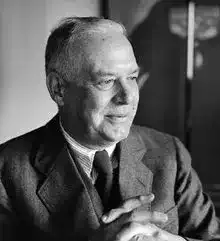
Wallace Stevens
Thirteen Ways of Looking at a Blackbird
Thirteen Ways of Looking at a Blackbird
I
Among twenty snowy mountains,
The only moving thing
Was the eye of the black bird.
II
I was of three minds,
Like a tree
In which there are three blackbirds.
III
The blackbird whirled in the autumn winds.
It was a small part of the pantomime.
IV
A man and a woman
Are one.
A man and a woman and a blackbird
Are one.
V
I do not know which to prefer,
The beauty of inflections
Or the beauty of innuendoes,
The blackbird whistling
Or just after.
VI
Icicles filled the long window
With barbaric glass.
The shadow of the blackbird
Crossed it, to and fro.
The mood
Traced in the shadow
An indecipherable cause.
VII
O thin men of Haddam,
Why do you imagine golden birds?
Do you not see how the blackbird
Walks around the feet
Of the women about you?
VIII
I know noble accents
And lucid, inescapable rhythms;
But I know, too,
That the blackbird is involved
In what I know.
IX
When the blackbird flew out of sight,
It marked the edge
Of one of many circles.
X
At the sight of blackbirds
Flying in a green light,
Even the bawds of euphony
Would cry out sharply.
XI
He rode over Connecticut
In a glass coach.
Once, a fear pierced him,
In that he mistook
The shadow of his equipage
For blackbirds.
XII
The river is moving.
The blackbird must be flying.
XIII
It was evening all afternoon.
It was snowing
And it was going to snow.
The blackbird sat
In the cedar-limbs.
I
Among twenty snowy mountains,
The only moving thing
Was the eye of the black bird.
II
I was of three minds,
Like a tree
In which there are three blackbirds.
III
The blackbird whirled in the autumn winds.
It was a small part of the pantomime.
IV
A man and a woman
Are one.
A man and a woman and a blackbird
Are one.
V
I do not know which to prefer,
The beauty of inflections
Or the beauty of innuendoes,
The blackbird whistling
Or just after.
VI
Icicles filled the long window
With barbaric glass.
The shadow of the blackbird
Crossed it, to and fro.
The mood
Traced in the shadow
An indecipherable cause.
VII
O thin men of Haddam,
Why do you imagine golden birds?
Do you not see how the blackbird
Walks around the feet
Of the women about you?
VIII
I know noble accents
And lucid, inescapable rhythms;
But I know, too,
That the blackbird is involved
In what I know.
IX
When the blackbird flew out of sight,
It marked the edge
Of one of many circles.
X
At the sight of blackbirds
Flying in a green light,
Even the bawds of euphony
Would cry out sharply.
XI
He rode over Connecticut
In a glass coach.
Once, a fear pierced him,
In that he mistook
The shadow of his equipage
For blackbirds.
XII
The river is moving.
The blackbird must be flying.
XIII
It was evening all afternoon.
It was snowing
And it was going to snow.
The blackbird sat
In the cedar-limbs.
289
Wallace Stevens
Sunday Morning
Sunday Morning
Complacencies of the peignoir, and late
Coffee and oranges in a sunny chair,
And the green freedom of a cockatoo
Upon a rug mingle to dissipate
The holy hush of ancient sacrifice.
She dreams a little, and she feels the dark
Encroachment of that old catastrophe,
As a calm darkens among water-lights.
The pungent oranges and bright, green wings
Seem things in some procession of the dead,
Winding across wide water, without sound.
The day is like wide water, without sound.
Stilled for the passing of her dreaming feet
Over the seas, to silent Palestine,
Dominion of the blood and sepulchre.
Why should she give her bounty to the dead?
What is divinity if it can come
Only in silent shadows and in dreams?
Shall she not find in comforts of the sun,
In pungent fruit and bright green wings, or else
In any balm or beauty of the earth,
Things to be cherished like the thought of heaven?
Divinity must live within herself:
Passions of rain, or moods in falling snow;
Grievings in loneliness, or unsubdued
Elations when the forest blooms; gusty
Emotions on wet roads on autumn nights;
All pleasures and all pains, remembering
The bough of summer and the winter branch.
These are the measure destined for her soul.
Jove in the clouds had his inhuman birth.
No mother suckled him, no sweet land gave
Large-mannered motions to his mythy mind.
He moved among us, as a muttering king,
Magnificent, would move among his hinds,
Until our blood, commingling, virginal,
With heaven, brought such requital to desire
The very hinds discerned it, in a star.
Shall our blood fail? Or shall it come to be
The blood of paradise? And shall the earth
Seem all of paradise that we shall know?
The sky will be much friendlier then than now,
A part of labor and a part of pain,
And next in glory to enduring love,
Not this dividing and indifferent blue.
She says, "I am content when wakened birds,
Before they fly, test the reality
Of misty fields, by their sweet questionings;
But when the birds are gone, and their warm fields
Return no more, where, then, is paradise?"
There is not any haunt of prophecy,
Nor any old chimera of the grave,
Neither the golden underground, nor isle
Melodious, where spirits gat them home,
Nor visionary south, nor cloudy palm
Remote on heaven's hill, that has endured
As April's green endures; or will endure
Like her remembrance of awakened birds,
Or her desire for June and evening, tipped
By the consummation of the swallow's wings.
She says, "But in contentment I still feel
The need of some imperishable bliss."
Death is the mother of beauty; hence from her,
Alone, shall come fulfillment to our dreams
And our desires. Although she strews the leaves
Of sure obliteration on our paths,
The path sick sorrow took, the many paths
Where triumph rang its brassy phrase, or love
Whispered a little out of tenderness,
She makes the willow shiver in the sun
For maidens who were wont to sit and gaze
Upon the grass, relinquished to their feet.
She causes boys to pile new plums and pears
On disregarded plate. The maidens taste
And stray impassioned in the littering leaves.
Is there no change of death in paradise?
Does ripe fruit never fall? Or do the boughs
Hang always heavy in that perfect sky,
Unchanging, yet so like our perishing earth,
With rivers like our own that seek for seas
They never find, the same receding shores
That never touch with inarticulate pang?
Why set pear upon those river-banks
Or spice the shores with odors of the plum?
Alas, that they should wear our colors there,
The silken weavings of our afternoons,
And pick the strings of our insipid lutes!
Death is the mother of beauty, mystical,
Within whose burning bosom we devise
Our earthly mothers waiting, sleeplessly.
Supple and turbulent, a ring of men
Shall chant in orgy on a summer morn
Their boisterous devotion to the sun,
Not as a god, but as a god might be,
Naked among them, like a savage source.
Their chant shall be a chant of paradise,
Out of their blood, returning to the sky;
And in their chant shall enter, voice by voice,
The windy lake wherein their lord delights,
The trees, like serafin, and echoing hills,
That choir among themselves long afterward.
They shall know well the heavenly fellowship
Of men that perish and of summer morn.
And whence they came and whither they shall go
The dew upon their feel shall manifest.
She hears, upon that water without sound,
A voice that cries, "The tomb in Palestine
Is not the porch of spirits lingering.
It is the grave of Jesus, where he lay."
We live in an old chaos of the sun,
Or old dependency of day and night,
Or island solitude, unsponsored, free,
Of that wide water, inescapable.
Deer walk upon our mountains, and the quail
Whistle about us their spontaneous cries;
Sweet berries ripen in the wilderness;
And, in the isolation of the sky,
At evening, casual flocks of pigeons make
Ambiguous undulations as they sink,
Downward to darkness, on extended wings.
Complacencies of the peignoir, and late
Coffee and oranges in a sunny chair,
And the green freedom of a cockatoo
Upon a rug mingle to dissipate
The holy hush of ancient sacrifice.
She dreams a little, and she feels the dark
Encroachment of that old catastrophe,
As a calm darkens among water-lights.
The pungent oranges and bright, green wings
Seem things in some procession of the dead,
Winding across wide water, without sound.
The day is like wide water, without sound.
Stilled for the passing of her dreaming feet
Over the seas, to silent Palestine,
Dominion of the blood and sepulchre.
Why should she give her bounty to the dead?
What is divinity if it can come
Only in silent shadows and in dreams?
Shall she not find in comforts of the sun,
In pungent fruit and bright green wings, or else
In any balm or beauty of the earth,
Things to be cherished like the thought of heaven?
Divinity must live within herself:
Passions of rain, or moods in falling snow;
Grievings in loneliness, or unsubdued
Elations when the forest blooms; gusty
Emotions on wet roads on autumn nights;
All pleasures and all pains, remembering
The bough of summer and the winter branch.
These are the measure destined for her soul.
Jove in the clouds had his inhuman birth.
No mother suckled him, no sweet land gave
Large-mannered motions to his mythy mind.
He moved among us, as a muttering king,
Magnificent, would move among his hinds,
Until our blood, commingling, virginal,
With heaven, brought such requital to desire
The very hinds discerned it, in a star.
Shall our blood fail? Or shall it come to be
The blood of paradise? And shall the earth
Seem all of paradise that we shall know?
The sky will be much friendlier then than now,
A part of labor and a part of pain,
And next in glory to enduring love,
Not this dividing and indifferent blue.
She says, "I am content when wakened birds,
Before they fly, test the reality
Of misty fields, by their sweet questionings;
But when the birds are gone, and their warm fields
Return no more, where, then, is paradise?"
There is not any haunt of prophecy,
Nor any old chimera of the grave,
Neither the golden underground, nor isle
Melodious, where spirits gat them home,
Nor visionary south, nor cloudy palm
Remote on heaven's hill, that has endured
As April's green endures; or will endure
Like her remembrance of awakened birds,
Or her desire for June and evening, tipped
By the consummation of the swallow's wings.
She says, "But in contentment I still feel
The need of some imperishable bliss."
Death is the mother of beauty; hence from her,
Alone, shall come fulfillment to our dreams
And our desires. Although she strews the leaves
Of sure obliteration on our paths,
The path sick sorrow took, the many paths
Where triumph rang its brassy phrase, or love
Whispered a little out of tenderness,
She makes the willow shiver in the sun
For maidens who were wont to sit and gaze
Upon the grass, relinquished to their feet.
She causes boys to pile new plums and pears
On disregarded plate. The maidens taste
And stray impassioned in the littering leaves.
Is there no change of death in paradise?
Does ripe fruit never fall? Or do the boughs
Hang always heavy in that perfect sky,
Unchanging, yet so like our perishing earth,
With rivers like our own that seek for seas
They never find, the same receding shores
That never touch with inarticulate pang?
Why set pear upon those river-banks
Or spice the shores with odors of the plum?
Alas, that they should wear our colors there,
The silken weavings of our afternoons,
And pick the strings of our insipid lutes!
Death is the mother of beauty, mystical,
Within whose burning bosom we devise
Our earthly mothers waiting, sleeplessly.
Supple and turbulent, a ring of men
Shall chant in orgy on a summer morn
Their boisterous devotion to the sun,
Not as a god, but as a god might be,
Naked among them, like a savage source.
Their chant shall be a chant of paradise,
Out of their blood, returning to the sky;
And in their chant shall enter, voice by voice,
The windy lake wherein their lord delights,
The trees, like serafin, and echoing hills,
That choir among themselves long afterward.
They shall know well the heavenly fellowship
Of men that perish and of summer morn.
And whence they came and whither they shall go
The dew upon their feel shall manifest.
She hears, upon that water without sound,
A voice that cries, "The tomb in Palestine
Is not the porch of spirits lingering.
It is the grave of Jesus, where he lay."
We live in an old chaos of the sun,
Or old dependency of day and night,
Or island solitude, unsponsored, free,
Of that wide water, inescapable.
Deer walk upon our mountains, and the quail
Whistle about us their spontaneous cries;
Sweet berries ripen in the wilderness;
And, in the isolation of the sky,
At evening, casual flocks of pigeons make
Ambiguous undulations as they sink,
Downward to darkness, on extended wings.
301
Wallace Stevens
Of Modern Poetry
Of Modern Poetry
The poem of the mind in the act of finding
What will suffice. It has not always had
To find: the scene was set; it repeated what
Was in the script.
Then the theatre was changed
To something else. Its past was a souvenir.
It has to be living, to learn the speech of the place.
It has to face the men of the time and to meet
The women of the time. It has to think about war
And it has to find what will suffice. It has
To construct a new stage. It has to be on that stage,
And, like an insatiable actor, slowly and
With meditation, speak words that in the ear,
In the delicatest ear of the mind, repeat,
Exactly, that which it wants to hear, at the sound
Of which, an invisible audience listens,
Not to the play, but to itself, expressed
In an emotion as of two people, as of two
Emotions becoming one. The actor is
A metaphysician in the dark, twanging
An instrument, twanging a wiry string that gives
Sounds passing through sudden rightnesses, wholly
Containing the mind, below which it cannot descend,
Beyond which it has no will to rise.
It must
Be the finding of a satisfaction, and may
Be of a man skating, a woman dancing, a woman
Combing. The poem of the act of the mind.
The poem of the mind in the act of finding
What will suffice. It has not always had
To find: the scene was set; it repeated what
Was in the script.
Then the theatre was changed
To something else. Its past was a souvenir.
It has to be living, to learn the speech of the place.
It has to face the men of the time and to meet
The women of the time. It has to think about war
And it has to find what will suffice. It has
To construct a new stage. It has to be on that stage,
And, like an insatiable actor, slowly and
With meditation, speak words that in the ear,
In the delicatest ear of the mind, repeat,
Exactly, that which it wants to hear, at the sound
Of which, an invisible audience listens,
Not to the play, but to itself, expressed
In an emotion as of two people, as of two
Emotions becoming one. The actor is
A metaphysician in the dark, twanging
An instrument, twanging a wiry string that gives
Sounds passing through sudden rightnesses, wholly
Containing the mind, below which it cannot descend,
Beyond which it has no will to rise.
It must
Be the finding of a satisfaction, and may
Be of a man skating, a woman dancing, a woman
Combing. The poem of the act of the mind.
298
Wallace Stevens
Gray Room
Gray Room
Although you sit in a room that is gray,
Except for the silver
Of the straw-paper,
And pick
At your pale white gown;
Or lift one of the green beads
Of your necklace,
To let it fall;
Or gaze at your green fan
Printed with the red branches of a red willow;
Or, with one finger,
Move the leaf in the bowl--
The leaf that has fallen from the branches of the forsythia
Beside you...
What is all this?
I know how furiously your heart is beating.
Although you sit in a room that is gray,
Except for the silver
Of the straw-paper,
And pick
At your pale white gown;
Or lift one of the green beads
Of your necklace,
To let it fall;
Or gaze at your green fan
Printed with the red branches of a red willow;
Or, with one finger,
Move the leaf in the bowl--
The leaf that has fallen from the branches of the forsythia
Beside you...
What is all this?
I know how furiously your heart is beating.
286