

Poems in this theme
Consciousness and Self-Knowledge

Dylan Thomas
Out Of The Sighs
Out Of The Sighs
Out of the sighs a little comes,
But not of grief, for I have knocked down that
Before the agony; the spirit grows,
Forgets, and cries;
A little comes, is tasted and found good;
All could not disappoint;
There must, be praised, some certainty,
If not of loving well, then not,
And that is true after perpetual defeat.
After such fighting as the weakest know,
There's more than dying;
Lose the great pains or stuff the wound,
He'll ache too long
Through no regret of leaving woman waiting
For her soldier stained with spilt words
That spill such acrid blood.
Were that enough, enough to ease the pain,
Feeling regret when this is wasted
That made me happy in the sun,
How much was happy while it lasted,
Were vagueness enough and the sweet lies plenty,
The hollow words could bear all suffering
And cure me of ills.
Were that enough, bone, blood, and sinew,
The twisted brain, the fair-formed loin,
Groping for matter under the dog's plate,
Man should be cured of distemper.
For all there is to give I offer:
Crumbs, barn, and halter.
Out of the sighs a little comes,
But not of grief, for I have knocked down that
Before the agony; the spirit grows,
Forgets, and cries;
A little comes, is tasted and found good;
All could not disappoint;
There must, be praised, some certainty,
If not of loving well, then not,
And that is true after perpetual defeat.
After such fighting as the weakest know,
There's more than dying;
Lose the great pains or stuff the wound,
He'll ache too long
Through no regret of leaving woman waiting
For her soldier stained with spilt words
That spill such acrid blood.
Were that enough, enough to ease the pain,
Feeling regret when this is wasted
That made me happy in the sun,
How much was happy while it lasted,
Were vagueness enough and the sweet lies plenty,
The hollow words could bear all suffering
And cure me of ills.
Were that enough, bone, blood, and sinew,
The twisted brain, the fair-formed loin,
Groping for matter under the dog's plate,
Man should be cured of distemper.
For all there is to give I offer:
Crumbs, barn, and halter.
264
Dylan Thomas
Because The Pleasure-Bird Whistles
Because The Pleasure-Bird Whistles
Because the pleasure-bird whistles after the hot wires,
Shall the blind horse sing sweeter?
Convenient bird and beast lie lodged to suffer
The supper and knives of a mood.
In the sniffed and poured snow on the tip of the tongue of the year
That clouts the spittle like bubbles with broken rooms,
An enamoured man alone by the twigs of his eyes, two fires,
Camped in the drug-white shower of nerves and food,
Savours the lick of the times through a deadly wood of hair
In a wind that plucked a goose,
Nor ever, as the wild tongue breaks its tombs,
Rounds to look at the red, wagged root.
Because there stands, one story out of the bum city,
That frozen wife whose juices drift like a fixed sea
Secretly in statuary,
Shall I, struck on the hot and rocking street,
Not spin to stare at an old year
Toppling and burning in the muddle of towers and galleries
Like the mauled pictures of boys?
The salt person and blasted place
I furnish with the meat of a fable;
If the dead starve, their stomachs turn to tumble
An upright man in the antipodes
Or spray-based and rock-chested sea:
Over the past table I repeat this present grace.
Because the pleasure-bird whistles after the hot wires,
Shall the blind horse sing sweeter?
Convenient bird and beast lie lodged to suffer
The supper and knives of a mood.
In the sniffed and poured snow on the tip of the tongue of the year
That clouts the spittle like bubbles with broken rooms,
An enamoured man alone by the twigs of his eyes, two fires,
Camped in the drug-white shower of nerves and food,
Savours the lick of the times through a deadly wood of hair
In a wind that plucked a goose,
Nor ever, as the wild tongue breaks its tombs,
Rounds to look at the red, wagged root.
Because there stands, one story out of the bum city,
That frozen wife whose juices drift like a fixed sea
Secretly in statuary,
Shall I, struck on the hot and rocking street,
Not spin to stare at an old year
Toppling and burning in the muddle of towers and galleries
Like the mauled pictures of boys?
The salt person and blasted place
I furnish with the meat of a fable;
If the dead starve, their stomachs turn to tumble
An upright man in the antipodes
Or spray-based and rock-chested sea:
Over the past table I repeat this present grace.
239
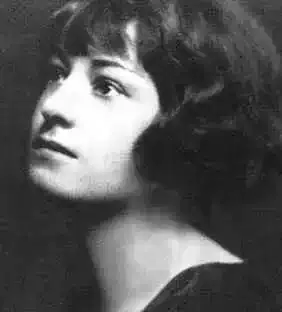
Dorothy Parker
The Searched Soul
The Searched Soul
When I consider, pro and con,
What things my love is built upon --
A curly mouth; a sinewed wrist;
A questioning brow; a pretty twist
Of words as old and tried as sin;
A pointed ear; a cloven chin;
Long, tapered limbs; and slanted eyes
Not cold nor kind nor darkly wise --
When so I ponder, here apart,
What shallow boons suffice my heart,
What dust-bound trivia capture me,
I marvel at my normalcy.
When I consider, pro and con,
What things my love is built upon --
A curly mouth; a sinewed wrist;
A questioning brow; a pretty twist
Of words as old and tried as sin;
A pointed ear; a cloven chin;
Long, tapered limbs; and slanted eyes
Not cold nor kind nor darkly wise --
When so I ponder, here apart,
What shallow boons suffice my heart,
What dust-bound trivia capture me,
I marvel at my normalcy.
375
Dorothy Parker
Song Of One Of The Girls
Song Of One Of The Girls
Here in my heart I am Helen;
I'm Aspasia and Hero, at least.
I'm Judith, and Jael, and Madame de Stael;
I'm Salome, moon of the East.
Here in my soul I am Sappho;
Lady Hamilton am I, as well.
In me Recamier vies with Kitty O'Shea,
With Dido, and Eve, and poor Nell.
I'm of the glamorous ladies
At whose beckoning history shook.
But you are a man, and see only my pan,
So I stay at home with a book.
Here in my heart I am Helen;
I'm Aspasia and Hero, at least.
I'm Judith, and Jael, and Madame de Stael;
I'm Salome, moon of the East.
Here in my soul I am Sappho;
Lady Hamilton am I, as well.
In me Recamier vies with Kitty O'Shea,
With Dido, and Eve, and poor Nell.
I'm of the glamorous ladies
At whose beckoning history shook.
But you are a man, and see only my pan,
So I stay at home with a book.
302
Dorothy Parker
Portrait of the Artist
Portrait of the Artist
Oh, lead me to a quiet cell
Where never footfall rankles,
And bar the window passing well,
And gyve my wrists and ankles.
Oh, wrap my eyes with linen fair,
With hempen cord go bind me,
And, of your mercy, leave me there,
Nor tell them where to find me.
Oh, lock the portal as you go,
And see its bolts be double....
Come back in half an hour or so,
And I will be in trouble.
Oh, lead me to a quiet cell
Where never footfall rankles,
And bar the window passing well,
And gyve my wrists and ankles.
Oh, wrap my eyes with linen fair,
With hempen cord go bind me,
And, of your mercy, leave me there,
Nor tell them where to find me.
Oh, lock the portal as you go,
And see its bolts be double....
Come back in half an hour or so,
And I will be in trouble.
321
Dorothy Parker
Interior
Interior
Her mind lives in a quiet room,
A narrow room, and tall,
With pretty lamps to quench the gloom
And mottoes on the wall.
There all the things are waxen neat
And set in decorous lines;
And there are posies, round and sweet,
And little, straightened vines.
Her mind lives tidily, apart
From cold and noise and pain,
And bolts the door against her heart,
Out wailing in the rain.
Her mind lives in a quiet room,
A narrow room, and tall,
With pretty lamps to quench the gloom
And mottoes on the wall.
There all the things are waxen neat
And set in decorous lines;
And there are posies, round and sweet,
And little, straightened vines.
Her mind lives tidily, apart
From cold and noise and pain,
And bolts the door against her heart,
Out wailing in the rain.
336
Dorothy Parker
For A Lady Who Must Write Verse
For A Lady Who Must Write Verse
Unto seventy years and seven,
Hide your double birthright well-
You, that are the brat of Heaven
And the pampered heir to Hell.
Let your rhymes be tinsel treasures,
Strung and seen and thrown aside.
Drill your apt and docile measures
Sternly as you drill your pride.
Show your quick, alarming skill in
Tidy mockeries of art;
Never, never dip your quill in
Ink that rushes from your heart.
When your pain must come to paper,
See it dust, before the day;
Let your night-light curl and caper,
Let it lick the words away.
Never print, poor child, a lay on
Love and tears and anguishing,
Lest a cooled, benignant Phaon
Murmur, "Silly little thing!"
Unto seventy years and seven,
Hide your double birthright well-
You, that are the brat of Heaven
And the pampered heir to Hell.
Let your rhymes be tinsel treasures,
Strung and seen and thrown aside.
Drill your apt and docile measures
Sternly as you drill your pride.
Show your quick, alarming skill in
Tidy mockeries of art;
Never, never dip your quill in
Ink that rushes from your heart.
When your pain must come to paper,
See it dust, before the day;
Let your night-light curl and caper,
Let it lick the words away.
Never print, poor child, a lay on
Love and tears and anguishing,
Lest a cooled, benignant Phaon
Murmur, "Silly little thing!"
339
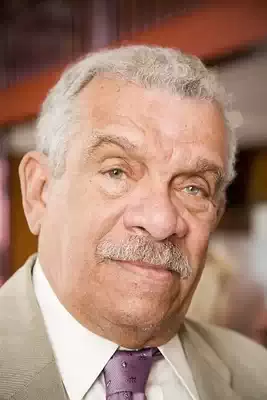
Derek Walcott
Love After Love
Love After Love
The time will come
when, with elation
you will greet yourself arriving
at your own door, in your own mirror
and each will smile at the other's welcome,
and say, sit here. Eat.
You will love again the stranger who was your self.
Give wine. Give bread. Give back your heart
to itself, to the stranger who has loved you
all your life, whom you ignored
for another, who knows you by heart.
Take down the love letters from the bookshelf,
the photographs, the desperate notes,
peel your own image from the mirror.
Sit. Feast on your life.
The time will come
when, with elation
you will greet yourself arriving
at your own door, in your own mirror
and each will smile at the other's welcome,
and say, sit here. Eat.
You will love again the stranger who was your self.
Give wine. Give bread. Give back your heart
to itself, to the stranger who has loved you
all your life, whom you ignored
for another, who knows you by heart.
Take down the love letters from the bookshelf,
the photographs, the desperate notes,
peel your own image from the mirror.
Sit. Feast on your life.
1,231

D.H. Lawrence
Thought
Thought
Thought, I love thought.
But not the juggling and twisting of already existent ideas
I despise that self-important game.
Thought is the welling up of unknown life into consciousness,
Thought is the testing of statements on the touchstone of consciousness,
Thought is gazing onto the face of life, and reading what can be read,
Thought is pondering over experience, and coming to conclusion.
Thought is not a trick, or an exercise, or a set of dodges,
Thought is a man in his wholeness, wholly attending.
Thought, I love thought.
But not the juggling and twisting of already existent ideas
I despise that self-important game.
Thought is the welling up of unknown life into consciousness,
Thought is the testing of statements on the touchstone of consciousness,
Thought is gazing onto the face of life, and reading what can be read,
Thought is pondering over experience, and coming to conclusion.
Thought is not a trick, or an exercise, or a set of dodges,
Thought is a man in his wholeness, wholly attending.
215
D.H. Lawrence
The Enkindled Spring
The Enkindled Spring
This spring as it comes bursts up in bonfires green,
Wild puffing of emerald trees, and flame-filled bushes,
Thorn-blossom lifting in wreaths of smoke between
Where the wood fumes up and the watery, flickering rushes.
I am amazed at this spring, this conflagration
Of green fires lit on the soil of the earth, this blaze
Of growing, and sparks that puff in wild gyration,
Faces of people streaming across my gaze.
And I, what fountain of fire am I among
This leaping combustion of spring? My spirit is tossed
About like a shadow buffeted in the throng
Of flames, a shadow that’s gone astray, and is lost.
This spring as it comes bursts up in bonfires green,
Wild puffing of emerald trees, and flame-filled bushes,
Thorn-blossom lifting in wreaths of smoke between
Where the wood fumes up and the watery, flickering rushes.
I am amazed at this spring, this conflagration
Of green fires lit on the soil of the earth, this blaze
Of growing, and sparks that puff in wild gyration,
Faces of people streaming across my gaze.
And I, what fountain of fire am I among
This leaping combustion of spring? My spirit is tossed
About like a shadow buffeted in the throng
Of flames, a shadow that’s gone astray, and is lost.
228
D.H. Lawrence
Snake
Snake
A snake came to my water-trough
On a hot, hot day, and I in pyjamas for the heat,
To drink there.
In the deep, strange-scented shade of the great dark carob-tree
I came down the steps with my pitcher
And must wait, must stand and wait, for there he was at the trough before
me.
He reached down from a fissure in the earth-wall in the gloom
And trailed his yellow-brown slackness soft-bellied down, over the edge of
the stone trough
And rested his throat upon the stone bottom,
And where the water had dripped from the tap, in a small clearness,
He sipped with his straight mouth,
Softly drank through his straight gums, into his slack long body,
Silently.
Someone was before me at my water-trough,
And I, like a second comer, waiting.
He lifted his head from his drinking, as cattle do,
And looked at me vaguely, as drinking cattle do,
And flickered his two-forked tongue from his lips, and mused a moment,
And stooped and drank a little more,
Being earth-brown, earth-golden from the burning bowels of the earth
On the day of Sicilian July, with Etna smoking.
The voice of my education said to me
He must be killed,
For in Sicily the black, black snakes are innocent, the gold are venomous.
And voices in me said, If you were a man
You would take a stick and break him now, and finish him off.
But must I confess how I liked him,
How glad I was he had come like a guest in quiet, to drink at my water-trough
And depart peaceful, pacified, and thankless,
Into the burning bowels of this earth?
Was it cowardice, that I dared not kill him? Was it perversity, that I longed to talk to
him? Was it humility, to feel so honoured?
I felt so honoured.
And yet those voices:
If you were not afraid, you would kill him!
And truly I was afraid, I was most afraid, But even so, honoured still more
That he should seek my hospitality
From out the dark door of the secret earth.
He drank enough
And lifted his head, dreamily, as one who has drunken,
And flickered his tongue like a forked night on the air, so black,
Seeming to lick his lips,
And looked around like a god, unseeing, into the air,
And slowly turned his head,
And slowly, very slowly, as if thrice adream,
Proceeded to draw his slow length curving round
And climb again the broken bank of my wall-face.
And as he put his head into that dreadful hole,
And as he slowly drew up, snake-easing his shoulders, and entered farther,
A sort of horror, a sort of protest against his withdrawing into that horrid black hole,
Deliberately going into the blackness, and slowly drawing himself after,
Overcame me now his back was turned.
I looked round, I put down my pitcher,
I picked up a clumsy log
And threw it at the water-trough with a clatter.
I think it did not hit him,
But suddenly that part of him that was left behind convulsed in undignified haste.
Writhed like lightning, and was gone
Into the black hole, the earth-lipped fissure in the wall-front,
At which, in the intense still noon, I stared with fascination.
And immediately I regretted it.
I thought how paltry, how vulgar, what a mean act!
I despised myself and the voices of my accursed human education.
And I thought of the albatross
And I wished he would come back, my snake.
For he seemed to me again like a king,
Like a king in exile, uncrowned in the underworld,
Now due to be crowned again.
And so, I missed my chance with one of the lords
Of life.
And I have something to expiate:
A pettiness.
A snake came to my water-trough
On a hot, hot day, and I in pyjamas for the heat,
To drink there.
In the deep, strange-scented shade of the great dark carob-tree
I came down the steps with my pitcher
And must wait, must stand and wait, for there he was at the trough before
me.
He reached down from a fissure in the earth-wall in the gloom
And trailed his yellow-brown slackness soft-bellied down, over the edge of
the stone trough
And rested his throat upon the stone bottom,
And where the water had dripped from the tap, in a small clearness,
He sipped with his straight mouth,
Softly drank through his straight gums, into his slack long body,
Silently.
Someone was before me at my water-trough,
And I, like a second comer, waiting.
He lifted his head from his drinking, as cattle do,
And looked at me vaguely, as drinking cattle do,
And flickered his two-forked tongue from his lips, and mused a moment,
And stooped and drank a little more,
Being earth-brown, earth-golden from the burning bowels of the earth
On the day of Sicilian July, with Etna smoking.
The voice of my education said to me
He must be killed,
For in Sicily the black, black snakes are innocent, the gold are venomous.
And voices in me said, If you were a man
You would take a stick and break him now, and finish him off.
But must I confess how I liked him,
How glad I was he had come like a guest in quiet, to drink at my water-trough
And depart peaceful, pacified, and thankless,
Into the burning bowels of this earth?
Was it cowardice, that I dared not kill him? Was it perversity, that I longed to talk to
him? Was it humility, to feel so honoured?
I felt so honoured.
And yet those voices:
If you were not afraid, you would kill him!
And truly I was afraid, I was most afraid, But even so, honoured still more
That he should seek my hospitality
From out the dark door of the secret earth.
He drank enough
And lifted his head, dreamily, as one who has drunken,
And flickered his tongue like a forked night on the air, so black,
Seeming to lick his lips,
And looked around like a god, unseeing, into the air,
And slowly turned his head,
And slowly, very slowly, as if thrice adream,
Proceeded to draw his slow length curving round
And climb again the broken bank of my wall-face.
And as he put his head into that dreadful hole,
And as he slowly drew up, snake-easing his shoulders, and entered farther,
A sort of horror, a sort of protest against his withdrawing into that horrid black hole,
Deliberately going into the blackness, and slowly drawing himself after,
Overcame me now his back was turned.
I looked round, I put down my pitcher,
I picked up a clumsy log
And threw it at the water-trough with a clatter.
I think it did not hit him,
But suddenly that part of him that was left behind convulsed in undignified haste.
Writhed like lightning, and was gone
Into the black hole, the earth-lipped fissure in the wall-front,
At which, in the intense still noon, I stared with fascination.
And immediately I regretted it.
I thought how paltry, how vulgar, what a mean act!
I despised myself and the voices of my accursed human education.
And I thought of the albatross
And I wished he would come back, my snake.
For he seemed to me again like a king,
Like a king in exile, uncrowned in the underworld,
Now due to be crowned again.
And so, I missed my chance with one of the lords
Of life.
And I have something to expiate:
A pettiness.
199
D.H. Lawrence
Search for Truth
Search for Truth
Search for nothing any more, nothing
except truth.
Be very still, and try and get at the truth.
And the first question to ask yourself is:
How great a liar am I?
Search for nothing any more, nothing
except truth.
Be very still, and try and get at the truth.
And the first question to ask yourself is:
How great a liar am I?
162
D.H. Lawrence
Lui et Elle
Lui et Elle
She is large and matronly
And rather dirty,
A little sardonic-looking, as if domesticity had driven her to it.
Though what she does, except lay four eggs at random in the garden once a year
And put up with her husband,
I don't know.
She likes to eat.
She hurries up, striding reared on long uncanny legs
When food is going.
Oh yes, she can make haste when she likes.
She snaps the soft bread from my hand in great mouthfuls,
Opening her rather pretty wedge of an iron, pristine face
Into an enormously wide-beaked mouth
Like sudden curved scissors,
And gulping at more than she can swallow, and working her thick, soft tongue,
And having the bread hanging over her chin.
O Mistress, Mistress,
Reptile mistress,
Your eye is very dark, very bright,
And it never softens
Although you watch.
She knows,
She knows well enough to come for food,
Yet she sees me not;
Her bright eye sees, but not me, not anything,
Sightful, sightless, seeing and visionless,
Reptile mistress.
Taking bread in her curved, gaping, toothless mouth,
She has no qualm when she catches my finger in her steel overlapping gums,
But she hangs on, and my shout and my shrinking are nothing to her.
She does not even know she is nipping me with her curved beak.
Snake-like she draws at my finger, while I drag it in horror away.
Mistress, reptile mistress,
You are almost too large, I am almost frightened.
He is much smaller,
Dapper beside her,
And ridiculously small.
Her laconic eye has an earthy, materialistic look,
His, poor darling, is almost fiery.
His wimple, his blunt-prowed face,
His low forehead, his skinny neck, his long, scaled, striving legs,
So striving, striving,
Are all more delicate than she,
And he has a cruel scar on his shell.
Poor darling, biting at her feet,
Running beside her like a dog, biting her earthy, splay feet,
Nipping her ankles,
Which she drags apathetic away, though without retreating into her shell.
Agelessly silent,
And with a grim, reptile determination,
Cold, voiceless age-after-age behind him, serpents' long obstinacy
Of horizontal persistence.
Little old man
Scuffling beside her, bending down, catching his opportunity,
Parting his steel-trap face, so suddenly, and seizing her scaly ankle,
And hanging grimly on,
Letting go at last as she drags away,
And closing his steel-trap face.
His steel-trap, stoic, ageless, handsome face.
Alas, what a fool he looks in this scuffle.
And how he feels it!
The lonely rambler, the stoic, dignified stalker through chaos,
The immune, the animate,
Enveloped in isolation,
Fore-runner.
Now look at him!
Alas, the spear is through the side of his isolation.
His adolescence saw him crucified into sex,
Doomed, in the long crucifixion of desire, to seek his consummation beyond himself.
Divided into passionate duality,
He, so finished and immune, now broken into desirous fragmentariness,
Doomed to make an intolerable fool of himself
In his effort toward completion again.
Poor little earthy house-inhabiting Osiris,
The mysterious bull tore him at adolescence into pieces,
And he must struggle after reconstruction, ignominiously.
And so behold him following the tail
Of that mud-hovel of his slowly rambling spouse,
Like some unhappy bull at the tail of a cow,
But with more than bovine, grim, earth-dank persistence.
Suddenly seizing the ugly ankle as she stretches out to walk,
Roaming over the sods,
Or, if it happen to show, at her pointed, heavy tail
Beneath the low-dropping back-board of her shell.
Their two shells like domed boats bumping,
Hers huge, his small;
Their splay feet rambling and rowing like paddles,
And stumbling mixed up in one another,
In the race of love --
Two tortoises,
She huge, he small.
She seems earthily apathetic,
And he has a reptile's awful persistence.
I heard a woman pitying her, pitying the Mère Tortue.
While I, I pity Monsieur.
'He pesters her and torments her,' said the woman.
How much more is he pestered and tormented, say I.
What can he do?
He is dumb, he is visionless,
Conceptionless.
His black, sad-lidded eye sees but beholds not
As her earthen mound moves on,
But he catches the folds of vulnerable, leathery skin,
Nail-studded, that shake beneath her shell,
And drags at these with his beak,
Drags and drags and bites,
While she pulls herself free, and rows her dull mound along.
She is large and matronly
And rather dirty,
A little sardonic-looking, as if domesticity had driven her to it.
Though what she does, except lay four eggs at random in the garden once a year
And put up with her husband,
I don't know.
She likes to eat.
She hurries up, striding reared on long uncanny legs
When food is going.
Oh yes, she can make haste when she likes.
She snaps the soft bread from my hand in great mouthfuls,
Opening her rather pretty wedge of an iron, pristine face
Into an enormously wide-beaked mouth
Like sudden curved scissors,
And gulping at more than she can swallow, and working her thick, soft tongue,
And having the bread hanging over her chin.
O Mistress, Mistress,
Reptile mistress,
Your eye is very dark, very bright,
And it never softens
Although you watch.
She knows,
She knows well enough to come for food,
Yet she sees me not;
Her bright eye sees, but not me, not anything,
Sightful, sightless, seeing and visionless,
Reptile mistress.
Taking bread in her curved, gaping, toothless mouth,
She has no qualm when she catches my finger in her steel overlapping gums,
But she hangs on, and my shout and my shrinking are nothing to her.
She does not even know she is nipping me with her curved beak.
Snake-like she draws at my finger, while I drag it in horror away.
Mistress, reptile mistress,
You are almost too large, I am almost frightened.
He is much smaller,
Dapper beside her,
And ridiculously small.
Her laconic eye has an earthy, materialistic look,
His, poor darling, is almost fiery.
His wimple, his blunt-prowed face,
His low forehead, his skinny neck, his long, scaled, striving legs,
So striving, striving,
Are all more delicate than she,
And he has a cruel scar on his shell.
Poor darling, biting at her feet,
Running beside her like a dog, biting her earthy, splay feet,
Nipping her ankles,
Which she drags apathetic away, though without retreating into her shell.
Agelessly silent,
And with a grim, reptile determination,
Cold, voiceless age-after-age behind him, serpents' long obstinacy
Of horizontal persistence.
Little old man
Scuffling beside her, bending down, catching his opportunity,
Parting his steel-trap face, so suddenly, and seizing her scaly ankle,
And hanging grimly on,
Letting go at last as she drags away,
And closing his steel-trap face.
His steel-trap, stoic, ageless, handsome face.
Alas, what a fool he looks in this scuffle.
And how he feels it!
The lonely rambler, the stoic, dignified stalker through chaos,
The immune, the animate,
Enveloped in isolation,
Fore-runner.
Now look at him!
Alas, the spear is through the side of his isolation.
His adolescence saw him crucified into sex,
Doomed, in the long crucifixion of desire, to seek his consummation beyond himself.
Divided into passionate duality,
He, so finished and immune, now broken into desirous fragmentariness,
Doomed to make an intolerable fool of himself
In his effort toward completion again.
Poor little earthy house-inhabiting Osiris,
The mysterious bull tore him at adolescence into pieces,
And he must struggle after reconstruction, ignominiously.
And so behold him following the tail
Of that mud-hovel of his slowly rambling spouse,
Like some unhappy bull at the tail of a cow,
But with more than bovine, grim, earth-dank persistence.
Suddenly seizing the ugly ankle as she stretches out to walk,
Roaming over the sods,
Or, if it happen to show, at her pointed, heavy tail
Beneath the low-dropping back-board of her shell.
Their two shells like domed boats bumping,
Hers huge, his small;
Their splay feet rambling and rowing like paddles,
And stumbling mixed up in one another,
In the race of love --
Two tortoises,
She huge, he small.
She seems earthily apathetic,
And he has a reptile's awful persistence.
I heard a woman pitying her, pitying the Mère Tortue.
While I, I pity Monsieur.
'He pesters her and torments her,' said the woman.
How much more is he pestered and tormented, say I.
What can he do?
He is dumb, he is visionless,
Conceptionless.
His black, sad-lidded eye sees but beholds not
As her earthen mound moves on,
But he catches the folds of vulnerable, leathery skin,
Nail-studded, that shake beneath her shell,
And drags at these with his beak,
Drags and drags and bites,
While she pulls herself free, and rows her dull mound along.
210
D.H. Lawrence
Listening
Listening
I listen to the stillness of you,
My dear, among it all;
I feel your silence touch my words as I talk,
And take them in thrall.
My words fly off a forge
The length of a spark;
I see the night-sky easily sip them
Up in the dark.
The lark sings loud and glad,
Yet I am not loth
That silence should take the song and the bird
And lose them both.
A train goes roaring south,
The steam-flag flying;
I see the stealthy shadow of silence
Alongside going.
And off the forge of the world,
Whirling in the draught of life,
Go sparks of myriad people, filling
The night with strife.
Yet they never change the darkness
Or blench it with noise;
Alone on the perfect silence
The stars are buoys.
I listen to the stillness of you,
My dear, among it all;
I feel your silence touch my words as I talk,
And take them in thrall.
My words fly off a forge
The length of a spark;
I see the night-sky easily sip them
Up in the dark.
The lark sings loud and glad,
Yet I am not loth
That silence should take the song and the bird
And lose them both.
A train goes roaring south,
The steam-flag flying;
I see the stealthy shadow of silence
Alongside going.
And off the forge of the world,
Whirling in the draught of life,
Go sparks of myriad people, filling
The night with strife.
Yet they never change the darkness
Or blench it with noise;
Alone on the perfect silence
The stars are buoys.
187
D.H. Lawrence
Kangaroo
Kangaroo
Delicate mother Kangaroo
Sitting up there rabbit-wise, but huge, plump-weighted,
And lifting her beautiful slender face, oh! so much more
gently and finely lined than a rabbit's, or than a hare's,
Lifting her face to nibble at a round white peppermint drop
which she loves, sensitive mother Kangaroo.
Her sensitive, long, pure-bred face.
Her full antipodal eyes, so dark,
So big and quiet and remote, having watched so many
empty dawns in silent Australia.
Her little loose hands, and drooping Victorian shoulders.
And then her great weight below the waist, her vast pale belly,
With a thin young yellow little paw hanging out, and
straggle of a long thin ear, like ribbon,
Like a funny trimming to the middle of her belly, thin
little dangle of an immature paw, and one thin ear.
Her belly, her big haunches
And, in addition, the great muscular python-stretch of her tail.
There, she shan't have any more peppermint drops.
So she wistfully, sensitively sniffs the air, and then turns,
goes off in slow sad leaps
On the long flat skis of her legs,
Steered and propelled by that steel-strong snake of a tail.
Stops again, half turns, inquisitive to look back.
While something stirs quickly in her belly, and a lean little
face comes out, as from a window,
Peaked and a bit dismayed,
Only to disappear again quickly away from the sight of the
world, to snuggle down in the warmth,
Leaving the trail of a different paw hanging out.
Still she watches with eternal, cocked wistfulness!
How full her eyes are, like the full, fathomless, shining
eyes of an Australian black-boy
Who has been lost so many centuries on the margins of
existence!
She watches with insatiable wistfulness.
Untold centuries of watching for something to come,
For a new signal from life, in that silent lost land of the
South.
Where nothing bites but insects and snakes and the sun,
small life.
Where no bull roared, no cow ever lowed, no stag cried,
no leopard screeched, no lion coughed, no dog barked,
But all was silent save for parrots occasionally, in the
haunted blue bush.
Wistfully watching, with wonderful liquid eyes.
And all her weight, all her blood, dropping sackwise down
towards the earth's centre,
And the live little-one taking in its paw at the door of her
belly.
Delicate mother Kangaroo
Sitting up there rabbit-wise, but huge, plump-weighted,
And lifting her beautiful slender face, oh! so much more
gently and finely lined than a rabbit's, or than a hare's,
Lifting her face to nibble at a round white peppermint drop
which she loves, sensitive mother Kangaroo.
Her sensitive, long, pure-bred face.
Her full antipodal eyes, so dark,
So big and quiet and remote, having watched so many
empty dawns in silent Australia.
Her little loose hands, and drooping Victorian shoulders.
And then her great weight below the waist, her vast pale belly,
With a thin young yellow little paw hanging out, and
straggle of a long thin ear, like ribbon,
Like a funny trimming to the middle of her belly, thin
little dangle of an immature paw, and one thin ear.
Her belly, her big haunches
And, in addition, the great muscular python-stretch of her tail.
There, she shan't have any more peppermint drops.
So she wistfully, sensitively sniffs the air, and then turns,
goes off in slow sad leaps
On the long flat skis of her legs,
Steered and propelled by that steel-strong snake of a tail.
Stops again, half turns, inquisitive to look back.
While something stirs quickly in her belly, and a lean little
face comes out, as from a window,
Peaked and a bit dismayed,
Only to disappear again quickly away from the sight of the
world, to snuggle down in the warmth,
Leaving the trail of a different paw hanging out.
Still she watches with eternal, cocked wistfulness!
How full her eyes are, like the full, fathomless, shining
eyes of an Australian black-boy
Who has been lost so many centuries on the margins of
existence!
She watches with insatiable wistfulness.
Untold centuries of watching for something to come,
For a new signal from life, in that silent lost land of the
South.
Where nothing bites but insects and snakes and the sun,
small life.
Where no bull roared, no cow ever lowed, no stag cried,
no leopard screeched, no lion coughed, no dog barked,
But all was silent save for parrots occasionally, in the
haunted blue bush.
Wistfully watching, with wonderful liquid eyes.
And all her weight, all her blood, dropping sackwise down
towards the earth's centre,
And the live little-one taking in its paw at the door of her
belly.
243
D.H. Lawrence
Dissolute
Dissolute
Many years have I still to burn, detained
Like a candle flame on this body; but I enshine
A darkness within me, a presence which sleeps contained
In my flame of living, her soul enfolded in mine.
And through these years, while I burn on the fuel of life,
What matter the stuff I lick up in my living flame,
Seeing I keep in the fire-core, inviolate,
A night where she dreams my dreams for me, ever the same.
Many years have I still to burn, detained
Like a candle flame on this body; but I enshine
A darkness within me, a presence which sleeps contained
In my flame of living, her soul enfolded in mine.
And through these years, while I burn on the fuel of life,
What matter the stuff I lick up in my living flame,
Seeing I keep in the fire-core, inviolate,
A night where she dreams my dreams for me, ever the same.
187
D.H. Lawrence
Discipline
Discipline
It is stormy, and raindrops cling like silver bees to the pane,
The thin sycamores in the playground are swinging with flattened leaves;
The heads of the boys move dimly through a yellow gloom that stains
The class; over them all the dark net of my discipline weaves.
It is no good, dear, gentleness and forbearance, I endured too long:
I have pushed my hands in the dark soil, under the flower of my soul
And the gentle leaves, and have felt where the roots are strong
Fixed in the darkness, grappling for the deep soil’s little control.
And there is the dark, my darling, where the roots are entangled and fight
Each one for its hold on the oblivious darkness, I know that there
In the night where we first have being, before we rise on the light,
We are not brothers, my darling, we fight and we do not spare.
And in the original dark the roots cannot keep, cannot know
Any communion whatever, but they bind themselves on to the dark,
And drawing the darkness together, crush from it a twilight, a slow
Burning that breaks at last into leaves and a flower’s bright spark.
I came to the boys with love, my dear, but they turned on me;
I came with gentleness, with my heart ’twixt my hands like a bowl,
Like a loving-cup, like a grail, but they spilt it triumphantly
And tried to break the vessel, and to violate my soul.
But what have I to do with the boys, deep down in my soul, my love?
I throw from out of the darkness my self like a flower into sight,
Like a flower from out of the night-time, I lift my face, and those
Who will may warm their hands at me, comfort this night.
But whosoever would pluck apart my flowering shall burn their hands,
So flowers are tender folk, and roots can only hide,
Yet my flowerings of love are a fire, and the scarlet brands
Of my love are roses to look at, but flames to chide.
But comfort me, my love, now the fires are low,
Now I am broken to earth like a winter destroyed, and all
Myself but a knowledge of roots, of roots in the dark that throw
A net on the undersoil, which lies passive beneath their thrall.
But comfort me, for henceforth my love is yours alone,
To you alone will I offer the bowl, to you will I give
My essence only, but love me, and I will atone
To you for my general loving, atone as long as I live.
It is stormy, and raindrops cling like silver bees to the pane,
The thin sycamores in the playground are swinging with flattened leaves;
The heads of the boys move dimly through a yellow gloom that stains
The class; over them all the dark net of my discipline weaves.
It is no good, dear, gentleness and forbearance, I endured too long:
I have pushed my hands in the dark soil, under the flower of my soul
And the gentle leaves, and have felt where the roots are strong
Fixed in the darkness, grappling for the deep soil’s little control.
And there is the dark, my darling, where the roots are entangled and fight
Each one for its hold on the oblivious darkness, I know that there
In the night where we first have being, before we rise on the light,
We are not brothers, my darling, we fight and we do not spare.
And in the original dark the roots cannot keep, cannot know
Any communion whatever, but they bind themselves on to the dark,
And drawing the darkness together, crush from it a twilight, a slow
Burning that breaks at last into leaves and a flower’s bright spark.
I came to the boys with love, my dear, but they turned on me;
I came with gentleness, with my heart ’twixt my hands like a bowl,
Like a loving-cup, like a grail, but they spilt it triumphantly
And tried to break the vessel, and to violate my soul.
But what have I to do with the boys, deep down in my soul, my love?
I throw from out of the darkness my self like a flower into sight,
Like a flower from out of the night-time, I lift my face, and those
Who will may warm their hands at me, comfort this night.
But whosoever would pluck apart my flowering shall burn their hands,
So flowers are tender folk, and roots can only hide,
Yet my flowerings of love are a fire, and the scarlet brands
Of my love are roses to look at, but flames to chide.
But comfort me, my love, now the fires are low,
Now I am broken to earth like a winter destroyed, and all
Myself but a knowledge of roots, of roots in the dark that throw
A net on the undersoil, which lies passive beneath their thrall.
But comfort me, for henceforth my love is yours alone,
To you alone will I offer the bowl, to you will I give
My essence only, but love me, and I will atone
To you for my general loving, atone as long as I live.
227
D.H. Lawrence
Conceit
Conceit
It is conceit that kills us
and makes us cowards instead of gods.
Under the great Command: Know thy self, and that thou art mortal!
we have become fatally self-conscious, fatally self-important, fatally entangled in the
Laocoön coils of our conceit.
Now we have to admit we can't know ourselves, we can only know about ourselves.
And I am not interested to know about myself any more,
I only entangle myself in the knowing.
Now let me be myself,
now let me be myself, and flicker forth,
now let me be myself, in the being, one of the gods.
It is conceit that kills us
and makes us cowards instead of gods.
Under the great Command: Know thy self, and that thou art mortal!
we have become fatally self-conscious, fatally self-important, fatally entangled in the
Laocoön coils of our conceit.
Now we have to admit we can't know ourselves, we can only know about ourselves.
And I am not interested to know about myself any more,
I only entangle myself in the knowing.
Now let me be myself,
now let me be myself, and flicker forth,
now let me be myself, in the being, one of the gods.
263
D.H. Lawrence
Baby Tortoise
Baby Tortoise
You know what it is to be born alone,
Baby tortoise!
The first day to heave your feet little by little from the shell,
Not yet awake,
And remain lapsed on earth,
Not quite alive.
A tiny, fragile, half-animate bean.
To open your tiny beak-mouth, that looks as if it would never open,
Like some iron door;
To lift the upper hawk-beak from the lower base
And reach your skinny little neck
And take your first bite at some dim bit of herbage,
Alone, small insect,
Tiny bright-eye,
Slow one.
To take your first solitary bite
And move on your slow, solitary hunt.
Your bright, dark little eye,
Your eye of a dark disturbed night,
Under its slow lid, tiny baby tortoise,
So indomitable.
No one ever heard you complain.
You draw your head forward, slowly, from your little wimple
And set forward, slow-dragging, on your four-pinned toes, Rowing slowly forward.
Whither away, small bird?
Rather like a baby working its limbs,
Except that you make slow, ageless progress
And a baby makes none.
The touch of sun excites you,
And the long ages, and the lingering chill
Make you pause to yawn,
Opening your impervious mouth,
Suddenly beak-shaped, and very wide, like some suddenly gaping pincers;
Soft red tongue, and hard thin gums,
Then close the wedge of your little mountain front,
Your face, baby tortoise.
Do you wonder at the world, as slowly you turn your head in its wimple
And look with laconic, black eyes?
Or is sleep coming over you again,
The non-life?
You are so hard to wake.
Are you able to wonder?
Or is it just your indomitable will and pride of the first life
Looking round
And slowly pitching itself against the inertia
Which had seemed invincible?
The vast inanimate,
And the fine brilliance of your so tiny eye,
Challenger.
Nay, tiny shell-bird,
What a huge vast inanimate it is, that you must row against,
What an incalculable inertia.
Challenger,
Little Ulysses, fore-runner,
No bigger than my thumb-nail,
Buon viaggio.
All animate creation on your shoulder,
Set forth, little Titan, under your battle-shield.
The ponderous, preponderate,
Inanimate universe;
And you are slowly moving, pioneer, you alone.
How vivid your travelling seems now, in the troubled sunshine,
Stoic, Ulyssean atom;
Suddenly hasty, reckless, on high toes.
Voiceless little bird,
Resting your head half out of your wimple
In the slow dignity of your eternal pause.
Alone, with no sense of being alone,
And hence six times more solitary;
Fulfilled of the slow passion of pitching through immemorial ages
Your little round house in the midst of chaos.
Over the garden earth,
Small bird,
Over the edge of all things.
Traveller,
With your tail tucked a little on one side
Like a gentleman in a long-skirted coat.
All life carried on your shoulder,
Invincible fore-runner.
You know what it is to be born alone,
Baby tortoise!
The first day to heave your feet little by little from the shell,
Not yet awake,
And remain lapsed on earth,
Not quite alive.
A tiny, fragile, half-animate bean.
To open your tiny beak-mouth, that looks as if it would never open,
Like some iron door;
To lift the upper hawk-beak from the lower base
And reach your skinny little neck
And take your first bite at some dim bit of herbage,
Alone, small insect,
Tiny bright-eye,
Slow one.
To take your first solitary bite
And move on your slow, solitary hunt.
Your bright, dark little eye,
Your eye of a dark disturbed night,
Under its slow lid, tiny baby tortoise,
So indomitable.
No one ever heard you complain.
You draw your head forward, slowly, from your little wimple
And set forward, slow-dragging, on your four-pinned toes, Rowing slowly forward.
Whither away, small bird?
Rather like a baby working its limbs,
Except that you make slow, ageless progress
And a baby makes none.
The touch of sun excites you,
And the long ages, and the lingering chill
Make you pause to yawn,
Opening your impervious mouth,
Suddenly beak-shaped, and very wide, like some suddenly gaping pincers;
Soft red tongue, and hard thin gums,
Then close the wedge of your little mountain front,
Your face, baby tortoise.
Do you wonder at the world, as slowly you turn your head in its wimple
And look with laconic, black eyes?
Or is sleep coming over you again,
The non-life?
You are so hard to wake.
Are you able to wonder?
Or is it just your indomitable will and pride of the first life
Looking round
And slowly pitching itself against the inertia
Which had seemed invincible?
The vast inanimate,
And the fine brilliance of your so tiny eye,
Challenger.
Nay, tiny shell-bird,
What a huge vast inanimate it is, that you must row against,
What an incalculable inertia.
Challenger,
Little Ulysses, fore-runner,
No bigger than my thumb-nail,
Buon viaggio.
All animate creation on your shoulder,
Set forth, little Titan, under your battle-shield.
The ponderous, preponderate,
Inanimate universe;
And you are slowly moving, pioneer, you alone.
How vivid your travelling seems now, in the troubled sunshine,
Stoic, Ulyssean atom;
Suddenly hasty, reckless, on high toes.
Voiceless little bird,
Resting your head half out of your wimple
In the slow dignity of your eternal pause.
Alone, with no sense of being alone,
And hence six times more solitary;
Fulfilled of the slow passion of pitching through immemorial ages
Your little round house in the midst of chaos.
Over the garden earth,
Small bird,
Over the edge of all things.
Traveller,
With your tail tucked a little on one side
Like a gentleman in a long-skirted coat.
All life carried on your shoulder,
Invincible fore-runner.
227
D.H. Lawrence
A Spiritual Woman
A Spiritual Woman
Close your eyes, my love, let me make you blind;
They have taught you to see
Only a mean arithmetic on the face of things,
A cunning algebra in the faces of men,
And God like geometry
Completing his circles, and working cleverly.
I’ll kiss you over the eyes till I kiss you blind;
If I can—if any one could.
Then perhaps in the dark you’ll have got what you want to find.
You’ve discovered so many bits, with your clever eyes,
And I’m a kaleidoscope
That you shake and shake, and yet it won’t come to your mind.
Now stop carping at me.—But God, how I hate you!
Do you fear I shall swindle you?
Do you think if you take me as I am, that that will abate you
Somehow?—so sad, so intrinsic, so spiritual, yet so cautious, you
Must have me all in your will and your consciousness—
I hate you.
Close your eyes, my love, let me make you blind;
They have taught you to see
Only a mean arithmetic on the face of things,
A cunning algebra in the faces of men,
And God like geometry
Completing his circles, and working cleverly.
I’ll kiss you over the eyes till I kiss you blind;
If I can—if any one could.
Then perhaps in the dark you’ll have got what you want to find.
You’ve discovered so many bits, with your clever eyes,
And I’m a kaleidoscope
That you shake and shake, and yet it won’t come to your mind.
Now stop carping at me.—But God, how I hate you!
Do you fear I shall swindle you?
Do you think if you take me as I am, that that will abate you
Somehow?—so sad, so intrinsic, so spiritual, yet so cautious, you
Must have me all in your will and your consciousness—
I hate you.
190
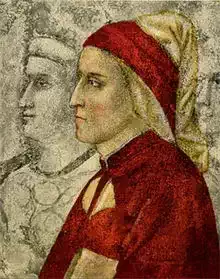
Dante Alighieri
Sonnet: Love and the Gentle
Sonnet: Love and the Gentle
Love and the gentle heart are one same thing,
Even as the wise man in his ditty saith.
Each, of itself, would be such life in death
As rational soul bereft of reasoning.
'Tis Nature makes them when she loves: a king
Love is, whose palace where he sojourneth
Is call'd the Heart; there draws he quiet breath
At first, with brief or longer slumbering.
Then beauty seen in virtuous womankind
Will make the eyes desire, and through the heart
Send the desiring of the eyes again;
Where often it abides so long enshrined
That Love at length out of his sleep will start.
And women feel the same for worthy men.
Love and the gentle heart are one same thing,
Even as the wise man in his ditty saith.
Each, of itself, would be such life in death
As rational soul bereft of reasoning.
'Tis Nature makes them when she loves: a king
Love is, whose palace where he sojourneth
Is call'd the Heart; there draws he quiet breath
At first, with brief or longer slumbering.
Then beauty seen in virtuous womankind
Will make the eyes desire, and through the heart
Send the desiring of the eyes again;
Where often it abides so long enshrined
That Love at length out of his sleep will start.
And women feel the same for worthy men.
319
Dante Alighieri
Of Beauty and Duty
Of Beauty and Duty
TWO ladies to the summit of my mind
Have clomb, to hold an argument of love.
The one has wisdom with her from above,
For every noblest virtue well designed:
The other, beauty's tempting power refined
And the high charm of perfect grace approve:
And I, as my sweet Master's will doth move,
At feet of both their favors am reclined.
Beauty and Duty in my soul keep strife,
At question if the heart such course can take
And 'twixt the two ladies hold its love complete.
The fount of gentle speech yields answer meet,
That Beauty may be loved for gladness sake,
And Duty in the lofty ends of life
TWO ladies to the summit of my mind
Have clomb, to hold an argument of love.
The one has wisdom with her from above,
For every noblest virtue well designed:
The other, beauty's tempting power refined
And the high charm of perfect grace approve:
And I, as my sweet Master's will doth move,
At feet of both their favors am reclined.
Beauty and Duty in my soul keep strife,
At question if the heart such course can take
And 'twixt the two ladies hold its love complete.
The fount of gentle speech yields answer meet,
That Beauty may be loved for gladness sake,
And Duty in the lofty ends of life
322

Claude Mckay
Tormented
Tormented
I will not reason, wrestle here with you,
Though you pursue and worry me about;
As well put forth my swarthy arm to stop
The wild wind howling, darkly mad without.
The night is yours for revels; day will light.
I will not fight you, bold and tigerish,
For I am weak, while you are gaining strength;
Peace! cease tormenting me to have your wish.
But when you're filled and sated with the flesh,
I shall go swiftly to the silver stream,
To cleanse my body for the spirit's sake,
And sun my limbs, and close my eyes to dream.
I will not reason, wrestle here with you,
Though you pursue and worry me about;
As well put forth my swarthy arm to stop
The wild wind howling, darkly mad without.
The night is yours for revels; day will light.
I will not fight you, bold and tigerish,
For I am weak, while you are gaining strength;
Peace! cease tormenting me to have your wish.
But when you're filled and sated with the flesh,
I shall go swiftly to the silver stream,
To cleanse my body for the spirit's sake,
And sun my limbs, and close my eyes to dream.
507
Claude Mckay
A Prayer
A Prayer
'Mid the discordant noises of the day I hear thee calling;
I stumble as I fare along Earth's way; keep me from falling.
Mine eyes are open but they cannot see for gloom of night:
I can no more than lift my heart to thee for inward light.
The wild and fiery passion of my youth consumes my soul;
In agony I turn to thee for truth and self-control.
For Passion and all the pleasures it can give will die the death;
But this of me eternally must live, thy borrowed breath.
'Mid the discordant noises of the day I hear thee calling;
I stumble as I fare along Earth's way; keep me from falling.
'Mid the discordant noises of the day I hear thee calling;
I stumble as I fare along Earth's way; keep me from falling.
Mine eyes are open but they cannot see for gloom of night:
I can no more than lift my heart to thee for inward light.
The wild and fiery passion of my youth consumes my soul;
In agony I turn to thee for truth and self-control.
For Passion and all the pleasures it can give will die the death;
But this of me eternally must live, thy borrowed breath.
'Mid the discordant noises of the day I hear thee calling;
I stumble as I fare along Earth's way; keep me from falling.
541