

Poems in this theme
Consciousness and Self-Knowledge
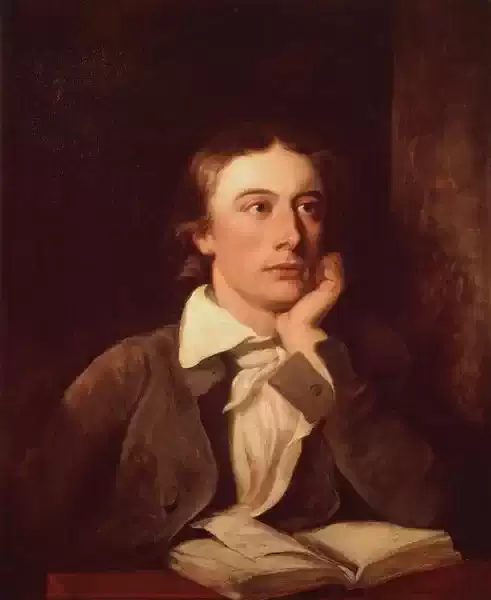
John Keats
Sonnet VI. To G. A. W.
Sonnet VI. To G. A. W.
Nymph of the downward smile and sidelong glance!
In what diviner moments of the day
Art thou most lovely? -- when gone far astray
Into the labyrinths of sweet utterance,
Or when serenely wandering in a trance
Of sober thought? -- Or when starting away,
With careless robe to meet the morning ray,
Thou sparest the flowers in thy mazy dance?
Haply 'tis when thy ruby lips part sweetly,
And so remain, because thou listenest:
But thou to please wert nurtured so completely
That I can never tell what mood is best;
I shall as soon pronounce which Grace more neatly
Trips it before Apollo than the rest.
Nymph of the downward smile and sidelong glance!
In what diviner moments of the day
Art thou most lovely? -- when gone far astray
Into the labyrinths of sweet utterance,
Or when serenely wandering in a trance
Of sober thought? -- Or when starting away,
With careless robe to meet the morning ray,
Thou sparest the flowers in thy mazy dance?
Haply 'tis when thy ruby lips part sweetly,
And so remain, because thou listenest:
But thou to please wert nurtured so completely
That I can never tell what mood is best;
I shall as soon pronounce which Grace more neatly
Trips it before Apollo than the rest.
353
John Keats
Sonnet To Sleep
Sonnet To Sleep
O soft embalmer of the still midnight!
Shutting, with careful fingers and benign,
Our gloom-pleas'd eyes, embower'd from the light,
Enshaded in forgetfulness divine;
O soothest Sleep! if so it please thee, close,
In midst of this thine hymn, my willing eyes.
Or wait the Amen, ere thy poppy throws
Around my bed its lulling charities;
Then save me, or the passed day will shine
Upon my pillow, breeding many woes;
Save me from curious conscience, that still hoards
Its strength for darkness, burrowing like a mole;
Turn the key deftly in the oiled wards,
And seal the hushed casket of my soul.
O soft embalmer of the still midnight!
Shutting, with careful fingers and benign,
Our gloom-pleas'd eyes, embower'd from the light,
Enshaded in forgetfulness divine;
O soothest Sleep! if so it please thee, close,
In midst of this thine hymn, my willing eyes.
Or wait the Amen, ere thy poppy throws
Around my bed its lulling charities;
Then save me, or the passed day will shine
Upon my pillow, breeding many woes;
Save me from curious conscience, that still hoards
Its strength for darkness, burrowing like a mole;
Turn the key deftly in the oiled wards,
And seal the hushed casket of my soul.
388
John Keats
Lines On Seeing A Lock Of Milton's Hair
Lines On Seeing A Lock Of Milton's Hair
Chief of organic Numbers!
Old Scholar of the Spheres!
Thy spirit never slumbers,
But rolls about our ears
For ever and for ever.
O, what a mad endeavour
Worketh he
Who, to thy sacred and ennobled hearse,
Would offer a burnt sacrifice of verse
And Melody!
How heavenward thou soundedst
Live Temple of sweet noise;
And discord unconfoundedst:
Giving delight new joys,
And Pleasure nobler pinions--
O where are thy Dominions!
Lend thine ear
To a young delian oath--aye, by thy soul,
By all that from thy mortal Lips did roll;
And by the Kernel of thine earthly Love,
Beauty, in things on earth and things above,
When every childish fashion
Has vanish'd from my rhyme
Will I grey-gone in passion
Give to an after-time
Hymning and harmony
Of thee, and of thy Words and of thy Life:
But vain is now the bruning and the strife--
Pangs are in vain -- until I grow high-rife
With Old Philosophy
And mad with glimpses at futurity!
For many years my offerings must be hush'd:
When I do speak I'll think upon this hour,
Because I feel my forehead hot and flush'd,
Even at the simplest vassal of thy Power,--
A Lock of thy bright hair!
Sudden it came,
And I was startled when I heard thy name
Coupled so unaware--
Yet, at the moment, temperate was my blood:
Methought I had beheld it from the flood.
Chief of organic Numbers!
Old Scholar of the Spheres!
Thy spirit never slumbers,
But rolls about our ears
For ever and for ever.
O, what a mad endeavour
Worketh he
Who, to thy sacred and ennobled hearse,
Would offer a burnt sacrifice of verse
And Melody!
How heavenward thou soundedst
Live Temple of sweet noise;
And discord unconfoundedst:
Giving delight new joys,
And Pleasure nobler pinions--
O where are thy Dominions!
Lend thine ear
To a young delian oath--aye, by thy soul,
By all that from thy mortal Lips did roll;
And by the Kernel of thine earthly Love,
Beauty, in things on earth and things above,
When every childish fashion
Has vanish'd from my rhyme
Will I grey-gone in passion
Give to an after-time
Hymning and harmony
Of thee, and of thy Words and of thy Life:
But vain is now the bruning and the strife--
Pangs are in vain -- until I grow high-rife
With Old Philosophy
And mad with glimpses at futurity!
For many years my offerings must be hush'd:
When I do speak I'll think upon this hour,
Because I feel my forehead hot and flush'd,
Even at the simplest vassal of thy Power,--
A Lock of thy bright hair!
Sudden it came,
And I was startled when I heard thy name
Coupled so unaware--
Yet, at the moment, temperate was my blood:
Methought I had beheld it from the flood.
413
John Keats
Lines
Lines
UNFELT unheard, unseen,
I've left my little queen,
Her languid arms in silver slumber lying:
Ah! through their nestling touch,
Who---who could tell how much
There is for madness---cruel, or complying?
Those faery lids how sleek!
Those lips how moist!---they speak,
In ripest quiet, shadows of sweet sounds:
Into my fancy's ear
Melting a burden dear,
How "Love doth know no fulness, nor no bounds."
True!---tender monitors!
I bend unto your laws:
This sweetest day for dalliance was born!
So, without more ado,
I'll feel my heaven anew,
For all the blushing of the hasty morn.
.
UNFELT unheard, unseen,
I've left my little queen,
Her languid arms in silver slumber lying:
Ah! through their nestling touch,
Who---who could tell how much
There is for madness---cruel, or complying?
Those faery lids how sleek!
Those lips how moist!---they speak,
In ripest quiet, shadows of sweet sounds:
Into my fancy's ear
Melting a burden dear,
How "Love doth know no fulness, nor no bounds."
True!---tender monitors!
I bend unto your laws:
This sweetest day for dalliance was born!
So, without more ado,
I'll feel my heaven anew,
For all the blushing of the hasty morn.
.
434
John Keats
Fragment. Where's The Poet?
Fragment. Where's The Poet?
Where's the Poet? show him! show him,
Muses nine! that I may know him.
'Tis the man who with a man
Is an equal, be he King,
Or poorest of the beggar-clan
Or any other wonderous thing
A man may be 'twixt ape and Plato;
'Tis the man who with a bird,
Wren or Eagle, finds his way to
All its instincts; he hath heard
The Lion's roaring, and can tell
What his horny throat expresseth,
And to him the Tiger's yell
Come articulate and presseth
Or his ear like mother-tongue.
Where's the Poet? show him! show him,
Muses nine! that I may know him.
'Tis the man who with a man
Is an equal, be he King,
Or poorest of the beggar-clan
Or any other wonderous thing
A man may be 'twixt ape and Plato;
'Tis the man who with a bird,
Wren or Eagle, finds his way to
All its instincts; he hath heard
The Lion's roaring, and can tell
What his horny throat expresseth,
And to him the Tiger's yell
Come articulate and presseth
Or his ear like mother-tongue.
347
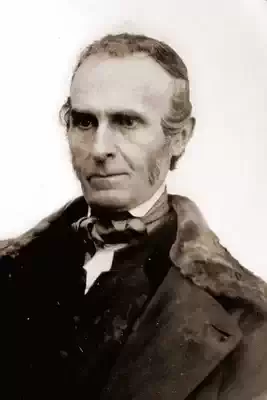
John Greenleaf Whittier
The Quaker Of The Olden Time
The Quaker Of The Olden Time
THE Quaker of the olden time!
How calm and firm and true,
Unspotted by its wrong and crime,
He walked the dark earth through.
The lust of power, the love of gain,
The thousand lures of sin
Around him, had no power to stain
The purity within.
With that deep insight which detects
All great things in the small,
And knows how each man's life affects
The spiritual life of all,
He walked by faith and not by sight,
By love and not by law;
The presence of the wrong or right
He rather felt than saw.
He felt that wrong with wrong partakes,
That nothing stands alone,
That whoso gives the motive, makes
His brother's sin his own.
And, pausing not for doubtful choice
Of evils great or small,
He listened to that inward voice
Which called away from all.
O Spirit of that early day,
So pure and strong and true,
Be with us in the narrow way
Our faithful fathers knew.
Give strength the evil to forsake,
The cross of Truth to bear,
And love and reverent fear to make
Our daily lives a prayer!
THE Quaker of the olden time!
How calm and firm and true,
Unspotted by its wrong and crime,
He walked the dark earth through.
The lust of power, the love of gain,
The thousand lures of sin
Around him, had no power to stain
The purity within.
With that deep insight which detects
All great things in the small,
And knows how each man's life affects
The spiritual life of all,
He walked by faith and not by sight,
By love and not by law;
The presence of the wrong or right
He rather felt than saw.
He felt that wrong with wrong partakes,
That nothing stands alone,
That whoso gives the motive, makes
His brother's sin his own.
And, pausing not for doubtful choice
Of evils great or small,
He listened to that inward voice
Which called away from all.
O Spirit of that early day,
So pure and strong and true,
Be with us in the narrow way
Our faithful fathers knew.
Give strength the evil to forsake,
The cross of Truth to bear,
And love and reverent fear to make
Our daily lives a prayer!
296
John Greenleaf Whittier
The Inward Judge
The Inward Judge
From Institutes of Manu.
The soul itself its awful witness is.
Say not in evil doing, 'No one sees,'
And so offend the conscious One within,
Whose ear can hear the silences of sin.
Ere they find voice, whose eyes unsleeping see
The secret motions of iniquity.
Nor in thy folly say, 'I am alone.'
For, seated in thy heart, as on a throne,
The ancient Judge and Witness liveth still,
To note thy act and thought; and as thy ill
Or good goes from thee, far beyond thy reach,
The solemn Doomsman's seal is set on each.
From Institutes of Manu.
The soul itself its awful witness is.
Say not in evil doing, 'No one sees,'
And so offend the conscious One within,
Whose ear can hear the silences of sin.
Ere they find voice, whose eyes unsleeping see
The secret motions of iniquity.
Nor in thy folly say, 'I am alone.'
For, seated in thy heart, as on a throne,
The ancient Judge and Witness liveth still,
To note thy act and thought; and as thy ill
Or good goes from thee, far beyond thy reach,
The solemn Doomsman's seal is set on each.
389
John Greenleaf Whittier
The Disenthralled
The Disenthralled
HE had bowed down to drunkenness,
An abject worshipper:
The pride of manhood's pulse had grown
Too faint and cold to stir;
And he had given his spirit up
To the unblessëd thrall,
And bowing to the poison cup,
He gloried in his fall!
There came a change —the cloud rolled off,
And light fell on his brain —
And like the passing of a dream
That cometh not again,
The shadow of the spirit fled.
He saw the gulf before,
He shuddered at the waste behind,
And was a man once more.
He shook the serpent folds away,
That gathered round his heart,
As shakes the swaying forest-oak
Its poison vine apart;
He stood erect; returning pride
Grew terrible within,
And conscience sat in judgment, on
His most familiar sin.
The light of Intellect again
Along his pathway shone;
And Reason like a monarch sat
Upon his olden throne.
The honored and the wise once more
Within his presence came;
And lingered oft on lovely lips
His once forbidden name.
There may be glory in the might,
That treadeth nations down;
Wreaths for the crimson conqueror,
Pride for the kingly crown;
But nobler is that triumph hour,
The disenthralled shall find,
When evil passion boweth down,
Unto the Godlike mind!
HE had bowed down to drunkenness,
An abject worshipper:
The pride of manhood's pulse had grown
Too faint and cold to stir;
And he had given his spirit up
To the unblessëd thrall,
And bowing to the poison cup,
He gloried in his fall!
There came a change —the cloud rolled off,
And light fell on his brain —
And like the passing of a dream
That cometh not again,
The shadow of the spirit fled.
He saw the gulf before,
He shuddered at the waste behind,
And was a man once more.
He shook the serpent folds away,
That gathered round his heart,
As shakes the swaying forest-oak
Its poison vine apart;
He stood erect; returning pride
Grew terrible within,
And conscience sat in judgment, on
His most familiar sin.
The light of Intellect again
Along his pathway shone;
And Reason like a monarch sat
Upon his olden throne.
The honored and the wise once more
Within his presence came;
And lingered oft on lovely lips
His once forbidden name.
There may be glory in the might,
That treadeth nations down;
Wreaths for the crimson conqueror,
Pride for the kingly crown;
But nobler is that triumph hour,
The disenthralled shall find,
When evil passion boweth down,
Unto the Godlike mind!
314
John Greenleaf Whittier
My Soul And I
My Soul And I
Stand still, my soul, in the silent dark
I would question thee,
Alone in the shadow drear and stark
With God and me!
What, my soul, was thy errand here?
Was it mirth or ease,
Or heaping up dust from year to year?
'Nay, none of these!'
Speak, soul, aright in His holy sight
Whose eye looks still
And steadily on thee through the night
'To do His will!'
What hast thou done, O soul of mine,
That thou tremblest so?
Hast thou wrought His task, and kept the line
He bade thee go?
Aha! thou tremblest!--well I see
Thou 'rt craven grown.
Is it so hard with God and me
To stand alone?
Summon thy sunshine bravery back,
O wretched sprite!
Let me hear thy voice through this deep and black
Abysmal night.
What hast thou wrought for Right and Truth,
For God and Man,
From the golden hours of bright-eyed youth
To life's mid span?
What, silent all! art sad of cheer?
Art fearful now?
When God seemed far and men were near,
How brave wert thou!
Ah, soul of mine, thy tones I hear,
But weak and low,
Like far sad murmurs on my ear
They come and go.
I have wrestled stoutly with the Wrong,
And borne the Right
From beneath the footfall of the throng
To life and light.
'Wherever Freedom shivered a chain,
God speed, quoth I;
To Error amidst her shouting train
I gave the lie.'
Ah, soul of mine! ah, soul of mine!
Thy deeds are well:
Were they wrought for Truth's sake or for thine?
My soul, pray tell.
'Of all the work my hand hath wrought
Beneath the sky,
Save a place in kindly human thought,
No gain have I.'
Go to, go to! for thy very self
Thy deeds were done
Thou for fame, the miser for pelf,
Your end is one!
And where art thou going, soul of mine?
Canst see the end?
And whither this troubled life of thine
Evermore doth tend?
What daunts thee now? what shakes thee so?
My sad soul say.
'I see a cloud like a curtain low
Hang o'er my way.
'Whither I go I cannot tell
That cloud hangs black,
High as the heaven and deep as hell
Across my track.
'I see its shadow coldly enwrap
The souls before.
Sadly they enter it, step by step,
To return no more.
'They shrink, they shudder, dear God! they kneel
To Thee in prayer.
They shut their eyes on the cloud, but feel
That it still is there.
'In vain they turn from the dread Before
To the Known and Gone;
For while gazing behind them evermore
Their feet glide on.
'Yet, at times, I see upon sweet pale faces
A light begin
To tremble, as if from holy places
And shrines within.
'And at times methinks their cold lips move
With hymn and prayer,
As if somewhat of awe, but more of love
And hope were there.
'I call on the souls who have left the light
To reveal their lot;
I bend mine ear to that wall of night,
And they answer not.
'But I hear around me sighs of pain
And the cry of fear,
And a sound like the slow sad dropping of rain,
Each drop a tear!
'Ah, the cloud is dark, and day by day
I am moving thither
I must pass beneath it on my way-God
pity me!--whither?'
Ah, soul of mine! so brave and wise
In the life-storm loud,
Fronting so calmly all human eyes
In the sunlit crowd!
Now standing apart with God and me
Thou art weakness all,
Gazing vainly after the things to be
Through Death's dread wall.
But never for this, never for this
Was thy being lent;
For the craven's fear is but selfishness,
Like his merriment.
Folly and Fear are sisters twain
One closing her eyes.
The other peopling the dark inane
With spectral lies.
Know well, my soul, God's hand controls
Whate'er thou fearest;
Round Him in calmest music rolls
Whate'er thou Nearest.
What to thee is shadow, to Him is day,
And the end He knoweth,
And not on a blind and aimless way
The spirit goeth.
Man sees no future,--a phantom show
Is alone before him;
Past Time is dead, and the grasses grow,
And flowers bloom o'er him.
Nothing before, nothing behind;
The steps of Faith
Fall on the seeming void, and find
The rock beneath.
The Present, the Present is all thou hast
For thy sure possessing;
Like the patriarch's angel hold it fast
Till it gives its blessing.
Why fear the night? why shrink from Death;
That phantom wan?
There is nothing in heaven or earth beneath
Save God and man.
Peopling the shadows we turn from Him
And from one another;
All is spectral and vague and dim
Save God and our brother!
Like warp and woof all destinies
Are woven fast,
Linked in sympathy like the keys
Of an organ vast.
Pluck one thread, and the web ye mar;
Break but one
Of a thousand keys, and the paining jar
Through all will run.
O restless spirit! wherefore strain
Beyond thy sphere?
Heaven and hell, with their joy and pain,
Are now and here.
Back to thyself is measured well
All thou hast given;
Thy neighbor's wrong is thy present hell,
His bliss, thy heaven.
And in life, in death, in dark and light,
All are in God's care
Sound the black abyss, pierce the deep of night,
And He is there!
All which is real now remaineth,
And fadeth never
The hand which upholds it now sustaineth
The soul forever.
Leaning on Him, make with reverent meekness
His own thy will,
And with strength from Him shall thy utter weakness
Life's task fulfil;
And that cloud itself, which now before thee
Lies dark in view,
Shall with beams of light from the inner glory
Be stricken through.
And like meadow mist through autumn's dawn
Uprolling thin,
Its thickest folds when about thee drawn
Let sunlight in.
Then of what is to be, and of what is done,
Why queriest thou?
The past and the time to be are one,
And both are now!
Stand still, my soul, in the silent dark
I would question thee,
Alone in the shadow drear and stark
With God and me!
What, my soul, was thy errand here?
Was it mirth or ease,
Or heaping up dust from year to year?
'Nay, none of these!'
Speak, soul, aright in His holy sight
Whose eye looks still
And steadily on thee through the night
'To do His will!'
What hast thou done, O soul of mine,
That thou tremblest so?
Hast thou wrought His task, and kept the line
He bade thee go?
Aha! thou tremblest!--well I see
Thou 'rt craven grown.
Is it so hard with God and me
To stand alone?
Summon thy sunshine bravery back,
O wretched sprite!
Let me hear thy voice through this deep and black
Abysmal night.
What hast thou wrought for Right and Truth,
For God and Man,
From the golden hours of bright-eyed youth
To life's mid span?
What, silent all! art sad of cheer?
Art fearful now?
When God seemed far and men were near,
How brave wert thou!
Ah, soul of mine, thy tones I hear,
But weak and low,
Like far sad murmurs on my ear
They come and go.
I have wrestled stoutly with the Wrong,
And borne the Right
From beneath the footfall of the throng
To life and light.
'Wherever Freedom shivered a chain,
God speed, quoth I;
To Error amidst her shouting train
I gave the lie.'
Ah, soul of mine! ah, soul of mine!
Thy deeds are well:
Were they wrought for Truth's sake or for thine?
My soul, pray tell.
'Of all the work my hand hath wrought
Beneath the sky,
Save a place in kindly human thought,
No gain have I.'
Go to, go to! for thy very self
Thy deeds were done
Thou for fame, the miser for pelf,
Your end is one!
And where art thou going, soul of mine?
Canst see the end?
And whither this troubled life of thine
Evermore doth tend?
What daunts thee now? what shakes thee so?
My sad soul say.
'I see a cloud like a curtain low
Hang o'er my way.
'Whither I go I cannot tell
That cloud hangs black,
High as the heaven and deep as hell
Across my track.
'I see its shadow coldly enwrap
The souls before.
Sadly they enter it, step by step,
To return no more.
'They shrink, they shudder, dear God! they kneel
To Thee in prayer.
They shut their eyes on the cloud, but feel
That it still is there.
'In vain they turn from the dread Before
To the Known and Gone;
For while gazing behind them evermore
Their feet glide on.
'Yet, at times, I see upon sweet pale faces
A light begin
To tremble, as if from holy places
And shrines within.
'And at times methinks their cold lips move
With hymn and prayer,
As if somewhat of awe, but more of love
And hope were there.
'I call on the souls who have left the light
To reveal their lot;
I bend mine ear to that wall of night,
And they answer not.
'But I hear around me sighs of pain
And the cry of fear,
And a sound like the slow sad dropping of rain,
Each drop a tear!
'Ah, the cloud is dark, and day by day
I am moving thither
I must pass beneath it on my way-God
pity me!--whither?'
Ah, soul of mine! so brave and wise
In the life-storm loud,
Fronting so calmly all human eyes
In the sunlit crowd!
Now standing apart with God and me
Thou art weakness all,
Gazing vainly after the things to be
Through Death's dread wall.
But never for this, never for this
Was thy being lent;
For the craven's fear is but selfishness,
Like his merriment.
Folly and Fear are sisters twain
One closing her eyes.
The other peopling the dark inane
With spectral lies.
Know well, my soul, God's hand controls
Whate'er thou fearest;
Round Him in calmest music rolls
Whate'er thou Nearest.
What to thee is shadow, to Him is day,
And the end He knoweth,
And not on a blind and aimless way
The spirit goeth.
Man sees no future,--a phantom show
Is alone before him;
Past Time is dead, and the grasses grow,
And flowers bloom o'er him.
Nothing before, nothing behind;
The steps of Faith
Fall on the seeming void, and find
The rock beneath.
The Present, the Present is all thou hast
For thy sure possessing;
Like the patriarch's angel hold it fast
Till it gives its blessing.
Why fear the night? why shrink from Death;
That phantom wan?
There is nothing in heaven or earth beneath
Save God and man.
Peopling the shadows we turn from Him
And from one another;
All is spectral and vague and dim
Save God and our brother!
Like warp and woof all destinies
Are woven fast,
Linked in sympathy like the keys
Of an organ vast.
Pluck one thread, and the web ye mar;
Break but one
Of a thousand keys, and the paining jar
Through all will run.
O restless spirit! wherefore strain
Beyond thy sphere?
Heaven and hell, with their joy and pain,
Are now and here.
Back to thyself is measured well
All thou hast given;
Thy neighbor's wrong is thy present hell,
His bliss, thy heaven.
And in life, in death, in dark and light,
All are in God's care
Sound the black abyss, pierce the deep of night,
And He is there!
All which is real now remaineth,
And fadeth never
The hand which upholds it now sustaineth
The soul forever.
Leaning on Him, make with reverent meekness
His own thy will,
And with strength from Him shall thy utter weakness
Life's task fulfil;
And that cloud itself, which now before thee
Lies dark in view,
Shall with beams of light from the inner glory
Be stricken through.
And like meadow mist through autumn's dawn
Uprolling thin,
Its thickest folds when about thee drawn
Let sunlight in.
Then of what is to be, and of what is done,
Why queriest thou?
The past and the time to be are one,
And both are now!
322
John Greenleaf Whittier
Mulford
Mulford
Unnoted as the setting of a star
He passed; and sect and party scarcely knew
When from their midst a sage and seer withdrew
To fitter audience, where the great dead are
In God's republic of the heart and mind,
Leaving no purer, nobler soul behind.
Unnoted as the setting of a star
He passed; and sect and party scarcely knew
When from their midst a sage and seer withdrew
To fitter audience, where the great dead are
In God's republic of the heart and mind,
Leaving no purer, nobler soul behind.
311
John Donne
To Mr. Rowland Woodward
To Mr. Rowland Woodward
LIKE one who in her third widowhood doth profess
Herself a nun, tied to retiredness,
So affects my Muse, now, a chaste fallowness.
Since she to few, yet to too many hath shown,
How love-song weeds and satiric thorns are grown,
Where seeds of better arts were early sown ;
Though to use and love poetry, to me,
Betroth'd to no one art, be no adultery ;
Omissions of good, ill, as ill deeds be.
For though to us it seems but light and thin,
Yet in those faithful scales, where God throws in
Men's works, vanity weighs as much as sin.
If our souls have stain'd their first white, yet we
May clothe them with faith, and dear honesty,
Which God imputes as native purity.
There is no virtue but religion.
Wise, valiant, sober, just, are names which none
Want, which want not vice-covering discretion.
Seek we then ourselves in ourselves ; for as
Men force the sun with much more force to pass,
By gathering his beams with a crystal glass,
So we—if we into ourselves will turn,
Blowing our spark of virtue—may out-burn
The straw which doth about our hearts sojourn.
You know physicians, when they would infuse
Into any oil the souls of simples, use
Places, where they may lie still warm, to choose.
So works retiredness in us. To roam
Giddily and be everywhere, but at home,
Such freedom doth a banishment become.
We are but farmers of ourselves, yet may,
If we can stock ourselves, and thrive, uplay
Much, much dear treasure for the great rent day.
Manure thyself then, to thyself be improved ;
And with vain outward things be no more moved,
But to know that I love thee and would be loved.
LIKE one who in her third widowhood doth profess
Herself a nun, tied to retiredness,
So affects my Muse, now, a chaste fallowness.
Since she to few, yet to too many hath shown,
How love-song weeds and satiric thorns are grown,
Where seeds of better arts were early sown ;
Though to use and love poetry, to me,
Betroth'd to no one art, be no adultery ;
Omissions of good, ill, as ill deeds be.
For though to us it seems but light and thin,
Yet in those faithful scales, where God throws in
Men's works, vanity weighs as much as sin.
If our souls have stain'd their first white, yet we
May clothe them with faith, and dear honesty,
Which God imputes as native purity.
There is no virtue but religion.
Wise, valiant, sober, just, are names which none
Want, which want not vice-covering discretion.
Seek we then ourselves in ourselves ; for as
Men force the sun with much more force to pass,
By gathering his beams with a crystal glass,
So we—if we into ourselves will turn,
Blowing our spark of virtue—may out-burn
The straw which doth about our hearts sojourn.
You know physicians, when they would infuse
Into any oil the souls of simples, use
Places, where they may lie still warm, to choose.
So works retiredness in us. To roam
Giddily and be everywhere, but at home,
Such freedom doth a banishment become.
We are but farmers of ourselves, yet may,
If we can stock ourselves, and thrive, uplay
Much, much dear treasure for the great rent day.
Manure thyself then, to thyself be improved ;
And with vain outward things be no more moved,
But to know that I love thee and would be loved.
337
John Donne
The Ecstasy
The Ecstasy
Where, like a pillow on a bed
A pregnant bank swell'd up to rest
The violet's reclining head,
Sat we two, one another's best.
Our hands were firmly cemented
With a fast balm, which thence did spring;
Our eye-beams twisted, and did thread
Our eyes upon one double string;
So to'intergraft our hands, as yet
Was all the means to make us one,
And pictures in our eyes to get
Was all our propagation.
As 'twixt two equal armies fate
Suspends uncertain victory,
Our souls (which to advance their state
Were gone out) hung 'twixt her and me.
And whilst our souls negotiate there,
We like sepulchral statues lay;
All day, the same our postures were,
And we said nothing, all the day.
If any, so by love refin'd
That he soul's language understood,
And by good love were grown all mind,
Within convenient distance stood,
He (though he knew not which soul spake,
Because both meant, both spake the same)
Might thence a new concoction take
And part far purer than he came.
This ecstasy doth unperplex,
We said, and tell us what we love;
We see by this it was not sex,
We see we saw not what did move;
But as all several souls contain
Mixture of things, they know not what,
Love these mix'd souls doth mix again
And makes both one, each this and that.
A single violet transplant,
The strength, the colour, and the size,
(All which before was poor and scant)
Redoubles still, and multiplies.
When love with one another so
Interinanimates two souls,
That abler soul, which thence doth flow,
Defects of loneliness controls.
We then, who are this new soul, know
Of what we are compos'd and made,
For th' atomies of which we grow
Are souls. whom no change can invade.
But oh alas, so long, so far,
Our bodies why do we forbear?
They'are ours, though they'are not we; we are
The intelligences, they the spheres.
We owe them thanks, because they thus
Did us, to us, at first convey,
Yielded their senses' force to us,
Nor are dross to us, but allay.
On man heaven's influence works not so,
But that it first imprints the air;
So soul into the soul may flow,
Though it to body first repair.
As our blood labors to beget
Spirits, as like souls as it can,
Because such fingers need to knit
That subtle knot which makes us man,
So must pure lovers' souls descend
T' affections, and to faculties,
Which sense may reach and apprehend,
Else a great prince in prison lies.
To'our bodies turn we then, that so
Weak men on love reveal'd may look;
Love's mysteries in souls do grow,
But yet the body is his book.
And if some lover, such as we,
Have heard this dialogue of one,
Let him still mark us, he shall see
Small change, when we'are to bodies gone.
Where, like a pillow on a bed
A pregnant bank swell'd up to rest
The violet's reclining head,
Sat we two, one another's best.
Our hands were firmly cemented
With a fast balm, which thence did spring;
Our eye-beams twisted, and did thread
Our eyes upon one double string;
So to'intergraft our hands, as yet
Was all the means to make us one,
And pictures in our eyes to get
Was all our propagation.
As 'twixt two equal armies fate
Suspends uncertain victory,
Our souls (which to advance their state
Were gone out) hung 'twixt her and me.
And whilst our souls negotiate there,
We like sepulchral statues lay;
All day, the same our postures were,
And we said nothing, all the day.
If any, so by love refin'd
That he soul's language understood,
And by good love were grown all mind,
Within convenient distance stood,
He (though he knew not which soul spake,
Because both meant, both spake the same)
Might thence a new concoction take
And part far purer than he came.
This ecstasy doth unperplex,
We said, and tell us what we love;
We see by this it was not sex,
We see we saw not what did move;
But as all several souls contain
Mixture of things, they know not what,
Love these mix'd souls doth mix again
And makes both one, each this and that.
A single violet transplant,
The strength, the colour, and the size,
(All which before was poor and scant)
Redoubles still, and multiplies.
When love with one another so
Interinanimates two souls,
That abler soul, which thence doth flow,
Defects of loneliness controls.
We then, who are this new soul, know
Of what we are compos'd and made,
For th' atomies of which we grow
Are souls. whom no change can invade.
But oh alas, so long, so far,
Our bodies why do we forbear?
They'are ours, though they'are not we; we are
The intelligences, they the spheres.
We owe them thanks, because they thus
Did us, to us, at first convey,
Yielded their senses' force to us,
Nor are dross to us, but allay.
On man heaven's influence works not so,
But that it first imprints the air;
So soul into the soul may flow,
Though it to body first repair.
As our blood labors to beget
Spirits, as like souls as it can,
Because such fingers need to knit
That subtle knot which makes us man,
So must pure lovers' souls descend
T' affections, and to faculties,
Which sense may reach and apprehend,
Else a great prince in prison lies.
To'our bodies turn we then, that so
Weak men on love reveal'd may look;
Love's mysteries in souls do grow,
But yet the body is his book.
And if some lover, such as we,
Have heard this dialogue of one,
Let him still mark us, he shall see
Small change, when we'are to bodies gone.
369
John Donne
Self-Love
Self-Love
He that cannot choose but love,
And strives against it still,
Never shall my fancy move,
For he loves 'gainst his will;
Nor he which is all his own,
And can at pleasure choose,
When I am caught he can be gone,
And when he list refuse.
Nor he that loves none but fair,
For such by all are sought;
Nor he that can for foul ones care,
For his judgement then is nought;
Nor he that hath wit, for he
Will make me his jest or slave;
Nor a fool, for when others...,
He can neither....;
Nor he that still his Mistress pays,
For she is thralled therefore;
Nor he that pays not, for he says
Within She's worth no more.
Is there then no kind of men
Whom I may freely prove?
I will vent that humour then
In mine own self-love.
He that cannot choose but love,
And strives against it still,
Never shall my fancy move,
For he loves 'gainst his will;
Nor he which is all his own,
And can at pleasure choose,
When I am caught he can be gone,
And when he list refuse.
Nor he that loves none but fair,
For such by all are sought;
Nor he that can for foul ones care,
For his judgement then is nought;
Nor he that hath wit, for he
Will make me his jest or slave;
Nor a fool, for when others...,
He can neither....;
Nor he that still his Mistress pays,
For she is thralled therefore;
Nor he that pays not, for he says
Within She's worth no more.
Is there then no kind of men
Whom I may freely prove?
I will vent that humour then
In mine own self-love.
347
John Donne
On The Progress Of The Soul...
On The Progress Of The Soul...
Forget this rotten world, and unto thee
Let thine own times as an old story be.
Be not concern'd; study not why, nor when;
Do not so much as not believe a man.
For though to err, be worst, to try truths forth
Is far more business than this world is worth.
I'he world is but a carcass; thou art fed
By it, but as a worm, that carcass bred;
And why shouldst thou, poor worm, consider more,
When this world will grow better than before,
Than those thy fellow-worms do think upon
That carcass's last resurrection?
Forget this world, and scarce think of it so,
As of old clothes, cast off a year ago.
To be thus stupid is alacrity;
Men thus lethargic have best memory.
Look upward; that's towards her, whose happy state
We now lament not, but congratulate.
She, to whom all this world was but a stage,
Where all sat heark'ning how her youthful age
Should be employ'd, because in all she did
Some figure of the golden times was hid.
Who could not lack, what'er this world could give,
Because she was the form, that made it live;
Nor could complain that this world was unfit
To be stay'd in, then when she was in it;
She, that first tried indifferent desires
By virtue, and virtue by religious fires;
She, to whose person paradise adher'd,
As courts to princes; she, whose eyes enspher'd
Star-light enough t' have made the South control,
(Had she been there) the star-full Northern Pole;
She, she is gone; she is gone; when thou knowest this,
What fragmentary rubbish this world is
Thou knowest, and that it is not worth a thought;
He honours it too much that thinks it nought.
Think then, my soul, that death is but a groom,
Which brings a taper to the outward room,
Whence thou spiest first a little glimmering light,
And after brings it nearer to thy sight;
For such approaches doth heaven make in death.
Think thyself labouring now with broken breath,
And think those broken and soft notes to be
Division, and thy happiest harmony.
Think thee laid on thy death-bed, loose and slack,
And think that but unbinding of a pack,
To take one precious thing, thy soul, from thence.
Think thyself parch'd with fever's violence;
Anger thine ague more, by calling it
Thy physic; chide the slackness of the fit.
Think that thou hear'st thy knell, and think no more,
But that, as bells call'd thee to church before,
So this to the Triumphant Church calls thee.
Think Satan's sergeants round about thee be,
And think that but for legacies they thrust;
Give one thy pride, to'another give thy lust;
Give them those sins which they gave thee before,
And trust th' immaculate blood to wash thy score.
Think thy friends weeping round, and think that they
Weep but because they go not yet thy way.
Think that they close thine eyes, and think in this,
That they confess much in the world amiss,
Who dare not trust a dead man's eye with that
Which they from God and angels cover not.
Think that they shroud thee up, and think from thence
They reinvest thee in white innocence.
Think that thy body rots, and (if so low,
Thy soul exalted so, thy thoughts can go)
Think thee a prince, who of themselves create
Worms, which insensibly devour their state.
Think that they bury thee, and think that rite
Lays thee to sleep but a Saint Lucy's night.
....
Forget this rotten world, and unto thee
Let thine own times as an old story be.
Be not concern'd; study not why, nor when;
Do not so much as not believe a man.
For though to err, be worst, to try truths forth
Is far more business than this world is worth.
I'he world is but a carcass; thou art fed
By it, but as a worm, that carcass bred;
And why shouldst thou, poor worm, consider more,
When this world will grow better than before,
Than those thy fellow-worms do think upon
That carcass's last resurrection?
Forget this world, and scarce think of it so,
As of old clothes, cast off a year ago.
To be thus stupid is alacrity;
Men thus lethargic have best memory.
Look upward; that's towards her, whose happy state
We now lament not, but congratulate.
She, to whom all this world was but a stage,
Where all sat heark'ning how her youthful age
Should be employ'd, because in all she did
Some figure of the golden times was hid.
Who could not lack, what'er this world could give,
Because she was the form, that made it live;
Nor could complain that this world was unfit
To be stay'd in, then when she was in it;
She, that first tried indifferent desires
By virtue, and virtue by religious fires;
She, to whose person paradise adher'd,
As courts to princes; she, whose eyes enspher'd
Star-light enough t' have made the South control,
(Had she been there) the star-full Northern Pole;
She, she is gone; she is gone; when thou knowest this,
What fragmentary rubbish this world is
Thou knowest, and that it is not worth a thought;
He honours it too much that thinks it nought.
Think then, my soul, that death is but a groom,
Which brings a taper to the outward room,
Whence thou spiest first a little glimmering light,
And after brings it nearer to thy sight;
For such approaches doth heaven make in death.
Think thyself labouring now with broken breath,
And think those broken and soft notes to be
Division, and thy happiest harmony.
Think thee laid on thy death-bed, loose and slack,
And think that but unbinding of a pack,
To take one precious thing, thy soul, from thence.
Think thyself parch'd with fever's violence;
Anger thine ague more, by calling it
Thy physic; chide the slackness of the fit.
Think that thou hear'st thy knell, and think no more,
But that, as bells call'd thee to church before,
So this to the Triumphant Church calls thee.
Think Satan's sergeants round about thee be,
And think that but for legacies they thrust;
Give one thy pride, to'another give thy lust;
Give them those sins which they gave thee before,
And trust th' immaculate blood to wash thy score.
Think thy friends weeping round, and think that they
Weep but because they go not yet thy way.
Think that they close thine eyes, and think in this,
That they confess much in the world amiss,
Who dare not trust a dead man's eye with that
Which they from God and angels cover not.
Think that they shroud thee up, and think from thence
They reinvest thee in white innocence.
Think that thy body rots, and (if so low,
Thy soul exalted so, thy thoughts can go)
Think thee a prince, who of themselves create
Worms, which insensibly devour their state.
Think that they bury thee, and think that rite
Lays thee to sleep but a Saint Lucy's night.
....
324
John Donne
Negative Love
Negative Love
I never stoop'd so low, as they
Which on an eye, cheeke, lip, can prey,
Seldom to them, which soare no higher
Than vertue or the minde to'admire,
For sense, and understanding may
Know, what gives fuell to their fire:
My love, though silly, is more brave,
For may I misse, when ere I crave,
If I know yet, what I would have.
If that be simply perfectest
Which can by no way be exprest
But Negatives, my love is so.
To All, which all love, I say no.
If any who deciphers best,
What we know not, our selves, can know,
Let him teach mee that nothing; This
As yet my ease, and comfort is,
Though I speed not, I cannot misse.
I never stoop'd so low, as they
Which on an eye, cheeke, lip, can prey,
Seldom to them, which soare no higher
Than vertue or the minde to'admire,
For sense, and understanding may
Know, what gives fuell to their fire:
My love, though silly, is more brave,
For may I misse, when ere I crave,
If I know yet, what I would have.
If that be simply perfectest
Which can by no way be exprest
But Negatives, my love is so.
To All, which all love, I say no.
If any who deciphers best,
What we know not, our selves, can know,
Let him teach mee that nothing; This
As yet my ease, and comfort is,
Though I speed not, I cannot misse.
356
John Donne
Holy Sonnet XIX: Oh, to Vex Me
Holy Sonnet XIX: Oh, to Vex Me
Oh, to vex me, contraryes meet in one:
Inconstancy unnaturally hath begott
A constant habit; that when I would not
I change in vowes, and in devotione.
As humorous is my contritione
As my prophane Love, and as soone forgott:
As ridlingly distemper'd, cold and hott,
As praying, as mute; as infinite, as none.
I durst not view heaven yesterday; and to day
In prayers, and flattering speaches I court God:
To morrow I quake with true feare of his rod.
So my devout fitts come and go away
Like a fantistique Ague: save that here
Those are my best dayes, when I shake with feare.
Oh, to vex me, contraryes meet in one:
Inconstancy unnaturally hath begott
A constant habit; that when I would not
I change in vowes, and in devotione.
As humorous is my contritione
As my prophane Love, and as soone forgott:
As ridlingly distemper'd, cold and hott,
As praying, as mute; as infinite, as none.
I durst not view heaven yesterday; and to day
In prayers, and flattering speaches I court God:
To morrow I quake with true feare of his rod.
So my devout fitts come and go away
Like a fantistique Ague: save that here
Those are my best dayes, when I shake with feare.
365
John Donne
Holy Sonnet VIII: If Faithfull Soules
Holy Sonnet VIII: If Faithfull Soules
If faithfull soules be alike glorifi'd
As Angels, then my fathers soul doth see,
And adds this even to full felecitie,
That valiantly I hels wide mouth o'stride:
But if our mindes to these soules be descry'd
By circumstances, and by signes that be
Apparent in us, not immediately,
How shall my mindes white truth by them be try'd?
They see idolatrous lovers weepe and mourne,
And vile blasphemous Conjurers to call
On Jesus name, and Pharisaicall
Dissemblers feigne devotion. Then turne
O pensive soule, to God, for he knows best
Thy true griefe, for he put it in my breast.
If faithfull soules be alike glorifi'd
As Angels, then my fathers soul doth see,
And adds this even to full felecitie,
That valiantly I hels wide mouth o'stride:
But if our mindes to these soules be descry'd
By circumstances, and by signes that be
Apparent in us, not immediately,
How shall my mindes white truth by them be try'd?
They see idolatrous lovers weepe and mourne,
And vile blasphemous Conjurers to call
On Jesus name, and Pharisaicall
Dissemblers feigne devotion. Then turne
O pensive soule, to God, for he knows best
Thy true griefe, for he put it in my breast.
265
John Donne
Elegy III: Change
Elegy III: Change
Although thy hand and faith, and good works too,
Have seal'd thy love which nothing should undo,
Yea though thou fall back, that apostasy
Confirm thy love; yet much, much I fear thee.
Women are like the Arts, forc'd unto none,
Open to'all searchers, unpriz'd, if unknown.
If I have caught a bird, and let him fly,
Another fouler using these means, as I,
May catch the same bird; and, as these things be,
Women are made for men, not him, nor me.
Foxes and goats; all beasts change when they please,
Shall women, more hot, wily, wild then these,
Be bound to one man, and did Nature then
Idly make them apter to endure than men?
They are our clogges, not their owne; if a man be
Chain'd to a galley, yet the galley is free;
Who hath a plow-land, casts all his seed corn there,
And yet allows his ground more corn should bear;
Though Danuby into the sea must flow,
The sea receives the Rhene, Volga, and Po.
By nature, which gave it, this liberty
Thou lov'st, but Oh! canst thou love it and me?
Likeness glues love: Then if so thou do,
To make us like and love, must I change too?
More than thy hate, I hate it, rather let me
Allow her change, then change as oft as she,
And so not teach, but force my opinion
To love not any one, nor every one.
To live in one land is captivity,
To run all countries, a wild roguery;
Waters stink soon, if in one place they bide,
And in the vast sea are worse putrified:
But when they kiss one bank, and leaving this
Never look back, but the next bank do kiss,
Then are they purest; Change is the nursery
Of music, joy, life, and eternity.
Although thy hand and faith, and good works too,
Have seal'd thy love which nothing should undo,
Yea though thou fall back, that apostasy
Confirm thy love; yet much, much I fear thee.
Women are like the Arts, forc'd unto none,
Open to'all searchers, unpriz'd, if unknown.
If I have caught a bird, and let him fly,
Another fouler using these means, as I,
May catch the same bird; and, as these things be,
Women are made for men, not him, nor me.
Foxes and goats; all beasts change when they please,
Shall women, more hot, wily, wild then these,
Be bound to one man, and did Nature then
Idly make them apter to endure than men?
They are our clogges, not their owne; if a man be
Chain'd to a galley, yet the galley is free;
Who hath a plow-land, casts all his seed corn there,
And yet allows his ground more corn should bear;
Though Danuby into the sea must flow,
The sea receives the Rhene, Volga, and Po.
By nature, which gave it, this liberty
Thou lov'st, but Oh! canst thou love it and me?
Likeness glues love: Then if so thou do,
To make us like and love, must I change too?
More than thy hate, I hate it, rather let me
Allow her change, then change as oft as she,
And so not teach, but force my opinion
To love not any one, nor every one.
To live in one land is captivity,
To run all countries, a wild roguery;
Waters stink soon, if in one place they bide,
And in the vast sea are worse putrified:
But when they kiss one bank, and leaving this
Never look back, but the next bank do kiss,
Then are they purest; Change is the nursery
Of music, joy, life, and eternity.
366
John Donne
A Lecture Upon The Shadow
A Lecture Upon The Shadow
Stand still, and I will read to thee
A lecture, love, in love's philosophy.
These three hours that we have spent,
Walking here, two shadows went
Along with us, which we ourselves produc'd.
But, now the sun is just above our head,
We do those shadows tread,
And to brave clearness all things are reduc'd.
So whilst our infant loves did grow,
Disguises did, and shadows, flow
From us, and our cares; but now 'tis not so.
That love has not attain'd the high'st degree,
Which is still diligent lest others see.
Except our loves at this noon stay,
We shall new shadows make the other way.
As the first were made to blind
Others, these which come behind
Will work upon ourselves, and blind our eyes.
If our loves faint, and westwardly decline,
To me thou, falsely, thine,
And I to thee mine actions shall disguise.
The morning shadows wear away,
But these grow longer all the day;
But oh, love's day is short, if love decay.
Love is a growing, or full constant light,
And his first minute, after noon, is night.
Stand still, and I will read to thee
A lecture, love, in love's philosophy.
These three hours that we have spent,
Walking here, two shadows went
Along with us, which we ourselves produc'd.
But, now the sun is just above our head,
We do those shadows tread,
And to brave clearness all things are reduc'd.
So whilst our infant loves did grow,
Disguises did, and shadows, flow
From us, and our cares; but now 'tis not so.
That love has not attain'd the high'st degree,
Which is still diligent lest others see.
Except our loves at this noon stay,
We shall new shadows make the other way.
As the first were made to blind
Others, these which come behind
Will work upon ourselves, and blind our eyes.
If our loves faint, and westwardly decline,
To me thou, falsely, thine,
And I to thee mine actions shall disguise.
The morning shadows wear away,
But these grow longer all the day;
But oh, love's day is short, if love decay.
Love is a growing, or full constant light,
And his first minute, after noon, is night.
343
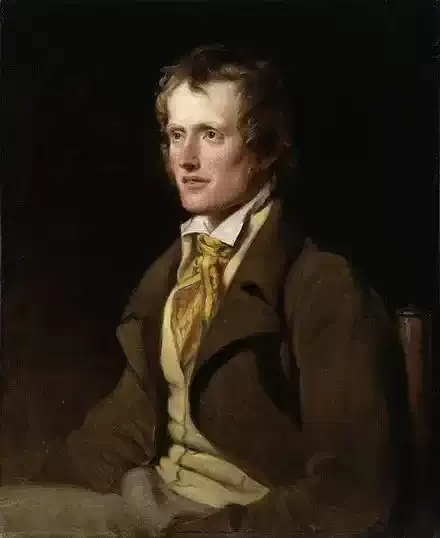
John Clare
The Shepherd's Tree
The Shepherd's Tree
Huge elm, with rifted trunk all notched and scarred,
Like to a warrior's destiny! I love
To stretch me often on thy shadowed sward,
And hear the laugh of summer leaves above;
Or on thy buttressed roots to sit, and lean
In careless attitude, and there reflect
On times and deeds and darings that have been -
Old castaways, now swallowed in neglect, -
While thou art towering in thy strength of heart,
Stirring the soul to vain imaginings
In which life's sordid being hath no part.
The wind of that eternal ditty sings,
Humming of future things, that burn the mind
To leave some fragment of itself behind.
Huge elm, with rifted trunk all notched and scarred,
Like to a warrior's destiny! I love
To stretch me often on thy shadowed sward,
And hear the laugh of summer leaves above;
Or on thy buttressed roots to sit, and lean
In careless attitude, and there reflect
On times and deeds and darings that have been -
Old castaways, now swallowed in neglect, -
While thou art towering in thy strength of heart,
Stirring the soul to vain imaginings
In which life's sordid being hath no part.
The wind of that eternal ditty sings,
Humming of future things, that burn the mind
To leave some fragment of itself behind.
368
Johann Wolfgang von Goethe
The Wanderer
The Wanderer
WANDERER.
YOUNG woman, may God bless thee,
Thee, and the sucking infant
Upon thy breast!
Let me, 'gainst this rocky wall,
Neath the elm-tree's shadow,
Lay aside my burden,
Near thee take my rest.
WOMAN.
What vocation leads thee,
While the day is burning,
Up this dusty path?
Bring'st thou goods from out the town
Round the country?
Smil'st thou, stranger,
At my question?
WANDERER.
From the town no goods I bring.
Cool is now the evening;
Show to me the fountain
'Whence thou drinkest,
Woman young and kind!
WOMAN.
Up the rocky pathway mount;
Go thou first! Across the thicket
Leads the pathway tow'rd the cottage
That I live in,
To the fountain
Whence I drink.
WANDERER.
Signs of man's arranging hand
See I 'mid the trees!
Not by thee these stones were join'd,
Nature, who so freely scatterest!
WOMAN.
Up, still up!
WANDERER.
Lo, a mossy architrave is here!
I discern thee, fashioning spirit!
On the stone thou hast impress'd thy seal.
WOMAN.
Onward, stranger!
WANDERER.
Over an inscription am I treading!
'Tis effaced!
Ye are seen no longer,
Words so deeply graven,
Who your master's true devotion
Should have shown to thousand grandsons!
WOMAN.
At these stones, why
Start'st thou, stranger?
Many stones are lying yonder
Round my cottage.
WANDERER.
Yonder?
WOMAN.
Through the thicket,
Turning to the left,
Here!
WANDERER.
Ye Muses and ye Graces!
WOMAN.
This, then, is my cottage.
WANDERER.
'Tis a ruin'd temple!
WOMAN.
Just below it, see,
Springs the fountain
Whence I drink.
WANDERER.
Thou dost hover
O'er thy grave, all glowing,
Genius! while upon thee
Hath thy master-piece
Fallen crumbling,
Thou Immortal One!
WOMAN.
Stay, a cup I'll fetch thee
Whence to drink.
WANDERER.
Ivy circles thy slender
Form so graceful and godlike.
How ye rise on high
From the ruins,
Column-pair
And thou, their lonely sister yonder,--
How thou,
Dusky moss upon thy sacred head,--
Lookest down in mournful majesty
On thy brethren's figures
Lying scatter'd
At thy feet!
In the shadow of the bramble
Earth and rubbish veil them,
Lofty grass is waving o'er them
Is it thus thou, Nature, prizest
Thy great masterpiece's masterpiece?
Carelessly destroyest thou
Thine own sanctuary,
Sowing thistles there?
WOMAN.
How the infant sleeps!
Wilt thou rest thee in the cottage,
Stranger? Wouldst thou rather
In the open air still linger?
Now 'tis cool! take thou the child
While I go and draw some water.
Sleep on, darling! sleep!
WANDERER.
Sweet is thy repose!
How, with heaven-born health imbued,
Peacefully he slumbers!
Oh thou, born among the ruins
Spread by great antiquity,
On thee rest her spirit!
He whom it encircles
Will, in godlike consciousness,
Ev'ry day enjoy.
Full, of germ, unfold,
As the smiling springtime's
Fairest charm,
Outshining all thy fellows!
And when the blossom's husk is faded,
May the full fruit shoot forth
From out thy breast,
And ripen in the sunshine!
WOMAN.
God bless him!--Is he sleeping still?
To the fresh draught I nought can add,
Saving a crust of bread for thee to eat.
WANDERER.
I thank thee well.
How fair the verdure all around!
How green!
WOMAN.
My husband soon
Will home return
From labour. Tarry, tarry, man,
And with us eat our evening meal.
WANDERER.
Is't here ye dwell?
WOMAN.
Yonder, within those walls we live.
My father 'twas who built the cottage
Of tiles and stones from out the ruins.
'Tis here we dwell.
He gave me to a husbandman,
And in our arms expired.--
Hast thou been sleeping, dearest heart
How lively, and how full of play!
Sweet rogue!
WANDERER.
Nature, thou ever budding one,
Thou formest each for life's enjoyments,
And, like a mother, all thy children dear,
Blessest with that sweet heritage,--a home
The swallow builds the cornice round,
Unconscious of the beauties
She plasters up.
The caterpillar spins around the bough,
To make her brood a winter house;
And thou dost patch, between antiquity's
Most glorious relics,
For thy mean use,
Oh man, a humble cot,--
Enjoyest e'en mid tombs!--
Farewell, thou happy woman!
WOMAN.
Thou wilt not stay, then?
WANDERER.
May God preserve thee,
And bless thy boy!
WOMAN.
A happy journey!
WANDERER.
Whither conducts the path
Across yon hill?
WOMAN.
To Cuma.
WANDERER.
How far from hence?
WOMAN.
'Tis full three miles.
WANDERER.
Farewell!
Oh Nature, guide me on my way!
The wandering stranger guide,
Who o'er the tombs
Of holy bygone times
Is passing,
To a kind sheltering place,
From North winds safe,
And where a poplar grove
Shuts out the noontide ray!
And when I come
Home to my cot
At evening,
Illumined by the setting sun,
Let me embrace a wife like this,
Her infant in her arms!
WANDERER.
YOUNG woman, may God bless thee,
Thee, and the sucking infant
Upon thy breast!
Let me, 'gainst this rocky wall,
Neath the elm-tree's shadow,
Lay aside my burden,
Near thee take my rest.
WOMAN.
What vocation leads thee,
While the day is burning,
Up this dusty path?
Bring'st thou goods from out the town
Round the country?
Smil'st thou, stranger,
At my question?
WANDERER.
From the town no goods I bring.
Cool is now the evening;
Show to me the fountain
'Whence thou drinkest,
Woman young and kind!
WOMAN.
Up the rocky pathway mount;
Go thou first! Across the thicket
Leads the pathway tow'rd the cottage
That I live in,
To the fountain
Whence I drink.
WANDERER.
Signs of man's arranging hand
See I 'mid the trees!
Not by thee these stones were join'd,
Nature, who so freely scatterest!
WOMAN.
Up, still up!
WANDERER.
Lo, a mossy architrave is here!
I discern thee, fashioning spirit!
On the stone thou hast impress'd thy seal.
WOMAN.
Onward, stranger!
WANDERER.
Over an inscription am I treading!
'Tis effaced!
Ye are seen no longer,
Words so deeply graven,
Who your master's true devotion
Should have shown to thousand grandsons!
WOMAN.
At these stones, why
Start'st thou, stranger?
Many stones are lying yonder
Round my cottage.
WANDERER.
Yonder?
WOMAN.
Through the thicket,
Turning to the left,
Here!
WANDERER.
Ye Muses and ye Graces!
WOMAN.
This, then, is my cottage.
WANDERER.
'Tis a ruin'd temple!
WOMAN.
Just below it, see,
Springs the fountain
Whence I drink.
WANDERER.
Thou dost hover
O'er thy grave, all glowing,
Genius! while upon thee
Hath thy master-piece
Fallen crumbling,
Thou Immortal One!
WOMAN.
Stay, a cup I'll fetch thee
Whence to drink.
WANDERER.
Ivy circles thy slender
Form so graceful and godlike.
How ye rise on high
From the ruins,
Column-pair
And thou, their lonely sister yonder,--
How thou,
Dusky moss upon thy sacred head,--
Lookest down in mournful majesty
On thy brethren's figures
Lying scatter'd
At thy feet!
In the shadow of the bramble
Earth and rubbish veil them,
Lofty grass is waving o'er them
Is it thus thou, Nature, prizest
Thy great masterpiece's masterpiece?
Carelessly destroyest thou
Thine own sanctuary,
Sowing thistles there?
WOMAN.
How the infant sleeps!
Wilt thou rest thee in the cottage,
Stranger? Wouldst thou rather
In the open air still linger?
Now 'tis cool! take thou the child
While I go and draw some water.
Sleep on, darling! sleep!
WANDERER.
Sweet is thy repose!
How, with heaven-born health imbued,
Peacefully he slumbers!
Oh thou, born among the ruins
Spread by great antiquity,
On thee rest her spirit!
He whom it encircles
Will, in godlike consciousness,
Ev'ry day enjoy.
Full, of germ, unfold,
As the smiling springtime's
Fairest charm,
Outshining all thy fellows!
And when the blossom's husk is faded,
May the full fruit shoot forth
From out thy breast,
And ripen in the sunshine!
WOMAN.
God bless him!--Is he sleeping still?
To the fresh draught I nought can add,
Saving a crust of bread for thee to eat.
WANDERER.
I thank thee well.
How fair the verdure all around!
How green!
WOMAN.
My husband soon
Will home return
From labour. Tarry, tarry, man,
And with us eat our evening meal.
WANDERER.
Is't here ye dwell?
WOMAN.
Yonder, within those walls we live.
My father 'twas who built the cottage
Of tiles and stones from out the ruins.
'Tis here we dwell.
He gave me to a husbandman,
And in our arms expired.--
Hast thou been sleeping, dearest heart
How lively, and how full of play!
Sweet rogue!
WANDERER.
Nature, thou ever budding one,
Thou formest each for life's enjoyments,
And, like a mother, all thy children dear,
Blessest with that sweet heritage,--a home
The swallow builds the cornice round,
Unconscious of the beauties
She plasters up.
The caterpillar spins around the bough,
To make her brood a winter house;
And thou dost patch, between antiquity's
Most glorious relics,
For thy mean use,
Oh man, a humble cot,--
Enjoyest e'en mid tombs!--
Farewell, thou happy woman!
WOMAN.
Thou wilt not stay, then?
WANDERER.
May God preserve thee,
And bless thy boy!
WOMAN.
A happy journey!
WANDERER.
Whither conducts the path
Across yon hill?
WOMAN.
To Cuma.
WANDERER.
How far from hence?
WOMAN.
'Tis full three miles.
WANDERER.
Farewell!
Oh Nature, guide me on my way!
The wandering stranger guide,
Who o'er the tombs
Of holy bygone times
Is passing,
To a kind sheltering place,
From North winds safe,
And where a poplar grove
Shuts out the noontide ray!
And when I come
Home to my cot
At evening,
Illumined by the setting sun,
Let me embrace a wife like this,
Her infant in her arms!
303
Johann Wolfgang von Goethe
The Muse's Mirror
The Muse's Mirror
EARLY one day, the Muse, when eagerly bent on adornment,
Follow'd a swift-running streamlet, the quietest nook by it seeking.
Quickly and noisily flowing, the changeful surface distorted
Ever her moving form; the goddess departed in anger.
Yet the stream call'd mockingly after her, saying: "What, truly!
Wilt thou not view, then, the truth, in my mirror so clearly depicted?"
But she already was far away, on the brink of the ocean,
In her figure rejoicing, and duly arranging her garland.
EARLY one day, the Muse, when eagerly bent on adornment,
Follow'd a swift-running streamlet, the quietest nook by it seeking.
Quickly and noisily flowing, the changeful surface distorted
Ever her moving form; the goddess departed in anger.
Yet the stream call'd mockingly after her, saying: "What, truly!
Wilt thou not view, then, the truth, in my mirror so clearly depicted?"
But she already was far away, on the brink of the ocean,
In her figure rejoicing, and duly arranging her garland.
350
Johann Wolfgang von Goethe
Roman Elegies I
Roman Elegies I
Tell me you stones, O speak, you towering palaces!
Streets, say a word! Spirit of this place, are you dumb?
All things are alive in your sacred walls
eternal Rome, only for me all’s still.
Who will whisper to me, at what window
will I see the sweet thing who will kindle me, and quicken?
Already I guess the ways, walking to her and from her,
ever and always I’ll go, while sweet time slips by.
I’m gazing at church and palace, ruin and column,
like a serious man making sensible use of a journey,
but soon it will happen, and all will be one vast temple,
Love’s temple, receiving its new initiate.
Though you are a whole world, Rome, still, without Love,
the world’s not the world, Rome cannot be Rome.
Tell me you stones, O speak, you towering palaces!
Streets, say a word! Spirit of this place, are you dumb?
All things are alive in your sacred walls
eternal Rome, only for me all’s still.
Who will whisper to me, at what window
will I see the sweet thing who will kindle me, and quicken?
Already I guess the ways, walking to her and from her,
ever and always I’ll go, while sweet time slips by.
I’m gazing at church and palace, ruin and column,
like a serious man making sensible use of a journey,
but soon it will happen, and all will be one vast temple,
Love’s temple, receiving its new initiate.
Though you are a whole world, Rome, still, without Love,
the world’s not the world, Rome cannot be Rome.
411
Johann Wolfgang von Goethe
Procemion
Procemion
IN His blest name, who was His own creation,
Who from all time makes making his vocation;
The name of Him who makes our faith so bright,
Love, confidence, activity, and might;
In that One's name, who, named though oft He be,
Unknown is ever in Reality:
As far as ear can reach, or eyesight dim,
Thou findest but the known resembling Him;
How high so'er thy fiery spirit hovers,
Its simile and type it straight discovers
Onward thou'rt drawn, with feelings light and gay,
Where'er thou goest, smiling is the way;
No more thou numbrest, reckonest no time,
Each step is infinite, each step sublime.
WHAT God would outwardly alone control,
And on his finger whirl the mighty Whole?
He loves the inner world to move, to view
Nature in Him, Himself in Nature too,
So that what in Him works, and is, and lives,
The measure of His strength, His spirit gives.
WITHIN us all a universe doth dwell;
And hence each people's usage laudable,
That ev'ry one the Best that meets his eyes
As God, yea e'en his God, doth recognise;
To Him both earth and heaven surrenders he,
Fears Him, and loves Him too, if that may be.
IN His blest name, who was His own creation,
Who from all time makes making his vocation;
The name of Him who makes our faith so bright,
Love, confidence, activity, and might;
In that One's name, who, named though oft He be,
Unknown is ever in Reality:
As far as ear can reach, or eyesight dim,
Thou findest but the known resembling Him;
How high so'er thy fiery spirit hovers,
Its simile and type it straight discovers
Onward thou'rt drawn, with feelings light and gay,
Where'er thou goest, smiling is the way;
No more thou numbrest, reckonest no time,
Each step is infinite, each step sublime.
WHAT God would outwardly alone control,
And on his finger whirl the mighty Whole?
He loves the inner world to move, to view
Nature in Him, Himself in Nature too,
So that what in Him works, and is, and lives,
The measure of His strength, His spirit gives.
WITHIN us all a universe doth dwell;
And hence each people's usage laudable,
That ev'ry one the Best that meets his eyes
As God, yea e'en his God, doth recognise;
To Him both earth and heaven surrenders he,
Fears Him, and loves Him too, if that may be.
454