

Poems in this theme
Friendship
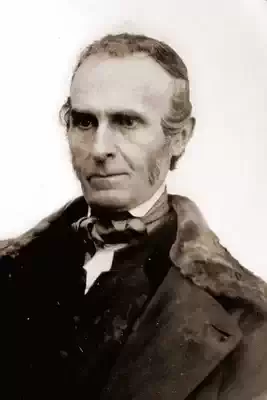
John Greenleaf Whittier
Daniel Neall
Daniel Neall
I.
FRIENDof the Slave, and yet the friend of all;
Lover of peace, yet ever foremost when
The need of battling Freedom called for men
To plant the banner on the outer wall;
Gentle and kindly, ever at distress
Melted to more than woman's tenderness,
Yet firm and steadfast, at his duty's post
Fronting the violence of a maddened host,
Like some-gray rock from which the waves are tossed!
Knowing his deeds of love, men questioned not
The faith of one whose walk and word were right;
Who tranquilly in Life's great task-field wrought,
And, side by side with evil, scarcely caught
A stain upon his pilgrim garb of white:
Prompt to redress another's wrong, his own
Leaving to Time and Truth and Penitence alone.
II.
Such was our friend. Formed on the good old plan,
A true and brave and downright honest man!
He blew no trumpet in the market-place,
Nor in the church with hypocritic face
Supplied with cant the lack of Christian grace;
Loathing pretence, he did with cheerful will
What others talked of while their hands were still;
And, while 'Lord, Lord!' the pious tyrants cried,
Who, in the poor, their Master crucified,
His daily prayer, far better understood.
In acts than words, was simply doing good.
So calm, so constant was his rectitude,
That by his loss alone we know its worth,
And feel how true a man has walked with us on earth.
I.
FRIENDof the Slave, and yet the friend of all;
Lover of peace, yet ever foremost when
The need of battling Freedom called for men
To plant the banner on the outer wall;
Gentle and kindly, ever at distress
Melted to more than woman's tenderness,
Yet firm and steadfast, at his duty's post
Fronting the violence of a maddened host,
Like some-gray rock from which the waves are tossed!
Knowing his deeds of love, men questioned not
The faith of one whose walk and word were right;
Who tranquilly in Life's great task-field wrought,
And, side by side with evil, scarcely caught
A stain upon his pilgrim garb of white:
Prompt to redress another's wrong, his own
Leaving to Time and Truth and Penitence alone.
II.
Such was our friend. Formed on the good old plan,
A true and brave and downright honest man!
He blew no trumpet in the market-place,
Nor in the church with hypocritic face
Supplied with cant the lack of Christian grace;
Loathing pretence, he did with cheerful will
What others talked of while their hands were still;
And, while 'Lord, Lord!' the pious tyrants cried,
Who, in the poor, their Master crucified,
His daily prayer, far better understood.
In acts than words, was simply doing good.
So calm, so constant was his rectitude,
That by his loss alone we know its worth,
And feel how true a man has walked with us on earth.
285
John Greenleaf Whittier
Benedicite
Benedicite
God's love and peace be with thee, where
Soe'er this soft autumnal air
Lifts the dark tresses of thy hair.
Whether through city casements comes
Its kiss to thee, in crowded rooms,
Or, out among the woodland blooms,
It freshens o'er thy thoughtful face,
Imparting, in its glad embrace,
Beauty to beauty, grace to grace!
Fair Nature's book together read,
The old wood-paths that knew our tread,
The maple shadows overhead,-
The hills we climbed, the river seen
By gleams along its deep ravine,-All
keep thy memory fresh and green.
Where'er I look, where'er I stray,
Thy thought goes with me on my way,
And hence the prayer I breathe to-day;
O'er lapse of time and change of scene,
The weary waste which lies between
Thyself and me, my heart I lean.
Thou lack'st not Friendship's spell-word, nor
The half-unconscious power to draw
All hearts to thine by Love's sweet law.
With these good gifts of God is cast
Thy lot, and many a charm thou hast
To hold the blessed angels fast.
If, then, a fervent wish for thee
The gracious heavens will heed from me,
What should, dear heart, its burden be?
The sighing of a shaken reed,-What
can I more than meekly plead
The greatness of our common need?
God's love,--unchanging, pure, and true,-The
Paraclete white-shining through
His peace,--the fall of Hermon's dew!
With such a prayer, on this sweet day,
As thou mayst hear and I may say,
I greet thee, dearest, far away!
God's love and peace be with thee, where
Soe'er this soft autumnal air
Lifts the dark tresses of thy hair.
Whether through city casements comes
Its kiss to thee, in crowded rooms,
Or, out among the woodland blooms,
It freshens o'er thy thoughtful face,
Imparting, in its glad embrace,
Beauty to beauty, grace to grace!
Fair Nature's book together read,
The old wood-paths that knew our tread,
The maple shadows overhead,-
The hills we climbed, the river seen
By gleams along its deep ravine,-All
keep thy memory fresh and green.
Where'er I look, where'er I stray,
Thy thought goes with me on my way,
And hence the prayer I breathe to-day;
O'er lapse of time and change of scene,
The weary waste which lies between
Thyself and me, my heart I lean.
Thou lack'st not Friendship's spell-word, nor
The half-unconscious power to draw
All hearts to thine by Love's sweet law.
With these good gifts of God is cast
Thy lot, and many a charm thou hast
To hold the blessed angels fast.
If, then, a fervent wish for thee
The gracious heavens will heed from me,
What should, dear heart, its burden be?
The sighing of a shaken reed,-What
can I more than meekly plead
The greatness of our common need?
God's love,--unchanging, pure, and true,-The
Paraclete white-shining through
His peace,--the fall of Hermon's dew!
With such a prayer, on this sweet day,
As thou mayst hear and I may say,
I greet thee, dearest, far away!
319
John Greenleaf Whittier
A Memory
A Memory
Here, while the loom of Winter weaves
The shroud of flowers and fountains,
I think of thee and summer eves
Among the Northern mountains.
When thunder tolled the twilight's close,
And winds the lake were rude on,
And thou wert singing, _Ca' the Yowes_,
The bonny yowes of Cluden!
When, close and closer, hushing breath,
Our circle narrowed round thee,
And smiles and tears made up the wreath
Wherewith our silence crowned thee;
And, strangers all, we felt the ties
Of sisters and of brothers;
Ah! whose of all those kindly eyes
Now smile upon another's?
The sport of Time, who still apart
The waifs of life is flinging;
Oh, nevermore shall heart to heart
Draw nearer for that singing!
Yet when the panes are frosty-starred,
And twilight's fire is gleaming,
I hear the songs of Scotland's bard
Sound softly through my dreaming!
A song that lends to winter snows
The glow of summer weather,-Again
I hear thee ca' the yowes
To Cluden's hills of heather
Here, while the loom of Winter weaves
The shroud of flowers and fountains,
I think of thee and summer eves
Among the Northern mountains.
When thunder tolled the twilight's close,
And winds the lake were rude on,
And thou wert singing, _Ca' the Yowes_,
The bonny yowes of Cluden!
When, close and closer, hushing breath,
Our circle narrowed round thee,
And smiles and tears made up the wreath
Wherewith our silence crowned thee;
And, strangers all, we felt the ties
Of sisters and of brothers;
Ah! whose of all those kindly eyes
Now smile upon another's?
The sport of Time, who still apart
The waifs of life is flinging;
Oh, nevermore shall heart to heart
Draw nearer for that singing!
Yet when the panes are frosty-starred,
And twilight's fire is gleaming,
I hear the songs of Scotland's bard
Sound softly through my dreaming!
A song that lends to winter snows
The glow of summer weather,-Again
I hear thee ca' the yowes
To Cluden's hills of heather
307
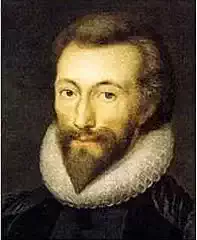
John Donne
To Sir Henry Wotton At His Going Ambassador To Venice
To Sir Henry Wotton At His Going Ambassador To Venice
AFTER those reverend papers, whose soul is
Our good and great king's loved hand and fear'd name ;
By which to you he derives much of his,
And, how he may, makes you almost the same,
A taper of his torch, a copy writ
From his oiginal, and a fair beam
Of the same warm and dazzling sun, though it
Must in another sphere his virtue stream ;
After those learned papers which your hand
Hath stored with notes of use and pleasures too,
From which rich treasury you may command
Fit matter whether you will write or do ;
After those loving papers where friends send,
With glad grief to your sea-ward steps, farewell,
Which thicken on you now, as prayers ascend
To heaven in troops, at a good man's passing-bell ;
Admit this honest paper, and allow
It such an audience as yourself would ask ;
What you must say at Venice, this means now,
And hath for nature, what you have for task.
To swear much love, not to be changed before
Honour, alone will to your fortune fit ;
Nor shall I then honour your fortune, more
Than I have done your honour, wanting it.
But 'tis an easier load, though both oppress,
To want, than govern greatness, for we are
In that, our own and only business,
In this, we must for others' vices care.
'Tis therefore well your spirits now are placed
In their last furnace, in activity ;
Which fits them—schools and courts and wars o'erpast—
To touch and test in any best degree.
For me—if there be such a thing as I—
Fortune—if there be such a thing as she—
Spies that I bear so well her tyranny,
That she thinks nothing else so fit for me.
But, though she part us, to hear my oft prayers
For your increase, God is as near me here ;
And to send you what I shall beg, His stairs
In length and ease are alike everywhere.
AFTER those reverend papers, whose soul is
Our good and great king's loved hand and fear'd name ;
By which to you he derives much of his,
And, how he may, makes you almost the same,
A taper of his torch, a copy writ
From his oiginal, and a fair beam
Of the same warm and dazzling sun, though it
Must in another sphere his virtue stream ;
After those learned papers which your hand
Hath stored with notes of use and pleasures too,
From which rich treasury you may command
Fit matter whether you will write or do ;
After those loving papers where friends send,
With glad grief to your sea-ward steps, farewell,
Which thicken on you now, as prayers ascend
To heaven in troops, at a good man's passing-bell ;
Admit this honest paper, and allow
It such an audience as yourself would ask ;
What you must say at Venice, this means now,
And hath for nature, what you have for task.
To swear much love, not to be changed before
Honour, alone will to your fortune fit ;
Nor shall I then honour your fortune, more
Than I have done your honour, wanting it.
But 'tis an easier load, though both oppress,
To want, than govern greatness, for we are
In that, our own and only business,
In this, we must for others' vices care.
'Tis therefore well your spirits now are placed
In their last furnace, in activity ;
Which fits them—schools and courts and wars o'erpast—
To touch and test in any best degree.
For me—if there be such a thing as I—
Fortune—if there be such a thing as she—
Spies that I bear so well her tyranny,
That she thinks nothing else so fit for me.
But, though she part us, to hear my oft prayers
For your increase, God is as near me here ;
And to send you what I shall beg, His stairs
In length and ease are alike everywhere.
316
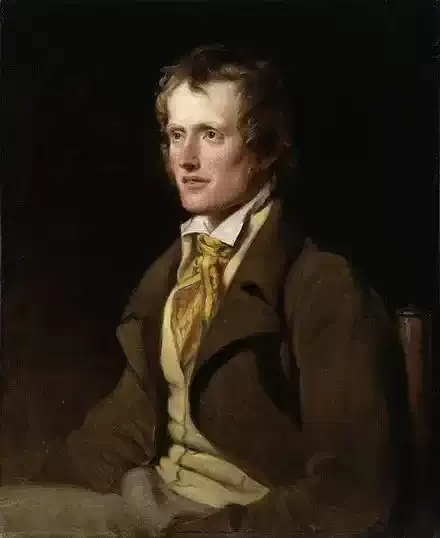
John Clare
Sport In The Meadows
Sport In The Meadows
Maytime is to the meadows coming in,
And cowslip peeps have gotten eer so big,
And water blobs and all their golden kin
Crowd round the shallows by the striding brig.
Daisies and buttercups and ladysmocks
Are all abouten shining here and there,
Nodding about their gold and yellow locks
Like morts of folken flocking at a fair.
The sheep and cows are crowding for a share
And snatch the blossoms in such eager haste
That basket-bearing children running there
Do think within their hearts they'll get them all
And hoot and drive them from their graceless waste
As though there wa'n't a cowslip peep to spare.
--For they want some for tea and some for wine
And some to maken up a cuckaball
To throw across the garland's silken line
That reaches oer the street from wall to wall.
--Good gracious me, how merrily they fare:
One sees a fairer cowslip than the rest,
And off they shout--the foremost bidding fair
To get the prize--and earnest half and jest
The next one pops her down--and from her hand
Her basket falls and out her cowslips all
Tumble and litter there--the merry band
In laughing friendship round about her fall
To helpen gather up the littered flowers
That she no loss may mourn. And now the wind
In frolic mood among the merry hours
Wakens with sudden start and tosses off
Some untied bonnet on its dancing wings;
Away they follow with a scream and laugh,
And aye the youngest ever lags behind,
Till on the deep lake's very bank it hings.
They shout and catch it and then off they start
And chase for cowslips merry as before,
And each one seems so anxious at the heart
As they would even get them all and more.
One climbs a molehill for a bunch of may,
One stands on tiptoe for a linnet's nest
And pricks her hand and throws her flowers away
And runs for plantin leaves to have it drest.
So do they run abouten all the day
And teaze the grass-hid larks from getting rest.
--Scarce give they time in their unruly haste
To tie a shoestring that the grass unties--
And thus they run the meadows' bloom to waste,
Till even comes and dulls their phantasies,
When one finds losses out to stifle smiles
Of silken bonnet-strings--and utters sigh
Oer garments renten clambering over stiles.
Yet in the morning fresh afield they hie,
Bidding the last day's troubles all goodbye;
When red pied cow again their coming hears,
And ere they clap the gate she tosses up
Her head and hastens from the sport she fears:
The old yoe calls her lamb nor cares to stoop
To crop a cowslip in their company.
Thus merrily the little noisy troop
Along the grass as rude marauders hie,
For ever noisy and for ever gay
While keeping in the meadows holiday.
Maytime is to the meadows coming in,
And cowslip peeps have gotten eer so big,
And water blobs and all their golden kin
Crowd round the shallows by the striding brig.
Daisies and buttercups and ladysmocks
Are all abouten shining here and there,
Nodding about their gold and yellow locks
Like morts of folken flocking at a fair.
The sheep and cows are crowding for a share
And snatch the blossoms in such eager haste
That basket-bearing children running there
Do think within their hearts they'll get them all
And hoot and drive them from their graceless waste
As though there wa'n't a cowslip peep to spare.
--For they want some for tea and some for wine
And some to maken up a cuckaball
To throw across the garland's silken line
That reaches oer the street from wall to wall.
--Good gracious me, how merrily they fare:
One sees a fairer cowslip than the rest,
And off they shout--the foremost bidding fair
To get the prize--and earnest half and jest
The next one pops her down--and from her hand
Her basket falls and out her cowslips all
Tumble and litter there--the merry band
In laughing friendship round about her fall
To helpen gather up the littered flowers
That she no loss may mourn. And now the wind
In frolic mood among the merry hours
Wakens with sudden start and tosses off
Some untied bonnet on its dancing wings;
Away they follow with a scream and laugh,
And aye the youngest ever lags behind,
Till on the deep lake's very bank it hings.
They shout and catch it and then off they start
And chase for cowslips merry as before,
And each one seems so anxious at the heart
As they would even get them all and more.
One climbs a molehill for a bunch of may,
One stands on tiptoe for a linnet's nest
And pricks her hand and throws her flowers away
And runs for plantin leaves to have it drest.
So do they run abouten all the day
And teaze the grass-hid larks from getting rest.
--Scarce give they time in their unruly haste
To tie a shoestring that the grass unties--
And thus they run the meadows' bloom to waste,
Till even comes and dulls their phantasies,
When one finds losses out to stifle smiles
Of silken bonnet-strings--and utters sigh
Oer garments renten clambering over stiles.
Yet in the morning fresh afield they hie,
Bidding the last day's troubles all goodbye;
When red pied cow again their coming hears,
And ere they clap the gate she tosses up
Her head and hastens from the sport she fears:
The old yoe calls her lamb nor cares to stoop
To crop a cowslip in their company.
Thus merrily the little noisy troop
Along the grass as rude marauders hie,
For ever noisy and for ever gay
While keeping in the meadows holiday.
484
John Clare
Decay
Decay
O Poesy is on the wane,
For Fancy's visions all unfitting;
I hardly know her face again,
Nature herself seems on the flitting.
The fields grow old and common things,
The grass, the sky, the winds a-blowing;
And spots, where still a beauty clings,
Are sighing 'going! all a-going!'
O Poesy is on the wane,
I hardly know her face again.
The bank with brambles overspread,
And little molehills round about it,
Was more to me than laurel shades,
With paths of gravel finely clouted;
And streaking here and streaking there,
Through shaven grass and many a border,
With rutty lanes had no compare,
And heaths were in a richer order.
But Poesy is on the wane,
I hardly know her face again.
I sat beside the pasture stream,
When Beauty's self was sitting by,
The fields did more than Eden seem
Nor could I tell the reason why.
I often drank when not adry
To pledge her health in draughts divine;
Smiles made it nectar from the sky,
Love turned een water into wine.
O Poesy is on the wane,
I cannot find her face again.
The sun those mornings used to find,
Its clouds were other-country mountains,
And heaven looked downward on the mind,
Like groves, and rocks, and mottled fountains.
Those heavens are gone, the mountains grey
Turned mist--the sun, a homeless ranger,
Pursues alone his naked way,
Unnoticed like a very stranger.
O Poesy is on the wane,
Nor love nor joy is mine again.
Love's sun went down without a frown,
For very joy it used to grieve us;
I often think the West is gone,
Ah, cruel Time, to undeceive us.
The stream it is a common stream,
Where we on Sundays used to ramble,
The sky hangs oer a broken dream,
The bramble's dwindled to a bramble!
O Poesy is on the wane,
I cannot find her haunts again.
Mere withered stalks and fading trees,
And pastures spread with hills and rushes,
Are all my fading vision sees;
Gone, gone are rapture's flooding gushes!
When mushrooms they were fairy bowers,
Their marble pillars overswelling,
And Danger paused to pluck the flowers
That in their swarthy rings were dwelling.
Yes, Poesy is on the wane,
Nor joy nor fear is mine again.
Aye, Poesy hath passed away,
And Fancy's visions undeceive us;
The night hath ta'en the place of day,
And why should passing shadows grieve us?
I thought the flowers upon the hills
Were flowers from Adam's open gardens;
But I have had my summer thrills,
And I have had my heart's rewardings.
So Poesy is on the wane,
I hardly know her face again.
And Friendship it hath burned away,
Like to a very ember cooling,
A make-believe on April day
That sent the simple heart a-fooling;
Mere jesting in an earnest way,
Deceiving on and still deceiving;
And Hope is but a fancy-play,
And Joy the art of true believing;
For Poesy is on the wane,
O could I feel her faith again!
O Poesy is on the wane,
For Fancy's visions all unfitting;
I hardly know her face again,
Nature herself seems on the flitting.
The fields grow old and common things,
The grass, the sky, the winds a-blowing;
And spots, where still a beauty clings,
Are sighing 'going! all a-going!'
O Poesy is on the wane,
I hardly know her face again.
The bank with brambles overspread,
And little molehills round about it,
Was more to me than laurel shades,
With paths of gravel finely clouted;
And streaking here and streaking there,
Through shaven grass and many a border,
With rutty lanes had no compare,
And heaths were in a richer order.
But Poesy is on the wane,
I hardly know her face again.
I sat beside the pasture stream,
When Beauty's self was sitting by,
The fields did more than Eden seem
Nor could I tell the reason why.
I often drank when not adry
To pledge her health in draughts divine;
Smiles made it nectar from the sky,
Love turned een water into wine.
O Poesy is on the wane,
I cannot find her face again.
The sun those mornings used to find,
Its clouds were other-country mountains,
And heaven looked downward on the mind,
Like groves, and rocks, and mottled fountains.
Those heavens are gone, the mountains grey
Turned mist--the sun, a homeless ranger,
Pursues alone his naked way,
Unnoticed like a very stranger.
O Poesy is on the wane,
Nor love nor joy is mine again.
Love's sun went down without a frown,
For very joy it used to grieve us;
I often think the West is gone,
Ah, cruel Time, to undeceive us.
The stream it is a common stream,
Where we on Sundays used to ramble,
The sky hangs oer a broken dream,
The bramble's dwindled to a bramble!
O Poesy is on the wane,
I cannot find her haunts again.
Mere withered stalks and fading trees,
And pastures spread with hills and rushes,
Are all my fading vision sees;
Gone, gone are rapture's flooding gushes!
When mushrooms they were fairy bowers,
Their marble pillars overswelling,
And Danger paused to pluck the flowers
That in their swarthy rings were dwelling.
Yes, Poesy is on the wane,
Nor joy nor fear is mine again.
Aye, Poesy hath passed away,
And Fancy's visions undeceive us;
The night hath ta'en the place of day,
And why should passing shadows grieve us?
I thought the flowers upon the hills
Were flowers from Adam's open gardens;
But I have had my summer thrills,
And I have had my heart's rewardings.
So Poesy is on the wane,
I hardly know her face again.
And Friendship it hath burned away,
Like to a very ember cooling,
A make-believe on April day
That sent the simple heart a-fooling;
Mere jesting in an earnest way,
Deceiving on and still deceiving;
And Hope is but a fancy-play,
And Joy the art of true believing;
For Poesy is on the wane,
O could I feel her faith again!
443
John Clare
Country Letter
Country Letter
Dear brother robin this comes from us all
With our kind love and could Gip write and all
Though but a dog he'd have his love to spare
For still he knows and by your corner chair
The moment he comes in he lyes him down
and seems to fancy you are in the town.
This leaves us well in health thank God for that
For old acquaintance Sue has kept your hat
Which mother brushes ere she lays it bye
and every sunday goes upstairs to cry
Jane still is yours till you come back agen
and neer so much as dances with the men
and ned the woodman every week comes in
and asks about you kindly as our kin
and he with this and goody Thompson sends
Remembrances with those of all our friends
Father with us sends love untill he hears
and mother she has nothing but her tears
Yet wishes you like us in health the same
and longs to see a letter with your name
So loving brother don't forget to write
Old Gip lies on the hearth stone every night
Mother can't bear to turn him out of doors
and never noises now of dirty floors
Father will laugh but lets her have her way
and Gip for kindness get a double pay
So Robin write and let us quickly see
You don't forget old friends no more than we
Nor let my mother have so much to blame
To go three journeys ere your letter came.
Dear brother robin this comes from us all
With our kind love and could Gip write and all
Though but a dog he'd have his love to spare
For still he knows and by your corner chair
The moment he comes in he lyes him down
and seems to fancy you are in the town.
This leaves us well in health thank God for that
For old acquaintance Sue has kept your hat
Which mother brushes ere she lays it bye
and every sunday goes upstairs to cry
Jane still is yours till you come back agen
and neer so much as dances with the men
and ned the woodman every week comes in
and asks about you kindly as our kin
and he with this and goody Thompson sends
Remembrances with those of all our friends
Father with us sends love untill he hears
and mother she has nothing but her tears
Yet wishes you like us in health the same
and longs to see a letter with your name
So loving brother don't forget to write
Old Gip lies on the hearth stone every night
Mother can't bear to turn him out of doors
and never noises now of dirty floors
Father will laugh but lets her have her way
and Gip for kindness get a double pay
So Robin write and let us quickly see
You don't forget old friends no more than we
Nor let my mother have so much to blame
To go three journeys ere your letter came.
367
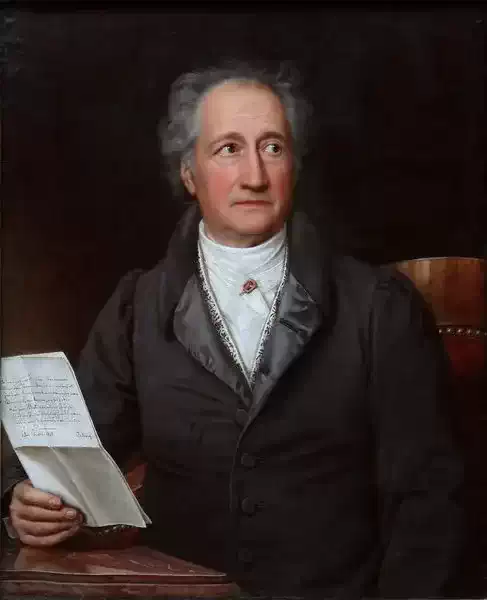
Johann Wolfgang von Goethe
Valediction
Valediction
I ONCE was fond of fools,
And bid them come each day;
Then each one brought his tools
The carpenter to play;
The roof to strip first choosing,
Another to supply,
The wood as trestles using,
To move it by-and-by,
While here and there they ran,
And knock'd against each other;
To fret I soon began,
My anger could not smother,
So cried, "Get out, ye fools!"
At this they were offended
Then each one took his tools,
And so our friendship ended.
Since that, I've wiser been,
And sit beside my door;
When one of them is seen,
I cry, "Appear no more!"
"Hence, stupid knave!" I bellow:
At this he's angry too:
"You impudent old fellow!
And pray, sir, who are you?
Along the streets we riot,
And revel at the fair;
But yet we're pretty quiet,
And folks revile us ne'er.
Don't call us names, then, please!"--
At length I meet with ease,
For now they leave my door-
'Tis better than before!
I ONCE was fond of fools,
And bid them come each day;
Then each one brought his tools
The carpenter to play;
The roof to strip first choosing,
Another to supply,
The wood as trestles using,
To move it by-and-by,
While here and there they ran,
And knock'd against each other;
To fret I soon began,
My anger could not smother,
So cried, "Get out, ye fools!"
At this they were offended
Then each one took his tools,
And so our friendship ended.
Since that, I've wiser been,
And sit beside my door;
When one of them is seen,
I cry, "Appear no more!"
"Hence, stupid knave!" I bellow:
At this he's angry too:
"You impudent old fellow!
And pray, sir, who are you?
Along the streets we riot,
And revel at the fair;
But yet we're pretty quiet,
And folks revile us ne'er.
Don't call us names, then, please!"--
At length I meet with ease,
For now they leave my door-
'Tis better than before!
368
Johann Wolfgang von Goethe
To The Moon
To The Moon
BUSH and vale thou fill'st again
With thy misty ray,
And my spirit's heavy chain
Castest far away.
Thou dost o'er my fields extend
Thy sweet soothing eye,
Watching like a gentle friend,
O'er my destiny.
Vanish'd days of bliss and woe
Haunt me with their tone,
Joy and grief in turns I know,
As I stray alone.
Stream beloved, flow on! flow on!
Ne'er can I be gay!
Thus have sport and kisses gone,
Truth thus pass'd away.
Once I seem'd the lord to be
Of that prize so fair!
Now, to our deep sorrow, we
Can forget it ne'er.
Murmur, stream, the vale along,
Never cease thy sighs;
Murmur, whisper to my song
Answering melodies!
When thou in the winter's night
Overflow'st in wrath,
Or in spring-time sparklest bright,
As the buds shoot forth.
He who from the world retires,
Void of hate, is blest;
Who a friend's true love inspires,
Leaning on his breast!
That which heedless man ne'er knew,
Or ne'er thought aright,
Roams the bosom's labyrinth through,
Boldly into night.
BUSH and vale thou fill'st again
With thy misty ray,
And my spirit's heavy chain
Castest far away.
Thou dost o'er my fields extend
Thy sweet soothing eye,
Watching like a gentle friend,
O'er my destiny.
Vanish'd days of bliss and woe
Haunt me with their tone,
Joy and grief in turns I know,
As I stray alone.
Stream beloved, flow on! flow on!
Ne'er can I be gay!
Thus have sport and kisses gone,
Truth thus pass'd away.
Once I seem'd the lord to be
Of that prize so fair!
Now, to our deep sorrow, we
Can forget it ne'er.
Murmur, stream, the vale along,
Never cease thy sighs;
Murmur, whisper to my song
Answering melodies!
When thou in the winter's night
Overflow'st in wrath,
Or in spring-time sparklest bright,
As the buds shoot forth.
He who from the world retires,
Void of hate, is blest;
Who a friend's true love inspires,
Leaning on his breast!
That which heedless man ne'er knew,
Or ne'er thought aright,
Roams the bosom's labyrinth through,
Boldly into night.
449
Johann Wolfgang von Goethe
To My Friend - Ode II
To My Friend - Ode II
THOU go'st! I murmur--
Go! let me murmur.
Oh, worthy man,
Fly from this land!
Deadly marshes,
Steaming mists of October
Here interweave their currents,
Blending for ever.
Noisome insects
Here are engender'd;
Fatal darkness
Veils their malice.
The fiery-tongued serpent,
Hard by the sedgy bank,
Stretches his pamper'd body,
Caress'd by the sun's bright beams.
Tempt no gentle night-rambles
Under the moon's cold twilight!
Loathsome toads hold their meetings
Yonder at every crossway.
Injuring not,
Fear will they cause thee.
Oh, worthy man,
Fly from this land!
THOU go'st! I murmur--
Go! let me murmur.
Oh, worthy man,
Fly from this land!
Deadly marshes,
Steaming mists of October
Here interweave their currents,
Blending for ever.
Noisome insects
Here are engender'd;
Fatal darkness
Veils their malice.
The fiery-tongued serpent,
Hard by the sedgy bank,
Stretches his pamper'd body,
Caress'd by the sun's bright beams.
Tempt no gentle night-rambles
Under the moon's cold twilight!
Loathsome toads hold their meetings
Yonder at every crossway.
Injuring not,
Fear will they cause thee.
Oh, worthy man,
Fly from this land!
368
Johann Wolfgang von Goethe
To Charlotte
To Charlotte
'MIDST the noise of merriment and glee,
'Midst full many a sorrow, many a care,
Charlotte, I remember, we remember thee,
How, at evening's hour so fair,
Thou a kindly hand didst reach us,
When thou, in some happy place
Where more fair is Nature s face,
Many a lightly-hidden trace
Of a spirit loved didst teach us.
Well 'tis that thy worth I rightly knew,--
That I, in the hour when first we met,
While the first impression fill'd me yet,
Call'd thee then a girl both good and true.
Rear'd in silence, calmly, knowing nought,
On the world we suddenly are thrown;
Hundred thousand billows round us sport;
All things charm us--many please alone,
Many grieve us, and as hour on hour is stealing,
To and fro our restless natures sway;
First we feel, and then we find each feeling
By the changeful world-stream borne away.
Well I know, we oft within us find
Many a hope and many a smart.
Charlotte, who can know our mind?
Charlotte, who can know our heart?
Ah! 'twould fain be understood, 'twould fain o'erflow
In some creature's fellow-feelings blest,
And, with trust, in twofold measure know
All the grief and joy in Nature's breast.
Then thine eye is oft around thee cast,
But in vain, for all seems closed for ever.
Thus the fairest part of life is madly pass'd
Free from storm, but resting never:
To thy sorrow thou'rt to-day repell'd
By what yesterday obey'd thee.
Can that world by thee be worthy held
Which so oft betray'd thee?
Which, 'mid all thy pleasures and thy pains,
Lived in selfish, unconcern'd repose?
See, the soul its secret cells regains,
And the heart--makes haste to close.
Thus found I thee, and gladly went to meet thee;
"She's worthy of all love!" I cried,
And pray'd that Heaven with purest bliss might greet thee,
Which in thy friend it richly hath supplied.
'MIDST the noise of merriment and glee,
'Midst full many a sorrow, many a care,
Charlotte, I remember, we remember thee,
How, at evening's hour so fair,
Thou a kindly hand didst reach us,
When thou, in some happy place
Where more fair is Nature s face,
Many a lightly-hidden trace
Of a spirit loved didst teach us.
Well 'tis that thy worth I rightly knew,--
That I, in the hour when first we met,
While the first impression fill'd me yet,
Call'd thee then a girl both good and true.
Rear'd in silence, calmly, knowing nought,
On the world we suddenly are thrown;
Hundred thousand billows round us sport;
All things charm us--many please alone,
Many grieve us, and as hour on hour is stealing,
To and fro our restless natures sway;
First we feel, and then we find each feeling
By the changeful world-stream borne away.
Well I know, we oft within us find
Many a hope and many a smart.
Charlotte, who can know our mind?
Charlotte, who can know our heart?
Ah! 'twould fain be understood, 'twould fain o'erflow
In some creature's fellow-feelings blest,
And, with trust, in twofold measure know
All the grief and joy in Nature's breast.
Then thine eye is oft around thee cast,
But in vain, for all seems closed for ever.
Thus the fairest part of life is madly pass'd
Free from storm, but resting never:
To thy sorrow thou'rt to-day repell'd
By what yesterday obey'd thee.
Can that world by thee be worthy held
Which so oft betray'd thee?
Which, 'mid all thy pleasures and thy pains,
Lived in selfish, unconcern'd repose?
See, the soul its secret cells regains,
And the heart--makes haste to close.
Thus found I thee, and gladly went to meet thee;
"She's worthy of all love!" I cried,
And pray'd that Heaven with purest bliss might greet thee,
Which in thy friend it richly hath supplied.
402
Johann Wolfgang von Goethe
The Way To Behave
The Way To Behave
THOUGH tempers are bad and peevish folks swear,
Remember to ruffle thy brows, friend, ne'er;
And let not the fancies of women so fair
E'er serve thy pleasure in life to impair.
THOUGH tempers are bad and peevish folks swear,
Remember to ruffle thy brows, friend, ne'er;
And let not the fancies of women so fair
E'er serve thy pleasure in life to impair.
309
Johann Wolfgang von Goethe
The Chosen Cliff
The Chosen Cliff
HERE in silence the lover fondly mused on his loved one;
Gladly he spake to me thus: "Be thou my witness, thou stone!
Yet thou must not be vainglorious, thou hast many companions;
Unto each rock on the plain, where I, the happy one, dwell,
Unto each tree of the wood that I cling to, as onward I ramble,
'Be thou a sign of my bliss!' shout I, and then 'tis ordain'd.
Yet to thee only I lend a voice, as a Muse from the people
Chooseth one for herself, kissing his lips as a friend."
HERE in silence the lover fondly mused on his loved one;
Gladly he spake to me thus: "Be thou my witness, thou stone!
Yet thou must not be vainglorious, thou hast many companions;
Unto each rock on the plain, where I, the happy one, dwell,
Unto each tree of the wood that I cling to, as onward I ramble,
'Be thou a sign of my bliss!' shout I, and then 'tis ordain'd.
Yet to thee only I lend a voice, as a Muse from the people
Chooseth one for herself, kissing his lips as a friend."
392
Johann Wolfgang von Goethe
Table Song
Table Song
O'ER me--how I cannot say,-
Heav'nly rapture's growing.
Will it help to guide my way
To yon stars all-glowing?
Yet that here I'd sooner be,
To assert I'm able,
Where, with wine and harmony,
I may thump the table.
Wonder not, my dearest friends,
What 'tis gives me pleasure;
For of all that earth e'er lends,
'Tis the sweetest treasure.
Therefore solemnly I swear,
With no reservation,
That maliciously I'll ne'er
Leave my present station.
Now that here we're gather'd round,
Chasing cares and slumbers,
Let, methought, the goblet sound
To the bard's glad numbers!
Many a hundred mile away,
Go those we love dearly;
Therefore let us here to-day
Make the glass ring clearly!
Here's His health, through Whom we live!
I that faith inherit.
To our king the next toast give,
Honour is his merit,
'Gainst each in-- and outward foe
He's our rock and tower.
Of his maintenance thinks he though,
More that grows his power.
Next to her good health I drink,
Who has stirr'd my passion;
Of his mistress let each think,
Think in knightly fashion.
If the beauteous maid but see
Whom 'tis I now call so,
Let her smiling nod to me:
"Here's my love's health also!"
To those friends,--the two or three,--
Be our next toast given,
In whose presence revel we,
In the silent even,--
Who the gloomy mist so cold
Scatter gently, lightly;
To those friends, then, new or old,
Let the toast ring brightly.
Broader now the stream rolls on,
With its waves more swelling,
While in higher, nobler tone,
Comrades, we are dwelling,--
We who with collected might,
Bravely cling together,
Both in fortune's sunshine bright,
And in stormy weather.
Just as we are gather'd thus,
Others are collected;
On them, therefore, as on us,
Be Fate's smile directed!
From the springhead to the sea,
Many a mill's revolving,
And the world's prosperity
Is the task I'm solving.
O'ER me--how I cannot say,-
Heav'nly rapture's growing.
Will it help to guide my way
To yon stars all-glowing?
Yet that here I'd sooner be,
To assert I'm able,
Where, with wine and harmony,
I may thump the table.
Wonder not, my dearest friends,
What 'tis gives me pleasure;
For of all that earth e'er lends,
'Tis the sweetest treasure.
Therefore solemnly I swear,
With no reservation,
That maliciously I'll ne'er
Leave my present station.
Now that here we're gather'd round,
Chasing cares and slumbers,
Let, methought, the goblet sound
To the bard's glad numbers!
Many a hundred mile away,
Go those we love dearly;
Therefore let us here to-day
Make the glass ring clearly!
Here's His health, through Whom we live!
I that faith inherit.
To our king the next toast give,
Honour is his merit,
'Gainst each in-- and outward foe
He's our rock and tower.
Of his maintenance thinks he though,
More that grows his power.
Next to her good health I drink,
Who has stirr'd my passion;
Of his mistress let each think,
Think in knightly fashion.
If the beauteous maid but see
Whom 'tis I now call so,
Let her smiling nod to me:
"Here's my love's health also!"
To those friends,--the two or three,--
Be our next toast given,
In whose presence revel we,
In the silent even,--
Who the gloomy mist so cold
Scatter gently, lightly;
To those friends, then, new or old,
Let the toast ring brightly.
Broader now the stream rolls on,
With its waves more swelling,
While in higher, nobler tone,
Comrades, we are dwelling,--
We who with collected might,
Bravely cling together,
Both in fortune's sunshine bright,
And in stormy weather.
Just as we are gather'd thus,
Others are collected;
On them, therefore, as on us,
Be Fate's smile directed!
From the springhead to the sea,
Many a mill's revolving,
And the world's prosperity
Is the task I'm solving.
353
Johann Wolfgang von Goethe
For Ever
For Ever
THE happiness that man, whilst prison'd here,
Is wont with heavenly rapture to compare,--
The harmony of Truth, from wavering clear,--
Of Friendship that is free from doubting care,--
The light which in stray thoughts alone can cheer
The wise,--the bard alone in visions fair,--
In my best hours I found in her all this,
And made mine own, to mine exceeding bliss.
THE happiness that man, whilst prison'd here,
Is wont with heavenly rapture to compare,--
The harmony of Truth, from wavering clear,--
Of Friendship that is free from doubting care,--
The light which in stray thoughts alone can cheer
The wise,--the bard alone in visions fair,--
In my best hours I found in her all this,
And made mine own, to mine exceeding bliss.
309
Johann Wolfgang von Goethe
Book Of Love - The Types
Book Of Love - The Types
LIST, and in memory bear
These six fond loving pair.
Love, when aroused, kept true
Rustan and Rad!
Strangers approach from far
Joseph and Suleika;
Love, void of hope, is in
Ferhad and Schirin.
Born for each other are
Medschnun and Lily;
Loving, though old and grey,
Dschemil saw Boteinah.
Love's sweet caprice anon,
Brown maid and Solomon!
If thou dost mark them well,
Stronger thy love will swell.
LIST, and in memory bear
These six fond loving pair.
Love, when aroused, kept true
Rustan and Rad!
Strangers approach from far
Joseph and Suleika;
Love, void of hope, is in
Ferhad and Schirin.
Born for each other are
Medschnun and Lily;
Loving, though old and grey,
Dschemil saw Boteinah.
Love's sweet caprice anon,
Brown maid and Solomon!
If thou dost mark them well,
Stronger thy love will swell.
276
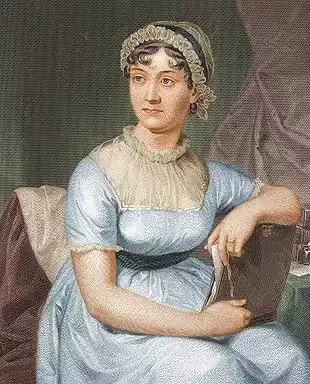
Jane Austen
Oh! Mr Best You're Very Bad
Oh! Mr Best You're Very Bad
Oh! Mr. Best, you're very bad
And all the world shall know it;
Your base behaviour shall be sung
By me, a tunefull Poet.--
You used to go to Harrowgate
Each summer as it came,
And why I pray should you refuse
To go this year the same?--
The way's as plain, the road's as smooth,
The Posting not increased;
You're scarcely stouter than you were,
Not younger Sir at least.--
If e'er the waters were of use
Why now their use forego?
You may not live another year,
All's mortal here below.--
It is your duty Mr Best
To give your health repair.
Vain else your Richard's pills will be,
And vain your Consort's care.
But yet a nobler Duty calls
You now towards the North.
Arise ennobled--as Escort
Of Martha Lloyd stand forth.
She wants your aid--she honours you
With a distinguished call.
Stand forth to be the friend of her
Who is the friend of all.--
Take her, and wonder at your luck,
In having such a Trust.
Her converse sensible and sweet
Will banish heat and dust.--
So short she'll make the journey seem
You'll bid the Chaise stand still.
T'will be like driving at full speed
From Newb'ry to Speen hill.--
Convey her safe to Morton's wife
And I'll forget the past,
And write some verses in your praise
As finely and as fast.
But if you still refuse to go
I'll never let your rest,
Buy haunt you with reproachful song
Oh! wicked Mr. Best!--
Oh! Mr. Best, you're very bad
And all the world shall know it;
Your base behaviour shall be sung
By me, a tunefull Poet.--
You used to go to Harrowgate
Each summer as it came,
And why I pray should you refuse
To go this year the same?--
The way's as plain, the road's as smooth,
The Posting not increased;
You're scarcely stouter than you were,
Not younger Sir at least.--
If e'er the waters were of use
Why now their use forego?
You may not live another year,
All's mortal here below.--
It is your duty Mr Best
To give your health repair.
Vain else your Richard's pills will be,
And vain your Consort's care.
But yet a nobler Duty calls
You now towards the North.
Arise ennobled--as Escort
Of Martha Lloyd stand forth.
She wants your aid--she honours you
With a distinguished call.
Stand forth to be the friend of her
Who is the friend of all.--
Take her, and wonder at your luck,
In having such a Trust.
Her converse sensible and sweet
Will banish heat and dust.--
So short she'll make the journey seem
You'll bid the Chaise stand still.
T'will be like driving at full speed
From Newb'ry to Speen hill.--
Convey her safe to Morton's wife
And I'll forget the past,
And write some verses in your praise
As finely and as fast.
But if you still refuse to go
I'll never let your rest,
Buy haunt you with reproachful song
Oh! wicked Mr. Best!--
143
Jane Austen
This Little Bag
This Little Bag
This little bag I hope will prove
To be not vainly made--
For, if you should a needle want
It will afford you aid.
And as we are about to part
T'will serve another end,
For when you look upon the Bag
You'll recollect your friend
This little bag I hope will prove
To be not vainly made--
For, if you should a needle want
It will afford you aid.
And as we are about to part
T'will serve another end,
For when you look upon the Bag
You'll recollect your friend
170
Jane Austen
Mock Panegyric on a Young Friend
Mock Panegyric on a Young Friend
In measured verse I'll now rehearse
The charms of lovely Anna:
And, first, her mind is unconfined
Like any vast savannah.
Ontario's lake may fitly speak
Her fancy's ample bound:
Its circuit may, on strict survey
Five hundred miles be found.
Her wit descends on foes and friends
Like famed Niagara's fall;
And travellers gaze in wild amaze,
And listen, one and all.
Her judgment sound, thick, black, profound,
Like transatlantic groves,
Dispenses aid, and friendly shade
To all that in it roves.
If thus her mind to be defined
America exhausts,
And all that's grand in that great land
In similes it costs --
Oh how can I her person try
To image and portray?
How paint the face, the form how trace,
In which those virtues lay?
Another world must be unfurled,
Another language known,
Ere tongue or sound can publish round
Her charms of flesh and bone.
In measured verse I'll now rehearse
The charms of lovely Anna:
And, first, her mind is unconfined
Like any vast savannah.
Ontario's lake may fitly speak
Her fancy's ample bound:
Its circuit may, on strict survey
Five hundred miles be found.
Her wit descends on foes and friends
Like famed Niagara's fall;
And travellers gaze in wild amaze,
And listen, one and all.
Her judgment sound, thick, black, profound,
Like transatlantic groves,
Dispenses aid, and friendly shade
To all that in it roves.
If thus her mind to be defined
America exhausts,
And all that's grand in that great land
In similes it costs --
Oh how can I her person try
To image and portray?
How paint the face, the form how trace,
In which those virtues lay?
Another world must be unfurled,
Another language known,
Ere tongue or sound can publish round
Her charms of flesh and bone.
168
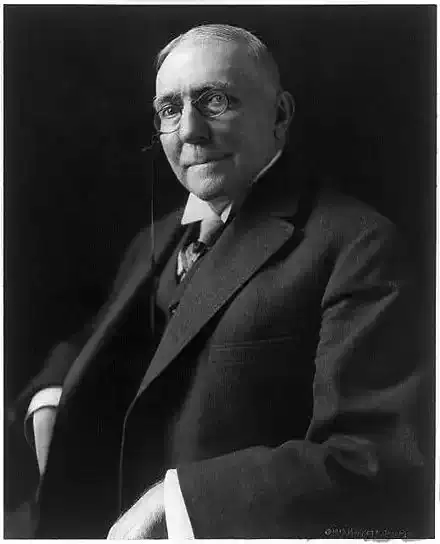
James Whitcomb Riley
Writin' Back To The Home-Folks
Writin' Back To The Home-Folks
My dear old friends--It jes beats all,
The way you write a letter
So's ever' _last_ line beats the _first_,
And ever' _next_-un's better!-W'y,
ever' fool-thing you putt down
You make so inte_rest_in',
A feller, readin' of 'em all,
Can't tell which is the _best_-un.
It's all so comfortin' and good,
'Pears-like I almost _hear_ ye
And git more sociabler, you know,
And hitch my cheer up near ye
And jes smile on ye like the sun
Acrosst the whole per-rairies
In Aprile when the thaw's begun
And country couples marries.
It's all so good-old-fashioned like
To _talk_ jes like we're _thinkin'_,
Without no hidin' back o' fans
And giggle-un and winkin',
Ner sizin' how each-other's dressed--
Like some is allus doin',-'_
Is_ Marthy Ellen's basque ben _turned_
Er shore-enough a new-un!'--
Er 'ef Steve's city-friend haint jes
'A _lee_tle kindo'-sorto''--
Er 'wears them-air blame eye-glasses
Jes 'cause he hadn't ort to?'
And so straight on, _dad-libitum_,
Tel all of us feels, _some_way,
Jes like our 'comp'ny' wuz the best
When we git up to come 'way!
That's why I like _old_ friends like you,--
Jes 'cause you're so _abidin'_.--
Ef I was built to live '_fer keeps_,'
My principul residin'
Would be amongst the folks 'at kep'
Me allus _thinkin'_ of 'em,
And sorto' eechin' all the time
To tell 'em how I love 'em.--
Sich folks, you know, I jes love so
I wouldn't live without 'em,
Er couldn't even drap asleep
But what I _dreamp'_ about 'em,--
And ef we minded God, I guess
We'd _all_ love one-another
Jes like one fam'bly,--me and Pap
And Madaline and Mother.
My dear old friends--It jes beats all,
The way you write a letter
So's ever' _last_ line beats the _first_,
And ever' _next_-un's better!-W'y,
ever' fool-thing you putt down
You make so inte_rest_in',
A feller, readin' of 'em all,
Can't tell which is the _best_-un.
It's all so comfortin' and good,
'Pears-like I almost _hear_ ye
And git more sociabler, you know,
And hitch my cheer up near ye
And jes smile on ye like the sun
Acrosst the whole per-rairies
In Aprile when the thaw's begun
And country couples marries.
It's all so good-old-fashioned like
To _talk_ jes like we're _thinkin'_,
Without no hidin' back o' fans
And giggle-un and winkin',
Ner sizin' how each-other's dressed--
Like some is allus doin',-'_
Is_ Marthy Ellen's basque ben _turned_
Er shore-enough a new-un!'--
Er 'ef Steve's city-friend haint jes
'A _lee_tle kindo'-sorto''--
Er 'wears them-air blame eye-glasses
Jes 'cause he hadn't ort to?'
And so straight on, _dad-libitum_,
Tel all of us feels, _some_way,
Jes like our 'comp'ny' wuz the best
When we git up to come 'way!
That's why I like _old_ friends like you,--
Jes 'cause you're so _abidin'_.--
Ef I was built to live '_fer keeps_,'
My principul residin'
Would be amongst the folks 'at kep'
Me allus _thinkin'_ of 'em,
And sorto' eechin' all the time
To tell 'em how I love 'em.--
Sich folks, you know, I jes love so
I wouldn't live without 'em,
Er couldn't even drap asleep
But what I _dreamp'_ about 'em,--
And ef we minded God, I guess
We'd _all_ love one-another
Jes like one fam'bly,--me and Pap
And Madaline and Mother.
216
James Whitcomb Riley
Tom Van Arden
Tom Van Arden
Tom Van Arden, my old friend,
Our warm fellowship is one
Far too old to comprehend
Where its bond was first begun:
Mirage-like before my gaze
Gleams a land of other days,
Where two truant boys, astray,
Dream their lazy lives away.
There's a vision, in the guise
Of Midsummer, where the Past
Like a weary beggar lies
In the shadow Time has cast;
And as blends the bloom of trees
With the drowsy hum of bees,
Fragrant thoughts and murmurs blend,
Tom Van Arden, my old friend.
Tom Van Arden, my old friend,
All the pleasures we have known
Thrill me now as I extend
This old hand and grasp your own--
Feeling, in the rude caress,
All affection's tenderness;
Feeling, though the touch be rough,
Our old souls are soft enough.
So we'll make a mellow hour:
Fill your pipe, and taste the wine--
Warp your face, if it be sour,
I can spare a smile from mine;
If it sharpen up your wit,
Let me feel the edge of it--
I have eager ears to lend,
Tom Van Arden, my old friend.
Tom Van Arden, my old friend,
Are we 'lucky dogs,' indeed?
Are we all that we pretend
In the jolly life we lead?--
Bachelors, we must confess,
Boast of 'single blessedness'
To the world, but not alone-Man's
best sorrow is his own!
And the saddest truth is this,--
Life to us has never proved
What we tasted in the kiss
Of the women we have loved:
Vainly we congratulate
Our escape from such a fate
As their lying lips could send,
Tom Van Arden, my old friend!
Tom Van Arden, my old friend,
Hearts, like fruit upon the stem,
Ripen sweetest, I contend,
As the frost falls over them:
Your regard for me to-day
Makes November taste of May,
And through every vein of rhyme
Pours the blood of summer-time.
When our souls are cramped with youth
Happiness seems far away
In the future, while, in truth,
We look back on it to-day
Through our tears, nor dare to boast,-'
Better to have loved and lost!'
Broken hearts are hard to mend,
Tom Van Arden, my old friend.
Tom Van Arden, my old friend,
I grow prosy, and you tire;
Fill the glasses while I bend
To prod up the failing fire. . . .
You are restless:--I presume
There's a dampness in the room.--
Much of warmth our nature begs,
With rheumatics in our legs! . . .
Humph! the legs we used to fling
Limber-jointed in the dance,
When we heard the fiddle ring
Up the curtain of Romance,
And in crowded public halls
Played with hearts like jugglers' balls.--
FEATS OF MOUNTEBANKS, DEPEND!--
Tom Van Arden, my old friend.
Tom Van Arden, my old friend,
Pardon, then, this theme of mine:
While the firelight leaps to lend
Higher color to the wine,--
I propose a health to those
Who have HOMES, and home's repose,
Wife- and child-love without end!
. . . Tom Van Arden, my old friend.
Tom Van Arden, my old friend,
Our warm fellowship is one
Far too old to comprehend
Where its bond was first begun:
Mirage-like before my gaze
Gleams a land of other days,
Where two truant boys, astray,
Dream their lazy lives away.
There's a vision, in the guise
Of Midsummer, where the Past
Like a weary beggar lies
In the shadow Time has cast;
And as blends the bloom of trees
With the drowsy hum of bees,
Fragrant thoughts and murmurs blend,
Tom Van Arden, my old friend.
Tom Van Arden, my old friend,
All the pleasures we have known
Thrill me now as I extend
This old hand and grasp your own--
Feeling, in the rude caress,
All affection's tenderness;
Feeling, though the touch be rough,
Our old souls are soft enough.
So we'll make a mellow hour:
Fill your pipe, and taste the wine--
Warp your face, if it be sour,
I can spare a smile from mine;
If it sharpen up your wit,
Let me feel the edge of it--
I have eager ears to lend,
Tom Van Arden, my old friend.
Tom Van Arden, my old friend,
Are we 'lucky dogs,' indeed?
Are we all that we pretend
In the jolly life we lead?--
Bachelors, we must confess,
Boast of 'single blessedness'
To the world, but not alone-Man's
best sorrow is his own!
And the saddest truth is this,--
Life to us has never proved
What we tasted in the kiss
Of the women we have loved:
Vainly we congratulate
Our escape from such a fate
As their lying lips could send,
Tom Van Arden, my old friend!
Tom Van Arden, my old friend,
Hearts, like fruit upon the stem,
Ripen sweetest, I contend,
As the frost falls over them:
Your regard for me to-day
Makes November taste of May,
And through every vein of rhyme
Pours the blood of summer-time.
When our souls are cramped with youth
Happiness seems far away
In the future, while, in truth,
We look back on it to-day
Through our tears, nor dare to boast,-'
Better to have loved and lost!'
Broken hearts are hard to mend,
Tom Van Arden, my old friend.
Tom Van Arden, my old friend,
I grow prosy, and you tire;
Fill the glasses while I bend
To prod up the failing fire. . . .
You are restless:--I presume
There's a dampness in the room.--
Much of warmth our nature begs,
With rheumatics in our legs! . . .
Humph! the legs we used to fling
Limber-jointed in the dance,
When we heard the fiddle ring
Up the curtain of Romance,
And in crowded public halls
Played with hearts like jugglers' balls.--
FEATS OF MOUNTEBANKS, DEPEND!--
Tom Van Arden, my old friend.
Tom Van Arden, my old friend,
Pardon, then, this theme of mine:
While the firelight leaps to lend
Higher color to the wine,--
I propose a health to those
Who have HOMES, and home's repose,
Wife- and child-love without end!
. . . Tom Van Arden, my old friend.
264
James Whitcomb Riley
To The Judge
To The Judge
_A Voice From the Interior of Old Hoop-Pole Township_
Friend of my earliest youth,
Can't you arrange to come down
And visit a fellow out here in the woods--
Out of the dust of the town?
Can't you forget you're a Judge
And put by your dolorous frown
And tan your wan face in the smile of a friend-Can't
you arrange to come down?
Can't you forget for a while
The arguments prosy and drear,--
To lean at full-length in indefinite rest
In the lap of the greenery here?
Can't you kick over 'the Bench,'
And 'husk' yourself out of your gown
To dangle your legs where the fishing is good-Can't
you arrange to come down?
Bah! for your office of State!
And bah! for its technical lore!
What does our President, high in his chair,
But wish himself low as before!
Pick between peasant and king,--
Poke your bald head through a crown
Or shadow it here with the laurels of Spring!-Can't
you arrange to come down?
'Judge it' out _here_, if you will,--
The birds are in session by dawn;
You can draw, not _complaints_, but a sketch of the hill
And a breath that your betters have drawn;
You can open your heart, like a case,
To a jury of kine, white and brown,
And their verdict of 'Moo' will just satisfy you!-Can't
you arrange to come down?
Can't you arrange it, old Pard?--
Pigeonhole Blackstone and Kent!--
Here we have 'Breitmann,' and Ward,
Twain, Burdette, Nye, and content!
Can't you forget you're a Judge
And put by your dolorous frown
And tan your wan face in the smile of a friend-Can't
you arrange to come down?
_A Voice From the Interior of Old Hoop-Pole Township_
Friend of my earliest youth,
Can't you arrange to come down
And visit a fellow out here in the woods--
Out of the dust of the town?
Can't you forget you're a Judge
And put by your dolorous frown
And tan your wan face in the smile of a friend-Can't
you arrange to come down?
Can't you forget for a while
The arguments prosy and drear,--
To lean at full-length in indefinite rest
In the lap of the greenery here?
Can't you kick over 'the Bench,'
And 'husk' yourself out of your gown
To dangle your legs where the fishing is good-Can't
you arrange to come down?
Bah! for your office of State!
And bah! for its technical lore!
What does our President, high in his chair,
But wish himself low as before!
Pick between peasant and king,--
Poke your bald head through a crown
Or shadow it here with the laurels of Spring!-Can't
you arrange to come down?
'Judge it' out _here_, if you will,--
The birds are in session by dawn;
You can draw, not _complaints_, but a sketch of the hill
And a breath that your betters have drawn;
You can open your heart, like a case,
To a jury of kine, white and brown,
And their verdict of 'Moo' will just satisfy you!-Can't
you arrange to come down?
Can't you arrange it, old Pard?--
Pigeonhole Blackstone and Kent!--
Here we have 'Breitmann,' and Ward,
Twain, Burdette, Nye, and content!
Can't you forget you're a Judge
And put by your dolorous frown
And tan your wan face in the smile of a friend-Can't
you arrange to come down?
317
James Whitcomb Riley
To My Good Master
To My Good Master
In fancy, always, at thy desk, thrown wide,
Thy most betreasured books ranged neighborly--
The rarest rhymes of every land and sea
And curious tongue--thine old face glorified,--
Thou haltest thy glib quill, and, laughing-eyed,
Givest hale welcome even unto me,
Profaning thus thine attic's sanctity,
To briefly visit, yet to still abide
Enthralled there of thy sorcery of wit,
And thy songs' most exceeding dear conceits.
O lips, cleft to the ripe core of all sweets,
With poems, like nectar, issuing therefrom,
Thy gentle utterances do overcome
My listening heart and all the love of it!
In fancy, always, at thy desk, thrown wide,
Thy most betreasured books ranged neighborly--
The rarest rhymes of every land and sea
And curious tongue--thine old face glorified,--
Thou haltest thy glib quill, and, laughing-eyed,
Givest hale welcome even unto me,
Profaning thus thine attic's sanctity,
To briefly visit, yet to still abide
Enthralled there of thy sorcery of wit,
And thy songs' most exceeding dear conceits.
O lips, cleft to the ripe core of all sweets,
With poems, like nectar, issuing therefrom,
Thy gentle utterances do overcome
My listening heart and all the love of it!
303
James Whitcomb Riley
Three Dead Friends
Three Dead Friends
Always suddenly they are gone--
The friends we trusted and held secure--
Suddenly we are gazing on,
Not a _smiling_ face, but the marble-pure
Dead mask of a face that nevermore
To a smile of ours will make reply--
The lips close-locked as the eyelids are-Gone--
swift as the flash of the molten ore
A meteor pours through a midnight sky,
Leaving it blind of a single star.
Tell us, O Death, Remorseless Might!
What is this old, unescapable ire
You wreak on us?--from the birth of light
Till the world be charred to a core of fire!
We do no evil thing to you--
We seek to evade you--that is all--
That is your will--you will not be known
Of men. What, then, would you have us do?--
Cringe, and wait till your vengeance fall,
And your graves be fed, and the trumpet blown?
You desire no friends; but _we_--O we
Need them so, as we falter here,
Fumbling through each new vacancy,
As each is stricken that we hold dear.
One you struck but a year ago;
And one not a month ago; and one-(
God's vast pity!)--and one lies now
Where the widow wails, in her nameless woe,
And the soldiers pace, with the sword and gun,
Where the comrade sleeps, with the laureled brow.
And what did the first?--that wayward soul,
Clothed of sorrow, yet nude of sin,
And with all hearts bowed in the strange control
Of the heavenly voice of his violin.
Why, it was music the way he _stood_,
So grand was the poise of the head and so
Full was the figure of majesty!--
One heard with the eyes, as a deaf man would,
And with all sense brimmed to the overflow
With tears of anguish and ecstasy.
And what did the girl, with the great warm light
Of genius sunning her eyes of blue,
With her heart so pure, and her soul so white--
What, O Death, did she do to you?
Through field and wood as a child she strayed,
As Nature, the dear sweet mother led;
While from her canvas, mirrored back,
Glimmered the stream through the everglade
Where the grapevine trailed from the trees to wed
Its likeness of emerald, blue and black.
And what did he, who, the last of these,
Faced you, with never a fear, O Death?
Did you hate _him_ that he loved the breeze,
And the morning dews, and the rose's breath?
Did you hate him that he answered not
Your hate again--but turned, instead,
His only hate on his country's wrongs?
Well--you possess him, dead!--but what
Of the good he wrought? With laureled head
He bides with us in his deeds and songs.
Laureled, first, that he bravely fought,
And forged a way to our flag's release;
Laureled, next--for the harp he taught
To wake glad songs in the days of peace--
Songs of the woodland haunts he held
As close in his love as they held their bloom
In their inmost bosoms of leaf and vine--
Songs that echoed, and pulsed and welled
Through the town's pent streets, and the sick child's room,
Pure as a shower in soft sunshine.
Claim them, Death; yet their fame endures,
What friend next will you rend from us
In that cold, pitiless way of yours,
And leave us a grief more dolorous?
Speak to us!--tell us, O Dreadful Power!--
Are we to have not a lone friend left?--
Since, frozen, sodden, or green the sod,--
In every second of every hour,
_Some one_, Death, you have left thus bereft,
Half inaudibly shrieks to God.
Always suddenly they are gone--
The friends we trusted and held secure--
Suddenly we are gazing on,
Not a _smiling_ face, but the marble-pure
Dead mask of a face that nevermore
To a smile of ours will make reply--
The lips close-locked as the eyelids are-Gone--
swift as the flash of the molten ore
A meteor pours through a midnight sky,
Leaving it blind of a single star.
Tell us, O Death, Remorseless Might!
What is this old, unescapable ire
You wreak on us?--from the birth of light
Till the world be charred to a core of fire!
We do no evil thing to you--
We seek to evade you--that is all--
That is your will--you will not be known
Of men. What, then, would you have us do?--
Cringe, and wait till your vengeance fall,
And your graves be fed, and the trumpet blown?
You desire no friends; but _we_--O we
Need them so, as we falter here,
Fumbling through each new vacancy,
As each is stricken that we hold dear.
One you struck but a year ago;
And one not a month ago; and one-(
God's vast pity!)--and one lies now
Where the widow wails, in her nameless woe,
And the soldiers pace, with the sword and gun,
Where the comrade sleeps, with the laureled brow.
And what did the first?--that wayward soul,
Clothed of sorrow, yet nude of sin,
And with all hearts bowed in the strange control
Of the heavenly voice of his violin.
Why, it was music the way he _stood_,
So grand was the poise of the head and so
Full was the figure of majesty!--
One heard with the eyes, as a deaf man would,
And with all sense brimmed to the overflow
With tears of anguish and ecstasy.
And what did the girl, with the great warm light
Of genius sunning her eyes of blue,
With her heart so pure, and her soul so white--
What, O Death, did she do to you?
Through field and wood as a child she strayed,
As Nature, the dear sweet mother led;
While from her canvas, mirrored back,
Glimmered the stream through the everglade
Where the grapevine trailed from the trees to wed
Its likeness of emerald, blue and black.
And what did he, who, the last of these,
Faced you, with never a fear, O Death?
Did you hate _him_ that he loved the breeze,
And the morning dews, and the rose's breath?
Did you hate him that he answered not
Your hate again--but turned, instead,
His only hate on his country's wrongs?
Well--you possess him, dead!--but what
Of the good he wrought? With laureled head
He bides with us in his deeds and songs.
Laureled, first, that he bravely fought,
And forged a way to our flag's release;
Laureled, next--for the harp he taught
To wake glad songs in the days of peace--
Songs of the woodland haunts he held
As close in his love as they held their bloom
In their inmost bosoms of leaf and vine--
Songs that echoed, and pulsed and welled
Through the town's pent streets, and the sick child's room,
Pure as a shower in soft sunshine.
Claim them, Death; yet their fame endures,
What friend next will you rend from us
In that cold, pitiless way of yours,
And leave us a grief more dolorous?
Speak to us!--tell us, O Dreadful Power!--
Are we to have not a lone friend left?--
Since, frozen, sodden, or green the sod,--
In every second of every hour,
_Some one_, Death, you have left thus bereft,
Half inaudibly shrieks to God.
305