

Poems in this theme
Friendship
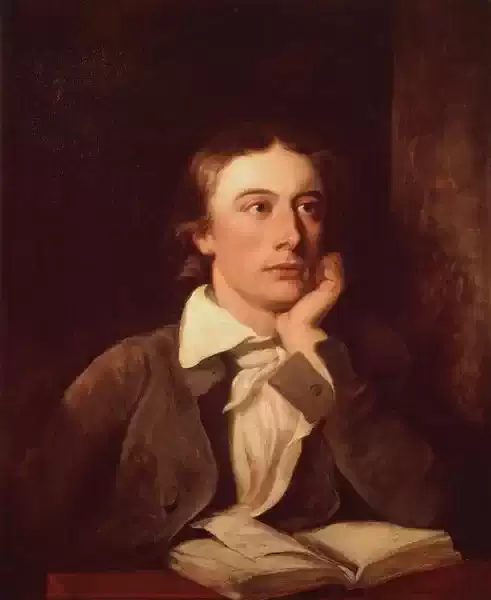
John Keats
On Leaving Some Friends At An Early Hour
On Leaving Some Friends At An Early Hour
Give me a golden pen, and let me lean
On heaped-up flowers, in regions clear, and far;
Bring me a tablet whiter than a star,
Or hand of hymning angel, when 'tis seen
The silver strings of heavenly harp atween:
And let there glide by many a pearly car
Pink robes, and wavy hair, and diamond jar,
And half-discovered wings, and glances keen.
The while let music wander round my ears,
And as it reaches each delicious ending,
Let me write down a line of glorious tone,
And full of many wonders of the spheres:
For what a height my spirit is contending!
'Tis not content so soon to be alone.
Give me a golden pen, and let me lean
On heaped-up flowers, in regions clear, and far;
Bring me a tablet whiter than a star,
Or hand of hymning angel, when 'tis seen
The silver strings of heavenly harp atween:
And let there glide by many a pearly car
Pink robes, and wavy hair, and diamond jar,
And half-discovered wings, and glances keen.
The while let music wander round my ears,
And as it reaches each delicious ending,
Let me write down a line of glorious tone,
And full of many wonders of the spheres:
For what a height my spirit is contending!
'Tis not content so soon to be alone.
360
John Keats
Give Me Women, Wine, and Snuff
Give Me Women, Wine, and Snuff
GIVE me women, wine, and snuff
Untill I cry out "hold, enough!"
You may do so sans objection
Till the day of resurrection:
For, bless my beard, they aye shall be
My beloved Trinity.
GIVE me women, wine, and snuff
Untill I cry out "hold, enough!"
You may do so sans objection
Till the day of resurrection:
For, bless my beard, they aye shall be
My beloved Trinity.
472
John Keats
Dedication To Leigh Hunt, Esq.
Dedication To Leigh Hunt, Esq.
Glory and loveliness have pass'd away;
For if we wander out in early morn,
No wreathed incense do we see upborne
Into the east, to meet the smiling day:
No crowd of nymphs soft voic'd and young, and gay,
In woven baskets bringing ears of corn,
Roses, and pinks, and violets, to adorn
The shrine of Flora in her early May.
But there are left delights as high as these,
And I shall ever bless my destiny,
That in a time, when under pleasant trees
Pan is no longer sought, I feel a free,
A leafy luxury, seeing I could please
With these poor offerings, a man like thee.
Glory and loveliness have pass'd away;
For if we wander out in early morn,
No wreathed incense do we see upborne
Into the east, to meet the smiling day:
No crowd of nymphs soft voic'd and young, and gay,
In woven baskets bringing ears of corn,
Roses, and pinks, and violets, to adorn
The shrine of Flora in her early May.
But there are left delights as high as these,
And I shall ever bless my destiny,
That in a time, when under pleasant trees
Pan is no longer sought, I feel a free,
A leafy luxury, seeing I could please
With these poor offerings, a man like thee.
426
John Keats
Character Of Charles Brown
Character Of Charles Brown
I.
He is to weet a melancholy carle:
Thin in the waist, with bushy head of hair
As hath the seeded thistle when in parle
It holds the Zephyr, ere it sendeth fair
Its light balloons into the summer air;
Therto his beard had not begun to bloom,
No brush had touch'd his chin or razor sheer;
No care had touch'd his cheek with mortal doom,
But new he was and bright as scarf from Persian loom.
II.
Ne cared he for wine, or half-and-half;
Ne cared he for fish or flesh or fowl,
And sauces held he worthless as the chaff,
He 'sdeigned the swine-head at the wassail-bowl;
Ne with lewd ribbalds sat he cheek by jowl,
Ne with sly Lemans in the scorner's chair;
But after water-brooks this Pilgrim's soul
Panted, and all his food was woodland air
Though he would oft-times feast on gilliflowers rare.
III.
The slang of cities in no wise he knew,
Tipping the wink to him was heathen Greek;
He sipp'd no olden Tom or ruin blue,
Or nantz or cherry-brandy drank full meek
By many a damsel hoarse and rouge of cheek;
Nor did he know each aged watchman's beat,
Nor in obscured purlieus would he seek
For curled Jewesses with ankles neat,
Who as they walk abroad make tinkling with their feet.
I.
He is to weet a melancholy carle:
Thin in the waist, with bushy head of hair
As hath the seeded thistle when in parle
It holds the Zephyr, ere it sendeth fair
Its light balloons into the summer air;
Therto his beard had not begun to bloom,
No brush had touch'd his chin or razor sheer;
No care had touch'd his cheek with mortal doom,
But new he was and bright as scarf from Persian loom.
II.
Ne cared he for wine, or half-and-half;
Ne cared he for fish or flesh or fowl,
And sauces held he worthless as the chaff,
He 'sdeigned the swine-head at the wassail-bowl;
Ne with lewd ribbalds sat he cheek by jowl,
Ne with sly Lemans in the scorner's chair;
But after water-brooks this Pilgrim's soul
Panted, and all his food was woodland air
Though he would oft-times feast on gilliflowers rare.
III.
The slang of cities in no wise he knew,
Tipping the wink to him was heathen Greek;
He sipp'd no olden Tom or ruin blue,
Or nantz or cherry-brandy drank full meek
By many a damsel hoarse and rouge of cheek;
Nor did he know each aged watchman's beat,
Nor in obscured purlieus would he seek
For curled Jewesses with ankles neat,
Who as they walk abroad make tinkling with their feet.
481
John Keats
Acrostic : Georgiana Augusta Keats
Acrostic : Georgiana Augusta Keats
Give me your patience, sister, while I frame
Exact in capitals your golden name;
Or sue the fair Apollo and he will
Rouse from his heavy slumber and instill
Great love in me for thee and Poesy.
Imagine not that greatest mastery
And kingdom over all the Realms of verse,
Nears more to heaven in aught, than when we nurse
And surety give to love and Brotherhood.
Anthropophagi in Othello's mood;
Ulysses storm'd and his enchanted belt
Glow with the Muse, but they are never felt
Unbosom'd so and so eternal made,
Such tender incense in their laurel shade
To all the regent sisters of the Nine
As this poor offering to you, sister mine.
Kind sister! aye, this third name says you are;
Enchanted has it been the Lord knows where;
And may it taste to you like good old wine,
Take you to real happiness and give
Sons, daughters and a home like honied hive.
Give me your patience, sister, while I frame
Exact in capitals your golden name;
Or sue the fair Apollo and he will
Rouse from his heavy slumber and instill
Great love in me for thee and Poesy.
Imagine not that greatest mastery
And kingdom over all the Realms of verse,
Nears more to heaven in aught, than when we nurse
And surety give to love and Brotherhood.
Anthropophagi in Othello's mood;
Ulysses storm'd and his enchanted belt
Glow with the Muse, but they are never felt
Unbosom'd so and so eternal made,
Such tender incense in their laurel shade
To all the regent sisters of the Nine
As this poor offering to you, sister mine.
Kind sister! aye, this third name says you are;
Enchanted has it been the Lord knows where;
And may it taste to you like good old wine,
Take you to real happiness and give
Sons, daughters and a home like honied hive.
469
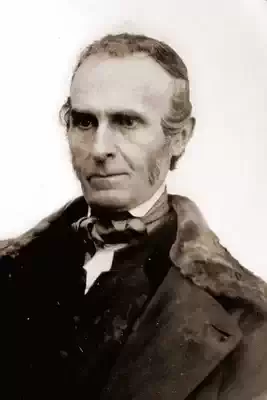
John Greenleaf Whittier
Trust
Trust
The same old baffling questions! O my friend,
I cannot answer them. In vain I send
My soul into the dark, where never burn
The lamps of science, nor the natural light
Of Reason's sun and stars! I cannot learn
Their great and solemn meanings, nor discern
The awful secrets of the eyes which turn
Evermore on us through the day and night
With silent challenge and a dumb demand,
Proffering the riddles of the dread unknown,
Like the calm Sphinxes, with their eyes of stone,
Questioning the centuries from their veils of sand!
I have no answer for myself or thee,
Save that I learned beside my mother's knee;
'All is of God that is, and is to be;
And God is good.' Let this suffice us still,
Resting in childlike trust upon His will
Who moves to His great ends unthwarted by the ill.
The same old baffling questions! O my friend,
I cannot answer them. In vain I send
My soul into the dark, where never burn
The lamps of science, nor the natural light
Of Reason's sun and stars! I cannot learn
Their great and solemn meanings, nor discern
The awful secrets of the eyes which turn
Evermore on us through the day and night
With silent challenge and a dumb demand,
Proffering the riddles of the dread unknown,
Like the calm Sphinxes, with their eyes of stone,
Questioning the centuries from their veils of sand!
I have no answer for myself or thee,
Save that I learned beside my mother's knee;
'All is of God that is, and is to be;
And God is good.' Let this suffice us still,
Resting in childlike trust upon His will
Who moves to His great ends unthwarted by the ill.
408
John Greenleaf Whittier
To My Friend OnThe Death Of His Sister
To My Friend OnThe Death Of His Sister
Thine is a grief, the depth of which another
May never know;
Yet, o'er the waters, O my stricken brother!
To thee I go.
I lean my heart unto thee, sadly folding
Thy hand in mine;
With even the weakness of my soul upholding
The strength of thine.
I never knew, like thee, the dear departed;
I stood not by
When, in calm trust, the pure and tranquil-hearted
Lay down to die.
And on thy ears my words of weak condoling
Must vainly fall
The funeral bell which in thy heart is tolling,
Sounds over all!
I will not mock thee with the poor world's common
And heartless phrase,
Nor wrong the memory of a sainted woman
With idle praise.
With silence only as their benediction,
God's angels come
Where, in the shadow of a great affliction,
The soul sits dumb!
Yet, would I say what thy own heart approveth
Our Father's will,
Calling to Him the dear one whom He loveth,
Is mercy still.
Not upon thee or thine the solemn angel
Hath evil wrought
Her funeral anthem is a glad evangel,-The
good die not!
God calls our loved ones, but we lose not wholly
What He hath given;
They live on earth, in thought and deed, as truly
As in His heaven.
And she is with thee; in thy path of trial
She walketh yet;
Still with the baptism of thy self-denial
Her locks are wet.
Up, then, my brother! Lo, the fields of harvest
Lie white in view
She lives and loves thee, and the God thou servest
To both is true.
Thrust in thy sickle! England's toilworn peasants
Thy call abide;
And she thou mourn'st, a pure and holy presence,
Shall glean beside!
Thine is a grief, the depth of which another
May never know;
Yet, o'er the waters, O my stricken brother!
To thee I go.
I lean my heart unto thee, sadly folding
Thy hand in mine;
With even the weakness of my soul upholding
The strength of thine.
I never knew, like thee, the dear departed;
I stood not by
When, in calm trust, the pure and tranquil-hearted
Lay down to die.
And on thy ears my words of weak condoling
Must vainly fall
The funeral bell which in thy heart is tolling,
Sounds over all!
I will not mock thee with the poor world's common
And heartless phrase,
Nor wrong the memory of a sainted woman
With idle praise.
With silence only as their benediction,
God's angels come
Where, in the shadow of a great affliction,
The soul sits dumb!
Yet, would I say what thy own heart approveth
Our Father's will,
Calling to Him the dear one whom He loveth,
Is mercy still.
Not upon thee or thine the solemn angel
Hath evil wrought
Her funeral anthem is a glad evangel,-The
good die not!
God calls our loved ones, but we lose not wholly
What He hath given;
They live on earth, in thought and deed, as truly
As in His heaven.
And she is with thee; in thy path of trial
She walketh yet;
Still with the baptism of thy self-denial
Her locks are wet.
Up, then, my brother! Lo, the fields of harvest
Lie white in view
She lives and loves thee, and the God thou servest
To both is true.
Thrust in thy sickle! England's toilworn peasants
Thy call abide;
And she thou mourn'st, a pure and holy presence,
Shall glean beside!
199
John Greenleaf Whittier
To Fredrika Bremer
To Fredrika Bremer
Seeress of the misty Norland,
Daughter of the Vikings bold,
Welcome to the sunny Vineland,
Which thy fathers sought of old!
Soft as flow of Siija's waters,
When the moon of summer shines,
Strong as Winter from his mountains
Roaring through the sleeted pines.
Heart and ear, we long have listened
To thy saga, rune, and song;
As a household joy and presence
We have known and loved thee long.
By the mansion's marble mantel,
Round the log-walled cabin's hearth,
Thy sweet thoughts and northern fancies
Meet and mingle with our mirth.
And o'er weary spirits keeping
Sorrow's night-watch, long and chill,
Shine they like thy sun of summer
Over midnight vale and hill.
We alone to thee are strangers,
Thou our friend and teacher art;
Come, and know us as we know thee;
Let us meet thee heart to heart!
To our homes and household altars
We, in turn, thy steps would lead,
As thy loving hand has led us
O'er the threshold of the Swede.
Seeress of the misty Norland,
Daughter of the Vikings bold,
Welcome to the sunny Vineland,
Which thy fathers sought of old!
Soft as flow of Siija's waters,
When the moon of summer shines,
Strong as Winter from his mountains
Roaring through the sleeted pines.
Heart and ear, we long have listened
To thy saga, rune, and song;
As a household joy and presence
We have known and loved thee long.
By the mansion's marble mantel,
Round the log-walled cabin's hearth,
Thy sweet thoughts and northern fancies
Meet and mingle with our mirth.
And o'er weary spirits keeping
Sorrow's night-watch, long and chill,
Shine they like thy sun of summer
Over midnight vale and hill.
We alone to thee are strangers,
Thou our friend and teacher art;
Come, and know us as we know thee;
Let us meet thee heart to heart!
To our homes and household altars
We, in turn, thy steps would lead,
As thy loving hand has led us
O'er the threshold of the Swede.
307
John Greenleaf Whittier
To Charles Sumner
To Charles Sumner
If I have seemed more prompt to censure wrong
Than praise the right; if seldom to thine ear
My voice hath mingled with the exultant cheer
Borne upon all our Northern winds along;
If I have failed to join the fickle throng
In wide-eyed wonder, that thou standest strong
In victory, surprised in thee to find
Brougham's scathing power with Canning's grace combined;
That he, for whom the ninefold Muses sang,
From their twined arms a giant athlete sprang,
Barbing the arrows of his native tongue
With the spent shafts Latona's archer flung,
To smite the Python of our land and time,
Fell as the monster born of Crissa's slime,
Like the blind bard who in Castalian springs
Tempered the steel that clove the crest of kings,
And on the shrine of England's freedom laid
The gifts of Cumve and of Delphi's' shade,-Small
need hast thou of words of praise from me.
Thou knowest my heart, dear friend, and well canst guess
That, even though silent, I have not the less
Rejoiced to see thy actual life agree
With the large future which I shaped for thee,
When, years ago, beside the summer sea,
White in the moon, we saw the long waves fall
Baffled and broken from the rocky wall,
That, to the menace of the brawling flood,
Opposed alone its massive quietude,
Calm as a fate; with not a leaf nor vine
Nor birch-spray trembling in the still moonshine,
Crowning it like God's peace. I sometimes think
That night-scene by the sea prophetical,
(For Nature speaks in symbols and in signs,
And through her pictures human fate divines),
That rock, wherefrom we saw the billows sink
In murmuring rout, uprising clear and tall
In the white light of heaven, the type of one
Who, momently by Error's host assailed,
Stands strong as Truth, in greaves of granite mailed;
And, tranquil-fronted, listening over all
The tumult, hears the angels say, Well done!
If I have seemed more prompt to censure wrong
Than praise the right; if seldom to thine ear
My voice hath mingled with the exultant cheer
Borne upon all our Northern winds along;
If I have failed to join the fickle throng
In wide-eyed wonder, that thou standest strong
In victory, surprised in thee to find
Brougham's scathing power with Canning's grace combined;
That he, for whom the ninefold Muses sang,
From their twined arms a giant athlete sprang,
Barbing the arrows of his native tongue
With the spent shafts Latona's archer flung,
To smite the Python of our land and time,
Fell as the monster born of Crissa's slime,
Like the blind bard who in Castalian springs
Tempered the steel that clove the crest of kings,
And on the shrine of England's freedom laid
The gifts of Cumve and of Delphi's' shade,-Small
need hast thou of words of praise from me.
Thou knowest my heart, dear friend, and well canst guess
That, even though silent, I have not the less
Rejoiced to see thy actual life agree
With the large future which I shaped for thee,
When, years ago, beside the summer sea,
White in the moon, we saw the long waves fall
Baffled and broken from the rocky wall,
That, to the menace of the brawling flood,
Opposed alone its massive quietude,
Calm as a fate; with not a leaf nor vine
Nor birch-spray trembling in the still moonshine,
Crowning it like God's peace. I sometimes think
That night-scene by the sea prophetical,
(For Nature speaks in symbols and in signs,
And through her pictures human fate divines),
That rock, wherefrom we saw the billows sink
In murmuring rout, uprising clear and tall
In the white light of heaven, the type of one
Who, momently by Error's host assailed,
Stands strong as Truth, in greaves of granite mailed;
And, tranquil-fronted, listening over all
The tumult, hears the angels say, Well done!
326
John Greenleaf Whittier
To E. C. S.
To E. C. S.
Poet and friend of poets, if thy glass
Detects no flower in winter's tuft of grass,
Let this slight token of the debt I owe
Outlive for thee December's frozen day,
And, like the arbutus budding under snow,
Take bloom and fragrance from some morn of May
When he who gives it shall have gone the way
Where faith shall see and reverent trust shall know.
Poet and friend of poets, if thy glass
Detects no flower in winter's tuft of grass,
Let this slight token of the debt I owe
Outlive for thee December's frozen day,
And, like the arbutus budding under snow,
Take bloom and fragrance from some morn of May
When he who gives it shall have gone the way
Where faith shall see and reverent trust shall know.
330
John Greenleaf Whittier
The Tent On The Beach
The Tent On The Beach
I would not sin, in this half-playful strain,-Too
light perhaps for serious years, though born
Of the enforced leisure of slow pain,-Against
the pure ideal which has drawn
My feet to follow its far-shining gleam.
A simple plot is mine: legends and runes
Of credulous days, old fancies that have lain
Silent, from boyhood taking voice again,
Warmed into life once more, even as the tunes
That, frozen in the fabled hunting-horn,
Thawed into sound:--a winter fireside dream
Of dawns and-sunsets by the summer sea,
Whose sands are traversed by a silent throng
Of voyagers from that vaster mystery
Of which it is an emblem;--and the dear
Memory of one who might have tuned my song
To sweeter music by her delicate ear.
When heats as of a tropic clime
Burned all our inland valleys through,
Three friends, the guests of summer time,
Pitched their white tent where sea-winds blew.
Behind them, marshes, seamed and crossed
With narrow creeks, and flower-embossed,
Stretched to the dark oak wood, whose leafy arms
Screened from the stormy East the pleasant inland farms.
At full of tide their bolder shore
Of sun-bleached sand the waters beat;
At ebb, a smooth and glistening floor
They touched with light, receding feet.
Northward a 'green bluff broke the chain
Of sand-hills; southward stretched a plain
Of salt grass, with a river winding down,
Sail-whitened, and beyond the steeples of the town,
Whence sometimes, when the wind was light
And dull the thunder of the beach,
They heard the bells of morn and night
Swing, miles away, their silver speech.
Above low scarp and turf-grown wall
They saw the fort-flag rise and fall;
And, the first star to signal twilight's hour,
The lamp-fire glimmer down from the tall light-house tower.
They rested there, escaped awhile
From cares that wear the life away,
To eat the lotus of the Nile
And drink the poppies of Cathay,-To
fling their loads of custom down,
Like drift-weed, on the sand-slopes brown,
And in the sea waves drown the restless pack
Of duties, claims, and needs that barked upon their track.
One, with his beard scarce silvered, bore
A ready credence in his looks,
A lettered magnate, lording o'er
An ever-widening realm of books.
In him brain-currents, near and far,
Converged as in a Leyden jar;
The old, dead authors thronged him round about,
And Elzevir's gray ghosts from leathern graves looked out.
He knew each living pundit well,
Could weigh the gifts of him or her,
And well the market value tell
Of poet and philosopher.
But if he lost, the scenes behind,
Somewhat of reverence vague and blind,
Finding the actors human at the best,
No readier lips than his the good he saw confessed.
His boyhood fancies not outgrown,
He loved himself the singer's art;
Tenderly, gently, by his own
He knew and judged an author's heart.
No Rhadamanthine brow of doom
Bowed the dazed pedant from his room;
And bards, whose name is legion, if denied,
Bore off alike intact their verses and their pride.
Pleasant it was to roam about
The lettered world as he had, done,
And see the lords of song without
Their singing robes and garlands on.
With Wordsworth paddle Rydal mere,
Taste rugged Elliott's home-brewed beer,
And with the ears of Rogers, at fourscore,
Hear Garrick's buskined tread and Walpole's wit once more.
And one there was, a dreamer born,
Who, with a mission to fulfil,
Had left the Muses' haunts to turn
The crank of an opinion-mill,
Making his rustic reed of song
A weapon in the war with wrong,
Yoking his fancy to the breaking-plough
That beam-deep turned the soil for truth to spring and grow.
Too quiet seemed the man to ride
The winged Hippogriff Reform;
Was his a voice from side to side
To pierce the tumult of the storm?
A silent, shy, peace-loving man,
He seemed no fiery partisan
To hold his way against the public frown,
The ban of Church and State, the fierce mob's hounding down.
For while he wrought with strenuous will
The work his hands had found to do,
He heard the fitful music still
Of winds that out of dream-land blew.
The din about him could not drown
What the strange voices whispered down;
Along his task-field weird processions swept,
The visionary pomp of stately phantoms stepped:
The common air was thick with dreams,-He
told them to the toiling crowd;
Such music as the woods and streams
Sang in his ear he sang aloud;
In still, shut bays, on windy capes,
He heard the call of beckoning shapes,
And, as the gray old shadows prompted him,
To homely moulds of rhyme he shaped their legends grim.
He rested now his weary hands,
And lightly moralized and laughed,
As, tracing on the shifting sands
A burlesque of his paper-craft,
He saw the careless waves o'errun
His words, as time before had done,
Each day's tide-water washing clean away,
Like letters from the sand, the work of yesterday.
And one, whose Arab face was tanned
By tropic sun and boreal frost,
So travelled there was scarce a land
Or people left him to exhaust,
In idling mood had from him hurled
The poor squeezed orange of the world,
And in the tent-shade, as beneath a palm,
Smoked, cross-legged like a Turk, in Oriental calm.
The very waves that washed the sand
Below him, he had seen before
Whitening the Scandinavian strand
And sultry Mauritanian shore.
From ice-rimmed isles, from summer seas
Palm-fringed, they bore him messages;
He heard the plaintive Nubian songs again,
And mule-bells tinkling down the mountain-paths of Spain.
His memory round the ransacked earth
On Puck's long girdle slid at ease;
And, instant, to the valley's girth
Of mountains, spice isles of the seas,
Faith flowered in minster stones, Art's guess
At truth and beauty, found access;
Yet loved the while, that free cosmopolite,
Old friends, old ways, and kept his boyhood's dreams in sight.
Untouched as yet by wealth and pride,
That virgin innocence of beach
No shingly monster, hundred-eyed,
Stared its gray sand-birds out of reach;
Unhoused, save where, at intervals,
The white tents showed their canvas walls,
Where brief sojourners, in the cool, soft air,
Forgot their inland heats, hard toil, and year-long care.
Sometimes along the wheel-deep sand
A one-horse wagon slowly crawled,
Deep laden with a youthful band,
Whose look some homestead old recalled;
Brother perchance, and sisters twain,
And one whose blue eyes told, more plain
Than the free language of her rosy lip,
Of the still dearer claim of love's relationship.
With cheeks of russet-orchard tint,
The light laugh of their native rills,
The perfume of their garden's mint,
The breezy freedom of the hills,
They bore, in unrestrained delight,
The motto of the Garter's knight,
Careless as if from every gazing thing
Hid by their innocence, as Gyges by his ring.
The clanging sea-fowl came and went,
The hunter's gun in the marshes rang;
At nightfall from a neighboring tent
A flute-voiced woman sweetly sang.
Loose-haired, barefooted, hand-in-hand,
Young girls went tripping down the sand;
And youths and maidens, sitting in the moon,
Dreamed o'er the old fond dream from which we wake too soon.
At times their fishing-lines they plied,
With an old Triton at the oar,
Salt as the sea-wind, tough and dried
As a lean cusk from Labrador.
Strange tales he told of wreck and storm,-Had
seen the sea-snake's awful form,
And heard the ghosts on Haley's Isle complain,
Speak him off shore, and beg a passage to old Spain!
And there, on breezy morns, they saw
The fishing-schooners outward run,
Their low-bent sails in tack and flaw
Turned white or dark to shade and sun.
Sometimes, in calms of closing day,
They watched the spectral mirage play,
Saw low, far islands looming tall and nigh,
And ships, with upturned keels, sail like a sea the sky.
Sometimes a cloud, with thunder black,
Stooped low upon the darkening main,
Piercing the waves along its track
With the slant javelins of rain.
And when west-wind and sunshine warm
Chased out to sea its wrecks of storm,
They saw the prismy hues in thin spray showers
Where the green buds of waves burst into white froth flowers.
And when along the line of shore
The mists crept upward chill and damp,
Stretched, careless, on their sandy floor
Beneath the flaring lantern lamp,
They talked of all things old and new,
Read, slept, and dreamed as idlers do;
And in the unquestioned freedom of the tent,
Body and o'er-taxed mind to healthful ease unbent.
Once, when the sunset splendors died,
And, trampling up the sloping sand,
In lines outreaching far and wide,
The white-waned billows swept to land,
Dim seen across the gathering shade,
A vast and ghostly cavalcade,
They sat around their lighted kerosene,
Hearing the deep bass roar their every pause between.
Then, urged thereto, the Editor
Within his full portfolio dipped,
Feigning excuse while seaching for
(With secret pride) his manuscript.
His pale face flushed from eye to beard,
With nervous cough his throat he cleared,
And, in a voice so tremulous it betrayed
The anxious fondness of an author's heart, he read:
I would not sin, in this half-playful strain,-Too
light perhaps for serious years, though born
Of the enforced leisure of slow pain,-Against
the pure ideal which has drawn
My feet to follow its far-shining gleam.
A simple plot is mine: legends and runes
Of credulous days, old fancies that have lain
Silent, from boyhood taking voice again,
Warmed into life once more, even as the tunes
That, frozen in the fabled hunting-horn,
Thawed into sound:--a winter fireside dream
Of dawns and-sunsets by the summer sea,
Whose sands are traversed by a silent throng
Of voyagers from that vaster mystery
Of which it is an emblem;--and the dear
Memory of one who might have tuned my song
To sweeter music by her delicate ear.
When heats as of a tropic clime
Burned all our inland valleys through,
Three friends, the guests of summer time,
Pitched their white tent where sea-winds blew.
Behind them, marshes, seamed and crossed
With narrow creeks, and flower-embossed,
Stretched to the dark oak wood, whose leafy arms
Screened from the stormy East the pleasant inland farms.
At full of tide their bolder shore
Of sun-bleached sand the waters beat;
At ebb, a smooth and glistening floor
They touched with light, receding feet.
Northward a 'green bluff broke the chain
Of sand-hills; southward stretched a plain
Of salt grass, with a river winding down,
Sail-whitened, and beyond the steeples of the town,
Whence sometimes, when the wind was light
And dull the thunder of the beach,
They heard the bells of morn and night
Swing, miles away, their silver speech.
Above low scarp and turf-grown wall
They saw the fort-flag rise and fall;
And, the first star to signal twilight's hour,
The lamp-fire glimmer down from the tall light-house tower.
They rested there, escaped awhile
From cares that wear the life away,
To eat the lotus of the Nile
And drink the poppies of Cathay,-To
fling their loads of custom down,
Like drift-weed, on the sand-slopes brown,
And in the sea waves drown the restless pack
Of duties, claims, and needs that barked upon their track.
One, with his beard scarce silvered, bore
A ready credence in his looks,
A lettered magnate, lording o'er
An ever-widening realm of books.
In him brain-currents, near and far,
Converged as in a Leyden jar;
The old, dead authors thronged him round about,
And Elzevir's gray ghosts from leathern graves looked out.
He knew each living pundit well,
Could weigh the gifts of him or her,
And well the market value tell
Of poet and philosopher.
But if he lost, the scenes behind,
Somewhat of reverence vague and blind,
Finding the actors human at the best,
No readier lips than his the good he saw confessed.
His boyhood fancies not outgrown,
He loved himself the singer's art;
Tenderly, gently, by his own
He knew and judged an author's heart.
No Rhadamanthine brow of doom
Bowed the dazed pedant from his room;
And bards, whose name is legion, if denied,
Bore off alike intact their verses and their pride.
Pleasant it was to roam about
The lettered world as he had, done,
And see the lords of song without
Their singing robes and garlands on.
With Wordsworth paddle Rydal mere,
Taste rugged Elliott's home-brewed beer,
And with the ears of Rogers, at fourscore,
Hear Garrick's buskined tread and Walpole's wit once more.
And one there was, a dreamer born,
Who, with a mission to fulfil,
Had left the Muses' haunts to turn
The crank of an opinion-mill,
Making his rustic reed of song
A weapon in the war with wrong,
Yoking his fancy to the breaking-plough
That beam-deep turned the soil for truth to spring and grow.
Too quiet seemed the man to ride
The winged Hippogriff Reform;
Was his a voice from side to side
To pierce the tumult of the storm?
A silent, shy, peace-loving man,
He seemed no fiery partisan
To hold his way against the public frown,
The ban of Church and State, the fierce mob's hounding down.
For while he wrought with strenuous will
The work his hands had found to do,
He heard the fitful music still
Of winds that out of dream-land blew.
The din about him could not drown
What the strange voices whispered down;
Along his task-field weird processions swept,
The visionary pomp of stately phantoms stepped:
The common air was thick with dreams,-He
told them to the toiling crowd;
Such music as the woods and streams
Sang in his ear he sang aloud;
In still, shut bays, on windy capes,
He heard the call of beckoning shapes,
And, as the gray old shadows prompted him,
To homely moulds of rhyme he shaped their legends grim.
He rested now his weary hands,
And lightly moralized and laughed,
As, tracing on the shifting sands
A burlesque of his paper-craft,
He saw the careless waves o'errun
His words, as time before had done,
Each day's tide-water washing clean away,
Like letters from the sand, the work of yesterday.
And one, whose Arab face was tanned
By tropic sun and boreal frost,
So travelled there was scarce a land
Or people left him to exhaust,
In idling mood had from him hurled
The poor squeezed orange of the world,
And in the tent-shade, as beneath a palm,
Smoked, cross-legged like a Turk, in Oriental calm.
The very waves that washed the sand
Below him, he had seen before
Whitening the Scandinavian strand
And sultry Mauritanian shore.
From ice-rimmed isles, from summer seas
Palm-fringed, they bore him messages;
He heard the plaintive Nubian songs again,
And mule-bells tinkling down the mountain-paths of Spain.
His memory round the ransacked earth
On Puck's long girdle slid at ease;
And, instant, to the valley's girth
Of mountains, spice isles of the seas,
Faith flowered in minster stones, Art's guess
At truth and beauty, found access;
Yet loved the while, that free cosmopolite,
Old friends, old ways, and kept his boyhood's dreams in sight.
Untouched as yet by wealth and pride,
That virgin innocence of beach
No shingly monster, hundred-eyed,
Stared its gray sand-birds out of reach;
Unhoused, save where, at intervals,
The white tents showed their canvas walls,
Where brief sojourners, in the cool, soft air,
Forgot their inland heats, hard toil, and year-long care.
Sometimes along the wheel-deep sand
A one-horse wagon slowly crawled,
Deep laden with a youthful band,
Whose look some homestead old recalled;
Brother perchance, and sisters twain,
And one whose blue eyes told, more plain
Than the free language of her rosy lip,
Of the still dearer claim of love's relationship.
With cheeks of russet-orchard tint,
The light laugh of their native rills,
The perfume of their garden's mint,
The breezy freedom of the hills,
They bore, in unrestrained delight,
The motto of the Garter's knight,
Careless as if from every gazing thing
Hid by their innocence, as Gyges by his ring.
The clanging sea-fowl came and went,
The hunter's gun in the marshes rang;
At nightfall from a neighboring tent
A flute-voiced woman sweetly sang.
Loose-haired, barefooted, hand-in-hand,
Young girls went tripping down the sand;
And youths and maidens, sitting in the moon,
Dreamed o'er the old fond dream from which we wake too soon.
At times their fishing-lines they plied,
With an old Triton at the oar,
Salt as the sea-wind, tough and dried
As a lean cusk from Labrador.
Strange tales he told of wreck and storm,-Had
seen the sea-snake's awful form,
And heard the ghosts on Haley's Isle complain,
Speak him off shore, and beg a passage to old Spain!
And there, on breezy morns, they saw
The fishing-schooners outward run,
Their low-bent sails in tack and flaw
Turned white or dark to shade and sun.
Sometimes, in calms of closing day,
They watched the spectral mirage play,
Saw low, far islands looming tall and nigh,
And ships, with upturned keels, sail like a sea the sky.
Sometimes a cloud, with thunder black,
Stooped low upon the darkening main,
Piercing the waves along its track
With the slant javelins of rain.
And when west-wind and sunshine warm
Chased out to sea its wrecks of storm,
They saw the prismy hues in thin spray showers
Where the green buds of waves burst into white froth flowers.
And when along the line of shore
The mists crept upward chill and damp,
Stretched, careless, on their sandy floor
Beneath the flaring lantern lamp,
They talked of all things old and new,
Read, slept, and dreamed as idlers do;
And in the unquestioned freedom of the tent,
Body and o'er-taxed mind to healthful ease unbent.
Once, when the sunset splendors died,
And, trampling up the sloping sand,
In lines outreaching far and wide,
The white-waned billows swept to land,
Dim seen across the gathering shade,
A vast and ghostly cavalcade,
They sat around their lighted kerosene,
Hearing the deep bass roar their every pause between.
Then, urged thereto, the Editor
Within his full portfolio dipped,
Feigning excuse while seaching for
(With secret pride) his manuscript.
His pale face flushed from eye to beard,
With nervous cough his throat he cleared,
And, in a voice so tremulous it betrayed
The anxious fondness of an author's heart, he read:
281
John Greenleaf Whittier
The Relic
The Relic
TOKEN Of friendship true and tried,
From one whose fiery heart of youth
With mine has beaten, side by side,
For Liberty and Truth;
With honest pride the gift I take,
And prize it for the giver's sake.
But not alone because it tells
Of generous hand and heart sincere;
Around that gift of friendship dwells
A memory doubly dear;
Earth's noblest aim, man's holiest thought,
With that memorial frail inwrought!
Pure thoughts and sweet like flowers unfold,
And precious memories round it cling,
Even as the Prophet's rod of old
In beauty blossoming:
And buds of feeling, pure and good,
Spring from its cold unconscious wood.
Relic of Freedom's shrine! a brand
Plucked from its burning! let it be
Dear as a jewel from the hand
Of a lost friend to me!
Flower of a perished garland left,
Of life and beauty unbereft!
Oh, if the young enthusiast bears,
O'er weary waste and sea, the stone
Which crumbled from the Forum's stairs,
Or round the Parthenon;
Or olive-bough from some wild tree
Hung over old Thermopylæ:
If leaflets from some hero's tomb,
Or moss-wreath torn from ruins hoary;
Or faded flowers whose sisters bloom
On fields renowned in story;
Or fragment from the Alhambra's crest,
Or the gray rock by Druids blessed;
Sad Erin's shamrock greenly growing
Where Freedom led her stalwart kern,
Or Scotia's 'rough bur thistle' blowing
On Bruce's Bannockburn;
Or Runnymede's wild English rose,
Or lichen plucked from Sempach's snows!
If it be true that things like these
To heart and eye bright visions bring,
Shall not far holier memories
To this memorial cling?
Which needs no mellowing mist of time
To hide the crimson stains of crime!
Wreck of a temple, unprofaned;
Of courts where Peace with Freedom trod,
Lifting on high, with hands unstained,
Thanksgiving unto God;
Where Mercy's voice of love was pleading
For human hearts in bondage bleeding!
Where, midst the sound of rushing feet
And curses on the night-air flung,
That pleading voice rose calm and sweet
From woman's earnest tongue;
And Riot turned his scowling glance,
Awed, from her tranquil countenance!
That temple now in ruin lies!
The fire-stain on its shattered wall,
And open to the changing skies
Its black and roofless hall,
It stands before a nation's sight
A gravestone over buried Right!
But from that ruin, as of old,
The fire-scorched stones themselves are crying,
And from their ashes white and cold
Its timbers are replying!
A voice which slavery cannot kill
Speaks from the crumbling arches still!
And even this relic from thy shrine,
O holy Freedom! hath to me
A potent power, a voice and sign
To testify of thee;
And, grasping it, methinks I feel
A deeper faith, a stronger zeal.
And not unlike that mystic rod,
Of old stretched o'er the Egyptian wave,
Which opened, in the strength of God,
A pathway for the slave,
It yet may point the bondman's way,
And turn the spoiler from his prey.
TOKEN Of friendship true and tried,
From one whose fiery heart of youth
With mine has beaten, side by side,
For Liberty and Truth;
With honest pride the gift I take,
And prize it for the giver's sake.
But not alone because it tells
Of generous hand and heart sincere;
Around that gift of friendship dwells
A memory doubly dear;
Earth's noblest aim, man's holiest thought,
With that memorial frail inwrought!
Pure thoughts and sweet like flowers unfold,
And precious memories round it cling,
Even as the Prophet's rod of old
In beauty blossoming:
And buds of feeling, pure and good,
Spring from its cold unconscious wood.
Relic of Freedom's shrine! a brand
Plucked from its burning! let it be
Dear as a jewel from the hand
Of a lost friend to me!
Flower of a perished garland left,
Of life and beauty unbereft!
Oh, if the young enthusiast bears,
O'er weary waste and sea, the stone
Which crumbled from the Forum's stairs,
Or round the Parthenon;
Or olive-bough from some wild tree
Hung over old Thermopylæ:
If leaflets from some hero's tomb,
Or moss-wreath torn from ruins hoary;
Or faded flowers whose sisters bloom
On fields renowned in story;
Or fragment from the Alhambra's crest,
Or the gray rock by Druids blessed;
Sad Erin's shamrock greenly growing
Where Freedom led her stalwart kern,
Or Scotia's 'rough bur thistle' blowing
On Bruce's Bannockburn;
Or Runnymede's wild English rose,
Or lichen plucked from Sempach's snows!
If it be true that things like these
To heart and eye bright visions bring,
Shall not far holier memories
To this memorial cling?
Which needs no mellowing mist of time
To hide the crimson stains of crime!
Wreck of a temple, unprofaned;
Of courts where Peace with Freedom trod,
Lifting on high, with hands unstained,
Thanksgiving unto God;
Where Mercy's voice of love was pleading
For human hearts in bondage bleeding!
Where, midst the sound of rushing feet
And curses on the night-air flung,
That pleading voice rose calm and sweet
From woman's earnest tongue;
And Riot turned his scowling glance,
Awed, from her tranquil countenance!
That temple now in ruin lies!
The fire-stain on its shattered wall,
And open to the changing skies
Its black and roofless hall,
It stands before a nation's sight
A gravestone over buried Right!
But from that ruin, as of old,
The fire-scorched stones themselves are crying,
And from their ashes white and cold
Its timbers are replying!
A voice which slavery cannot kill
Speaks from the crumbling arches still!
And even this relic from thy shrine,
O holy Freedom! hath to me
A potent power, a voice and sign
To testify of thee;
And, grasping it, methinks I feel
A deeper faith, a stronger zeal.
And not unlike that mystic rod,
Of old stretched o'er the Egyptian wave,
Which opened, in the strength of God,
A pathway for the slave,
It yet may point the bondman's way,
And turn the spoiler from his prey.
235
John Greenleaf Whittier
The Meeting
The Meeting
The elder folks shook hands at last,
Down seat by seat the signal passed.
To simple ways like ours unused,
Half solemnized and half amused,
With long-drawn breath and shrug, my guest
His sense of glad relief expressed.
Outside, the hills lay warm in sun;
The cattle in the meadow-run
Stood half-leg deep; a single bird
The green repose above us stirred.
'What part or lot have you,' he said,
'In these dull rites of drowsy-head?
Is silence worship? Seek it where
It soothes with dreams the summer air,
Not in this close and rude-benched hall,
But where soft lights and shadows fall,
And all the slow, sleep-walking hours
Glide soundless over grass and flowers!
From time and place and form apart,
Its holy ground the human heart,
Nor ritual-bound nor templeward
Walks the free spirit of the Lord!
Our common Master did not pen
His followers up from other men;
His service liberty indeed,
He built no church, He framed no creed;
But while the saintly Pharisee
Made broader his phylactery,
As from the synagogue was seen
The dusty-sandalled Nazarene
Through ripening cornfields lead the way
Upon the awful Sabbath day,
His sermons were the healthful talk
That shorter made the mountain-walk,
His wayside texts were flowers and birds,
Where mingled with His gracious words
The rustle of the tamarisk-tree
And ripple-wash of Galilee.'
'Thy words are well, O friend,' I said;
'Unmeasured and unlimited,
With noiseless slide of stone to stone,
The mystic Church of God has grown.
Invisible and silent stands
The temple never made with hands,
Unheard the voices still and small
Of its unseen confessional.
He needs no special place of prayer
Whose hearing ear is everywhere;
He brings not back the childish days
That ringed the earth with stones of praise,
Roofed Karnak's hall of gods, and laid
The plinths of Phil e's colonnade.
Still less He owns the selfish good
And sickly growth of solitude,-The
worthless grace that, out of sight,
Flowers in the desert anchorite;
Dissevered from the suffering whole,
Love hath no power to save a soul.
Not out of Self, the origin
And native air and soil of sin,
The living waters spring and flow,
The trees with leaves of healing grow.
'Dream not, O friend, because I seek
This quiet shelter twice a week,
I better deem its pine-laid floor
Than breezy hill or sea-sung shore;
But nature is not solitude
She crowds us with her thronging wood;
Her many hands reach out to us,
Her many tongues are garrulous;
Perpetual riddles of surprise
She offers to our ears and eyes;
She will not leave our senses still,
But drags them captive at her will
And, making earth too great for heaven,
She hides the Giver in the given.
'And so, I find it well to come
For deeper rest to this still room,
For here the habit of the soul
Feels less the outer world's control;
The strength of mutual purpose pleads
More earnestly our common needs;
And from the silence multiplied
By these still forms on either side,
The world that time and sense have known
Falls off and leaves us God alone.
'Yet rarely through the charmed repose
Unmixed the stream of motive flows,
A flavor of its many springs,
The tints of earth and sky it brings;
In the still waters needs must be
Some shade of human sympathy;
And here, in its accustomed place,
I look on memory's dearest face;
The blind by-sitter guesseth not
What shadow haunts that vacant spot;
No eyes save mine alone can see
The love wherewith it welcomes me!
And still, with those alone my kin,
In doubt and weakness, want and sin,
I bow my head, my heart I bare
As when that face was living there,
And strive (too oft, alas! in vain)
The peace of simple trust to gain,
Fold fancy's restless wings, and lay
The idols of my heart away.
'Welcome the silence all unbroken,
Nor less the words of fitness spoken,-Such
golden words as hers for whom
Our autumn flowers have just made room;
Whose hopeful utterance through and through
The freshness of the morning blew;
Who loved not less the earth that light
Fell on it from the heavens in sight,
But saw in all fair forms more fair
The Eternal beauty mirrored there.
Whose eighty years but added grace
And saintlier meaning to her face,-The
look of one who bore away
Glad tidings from the hills of day,
While all our hearts went forth to meet
The coming of her beautiful feet!
Or haply hers, whose pilgrim tread
Is in the paths where Jesus led;
Who dreams her childhood's Sabbath dream
By Jordan's willow-shaded stream,
And, of the hymns of hope and faith,
Sung by the monks of Nazareth,
Hears pious echoes, in the call
To prayer, from Moslem minarets fall,
Repeating where His works were wrought
The lesson that her Master taught,
Of whom an elder Sibyl gave,
The prophecies of Cuma 's cave.
'I ask no organ's soulless breath
To drone the themes of life and death,
No altar candle-lit by day,
No ornate wordsman's rhetoric-play,
No cool philosophy to teach
Its bland audacities of speech
To double-tasked idolaters
Themselves their gods and worshippers,
No pulpit hammered by the fist
Of loud-asserting dogmatist,
Who borrows for the Hand of love
The smoking thunderbolts of Jove.
I know how well the fathers taught,
What work the later schoolmen wrought;
I reverence old-time faith and men,
But God is near us now as then;
His force of love is still unspent,
His hate of sin as imminent;
And still the measure of our needs
Outgrows the cramping bounds of creeds;
The manna gathered yesterday
Already savors of decay;
Doubts to the world's child-heart unknown
Question us now from star and stone;
Too little or too much we know,
And sight is swift and faith is slow;
The power is lost to self-deceive
With shallow forms of make-believe.
W e walk at high noon, and the bells
Call to a thousand oracles,
But the sound deafens, and the light
Is stronger than our dazzled sight;
The letters of the sacred Book
Glimmer and swim beneath our look;
Still struggles in the Age's breast
With deepening agony of quest
The old entreaty: 'Art thou He,
Or look we for the Christ to be?'
'God should be most where man is least
So, where is neither church nor priest,
And never rag of form or creed
To clothe the nakedness of need,-Where
farmer-folk in silence meet,-I
turn my bell-unsummoned feet;'
I lay the critic's glass aside,
I tread upon my lettered pride,
And, lowest-seated, testify
To the oneness of humanity;
Confess the universal want,
And share whatever Heaven may grant.
He findeth not who seeks his own,
The soul is lost that's saved alone.
Not on one favored forehead fell
Of old the fire-tongued miracle,
But flamed o'er all the thronging host
The baptism of the Holy Ghost;
Heart answers heart: in one desire
The blending lines of prayer aspire;
'Where, in my name, meet two or three,'
Our Lord hath said, 'I there will be!'
'So sometimes comes to soul and sense
The feeling which is evidence
That very near about us lies
The realm of spiritual mysteries.
The sphere of the supernal powers
Impinges on this world of ours.
The low and dark horizon lifts,
To light the scenic terror shifts;
The breath of a diviner air
Blows down the answer of a prayer
That all our sorrow, pain, and doubt
A great compassion clasps about,
And law and goodness, love and force,
Are wedded fast beyond divorce.
Then duty leaves to love its task,
The beggar Self forgets to ask;
With smile of trust and folded hands,
The passive soul in waiting stands
To feel, as flowers the sun and dew,
The One true Life its own renew.
'So, to the calmly gathered thought
The innermost of truth is taught,
The mystery dimly understood,
That love of God is love of good,
And, chiefly, its divinest trace
In Him of Nazareth's holy face;
That to be saved is only this,-Salvation
from our selfishness,
From more than elemental fire,
The soul's unsanetified desire,
From sin itself, and not the pain
That warns us of its chafing chain;
That worship's deeper meaning lies
In mercy, and not sacrifice,
Not proud humilities of sense
And posturing of penitence,
But love's unforced obedience;
That Book and Church and Day are given
For man, not God,--for earth, not heaven,-The
blessed means to holiest ends,
Not masters, but benignant friends;
That the dear Christ dwells not afar,
The king of some remoter star,
Listening, at times, with flattered ear
To homage wrung from selfish fear,
But here, amidst the poor and blind,
The bound and suffering of our kind,
In works we do, in prayers we pray,
Life of our life, He lives to-day.'
The elder folks shook hands at last,
Down seat by seat the signal passed.
To simple ways like ours unused,
Half solemnized and half amused,
With long-drawn breath and shrug, my guest
His sense of glad relief expressed.
Outside, the hills lay warm in sun;
The cattle in the meadow-run
Stood half-leg deep; a single bird
The green repose above us stirred.
'What part or lot have you,' he said,
'In these dull rites of drowsy-head?
Is silence worship? Seek it where
It soothes with dreams the summer air,
Not in this close and rude-benched hall,
But where soft lights and shadows fall,
And all the slow, sleep-walking hours
Glide soundless over grass and flowers!
From time and place and form apart,
Its holy ground the human heart,
Nor ritual-bound nor templeward
Walks the free spirit of the Lord!
Our common Master did not pen
His followers up from other men;
His service liberty indeed,
He built no church, He framed no creed;
But while the saintly Pharisee
Made broader his phylactery,
As from the synagogue was seen
The dusty-sandalled Nazarene
Through ripening cornfields lead the way
Upon the awful Sabbath day,
His sermons were the healthful talk
That shorter made the mountain-walk,
His wayside texts were flowers and birds,
Where mingled with His gracious words
The rustle of the tamarisk-tree
And ripple-wash of Galilee.'
'Thy words are well, O friend,' I said;
'Unmeasured and unlimited,
With noiseless slide of stone to stone,
The mystic Church of God has grown.
Invisible and silent stands
The temple never made with hands,
Unheard the voices still and small
Of its unseen confessional.
He needs no special place of prayer
Whose hearing ear is everywhere;
He brings not back the childish days
That ringed the earth with stones of praise,
Roofed Karnak's hall of gods, and laid
The plinths of Phil e's colonnade.
Still less He owns the selfish good
And sickly growth of solitude,-The
worthless grace that, out of sight,
Flowers in the desert anchorite;
Dissevered from the suffering whole,
Love hath no power to save a soul.
Not out of Self, the origin
And native air and soil of sin,
The living waters spring and flow,
The trees with leaves of healing grow.
'Dream not, O friend, because I seek
This quiet shelter twice a week,
I better deem its pine-laid floor
Than breezy hill or sea-sung shore;
But nature is not solitude
She crowds us with her thronging wood;
Her many hands reach out to us,
Her many tongues are garrulous;
Perpetual riddles of surprise
She offers to our ears and eyes;
She will not leave our senses still,
But drags them captive at her will
And, making earth too great for heaven,
She hides the Giver in the given.
'And so, I find it well to come
For deeper rest to this still room,
For here the habit of the soul
Feels less the outer world's control;
The strength of mutual purpose pleads
More earnestly our common needs;
And from the silence multiplied
By these still forms on either side,
The world that time and sense have known
Falls off and leaves us God alone.
'Yet rarely through the charmed repose
Unmixed the stream of motive flows,
A flavor of its many springs,
The tints of earth and sky it brings;
In the still waters needs must be
Some shade of human sympathy;
And here, in its accustomed place,
I look on memory's dearest face;
The blind by-sitter guesseth not
What shadow haunts that vacant spot;
No eyes save mine alone can see
The love wherewith it welcomes me!
And still, with those alone my kin,
In doubt and weakness, want and sin,
I bow my head, my heart I bare
As when that face was living there,
And strive (too oft, alas! in vain)
The peace of simple trust to gain,
Fold fancy's restless wings, and lay
The idols of my heart away.
'Welcome the silence all unbroken,
Nor less the words of fitness spoken,-Such
golden words as hers for whom
Our autumn flowers have just made room;
Whose hopeful utterance through and through
The freshness of the morning blew;
Who loved not less the earth that light
Fell on it from the heavens in sight,
But saw in all fair forms more fair
The Eternal beauty mirrored there.
Whose eighty years but added grace
And saintlier meaning to her face,-The
look of one who bore away
Glad tidings from the hills of day,
While all our hearts went forth to meet
The coming of her beautiful feet!
Or haply hers, whose pilgrim tread
Is in the paths where Jesus led;
Who dreams her childhood's Sabbath dream
By Jordan's willow-shaded stream,
And, of the hymns of hope and faith,
Sung by the monks of Nazareth,
Hears pious echoes, in the call
To prayer, from Moslem minarets fall,
Repeating where His works were wrought
The lesson that her Master taught,
Of whom an elder Sibyl gave,
The prophecies of Cuma 's cave.
'I ask no organ's soulless breath
To drone the themes of life and death,
No altar candle-lit by day,
No ornate wordsman's rhetoric-play,
No cool philosophy to teach
Its bland audacities of speech
To double-tasked idolaters
Themselves their gods and worshippers,
No pulpit hammered by the fist
Of loud-asserting dogmatist,
Who borrows for the Hand of love
The smoking thunderbolts of Jove.
I know how well the fathers taught,
What work the later schoolmen wrought;
I reverence old-time faith and men,
But God is near us now as then;
His force of love is still unspent,
His hate of sin as imminent;
And still the measure of our needs
Outgrows the cramping bounds of creeds;
The manna gathered yesterday
Already savors of decay;
Doubts to the world's child-heart unknown
Question us now from star and stone;
Too little or too much we know,
And sight is swift and faith is slow;
The power is lost to self-deceive
With shallow forms of make-believe.
W e walk at high noon, and the bells
Call to a thousand oracles,
But the sound deafens, and the light
Is stronger than our dazzled sight;
The letters of the sacred Book
Glimmer and swim beneath our look;
Still struggles in the Age's breast
With deepening agony of quest
The old entreaty: 'Art thou He,
Or look we for the Christ to be?'
'God should be most where man is least
So, where is neither church nor priest,
And never rag of form or creed
To clothe the nakedness of need,-Where
farmer-folk in silence meet,-I
turn my bell-unsummoned feet;'
I lay the critic's glass aside,
I tread upon my lettered pride,
And, lowest-seated, testify
To the oneness of humanity;
Confess the universal want,
And share whatever Heaven may grant.
He findeth not who seeks his own,
The soul is lost that's saved alone.
Not on one favored forehead fell
Of old the fire-tongued miracle,
But flamed o'er all the thronging host
The baptism of the Holy Ghost;
Heart answers heart: in one desire
The blending lines of prayer aspire;
'Where, in my name, meet two or three,'
Our Lord hath said, 'I there will be!'
'So sometimes comes to soul and sense
The feeling which is evidence
That very near about us lies
The realm of spiritual mysteries.
The sphere of the supernal powers
Impinges on this world of ours.
The low and dark horizon lifts,
To light the scenic terror shifts;
The breath of a diviner air
Blows down the answer of a prayer
That all our sorrow, pain, and doubt
A great compassion clasps about,
And law and goodness, love and force,
Are wedded fast beyond divorce.
Then duty leaves to love its task,
The beggar Self forgets to ask;
With smile of trust and folded hands,
The passive soul in waiting stands
To feel, as flowers the sun and dew,
The One true Life its own renew.
'So, to the calmly gathered thought
The innermost of truth is taught,
The mystery dimly understood,
That love of God is love of good,
And, chiefly, its divinest trace
In Him of Nazareth's holy face;
That to be saved is only this,-Salvation
from our selfishness,
From more than elemental fire,
The soul's unsanetified desire,
From sin itself, and not the pain
That warns us of its chafing chain;
That worship's deeper meaning lies
In mercy, and not sacrifice,
Not proud humilities of sense
And posturing of penitence,
But love's unforced obedience;
That Book and Church and Day are given
For man, not God,--for earth, not heaven,-The
blessed means to holiest ends,
Not masters, but benignant friends;
That the dear Christ dwells not afar,
The king of some remoter star,
Listening, at times, with flattered ear
To homage wrung from selfish fear,
But here, amidst the poor and blind,
The bound and suffering of our kind,
In works we do, in prayers we pray,
Life of our life, He lives to-day.'
314
John Greenleaf Whittier
The Laurels
The Laurels
FROM these wild rocks I look to-day
O'er leagues of dancing waves, and see
The far, low coast-line stretch away
To where our river meets the sea.
The light wind blowing off the land
Is burdened with old voices; through
Shut eyes I see how lip and hand
The greeting of old days renew.
O friends whose hearts still keep their prime,
Whose bright example warms and cheers,
Ye teach us how to smile at Time,
And set to music all his years!
I thank you for sweet summer days,
For pleasant memories lingering long,
For joyful meetings, fond delays,
And ties of friendship woven strong.
As for the last time, side by side,
You tread the paths familiar grown,
I reach across the severing tide,
And blend my farewells with your own.
Make room, O river of our home!
For other feet in place of ours,
And in the summers yet to come,
Make glad another Feast of Flowers!
Hold in thy mirror, calm and deep,
The pleasant pictures thou hast seen;
Forget thy lovers not, but keep
Our memory like thy laurels green.
FROM these wild rocks I look to-day
O'er leagues of dancing waves, and see
The far, low coast-line stretch away
To where our river meets the sea.
The light wind blowing off the land
Is burdened with old voices; through
Shut eyes I see how lip and hand
The greeting of old days renew.
O friends whose hearts still keep their prime,
Whose bright example warms and cheers,
Ye teach us how to smile at Time,
And set to music all his years!
I thank you for sweet summer days,
For pleasant memories lingering long,
For joyful meetings, fond delays,
And ties of friendship woven strong.
As for the last time, side by side,
You tread the paths familiar grown,
I reach across the severing tide,
And blend my farewells with your own.
Make room, O river of our home!
For other feet in place of ours,
And in the summers yet to come,
Make glad another Feast of Flowers!
Hold in thy mirror, calm and deep,
The pleasant pictures thou hast seen;
Forget thy lovers not, but keep
Our memory like thy laurels green.
378
John Greenleaf Whittier
The Last Eve Of Summer
The Last Eve Of Summer
Summer's last sun nigh unto setting shines
Through yon columnar pines,
And on the deepening shadows of the lawn
Its golden lines are drawn.
Dreaming of long gone summer days like this,
Feeling the wind's soft kiss,
Grateful and glad that failing ear and sight
Have still their old delight,
I sit alone, and watch the warm, sweet day
Lapse tenderly away;
And, wistful, with a feeling of forecast,
I ask, 'Is this the last?
'Will nevermore for me the seasons run
Their round, and will the sun
Of ardent summers yet to come forget
For me to rise and set?'
Thou shouldst be here, or I should be with thee
Wherever thou mayst be,
Lips mute, hands clasped, in silences of speech
Each answering unto each.
For this still hour, this sense of mystery far
Beyond the evening star,
No words outworn suffice on lip or scroll:
The soul would fain with soul
Wait, while these few swift-passing days fulfil
The wise-disposing Will,
And, in the evening as at morning, trust
The All-Merciful and Just.
The solemn joy that soul-communion feels
Immortal life reveals;
And human love, its prophecy and sign,
Interprets love divine.
Come then, in thought, if that alone may be,
O friend! and bring with thee
Thy calm assurance of transcendent Spheres
And the Eternal Years!
Summer's last sun nigh unto setting shines
Through yon columnar pines,
And on the deepening shadows of the lawn
Its golden lines are drawn.
Dreaming of long gone summer days like this,
Feeling the wind's soft kiss,
Grateful and glad that failing ear and sight
Have still their old delight,
I sit alone, and watch the warm, sweet day
Lapse tenderly away;
And, wistful, with a feeling of forecast,
I ask, 'Is this the last?
'Will nevermore for me the seasons run
Their round, and will the sun
Of ardent summers yet to come forget
For me to rise and set?'
Thou shouldst be here, or I should be with thee
Wherever thou mayst be,
Lips mute, hands clasped, in silences of speech
Each answering unto each.
For this still hour, this sense of mystery far
Beyond the evening star,
No words outworn suffice on lip or scroll:
The soul would fain with soul
Wait, while these few swift-passing days fulfil
The wise-disposing Will,
And, in the evening as at morning, trust
The All-Merciful and Just.
The solemn joy that soul-communion feels
Immortal life reveals;
And human love, its prophecy and sign,
Interprets love divine.
Come then, in thought, if that alone may be,
O friend! and bring with thee
Thy calm assurance of transcendent Spheres
And the Eternal Years!
229
John Greenleaf Whittier
The Brown Dwarf of Rügen (From Narrative and Legendary Poems )
The Brown Dwarf of Rügen (From Narrative and Legendary Poems )
THE pleasant isle of Rügen looks the Baltic water o'er,
To the silver-sanded beaches of the Pomeranian shore;
And in the town of Rambin a little boy and maid
Plucked the meadow-flowers together and in the sea-surf played.
Alike were they in beauty if not in their degree:
He was the Amptman's first-born, the miller's child was she.
Now of old the isle of Rügen was full of Dwarfs and Trolls,
The brown-faced little Earth-men, the people without souls;
And for every man and woman in Rügen's island found
Walking in air and sunshine, a Troll was underground.
It chanced the little maiden, one morning, strolled away
Among the haunted Nine Hills, where the elves and goblins play.
That day, in barley fields below, the harvesters had known
Of evil voices in the air, and heard the small horns blown.
She came not back; the search for her in field and wood was vain:
They cried her east, they cried her west, but she came not again.
"She's down among the Brown Dwarfs," said the dream-wives wise and old,
And prayers were made, and masses said, and Rambin's church bell tolled.
Five years her father mourned her; and then John Deitrich said:
"I will find my little playmate, be she alive or dead."
He watched among the Nine Hills, he heard the Brown Dwarfs sing,
And saw them dance by moonlight merrily in a ring.
And when their gay-robed leader tossed up his cap of red,
Young Deitrich caught it as it fell, and thrust it on his head.
The Troll came crouching at his feet and wept for lack of it.
"Oh, give me back my magic cap, for your great head unfit!"
"Nay," Deitrich said; "the Dwarf who throws his charmëd cap away,
Must serve its finder at his will, and for his folly pay.
"You stole my pretty Lisbeth, and hid her in the earth;
And you shall ope the door of glass and let me lead her forth."
"She will not come; she's one of us; she's mine!" the Brown Dwarf said;
"The day is set, the cake is baked, to-morrow we shall wed."
"The fell fiend fetch thee!" Deitrich cried, "and keep thy foul tongue still.
Quick! open, to thy evil world, the glass door of the hill!"
The Dwarf obeyed; and youth and Troll down the long stairway passed,
And saw in dim and sunless light a country strange and vast.
Weird, rich, and wonderful, he saw the elfin under-land, -Its
palaces of precious stones, its streets of golden sand.
He came unto a banquet-hall with tables richly spread,
Where a young maiden served to him the red wine and the bread.
How fair she seemed among the Trolls so ugly and so wild!
Yet pale and very sorrowful, like one who never smiled!
Her low, sweet voice, her gold-brown hair, her tender blue eyes seemed
Like something he had seen elsewhere or something he had dreamed.
He looked; he clasped her in his arms; he knew the long-lost one;
"O Lisbeth! See thy playmate -- I am the Amptman's son!"
She leaned her fair head on his breast, and through her sobs she spoke:
"Oh, take me from this evil place, and from the elfin folk!
"And let me tread the grass-green fields and smell the flowers again,
And feel the soft wind on my cheek and hear the dropping rain!
"And oh, to hear the singing bird, the rustling of the tree,
The lowing cows, the bleat of sheep, the voices of the sea;
"And oh, upon my father's knee to set beside the door,
And hear the bell of vespers ring in Rambin church once more!"
He kissed her cheek, he kissed her lips; the Brown Dwarf groaned to see,
And tore his tangled hair and ground his long teeth angrily.
But Deitrich said: "For five long years this tender Christian maid
Has served you in your evil world, and well must she be paid!
"Haste! -- hither bring me precious gems, the richest in your store;
Then when we pass the gate of glass, you'll take your cap once more."
No choice was left the baffled Troll, and, murmuring, he obeyed,
And filled the pockets of the youth and apron of the maid.
They left the dreadful under-land and passed the gate of glass;
They felt the sunshine's warm caress, they trod the soft, green grass.
And when, beneath, they saw the Dwarf stretch up to them his brown
And crooked claw-like fingers, they tossed his red cap down.
Oh, never shone so bright a sun, was never sky so blue,
As hand in hand they homeward walked the pleasant meadows through!
And never sang the birds so sweet in Rambin's woods before,
And never washed the waves so soft along the Baltic shore;
And when beneath his door-yard trees the father met his child,
The bells rung out their merriest peal, the folks with joy ran wild.
And soon from Rambin's holy church the twain came forth as one,
The Amptman kissed a daughter, the miller blest a son.
John Deitrich's fame went far and wide, and nurse and maid crooned o'er
Their cradle song: "Sleep on, sleep well, the Trolls shall come no more!"
for in the haunted Nine Hills he set a cross of stone;
And Elf and Brown Dwarf sought in vain a door where door was none.
The tower he built in Rambin, fair Rügen's pride and boast,
Looked o'er the Baltic water to the Pomeranian coast;
And, for his worth ennobled, and rich beyond compare,
Count Deitrich and his lovely bride dwelt long and happy there.
THE pleasant isle of Rügen looks the Baltic water o'er,
To the silver-sanded beaches of the Pomeranian shore;
And in the town of Rambin a little boy and maid
Plucked the meadow-flowers together and in the sea-surf played.
Alike were they in beauty if not in their degree:
He was the Amptman's first-born, the miller's child was she.
Now of old the isle of Rügen was full of Dwarfs and Trolls,
The brown-faced little Earth-men, the people without souls;
And for every man and woman in Rügen's island found
Walking in air and sunshine, a Troll was underground.
It chanced the little maiden, one morning, strolled away
Among the haunted Nine Hills, where the elves and goblins play.
That day, in barley fields below, the harvesters had known
Of evil voices in the air, and heard the small horns blown.
She came not back; the search for her in field and wood was vain:
They cried her east, they cried her west, but she came not again.
"She's down among the Brown Dwarfs," said the dream-wives wise and old,
And prayers were made, and masses said, and Rambin's church bell tolled.
Five years her father mourned her; and then John Deitrich said:
"I will find my little playmate, be she alive or dead."
He watched among the Nine Hills, he heard the Brown Dwarfs sing,
And saw them dance by moonlight merrily in a ring.
And when their gay-robed leader tossed up his cap of red,
Young Deitrich caught it as it fell, and thrust it on his head.
The Troll came crouching at his feet and wept for lack of it.
"Oh, give me back my magic cap, for your great head unfit!"
"Nay," Deitrich said; "the Dwarf who throws his charmëd cap away,
Must serve its finder at his will, and for his folly pay.
"You stole my pretty Lisbeth, and hid her in the earth;
And you shall ope the door of glass and let me lead her forth."
"She will not come; she's one of us; she's mine!" the Brown Dwarf said;
"The day is set, the cake is baked, to-morrow we shall wed."
"The fell fiend fetch thee!" Deitrich cried, "and keep thy foul tongue still.
Quick! open, to thy evil world, the glass door of the hill!"
The Dwarf obeyed; and youth and Troll down the long stairway passed,
And saw in dim and sunless light a country strange and vast.
Weird, rich, and wonderful, he saw the elfin under-land, -Its
palaces of precious stones, its streets of golden sand.
He came unto a banquet-hall with tables richly spread,
Where a young maiden served to him the red wine and the bread.
How fair she seemed among the Trolls so ugly and so wild!
Yet pale and very sorrowful, like one who never smiled!
Her low, sweet voice, her gold-brown hair, her tender blue eyes seemed
Like something he had seen elsewhere or something he had dreamed.
He looked; he clasped her in his arms; he knew the long-lost one;
"O Lisbeth! See thy playmate -- I am the Amptman's son!"
She leaned her fair head on his breast, and through her sobs she spoke:
"Oh, take me from this evil place, and from the elfin folk!
"And let me tread the grass-green fields and smell the flowers again,
And feel the soft wind on my cheek and hear the dropping rain!
"And oh, to hear the singing bird, the rustling of the tree,
The lowing cows, the bleat of sheep, the voices of the sea;
"And oh, upon my father's knee to set beside the door,
And hear the bell of vespers ring in Rambin church once more!"
He kissed her cheek, he kissed her lips; the Brown Dwarf groaned to see,
And tore his tangled hair and ground his long teeth angrily.
But Deitrich said: "For five long years this tender Christian maid
Has served you in your evil world, and well must she be paid!
"Haste! -- hither bring me precious gems, the richest in your store;
Then when we pass the gate of glass, you'll take your cap once more."
No choice was left the baffled Troll, and, murmuring, he obeyed,
And filled the pockets of the youth and apron of the maid.
They left the dreadful under-land and passed the gate of glass;
They felt the sunshine's warm caress, they trod the soft, green grass.
And when, beneath, they saw the Dwarf stretch up to them his brown
And crooked claw-like fingers, they tossed his red cap down.
Oh, never shone so bright a sun, was never sky so blue,
As hand in hand they homeward walked the pleasant meadows through!
And never sang the birds so sweet in Rambin's woods before,
And never washed the waves so soft along the Baltic shore;
And when beneath his door-yard trees the father met his child,
The bells rung out their merriest peal, the folks with joy ran wild.
And soon from Rambin's holy church the twain came forth as one,
The Amptman kissed a daughter, the miller blest a son.
John Deitrich's fame went far and wide, and nurse and maid crooned o'er
Their cradle song: "Sleep on, sleep well, the Trolls shall come no more!"
for in the haunted Nine Hills he set a cross of stone;
And Elf and Brown Dwarf sought in vain a door where door was none.
The tower he built in Rambin, fair Rügen's pride and boast,
Looked o'er the Baltic water to the Pomeranian coast;
And, for his worth ennobled, and rich beyond compare,
Count Deitrich and his lovely bride dwelt long and happy there.
259
John Greenleaf Whittier
Remembrance
Remembrance
WITH COPIES OF THE AUTHOR'S WRITINGS.
Friend of mine! whose lot was cast
With me in the distant past;
Where, like shadows flitting fast,
Fact and fancy, thought and theme,
Word and work, begin to seem
Like a half-remembered dream!
Touched by change have all things been,
Yet I think of thee as when
We had speech of lip and pen.
For the calm thy kindness lent
To a path of discontent,
Rough with trial and dissent;
Gentle words where such were few,
Softening blame where blame was true,
Praising where small praise was due;
For a waking dream made good,
For an ideal understood,
For thy Christian womanhood;
For thy marvellous gift to cull
From our common life and dull
Whatsoe'er is beautiful;
Thoughts and fancies, Hybla's bees
Dropping sweetness; true heart's-ease
Of congenial sympathies;-
Still for these I own my debt;
Memory, with her eyelids wet,
Fain would thank thee even yet!
And as one who scatters flowers
Where the Queen of May's sweet hours
Sits, o'ertwined with blossomed bowers,
In superfluous zeal bestowing
Gifts where gifts are overflowing,
So I pay the debt I'm owing.
To thy full thoughts, gay or sad,
Sunny-hued or sober clad,
Something of my own I add;
Well assured that thou wilt take
Even the offering which I make
Kindly for the giver's sake.
WITH COPIES OF THE AUTHOR'S WRITINGS.
Friend of mine! whose lot was cast
With me in the distant past;
Where, like shadows flitting fast,
Fact and fancy, thought and theme,
Word and work, begin to seem
Like a half-remembered dream!
Touched by change have all things been,
Yet I think of thee as when
We had speech of lip and pen.
For the calm thy kindness lent
To a path of discontent,
Rough with trial and dissent;
Gentle words where such were few,
Softening blame where blame was true,
Praising where small praise was due;
For a waking dream made good,
For an ideal understood,
For thy Christian womanhood;
For thy marvellous gift to cull
From our common life and dull
Whatsoe'er is beautiful;
Thoughts and fancies, Hybla's bees
Dropping sweetness; true heart's-ease
Of congenial sympathies;-
Still for these I own my debt;
Memory, with her eyelids wet,
Fain would thank thee even yet!
And as one who scatters flowers
Where the Queen of May's sweet hours
Sits, o'ertwined with blossomed bowers,
In superfluous zeal bestowing
Gifts where gifts are overflowing,
So I pay the debt I'm owing.
To thy full thoughts, gay or sad,
Sunny-hued or sober clad,
Something of my own I add;
Well assured that thou wilt take
Even the offering which I make
Kindly for the giver's sake.
271
John Greenleaf Whittier
R. S. S., At Deer Island On The Merrimac
R. S. S., At Deer Island On The Merrimac
Make, for he loved thee well, our Merrimac,
From wave and shore a low and long lament
For him, whose last look sought thee, as he went
The unknown way from which no step comes back.
And ye, O ancient pine-trees, at whose feet
He watched in life the sunset's reddening glow,
Let the soft south wind through your needles blow
A fitting requiem tenderly and sweet!
No fonder lover of all lovely things
Shall walk where once he walked, no smile more glad
Greet friends than his who friends in all men had,
Whose pleasant memory, to that Island clings,
Where a dear mourner in the home he left
Of love's sweet solace cannot be bereft.
Make, for he loved thee well, our Merrimac,
From wave and shore a low and long lament
For him, whose last look sought thee, as he went
The unknown way from which no step comes back.
And ye, O ancient pine-trees, at whose feet
He watched in life the sunset's reddening glow,
Let the soft south wind through your needles blow
A fitting requiem tenderly and sweet!
No fonder lover of all lovely things
Shall walk where once he walked, no smile more glad
Greet friends than his who friends in all men had,
Whose pleasant memory, to that Island clings,
Where a dear mourner in the home he left
Of love's sweet solace cannot be bereft.
280
John Greenleaf Whittier
Memories
Memories
A beautiful and happy girl,
With step as light as summer air,
Eyes glad with smiles, and brow of pearl,
Shadowed by many a careless curl
Of unconfined and flowing hair;
A seeming child in everything,
Save thoughtful brow and ripening charms,
As Nature wears the smile of Spring
When sinking into Summer's arms.
A mind rejoicing in the light
Which melted through its graceful bower,
Leaf after leaf, dew-moist and bright,
And stainless in its holy white,
Unfolding like a morning flower
A heart, which, like a fine-toned lute,
With every breath of feeling woke,
And, even when the tongue was mute,
From eye and lip in music spoke.
How thrills once more the lengthening chain
Of memory, at the thought of thee!
Old hopes which long in dust have lain
Old dreams, come thronging back again,
And boyhood lives again in me;
I feel its glow upon my cheek,
Its fulness of the heart is mine,
As when I leaned to hear thee speak,
Or raised my doubtful eye to thine.
I hear again thy low replies,
I feel thy arm within my own,
And timidly again uprise
The fringed lids of hazel eyes,
With soft brown tresses overblown.
Ah! memories of sweet summer eves,
Of moonlit wave and willowy way,
Of stars and flowers, and dewy leaves,
And smiles and tones more dear than they!
Ere this, thy quiet eye hath smiled
My picture of thy youth to see,
When, half a woman, half a child,
Thy very artlessness beguiled,
And folly's self seemed wise in thee;
I too can smile, when o'er that hour
The lights of memory backward stream,
Yet feel the while that manhood's power
Is vainer than my boyhood's dream.
Years have passed on, and left their trace,
Of graver care and deeper thought;
And unto me the calm, cold face
Of manhood, and to thee the grace
Of woman's pensive beauty brought.
More wide, perchance, for blame than praise,
The school-boy's humble name has flown;
Thine, in the green and quiet ways
Of unobtrusive goodness known.
And wider yet in thought and deed
Diverge our pathways, one in youth;
Thine the Genevan's sternest creed,
While answers to my spirit's need
The Derby dalesman's simple truth.
For thee, the priestly rite and prayer,
And holy day, and solemn psalm;
For me, the silent reverence where
My brethren gather, slow and calm.
Yet hath thy spirit left on me
An impress Time has worn not out,
And something of myself in thee,
A shadow from the past, I see,
Lingering, even yet, thy way about;
Not wholly can the heart unlearn
That lesson of its better hours,
Not yet has Time's dull footstep worn
To common dust that path of flowers.
Thus, while at times before our eyes
The shadows melt, and fall apart,
And, smiling through them, round us lies
The warm light of our morning skies,-The
Indian Summer of the heart!
In secret sympathies of mind,
In founts of feeling which retain
Their pure, fresh flow, we yet may find
Our early dreams not wholly vain
A beautiful and happy girl,
With step as light as summer air,
Eyes glad with smiles, and brow of pearl,
Shadowed by many a careless curl
Of unconfined and flowing hair;
A seeming child in everything,
Save thoughtful brow and ripening charms,
As Nature wears the smile of Spring
When sinking into Summer's arms.
A mind rejoicing in the light
Which melted through its graceful bower,
Leaf after leaf, dew-moist and bright,
And stainless in its holy white,
Unfolding like a morning flower
A heart, which, like a fine-toned lute,
With every breath of feeling woke,
And, even when the tongue was mute,
From eye and lip in music spoke.
How thrills once more the lengthening chain
Of memory, at the thought of thee!
Old hopes which long in dust have lain
Old dreams, come thronging back again,
And boyhood lives again in me;
I feel its glow upon my cheek,
Its fulness of the heart is mine,
As when I leaned to hear thee speak,
Or raised my doubtful eye to thine.
I hear again thy low replies,
I feel thy arm within my own,
And timidly again uprise
The fringed lids of hazel eyes,
With soft brown tresses overblown.
Ah! memories of sweet summer eves,
Of moonlit wave and willowy way,
Of stars and flowers, and dewy leaves,
And smiles and tones more dear than they!
Ere this, thy quiet eye hath smiled
My picture of thy youth to see,
When, half a woman, half a child,
Thy very artlessness beguiled,
And folly's self seemed wise in thee;
I too can smile, when o'er that hour
The lights of memory backward stream,
Yet feel the while that manhood's power
Is vainer than my boyhood's dream.
Years have passed on, and left their trace,
Of graver care and deeper thought;
And unto me the calm, cold face
Of manhood, and to thee the grace
Of woman's pensive beauty brought.
More wide, perchance, for blame than praise,
The school-boy's humble name has flown;
Thine, in the green and quiet ways
Of unobtrusive goodness known.
And wider yet in thought and deed
Diverge our pathways, one in youth;
Thine the Genevan's sternest creed,
While answers to my spirit's need
The Derby dalesman's simple truth.
For thee, the priestly rite and prayer,
And holy day, and solemn psalm;
For me, the silent reverence where
My brethren gather, slow and calm.
Yet hath thy spirit left on me
An impress Time has worn not out,
And something of myself in thee,
A shadow from the past, I see,
Lingering, even yet, thy way about;
Not wholly can the heart unlearn
That lesson of its better hours,
Not yet has Time's dull footstep worn
To common dust that path of flowers.
Thus, while at times before our eyes
The shadows melt, and fall apart,
And, smiling through them, round us lies
The warm light of our morning skies,-The
Indian Summer of the heart!
In secret sympathies of mind,
In founts of feeling which retain
Their pure, fresh flow, we yet may find
Our early dreams not wholly vain
291
John Greenleaf Whittier
Kenoza Lake
Kenoza Lake
As Adam did in Paradise,
To-day the primal right we claim
Fair mirror of the woods and skies,
We give to thee a name.
Lake of the pickerel!--let no more
The echoes answer back, 'Great Pond,'
But sweet Kenoza, from thy shore
And watching hills beyond,
Let Indian ghosts, if such there be
Who ply unseen their shadowy lines,
Call back the ancient name to thee,
As with the voice of pines.
The shores we trod as barefoot boys,
The nutted woods we wandered through,
To friendship, love, and social joys
We consecrate anew.
Here shall the tender song be sung,
And memory's dirges soft and low,
And wit shall sparkle on the tongue,
And mirth shall overflow,
Harmless as summer lightning plays
From a low, hidden cloud by night,
A light to set the hills ablaze,
But not a bolt to smite.
In sunny South and prairied West
Are exiled hearts remembering still,
As bees their hive, as birds their nest,
The homes of Haverhill.
They join us in our rites to-day;
And, listening, we may hear, erelong,
From inland lake and ocean bay,
The echoes of our song.
Kenoza! o'er no sweeter lake
Shall morning break or noon-cloud sail,-No
fairer face than thine shall take
The sunset's golden veil.
Long be it ere the tide of trade
Shall break with harsh-resounding din
The quiet of thy banks of shade,
And hills that fold thee in.
Still let thy woodlands hide the hare,
The shy loon sound his trumpet-note,
Wing-weary from his fields of air,
The wild-goose on thee float.
Thy peace rebuke our feverish stir,
Thy beauty our deforming strife;
Thy woods and waters minister
The healing of their life.
And sinless Mirth, from care released,
Behold, unawed, thy mirrored sky,
Smiling as smiled on Cana's feast
The Master's loving eye.
And when the summer day grows dim,
And light mists walk thy mimic sea,
Revive in us the thought of Him
Who walked on Galilee!
As Adam did in Paradise,
To-day the primal right we claim
Fair mirror of the woods and skies,
We give to thee a name.
Lake of the pickerel!--let no more
The echoes answer back, 'Great Pond,'
But sweet Kenoza, from thy shore
And watching hills beyond,
Let Indian ghosts, if such there be
Who ply unseen their shadowy lines,
Call back the ancient name to thee,
As with the voice of pines.
The shores we trod as barefoot boys,
The nutted woods we wandered through,
To friendship, love, and social joys
We consecrate anew.
Here shall the tender song be sung,
And memory's dirges soft and low,
And wit shall sparkle on the tongue,
And mirth shall overflow,
Harmless as summer lightning plays
From a low, hidden cloud by night,
A light to set the hills ablaze,
But not a bolt to smite.
In sunny South and prairied West
Are exiled hearts remembering still,
As bees their hive, as birds their nest,
The homes of Haverhill.
They join us in our rites to-day;
And, listening, we may hear, erelong,
From inland lake and ocean bay,
The echoes of our song.
Kenoza! o'er no sweeter lake
Shall morning break or noon-cloud sail,-No
fairer face than thine shall take
The sunset's golden veil.
Long be it ere the tide of trade
Shall break with harsh-resounding din
The quiet of thy banks of shade,
And hills that fold thee in.
Still let thy woodlands hide the hare,
The shy loon sound his trumpet-note,
Wing-weary from his fields of air,
The wild-goose on thee float.
Thy peace rebuke our feverish stir,
Thy beauty our deforming strife;
Thy woods and waters minister
The healing of their life.
And sinless Mirth, from care released,
Behold, unawed, thy mirrored sky,
Smiling as smiled on Cana's feast
The Master's loving eye.
And when the summer day grows dim,
And light mists walk thy mimic sea,
Revive in us the thought of Him
Who walked on Galilee!
247
John Greenleaf Whittier
In Peace
In Peace
A track of moonlight on a quiet lake,
Whose small waves on a silver-sanded shore
Whisper of peace, and with the low winds make
Such harmonies as keep the woods awake,
And listening all night long for their sweet sake
A green-waved slope of meadow, hovered o'er
By angel-troops of lilies, swaying light
On viewless stems, with folded wings of white;
A slumberous stretch of mountain-land, far seen
Where the low westering day, with gold and green,
Purple and amber, softly blended, fills
The wooded vales, and melts among the hills;
A vine-fringed river, winding to its rest
On the calm bosom of a stormless sea,
Bearing alike upon its placid breast,
With earthly flowers and heavenly' stars impressed,
The hues of time and of eternity
Such are the pictures which the thought of thee,
O friend, awakeneth,--charming the keen pain
Of thy departure, and our sense of loss
Requiting with the fullness of thy gain.
Lo! on the quiet grave thy life-borne cross,
Dropped only at its side, methinks doth shine,
Of thy beatitude the radiant sign!
No sob of grief, no wild lament be there,
To break the Sabbath of the holy air;
But, in their stead, the silent-breathing prayer
Of hearts still waiting for a rest like thine.
O spirit redeemed! Forgive us, if henceforth,
With sweet and pure similitudes of earth,
We keep thy pleasant memory freshly green,
Of love's inheritance a priceless part,
Which Fancy's self, in reverent awe, is seen
To paint, forgetful of the tricks of art,
With pencil dipped alone in colors of the heart.
A track of moonlight on a quiet lake,
Whose small waves on a silver-sanded shore
Whisper of peace, and with the low winds make
Such harmonies as keep the woods awake,
And listening all night long for their sweet sake
A green-waved slope of meadow, hovered o'er
By angel-troops of lilies, swaying light
On viewless stems, with folded wings of white;
A slumberous stretch of mountain-land, far seen
Where the low westering day, with gold and green,
Purple and amber, softly blended, fills
The wooded vales, and melts among the hills;
A vine-fringed river, winding to its rest
On the calm bosom of a stormless sea,
Bearing alike upon its placid breast,
With earthly flowers and heavenly' stars impressed,
The hues of time and of eternity
Such are the pictures which the thought of thee,
O friend, awakeneth,--charming the keen pain
Of thy departure, and our sense of loss
Requiting with the fullness of thy gain.
Lo! on the quiet grave thy life-borne cross,
Dropped only at its side, methinks doth shine,
Of thy beatitude the radiant sign!
No sob of grief, no wild lament be there,
To break the Sabbath of the holy air;
But, in their stead, the silent-breathing prayer
Of hearts still waiting for a rest like thine.
O spirit redeemed! Forgive us, if henceforth,
With sweet and pure similitudes of earth,
We keep thy pleasant memory freshly green,
Of love's inheritance a priceless part,
Which Fancy's self, in reverent awe, is seen
To paint, forgetful of the tricks of art,
With pencil dipped alone in colors of the heart.
306
John Greenleaf Whittier
Greeting
Greeting
I spread a scanty board too late;
The old-time guests for whom I wait
Come few and slow, methinks, to-day.
Ah! who could hear my messages
Across the dim unsounded seas
On which so many have sailed away!
Come, then, old friends, who linger yet,
And let us meet, as we have met,
Once more beneath this low sunshine;
And grateful for the good we 've known,
The riddles solved, the ills outgrown,
Shake bands upon the border line.
The favor, asked too oft before,
From your indulgent ears, once more
I crave, and, if belated lays
To slower, feebler measures move,
The silent, sympathy of love
To me is dearer now than praise.
And ye, O younger friends, for whom
My hearth and heart keep open room,
Come smiling through the shadows long,
Be with me while the sun goes down,
And with your cheerful voices drown
The minor of my even-song.
For, equal through the day and night,
The wise Eternal oversight
And love and power and righteous will
Remain: the law of destiny
The best for each and all must be,
And life its promise shall fulfil.
I spread a scanty board too late;
The old-time guests for whom I wait
Come few and slow, methinks, to-day.
Ah! who could hear my messages
Across the dim unsounded seas
On which so many have sailed away!
Come, then, old friends, who linger yet,
And let us meet, as we have met,
Once more beneath this low sunshine;
And grateful for the good we 've known,
The riddles solved, the ills outgrown,
Shake bands upon the border line.
The favor, asked too oft before,
From your indulgent ears, once more
I crave, and, if belated lays
To slower, feebler measures move,
The silent, sympathy of love
To me is dearer now than praise.
And ye, O younger friends, for whom
My hearth and heart keep open room,
Come smiling through the shadows long,
Be with me while the sun goes down,
And with your cheerful voices drown
The minor of my even-song.
For, equal through the day and night,
The wise Eternal oversight
And love and power and righteous will
Remain: the law of destiny
The best for each and all must be,
And life its promise shall fulfil.
277
John Greenleaf Whittier
Godspeed
Godspeed
Outbound, your bark awaits you. Were I one
Whose prayer availeth much, my wish should be
Your favoring trad-wind and consenting sea.
By sail or steed was never love outrun,
And, here or there, love follows her in whom
All graces and sweet charities unite,
The old Greek beauty set in holier light;
And her for whom New England's byways bloom,
Who walks among us welcome as the Spring,
Calling up blossoms where her light feet stray.
God keep you both, make beautiful your way,
Comfort, console, and bless; and safely bring,
Ere yet I make upon a vaster sea
The unreturning voyage, my friends to me.
Outbound, your bark awaits you. Were I one
Whose prayer availeth much, my wish should be
Your favoring trad-wind and consenting sea.
By sail or steed was never love outrun,
And, here or there, love follows her in whom
All graces and sweet charities unite,
The old Greek beauty set in holier light;
And her for whom New England's byways bloom,
Who walks among us welcome as the Spring,
Calling up blossoms where her light feet stray.
God keep you both, make beautiful your way,
Comfort, console, and bless; and safely bring,
Ere yet I make upon a vaster sea
The unreturning voyage, my friends to me.
302
John Greenleaf Whittier
Dedication - Songs of Labor
Dedication - Songs of Labor
I WOULD the gift I offer here
Might graces from thy favor take,
And, seen through Friendship's atmosphere,
On softened lines and coloring, wear
The unaccustomed light of beauty, for thy sake.
Few leaves of Fancy's spring remain:
But what I have I give to thee,
The o'er-sunned bloom of summer's plain,
And paler flowers, the latter rain
Calls from the westering slope of life's autumnal lea.
Above the fallen groves of green,
Where youth's enchanted forest stood,
Dry root and mossëd trunk between,
A sober after-growth is seen,
As springs the pine where falls the gay-leafed maple wood!
Yet birds will sing, and breezes play
Their leaf-harps in the sombre tree;
And through the bleak and wintry day
It keeps its steady green alway, —
So, even my after-thoughts may have a charm for thee.
Art's perfect forms no moral need,
And beauty is its own excuse;
But for the dull and flowerless weed
Some healing virtue still must plead,
And the rough ore must find its honors in its use.
So haply these, my simple lays
Of homely toil, may serve to show
The orchard bloom and tasselled maize
That skirt and gladden duty's ways,
The unsung beauty hid life's common things below.
Haply from them the toiler, bent
Above his forge or plough, may gain,
A manlier spirit of content,
And feel that life is wisest spent
Where the strong working hand makes strong the working brain.
The doom which to the guilty pair
Without the walls of Eden came,
Transforming sinless ease to care
And rugged toil, no more shall bear
The burden of old crime, or mark of primal shame.
A blessing now, a curse no more;
Since He, whose name we breathe with awe,
The coarse mechanic vesture wore,
A poor man toiling with the poor,
In labor, as in prayer, fulfilling the same law.
I WOULD the gift I offer here
Might graces from thy favor take,
And, seen through Friendship's atmosphere,
On softened lines and coloring, wear
The unaccustomed light of beauty, for thy sake.
Few leaves of Fancy's spring remain:
But what I have I give to thee,
The o'er-sunned bloom of summer's plain,
And paler flowers, the latter rain
Calls from the westering slope of life's autumnal lea.
Above the fallen groves of green,
Where youth's enchanted forest stood,
Dry root and mossëd trunk between,
A sober after-growth is seen,
As springs the pine where falls the gay-leafed maple wood!
Yet birds will sing, and breezes play
Their leaf-harps in the sombre tree;
And through the bleak and wintry day
It keeps its steady green alway, —
So, even my after-thoughts may have a charm for thee.
Art's perfect forms no moral need,
And beauty is its own excuse;
But for the dull and flowerless weed
Some healing virtue still must plead,
And the rough ore must find its honors in its use.
So haply these, my simple lays
Of homely toil, may serve to show
The orchard bloom and tasselled maize
That skirt and gladden duty's ways,
The unsung beauty hid life's common things below.
Haply from them the toiler, bent
Above his forge or plough, may gain,
A manlier spirit of content,
And feel that life is wisest spent
Where the strong working hand makes strong the working brain.
The doom which to the guilty pair
Without the walls of Eden came,
Transforming sinless ease to care
And rugged toil, no more shall bear
The burden of old crime, or mark of primal shame.
A blessing now, a curse no more;
Since He, whose name we breathe with awe,
The coarse mechanic vesture wore,
A poor man toiling with the poor,
In labor, as in prayer, fulfilling the same law.
249