

Poems in this theme
Friendship

Henry Lawson
A Prouder Man Than You
A Prouder Man Than You
If you fancy that your people came of better stock than mine,
If you hint of higher breeding by a word or by a sign,
If you're proud because of fortune or the clever things you do --
Then I'll play no second fiddle: I'm a prouder man than you!
If you think that your profession has the more gentility,
And that you are condescending to be seen along with me;
If you notice that I'm shabby while your clothes are spruce and new --
You have only got to hint it: I'm a prouder man than you!
If you have a swell companion when you see me on the street,
And you think that I'm too common for your toney friend to meet,
So that I, in passing closely, fail to come within your view --
Then be blind to me for ever: I'm a prouder man than you!
If your character be blameless, if your outward past be clean,
While 'tis known my antecedents are not what they should have been,
Do not risk contamination, save your name whate'er you do -`
Birds o' feather fly together': I'm a prouder bird than you!
Keep your patronage for others! Gold and station cannot hide
Friendship that can laugh at fortune, friendship that can conquer pride!
Offer this as to an equal -- let me see that you are true,
And my wall of pride is shattered: I am not so proud as you!
If you fancy that your people came of better stock than mine,
If you hint of higher breeding by a word or by a sign,
If you're proud because of fortune or the clever things you do --
Then I'll play no second fiddle: I'm a prouder man than you!
If you think that your profession has the more gentility,
And that you are condescending to be seen along with me;
If you notice that I'm shabby while your clothes are spruce and new --
You have only got to hint it: I'm a prouder man than you!
If you have a swell companion when you see me on the street,
And you think that I'm too common for your toney friend to meet,
So that I, in passing closely, fail to come within your view --
Then be blind to me for ever: I'm a prouder man than you!
If your character be blameless, if your outward past be clean,
While 'tis known my antecedents are not what they should have been,
Do not risk contamination, save your name whate'er you do -`
Birds o' feather fly together': I'm a prouder bird than you!
Keep your patronage for others! Gold and station cannot hide
Friendship that can laugh at fortune, friendship that can conquer pride!
Offer this as to an equal -- let me see that you are true,
And my wall of pride is shattered: I am not so proud as you!
275
Henry Lawson
A Mate can do no Wrong
A Mate can do no Wrong
We learnt the creed at Hungerford,
We learnt the creed at Bourke;
We learnt it in the good times
And learnt it out of work.
We learnt it by the harbour-side
And on the billabong:
'No matter what a mate may do,
A mate can do no wrong!'
He’s like a king in this respect
(No matter what they do),
And, king-like, shares in storm and shine
The Throne of Life with you.
We learnt it when we were in gaol
And put it in a song:
' No matter what a mate may do,
A mate can do no wrong!'
They’ll say he said a bitter word
When he’s away or dead.
We’re loyal to his memory,
No matter what he said.
And we should never hesitate,
But strike out good and strong,
And jolt the slanderer on the jaw –
A mate can do no wrong !
We learnt the creed at Hungerford,
We learnt the creed at Bourke;
We learnt it in the good times
And learnt it out of work.
We learnt it by the harbour-side
And on the billabong:
'No matter what a mate may do,
A mate can do no wrong!'
He’s like a king in this respect
(No matter what they do),
And, king-like, shares in storm and shine
The Throne of Life with you.
We learnt it when we were in gaol
And put it in a song:
' No matter what a mate may do,
A mate can do no wrong!'
They’ll say he said a bitter word
When he’s away or dead.
We’re loyal to his memory,
No matter what he said.
And we should never hesitate,
But strike out good and strong,
And jolt the slanderer on the jaw –
A mate can do no wrong !
252
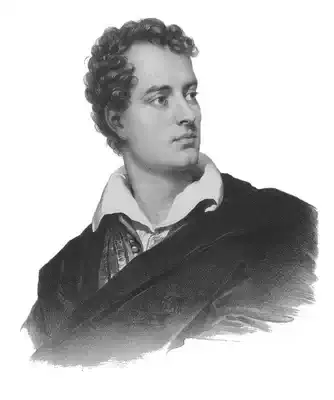
Lord Byron
To Thomas Moore
To Thomas Moore
My boat is on the shore,
And my bark is on the sea;
But, before I go, Tom Moore,
Here's a double health to thee!
Here's a sigh to those who love me,
And a smile to those who hate;
And, whatever sky's above me,
Here's a heart for every fate.
Though the ocean roar around me,
Yet it still shall bear me on;
Though a desert should surround me,
It hath springs that may be won.
Were't the last drop in the well,
As I gasp'd upon the brink,
Ere my fainting spirit fell,
'Tis to thee that I would drink.
With that water, as this wine,
The libation I would pour
Should be peace
with thine and mine,
And a health to thee, Tom Moore!
My boat is on the shore,
And my bark is on the sea;
But, before I go, Tom Moore,
Here's a double health to thee!
Here's a sigh to those who love me,
And a smile to those who hate;
And, whatever sky's above me,
Here's a heart for every fate.
Though the ocean roar around me,
Yet it still shall bear me on;
Though a desert should surround me,
It hath springs that may be won.
Were't the last drop in the well,
As I gasp'd upon the brink,
Ere my fainting spirit fell,
'Tis to thee that I would drink.
With that water, as this wine,
The libation I would pour
Should be peace
with thine and mine,
And a health to thee, Tom Moore!
576
Lord Byron
To Thomas Moore : Written The Evening Before His Visit To Mr. Leigh Hunt In
To Thomas Moore : Written The Evening Before His Visit To Mr. Leigh Hunt In
Horsemonger Lane Gaol, May 19, 1813
Oh you, who in all names can tickle the town,
Anacreon, Tom Little, Tom Moore, or Tom Brown,
For hang me if I know of which you may most brag,
Your Quarto twopounds,
or your Twopenny
Post Bag;
But now to my letterto
yours 'tis an answerTomorrow
be with me, as soon as you can, sir,
All ready and dress'd for proceeding to spunge on
(According to compact) the wit in the dungeonPray
Phobus at length our political malice
May not get us lodgings within the same palace!
I suppose that tonight
you're engaged with some codgers,
And for Sotheby's Blues have deserted Sam Rogers;
And I, though with cold I have nearly my death got,
Must put on my breeches, and wait on the Heathcote;
But tomorrow,
at four, we will both play the Scurra,
And you'll be Catullus, the Regent Mamurra.
Horsemonger Lane Gaol, May 19, 1813
Oh you, who in all names can tickle the town,
Anacreon, Tom Little, Tom Moore, or Tom Brown,
For hang me if I know of which you may most brag,
Your Quarto twopounds,
or your Twopenny
Post Bag;
But now to my letterto
yours 'tis an answerTomorrow
be with me, as soon as you can, sir,
All ready and dress'd for proceeding to spunge on
(According to compact) the wit in the dungeonPray
Phobus at length our political malice
May not get us lodgings within the same palace!
I suppose that tonight
you're engaged with some codgers,
And for Sotheby's Blues have deserted Sam Rogers;
And I, though with cold I have nearly my death got,
Must put on my breeches, and wait on the Heathcote;
But tomorrow,
at four, we will both play the Scurra,
And you'll be Catullus, the Regent Mamurra.
436
Lord Byron
To The Earl Of Clare
To The Earl Of Clare
'Tu semper amoris
Sisd memor, etcari comitis ne abscedat imago'~Val Flac
Friend of my youth! when young we roved,
Like striplings mutually beloved,
With friendship's purest glow,
The bliss which wing'd those rosy hours
Was such as pleasure seldom showers
On mortals here below.
The recollectlon seems alone
Dearer than all the joys I've known,
When distant far from you:
Though pain, 'tis still a pleasing pain,
To trace those days and hours again,
And sigh again, adieu!
My pensive memory lingers o'er
Those scenes to be enjoy'd no more,
Those scenes regretted ever
The measure of our youth is full,
Life's evening dream is dark and dull,
And we rnay meet ah!
never!
As when one parent spring supplies
Two strearns which from one fountain rise
Together join'd in 'vain;
How soon' diverging from their source,
Each murmuring, seeks another course,
Till mingled in the main!
Our vital streams of weal or woe,
Though near, alas! distinctly flow,
Nor mingle as before:
Now swift or slow, now black or clear,
Till death's unfathom'd gulf appear,
And both shall quit the shore.
Our souls, my friend! which once supplied
One wish, nor breathed a thought beside,
Now flow in different channels:
Disdaining humbler rural sports,
'Tis yours to mix in polish'd courts,
And shine in fashion's annals
;'Tis mine to waste on love my time,
Or vent my reveries in rhyme,
Without the aid of reason;
For sense and reason (critics know it)
Have quitted every amorous poet,
Nor left a thought to seize on.
Poor LITTLE! sweet, melodlous bard!
Of late esteem'd it monstrous hard
That he, who sang before all,He
who the lore of love expanded,By
dire reviewers should be branded
As void of wit and moral.
And yet, while Beauty's praise is thine,
Harmonious favourite of the nine,
Repine not at thy lot.
Thy soothing lays may still be read,
When Persecution's arm is dead,
And critics are forgot.
Still I must yield those worthies merit,
Who chasten, with unsparing spirit,
Bad rhymes, and those who write them;
And though myself may be the next
By criticism to be vext,
I really will not fight them.
Perhaps they wouid do quite as well
To break the rudely sounding shell
Of such a young beginner:
He who offends at pert nineteen,
Ere thirty may become, I ween,
A very harden'd sinner.
Now, Clare, I must return to you;
And, sure, apologies are due:
Accept, then, my concession
In truth dear Clare, in fancy's flight
I soar along from left to right;
My muse admires digression
I think I said 'twould he your fate
To add one star to royal state;May
regal smiles attend you!
And should a noble monarch reign,
You will not seek his smiles in vain,
If worth can recommend you.
Yet since in danger courts abound,
Where specious rivals glitter round,
From snares may saints preserve you;
And grant your love or friendship ne'er
From any claim a kindred care,
But those who best deserve you!
Not for a moment may you stray
From truth's secure, unerring way!
May no delights decoy!
O'er roses may your footsteps move,
Your smiles be ever smiles of love,
Your tears be tears of joy!
Oh! if you wish that happiness
Your coming days and years may bless,
And virtues crown your brow;
Be still as you were wont to be,
Spotless as you've been known to me,Be
still as you are now.
And though some trifling share of praise,
To cheer my last declining days,
To me were doubly dear;
Whilst blessing your beloved name
I'd waive at once a poet's fame,
To prove a prophet here.
'Tu semper amoris
Sisd memor, etcari comitis ne abscedat imago'~Val Flac
Friend of my youth! when young we roved,
Like striplings mutually beloved,
With friendship's purest glow,
The bliss which wing'd those rosy hours
Was such as pleasure seldom showers
On mortals here below.
The recollectlon seems alone
Dearer than all the joys I've known,
When distant far from you:
Though pain, 'tis still a pleasing pain,
To trace those days and hours again,
And sigh again, adieu!
My pensive memory lingers o'er
Those scenes to be enjoy'd no more,
Those scenes regretted ever
The measure of our youth is full,
Life's evening dream is dark and dull,
And we rnay meet ah!
never!
As when one parent spring supplies
Two strearns which from one fountain rise
Together join'd in 'vain;
How soon' diverging from their source,
Each murmuring, seeks another course,
Till mingled in the main!
Our vital streams of weal or woe,
Though near, alas! distinctly flow,
Nor mingle as before:
Now swift or slow, now black or clear,
Till death's unfathom'd gulf appear,
And both shall quit the shore.
Our souls, my friend! which once supplied
One wish, nor breathed a thought beside,
Now flow in different channels:
Disdaining humbler rural sports,
'Tis yours to mix in polish'd courts,
And shine in fashion's annals
;'Tis mine to waste on love my time,
Or vent my reveries in rhyme,
Without the aid of reason;
For sense and reason (critics know it)
Have quitted every amorous poet,
Nor left a thought to seize on.
Poor LITTLE! sweet, melodlous bard!
Of late esteem'd it monstrous hard
That he, who sang before all,He
who the lore of love expanded,By
dire reviewers should be branded
As void of wit and moral.
And yet, while Beauty's praise is thine,
Harmonious favourite of the nine,
Repine not at thy lot.
Thy soothing lays may still be read,
When Persecution's arm is dead,
And critics are forgot.
Still I must yield those worthies merit,
Who chasten, with unsparing spirit,
Bad rhymes, and those who write them;
And though myself may be the next
By criticism to be vext,
I really will not fight them.
Perhaps they wouid do quite as well
To break the rudely sounding shell
Of such a young beginner:
He who offends at pert nineteen,
Ere thirty may become, I ween,
A very harden'd sinner.
Now, Clare, I must return to you;
And, sure, apologies are due:
Accept, then, my concession
In truth dear Clare, in fancy's flight
I soar along from left to right;
My muse admires digression
I think I said 'twould he your fate
To add one star to royal state;May
regal smiles attend you!
And should a noble monarch reign,
You will not seek his smiles in vain,
If worth can recommend you.
Yet since in danger courts abound,
Where specious rivals glitter round,
From snares may saints preserve you;
And grant your love or friendship ne'er
From any claim a kindred care,
But those who best deserve you!
Not for a moment may you stray
From truth's secure, unerring way!
May no delights decoy!
O'er roses may your footsteps move,
Your smiles be ever smiles of love,
Your tears be tears of joy!
Oh! if you wish that happiness
Your coming days and years may bless,
And virtues crown your brow;
Be still as you were wont to be,
Spotless as you've been known to me,Be
still as you are now.
And though some trifling share of praise,
To cheer my last declining days,
To me were doubly dear;
Whilst blessing your beloved name
I'd waive at once a poet's fame,
To prove a prophet here.
461
Lord Byron
To Romance
To Romance
Parent of golden dreams, Romance!
Auspicious Queen of childish joys,
Who lead'st along, in airy dance,
Thy votive train of girls and boys;
At length, in spells no longer bound,
I break the fetters of my youth;
No more I tread thy mystic round,
But leave thy realms for those of Truth.
And yet 'tis hard to quit the dreams
Which haunt the unsuspicious soul,
Where every nymph a goddess seems,
Whose eyes through rays immortal roll;
While Fancy holds her boundless reign,
And all assume a varied hue;
When Virgins seem no longer vain,
And even Woman's smiles are true.
And must we own thee, but a name,
And from thy hall of clouds descend?
Nor find a Sylph in every dame,
A Pylades in every friend?
But leave, at once, thy realms of air i
To mingling bands of fairy elves;
Confess that woman's false as fair,
And friends have feeling forthemselves?
With shame, I own, I've felt thy sway;
Repentant, now thy reign is o'er;
No more thy precepts I obey,
No more on fancied pinions soar;
Fond fool! to love a sparkling eye,
And think that eye to truth was dear;
To trust a passing wanton's sigh,
And melt beneath a wanton's tear!
Romance! disgusted with deceit,
Far from thy motley court I fly,
Where Affectation holds her seat,
And sickly Sensibility;
Whose silly tears can never flow
For any pangs excepting thine;
Who turns aside from real woe,
To steep in dew thy gaudy shrine.
Now join with sable Sympathy,
With cypress crown'd, array'd in weeds,
Who heaves with thee her simple sigh,
Whose breast for every bosom bleeds;
And call thy sylvan female choir,
To mourn a Swain for ever gone,
Who once could glow with equal fire,
But bends not now before thy throne.
Ye genial Nymphs, whose ready tears
On all occasions swiftly flow;
Whose bosoms heave with fancied fears,
With fancied flames and phrenzy glow
Say, will you mourn my absent name,
Apostate from your gentle train
An infant Bard, at least, may claim
From you a sympathetic strain.
Adieu, fond race! a long adieu!
The hour of fate is hovering nigh;
E'en now the gulf appears in view,
Where unlamented you must lie:
Oblivion's blackening lake is seen,
Convuls'd by gales you cannot weather,
Where you, and eke your gentle queen,
Alas! must perish altogether.
Parent of golden dreams, Romance!
Auspicious Queen of childish joys,
Who lead'st along, in airy dance,
Thy votive train of girls and boys;
At length, in spells no longer bound,
I break the fetters of my youth;
No more I tread thy mystic round,
But leave thy realms for those of Truth.
And yet 'tis hard to quit the dreams
Which haunt the unsuspicious soul,
Where every nymph a goddess seems,
Whose eyes through rays immortal roll;
While Fancy holds her boundless reign,
And all assume a varied hue;
When Virgins seem no longer vain,
And even Woman's smiles are true.
And must we own thee, but a name,
And from thy hall of clouds descend?
Nor find a Sylph in every dame,
A Pylades in every friend?
But leave, at once, thy realms of air i
To mingling bands of fairy elves;
Confess that woman's false as fair,
And friends have feeling forthemselves?
With shame, I own, I've felt thy sway;
Repentant, now thy reign is o'er;
No more thy precepts I obey,
No more on fancied pinions soar;
Fond fool! to love a sparkling eye,
And think that eye to truth was dear;
To trust a passing wanton's sigh,
And melt beneath a wanton's tear!
Romance! disgusted with deceit,
Far from thy motley court I fly,
Where Affectation holds her seat,
And sickly Sensibility;
Whose silly tears can never flow
For any pangs excepting thine;
Who turns aside from real woe,
To steep in dew thy gaudy shrine.
Now join with sable Sympathy,
With cypress crown'd, array'd in weeds,
Who heaves with thee her simple sigh,
Whose breast for every bosom bleeds;
And call thy sylvan female choir,
To mourn a Swain for ever gone,
Who once could glow with equal fire,
But bends not now before thy throne.
Ye genial Nymphs, whose ready tears
On all occasions swiftly flow;
Whose bosoms heave with fancied fears,
With fancied flames and phrenzy glow
Say, will you mourn my absent name,
Apostate from your gentle train
An infant Bard, at least, may claim
From you a sympathetic strain.
Adieu, fond race! a long adieu!
The hour of fate is hovering nigh;
E'en now the gulf appears in view,
Where unlamented you must lie:
Oblivion's blackening lake is seen,
Convuls'd by gales you cannot weather,
Where you, and eke your gentle queen,
Alas! must perish altogether.
559
Lord Byron
To George, Earl Delwarr
To George, Earl Delwarr
Oh! yes, I will own we were dear to each other;
The friendships of childhood, though fleeting are true;
The love which you felt was the love of a brother,
Nor less the affection I cherish'd for you.
But Friendship can vary her gentle dominion;
The attachment of years in a moment expires:
Like Love, too, she moves on a swiftwaving
pinion,
But glows not, like Love, with unquenchable fires.
Full oft have we wander'd through Ida together,
And blest were the scenes of our youth, I allow:
In the spring of our life, how serene is the weather!
But winter's rude tempests are gathering now.
No more with affection shall memory blending,
The wonted delights of our childhood retrace:
When pride steels the bosom, the heart is unbending,
And what would be Justice appears a disgrace.
However, dear George, for I still must esteem you;
The few whom I love I can never upbraid:
The chance which has lost may in future redeem you,
Repentance will cancel the vow you have made.
I will not complain, and though chill'd is affection,
With me no corroding resentment shall live:
My bosom is calm'd by the simple reflection,
That both may be wrong, and that both should forgive.
You knew that my soul, that my heart, my existence,
If danger demanded, were wholly your own.
You knew me unalter'd by years or by distance
Devoted to love and to friendship alone.
You knew but
away with the vain retropection!
The bond of affection no longer endures;
Too late you may droop o'er the fond recollection,
And sigh for the friend who was formerly yours.
For the present, we part,I
will hope not for ever;
For time and regret will restore you at last:
To forget our dimension we both should endeavour,
I ask no atonement, but days like the past.
Oh! yes, I will own we were dear to each other;
The friendships of childhood, though fleeting are true;
The love which you felt was the love of a brother,
Nor less the affection I cherish'd for you.
But Friendship can vary her gentle dominion;
The attachment of years in a moment expires:
Like Love, too, she moves on a swiftwaving
pinion,
But glows not, like Love, with unquenchable fires.
Full oft have we wander'd through Ida together,
And blest were the scenes of our youth, I allow:
In the spring of our life, how serene is the weather!
But winter's rude tempests are gathering now.
No more with affection shall memory blending,
The wonted delights of our childhood retrace:
When pride steels the bosom, the heart is unbending,
And what would be Justice appears a disgrace.
However, dear George, for I still must esteem you;
The few whom I love I can never upbraid:
The chance which has lost may in future redeem you,
Repentance will cancel the vow you have made.
I will not complain, and though chill'd is affection,
With me no corroding resentment shall live:
My bosom is calm'd by the simple reflection,
That both may be wrong, and that both should forgive.
You knew that my soul, that my heart, my existence,
If danger demanded, were wholly your own.
You knew me unalter'd by years or by distance
Devoted to love and to friendship alone.
You knew but
away with the vain retropection!
The bond of affection no longer endures;
Too late you may droop o'er the fond recollection,
And sigh for the friend who was formerly yours.
For the present, we part,I
will hope not for ever;
For time and regret will restore you at last:
To forget our dimension we both should endeavour,
I ask no atonement, but days like the past.
552
Lord Byron
To Edward Noel Long, Esq.
To Edward Noel Long, Esq.
'Nil ego contulerim jucundo sanus amico.'~Horace.
Dear Long, in this sequester'd scene,
While all around in slumber lie,
The joyous days, which ours have been
Come rolling fresh on Fancy's eye;
Thus, if, amidst the gathering storm,
While clouds the darken'd noon deform,
Yon heaven assumes a varied glow,
I hail the sky's celestial bow,
Which spreads the sign of future peace,
And bids the war of tempests cease.
Ah! though the present brings but pain,
I think those days may come again;
Or if, in melancholy mood,
Some lurking envious fear intrude,
To check my bosom's fondest thought,
And interrupt the golden dream
I crush the fiend with malice fraught,
And, still, indulge my wonted theme.
Although we ne'er again can trace,
In Granta's vale, the pedant's lore,
Nor through the groves of Ida chace
Our raptured visions, as before;
Though Youth has flown on rosy pinion,
And Manhood claims his stern dominion,
Age will not every hope destroy,
But yields some hours of sober joy.
Yes, I will hope that Time's broad wing
Will shed around some dews of spring:
But, if his scythe must sweep the flowers
Which bloom among the fairy bowers,
Where smiling Youth delights to dwell,
And hearts with early rapture swell;
In frowning Age, with cold control,
Confines the current of the soul,
Congeals the tear of Pity's eye,
Or checks the sympathetic sigh,
Or hears, unmov'd, Misfortune's groan,
And bids me feel for self alone;
Oh! may my bosom never learn
To soothe its wonted heedless flow;
Still may I rove untutor'd, wild,
But ne'er forget another's woe.
Yes, as you knew me in the days
O'er which Remembrance yet delays
And even in age, at heart a child.
Though, now, on airy visions borne,
To you my soul is still the same.
Oft has it ben my fate to mourn,
And all my former joys are tame:
But, hence! ye hours of sabl hue!
Your frowns are gone, my sorrows o'er:
By every bliss my childhood knew,
I'll think upon your shade no more.
Thus, when the whirlwind's rage is past,
And caves their sullen roar enclose,
We heed no more the wintery blast,
When lull'd by zephyr to repose.
Full often has my infant Muse
Attun'd to love her languid lyre;
But, now, without a theme to choose,
The strains in stolen sighs expire.
My youthful nymps, alas! are flown;
E — is a wife, and C — a mother,
And Carolina sighs alone,
And Mary's given to another;
And Cora's eye, which roll'd on me,
Can now no more my love recall In
truth, dear LONG, 'twas time to flee For
Cora's eye will shine on all.
And though the Sun, with genial rays,
His beams aike to all displays,
And every lady's eye's a sun,
These last should be confin'd to one.
The souls' meridian don't become her,
Whose sun desplays a general summer!
Thus faint is every former flame,
And Passion's self is now a name;
As, when the ebbing flames are low,
The aid which once improv'd their light,
And bade them burn with fiercer glow,
Now quenches all their sparks in night;
Thus has it been with Passion's fires,
As many a boy and girl remembers,
While all the force of love expires,
Extinguish'd with the dying embers.
But now, dear LONG, 'tis midnight's noon,
And clouds obscure the watery moon,
Whose beauties I shall not rehearse,
Describ'd in every stripling's verse;
For why should I the path go o'er
Which every bard has trod before?
Yet ere yon silver lamp of night
Has thrice perform'd her stated round,
Has thrice retraced her path of light,
And chased away the gloom profound,
I trust that we, my gentle Friend,
Shall see her rolling orbit wend,
Above the dearloved
peaceful seat,
Which once contain'd our youth's retreat;
And then, with those our childhood knew,
We'll mingle in the festive crew;
While many a tale of former day
Shall wing the laughing hours away;
And all the flow of souls shall pour
Tha sacred intellectual shower,
Nor cease, till Luna's waning horn
Scarce glimmers through the mist of Morn.
'Nil ego contulerim jucundo sanus amico.'~Horace.
Dear Long, in this sequester'd scene,
While all around in slumber lie,
The joyous days, which ours have been
Come rolling fresh on Fancy's eye;
Thus, if, amidst the gathering storm,
While clouds the darken'd noon deform,
Yon heaven assumes a varied glow,
I hail the sky's celestial bow,
Which spreads the sign of future peace,
And bids the war of tempests cease.
Ah! though the present brings but pain,
I think those days may come again;
Or if, in melancholy mood,
Some lurking envious fear intrude,
To check my bosom's fondest thought,
And interrupt the golden dream
I crush the fiend with malice fraught,
And, still, indulge my wonted theme.
Although we ne'er again can trace,
In Granta's vale, the pedant's lore,
Nor through the groves of Ida chace
Our raptured visions, as before;
Though Youth has flown on rosy pinion,
And Manhood claims his stern dominion,
Age will not every hope destroy,
But yields some hours of sober joy.
Yes, I will hope that Time's broad wing
Will shed around some dews of spring:
But, if his scythe must sweep the flowers
Which bloom among the fairy bowers,
Where smiling Youth delights to dwell,
And hearts with early rapture swell;
In frowning Age, with cold control,
Confines the current of the soul,
Congeals the tear of Pity's eye,
Or checks the sympathetic sigh,
Or hears, unmov'd, Misfortune's groan,
And bids me feel for self alone;
Oh! may my bosom never learn
To soothe its wonted heedless flow;
Still may I rove untutor'd, wild,
But ne'er forget another's woe.
Yes, as you knew me in the days
O'er which Remembrance yet delays
And even in age, at heart a child.
Though, now, on airy visions borne,
To you my soul is still the same.
Oft has it ben my fate to mourn,
And all my former joys are tame:
But, hence! ye hours of sabl hue!
Your frowns are gone, my sorrows o'er:
By every bliss my childhood knew,
I'll think upon your shade no more.
Thus, when the whirlwind's rage is past,
And caves their sullen roar enclose,
We heed no more the wintery blast,
When lull'd by zephyr to repose.
Full often has my infant Muse
Attun'd to love her languid lyre;
But, now, without a theme to choose,
The strains in stolen sighs expire.
My youthful nymps, alas! are flown;
E — is a wife, and C — a mother,
And Carolina sighs alone,
And Mary's given to another;
And Cora's eye, which roll'd on me,
Can now no more my love recall In
truth, dear LONG, 'twas time to flee For
Cora's eye will shine on all.
And though the Sun, with genial rays,
His beams aike to all displays,
And every lady's eye's a sun,
These last should be confin'd to one.
The souls' meridian don't become her,
Whose sun desplays a general summer!
Thus faint is every former flame,
And Passion's self is now a name;
As, when the ebbing flames are low,
The aid which once improv'd their light,
And bade them burn with fiercer glow,
Now quenches all their sparks in night;
Thus has it been with Passion's fires,
As many a boy and girl remembers,
While all the force of love expires,
Extinguish'd with the dying embers.
But now, dear LONG, 'tis midnight's noon,
And clouds obscure the watery moon,
Whose beauties I shall not rehearse,
Describ'd in every stripling's verse;
For why should I the path go o'er
Which every bard has trod before?
Yet ere yon silver lamp of night
Has thrice perform'd her stated round,
Has thrice retraced her path of light,
And chased away the gloom profound,
I trust that we, my gentle Friend,
Shall see her rolling orbit wend,
Above the dearloved
peaceful seat,
Which once contain'd our youth's retreat;
And then, with those our childhood knew,
We'll mingle in the festive crew;
While many a tale of former day
Shall wing the laughing hours away;
And all the flow of souls shall pour
Tha sacred intellectual shower,
Nor cease, till Luna's waning horn
Scarce glimmers through the mist of Morn.
524
Lord Byron
To-- : From The French
To-- : From The French
Must thou go, my glorious Chief,
Sever'd from thy faithful few?
Who can tell thy warrior's grief,
Maddening o'er that long adieu?
Woman's love, and friendship's zeal,
Dear as both have been to meWhat
are they to all I feel,
With a soldier's faith for thee?
Idol of the soldier's soul!
First in fight, but mightiest now;
Many could a world control;
Thee alone no doom can bow.
By thy side for years I dared
Death; and envied those who fell,
When their dying shout was heard,
Blessing him they served so well.
Would that I were cold with those,
Since this hour I live to see;
When the doubts of coward foes
Scarce dare trust a man with thee,
Dreading each should set thee free!
Oh! although in dungeons pent,
All their chains were light to me,
Gazing on thy soul unbent.
Would the sycophants of him
Now so deaf to duty's prayer,
Were his borrow'd glories dim,
In his native darkness share?
Were that world this hour his own,
All thou calmly dost resign,
Could he purchase with that throne
Hearts like those which still are thine?
My chief, my king, my friend, adieu!
Never did I droop before;
Never to my sovereign sue,
As his foes I now implore:
All I ask is to divide
Every peril he must brave;
Sharing by the hero's side
His fall, his exile, and his grave.
Must thou go, my glorious Chief,
Sever'd from thy faithful few?
Who can tell thy warrior's grief,
Maddening o'er that long adieu?
Woman's love, and friendship's zeal,
Dear as both have been to meWhat
are they to all I feel,
With a soldier's faith for thee?
Idol of the soldier's soul!
First in fight, but mightiest now;
Many could a world control;
Thee alone no doom can bow.
By thy side for years I dared
Death; and envied those who fell,
When their dying shout was heard,
Blessing him they served so well.
Would that I were cold with those,
Since this hour I live to see;
When the doubts of coward foes
Scarce dare trust a man with thee,
Dreading each should set thee free!
Oh! although in dungeons pent,
All their chains were light to me,
Gazing on thy soul unbent.
Would the sycophants of him
Now so deaf to duty's prayer,
Were his borrow'd glories dim,
In his native darkness share?
Were that world this hour his own,
All thou calmly dost resign,
Could he purchase with that throne
Hearts like those which still are thine?
My chief, my king, my friend, adieu!
Never did I droop before;
Never to my sovereign sue,
As his foes I now implore:
All I ask is to divide
Every peril he must brave;
Sharing by the hero's side
His fall, his exile, and his grave.
508
Lord Byron
On Revisiting Harrow
On Revisiting Harrow
Here once engaged the stranger's view
Young Friendship's record simply traced;
Few were her words; but yet, though few,
Resentment's hand the line defaced.
Deeply she cutbut
not erased,
The characters were still so pain,
That Friendship once return'd, and gazed,Till
Memory hail'd the words again.
Repentance placed them as before;
Forgiveness join d her gentle name;
So fair the inscription seem'd once more,
That Friendship thought it still the same.
Thus might the Record now have been;
But, ah, in spite of Hopes endeavour,
Or Friendships tears, Pride rush'd between
And blotted out the line for ever.
Here once engaged the stranger's view
Young Friendship's record simply traced;
Few were her words; but yet, though few,
Resentment's hand the line defaced.
Deeply she cutbut
not erased,
The characters were still so pain,
That Friendship once return'd, and gazed,Till
Memory hail'd the words again.
Repentance placed them as before;
Forgiveness join d her gentle name;
So fair the inscription seem'd once more,
That Friendship thought it still the same.
Thus might the Record now have been;
But, ah, in spite of Hopes endeavour,
Or Friendships tears, Pride rush'd between
And blotted out the line for ever.
568
Lord Byron
Lines Written On A Blank Leaf Of 'The Pleasures Of Memory'
Lines Written On A Blank Leaf Of 'The Pleasures Of Memory'
Absent or present, still to thee,
My friend, what magic spells belong!
As all can tell, who share, like me,
In turn thy converse and thy song.
But when the dreaded hour shall come
By Friendship ever deem'd too nigh,
And `MEMORY' o'er her Druid's tomb
Shall weep that aught of thee can die,
How fondly will she then repay
Thy homage offer'd at her shrine, to
And blend, while ages roll away,
Her name immortally with thine!
April 19, 1812
Absent or present, still to thee,
My friend, what magic spells belong!
As all can tell, who share, like me,
In turn thy converse and thy song.
But when the dreaded hour shall come
By Friendship ever deem'd too nigh,
And `MEMORY' o'er her Druid's tomb
Shall weep that aught of thee can die,
How fondly will she then repay
Thy homage offer'd at her shrine, to
And blend, while ages roll away,
Her name immortally with thine!
April 19, 1812
315
Lord Byron
Inscription On The Monument Of A Newfoundland Dog
Inscription On The Monument Of A Newfoundland Dog
When some proud son of man returns to earth,
Unknown to glory, but upheld by birth,
The sculptor's art exhausts the pomp of woe,
And storied urns record who rest below:
When all is done, upon the tomb is seen,
Not what he was, but what he should have been:
But the poor dog, in life the firmest friend,
The first to welcome, foremost to defend,
Whose honest heart, is still his master's own,
Who labours, fights, lives, breathes for him alone,
Unhonour'd falls, unnoticed all his worth,
Denied in heaven the soul he held on earth,
While man, vain insect! hopes to be forgiven,
And claims himself a sole exclusive heaven.
Oh man! thou feeble tenant of an hour,
Debased by slavery, or corrupt by power,
Who knows thee well must quit thee with disgust,
Degraded mass of animated dust!
Thy love is lust, thy friendship all a cheat,
Thy smiles hypocrisy, thy words deceit!
By nature vile, ennobled but by name,
Each kindred brute might bid thee blush for shame.
Ye! who perchance behold this simple urn,
Pass onit
honours none you wish to mourn:
To mark a friend's remains these stones arise;
I never knew but one,and
here he lies.
When some proud son of man returns to earth,
Unknown to glory, but upheld by birth,
The sculptor's art exhausts the pomp of woe,
And storied urns record who rest below:
When all is done, upon the tomb is seen,
Not what he was, but what he should have been:
But the poor dog, in life the firmest friend,
The first to welcome, foremost to defend,
Whose honest heart, is still his master's own,
Who labours, fights, lives, breathes for him alone,
Unhonour'd falls, unnoticed all his worth,
Denied in heaven the soul he held on earth,
While man, vain insect! hopes to be forgiven,
And claims himself a sole exclusive heaven.
Oh man! thou feeble tenant of an hour,
Debased by slavery, or corrupt by power,
Who knows thee well must quit thee with disgust,
Degraded mass of animated dust!
Thy love is lust, thy friendship all a cheat,
Thy smiles hypocrisy, thy words deceit!
By nature vile, ennobled but by name,
Each kindred brute might bid thee blush for shame.
Ye! who perchance behold this simple urn,
Pass onit
honours none you wish to mourn:
To mark a friend's remains these stones arise;
I never knew but one,and
here he lies.
448
Lord Byron
Fill The Goblet Again: A Song
Fill The Goblet Again: A Song
Fill the goblet again! for I never before
Felt the glow which now gladdens my heart to its core;
Let us drink!who
would not?since,
through life's varied round,
In the goblet alone no deception is found.
I have tried in its turn all that life can supply;
I have bask'd in the beam of a dark rolling eye;
I have loved!who
has not?but
what heart can declare
That pleasure existed while passion was there?
In the days of my youth, when the heart's in its spring,
And dreams that affection can never take wing,
I had friends!who
has not?but
what tongue will avow,
That friends, rosy wine! are so faithful as thou?
The heart of a mistress some boy may estrange,
Friendship shifts with the sunbeamthou
never canst change;
Thou grow'st oldwho
does not?but
on earth what appears,
Whose virtues, like thine, still increase with its years?
Yet if blest to the utmost that love can bestow,
Should a rival bow down to our idol below,
We aree jealous!who
is not?thou
hast no such alloy;
For the more that enjoy thee, the more we enjoy.
Then the season of youth and its vanities past,
For refuge we fly to the goblet at last;
There we finddo
we not?in
the flow of the soul,
That truth, as of yore, is confined to the bowl.
When the box of Pandora was opened on earth,
And Misery's triumph commenced over Mirth,
Hope was left,was
she not?but
the goblet we kiss,
And care not for Hope, who are certain of bliss.
Long life to the grape! for when summer is flown,
The age of our nectar shall gladden our own:
We must diewho
shall not?May
our sins be forgiven,
And Hebe shall never be idle in heaven.
Fill the goblet again! for I never before
Felt the glow which now gladdens my heart to its core;
Let us drink!who
would not?since,
through life's varied round,
In the goblet alone no deception is found.
I have tried in its turn all that life can supply;
I have bask'd in the beam of a dark rolling eye;
I have loved!who
has not?but
what heart can declare
That pleasure existed while passion was there?
In the days of my youth, when the heart's in its spring,
And dreams that affection can never take wing,
I had friends!who
has not?but
what tongue will avow,
That friends, rosy wine! are so faithful as thou?
The heart of a mistress some boy may estrange,
Friendship shifts with the sunbeamthou
never canst change;
Thou grow'st oldwho
does not?but
on earth what appears,
Whose virtues, like thine, still increase with its years?
Yet if blest to the utmost that love can bestow,
Should a rival bow down to our idol below,
We aree jealous!who
is not?thou
hast no such alloy;
For the more that enjoy thee, the more we enjoy.
Then the season of youth and its vanities past,
For refuge we fly to the goblet at last;
There we finddo
we not?in
the flow of the soul,
That truth, as of yore, is confined to the bowl.
When the box of Pandora was opened on earth,
And Misery's triumph commenced over Mirth,
Hope was left,was
she not?but
the goblet we kiss,
And care not for Hope, who are certain of bliss.
Long life to the grape! for when summer is flown,
The age of our nectar shall gladden our own:
We must diewho
shall not?May
our sins be forgiven,
And Hebe shall never be idle in heaven.
461

Ezra Pound
Villanelle: The Psychological Hour
Villanelle: The Psychological Hour
I had over prepared the event,
that much was ominous.
With middle-ageing care
I had laid out just the right books.
I had almost turned down the pages.
Beauty is so rare a thing.
So few drink of my fountain.
So much barren regret,
So many hours wasted!
And now I watch, from the window,
the rain, the wandering busses.
"Their little cosmos is shaken" the
air is alive with that fact.
In their parts of the city
they are played on by diverse forces.
How do I know?
Oh, I know well enough.
For them there is something afoot.
As for me;
I had over-prepared the event -
Beauty is so rare a thing.
So few drink of my fountain.
Two friends: a breath of the forest. . .
Friends? Are people less friends
because one has just, at last, found them?
Twice they promised to come.
"Between the night and the morning?"
Beauty would drink of my mind.
Youth would awhile forget
my youth is gone from me.
(Speak up! You have danced so stiffly?
Someone admired your works,
And said so frankly.
"Did you talk like a fool,
The first night?
The second evening?"
"But they promised again:
'To-morrow at tea-time'.")
Now the third day is here no
word from either;
No word from her nor him,
Only another man's note:
"Dear Pound, I am leaving England."
I had over prepared the event,
that much was ominous.
With middle-ageing care
I had laid out just the right books.
I had almost turned down the pages.
Beauty is so rare a thing.
So few drink of my fountain.
So much barren regret,
So many hours wasted!
And now I watch, from the window,
the rain, the wandering busses.
"Their little cosmos is shaken" the
air is alive with that fact.
In their parts of the city
they are played on by diverse forces.
How do I know?
Oh, I know well enough.
For them there is something afoot.
As for me;
I had over-prepared the event -
Beauty is so rare a thing.
So few drink of my fountain.
Two friends: a breath of the forest. . .
Friends? Are people less friends
because one has just, at last, found them?
Twice they promised to come.
"Between the night and the morning?"
Beauty would drink of my mind.
Youth would awhile forget
my youth is gone from me.
(Speak up! You have danced so stiffly?
Someone admired your works,
And said so frankly.
"Did you talk like a fool,
The first night?
The second evening?"
"But they promised again:
'To-morrow at tea-time'.")
Now the third day is here no
word from either;
No word from her nor him,
Only another man's note:
"Dear Pound, I am leaving England."
380
Ezra Pound
The Altar
The Altar
Let us build here an exquisite friendship,
The flame, the autumn, and the green rose of love
Fought out their strife here, 'tis a place of wonder;
Where these have been, meet 'tis, the ground is holy.
Let us build here an exquisite friendship,
The flame, the autumn, and the green rose of love
Fought out their strife here, 'tis a place of wonder;
Where these have been, meet 'tis, the ground is holy.
432
Ezra Pound
Tame Cat
Tame Cat
It rests me to be among beautiful women
Why should one always lie about such matters?
I repeat:
It rests me to converse with beautiful women
Even though we talk nothing but nonsense,
The purring of the invisible antennae
Is both stimulating and delightful.
It rests me to be among beautiful women
Why should one always lie about such matters?
I repeat:
It rests me to converse with beautiful women
Even though we talk nothing but nonsense,
The purring of the invisible antennae
Is both stimulating and delightful.
527
Ezra Pound
IN DURANCE
IN DURANCE
(1907)
1 am homesick after mine own kind,
Oh I know that there are folk about me, friendly faces,
But I am homesick after mine own kind.
'These sell our pictures'! Oh well,
They reach me not, touch me some edge or that,
But reach me not and all my life's become
One flame, that reaches not beyond
My heart's own hearth,
Or hides among the ashes there for thee.
Thee'? Oh, 'Thee' is who cometh first
Out of mine own soul-kin,
For I am homesick after mine own kind
And ordinary people touch me not.
And I am homesick
After mine own kind that know, and feel
And have some breath for beauty and the arts.
Aye, I am wistful for my kin of the spirit
And have none about me save in the shadows
When come they, surging of power, 'DAEMON,'
'Quasi KALOUN.' S.T. says Beauty is most that, a
'calling to the soul'.
Well then, so call they, the swirlers out of the mist of my soul,
They that come mewards, bearing old magic.
But for all that, I am homesick after mine own kind
And would meet kindred even as I am,
Flesh-shrouded bearing the secret.
'All they that with strange sadness'
Have the earth in mockery, and are kind to all,
My fellows, aye I know the glory
Of th' unbounded ones, but ye, that hide
As I hide most the while
And burst forth to the windows only whiles or whiles
For love, or hope or beauty or for power,
Then smoulder, with the lids half closed
And are untouched by echoes of the world.
Oh ye, my fellows: with the seas between us some be,
Purple and sapphire for the silver shafts
Of sun and spray all shattered at the bows;
And some the hills hold off,
The little hills to east of us, though here we
Have damp and plain to be our shutting in.
And yet my soul sings ‘Up!' and we are one.
Yea thou, and Thou, and THOU, and all my kin
To whom my breast and arms are ever warm,
For that I love ye as the wind the trees
That holds their blossoms and their leaves in cure
And calls the utmost singing from the boughs
That Hhout him, save the aspen, were as dumb
Still shade, and bade no whisper speak the birds of how
'Beyond, beyond, beyond, there lies . . .'
(1907)
1 am homesick after mine own kind,
Oh I know that there are folk about me, friendly faces,
But I am homesick after mine own kind.
'These sell our pictures'! Oh well,
They reach me not, touch me some edge or that,
But reach me not and all my life's become
One flame, that reaches not beyond
My heart's own hearth,
Or hides among the ashes there for thee.
Thee'? Oh, 'Thee' is who cometh first
Out of mine own soul-kin,
For I am homesick after mine own kind
And ordinary people touch me not.
And I am homesick
After mine own kind that know, and feel
And have some breath for beauty and the arts.
Aye, I am wistful for my kin of the spirit
And have none about me save in the shadows
When come they, surging of power, 'DAEMON,'
'Quasi KALOUN.' S.T. says Beauty is most that, a
'calling to the soul'.
Well then, so call they, the swirlers out of the mist of my soul,
They that come mewards, bearing old magic.
But for all that, I am homesick after mine own kind
And would meet kindred even as I am,
Flesh-shrouded bearing the secret.
'All they that with strange sadness'
Have the earth in mockery, and are kind to all,
My fellows, aye I know the glory
Of th' unbounded ones, but ye, that hide
As I hide most the while
And burst forth to the windows only whiles or whiles
For love, or hope or beauty or for power,
Then smoulder, with the lids half closed
And are untouched by echoes of the world.
Oh ye, my fellows: with the seas between us some be,
Purple and sapphire for the silver shafts
Of sun and spray all shattered at the bows;
And some the hills hold off,
The little hills to east of us, though here we
Have damp and plain to be our shutting in.
And yet my soul sings ‘Up!' and we are one.
Yea thou, and Thou, and THOU, and all my kin
To whom my breast and arms are ever warm,
For that I love ye as the wind the trees
That holds their blossoms and their leaves in cure
And calls the utmost singing from the boughs
That Hhout him, save the aspen, were as dumb
Still shade, and bade no whisper speak the birds of how
'Beyond, beyond, beyond, there lies . . .'
481
Ezra Pound
Homage To Sextus Propertius - XII
Homage To Sextus Propertius - XII
Who, who will be the next man to entrust his girl to a friend?
Love interferes with fidelities;
The gods have brought shame on their relatives;
Each man wants the pomegranate for himself;
Amiable and harmonious people are pushed incontinent into duels,
A Trojan and adulterous person came to Menelaus under the rites of hospitium,
And there was a case in Colchis, Jason and that woman in Colchis;
And besides, Lynceus,
you were drunk.
Could you endure such promiscuity?
She was not renowned for fidelity;
But to jab a knife in my vitals, to have passed on a swig of poison,
Preferable, my dear boy, my dear Lynceus,
Comrade, comrade of my life, of my purse, of my person;
But in one bed, in one bed alone, my dear Lynceus
I deprecate your attendance;
I would ask a like boon of Jove.
And you write of Achelous, who contended with Hercules,
You write of Adrastus' horses and the funeral rites of Achenor,
And you will not leave off imitating Aeschylus.
Though you make a hash of Antimachus,
You think you are going to do Homer.
And still a girl scorns the gods,
Of all these young women
not one has enquired the cause of the world,
Nor the modus of lunar eclipses
Nor whether there be any patch left of us
After we cross the infernal ripples,
nor if the thunder fall from predestination;
Nor anything else of importance.
Upon the Actian marshes Virgil is Phoebus' chief of police,
He can tabulate Caesar's great ships.
He thrills to Ilian arms,
He shakes the Trojan weapons of Aeneas,
And casts stores on Lavinian beaches.
Make way, ye Roman authors,
clear the street, ye Greeks,
For a much larger Iliad is on the course of construction
(and to Imperial order)
Clear the streets, O ye Greeks!
And you also follow him 'neath Phrygian pine shade:
Thyrsis and Daphnis upon whittled reeds,
And how ten sins can corrupt young maidens;
Kids for a bribe and pressed udders,
Happy selling poor loves for cheap apples.
Tityrus might have sung the same vixen;
Corydon tempted Alexis,
Head farmers do likewise, and lying weary amid their oats
They get praise from tolerant Hamadryads.'
Go on, to Ascraeus' prescription, the ancient, respected, Wordsworthian:
‘A flat field for rushes, grapes grow on the slope.'
And behold me, small fortune left in my house.
Me, who had no general for a grandfather!
I shall triumph among young ladies of indeterminate character,
My talent acclaimed in their banquets,
I shall be honoured with yesterday's wreaths.
And the god strikes to the marrow.
Like a trained and performing tortoise,
I would make verse in your fashion, if she should command it,
With her husband asking a remission of sentence,
And even this infamy would not attract numerous readers
Were there an erudite or violent passion,
For the nobleness of the populace brooks nothing below its own altitude.
One must have resonance, resonance and sonority . . .
like a goose.
Varro sang Jason's expedition,
Varro, of his great passion Leucadia,
There is song in the parchment; Catullus the highly indecorous,
Of Lesbia, known above Helen;
And in the dyed pages of Calvus,
Calvus mourning Quintilia,
And but now Gallus had sung of Lycoris.
Fair, fairest Lycoris
The waters of Styx poured over the wound:
And now Propertius of Cynthia, taking his stand among these.
Who, who will be the next man to entrust his girl to a friend?
Love interferes with fidelities;
The gods have brought shame on their relatives;
Each man wants the pomegranate for himself;
Amiable and harmonious people are pushed incontinent into duels,
A Trojan and adulterous person came to Menelaus under the rites of hospitium,
And there was a case in Colchis, Jason and that woman in Colchis;
And besides, Lynceus,
you were drunk.
Could you endure such promiscuity?
She was not renowned for fidelity;
But to jab a knife in my vitals, to have passed on a swig of poison,
Preferable, my dear boy, my dear Lynceus,
Comrade, comrade of my life, of my purse, of my person;
But in one bed, in one bed alone, my dear Lynceus
I deprecate your attendance;
I would ask a like boon of Jove.
And you write of Achelous, who contended with Hercules,
You write of Adrastus' horses and the funeral rites of Achenor,
And you will not leave off imitating Aeschylus.
Though you make a hash of Antimachus,
You think you are going to do Homer.
And still a girl scorns the gods,
Of all these young women
not one has enquired the cause of the world,
Nor the modus of lunar eclipses
Nor whether there be any patch left of us
After we cross the infernal ripples,
nor if the thunder fall from predestination;
Nor anything else of importance.
Upon the Actian marshes Virgil is Phoebus' chief of police,
He can tabulate Caesar's great ships.
He thrills to Ilian arms,
He shakes the Trojan weapons of Aeneas,
And casts stores on Lavinian beaches.
Make way, ye Roman authors,
clear the street, ye Greeks,
For a much larger Iliad is on the course of construction
(and to Imperial order)
Clear the streets, O ye Greeks!
And you also follow him 'neath Phrygian pine shade:
Thyrsis and Daphnis upon whittled reeds,
And how ten sins can corrupt young maidens;
Kids for a bribe and pressed udders,
Happy selling poor loves for cheap apples.
Tityrus might have sung the same vixen;
Corydon tempted Alexis,
Head farmers do likewise, and lying weary amid their oats
They get praise from tolerant Hamadryads.'
Go on, to Ascraeus' prescription, the ancient, respected, Wordsworthian:
‘A flat field for rushes, grapes grow on the slope.'
And behold me, small fortune left in my house.
Me, who had no general for a grandfather!
I shall triumph among young ladies of indeterminate character,
My talent acclaimed in their banquets,
I shall be honoured with yesterday's wreaths.
And the god strikes to the marrow.
Like a trained and performing tortoise,
I would make verse in your fashion, if she should command it,
With her husband asking a remission of sentence,
And even this infamy would not attract numerous readers
Were there an erudite or violent passion,
For the nobleness of the populace brooks nothing below its own altitude.
One must have resonance, resonance and sonority . . .
like a goose.
Varro sang Jason's expedition,
Varro, of his great passion Leucadia,
There is song in the parchment; Catullus the highly indecorous,
Of Lesbia, known above Helen;
And in the dyed pages of Calvus,
Calvus mourning Quintilia,
And but now Gallus had sung of Lycoris.
Fair, fairest Lycoris
The waters of Styx poured over the wound:
And now Propertius of Cynthia, taking his stand among these.
696
Ezra Pound
Causa
Causa
I join these words for four people,
Some others may overhear them,
O world, I am sorry for you,
You do not know these four people.
I join these words for four people,
Some others may overhear them,
O world, I am sorry for you,
You do not know these four people.
514

Emily Jane Brontë
To Imagination
To Imagination
When weary with the long day's care,
And earthly change from pain to pain,
And lost and ready to despair,
Thy kind voice calls me back again:
Oh, my true friend! I am not lone,
While thou canst speak with such a tone!
So hopeless is the world without;
The world within I doubly prize;
Thy world, where guile, and hate, and doubt,
And cold suspicion never rise;
Where thou, and I, and Liberty,
Have undisputed sovereignty.
What matters it, that, all around,
Danger, and guilt, and darkness lie,
If but within our bosom's bound
We hold a bright, untroubled sky,
Warm with ten thousand mingled rays
Of suns that know no winter days?
Reason, indeed, may oft complain
For Nature's sad reality,
And tell the suffering heart, how vain
Its cherished dreams must always be;
And Truth may rudely trample down
The flowers of Fancy, newly-blown:
But, thou art ever there, to bring
The hovering vision back, and breathe
New glories o'er the blighted spring,
And call a lovelier Life from Death,
And whisper, with a voice divine,
Of real worlds, as bright as thine.
I trust not to thy phantom bliss,
Yet, still, in evening's quiet hour,
With never-failing thankfulness,
I welcome thee, Benignant Power;
Sure solacer of human cares,
And sweeter hope, when hope despairs!
When weary with the long day's care,
And earthly change from pain to pain,
And lost and ready to despair,
Thy kind voice calls me back again:
Oh, my true friend! I am not lone,
While thou canst speak with such a tone!
So hopeless is the world without;
The world within I doubly prize;
Thy world, where guile, and hate, and doubt,
And cold suspicion never rise;
Where thou, and I, and Liberty,
Have undisputed sovereignty.
What matters it, that, all around,
Danger, and guilt, and darkness lie,
If but within our bosom's bound
We hold a bright, untroubled sky,
Warm with ten thousand mingled rays
Of suns that know no winter days?
Reason, indeed, may oft complain
For Nature's sad reality,
And tell the suffering heart, how vain
Its cherished dreams must always be;
And Truth may rudely trample down
The flowers of Fancy, newly-blown:
But, thou art ever there, to bring
The hovering vision back, and breathe
New glories o'er the blighted spring,
And call a lovelier Life from Death,
And whisper, with a voice divine,
Of real worlds, as bright as thine.
I trust not to thy phantom bliss,
Yet, still, in evening's quiet hour,
With never-failing thankfulness,
I welcome thee, Benignant Power;
Sure solacer of human cares,
And sweeter hope, when hope despairs!
244
Emily Jane Brontë
Come, Walk With Me
Come, Walk With Me
Come, walk with me,
There's only thee
To bless my spirit now -
We used to love on winter nights
To wander through the snow;
Can we not woo back old delights?
The clouds rush dark and wild
They fleck with shade our mountain heights
The same as long ago
And on the horizon rest at last
In looming masses piled;
While moonbeams flash and fly so fast
We scarce can say they smiled -
Come walk with me, come walk with me;
We were not once so few
But Death has stolen our company
As sunshine steals the dew -
He took them one by one and we
Are left the only two;
So closer would my feelings twine
Because they have no stay but thine
'Nay call me not - it may not be
Is human love so true?
Can Friendship's flower droop on for years
And then revive anew?
No, though the soil be wet with tears,
How fair soe'er it grew
The vital sap once perished
Will never flow again
And surer than that dwelling dread,
The narrow dungeon of the dead
Time parts the hearts of men -'
Come, walk with me,
There's only thee
To bless my spirit now -
We used to love on winter nights
To wander through the snow;
Can we not woo back old delights?
The clouds rush dark and wild
They fleck with shade our mountain heights
The same as long ago
And on the horizon rest at last
In looming masses piled;
While moonbeams flash and fly so fast
We scarce can say they smiled -
Come walk with me, come walk with me;
We were not once so few
But Death has stolen our company
As sunshine steals the dew -
He took them one by one and we
Are left the only two;
So closer would my feelings twine
Because they have no stay but thine
'Nay call me not - it may not be
Is human love so true?
Can Friendship's flower droop on for years
And then revive anew?
No, though the soil be wet with tears,
How fair soe'er it grew
The vital sap once perished
Will never flow again
And surer than that dwelling dread,
The narrow dungeon of the dead
Time parts the hearts of men -'
226

Emily Dickinson
We talked as Girls do
We talked as Girls do
586
We talked as Girls do-
Fond, and late-
We speculated fair, on every subject, but the Grave-
Of ours, none affair-
We handled Destinies, as cool-
As we-Disposers-be-
And God, a Quiet Party
To our Authority-
But fondest, dwelt upon Ourself
As we eventual-be-
When Girls to Women, softly raised
We-occupy-Degree-
We parted with a contract
To cherish, and to write
But Heaven made both, impossible
Before another night.
586
We talked as Girls do-
Fond, and late-
We speculated fair, on every subject, but the Grave-
Of ours, none affair-
We handled Destinies, as cool-
As we-Disposers-be-
And God, a Quiet Party
To our Authority-
But fondest, dwelt upon Ourself
As we eventual-be-
When Girls to Women, softly raised
We-occupy-Degree-
We parted with a contract
To cherish, and to write
But Heaven made both, impossible
Before another night.
271
Emily Dickinson
If anybody's friend be dead
If anybody's friend be dead
509
If anybody's friend be dead
It's sharpest of the theme
The thinking how they walked alive-
At such and such a time-
Their costume, of a Sunday,
Some manner of the Hair-
A prank nobody knew but them
Lost, in the Sepulchre-
How warm, they were, on such a day,
You almost feel the date-
So short way off it seems-
And now-they're Centuries from that-
How pleased they were, at what you said-
You try to touch the smile
And dip your fingers in the frost-
When was it-Can you tell-
You asked the Company to teaAcquaintance-
just a few-
And chatted close with this Grand Thing
That don't remember you-
Past Bows, and Invitations-
Past Interview, and Vow-
Past what Ourself can estimateThat-
makes the Quick of Woe!
509
If anybody's friend be dead
It's sharpest of the theme
The thinking how they walked alive-
At such and such a time-
Their costume, of a Sunday,
Some manner of the Hair-
A prank nobody knew but them
Lost, in the Sepulchre-
How warm, they were, on such a day,
You almost feel the date-
So short way off it seems-
And now-they're Centuries from that-
How pleased they were, at what you said-
You try to touch the smile
And dip your fingers in the frost-
When was it-Can you tell-
You asked the Company to teaAcquaintance-
just a few-
And chatted close with this Grand Thing
That don't remember you-
Past Bows, and Invitations-
Past Interview, and Vow-
Past what Ourself can estimateThat-
makes the Quick of Woe!
382
Emily Dickinson
I would distil a cup
I would distil a cup
16
I would distil a cup,
And bear to all my friends,
Drinking to her no more astir,
By beck, or burn, or moor!
16
I would distil a cup,
And bear to all my friends,
Drinking to her no more astir,
By beck, or burn, or moor!
349