

Poems in this theme
City and Everyday Life

Carl Sandburg
Passers-By
Passers-By
Passers-by,
Out of your many faces
Flash memories to me
Now at the day end
Away from the sidewalks
Where your shoe soles traveled
And your voices rose and blent
To form the city's afternoon roar
Hindering an old silence.
Passers-by,
I remember lean ones among you,
Throats in the clutch of a hope,
Lips written over with strivings,
Mouths that kiss only for love.
Records of great wishes slept with,
Held long
And prayed and toiled for. .
Yes,
Written on
Your mouths
And your throats
I read them
When you passed by.
Passers-by,
Out of your many faces
Flash memories to me
Now at the day end
Away from the sidewalks
Where your shoe soles traveled
And your voices rose and blent
To form the city's afternoon roar
Hindering an old silence.
Passers-by,
I remember lean ones among you,
Throats in the clutch of a hope,
Lips written over with strivings,
Mouths that kiss only for love.
Records of great wishes slept with,
Held long
And prayed and toiled for. .
Yes,
Written on
Your mouths
And your throats
I read them
When you passed by.
291
Carl Sandburg
Pennsylvania
Pennsylvania
I have been in Pennsylvania,
In the Monongahela and Hocking Valleys.
In the blue Susquehanna
On a Saturday morning
I saw a mounted constabulary go by,
I saw boys playing marbles.
Spring and the hills laughed.
And in places
Along the Appalachian chain,
I saw steel arms handling coal and iron,
And I saw the white-cauliflower faces
Of miner's wives waiting for the men to come home from the day's work.
I made color studies in crimson and violet
Over the dust and domes of culm at sunset.
I have been in Pennsylvania,
In the Monongahela and Hocking Valleys.
In the blue Susquehanna
On a Saturday morning
I saw a mounted constabulary go by,
I saw boys playing marbles.
Spring and the hills laughed.
And in places
Along the Appalachian chain,
I saw steel arms handling coal and iron,
And I saw the white-cauliflower faces
Of miner's wives waiting for the men to come home from the day's work.
I made color studies in crimson and violet
Over the dust and domes of culm at sunset.
300
Carl Sandburg
Omaha
Omaha
Red barns and red heiffers spot the green
grass circles around Omaha--the farmers
haul tanks of cream and wagon-loads of
cheese.
Shale hogbacks across the river at Council
Bluffs--and shanties hang by an eyelash to
the hill slants back around Omaha.
A span of steel ties up the kin of Iowa and
Nebraska across the yellow, big-hoofed Missouri
River.
Omaha, the roughneck, feeds armies,
Eats and swears from a dirty face.
Omaha works to get the world a breakfast.
Red barns and red heiffers spot the green
grass circles around Omaha--the farmers
haul tanks of cream and wagon-loads of
cheese.
Shale hogbacks across the river at Council
Bluffs--and shanties hang by an eyelash to
the hill slants back around Omaha.
A span of steel ties up the kin of Iowa and
Nebraska across the yellow, big-hoofed Missouri
River.
Omaha, the roughneck, feeds armies,
Eats and swears from a dirty face.
Omaha works to get the world a breakfast.
302
Carl Sandburg
Neighbors
Neighbors
On Forty-first Street
near Eighth Avenue
a frame house wobbles.
If houses went on crutches
this house would be
one of the cripples.
A sign on the house:
Church of the Living God
And Rescue Home for Orphan Children.
From a Greek coffee house
Across the street
A cabalistic jargon
Jabbers back.
And men at tables
Spill Peloponnesian syllables
And speak of shovels for street work.
And the new embankments of the Erie Railroad
At Painted Post, Horse's Head, Salamanca.
On Forty-first Street
near Eighth Avenue
a frame house wobbles.
If houses went on crutches
this house would be
one of the cripples.
A sign on the house:
Church of the Living God
And Rescue Home for Orphan Children.
From a Greek coffee house
Across the street
A cabalistic jargon
Jabbers back.
And men at tables
Spill Peloponnesian syllables
And speak of shovels for street work.
And the new embankments of the Erie Railroad
At Painted Post, Horse's Head, Salamanca.
346
Carl Sandburg
Muckers
Muckers
Twenty men stand watching the muckers.
Stabbing the sides of the ditch
Where clay gleams yellow,
Driving the blades of their shovels
Deeper and deeper for the new gas mains
Wiping sweat off their faces
With red bandanas
The muckers work on .. pausing .. to pull
Their boots out of suckholes where they slosh.
Of the twenty looking on
Ten murmer, “O, its a hell of a job,”
Ten others, “Jesus, I wish I had the job.”
Twenty men stand watching the muckers.
Stabbing the sides of the ditch
Where clay gleams yellow,
Driving the blades of their shovels
Deeper and deeper for the new gas mains
Wiping sweat off their faces
With red bandanas
The muckers work on .. pausing .. to pull
Their boots out of suckholes where they slosh.
Of the twenty looking on
Ten murmer, “O, its a hell of a job,”
Ten others, “Jesus, I wish I had the job.”
396
Carl Sandburg
Manual System
Manual System
Mary has a thingamajig clamped on her ears
And sits all day taking plugs out and sticking plugs in.
Flashes and flashes--voies and voices
calling for ears to put words in
Faces at the ends of wires asking for other faces
at the ends of other wires:
All day taking plugs out and sticking plugs in,
Mary has a thingamajig clamped on her ears.
Mary has a thingamajig clamped on her ears
And sits all day taking plugs out and sticking plugs in.
Flashes and flashes--voies and voices
calling for ears to put words in
Faces at the ends of wires asking for other faces
at the ends of other wires:
All day taking plugs out and sticking plugs in,
Mary has a thingamajig clamped on her ears.
358
Carl Sandburg
Localities
Localities
Wagon wheel gap is a place I never saw
And Red Horse Gulch and the chutes of Cripple Creek.
Red-shirted miners picking in the sluices,
Gamblers with red neckties in the night streets,
The fly-by-night towns of Bull Frog and Skiddoo,
The night-cool limestone white of Death Valley,
The straight drop of eight hundred feet
From a shelf road in the Hasiampa Valley:
Men and places they are I never saw.
I have seen three White Horse taverns,
One in Illinois, one in Pennsylvania,
One in a timber-hid road of Wisconsin.
I bought cheese and crackers
Between sun showers in a place called White Pigeon
Nestling with a blacksmith shop, a post-office,
And a berry-crate factory, where four roads cross.
On the Pecatonica River near Freeport
I have seen boys run barefoot in the leaves
Throwing clubs at the walnut trees
In the yellow-and-gold of autumn,
And there was a brown mash dry on the inside of their hands.
On the Cedar Fork Creek of Knox County
I know how the fingers of late October
Loosen the hazel nuts.
I know the brown eyes of half-open hulls.
I know boys named Lindquist, Swanson, Hildebrand.
I remember their cries when the nuts were ripe.
And some are in machine shops; some are in the navy;
And some are not on payrolls anywhere.
Their mothers are through waiting for them to come home.
Wagon wheel gap is a place I never saw
And Red Horse Gulch and the chutes of Cripple Creek.
Red-shirted miners picking in the sluices,
Gamblers with red neckties in the night streets,
The fly-by-night towns of Bull Frog and Skiddoo,
The night-cool limestone white of Death Valley,
The straight drop of eight hundred feet
From a shelf road in the Hasiampa Valley:
Men and places they are I never saw.
I have seen three White Horse taverns,
One in Illinois, one in Pennsylvania,
One in a timber-hid road of Wisconsin.
I bought cheese and crackers
Between sun showers in a place called White Pigeon
Nestling with a blacksmith shop, a post-office,
And a berry-crate factory, where four roads cross.
On the Pecatonica River near Freeport
I have seen boys run barefoot in the leaves
Throwing clubs at the walnut trees
In the yellow-and-gold of autumn,
And there was a brown mash dry on the inside of their hands.
On the Cedar Fork Creek of Knox County
I know how the fingers of late October
Loosen the hazel nuts.
I know the brown eyes of half-open hulls.
I know boys named Lindquist, Swanson, Hildebrand.
I remember their cries when the nuts were ripe.
And some are in machine shops; some are in the navy;
And some are not on payrolls anywhere.
Their mothers are through waiting for them to come home.
328
Carl Sandburg
Jungheimer's
Jungheimer's
In western fields of corn and northern timber lands,
They talk about me, a saloon with a soul,
The soft red lights, the long curving bar,
The leather seats and dim corners,
Tall brass spittoons, a nigger cutting ham,
And the painting of a woman half-dressed thrown reckless across a bed after a night of
booze and riots.
In western fields of corn and northern timber lands,
They talk about me, a saloon with a soul,
The soft red lights, the long curving bar,
The leather seats and dim corners,
Tall brass spittoons, a nigger cutting ham,
And the painting of a woman half-dressed thrown reckless across a bed after a night of
booze and riots.
415
Carl Sandburg
Interior
Interior
In the cool of the night time
The clocks pick off the points
And the mainsprings loosen.
They will need winding.
One of these days
they will need winding.
Rabelais in red boards,
Walt Whitman in green,
Hugo in ten-cent paper covers,
Here they stand on shelves
In the cool of the night time
And there is nothing . . . .
To be said against them . . . .
Or for them . . . .
In the cool of the night time
And the docks.
A man in pigeon-gray pyjamas.
The open window begins at his feet
And goes taller than his head.
Eight feet high is the pattern.
Moon and mist make an oblong layout.
Silver at the man's bare feet.
He swings one foot in a moon silver.
And it costs nothing.
(One more day of bread and work.
One more day . . . .so much rags .
The man barefoot in moon silver
Mutters "You" and "You"
To things hidden
In the cool of the night time,
In Rabelais, Whitman, Hugo,
In an oblong of moon mist.
Out from the window . . . . prairielands.
Moon mist whitens a golf ground.
Whiter yet is a limestone quarry.
The crickets keep on chirring.
Switch engines of the Great Western
Sidetrack box cars, make up trains
For Weehawken, Oskaloosa, Saskatchewan;
The cattle, the coal, the corn, must go
In the night . . . . on the prairielands.
Chuff-chuff go the pulses.
They beat in the cool of the night time.
Chuff-chuff and chuff-chuff . . . .
These heartbeats travel the night a mile
And touch the moon silver at the window
And the hones of the man.
It costs nothing.
Rabelais in red boards,
Whitman in green,
Hugo in ten-cent paper covers,
Here they stand on shelves
In the cool of the night time
And the clocks.
In the cool of the night time
The clocks pick off the points
And the mainsprings loosen.
They will need winding.
One of these days
they will need winding.
Rabelais in red boards,
Walt Whitman in green,
Hugo in ten-cent paper covers,
Here they stand on shelves
In the cool of the night time
And there is nothing . . . .
To be said against them . . . .
Or for them . . . .
In the cool of the night time
And the docks.
A man in pigeon-gray pyjamas.
The open window begins at his feet
And goes taller than his head.
Eight feet high is the pattern.
Moon and mist make an oblong layout.
Silver at the man's bare feet.
He swings one foot in a moon silver.
And it costs nothing.
(One more day of bread and work.
One more day . . . .so much rags .
The man barefoot in moon silver
Mutters "You" and "You"
To things hidden
In the cool of the night time,
In Rabelais, Whitman, Hugo,
In an oblong of moon mist.
Out from the window . . . . prairielands.
Moon mist whitens a golf ground.
Whiter yet is a limestone quarry.
The crickets keep on chirring.
Switch engines of the Great Western
Sidetrack box cars, make up trains
For Weehawken, Oskaloosa, Saskatchewan;
The cattle, the coal, the corn, must go
In the night . . . . on the prairielands.
Chuff-chuff go the pulses.
They beat in the cool of the night time.
Chuff-chuff and chuff-chuff . . . .
These heartbeats travel the night a mile
And touch the moon silver at the window
And the hones of the man.
It costs nothing.
Rabelais in red boards,
Whitman in green,
Hugo in ten-cent paper covers,
Here they stand on shelves
In the cool of the night time
And the clocks.
406
Carl Sandburg
Ice Handler
Ice Handler
I know an ice handler who wears a flannel shirt with pearl buttons the size of a dollar,
And he lugs a hundred-pound hunk into a saloon ice-box, helps himself to cold ham
and rye bread,
Tells the bartender it’s hotter than yesterday and will be hotter yet to-morrow, by
Jesus,
And is on his way with his head in the air and a hard pair of fists.
He spends a dollar or so every Saturday night on a two hundred pound woman who
washes dishes in the Hotel Morrison.
He remembers when the union was organized he broke the noses of two scabs and
loosened the nuts so the wheels came off six different wagons one morning, and he
came around and watched the ice melt in the street.
All he was sorry for was one of the scabs bit him on the knuckles of the right hand so
they bled when he came around to the saloon to tell the boys about it.
I know an ice handler who wears a flannel shirt with pearl buttons the size of a dollar,
And he lugs a hundred-pound hunk into a saloon ice-box, helps himself to cold ham
and rye bread,
Tells the bartender it’s hotter than yesterday and will be hotter yet to-morrow, by
Jesus,
And is on his way with his head in the air and a hard pair of fists.
He spends a dollar or so every Saturday night on a two hundred pound woman who
washes dishes in the Hotel Morrison.
He remembers when the union was organized he broke the noses of two scabs and
loosened the nuts so the wheels came off six different wagons one morning, and he
came around and watched the ice melt in the street.
All he was sorry for was one of the scabs bit him on the knuckles of the right hand so
they bled when he came around to the saloon to tell the boys about it.
342
Carl Sandburg
Honky Tonk in Cleveland, Ohio
Honky Tonk in Cleveland, Ohio
It's a jazz affair, drum crashes and coronet razzes.
The trombone pony neighs and the tuba jackass snorts.
The banjo tickles and titters too awful.
The chippies talk about the funnies in the papers.
The cartoonists weep in their beer.
Shop riveters talk with their feet
To the feet of floozies under the tables.
A quartet of white hopes mourn with interspersed snickers:
"I got the blues.
I got the blues.
I got the blues."
And . . . as we said earlier:
The cartoonists weep in their beer.
It's a jazz affair, drum crashes and coronet razzes.
The trombone pony neighs and the tuba jackass snorts.
The banjo tickles and titters too awful.
The chippies talk about the funnies in the papers.
The cartoonists weep in their beer.
Shop riveters talk with their feet
To the feet of floozies under the tables.
A quartet of white hopes mourn with interspersed snickers:
"I got the blues.
I got the blues.
I got the blues."
And . . . as we said earlier:
The cartoonists weep in their beer.
347
Carl Sandburg
Fog
Fog
The fog comes
on little cat feet.
It sits looking
over harbor and city
on silent haunches
and then moves on.
The fog comes
on little cat feet.
It sits looking
over harbor and city
on silent haunches
and then moves on.
385
Carl Sandburg
Eleventh Avenue Racket
Eleventh Avenue Racket
There is something terrible
about a hurdy-gurdy,
a gipsy man and woman,
and a monkey in red flannel
all stopping in front of a big house
with a sign “For Rent” on the door
and the blinds hanging loose
and nobody home.
I never saw this.
I hope to God I never will.
Whoop-de-doodle-de-doo.
Hoodle-de-harr-de-hum.
Nobody home? Everybody home.
Whoop-de-doodle-de-doo.
Mamie Riley married Jimmy Higgins last night: Eddie Jones died of whooping cough:
George Hacks got a job on the police force: the Rosenheims bought a brass bed: Lena
Hart giggled at a jackie: a pushcart man called tomaytoes, tomaytoes.
Whoop-de-doodle-de-doo.
Hoodle-de-harr-de-hum.
Nobody home? Everybody home.
There is something terrible
about a hurdy-gurdy,
a gipsy man and woman,
and a monkey in red flannel
all stopping in front of a big house
with a sign “For Rent” on the door
and the blinds hanging loose
and nobody home.
I never saw this.
I hope to God I never will.
Whoop-de-doodle-de-doo.
Hoodle-de-harr-de-hum.
Nobody home? Everybody home.
Whoop-de-doodle-de-doo.
Mamie Riley married Jimmy Higgins last night: Eddie Jones died of whooping cough:
George Hacks got a job on the police force: the Rosenheims bought a brass bed: Lena
Hart giggled at a jackie: a pushcart man called tomaytoes, tomaytoes.
Whoop-de-doodle-de-doo.
Hoodle-de-harr-de-hum.
Nobody home? Everybody home.
321
Carl Sandburg
Clark Street Bridge
Clark Street Bridge
Dust of the feet
And dust of the wheels,
Wagons and people going,
All day feet and wheels.
Now. . .
. . Only stars and mist
A lonely policeman,
Two cabaret dancers,
Stars and mist again,
No more feet or wheels,
No more dust and wagons.
Voices of dollars
And drops of blood
. . . . .
Voices of broken hearts,
. . Voices singing, singing,
. . Silver voices, singing,
Softer than the stars,
Softer than the mist.
Dust of the feet
And dust of the wheels,
Wagons and people going,
All day feet and wheels.
Now. . .
. . Only stars and mist
A lonely policeman,
Two cabaret dancers,
Stars and mist again,
No more feet or wheels,
No more dust and wagons.
Voices of dollars
And drops of blood
. . . . .
Voices of broken hearts,
. . Voices singing, singing,
. . Silver voices, singing,
Softer than the stars,
Softer than the mist.
349
Carl Sandburg
Bronzes
Bronzes
I
The bronze General Grant riding a bronze horse in Lincoln
Park
Shrivels in the sun by day when the motor cars whirr
by in long processions going somewhere to keep appointment
for dinner and matineés and buying and
selling
Though in the dusk and nightfall when high waves are
piling
On the slabs of the promenade along the lake shore near
by
I have seen the general dare the combers come closer
And make to ride his bronze horse out into the hoofs
and guns of the storm.
II
I cross Lincoln Park on a winter night when the snow
is falling.
Lincoln in bronze stands among the white lines of snow,
his bronze forehead meeting soft echoes of the newsies
crying forty thousand men are dead along the
Yser, his bronze ears listening to the mumbled roar
of the city at his bronze feet.
A lithe Indian on a bronze pony, Shakespeare seated with
long legs in bronze, Garibaldi in a bronze cape, they
hold places in the cold, lonely snow to-night on their
pedestals and so they will hold them past midnight
and into the dawn.
I
The bronze General Grant riding a bronze horse in Lincoln
Park
Shrivels in the sun by day when the motor cars whirr
by in long processions going somewhere to keep appointment
for dinner and matineés and buying and
selling
Though in the dusk and nightfall when high waves are
piling
On the slabs of the promenade along the lake shore near
by
I have seen the general dare the combers come closer
And make to ride his bronze horse out into the hoofs
and guns of the storm.
II
I cross Lincoln Park on a winter night when the snow
is falling.
Lincoln in bronze stands among the white lines of snow,
his bronze forehead meeting soft echoes of the newsies
crying forty thousand men are dead along the
Yser, his bronze ears listening to the mumbled roar
of the city at his bronze feet.
A lithe Indian on a bronze pony, Shakespeare seated with
long legs in bronze, Garibaldi in a bronze cape, they
hold places in the cold, lonely snow to-night on their
pedestals and so they will hold them past midnight
and into the dawn.
377
Carl Sandburg
Broadway
Broadway
I shall never forget you, Broadway
Your golden and calling lights.
I’ll remember you long,
Tall-walled river of rush and play.
Hearts that know you hate you
And lips that have given you laughter
Have gone to their ashes of life and its roses,
Cursing the dreams that were lost
In the dust of your harsh and trampled stones.
I shall never forget you, Broadway
Your golden and calling lights.
I’ll remember you long,
Tall-walled river of rush and play.
Hearts that know you hate you
And lips that have given you laughter
Have gone to their ashes of life and its roses,
Cursing the dreams that were lost
In the dust of your harsh and trampled stones.
365
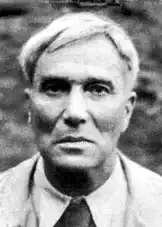
Boris Pasternak
White Night
White Night
I keep thinking of times that are long past,
Of a house in the Petersburg Quarter.
You had come from the steppeland Kursk Province,
Of a none-too-rich mother the daughter.
You were nice, you had many admirers.
On that distant white night we were sitting
On your window-sill, looking from high on
On the phantom-like scene of the city.
The street-lamps, like gauze butterflies fluttering,
Had been touched by the chill of the morning.
My soft words, as I opened my heart to you,
Matched the slumbering vistas before us.
We were plighted with timid fidelity
To the very same nebulous mystery
As the cityscape spreading unendingly
Far beyond the Neva, through the distances.
In that far-off impregnable wilderness,
Wrapped in springtime twilight ethereal,
Woodland glades and dense thickets were quivering
With mad nightingales' thunderous paeans.
Crazy resonant warbling ran riot,
And the voice of this plain-looking songster
Sowed derangement, ecstatic delight
In the depth of the mesmerised copsewood.
To those parts Night, a barefoot vagabond,
Stole its way along ditches and fences.
From our window-sill, after it tagging,
Was the trail of our cooed confidences.
To the words of this colloquy echoing
In the orchards beyond the tall palings
Spreading branches of apple and cherry trees
Swathed themselves in their pearly-white raiment.
And the trees, like so many pale phantoms,
Waved their farewell, along the road thronging,
To White Night, that all-seeing enchanter,
Who was now to North Regions withdrawing.
I keep thinking of times that are long past,
Of a house in the Petersburg Quarter.
You had come from the steppeland Kursk Province,
Of a none-too-rich mother the daughter.
You were nice, you had many admirers.
On that distant white night we were sitting
On your window-sill, looking from high on
On the phantom-like scene of the city.
The street-lamps, like gauze butterflies fluttering,
Had been touched by the chill of the morning.
My soft words, as I opened my heart to you,
Matched the slumbering vistas before us.
We were plighted with timid fidelity
To the very same nebulous mystery
As the cityscape spreading unendingly
Far beyond the Neva, through the distances.
In that far-off impregnable wilderness,
Wrapped in springtime twilight ethereal,
Woodland glades and dense thickets were quivering
With mad nightingales' thunderous paeans.
Crazy resonant warbling ran riot,
And the voice of this plain-looking songster
Sowed derangement, ecstatic delight
In the depth of the mesmerised copsewood.
To those parts Night, a barefoot vagabond,
Stole its way along ditches and fences.
From our window-sill, after it tagging,
Was the trail of our cooed confidences.
To the words of this colloquy echoing
In the orchards beyond the tall palings
Spreading branches of apple and cherry trees
Swathed themselves in their pearly-white raiment.
And the trees, like so many pale phantoms,
Waved their farewell, along the road thronging,
To White Night, that all-seeing enchanter,
Who was now to North Regions withdrawing.
620
Boris Pasternak
Spring (Fragment 3)
Spring (Fragment 3)
Is it only dirt you notice?
Does the thaw not catch your glance?
As a dapple-grey fine stallion
Does it not through ditches dance?
Is it only birds that chatter
In the blueness of the skies,
Sipping through the straws of sunrays
Lemon liturgies on ice?
Only look, and you will see it:
From the rooftops to the ground
Moscow, all day long, like Kitezh
Lies, in light-blue water drowned.
Why are all the roofs transparent
And the colours crystal-bright?
Bricks like rushes gently swaying,
Mornings rush into the night.
Like a bog the town is swampy
And the scabs of snow are rare.
February, like saturated
Cottonwool in spirits, flares.
This white flame wears out the garrets,
And the air, in the oblique
Interplace of twigs and birds, is
Naked, weightless and unique.
In such days the crowds of people
Knock you down; you are unknown,
Nameless; and your girl is with them,
But you, too, are not alone.
Is it only dirt you notice?
Does the thaw not catch your glance?
As a dapple-grey fine stallion
Does it not through ditches dance?
Is it only birds that chatter
In the blueness of the skies,
Sipping through the straws of sunrays
Lemon liturgies on ice?
Only look, and you will see it:
From the rooftops to the ground
Moscow, all day long, like Kitezh
Lies, in light-blue water drowned.
Why are all the roofs transparent
And the colours crystal-bright?
Bricks like rushes gently swaying,
Mornings rush into the night.
Like a bog the town is swampy
And the scabs of snow are rare.
February, like saturated
Cottonwool in spirits, flares.
This white flame wears out the garrets,
And the air, in the oblique
Interplace of twigs and birds, is
Naked, weightless and unique.
In such days the crowds of people
Knock you down; you are unknown,
Nameless; and your girl is with them,
But you, too, are not alone.
522
Boris Pasternak
Railway Station
Railway Station
My dear railway station, my treasure
Of meetings and partings, my friend
In times of hard trials and pleasure,
Your favours have been without end.
My scarf would wrap up my whole being -
The train would pull up, with deep sighs,
The muzzles of brash harpies, leering,
Would puff wet white steam in our eyes.
I'd sit at your side for a moment -
A hug and a kiss, brief and rough.
Farewell then, my joy and my torment.
I'm going, conductor, I'm off!
And, shunting bad weather and sleepers,
The west would break open-I'd feel
It grab me with snowflakes to keep me
From falling down under the wheels.
A whistle dies down, echoed weakly,
Another flies from distant tracks.
A train comes past bare platforms sweeping -
A blizzard of many hunched backs.
And twilight is rearing to go,
And, lured by the smoke and the steam,
The wind and the field rush and now
I wish I could be one of them!
My dear railway station, my treasure
Of meetings and partings, my friend
In times of hard trials and pleasure,
Your favours have been without end.
My scarf would wrap up my whole being -
The train would pull up, with deep sighs,
The muzzles of brash harpies, leering,
Would puff wet white steam in our eyes.
I'd sit at your side for a moment -
A hug and a kiss, brief and rough.
Farewell then, my joy and my torment.
I'm going, conductor, I'm off!
And, shunting bad weather and sleepers,
The west would break open-I'd feel
It grab me with snowflakes to keep me
From falling down under the wheels.
A whistle dies down, echoed weakly,
Another flies from distant tracks.
A train comes past bare platforms sweeping -
A blizzard of many hunched backs.
And twilight is rearing to go,
And, lured by the smoke and the steam,
The wind and the field rush and now
I wish I could be one of them!
498
Boris Pasternak
It's spring, I leave a street where poplars...
It's spring, I leave a street where poplars...
It's spring, I leave a street where poplars are astonished,
Where distance is alarmed and the house fears it may fall.
Where air is blue just like the linen bundle
A discharged patient takes from hospital,
Where dusk is empty, like a broken tale,
Abandoned by a star, without conclusion,
So that expressionless, unfathomable,
A thousand clamouring eyes are in confusion.
It's spring, I leave a street where poplars are astonished,
Where distance is alarmed and the house fears it may fall.
Where air is blue just like the linen bundle
A discharged patient takes from hospital,
Where dusk is empty, like a broken tale,
Abandoned by a star, without conclusion,
So that expressionless, unfathomable,
A thousand clamouring eyes are in confusion.
337

Billy Collins
Neither Snow
Neither Snow
When all of a sudden the city air filled with snow,
the distinguishable flakes
blowing sideways,
looked like krill
fleeing the maw of an advancing whale.
At least they looked that way to me
from the taxi window,
and since I happened to be sitting
that fading Sunday afternoon
in the very center of the universe,
who was in a better position
to say what looked like what,
which thing resembled some other?
Yes, it was a run of white plankton
borne down the Avenue of the Americas
in the stream of the wind,
phosphorescent against the weighty buildings.
Which made the taxi itself,
yellow and slow-moving,
a kind of undersea creature,
I thought as I wiped the fog from the glass,
and me one of its protruding eyes,
an eye on a stem
swiveling this way and that
monitoring one side of its world,
observing tons of water
tons of people
colored signs and lights
and now a wildly blowing race of snow.
When all of a sudden the city air filled with snow,
the distinguishable flakes
blowing sideways,
looked like krill
fleeing the maw of an advancing whale.
At least they looked that way to me
from the taxi window,
and since I happened to be sitting
that fading Sunday afternoon
in the very center of the universe,
who was in a better position
to say what looked like what,
which thing resembled some other?
Yes, it was a run of white plankton
borne down the Avenue of the Americas
in the stream of the wind,
phosphorescent against the weighty buildings.
Which made the taxi itself,
yellow and slow-moving,
a kind of undersea creature,
I thought as I wiped the fog from the glass,
and me one of its protruding eyes,
an eye on a stem
swiveling this way and that
monitoring one side of its world,
observing tons of water
tons of people
colored signs and lights
and now a wildly blowing race of snow.
257
Billy Collins
Man Listening To Disc
Man Listening To Disc
This is not bad -ambling
along 44th Street
with Sonny Rollins for company,
his music flowing through the soft calipers
of these earphones,
as if he were right beside me
on this clear day in March,
the pavement sparkling with sunlight,
pigeons fluttering off the curb,
nodding over a profusion of bread crumbs.
In fact, I would say
my delight at being suffused
with phrases from his saxophone -some
like honey, some like vinegar -is
surpassed only by my gratitude
to Tommy Potter for taking the time
to join us on this breezy afternoon
with his most unwieldy bass
and to the esteemed Arthur Taylor
who is somehow managing to navigate
this crowd with his cumbersome drums.
And I bow deeply to Thelonious Monk
for figuring out a way
to motorize -- or whatever -- his huge piano
so he could be with us today.
This music is loud yet so confidential.
I cannot help feeling even more
like the center of the universe
than usual as I walk along to a rapid
little version of "The Way You Look Tonight,"
and all I can say to my fellow pedestrians,
to the woman in the white sweater,
the man in the tan raincoat and the heavy glasses,
who mistake themselves for the center of the universe -all
I can say is watch your step,
because the five of us, instruments and all,
are about to angle over
to the south side of the street
and then, in our own tightly knit way,
turn the corner at Sixth Avenue.
And if any of you are curious
about where this aggregation,
this whole battery-powered crew,
is headed, let us just say
that the real center of the universe,
the only true point of view,
is full of hope that he,
the hub of the cosmos
with his hair blown sideways,
will eventually make it all the way downtown.
This is not bad -ambling
along 44th Street
with Sonny Rollins for company,
his music flowing through the soft calipers
of these earphones,
as if he were right beside me
on this clear day in March,
the pavement sparkling with sunlight,
pigeons fluttering off the curb,
nodding over a profusion of bread crumbs.
In fact, I would say
my delight at being suffused
with phrases from his saxophone -some
like honey, some like vinegar -is
surpassed only by my gratitude
to Tommy Potter for taking the time
to join us on this breezy afternoon
with his most unwieldy bass
and to the esteemed Arthur Taylor
who is somehow managing to navigate
this crowd with his cumbersome drums.
And I bow deeply to Thelonious Monk
for figuring out a way
to motorize -- or whatever -- his huge piano
so he could be with us today.
This music is loud yet so confidential.
I cannot help feeling even more
like the center of the universe
than usual as I walk along to a rapid
little version of "The Way You Look Tonight,"
and all I can say to my fellow pedestrians,
to the woman in the white sweater,
the man in the tan raincoat and the heavy glasses,
who mistake themselves for the center of the universe -all
I can say is watch your step,
because the five of us, instruments and all,
are about to angle over
to the south side of the street
and then, in our own tightly knit way,
turn the corner at Sixth Avenue.
And if any of you are curious
about where this aggregation,
this whole battery-powered crew,
is headed, let us just say
that the real center of the universe,
the only true point of view,
is full of hope that he,
the hub of the cosmos
with his hair blown sideways,
will eventually make it all the way downtown.
316
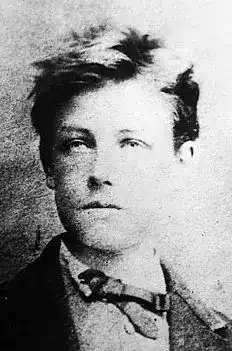
Arthur Rimbaud
The Parisian Orgy
The Parisian Orgy
O cowards! There she is!
Pile out into the stations!
The sun with its fiery lungs blew clear
the boulevards that, one evening,
the Barbarians filled.
Here is the holy City, seated in the West! Come!
We'll stave off the return of the fires;
here are the quays, here are the boulevards,
here are the houses against the pale,
radiant blue-starred, one evening,
by the red flashes of bombs!
Hide the dead places with forests of planks!
Affrighted, the dying daylight freshens your looks.
Look at the red-headed troop of the wrigglers of hips:
be mad, you'll be comical, being haggard!
Pack of bitches on heat, eating poultices:
the cry from the houses of gold calls you!
Plunder! Eat! See the night of joy and deep twitchings
coming down on the street.
O desolate drinkers, Drink! When the light comes,
intense and crazed, to ransack round you the rustling luxuries,
you're not going to dribbe into your glasses
without motion or sound, with your eyes lost in white distances?
Knock it back: to the Queen whose buttocks cascade in folds!
Listen to the working of stupid tearing hiccups!
Listen to them leaping n the fiery night:
the panting idiots, the aged, the nonentities, the lackeys!
O hearts of filth, appalling mouths;
work harder, mouths of foul stenches!
Wine for these ignoble torpors, at these tables…
Your bellies are melting with shame, O Conquerors!
Open your nostrils to these superb nauseas!
Steep the tendons of your necks in strong poisons!
Laying his crossed hands on the napes of your childish necks,
the Poet says to you: 'O cowards! Be mad!
Because you are ransacking the guts of Woman,
you fear another convulsion from her, crying out,
and stifling your infamous perching on her breast with a horrible pressure.
Syphilitics, madmen, kings, puppets, ventriloquists!
What can you matter to Paris the whore?
Your souls or your bodies, your poisons or your rags?
She'll shake you off, you pox-rotten snarlers!
And when you are down, whimpering on your bellies,
your sides wrung, clamouring for your money back, distracted,
the red harlot with her breasts swelling
with battles will clench her hard fists,
far removed from your stupor!'
When your feet, Paris, danced so hard in anger!
When you had so many knife wounds; when you lay helpless,
still retaining in your clear eyes a little of the goodness
of the tawny spring; O city in pain;
O city almost dead, with your face and your two breasts
pointing towards the Future
which opens to your pallor its thousand million gates;
city whom the dark Past could bless:
Body galvanized back to life to suffer tremendous pains,
you are drinking in dreadful life once more!
You feel he ghastly pale worms flooding back in your veins,
the icy fingers prowling on your unclouded love!
And it does you no harm.
The worms, the pale worms, will obstruct your breath of Progress no more
than the Stryx could extinguish the eyes of the Caryatides,
from whose blue sills fell tears of sidereal gold.
Although it is frightful to see you again
covered in this fashion; although no city was ever made
into a more foul-smelling ulcer
on the face of green Nature, the Poet says to you:
'Your beauty is Marvelous!' The tempest sealed you in supreme poetry;
the huge stirring of strength comes to your aid;
your work comes to the boil, death groans, O chosen City!
Hoard in your heart the stridors of the ominous trumpet.
The Poet will take the sobs of the Infamous
the hate of the Galley-slaves, the clamour of the Damned;
and the beams of his love will scourge Womankind.
His verses will leap out: There's for you! There! Villains! -Society,
and everything, is restored: - the orgies are weeping
with dry sobs in the old brothels:
and on the reddened walls the gaslights in frenzy flare
balefully upwards to the wan blue skies!
O cowards! There she is!
Pile out into the stations!
The sun with its fiery lungs blew clear
the boulevards that, one evening,
the Barbarians filled.
Here is the holy City, seated in the West! Come!
We'll stave off the return of the fires;
here are the quays, here are the boulevards,
here are the houses against the pale,
radiant blue-starred, one evening,
by the red flashes of bombs!
Hide the dead places with forests of planks!
Affrighted, the dying daylight freshens your looks.
Look at the red-headed troop of the wrigglers of hips:
be mad, you'll be comical, being haggard!
Pack of bitches on heat, eating poultices:
the cry from the houses of gold calls you!
Plunder! Eat! See the night of joy and deep twitchings
coming down on the street.
O desolate drinkers, Drink! When the light comes,
intense and crazed, to ransack round you the rustling luxuries,
you're not going to dribbe into your glasses
without motion or sound, with your eyes lost in white distances?
Knock it back: to the Queen whose buttocks cascade in folds!
Listen to the working of stupid tearing hiccups!
Listen to them leaping n the fiery night:
the panting idiots, the aged, the nonentities, the lackeys!
O hearts of filth, appalling mouths;
work harder, mouths of foul stenches!
Wine for these ignoble torpors, at these tables…
Your bellies are melting with shame, O Conquerors!
Open your nostrils to these superb nauseas!
Steep the tendons of your necks in strong poisons!
Laying his crossed hands on the napes of your childish necks,
the Poet says to you: 'O cowards! Be mad!
Because you are ransacking the guts of Woman,
you fear another convulsion from her, crying out,
and stifling your infamous perching on her breast with a horrible pressure.
Syphilitics, madmen, kings, puppets, ventriloquists!
What can you matter to Paris the whore?
Your souls or your bodies, your poisons or your rags?
She'll shake you off, you pox-rotten snarlers!
And when you are down, whimpering on your bellies,
your sides wrung, clamouring for your money back, distracted,
the red harlot with her breasts swelling
with battles will clench her hard fists,
far removed from your stupor!'
When your feet, Paris, danced so hard in anger!
When you had so many knife wounds; when you lay helpless,
still retaining in your clear eyes a little of the goodness
of the tawny spring; O city in pain;
O city almost dead, with your face and your two breasts
pointing towards the Future
which opens to your pallor its thousand million gates;
city whom the dark Past could bless:
Body galvanized back to life to suffer tremendous pains,
you are drinking in dreadful life once more!
You feel he ghastly pale worms flooding back in your veins,
the icy fingers prowling on your unclouded love!
And it does you no harm.
The worms, the pale worms, will obstruct your breath of Progress no more
than the Stryx could extinguish the eyes of the Caryatides,
from whose blue sills fell tears of sidereal gold.
Although it is frightful to see you again
covered in this fashion; although no city was ever made
into a more foul-smelling ulcer
on the face of green Nature, the Poet says to you:
'Your beauty is Marvelous!' The tempest sealed you in supreme poetry;
the huge stirring of strength comes to your aid;
your work comes to the boil, death groans, O chosen City!
Hoard in your heart the stridors of the ominous trumpet.
The Poet will take the sobs of the Infamous
the hate of the Galley-slaves, the clamour of the Damned;
and the beams of his love will scourge Womankind.
His verses will leap out: There's for you! There! Villains! -Society,
and everything, is restored: - the orgies are weeping
with dry sobs in the old brothels:
and on the reddened walls the gaslights in frenzy flare
balefully upwards to the wan blue skies!
630
Arthur Rimbaud
The Bridges
The Bridges
Skies the gray of crystal.
A strange design of bridges,
some straight, some arched,
others descending at oblique angles to the first;
and these figures recurring
in other lighted circuits of the canal,
but all so long and light that the banks,
laden with domes, sink and shrink.
A few of these bridges
are still covered with hovels,
others support polls,
signals, frail parapets.
Minor chords cross
each other and disappear;
ropes rise from the shore.
One can make out a red coat,
possibly other costumes
and musical instruments.
Are these popular tunes,
snatches of seigniorial concerts,
remnants of public hymns?
The water is gray and blue,
wide as an arm of the sea.
A white ray falling from high
in the sky destroys this comedy.
Skies the gray of crystal.
A strange design of bridges,
some straight, some arched,
others descending at oblique angles to the first;
and these figures recurring
in other lighted circuits of the canal,
but all so long and light that the banks,
laden with domes, sink and shrink.
A few of these bridges
are still covered with hovels,
others support polls,
signals, frail parapets.
Minor chords cross
each other and disappear;
ropes rise from the shore.
One can make out a red coat,
possibly other costumes
and musical instruments.
Are these popular tunes,
snatches of seigniorial concerts,
remnants of public hymns?
The water is gray and blue,
wide as an arm of the sea.
A white ray falling from high
in the sky destroys this comedy.
542