

Poems
City and Everyday Life
Poems in this topic
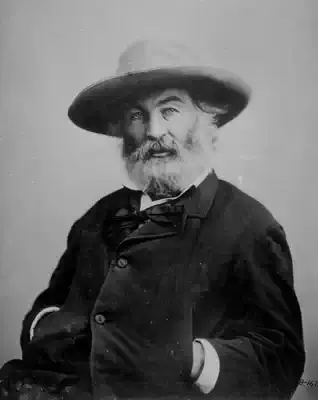
Walt Whitman
Cavalry Crossing A Ford
Cavalry Crossing A Ford
A LINE in long array, where they wind betwixt green islands;
They take a serpentine course--their arms flash in the sun--Hark to
the musical clank;
Behold the silvery river--in it the splashing horses, loitering, stop
to drink;
Behold the brown-faced men--each group, each person, a picture--the
negligent rest on the saddles;
Some emerge on the opposite bank--others are just entering the ford-
while,
Scarlet, and blue, and snowy white,
The guidon flags flutter gaily in the wind.
A LINE in long array, where they wind betwixt green islands;
They take a serpentine course--their arms flash in the sun--Hark to
the musical clank;
Behold the silvery river--in it the splashing horses, loitering, stop
to drink;
Behold the brown-faced men--each group, each person, a picture--the
negligent rest on the saddles;
Some emerge on the opposite bank--others are just entering the ford-
while,
Scarlet, and blue, and snowy white,
The guidon flags flutter gaily in the wind.
468
Walt Whitman
A Farm-Picture
A Farm-Picture
THROUGH the ample open door of the peaceful country barn,
A sun-lit pasture field, with cattle and horses feeding;
And haze, and vista, and the far horizon, fading away.
THROUGH the ample open door of the peaceful country barn,
A sun-lit pasture field, with cattle and horses feeding;
And haze, and vista, and the far horizon, fading away.
522
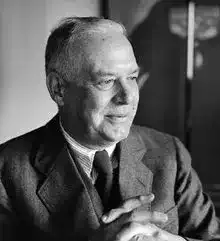
Wallace Stevens
The Man Whose Pharynx Was Bad
The Man Whose Pharynx Was Bad
The time of year has grown indifferent.
Mildew of summer and the deepening snow
Are both alike in the routine I know:
I am too dumbly in my being pent.
The wind attendant on the solstices
Blows on the shutters of the metropoles,
Stirring no poet in his sleep, and tolls
The grand ideas of the villages.
The malady of the quotidian . . .
Perhaps if summer ever came to rest
And lengthened, deepened, comforted, caressed
Through days like oceans in obsidian
Horizons, full of night's midsummer blaze;
Perhaps, if winter once could penetrate
Through all its purples to the final slate,
Persisting bleakly in an icy haze;
One might in turn become less diffident,
Out of such mildew plucking neater mould
And spouting new orations of the cold.
One might. One might. But time will not relent.
The time of year has grown indifferent.
Mildew of summer and the deepening snow
Are both alike in the routine I know:
I am too dumbly in my being pent.
The wind attendant on the solstices
Blows on the shutters of the metropoles,
Stirring no poet in his sleep, and tolls
The grand ideas of the villages.
The malady of the quotidian . . .
Perhaps if summer ever came to rest
And lengthened, deepened, comforted, caressed
Through days like oceans in obsidian
Horizons, full of night's midsummer blaze;
Perhaps, if winter once could penetrate
Through all its purples to the final slate,
Persisting bleakly in an icy haze;
One might in turn become less diffident,
Out of such mildew plucking neater mould
And spouting new orations of the cold.
One might. One might. But time will not relent.
327
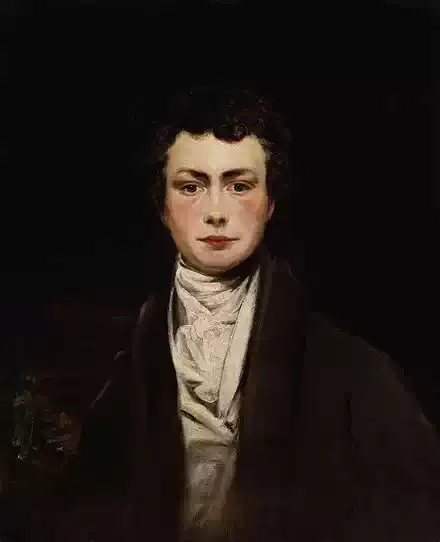
Thomas Moore
Memorabilia of Last Week
Memorabilia of Last Week
Monday, March ,
The Budget - quite charming and witty - no hearing,
For plaudits and laughs, the good things that were in it; --
Great comfort to find, though the Speech isn't cheering,
That all its gay auditors were, every minute.
What, still more prosperity! - mercy upon us,
"This boy'll be the death of me" - oft as, already,
Such smooth Budgeteers have genteelly undone us,
For Ruin made easy there's no one like Freddy.
Tuesday
Much grave apprehension express'd by the Peers,
Lest -- calling to life the old Peachums and Lockitts --
The large stock of gold we're to have in three years,
Should all find its way into highwayman's pockets![]
Wednesday
Little doing - for sacred, oh Wednesday, thou art
To the seven-o'-clock joys of full many a table --
When the Members all meet, to make much of that part
With which they so rashly fell out in the Fable.
It appear'd, though, to-night, that - as churchwardens, yearly,
Eat up a small baby - those cormorant sinners,
The Bankrupt-Commissioners bolt very nearly
A moderate-siz'd bankrupt, tout chaud, for their dinners![]
Nota bene - a rumour to-day, in the City,
"Mr. R-b-ns-n just has resign'd" - what a pity!
The Bulls and the Bears all fell a sobbing,
When they heard of the fate of poor Cock Robin;
While thus, to the nursery tune, so pretty,
A murmuring Stock-dove breath'd her ditty: --
"Alas, poor Robin, he crow'd as long
And as sweet as a prosperous Cock could crow;
Was a pitch too high for Robin to go.
Who'll make his shroud?"
"I," said the Bank, "though he play'd me a prank,
When I have a rag, poor Rob shall be roll'd in 't,
With many a pound I'll paper him round,
Like a plump rouleau - without the gold in 't."
Monday, March ,
The Budget - quite charming and witty - no hearing,
For plaudits and laughs, the good things that were in it; --
Great comfort to find, though the Speech isn't cheering,
That all its gay auditors were, every minute.
What, still more prosperity! - mercy upon us,
"This boy'll be the death of me" - oft as, already,
Such smooth Budgeteers have genteelly undone us,
For Ruin made easy there's no one like Freddy.
Tuesday
Much grave apprehension express'd by the Peers,
Lest -- calling to life the old Peachums and Lockitts --
The large stock of gold we're to have in three years,
Should all find its way into highwayman's pockets![]
Wednesday
Little doing - for sacred, oh Wednesday, thou art
To the seven-o'-clock joys of full many a table --
When the Members all meet, to make much of that part
With which they so rashly fell out in the Fable.
It appear'd, though, to-night, that - as churchwardens, yearly,
Eat up a small baby - those cormorant sinners,
The Bankrupt-Commissioners bolt very nearly
A moderate-siz'd bankrupt, tout chaud, for their dinners![]
Nota bene - a rumour to-day, in the City,
"Mr. R-b-ns-n just has resign'd" - what a pity!
The Bulls and the Bears all fell a sobbing,
When they heard of the fate of poor Cock Robin;
While thus, to the nursery tune, so pretty,
A murmuring Stock-dove breath'd her ditty: --
"Alas, poor Robin, he crow'd as long
And as sweet as a prosperous Cock could crow;
Was a pitch too high for Robin to go.
Who'll make his shroud?"
"I," said the Bank, "though he play'd me a prank,
When I have a rag, poor Rob shall be roll'd in 't,
With many a pound I'll paper him round,
Like a plump rouleau - without the gold in 't."
151
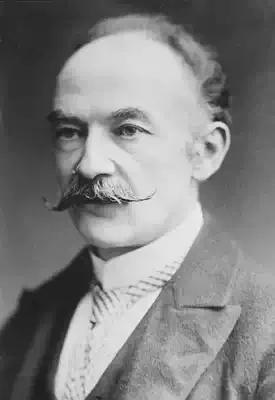
Thomas Hardy
Weathers
Weathers
This is the weather the cuckoo likes,
And so do I;
When showers betumble the chestnut spikes,
And nestlings fly;
And the little brown nightingale bills his best,
And they sit outside at 'The Traveller's Rest,'
And maids come forth sprig-muslin drest,
And citizens dream of the south and west,
And so do I.
This is the weather the shepherd shuns,
And so do I;
When beeches drip in browns and duns,
And thresh and ply;
And hill-hid tides throb, throe on throe,
And meadow rivulets overflow,
And drops on gate bars hang in a row,
And rooks in families homeward go,
And so do I.
This is the weather the cuckoo likes,
And so do I;
When showers betumble the chestnut spikes,
And nestlings fly;
And the little brown nightingale bills his best,
And they sit outside at 'The Traveller's Rest,'
And maids come forth sprig-muslin drest,
And citizens dream of the south and west,
And so do I.
This is the weather the shepherd shuns,
And so do I;
When beeches drip in browns and duns,
And thresh and ply;
And hill-hid tides throb, throe on throe,
And meadow rivulets overflow,
And drops on gate bars hang in a row,
And rooks in families homeward go,
And so do I.
170
Thomas Hardy
Rome: Building a New Street in the Ancient Quarter.
Rome: Building a New Street in the Ancient Quarter.
These numbered cliffs and gnarls of masonry
Outskeleton Time's central city, Rome;
Whereof each arch, entablature, and dome
Lies bare in all its gaunt anatomy.
And cracking frieze and rotten metope
Express, as though they were an open tome
Top-lined with caustic monitory gnome;
"Dunces, Learn here to spell Humanity!"
And yet within these ruins' very shade
The singing workmen shape and set and join
Their frail new mansion's stuccoed cove and quoin
With no apparent sense that years abrade,
Though each rent wall their feeble works invade
Once shamed all such in power of pier and groin.
These numbered cliffs and gnarls of masonry
Outskeleton Time's central city, Rome;
Whereof each arch, entablature, and dome
Lies bare in all its gaunt anatomy.
And cracking frieze and rotten metope
Express, as though they were an open tome
Top-lined with caustic monitory gnome;
"Dunces, Learn here to spell Humanity!"
And yet within these ruins' very shade
The singing workmen shape and set and join
Their frail new mansion's stuccoed cove and quoin
With no apparent sense that years abrade,
Though each rent wall their feeble works invade
Once shamed all such in power of pier and groin.
199
Thomas Hardy
Genoa and the Mediterranean.
Genoa and the Mediterranean.
O epic-famed, god-haunted Central Sea,
Heave careless of the deep wrong done to thee
When from Torino's track I saw thy face first flash on me.
And multimarbled Genova the Proud,
Gleam all unconscious how, wide-lipped, up-browed,
I first beheld thee clad--not as the Beauty but the Dowd.
Out from a deep-delved way my vision lit
On housebacks pink, green, ochreous--where a slit
Shoreward 'twixt row and row revealed the classic blue through it.
And thereacross waved fishwives' high-hung smocks,
Chrome kerchiefs, scarlet hose, darned underfrocks;
Since when too oft my dreams of thee, O Queen, that frippery mocks:
Whereat I grieve, Superba! . . . Afterhours
Within Palazzo Doria's orange bowers
Went far to mend these marrings of thy soul-subliming powers.
But, Queen, such squalid undress none should see,
Those dream-endangering eyewounds no more be
Where lovers first behold thy form in pilgrimage to thee.
O epic-famed, god-haunted Central Sea,
Heave careless of the deep wrong done to thee
When from Torino's track I saw thy face first flash on me.
And multimarbled Genova the Proud,
Gleam all unconscious how, wide-lipped, up-browed,
I first beheld thee clad--not as the Beauty but the Dowd.
Out from a deep-delved way my vision lit
On housebacks pink, green, ochreous--where a slit
Shoreward 'twixt row and row revealed the classic blue through it.
And thereacross waved fishwives' high-hung smocks,
Chrome kerchiefs, scarlet hose, darned underfrocks;
Since when too oft my dreams of thee, O Queen, that frippery mocks:
Whereat I grieve, Superba! . . . Afterhours
Within Palazzo Doria's orange bowers
Went far to mend these marrings of thy soul-subliming powers.
But, Queen, such squalid undress none should see,
Those dream-endangering eyewounds no more be
Where lovers first behold thy form in pilgrimage to thee.
202
Ted Hughes
Work and Play
Work and Play
The swallow of summer, she toils all the summer,
A blue-dark knot of glittering voltage,
A whiplash swimmer, a fish of the air.
But the serpent of cars that crawls through the dust
In shimmering exhaust
Searching to slake
Its fever in ocean
Will play and be idle or else it will bust.
The swallow of summer, the barbed harpoon,
She flings from the furnace, a rainbow of purples,
Dips her glow in the pond and is perfect.
But the serpent of cars that collapsed on the beach
Disgorges its organs
A scamper of colours
Which roll like tomatoes
Nude as tomatoes
With sand in their creases
To cringe in the sparkle of rollers and screech.
The swallow of summer, the seamstress of summer,
She scissors the blue into shapes and she sews it,
She draws a long thread and she knots it at the corners.
But the holiday people
Are laid out like wounded
Flat as in ovens
Roasting and basting
With faces of torment as space burns them blue
Their heads are transistors
Their teeth grit on sand grains
Their lost kids are squalling
While man-eating flies
Jab electric shock needles but what can they do?
They can climb in their cars with raw bodies, raw faces
And start up the serpent
And headache it homeward
A car full of squabbles
And sobbing and stickiness
With sand in their crannies
Inhaling petroleum
That pours from the foxgloves
While the evening swallow
The swallow of summer, cartwheeling through crimson,
Touches the honey-slow river and turning
Returns to the hand stretched from under the eaves -
A boomerang of rejoicing shadow.
The swallow of summer, she toils all the summer,
A blue-dark knot of glittering voltage,
A whiplash swimmer, a fish of the air.
But the serpent of cars that crawls through the dust
In shimmering exhaust
Searching to slake
Its fever in ocean
Will play and be idle or else it will bust.
The swallow of summer, the barbed harpoon,
She flings from the furnace, a rainbow of purples,
Dips her glow in the pond and is perfect.
But the serpent of cars that collapsed on the beach
Disgorges its organs
A scamper of colours
Which roll like tomatoes
Nude as tomatoes
With sand in their creases
To cringe in the sparkle of rollers and screech.
The swallow of summer, the seamstress of summer,
She scissors the blue into shapes and she sews it,
She draws a long thread and she knots it at the corners.
But the holiday people
Are laid out like wounded
Flat as in ovens
Roasting and basting
With faces of torment as space burns them blue
Their heads are transistors
Their teeth grit on sand grains
Their lost kids are squalling
While man-eating flies
Jab electric shock needles but what can they do?
They can climb in their cars with raw bodies, raw faces
And start up the serpent
And headache it homeward
A car full of squabbles
And sobbing and stickiness
With sand in their crannies
Inhaling petroleum
That pours from the foxgloves
While the evening swallow
The swallow of summer, cartwheeling through crimson,
Touches the honey-slow river and turning
Returns to the hand stretched from under the eaves -
A boomerang of rejoicing shadow.
346

Siegfried Sassoon
The Goldsmith
The Goldsmith
This job’s the best I’ve done.’ He bent his head
Over the golden vessel that he’d wrought.
A bird was singing. But the craftsman’s thought
Is a forgotten language, lost and dead.
He sighed and stretch’d brown arms. His friend came in
And stood beside him in the morning sun.
The goldwork glitter’d.... ‘That’s the best I’ve done.
‘And now I’ve got a necklace to begin.’
This was at Gnossos, in the isle of Crete...
A girl was selling flowers along the street.
This job’s the best I’ve done.’ He bent his head
Over the golden vessel that he’d wrought.
A bird was singing. But the craftsman’s thought
Is a forgotten language, lost and dead.
He sighed and stretch’d brown arms. His friend came in
And stood beside him in the morning sun.
The goldwork glitter’d.... ‘That’s the best I’ve done.
‘And now I’ve got a necklace to begin.’
This was at Gnossos, in the isle of Crete...
A girl was selling flowers along the street.
106
Siegfried Sassoon
Parted
Parted
Sleepless I listen to the surge and drone
And drifting roar of the town’s undertone;
Till through quiet falling rain I hear the bells
Tolling and chiming their brief tune that tells
Day’s midnight end. And from the day that’s over
No flashes of delight I can recover;
But only dreary winter streets, and faces
Of people moving in loud clanging places:
And I in my loneliness, longing for you...
For all I did to-day, and all I’ll do
To-morrow, in this city of intense
Arteried activities that throb and strive,
Is but a beating down of that suspense
Which holds me from your arms.
I am alive
Only that I may find you at the end
Of these slow-striking hours I toil to spend,
Putting each one behind me, knowing but this—
That all my days are turning toward your kiss;
That all expectancy awaits the deep
Consoling passion of your eyes, that keep
Their radiance for my coming, and their peace
For when I find in you my love’s release.
Sleepless I listen to the surge and drone
And drifting roar of the town’s undertone;
Till through quiet falling rain I hear the bells
Tolling and chiming their brief tune that tells
Day’s midnight end. And from the day that’s over
No flashes of delight I can recover;
But only dreary winter streets, and faces
Of people moving in loud clanging places:
And I in my loneliness, longing for you...
For all I did to-day, and all I’ll do
To-morrow, in this city of intense
Arteried activities that throb and strive,
Is but a beating down of that suspense
Which holds me from your arms.
I am alive
Only that I may find you at the end
Of these slow-striking hours I toil to spend,
Putting each one behind me, knowing but this—
That all my days are turning toward your kiss;
That all expectancy awaits the deep
Consoling passion of your eyes, that keep
Their radiance for my coming, and their peace
For when I find in you my love’s release.
91
Siegfried Sassoon
Morning Express
Morning Express
Along the wind-swept platform, pinched and white,
The travellers stand in pools of wintry light,
Offering themselves to morn’s long, slanting arrows.
The train’s due; porters trundle laden barrows.
The train steams in, volleying resplendent clouds
Of sun-blown vapour. Hither and about,
Scared people hurry, storming the doors in crowds.
The officials seem to waken with a shout,
Resolved to hoist and plunder; some to the vans
Leap; others rumble the milk in gleaming cans.
Boys, indolent-eyed, from baskets leaning back,
Question each face; a man with a hammer steals
Stooping from coach to coach; with clang and clack
Touches and tests, and listens to the wheels.
Guard sounds a warning whistle, points to the clock
With brandished flag, and on his folded flock
Claps the last door: the monster grunts: ‘Enough!’
Tightening his load of links with pant and puff.
Under the arch, then forth into blue day,
Glide the processional windows on their way,
And glimpse the stately folk who sit at ease
To view the world like kings taking the seas
in prosperous weather: drifting banners tell
Their progress to the counties; with them goes
The clamour of their journeying; while those
Who sped them stand to wave a last farewell.
Along the wind-swept platform, pinched and white,
The travellers stand in pools of wintry light,
Offering themselves to morn’s long, slanting arrows.
The train’s due; porters trundle laden barrows.
The train steams in, volleying resplendent clouds
Of sun-blown vapour. Hither and about,
Scared people hurry, storming the doors in crowds.
The officials seem to waken with a shout,
Resolved to hoist and plunder; some to the vans
Leap; others rumble the milk in gleaming cans.
Boys, indolent-eyed, from baskets leaning back,
Question each face; a man with a hammer steals
Stooping from coach to coach; with clang and clack
Touches and tests, and listens to the wheels.
Guard sounds a warning whistle, points to the clock
With brandished flag, and on his folded flock
Claps the last door: the monster grunts: ‘Enough!’
Tightening his load of links with pant and puff.
Under the arch, then forth into blue day,
Glide the processional windows on their way,
And glimpse the stately folk who sit at ease
To view the world like kings taking the seas
in prosperous weather: drifting banners tell
Their progress to the counties; with them goes
The clamour of their journeying; while those
Who sped them stand to wave a last farewell.
85
Siegfried Sassoon
Morning-Land
Morning-Land
Old English songs, you bring to me
A simple sweetness somewhat kin
To birds that through the mystery
Of earliest morn make tuneful din,
While hamlet steeples sleepily
At cock-crow chime out three and four,
Till maids get up betime and go
With faces like the red sun low
Clattering about the dairy floor.
Old English songs, you bring to me
A simple sweetness somewhat kin
To birds that through the mystery
Of earliest morn make tuneful din,
While hamlet steeples sleepily
At cock-crow chime out three and four,
Till maids get up betime and go
With faces like the red sun low
Clattering about the dairy floor.
97
Sarojini Naidu
Street Cries
Street Cries
WHEN dawn's first cymbals beat upon the sky,
Rousing the world to labour's various cry,
To tend the flock, to bind the mellowing grain,
From ardent toil to forge a little gain,
And fasting men go forth on hurrying feet,
Buy bread, buy bread, rings down the eager street.
When the earth falters and the waters swoon
With the implacable radiance of noon,
And in dim shelters koïls hush their notes,
And the faint, thirsting blood in languid throats
Craves liquid succour from the cruel heat,
Buy fruit, buy fruit, steals down the panting street.
When twilight twinkling o'er the gay bazaars,
Unfurls a sudden canopy of stars,
When lutes are strung and fragrant torches lit
On white roof-terraces where lovers sit
Drinking together of life's poignant sweet,
Buy flowers, buy flowers, floats down the singing street.
WHEN dawn's first cymbals beat upon the sky,
Rousing the world to labour's various cry,
To tend the flock, to bind the mellowing grain,
From ardent toil to forge a little gain,
And fasting men go forth on hurrying feet,
Buy bread, buy bread, rings down the eager street.
When the earth falters and the waters swoon
With the implacable radiance of noon,
And in dim shelters koïls hush their notes,
And the faint, thirsting blood in languid throats
Craves liquid succour from the cruel heat,
Buy fruit, buy fruit, steals down the panting street.
When twilight twinkling o'er the gay bazaars,
Unfurls a sudden canopy of stars,
When lutes are strung and fragrant torches lit
On white roof-terraces where lovers sit
Drinking together of life's poignant sweet,
Buy flowers, buy flowers, floats down the singing street.
685

Sarah Teasdale
Sunset: St. Louis
Sunset: St. Louis
Hushed in the smoky haze of summer sunset,
When I came home again from far-off places,
How many times I saw my western city
Dream by her river.
Then for an hour the water wore a mantle
Of tawny gold and mauve and misted turquoise
Under the tall and darkened arches bearing
Gray, high-flung bridges.
Against the sunset, water-towers and steeples
Flickered with fire up the slope to westward,
And old warehouses poured their purple shadows
Across the levee.
High over them the black train swept with thunder,
Cleaving the city, leaving far beneath it
Wharf-boats moored beside the old side-wheelers
Resting in twilight.
Hushed in the smoky haze of summer sunset,
When I came home again from far-off places,
How many times I saw my western city
Dream by her river.
Then for an hour the water wore a mantle
Of tawny gold and mauve and misted turquoise
Under the tall and darkened arches bearing
Gray, high-flung bridges.
Against the sunset, water-towers and steeples
Flickered with fire up the slope to westward,
And old warehouses poured their purple shadows
Across the levee.
High over them the black train swept with thunder,
Cleaving the city, leaving far beneath it
Wharf-boats moored beside the old side-wheelers
Resting in twilight.
397
Sarah Teasdale
Lights
Lights
When we come home at night and close the door,
Standing together in the shadowy room,
Safe in our own love and the gentle gloom,
Glad of familiar wall and chair and floor,
Glad to leave far below the clanging city;
Looking far downward to the glaring street
Gaudy with light, yet tired with many feet,
In both of us wells up a wordless pity;
Men have tried hard to put away the dark;
A million lighted windows brilliantly
Inlay with squares of gold the winter night,
But to us standing here there comes the stark
Sense of the lives behind each yellow light,
And not one wholly joyous, proud, or free.
When we come home at night and close the door,
Standing together in the shadowy room,
Safe in our own love and the gentle gloom,
Glad of familiar wall and chair and floor,
Glad to leave far below the clanging city;
Looking far downward to the glaring street
Gaudy with light, yet tired with many feet,
In both of us wells up a wordless pity;
Men have tried hard to put away the dark;
A million lighted windows brilliantly
Inlay with squares of gold the winter night,
But to us standing here there comes the stark
Sense of the lives behind each yellow light,
And not one wholly joyous, proud, or free.
448
Sarah Teasdale
Faces
Faces
People that I meet and pass
In the city's broken roar,
Faces that I lose so soon
And have never found before,
Do you know how much you tell
In the meeting of our eyes,
How ashamed I am, and sad
To have pierced your poor disguise?
Secrets rushing without sound
Crying from your hiding places --
Let me go, I cannot bear
The sorrow of the passing faces.
-- People in the restless street,
Can it be, oh can it be
In the meeting of our eyes
That you know as much of me?
People that I meet and pass
In the city's broken roar,
Faces that I lose so soon
And have never found before,
Do you know how much you tell
In the meeting of our eyes,
How ashamed I am, and sad
To have pierced your poor disguise?
Secrets rushing without sound
Crying from your hiding places --
Let me go, I cannot bear
The sorrow of the passing faces.
-- People in the restless street,
Can it be, oh can it be
In the meeting of our eyes
That you know as much of me?
374
Sarah Teasdale
A November Night
A November Night
There! See the line of lights,
A chain of stars down either side the street --
Why can't you lift the chain and give it to me,
A necklace for my throat? I'd twist it round
And you could play with it. You smile at me
As though I were a little dreamy child
Behind whose eyes the fairies live. . . . And see,
The people on the street look up at us
All envious. We are a king and queen,
Our royal carriage is a motor bus,
We watch our subjects with a haughty joy. . . .
How still you are! Have you been hard at work
And are you tired to-night? It is so long
Since I have seen you -- four whole days, I think.
My heart is crowded full of foolish thoughts
Like early flowers in an April meadow,
And I must give them to you, all of them,
Before they fade. The people I have met,
The play I saw, the trivial, shifting things
That loom too big or shrink too little, shadows
That hurry, gesturing along a wall,
Haunting or gay -- and yet they all grow real
And take their proper size here in my heart
When you have seen them. . . . There's the Plaza now,
A lake of light! To-night it almost seems
That all the lights are gathered in your eyes,
Drawn somehow toward you. See the open park
Lying below us with a million lamps
Scattered in wise disorder like the stars.
We look down on them as God must look down
On constellations floating under Him
Tangled in clouds. . . . Come, then, and let us walk
Since we have reached the park. It is our garden,
All black and blossomless this winter night,
But we bring April with us, you and I;
We set the whole world on the trail of spring.
I think that every path we ever took
Has marked our footprints in mysterious fire,
Delicate gold that only fairies see.
When they wake up at dawn in hollow tree-trunks
And come out on the drowsy park, they look
Along the empty paths and say, "Oh, here
They went, and here, and here, and here! Come, see,
Here is their bench, take hands and let us dance
About it in a windy ring and make
A circle round it only they can cross
When they come back again!" . . . Look at the lake --
Do you remember how we watched the swans
That night in late October while they slept?
Swans must have stately dreams, I think. But now
The lake bears only thin reflected lights
That shake a little. How I long to take
One from the cold black water -- new-made gold
To give you in your hand! And see, and see,
There is a star, deep in the lake, a star!
Oh, dimmer than a pearl -- if you stoop down
Your hand could almost reach it up to me. . . .
There was a new frail yellow moon to-night --
I wish you could have had it for a cup
With stars like dew to fill it to the brim. . . .
How cold it is! Even the lights are cold;
They have put shawls of fog around them, see!
What if the air should grow so dimly white
That we would lose our way along the paths
Made new by walls of moving mist receding
The more we follow. . . . What a silver night!
That was our bench the time you said to me
The long new poem -- but how different now,
How eerie with the curtain of the fog
Making it strange to all the friendly trees!
There is no wind, and yet great curving scrolls
Carve themselves, ever changing, in the mist.
Walk on a little, let me stand here watching
To see you, too, grown strange to me and far. . . .
I used to wonder how the park would be
If one night we could have it all alone --
No lovers with close arm-encircled waists
To whisper and break in upon our dreams.
And now we have it! Every wish comes true!
We are alone now in a fleecy world;
Even the stars have gone. We two alone!
There! See the line of lights,
A chain of stars down either side the street --
Why can't you lift the chain and give it to me,
A necklace for my throat? I'd twist it round
And you could play with it. You smile at me
As though I were a little dreamy child
Behind whose eyes the fairies live. . . . And see,
The people on the street look up at us
All envious. We are a king and queen,
Our royal carriage is a motor bus,
We watch our subjects with a haughty joy. . . .
How still you are! Have you been hard at work
And are you tired to-night? It is so long
Since I have seen you -- four whole days, I think.
My heart is crowded full of foolish thoughts
Like early flowers in an April meadow,
And I must give them to you, all of them,
Before they fade. The people I have met,
The play I saw, the trivial, shifting things
That loom too big or shrink too little, shadows
That hurry, gesturing along a wall,
Haunting or gay -- and yet they all grow real
And take their proper size here in my heart
When you have seen them. . . . There's the Plaza now,
A lake of light! To-night it almost seems
That all the lights are gathered in your eyes,
Drawn somehow toward you. See the open park
Lying below us with a million lamps
Scattered in wise disorder like the stars.
We look down on them as God must look down
On constellations floating under Him
Tangled in clouds. . . . Come, then, and let us walk
Since we have reached the park. It is our garden,
All black and blossomless this winter night,
But we bring April with us, you and I;
We set the whole world on the trail of spring.
I think that every path we ever took
Has marked our footprints in mysterious fire,
Delicate gold that only fairies see.
When they wake up at dawn in hollow tree-trunks
And come out on the drowsy park, they look
Along the empty paths and say, "Oh, here
They went, and here, and here, and here! Come, see,
Here is their bench, take hands and let us dance
About it in a windy ring and make
A circle round it only they can cross
When they come back again!" . . . Look at the lake --
Do you remember how we watched the swans
That night in late October while they slept?
Swans must have stately dreams, I think. But now
The lake bears only thin reflected lights
That shake a little. How I long to take
One from the cold black water -- new-made gold
To give you in your hand! And see, and see,
There is a star, deep in the lake, a star!
Oh, dimmer than a pearl -- if you stoop down
Your hand could almost reach it up to me. . . .
There was a new frail yellow moon to-night --
I wish you could have had it for a cup
With stars like dew to fill it to the brim. . . .
How cold it is! Even the lights are cold;
They have put shawls of fog around them, see!
What if the air should grow so dimly white
That we would lose our way along the paths
Made new by walls of moving mist receding
The more we follow. . . . What a silver night!
That was our bench the time you said to me
The long new poem -- but how different now,
How eerie with the curtain of the fog
Making it strange to all the friendly trees!
There is no wind, and yet great curving scrolls
Carve themselves, ever changing, in the mist.
Walk on a little, let me stand here watching
To see you, too, grown strange to me and far. . . .
I used to wonder how the park would be
If one night we could have it all alone --
No lovers with close arm-encircled waists
To whisper and break in upon our dreams.
And now we have it! Every wish comes true!
We are alone now in a fleecy world;
Even the stars have gone. We two alone!
535
Rudyard Kipling
The Tour
The Tour
Thirteen as twelve my Murray always took--
He was a publisher. The new Police
Have neater ways of bringing men to book,
So Juan found himself before J.P.'s
Accused of storming through that placed nook
At practically any pace you please.
The Dogberry, and the Waterbury, made
It fifty mile--five pounds. And Juan paid!
Thirteen as twelve my Murray always took--
He was a publisher. The new Police
Have neater ways of bringing men to book,
So Juan found himself before J.P.'s
Accused of storming through that placed nook
At practically any pace you please.
The Dogberry, and the Waterbury, made
It fifty mile--five pounds. And Juan paid!
403
Rudyard Kipling
The Idiot Boy
The Idiot Boy
Wordsworth
He wandered down the moutain grade
Beyond the speed assigned--
A youth whom Justice often stayed
And generally fined.
He went alone, that none might know
If he could drive or steer.
Now he is in the ditch, and Oh!
The differential gear!
Wordsworth
He wandered down the moutain grade
Beyond the speed assigned--
A youth whom Justice often stayed
And generally fined.
He went alone, that none might know
If he could drive or steer.
Now he is in the ditch, and Oh!
The differential gear!
363
Rudyard Kipling
Philadelphia
Philadelphia
If you're off to Philadelphia in the morning,
You mustn't take my stories for a guide.
There's little left, indeed, of the city you will read of,
And all the folk I write about have died.
Now few will understand if you mention Talleyrand,
Or remember what his cunning and his skill did;
And the cabmen at the wharf do not know Count Zinzendorf,
Nor the Church in Philadelphia he builded.
It is gone, gone, gone with lost Atlantis,
(Never say I didn't give you warning).
In Seventeen Ninety-three 'twas there for all to see,
But it's not in Philadelphia this morning.
If you're off to Philadelphia in the morning,
You mustn't go by anything I've said.
Bob Bicknell's Southern Stages have been laid aside for ages,
But the Limited will take you there instead.
Toby Hirte can't be seen at One Hundred and Eighteen
North Second Street--no matter when you call;
And I fear you'll search in vain for the wash-house down the lane
Where Pharaoh played the fiddle at the ball.
It is gone, gone, gone with Thebes the Golden,
(Never say I didn't give you warning).
In Seventeen Ninety-four 'twas a famous dancing floor--
But it's not in Philadelphia this morning.
If you're off to Philadelphia in the morning,
You must telegraph for rooms at some Hotel.
You needn't try your luck at Epply's or "The Buck,"
Though the Father of his Country liked them well.
It is not the slightest use to inquire for Adam Goos,
Or to ask where Pastor Meder has removed--so
You must treat as out of date the story I relate
Of the Church in Philadelphia he loved so.
He is gone, gone, gone with Martin Luther
(Never say I didn't give you warning)
In Seventeen Ninety-five he was, (rest his soul!) alive.
But he's not in Philadelphia this morning.
If you're off to Philadelphia this morning,
And wish to prove the truth of what I say,
I pledge my word you'll find the pleasant land behind
Unaltered since Red Jacket rode that way.
Still the pine-woods scent the noon; still the catbird sings his
tune;
Still autumn sets the maple-forest blazing;
Still the grape-vine through the dusk flings her soul-compelling
musk;
Still the fire-flies in the corn make night amazing!
They are there, there, there with Earth immortal
( Citizens, I give you friendly warning )
The thins that truly last when men and times have passed,
They are all in Pennsylvania this morning!
If you're off to Philadelphia in the morning,
You mustn't take my stories for a guide.
There's little left, indeed, of the city you will read of,
And all the folk I write about have died.
Now few will understand if you mention Talleyrand,
Or remember what his cunning and his skill did;
And the cabmen at the wharf do not know Count Zinzendorf,
Nor the Church in Philadelphia he builded.
It is gone, gone, gone with lost Atlantis,
(Never say I didn't give you warning).
In Seventeen Ninety-three 'twas there for all to see,
But it's not in Philadelphia this morning.
If you're off to Philadelphia in the morning,
You mustn't go by anything I've said.
Bob Bicknell's Southern Stages have been laid aside for ages,
But the Limited will take you there instead.
Toby Hirte can't be seen at One Hundred and Eighteen
North Second Street--no matter when you call;
And I fear you'll search in vain for the wash-house down the lane
Where Pharaoh played the fiddle at the ball.
It is gone, gone, gone with Thebes the Golden,
(Never say I didn't give you warning).
In Seventeen Ninety-four 'twas a famous dancing floor--
But it's not in Philadelphia this morning.
If you're off to Philadelphia in the morning,
You must telegraph for rooms at some Hotel.
You needn't try your luck at Epply's or "The Buck,"
Though the Father of his Country liked them well.
It is not the slightest use to inquire for Adam Goos,
Or to ask where Pastor Meder has removed--so
You must treat as out of date the story I relate
Of the Church in Philadelphia he loved so.
He is gone, gone, gone with Martin Luther
(Never say I didn't give you warning)
In Seventeen Ninety-five he was, (rest his soul!) alive.
But he's not in Philadelphia this morning.
If you're off to Philadelphia this morning,
And wish to prove the truth of what I say,
I pledge my word you'll find the pleasant land behind
Unaltered since Red Jacket rode that way.
Still the pine-woods scent the noon; still the catbird sings his
tune;
Still autumn sets the maple-forest blazing;
Still the grape-vine through the dusk flings her soul-compelling
musk;
Still the fire-flies in the corn make night amazing!
They are there, there, there with Earth immortal
( Citizens, I give you friendly warning )
The thins that truly last when men and times have passed,
They are all in Pennsylvania this morning!
488

Roger Mcgough
Q
Q
I join the queue
We move up nicely.
I ask the lady in front
What are we queuing for.
'To join another queue,'
She explains.
'How pointless,' I say,
'I'm leaving.' She points
To another long queue.
'Then you must get in line.'
I join the queue.
We move up nicely.
I join the queue
We move up nicely.
I ask the lady in front
What are we queuing for.
'To join another queue,'
She explains.
'How pointless,' I say,
'I'm leaving.' She points
To another long queue.
'Then you must get in line.'
I join the queue.
We move up nicely.
698

Robert W. Service
Weary Waitress
Weary Waitress
Her smile ineffably is sweet,
Devinely she is slim;
Yet oh how weary are her feet,
How aches her every limb!
Thank God it's near to closing time,
--Merciful midnight chime.
Then in her mackintosh she'll go
Up seven flights of stairs,
And on her bed her body throw,
Too tired to say her prayers;
Yet not too sleepy to forget
Her cheap alarm to set.
She dreams . . . That lonely bank-clerk boy
Who comes each day for tea,--
Oh how his eyes light up with joy
Her comeliness to see!
And yet he is too shy to speak,
Far less to touch her cheek.
He dreams . . . If only I were King
I'd make of her my Queen.
If I were laureate I'd sing
Her loveliness serene.
--How wistfully romance can haunt
A city restaurant!
For as I watch that pensive pair
There stirs within my heart
From Arcady an April air
That shames the sordid mart:
A sense of Spring and singing rills,
--Love mid the daffodils.
Her smile ineffably is sweet,
Devinely she is slim;
Yet oh how weary are her feet,
How aches her every limb!
Thank God it's near to closing time,
--Merciful midnight chime.
Then in her mackintosh she'll go
Up seven flights of stairs,
And on her bed her body throw,
Too tired to say her prayers;
Yet not too sleepy to forget
Her cheap alarm to set.
She dreams . . . That lonely bank-clerk boy
Who comes each day for tea,--
Oh how his eyes light up with joy
Her comeliness to see!
And yet he is too shy to speak,
Far less to touch her cheek.
He dreams . . . If only I were King
I'd make of her my Queen.
If I were laureate I'd sing
Her loveliness serene.
--How wistfully romance can haunt
A city restaurant!
For as I watch that pensive pair
There stirs within my heart
From Arcady an April air
That shames the sordid mart:
A sense of Spring and singing rills,
--Love mid the daffodils.
254
Robert W. Service
Tourist
Tourist
'Twas in a village in Lorraine
Whose name I quite forget,
I found I needfully was fain
To buy a serviette.
I sought a shop wherein they sell
Such articles as these,
And told a smiling mademoiselle;
'I want a towel, please.'
'Of kinds,' said she, 'I've only two,'
And took the bundles down;
And one was coloured azure blue,
And one was khaki brown.
With doubt I scratched my hoary head;
The quality was right;
The size too, yet I gravely said:
'Too bad you haven't white.'
That pretty maid had sunny hair,
Her gaze was free from guile,
And while I hesitated there
She watched me with a smile.
Then as I went to take the blue
She said 'Non' meaning no.
'Ze khaki ones are best, M'sieu:
Ze dirts zey do not show.'
'Twas in a village in Lorraine
Whose name I quite forget,
I found I needfully was fain
To buy a serviette.
I sought a shop wherein they sell
Such articles as these,
And told a smiling mademoiselle;
'I want a towel, please.'
'Of kinds,' said she, 'I've only two,'
And took the bundles down;
And one was coloured azure blue,
And one was khaki brown.
With doubt I scratched my hoary head;
The quality was right;
The size too, yet I gravely said:
'Too bad you haven't white.'
That pretty maid had sunny hair,
Her gaze was free from guile,
And while I hesitated there
She watched me with a smile.
Then as I went to take the blue
She said 'Non' meaning no.
'Ze khaki ones are best, M'sieu:
Ze dirts zey do not show.'
251
Robert W. Service
The Walkers
The Walkers
(He speaks.)
Walking, walking, oh, the joy of walking!
Swinging down the tawny lanes with head held high;
Striding up the green hills, through the heather stalking,
Swishing through the woodlands where the brown leaves lie;
Marveling at all things -- windmills gaily turning,
Apples for the cider-press, ruby-hued and gold;
Tails of rabbits twinkling, scarlet berries burning,
Wedge of geese high-flying in the sky's clear cold,
Light in little windows, field and furrow darkling;
Home again returning, hungry as a hawk;
Whistling up the garden, ruddy-cheeked and sparkling,
Oh, but I am happy as I walk, walk, walk!
(She speaks.)
Walking, walking, oh, the curse of walking!
Slouching round the grim square, shuffling up the street,
Slinking down the by-way, all my graces hawking,
Offering my body to each man I meet.
Peering in the gin-shop where the lads are drinking,
Trying to look gay-like, crazy with the blues;
Halting in a doorway, shuddering and shrinking
(Oh, my draggled feather and my thin, wet shoes).
Here's a drunken drover: "Hullo, there, old dearie!"
No, he only curses, can't be got to talk. . . .
On and on till daylight, famished, wet and weary,
God in Heaven help me as I walk, walk, walk!
(He speaks.)
Walking, walking, oh, the joy of walking!
Swinging down the tawny lanes with head held high;
Striding up the green hills, through the heather stalking,
Swishing through the woodlands where the brown leaves lie;
Marveling at all things -- windmills gaily turning,
Apples for the cider-press, ruby-hued and gold;
Tails of rabbits twinkling, scarlet berries burning,
Wedge of geese high-flying in the sky's clear cold,
Light in little windows, field and furrow darkling;
Home again returning, hungry as a hawk;
Whistling up the garden, ruddy-cheeked and sparkling,
Oh, but I am happy as I walk, walk, walk!
(She speaks.)
Walking, walking, oh, the curse of walking!
Slouching round the grim square, shuffling up the street,
Slinking down the by-way, all my graces hawking,
Offering my body to each man I meet.
Peering in the gin-shop where the lads are drinking,
Trying to look gay-like, crazy with the blues;
Halting in a doorway, shuddering and shrinking
(Oh, my draggled feather and my thin, wet shoes).
Here's a drunken drover: "Hullo, there, old dearie!"
No, he only curses, can't be got to talk. . . .
On and on till daylight, famished, wet and weary,
God in Heaven help me as I walk, walk, walk!
281