

Poems
Sky, Stars and Universe
Poems in this topic
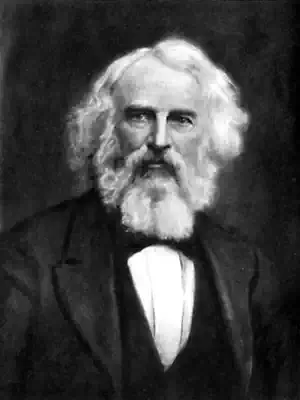
Henry Wadsworth Longfellow
Musings
Musings
I sat by my window one night,
And watched how the stars grew high;
And the earth and skies were a splendid sight
To a sober and musing eye.
From heaven the silver moon shone down
With gentle and mellow ray,
And beneath the crowded roofs of the town
In broad light and shadow lay.
A glory was on the silent sea,
And mainland and island too,
Till a haze came over the lowland lea,
And shrouded that beautiful blue.
Bright in the moon the autumn wood
Its crimson scarf unrolled,
And the trees like a splendid army stood
In a panoply of gold!
I saw them waving their banners high,
As their crests to the night wind bowed,
And a distant sound on the air went by,
Like the whispering of a crowd.
Then I watched from my window how fast
The lights all around me fled,
As the wearied man to his slumber passed
And the sick one to his bed.
All faded save one, that burned
With distant and steady light;
But that, too, went out -- and I turned
Where my own lamp within shone bright!
Thus, thought I, our joys must die,
Yes -- the brightest from earth we win:
Till each turns away, with a sign,
To the lamp that burns brightly within.
I sat by my window one night,
And watched how the stars grew high;
And the earth and skies were a splendid sight
To a sober and musing eye.
From heaven the silver moon shone down
With gentle and mellow ray,
And beneath the crowded roofs of the town
In broad light and shadow lay.
A glory was on the silent sea,
And mainland and island too,
Till a haze came over the lowland lea,
And shrouded that beautiful blue.
Bright in the moon the autumn wood
Its crimson scarf unrolled,
And the trees like a splendid army stood
In a panoply of gold!
I saw them waving their banners high,
As their crests to the night wind bowed,
And a distant sound on the air went by,
Like the whispering of a crowd.
Then I watched from my window how fast
The lights all around me fled,
As the wearied man to his slumber passed
And the sick one to his bed.
All faded save one, that burned
With distant and steady light;
But that, too, went out -- and I turned
Where my own lamp within shone bright!
Thus, thought I, our joys must die,
Yes -- the brightest from earth we win:
Till each turns away, with a sign,
To the lamp that burns brightly within.
278
Henry Wadsworth Longfellow
In The Harbour: Chimes
In The Harbour: Chimes
Sweet chimes! that in the loneliness of night
Salute the passing hour, and in the dark
And silent chambers of the household mark
The movements of the myriad orbs of light!
Through my closed eyelids, by the inner sight,
I see the constellations in the arc
Of their great circles moving on, and hark!
I almost hear them singing in their flight.
Better than sleep it is to lie awake,
O'er-canopied by the vast starry dome
Of the immeasurable sky; to feel
The slumbering world sink under us, and make
Hardly an eddy,--a mere rush of foam
On the great sea beneath a sinking keel.
Sweet chimes! that in the loneliness of night
Salute the passing hour, and in the dark
And silent chambers of the household mark
The movements of the myriad orbs of light!
Through my closed eyelids, by the inner sight,
I see the constellations in the arc
Of their great circles moving on, and hark!
I almost hear them singing in their flight.
Better than sleep it is to lie awake,
O'er-canopied by the vast starry dome
Of the immeasurable sky; to feel
The slumbering world sink under us, and make
Hardly an eddy,--a mere rush of foam
On the great sea beneath a sinking keel.
267
Henry Van Dyke
Stars and the Soul
Stars and the Soul
To Charles A. Young, Astronomer
"Two things," the wise man said, "fill me with awe:
The starry heavens and the moral law."
Nay, add another wonder to thy roll, --
The living marvel of the human soul!
Born in the dust and cradled in the dark,
It feels the fire of an immortal spark,
And learns to read, with patient, searching eyes,
The splendid secret of the unconscious skies.
For God thought Light before He spoke the word;
The darkness understood not, though it heard:
But man looks up to where the planets swim,
And thinks God's thoughts of glory after Him.
What knows the star that guides the sailor's way,
Or lights the lover's bower with liquid ray,
Of toil and passion, danger and distress,
Brave hope, true love, and utter faithfulness?
But human hearts that suffer good and ill,
And hold to virtue with a loyal will,
Adorn the law that rules our mortal strife
With star-surpassing victories of life.
So take our thanks, dear reader of the skies,
Devout astronomer, most humbly wise,
For lessons brighter than the stars can give,
And inward light that helps us all to live.
The world has brought the laurel-leaves to crown
The star-discoverer's name with high renown;
Accept the flower of love we lay with these
For influence sweeter than the Pleiades!
To Charles A. Young, Astronomer
"Two things," the wise man said, "fill me with awe:
The starry heavens and the moral law."
Nay, add another wonder to thy roll, --
The living marvel of the human soul!
Born in the dust and cradled in the dark,
It feels the fire of an immortal spark,
And learns to read, with patient, searching eyes,
The splendid secret of the unconscious skies.
For God thought Light before He spoke the word;
The darkness understood not, though it heard:
But man looks up to where the planets swim,
And thinks God's thoughts of glory after Him.
What knows the star that guides the sailor's way,
Or lights the lover's bower with liquid ray,
Of toil and passion, danger and distress,
Brave hope, true love, and utter faithfulness?
But human hearts that suffer good and ill,
And hold to virtue with a loyal will,
Adorn the law that rules our mortal strife
With star-surpassing victories of life.
So take our thanks, dear reader of the skies,
Devout astronomer, most humbly wise,
For lessons brighter than the stars can give,
And inward light that helps us all to live.
The world has brought the laurel-leaves to crown
The star-discoverer's name with high renown;
Accept the flower of love we lay with these
For influence sweeter than the Pleiades!
286
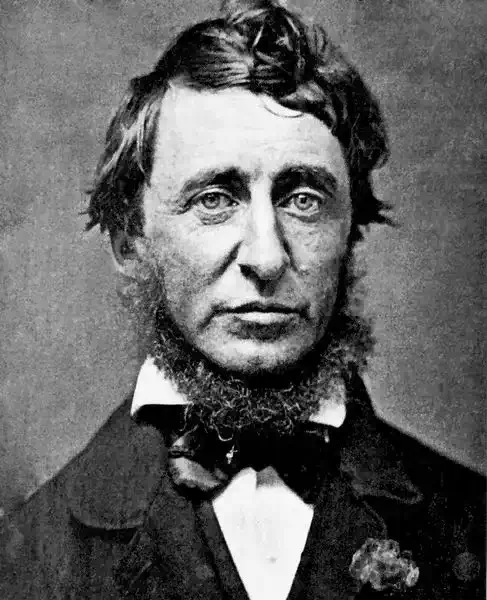
Henry David Thoreau
Mist
Mist
Low-anchored cloud,
Newfoundland air,
Fountain head and source of rivers,
Dew-cloth, dream drapery,
And napkin spread by fays;
Drifting meadow of the air,
Where bloom the dasied banks and violets,
And in whose fenny labyrinth
The bittern booms and heron wades;
Spirit of the lake and seas and rivers,
Bear only purfumes and the scent
Of healing herbs to just men's fields!
Low-anchored cloud,
Newfoundland air,
Fountain head and source of rivers,
Dew-cloth, dream drapery,
And napkin spread by fays;
Drifting meadow of the air,
Where bloom the dasied banks and violets,
And in whose fenny labyrinth
The bittern booms and heron wades;
Spirit of the lake and seas and rivers,
Bear only purfumes and the scent
Of healing herbs to just men's fields!
222

Emily Jane Brontë
Stars
Stars
Ah! why, because the dazzling sun
Restored our Earth to joy,
Have you departed, every one,
And left a desert sky?
All through the night, your glorious eyes
Were gazing down in mine,
And, with a full heart's thankful sighs,
I blessed that watch divine.
I was at peace, and drank your beams
As they were life to me;
And revelled in my changeful dreams,
Like petrel on the sea.
Thought followed thought, star followed star
Through boundless regions on;
While one sweet influence, near and far,
Thrilled through, and proved us one!
Why did the morning dawn to break
So great, so pure a spell;
And scorch with fire the tranquil cheek,
Where your cool radiance fell?
Blood-red, he rose, and arrow-straight,
His fierce beams struck my brow;
The soul of nature sprang, elate,
But mine sank sad and low.
My lids closed down, yet through their veil
I saw him, blazinig, still,
And steep in gold the misty dale,
And flash upon the hill.
I turned me to the pillow, then,
To call back night, and see
Your words of solemn light, again,
Throb with my heart, and me!
It would not do - the pillow glowed,
And glowed both roof and floor;
And birds sang loudly in the wood,
And fresh winds shook the door;
The curtains waved, the wakened flies
Were murmuring round my room,
Imprisoned there, till I should rise,
And give them leave to roam.
O stars, and dreams, and gentle night;
O night and stars, return!
And hide me from the hostile light
That does not warm, but burn;
That drains the blood of suffering men;
Drinks tears, instead of dew;
Let me sleep through his blinding reign,
And only wake with you!
Ah! why, because the dazzling sun
Restored our Earth to joy,
Have you departed, every one,
And left a desert sky?
All through the night, your glorious eyes
Were gazing down in mine,
And, with a full heart's thankful sighs,
I blessed that watch divine.
I was at peace, and drank your beams
As they were life to me;
And revelled in my changeful dreams,
Like petrel on the sea.
Thought followed thought, star followed star
Through boundless regions on;
While one sweet influence, near and far,
Thrilled through, and proved us one!
Why did the morning dawn to break
So great, so pure a spell;
And scorch with fire the tranquil cheek,
Where your cool radiance fell?
Blood-red, he rose, and arrow-straight,
His fierce beams struck my brow;
The soul of nature sprang, elate,
But mine sank sad and low.
My lids closed down, yet through their veil
I saw him, blazinig, still,
And steep in gold the misty dale,
And flash upon the hill.
I turned me to the pillow, then,
To call back night, and see
Your words of solemn light, again,
Throb with my heart, and me!
It would not do - the pillow glowed,
And glowed both roof and floor;
And birds sang loudly in the wood,
And fresh winds shook the door;
The curtains waved, the wakened flies
Were murmuring round my room,
Imprisoned there, till I should rise,
And give them leave to roam.
O stars, and dreams, and gentle night;
O night and stars, return!
And hide me from the hostile light
That does not warm, but burn;
That drains the blood of suffering men;
Drinks tears, instead of dew;
Let me sleep through his blinding reign,
And only wake with you!
224
Emily Jane Brontë
How Clear She Shines
How Clear She Shines
How clear she shines! How quietly
I lie beneath her guardian light;
While heaven and earth are whispering me,
" Tomorrow, wake, but, dream to-night."
Yes, Fancy, come, my Fairy love!
These throbbing temples softly kiss;
And bend my lonely couch above
And bring me rest, and bring me bliss.
The world is going; dark world, adieu!
Grim world, conceal thee till the day;
The heart, thou canst not all subdue,
Must still resist, if thou delay!
Thy love I will not, will not share;
Thy hatred only wakes a smile;
Thy griefs may wound - thy wrongs may tear,
But, oh, thy lies shall ne'er beguile!
While gazing on the stars that glow
Above me, in that stormless sea,
I long to hope that all the woe
Creation knows, is held in thee!
And, this shall be my dream to-night;
I'll think the heaven of glorious spheres
Is rolling on its course of light
In endless bliss, through endless years;
I'll think, there's not one world above,
Far as these straining eyes can see,
Where Wisdom ever laughed at Love,
Or Virtue crouched to Infamy;
Where, writhing 'neath the strokes of Fate,
The mangled wretch was forced to smile;
To match his patience 'gainst her hate,
His heart rebellious all the while.
Where Pleasure still will lead to wrong,
And helpless Reason warn in vain;
And Truth is weak, and Treachery strong;
And Joy the surest path to Pain;
And Peace, the lethargy of Grief;
And Hope, a phantom of the soul;
And Life, a labour, void and brief;
And Death, the despot of the whole!
How clear she shines! How quietly
I lie beneath her guardian light;
While heaven and earth are whispering me,
" Tomorrow, wake, but, dream to-night."
Yes, Fancy, come, my Fairy love!
These throbbing temples softly kiss;
And bend my lonely couch above
And bring me rest, and bring me bliss.
The world is going; dark world, adieu!
Grim world, conceal thee till the day;
The heart, thou canst not all subdue,
Must still resist, if thou delay!
Thy love I will not, will not share;
Thy hatred only wakes a smile;
Thy griefs may wound - thy wrongs may tear,
But, oh, thy lies shall ne'er beguile!
While gazing on the stars that glow
Above me, in that stormless sea,
I long to hope that all the woe
Creation knows, is held in thee!
And, this shall be my dream to-night;
I'll think the heaven of glorious spheres
Is rolling on its course of light
In endless bliss, through endless years;
I'll think, there's not one world above,
Far as these straining eyes can see,
Where Wisdom ever laughed at Love,
Or Virtue crouched to Infamy;
Where, writhing 'neath the strokes of Fate,
The mangled wretch was forced to smile;
To match his patience 'gainst her hate,
His heart rebellious all the while.
Where Pleasure still will lead to wrong,
And helpless Reason warn in vain;
And Truth is weak, and Treachery strong;
And Joy the surest path to Pain;
And Peace, the lethargy of Grief;
And Hope, a phantom of the soul;
And Life, a labour, void and brief;
And Death, the despot of the whole!
207
Emily Jane Brontë
High waving heather 'neath stormy blasts bending
High waving heather 'neath stormy blasts bending
High waving heather 'neath stormy blasts bending,
Midnight and moonlight and bright shining stars,
Darkness and glory rejoicingly blending,
Earth rising to heaven and heaven descending,
Man's spirit away from its drear dungeon sending,
Bursting the fetters and breaking the bars.
All down the mountain sides wild forests lending
One mighty voice to the life-giving wind,
Rivers their banks in their jubilee rending,
Fast through the valleys a reckless course wending,
Wider and deeper their waters extending,
Leaving a desolate desert behind.
Shining and lowering and swelling and dying,
Changing forever from midnight to noon;
Roaring like thunder, like soft music sighing,
Shadows on shadows advancing and flying,
Lighning-bright flashes the deep gloom defying,
Coming as swiftly and fading as soon.
High waving heather 'neath stormy blasts bending,
Midnight and moonlight and bright shining stars,
Darkness and glory rejoicingly blending,
Earth rising to heaven and heaven descending,
Man's spirit away from its drear dungeon sending,
Bursting the fetters and breaking the bars.
All down the mountain sides wild forests lending
One mighty voice to the life-giving wind,
Rivers their banks in their jubilee rending,
Fast through the valleys a reckless course wending,
Wider and deeper their waters extending,
Leaving a desolate desert behind.
Shining and lowering and swelling and dying,
Changing forever from midnight to noon;
Roaring like thunder, like soft music sighing,
Shadows on shadows advancing and flying,
Lighning-bright flashes the deep gloom defying,
Coming as swiftly and fading as soon.
255

Emily Dickinson
To interrupt His Yellow Plan
To interrupt His Yellow Plan
591
To interrupt His Yellow Plan
The Sun does not allow
Caprices of the Atmosphere-
And even when the Snow
Heaves Balls of Specks, like Vicious Boy
Directly in His Eye-
Does not so much as turn His Head
Busy with Majesty
'Tis His to stimulate the Earth-
And magnetize the Sea-
And bind Astronomy, in place,
Yet Any passing by
Would deem Ourselves-the busier
As the Minutest Bee
That rides-emits a Thunder-
A Bomb-to justify-
591
To interrupt His Yellow Plan
The Sun does not allow
Caprices of the Atmosphere-
And even when the Snow
Heaves Balls of Specks, like Vicious Boy
Directly in His Eye-
Does not so much as turn His Head
Busy with Majesty
'Tis His to stimulate the Earth-
And magnetize the Sea-
And bind Astronomy, in place,
Yet Any passing by
Would deem Ourselves-the busier
As the Minutest Bee
That rides-emits a Thunder-
A Bomb-to justify-
311
Emily Dickinson
This-is the land-the Sunset washes
This-is the land-the Sunset washes
266
This-is the land-the Sunset washesThese-
are the Banks of the Yellow Sea-
Where it rose-or whither it rushesThese-
are the Western Mystery!
Night after Night
Her purple traffic
Strews the landing with Opal BalesMerchantmen-
poise upon HorizonsDip-
and vanish like Orioles!
266
This-is the land-the Sunset washesThese-
are the Banks of the Yellow Sea-
Where it rose-or whither it rushesThese-
are the Western Mystery!
Night after Night
Her purple traffic
Strews the landing with Opal BalesMerchantmen-
poise upon HorizonsDip-
and vanish like Orioles!
263
Emily Dickinson
The Sun and Moon must make their haste
The Sun and Moon must make their haste
871
The Sun and Moon must make their haste-
The Stars express around
For in the Zones of Paradise
The Lord alone is burned-
His Eye, it is the East and West-
The North and South when He
Do concentrate His Countenance
Like Glow Worms, flee away-
Oh Poor and Far-
Oh Hindred Eye
That hunted for the Day-
The Lord a Candle entertains
Entirely for Thee-
871
The Sun and Moon must make their haste-
The Stars express around
For in the Zones of Paradise
The Lord alone is burned-
His Eye, it is the East and West-
The North and South when He
Do concentrate His Countenance
Like Glow Worms, flee away-
Oh Poor and Far-
Oh Hindred Eye
That hunted for the Day-
The Lord a Candle entertains
Entirely for Thee-
260
Emily Dickinson
The Skies can't keep their secret!
The Skies can't keep their secret!
191
The Skies can't keep their secret!
They tell it to the Hills-
The Hills just tell the Orchards-
And they-the Daffodils!
A Bird-by chance-that goes that way-
Soft overhears the whole-
If I should bribe the little Bird-
Who knows but she would tell?
I think I won't-howeverIt's
finer-not to know-
If Summer were an Axiom-
What sorcery had Snow?
So keep your secret-Father!
I would not-if I could,
Know what the Sapphire Fellows, do,
In your new-fashioned world!
191
The Skies can't keep their secret!
They tell it to the Hills-
The Hills just tell the Orchards-
And they-the Daffodils!
A Bird-by chance-that goes that way-
Soft overhears the whole-
If I should bribe the little Bird-
Who knows but she would tell?
I think I won't-howeverIt's
finer-not to know-
If Summer were an Axiom-
What sorcery had Snow?
So keep your secret-Father!
I would not-if I could,
Know what the Sapphire Fellows, do,
In your new-fashioned world!
300
Emily Dickinson
The Brain—is wider than the Sky
The Brain—is wider than the Sky
632
The Brain—is wider than the Sky—
For—put them side by side—
The one the other will contain
With ease—and You—beside—
The Brain is deeper than the sea—
For—hold them—Blue to Blue—
The one the other will absorb—
As Sponges—Buckets—do—
The Brain is just the weight of God—
For—Heft them—Pound for Pound—
And they will differ—if they do—
As Syllable from Sound—
632
The Brain—is wider than the Sky—
For—put them side by side—
The one the other will contain
With ease—and You—beside—
The Brain is deeper than the sea—
For—hold them—Blue to Blue—
The one the other will absorb—
As Sponges—Buckets—do—
The Brain is just the weight of God—
For—Heft them—Pound for Pound—
And they will differ—if they do—
As Syllable from Sound—
200
Emily Dickinson
The Brain-is wider than the Sky
The Brain-is wider than the Sky
632
The Brain-is wider than the SkyFor-
put them side by side-
The one the other will contain
With ease-and You-beside-
The Brain is deeper than the seaFor-
hold them-Blue to Blue-
The one the other will absorb-
As Sponges-Buckets-do-
The Brain is just the weight of GodFor-
Heft them-Pound for Pound-
And they will differ-if they do-
As Syllable from Sound-
632
The Brain-is wider than the SkyFor-
put them side by side-
The one the other will contain
With ease-and You-beside-
The Brain is deeper than the seaFor-
hold them-Blue to Blue-
The one the other will absorb-
As Sponges-Buckets-do-
The Brain is just the weight of GodFor-
Heft them-Pound for Pound-
And they will differ-if they do-
As Syllable from Sound-
237
Emily Dickinson
The Angle of a Landscape
The Angle of a Landscape
375
The Angle of a Landscape-
That every time I wake-
Between my Curtain and the Wall
Upon an ample Crack-
Like a Venetian-waiting-
Accosts my open eye-
Is just a Bough of Apples-
Held slanting, in the Sky-
The Pattern of a Chimney-
The Forehead of a HillSometimes-
a Vane's Forefinger-
But that's-Occasional-
The Seasons-shift-my Picture-
Upon my Emerald Bough,
I wake-to find no-EmeraldsThen-
Diamonds-which the Snow
From Polar Caskets-fetched me-
The Chimney-and the Hill-
And just the Steeple's fingerThese-
never stir at all-
375
The Angle of a Landscape-
That every time I wake-
Between my Curtain and the Wall
Upon an ample Crack-
Like a Venetian-waiting-
Accosts my open eye-
Is just a Bough of Apples-
Held slanting, in the Sky-
The Pattern of a Chimney-
The Forehead of a HillSometimes-
a Vane's Forefinger-
But that's-Occasional-
The Seasons-shift-my Picture-
Upon my Emerald Bough,
I wake-to find no-EmeraldsThen-
Diamonds-which the Snow
From Polar Caskets-fetched me-
The Chimney-and the Hill-
And just the Steeple's fingerThese-
never stir at all-
401
Emily Dickinson
She sweeps with many-colored brooms,
She sweeps with many-colored brooms,
She sweeps with many-colored brooms,
And leaves the shreds behind;
Oh, housewife in the evening west,
Come back, and dust the pond!
You dropped a purple ravelling in,
You dropped an amber thread;
And now you've littered all the East
With duds of emerald!
And still she plies her spotted brooms,
And still the aprons fly,
Till brooms fade softly into stars --
And then I come away.
She sweeps with many-colored brooms,
And leaves the shreds behind;
Oh, housewife in the evening west,
Come back, and dust the pond!
You dropped a purple ravelling in,
You dropped an amber thread;
And now you've littered all the East
With duds of emerald!
And still she plies her spotted brooms,
And still the aprons fly,
Till brooms fade softly into stars --
And then I come away.
360
Emily Dickinson
My Faith is larger than the Hills
My Faith is larger than the Hills
766
My Faith is larger than the Hills-
So when the Hills decay-
My Faith must take the Purple Wheel
To show the Sun the way
'Tis first He steps upon the Vane-
And then-upon the Hill-
And then abroad the World He go
To do His Golden Will-
And if His Yellow feet should miss-
The Bird would not arise-
The Flowers would slumber on their Stems-
No Bells have Paradise-
How dare I, therefore, stint a faith
On which so vast depends-
Lest Firmament should fail for me-
The Rivet in the Bands
766
My Faith is larger than the Hills-
So when the Hills decay-
My Faith must take the Purple Wheel
To show the Sun the way
'Tis first He steps upon the Vane-
And then-upon the Hill-
And then abroad the World He go
To do His Golden Will-
And if His Yellow feet should miss-
The Bird would not arise-
The Flowers would slumber on their Stems-
No Bells have Paradise-
How dare I, therefore, stint a faith
On which so vast depends-
Lest Firmament should fail for me-
The Rivet in the Bands
219
Emily Dickinson
In lands I never saw—they say
In lands I never saw—they say
124
In lands I never saw—they say
Immortal Alps look down—
Whose Bonnets touch the firmament—
Whose Sandals touch the town—
Meek at whose everlasting feet
A Myriad Daisy play—
Which, Sir, are you and which am I
Upon an August day?
124
In lands I never saw—they say
Immortal Alps look down—
Whose Bonnets touch the firmament—
Whose Sandals touch the town—
Meek at whose everlasting feet
A Myriad Daisy play—
Which, Sir, are you and which am I
Upon an August day?
203
Emily Dickinson
I send Two Sunsets
I send Two Sunsets
308
I send Two Sunsets-
Day and I-in competition ran-
I finished Two-and several Stars-
While He-was making One-
His own was ampler-but as I
Was saying to a friendMine-
is the more convenient
To Carry in the Hand-
308
I send Two Sunsets-
Day and I-in competition ran-
I finished Two-and several Stars-
While He-was making One-
His own was ampler-but as I
Was saying to a friendMine-
is the more convenient
To Carry in the Hand-
307
Emily Dickinson
Heaven has different Signs—to me
Heaven has different Signs—to me
"Heaven" has different Signs—to me—
Sometimes, I think that Noon
Is but a symbol of the Place—
And when again, at Dawn,
A mighty look runs round the World
And settles in the Hills—
An Awe if it should be like that
Upon the Ignorance steals—
The Orchard, when the Sun is on—
The Triumph of the Birds
When they together Victory make—
Some Carnivals of Clouds—
The Rapture of a finished Day—
Returning to the West—
All these—remind us of the place
That Men call "paradise"—
Itself be fairer—we suppose—
But how Ourself, shall be
Adorned, for a Superior Grace—
Not yet, our eyes can see—
"Heaven" has different Signs—to me—
Sometimes, I think that Noon
Is but a symbol of the Place—
And when again, at Dawn,
A mighty look runs round the World
And settles in the Hills—
An Awe if it should be like that
Upon the Ignorance steals—
The Orchard, when the Sun is on—
The Triumph of the Birds
When they together Victory make—
Some Carnivals of Clouds—
The Rapture of a finished Day—
Returning to the West—
All these—remind us of the place
That Men call "paradise"—
Itself be fairer—we suppose—
But how Ourself, shall be
Adorned, for a Superior Grace—
Not yet, our eyes can see—
216
Emily Dickinson
Bring me the sunset in a cup
Bring me the sunset in a cup
128
Bring me the sunset in a cup,
Reckon the morning's flagons up
And say how many Dew,
Tell me how far the morning leaps-
Tell me what time the weaver sleeps
Who spun the breadth of blue!
Write me how many notes there be
In the new Robin's ecstasy
Among astonished boughs-
How many trips the Tortoise makes-
How many cups the Bee partakes,
The Debauchee of Dews!
Also, who laid the Rainbow's piers,
Also, who leads the docile spheres
By withes of supple blue?
Whose fingers string the stalactite-
Who counts the wampum of the night
To see that none is due?
Who built this little Alban House
And shut the windows down so close
My spirit cannot see?
Who'll let me out some gala day
With implements to fly away,
Passing Pomposity?
128
Bring me the sunset in a cup,
Reckon the morning's flagons up
And say how many Dew,
Tell me how far the morning leaps-
Tell me what time the weaver sleeps
Who spun the breadth of blue!
Write me how many notes there be
In the new Robin's ecstasy
Among astonished boughs-
How many trips the Tortoise makes-
How many cups the Bee partakes,
The Debauchee of Dews!
Also, who laid the Rainbow's piers,
Also, who leads the docile spheres
By withes of supple blue?
Whose fingers string the stalactite-
Who counts the wampum of the night
To see that none is due?
Who built this little Alban House
And shut the windows down so close
My spirit cannot see?
Who'll let me out some gala day
With implements to fly away,
Passing Pomposity?
338
Emily Dickinson
Heaven-is what I cannot reach!
"Heaven"-is what I cannot reach!
239
"Heaven"-is what I cannot reach!
The Apple on the Tree-
Provided it do hopeless-hangThat-"
Heaven" is-to Me!
The Color, on the Cruising Cloud-
The interdicted Land-
Behind the Hill-the House behindThere-
Paradise-is found!
Her teasing Purples-Afternoons-
The credulous-decoyEnamored-
of the Conjuror-
That spurned us-Yesterday!
239
"Heaven"-is what I cannot reach!
The Apple on the Tree-
Provided it do hopeless-hangThat-"
Heaven" is-to Me!
The Color, on the Cruising Cloud-
The interdicted Land-
Behind the Hill-the House behindThere-
Paradise-is found!
Her teasing Purples-Afternoons-
The credulous-decoyEnamored-
of the Conjuror-
That spurned us-Yesterday!
315

Ella Wheeler Wilcox
A Naughty Little Comet
A Naughty Little Comet
There was a little comet who lived near the Milky Way!
She loved to wander out at night and jump about and play.
The mother of the comet was a very good old star;
She used to scold her reckless child for venturing out too far.
She told her of the ogre, Sun, who loved on stars to sup,
And who asked no better pastime than in gobbling comets up.
But instead of growing cautious and of showing proper fear,
The foolish little comet edged up nearer, and more near.
She switched her saucy tail along right where the Sun could see,
And flirted with old Mars, and was as bold as bold could be.
She laughed to scorn the quiet stars who never frisked about;
She said there was no fun in life unless you ventured out.
She liked to make the planets stare, and wished no better mirth
Than just to see the telescopes aimed at her from the Earth.
She wondered how so many stars could mope through nights and days,
And let the sickly faced old Moon get all the love and praise.
And as she talked and tossed her head and switched her shining trail
The staid old mother star grew sad, her cheek grew wan and pale.
For she had lived there in the skies a million years or more,
And she had heard gay comets talk in just this way before.
And by and by there came an end to this gay comet's fun.
She went a tiny bit too far-and vanished in the Sun!
No more she swings her shining trail before the whole world's sight,
But quiet stars she laughed to scorn are twinkling every night.
There was a little comet who lived near the Milky Way!
She loved to wander out at night and jump about and play.
The mother of the comet was a very good old star;
She used to scold her reckless child for venturing out too far.
She told her of the ogre, Sun, who loved on stars to sup,
And who asked no better pastime than in gobbling comets up.
But instead of growing cautious and of showing proper fear,
The foolish little comet edged up nearer, and more near.
She switched her saucy tail along right where the Sun could see,
And flirted with old Mars, and was as bold as bold could be.
She laughed to scorn the quiet stars who never frisked about;
She said there was no fun in life unless you ventured out.
She liked to make the planets stare, and wished no better mirth
Than just to see the telescopes aimed at her from the Earth.
She wondered how so many stars could mope through nights and days,
And let the sickly faced old Moon get all the love and praise.
And as she talked and tossed her head and switched her shining trail
The staid old mother star grew sad, her cheek grew wan and pale.
For she had lived there in the skies a million years or more,
And she had heard gay comets talk in just this way before.
And by and by there came an end to this gay comet's fun.
She went a tiny bit too far-and vanished in the Sun!
No more she swings her shining trail before the whole world's sight,
But quiet stars she laughed to scorn are twinkling every night.
760
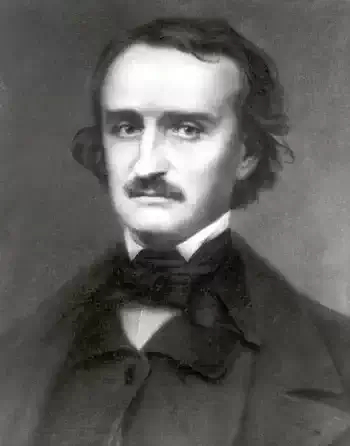
Edgar Allan Poe
Evening Star
Evening Star
'Twas noontide of summer,
And mid-time of night;
And stars, in their orbits,
Shone pale, thro' the light
Of the brighter, cold moon,
'Mid planets her slaves,
Herself in the Heavens,
Her beam on the waves.
I gazed awhile
On her cold smile;
Too cold- too cold for meThere
pass'd, as a shroud,
A fleecy cloud,
And I turned away to thee,
Proud Evening Star,
In thy glory afar,
And dearer thy beam shall be;
For joy to my heart
Is the proud part
Thou bearest in Heaven at night,
And more I admire
Thy distant fire,
Than that colder, lowly light.
'Twas noontide of summer,
And mid-time of night;
And stars, in their orbits,
Shone pale, thro' the light
Of the brighter, cold moon,
'Mid planets her slaves,
Herself in the Heavens,
Her beam on the waves.
I gazed awhile
On her cold smile;
Too cold- too cold for meThere
pass'd, as a shroud,
A fleecy cloud,
And I turned away to thee,
Proud Evening Star,
In thy glory afar,
And dearer thy beam shall be;
For joy to my heart
Is the proud part
Thou bearest in Heaven at night,
And more I admire
Thy distant fire,
Than that colder, lowly light.
311

Dylan Thomas
Why East Wind Chills
Why East Wind Chills
Why east wind chills and south wind cools
Shall not be known till windwell dries
And west's no longer drowned
In winds that bring the fruit and rind
Of many a hundred falls;
Why silk is soft and the stone wounds
The child shall question all his days,
Why night-time rain and the breast's blood
Both quench his thirst he'll have a black reply.
When cometh Jack Frost? the children ask.
Shall they clasp a comet in their fists?
Not till, from high and low, their dust
Sprinkles in children's eyes a long-last sleep
And dusk is crowded with the children's ghosts,
Shall a white answer echo from the rooftops.
All things are known: the stars' advice
Calls some content to travel with the winds,
Though what the stars ask as they round
Time upon time the towers of the skies
Is heard but little till the stars go out.
I hear content, and 'Be Content'
Ring like a handbell through the corridors,
And 'Know no answer,' and I know
No answer to the children's cry
Of echo's answer and the man of frost
And ghostly comets over the raised fists.
Why east wind chills and south wind cools
Shall not be known till windwell dries
And west's no longer drowned
In winds that bring the fruit and rind
Of many a hundred falls;
Why silk is soft and the stone wounds
The child shall question all his days,
Why night-time rain and the breast's blood
Both quench his thirst he'll have a black reply.
When cometh Jack Frost? the children ask.
Shall they clasp a comet in their fists?
Not till, from high and low, their dust
Sprinkles in children's eyes a long-last sleep
And dusk is crowded with the children's ghosts,
Shall a white answer echo from the rooftops.
All things are known: the stars' advice
Calls some content to travel with the winds,
Though what the stars ask as they round
Time upon time the towers of the skies
Is heard but little till the stars go out.
I hear content, and 'Be Content'
Ring like a handbell through the corridors,
And 'Know no answer,' and I know
No answer to the children's cry
Of echo's answer and the man of frost
And ghostly comets over the raised fists.
282