

Poems
Sky, Stars and Universe
Poems in this topic

Robert Frost
But outer Space
But outer Space
But outer Space,
At least this far,
For all the fuss
Of the populace
Stays more popular
Than populous
But outer Space,
At least this far,
For all the fuss
Of the populace
Stays more popular
Than populous
426
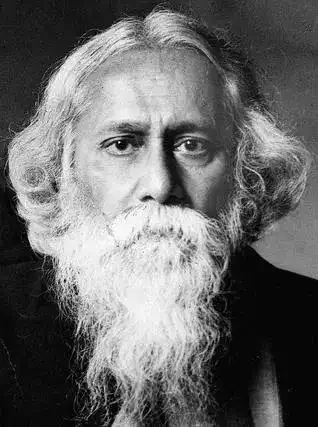
Rabindranath Tagore
The Astronomer
The Astronomer
I only said, "When in the evening the round full moon gets
entangled among the beaches of that Dadam tree, couldn't somebody
catch it?"
But dada laughed at me and said, "Baby, you are the silliest
child I have ever known. The moon is ever so far from us, how could
anybody catch it?"
I said, "Dada, how foolish you are! When mother looks out of
her window and smiles down at us playing, would you call her far
away?"
Still dada said, "You are a stupid child! But, baby where
could you find a net big enough to catch the moon with?"
I said, "Surely you could catch it with your hands."
But dada laughed and said, "You are the silliest child I have
known. If it came nearer, you would see how big the moon is."
I said, "Dada, what nonsense they teach at your school! When
mother bends her face down to kiss us, does her face look very
big?"
But still dada says, "You are a stupid child."
I only said, "When in the evening the round full moon gets
entangled among the beaches of that Dadam tree, couldn't somebody
catch it?"
But dada laughed at me and said, "Baby, you are the silliest
child I have ever known. The moon is ever so far from us, how could
anybody catch it?"
I said, "Dada, how foolish you are! When mother looks out of
her window and smiles down at us playing, would you call her far
away?"
Still dada said, "You are a stupid child! But, baby where
could you find a net big enough to catch the moon with?"
I said, "Surely you could catch it with your hands."
But dada laughed and said, "You are the silliest child I have
known. If it came nearer, you would see how big the moon is."
I said, "Dada, what nonsense they teach at your school! When
mother bends her face down to kiss us, does her face look very
big?"
But still dada says, "You are a stupid child."
505
Rabindranath Tagore
Lost Star
Lost Star
When the creation was new and all the stars shone in their first
splendor, the gods held their assembly in the sky and sang
`Oh, the picture of perfection! the joy unalloyed!'
But one cried of a sudden
---`It seems that somewhere there is a break in the chain of light
and one of the stars has been lost.'
The golden string of their harp snapped,
their song stopped, and they cried in dismay
---`Yes, that lost star was the best,
she was the glory of all heavens!'
From that day the search is unceasing for her,
and the cry goes on from one to the other
that in her the world has lost its one joy!
Only in the deepest silence of night the stars smile
and whisper among themselves
---`Vain is this seeking! unbroken perfection is over all!'
When the creation was new and all the stars shone in their first
splendor, the gods held their assembly in the sky and sang
`Oh, the picture of perfection! the joy unalloyed!'
But one cried of a sudden
---`It seems that somewhere there is a break in the chain of light
and one of the stars has been lost.'
The golden string of their harp snapped,
their song stopped, and they cried in dismay
---`Yes, that lost star was the best,
she was the glory of all heavens!'
From that day the search is unceasing for her,
and the cry goes on from one to the other
that in her the world has lost its one joy!
Only in the deepest silence of night the stars smile
and whisper among themselves
---`Vain is this seeking! unbroken perfection is over all!'
656
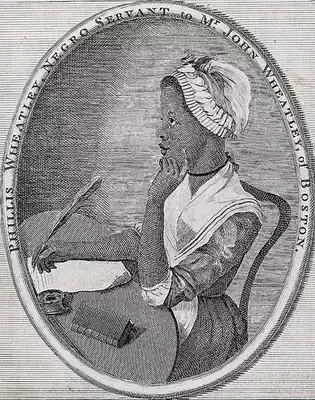
Phillis Wheatley
On Imagination
On Imagination
THY various works, imperial queen, we see,
How bright their forms! how deck'd with pomp
by thee!
Thy wond'rous acts in beauteous order stand,
And all attest how potent is thine hand.
From Helicon's refulgent heights attend,
Ye sacred choir, and my attempts befriend:
To tell her glories with a faithful tongue,
Ye blooming graces, triumph in my song.
Now here, now there, the roving Fancy flies,
Till some lov'd object strikes her wand'ring eyes,
Whose silken fetters all the senses bind,
And soft captivity involves the mind.
Imagination! who can sing thy force?
Or who describe the swiftness of thy course?
Soaring through air to find the bright abode,
Th' empyreal palace of the thund'ring God,
We on thy pinions can surpass the wind,
And leave the rolling universe behind:
From star to star the mental optics rove,
Measure the skies, and range the realms above.
There in one view we grasp the mighty whole,
Or with new worlds amaze th' unbounded soul.
Though Winter frowns to Fancy's raptur'd eyes
The fields may flourish, and gay scenes arise;
The frozen deeps may break their iron bands,
And bid their waters murmur o'er the sands.
Fair Flora may resume her fragrant reign,
And with her flow'ry riches deck the plain;
Sylvanus may diffuse his honours round,
And all the forest may with leaves be crown'd:
Show'rs may descend, and dews their gems disclose,
And nectar sparkle on the blooming rose.
Such is thy pow'r, nor are thine orders vain,
O thou the leader of the mental train:
In full perfection all thy works are wrought,
And thine the sceptre o'er the realms of thought.
Before thy throne the subject-passions bow,
Of subject-passions sov'reign ruler thou;
At thy command joy rushes on the heart,
And through the glowing veins the spirits dart.
Fancy might now her silken pinions try
To rise from earth, and sweep th' expanse on high:
From Tithon's bed now might Aurora rise,
Her cheeks all glowing with celestial dies,
While a pure stream of light o'erflows the skies.
The monarch of the day I might behold,
And all the mountains tipt with radiant gold,
But I reluctant leave the pleasing views,
Which Fancy dresses to delight the Muse;
Winter austere forbids me to aspire,
And northern tempests damp the rising fire;
They chill the tides of Fancy's flowing sea,
Cease then, my song, cease the unequal lay.
THY various works, imperial queen, we see,
How bright their forms! how deck'd with pomp
by thee!
Thy wond'rous acts in beauteous order stand,
And all attest how potent is thine hand.
From Helicon's refulgent heights attend,
Ye sacred choir, and my attempts befriend:
To tell her glories with a faithful tongue,
Ye blooming graces, triumph in my song.
Now here, now there, the roving Fancy flies,
Till some lov'd object strikes her wand'ring eyes,
Whose silken fetters all the senses bind,
And soft captivity involves the mind.
Imagination! who can sing thy force?
Or who describe the swiftness of thy course?
Soaring through air to find the bright abode,
Th' empyreal palace of the thund'ring God,
We on thy pinions can surpass the wind,
And leave the rolling universe behind:
From star to star the mental optics rove,
Measure the skies, and range the realms above.
There in one view we grasp the mighty whole,
Or with new worlds amaze th' unbounded soul.
Though Winter frowns to Fancy's raptur'd eyes
The fields may flourish, and gay scenes arise;
The frozen deeps may break their iron bands,
And bid their waters murmur o'er the sands.
Fair Flora may resume her fragrant reign,
And with her flow'ry riches deck the plain;
Sylvanus may diffuse his honours round,
And all the forest may with leaves be crown'd:
Show'rs may descend, and dews their gems disclose,
And nectar sparkle on the blooming rose.
Such is thy pow'r, nor are thine orders vain,
O thou the leader of the mental train:
In full perfection all thy works are wrought,
And thine the sceptre o'er the realms of thought.
Before thy throne the subject-passions bow,
Of subject-passions sov'reign ruler thou;
At thy command joy rushes on the heart,
And through the glowing veins the spirits dart.
Fancy might now her silken pinions try
To rise from earth, and sweep th' expanse on high:
From Tithon's bed now might Aurora rise,
Her cheeks all glowing with celestial dies,
While a pure stream of light o'erflows the skies.
The monarch of the day I might behold,
And all the mountains tipt with radiant gold,
But I reluctant leave the pleasing views,
Which Fancy dresses to delight the Muse;
Winter austere forbids me to aspire,
And northern tempests damp the rising fire;
They chill the tides of Fancy's flowing sea,
Cease then, my song, cease the unequal lay.
278
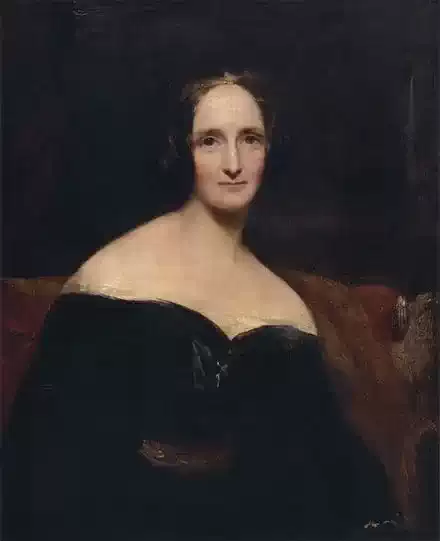
Percy Bysshe Shelley
Queen Mab: Part VI (excerpts)
Queen Mab: Part VI (excerpts)
"Throughout these infinite orbs of mingling light,
Of which yon earth is one, is wide diffus'd
A Spirit of activity and life,
That knows no term, cessation, or decay;
That fades not when the lamp of earthly life,
Extinguish'd in the dampness of the grave,
Awhile there slumbers, more than when the babe
In the dim newness of its being feels
The impulses of sublunary things,
And all is wonder to unpractis'd sense:
But, active, steadfast and eternal, still
Guides the fierce whirlwind, in the tempest roars,
Cheers in the day, breathes in the balmy groves,
Strengthens in health, and poisons in disease;
And in the storm of change, that ceaselessly
Rolls round the eternal universe and shakes
Its undecaying battlement, presides,
Apportioning with irresistible law
The place each spring of its machine shall fill;
So that when waves on waves tumultuous heap
Confusion to the clouds, and fiercely driven
Heaven's lightnings scorch the uprooted ocean-fords,
Whilst, to the eye of shipwreck'd mariner,
Lone sitting on the bare and shuddering rock,
All seems unlink'd contingency and chance,
No atom of this turbulence fulfils
A vague and unnecessitated task,
Or acts but as it must and ought to act.
Even the minutest molecule of light,
That in an April sunbeam's fleeting glow
Fulfils its destin'd, though invisible work,
The universal Spirit guides; nor less,
When merciless ambition, or mad zeal,
Has led two hosts of dupes to battlefield,
That, blind, they there may dig each other's graves,
And call the sad work glory, does it rule
All passions: not a thought, a will, an act,
No working of the tyrant's moody mind,
Nor one misgiving of the slaves who boast
Their servitude to hide the shame they feel,
Nor the events enchaining every will,
That from the depths of unrecorded time
Have drawn all-influencing virtue, pass
Unrecogniz'd or unforeseen by thee,
Soul of the Universe! eternal spring
Of life and death, of happiness and woe,
Of all that chequers the phantasmal scene
That floats before our eyes in wavering light,
Which gleams but on the darkness of our prison,
Whose chains and massy walls
We feel, but cannot see.
"Spirit of Nature! all-sufficing Power,
Necessity! thou mother of the world!
Unlike the God of human error, thou
Requir'st no prayers or praises; the caprice
Of man's weak will belongs no more to thee
Than do the changeful passions of his breast
To thy unvarying harmony: the slave,
Whose horrible lusts spread misery o'er the world,
And the good man, who lifts with virtuous pride
His being in the sight of happiness
That springs from his own works; the poison-tree,
Beneath whose shade all life is wither'd up,
And the fair oak, whose leafy dome affords
A temple where the vows of happy love
Are register'd, are equal in thy sight:
No love, no hate thou cherishest; revenge
And favouritism, and worst desire of fame
Thou know'st not: all that the wide world contains
Are but thy passive instruments, and thou
Regard'st them all with an impartial eye,
Whose joy or pain thy nature cannot feel,
Because thou hast not human sense,
Because thou art not human mind.
"Yes! when the sweeping storm of time
Has sung its death-dirge o'er the ruin'd fanes
And broken altars of the almighty Fiend
Whose name usurps thy honours, and the blood
Through centuries clotted there has floated down
The tainted flood of ages, shalt thou live
Unchangeable! A shrine is rais'd to thee,
Which, nor the tempest-breath of time,
Nor the interminable flood
Over earth's slight pageant rolling,
Availeth to destroy--
The sensitive extension of the world.
That wondrous and eternal fane,
Where pain and pleasure, good and evil join,
To do the will of strong necessity,
And life, in multitudinous shapes,
Still pressing forward where no term can be,
Like hungry and unresting flame
Curls round the eternal columns of its strength."
"Throughout these infinite orbs of mingling light,
Of which yon earth is one, is wide diffus'd
A Spirit of activity and life,
That knows no term, cessation, or decay;
That fades not when the lamp of earthly life,
Extinguish'd in the dampness of the grave,
Awhile there slumbers, more than when the babe
In the dim newness of its being feels
The impulses of sublunary things,
And all is wonder to unpractis'd sense:
But, active, steadfast and eternal, still
Guides the fierce whirlwind, in the tempest roars,
Cheers in the day, breathes in the balmy groves,
Strengthens in health, and poisons in disease;
And in the storm of change, that ceaselessly
Rolls round the eternal universe and shakes
Its undecaying battlement, presides,
Apportioning with irresistible law
The place each spring of its machine shall fill;
So that when waves on waves tumultuous heap
Confusion to the clouds, and fiercely driven
Heaven's lightnings scorch the uprooted ocean-fords,
Whilst, to the eye of shipwreck'd mariner,
Lone sitting on the bare and shuddering rock,
All seems unlink'd contingency and chance,
No atom of this turbulence fulfils
A vague and unnecessitated task,
Or acts but as it must and ought to act.
Even the minutest molecule of light,
That in an April sunbeam's fleeting glow
Fulfils its destin'd, though invisible work,
The universal Spirit guides; nor less,
When merciless ambition, or mad zeal,
Has led two hosts of dupes to battlefield,
That, blind, they there may dig each other's graves,
And call the sad work glory, does it rule
All passions: not a thought, a will, an act,
No working of the tyrant's moody mind,
Nor one misgiving of the slaves who boast
Their servitude to hide the shame they feel,
Nor the events enchaining every will,
That from the depths of unrecorded time
Have drawn all-influencing virtue, pass
Unrecogniz'd or unforeseen by thee,
Soul of the Universe! eternal spring
Of life and death, of happiness and woe,
Of all that chequers the phantasmal scene
That floats before our eyes in wavering light,
Which gleams but on the darkness of our prison,
Whose chains and massy walls
We feel, but cannot see.
"Spirit of Nature! all-sufficing Power,
Necessity! thou mother of the world!
Unlike the God of human error, thou
Requir'st no prayers or praises; the caprice
Of man's weak will belongs no more to thee
Than do the changeful passions of his breast
To thy unvarying harmony: the slave,
Whose horrible lusts spread misery o'er the world,
And the good man, who lifts with virtuous pride
His being in the sight of happiness
That springs from his own works; the poison-tree,
Beneath whose shade all life is wither'd up,
And the fair oak, whose leafy dome affords
A temple where the vows of happy love
Are register'd, are equal in thy sight:
No love, no hate thou cherishest; revenge
And favouritism, and worst desire of fame
Thou know'st not: all that the wide world contains
Are but thy passive instruments, and thou
Regard'st them all with an impartial eye,
Whose joy or pain thy nature cannot feel,
Because thou hast not human sense,
Because thou art not human mind.
"Yes! when the sweeping storm of time
Has sung its death-dirge o'er the ruin'd fanes
And broken altars of the almighty Fiend
Whose name usurps thy honours, and the blood
Through centuries clotted there has floated down
The tainted flood of ages, shalt thou live
Unchangeable! A shrine is rais'd to thee,
Which, nor the tempest-breath of time,
Nor the interminable flood
Over earth's slight pageant rolling,
Availeth to destroy--
The sensitive extension of the world.
That wondrous and eternal fane,
Where pain and pleasure, good and evil join,
To do the will of strong necessity,
And life, in multitudinous shapes,
Still pressing forward where no term can be,
Like hungry and unresting flame
Curls round the eternal columns of its strength."
399
Percy Bysshe Shelley
Mont Blanc
Mont Blanc
(Lines written in the Vale of Chamouni)
The everlasting universe of things
Flows through the mind, and rolls its rapid waves,
Now dark - now glittering - now reflecting gloom -
Now lending splendor, where from secret springs
The source of human thought its tribute brings
Of waters, - with a sound but half its own,
Such as a feeble brook will oft assume
In the wild woods, amon the mountains lone,
Where waterfalls around it leap for ever,
Where woods and winds contend, and a vast river
Over its rocks ceaselessly bursts and raves.
Thus thou, Ravine of Arve - dark, deep Ravine-
Thou many-colored, many voiced vale,
Over whose pines, and crags, and caverns sail
Fast cloud-shadows and sunbeams: awful scene,
Where Power in likeness of the Arve comes down
From the ice-gulfs that gird his secret throne,
Bursting through these dark mountains like the flame
Of lightning through the tempest; -thou dost lie,
Thy giant brood of pines around thee clinging,
Children of elder time, in whose devotion
The chainless winds still come and ever came
To drink their odors, and their mighty swinging
To hear - an old and solemn harmony;
Thine earthly rainbows stretched across the sweep
Of the ethereal waterfall, whose veil
Robes some unsculptured image; the strange sleep
Which when the voices of the desert fail
Wraps all in its own deep eternity;-
Thy caverns echoing to the Arve's commotion,
A loud, lone sound no other sound can tame;
Thou art pervaded with that ceaseless motion,
Thou art the path of that unresting sound-
Dizzy Ravine! and when I gaze on thee
I seem as in a trance sublime and strange
To muse on my own separate fantasy,
My own, my human mind, which passively
Now renders and receives fast influencings,
Holding an unremitting interchange
With the clear universe of things around;
One legion of wild thoughts, whose wandering wings
Now float above thy darkness, and now rest
Where that or thou art no unbidden guest,
In the still cave of the witch Poesy,
Seeking among the shadows that pass by
Ghosts of all things that are, some shade of thee,
Some phantom, some faint image; till the breast
From which they fled recalls them, thou art there!
Some say that gleams of a remoter world
Visit the soul in sleep,-that death is slumber,
And that its shapes the busy thoughts outnumber
Of those who wake and live. -I look on high;
Has some unknown omnipotence unfurled
The veil of life and death? or do I lie
In dream, and does the mightier world of sleep
Spread far and round and inaccessibly
Its circles? For the very spirit fails,
Driven like a homeless cloud from steep to steep
That vanishes amon the viewless gales!
Far, far above, piercing the infinite sky,
Mont Blanc appears,-still snowy and serene-
Its subject mountains their unearthly forms
Pile around it, ice and rock; broad vales between
Of frozen floods, unfathomable deeps,
Blue as the overhanging heaven, that spread
And wind among the accumulated steeps;
A desert peopled by the storms alone,
Save when the eagle brings some hunter's bone,
And the wolf tracks her there - how hideously
Its shapes are heaped around! rude, bare, and high,
Ghastly, and scarred, and riven. -Is this the scene
Where the old Earthquake-demon taught her young
Ruin? Were these their toys? or did a sea
Of fire envelop once this silent snow?
None can reply - all seems eternal now.
The wilderness has a mysterious tongue
Which teaches awful doubt, or faith so mild,
So solemn, so serene, that man may be,
But for such faith, with nature reconciled;
Thou hast a voice, great Mountain, to repeal
Large codes of fraud and woe; not understood
By all, but which the wise, and great, and good
Interpret, or make felt, or deeply feel.
The fields, the lakes, the forests, and the streams,
Ocean, and all the living things that dwell
Within the daedal earth; lightning, and rain,
Earthquake, and fiery flood, and hurricane,
The torpor of the year when feeble dreams
Visit the hidden buds, or dreamless sleep
Holds every future leaf and flower; -the bound
With which from that detested trance they leap;
The works and ways of man, their death and birth,
And that of him, and all that his may be;
All things that move and breathe with toil and sound
Are born and die; revolve, subside, and swell.
Power dwells apart in its tranquility,
Remote, serene, and inaccessible:
And this, the naked countenance of earth,
On which I gaze, even these primeval mountains
Teach the adverting mind. The glaciers creep
Like snakes that watch their prey, from their far fountains,
Slow rolling on; there, many a precipice,
Frost and the Sun in scorn of mortal power
Have piled: dome, pyramid, and pinnacle,
A city of death, distinct with many a tower
And wall impregnable of beaming ice.
Yet not a city, but a flood of ruin
Is there, that from the boundaries of the sky
Rolls its perpetual stream; vast pines are strewing
Its destined path, or in the mangled soil
Branchless and shattered stand; the rocks, drawn down
From yon remotest waste, have overthrown
The limits of the dead and living world,
Never to be reclaimed. The dwelling-place
Of insects, beasts, and birds, becomes its spoil
Their food and their retreat for ever gone,
So much of life and joy is lost. The race
Of man flies far in dread; his work and dwelling
Vanish, like smoke before the tempest's stream,
And their place is not known. Below, vast caves
Shine in the rushing torrents' restless gleam,
Which from those secret chasms in tumult welling
Meet in the vale, and one majestic River,
The breath and blood of distant lands , for ever
Rolls its loud waters to the ocean-waves,
Breathes its swift vapors to the circling air.
Mont Blanc yet gleams on high:-the power is there,
The still and solemn power of many sights,
And many sounds, and much of life and death.
In the calm darkness of the moonless nights,
In the lone glare of day, the snows descend
Upon that mountain; none beholds them there,
Nor when the flakes burn in the sinking sun,
Or the star-beams dart through them:-Winds contend
Silently there, and heap the snow with breath
Rapid and strong, but silently! Its home
The voiceless lightning in these solitudes
Keeps innocently, and like vapor broods
Over the snow. The secret Strength of things
Which governs thought, and to the infinite dome
Of Heaven is as a law, inhabits thee!
And what were thou, and earth, and stars, and sea,
If to the human mind's imaginings
Silence and solitude were vacancy?
(Lines written in the Vale of Chamouni)
The everlasting universe of things
Flows through the mind, and rolls its rapid waves,
Now dark - now glittering - now reflecting gloom -
Now lending splendor, where from secret springs
The source of human thought its tribute brings
Of waters, - with a sound but half its own,
Such as a feeble brook will oft assume
In the wild woods, amon the mountains lone,
Where waterfalls around it leap for ever,
Where woods and winds contend, and a vast river
Over its rocks ceaselessly bursts and raves.
Thus thou, Ravine of Arve - dark, deep Ravine-
Thou many-colored, many voiced vale,
Over whose pines, and crags, and caverns sail
Fast cloud-shadows and sunbeams: awful scene,
Where Power in likeness of the Arve comes down
From the ice-gulfs that gird his secret throne,
Bursting through these dark mountains like the flame
Of lightning through the tempest; -thou dost lie,
Thy giant brood of pines around thee clinging,
Children of elder time, in whose devotion
The chainless winds still come and ever came
To drink their odors, and their mighty swinging
To hear - an old and solemn harmony;
Thine earthly rainbows stretched across the sweep
Of the ethereal waterfall, whose veil
Robes some unsculptured image; the strange sleep
Which when the voices of the desert fail
Wraps all in its own deep eternity;-
Thy caverns echoing to the Arve's commotion,
A loud, lone sound no other sound can tame;
Thou art pervaded with that ceaseless motion,
Thou art the path of that unresting sound-
Dizzy Ravine! and when I gaze on thee
I seem as in a trance sublime and strange
To muse on my own separate fantasy,
My own, my human mind, which passively
Now renders and receives fast influencings,
Holding an unremitting interchange
With the clear universe of things around;
One legion of wild thoughts, whose wandering wings
Now float above thy darkness, and now rest
Where that or thou art no unbidden guest,
In the still cave of the witch Poesy,
Seeking among the shadows that pass by
Ghosts of all things that are, some shade of thee,
Some phantom, some faint image; till the breast
From which they fled recalls them, thou art there!
Some say that gleams of a remoter world
Visit the soul in sleep,-that death is slumber,
And that its shapes the busy thoughts outnumber
Of those who wake and live. -I look on high;
Has some unknown omnipotence unfurled
The veil of life and death? or do I lie
In dream, and does the mightier world of sleep
Spread far and round and inaccessibly
Its circles? For the very spirit fails,
Driven like a homeless cloud from steep to steep
That vanishes amon the viewless gales!
Far, far above, piercing the infinite sky,
Mont Blanc appears,-still snowy and serene-
Its subject mountains their unearthly forms
Pile around it, ice and rock; broad vales between
Of frozen floods, unfathomable deeps,
Blue as the overhanging heaven, that spread
And wind among the accumulated steeps;
A desert peopled by the storms alone,
Save when the eagle brings some hunter's bone,
And the wolf tracks her there - how hideously
Its shapes are heaped around! rude, bare, and high,
Ghastly, and scarred, and riven. -Is this the scene
Where the old Earthquake-demon taught her young
Ruin? Were these their toys? or did a sea
Of fire envelop once this silent snow?
None can reply - all seems eternal now.
The wilderness has a mysterious tongue
Which teaches awful doubt, or faith so mild,
So solemn, so serene, that man may be,
But for such faith, with nature reconciled;
Thou hast a voice, great Mountain, to repeal
Large codes of fraud and woe; not understood
By all, but which the wise, and great, and good
Interpret, or make felt, or deeply feel.
The fields, the lakes, the forests, and the streams,
Ocean, and all the living things that dwell
Within the daedal earth; lightning, and rain,
Earthquake, and fiery flood, and hurricane,
The torpor of the year when feeble dreams
Visit the hidden buds, or dreamless sleep
Holds every future leaf and flower; -the bound
With which from that detested trance they leap;
The works and ways of man, their death and birth,
And that of him, and all that his may be;
All things that move and breathe with toil and sound
Are born and die; revolve, subside, and swell.
Power dwells apart in its tranquility,
Remote, serene, and inaccessible:
And this, the naked countenance of earth,
On which I gaze, even these primeval mountains
Teach the adverting mind. The glaciers creep
Like snakes that watch their prey, from their far fountains,
Slow rolling on; there, many a precipice,
Frost and the Sun in scorn of mortal power
Have piled: dome, pyramid, and pinnacle,
A city of death, distinct with many a tower
And wall impregnable of beaming ice.
Yet not a city, but a flood of ruin
Is there, that from the boundaries of the sky
Rolls its perpetual stream; vast pines are strewing
Its destined path, or in the mangled soil
Branchless and shattered stand; the rocks, drawn down
From yon remotest waste, have overthrown
The limits of the dead and living world,
Never to be reclaimed. The dwelling-place
Of insects, beasts, and birds, becomes its spoil
Their food and their retreat for ever gone,
So much of life and joy is lost. The race
Of man flies far in dread; his work and dwelling
Vanish, like smoke before the tempest's stream,
And their place is not known. Below, vast caves
Shine in the rushing torrents' restless gleam,
Which from those secret chasms in tumult welling
Meet in the vale, and one majestic River,
The breath and blood of distant lands , for ever
Rolls its loud waters to the ocean-waves,
Breathes its swift vapors to the circling air.
Mont Blanc yet gleams on high:-the power is there,
The still and solemn power of many sights,
And many sounds, and much of life and death.
In the calm darkness of the moonless nights,
In the lone glare of day, the snows descend
Upon that mountain; none beholds them there,
Nor when the flakes burn in the sinking sun,
Or the star-beams dart through them:-Winds contend
Silently there, and heap the snow with breath
Rapid and strong, but silently! Its home
The voiceless lightning in these solitudes
Keeps innocently, and like vapor broods
Over the snow. The secret Strength of things
Which governs thought, and to the infinite dome
Of Heaven is as a law, inhabits thee!
And what were thou, and earth, and stars, and sea,
If to the human mind's imaginings
Silence and solitude were vacancy?
621
Percy Bysshe Shelley
fragment: To The Moon
fragment: To The Moon
Art thou pale for weariness
Of climbing Heaven, and gazing on the earth,
Wandering companionless
Among the stars that have a different birth,--
And ever changing, like a joyless eye
That finds no object worth its constancy?
Art thou pale for weariness
Of climbing Heaven, and gazing on the earth,
Wandering companionless
Among the stars that have a different birth,--
And ever changing, like a joyless eye
That finds no object worth its constancy?
370
Percy Bysshe Shelley
A Summer Evening Churchyard, Lechlade, Gloucestershire
A Summer Evening Churchyard, Lechlade, Gloucestershire
THE wind has swept from the wide atmosphere
Each vapour that obscured the sunset's ray,
And pallid Evening twines its beaming hair
In duskier braids around the languid eyes of Day:
Silence and Twilight, unbeloved of men,
Creep hand in hand from yon obscurest glen.
They breathe their spells towards the departing day,
Encompassing the earth, air, stars, and sea;
Light, sound, and motion, own the potent sway,
Responding to the charm with its own mystery.
The winds are still, or the dry church-tower grass
Knows not their gentle motions as they pass.
Thou too, aerial pile, whose pinnacles
Point from one shrine like pyramids of fire,
Obey'st I in silence their sweet solemn spells,
Clothing in hues of heaven thy dim and distant spire,
Around whose lessening and invisible height
Gather among the stars the clouds of night.
The dead are sleeping in their sepulchres:
And, mouldering as they sleep, a thrilling sound,
Half sense half thought, among the darkness stirs,
Breathed from their wormy beds all living things around,
And, mingling with the still night and mute sky,
Its awful hush is felt inaudibly.
Thus solemnized and softened, death is mild
And terrorless as this serenest night.
Here could I hope, like some enquiring child
Sporting on graves, that death did hide from human sight
Sweet secrets, or beside its breathless sleep
That loveliest dreams perpetual watch did keep.
THE wind has swept from the wide atmosphere
Each vapour that obscured the sunset's ray,
And pallid Evening twines its beaming hair
In duskier braids around the languid eyes of Day:
Silence and Twilight, unbeloved of men,
Creep hand in hand from yon obscurest glen.
They breathe their spells towards the departing day,
Encompassing the earth, air, stars, and sea;
Light, sound, and motion, own the potent sway,
Responding to the charm with its own mystery.
The winds are still, or the dry church-tower grass
Knows not their gentle motions as they pass.
Thou too, aerial pile, whose pinnacles
Point from one shrine like pyramids of fire,
Obey'st I in silence their sweet solemn spells,
Clothing in hues of heaven thy dim and distant spire,
Around whose lessening and invisible height
Gather among the stars the clouds of night.
The dead are sleeping in their sepulchres:
And, mouldering as they sleep, a thrilling sound,
Half sense half thought, among the darkness stirs,
Breathed from their wormy beds all living things around,
And, mingling with the still night and mute sky,
Its awful hush is felt inaudibly.
Thus solemnized and softened, death is mild
And terrorless as this serenest night.
Here could I hope, like some enquiring child
Sporting on graves, that death did hide from human sight
Sweet secrets, or beside its breathless sleep
That loveliest dreams perpetual watch did keep.
482
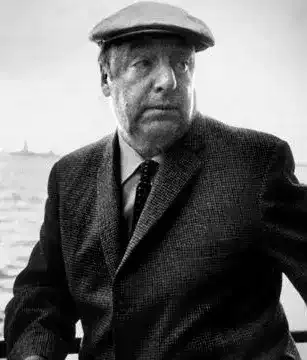
Pablo Neruda
Sonnet VIII
Sonnet VIII
If your eyes were not the color of the moon,
of a day full [here, interrupted by the baby waking -- continued about 26
hours later ]
of a day full of clay, and work, and fire,
if even held-in you did not move in agile grace like the air,
if you were not an amber week,
not the yellow moment
when autumn climbs up through the vines;
if you were not that bread the fragrant moon
kneads, sprinkling its flour across the sky,
oh, my dearest, I could not love you so!
But when I hold you I hold everything that is -sand,
time, the tree of the rain,
everything is alive so that I can be alive:
without moving I can see it all:
in your life I see everything that lives.
If your eyes were not the color of the moon,
of a day full [here, interrupted by the baby waking -- continued about 26
hours later ]
of a day full of clay, and work, and fire,
if even held-in you did not move in agile grace like the air,
if you were not an amber week,
not the yellow moment
when autumn climbs up through the vines;
if you were not that bread the fragrant moon
kneads, sprinkling its flour across the sky,
oh, my dearest, I could not love you so!
But when I hold you I hold everything that is -sand,
time, the tree of the rain,
everything is alive so that I can be alive:
without moving I can see it all:
in your life I see everything that lives.
576
Ovídio
Metamorphoses: Book The First
Metamorphoses: Book The First
OF bodies chang'd to various forms, I sing:
Ye Gods, from whom these miracles did spring,
Inspire my numbers with coelestial heat;
'Till I my long laborious work compleat:
And add perpetual tenour to my rhimes,
Deduc'd from Nature's birth, to Caesar's times.
The Creation of Before the seas, and this terrestrial ball,
the World And Heav'n's high canopy, that covers all,
One was the face of Nature; if a face:
Rather a rude and indigested mass:
A lifeless lump, unfashion'd, and unfram'd,
Of jarring seeds; and justly Chaos nam'd.
No sun was lighted up, the world to view;
No moon did yet her blunted horns renew:
Nor yet was Earth suspended in the sky,
Nor pois'd, did on her own foundations lye:
Nor seas about the shores their arms had thrown;
But earth, and air, and water, were in one.
Thus air was void of light, and earth unstable,
And water's dark abyss unnavigable.
No certain form on any was imprest;
All were confus'd, and each disturb'd the rest.
For hot and cold were in one body fixt;
And soft with hard, and light with heavy mixt.
But God, or Nature, while they thus contend,
To these intestine discords put an end:
Then earth from air, and seas from earth were
driv'n,
And grosser air sunk from aetherial Heav'n.
Thus disembroil'd, they take their proper place;
The next of kin, contiguously embrace;
And foes are sunder'd, by a larger space.
The force of fire ascended first on high,
And took its dwelling in the vaulted sky:
Then air succeeds, in lightness next to fire;
Whose atoms from unactive earth retire.
Earth sinks beneath, and draws a num'rous throng
Of pondrous, thick, unwieldy seeds along.
About her coasts, unruly waters roar;
And rising, on a ridge, insult the shore.
Thus when the God, whatever God was he,
Had form'd the whole, and made the parts agree,
That no unequal portions might be found,
He moulded Earth into a spacious round:
Then with a breath, he gave the winds to blow;
And bad the congregated waters flow.
He adds the running springs, and standing lakes;
And bounding banks for winding rivers makes.
Some part, in Earth are swallow'd up, the most
In ample oceans, disembogu'd, are lost.
He shades the woods, the vallies he restrains
With rocky mountains, and extends the plains.
And as five zones th' aetherial regions bind,
Five, correspondent, are to Earth assign'd:
The sun with rays, directly darting down,
Fires all beneath, and fries the middle zone:
The two beneath the distant poles, complain
Of endless winter, and perpetual rain.
Betwixt th' extreams, two happier climates hold
The temper that partakes of hot, and cold.
The fields of liquid air, inclosing all,
Surround the compass of this earthly ball:
The lighter parts lye next the fires above;
The grosser near the watry surface move:
Thick clouds are spread, and storms engender there,
And thunder's voice, which wretched mortals fear,
And winds that on their wings cold winter bear.
Nor were those blustring brethren left at large,
On seas, and shores, their fury to discharge:
Bound as they are, and circumscrib'd in place,
They rend the world, resistless, where they pass;
And mighty marks of mischief leave behind;
Such is the rage of their tempestuous kind.
First Eurus to the rising morn is sent
(The regions of the balmy continent);
And Eastern realms, where early Persians run,
To greet the blest appearance of the sun.
Westward, the wanton Zephyr wings his flight;
Pleas'd with the remnants of departing light:
Fierce Boreas, with his off-spring, issues forth
T' invade the frozen waggon of the North.
While frowning Auster seeks the Southern sphere;
And rots, with endless rain, th' unwholsom year.
High o'er the clouds, and empty realms of wind,
The God a clearer space for Heav'n design'd;
Where fields of light, and liquid aether flow;
Purg'd from the pondrous dregs of Earth below.
Scarce had the Pow'r distinguish'd these, when
streight
The stars, no longer overlaid with weight,
Exert their heads, from underneath the mass;
And upward shoot, and kindle as they pass,
And with diffusive light adorn their heav'nly
place.
Then, every void of Nature to supply,
With forms of Gods he fills the vacant sky:
New herds of beasts he sends, the plains to share:
New colonies of birds, to people air:
And to their oozy beds, the finny fish repair.
A creature of a more exalted kind
Was wanting yet, and then was Man design'd:
Conscious of thought, of more capacious breast,
For empire form'd, and fit to rule the rest:
Whether with particles of heav'nly fire
The God of Nature did his soul inspire,
Or Earth, but new divided from the sky,
And, pliant, still retain'd th' aetherial energy:
Which wise Prometheus temper'd into paste,
And, mixt with living streams, the godlike image
cast.
Thus, while the mute creation downward bend
Their sight, and to their earthly mother tend,
Man looks aloft; and with erected eyes
Beholds his own hereditary skies.
From such rude principles our form began;
And earth was metamorphos'd into Man.
The The golden age was first; when Man yet new,
Golden Age No rule but uncorrupted reason knew:
And, with a native bent, did good pursue.
Unforc'd by punishment, un-aw'd by fear,
His words were simple, and his soul sincere;
Needless was written law, where none opprest:
The law of Man was written in his breast:
No suppliant crowds before the judge appear'd,
No court erected yet, nor cause was heard:
But all was safe, for conscience was their guard.
The mountain-trees in distant prospect please,
E're yet the pine descended to the seas:
E're sails were spread, new oceans to explore:
And happy mortals, unconcern'd for more,
Confin'd their wishes to their native shore.
No walls were yet; nor fence, nor mote, nor mound,
Nor drum was heard, nor trumpet's angry sound:
Nor swords were forg'd; but void of care and crime,
The soft creation slept away their time.
The teeming Earth, yet guiltless of the plough,
And unprovok'd, did fruitful stores allow:
Content with food, which Nature freely bred,
On wildings and on strawberries they fed;
Cornels and bramble-berries gave the rest,
And falling acorns furnish'd out a feast.
The flow'rs unsown, in fields and meadows reign'd:
And Western winds immortal spring maintain'd.
In following years, the bearded corn ensu'd
From Earth unask'd, nor was that Earth renew'd.
From veins of vallies, milk and nectar broke;
And honey sweating through the pores of oak.
The But when good Saturn, banish'd from above,
Silver Age Was driv'n to Hell, the world was under Jove.
Succeeding times a silver age behold,
Excelling brass, but more excell'd by gold.
Then summer, autumn, winter did appear:
And spring was but a season of the year.
The sun his annual course obliquely made,
Good days contracted, and enlarg'd the bad.
Then air with sultry heats began to glow;
The wings of winds were clogg'd with ice and snow;
And shivering mortals, into houses driv'n,
Sought shelter from th' inclemency of Heav'n.
Those houses, then, were caves, or homely sheds;
With twining oziers fenc'd; and moss their beds.
Then ploughs, for seed, the fruitful furrows broke,
And oxen labour'd first beneath the yoke.
The To this came next in course, the brazen age:
Brazen Age A warlike offspring, prompt to bloody rage,
Not impious yet...
The Hard steel succeeded then:
Iron Age And stubborn as the metal, were the men.
Truth, modesty, and shame, the world forsook:
Fraud, avarice, and force, their places took.
Then sails were spread, to every wind that blew.
Raw were the sailors, and the depths were new:
Trees, rudely hollow'd, did the waves sustain;
E're ships in triumph plough'd the watry plain.
Then land-marks limited to each his right:
For all before was common as the light.
Nor was the ground alone requir'd to bear
Her annual income to the crooked share,
But greedy mortals, rummaging her store,
Digg'd from her entrails first the precious oar;
Which next to Hell, the prudent Gods had laid;
And that alluring ill, to sight display'd.
Thus cursed steel, and more accursed gold,
Gave mischief birth, and made that mischief bold:
And double death did wretched Man invade,
By steel assaulted, and by gold betray'd,
Now (brandish'd weapons glittering in their hands)
Mankind is broken loose from moral bands;
No rights of hospitality remain:
The guest, by him who harbour'd him, is slain,
The son-in-law pursues the father's life;
The wife her husband murders, he the wife.
The step-dame poyson for the son prepares;
The son inquires into his father's years.
Faith flies, and piety in exile mourns;
And justice, here opprest, to Heav'n returns.
The Nor were the Gods themselves more safe above;
Giants' War Against beleaguer'd Heav'n the giants move.
Hills pil'd on hills, on mountains mountains lie,
To make their mad approaches to the skie.
'Till Jove, no longer patient, took his time
T' avenge with thunder their audacious crime:
Red light'ning plaid along the firmament,
And their demolish'd works to pieces rent.
Sing'd with the flames, and with the bolts
transfixt,
With native Earth, their blood the monsters mixt;
The blood, indu'd with animating heat,
Did in th' impregnant Earth new sons beget:
They, like the seed from which they sprung,
accurst,
Against the Gods immortal hatred nurst,
An impious, arrogant, and cruel brood;
Expressing their original from blood.
Which when the king of Gods beheld from high
(Withal revolving in his memory,
What he himself had found on Earth of late,
Lycaon's guilt, and his inhumane treat),
He sigh'd; nor longer with his pity strove;
But kindled to a wrath becoming Jove:
Then call'd a general council of the Gods;
Who summon'd, issue from their blest abodes,
And fill th' assembly with a shining train.
A way there is, in Heav'n's expanded plain,
Which, when the skies are clear, is seen below,
And mortals, by the name of Milky, know.
The ground-work is of stars; through which the road
Lyes open to the Thunderer's abode:
The Gods of greater nations dwell around,
And, on the right and left, the palace bound;
The commons where they can: the nobler sort
With winding-doors wide open, front the court.
This place, as far as Earth with Heav'n may vie,
I dare to call the Louvre of the skie.
When all were plac'd, in seats distinctly known,
And he, their father, had assum'd the throne,
Upon his iv'ry sceptre first he leant,
Then shook his head, that shook the firmament:
Air, Earth, and seas, obey'd th' almighty nod;
And, with a gen'ral fear, confess'd the God.
At length, with indignation, thus he broke
His awful silence, and the Pow'rs bespoke.
I was not more concern'd in that debate
Of empire, when our universal state
Was put to hazard, and the giant race
Our captive skies were ready to imbrace:
For tho' the foe was fierce, the seeds of all
Rebellion, sprung from one original;
Now, wheresoever ambient waters glide,
All are corrupt, and all must be destroy'd.
Let me this holy protestation make,
By Hell, and Hell's inviolable lake,
I try'd whatever in the godhead lay:
But gangren'd members must be lopt away,
Before the nobler parts are tainted to decay.
There dwells below, a race of demi-gods,
Of nymphs in waters, and of fawns in woods:
Who, tho' not worthy yet, in Heav'n to live,
Let 'em, at least, enjoy that Earth we give.
Can these be thought securely lodg'd below,
When I my self, who no superior know,
I, who have Heav'n and Earth at my command,
Have been attempted by Lycaon's hand?
At this a murmur through the synod went,
And with one voice they vote his punishment.
Thus, when conspiring traytors dar'd to doom
The fall of Caesar, and in him of Rome,
The nations trembled with a pious fear;
All anxious for their earthly Thunderer:
Nor was their care, o Caesar, less esteem'd
By thee, than that of Heav'n for Jove was deem'd:
Who with his hand, and voice, did first restrain
Their murmurs, then resum'd his speech again.
The Gods to silence were compos'd, and sate
With reverence, due to his superior state.
Cancel your pious cares; already he
Has paid his debt to justice, and to me.
Yet what his crimes, and what my judgments were,
Remains for me thus briefly to declare.
The clamours of this vile degenerate age,
The cries of orphans, and th' oppressor's rage,
Had reach'd the stars: I will descend, said I,
In hope to prove this loud complaint a lye.
Disguis'd in humane shape, I travell'd round
The world, and more than what I heard, I found.
O'er Maenalus I took my steepy way,
By caverns infamous for beasts of prey:
Then cross'd Cyllene, and the piny shade
More infamous, by curst Lycaon made:
Dark night had cover'd Heaven, and Earth, before
I enter'd his unhospitable door.
Just at my entrance, I display'd the sign
That somewhat was approaching of divine.
The prostrate people pray; the tyrant grins;
And, adding prophanation to his sins,
I'll try, said he, and if a God appear,
To prove his deity shall cost him dear.
'Twas late; the graceless wretch my death prepares,
When I shou'd soundly sleep, opprest with cares:
This dire experiment he chose, to prove
If I were mortal, or undoubted Jove:
But first he had resolv'd to taste my pow'r;
Not long before, but in a luckless hour,
Some legates, sent from the Molossian state,
Were on a peaceful errand come to treat:
Of these he murders one, he boils the flesh;
And lays the mangled morsels in a dish:
Some part he roasts; then serves it up, so drest,
And bids me welcome to this humane feast.
Mov'd with disdain, the table I o'er-turn'd;
And with avenging flames, the palace burn'd.
The tyrant in a fright, for shelter gains
The neighb'ring fields, and scours along the
plains.
Howling he fled, and fain he wou'd have spoke;
But humane voice his brutal tongue forsook.
About his lips the gather'd foam he churns,
And, breathing slaughters, still with rage he
burns,
But on the bleating flock his fury turns.
His mantle, now his hide, with rugged hairs
Cleaves to his back; a famish'd face he bears;
His arms descend, his shoulders sink away
To multiply his legs for chase of prey.
He grows a wolf, his hoariness remains,
And the same rage in other members reigns.
His eyes still sparkle in a narr'wer space:
His jaws retain the grin, and violence of his face
This was a single ruin, but not one
Deserves so just a punishment alone.
Mankind's a monster, and th' ungodly times
Confed'rate into guilt, are sworn to crimes.
All are alike involv'd in ill, and all
Must by the same relentless fury fall.
Thus ended he; the greater Gods assent;
By clamours urging his severe intent;
The less fill up the cry for punishment.
Yet still with pity they remember Man;
And mourn as much as heav'nly spirits can.
They ask, when those were lost of humane birth,
What he wou'd do with all this waste of Earth:
If his dispeopl'd world he would resign
To beasts, a mute, and more ignoble line;
Neglected altars must no longer smoke,
If none were left to worship, and invoke.
To whom the Father of the Gods reply'd,
Lay that unnecessary fear aside:
Mine be the care, new people to provide.
I will from wondrous principles ordain
A race unlike the first, and try my skill again.
Already had he toss'd the flaming brand;
And roll'd the thunder in his spacious hand;
Preparing to discharge on seas and land:
But stopt, for fear, thus violently driv'n,
The sparks should catch his axle-tree of Heav'n.
Remembring in the fates, a time when fire
Shou'd to the battlements of Heaven aspire,
And all his blazing worlds above shou'd burn;
And all th' inferior globe to cinders turn.
His dire artill'ry thus dismist, he bent
His thoughts to some securer punishment:
Concludes to pour a watry deluge down;
And what he durst not burn, resolves to drown.
The northern breath, that freezes floods, he
binds;
With all the race of cloud-dispelling winds:
The south he loos'd, who night and horror brings;
And foggs are shaken from his flaggy wings.
From his divided beard two streams he pours,
His head, and rheumy eyes distill in show'rs,
With rain his robe, and heavy mantle flow:
And lazy mists are lowring on his brow;
Still as he swept along, with his clench'd fist
He squeez'd the clouds, th' imprison'd clouds
resist:
The skies, from pole to pole, with peals resound;
And show'rs inlarg'd, come pouring on the ground.
Then, clad in colours of a various dye,
Junonian Iris breeds a new supply
To feed the clouds: impetuous rain descends;
The bearded corn beneath the burden bends:
Defrauded clowns deplore their perish'd grain;
And the long labours of the year are vain.
Nor from his patrimonial Heaven alone
Is Jove content to pour his vengeance down;
Aid from his brother of the seas he craves,
To help him with auxiliary waves.
The watry tyrant calls his brooks and floods,
Who rowl from mossie caves (their moist abodes);
And with perpetual urns his palace fill:
To whom in brief, he thus imparts his will.
Small exhortation needs; your pow'rs employ:
And this bad world, so Jove requires, destroy.
Let loose the reins to all your watry store:
Bear down the damms, and open ev'ry door.
The floods, by Nature enemies to land,
And proudly swelling with their new command,
Remove the living stones, that stopt their way,
And gushing from their source, augment the sea.
Then, with his mace, their monarch struck the
ground;
With inward trembling Earth receiv'd the wound;
And rising streams a ready passage found.
Th' expanded waters gather on the plain:
They float the fields, and over-top the grain;
Then rushing onwards, with a sweepy sway,
Bear flocks, and folds, and lab'ring hinds away.
Nor safe their dwellings were, for, sap'd by
floods,
Their houses fell upon their houshold Gods.
The solid piles, too strongly built to fall,
High o'er their heads, behold a watry wall:
Now seas and Earth were in confusion lost;
A world of waters, and without a coast.
One climbs a cliff; one in his boat is born:
And ploughs above, where late he sow'd his corn.
Others o'er chimney-tops and turrets row,
And drop their anchors on the meads below:
Or downward driv'n, they bruise the tender vine,
Or tost aloft, are knock'd against a pine.
And where of late the kids had cropt the grass,
The monsters of the deep now take their place.
Insulting Nereids on the cities ride,
And wond'ring dolphins o'er the palace glide.
On leaves, and masts of mighty oaks they brouze;
And their broad fins entangle in the boughs.
The frighted wolf now swims amongst the sheep;
The yellow lion wanders in the deep:
His rapid force no longer helps the boar:
The stag swims faster, than he ran before.
The fowls, long beating on their wings in vain,
Despair of land, and drop into the main.
Now hills, and vales no more distinction know;
And levell'd Nature lies oppress'd below.
The most of mortals perish in the flood:
The small remainder dies for want of food.
A mountain of stupendous height there stands
Betwixt th' Athenian and Boeotian lands,
The bound of fruitful fields, while fields they
were,
But then a field of waters did appear:
Parnassus is its name; whose forky rise
Mounts thro' the clouds, and mates the lofty skies.
High on the summit of this dubious cliff,
Deucalion wafting, moor'd his little skiff.
He with his wife were only left behind
Of perish'd Man; they two were human kind.
The mountain nymphs, and Themis they adore,
And from her oracles relief implore.
The most upright of mortal men was he;
The most sincere, and holy woman, she.
When Jupiter, surveying Earth from high,
Beheld it in a lake of water lie,
That where so many millions lately liv'd,
But two, the best of either sex, surviv'd;
He loos'd the northern wind; fierce Boreas flies
To puff away the clouds, and purge the skies:
Serenely, while he blows, the vapours driv'n,
Discover Heav'n to Earth, and Earth to Heav'n.
The billows fall, while Neptune lays his mace
On the rough sea, and smooths its furrow'd face.
Already Triton, at his call, appears
Above the waves; a Tyrian robe he wears;
And in his hand a crooked trumpet bears.
The soveraign bids him peaceful sounds inspire,
And give the waves the signal to retire.
His writhen shell he takes; whose narrow vent
Grows by degrees into a large extent,
Then gives it breath; the blast with doubling
sound,
Runs the wide circuit of the world around:
The sun first heard it, in his early east,
And met the rattling ecchos in the west.
The waters, listning to the trumpet's roar,
Obey the summons, and forsake the shore.
A thin circumference of land appears;
And Earth, but not at once, her visage rears,
And peeps upon the seas from upper grounds;
The streams, but just contain'd within their
bounds,
By slow degrees into their channels crawl;
And Earth increases, as the waters fall.
In longer time the tops of trees appear,
Which mud on their dishonour'd branches bear.
At length the world was all restor'd to view;
But desolate, and of a sickly hue:
Nature beheld her self, and stood aghast,
A dismal desart, and a silent waste.
Which when Deucalion, with a piteous look
Beheld, he wept, and thus to Pyrrha spoke:
Oh wife, oh sister, oh of all thy kind
The best, and only creature left behind,
By kindred, love, and now by dangers joyn'd;
Of multitudes, who breath'd the common air,
We two remain; a species in a pair:
The rest the seas have swallow'd; nor have we
Ev'n of this wretched life a certainty.
The clouds are still above; and, while I speak,
A second deluge o'er our heads may break.
Shou'd I be snatcht from hence, and thou remain,
Without relief, or partner of thy pain,
How cou'dst thou such a wretched life sustain?
Shou'd I be left, and thou be lost, the sea
That bury'd her I lov'd, shou'd bury me.
Oh cou'd our father his old arts inspire,
And make me heir of his informing fire,
That so I might abolisht Man retrieve,
And perisht people in new souls might live.
But Heav'n is pleas'd, nor ought we to complain,
That we, th' examples of mankind, remain.
He said; the careful couple joyn their tears:
And then invoke the Gods, with pious prayers.
Thus, in devotion having eas'd their grief,
From sacred oracles they seek relief;
And to Cephysus' brook their way pursue:
The stream was troubled, but the ford they knew;
With living waters, in the fountain bred,
They sprinkle first their garments, and their head,
Then took the way, which to the temple led.
The roofs were all defil'd with moss, and mire,
The desart altars void of solemn fire.
Before the gradual, prostrate they ador'd;
The pavement kiss'd; and thus the saint implor'd.
O righteous Themis, if the Pow'rs above
By pray'rs are bent to pity, and to love;
If humane miseries can move their mind;
If yet they can forgive, and yet be kind;
Tell how we may restore, by second birth,
Mankind, and people desolated Earth.
Then thus the gracious Goddess, nodding, said;
Depart, and with your vestments veil your head:
And stooping lowly down, with losen'd zones,
Throw each behind your backs, your mighty mother's
bones.
Amaz'd the pair, and mute with wonder stand,
'Till Pyrrha first refus'd the dire command.
Forbid it Heav'n, said she, that I shou'd tear
Those holy reliques from the sepulcher.
They ponder'd the mysterious words again,
For some new sense; and long they sought in vain:
At length Deucalion clear'd his cloudy brow,
And said, the dark Aenigma will allow
A meaning, which, if well I understand,
From sacrilege will free the God's command:
This Earth our mighty mother is, the stones
In her capacious body, are her bones:
These we must cast behind. With hope, and fear,
The woman did the new solution hear:
The man diffides in his own augury,
And doubts the Gods; yet both resolve to try.
Descending from the mount, they first unbind
Their vests, and veil'd, they cast the stones
behind:
The stones (a miracle to mortal view,
But long tradition makes it pass for true)
Did first the rigour of their kind expel,
And suppled into softness, as they fell;
Then swell'd, and swelling, by degrees grew warm;
And took the rudiments of human form.
Imperfect shapes: in marble such are seen,
When the rude chizzel does the man begin;
While yet the roughness of the stone remains,
Without the rising muscles, and the veins.
The sappy parts, and next resembling juice,
Were turn'd to moisture, for the body's use:
Supplying humours, blood, and nourishment;
The rest, too solid to receive a bent,
Converts to bones; and what was once a vein,
Its former name and Nature did retain.
By help of pow'r divine, in little space,
What the man threw, assum'd a manly face;
And what the wife, renew'd the female race.
Hence we derive our nature; born to bear
Laborious life; and harden'd into care.
The rest of animals, from teeming Earth
Produc'd, in various forms receiv'd their birth.
The native moisture, in its close retreat,
Digested by the sun's aetherial heat,
As in a kindly womb, began to breed:
Then swell'd, and quicken'd by the vital seed.
And some in less, and some in longer space,
Were ripen'd into form, and took a sev'ral face.
Thus when the Nile from Pharian fields is fled,
And seeks, with ebbing tides, his ancient bed,
The fat manure with heav'nly fire is warm'd;
And crusted creatures, as in wombs, are form'd;
These, when they turn the glebe, the peasants find;
Some rude, and yet unfinish'd in their kind:
Short of their limbs, a lame imperfect birth:
One half alive; and one of lifeless earth.
For heat, and moisture, when in bodies join'd,
The temper that results from either kind
Conception makes; and fighting 'till they mix,
Their mingled atoms in each other fix.
Thus Nature's hand the genial bed prepares
With friendly discord, and with fruitful wars.
From hence the surface of the ground, with mud
And slime besmear'd (the faeces of the flood),
Receiv'd the rays of Heav'n: and sucking in
The seeds of heat, new creatures did begin:
Some were of sev'ral sorts produc'd before,
But of new monsters, Earth created more.
Unwillingly, but yet she brought to light
Thee, Python too, the wondring world to fright,
And the new nations, with so dire a sight:
So monstrous was his bulk, so large a space
Did his vast body, and long train embrace.
Whom Phoebus basking on a bank espy'd;
E're now the God his arrows had not try'd
But on the trembling deer, or mountain goat;
At this new quarry he prepares to shoot.
Though ev'ry shaft took place, he spent the store
Of his full quiver; and 'twas long before
Th' expiring serpent wallow'd in his gore.
Then, to preserve the fame of such a deed,
For Python slain, he Pythian games decred.
Where noble youths for mastership shou'd strive,
To quoit, to run, and steeds, and chariots drive.
The prize was fame: in witness of renown
An oaken garland did the victor crown.
The laurel was not yet for triumphs born;
But every green alike by Phoebus worn,
Did, with promiscuous grace, his flowing locks
adorn.
The The first and fairest of his loves, was she
Transformation Whom not blind fortune, but the dire decree
of Daphne into Of angry Cupid forc'd him to desire:
a Lawrel Daphne her name, and Peneus was her sire.
Swell'd with the pride, that new success attends,
He sees the stripling, while his bow he bends,
And thus insults him: Thou lascivious boy,
Are arms like these for children to employ?
Know, such atchievements are my proper claim;
Due to my vigour, and unerring aim:
Resistless are my shafts, and Python late
In such a feather'd death, has found his fate.
Take up the torch (and lay my weapons by),
With that the feeble souls of lovers fry.
To whom the son of Venus thus reply'd,
Phoebus, thy shafts are sure on all beside,
But mine of Phoebus, mine the fame shall be
Of all thy conquests, when I conquer thee.
He said, and soaring, swiftly wing'd his flight:
Nor stopt but on Parnassus' airy height.
Two diff'rent shafts he from his quiver draws;
One to repel desire, and one to cause.
One shaft is pointed with refulgent gold:
To bribe the love, and make the lover bold:
One blunt, and tipt with lead, whose base allay
Provokes disdain, and drives desire away.
The blunted bolt against the nymph he drest:
But with the sharp transfixt Apollo's breast.
Th' enamour'd deity pursues the chace;
The scornful damsel shuns his loath'd embrace:
In hunting beasts of prey, her youth employs;
And Phoebe rivals in her rural joys.
With naked neck she goes, and shoulders bare;
And with a fillet binds her flowing hair.
By many suitors sought, she mocks their pains,
And still her vow'd virginity maintains.
Impatient of a yoke, the name of bride
She shuns, and hates the joys, she never try'd.
On wilds, and woods, she fixes her desire:
Nor knows what youth, and kindly love, inspire.
Her father chides her oft: Thou ow'st, says he,
A husband to thy self, a son to me.
She, like a crime, abhors the nuptial bed:
She glows with blushes, and she hangs her head.
Then casting round his neck her tender arms,
Sooths him with blandishments, and filial charms:
Give me, my Lord, she said, to live, and die,
A spotless maid, without the marriage tye.
'Tis but a small request; I beg no more
Than what Diana's father gave before.
The good old sire was soften'd to consent;
But said her wish wou'd prove her punishment:
For so much youth, and so much beauty join'd,
Oppos'd the state, which her desires design'd.
The God of light, aspiring to her bed,
Hopes what he seeks, with flattering fancies fed;
And is, by his own oracles, mis-led.
And as in empty fields the stubble burns,
Or nightly travellers, when day returns,
Their useless torches on dry hedges throw,
That catch the flames, and kindle all the row;
So burns the God, consuming in desire,
And feeding in his breast a fruitless fire:
Her well-turn'd neck he view'd (her neck was bare)
And on her shoulders her dishevel'd hair;
Oh were it comb'd, said he, with what a grace
Wou'd every waving curl become her face!
He view'd her eyes, like heav'nly lamps that shone,
He view'd her lips, too sweet to view alone,
Her taper fingers, and her panting breast;
He praises all he sees, and for the rest
Believes the beauties yet unseen are best:
Swift as the wind, the damsel fled away,
Nor did for these alluring speeches stay:
Stay Nymph, he cry'd, I follow, not a foe.
Thus from the lyon trips the trembling doe;
Thus from the wolf the frighten'd lamb removes,
And, from pursuing faulcons, fearful doves;
Thou shunn'st a God, and shunn'st a God, that
loves.
Ah, lest some thorn shou'd pierce thy tender foot,
Or thou shou'dst fall in flying my pursuit!
To sharp uneven ways thy steps decline;
Abate thy speed, and I will bate of mine.
Yet think from whom thou dost so rashly fly;
Nor basely born, nor shepherd's swain am I.
Perhaps thou know'st not my superior state;
And from that ignorance proceeds thy hate.
Me Claros, Delphi, Tenedos obey;
These hands the Patareian scepter sway.
The King of Gods begot me: what shall be,
Or is, or ever was, in Fate, I see.
Mine is th' invention of the charming lyre;
Sweet notes, and heav'nly numbers, I inspire.
Sure is my bow, unerring is my dart;
But ah! more deadly his, who pierc'd my heart.
Med'cine is mine; what herbs and simples grow
In fields, and forrests, all their pow'rs I know;
And am the great physician call'd, below.
Alas that fields and forrests can afford.
No remedies to heal their love-sick lord!
To cure the pains of love, no plant avails:
And his own physick, the physician falls.
She heard not half; so furiously she flies;
And on her ear th' imperfect accent dies,
Fear gave her wings; and as she fled, the wind
Increasing, spread her flowing hair behind;
And left her legs and thighs expos'd to view:
Which made the God more eager to pursue.
The God was young, and was too hotly bent
To lose his time in empty compliment:
But led by love, and fir'd with such a sight,
Impetuously pursu'd his near delight.
As when th' impatient greyhound slipt from far,
Bounds o'er the glebe to course the fearful hare,
She in her speed does all her safety lay;
And he with double speed pursues the prey;
O'er-runs her at the sitting turn, and licks
His chaps in vain, and blows upon the flix:
She scapes, and for the neighb'ring covert strives,
And gaining shelter, doubts if yet she lives:
If little things with great we may compare,
Such was the God, and such the flying fair,
She urg'd by fear, her feet did swiftly move,
But he more swiftly, who was urg'd by love.
He gathers ground upon her in the chace:
Now breathes upon her hair, with nearer pace;
And just is fast'ning on the wish'd embrace.
The nymph grew pale, and in a mortal fright,
Spent with the labour of so long a flight;
And now despairing, cast a mournful look
Upon the streams of her paternal brook;
Oh help, she cry'd, in this extreamest need!
If water Gods are deities indeed:
Gape Earth, and this unhappy wretch intomb;
Or change my form, whence all my sorrows come.
Scarce had she finish'd, when her feet she found
Benumb'd with cold, and fasten'd to the ground:
A filmy rind about her body grows;
Her hair to leaves, her arms extend to boughs:
The nymph is all into a lawrel gone;
The smoothness of her skin remains alone.
Yet Phoebus loves her still, and casting round
Her bole, his arms, some little warmth he found.
The tree still panted in th' unfinish'd part:
Not wholly vegetive, and heav'd her heart.
He fixt his lips upon the trembling rind;
It swerv'd aside, and his embrace declin'd.
To whom the God, Because thou canst not be
My mistress, I espouse thee for my tree:
Be thou the prize of honour, and renown;
The deathless poet, and the poem, crown.
Thou shalt the Roman festivals adorn,
And, after poets, be by victors worn.
Thou shalt returning Caesar's triumph grace;
When pomps shall in a long procession pass.
Wreath'd on the posts before his palace wait;
And be the sacred guardian of the gate.
Secure from thunder, and unharm'd by Jove,
Unfading as th' immortal Pow'rs above:
And as the locks of Phoebus are unshorn,
So shall perpetual green thy boughs adorn.
The grateful tree was pleas'd with what he said;
And shook the shady honours of her head.
The An ancient forest in Thessalia grows;
Transformation Which Tempe's pleasing valley does inclose:
of Io into a Through this the rapid Peneus take his course;
Heyfer From Pindus rolling with impetuous force;
Mists from the river's mighty fall arise:
And deadly damps inclose the cloudy skies:
Perpetual fogs are hanging o'er the wood;
And sounds of waters deaf the neighbourhood.
Deep, in a rocky cave, he makes abode
(A mansion proper for a mourning God).
Here he gives audience; issuing out decrees
To rivers, his dependant deities.
On this occasion hither they resort;
To pay their homage, and to make their court.
All doubtful, whether to congratulate
His daughter's honour, or lament her fate.
Sperchaeus, crown'd with poplar, first appears;
Then old Apidanus came crown'd with years:
Enipeus turbulent, Amphrysos tame;
And Aeas last with lagging waters came.
Then, of his kindred brooks, a num'rous throng
Condole his loss; and bring their urns along.
Not one was wanting of the wat'ry train,
That fill'd his flood, or mingled with the main:
But Inachus, who in his cave, alone,
Wept not another's losses, but his own,
For his dear Io, whether stray'd, or dead,
To him uncertain, doubtful tears he shed.
He sought her through the world; but sought in
vain;
And no where finding, rather fear'd her slain.
Her, just returning from her father's brook,
Jove had beheld, with a desiring look:
And, Oh fair daughter of the flood, he said,
Worthy alone of Jove's imperial bed,
Happy whoever shall those charms possess;
The king of Gods (nor is thy lover less)
Invites thee to yon cooler shades; to shun
The scorching rays of the meridian sun.
Nor shalt thou tempt the dangers of the grove
Alone, without a guide; thy guide is Jove.
No puny Pow'r, but he whose high command
Is unconfin'd, who rules the seas and land;
And tempers thunder in his awful hand,
Oh fly not: for she fled from his embrace
O'er Lerna's pastures: he pursu'd the chace
Along the shades of the Lyrcaean plain;
At length the God, who never asks in vain,
Involv'd with vapours, imitating night,
Both Air, and Earth; and then suppress'd her
flight,
And mingling force with love, enjoy'd the full
delight.
Mean-time the jealous Juno, from on high,
Survey'd the fruitful fields of Arcady;
And wonder'd that the mist shou'd over-run
The face of day-light, and obscure the sun.
No nat'ral cause she found, from brooks, or bogs,
Or marshy lowlands, to produce the fogs;
Then round the skies she sought for Jupiter,
Her faithless husband; but no Jove was there:
Suspecting now the worst, Or I, she said,
Am much mistaken, or am much betray'd.
With fury she precipitates her flight:
Dispels the shadows of dissembled night;
And to the day restores his native light.
Th' Almighty Leacher, careful to prevent
The consequence, foreseeing her descent,
Transforms his mistress in a trice; and now
In Io's place appears a lovely cow.
So sleek her skin, so faultless was her make,
Ev'n Juno did unwilling pleasure take
To see so fair a rival of her love;
And what she was, and whence, enquir'd of Jove:
Of what fair herd, and from what pedigree?
The God, half caught, was forc'd upon a lye:
And said she sprung from Earth. She took the word,
And begg'd the beauteous heyfer of her lord.
What should he do? 'twas equal shame to Jove
Or to relinquish, or betray his love:
Yet to refuse so slight a gift, wou'd be
But more t' increase his consort's jealousie:
Thus fear, and love, by turns, his heart assail'd;
And stronger love had sure, at length, prevail'd:
But some faint hope remain'd, his jealous queen
Had not the mistress through the heyfer seen.
The cautious Goddess, of her gift possest,
Yet harbour'd anxious thoughts within her breast;
As she who knew the falshood of her Jove;
And justly fear'd some new relapse of love.
Which to prevent, and to secure her care,
To trusty Argus she commits the fair.
The head of Argus (as with stars the skies)
Was compass'd round, and wore an hundred eyes.
But two by turns their lids in slumber steep;
The rest on duty still their station keep;
Nor cou'd the total constellation sleep.
Thus, ever present, to his eyes, and mind,
His charge was still before him, tho' behind.
In fields he suffer'd her to feed by Day,
But when the setting sun to night gave way,
The captive cow he summon'd with a call;
And drove her back, and ty'd her to the stall.
On leaves of trees, and bitter herbs she fed,
Heav'n was her canopy, bare earth her bed:
So hardly lodg'd, and to digest her food,
She drank from troubled streams, defil'd with mud.
Her woeful story fain she wou'd have told,
With hands upheld, but had no hands to hold.
Her head to her ungentle keeper bow'd,
She strove to speak, she spoke not, but she low'd:
Affrighted with the noise, she look'd around,
And seem'd t' inquire the author of the sound.
Once on the banks where often she had play'd
(Her father's banks), she came, and there survey'd
Her alter'd visage, and her branching head;
And starting, from her self she wou'd have fled.
Her fellow nymphs, familiar to her eyes,
Beheld, but knew her not in this disguise.
Ev'n Inachus himself was ignorant;
And in his daughter, did his daughter want.
She follow'd where her fellows went, as she
Were still a partner of the company:
They stroak her neck; the gentle heyfer stands,
And her neck offers to their stroaking hands.
Her father gave her grass; the grass she took;
And lick'd his palms, and cast a piteous look;
And in the language of her eyes, she spoke.
She wou'd have told her name, and ask'd relief,
But wanting words, in tears she tells her grief.
Which, with her foot she makes him understand;
And prints the name of Io in the sand.
Ah wretched me! her mournful father cry'd;
She, with a sigh, to wretched me reply'd:
About her milk-white neck, his arms he threw;
And wept, and then these tender words ensue.
And art thou she, whom I have sought around
The world, and have at length so sadly found?
So found, is worse than lost: with mutual words
Thou answer'st not, no voice thy tongue affords:
But sighs are deeply drawn from out thy breast;
And speech deny'd, by lowing is express'd.
Unknowing, I prepar'd thy bridal bed;
With empty hopes of happy issue fed.
But now the husband of a herd must be
Thy mate, and bell'wing sons thy progeny.
Oh, were I mortal, death might bring relief:
But now my God-head but extends my grief:
Prolongs my woes, of which no end I see,
And makes me curse my immortality!
More had he said, but fearful of her stay,
The starry guardian drove his charge away,
To some fresh pasture; on a hilly height
He sate himself, and kept her still in sight.
The Eyes of Now Jove no longer cou'd her suff'rings bear;
Argus But call'd in haste his airy messenger,
transform'd The son of Maia, with severe decree
into a To kill the keeper, and to set her free.
Peacock's With all his harness soon the God was sped,
Train His flying hat was fastned on his head,
Wings on his heels were hung, and in his hand
He holds the vertue of the snaky wand.
The liquid air his moving pinions wound,
And, in the moment, shoot him on the ground.
Before he came in sight, the crafty God
His wings dismiss'd, but still retain'd his rod:
That sleep-procuring wand wise Hermes took,
But made it seem to sight a sherpherd's hook.
With this, he did a herd of goats controul;
Which by the way he met, and slily stole.
Clad like a country swain, he pip'd, and sung;
And playing, drove his jolly troop along.
With pleasure, Argus the musician heeds;
But wonders much at those new vocal reeds.
And whosoe'er thou art, my friend, said he,
Up hither drive thy goats, and play by me:
This hill has browz for them, and shade for thee.
The God, who was with ease induc'd to climb,
Began discourse to pass away the time;
And still betwixt, his tuneful pipe he plies;
And watch'd his hour, to close the keeper's eyes.
With much ado, he partly kept awake;
Not suff'ring all his eyes repose to take:
And ask'd the stranger, who did reeds invent,
And whence began so rare an instrument?
The Then Hermes thus: A nymph of late there was
Transformation Whose heav'nly form her fellows did surpass.
of Syrinx The pride and joy of fair Arcadia's plains,
into Reeds Belov'd by deities, ador'd by swains:
Syrinx her name, by Sylvans oft pursu'd,
As oft she did the lustful Gods delude:
The rural, and the woodland Pow'rs disdain'd;
With Cynthia hunted, and her rites maintain'd:
Like Phoebe clad, even Phoebe's self she seems,
So tall, so streight, such well-proportion'd limbs:
The nicest eye did no distinction know,
But that the goddess bore a golden bow:
Distinguish'd thus, the sight she cheated too.
Descending from Lycaeus, Pan admires
The matchless nymph, and burns with new desires.
A crown of pine upon his head he wore;
And thus began her pity to implore.
But e'er he thus began, she took her flight
So swift, she was already out of sight.
Nor stay'd to hear the courtship of the God;
But bent her course to Ladon's gentle flood:
There by the river stopt, and tir'd before;
Relief from water nymphs her pray'rs implore.
Now while the lustful God, with speedy pace,
Just thought to strain her in a strict embrace,
He fill'd his arms with reeds, new rising on the
place.
And while he sighs, his ill success to find,
The tender canes were shaken by the wind;
And breath'd a mournful air, unheard before;
That much surprizing Pan, yet pleas'd him more.
Admiring this new musick, Thou, he said,
Who canst not be the partner of my bed,
At least shall be the confort of my mind:
And often, often to my lips be joyn'd.
He form'd the reeds, proportion'd as they are,
Unequal in their length, and wax'd with care,
They still retain the name of his ungrateful fair.
While Hermes pip'd, and sung, and told his tale,
The keeper's winking eyes began to fail,
And drowsie slumber on the lids to creep;
'Till all the watchman was at length asleep.
Then soon the God his voice, and song supprest;
And with his pow'rful rod confirm'd his rest:
Without delay his crooked faulchion drew,
And at one fatal stroke the keeper slew.
Down from the rock fell the dissever'd head,
Opening its eyes in death; and falling, bled;
And mark'd the passage with a crimson trail:
Thus Argus lies in pieces, cold, and pale;
And all his hundred eyes, with all their light,
Are clos'd at once, in one perpetual night.
These Juno takes, that they no more may fail,
And spreads them in her peacock's gaudy tail.
Impatient to revenge her injur'd bed,
She wreaks her anger on her rival's head;
With Furies frights her from her native home;
And drives her gadding, round the world to roam:
Nor ceas'd her madness, and her flight, before
She touch'd the limits of the Pharian shore.
At length, arriving on the banks of Nile,
Wearied with length of ways, and worn with toil,
She laid her down; and leaning on her knees,
Invok'd the cause of all her miseries:
And cast her languishing regards above,
For help from Heav'n, and her ungrateful Jove.
She sigh'd, she wept, she low'd; 'twas all she
cou'd;
And with unkindness seem'd to tax the God.
Last, with an humble pray'r, she beg'd repose,
Or death at least, to finish all her woes.
Jove heard her vows, and with a flatt'ring look,
In her behalf to jealous Juno spoke,
He cast his arms about her neck, and said,
Dame, rest secure; no more thy nuptial bed
This nymph shall violate; by Styx I swear,
And every oath that binds the Thunderer.
The Goddess was appeas'd; and at the word
Was Io to her former shape restor'd.
The rugged hair began to fall away;
The sweetness of her eyes did only stay,
Tho' not so large; her crooked horns decrease;
The wideness of her jaws and nostrils cease:
Her hoofs to hands return, in little space:
The five long taper fingers take their place,
And nothing of the heyfer now is seen,
Beside the native whiteness of the skin.
Erected on her feet she walks again:
And two the duty of the four sustain.
She tries her tongue; her silence softly breaks,
And fears her former lowings when she speaks:
A Goddess now, through all th' Aegyptian State:
And serv'd by priests, who in white linnen wait.
Her son was Epaphus, at length believ'd
The son of Jove, and as a God receiv'd;
With sacrifice ador'd, and publick pray'rs,
He common temples with his mother shares.
Equal in years, and rival in renown
With Epaphus, the youthful Phaeton
Like honour claims; and boasts his sire the sun.
His haughty looks, and his assuming air,
The son of Isis could no longer bear:
Thou tak'st thy mother's word too far, said he,
And hast usurp'd thy boasted pedigree.
Go, base pretender to a borrow'd name.
Thus tax'd, he blush'd with anger, and with shame;
But shame repress'd his rage: the daunted youth
Soon seeks his mother, and enquires the truth:
Mother, said he, this infamy was thrown
By Epaphus on you, and me your son.
He spoke in publick, told it to my face;
Nor durst I vindicate the dire disgrace:
Even I, the bold, the sensible of wrong,
Restrain'd by shame, was forc'd to hold my tongue.
To hear an open slander, is a curse:
But not to find an answer, is a worse.
If I am Heav'n-begot, assert your son
By some sure sign; and make my father known,
To right my honour, and redeem your own.
He said, and saying cast his arms about
Her neck, and beg'd her to resolve the doubt.
'Tis hard to judge if Clymene were mov'd
More by his pray'r, whom she so dearly lov'd,
Or more with fury fir'd, to find her name
Traduc'd, and made the sport of common fame.
She stretch'd her arms to Heav'n, and fix'd her
eyes
On that fair planet that adorns the skies;
Now by those beams, said she, whose holy fires
Consume my breast, and kindle my desires;
By him, who sees us both, and clears our sight,
By him, the publick minister of light,
I swear that Sun begot thee; if I lye,
Let him his chearful influence deny:
Let him no more this perjur'd creature see;
And shine on all the world but only me.
If still you doubt your mother's innocence,
His eastern mansion is not far from hence;
With little pains you to his Leve go,
And from himself your parentage may know.
With joy th' ambitious youth his mother heard,
And eager, for the journey soon prepar'd.
He longs the world beneath him to survey;
To guide the chariot; and to give the day:
From Meroe's burning sands he bends his course,
Nor less in India feels his father's force:
His travel urging, till he came in sight;
And saw the palace by the purple light.
The End of the First Book.
Translated into English verse under the direction of
Sir Samuel Garth by John Dryden, Alexander Pope, Joseph Addison,
William Congreve and other eminent hands
OF bodies chang'd to various forms, I sing:
Ye Gods, from whom these miracles did spring,
Inspire my numbers with coelestial heat;
'Till I my long laborious work compleat:
And add perpetual tenour to my rhimes,
Deduc'd from Nature's birth, to Caesar's times.
The Creation of Before the seas, and this terrestrial ball,
the World And Heav'n's high canopy, that covers all,
One was the face of Nature; if a face:
Rather a rude and indigested mass:
A lifeless lump, unfashion'd, and unfram'd,
Of jarring seeds; and justly Chaos nam'd.
No sun was lighted up, the world to view;
No moon did yet her blunted horns renew:
Nor yet was Earth suspended in the sky,
Nor pois'd, did on her own foundations lye:
Nor seas about the shores their arms had thrown;
But earth, and air, and water, were in one.
Thus air was void of light, and earth unstable,
And water's dark abyss unnavigable.
No certain form on any was imprest;
All were confus'd, and each disturb'd the rest.
For hot and cold were in one body fixt;
And soft with hard, and light with heavy mixt.
But God, or Nature, while they thus contend,
To these intestine discords put an end:
Then earth from air, and seas from earth were
driv'n,
And grosser air sunk from aetherial Heav'n.
Thus disembroil'd, they take their proper place;
The next of kin, contiguously embrace;
And foes are sunder'd, by a larger space.
The force of fire ascended first on high,
And took its dwelling in the vaulted sky:
Then air succeeds, in lightness next to fire;
Whose atoms from unactive earth retire.
Earth sinks beneath, and draws a num'rous throng
Of pondrous, thick, unwieldy seeds along.
About her coasts, unruly waters roar;
And rising, on a ridge, insult the shore.
Thus when the God, whatever God was he,
Had form'd the whole, and made the parts agree,
That no unequal portions might be found,
He moulded Earth into a spacious round:
Then with a breath, he gave the winds to blow;
And bad the congregated waters flow.
He adds the running springs, and standing lakes;
And bounding banks for winding rivers makes.
Some part, in Earth are swallow'd up, the most
In ample oceans, disembogu'd, are lost.
He shades the woods, the vallies he restrains
With rocky mountains, and extends the plains.
And as five zones th' aetherial regions bind,
Five, correspondent, are to Earth assign'd:
The sun with rays, directly darting down,
Fires all beneath, and fries the middle zone:
The two beneath the distant poles, complain
Of endless winter, and perpetual rain.
Betwixt th' extreams, two happier climates hold
The temper that partakes of hot, and cold.
The fields of liquid air, inclosing all,
Surround the compass of this earthly ball:
The lighter parts lye next the fires above;
The grosser near the watry surface move:
Thick clouds are spread, and storms engender there,
And thunder's voice, which wretched mortals fear,
And winds that on their wings cold winter bear.
Nor were those blustring brethren left at large,
On seas, and shores, their fury to discharge:
Bound as they are, and circumscrib'd in place,
They rend the world, resistless, where they pass;
And mighty marks of mischief leave behind;
Such is the rage of their tempestuous kind.
First Eurus to the rising morn is sent
(The regions of the balmy continent);
And Eastern realms, where early Persians run,
To greet the blest appearance of the sun.
Westward, the wanton Zephyr wings his flight;
Pleas'd with the remnants of departing light:
Fierce Boreas, with his off-spring, issues forth
T' invade the frozen waggon of the North.
While frowning Auster seeks the Southern sphere;
And rots, with endless rain, th' unwholsom year.
High o'er the clouds, and empty realms of wind,
The God a clearer space for Heav'n design'd;
Where fields of light, and liquid aether flow;
Purg'd from the pondrous dregs of Earth below.
Scarce had the Pow'r distinguish'd these, when
streight
The stars, no longer overlaid with weight,
Exert their heads, from underneath the mass;
And upward shoot, and kindle as they pass,
And with diffusive light adorn their heav'nly
place.
Then, every void of Nature to supply,
With forms of Gods he fills the vacant sky:
New herds of beasts he sends, the plains to share:
New colonies of birds, to people air:
And to their oozy beds, the finny fish repair.
A creature of a more exalted kind
Was wanting yet, and then was Man design'd:
Conscious of thought, of more capacious breast,
For empire form'd, and fit to rule the rest:
Whether with particles of heav'nly fire
The God of Nature did his soul inspire,
Or Earth, but new divided from the sky,
And, pliant, still retain'd th' aetherial energy:
Which wise Prometheus temper'd into paste,
And, mixt with living streams, the godlike image
cast.
Thus, while the mute creation downward bend
Their sight, and to their earthly mother tend,
Man looks aloft; and with erected eyes
Beholds his own hereditary skies.
From such rude principles our form began;
And earth was metamorphos'd into Man.
The The golden age was first; when Man yet new,
Golden Age No rule but uncorrupted reason knew:
And, with a native bent, did good pursue.
Unforc'd by punishment, un-aw'd by fear,
His words were simple, and his soul sincere;
Needless was written law, where none opprest:
The law of Man was written in his breast:
No suppliant crowds before the judge appear'd,
No court erected yet, nor cause was heard:
But all was safe, for conscience was their guard.
The mountain-trees in distant prospect please,
E're yet the pine descended to the seas:
E're sails were spread, new oceans to explore:
And happy mortals, unconcern'd for more,
Confin'd their wishes to their native shore.
No walls were yet; nor fence, nor mote, nor mound,
Nor drum was heard, nor trumpet's angry sound:
Nor swords were forg'd; but void of care and crime,
The soft creation slept away their time.
The teeming Earth, yet guiltless of the plough,
And unprovok'd, did fruitful stores allow:
Content with food, which Nature freely bred,
On wildings and on strawberries they fed;
Cornels and bramble-berries gave the rest,
And falling acorns furnish'd out a feast.
The flow'rs unsown, in fields and meadows reign'd:
And Western winds immortal spring maintain'd.
In following years, the bearded corn ensu'd
From Earth unask'd, nor was that Earth renew'd.
From veins of vallies, milk and nectar broke;
And honey sweating through the pores of oak.
The But when good Saturn, banish'd from above,
Silver Age Was driv'n to Hell, the world was under Jove.
Succeeding times a silver age behold,
Excelling brass, but more excell'd by gold.
Then summer, autumn, winter did appear:
And spring was but a season of the year.
The sun his annual course obliquely made,
Good days contracted, and enlarg'd the bad.
Then air with sultry heats began to glow;
The wings of winds were clogg'd with ice and snow;
And shivering mortals, into houses driv'n,
Sought shelter from th' inclemency of Heav'n.
Those houses, then, were caves, or homely sheds;
With twining oziers fenc'd; and moss their beds.
Then ploughs, for seed, the fruitful furrows broke,
And oxen labour'd first beneath the yoke.
The To this came next in course, the brazen age:
Brazen Age A warlike offspring, prompt to bloody rage,
Not impious yet...
The Hard steel succeeded then:
Iron Age And stubborn as the metal, were the men.
Truth, modesty, and shame, the world forsook:
Fraud, avarice, and force, their places took.
Then sails were spread, to every wind that blew.
Raw were the sailors, and the depths were new:
Trees, rudely hollow'd, did the waves sustain;
E're ships in triumph plough'd the watry plain.
Then land-marks limited to each his right:
For all before was common as the light.
Nor was the ground alone requir'd to bear
Her annual income to the crooked share,
But greedy mortals, rummaging her store,
Digg'd from her entrails first the precious oar;
Which next to Hell, the prudent Gods had laid;
And that alluring ill, to sight display'd.
Thus cursed steel, and more accursed gold,
Gave mischief birth, and made that mischief bold:
And double death did wretched Man invade,
By steel assaulted, and by gold betray'd,
Now (brandish'd weapons glittering in their hands)
Mankind is broken loose from moral bands;
No rights of hospitality remain:
The guest, by him who harbour'd him, is slain,
The son-in-law pursues the father's life;
The wife her husband murders, he the wife.
The step-dame poyson for the son prepares;
The son inquires into his father's years.
Faith flies, and piety in exile mourns;
And justice, here opprest, to Heav'n returns.
The Nor were the Gods themselves more safe above;
Giants' War Against beleaguer'd Heav'n the giants move.
Hills pil'd on hills, on mountains mountains lie,
To make their mad approaches to the skie.
'Till Jove, no longer patient, took his time
T' avenge with thunder their audacious crime:
Red light'ning plaid along the firmament,
And their demolish'd works to pieces rent.
Sing'd with the flames, and with the bolts
transfixt,
With native Earth, their blood the monsters mixt;
The blood, indu'd with animating heat,
Did in th' impregnant Earth new sons beget:
They, like the seed from which they sprung,
accurst,
Against the Gods immortal hatred nurst,
An impious, arrogant, and cruel brood;
Expressing their original from blood.
Which when the king of Gods beheld from high
(Withal revolving in his memory,
What he himself had found on Earth of late,
Lycaon's guilt, and his inhumane treat),
He sigh'd; nor longer with his pity strove;
But kindled to a wrath becoming Jove:
Then call'd a general council of the Gods;
Who summon'd, issue from their blest abodes,
And fill th' assembly with a shining train.
A way there is, in Heav'n's expanded plain,
Which, when the skies are clear, is seen below,
And mortals, by the name of Milky, know.
The ground-work is of stars; through which the road
Lyes open to the Thunderer's abode:
The Gods of greater nations dwell around,
And, on the right and left, the palace bound;
The commons where they can: the nobler sort
With winding-doors wide open, front the court.
This place, as far as Earth with Heav'n may vie,
I dare to call the Louvre of the skie.
When all were plac'd, in seats distinctly known,
And he, their father, had assum'd the throne,
Upon his iv'ry sceptre first he leant,
Then shook his head, that shook the firmament:
Air, Earth, and seas, obey'd th' almighty nod;
And, with a gen'ral fear, confess'd the God.
At length, with indignation, thus he broke
His awful silence, and the Pow'rs bespoke.
I was not more concern'd in that debate
Of empire, when our universal state
Was put to hazard, and the giant race
Our captive skies were ready to imbrace:
For tho' the foe was fierce, the seeds of all
Rebellion, sprung from one original;
Now, wheresoever ambient waters glide,
All are corrupt, and all must be destroy'd.
Let me this holy protestation make,
By Hell, and Hell's inviolable lake,
I try'd whatever in the godhead lay:
But gangren'd members must be lopt away,
Before the nobler parts are tainted to decay.
There dwells below, a race of demi-gods,
Of nymphs in waters, and of fawns in woods:
Who, tho' not worthy yet, in Heav'n to live,
Let 'em, at least, enjoy that Earth we give.
Can these be thought securely lodg'd below,
When I my self, who no superior know,
I, who have Heav'n and Earth at my command,
Have been attempted by Lycaon's hand?
At this a murmur through the synod went,
And with one voice they vote his punishment.
Thus, when conspiring traytors dar'd to doom
The fall of Caesar, and in him of Rome,
The nations trembled with a pious fear;
All anxious for their earthly Thunderer:
Nor was their care, o Caesar, less esteem'd
By thee, than that of Heav'n for Jove was deem'd:
Who with his hand, and voice, did first restrain
Their murmurs, then resum'd his speech again.
The Gods to silence were compos'd, and sate
With reverence, due to his superior state.
Cancel your pious cares; already he
Has paid his debt to justice, and to me.
Yet what his crimes, and what my judgments were,
Remains for me thus briefly to declare.
The clamours of this vile degenerate age,
The cries of orphans, and th' oppressor's rage,
Had reach'd the stars: I will descend, said I,
In hope to prove this loud complaint a lye.
Disguis'd in humane shape, I travell'd round
The world, and more than what I heard, I found.
O'er Maenalus I took my steepy way,
By caverns infamous for beasts of prey:
Then cross'd Cyllene, and the piny shade
More infamous, by curst Lycaon made:
Dark night had cover'd Heaven, and Earth, before
I enter'd his unhospitable door.
Just at my entrance, I display'd the sign
That somewhat was approaching of divine.
The prostrate people pray; the tyrant grins;
And, adding prophanation to his sins,
I'll try, said he, and if a God appear,
To prove his deity shall cost him dear.
'Twas late; the graceless wretch my death prepares,
When I shou'd soundly sleep, opprest with cares:
This dire experiment he chose, to prove
If I were mortal, or undoubted Jove:
But first he had resolv'd to taste my pow'r;
Not long before, but in a luckless hour,
Some legates, sent from the Molossian state,
Were on a peaceful errand come to treat:
Of these he murders one, he boils the flesh;
And lays the mangled morsels in a dish:
Some part he roasts; then serves it up, so drest,
And bids me welcome to this humane feast.
Mov'd with disdain, the table I o'er-turn'd;
And with avenging flames, the palace burn'd.
The tyrant in a fright, for shelter gains
The neighb'ring fields, and scours along the
plains.
Howling he fled, and fain he wou'd have spoke;
But humane voice his brutal tongue forsook.
About his lips the gather'd foam he churns,
And, breathing slaughters, still with rage he
burns,
But on the bleating flock his fury turns.
His mantle, now his hide, with rugged hairs
Cleaves to his back; a famish'd face he bears;
His arms descend, his shoulders sink away
To multiply his legs for chase of prey.
He grows a wolf, his hoariness remains,
And the same rage in other members reigns.
His eyes still sparkle in a narr'wer space:
His jaws retain the grin, and violence of his face
This was a single ruin, but not one
Deserves so just a punishment alone.
Mankind's a monster, and th' ungodly times
Confed'rate into guilt, are sworn to crimes.
All are alike involv'd in ill, and all
Must by the same relentless fury fall.
Thus ended he; the greater Gods assent;
By clamours urging his severe intent;
The less fill up the cry for punishment.
Yet still with pity they remember Man;
And mourn as much as heav'nly spirits can.
They ask, when those were lost of humane birth,
What he wou'd do with all this waste of Earth:
If his dispeopl'd world he would resign
To beasts, a mute, and more ignoble line;
Neglected altars must no longer smoke,
If none were left to worship, and invoke.
To whom the Father of the Gods reply'd,
Lay that unnecessary fear aside:
Mine be the care, new people to provide.
I will from wondrous principles ordain
A race unlike the first, and try my skill again.
Already had he toss'd the flaming brand;
And roll'd the thunder in his spacious hand;
Preparing to discharge on seas and land:
But stopt, for fear, thus violently driv'n,
The sparks should catch his axle-tree of Heav'n.
Remembring in the fates, a time when fire
Shou'd to the battlements of Heaven aspire,
And all his blazing worlds above shou'd burn;
And all th' inferior globe to cinders turn.
His dire artill'ry thus dismist, he bent
His thoughts to some securer punishment:
Concludes to pour a watry deluge down;
And what he durst not burn, resolves to drown.
The northern breath, that freezes floods, he
binds;
With all the race of cloud-dispelling winds:
The south he loos'd, who night and horror brings;
And foggs are shaken from his flaggy wings.
From his divided beard two streams he pours,
His head, and rheumy eyes distill in show'rs,
With rain his robe, and heavy mantle flow:
And lazy mists are lowring on his brow;
Still as he swept along, with his clench'd fist
He squeez'd the clouds, th' imprison'd clouds
resist:
The skies, from pole to pole, with peals resound;
And show'rs inlarg'd, come pouring on the ground.
Then, clad in colours of a various dye,
Junonian Iris breeds a new supply
To feed the clouds: impetuous rain descends;
The bearded corn beneath the burden bends:
Defrauded clowns deplore their perish'd grain;
And the long labours of the year are vain.
Nor from his patrimonial Heaven alone
Is Jove content to pour his vengeance down;
Aid from his brother of the seas he craves,
To help him with auxiliary waves.
The watry tyrant calls his brooks and floods,
Who rowl from mossie caves (their moist abodes);
And with perpetual urns his palace fill:
To whom in brief, he thus imparts his will.
Small exhortation needs; your pow'rs employ:
And this bad world, so Jove requires, destroy.
Let loose the reins to all your watry store:
Bear down the damms, and open ev'ry door.
The floods, by Nature enemies to land,
And proudly swelling with their new command,
Remove the living stones, that stopt their way,
And gushing from their source, augment the sea.
Then, with his mace, their monarch struck the
ground;
With inward trembling Earth receiv'd the wound;
And rising streams a ready passage found.
Th' expanded waters gather on the plain:
They float the fields, and over-top the grain;
Then rushing onwards, with a sweepy sway,
Bear flocks, and folds, and lab'ring hinds away.
Nor safe their dwellings were, for, sap'd by
floods,
Their houses fell upon their houshold Gods.
The solid piles, too strongly built to fall,
High o'er their heads, behold a watry wall:
Now seas and Earth were in confusion lost;
A world of waters, and without a coast.
One climbs a cliff; one in his boat is born:
And ploughs above, where late he sow'd his corn.
Others o'er chimney-tops and turrets row,
And drop their anchors on the meads below:
Or downward driv'n, they bruise the tender vine,
Or tost aloft, are knock'd against a pine.
And where of late the kids had cropt the grass,
The monsters of the deep now take their place.
Insulting Nereids on the cities ride,
And wond'ring dolphins o'er the palace glide.
On leaves, and masts of mighty oaks they brouze;
And their broad fins entangle in the boughs.
The frighted wolf now swims amongst the sheep;
The yellow lion wanders in the deep:
His rapid force no longer helps the boar:
The stag swims faster, than he ran before.
The fowls, long beating on their wings in vain,
Despair of land, and drop into the main.
Now hills, and vales no more distinction know;
And levell'd Nature lies oppress'd below.
The most of mortals perish in the flood:
The small remainder dies for want of food.
A mountain of stupendous height there stands
Betwixt th' Athenian and Boeotian lands,
The bound of fruitful fields, while fields they
were,
But then a field of waters did appear:
Parnassus is its name; whose forky rise
Mounts thro' the clouds, and mates the lofty skies.
High on the summit of this dubious cliff,
Deucalion wafting, moor'd his little skiff.
He with his wife were only left behind
Of perish'd Man; they two were human kind.
The mountain nymphs, and Themis they adore,
And from her oracles relief implore.
The most upright of mortal men was he;
The most sincere, and holy woman, she.
When Jupiter, surveying Earth from high,
Beheld it in a lake of water lie,
That where so many millions lately liv'd,
But two, the best of either sex, surviv'd;
He loos'd the northern wind; fierce Boreas flies
To puff away the clouds, and purge the skies:
Serenely, while he blows, the vapours driv'n,
Discover Heav'n to Earth, and Earth to Heav'n.
The billows fall, while Neptune lays his mace
On the rough sea, and smooths its furrow'd face.
Already Triton, at his call, appears
Above the waves; a Tyrian robe he wears;
And in his hand a crooked trumpet bears.
The soveraign bids him peaceful sounds inspire,
And give the waves the signal to retire.
His writhen shell he takes; whose narrow vent
Grows by degrees into a large extent,
Then gives it breath; the blast with doubling
sound,
Runs the wide circuit of the world around:
The sun first heard it, in his early east,
And met the rattling ecchos in the west.
The waters, listning to the trumpet's roar,
Obey the summons, and forsake the shore.
A thin circumference of land appears;
And Earth, but not at once, her visage rears,
And peeps upon the seas from upper grounds;
The streams, but just contain'd within their
bounds,
By slow degrees into their channels crawl;
And Earth increases, as the waters fall.
In longer time the tops of trees appear,
Which mud on their dishonour'd branches bear.
At length the world was all restor'd to view;
But desolate, and of a sickly hue:
Nature beheld her self, and stood aghast,
A dismal desart, and a silent waste.
Which when Deucalion, with a piteous look
Beheld, he wept, and thus to Pyrrha spoke:
Oh wife, oh sister, oh of all thy kind
The best, and only creature left behind,
By kindred, love, and now by dangers joyn'd;
Of multitudes, who breath'd the common air,
We two remain; a species in a pair:
The rest the seas have swallow'd; nor have we
Ev'n of this wretched life a certainty.
The clouds are still above; and, while I speak,
A second deluge o'er our heads may break.
Shou'd I be snatcht from hence, and thou remain,
Without relief, or partner of thy pain,
How cou'dst thou such a wretched life sustain?
Shou'd I be left, and thou be lost, the sea
That bury'd her I lov'd, shou'd bury me.
Oh cou'd our father his old arts inspire,
And make me heir of his informing fire,
That so I might abolisht Man retrieve,
And perisht people in new souls might live.
But Heav'n is pleas'd, nor ought we to complain,
That we, th' examples of mankind, remain.
He said; the careful couple joyn their tears:
And then invoke the Gods, with pious prayers.
Thus, in devotion having eas'd their grief,
From sacred oracles they seek relief;
And to Cephysus' brook their way pursue:
The stream was troubled, but the ford they knew;
With living waters, in the fountain bred,
They sprinkle first their garments, and their head,
Then took the way, which to the temple led.
The roofs were all defil'd with moss, and mire,
The desart altars void of solemn fire.
Before the gradual, prostrate they ador'd;
The pavement kiss'd; and thus the saint implor'd.
O righteous Themis, if the Pow'rs above
By pray'rs are bent to pity, and to love;
If humane miseries can move their mind;
If yet they can forgive, and yet be kind;
Tell how we may restore, by second birth,
Mankind, and people desolated Earth.
Then thus the gracious Goddess, nodding, said;
Depart, and with your vestments veil your head:
And stooping lowly down, with losen'd zones,
Throw each behind your backs, your mighty mother's
bones.
Amaz'd the pair, and mute with wonder stand,
'Till Pyrrha first refus'd the dire command.
Forbid it Heav'n, said she, that I shou'd tear
Those holy reliques from the sepulcher.
They ponder'd the mysterious words again,
For some new sense; and long they sought in vain:
At length Deucalion clear'd his cloudy brow,
And said, the dark Aenigma will allow
A meaning, which, if well I understand,
From sacrilege will free the God's command:
This Earth our mighty mother is, the stones
In her capacious body, are her bones:
These we must cast behind. With hope, and fear,
The woman did the new solution hear:
The man diffides in his own augury,
And doubts the Gods; yet both resolve to try.
Descending from the mount, they first unbind
Their vests, and veil'd, they cast the stones
behind:
The stones (a miracle to mortal view,
But long tradition makes it pass for true)
Did first the rigour of their kind expel,
And suppled into softness, as they fell;
Then swell'd, and swelling, by degrees grew warm;
And took the rudiments of human form.
Imperfect shapes: in marble such are seen,
When the rude chizzel does the man begin;
While yet the roughness of the stone remains,
Without the rising muscles, and the veins.
The sappy parts, and next resembling juice,
Were turn'd to moisture, for the body's use:
Supplying humours, blood, and nourishment;
The rest, too solid to receive a bent,
Converts to bones; and what was once a vein,
Its former name and Nature did retain.
By help of pow'r divine, in little space,
What the man threw, assum'd a manly face;
And what the wife, renew'd the female race.
Hence we derive our nature; born to bear
Laborious life; and harden'd into care.
The rest of animals, from teeming Earth
Produc'd, in various forms receiv'd their birth.
The native moisture, in its close retreat,
Digested by the sun's aetherial heat,
As in a kindly womb, began to breed:
Then swell'd, and quicken'd by the vital seed.
And some in less, and some in longer space,
Were ripen'd into form, and took a sev'ral face.
Thus when the Nile from Pharian fields is fled,
And seeks, with ebbing tides, his ancient bed,
The fat manure with heav'nly fire is warm'd;
And crusted creatures, as in wombs, are form'd;
These, when they turn the glebe, the peasants find;
Some rude, and yet unfinish'd in their kind:
Short of their limbs, a lame imperfect birth:
One half alive; and one of lifeless earth.
For heat, and moisture, when in bodies join'd,
The temper that results from either kind
Conception makes; and fighting 'till they mix,
Their mingled atoms in each other fix.
Thus Nature's hand the genial bed prepares
With friendly discord, and with fruitful wars.
From hence the surface of the ground, with mud
And slime besmear'd (the faeces of the flood),
Receiv'd the rays of Heav'n: and sucking in
The seeds of heat, new creatures did begin:
Some were of sev'ral sorts produc'd before,
But of new monsters, Earth created more.
Unwillingly, but yet she brought to light
Thee, Python too, the wondring world to fright,
And the new nations, with so dire a sight:
So monstrous was his bulk, so large a space
Did his vast body, and long train embrace.
Whom Phoebus basking on a bank espy'd;
E're now the God his arrows had not try'd
But on the trembling deer, or mountain goat;
At this new quarry he prepares to shoot.
Though ev'ry shaft took place, he spent the store
Of his full quiver; and 'twas long before
Th' expiring serpent wallow'd in his gore.
Then, to preserve the fame of such a deed,
For Python slain, he Pythian games decred.
Where noble youths for mastership shou'd strive,
To quoit, to run, and steeds, and chariots drive.
The prize was fame: in witness of renown
An oaken garland did the victor crown.
The laurel was not yet for triumphs born;
But every green alike by Phoebus worn,
Did, with promiscuous grace, his flowing locks
adorn.
The The first and fairest of his loves, was she
Transformation Whom not blind fortune, but the dire decree
of Daphne into Of angry Cupid forc'd him to desire:
a Lawrel Daphne her name, and Peneus was her sire.
Swell'd with the pride, that new success attends,
He sees the stripling, while his bow he bends,
And thus insults him: Thou lascivious boy,
Are arms like these for children to employ?
Know, such atchievements are my proper claim;
Due to my vigour, and unerring aim:
Resistless are my shafts, and Python late
In such a feather'd death, has found his fate.
Take up the torch (and lay my weapons by),
With that the feeble souls of lovers fry.
To whom the son of Venus thus reply'd,
Phoebus, thy shafts are sure on all beside,
But mine of Phoebus, mine the fame shall be
Of all thy conquests, when I conquer thee.
He said, and soaring, swiftly wing'd his flight:
Nor stopt but on Parnassus' airy height.
Two diff'rent shafts he from his quiver draws;
One to repel desire, and one to cause.
One shaft is pointed with refulgent gold:
To bribe the love, and make the lover bold:
One blunt, and tipt with lead, whose base allay
Provokes disdain, and drives desire away.
The blunted bolt against the nymph he drest:
But with the sharp transfixt Apollo's breast.
Th' enamour'd deity pursues the chace;
The scornful damsel shuns his loath'd embrace:
In hunting beasts of prey, her youth employs;
And Phoebe rivals in her rural joys.
With naked neck she goes, and shoulders bare;
And with a fillet binds her flowing hair.
By many suitors sought, she mocks their pains,
And still her vow'd virginity maintains.
Impatient of a yoke, the name of bride
She shuns, and hates the joys, she never try'd.
On wilds, and woods, she fixes her desire:
Nor knows what youth, and kindly love, inspire.
Her father chides her oft: Thou ow'st, says he,
A husband to thy self, a son to me.
She, like a crime, abhors the nuptial bed:
She glows with blushes, and she hangs her head.
Then casting round his neck her tender arms,
Sooths him with blandishments, and filial charms:
Give me, my Lord, she said, to live, and die,
A spotless maid, without the marriage tye.
'Tis but a small request; I beg no more
Than what Diana's father gave before.
The good old sire was soften'd to consent;
But said her wish wou'd prove her punishment:
For so much youth, and so much beauty join'd,
Oppos'd the state, which her desires design'd.
The God of light, aspiring to her bed,
Hopes what he seeks, with flattering fancies fed;
And is, by his own oracles, mis-led.
And as in empty fields the stubble burns,
Or nightly travellers, when day returns,
Their useless torches on dry hedges throw,
That catch the flames, and kindle all the row;
So burns the God, consuming in desire,
And feeding in his breast a fruitless fire:
Her well-turn'd neck he view'd (her neck was bare)
And on her shoulders her dishevel'd hair;
Oh were it comb'd, said he, with what a grace
Wou'd every waving curl become her face!
He view'd her eyes, like heav'nly lamps that shone,
He view'd her lips, too sweet to view alone,
Her taper fingers, and her panting breast;
He praises all he sees, and for the rest
Believes the beauties yet unseen are best:
Swift as the wind, the damsel fled away,
Nor did for these alluring speeches stay:
Stay Nymph, he cry'd, I follow, not a foe.
Thus from the lyon trips the trembling doe;
Thus from the wolf the frighten'd lamb removes,
And, from pursuing faulcons, fearful doves;
Thou shunn'st a God, and shunn'st a God, that
loves.
Ah, lest some thorn shou'd pierce thy tender foot,
Or thou shou'dst fall in flying my pursuit!
To sharp uneven ways thy steps decline;
Abate thy speed, and I will bate of mine.
Yet think from whom thou dost so rashly fly;
Nor basely born, nor shepherd's swain am I.
Perhaps thou know'st not my superior state;
And from that ignorance proceeds thy hate.
Me Claros, Delphi, Tenedos obey;
These hands the Patareian scepter sway.
The King of Gods begot me: what shall be,
Or is, or ever was, in Fate, I see.
Mine is th' invention of the charming lyre;
Sweet notes, and heav'nly numbers, I inspire.
Sure is my bow, unerring is my dart;
But ah! more deadly his, who pierc'd my heart.
Med'cine is mine; what herbs and simples grow
In fields, and forrests, all their pow'rs I know;
And am the great physician call'd, below.
Alas that fields and forrests can afford.
No remedies to heal their love-sick lord!
To cure the pains of love, no plant avails:
And his own physick, the physician falls.
She heard not half; so furiously she flies;
And on her ear th' imperfect accent dies,
Fear gave her wings; and as she fled, the wind
Increasing, spread her flowing hair behind;
And left her legs and thighs expos'd to view:
Which made the God more eager to pursue.
The God was young, and was too hotly bent
To lose his time in empty compliment:
But led by love, and fir'd with such a sight,
Impetuously pursu'd his near delight.
As when th' impatient greyhound slipt from far,
Bounds o'er the glebe to course the fearful hare,
She in her speed does all her safety lay;
And he with double speed pursues the prey;
O'er-runs her at the sitting turn, and licks
His chaps in vain, and blows upon the flix:
She scapes, and for the neighb'ring covert strives,
And gaining shelter, doubts if yet she lives:
If little things with great we may compare,
Such was the God, and such the flying fair,
She urg'd by fear, her feet did swiftly move,
But he more swiftly, who was urg'd by love.
He gathers ground upon her in the chace:
Now breathes upon her hair, with nearer pace;
And just is fast'ning on the wish'd embrace.
The nymph grew pale, and in a mortal fright,
Spent with the labour of so long a flight;
And now despairing, cast a mournful look
Upon the streams of her paternal brook;
Oh help, she cry'd, in this extreamest need!
If water Gods are deities indeed:
Gape Earth, and this unhappy wretch intomb;
Or change my form, whence all my sorrows come.
Scarce had she finish'd, when her feet she found
Benumb'd with cold, and fasten'd to the ground:
A filmy rind about her body grows;
Her hair to leaves, her arms extend to boughs:
The nymph is all into a lawrel gone;
The smoothness of her skin remains alone.
Yet Phoebus loves her still, and casting round
Her bole, his arms, some little warmth he found.
The tree still panted in th' unfinish'd part:
Not wholly vegetive, and heav'd her heart.
He fixt his lips upon the trembling rind;
It swerv'd aside, and his embrace declin'd.
To whom the God, Because thou canst not be
My mistress, I espouse thee for my tree:
Be thou the prize of honour, and renown;
The deathless poet, and the poem, crown.
Thou shalt the Roman festivals adorn,
And, after poets, be by victors worn.
Thou shalt returning Caesar's triumph grace;
When pomps shall in a long procession pass.
Wreath'd on the posts before his palace wait;
And be the sacred guardian of the gate.
Secure from thunder, and unharm'd by Jove,
Unfading as th' immortal Pow'rs above:
And as the locks of Phoebus are unshorn,
So shall perpetual green thy boughs adorn.
The grateful tree was pleas'd with what he said;
And shook the shady honours of her head.
The An ancient forest in Thessalia grows;
Transformation Which Tempe's pleasing valley does inclose:
of Io into a Through this the rapid Peneus take his course;
Heyfer From Pindus rolling with impetuous force;
Mists from the river's mighty fall arise:
And deadly damps inclose the cloudy skies:
Perpetual fogs are hanging o'er the wood;
And sounds of waters deaf the neighbourhood.
Deep, in a rocky cave, he makes abode
(A mansion proper for a mourning God).
Here he gives audience; issuing out decrees
To rivers, his dependant deities.
On this occasion hither they resort;
To pay their homage, and to make their court.
All doubtful, whether to congratulate
His daughter's honour, or lament her fate.
Sperchaeus, crown'd with poplar, first appears;
Then old Apidanus came crown'd with years:
Enipeus turbulent, Amphrysos tame;
And Aeas last with lagging waters came.
Then, of his kindred brooks, a num'rous throng
Condole his loss; and bring their urns along.
Not one was wanting of the wat'ry train,
That fill'd his flood, or mingled with the main:
But Inachus, who in his cave, alone,
Wept not another's losses, but his own,
For his dear Io, whether stray'd, or dead,
To him uncertain, doubtful tears he shed.
He sought her through the world; but sought in
vain;
And no where finding, rather fear'd her slain.
Her, just returning from her father's brook,
Jove had beheld, with a desiring look:
And, Oh fair daughter of the flood, he said,
Worthy alone of Jove's imperial bed,
Happy whoever shall those charms possess;
The king of Gods (nor is thy lover less)
Invites thee to yon cooler shades; to shun
The scorching rays of the meridian sun.
Nor shalt thou tempt the dangers of the grove
Alone, without a guide; thy guide is Jove.
No puny Pow'r, but he whose high command
Is unconfin'd, who rules the seas and land;
And tempers thunder in his awful hand,
Oh fly not: for she fled from his embrace
O'er Lerna's pastures: he pursu'd the chace
Along the shades of the Lyrcaean plain;
At length the God, who never asks in vain,
Involv'd with vapours, imitating night,
Both Air, and Earth; and then suppress'd her
flight,
And mingling force with love, enjoy'd the full
delight.
Mean-time the jealous Juno, from on high,
Survey'd the fruitful fields of Arcady;
And wonder'd that the mist shou'd over-run
The face of day-light, and obscure the sun.
No nat'ral cause she found, from brooks, or bogs,
Or marshy lowlands, to produce the fogs;
Then round the skies she sought for Jupiter,
Her faithless husband; but no Jove was there:
Suspecting now the worst, Or I, she said,
Am much mistaken, or am much betray'd.
With fury she precipitates her flight:
Dispels the shadows of dissembled night;
And to the day restores his native light.
Th' Almighty Leacher, careful to prevent
The consequence, foreseeing her descent,
Transforms his mistress in a trice; and now
In Io's place appears a lovely cow.
So sleek her skin, so faultless was her make,
Ev'n Juno did unwilling pleasure take
To see so fair a rival of her love;
And what she was, and whence, enquir'd of Jove:
Of what fair herd, and from what pedigree?
The God, half caught, was forc'd upon a lye:
And said she sprung from Earth. She took the word,
And begg'd the beauteous heyfer of her lord.
What should he do? 'twas equal shame to Jove
Or to relinquish, or betray his love:
Yet to refuse so slight a gift, wou'd be
But more t' increase his consort's jealousie:
Thus fear, and love, by turns, his heart assail'd;
And stronger love had sure, at length, prevail'd:
But some faint hope remain'd, his jealous queen
Had not the mistress through the heyfer seen.
The cautious Goddess, of her gift possest,
Yet harbour'd anxious thoughts within her breast;
As she who knew the falshood of her Jove;
And justly fear'd some new relapse of love.
Which to prevent, and to secure her care,
To trusty Argus she commits the fair.
The head of Argus (as with stars the skies)
Was compass'd round, and wore an hundred eyes.
But two by turns their lids in slumber steep;
The rest on duty still their station keep;
Nor cou'd the total constellation sleep.
Thus, ever present, to his eyes, and mind,
His charge was still before him, tho' behind.
In fields he suffer'd her to feed by Day,
But when the setting sun to night gave way,
The captive cow he summon'd with a call;
And drove her back, and ty'd her to the stall.
On leaves of trees, and bitter herbs she fed,
Heav'n was her canopy, bare earth her bed:
So hardly lodg'd, and to digest her food,
She drank from troubled streams, defil'd with mud.
Her woeful story fain she wou'd have told,
With hands upheld, but had no hands to hold.
Her head to her ungentle keeper bow'd,
She strove to speak, she spoke not, but she low'd:
Affrighted with the noise, she look'd around,
And seem'd t' inquire the author of the sound.
Once on the banks where often she had play'd
(Her father's banks), she came, and there survey'd
Her alter'd visage, and her branching head;
And starting, from her self she wou'd have fled.
Her fellow nymphs, familiar to her eyes,
Beheld, but knew her not in this disguise.
Ev'n Inachus himself was ignorant;
And in his daughter, did his daughter want.
She follow'd where her fellows went, as she
Were still a partner of the company:
They stroak her neck; the gentle heyfer stands,
And her neck offers to their stroaking hands.
Her father gave her grass; the grass she took;
And lick'd his palms, and cast a piteous look;
And in the language of her eyes, she spoke.
She wou'd have told her name, and ask'd relief,
But wanting words, in tears she tells her grief.
Which, with her foot she makes him understand;
And prints the name of Io in the sand.
Ah wretched me! her mournful father cry'd;
She, with a sigh, to wretched me reply'd:
About her milk-white neck, his arms he threw;
And wept, and then these tender words ensue.
And art thou she, whom I have sought around
The world, and have at length so sadly found?
So found, is worse than lost: with mutual words
Thou answer'st not, no voice thy tongue affords:
But sighs are deeply drawn from out thy breast;
And speech deny'd, by lowing is express'd.
Unknowing, I prepar'd thy bridal bed;
With empty hopes of happy issue fed.
But now the husband of a herd must be
Thy mate, and bell'wing sons thy progeny.
Oh, were I mortal, death might bring relief:
But now my God-head but extends my grief:
Prolongs my woes, of which no end I see,
And makes me curse my immortality!
More had he said, but fearful of her stay,
The starry guardian drove his charge away,
To some fresh pasture; on a hilly height
He sate himself, and kept her still in sight.
The Eyes of Now Jove no longer cou'd her suff'rings bear;
Argus But call'd in haste his airy messenger,
transform'd The son of Maia, with severe decree
into a To kill the keeper, and to set her free.
Peacock's With all his harness soon the God was sped,
Train His flying hat was fastned on his head,
Wings on his heels were hung, and in his hand
He holds the vertue of the snaky wand.
The liquid air his moving pinions wound,
And, in the moment, shoot him on the ground.
Before he came in sight, the crafty God
His wings dismiss'd, but still retain'd his rod:
That sleep-procuring wand wise Hermes took,
But made it seem to sight a sherpherd's hook.
With this, he did a herd of goats controul;
Which by the way he met, and slily stole.
Clad like a country swain, he pip'd, and sung;
And playing, drove his jolly troop along.
With pleasure, Argus the musician heeds;
But wonders much at those new vocal reeds.
And whosoe'er thou art, my friend, said he,
Up hither drive thy goats, and play by me:
This hill has browz for them, and shade for thee.
The God, who was with ease induc'd to climb,
Began discourse to pass away the time;
And still betwixt, his tuneful pipe he plies;
And watch'd his hour, to close the keeper's eyes.
With much ado, he partly kept awake;
Not suff'ring all his eyes repose to take:
And ask'd the stranger, who did reeds invent,
And whence began so rare an instrument?
The Then Hermes thus: A nymph of late there was
Transformation Whose heav'nly form her fellows did surpass.
of Syrinx The pride and joy of fair Arcadia's plains,
into Reeds Belov'd by deities, ador'd by swains:
Syrinx her name, by Sylvans oft pursu'd,
As oft she did the lustful Gods delude:
The rural, and the woodland Pow'rs disdain'd;
With Cynthia hunted, and her rites maintain'd:
Like Phoebe clad, even Phoebe's self she seems,
So tall, so streight, such well-proportion'd limbs:
The nicest eye did no distinction know,
But that the goddess bore a golden bow:
Distinguish'd thus, the sight she cheated too.
Descending from Lycaeus, Pan admires
The matchless nymph, and burns with new desires.
A crown of pine upon his head he wore;
And thus began her pity to implore.
But e'er he thus began, she took her flight
So swift, she was already out of sight.
Nor stay'd to hear the courtship of the God;
But bent her course to Ladon's gentle flood:
There by the river stopt, and tir'd before;
Relief from water nymphs her pray'rs implore.
Now while the lustful God, with speedy pace,
Just thought to strain her in a strict embrace,
He fill'd his arms with reeds, new rising on the
place.
And while he sighs, his ill success to find,
The tender canes were shaken by the wind;
And breath'd a mournful air, unheard before;
That much surprizing Pan, yet pleas'd him more.
Admiring this new musick, Thou, he said,
Who canst not be the partner of my bed,
At least shall be the confort of my mind:
And often, often to my lips be joyn'd.
He form'd the reeds, proportion'd as they are,
Unequal in their length, and wax'd with care,
They still retain the name of his ungrateful fair.
While Hermes pip'd, and sung, and told his tale,
The keeper's winking eyes began to fail,
And drowsie slumber on the lids to creep;
'Till all the watchman was at length asleep.
Then soon the God his voice, and song supprest;
And with his pow'rful rod confirm'd his rest:
Without delay his crooked faulchion drew,
And at one fatal stroke the keeper slew.
Down from the rock fell the dissever'd head,
Opening its eyes in death; and falling, bled;
And mark'd the passage with a crimson trail:
Thus Argus lies in pieces, cold, and pale;
And all his hundred eyes, with all their light,
Are clos'd at once, in one perpetual night.
These Juno takes, that they no more may fail,
And spreads them in her peacock's gaudy tail.
Impatient to revenge her injur'd bed,
She wreaks her anger on her rival's head;
With Furies frights her from her native home;
And drives her gadding, round the world to roam:
Nor ceas'd her madness, and her flight, before
She touch'd the limits of the Pharian shore.
At length, arriving on the banks of Nile,
Wearied with length of ways, and worn with toil,
She laid her down; and leaning on her knees,
Invok'd the cause of all her miseries:
And cast her languishing regards above,
For help from Heav'n, and her ungrateful Jove.
She sigh'd, she wept, she low'd; 'twas all she
cou'd;
And with unkindness seem'd to tax the God.
Last, with an humble pray'r, she beg'd repose,
Or death at least, to finish all her woes.
Jove heard her vows, and with a flatt'ring look,
In her behalf to jealous Juno spoke,
He cast his arms about her neck, and said,
Dame, rest secure; no more thy nuptial bed
This nymph shall violate; by Styx I swear,
And every oath that binds the Thunderer.
The Goddess was appeas'd; and at the word
Was Io to her former shape restor'd.
The rugged hair began to fall away;
The sweetness of her eyes did only stay,
Tho' not so large; her crooked horns decrease;
The wideness of her jaws and nostrils cease:
Her hoofs to hands return, in little space:
The five long taper fingers take their place,
And nothing of the heyfer now is seen,
Beside the native whiteness of the skin.
Erected on her feet she walks again:
And two the duty of the four sustain.
She tries her tongue; her silence softly breaks,
And fears her former lowings when she speaks:
A Goddess now, through all th' Aegyptian State:
And serv'd by priests, who in white linnen wait.
Her son was Epaphus, at length believ'd
The son of Jove, and as a God receiv'd;
With sacrifice ador'd, and publick pray'rs,
He common temples with his mother shares.
Equal in years, and rival in renown
With Epaphus, the youthful Phaeton
Like honour claims; and boasts his sire the sun.
His haughty looks, and his assuming air,
The son of Isis could no longer bear:
Thou tak'st thy mother's word too far, said he,
And hast usurp'd thy boasted pedigree.
Go, base pretender to a borrow'd name.
Thus tax'd, he blush'd with anger, and with shame;
But shame repress'd his rage: the daunted youth
Soon seeks his mother, and enquires the truth:
Mother, said he, this infamy was thrown
By Epaphus on you, and me your son.
He spoke in publick, told it to my face;
Nor durst I vindicate the dire disgrace:
Even I, the bold, the sensible of wrong,
Restrain'd by shame, was forc'd to hold my tongue.
To hear an open slander, is a curse:
But not to find an answer, is a worse.
If I am Heav'n-begot, assert your son
By some sure sign; and make my father known,
To right my honour, and redeem your own.
He said, and saying cast his arms about
Her neck, and beg'd her to resolve the doubt.
'Tis hard to judge if Clymene were mov'd
More by his pray'r, whom she so dearly lov'd,
Or more with fury fir'd, to find her name
Traduc'd, and made the sport of common fame.
She stretch'd her arms to Heav'n, and fix'd her
eyes
On that fair planet that adorns the skies;
Now by those beams, said she, whose holy fires
Consume my breast, and kindle my desires;
By him, who sees us both, and clears our sight,
By him, the publick minister of light,
I swear that Sun begot thee; if I lye,
Let him his chearful influence deny:
Let him no more this perjur'd creature see;
And shine on all the world but only me.
If still you doubt your mother's innocence,
His eastern mansion is not far from hence;
With little pains you to his Leve go,
And from himself your parentage may know.
With joy th' ambitious youth his mother heard,
And eager, for the journey soon prepar'd.
He longs the world beneath him to survey;
To guide the chariot; and to give the day:
From Meroe's burning sands he bends his course,
Nor less in India feels his father's force:
His travel urging, till he came in sight;
And saw the palace by the purple light.
The End of the First Book.
Translated into English verse under the direction of
Sir Samuel Garth by John Dryden, Alexander Pope, Joseph Addison,
William Congreve and other eminent hands
190
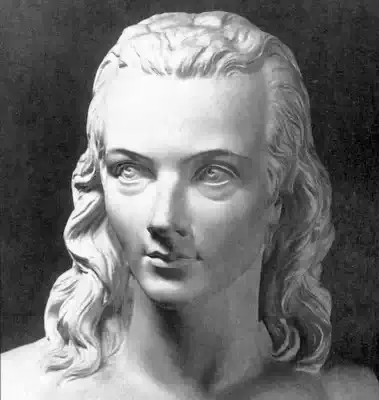
Novalis
Hymns to the Night :
Hymns to the Night :
Now I know when will come the last morning -- when the Light no more scares away
Night and Love -- when sleep shall be without waking, and but one continuous dream. I
feel in me a celestial exhaustion. Long and weariful was my pilgrimage to the holy
grave, and crushing was the cross. The crystal wave, which, imperceptible to the
ordinary sense, springs in the dark bosom of the mound against whose foot breaks the
flood of the world, he who has tasted it, he who has stood on the mountain frontier of
the world, and looked across into the new land, into the abode of the Night -- truly he
turns not again into the tumult of the world, into the land where dwells the Light in
ceaseless unrest.
On those heights he builds for himself tabernacles -- tabernacles of peace, there longs
and loves and gazes across, until the welcomest of all hours draws him down into the
waters of the spring -- afloat above remains what is earthly, and is swept back in
storms, but what became holy by the touch of love, runs free through hidden ways to
the region beyond, where, like fragrances, it mingles with love asleep.
Still wakest thou, cheerful Light, that weary man to his labor -- and into me pourest
joyous life -- but thou wilest me not away from Memory's moss-grown monument.
Gladly will I stir busy hands, everywhere behold where thou hast need of me -- praise
the lustre of thy splendor -- pursue unwearied the lovely harmonies of thy skilled
handicraft -- gladly contemplate the clever pace of thy mighty, luminous clock --
explore the balance of the forces and the laws of the wondrous play of countless worlds
and their seasons. But true to the Night remains my secret heart, and to creative Love,
her daughter. Canst thou show me a heart eternally true? has thy sun friendly eyes
that know me? do thy stars lay hold of my longing hand? and return me the tender
pressure and the caressing word? was it thou did adorn them with colors and a
flickering outline -- or was it she who gave to thy jewels a higher, a dearer weight?
What delight, what pleasure offers thy life, to outweigh the transports of Death? Wears
not everything that inspires us the color of the Night? She sustains thee mother-like,
and to her thou owest all thy glory. Thou wouldst vanish into thyself -- in boundless
space thou wouldst dissolve, if she did not hold thee fast, if she swaddled thee not, so
that thou grewest warm, and flaming, begot the universe. Truly I was, before thou
wast -- the mother sent me with my brothers and sisters to inhabit thy world, to hallow
it with love that it might be an ever-present memorial -- to plant it with flowers
unfading. As yet they have not ripened, these thoughts divine -- as yet is there small
trace of our coming revelation -- One day thy clock will point to the end of time, and
then thou shalt be as one of us, and shalt, full of ardent longing, be extinguished and
die. I feel in me the close of thy activity -- heavenly freedom, and blessed return. With
wild pangs I recognize thy distance from our home, thy resistance against the ancient,
glorious heaven. Thy rage and thy raving are in vain. Unscorchable stands the cross --
victory-banner of our breed.
Over I journey
And for each pain
A pleasant sting only
Shall one day remain.
Yet in a few moments
Then free am I,
And intoxicated
In Love's lap lie.
Life everlasting
Lifts, wave-like, at me,
I gaze from its summit
Down after thee.
Your lustre must vanish
Yon mound underneath --
A shadow will bring thee
Thy cooling wreath.
Oh draw at my heart, love,
Draw till I'm gone,
That, fallen asleep, I
Still may love on.
I feel the flow of
Death's youth-giving flood
To balsam and ether
Transform my blood --
I live all the daytime
In faith and in might
And in holy fire
I die every night.
Now I know when will come the last morning -- when the Light no more scares away
Night and Love -- when sleep shall be without waking, and but one continuous dream. I
feel in me a celestial exhaustion. Long and weariful was my pilgrimage to the holy
grave, and crushing was the cross. The crystal wave, which, imperceptible to the
ordinary sense, springs in the dark bosom of the mound against whose foot breaks the
flood of the world, he who has tasted it, he who has stood on the mountain frontier of
the world, and looked across into the new land, into the abode of the Night -- truly he
turns not again into the tumult of the world, into the land where dwells the Light in
ceaseless unrest.
On those heights he builds for himself tabernacles -- tabernacles of peace, there longs
and loves and gazes across, until the welcomest of all hours draws him down into the
waters of the spring -- afloat above remains what is earthly, and is swept back in
storms, but what became holy by the touch of love, runs free through hidden ways to
the region beyond, where, like fragrances, it mingles with love asleep.
Still wakest thou, cheerful Light, that weary man to his labor -- and into me pourest
joyous life -- but thou wilest me not away from Memory's moss-grown monument.
Gladly will I stir busy hands, everywhere behold where thou hast need of me -- praise
the lustre of thy splendor -- pursue unwearied the lovely harmonies of thy skilled
handicraft -- gladly contemplate the clever pace of thy mighty, luminous clock --
explore the balance of the forces and the laws of the wondrous play of countless worlds
and their seasons. But true to the Night remains my secret heart, and to creative Love,
her daughter. Canst thou show me a heart eternally true? has thy sun friendly eyes
that know me? do thy stars lay hold of my longing hand? and return me the tender
pressure and the caressing word? was it thou did adorn them with colors and a
flickering outline -- or was it she who gave to thy jewels a higher, a dearer weight?
What delight, what pleasure offers thy life, to outweigh the transports of Death? Wears
not everything that inspires us the color of the Night? She sustains thee mother-like,
and to her thou owest all thy glory. Thou wouldst vanish into thyself -- in boundless
space thou wouldst dissolve, if she did not hold thee fast, if she swaddled thee not, so
that thou grewest warm, and flaming, begot the universe. Truly I was, before thou
wast -- the mother sent me with my brothers and sisters to inhabit thy world, to hallow
it with love that it might be an ever-present memorial -- to plant it with flowers
unfading. As yet they have not ripened, these thoughts divine -- as yet is there small
trace of our coming revelation -- One day thy clock will point to the end of time, and
then thou shalt be as one of us, and shalt, full of ardent longing, be extinguished and
die. I feel in me the close of thy activity -- heavenly freedom, and blessed return. With
wild pangs I recognize thy distance from our home, thy resistance against the ancient,
glorious heaven. Thy rage and thy raving are in vain. Unscorchable stands the cross --
victory-banner of our breed.
Over I journey
And for each pain
A pleasant sting only
Shall one day remain.
Yet in a few moments
Then free am I,
And intoxicated
In Love's lap lie.
Life everlasting
Lifts, wave-like, at me,
I gaze from its summit
Down after thee.
Your lustre must vanish
Yon mound underneath --
A shadow will bring thee
Thy cooling wreath.
Oh draw at my heart, love,
Draw till I'm gone,
That, fallen asleep, I
Still may love on.
I feel the flow of
Death's youth-giving flood
To balsam and ether
Transform my blood --
I live all the daytime
In faith and in might
And in holy fire
I die every night.
313
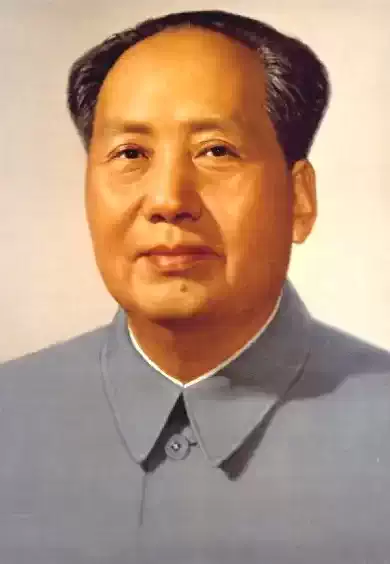
Mao Tsé-Tung
Three Short Poems
Three Short Poems
Mountains!
I whip my swift horse, glued to my saddle.
I turn my head startled,
The sky is three foot three above me!
Mountains!
Like great waves surging in a crashing sea,
Like a thousand stallions
In full gallop in the heat of battle.
Mountains!
Piercing the blue of heaven, your barbs unblunted!
The skies would fall
But for your strength supporting.
Mountains!
I whip my swift horse, glued to my saddle.
I turn my head startled,
The sky is three foot three above me!
Mountains!
Like great waves surging in a crashing sea,
Like a thousand stallions
In full gallop in the heat of battle.
Mountains!
Piercing the blue of heaven, your barbs unblunted!
The skies would fall
But for your strength supporting.
310
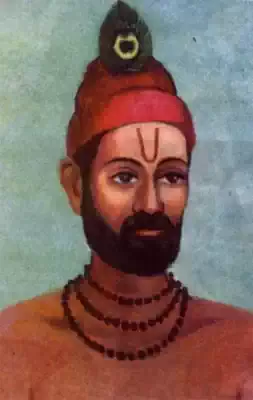
Kabir
I have been thinking
I have been thinking
I have been thinking...
I have been thinking of the difference between water
I have been thinkingI have been thinkingand the waves on it. Rising,
water's still water, falling back,
it is water, will you give me a hint
how to tell them apart?
Because someone has made up the word
'wave,' do I have to distinguish it
from water?
There is a Secret One inside us;
the planets in all the galaxies
pass through his hands like beads.
That is a string of beads one should look at with luminous eyes.
I have been thinking...
I have been thinking of the difference between water
I have been thinkingI have been thinkingand the waves on it. Rising,
water's still water, falling back,
it is water, will you give me a hint
how to tell them apart?
Because someone has made up the word
'wave,' do I have to distinguish it
from water?
There is a Secret One inside us;
the planets in all the galaxies
pass through his hands like beads.
That is a string of beads one should look at with luminous eyes.
522

Jonathan Swift
On The Moon
On The Moon
I with borrow'd silver shine
What you see is none of mine.
First I show you but a quarter,
Like the bow that guards the Tartar:
Then the half, and then the whole,
Ever dancing round the pole.
What will raise your admiration,
I am not one of God's creation,
But sprung, (and I this truth maintain,)
Like Pallas, from my father's brain.
And after all, I chiefly owe
My beauty to the shades below.
Most wondrous forms you see me wear,
A man, a woman, lion, bear,
A fish, a fowl, a cloud, a field,
All figures Heaven or earth can yield;
Like Daphne sometimes in a tree;
Yet am not one of all you see.
I with borrow'd silver shine
What you see is none of mine.
First I show you but a quarter,
Like the bow that guards the Tartar:
Then the half, and then the whole,
Ever dancing round the pole.
What will raise your admiration,
I am not one of God's creation,
But sprung, (and I this truth maintain,)
Like Pallas, from my father's brain.
And after all, I chiefly owe
My beauty to the shades below.
Most wondrous forms you see me wear,
A man, a woman, lion, bear,
A fish, a fowl, a cloud, a field,
All figures Heaven or earth can yield;
Like Daphne sometimes in a tree;
Yet am not one of all you see.
265
John Milton
Psalm 08
Psalm 08
Aug. 14. 1653.
O Jehovah our Lord how wondrous great
And glorious is thy name through all the earth?
So as above the Heavens thy praise to set
Out of the tender mouths of latest bearth,
Out of the mouths of babes and sucklings thou
Hast founded strength because of all thy foes
To stint th'enemy, and slack th'avengers brow
That bends his rage thy providence to oppose.
When I behold thy Heavens, thy Fingers art,
The Moon and Starrs which thou so bright hast set,
In the pure firmament, then saith my heart,
O What is man that thou remembrest yet,
And think'st upon him; or of man begot
That him thou visit'st and of him art found;
Scarce to be less then Gods, thou mad'st his lot,
With honour and with state thou hast him crown'd.
O're the works of thy hand thou mad'st him Lord,
Thou hast put all under his lordly feet,
All Flocks, and Herds, by thy commanding word,
All beasts that in the field or forrest meet.
Fowl of the Heavens, and Fish that through the wet
Sea-paths in shoals do slide. And know no dearth.
O Jehovah our Lord how wondrous great
And glorious is thy name through all the earth.
Aug. 14. 1653.
O Jehovah our Lord how wondrous great
And glorious is thy name through all the earth?
So as above the Heavens thy praise to set
Out of the tender mouths of latest bearth,
Out of the mouths of babes and sucklings thou
Hast founded strength because of all thy foes
To stint th'enemy, and slack th'avengers brow
That bends his rage thy providence to oppose.
When I behold thy Heavens, thy Fingers art,
The Moon and Starrs which thou so bright hast set,
In the pure firmament, then saith my heart,
O What is man that thou remembrest yet,
And think'st upon him; or of man begot
That him thou visit'st and of him art found;
Scarce to be less then Gods, thou mad'st his lot,
With honour and with state thou hast him crown'd.
O're the works of thy hand thou mad'st him Lord,
Thou hast put all under his lordly feet,
All Flocks, and Herds, by thy commanding word,
All beasts that in the field or forrest meet.
Fowl of the Heavens, and Fish that through the wet
Sea-paths in shoals do slide. And know no dearth.
O Jehovah our Lord how wondrous great
And glorious is thy name through all the earth.
478
John Keats
To My Brother George
To My Brother George
Many the wonders I this day have seen:
The sun, when first he kissed away the tears
That filled the eyes of Morn;-the laurelled peers
Who from the feathery gold of evening lean;-
The ocean with its vastness, its blue green,
Its ships, its rocks, its caves, its hopes, its fears,
Its voice mysterious, which whoso hears
Must think on what will be, and what has been.
E'en now, dear George, while this for you I write,
Cynthia is from her silken curtains peeping
So scantly, that it seems her bridal night,
And she her half-discovered revels keeping.
But what, without the social thought of thee,
Would be the wonders of the sky and sea?
Many the wonders I this day have seen:
The sun, when first he kissed away the tears
That filled the eyes of Morn;-the laurelled peers
Who from the feathery gold of evening lean;-
The ocean with its vastness, its blue green,
Its ships, its rocks, its caves, its hopes, its fears,
Its voice mysterious, which whoso hears
Must think on what will be, and what has been.
E'en now, dear George, while this for you I write,
Cynthia is from her silken curtains peeping
So scantly, that it seems her bridal night,
And she her half-discovered revels keeping.
But what, without the social thought of thee,
Would be the wonders of the sky and sea?
459
John Keats
Sonnet I. To My Brother George
Sonnet I. To My Brother George
Many the wonders I this day have seen:
The sun, when first he kissed away the tears
That filled the eyes of Morn;—the laurelled peers
Who from the feathery gold of evening lean;—
The ocean with its vastness, its blue green,
Its ships, its rocks, its caves, its hopes, its fears,
Its voice mysterious, which whoso hears
Must think on what will be, and what has been.
E'en now, dear George, while this for you I write,
Cynthia is from her silken curtains peeping
So scantly, that it seems her bridal night,
And she her half-discovered revels keeping.
But what, without the social thought of thee,
Would be the wonders of the sky and sea?
Many the wonders I this day have seen:
The sun, when first he kissed away the tears
That filled the eyes of Morn;—the laurelled peers
Who from the feathery gold of evening lean;—
The ocean with its vastness, its blue green,
Its ships, its rocks, its caves, its hopes, its fears,
Its voice mysterious, which whoso hears
Must think on what will be, and what has been.
E'en now, dear George, while this for you I write,
Cynthia is from her silken curtains peeping
So scantly, that it seems her bridal night,
And she her half-discovered revels keeping.
But what, without the social thought of thee,
Would be the wonders of the sky and sea?
399
John Greenleaf Whittier
Revelation
Revelation
Still, as of old, in Beavor's Vale,
O man of God! our hope and faith
The Elements and Stars assail,
And the awed spirit holds its breath,
Blown over by a wind of death.
Takes Nature thought for such as we,
What place her human atom fills,
The weed-drift of her careless sea,
The mist on her unheeding hills?
What reeks she of our helpless wills?
Strange god of Force, with fear, not love,
Its trembling worshipper! Can prayer
Reach the shut ear of Fate, or move
Unpitying Energy to spare?
What doth the cosmic Vastness care?
In vain to this dread Unconcern
For the All-Father's love we look;
In vain, in quest of it, we turn
The storied leaves of Nature's book,
The prints her rocky tablets took.
I pray for faith, I long to trust;
I listen with my heart, and hear
A Voice without a sound: 'Be just,
Be true, be merciful, revere
The Word within thee: God is near!
'A light to sky and earth unknown
Pales all their lights: a mightier force
Than theirs the powers of Nature own,
And, to its goal as at its source,
His Spirit moves the Universe.
'Believe and trust. Through stars and suns,
Through life and death, through soul and sense,
His wise, paternal purpose runs;
The darkness of His providence
Is star-lit with benign intents.'
O joy supreme! I know the Voice,
Like none beside on earth or sea;
Yea, more, O soul of mine, rejoice,
By all that He requires of me,
I know what God himself must be.
No picture to my aid I call,
I shape no image in my prayer;
I only know in Him is all
Of life, light, beauty, everywhere,
Eternal Goodness here and there!
I know He is, and what He is,
Whose one great purpose is the good
Of all. I rest my soul on His
Immortal Love and Fatherhood;
And trust Him, as His children should.
I fear no more. The clouded face
Of Nature smiles; through all her things
Of time and space and sense I trace
The moving of the Spirit's wings,
And hear the song of hope she sings.
Still, as of old, in Beavor's Vale,
O man of God! our hope and faith
The Elements and Stars assail,
And the awed spirit holds its breath,
Blown over by a wind of death.
Takes Nature thought for such as we,
What place her human atom fills,
The weed-drift of her careless sea,
The mist on her unheeding hills?
What reeks she of our helpless wills?
Strange god of Force, with fear, not love,
Its trembling worshipper! Can prayer
Reach the shut ear of Fate, or move
Unpitying Energy to spare?
What doth the cosmic Vastness care?
In vain to this dread Unconcern
For the All-Father's love we look;
In vain, in quest of it, we turn
The storied leaves of Nature's book,
The prints her rocky tablets took.
I pray for faith, I long to trust;
I listen with my heart, and hear
A Voice without a sound: 'Be just,
Be true, be merciful, revere
The Word within thee: God is near!
'A light to sky and earth unknown
Pales all their lights: a mightier force
Than theirs the powers of Nature own,
And, to its goal as at its source,
His Spirit moves the Universe.
'Believe and trust. Through stars and suns,
Through life and death, through soul and sense,
His wise, paternal purpose runs;
The darkness of His providence
Is star-lit with benign intents.'
O joy supreme! I know the Voice,
Like none beside on earth or sea;
Yea, more, O soul of mine, rejoice,
By all that He requires of me,
I know what God himself must be.
No picture to my aid I call,
I shape no image in my prayer;
I only know in Him is all
Of life, light, beauty, everywhere,
Eternal Goodness here and there!
I know He is, and what He is,
Whose one great purpose is the good
Of all. I rest my soul on His
Immortal Love and Fatherhood;
And trust Him, as His children should.
I fear no more. The clouded face
Of Nature smiles; through all her things
Of time and space and sense I trace
The moving of the Spirit's wings,
And hear the song of hope she sings.
214
John Clare
Autumn
Autumn
The thistledown's flying, though the winds are all still,
On the green grass now lying, now mounting the hill,
The spring from the fountain now boils like a pot;
Through stones past the counting it bubbles red-hot.
The ground parched and cracked is like overbaked bread,
The greensward all wracked is, bents dried up and dead.
The fallow fields glitter like water indeed,
And gossamers twitter, flung from weed unto weed.
Hill-tops like hot iron glitter bright in the sun,
And the rivers we're eying burn to gold as they run;
Burning hot is the ground, liquid gold is the air;
Whoever looks round sees Eternity there.
The thistledown's flying, though the winds are all still,
On the green grass now lying, now mounting the hill,
The spring from the fountain now boils like a pot;
Through stones past the counting it bubbles red-hot.
The ground parched and cracked is like overbaked bread,
The greensward all wracked is, bents dried up and dead.
The fallow fields glitter like water indeed,
And gossamers twitter, flung from weed unto weed.
Hill-tops like hot iron glitter bright in the sun,
And the rivers we're eying burn to gold as they run;
Burning hot is the ground, liquid gold is the air;
Whoever looks round sees Eternity there.
431
Johann Wolfgang von Goethe
From Faust - II. Prologue In Heaven
From Faust - II. Prologue In Heaven
THE ARCHANGELS' SONG.
RAPHAEL.
THE sun still chaunts, as in old time,
With brother-spheres in choral song,
And with his thunder-march sublime
Moves his predestined course along.
Strength find the angels in his sight,
Though he by none may fathomed be;
Still glorious is each work of might
As when first form'd in majesty.
GABRIEL.
And swift and swift, in wondrous guise,
Revolves the earth in splendour bright,
The radiant hues of Paradise
Alternating with deepest night.
From out the gulf against the rock,
In spreading billows foams the ocean,--
And cliff and sea with mighty shock,
The spheres whirl round in endless motion.
MICHAEL.
And storms in emulation growl
From land to sea, from sea to land,
And fashion, as they wildly howl,
A circling, wonder-working band.
Destructive flames in mad career
Precede Thy thunders on their way;
Yet, Lord, Thy messengers revere
The soft mutations of Thy day.
THE THREE.
Strength find the angels in Thy sight,
Though none may hope to fathom Thee;
Still glorious are Thy works of might,
As when first form'd in majesty.
THE ARCHANGELS' SONG.
RAPHAEL.
THE sun still chaunts, as in old time,
With brother-spheres in choral song,
And with his thunder-march sublime
Moves his predestined course along.
Strength find the angels in his sight,
Though he by none may fathomed be;
Still glorious is each work of might
As when first form'd in majesty.
GABRIEL.
And swift and swift, in wondrous guise,
Revolves the earth in splendour bright,
The radiant hues of Paradise
Alternating with deepest night.
From out the gulf against the rock,
In spreading billows foams the ocean,--
And cliff and sea with mighty shock,
The spheres whirl round in endless motion.
MICHAEL.
And storms in emulation growl
From land to sea, from sea to land,
And fashion, as they wildly howl,
A circling, wonder-working band.
Destructive flames in mad career
Precede Thy thunders on their way;
Yet, Lord, Thy messengers revere
The soft mutations of Thy day.
THE THREE.
Strength find the angels in Thy sight,
Though none may hope to fathom Thee;
Still glorious are Thy works of might,
As when first form'd in majesty.
351
Johann Wolfgang von Goethe
From Faust - IV. Chorus Of Spirits
From Faust - IV. Chorus Of Spirits
VANISH, dark clouds on high,
Offspring of night!
Let a more radiant beam
Through the blue ether gleam,
Charming the sight!
Would the dark clouds on high
Melt into air!
Stars glimmer tenderly,
Planets more fair
Shed their soft light.
Spirits of heav'nly birth,
Fairer than sons of earth,
Quivering emotions true
Hover above;
Yearning affections, too,
In their train move.
See how the spirit-band,
By the soft breezes fann'd,
Covers the smiling land,--
Covers the leafy grove,
Where happy lovers rove,
Deep in a dream of love,
True love that never dies!
Bowers on bowers rise,
Soft tendrils twine;
While from the press escapes,
Born of the juicy grapes,
Foaming, the wine;
And as the current flows
O'er the bright stones it goes,--
Leaving the hilly lands
Far, far behind,--
Into a sea expands,
Loving to wind
Round the green mountain's base;
And the glad-winged race,
Rapture sip in,
As they the sunny light,
And the fair islands bright,
Hasten to win,
That on the billows play
With sweet deceptive ray,
Where in glad choral song
Shout the exulting throng;
Where on the verdant plain
Dancers we see,
Spreading themselves amain
Over the lea.
Some boldly climbing are
O'er the steep brake,
Others are floating far
O'er the smooth lake.
All for a purpose move,
All with life teem,
While the sweet stars above
Blissfully gleam.
VANISH, dark clouds on high,
Offspring of night!
Let a more radiant beam
Through the blue ether gleam,
Charming the sight!
Would the dark clouds on high
Melt into air!
Stars glimmer tenderly,
Planets more fair
Shed their soft light.
Spirits of heav'nly birth,
Fairer than sons of earth,
Quivering emotions true
Hover above;
Yearning affections, too,
In their train move.
See how the spirit-band,
By the soft breezes fann'd,
Covers the smiling land,--
Covers the leafy grove,
Where happy lovers rove,
Deep in a dream of love,
True love that never dies!
Bowers on bowers rise,
Soft tendrils twine;
While from the press escapes,
Born of the juicy grapes,
Foaming, the wine;
And as the current flows
O'er the bright stones it goes,--
Leaving the hilly lands
Far, far behind,--
Into a sea expands,
Loving to wind
Round the green mountain's base;
And the glad-winged race,
Rapture sip in,
As they the sunny light,
And the fair islands bright,
Hasten to win,
That on the billows play
With sweet deceptive ray,
Where in glad choral song
Shout the exulting throng;
Where on the verdant plain
Dancers we see,
Spreading themselves amain
Over the lea.
Some boldly climbing are
O'er the steep brake,
Others are floating far
O'er the smooth lake.
All for a purpose move,
All with life teem,
While the sweet stars above
Blissfully gleam.
404
James Whitcomb Riley
A Man Of Many Parts
A Man Of Many Parts
It was a man of many parts,
Who in his coffer mind
Had stored the Classics and the Arts
And Sciences combined;
The purest gems of poesy
Came flashing from his pen--
The wholesome truths of History
He gave his fellow men.
He knew the stars from 'Dog' to Mars;
And he could tell you, too,
Their distances--as though the cars
Had often checked him through--
And time 'twould take to reach the sun,
Or by the 'Milky Way,'
Drop in upon the moon, or run
The homeward trip, or stay.
With Logic at his fingers' ends,
Theology in mind,
He often entertained his friends
Until they died resigned;
And with inquiring mind intent
Upon Alchemic arts
A dynamite experiment-.
. . . . . .
A man of many parts!
It was a man of many parts,
Who in his coffer mind
Had stored the Classics and the Arts
And Sciences combined;
The purest gems of poesy
Came flashing from his pen--
The wholesome truths of History
He gave his fellow men.
He knew the stars from 'Dog' to Mars;
And he could tell you, too,
Their distances--as though the cars
Had often checked him through--
And time 'twould take to reach the sun,
Or by the 'Milky Way,'
Drop in upon the moon, or run
The homeward trip, or stay.
With Logic at his fingers' ends,
Theology in mind,
He often entertained his friends
Until they died resigned;
And with inquiring mind intent
Upon Alchemic arts
A dynamite experiment-.
. . . . . .
A man of many parts!
291
Henry Wadsworth Longfellow
Voices Of The Night : The Light Of Stars
Voices Of The Night : The Light Of Stars
The night is come, but not too soon;
And sinking silently,
All silently, the little moon
Drops down behind the sky.
There is no light in earth or heaven
But the cold light of stars;
And the first watch of night is given
To the red planet Mars.
Is it the tender star of love?
The star of love and dreams?
O no! from that blue tent above,
A hero's armor gleams.
And earnest thoughts within me rise,
When I behold afar,
Suspended in the evening skies,
The shield of that red star.
O star of strength! I see thee stand
And smile upon my pain;
Thou beckonest with thy mailed hand,
And I am strong again.
Within my breast there is no light
But the cold light of stars;
I give the first watch of the night
To the red planet Mars.
The star of the unconquered will,
He rises in my breast,
Serene, and resolute, and still,
And calm, and self-possessed.
And thou, too, whosoe'er thou art,
That readest this brief psalm,
As one by one thy hopes depart,
Be resolute and calm.
O fear not in a world like this,
And thou shalt know erelong,
Know how sublime a thing it is
To suffer and be strong.
The night is come, but not too soon;
And sinking silently,
All silently, the little moon
Drops down behind the sky.
There is no light in earth or heaven
But the cold light of stars;
And the first watch of night is given
To the red planet Mars.
Is it the tender star of love?
The star of love and dreams?
O no! from that blue tent above,
A hero's armor gleams.
And earnest thoughts within me rise,
When I behold afar,
Suspended in the evening skies,
The shield of that red star.
O star of strength! I see thee stand
And smile upon my pain;
Thou beckonest with thy mailed hand,
And I am strong again.
Within my breast there is no light
But the cold light of stars;
I give the first watch of the night
To the red planet Mars.
The star of the unconquered will,
He rises in my breast,
Serene, and resolute, and still,
And calm, and self-possessed.
And thou, too, whosoe'er thou art,
That readest this brief psalm,
As one by one thy hopes depart,
Be resolute and calm.
O fear not in a world like this,
And thou shalt know erelong,
Know how sublime a thing it is
To suffer and be strong.
234
Henry Wadsworth Longfellow
The Rainbow
The Rainbow
My heart leaps up when I behold
A rainbow in the sky;
So was it when my life began;
So is it now I am a man;
So be it when I shall grow old,
Or let me die!
The Child is father of the Man;
And I could wish my days to be
Bound each to each by natural piety.
My heart leaps up when I behold
A rainbow in the sky;
So was it when my life began;
So is it now I am a man;
So be it when I shall grow old,
Or let me die!
The Child is father of the Man;
And I could wish my days to be
Bound each to each by natural piety.
315