

Poems in this theme
Home and Household

Emily Dickinson
Away from Home are some and I—
Away from Home are some and I—
821
Away from Home are some and I—
An Emigrant to be
In a Metropolis of Homes
Is easy, possibly—
The Habit of a Foreign Sky
We—difficult—acquire
As Children, who remain in Face
The more their Feet retire.
821
Away from Home are some and I—
An Emigrant to be
In a Metropolis of Homes
Is easy, possibly—
The Habit of a Foreign Sky
We—difficult—acquire
As Children, who remain in Face
The more their Feet retire.
193
Emily Dickinson
Houses so the Wise Men tell me
"Houses"-so the Wise Men tell me
127
"Houses"-so the Wise Men tell me"
Mansions"! Mansions must be warm!
Mansions cannot let the tears in,
Mansions must exclude the storm!
"Many Mansions," by "his Father,"
I don't know him; snugly built!
Could the Children find the way there-
Some, would even trudge tonight!
127
"Houses"-so the Wise Men tell me"
Mansions"! Mansions must be warm!
Mansions cannot let the tears in,
Mansions must exclude the storm!
"Many Mansions," by "his Father,"
I don't know him; snugly built!
Could the Children find the way there-
Some, would even trudge tonight!
269

Ella Wheeler Wilcox
The Yellow-Covered Almanac
The Yellow-Covered Almanac
I left the farm when mother died and changed my place of dwelling
To daughter Susie’s stylish house right on the city street:
And there was them before I came that sort of scared me, telling
How I would find the town folks’ ways so difficult to meet;
They said I’d have no comfort in the rustling, fixed-up throng,
And I’d have to wear stiff collars every weekday, right along.
I find I take to city ways just like a duck to water;
I like the racket and the noise and never tire of shows;
And there’s no end of comfort in the mansion of my daughter,
And everything is right at hand and money freely flows;
And hired help is all about, just listenin’ to my call –
But I miss the yellow almanac off my old kitchen wall.
The house is full of calendars from the attic to the cellar,
They’re painted in all colours and are fancy like to see,
But in this one in particular I’m not a modern feller,
And the yellow-covered almanac is good enough for me.
I’m used to it, I’ve seen it round from boyhood to old age,
And I rather like the jokin’ at the bottom of the page.
I like the way its ‘S’ stood out to show the week’s beginning,
(In these new-fangled calendars the days seem sort of mixed) ,
And the man upon the cover, though he wa’n’t exactly winnin’,
With lungs and liver all exposed, still showed how we are fixed;
And the letters and credentials hat was writ to Mr. Ayer
I’ve often on a rainy day found readin’ pretty fair.
I tried to buy one recently; there wa’n’t none in the city!
They toted out great calendars, in every shape and style.
I looked at them in cold disdain, and answered ‘em in pity –
‘I’d rather have my almanac than all that costly pile.’
And though I take to city life, I’m lonesome after all
For that old yellow almanac upon my kitchen wall.
I left the farm when mother died and changed my place of dwelling
To daughter Susie’s stylish house right on the city street:
And there was them before I came that sort of scared me, telling
How I would find the town folks’ ways so difficult to meet;
They said I’d have no comfort in the rustling, fixed-up throng,
And I’d have to wear stiff collars every weekday, right along.
I find I take to city ways just like a duck to water;
I like the racket and the noise and never tire of shows;
And there’s no end of comfort in the mansion of my daughter,
And everything is right at hand and money freely flows;
And hired help is all about, just listenin’ to my call –
But I miss the yellow almanac off my old kitchen wall.
The house is full of calendars from the attic to the cellar,
They’re painted in all colours and are fancy like to see,
But in this one in particular I’m not a modern feller,
And the yellow-covered almanac is good enough for me.
I’m used to it, I’ve seen it round from boyhood to old age,
And I rather like the jokin’ at the bottom of the page.
I like the way its ‘S’ stood out to show the week’s beginning,
(In these new-fangled calendars the days seem sort of mixed) ,
And the man upon the cover, though he wa’n’t exactly winnin’,
With lungs and liver all exposed, still showed how we are fixed;
And the letters and credentials hat was writ to Mr. Ayer
I’ve often on a rainy day found readin’ pretty fair.
I tried to buy one recently; there wa’n’t none in the city!
They toted out great calendars, in every shape and style.
I looked at them in cold disdain, and answered ‘em in pity –
‘I’d rather have my almanac than all that costly pile.’
And though I take to city life, I’m lonesome after all
For that old yellow almanac upon my kitchen wall.
343
Ella Wheeler Wilcox
Songs Of A Country Home
Songs Of A Country Home
I
Who has not felt his heart leap up, and glow
What time the tulips first begin to blow,
Has one sweet joy, still left for him to know.
It is like early loves' imagining;
That fragile pleasure, which the Tulips bring,
When suddenly we see them, in the Spring.
Not all the gardens later royal train,
Not great triumphant Roses, when they reign,
Can bring that delicate delight again.
II
One of the sweetest hours is this;
(Of all I think we like it best
A little restful oasis,
Between the breakfast, and the post.
Just south of coffee, and of toast,
Just north of daily task and duty;
Just west of dreams, this Island gleams,
A fertile spot of peace and beauty.
We wander out across the lawn;
We idle by a bush in bloom;
The Household pets come following on;
Or if the day is one of gloom,
We loiter in a pleasant room
Or from a casement, lean and chatter.
Then comes the mail, like sudden hail,
And off we scatter.
III
When roses die, in languid August days,
We leave the Garden, to its fallen ways;
And seek the shelter of wide porticos,
Where Honeysuckle, in defiance blows
Undaunted by the Sun's too ardent rays.
The matron Summer, turns a wistful gaze
Across green valleys, back to tender Mays;
And something of her large contentment goes,
When roses die.
Yet all her subtle fascination stays
To lure us into idle sweet delays.
The lowered awning, by the hammock shows
Inviting nooks for dreaming and repose;
Oh, restful are the pleasures of those days
When roses die.
IV
The summer folk, fled back to town;
The green woods changed to red and brown;
A sound upon the frosty air
Of windows closing everywhere.
And then the log, lapped by a blaze.
Oh, what is better than these days;
With books and friends and love a-near;
Go on, gay world, but leave me here.
I
Who has not felt his heart leap up, and glow
What time the tulips first begin to blow,
Has one sweet joy, still left for him to know.
It is like early loves' imagining;
That fragile pleasure, which the Tulips bring,
When suddenly we see them, in the Spring.
Not all the gardens later royal train,
Not great triumphant Roses, when they reign,
Can bring that delicate delight again.
II
One of the sweetest hours is this;
(Of all I think we like it best
A little restful oasis,
Between the breakfast, and the post.
Just south of coffee, and of toast,
Just north of daily task and duty;
Just west of dreams, this Island gleams,
A fertile spot of peace and beauty.
We wander out across the lawn;
We idle by a bush in bloom;
The Household pets come following on;
Or if the day is one of gloom,
We loiter in a pleasant room
Or from a casement, lean and chatter.
Then comes the mail, like sudden hail,
And off we scatter.
III
When roses die, in languid August days,
We leave the Garden, to its fallen ways;
And seek the shelter of wide porticos,
Where Honeysuckle, in defiance blows
Undaunted by the Sun's too ardent rays.
The matron Summer, turns a wistful gaze
Across green valleys, back to tender Mays;
And something of her large contentment goes,
When roses die.
Yet all her subtle fascination stays
To lure us into idle sweet delays.
The lowered awning, by the hammock shows
Inviting nooks for dreaming and repose;
Oh, restful are the pleasures of those days
When roses die.
IV
The summer folk, fled back to town;
The green woods changed to red and brown;
A sound upon the frosty air
Of windows closing everywhere.
And then the log, lapped by a blaze.
Oh, what is better than these days;
With books and friends and love a-near;
Go on, gay world, but leave me here.
542
Ella Wheeler Wilcox
My Home
My Home
This is the place that I love the best,
A little brown house, like a ground-bird's nest,
Hid among grasses, and vines, and trees,
Summer retreat of the birds and bees.
The tenderest light that ever was seen
Sifts through the vine-made window screen--
Sifts and quivers, and flits and falls
On home-made carpets and gray-hung walls.
All through June the west wind free
The breath of clover brings to me.
All through the languid July day
I catch the scent of new-mown hay.
The morning-glories and scarlet vine
Over the doorway twist and twine;
And every day, when the house is still,
The humming-bird comes to the window-sill.
In the cunningest chamber under the sun
I sink to sleep when the day is done;
And am waked at morn, in my snow-white bed,
By a singing bird on the roof o'erhead.
Better than treasures brought from Rome,
Are the living pictures I see at home--
My aged father, with frosted hair,
And mother's face, like a painting rare.
Far from the city's dust and heat,
I get but sounds and odors sweet.
Who can wonder I love to stay,
Week after week, here hidden away,
In this sly nook that I love the best--
This little brown house like a ground-bird's nest?
This is the place that I love the best,
A little brown house, like a ground-bird's nest,
Hid among grasses, and vines, and trees,
Summer retreat of the birds and bees.
The tenderest light that ever was seen
Sifts through the vine-made window screen--
Sifts and quivers, and flits and falls
On home-made carpets and gray-hung walls.
All through June the west wind free
The breath of clover brings to me.
All through the languid July day
I catch the scent of new-mown hay.
The morning-glories and scarlet vine
Over the doorway twist and twine;
And every day, when the house is still,
The humming-bird comes to the window-sill.
In the cunningest chamber under the sun
I sink to sleep when the day is done;
And am waked at morn, in my snow-white bed,
By a singing bird on the roof o'erhead.
Better than treasures brought from Rome,
Are the living pictures I see at home--
My aged father, with frosted hair,
And mother's face, like a painting rare.
Far from the city's dust and heat,
I get but sounds and odors sweet.
Who can wonder I love to stay,
Week after week, here hidden away,
In this sly nook that I love the best--
This little brown house like a ground-bird's nest?
358

Elizabeth Bishop
Filling Station
Filling Station
Oh, but it is dirty!
--this little filling station,
oil-soaked, oil-permeated
to a disturbing, over-all
black translucency.
Be careful with that match!
Father wears a dirty,
oil-soaked monkey suit
that cuts him under the arms,
and several quick and saucy
and greasy sons assist him
(it's a family filling station),
all quite thoroughly dirty.
Do they live in the station?
It has a cement porch
behind the pumps, and on it
a set of crushed and greaseimpregnated
wickerwork;
on the wicker sofa
a dirty dog, quite comfy.
Some comic books provide
the only note of color-of
certain color. They lie
upon a big dim doily
draping a taboret
(part of the set), beside
a big hirsute begonia.
Why the extraneous plant?
Why the taboret?
Why, oh why, the doily?
(Embroidered in daisy stitch
with marguerites, I think,
and heavy with gray crochet.)
Somebody embroidered the doily.
Somebody waters the plant,
or oils it, maybe. Somebody
arranges the rows of cans
so that they softly say:
ESSO--SO--SO--SO
to high-strung automobiles.
Somebody loves us all.
Oh, but it is dirty!
--this little filling station,
oil-soaked, oil-permeated
to a disturbing, over-all
black translucency.
Be careful with that match!
Father wears a dirty,
oil-soaked monkey suit
that cuts him under the arms,
and several quick and saucy
and greasy sons assist him
(it's a family filling station),
all quite thoroughly dirty.
Do they live in the station?
It has a cement porch
behind the pumps, and on it
a set of crushed and greaseimpregnated
wickerwork;
on the wicker sofa
a dirty dog, quite comfy.
Some comic books provide
the only note of color-of
certain color. They lie
upon a big dim doily
draping a taboret
(part of the set), beside
a big hirsute begonia.
Why the extraneous plant?
Why the taboret?
Why, oh why, the doily?
(Embroidered in daisy stitch
with marguerites, I think,
and heavy with gray crochet.)
Somebody embroidered the doily.
Somebody waters the plant,
or oils it, maybe. Somebody
arranges the rows of cans
so that they softly say:
ESSO--SO--SO--SO
to high-strung automobiles.
Somebody loves us all.
551
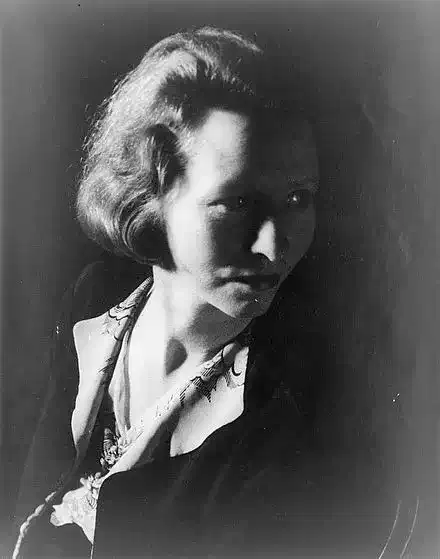
Edna St. Vincent Millay
The Little Ghost
The Little Ghost
I knew her for a little ghost
That in my garden walked;
The wall is high—higher than most—
And the green gate was locked.
And yet I did not think of that
Till after she was gone—
I knew her by the broad white hat,
All ruffled, she had on.
By the dear ruffles round her feet,
By her small hands that hung
In their lace mitts, austere and sweet,
Her gown's white folds among.
I watched to see if she would stay,
What she would do—and oh!
She looked as if she liked the way
I let my garden grow!
She bent above my favourite mint
With conscious garden grace,
She smiled and smiled—there was no hint
Of sadness in her face.
She held her gown on either side
To let her slippers show,
And up the walk she went with pride,
The way great ladies go.
And where the wall is built in new
And is of ivy bare
She paused—then opened and passed through
A gate that once was there.
I knew her for a little ghost
That in my garden walked;
The wall is high—higher than most—
And the green gate was locked.
And yet I did not think of that
Till after she was gone—
I knew her by the broad white hat,
All ruffled, she had on.
By the dear ruffles round her feet,
By her small hands that hung
In their lace mitts, austere and sweet,
Her gown's white folds among.
I watched to see if she would stay,
What she would do—and oh!
She looked as if she liked the way
I let my garden grow!
She bent above my favourite mint
With conscious garden grace,
She smiled and smiled—there was no hint
Of sadness in her face.
She held her gown on either side
To let her slippers show,
And up the walk she went with pride,
The way great ladies go.
And where the wall is built in new
And is of ivy bare
She paused—then opened and passed through
A gate that once was there.
356
Edna St. Vincent Millay
Tavern
Tavern
I'll keep a little tavern
Below the high hill's crest,
Wherein all grey-eyed people
May set them down and rest.
There shall be plates a-plenty,
And mugs to melt the chill
Of all the grey-eyed people
Who happen up the hill.
There sound will sleep the traveller,
And dream his journey's end,
But I will rouse at midnight
The falling fire to tend.
Aye, 'tis a curious fancy—
But all the good I know
Was taught me out of two grey eyes
A long time ago.
I'll keep a little tavern
Below the high hill's crest,
Wherein all grey-eyed people
May set them down and rest.
There shall be plates a-plenty,
And mugs to melt the chill
Of all the grey-eyed people
Who happen up the hill.
There sound will sleep the traveller,
And dream his journey's end,
But I will rouse at midnight
The falling fire to tend.
Aye, 'tis a curious fancy—
But all the good I know
Was taught me out of two grey eyes
A long time ago.
351
Edna St. Vincent Millay
Inland
Inland
People that build their houses inland,
People that buy a plot of ground
Shaped like a house, and build a house there,
Far from the sea-board, far from the sound
Of water sucking the hollow ledges,
Tons of water striking the shore,—
What do they long for, as I long for
One salt smell of the sea once more?
People the waves have not awakened,
Spanking the boats at the harbour's head,
What do they long for, as I long for,—
Starting up in my inland bed,
Beating the narrow walls, and finding
Neither a window nor a door,
Screaming to God for death by drowning,—
One salt taste of the sea once more?
People that build their houses inland,
People that buy a plot of ground
Shaped like a house, and build a house there,
Far from the sea-board, far from the sound
Of water sucking the hollow ledges,
Tons of water striking the shore,—
What do they long for, as I long for
One salt smell of the sea once more?
People the waves have not awakened,
Spanking the boats at the harbour's head,
What do they long for, as I long for,—
Starting up in my inland bed,
Beating the narrow walls, and finding
Neither a window nor a door,
Screaming to God for death by drowning,—
One salt taste of the sea once more?
279

Edgar Albert Guest
When Father Shook The Stove
When Father Shook The Stove
'Twas not so many years ago,
Say, twenty-two or three,
When zero weather or below
Held many a thrill for me.
Then in my icy room I slept
A youngster's sweet repose,
And always on my form I kept
My flannel underclothes.
Then I was roused by sudden shock
Though still to sleep I strove,
I knew that it was seven o'clock
When father shook the stove.
I never heard him quit his bed
Or his alarm clock ring;
I never heard his gentle tread,
Or his attempts to sing;
The sun that found my window pane
On me was wholly lost,
Though many a sunbeam tried in vain
To penetrate the frost.
To human voice I never stirred,
But deeper down I dove
Beneath the covers, when I heard
My father shake the stove.
To-day it all comes back to me
And I can hear it still;
He seemed to take a special glee
In shaking with a will.
He flung the noisy dampers back,
Then rattled steel on steel,
Until the force of his attack
The building seemed to feel.
Though I'd a youngster's heavy eyes
All sleep from them he drove;
It seemed to me the dead must rise
When father shook the stove.
Now radiators thump and pound
And every room is warm,
And modern men new ways have found
To shield us from the storm.
The window panes are seldom glossed
The way they used to be;
The pictures left by old Jack Frost
Our children never see.
And now that he has gone to rest
In God's great slumber grove,
I often think those days were best
When father shook the stove.
'Twas not so many years ago,
Say, twenty-two or three,
When zero weather or below
Held many a thrill for me.
Then in my icy room I slept
A youngster's sweet repose,
And always on my form I kept
My flannel underclothes.
Then I was roused by sudden shock
Though still to sleep I strove,
I knew that it was seven o'clock
When father shook the stove.
I never heard him quit his bed
Or his alarm clock ring;
I never heard his gentle tread,
Or his attempts to sing;
The sun that found my window pane
On me was wholly lost,
Though many a sunbeam tried in vain
To penetrate the frost.
To human voice I never stirred,
But deeper down I dove
Beneath the covers, when I heard
My father shake the stove.
To-day it all comes back to me
And I can hear it still;
He seemed to take a special glee
In shaking with a will.
He flung the noisy dampers back,
Then rattled steel on steel,
Until the force of his attack
The building seemed to feel.
Though I'd a youngster's heavy eyes
All sleep from them he drove;
It seemed to me the dead must rise
When father shook the stove.
Now radiators thump and pound
And every room is warm,
And modern men new ways have found
To shield us from the storm.
The window panes are seldom glossed
The way they used to be;
The pictures left by old Jack Frost
Our children never see.
And now that he has gone to rest
In God's great slumber grove,
I often think those days were best
When father shook the stove.
628
Edgar Albert Guest
Thanksgiving
Thanksgiving
Gettin' together to smile an' rejoice,
An' eatin' an' laughin' with folks of your choice;
An' kissin' the girls an' declarin' that they
Are growin' more beautiful day after day;
Chattin' an' braggin' a bit with the men,
Buildin' the old family circle again;
Livin' the wholesome an' old-fashioned cheer,
Just for awhile at the end of the year.
Greetings fly fast as we crowd through the door
And under the old roof we gather once more
Just as we did when the youngsters were small;
Mother's a little bit grayer, that's all.
Father's a little bit older, but still
Ready to romp an' to laugh with a will.
Here we are back at the table again
Tellin' our stories as women an' men.
Bowed are our heads for a moment in prayer;
Oh, but we're grateful an' glad to be there.
Home from the east land an' home from the west,
Home with the folks that are dearest an' best.
Out of the sham of the cities afar
We've come for a time to be just what we are.
Here we can talk of ourselves an' be frank,
Forgettin' position an' station an' rank.
Give me the end of the year an' its fun
When most of the plannin' an' toilin' is done;
Bring all the wanderers home to the nest,
Let me sit down with the ones I love best,
Hear the old voices still ringin' with song,
See the old faces unblemished by wrong,
See the old table with all of its chairs
An' I'll put soul in my Thanksgivin' prayers.
Gettin' together to smile an' rejoice,
An' eatin' an' laughin' with folks of your choice;
An' kissin' the girls an' declarin' that they
Are growin' more beautiful day after day;
Chattin' an' braggin' a bit with the men,
Buildin' the old family circle again;
Livin' the wholesome an' old-fashioned cheer,
Just for awhile at the end of the year.
Greetings fly fast as we crowd through the door
And under the old roof we gather once more
Just as we did when the youngsters were small;
Mother's a little bit grayer, that's all.
Father's a little bit older, but still
Ready to romp an' to laugh with a will.
Here we are back at the table again
Tellin' our stories as women an' men.
Bowed are our heads for a moment in prayer;
Oh, but we're grateful an' glad to be there.
Home from the east land an' home from the west,
Home with the folks that are dearest an' best.
Out of the sham of the cities afar
We've come for a time to be just what we are.
Here we can talk of ourselves an' be frank,
Forgettin' position an' station an' rank.
Give me the end of the year an' its fun
When most of the plannin' an' toilin' is done;
Bring all the wanderers home to the nest,
Let me sit down with the ones I love best,
Hear the old voices still ringin' with song,
See the old faces unblemished by wrong,
See the old table with all of its chairs
An' I'll put soul in my Thanksgivin' prayers.
622
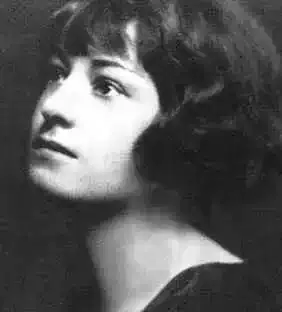
Dorothy Parker
Hearthside
Hearthside
Half across the world from me
Lie the lands I'll never see-
I, whose longing lives and dies
Where a ship has sailed away;
I, that never close my eyes
But to look upon Cathay.
Things I may not know nor tell
Wait, where older waters swell;
Ways that flowered at Sappho's tread,
Winds that sighed in Homer's strings,
Vibrant with the singing dead,
Golden with the dust of wings.
Under deeper skies than mine,
Quiet valleys dip and shine.
Where their tender grasses heal
Ancient scars of trench and tomb
I shall never walk: nor kneel
Where the bones of poets bloom.
If I seek a lovelier part,
Where I travel goes my heart;
Where I stray my thought must go;
With me wanders my desire.
Best to sit and watch the snow,
Turn the lock, and poke the fire.
Half across the world from me
Lie the lands I'll never see-
I, whose longing lives and dies
Where a ship has sailed away;
I, that never close my eyes
But to look upon Cathay.
Things I may not know nor tell
Wait, where older waters swell;
Ways that flowered at Sappho's tread,
Winds that sighed in Homer's strings,
Vibrant with the singing dead,
Golden with the dust of wings.
Under deeper skies than mine,
Quiet valleys dip and shine.
Where their tender grasses heal
Ancient scars of trench and tomb
I shall never walk: nor kneel
Where the bones of poets bloom.
If I seek a lovelier part,
Where I travel goes my heart;
Where I stray my thought must go;
With me wanders my desire.
Best to sit and watch the snow,
Turn the lock, and poke the fire.
457

Claude Mckay
Winter in the Country
Winter in the Country
Sweet life! how lovely to be here
And feel the soft sea-laden breeze
Strike my flushed face, the spruce's fair
Free limbs to see, the lesser trees'
Bare hands to touch, the sparrow's cheep
To heed, and watch his nimble flight
Above the short brown grass asleep.
Love glorious in his friendly might,
Music that every heart could bless,
And thoughts of life serene, divine,
Beyond my power to express,
Crowd round this lifted heart of mine!
But oh! to leave this paradise
For the city's dirty basement room,
Where, beauty hidden from the eyes,
A table, bed, bureau, and broom
In corner set, two crippled chairs
All covered up with dust and grim
With hideousness and scars of years,
And gaslight burning weird and dim,
Will welcome me . . . And yet, and yet
This very wind, the winter birds
The glory of the soft sunset,
Come there to me in words.
Sweet life! how lovely to be here
And feel the soft sea-laden breeze
Strike my flushed face, the spruce's fair
Free limbs to see, the lesser trees'
Bare hands to touch, the sparrow's cheep
To heed, and watch his nimble flight
Above the short brown grass asleep.
Love glorious in his friendly might,
Music that every heart could bless,
And thoughts of life serene, divine,
Beyond my power to express,
Crowd round this lifted heart of mine!
But oh! to leave this paradise
For the city's dirty basement room,
Where, beauty hidden from the eyes,
A table, bed, bureau, and broom
In corner set, two crippled chairs
All covered up with dust and grim
With hideousness and scars of years,
And gaslight burning weird and dim,
Will welcome me . . . And yet, and yet
This very wind, the winter birds
The glory of the soft sunset,
Come there to me in words.
351
Claude Mckay
To One Coming North
To One Coming North
At first you'll joy to see the playful snow,
Like white moths trembling on the tropic air,
Or waters of the hills that softly flow
Gracefully falling down a shining stair.
And when the fields and streets are covered white
And the wind-worried void is chilly, raw,
Or underneath a spell of heat and light
The cheerless frozen spots begin to thaw,
Like me you'll long for home, where birds' glad song
Means flowering lanes and leas and spaces dry,
And tender thoughts and feelings fine and strong,
Beneath a vivid silver-flecked blue sky.
But oh! more than the changeless southern isles,
When Spring has shed upon the earth her charm,
You'll love the Northland wreathed in golden smiles
By the miraculous sun turned glad and warm.
At first you'll joy to see the playful snow,
Like white moths trembling on the tropic air,
Or waters of the hills that softly flow
Gracefully falling down a shining stair.
And when the fields and streets are covered white
And the wind-worried void is chilly, raw,
Or underneath a spell of heat and light
The cheerless frozen spots begin to thaw,
Like me you'll long for home, where birds' glad song
Means flowering lanes and leas and spaces dry,
And tender thoughts and feelings fine and strong,
Beneath a vivid silver-flecked blue sky.
But oh! more than the changeless southern isles,
When Spring has shed upon the earth her charm,
You'll love the Northland wreathed in golden smiles
By the miraculous sun turned glad and warm.
485

Christina Rossetti
Shut Out
Shut Out
The door was shut. I looked between
Its iron bars; and saw it lie,
My garden, mine, beneath the sky,
Pied with all flowers bedewed and green:
From bough to bough the song-birds crossed,
From flower to flower the moths and bees;
With all its nests and stately trees
It had been mine, and it was lost.
A shadowless spirit kept the gate,
Blank and unchanging like the grave.
I peering through said: 'Let me have
Some buds to cheer my outcast state.'
He answered not. 'Or give me, then,
But one small twig from shrub or tree;
And bid my home remember me
Until I come to it again.'
The spirit was silent; but he took
Mortar and stone to build a wall;
He left no loophole great or small
Through which my straining eyes might look:
So now I sit here quite alone
Blinded with tears; nor grieve for that,
For nought is left worth looking at
Since my delightful land is gone.
A violet bed is budding near,
Wherein a lark has made her nest:
And good they are, but not the best;
And dear they are, but not so dear.
The door was shut. I looked between
Its iron bars; and saw it lie,
My garden, mine, beneath the sky,
Pied with all flowers bedewed and green:
From bough to bough the song-birds crossed,
From flower to flower the moths and bees;
With all its nests and stately trees
It had been mine, and it was lost.
A shadowless spirit kept the gate,
Blank and unchanging like the grave.
I peering through said: 'Let me have
Some buds to cheer my outcast state.'
He answered not. 'Or give me, then,
But one small twig from shrub or tree;
And bid my home remember me
Until I come to it again.'
The spirit was silent; but he took
Mortar and stone to build a wall;
He left no loophole great or small
Through which my straining eyes might look:
So now I sit here quite alone
Blinded with tears; nor grieve for that,
For nought is left worth looking at
Since my delightful land is gone.
A violet bed is budding near,
Wherein a lark has made her nest:
And good they are, but not the best;
And dear they are, but not so dear.
266

Charlotte Brontë
Regret
Regret
Long ago I wished to leave
" The house where I was born; "
Long ago I used to grieve,
My home seemed so forlorn.
In other years, its silent rooms
Were filled with haunting fears;
Now, their very memory comes
O'ercharged with tender tears.
Life and marriage I have known,
Things once deemed so bright;
Now, how utterly is flown
Every ray of light !
'Mid the unknown sea of life
I no blest isle have found;
At last, through all its wild wave's strife,
My bark is homeward bound.
Farewell, dark and rolling deep !
Farewell, foreign shore !
Open, in unclouded sweep,
Thou glorious realm before !
Yet, though I had safely pass'd
That weary, vexed main,
One loved voice, through surge and blast,
Could call me back again.
Though the soul's bright morning rose
O'er Paradise for me,
William ! even from Heaven's repose
I'd turn, invoked by thee !
Storm nor surge should e'er arrest
My soul, exulting then:
All my heaven was once thy breast,
Would it were mine again !
Long ago I wished to leave
" The house where I was born; "
Long ago I used to grieve,
My home seemed so forlorn.
In other years, its silent rooms
Were filled with haunting fears;
Now, their very memory comes
O'ercharged with tender tears.
Life and marriage I have known,
Things once deemed so bright;
Now, how utterly is flown
Every ray of light !
'Mid the unknown sea of life
I no blest isle have found;
At last, through all its wild wave's strife,
My bark is homeward bound.
Farewell, dark and rolling deep !
Farewell, foreign shore !
Open, in unclouded sweep,
Thou glorious realm before !
Yet, though I had safely pass'd
That weary, vexed main,
One loved voice, through surge and blast,
Could call me back again.
Though the soul's bright morning rose
O'er Paradise for me,
William ! even from Heaven's repose
I'd turn, invoked by thee !
Storm nor surge should e'er arrest
My soul, exulting then:
All my heaven was once thy breast,
Would it were mine again !
316

Carl Sandburg
Flanders
Flanders
Flanders, the name of a place, a country of people,
Spells itself with letters, is written in books.
"Where is Flanders?" was asked one time,
Flanders known only to those who lived there
And milked cows and made cheese and spoke the home language.
"Where is Flanders?" was asked.
And the slang adepts shot the reply: Search me.
A few thousand people milking cows, raising radishes,
On a land of salt grass and dunes, sand-swept with a sea-breath on it:
This was Flanders, the unknown, the quiet,
The place where cows hunted lush cuds of green on lowlands,
And the raw-boned plowmen took horses with long shanks
Out in the dawn to the sea-breath.
Flanders sat slow-spoken amid slow-swung windmills,
Slow-circling windmill arms turning north or west,
Turning to talk to the swaggering winds, the childish winds,
So Flanders sat with the heart of a kitchen girl
Washing wooden bowls in the winter sun by a window.
Flanders, the name of a place, a country of people,
Spells itself with letters, is written in books.
"Where is Flanders?" was asked one time,
Flanders known only to those who lived there
And milked cows and made cheese and spoke the home language.
"Where is Flanders?" was asked.
And the slang adepts shot the reply: Search me.
A few thousand people milking cows, raising radishes,
On a land of salt grass and dunes, sand-swept with a sea-breath on it:
This was Flanders, the unknown, the quiet,
The place where cows hunted lush cuds of green on lowlands,
And the raw-boned plowmen took horses with long shanks
Out in the dawn to the sea-breath.
Flanders sat slow-spoken amid slow-swung windmills,
Slow-circling windmill arms turning north or west,
Turning to talk to the swaggering winds, the childish winds,
So Flanders sat with the heart of a kitchen girl
Washing wooden bowls in the winter sun by a window.
295
Boris Pasternak
March
March
The sun is hotter than the top ledge in a steam bath;
The ravine, crazed, is rampaging below.
Spring -- that corn-fed, husky milkmaid --
Is busy at her chores with never a letup.
The snow is wasting (pernicious anemia --
See those branching veinlets of impotent blue?)
Yet in the cowbarn life is burbling, steaming,
And the tines of pitchforks simply glow with health.
These days -- these days, and these nights also!
With eavesdrop thrumming its tattoos at noon,
With icicles (cachectic!) hanging on to gables,
And with the chattering of rills that never sleep!
All doors are flung open -- in stable and in cowbarn;
Pigeons peck at oats fallen in the snow;
And the culprit of all this and its life-begetter--
The pile of manure -- is pungent with ozone.
The sun is hotter than the top ledge in a steam bath;
The ravine, crazed, is rampaging below.
Spring -- that corn-fed, husky milkmaid --
Is busy at her chores with never a letup.
The snow is wasting (pernicious anemia --
See those branching veinlets of impotent blue?)
Yet in the cowbarn life is burbling, steaming,
And the tines of pitchforks simply glow with health.
These days -- these days, and these nights also!
With eavesdrop thrumming its tattoos at noon,
With icicles (cachectic!) hanging on to gables,
And with the chattering of rills that never sleep!
All doors are flung open -- in stable and in cowbarn;
Pigeons peck at oats fallen in the snow;
And the culprit of all this and its life-begetter--
The pile of manure -- is pungent with ozone.
423

Billy Collins
I Ask You
I Ask You
What scene would I want to be enveloped in
more than this one,
an ordinary night at the kitchen table,
floral wallpaper pressing in,
white cabinets full of glass,
the telephone silent,
a pen tilted back in my hand?
It gives me time to think
about all that is going on outside-leaves
gathering in corners,
lichen greening the high grey rocks,
while over the dunes the world sails on,
huge, ocean-going, history bubbling in its wake.
But beyond this table
there is nothing that I need,
not even a job that would allow me to row to work,
or a coffee-colored Aston Martin DB4
with cracked green leather seats.
No, it's all here,
the clear ovals of a glass of water,
a small crate of oranges, a book on Stalin,
not to mention the odd snarling fish
in a frame on the wall,
and the way these three candles-each
a different height-are
singing in perfect harmony.
So forgive me
if I lower my head now and listen
to the short bass candle as he takes a solo
while my heart
thrums under my shirt-frog
at the edge of a pond-and
my thoughts fly off to a province
made of one enormous sky
and about a million empty branches.
What scene would I want to be enveloped in
more than this one,
an ordinary night at the kitchen table,
floral wallpaper pressing in,
white cabinets full of glass,
the telephone silent,
a pen tilted back in my hand?
It gives me time to think
about all that is going on outside-leaves
gathering in corners,
lichen greening the high grey rocks,
while over the dunes the world sails on,
huge, ocean-going, history bubbling in its wake.
But beyond this table
there is nothing that I need,
not even a job that would allow me to row to work,
or a coffee-colored Aston Martin DB4
with cracked green leather seats.
No, it's all here,
the clear ovals of a glass of water,
a small crate of oranges, a book on Stalin,
not to mention the odd snarling fish
in a frame on the wall,
and the way these three candles-each
a different height-are
singing in perfect harmony.
So forgive me
if I lower my head now and listen
to the short bass candle as he takes a solo
while my heart
thrums under my shirt-frog
at the edge of a pond-and
my thoughts fly off to a province
made of one enormous sky
and about a million empty branches.
248
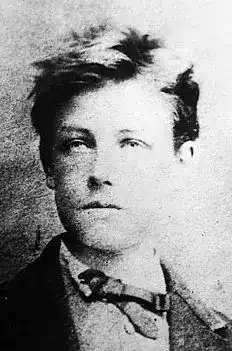
Arthur Rimbaud
The Sideboard
The Sideboard
It is a high, carved sideboard made of oak.
The dark old wood, like old folks, seems kind;
Its drawers are open, and its odours soak
The darkness with the scent of strong old wine.
Its drawers are full, a final resting place
For scented, yellowed linens, scraps of clothes
Foe wives or children, worn and faded bows,
Grandmothers' collars made of figured lace;
There you will find old medals, locks of grey
Or yellow hair, and portraits, and a dried bouquet
Whose perfume mingles with the smell of fruit.
-O sideboard of old, you know a great deal more
And could tell us your tales, yet you stand mute
As we slowly open your old dark door.
It is a high, carved sideboard made of oak.
The dark old wood, like old folks, seems kind;
Its drawers are open, and its odours soak
The darkness with the scent of strong old wine.
Its drawers are full, a final resting place
For scented, yellowed linens, scraps of clothes
Foe wives or children, worn and faded bows,
Grandmothers' collars made of figured lace;
There you will find old medals, locks of grey
Or yellow hair, and portraits, and a dried bouquet
Whose perfume mingles with the smell of fruit.
-O sideboard of old, you know a great deal more
And could tell us your tales, yet you stand mute
As we slowly open your old dark door.
473
Arthur Rimbaud
Nina's Reply (Les Reparties De Nina)
Nina's Reply (Les Reparties De Nina)
HE - Your breast on my breast,
Eh ? We could go,
With our nostrils full of air,
Into the cool light
Of the blue good morning that bathes you
In the wine of daylight ?…
When the whole shivering wood bleeds,
Dumb with love
From every branch green drops,
Pale buds,
You can feel in things unclosing
The quivering flesh :
You would bury in the lucerne
Your white gown,
Changing to rose-colour in the fresh air the blue tint which encircles
Your great black eyes,
In love with the country,
Scattering everywhere,
Like champagne bubbles,
Your crazy laughter :
breast,
Mingling our voices,
Slowly we'd reach the stream,
Then the great woods !…
Then, like a little ghost,
Your heart fainting,
You'd tell me to carry you,
Your eyes half closed…
I'd carry your quivering body
Along the path :
The bird would sping out his andante :
Hard by the hazeltree…
I'd speak into your mouth ;
And go on, pressing
Your body like a little girl's I was putting to bed,
Drunk with the blood
That runs blue under your white skin
With its tints of rose :
And speaking to you in that frank tongue…
There !… - that you understand…
Our great woods would smell of sap,
And the sunlight
Would dust with fine gold their great
Green and bronze dream.
……………………………………………
In the evening ?… We'd take the white road
Which meanders,
Like a grazing herd,
All over the place
Oh the pleasant orchards with blue grass,
And twisted apple trees !
How you can smell a whole league
Off their strong perfume !
We'd get back to the village
When the sky was half dark ;
And there'd be a smell of milking
In the evening air ;
It would smell of the cowshed, full
Of warm manure,
Filled with the slow rythm of breathing,
And with great backs
Gleaming under some light or other ;
And, right down at the far end,
There'd be a cow dunging proudly
At every step…
-Grandmother's spectacles
And her long nose
Deep in her missal ; the jug of beer
Circled with pewter
Foaming among the big-bowled pipes
Gallantly smoking :
And the frightfull blubber lips
Which, still puffing,
Snatch ham from forks :
So much, and more :
The fire lighting up the bunks
And the cupboards.
The shining fat buttocks
Of the fat baby
On his hands and knees, who nuzzles into the cups,
His white snout
Tickled by a gently
Growling muzzle,
That licks all over the round face
Of the little darling…
Black and haughty on her chair's edge,
A terrifying profile,
And old woman in front of the embers,
Spinning
What sights we shall see, dearest,
In those hovels,
When the bright fire lights up
The grey window panes !…
-And then, small and nestling
Inside the cool
Dark lilacs : the hidden window
Smiling in there…
You'll come, you will come, I love you so !
It will be lovely.
You will come, won't you ? and even…
ELLE : - And what about my office ?
Original French
Les reparties de Nina
LUI - Ta poitrine sur ma poitrine,
Hein ? nous irions,
Ayant de l'air plein la narine,
Aux frais rayons
Du bon matin bleu, qui vous baigne
Du vin de jour ?...
Quand tout le bois frissonnant saigne
Muet d'amour
De chaque branche, gouttes vertes,
Des bourgeons clairs,
On sent dans les choses ouvertes
Frémir des chairs :
Tu plongerais dans la luzerne
Ton blanc peignoir,
Rosant à l'air ce bleu qui cerne
Ton grand oeil noir,
Amoureuse de la campagne,
Semant partout,
Comme une mousse de champagne,
Ton rire fou :
Riant à moi, brutal d'ivresse,
Qui te prendrais
Comme cela, - la belle tresse,
Oh ! - qui boirais
Ton goût de framboise et de fraise,
O chair de fleur !
Riant au vent vif qui te baise
Comme un voleur,
Au rose, églantier qui t'embête
Aimablement :
Riant surtout, ô folle tête,
À ton amant !....
........................................................
-Ta poitrine sur ma poitrine,
Mêlant nos voix,
Lents, nous gagnerions la ravine,
Puis les grands bois !...
Puis, comme une petite morte,
Le coeur pâmé,
Tu me dirais que je te porte,
L'oeil mi-fermé...
Je te porterais, palpitante,
Dans le sentier :
L'oiseau filerait son andante
Au Noisetier...
Je te parlerais dans ta bouche..
J'irais, pressant
Ton corps, comme une enfant qu'on couche,
Ivre du sang
Qui coule, bleu, sous ta peau blanche
Aux tons rosés.
Et te parlant la langue franche - .....
Tiens !... - que tu sais...
Nos grands bois sentiraient la sève,
Et le soleil
Sablerait d'or fin leur grand rêve
Vert et vermeil
........................................................
Le soir ?... Nous reprendrons la route
Blanche qui court
Flânant, comme un troupeau qui broute,
Tout à l'entour
Les bons vergers à l'herbe bleue,
Aux pommiers tors !
Comme on les sent toute une lieue
Leurs parfums forts !
Nous regagnerons le village
Au ciel mi-noir ;
Et ça sentira le laitage
Dans l'air du soir ;
Ca sentira l'étable, pleine
De fumiers chauds,
Pleine d'un lent rythme d'haleine,
Et de grands dos
Blanchissant sous quelque lumière ;
Et, tout là-bas,
Une vache fientera, fière,
À chaque pas...
-Les lunettes de la grand-mère
Et son nez long
Dans son missel ; le pot de bière
Cerclé de plomb,
Moussant entre les larges pipes
Qui, crânement,
Fument : les effroyables lippes
Qui, tout fumant,
Happent le jambon aux fourchettes
Tant, tant et plus :
Le feu qui claire les couchettes
Et les bahuts.
Les fesses luisantes et grasses
D'un gros enfant
Qui fourre, à genoux, dans les tasses,
Son museau blanc
Frôlé par un mufle qui gronde
D'un ton gentil,
Et pourlèche la face ronde
Du cher petit.....
Que de choses verrons-nous, chère,
Dans ces taudis,
Quand la flamme illumine, claire,
Les carreaux gris !...
-Puis, petite et toute nichée,
Dans les lilas
Noirs et frais : la vitre cachée,
Qui rit là-bas....
Tu viendras, tu viendras, je t'aime !
Ce sera beau.
Tu viendras, n'est-ce pas, et même...
Elle - Et mon bureau ?
HE - Your breast on my breast,
Eh ? We could go,
With our nostrils full of air,
Into the cool light
Of the blue good morning that bathes you
In the wine of daylight ?…
When the whole shivering wood bleeds,
Dumb with love
From every branch green drops,
Pale buds,
You can feel in things unclosing
The quivering flesh :
You would bury in the lucerne
Your white gown,
Changing to rose-colour in the fresh air the blue tint which encircles
Your great black eyes,
In love with the country,
Scattering everywhere,
Like champagne bubbles,
Your crazy laughter :
breast,
Mingling our voices,
Slowly we'd reach the stream,
Then the great woods !…
Then, like a little ghost,
Your heart fainting,
You'd tell me to carry you,
Your eyes half closed…
I'd carry your quivering body
Along the path :
The bird would sping out his andante :
Hard by the hazeltree…
I'd speak into your mouth ;
And go on, pressing
Your body like a little girl's I was putting to bed,
Drunk with the blood
That runs blue under your white skin
With its tints of rose :
And speaking to you in that frank tongue…
There !… - that you understand…
Our great woods would smell of sap,
And the sunlight
Would dust with fine gold their great
Green and bronze dream.
……………………………………………
In the evening ?… We'd take the white road
Which meanders,
Like a grazing herd,
All over the place
Oh the pleasant orchards with blue grass,
And twisted apple trees !
How you can smell a whole league
Off their strong perfume !
We'd get back to the village
When the sky was half dark ;
And there'd be a smell of milking
In the evening air ;
It would smell of the cowshed, full
Of warm manure,
Filled with the slow rythm of breathing,
And with great backs
Gleaming under some light or other ;
And, right down at the far end,
There'd be a cow dunging proudly
At every step…
-Grandmother's spectacles
And her long nose
Deep in her missal ; the jug of beer
Circled with pewter
Foaming among the big-bowled pipes
Gallantly smoking :
And the frightfull blubber lips
Which, still puffing,
Snatch ham from forks :
So much, and more :
The fire lighting up the bunks
And the cupboards.
The shining fat buttocks
Of the fat baby
On his hands and knees, who nuzzles into the cups,
His white snout
Tickled by a gently
Growling muzzle,
That licks all over the round face
Of the little darling…
Black and haughty on her chair's edge,
A terrifying profile,
And old woman in front of the embers,
Spinning
What sights we shall see, dearest,
In those hovels,
When the bright fire lights up
The grey window panes !…
-And then, small and nestling
Inside the cool
Dark lilacs : the hidden window
Smiling in there…
You'll come, you will come, I love you so !
It will be lovely.
You will come, won't you ? and even…
ELLE : - And what about my office ?
Original French
Les reparties de Nina
LUI - Ta poitrine sur ma poitrine,
Hein ? nous irions,
Ayant de l'air plein la narine,
Aux frais rayons
Du bon matin bleu, qui vous baigne
Du vin de jour ?...
Quand tout le bois frissonnant saigne
Muet d'amour
De chaque branche, gouttes vertes,
Des bourgeons clairs,
On sent dans les choses ouvertes
Frémir des chairs :
Tu plongerais dans la luzerne
Ton blanc peignoir,
Rosant à l'air ce bleu qui cerne
Ton grand oeil noir,
Amoureuse de la campagne,
Semant partout,
Comme une mousse de champagne,
Ton rire fou :
Riant à moi, brutal d'ivresse,
Qui te prendrais
Comme cela, - la belle tresse,
Oh ! - qui boirais
Ton goût de framboise et de fraise,
O chair de fleur !
Riant au vent vif qui te baise
Comme un voleur,
Au rose, églantier qui t'embête
Aimablement :
Riant surtout, ô folle tête,
À ton amant !....
........................................................
-Ta poitrine sur ma poitrine,
Mêlant nos voix,
Lents, nous gagnerions la ravine,
Puis les grands bois !...
Puis, comme une petite morte,
Le coeur pâmé,
Tu me dirais que je te porte,
L'oeil mi-fermé...
Je te porterais, palpitante,
Dans le sentier :
L'oiseau filerait son andante
Au Noisetier...
Je te parlerais dans ta bouche..
J'irais, pressant
Ton corps, comme une enfant qu'on couche,
Ivre du sang
Qui coule, bleu, sous ta peau blanche
Aux tons rosés.
Et te parlant la langue franche - .....
Tiens !... - que tu sais...
Nos grands bois sentiraient la sève,
Et le soleil
Sablerait d'or fin leur grand rêve
Vert et vermeil
........................................................
Le soir ?... Nous reprendrons la route
Blanche qui court
Flânant, comme un troupeau qui broute,
Tout à l'entour
Les bons vergers à l'herbe bleue,
Aux pommiers tors !
Comme on les sent toute une lieue
Leurs parfums forts !
Nous regagnerons le village
Au ciel mi-noir ;
Et ça sentira le laitage
Dans l'air du soir ;
Ca sentira l'étable, pleine
De fumiers chauds,
Pleine d'un lent rythme d'haleine,
Et de grands dos
Blanchissant sous quelque lumière ;
Et, tout là-bas,
Une vache fientera, fière,
À chaque pas...
-Les lunettes de la grand-mère
Et son nez long
Dans son missel ; le pot de bière
Cerclé de plomb,
Moussant entre les larges pipes
Qui, crânement,
Fument : les effroyables lippes
Qui, tout fumant,
Happent le jambon aux fourchettes
Tant, tant et plus :
Le feu qui claire les couchettes
Et les bahuts.
Les fesses luisantes et grasses
D'un gros enfant
Qui fourre, à genoux, dans les tasses,
Son museau blanc
Frôlé par un mufle qui gronde
D'un ton gentil,
Et pourlèche la face ronde
Du cher petit.....
Que de choses verrons-nous, chère,
Dans ces taudis,
Quand la flamme illumine, claire,
Les carreaux gris !...
-Puis, petite et toute nichée,
Dans les lilas
Noirs et frais : la vitre cachée,
Qui rit là-bas....
Tu viendras, tu viendras, je t'aime !
Ce sera beau.
Tu viendras, n'est-ce pas, et même...
Elle - Et mon bureau ?
1,040

Anne Brontë
The Consolation
The Consolation
Though bleak these woods and damp the ground
With fallen leaves so thickly strewn,
And cold the wind that wanders round
With wild and melancholy moan,
There is a friendly roof I know
Might shield me from the wintry blast;
There is a fire whose ruddy glow
Will cheer me for my wanderings past.
And so, though still where'er I roam
Cold stranger glances meet my eye,
Though when my spirit sinks in woe
Unheeded swells the unbidden sigh,
Though solitude endured too long
Bids youthful joys too soon decay,
Makes mirth a stranger to my tongue
And overclouds my noon of day,
When kindly thoughts that would have way
Flow back discouraged to my breast
I know there is, though far away
A home where heart and soul may rest.
Warm hands are there that clasped in mine
The warmer heart will not belie,
While mirth and truth and friendship shine
In smiling lip and earnest eye.
The ice that gathers round my heart
May there be thawed; and sweetly then
The joys of youth that now depart
Will come to cheer my soul again.
Though far I roam, this thought shall be
My hope, my comfort everywhere;
While such a home remains to me
My heart shall never know despair.
Hespera Caverndel
Though bleak these woods and damp the ground
With fallen leaves so thickly strewn,
And cold the wind that wanders round
With wild and melancholy moan,
There is a friendly roof I know
Might shield me from the wintry blast;
There is a fire whose ruddy glow
Will cheer me for my wanderings past.
And so, though still where'er I roam
Cold stranger glances meet my eye,
Though when my spirit sinks in woe
Unheeded swells the unbidden sigh,
Though solitude endured too long
Bids youthful joys too soon decay,
Makes mirth a stranger to my tongue
And overclouds my noon of day,
When kindly thoughts that would have way
Flow back discouraged to my breast
I know there is, though far away
A home where heart and soul may rest.
Warm hands are there that clasped in mine
The warmer heart will not belie,
While mirth and truth and friendship shine
In smiling lip and earnest eye.
The ice that gathers round my heart
May there be thawed; and sweetly then
The joys of youth that now depart
Will come to cheer my soul again.
Though far I roam, this thought shall be
My hope, my comfort everywhere;
While such a home remains to me
My heart shall never know despair.
Hespera Caverndel
80
Anne Brontë
Monday Night May 11th 1846 / Domestic Peace
Monday Night May 11th 1846 / Domestic Peace
Why should such gloomy silence reign;
And why is all the house so drear,
When neither danger, sickness, pain,
Nor death, nor want have entered here?
We are as many as we were
That other night, when all were gay,
And full of hope, and free from care;
Yet, is there something gone away.
The moon without as pure and calm
Is shining as that night she shone;
but now, to us she brings no balm,
For something from our hearts is gone.
Something whose absence leaves a void,
A cheerless want in every heart.
Each feels the bliss of all destroyed
And mourns the change but
each apart.
The fire is burning in the grate
As redly as it used to burn,
But still the hearth is desolate
Till Mirth and Love with Peace return.
'Twas Peace that flowed from heart to heart
With looks and smiles that spoke of Heaven,
And gave us language to impart
The blissful thoughts itself had given.
Sweet child of Heaven, and joy of earth!
O, when will Man thy value learn?
We rudely drove thee from our hearth,
And vainly sigh for thy return.
Why should such gloomy silence reign;
And why is all the house so drear,
When neither danger, sickness, pain,
Nor death, nor want have entered here?
We are as many as we were
That other night, when all were gay,
And full of hope, and free from care;
Yet, is there something gone away.
The moon without as pure and calm
Is shining as that night she shone;
but now, to us she brings no balm,
For something from our hearts is gone.
Something whose absence leaves a void,
A cheerless want in every heart.
Each feels the bliss of all destroyed
And mourns the change but
each apart.
The fire is burning in the grate
As redly as it used to burn,
But still the hearth is desolate
Till Mirth and Love with Peace return.
'Twas Peace that flowed from heart to heart
With looks and smiles that spoke of Heaven,
And gave us language to impart
The blissful thoughts itself had given.
Sweet child of Heaven, and joy of earth!
O, when will Man thy value learn?
We rudely drove thee from our hearth,
And vainly sigh for thy return.
3
Anne Brontë
Lines Written at Thorp Green
Lines Written at Thorp Green
That summer sun, whose genial glow
Now cheers my drooping spirit so
Must cold and distant be,
And only light our northern clime
With feeble ray, before the time
I long so much to see.
And this soft whispering breeze that now
So gently cools my fevered brow,
This too, alas, must turn To
a wild blast whose icy dart
Pierces and chills me to the heart,
Before I cease to mourn.
And these bright flowers I love so well,
Verbena, rose and sweet bluebell,
Must droop and die away.
Those thick green leaves with all their shade
And rustling music, they must fade
And every one decay.
But if the sunny summer time
And woods and meadows in their prime
Are sweet to them that roam Far
sweeter is the winter bare
With long dark nights and landscapes drear
To them that are at Home!
That summer sun, whose genial glow
Now cheers my drooping spirit so
Must cold and distant be,
And only light our northern clime
With feeble ray, before the time
I long so much to see.
And this soft whispering breeze that now
So gently cools my fevered brow,
This too, alas, must turn To
a wild blast whose icy dart
Pierces and chills me to the heart,
Before I cease to mourn.
And these bright flowers I love so well,
Verbena, rose and sweet bluebell,
Must droop and die away.
Those thick green leaves with all their shade
And rustling music, they must fade
And every one decay.
But if the sunny summer time
And woods and meadows in their prime
Are sweet to them that roam Far
sweeter is the winter bare
With long dark nights and landscapes drear
To them that are at Home!
84