

Poems
Home and Household
Poems in this topic
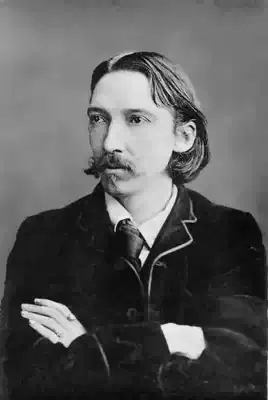
Robert Louis Stevenson
Block City
Block City
What are you able to build with your blocks?
Castles and palaces, temples and docks.
Rain may keep raining, and others go roam,
But I can be happy and building at home.
Let the sofa be mountains, the carpet be sea,
There I'll establish a city for me:
A kirk and a mill and a palace beside,
And a harbor as well where my vessels may ride.
Great is the palace with pillar and wall,
A sort of a tower on top of it all,
And steps coming down in an orderly way
To where my toy vessels lie safe in the bay.
This one is sailing and that one is moored:
Hark to the song of the sailors on board!
And see on the steps of my palace, the kings
Coming and going with presents and things!
What are you able to build with your blocks?
Castles and palaces, temples and docks.
Rain may keep raining, and others go roam,
But I can be happy and building at home.
Let the sofa be mountains, the carpet be sea,
There I'll establish a city for me:
A kirk and a mill and a palace beside,
And a harbor as well where my vessels may ride.
Great is the palace with pillar and wall,
A sort of a tower on top of it all,
And steps coming down in an orderly way
To where my toy vessels lie safe in the bay.
This one is sailing and that one is moored:
Hark to the song of the sailors on board!
And see on the steps of my palace, the kings
Coming and going with presents and things!
645
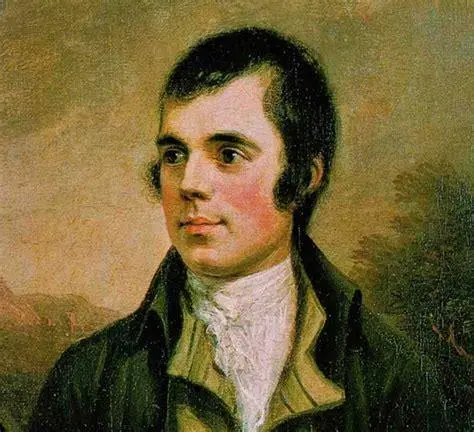
Robert Burns
My Heart's In The Highlands
My Heart's In The Highlands
Farewell to the Highlands, farewell to the North,
The birth-place of Valour, the country of Worth;
Wherever I wander, wherever I rove,
The hills of the Highlands for ever I love.
My heart's in the Highlands, my heart is not here;
My heart's in the Highlands a-chasing the deer;
A-chasing the wild-deer, and following the roe,
My heart's in the Highlands wherever I go.
Farewell to the mountains high covered with snow;
Farewell to the straths and green valleys below;
Farewell to the forests and wild-hanging woods;
Farewell to the torrents and loud-pouring floods.
My heart's in the Highlands, my heart is not here;
My heart's in the Highlands a-chasing the deer;
A-chasing the wild-deer, and following the roe,
My heart's in the Highlands wherever I go.
Farewell to the Highlands, farewell to the North,
The birth-place of Valour, the country of Worth;
Wherever I wander, wherever I rove,
The hills of the Highlands for ever I love.
My heart's in the Highlands, my heart is not here;
My heart's in the Highlands a-chasing the deer;
A-chasing the wild-deer, and following the roe,
My heart's in the Highlands wherever I go.
Farewell to the mountains high covered with snow;
Farewell to the straths and green valleys below;
Farewell to the forests and wild-hanging woods;
Farewell to the torrents and loud-pouring floods.
My heart's in the Highlands, my heart is not here;
My heart's in the Highlands a-chasing the deer;
A-chasing the wild-deer, and following the roe,
My heart's in the Highlands wherever I go.
279
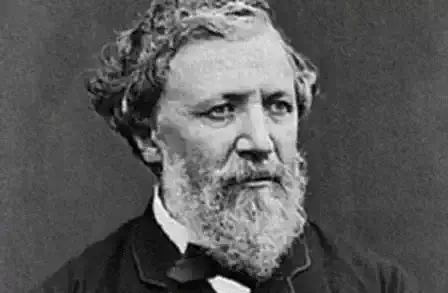
Robert Browning
The Flight Of The Duchess
The Flight Of The Duchess
I.
You're my friend:
I was the man the Duke spoke to;
I helped the Duchess to cast off his yoke, too;
So here's the tale from beginning to end,
My friend!
II.
Ours is a great wild country:
If you climb to our castle's top,
I don't see where your eye can stop;
For when you've passed the cornfield country,
Where vineyards leave off, flocks are packed,
And sheep-range leads to cattle-tract,
And cattle-tract to open-chase,
And open-chase to the very base
Of the mountain where, at a funeral pace,
Round about, solemn and slow,
One by one, row after row,
Up and up the pine-trees go,
So, like black priests up, and so
Down the other side again
To another greater, wilder country,
That's one vast red drear burnt-up plain,
Branched through and through with many a vein
Whence iron's dug, and copper's dealt;
Look right, look left, look straight before,---
Beneath they mine, above they smelt,
Copper-ore and iron-ore,
And forge and furnace mould and melt,
And so on, more and ever more,
Till at the last, for a bounding belt,
Comes the salt sand hoar of the great sea-shore,
---And the whole is our Duke's country.
III.
I was born the day this present Duke was---
(And O, says the song, ere I was old!)
In the castle where the other Duke was---
(When I was happy and young, not old!)
I in the kennel, he in the bower:
We are of like age to an hour.
My father was huntsman in that day;
Who has not heard my father say
That, when a boar was brought to bay,
Three times, four times out of five,
With his huntspear he'd contrive
To get the killing-place transfixed,
And pin him true, both eyes betwixt?
And that's why the old Duke would rather
He lost a salt-pit than my father,
And loved to have him ever in call;
That's why my father stood in the hall
When the old Duke brought his infant out
To show the people, and while they passed
The wondrous bantling round about,
Was first to start at the outside blast
As the Kaiser's courier blew his horn
Just a month after the babe was born.
``And,'' quoth the Kaiser's courier, ``since
``The Duke has got an heir, our Prince
``Needs the Duke's self at his side: ''
The Duke looked down and seemed to wince,
But he thought of wars o'er the world wide,
Castles a-fire, men on their march,
The toppling tower, the crashing arch;
And up he looked, and awhile he eyed
The row of crests and shields and banners
Of all achievements after all manners,
And ``ay,'' said the Duke with a surly pride.
The more was his comfort when he died
At next year's end, in a velvet suit,
With a gilt glove on his hand, his foot
In a silken shoe for a leather boot,
Petticoated like a herald,
In a chamher next to an ante-room,
Where he breathed the breath of page and groom,
What he called stink, and they, perfume:
---They should have set him on red Berold
Mad with pride, like fire to manage!
They should have got his cheek fresh tannage
Such a day as to-day in the merry sunshine!
Had they stuck on his fist a rough-foot merlin!
(Hark, the wind's on the heath at its game!
Oh for a noble falcon-lanner
To flap each broad wing like a banner,
And turn in the wind, and dance like flame!)
Had they broached a white-beer cask from Berlin
---Or if you incline to prescribe mere wine
Put to his lips, when they saw him pine,
A cup of our own Moldavia fine,
Cotnar for instance, green as May sorrel
And ropy with sweet,---we shall not quarrel.
IV.
So, at home, the sick tall yellow Duchess
Was left with the infant in her clutches,
She being the daughter of God knows who:
And now was the time to revisit her tribe.
Abroad and afar they went, the two,
And let our people rail and gibe
At the empty hall and extinguished fire,
As loud as we liked, but ever in vain,
Till after long years we had our desire,
And back came the Duke and his mother again.
V.
And he came back the pertest little ape
That ever affronted human shape;
Full of his travel, struck at himself.
You'd say, he despised our bluff old ways?
---Not he! For in Paris they told the elf
Our rough North land was the Land of Lays,
The one good thing left in evil days;
Since the Mid-Age was the Heroic Time,
And only in wild nooks like ours
Could you taste of it yet as in its prime,
And see true castles, with proper towers,
Young-hearted women, old-minded men,
And manners now as manners were then.
So, all that the old Dukes had been, without knowing it,
This Duke would fain know he was, without being it;
'Twas not for the joy's self, but the joy of his showing it,
Nor for the pride's self, but the pride of our seeing it,
He revived all usages thoroughly worn-out,
The souls of them fumed-forth, the hearts of them torn-out:
And chief in the chase his neck he perilled
On a lathy horse, all legs and length,
With blood for bone, all speed, no strength;
---They should have set him on red Berold
With the red eye slow consuming in fire,
And the thin stiff ear like an abbey-spire!
VI.
Well, such as he was, he must marry, we heard:
And out of a convent, at the word,
Came the lady, in time of spring.
---Oh, old thoughts they cling, they cling!
That day, I know, with a dozen oaths
I clad myself in thick hunting-clothes
Fit for the chase of urochs or buffle
In winter-time when you need to muffle.
But the Duke had a mind we should cut a figure,
And so we saw the lady arrive:
My friend, I have seen a white crane bigger!
She was the smallest lady alive,
Made in a piece of nature's madness,
Too small, almost, for the life and gladness
That over-filled her, as some hive
Out of the bears' reach on the high trees
Is crowded with its safe merry bees:
In truth, she was not hard to please!
Up she looked, down she looked, round at the mead,
Straight at the castle, that's best indeed
To look at from outside the walls:
As for us, styled the ``serfs and thralls,''
She as much thanked me as if she had said it,
(With her eyes, do you understand?)
Because I patted her horse while I led it;
And Max, who rode on her other hand,
Said, no bird flew past but she inquired
What its true name was, nor ever seemed tired---
If that was an eagle she saw hover,
And the green and grey bird on the field was the plover.
When suddenly appeared the Duke:
And as down she sprung, the small foot pointed
On to my hand,---as with a rebuke,
And as if his backbone were not jointed,
The Duke stepped rather aside than forward,
And welcomed her with his grandest smile;
And, mind you, his mother all the while
Chilled in the rear, like a wind to Nor'ward;
And up, like a weary yawn, with its pullies
Went, in a shriek, the rusty portcullis;
And, like a glad sky the north-wind sullies,
The lady's face stopped its play,
As if her first hair had grown grey;
For such things must begin some one day.
VII.
In a day or two she was well again;
As who should say, ``You labour in vain!
``This is all a jest against God, who meant
``I should ever be, as I am, content
`` And glad in his sight; therefore, glad I will be.''
So, smiling as at first went she.
VIII.
She was active, stirring, all fire---
Could not rest, could not tire---
To a stone she might have given life!
(I myself loved once, in my day)
---For a shepherd's, miner's, huntsman's wife,
(I had a wife, I know what I say)
Never in all the world such an one!
And here was plenty to be done,
And she that could do it, great or small,
She was to do nothing at all.
There was already this man in his post,
This in his station, and that in his office,
And the Duke's plan admitted a wife, at most,
To meet his eye, with the other trophies,
Now outside the hall, now in it,
To sit thus, stand thus, see and be seen,
At the proper place in the proper minute,
And die away the life between.
And it was amusing enough, each infraction
Of rule---(but for after-sadness that came)
To hear the consummate self-satisfaction
With which the young Duke and the old dame
Would let her advise, and criticise,
And, being a fool, instruct the wise,
And, child-like, parcel out praise or blame:
They bore it all in complacent guise,
As though an artificer, after contriving
A wheel-work image as if it were living,
Should find with delight it could motion to strike him!
So found the Duke, and his mother like him:
The lady hardly got a rebuff---
That had not been contemptuous enough,
With his cursed smirk, as he nodded applause,
And kept off the old mother-cat's claws.
IX.
So, the little lady grew silent and thin,
Paling and ever paling,
As the way is with a hid chagrin;
And the Duke perceived that she was ailing,
And said in his heart, ``'Tis done to spite me,
``But I shall find in my power to right me!''
Don't swear, friend! The old one, many a year,
Is in hell, and the Duke's self . . . you shall hear.
X.
Well, early in autumn, at first winter-warning,
When the stag had to break with his foot, of a morning,
A drinking-hole out of the fresh tender ice
That covered the pond till the sun, in a trice,
Loosening it, let out a ripple of gold,
And another and another, and faster and faster,
Till, dimpling to blindness, the wide water rolled:
Then it so chanced that the Duke our master
Asked himself what were the pleasures in season,
And found, since the calendar bade him be hearty,
He should do the Middle Age no treason
In resolving on a hunting-party.
Always provided, old books showed the way of it!
What meant old poets by their strictures?
And when old poets had said their say of it,
How taught old painters in their pictures?
We must revert to the proper channels,
Workings in tapestry, paintings on panels,
And gather up woodcraft's authentic traditions:
Here was food for our various ambitions,
As on each case, exactly stated---
To encourage your dog, now, the properest chirrup,
Or best prayer to Saint Hubert on mounting your stirrup---
We of the house hold took thought and debated.
Blessed was he whose back ached with the jerkin
His sire was wont to do forest-work in;
Blesseder he who nobly sunk ``ohs''
And ``ahs'' while he tugged on his grand-sire's trunk-hose;
What signified hats if they had no rims on,
Each slouching before and behind like the scallop,
And able to serve at sea for a shallop,
Loaded with lacquer and looped with crimson?
So that the deer now, to make a short rhyme on't,
What with our Venerers, Prickers and Yerderers,
Might hope for real hunters at length and not murderers,
And oh the Duke's tailor, he had a hot time on't!
XI.
Now you must know that when the first dizziness
Of flap-hats and buff-coats and jack-boots subsided,
The Duke put this question, ``The Duke's part provided,
``Had not the Duchess some share in the business?''
For out of the mouth of two or three witnesses
Did he establish all fit-or-unfitnesses:
And, after much laying of heads together,
Somebody's cap got a notable feather
By the announcement with proper unction
That he had discovered the lady's function;
Since ancient authors gave this tenet,
``When horns wind a mort and the deer is at siege,
``Let the dame of the castle prick forth on her jennet,
``And, with water to wash the hands of her liege
``In a clean ewer with a fair toweling,
`` Let her preside at the disemboweling.''
Now, my friend, if you had so little religion
As to catch a hawk, some falcon-lanner,
And thrust her broad wings like a banner
Into a coop for a vulgar pigeon;
And if day by day and week by week
You cut her claws, and sealed her eyes,
And clipped her wings, and tied her beak,
Would it cause you any great surprise
If, when you decided to give her an airing,
You found she needed a little preparing?
---I say, should you be such a curmudgeon,
If she clung to the perch, as to take it in dudgeon?
Yet when the Duke to his lady signified,
Just a day before, as he judged most dignified,
In what a pleasure she was to participate,---
And, instead of leaping wide in flashes,
Her eyes just lifted their long lashes,
As if pressed by fatigue even he could not dissipate,
And duly acknowledged the Duke's forethought,
But spoke of her health, if her health were worth aught,
Of the weight by day and the watch by night,
And much wrong now that used to be right,
So, thanking him, declined the hunting,---
Was conduct ever more affronting?
With all the ceremony settled---
With the towel ready, and the sewer
Polishing up his oldest ewer,
And the jennet pitched upon, a piebald,
Black-barred, cream-coated and pink eye-balled,---
No wonder if the Duke was nettled
And when she persisted nevertheless,---
Well, I suppose here's the time to confess
That there ran half round our lady's chamber
A balcony none of the hardest to clamber;
And that Jacynth the tire-woman, ready in waiting,
Stayed in call outside, what need of relating?
And since Jacynth was like a June rose, why, a fervent
Adorer of Jacynth of course was your servant;
And if she had the habit to peep through the casement,
How could I keep at any vast distance?
And so, as I say, on the lady's persistence,
The Duke, dumb-stricken with amazement,
Stood for a while in a sultry smother,
And then, with a smile that partook of the awful,
Turned her over to his yellow mother
To learn what was held decorous and lawful;
And the mother smelt blood with a cat-like instinct,
As her cheek quick whitened thro' all its quince-tinct.
Oh, but the lady heard the whole truth at once!
What meant she?--Who was she?---Her duty and station,
The wisdom of age and the folly of youth, at once,
Its decent regard and its fitting relation---
In brief, my friend, set all the devils in hell free
And turn them out to carouse in a belfry
And treat the priests to a fifty-part canon,
And then you may guess how that tongue of hers ran on!
Well, somehow or other it ended at last
And, licking her whiskers, out she passed;
And after her,---making (he hoped) a face
Like Emperor Nero or Sultan Saladin,
Stalked the Duke's self with the austere grace
Of ancient hero or modern paladin,
From door to staircase---oh such a solemn
Unbending of the vertebral column!
XII.
However, at sunrise our company mustered;
And here was the huntsman bidding unkennel,
And there 'neath his bonnet the pricker blustered,
With feather dank as a bough of wet fennel;
For the court-yard walls were filled with fog
You might have cut as an axe chops a log---
Like so much wool for colour and bulkiness;
And out rode the Duke in a perfect sulkiness,
Since, before breakfast, a man feels but queasily,
And a sinking at the lower abdomen
Begins the day with indifferent omen.
And lo, as he looked around uneasily,
The sun ploughed the fog up and drove it asunder
This way and that from the valley under;
And, looking through the court-yard arch,
Down in the valley, what should meet him
But a troop of Gipsies on their march?
No doubt with the annual gifts to greet him.
XIII.
Now, in your land, Gipsies reach you, only
After reaching all lands beside;
North they go, South they go, trooping or lonely,
And still, as they travel far and wide,
Catch they and keep now a trace here, trace there,
That puts you in mind of a place here, a place there.
But with us, I believe they rise out of the ground,
And nowhere else, I take it, are found
With the earth-tint yet so freshly embrowned:
Born, no doubt, like insects which breed on
The very fruit they are meant to feed on.
For the earth---not a use to which they don't turn it,
The ore that grows in the mountain's womb,
Or the sand in the pits like a honeycomb,
They sift and soften it, bake it and burn it---
Whether they weld you, for instance, a snaffle
With side-bars never a brute can baffle;
Or a lock that's a puzzle of wards within wards;
Or, if your colt's fore-foot inclines to curve inwards,
Horseshoes they hammer which turn on a swivel
And won't allow the hoof to shrivel.
Then they cast bells like the shell of the winkle
That keep a stout heart in the ram with their tinkle;
But the sand---they pinch and pound it like otters;
Commend me to Gipsy glass-makers and potters!
Glasses they'll blow you, crystal-clear,
Where just a faint cloud of rose shall appear,
As if in pure water you dropped and let die
A bruised black-blooded mulberry;
And that other sort, their crowning pride,
With long white threads distinct inside,
Like the lake-flower's fibrous roots which dangle
Loose such a length and never tangle,
Where the bold sword-lily cuts the clear waters,
And the cup-lily couches with all the white daughters:
Such are the works they put their hand to,
The uses they turn and twist iron and sand to.
And these made the troop, which our Duke saw sally
Toward his castle from out of the valley,
Men and women, like new-hatched spiders,
Come out with the morning to greet our riders.
And up they wound till they reached the ditch,
Whereat all stopped save one, a witch
That I knew, as she hobbled from the group,
By her gait directly and her stoop,
I, whom Jacynth was used to importune
To let that same witch tell us our fortune.
The oldest Gipsy then above ground;
And, sure as the autumn season came round,
She paid us a visit for profit or pastime,
And every time, as she swore, for the last time.
And presently she was seen to sidle
Up to the Duke till she touched his bridle,
So that the horse of a sudden reared up
As under its nose the old witch peered up
With her worn-out eyes, or rather eye-holes
Of no use now but to gather brine,
And began a kind of level whine
Such as they used to sing to their viols
When their ditties they go grinding
Up and down with nobody minding:
And then, as of old, at the end of the humming
Her usual presents were forthcoming
---A dog-whistle blowing the fiercest of trebles,
(Just a sea-shore stone holding a dozen fine pebbles,)
Or a porcelain mouth-piece to screw on a pipe-end,---
And so she awaited her annual stipend.
But this time, the Duke would scarcely vouchsafe
A word in reply; and in vain she felt
With twitching fingers at her belt
For the purse of sleek pine-martin pelt,
Ready to ptlt what he gave in her pouch safe,---
Till, either to quicken his apprehension,
Or possibly with an after-intention,
She was come, she said, to pay her duty
To the new Duchess, the youthful beauty.
No sooner had she named his lady,
Than a shine lit up the face so shady,
And its smirk returned with a novel meaning---
For it struck him, the babe just wanted weaning;
If one gave her a taste of what life was and sorrow,
She, foolish to-day, would be wiser tomorrow;
And who so fit a teacher of trouble
As this sordid crone bent well-nigh double?
So, glancing at her wolf-skin vesture,
(If such it was, for they grow so hirsute
That their own fleece serves for natural fur-suit)
He was contrasting, 'twas plain from his gesture,
The life of the lady so flower-like and delicate
With the loathsome squalor of this helicat.
I, in brief, was the man the Duke beckoned
From out of the throng, and while I drew near
He told the crone---as I since have reckoned
By the way he bent and spoke into her ear
With circumspection and mystery---
The main of the lady's history,
Her frowardness and ingratitude:
And for all the crone's submissive attitude
I could see round her mouth the loose plaits tightening,
And her brow with assenting intelligence brightening,
As though she engaged with hearty good-will
Whatever he now might enjoin to fulfil,
And promised the lady a thorough frightening.
And so, just giving her a glimpse
Of a purse, with the air of a man who imps
The wing of the hawk that shall fetch the hernshaw,
He bade me take the Gipsy mother
And set her telling some story or other
Of hill or dale, oak-wood or fernshaw,
To wile away a weary hour
For the lady left alone in her bower,
Whose mind and body craved exertion
And yet shrank from all better diversion.
XIV.
Then clapping heel to his horse, the mere curveter,
Out rode the Duke, and after his hollo
Horses and hounds swept, huntsman and servitor,
And back I turned and bade the crone follow.
And what makes me confident what's to be told you
Had all along been of this crone's devising,
Is, that, on looking round sharply, behold you,
There was a novelty quick as surprising:
For first, she had shot up a full head in stature,
And her step kept pace with mine nor faltered,
As if age had foregone its usurpature,
And the ignoble mien was wholly altered,
And the face looked quite of another nature,
And the change reached too, whatever the change meant,
Her shaggy wolf-skin cloak's arrangement:
For where its tatters hung loose like sedges,
Gold coins were glittering on the edges,
Like the band-roll strung with tomans
Which proves the veil a Persian woman's.
And under her brow, like a snail's horns newly
Come out as after the rain he paces,
Two unmistakeable eye-points duly
Live and aware looked out of their places.
So, we went and found Jacynth at the entry
Of the lady's chamber standing sentry;
I told the command and produced my companion,
And Jacynth rejoiced to admit any one,
For since last night, by the same token,
Not a single word had the lady spoken:
They went in both to the presence together,
While I in the balcony watched the weather.
XV.
And now, what took place at the very first of all,
I cannot tell, as I never could learn it:
Jacynth constantly wished a curse to fall
On that little head of hers and burn it
If she knew how she came to drop so soundly
Asleep of a sudden and there continue
The whole time sleeping as profoundly
As one of the boars my father would pin you
'Twixt the eyes where life holds garrison,
---Jacynth forgive me the comparison!
But where I begin asy own narration
Is a little after I took my station
To breathe the fresh air from the balcony,
And, having in those days a falcon eye,
To follow the hunt thro' the open country,
From where the bushes thinlier crested
The hillocks, to a plain where's not one tree.
When, in a moment, my ear was arrested
By---was it singing, or was it saying,
Or a strange musical instrument playing
In the chamber?---and to be certain
I pushed the lattice, pulled the curtain,
And there lay Jacynth asleep,
Yet as if a watch she tried to keep,
In a rosy sleep along the floor
With her head against the door;
While in the midst, on the seat of state,
Was a queen---the Gipsy woman late,
With head and face downbent
On the lady's head and face intent:
For, coiled at her feet like a child at ease,
The lady sat between her knees
And o'er them the lady's clasped hands met,
And on those hands her chin was set,
And her upturned face met the face of the crone
Wherein the eyes had grown and grown
As if she could double and quadruple
At pleasure the play of either pupil
---Very like, by her hands' slow fanning,
As up and down like a gor-crow's flappers
They moved to measure, or bell-clappers.
I said ``Is it blessing, is it banning,
``Do they applaud you or burlesque you---
``Those hands and fingers with no flesh on?''
But, just as I thought to spring in to the rescue,
At once I was stopped by the lady's expression:
For it was life her eyes were drinking
From the crone's wide pair above unwinking,
---Life's pure fire received without shrinking,
Into the heart and breast whose heaving
Told you no single drop they were leaving,
---Life, that filling her, passed redundant
Into her very hair, back swerving
Over each shoulder, loose and abundant,
As her head thrown back showed the white throat curving;
And the very tresses shared in the pleasure,
Moving to the mystic measure,
Bounding as the bosom bounded.
I stopped short, more and more confounded,
As still her cheeks burned and eyes glistened,
As she listened and she listened:
When all at once a hand detained me,
The selfsame contagion gained me,
And I kept time to the wondrous chime,
Making out words and prose and rhyme,
Till it seemed that the music furled
Its wings like a task fulfilled, and dropped
From under the words it first had propped,
And left them midway in the world:
Word took word as hand takes hand,
I could hear at last, and understand,
And when I held the unbroken thread,
The Gipsy said:---
``And so at last we find my tribe.
``And so I set thee in the midst,
``And to one and all of them describe
``What thou saidst and what thou didst,
``Our long and terrible journey through,
``And all thou art ready to say and do
``In the trials that remain:
``I trace them the vein and the other vein
``That meet on thy brow and part again,
``Making our rapid mystic mark;
``And I bid my people prove and probe
``Each eye's profound and glorious globe
``Till they detect the kindred spark
``In those depths so dear and dark,
``Like the spots that snap and burst and flee,
``Circling over the midnight sea.
``And on that round young cheek of thine
``I make them recognize the tinge,
``As when of the costly scarlet wine
``They drip so much as will impinge
``And spread in a thinnest scale afloat
``One thick gold drop from the olive's coat
``Over a silver plate whose sheen
``Still thro' the mixture shall be seen.
``For so I prove thee, to one and all,
``Fit, when my people ope their breast,
``To see the sign, and hear the call,
``And take the vow, and stand the test
``Which adds one more child to the rest---
``When the breast is bare and the arms are wide,
``And the world is left outside.
``For there is probation to decree,
``And many and long must the trials be
``Thou shalt victoriously endure,
``If that brow is true and those eyes are sure;
``Like a jewel-finder's fierce assay
``Of the prize he dug from its mountain-tomb---
``Let once the vindicating ray
``Leap out amid the anxious gloom,
``And steel and fire have done their part
``And the prize falls on its finder's heart;
`'So, trial after trial past,
``Wilt thou fall at the very last
``Breathless, half in trance
``With the thrill of the great deliverance,
``Into our arms for evermore;
``And thou shalt know, those arms once curled
``About thee, what we knew before,
``How love is the only good in the world.
``Henceforth be loved as heart can love,
``Or brain devise, or hand approve!
``Stand up, look below,
``It is our life at thy feet we throw
``To step with into light and joy;
``Not a power of life but we employ
``To satisfy thy nature's want;
``Art thou the tree that props the plant,
``Or the climbing plant that seeks the tree---
``Canst thou help us, must we help thee?
``If any two creatures grew into one,
``They would do more than the world has done.
``Though each apart were never so weak,
``Ye vainly through the world should seek
``For the knowledge and the might
``Which in such union grew their right:
``So, to approach at least that end,
``And blend,---as much as may be, blend
``Thee with us or us with thee,---
``As climbing plant or propping tree,
``Shall some one deck thee, over and down,
``Up and about, with blossoms and leaves?
``Fix his heart's fruit for thy garland crown,
``Cling with his soul as the gourd-vine cleaves,
``Die on thy boughs and disappear
``While not a leaf of thine is sere?
``Or is the other fate in store,
``And art thou fitted to adore,
``To give thy wondrous self away,
``And take a stronger nature's sway?
``I foresee and could foretell
``Thy future portion, sure and well:
``But those passionate eyes speak true, speak true,
``Let them say what thou shalt do!
``Only be sure thy daily life,
``In its peace or in its strife,
``Never shall be unobserved:
``We pursue thy whole career,
``And hope for it, or doubt, or fear,---
``Lo, hast thou kept thy path or swerved,
``We are beside thee in all thy ways,
``With our blame, with our praise,
``Our shame to feel, our pride to show,
``Glad, angry---but indifferent, no!
``Whether it be thy lot to go,
``For the good of us all, where the haters meet
``In the crowded city's horrible street;
``Or thou step alone through the morass
``Where never sound yet was
``Save the dry quick clap of the stork's bill,
``For the air is still, and the water still,
``When the blue breast of the dipping coot
``Dives under, and all is mute.
``So, at the last shall come old age,
``Decrepit as befits that stage;
``How else wouldst thou retire apart
``With the hoarded memories of thy heart,
``And gather all to the very least
``Of the fragments of life's earlier feast,
``Let fall through eagerness to find
``The crowning dainties yet behind?
``Ponder on the entire past
``Laid together thus at last,
``When the twilight helps to fuse
``The first fresh with the faded hues,
``And the outline of the whole,
``As round eve's shades their framework roll,
``Grandly fronts for once thy soul.
``And then as, 'mid the dark, a glean
``Of yet another morning breaks,
``And like the hand which ends a dream,
``Death, with the might of his sunbeam,
``Touches the flesh and the soul awakes,
``Then------''
Ay, then indeed something would happen!
But what? For here her voice changed like a bird's;
There grew more of the music and less of the words;
Had Jacynth only been by me to clap pen
To paper and put you down every syllable
With those clever clerkly fingers,
All I've forgotten as well as what lingers
In this old brain of mine that's but ill able
To give you even this poor version
Of the speech I spoil, as it were, with stammering
---More fault of those who had the hammering
Of prosody into me and syntax,
And did it, not with hobnails but tintacks!
But to return from this excursion,---
Just, do you mark, when the song was sweetest,
The peace most deep and the charm completest,
There came, shall I say, a snap---
And the charm vanished!
And my sense returned, so strangely banished,
And, starting as from a nap,
I knew the crone was bewitching my lady,
With Jacynth asleep; and but one spring made I
Down from the casement, round to the portal,
Another minute and I had entered,---
When the door opened, and more than mortal
Stood, with a face where to my mind centred
All beauties I ever saw or shall see,
The Duchess: I stopped as if struck by palsy.
She was so different, happy and beautiful,
I felt at once that all was best,
And that I had nothing to do, for the rest,
But wait her commands, obey and be dutiful.
Not that, in fact, there was any commanding;
I saw the glory of her eye,
And the brow's height and the breast's expanding,
And I was hers to live or to die.
As for finding what she wanted,
You know God Almighty granted
Such little signs should serve wild creatures
To tell one another all their desires,
So that each knows what his friend requires,
And does its bidding without teachers.
I preceded her; the crone
Followed silent and alone;
I spoke to her, but she merely jabbered
In the old style; both her eyes had slunk
Back to their pits; her stature shrunk;
In short, the soul in its body sunk
Like a blade sent home to its scabbard.
We descended, I preceding;
Crossed the court with nobody heeding,
All the world was at the chase,
The courtyard like a desert-place,
The stable emptied of its small fry;
I saddled myself the very palfrey
I remember patting while it carried her,
The day she arrived and the Duke married her.
And, do you know, though it's easy deceiving
Oneself in such matters, I can't help believing
The lady had not forgotten it either,
And knew the poor devil so much beneath her
Would have been only too glad for her service
To dance on hot ploughshares like a Turk dervise,
But, unable to pay proper duty where owing it,
Was reduced to that pitiful method of showing it:
For though the moment I began setting
His saddle on my own nag of Berold's begetting,
(Not that I meant to be obtrusive)
She stopped me, while his rug was shifting,
By a single rapid finger's lifting,
And, with a gesture kind but conclusive,
And a little shake of the head, refused me,---
I say, although she never used me,
Yet when she was mounted, the Gipsy behind her,
And I ventured to remind her,
I suppose with a voice of less steadiness
Than usual, for my feeling exceeded me,
---Something to the effect that I was in readiness
Whenever God should please she needed me,---
Then, do you know, her face looked down on me
With a look that placed a crown on me,
And she felt in her bosom,---mark, her bosom---
And, as a flower-tree drops its blossom,
Dropped me . . . ah, had it been a purse
Of silver, my friend, or gold that's worse,
Why, you see, as soon as I found myself
So understood,---that a true heart so may gain
Such a reward,---I should have gone home again,
Kissed Jacynth, and soberly drowned myself!
It was a little plait of hair
Such as friends in a convent make
To wear, each for the other's sake,---
This, see, which at my breast I wear,
Ever did (rather to Jacynth's grudgment),
And ever shall, till the Day of Judgment.
And then,---and then,---to cut short,---this is idle,
These are feelings it is not good to foster,---
I pushed the gate wide, she shook the bridle,
And the palfrey bounded,---and so we lost her.
XVI.
When the liquor's out why clink the cannikin?
I did think to describe you the panic in
The redoubtable breast of our master the mannikin,
And what was the pitch of his mother's yellowness,
How she turned as a shark to snap the spare-rib
Clean off, sailors say, from a pearl-diving Carib,
When she heard, what she called the flight of the feloness
---But it seems such child's play,
What they said and did with the lady away!
And to dance on, when we've lost the music,
Always made me---and no doubt makes you---sick.
Nay, to my mind, the world's face looked so stern
As that sweet form disappeared through the postern,
She that kept it in constant good humour,
It ought to have stopped; there seemed nothing to do more.
But the world thought otherwise and went on,
And my head's one that its spite was spent on:
Thirty years are fled since that morning,
And with them all my head's adorning.
Nor did the old Duchess die outright,
As you expect, of suppressed spite,
The natural end of every adder
Not suffered to empty its poison-bladder:
But she and her son agreed, I take it,
That no one should touch on the story to wake it,
For the wound in the Duke's pride rankled fiery,
So, they made no search and small inquiry---
And when fresh Gipsies have paid us a visit, I've
Noticed the couple were never inquisitive,
But told them they're folks the Duke don't want here,
And bade them make haste and cross the frontier.
Brief, the Duchess was gone and the Duke was glad of it,
And the old one was in the young one's stead,
And took, in her place, the household's head,
And a blessed time the household had of it!
And were I not, as a man may say, cautious
How I trench, more than needs, on the nauseous,
I could favour you with sundry touches
Of the paint-smutches with which the Duchess
Heightened the mellowness of her cheek's yellowness
(To get on faster) until at last her
Cheek grew to be one master-plaster
Of mucus and focus from mere use of ceruse:
In short, she grew from scalp to udder
Just the object to make you shudder.
XVII.
You're my friend---
What a thing friendship is, world without end!
How it gives the heart and soul a stir-up
As if somebody broached you a glorious runlet,
And poured out, all lovelily, sparklingly, sunlit,
Our green Moldavia, the streaky syrup,
Cotnar as old as the time of the Druids---
Friendship may match with that monarch of fluids;
Each supples a dry brain, fills you its ins-and-outs,
Gives your life's hour-glass a shake when the thin sand doubts
Whether to run on or stop short, and guarantees
Age is not all made of stark sloth and arrant ease.
I have seen my little lady once more,
Jacynth, the Gipsy, Berold, and the rest of it,
For to me spoke the Duke, as I told you before;
I always wanted to make a clean breast of it:
And now it is made---why, my heart's blood, that went trickle,
Trickle, but anon, in such muddy driblets,
Is pumped up brisk now, through the main ventricle,
And genially floats me about the giblets.
I'll tell you what I intend to do:
I must see this fellow his sad life through---
He is our Duke, after all,
And I, as he says, but a serf and thrall.
My father was born here, and I inherit
His fame, a chain he bound his son with;
Could I pay in a lump I should prefer it,
But there's no mine to blow up and get done with:
So, I must stay till the end of the chapter.
For, as to our middle-age-manners-adapter,
Be it a thing to be glad on or sorry on,
Some day or other, his head in a morion
And breast in a hauberk, his heels he'll kick up,
Slain by an onslaught fierce of hiccup.
And then, when red doth the sword of our Duke rust,
And its leathern sheath lie o'ergrown with a blue crust,
Then I shall scrape together my earnings;
For, you see, in the churchyard Jacynth reposes,
And our children all went the way of the roses:
It's a long lane that knows no turnings.
One needs but little tackle to travel in;
So, just one stout cloak shall I indue:
And for a stall, what beats the javelin
With which his boars my father pinned you?
And then, for a purpose you shall hear presently,
Taking some Cotnar, a tight plump skinful,
I shall go journeying, who but I, pleasantly!
Sorrow is vain and despondency sinful.
What's a man's age? He must hurry more, that's all;
Cram in a day, what his youth took a year to hold.
When we mind labour, then only, we're too old---
What age had Methusalem when he begat Saul?
And at last, as its haven some buffeted ship sees,
(Come all the way from the north-parts with sperm oil)
I hope to get safely out of the turmoil
And arrive one day at the land of the Gipsies,
And find my lady, or hear the last news of her
From some old thief and son of Lucifer,
His forehead chapleted green with wreathy hop,
Sunburned all over like an thiop.
And when my Cotnar begins to operate
And the tongue of the rogue to run at a proper rate,
And our wine-skin, tight once, shows each flaccid dent,
I shall drop in with---as if by accident---
``You never knew, then, how it all ended,
``What fortune good or bad attended
``The little lady your Queen befriended?''
---And when that's told me, what's remaining?
This world's too hard for my explaining.
The same wise judge of matters equine
Who still preferred some slim four-year-old
To the big-boned stock of mighty Berold,
And, fur strong Cotnar, drank French weak wine,
He also umst be such a lady's scorner!
Smooth Jacob still rubs homely Esau:
Now up, now down, the world's one see-saw.
---So, I shall find out some snug corner
Under a hedge, like Orson the wood-knight,
Turn myself round and bid the world good night;
And sleep a sound sleep till the trumpet's blowing
Wakes me (unless priests cheat us laymen)
To a world where will be no furtiner throwing
Pearls befare swine that Can't value them. Amen!
I.
You're my friend:
I was the man the Duke spoke to;
I helped the Duchess to cast off his yoke, too;
So here's the tale from beginning to end,
My friend!
II.
Ours is a great wild country:
If you climb to our castle's top,
I don't see where your eye can stop;
For when you've passed the cornfield country,
Where vineyards leave off, flocks are packed,
And sheep-range leads to cattle-tract,
And cattle-tract to open-chase,
And open-chase to the very base
Of the mountain where, at a funeral pace,
Round about, solemn and slow,
One by one, row after row,
Up and up the pine-trees go,
So, like black priests up, and so
Down the other side again
To another greater, wilder country,
That's one vast red drear burnt-up plain,
Branched through and through with many a vein
Whence iron's dug, and copper's dealt;
Look right, look left, look straight before,---
Beneath they mine, above they smelt,
Copper-ore and iron-ore,
And forge and furnace mould and melt,
And so on, more and ever more,
Till at the last, for a bounding belt,
Comes the salt sand hoar of the great sea-shore,
---And the whole is our Duke's country.
III.
I was born the day this present Duke was---
(And O, says the song, ere I was old!)
In the castle where the other Duke was---
(When I was happy and young, not old!)
I in the kennel, he in the bower:
We are of like age to an hour.
My father was huntsman in that day;
Who has not heard my father say
That, when a boar was brought to bay,
Three times, four times out of five,
With his huntspear he'd contrive
To get the killing-place transfixed,
And pin him true, both eyes betwixt?
And that's why the old Duke would rather
He lost a salt-pit than my father,
And loved to have him ever in call;
That's why my father stood in the hall
When the old Duke brought his infant out
To show the people, and while they passed
The wondrous bantling round about,
Was first to start at the outside blast
As the Kaiser's courier blew his horn
Just a month after the babe was born.
``And,'' quoth the Kaiser's courier, ``since
``The Duke has got an heir, our Prince
``Needs the Duke's self at his side: ''
The Duke looked down and seemed to wince,
But he thought of wars o'er the world wide,
Castles a-fire, men on their march,
The toppling tower, the crashing arch;
And up he looked, and awhile he eyed
The row of crests and shields and banners
Of all achievements after all manners,
And ``ay,'' said the Duke with a surly pride.
The more was his comfort when he died
At next year's end, in a velvet suit,
With a gilt glove on his hand, his foot
In a silken shoe for a leather boot,
Petticoated like a herald,
In a chamher next to an ante-room,
Where he breathed the breath of page and groom,
What he called stink, and they, perfume:
---They should have set him on red Berold
Mad with pride, like fire to manage!
They should have got his cheek fresh tannage
Such a day as to-day in the merry sunshine!
Had they stuck on his fist a rough-foot merlin!
(Hark, the wind's on the heath at its game!
Oh for a noble falcon-lanner
To flap each broad wing like a banner,
And turn in the wind, and dance like flame!)
Had they broached a white-beer cask from Berlin
---Or if you incline to prescribe mere wine
Put to his lips, when they saw him pine,
A cup of our own Moldavia fine,
Cotnar for instance, green as May sorrel
And ropy with sweet,---we shall not quarrel.
IV.
So, at home, the sick tall yellow Duchess
Was left with the infant in her clutches,
She being the daughter of God knows who:
And now was the time to revisit her tribe.
Abroad and afar they went, the two,
And let our people rail and gibe
At the empty hall and extinguished fire,
As loud as we liked, but ever in vain,
Till after long years we had our desire,
And back came the Duke and his mother again.
V.
And he came back the pertest little ape
That ever affronted human shape;
Full of his travel, struck at himself.
You'd say, he despised our bluff old ways?
---Not he! For in Paris they told the elf
Our rough North land was the Land of Lays,
The one good thing left in evil days;
Since the Mid-Age was the Heroic Time,
And only in wild nooks like ours
Could you taste of it yet as in its prime,
And see true castles, with proper towers,
Young-hearted women, old-minded men,
And manners now as manners were then.
So, all that the old Dukes had been, without knowing it,
This Duke would fain know he was, without being it;
'Twas not for the joy's self, but the joy of his showing it,
Nor for the pride's self, but the pride of our seeing it,
He revived all usages thoroughly worn-out,
The souls of them fumed-forth, the hearts of them torn-out:
And chief in the chase his neck he perilled
On a lathy horse, all legs and length,
With blood for bone, all speed, no strength;
---They should have set him on red Berold
With the red eye slow consuming in fire,
And the thin stiff ear like an abbey-spire!
VI.
Well, such as he was, he must marry, we heard:
And out of a convent, at the word,
Came the lady, in time of spring.
---Oh, old thoughts they cling, they cling!
That day, I know, with a dozen oaths
I clad myself in thick hunting-clothes
Fit for the chase of urochs or buffle
In winter-time when you need to muffle.
But the Duke had a mind we should cut a figure,
And so we saw the lady arrive:
My friend, I have seen a white crane bigger!
She was the smallest lady alive,
Made in a piece of nature's madness,
Too small, almost, for the life and gladness
That over-filled her, as some hive
Out of the bears' reach on the high trees
Is crowded with its safe merry bees:
In truth, she was not hard to please!
Up she looked, down she looked, round at the mead,
Straight at the castle, that's best indeed
To look at from outside the walls:
As for us, styled the ``serfs and thralls,''
She as much thanked me as if she had said it,
(With her eyes, do you understand?)
Because I patted her horse while I led it;
And Max, who rode on her other hand,
Said, no bird flew past but she inquired
What its true name was, nor ever seemed tired---
If that was an eagle she saw hover,
And the green and grey bird on the field was the plover.
When suddenly appeared the Duke:
And as down she sprung, the small foot pointed
On to my hand,---as with a rebuke,
And as if his backbone were not jointed,
The Duke stepped rather aside than forward,
And welcomed her with his grandest smile;
And, mind you, his mother all the while
Chilled in the rear, like a wind to Nor'ward;
And up, like a weary yawn, with its pullies
Went, in a shriek, the rusty portcullis;
And, like a glad sky the north-wind sullies,
The lady's face stopped its play,
As if her first hair had grown grey;
For such things must begin some one day.
VII.
In a day or two she was well again;
As who should say, ``You labour in vain!
``This is all a jest against God, who meant
``I should ever be, as I am, content
`` And glad in his sight; therefore, glad I will be.''
So, smiling as at first went she.
VIII.
She was active, stirring, all fire---
Could not rest, could not tire---
To a stone she might have given life!
(I myself loved once, in my day)
---For a shepherd's, miner's, huntsman's wife,
(I had a wife, I know what I say)
Never in all the world such an one!
And here was plenty to be done,
And she that could do it, great or small,
She was to do nothing at all.
There was already this man in his post,
This in his station, and that in his office,
And the Duke's plan admitted a wife, at most,
To meet his eye, with the other trophies,
Now outside the hall, now in it,
To sit thus, stand thus, see and be seen,
At the proper place in the proper minute,
And die away the life between.
And it was amusing enough, each infraction
Of rule---(but for after-sadness that came)
To hear the consummate self-satisfaction
With which the young Duke and the old dame
Would let her advise, and criticise,
And, being a fool, instruct the wise,
And, child-like, parcel out praise or blame:
They bore it all in complacent guise,
As though an artificer, after contriving
A wheel-work image as if it were living,
Should find with delight it could motion to strike him!
So found the Duke, and his mother like him:
The lady hardly got a rebuff---
That had not been contemptuous enough,
With his cursed smirk, as he nodded applause,
And kept off the old mother-cat's claws.
IX.
So, the little lady grew silent and thin,
Paling and ever paling,
As the way is with a hid chagrin;
And the Duke perceived that she was ailing,
And said in his heart, ``'Tis done to spite me,
``But I shall find in my power to right me!''
Don't swear, friend! The old one, many a year,
Is in hell, and the Duke's self . . . you shall hear.
X.
Well, early in autumn, at first winter-warning,
When the stag had to break with his foot, of a morning,
A drinking-hole out of the fresh tender ice
That covered the pond till the sun, in a trice,
Loosening it, let out a ripple of gold,
And another and another, and faster and faster,
Till, dimpling to blindness, the wide water rolled:
Then it so chanced that the Duke our master
Asked himself what were the pleasures in season,
And found, since the calendar bade him be hearty,
He should do the Middle Age no treason
In resolving on a hunting-party.
Always provided, old books showed the way of it!
What meant old poets by their strictures?
And when old poets had said their say of it,
How taught old painters in their pictures?
We must revert to the proper channels,
Workings in tapestry, paintings on panels,
And gather up woodcraft's authentic traditions:
Here was food for our various ambitions,
As on each case, exactly stated---
To encourage your dog, now, the properest chirrup,
Or best prayer to Saint Hubert on mounting your stirrup---
We of the house hold took thought and debated.
Blessed was he whose back ached with the jerkin
His sire was wont to do forest-work in;
Blesseder he who nobly sunk ``ohs''
And ``ahs'' while he tugged on his grand-sire's trunk-hose;
What signified hats if they had no rims on,
Each slouching before and behind like the scallop,
And able to serve at sea for a shallop,
Loaded with lacquer and looped with crimson?
So that the deer now, to make a short rhyme on't,
What with our Venerers, Prickers and Yerderers,
Might hope for real hunters at length and not murderers,
And oh the Duke's tailor, he had a hot time on't!
XI.
Now you must know that when the first dizziness
Of flap-hats and buff-coats and jack-boots subsided,
The Duke put this question, ``The Duke's part provided,
``Had not the Duchess some share in the business?''
For out of the mouth of two or three witnesses
Did he establish all fit-or-unfitnesses:
And, after much laying of heads together,
Somebody's cap got a notable feather
By the announcement with proper unction
That he had discovered the lady's function;
Since ancient authors gave this tenet,
``When horns wind a mort and the deer is at siege,
``Let the dame of the castle prick forth on her jennet,
``And, with water to wash the hands of her liege
``In a clean ewer with a fair toweling,
`` Let her preside at the disemboweling.''
Now, my friend, if you had so little religion
As to catch a hawk, some falcon-lanner,
And thrust her broad wings like a banner
Into a coop for a vulgar pigeon;
And if day by day and week by week
You cut her claws, and sealed her eyes,
And clipped her wings, and tied her beak,
Would it cause you any great surprise
If, when you decided to give her an airing,
You found she needed a little preparing?
---I say, should you be such a curmudgeon,
If she clung to the perch, as to take it in dudgeon?
Yet when the Duke to his lady signified,
Just a day before, as he judged most dignified,
In what a pleasure she was to participate,---
And, instead of leaping wide in flashes,
Her eyes just lifted their long lashes,
As if pressed by fatigue even he could not dissipate,
And duly acknowledged the Duke's forethought,
But spoke of her health, if her health were worth aught,
Of the weight by day and the watch by night,
And much wrong now that used to be right,
So, thanking him, declined the hunting,---
Was conduct ever more affronting?
With all the ceremony settled---
With the towel ready, and the sewer
Polishing up his oldest ewer,
And the jennet pitched upon, a piebald,
Black-barred, cream-coated and pink eye-balled,---
No wonder if the Duke was nettled
And when she persisted nevertheless,---
Well, I suppose here's the time to confess
That there ran half round our lady's chamber
A balcony none of the hardest to clamber;
And that Jacynth the tire-woman, ready in waiting,
Stayed in call outside, what need of relating?
And since Jacynth was like a June rose, why, a fervent
Adorer of Jacynth of course was your servant;
And if she had the habit to peep through the casement,
How could I keep at any vast distance?
And so, as I say, on the lady's persistence,
The Duke, dumb-stricken with amazement,
Stood for a while in a sultry smother,
And then, with a smile that partook of the awful,
Turned her over to his yellow mother
To learn what was held decorous and lawful;
And the mother smelt blood with a cat-like instinct,
As her cheek quick whitened thro' all its quince-tinct.
Oh, but the lady heard the whole truth at once!
What meant she?--Who was she?---Her duty and station,
The wisdom of age and the folly of youth, at once,
Its decent regard and its fitting relation---
In brief, my friend, set all the devils in hell free
And turn them out to carouse in a belfry
And treat the priests to a fifty-part canon,
And then you may guess how that tongue of hers ran on!
Well, somehow or other it ended at last
And, licking her whiskers, out she passed;
And after her,---making (he hoped) a face
Like Emperor Nero or Sultan Saladin,
Stalked the Duke's self with the austere grace
Of ancient hero or modern paladin,
From door to staircase---oh such a solemn
Unbending of the vertebral column!
XII.
However, at sunrise our company mustered;
And here was the huntsman bidding unkennel,
And there 'neath his bonnet the pricker blustered,
With feather dank as a bough of wet fennel;
For the court-yard walls were filled with fog
You might have cut as an axe chops a log---
Like so much wool for colour and bulkiness;
And out rode the Duke in a perfect sulkiness,
Since, before breakfast, a man feels but queasily,
And a sinking at the lower abdomen
Begins the day with indifferent omen.
And lo, as he looked around uneasily,
The sun ploughed the fog up and drove it asunder
This way and that from the valley under;
And, looking through the court-yard arch,
Down in the valley, what should meet him
But a troop of Gipsies on their march?
No doubt with the annual gifts to greet him.
XIII.
Now, in your land, Gipsies reach you, only
After reaching all lands beside;
North they go, South they go, trooping or lonely,
And still, as they travel far and wide,
Catch they and keep now a trace here, trace there,
That puts you in mind of a place here, a place there.
But with us, I believe they rise out of the ground,
And nowhere else, I take it, are found
With the earth-tint yet so freshly embrowned:
Born, no doubt, like insects which breed on
The very fruit they are meant to feed on.
For the earth---not a use to which they don't turn it,
The ore that grows in the mountain's womb,
Or the sand in the pits like a honeycomb,
They sift and soften it, bake it and burn it---
Whether they weld you, for instance, a snaffle
With side-bars never a brute can baffle;
Or a lock that's a puzzle of wards within wards;
Or, if your colt's fore-foot inclines to curve inwards,
Horseshoes they hammer which turn on a swivel
And won't allow the hoof to shrivel.
Then they cast bells like the shell of the winkle
That keep a stout heart in the ram with their tinkle;
But the sand---they pinch and pound it like otters;
Commend me to Gipsy glass-makers and potters!
Glasses they'll blow you, crystal-clear,
Where just a faint cloud of rose shall appear,
As if in pure water you dropped and let die
A bruised black-blooded mulberry;
And that other sort, their crowning pride,
With long white threads distinct inside,
Like the lake-flower's fibrous roots which dangle
Loose such a length and never tangle,
Where the bold sword-lily cuts the clear waters,
And the cup-lily couches with all the white daughters:
Such are the works they put their hand to,
The uses they turn and twist iron and sand to.
And these made the troop, which our Duke saw sally
Toward his castle from out of the valley,
Men and women, like new-hatched spiders,
Come out with the morning to greet our riders.
And up they wound till they reached the ditch,
Whereat all stopped save one, a witch
That I knew, as she hobbled from the group,
By her gait directly and her stoop,
I, whom Jacynth was used to importune
To let that same witch tell us our fortune.
The oldest Gipsy then above ground;
And, sure as the autumn season came round,
She paid us a visit for profit or pastime,
And every time, as she swore, for the last time.
And presently she was seen to sidle
Up to the Duke till she touched his bridle,
So that the horse of a sudden reared up
As under its nose the old witch peered up
With her worn-out eyes, or rather eye-holes
Of no use now but to gather brine,
And began a kind of level whine
Such as they used to sing to their viols
When their ditties they go grinding
Up and down with nobody minding:
And then, as of old, at the end of the humming
Her usual presents were forthcoming
---A dog-whistle blowing the fiercest of trebles,
(Just a sea-shore stone holding a dozen fine pebbles,)
Or a porcelain mouth-piece to screw on a pipe-end,---
And so she awaited her annual stipend.
But this time, the Duke would scarcely vouchsafe
A word in reply; and in vain she felt
With twitching fingers at her belt
For the purse of sleek pine-martin pelt,
Ready to ptlt what he gave in her pouch safe,---
Till, either to quicken his apprehension,
Or possibly with an after-intention,
She was come, she said, to pay her duty
To the new Duchess, the youthful beauty.
No sooner had she named his lady,
Than a shine lit up the face so shady,
And its smirk returned with a novel meaning---
For it struck him, the babe just wanted weaning;
If one gave her a taste of what life was and sorrow,
She, foolish to-day, would be wiser tomorrow;
And who so fit a teacher of trouble
As this sordid crone bent well-nigh double?
So, glancing at her wolf-skin vesture,
(If such it was, for they grow so hirsute
That their own fleece serves for natural fur-suit)
He was contrasting, 'twas plain from his gesture,
The life of the lady so flower-like and delicate
With the loathsome squalor of this helicat.
I, in brief, was the man the Duke beckoned
From out of the throng, and while I drew near
He told the crone---as I since have reckoned
By the way he bent and spoke into her ear
With circumspection and mystery---
The main of the lady's history,
Her frowardness and ingratitude:
And for all the crone's submissive attitude
I could see round her mouth the loose plaits tightening,
And her brow with assenting intelligence brightening,
As though she engaged with hearty good-will
Whatever he now might enjoin to fulfil,
And promised the lady a thorough frightening.
And so, just giving her a glimpse
Of a purse, with the air of a man who imps
The wing of the hawk that shall fetch the hernshaw,
He bade me take the Gipsy mother
And set her telling some story or other
Of hill or dale, oak-wood or fernshaw,
To wile away a weary hour
For the lady left alone in her bower,
Whose mind and body craved exertion
And yet shrank from all better diversion.
XIV.
Then clapping heel to his horse, the mere curveter,
Out rode the Duke, and after his hollo
Horses and hounds swept, huntsman and servitor,
And back I turned and bade the crone follow.
And what makes me confident what's to be told you
Had all along been of this crone's devising,
Is, that, on looking round sharply, behold you,
There was a novelty quick as surprising:
For first, she had shot up a full head in stature,
And her step kept pace with mine nor faltered,
As if age had foregone its usurpature,
And the ignoble mien was wholly altered,
And the face looked quite of another nature,
And the change reached too, whatever the change meant,
Her shaggy wolf-skin cloak's arrangement:
For where its tatters hung loose like sedges,
Gold coins were glittering on the edges,
Like the band-roll strung with tomans
Which proves the veil a Persian woman's.
And under her brow, like a snail's horns newly
Come out as after the rain he paces,
Two unmistakeable eye-points duly
Live and aware looked out of their places.
So, we went and found Jacynth at the entry
Of the lady's chamber standing sentry;
I told the command and produced my companion,
And Jacynth rejoiced to admit any one,
For since last night, by the same token,
Not a single word had the lady spoken:
They went in both to the presence together,
While I in the balcony watched the weather.
XV.
And now, what took place at the very first of all,
I cannot tell, as I never could learn it:
Jacynth constantly wished a curse to fall
On that little head of hers and burn it
If she knew how she came to drop so soundly
Asleep of a sudden and there continue
The whole time sleeping as profoundly
As one of the boars my father would pin you
'Twixt the eyes where life holds garrison,
---Jacynth forgive me the comparison!
But where I begin asy own narration
Is a little after I took my station
To breathe the fresh air from the balcony,
And, having in those days a falcon eye,
To follow the hunt thro' the open country,
From where the bushes thinlier crested
The hillocks, to a plain where's not one tree.
When, in a moment, my ear was arrested
By---was it singing, or was it saying,
Or a strange musical instrument playing
In the chamber?---and to be certain
I pushed the lattice, pulled the curtain,
And there lay Jacynth asleep,
Yet as if a watch she tried to keep,
In a rosy sleep along the floor
With her head against the door;
While in the midst, on the seat of state,
Was a queen---the Gipsy woman late,
With head and face downbent
On the lady's head and face intent:
For, coiled at her feet like a child at ease,
The lady sat between her knees
And o'er them the lady's clasped hands met,
And on those hands her chin was set,
And her upturned face met the face of the crone
Wherein the eyes had grown and grown
As if she could double and quadruple
At pleasure the play of either pupil
---Very like, by her hands' slow fanning,
As up and down like a gor-crow's flappers
They moved to measure, or bell-clappers.
I said ``Is it blessing, is it banning,
``Do they applaud you or burlesque you---
``Those hands and fingers with no flesh on?''
But, just as I thought to spring in to the rescue,
At once I was stopped by the lady's expression:
For it was life her eyes were drinking
From the crone's wide pair above unwinking,
---Life's pure fire received without shrinking,
Into the heart and breast whose heaving
Told you no single drop they were leaving,
---Life, that filling her, passed redundant
Into her very hair, back swerving
Over each shoulder, loose and abundant,
As her head thrown back showed the white throat curving;
And the very tresses shared in the pleasure,
Moving to the mystic measure,
Bounding as the bosom bounded.
I stopped short, more and more confounded,
As still her cheeks burned and eyes glistened,
As she listened and she listened:
When all at once a hand detained me,
The selfsame contagion gained me,
And I kept time to the wondrous chime,
Making out words and prose and rhyme,
Till it seemed that the music furled
Its wings like a task fulfilled, and dropped
From under the words it first had propped,
And left them midway in the world:
Word took word as hand takes hand,
I could hear at last, and understand,
And when I held the unbroken thread,
The Gipsy said:---
``And so at last we find my tribe.
``And so I set thee in the midst,
``And to one and all of them describe
``What thou saidst and what thou didst,
``Our long and terrible journey through,
``And all thou art ready to say and do
``In the trials that remain:
``I trace them the vein and the other vein
``That meet on thy brow and part again,
``Making our rapid mystic mark;
``And I bid my people prove and probe
``Each eye's profound and glorious globe
``Till they detect the kindred spark
``In those depths so dear and dark,
``Like the spots that snap and burst and flee,
``Circling over the midnight sea.
``And on that round young cheek of thine
``I make them recognize the tinge,
``As when of the costly scarlet wine
``They drip so much as will impinge
``And spread in a thinnest scale afloat
``One thick gold drop from the olive's coat
``Over a silver plate whose sheen
``Still thro' the mixture shall be seen.
``For so I prove thee, to one and all,
``Fit, when my people ope their breast,
``To see the sign, and hear the call,
``And take the vow, and stand the test
``Which adds one more child to the rest---
``When the breast is bare and the arms are wide,
``And the world is left outside.
``For there is probation to decree,
``And many and long must the trials be
``Thou shalt victoriously endure,
``If that brow is true and those eyes are sure;
``Like a jewel-finder's fierce assay
``Of the prize he dug from its mountain-tomb---
``Let once the vindicating ray
``Leap out amid the anxious gloom,
``And steel and fire have done their part
``And the prize falls on its finder's heart;
`'So, trial after trial past,
``Wilt thou fall at the very last
``Breathless, half in trance
``With the thrill of the great deliverance,
``Into our arms for evermore;
``And thou shalt know, those arms once curled
``About thee, what we knew before,
``How love is the only good in the world.
``Henceforth be loved as heart can love,
``Or brain devise, or hand approve!
``Stand up, look below,
``It is our life at thy feet we throw
``To step with into light and joy;
``Not a power of life but we employ
``To satisfy thy nature's want;
``Art thou the tree that props the plant,
``Or the climbing plant that seeks the tree---
``Canst thou help us, must we help thee?
``If any two creatures grew into one,
``They would do more than the world has done.
``Though each apart were never so weak,
``Ye vainly through the world should seek
``For the knowledge and the might
``Which in such union grew their right:
``So, to approach at least that end,
``And blend,---as much as may be, blend
``Thee with us or us with thee,---
``As climbing plant or propping tree,
``Shall some one deck thee, over and down,
``Up and about, with blossoms and leaves?
``Fix his heart's fruit for thy garland crown,
``Cling with his soul as the gourd-vine cleaves,
``Die on thy boughs and disappear
``While not a leaf of thine is sere?
``Or is the other fate in store,
``And art thou fitted to adore,
``To give thy wondrous self away,
``And take a stronger nature's sway?
``I foresee and could foretell
``Thy future portion, sure and well:
``But those passionate eyes speak true, speak true,
``Let them say what thou shalt do!
``Only be sure thy daily life,
``In its peace or in its strife,
``Never shall be unobserved:
``We pursue thy whole career,
``And hope for it, or doubt, or fear,---
``Lo, hast thou kept thy path or swerved,
``We are beside thee in all thy ways,
``With our blame, with our praise,
``Our shame to feel, our pride to show,
``Glad, angry---but indifferent, no!
``Whether it be thy lot to go,
``For the good of us all, where the haters meet
``In the crowded city's horrible street;
``Or thou step alone through the morass
``Where never sound yet was
``Save the dry quick clap of the stork's bill,
``For the air is still, and the water still,
``When the blue breast of the dipping coot
``Dives under, and all is mute.
``So, at the last shall come old age,
``Decrepit as befits that stage;
``How else wouldst thou retire apart
``With the hoarded memories of thy heart,
``And gather all to the very least
``Of the fragments of life's earlier feast,
``Let fall through eagerness to find
``The crowning dainties yet behind?
``Ponder on the entire past
``Laid together thus at last,
``When the twilight helps to fuse
``The first fresh with the faded hues,
``And the outline of the whole,
``As round eve's shades their framework roll,
``Grandly fronts for once thy soul.
``And then as, 'mid the dark, a glean
``Of yet another morning breaks,
``And like the hand which ends a dream,
``Death, with the might of his sunbeam,
``Touches the flesh and the soul awakes,
``Then------''
Ay, then indeed something would happen!
But what? For here her voice changed like a bird's;
There grew more of the music and less of the words;
Had Jacynth only been by me to clap pen
To paper and put you down every syllable
With those clever clerkly fingers,
All I've forgotten as well as what lingers
In this old brain of mine that's but ill able
To give you even this poor version
Of the speech I spoil, as it were, with stammering
---More fault of those who had the hammering
Of prosody into me and syntax,
And did it, not with hobnails but tintacks!
But to return from this excursion,---
Just, do you mark, when the song was sweetest,
The peace most deep and the charm completest,
There came, shall I say, a snap---
And the charm vanished!
And my sense returned, so strangely banished,
And, starting as from a nap,
I knew the crone was bewitching my lady,
With Jacynth asleep; and but one spring made I
Down from the casement, round to the portal,
Another minute and I had entered,---
When the door opened, and more than mortal
Stood, with a face where to my mind centred
All beauties I ever saw or shall see,
The Duchess: I stopped as if struck by palsy.
She was so different, happy and beautiful,
I felt at once that all was best,
And that I had nothing to do, for the rest,
But wait her commands, obey and be dutiful.
Not that, in fact, there was any commanding;
I saw the glory of her eye,
And the brow's height and the breast's expanding,
And I was hers to live or to die.
As for finding what she wanted,
You know God Almighty granted
Such little signs should serve wild creatures
To tell one another all their desires,
So that each knows what his friend requires,
And does its bidding without teachers.
I preceded her; the crone
Followed silent and alone;
I spoke to her, but she merely jabbered
In the old style; both her eyes had slunk
Back to their pits; her stature shrunk;
In short, the soul in its body sunk
Like a blade sent home to its scabbard.
We descended, I preceding;
Crossed the court with nobody heeding,
All the world was at the chase,
The courtyard like a desert-place,
The stable emptied of its small fry;
I saddled myself the very palfrey
I remember patting while it carried her,
The day she arrived and the Duke married her.
And, do you know, though it's easy deceiving
Oneself in such matters, I can't help believing
The lady had not forgotten it either,
And knew the poor devil so much beneath her
Would have been only too glad for her service
To dance on hot ploughshares like a Turk dervise,
But, unable to pay proper duty where owing it,
Was reduced to that pitiful method of showing it:
For though the moment I began setting
His saddle on my own nag of Berold's begetting,
(Not that I meant to be obtrusive)
She stopped me, while his rug was shifting,
By a single rapid finger's lifting,
And, with a gesture kind but conclusive,
And a little shake of the head, refused me,---
I say, although she never used me,
Yet when she was mounted, the Gipsy behind her,
And I ventured to remind her,
I suppose with a voice of less steadiness
Than usual, for my feeling exceeded me,
---Something to the effect that I was in readiness
Whenever God should please she needed me,---
Then, do you know, her face looked down on me
With a look that placed a crown on me,
And she felt in her bosom,---mark, her bosom---
And, as a flower-tree drops its blossom,
Dropped me . . . ah, had it been a purse
Of silver, my friend, or gold that's worse,
Why, you see, as soon as I found myself
So understood,---that a true heart so may gain
Such a reward,---I should have gone home again,
Kissed Jacynth, and soberly drowned myself!
It was a little plait of hair
Such as friends in a convent make
To wear, each for the other's sake,---
This, see, which at my breast I wear,
Ever did (rather to Jacynth's grudgment),
And ever shall, till the Day of Judgment.
And then,---and then,---to cut short,---this is idle,
These are feelings it is not good to foster,---
I pushed the gate wide, she shook the bridle,
And the palfrey bounded,---and so we lost her.
XVI.
When the liquor's out why clink the cannikin?
I did think to describe you the panic in
The redoubtable breast of our master the mannikin,
And what was the pitch of his mother's yellowness,
How she turned as a shark to snap the spare-rib
Clean off, sailors say, from a pearl-diving Carib,
When she heard, what she called the flight of the feloness
---But it seems such child's play,
What they said and did with the lady away!
And to dance on, when we've lost the music,
Always made me---and no doubt makes you---sick.
Nay, to my mind, the world's face looked so stern
As that sweet form disappeared through the postern,
She that kept it in constant good humour,
It ought to have stopped; there seemed nothing to do more.
But the world thought otherwise and went on,
And my head's one that its spite was spent on:
Thirty years are fled since that morning,
And with them all my head's adorning.
Nor did the old Duchess die outright,
As you expect, of suppressed spite,
The natural end of every adder
Not suffered to empty its poison-bladder:
But she and her son agreed, I take it,
That no one should touch on the story to wake it,
For the wound in the Duke's pride rankled fiery,
So, they made no search and small inquiry---
And when fresh Gipsies have paid us a visit, I've
Noticed the couple were never inquisitive,
But told them they're folks the Duke don't want here,
And bade them make haste and cross the frontier.
Brief, the Duchess was gone and the Duke was glad of it,
And the old one was in the young one's stead,
And took, in her place, the household's head,
And a blessed time the household had of it!
And were I not, as a man may say, cautious
How I trench, more than needs, on the nauseous,
I could favour you with sundry touches
Of the paint-smutches with which the Duchess
Heightened the mellowness of her cheek's yellowness
(To get on faster) until at last her
Cheek grew to be one master-plaster
Of mucus and focus from mere use of ceruse:
In short, she grew from scalp to udder
Just the object to make you shudder.
XVII.
You're my friend---
What a thing friendship is, world without end!
How it gives the heart and soul a stir-up
As if somebody broached you a glorious runlet,
And poured out, all lovelily, sparklingly, sunlit,
Our green Moldavia, the streaky syrup,
Cotnar as old as the time of the Druids---
Friendship may match with that monarch of fluids;
Each supples a dry brain, fills you its ins-and-outs,
Gives your life's hour-glass a shake when the thin sand doubts
Whether to run on or stop short, and guarantees
Age is not all made of stark sloth and arrant ease.
I have seen my little lady once more,
Jacynth, the Gipsy, Berold, and the rest of it,
For to me spoke the Duke, as I told you before;
I always wanted to make a clean breast of it:
And now it is made---why, my heart's blood, that went trickle,
Trickle, but anon, in such muddy driblets,
Is pumped up brisk now, through the main ventricle,
And genially floats me about the giblets.
I'll tell you what I intend to do:
I must see this fellow his sad life through---
He is our Duke, after all,
And I, as he says, but a serf and thrall.
My father was born here, and I inherit
His fame, a chain he bound his son with;
Could I pay in a lump I should prefer it,
But there's no mine to blow up and get done with:
So, I must stay till the end of the chapter.
For, as to our middle-age-manners-adapter,
Be it a thing to be glad on or sorry on,
Some day or other, his head in a morion
And breast in a hauberk, his heels he'll kick up,
Slain by an onslaught fierce of hiccup.
And then, when red doth the sword of our Duke rust,
And its leathern sheath lie o'ergrown with a blue crust,
Then I shall scrape together my earnings;
For, you see, in the churchyard Jacynth reposes,
And our children all went the way of the roses:
It's a long lane that knows no turnings.
One needs but little tackle to travel in;
So, just one stout cloak shall I indue:
And for a stall, what beats the javelin
With which his boars my father pinned you?
And then, for a purpose you shall hear presently,
Taking some Cotnar, a tight plump skinful,
I shall go journeying, who but I, pleasantly!
Sorrow is vain and despondency sinful.
What's a man's age? He must hurry more, that's all;
Cram in a day, what his youth took a year to hold.
When we mind labour, then only, we're too old---
What age had Methusalem when he begat Saul?
And at last, as its haven some buffeted ship sees,
(Come all the way from the north-parts with sperm oil)
I hope to get safely out of the turmoil
And arrive one day at the land of the Gipsies,
And find my lady, or hear the last news of her
From some old thief and son of Lucifer,
His forehead chapleted green with wreathy hop,
Sunburned all over like an thiop.
And when my Cotnar begins to operate
And the tongue of the rogue to run at a proper rate,
And our wine-skin, tight once, shows each flaccid dent,
I shall drop in with---as if by accident---
``You never knew, then, how it all ended,
``What fortune good or bad attended
``The little lady your Queen befriended?''
---And when that's told me, what's remaining?
This world's too hard for my explaining.
The same wise judge of matters equine
Who still preferred some slim four-year-old
To the big-boned stock of mighty Berold,
And, fur strong Cotnar, drank French weak wine,
He also umst be such a lady's scorner!
Smooth Jacob still rubs homely Esau:
Now up, now down, the world's one see-saw.
---So, I shall find out some snug corner
Under a hedge, like Orson the wood-knight,
Turn myself round and bid the world good night;
And sleep a sound sleep till the trumpet's blowing
Wakes me (unless priests cheat us laymen)
To a world where will be no furtiner throwing
Pearls befare swine that Can't value them. Amen!
407
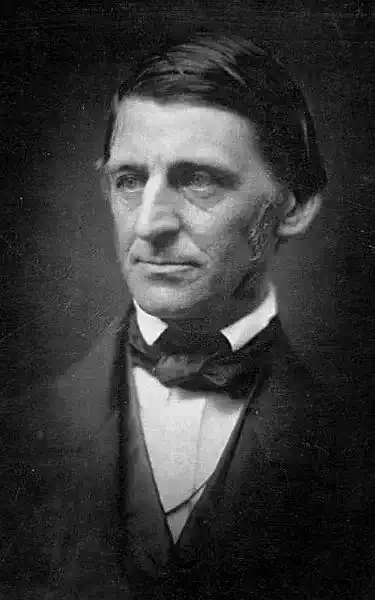
Ralph Waldo Emerson
Good-by
Good-by
Good-by, proud world, I'm going home,
Thou'rt not my friend, and I'm not thine;
Long through thy weary crowds I roam;
A river-ark on the ocean brine,
Long I've been tossed like the driven foam,
But now, proud world, I'm going home.
Good-by to Flattery's fawning face,
To Grandeur, with his wise grimace,
To upstart Wealth's averted eye,
To supple Office low and high,
To crowded halls, to court, and street,
To frozen hearts, and hasting feet,
To those who go, and those who come,
Good-by, proud world, I'm going home.
I'm going to my own hearth-stone
Bosomed in yon green hills, alone,
A secret nook in a pleasant land,
Whose groves the frolic fairies planned;
Where arches green the livelong day
Echo the blackbird's roundelay,
And vulgar feet have never trod
A spot that is sacred to thought and God.
Oh, when I am safe in my sylvan home,
I tread on the pride of Greece and Rome;
And when I am stretched beneath the pines
Where the evening star so holy shines,
I laugh at the lore and the pride of man,
At the sophist schools, and the learned clan;
For what are they all in their high conceit,
When man in the bush with God may meet.
Good-by, proud world, I'm going home,
Thou'rt not my friend, and I'm not thine;
Long through thy weary crowds I roam;
A river-ark on the ocean brine,
Long I've been tossed like the driven foam,
But now, proud world, I'm going home.
Good-by to Flattery's fawning face,
To Grandeur, with his wise grimace,
To upstart Wealth's averted eye,
To supple Office low and high,
To crowded halls, to court, and street,
To frozen hearts, and hasting feet,
To those who go, and those who come,
Good-by, proud world, I'm going home.
I'm going to my own hearth-stone
Bosomed in yon green hills, alone,
A secret nook in a pleasant land,
Whose groves the frolic fairies planned;
Where arches green the livelong day
Echo the blackbird's roundelay,
And vulgar feet have never trod
A spot that is sacred to thought and God.
Oh, when I am safe in my sylvan home,
I tread on the pride of Greece and Rome;
And when I am stretched beneath the pines
Where the evening star so holy shines,
I laugh at the lore and the pride of man,
At the sophist schools, and the learned clan;
For what are they all in their high conceit,
When man in the bush with God may meet.
399
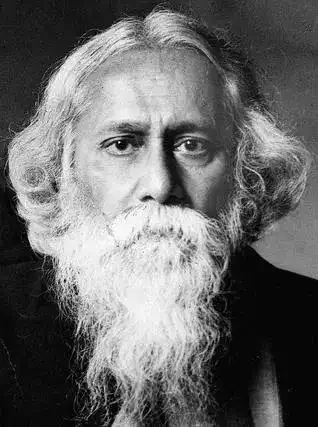
Rabindranath Tagore
The Rainy Day
The Rainy Day
Sullen clouds are gathering fast over the black fringe of the
forest.
O child, do not go out!
The palm trees in a row by the lake are smiting their heads
against the dismal sky; the crows with their dragged wings are
silent on the tamarind branches, and the eastern bank of the river
is haunted by a deepening gloom.
Our cow is lowing loud, ties at the fence.
O child, wait here till I bring her into the stall.
Men have crowded into the flooded field to catch the fishes
as they escape from the overflowing ponds; the rain-water is
running in rills through the narrow lanes like a laughing boy who
has run away from his mother to tease her.
Listen, someone is shouting for the boatman at the ford.
O child, the daylight is dim, and the crossing at the ferry
is closed.
The sky seems to ride fast upon the madly rushing rain; the
water in the river is loud and impatient; women have hastened home
early from the Ganges with their filled pitchers.
The evening lamps must be made ready.
O child, do not go out!
The road to the market is desolate, the lane to the river is
slippery. The wind is roaring and struggling among the bamboo
branches like a wild beast tangled in a net.
Sullen clouds are gathering fast over the black fringe of the
forest.
O child, do not go out!
The palm trees in a row by the lake are smiting their heads
against the dismal sky; the crows with their dragged wings are
silent on the tamarind branches, and the eastern bank of the river
is haunted by a deepening gloom.
Our cow is lowing loud, ties at the fence.
O child, wait here till I bring her into the stall.
Men have crowded into the flooded field to catch the fishes
as they escape from the overflowing ponds; the rain-water is
running in rills through the narrow lanes like a laughing boy who
has run away from his mother to tease her.
Listen, someone is shouting for the boatman at the ford.
O child, the daylight is dim, and the crossing at the ferry
is closed.
The sky seems to ride fast upon the madly rushing rain; the
water in the river is loud and impatient; women have hastened home
early from the Ganges with their filled pitchers.
The evening lamps must be made ready.
O child, do not go out!
The road to the market is desolate, the lane to the river is
slippery. The wind is roaring and struggling among the bamboo
branches like a wild beast tangled in a net.
622
Rabindranath Tagore
The Gardener X: Let Your Work Be, Bride
The Gardener X: Let Your Work Be, Bride
Let your work be, bride. Listen, the
guest has come.
Do you hear, he is gently shaking
the chain which fastens the door?
See that your anklets make no loud
noise, and that your step is not overhurried
at meeting him.
Let your work be, bride, the guest
had come in the evening.
No, it is not the ghostly wind, bride,
do not be frightened.
It is the full moon on a night of
April; shadows are pale in the courtyard;
the sky overhead is bright.
Draw your veil over your face if
you must, carry the lamp to the door
if you fear.
No, it is not the ghostly wind, bride,
do not be frightened.
Have no word with him if you are
shy; stand aside by the door when you
meet him.
If he asks you questions, and if
you wish to, you can lower you eyes
in silence.
Do not let your bracelets jingle
when, lamp in hand, you lead him in.
Have no words with him if your are
shy.
Have you not finished you work yet,
bride? Listen, the guest has come.
Have you not lit the lamp in the
cowshed?
Have you not got ready the offering
basket for the evening service?
Have you not put the red lucky
mark at the parting of your hair, and
done your toilet for the night?
O bride, do you hear, the guest has
come?
Let your work be!
Let your work be, bride. Listen, the
guest has come.
Do you hear, he is gently shaking
the chain which fastens the door?
See that your anklets make no loud
noise, and that your step is not overhurried
at meeting him.
Let your work be, bride, the guest
had come in the evening.
No, it is not the ghostly wind, bride,
do not be frightened.
It is the full moon on a night of
April; shadows are pale in the courtyard;
the sky overhead is bright.
Draw your veil over your face if
you must, carry the lamp to the door
if you fear.
No, it is not the ghostly wind, bride,
do not be frightened.
Have no word with him if you are
shy; stand aside by the door when you
meet him.
If he asks you questions, and if
you wish to, you can lower you eyes
in silence.
Do not let your bracelets jingle
when, lamp in hand, you lead him in.
Have no words with him if your are
shy.
Have you not finished you work yet,
bride? Listen, the guest has come.
Have you not lit the lamp in the
cowshed?
Have you not got ready the offering
basket for the evening service?
Have you not put the red lucky
mark at the parting of your hair, and
done your toilet for the night?
O bride, do you hear, the guest has
come?
Let your work be!
510
Rabindranath Tagore
Stray Birds 31 - 40
Stray Birds 31 - 40
31
THE trees come up to my window
like the yearning voice of the dumb earth.
32
HIS own mornings are new surprises to God.
33
LIFE finds its wealth by the claims of the world,
and its worth by the claims of love.
34
THE dry river-bed finds no thanks for its past.
35
THE bird wishes it were a cloud.
The cloud wishes it were a bird.
36
THE waterfall sings,
'I find my song,
when I find my freedom.'
37
I CANNOT tell why this heart languishes in silence.
It is for small needs it never asks,
or knows or remembers.
38
WOMAN,
when you move about in your household service
your limbs sing like a hill stream among its pebbles.
39
THE sun goes to cross the Western sea,
leaving its last salutation to the East.
40
DO not blame your food because you have no appetite.
31
THE trees come up to my window
like the yearning voice of the dumb earth.
32
HIS own mornings are new surprises to God.
33
LIFE finds its wealth by the claims of the world,
and its worth by the claims of love.
34
THE dry river-bed finds no thanks for its past.
35
THE bird wishes it were a cloud.
The cloud wishes it were a bird.
36
THE waterfall sings,
'I find my song,
when I find my freedom.'
37
I CANNOT tell why this heart languishes in silence.
It is for small needs it never asks,
or knows or remembers.
38
WOMAN,
when you move about in your household service
your limbs sing like a hill stream among its pebbles.
39
THE sun goes to cross the Western sea,
leaving its last salutation to the East.
40
DO not blame your food because you have no appetite.
558
Rabindranath Tagore
Lover's Gifts XVI: She Dwelt Here by the Pool
Lover's Gifts XVI: She Dwelt Here by the Pool
She dwelt here by the pool with its landing-stairs in ruins. Many
an evening she had watched the moon made dizzy by the shaking of
bamboo leaves, and on many a rainy day the smell of the wet earth
had come to her over the young shoots of rice.
Her pet name is known here among those date-palm groves and
in the courtyards where girls sit and talk while stitching their
winter quilts. The water in this pool keeps in its depth the memory
of her swimming limbs, and her wet feet had left their marks, day
after day, on the footpath leading to the village.
The women who come to-day with their vessels to the water have
all seen her smile over simple jests, and the old peasant, taking
his bullocks to their bath, used to stop at her door every day to
greet her.
Many a sailing-boat passes by this village; many a traveller
takes rest beneath that banyan tree; the ferry-boat crosses to
yonder ford carrying crowds to the market; but they never notice
this spot by the village road, near the pool with its ruined
landing-stairs,-where dwelt she whom I love.
She dwelt here by the pool with its landing-stairs in ruins. Many
an evening she had watched the moon made dizzy by the shaking of
bamboo leaves, and on many a rainy day the smell of the wet earth
had come to her over the young shoots of rice.
Her pet name is known here among those date-palm groves and
in the courtyards where girls sit and talk while stitching their
winter quilts. The water in this pool keeps in its depth the memory
of her swimming limbs, and her wet feet had left their marks, day
after day, on the footpath leading to the village.
The women who come to-day with their vessels to the water have
all seen her smile over simple jests, and the old peasant, taking
his bullocks to their bath, used to stop at her door every day to
greet her.
Many a sailing-boat passes by this village; many a traveller
takes rest beneath that banyan tree; the ferry-boat crosses to
yonder ford carrying crowds to the market; but they never notice
this spot by the village road, near the pool with its ruined
landing-stairs,-where dwelt she whom I love.
491
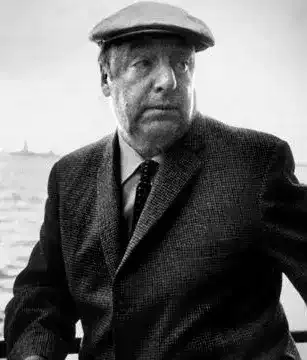
Pablo Neruda
The House of Odes
The House of Odes
Writing
these
odes
in this
year nineteen
hundred and
fifty-five,
readying and tuning
my demanding, murmuring lyre,
I know who I am
and where my song is going.
I understand
that the shopper for myths
and mysteries
may enter
my wood
and adobe
house of odes,
may despise
the utensils,
the portraits
of father and mother and country
on the walls,
the simplicity
of the bread
and the saltcellar. But
that's how it is in my house of odes.
I deposed the dark monarchy,
the useless flowing hair of dreams,
I trod on the tail
of the cerebral reptile,
and set things
-- water and fire in
harmony with man and earth.
I want everything
to have
a handle,
I want everything to be
a cup or a tool,
I want people to enter a hardware
store through the door of my odes.
I work at
cutting
newly hewn boards,
storing casks
of honey,
arranging
horseshoes, harness,
forks:
I want everyone to enter here,
let them ask questions,
ask for anything they want.
I am from the South, a Chilean,
a sailor
returned
from the seas.
I did not stay in the islands,
a king.
I did not stay ensconced
in the land of dreams.
I returned to labor simply
beside others,
for everyone.
So that everyone
may live here,
I build my house
with transparent
odes.
Writing
these
odes
in this
year nineteen
hundred and
fifty-five,
readying and tuning
my demanding, murmuring lyre,
I know who I am
and where my song is going.
I understand
that the shopper for myths
and mysteries
may enter
my wood
and adobe
house of odes,
may despise
the utensils,
the portraits
of father and mother and country
on the walls,
the simplicity
of the bread
and the saltcellar. But
that's how it is in my house of odes.
I deposed the dark monarchy,
the useless flowing hair of dreams,
I trod on the tail
of the cerebral reptile,
and set things
-- water and fire in
harmony with man and earth.
I want everything
to have
a handle,
I want everything to be
a cup or a tool,
I want people to enter a hardware
store through the door of my odes.
I work at
cutting
newly hewn boards,
storing casks
of honey,
arranging
horseshoes, harness,
forks:
I want everyone to enter here,
let them ask questions,
ask for anything they want.
I am from the South, a Chilean,
a sailor
returned
from the seas.
I did not stay in the islands,
a king.
I did not stay ensconced
in the land of dreams.
I returned to labor simply
beside others,
for everyone.
So that everyone
may live here,
I build my house
with transparent
odes.
571
Matsuo Bashō
A cool fall night
A cool fall night
At a hermitage:
A cool fall night--
getting dinner, we peeled
eggplants, cucumbers.
Translated by Robert Hass
At a hermitage:
A cool fall night--
getting dinner, we peeled
eggplants, cucumbers.
Translated by Robert Hass
391

Kazi Nazrul Islam
Evening Star
Evening Star
Oh, dear evening star
Whose bride art thou with veils,
In the glances of your eyes,
Whose forgotten face dwells?
Evening lamp, with a veiI to hide,
And casting glances at this bride,
Though often her looks quiver,
This goes on for ever.
Whose lost bride is she?
At dusk, mute and beside me,
To arouse the yearning for a home,
In the heart of a homeless wanderer.
Perpetually you rise and sink,
With a tender pallid wink,
For whom, you heavenly bride?
Where does your beloved abide!
[Translation: Syed Mujibul Huq]
Oh, dear evening star
Whose bride art thou with veils,
In the glances of your eyes,
Whose forgotten face dwells?
Evening lamp, with a veiI to hide,
And casting glances at this bride,
Though often her looks quiver,
This goes on for ever.
Whose lost bride is she?
At dusk, mute and beside me,
To arouse the yearning for a home,
In the heart of a homeless wanderer.
Perpetually you rise and sink,
With a tender pallid wink,
For whom, you heavenly bride?
Where does your beloved abide!
[Translation: Syed Mujibul Huq]
536

Joyce Kilmer
The House with Nobody in It
The House with Nobody in It
Whenever I walk to Suffern along the Erie track
I go by a poor old farmhouse with its shingles broken and black.
I suppose I've passed it a hundred times, but I always stop for a minute
And look at the house, the tragic house, the house with nobody in it.
I never have seen a haunted house, but I hear there are such things;
That they hold the talk of spirits, their mirth and sorrowings.
I know this house isn't haunted, and I wish it were, I do;
For it wouldn't be so lonely if it had a ghost or two.
This house on the road to Suffern needs a dozen panes of glass,
And somebody ought to weed the walk and take a scythe to the grass.
It needs new paint and shingles, and the vines should be trimmed and tied;
But what it needs the most of all is some people living inside.
If I had a lot of money and all my debts were paid
I'd put a gang of men to work with brush and saw and spade.
I'd buy that place and fix it up the way it used to be
And I'd find some people who wanted a home and give it to them free.
Now, a new house standing empty, with staring window and door,
Looks idle, perhaps, and foolish, like a hat on its block in the store.
But there's nothing mournful about it; it cannot be sad and lone
For the lack of something within it that it has never known.
But a house that has done what a house should do,
a house that has sheltered life,
That has put its loving wooden arms around a man and his wife,
A house that has echoed a baby's laugh and held up his stumbling feet,
Is the saddest sight, when it's left alone, that ever your eyes could meet.
So whenever I go to Suffern along the Erie track
I never go by the empty house without stopping and looking back,
Yet it hurts me to look at the crumbling roof and the shutters fallen apart,
For I can't help thinking the poor old house is a house with a broken heart.
Whenever I walk to Suffern along the Erie track
I go by a poor old farmhouse with its shingles broken and black.
I suppose I've passed it a hundred times, but I always stop for a minute
And look at the house, the tragic house, the house with nobody in it.
I never have seen a haunted house, but I hear there are such things;
That they hold the talk of spirits, their mirth and sorrowings.
I know this house isn't haunted, and I wish it were, I do;
For it wouldn't be so lonely if it had a ghost or two.
This house on the road to Suffern needs a dozen panes of glass,
And somebody ought to weed the walk and take a scythe to the grass.
It needs new paint and shingles, and the vines should be trimmed and tied;
But what it needs the most of all is some people living inside.
If I had a lot of money and all my debts were paid
I'd put a gang of men to work with brush and saw and spade.
I'd buy that place and fix it up the way it used to be
And I'd find some people who wanted a home and give it to them free.
Now, a new house standing empty, with staring window and door,
Looks idle, perhaps, and foolish, like a hat on its block in the store.
But there's nothing mournful about it; it cannot be sad and lone
For the lack of something within it that it has never known.
But a house that has done what a house should do,
a house that has sheltered life,
That has put its loving wooden arms around a man and his wife,
A house that has echoed a baby's laugh and held up his stumbling feet,
Is the saddest sight, when it's left alone, that ever your eyes could meet.
So whenever I go to Suffern along the Erie track
I never go by the empty house without stopping and looking back,
Yet it hurts me to look at the crumbling roof and the shutters fallen apart,
For I can't help thinking the poor old house is a house with a broken heart.
125
Joyce Kilmer
The Apartment House
The Apartment House
Severe against the pleasant arc of sky
The great stone box is cruelly displayed.
The street becomes more dreary from its shade,
And vagrant breezes touch its walls and die.
Here sullen convicts in their chains might lie,
Or slaves toil dumbly at some dreary trade.
How worse than folly is their labor made
Who cleft the rocks that this might rise on high!
Yet, as I look, I see a woman's face
Gleam from a window far above the street.
This is a house of homes, a sacred place,
By human passion made divinely sweet.
How all the building thrills with sudden grace
Beneath the magic of Love's golden feet!
Severe against the pleasant arc of sky
The great stone box is cruelly displayed.
The street becomes more dreary from its shade,
And vagrant breezes touch its walls and die.
Here sullen convicts in their chains might lie,
Or slaves toil dumbly at some dreary trade.
How worse than folly is their labor made
Who cleft the rocks that this might rise on high!
Yet, as I look, I see a woman's face
Gleam from a window far above the street.
This is a house of homes, a sacred place,
By human passion made divinely sweet.
How all the building thrills with sudden grace
Beneath the magic of Love's golden feet!
122
Joyce Kilmer
Roofs
Roofs
(For Amelia Josephine Burr)
The road is wide and the stars are out
and the breath of the night is sweet,
And this is the time when wanderlust should seize upon my feet.
But I'm glad to turn from the open road and the starlight on my face,
And to leave the splendour of out-of-doors for a human dwelling place.
I never have seen a vagabond who really liked to roam
All up and down the streets of the world and not to have a home:
The tramp who slept in your barn last night and left at break of day
Will wander only until he finds another place to stay.
A gypsy-man will sleep in his cart with canvas overhead;
Or else he'll go into his tent when it is time for bed.
He'll sit on the grass and take his ease so long as the sun is high,
But when it is dark he wants a roof to keep away the sky.
If you call a gypsy a vagabond, I think you do him wrong,
For he never goes a-travelling but he takes his home along.
And the only reason a road is good, as every wanderer knows,
Is just because of the homes, the homes, the homes to which it goes.
They say that life is a highway and its milestones are the years,
And now and then there's a toll-gate where you buy your way with tears.
It's a rough road and a steep road and it stretches broad and far,
But at last it leads to a golden Town where golden Houses are.
(For Amelia Josephine Burr)
The road is wide and the stars are out
and the breath of the night is sweet,
And this is the time when wanderlust should seize upon my feet.
But I'm glad to turn from the open road and the starlight on my face,
And to leave the splendour of out-of-doors for a human dwelling place.
I never have seen a vagabond who really liked to roam
All up and down the streets of the world and not to have a home:
The tramp who slept in your barn last night and left at break of day
Will wander only until he finds another place to stay.
A gypsy-man will sleep in his cart with canvas overhead;
Or else he'll go into his tent when it is time for bed.
He'll sit on the grass and take his ease so long as the sun is high,
But when it is dark he wants a roof to keep away the sky.
If you call a gypsy a vagabond, I think you do him wrong,
For he never goes a-travelling but he takes his home along.
And the only reason a road is good, as every wanderer knows,
Is just because of the homes, the homes, the homes to which it goes.
They say that life is a highway and its milestones are the years,
And now and then there's a toll-gate where you buy your way with tears.
It's a rough road and a steep road and it stretches broad and far,
But at last it leads to a golden Town where golden Houses are.
143

Jonathan Swift
On An Ill-Managed House
On An Ill-Managed House
LET me thy properties explain:
A rotten cabin dropping rain:
Chimneys, with scorn rejecting smoke;
Stools, tables, chairs, and bedsteads broke.
Here elements have lost their uses,
Air ripens not, nor earth produces:
In vain we make poor Sheelah toil,
Fire will not roast, nor water boil.
Through all the valleys, hills, and plains,
The Goddess Want, in triumph reigns:
And her chief officers of state,
Sloth, Dirt, and Theft, around her wait.
LET me thy properties explain:
A rotten cabin dropping rain:
Chimneys, with scorn rejecting smoke;
Stools, tables, chairs, and bedsteads broke.
Here elements have lost their uses,
Air ripens not, nor earth produces:
In vain we make poor Sheelah toil,
Fire will not roast, nor water boil.
Through all the valleys, hills, and plains,
The Goddess Want, in triumph reigns:
And her chief officers of state,
Sloth, Dirt, and Theft, around her wait.
183
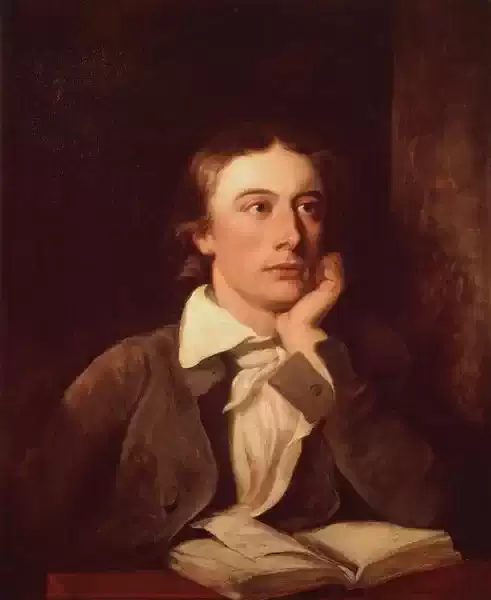
John Keats
Lines Rhymed In A Letter From Oxford
Lines Rhymed In A Letter From Oxford
I.
The Gothic looks solemn,
The plain Doric column
Supports an old Bishop and Crosier;
The mouldering arch,
Shaded o'er by a larch
Stands next door to Wilson the Hosier.
II.
Vice--that is, by turns,-O'er
pale faces mourns
The black tassell'd trencher and common hat;
The Chantry boy sings,
The Steeple-bell rings,
And as for the Chancellor--dominat.
III.
There are plenty of trees,
And plenty of ease,
And plenty of fat deer for Parsons;
And when it is venison,
Short is the benison,--
Then each on a leg or thigh fastens.
I.
The Gothic looks solemn,
The plain Doric column
Supports an old Bishop and Crosier;
The mouldering arch,
Shaded o'er by a larch
Stands next door to Wilson the Hosier.
II.
Vice--that is, by turns,-O'er
pale faces mourns
The black tassell'd trencher and common hat;
The Chantry boy sings,
The Steeple-bell rings,
And as for the Chancellor--dominat.
III.
There are plenty of trees,
And plenty of ease,
And plenty of fat deer for Parsons;
And when it is venison,
Short is the benison,--
Then each on a leg or thigh fastens.
451
John Keats
Happy Is England! I Could Be Content
Happy Is England! I Could Be Content
Happy is England! I could be content
To see no other verdure than its own;
To feel no other breezes than are blown
Through its tall woods with high romances blent;
Yet do I sometimes feel a languishment
For skies Italian, and an inward groan
To sit upon an Alp as on a throne,
And half forget what world or worldling meant.
Happy is England, sweet her artless daughters;
Enough their simple loveliness for me,
Enough their whitest arms in silence clinging;
Yet do I often warmly burn to see
Beauties of deeper glance, and hear their singing,
And float with them about the summer waters.
Happy is England! I could be content
To see no other verdure than its own;
To feel no other breezes than are blown
Through its tall woods with high romances blent;
Yet do I sometimes feel a languishment
For skies Italian, and an inward groan
To sit upon an Alp as on a throne,
And half forget what world or worldling meant.
Happy is England, sweet her artless daughters;
Enough their simple loveliness for me,
Enough their whitest arms in silence clinging;
Yet do I often warmly burn to see
Beauties of deeper glance, and hear their singing,
And float with them about the summer waters.
371
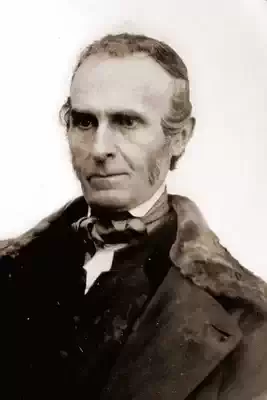
John Greenleaf Whittier
The Pumpkin
The Pumpkin
Oh, greenly and fair in the lands of the sun,
The vines of the gourd and the rich melon run,
And the rock and the tree and the cottage enfold,
With broad leaves all greenness and blossoms all gold,
Like that which o'er Nineveh's prophet once grew,
While he waited to know that his warning was true,
And longed for the storm-cloud, and listened in vain
For the rush of the whirlwind and red fire-rain.
On the banks of the Xenil the dark Spanish maiden
Comes up with the fruit of the tangled vine laden;
And the Creole of Cuba laughs out to behold
Through orange-leaves shining the broad spheres of gold;
Yet with dearer delight from his home in the North,
On the fields of his harvest the Yankee looks forth,
Where crook-necks are coiling and yellow fruit shines,
And the sun of September melts down on his vines.
Ah! on Thanksgiving day, when from East and from West,
From North and from South comes the pilgrim and guest;
When the gray-haired New Englander sees round his board
The old broken links of affection restored;
When the care-wearied man seeks his mother once more,
And the worn matron smiles where the girl smiled before;
What moistens the lip and what brightens the eye,
What calls back the past, like the rich Pumpkin pie?
Oh, fruit loved of boyhood! the old days recalling,
When wood-grapes were purpling and brown nuts were falling!
When wild, ugly faces we carved in its skin,
Glaring out through the dark with a candle within!
When we laughed round the corn-heap, with hearts all in tune,
Our chair a broad pumpkin, -- our lantern the moon,
Telling tales of the fairy who travelled like steam
In a pumpkin-shell coach, with two rats for her team!
Then thanks for thy present! none sweeter or better
E'er smoked from an oven or circled a platter!
Fairer hands never wrought at a pastry more fine,
Brighter eyes never watched o'er its baking, than thine!
And the prayer, which my mouth is too full to express,
Swells my heart that thy shadow may never be less,
That the days of thy lot may be lengthened below,
And the fame of thy worth like a pumpkin-vine grow,
And thy life be as sweet, and its last sunset sky
Golden-tinted and fair as thy own Pumpkin pie!
Oh, greenly and fair in the lands of the sun,
The vines of the gourd and the rich melon run,
And the rock and the tree and the cottage enfold,
With broad leaves all greenness and blossoms all gold,
Like that which o'er Nineveh's prophet once grew,
While he waited to know that his warning was true,
And longed for the storm-cloud, and listened in vain
For the rush of the whirlwind and red fire-rain.
On the banks of the Xenil the dark Spanish maiden
Comes up with the fruit of the tangled vine laden;
And the Creole of Cuba laughs out to behold
Through orange-leaves shining the broad spheres of gold;
Yet with dearer delight from his home in the North,
On the fields of his harvest the Yankee looks forth,
Where crook-necks are coiling and yellow fruit shines,
And the sun of September melts down on his vines.
Ah! on Thanksgiving day, when from East and from West,
From North and from South comes the pilgrim and guest;
When the gray-haired New Englander sees round his board
The old broken links of affection restored;
When the care-wearied man seeks his mother once more,
And the worn matron smiles where the girl smiled before;
What moistens the lip and what brightens the eye,
What calls back the past, like the rich Pumpkin pie?
Oh, fruit loved of boyhood! the old days recalling,
When wood-grapes were purpling and brown nuts were falling!
When wild, ugly faces we carved in its skin,
Glaring out through the dark with a candle within!
When we laughed round the corn-heap, with hearts all in tune,
Our chair a broad pumpkin, -- our lantern the moon,
Telling tales of the fairy who travelled like steam
In a pumpkin-shell coach, with two rats for her team!
Then thanks for thy present! none sweeter or better
E'er smoked from an oven or circled a platter!
Fairer hands never wrought at a pastry more fine,
Brighter eyes never watched o'er its baking, than thine!
And the prayer, which my mouth is too full to express,
Swells my heart that thy shadow may never be less,
That the days of thy lot may be lengthened below,
And the fame of thy worth like a pumpkin-vine grow,
And thy life be as sweet, and its last sunset sky
Golden-tinted and fair as thy own Pumpkin pie!
273
John Greenleaf Whittier
The Lumbermen
The Lumbermen
WILDLY round our woodland quarters
Sad-voiced Autumn grieves;
Thickly down these swelling waters
Float his fallen leaves.
Through the tall and naked timber,
Column-like and old,
Gleam the sunsets of November,
From their skies of gold.
O'er us, to the southland heading,
Screams the gray wild-goose;
On the night-frost sounds the treading
Of the brindled moose.
Noiseless creeping, while we're sleeping,
Frost his task-work plies;
Soon, his icy bridges heaping,
Shall our log-piles rise.
When, with sounds of smothered thunder,
On some night of rain,
Lake and river break asunder
Winter's weakened chain,
Down the wild March flood shall bear them
To the saw-mill's wheel,
Or where Steam, the slave, shall tear them
With his teeth of steel.
Be it starlight, be it moonlight,
In these vales below,
When the earliest beams of sunlight
Streak the mountain's snow,
Crisps the hoar-frost, keen and early,
To our hurrying feet,
And the forest echoes clearly
All our blows repeat.
Where the crystal Ambijejis
Stretches broad and clear,
And Millnoket's pine-black ridges
Hide the browsing deer:
Where, through lakes and wide morasses,
Or through rocky walls,
Swift and strong, Penobscot passes
White with foamy falls;
Where, through clouds, are glimpses given
Of Katahdin's sides, —
Rock and forest piled to heaven,
Torn and ploughed by slides!
Far below, the Indian trapping,
In the sunshine warm;
Far above, the snow-cloud wrapping
Half the peak in storm!
Where are mossy carpets better
Than the Persian weaves,
And than Eastern perfumes sweeter
Seem the fading leaves;
And a music wild and solemn,
From the pine-tree's height,
Rolls its vast and sea-like volume
On the wind of night;
Make we here our camp of winter;
And, through sleet and snow,
Pitchy knot and beechen splinter
On our hearth shall glow.
Here, with mirth to lighten duty,
We shall lack alone
Woman's smile and girlhood's beauty,
Childhood's lisping tone.
But their hearth is brighter burning
For our toil to-day;
And the welcome of returning
Shall our loss repay,
When, like seamen from the waters,
From the woods we come,
Greeting sisters, wives, and daughters,
Angels of our home!
Not for us the measured ringing
From the village spire,
Not for us the Sabbath singing
Of the sweet-voiced choir.
Ours the old, majestic temple,
Where God's brightness shines
Down the dome so grand and ample,
Propped by lofty pines!
Through each branch-enwoven skylight,
Speaks He in the breeze,
As of old beneath the twilight
Of lost Eden's trees!
For His ear, the inward feeling
Needs no outward tongue;
He can see the spirit kneeling
While the axe is swung.
Heeding truth alone, and turning
From the false and dim,
Lamp of toil or altar burning
Are alike to Him.
Strike, then, comrades! Trade is waiting
On our rugged toil;
Far ships waiting for the freighting
Of our woodland spoil!
Ships, whose traffic links these highlands,
Bleak and cold, of ours,
With the citron-planted islands
Of a clime of flowers;
To our frosts the tribute bringing
Of eternal heats;
In our lap of winter flinging
Tropic fruits and sweets.
Cheerly, on the axe of labor,
Let the sunbeams dance,
Better than the flash of sabre
Or the gleam of lance!
Strike! With every blow is given
Freer sun and sky,
And the long-hid earth to heaven
Looks, with wondering eye!
Loud behind us grow the murmurs
Of the age to come;
Clang of smiths, and tread of farmers,
Bearing harvest home!
Here her virgin lap with treasures
Shall the green earth fill;
Waving wheat and golden maize-ears
Crown each beechen hill.
Keep who will the city's alleys,
Take the smooth-shorn plain;
Give to us the cedarn valleys,
Rocks and hills of Maine!
In our North-land, wild and woody,
Let us still have part:
Rugged nurse and mother sturdy,
Hold us to thy heart!
Oh, our free hearts beat the warmer
For thy breath of snow;
And our tread is all the firmer
For thy rocks below.
Freedom, hand in hand with labor,
Walketh strong and brave;
On the forehead of his neighbor
No man writeth Slave!
Lo, the day breaks! old Katahdin's
Pine-trees show its fires,
While from these dim forest gardens
Rise their blackened spires.
Up, my comrades! up and doing!
Manhood's rugged play
Still renewing, bravely hewing
Through the world our way!
WILDLY round our woodland quarters
Sad-voiced Autumn grieves;
Thickly down these swelling waters
Float his fallen leaves.
Through the tall and naked timber,
Column-like and old,
Gleam the sunsets of November,
From their skies of gold.
O'er us, to the southland heading,
Screams the gray wild-goose;
On the night-frost sounds the treading
Of the brindled moose.
Noiseless creeping, while we're sleeping,
Frost his task-work plies;
Soon, his icy bridges heaping,
Shall our log-piles rise.
When, with sounds of smothered thunder,
On some night of rain,
Lake and river break asunder
Winter's weakened chain,
Down the wild March flood shall bear them
To the saw-mill's wheel,
Or where Steam, the slave, shall tear them
With his teeth of steel.
Be it starlight, be it moonlight,
In these vales below,
When the earliest beams of sunlight
Streak the mountain's snow,
Crisps the hoar-frost, keen and early,
To our hurrying feet,
And the forest echoes clearly
All our blows repeat.
Where the crystal Ambijejis
Stretches broad and clear,
And Millnoket's pine-black ridges
Hide the browsing deer:
Where, through lakes and wide morasses,
Or through rocky walls,
Swift and strong, Penobscot passes
White with foamy falls;
Where, through clouds, are glimpses given
Of Katahdin's sides, —
Rock and forest piled to heaven,
Torn and ploughed by slides!
Far below, the Indian trapping,
In the sunshine warm;
Far above, the snow-cloud wrapping
Half the peak in storm!
Where are mossy carpets better
Than the Persian weaves,
And than Eastern perfumes sweeter
Seem the fading leaves;
And a music wild and solemn,
From the pine-tree's height,
Rolls its vast and sea-like volume
On the wind of night;
Make we here our camp of winter;
And, through sleet and snow,
Pitchy knot and beechen splinter
On our hearth shall glow.
Here, with mirth to lighten duty,
We shall lack alone
Woman's smile and girlhood's beauty,
Childhood's lisping tone.
But their hearth is brighter burning
For our toil to-day;
And the welcome of returning
Shall our loss repay,
When, like seamen from the waters,
From the woods we come,
Greeting sisters, wives, and daughters,
Angels of our home!
Not for us the measured ringing
From the village spire,
Not for us the Sabbath singing
Of the sweet-voiced choir.
Ours the old, majestic temple,
Where God's brightness shines
Down the dome so grand and ample,
Propped by lofty pines!
Through each branch-enwoven skylight,
Speaks He in the breeze,
As of old beneath the twilight
Of lost Eden's trees!
For His ear, the inward feeling
Needs no outward tongue;
He can see the spirit kneeling
While the axe is swung.
Heeding truth alone, and turning
From the false and dim,
Lamp of toil or altar burning
Are alike to Him.
Strike, then, comrades! Trade is waiting
On our rugged toil;
Far ships waiting for the freighting
Of our woodland spoil!
Ships, whose traffic links these highlands,
Bleak and cold, of ours,
With the citron-planted islands
Of a clime of flowers;
To our frosts the tribute bringing
Of eternal heats;
In our lap of winter flinging
Tropic fruits and sweets.
Cheerly, on the axe of labor,
Let the sunbeams dance,
Better than the flash of sabre
Or the gleam of lance!
Strike! With every blow is given
Freer sun and sky,
And the long-hid earth to heaven
Looks, with wondering eye!
Loud behind us grow the murmurs
Of the age to come;
Clang of smiths, and tread of farmers,
Bearing harvest home!
Here her virgin lap with treasures
Shall the green earth fill;
Waving wheat and golden maize-ears
Crown each beechen hill.
Keep who will the city's alleys,
Take the smooth-shorn plain;
Give to us the cedarn valleys,
Rocks and hills of Maine!
In our North-land, wild and woody,
Let us still have part:
Rugged nurse and mother sturdy,
Hold us to thy heart!
Oh, our free hearts beat the warmer
For thy breath of snow;
And our tread is all the firmer
For thy rocks below.
Freedom, hand in hand with labor,
Walketh strong and brave;
On the forehead of his neighbor
No man writeth Slave!
Lo, the day breaks! old Katahdin's
Pine-trees show its fires,
While from these dim forest gardens
Rise their blackened spires.
Up, my comrades! up and doing!
Manhood's rugged play
Still renewing, bravely hewing
Through the world our way!
225
John Greenleaf Whittier
The Homestead
The Homestead
AGAINST the wooded hills it stands,
Ghost of a dead home, staring through
Its broken lights on wasted lands
Where old-time harvests grew.
Unploughed, unsown, by scythe unshorn,
The poor, forsaken farm-fields lie,
Once rich and rife with golden corn
And pale green breadths of rye.
Of healthful herb and flower bereft,
The garden plot no housewife keeps;
Through weeds and tangle only left,
The snake, its tenant, creeps.
A lilac spray, still blossom-clad,
Sways slow before the empty rooms;
Beside the roofless porch a sad
Pathetic red rose blooms.
His track, in mould and dust of drouth,
On floor and hearth the squirrel leaves,
And in the fireless chimney's mouth
His web the spider weaves.
The leaning barn, about to fall,
Resounds no more on husking eves;
No cattle low in yard or stall,
No thresher beats his sheaves.
So sad, so drear! It seems almost
Some haunting Presence makes its sign;
That down yon shadowy lane some ghost
Might drive his spectral kine!
O home so desolate and lorn!
Did all thy memories die with thee?
Were any wed, were any born,
Beneath this low roof-tree?
Whose axe the wall of forest broke,
And let the waiting sunshine through?
What goodwife sent the earliest smoke
Up the great chimney flue?
Did rustic lovers hither come?
Did maidens, swaying back and forth
In rhythmic grace, at wheel and loom,
Make light their toil with mirth?
Did child feet patter on the stair?
Did boyhood frolic in the snow?
Did gray age, in her elbow chair,
Knit, rocking to and fro?
The murmuring brook, the sighing breeze,
The pine's slow whisper, cannot tell;
Low mounds beneath the hemlock-trees
Keep the home secrets well.
Cease, mother-land, to fondly boast
Of sons far off who strive and thrive,
Forgetful that each swarming host
Must leave an emptier hive.
O wanderers from ancestral soil,
Leave noisome mill and chaffering store:
Gird up your loins for sturdier toil,
And build the home once more!
Come back to bayberry-scented slopes,
And fragrant fern, and ground-nut vine;
Breathe airs blown over holt and copse
Sweet with black birch and pine.
What matter if the gains are small
That life's essential wants supply?
Your homestead's title gives you all
That idle wealth can buy.
All that the many-dollared crave,
The brick-walled slaves of 'Change and mart,
Lawns, trees, fresh air, and flowers, you have,
More dear for lack of art.
Your own sole masters, freedom-willed,
With none to bid you go or stay,
Till the old fields your fathers tilled,
As manly men as they!
With skill that spares your toiling hands,
And chemic aid that science brings,
Reclaim the waste and outworn lands,
And reign thereon as kings
AGAINST the wooded hills it stands,
Ghost of a dead home, staring through
Its broken lights on wasted lands
Where old-time harvests grew.
Unploughed, unsown, by scythe unshorn,
The poor, forsaken farm-fields lie,
Once rich and rife with golden corn
And pale green breadths of rye.
Of healthful herb and flower bereft,
The garden plot no housewife keeps;
Through weeds and tangle only left,
The snake, its tenant, creeps.
A lilac spray, still blossom-clad,
Sways slow before the empty rooms;
Beside the roofless porch a sad
Pathetic red rose blooms.
His track, in mould and dust of drouth,
On floor and hearth the squirrel leaves,
And in the fireless chimney's mouth
His web the spider weaves.
The leaning barn, about to fall,
Resounds no more on husking eves;
No cattle low in yard or stall,
No thresher beats his sheaves.
So sad, so drear! It seems almost
Some haunting Presence makes its sign;
That down yon shadowy lane some ghost
Might drive his spectral kine!
O home so desolate and lorn!
Did all thy memories die with thee?
Were any wed, were any born,
Beneath this low roof-tree?
Whose axe the wall of forest broke,
And let the waiting sunshine through?
What goodwife sent the earliest smoke
Up the great chimney flue?
Did rustic lovers hither come?
Did maidens, swaying back and forth
In rhythmic grace, at wheel and loom,
Make light their toil with mirth?
Did child feet patter on the stair?
Did boyhood frolic in the snow?
Did gray age, in her elbow chair,
Knit, rocking to and fro?
The murmuring brook, the sighing breeze,
The pine's slow whisper, cannot tell;
Low mounds beneath the hemlock-trees
Keep the home secrets well.
Cease, mother-land, to fondly boast
Of sons far off who strive and thrive,
Forgetful that each swarming host
Must leave an emptier hive.
O wanderers from ancestral soil,
Leave noisome mill and chaffering store:
Gird up your loins for sturdier toil,
And build the home once more!
Come back to bayberry-scented slopes,
And fragrant fern, and ground-nut vine;
Breathe airs blown over holt and copse
Sweet with black birch and pine.
What matter if the gains are small
That life's essential wants supply?
Your homestead's title gives you all
That idle wealth can buy.
All that the many-dollared crave,
The brick-walled slaves of 'Change and mart,
Lawns, trees, fresh air, and flowers, you have,
More dear for lack of art.
Your own sole masters, freedom-willed,
With none to bid you go or stay,
Till the old fields your fathers tilled,
As manly men as they!
With skill that spares your toiling hands,
And chemic aid that science brings,
Reclaim the waste and outworn lands,
And reign thereon as kings
218
John Greenleaf Whittier
The Countess
The Countess
TO E. W.
I KNOW not, Time and Space so intervene,
Whether, still waiting with a trust serene,
Thou bearest up thy fourscore years and ten,
Or, called at last, art now Heaven's citizen;
But, here or there, a pleasant thought of thee,
Like an old friend, all day has been with me.
The shy, still boy, for whom thy kindly hand
Smoothed his hard pathway to the wonder-land
Of thought and fancy, in gray manhood yet
Keeps green the memory of his early debt.
To-day, when truth and falsehood speak their words
Through hot-lipped cannon and the teeth of swords,
Listening with quickened heart and ear intent
To each sharp clause of that stern argument,
I still can hear at times a softer note
Of the old pastoral music round me float,
While through the hot gleam of our civil strife
Looms the green mirage of a simpler life.
As, at his alien post, the sentinel
Drops the old bucket in the homestead well,
And hears old voices in the winds that toss
Above his head the live-oak's beard of moss,
So, in our trial-time, and under skies
Shadowed by swords like Islam's paradise,
I wait and watch, and let my fancy stray
To milder scenes and youth's Arcadian day;
And howsoe'er the pencil dipped in dreams
Shades the brown woods or tints the sunset streams,
The country doctor in the foreground seems,
Whose ancient sulky down the village lanes
Dragged, like a war-car, captive ills and pains.
I could not paint the scenery of my song,
Mindless of one who looked thereon so long;
Who, night and day, on duty's lonely round,
Made friends o' the woods and rocks, and knew the sound
Of each small brook, and what the hillside trees
Said to the winds that touched their leafy keys;
Who saw so keenly and so well could paint
The village-folk, with all their humors quaint,
The parson ambling on his wall-eyed roan.
Grave and erect, with white hair backward blown;
The tough old boatman, half amphibious grown;
The muttering witch-wife of the gossip's tale,
And the loud straggler levying his blackmail,-Old
customs, habits, superstitions, fears,
All that lies buried under fifty years.
To thee, as is most fit, I bring my lay,
And, grateful, own the debt I cannot pay.
. . . . . . . . . .
Over the wooded northern ridge,
Between its houses brown,
To the dark tunnel of the bridge
The street comes straggling down.
You catch a glimpse, through birch and pine,
Of gable, roof, and porch,
The tavern with its swinging sign,
The sharp horn of the church.
The river's steel-blue crescent curves
To meet, in ebb and flow,
The single broken wharf that serves
For sloop and gundelow.
With salt sea-scents along its shores
The heavy hay-boats crawl,
The long antennae of their oars
In lazy rise and fall.
Along the gray abutment's wall
The idle shad-net dries;
The toll-man in his cobbler's stall
Sits smoking with closed eyes.
You hear the pier's low undertone
Of waves that chafe and gnaw;
You start,--a skipper's horn is blown
To raise the creaking draw.
At times a blacksmith's anvil sounds
With slow and sluggard beat,
Or stage-coach on its dusty rounds
Fakes up the staring street.
A place for idle eyes and ears,
A cobwebbed nook of dreams;
Left by the stream whose waves are years
The stranded village seems.
And there, like other moss and rust,
The native dweller clings,
And keeps, in uninquiring trust,
The old, dull round of things.
The fisher drops his patient lines,
The farmer sows his grain,
Content to hear the murmuring pines
Instead of railroad-train.
Go where, along the tangled steep
That slopes against the west,
The hamlet's buried idlers sleep
In still profounder rest.
Throw back the locust's flowery plume,
The birch's pale-green scarf,
And break the web of brier and bloom
From name and epitaph.
A simple muster-roll of death,
Of pomp and romance shorn,
The dry, old names that common breath
Has cheapened and outworn.
Yet pause by one low mound, and part
The wild vines o'er it laced,
And read the words by rustic art
Upon its headstone traced.
Haply yon white-haired villager
Of fourscore years can say
What means the noble name of her
Who sleeps with common clay.
An exile from the Gascon land
Found refuge here and rest,
And loved, of all the village band,
Its fairest and its best.
He knelt with her on Sabbath morns,
He worshipped through her eyes,
And on the pride that doubts and scorns
Stole in her faith's surprise.
Her simple daily life he saw
By homeliest duties tried,
In all things by an untaught law
Of fitness justified.
For her his rank aside he laid;
He took the hue and tone
Of lowly life and toil, and made
Her simple ways his own.
Yet still, in gay and careless ease,
To harvest-field or dance
He brought the gentle courtesies,
The nameless grace of France.
And she who taught him love not less
From him she loved in turn
Caught in her sweet unconsciousness
What love is quick to learn.
Each grew to each in pleased accord,
Nor knew the gazing town
If she looked upward to her lord
Or he to her looked down.
How sweet, when summer's day was o'er,
His violin's mirth and wail,
The walk on pleasant Newbury's shore,
The river's moonlit sail!
Ah! life is brief, though love be long;
The altar and the bier,
The burial hymn and bridal song,
Were both in one short year!
Her rest is quiet on the hill,
Beneath the locust's bloom
Far off her lover sleeps as still
Within his scutcheoned tomb.
The Gascon lord, the village maid,
In death still clasp their hands;
The love that levels rank and grade
Unites their severed lands.
What matter whose the hillside grave,
Or whose the blazoned stone?
Forever to her western wave
Shall whisper blue Garonne!
O Love!--so hallowing every soil
That gives thy sweet flower room,
Wherever, nursed by ease or toil,
The human heart takes bloom!-
Plant of lost Eden, from the sod
Of sinful earth unriven,
White blossom of the trees of God
Dropped down to us from heaven!
This tangled waste of mound and stone
Is holy for thy sale;
A sweetness which is all thy own
Breathes out from fern and brake.
And while ancestral pride shall twine
The Gascon's tomb with flowers,
Fall sweetly here, O song of mine,
With summer's bloom and showers!
And let the lines that severed seem
Unite again in thee,
As western wave and Gallic stream
Are mingled in one sea!
TO E. W.
I KNOW not, Time and Space so intervene,
Whether, still waiting with a trust serene,
Thou bearest up thy fourscore years and ten,
Or, called at last, art now Heaven's citizen;
But, here or there, a pleasant thought of thee,
Like an old friend, all day has been with me.
The shy, still boy, for whom thy kindly hand
Smoothed his hard pathway to the wonder-land
Of thought and fancy, in gray manhood yet
Keeps green the memory of his early debt.
To-day, when truth and falsehood speak their words
Through hot-lipped cannon and the teeth of swords,
Listening with quickened heart and ear intent
To each sharp clause of that stern argument,
I still can hear at times a softer note
Of the old pastoral music round me float,
While through the hot gleam of our civil strife
Looms the green mirage of a simpler life.
As, at his alien post, the sentinel
Drops the old bucket in the homestead well,
And hears old voices in the winds that toss
Above his head the live-oak's beard of moss,
So, in our trial-time, and under skies
Shadowed by swords like Islam's paradise,
I wait and watch, and let my fancy stray
To milder scenes and youth's Arcadian day;
And howsoe'er the pencil dipped in dreams
Shades the brown woods or tints the sunset streams,
The country doctor in the foreground seems,
Whose ancient sulky down the village lanes
Dragged, like a war-car, captive ills and pains.
I could not paint the scenery of my song,
Mindless of one who looked thereon so long;
Who, night and day, on duty's lonely round,
Made friends o' the woods and rocks, and knew the sound
Of each small brook, and what the hillside trees
Said to the winds that touched their leafy keys;
Who saw so keenly and so well could paint
The village-folk, with all their humors quaint,
The parson ambling on his wall-eyed roan.
Grave and erect, with white hair backward blown;
The tough old boatman, half amphibious grown;
The muttering witch-wife of the gossip's tale,
And the loud straggler levying his blackmail,-Old
customs, habits, superstitions, fears,
All that lies buried under fifty years.
To thee, as is most fit, I bring my lay,
And, grateful, own the debt I cannot pay.
. . . . . . . . . .
Over the wooded northern ridge,
Between its houses brown,
To the dark tunnel of the bridge
The street comes straggling down.
You catch a glimpse, through birch and pine,
Of gable, roof, and porch,
The tavern with its swinging sign,
The sharp horn of the church.
The river's steel-blue crescent curves
To meet, in ebb and flow,
The single broken wharf that serves
For sloop and gundelow.
With salt sea-scents along its shores
The heavy hay-boats crawl,
The long antennae of their oars
In lazy rise and fall.
Along the gray abutment's wall
The idle shad-net dries;
The toll-man in his cobbler's stall
Sits smoking with closed eyes.
You hear the pier's low undertone
Of waves that chafe and gnaw;
You start,--a skipper's horn is blown
To raise the creaking draw.
At times a blacksmith's anvil sounds
With slow and sluggard beat,
Or stage-coach on its dusty rounds
Fakes up the staring street.
A place for idle eyes and ears,
A cobwebbed nook of dreams;
Left by the stream whose waves are years
The stranded village seems.
And there, like other moss and rust,
The native dweller clings,
And keeps, in uninquiring trust,
The old, dull round of things.
The fisher drops his patient lines,
The farmer sows his grain,
Content to hear the murmuring pines
Instead of railroad-train.
Go where, along the tangled steep
That slopes against the west,
The hamlet's buried idlers sleep
In still profounder rest.
Throw back the locust's flowery plume,
The birch's pale-green scarf,
And break the web of brier and bloom
From name and epitaph.
A simple muster-roll of death,
Of pomp and romance shorn,
The dry, old names that common breath
Has cheapened and outworn.
Yet pause by one low mound, and part
The wild vines o'er it laced,
And read the words by rustic art
Upon its headstone traced.
Haply yon white-haired villager
Of fourscore years can say
What means the noble name of her
Who sleeps with common clay.
An exile from the Gascon land
Found refuge here and rest,
And loved, of all the village band,
Its fairest and its best.
He knelt with her on Sabbath morns,
He worshipped through her eyes,
And on the pride that doubts and scorns
Stole in her faith's surprise.
Her simple daily life he saw
By homeliest duties tried,
In all things by an untaught law
Of fitness justified.
For her his rank aside he laid;
He took the hue and tone
Of lowly life and toil, and made
Her simple ways his own.
Yet still, in gay and careless ease,
To harvest-field or dance
He brought the gentle courtesies,
The nameless grace of France.
And she who taught him love not less
From him she loved in turn
Caught in her sweet unconsciousness
What love is quick to learn.
Each grew to each in pleased accord,
Nor knew the gazing town
If she looked upward to her lord
Or he to her looked down.
How sweet, when summer's day was o'er,
His violin's mirth and wail,
The walk on pleasant Newbury's shore,
The river's moonlit sail!
Ah! life is brief, though love be long;
The altar and the bier,
The burial hymn and bridal song,
Were both in one short year!
Her rest is quiet on the hill,
Beneath the locust's bloom
Far off her lover sleeps as still
Within his scutcheoned tomb.
The Gascon lord, the village maid,
In death still clasp their hands;
The love that levels rank and grade
Unites their severed lands.
What matter whose the hillside grave,
Or whose the blazoned stone?
Forever to her western wave
Shall whisper blue Garonne!
O Love!--so hallowing every soil
That gives thy sweet flower room,
Wherever, nursed by ease or toil,
The human heart takes bloom!-
Plant of lost Eden, from the sod
Of sinful earth unriven,
White blossom of the trees of God
Dropped down to us from heaven!
This tangled waste of mound and stone
Is holy for thy sale;
A sweetness which is all thy own
Breathes out from fern and brake.
And while ancestral pride shall twine
The Gascon's tomb with flowers,
Fall sweetly here, O song of mine,
With summer's bloom and showers!
And let the lines that severed seem
Unite again in thee,
As western wave and Gallic stream
Are mingled in one sea!
296
John Greenleaf Whittier
Snow-Bound: A Winter Idyl
Snow-Bound: A Winter Idyl
To the Memory of the Household It Describes
This Poem is Dedicated by the Author:
"As the Spirits of Darkness be stronger in the dark, so Good Spirits,which be Angels of
Light, are augmented not only by the Divine lightof the Sun, but also by our common
Wood Fire: and as the CelestialFire drives away dark spirits, so also this our Fire of
Wood doth thesame." -- Cor. Agrippa, Occult Philosophy,
Book I.ch. v.
"Announced by all the trumpets of the sky,
Arrives the snow, and, driving o'er the fields,
Seems nowhere to alight: the whited air
Hides hills and woods, the river and the heaven,
And veils the farm-house at the garden's end.
The sled and traveller stopped, the courier's feet
Delayed, all friends shut out, the housemates sit
Around the radiant fireplace, enclosed
In a tumultuous privacy of Storm." EMERSON, The Snow Storm.
The sun that brief December day
Rose cheerless over hills of gray,
And, darkly circled, gave at noon
A sadder light than waning moon.
Slow tracing down the thickening sky
Its mute and ominous prophecy,
A portent seeming less than threat,
It sank from sight before it set.
A chill no coat, however stout,
Of homespun stuff could quite shut out,
A hard, dull bitterness of cold,
That checked, mid-vein, the circling race
Of life-blood in the sharpened face,
The coming of the snow-storm told.
The wind blew east; we heard the roar
Of Ocean on his wintry shore,
And felt the strong pulse throbbing there
Beat with low rhythm our inland air.
Meanwhile we did our nightly chores, -Brought
in the wood from out of doors,
Littered the stalls, and from the mows
Raked down the herd's-grass for the cows;
Heard the horse whinnying for his corn;
And, sharply clashing horn on horn,
Impatient down the stanchion rows
The cattle shake their walnut bows;
While, peering from his early perch
Upon the scaffold's pole of birch,
The cock his crested helmet bent
And down his querulous challenge sent.
Unwarmed by any sunset light
The gray day darkened into night,
A night made hoary with the swarm
And whirl-dance of the blinding storm,
As zigzag, wavering to and fro,
Crossed and recrossed the wingëd snow:
And ere the early bedtime came
The white drift piled the window-frame,
And through the glass the clothes-line posts
Looked in like tall and sheeted ghosts.
So all night long the storm roared on:
The morning broke without a sun;
In tiny spherule traced with lines
Of Nature's geometric signs,
In starry flake, and pellicle,
All day the hoary meteor fell;
And, when the second morning shone,
We looked upon a world unknown,
On nothing we could call our own.
Around the glistening wonder bent
The blue walls of the firmament,
No cloud above, no earth below, -A
universe of sky and snow!
The old familiar sights of ours
Took marvellous shapes; strange domes and towers
Rose up where sty or corn-crib stood,
Or garden-wall, or belt of wood;
A smooth white mound the brush-pile showed,
A fenceless drift what once was road;
The bridle-post an old man sat
With loose-flung coat and high cocked hat;
The well-curb had a Chinese roof;
And even the long sweep, high aloof,
In its slant spendor, seemed to tell
Of Pisa's leaning miracle.
A prompt, decisive man, no breath
Our father wasted: "Boys, a path!"
Well pleased, (for when did farmer boy
Count such a summons less than joy?)
Our buskins on our feet we drew;
With mittened hands, and caps drawn low,
To guard our necks and ears from snow,
We cut the solid whiteness through.
And, where the drift was deepest, made
A tunnel walled and overlaid
With dazzling crystal: we had read
Of rare Aladdin's wondrous cave,
And to our own his name we gave,
With many a wish the luck were ours
To test his lamp's supernal powers.
We reached the barn with merry din,
And roused the prisoned brutes within.
The old horse thrust his long head out,
And grave with wonder gazed about;
The cock his lusty greeting said,
And forth his speckled harem led;
The oxen lashed their tails, and hooked,
And mild reproach of hunger looked;
The hornëd patriarch of the sheep,
Like Egypt's Amun roused from sleep,
Shook his sage head with gesture mute,
And emphasized with stamp of foot.
All day the gusty north-wind bore
The loosening drift its breath before;
Low circling round its southern zone,
The sun through dazzling snow-mist shone.
No church-bell lent its Christian tone
To the savage air, no social smoke
Curled over woods of snow-hung oak.
A solitude made more intense
By dreary-voicëd elements,
The shrieking of the mindless wind,
The moaning tree-boughs swaying blind,
And on the glass the unmeaning beat
Of ghostly finger-tips of sleet.
Beyond the circle of our hearth
No welcome sound of toil or mirth
Unbound the spell, and testified
Of human life and thought outside.
We minded that the sharpest ear
The buried brooklet could not hear,
The music of whose liquid lip
Had been to us companionship,
And, in our lonely life, had grown
To have an almost human tone.
As night drew on, and, from the crest
Of wooded knolls that ridged the west,
The sun, a snow-blown traveller, sank
From sight beneath the smothering bank,
We piled, with care, our nightly stack
Of wood against the chimney-back, -The
oaken log, green, huge, and thick,
And on its top the stout back-stick;
The knotty forestick laid apart,
And filled between with curious art
The ragged brush; then, hovering near,
We watched the first red blaze appear,
Heard the sharp crackle, caught the gleam
On whitewashed wall and sagging beam,
Until the old, rude-furnished room
Burst, flower-like, into rosy bloom;
While radiant with a mimic flame
Outside the sparkling drift became,
And through the bare-boughed lilac-tree
Our own warm hearth seemed blazing free.
The crane and pendent trammels showed,
The Turks' heads on the andirons glowed;
While childish fancy, prompt to tell
The meaning of the miracle,
Whispered the old rhyme: "Under the tree,
When fire outdoors burns merrily,
There the witches are making tea."
The moon above the eastern wood
Shone at its full; the hill-range stood
Transfigured in the silver flood,
Its blown snows flashing cold and keen,
Dead white, save where some sharp ravine
Took shadow, or the sombre green
Of hemlocks turned to pitchy black
Against the whiteness at their back.
For such a world and such a night
Most fitting that unwarming light,
Which only seemed where'er it fell
To make the coldness visible.
Shut in from all the world without,
We sat the clean-winged hearth about,
Content to let the north-wind roar
In baffled rage at pane and door,
While the red logs before us beat
The frost-line back with tropic heat;
And ever, when a louder blast
Shook beam and rafter as it passed,
The merrier up its roaring draught
The great throat of the chimney laughed;
The house-dog on his paws outspread
Laid to the fire his drowsy head,
The cat's dark silhouette on the wall
A couchant tiger's seemed to fall;
And, for the winter fireside meet,
Between the andirons' straddling feet,
The mug of cider simmered slow,
The apples sputtered in a row,
And, close at hand, the basket stood
With nuts from brown October's wood.
What matter how the night behaved?
What matter how the north-wind raved?
Blow high, blow low, not all its snow
Could quench our hearth-fire's ruddy glow.
O Time and Change! -- with hair as gray
As was my sire's that winter day,
How strange it seems, with so much gone
Of life and love, to still live on!
Ah, brother! only I and thou
Are left of all that circle now, -The
dear home faces whereupon
That fitful firelight paled and shone.
Henceforward, listen as we will,
The voices of that hearth are still;
Look where we may, the wide earth o'er,
Those lighted faces smile no more.
We tread the paths their feet have worn,
We sit beneath their orchard trees,
We hear, like them, the hum of bees
And rustle of the bladed corn;
We turn the pages that they read,
Their written words we linger o'er,
But in the sun they cast no shade,
No voice is heard, no sign is made,
No step is on the conscious floor!
Yet Love will dream, and Faith will trust,
(Since He who knows our need is just,)
That somehow, somewhere, meet we must.
Alas for him who never sees
The stars shine through his cypress-trees!
Who, hopeless, lays his dead away,
Nor looks to see the breaking day
Across the mournful marbles play!
Who hath not learned, in hours of faith,
The truth to flesh and sense unknown,
That Life is ever lord of Death,
And Love can never lose its own!
We sped the time with stories old,
Wrought puzzles out, and riddles told,
Or stammered from our school-book lore
"The Chief of Gambia's golden shore."
How often since, when all the land
Was clay in Slavery's shaping hand,
As if a far-blown trumpet stirred
The languorous sin-sick air, I heard:
"Does not the voice of reason cry,
Claim the first right which Nature gave,
From the red scourge of bondage to fly,
Nor deign to live a burdened slave!"
Our father rode again his ride
On Memphremagog's wooded side;
Sat down again to moose and samp
In trapper's hut and Indian camp;
Lived o'er the old idyllic ease
Beneath St. François' hemlock-trees;
Again for him the moonlight shone
On Norman cap and bodiced zone;
Again he heard the violin play
Which led the village dance away.
And mingled in its merry whirl
The grandam and the laughing girl.
Or, nearer home, our steps he led
Where Salisbury's level marshes spread
Mile-wide as flies the laden bee;
Where merry mowers, hale and strong,
Swept, scythe on scythe, their swaths along
The low green prairies of the sea.
We shared the fishing off Boar's Head,
And round the rocky Isles of Shoals
The hake-broil on the drift-wood coals;
The chowder on the sand-beach made,
Dipped by the hungry, steaming hot,
With spoons of clam-shell from the pot.
We heard the tales of witchcraft old,
And dream and sign and marvel told
To sleepy listeners as they lay
Stretched idly on the salted hay,
Adrift along the winding shores,
When favoring breezes deigned to blow
The square sail of the gundelow
And idle lay the useless oars.
Our mother, while she turned her wheel
Or run the new-knit stocking-heel,
Told how the Indian hordes came down
At midnight on Concheco town,
And how her own great-uncle bore
His cruel scalp-mark to fourscore.
Recalling, in her fitting phrase,
So rich and picturesque and free
(The common unrhymed poetry
Of simple life and country ways,)
The story of her early days, --
She made us welcome to her home;
Old hearths grew wide to give us room;
We stole with her a frightened look
At the gray wizard's conjuring-book,
The fame whereof went far and wide
Through all the simple country side;
We heard the hawks at twilight play,
The boat-horn on Piscataqua,
The loon's weird laughter far away;
We fished her little trout-brook, knew
What flowers in wood and meadow grew,
What sunny hillsides autumn-brown
She climbed to shake the ripe nuts down,
Saw where in sheltered cove and bay,
The ducks' black squadron anchored lay,
And heard the wild-geese calling loud
Beneath the gray November cloud.
Then, haply, with a look more grave,
And soberer tone, some tale she gave
From painful Sewel's ancient tome,
Beloved in every Quaker home,
Of faith fire-winged by martyrdom,
Or Chalkley's Journal, old and quaint, -Gentlest
of skippers, rare sea-saint! -Who,
when the dreary calms prevailed,
And water-butt and bread-cask failed,
And cruel, hungry eyes pursued
His portly presence mad for food,
With dark hints muttered under breath
Of casting lots for life or death,
Offered, if Heaven withheld supplies,
To be himself the sacrifice.
Then, suddenly, as if to save
The good man from his living grave,
A ripple on the water grew,
A school of porpoise flashed in view.
"Take, eat," he said, "and be content;
These fishes in my stead are sent
By Him who gave the tangled ram
To spare the child of Abraham."
Our uncle, innocent of books,
Was rich in lore of fields and brooks,
The ancient teachers never dumb
Of Nature's unhoused lyceum.
In moons and tides and weather wise,
He read the clouds as prophecies,
And foul or fair could well divine,
By many an occult hint and sign,
Holding the cunning-warded keys
To all the woodcraft mysteries;
Himself to Nature's heart so near
That all her voices in his ear
Of beast or bird had meanings clear,
Like Apollonius of old,
Who knew the tales the sparrows told,
Or Hermes, who interpreted
What the sage cranes of Nilus said;
A simple, guileless, childlike man,
Content to live where life began;
Strong only on his native grounds,
The little world of sights and sounds
Whose girdle was the parish bounds,
Whereof his fondly partial pride
The common features magnified,
As Surrey hills to mountains grew
In White of Selborne's loving view, -He
told how teal and loon he shot,
And how the eagle's eggs he got,
The feats on pond and river done,
The prodigies of rod and gun;
Till, warming with the tales he told,
Forgotten was the outside cold,
The bitter wind unheeded blew,
From ripening corn the pigeons flew,
The partridge drummed i' the wood, the mink
Went fishing down the river-brink.
In fields with bean or clover gray,
The woodchuck, like a hermit gray,
Peered from the doorway of his cell;
The muskrat plied the mason's trade,
And tier by tier his mud-walls laid;
And from the shagbark overhead
The grizzled squirrel dropped his shell.
Next, the dear aunt, whose smile of cheer
And voice in dreams I see and hear, -The
sweetest woman ever Fate
Perverse denied a household mate,
Who, lonely, homeless, not the less
Found peace in love's unselfishness,
And welcome wheresoe'er she went,
A calm and gracious element,
Whose presence seemed the sweet income
And womanly atmosphere of home, -Called
up her girlhood memories,
The huskings and the apple-bees,
The sleigh-rides and the summer sails,
Weaving through all the poor details
And homespun warp of circumstance
A golden woof-thread of romance.
For well she kept her genial mood
And simple faith of maidenhood;
Before her still a cloud-land lay,
The mirage loomed across her way;
The morning dew, that dries so soon
With others, glistened at her noon;
Through years of toil and soil and care,
From glossy tress to thin gray hair,
All unprofaned she held apart
The virgin fancies of the heart.
Be shame to him of woman born
Who hath for such but thought of scorn.
There, too, our elder sister plied
Her evening task the stand beside;
A full, rich nature, free to trust,
Truthful and almost sternly just,
Impulsive, earnest, prompt to act,
And make her generous thought a fact,
Keeping with many a light disguise
The secret of self-sacrifice.
O heart sore-tried! thou hast the best
That Heaven itself could give thee, -- rest,
Rest from all bitter thoughts and things!
How many a poor one's blessing went
With thee beneath the low green tent
Whose curtain never outward swings!
As one who held herself a part
Of all she saw, and let her heart
Against the household bosom lean,
Upon the motley-braided mat
Our youngest and our dearest sat,
Lifting her large, sweet, asking eyes,
Now bathed in the unfading green
And holy peace of Paradise.
Oh, looking from some heavenly hill,
Or from the shade of saintly palms,
Or silver reach of river calms,
Do those large eyes behold me still?
With me one little year ago: --
The chill weight of the winter snow
For months upon her grave has lain;
And now, when summer south-winds blow
And brier and harebell bloom again,
I tread the pleasant paths we trod,
I see the violet-sprinkled sod
Whereon she leaned, too frail and weak
The hillside flowers she loved to seek,
Yet following me where'er I went
With dark eyes full of love's content.
The birds are glad; the brier-rose fills
The air with sweetness; all the hills
Stretch green to June's unclouded sky;
But still I wait with ear and eye
For something gone which should be nigh,
A loss in all familiar things,
In flower that blooms, and bird that sings.
And yet, dear heart! remembering thee,
Am I not richer than of old?
Safe in thy immortality,
What change can reach the wealth I hold?
What chance can mar the pearl and gold
Thy love hath left in trust with me?
And while in life's late afternoon,
Where cool and long the shadows grow,
I walk to meet the night that soon
Shall shape and shadow overflow,
I cannot feel that thou art far,
Since near at need the angels are;
And when the sunset gates unbar,
Shall I not see thee waiting stand,
And, white against the evening star,
The welcome of thy beckoning hand?
Brisk wielder of the birch and rule,
The master of the district school
Held at the fire his favored place,
Its warm glow lit a laughing face
Fresh-hued and fair, where scarce appeared
The uncertain prophecy of beard.
He teased the mitten-blinded cat,
Played cross-pins on my uncle's hat,
Sang songs, and told us what befalls
In classic Dartmouth's college halls.
Born the wild Northern hills among,
From whence his yeoman father wrung
By patient toil subsistence scant,
Not competence and yet not want,
He early gained the power to pay
His cheerful, self-reliant way;
Could doff at ease his scholar's gown
To peddle wares from town to town;
Or through the long vacation's reach
In lonely lowland districts teach,
Where all the droll experience found
At stranger hearths in boarding round,
The moonlit skater's keen delight,
The sleigh-drive through the frosty night,
The rustic party, with its rough
Accompaniment of blind-man's-buff,
And whirling-plate, and forfeits paid,
His winter task a pastime made.
Happy the snow-locked homes wherein
He tuned his merry violin,
Or played the athlete in the barn,
Or held the good dame's winding-yarn,
Or mirth-provoking versions told
Of classic legends rare and old,
Wherein the scenes of Greece and Rome
Had all the commonplace of home,
And little seemed at best the odds
'Twixt Yankee pedlers and old gods;
Where Pindus-born Arachthus took
The guise of any grist-mill brook,
And dread Olympus at his will
Became a huckleberry hill.
A careless boy that night he seemed;
But at his desk he had the look
And air of one who wisely schemed,
And hostage from the future took
In trainëd thought and lore of book.
Large-brained, clear-eyed, of such as he
Shall Freedom's young apostles be,
Who, following in War's bloody trail,
Shall every lingering wrong assail;
All chains from limb and spirit strike,
Uplift the black and white alike;
Scatter before their swift advance
The darkness and the ignorance,
The pride, the lust, the squalid sloth,
Which nurtured Treason's monstrous growth,
Made murder pastime, and the hell
Of prison-torture possible;
The cruel lie of caste refute,
Old forms remould, and substitute
For Slavery's lash the freeman's will,
For blind routine, wise-handed skill;
A school-house plant on every hill,
Stretching in radiate nerve-lines thence
The quick wires of intelligence;
Till North and South together brought
Shall own the same electric thought,
In peace a common flag salute,
And, side by side in labor's free
And unresentful rivalry,
Harvest the fields wherein they fought.
Another guest that winter night
Flashed back from lustrous eyes the light.
Unmarked by time, and yet not young,
The honeyed music of her tongue
And words of meekness scarcely told
A nature passionate and bold,
Strong, self-concentred, spurning guide,
Its milder features dwarfed beside
Her unbent will's majestic pride.
She sat among us, at the best,
A not unfeared, half-welcome guest,
Rebuking with her cultured phrase
Our homeliness of words and ways.
A certain pard-like, treacherous grace
Swayed the lithe limbs and drooped the lash,
Lent the white teeth their dazzling flash;
And under low brows, black with night,
Rayed out at times a dangerous light;
The sharp heat-lightnings of her face
Presaging ill to him whom Fate
Condemned to share her love or hate.
A woman tropical, intense
In thought and act, in soul and sense,
She blended in a like degree
The vixen and the devotee,
Revealing with each freak or feint
The temper of Petruchio's Kate,
The raptures of Siena's saint.
Her tapering hand and rounded wrist
Had facile power to form a fist;
The warm, dark languish of her eyes
Was never safe from wrath's surprise.
Brows saintly calm and lips devout
Knew every change of scowl and pout;
And the sweet voice had notes more high
And shrill for social battle-cry.
Since then what old cathedral town
Has missed her pilgrim staff and gown,
What convent-gate has held its lock
Against the challenge of her knock!
Through Smyrna's plague-hushed thoroughfares,
Up sea-set Malta's rocky stairs,
Gray olive slopes of hills that hem
Thy tombs and shrines, Jerusalem,
Or startling on her desert throne
The crazy Queen of Lebanon
With claims fantastic as her own,
Her tireless feet have held their way;
And still, unrestful, bowed, and gray,
She watches under Eastern skies,
With hope each day renewed and fresh,
The Lord's quick coming in the flesh,
Whereof she dreams and prophesies!
Where'er her troubled path may be,
The Lord's sweet pity with her go!
The outward wayward life we see,
The hidden springs we may not know.
Nor is it given us to discern
What threads the fatal sisters spun,
Through what ancestral years has run
The sorrow with the woman born,
What forged her cruel chain of moods,
What set her feet in solitudes,
And held the love within her mute,
What mingled madness in the blood,
A life-long discord and annoy,
Water of tears with oil of joy,
And hid within the folded bud
Perversities of flower and fruit.
It is not ours to separate
The tangled skein of will and fate,
To show what metes and bounds should stand
Upon the soul's debatable land,
And between choice and Providence
Divide the circle of events;
But He who knows our frame is just,
Merciful and compassionate,
And full of sweet assurances
And hope for all the language is,
That He remembereth we are dust!
At last the great logs, crumbling low,
Sent out a dull and duller glow,
The bull's-eye watch that hung in view,
Ticking its weary circuit through,
Pointed with mutely warning sign
Its black hand to the hour of nine.
That sign the pleasant circle broke:
My uncle ceased his pipe to smoke,
Knocked from its bowl the refuse gray,
And laid it tenderly away;
Then roused himself to safely cover
The dull red brands with ashes over.
And while, with care, our mother laid
The work aside, her steps she stayed
One moment, seeking to express
Her grateful sense of happiness
For food and shelter, warmth and health,
And love's contentment more than wealth,
With simple wishes (not the weak,
Vain prayers which no fulfilment seek,
But such as warm the generous heart,
O'er-prompt to do with Heaven its part)
That none might lack, that bitter night,
For bread and clothing, warmth and light.
Within our beds awhile we heard
The wind that round the gables roared,
With now and then a ruder shock,
Which made our very bedsteads rock.
We heard the loosened clapboards tost,
The board-nails snapping in the frost;
And on us, through the unplastered wall,
Felt the light sifted snow-flakes fall.
But sleep stole on, as sleep will do
When hearts are light and life is new;
Faint and more faint the murmurs grew,
Till in the summer-land of dreams
They softened to the sound of streams,
Low stir of leaves, and dip of oars,
And lapsing waves on quiet shores.
Next morn we wakened with the shout
Of merry voices high and clear;
And saw the teamsters drawing near
To break the drifted highways out.
Down the long hillside treading slow
We saw the half-buried oxen go,
Shaking the snow from heads uptost,
Their straining nostrils white with frost.
Before our door the straggling train
Drew up, an added team to gain.
The elders threshed their hands a-cold,
Passed, with the cider-mug, their jokes
From lip to lip; the younger folks
Down the loose snow-banks, wrestling, rolled,
Then toiled again the cavalcade
O'er windy hill, through clogged ravine,
And woodland paths that wound between
Low drooping pine-boughs winter-weighed.
From every barn a team afoot,
At every house a new recruit,
Where, drawn by Nature's subtlest law,
Haply the watchful young men saw
Sweet doorway pictures of the curls
And curious eyes of merry girls,
Lifting their hands in mock defence
Against the snow-ball's compliments,
And reading in each missive tost
The charm with Eden never lost.
We heard once more the sleigh-bells' sound;
And, following where the teamsters led,
The wise old Doctor went his round,
Just pausing at our door to say,
In the brief autocratic way
Of one who, prompt at Duty's call,
Was free to urge her claim on all,
That some poor neighbor sick abed
At night our mother's aid would need.
For, one in generous thought and deed,
What mattered in the sufferer's sight
The Quaker matron's inward light,
The Doctor's mail of Calvin's creed?
All hearts confess the saints elect
Who, twain in faith, in love agree,
And melt not in an acid sect
The Christian pearl of charity!
So days went on: a week had passed
Since the great world was heard from last.
The Almanac we studied o'er,
Read and reread our little store
Of books and pamphlets, scarce a score;
One harmless novel, mostly hid
From younger eyes, a book forbid,
And poetry, (or good or bad,
A single book was all we had,)
Where Ellwood's meek, drab-skirted Muse,
A stranger to the heathen Nine,
Sang, with a somewhat nasal whine,
The wars of David and the Jews.
At last the floundering carrier bore
The village paper to our door.
Lo! broadening outward as we read,
To warmer zones the horizon spread
In panoramic length unrolled
We saw the marvels that it told.
Before us passed the painted Creeks,
And daft McGregor on his raids
In Costa Rica's everglades.
And up Taygetos winding slow
Rode Ypsilanti's Mainote Greeks,
A Turk's head at each saddle-bow!
Welcome to us its week-old news,
Its corner for the rustic Muse,
Its monthly gauge of snow and rain,
Its record, mingling in a breath
The wedding bell and dirge of death:
Jest, anecdote, and love-lorn tale,
The latest culprit sent to jail;
Its hue and cry of stolen and lost,
Its vendue sales and goods at cost,
And traffic calling loud for gain.
We felt the stir of hall and street,
The pulse of life that round us beat;
The chill embargo of the snow
Was melted in the genial glow;
Wide swung again our ice-locked door,
And all the world was ours once more!
Clasp, Angel of the backword look
And folded wings of ashen gray
And voice of echoes far away,
The brazen covers of thy book;
The weird palimpsest old and vast,
Wherein thou hid'st the spectral past;
Where, closely mingling, pale and glow
The characters of joy and woe;
The monographs of outlived years,
Or smile-illumed or dim with tears,
Green hills of life that slope to death,
And haunts of home, whose vistaed trees
Shade off to mournful cypresses
With the white amaranths underneath.
Even while I look, I can but heed
The restless sands' incessant fall,
Importunate hours that hours succeed,
Each clamorous with its own sharp need,
And duty keeping pace with all.
Shut down and clasp with heavy lids;
I hear again the voice that bids
The dreamer leave his dream midway
For larger hopes and graver fears:
Life greatens in these later years,
The century's aloe flowers to-day!
Yet, haply, in some lull of life,
Some Truce of God which breaks its strife,
The worldling's eyes shall gather dew,
Dreaming in throngful city ways
Of winter joys his boyhood knew;
And dear and early friends -- the few
Who yet remain -- shall pause to view
These Flemish pictures of old days;
Sit with me by the homestead hearth,
And stretch the hands of memory forth
To warm them at the wood-fire's blaze!
And thanks untraced to lips unknown
Shall greet me like the odors blown
From unseen meadows newly mown,
Or lilies floating in some pond,
Wood-fringed, the wayside gaze beyond;
The traveller owns the grateful sense
Of sweetness near, he knows not whence,
And, pausing, takes with forehead bare
The benediction of the air.
To the Memory of the Household It Describes
This Poem is Dedicated by the Author:
"As the Spirits of Darkness be stronger in the dark, so Good Spirits,which be Angels of
Light, are augmented not only by the Divine lightof the Sun, but also by our common
Wood Fire: and as the CelestialFire drives away dark spirits, so also this our Fire of
Wood doth thesame." -- Cor. Agrippa, Occult Philosophy,
Book I.ch. v.
"Announced by all the trumpets of the sky,
Arrives the snow, and, driving o'er the fields,
Seems nowhere to alight: the whited air
Hides hills and woods, the river and the heaven,
And veils the farm-house at the garden's end.
The sled and traveller stopped, the courier's feet
Delayed, all friends shut out, the housemates sit
Around the radiant fireplace, enclosed
In a tumultuous privacy of Storm." EMERSON, The Snow Storm.
The sun that brief December day
Rose cheerless over hills of gray,
And, darkly circled, gave at noon
A sadder light than waning moon.
Slow tracing down the thickening sky
Its mute and ominous prophecy,
A portent seeming less than threat,
It sank from sight before it set.
A chill no coat, however stout,
Of homespun stuff could quite shut out,
A hard, dull bitterness of cold,
That checked, mid-vein, the circling race
Of life-blood in the sharpened face,
The coming of the snow-storm told.
The wind blew east; we heard the roar
Of Ocean on his wintry shore,
And felt the strong pulse throbbing there
Beat with low rhythm our inland air.
Meanwhile we did our nightly chores, -Brought
in the wood from out of doors,
Littered the stalls, and from the mows
Raked down the herd's-grass for the cows;
Heard the horse whinnying for his corn;
And, sharply clashing horn on horn,
Impatient down the stanchion rows
The cattle shake their walnut bows;
While, peering from his early perch
Upon the scaffold's pole of birch,
The cock his crested helmet bent
And down his querulous challenge sent.
Unwarmed by any sunset light
The gray day darkened into night,
A night made hoary with the swarm
And whirl-dance of the blinding storm,
As zigzag, wavering to and fro,
Crossed and recrossed the wingëd snow:
And ere the early bedtime came
The white drift piled the window-frame,
And through the glass the clothes-line posts
Looked in like tall and sheeted ghosts.
So all night long the storm roared on:
The morning broke without a sun;
In tiny spherule traced with lines
Of Nature's geometric signs,
In starry flake, and pellicle,
All day the hoary meteor fell;
And, when the second morning shone,
We looked upon a world unknown,
On nothing we could call our own.
Around the glistening wonder bent
The blue walls of the firmament,
No cloud above, no earth below, -A
universe of sky and snow!
The old familiar sights of ours
Took marvellous shapes; strange domes and towers
Rose up where sty or corn-crib stood,
Or garden-wall, or belt of wood;
A smooth white mound the brush-pile showed,
A fenceless drift what once was road;
The bridle-post an old man sat
With loose-flung coat and high cocked hat;
The well-curb had a Chinese roof;
And even the long sweep, high aloof,
In its slant spendor, seemed to tell
Of Pisa's leaning miracle.
A prompt, decisive man, no breath
Our father wasted: "Boys, a path!"
Well pleased, (for when did farmer boy
Count such a summons less than joy?)
Our buskins on our feet we drew;
With mittened hands, and caps drawn low,
To guard our necks and ears from snow,
We cut the solid whiteness through.
And, where the drift was deepest, made
A tunnel walled and overlaid
With dazzling crystal: we had read
Of rare Aladdin's wondrous cave,
And to our own his name we gave,
With many a wish the luck were ours
To test his lamp's supernal powers.
We reached the barn with merry din,
And roused the prisoned brutes within.
The old horse thrust his long head out,
And grave with wonder gazed about;
The cock his lusty greeting said,
And forth his speckled harem led;
The oxen lashed their tails, and hooked,
And mild reproach of hunger looked;
The hornëd patriarch of the sheep,
Like Egypt's Amun roused from sleep,
Shook his sage head with gesture mute,
And emphasized with stamp of foot.
All day the gusty north-wind bore
The loosening drift its breath before;
Low circling round its southern zone,
The sun through dazzling snow-mist shone.
No church-bell lent its Christian tone
To the savage air, no social smoke
Curled over woods of snow-hung oak.
A solitude made more intense
By dreary-voicëd elements,
The shrieking of the mindless wind,
The moaning tree-boughs swaying blind,
And on the glass the unmeaning beat
Of ghostly finger-tips of sleet.
Beyond the circle of our hearth
No welcome sound of toil or mirth
Unbound the spell, and testified
Of human life and thought outside.
We minded that the sharpest ear
The buried brooklet could not hear,
The music of whose liquid lip
Had been to us companionship,
And, in our lonely life, had grown
To have an almost human tone.
As night drew on, and, from the crest
Of wooded knolls that ridged the west,
The sun, a snow-blown traveller, sank
From sight beneath the smothering bank,
We piled, with care, our nightly stack
Of wood against the chimney-back, -The
oaken log, green, huge, and thick,
And on its top the stout back-stick;
The knotty forestick laid apart,
And filled between with curious art
The ragged brush; then, hovering near,
We watched the first red blaze appear,
Heard the sharp crackle, caught the gleam
On whitewashed wall and sagging beam,
Until the old, rude-furnished room
Burst, flower-like, into rosy bloom;
While radiant with a mimic flame
Outside the sparkling drift became,
And through the bare-boughed lilac-tree
Our own warm hearth seemed blazing free.
The crane and pendent trammels showed,
The Turks' heads on the andirons glowed;
While childish fancy, prompt to tell
The meaning of the miracle,
Whispered the old rhyme: "Under the tree,
When fire outdoors burns merrily,
There the witches are making tea."
The moon above the eastern wood
Shone at its full; the hill-range stood
Transfigured in the silver flood,
Its blown snows flashing cold and keen,
Dead white, save where some sharp ravine
Took shadow, or the sombre green
Of hemlocks turned to pitchy black
Against the whiteness at their back.
For such a world and such a night
Most fitting that unwarming light,
Which only seemed where'er it fell
To make the coldness visible.
Shut in from all the world without,
We sat the clean-winged hearth about,
Content to let the north-wind roar
In baffled rage at pane and door,
While the red logs before us beat
The frost-line back with tropic heat;
And ever, when a louder blast
Shook beam and rafter as it passed,
The merrier up its roaring draught
The great throat of the chimney laughed;
The house-dog on his paws outspread
Laid to the fire his drowsy head,
The cat's dark silhouette on the wall
A couchant tiger's seemed to fall;
And, for the winter fireside meet,
Between the andirons' straddling feet,
The mug of cider simmered slow,
The apples sputtered in a row,
And, close at hand, the basket stood
With nuts from brown October's wood.
What matter how the night behaved?
What matter how the north-wind raved?
Blow high, blow low, not all its snow
Could quench our hearth-fire's ruddy glow.
O Time and Change! -- with hair as gray
As was my sire's that winter day,
How strange it seems, with so much gone
Of life and love, to still live on!
Ah, brother! only I and thou
Are left of all that circle now, -The
dear home faces whereupon
That fitful firelight paled and shone.
Henceforward, listen as we will,
The voices of that hearth are still;
Look where we may, the wide earth o'er,
Those lighted faces smile no more.
We tread the paths their feet have worn,
We sit beneath their orchard trees,
We hear, like them, the hum of bees
And rustle of the bladed corn;
We turn the pages that they read,
Their written words we linger o'er,
But in the sun they cast no shade,
No voice is heard, no sign is made,
No step is on the conscious floor!
Yet Love will dream, and Faith will trust,
(Since He who knows our need is just,)
That somehow, somewhere, meet we must.
Alas for him who never sees
The stars shine through his cypress-trees!
Who, hopeless, lays his dead away,
Nor looks to see the breaking day
Across the mournful marbles play!
Who hath not learned, in hours of faith,
The truth to flesh and sense unknown,
That Life is ever lord of Death,
And Love can never lose its own!
We sped the time with stories old,
Wrought puzzles out, and riddles told,
Or stammered from our school-book lore
"The Chief of Gambia's golden shore."
How often since, when all the land
Was clay in Slavery's shaping hand,
As if a far-blown trumpet stirred
The languorous sin-sick air, I heard:
"Does not the voice of reason cry,
Claim the first right which Nature gave,
From the red scourge of bondage to fly,
Nor deign to live a burdened slave!"
Our father rode again his ride
On Memphremagog's wooded side;
Sat down again to moose and samp
In trapper's hut and Indian camp;
Lived o'er the old idyllic ease
Beneath St. François' hemlock-trees;
Again for him the moonlight shone
On Norman cap and bodiced zone;
Again he heard the violin play
Which led the village dance away.
And mingled in its merry whirl
The grandam and the laughing girl.
Or, nearer home, our steps he led
Where Salisbury's level marshes spread
Mile-wide as flies the laden bee;
Where merry mowers, hale and strong,
Swept, scythe on scythe, their swaths along
The low green prairies of the sea.
We shared the fishing off Boar's Head,
And round the rocky Isles of Shoals
The hake-broil on the drift-wood coals;
The chowder on the sand-beach made,
Dipped by the hungry, steaming hot,
With spoons of clam-shell from the pot.
We heard the tales of witchcraft old,
And dream and sign and marvel told
To sleepy listeners as they lay
Stretched idly on the salted hay,
Adrift along the winding shores,
When favoring breezes deigned to blow
The square sail of the gundelow
And idle lay the useless oars.
Our mother, while she turned her wheel
Or run the new-knit stocking-heel,
Told how the Indian hordes came down
At midnight on Concheco town,
And how her own great-uncle bore
His cruel scalp-mark to fourscore.
Recalling, in her fitting phrase,
So rich and picturesque and free
(The common unrhymed poetry
Of simple life and country ways,)
The story of her early days, --
She made us welcome to her home;
Old hearths grew wide to give us room;
We stole with her a frightened look
At the gray wizard's conjuring-book,
The fame whereof went far and wide
Through all the simple country side;
We heard the hawks at twilight play,
The boat-horn on Piscataqua,
The loon's weird laughter far away;
We fished her little trout-brook, knew
What flowers in wood and meadow grew,
What sunny hillsides autumn-brown
She climbed to shake the ripe nuts down,
Saw where in sheltered cove and bay,
The ducks' black squadron anchored lay,
And heard the wild-geese calling loud
Beneath the gray November cloud.
Then, haply, with a look more grave,
And soberer tone, some tale she gave
From painful Sewel's ancient tome,
Beloved in every Quaker home,
Of faith fire-winged by martyrdom,
Or Chalkley's Journal, old and quaint, -Gentlest
of skippers, rare sea-saint! -Who,
when the dreary calms prevailed,
And water-butt and bread-cask failed,
And cruel, hungry eyes pursued
His portly presence mad for food,
With dark hints muttered under breath
Of casting lots for life or death,
Offered, if Heaven withheld supplies,
To be himself the sacrifice.
Then, suddenly, as if to save
The good man from his living grave,
A ripple on the water grew,
A school of porpoise flashed in view.
"Take, eat," he said, "and be content;
These fishes in my stead are sent
By Him who gave the tangled ram
To spare the child of Abraham."
Our uncle, innocent of books,
Was rich in lore of fields and brooks,
The ancient teachers never dumb
Of Nature's unhoused lyceum.
In moons and tides and weather wise,
He read the clouds as prophecies,
And foul or fair could well divine,
By many an occult hint and sign,
Holding the cunning-warded keys
To all the woodcraft mysteries;
Himself to Nature's heart so near
That all her voices in his ear
Of beast or bird had meanings clear,
Like Apollonius of old,
Who knew the tales the sparrows told,
Or Hermes, who interpreted
What the sage cranes of Nilus said;
A simple, guileless, childlike man,
Content to live where life began;
Strong only on his native grounds,
The little world of sights and sounds
Whose girdle was the parish bounds,
Whereof his fondly partial pride
The common features magnified,
As Surrey hills to mountains grew
In White of Selborne's loving view, -He
told how teal and loon he shot,
And how the eagle's eggs he got,
The feats on pond and river done,
The prodigies of rod and gun;
Till, warming with the tales he told,
Forgotten was the outside cold,
The bitter wind unheeded blew,
From ripening corn the pigeons flew,
The partridge drummed i' the wood, the mink
Went fishing down the river-brink.
In fields with bean or clover gray,
The woodchuck, like a hermit gray,
Peered from the doorway of his cell;
The muskrat plied the mason's trade,
And tier by tier his mud-walls laid;
And from the shagbark overhead
The grizzled squirrel dropped his shell.
Next, the dear aunt, whose smile of cheer
And voice in dreams I see and hear, -The
sweetest woman ever Fate
Perverse denied a household mate,
Who, lonely, homeless, not the less
Found peace in love's unselfishness,
And welcome wheresoe'er she went,
A calm and gracious element,
Whose presence seemed the sweet income
And womanly atmosphere of home, -Called
up her girlhood memories,
The huskings and the apple-bees,
The sleigh-rides and the summer sails,
Weaving through all the poor details
And homespun warp of circumstance
A golden woof-thread of romance.
For well she kept her genial mood
And simple faith of maidenhood;
Before her still a cloud-land lay,
The mirage loomed across her way;
The morning dew, that dries so soon
With others, glistened at her noon;
Through years of toil and soil and care,
From glossy tress to thin gray hair,
All unprofaned she held apart
The virgin fancies of the heart.
Be shame to him of woman born
Who hath for such but thought of scorn.
There, too, our elder sister plied
Her evening task the stand beside;
A full, rich nature, free to trust,
Truthful and almost sternly just,
Impulsive, earnest, prompt to act,
And make her generous thought a fact,
Keeping with many a light disguise
The secret of self-sacrifice.
O heart sore-tried! thou hast the best
That Heaven itself could give thee, -- rest,
Rest from all bitter thoughts and things!
How many a poor one's blessing went
With thee beneath the low green tent
Whose curtain never outward swings!
As one who held herself a part
Of all she saw, and let her heart
Against the household bosom lean,
Upon the motley-braided mat
Our youngest and our dearest sat,
Lifting her large, sweet, asking eyes,
Now bathed in the unfading green
And holy peace of Paradise.
Oh, looking from some heavenly hill,
Or from the shade of saintly palms,
Or silver reach of river calms,
Do those large eyes behold me still?
With me one little year ago: --
The chill weight of the winter snow
For months upon her grave has lain;
And now, when summer south-winds blow
And brier and harebell bloom again,
I tread the pleasant paths we trod,
I see the violet-sprinkled sod
Whereon she leaned, too frail and weak
The hillside flowers she loved to seek,
Yet following me where'er I went
With dark eyes full of love's content.
The birds are glad; the brier-rose fills
The air with sweetness; all the hills
Stretch green to June's unclouded sky;
But still I wait with ear and eye
For something gone which should be nigh,
A loss in all familiar things,
In flower that blooms, and bird that sings.
And yet, dear heart! remembering thee,
Am I not richer than of old?
Safe in thy immortality,
What change can reach the wealth I hold?
What chance can mar the pearl and gold
Thy love hath left in trust with me?
And while in life's late afternoon,
Where cool and long the shadows grow,
I walk to meet the night that soon
Shall shape and shadow overflow,
I cannot feel that thou art far,
Since near at need the angels are;
And when the sunset gates unbar,
Shall I not see thee waiting stand,
And, white against the evening star,
The welcome of thy beckoning hand?
Brisk wielder of the birch and rule,
The master of the district school
Held at the fire his favored place,
Its warm glow lit a laughing face
Fresh-hued and fair, where scarce appeared
The uncertain prophecy of beard.
He teased the mitten-blinded cat,
Played cross-pins on my uncle's hat,
Sang songs, and told us what befalls
In classic Dartmouth's college halls.
Born the wild Northern hills among,
From whence his yeoman father wrung
By patient toil subsistence scant,
Not competence and yet not want,
He early gained the power to pay
His cheerful, self-reliant way;
Could doff at ease his scholar's gown
To peddle wares from town to town;
Or through the long vacation's reach
In lonely lowland districts teach,
Where all the droll experience found
At stranger hearths in boarding round,
The moonlit skater's keen delight,
The sleigh-drive through the frosty night,
The rustic party, with its rough
Accompaniment of blind-man's-buff,
And whirling-plate, and forfeits paid,
His winter task a pastime made.
Happy the snow-locked homes wherein
He tuned his merry violin,
Or played the athlete in the barn,
Or held the good dame's winding-yarn,
Or mirth-provoking versions told
Of classic legends rare and old,
Wherein the scenes of Greece and Rome
Had all the commonplace of home,
And little seemed at best the odds
'Twixt Yankee pedlers and old gods;
Where Pindus-born Arachthus took
The guise of any grist-mill brook,
And dread Olympus at his will
Became a huckleberry hill.
A careless boy that night he seemed;
But at his desk he had the look
And air of one who wisely schemed,
And hostage from the future took
In trainëd thought and lore of book.
Large-brained, clear-eyed, of such as he
Shall Freedom's young apostles be,
Who, following in War's bloody trail,
Shall every lingering wrong assail;
All chains from limb and spirit strike,
Uplift the black and white alike;
Scatter before their swift advance
The darkness and the ignorance,
The pride, the lust, the squalid sloth,
Which nurtured Treason's monstrous growth,
Made murder pastime, and the hell
Of prison-torture possible;
The cruel lie of caste refute,
Old forms remould, and substitute
For Slavery's lash the freeman's will,
For blind routine, wise-handed skill;
A school-house plant on every hill,
Stretching in radiate nerve-lines thence
The quick wires of intelligence;
Till North and South together brought
Shall own the same electric thought,
In peace a common flag salute,
And, side by side in labor's free
And unresentful rivalry,
Harvest the fields wherein they fought.
Another guest that winter night
Flashed back from lustrous eyes the light.
Unmarked by time, and yet not young,
The honeyed music of her tongue
And words of meekness scarcely told
A nature passionate and bold,
Strong, self-concentred, spurning guide,
Its milder features dwarfed beside
Her unbent will's majestic pride.
She sat among us, at the best,
A not unfeared, half-welcome guest,
Rebuking with her cultured phrase
Our homeliness of words and ways.
A certain pard-like, treacherous grace
Swayed the lithe limbs and drooped the lash,
Lent the white teeth their dazzling flash;
And under low brows, black with night,
Rayed out at times a dangerous light;
The sharp heat-lightnings of her face
Presaging ill to him whom Fate
Condemned to share her love or hate.
A woman tropical, intense
In thought and act, in soul and sense,
She blended in a like degree
The vixen and the devotee,
Revealing with each freak or feint
The temper of Petruchio's Kate,
The raptures of Siena's saint.
Her tapering hand and rounded wrist
Had facile power to form a fist;
The warm, dark languish of her eyes
Was never safe from wrath's surprise.
Brows saintly calm and lips devout
Knew every change of scowl and pout;
And the sweet voice had notes more high
And shrill for social battle-cry.
Since then what old cathedral town
Has missed her pilgrim staff and gown,
What convent-gate has held its lock
Against the challenge of her knock!
Through Smyrna's plague-hushed thoroughfares,
Up sea-set Malta's rocky stairs,
Gray olive slopes of hills that hem
Thy tombs and shrines, Jerusalem,
Or startling on her desert throne
The crazy Queen of Lebanon
With claims fantastic as her own,
Her tireless feet have held their way;
And still, unrestful, bowed, and gray,
She watches under Eastern skies,
With hope each day renewed and fresh,
The Lord's quick coming in the flesh,
Whereof she dreams and prophesies!
Where'er her troubled path may be,
The Lord's sweet pity with her go!
The outward wayward life we see,
The hidden springs we may not know.
Nor is it given us to discern
What threads the fatal sisters spun,
Through what ancestral years has run
The sorrow with the woman born,
What forged her cruel chain of moods,
What set her feet in solitudes,
And held the love within her mute,
What mingled madness in the blood,
A life-long discord and annoy,
Water of tears with oil of joy,
And hid within the folded bud
Perversities of flower and fruit.
It is not ours to separate
The tangled skein of will and fate,
To show what metes and bounds should stand
Upon the soul's debatable land,
And between choice and Providence
Divide the circle of events;
But He who knows our frame is just,
Merciful and compassionate,
And full of sweet assurances
And hope for all the language is,
That He remembereth we are dust!
At last the great logs, crumbling low,
Sent out a dull and duller glow,
The bull's-eye watch that hung in view,
Ticking its weary circuit through,
Pointed with mutely warning sign
Its black hand to the hour of nine.
That sign the pleasant circle broke:
My uncle ceased his pipe to smoke,
Knocked from its bowl the refuse gray,
And laid it tenderly away;
Then roused himself to safely cover
The dull red brands with ashes over.
And while, with care, our mother laid
The work aside, her steps she stayed
One moment, seeking to express
Her grateful sense of happiness
For food and shelter, warmth and health,
And love's contentment more than wealth,
With simple wishes (not the weak,
Vain prayers which no fulfilment seek,
But such as warm the generous heart,
O'er-prompt to do with Heaven its part)
That none might lack, that bitter night,
For bread and clothing, warmth and light.
Within our beds awhile we heard
The wind that round the gables roared,
With now and then a ruder shock,
Which made our very bedsteads rock.
We heard the loosened clapboards tost,
The board-nails snapping in the frost;
And on us, through the unplastered wall,
Felt the light sifted snow-flakes fall.
But sleep stole on, as sleep will do
When hearts are light and life is new;
Faint and more faint the murmurs grew,
Till in the summer-land of dreams
They softened to the sound of streams,
Low stir of leaves, and dip of oars,
And lapsing waves on quiet shores.
Next morn we wakened with the shout
Of merry voices high and clear;
And saw the teamsters drawing near
To break the drifted highways out.
Down the long hillside treading slow
We saw the half-buried oxen go,
Shaking the snow from heads uptost,
Their straining nostrils white with frost.
Before our door the straggling train
Drew up, an added team to gain.
The elders threshed their hands a-cold,
Passed, with the cider-mug, their jokes
From lip to lip; the younger folks
Down the loose snow-banks, wrestling, rolled,
Then toiled again the cavalcade
O'er windy hill, through clogged ravine,
And woodland paths that wound between
Low drooping pine-boughs winter-weighed.
From every barn a team afoot,
At every house a new recruit,
Where, drawn by Nature's subtlest law,
Haply the watchful young men saw
Sweet doorway pictures of the curls
And curious eyes of merry girls,
Lifting their hands in mock defence
Against the snow-ball's compliments,
And reading in each missive tost
The charm with Eden never lost.
We heard once more the sleigh-bells' sound;
And, following where the teamsters led,
The wise old Doctor went his round,
Just pausing at our door to say,
In the brief autocratic way
Of one who, prompt at Duty's call,
Was free to urge her claim on all,
That some poor neighbor sick abed
At night our mother's aid would need.
For, one in generous thought and deed,
What mattered in the sufferer's sight
The Quaker matron's inward light,
The Doctor's mail of Calvin's creed?
All hearts confess the saints elect
Who, twain in faith, in love agree,
And melt not in an acid sect
The Christian pearl of charity!
So days went on: a week had passed
Since the great world was heard from last.
The Almanac we studied o'er,
Read and reread our little store
Of books and pamphlets, scarce a score;
One harmless novel, mostly hid
From younger eyes, a book forbid,
And poetry, (or good or bad,
A single book was all we had,)
Where Ellwood's meek, drab-skirted Muse,
A stranger to the heathen Nine,
Sang, with a somewhat nasal whine,
The wars of David and the Jews.
At last the floundering carrier bore
The village paper to our door.
Lo! broadening outward as we read,
To warmer zones the horizon spread
In panoramic length unrolled
We saw the marvels that it told.
Before us passed the painted Creeks,
And daft McGregor on his raids
In Costa Rica's everglades.
And up Taygetos winding slow
Rode Ypsilanti's Mainote Greeks,
A Turk's head at each saddle-bow!
Welcome to us its week-old news,
Its corner for the rustic Muse,
Its monthly gauge of snow and rain,
Its record, mingling in a breath
The wedding bell and dirge of death:
Jest, anecdote, and love-lorn tale,
The latest culprit sent to jail;
Its hue and cry of stolen and lost,
Its vendue sales and goods at cost,
And traffic calling loud for gain.
We felt the stir of hall and street,
The pulse of life that round us beat;
The chill embargo of the snow
Was melted in the genial glow;
Wide swung again our ice-locked door,
And all the world was ours once more!
Clasp, Angel of the backword look
And folded wings of ashen gray
And voice of echoes far away,
The brazen covers of thy book;
The weird palimpsest old and vast,
Wherein thou hid'st the spectral past;
Where, closely mingling, pale and glow
The characters of joy and woe;
The monographs of outlived years,
Or smile-illumed or dim with tears,
Green hills of life that slope to death,
And haunts of home, whose vistaed trees
Shade off to mournful cypresses
With the white amaranths underneath.
Even while I look, I can but heed
The restless sands' incessant fall,
Importunate hours that hours succeed,
Each clamorous with its own sharp need,
And duty keeping pace with all.
Shut down and clasp with heavy lids;
I hear again the voice that bids
The dreamer leave his dream midway
For larger hopes and graver fears:
Life greatens in these later years,
The century's aloe flowers to-day!
Yet, haply, in some lull of life,
Some Truce of God which breaks its strife,
The worldling's eyes shall gather dew,
Dreaming in throngful city ways
Of winter joys his boyhood knew;
And dear and early friends -- the few
Who yet remain -- shall pause to view
These Flemish pictures of old days;
Sit with me by the homestead hearth,
And stretch the hands of memory forth
To warm them at the wood-fire's blaze!
And thanks untraced to lips unknown
Shall greet me like the odors blown
From unseen meadows newly mown,
Or lilies floating in some pond,
Wood-fringed, the wayside gaze beyond;
The traveller owns the grateful sense
Of sweetness near, he knows not whence,
And, pausing, takes with forehead bare
The benediction of the air.
303
John Greenleaf Whittier
Mogg Megone - Part II.
Mogg Megone - Part II.
'Tis morning over Norridgewock, On
tree and wigwam, wave and rock.
Bathed in the autumnal sunshine, stirred
At intervals by breeze and bird,
And wearing all the hues which glow
In heaven's own pure and perfect bow,
That glorious picture of the air,
Which summer's light-robed angel forms
On the dark ground of fading storms,
With pencil dipped in sunbeams there, And,
stretching out, on either hand,
O'er all that wide and unshorn land,
Till, weary of its gorgeousness,
The aching and the dazzled eye
Rests, gladdened, on the calm blue sky, Slumbers
the mighty wilderness!
The oak, upon the windy hill,
Its dark green burthen upward heaves The
hemlock broods above its rill,
Its cone-like foliage darker still,
Against the birch's graceful stem,
And the rough walnut-bough receives
The sun upon its crowded leaves,
Each colored like a topaz gem;
And the tall maple wears with them
The coronal, which autumn gives,
The brief, bright sign of ruin near,
The hectic of a dying year!
The hermit priest, who lingers now
On the Bald Mountain's shrubless brow,
The gray and thunder-smitten pile
Which marks afar the Desert Isle,
While gazing on the scene below,
May half forget the dreams of home,
That nightly with his slumbers come, The
tranquil skies of sunny France,
The peasant's harvest song and dance,
The vines around the hillsides wreathing
The soft airs midst their clusters breathing,
The wings which dipped, the stars which shone
Within thy bosom, blue Garonne!
And round the Abbey's shadowed wall,
At morning spring and even-fall,
Sweet voices in the still air singing, The
chant of many a holy hymn, The
solemn bell of vespers ringing, And
hallowed torchlight falling dim
On pictured saint and seraphim!
For here beneath him lies unrolled,
Bathed deep in morning's flood of gold,
A vision gorgeous as the dream
Of the beautified may seem,
When, as his Church's legends say,
Borne upward in ecstatic bliss,
The rapt enthusiast soars away
Unto a brighter world than this:
A mortal's glimpse beyond the pale, A
moment's lifting of the veil!
Far eastward o'er the lovely bay,
Penobscot's clustered wigwams lay;
And gently from that Indian town
The verdant hillside slopes adown,
To where the sparkling waters play
Upon the yellow sands below;
And shooting round the winding shores
Of narrow capes, and isles which lie
Slumbering to ocean's lullaby, With
birchen boat and glancing oars,
The red men to their fishing go;
While from their planting ground is borne
The treasure of the golden corn,
By laughing girls, whose dark eyes glow
Wild through the locks which o'er them flow.
The wrinkled squaw, whose toil is done,
Sits on her bear-skin in the sun,
Watching the huskers, with a smile
For each full ear which swells the pile;
And the old chief, who nevermore
May bend the bow or pull the oar,
Smokes gravely in his wigwam door,
Or slowly shapes, with axe of stone,
The arrow-head from flint and bone.
Beneath the westward turning eye
A thousand wooded islands lie, Gems
of the waters! - with each hue
Of brightness set in ocean's blue.
Each bears aloft its tuft of trees
Touched by the pencil of the frost,
And, with the motion of each breeze,
A moment seen, - a moment lost, Changing
and blent, confused and tossed,
The brighter with the darker crossed,
Their thousand tints of beauty glow
Down in the restless waves below,
And tremble in the sunny skies,
As if, from waving bough to bough,
Flitted the birds of paradise.
There sleep Placentia's group, - and there
Pere Breteaux marks the hour of prayer;
And there, beneath the sea-worn cliff,
On which the Father's hut is seen,
The Indian stays his rocking skiff,
And peers the hemlock-boughs between,
Half trembling, as he seeks to look
Upon the Jesuit's Cross and Book.
There, gloomily against the sky
The Dark Isles rear their summits high;
And Desert Rock, abrupt and bare,
Lifts its gray turrets in the air, Seen
from afar, like some stronghold
Built by the ocean kings of old;
And, faint as smoke-wreath white and thin,
Swells in the north vast Katahdin:
And, wandering from its marshy feet,
The broad Penobscot comes to meet
And mingle with his own bright bay.
Slow sweep his dark and gathering floods,
Arched over by the ancient woods,
Which Time, in those dim solitudes,
Wielding the dull axe of Decay,
Alone hath ever shorn away.
Not thus, within the woods which hide
The beauty of thy azure tide,
And with their falling timbers block
Thy broken currents, Kennebec!
Gazes the white man on the wreck
Of the down-trodden Norridgewock, In
one lone village hemmed at length,
In battle shorn of half their strength,
Turned, like the panther in his lair,
With his fast-flowing life-blood wet,
For one last struggle of despair,
Wounded and faint, but tameless yet,
Unreaped, upon the planting lands,
The scant, neglected harvest stands:
No shout is there, - no dance, - no song:
The aspect of the very child
Scowls with a meaning sad and wild
Of bitterness and wrong.
The almost infant Norridgewock
Essays to lift the tomahawk;
And plucks his father's knife away,
To mimic, in his frightful play,
The scalping of an English foe:
Wreathes on his lip a horrid smile,
Burns, like a snake's, his small eye, while
Some bough or sapling meets his blow.
The fisher, as he drops his line,
Starts, when he sees the hazels quiver
Along the margin of the river,
Looks up and down the rippling tide,
And grasps the firelock at his side.
For Bomazeen from Tacconock
Has sent his runners to Norridgewock,
With tidings that Moulton and Harmon of York
Far up the river have come:
They have left their boats, - they have entered the wood,
And filled the depths of the solitude
With the sound of the ranger's drum.
On the brow of a hill, which slopes to meet
The flowing river, and bathe its feet, The
bare-washed rock, and the drooping grass,
And the creeping vine, as the waters pass, A
rude and unshapely chapel stands,
Built up in that wild by unskilled hands,
Yet the traveller knows it a place of prayer,
For the holy sign of the cross is there:
And should he chance at that place to be,
Of a Sabbath morn, or some hallowed day,
When prayers are made and masses are said,
Some for the living and some for the dead,
Well might that traveller start to see
The tall dark forms, that take their way
From the birch canoe, on the river-shore,
And the forest paths, to that chapel door;
And marvel to mark the naked knees
And the dusky foreheads bending there,
While, in coarse white vesture, over these
In blessing or in prayer,
Stretching abroad his thin pale hands,
Like a shrouded ghost, the Jesuit stands.
Two forms are now in that chapel dim,
The Jesuit, silent and sad and pale,
Anxiously heeding some fearful tale,
Which a stranger is telling him.
That stranger's garb is soiled and torn,
And wet with dew and loosely worn;
Her fair neglected hair falls down
O'er cheeks with wind and sunshine brown;
Yet still, in that disordered face,
The Jesuit's cautious eye can trace
Those elements of former grace
Which, half effaced, seem scarcely less,
Even now, than perfect loveliness.
With drooping head, and voice so low
That scarce it meets the Jesuit's ears, While
through her clasped fingers flow,
From the heart's fountain, hot and slow,
Her penitential tears, She
tells the story of the woe
And evil of her years.
'O father, bear with me; my heart
Is sick and death-like, and my brain
Seems girdled with a fiery chain,
Whose scorching links will never part,
And never cool again.
Bear with me while I speak, - but turn
Away that gentle eye, the while, The
fires of guilt more fiercely burn
Beneath its holy smile;
For half I fancy I can see
My mother's sainted look in thee.
'My dear lost mother! sad and pale,
Mournfully sinking day by day,
And with a hold on life as frail
As frosted leaves, that, thin and gray,
Hang feebly on their parent spray,
And tremble in the gale;
Yet watching o'er my childishness
With patient fondness, - not the less
For all the agony which kept
Her blue eye wakeful, while I slept;
And checking every tear and groan
That haply might have waked my own,
And bearing still, without offence,
My idle words, and petulance;
Reproving with a tear, - and, while
The tooth of pain was keenly preying
Upon her very heart, repaying
My brief repentance with a smile.
'O, in her meek, forgiving eye
There was a brightness not of mirth,
A light whose clear intensity
Was borrowed not of earth.
Along her cheek a deepening red
Told where the feverish hectic fed;
And yet, each fatal token gave
To the mild beauty of her face
A newer and a dearer grace,
Unwarning of the grave.
'Twas like the hue which Autumn gives
To yonder changed and dying leaves,
Breathed over by his frosty breath;
Scarce can the gazer feel that this
Is but the spoiler's treacherous kiss,
The mocking-smile of Death!
'Sweet were the tales she used to tell
When summer's eve was dear to us,
And, fading from the darkening dell,
The glory of the sunset fell
On wooded Agamenticus, When,
sitting by our cottage wall,
The murmur of the Saco's fall,
And the south-wind's expiring sighs,
Came, softly blending, on my ear,
With the low tones I loved to hear:
Tales of the pure, - the good, - the wise, The
holy men and maids of old,
In the all-sacred pages told; Of
Rachel, stooped at Haran's fountains,
Amid her father's thirsty flock,
Beautiful to her kinsman seeming
As the bright angels of his dreaming,
On Padan-aran's holy rock;
Of gentle Ruth, - and her who kept
Her awful vigil on the mountains,
By Israel's virgin daughters wept;
Of Miriam, with her maidens, singing
The song for grateful Israel meet,
While every crimson wave was bringing
The spoils of Egypt at her feet;
Of her, - Samaria's humble daughter,
Who paused to hear, beside her well,
Lessons of love and truth, which fell
Softly as Shiloh's flowing water;
And saw, beneath his pilgrim guise,
The Promised One, so long foretold
By holy seer and bard of old,
Revealed before her wondering eyes!
'Slowly she faded. Day by day
Her step grew weaker in our hall,
And fainter, at each even-fall,
He sad voice died away.
Yet on her thin, pale, lip, the while,
Sat Resignation's holy smile:
And even my father checked his tread,
And hushed his voice, beside her bed:
Beneath the calm and sad rebuke
Of her meek eye's imploring look,
The scowl of hate his brow forsook,
And in his stern and gloomy eye,
At times, a few unwonted tears
Wet the dark lashes, which for years
Hatred and pride had kept so dry.
'Calm as a child to slumber soothed,
As if an angel's hand had smoothed
The still, white features into rest,
Silent and cold, without a breath
To stir the drapery on her breast,
Pain, with its keen and poisoned fang,
The horror of the mortal pang,
The suffering look her brow had worn,
The fear, the strife, the anguish gone, She
slept at last in death!
'O, tell me, father,
can
the dead
Walk on the earth, and look on us,
And lay upon the living's head
Their blessing or their curse?
For, O, last night she stood by me,
As I lay beneath the woodland tree!'
The Jesuit crosses himself in awe, '
Jesu! what was it my daughter saw?'
'
She
came to me last night.
The dried leaves did not feel her tread;
She stood by me in the wan moonlight,
In the white robes of the dead!
Pale, and very mournfully
She bent her light form over me.
I heard no sound, I felt no breath
Breathe o'er me from that face of death:
Its blue eyes rested on my own,
Rayless and cold as eyes of stone;
Yet, in their fixed, unchanging gaze,
Something, which spoke of early days, A
sadness in their quiet glare,
As if love's smile were frozen there, Came
o'er me with an icy thrill;
O God! I feel its presence still!'
The Jesuit makes the holy sign, '
How passed the vision, daughter mine?'
'All dimly in the wan moonshine,
As a wreath of mist will twist and twine
And scatter, and melt into the light, So
scattering, - melting on my sight,
The pale, cold vision passed;
But those sad eyes were fixed on mine
Mournfully to the last.'
'God help thee, daughter, tell me why
That spirit passed before thine eye!'
'Father, I know not, save it be
That deeds of mine have summoned her
From the unbreathing sepulchre,
To leave her last rebuke with me.
Ah, woe for me! my mother died
Just at the moment when I stood
Close on the verge of womanhood,
A child in everything beside;
And when my wild heart needed most
Her gentle counsels, they were lost.
'My father lived a stormy life,
Of frequent change and daily strife;
And - God forgive him! - left his child
To feel, like him, a freedom wild;
To love the red man's dwelling-place.
The birch boat on his shaded floods,
The wild excitement of the chase
Sweeping the ancient woods,
The camp-fire, blazing on the shore
Of the still lakes, the clear stream where
The idle fisher sets his wear,
Or angles in the shade, far more
Than that restraining awe I felt
Beneath my gentle mother's care,
When nightly at her knee I knelt,
With childhood's simple prayer.
'There came a change. The wild, glad mood
Of unchecked freedom passed.
Amid the ancient solitude
Of unshorn grass and waving wood,
And waters glancing bright and fast,
A softened voice was in my ear,
Sweet as those lulling sounds and fine
The hunter lifts his head to hear,
Now far and faint, now full and near The
mumur of the wind-swept pine.
A manly form was ever nigh,
A bold, free hunter, with an eye
Whose dark, keen glance had power to wake
Both fear and love, - to awe and charm
'Twas as the wizard rattlesnake,
Whose evil glances lure to harm Whose
cold and small and glittering eye,
And brilliant coil, and changing dye,
Draw, step by step, the gazer near,
With drooping wing and cry of fear,
Yet powerless all to turn away,
A conscious, but a willing prey!
'Fear, doubt, thought, life itself, erelong
Merged in one feeling deep and strong.
Faded the world which I had known,
A poor vain shadow, cold and waste;
In the warm present bliss alone
Seemed I of actual life to taste.
Fond longings dimly understood,
The glow of passion's quickening blood,
And cherished fantasies which press
The young lip with a dream's caress, The
heart's forecast and prophecy
Took form and life before my eye,
Seen in the glance which met my own,
Heard in the soft and pleading tone,
Felt in the arms around me cast,
And warm heart-pulses beating fast.
Ah! scarcely yet to God above
With deeper trust, with stronger love,
Has prayerful saint his meek heart lent,
Or cloistered nun at twilight bent,
Than I, before a human shrine,
With heart, and soul, and mind, and form,
Knelt madly to a fellow-worm.
'Full soon, upon that dream of sin,
An awful light came bursting in.
The shrine was cold at which I knelt,
The idol of that shrine was gone;
A humbled thing of shame and guilt,
Outcast, and spurned and lone,
Wrapt in the shadows of my crime,
With withering heart and burning brain,
And tears that fell like fiery rain,
I passed a fearful time.
'There came a voice - it checked the tear In
heart and soul it wrought a change; My
father's voice was in my ear;
It whispered of revenge!
A new and fiercer feeling swept
All lingering tenderness away;
And tiger passions, which had slept
In childhood's better day,
Unknown, unfelt, arose at length
In all their own demoniac strength.
'A youthful warrior of the wild,
By words deceived, by smiles beguiled,
Of crime the cheated instrument,
Upon our fatal errands went.
Through camp and town and wilderness
He tracked his victim; and, at last,
Just when the tide of hate had passed,
And milder thoughts came warm and fast,
Exulting, at my feet he cast
The bloody token of success.
'O God! with what an awful power
I saw the buried past uprise,
And gather, in a single hour,
Its ghost-like memories!
And then I felt - alas! too late That
underneath the mask of hate,
That shame and guilt and wrong had thrown
O'er feelings which they might not own,
The heart's wild love had known no change;
And still that deep and hidden love,
With its first fondness, wept above
The victim of its own revenge!
There lay the fearful scalp, and there
The blood was on its pale brown hair!
I thought not of the victim's scorn,
I thought not of his baleful guile,
My deadly wrong, my outcast name,
The characters of sin and shame
On heart and forehead drawn;
I only saw that victim's smile, The
still, green places where we met, The
moonlit branches, dewy wet;
I only felt, I only heard
The greeting and the parting word, The
smile, - the embrace, - the tone which made
An Eden of the forest shade.
'And oh, with what a loathing eye,
With what a deadly hate, and deep,
I saw that Indian murderer lie
Before me, in his drunken sleep!
What though for me the deed was done
And words of mine had sped him on!
Yet when he murmured, as he slept,
The horrors of that deed of blood,
The tide of utter madness swept
O'er brain and bosom, like a flood.
And, father, with this hand of mine -'
'Ha! what didst thou?' the Jesuit cries,
Shuddering, as smitten with sudden pain,
And shading, with one thin hand, his eyes,
With the other he makes the holy sign.
'- I smote him as I would a worm; With
heart as steeled, with nerves as firm:
He never woke again!'
'Woman of sin and blood and shame,
Speak, - I would know that victim's name.'
'Father,' she gasped, 'a chieftain, known
As Saco's Sachem, - Mogg Megone!'
Pale priest! What proud and lofty dreams,
What keen desires, what cherished schemes,
What hopes, that time may not recall,
Are darkened by that chieftain's fall!
Was he not pledged, by cross and vow,
To lift the hatchet of his sire,
And, round his own, the Church's foe,
To light the avenging fire?
Who now the Tarrantine shall wake.
For thine and for the Church's sake?
Who summon to the scene
Of conquest and unsparing strife,
And vengeance dearer than his life,
The fiery-souled Castine?
Three backward steps the Jesuit takes, His
long, thin frame as ague shakes;
And loathing hate is in his eye,
As from his lips these words of fear
Fall hoarsely on the maiden's ear, '
The soul that sinneth shall surely die!'
She stands, as stands the stricken deer,
Checked midway in the fearful chase,
When bursts, upon his eye and ear,
The gaunt, gray robber, baying near,
Between him and his hiding-place;
While still behind, with yell and blow,
Sweeps, like a storm, the coming foe.
'Save me, O holy man!' - her cry
Fills all the void, as if a tongue,
Unseen, from rib and rafter hung,
Thrilling with mortal agony;
Her hands are clasping the Jesuit's knee,
And her eye looks fearfully into his own; '
Off, woman of sin! - nay, touch not me
With those fingers of blood; - begone!'
With a gesture of horror, he spurns the form
That writhes at his feet like a trodden worm.
Ever thus the spirit must,
Guilty in the sight of Heaven,
With a keener woe be riven,
For its weak and sinful trust
In the strength of human dust
And its anguish thrill afresh
For each vain reliance given
To the failing arm of flesh.
'Tis morning over Norridgewock, On
tree and wigwam, wave and rock.
Bathed in the autumnal sunshine, stirred
At intervals by breeze and bird,
And wearing all the hues which glow
In heaven's own pure and perfect bow,
That glorious picture of the air,
Which summer's light-robed angel forms
On the dark ground of fading storms,
With pencil dipped in sunbeams there, And,
stretching out, on either hand,
O'er all that wide and unshorn land,
Till, weary of its gorgeousness,
The aching and the dazzled eye
Rests, gladdened, on the calm blue sky, Slumbers
the mighty wilderness!
The oak, upon the windy hill,
Its dark green burthen upward heaves The
hemlock broods above its rill,
Its cone-like foliage darker still,
Against the birch's graceful stem,
And the rough walnut-bough receives
The sun upon its crowded leaves,
Each colored like a topaz gem;
And the tall maple wears with them
The coronal, which autumn gives,
The brief, bright sign of ruin near,
The hectic of a dying year!
The hermit priest, who lingers now
On the Bald Mountain's shrubless brow,
The gray and thunder-smitten pile
Which marks afar the Desert Isle,
While gazing on the scene below,
May half forget the dreams of home,
That nightly with his slumbers come, The
tranquil skies of sunny France,
The peasant's harvest song and dance,
The vines around the hillsides wreathing
The soft airs midst their clusters breathing,
The wings which dipped, the stars which shone
Within thy bosom, blue Garonne!
And round the Abbey's shadowed wall,
At morning spring and even-fall,
Sweet voices in the still air singing, The
chant of many a holy hymn, The
solemn bell of vespers ringing, And
hallowed torchlight falling dim
On pictured saint and seraphim!
For here beneath him lies unrolled,
Bathed deep in morning's flood of gold,
A vision gorgeous as the dream
Of the beautified may seem,
When, as his Church's legends say,
Borne upward in ecstatic bliss,
The rapt enthusiast soars away
Unto a brighter world than this:
A mortal's glimpse beyond the pale, A
moment's lifting of the veil!
Far eastward o'er the lovely bay,
Penobscot's clustered wigwams lay;
And gently from that Indian town
The verdant hillside slopes adown,
To where the sparkling waters play
Upon the yellow sands below;
And shooting round the winding shores
Of narrow capes, and isles which lie
Slumbering to ocean's lullaby, With
birchen boat and glancing oars,
The red men to their fishing go;
While from their planting ground is borne
The treasure of the golden corn,
By laughing girls, whose dark eyes glow
Wild through the locks which o'er them flow.
The wrinkled squaw, whose toil is done,
Sits on her bear-skin in the sun,
Watching the huskers, with a smile
For each full ear which swells the pile;
And the old chief, who nevermore
May bend the bow or pull the oar,
Smokes gravely in his wigwam door,
Or slowly shapes, with axe of stone,
The arrow-head from flint and bone.
Beneath the westward turning eye
A thousand wooded islands lie, Gems
of the waters! - with each hue
Of brightness set in ocean's blue.
Each bears aloft its tuft of trees
Touched by the pencil of the frost,
And, with the motion of each breeze,
A moment seen, - a moment lost, Changing
and blent, confused and tossed,
The brighter with the darker crossed,
Their thousand tints of beauty glow
Down in the restless waves below,
And tremble in the sunny skies,
As if, from waving bough to bough,
Flitted the birds of paradise.
There sleep Placentia's group, - and there
Pere Breteaux marks the hour of prayer;
And there, beneath the sea-worn cliff,
On which the Father's hut is seen,
The Indian stays his rocking skiff,
And peers the hemlock-boughs between,
Half trembling, as he seeks to look
Upon the Jesuit's Cross and Book.
There, gloomily against the sky
The Dark Isles rear their summits high;
And Desert Rock, abrupt and bare,
Lifts its gray turrets in the air, Seen
from afar, like some stronghold
Built by the ocean kings of old;
And, faint as smoke-wreath white and thin,
Swells in the north vast Katahdin:
And, wandering from its marshy feet,
The broad Penobscot comes to meet
And mingle with his own bright bay.
Slow sweep his dark and gathering floods,
Arched over by the ancient woods,
Which Time, in those dim solitudes,
Wielding the dull axe of Decay,
Alone hath ever shorn away.
Not thus, within the woods which hide
The beauty of thy azure tide,
And with their falling timbers block
Thy broken currents, Kennebec!
Gazes the white man on the wreck
Of the down-trodden Norridgewock, In
one lone village hemmed at length,
In battle shorn of half their strength,
Turned, like the panther in his lair,
With his fast-flowing life-blood wet,
For one last struggle of despair,
Wounded and faint, but tameless yet,
Unreaped, upon the planting lands,
The scant, neglected harvest stands:
No shout is there, - no dance, - no song:
The aspect of the very child
Scowls with a meaning sad and wild
Of bitterness and wrong.
The almost infant Norridgewock
Essays to lift the tomahawk;
And plucks his father's knife away,
To mimic, in his frightful play,
The scalping of an English foe:
Wreathes on his lip a horrid smile,
Burns, like a snake's, his small eye, while
Some bough or sapling meets his blow.
The fisher, as he drops his line,
Starts, when he sees the hazels quiver
Along the margin of the river,
Looks up and down the rippling tide,
And grasps the firelock at his side.
For Bomazeen from Tacconock
Has sent his runners to Norridgewock,
With tidings that Moulton and Harmon of York
Far up the river have come:
They have left their boats, - they have entered the wood,
And filled the depths of the solitude
With the sound of the ranger's drum.
On the brow of a hill, which slopes to meet
The flowing river, and bathe its feet, The
bare-washed rock, and the drooping grass,
And the creeping vine, as the waters pass, A
rude and unshapely chapel stands,
Built up in that wild by unskilled hands,
Yet the traveller knows it a place of prayer,
For the holy sign of the cross is there:
And should he chance at that place to be,
Of a Sabbath morn, or some hallowed day,
When prayers are made and masses are said,
Some for the living and some for the dead,
Well might that traveller start to see
The tall dark forms, that take their way
From the birch canoe, on the river-shore,
And the forest paths, to that chapel door;
And marvel to mark the naked knees
And the dusky foreheads bending there,
While, in coarse white vesture, over these
In blessing or in prayer,
Stretching abroad his thin pale hands,
Like a shrouded ghost, the Jesuit stands.
Two forms are now in that chapel dim,
The Jesuit, silent and sad and pale,
Anxiously heeding some fearful tale,
Which a stranger is telling him.
That stranger's garb is soiled and torn,
And wet with dew and loosely worn;
Her fair neglected hair falls down
O'er cheeks with wind and sunshine brown;
Yet still, in that disordered face,
The Jesuit's cautious eye can trace
Those elements of former grace
Which, half effaced, seem scarcely less,
Even now, than perfect loveliness.
With drooping head, and voice so low
That scarce it meets the Jesuit's ears, While
through her clasped fingers flow,
From the heart's fountain, hot and slow,
Her penitential tears, She
tells the story of the woe
And evil of her years.
'O father, bear with me; my heart
Is sick and death-like, and my brain
Seems girdled with a fiery chain,
Whose scorching links will never part,
And never cool again.
Bear with me while I speak, - but turn
Away that gentle eye, the while, The
fires of guilt more fiercely burn
Beneath its holy smile;
For half I fancy I can see
My mother's sainted look in thee.
'My dear lost mother! sad and pale,
Mournfully sinking day by day,
And with a hold on life as frail
As frosted leaves, that, thin and gray,
Hang feebly on their parent spray,
And tremble in the gale;
Yet watching o'er my childishness
With patient fondness, - not the less
For all the agony which kept
Her blue eye wakeful, while I slept;
And checking every tear and groan
That haply might have waked my own,
And bearing still, without offence,
My idle words, and petulance;
Reproving with a tear, - and, while
The tooth of pain was keenly preying
Upon her very heart, repaying
My brief repentance with a smile.
'O, in her meek, forgiving eye
There was a brightness not of mirth,
A light whose clear intensity
Was borrowed not of earth.
Along her cheek a deepening red
Told where the feverish hectic fed;
And yet, each fatal token gave
To the mild beauty of her face
A newer and a dearer grace,
Unwarning of the grave.
'Twas like the hue which Autumn gives
To yonder changed and dying leaves,
Breathed over by his frosty breath;
Scarce can the gazer feel that this
Is but the spoiler's treacherous kiss,
The mocking-smile of Death!
'Sweet were the tales she used to tell
When summer's eve was dear to us,
And, fading from the darkening dell,
The glory of the sunset fell
On wooded Agamenticus, When,
sitting by our cottage wall,
The murmur of the Saco's fall,
And the south-wind's expiring sighs,
Came, softly blending, on my ear,
With the low tones I loved to hear:
Tales of the pure, - the good, - the wise, The
holy men and maids of old,
In the all-sacred pages told; Of
Rachel, stooped at Haran's fountains,
Amid her father's thirsty flock,
Beautiful to her kinsman seeming
As the bright angels of his dreaming,
On Padan-aran's holy rock;
Of gentle Ruth, - and her who kept
Her awful vigil on the mountains,
By Israel's virgin daughters wept;
Of Miriam, with her maidens, singing
The song for grateful Israel meet,
While every crimson wave was bringing
The spoils of Egypt at her feet;
Of her, - Samaria's humble daughter,
Who paused to hear, beside her well,
Lessons of love and truth, which fell
Softly as Shiloh's flowing water;
And saw, beneath his pilgrim guise,
The Promised One, so long foretold
By holy seer and bard of old,
Revealed before her wondering eyes!
'Slowly she faded. Day by day
Her step grew weaker in our hall,
And fainter, at each even-fall,
He sad voice died away.
Yet on her thin, pale, lip, the while,
Sat Resignation's holy smile:
And even my father checked his tread,
And hushed his voice, beside her bed:
Beneath the calm and sad rebuke
Of her meek eye's imploring look,
The scowl of hate his brow forsook,
And in his stern and gloomy eye,
At times, a few unwonted tears
Wet the dark lashes, which for years
Hatred and pride had kept so dry.
'Calm as a child to slumber soothed,
As if an angel's hand had smoothed
The still, white features into rest,
Silent and cold, without a breath
To stir the drapery on her breast,
Pain, with its keen and poisoned fang,
The horror of the mortal pang,
The suffering look her brow had worn,
The fear, the strife, the anguish gone, She
slept at last in death!
'O, tell me, father,
can
the dead
Walk on the earth, and look on us,
And lay upon the living's head
Their blessing or their curse?
For, O, last night she stood by me,
As I lay beneath the woodland tree!'
The Jesuit crosses himself in awe, '
Jesu! what was it my daughter saw?'
'
She
came to me last night.
The dried leaves did not feel her tread;
She stood by me in the wan moonlight,
In the white robes of the dead!
Pale, and very mournfully
She bent her light form over me.
I heard no sound, I felt no breath
Breathe o'er me from that face of death:
Its blue eyes rested on my own,
Rayless and cold as eyes of stone;
Yet, in their fixed, unchanging gaze,
Something, which spoke of early days, A
sadness in their quiet glare,
As if love's smile were frozen there, Came
o'er me with an icy thrill;
O God! I feel its presence still!'
The Jesuit makes the holy sign, '
How passed the vision, daughter mine?'
'All dimly in the wan moonshine,
As a wreath of mist will twist and twine
And scatter, and melt into the light, So
scattering, - melting on my sight,
The pale, cold vision passed;
But those sad eyes were fixed on mine
Mournfully to the last.'
'God help thee, daughter, tell me why
That spirit passed before thine eye!'
'Father, I know not, save it be
That deeds of mine have summoned her
From the unbreathing sepulchre,
To leave her last rebuke with me.
Ah, woe for me! my mother died
Just at the moment when I stood
Close on the verge of womanhood,
A child in everything beside;
And when my wild heart needed most
Her gentle counsels, they were lost.
'My father lived a stormy life,
Of frequent change and daily strife;
And - God forgive him! - left his child
To feel, like him, a freedom wild;
To love the red man's dwelling-place.
The birch boat on his shaded floods,
The wild excitement of the chase
Sweeping the ancient woods,
The camp-fire, blazing on the shore
Of the still lakes, the clear stream where
The idle fisher sets his wear,
Or angles in the shade, far more
Than that restraining awe I felt
Beneath my gentle mother's care,
When nightly at her knee I knelt,
With childhood's simple prayer.
'There came a change. The wild, glad mood
Of unchecked freedom passed.
Amid the ancient solitude
Of unshorn grass and waving wood,
And waters glancing bright and fast,
A softened voice was in my ear,
Sweet as those lulling sounds and fine
The hunter lifts his head to hear,
Now far and faint, now full and near The
mumur of the wind-swept pine.
A manly form was ever nigh,
A bold, free hunter, with an eye
Whose dark, keen glance had power to wake
Both fear and love, - to awe and charm
'Twas as the wizard rattlesnake,
Whose evil glances lure to harm Whose
cold and small and glittering eye,
And brilliant coil, and changing dye,
Draw, step by step, the gazer near,
With drooping wing and cry of fear,
Yet powerless all to turn away,
A conscious, but a willing prey!
'Fear, doubt, thought, life itself, erelong
Merged in one feeling deep and strong.
Faded the world which I had known,
A poor vain shadow, cold and waste;
In the warm present bliss alone
Seemed I of actual life to taste.
Fond longings dimly understood,
The glow of passion's quickening blood,
And cherished fantasies which press
The young lip with a dream's caress, The
heart's forecast and prophecy
Took form and life before my eye,
Seen in the glance which met my own,
Heard in the soft and pleading tone,
Felt in the arms around me cast,
And warm heart-pulses beating fast.
Ah! scarcely yet to God above
With deeper trust, with stronger love,
Has prayerful saint his meek heart lent,
Or cloistered nun at twilight bent,
Than I, before a human shrine,
With heart, and soul, and mind, and form,
Knelt madly to a fellow-worm.
'Full soon, upon that dream of sin,
An awful light came bursting in.
The shrine was cold at which I knelt,
The idol of that shrine was gone;
A humbled thing of shame and guilt,
Outcast, and spurned and lone,
Wrapt in the shadows of my crime,
With withering heart and burning brain,
And tears that fell like fiery rain,
I passed a fearful time.
'There came a voice - it checked the tear In
heart and soul it wrought a change; My
father's voice was in my ear;
It whispered of revenge!
A new and fiercer feeling swept
All lingering tenderness away;
And tiger passions, which had slept
In childhood's better day,
Unknown, unfelt, arose at length
In all their own demoniac strength.
'A youthful warrior of the wild,
By words deceived, by smiles beguiled,
Of crime the cheated instrument,
Upon our fatal errands went.
Through camp and town and wilderness
He tracked his victim; and, at last,
Just when the tide of hate had passed,
And milder thoughts came warm and fast,
Exulting, at my feet he cast
The bloody token of success.
'O God! with what an awful power
I saw the buried past uprise,
And gather, in a single hour,
Its ghost-like memories!
And then I felt - alas! too late That
underneath the mask of hate,
That shame and guilt and wrong had thrown
O'er feelings which they might not own,
The heart's wild love had known no change;
And still that deep and hidden love,
With its first fondness, wept above
The victim of its own revenge!
There lay the fearful scalp, and there
The blood was on its pale brown hair!
I thought not of the victim's scorn,
I thought not of his baleful guile,
My deadly wrong, my outcast name,
The characters of sin and shame
On heart and forehead drawn;
I only saw that victim's smile, The
still, green places where we met, The
moonlit branches, dewy wet;
I only felt, I only heard
The greeting and the parting word, The
smile, - the embrace, - the tone which made
An Eden of the forest shade.
'And oh, with what a loathing eye,
With what a deadly hate, and deep,
I saw that Indian murderer lie
Before me, in his drunken sleep!
What though for me the deed was done
And words of mine had sped him on!
Yet when he murmured, as he slept,
The horrors of that deed of blood,
The tide of utter madness swept
O'er brain and bosom, like a flood.
And, father, with this hand of mine -'
'Ha! what didst thou?' the Jesuit cries,
Shuddering, as smitten with sudden pain,
And shading, with one thin hand, his eyes,
With the other he makes the holy sign.
'- I smote him as I would a worm; With
heart as steeled, with nerves as firm:
He never woke again!'
'Woman of sin and blood and shame,
Speak, - I would know that victim's name.'
'Father,' she gasped, 'a chieftain, known
As Saco's Sachem, - Mogg Megone!'
Pale priest! What proud and lofty dreams,
What keen desires, what cherished schemes,
What hopes, that time may not recall,
Are darkened by that chieftain's fall!
Was he not pledged, by cross and vow,
To lift the hatchet of his sire,
And, round his own, the Church's foe,
To light the avenging fire?
Who now the Tarrantine shall wake.
For thine and for the Church's sake?
Who summon to the scene
Of conquest and unsparing strife,
And vengeance dearer than his life,
The fiery-souled Castine?
Three backward steps the Jesuit takes, His
long, thin frame as ague shakes;
And loathing hate is in his eye,
As from his lips these words of fear
Fall hoarsely on the maiden's ear, '
The soul that sinneth shall surely die!'
She stands, as stands the stricken deer,
Checked midway in the fearful chase,
When bursts, upon his eye and ear,
The gaunt, gray robber, baying near,
Between him and his hiding-place;
While still behind, with yell and blow,
Sweeps, like a storm, the coming foe.
'Save me, O holy man!' - her cry
Fills all the void, as if a tongue,
Unseen, from rib and rafter hung,
Thrilling with mortal agony;
Her hands are clasping the Jesuit's knee,
And her eye looks fearfully into his own; '
Off, woman of sin! - nay, touch not me
With those fingers of blood; - begone!'
With a gesture of horror, he spurns the form
That writhes at his feet like a trodden worm.
Ever thus the spirit must,
Guilty in the sight of Heaven,
With a keener woe be riven,
For its weak and sinful trust
In the strength of human dust
And its anguish thrill afresh
For each vain reliance given
To the failing arm of flesh.
314
John Greenleaf Whittier
Kenoza Lake
Kenoza Lake
As Adam did in Paradise,
To-day the primal right we claim
Fair mirror of the woods and skies,
We give to thee a name.
Lake of the pickerel!--let no more
The echoes answer back, 'Great Pond,'
But sweet Kenoza, from thy shore
And watching hills beyond,
Let Indian ghosts, if such there be
Who ply unseen their shadowy lines,
Call back the ancient name to thee,
As with the voice of pines.
The shores we trod as barefoot boys,
The nutted woods we wandered through,
To friendship, love, and social joys
We consecrate anew.
Here shall the tender song be sung,
And memory's dirges soft and low,
And wit shall sparkle on the tongue,
And mirth shall overflow,
Harmless as summer lightning plays
From a low, hidden cloud by night,
A light to set the hills ablaze,
But not a bolt to smite.
In sunny South and prairied West
Are exiled hearts remembering still,
As bees their hive, as birds their nest,
The homes of Haverhill.
They join us in our rites to-day;
And, listening, we may hear, erelong,
From inland lake and ocean bay,
The echoes of our song.
Kenoza! o'er no sweeter lake
Shall morning break or noon-cloud sail,-No
fairer face than thine shall take
The sunset's golden veil.
Long be it ere the tide of trade
Shall break with harsh-resounding din
The quiet of thy banks of shade,
And hills that fold thee in.
Still let thy woodlands hide the hare,
The shy loon sound his trumpet-note,
Wing-weary from his fields of air,
The wild-goose on thee float.
Thy peace rebuke our feverish stir,
Thy beauty our deforming strife;
Thy woods and waters minister
The healing of their life.
And sinless Mirth, from care released,
Behold, unawed, thy mirrored sky,
Smiling as smiled on Cana's feast
The Master's loving eye.
And when the summer day grows dim,
And light mists walk thy mimic sea,
Revive in us the thought of Him
Who walked on Galilee!
As Adam did in Paradise,
To-day the primal right we claim
Fair mirror of the woods and skies,
We give to thee a name.
Lake of the pickerel!--let no more
The echoes answer back, 'Great Pond,'
But sweet Kenoza, from thy shore
And watching hills beyond,
Let Indian ghosts, if such there be
Who ply unseen their shadowy lines,
Call back the ancient name to thee,
As with the voice of pines.
The shores we trod as barefoot boys,
The nutted woods we wandered through,
To friendship, love, and social joys
We consecrate anew.
Here shall the tender song be sung,
And memory's dirges soft and low,
And wit shall sparkle on the tongue,
And mirth shall overflow,
Harmless as summer lightning plays
From a low, hidden cloud by night,
A light to set the hills ablaze,
But not a bolt to smite.
In sunny South and prairied West
Are exiled hearts remembering still,
As bees their hive, as birds their nest,
The homes of Haverhill.
They join us in our rites to-day;
And, listening, we may hear, erelong,
From inland lake and ocean bay,
The echoes of our song.
Kenoza! o'er no sweeter lake
Shall morning break or noon-cloud sail,-No
fairer face than thine shall take
The sunset's golden veil.
Long be it ere the tide of trade
Shall break with harsh-resounding din
The quiet of thy banks of shade,
And hills that fold thee in.
Still let thy woodlands hide the hare,
The shy loon sound his trumpet-note,
Wing-weary from his fields of air,
The wild-goose on thee float.
Thy peace rebuke our feverish stir,
Thy beauty our deforming strife;
Thy woods and waters minister
The healing of their life.
And sinless Mirth, from care released,
Behold, unawed, thy mirrored sky,
Smiling as smiled on Cana's feast
The Master's loving eye.
And when the summer day grows dim,
And light mists walk thy mimic sea,
Revive in us the thought of Him
Who walked on Galilee!
247