

Poems
Beauty
Poems in this topic
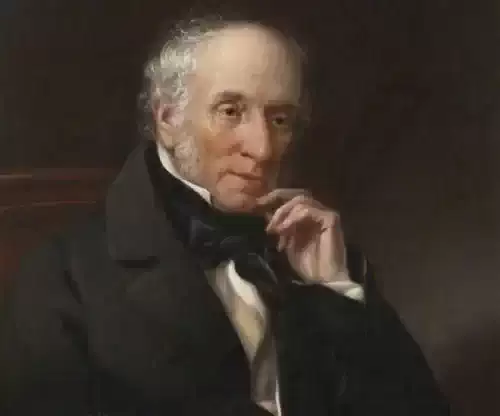
William Wordsworth
I Wandered Lonely as a Cloud
I Wandered Lonely as a Cloud
I wandered lonely as a cloud
That floats on high o'er vales and hills,
When all at once I saw a crowd,
A host, of golden daffodils;
Beside the lake, beneath the trees,
Fluttering and dancing in the breeze.
Continuous as the stars that shine
And twinkle on the milky way,
They stretched in never-ending line
Along the margin of a bay:
Ten thousand saw I at a glance,
Tossing their heads in sprightly dance.
The waves beside them danced; but they
Out-did the sparkling waves in glee:
A poet could not but be gay,
In such a jocund company:
I gazed---and gazed---but little thought
What wealth the show to me had brought:
For oft, when on my couch I lie
In vacant or in pensive mood,
They flash upon that inward eye
Which is the bliss of solitude;
And then my heart with pleasure fills,
And dances with the daffodils.
I wandered lonely as a cloud
That floats on high o'er vales and hills,
When all at once I saw a crowd,
A host, of golden daffodils;
Beside the lake, beneath the trees,
Fluttering and dancing in the breeze.
Continuous as the stars that shine
And twinkle on the milky way,
They stretched in never-ending line
Along the margin of a bay:
Ten thousand saw I at a glance,
Tossing their heads in sprightly dance.
The waves beside them danced; but they
Out-did the sparkling waves in glee:
A poet could not but be gay,
In such a jocund company:
I gazed---and gazed---but little thought
What wealth the show to me had brought:
For oft, when on my couch I lie
In vacant or in pensive mood,
They flash upon that inward eye
Which is the bliss of solitude;
And then my heart with pleasure fills,
And dances with the daffodils.
423
William Wordsworth
Green Linnet, The
Green Linnet, The
Beneath these fruit-tree boughs that shed
Their snow-white blossoms on my head,
With brightest sunshine round me spread
Of spring's unclouded weather,
In this sequestered nook how sweet
To sit upon my orchard-seat!
And birds and flowers once more to greet,
My last year's friends together.
One have I marked, the happiest guest
In all this covert of the blest:
Hail to Thee, far above the rest
In joy of voice and pinion!
Thou, Linnet! in thy green array,
Presiding Spirit here today,
Dost lead the revels of the May;
And this is thy dominion.
While bird, and butterflies, and flowers,
Make all one band of paramours,
Thou, ranging up and down the bowers,
Art sole in thy employment:
A Life, a Presence like the Air,
Scattering thy gladness without care,
Too blest with any one to pair;
Thyself thy own enjoyment.
Amid yon tuft of hazel trees,
That twinkle to the gusty breeze,
Behold him perched in ecstasies,
Yet seeming still to hover;
There! where the flutter of his wings
Upon his back and body flings
Shadows and sunny glimmerings,
That cover him all over.
My dazzled sight he oft deceives,
A Brother of the dancing leaves;
Then flits, and from the cottage eaves
Pours forth his song in gushes;
As if by that exulting strain
He mocked and treated with disdain
The voiceless Form he chose to feign,
While fluttering in the bushes.
Beneath these fruit-tree boughs that shed
Their snow-white blossoms on my head,
With brightest sunshine round me spread
Of spring's unclouded weather,
In this sequestered nook how sweet
To sit upon my orchard-seat!
And birds and flowers once more to greet,
My last year's friends together.
One have I marked, the happiest guest
In all this covert of the blest:
Hail to Thee, far above the rest
In joy of voice and pinion!
Thou, Linnet! in thy green array,
Presiding Spirit here today,
Dost lead the revels of the May;
And this is thy dominion.
While bird, and butterflies, and flowers,
Make all one band of paramours,
Thou, ranging up and down the bowers,
Art sole in thy employment:
A Life, a Presence like the Air,
Scattering thy gladness without care,
Too blest with any one to pair;
Thyself thy own enjoyment.
Amid yon tuft of hazel trees,
That twinkle to the gusty breeze,
Behold him perched in ecstasies,
Yet seeming still to hover;
There! where the flutter of his wings
Upon his back and body flings
Shadows and sunny glimmerings,
That cover him all over.
My dazzled sight he oft deceives,
A Brother of the dancing leaves;
Then flits, and from the cottage eaves
Pours forth his song in gushes;
As if by that exulting strain
He mocked and treated with disdain
The voiceless Form he chose to feign,
While fluttering in the bushes.
189
William Wordsworth
Daffodils
Daffodils
I wandered lonely as a cloud
That floats on high o'er vales and hills,
When all at once I saw a crowd,
A host, of golden daffodils;
Beside the lake, beneath the trees,
Fluttering and dancing in the breeze.
Continuous as the stars that shine
And twinkle on the milky way,
They stretched in never-ending line
Along the margin of a bay:
Ten thousand saw I at a glance,
Tossing their heads in sprightly dance.
The waves beside them danced; but they
Out-did the sparkling waves in glee:
A poet could not but be gay,
In such a jocund company:
I gazed--and gazed--but little thought
What wealth the show to me had brought:
For oft, when on my couch I lie
In vacant or in pensive mood,
They flash upon that inward eye
Which is the bliss of solitude;
And then my heart with pleasure fills,
And dances with the daffodils.
I wandered lonely as a cloud
That floats on high o'er vales and hills,
When all at once I saw a crowd,
A host, of golden daffodils;
Beside the lake, beneath the trees,
Fluttering and dancing in the breeze.
Continuous as the stars that shine
And twinkle on the milky way,
They stretched in never-ending line
Along the margin of a bay:
Ten thousand saw I at a glance,
Tossing their heads in sprightly dance.
The waves beside them danced; but they
Out-did the sparkling waves in glee:
A poet could not but be gay,
In such a jocund company:
I gazed--and gazed--but little thought
What wealth the show to me had brought:
For oft, when on my couch I lie
In vacant or in pensive mood,
They flash upon that inward eye
Which is the bliss of solitude;
And then my heart with pleasure fills,
And dances with the daffodils.
389
William Wordsworth
Composed Upon Westminster Bridge
Composed Upon Westminster Bridge
September ,
Earth has not anything to show more fair:
Dull would he be of soul who could pass by
A sight so touching in its majesty:
This City now doth like a garment wear
The beauty of the morning: silent, bare,
Ships, towers, domes, theatres, and temples lie
Open unto the fields, and to the sky,-
All bright and glittering in the smokeless air.
Never did sun more beautifully steep
In his first splendour valley, rock or hill;
Ne'er saw I, never felt, a calm so deep!
The river glideth at his own sweet will:
Dear God! the very houses seem asleep;
And all that mighty heart is lying still!
September ,
Earth has not anything to show more fair:
Dull would he be of soul who could pass by
A sight so touching in its majesty:
This City now doth like a garment wear
The beauty of the morning: silent, bare,
Ships, towers, domes, theatres, and temples lie
Open unto the fields, and to the sky,-
All bright and glittering in the smokeless air.
Never did sun more beautifully steep
In his first splendour valley, rock or hill;
Ne'er saw I, never felt, a calm so deep!
The river glideth at his own sweet will:
Dear God! the very houses seem asleep;
And all that mighty heart is lying still!
260
William Wordsworth
Three Years She Grew in Sun and Shower,
"Three Years She Grew in Sun and Shower,"
Three years she grew in sun and shower,
Then Nature said, "A lovelier flower
On earth was never sown;
This Child I to myself will take;
She shall be mine, and I will make
A Lady of my own.
"Myself will to my darling be
Both law and impulse: and with me
The Girl, in rock and plain
In earth and heaven, in glade and bower,
Shall feel an overseeing power
To kindle or restrain.
"She shall be sportive as the fawn
That wild with glee across the lawn
Or up the mountain springs;
And her's shall be the breathing balm,
And her's the silence and the calm
Of mute insensate things.
"The floating clouds their state shall lend
To her; for her the willow bend;
Nor shall she fail to see
Even in the motions of the Storm
Grace that shall mold the Maiden's form
By silent sympathy.
"The stars of midnight shall be dear
To her; and she shall lean her ear
In many a secret place
Where rivulets dance their wayward round,
And beauty born of murmuring sound
Shall pass into her face.
"And vital feelings of delight
Shall rear her form to stately height,
Her virgin bosom swell;
Such thoughts to Lucy I will give
While she and I together live
Here in this happy dell."
Thus Nature spake---The work was done---
How soon my Lucy's race was run!
She died, and left to me
This heath, this calm, and quiet scene;
The memory of what has been,
And never more will be.
Three years she grew in sun and shower,
Then Nature said, "A lovelier flower
On earth was never sown;
This Child I to myself will take;
She shall be mine, and I will make
A Lady of my own.
"Myself will to my darling be
Both law and impulse: and with me
The Girl, in rock and plain
In earth and heaven, in glade and bower,
Shall feel an overseeing power
To kindle or restrain.
"She shall be sportive as the fawn
That wild with glee across the lawn
Or up the mountain springs;
And her's shall be the breathing balm,
And her's the silence and the calm
Of mute insensate things.
"The floating clouds their state shall lend
To her; for her the willow bend;
Nor shall she fail to see
Even in the motions of the Storm
Grace that shall mold the Maiden's form
By silent sympathy.
"The stars of midnight shall be dear
To her; and she shall lean her ear
In many a secret place
Where rivulets dance their wayward round,
And beauty born of murmuring sound
Shall pass into her face.
"And vital feelings of delight
Shall rear her form to stately height,
Her virgin bosom swell;
Such thoughts to Lucy I will give
While she and I together live
Here in this happy dell."
Thus Nature spake---The work was done---
How soon my Lucy's race was run!
She died, and left to me
This heath, this calm, and quiet scene;
The memory of what has been,
And never more will be.
510

William Shakespeare
To Me, Fair Friend, You Never Can Be Old
To Me, Fair Friend, You Never Can Be Old
To me, fair Friend, you never can be old,
For as you were when first your eye I eyed
Such seems your beauty still, Three winters' cold
Have from the forests shook three summers' pride;
Three beauteous springs to yellow autmun turn'd
In process of the seasons have I seen,
Three April perfumes in three hot Junes burn'd,
Since first I saw you fresh, which yet are green.
Ah! yes doth beauty, like a dial-hand,
Steal from his figure, and no pace perceived;
So your sweet hue, which methinks still doth stand,
Hath motion, and mine eye may be deceived,
For fear of which, hear this, thou age unbred,-
Ere you were born, was beauty's summer dead.
To me, fair Friend, you never can be old,
For as you were when first your eye I eyed
Such seems your beauty still, Three winters' cold
Have from the forests shook three summers' pride;
Three beauteous springs to yellow autmun turn'd
In process of the seasons have I seen,
Three April perfumes in three hot Junes burn'd,
Since first I saw you fresh, which yet are green.
Ah! yes doth beauty, like a dial-hand,
Steal from his figure, and no pace perceived;
So your sweet hue, which methinks still doth stand,
Hath motion, and mine eye may be deceived,
For fear of which, hear this, thou age unbred,-
Ere you were born, was beauty's summer dead.
267
William Shakespeare
The Procreation Sonnets (1 - 17)
The Procreation Sonnets (1 - 17)
I
From fairest creatures we desire increase,
That thereby beauty's rose might never die,
But as the riper should by time decease,
His tender heir might bear his memory:
But thou contracted to thine own bright eyes,
Feed'st thy light's flame with self-substantial fuel,
Making a famine where abundance lies,
Thy self thy foe, to thy sweet self too cruel:
Thou that art now the world's fresh ornament,
And only herald to the gaudy spring,
Within thine own bud buriest thy content,
And, tender churl, mak'st waste in niggarding:
Pity the world, or else this glutton be,
To eat the world's due, by the grave and thee.
II
When forty winters shall besiege thy brow,
And dig deep trenches in thy beauty's field,
Thy youth's proud livery so gazed on now,
Will be a totter'd weed of small worth held:
Then being asked, where all thy beauty lies,
Where all the treasure of thy lusty days;
To say, within thine own deep sunken eyes,
Were an all-eating shame, and thriftless praise.
How much more praise deserv'd thy beauty's use,
If thou couldst answer 'This fair child of mine
Shall sum my count, and make my old excuse,'
Proving his beauty by succession thine!
This were to be new made when thou art old,
And see thy blood warm when thou feel'st it cold.
III
Look in thy glass and tell the face thou viewest
Now is the time that face should form another;
Whose fresh repair if now thou not renewest,
Thou dost beguile the world, unbless some mother.
For where is she so fair whose unear'd womb
Disdains the tillage of thy husbandry?
Or who is he so fond will be the tomb
Of his self-love, to stop posterity?
Thou art thy mother's glass and she in thee
Calls back the lovely April of her prime;
So thou through windows of thine age shalt see,
Despite of wrinkles this thy golden time.
But if thou live, remember'd not to be,
Die single and thine image dies with thee.
IV
Unthrifty loveliness, why dost thou spend
Upon thy self thy beauty's legacy?
Nature's bequest gives nothing, but doth lend,
And being frank she lends to those are free:
Then, beauteous niggard, why dost thou abuse
The bounteous largess given thee to give?
Profitless usurer, why dost thou use
So great a sum of sums, yet canst not live?
For having traffic with thy self alone,
Thou of thy self thy sweet self dost deceive:
Then how when nature calls thee to be gone,
What acceptable audit canst thou leave?
Thy unused beauty must be tombed with thee,
Which, used, lives th' executor to be.
V
Those hours, that with gentle work did frame
The lovely gaze where every eye doth dwell,
Will play the tyrants to the very same
And that unfair which fairly doth excel;
For never-resting time leads summer on
To hideous winter, and confounds him there;
Sap checked with frost, and lusty leaves quite gone,
Beauty o'er-snowed and bareness every where:
Then were not summer's distillation left,
A liquid prisoner pent in walls of glass,
Beauty's effect with beauty were bereft,
Nor it, nor no remembrance what it was:
But flowers distill'd, though they with winter meet,
Leese but their show; their substance still lives sweet.
VI
Then let not winter's ragged hand deface,
In thee thy summer, ere thou be distilled:
Make sweet some vial; treasure thou some place
With beauty's treasure ere it be self-killed.
That use is not forbidden usury,
Which happies those that pay the willing loan;
That's for thy self to breed another thee,
Or ten times happier, be it ten for one;
Ten times thy self were happier than thou art,
If ten of thine ten times refigured thee:
Then what could death do if thou shouldst depart,
Leaving thee living in posterity?
Be not self-willed, for thou art much too fair
To be death's conquest and make worms thine heir.
VII
Lo! in the orient when the gracious light
Lifts up his burning head, each under eye
Doth homage to his new-appearing sight,
Serving with looks his sacred majesty;
And having climbed the steep-up heavenly hill,
Resembling strong youth in his middle age,
Yet mortal looks adore his beauty still,
Attending on his golden pilgrimage:
But when from highmost pitch, with weary car,
Like feeble age, he reeleth from the day,
The eyes, 'fore duteous, now converted are
From his low tract, and look another way:
So thou, thyself outgoing in thy noon
Unlooked on diest unless thou get a son.
VIII
Music to hear, why hear'st thou music sadly?
Sweets with sweets war not, joy delights in joy:
Why lov'st thou that which thou receiv'st not gladly,
Or else receiv'st with pleasure thine annoy?
If the true concord of well-tuned sounds,
By unions married, do offend thine ear,
They do but sweetly chide thee, who confounds
In singleness the parts that thou shouldst bear.
Mark how one string, sweet husband to another,
Strikes each in each by mutual ordering;
Resembling sire and child and happy mother,
Who, all in one, one pleasing note do sing:
Whose speechless song being many, seeming one,
Sings this to thee: 'Thou single wilt prove none.'
IX
Is it for fear to wet a widow's eye,
That thou consum'st thy self in single life?
Ah! if thou issueless shalt hap to die,
The world will wail thee like a makeless wife;
The world will be thy widow and still weep
That thou no form of thee hast left behind,
When every private widow well may keep
By children's eyes, her husband's shape in mind:
Look what an unthrift in the world doth spend
Shifts but his place, for still the world enjoys it;
But beauty's waste hath in the world an end,
And kept unused the user so destroys it.
No love toward others in that bosom sits
That on himself such murd'rous shame commits.
X
For shame deny that thou bear'st love to any,
Who for thy self art so unprovident.
Grant, if thou wilt, thou art beloved of many,
But that thou none lov'st is most evident:
For thou art so possessed with murderous hate,
That 'gainst thy self thou stick'st not to conspire,
Seeking that beauteous roof to ruinate
Which to repair should be thy chief desire.
O! change thy thought, that I may change my mind:
Shall hate be fairer lodged than gentle love?
Be, as thy presence is, gracious and kind,
Or to thyself at least kind-hearted prove:
Make thee another self for love of me,
That beauty still may live in thine or thee.
XI
As fast as thou shalt wane, so fast thou grow'st
In one of thine, from that which thou departest;
And that fresh blood which youngly thou bestow'st,
Thou mayst call thine when thou from youth convertest.
Herein lives wisdom, beauty, and increase;
Without this folly, age, and cold decay:
If all were minded so, the times should cease
And threescore year would make the world away.
Let those whom nature hath not made for store,
Harsh, featureless, and rude, barrenly perish:
Look whom she best endow'd, she gave the more;
Which bounteous gift thou shouldst in bounty cherish:
She carv'd thee for her seal, and meant thereby,
Thou shouldst print more, not let that copy die.
XII
When I do count the clock that tells the time,
And see the brave day sunk in hideous night;
When I behold the violet past prime,
And sable curls, all silvered o'er with white;
When lofty trees I see barren of leaves,
Which erst from heat did canopy the herd,
And summer's green all girded up in sheaves,
Borne on the bier with white and bristly beard,
Then of thy beauty do I question make,
That thou among the wastes of time must go,
Since sweets and beauties do themselves forsake
And die as fast as they see others grow;
And nothing 'gainst Time's scythe can make defence
Save breed, to brave him when he takes thee hence.
XIII
O! that you were your self; but, love, you are
No longer yours, than you your self here live:
Against this coming end you should prepare,
And your sweet semblance to some other give:
So should that beauty which you hold in lease
Find no determination; then you were
Yourself again, after yourself's decease,
When your sweet issue your sweet form should bear.
Who lets so fair a house fall to decay,
Which husbandry in honour might uphold,
Against the stormy gusts of winter's day
And barren rage of death's eternal cold?
O! none but unthrifts. Dear my love, you know,
You had a father: let your son say so.
XIV
Not from the stars do I my judgement pluck;
And yet methinks I have Astronomy,
But not to tell of good or evil luck,
Of plagues, of dearths, or seasons' quality;
Nor can I fortune to brief minutes tell,
Pointing to each his thunder, rain and wind,
Or say with princes if it shall go well
By oft predict that I in heaven find:
But from thine eyes my knowledge I derive,
And, constant stars, in them I read such art
As truth and beauty shall together thrive,
If from thyself, to store thou wouldst convert;
Or else of thee this I prognosticate:
Thy end is truth's and beauty's doom and date.
XV
When I consider every thing that grows
Holds in perfection but a little moment,
That this huge stage presenteth nought but shows
Whereon the stars in secret influence comment;
When I perceive that men as plants increase,
Cheered and checked even by the self-same sky,
Vaunt in their youthful sap, at height decrease,
And wear their brave state out of memory;
Then the conceit of this inconstant stay
Sets you most rich in youth before my sight,
Where wasteful Time debateth with decay
To change your day of youth to sullied night,
And all in war with Time for love of you,
As he takes from you, I engraft you new.
XVI
But wherefore do not you a mightier way
Make war upon this bloody tyrant, Time?
And fortify your self in your decay
With means more blessed than my barren rhyme?
Now stand you on the top of happy hours,
And many maiden gardens, yet unset,
With virtuous wish would bear you living flowers,
Much liker than your painted counterfeit:
So should the lines of life that life repair,
Which this, Time's pencil, or my pupil pen,
Neither in inward worth nor outward fair,
Can make you live your self in eyes of men.
To give away yourself, keeps yourself still,
And you must live, drawn by your own sweet skill.
XVII
Who will believe my verse in time to come,
If it were fill'd with your most high deserts?
Though yet heaven knows it is but as a tomb
Which hides your life, and shows not half your parts.
If I could write the beauty of your eyes,
And in fresh numbers number all your graces,
The age to come would say 'This poet lies;
Such heavenly touches ne'er touch'd earthly faces.'
So should my papers, yellow'd with their age,
Be scorn'd, like old men of less truth than tongue,
And your true rights be term'd a poet's rage
And stretched metre of an antique song:
But were some child of yours alive that time,
You should live twice, in it, and in my rhyme.
I
From fairest creatures we desire increase,
That thereby beauty's rose might never die,
But as the riper should by time decease,
His tender heir might bear his memory:
But thou contracted to thine own bright eyes,
Feed'st thy light's flame with self-substantial fuel,
Making a famine where abundance lies,
Thy self thy foe, to thy sweet self too cruel:
Thou that art now the world's fresh ornament,
And only herald to the gaudy spring,
Within thine own bud buriest thy content,
And, tender churl, mak'st waste in niggarding:
Pity the world, or else this glutton be,
To eat the world's due, by the grave and thee.
II
When forty winters shall besiege thy brow,
And dig deep trenches in thy beauty's field,
Thy youth's proud livery so gazed on now,
Will be a totter'd weed of small worth held:
Then being asked, where all thy beauty lies,
Where all the treasure of thy lusty days;
To say, within thine own deep sunken eyes,
Were an all-eating shame, and thriftless praise.
How much more praise deserv'd thy beauty's use,
If thou couldst answer 'This fair child of mine
Shall sum my count, and make my old excuse,'
Proving his beauty by succession thine!
This were to be new made when thou art old,
And see thy blood warm when thou feel'st it cold.
III
Look in thy glass and tell the face thou viewest
Now is the time that face should form another;
Whose fresh repair if now thou not renewest,
Thou dost beguile the world, unbless some mother.
For where is she so fair whose unear'd womb
Disdains the tillage of thy husbandry?
Or who is he so fond will be the tomb
Of his self-love, to stop posterity?
Thou art thy mother's glass and she in thee
Calls back the lovely April of her prime;
So thou through windows of thine age shalt see,
Despite of wrinkles this thy golden time.
But if thou live, remember'd not to be,
Die single and thine image dies with thee.
IV
Unthrifty loveliness, why dost thou spend
Upon thy self thy beauty's legacy?
Nature's bequest gives nothing, but doth lend,
And being frank she lends to those are free:
Then, beauteous niggard, why dost thou abuse
The bounteous largess given thee to give?
Profitless usurer, why dost thou use
So great a sum of sums, yet canst not live?
For having traffic with thy self alone,
Thou of thy self thy sweet self dost deceive:
Then how when nature calls thee to be gone,
What acceptable audit canst thou leave?
Thy unused beauty must be tombed with thee,
Which, used, lives th' executor to be.
V
Those hours, that with gentle work did frame
The lovely gaze where every eye doth dwell,
Will play the tyrants to the very same
And that unfair which fairly doth excel;
For never-resting time leads summer on
To hideous winter, and confounds him there;
Sap checked with frost, and lusty leaves quite gone,
Beauty o'er-snowed and bareness every where:
Then were not summer's distillation left,
A liquid prisoner pent in walls of glass,
Beauty's effect with beauty were bereft,
Nor it, nor no remembrance what it was:
But flowers distill'd, though they with winter meet,
Leese but their show; their substance still lives sweet.
VI
Then let not winter's ragged hand deface,
In thee thy summer, ere thou be distilled:
Make sweet some vial; treasure thou some place
With beauty's treasure ere it be self-killed.
That use is not forbidden usury,
Which happies those that pay the willing loan;
That's for thy self to breed another thee,
Or ten times happier, be it ten for one;
Ten times thy self were happier than thou art,
If ten of thine ten times refigured thee:
Then what could death do if thou shouldst depart,
Leaving thee living in posterity?
Be not self-willed, for thou art much too fair
To be death's conquest and make worms thine heir.
VII
Lo! in the orient when the gracious light
Lifts up his burning head, each under eye
Doth homage to his new-appearing sight,
Serving with looks his sacred majesty;
And having climbed the steep-up heavenly hill,
Resembling strong youth in his middle age,
Yet mortal looks adore his beauty still,
Attending on his golden pilgrimage:
But when from highmost pitch, with weary car,
Like feeble age, he reeleth from the day,
The eyes, 'fore duteous, now converted are
From his low tract, and look another way:
So thou, thyself outgoing in thy noon
Unlooked on diest unless thou get a son.
VIII
Music to hear, why hear'st thou music sadly?
Sweets with sweets war not, joy delights in joy:
Why lov'st thou that which thou receiv'st not gladly,
Or else receiv'st with pleasure thine annoy?
If the true concord of well-tuned sounds,
By unions married, do offend thine ear,
They do but sweetly chide thee, who confounds
In singleness the parts that thou shouldst bear.
Mark how one string, sweet husband to another,
Strikes each in each by mutual ordering;
Resembling sire and child and happy mother,
Who, all in one, one pleasing note do sing:
Whose speechless song being many, seeming one,
Sings this to thee: 'Thou single wilt prove none.'
IX
Is it for fear to wet a widow's eye,
That thou consum'st thy self in single life?
Ah! if thou issueless shalt hap to die,
The world will wail thee like a makeless wife;
The world will be thy widow and still weep
That thou no form of thee hast left behind,
When every private widow well may keep
By children's eyes, her husband's shape in mind:
Look what an unthrift in the world doth spend
Shifts but his place, for still the world enjoys it;
But beauty's waste hath in the world an end,
And kept unused the user so destroys it.
No love toward others in that bosom sits
That on himself such murd'rous shame commits.
X
For shame deny that thou bear'st love to any,
Who for thy self art so unprovident.
Grant, if thou wilt, thou art beloved of many,
But that thou none lov'st is most evident:
For thou art so possessed with murderous hate,
That 'gainst thy self thou stick'st not to conspire,
Seeking that beauteous roof to ruinate
Which to repair should be thy chief desire.
O! change thy thought, that I may change my mind:
Shall hate be fairer lodged than gentle love?
Be, as thy presence is, gracious and kind,
Or to thyself at least kind-hearted prove:
Make thee another self for love of me,
That beauty still may live in thine or thee.
XI
As fast as thou shalt wane, so fast thou grow'st
In one of thine, from that which thou departest;
And that fresh blood which youngly thou bestow'st,
Thou mayst call thine when thou from youth convertest.
Herein lives wisdom, beauty, and increase;
Without this folly, age, and cold decay:
If all were minded so, the times should cease
And threescore year would make the world away.
Let those whom nature hath not made for store,
Harsh, featureless, and rude, barrenly perish:
Look whom she best endow'd, she gave the more;
Which bounteous gift thou shouldst in bounty cherish:
She carv'd thee for her seal, and meant thereby,
Thou shouldst print more, not let that copy die.
XII
When I do count the clock that tells the time,
And see the brave day sunk in hideous night;
When I behold the violet past prime,
And sable curls, all silvered o'er with white;
When lofty trees I see barren of leaves,
Which erst from heat did canopy the herd,
And summer's green all girded up in sheaves,
Borne on the bier with white and bristly beard,
Then of thy beauty do I question make,
That thou among the wastes of time must go,
Since sweets and beauties do themselves forsake
And die as fast as they see others grow;
And nothing 'gainst Time's scythe can make defence
Save breed, to brave him when he takes thee hence.
XIII
O! that you were your self; but, love, you are
No longer yours, than you your self here live:
Against this coming end you should prepare,
And your sweet semblance to some other give:
So should that beauty which you hold in lease
Find no determination; then you were
Yourself again, after yourself's decease,
When your sweet issue your sweet form should bear.
Who lets so fair a house fall to decay,
Which husbandry in honour might uphold,
Against the stormy gusts of winter's day
And barren rage of death's eternal cold?
O! none but unthrifts. Dear my love, you know,
You had a father: let your son say so.
XIV
Not from the stars do I my judgement pluck;
And yet methinks I have Astronomy,
But not to tell of good or evil luck,
Of plagues, of dearths, or seasons' quality;
Nor can I fortune to brief minutes tell,
Pointing to each his thunder, rain and wind,
Or say with princes if it shall go well
By oft predict that I in heaven find:
But from thine eyes my knowledge I derive,
And, constant stars, in them I read such art
As truth and beauty shall together thrive,
If from thyself, to store thou wouldst convert;
Or else of thee this I prognosticate:
Thy end is truth's and beauty's doom and date.
XV
When I consider every thing that grows
Holds in perfection but a little moment,
That this huge stage presenteth nought but shows
Whereon the stars in secret influence comment;
When I perceive that men as plants increase,
Cheered and checked even by the self-same sky,
Vaunt in their youthful sap, at height decrease,
And wear their brave state out of memory;
Then the conceit of this inconstant stay
Sets you most rich in youth before my sight,
Where wasteful Time debateth with decay
To change your day of youth to sullied night,
And all in war with Time for love of you,
As he takes from you, I engraft you new.
XVI
But wherefore do not you a mightier way
Make war upon this bloody tyrant, Time?
And fortify your self in your decay
With means more blessed than my barren rhyme?
Now stand you on the top of happy hours,
And many maiden gardens, yet unset,
With virtuous wish would bear you living flowers,
Much liker than your painted counterfeit:
So should the lines of life that life repair,
Which this, Time's pencil, or my pupil pen,
Neither in inward worth nor outward fair,
Can make you live your self in eyes of men.
To give away yourself, keeps yourself still,
And you must live, drawn by your own sweet skill.
XVII
Who will believe my verse in time to come,
If it were fill'd with your most high deserts?
Though yet heaven knows it is but as a tomb
Which hides your life, and shows not half your parts.
If I could write the beauty of your eyes,
And in fresh numbers number all your graces,
The age to come would say 'This poet lies;
Such heavenly touches ne'er touch'd earthly faces.'
So should my papers, yellow'd with their age,
Be scorn'd, like old men of less truth than tongue,
And your true rights be term'd a poet's rage
And stretched metre of an antique song:
But were some child of yours alive that time,
You should live twice, in it, and in my rhyme.
286
William Shakespeare
Sonnets XVIII: Shall I compare thee to a summer's day?
Sonnets XVIII: Shall I compare thee to a summer's day?
Shall I compare thee to a summer's day?
Thou art more lovely and more temperate.
Rough winds do shake the darling buds of May,
And summer's lease hath all too short a date.
Sometime too hot the eye of heaven shines,
And often is his gold complexion dimm'd;
And every fair from fair sometime declines,
By chance or nature's changing course untrimm'd;
But thy eternal summer shall not fade
Nor lose possession of that fair thou ow'st;
Nor shall Death brag thou wander'st in his shade,
When in eternal lines to time thou grow'st:
So long as men can breathe or eyes can see,
So long lives this, and this gives life to thee.
Shall I compare thee to a summer's day?
Thou art more lovely and more temperate.
Rough winds do shake the darling buds of May,
And summer's lease hath all too short a date.
Sometime too hot the eye of heaven shines,
And often is his gold complexion dimm'd;
And every fair from fair sometime declines,
By chance or nature's changing course untrimm'd;
But thy eternal summer shall not fade
Nor lose possession of that fair thou ow'st;
Nor shall Death brag thou wander'st in his shade,
When in eternal lines to time thou grow'st:
So long as men can breathe or eyes can see,
So long lives this, and this gives life to thee.
290
William Shakespeare
Sonnets xv
Sonnets xv
TO me, fair friend, you never can be old;
For as you were when first your eye I eyed,
Such seems your beauty still. Three Winters cold
Have from the forests shook three Summers' pride;
Three beauteous springs to yellow Autumn turn'd
In process of the seasons have I seen,
Three April perfumes in three hot Junes burn'd,
Since first I saw you fresh, which yet are green.
Ah! yet doth beauty, like a dial-hand,
Steal from his figure, and no pace perceived;
So your sweet hue, which methinks still doth stand,
Hath motion, and mine eye may be deceived:
For fear of which, hear this, thou age unbred:
Ere you were born was beauty's summer dead.
TO me, fair friend, you never can be old;
For as you were when first your eye I eyed,
Such seems your beauty still. Three Winters cold
Have from the forests shook three Summers' pride;
Three beauteous springs to yellow Autumn turn'd
In process of the seasons have I seen,
Three April perfumes in three hot Junes burn'd,
Since first I saw you fresh, which yet are green.
Ah! yet doth beauty, like a dial-hand,
Steal from his figure, and no pace perceived;
So your sweet hue, which methinks still doth stand,
Hath motion, and mine eye may be deceived:
For fear of which, hear this, thou age unbred:
Ere you were born was beauty's summer dead.
346
William Shakespeare
Sonnets xiii
Sonnets xiii
FROM you have I been absent in the spring,
When proud-pied April, dress'd in all his trim,
Hath put a spirit of youth in everything,
That heavy Saturn laugh'd and leap'd with him.
Yet nor the lays of birds, nor the sweet smell
Of different flowers in odour and in hue,
Could make me any summer's story tell,
Or from their proud lap pluck them where they grew;
Nor did I wonder at the Lily's white,
Nor praise the deep vermilion in the Rose;
They were but sweet, but figures of delight,
Drawn after you, you pattern of all those.
Yet seem'd it Winter still, and, you away,
As with your shadow I with these did play.
FROM you have I been absent in the spring,
When proud-pied April, dress'd in all his trim,
Hath put a spirit of youth in everything,
That heavy Saturn laugh'd and leap'd with him.
Yet nor the lays of birds, nor the sweet smell
Of different flowers in odour and in hue,
Could make me any summer's story tell,
Or from their proud lap pluck them where they grew;
Nor did I wonder at the Lily's white,
Nor praise the deep vermilion in the Rose;
They were but sweet, but figures of delight,
Drawn after you, you pattern of all those.
Yet seem'd it Winter still, and, you away,
As with your shadow I with these did play.
300
William Shakespeare
Sonnets xi
Sonnets xi
THEY that have power to hurt and will do none,
That do not do the thing they most do show,
Who, moving others, are themselves as stone,
Unmoved, cold, and to temptation slow--
They rightly do inherit heaven's graces,
And husband nature's riches from expense;
They are the Lords and owners of their faces,
Others, but stewards of their excellence.
The summer's flower is to the summer sweet,
Though to itself it only live and die;
But if that flower with base infection meet,
The basest weed outbraves his dignity:
For sweetest things turn sourest by their deeds;
Lilies that fester smell far worse than weeds.
THEY that have power to hurt and will do none,
That do not do the thing they most do show,
Who, moving others, are themselves as stone,
Unmoved, cold, and to temptation slow--
They rightly do inherit heaven's graces,
And husband nature's riches from expense;
They are the Lords and owners of their faces,
Others, but stewards of their excellence.
The summer's flower is to the summer sweet,
Though to itself it only live and die;
But if that flower with base infection meet,
The basest weed outbraves his dignity:
For sweetest things turn sourest by their deeds;
Lilies that fester smell far worse than weeds.
365
William Shakespeare
Sonnets iv
Sonnets iv
THY bosom is endeared with all hearts
Which I, by lacking, have supposed dead:
And there reigns Love, and all Love's loving parts,
And all those friends which I thought buried.
How many a holy and obsequious tear
Hath dear religious love stol'n from mine eye,
As interest of the dead!--which now appear
But things removed that hidden in thee lie.
Thou art the grave where buried love doth live,
Hung with the trophies of my lovers gone,
Who all their parts of me to thee did give:
--That due of many now is thine alone:
Their images I loved I view in thee,
And thou, all they, hast all the all of me.
WHAT is your substance, whereof are you made,
That millions of strange shadows on you tend?
Since every one hath, every one, one shade,
And you, but one, can every shadow lend.
Describe Adonis, and the counterfeit
Is poorly imitated after you;
On Helen's cheek all art of beauty set,
And you in Grecian tires are painted new:
Speak of the spring and foison of the year,
The one doth shadow of your beauty show,
The other as your bounty doth appear;
And you in every blessed shape we know.
In all external grace you have some part,
But you like none, none you, for constant heart.
THY bosom is endeared with all hearts
Which I, by lacking, have supposed dead:
And there reigns Love, and all Love's loving parts,
And all those friends which I thought buried.
How many a holy and obsequious tear
Hath dear religious love stol'n from mine eye,
As interest of the dead!--which now appear
But things removed that hidden in thee lie.
Thou art the grave where buried love doth live,
Hung with the trophies of my lovers gone,
Who all their parts of me to thee did give:
--That due of many now is thine alone:
Their images I loved I view in thee,
And thou, all they, hast all the all of me.
WHAT is your substance, whereof are you made,
That millions of strange shadows on you tend?
Since every one hath, every one, one shade,
And you, but one, can every shadow lend.
Describe Adonis, and the counterfeit
Is poorly imitated after you;
On Helen's cheek all art of beauty set,
And you in Grecian tires are painted new:
Speak of the spring and foison of the year,
The one doth shadow of your beauty show,
The other as your bounty doth appear;
And you in every blessed shape we know.
In all external grace you have some part,
But you like none, none you, for constant heart.
265
William Shakespeare
Sonnets LIII: What is your substance, whereof are you made
Sonnets LIII: What is your substance, whereof are you made
What is your substance, whereof are you made,
That millions of strange shadows on you tend?
Since everyone hath, everyone, one shade,
And you, but one, can every shadow lend.
Describe Adonis, and the counterfeit
Is poorly imitated after you;
On Helen's cheek all art of beauty set,
And you in Grecian tires are painted new.
Speak of the spring and foison of the year,
The one doth shadow of your beauty show,
The other as your bounty doth appear;
And you in every blessed shape we know.
In all external grace you have some part,
But you like none, none you, for constant heart.
What is your substance, whereof are you made,
That millions of strange shadows on you tend?
Since everyone hath, everyone, one shade,
And you, but one, can every shadow lend.
Describe Adonis, and the counterfeit
Is poorly imitated after you;
On Helen's cheek all art of beauty set,
And you in Grecian tires are painted new.
Speak of the spring and foison of the year,
The one doth shadow of your beauty show,
The other as your bounty doth appear;
And you in every blessed shape we know.
In all external grace you have some part,
But you like none, none you, for constant heart.
286
William Shakespeare
Sonnet XXXVIII: How Can My Muse Want Subject to Invent
Sonnet XXXVIII: How Can My Muse Want Subject to Invent
How can my muse want subject to invent,
While thou dost breathe, that pour'st into my verse
Thine own sweet argument, too excellent
For every vulgar paper to rehearse?
O! give thy self the thanks, if aught in me
Worthy perusal stand against thy sight;
For who's so dumb that cannot write to thee,
When thou thy self dost give invention light?
Be thou the tenth Muse, ten times more in worth
Than those old nine which rhymers invocate;
And he that calls on thee, let him bring forth
Eternal numbers to outlive long date.
If my slight muse do please these curious days,
The pain be mine, but thine shall be the praise.
How can my muse want subject to invent,
While thou dost breathe, that pour'st into my verse
Thine own sweet argument, too excellent
For every vulgar paper to rehearse?
O! give thy self the thanks, if aught in me
Worthy perusal stand against thy sight;
For who's so dumb that cannot write to thee,
When thou thy self dost give invention light?
Be thou the tenth Muse, ten times more in worth
Than those old nine which rhymers invocate;
And he that calls on thee, let him bring forth
Eternal numbers to outlive long date.
If my slight muse do please these curious days,
The pain be mine, but thine shall be the praise.
325
William Shakespeare
Sonnet XVIII: Shall I compare thee to a summer's day?
Sonnet XVIII: Shall I compare thee to a summer's day?
Shall I compare thee to a summer's day?
Thou art more lovely and more temperate:
Rough winds do shake the darling buds of May,
And summer's lease hath all too short a date:
Sometime too hot the eye of heaven shines,
And often is his gold complexion dimm'd;
And every fair from fair sometime declines,
By chance or nature's changing course untrimm'd;
But thy eternal summer shall not fade
Nor lose possession of that fair thou owest;
Nor shall Death brag thou wander'st in his shade,
When in eternal lines to time thou growest:
So long as men can breathe or eyes can see,
So long lives this and this gives life to thee.
Shall I compare thee to a summer's day?
Thou art more lovely and more temperate:
Rough winds do shake the darling buds of May,
And summer's lease hath all too short a date:
Sometime too hot the eye of heaven shines,
And often is his gold complexion dimm'd;
And every fair from fair sometime declines,
By chance or nature's changing course untrimm'd;
But thy eternal summer shall not fade
Nor lose possession of that fair thou owest;
Nor shall Death brag thou wander'st in his shade,
When in eternal lines to time thou growest:
So long as men can breathe or eyes can see,
So long lives this and this gives life to thee.
356
William Shakespeare
Sonnet XXI
Sonnet XXI
So is it not with me as with that Muse
Stirr'd by a painted beauty to his verse,
Who heaven itself for ornament doth use
And every fair with his fair doth rehearse
Making a couplement of proud compare,
With sun and moon, with earth and sea's rich gems,
With April's first-born flowers, and all things rare
That heaven's air in this huge rondure hems.
O' let me, true in love, but truly write,
And then believe me, my love is as fair
As any mother's child, though not so bright
As those gold candles fix'd in heaven's air:
Let them say more than like of hearsay well;
I will not praise that purpose not to sell.
So is it not with me as with that Muse
Stirr'd by a painted beauty to his verse,
Who heaven itself for ornament doth use
And every fair with his fair doth rehearse
Making a couplement of proud compare,
With sun and moon, with earth and sea's rich gems,
With April's first-born flowers, and all things rare
That heaven's air in this huge rondure hems.
O' let me, true in love, but truly write,
And then believe me, my love is as fair
As any mother's child, though not so bright
As those gold candles fix'd in heaven's air:
Let them say more than like of hearsay well;
I will not praise that purpose not to sell.
352
William Shakespeare
Sonnet XVI
Sonnet XVI
But wherefore do not you a mightier way
Make war upon this bloody tyrant, Time?
And fortify yourself in your decay
With means more blessed than my barren rhyme?
Now stand you on the top of happy hours,
And many maiden gardens yet unset
With virtuous wish would bear your living flowers,
Much liker than your painted counterfeit:
So should the lines of life that life repair,
Which this, Time's pencil, or my pupil pen,
Neither in inward worth nor outward fair,
Can make you live yourself in eyes of men.
To give away yourself keeps yourself still,
And you must live, drawn by your own sweet skill.
But wherefore do not you a mightier way
Make war upon this bloody tyrant, Time?
And fortify yourself in your decay
With means more blessed than my barren rhyme?
Now stand you on the top of happy hours,
And many maiden gardens yet unset
With virtuous wish would bear your living flowers,
Much liker than your painted counterfeit:
So should the lines of life that life repair,
Which this, Time's pencil, or my pupil pen,
Neither in inward worth nor outward fair,
Can make you live yourself in eyes of men.
To give away yourself keeps yourself still,
And you must live, drawn by your own sweet skill.
367
William Shakespeare
Sonnet XIII
Sonnet XIII
O, that you were yourself! but, love, you are
No longer yours than you yourself here live:
Against this coming end you should prepare,
And your sweet semblance to some other give.
So should that beauty which you hold in lease
Find no determination: then you were
Yourself again after yourself's decease,
When your sweet issue your sweet form should bear.
Who lets so fair a house fall to decay,
Which husbandry in honour might uphold
Against the stormy gusts of winter's day
And barren rage of death's eternal cold?
O, none but unthrifts! Dear my love, you know
You had a father: let your son say so.
O, that you were yourself! but, love, you are
No longer yours than you yourself here live:
Against this coming end you should prepare,
And your sweet semblance to some other give.
So should that beauty which you hold in lease
Find no determination: then you were
Yourself again after yourself's decease,
When your sweet issue your sweet form should bear.
Who lets so fair a house fall to decay,
Which husbandry in honour might uphold
Against the stormy gusts of winter's day
And barren rage of death's eternal cold?
O, none but unthrifts! Dear my love, you know
You had a father: let your son say so.
313
William Shakespeare
Sonnet XIX: Devouring Time, Blunt Thou the Lion's Paws
Sonnet XIX: Devouring Time, Blunt Thou the Lion's Paws
Devouring Time, blunt thou the lion's paws,
And make the earth devour her own sweet brood;
Pluck the keen teeth from the fierce tiger's jaws,
And burn the long-liv'd Phoenix in her blood;
Make glad and sorry seasons as thou fleets,
And do whate'er thou wilt, swift-footed Time,
To the wide world and all her fading sweets;
But I forbid thee one more heinous crime:
O, carve not with the hours my love's fair brow,
Nor draw no lines there with thine antique pen!
Him in thy course untainted do allow
For beauty's pattern to succeeding men.
Yet do thy worst, old Time! Despite thy wrong
My love shall in my verse ever live young.
Devouring Time, blunt thou the lion's paws,
And make the earth devour her own sweet brood;
Pluck the keen teeth from the fierce tiger's jaws,
And burn the long-liv'd Phoenix in her blood;
Make glad and sorry seasons as thou fleets,
And do whate'er thou wilt, swift-footed Time,
To the wide world and all her fading sweets;
But I forbid thee one more heinous crime:
O, carve not with the hours my love's fair brow,
Nor draw no lines there with thine antique pen!
Him in thy course untainted do allow
For beauty's pattern to succeeding men.
Yet do thy worst, old Time! Despite thy wrong
My love shall in my verse ever live young.
354
William Shakespeare
Sonnet XI
Sonnet XI
As fast as thou shalt wane, so fast thou growest
In one of thine, from that which thou departest;
And that fresh blood which youngly thou bestowest
Thou mayst call thine when thou from youth convertest.
Herein lives wisdom, beauty and increase:
Without this, folly, age and cold decay:
If all were minded so, the times should cease
And threescore year would make the world away.
Let those whom Nature hath not made for store,
Harsh featureless and rude, barrenly perish:
Look, whom she best endow'd she gave the more;
Which bounteous gift thou shouldst in bounty cherish:
She carved thee for her seal, and meant thereby
Thou shouldst print more, not let that copy die.
As fast as thou shalt wane, so fast thou growest
In one of thine, from that which thou departest;
And that fresh blood which youngly thou bestowest
Thou mayst call thine when thou from youth convertest.
Herein lives wisdom, beauty and increase:
Without this, folly, age and cold decay:
If all were minded so, the times should cease
And threescore year would make the world away.
Let those whom Nature hath not made for store,
Harsh featureless and rude, barrenly perish:
Look, whom she best endow'd she gave the more;
Which bounteous gift thou shouldst in bounty cherish:
She carved thee for her seal, and meant thereby
Thou shouldst print more, not let that copy die.
240
William Shakespeare
Sonnet XCIV: They That Have Power to Hurt and Will Do None
Sonnet XCIV: They That Have Power to Hurt and Will Do None
They that have power to hurt and will do none,
That do not do the thing they most do show,
Who, moving others, are themselves as stone,
Unmoved, cold, and to temptation slow:
They rightly do inherit heaven's graces
And husband nature's riches from expense;
They are the lords and owners of their faces,
Others but stewards of their excellence.
The summer's flower is to the summer sweet
Though to itself it only live and die,
But if that flower with base infection meet,
The basest weed outbraves his dignity:
For sweetest things turn sourest by their deeds;
Lilies that fester smell far worse than weeds.
They that have power to hurt and will do none,
That do not do the thing they most do show,
Who, moving others, are themselves as stone,
Unmoved, cold, and to temptation slow:
They rightly do inherit heaven's graces
And husband nature's riches from expense;
They are the lords and owners of their faces,
Others but stewards of their excellence.
The summer's flower is to the summer sweet
Though to itself it only live and die,
But if that flower with base infection meet,
The basest weed outbraves his dignity:
For sweetest things turn sourest by their deeds;
Lilies that fester smell far worse than weeds.
243
William Shakespeare
Sonnet XCV
Sonnet XCV
How sweet and lovely dost thou make the shame
Which, like a canker in the fragrant rose,
Doth spot the beauty of thy budding name!
O, in what sweets dost thou thy sins enclose!
That tongue that tells the story of thy days,
Making lascivious comments on thy sport,
Cannot dispraise but in a kind of praise;
Naming thy name blesses an ill report.
O, what a mansion have those vices got
Which for their habitation chose out thee,
Where beauty's veil doth cover every blot,
And all things turn to fair that eyes can see!
Take heed, dear heart, of this large privilege;
The hardest knife ill-used doth lose his edge.
How sweet and lovely dost thou make the shame
Which, like a canker in the fragrant rose,
Doth spot the beauty of thy budding name!
O, in what sweets dost thou thy sins enclose!
That tongue that tells the story of thy days,
Making lascivious comments on thy sport,
Cannot dispraise but in a kind of praise;
Naming thy name blesses an ill report.
O, what a mansion have those vices got
Which for their habitation chose out thee,
Where beauty's veil doth cover every blot,
And all things turn to fair that eyes can see!
Take heed, dear heart, of this large privilege;
The hardest knife ill-used doth lose his edge.
375
William Shakespeare
Sonnet VI
Sonnet VI
Then let not winter's ragged hand deface
In thee thy summer, ere thou be distill'd:
Make sweet some vial; treasure thou some place
With beauty's treasure, ere it be self-kill'd.
That use is not forbidden usury,
Which happies those that pay the willing loan;
That's for thyself to breed another thee,
Or ten times happier, be it ten for one;
Ten times thyself were happier than thou art,
If ten of thine ten times refigured thee:
Then what could death do, if thou shouldst depart,
Leaving thee living in posterity?
Be not self-will'd, for thou art much too fair
To be death's conquest and make worms thine heir.
Then let not winter's ragged hand deface
In thee thy summer, ere thou be distill'd:
Make sweet some vial; treasure thou some place
With beauty's treasure, ere it be self-kill'd.
That use is not forbidden usury,
Which happies those that pay the willing loan;
That's for thyself to breed another thee,
Or ten times happier, be it ten for one;
Ten times thyself were happier than thou art,
If ten of thine ten times refigured thee:
Then what could death do, if thou shouldst depart,
Leaving thee living in posterity?
Be not self-will'd, for thou art much too fair
To be death's conquest and make worms thine heir.
241
William Shakespeare
Sonnet LXXXVI
Sonnet LXXXVI
Was it the proud full sail of his great verse,
Bound for the prize of all too precious you,
That did my ripe thoughts in my brain inhearse,
Making their tomb the womb wherein they grew?
Was it his spirit, by spirits taught to write
Above a mortal pitch, that struck me dead?
No, neither he, nor his compeers by night
Giving him aid, my verse astonished.
He, nor that affable familiar ghost
Which nightly gulls him with intelligence
As victors of my silence cannot boast;
I was not sick of any fear from thence:
But when your countenance fill'd up his line,
Then lack'd I matter; that enfeebled mine.
Was it the proud full sail of his great verse,
Bound for the prize of all too precious you,
That did my ripe thoughts in my brain inhearse,
Making their tomb the womb wherein they grew?
Was it his spirit, by spirits taught to write
Above a mortal pitch, that struck me dead?
No, neither he, nor his compeers by night
Giving him aid, my verse astonished.
He, nor that affable familiar ghost
Which nightly gulls him with intelligence
As victors of my silence cannot boast;
I was not sick of any fear from thence:
But when your countenance fill'd up his line,
Then lack'd I matter; that enfeebled mine.
329