

Poems in this theme
Beauty
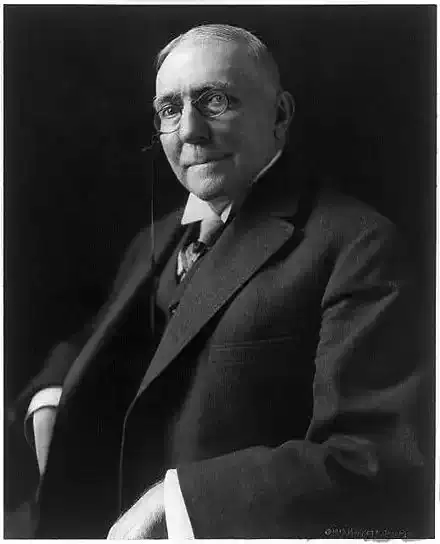
James Whitcomb Riley
When June Is Here
When June Is Here
When June is here--what art have we to sing
The whiteness of the lilies midst the green
Of noon-tranced lawns? Or flash of roses seen
Like redbirds' wings? Or earliest ripening
Prince-Harvest apples, where the cloyed bees cling
Round winey juices oozing down between
The peckings of the robin, while we lean
In under-grasses, lost in marveling.
Or the cool term of morning, and the stir
Of odorous breaths from wood and meadow walks,
The bobwhite's liquid yodel, and the whir
Of sudden flight; and, where the milkmaid talks
Across the bars, on tilted barley-stalks
The dewdrops' glint in webs of gossamer.
When June is here--what art have we to sing
The whiteness of the lilies midst the green
Of noon-tranced lawns? Or flash of roses seen
Like redbirds' wings? Or earliest ripening
Prince-Harvest apples, where the cloyed bees cling
Round winey juices oozing down between
The peckings of the robin, while we lean
In under-grasses, lost in marveling.
Or the cool term of morning, and the stir
Of odorous breaths from wood and meadow walks,
The bobwhite's liquid yodel, and the whir
Of sudden flight; and, where the milkmaid talks
Across the bars, on tilted barley-stalks
The dewdrops' glint in webs of gossamer.
331
James Whitcomb Riley
To Robert Burns
To Robert Burns
Sweet Singer that I loe the maist
O' ony, sin' wi' eager haste
I smacket bairn-lips ower the taste
O' hinnied sang,
I hail thee, though a blessed ghaist
In Heaven lang!
For weel I ken, nae cantie phrase,
Nor courtly airs, nor lairdly ways,
Could gar me freer blame, or praise,
Or proffer hand,
Where 'Rantin' Robbie' and his lays
Thegither stand.
And sae these hamely lines I send,
Wi' jinglin' words at ilka end,
In echo o' the sangs that wend
Frae thee to me
Like simmer-brooks, wi mony a bend
O' wimplin' glee.
In fancy, as wi' dewy een,
I part the clouds aboon the scene
Where thou wast born, and peer atween,
I see nae spot
In a' the Hielands half sae green
And unforgot?
I see nae storied castle-hall,
Wi' banners flauntin' ower the wall
And serf and page in ready call,
Sae grand to me
As ane puir cotter's hut, wi' all
Its poverty.
There where the simple daisy grew
Sae bonnie sweet, and modest too,
Thy liltin' filled its wee head fu'
O' sic a grace,
It aye is weepin' tears o' dew
Wi' droopit face.
Frae where the heather bluebells fling
Their sangs o' fragrance to the Spring,
To where the lavrock soars to sing,
Still lives thy strain,
For' a' the birds are twittering
Sangs like thine ain.
And aye, by light o' sun or moon,
By banks o' Ayr, or Bonnie Doon,
The waters lilt nae tender tune
But sweeter seems
Because they poured their limpid rune
Through a' thy dreams.
Wi' brimmin' lip, and laughin' ee,
Thou shookest even Grief wi' glee,
Yet had nae niggart sympathy
Where Sorrow bowed,
But gavest a' thy tears as free
As a' thy gowd.
And sae it is we be thy name
To see bleeze up wi' sic a flame,
That a' pretentious stars o' fame
Maun blink asklent,
To see how simple worth may shame
Their brightest glent.
Sweet Singer that I loe the maist
O' ony, sin' wi' eager haste
I smacket bairn-lips ower the taste
O' hinnied sang,
I hail thee, though a blessed ghaist
In Heaven lang!
For weel I ken, nae cantie phrase,
Nor courtly airs, nor lairdly ways,
Could gar me freer blame, or praise,
Or proffer hand,
Where 'Rantin' Robbie' and his lays
Thegither stand.
And sae these hamely lines I send,
Wi' jinglin' words at ilka end,
In echo o' the sangs that wend
Frae thee to me
Like simmer-brooks, wi mony a bend
O' wimplin' glee.
In fancy, as wi' dewy een,
I part the clouds aboon the scene
Where thou wast born, and peer atween,
I see nae spot
In a' the Hielands half sae green
And unforgot?
I see nae storied castle-hall,
Wi' banners flauntin' ower the wall
And serf and page in ready call,
Sae grand to me
As ane puir cotter's hut, wi' all
Its poverty.
There where the simple daisy grew
Sae bonnie sweet, and modest too,
Thy liltin' filled its wee head fu'
O' sic a grace,
It aye is weepin' tears o' dew
Wi' droopit face.
Frae where the heather bluebells fling
Their sangs o' fragrance to the Spring,
To where the lavrock soars to sing,
Still lives thy strain,
For' a' the birds are twittering
Sangs like thine ain.
And aye, by light o' sun or moon,
By banks o' Ayr, or Bonnie Doon,
The waters lilt nae tender tune
But sweeter seems
Because they poured their limpid rune
Through a' thy dreams.
Wi' brimmin' lip, and laughin' ee,
Thou shookest even Grief wi' glee,
Yet had nae niggart sympathy
Where Sorrow bowed,
But gavest a' thy tears as free
As a' thy gowd.
And sae it is we be thy name
To see bleeze up wi' sic a flame,
That a' pretentious stars o' fame
Maun blink asklent,
To see how simple worth may shame
Their brightest glent.
303
James Whitcomb Riley
The Wife-Blessed
The Wife-Blessed
I.
In youth he wrought, with eyes ablur,
Lorn-faced and long of hair--
In youth--in youth he painted her
A sister of the air--
Could clasp her not, but felt the stir
Of pinions everywhere.
II.
She lured his gaze, in braver days,
And tranced him sirenwise;
And he did paint her, through a haze
Of sullen paradise,
With scars of kisses on her face
And embers in her eyes.
III.
And now--nor dream nor wild conceit--
Though faltering, as before--
Through tears he paints her, as is meet,
Tracing the dear face o'er
With lilied patience meek and sweet
As Mother Mary wore.
I.
In youth he wrought, with eyes ablur,
Lorn-faced and long of hair--
In youth--in youth he painted her
A sister of the air--
Could clasp her not, but felt the stir
Of pinions everywhere.
II.
She lured his gaze, in braver days,
And tranced him sirenwise;
And he did paint her, through a haze
Of sullen paradise,
With scars of kisses on her face
And embers in her eyes.
III.
And now--nor dream nor wild conceit--
Though faltering, as before--
Through tears he paints her, as is meet,
Tracing the dear face o'er
With lilied patience meek and sweet
As Mother Mary wore.
252
James Whitcomb Riley
The Rose
The Rose
It tossed its head at the wooing breeze;
And the sun, like a bashful swain,
Beamed on it through the waving trees
With a passion all in vain,--
For my rose laughed in a crimson glee,
And hid in the leaves in wait for me.
The honey-bee came there to sing
His love through the languid hours,
And vaunt of his hives, as a proud old king
Might boast of his palace-towers:
But my rose bowed in a mockery,
And hid in the leaves in wait for me.
The humming-bird, like a courtier gay,
Dipped down with a dalliant song,
And twanged his wings through the roundelay
Of love the whole day long:
Yet my rose turned from his minstrelsy
And hid in the leaves in wait for me.
The firefly came in the twilight dim
My red, red rose to woo--
Till quenched was the flame of love in him,
And the light of his lantern too,
As my rose wept with dewdrops three
And hid in the leaves in wait for me.
And I said: I will cull my own sweet rose--
Some day I will claim as mine
The priceless worth of the flower that knows
No change, but a bloom divine--
The bloom of a fadeless constancy
That hides in the leaves in wait for me!
But time passed by in a strange disguise,
And I marked it not, but lay
In a lazy dream, with drowsy eyes,
Till the summer slipped away,
And a chill wind sang in a minor key:
'Where is the rose that waits for thee?'
. . . . . . . .
I dream to-day, o'er a purple stain
Of bloom on a withered stalk,
Pelted down by the autumn rain
In the dust of the garden-walk,
That an Angel-rose in the world to be
Will hide in the leaves in wait for me.
It tossed its head at the wooing breeze;
And the sun, like a bashful swain,
Beamed on it through the waving trees
With a passion all in vain,--
For my rose laughed in a crimson glee,
And hid in the leaves in wait for me.
The honey-bee came there to sing
His love through the languid hours,
And vaunt of his hives, as a proud old king
Might boast of his palace-towers:
But my rose bowed in a mockery,
And hid in the leaves in wait for me.
The humming-bird, like a courtier gay,
Dipped down with a dalliant song,
And twanged his wings through the roundelay
Of love the whole day long:
Yet my rose turned from his minstrelsy
And hid in the leaves in wait for me.
The firefly came in the twilight dim
My red, red rose to woo--
Till quenched was the flame of love in him,
And the light of his lantern too,
As my rose wept with dewdrops three
And hid in the leaves in wait for me.
And I said: I will cull my own sweet rose--
Some day I will claim as mine
The priceless worth of the flower that knows
No change, but a bloom divine--
The bloom of a fadeless constancy
That hides in the leaves in wait for me!
But time passed by in a strange disguise,
And I marked it not, but lay
In a lazy dream, with drowsy eyes,
Till the summer slipped away,
And a chill wind sang in a minor key:
'Where is the rose that waits for thee?'
. . . . . . . .
I dream to-day, o'er a purple stain
Of bloom on a withered stalk,
Pelted down by the autumn rain
In the dust of the garden-walk,
That an Angel-rose in the world to be
Will hide in the leaves in wait for me.
336
James Whitcomb Riley
The Pixy People
The Pixy People
It was just a very
Merry fairy dream!--
All the woods were airy
With the gloom and gleam;
Crickets in the clover
Clattered clear and strong,
And the bees droned over
Their old honey-song.
In the mossy passes,
Saucy grasshoppers
Leapt about the grasses
And the thistle-burs;
And the whispered chuckle
Of the katydid
Shook the honeysuckle
Blossoms where he hid.
Through the breezy mazes
Of the lazy June,
Drowsy with the hazes
Of the dreamy noon,
Little Pixy people
Winged above the walk,
Pouring from the steeple
Of a mullein-stalk.
One--a gallant fellow--
Evidently King,--
Wore a plume of yellow
In a jewelled ring
On a pansy bonnet,
Gold and white and blue,
With the dew still on it,
And the fragrance, too.
One--a dainty lady,--
Evidently Queen,--
Wore a gown of shady
Moonshine and green,
With a lace of gleaming
Starlight that sent
All the dewdrops dreaming
Everywhere she went.
One wore a waistcoat
Of roseleaves, out and in,
And one wore a faced-coat
Of tiger-lily-skin;
And one wore a neat coat
Of palest galingale;
And one a tiny street-coat,
And one a swallow-tail.
And Ho! sang the King of them,
And Hey! sang the Queen;
And round and round the ring of them
Went dancing o'er the green;
And Hey! sang the Queen of them,
And Ho! sang the King--
And all that I had seen of them
--Wasn't anything!
It was just a very
Merry fairy dream!--
All the woods were airy
With the gloom and gleam;
Crickets in the clover
Clattered clear and strong,
And the bees droned over
Their old honey-song!
It was just a very
Merry fairy dream!--
All the woods were airy
With the gloom and gleam;
Crickets in the clover
Clattered clear and strong,
And the bees droned over
Their old honey-song.
In the mossy passes,
Saucy grasshoppers
Leapt about the grasses
And the thistle-burs;
And the whispered chuckle
Of the katydid
Shook the honeysuckle
Blossoms where he hid.
Through the breezy mazes
Of the lazy June,
Drowsy with the hazes
Of the dreamy noon,
Little Pixy people
Winged above the walk,
Pouring from the steeple
Of a mullein-stalk.
One--a gallant fellow--
Evidently King,--
Wore a plume of yellow
In a jewelled ring
On a pansy bonnet,
Gold and white and blue,
With the dew still on it,
And the fragrance, too.
One--a dainty lady,--
Evidently Queen,--
Wore a gown of shady
Moonshine and green,
With a lace of gleaming
Starlight that sent
All the dewdrops dreaming
Everywhere she went.
One wore a waistcoat
Of roseleaves, out and in,
And one wore a faced-coat
Of tiger-lily-skin;
And one wore a neat coat
Of palest galingale;
And one a tiny street-coat,
And one a swallow-tail.
And Ho! sang the King of them,
And Hey! sang the Queen;
And round and round the ring of them
Went dancing o'er the green;
And Hey! sang the Queen of them,
And Ho! sang the King--
And all that I had seen of them
--Wasn't anything!
It was just a very
Merry fairy dream!--
All the woods were airy
With the gloom and gleam;
Crickets in the clover
Clattered clear and strong,
And the bees droned over
Their old honey-song!
306
James Whitcomb Riley
The Blossoms On The Trees
The Blossoms On The Trees
Blossoms crimson, white, or blue,
Purple, pink, and every hue,
From sunny skies, to tintings drowned
In dusky drops of dew,
I praise you all, wherever found,
And love you through and through--;
But, Blossoms On The Trees,
With your breath upon the breeze
There's nothing all the world around
As half as sweet as you!
Could the rhymer only wring
All the sweetness to the lees
Of all the kisses clustering
In juicy Used-to-bes,
To dip his rhymes therein and sing
The blossoms on the trees--,
'O Blossoms on the Trees,'
He would twitter, trill, and coo,
'However sweet, such songs as these
Are not as sweet as you--:
For you are blooming melodies
The eyes may listen to!'
Blossoms crimson, white, or blue,
Purple, pink, and every hue,
From sunny skies, to tintings drowned
In dusky drops of dew,
I praise you all, wherever found,
And love you through and through--;
But, Blossoms On The Trees,
With your breath upon the breeze
There's nothing all the world around
As half as sweet as you!
Could the rhymer only wring
All the sweetness to the lees
Of all the kisses clustering
In juicy Used-to-bes,
To dip his rhymes therein and sing
The blossoms on the trees--,
'O Blossoms on the Trees,'
He would twitter, trill, and coo,
'However sweet, such songs as these
Are not as sweet as you--:
For you are blooming melodies
The eyes may listen to!'
332
James Whitcomb Riley
Robert Burns Wilson
Robert Burns Wilson
What intuition named thee?--Through what thrill
Of the awed soul came the command divine
Into the mother-heart, foretelling thine
Should palpitate with his whose raptures will
Sing on while daisies bloom and lavrocks trill
Their undulating ways up through the fine
Fair mists of heavenly reaches? Thy pure line
Falls as the dew of anthems, quiring still
The sweeter since the Scottish singer raised
His voice therein, and, quit of every stress
Of earthly ache and longing and despair,
Knew certainly each simple thing he praised
Was no less worthy, for its lowliness,
Than any joy of all the glory There.
What intuition named thee?--Through what thrill
Of the awed soul came the command divine
Into the mother-heart, foretelling thine
Should palpitate with his whose raptures will
Sing on while daisies bloom and lavrocks trill
Their undulating ways up through the fine
Fair mists of heavenly reaches? Thy pure line
Falls as the dew of anthems, quiring still
The sweeter since the Scottish singer raised
His voice therein, and, quit of every stress
Of earthly ache and longing and despair,
Knew certainly each simple thing he praised
Was no less worthy, for its lowliness,
Than any joy of all the glory There.
347
James Whitcomb Riley
Orlie Wilde
Orlie Wilde
A goddess, with a siren's grace,--
A sun-haired girl on a craggy place
Above a bay where fish-boats lay
Drifting about like birds of prey.
Wrought was she of a painter's dream,--
Wise only as are artists wise,
My artist-friend, Rolf Herschkelhiem,
With deep sad eyes of oversize,
And face of melancholy guise.
I pressed him that he tell to me
This masterpiece's history.
He turned--REturned--and thus beguiled
Me with the tale of Orlie Wilde:-
"We artists live ideally:
We breed our firmest facts of air;
We make our own reality--
We dream a thing and it is so.
The fairest scenes we ever see
Are mirages of memory;
The sweetest thoughts we ever know
We plagiarize from Long Ago:
And as the girl on canvas there
Is marvelously rare and fair,
'Tis only inasmuch as she
Is dumb and may not speak to me!"
He tapped me with his mahlstick--then
The picture,--and went on again:
"Orlie Wilde, the fisher's child--
I see her yet, as fair and mild
As ever nursling summer day
Dreamed on the bosom of the bay:
For I was twenty then, and went
Alone and long-haired--all content
With promises of sounding name
And fantasies of future fame,
And thoughts that now my mind discards
As editor a fledgling bard's.
"At evening once I chanced to go,
With pencil and portfolio,
Adown the street of silver sand
That winds beneath this craggy land,
To make a sketch of some old scurf
Of driftage, nosing through the surf
A splintered mast, with knarl and strand
Of rigging-rope and tattered threads
Of flag and streamer and of sail
That fluttered idly in the gale
Or whipped themselves to sadder shreds.
The while I wrought, half listlessly,
On my dismantled subject, came
A sea-bird, settling on the same
With plaintive moan, as though that he
Had lost his mate upon the sea;
And--with my melancholy trend--
It brought dim dreams half understood--
It wrought upon my morbid mood,--
I thought of my own voyagings
That had no end--that have no end.--
And, like the sea-bird, I made moan
That I was loveless and alone.
And when at last with weary wings
It went upon its wanderings,
With upturned face I watched its flight
Until this picture met my sight:
A goddess, with a siren's grace,--
A sun-haired girl on a craggy place
Above a bay where fish-boats lay
Drifting about like birds of prey.
"In airy poise she, gazing, stood
A machless form of womanhood,
That brought a thought that if for me
Such eyes had sought across the sea,
I could have swum the widest tide
That ever mariner defied,
And, at the shore, could on have gone
To that high crag she stood upon,
To there entreat and say, 'My Sweet,
Behold thy servant at thy feet.'
And to my soul I said: 'Above,
There stands the idol of thy love!'
"In this rapt, awed, ecstatic state
I gazed--till lo! I was aware
A fisherman had joined her there--
A weary man, with halting gait,
Who toiled beneath a basket's weight:
Her father, as I guessed, for she
Had run to meet him gleefully
And ta'en his burden to herself,
That perched upon her shoulder's shelf
So lightly that she, tripping, neared
A jutting crag and disappeared;
But she left the echo of a song
That thrills me yet, and will as long
As I have being! . . .
. . . "Evenings came
And went,--but each the same--the same:
She watched above, and even so
I stood there watching from below;
Till, grown so bold at last, I sung,-(
What matter now the theme thereof!)--
It brought an answer from her tongue--
Faint as the murmur of a dove,
Yet all the more the song of love. . . .
"I turned and looked upon the bay,
With palm to forehead--eyes a-blur
In the sea's smile--meant but for her!--
I saw the fish-boats far away
In misty distance, lightly drawn
In chalk-dots on the horizon--
Looked back at her, long, wistfully;--
And, pushing off an empty skiff,
I beckoned her to quit the cliff
And yield me her rare company
Upon a little pleasure-cruise.--
She stood, as loathful to refuse,
To muse for full a moment's time,--
Then answered back in pantomime
'She feared some danger from the sea
Were she discovered thus with me.'
I motioned then to ask her if
I might not join her on the cliff
And back again, with graceful wave
Of lifted arm, she anwer gave
'She feared some danger from the sea.'
"Impatient, piqued, impetuous, I
Sprang in the boat, and flung 'Good-by'
From pouted mouth with angry hand,
And madly pulled away from land
With lusty stroke, despite that she
Held out her hands entreatingly:
And when far out, with covert eye
I shoreward glanced, I saw her fly
In reckless haste adown the crag,
Her hair a-flutter like a flag
Of gold that danced across the strand
In little mists of silver sand.
All curious I, pausing, tried
To fancy what it all implied,--
When suddenly I found my feet
Were wet; and, underneath the seat
On which I sat, I heard the sound
Of gurgling waters, and I found
The boat aleak alarmingly. . . .
I turned and looked upon the sea,
Whose every wave seemed mocking me;
I saw the fishers' sails once more--
In dimmer distance than before;
I saw the sea-bird wheeling by,
With foolish wish that _I_ could fly:
I thought of firm earth, home and friends--
I thought of everything that tends
To drive a man to frenzy and
To wholly lose his own command;
I thought of all my waywardness--
Thought of a mother's deep distress;
Of youthful follies yet unpurged--
Sins, as the seas, about me surged--
Thought of the printer's ready pen
To-morrow drowning me again;--
A million things without a name--
I thought of everything but--Fame. . . .
"A memory yet is in my mind,
So keenly clear and sharp-defined,
I picture every phase and line
Of life and death, and neither mine,--
While some fair seraph, golden-haired,
Bends over me,--with white arms bared,
That strongly plait themselves about
My drowning weight and lift me out--
With joy too great for words to state
Or tongue to dare articulate!
"And this seraphic ocean-child
And heroine was Orlie Wilde:
And thus it was I came to hear
Her voice's music in my ear--
Ay, thus it was Fate paved the way
That I walk desolate to-day!" . . .
The artist paused and bowed his face
Within his palms a little space,
While reverently on his form
I bent my gaze and marked a storm
That shook his frame as wrathfully
As some typhoon of agony,
And fraught with sobs--the more profound
For that peculiar laughing sound
We hear when strong men weep. . . . I leant
With warmest sympathy--I bent
To stroke with soothing hand his brow,
He murmuring--"Tis over now!--
And shall I tie the silken thread
Of my frail romance?" "Yes," I said.--
He faintly smiled; and then, with brow
In kneading palm, as one in dread-
His tasseled cap pushed from his head
" 'Her voice's music,' I repeat,"
He said,--" 'twas sweet--O passing sweet!--
Though she herself, in uttering
Its melody, proved not the thing
Of loveliness my dreams made meet
For me--there, yearning, at her feet--
Prone at her feet--a worshiper,--
For lo! she spake a tongue," moaned he,
"Unknown to me;--unknown to me
As mine to her--as mine to her."
A goddess, with a siren's grace,--
A sun-haired girl on a craggy place
Above a bay where fish-boats lay
Drifting about like birds of prey.
Wrought was she of a painter's dream,--
Wise only as are artists wise,
My artist-friend, Rolf Herschkelhiem,
With deep sad eyes of oversize,
And face of melancholy guise.
I pressed him that he tell to me
This masterpiece's history.
He turned--REturned--and thus beguiled
Me with the tale of Orlie Wilde:-
"We artists live ideally:
We breed our firmest facts of air;
We make our own reality--
We dream a thing and it is so.
The fairest scenes we ever see
Are mirages of memory;
The sweetest thoughts we ever know
We plagiarize from Long Ago:
And as the girl on canvas there
Is marvelously rare and fair,
'Tis only inasmuch as she
Is dumb and may not speak to me!"
He tapped me with his mahlstick--then
The picture,--and went on again:
"Orlie Wilde, the fisher's child--
I see her yet, as fair and mild
As ever nursling summer day
Dreamed on the bosom of the bay:
For I was twenty then, and went
Alone and long-haired--all content
With promises of sounding name
And fantasies of future fame,
And thoughts that now my mind discards
As editor a fledgling bard's.
"At evening once I chanced to go,
With pencil and portfolio,
Adown the street of silver sand
That winds beneath this craggy land,
To make a sketch of some old scurf
Of driftage, nosing through the surf
A splintered mast, with knarl and strand
Of rigging-rope and tattered threads
Of flag and streamer and of sail
That fluttered idly in the gale
Or whipped themselves to sadder shreds.
The while I wrought, half listlessly,
On my dismantled subject, came
A sea-bird, settling on the same
With plaintive moan, as though that he
Had lost his mate upon the sea;
And--with my melancholy trend--
It brought dim dreams half understood--
It wrought upon my morbid mood,--
I thought of my own voyagings
That had no end--that have no end.--
And, like the sea-bird, I made moan
That I was loveless and alone.
And when at last with weary wings
It went upon its wanderings,
With upturned face I watched its flight
Until this picture met my sight:
A goddess, with a siren's grace,--
A sun-haired girl on a craggy place
Above a bay where fish-boats lay
Drifting about like birds of prey.
"In airy poise she, gazing, stood
A machless form of womanhood,
That brought a thought that if for me
Such eyes had sought across the sea,
I could have swum the widest tide
That ever mariner defied,
And, at the shore, could on have gone
To that high crag she stood upon,
To there entreat and say, 'My Sweet,
Behold thy servant at thy feet.'
And to my soul I said: 'Above,
There stands the idol of thy love!'
"In this rapt, awed, ecstatic state
I gazed--till lo! I was aware
A fisherman had joined her there--
A weary man, with halting gait,
Who toiled beneath a basket's weight:
Her father, as I guessed, for she
Had run to meet him gleefully
And ta'en his burden to herself,
That perched upon her shoulder's shelf
So lightly that she, tripping, neared
A jutting crag and disappeared;
But she left the echo of a song
That thrills me yet, and will as long
As I have being! . . .
. . . "Evenings came
And went,--but each the same--the same:
She watched above, and even so
I stood there watching from below;
Till, grown so bold at last, I sung,-(
What matter now the theme thereof!)--
It brought an answer from her tongue--
Faint as the murmur of a dove,
Yet all the more the song of love. . . .
"I turned and looked upon the bay,
With palm to forehead--eyes a-blur
In the sea's smile--meant but for her!--
I saw the fish-boats far away
In misty distance, lightly drawn
In chalk-dots on the horizon--
Looked back at her, long, wistfully;--
And, pushing off an empty skiff,
I beckoned her to quit the cliff
And yield me her rare company
Upon a little pleasure-cruise.--
She stood, as loathful to refuse,
To muse for full a moment's time,--
Then answered back in pantomime
'She feared some danger from the sea
Were she discovered thus with me.'
I motioned then to ask her if
I might not join her on the cliff
And back again, with graceful wave
Of lifted arm, she anwer gave
'She feared some danger from the sea.'
"Impatient, piqued, impetuous, I
Sprang in the boat, and flung 'Good-by'
From pouted mouth with angry hand,
And madly pulled away from land
With lusty stroke, despite that she
Held out her hands entreatingly:
And when far out, with covert eye
I shoreward glanced, I saw her fly
In reckless haste adown the crag,
Her hair a-flutter like a flag
Of gold that danced across the strand
In little mists of silver sand.
All curious I, pausing, tried
To fancy what it all implied,--
When suddenly I found my feet
Were wet; and, underneath the seat
On which I sat, I heard the sound
Of gurgling waters, and I found
The boat aleak alarmingly. . . .
I turned and looked upon the sea,
Whose every wave seemed mocking me;
I saw the fishers' sails once more--
In dimmer distance than before;
I saw the sea-bird wheeling by,
With foolish wish that _I_ could fly:
I thought of firm earth, home and friends--
I thought of everything that tends
To drive a man to frenzy and
To wholly lose his own command;
I thought of all my waywardness--
Thought of a mother's deep distress;
Of youthful follies yet unpurged--
Sins, as the seas, about me surged--
Thought of the printer's ready pen
To-morrow drowning me again;--
A million things without a name--
I thought of everything but--Fame. . . .
"A memory yet is in my mind,
So keenly clear and sharp-defined,
I picture every phase and line
Of life and death, and neither mine,--
While some fair seraph, golden-haired,
Bends over me,--with white arms bared,
That strongly plait themselves about
My drowning weight and lift me out--
With joy too great for words to state
Or tongue to dare articulate!
"And this seraphic ocean-child
And heroine was Orlie Wilde:
And thus it was I came to hear
Her voice's music in my ear--
Ay, thus it was Fate paved the way
That I walk desolate to-day!" . . .
The artist paused and bowed his face
Within his palms a little space,
While reverently on his form
I bent my gaze and marked a storm
That shook his frame as wrathfully
As some typhoon of agony,
And fraught with sobs--the more profound
For that peculiar laughing sound
We hear when strong men weep. . . . I leant
With warmest sympathy--I bent
To stroke with soothing hand his brow,
He murmuring--"Tis over now!--
And shall I tie the silken thread
Of my frail romance?" "Yes," I said.--
He faintly smiled; and then, with brow
In kneading palm, as one in dread-
His tasseled cap pushed from his head
" 'Her voice's music,' I repeat,"
He said,--" 'twas sweet--O passing sweet!--
Though she herself, in uttering
Its melody, proved not the thing
Of loveliness my dreams made meet
For me--there, yearning, at her feet--
Prone at her feet--a worshiper,--
For lo! she spake a tongue," moaned he,
"Unknown to me;--unknown to me
As mine to her--as mine to her."
226
James Whitcomb Riley
My Bride That Is To Be
My Bride That Is To Be
O soul of mine, look out and see
My bride, my bride that is to be!
Reach out with mad, impatient hands,
And draw aside futurity
As one might draw a veil aside--
And so unveil her where she stands
Madonna-like and glorified--
The queen of undiscovered lands
Of love, to where she beckons me--
My bride--my bride that is to be.
The shadow of a willow-tree
That wavers on a garden-wall
In summertime may never fall
In attitude as gracefully
As my fair bride that is to be;--
Nor ever Autumn's leaves of brown
As lightly flutter to the lawn
As fall her fairy-feet upon
The path of love she loiters down.-O'er
drops of dew she walks, and yet
Not one may stain her sandal wet--
Aye, she might _dance_ upon the way
Nor crush a single drop to spray,
So airy-like she seems to me,--
My bride, my bride that is to be.
I know not if her eyes are light
As summer skies or dark as night,--
I only know that they are dim
With mystery: In vain I peer
To make their hidden meaning clear,
While o'er their surface, like a tear
That ripples to the silken brim,
A look of longing seems to swim
All worn and wearylike to me;
And then, as suddenly, my sight
Is blinded with a smile so bright,
Through folded lids I still may see
My bride, my bride that is to be.
Her face is like a night of June
Upon whose brow the crescent-moon
Hangs pendant in a diadem
Of stars, with envy lighting them.--
And, like a wild cascade, her hair
Floods neck and shoulder, arm and wrist,
Till only through a gleaming mist
I seem to see a siren there,
With lips of love and melody
And open arms and heaving breast
Wherein I fling myself to rest,
The while my heart cries hopelessly
For my fair bride that is to be....
Nay, foolish heart and blinded eyes!
My bride hath need of no disguise.--
But, rather, let her come to me
In such a form as bent above
My pillow when in infancy
I knew not anything but love.--
O let her come from out the lands
Of Womanhood--not fairy isles,--
And let her come with Woman's hands
And Woman's eyes of tears and smiles,--
With Woman's hopefulness and grace
Of patience lighting up her face:
And let her diadem be wrought
Of kindly deed and prayerful thought,
That ever over all distress
May beam the light of cheerfulness.--
And let her feet be brave to fare
The labyrinths of doubt and care,
That, following, my own may find
The path to Heaven God designed.--
O let her come like this to me--
My bride--my bride that is to be.
O soul of mine, look out and see
My bride, my bride that is to be!
Reach out with mad, impatient hands,
And draw aside futurity
As one might draw a veil aside--
And so unveil her where she stands
Madonna-like and glorified--
The queen of undiscovered lands
Of love, to where she beckons me--
My bride--my bride that is to be.
The shadow of a willow-tree
That wavers on a garden-wall
In summertime may never fall
In attitude as gracefully
As my fair bride that is to be;--
Nor ever Autumn's leaves of brown
As lightly flutter to the lawn
As fall her fairy-feet upon
The path of love she loiters down.-O'er
drops of dew she walks, and yet
Not one may stain her sandal wet--
Aye, she might _dance_ upon the way
Nor crush a single drop to spray,
So airy-like she seems to me,--
My bride, my bride that is to be.
I know not if her eyes are light
As summer skies or dark as night,--
I only know that they are dim
With mystery: In vain I peer
To make their hidden meaning clear,
While o'er their surface, like a tear
That ripples to the silken brim,
A look of longing seems to swim
All worn and wearylike to me;
And then, as suddenly, my sight
Is blinded with a smile so bright,
Through folded lids I still may see
My bride, my bride that is to be.
Her face is like a night of June
Upon whose brow the crescent-moon
Hangs pendant in a diadem
Of stars, with envy lighting them.--
And, like a wild cascade, her hair
Floods neck and shoulder, arm and wrist,
Till only through a gleaming mist
I seem to see a siren there,
With lips of love and melody
And open arms and heaving breast
Wherein I fling myself to rest,
The while my heart cries hopelessly
For my fair bride that is to be....
Nay, foolish heart and blinded eyes!
My bride hath need of no disguise.--
But, rather, let her come to me
In such a form as bent above
My pillow when in infancy
I knew not anything but love.--
O let her come from out the lands
Of Womanhood--not fairy isles,--
And let her come with Woman's hands
And Woman's eyes of tears and smiles,--
With Woman's hopefulness and grace
Of patience lighting up her face:
And let her diadem be wrought
Of kindly deed and prayerful thought,
That ever over all distress
May beam the light of cheerfulness.--
And let her feet be brave to fare
The labyrinths of doubt and care,
That, following, my own may find
The path to Heaven God designed.--
O let her come like this to me--
My bride--my bride that is to be.
315
James Whitcomb Riley
Moon-Drowned
Moon-Drowned
'Twas the height of the fete when we quitted the riot,
And quietly stole to the terrace alone,
Where, pale as the lovers that ever swear by it,
The moon it
The sight of the stars and the moon and the sea,
And the infinite skies of that opulent night of
Purple and gold and ivory!
The lisp of the lip of the ripple just under--
The half-awake nightingale's dream in the yews--
Came up from the water, and down from the wonder
Of shadowy foliage, drowsed with the dews,--
Unsteady the firefly's taper--unsteady
The poise of the stars, and their light in the tide,
As it struggled and writhed in caress of the eddy,
As love in the billowy breast of a bride.
The far-away lilt of the waltz rippled to us,
And through us the exquisite thrill of the air:
Like the scent of bruised bloom was her breath, and its dew was
Not honier-sweet than her warm kisses were.
We stood there enchanted.--And O the delight of
The sight of the stars and the moon and the sea,
And the infinite skies of that opulent night of
Purple and gold and ivory!
'Twas the height of the fete when we quitted the riot,
And quietly stole to the terrace alone,
Where, pale as the lovers that ever swear by it,
The moon it
The sight of the stars and the moon and the sea,
And the infinite skies of that opulent night of
Purple and gold and ivory!
The lisp of the lip of the ripple just under--
The half-awake nightingale's dream in the yews--
Came up from the water, and down from the wonder
Of shadowy foliage, drowsed with the dews,--
Unsteady the firefly's taper--unsteady
The poise of the stars, and their light in the tide,
As it struggled and writhed in caress of the eddy,
As love in the billowy breast of a bride.
The far-away lilt of the waltz rippled to us,
And through us the exquisite thrill of the air:
Like the scent of bruised bloom was her breath, and its dew was
Not honier-sweet than her warm kisses were.
We stood there enchanted.--And O the delight of
The sight of the stars and the moon and the sea,
And the infinite skies of that opulent night of
Purple and gold and ivory!
298
James Whitcomb Riley
Lockerbie Street
Lockerbie Street
Such a dear little street it is, nestled away
From the noise of the city and heat of the day,
In cool shady coverts of whispering trees,
With their leaves lifted up to shake hands with the breeze
Which in all its wide wanderings never may meet
With a resting-place fairer than Lockerbie street!
There is such a relief, from the clangor and din
Of the heart of the town, to go loitering in
Through the dim, narrow walks, with the sheltering shade
Of the trees waving over the long promenade,
And littering lightly the ways of our feet
With the gold of the sunshine of Lockerbie street.
And the nights that come down the dark pathways of dusk,
With the stars in their tresses, and odors of musk
In their moon-woven raiments, bespangled with dews,
And looped up with lilies for lovers to use
In the songs that they sing to the tinkle and beat
Of their sweet serenadings through Lockerbie street.
O my Lockerbie street! You are fair to be seen--
Be it noon of the day, or the rare and serene
Afternoon of the night-- you are one to my heart,
And I love you above all the phrases of art,
For no language could frame and no lips could repeat
My rhyme-haunted raptures of Lockerbie street.
Such a dear little street it is, nestled away
From the noise of the city and heat of the day,
In cool shady coverts of whispering trees,
With their leaves lifted up to shake hands with the breeze
Which in all its wide wanderings never may meet
With a resting-place fairer than Lockerbie street!
There is such a relief, from the clangor and din
Of the heart of the town, to go loitering in
Through the dim, narrow walks, with the sheltering shade
Of the trees waving over the long promenade,
And littering lightly the ways of our feet
With the gold of the sunshine of Lockerbie street.
And the nights that come down the dark pathways of dusk,
With the stars in their tresses, and odors of musk
In their moon-woven raiments, bespangled with dews,
And looped up with lilies for lovers to use
In the songs that they sing to the tinkle and beat
Of their sweet serenadings through Lockerbie street.
O my Lockerbie street! You are fair to be seen--
Be it noon of the day, or the rare and serene
Afternoon of the night-- you are one to my heart,
And I love you above all the phrases of art,
For no language could frame and no lips could repeat
My rhyme-haunted raptures of Lockerbie street.
322
James Whitcomb Riley
Judith
Judith
O her eyes are amber-fine--
Dark and deep as wells of wine,
While her smile is like the noon
Splendor of a day of June.
If she sorrow--lo! her face
It is like a flowery space
In bright meadows, overlaid
With light clouds and lulled with shade
If she laugh--it is the trill
Of the wayward whippoorwill
Over upland pastures, heard
Echoed by the mocking-bird
In dim thickets dense with bloom
And blurred cloyings of perfume.
If she sigh--a zephyr swells
Over odorous asphodels
And wan lilies in lush plots
Of moon-drown'd forget-me-nots.
Then, the soft touch of her hand--
Takes all breath to understand
What to liken it thereto!--
Never roseleaf rinsed with dew
Might slip soother-suave than slips
Her slow palm, the while her lips
Swoon through mine, with kiss on kiss
Sweet as heated honey is.
O her eyes are amber-fine--
Dark and deep as wells of wine,
While her smile is like the noon
Splendor of a day of June.
If she sorrow--lo! her face
It is like a flowery space
In bright meadows, overlaid
With light clouds and lulled with shade
If she laugh--it is the trill
Of the wayward whippoorwill
Over upland pastures, heard
Echoed by the mocking-bird
In dim thickets dense with bloom
And blurred cloyings of perfume.
If she sigh--a zephyr swells
Over odorous asphodels
And wan lilies in lush plots
Of moon-drown'd forget-me-nots.
Then, the soft touch of her hand--
Takes all breath to understand
What to liken it thereto!--
Never roseleaf rinsed with dew
Might slip soother-suave than slips
Her slow palm, the while her lips
Swoon through mine, with kiss on kiss
Sweet as heated honey is.
301
James Whitcomb Riley
In The South
In The South
There is a princess in the South
About whose beauty rumors hum
Like honey-bees about the mouth
Of roses dewdrops falter from;
And O her hair is like the fine
Clear amber of a jostled wine
In tropic revels; and her eyes
Are blue as rifts of Paradise.
Such beauty as may none before
Kneel daringly, to kiss the tips
Of fingers such as knights of yore
Had died to lift against their lips:
Such eyes as might the eyes of gold
Of all the stars of night behold
With glittering envy, and so glare
In dazzling splendor of despair.
So, were I but a minstrel, deft
At weaving, with the trembling strings
Of my glad harp, the warp and weft
Of rondels such as rapture sings,-I'd
loop my lyre across my breast,
Nor stay me till my knee found rest
In midnight banks of bud and flower
Beneath my lady's lattice-bower.
And there, drenched with the teary dews,
I'd woo her with such wondrous art
As well might stanch the songs that ooze
Out of the mockbird's breaking heart;
So light, so tender, and so sweet
Should be the words I would repeat,
Her casement, on my gradual sight,
Would blossom as a lily might.
There is a princess in the South
About whose beauty rumors hum
Like honey-bees about the mouth
Of roses dewdrops falter from;
And O her hair is like the fine
Clear amber of a jostled wine
In tropic revels; and her eyes
Are blue as rifts of Paradise.
Such beauty as may none before
Kneel daringly, to kiss the tips
Of fingers such as knights of yore
Had died to lift against their lips:
Such eyes as might the eyes of gold
Of all the stars of night behold
With glittering envy, and so glare
In dazzling splendor of despair.
So, were I but a minstrel, deft
At weaving, with the trembling strings
Of my glad harp, the warp and weft
Of rondels such as rapture sings,-I'd
loop my lyre across my breast,
Nor stay me till my knee found rest
In midnight banks of bud and flower
Beneath my lady's lattice-bower.
And there, drenched with the teary dews,
I'd woo her with such wondrous art
As well might stanch the songs that ooze
Out of the mockbird's breaking heart;
So light, so tender, and so sweet
Should be the words I would repeat,
Her casement, on my gradual sight,
Would blossom as a lily might.
273
James Whitcomb Riley
Her Hair
Her Hair
The beauty of her hair bewilders me--
Pouring adown the brow, its cloven tide
Swirling about the ears on either side
And storming round the neck tumultuously:
Or like the lights of old antiquity
Through mullioned windows, in cathedrals wide
Spilled moltenly o'er figures deified
In chastest marble, nude of drapery.
And so I love it--. Either unconfined;
Or plaited in close braidings manifold;
Or smoothly drawn; or indolently twined
In careless knots whose coilings come unrolled
At any lightest kiss; or by the wind
Whipped out in flossy ravellings of gold.
The beauty of her hair bewilders me--
Pouring adown the brow, its cloven tide
Swirling about the ears on either side
And storming round the neck tumultuously:
Or like the lights of old antiquity
Through mullioned windows, in cathedrals wide
Spilled moltenly o'er figures deified
In chastest marble, nude of drapery.
And so I love it--. Either unconfined;
Or plaited in close braidings manifold;
Or smoothly drawn; or indolently twined
In careless knots whose coilings come unrolled
At any lightest kiss; or by the wind
Whipped out in flossy ravellings of gold.
353
James Whitcomb Riley
Herr Weiser
Herr Weiser
Herr Weiser--! Three-score-years-and-ten--,
A hale white rose of his country-men,
Transplanted here in the Hoosier loam,
And blossomy as his German home--
As blossomy and as pure and sweet
As the cool green glen of his calm retreat,
Far withdrawn from the noisy town
Where trade goes clamoring up and down,
Whose fret and fever, and stress and strife,
May not trouble his tranquil life!
Breath of rest, what a balmy gust--!
Quite of the city's heat and dust,
Jostling down by the winding road,
Through the orchard ways of his quaint abode--.
Tether the horse, as we onward fare
Under the pear-trees trailing there,
And thumping the wood bridge at night
With lumps of ripeness and lush delight,
Till the stream, as it maunders on till dawn,
Is powdered and pelted and smiled upon.
Herr Weiser, with his wholesome face,
And the gentle blue of his eyes, and grace
Of unassuming honesty,
Be there to welcome you and me!
And what though the toil of the farm be stopped
And the tireless plans of the place be dropped,
While the prayerful master's knees are set
In beds of pansy and mignonette
And lily and aster and columbine,
Offered in love, as yours and mine--?
What, but a blessing of kindly thought,
Sweet as the breath of forget-me-not--!
What, but a spirit of lustrous love
White as the aster he bends above--!
What, but an odorous memory
Of the dear old man, made known to me
In days demanding a help like his--,
As sweet as the life of the lily is--
As sweet as the soul of a babe, bloom-wise
Born of a lily in paradise.
Herr Weiser--! Three-score-years-and-ten--,
A hale white rose of his country-men,
Transplanted here in the Hoosier loam,
And blossomy as his German home--
As blossomy and as pure and sweet
As the cool green glen of his calm retreat,
Far withdrawn from the noisy town
Where trade goes clamoring up and down,
Whose fret and fever, and stress and strife,
May not trouble his tranquil life!
Breath of rest, what a balmy gust--!
Quite of the city's heat and dust,
Jostling down by the winding road,
Through the orchard ways of his quaint abode--.
Tether the horse, as we onward fare
Under the pear-trees trailing there,
And thumping the wood bridge at night
With lumps of ripeness and lush delight,
Till the stream, as it maunders on till dawn,
Is powdered and pelted and smiled upon.
Herr Weiser, with his wholesome face,
And the gentle blue of his eyes, and grace
Of unassuming honesty,
Be there to welcome you and me!
And what though the toil of the farm be stopped
And the tireless plans of the place be dropped,
While the prayerful master's knees are set
In beds of pansy and mignonette
And lily and aster and columbine,
Offered in love, as yours and mine--?
What, but a blessing of kindly thought,
Sweet as the breath of forget-me-not--!
What, but a spirit of lustrous love
White as the aster he bends above--!
What, but an odorous memory
Of the dear old man, made known to me
In days demanding a help like his--,
As sweet as the life of the lily is--
As sweet as the soul of a babe, bloom-wise
Born of a lily in paradise.
350
James Whitcomb Riley
Dreamer, Say
Dreamer, Say
Dreamer, say, will you dream for me
A wild sweet dream of a foreign land,
Whose border sips of a foaming sea
With lips of coral and silver sand;
Where warm winds loll on the shady deeps,
Or lave themselves in the tearful mist
The great wild wave of the breaker weeps
O'er crags of opal and amethyst?
Dreamer, say, will you dream a dream
Of tropic shades in the lands of shine,
Where the lily leans o'er an amber stream
That flows like a rill of wasted wine,--
Where the palm-trees, lifting their shields of green,
Parry the shafts of the Indian sun
Whose splintering vengeance falls between
The reeds below where the waters run?
Dreamer, say, will you dream of love
That lives in a land of sweet perfume,
Where the stars drip down from the skies above
In molten spatters of bud and bloom?
Where never the weary eyes are wet,
And never a sob in the balmy air,
And only the laugh of the paroquet
Breaks the sleep of the silence there?
Dreamer, say, will you dream for me
A wild sweet dream of a foreign land,
Whose border sips of a foaming sea
With lips of coral and silver sand;
Where warm winds loll on the shady deeps,
Or lave themselves in the tearful mist
The great wild wave of the breaker weeps
O'er crags of opal and amethyst?
Dreamer, say, will you dream a dream
Of tropic shades in the lands of shine,
Where the lily leans o'er an amber stream
That flows like a rill of wasted wine,--
Where the palm-trees, lifting their shields of green,
Parry the shafts of the Indian sun
Whose splintering vengeance falls between
The reeds below where the waters run?
Dreamer, say, will you dream of love
That lives in a land of sweet perfume,
Where the stars drip down from the skies above
In molten spatters of bud and bloom?
Where never the weary eyes are wet,
And never a sob in the balmy air,
And only the laugh of the paroquet
Breaks the sleep of the silence there?
281
James Whitcomb Riley
Dear Hands
Dear Hands
The touches of her hands are like the fall
Of velvet snowflakes; like the touch of down
The peach just brushes 'gainst the garden wall;
The flossy fondlings of the thistle-wisp
Caught in the crinkle of a leaf of brown
The blighting frost hath turned from green to crisp.
Soft as the falling of the dusk at night,
The touches of her hands, and the delight--
The touches of her hands!
The touches of her hands are like the dew
That falls so softly down no one e'er knew
The touch thereof save lovers like to one
Astray in lights where ranged Endymion.
O rarely soft, the touches of her hands,
As drowsy zephyrs in enchanted lands;
Or pulse of dying fay; or fairy sighs,
Or--in between the midnight and the dawn,
When long unrest and tears and fears are gone--
Sleep, smoothing down the lids of weary eyes.
The touches of her hands are like the fall
Of velvet snowflakes; like the touch of down
The peach just brushes 'gainst the garden wall;
The flossy fondlings of the thistle-wisp
Caught in the crinkle of a leaf of brown
The blighting frost hath turned from green to crisp.
Soft as the falling of the dusk at night,
The touches of her hands, and the delight--
The touches of her hands!
The touches of her hands are like the dew
That falls so softly down no one e'er knew
The touch thereof save lovers like to one
Astray in lights where ranged Endymion.
O rarely soft, the touches of her hands,
As drowsy zephyrs in enchanted lands;
Or pulse of dying fay; or fairy sighs,
Or--in between the midnight and the dawn,
When long unrest and tears and fears are gone--
Sleep, smoothing down the lids of weary eyes.
316
James Whitcomb Riley
An Autumnal Extravaganza
An Autumnal Extravaganza
With a sweeter voice than birds
Dare to twitter in their sleep,
Pipe for me a tune of words,
Till my dancing fancies leap
Into freedom vaster far
Than the realms of Reason are!
Sing for me with wilder fire
Than the lover ever sung,
From the time he twanged the lyre
When the world was baby-young.
O my maiden Autumn, you--
You have filled me through and through
With a passion so intense,
All of earthly eloquence
Fails, and falls, and swoons away
In your presence. Like as one
Who essays to look the sun
Fairly in the face, I say,
Though my eyes you dazzle blind
Greater dazzled is my mind.
So, my Autumn, let me kneel
At your feet and worship you!
Be my sweetheart; let me feel
Your caress; and tell me too
Why your smiles bewilder me--
Glancing into laughter, then
Trancing into calm again,
Till your meaning drowning lies
In the dim depths of your eyes.
Let me see the things you see
Down the depths of mystery!
Blow aside the hazy veil
From the daylight of your face
With the fragrance-ladened gale
Of your spicy breath and chase
Every dimple to its place.
Lift your gipsy finger-tips
To the roses of your lips,
And fling down to me a bud--
But an unblown kiss--but one--
It shall blossom in my blood,
Even after life is done--
When I dare to touch the brow
Your rare hair is veiling now--
When the rich, red-golden strands
Of the treasure in my hands
Shall be all of worldly worth
Heaven lifted from the earth,
Like a banner to have set
On its highest minaret.
With a sweeter voice than birds
Dare to twitter in their sleep,
Pipe for me a tune of words,
Till my dancing fancies leap
Into freedom vaster far
Than the realms of Reason are!
Sing for me with wilder fire
Than the lover ever sung,
From the time he twanged the lyre
When the world was baby-young.
O my maiden Autumn, you--
You have filled me through and through
With a passion so intense,
All of earthly eloquence
Fails, and falls, and swoons away
In your presence. Like as one
Who essays to look the sun
Fairly in the face, I say,
Though my eyes you dazzle blind
Greater dazzled is my mind.
So, my Autumn, let me kneel
At your feet and worship you!
Be my sweetheart; let me feel
Your caress; and tell me too
Why your smiles bewilder me--
Glancing into laughter, then
Trancing into calm again,
Till your meaning drowning lies
In the dim depths of your eyes.
Let me see the things you see
Down the depths of mystery!
Blow aside the hazy veil
From the daylight of your face
With the fragrance-ladened gale
Of your spicy breath and chase
Every dimple to its place.
Lift your gipsy finger-tips
To the roses of your lips,
And fling down to me a bud--
But an unblown kiss--but one--
It shall blossom in my blood,
Even after life is done--
When I dare to touch the brow
Your rare hair is veiling now--
When the rich, red-golden strands
Of the treasure in my hands
Shall be all of worldly worth
Heaven lifted from the earth,
Like a banner to have set
On its highest minaret.
270
James Whitcomb Riley
A Variation
A Variation
I am tired of this!
Nothing else but loving!
Nothing else but kiss and kiss,
Coo, and turtle-doving!
Can't you change the order some?
Hate me just a little--come!
Lay aside your 'dears,'
'Darlings,' 'kings,' and 'princes!'--
Call me knave, and dry your tears--
Nothing in me winces,--
Call me something low and base--
Something that will suit the case!
Wish I had your eyes
And their drooping lashes!
I would dry their teary lies
Up with lightning-flashes--
Make your sobbing lips unsheathe
All the glitter of your teeth!
Can't you lift one word--
With some pang of laughter--
Louder than the drowsy bird
Crooning 'neath the rafter?
Just one bitter word, to shriek
Madly at me as I speak!
How I hate the fair
Beauty of your forehead!
How I hate your fragrant hair!
How I hate the torrid
Touches of your splendid lips,
And the kiss that drips and drips!
Ah, you pale at last!
And your face is lifted
Like a white sail to the blast,
And your hands are shifted
Into fists: and, towering thus,
You are simply glorious!
Now before me looms
Something more than human;
Something more than beauty blooms
In the wrath of Woman--
Something to bow down before
Reverently and adore.
I am tired of this!
Nothing else but loving!
Nothing else but kiss and kiss,
Coo, and turtle-doving!
Can't you change the order some?
Hate me just a little--come!
Lay aside your 'dears,'
'Darlings,' 'kings,' and 'princes!'--
Call me knave, and dry your tears--
Nothing in me winces,--
Call me something low and base--
Something that will suit the case!
Wish I had your eyes
And their drooping lashes!
I would dry their teary lies
Up with lightning-flashes--
Make your sobbing lips unsheathe
All the glitter of your teeth!
Can't you lift one word--
With some pang of laughter--
Louder than the drowsy bird
Crooning 'neath the rafter?
Just one bitter word, to shriek
Madly at me as I speak!
How I hate the fair
Beauty of your forehead!
How I hate your fragrant hair!
How I hate the torrid
Touches of your splendid lips,
And the kiss that drips and drips!
Ah, you pale at last!
And your face is lifted
Like a white sail to the blast,
And your hands are shifted
Into fists: and, towering thus,
You are simply glorious!
Now before me looms
Something more than human;
Something more than beauty blooms
In the wrath of Woman--
Something to bow down before
Reverently and adore.
253
James Whitcomb Riley
A Discouraging Model
A Discouraging Model
Just the airiest, fairiest slip of a thing,
With a Gainsborough hat, like a butterfly's wing,
Tilted up at one side with the jauntiest air,
And a knot of red roses sown in under there
Where the shadows are lost in her hair.
Then a cameo face, carven in on a ground
Of that shadowy hair where the roses are wound;
And the gleam of a smile, O as fair and as faint
And as sweet as the master of old used to paint
Round the lips of their favorite saint!
And that lace at her throat-- and fluttering hands
Snowing there, with a grace that no art understands,
The flakes of their touches-- first fluttering at
The bow-- then the roses-- the hair and then that
Little tilt of the Gainsborough hat.
Ah, what artist on earth with a model like this,
Holding not on his palette the tint of a kiss,
Nor a pigment to hint of the hue of her hair
Nor the gold of her smile-- O what artist could dare
To expect a result half so fair?
Just the airiest, fairiest slip of a thing,
With a Gainsborough hat, like a butterfly's wing,
Tilted up at one side with the jauntiest air,
And a knot of red roses sown in under there
Where the shadows are lost in her hair.
Then a cameo face, carven in on a ground
Of that shadowy hair where the roses are wound;
And the gleam of a smile, O as fair and as faint
And as sweet as the master of old used to paint
Round the lips of their favorite saint!
And that lace at her throat-- and fluttering hands
Snowing there, with a grace that no art understands,
The flakes of their touches-- first fluttering at
The bow-- then the roses-- the hair and then that
Little tilt of the Gainsborough hat.
Ah, what artist on earth with a model like this,
Holding not on his palette the tint of a kiss,
Nor a pigment to hint of the hue of her hair
Nor the gold of her smile-- O what artist could dare
To expect a result half so fair?
267
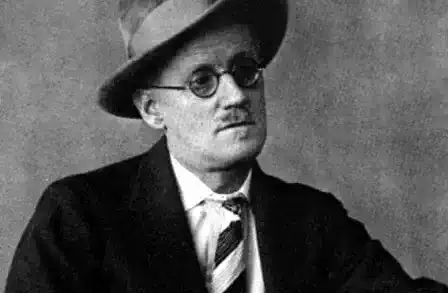
James Joyce
The Twilight Turns
The Twilight Turns
The twilight turns from amethyst
To deep and deeper blue,
The lamp fills with a pale green glow
The trees of the avenue.
The old piano plays an air,
Sedate and slow and gay;
She bends upon the yellow keys,
Her head inclines this way.
Shy thought and grave wide eyes and hands
That wander as they list -- -
The twilight turns to darker blue
With lights of amethyst.
The twilight turns from amethyst
To deep and deeper blue,
The lamp fills with a pale green glow
The trees of the avenue.
The old piano plays an air,
Sedate and slow and gay;
She bends upon the yellow keys,
Her head inclines this way.
Shy thought and grave wide eyes and hands
That wander as they list -- -
The twilight turns to darker blue
With lights of amethyst.
181
James Joyce
Silently She's Combing
Silently She's Combing
Silently she's combing,
Combing her long hair
Silently and graciously,
With many a pretty air.
The sun is in the willow leaves
And on the dappled grass,
And still she's combing her long hair
Before the looking-glass.
I pray you, cease to comb out,
Comb out your long hair,
For I have heard of witchery
Under a pretty air,
That makes as one thing to the lover
Staying and going hence,
All fair, with many a pretty air
And many a negligence.
Silently she's combing,
Combing her long hair
Silently and graciously,
With many a pretty air.
The sun is in the willow leaves
And on the dappled grass,
And still she's combing her long hair
Before the looking-glass.
I pray you, cease to comb out,
Comb out your long hair,
For I have heard of witchery
Under a pretty air,
That makes as one thing to the lover
Staying and going hence,
All fair, with many a pretty air
And many a negligence.
303
James Joyce
My Love Is in a Light Attire
My Love Is in a Light Attire
My love is in a light attire
Among the apple-trees,
Where the gay winds do most desire
To run in companies.
There, where the gay winds stay to woo
The young leaves as they pass,
My love goes slowly, bending to
Her shadow on the grass;
And where the sky's a pale blue cup
Over the laughing land,
My love goes lightly, holding up
Her dress with dainty hand.
My love is in a light attire
Among the apple-trees,
Where the gay winds do most desire
To run in companies.
There, where the gay winds stay to woo
The young leaves as they pass,
My love goes slowly, bending to
Her shadow on the grass;
And where the sky's a pale blue cup
Over the laughing land,
My love goes lightly, holding up
Her dress with dainty hand.
220
James Joyce
A Flower Given to My Daughter
A Flower Given to My Daughter
Frail the white rose and frail are
Her hands that gave
Whose soul is sere and paler
Than time's wan wave.
Rosefrail and fair -- yet frailest
A wonder wild
In gentle eyes thou veilest,
My blueveined child.
Frail the white rose and frail are
Her hands that gave
Whose soul is sere and paler
Than time's wan wave.
Rosefrail and fair -- yet frailest
A wonder wild
In gentle eyes thou veilest,
My blueveined child.
283