

Poems in this theme
Beauty
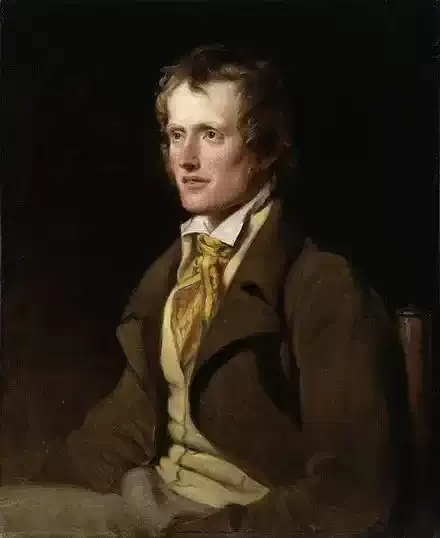
John Clare
Decay
Decay
O Poesy is on the wane,
For Fancy's visions all unfitting;
I hardly know her face again,
Nature herself seems on the flitting.
The fields grow old and common things,
The grass, the sky, the winds a-blowing;
And spots, where still a beauty clings,
Are sighing 'going! all a-going!'
O Poesy is on the wane,
I hardly know her face again.
The bank with brambles overspread,
And little molehills round about it,
Was more to me than laurel shades,
With paths of gravel finely clouted;
And streaking here and streaking there,
Through shaven grass and many a border,
With rutty lanes had no compare,
And heaths were in a richer order.
But Poesy is on the wane,
I hardly know her face again.
I sat beside the pasture stream,
When Beauty's self was sitting by,
The fields did more than Eden seem
Nor could I tell the reason why.
I often drank when not adry
To pledge her health in draughts divine;
Smiles made it nectar from the sky,
Love turned een water into wine.
O Poesy is on the wane,
I cannot find her face again.
The sun those mornings used to find,
Its clouds were other-country mountains,
And heaven looked downward on the mind,
Like groves, and rocks, and mottled fountains.
Those heavens are gone, the mountains grey
Turned mist--the sun, a homeless ranger,
Pursues alone his naked way,
Unnoticed like a very stranger.
O Poesy is on the wane,
Nor love nor joy is mine again.
Love's sun went down without a frown,
For very joy it used to grieve us;
I often think the West is gone,
Ah, cruel Time, to undeceive us.
The stream it is a common stream,
Where we on Sundays used to ramble,
The sky hangs oer a broken dream,
The bramble's dwindled to a bramble!
O Poesy is on the wane,
I cannot find her haunts again.
Mere withered stalks and fading trees,
And pastures spread with hills and rushes,
Are all my fading vision sees;
Gone, gone are rapture's flooding gushes!
When mushrooms they were fairy bowers,
Their marble pillars overswelling,
And Danger paused to pluck the flowers
That in their swarthy rings were dwelling.
Yes, Poesy is on the wane,
Nor joy nor fear is mine again.
Aye, Poesy hath passed away,
And Fancy's visions undeceive us;
The night hath ta'en the place of day,
And why should passing shadows grieve us?
I thought the flowers upon the hills
Were flowers from Adam's open gardens;
But I have had my summer thrills,
And I have had my heart's rewardings.
So Poesy is on the wane,
I hardly know her face again.
And Friendship it hath burned away,
Like to a very ember cooling,
A make-believe on April day
That sent the simple heart a-fooling;
Mere jesting in an earnest way,
Deceiving on and still deceiving;
And Hope is but a fancy-play,
And Joy the art of true believing;
For Poesy is on the wane,
O could I feel her faith again!
O Poesy is on the wane,
For Fancy's visions all unfitting;
I hardly know her face again,
Nature herself seems on the flitting.
The fields grow old and common things,
The grass, the sky, the winds a-blowing;
And spots, where still a beauty clings,
Are sighing 'going! all a-going!'
O Poesy is on the wane,
I hardly know her face again.
The bank with brambles overspread,
And little molehills round about it,
Was more to me than laurel shades,
With paths of gravel finely clouted;
And streaking here and streaking there,
Through shaven grass and many a border,
With rutty lanes had no compare,
And heaths were in a richer order.
But Poesy is on the wane,
I hardly know her face again.
I sat beside the pasture stream,
When Beauty's self was sitting by,
The fields did more than Eden seem
Nor could I tell the reason why.
I often drank when not adry
To pledge her health in draughts divine;
Smiles made it nectar from the sky,
Love turned een water into wine.
O Poesy is on the wane,
I cannot find her face again.
The sun those mornings used to find,
Its clouds were other-country mountains,
And heaven looked downward on the mind,
Like groves, and rocks, and mottled fountains.
Those heavens are gone, the mountains grey
Turned mist--the sun, a homeless ranger,
Pursues alone his naked way,
Unnoticed like a very stranger.
O Poesy is on the wane,
Nor love nor joy is mine again.
Love's sun went down without a frown,
For very joy it used to grieve us;
I often think the West is gone,
Ah, cruel Time, to undeceive us.
The stream it is a common stream,
Where we on Sundays used to ramble,
The sky hangs oer a broken dream,
The bramble's dwindled to a bramble!
O Poesy is on the wane,
I cannot find her haunts again.
Mere withered stalks and fading trees,
And pastures spread with hills and rushes,
Are all my fading vision sees;
Gone, gone are rapture's flooding gushes!
When mushrooms they were fairy bowers,
Their marble pillars overswelling,
And Danger paused to pluck the flowers
That in their swarthy rings were dwelling.
Yes, Poesy is on the wane,
Nor joy nor fear is mine again.
Aye, Poesy hath passed away,
And Fancy's visions undeceive us;
The night hath ta'en the place of day,
And why should passing shadows grieve us?
I thought the flowers upon the hills
Were flowers from Adam's open gardens;
But I have had my summer thrills,
And I have had my heart's rewardings.
So Poesy is on the wane,
I hardly know her face again.
And Friendship it hath burned away,
Like to a very ember cooling,
A make-believe on April day
That sent the simple heart a-fooling;
Mere jesting in an earnest way,
Deceiving on and still deceiving;
And Hope is but a fancy-play,
And Joy the art of true believing;
For Poesy is on the wane,
O could I feel her faith again!
443
John Clare
Autumn
Autumn
The thistledown's flying, though the winds are all still,
On the green grass now lying, now mounting the hill,
The spring from the fountain now boils like a pot;
Through stones past the counting it bubbles red-hot.
The ground parched and cracked is like overbaked bread,
The greensward all wracked is, bents dried up and dead.
The fallow fields glitter like water indeed,
And gossamers twitter, flung from weed unto weed.
Hill-tops like hot iron glitter bright in the sun,
And the rivers we're eying burn to gold as they run;
Burning hot is the ground, liquid gold is the air;
Whoever looks round sees Eternity there.
The thistledown's flying, though the winds are all still,
On the green grass now lying, now mounting the hill,
The spring from the fountain now boils like a pot;
Through stones past the counting it bubbles red-hot.
The ground parched and cracked is like overbaked bread,
The greensward all wracked is, bents dried up and dead.
The fallow fields glitter like water indeed,
And gossamers twitter, flung from weed unto weed.
Hill-tops like hot iron glitter bright in the sun,
And the rivers we're eying burn to gold as they run;
Burning hot is the ground, liquid gold is the air;
Whoever looks round sees Eternity there.
433
John Clare
A World For Love
A World For Love
Oh, the world is all too rude for thee, with much ado and care;
Oh, this world is but a rude world, and hurts a thing so fair;
Was there a nook in which the world had never been to sear,
That place would prove a paradise when thou and Love were near.
And there to pluck the blackberry, and there to reach the sloe,
How joyously and happily would Love thy partner go;
Then rest when weary on a bank, where not a grassy blade
Had eer been bent by Trouble's feet, and Love thy pillow made.
For Summer would be ever green, though sloes were in their prime,
And Winter smile his frowns to Spring, in beauty's happy clime;
And months would come, and months would go, and all in sunny mood,
And everything inspired by thee grow beautifully good.
And there to make a cot unknown to any care and pain,
And there to shut the door alone on singing wind and rain--
Far, far away from all the world, more rude than rain or wind,
Oh, who could wish a sweeter home, or better place to find?
Than thus to love and live with thee, thou beautiful delight!
Than thus to live and love with thee the summer day and night!
The Earth itself, where thou hadst rest, would surely smile to see
Herself grow Eden once again, possest of Love and thee
Oh, the world is all too rude for thee, with much ado and care;
Oh, this world is but a rude world, and hurts a thing so fair;
Was there a nook in which the world had never been to sear,
That place would prove a paradise when thou and Love were near.
And there to pluck the blackberry, and there to reach the sloe,
How joyously and happily would Love thy partner go;
Then rest when weary on a bank, where not a grassy blade
Had eer been bent by Trouble's feet, and Love thy pillow made.
For Summer would be ever green, though sloes were in their prime,
And Winter smile his frowns to Spring, in beauty's happy clime;
And months would come, and months would go, and all in sunny mood,
And everything inspired by thee grow beautifully good.
And there to make a cot unknown to any care and pain,
And there to shut the door alone on singing wind and rain--
Far, far away from all the world, more rude than rain or wind,
Oh, who could wish a sweeter home, or better place to find?
Than thus to love and live with thee, thou beautiful delight!
Than thus to live and love with thee the summer day and night!
The Earth itself, where thou hadst rest, would surely smile to see
Herself grow Eden once again, possest of Love and thee
401
John Clare
A vision
A vision
I lost the love of heaven above,
I spurned the lust of earth below,
I felt the sweets of fancied love
And hell itself my only foe.
I lost earth's joys but felt the glow
Of heaven's flame abound in me
Till loveliness and I did grow
The bard of immortality.
I loved but woman fell away
I hid me from her faded fame,
I snatched the sun's eternal ray
And wrote till earth was but a name
In every language upon earth,
On every shore, o'er every sea,
I give my name immortal birth
And kept my spirit with the free.
I lost the love of heaven above,
I spurned the lust of earth below,
I felt the sweets of fancied love
And hell itself my only foe.
I lost earth's joys but felt the glow
Of heaven's flame abound in me
Till loveliness and I did grow
The bard of immortality.
I loved but woman fell away
I hid me from her faded fame,
I snatched the sun's eternal ray
And wrote till earth was but a name
In every language upon earth,
On every shore, o'er every sea,
I give my name immortal birth
And kept my spirit with the free.
483
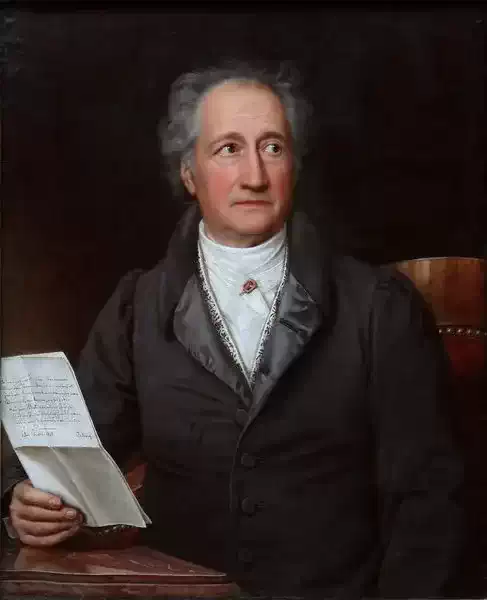
Johann Wolfgang von Goethe
With A Painted Ribbon
With A Painted Ribbon
LITTLE leaves and flow'rets too,
Scatter we with gentle hand,
Kind young spring-gods to the view,
Sporting on an airy band.
Zephyr, bear it on the wing,
Twine it round my loved one's dress;
To her glass then let her spring,
Full of eager joyousness.
Roses round her let her see,
She herself a youthful rose.
Grant, dear life, one look to me!
'Twill repay me all my woes,
What this bosom feels, feel thou.
Freely offer me thy hand;
Let the band that joins us now
Be no fragile rosy band!
LITTLE leaves and flow'rets too,
Scatter we with gentle hand,
Kind young spring-gods to the view,
Sporting on an airy band.
Zephyr, bear it on the wing,
Twine it round my loved one's dress;
To her glass then let her spring,
Full of eager joyousness.
Roses round her let her see,
She herself a youthful rose.
Grant, dear life, one look to me!
'Twill repay me all my woes,
What this bosom feels, feel thou.
Freely offer me thy hand;
Let the band that joins us now
Be no fragile rosy band!
417
Johann Wolfgang von Goethe
Venetian Epigrams I
Venetian Epigrams I
Sarcophagi, urns, were all covered with lifelike scenes,
fauns dancing with girls from a Bacchanalian choir,
paired-off, goat-footed creatures puffing their cheeks,
forcing ear-splitting notes from the blaring horns.
Cymbals and drumbeats, the marble is seen and is heard.
How delightful the fruit in the beaks of fluttering birds!
No startling noise can scare them, or scare away love,
Amor, whose torch waves more gladly in this happy throng.
So fullness overcomes death, and the ashes within
seem still, in their silent house, to feel love’s delight.
So may the Poet’s sarcophagus be adorned,
with this book the writer has filled with the beauty of life.
Sarcophagi, urns, were all covered with lifelike scenes,
fauns dancing with girls from a Bacchanalian choir,
paired-off, goat-footed creatures puffing their cheeks,
forcing ear-splitting notes from the blaring horns.
Cymbals and drumbeats, the marble is seen and is heard.
How delightful the fruit in the beaks of fluttering birds!
No startling noise can scare them, or scare away love,
Amor, whose torch waves more gladly in this happy throng.
So fullness overcomes death, and the ashes within
seem still, in their silent house, to feel love’s delight.
So may the Poet’s sarcophagus be adorned,
with this book the writer has filled with the beauty of life.
409
Johann Wolfgang von Goethe
The Visit
The Visit
FAIN had I to-day surprised my mistress,
But soon found I that her door was fasten'd.
Yet I had the key safe in my pocket,
And the darling door I open'd softly!
In the parlour found I not the maiden,
Found the maiden not within her closet,
Then her chamber-door I gently open'd,
When I found her wrapp'd in pleasing slumbers,
Fully dress'd, and lying on the sofa.
While at work had slumber stolen o'er her;
For her knitting and her needle found I
Resting in her folded bands so tender;
And I placed myself beside her softly,
And held counsel, whether I should wake her.
Then I looked upon the beauteous quiet
That on her sweet eyelids was reposing
On her lips was silent truth depicted,
On her cheeks had loveliness its dwelling,
And the pureness of a heart unsullied
In her bosom evermore was heaving.
All her limbs were gracefully reclining,
Set at rest by sweet and godlike balsam.
Gladly sat I, and the contemplation
Held the strong desire I felt to wake her
Firmer and firmer down, with mystic fetters.
"Oh, thou love," methought, "I see that slumber,
Slumber that betrayeth each false feature,
Cannot injure thee, can nought discover
That could serve to harm thy friend's soft feelings.
"Now thy beauteous eyes are firmly closed,
That, when open, form mine only rapture.
And thy sweet lips are devoid of motion,
Motionless for speaking or for kissing;
Loosen'd are the soft and magic fetters
Of thine arms, so wont to twine around me,
And the hand, the ravishing companion
Of thy sweet caresses, lies unmoving.
Were my thoughts of thee but based on error,
Were the love I bear thee self-deception,
I must now have found it out, since Amor
Is, without his bandage, placed beside me."
Long I sat thus, full of heartfelt pleasure
At my love, and at her matchless merit;
She had so delighted me while slumbering,
That I could not venture to awake her.
Then I on the little table near her
Softly placed two oranges, two roses;
Gently, gently stole I from her chamber.
When her eyes the darling one shall open,
She will straightway spy these colourd presents,
And the friendly gift will view with wonder,
For the door will still remain unopen'd.
If perchance I see to-night the angel,
How will she rejoice,--reward me doubly
For this sacrifice of fond affection!
FAIN had I to-day surprised my mistress,
But soon found I that her door was fasten'd.
Yet I had the key safe in my pocket,
And the darling door I open'd softly!
In the parlour found I not the maiden,
Found the maiden not within her closet,
Then her chamber-door I gently open'd,
When I found her wrapp'd in pleasing slumbers,
Fully dress'd, and lying on the sofa.
While at work had slumber stolen o'er her;
For her knitting and her needle found I
Resting in her folded bands so tender;
And I placed myself beside her softly,
And held counsel, whether I should wake her.
Then I looked upon the beauteous quiet
That on her sweet eyelids was reposing
On her lips was silent truth depicted,
On her cheeks had loveliness its dwelling,
And the pureness of a heart unsullied
In her bosom evermore was heaving.
All her limbs were gracefully reclining,
Set at rest by sweet and godlike balsam.
Gladly sat I, and the contemplation
Held the strong desire I felt to wake her
Firmer and firmer down, with mystic fetters.
"Oh, thou love," methought, "I see that slumber,
Slumber that betrayeth each false feature,
Cannot injure thee, can nought discover
That could serve to harm thy friend's soft feelings.
"Now thy beauteous eyes are firmly closed,
That, when open, form mine only rapture.
And thy sweet lips are devoid of motion,
Motionless for speaking or for kissing;
Loosen'd are the soft and magic fetters
Of thine arms, so wont to twine around me,
And the hand, the ravishing companion
Of thy sweet caresses, lies unmoving.
Were my thoughts of thee but based on error,
Were the love I bear thee self-deception,
I must now have found it out, since Amor
Is, without his bandage, placed beside me."
Long I sat thus, full of heartfelt pleasure
At my love, and at her matchless merit;
She had so delighted me while slumbering,
That I could not venture to awake her.
Then I on the little table near her
Softly placed two oranges, two roses;
Gently, gently stole I from her chamber.
When her eyes the darling one shall open,
She will straightway spy these colourd presents,
And the friendly gift will view with wonder,
For the door will still remain unopen'd.
If perchance I see to-night the angel,
How will she rejoice,--reward me doubly
For this sacrifice of fond affection!
576
Johann Wolfgang von Goethe
The Muse's Mirror
The Muse's Mirror
EARLY one day, the Muse, when eagerly bent on adornment,
Follow'd a swift-running streamlet, the quietest nook by it seeking.
Quickly and noisily flowing, the changeful surface distorted
Ever her moving form; the goddess departed in anger.
Yet the stream call'd mockingly after her, saying: "What, truly!
Wilt thou not view, then, the truth, in my mirror so clearly depicted?"
But she already was far away, on the brink of the ocean,
In her figure rejoicing, and duly arranging her garland.
EARLY one day, the Muse, when eagerly bent on adornment,
Follow'd a swift-running streamlet, the quietest nook by it seeking.
Quickly and noisily flowing, the changeful surface distorted
Ever her moving form; the goddess departed in anger.
Yet the stream call'd mockingly after her, saying: "What, truly!
Wilt thou not view, then, the truth, in my mirror so clearly depicted?"
But she already was far away, on the brink of the ocean,
In her figure rejoicing, and duly arranging her garland.
350
Johann Wolfgang von Goethe
The Consecrated Spot
The Consecrated Spot
WHEN in the dance of the Nymphs, in the moonlight so holy assembled,
Mingle the Graces, down from Olympus in secret descending,
Here doth the minstrel hide, and list to their numbers enthralling,
Here doth he watch their silent dances' mysterious measure.
All that is glorious in Heaven, and all that the earth in her beauty
Ever hath brought into life, the dreamer awake sees before him;
All he repeats to the Muses, and lest the gods should be anger'd,
How to tell of secrets discreetly, the Muses instruct him.
WHEN in the dance of the Nymphs, in the moonlight so holy assembled,
Mingle the Graces, down from Olympus in secret descending,
Here doth the minstrel hide, and list to their numbers enthralling,
Here doth he watch their silent dances' mysterious measure.
All that is glorious in Heaven, and all that the earth in her beauty
Ever hath brought into life, the dreamer awake sees before him;
All he repeats to the Muses, and lest the gods should be anger'd,
How to tell of secrets discreetly, the Muses instruct him.
332
Johann Wolfgang von Goethe
Presence
Presence
ALL things give token of thee!
As soon as the bright sun is shining,
Thou too wilt follow, I trust.
When in the garden thou walk'st,
Thou then art the rose of all roses,
Lily of lilies as well.
When thou dost move in the dance,
Then each constellation moves also;
With thee and round thee they move.
Night! oh, what bliss were the night!
For then thou o'ershadow'st the lustre,
Dazzling and fair, of the moon.
Dazzling and beauteous art thou,
And flowers, and moon, and the planets
Homage pay, Sun, but to thee.
Sun! to me also be thou
Creator of days bright and glorious;
Life and Eternity this!
ALL things give token of thee!
As soon as the bright sun is shining,
Thou too wilt follow, I trust.
When in the garden thou walk'st,
Thou then art the rose of all roses,
Lily of lilies as well.
When thou dost move in the dance,
Then each constellation moves also;
With thee and round thee they move.
Night! oh, what bliss were the night!
For then thou o'ershadow'st the lustre,
Dazzling and fair, of the moon.
Dazzling and beauteous art thou,
And flowers, and moon, and the planets
Homage pay, Sun, but to thee.
Sun! to me also be thou
Creator of days bright and glorious;
Life and Eternity this!
384
Johann Wolfgang von Goethe
My Goddess
My Goddess
SAY, which Immortal
Merits the highest reward?
With none contend I,
But I will give it
To the aye-changing,
Ever-moving
Wondrous daughter of Jove.
His best-beloved offspring.
Sweet Phantasy.
For unto her
Hath he granted
All the fancies which erst
To none allow'd he
Saving himself;
Now he takes his pleasure
In the mad one.
She may, crowned with roses,
With staff twined round with lilies,
Roam thro' flow'ry valleys,
Rule the butterfly-people,
And soft-nourishing dew
With bee-like lips
Drink from the blossom:
Or else she may
With fluttering hair
And gloomy looks
Sigh in the wind
Round rocky cliffs,
And thousand-hued.
Like morn and even.
Ever changing,
Like moonbeam's light,
To mortals appear.
Let us all, then,
Adore the Father!
The old, the mighty,
Who such a beauteous
Ne'er-fading spouse
Deigns to accord
To perishing mortals!
To us alone
Doth he unite her,
With heavenly bonds,
While he commands her,
in joy and sorrow,
As a true spouse
Never to fly us.
All the remaining
Races so poor
Of life-teeming earth.
In children so rich.
Wander and feed
In vacant enjoyment,
And 'mid the dark sorrows
Of evanescent
Restricted life,Bow'd
by the heavy
Yoke of Necessity.
But unto us he
Hath his most versatile,
Most cherished daughter
Granted,-what joy!
Lovingly greet her
As a beloved one!
Give her the woman's
Place in our home!
And oh, may the aged
Stepmother Wisdom
Her gentle spirit
Ne'er seek to harm!
Yet know I her sister,
The older, sedater,
Mine own silent friend;
Oh, may she never,
Till life's lamp is quench'd,
Turn away from me,-
That noble inciter,
Comforter,-Hope!
SAY, which Immortal
Merits the highest reward?
With none contend I,
But I will give it
To the aye-changing,
Ever-moving
Wondrous daughter of Jove.
His best-beloved offspring.
Sweet Phantasy.
For unto her
Hath he granted
All the fancies which erst
To none allow'd he
Saving himself;
Now he takes his pleasure
In the mad one.
She may, crowned with roses,
With staff twined round with lilies,
Roam thro' flow'ry valleys,
Rule the butterfly-people,
And soft-nourishing dew
With bee-like lips
Drink from the blossom:
Or else she may
With fluttering hair
And gloomy looks
Sigh in the wind
Round rocky cliffs,
And thousand-hued.
Like morn and even.
Ever changing,
Like moonbeam's light,
To mortals appear.
Let us all, then,
Adore the Father!
The old, the mighty,
Who such a beauteous
Ne'er-fading spouse
Deigns to accord
To perishing mortals!
To us alone
Doth he unite her,
With heavenly bonds,
While he commands her,
in joy and sorrow,
As a true spouse
Never to fly us.
All the remaining
Races so poor
Of life-teeming earth.
In children so rich.
Wander and feed
In vacant enjoyment,
And 'mid the dark sorrows
Of evanescent
Restricted life,Bow'd
by the heavy
Yoke of Necessity.
But unto us he
Hath his most versatile,
Most cherished daughter
Granted,-what joy!
Lovingly greet her
As a beloved one!
Give her the woman's
Place in our home!
And oh, may the aged
Stepmother Wisdom
Her gentle spirit
Ne'er seek to harm!
Yet know I her sister,
The older, sedater,
Mine own silent friend;
Oh, may she never,
Till life's lamp is quench'd,
Turn away from me,-
That noble inciter,
Comforter,-Hope!
357
Johann Wolfgang von Goethe
Love As A Landscape Painter
Love As A Landscape Painter
ON a rocky peak once sat I early,
Gazing on the mist with eyes unmoving;
Stretch'd out like a pall of greyish texture,
All things round, and all above it cover'd.
Suddenly a boy appear'd beside me,
Saying "Friend, what meanest thou by gazing
On the vacant pall with such composure?
Hast thou lost for evermore all pleasure
Both in painting cunningly, and forming?"
On the child I gazed, and thought in secret:
"Would the boy pretend to be a master?"
"Wouldst thou be for ever dull and idle,"
Said the boy, "no wisdom thou'lt attain to;
See, I'll straightway paint for thee a figure,--
How to paint a beauteous figure, show thee."
And he then extended his fore-finger,-(
Ruddy was it as a youthful rosebud)
Tow'rd the broad and far outstretching carpet,
And began to draw there with his finger.
First on high a radiant sun he painted,
Which upon mine eyes with splendour glisten'd,
And he made the clouds with golden border,
Through the clouds he let the sunbeams enter;
Painted then the soft and feathery summits
Of the fresh and quicken'd trees, behind them
One by one with freedom drew the mountains;
Underneath he left no lack of water,
But the river painted so like Nature,
That it seem'd to glitter in the sunbeams,
That it seem'd against its banks to murmur.
Ah, there blossom'd flowers beside the river,
And bright colours gleam'd upon the meadow,
Gold, and green, and purple, and enamell'd,
All like carbuncles and emeralds seeming!
Bright and clear he added then the heavens,
And the blue-tinged mountains far and farther,
So that I, as though newborn, enraptured
Gazed on, now the painter, now the picture.
Then spake he: "Although I have convinced thee
That this art I understand full surely,
Yet the hardest still is left to show thee."
Thereupon he traced, with pointed finger,
And with anxious care, upon the forest,
At the utmost verge, where the strong sunbeams
From the shining ground appear'd reflected,
Traced the figure of a lovely maiden,
Fair in form, and clad in graceful fashion,
Fresh the cheeks beneath her brown locks' ambush,
And the cheeks possess'd the selfsame colour
As the finger that had served to paint them.
"Oh thou boy!" exclaim'd I then, "what master
In his school received thee as his pupil,
Teaching thee so truthfully and quickly
Wisely to begin, and well to finish?"
Whilst I still was speaking, lo, a zephyr
Softly rose, and set the tree-tops moving,
Curling all the wavelets on the river,
And the perfect maiden's veil, too, fill'd it,
And to make my wonderment still greater,
Soon the maiden set her foot in motion.
On she came, approaching tow'rd the station
Where still sat I with my arch instructor.
As now all, yes, all thus moved together,--
Flowers, river, trees, the veil,--all moving,--
And the gentle foot of that most fair one,
Can ye think that on my rock I linger'd,
Like a rock, as though fast-chain'd and silent?
ON a rocky peak once sat I early,
Gazing on the mist with eyes unmoving;
Stretch'd out like a pall of greyish texture,
All things round, and all above it cover'd.
Suddenly a boy appear'd beside me,
Saying "Friend, what meanest thou by gazing
On the vacant pall with such composure?
Hast thou lost for evermore all pleasure
Both in painting cunningly, and forming?"
On the child I gazed, and thought in secret:
"Would the boy pretend to be a master?"
"Wouldst thou be for ever dull and idle,"
Said the boy, "no wisdom thou'lt attain to;
See, I'll straightway paint for thee a figure,--
How to paint a beauteous figure, show thee."
And he then extended his fore-finger,-(
Ruddy was it as a youthful rosebud)
Tow'rd the broad and far outstretching carpet,
And began to draw there with his finger.
First on high a radiant sun he painted,
Which upon mine eyes with splendour glisten'd,
And he made the clouds with golden border,
Through the clouds he let the sunbeams enter;
Painted then the soft and feathery summits
Of the fresh and quicken'd trees, behind them
One by one with freedom drew the mountains;
Underneath he left no lack of water,
But the river painted so like Nature,
That it seem'd to glitter in the sunbeams,
That it seem'd against its banks to murmur.
Ah, there blossom'd flowers beside the river,
And bright colours gleam'd upon the meadow,
Gold, and green, and purple, and enamell'd,
All like carbuncles and emeralds seeming!
Bright and clear he added then the heavens,
And the blue-tinged mountains far and farther,
So that I, as though newborn, enraptured
Gazed on, now the painter, now the picture.
Then spake he: "Although I have convinced thee
That this art I understand full surely,
Yet the hardest still is left to show thee."
Thereupon he traced, with pointed finger,
And with anxious care, upon the forest,
At the utmost verge, where the strong sunbeams
From the shining ground appear'd reflected,
Traced the figure of a lovely maiden,
Fair in form, and clad in graceful fashion,
Fresh the cheeks beneath her brown locks' ambush,
And the cheeks possess'd the selfsame colour
As the finger that had served to paint them.
"Oh thou boy!" exclaim'd I then, "what master
In his school received thee as his pupil,
Teaching thee so truthfully and quickly
Wisely to begin, and well to finish?"
Whilst I still was speaking, lo, a zephyr
Softly rose, and set the tree-tops moving,
Curling all the wavelets on the river,
And the perfect maiden's veil, too, fill'd it,
And to make my wonderment still greater,
Soon the maiden set her foot in motion.
On she came, approaching tow'rd the station
Where still sat I with my arch instructor.
As now all, yes, all thus moved together,--
Flowers, river, trees, the veil,--all moving,--
And the gentle foot of that most fair one,
Can ye think that on my rock I linger'd,
Like a rock, as though fast-chain'd and silent?
311
Johann Wolfgang von Goethe
Joy
Joy
A DRAGON-FLY with beauteous wing
Is hov'ring o'er a silv'ry spring;
I watch its motions with delight,--
Now dark its colours seem, now bright;
Chameleon-like appear, now blue,
Now red, and now of greenish hue.
Would it would come still nearer me,
That I its tints might better see
It hovers, flutters, resting ne'er!
But hush! it settles on the mead.
I have it safe now, I declare!
And when its form I closely view,
'Tis of a sad and dingy blue--
Such, Joy-Dissector, is thy case indeed
A DRAGON-FLY with beauteous wing
Is hov'ring o'er a silv'ry spring;
I watch its motions with delight,--
Now dark its colours seem, now bright;
Chameleon-like appear, now blue,
Now red, and now of greenish hue.
Would it would come still nearer me,
That I its tints might better see
It hovers, flutters, resting ne'er!
But hush! it settles on the mead.
I have it safe now, I declare!
And when its form I closely view,
'Tis of a sad and dingy blue--
Such, Joy-Dissector, is thy case indeed
350
Johann Wolfgang von Goethe
Flower-Salute
Flower-Salute
THIS nosegay,--'twas I dress'd it,--
Greets thee a thousand times!
Oft stoop'd I, and caress'd it,
Ah! full a thousand times,
And 'gainst my bosom press'd it
A hundred thousand times!
THIS nosegay,--'twas I dress'd it,--
Greets thee a thousand times!
Oft stoop'd I, and caress'd it,
Ah! full a thousand times,
And 'gainst my bosom press'd it
A hundred thousand times!
356
Johann Wolfgang von Goethe
Dedication - The Poems Of Goeth
Dedication - The Poems Of Goeth
The morn arrived; his footstep quickly scared
The gentle sleep that round my senses clung,
And I, awak'ning, from my cottage fared,
And up the mountain side with light heart sprung;
At every step I felt my gaze ensnared
By new-born flow'rs that full of dew-drops hung;
The youthful day awoke with ecstacy,
And all things quicken'd were, to quicken me.
And as I mounted, from the valley rose
A streaky mist, that upward slowly spread,
Then bent, as though my form it would enclose,
Then, as on pinions, soar'd above my head:
My gaze could now on no fair view repose,
in mournful veil conceal'd, the world seem'd dead;
The clouds soon closed around me, as a tomb,
And I was left alone in twilight gloom.
At once the sun his lustre seem'd to pour,
And through the mist was seen a radiant light;
Here sank it gently to the ground once more,
There parted it, and climb'd o'er wood and height.
How did I yearn to greet him as of yore,
After the darkness waxing doubly bright!
The airy conflict ofttimes was renew'd,
Then blinded by a dazzling glow I stood.
Ere long an inward impulse prompted me
A hasty glance with boldness round to throw;
At first mine eyes had scarcely strength to see,
For all around appear'd to burn and glow.
Then saw I, on the clouds borne gracefully,
A godlike woman hov'ring to and fro.
In life I ne'er had seen a form so fair--
She gazed at me, and still she hover'd there.
"Dost thou not know me?" were the words she said
In tones where love and faith were sweetly bound;
"Knowest thou not Her who oftentimes hath shed
The purest balsam in each earthly wound?
Thou knows't me well; thy panting heart I led
To join me in a bond with rapture crown'd.
Did I not see thee, when a stripling, yearning
To welcome me with tears, heartfelt and burning?"
"Yes!" I exclaim'd, whilst, overcome with joy,
I sank to earth; "I long have worshipp'd thee;
Thou gav'st me rest, when passions rack'd the boy,
Pervading ev'ry limb unceasingly;
Thy heav'nly pinions thou didst then employ
The scorching sunbeams to ward off from me.
From thee alone Earth's fairest gifts I gain'd,
Through thee alone, true bliss can be obtain'd.
"Thy name I know not; yet I hear thee nam'd
By many a one who boasts thee as his own;
Each eye believes that tow'rd thy form 'tis aim'd,
Yet to most eyes thy rays are anguish-sown.
Ah! whilst I err'd, full many a friend I claim'd,
Now that I know thee, I am left alone;
With but myself can I my rapture share,
I needs must veil and hide thy radiance fair.
She smiled, and answering said: "Thou see'st how wise,
How prudent 'twas but little to unveil!
Scarce from the clumsiest cheat are clear'd thine eyes,
Scarce hast thou strength thy childish bars to scale,
When thou dost rank thee 'mongst the deities,
And so man's duties to perform would'st fail!
How dost thou differ from all other men?
Live with the world in peace, and know thee then!"
"Oh, pardon me," I cried, "I meant it well:
Not vainly did'st thou bless mine eyes with light;
For in my blood glad aspirations swell,
The value of thy gifts I know aright!
Those treasures in my breast for others dwell,
The buried pound no more I'll hide from sight.
Why did I seek the road so anxiously,
If hidden from my brethren 'twere to be?"
And as I answer'd, tow'rd me turn'd her face,
With kindly sympathy, that god-like one;
Within her eye full plainly could I trace
What I had fail'd in, and what rightly done.
She smiled, and cured me with that smile's sweet grace,
To new-born joys my spirit soar'd anon;
With inward confidence I now could dare
To draw yet closer, and observe her there.
Through the light cloud she then stretch'd forth her hand,
As if to bid the streaky vapour fly:
At once it seemed to yield to her command,
Contracted, and no mist then met mine eye.
My glance once more survey'd the smiling land,
Unclouded and serene appear'd the sky.
Nought but a veil of purest white she held,
And round her in a thousand folds it swell'd.
"I know thee, and I know thy wav'ring will.
I know the good that lives and glows in thee!"--
Thus spake she, and methinks I hear her still-
"The prize long destined, now receive from me;
That blest one will be safe from ev'ry ill,
Who takes this gift with soul of purity,--"
The veil of Minstrelsy from Truth's own hand,
Of sunlight and of morn's sweet fragrance plann'd.
"And when thou and thy friends at fierce noon-day
Are parched with heat, straight cast it in the air!
Then Zephyr's cooling breath will round you play,
Distilling balm and flowers' sweet incense there;
The tones of earthly woe will die away,
The grave become a bed of clouds so fair,
To sing to rest life's billows will be seen,
The day be lovely, and the night serene."-
Come, then, my friends! and whensoe'er ye find
Upon your way increase life's heavy load;
If by fresh-waken'd blessings flowers are twin'd
Around your path, and golden fruits bestow'd,
We'll seek the coming day with joyous mind!
Thus blest, we'll live, thus wander on our road
And when our grandsons sorrow o'er our tomb,
Our love, to glad their bosoms, still shall bloom.
The morn arrived; his footstep quickly scared
The gentle sleep that round my senses clung,
And I, awak'ning, from my cottage fared,
And up the mountain side with light heart sprung;
At every step I felt my gaze ensnared
By new-born flow'rs that full of dew-drops hung;
The youthful day awoke with ecstacy,
And all things quicken'd were, to quicken me.
And as I mounted, from the valley rose
A streaky mist, that upward slowly spread,
Then bent, as though my form it would enclose,
Then, as on pinions, soar'd above my head:
My gaze could now on no fair view repose,
in mournful veil conceal'd, the world seem'd dead;
The clouds soon closed around me, as a tomb,
And I was left alone in twilight gloom.
At once the sun his lustre seem'd to pour,
And through the mist was seen a radiant light;
Here sank it gently to the ground once more,
There parted it, and climb'd o'er wood and height.
How did I yearn to greet him as of yore,
After the darkness waxing doubly bright!
The airy conflict ofttimes was renew'd,
Then blinded by a dazzling glow I stood.
Ere long an inward impulse prompted me
A hasty glance with boldness round to throw;
At first mine eyes had scarcely strength to see,
For all around appear'd to burn and glow.
Then saw I, on the clouds borne gracefully,
A godlike woman hov'ring to and fro.
In life I ne'er had seen a form so fair--
She gazed at me, and still she hover'd there.
"Dost thou not know me?" were the words she said
In tones where love and faith were sweetly bound;
"Knowest thou not Her who oftentimes hath shed
The purest balsam in each earthly wound?
Thou knows't me well; thy panting heart I led
To join me in a bond with rapture crown'd.
Did I not see thee, when a stripling, yearning
To welcome me with tears, heartfelt and burning?"
"Yes!" I exclaim'd, whilst, overcome with joy,
I sank to earth; "I long have worshipp'd thee;
Thou gav'st me rest, when passions rack'd the boy,
Pervading ev'ry limb unceasingly;
Thy heav'nly pinions thou didst then employ
The scorching sunbeams to ward off from me.
From thee alone Earth's fairest gifts I gain'd,
Through thee alone, true bliss can be obtain'd.
"Thy name I know not; yet I hear thee nam'd
By many a one who boasts thee as his own;
Each eye believes that tow'rd thy form 'tis aim'd,
Yet to most eyes thy rays are anguish-sown.
Ah! whilst I err'd, full many a friend I claim'd,
Now that I know thee, I am left alone;
With but myself can I my rapture share,
I needs must veil and hide thy radiance fair.
She smiled, and answering said: "Thou see'st how wise,
How prudent 'twas but little to unveil!
Scarce from the clumsiest cheat are clear'd thine eyes,
Scarce hast thou strength thy childish bars to scale,
When thou dost rank thee 'mongst the deities,
And so man's duties to perform would'st fail!
How dost thou differ from all other men?
Live with the world in peace, and know thee then!"
"Oh, pardon me," I cried, "I meant it well:
Not vainly did'st thou bless mine eyes with light;
For in my blood glad aspirations swell,
The value of thy gifts I know aright!
Those treasures in my breast for others dwell,
The buried pound no more I'll hide from sight.
Why did I seek the road so anxiously,
If hidden from my brethren 'twere to be?"
And as I answer'd, tow'rd me turn'd her face,
With kindly sympathy, that god-like one;
Within her eye full plainly could I trace
What I had fail'd in, and what rightly done.
She smiled, and cured me with that smile's sweet grace,
To new-born joys my spirit soar'd anon;
With inward confidence I now could dare
To draw yet closer, and observe her there.
Through the light cloud she then stretch'd forth her hand,
As if to bid the streaky vapour fly:
At once it seemed to yield to her command,
Contracted, and no mist then met mine eye.
My glance once more survey'd the smiling land,
Unclouded and serene appear'd the sky.
Nought but a veil of purest white she held,
And round her in a thousand folds it swell'd.
"I know thee, and I know thy wav'ring will.
I know the good that lives and glows in thee!"--
Thus spake she, and methinks I hear her still-
"The prize long destined, now receive from me;
That blest one will be safe from ev'ry ill,
Who takes this gift with soul of purity,--"
The veil of Minstrelsy from Truth's own hand,
Of sunlight and of morn's sweet fragrance plann'd.
"And when thou and thy friends at fierce noon-day
Are parched with heat, straight cast it in the air!
Then Zephyr's cooling breath will round you play,
Distilling balm and flowers' sweet incense there;
The tones of earthly woe will die away,
The grave become a bed of clouds so fair,
To sing to rest life's billows will be seen,
The day be lovely, and the night serene."-
Come, then, my friends! and whensoe'er ye find
Upon your way increase life's heavy load;
If by fresh-waken'd blessings flowers are twin'd
Around your path, and golden fruits bestow'd,
We'll seek the coming day with joyous mind!
Thus blest, we'll live, thus wander on our road
And when our grandsons sorrow o'er our tomb,
Our love, to glad their bosoms, still shall bloom.
353
Johann Wolfgang von Goethe
Conflict Of Wit And Beauty
Conflict Of Wit And Beauty
Sir Wit, who is so much esteem'd,
And who is worthy of all honour,
Saw Beauty his superior deem'd
By folks who loved to gaze upon her;
At this he was most sorely vex'd.
Then came Sir Breath (long known as fit
To represent the cause of wit),
Beginning, rudely, I admit,
To treat the lady with a text.
To this she hearken'd not at all,
But hasten'd to his principal:
'None are so wise, they say, as you,--
Is not the world enough for two?
If you are obstinate, good-bye!
If wise, to love me you will try,
For be assured the world can ne'er
Give birth to a more handsome pair.'
Sir Wit, who is so much esteem'd,
And who is worthy of all honour,
Saw Beauty his superior deem'd
By folks who loved to gaze upon her;
At this he was most sorely vex'd.
Then came Sir Breath (long known as fit
To represent the cause of wit),
Beginning, rudely, I admit,
To treat the lady with a text.
To this she hearken'd not at all,
But hasten'd to his principal:
'None are so wise, they say, as you,--
Is not the world enough for two?
If you are obstinate, good-bye!
If wise, to love me you will try,
For be assured the world can ne'er
Give birth to a more handsome pair.'
349
Johann Wolfgang von Goethe
Book Of Timur - To Suleika
Book Of Timur - To Suleika
FITTING perfumes to prepare,
And to raise thy rapture high,
Must a thousand rosebuds fair
First in fiery torments die.
One small flask's contents to glean,
Whose sweet fragrance aye may live,
Slender as thy finger e'en,
Must a world its treasures give;
Yes, a world where life is moving,
Which, with impulse full and strong,
Could forbode the Bulbul's loving,
Sweet, and spirit-stirring song.
Since they thus have swell'd our joy,
Should such torments grieve us, then?
Doth not Timur's rule destroy
Myriad souls of living men?
FITTING perfumes to prepare,
And to raise thy rapture high,
Must a thousand rosebuds fair
First in fiery torments die.
One small flask's contents to glean,
Whose sweet fragrance aye may live,
Slender as thy finger e'en,
Must a world its treasures give;
Yes, a world where life is moving,
Which, with impulse full and strong,
Could forbode the Bulbul's loving,
Sweet, and spirit-stirring song.
Since they thus have swell'd our joy,
Should such torments grieve us, then?
Doth not Timur's rule destroy
Myriad souls of living men?
298
Johann Wolfgang von Goethe
Book Of Suleika - These Tufted Branches
Book Of Suleika - These Tufted Branches
THESE tufted branches fair
Observe, my loved one, well!
And see the fruits they bear
In green and prickly shell!
They've hung roll'd up, till now,
Unconsciously and still;
A loosely-waving bough
Doth rock them at its will.
Yet, ripening from within.
The kernel brown swells fast;
It seeks the air to win,
It seeks the sun at last.
With joy it bursts its thrall,
The shell must needs give way.
'Tis thus my numbers fall
Before thy feet, each day.
THESE tufted branches fair
Observe, my loved one, well!
And see the fruits they bear
In green and prickly shell!
They've hung roll'd up, till now,
Unconsciously and still;
A loosely-waving bough
Doth rock them at its will.
Yet, ripening from within.
The kernel brown swells fast;
It seeks the air to win,
It seeks the sun at last.
With joy it bursts its thrall,
The shell must needs give way.
'Tis thus my numbers fall
Before thy feet, each day.
368
Johann Wolfgang von Goethe
Book Of Parables - In The Koran With Strange Delight
Book Of Parables - In The Koran With Strange Delight
In the Koran with strange delight
A peacock's feather met my sight:
Thou'rt welcome in this holy place,
The highest prize on earth's wide face!
As in the stars of heaven, in thee,
God's greatness in the small we see;
For he whose gaze whole worlds bath bless'd
His eye hath even here impress'd,
And the light down in beauty dress'd,
So that e'en monarchs cannot hope
In splendour with the bird to cope.
Meekly enjoy thy happy lot,
And so deserve that holy spot!
In the Koran with strange delight
A peacock's feather met my sight:
Thou'rt welcome in this holy place,
The highest prize on earth's wide face!
As in the stars of heaven, in thee,
God's greatness in the small we see;
For he whose gaze whole worlds bath bless'd
His eye hath even here impress'd,
And the light down in beauty dress'd,
So that e'en monarchs cannot hope
In splendour with the bird to cope.
Meekly enjoy thy happy lot,
And so deserve that holy spot!
270
Johann Wolfgang von Goethe
Book Of Contemplation - Suleika
Book Of Contemplation - Suleika
THE mirror tells me, I am fair!
Thou sayest, to grow old my fate will be.
Nought in God's presence changeth e'er,--
Love him, for this one moment, then, in me.
THE mirror tells me, I am fair!
Thou sayest, to grow old my fate will be.
Nought in God's presence changeth e'er,--
Love him, for this one moment, then, in me.
380
Johann Wolfgang von Goethe
Anacreon's Grave
Anacreon's Grave
HERE where the roses blossom, where vines round the laurels are twining,
Where the turtle-dove calls, where the blithe cricket is heard,
Say, whose grave can this be, with life by all the Immortals
Beauteously planted and deck'd?--Here doth Anacreon sleep
Spring and summer and autumn rejoiced the thrice-happy minstrel,
And from the winter this mound kindly hath screen'd him at last.
HERE where the roses blossom, where vines round the laurels are twining,
Where the turtle-dove calls, where the blithe cricket is heard,
Say, whose grave can this be, with life by all the Immortals
Beauteously planted and deck'd?--Here doth Anacreon sleep
Spring and summer and autumn rejoiced the thrice-happy minstrel,
And from the winter this mound kindly hath screen'd him at last.
370
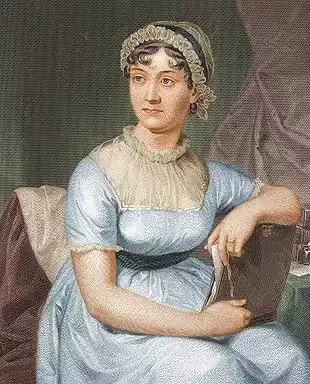
Jane Austen
Mock Panegyric on a Young Friend
Mock Panegyric on a Young Friend
In measured verse I'll now rehearse
The charms of lovely Anna:
And, first, her mind is unconfined
Like any vast savannah.
Ontario's lake may fitly speak
Her fancy's ample bound:
Its circuit may, on strict survey
Five hundred miles be found.
Her wit descends on foes and friends
Like famed Niagara's fall;
And travellers gaze in wild amaze,
And listen, one and all.
Her judgment sound, thick, black, profound,
Like transatlantic groves,
Dispenses aid, and friendly shade
To all that in it roves.
If thus her mind to be defined
America exhausts,
And all that's grand in that great land
In similes it costs --
Oh how can I her person try
To image and portray?
How paint the face, the form how trace,
In which those virtues lay?
Another world must be unfurled,
Another language known,
Ere tongue or sound can publish round
Her charms of flesh and bone.
In measured verse I'll now rehearse
The charms of lovely Anna:
And, first, her mind is unconfined
Like any vast savannah.
Ontario's lake may fitly speak
Her fancy's ample bound:
Its circuit may, on strict survey
Five hundred miles be found.
Her wit descends on foes and friends
Like famed Niagara's fall;
And travellers gaze in wild amaze,
And listen, one and all.
Her judgment sound, thick, black, profound,
Like transatlantic groves,
Dispenses aid, and friendly shade
To all that in it roves.
If thus her mind to be defined
America exhausts,
And all that's grand in that great land
In similes it costs --
Oh how can I her person try
To image and portray?
How paint the face, the form how trace,
In which those virtues lay?
Another world must be unfurled,
Another language known,
Ere tongue or sound can publish round
Her charms of flesh and bone.
168
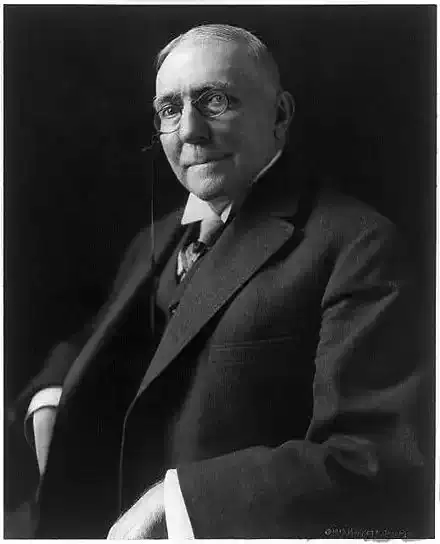
James Whitcomb Riley
With Hale Affection And Abiding Faith These Rhymes And Pictures Are
With Hale Affection And Abiding Faith These Rhymes And Pictures Are
Inscribed To The Children Everywhere
_He owns the bird-songs of the hills--
The laughter of the April rills;
And his are all the diamonds set
In Morning's dewy coronet,--
And his the Dusk's first minted stars
That twinkle through the pasture-bars
And litter all the skies at night
With glittering scraps of silver light;--
The rainbow's bar, from rim to rim,
In beaten gold, belongs to him._
Inscribed To The Children Everywhere
_He owns the bird-songs of the hills--
The laughter of the April rills;
And his are all the diamonds set
In Morning's dewy coronet,--
And his the Dusk's first minted stars
That twinkle through the pasture-bars
And litter all the skies at night
With glittering scraps of silver light;--
The rainbow's bar, from rim to rim,
In beaten gold, belongs to him._
255
James Whitcomb Riley
While The Musician Played
While The Musician Played
O it was but a dream I had
While the musician played!--
And here the sky, and here the glad
Old ocean kissed the glade--
And here the laughing ripples ran,
And here the roses grew
That threw a kiss to every man
That voyaged with the crew.
Our silken sails in lazy folds
Drooped in the breathless breeze:
As o'er a field of marigolds
Our eyes swam o'er the seas;
While here the eddies lisped and purled
Around the island's rim,
And up from out the underworld
We saw the mermen swim.
And it was dawn and middle-day
And midnight--for the moon
On silver rounds across the bay
Had climbed the skies of June--
And there the glowing, glorious king
Of day ruled o'er his realm,
With stars of midnight glittering
About his diadem.
The seagull reeled on languid wing
In circles round the mast,
We heard the songs the sirens sing
As we went sailing past;
And up and down the golden sands
A thousand fairy throngs
Flung at us from their flashing hands
The echoes of their songs.
O it was but a dream I had
While the musician played--
For here the sky, and here the glad
Old ocean kissed the glade;
And here the laughing ripples ran,
And here the roses grew
That threw a kiss to every man
That voyaged with the crew.
O it was but a dream I had
While the musician played!--
And here the sky, and here the glad
Old ocean kissed the glade--
And here the laughing ripples ran,
And here the roses grew
That threw a kiss to every man
That voyaged with the crew.
Our silken sails in lazy folds
Drooped in the breathless breeze:
As o'er a field of marigolds
Our eyes swam o'er the seas;
While here the eddies lisped and purled
Around the island's rim,
And up from out the underworld
We saw the mermen swim.
And it was dawn and middle-day
And midnight--for the moon
On silver rounds across the bay
Had climbed the skies of June--
And there the glowing, glorious king
Of day ruled o'er his realm,
With stars of midnight glittering
About his diadem.
The seagull reeled on languid wing
In circles round the mast,
We heard the songs the sirens sing
As we went sailing past;
And up and down the golden sands
A thousand fairy throngs
Flung at us from their flashing hands
The echoes of their songs.
O it was but a dream I had
While the musician played--
For here the sky, and here the glad
Old ocean kissed the glade;
And here the laughing ripples ran,
And here the roses grew
That threw a kiss to every man
That voyaged with the crew.
269