

Poems in this theme
Beauty
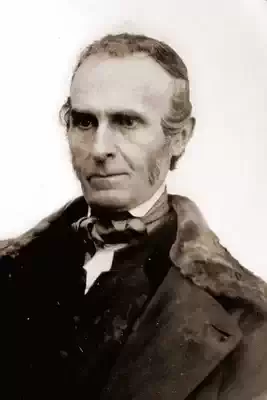
John Greenleaf Whittier
The Lakeside
The Lakeside
The shadows round the inland sea
Are deepening into night;
Slow up the slopes of Ossipee
They chase the lessening light.
Tired of the long day's blinding heat,
I rest my languid eye,
Lake of the Hills! where, cool and sweet,
Thy sunset waters lie!
Along the sky, in wavy lines,
O'er isle and reach and bay,
Green-belted with eternal pines,
The mountains stretch away.
Below, the maple masses sleep
Where shore with water blends,
While midway on the tranquil deep
The evening light descends.
So seemed it when yon hill's red crown,
Of old, the Indian trod,
And, through the sunset air, looked down
Upon the Smile of God.
To him of light and shade the laws
No forest skeptic taught;
Their living and eternal Cause
His truer instinct sought.
He saw these mountains in the light
Which now across them shines;
This lake, in summer sunset bright,
Walled round with sombering pines.
God near him seemed; from earth and skies
His loving voice he beard,
As, face to face, in Paradise,
Man stood before the Lord.
Thanks, O our Father! that, like him,
Thy tender love I see,
In radiant hill and woodland dim,
And tinted sunset sea.
For not in mockery dost Thou fill
Our earth with light and grace;
Thou hid'st no dark and cruel will
Behind Thy smiling face!
The shadows round the inland sea
Are deepening into night;
Slow up the slopes of Ossipee
They chase the lessening light.
Tired of the long day's blinding heat,
I rest my languid eye,
Lake of the Hills! where, cool and sweet,
Thy sunset waters lie!
Along the sky, in wavy lines,
O'er isle and reach and bay,
Green-belted with eternal pines,
The mountains stretch away.
Below, the maple masses sleep
Where shore with water blends,
While midway on the tranquil deep
The evening light descends.
So seemed it when yon hill's red crown,
Of old, the Indian trod,
And, through the sunset air, looked down
Upon the Smile of God.
To him of light and shade the laws
No forest skeptic taught;
Their living and eternal Cause
His truer instinct sought.
He saw these mountains in the light
Which now across them shines;
This lake, in summer sunset bright,
Walled round with sombering pines.
God near him seemed; from earth and skies
His loving voice he beard,
As, face to face, in Paradise,
Man stood before the Lord.
Thanks, O our Father! that, like him,
Thy tender love I see,
In radiant hill and woodland dim,
And tinted sunset sea.
For not in mockery dost Thou fill
Our earth with light and grace;
Thou hid'st no dark and cruel will
Behind Thy smiling face!
287
John Greenleaf Whittier
The Bridal of Pennacook
The Bridal of Pennacook
We had been wandering for many days
Through the rough northern country. We had seen
The sunset, with its bars of purple cloud,
Like a new heaven, shine upward from the lake
Of Winnepiseogee; and had felt
The sunrise breezes, midst the leafy isles
Which stoop their summer beauty to the lips
Of the bright waters. We had checked our steeds,
Silent with wonder, where the mountain wall
Is piled to heaven; and, through the narrow rift
Of the vast rocks, against whose rugged feet
Beats the mad torrent with perpetual roar,
Where noonday is as twilight, and the wind
Comes burdened with the everlasting moan
Of forests and of far-off waterfalls,
We had looked upward where the summer sky,
Tasselled with clouds light-woven by the sun,
Sprung its blue arch above the abutting crags
O'er-roofing the vast portal of the land
Beyond the wall of mountains. We had passed
The high source of the Saco; and bewildered
In the dwarf spruce-belts of the Crystal Hills,
Had heard above us, like a voice in the cloud,
The horn of Fabyan sounding; and atop
Of old Agioochook had seen the mountains'
Piled to the northward, shagged with wood, and thick
As meadow mole-hills,—the far sea of Casco,
A white gleam on the horizon of the east;
Fair lakes, embosomed in the woods and hills;
Moosehillock's mountain range, and Kearsarge
Lifting his granite forehead to the sun!
And we had rested underneath the oaks
Shadowing the bank, whose grassy spires are shaken
By the perpetual beating of the falls
Of the wild Ammonoosuc. We had tracked
The winding Pemigewasset, overhung
By beechen shadows, whitening down its rocks,
Or lazily gliding through its intervals,
From waving rye-fields sending up the gleam
Of sunlit waters. We had seen the moon
Rising behind Umbagog's eastern pines,
Like a great Indian camp-fire; and its beams
At midnight spanning with a bridge of silver
The Merrimac by Uncanoonuc's falls.
There were five souls of us whom travel's chance
Had thrown together in these wild north hills
A city lawyer, for a month escaping
From his dull office, where the weary eye
Saw only hot brick walls and close thronged streets;
Briefless as yet, but with an eye to see
Life's sunniest side, and with a heart to take
Its chances all as godsends; and his brother,
Pale from long pulpit studies, yet retaining
The warmth and freshness of a genial heart,
Whose mirror of the beautiful and true,
In Man and Nature, was as yet undimmed
By dust of theologic strife, or breath
Of sect, or cobwebs of scholastic lore;
Like a clear crystal calm of water, taking
The hue and image of o'erleaning flowers,
Sweet human faces, white clouds of the noon,
Slant starlight glimpses through the dewy leaves,
And tenderest moonrise. 'Twas, in truth, a study,
To mark his spirit, alternating between
A decent and professional gravity
And an irreverent mirthfulness, which often
Laughed in the face of his divinity,
Plucked off the sacred ephod, quite unshrined
The oracle, and for the pattern priest
Left us the man. A shrewd, sagacious merchant,
To whom the soiled sheet found in Crawford's inn,
Giving the latest news of city stocks
And sales of cotton, had a deeper meaning
Than the great presence of the awful mountains
Glorified by the sunset; and his daughter,
A delicate flower on whom had blown too long
Those evil winds, which, sweeping from the ice
And winnowing the fogs of Labrador,
Shed their cold blight round Massachusetts Bay,
With the same breath which stirs Spring's opening leaves
And lifts her half-formed flower-bell on its stem,
Poisoning our seaside atmosphere.
It chanced that as we turned upon our homeward way,
A drear northeastern storm came howling up
The valley of the Saco; and that girl
Who had stood with us upon Mount Washington,
Her brown locks ruffled by the wind which whirled
In gusts around its sharp, cold pinnacle,
Who had joined our gay trout-fishing in the streams
Which lave that giant's feet; whose laugh was heard
Like a bird's carol on the sunrise breeze
Which swelled our sail amidst the lake's green islands,
Shrank from its harsh, chill breath, and visibly drooped
Like a flower in the frost. So, in that quiet inn
Which looks from Conway on the mountains piled
Heavily against the horizon of the north,
Like summer thunder-clouds, we made our home
And while the mist hung over dripping hills,
And the cold wind-driven rain-drops all day long
Beat their sad music upon roof and pane,
We strove to cheer our gentle invalid.
The lawyer in the pauses of the storm
Went angling down the Saco, and, returning,
Recounted his adventures and mishaps;
Gave us the history of his scaly clients,
Mingling with ludicrous yet apt citations
Of barbarous law Latin, passages
From Izaak Walton's Angler, sweet and fresh
As the flower-skirted streams of Staffordshire,
Where, under aged trees, the southwest wind
Of soft June mornings fanned the thin, white hair
Of the sage fisher. And, if truth be told,
Our youthful candidate forsook his sermons,
His commentaries, articles and creeds,
For the fair page of human loveliness,
The missal of young hearts, whose sacred text
Is music, its illumining, sweet smiles.
He sang the songs she loved; and in his low,
Deep, earnest voice, recited many a page
Of poetry, the holiest, tenderest lines
Of the sad bard of Olney, the sweet songs,
Simple and beautiful as Truth and Nature,
Of him whose whitened locks on Rydal Mount
Are lifted yet by morning breezes blowing
From the green hills, immortal in his lays.
And for myself, obedient to her wish,
I searched our landlord's proffered library,—
A well-thumbed Bunyan, with its nice wood pictures
Of scaly fiends and angels not unlike them;
Watts' unmelodious psalms; Astrology's
Last home, a musty pile of almanacs,
And an old chronicle of border wars
And Indian history. And, as I read
A story of the marriage of the Chief
Of Saugus to the dusky Weetamoo,
Daughter of Passaconaway, who dwelt
In the old time upon the Merrimac,
Our fair one, in the playful exercise
Of her prerogative,—the right divine
Of youth and beauty,—bade us versify
The legend, and with ready pencil sketched
Its plan and outlines, laughingly assigning
To each his part, and barring our excuses
With absolute will. So, like the cavaliers
Whose voices still are heard in the Romance
Of silver-tongued Boccaccio, on the banks
Of Arno, with soft tales of love beguiling
The ear of languid beauty, plague-exiled
From stately Florence, we rehearsed our rhymes
To their fair auditor, and shared by turns
Her kind approval and her playful censure.
It may be that these fragments owe alone
To the fair setting of their circumstances,—
The associations of time, scene, and audience,—
Their place amid the pictures which fill up
The chambers of my memory. Yet I trust
That some, who sigh, while wandering in thought,
Pilgrims of Romance o'er the olden world,
That our broad land,—our sea-like lakes and mountains
Piled to the clouds, our rivers overhung
By forests which have known no other change
For ages than the budding and the fall
Of leaves, our valleys lovelier than those
Which the old poets sang of,—should but figure
On the apocryphal chart of speculation
As pastures, wood-lots, mill-sites, with the privileges,
Rights, and appurtenances, which make up
A Yankee Paradise, unsung, unknown,
To beautiful tradition; even their names,
Whose melody yet lingers like the last
Vibration of the red man's requiem,
Exchanged for syllables significant,
Of cotton-mill and rail-car, will look kindly
Upon this effort to call up the ghost
Of our dim Past, and listen with pleased ear
To the responses of the questioned Shade.
I. THE MERRIMAC
O child of that white-crested mountain whose springs
Gush forth in the shade of the cliff-eagle's wings,
Down whose slopes to the lowlands thy wild waters shine,
Leaping gray walls of rock, flashing through the dwarf pine;
From that cloud-curtained cradle so cold and so lone,
From the arms of that wintry-locked mother of stone,
By hills hung with forests, through vales wide and free,
Thy mountain-born brightness glanced down to the sea.
No bridge arched thy waters save that where the trees
Stretched their long arms above thee and kissed in the breeze:
No sound save the lapse of the waves on thy shores,
The plunging of otters, the light dip of oars.
Green-tufted, oak-shaded, by Amoskeag's fall
Thy twin Uncanoonucs rose stately and tall,
Thy Nashua meadows lay green and unshorn,
And the hills of Pentucket were tasselled with corn.
But thy Pennacook valley was fairer than these,
And greener its grasses and taller its trees,
Ere the sound of an axe in the forest had rung,
Or the mower his scythe in the meadows had swung.
In their sheltered repose looking out from the wood
The bark-builded wigwams of Pennacook stood;
There glided the corn-dance, the council-fire shone,
And against the red war-post the hatchet was thrown.
There the old smoked in silence their pipes, and the young
To the pike and the white-perch their baited lines flung;
There the boy shaped his arrows, and there the shy maid
Wove her many-hued baskets and bright wampum braid.
O Stream of the Mountains! if answer of thine
Could rise from thy waters to question of mine,
Methinks through the din of thy thronged banks a moan
Of sorrow would swell for the days which have gone.
Not for thee the dull jar of the loom and the wheel,
The gliding of shuttles, the ringing of steel;
But that old voice of waters, of bird and of breeze,
The dip of the wild-fowl, the rustling of trees.
II. THE BASHABA
Lift we the twilight curtains of the Past,
And, turning from familiar sight and sound,
Sadly and full of reverence let us cast
A glance upon Tradition's shadowy ground,
Led by the few pale lights which, glimmering round
That dim, strange land of Eld, seem dying fast;
And that which history gives not to the eye,
The faded coloring of Time's tapestry,
Let Fancy, with her dream-dipped brush, supply.
Roof of bark and walls of pine,
Through whose chinks the sunbeams shine,
Tracing many a golden line
On the ample floor within;
Where, upon that earth-floor stark,
Lay the gaudy mats of bark,
With the bear's hide, rough and dark,
And the red-deer's skin.
Window-tracery, small and slight,
Woven of the willow white,
Lent a dimly checkered light;
And the night-stars glimmered down,
Where the lodge-fire's heavy smoke,
Slowly through an opening broke,
In the low roof, ribbed with oak,
Sheathed with hemlock brown.
Gloomed behind the changeless shade
By the solemn pine-wood made;
Through the rugged palisade,
In the open foreground planted,
Glimpses came of rowers rowing,
Stir of leaves and wild-flowers blowing,
Steel-like gleams of water flowing,
In the sunlight slanted.
Here the mighty Bashaba
Held his long-unquestioned sway,
From the White Hills, far away,
To the great sea's sounding shore;
Chief of chiefs, his regal word
All the river Sachems heard,
At his call the war-dance stirred,
Or was still once more.
There his spoils of chase and war,
Jaw of wolf and black bear's paw,
Panther's skin and eagle's claw,
Lay beside his axe and bow;
And, adown the roof-pole hung,
Loosely on a snake-skin strung,
In the smoke his scalp-locks swung
Grimly to and fro.
Nightly down the river going,
Swifter was the hunter's rowing,
When he saw that lodge-fire, glowing
O'er the waters still and red;
And the squaw's dark eye burned brighter,
And she drew her blanket tighter,
As, with quicker step and lighter,
From that door she fled.
For that chief had magic skill,
And a Panisee's dark will,
Over powers of good and ill,
Powers which bless and powers which ban;
Wizard lord of Pennacook,
Chiefs upon their war-path shook,
When they met the steady look
Of that wise dark man.
Tales of him the gray squaw told,
When the winter night-wind cold
Pierced her blanket's thickest fold,
And her fire burned low and small,
Till the very child abed,
Drew its bear-skin over bead,
Shrinking from the pale lights shed
On the trembling wall.
All the subtle spirits hiding
Under earth or wave, abiding
In the caverned rock, or riding
Misty clouds or morning breeze;
Every dark intelligence,
Secret soul, and influence
Of all things which outward sense
Feels, or bears, or sees,—
These the wizard's skill confessed,
At his bidding banned or blessed,
Stormful woke or lulled to rest
Wind and cloud, and fire and flood;
Burned for him the drifted snow,
Bade through ice fresh lilies blow,
And the leaves of summer grow
Over winter's wood!
Not untrue that tale of old!
Now, as then, the wise and bold
All the powers of Nature hold
Subject to their kingly will;
From the wondering crowds ashore,
Treading life's wild waters o'er,
As upon a marble floor,
Moves the strong man still.
Still, to such, life's elements
With their sterner laws dispense,
And the chain of consequence
Broken in their pathway lies;
Time and change their vassals making,
Flowers from icy pillows waking,
Tresses of the sunrise shaking
Over midnight skies.
Still, to th' earnest soul, the sun
Rests on towered Gibeon,
And the moon of Ajalon
Lights the battle-grounds of life;
To his aid the strong reverses
Hidden powers and giant forces,
And the high stars, in their courses,
Mingle in his strife!
III. THE DAUGHTER
The soot-black brows of men, the yell
Of women thronging round the bed,
The tinkling charm of ring and shell,
The Powah whispering o'er the dead!
All these the Sachem's home had known,
When, on her journey long and wild
To the dim World of Souls, alone,
In her young beauty passed the mother of his child.
Three bow-shots from the Sachem's dwelling
They laid her in the walnut shade,
Where a green hillock gently swelling
Her fitting mound of burial made.
There trailed the vine in summer hours,
The tree-perched squirrel dropped his shell,—
On velvet moss and pale-hued flowers,
Woven with leaf and spray, the softened sunshine fell!
The Indian's heart is hard and cold,
It closes darkly o'er its care,
And formed in Nature's sternest mould,
Is slow to feel, and strong to bear.
The war-paint on the Sachem's face,
Unwet with tears, shone fierce and red,
And still, in battle or in chase,
Dry leaf and snow-rime crisped beneath his foremost tread.
Yet when her name was heard no more,
And when the robe her mother gave,
And small, light moccasin she wore,
Had slowly wasted on her grave,
Unmarked of him the dark maids sped
Their sunset dance and moonlit play;
No other shared his lonely bed,
No other fair young head upon his bosom lay.
A lone, stern man. Yet, as sometimes
The tempest-smitten tree receives
From one small root the sap which climbs
Its topmost spray and crowning leaves,
So from his child the Sachem drew
A life of Love and Hope, and felt
His cold and rugged nature through
The softness and the warmth of her young being melt.
A laugh which in the woodland rang
Bemocking April's gladdest bird,—
A light and graceful form which sprang
To meet him when his step was heard,—
Eyes by his lodge-fire flashing dark,
Small fingers stringing bead and shell
Or weaving mats of bright-hued bark,—
With these the household-god had graced his wigwam well.
Child of the forest! strong and free,
Slight-robed, with loosely flowing hair,
She swam the lake or climbed the tree,
Or struck the flying bird in air.
O'er the heaped drifts of winter's moon
Her snow-shoes tracked the hunter's way;
And dazzling in the summer noon
The blade of her light oar threw off its shower of spray!
Unknown to her the rigid rule,
The dull restraint, the chiding frown,
The weary torture of the school,
The taming of wild nature down.
Her only lore, the legends told
Around the hunter's fire at night;
Stars rose and set, and seasons rolled,
Flowers bloomed and snow-flakes fell, unquestioned in her sight.
Unknown to her the subtle skill
With which the artist-eye can trace
In rock and tree and lake and hill
The outlines of divinest grace;
Unknown the fine soul's keen unrest,
Which sees, admires, yet yearns alway;
Too closely on her mother's breast
To note her smiles of love the child of Nature lay!
It is enough for such to be
Of common, natural things a part,
To feel, with bird and stream and tree,
The pulses of the same great heart;
But we, from Nature long exiled,
In our cold homes of Art and Thought
Grieve like the stranger-tended child,
Which seeks its mother's arms, and sees but feels them not.
The garden rose may richly bloom
In cultured soil and genial air,
To cloud the light of Fashion's room
Or droop in Beauty's midnight hair;
In lonelier grace, to sun and dew
The sweetbrier on the hillside shows
Its single leaf and fainter hue,
Untrained and wildly free, yet still a sister rose!
Thus o'er the heart of Weetamoo
Their mingling shades of joy and ill
The instincts of her nature threw;
The savage was a woman still.
Midst outlines dim of maiden schemes,
Heart-colored prophecies of life,
Rose on the ground of her young dreams
The light of a new home, the lover and the wife.
IV. THE WEDDING
Cool and dark fell the autumn night,
But the Bashaba's wigwam glowed with light,
For down from its roof, by green withes hung,
Flaring and smoking the pine-knots swung.
And along the river great wood-fires
Shot into the night their long, red spires,
Showing behind the tall, dark wood,
Flashing before on the sweeping flood.
In the changeful wind, with shimmer and shade,
Now high, now low, that firelight played,
On tree-leaves wet with evening dews,
On gliding water and still canoes.
The trapper that night on Turee's brook,
And the weary fisher on Contoocook,
Saw over the marshes, and through the pine,
And down on the river, the dance-lights shine.
For the Saugus Sachem had come to woo
The Bashaba's daughter Weetamoo,
And laid at her father's feet that night
His softest furs and wampum white.
From the Crystal Hills to the far southeast
The river Sagamores came to the feast;
And chiefs whose homes the sea-winds shook
Sat down on the mats of Pennacook.
They came from Sunapee's shore of rock,
From the snowy sources of Snooganock,
And from rough Coos whose thick woods shake
Their pine-cones in Umbagog Lake.
From Ammonoosuc's mountain pass,
Wild as his home, came Chepewass;
And the Keenomps of the bills which throw
Their shade on the Smile of Manito.
With pipes of peace and bows unstrung,
Glowing with paint came old and young,
In wampum and furs and feathers arrayed,
To the dance and feast the Bashaba made.
Bird of the air and beast of the field,
All which the woods and the waters yield,
On dishes of birch and hemlock piled,
Garnished and graced that banquet wild.
Steaks of the brown bear fat and large
From the rocky slopes of the Kearsarge;
Delicate trout from Babboosuck brook,
And salmon speared in the Contoocook;
Squirrels which fed where nuts fell thick
in the gravelly bed of the Otternic;
And small wild-hens in reed-snares caught
from the banks of Sondagardee brought;
Pike and perch from the Suncook taken,
Nuts from the trees of the Black Hills shaken,
Cranberries picked in the Squamscot bog,
And grapes from the vines of Piscataquog:
And, drawn from that great stone vase which stands
In the river scooped by a spirit's hands,
Garnished with spoons of shell and horn,
Stood the birchen dishes of smoking corn.
Thus bird of the air and beast of the field,
All which the woods and the waters yield,
Furnished in that olden day
The bridal feast of the Bashaba.
And merrily when that feast was done
On the fire-lit green the dance begun,
With squaws' shrill stave, and deeper hum
Of old men beating the Indian drum.
Painted and plumed, with scalp-locks flowing,
And red arms tossing and black eyes glowing,
Now in the light and now in the shade
Around the fires the dancers played.
The step was quicker, the song more shrill,
And the beat of the small drums louder still
Whenever within the circle drew
The Saugus Sachem and Weetamoo.
The moons of forty winters had shed
Their snow upon that chieftain's head,
And toil and care and battle's chance
Had seamed his hard, dark countenance.
A fawn beside the bison grim,—
Why turns the bride's fond eye on him,
In whose cold look is naught beside
The triumph of a sullen pride?
Ask why the graceful grape entwines
The rough oak with her arm of vines;
And why the gray rock's rugged cheek
The soft lips of the mosses seek.
Why, with wise instinct, Nature seems
To harmonize her wide extremes,
Linking the stronger with the weak,
The haughty with the soft and meek!
V. THE NEW HOME
A wild and broken landscape, spiked with firs,
Roughening the bleak horizon's northern edge;
Steep, cavernous hillsides, where black hemlock spurs
And sharp, gray splinters of the wind-swept ledge
Pierced the thin-glazed ice, or bristling rose,
Where the cold rim of the sky sunk down upon the snows.
And eastward cold, wide marshes stretched away,
Dull, dreary flats without a bush or tree,
O'er-crossed by icy creeks, where twice a day
Gurgled the waters of the moon-struck sea;
And faint with distance came the stifled roar,
The melancholy lapse of waves on that low shore.
No cheerful village with its mingling smokes,
No laugh of children wrestling in the snow,
No camp-fire blazing through the hillside oaks,
No fishers kneeling on the ice below;
Yet midst all desolate things of sound and view,
Through the long winter moons smiled dark-eyed Weetamoo.
Her heart had found a home; and freshly all
Its beautiful affections overgrew
Their rugged prop. As o'er some granite wall
Soft vine-leaves open to the moistening dew
And warm bright sun, the love of that young wife
Found on a hard cold breast the dew and warmth of life.
The steep, bleak hills, the melancholy shore,
The long, dead level of the marsh between,
A coloring of unreal beauty wore
Through the soft golden mist of young love seen.
For o'er those hills and from that dreary plain,
Nightly she welcomed home her hunter chief again.
No warmth of heart, no passionate burst of feeling,
Repaid her welcoming smile and parting kiss,
No fond and playful dalliance half concealing,
Under the guise of mirth, its tenderness;
But, in their stead, the warrior's settled pride,
And vanity's pleased smile with homage satisfied.
Enough for Weetamoo, that she alone
Sat on his mat and slumbered at his side;
That he whose fame to her young ear had flown
Now looked upon her proudly as his bride;
That he whose name the Mohawk trembling heard
Vouchsafed to her at times a kindly look or word.
For she had learned the maxims of her race,
Which teach the woman to become a slave,
And feel herself the pardonless disgrace
Of love's fond weakness in the wise and brave,—
The scandal and the shame which they incur,
Who give to woman all which man requires of her.
So passed the winter moons. The sun at last
Broke link by link the frost chain of the rills,
And the warm breathings of the southwest passed
Over the hoar rime of the Saugus hills;
The gray and desolate marsh grew green once more,
And the birch-tree's tremulous shade fell round the Sachem's door.
Then from far Pennacook swift runners came,
With gift and greeting for the Saugus chief;
Beseeching him in the great Sachem's name,
That, with the coming of the flower and leaf,
The song of birds, the warm breeze and the rain,
Young Weetamoo might greet her lonely sire again.
And Winnepurkit called his chiefs together,
And a grave council in his wigwam met,
Solemn and brief in words, considering whether
The rigid rules of forest etiquette
Permitted Weetamoo once more to look
Upon her father's face and green-banked Pennacook.
With interludes of pipe-smoke and strong water,
The forest sages pondered, and at length,
Concluded in a body to escort her
Up to her father's home of pride and strength,
Impressing thus on Pennacook a sense
Of Winnepurkit's power and regal consequence.
So through old woods which Aukeetamit's hand,
A soft and many-shaded greenness lent,
Over high breezy hills, and meadow land
Yellow with flowers, the wild procession went,
Till, rolling down its wooded banks between,
A broad, clear, mountain stream, the Merrimac was seen.
The hunter leaning on his bow undrawn,
The fisher lounging on the pebbled shores,
Squaws in the clearing dropping the seed-corn,
Young children peering through the wigwam doors,
Saw with delight, surrounded by her train
Of painted Saugus braves, their Weetamoo again.
VI. AT PENNACOOK
The hills are dearest which our childish feet
Have climbed the earliest; and the streams most sweet
Are ever those at which our young lips drank,
Stooped to their waters o'er the grassy bank.
Midst the cold dreary sea-watch, Home's hearth-light
Shines round the helmsman plunging through the night;
And still, with inward eye, the traveller sees
In close, dark, stranger streets his native trees.
The home-sick dreamer's brow is nightly fanned
By breezes whispering of his native land,
And on the stranger's dim and dying eye
The soft, sweet pictures of his childhood lie.
Joy then for Weetamoo, to sit once more
A child upon her father's wigwam floor!
Once more with her old fondness to beguile
From his cold eye the strange light of a smile.
The long, bright days of summer swiftly passed,
The dry leaves whirled in autumn's rising blast,
And evening cloud and whitening sunrise rime
Told of the coming of the winter-time.
But vainly looked, the while, young Weetamoo,
Down the dark river for her chief's canoe;
No dusky messenger from Saugus brought
The grateful tidings which the young wife sought.
At length a runner from her father sent,
To Winnepurkit's sea-cooled wigwam went
'Eagle of Saugus,—in the woods the dove
Mourns for the shelter of thy wings of love.'
But the dark chief of Saugus turned aside
In the grim anger of hard-hearted pride;
I bore her as became a chieftain's daughter,
Up to her home beside the gliding water.
If now no more a mat for her is found
Of all which line her father's wigwam round,
Let Pennacook call out his warrior train,
And send her back with wampum gifts again.'
The baffled runner turned upon his track,
Bearing the words of Winnepurkit back.
'Dog of the Marsh,' cried Pennacook, 'no more
Shall child of mine sit on his wigwam floor.
'Go, let him seek some meaner squaw to spread
The stolen bear-skin of his beggar's bed;
Son of a fish-hawk! let him dig his clams
For some vile daughter of the Agawams,
'Or coward Nipmucks! may his scalp dry black
In Mohawk smoke, before I send her back.'
He shook his clenched hand towards the ocean wave,
While hoarse assent his listening council gave.
Alas poor bride! can thy grim sire impart
His iron hardness to thy woman's heart?
Or cold self-torturing pride like his atone
For love denied and life's warm beauty flown?
On Autumn's gray and mournful grave the snow
Hung its white wreaths; with stifled voice and low
The river crept, by one vast bridge o'er-crossed,
Built by the boar-locked artisan of Frost.
And many a moon in beauty newly born
Pierced the red sunset with her silver horn,
Or, from the east, across her azure field
Rolled the wide brightness of her full-orbed shield.
Yet Winnepurkit came not,—on the mat
Of the scorned wife her dusky rival sat;
And he, the while, in Western woods afar,
Urged the long chase, or trod the path of war.
Dry up thy tears, young daughter of a chief!
Waste not on him the sacredness of grief;
Be the fierce spirit of thy sire thine own,
His lips of scorning, and his heart of stone.
What heeds the warrior of a hundred fights,
The storm-worn watcher through long hunting nights,
Cold, crafty, proud of woman's weak distress,
Her home-bound grief and pining loneliness?
VII. THE DEPARTURE
The wild March rains had fallen fast and long
The snowy mountains of the North among,
Making each vale a watercourse, each hill
Bright with the cascade of some new-made rill.
Gnawed by the sunbeams, softened by the rain,
Heaved underneath by the swollen current's strain,
The ice-bridge yielded, and the Merrimac
Bore the huge ruin crashing down its track.
On that strong turbid water, a small boat
Guided by one weak hand was seen to float;
Evil the fate which loosed it from the shore,
Too early voyager with too frail an oar!
Down the vexed centre of that rushing tide,
The thick huge ice-blocks threatening either side,
The foam-white rocks of Amoskeag in view,
With arrowy swiftness sped that light canoe.
The trapper, moistening his moose's meat
On the wet bank by Uncanoonuc's feet,
Saw the swift boat flash down the troubled stream;
Slept he, or waked he? was it truth or dream?
The straining eye bent fearfully before,
The small hand clenching on the useless oar,
The bead-wrought blanket trailing o'er the water—
He knew them all—woe for the Sachem's daughter!
Sick and aweary of her lonely life,
Heedless of peril, the still faithful wife
Had left her mother's grave, her father's door,
To seek the wigwam of her chief once more.
Down the white rapids like a sear leaf whirled,
On the sharp rocks and piled-up ices hurled,
Empty and broken, circled the canoe
In the vexed pool below—but where was Weetamoo.
VIII. SONG OF INDIAN WOMEN
The Dark eye has left us,
The Spring-bird has flown;
On the pathway of spirits
She wanders alone.
The song of the wood-dove has died on our shore
Mat wonck kunna-monee! We hear it no more!
O dark water Spirit
We cast on thy wave
These furs which may never
Hang over her grave;
Bear down to the lost one the robes that she wore
Mat wonck kunna-monee! We see her no more!
Of the strange land she walks in
No Powah has told:
It may burn with the sunshine,
Or freeze with the cold.
Let us give to our lost one the robes that she wore:
Mat wonck kunna-monee! We see her no more!
The path she is treading
Shall soon be our own;
Each gliding in shadow
Unseen and alone!
In vain shall we call on the souls gone before:
Mat wonck kunna-monee! They hear us no more!
O mighty Sowanna!
Thy gateways unfold,
From thy wigwam of sunset
Lift curtains of gold!
Take home the poor Spirit whose journey is o'er
Mat wonck kunna-monee! We see her no more!
So sang the Children of the Leaves beside
The broad, dark river's coldly flowing tide;
Now low, now harsh, with sob-like pause and swell,
On the high wind their voices rose and fell.
Nature's wild music,—sounds of wind-swept trees,
The scream of birds, the wailing of the breeze,
The roar of waters, steady, deep, and strong,—
Mingled and murmured in that farewell song.
We had been wandering for many days
Through the rough northern country. We had seen
The sunset, with its bars of purple cloud,
Like a new heaven, shine upward from the lake
Of Winnepiseogee; and had felt
The sunrise breezes, midst the leafy isles
Which stoop their summer beauty to the lips
Of the bright waters. We had checked our steeds,
Silent with wonder, where the mountain wall
Is piled to heaven; and, through the narrow rift
Of the vast rocks, against whose rugged feet
Beats the mad torrent with perpetual roar,
Where noonday is as twilight, and the wind
Comes burdened with the everlasting moan
Of forests and of far-off waterfalls,
We had looked upward where the summer sky,
Tasselled with clouds light-woven by the sun,
Sprung its blue arch above the abutting crags
O'er-roofing the vast portal of the land
Beyond the wall of mountains. We had passed
The high source of the Saco; and bewildered
In the dwarf spruce-belts of the Crystal Hills,
Had heard above us, like a voice in the cloud,
The horn of Fabyan sounding; and atop
Of old Agioochook had seen the mountains'
Piled to the northward, shagged with wood, and thick
As meadow mole-hills,—the far sea of Casco,
A white gleam on the horizon of the east;
Fair lakes, embosomed in the woods and hills;
Moosehillock's mountain range, and Kearsarge
Lifting his granite forehead to the sun!
And we had rested underneath the oaks
Shadowing the bank, whose grassy spires are shaken
By the perpetual beating of the falls
Of the wild Ammonoosuc. We had tracked
The winding Pemigewasset, overhung
By beechen shadows, whitening down its rocks,
Or lazily gliding through its intervals,
From waving rye-fields sending up the gleam
Of sunlit waters. We had seen the moon
Rising behind Umbagog's eastern pines,
Like a great Indian camp-fire; and its beams
At midnight spanning with a bridge of silver
The Merrimac by Uncanoonuc's falls.
There were five souls of us whom travel's chance
Had thrown together in these wild north hills
A city lawyer, for a month escaping
From his dull office, where the weary eye
Saw only hot brick walls and close thronged streets;
Briefless as yet, but with an eye to see
Life's sunniest side, and with a heart to take
Its chances all as godsends; and his brother,
Pale from long pulpit studies, yet retaining
The warmth and freshness of a genial heart,
Whose mirror of the beautiful and true,
In Man and Nature, was as yet undimmed
By dust of theologic strife, or breath
Of sect, or cobwebs of scholastic lore;
Like a clear crystal calm of water, taking
The hue and image of o'erleaning flowers,
Sweet human faces, white clouds of the noon,
Slant starlight glimpses through the dewy leaves,
And tenderest moonrise. 'Twas, in truth, a study,
To mark his spirit, alternating between
A decent and professional gravity
And an irreverent mirthfulness, which often
Laughed in the face of his divinity,
Plucked off the sacred ephod, quite unshrined
The oracle, and for the pattern priest
Left us the man. A shrewd, sagacious merchant,
To whom the soiled sheet found in Crawford's inn,
Giving the latest news of city stocks
And sales of cotton, had a deeper meaning
Than the great presence of the awful mountains
Glorified by the sunset; and his daughter,
A delicate flower on whom had blown too long
Those evil winds, which, sweeping from the ice
And winnowing the fogs of Labrador,
Shed their cold blight round Massachusetts Bay,
With the same breath which stirs Spring's opening leaves
And lifts her half-formed flower-bell on its stem,
Poisoning our seaside atmosphere.
It chanced that as we turned upon our homeward way,
A drear northeastern storm came howling up
The valley of the Saco; and that girl
Who had stood with us upon Mount Washington,
Her brown locks ruffled by the wind which whirled
In gusts around its sharp, cold pinnacle,
Who had joined our gay trout-fishing in the streams
Which lave that giant's feet; whose laugh was heard
Like a bird's carol on the sunrise breeze
Which swelled our sail amidst the lake's green islands,
Shrank from its harsh, chill breath, and visibly drooped
Like a flower in the frost. So, in that quiet inn
Which looks from Conway on the mountains piled
Heavily against the horizon of the north,
Like summer thunder-clouds, we made our home
And while the mist hung over dripping hills,
And the cold wind-driven rain-drops all day long
Beat their sad music upon roof and pane,
We strove to cheer our gentle invalid.
The lawyer in the pauses of the storm
Went angling down the Saco, and, returning,
Recounted his adventures and mishaps;
Gave us the history of his scaly clients,
Mingling with ludicrous yet apt citations
Of barbarous law Latin, passages
From Izaak Walton's Angler, sweet and fresh
As the flower-skirted streams of Staffordshire,
Where, under aged trees, the southwest wind
Of soft June mornings fanned the thin, white hair
Of the sage fisher. And, if truth be told,
Our youthful candidate forsook his sermons,
His commentaries, articles and creeds,
For the fair page of human loveliness,
The missal of young hearts, whose sacred text
Is music, its illumining, sweet smiles.
He sang the songs she loved; and in his low,
Deep, earnest voice, recited many a page
Of poetry, the holiest, tenderest lines
Of the sad bard of Olney, the sweet songs,
Simple and beautiful as Truth and Nature,
Of him whose whitened locks on Rydal Mount
Are lifted yet by morning breezes blowing
From the green hills, immortal in his lays.
And for myself, obedient to her wish,
I searched our landlord's proffered library,—
A well-thumbed Bunyan, with its nice wood pictures
Of scaly fiends and angels not unlike them;
Watts' unmelodious psalms; Astrology's
Last home, a musty pile of almanacs,
And an old chronicle of border wars
And Indian history. And, as I read
A story of the marriage of the Chief
Of Saugus to the dusky Weetamoo,
Daughter of Passaconaway, who dwelt
In the old time upon the Merrimac,
Our fair one, in the playful exercise
Of her prerogative,—the right divine
Of youth and beauty,—bade us versify
The legend, and with ready pencil sketched
Its plan and outlines, laughingly assigning
To each his part, and barring our excuses
With absolute will. So, like the cavaliers
Whose voices still are heard in the Romance
Of silver-tongued Boccaccio, on the banks
Of Arno, with soft tales of love beguiling
The ear of languid beauty, plague-exiled
From stately Florence, we rehearsed our rhymes
To their fair auditor, and shared by turns
Her kind approval and her playful censure.
It may be that these fragments owe alone
To the fair setting of their circumstances,—
The associations of time, scene, and audience,—
Their place amid the pictures which fill up
The chambers of my memory. Yet I trust
That some, who sigh, while wandering in thought,
Pilgrims of Romance o'er the olden world,
That our broad land,—our sea-like lakes and mountains
Piled to the clouds, our rivers overhung
By forests which have known no other change
For ages than the budding and the fall
Of leaves, our valleys lovelier than those
Which the old poets sang of,—should but figure
On the apocryphal chart of speculation
As pastures, wood-lots, mill-sites, with the privileges,
Rights, and appurtenances, which make up
A Yankee Paradise, unsung, unknown,
To beautiful tradition; even their names,
Whose melody yet lingers like the last
Vibration of the red man's requiem,
Exchanged for syllables significant,
Of cotton-mill and rail-car, will look kindly
Upon this effort to call up the ghost
Of our dim Past, and listen with pleased ear
To the responses of the questioned Shade.
I. THE MERRIMAC
O child of that white-crested mountain whose springs
Gush forth in the shade of the cliff-eagle's wings,
Down whose slopes to the lowlands thy wild waters shine,
Leaping gray walls of rock, flashing through the dwarf pine;
From that cloud-curtained cradle so cold and so lone,
From the arms of that wintry-locked mother of stone,
By hills hung with forests, through vales wide and free,
Thy mountain-born brightness glanced down to the sea.
No bridge arched thy waters save that where the trees
Stretched their long arms above thee and kissed in the breeze:
No sound save the lapse of the waves on thy shores,
The plunging of otters, the light dip of oars.
Green-tufted, oak-shaded, by Amoskeag's fall
Thy twin Uncanoonucs rose stately and tall,
Thy Nashua meadows lay green and unshorn,
And the hills of Pentucket were tasselled with corn.
But thy Pennacook valley was fairer than these,
And greener its grasses and taller its trees,
Ere the sound of an axe in the forest had rung,
Or the mower his scythe in the meadows had swung.
In their sheltered repose looking out from the wood
The bark-builded wigwams of Pennacook stood;
There glided the corn-dance, the council-fire shone,
And against the red war-post the hatchet was thrown.
There the old smoked in silence their pipes, and the young
To the pike and the white-perch their baited lines flung;
There the boy shaped his arrows, and there the shy maid
Wove her many-hued baskets and bright wampum braid.
O Stream of the Mountains! if answer of thine
Could rise from thy waters to question of mine,
Methinks through the din of thy thronged banks a moan
Of sorrow would swell for the days which have gone.
Not for thee the dull jar of the loom and the wheel,
The gliding of shuttles, the ringing of steel;
But that old voice of waters, of bird and of breeze,
The dip of the wild-fowl, the rustling of trees.
II. THE BASHABA
Lift we the twilight curtains of the Past,
And, turning from familiar sight and sound,
Sadly and full of reverence let us cast
A glance upon Tradition's shadowy ground,
Led by the few pale lights which, glimmering round
That dim, strange land of Eld, seem dying fast;
And that which history gives not to the eye,
The faded coloring of Time's tapestry,
Let Fancy, with her dream-dipped brush, supply.
Roof of bark and walls of pine,
Through whose chinks the sunbeams shine,
Tracing many a golden line
On the ample floor within;
Where, upon that earth-floor stark,
Lay the gaudy mats of bark,
With the bear's hide, rough and dark,
And the red-deer's skin.
Window-tracery, small and slight,
Woven of the willow white,
Lent a dimly checkered light;
And the night-stars glimmered down,
Where the lodge-fire's heavy smoke,
Slowly through an opening broke,
In the low roof, ribbed with oak,
Sheathed with hemlock brown.
Gloomed behind the changeless shade
By the solemn pine-wood made;
Through the rugged palisade,
In the open foreground planted,
Glimpses came of rowers rowing,
Stir of leaves and wild-flowers blowing,
Steel-like gleams of water flowing,
In the sunlight slanted.
Here the mighty Bashaba
Held his long-unquestioned sway,
From the White Hills, far away,
To the great sea's sounding shore;
Chief of chiefs, his regal word
All the river Sachems heard,
At his call the war-dance stirred,
Or was still once more.
There his spoils of chase and war,
Jaw of wolf and black bear's paw,
Panther's skin and eagle's claw,
Lay beside his axe and bow;
And, adown the roof-pole hung,
Loosely on a snake-skin strung,
In the smoke his scalp-locks swung
Grimly to and fro.
Nightly down the river going,
Swifter was the hunter's rowing,
When he saw that lodge-fire, glowing
O'er the waters still and red;
And the squaw's dark eye burned brighter,
And she drew her blanket tighter,
As, with quicker step and lighter,
From that door she fled.
For that chief had magic skill,
And a Panisee's dark will,
Over powers of good and ill,
Powers which bless and powers which ban;
Wizard lord of Pennacook,
Chiefs upon their war-path shook,
When they met the steady look
Of that wise dark man.
Tales of him the gray squaw told,
When the winter night-wind cold
Pierced her blanket's thickest fold,
And her fire burned low and small,
Till the very child abed,
Drew its bear-skin over bead,
Shrinking from the pale lights shed
On the trembling wall.
All the subtle spirits hiding
Under earth or wave, abiding
In the caverned rock, or riding
Misty clouds or morning breeze;
Every dark intelligence,
Secret soul, and influence
Of all things which outward sense
Feels, or bears, or sees,—
These the wizard's skill confessed,
At his bidding banned or blessed,
Stormful woke or lulled to rest
Wind and cloud, and fire and flood;
Burned for him the drifted snow,
Bade through ice fresh lilies blow,
And the leaves of summer grow
Over winter's wood!
Not untrue that tale of old!
Now, as then, the wise and bold
All the powers of Nature hold
Subject to their kingly will;
From the wondering crowds ashore,
Treading life's wild waters o'er,
As upon a marble floor,
Moves the strong man still.
Still, to such, life's elements
With their sterner laws dispense,
And the chain of consequence
Broken in their pathway lies;
Time and change their vassals making,
Flowers from icy pillows waking,
Tresses of the sunrise shaking
Over midnight skies.
Still, to th' earnest soul, the sun
Rests on towered Gibeon,
And the moon of Ajalon
Lights the battle-grounds of life;
To his aid the strong reverses
Hidden powers and giant forces,
And the high stars, in their courses,
Mingle in his strife!
III. THE DAUGHTER
The soot-black brows of men, the yell
Of women thronging round the bed,
The tinkling charm of ring and shell,
The Powah whispering o'er the dead!
All these the Sachem's home had known,
When, on her journey long and wild
To the dim World of Souls, alone,
In her young beauty passed the mother of his child.
Three bow-shots from the Sachem's dwelling
They laid her in the walnut shade,
Where a green hillock gently swelling
Her fitting mound of burial made.
There trailed the vine in summer hours,
The tree-perched squirrel dropped his shell,—
On velvet moss and pale-hued flowers,
Woven with leaf and spray, the softened sunshine fell!
The Indian's heart is hard and cold,
It closes darkly o'er its care,
And formed in Nature's sternest mould,
Is slow to feel, and strong to bear.
The war-paint on the Sachem's face,
Unwet with tears, shone fierce and red,
And still, in battle or in chase,
Dry leaf and snow-rime crisped beneath his foremost tread.
Yet when her name was heard no more,
And when the robe her mother gave,
And small, light moccasin she wore,
Had slowly wasted on her grave,
Unmarked of him the dark maids sped
Their sunset dance and moonlit play;
No other shared his lonely bed,
No other fair young head upon his bosom lay.
A lone, stern man. Yet, as sometimes
The tempest-smitten tree receives
From one small root the sap which climbs
Its topmost spray and crowning leaves,
So from his child the Sachem drew
A life of Love and Hope, and felt
His cold and rugged nature through
The softness and the warmth of her young being melt.
A laugh which in the woodland rang
Bemocking April's gladdest bird,—
A light and graceful form which sprang
To meet him when his step was heard,—
Eyes by his lodge-fire flashing dark,
Small fingers stringing bead and shell
Or weaving mats of bright-hued bark,—
With these the household-god had graced his wigwam well.
Child of the forest! strong and free,
Slight-robed, with loosely flowing hair,
She swam the lake or climbed the tree,
Or struck the flying bird in air.
O'er the heaped drifts of winter's moon
Her snow-shoes tracked the hunter's way;
And dazzling in the summer noon
The blade of her light oar threw off its shower of spray!
Unknown to her the rigid rule,
The dull restraint, the chiding frown,
The weary torture of the school,
The taming of wild nature down.
Her only lore, the legends told
Around the hunter's fire at night;
Stars rose and set, and seasons rolled,
Flowers bloomed and snow-flakes fell, unquestioned in her sight.
Unknown to her the subtle skill
With which the artist-eye can trace
In rock and tree and lake and hill
The outlines of divinest grace;
Unknown the fine soul's keen unrest,
Which sees, admires, yet yearns alway;
Too closely on her mother's breast
To note her smiles of love the child of Nature lay!
It is enough for such to be
Of common, natural things a part,
To feel, with bird and stream and tree,
The pulses of the same great heart;
But we, from Nature long exiled,
In our cold homes of Art and Thought
Grieve like the stranger-tended child,
Which seeks its mother's arms, and sees but feels them not.
The garden rose may richly bloom
In cultured soil and genial air,
To cloud the light of Fashion's room
Or droop in Beauty's midnight hair;
In lonelier grace, to sun and dew
The sweetbrier on the hillside shows
Its single leaf and fainter hue,
Untrained and wildly free, yet still a sister rose!
Thus o'er the heart of Weetamoo
Their mingling shades of joy and ill
The instincts of her nature threw;
The savage was a woman still.
Midst outlines dim of maiden schemes,
Heart-colored prophecies of life,
Rose on the ground of her young dreams
The light of a new home, the lover and the wife.
IV. THE WEDDING
Cool and dark fell the autumn night,
But the Bashaba's wigwam glowed with light,
For down from its roof, by green withes hung,
Flaring and smoking the pine-knots swung.
And along the river great wood-fires
Shot into the night their long, red spires,
Showing behind the tall, dark wood,
Flashing before on the sweeping flood.
In the changeful wind, with shimmer and shade,
Now high, now low, that firelight played,
On tree-leaves wet with evening dews,
On gliding water and still canoes.
The trapper that night on Turee's brook,
And the weary fisher on Contoocook,
Saw over the marshes, and through the pine,
And down on the river, the dance-lights shine.
For the Saugus Sachem had come to woo
The Bashaba's daughter Weetamoo,
And laid at her father's feet that night
His softest furs and wampum white.
From the Crystal Hills to the far southeast
The river Sagamores came to the feast;
And chiefs whose homes the sea-winds shook
Sat down on the mats of Pennacook.
They came from Sunapee's shore of rock,
From the snowy sources of Snooganock,
And from rough Coos whose thick woods shake
Their pine-cones in Umbagog Lake.
From Ammonoosuc's mountain pass,
Wild as his home, came Chepewass;
And the Keenomps of the bills which throw
Their shade on the Smile of Manito.
With pipes of peace and bows unstrung,
Glowing with paint came old and young,
In wampum and furs and feathers arrayed,
To the dance and feast the Bashaba made.
Bird of the air and beast of the field,
All which the woods and the waters yield,
On dishes of birch and hemlock piled,
Garnished and graced that banquet wild.
Steaks of the brown bear fat and large
From the rocky slopes of the Kearsarge;
Delicate trout from Babboosuck brook,
And salmon speared in the Contoocook;
Squirrels which fed where nuts fell thick
in the gravelly bed of the Otternic;
And small wild-hens in reed-snares caught
from the banks of Sondagardee brought;
Pike and perch from the Suncook taken,
Nuts from the trees of the Black Hills shaken,
Cranberries picked in the Squamscot bog,
And grapes from the vines of Piscataquog:
And, drawn from that great stone vase which stands
In the river scooped by a spirit's hands,
Garnished with spoons of shell and horn,
Stood the birchen dishes of smoking corn.
Thus bird of the air and beast of the field,
All which the woods and the waters yield,
Furnished in that olden day
The bridal feast of the Bashaba.
And merrily when that feast was done
On the fire-lit green the dance begun,
With squaws' shrill stave, and deeper hum
Of old men beating the Indian drum.
Painted and plumed, with scalp-locks flowing,
And red arms tossing and black eyes glowing,
Now in the light and now in the shade
Around the fires the dancers played.
The step was quicker, the song more shrill,
And the beat of the small drums louder still
Whenever within the circle drew
The Saugus Sachem and Weetamoo.
The moons of forty winters had shed
Their snow upon that chieftain's head,
And toil and care and battle's chance
Had seamed his hard, dark countenance.
A fawn beside the bison grim,—
Why turns the bride's fond eye on him,
In whose cold look is naught beside
The triumph of a sullen pride?
Ask why the graceful grape entwines
The rough oak with her arm of vines;
And why the gray rock's rugged cheek
The soft lips of the mosses seek.
Why, with wise instinct, Nature seems
To harmonize her wide extremes,
Linking the stronger with the weak,
The haughty with the soft and meek!
V. THE NEW HOME
A wild and broken landscape, spiked with firs,
Roughening the bleak horizon's northern edge;
Steep, cavernous hillsides, where black hemlock spurs
And sharp, gray splinters of the wind-swept ledge
Pierced the thin-glazed ice, or bristling rose,
Where the cold rim of the sky sunk down upon the snows.
And eastward cold, wide marshes stretched away,
Dull, dreary flats without a bush or tree,
O'er-crossed by icy creeks, where twice a day
Gurgled the waters of the moon-struck sea;
And faint with distance came the stifled roar,
The melancholy lapse of waves on that low shore.
No cheerful village with its mingling smokes,
No laugh of children wrestling in the snow,
No camp-fire blazing through the hillside oaks,
No fishers kneeling on the ice below;
Yet midst all desolate things of sound and view,
Through the long winter moons smiled dark-eyed Weetamoo.
Her heart had found a home; and freshly all
Its beautiful affections overgrew
Their rugged prop. As o'er some granite wall
Soft vine-leaves open to the moistening dew
And warm bright sun, the love of that young wife
Found on a hard cold breast the dew and warmth of life.
The steep, bleak hills, the melancholy shore,
The long, dead level of the marsh between,
A coloring of unreal beauty wore
Through the soft golden mist of young love seen.
For o'er those hills and from that dreary plain,
Nightly she welcomed home her hunter chief again.
No warmth of heart, no passionate burst of feeling,
Repaid her welcoming smile and parting kiss,
No fond and playful dalliance half concealing,
Under the guise of mirth, its tenderness;
But, in their stead, the warrior's settled pride,
And vanity's pleased smile with homage satisfied.
Enough for Weetamoo, that she alone
Sat on his mat and slumbered at his side;
That he whose fame to her young ear had flown
Now looked upon her proudly as his bride;
That he whose name the Mohawk trembling heard
Vouchsafed to her at times a kindly look or word.
For she had learned the maxims of her race,
Which teach the woman to become a slave,
And feel herself the pardonless disgrace
Of love's fond weakness in the wise and brave,—
The scandal and the shame which they incur,
Who give to woman all which man requires of her.
So passed the winter moons. The sun at last
Broke link by link the frost chain of the rills,
And the warm breathings of the southwest passed
Over the hoar rime of the Saugus hills;
The gray and desolate marsh grew green once more,
And the birch-tree's tremulous shade fell round the Sachem's door.
Then from far Pennacook swift runners came,
With gift and greeting for the Saugus chief;
Beseeching him in the great Sachem's name,
That, with the coming of the flower and leaf,
The song of birds, the warm breeze and the rain,
Young Weetamoo might greet her lonely sire again.
And Winnepurkit called his chiefs together,
And a grave council in his wigwam met,
Solemn and brief in words, considering whether
The rigid rules of forest etiquette
Permitted Weetamoo once more to look
Upon her father's face and green-banked Pennacook.
With interludes of pipe-smoke and strong water,
The forest sages pondered, and at length,
Concluded in a body to escort her
Up to her father's home of pride and strength,
Impressing thus on Pennacook a sense
Of Winnepurkit's power and regal consequence.
So through old woods which Aukeetamit's hand,
A soft and many-shaded greenness lent,
Over high breezy hills, and meadow land
Yellow with flowers, the wild procession went,
Till, rolling down its wooded banks between,
A broad, clear, mountain stream, the Merrimac was seen.
The hunter leaning on his bow undrawn,
The fisher lounging on the pebbled shores,
Squaws in the clearing dropping the seed-corn,
Young children peering through the wigwam doors,
Saw with delight, surrounded by her train
Of painted Saugus braves, their Weetamoo again.
VI. AT PENNACOOK
The hills are dearest which our childish feet
Have climbed the earliest; and the streams most sweet
Are ever those at which our young lips drank,
Stooped to their waters o'er the grassy bank.
Midst the cold dreary sea-watch, Home's hearth-light
Shines round the helmsman plunging through the night;
And still, with inward eye, the traveller sees
In close, dark, stranger streets his native trees.
The home-sick dreamer's brow is nightly fanned
By breezes whispering of his native land,
And on the stranger's dim and dying eye
The soft, sweet pictures of his childhood lie.
Joy then for Weetamoo, to sit once more
A child upon her father's wigwam floor!
Once more with her old fondness to beguile
From his cold eye the strange light of a smile.
The long, bright days of summer swiftly passed,
The dry leaves whirled in autumn's rising blast,
And evening cloud and whitening sunrise rime
Told of the coming of the winter-time.
But vainly looked, the while, young Weetamoo,
Down the dark river for her chief's canoe;
No dusky messenger from Saugus brought
The grateful tidings which the young wife sought.
At length a runner from her father sent,
To Winnepurkit's sea-cooled wigwam went
'Eagle of Saugus,—in the woods the dove
Mourns for the shelter of thy wings of love.'
But the dark chief of Saugus turned aside
In the grim anger of hard-hearted pride;
I bore her as became a chieftain's daughter,
Up to her home beside the gliding water.
If now no more a mat for her is found
Of all which line her father's wigwam round,
Let Pennacook call out his warrior train,
And send her back with wampum gifts again.'
The baffled runner turned upon his track,
Bearing the words of Winnepurkit back.
'Dog of the Marsh,' cried Pennacook, 'no more
Shall child of mine sit on his wigwam floor.
'Go, let him seek some meaner squaw to spread
The stolen bear-skin of his beggar's bed;
Son of a fish-hawk! let him dig his clams
For some vile daughter of the Agawams,
'Or coward Nipmucks! may his scalp dry black
In Mohawk smoke, before I send her back.'
He shook his clenched hand towards the ocean wave,
While hoarse assent his listening council gave.
Alas poor bride! can thy grim sire impart
His iron hardness to thy woman's heart?
Or cold self-torturing pride like his atone
For love denied and life's warm beauty flown?
On Autumn's gray and mournful grave the snow
Hung its white wreaths; with stifled voice and low
The river crept, by one vast bridge o'er-crossed,
Built by the boar-locked artisan of Frost.
And many a moon in beauty newly born
Pierced the red sunset with her silver horn,
Or, from the east, across her azure field
Rolled the wide brightness of her full-orbed shield.
Yet Winnepurkit came not,—on the mat
Of the scorned wife her dusky rival sat;
And he, the while, in Western woods afar,
Urged the long chase, or trod the path of war.
Dry up thy tears, young daughter of a chief!
Waste not on him the sacredness of grief;
Be the fierce spirit of thy sire thine own,
His lips of scorning, and his heart of stone.
What heeds the warrior of a hundred fights,
The storm-worn watcher through long hunting nights,
Cold, crafty, proud of woman's weak distress,
Her home-bound grief and pining loneliness?
VII. THE DEPARTURE
The wild March rains had fallen fast and long
The snowy mountains of the North among,
Making each vale a watercourse, each hill
Bright with the cascade of some new-made rill.
Gnawed by the sunbeams, softened by the rain,
Heaved underneath by the swollen current's strain,
The ice-bridge yielded, and the Merrimac
Bore the huge ruin crashing down its track.
On that strong turbid water, a small boat
Guided by one weak hand was seen to float;
Evil the fate which loosed it from the shore,
Too early voyager with too frail an oar!
Down the vexed centre of that rushing tide,
The thick huge ice-blocks threatening either side,
The foam-white rocks of Amoskeag in view,
With arrowy swiftness sped that light canoe.
The trapper, moistening his moose's meat
On the wet bank by Uncanoonuc's feet,
Saw the swift boat flash down the troubled stream;
Slept he, or waked he? was it truth or dream?
The straining eye bent fearfully before,
The small hand clenching on the useless oar,
The bead-wrought blanket trailing o'er the water—
He knew them all—woe for the Sachem's daughter!
Sick and aweary of her lonely life,
Heedless of peril, the still faithful wife
Had left her mother's grave, her father's door,
To seek the wigwam of her chief once more.
Down the white rapids like a sear leaf whirled,
On the sharp rocks and piled-up ices hurled,
Empty and broken, circled the canoe
In the vexed pool below—but where was Weetamoo.
VIII. SONG OF INDIAN WOMEN
The Dark eye has left us,
The Spring-bird has flown;
On the pathway of spirits
She wanders alone.
The song of the wood-dove has died on our shore
Mat wonck kunna-monee! We hear it no more!
O dark water Spirit
We cast on thy wave
These furs which may never
Hang over her grave;
Bear down to the lost one the robes that she wore
Mat wonck kunna-monee! We see her no more!
Of the strange land she walks in
No Powah has told:
It may burn with the sunshine,
Or freeze with the cold.
Let us give to our lost one the robes that she wore:
Mat wonck kunna-monee! We see her no more!
The path she is treading
Shall soon be our own;
Each gliding in shadow
Unseen and alone!
In vain shall we call on the souls gone before:
Mat wonck kunna-monee! They hear us no more!
O mighty Sowanna!
Thy gateways unfold,
From thy wigwam of sunset
Lift curtains of gold!
Take home the poor Spirit whose journey is o'er
Mat wonck kunna-monee! We see her no more!
So sang the Children of the Leaves beside
The broad, dark river's coldly flowing tide;
Now low, now harsh, with sob-like pause and swell,
On the high wind their voices rose and fell.
Nature's wild music,—sounds of wind-swept trees,
The scream of birds, the wailing of the breeze,
The roar of waters, steady, deep, and strong,—
Mingled and murmured in that farewell song.
254
John Greenleaf Whittier
The
The
Weary of jangling noises never stilled,
The skeptic's sneer, the bigot's hate, the din
Of clashing texts, the webs of creed men spin
Round simple truth, the children grown who build
With gilded cards their new Jerusalem,
Busy, with sacerdotal tailorings
And tinsel gauds, bedizening holy things,
I turn, with glad and grateful heart, from them
To the sweet story of the Florentine
Immortal in her blameless maidenhood,
Beautiful as God's angels and as good;
Feeling that life, even now, may be divine
With love no wrong can ever change to hate,
No sin make less than all-compassionate!
Weary of jangling noises never stilled,
The skeptic's sneer, the bigot's hate, the din
Of clashing texts, the webs of creed men spin
Round simple truth, the children grown who build
With gilded cards their new Jerusalem,
Busy, with sacerdotal tailorings
And tinsel gauds, bedizening holy things,
I turn, with glad and grateful heart, from them
To the sweet story of the Florentine
Immortal in her blameless maidenhood,
Beautiful as God's angels and as good;
Feeling that life, even now, may be divine
With love no wrong can ever change to hate,
No sin make less than all-compassionate!
224
John Greenleaf Whittier
Sunset On The Bearcamp
Sunset On The Bearcamp
A gold fringe on the purpling hem
Of hills the river runs,
As down its long, green valley falls
The last of summer's suns.
Along its tawny gravel-bed
Broad-flowing, swift, and still,
As if its meadow levels felt
The hurry of the hill,
Noiseless between its banks of green
From curve to curve it slips;
The drowsy maple-shadows rest
Like fingers on its lips.
A waif from Carroll's wildest hills,
Unstoried and unknown;
The ursine legend of its name
Prowls on its banks alone.
Yet flowers as fair its slopes adorn
As ever Yarrow knew,
Or, under rainy Irish skies,
By Spenser's Mulla grew;
And through the gaps of leaning trees
Its mountain cradle shows
The gold against the amethyst,
The green against the rose.
Touched by a light that hath no name,
A glory never sung,
Aloft on sky and mountain wall
Are God's great pictures hung.
How changed the summits vast and old!
No longer granite-browed,
They melt in rosy mist; the rock
Is softer than the cloud;
The valley holds its breath; no leaf
Of all its elms is twirled
The silence of eternity
Seems falling on the world.
The pause before the breaking seals
Of mystery is this;
Yon miracle-play of night and day
Makes dumb its witnesses.
What unseen altar crowns the hills
That reach up stair on stair?
What eyes look through, what white wings fan
These purple veils of air?
What Presence from the heavenly heights
To those of earth stoops down?
Not vainly Hellas dreamed of gods
On Ida's snowy crown!
Slow fades the vision of the sky,
The golden water pales,
And over all the valley-land
A gray-winged vapor sails.
I go the common way of all;
The sunset fires will burn,
The flowers will blow, the river flow,
When I no more return.
No whisper from the mountain pine
Nor lapsing stream shall tell
The stranger, treading where I tread,
Of him who loved them well.
But beauty seen is never lost,
God's colors all are fast;
The glory of this sunset heaven
Into my soul has passed,
A sense of gladness unconfined
To mortal date or clime;
As the soul liveth, it shall live
Beyond the years of time.
Beside the mystic asphodels
Shall bloom the home-born flowers,
And new horizons flush and glow
With sunset hues of ours.
Farewell! these smiling hills must wear
Too soon their wintry frown,
And snow-cold winds from off them shake
The maple's red leaves down.
But I shall see a summer sun
Still setting broad and low;
The mountain slopes shall blush and bloom,
The golden water flow.
A lover's claim is mine on all
I see to have and hold,-The
rose-light of perpetual hills,
And sunsets never cold!
A gold fringe on the purpling hem
Of hills the river runs,
As down its long, green valley falls
The last of summer's suns.
Along its tawny gravel-bed
Broad-flowing, swift, and still,
As if its meadow levels felt
The hurry of the hill,
Noiseless between its banks of green
From curve to curve it slips;
The drowsy maple-shadows rest
Like fingers on its lips.
A waif from Carroll's wildest hills,
Unstoried and unknown;
The ursine legend of its name
Prowls on its banks alone.
Yet flowers as fair its slopes adorn
As ever Yarrow knew,
Or, under rainy Irish skies,
By Spenser's Mulla grew;
And through the gaps of leaning trees
Its mountain cradle shows
The gold against the amethyst,
The green against the rose.
Touched by a light that hath no name,
A glory never sung,
Aloft on sky and mountain wall
Are God's great pictures hung.
How changed the summits vast and old!
No longer granite-browed,
They melt in rosy mist; the rock
Is softer than the cloud;
The valley holds its breath; no leaf
Of all its elms is twirled
The silence of eternity
Seems falling on the world.
The pause before the breaking seals
Of mystery is this;
Yon miracle-play of night and day
Makes dumb its witnesses.
What unseen altar crowns the hills
That reach up stair on stair?
What eyes look through, what white wings fan
These purple veils of air?
What Presence from the heavenly heights
To those of earth stoops down?
Not vainly Hellas dreamed of gods
On Ida's snowy crown!
Slow fades the vision of the sky,
The golden water pales,
And over all the valley-land
A gray-winged vapor sails.
I go the common way of all;
The sunset fires will burn,
The flowers will blow, the river flow,
When I no more return.
No whisper from the mountain pine
Nor lapsing stream shall tell
The stranger, treading where I tread,
Of him who loved them well.
But beauty seen is never lost,
God's colors all are fast;
The glory of this sunset heaven
Into my soul has passed,
A sense of gladness unconfined
To mortal date or clime;
As the soul liveth, it shall live
Beyond the years of time.
Beside the mystic asphodels
Shall bloom the home-born flowers,
And new horizons flush and glow
With sunset hues of ours.
Farewell! these smiling hills must wear
Too soon their wintry frown,
And snow-cold winds from off them shake
The maple's red leaves down.
But I shall see a summer sun
Still setting broad and low;
The mountain slopes shall blush and bloom,
The golden water flow.
A lover's claim is mine on all
I see to have and hold,-The
rose-light of perpetual hills,
And sunsets never cold!
273
John Greenleaf Whittier
St. Martin's Summer
St. Martin's Summer
Though flowers have perished at the touch
Of Frost, the early comer,
I hail the season loved so much,
The good St. Martin's summer.
O gracious morn, with rose-red dawn,
And thin moon curving o'er it!
The old year's darling, latest born,
More loved than all before it!
How flamed the sunrise through the pines!
How stretched the birchen shadows,
Braiding in long, wind-wavered lines
The westward sloping meadows!
The sweet day, opening as a flower
Unfolds its petals tender,
Renews for us at noontide's hour
The summer's tempered splendor.
The birds are hushed; alone the wind,
That through the woodland searches,
The red-oak's lingering leaves can find,
And yellow plumes of larches.
But still the balsam-breathing pine
Invites no thought of sorrow,
No hint of loss from air like wine
The earth's content can borrow.
The summer and the winter here
Midway a truce are holding,
A soft, consenting atmosphere
Their tents of peace enfolding.
The silent woods, the lonely hills,
Rise solemn in their gladness;
The quiet that the valley fills
Is scarcely joy or sadness.
How strange! The autumn yesterday
In winter's grasp seemed dying;
On whirling winds from skies of gray
The early snow was flying.
And now, while over Nature's mood
There steals a soft relenting,
I will not mar the present good,
Forecasting or lamenting.
My autumn time and Nature's hold
A dreamy tryst together,
And, both grown old, about us fold
The golden-tissued weather.
I lean my heart against the day
To feel its bland caressing;
I will not let it pass away
Before it leaves its blessing.
God's angels come not as of old
The Syrian shepherds knew them;
In reddening dawns, in sunset gold,
And warm noon lights I view them.
Nor need there is, in times like this
When heaven to earth draws nearer,
Of wing or song as witnesses
To make their presence clearer.
O stream of life, whose swifter flow
Is of the end forewarning,
Methinks thy sundown afterglow
Seems less of night than morning!
Old cares grow light; aside I lay
The doubts and fears that troubled;
The quiet of the happy day
Within my soul is doubled.
That clouds must veil this fair sunshine
Not less a joy I find it;
Nor less yon warm horizon line
That winter lurks behind it.
The mystery of the untried days
I close my eyes from reading;
His will be done whose darkest ways
To light and life are leading!
Less drear the winter night shall be,
If memory cheer and hearten
Its heavy hours with thoughts of thee,
Sweet summer of St. Martin!
Though flowers have perished at the touch
Of Frost, the early comer,
I hail the season loved so much,
The good St. Martin's summer.
O gracious morn, with rose-red dawn,
And thin moon curving o'er it!
The old year's darling, latest born,
More loved than all before it!
How flamed the sunrise through the pines!
How stretched the birchen shadows,
Braiding in long, wind-wavered lines
The westward sloping meadows!
The sweet day, opening as a flower
Unfolds its petals tender,
Renews for us at noontide's hour
The summer's tempered splendor.
The birds are hushed; alone the wind,
That through the woodland searches,
The red-oak's lingering leaves can find,
And yellow plumes of larches.
But still the balsam-breathing pine
Invites no thought of sorrow,
No hint of loss from air like wine
The earth's content can borrow.
The summer and the winter here
Midway a truce are holding,
A soft, consenting atmosphere
Their tents of peace enfolding.
The silent woods, the lonely hills,
Rise solemn in their gladness;
The quiet that the valley fills
Is scarcely joy or sadness.
How strange! The autumn yesterday
In winter's grasp seemed dying;
On whirling winds from skies of gray
The early snow was flying.
And now, while over Nature's mood
There steals a soft relenting,
I will not mar the present good,
Forecasting or lamenting.
My autumn time and Nature's hold
A dreamy tryst together,
And, both grown old, about us fold
The golden-tissued weather.
I lean my heart against the day
To feel its bland caressing;
I will not let it pass away
Before it leaves its blessing.
God's angels come not as of old
The Syrian shepherds knew them;
In reddening dawns, in sunset gold,
And warm noon lights I view them.
Nor need there is, in times like this
When heaven to earth draws nearer,
Of wing or song as witnesses
To make their presence clearer.
O stream of life, whose swifter flow
Is of the end forewarning,
Methinks thy sundown afterglow
Seems less of night than morning!
Old cares grow light; aside I lay
The doubts and fears that troubled;
The quiet of the happy day
Within my soul is doubled.
That clouds must veil this fair sunshine
Not less a joy I find it;
Nor less yon warm horizon line
That winter lurks behind it.
The mystery of the untried days
I close my eyes from reading;
His will be done whose darkest ways
To light and life are leading!
Less drear the winter night shall be,
If memory cheer and hearten
Its heavy hours with thoughts of thee,
Sweet summer of St. Martin!
237
John Greenleaf Whittier
Raphael
Raphael
I shall not soon forget that sight
The glow of Autumn's westering day,
A hazy warmth, a dreamy light,
On Raphael's picture lay.
It was a simple print I saw,
The fair face of a musing boy;
Yet, while I gazed, a sense of awe
Seemed blending with my joy.
A simple print,--the graceful flow
Of boyhood's soft and wavy hair,
And fresh young lip and cheek, and brow
Unmarked and clear, were there.
Yet through its sweet and calm repose
I saw the inward spirit shine;
It was as if before me rose
The white veil of a shrine.
As if, as Gothland's sage has told,
The hidden life, the man within,
Dissevered from its frame and mould,
By mortal eye were seen.
Was it the lifting of that eye,
The waving of that pictured hand?
Loose as a cloud-wreath on the sky,
I saw the walls expand.
The narrow room had vanished,--space,
Broad, luminous, remained alone,
Through which all hues and shapes of grace
And beauty looked or shone.
Around the mighty master came
The marvels which his pencil wrought,
Those miracles of power whose fame
Is wide as human thought.
There drooped thy more than mortal face,
O Mother, beautiful and mild
Enfolding in one dear embrace
Thy Saviour and thy Child!
The rapt brow of the Desert John;
The awful glory of that day
When all the Father's brightness shone
Through manhood's veil of clay.
And, midst gray prophet forms, and wild
Dark visions of the days of old,
How sweetly woman's beauty smiled
Through locks of brown and gold!
There Fornarina's fair young face
Once more upon her lover shone,
Whose model of an angel's grace
He borrowed from her own.
Slow passed that vision from my view,
But not the lesson which it taught;
The soft, calm shadows which it threw
Still rested on my thought:
The truth, that painter, bard, and sage,
Even in Earth's cold and changeful clime,
Plant for their deathless heritage
The fruits and flowers of time.
We shape ourselves the joy or fear
Of which the coming life is made,
And fill our Future's atmosphere
With sunshine or with shade.
The tissue of the Life to be
We weave with colors all our own,
And in the field of Destiny
We reap as we have sown.
Still shall the soul around it call
The shadows which it gathered here,
And, painted on the eternal wall,
The Past shall reappear.
Think ye the notes of holy song
On Milton's tuneful ear have died?
Think ye that Raphael's angel throng
Has vanished from his side?
Oh no!--We live our life again;
Or warmly touched, or coldly dim,
The pictures of the Past remain,--Man's
works shall follow him!
I shall not soon forget that sight
The glow of Autumn's westering day,
A hazy warmth, a dreamy light,
On Raphael's picture lay.
It was a simple print I saw,
The fair face of a musing boy;
Yet, while I gazed, a sense of awe
Seemed blending with my joy.
A simple print,--the graceful flow
Of boyhood's soft and wavy hair,
And fresh young lip and cheek, and brow
Unmarked and clear, were there.
Yet through its sweet and calm repose
I saw the inward spirit shine;
It was as if before me rose
The white veil of a shrine.
As if, as Gothland's sage has told,
The hidden life, the man within,
Dissevered from its frame and mould,
By mortal eye were seen.
Was it the lifting of that eye,
The waving of that pictured hand?
Loose as a cloud-wreath on the sky,
I saw the walls expand.
The narrow room had vanished,--space,
Broad, luminous, remained alone,
Through which all hues and shapes of grace
And beauty looked or shone.
Around the mighty master came
The marvels which his pencil wrought,
Those miracles of power whose fame
Is wide as human thought.
There drooped thy more than mortal face,
O Mother, beautiful and mild
Enfolding in one dear embrace
Thy Saviour and thy Child!
The rapt brow of the Desert John;
The awful glory of that day
When all the Father's brightness shone
Through manhood's veil of clay.
And, midst gray prophet forms, and wild
Dark visions of the days of old,
How sweetly woman's beauty smiled
Through locks of brown and gold!
There Fornarina's fair young face
Once more upon her lover shone,
Whose model of an angel's grace
He borrowed from her own.
Slow passed that vision from my view,
But not the lesson which it taught;
The soft, calm shadows which it threw
Still rested on my thought:
The truth, that painter, bard, and sage,
Even in Earth's cold and changeful clime,
Plant for their deathless heritage
The fruits and flowers of time.
We shape ourselves the joy or fear
Of which the coming life is made,
And fill our Future's atmosphere
With sunshine or with shade.
The tissue of the Life to be
We weave with colors all our own,
And in the field of Destiny
We reap as we have sown.
Still shall the soul around it call
The shadows which it gathered here,
And, painted on the eternal wall,
The Past shall reappear.
Think ye the notes of holy song
On Milton's tuneful ear have died?
Think ye that Raphael's angel throng
Has vanished from his side?
Oh no!--We live our life again;
Or warmly touched, or coldly dim,
The pictures of the Past remain,--Man's
works shall follow him!
215
John Greenleaf Whittier
Norumbega Hall
Norumbega Hall
Not on Penobscot's wooded bank the spires
Of the sought City rose, nor yet beside
The winding Charles, nor where the daily tide
Of Naumkeag's haven rises and retires,
The vision tarried; but somewhere we knew
The beautiful gates must open to our quest,
Somewhere that marvellous City of the West
Would lift its towers and palace domes in view,
And, to! at last its mystery is made known-Its
only dwellers maidens fair and young,
Its Princess such as England's Laureate sung;
And safe from capture, save by love alone,
It lends its beauty to the lake's green shore,
And Norumbega is a myth no more.
Not on Penobscot's wooded bank the spires
Of the sought City rose, nor yet beside
The winding Charles, nor where the daily tide
Of Naumkeag's haven rises and retires,
The vision tarried; but somewhere we knew
The beautiful gates must open to our quest,
Somewhere that marvellous City of the West
Would lift its towers and palace domes in view,
And, to! at last its mystery is made known-Its
only dwellers maidens fair and young,
Its Princess such as England's Laureate sung;
And safe from capture, save by love alone,
It lends its beauty to the lake's green shore,
And Norumbega is a myth no more.
245
John Greenleaf Whittier
Memories
Memories
A beautiful and happy girl,
With step as light as summer air,
Eyes glad with smiles, and brow of pearl,
Shadowed by many a careless curl
Of unconfined and flowing hair;
A seeming child in everything,
Save thoughtful brow and ripening charms,
As Nature wears the smile of Spring
When sinking into Summer's arms.
A mind rejoicing in the light
Which melted through its graceful bower,
Leaf after leaf, dew-moist and bright,
And stainless in its holy white,
Unfolding like a morning flower
A heart, which, like a fine-toned lute,
With every breath of feeling woke,
And, even when the tongue was mute,
From eye and lip in music spoke.
How thrills once more the lengthening chain
Of memory, at the thought of thee!
Old hopes which long in dust have lain
Old dreams, come thronging back again,
And boyhood lives again in me;
I feel its glow upon my cheek,
Its fulness of the heart is mine,
As when I leaned to hear thee speak,
Or raised my doubtful eye to thine.
I hear again thy low replies,
I feel thy arm within my own,
And timidly again uprise
The fringed lids of hazel eyes,
With soft brown tresses overblown.
Ah! memories of sweet summer eves,
Of moonlit wave and willowy way,
Of stars and flowers, and dewy leaves,
And smiles and tones more dear than they!
Ere this, thy quiet eye hath smiled
My picture of thy youth to see,
When, half a woman, half a child,
Thy very artlessness beguiled,
And folly's self seemed wise in thee;
I too can smile, when o'er that hour
The lights of memory backward stream,
Yet feel the while that manhood's power
Is vainer than my boyhood's dream.
Years have passed on, and left their trace,
Of graver care and deeper thought;
And unto me the calm, cold face
Of manhood, and to thee the grace
Of woman's pensive beauty brought.
More wide, perchance, for blame than praise,
The school-boy's humble name has flown;
Thine, in the green and quiet ways
Of unobtrusive goodness known.
And wider yet in thought and deed
Diverge our pathways, one in youth;
Thine the Genevan's sternest creed,
While answers to my spirit's need
The Derby dalesman's simple truth.
For thee, the priestly rite and prayer,
And holy day, and solemn psalm;
For me, the silent reverence where
My brethren gather, slow and calm.
Yet hath thy spirit left on me
An impress Time has worn not out,
And something of myself in thee,
A shadow from the past, I see,
Lingering, even yet, thy way about;
Not wholly can the heart unlearn
That lesson of its better hours,
Not yet has Time's dull footstep worn
To common dust that path of flowers.
Thus, while at times before our eyes
The shadows melt, and fall apart,
And, smiling through them, round us lies
The warm light of our morning skies,-The
Indian Summer of the heart!
In secret sympathies of mind,
In founts of feeling which retain
Their pure, fresh flow, we yet may find
Our early dreams not wholly vain
A beautiful and happy girl,
With step as light as summer air,
Eyes glad with smiles, and brow of pearl,
Shadowed by many a careless curl
Of unconfined and flowing hair;
A seeming child in everything,
Save thoughtful brow and ripening charms,
As Nature wears the smile of Spring
When sinking into Summer's arms.
A mind rejoicing in the light
Which melted through its graceful bower,
Leaf after leaf, dew-moist and bright,
And stainless in its holy white,
Unfolding like a morning flower
A heart, which, like a fine-toned lute,
With every breath of feeling woke,
And, even when the tongue was mute,
From eye and lip in music spoke.
How thrills once more the lengthening chain
Of memory, at the thought of thee!
Old hopes which long in dust have lain
Old dreams, come thronging back again,
And boyhood lives again in me;
I feel its glow upon my cheek,
Its fulness of the heart is mine,
As when I leaned to hear thee speak,
Or raised my doubtful eye to thine.
I hear again thy low replies,
I feel thy arm within my own,
And timidly again uprise
The fringed lids of hazel eyes,
With soft brown tresses overblown.
Ah! memories of sweet summer eves,
Of moonlit wave and willowy way,
Of stars and flowers, and dewy leaves,
And smiles and tones more dear than they!
Ere this, thy quiet eye hath smiled
My picture of thy youth to see,
When, half a woman, half a child,
Thy very artlessness beguiled,
And folly's self seemed wise in thee;
I too can smile, when o'er that hour
The lights of memory backward stream,
Yet feel the while that manhood's power
Is vainer than my boyhood's dream.
Years have passed on, and left their trace,
Of graver care and deeper thought;
And unto me the calm, cold face
Of manhood, and to thee the grace
Of woman's pensive beauty brought.
More wide, perchance, for blame than praise,
The school-boy's humble name has flown;
Thine, in the green and quiet ways
Of unobtrusive goodness known.
And wider yet in thought and deed
Diverge our pathways, one in youth;
Thine the Genevan's sternest creed,
While answers to my spirit's need
The Derby dalesman's simple truth.
For thee, the priestly rite and prayer,
And holy day, and solemn psalm;
For me, the silent reverence where
My brethren gather, slow and calm.
Yet hath thy spirit left on me
An impress Time has worn not out,
And something of myself in thee,
A shadow from the past, I see,
Lingering, even yet, thy way about;
Not wholly can the heart unlearn
That lesson of its better hours,
Not yet has Time's dull footstep worn
To common dust that path of flowers.
Thus, while at times before our eyes
The shadows melt, and fall apart,
And, smiling through them, round us lies
The warm light of our morning skies,-The
Indian Summer of the heart!
In secret sympathies of mind,
In founts of feeling which retain
Their pure, fresh flow, we yet may find
Our early dreams not wholly vain
294
John Greenleaf Whittier
King Volmer and Elsie
King Volmer and Elsie
After the Danish of Christian Winter
Where, over heathen doom-rings and gray stones of the Horg,
In its little Christian city stands the church of Vordingborg,
In merry mood King Volmer sat, forgetful of his power,
As idle as the Goose of Gold that brooded on his tower.
Out spake the King to Henrik, his young and faithful squire
'Dar'st trust thy little Elsie, the maid of thy desire?'
'Of all the men in Denmark she loveth only me
As true to me is Elsie as thy Lily is to thee.'
Loud laughed the king: 'To-morrow shall bring another day,
When I myself will test her; she will not say me nay.'
Thereat the lords and gallants, that round about him stood,
Wagged all their heads in concert and smiled as courtiers should.
The gray lark sings o'er Vordingborg, and on the ancient town
From the tall tower of Valdemar the Golden Goose looks down;
The yellow grain is waving in the pleasant wind of morn,
The wood resounds with cry of hounds and blare of hunter's horn.
In the garden of her father little Elsie sits and spins,
And, singing with the early birds, her daily task, begins.
Gay tulips bloom and sweet mint curls around her garden-bower,
But she is sweeter than the mint and fairer than the flower.
About her form her kirtle blue clings lovingly, and, white
As snow, her loose sleeves only leave her small, round wrists in sight;
Below, the modest petticoat can only half conceal
The motion of the lightest foot that ever turned a wheel.
The cat sits purring at her side, bees hum in sunshine warm;
But, look! she starts, she lifts her face, she shades it with her arm.
And, hark! a train of horsemen, with sound of dog and horn,
Come leaping o'er the ditches, come trampling down the corn!
Merrily rang the bridle-reins, and scarf and plume streamed gay,
As fast beside her father's gate the riders held their way;
And one was brave in scarlet cloak, with golden spur on heel,
And, as he checked his foaming steed, the maiden checked her wheel.
'All hail among thy roses, the fairest rose to me!
For weary months in secret my heart has longed for thee!'
What noble knight was this? What words for modest maiden's ear?
She dropped a lowly courtesy of bashfulness and fear.
She lifted up her spinning-wheel; she fain would seek the door,
Trembling in every limb, her cheek with blushes crimsoned o'er.
'Nay, fear me not,' the rider said, 'I offer heart and hand,
Bear witness these good Danish knights who round about me stand.
'I grant you time to think of this, to answer as you may,
For to-morrow, little Elsie, shall bring another day.'
He spake the old phrase slyly as, glancing round his train,
He saw his merry followers seek to hide their smiles in vain.
'The snow of pearls I'll scatter in your curls of golden hair,
I'll line with furs the velvet of the kirtle that you wear;
All precious gems shall twine your neck; and in a chariot gay
You shall ride, my little Elsie, behind four steeds of gray.
'And harps shall sound, and flutes shall play, and brazen lamps shall glow;
On marble floors your feet shall weave the dances to and fro.
At frosty eventide for us the blazing hearth shall shine,
While, at our ease, we play at draughts, and drink the blood-red wine.'
Then Elsie raised her head and met her wooer face to face;
A roguish smile shone in her eye and on her lip found place.
Back from her low white forehead the curls of gold she threw,
And lifted up her eyes to his, steady and clear and blue.
'I am a lowly peasant, and you a gallant knight;
I will not trust a love that soon may cool and turn to slight.
If you would wed me henceforth be a peasant, not a lord;
I bid you hang upon the wall your tried and trusty sword.'
'To please you, Elsie, I will lay keen Dynadel away,
And in its place will swing the scythe and mow your father's hay.'
'Nay, but your gallant scarlet cloak my eyes can never bear;
A Vadmal coat, so plain and gray, is all that you must wear.'
'Well, Vadmal will I wear for you,' the rider gayly spoke,
'And on the Lord's high altar I'll lay my scarlet cloak.'
'But mark,' she said, 'no stately horse my peasant love must ride,
A yoke of steers before the plough is all that he must guide.'
The knight looked down upon his steed: 'Well, let him wander free
No other man must ride the horse that has been backed by me.
Henceforth I'll tread the furrow and to my oxen talk,
If only little Elsie beside my plough will walk.'
'You must take from out your cellar cask of wine and flask and can;
The homely mead I brew you may serve a peasant man.'
'Most willingly, fair Elsie, I'll drink that mead of thine,
And leave my minstrel's thirsty throat to drain my generous wine.'
'Now break your shield asunder, and shatter sign and boss,
Unmeet for peasant-wedded arms, your knightly knee across.
And pull me down your castle from top to basement wall,
And let your plough trace furrows in the ruins of your hall!'
Then smiled he with a lofty pride; right well at last he knew
The maiden of the spinning-wheel was to her troth. plight true.
'Ah, roguish little Elsie! you act your part full well
You know that I must bear my shield and in my castle dwell!
'The lions ramping on that shield between the hearts aflame
Keep watch o'er Denmark's honor, and guard her ancient name.
'For know that I am Volmer; I dwell in yonder towers,
Who ploughs them ploughs up Denmark, this goodly home of ours'.
'I tempt no more, fair Elsie! your heart I know is true;
Would God that all our maidens were good and pure as you!
Well have you pleased your monarch, and he shall well repay;
God's peace! Farewell! To-morrow will bring another day!'
He lifted up his bridle hand, he spurred his good steed then,
And like a whirl-blast swept away with all his gallant men.
The steel hoofs beat the rocky path; again on winds of morn
The wood resounds with cry of hounds and blare of hunter's horn.
'Thou true and ever faithful!' the listening Henrik cried;
And, leaping o'er the green hedge, he stood by Elsie's side.
None saw the fond embracing, save, shining from afar,
The Golden Goose that watched them from the tower of Valdemar.
O darling girls of Denmark! of all the flowers that throng
Her vales of spring the fairest, I sing for you my song.
No praise as yours so bravely rewards the singer's skill;
Thank God! of maids like Elsie the land has plenty still!
After the Danish of Christian Winter
Where, over heathen doom-rings and gray stones of the Horg,
In its little Christian city stands the church of Vordingborg,
In merry mood King Volmer sat, forgetful of his power,
As idle as the Goose of Gold that brooded on his tower.
Out spake the King to Henrik, his young and faithful squire
'Dar'st trust thy little Elsie, the maid of thy desire?'
'Of all the men in Denmark she loveth only me
As true to me is Elsie as thy Lily is to thee.'
Loud laughed the king: 'To-morrow shall bring another day,
When I myself will test her; she will not say me nay.'
Thereat the lords and gallants, that round about him stood,
Wagged all their heads in concert and smiled as courtiers should.
The gray lark sings o'er Vordingborg, and on the ancient town
From the tall tower of Valdemar the Golden Goose looks down;
The yellow grain is waving in the pleasant wind of morn,
The wood resounds with cry of hounds and blare of hunter's horn.
In the garden of her father little Elsie sits and spins,
And, singing with the early birds, her daily task, begins.
Gay tulips bloom and sweet mint curls around her garden-bower,
But she is sweeter than the mint and fairer than the flower.
About her form her kirtle blue clings lovingly, and, white
As snow, her loose sleeves only leave her small, round wrists in sight;
Below, the modest petticoat can only half conceal
The motion of the lightest foot that ever turned a wheel.
The cat sits purring at her side, bees hum in sunshine warm;
But, look! she starts, she lifts her face, she shades it with her arm.
And, hark! a train of horsemen, with sound of dog and horn,
Come leaping o'er the ditches, come trampling down the corn!
Merrily rang the bridle-reins, and scarf and plume streamed gay,
As fast beside her father's gate the riders held their way;
And one was brave in scarlet cloak, with golden spur on heel,
And, as he checked his foaming steed, the maiden checked her wheel.
'All hail among thy roses, the fairest rose to me!
For weary months in secret my heart has longed for thee!'
What noble knight was this? What words for modest maiden's ear?
She dropped a lowly courtesy of bashfulness and fear.
She lifted up her spinning-wheel; she fain would seek the door,
Trembling in every limb, her cheek with blushes crimsoned o'er.
'Nay, fear me not,' the rider said, 'I offer heart and hand,
Bear witness these good Danish knights who round about me stand.
'I grant you time to think of this, to answer as you may,
For to-morrow, little Elsie, shall bring another day.'
He spake the old phrase slyly as, glancing round his train,
He saw his merry followers seek to hide their smiles in vain.
'The snow of pearls I'll scatter in your curls of golden hair,
I'll line with furs the velvet of the kirtle that you wear;
All precious gems shall twine your neck; and in a chariot gay
You shall ride, my little Elsie, behind four steeds of gray.
'And harps shall sound, and flutes shall play, and brazen lamps shall glow;
On marble floors your feet shall weave the dances to and fro.
At frosty eventide for us the blazing hearth shall shine,
While, at our ease, we play at draughts, and drink the blood-red wine.'
Then Elsie raised her head and met her wooer face to face;
A roguish smile shone in her eye and on her lip found place.
Back from her low white forehead the curls of gold she threw,
And lifted up her eyes to his, steady and clear and blue.
'I am a lowly peasant, and you a gallant knight;
I will not trust a love that soon may cool and turn to slight.
If you would wed me henceforth be a peasant, not a lord;
I bid you hang upon the wall your tried and trusty sword.'
'To please you, Elsie, I will lay keen Dynadel away,
And in its place will swing the scythe and mow your father's hay.'
'Nay, but your gallant scarlet cloak my eyes can never bear;
A Vadmal coat, so plain and gray, is all that you must wear.'
'Well, Vadmal will I wear for you,' the rider gayly spoke,
'And on the Lord's high altar I'll lay my scarlet cloak.'
'But mark,' she said, 'no stately horse my peasant love must ride,
A yoke of steers before the plough is all that he must guide.'
The knight looked down upon his steed: 'Well, let him wander free
No other man must ride the horse that has been backed by me.
Henceforth I'll tread the furrow and to my oxen talk,
If only little Elsie beside my plough will walk.'
'You must take from out your cellar cask of wine and flask and can;
The homely mead I brew you may serve a peasant man.'
'Most willingly, fair Elsie, I'll drink that mead of thine,
And leave my minstrel's thirsty throat to drain my generous wine.'
'Now break your shield asunder, and shatter sign and boss,
Unmeet for peasant-wedded arms, your knightly knee across.
And pull me down your castle from top to basement wall,
And let your plough trace furrows in the ruins of your hall!'
Then smiled he with a lofty pride; right well at last he knew
The maiden of the spinning-wheel was to her troth. plight true.
'Ah, roguish little Elsie! you act your part full well
You know that I must bear my shield and in my castle dwell!
'The lions ramping on that shield between the hearts aflame
Keep watch o'er Denmark's honor, and guard her ancient name.
'For know that I am Volmer; I dwell in yonder towers,
Who ploughs them ploughs up Denmark, this goodly home of ours'.
'I tempt no more, fair Elsie! your heart I know is true;
Would God that all our maidens were good and pure as you!
Well have you pleased your monarch, and he shall well repay;
God's peace! Farewell! To-morrow will bring another day!'
He lifted up his bridle hand, he spurred his good steed then,
And like a whirl-blast swept away with all his gallant men.
The steel hoofs beat the rocky path; again on winds of morn
The wood resounds with cry of hounds and blare of hunter's horn.
'Thou true and ever faithful!' the listening Henrik cried;
And, leaping o'er the green hedge, he stood by Elsie's side.
None saw the fond embracing, save, shining from afar,
The Golden Goose that watched them from the tower of Valdemar.
O darling girls of Denmark! of all the flowers that throng
Her vales of spring the fairest, I sing for you my song.
No praise as yours so bravely rewards the singer's skill;
Thank God! of maids like Elsie the land has plenty still!
337
John Greenleaf Whittier
An Artist Of The Beautiful
An Artist Of The Beautiful
GEORGE FULLER
Haunted of Beauty, like the marvellous youth
Who sang Saint Agnes' Eve! How passing fair
Her shapes took color in thy homestead air!
How on thy canvas even her dreams were truth!
Magician! who from commonest elements
Called up divine ideals, clothed upon
By mystic lights soft blending into one
Womanly grace and child-like innocence.
Teacher I thy lesson was not given in vain.
Beauty is goodness; ugliness is sin;
Art's place is sacred: nothing foul therein
May crawl or tread with bestial feet profane.
If rightly choosing is the painter's test,
Thy choice, O master, ever was the best.
GEORGE FULLER
Haunted of Beauty, like the marvellous youth
Who sang Saint Agnes' Eve! How passing fair
Her shapes took color in thy homestead air!
How on thy canvas even her dreams were truth!
Magician! who from commonest elements
Called up divine ideals, clothed upon
By mystic lights soft blending into one
Womanly grace and child-like innocence.
Teacher I thy lesson was not given in vain.
Beauty is goodness; ugliness is sin;
Art's place is sacred: nothing foul therein
May crawl or tread with bestial feet profane.
If rightly choosing is the painter's test,
Thy choice, O master, ever was the best.
369
John Greenleaf Whittier
A Summer Pilgrimage
A Summer Pilgrimage
To kneel before some saintly shrine,
To breathe the health of airs divine,
Or bathe where sacred rivers flow,
The cowled and turbaned pilgrims go.
I too, a palmer, take, as they
With staff and scallop-shell, my way
To feel, from burdening cares and ills,
The strong uplifting of the hills.
The years are many since, at first,
For dreamed-of wonders all athirst,
I saw on Winnipesaukee fall
The shadow of the mountain wall.
Ah! where are they who sailed with me
The beautiful island-studded sea?
And am I he whose keen surprise
Flashed out from such unclouded eyes?
Still, when the sun of summer burns,
My longing for the hills returns;
And northward, leaving at my back
The warm vale of the Merrimac,
I go to meet the winds of morn,
Blown down the hill-gaps, mountain-born,
Breathe scent of pines, and satisfy
The hunger of a lowland eye.
Again I see the day decline
Along a ridged horizon line;
Touching the hill-tops, as a nun
Her beaded rosary, sinks the sun.
One lake lies golden, which shall soon
Be silver in the rising moon;
And one, the crimson of the skies
And mountain purple multiplies.
With the untroubled quiet blends
The distance-softened voice of friends;
The girl's light laugh no discord brings
To the low song the pine-tree sings;
And, not unwelcome, comes the hail
Of boyhood from his nearing sail.
The human presence breaks no spell,
And sunset still is miracle!
Calm as the hour, methinks I feel
A sense of worship o'er me steal;
Not that of satyr-charming Pan,
No cult of Nature shaming man,
Not Beauty's self, but that which lives
And shines through all the veils it weaves,-Soul
of the mountain, lake, and wood,
Their witness to the Eternal Good!
And if, by fond illusion, here
The earth to heaven seems drawing near,
And yon outlying range invites
To other and serener heights,
Scarce hid behind its topmost swell,
The shining Mounts Delectable
A dream may hint of truth no less
Than the sharp light of wakefulness.
As through her vale of incense smoke.
Of old the spell-rapt priestess spoke,
More than her heathen oracle,
May not this trance of sunset tell
That Nature's forms of loveliness
Their heavenly archetypes confess,
Fashioned like Israel's ark alone
From patterns in the Mount made known?
A holier beauty overbroods
These fair and faint similitudes;
Yet not unblest is he who sees
Shadows of God's realities,
And knows beyond this masquerade
Of shape and color, light and shade,
And dawn and set, and wax and wane,
Eternal verities remain.
O gems of sapphire, granite set!
O hills that charmed horizons fret
I know how fair your morns can break,
In rosy light on isle and lake;
How over wooded slopes can run
The noonday play of cloud and sun,
And evening droop her oriflamme
Of gold and red in still Asquam.
The summer moons may round again,
And careless feet these hills profane;
These sunsets waste on vacant eyes
The lavish splendor of the skies;
Fashion and folly, misplaced here,
Sigh for their natural atmosphere,
And travelled pride the outlook scorn
Of lesser heights than Matterhorn.
But let me dream that hill and sky
Of unseen beauty prophesy;
And in these tinted lakes behold
The trailing of the raiment fold
Of that which, still eluding gaze,
Allures to upward-tending ways,
Whose footprints make, wherever found,
Our common earth a holy ground.
To kneel before some saintly shrine,
To breathe the health of airs divine,
Or bathe where sacred rivers flow,
The cowled and turbaned pilgrims go.
I too, a palmer, take, as they
With staff and scallop-shell, my way
To feel, from burdening cares and ills,
The strong uplifting of the hills.
The years are many since, at first,
For dreamed-of wonders all athirst,
I saw on Winnipesaukee fall
The shadow of the mountain wall.
Ah! where are they who sailed with me
The beautiful island-studded sea?
And am I he whose keen surprise
Flashed out from such unclouded eyes?
Still, when the sun of summer burns,
My longing for the hills returns;
And northward, leaving at my back
The warm vale of the Merrimac,
I go to meet the winds of morn,
Blown down the hill-gaps, mountain-born,
Breathe scent of pines, and satisfy
The hunger of a lowland eye.
Again I see the day decline
Along a ridged horizon line;
Touching the hill-tops, as a nun
Her beaded rosary, sinks the sun.
One lake lies golden, which shall soon
Be silver in the rising moon;
And one, the crimson of the skies
And mountain purple multiplies.
With the untroubled quiet blends
The distance-softened voice of friends;
The girl's light laugh no discord brings
To the low song the pine-tree sings;
And, not unwelcome, comes the hail
Of boyhood from his nearing sail.
The human presence breaks no spell,
And sunset still is miracle!
Calm as the hour, methinks I feel
A sense of worship o'er me steal;
Not that of satyr-charming Pan,
No cult of Nature shaming man,
Not Beauty's self, but that which lives
And shines through all the veils it weaves,-Soul
of the mountain, lake, and wood,
Their witness to the Eternal Good!
And if, by fond illusion, here
The earth to heaven seems drawing near,
And yon outlying range invites
To other and serener heights,
Scarce hid behind its topmost swell,
The shining Mounts Delectable
A dream may hint of truth no less
Than the sharp light of wakefulness.
As through her vale of incense smoke.
Of old the spell-rapt priestess spoke,
More than her heathen oracle,
May not this trance of sunset tell
That Nature's forms of loveliness
Their heavenly archetypes confess,
Fashioned like Israel's ark alone
From patterns in the Mount made known?
A holier beauty overbroods
These fair and faint similitudes;
Yet not unblest is he who sees
Shadows of God's realities,
And knows beyond this masquerade
Of shape and color, light and shade,
And dawn and set, and wax and wane,
Eternal verities remain.
O gems of sapphire, granite set!
O hills that charmed horizons fret
I know how fair your morns can break,
In rosy light on isle and lake;
How over wooded slopes can run
The noonday play of cloud and sun,
And evening droop her oriflamme
Of gold and red in still Asquam.
The summer moons may round again,
And careless feet these hills profane;
These sunsets waste on vacant eyes
The lavish splendor of the skies;
Fashion and folly, misplaced here,
Sigh for their natural atmosphere,
And travelled pride the outlook scorn
Of lesser heights than Matterhorn.
But let me dream that hill and sky
Of unseen beauty prophesy;
And in these tinted lakes behold
The trailing of the raiment fold
Of that which, still eluding gaze,
Allures to upward-tending ways,
Whose footprints make, wherever found,
Our common earth a holy ground.
297

John Donne
To The Praise Of The Dead And The Anatomy
To The Praise Of The Dead And The Anatomy
VVEll dy'de the World, that we might liue to see
This World of wit, in his Anatomee:
No euill wants his good: so wilder heyres;
Bedew their Fathers Toombs, with forced teares,
Whose state requites their losse: whiles thus we gaine
Well may we walke in black[e], but not complaine.
Yet how can I consent the world is dead
While this Muse liues? which in his spirits stead
Seemes to informe a world: and bids it bee,
In spight of losse, or fraile mortalitee?
And thou the subiect of this wel-borne thought,
Thrise noble Maid; couldst not haue found nor sought
A fitter time to yeeld to thy sad Fate,
Then whiles this spirit liues; that can relate
Thy worth so well to our last Nephews Eyne,
That they shall wonder both at his, and thine:
Admired match! where striues in mutuall grace
The cunning Pencill, and the comely face:
A taske, which thy faire goodnesse made too much
For the bold pride of vulgar pens to tuch;
Enough is vs to praise them that praise thee,
And say that but enough those prayses bee,
Which had'st thou liu'd, had hid their fearefull head
From th'angry checkings of thy modestred:
Death bars reward & shame: when enuy's gone,
And gaine; 'tis safe to giue the dead their owne.
As then the wise Egyptians wont to lay
More on their Tombes, then houses: these of clay,
But those of brasse, or marbele were; so wee
Giue more vnto thy Ghost, then vnto thee.
Yet what wee giue to thee, thou gauest to vs,
And maiest but thanke thy selfe, for being thus:
Yet what thou gau'st, and wert, O happy maid,
Thy grace profest all due, were 'tis repayd.
So these high songs that to thee suited bine,
Serue but to sound thy makers praise, in thine,
Which thy deare soule as sweetly sings to him
Amid the Quire of Saints and Seraphim,
As any Angels tongue can sing of thee;
The subiects differ, then the skill agree:
For as by infant-yeares men iudge of age,
Thy early loue, thy vertues, did presage
What hie part thou bear'st in those best songs
Whereto no burden, nor no end belongs.
Sing on thou Virgin soule, whose losseful gaine
Thy loue-sicke Parents haue bewail'd in vaine;
Neuer may thy Name be in our songs forgot.
Till we shall sing thy ditty, and thy note.
VVEll dy'de the World, that we might liue to see
This World of wit, in his Anatomee:
No euill wants his good: so wilder heyres;
Bedew their Fathers Toombs, with forced teares,
Whose state requites their losse: whiles thus we gaine
Well may we walke in black[e], but not complaine.
Yet how can I consent the world is dead
While this Muse liues? which in his spirits stead
Seemes to informe a world: and bids it bee,
In spight of losse, or fraile mortalitee?
And thou the subiect of this wel-borne thought,
Thrise noble Maid; couldst not haue found nor sought
A fitter time to yeeld to thy sad Fate,
Then whiles this spirit liues; that can relate
Thy worth so well to our last Nephews Eyne,
That they shall wonder both at his, and thine:
Admired match! where striues in mutuall grace
The cunning Pencill, and the comely face:
A taske, which thy faire goodnesse made too much
For the bold pride of vulgar pens to tuch;
Enough is vs to praise them that praise thee,
And say that but enough those prayses bee,
Which had'st thou liu'd, had hid their fearefull head
From th'angry checkings of thy modestred:
Death bars reward & shame: when enuy's gone,
And gaine; 'tis safe to giue the dead their owne.
As then the wise Egyptians wont to lay
More on their Tombes, then houses: these of clay,
But those of brasse, or marbele were; so wee
Giue more vnto thy Ghost, then vnto thee.
Yet what wee giue to thee, thou gauest to vs,
And maiest but thanke thy selfe, for being thus:
Yet what thou gau'st, and wert, O happy maid,
Thy grace profest all due, were 'tis repayd.
So these high songs that to thee suited bine,
Serue but to sound thy makers praise, in thine,
Which thy deare soule as sweetly sings to him
Amid the Quire of Saints and Seraphim,
As any Angels tongue can sing of thee;
The subiects differ, then the skill agree:
For as by infant-yeares men iudge of age,
Thy early loue, thy vertues, did presage
What hie part thou bear'st in those best songs
Whereto no burden, nor no end belongs.
Sing on thou Virgin soule, whose losseful gaine
Thy loue-sicke Parents haue bewail'd in vaine;
Neuer may thy Name be in our songs forgot.
Till we shall sing thy ditty, and thy note.
312
John Donne
To The Countess Of Bedford I
To The Countess Of Bedford I
MADAM—
Reason is our soul's left hand, faith her right ;
By these we reach divinity, that's you ;
Their loves, who have the blessing of your light,
Grew from their reason ; mine from fair faith grew.
But as, although a squint left-handedness
Be ungracious, yet we cannot want that hand ;
So would I—not to increase, but to express
My faith—as I believe, so understand.
Therefore I study you first in your saints,
Those friends whom your election glorifies ;
Then in your deeds, accesses and restraints,
And what you read, and what yourself devise.
But soon the reasons why you're loved by all,
Grow infinite, and so pass reason's reach ;
Then back again to implicit faith I fall,
And rest on that the Catholic voice doth teach—
That you are good ; and not one heretic
Denies it ; if he did, yet you are so ;
For rocks, which high to sense deep-rooted stick,
Waves wash, not undermine, nor overthrow.
In everything there naturally grows
A balsamum to keep it fresh and new,
If 'twere not inured by extrinsic blows ;
Your birth and beauty are this balm in you.
But you, of learning, and religion,
And virtue, and such ingredients, have made
A mithridate, whose operation
Keeps off, or cures, what can be done or said.
Yet this is not your physic, but your food,
A diet fit for you ; for you are here
The first good angel, since the world's frame stood,
That ever did in woman's shape appear.
Since you are then God's masterpiece, and so
His factor for our loves, do as you do ;
Make your return home gracious, and bestow
This life on that ; so make one life of two.
For, so God help me, I would not miss you there,
For all the good which you can do me here.
MADAM—
Reason is our soul's left hand, faith her right ;
By these we reach divinity, that's you ;
Their loves, who have the blessing of your light,
Grew from their reason ; mine from fair faith grew.
But as, although a squint left-handedness
Be ungracious, yet we cannot want that hand ;
So would I—not to increase, but to express
My faith—as I believe, so understand.
Therefore I study you first in your saints,
Those friends whom your election glorifies ;
Then in your deeds, accesses and restraints,
And what you read, and what yourself devise.
But soon the reasons why you're loved by all,
Grow infinite, and so pass reason's reach ;
Then back again to implicit faith I fall,
And rest on that the Catholic voice doth teach—
That you are good ; and not one heretic
Denies it ; if he did, yet you are so ;
For rocks, which high to sense deep-rooted stick,
Waves wash, not undermine, nor overthrow.
In everything there naturally grows
A balsamum to keep it fresh and new,
If 'twere not inured by extrinsic blows ;
Your birth and beauty are this balm in you.
But you, of learning, and religion,
And virtue, and such ingredients, have made
A mithridate, whose operation
Keeps off, or cures, what can be done or said.
Yet this is not your physic, but your food,
A diet fit for you ; for you are here
The first good angel, since the world's frame stood,
That ever did in woman's shape appear.
Since you are then God's masterpiece, and so
His factor for our loves, do as you do ;
Make your return home gracious, and bestow
This life on that ; so make one life of two.
For, so God help me, I would not miss you there,
For all the good which you can do me here.
323
John Donne
Holy Sonnet XIII: What If This Present Were The World's Last Night?
Holy Sonnet XIII: What If This Present Were The World's Last Night?
What if this present were the world's last night?
Mark in my heart, O soul, where thou dost dwell,
The picture of Christ crucified, and tell
Whether that countenance can thee affright,
Tears in his eyes quench the amazing light,
Blood fills his frowns, which from his pierced head fell.
And can that tongue adjudge thee unto hell,
Which prayed forgiveness for his foes' fierce spite?
No, no; but as in my idolatry
I said to all my profane mistresses,
Beauty, of pity, foulness only is
A sign of rigour: so I say to thee,
To wicked spirits are horrid shapes assigned,
This beauteous form assures a piteous mind.
What if this present were the world's last night?
Mark in my heart, O soul, where thou dost dwell,
The picture of Christ crucified, and tell
Whether that countenance can thee affright,
Tears in his eyes quench the amazing light,
Blood fills his frowns, which from his pierced head fell.
And can that tongue adjudge thee unto hell,
Which prayed forgiveness for his foes' fierce spite?
No, no; but as in my idolatry
I said to all my profane mistresses,
Beauty, of pity, foulness only is
A sign of rigour: so I say to thee,
To wicked spirits are horrid shapes assigned,
This beauteous form assures a piteous mind.
256
John Donne
Elegy VIII: The Comparison
Elegy VIII: The Comparison
As the sweet sweat of roses in a still,
As that which from chafed musk-cats' pores doth trill,
As the almighty balm of th' early East,
Such are the sweat drops of my mistress' breast,
And on her brow her skin such lustre sets,
They seem no sweat drops, but pearl coronets.
Rank sweaty froth thy Mistress's brow defiles,
Like spermatic issue of ripe menstruous boils,
Or like the scum, which, by need's lawless law
Enforced, Sanserra's starved men did draw
From parboiled shoes and boots, and all the rest
Which were with any sovereigne fatness blest,
And like vile lying stones in saffroned tin,
Or warts, or weals, they hang upon her skin.
Round as the world's her head, on every side,
Like to the fatal ball which fell on Ide,
Or that whereof God had such jealousy,
As, for the ravishing thereof we die.
Thy head is like a rough-hewn statue of jet,
Where marks for eyes, nose, mouth, are yet scarce set;
Like the first Chaos, or flat-seeming face
Of Cynthia, when th' earth's shadows her embrace.
Like Proserpine's white beauty-keeping chest,
Or Jove's best fortunes urn, is her fair breast.
Thine's like worm-eaten trunks, clothed in seals' skin,
Or grave, that's dust without, and stink within.
And like that slender stalk, at whose end stands
The woodbine quivering, are her arms and hands.
Like rough barked elm-boughs, or the russet skin
Of men late scourged for madness, or for sin,
Like sun-parched quarters on the city gate,
Such is thy tanned skin's lamentable state.
And like a bunch of ragged carrots stand
The short swol'n fingers of thy gouty hand.
Then like the Chimic's masculine equal fire,
Which in the Lymbecks warm womb doth inspire
Into th' earth's worthless dirt a soul of gold,
Such cherishing heat her best loved part doth hold.
Thine's like the dread mouth of a fired gun,
Or like hot liquid metals newly run
Into clay moulds, or like to that Etna
Where round about the grass is burnt away.
Are not your kisses then as filthy, and more,
As a worm sucking an envenomed sore?
Doth not thy feareful hand in feeling quake,
As one which gath'ring flowers still fears a snake?
Is not your last act harsh, and violent,
As when a plough a stony ground doth rent?
So kiss good turtles, so devoutly nice
Are priests in handling reverent sacrifice,
And such in searching wounds the surgeon is
As we, when we embrace, or touch, or kiss.
Leave her, and I will leave comparing thus,
She, and comparisons are odious.
As the sweet sweat of roses in a still,
As that which from chafed musk-cats' pores doth trill,
As the almighty balm of th' early East,
Such are the sweat drops of my mistress' breast,
And on her brow her skin such lustre sets,
They seem no sweat drops, but pearl coronets.
Rank sweaty froth thy Mistress's brow defiles,
Like spermatic issue of ripe menstruous boils,
Or like the scum, which, by need's lawless law
Enforced, Sanserra's starved men did draw
From parboiled shoes and boots, and all the rest
Which were with any sovereigne fatness blest,
And like vile lying stones in saffroned tin,
Or warts, or weals, they hang upon her skin.
Round as the world's her head, on every side,
Like to the fatal ball which fell on Ide,
Or that whereof God had such jealousy,
As, for the ravishing thereof we die.
Thy head is like a rough-hewn statue of jet,
Where marks for eyes, nose, mouth, are yet scarce set;
Like the first Chaos, or flat-seeming face
Of Cynthia, when th' earth's shadows her embrace.
Like Proserpine's white beauty-keeping chest,
Or Jove's best fortunes urn, is her fair breast.
Thine's like worm-eaten trunks, clothed in seals' skin,
Or grave, that's dust without, and stink within.
And like that slender stalk, at whose end stands
The woodbine quivering, are her arms and hands.
Like rough barked elm-boughs, or the russet skin
Of men late scourged for madness, or for sin,
Like sun-parched quarters on the city gate,
Such is thy tanned skin's lamentable state.
And like a bunch of ragged carrots stand
The short swol'n fingers of thy gouty hand.
Then like the Chimic's masculine equal fire,
Which in the Lymbecks warm womb doth inspire
Into th' earth's worthless dirt a soul of gold,
Such cherishing heat her best loved part doth hold.
Thine's like the dread mouth of a fired gun,
Or like hot liquid metals newly run
Into clay moulds, or like to that Etna
Where round about the grass is burnt away.
Are not your kisses then as filthy, and more,
As a worm sucking an envenomed sore?
Doth not thy feareful hand in feeling quake,
As one which gath'ring flowers still fears a snake?
Is not your last act harsh, and violent,
As when a plough a stony ground doth rent?
So kiss good turtles, so devoutly nice
Are priests in handling reverent sacrifice,
And such in searching wounds the surgeon is
As we, when we embrace, or touch, or kiss.
Leave her, and I will leave comparing thus,
She, and comparisons are odious.
298
John Donne
Elegy IX: The Autumnal
Elegy IX: The Autumnal
No spring nor summer beauty hath such grace
As I have seen in one autumnal face.
Young beauties force our love, and that's a rape,
This doth but counsel, yet you cannot scape.
If 'twere a shame to love, here 'twere no shame;
Affection here takes reverence's name.
Were her first years the golden age? That's true,
But now she's gold oft tried and ever new.
That was her torrid and inflaming time,
This is her tolerable tropic clime.
Fair eyes, who asks more heat than comes from hence,
He in a fever wishes pestilence.
Call not these wrinkles, graves; if graves they were,
They were Love's graves, for else he is no where.
Yet lies not Love dead here, but here doth sit
Vow'd to this trench, like an anachorit;
And here till hers, which must be his death, come,
He doth not dig a grave, but build a tomb.
Here dwells he; though he sojourn ev'rywhere
In progress, yet his standing house is here:
Here where still evening is, not noon nor night,
Where no voluptuousness, yet all delight.
In all her words, unto all hearers fit,
You may at revels, you at council, sit.
This is Love's timber, youth his underwood;
There he, as wine in June, enrages blood,
Which then comes seasonabliest when our taste
And appetite to other things is past.
Xerxes' strange Lydian love, the platan tree,
Was lov'd for age, none being so large as she,
Or else because, being young, nature did bless
Her youth with age's glory, barrenness.
If we love things long sought, age is a thing
Which we are fifty years in compassing;
If transitory things, which soon decay,
Age must be loveliest at the latest day.
But name not winter faces, whose skin's slack,
Lank as an unthrift's purse, but a soul's sack;
Whose eyes seek light within, for all here's shade;
Whose mouths are holes, rather worn out than made;
Whose every tooth to a several place is gone,
To vex their souls at resurrection:
Name not these living death's-heads unto me,
For these, not ancient, but antique be.
I hate extremes, yet I had rather stay
With tombs than cradles, to wear out a day.
Since such love's natural lation is, may still
My love descend, and journey down the hill,
Not panting after growing beauties. So,
I shall ebb on with them who homeward go.
No spring nor summer beauty hath such grace
As I have seen in one autumnal face.
Young beauties force our love, and that's a rape,
This doth but counsel, yet you cannot scape.
If 'twere a shame to love, here 'twere no shame;
Affection here takes reverence's name.
Were her first years the golden age? That's true,
But now she's gold oft tried and ever new.
That was her torrid and inflaming time,
This is her tolerable tropic clime.
Fair eyes, who asks more heat than comes from hence,
He in a fever wishes pestilence.
Call not these wrinkles, graves; if graves they were,
They were Love's graves, for else he is no where.
Yet lies not Love dead here, but here doth sit
Vow'd to this trench, like an anachorit;
And here till hers, which must be his death, come,
He doth not dig a grave, but build a tomb.
Here dwells he; though he sojourn ev'rywhere
In progress, yet his standing house is here:
Here where still evening is, not noon nor night,
Where no voluptuousness, yet all delight.
In all her words, unto all hearers fit,
You may at revels, you at council, sit.
This is Love's timber, youth his underwood;
There he, as wine in June, enrages blood,
Which then comes seasonabliest when our taste
And appetite to other things is past.
Xerxes' strange Lydian love, the platan tree,
Was lov'd for age, none being so large as she,
Or else because, being young, nature did bless
Her youth with age's glory, barrenness.
If we love things long sought, age is a thing
Which we are fifty years in compassing;
If transitory things, which soon decay,
Age must be loveliest at the latest day.
But name not winter faces, whose skin's slack,
Lank as an unthrift's purse, but a soul's sack;
Whose eyes seek light within, for all here's shade;
Whose mouths are holes, rather worn out than made;
Whose every tooth to a several place is gone,
To vex their souls at resurrection:
Name not these living death's-heads unto me,
For these, not ancient, but antique be.
I hate extremes, yet I had rather stay
With tombs than cradles, to wear out a day.
Since such love's natural lation is, may still
My love descend, and journey down the hill,
Not panting after growing beauties. So,
I shall ebb on with them who homeward go.
276
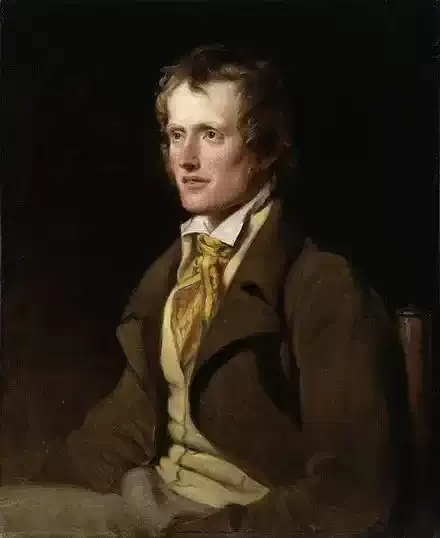
John Clare
Thou Flower Of Summer
Thou Flower Of Summer
When in summer thou walkest
In the meads by the river,
And to thyself talkest,
Dost thou think of one ever--
A lost and a lorn one
That adores thee and loves thee?
And when happy morn's gone,
And nature's calm moves thee,
Leaving thee to thy sleep like an angel at rest,
Does the one who adores thee still live in thy breast?
Does nature eer give thee
Love's past happy vision,
And wrap thee and leave thee
In fancies elysian?
Thy beauty I clung to,
As leaves to the tree;
When thou fair and young too
Looked lightly on me,
Till love came upon thee like the sun to the west
And shed its perfuming and bloom on thy breast.
When in summer thou walkest
In the meads by the river,
And to thyself talkest,
Dost thou think of one ever--
A lost and a lorn one
That adores thee and loves thee?
And when happy morn's gone,
And nature's calm moves thee,
Leaving thee to thy sleep like an angel at rest,
Does the one who adores thee still live in thy breast?
Does nature eer give thee
Love's past happy vision,
And wrap thee and leave thee
In fancies elysian?
Thy beauty I clung to,
As leaves to the tree;
When thou fair and young too
Looked lightly on me,
Till love came upon thee like the sun to the west
And shed its perfuming and bloom on thy breast.
337
John Clare
The Fens
The Fens
Wandering by the river's edge,
I love to rustle through the sedge
And through the woods of reed to tear
Almost as high as bushes are.
Yet, turning quick with shudder chill,
As danger ever does from ill,
Fear's moment ague quakes the blood,
While plop the snake coils in the flood
And, hissing with a forked tongue,
Across the river winds along.
In coat of orange, green, and blue
Now on a willow branch I view,
Grey waving to the sunny gleam,
Kingfishers watch the ripple stream
For little fish that nimble bye
And in the gravel shallows lie.
Eddies run before the boats,
Gurgling where the fisher floats,
Who takes advantage of the gale
And hoists his handkerchief for sail
On osier twigs that form a mast--
While idly lies, nor wanted more,
The spirit that pushed him on before.
There's not a hill in all the view,
Save that a forked cloud or two
Upon the verge of distance lies
And into mountains cheats the eyes.
And as to trees the willows wear
Lopped heads as high as bushes are;
Some taller things the distance shrouds
That may be trees or stacks or clouds
Or may be nothing; still they wear
A semblance where there's nought to spare.
Among the tawny tasselled reed
The ducks and ducklings float and feed.
With head oft dabbing in the flood
They fish all day the weedy mud,
And tumbler-like are bobbing there,
Heels topsy turvy in the air.
The geese in troops come droving up,
Nibble the weeds, and take a sup;
And, closely puzzled to agree,
Chatter like gossips over tea.
The gander with his scarlet nose
When strife's at height will interpose;
And, stretching neck to that and this,
With now a mutter, now a hiss,
A nibble at the feathers too,
A sort of 'pray be quiet do,'
And turning as the matter mends,
He stills them into mutual friends;
Then in a sort of triumph sings
And throws the water oer his wings.
Ah, could I see a spinney nigh,
A puddock riding in the sky
Above the oaks with easy sail
On stilly wings and forked tail,
Or meet a heath of furze in flower,
I might enjoy a quiet hour,
Sit down at rest, and walk at ease,
And find a many things to please.
But here my fancy's moods admire
The naked levels till they tire,
Nor een a molehill cushion meet
To rest on when I want a seat.
Here's little save the river scene
And grounds of oats in rustling green
And crowded growth of wheat and beans,
That with the hope of plenty leans
And cheers the farmer's gazing brow,
Who lives and triumphs in the plough--
One sometimes meets a pleasant sward
Of swarthy grass; and quickly marred
The plough soon turns it into brown,
And, when again one rambles down
The path, small hillocks burning lie
And smoke beneath a burning sky.
Green paddocks have but little charms
With gain the merchandise of farms;
And, muse and marvel where we may,
Gain mars the landscape every day--
The meadow grass turned up and copt,
The trees to stumpy dotterels lopt,
The hearth with fuel to supply
For rest to smoke and chatter bye;
Giving the joy of home delights,
The warmest mirth on coldest nights.
And so for gain, that joy's repay,
Change cheats the landscape every day,
Nor trees nor bush about it grows
That from the hatchet can repose,
And the horizon stooping smiles
Oer treeless fens of many miles.
Spring comes and goes and comes again
And all is nakedness and fen.
Wandering by the river's edge,
I love to rustle through the sedge
And through the woods of reed to tear
Almost as high as bushes are.
Yet, turning quick with shudder chill,
As danger ever does from ill,
Fear's moment ague quakes the blood,
While plop the snake coils in the flood
And, hissing with a forked tongue,
Across the river winds along.
In coat of orange, green, and blue
Now on a willow branch I view,
Grey waving to the sunny gleam,
Kingfishers watch the ripple stream
For little fish that nimble bye
And in the gravel shallows lie.
Eddies run before the boats,
Gurgling where the fisher floats,
Who takes advantage of the gale
And hoists his handkerchief for sail
On osier twigs that form a mast--
While idly lies, nor wanted more,
The spirit that pushed him on before.
There's not a hill in all the view,
Save that a forked cloud or two
Upon the verge of distance lies
And into mountains cheats the eyes.
And as to trees the willows wear
Lopped heads as high as bushes are;
Some taller things the distance shrouds
That may be trees or stacks or clouds
Or may be nothing; still they wear
A semblance where there's nought to spare.
Among the tawny tasselled reed
The ducks and ducklings float and feed.
With head oft dabbing in the flood
They fish all day the weedy mud,
And tumbler-like are bobbing there,
Heels topsy turvy in the air.
The geese in troops come droving up,
Nibble the weeds, and take a sup;
And, closely puzzled to agree,
Chatter like gossips over tea.
The gander with his scarlet nose
When strife's at height will interpose;
And, stretching neck to that and this,
With now a mutter, now a hiss,
A nibble at the feathers too,
A sort of 'pray be quiet do,'
And turning as the matter mends,
He stills them into mutual friends;
Then in a sort of triumph sings
And throws the water oer his wings.
Ah, could I see a spinney nigh,
A puddock riding in the sky
Above the oaks with easy sail
On stilly wings and forked tail,
Or meet a heath of furze in flower,
I might enjoy a quiet hour,
Sit down at rest, and walk at ease,
And find a many things to please.
But here my fancy's moods admire
The naked levels till they tire,
Nor een a molehill cushion meet
To rest on when I want a seat.
Here's little save the river scene
And grounds of oats in rustling green
And crowded growth of wheat and beans,
That with the hope of plenty leans
And cheers the farmer's gazing brow,
Who lives and triumphs in the plough--
One sometimes meets a pleasant sward
Of swarthy grass; and quickly marred
The plough soon turns it into brown,
And, when again one rambles down
The path, small hillocks burning lie
And smoke beneath a burning sky.
Green paddocks have but little charms
With gain the merchandise of farms;
And, muse and marvel where we may,
Gain mars the landscape every day--
The meadow grass turned up and copt,
The trees to stumpy dotterels lopt,
The hearth with fuel to supply
For rest to smoke and chatter bye;
Giving the joy of home delights,
The warmest mirth on coldest nights.
And so for gain, that joy's repay,
Change cheats the landscape every day,
Nor trees nor bush about it grows
That from the hatchet can repose,
And the horizon stooping smiles
Oer treeless fens of many miles.
Spring comes and goes and comes again
And all is nakedness and fen.
384
John Clare
The Cross Roads; Or, The Haymaker's Story
The Cross Roads; Or, The Haymaker's Story
Stopt by the storm, that long in sullen black
From the south-west stained its encroaching track,
Haymakers, hustling from the rain to hide,
Sought the grey willows by the pasture-side;
And there, while big drops bow the grassy stems,
And bleb the withering hay with pearly gems,
Dimple the brook, and patter in the leaves,
The song or tale an hour's restraint relieves.
And while the old dames gossip at their ease,
And pinch the snuff-box empty by degrees,
The young ones join in love's delightful themes,
Truths told by gipsies, and expounded dreams;
And mutter things kept secrets from the rest,
As sweethearts' names, and whom they love the best;
And dazzling ribbons they delight to show,
And last new favours of some veigling beau,
Who with such treachery tries their hearts to move,
And, like the highest, bribes the maidens' love.
The old dames, jealous of their whispered praise,
Throw in their hints of man's deluding ways;
And one, to give her counsels more effect,
And by example illustrate the fact
Of innocence oercome by flattering man,
Thrice tapped her box, and pinched, and thus began.
'Now wenches listen, and let lovers lie,
Ye'll hear a story ye may profit by;
I'm your age treble, with some oddments to't,
And right from wrong can tell, if ye'll but do't:
Ye need not giggle underneath your hat,
Mine's no joke-matter, let me tell you that;
So keep ye quiet till my story's told,
And don't despise your betters cause they're old.
'That grave ye've heard of, where the four roads meet,
Where walks the spirit in a winding-sheet,
Oft seen at night, by strangers passing late,
And tarrying neighbours that at market wait,
Stalking along as white as driven snow,
And long as one's shadow when the sun is low;
The girl that's buried there I knew her well,
And her whole history, if ye'll hark, can tell.
Her name was Jane, and neighbour's children we,
And old companions once, as ye may be;
And like to you, on Sundays often strolled
To gipsies' camps to have our fortunes told;
And oft, God rest her, in the fortune-book
Which we at hay-time in our pockets took,
Our pins at blindfold on the wheel we stuck,
When hers would always prick the worst of luck;
For try, poor thing, as often as she might,
Her point would always on the blank alight;
Which plainly shows the fortune one's to have,
As such like go unwedded to the grave,--
And so it proved.--The next succeeding May,
We both to service went from sports and play,
Though in the village still; as friends and kin
Thought neighbour's service better to begin.
So out we went:--Jane's place was reckoned good,
Though she bout life but little understood,
And had a master wild as wild can be,
And far unfit for such a child as she;
And soon the whisper went about the town,
That Jane's good looks procured her many a gown
From him, whose promise was to every one,
But whose intention was to wive with none.
Twas nought to wonder, though begun by guess;
For Jane was lovely in her Sunday dress,
And all expected such a rosy face
Would be her ruin--as was just the case.
The while the change was easily perceived,
Some months went by, ere I the tales believed;
For there are people nowadays, Lord knows,
Will sooner hatch up lies than mend their clothes;
And when with such-like tattle they begin,
Don't mind whose character they spoil a pin:
But passing neighbours often marked them smile,
And watched him take her milkpail oer a stile;
And many a time, as wandering closer by,
From Jenny's bosom met a heavy sigh;
And often marked her, as discoursing deep,
When doubts might rise to give just cause to weep,
Smothering their notice, by a wished disguise
To slive her apron corner to her eyes.
Such signs were mournful and alarming things,
And far more weighty than conjecture brings;
Though foes made double what they heard of all,
Swore lies as proofs, and prophesied her fall.
Poor thoughtless wench! it seems but Sunday past
Since we went out together for the last,
And plain enough indeed it was to find
She'd something more than common on her mind;
For she was always fond and full of chat,
In passing harmless jokes bout beaus and that,
But nothing then was scarcely talked about,
And what there was, I even forced it out.
A gloomy wanness spoiled her rosy cheek,
And doubts hung there it was not mine to seek;
She neer so much as mentioned things to come,
But sighed oer pleasures ere she left her home;
And now and then a mournful smile would raise
At freaks repeated of our younger days,
Which I brought up, while passing spots of ground
Where we, when children, 'hurly-burlied' round,
Or 'blindman-buffed' some morts of hours away--
Two games, poor thing, Jane dearly loved to play.
She smiled at these, but shook her head and sighed
When eer she thought my look was turned aside;
Nor turned she round, as was her former way,
To praise the thorn, white over then with May;
Nor stooped once, though thousands round her grew,
To pull a cowslip as she used to do:
For Jane in flowers delighted from a child--
I like the garden, but she loved the wild--
And oft on Sundays young men's gifts declined,
Posies from gardens of the sweetest kind,
And eager scrambled the dog-rose to get,
And woodbine-flowers at every bush she met.
The cowslip blossom, with its ruddy streak,
Would tempt her furlongs from the path to seek;
And gay long purple, with its tufty spike,
She'd wade oer shoes to reach it in the dyke;
And oft, while scratching through the briary woods
For tempting cuckoo-flowers and violet buds,
Poor Jane, I've known her crying sneak to town,
Fearing her mother, when she'd torn her gown.
Ah, these were days her conscience viewed with pain,
Which all are loth to lose, as well as Jane.
And, what I took more odd than all the rest,
Was, that same night she neer a wish exprest
To see the gipsies, so beloved before,
That lay a stone's throw from us on the moor:
I hinted it; she just replied again--
She once believed them, but had doubts since then.
And when we sought our cows, I called, 'Come mull!'
But she stood silent, for her heart was full.
She loved dumb things: and ere she had begun
To milk, caressed them more than eer she'd done;
But though her tears stood watering in her eye,
I little took it as her last good-bye;
For she was tender, and I've often known
Her mourn when beetles have been trampled on:
So I neer dreamed from this, what soon befell,
Till the next morning rang her passing-bell.
My story's long, but time's in plenty yet,
Since the black clouds betoken nought but wet;
And I'll een snatch a minute's breath or two,
And take another pinch, to help me through.
'So, as I said, next morn I heard the bell,
And passing neighbours crossed the street, to tell
That my poor partner Jenny had been found
In the old flag-pool, on the pasture, drowned.
God knows my heart! I twittered like a leaf,
And found too late the cause of Sunday's grief;
For every tongue was loosed to gabble oer
The slanderous things that secret passed before:
With truth or lies they need not then be strict,
The one they railed at could not contradict.
Twas now no secret of her being beguiled,
For every mouth knew Jenny died with child;
And though more cautious with a living name,
Each more than guessed her master bore the blame.
That very morning, it affects me still,
Ye know the foot-path sidles down the hill,
Ignorant as babe unborn I passed the pond
To milk as usual in our close beyond,
And cows were drinking at the water's edge,
And horses browsed among the flags and sedge,
And gnats and midges danced the water oer,
Just as I've marked them scores of times before,
And birds sat singing, as in mornings gone,--
While I as unconcerned went soodling on,
But little dreaming, as the wakening wind
Flapped the broad ash-leaves oer the pond reclin'd,
And oer the water crinked the curdled wave,
That Jane was sleeping in her watery grave.
The neatherd boy that used to tend the cows,
While getting whip-sticks from the dangling boughs
Of osiers drooping by the water-side,
Her bonnet floating on the top espied;
He knew it well, and hastened fearful down
To take the terror of his fears to town,--
A melancholy story, far too true;
And soon the village to the pasture flew,
Where, from the deepest hole the pond about,
They dragged poor Jenny's lifeless body out,
And took her home, where scarce an hour gone by
She had been living like to you and I.
I went with more, and kissed her for the last,
And thought with tears on pleasures that were past;
And, the last kindness left me then to do,
I went, at milking, where the blossoms grew,
And handfuls got of rose and lambtoe sweet,
And put them with her in her winding-sheet.
A wilful murder, jury made the crime;
Nor parson 'lowed to pray, nor bell to chime;
On the cross roads, far from her friends and kin,
The usual law for their ungodly sin
Who violent hands upon themselves have laid,
Poor Jane's last bed unchristian-like was made;
And there, like all whose last thoughts turn to heaven,
She sleeps, and doubtless hoped to be forgiven.
But, though I say't, for maids thus veigled in
I think the wicked men deserve the sin;
And sure enough we all at last shall see
The treachery punished as it ought to be.
For ere his wickedness pretended love,
Jane, I'll be bound, was spotless as the dove,
And's good a servant, still old folks allow,
As ever scoured a pail or milked a cow;
And ere he led her into ruin's way,
As gay and buxom as a summer's day:
The birds that ranted in the hedge-row boughs,
As night and morning we have sought our cows,
With yokes and buckets as she bounced along,
Were often deafed to silence with her song.
But now she's gone:--girls, shun deceitful men,
The worst of stumbles ye can fall agen;
Be deaf to them, and then, as twere, ye'll see
Your pleasures safe as under lock and key.
Throw not my words away, as many do;
They're gold in value, though they're cheap to you.
And husseys hearken, and be warned from this,
If ye love mothers, never do amiss:
Jane might love hers, but she forsook the plan
To make her happy, when she thought of man.
Poor tottering dame, it was too plainly known,
Her daughter's dying hastened on her own,
For from the day the tidings reached her door
She took to bed and looked up no more,
And, ere again another year came round,
She, well as Jane, was laid within the ground;
And all were grieved poor Goody's end to see:
No better neighbour entered house than she,
A harmless soul, with no abusive tongue,
Trig as new pins, and tight's the day was long;
And go the week about, nine times in ten
Ye'd find her house as cleanly as her sen.
But, Lord protect us! time such change does bring,
We cannot dream what oer our heads may hing;
The very house she lived in, stick and stone,
Since Goody died, has tumbled down and gone:
And where the marjoram once, and sage, and rue,
And balm, and mint, with curled-leaf parsley grew,
And double marygolds, and silver thyme,
And pumpkins neath the window used to climb;
And where I often when a child for hours
Tried through the pales to get the tempting flowers,
As lady's laces, everlasting peas,
True-love-lies-bleeding, with the hearts-at-ease,
And golden rods, and tansy running high
That oer the pale-tops smiled on passers-by,
Flowers in my time that every one would praise,
Though thrown like weeds from gardens nowadays;
Where these all grew, now henbane stinks and spreads,
And docks and thistles shake their seedy heads,
And yearly keep with nettles smothering oer;-
The house, the dame, the garden known no more:
While, neighbouring nigh, one lonely elder-tree
Is all that's left of what had used to be,
Marking the place, and bringing up with tears
The recollections of one's younger years.
And now I've done, ye're each at once as free
To take your trundle as ye used to be;
To take right ways, as Jenny should have ta'en,
Or headlong run, and be a second Jane;
For by one thoughtless girl that's acted ill
A thousand may be guided if they will:
As oft mong folks to labour bustling on,
We mark the foremost kick against a stone,
Or stumble oer a stile he meant to climb,
While hind ones see and shun the fall in time.
But ye, I will be bound, like far the best
Love's tickling nick-nacks and the laughing jest,
And ten times sooner than be warned by me,
Would each be sitting on some fellow's knee,
Sooner believe the lies wild chaps will tell
Than old dames' cautions, who would wish ye well:
So have your wills.'--She pinched her box again,
And ceased her tale, and listened to the rain,
Which still as usual pattered fast around,
And bowed the bent-head loaded to the ground;
While larks, their naked nest by force forsook,
Pruned their wet wings in bushes by the brook.
The maids, impatient now old Goody ceased,
As restless children from the school released,
Right gladly proving, what she'd just foretold,
That young ones' stories were preferred to old,
Turn to the whisperings of their former joy,
That oft deceive, but very rarely cloy.
Stopt by the storm, that long in sullen black
From the south-west stained its encroaching track,
Haymakers, hustling from the rain to hide,
Sought the grey willows by the pasture-side;
And there, while big drops bow the grassy stems,
And bleb the withering hay with pearly gems,
Dimple the brook, and patter in the leaves,
The song or tale an hour's restraint relieves.
And while the old dames gossip at their ease,
And pinch the snuff-box empty by degrees,
The young ones join in love's delightful themes,
Truths told by gipsies, and expounded dreams;
And mutter things kept secrets from the rest,
As sweethearts' names, and whom they love the best;
And dazzling ribbons they delight to show,
And last new favours of some veigling beau,
Who with such treachery tries their hearts to move,
And, like the highest, bribes the maidens' love.
The old dames, jealous of their whispered praise,
Throw in their hints of man's deluding ways;
And one, to give her counsels more effect,
And by example illustrate the fact
Of innocence oercome by flattering man,
Thrice tapped her box, and pinched, and thus began.
'Now wenches listen, and let lovers lie,
Ye'll hear a story ye may profit by;
I'm your age treble, with some oddments to't,
And right from wrong can tell, if ye'll but do't:
Ye need not giggle underneath your hat,
Mine's no joke-matter, let me tell you that;
So keep ye quiet till my story's told,
And don't despise your betters cause they're old.
'That grave ye've heard of, where the four roads meet,
Where walks the spirit in a winding-sheet,
Oft seen at night, by strangers passing late,
And tarrying neighbours that at market wait,
Stalking along as white as driven snow,
And long as one's shadow when the sun is low;
The girl that's buried there I knew her well,
And her whole history, if ye'll hark, can tell.
Her name was Jane, and neighbour's children we,
And old companions once, as ye may be;
And like to you, on Sundays often strolled
To gipsies' camps to have our fortunes told;
And oft, God rest her, in the fortune-book
Which we at hay-time in our pockets took,
Our pins at blindfold on the wheel we stuck,
When hers would always prick the worst of luck;
For try, poor thing, as often as she might,
Her point would always on the blank alight;
Which plainly shows the fortune one's to have,
As such like go unwedded to the grave,--
And so it proved.--The next succeeding May,
We both to service went from sports and play,
Though in the village still; as friends and kin
Thought neighbour's service better to begin.
So out we went:--Jane's place was reckoned good,
Though she bout life but little understood,
And had a master wild as wild can be,
And far unfit for such a child as she;
And soon the whisper went about the town,
That Jane's good looks procured her many a gown
From him, whose promise was to every one,
But whose intention was to wive with none.
Twas nought to wonder, though begun by guess;
For Jane was lovely in her Sunday dress,
And all expected such a rosy face
Would be her ruin--as was just the case.
The while the change was easily perceived,
Some months went by, ere I the tales believed;
For there are people nowadays, Lord knows,
Will sooner hatch up lies than mend their clothes;
And when with such-like tattle they begin,
Don't mind whose character they spoil a pin:
But passing neighbours often marked them smile,
And watched him take her milkpail oer a stile;
And many a time, as wandering closer by,
From Jenny's bosom met a heavy sigh;
And often marked her, as discoursing deep,
When doubts might rise to give just cause to weep,
Smothering their notice, by a wished disguise
To slive her apron corner to her eyes.
Such signs were mournful and alarming things,
And far more weighty than conjecture brings;
Though foes made double what they heard of all,
Swore lies as proofs, and prophesied her fall.
Poor thoughtless wench! it seems but Sunday past
Since we went out together for the last,
And plain enough indeed it was to find
She'd something more than common on her mind;
For she was always fond and full of chat,
In passing harmless jokes bout beaus and that,
But nothing then was scarcely talked about,
And what there was, I even forced it out.
A gloomy wanness spoiled her rosy cheek,
And doubts hung there it was not mine to seek;
She neer so much as mentioned things to come,
But sighed oer pleasures ere she left her home;
And now and then a mournful smile would raise
At freaks repeated of our younger days,
Which I brought up, while passing spots of ground
Where we, when children, 'hurly-burlied' round,
Or 'blindman-buffed' some morts of hours away--
Two games, poor thing, Jane dearly loved to play.
She smiled at these, but shook her head and sighed
When eer she thought my look was turned aside;
Nor turned she round, as was her former way,
To praise the thorn, white over then with May;
Nor stooped once, though thousands round her grew,
To pull a cowslip as she used to do:
For Jane in flowers delighted from a child--
I like the garden, but she loved the wild--
And oft on Sundays young men's gifts declined,
Posies from gardens of the sweetest kind,
And eager scrambled the dog-rose to get,
And woodbine-flowers at every bush she met.
The cowslip blossom, with its ruddy streak,
Would tempt her furlongs from the path to seek;
And gay long purple, with its tufty spike,
She'd wade oer shoes to reach it in the dyke;
And oft, while scratching through the briary woods
For tempting cuckoo-flowers and violet buds,
Poor Jane, I've known her crying sneak to town,
Fearing her mother, when she'd torn her gown.
Ah, these were days her conscience viewed with pain,
Which all are loth to lose, as well as Jane.
And, what I took more odd than all the rest,
Was, that same night she neer a wish exprest
To see the gipsies, so beloved before,
That lay a stone's throw from us on the moor:
I hinted it; she just replied again--
She once believed them, but had doubts since then.
And when we sought our cows, I called, 'Come mull!'
But she stood silent, for her heart was full.
She loved dumb things: and ere she had begun
To milk, caressed them more than eer she'd done;
But though her tears stood watering in her eye,
I little took it as her last good-bye;
For she was tender, and I've often known
Her mourn when beetles have been trampled on:
So I neer dreamed from this, what soon befell,
Till the next morning rang her passing-bell.
My story's long, but time's in plenty yet,
Since the black clouds betoken nought but wet;
And I'll een snatch a minute's breath or two,
And take another pinch, to help me through.
'So, as I said, next morn I heard the bell,
And passing neighbours crossed the street, to tell
That my poor partner Jenny had been found
In the old flag-pool, on the pasture, drowned.
God knows my heart! I twittered like a leaf,
And found too late the cause of Sunday's grief;
For every tongue was loosed to gabble oer
The slanderous things that secret passed before:
With truth or lies they need not then be strict,
The one they railed at could not contradict.
Twas now no secret of her being beguiled,
For every mouth knew Jenny died with child;
And though more cautious with a living name,
Each more than guessed her master bore the blame.
That very morning, it affects me still,
Ye know the foot-path sidles down the hill,
Ignorant as babe unborn I passed the pond
To milk as usual in our close beyond,
And cows were drinking at the water's edge,
And horses browsed among the flags and sedge,
And gnats and midges danced the water oer,
Just as I've marked them scores of times before,
And birds sat singing, as in mornings gone,--
While I as unconcerned went soodling on,
But little dreaming, as the wakening wind
Flapped the broad ash-leaves oer the pond reclin'd,
And oer the water crinked the curdled wave,
That Jane was sleeping in her watery grave.
The neatherd boy that used to tend the cows,
While getting whip-sticks from the dangling boughs
Of osiers drooping by the water-side,
Her bonnet floating on the top espied;
He knew it well, and hastened fearful down
To take the terror of his fears to town,--
A melancholy story, far too true;
And soon the village to the pasture flew,
Where, from the deepest hole the pond about,
They dragged poor Jenny's lifeless body out,
And took her home, where scarce an hour gone by
She had been living like to you and I.
I went with more, and kissed her for the last,
And thought with tears on pleasures that were past;
And, the last kindness left me then to do,
I went, at milking, where the blossoms grew,
And handfuls got of rose and lambtoe sweet,
And put them with her in her winding-sheet.
A wilful murder, jury made the crime;
Nor parson 'lowed to pray, nor bell to chime;
On the cross roads, far from her friends and kin,
The usual law for their ungodly sin
Who violent hands upon themselves have laid,
Poor Jane's last bed unchristian-like was made;
And there, like all whose last thoughts turn to heaven,
She sleeps, and doubtless hoped to be forgiven.
But, though I say't, for maids thus veigled in
I think the wicked men deserve the sin;
And sure enough we all at last shall see
The treachery punished as it ought to be.
For ere his wickedness pretended love,
Jane, I'll be bound, was spotless as the dove,
And's good a servant, still old folks allow,
As ever scoured a pail or milked a cow;
And ere he led her into ruin's way,
As gay and buxom as a summer's day:
The birds that ranted in the hedge-row boughs,
As night and morning we have sought our cows,
With yokes and buckets as she bounced along,
Were often deafed to silence with her song.
But now she's gone:--girls, shun deceitful men,
The worst of stumbles ye can fall agen;
Be deaf to them, and then, as twere, ye'll see
Your pleasures safe as under lock and key.
Throw not my words away, as many do;
They're gold in value, though they're cheap to you.
And husseys hearken, and be warned from this,
If ye love mothers, never do amiss:
Jane might love hers, but she forsook the plan
To make her happy, when she thought of man.
Poor tottering dame, it was too plainly known,
Her daughter's dying hastened on her own,
For from the day the tidings reached her door
She took to bed and looked up no more,
And, ere again another year came round,
She, well as Jane, was laid within the ground;
And all were grieved poor Goody's end to see:
No better neighbour entered house than she,
A harmless soul, with no abusive tongue,
Trig as new pins, and tight's the day was long;
And go the week about, nine times in ten
Ye'd find her house as cleanly as her sen.
But, Lord protect us! time such change does bring,
We cannot dream what oer our heads may hing;
The very house she lived in, stick and stone,
Since Goody died, has tumbled down and gone:
And where the marjoram once, and sage, and rue,
And balm, and mint, with curled-leaf parsley grew,
And double marygolds, and silver thyme,
And pumpkins neath the window used to climb;
And where I often when a child for hours
Tried through the pales to get the tempting flowers,
As lady's laces, everlasting peas,
True-love-lies-bleeding, with the hearts-at-ease,
And golden rods, and tansy running high
That oer the pale-tops smiled on passers-by,
Flowers in my time that every one would praise,
Though thrown like weeds from gardens nowadays;
Where these all grew, now henbane stinks and spreads,
And docks and thistles shake their seedy heads,
And yearly keep with nettles smothering oer;-
The house, the dame, the garden known no more:
While, neighbouring nigh, one lonely elder-tree
Is all that's left of what had used to be,
Marking the place, and bringing up with tears
The recollections of one's younger years.
And now I've done, ye're each at once as free
To take your trundle as ye used to be;
To take right ways, as Jenny should have ta'en,
Or headlong run, and be a second Jane;
For by one thoughtless girl that's acted ill
A thousand may be guided if they will:
As oft mong folks to labour bustling on,
We mark the foremost kick against a stone,
Or stumble oer a stile he meant to climb,
While hind ones see and shun the fall in time.
But ye, I will be bound, like far the best
Love's tickling nick-nacks and the laughing jest,
And ten times sooner than be warned by me,
Would each be sitting on some fellow's knee,
Sooner believe the lies wild chaps will tell
Than old dames' cautions, who would wish ye well:
So have your wills.'--She pinched her box again,
And ceased her tale, and listened to the rain,
Which still as usual pattered fast around,
And bowed the bent-head loaded to the ground;
While larks, their naked nest by force forsook,
Pruned their wet wings in bushes by the brook.
The maids, impatient now old Goody ceased,
As restless children from the school released,
Right gladly proving, what she'd just foretold,
That young ones' stories were preferred to old,
Turn to the whisperings of their former joy,
That oft deceive, but very rarely cloy.
343
John Clare
Secret Love
Secret Love
I hid my love when young till I
Couldn't bear the buzzing of a fly;
I hid my love to my despite
Till I could not bear to look at light:
I dare not gaze upon her face
But left her memory in each place;
Where eer I saw a wild flower lie
I kissed and bade my love good bye.
I met her in the greenest dells
Where dewdrops pearl the wood blue bells
The lost breeze kissed her bright blue eye,
The bee kissed and went singing by,
A sunbeam found a passage there,
A gold chain round her neck so fair;
As secret as the wild bee's song
She lay there all the summer long.
I hid my love in field and town
Till een the breeze would knock me down,
The bees seemed singing ballads oer,
The fly's bass turned a lion's roar;
And even silence found a tongue,
To haunt me all the summer long;
The riddle nature could not prove
Was nothing else but secret love.
I hid my love when young till I
Couldn't bear the buzzing of a fly;
I hid my love to my despite
Till I could not bear to look at light:
I dare not gaze upon her face
But left her memory in each place;
Where eer I saw a wild flower lie
I kissed and bade my love good bye.
I met her in the greenest dells
Where dewdrops pearl the wood blue bells
The lost breeze kissed her bright blue eye,
The bee kissed and went singing by,
A sunbeam found a passage there,
A gold chain round her neck so fair;
As secret as the wild bee's song
She lay there all the summer long.
I hid my love in field and town
Till een the breeze would knock me down,
The bees seemed singing ballads oer,
The fly's bass turned a lion's roar;
And even silence found a tongue,
To haunt me all the summer long;
The riddle nature could not prove
Was nothing else but secret love.
407
John Clare
Patty of the Vale
Patty of the Vale
'A weedling child on lonely lea
My evening rambles chanced to see;
And much the weedling tempted me
To crop its tender flower;
Exposed to wind and heavy rain,
It's head bow'd lowly on the plain;
Hand silently it seem'd in pain
Of life's endanger'd hour.
And and wilt thou bid my bloom decay,
And crop my flower, and me betray,
And cast my injured sweets away?-
Its silence seemly sigh'd
'A moment's idol of thy mind!
And is a stranger so unkind
to leave the shameful root behind,
Bereft of all its pride?'
And so it seemly did complain;
And beating fell the heavy rain;
And low it droop'd upon the plain,
To fate resign'd to fall:
My heart did melt at its decline,
And ' Come,' said I, ' thou gem divine,
My fate shall stand the storm with thine;'
So took the root and all.'
'A weedling child on lonely lea
My evening rambles chanced to see;
And much the weedling tempted me
To crop its tender flower;
Exposed to wind and heavy rain,
It's head bow'd lowly on the plain;
Hand silently it seem'd in pain
Of life's endanger'd hour.
And and wilt thou bid my bloom decay,
And crop my flower, and me betray,
And cast my injured sweets away?-
Its silence seemly sigh'd
'A moment's idol of thy mind!
And is a stranger so unkind
to leave the shameful root behind,
Bereft of all its pride?'
And so it seemly did complain;
And beating fell the heavy rain;
And low it droop'd upon the plain,
To fate resign'd to fall:
My heart did melt at its decline,
And ' Come,' said I, ' thou gem divine,
My fate shall stand the storm with thine;'
So took the root and all.'
416
John Clare
Idle Fame
Idle Fame
I would not wish the burning blaze
Of fame around a restless world,
The thunder and the storm of praise
In crowded tumults heard and hurled.
I would not be a flower to stand
The stare of every passer-bye;
But in some nook of fairyland,
Seen in the praise of beauty's eye.
I would not wish the burning blaze
Of fame around a restless world,
The thunder and the storm of praise
In crowded tumults heard and hurled.
I would not be a flower to stand
The stare of every passer-bye;
But in some nook of fairyland,
Seen in the praise of beauty's eye.
341
John Clare
Evening Primrose
Evening Primrose
When once the sun sinks in the west,
And dewdrops pearl the evening's breast;
Almost as pale as moonbeams are,
Or its companionable star,
The evening primrose opes anew
Its delicate blossoms to the dew;
And, hermit-like, shunning the light,
Wastes its fair bloom upon the night,
Who, blindfold to its fond caresses,
Knows not the beauty it possesses;
Thus it blooms on while night is by;
When day looks out with open eye,
Bashed at the gaze it cannot shun,
It faints and withers and is gone.
When once the sun sinks in the west,
And dewdrops pearl the evening's breast;
Almost as pale as moonbeams are,
Or its companionable star,
The evening primrose opes anew
Its delicate blossoms to the dew;
And, hermit-like, shunning the light,
Wastes its fair bloom upon the night,
Who, blindfold to its fond caresses,
Knows not the beauty it possesses;
Thus it blooms on while night is by;
When day looks out with open eye,
Bashed at the gaze it cannot shun,
It faints and withers and is gone.
511
John Clare
Dewdrops
Dewdrops
The dewdrops on every blade of grass are so much like silver drops
that I am obliged to stoop down as I walk to see if they are pearls,
and those sprinkled on the ivy-woven beds of primroses underneath the
hazels, whitethorns and maples are so like gold beads that I stooped
down to feel if they were hard, but they melted from my finger. And
where the dew lies on the primrose, the violet and whitethorn leaves
they are emerald and beryl, yet nothing more than the dews of the
morning on the budding leaves; nay, the road grasses are covered with
gold and silver beads, and the further we go the brighter they seem to
shine, like solid gold and silver. It is nothing more than the sun's
light and shade upon them in the dewy morning; every thorn-point and
every bramble-spear has its trembling ornament: till the wind gets
a little brisker, and then all is shaken off, and all the shining
jewelry passes away into a common spring morning full of budding
leaves, primroses, violets, vernal speedwell, bluebell and orchis, and
commonplace objects.
The dewdrops on every blade of grass are so much like silver drops
that I am obliged to stoop down as I walk to see if they are pearls,
and those sprinkled on the ivy-woven beds of primroses underneath the
hazels, whitethorns and maples are so like gold beads that I stooped
down to feel if they were hard, but they melted from my finger. And
where the dew lies on the primrose, the violet and whitethorn leaves
they are emerald and beryl, yet nothing more than the dews of the
morning on the budding leaves; nay, the road grasses are covered with
gold and silver beads, and the further we go the brighter they seem to
shine, like solid gold and silver. It is nothing more than the sun's
light and shade upon them in the dewy morning; every thorn-point and
every bramble-spear has its trembling ornament: till the wind gets
a little brisker, and then all is shaken off, and all the shining
jewelry passes away into a common spring morning full of budding
leaves, primroses, violets, vernal speedwell, bluebell and orchis, and
commonplace objects.
387