

Poems in this theme
Beauty
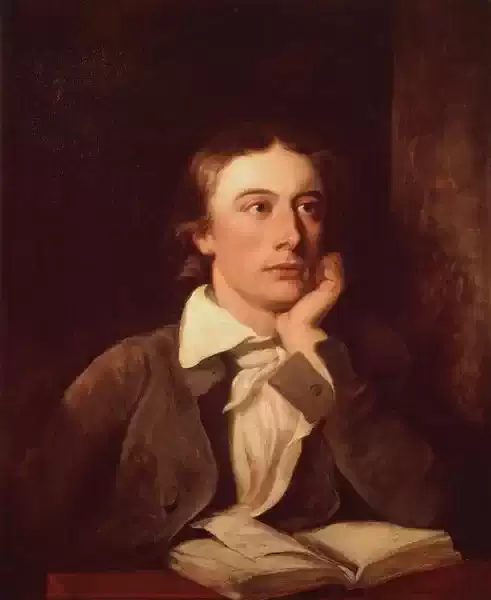
John Keats
To ****
To ****
Hadst thou liv'd in days of old,
O what wonders had been told
Of thy lively countenance,
And thy humid eyes that dance
In the midst of their own brightness;
In the very fane of lightness.
Over which thine eyebrows, leaning,
Picture out each lovely meaning:
In a dainty bend they lie,
Like to streaks across the sky,
Or the feathers from a crow,
Fallen on a bed of snow.
Of thy dark hair that extends
Into many graceful bends:
As the leaves of Hellebore
Turn to whence they sprung before.
And behind each ample curl
Peeps the richness of a pearl.
Downward too flows many a tress
With a glossy waviness;
Full, and round like globes that rise
From the censer to the skies
Through sunny air. Add too, the sweetness
Of thy honied voice; the neatness
Of thine ankle lightly turn'd:
With those beauties, scarce discern'd,
Kept with such sweet privacy,
That they seldom meet the eye
Of the little loves that fly
Round about with eager pry.
Saving when, with freshening lave,
Thou dipp'st them in the taintless wave;
Like twin water lillies, born
In the coolness of the morn.
O, if thou hadst breathed then,
Now the Muses had been ten.
Couldst thou wish for lineage higher
Than twin sister of Thalia?
At least for ever, evermore,
Will I call the Graces four.
Hadst thou liv'd when chivalry
Lifted up her lance on high,
Tell me what thou wouldst have been?
Ah! I see the silver sheen
Of thy broidered, floating vest
Cov’ring half thine ivory breast;
Which, O heavens! I should see,
But that cruel destiny
Has placed a golden cuirass there;
Keeping secret what is fair.
Like sunbeams in a cloudlet nested
Thy locks in knightly casque are rested:
O’er which bend four milky plumes
Like the gentle lilly’s blooms
Springing from a costly vase.
See with what a stately pace
Comes thine alabaster steed;
Servant of heroic deed!
O'er his loins, his trappings glow
Like the northern lights on snow.
Mount his back! thy sword unsheath!
Sign of the enchanter's death;
Bane of every wicked spell;
Silencer of dragon's yell.
Alas! thou this wilt never do:
Thou art an enchantress too,
And wilt surely never spill
Blood of those whose eyes can kill.
Hadst thou liv'd in days of old,
O what wonders had been told
Of thy lively countenance,
And thy humid eyes that dance
In the midst of their own brightness;
In the very fane of lightness.
Over which thine eyebrows, leaning,
Picture out each lovely meaning:
In a dainty bend they lie,
Like to streaks across the sky,
Or the feathers from a crow,
Fallen on a bed of snow.
Of thy dark hair that extends
Into many graceful bends:
As the leaves of Hellebore
Turn to whence they sprung before.
And behind each ample curl
Peeps the richness of a pearl.
Downward too flows many a tress
With a glossy waviness;
Full, and round like globes that rise
From the censer to the skies
Through sunny air. Add too, the sweetness
Of thy honied voice; the neatness
Of thine ankle lightly turn'd:
With those beauties, scarce discern'd,
Kept with such sweet privacy,
That they seldom meet the eye
Of the little loves that fly
Round about with eager pry.
Saving when, with freshening lave,
Thou dipp'st them in the taintless wave;
Like twin water lillies, born
In the coolness of the morn.
O, if thou hadst breathed then,
Now the Muses had been ten.
Couldst thou wish for lineage higher
Than twin sister of Thalia?
At least for ever, evermore,
Will I call the Graces four.
Hadst thou liv'd when chivalry
Lifted up her lance on high,
Tell me what thou wouldst have been?
Ah! I see the silver sheen
Of thy broidered, floating vest
Cov’ring half thine ivory breast;
Which, O heavens! I should see,
But that cruel destiny
Has placed a golden cuirass there;
Keeping secret what is fair.
Like sunbeams in a cloudlet nested
Thy locks in knightly casque are rested:
O’er which bend four milky plumes
Like the gentle lilly’s blooms
Springing from a costly vase.
See with what a stately pace
Comes thine alabaster steed;
Servant of heroic deed!
O'er his loins, his trappings glow
Like the northern lights on snow.
Mount his back! thy sword unsheath!
Sign of the enchanter's death;
Bane of every wicked spell;
Silencer of dragon's yell.
Alas! thou this wilt never do:
Thou art an enchantress too,
And wilt surely never spill
Blood of those whose eyes can kill.
428
John Keats
The Day Is Gone, And All Its Sweets Are Gone
The Day Is Gone, And All Its Sweets Are Gone
The day is gone, and all its sweets are gone!
Sweet voice, sweet lips, soft hand, and softer breast,
Warm breath, light whisper, tender semitone,
Bright eyes, accomplished shape, and lang'rous waist!
Faded the flower and all its budded charms,
Faded the sight of beauty from my eyes,
Faded the shape of beauty from my arms,
Faded the voice, warmth, whiteness, paradise-
Vanished unseasonably at shut of eve,
When the dusk holiday-or holinight
Of fragrant-curtained love begins to weave
The woof of darkness thick, for hid delight;
But, as I've read love's missal through today,
He'll let me sleep, seeing I fast and pray.
The day is gone, and all its sweets are gone!
Sweet voice, sweet lips, soft hand, and softer breast,
Warm breath, light whisper, tender semitone,
Bright eyes, accomplished shape, and lang'rous waist!
Faded the flower and all its budded charms,
Faded the sight of beauty from my eyes,
Faded the shape of beauty from my arms,
Faded the voice, warmth, whiteness, paradise-
Vanished unseasonably at shut of eve,
When the dusk holiday-or holinight
Of fragrant-curtained love begins to weave
The woof of darkness thick, for hid delight;
But, as I've read love's missal through today,
He'll let me sleep, seeing I fast and pray.
463
John Keats
Teignmouth
Teignmouth
I.
Here all the summer could I stay,
For there's Bishop's teign
And King's teign
And Coomb at the clear Teign head--
Where close by the stream
You may have your cream
All spread upon barley bread.
II.
There's Arch Brook
And there's Larch Brook
Both turning many a mill,
And cooling the drouth
Of the salmon's mouth
And fattening his silver gill.
III.
There is Wild wood,
A Mild hood
To the sheep on the lea o' the down,
Where the golden furze,
With its green, thin spurs,
Doth catch at the maiden's gown.
IV.
There is Newton Marsh
With its spear grass harsh--
A pleasant summer level
Where the maidens sweet
Of the Market Street
Do meet in the dusk to revel.
V.
There's the Barton rich
With dyke and ditch
And hedge for the thrush to live in,
And the hollow tree
For the buzzing bee
And a bank for the wasp to hive in.
VI.
And O, and O
The daisies blow
And the primroses are waken'd,
And violets white
Sit in silver plight,
And the green bud's as long as the spike end.
VII.
Then who would go
Into dark Soho,
And chatter with dack'd-hair'd critics,
When he can stay
For the new-mown hay,
And startle the dappled Prickets?
I.
Here all the summer could I stay,
For there's Bishop's teign
And King's teign
And Coomb at the clear Teign head--
Where close by the stream
You may have your cream
All spread upon barley bread.
II.
There's Arch Brook
And there's Larch Brook
Both turning many a mill,
And cooling the drouth
Of the salmon's mouth
And fattening his silver gill.
III.
There is Wild wood,
A Mild hood
To the sheep on the lea o' the down,
Where the golden furze,
With its green, thin spurs,
Doth catch at the maiden's gown.
IV.
There is Newton Marsh
With its spear grass harsh--
A pleasant summer level
Where the maidens sweet
Of the Market Street
Do meet in the dusk to revel.
V.
There's the Barton rich
With dyke and ditch
And hedge for the thrush to live in,
And the hollow tree
For the buzzing bee
And a bank for the wasp to hive in.
VI.
And O, and O
The daisies blow
And the primroses are waken'd,
And violets white
Sit in silver plight,
And the green bud's as long as the spike end.
VII.
Then who would go
Into dark Soho,
And chatter with dack'd-hair'd critics,
When he can stay
For the new-mown hay,
And startle the dappled Prickets?
482
John Keats
Sonnet. Written On A Blank Space At The End Of Chaucer's Tale Of 'The Floure
Sonnet. Written On A Blank Space At The End Of Chaucer's Tale Of 'The Floure
And The Lefe'
This pleasant tale is like a little copse:
The honied lines do freshly interlace,
To keep the reader in so sweet a place,
So that he here and there full hearted stops;
And oftentimes he feels the dewy drops
Come cool and suddenly against his face,
And by the wandering melody may trace
Which way the tender-legged linnet hops.
Oh! What a power hath white simplicity!
What mighty power has this gentle story!
I, that for ever feel athirst for glory,
Could at this moment be content to lie
Meekly upon the grass, as those whose sobbings
Were heard of none beside the mournful robbins.
And The Lefe'
This pleasant tale is like a little copse:
The honied lines do freshly interlace,
To keep the reader in so sweet a place,
So that he here and there full hearted stops;
And oftentimes he feels the dewy drops
Come cool and suddenly against his face,
And by the wandering melody may trace
Which way the tender-legged linnet hops.
Oh! What a power hath white simplicity!
What mighty power has this gentle story!
I, that for ever feel athirst for glory,
Could at this moment be content to lie
Meekly upon the grass, as those whose sobbings
Were heard of none beside the mournful robbins.
385
John Keats
Sonnet: After Dark Vapors Have Oppress'd Our Plains
Sonnet: After Dark Vapors Have Oppress'd Our Plains
After dark vapors have oppress'd our plains
For a long dreary season, comes a day
Born of the gentle South, and clears away
From the sick heavens all unseemly stains.
The anxious month, relieved of its pains,
Takes as a long-lost right the feel of May;
The eyelids with the passing coolness play
Like rose leaves with the drip of Summer rains.
The calmest thoughts came round us; as of leaves
Budding -- fruit ripening in stillness -- Autumn suns
Smiling at eve upon the quiet sheaves --
Sweet Sappho's cheek -- a smiling infant's breath --
The gradual sand that through an hour-glass runs --
A woodland rivulet -- a Poet's death.
After dark vapors have oppress'd our plains
For a long dreary season, comes a day
Born of the gentle South, and clears away
From the sick heavens all unseemly stains.
The anxious month, relieved of its pains,
Takes as a long-lost right the feel of May;
The eyelids with the passing coolness play
Like rose leaves with the drip of Summer rains.
The calmest thoughts came round us; as of leaves
Budding -- fruit ripening in stillness -- Autumn suns
Smiling at eve upon the quiet sheaves --
Sweet Sappho's cheek -- a smiling infant's breath --
The gradual sand that through an hour-glass runs --
A woodland rivulet -- a Poet's death.
396
John Keats
Sonnet. The Day Is Gone
Sonnet. The Day Is Gone
The day is gone, and all its sweets are gone!
Sweet voice, sweet lips, soft hand, and softer breast,
Warm breath, light whisper, tender semitone,
Bright eyes, accomplished shape, and lang'rous waist!
Faded the flower and all its budded charms,
Faded the sight of beauty from my eyes,
Faded the shape of beauty from my arms,
Faded the voice, warmth, whiteness, paradise--
Vanished unseasonably at shut of eve,
When the dusk holiday -- or holinight
Of fragrant-curtained love begins to weave
The woof of darkness thick, for hid delight;
But, as I've read love's missal through today,
He'll let me sleep, seeing I fast and pray.
The day is gone, and all its sweets are gone!
Sweet voice, sweet lips, soft hand, and softer breast,
Warm breath, light whisper, tender semitone,
Bright eyes, accomplished shape, and lang'rous waist!
Faded the flower and all its budded charms,
Faded the sight of beauty from my eyes,
Faded the shape of beauty from my arms,
Faded the voice, warmth, whiteness, paradise--
Vanished unseasonably at shut of eve,
When the dusk holiday -- or holinight
Of fragrant-curtained love begins to weave
The woof of darkness thick, for hid delight;
But, as I've read love's missal through today,
He'll let me sleep, seeing I fast and pray.
415
John Keats
Sonnet XVII. Happy Is England
Sonnet XVII. Happy Is England
Happy is England! I could be content
To see no other verdure than its own;
To feel no other breezes than are blown
Through its tall woods with high romances blent:
Yet do I sometimes feel a languishment
For skies Italian, and an inward groan
To sit upon an Alp as on a throne,
And half forget what world or worldling meant.
Happy is England, sweet her artless daughters;
Enough their simple loveliness for me,
Enough their whitest arms in silence clinging:
Yet do I often warmly burn to see
Beauties of deeper glance, and hear their singing,
And float with them about the summer waters.
Happy is England! I could be content
To see no other verdure than its own;
To feel no other breezes than are blown
Through its tall woods with high romances blent:
Yet do I sometimes feel a languishment
For skies Italian, and an inward groan
To sit upon an Alp as on a throne,
And half forget what world or worldling meant.
Happy is England, sweet her artless daughters;
Enough their simple loveliness for me,
Enough their whitest arms in silence clinging:
Yet do I often warmly burn to see
Beauties of deeper glance, and hear their singing,
And float with them about the summer waters.
450
John Keats
Sonnet VI. To G. A. W.
Sonnet VI. To G. A. W.
Nymph of the downward smile and sidelong glance!
In what diviner moments of the day
Art thou most lovely? -- when gone far astray
Into the labyrinths of sweet utterance,
Or when serenely wandering in a trance
Of sober thought? -- Or when starting away,
With careless robe to meet the morning ray,
Thou sparest the flowers in thy mazy dance?
Haply 'tis when thy ruby lips part sweetly,
And so remain, because thou listenest:
But thou to please wert nurtured so completely
That I can never tell what mood is best;
I shall as soon pronounce which Grace more neatly
Trips it before Apollo than the rest.
Nymph of the downward smile and sidelong glance!
In what diviner moments of the day
Art thou most lovely? -- when gone far astray
Into the labyrinths of sweet utterance,
Or when serenely wandering in a trance
Of sober thought? -- Or when starting away,
With careless robe to meet the morning ray,
Thou sparest the flowers in thy mazy dance?
Haply 'tis when thy ruby lips part sweetly,
And so remain, because thou listenest:
But thou to please wert nurtured so completely
That I can never tell what mood is best;
I shall as soon pronounce which Grace more neatly
Trips it before Apollo than the rest.
353
John Keats
On the Sea
On the Sea
It keeps eternal whisperings around
Desolate shores, and with its mighty swell
Gluts twice ten thousand Caverns, till the spell
Of Hecate leaves them their old shadowy sound.
Often 'tis in such gentle temper found,
That scarcely will the very smallest shell
Be moved for days from where it sometime fell.
When last the winds of Heaven were unbound.
Oh, ye! who have your eyeballs vexed and tired,
Feast them upon the wideness of the Sea;
Oh ye! whose ears are dinned with uproar rude,
Or fed too much with cloying melody---
Sit ye near some old Cavern's Mouth and brood,
Until ye start, as if the sea nymphs quired!
It keeps eternal whisperings around
Desolate shores, and with its mighty swell
Gluts twice ten thousand Caverns, till the spell
Of Hecate leaves them their old shadowy sound.
Often 'tis in such gentle temper found,
That scarcely will the very smallest shell
Be moved for days from where it sometime fell.
When last the winds of Heaven were unbound.
Oh, ye! who have your eyeballs vexed and tired,
Feast them upon the wideness of the Sea;
Oh ye! whose ears are dinned with uproar rude,
Or fed too much with cloying melody---
Sit ye near some old Cavern's Mouth and brood,
Until ye start, as if the sea nymphs quired!
600
John Keats
Ode. Written On The Blank Page Before Beaumont And Fletcher's
Ode. Written On The Blank Page Before Beaumont And Fletcher's
Tragi-Comedy 'The Fair Maid Of The Inn'
Bards of Passion and of Mirth,
Ye have left your souls on earth!
Have ye souls in heaven too,
Doubled-lived in regions new?
Yes, and those of heaven commune
With the spheres of sun and moon;
With the noise of fountains wondrous,
And the parle of voices thund'rous;
With the whisper of heaven's trees
And one another, in soft ease
Seated on Elysian lawns
Browsed by none but Dian's fawns;
Underneath large blue-bells tented,
Where the daisies are rose-scented,
And the rose herself has got
Perfume which on earth is not;
Where the nightingale doth sing
Not a senseless, tranced thing,
But divine melodious truth;
Philosophic numbers smooth;
Tales and golden histories
Of heaven and its mysteries.
Thus ye live on high, and then
On the earth ye live again;
And the souls ye left behind you
Teach us, here, the way to find you,
Where your other souls are joying,
Never slumber'd, never cloying.
Here, your earth-born souls still speak
To mortals, of their little week;
Of their sorrows and delights;
Of their passions and their spites;
Of their glory and their shame;
What doth strengthen and what maim.
Thus ye teach us, every day,
Wisdom, though fled far away.
Bards of Passion and of Mirth,
Ye have left your souls on earth!
Ye have souls in heaven too,
Double-lived in regions new!
Tragi-Comedy 'The Fair Maid Of The Inn'
Bards of Passion and of Mirth,
Ye have left your souls on earth!
Have ye souls in heaven too,
Doubled-lived in regions new?
Yes, and those of heaven commune
With the spheres of sun and moon;
With the noise of fountains wondrous,
And the parle of voices thund'rous;
With the whisper of heaven's trees
And one another, in soft ease
Seated on Elysian lawns
Browsed by none but Dian's fawns;
Underneath large blue-bells tented,
Where the daisies are rose-scented,
And the rose herself has got
Perfume which on earth is not;
Where the nightingale doth sing
Not a senseless, tranced thing,
But divine melodious truth;
Philosophic numbers smooth;
Tales and golden histories
Of heaven and its mysteries.
Thus ye live on high, and then
On the earth ye live again;
And the souls ye left behind you
Teach us, here, the way to find you,
Where your other souls are joying,
Never slumber'd, never cloying.
Here, your earth-born souls still speak
To mortals, of their little week;
Of their sorrows and delights;
Of their passions and their spites;
Of their glory and their shame;
What doth strengthen and what maim.
Thus ye teach us, every day,
Wisdom, though fled far away.
Bards of Passion and of Mirth,
Ye have left your souls on earth!
Ye have souls in heaven too,
Double-lived in regions new!
437
John Keats
Ode on Melancholy
Ode on Melancholy
No, no! go not to Lethe, neither twist
Wolf's-bane, tight-rooted, for its poisonous wine;
Nor suffer thy pale forehead to be kissed
By nightshade, ruby grape of Proserpine;
Make not your rosary of yew-berries,
Nor let the beetle nor the death-moth be
Your mournful Psyche, nor the downy owl
A partner in your sorrow's mysteries;
For shade to shade will come too drowsily,
And drown the wakeful anguish of the soul.
But when the melancholy fit shall fall
Sudden from heaven like a weeping cloud,
That fosters the droop-headed flowers all,
And hides the green hill in an April shroud;
Then glut thy sorrow on a morning rose,
Or on the rainbow of the salt sand-wave,
Or on the wealth of globed peonies;
Or if thy mistress some rich anger shows,
Emprison her soft hand, and let her rave,
And feed deep, deep upon her peerless eyes.
She dwells with Beauty -- Beauty that must die;
And Joy, whose hand is ever at his lips
Bidding adieu; and aching Pleasure nigh,
Turning to poison while the bee-mouth sips;
Ay, in the very temple of delight
Veiled Melancholy has her sovran shrine,
Though seen of none save him whose strenuous
tongue
Can burst Joy's grape against his palate fine;
His soul shall taste the sadness of her might,
And be among her cloudy trophies hung.
No, no! go not to Lethe, neither twist
Wolf's-bane, tight-rooted, for its poisonous wine;
Nor suffer thy pale forehead to be kissed
By nightshade, ruby grape of Proserpine;
Make not your rosary of yew-berries,
Nor let the beetle nor the death-moth be
Your mournful Psyche, nor the downy owl
A partner in your sorrow's mysteries;
For shade to shade will come too drowsily,
And drown the wakeful anguish of the soul.
But when the melancholy fit shall fall
Sudden from heaven like a weeping cloud,
That fosters the droop-headed flowers all,
And hides the green hill in an April shroud;
Then glut thy sorrow on a morning rose,
Or on the rainbow of the salt sand-wave,
Or on the wealth of globed peonies;
Or if thy mistress some rich anger shows,
Emprison her soft hand, and let her rave,
And feed deep, deep upon her peerless eyes.
She dwells with Beauty -- Beauty that must die;
And Joy, whose hand is ever at his lips
Bidding adieu; and aching Pleasure nigh,
Turning to poison while the bee-mouth sips;
Ay, in the very temple of delight
Veiled Melancholy has her sovran shrine,
Though seen of none save him whose strenuous
tongue
Can burst Joy's grape against his palate fine;
His soul shall taste the sadness of her might,
And be among her cloudy trophies hung.
650
John Keats
Ode On A Grecian Urn
Ode On A Grecian Urn
Thou still unravish'd bride of quietness,
Thou foster-child of silence and slow time,
Sylvan historian, who canst thus express
A flowery tale more sweetly than our rhyme:
What leaf-fring'd legend haunts about thy shape
Of deities or mortals, or of both,
In Tempe or the dales of Arcady?
What men or gods are these? What maidens loth?
What mad pursuit? What struggle to escape?
What pipes and timbrels? What wild ecstasy?
Heard melodies are sweet, but those unheard
Are sweeter; therefore, ye soft pipes, play on;
Not to the sensual ear, but, more endear'd,
Pipe to the spirit ditties of no tone:
Fair youth, beneath the trees, thou canst not leave
Thy song, nor ever can those trees be bare;
Bold Lover, never, never canst thou kiss,
Though winning near the goal yet, do not grieve;
She cannot fade, though thou hast not thy bliss,
For ever wilt thou love, and she be fair!
Ah, happy, happy boughs! that cannot shed
Your leaves, nor ever bid the Spring adieu;
And, happy melodist, unwearied,
For ever piping songs for ever new;
More happy love! more happy, happy love!
For ever warm and still to be enjoy'd,
For ever panting, and for ever young;
All breathing human passion far above,
That leaves a heart high-sorrowful and cloy'd,
A burning forehead, and a parching tongue.
Who are these coming to the sacrifice?
To what green altar, O mysterious priest,
Lead'st thou that heifer lowing at the skies,
And all her silken flanks with garlands drest?
What little town by river or sea shore,
Or mountain-built with peaceful citadel,
Is emptied of this folk, this pious morn?
And, little town, thy streets for evermore
Will silent be; and not a soul to tell
Why thou art desolate, can e'er return.
O Attic shape! Fair attitude! with brede
Of marble men and maidens overwrought,
With forest branches and the trodden weed;
Thou, silent form, dost tease us out of thought
As doth eternity: Cold Pastoral!
When old age shall this generation waste,
Thou shalt remain, in midst of other woe
Than ours, a friend to man, to whom thou say'st,
"Beauty is truth, truth beauty,--that is all
Ye know on earth, and all ye need to know."
Thou still unravish'd bride of quietness,
Thou foster-child of silence and slow time,
Sylvan historian, who canst thus express
A flowery tale more sweetly than our rhyme:
What leaf-fring'd legend haunts about thy shape
Of deities or mortals, or of both,
In Tempe or the dales of Arcady?
What men or gods are these? What maidens loth?
What mad pursuit? What struggle to escape?
What pipes and timbrels? What wild ecstasy?
Heard melodies are sweet, but those unheard
Are sweeter; therefore, ye soft pipes, play on;
Not to the sensual ear, but, more endear'd,
Pipe to the spirit ditties of no tone:
Fair youth, beneath the trees, thou canst not leave
Thy song, nor ever can those trees be bare;
Bold Lover, never, never canst thou kiss,
Though winning near the goal yet, do not grieve;
She cannot fade, though thou hast not thy bliss,
For ever wilt thou love, and she be fair!
Ah, happy, happy boughs! that cannot shed
Your leaves, nor ever bid the Spring adieu;
And, happy melodist, unwearied,
For ever piping songs for ever new;
More happy love! more happy, happy love!
For ever warm and still to be enjoy'd,
For ever panting, and for ever young;
All breathing human passion far above,
That leaves a heart high-sorrowful and cloy'd,
A burning forehead, and a parching tongue.
Who are these coming to the sacrifice?
To what green altar, O mysterious priest,
Lead'st thou that heifer lowing at the skies,
And all her silken flanks with garlands drest?
What little town by river or sea shore,
Or mountain-built with peaceful citadel,
Is emptied of this folk, this pious morn?
And, little town, thy streets for evermore
Will silent be; and not a soul to tell
Why thou art desolate, can e'er return.
O Attic shape! Fair attitude! with brede
Of marble men and maidens overwrought,
With forest branches and the trodden weed;
Thou, silent form, dost tease us out of thought
As doth eternity: Cold Pastoral!
When old age shall this generation waste,
Thou shalt remain, in midst of other woe
Than ours, a friend to man, to whom thou say'st,
"Beauty is truth, truth beauty,--that is all
Ye know on earth, and all ye need to know."
770
John Keats
Lines
Lines
UNFELT unheard, unseen,
I've left my little queen,
Her languid arms in silver slumber lying:
Ah! through their nestling touch,
Who---who could tell how much
There is for madness---cruel, or complying?
Those faery lids how sleek!
Those lips how moist!---they speak,
In ripest quiet, shadows of sweet sounds:
Into my fancy's ear
Melting a burden dear,
How "Love doth know no fulness, nor no bounds."
True!---tender monitors!
I bend unto your laws:
This sweetest day for dalliance was born!
So, without more ado,
I'll feel my heaven anew,
For all the blushing of the hasty morn.
.
UNFELT unheard, unseen,
I've left my little queen,
Her languid arms in silver slumber lying:
Ah! through their nestling touch,
Who---who could tell how much
There is for madness---cruel, or complying?
Those faery lids how sleek!
Those lips how moist!---they speak,
In ripest quiet, shadows of sweet sounds:
Into my fancy's ear
Melting a burden dear,
How "Love doth know no fulness, nor no bounds."
True!---tender monitors!
I bend unto your laws:
This sweetest day for dalliance was born!
So, without more ado,
I'll feel my heaven anew,
For all the blushing of the hasty morn.
.
434
John Keats
Hyperion. Book III
Hyperion. Book III
Thus in altemate uproar and sad peace,
Amazed were those Titans utterly.
O leave them, Muse! O leave them to their woes;
For thou art weak to sing such tumults dire:
A solitary sorrow best befits
Thy lips, and antheming a lonely grief.
Leave them, O Muse! for thou anon wilt find
Many a fallen old Divinity
Wandering in vain about bewildered shores.
Meantime touch piously the Delphic harp,
And not a wind of heaven but will breathe
In aid soft warble from the Dorian flute;
For lo! 'tis for the Father of all verse.
Flush everything that hath a vermeil hue,
Let the rose glow intense and warm the air,
And let the clouds of even and of morn
Float in voluptuous fleeces o'er the hills;
Let the red wine within the goblet boil,
Cold as a bubbling well; let faint-lipp'd shells,
On sands, or in great deeps, vermilion turn
Through all their labyrinths; and let the maid
Blush keenly, as with some warm kiss surpris'd.
Chief isle of the embowered Cyclades,
Rejoice, O Delos, with thine olives green,
And poplars, and lawn-shading palms, and beech,
In which the Zephyr breathes the loudest song,
And hazels thick, dark-stemm'd beneath the shade:
Apollo is once more the golden theme!
Where was he, when the Giant of the sun
Stood bright, amid the sorrow of his peers?
Together had he left his mother fair
And his twin-sister sleeping in their bower,
And in the morning twilight wandered forth
Beside the osiers of a rivulet,
Full ankle-deep in lilies of the vale.
The nightingale had ceas'd, and a few stars
Were lingering in the heavens, while the thrush
Began calm-throated. Throughout all the isle
There was no covert, no retired cave,
Unhaunted by the murmurous noise of waves,
Though scarcely heard in many a green recess.
He listen'd, and he wept, and his bright tears
Went trickling down the golden bow he held.
Thus with half-shut suffused eyes he stood,
While from beneath some cumbrous boughs hard by
With solemn step an awful Goddess came,
And there was purport in her looks for him,
Which he with eager guess began to read
Perplex'd, the while melodiously he said:
'How cam'st thou over the unfooted sea?
Or hath that antique mien and robed form
Mov'd in these vales invisible till now?
Sure I have heard those vestments sweeping o'er
The fallen leaves, when I have sat alone
In cool mid-forest. Surely I have traced
The rustle of those ample skirts about
These grassy solitudes, and seen the flowers
Lift up their heads, as still the whisper pass'd.
Goddess! I have beheld those eyes before,
And their eternal calm, and all that face,
Or I have dream'd.'—-'Yes,' said the supreme shape,
'Thou hast dream'd of me; and awaking up
Didst find a lyre all golden by thy side,
Whose strings touch'd by thy fingers, all the vast
Unwearied ear of the whole universe
Listen'd in pain and pleasure at the birth
Of such new tuneful wonder. Is't not strange
That thou shouldst weep, so gifted? Tell me, youth,
What sorrow thou canst feel; for I am sad
When thou dost shed a tear: explain thy griefs
To one who in this lonely isle hath been
The watcher of thy sleep and hours of life,
From the young day when first thy infant hand
Pluck'd witless the weak flowers, till thine arm
Could bend that bow heroic to all times.
Show thy heart's secret to an ancient Power
Who hath forsaken old and sacred thrones
For prophecies of thee, and for the sake
Of loveliness new born.'—-Apollo then,
With sudden scrutiny and gloomless eyes,
Thus answer'd, while his white melodious throat
Throbb'd with the syllables.—-'Mnemosyne!
Thy name is on my tongue, I know not how;
Why should I tell thee what thou so well seest?
Why should I strive to show what from thy lips
Would come no mystery? For me, dark, dark,
And painful vile oblivion seals my eyes:
I strive to search wherefore I am so sad,
Until a melancholy numbs my limbs;
And then upon the grass I sit, and moan,
Like one who once had wings.—-O why should I
Feel curs'd and thwarted, when the liegeless air
Yields to my step aspirant? why should I
Spurn the green turf as hateful to my feet?
Goddess benign, point forth some unknown thing:
Are there not other regions than this isle?
What are the stars? There is the sun, the sun!
And the most patient brilliance of the moon!
And stars by thousands! Point me out the way
To any one particular beauteous star,
And I will flit into it with my lyre,
And make its silvery splendor pant with bliss.
I have heard the cloudy thunder: Where is power?
Whose hand, whose essence, what divinity
Makes this alarum in the elements,
While I here idle listen on the shores
In fearless yet in aching ignorance?
O tell me, lonely Goddess, by thy harp,
That waileth every morn and eventide,
Tell me why thus I rave about these groves!
Mute thou remainest—-Mute! yet I can read
A wondrous lesson in thy silent face:
Knowledge enormous makes a God of me.
Names, deeds, gray legends, dire events, rebellions,
Majesties, sovran voices, agonies,
Creations and destroyings, all at once
Pour into the wide hollows of my brain,
And deify me, as if some blithe wine
Or bright elixir peerless I had drunk,
And so become immortal.'—-Thus the God,
While his enkindled eyes, with level glance
Beneath his white soft temples, steadfast kept
Trembling with light upon Mnemosyne.
Soon wild commotions shook him, and made flush
All the immortal fairness of his limbs;
Most like the struggle at the gate of death;
Or liker still to one who should take leave
Of pale immortal death, and with a pang
As hot as death's is chill, with fierce convulse
Die into life: so young Apollo anguish'd:
His very hair, his golden tresses famed,
Kept undulation round his eager neck.
During the pain Mnemosyne upheld
Her arms as one who prophesied. At length
Apollo shriek'd;—-and lo! from all his limbs
Celestial * * * * * * * * * * * * * * * *
Thus in altemate uproar and sad peace,
Amazed were those Titans utterly.
O leave them, Muse! O leave them to their woes;
For thou art weak to sing such tumults dire:
A solitary sorrow best befits
Thy lips, and antheming a lonely grief.
Leave them, O Muse! for thou anon wilt find
Many a fallen old Divinity
Wandering in vain about bewildered shores.
Meantime touch piously the Delphic harp,
And not a wind of heaven but will breathe
In aid soft warble from the Dorian flute;
For lo! 'tis for the Father of all verse.
Flush everything that hath a vermeil hue,
Let the rose glow intense and warm the air,
And let the clouds of even and of morn
Float in voluptuous fleeces o'er the hills;
Let the red wine within the goblet boil,
Cold as a bubbling well; let faint-lipp'd shells,
On sands, or in great deeps, vermilion turn
Through all their labyrinths; and let the maid
Blush keenly, as with some warm kiss surpris'd.
Chief isle of the embowered Cyclades,
Rejoice, O Delos, with thine olives green,
And poplars, and lawn-shading palms, and beech,
In which the Zephyr breathes the loudest song,
And hazels thick, dark-stemm'd beneath the shade:
Apollo is once more the golden theme!
Where was he, when the Giant of the sun
Stood bright, amid the sorrow of his peers?
Together had he left his mother fair
And his twin-sister sleeping in their bower,
And in the morning twilight wandered forth
Beside the osiers of a rivulet,
Full ankle-deep in lilies of the vale.
The nightingale had ceas'd, and a few stars
Were lingering in the heavens, while the thrush
Began calm-throated. Throughout all the isle
There was no covert, no retired cave,
Unhaunted by the murmurous noise of waves,
Though scarcely heard in many a green recess.
He listen'd, and he wept, and his bright tears
Went trickling down the golden bow he held.
Thus with half-shut suffused eyes he stood,
While from beneath some cumbrous boughs hard by
With solemn step an awful Goddess came,
And there was purport in her looks for him,
Which he with eager guess began to read
Perplex'd, the while melodiously he said:
'How cam'st thou over the unfooted sea?
Or hath that antique mien and robed form
Mov'd in these vales invisible till now?
Sure I have heard those vestments sweeping o'er
The fallen leaves, when I have sat alone
In cool mid-forest. Surely I have traced
The rustle of those ample skirts about
These grassy solitudes, and seen the flowers
Lift up their heads, as still the whisper pass'd.
Goddess! I have beheld those eyes before,
And their eternal calm, and all that face,
Or I have dream'd.'—-'Yes,' said the supreme shape,
'Thou hast dream'd of me; and awaking up
Didst find a lyre all golden by thy side,
Whose strings touch'd by thy fingers, all the vast
Unwearied ear of the whole universe
Listen'd in pain and pleasure at the birth
Of such new tuneful wonder. Is't not strange
That thou shouldst weep, so gifted? Tell me, youth,
What sorrow thou canst feel; for I am sad
When thou dost shed a tear: explain thy griefs
To one who in this lonely isle hath been
The watcher of thy sleep and hours of life,
From the young day when first thy infant hand
Pluck'd witless the weak flowers, till thine arm
Could bend that bow heroic to all times.
Show thy heart's secret to an ancient Power
Who hath forsaken old and sacred thrones
For prophecies of thee, and for the sake
Of loveliness new born.'—-Apollo then,
With sudden scrutiny and gloomless eyes,
Thus answer'd, while his white melodious throat
Throbb'd with the syllables.—-'Mnemosyne!
Thy name is on my tongue, I know not how;
Why should I tell thee what thou so well seest?
Why should I strive to show what from thy lips
Would come no mystery? For me, dark, dark,
And painful vile oblivion seals my eyes:
I strive to search wherefore I am so sad,
Until a melancholy numbs my limbs;
And then upon the grass I sit, and moan,
Like one who once had wings.—-O why should I
Feel curs'd and thwarted, when the liegeless air
Yields to my step aspirant? why should I
Spurn the green turf as hateful to my feet?
Goddess benign, point forth some unknown thing:
Are there not other regions than this isle?
What are the stars? There is the sun, the sun!
And the most patient brilliance of the moon!
And stars by thousands! Point me out the way
To any one particular beauteous star,
And I will flit into it with my lyre,
And make its silvery splendor pant with bliss.
I have heard the cloudy thunder: Where is power?
Whose hand, whose essence, what divinity
Makes this alarum in the elements,
While I here idle listen on the shores
In fearless yet in aching ignorance?
O tell me, lonely Goddess, by thy harp,
That waileth every morn and eventide,
Tell me why thus I rave about these groves!
Mute thou remainest—-Mute! yet I can read
A wondrous lesson in thy silent face:
Knowledge enormous makes a God of me.
Names, deeds, gray legends, dire events, rebellions,
Majesties, sovran voices, agonies,
Creations and destroyings, all at once
Pour into the wide hollows of my brain,
And deify me, as if some blithe wine
Or bright elixir peerless I had drunk,
And so become immortal.'—-Thus the God,
While his enkindled eyes, with level glance
Beneath his white soft temples, steadfast kept
Trembling with light upon Mnemosyne.
Soon wild commotions shook him, and made flush
All the immortal fairness of his limbs;
Most like the struggle at the gate of death;
Or liker still to one who should take leave
Of pale immortal death, and with a pang
As hot as death's is chill, with fierce convulse
Die into life: so young Apollo anguish'd:
His very hair, his golden tresses famed,
Kept undulation round his eager neck.
During the pain Mnemosyne upheld
Her arms as one who prophesied. At length
Apollo shriek'd;—-and lo! from all his limbs
Celestial * * * * * * * * * * * * * * * *
506
John Keats
Happy Is England! I Could Be Content
Happy Is England! I Could Be Content
Happy is England! I could be content
To see no other verdure than its own;
To feel no other breezes than are blown
Through its tall woods with high romances blent;
Yet do I sometimes feel a languishment
For skies Italian, and an inward groan
To sit upon an Alp as on a throne,
And half forget what world or worldling meant.
Happy is England, sweet her artless daughters;
Enough their simple loveliness for me,
Enough their whitest arms in silence clinging;
Yet do I often warmly burn to see
Beauties of deeper glance, and hear their singing,
And float with them about the summer waters.
Happy is England! I could be content
To see no other verdure than its own;
To feel no other breezes than are blown
Through its tall woods with high romances blent;
Yet do I sometimes feel a languishment
For skies Italian, and an inward groan
To sit upon an Alp as on a throne,
And half forget what world or worldling meant.
Happy is England, sweet her artless daughters;
Enough their simple loveliness for me,
Enough their whitest arms in silence clinging;
Yet do I often warmly burn to see
Beauties of deeper glance, and hear their singing,
And float with them about the summer waters.
371
John Keats
Fragment Of 'The Castle Builder.'
Fragment Of 'The Castle Builder.'
To-night I'll have my friar -- let me think
About my room, -- I'll have it in the pink;
It should be rich and sombre, and the moon,
Just in its mid-life in the midst of June,
Should look thro' four large windows and display
Clear, but for gold-fish vases in the way,
Their glassy diamonding on Turkish floor;
The tapers keep aside, an hour and more,
To see what else the moon alone can show;
While the night-breeze doth softly let us know
My terrace is well bower'd with oranges.
Upon the floor the dullest spirit sees
A guitar-ribband and a lady's glove
Beside a crumple-leaved tale of love;
A tambour-frame, with Venus sleeping there,
All finish'd but some ringlets of her hair;
A viol, bow-strings torn, cross-wise upon
A glorious folio of Anacreon;
A skull upon a mat of roses lying,
Ink'd purple with a song concerning dying;
An hour-glass on the turn, amid the trails
Of passion-flower; -- just in time there sails
A cloud across the moon, -- the lights bring in!
And see what more my phantasy can win.
It is a gorgeous room, but somewhat sad;
The draperies are so, as tho' they had
Been made for Cleopatra's winding-sheet;
And opposite the stedfast eye doth meet
A spacious looking-glass, upon whose face,
In letters raven-sombre, you may trace
Old 'Mene, Mene, Tekel Upharsin.'
Greek busts and statuary have ever been
Held, by the finest spirits, fitter far
Than vase grotesque and Siamesian jar;
Therefore 'tis sure a want of Attic taste
That I should rather love a Gothic waste
Of eyesight on cinque-coloured potter's clay,
Than on the marble fairness of old Greece.
My table-coverlits of Jason's fleece
And black Numidian sheep-wool should be wrought,
Gold, black, and heavy, from the Lama brought.
My ebon sofas should delicious be
With down from Leda's cygnet progeny.
My pictures all Salvator's, save a few
Of Titian's portraiture, and one, though new,
Of Haydon's in its fresh magnificence.
My wine -- O good! 'tis here at my desire,
And I must sit to supper with my friar.
To-night I'll have my friar -- let me think
About my room, -- I'll have it in the pink;
It should be rich and sombre, and the moon,
Just in its mid-life in the midst of June,
Should look thro' four large windows and display
Clear, but for gold-fish vases in the way,
Their glassy diamonding on Turkish floor;
The tapers keep aside, an hour and more,
To see what else the moon alone can show;
While the night-breeze doth softly let us know
My terrace is well bower'd with oranges.
Upon the floor the dullest spirit sees
A guitar-ribband and a lady's glove
Beside a crumple-leaved tale of love;
A tambour-frame, with Venus sleeping there,
All finish'd but some ringlets of her hair;
A viol, bow-strings torn, cross-wise upon
A glorious folio of Anacreon;
A skull upon a mat of roses lying,
Ink'd purple with a song concerning dying;
An hour-glass on the turn, amid the trails
Of passion-flower; -- just in time there sails
A cloud across the moon, -- the lights bring in!
And see what more my phantasy can win.
It is a gorgeous room, but somewhat sad;
The draperies are so, as tho' they had
Been made for Cleopatra's winding-sheet;
And opposite the stedfast eye doth meet
A spacious looking-glass, upon whose face,
In letters raven-sombre, you may trace
Old 'Mene, Mene, Tekel Upharsin.'
Greek busts and statuary have ever been
Held, by the finest spirits, fitter far
Than vase grotesque and Siamesian jar;
Therefore 'tis sure a want of Attic taste
That I should rather love a Gothic waste
Of eyesight on cinque-coloured potter's clay,
Than on the marble fairness of old Greece.
My table-coverlits of Jason's fleece
And black Numidian sheep-wool should be wrought,
Gold, black, and heavy, from the Lama brought.
My ebon sofas should delicious be
With down from Leda's cygnet progeny.
My pictures all Salvator's, save a few
Of Titian's portraiture, and one, though new,
Of Haydon's in its fresh magnificence.
My wine -- O good! 'tis here at my desire,
And I must sit to supper with my friar.
437
John Keats
Endymion: A Poetic Romance (Excerpt)
Endymion: A Poetic Romance (Excerpt)
BOOK I
A thing of beauty is a joy for ever:
Its loveliness increases; it will never
Pass into nothingness; but still will keep
A bower quiet for us, and a sleep
Full of sweet dreams, and health, and quiet breathing.
Therefore, on every morrow, are we wreathing
A flowery band to bind us to the earth,
Spite of despondence, of the inhuman dearth
Of noble natures, of the gloomy days,
Of all the unhealthy and o'er-darkened ways
Made for our searching: yes, in spite of all,
Some shape of beauty moves away the pall
From our dark spirits. Such the sun, the moon,
Trees old and young, sprouting a shady boon
For simple sheep; and such are daffodils
With the green world they live in; and clear rills
That for themselves a cooling covert make
'Gainst the hot season; the mid forest brake,
Rich with a sprinkling of fair musk-rose blooms:
And such too is the grandeur of the dooms
We have imagined for the mighty dead;
All lovely tales that we have heard or read:
An endless fountain of immortal drink,
Pouring unto us from the heaven's brink.
Nor do we merely feel these essences
For one short hour; no, even as the trees
That whisper round a temple become soon
Dear as the temple's self, so does the moon,
The passion poesy, glories infinite,
Haunt us till they become a cheering light
Unto our souls, and bound to us so fast,
That, whether there be shine, or gloom o'ercast;
They always must be with us, or we die.
Therefore, 'tis with full happiness that I
Will trace the story of Endymion.
The very music of the name has gone
Into my being, and each pleasant scene
Is growing fresh before me as the green
Of our own valleys: so I will begin
Now while I cannot hear the city's din;
Now while the early budders are just new,
And run in mazes of the youngest hue
About old forests; while the willow trails
Its delicate amber; and the dairy pails
Bring home increase of milk. And, as the year
Grows lush in juicy stalks, I'll smoothly steer
My little boat, for many quiet hours,
With streams that deepen freshly into bowers.
Many and many a verse I hope to write,
Before the daisies, vermeil rimm'd and white,
Hide in deep herbage; and ere yet the bees
Hum about globes of clover and sweet peas,
I must be near the middle of my story.
O may no wintry season, bare and hoary,
See it half finish'd: but let Autumn bold,
With universal tinge of sober gold,
Be all about me when I make an end.
And now, at once adventuresome, I send
My herald thought into a wilderness:
There let its trumpet blow, and quickly dress
My uncertain path with green, that I may speed
Easily onward, thorough flowers and weed....
BOOK I
A thing of beauty is a joy for ever:
Its loveliness increases; it will never
Pass into nothingness; but still will keep
A bower quiet for us, and a sleep
Full of sweet dreams, and health, and quiet breathing.
Therefore, on every morrow, are we wreathing
A flowery band to bind us to the earth,
Spite of despondence, of the inhuman dearth
Of noble natures, of the gloomy days,
Of all the unhealthy and o'er-darkened ways
Made for our searching: yes, in spite of all,
Some shape of beauty moves away the pall
From our dark spirits. Such the sun, the moon,
Trees old and young, sprouting a shady boon
For simple sheep; and such are daffodils
With the green world they live in; and clear rills
That for themselves a cooling covert make
'Gainst the hot season; the mid forest brake,
Rich with a sprinkling of fair musk-rose blooms:
And such too is the grandeur of the dooms
We have imagined for the mighty dead;
All lovely tales that we have heard or read:
An endless fountain of immortal drink,
Pouring unto us from the heaven's brink.
Nor do we merely feel these essences
For one short hour; no, even as the trees
That whisper round a temple become soon
Dear as the temple's self, so does the moon,
The passion poesy, glories infinite,
Haunt us till they become a cheering light
Unto our souls, and bound to us so fast,
That, whether there be shine, or gloom o'ercast;
They always must be with us, or we die.
Therefore, 'tis with full happiness that I
Will trace the story of Endymion.
The very music of the name has gone
Into my being, and each pleasant scene
Is growing fresh before me as the green
Of our own valleys: so I will begin
Now while I cannot hear the city's din;
Now while the early budders are just new,
And run in mazes of the youngest hue
About old forests; while the willow trails
Its delicate amber; and the dairy pails
Bring home increase of milk. And, as the year
Grows lush in juicy stalks, I'll smoothly steer
My little boat, for many quiet hours,
With streams that deepen freshly into bowers.
Many and many a verse I hope to write,
Before the daisies, vermeil rimm'd and white,
Hide in deep herbage; and ere yet the bees
Hum about globes of clover and sweet peas,
I must be near the middle of my story.
O may no wintry season, bare and hoary,
See it half finish'd: but let Autumn bold,
With universal tinge of sober gold,
Be all about me when I make an end.
And now, at once adventuresome, I send
My herald thought into a wilderness:
There let its trumpet blow, and quickly dress
My uncertain path with green, that I may speed
Easily onward, thorough flowers and weed....
600
John Keats
Apollo And The Graces
Apollo And The Graces
APOLLO
WHICH of the fairest three
To-day will ride with me?
My steeds are all pawing at the threshold of the morn:
Which of the fairest three
To-day will ride with me
Across the gold Autumn's whole Kingdom of corn?
THE GRACES all answer
I will, I - I - I
young Apollo let me fly
Along with thee,
I will- I, I, I,
The many wonders see
I - I - I - I
And thy lyre shall never have a slackened string:
I, I, I, I,
Thro' the golden day will sing.
APOLLO
WHICH of the fairest three
To-day will ride with me?
My steeds are all pawing at the threshold of the morn:
Which of the fairest three
To-day will ride with me
Across the gold Autumn's whole Kingdom of corn?
THE GRACES all answer
I will, I - I - I
young Apollo let me fly
Along with thee,
I will- I, I, I,
The many wonders see
I - I - I - I
And thy lyre shall never have a slackened string:
I, I, I, I,
Thro' the golden day will sing.
373
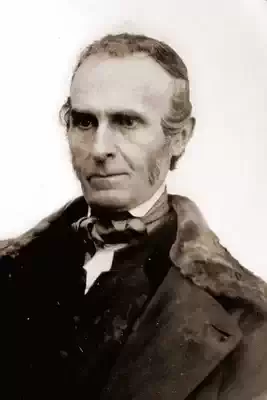
John Greenleaf Whittier
Wordsworth
Wordsworth
WRITTEN ON A BLANK LEAF OF HIS MEMOIRS.
Dear friends, who read the world aright,
And in its common forms discern
A beauty and a harmony
The many never learn!
Kindred in soul of him who found
In simple flower and leaf and stone
The impulse of the sweetest lays
Our Saxon tongue has known,-
Accept this record of a life
As sweet and pure, as calm and good,
As a long day of blandest June
In green field and in wood.
How welcome to our ears, long pained
By strife of sect and party noise,
The brook-like murmur of his song
Of nature's simple joys!
The violet' by its mossy stone,
The primrose by the river's brim,
And chance-sown daffodil, have found
Immortal life through him.
The sunrise on his breezy lake,
The rosy tints his sunset brought,
World-seen, are gladdening all the vales
And mountain-peaks of thought.
Art builds on sand; the works of pride
And human passion change and fall;
But that which shares the life of God
With Him surviveth all.
WRITTEN ON A BLANK LEAF OF HIS MEMOIRS.
Dear friends, who read the world aright,
And in its common forms discern
A beauty and a harmony
The many never learn!
Kindred in soul of him who found
In simple flower and leaf and stone
The impulse of the sweetest lays
Our Saxon tongue has known,-
Accept this record of a life
As sweet and pure, as calm and good,
As a long day of blandest June
In green field and in wood.
How welcome to our ears, long pained
By strife of sect and party noise,
The brook-like murmur of his song
Of nature's simple joys!
The violet' by its mossy stone,
The primrose by the river's brim,
And chance-sown daffodil, have found
Immortal life through him.
The sunrise on his breezy lake,
The rosy tints his sunset brought,
World-seen, are gladdening all the vales
And mountain-peaks of thought.
Art builds on sand; the works of pride
And human passion change and fall;
But that which shares the life of God
With Him surviveth all.
396
John Greenleaf Whittier
The Witch of Wenham
The Witch of Wenham
I.
Along Crane River's sunny slopes
Blew warm the winds of May,
And over Naumkeag's ancient oaks
The green outgrew the gray.
The grass was green on Rial-side,
The early birds at will
Waked up the violet in its dell,
The wind-flower on its hill.
'Where go you, in your Sunday coat,
Son Andrew, tell me, pray.'
For striped perch in Wenham Lake
I go to fish to-day.'
'Unharmed of thee in Wenham Lake
The mottled perch shall be
A blue-eyed witch sits on the bank
And weaves her net for thee.
'She weaves her golden hair; she sings
Her spell-song low and faint;
The wickedest witch in Salem jail
Is to that girl a saint.'
'Nay, mother, hold thy cruel tongue;
God knows,' the young man cried,
'He never made a whiter soul
Than hers by Wenham side.
'She tends her mother sick and blind,
And every want supplies;
To her above the blessed Book
She lends her soft blue eyes.
'Her voice is glad with holy songs,
Her lips are sweet with prayer;
Go where you will, in ten miles round
Is none more good and fair.'
'Son Andrew, for the love of God
And of thy mother, stay!'
She clasped her hands, she wept aloud,
But Andrew rode away.
'O reverend sir, my Andrew's soul
The Wenham witch has caught;
She holds him with the curled gold
Whereof her snare is wrought.
'She charms him with her great blue eyes,
She binds him with her hair;
Oh, break the spell with holy words,
Unbind him with a prayer!'
'Take heart,' the painful preacher said,
'This mischief shall not be;
The witch shall perish in her sins
And Andrew shall go free.
'Our poor Ann Putnam testifies
She saw her weave a spell,
Bare-armed, loose-haired, at full of moon,
Around a dried-up well.
''Spring up, O well!' she softly sang
The Hebrew's old refrain
(For Satan uses Bible words),
Till water flowed a-main.
'And many a goodwife heard her speak
By Wenham water words
That made the buttercups take wings
And turn to yellow birds.
'They say that swarming wild bees seek
The hive at her command;
And fishes swim to take their food
From out her dainty hand.
'Meek as she sits in meeting-time,
The godly minister
Notes well the spell that doth compel
The young men's eyes to her.
'The mole upon her dimpled chin
Is Satan's seal and sign;
Her lips are red with evil bread
And stain of unblest wine.
'For Tituba, my Indian, saith
At Quasycung she took
The Black Man's godless sacrament
And signed his dreadful book.
'Last night my sore-afflicted child
Against the young witch cried.
To take her Marshal Herrick rides
Even now to Wenham side.'
The marshal in his saddle sat,
His daughter at his knee;
'I go to fetch that arrant witch,
Thy fair playmate,' quoth he.
'Her spectre walks the parsonage,
And haunts both hall and stair;
They know her by the great blue eyes
And floating gold of hair.'
'They lie, they lie, my father dear!
No foul old witch is she,
But sweet and good and crystal-pure
As Wenham waters be.'
'I tell thee, child, the Lord hath set
Before us good and ill,
And woe to all whose carnal loves
Oppose His righteous will.
'Between Him and the powers of hell
Choose thou, my child, to-day
No sparing hand, no pitying eye,
When God commands to slay!'
He went his way; the old wives shook
With fear as he drew nigh;
The children in the dooryards held
Their breath as he passed by.
Too well they knew the gaunt gray horse
The grim witch-hunter rode
The pale Apocalyptic beast
By grisly Death bestrode.
II.
Oh, fair the face of Wenham Lake
Upon the young girl's shone,
Her tender mouth, her dreaming eyes,
Her yellow hair outblown.
By happy youth and love attuned
To natural harmonies,
The singing birds, the whispering wind,
She sat beneath the trees.
Sat shaping for her bridal dress
Her mother's wedding gown,
When lo! the marshal, writ in hand,
From Alford hill rode down.
His face was hard with cruel fear,
He grasped the maiden's hands
'Come with me unto Salem town,
For so the law commands!'
'Oh, let me to my mother say
Farewell before I go!'
He closer tied her little hands
Unto his saddle bow.
'Unhand me,' cried she piteously,
'For thy sweet daughter's sake.'
'I'll keep my daughter safe,' he said,
'From the witch of Wenham Lake.'
'Oh, leave me for my mother's sake,
She needs my eyes to see.'
'Those eyes, young witch, the crows shall peck
From off the gallows-tree.'
He bore her to a farm-house old,
And up its stairway long,
And closed on her the garret-door
With iron bolted strong.
The day died out, the night came down
Her evening prayer she said,
While, through the dark, strange faces seemed
To mock her as she prayed.
The present horror deepened all
The fears her childhood knew;
The awe wherewith the air was filled
With every breath she drew.
And could it be, she trembling asked,
Some secret thought or sin
Had shut good angels from her heart
And let the bad ones in?
Had she in some forgotten dream
Let go her hold on Heaven,
And sold herself unwittingly
To spirits unforgiven?
Oh, weird and still the dark hours passed;
No human sound she heard,
But up and down the chimney stack
The swallows moaned and stirred.
And o'er her, with a dread surmise
Of evil sight and sound,
The blind bats on their leathern wings
Went wheeling round and round.
Low hanging in the midnight sky
Looked in a half-faced moon.
Was it a dream, or did she hear
Her lover's whistled tune?
She forced the oaken scuttle back;
A whisper reached her ear
'Slide down the roof to me,' it said,
'So softly none may hear.'
She slid along the sloping roof
Till from its eaves she hung,
And felt the loosened shingles yield
To which her fingers clung.
Below, her lover stretched his hands
And touched her feet so small;
'Drop down to me, dear heart,' he said,
'My arms shall break the fall.'
He set her on his pillion soft,
Her arms about him twined;
And, noiseless as if velvet-shod,
They left the house behind.
But when they reached the open way,
Full free the rein he cast;
Oh, never through the mirk midnight
Rode man and maid more fast.
Along the wild wood-paths they sped,
The bridgeless streams they swam;
At set of moon they passed the Bass,
At sunrise Agawam.
At high noon on the Merrimac
The ancient ferryman
Forgot, at times, his idle oars,
So fair a freight to scan.
And when from off his grounded boat
He saw them mount and ride,
'God keep her from the evil eye,
And harm of witch!' he cried.
The maiden laughed, as youth will laugh
At all its fears gone by;
'He does not know,' she whispered low,
'A little witch am I.'
All day he urged his weary horse,
And, in the red sundown,
Drew rein before a friendly door
In distant Berwick town.
A fellow-feeling for the wronged
The Quaker people felt;
And safe beside their kindly hearths
The hunted maiden dwelt,
Until from off its breast the land
The haunting horror threw,
And hatred, born of ghastly dreams,
To shame and pity grew.
Sad were the year's spring morns, and sad
Its golden summer day,
But blithe and glad its withered fields,
And skies of ashen gray;
For spell and charm had power no more,
The spectres ceased to roam,
And scattered households knelt again
Around the hearths of home.
And when once more by Beaver Dam
The meadow-lark outsang,
And once again on all the hills
The early violets sprang,
And all the windy pasture slopes
Lay green within the arms
Of creeks that bore the salted sea
To pleasant inland farms,
The smith filed off the chains he forged,
The jail-bolts backward fell;
And youth and hoary age came forth
Like souls escaped from hell.
I.
Along Crane River's sunny slopes
Blew warm the winds of May,
And over Naumkeag's ancient oaks
The green outgrew the gray.
The grass was green on Rial-side,
The early birds at will
Waked up the violet in its dell,
The wind-flower on its hill.
'Where go you, in your Sunday coat,
Son Andrew, tell me, pray.'
For striped perch in Wenham Lake
I go to fish to-day.'
'Unharmed of thee in Wenham Lake
The mottled perch shall be
A blue-eyed witch sits on the bank
And weaves her net for thee.
'She weaves her golden hair; she sings
Her spell-song low and faint;
The wickedest witch in Salem jail
Is to that girl a saint.'
'Nay, mother, hold thy cruel tongue;
God knows,' the young man cried,
'He never made a whiter soul
Than hers by Wenham side.
'She tends her mother sick and blind,
And every want supplies;
To her above the blessed Book
She lends her soft blue eyes.
'Her voice is glad with holy songs,
Her lips are sweet with prayer;
Go where you will, in ten miles round
Is none more good and fair.'
'Son Andrew, for the love of God
And of thy mother, stay!'
She clasped her hands, she wept aloud,
But Andrew rode away.
'O reverend sir, my Andrew's soul
The Wenham witch has caught;
She holds him with the curled gold
Whereof her snare is wrought.
'She charms him with her great blue eyes,
She binds him with her hair;
Oh, break the spell with holy words,
Unbind him with a prayer!'
'Take heart,' the painful preacher said,
'This mischief shall not be;
The witch shall perish in her sins
And Andrew shall go free.
'Our poor Ann Putnam testifies
She saw her weave a spell,
Bare-armed, loose-haired, at full of moon,
Around a dried-up well.
''Spring up, O well!' she softly sang
The Hebrew's old refrain
(For Satan uses Bible words),
Till water flowed a-main.
'And many a goodwife heard her speak
By Wenham water words
That made the buttercups take wings
And turn to yellow birds.
'They say that swarming wild bees seek
The hive at her command;
And fishes swim to take their food
From out her dainty hand.
'Meek as she sits in meeting-time,
The godly minister
Notes well the spell that doth compel
The young men's eyes to her.
'The mole upon her dimpled chin
Is Satan's seal and sign;
Her lips are red with evil bread
And stain of unblest wine.
'For Tituba, my Indian, saith
At Quasycung she took
The Black Man's godless sacrament
And signed his dreadful book.
'Last night my sore-afflicted child
Against the young witch cried.
To take her Marshal Herrick rides
Even now to Wenham side.'
The marshal in his saddle sat,
His daughter at his knee;
'I go to fetch that arrant witch,
Thy fair playmate,' quoth he.
'Her spectre walks the parsonage,
And haunts both hall and stair;
They know her by the great blue eyes
And floating gold of hair.'
'They lie, they lie, my father dear!
No foul old witch is she,
But sweet and good and crystal-pure
As Wenham waters be.'
'I tell thee, child, the Lord hath set
Before us good and ill,
And woe to all whose carnal loves
Oppose His righteous will.
'Between Him and the powers of hell
Choose thou, my child, to-day
No sparing hand, no pitying eye,
When God commands to slay!'
He went his way; the old wives shook
With fear as he drew nigh;
The children in the dooryards held
Their breath as he passed by.
Too well they knew the gaunt gray horse
The grim witch-hunter rode
The pale Apocalyptic beast
By grisly Death bestrode.
II.
Oh, fair the face of Wenham Lake
Upon the young girl's shone,
Her tender mouth, her dreaming eyes,
Her yellow hair outblown.
By happy youth and love attuned
To natural harmonies,
The singing birds, the whispering wind,
She sat beneath the trees.
Sat shaping for her bridal dress
Her mother's wedding gown,
When lo! the marshal, writ in hand,
From Alford hill rode down.
His face was hard with cruel fear,
He grasped the maiden's hands
'Come with me unto Salem town,
For so the law commands!'
'Oh, let me to my mother say
Farewell before I go!'
He closer tied her little hands
Unto his saddle bow.
'Unhand me,' cried she piteously,
'For thy sweet daughter's sake.'
'I'll keep my daughter safe,' he said,
'From the witch of Wenham Lake.'
'Oh, leave me for my mother's sake,
She needs my eyes to see.'
'Those eyes, young witch, the crows shall peck
From off the gallows-tree.'
He bore her to a farm-house old,
And up its stairway long,
And closed on her the garret-door
With iron bolted strong.
The day died out, the night came down
Her evening prayer she said,
While, through the dark, strange faces seemed
To mock her as she prayed.
The present horror deepened all
The fears her childhood knew;
The awe wherewith the air was filled
With every breath she drew.
And could it be, she trembling asked,
Some secret thought or sin
Had shut good angels from her heart
And let the bad ones in?
Had she in some forgotten dream
Let go her hold on Heaven,
And sold herself unwittingly
To spirits unforgiven?
Oh, weird and still the dark hours passed;
No human sound she heard,
But up and down the chimney stack
The swallows moaned and stirred.
And o'er her, with a dread surmise
Of evil sight and sound,
The blind bats on their leathern wings
Went wheeling round and round.
Low hanging in the midnight sky
Looked in a half-faced moon.
Was it a dream, or did she hear
Her lover's whistled tune?
She forced the oaken scuttle back;
A whisper reached her ear
'Slide down the roof to me,' it said,
'So softly none may hear.'
She slid along the sloping roof
Till from its eaves she hung,
And felt the loosened shingles yield
To which her fingers clung.
Below, her lover stretched his hands
And touched her feet so small;
'Drop down to me, dear heart,' he said,
'My arms shall break the fall.'
He set her on his pillion soft,
Her arms about him twined;
And, noiseless as if velvet-shod,
They left the house behind.
But when they reached the open way,
Full free the rein he cast;
Oh, never through the mirk midnight
Rode man and maid more fast.
Along the wild wood-paths they sped,
The bridgeless streams they swam;
At set of moon they passed the Bass,
At sunrise Agawam.
At high noon on the Merrimac
The ancient ferryman
Forgot, at times, his idle oars,
So fair a freight to scan.
And when from off his grounded boat
He saw them mount and ride,
'God keep her from the evil eye,
And harm of witch!' he cried.
The maiden laughed, as youth will laugh
At all its fears gone by;
'He does not know,' she whispered low,
'A little witch am I.'
All day he urged his weary horse,
And, in the red sundown,
Drew rein before a friendly door
In distant Berwick town.
A fellow-feeling for the wronged
The Quaker people felt;
And safe beside their kindly hearths
The hunted maiden dwelt,
Until from off its breast the land
The haunting horror threw,
And hatred, born of ghastly dreams,
To shame and pity grew.
Sad were the year's spring morns, and sad
Its golden summer day,
But blithe and glad its withered fields,
And skies of ashen gray;
For spell and charm had power no more,
The spectres ceased to roam,
And scattered households knelt again
Around the hearths of home.
And when once more by Beaver Dam
The meadow-lark outsang,
And once again on all the hills
The early violets sprang,
And all the windy pasture slopes
Lay green within the arms
Of creeks that bore the salted sea
To pleasant inland farms,
The smith filed off the chains he forged,
The jail-bolts backward fell;
And youth and hoary age came forth
Like souls escaped from hell.
270
John Greenleaf Whittier
The Vanishers
The Vanishers
Sweetest of all childlike dreams
In the simple Indian lore
Still to me the legend seems
Of the shapes who flit before.
Flitting, passing, seen and gone,
Never reached nor found at rest,
Baffling search, but beckoning on
To the Sunset of the Blest.
From the clefts of mountain rocks,
Through the dark of lowland firs,
Flash the eyes and flow the locks
Of the mystic Vanishers!
And the fisher in his skiff,
And the hunter on the moss,
Hear their call from cape and cliff,
See their hands the birch-leaves toss.
Wistful, longing, through the green
Twilight of the clustered pines,
In their faces rarely seen
Beauty more than mortal shines.
Fringed with gold their mantles flow
On the slopes of westering knolls;
In the wind they whisper low
Of the Sunset Land of Souls.
Doubt who may, O friend of mine!
Thou and I have seen them too;
On before with beck and sign
Still they glide, and we pursue.
More than clouds of purple trail
In the gold of setting day;
More than gleams of wing or sail
Beckon from the sea-mist gray.
Glimpses of immortal youth,
Gleams and glories seen and flown,
Far-heard voices sweet with truth,
Airs from viewless Eden blown;
Beauty that eludes our grasp,
Sweetness that transcends our taste,
Loving hands we may not clasp,
Shining feet that mock our haste;
Gentle eyes we closed below,
Tender voices heard once more,
Smile and call us, as they go
On and onward, still before.
Guided thus, O friend of mine
Let us walk our little way,
Knowing by each beckoning sign
That we are not quite astray.
Chase we still, with baffled feet,
Smiling eye and waving hand,
Sought and seeker soon shall meet,
Lost and found, in Sunset Land
Sweetest of all childlike dreams
In the simple Indian lore
Still to me the legend seems
Of the shapes who flit before.
Flitting, passing, seen and gone,
Never reached nor found at rest,
Baffling search, but beckoning on
To the Sunset of the Blest.
From the clefts of mountain rocks,
Through the dark of lowland firs,
Flash the eyes and flow the locks
Of the mystic Vanishers!
And the fisher in his skiff,
And the hunter on the moss,
Hear their call from cape and cliff,
See their hands the birch-leaves toss.
Wistful, longing, through the green
Twilight of the clustered pines,
In their faces rarely seen
Beauty more than mortal shines.
Fringed with gold their mantles flow
On the slopes of westering knolls;
In the wind they whisper low
Of the Sunset Land of Souls.
Doubt who may, O friend of mine!
Thou and I have seen them too;
On before with beck and sign
Still they glide, and we pursue.
More than clouds of purple trail
In the gold of setting day;
More than gleams of wing or sail
Beckon from the sea-mist gray.
Glimpses of immortal youth,
Gleams and glories seen and flown,
Far-heard voices sweet with truth,
Airs from viewless Eden blown;
Beauty that eludes our grasp,
Sweetness that transcends our taste,
Loving hands we may not clasp,
Shining feet that mock our haste;
Gentle eyes we closed below,
Tender voices heard once more,
Smile and call us, as they go
On and onward, still before.
Guided thus, O friend of mine
Let us walk our little way,
Knowing by each beckoning sign
That we are not quite astray.
Chase we still, with baffled feet,
Smiling eye and waving hand,
Sought and seeker soon shall meet,
Lost and found, in Sunset Land
255
John Greenleaf Whittier
The Trailing Arbutus
The Trailing Arbutus
I wandered lonely where the pine-trees made
Against the bitter East their barricade,
And, guided by its sweet
Perfume, I found, within a narrow dell,
The trailing spring flower tinted like a shell
Amid dry leaves and mosses at my feet.
From under dead boughs, for whose loss the pines
Moaned ceaseless overhead, the blossoming vines
Lifted their glad surprise,
While yet the bluebird smoothed in leafless trees
His feathers ruffled by the chill sea-breeze,
And snow-drifts lingered under April skies.
As, pausing, o'er the lonely flower I bent,
I thought of lives thus lowly, clogged and pent,
Which yet find room,
Through care and cumber, coldness and decay,
To lend a sweetness to the ungenial day
And make the sad earth happier for their bloom.
I wandered lonely where the pine-trees made
Against the bitter East their barricade,
And, guided by its sweet
Perfume, I found, within a narrow dell,
The trailing spring flower tinted like a shell
Amid dry leaves and mosses at my feet.
From under dead boughs, for whose loss the pines
Moaned ceaseless overhead, the blossoming vines
Lifted their glad surprise,
While yet the bluebird smoothed in leafless trees
His feathers ruffled by the chill sea-breeze,
And snow-drifts lingered under April skies.
As, pausing, o'er the lonely flower I bent,
I thought of lives thus lowly, clogged and pent,
Which yet find room,
Through care and cumber, coldness and decay,
To lend a sweetness to the ungenial day
And make the sad earth happier for their bloom.
341
John Greenleaf Whittier
The Tent On The Beach
The Tent On The Beach
I would not sin, in this half-playful strain,-Too
light perhaps for serious years, though born
Of the enforced leisure of slow pain,-Against
the pure ideal which has drawn
My feet to follow its far-shining gleam.
A simple plot is mine: legends and runes
Of credulous days, old fancies that have lain
Silent, from boyhood taking voice again,
Warmed into life once more, even as the tunes
That, frozen in the fabled hunting-horn,
Thawed into sound:--a winter fireside dream
Of dawns and-sunsets by the summer sea,
Whose sands are traversed by a silent throng
Of voyagers from that vaster mystery
Of which it is an emblem;--and the dear
Memory of one who might have tuned my song
To sweeter music by her delicate ear.
When heats as of a tropic clime
Burned all our inland valleys through,
Three friends, the guests of summer time,
Pitched their white tent where sea-winds blew.
Behind them, marshes, seamed and crossed
With narrow creeks, and flower-embossed,
Stretched to the dark oak wood, whose leafy arms
Screened from the stormy East the pleasant inland farms.
At full of tide their bolder shore
Of sun-bleached sand the waters beat;
At ebb, a smooth and glistening floor
They touched with light, receding feet.
Northward a 'green bluff broke the chain
Of sand-hills; southward stretched a plain
Of salt grass, with a river winding down,
Sail-whitened, and beyond the steeples of the town,
Whence sometimes, when the wind was light
And dull the thunder of the beach,
They heard the bells of morn and night
Swing, miles away, their silver speech.
Above low scarp and turf-grown wall
They saw the fort-flag rise and fall;
And, the first star to signal twilight's hour,
The lamp-fire glimmer down from the tall light-house tower.
They rested there, escaped awhile
From cares that wear the life away,
To eat the lotus of the Nile
And drink the poppies of Cathay,-To
fling their loads of custom down,
Like drift-weed, on the sand-slopes brown,
And in the sea waves drown the restless pack
Of duties, claims, and needs that barked upon their track.
One, with his beard scarce silvered, bore
A ready credence in his looks,
A lettered magnate, lording o'er
An ever-widening realm of books.
In him brain-currents, near and far,
Converged as in a Leyden jar;
The old, dead authors thronged him round about,
And Elzevir's gray ghosts from leathern graves looked out.
He knew each living pundit well,
Could weigh the gifts of him or her,
And well the market value tell
Of poet and philosopher.
But if he lost, the scenes behind,
Somewhat of reverence vague and blind,
Finding the actors human at the best,
No readier lips than his the good he saw confessed.
His boyhood fancies not outgrown,
He loved himself the singer's art;
Tenderly, gently, by his own
He knew and judged an author's heart.
No Rhadamanthine brow of doom
Bowed the dazed pedant from his room;
And bards, whose name is legion, if denied,
Bore off alike intact their verses and their pride.
Pleasant it was to roam about
The lettered world as he had, done,
And see the lords of song without
Their singing robes and garlands on.
With Wordsworth paddle Rydal mere,
Taste rugged Elliott's home-brewed beer,
And with the ears of Rogers, at fourscore,
Hear Garrick's buskined tread and Walpole's wit once more.
And one there was, a dreamer born,
Who, with a mission to fulfil,
Had left the Muses' haunts to turn
The crank of an opinion-mill,
Making his rustic reed of song
A weapon in the war with wrong,
Yoking his fancy to the breaking-plough
That beam-deep turned the soil for truth to spring and grow.
Too quiet seemed the man to ride
The winged Hippogriff Reform;
Was his a voice from side to side
To pierce the tumult of the storm?
A silent, shy, peace-loving man,
He seemed no fiery partisan
To hold his way against the public frown,
The ban of Church and State, the fierce mob's hounding down.
For while he wrought with strenuous will
The work his hands had found to do,
He heard the fitful music still
Of winds that out of dream-land blew.
The din about him could not drown
What the strange voices whispered down;
Along his task-field weird processions swept,
The visionary pomp of stately phantoms stepped:
The common air was thick with dreams,-He
told them to the toiling crowd;
Such music as the woods and streams
Sang in his ear he sang aloud;
In still, shut bays, on windy capes,
He heard the call of beckoning shapes,
And, as the gray old shadows prompted him,
To homely moulds of rhyme he shaped their legends grim.
He rested now his weary hands,
And lightly moralized and laughed,
As, tracing on the shifting sands
A burlesque of his paper-craft,
He saw the careless waves o'errun
His words, as time before had done,
Each day's tide-water washing clean away,
Like letters from the sand, the work of yesterday.
And one, whose Arab face was tanned
By tropic sun and boreal frost,
So travelled there was scarce a land
Or people left him to exhaust,
In idling mood had from him hurled
The poor squeezed orange of the world,
And in the tent-shade, as beneath a palm,
Smoked, cross-legged like a Turk, in Oriental calm.
The very waves that washed the sand
Below him, he had seen before
Whitening the Scandinavian strand
And sultry Mauritanian shore.
From ice-rimmed isles, from summer seas
Palm-fringed, they bore him messages;
He heard the plaintive Nubian songs again,
And mule-bells tinkling down the mountain-paths of Spain.
His memory round the ransacked earth
On Puck's long girdle slid at ease;
And, instant, to the valley's girth
Of mountains, spice isles of the seas,
Faith flowered in minster stones, Art's guess
At truth and beauty, found access;
Yet loved the while, that free cosmopolite,
Old friends, old ways, and kept his boyhood's dreams in sight.
Untouched as yet by wealth and pride,
That virgin innocence of beach
No shingly monster, hundred-eyed,
Stared its gray sand-birds out of reach;
Unhoused, save where, at intervals,
The white tents showed their canvas walls,
Where brief sojourners, in the cool, soft air,
Forgot their inland heats, hard toil, and year-long care.
Sometimes along the wheel-deep sand
A one-horse wagon slowly crawled,
Deep laden with a youthful band,
Whose look some homestead old recalled;
Brother perchance, and sisters twain,
And one whose blue eyes told, more plain
Than the free language of her rosy lip,
Of the still dearer claim of love's relationship.
With cheeks of russet-orchard tint,
The light laugh of their native rills,
The perfume of their garden's mint,
The breezy freedom of the hills,
They bore, in unrestrained delight,
The motto of the Garter's knight,
Careless as if from every gazing thing
Hid by their innocence, as Gyges by his ring.
The clanging sea-fowl came and went,
The hunter's gun in the marshes rang;
At nightfall from a neighboring tent
A flute-voiced woman sweetly sang.
Loose-haired, barefooted, hand-in-hand,
Young girls went tripping down the sand;
And youths and maidens, sitting in the moon,
Dreamed o'er the old fond dream from which we wake too soon.
At times their fishing-lines they plied,
With an old Triton at the oar,
Salt as the sea-wind, tough and dried
As a lean cusk from Labrador.
Strange tales he told of wreck and storm,-Had
seen the sea-snake's awful form,
And heard the ghosts on Haley's Isle complain,
Speak him off shore, and beg a passage to old Spain!
And there, on breezy morns, they saw
The fishing-schooners outward run,
Their low-bent sails in tack and flaw
Turned white or dark to shade and sun.
Sometimes, in calms of closing day,
They watched the spectral mirage play,
Saw low, far islands looming tall and nigh,
And ships, with upturned keels, sail like a sea the sky.
Sometimes a cloud, with thunder black,
Stooped low upon the darkening main,
Piercing the waves along its track
With the slant javelins of rain.
And when west-wind and sunshine warm
Chased out to sea its wrecks of storm,
They saw the prismy hues in thin spray showers
Where the green buds of waves burst into white froth flowers.
And when along the line of shore
The mists crept upward chill and damp,
Stretched, careless, on their sandy floor
Beneath the flaring lantern lamp,
They talked of all things old and new,
Read, slept, and dreamed as idlers do;
And in the unquestioned freedom of the tent,
Body and o'er-taxed mind to healthful ease unbent.
Once, when the sunset splendors died,
And, trampling up the sloping sand,
In lines outreaching far and wide,
The white-waned billows swept to land,
Dim seen across the gathering shade,
A vast and ghostly cavalcade,
They sat around their lighted kerosene,
Hearing the deep bass roar their every pause between.
Then, urged thereto, the Editor
Within his full portfolio dipped,
Feigning excuse while seaching for
(With secret pride) his manuscript.
His pale face flushed from eye to beard,
With nervous cough his throat he cleared,
And, in a voice so tremulous it betrayed
The anxious fondness of an author's heart, he read:
I would not sin, in this half-playful strain,-Too
light perhaps for serious years, though born
Of the enforced leisure of slow pain,-Against
the pure ideal which has drawn
My feet to follow its far-shining gleam.
A simple plot is mine: legends and runes
Of credulous days, old fancies that have lain
Silent, from boyhood taking voice again,
Warmed into life once more, even as the tunes
That, frozen in the fabled hunting-horn,
Thawed into sound:--a winter fireside dream
Of dawns and-sunsets by the summer sea,
Whose sands are traversed by a silent throng
Of voyagers from that vaster mystery
Of which it is an emblem;--and the dear
Memory of one who might have tuned my song
To sweeter music by her delicate ear.
When heats as of a tropic clime
Burned all our inland valleys through,
Three friends, the guests of summer time,
Pitched their white tent where sea-winds blew.
Behind them, marshes, seamed and crossed
With narrow creeks, and flower-embossed,
Stretched to the dark oak wood, whose leafy arms
Screened from the stormy East the pleasant inland farms.
At full of tide their bolder shore
Of sun-bleached sand the waters beat;
At ebb, a smooth and glistening floor
They touched with light, receding feet.
Northward a 'green bluff broke the chain
Of sand-hills; southward stretched a plain
Of salt grass, with a river winding down,
Sail-whitened, and beyond the steeples of the town,
Whence sometimes, when the wind was light
And dull the thunder of the beach,
They heard the bells of morn and night
Swing, miles away, their silver speech.
Above low scarp and turf-grown wall
They saw the fort-flag rise and fall;
And, the first star to signal twilight's hour,
The lamp-fire glimmer down from the tall light-house tower.
They rested there, escaped awhile
From cares that wear the life away,
To eat the lotus of the Nile
And drink the poppies of Cathay,-To
fling their loads of custom down,
Like drift-weed, on the sand-slopes brown,
And in the sea waves drown the restless pack
Of duties, claims, and needs that barked upon their track.
One, with his beard scarce silvered, bore
A ready credence in his looks,
A lettered magnate, lording o'er
An ever-widening realm of books.
In him brain-currents, near and far,
Converged as in a Leyden jar;
The old, dead authors thronged him round about,
And Elzevir's gray ghosts from leathern graves looked out.
He knew each living pundit well,
Could weigh the gifts of him or her,
And well the market value tell
Of poet and philosopher.
But if he lost, the scenes behind,
Somewhat of reverence vague and blind,
Finding the actors human at the best,
No readier lips than his the good he saw confessed.
His boyhood fancies not outgrown,
He loved himself the singer's art;
Tenderly, gently, by his own
He knew and judged an author's heart.
No Rhadamanthine brow of doom
Bowed the dazed pedant from his room;
And bards, whose name is legion, if denied,
Bore off alike intact their verses and their pride.
Pleasant it was to roam about
The lettered world as he had, done,
And see the lords of song without
Their singing robes and garlands on.
With Wordsworth paddle Rydal mere,
Taste rugged Elliott's home-brewed beer,
And with the ears of Rogers, at fourscore,
Hear Garrick's buskined tread and Walpole's wit once more.
And one there was, a dreamer born,
Who, with a mission to fulfil,
Had left the Muses' haunts to turn
The crank of an opinion-mill,
Making his rustic reed of song
A weapon in the war with wrong,
Yoking his fancy to the breaking-plough
That beam-deep turned the soil for truth to spring and grow.
Too quiet seemed the man to ride
The winged Hippogriff Reform;
Was his a voice from side to side
To pierce the tumult of the storm?
A silent, shy, peace-loving man,
He seemed no fiery partisan
To hold his way against the public frown,
The ban of Church and State, the fierce mob's hounding down.
For while he wrought with strenuous will
The work his hands had found to do,
He heard the fitful music still
Of winds that out of dream-land blew.
The din about him could not drown
What the strange voices whispered down;
Along his task-field weird processions swept,
The visionary pomp of stately phantoms stepped:
The common air was thick with dreams,-He
told them to the toiling crowd;
Such music as the woods and streams
Sang in his ear he sang aloud;
In still, shut bays, on windy capes,
He heard the call of beckoning shapes,
And, as the gray old shadows prompted him,
To homely moulds of rhyme he shaped their legends grim.
He rested now his weary hands,
And lightly moralized and laughed,
As, tracing on the shifting sands
A burlesque of his paper-craft,
He saw the careless waves o'errun
His words, as time before had done,
Each day's tide-water washing clean away,
Like letters from the sand, the work of yesterday.
And one, whose Arab face was tanned
By tropic sun and boreal frost,
So travelled there was scarce a land
Or people left him to exhaust,
In idling mood had from him hurled
The poor squeezed orange of the world,
And in the tent-shade, as beneath a palm,
Smoked, cross-legged like a Turk, in Oriental calm.
The very waves that washed the sand
Below him, he had seen before
Whitening the Scandinavian strand
And sultry Mauritanian shore.
From ice-rimmed isles, from summer seas
Palm-fringed, they bore him messages;
He heard the plaintive Nubian songs again,
And mule-bells tinkling down the mountain-paths of Spain.
His memory round the ransacked earth
On Puck's long girdle slid at ease;
And, instant, to the valley's girth
Of mountains, spice isles of the seas,
Faith flowered in minster stones, Art's guess
At truth and beauty, found access;
Yet loved the while, that free cosmopolite,
Old friends, old ways, and kept his boyhood's dreams in sight.
Untouched as yet by wealth and pride,
That virgin innocence of beach
No shingly monster, hundred-eyed,
Stared its gray sand-birds out of reach;
Unhoused, save where, at intervals,
The white tents showed their canvas walls,
Where brief sojourners, in the cool, soft air,
Forgot their inland heats, hard toil, and year-long care.
Sometimes along the wheel-deep sand
A one-horse wagon slowly crawled,
Deep laden with a youthful band,
Whose look some homestead old recalled;
Brother perchance, and sisters twain,
And one whose blue eyes told, more plain
Than the free language of her rosy lip,
Of the still dearer claim of love's relationship.
With cheeks of russet-orchard tint,
The light laugh of their native rills,
The perfume of their garden's mint,
The breezy freedom of the hills,
They bore, in unrestrained delight,
The motto of the Garter's knight,
Careless as if from every gazing thing
Hid by their innocence, as Gyges by his ring.
The clanging sea-fowl came and went,
The hunter's gun in the marshes rang;
At nightfall from a neighboring tent
A flute-voiced woman sweetly sang.
Loose-haired, barefooted, hand-in-hand,
Young girls went tripping down the sand;
And youths and maidens, sitting in the moon,
Dreamed o'er the old fond dream from which we wake too soon.
At times their fishing-lines they plied,
With an old Triton at the oar,
Salt as the sea-wind, tough and dried
As a lean cusk from Labrador.
Strange tales he told of wreck and storm,-Had
seen the sea-snake's awful form,
And heard the ghosts on Haley's Isle complain,
Speak him off shore, and beg a passage to old Spain!
And there, on breezy morns, they saw
The fishing-schooners outward run,
Their low-bent sails in tack and flaw
Turned white or dark to shade and sun.
Sometimes, in calms of closing day,
They watched the spectral mirage play,
Saw low, far islands looming tall and nigh,
And ships, with upturned keels, sail like a sea the sky.
Sometimes a cloud, with thunder black,
Stooped low upon the darkening main,
Piercing the waves along its track
With the slant javelins of rain.
And when west-wind and sunshine warm
Chased out to sea its wrecks of storm,
They saw the prismy hues in thin spray showers
Where the green buds of waves burst into white froth flowers.
And when along the line of shore
The mists crept upward chill and damp,
Stretched, careless, on their sandy floor
Beneath the flaring lantern lamp,
They talked of all things old and new,
Read, slept, and dreamed as idlers do;
And in the unquestioned freedom of the tent,
Body and o'er-taxed mind to healthful ease unbent.
Once, when the sunset splendors died,
And, trampling up the sloping sand,
In lines outreaching far and wide,
The white-waned billows swept to land,
Dim seen across the gathering shade,
A vast and ghostly cavalcade,
They sat around their lighted kerosene,
Hearing the deep bass roar their every pause between.
Then, urged thereto, the Editor
Within his full portfolio dipped,
Feigning excuse while seaching for
(With secret pride) his manuscript.
His pale face flushed from eye to beard,
With nervous cough his throat he cleared,
And, in a voice so tremulous it betrayed
The anxious fondness of an author's heart, he read:
281
John Greenleaf Whittier
The Library
The Library
'Let there be light!' God spake of old,
And over chaos dark and cold,
And through the dead and formless frame
Of nature, life and order came.
Faint was the light at first that shone
On giant fern and mastodon,
On half-formed plant and beast of prey,
And man as rude and wild as they.
Age after age, like waves, o'erran
The earth, uplifting brute and man;
And mind, at length, in symbols dark
Its meanings traced on stone and bark.
On leaf of palm, on sedge-wrought roll,
On plastic clay and leathern scroll,
Man wrote his thoughts; the ages passed,
And to! the Press was found at last!
Then dead souls woke; the thoughts of men
Whose bones were dust revived again;
The cloister's silence found a tongue,
Old prophets spake, old poets sung.
And here, to-day, the dead look down,
The kings of mind again we crown;
We hear the voices lost so long,
The sage's word, the sibyl's song.
Here Greek and Roman find themselves
Alive along these crowded shelves;
And Shakespeare treads again his stage,
And Chaucer paints anew his age.
As if some Pantheon's marbles broke
Their stony trance, and lived and spoke,
Life thrills along the alcoved hall,
The lords of thought await our call!
'Let there be light!' God spake of old,
And over chaos dark and cold,
And through the dead and formless frame
Of nature, life and order came.
Faint was the light at first that shone
On giant fern and mastodon,
On half-formed plant and beast of prey,
And man as rude and wild as they.
Age after age, like waves, o'erran
The earth, uplifting brute and man;
And mind, at length, in symbols dark
Its meanings traced on stone and bark.
On leaf of palm, on sedge-wrought roll,
On plastic clay and leathern scroll,
Man wrote his thoughts; the ages passed,
And to! the Press was found at last!
Then dead souls woke; the thoughts of men
Whose bones were dust revived again;
The cloister's silence found a tongue,
Old prophets spake, old poets sung.
And here, to-day, the dead look down,
The kings of mind again we crown;
We hear the voices lost so long,
The sage's word, the sibyl's song.
Here Greek and Roman find themselves
Alive along these crowded shelves;
And Shakespeare treads again his stage,
And Chaucer paints anew his age.
As if some Pantheon's marbles broke
Their stony trance, and lived and spoke,
Life thrills along the alcoved hall,
The lords of thought await our call!
769