

Poems in this theme
Beauty

Joyce Kilmer
Trees
Trees
I think that I shall never see
A poem as lovely as a tree.
A tree whose hungry mouth is prest
Against the earth's sweet flowing breast;
A tree that looks at God all day,
And lifts her leafy arms to pray;
A tree that may in Summer wear
A nest of robins in her hair;
Upon whose bosom snow has lain;
Who intimately lives with rain.
Poems are made by fools like me,
But only God can make a tree.
I think that I shall never see
A poem as lovely as a tree.
A tree whose hungry mouth is prest
Against the earth's sweet flowing breast;
A tree that looks at God all day,
And lifts her leafy arms to pray;
A tree that may in Summer wear
A nest of robins in her hair;
Upon whose bosom snow has lain;
Who intimately lives with rain.
Poems are made by fools like me,
But only God can make a tree.
190
Joyce Kilmer
Ballade of my Lady's Beauty
Ballade of my Lady's Beauty
Squire Adam had two wives, they say,
Two wives had he, for his delight,
He kissed and clypt them all the day
And clypt and kissed them all the night.
Now Eve like ocean foam was white
And Lilith roses dipped in wine,
But though they were a goodly sight
No lady is so fair as mine.
To Venus some folk tribute pay
And Queen of Beauty she is hight,
And Sainte Marie the world doth sway
In cerule napery bedight.
My wonderment these twain invite,
Their comeliness it is divine,
And yet I say in their despite,
No lady is so fair as mine.
Dame Helen caused a grievous fray,
For love of her brave men did fight,
The eyes of her made sages fey
And put their hearts in woeful plight.
To her no rhymes will I indite,
For her no garlands will I twine,
Though she be made of flowers and light
No lady is so fair as mine.
L'Envoi
Prince Eros, Lord of lovely might,
Who on Olympus dost recline,
Do I not tell the truth aright?
No lady is so fair as mine.
Squire Adam had two wives, they say,
Two wives had he, for his delight,
He kissed and clypt them all the day
And clypt and kissed them all the night.
Now Eve like ocean foam was white
And Lilith roses dipped in wine,
But though they were a goodly sight
No lady is so fair as mine.
To Venus some folk tribute pay
And Queen of Beauty she is hight,
And Sainte Marie the world doth sway
In cerule napery bedight.
My wonderment these twain invite,
Their comeliness it is divine,
And yet I say in their despite,
No lady is so fair as mine.
Dame Helen caused a grievous fray,
For love of her brave men did fight,
The eyes of her made sages fey
And put their hearts in woeful plight.
To her no rhymes will I indite,
For her no garlands will I twine,
Though she be made of flowers and light
No lady is so fair as mine.
L'Envoi
Prince Eros, Lord of lovely might,
Who on Olympus dost recline,
Do I not tell the truth aright?
No lady is so fair as mine.
100
Joyce Kilmer
But, of your courtesy, Monsignore,
But, of your courtesy, Monsignore,
Do me this favour:
When you this morning make your way
To the Ivory Throne that bursts into bloom with roses
because of her who sits upon it,
When you come to pay your devoir to Our Lady,
I beg you, say to her:
"Madame, a poor poet, one of your singing servants yet on earth,
Has asked me to say that at this moment he is especially grateful to you
For wearing a blue gown."
Do me this favour:
When you this morning make your way
To the Ivory Throne that bursts into bloom with roses
because of her who sits upon it,
When you come to pay your devoir to Our Lady,
I beg you, say to her:
"Madame, a poor poet, one of your singing servants yet on earth,
Has asked me to say that at this moment he is especially grateful to you
For wearing a blue gown."
147
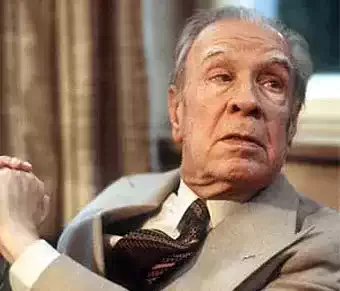
Jorge Luis Borges
Susana Soca
Susana Soca
With lingering love she gazed at the dispersed
Colors of dusk. It pleased her utterly
To lose herself in the complex melody
Or in the cunous life to be found in verse.
lt was not the primal red but rather grays
That spun the fine thread of her destiny,
For the nicest distinctions and all spent
In waverings, ambiguities, delays.
Lacking the nerve to tread this treacherous
Labyrinth, she looked in on, whom without,
The shapes, the turbulence, the striving rout,
(Like the other lady of the looking glass.)
The gods that dwell too far away for prayer
Abandoned her to the final tiger, Fire.
With lingering love she gazed at the dispersed
Colors of dusk. It pleased her utterly
To lose herself in the complex melody
Or in the cunous life to be found in verse.
lt was not the primal red but rather grays
That spun the fine thread of her destiny,
For the nicest distinctions and all spent
In waverings, ambiguities, delays.
Lacking the nerve to tread this treacherous
Labyrinth, she looked in on, whom without,
The shapes, the turbulence, the striving rout,
(Like the other lady of the looking glass.)
The gods that dwell too far away for prayer
Abandoned her to the final tiger, Fire.
1,242

Jonathan Swift
To Lady Carteret
To Lady Carteret
FROM India's burning clime I'm brought,
With cooling gales like zephyrs fraught.
Not Iris, when she paints the sky,
Can show more different hues than I;
Nor can she change her form so fast,
I'm now a sail, and now a mast.
I here am red, and there am green,
A beggar there, and here a queen.
I sometimes live in house of hair,
And oft in hand of lady fair.
I please the young, I grace the old,
And am at once both hot and cold.
Say what I am then, if you can,
And find the rhyme, and you're the man.
FROM India's burning clime I'm brought,
With cooling gales like zephyrs fraught.
Not Iris, when she paints the sky,
Can show more different hues than I;
Nor can she change her form so fast,
I'm now a sail, and now a mast.
I here am red, and there am green,
A beggar there, and here a queen.
I sometimes live in house of hair,
And oft in hand of lady fair.
I please the young, I grace the old,
And am at once both hot and cold.
Say what I am then, if you can,
And find the rhyme, and you're the man.
169
Jonathan Swift
The Lady's Dressing Room
The Lady's Dressing Room
By haughty Celia spent in dressing;
The goddess from her chamber issues,
Arrayed in lace, brocades, and tissues.
Strephon, who found the room was void
And Betty otherwise employed,
Stole in and took a strict survey
Of all the litter as it lay;
Whereof, to make the matter clear,
An inventory follows here.
And first a dirty smock appeared,
Beneath the arm-pits well besmeared.
Strephon, the rogue, displayed it wide
And turned it round on every side.
On such a point few words are best,
And Strephon bids us guess the rest;
And swears how damnably the men lie
In calling Celia sweet and cleanly.
Now listen while he next produces
The various combs for various uses,
Filled up with dirt so closely fixt,
No brush could force a way betwixt.
A paste of composition rare,
Sweat, dandruff, powder, lead and hair;
A forehead cloth with oil upon't
To smooth the wrinkles on her front.
Here alum flower to stop the steams
Exhaled from sour unsavory streams;
There night-gloves made of Tripsy's hide,
Bequeath'd by Tripsy when she died,
With puppy water, beauty's help,
Distilled from Tripsy's darling whelp;
Here gallypots and vials placed,
Some filled with washes, some with paste,
Some with pomatum, paints and slops,
And ointments good for scabby chops.
Hard by a filthy basin stands,
Fouled with the scouring of her hands;
The basin takes whatever comes,
The scrapings of her teeth and gums,
A nasty compound of all hues,
For here she spits, and here she spews.
But oh! it turned poor Strephon's bowels,
When he beheld and smelt the towels,
Begummed, besmattered, and beslimed
With dirt, and sweat, and ear-wax grimed.
No object Strephon's eye escapes:
Here petticoats in frowzy heaps;
Nor be the handkerchiefs forgot
All varnished o'er with snuff and snot.
The stockings, why should I expose,
Stained with the marks of stinking toes;
Or greasy coifs and pinners reeking,
Which Celia slept at least a week in?
A pair of tweezers next he found
To pluck her brows in arches round,
Or hairs that sink the forehead low,
Or on her chin like bristles grow.
The virtues we must not let pass,
Of Celia's magnifying glass.
When frighted Strephon cast his eye on't
It shewed the visage of a giant.
A glass that can to sight disclose
The smallest worm in Celia's nose,
And faithfully direct her nail
To squeeze it out from head to tail;
(For catch it nicely by the head,
It must come out alive or dead.)
Why Strephon will you tell the rest?
And must you needs describe the chest?
That careless wench! no creature warn her
To move it out from yonder corner;
But leave it standing full in sight
For you to exercise your spite.
In vain, the workman shewed his wit
With rings and hinges counterfeit
To make it seem in this disguise
A cabinet to vulgar eyes;
For Strephon ventured to look in,
Resolved to go through thick and thin;
He lifts the lid, there needs no more:
He smelt it all the time before.
As from within Pandora's box,
When Epimetheus oped the locks,
A sudden universal crew
Of humane evils upwards flew,
He still was comforted to find
That Hope at last remained behind;
So Strephon lifting up the lid
To view what in the chest was hid,
The vapours flew from out the vent.
But Strephon cautious never meant
The bottom of the pan to grope
And foul his hands in search of Hope.
O never may such vile machine
Be once in Celia's chamber seen!
O may she better learn to keep
'Those secrets of the hoary deep'!
As mutton cutlets, prime of meat,
Which, though with art you salt and beat
As laws of cookery require
And toast them at the clearest fire,
If from adown the hopeful chops
The fat upon the cinder drops,
To stinking smoke it turns the flame
Poisoning the flesh from whence it came;
And up exhales a greasy stench
For which you curse the careless wench;
So things which must not be exprest,
When plumpt into the reeking chest,
Send up an excremental smell
To taint the parts from whence they fell,
The petticoats and gown perfume,
Which waft a stink round every room.
Thus finishing his grand survey,
Disgusted Strephon stole away
Repeating in his amorous fits,
Oh! Celia, Celia, Celia shits!
But vengeance, Goddess never sleeping,
Soon punished Strephon for his peeping:
His foul Imagination links
Each dame he see with all her stinks;
And, if unsavory odors fly,
Conceives a lady standing by.
All women his description fits,
And both ideas jump like wits
By vicious fancy coupled fast,
And still appearing in contrast.
I pity wretched Strephon blind
To all the charms of female kind.
Should I the Queen of Love refuse
Because she rose from stinking ooze?
To him that looks behind the scene
Satira's but some pocky queen.
When Celia in her glory shows,
If Strephon would but stop his nose
(Who now so impiously blasphemes
Her ointments, daubs, and paints and creams,
Her washes, slops, and every clout
With which he makes so foul a rout),
He soon would learn to think like me
And bless his ravished sight to see
Such order from confusion sprung,
Such gaudy tulips raised from dung.
By haughty Celia spent in dressing;
The goddess from her chamber issues,
Arrayed in lace, brocades, and tissues.
Strephon, who found the room was void
And Betty otherwise employed,
Stole in and took a strict survey
Of all the litter as it lay;
Whereof, to make the matter clear,
An inventory follows here.
And first a dirty smock appeared,
Beneath the arm-pits well besmeared.
Strephon, the rogue, displayed it wide
And turned it round on every side.
On such a point few words are best,
And Strephon bids us guess the rest;
And swears how damnably the men lie
In calling Celia sweet and cleanly.
Now listen while he next produces
The various combs for various uses,
Filled up with dirt so closely fixt,
No brush could force a way betwixt.
A paste of composition rare,
Sweat, dandruff, powder, lead and hair;
A forehead cloth with oil upon't
To smooth the wrinkles on her front.
Here alum flower to stop the steams
Exhaled from sour unsavory streams;
There night-gloves made of Tripsy's hide,
Bequeath'd by Tripsy when she died,
With puppy water, beauty's help,
Distilled from Tripsy's darling whelp;
Here gallypots and vials placed,
Some filled with washes, some with paste,
Some with pomatum, paints and slops,
And ointments good for scabby chops.
Hard by a filthy basin stands,
Fouled with the scouring of her hands;
The basin takes whatever comes,
The scrapings of her teeth and gums,
A nasty compound of all hues,
For here she spits, and here she spews.
But oh! it turned poor Strephon's bowels,
When he beheld and smelt the towels,
Begummed, besmattered, and beslimed
With dirt, and sweat, and ear-wax grimed.
No object Strephon's eye escapes:
Here petticoats in frowzy heaps;
Nor be the handkerchiefs forgot
All varnished o'er with snuff and snot.
The stockings, why should I expose,
Stained with the marks of stinking toes;
Or greasy coifs and pinners reeking,
Which Celia slept at least a week in?
A pair of tweezers next he found
To pluck her brows in arches round,
Or hairs that sink the forehead low,
Or on her chin like bristles grow.
The virtues we must not let pass,
Of Celia's magnifying glass.
When frighted Strephon cast his eye on't
It shewed the visage of a giant.
A glass that can to sight disclose
The smallest worm in Celia's nose,
And faithfully direct her nail
To squeeze it out from head to tail;
(For catch it nicely by the head,
It must come out alive or dead.)
Why Strephon will you tell the rest?
And must you needs describe the chest?
That careless wench! no creature warn her
To move it out from yonder corner;
But leave it standing full in sight
For you to exercise your spite.
In vain, the workman shewed his wit
With rings and hinges counterfeit
To make it seem in this disguise
A cabinet to vulgar eyes;
For Strephon ventured to look in,
Resolved to go through thick and thin;
He lifts the lid, there needs no more:
He smelt it all the time before.
As from within Pandora's box,
When Epimetheus oped the locks,
A sudden universal crew
Of humane evils upwards flew,
He still was comforted to find
That Hope at last remained behind;
So Strephon lifting up the lid
To view what in the chest was hid,
The vapours flew from out the vent.
But Strephon cautious never meant
The bottom of the pan to grope
And foul his hands in search of Hope.
O never may such vile machine
Be once in Celia's chamber seen!
O may she better learn to keep
'Those secrets of the hoary deep'!
As mutton cutlets, prime of meat,
Which, though with art you salt and beat
As laws of cookery require
And toast them at the clearest fire,
If from adown the hopeful chops
The fat upon the cinder drops,
To stinking smoke it turns the flame
Poisoning the flesh from whence it came;
And up exhales a greasy stench
For which you curse the careless wench;
So things which must not be exprest,
When plumpt into the reeking chest,
Send up an excremental smell
To taint the parts from whence they fell,
The petticoats and gown perfume,
Which waft a stink round every room.
Thus finishing his grand survey,
Disgusted Strephon stole away
Repeating in his amorous fits,
Oh! Celia, Celia, Celia shits!
But vengeance, Goddess never sleeping,
Soon punished Strephon for his peeping:
His foul Imagination links
Each dame he see with all her stinks;
And, if unsavory odors fly,
Conceives a lady standing by.
All women his description fits,
And both ideas jump like wits
By vicious fancy coupled fast,
And still appearing in contrast.
I pity wretched Strephon blind
To all the charms of female kind.
Should I the Queen of Love refuse
Because she rose from stinking ooze?
To him that looks behind the scene
Satira's but some pocky queen.
When Celia in her glory shows,
If Strephon would but stop his nose
(Who now so impiously blasphemes
Her ointments, daubs, and paints and creams,
Her washes, slops, and every clout
With which he makes so foul a rout),
He soon would learn to think like me
And bless his ravished sight to see
Such order from confusion sprung,
Such gaudy tulips raised from dung.
266
Jonathan Swift
Stella's Birthday March 13, 1719
Stella's Birthday March 13, 1719
Stella this day is thirty-four,
(We shan't dispute a year or more:)
However, Stella, be not troubled,
Although thy size and years are doubled,
Since first I saw thee at sixteen,
The brightest virgin on the green;
So little is thy form declin'd;
Made up so largely in thy mind.
Oh, would it please the gods to split
Thy beauty, size, and years, and wit;
No age could furnish out a pair
Of nymphs so graceful, wise, and fair;
With half the lustre of your eyes,
With half your wit, your years, and size.
And then, before it grew too late,
How should I beg of gentle Fate,
(That either nymph might have her swain,)
To split my worship too in twain.
Stella this day is thirty-four,
(We shan't dispute a year or more:)
However, Stella, be not troubled,
Although thy size and years are doubled,
Since first I saw thee at sixteen,
The brightest virgin on the green;
So little is thy form declin'd;
Made up so largely in thy mind.
Oh, would it please the gods to split
Thy beauty, size, and years, and wit;
No age could furnish out a pair
Of nymphs so graceful, wise, and fair;
With half the lustre of your eyes,
With half your wit, your years, and size.
And then, before it grew too late,
How should I beg of gentle Fate,
(That either nymph might have her swain,)
To split my worship too in twain.
219
Jonathan Swift
Stella’s Birth-Day.1719-20
Stella’s Birth-Day.1719-20
All travellers at first incline
Where'er they see the fairest sign
And if they find the chambers neat,
And like the liquor and the meat,
Will call again, and recommend
The Angel Inn to every friend.
And though the painting grows decay'd,
The house will never lose its trade:
Nay, though the treach'rous tapster, Thomas,
Hangs a new Angel two doors from us,
As fine as daubers' hands can make it,
In hopes that strangers may mistake it,
We think it both a shame and sin
To quit the true old Angel Inn.
Now this is Stella's case in fact,
An angel's face a little crack'd.
(Could poets or could painters fix
How angels look at thirty-six
This drew us in at first to find
In such a form an angel's mind;
And every virtue now supplies
The fainting rays of Stella's eyes.
See, at her levee crowding swains,
Whom Stella freely entertains
With breeding, humour, wit, and sense,
And puts them to so small expense;
Their minds so plentifully fills,
And makes such reasonable bills,
So little gets for what she gives,
We really wonder how she lives!
And had her stock been less, no doubt
She must have long ago run out.
Then, who can think we'll quit the place,
When Doll hangs out a newer face?
Nail'd to her window full in sight
All Christian people to invite.
Or stop and light at Chloe's head,
With scraps and leavings to be fed?
Then, Chloe, still go on to prate
Of thirty-six and thirty-eight;
Pursue your trade of scandal-picking,
Your hints that Stella is no chicken;
Your innuendoes, when you tell us,
That Stella loves to talk with fellows:
But let me warn you to believe
A truth, for which your soul should grieve;
That should you live to see the day,
When Stella's locks must all be gray,
When age must print a furrow'd trace
On every feature of her face;
Though you, and all your senseless tribe,
Could Art, or Time, or Nature bribe,
To make you look like Beauty's Queen,
And hold for ever at fifteen;
No bloom of youth can ever blind
The cracks and wrinkles of your mind:
All men of sense will pass your door,
And crowd to Stella's at four-score.
All travellers at first incline
Where'er they see the fairest sign
And if they find the chambers neat,
And like the liquor and the meat,
Will call again, and recommend
The Angel Inn to every friend.
And though the painting grows decay'd,
The house will never lose its trade:
Nay, though the treach'rous tapster, Thomas,
Hangs a new Angel two doors from us,
As fine as daubers' hands can make it,
In hopes that strangers may mistake it,
We think it both a shame and sin
To quit the true old Angel Inn.
Now this is Stella's case in fact,
An angel's face a little crack'd.
(Could poets or could painters fix
How angels look at thirty-six
This drew us in at first to find
In such a form an angel's mind;
And every virtue now supplies
The fainting rays of Stella's eyes.
See, at her levee crowding swains,
Whom Stella freely entertains
With breeding, humour, wit, and sense,
And puts them to so small expense;
Their minds so plentifully fills,
And makes such reasonable bills,
So little gets for what she gives,
We really wonder how she lives!
And had her stock been less, no doubt
She must have long ago run out.
Then, who can think we'll quit the place,
When Doll hangs out a newer face?
Nail'd to her window full in sight
All Christian people to invite.
Or stop and light at Chloe's head,
With scraps and leavings to be fed?
Then, Chloe, still go on to prate
Of thirty-six and thirty-eight;
Pursue your trade of scandal-picking,
Your hints that Stella is no chicken;
Your innuendoes, when you tell us,
That Stella loves to talk with fellows:
But let me warn you to believe
A truth, for which your soul should grieve;
That should you live to see the day,
When Stella's locks must all be gray,
When age must print a furrow'd trace
On every feature of her face;
Though you, and all your senseless tribe,
Could Art, or Time, or Nature bribe,
To make you look like Beauty's Queen,
And hold for ever at fifteen;
No bloom of youth can ever blind
The cracks and wrinkles of your mind:
All men of sense will pass your door,
And crowd to Stella's at four-score.
240
Jonathan Swift
On The Moon
On The Moon
I with borrow'd silver shine
What you see is none of mine.
First I show you but a quarter,
Like the bow that guards the Tartar:
Then the half, and then the whole,
Ever dancing round the pole.
What will raise your admiration,
I am not one of God's creation,
But sprung, (and I this truth maintain,)
Like Pallas, from my father's brain.
And after all, I chiefly owe
My beauty to the shades below.
Most wondrous forms you see me wear,
A man, a woman, lion, bear,
A fish, a fowl, a cloud, a field,
All figures Heaven or earth can yield;
Like Daphne sometimes in a tree;
Yet am not one of all you see.
I with borrow'd silver shine
What you see is none of mine.
First I show you but a quarter,
Like the bow that guards the Tartar:
Then the half, and then the whole,
Ever dancing round the pole.
What will raise your admiration,
I am not one of God's creation,
But sprung, (and I this truth maintain,)
Like Pallas, from my father's brain.
And after all, I chiefly owe
My beauty to the shades below.
Most wondrous forms you see me wear,
A man, a woman, lion, bear,
A fish, a fowl, a cloud, a field,
All figures Heaven or earth can yield;
Like Daphne sometimes in a tree;
Yet am not one of all you see.
266
Jonathan Swift
On Stella's Birth-Day, 1719
On Stella's Birth-Day, 1719
Stella this Day is thirty four,
(We shan't dispute a Year or more)
However Stella, be not troubled,
Although thy Size and Years are doubled,
Since first I saw Thee at Sixteen
The brightest Virgin on the Green,
So little is thy Form declin'd
Made up so largely in thy Mind.
Oh, woud it please the Gods to split
Thy Beauty, Size, and Years, and Wit,
No Age could furnish out a Pair
Of Nymphs so graceful, Wise and fair
With half the Lustre of your Eyes,
With half your Wit, your Years and Size:
And then before it grew too late,
How should I beg of gentle Fate,
(That either Nymph might have her Swain,)
To split my Worship too in twain.
Stella this Day is thirty four,
(We shan't dispute a Year or more)
However Stella, be not troubled,
Although thy Size and Years are doubled,
Since first I saw Thee at Sixteen
The brightest Virgin on the Green,
So little is thy Form declin'd
Made up so largely in thy Mind.
Oh, woud it please the Gods to split
Thy Beauty, Size, and Years, and Wit,
No Age could furnish out a Pair
Of Nymphs so graceful, Wise and fair
With half the Lustre of your Eyes,
With half your Wit, your Years and Size:
And then before it grew too late,
How should I beg of gentle Fate,
(That either Nymph might have her Swain,)
To split my Worship too in twain.
312
Jonathan Swift
On A Shadow In A Glass
On A Shadow In A Glass
By something form'd, I nothing am,
Yet everything that you can name;
In no place have I ever been,
Yet everywhere I may be seen;
In all things false, yet always true,
I'm still the same—but ever new.
Lifeless, life's perfect form I wear,
Can show a nose, eye, tongue, or ear,
Yet neither smell, see, taste, or hear.
All shapes and features I can boast,
No flesh, no bones, no blood—no ghost:
All colours, without paint, put on,
And change like the cameleon.
Swiftly I come, and enter there,
Where not a chink lets in the air;
Like thought, I'm in a moment gone,
Nor can I ever be alone:
All things on earth I imitate
Faster than nature can create;
Sometimes imperial robes I wear,
Anon in beggar's rags appear;
A giant now, and straight an elf,
I'm every one, but ne'er myself;
Ne'er sad I mourn, ne'er glad rejoice,
I move my lips, but want a voice;
I ne'er was born, nor e'er can die,
Then, pr'ythee, tell me what am I?
Most things by me do rise and fall,
And, as I please, they're great and small;
Invading foes without resistance,
With ease I make to keep their distance:
Again, as I'm disposed, the foe
Will come, though not a foot they go.
Both mountains, woods, and hills, and rocks
And gamesome goats, and fleecy flocks,
And lowing herds, and piping swains,
Come dancing to me o'er the plains.
The greatest whale that swims the sea
Does instantly my power obey.
In vain from me the sailor flies,
The quickest ship I can surprise,
And turn it as I have a mind,
And move it against tide and wind.
Nay, bring me here the tallest man,
I'll squeeze him to a little span;
Or bring a tender child, and pliant,
You'll see me stretch him to a giant:
Nor shall they in the least complain,
Because my magic gives no pain.
By something form'd, I nothing am,
Yet everything that you can name;
In no place have I ever been,
Yet everywhere I may be seen;
In all things false, yet always true,
I'm still the same—but ever new.
Lifeless, life's perfect form I wear,
Can show a nose, eye, tongue, or ear,
Yet neither smell, see, taste, or hear.
All shapes and features I can boast,
No flesh, no bones, no blood—no ghost:
All colours, without paint, put on,
And change like the cameleon.
Swiftly I come, and enter there,
Where not a chink lets in the air;
Like thought, I'm in a moment gone,
Nor can I ever be alone:
All things on earth I imitate
Faster than nature can create;
Sometimes imperial robes I wear,
Anon in beggar's rags appear;
A giant now, and straight an elf,
I'm every one, but ne'er myself;
Ne'er sad I mourn, ne'er glad rejoice,
I move my lips, but want a voice;
I ne'er was born, nor e'er can die,
Then, pr'ythee, tell me what am I?
Most things by me do rise and fall,
And, as I please, they're great and small;
Invading foes without resistance,
With ease I make to keep their distance:
Again, as I'm disposed, the foe
Will come, though not a foot they go.
Both mountains, woods, and hills, and rocks
And gamesome goats, and fleecy flocks,
And lowing herds, and piping swains,
Come dancing to me o'er the plains.
The greatest whale that swims the sea
Does instantly my power obey.
In vain from me the sailor flies,
The quickest ship I can surprise,
And turn it as I have a mind,
And move it against tide and wind.
Nay, bring me here the tallest man,
I'll squeeze him to a little span;
Or bring a tender child, and pliant,
You'll see me stretch him to a giant:
Nor shall they in the least complain,
Because my magic gives no pain.
271
Jonathan Swift
Fontinella To Florinda
Fontinella To Florinda
When on my bosom thy bright eyes,
Florinda, dart their heavenly beams,
I feel not the least love surprise,
Yet endless tears flow down in streams;
There's nought so beautiful in thee,
But you may find the same in me.
The lilies of thy skin compare;
In me you see them full as white:
The roses of your cheeks, I dare
Affirm, can't glow to more delight.
Then, since I show as fine a face,
Can you refuse a soft embrace?
Ah! lovely nymph, thou'rt in thy prime!
And so am I, while thou art here;
But soon will come the fatal time,
When all we see shall disappear.
'Tis mine to make a just reflection,
And yours to follow my direction.
Then catch admirers while you may;
Treat not your lovers with disdain;
For time with beauty flies away,
And there is no return again.
To you the sad account I bring,
Life's autumn has no second spring.
When on my bosom thy bright eyes,
Florinda, dart their heavenly beams,
I feel not the least love surprise,
Yet endless tears flow down in streams;
There's nought so beautiful in thee,
But you may find the same in me.
The lilies of thy skin compare;
In me you see them full as white:
The roses of your cheeks, I dare
Affirm, can't glow to more delight.
Then, since I show as fine a face,
Can you refuse a soft embrace?
Ah! lovely nymph, thou'rt in thy prime!
And so am I, while thou art here;
But soon will come the fatal time,
When all we see shall disappear.
'Tis mine to make a just reflection,
And yours to follow my direction.
Then catch admirers while you may;
Treat not your lovers with disdain;
For time with beauty flies away,
And there is no return again.
To you the sad account I bring,
Life's autumn has no second spring.
218
Jonathan Swift
A Receipt To Restore Stella’s Youth. 1724-5
A Receipt To Restore Stella’s Youth. 1724-5
The Scottish hinds, too poor to house
In frosty nights their starving cows,
While not a blade of grass or hay
Appears from Michaelmas to May,
Must let their cattle range in vain
For food along the barren plain:
Meagre and lank with fasting grown,
And nothing left but skin and bone;
Exposed to want, and wind, and weather,
They just keep life and soul together,
Till summer showers and evening's dew
Again the verdant glebe renew;
And, as the vegetables rise,
The famish'd cow her want supplies;
Without an ounce of last year's flesh;
Whate'er she gains is young and fresh;
Grows plump and round, and full of mettle,
As rising from Medea's kettle.
With youth and beauty to enchant
Europa's counterfeit gallant.
Why, Stella, should you knit your brow,
If I compare you to a cow?
'Tis just the case; for you have fasted
So long, till all your flesh is wasted;
And must against the warmer days
Be sent to Quilca down to graze;
Where mirth, and exercise, and air,
Will soon your appetite repair:
The nutriment will from within,
Round all your body, plump your skin;
Will agitate the lazy flood,
And fill your veins with sprightly blood.
Nor flesh nor blood will be the same
Nor aught of Stella but the name:
For what was ever understood,
By human kind, but flesh and blood?
And if your flesh and blood be new,
You'll be no more the former you;
But for a blooming nymph will pass,
Just fifteen, coming summer's grass,
Your jetty locks with garlands crown'd:
While all the squires for nine miles round,
Attended by a brace of curs,
With jockey boots and silver spurs,
No less than justices o' quorum,
Their cow-boys bearing cloaks before 'em,
Shall leave deciding broken pates,
To kiss your steps at Quilca gates.
But, lest you should my skill disgrace,
Come back before you're out of case;
For if to Michaelmas you stay,
The new-born flesh will melt away;
The 'squires in scorn will fly the house
For better game, and look for grouse;
But here, before the frost can mar it,
We'll make it firm with beef and claret.
The Scottish hinds, too poor to house
In frosty nights their starving cows,
While not a blade of grass or hay
Appears from Michaelmas to May,
Must let their cattle range in vain
For food along the barren plain:
Meagre and lank with fasting grown,
And nothing left but skin and bone;
Exposed to want, and wind, and weather,
They just keep life and soul together,
Till summer showers and evening's dew
Again the verdant glebe renew;
And, as the vegetables rise,
The famish'd cow her want supplies;
Without an ounce of last year's flesh;
Whate'er she gains is young and fresh;
Grows plump and round, and full of mettle,
As rising from Medea's kettle.
With youth and beauty to enchant
Europa's counterfeit gallant.
Why, Stella, should you knit your brow,
If I compare you to a cow?
'Tis just the case; for you have fasted
So long, till all your flesh is wasted;
And must against the warmer days
Be sent to Quilca down to graze;
Where mirth, and exercise, and air,
Will soon your appetite repair:
The nutriment will from within,
Round all your body, plump your skin;
Will agitate the lazy flood,
And fill your veins with sprightly blood.
Nor flesh nor blood will be the same
Nor aught of Stella but the name:
For what was ever understood,
By human kind, but flesh and blood?
And if your flesh and blood be new,
You'll be no more the former you;
But for a blooming nymph will pass,
Just fifteen, coming summer's grass,
Your jetty locks with garlands crown'd:
While all the squires for nine miles round,
Attended by a brace of curs,
With jockey boots and silver spurs,
No less than justices o' quorum,
Their cow-boys bearing cloaks before 'em,
Shall leave deciding broken pates,
To kiss your steps at Quilca gates.
But, lest you should my skill disgrace,
Come back before you're out of case;
For if to Michaelmas you stay,
The new-born flesh will melt away;
The 'squires in scorn will fly the house
For better game, and look for grouse;
But here, before the frost can mar it,
We'll make it firm with beef and claret.
229
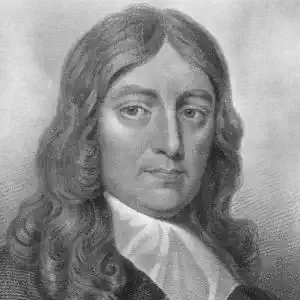
John Milton
Sonnet XX: Lawrence, of virtuous father
Sonnet XX: Lawrence, of virtuous father
To Mr Lawrence
Lawrence, of virtuous father virtuous son,
Now that the fields are dank, and ways are mire,
Where shall we sometimes meet, and by the fire
Help waste a sullen day, what may be won
From the hard season gaining? Time will run
On smoother, till Favonius re-inspire
The frozen earth, and clothe in fresh attire
The lily and rose, that neither sowed nor spun.
What neat repast shall feast us, light and choice,
Of Attic taste, with wine, whence we may rise
To hear the lute well touched, or artful voice
Warble immortal notes and Tuscan air?
He who of those delights can judge, and spare
To interpose them oft, is not unwise.
To Mr Lawrence
Lawrence, of virtuous father virtuous son,
Now that the fields are dank, and ways are mire,
Where shall we sometimes meet, and by the fire
Help waste a sullen day, what may be won
From the hard season gaining? Time will run
On smoother, till Favonius re-inspire
The frozen earth, and clothe in fresh attire
The lily and rose, that neither sowed nor spun.
What neat repast shall feast us, light and choice,
Of Attic taste, with wine, whence we may rise
To hear the lute well touched, or artful voice
Warble immortal notes and Tuscan air?
He who of those delights can judge, and spare
To interpose them oft, is not unwise.
859
John Milton
Sonnet 10
Sonnet 10
X
Daughter to that good Earl, once President
Of Englands Counsel, and her Treasury,
Who liv'd in both, unstain'd with gold or fee,
And left them both, more in himself content,
Till the sad breaking of that Parlament
Broke him, as that dishonest victory
At Chaeronea, fatal to liberty
Kil'd with report that Old man eloquent,
Though later born, then to have known the dayes
Wherin your Father flourisht, yet by you
Madam, me thinks I see him living yet;
So well your words his noble vertues praise,
That all both judge you to relate them true,
And to possess them, Honour'd Margaret.
Note: Camb. autograph supplies title, To the Lady Margaret
Ley.
X
Daughter to that good Earl, once President
Of Englands Counsel, and her Treasury,
Who liv'd in both, unstain'd with gold or fee,
And left them both, more in himself content,
Till the sad breaking of that Parlament
Broke him, as that dishonest victory
At Chaeronea, fatal to liberty
Kil'd with report that Old man eloquent,
Though later born, then to have known the dayes
Wherin your Father flourisht, yet by you
Madam, me thinks I see him living yet;
So well your words his noble vertues praise,
That all both judge you to relate them true,
And to possess them, Honour'd Margaret.
Note: Camb. autograph supplies title, To the Lady Margaret
Ley.
490
John Milton
Sonnet 04
Sonnet 04
IV
Diodati, e te'l diro con maraviglia,
Quel ritroso io ch'amor spreggiar solea
E de suoi lacci spesso mi ridea
Gia caddi, ov'huom dabben talhor s'impiglia.
Ne treccie d'oro, ne guancia vermiglia
M' abbaglian si, ma sotto nova idea
Pellegrina bellezza che'l cuor bea,
Portamenti alti honesti, e nelle ciglia
Quel sereno fulgor d' amabil nero,
Parole adorne di lingua piu d'una,
E'l cantar che di mezzo l'hemispero
Traviar ben puo la faticosa Luna,
E degil occhi suoi auventa si gran fuoco
Che l 'incerar gli oreechi mi fia poco.
IV
Diodati, e te'l diro con maraviglia,
Quel ritroso io ch'amor spreggiar solea
E de suoi lacci spesso mi ridea
Gia caddi, ov'huom dabben talhor s'impiglia.
Ne treccie d'oro, ne guancia vermiglia
M' abbaglian si, ma sotto nova idea
Pellegrina bellezza che'l cuor bea,
Portamenti alti honesti, e nelle ciglia
Quel sereno fulgor d' amabil nero,
Parole adorne di lingua piu d'una,
E'l cantar che di mezzo l'hemispero
Traviar ben puo la faticosa Luna,
E degil occhi suoi auventa si gran fuoco
Che l 'incerar gli oreechi mi fia poco.
449
John Milton
On The Death Of A Fair Infant Dying Of A Cough
On The Death Of A Fair Infant Dying Of A Cough
I
O fairest flower no sooner blown but blasted,
Soft silken Primrose fading timelesslie,
Summers chief honour if thou hadst outlasted
Bleak winters force that made thy blossome drie;
For he being amorous on that lovely die
That did thy cheek envermeil, thought to kiss
But kill'd alas, and then bewayl'd his fatal bliss.
II
For since grim Aquilo his charioter
By boistrous rape th' Athenian damsel got,
He thought it toucht his Deitie full neer,
If likewise he some fair one wedded not,
Thereby to wipe away th' infamous blot,
Of long-uncoupled bed, and childless eld,
Which 'mongst the wanton gods a foul reproach was held.
III
So mounting up in ycie-pearled carr,
Through middle empire of the freezing aire
He wanderd long, till thee he spy'd from farr,
There ended was his quest, there ceast his care
Down he descended from his Snow-soft chaire,
But all unwares with his cold-kind embrace
Unhous'd thy Virgin Soul from her fair hiding place.
IV
Yet art thou not inglorious in thy fate;
For so Apollo, with unweeting hand
Whilome did slay his dearly-loved mate
Young Hyacinth born on Eurotas' strand,
Young Hyacinth the pride of Spartan land;
But then transform'd him to a purple flower
Alack that so to change thee winter had no power.
V
Yet can I not perswade me thou art dead
Or that thy coarse corrupts in earths dark wombe,
Or that thy beauties lie in wormie bed,
Hid from the world in a low delved tombe;
Could Heav'n for pittie thee so strictly doom?
O no! for something in thy face did shine
Above mortalitie that shew'd thou wast divine.
VI
Resolve me then oh Soul most surely blest
(If so it be that thou these plaints dost hear)
Tell me bright Spirit where e're thou hoverest
Whether above that high first-moving Spheare
Or in the Elisian fields (if such there were.)
Oh say me true if thou wert mortal wight
And why from us so quickly thou didst take thy flight.
VII
Wert thou some Starr which from the ruin'd roofe
Of shak't Olympus by mischance didst fall;
Which carefull Jove in natures true behoofe
Took up, and in fit place did reinstall?
Or did of late earths Sonnes besiege the wall
Of sheenie Heav'n, and thou some goddess fled
Amongst us here below to hide thy nectar'd head
VIII
Or wert thou that just Maid who once before
Forsook the hated earth, O tell me sooth
And cam'st again to visit us once more?
Or wert thou that sweet smiling Youth!
Or that c[r]own'd Matron sage white-robed Truth?
Or any other of that heav'nly brood
Let down in clowdie throne to do the world some good.
Note: 53 Or wert thou] Or wert thou Mercy -- conjectured by
John Heskin Ch. Ch. Oxon. from Ode on Nativity, st. 15.
IX
Or wert thou of the golden-winged boast,
Who having clad thy self in humane weed,
To earth from thy praefixed seat didst poast,
And after short abode flie back with speed,
As if to shew what creatures Heav'n doth breed,
Thereby to set the hearts of men on fire
To scorn the sordid world, and unto Heav'n aspire.
X
But oh why didst thou not stay here below
To bless us with thy heav'n-lov'd innocence,
To slake his wrath whom sin hath made our foe
To turn Swift-rushing black perdition hence,
Or drive away the slaughtering pestilence,
To stand 'twixt us and our deserved smart
But thou canst best perform that office where thou art.
XI
Then thou the mother of so sweet a child
Her false imagin'd loss cease to lament,
And wisely learn to curb thy sorrows wild;
Think what a present thou to God hast sent,
And render him with patience what he lent;
This if thou do he will an off-spring give,
That till the worlds last-end shall make thy name to live.
I
O fairest flower no sooner blown but blasted,
Soft silken Primrose fading timelesslie,
Summers chief honour if thou hadst outlasted
Bleak winters force that made thy blossome drie;
For he being amorous on that lovely die
That did thy cheek envermeil, thought to kiss
But kill'd alas, and then bewayl'd his fatal bliss.
II
For since grim Aquilo his charioter
By boistrous rape th' Athenian damsel got,
He thought it toucht his Deitie full neer,
If likewise he some fair one wedded not,
Thereby to wipe away th' infamous blot,
Of long-uncoupled bed, and childless eld,
Which 'mongst the wanton gods a foul reproach was held.
III
So mounting up in ycie-pearled carr,
Through middle empire of the freezing aire
He wanderd long, till thee he spy'd from farr,
There ended was his quest, there ceast his care
Down he descended from his Snow-soft chaire,
But all unwares with his cold-kind embrace
Unhous'd thy Virgin Soul from her fair hiding place.
IV
Yet art thou not inglorious in thy fate;
For so Apollo, with unweeting hand
Whilome did slay his dearly-loved mate
Young Hyacinth born on Eurotas' strand,
Young Hyacinth the pride of Spartan land;
But then transform'd him to a purple flower
Alack that so to change thee winter had no power.
V
Yet can I not perswade me thou art dead
Or that thy coarse corrupts in earths dark wombe,
Or that thy beauties lie in wormie bed,
Hid from the world in a low delved tombe;
Could Heav'n for pittie thee so strictly doom?
O no! for something in thy face did shine
Above mortalitie that shew'd thou wast divine.
VI
Resolve me then oh Soul most surely blest
(If so it be that thou these plaints dost hear)
Tell me bright Spirit where e're thou hoverest
Whether above that high first-moving Spheare
Or in the Elisian fields (if such there were.)
Oh say me true if thou wert mortal wight
And why from us so quickly thou didst take thy flight.
VII
Wert thou some Starr which from the ruin'd roofe
Of shak't Olympus by mischance didst fall;
Which carefull Jove in natures true behoofe
Took up, and in fit place did reinstall?
Or did of late earths Sonnes besiege the wall
Of sheenie Heav'n, and thou some goddess fled
Amongst us here below to hide thy nectar'd head
VIII
Or wert thou that just Maid who once before
Forsook the hated earth, O tell me sooth
And cam'st again to visit us once more?
Or wert thou that sweet smiling Youth!
Or that c[r]own'd Matron sage white-robed Truth?
Or any other of that heav'nly brood
Let down in clowdie throne to do the world some good.
Note: 53 Or wert thou] Or wert thou Mercy -- conjectured by
John Heskin Ch. Ch. Oxon. from Ode on Nativity, st. 15.
IX
Or wert thou of the golden-winged boast,
Who having clad thy self in humane weed,
To earth from thy praefixed seat didst poast,
And after short abode flie back with speed,
As if to shew what creatures Heav'n doth breed,
Thereby to set the hearts of men on fire
To scorn the sordid world, and unto Heav'n aspire.
X
But oh why didst thou not stay here below
To bless us with thy heav'n-lov'd innocence,
To slake his wrath whom sin hath made our foe
To turn Swift-rushing black perdition hence,
Or drive away the slaughtering pestilence,
To stand 'twixt us and our deserved smart
But thou canst best perform that office where thou art.
XI
Then thou the mother of so sweet a child
Her false imagin'd loss cease to lament,
And wisely learn to curb thy sorrows wild;
Think what a present thou to God hast sent,
And render him with patience what he lent;
This if thou do he will an off-spring give,
That till the worlds last-end shall make thy name to live.
541
John Milton
From 'Arcades'
From 'Arcades'
O'RE the smooth enameld green
Where no print of step hath been,
Follow me as I sing,
And touch the warbled string.
Under the shady roof
Of branching Elm Star-proof,
Follow me,
I will bring you where she sits
Clad in splendor as befits
Her deity.
Such a rural Queen
All Arcadia hath not seen.
313. From 'Comus'
i
THE Star that bids the Shepherd fold,
Now the top of Heav'n doth hold,
And the gilded Car of Day,
His glowing Axle doth allay
In the steep Atlantick stream,
And the slope Sun his upward beam
Shoots against the dusky Pole,
Pacing toward the other gole
Of his Chamber in the East.
Mean while welcom Joy, and Feast,
Midnight shout, and revelry,
Tipsie dance, and Jollity.
Braid your Locks with rosie Twine
Dropping odours, dropping Wine.
Rigor now is gon to bed,
And Advice with scrupulous head,
Strict Age, and sowre Severity,
With their grave Saws in slumber ly.
We that are of purer fire
Imitate the Starry Quire,
Who in their nightly watchfull Sphears,
Lead in swift round the Months and Years.
The Sounds, and Seas with all their finny drove
Now to the Moon in wavering Morrice move,
And on the Tawny Sands and Shelves,
Trip the pert Fairies and the dapper Elves;
By dimpled Brook, and Fountain brim,
The Wood-Nymphs deckt with Daisies trim,
Their merry wakes and pastimes keep:
What hath night to do with sleep?
Night hath better sweets to prove,
Venus now wakes, and wak'ns Love....
Com, knit hands, and beat the ground,
In a light fantastick round.
John Milton. 1608-1674
314. From' Comus'
ii. Echo
SWEET Echo, sweetest Nymph that liv'st unseen
Within thy airy shell
By slow Meander's margent green,
And in the violet imbroider'd vale
Where the love-lorn Nightingale
Nightly to thee her sad Song mourneth well.
Canst thou not tell me of a gentle Pair
That likest thy Narcissus are?
O if thou have
Hid them in som flowry Cave,
Tell me but where
Sweet Queen of Parly, Daughter of the Sphear!
So maist thou be translated to the skies,
And give resounding grace to all Heav'ns Harmonies!
John Milton. 1608-1674
315. From' Comus'
iii. Sabrina
The Spirit sings: SABRINA fair
Listen where thou art sitting
Under the glassie, cool, translucent wave,
In twisted braids of Lillies knitting
The loose train of thy amber-dropping hair,
Listen for dear honour's sake,
Goddess of the silver lake,
Listen and save!
Listen and appear to us,
In name of great Oceanus,
By the earth-shaking Neptune's mace,
And Tethys grave majestick pace,
By hoary Nereus wrincled look,
And the Carpathian wisards hook,
By scaly Tritons winding shell,
And old sooth-saying Glaucus spell,
By Leucothea's lovely hands,
And her son that rules the strands,
By Thetis tinsel-slipper'd feet,
And the Songs of Sirens sweet,
By dead Parthenope's dear tomb,
And fair Ligea's golden comb,
Wherwith she sits on diamond rocks
Sleeking her soft alluring locks,
By all the Nymphs that nightly dance
Upon thy streams with wily glance,
Rise, rise, and heave thy rosie head
From thy coral-pav'n bed,
And bridle in thy headlong wave,
Till thou our summons answered have.
Listen and save!
Sabrina replies: By the rushy-fringed bank,
Where grows the Willow and the Osier dank,
My sliding Chariot stayes,
Thick set with Agat, and the azurn sheen
Of Turkis blew, and Emrauld green
That in the channell strayes,
Whilst from off the waters fleet
Thus I set my printless feet
O're the Cowslips Velvet head,
That bends not as I tread,
Gentle swain at thy request
I am here.
John Milton. 1608-1674
316. From 'Comus'
iv
The Spirit epiloguizes: TO the Ocean now I fly,
And those happy climes that ly
Where day never shuts his eye,
Up in the broad fields of the sky:
There I suck the liquid ayr
All amidst the Gardens fair
Of Hesperus, and his daughters three
That sing about the golden tree:
Along the crisped shades and bowres
Revels the spruce and jocond Spring,
The Graces, and the rosie-boosom'd Howres,
Thither all their bounties bring,
That there eternal Summer dwels,
And West winds, with musky wing
About the cedar'n alleys fling
Nard, and Cassia's balmy smels.
Iris there with humid bow,
Waters the odorous banks that blow
Flowers of more mingled hew
Than her purfl'd scarf can shew,
And drenches with Elysian dew
(List mortals, if your ears be true)
Beds of Hyacinth, and roses
Where young Adonis oft reposes,
Waxing well of his deep wound
In slumber soft, and on the ground
Sadly sits th' Assyrian Queen;
But far above in spangled sheen
Celestial Cupid her fam'd son advanc't,
Holds his dear Psyche sweet intranc't
After her wandring labours long,
Till free consent the gods among
Make her his eternal Bride,
And from her fair unspotted side
Two blissful twins are to be born,
Youth and Joy; so Jove hath sworn.
But now my task is smoothly don,
I can fly, or I can run
Quickly to the green earths end,
Where the bow'd welkin slow doth bend,
And from thence can soar as soon
To the corners of the Moon.
Mortals that would follow me,
Love vertue, she alone is free.
She can teach ye how to clime
Higher then the Spheary chime;
Or if Vertue feeble were,
Heav'n it self would stoop to her.
YET once more, O ye Laurels, and once more
Ye Myrtles brown, with Ivy never-sear,
I com to pluck your Berries harsh and crude,
And with forc'd fingers rude,
Shatter your leaves before the mellowing year.
Bitter constraint, and sad occasion dear,
Compels me to disturb your season due:
For Lycidas is dead, dead ere his prime
Young Lycidas, and hath not left his peer:
Who would not sing for Lycidas? he knew
Himself to sing, and build the lofty rhyme.
He must not flote upon his watry bear
Unwept, and welter to the parching wind,
Without the meed of som melodious tear.
Begin, then, Sisters of the sacred well,
That from beneath the seat of Jove doth spring,
Begin, and somwhat loudly sweep the string.
Hence with denial vain, and coy excuse,
So may som gentle Muse
With lucky words favour my destin'd Urn,
And as he passes turn,
And bid fair peace be to my sable shrowd.
For we were nurst upon the self-same hill,
Fed the same flock, by fountain, shade, and rill.
Together both, ere the high Lawns appear'd
Under the opening eye-lids of the morn,
We drove a field, and both together heard
What time the Gray-fly winds her sultry horn,
Batt'ning our flocks with the fresh dews of night,
Oft till the Star that rose, at Ev'ning, bright
Toward Heav'ns descent had slop'd his westering wheel.
Mean while the Rural ditties were not mute,
Temper'd to th'Oaten Flute;
Rough Satyrs danc'd, and Fauns with clov'n heel,
From the glad sound would not be absent long,
And old Damaetas lov'd to hear our song.
But O the heavy change, now thou art gon,
Now thou art gon, and never must return!
Thee Shepherd, thee the Woods, and desert Caves,
With wilde Thyme and the gadding Vine o'regrown,
And all their echoes mourn.
The Willows, and the Hazle Copses green,
Shall now no more be seen,
Fanning their joyous Leaves to thy soft layes.
As killing as the Canker to the Rose,
Or Taint-worm to the weanling Herds that graze,
Or Frost to Flowers, that their gay wardrop wear,
When first the White thorn blows;
Such, Lycidas, thy loss to Shepherds ear.
Where were ye Nymphs when the remorseless deep
Clos'd o're the head of your lov'd Lycidas?
For neither were ye playing on the steep,
Where your old Bards, the famous Druids ly,
Nor on the shaggy top of Mona high,
Nor yet where Deva spreads her wisard stream:
Ay me, I fondly dream!
Had ye bin there--for what could that have don?
What could the Muse her self that Orpheus bore,
The Muse her self, for her inchanting son
Whom Universal nature did lament,
When by the rout that made the hideous roar,
His goary visage down the stream was sent,
Down the swift Hebrus to the Lesbian shore.
Alas! what boots it with uncessant care
To tend the homely slighted Shepherds trade,
And strictly meditate the thankles Muse,
Were it not better don as others use,
To sport with Amaryllis in the shade,
Or with the tangles of Neaera's hair?
Fame is the spur that the clear spirit doth raise
(That last infirmity of Noble mind)
To scorn delights, and live laborious dayes;
But the fair Guerdon when we hope to find,
And think to burst out into sudden blaze,
Comes the blind Fury with th'abhorred shears,
And slits the thin spun life. But not the praise,
Phoebus repli'd, and touch'd my trembling ears;
Fame is no plant that grows on mortal soil,
Nor in the glistering foil
Set off to th'world, nor in broad rumour lies,
But lives and spreds aloft by those pure eyes,
And perfet witnes of all judging Jove;
As he pronounces lastly on each deed,
Of so much fame in Heav'n expect thy meed.
O fountain Arethuse, and thou honour'd floud,
Smooth-sliding Mincius, crown'd with vocall reeds,
That strain I heard was of a higher mood:
But now my Oate proceeds,
And listens to the Herald of the Sea
That came in Neptune's plea,
He ask'd the Waves, and ask'd the Fellon winds,
What hard mishap hath doom'd this gentle swain?
And question'd every gust of rugged wings
That blows from off each beaked Promontory,
They knew not of his story,
And sage Hippotades their answer brings,
That not a blast was from his dungeon stray'd,
The Ayr was calm, and on the level brine,
Sleek Panope with all her sisters play'd.
It was that fatall and perfidious Bark
Built in th'eclipse, and rigg'd with curses dark,
That sunk so low that sacred head of thine.
Next Camus, reverend Sire, went footing slow,
His Mantle hairy, and his Bonnet sedge,
Inwrought with figures dim, and on the edge
Like to that sanguine flower inscrib'd with woe.
Ah; Who hath reft (quoth he) my dearest pledge?
Last came, and last did go,
The Pilot of the Galilean lake,
Two massy Keyes he bore of metals twain,
(The Golden opes, the Iron shuts amain)
He shook his Miter'd locks, and stern bespake,
How well could I have spar'd for thee, young swain,
Anow of such as for their bellies sake,
Creep and intrude, and climb into the fold?
Of other care they little reck'ning make,
Then how to scramble at the shearers feast,
And shove away the worthy bidden guest.
Blind mouthes! that scarce themselves know how to hold
A Sheep-hook, or have learn'd ought els the least
That to the faithfull Herdmans art belongs!
What recks it them? What need they? They are sped;
And when they list, their lean and flashy songs
Grate on their scrannel Pipes of wretched straw,
The hungry Sheep look up, and are not fed,
But swoln with wind, and the rank mist they draw,
Rot inwardly, and foul contagion spread:
Besides what the grim Woolf with privy paw
Daily devours apace, and nothing sed,
But that two-handed engine at the door,
Stands ready to smite once, and smite no more.
Return Alpheus, the dread voice is past,
That shrunk thy streams; Return Sicilian Muse,
And call the Vales, and bid them hither cast
Their Bels, and Flourets of a thousand hues.
Ye valleys low where the milde whispers use,
Of shades and wanton winds, and gushing brooks,
On whose fresh lap the swart Star sparely looks,
Throw hither all your quaint enameld eyes,
That on the green terf suck the honied showres,
And purple all the ground with vernal flowres.
Bring the rathe Primrose that forsaken dies.
The tufted Crow-toe, and pale Gessamine,
The white Pink, and the Pansie freakt with jeat,
The glowing Violet.
The Musk-rose, and the well attir'd Woodbine.
With Cowslips wan that hang the pensive hed,
And every flower that sad embroidery wears:
Bid Amaranthus all his beauty shed,
And Daffadillies fill their cups with tears,
To strew the Laureat Herse where Lycid lies.
For so to interpose a little ease,
Let our frail thoughts dally with false surmise.
Ay me! Whilst thee the shores, and sounding Seas
Wash far away, where ere thy bones are hurld,
Whether beyond the stormy Hebrides,
Where thou perhaps under the whelming tide
Visit'st the bottom of the monstrous world;
Or whether thou to our moist vows deny'd,
Sleep'st by the fable of Bellerus old,
Where the great vision of the guarded Mount
Looks toward Namancos and Bayona's hold;
Look homeward Angel now, and melt with ruth.
And, O ye Dolphins, waft the haples youth.
Weep no more, woful Shepherds weep no more,
For Lycidas your sorrow is not dead,
Sunk though he be beneath the watry floar,
So sinks the day-star in the Ocean bed,
And yet anon repairs his drooping head,
And tricks his beams, and with new spangled Ore,
Flames in the forehead of the morning sky:
So Lycidas sunk low, but mounted high,
Through the dear might of him that walk'd the waves
Where other groves, and other streams along,
With Nectar pure his oozy Lock's he laves,
And hears the unexpressive nuptiall Song,
In the blest Kingdoms meek of joy and love.
There entertain him all the Saints above,
In solemn troops, and sweet Societies
That sing, and singing in their glory move,
And wipe the tears for ever from his eyes.
Now Lycidas the Shepherds weep no more;
Hence forth thou art the Genius of the shore,
In thy large recompense, and shalt be good
To all that wander in that perilous flood.
Thus sang the uncouth Swain to th'Okes and rills,
While the still morn went out with Sandals gray,
He touch'd the tender stops of various Quills,
With eager thought warbling his Dorick lay:
And now the Sun had stretch'd out all the hills,
And now was dropt into the Western bay;
At last he rose, and twitch'd his Mantle blew:
To morrow to fresh Woods, and Pastures new.
O'RE the smooth enameld green
Where no print of step hath been,
Follow me as I sing,
And touch the warbled string.
Under the shady roof
Of branching Elm Star-proof,
Follow me,
I will bring you where she sits
Clad in splendor as befits
Her deity.
Such a rural Queen
All Arcadia hath not seen.
313. From 'Comus'
i
THE Star that bids the Shepherd fold,
Now the top of Heav'n doth hold,
And the gilded Car of Day,
His glowing Axle doth allay
In the steep Atlantick stream,
And the slope Sun his upward beam
Shoots against the dusky Pole,
Pacing toward the other gole
Of his Chamber in the East.
Mean while welcom Joy, and Feast,
Midnight shout, and revelry,
Tipsie dance, and Jollity.
Braid your Locks with rosie Twine
Dropping odours, dropping Wine.
Rigor now is gon to bed,
And Advice with scrupulous head,
Strict Age, and sowre Severity,
With their grave Saws in slumber ly.
We that are of purer fire
Imitate the Starry Quire,
Who in their nightly watchfull Sphears,
Lead in swift round the Months and Years.
The Sounds, and Seas with all their finny drove
Now to the Moon in wavering Morrice move,
And on the Tawny Sands and Shelves,
Trip the pert Fairies and the dapper Elves;
By dimpled Brook, and Fountain brim,
The Wood-Nymphs deckt with Daisies trim,
Their merry wakes and pastimes keep:
What hath night to do with sleep?
Night hath better sweets to prove,
Venus now wakes, and wak'ns Love....
Com, knit hands, and beat the ground,
In a light fantastick round.
John Milton. 1608-1674
314. From' Comus'
ii. Echo
SWEET Echo, sweetest Nymph that liv'st unseen
Within thy airy shell
By slow Meander's margent green,
And in the violet imbroider'd vale
Where the love-lorn Nightingale
Nightly to thee her sad Song mourneth well.
Canst thou not tell me of a gentle Pair
That likest thy Narcissus are?
O if thou have
Hid them in som flowry Cave,
Tell me but where
Sweet Queen of Parly, Daughter of the Sphear!
So maist thou be translated to the skies,
And give resounding grace to all Heav'ns Harmonies!
John Milton. 1608-1674
315. From' Comus'
iii. Sabrina
The Spirit sings: SABRINA fair
Listen where thou art sitting
Under the glassie, cool, translucent wave,
In twisted braids of Lillies knitting
The loose train of thy amber-dropping hair,
Listen for dear honour's sake,
Goddess of the silver lake,
Listen and save!
Listen and appear to us,
In name of great Oceanus,
By the earth-shaking Neptune's mace,
And Tethys grave majestick pace,
By hoary Nereus wrincled look,
And the Carpathian wisards hook,
By scaly Tritons winding shell,
And old sooth-saying Glaucus spell,
By Leucothea's lovely hands,
And her son that rules the strands,
By Thetis tinsel-slipper'd feet,
And the Songs of Sirens sweet,
By dead Parthenope's dear tomb,
And fair Ligea's golden comb,
Wherwith she sits on diamond rocks
Sleeking her soft alluring locks,
By all the Nymphs that nightly dance
Upon thy streams with wily glance,
Rise, rise, and heave thy rosie head
From thy coral-pav'n bed,
And bridle in thy headlong wave,
Till thou our summons answered have.
Listen and save!
Sabrina replies: By the rushy-fringed bank,
Where grows the Willow and the Osier dank,
My sliding Chariot stayes,
Thick set with Agat, and the azurn sheen
Of Turkis blew, and Emrauld green
That in the channell strayes,
Whilst from off the waters fleet
Thus I set my printless feet
O're the Cowslips Velvet head,
That bends not as I tread,
Gentle swain at thy request
I am here.
John Milton. 1608-1674
316. From 'Comus'
iv
The Spirit epiloguizes: TO the Ocean now I fly,
And those happy climes that ly
Where day never shuts his eye,
Up in the broad fields of the sky:
There I suck the liquid ayr
All amidst the Gardens fair
Of Hesperus, and his daughters three
That sing about the golden tree:
Along the crisped shades and bowres
Revels the spruce and jocond Spring,
The Graces, and the rosie-boosom'd Howres,
Thither all their bounties bring,
That there eternal Summer dwels,
And West winds, with musky wing
About the cedar'n alleys fling
Nard, and Cassia's balmy smels.
Iris there with humid bow,
Waters the odorous banks that blow
Flowers of more mingled hew
Than her purfl'd scarf can shew,
And drenches with Elysian dew
(List mortals, if your ears be true)
Beds of Hyacinth, and roses
Where young Adonis oft reposes,
Waxing well of his deep wound
In slumber soft, and on the ground
Sadly sits th' Assyrian Queen;
But far above in spangled sheen
Celestial Cupid her fam'd son advanc't,
Holds his dear Psyche sweet intranc't
After her wandring labours long,
Till free consent the gods among
Make her his eternal Bride,
And from her fair unspotted side
Two blissful twins are to be born,
Youth and Joy; so Jove hath sworn.
But now my task is smoothly don,
I can fly, or I can run
Quickly to the green earths end,
Where the bow'd welkin slow doth bend,
And from thence can soar as soon
To the corners of the Moon.
Mortals that would follow me,
Love vertue, she alone is free.
She can teach ye how to clime
Higher then the Spheary chime;
Or if Vertue feeble were,
Heav'n it self would stoop to her.
YET once more, O ye Laurels, and once more
Ye Myrtles brown, with Ivy never-sear,
I com to pluck your Berries harsh and crude,
And with forc'd fingers rude,
Shatter your leaves before the mellowing year.
Bitter constraint, and sad occasion dear,
Compels me to disturb your season due:
For Lycidas is dead, dead ere his prime
Young Lycidas, and hath not left his peer:
Who would not sing for Lycidas? he knew
Himself to sing, and build the lofty rhyme.
He must not flote upon his watry bear
Unwept, and welter to the parching wind,
Without the meed of som melodious tear.
Begin, then, Sisters of the sacred well,
That from beneath the seat of Jove doth spring,
Begin, and somwhat loudly sweep the string.
Hence with denial vain, and coy excuse,
So may som gentle Muse
With lucky words favour my destin'd Urn,
And as he passes turn,
And bid fair peace be to my sable shrowd.
For we were nurst upon the self-same hill,
Fed the same flock, by fountain, shade, and rill.
Together both, ere the high Lawns appear'd
Under the opening eye-lids of the morn,
We drove a field, and both together heard
What time the Gray-fly winds her sultry horn,
Batt'ning our flocks with the fresh dews of night,
Oft till the Star that rose, at Ev'ning, bright
Toward Heav'ns descent had slop'd his westering wheel.
Mean while the Rural ditties were not mute,
Temper'd to th'Oaten Flute;
Rough Satyrs danc'd, and Fauns with clov'n heel,
From the glad sound would not be absent long,
And old Damaetas lov'd to hear our song.
But O the heavy change, now thou art gon,
Now thou art gon, and never must return!
Thee Shepherd, thee the Woods, and desert Caves,
With wilde Thyme and the gadding Vine o'regrown,
And all their echoes mourn.
The Willows, and the Hazle Copses green,
Shall now no more be seen,
Fanning their joyous Leaves to thy soft layes.
As killing as the Canker to the Rose,
Or Taint-worm to the weanling Herds that graze,
Or Frost to Flowers, that their gay wardrop wear,
When first the White thorn blows;
Such, Lycidas, thy loss to Shepherds ear.
Where were ye Nymphs when the remorseless deep
Clos'd o're the head of your lov'd Lycidas?
For neither were ye playing on the steep,
Where your old Bards, the famous Druids ly,
Nor on the shaggy top of Mona high,
Nor yet where Deva spreads her wisard stream:
Ay me, I fondly dream!
Had ye bin there--for what could that have don?
What could the Muse her self that Orpheus bore,
The Muse her self, for her inchanting son
Whom Universal nature did lament,
When by the rout that made the hideous roar,
His goary visage down the stream was sent,
Down the swift Hebrus to the Lesbian shore.
Alas! what boots it with uncessant care
To tend the homely slighted Shepherds trade,
And strictly meditate the thankles Muse,
Were it not better don as others use,
To sport with Amaryllis in the shade,
Or with the tangles of Neaera's hair?
Fame is the spur that the clear spirit doth raise
(That last infirmity of Noble mind)
To scorn delights, and live laborious dayes;
But the fair Guerdon when we hope to find,
And think to burst out into sudden blaze,
Comes the blind Fury with th'abhorred shears,
And slits the thin spun life. But not the praise,
Phoebus repli'd, and touch'd my trembling ears;
Fame is no plant that grows on mortal soil,
Nor in the glistering foil
Set off to th'world, nor in broad rumour lies,
But lives and spreds aloft by those pure eyes,
And perfet witnes of all judging Jove;
As he pronounces lastly on each deed,
Of so much fame in Heav'n expect thy meed.
O fountain Arethuse, and thou honour'd floud,
Smooth-sliding Mincius, crown'd with vocall reeds,
That strain I heard was of a higher mood:
But now my Oate proceeds,
And listens to the Herald of the Sea
That came in Neptune's plea,
He ask'd the Waves, and ask'd the Fellon winds,
What hard mishap hath doom'd this gentle swain?
And question'd every gust of rugged wings
That blows from off each beaked Promontory,
They knew not of his story,
And sage Hippotades their answer brings,
That not a blast was from his dungeon stray'd,
The Ayr was calm, and on the level brine,
Sleek Panope with all her sisters play'd.
It was that fatall and perfidious Bark
Built in th'eclipse, and rigg'd with curses dark,
That sunk so low that sacred head of thine.
Next Camus, reverend Sire, went footing slow,
His Mantle hairy, and his Bonnet sedge,
Inwrought with figures dim, and on the edge
Like to that sanguine flower inscrib'd with woe.
Ah; Who hath reft (quoth he) my dearest pledge?
Last came, and last did go,
The Pilot of the Galilean lake,
Two massy Keyes he bore of metals twain,
(The Golden opes, the Iron shuts amain)
He shook his Miter'd locks, and stern bespake,
How well could I have spar'd for thee, young swain,
Anow of such as for their bellies sake,
Creep and intrude, and climb into the fold?
Of other care they little reck'ning make,
Then how to scramble at the shearers feast,
And shove away the worthy bidden guest.
Blind mouthes! that scarce themselves know how to hold
A Sheep-hook, or have learn'd ought els the least
That to the faithfull Herdmans art belongs!
What recks it them? What need they? They are sped;
And when they list, their lean and flashy songs
Grate on their scrannel Pipes of wretched straw,
The hungry Sheep look up, and are not fed,
But swoln with wind, and the rank mist they draw,
Rot inwardly, and foul contagion spread:
Besides what the grim Woolf with privy paw
Daily devours apace, and nothing sed,
But that two-handed engine at the door,
Stands ready to smite once, and smite no more.
Return Alpheus, the dread voice is past,
That shrunk thy streams; Return Sicilian Muse,
And call the Vales, and bid them hither cast
Their Bels, and Flourets of a thousand hues.
Ye valleys low where the milde whispers use,
Of shades and wanton winds, and gushing brooks,
On whose fresh lap the swart Star sparely looks,
Throw hither all your quaint enameld eyes,
That on the green terf suck the honied showres,
And purple all the ground with vernal flowres.
Bring the rathe Primrose that forsaken dies.
The tufted Crow-toe, and pale Gessamine,
The white Pink, and the Pansie freakt with jeat,
The glowing Violet.
The Musk-rose, and the well attir'd Woodbine.
With Cowslips wan that hang the pensive hed,
And every flower that sad embroidery wears:
Bid Amaranthus all his beauty shed,
And Daffadillies fill their cups with tears,
To strew the Laureat Herse where Lycid lies.
For so to interpose a little ease,
Let our frail thoughts dally with false surmise.
Ay me! Whilst thee the shores, and sounding Seas
Wash far away, where ere thy bones are hurld,
Whether beyond the stormy Hebrides,
Where thou perhaps under the whelming tide
Visit'st the bottom of the monstrous world;
Or whether thou to our moist vows deny'd,
Sleep'st by the fable of Bellerus old,
Where the great vision of the guarded Mount
Looks toward Namancos and Bayona's hold;
Look homeward Angel now, and melt with ruth.
And, O ye Dolphins, waft the haples youth.
Weep no more, woful Shepherds weep no more,
For Lycidas your sorrow is not dead,
Sunk though he be beneath the watry floar,
So sinks the day-star in the Ocean bed,
And yet anon repairs his drooping head,
And tricks his beams, and with new spangled Ore,
Flames in the forehead of the morning sky:
So Lycidas sunk low, but mounted high,
Through the dear might of him that walk'd the waves
Where other groves, and other streams along,
With Nectar pure his oozy Lock's he laves,
And hears the unexpressive nuptiall Song,
In the blest Kingdoms meek of joy and love.
There entertain him all the Saints above,
In solemn troops, and sweet Societies
That sing, and singing in their glory move,
And wipe the tears for ever from his eyes.
Now Lycidas the Shepherds weep no more;
Hence forth thou art the Genius of the shore,
In thy large recompense, and shalt be good
To all that wander in that perilous flood.
Thus sang the uncouth Swain to th'Okes and rills,
While the still morn went out with Sandals gray,
He touch'd the tender stops of various Quills,
With eager thought warbling his Dorick lay:
And now the Sun had stretch'd out all the hills,
And now was dropt into the Western bay;
At last he rose, and twitch'd his Mantle blew:
To morrow to fresh Woods, and Pastures new.
685
John Milton
Arcades
Arcades
Part of an entertainment presented to the Countess Dowager of
Darby at Harefield, by som Noble persons of her Family, who
appear on the Scene in pastoral habit, moving toward the seat
of State with this Song.
I. SONG.
Look Nymphs, and Shepherds look,
What sudden blaze of majesty
Is that which we from hence descry
Too divine to be mistook:
This this is she
To whom our vows and wishes bend,
Heer our solemn search hath end.
Fame that her high worth to raise,
Seem'd erst so lavish and profuse,
We may justly now accuse
Of detraction from her praise,
Less then half we find exprest,
Envy bid conceal the rest.
Mark what radiant state she spreds,
In circle round her shining throne,
Shooting her beams like silver threds,
This this is she alone,
Sitting like a Goddes bright,
In the center of her light.
Might she the wise Latona be,
Or the towred Cybele,
Mother of a hunderd gods;
Juno dare's not give her odds;
Who had thought this clime had held
A deity so unparalel'd?
As they com forward, the genius of the Wood appears, and
turning toward them, speaks.
GEN. Stay gentle Swains, for though in this disguise,
I see bright honour sparkle through your eyes,
Of famous Arcady ye are, and sprung
Of that renowned flood, so often sung,
Divine Alpheus, who by secret sluse,
Stole under Seas to meet his Arethuse;
And ye the breathing Roses of the Wood,
Fair silver-buskind Nymphs as great and good,
I know this quest of yours, and free intent
Was all in honour and devotion ment
To the great Mistres of yon princely shrine,
Whom with low reverence I adore as mine,
And with all helpful service will comply
To further this nights glad solemnity;
And lead ye where ye may more neer behold
What shallow-searching Fame hath left untold;
Which I full oft amidst these shades alone
Have sate to wonder at, and gaze upon:
For know by lot from Jove I am the powr
Of this fair wood, and live in Oak'n bowr,
To nurse the Saplings tall, and curl the grove
With Ringlets quaint, and wanton windings wove.
And all my Plants I save from nightly ill,
Of noisom winds, and blasting vapours chill.
And from the Boughs brush off the evil dew,
And heal the harms of thwarting thunder blew,
Or what the cross dire-looking Planet smites,
Or hurtfull Worm with canker'd venom bites.
When Eev'ning gray doth rise, I fetch my round
Over the mount, and all this hallow'd ground,
And early ere the odorous breath of morn
Awakes the slumbring leaves, or tasseld horn
Shakes the high thicket, haste I all about,
Number my ranks, and visit every sprout
With puissant words, and murmurs made to bless,
But els in deep of night when drowsines
Hath lockt up mortal sense, then listen I
To the celestial Sirens harmony,
That sit upon the nine enfolded Sphears,
And sing to those that hold the vital shears,
And turn the Adamantine spindle round,
On which the fate of gods and men is wound.
Such sweet compulsion doth in musick ly,
To lull the daughters of Necessity,
And keep unsteddy Nature to her law,
And the low world in measur'd motion draw
After the heavenly tune, which none can hear
Of human mould with grosse unpurged ear;
And yet such musick worthiest were to blaze
The peerles height of her immortal praise,
Whose lustre leads us, and for her most fit,
If my inferior hand or voice could hit
Inimitable sounds, yet as we go,
What ere the skill of lesser gods can show,
I will assay, her worth to celebrate,
And so attend ye toward her glittering state;
Where ye may all that are of noble stemm
Approach, and kiss her sacred vestures hemm.
2. SONG.
O're the smooth enameld green
Where no print of step hath been,
Follow me as I sing,
And touch the warbled string.
Under the shady roof
Of branching Elm Star-proof,
Follow me,
I will bring you where she sits
Clad in splendor as befits
Her deity.
Such a rural Queen
All Arcadia hath not seen.
3. SONG.
Nymphs and Shepherds dance no more
By sandy Ladons Lillied banks.
On old Lycaeus or Cyllene hoar,
Trip no more in twilight ranks,
Though Erynanth your loss deplore,
A better soyl shall give ye thanks.
From the stony Maenalus,
Bring your Flocks, and live with us,
Here ye shall have greater grace,
To serve the Lady of this place.
Though Syrinx your Pans Mistres were,
Yet Syrinx well might wait on her.
Such a rural Queen
All Arcadia hath not seen.
Note: 22 hunderd] Milton's own spelling here is hundred. But in
the Errata to Paradise Lost (i. 760) he corrects hundred to hunderd.
Part of an entertainment presented to the Countess Dowager of
Darby at Harefield, by som Noble persons of her Family, who
appear on the Scene in pastoral habit, moving toward the seat
of State with this Song.
I. SONG.
Look Nymphs, and Shepherds look,
What sudden blaze of majesty
Is that which we from hence descry
Too divine to be mistook:
This this is she
To whom our vows and wishes bend,
Heer our solemn search hath end.
Fame that her high worth to raise,
Seem'd erst so lavish and profuse,
We may justly now accuse
Of detraction from her praise,
Less then half we find exprest,
Envy bid conceal the rest.
Mark what radiant state she spreds,
In circle round her shining throne,
Shooting her beams like silver threds,
This this is she alone,
Sitting like a Goddes bright,
In the center of her light.
Might she the wise Latona be,
Or the towred Cybele,
Mother of a hunderd gods;
Juno dare's not give her odds;
Who had thought this clime had held
A deity so unparalel'd?
As they com forward, the genius of the Wood appears, and
turning toward them, speaks.
GEN. Stay gentle Swains, for though in this disguise,
I see bright honour sparkle through your eyes,
Of famous Arcady ye are, and sprung
Of that renowned flood, so often sung,
Divine Alpheus, who by secret sluse,
Stole under Seas to meet his Arethuse;
And ye the breathing Roses of the Wood,
Fair silver-buskind Nymphs as great and good,
I know this quest of yours, and free intent
Was all in honour and devotion ment
To the great Mistres of yon princely shrine,
Whom with low reverence I adore as mine,
And with all helpful service will comply
To further this nights glad solemnity;
And lead ye where ye may more neer behold
What shallow-searching Fame hath left untold;
Which I full oft amidst these shades alone
Have sate to wonder at, and gaze upon:
For know by lot from Jove I am the powr
Of this fair wood, and live in Oak'n bowr,
To nurse the Saplings tall, and curl the grove
With Ringlets quaint, and wanton windings wove.
And all my Plants I save from nightly ill,
Of noisom winds, and blasting vapours chill.
And from the Boughs brush off the evil dew,
And heal the harms of thwarting thunder blew,
Or what the cross dire-looking Planet smites,
Or hurtfull Worm with canker'd venom bites.
When Eev'ning gray doth rise, I fetch my round
Over the mount, and all this hallow'd ground,
And early ere the odorous breath of morn
Awakes the slumbring leaves, or tasseld horn
Shakes the high thicket, haste I all about,
Number my ranks, and visit every sprout
With puissant words, and murmurs made to bless,
But els in deep of night when drowsines
Hath lockt up mortal sense, then listen I
To the celestial Sirens harmony,
That sit upon the nine enfolded Sphears,
And sing to those that hold the vital shears,
And turn the Adamantine spindle round,
On which the fate of gods and men is wound.
Such sweet compulsion doth in musick ly,
To lull the daughters of Necessity,
And keep unsteddy Nature to her law,
And the low world in measur'd motion draw
After the heavenly tune, which none can hear
Of human mould with grosse unpurged ear;
And yet such musick worthiest were to blaze
The peerles height of her immortal praise,
Whose lustre leads us, and for her most fit,
If my inferior hand or voice could hit
Inimitable sounds, yet as we go,
What ere the skill of lesser gods can show,
I will assay, her worth to celebrate,
And so attend ye toward her glittering state;
Where ye may all that are of noble stemm
Approach, and kiss her sacred vestures hemm.
2. SONG.
O're the smooth enameld green
Where no print of step hath been,
Follow me as I sing,
And touch the warbled string.
Under the shady roof
Of branching Elm Star-proof,
Follow me,
I will bring you where she sits
Clad in splendor as befits
Her deity.
Such a rural Queen
All Arcadia hath not seen.
3. SONG.
Nymphs and Shepherds dance no more
By sandy Ladons Lillied banks.
On old Lycaeus or Cyllene hoar,
Trip no more in twilight ranks,
Though Erynanth your loss deplore,
A better soyl shall give ye thanks.
From the stony Maenalus,
Bring your Flocks, and live with us,
Here ye shall have greater grace,
To serve the Lady of this place.
Though Syrinx your Pans Mistres were,
Yet Syrinx well might wait on her.
Such a rural Queen
All Arcadia hath not seen.
Note: 22 hunderd] Milton's own spelling here is hundred. But in
the Errata to Paradise Lost (i. 760) he corrects hundred to hunderd.
526
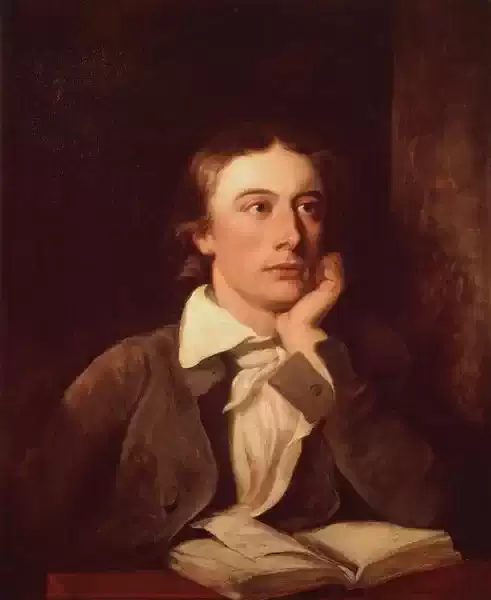
John Keats
Written on a Blank Space
Written on a Blank Space
This pleasant tale is like a little copse:
The honied lines so freshly interlace,
To keep the reader in so sweet a place,
So that he here and there full-hearted stops;
And oftentimes he feels the dewy drops
Come cool and suddenly against his face,
And, by the wandering melody, may trace
Which way the tender-legged linnet hops.
Oh! what a power has white Simplicity!
What mighty power has this gentle story!
I, that do ever feel athirst for glory,
Could at this moment be content to lie
Meekly upon the grass, as those whose sobbings
Were heard of none beside the mournful robins.
This pleasant tale is like a little copse:
The honied lines so freshly interlace,
To keep the reader in so sweet a place,
So that he here and there full-hearted stops;
And oftentimes he feels the dewy drops
Come cool and suddenly against his face,
And, by the wandering melody, may trace
Which way the tender-legged linnet hops.
Oh! what a power has white Simplicity!
What mighty power has this gentle story!
I, that do ever feel athirst for glory,
Could at this moment be content to lie
Meekly upon the grass, as those whose sobbings
Were heard of none beside the mournful robins.
381
John Keats
Two Sonnets. To Haydon, With A Sonnet Written On Seeing The Elgin Marbles
Two Sonnets. To Haydon, With A Sonnet Written On Seeing The Elgin Marbles
I.
Haydon! forgive me that I cannot speak
Definitively of these mighty things;
Forgive me, that I have not eagle's wings,
That what I want I know not where to seek,
And think that I would not be over-meek,
In rolling out upfollowed thunderings,
Even to the steep of Heliconian springs,
Were I of ample strength for such a freak.
Think, too, that all these numbers should be thine;
Whose else? In this who touch thy vesture's hem?
For, when men stared at what was most divine
With brainless idiotism and o'erwise phlegm,
Thou hadst beheld the full Hesperian shine
Of their star in the east, and gone to worship them.
II. On Seeing The Elgin Marbles.
My spirit is too weak - mortality
Weighs heavily upon me like unwilling sleep,
And each imagined pinnacle and steep
Of godlike hardship tells me I must die
Like a sick eagle looking at the sky.
Yet 'tis a gentle luxury to weep
That I have not the cloudy winds to keep,
Fresh for the opening of the morning's eye.
Such dim-conceived glories of the brain
Bring round the heart an undescribable feud;
So do these wonders a most dizzy pain,
That mingles Grecian grandeur with the rude
Wasting of old Time -- with a billowy main --
A sun -- a shadow of a magnitude.
I.
Haydon! forgive me that I cannot speak
Definitively of these mighty things;
Forgive me, that I have not eagle's wings,
That what I want I know not where to seek,
And think that I would not be over-meek,
In rolling out upfollowed thunderings,
Even to the steep of Heliconian springs,
Were I of ample strength for such a freak.
Think, too, that all these numbers should be thine;
Whose else? In this who touch thy vesture's hem?
For, when men stared at what was most divine
With brainless idiotism and o'erwise phlegm,
Thou hadst beheld the full Hesperian shine
Of their star in the east, and gone to worship them.
II. On Seeing The Elgin Marbles.
My spirit is too weak - mortality
Weighs heavily upon me like unwilling sleep,
And each imagined pinnacle and steep
Of godlike hardship tells me I must die
Like a sick eagle looking at the sky.
Yet 'tis a gentle luxury to weep
That I have not the cloudy winds to keep,
Fresh for the opening of the morning's eye.
Such dim-conceived glories of the brain
Bring round the heart an undescribable feud;
So do these wonders a most dizzy pain,
That mingles Grecian grandeur with the rude
Wasting of old Time -- with a billowy main --
A sun -- a shadow of a magnitude.
430
John Keats
To The Ladies Who Saw Me Crowned
To The Ladies Who Saw Me Crowned
WHAT is there in the universal Earth
More lovely than a Wreath from the bay tree?
Haply a Halo round the Moon a glee
Circling from three sweet pair of Lips in Mirth;
And haply you will say the dewy birth
Of morning Roses ripplings tenderly
Spread by the Halcyon's breast upon the Sea
But these Comparisons are nothing worth
Then is there nothing in the world so fair?
The silvery tears of April? Youth of May?
Or June that breathes out life for butterflies?
No none of these can from my favourite bear
Away the Palm yet shall it ever pay
Due Reverence to your most sovereign eyes.
WHAT is there in the universal Earth
More lovely than a Wreath from the bay tree?
Haply a Halo round the Moon a glee
Circling from three sweet pair of Lips in Mirth;
And haply you will say the dewy birth
Of morning Roses ripplings tenderly
Spread by the Halcyon's breast upon the Sea
But these Comparisons are nothing worth
Then is there nothing in the world so fair?
The silvery tears of April? Youth of May?
Or June that breathes out life for butterflies?
No none of these can from my favourite bear
Away the Palm yet shall it ever pay
Due Reverence to your most sovereign eyes.
420
John Keats
To Byron
To Byron
Byron! how sweetly sad thy melody!
Attuning still the soul to tenderness,
As if soft Pity, with unusual stress,
Had touch'd her plaintive lute, and thou, being by,
Hadst caught the tones, nor suffer'd them to die.
O'ershadowing sorrow doth not make thee less
Delightful: thou thy griefs dost dress
With a bright halo, shining beamily,
As when a cloud the golden moon doth veil,
Its sides are ting'd with a resplendent glow,
Through the dark robe oft amber rays prevail,
And like fair veins in sable marble flow;
Still warble, dying swan! still tell the tale,
The enchanting tale, the tale of pleasing woe.
Byron! how sweetly sad thy melody!
Attuning still the soul to tenderness,
As if soft Pity, with unusual stress,
Had touch'd her plaintive lute, and thou, being by,
Hadst caught the tones, nor suffer'd them to die.
O'ershadowing sorrow doth not make thee less
Delightful: thou thy griefs dost dress
With a bright halo, shining beamily,
As when a cloud the golden moon doth veil,
Its sides are ting'd with a resplendent glow,
Through the dark robe oft amber rays prevail,
And like fair veins in sable marble flow;
Still warble, dying swan! still tell the tale,
The enchanting tale, the tale of pleasing woe.
406
John Keats
To A Friend Who Sent Me Some Roses
To A Friend Who Sent Me Some Roses
As late I rambled in the happy fields,
What time the skylark shakes the tremulous dew
From his lush clover covert;-when anew
Adventurous knights take up their dinted shields;
I saw the sweetest flower wild nature yields,
A fresh-blown musk-rose; 'twas the first that threw
Its sweets upon the summer: graceful it grew
As is the wand that Queen Titania wields.
And, as I feasted on its fragrancy,
I thought the garden-rose it far excelled;
But when, O Wells! thy roses came to me,
My sense with their deliciousness was spelled:
Soft voices had they, that with tender plea
Whispered of peace, and truth, and friendliness unquelled.
As late I rambled in the happy fields,
What time the skylark shakes the tremulous dew
From his lush clover covert;-when anew
Adventurous knights take up their dinted shields;
I saw the sweetest flower wild nature yields,
A fresh-blown musk-rose; 'twas the first that threw
Its sweets upon the summer: graceful it grew
As is the wand that Queen Titania wields.
And, as I feasted on its fragrancy,
I thought the garden-rose it far excelled;
But when, O Wells! thy roses came to me,
My sense with their deliciousness was spelled:
Soft voices had they, that with tender plea
Whispered of peace, and truth, and friendliness unquelled.
431