

Poems in this theme
Beauty

Robert Frost
Leaves Compared with Flowers
Leaves Compared with Flowers
A tree's leaves may be ever so good,
So may its bar, so may its wood;
But unless you put the right thing to its root
It never will show much flower or fruit.
But I may be one who does not care
Ever to have tree bloom or bear.
Leaves for smooth and bark for rough,
Leaves and bark may be tree enough.
Some giant trees have bloom so small
They might as well have none at all.
Late in life I have come on fern.
Now lichens are due to have their turn.
I bade men tell me which in brief,
Which is fairer, flower or leaf.
They did not have the wit to say,
Leaves by night and flowers by day.
Leaves and bar, leaves and bark,
To lean against and hear in the dark.
Petals I may have once pursued.
Leaves are all my darker mood.
A tree's leaves may be ever so good,
So may its bar, so may its wood;
But unless you put the right thing to its root
It never will show much flower or fruit.
But I may be one who does not care
Ever to have tree bloom or bear.
Leaves for smooth and bark for rough,
Leaves and bark may be tree enough.
Some giant trees have bloom so small
They might as well have none at all.
Late in life I have come on fern.
Now lichens are due to have their turn.
I bade men tell me which in brief,
Which is fairer, flower or leaf.
They did not have the wit to say,
Leaves by night and flowers by day.
Leaves and bar, leaves and bark,
To lean against and hear in the dark.
Petals I may have once pursued.
Leaves are all my darker mood.
426
Robert Frost
Fragmentary Blue
Fragmentary Blue
Why make so much of fragmentary blue
In here and there a bird, or butterfly,
Or flower, or wearing-stone, or open eye,
When heaven presents in sheets the solid hue?
Since earth is earth, perhaps, not heaven (as yet)--
Though some savants make earth include the sky;
And blue so far above us comes so high,
It only gives our wish for blue a whet.
Why make so much of fragmentary blue
In here and there a bird, or butterfly,
Or flower, or wearing-stone, or open eye,
When heaven presents in sheets the solid hue?
Since earth is earth, perhaps, not heaven (as yet)--
Though some savants make earth include the sky;
And blue so far above us comes so high,
It only gives our wish for blue a whet.
436
Robert Frost
Fireflies in the Garden
Fireflies in the Garden
Here come real stars to fill the upper skies,
And here on earth come emulating flies,
That though they never equal stars in size,
(And they were never really stars at heart)
Achieve at times a very star-like start.
Only, of course, they can't sustain the part.
Here come real stars to fill the upper skies,
And here on earth come emulating flies,
That though they never equal stars in size,
(And they were never really stars at heart)
Achieve at times a very star-like start.
Only, of course, they can't sustain the part.
394
Robert Frost
In White: Frost's Early Version Of Design
"In White": Frost's Early Version Of Design
A dented spider like a snow drop white
On a white Heal-all, holding up a moth
Like a white piece of lifeless satin cloth -
Saw ever curious eye so strange a sight? -
Portent in little, assorted death and blight
Like the ingredients of a witches' broth? -
The beady spider, the flower like a froth,
And the moth carried like a paper kite.
What had that flower to do with being white,
The blue prunella every child's delight.
What brought the kindred spider to that height?
(Make we no thesis of the miller's plight.)
What but design of darkness and of night?
Design, design! Do I use the word aright?
Anonymous submission.
A dented spider like a snow drop white
On a white Heal-all, holding up a moth
Like a white piece of lifeless satin cloth -
Saw ever curious eye so strange a sight? -
Portent in little, assorted death and blight
Like the ingredients of a witches' broth? -
The beady spider, the flower like a froth,
And the moth carried like a paper kite.
What had that flower to do with being white,
The blue prunella every child's delight.
What brought the kindred spider to that height?
(Make we no thesis of the miller's plight.)
What but design of darkness and of night?
Design, design! Do I use the word aright?
Anonymous submission.
369
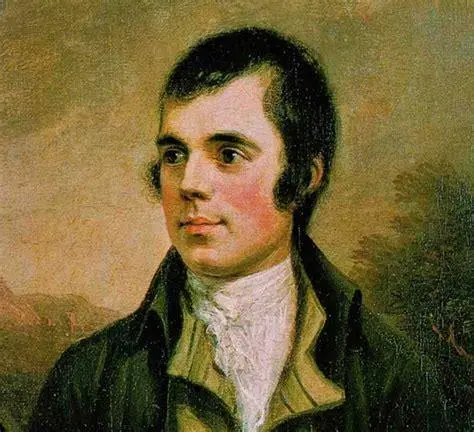
Robert Burns
To a Mountain Daisy
To a Mountain Daisy
Wee, modest, crimson-tippèd flow'r,
Thou's met me in an evil hour;
For I maun crush amang the stoure
Thy slender stem:
To spare thee now is past my pow'r,
Thou bonie gem.
Alas! it's no thy neibor sweet,
The bonie lark, companion meet,
Bending thee 'mang the dewy weet
Wi' spreck'd breast,
When upward-springing, blythe, to greet
The purpling east.
Cauld blew the bitter-biting north
Upon thy early, humble birth;
Yet cheerfully thou glinted forth
Amid the storm,
Scarce rear'd above the parent-earth
Thy tender form.
The flaunting flowers our gardens yield
High shelt'ring woods an' wa's maun shield:
But thou, beneath the random bield
O' clod or stane,
Adorns the histie stibble-field
Unseen, alane.
There, in thy scanty mantle clad,
Thy snawie-bosom sun-ward spread,
Thou lifts thy unassuming head
In humble guise;
But now the share uptears thy bed,
And low thou lies!
Such is the fate of artless maid,
Sweet flow'ret of the rural shade!
By love's simplicity betray'd
And guileless trust;
Till she, like thee, all soil'd, is laid
Low i' the dust.
Such is the fate of simple bard,
On life's rough ocean luckless starr'd!
Unskilful he to note the card
Of prudent lore,
Till billows rage and gales blow hard,
And whelm him o'er!
Such fate to suffering Worth is giv'n,
Who long with wants and woes has striv'n,
By human pride or cunning driv'n
To mis'ry's brink;
Till, wrench'd of ev'ry stay but Heav'n,
He ruin'd sink!
Ev'n thou who mourn'st the Daisy's fate,
That fate is thine--no distant date;
Stern Ruin's ploughshare drives elate,
Full on thy bloom,
Till crush'd beneath the furrow's weight
Shall be thy doom.
Wee, modest, crimson-tippèd flow'r,
Thou's met me in an evil hour;
For I maun crush amang the stoure
Thy slender stem:
To spare thee now is past my pow'r,
Thou bonie gem.
Alas! it's no thy neibor sweet,
The bonie lark, companion meet,
Bending thee 'mang the dewy weet
Wi' spreck'd breast,
When upward-springing, blythe, to greet
The purpling east.
Cauld blew the bitter-biting north
Upon thy early, humble birth;
Yet cheerfully thou glinted forth
Amid the storm,
Scarce rear'd above the parent-earth
Thy tender form.
The flaunting flowers our gardens yield
High shelt'ring woods an' wa's maun shield:
But thou, beneath the random bield
O' clod or stane,
Adorns the histie stibble-field
Unseen, alane.
There, in thy scanty mantle clad,
Thy snawie-bosom sun-ward spread,
Thou lifts thy unassuming head
In humble guise;
But now the share uptears thy bed,
And low thou lies!
Such is the fate of artless maid,
Sweet flow'ret of the rural shade!
By love's simplicity betray'd
And guileless trust;
Till she, like thee, all soil'd, is laid
Low i' the dust.
Such is the fate of simple bard,
On life's rough ocean luckless starr'd!
Unskilful he to note the card
Of prudent lore,
Till billows rage and gales blow hard,
And whelm him o'er!
Such fate to suffering Worth is giv'n,
Who long with wants and woes has striv'n,
By human pride or cunning driv'n
To mis'ry's brink;
Till, wrench'd of ev'ry stay but Heav'n,
He ruin'd sink!
Ev'n thou who mourn'st the Daisy's fate,
That fate is thine--no distant date;
Stern Ruin's ploughshare drives elate,
Full on thy bloom,
Till crush'd beneath the furrow's weight
Shall be thy doom.
292
Robert Burns
The Tarbolton Lasses
The Tarbolton Lasses
If ye gae up to yon hill-tap,
Ye'll there see bonie Peggy;
She kens her father is a laird,
And she forsooth's a leddy.
There Sophy tight, a lassie bright,
Besides a handsome fortune:
Wha canna win her in a night,
Has little art in courtin'.
Gae down by Faile, and taste the ale,
And tak a look o' Mysie;
She's dour and din, a deil within,
But aiblins she may please ye.
If she be shy, her sister try,
Ye'll maybe fancy Jenny;
If ye'll dispense wi' want o' sense-
She kens hersel she's bonie.
As ye gae up by yon hillside,
Speir in for bonie Bessy;
She'll gie ye a beck, and bid ye light,
And handsomely address ye.
There's few sae bonie, nane sae guid,
In a' King George' dominion;
If ye should doubt the truth o' this-
It's Bessy's ain opinion!
If ye gae up to yon hill-tap,
Ye'll there see bonie Peggy;
She kens her father is a laird,
And she forsooth's a leddy.
There Sophy tight, a lassie bright,
Besides a handsome fortune:
Wha canna win her in a night,
Has little art in courtin'.
Gae down by Faile, and taste the ale,
And tak a look o' Mysie;
She's dour and din, a deil within,
But aiblins she may please ye.
If she be shy, her sister try,
Ye'll maybe fancy Jenny;
If ye'll dispense wi' want o' sense-
She kens hersel she's bonie.
As ye gae up by yon hillside,
Speir in for bonie Bessy;
She'll gie ye a beck, and bid ye light,
And handsomely address ye.
There's few sae bonie, nane sae guid,
In a' King George' dominion;
If ye should doubt the truth o' this-
It's Bessy's ain opinion!
250
Robert Burns
The Bonie Wee Thing
The Bonie Wee Thing
Wishfully I look and languish
In that bonie face o' thine,
And my heart it sounds wi' anguish,
Lest my wee thing be na mine.
[Chorus] Bonie wee thing, cannie wee thing,
Lovely wee thing, wert thou mine,
I wad wear thee in my bosom,
Lest my jewel it should tine.
Wit and Grace, and Love, and Beauty,
In ae constellation shine;
To adore thee in my duty,
Goddess o' this soul o' mine!
[Chorus]
Wishfully I look and languish
In that bonie face o' thine,
And my heart it sounds wi' anguish,
Lest my wee thing be na mine.
[Chorus] Bonie wee thing, cannie wee thing,
Lovely wee thing, wert thou mine,
I wad wear thee in my bosom,
Lest my jewel it should tine.
Wit and Grace, and Love, and Beauty,
In ae constellation shine;
To adore thee in my duty,
Goddess o' this soul o' mine!
[Chorus]
230
Robert Burns
Tarbolton Lasses, The
Tarbolton Lasses, The
If ye gae up to yon hill-tap,
Ye'll there see bonie Peggy;
She kens her father is a laird,
And she forsooth's a leddy.
There Sophy tight, a lassie bright,
Besides a handsome fortune:
Wha canna win her in a night,
Has little art in courtin'.
Gae down by Faile, and taste the ale,
And tak a look o' Mysie;
She's dour and din, a deil within,
But aiblins she may please ye.
If she be shy, her sister try,
Ye'll maybe fancy Jenny;
If ye'll dispense wi' want o' sense-
She kens hersel she's bonie.
As ye gae up by yon hillside,
Speir in for bonie Bessy;
She'll gie ye a beck, and bid ye light,
And handsomely address ye.
There's few sae bonie, nane sae guid,
In a' King George' dominion;
If ye should doubt the truth o' this-
It's Bessy's ain opinion!
If ye gae up to yon hill-tap,
Ye'll there see bonie Peggy;
She kens her father is a laird,
And she forsooth's a leddy.
There Sophy tight, a lassie bright,
Besides a handsome fortune:
Wha canna win her in a night,
Has little art in courtin'.
Gae down by Faile, and taste the ale,
And tak a look o' Mysie;
She's dour and din, a deil within,
But aiblins she may please ye.
If she be shy, her sister try,
Ye'll maybe fancy Jenny;
If ye'll dispense wi' want o' sense-
She kens hersel she's bonie.
As ye gae up by yon hillside,
Speir in for bonie Bessy;
She'll gie ye a beck, and bid ye light,
And handsomely address ye.
There's few sae bonie, nane sae guid,
In a' King George' dominion;
If ye should doubt the truth o' this-
It's Bessy's ain opinion!
268
Robert Burns
On A Bank Of Flowers
On A Bank Of Flowers
On a bank of flowers in a summer day
For summer lightly drest,
The youthful, blooming Nelly lay,
With love and sleep opprest;
When Willie, wand'ring thro the wood
Who for her favour oft had suedÑ
He gaz'd, he wish'd He fear'd, he blush'd
And trembled where he stood.
Her closèd eyes, like weapons sheath'd,
Were sealed in soft repose;
Her lips, still as she fragrant breath'd,
It richer dyed the rose.
The springing lilies, sweetly Crest,
Wild-wanton kissed her rival breast:
He gaz'd, he wish'd, He fear'd he blush'd
His bosom ill at rest.
Her robes, light-waving in the breeze,
Her tender limbs embrace;
Her lovely form, her native ease,
All harmony and grace.
Tumultuous tides his pulses roll,
A faltering, ardent kiss he stole;
He gaz'd, he wish'd, He fear'd, he blush'd,
And sigh'd his very soul.
As flies the partridge from the brake
On fear-inspired wings
So Nelly starting, half-awake
Away affrighted springs.
But Willie, follow'd---as he should
He overtook her in the wood;
He vow'd, he pray'd, He found the maid
Forgiving all, and good.
On a bank of flowers in a summer day
For summer lightly drest,
The youthful, blooming Nelly lay,
With love and sleep opprest;
When Willie, wand'ring thro the wood
Who for her favour oft had suedÑ
He gaz'd, he wish'd He fear'd, he blush'd
And trembled where he stood.
Her closèd eyes, like weapons sheath'd,
Were sealed in soft repose;
Her lips, still as she fragrant breath'd,
It richer dyed the rose.
The springing lilies, sweetly Crest,
Wild-wanton kissed her rival breast:
He gaz'd, he wish'd, He fear'd he blush'd
His bosom ill at rest.
Her robes, light-waving in the breeze,
Her tender limbs embrace;
Her lovely form, her native ease,
All harmony and grace.
Tumultuous tides his pulses roll,
A faltering, ardent kiss he stole;
He gaz'd, he wish'd, He fear'd, he blush'd,
And sigh'd his very soul.
As flies the partridge from the brake
On fear-inspired wings
So Nelly starting, half-awake
Away affrighted springs.
But Willie, follow'd---as he should
He overtook her in the wood;
He vow'd, he pray'd, He found the maid
Forgiving all, and good.
225
Robert Burns
O, Were My Love
O, Were My Love
O, were my love yon lilac fair
Wi' purple blossoms to the spring,
And I a bird to shelter there,
When wearied on my little wing.
How I wad mourn when it was torn
By Autumn wild and Winter rude!
But I wad sing on wanton wing
When youthfu May its bloom renew'd.
O, gin my love were yon red rose,
That grows upon the castle wa',
And I mysel a drap o' dew
Into her bonie breast to fa',
O, there, beyond expression blest,
I'd feast on beauty a' the night,
Seal'd on her silk-saft faulds to rest,
Till fley'd awa by Phoebus' light!
O, were my love yon lilac fair
Wi' purple blossoms to the spring,
And I a bird to shelter there,
When wearied on my little wing.
How I wad mourn when it was torn
By Autumn wild and Winter rude!
But I wad sing on wanton wing
When youthfu May its bloom renew'd.
O, gin my love were yon red rose,
That grows upon the castle wa',
And I mysel a drap o' dew
Into her bonie breast to fa',
O, there, beyond expression blest,
I'd feast on beauty a' the night,
Seal'd on her silk-saft faulds to rest,
Till fley'd awa by Phoebus' light!
271
Robert Burns
Lass That Made the Bed to Me, The
Lass That Made the Bed to Me, The
When Januar' wind was blawing cauld,
As to the north I took my way,
The mirksome night did me enfauld,
I knew na whare to lodge till day:
By my gude luck a maid I met,
Just in the middle o' my care,
And Kindly she did me invite
To walk into a chamber fair.
I bow'd fu' low unto this maid,
And thank'd her for her courtesie;
I bow'd fu' low unto this maid,
An bade her make a bed to me;
She made the bed baith large and wide,
Wi' twa white hands she spread it doun;
She put the cup to her rosy lips,
And drank - "Young man, now sleep ye soun'."
Chorus - The bonie lass made the bed to me,
The braw lass made the bed to me,
I'll ne'er forget till the day I die,
The lass that made the bed to me.
She snatch'd the candle in her hand,
And frae my chamber went wi' speed;
But I call'd her quickly back again,
To lay some mair below my head:
A cod she laid below my head,
And served me with due respect,
And, to salute her wi' a kis,
I put my arms about her neck.
Chorus: -...
"Haud aff your hands, young man! she said,
"And dinna sae uncivil be;
Gif ye hae ony luve for me,
O wrang ma my virginitie."
Her hair was like the links o' gowd,
Her teeth were like the ivorie,
Her cheeks like lilies dipt in wine,
The lass that made the bed to me.
Chorus: -...
Her bosom was the driven snaw,
Twa drifted heaps sae fair to see;
Her limbs the polish'd marble stane,
The lass that made the bed to me.
I kiss'd her o'er and o'er again,
And aye she wist na what to say:
I laid her 'tween me and the wa';
The lassie thocht na lang till day.
Chorus: -...
Upon the morrow when we raise,
I thank'd her for her courtesie;
But aye she blush'd and aye she sigh'd,
And said, "Alas, ye've ruin'd me."
I clasp'd her waist, and kiss'd her syne,
While the tear stood twinklin' in her e'e;
I said, "My lassie, dinna cry,
For ye aye shall make the bed to me."
Chorus: - ...
She took her mither's holland sheets,
An' made them a' in sarks to me;
Blythe and merry may she be,
The lass that made the bed to me.
Chorus: -...
When Januar' wind was blawing cauld,
As to the north I took my way,
The mirksome night did me enfauld,
I knew na whare to lodge till day:
By my gude luck a maid I met,
Just in the middle o' my care,
And Kindly she did me invite
To walk into a chamber fair.
I bow'd fu' low unto this maid,
And thank'd her for her courtesie;
I bow'd fu' low unto this maid,
An bade her make a bed to me;
She made the bed baith large and wide,
Wi' twa white hands she spread it doun;
She put the cup to her rosy lips,
And drank - "Young man, now sleep ye soun'."
Chorus - The bonie lass made the bed to me,
The braw lass made the bed to me,
I'll ne'er forget till the day I die,
The lass that made the bed to me.
She snatch'd the candle in her hand,
And frae my chamber went wi' speed;
But I call'd her quickly back again,
To lay some mair below my head:
A cod she laid below my head,
And served me with due respect,
And, to salute her wi' a kis,
I put my arms about her neck.
Chorus: -...
"Haud aff your hands, young man! she said,
"And dinna sae uncivil be;
Gif ye hae ony luve for me,
O wrang ma my virginitie."
Her hair was like the links o' gowd,
Her teeth were like the ivorie,
Her cheeks like lilies dipt in wine,
The lass that made the bed to me.
Chorus: -...
Her bosom was the driven snaw,
Twa drifted heaps sae fair to see;
Her limbs the polish'd marble stane,
The lass that made the bed to me.
I kiss'd her o'er and o'er again,
And aye she wist na what to say:
I laid her 'tween me and the wa';
The lassie thocht na lang till day.
Chorus: -...
Upon the morrow when we raise,
I thank'd her for her courtesie;
But aye she blush'd and aye she sigh'd,
And said, "Alas, ye've ruin'd me."
I clasp'd her waist, and kiss'd her syne,
While the tear stood twinklin' in her e'e;
I said, "My lassie, dinna cry,
For ye aye shall make the bed to me."
Chorus: - ...
She took her mither's holland sheets,
An' made them a' in sarks to me;
Blythe and merry may she be,
The lass that made the bed to me.
Chorus: -...
250
Robert Burns
Jean
Jean
OF a' the airts the wind can blaw,
I dearly like the west,
For there the bonnie lassie lives,
The lassie I lo'e best:
There wild woods grow, and rivers row,
And monie a hill between;
But day and night my fancy's flight
Is ever wi' my Jean.
I see her in the dewy flowers,
I see her sweet and fair:
I hear her in the tunefu' birds,
I hear her charm the air:
There 's not a bonnie flower that springs
By fountain, shaw, or green;
There 's not a bonnie bird that sings,
But minds me o' my Jean.
OF a' the airts the wind can blaw,
I dearly like the west,
For there the bonnie lassie lives,
The lassie I lo'e best:
There wild woods grow, and rivers row,
And monie a hill between;
But day and night my fancy's flight
Is ever wi' my Jean.
I see her in the dewy flowers,
I see her sweet and fair:
I hear her in the tunefu' birds,
I hear her charm the air:
There 's not a bonnie flower that springs
By fountain, shaw, or green;
There 's not a bonnie bird that sings,
But minds me o' my Jean.
216
Robert Burns
Handsome Nell
Handsome Nell
O, once I lov'd a bonnie lass,
Aye, and I love her still;
And whilst that virtue warms my breast
I'll love my handsome Nell.
As bonnie lasses I hae seen,
And mony full as braw,
But for a modest gracefu' mien
The like I never saw.
A bonnie lass, I will confess,
Is pleasant to the ee,
But without some letter qualities
She's no a lass for me.
But Nellie's looks are blithe and sweet,
And what is best of a'
Her reputation is complete,
And fair without a flaw.
She dresses aye sae clean and neat,
Both decent and genteel;
And then there's something in her gait
Gars ony dress look weel.
A gaudy dress and gentle air
May slightly touch the heart,
But it's innocence and modesty
That polishes the dart.
'Tis this in Nelly pleases me,
'Tis this enchants my soul
For absolutely in my breast
She reigns without control.
O, once I lov'd a bonnie lass,
Aye, and I love her still;
And whilst that virtue warms my breast
I'll love my handsome Nell.
As bonnie lasses I hae seen,
And mony full as braw,
But for a modest gracefu' mien
The like I never saw.
A bonnie lass, I will confess,
Is pleasant to the ee,
But without some letter qualities
She's no a lass for me.
But Nellie's looks are blithe and sweet,
And what is best of a'
Her reputation is complete,
And fair without a flaw.
She dresses aye sae clean and neat,
Both decent and genteel;
And then there's something in her gait
Gars ony dress look weel.
A gaudy dress and gentle air
May slightly touch the heart,
But it's innocence and modesty
That polishes the dart.
'Tis this in Nelly pleases me,
'Tis this enchants my soul
For absolutely in my breast
She reigns without control.
268
Robert Burns
Green Grow The Rashes
Green Grow The Rashes
Green grow the rashes, O!
Green grow the rashes, O!
The sweetest hours that e'er I spend,
Are spent amang the lasses, O!
There's nought but care on every han'
In every hour that passes, O;
What signifies the life o' man,
An 'twere na for the lasses, O?
The warl'ly race may riches chase,
An' riches still may fly them, O;
An' though at last they catch them fast,
Their hearts can ne'er enjoy them, O.
But gi'e me a canny hour at e'en,
My arms about my dearie, O,
An' warl'ly cares an' warl'ly men
May a' gae tapsalteerie, O!
For you sae douce, ye sneer at this,
Ye're nought but senseless asses, O;
The wisest man the warl' e'er saw,
He dearly loved the lasses, O.
Auld Nature swears the lovely dears
Her noblest work she classes, O;
Her 'prentice han' she tried on man,
An' then she made the lasses, O.
Green grow the rashes, O!
Green grow the rashes, O!
The sweetest hours that e'er I spend,
Are spent amang the lasses, O!
There's nought but care on every han'
In every hour that passes, O;
What signifies the life o' man,
An 'twere na for the lasses, O?
The warl'ly race may riches chase,
An' riches still may fly them, O;
An' though at last they catch them fast,
Their hearts can ne'er enjoy them, O.
But gi'e me a canny hour at e'en,
My arms about my dearie, O,
An' warl'ly cares an' warl'ly men
May a' gae tapsalteerie, O!
For you sae douce, ye sneer at this,
Ye're nought but senseless asses, O;
The wisest man the warl' e'er saw,
He dearly loved the lasses, O.
Auld Nature swears the lovely dears
Her noblest work she classes, O;
Her 'prentice han' she tried on man,
An' then she made the lasses, O.
259
Robert Burns
Bonnie Lesley
Bonnie Lesley
O SAW ye bonnie Lesley
As she gaed o'er the Border?
She 's gane, like Alexander,
To spread her conquests farther.
To see her is to love her,
And love but her for ever;
For Nature made her what she is,
And ne'er made sic anither!
Thou art a queen, fair Lesley,
Thy subjects we, before thee:
Thou art divine, fair Lesley,
The hearts o' men adore thee.
The Deil he couldna scaith thee,
Or aught that wad belang thee;
He'd look into thy bonnie face
And say, 'I canna wrang thee!'
The Powers aboon will tent thee,
Misfortune sha'na steer thee:
Thou'rt like themsel' sae lovely,
That ill they'll ne'er let near thee.
Return again, fair Lesley,
Return to Caledonie!
That we may brag we hae a lass
There 's nane again sae bonnie!
O SAW ye bonnie Lesley
As she gaed o'er the Border?
She 's gane, like Alexander,
To spread her conquests farther.
To see her is to love her,
And love but her for ever;
For Nature made her what she is,
And ne'er made sic anither!
Thou art a queen, fair Lesley,
Thy subjects we, before thee:
Thou art divine, fair Lesley,
The hearts o' men adore thee.
The Deil he couldna scaith thee,
Or aught that wad belang thee;
He'd look into thy bonnie face
And say, 'I canna wrang thee!'
The Powers aboon will tent thee,
Misfortune sha'na steer thee:
Thou'rt like themsel' sae lovely,
That ill they'll ne'er let near thee.
Return again, fair Lesley,
Return to Caledonie!
That we may brag we hae a lass
There 's nane again sae bonnie!
253
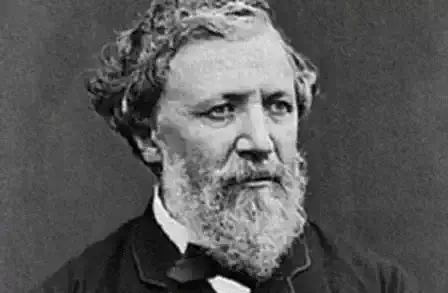
Robert Browning
Women And Roses
Women And Roses
I.
I dream of a red-rose tree.
And which of its roses three
Is the dearest rose to me?
II.
Round and round, like a dance of snow
In a dazzling drift, as its guardians, go
Floating the women faded for ages,
Sculptured in stone, on the poet's pages.
Then follow women fresh and gay,
Living and loving and loved to-day.
Last, in the rear, flee the multitude of maidens,
Beauties yet unborn. And all, to one cadence,
They circle their rose on my rose tree.
III.
Dear rose, thy term is reached,
Thy leaf hangs loose and bleached:
Bees pass it unimpeached.
IV.
Stay then, stoop, since I cannot climb,
You, great shapes of the antique time!
How shall I fix you, fire you, freeze you,
Break my heart at your feet to please you?
Oh, to possess and be possessed!
Hearts that beat 'neath each pallid breast!
Once but of love, the poesy, the passion,
Drink but once and die!---In vain, the same fashion,
They circle their rose on my rose tree.
V.
Dear rose, thy joy's undimmed,
Thy cup is ruby-rimmed,
Thy cup's heart nectar-brimmed.
VI.
Deep, as drops from a statue's plinth
The bee sucked in by the hyacinth,
So will I bury me while burning,
Quench like him at a plunge my yearning,
Eyes in your eyes, lips on your lips!
Fold me fast where the cincture slips,
Prison all my soul in eternities of pleasure,
Girdle me for once! But no---the old measure,
They circle their rose on my rose tree.
VII.
Dear rose without a thorn,
Thy bud's the babe unborn:
First streak of a new morn.
VIII.
Wings, lend wings for the cold, the clear!
What is far conquers what is near.
Roses will bloom nor want beholders,
Sprung from the dust where our flesh moulders.
What shall arrive with the cycle's change?
A novel grace and a beauty strange.
I will make an Eve, be the artist that began her,
Shaped her to his mind!---Alas! in like manner
They circle their rose on my rose tree.
I.
I dream of a red-rose tree.
And which of its roses three
Is the dearest rose to me?
II.
Round and round, like a dance of snow
In a dazzling drift, as its guardians, go
Floating the women faded for ages,
Sculptured in stone, on the poet's pages.
Then follow women fresh and gay,
Living and loving and loved to-day.
Last, in the rear, flee the multitude of maidens,
Beauties yet unborn. And all, to one cadence,
They circle their rose on my rose tree.
III.
Dear rose, thy term is reached,
Thy leaf hangs loose and bleached:
Bees pass it unimpeached.
IV.
Stay then, stoop, since I cannot climb,
You, great shapes of the antique time!
How shall I fix you, fire you, freeze you,
Break my heart at your feet to please you?
Oh, to possess and be possessed!
Hearts that beat 'neath each pallid breast!
Once but of love, the poesy, the passion,
Drink but once and die!---In vain, the same fashion,
They circle their rose on my rose tree.
V.
Dear rose, thy joy's undimmed,
Thy cup is ruby-rimmed,
Thy cup's heart nectar-brimmed.
VI.
Deep, as drops from a statue's plinth
The bee sucked in by the hyacinth,
So will I bury me while burning,
Quench like him at a plunge my yearning,
Eyes in your eyes, lips on your lips!
Fold me fast where the cincture slips,
Prison all my soul in eternities of pleasure,
Girdle me for once! But no---the old measure,
They circle their rose on my rose tree.
VII.
Dear rose without a thorn,
Thy bud's the babe unborn:
First streak of a new morn.
VIII.
Wings, lend wings for the cold, the clear!
What is far conquers what is near.
Roses will bloom nor want beholders,
Sprung from the dust where our flesh moulders.
What shall arrive with the cycle's change?
A novel grace and a beauty strange.
I will make an Eve, be the artist that began her,
Shaped her to his mind!---Alas! in like manner
They circle their rose on my rose tree.
392
Robert Browning
The Guardian-Angel
The Guardian-Angel
A PICTURE AT FANO.
I.
Dear and great Angel, wouldst thou only leave
That child, when thou hast done with him, for me!
Let me sit all the day here, that when eve
Shall find performed thy special ministry,
And time come for departure, thou, suspending
Thy flight, mayst see another child for tending,
Another still, to quiet and retrieve.
II.
Then I shall feel thee step one step, no more,
From where thou standest now, to where I gaze,
---And suddenly my head is covered o'er
With those wings, white above the child who prays
Now on that tomb---and I shall feel thee guarding
Me, out of all the world; for me, discarding
Yon heaven thy home, that waits and opes its door.
III.
I would not look up thither past thy head
Because the door opes, like that child, I know,
For I should have thy gracious face instead,
Thou bird of God! And wilt thou bend me low
Like him, and lay, like his, my hands together,
And lift them up to pray, and gently tether
Me, as thy lamb there, with thy garment's spread?
IV.
If this was ever granted, I would rest
My bead beneath thine, while thy healing hands
Close-covered both my eyes beside thy breast,
Pressing the brain, which too much thought expands,
Back to its proper size again, and smoothing
Distortion down till every nerve had soothing,
And all lay quiet, happy and suppressed.
V.
How soon all worldly wrong would be repaired!
I think how I should view the earth and skies
And sea, when once again my brow was bared
After thy healing, with such different eyes.
O world, as God has made it! All is beauty:
And knowing this, is love, and love is duty.
What further may be sought for or declared?
VI.
Guercino drew this angel I saw teach
(Alfred, dear friend!)---that little child to pray,
Holding the little hands up, each to each
Pressed gently,---with his own head turned away
Over the earth where so much lay before him
Of work to do, though heaven was opening o'er him,
And he was left at Fano by the beach.
VII.
We were at Fano, and three times we went
To sit and see him in his chapel there,
And drink his beauty to our soul's content
---My angel with me too: and since I care
For dear Guercino's fame (to which in power
And glory comes this picture for a dower,
Fraught with a pathos so magnificent)---
VIII.
And since he did not work thus earnestly
At all times, and has else endured some wrong---
I took one thought his picture struck from me,
And spread it out, translating it to song.
My love is here. Where are you, dear old friend?
How rolls the Wairoa at your world's far end?
This is Ancona, yonder is the sea.
A PICTURE AT FANO.
I.
Dear and great Angel, wouldst thou only leave
That child, when thou hast done with him, for me!
Let me sit all the day here, that when eve
Shall find performed thy special ministry,
And time come for departure, thou, suspending
Thy flight, mayst see another child for tending,
Another still, to quiet and retrieve.
II.
Then I shall feel thee step one step, no more,
From where thou standest now, to where I gaze,
---And suddenly my head is covered o'er
With those wings, white above the child who prays
Now on that tomb---and I shall feel thee guarding
Me, out of all the world; for me, discarding
Yon heaven thy home, that waits and opes its door.
III.
I would not look up thither past thy head
Because the door opes, like that child, I know,
For I should have thy gracious face instead,
Thou bird of God! And wilt thou bend me low
Like him, and lay, like his, my hands together,
And lift them up to pray, and gently tether
Me, as thy lamb there, with thy garment's spread?
IV.
If this was ever granted, I would rest
My bead beneath thine, while thy healing hands
Close-covered both my eyes beside thy breast,
Pressing the brain, which too much thought expands,
Back to its proper size again, and smoothing
Distortion down till every nerve had soothing,
And all lay quiet, happy and suppressed.
V.
How soon all worldly wrong would be repaired!
I think how I should view the earth and skies
And sea, when once again my brow was bared
After thy healing, with such different eyes.
O world, as God has made it! All is beauty:
And knowing this, is love, and love is duty.
What further may be sought for or declared?
VI.
Guercino drew this angel I saw teach
(Alfred, dear friend!)---that little child to pray,
Holding the little hands up, each to each
Pressed gently,---with his own head turned away
Over the earth where so much lay before him
Of work to do, though heaven was opening o'er him,
And he was left at Fano by the beach.
VII.
We were at Fano, and three times we went
To sit and see him in his chapel there,
And drink his beauty to our soul's content
---My angel with me too: and since I care
For dear Guercino's fame (to which in power
And glory comes this picture for a dower,
Fraught with a pathos so magnificent)---
VIII.
And since he did not work thus earnestly
At all times, and has else endured some wrong---
I took one thought his picture struck from me,
And spread it out, translating it to song.
My love is here. Where are you, dear old friend?
How rolls the Wairoa at your world's far end?
This is Ancona, yonder is the sea.
316
Robert Browning
Summum Bonum
Summum Bonum
All the breath and the bloom of the year in the bag of one bee:
All the wonder and wealth of the mine in the heart of one gem:
In the core of one pearl all the shade and the shine of the sea:
Breath and bloom, shade and shine, wonder, wealth, and--how far above them--
Truth, that's brighter than gem,
Trust, that's purer than pearl,--
Brightest truth, purest trust in the universe--all were for me
In the kiss of one girl
All the breath and the bloom of the year in the bag of one bee:
All the wonder and wealth of the mine in the heart of one gem:
In the core of one pearl all the shade and the shine of the sea:
Breath and bloom, shade and shine, wonder, wealth, and--how far above them--
Truth, that's brighter than gem,
Trust, that's purer than pearl,--
Brightest truth, purest trust in the universe--all were for me
In the kiss of one girl
350
Robert Browning
Song
Song
I.
Nay but you, who do not love her,
Is she not pure gold, my mistress?
Holds earth aught---speak truth---above her?
Aught like this tress, see, and this tress,
And this last fairest tress of all,
So fair, see, ere I let it fall?
II.
Because, you spend your lives in praising;
To praise, you search the wide world over:
Then why not witness, calmly gazing,
If earth holds aught---speak truth---above her?
Above this tress, and this, I touch
But cannot praise, I love so much!
I.
Nay but you, who do not love her,
Is she not pure gold, my mistress?
Holds earth aught---speak truth---above her?
Aught like this tress, see, and this tress,
And this last fairest tress of all,
So fair, see, ere I let it fall?
II.
Because, you spend your lives in praising;
To praise, you search the wide world over:
Then why not witness, calmly gazing,
If earth holds aught---speak truth---above her?
Above this tress, and this, I touch
But cannot praise, I love so much!
334
Robert Browning
Love Among The Ruins
Love Among The Ruins
I.
Where the quiet-coloured end of evening smiles,
Miles and miles
On the solitary pastures where our sheep
Half-asleep
Tinkle homeward thro' the twilight, stray or stop
As they crop---
Was the site once of a city great and gay,
(So they say)
Of our country's very capital, its prince
Ages since
Held his court in, gathered councils, wielding far
Peace or war.
II.
Now,---the country does not even boast a tree,
As you see,
To distinguish slopes of verdure, certain rills
From the hills
Intersect and give a name to, (else they run
Into one)
Where the domed and daring palace shot its spires
Up like fires
O'er the hundred-gated circuit of a wall
Bounding all,
Made of marble, men might march on nor be pressed,
Twelve abreast.
III.
And such plenty and perfection, see, of grass
Never was!
Such a carpet as, this summer-time, o'erspreads
And embeds
Every vestige of the city, guessed alone,
Stock or stone---
Where a multitude of men breathed joy and woe
Long ago;
Lust of glory pricked their hearts up, dread of shame
Struck them tame;
And that glory and that shame alike, the gold
Bought and sold.
IV.
Now,---the single little turret that remains
On the plains,
By the caper overrooted, by the gourd
Overscored,
While the patching houseleek's head of blossom winks
Through the chinks---
Marks the basement whence a tower in ancient time
Sprang sublime,
And a burning ring, all round, the chariots traced
As they raced,
And the monarch and his minions and his dames
Viewed the games.
V.
And I know, while thus the quiet-coloured eve
Smiles to leave
To their folding, all our many-tinkling fleece
In such peace,
And the slopes and rills in undistinguished grey
Melt away---
That a girl with eager eyes and yellow hair
Waits me there
In the turret whence the charioteers caught soul
For the goal,
When the king looked, where she looks now, breathless, dumb
Till I come.
VI.
But he looked upon the city, every side,
Far and wide,
All the mountains topped with temples, all the glades'
Colonnades,
All the causeys, bridges, aqueducts,---and then,
All the men!
When I do come, she will speak not, she will stand,
Either hand
On my shoulder, give her eyes the first embrace
Of my face,
Ere we rush, ere we extinguish sight and speech
Each on each.
VII.
In one year they sent a million fighters forth
South and North,
And they built their gods a brazen pillar high
As the sky,
Yet reserved a thousand chariots in full force---
Gold, of course.
Oh heart! oh blood that freezes, blood that burns!
Earth's returns
For whole centuries of folly, noise and sin!
Shut them in,
With their triumphs and their glories and the rest!
Love is best.
I.
Where the quiet-coloured end of evening smiles,
Miles and miles
On the solitary pastures where our sheep
Half-asleep
Tinkle homeward thro' the twilight, stray or stop
As they crop---
Was the site once of a city great and gay,
(So they say)
Of our country's very capital, its prince
Ages since
Held his court in, gathered councils, wielding far
Peace or war.
II.
Now,---the country does not even boast a tree,
As you see,
To distinguish slopes of verdure, certain rills
From the hills
Intersect and give a name to, (else they run
Into one)
Where the domed and daring palace shot its spires
Up like fires
O'er the hundred-gated circuit of a wall
Bounding all,
Made of marble, men might march on nor be pressed,
Twelve abreast.
III.
And such plenty and perfection, see, of grass
Never was!
Such a carpet as, this summer-time, o'erspreads
And embeds
Every vestige of the city, guessed alone,
Stock or stone---
Where a multitude of men breathed joy and woe
Long ago;
Lust of glory pricked their hearts up, dread of shame
Struck them tame;
And that glory and that shame alike, the gold
Bought and sold.
IV.
Now,---the single little turret that remains
On the plains,
By the caper overrooted, by the gourd
Overscored,
While the patching houseleek's head of blossom winks
Through the chinks---
Marks the basement whence a tower in ancient time
Sprang sublime,
And a burning ring, all round, the chariots traced
As they raced,
And the monarch and his minions and his dames
Viewed the games.
V.
And I know, while thus the quiet-coloured eve
Smiles to leave
To their folding, all our many-tinkling fleece
In such peace,
And the slopes and rills in undistinguished grey
Melt away---
That a girl with eager eyes and yellow hair
Waits me there
In the turret whence the charioteers caught soul
For the goal,
When the king looked, where she looks now, breathless, dumb
Till I come.
VI.
But he looked upon the city, every side,
Far and wide,
All the mountains topped with temples, all the glades'
Colonnades,
All the causeys, bridges, aqueducts,---and then,
All the men!
When I do come, she will speak not, she will stand,
Either hand
On my shoulder, give her eyes the first embrace
Of my face,
Ere we rush, ere we extinguish sight and speech
Each on each.
VII.
In one year they sent a million fighters forth
South and North,
And they built their gods a brazen pillar high
As the sky,
Yet reserved a thousand chariots in full force---
Gold, of course.
Oh heart! oh blood that freezes, blood that burns!
Earth's returns
For whole centuries of folly, noise and sin!
Shut them in,
With their triumphs and their glories and the rest!
Love is best.
531
Robert Browning
Man I Am and Man Would Be, Love
Man I Am and Man Would Be, Love
Man I am and man would be, Love--merest man and nothing more.
Bid me seem no other! Eagles boast of pinions--let them soar!
I may put forth angel's plumage, once unmanned, but not before.
Now on earth to stand suffices,--nay, if kneeling serves, to kneel:
Here you front me, here I find the all of heaven that earth can feel:
Sense looks straight,--not over,under,--perfect sees beyond appeal.
Good you are and wise, full circle: what to me were more outside?
Wiser wisdom, better goodness? Ah, such want the angel's wide
Sense to take and hold and keep them! Mine at least has never tried.
Man I am and man would be, Love--merest man and nothing more.
Bid me seem no other! Eagles boast of pinions--let them soar!
I may put forth angel's plumage, once unmanned, but not before.
Now on earth to stand suffices,--nay, if kneeling serves, to kneel:
Here you front me, here I find the all of heaven that earth can feel:
Sense looks straight,--not over,under,--perfect sees beyond appeal.
Good you are and wise, full circle: what to me were more outside?
Wiser wisdom, better goodness? Ah, such want the angel's wide
Sense to take and hold and keep them! Mine at least has never tried.
271
Robert Browning
Heap Cassia, Sandal-Buds and Stripes
Heap Cassia, Sandal-Buds and Stripes
Heap Cassia, sandal-buds and stripes
Of labdanum, and aloe-balls,
Smeared with dull nard an Indian wipes
From out her hair: such balsam falls
Down sea-side mountain pedestals,
From tree-tops where tired winds are fain,
Spent with the vast and howling main,
To treasure half their island-gain.
And strew faint sweetness from some old
Egyptian's fine worm-eaten shroud
Which breaks to dust when once unrolled;
Or shredded perfume, like a cloud
From closet long to quiet vowed,
With mothed and dropping arras hung,
Mouldering her lute and books among,
As when a queen, long dead, was young.
Heap Cassia, sandal-buds and stripes
Of labdanum, and aloe-balls,
Smeared with dull nard an Indian wipes
From out her hair: such balsam falls
Down sea-side mountain pedestals,
From tree-tops where tired winds are fain,
Spent with the vast and howling main,
To treasure half their island-gain.
And strew faint sweetness from some old
Egyptian's fine worm-eaten shroud
Which breaks to dust when once unrolled;
Or shredded perfume, like a cloud
From closet long to quiet vowed,
With mothed and dropping arras hung,
Mouldering her lute and books among,
As when a queen, long dead, was young.
232
Robert Browning
A Toccata Of Galuppi's
A Toccata Of Galuppi's
I.
Oh Galuppi, Baldassaro, this is very sad to find!
I can hardly misconceive you; it would prove me deaf and blind;
But although I take your meaning, 'tis with such a heavy mind!
II.
Here you come with all your music, and here's all the good it brings.
What, they lived once thus at Venice where the merchants were the kings,
Where Saint Mark's is, where the Doges used to wed the sea with rings?
III.
Ay, because the sea's the street there; and 'tis arched by ... what you call
... Shylock's bridge with houses on it, where they kept the carnival:
I was never out of England---it's as if I saw it all.
IV.
Did young people take their pleasure when the sea was warm in May?
Balls and masks begun at midnight, burning ever to mid-day,
When they made up fresh adventures for the morrow, do you say?
V.
Was a lady such a lady, cheeks so round and lips so red,---
On her neck the small face buoyant, like a bell-flower on its bed,
O'er the breast's superb abundance where a man might base his head?
VI.
Well, and it was graceful of them---they'd break talk off and afford
---She, to bite her mask's black velvet---he, to finger on his sword,
While you sat and played Toccatas, stately at the clavichord?
VII.
What? Those lesser thirds so plaintive, sixths diminished, sigh on sigh,
Told them something? Those suspensions, those solutions---``Must we die?''
Those commiserating sevenths---``Life might last! we can but try!''
VIII.
``Were you happy?''---``Yes.''---``And are you still as happy?''---``Yes. And you?''
---``Then, more kisses!''---``Did _I_ stop them, when a million seemed so few?''
Hark, the dominant's persistence till it must be answered to!
IX.
So, an octave struck the answer. Oh, they praised you, I dare say!
``Brave Galuppi! that was music! good alike at grave and gay!
``I can always leave off talking when I hear a master play!''
X.
Then they left you for their pleasure: till in due time, one by one,
Some with lives that came to nothing, some with deeds as well undone,
Death stepped tacitly and took them where they never see the sun.
XI.
But when I sit down to reason, think to take my stand nor swerve,
While I triumph o'er a secret wrung from nature's close reserve,
In you come with your cold music till I creep thro' every nerve.
XII.
Yes, you, like a ghostly cricket, creaking where a house was burned:
``Dust and ashes, dead and done with, Venice spent what Venice earned.
``The soul, doubtless, is immortal---where a soul can be discerned.
XIII.
``Yours for instance: you know physics, something of geology,
``Mathematics are your pastime; souls shall rise in their degree;
``Butterflies may dread extinction,---you'll not die, it cannot be!
XIV.
``As for Venice and her people, merely born to bloom and drop,
``Here on earth they bore their fruitage, mirth and folly were the crop:
``What of soul was left, I wonder, when the kissing had to stop?
XV.
``Dust and ashes!'' So you creak it, and I want the heart to scold.
Dear dead women, with such hair, too---what's become of all the gold
Used to hang and brush their bosoms? I feel chilly and grown old.
* . An overture---a touch piece.
I.
Oh Galuppi, Baldassaro, this is very sad to find!
I can hardly misconceive you; it would prove me deaf and blind;
But although I take your meaning, 'tis with such a heavy mind!
II.
Here you come with all your music, and here's all the good it brings.
What, they lived once thus at Venice where the merchants were the kings,
Where Saint Mark's is, where the Doges used to wed the sea with rings?
III.
Ay, because the sea's the street there; and 'tis arched by ... what you call
... Shylock's bridge with houses on it, where they kept the carnival:
I was never out of England---it's as if I saw it all.
IV.
Did young people take their pleasure when the sea was warm in May?
Balls and masks begun at midnight, burning ever to mid-day,
When they made up fresh adventures for the morrow, do you say?
V.
Was a lady such a lady, cheeks so round and lips so red,---
On her neck the small face buoyant, like a bell-flower on its bed,
O'er the breast's superb abundance where a man might base his head?
VI.
Well, and it was graceful of them---they'd break talk off and afford
---She, to bite her mask's black velvet---he, to finger on his sword,
While you sat and played Toccatas, stately at the clavichord?
VII.
What? Those lesser thirds so plaintive, sixths diminished, sigh on sigh,
Told them something? Those suspensions, those solutions---``Must we die?''
Those commiserating sevenths---``Life might last! we can but try!''
VIII.
``Were you happy?''---``Yes.''---``And are you still as happy?''---``Yes. And you?''
---``Then, more kisses!''---``Did _I_ stop them, when a million seemed so few?''
Hark, the dominant's persistence till it must be answered to!
IX.
So, an octave struck the answer. Oh, they praised you, I dare say!
``Brave Galuppi! that was music! good alike at grave and gay!
``I can always leave off talking when I hear a master play!''
X.
Then they left you for their pleasure: till in due time, one by one,
Some with lives that came to nothing, some with deeds as well undone,
Death stepped tacitly and took them where they never see the sun.
XI.
But when I sit down to reason, think to take my stand nor swerve,
While I triumph o'er a secret wrung from nature's close reserve,
In you come with your cold music till I creep thro' every nerve.
XII.
Yes, you, like a ghostly cricket, creaking where a house was burned:
``Dust and ashes, dead and done with, Venice spent what Venice earned.
``The soul, doubtless, is immortal---where a soul can be discerned.
XIII.
``Yours for instance: you know physics, something of geology,
``Mathematics are your pastime; souls shall rise in their degree;
``Butterflies may dread extinction,---you'll not die, it cannot be!
XIV.
``As for Venice and her people, merely born to bloom and drop,
``Here on earth they bore their fruitage, mirth and folly were the crop:
``What of soul was left, I wonder, when the kissing had to stop?
XV.
``Dust and ashes!'' So you creak it, and I want the heart to scold.
Dear dead women, with such hair, too---what's become of all the gold
Used to hang and brush their bosoms? I feel chilly and grown old.
* . An overture---a touch piece.
335
Robert Browning
A Pretty Woman
A Pretty Woman
I.
That fawn-skin-dappled hair of hers,
And the blue eye
Dear and dewy,
And that infantine fresh air of hers!
II.
To think men cannot take you, Sweet,
And enfold you,
Ay, and hold you,
And so keep you what they make you, Sweet!
III
You like us for a glance, you know---
For a word's sake
Or a sword's sake,
All's the same, whate'er the chance, you know.
IV.
And in turn we make you ours, we say---
You and youth too,
Eyes and mouth too,
All the face composed of flowers, we say.
V.
All's our own, to make the most of, Sweet---
Sing and say for,
Watch and pray for,
Keep a secret or go boast of, Sweet!
VI.
But for loving, why, you would not, Sweet,
Though we prayed you,
Paid you, brayed you
in a mortar---for you could not, Sweet!
VII.
So, we leave the sweet face fondly there:
Be its beauty
Its sole duty!
Let all hope of grace beyond, lie there!
VIII.
And while the face lies quiet there,
Who shall wonder
That I ponder
A conclusion? I will try it there.
IX.
As,---why must one, for the love foregone,
Scout mere liking?
Thunder-striking
Earth,---the heaven, we looked above for, gone!
X.
Why, with beauty, needs there money be,
Love with liking?
Crush the fly-king
In his gauze, because no honey-bee?
XI.
May not liking be so simple-sweet,
If love grew there
'Twould undo there
All that breaks the cheek to dimples sweet?
XII.
Is the creature too imperfect,
Would you mend it
And so end it?
Since not all addition perfects aye!
XIII.
Or is it of its kind, perhaps,
Just perfection---
Whence, rejection
Of a grace not to its mind, perhaps?
XIV.
Shall we burn up, tread that face at once
Into tinder,
And so hinder
Sparks from kindling all the place at once?
XV.
Or else kiss away one's soul on her?
Your love-fancies!
---A sick man sees
Truer, when his hot eyes roll on her!
XVI.
Thus the craftsman thinks to grace the rose,---
Plucks a mould-flower
For his gold flower,
Uses fine things that efface the rose:
XVII.
Rosy rubies make its cup more rose,
Precious metals
Ape the petals,---
Last, some old king locks it up, morose!
XVIII.
Then how grace a rose? I know a way!
Leave it, rather.
Must you gather?
Smell, kiss, wear it---at last, throw away!
I.
That fawn-skin-dappled hair of hers,
And the blue eye
Dear and dewy,
And that infantine fresh air of hers!
II.
To think men cannot take you, Sweet,
And enfold you,
Ay, and hold you,
And so keep you what they make you, Sweet!
III
You like us for a glance, you know---
For a word's sake
Or a sword's sake,
All's the same, whate'er the chance, you know.
IV.
And in turn we make you ours, we say---
You and youth too,
Eyes and mouth too,
All the face composed of flowers, we say.
V.
All's our own, to make the most of, Sweet---
Sing and say for,
Watch and pray for,
Keep a secret or go boast of, Sweet!
VI.
But for loving, why, you would not, Sweet,
Though we prayed you,
Paid you, brayed you
in a mortar---for you could not, Sweet!
VII.
So, we leave the sweet face fondly there:
Be its beauty
Its sole duty!
Let all hope of grace beyond, lie there!
VIII.
And while the face lies quiet there,
Who shall wonder
That I ponder
A conclusion? I will try it there.
IX.
As,---why must one, for the love foregone,
Scout mere liking?
Thunder-striking
Earth,---the heaven, we looked above for, gone!
X.
Why, with beauty, needs there money be,
Love with liking?
Crush the fly-king
In his gauze, because no honey-bee?
XI.
May not liking be so simple-sweet,
If love grew there
'Twould undo there
All that breaks the cheek to dimples sweet?
XII.
Is the creature too imperfect,
Would you mend it
And so end it?
Since not all addition perfects aye!
XIII.
Or is it of its kind, perhaps,
Just perfection---
Whence, rejection
Of a grace not to its mind, perhaps?
XIV.
Shall we burn up, tread that face at once
Into tinder,
And so hinder
Sparks from kindling all the place at once?
XV.
Or else kiss away one's soul on her?
Your love-fancies!
---A sick man sees
Truer, when his hot eyes roll on her!
XVI.
Thus the craftsman thinks to grace the rose,---
Plucks a mould-flower
For his gold flower,
Uses fine things that efface the rose:
XVII.
Rosy rubies make its cup more rose,
Precious metals
Ape the petals,---
Last, some old king locks it up, morose!
XVIII.
Then how grace a rose? I know a way!
Leave it, rather.
Must you gather?
Smell, kiss, wear it---at last, throw away!
402