

Poems
Trees, Forests and Mountains
Poems in this topic
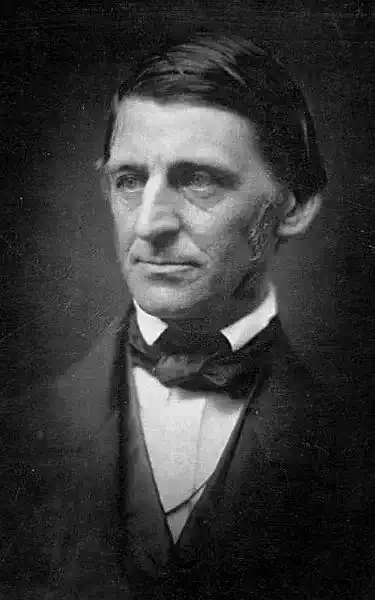
Ralph Waldo Emerson
Monadnoc
Monadnoc
Thousand minstrels woke within me,
"Our music's in the hills; "—
Gayest pictures rose to win me,
Leopard-colored rills.
Up!—If thou knew'st who calls
To twilight parks of beech and pine,
High over the river intervals,
Above the ploughman's highest line,
Over the owner's farthest walls;—
Up!—where the airy citadel
O'erlooks the purging landscape's swell.
Let not unto the stones the day
Her lily and rose, her sea and land display;
Read the celestial sign!
Lo! the South answers to the North;
Bookworm, break this sloth urbane;
A greater Spirit bids thee forth,
Than the gray dreams which thee detain.
Mark how the climbing Oreads
Beckon thee to their arcades;
Youth, for a moment free as they,
Teach thy feet to feel the ground,
Ere yet arrive the wintry day
When Time thy feet has bound.
Accept the bounty of thy birth;
Taste the lordship of the earth.
I heard and I obeyed,
Assured that he who pressed the claim,
Well-known, but loving not a name,
Was not to be gainsaid.
Ere yet the summoning voice was still,
I turned to Cheshire's haughty hill.
From the fixed cone the cloud-rack flowed
Like ample banner flung abroad
Round about, a hundred miles,
With invitation to the sea, and to the bordering isles.
In his own loom's garment drest,
By his own bounty blest,
Fast abides this constant giver,
Pouring many a cheerful river;
To far eyes, an aërial isle,
Unploughed, which finer spirits pile,
Which morn and crimson evening paint
For bard, for lover, and for saint;
The country's core,
Inspirer, prophet evermore,
Pillar which God aloft had set
So that men might it not forget,
It should be their life's ornament,
And mix itself with each event;
Their calendar and dial,
Barometer, and chemic phial,
Garden of berries, perch of birds,
Pasture of pool-haunting herds,
Graced by each change of sum untold,
Earth-baking heat, stone-cleaving cold.
The Titan minds his sky-affairs,
Rich rents and wide alliance shares;
Mysteries of color daily laid
By the great sun in light and shade,
And, sweet varieties of chance,
And the mystic seasons' dance,
And thief-like step of liberal hours
Which thawed the snow-drift into flowers.
O wondrous craft of plant and stone
By eldest science done and shown!
Happy, I said, whose home is here,
Fair fortunes to the mountaineer!
Boon nature to his poorest shed
Has royal pleasure-grounds outspread.
Intent I searched the region round,
And in low hut my monarch found.
He was no eagle and no earl,
Alas! my foundling was a churl,
With heart of cat, and eyes of bug,
Dull victim of his pipe and mug;
Woe is me for my hopes' downfall!
Lord! is yon squalid peasant all
That this proud nursery could breed
For God's vicegerency and stead?
Time out of mind this forge of ores,
Quarry of spars in mountain pores,
Old cradle, hunting ground, and bier
Of wolf and otter, bear, and deer;
Well-built abode of many a race;
Tower of observance searching space;
Factory of river, and of rain;
Link in the alps' globe-girding chain;
By million changes skilled to tell
What in the Eternal standeth well,
And what obedient nature can,—
Is this colossal talisman
Kindly to creature, blood, and kind,
And speechless to the master's mind?
I thought to find the patriots
In whom the stock of freedom roots.
To myself I oft recount
Tales of many a famous mount.—
Wales, Scotland, Uri, Hungary's dells,
Roys, and Scanderbegs, and Tells.
Here now shall nature crowd her powers,
Her music, and her meteors,
And, lifting man to the blue deep
Where stars their perfect courses keep,
Like wise preceptor lure his eye
To sound the science of the sky,
And carry learning to its height
Of untried power and sane delight;
The Indian cheer, the frosty skies
Breed purer wits, inventive eyes,
Eyes that frame cities where none be,
And hands that stablish what these see:
And, by the moral of his place,
Hint summits of heroic grace;
Man in these crags a fastness find
To fight pollution of the mind;
In the wide thaw and ooze of wrong,
Adhere like this foundation strong,
The insanity of towns to stem
With simpleness for stratagem.
But if the brave old mould is broke,
And end in clowns the mountain-folk,
In tavern cheer and tavern joke,—
Sink, O mountain! in the swamp,
Hide in thy skies, O sovereign lap!
Perish like leaves the highland breed!
No sire survive, no son succeed!
Soft! let not the offended muse
Toil's hard hap with scorn accuse.
Many hamlets sought I then,
Many farms of mountain men;—
Found I not a minstrel seed,
But men of bone, and good at need.
Rallying round a parish steeple
Nestle warm the highland people,
Coarse and boisterous, yet mild,
Strong as giant, slow as child,
Smoking in a squalid room,
Where yet the westland breezes come.
Close hid in those rough guises lurk
Western magians, here they work;
Sweat and season are their arts,
Their talismans are ploughs and carts;
And well the youngest can command
Honey from the frozen land,
With sweet hay the swamp adorn,
Change the running sand to corn,
For wolves and foxes, lowing herds,
And for cold mosses, cream and curds;
Weave wood to canisters and mats,
Drain sweet maple-juice in vats.
No bird is safe that cuts the air,
From their rifle or their snare;
No fish in river or in lake,
But their long hands it thence will take;
And the country's iron face
Like wax their fashioning skill betrays,
To fill the hollows, sink the hills,
Bridge gulfs, drain swamps, build dams and mills,
And fit the bleak and howling place
For gardens of a finer race,
The world-soul knows his own affair,
Fore-looking when his hands prepare
For the next ages men of mould,
Well embodied, well ensouled,
He cools the present's fiery glow,
Sets the life pulse strong, but slow.
Bitter winds and fasts austere.
His quarantines and grottos, where
He slowly cures decrepit flesh,
And brings it infantile and fresh.
These exercises are the toys
And games with which he breathes his boys.
They bide their time, and well can prove,
If need were, their line from Jove,
Of the same stuff, and so allayed,
As that whereof the sun is made;
And of that fibre quick and strong
Whose throbs are love, whose thrills are song.
Now in sordid weeds they sleep,
Their secret now in dulness keep.
Yet, will you learn our ancient speech,
These the masters who can teach,
Fourscore or a hundred words
All their vocal muse affords,
These they turn in other fashion
Than the writer or the parson.
I can spare the college-bell,
And the learned lecture well.
Spare the clergy and libraries,
Institutes and dictionaries,
For the hardy English root
Thrives here unvalued underfoot.
Rude poets of the tavern hearth,
Squandering your unquoted mirth,
Which keeps the ground and never soars,
While Jake retorts and Reuben roars,
Tough and screaming as birch-bark,
Goes like bullet to its mark,
While the solid curse and jeer
Never balk the waiting ear:
To student ears keen-relished jokes
On truck, and stock, and farming-folks,—
Nought the mountain yields thereof
But savage health and sinews tough.
On the summit as I stood,
O'er the wide floor of plain and flood,
Seemed to me the towering hill
Was not altogether still,
But a quiet sense conveyed;
If I err not, thus it said:
Many feet in summer seek
Betimes my far-appearing peak;
In the dreaded winter-time,
None save dappling shadows climb
Under clouds my lonely head,
Old as the sun, old almost as the shade.
And comest thou
To see strange forests and new snow,
And tread uplifted land?
And leavest thou thy lowland race,
Here amid clouds to stand,
And would'st be my companion,
Where I gaze
And shall gaze
When forests fall, and man is gone,
Over tribes and over times
As the burning Lyre
Nearing me,
With its stars of northern fire,
In many a thousand years.
Ah! welcome, if thou bring
My secret in thy brain;
To mountain-top may muse's wing
With good allowance strain.
Gentle pilgrim, if thou know
The gamut old of Pan,
And how the hills began,
The frank blessings of the hill
Fall on thee, as fall they will.
'Tis the law of bush and stone—
Each can only take his own.
Let him heed who can and will,—
Enchantment fixed me here
To stand the hurts of time, until
In mightier chant I disappear.
If thou trowest
How the chemic eddies play
Pole to pole, and what they say,
And that these gray crags
Not on crags are hung,
But beads are of a rosary
On prayer and music strung;
And, credulous, through the granite seeming
Seest the smile of Reason beaming;
Can thy style-discerning eye
The hidden-working Builder spy,
Who builds, yet makes no chips, no din,
With hammer soft as snow-flake's flight;
Knowest thou this?
O pilgrim, wandering not amiss!
Already my rocks lie light,
And soon my cone will spin.
For the world was built in order,
And the atoms march in tune,
Rhyme the pipe, and time the warder,
Cannot forget the sun, the moon.
Orb and atom forth they prance,
When they hear from far the rune,
None so backward in the troop,
When the music and the dance
Reach his place and circumstance,
But knows the sun-creating sound,
And, though a pyramid, will bound.
Monadnoc is a mountain strong,
Tall and good my kind among,
But well I know, no mountain can
Measure with a perfect man;
For it is on Zodiack's writ,
Adamant is soft to wit;
And when the greater comes again,
With my music in his brain,
I shall pass as glides my shadow
Daily over hill and meadow.
Through all time
I hear the approaching feet
Along the flinty pathway beat
Of him that cometh, and shall come,—
Of him who shall as lightly bear
My daily load of woods and streams,
As now the round sky-cleaving boat
Which never strains its rocky beams,
Whose timbers, as they silent float,
Alps and Caucasus uprear,
And the long Alleghanies here,
And all town-sprinkled lands that be,
Sailing through stars with all their history.
Every morn I lift my head,
Gaze o'er New England underspread
South from Saint Lawrence to the Sound,
From Katshill east to the sea-bound.
Anchored fast for many an age,
I await the bard and sage,
Who in large thoughts, like fair pearl-seed,
Shall string Monadnoc like a bead.
Comes that cheerful troubadour,
This mound shall throb his face before,
As when with inward fires and pain
It rose a bubble from the plain.
When he cometh, I shall shed
From this well-spring in my head
Fountain drop of spicier worth
Than all vintage of the earth.
There's fruit upon my barren soil
Costlier far than wine or oil;
There's a berry blue and gold,—
Autumn-ripe its juices hold,
Sparta's stoutness, Bethlehem's heart,
Asia's rancor, Athens' art,
Slowsure Britain's secular might,
And the German's inward sight;
I will give my son to eat
Best of Pan's immortal meat,
Bread to eat and juice to drink,
So the thoughts that he shall think
Shall not be forms of stars, but stars,
Nor pictures pale, but Jove and Mars.
He comes, but not of that race bred
Who daily climb my specular head.
Oft as morning wreathes my scarf,
Fled the last plumule of the dark,
Pants up hither the spruce clerk
From South-Cove and City-wharf;
I take him up my rugged sides,
Half-repentant, scant of breath,—
Bead-eyes my granite chaos show,
And my midsummer snow;
Open the daunting map beneath,—
All his county, sea and land,
Dwarfed to measure of his hand;
His day's ride is a furlong space,
His city tops a glimmering haze:
I plant his eyes on the sky-hoop bounding;—
See there the grim gray rounding
Of the bullet of the earth
Whereon ye sail,
Tumbling steep
In the uncontinented deep;—
He looks on that, and he turns pale:
'Tis even so, this treacherous kite,
Farm-furrowed, town-incrusted sphere,
Thoughtless of its anxious freight,
Plunges eyeless on for ever,
And he, poor parasite,—
Cooped in a ship he cannot steer,
Who is the captain he knows not,
Port or pilot trows not,—
Risk or ruin he must share.
I scowl on him with my cloud,
With my north wind chill his blood,
I lame him clattering down the rocks,
And to live he is in fear.
Then, at last, I let him down
Once more into his dapper town,
To chatter frightened to his clan,
And forget me, if he can.
As in the old poetic fame
The gods are blind and lame,
And the simular despite
Betrays the more abounding might,
So call not waste that barren cone
Above the floral zone,
Where forests starve:
It is pure use;
What sheaves like those which here we glean and bind,
Of a celestial Ceres, and the Muse?
Ages are thy days,
Thou grand expressor of the present tense,
And type of permanence,
Firm ensign of the fatal Being,
Amid these coward shapes of joy and grief
That will not bide the seeing.
Hither we bring
Our insect miseries to the rocks,
And the whole flight with pestering wing
Vanish and end their murmuring,
Vanish beside these dedicated blocks,
Which, who can tell what mason laid?
Spoils of a front none need restore,
Replacing frieze and architrave;
Yet flowers each stone rosette and metope brave,
Still is the haughty pile erect
Of the old building Intellect.
Complement of human kind,
Having us at vantage still,
Our sumptuous indigence,
O barren mound! thy plenties fill.
We fool and prate,—
Thou art silent and sedate.
To million kinds and times one sense
The constant mountain doth dispense,
Shedding on all its snows and leaves,
One joy it joys, one grief it grieves.
Thou seest, O watchman tall!
Our towns and races grow and fall,
And imagest the stable Good
For which we all our lifetime grope,
In shifting form the formless mind;
And though the substance us elude,
We in thee the shadow find.
Thou in our astronomy
An opaker star,
Seen, haply, from afar,
Above the horizon's hoop.
A moment by the railway troop,
As o'er some bolder height they speed,—
By circumspect ambition,
By errant Gain,
By feasters, and the frivolous,—
Recallest us,
And makest sane.
Mute orator! well-skilled to plead,
And send conviction without phrase,
Thou dost supply
The shortness of our days,
And promise, on thy Founder's truth,
Long morrow to this mortal youth.
Thousand minstrels woke within me,
"Our music's in the hills; "—
Gayest pictures rose to win me,
Leopard-colored rills.
Up!—If thou knew'st who calls
To twilight parks of beech and pine,
High over the river intervals,
Above the ploughman's highest line,
Over the owner's farthest walls;—
Up!—where the airy citadel
O'erlooks the purging landscape's swell.
Let not unto the stones the day
Her lily and rose, her sea and land display;
Read the celestial sign!
Lo! the South answers to the North;
Bookworm, break this sloth urbane;
A greater Spirit bids thee forth,
Than the gray dreams which thee detain.
Mark how the climbing Oreads
Beckon thee to their arcades;
Youth, for a moment free as they,
Teach thy feet to feel the ground,
Ere yet arrive the wintry day
When Time thy feet has bound.
Accept the bounty of thy birth;
Taste the lordship of the earth.
I heard and I obeyed,
Assured that he who pressed the claim,
Well-known, but loving not a name,
Was not to be gainsaid.
Ere yet the summoning voice was still,
I turned to Cheshire's haughty hill.
From the fixed cone the cloud-rack flowed
Like ample banner flung abroad
Round about, a hundred miles,
With invitation to the sea, and to the bordering isles.
In his own loom's garment drest,
By his own bounty blest,
Fast abides this constant giver,
Pouring many a cheerful river;
To far eyes, an aërial isle,
Unploughed, which finer spirits pile,
Which morn and crimson evening paint
For bard, for lover, and for saint;
The country's core,
Inspirer, prophet evermore,
Pillar which God aloft had set
So that men might it not forget,
It should be their life's ornament,
And mix itself with each event;
Their calendar and dial,
Barometer, and chemic phial,
Garden of berries, perch of birds,
Pasture of pool-haunting herds,
Graced by each change of sum untold,
Earth-baking heat, stone-cleaving cold.
The Titan minds his sky-affairs,
Rich rents and wide alliance shares;
Mysteries of color daily laid
By the great sun in light and shade,
And, sweet varieties of chance,
And the mystic seasons' dance,
And thief-like step of liberal hours
Which thawed the snow-drift into flowers.
O wondrous craft of plant and stone
By eldest science done and shown!
Happy, I said, whose home is here,
Fair fortunes to the mountaineer!
Boon nature to his poorest shed
Has royal pleasure-grounds outspread.
Intent I searched the region round,
And in low hut my monarch found.
He was no eagle and no earl,
Alas! my foundling was a churl,
With heart of cat, and eyes of bug,
Dull victim of his pipe and mug;
Woe is me for my hopes' downfall!
Lord! is yon squalid peasant all
That this proud nursery could breed
For God's vicegerency and stead?
Time out of mind this forge of ores,
Quarry of spars in mountain pores,
Old cradle, hunting ground, and bier
Of wolf and otter, bear, and deer;
Well-built abode of many a race;
Tower of observance searching space;
Factory of river, and of rain;
Link in the alps' globe-girding chain;
By million changes skilled to tell
What in the Eternal standeth well,
And what obedient nature can,—
Is this colossal talisman
Kindly to creature, blood, and kind,
And speechless to the master's mind?
I thought to find the patriots
In whom the stock of freedom roots.
To myself I oft recount
Tales of many a famous mount.—
Wales, Scotland, Uri, Hungary's dells,
Roys, and Scanderbegs, and Tells.
Here now shall nature crowd her powers,
Her music, and her meteors,
And, lifting man to the blue deep
Where stars their perfect courses keep,
Like wise preceptor lure his eye
To sound the science of the sky,
And carry learning to its height
Of untried power and sane delight;
The Indian cheer, the frosty skies
Breed purer wits, inventive eyes,
Eyes that frame cities where none be,
And hands that stablish what these see:
And, by the moral of his place,
Hint summits of heroic grace;
Man in these crags a fastness find
To fight pollution of the mind;
In the wide thaw and ooze of wrong,
Adhere like this foundation strong,
The insanity of towns to stem
With simpleness for stratagem.
But if the brave old mould is broke,
And end in clowns the mountain-folk,
In tavern cheer and tavern joke,—
Sink, O mountain! in the swamp,
Hide in thy skies, O sovereign lap!
Perish like leaves the highland breed!
No sire survive, no son succeed!
Soft! let not the offended muse
Toil's hard hap with scorn accuse.
Many hamlets sought I then,
Many farms of mountain men;—
Found I not a minstrel seed,
But men of bone, and good at need.
Rallying round a parish steeple
Nestle warm the highland people,
Coarse and boisterous, yet mild,
Strong as giant, slow as child,
Smoking in a squalid room,
Where yet the westland breezes come.
Close hid in those rough guises lurk
Western magians, here they work;
Sweat and season are their arts,
Their talismans are ploughs and carts;
And well the youngest can command
Honey from the frozen land,
With sweet hay the swamp adorn,
Change the running sand to corn,
For wolves and foxes, lowing herds,
And for cold mosses, cream and curds;
Weave wood to canisters and mats,
Drain sweet maple-juice in vats.
No bird is safe that cuts the air,
From their rifle or their snare;
No fish in river or in lake,
But their long hands it thence will take;
And the country's iron face
Like wax their fashioning skill betrays,
To fill the hollows, sink the hills,
Bridge gulfs, drain swamps, build dams and mills,
And fit the bleak and howling place
For gardens of a finer race,
The world-soul knows his own affair,
Fore-looking when his hands prepare
For the next ages men of mould,
Well embodied, well ensouled,
He cools the present's fiery glow,
Sets the life pulse strong, but slow.
Bitter winds and fasts austere.
His quarantines and grottos, where
He slowly cures decrepit flesh,
And brings it infantile and fresh.
These exercises are the toys
And games with which he breathes his boys.
They bide their time, and well can prove,
If need were, their line from Jove,
Of the same stuff, and so allayed,
As that whereof the sun is made;
And of that fibre quick and strong
Whose throbs are love, whose thrills are song.
Now in sordid weeds they sleep,
Their secret now in dulness keep.
Yet, will you learn our ancient speech,
These the masters who can teach,
Fourscore or a hundred words
All their vocal muse affords,
These they turn in other fashion
Than the writer or the parson.
I can spare the college-bell,
And the learned lecture well.
Spare the clergy and libraries,
Institutes and dictionaries,
For the hardy English root
Thrives here unvalued underfoot.
Rude poets of the tavern hearth,
Squandering your unquoted mirth,
Which keeps the ground and never soars,
While Jake retorts and Reuben roars,
Tough and screaming as birch-bark,
Goes like bullet to its mark,
While the solid curse and jeer
Never balk the waiting ear:
To student ears keen-relished jokes
On truck, and stock, and farming-folks,—
Nought the mountain yields thereof
But savage health and sinews tough.
On the summit as I stood,
O'er the wide floor of plain and flood,
Seemed to me the towering hill
Was not altogether still,
But a quiet sense conveyed;
If I err not, thus it said:
Many feet in summer seek
Betimes my far-appearing peak;
In the dreaded winter-time,
None save dappling shadows climb
Under clouds my lonely head,
Old as the sun, old almost as the shade.
And comest thou
To see strange forests and new snow,
And tread uplifted land?
And leavest thou thy lowland race,
Here amid clouds to stand,
And would'st be my companion,
Where I gaze
And shall gaze
When forests fall, and man is gone,
Over tribes and over times
As the burning Lyre
Nearing me,
With its stars of northern fire,
In many a thousand years.
Ah! welcome, if thou bring
My secret in thy brain;
To mountain-top may muse's wing
With good allowance strain.
Gentle pilgrim, if thou know
The gamut old of Pan,
And how the hills began,
The frank blessings of the hill
Fall on thee, as fall they will.
'Tis the law of bush and stone—
Each can only take his own.
Let him heed who can and will,—
Enchantment fixed me here
To stand the hurts of time, until
In mightier chant I disappear.
If thou trowest
How the chemic eddies play
Pole to pole, and what they say,
And that these gray crags
Not on crags are hung,
But beads are of a rosary
On prayer and music strung;
And, credulous, through the granite seeming
Seest the smile of Reason beaming;
Can thy style-discerning eye
The hidden-working Builder spy,
Who builds, yet makes no chips, no din,
With hammer soft as snow-flake's flight;
Knowest thou this?
O pilgrim, wandering not amiss!
Already my rocks lie light,
And soon my cone will spin.
For the world was built in order,
And the atoms march in tune,
Rhyme the pipe, and time the warder,
Cannot forget the sun, the moon.
Orb and atom forth they prance,
When they hear from far the rune,
None so backward in the troop,
When the music and the dance
Reach his place and circumstance,
But knows the sun-creating sound,
And, though a pyramid, will bound.
Monadnoc is a mountain strong,
Tall and good my kind among,
But well I know, no mountain can
Measure with a perfect man;
For it is on Zodiack's writ,
Adamant is soft to wit;
And when the greater comes again,
With my music in his brain,
I shall pass as glides my shadow
Daily over hill and meadow.
Through all time
I hear the approaching feet
Along the flinty pathway beat
Of him that cometh, and shall come,—
Of him who shall as lightly bear
My daily load of woods and streams,
As now the round sky-cleaving boat
Which never strains its rocky beams,
Whose timbers, as they silent float,
Alps and Caucasus uprear,
And the long Alleghanies here,
And all town-sprinkled lands that be,
Sailing through stars with all their history.
Every morn I lift my head,
Gaze o'er New England underspread
South from Saint Lawrence to the Sound,
From Katshill east to the sea-bound.
Anchored fast for many an age,
I await the bard and sage,
Who in large thoughts, like fair pearl-seed,
Shall string Monadnoc like a bead.
Comes that cheerful troubadour,
This mound shall throb his face before,
As when with inward fires and pain
It rose a bubble from the plain.
When he cometh, I shall shed
From this well-spring in my head
Fountain drop of spicier worth
Than all vintage of the earth.
There's fruit upon my barren soil
Costlier far than wine or oil;
There's a berry blue and gold,—
Autumn-ripe its juices hold,
Sparta's stoutness, Bethlehem's heart,
Asia's rancor, Athens' art,
Slowsure Britain's secular might,
And the German's inward sight;
I will give my son to eat
Best of Pan's immortal meat,
Bread to eat and juice to drink,
So the thoughts that he shall think
Shall not be forms of stars, but stars,
Nor pictures pale, but Jove and Mars.
He comes, but not of that race bred
Who daily climb my specular head.
Oft as morning wreathes my scarf,
Fled the last plumule of the dark,
Pants up hither the spruce clerk
From South-Cove and City-wharf;
I take him up my rugged sides,
Half-repentant, scant of breath,—
Bead-eyes my granite chaos show,
And my midsummer snow;
Open the daunting map beneath,—
All his county, sea and land,
Dwarfed to measure of his hand;
His day's ride is a furlong space,
His city tops a glimmering haze:
I plant his eyes on the sky-hoop bounding;—
See there the grim gray rounding
Of the bullet of the earth
Whereon ye sail,
Tumbling steep
In the uncontinented deep;—
He looks on that, and he turns pale:
'Tis even so, this treacherous kite,
Farm-furrowed, town-incrusted sphere,
Thoughtless of its anxious freight,
Plunges eyeless on for ever,
And he, poor parasite,—
Cooped in a ship he cannot steer,
Who is the captain he knows not,
Port or pilot trows not,—
Risk or ruin he must share.
I scowl on him with my cloud,
With my north wind chill his blood,
I lame him clattering down the rocks,
And to live he is in fear.
Then, at last, I let him down
Once more into his dapper town,
To chatter frightened to his clan,
And forget me, if he can.
As in the old poetic fame
The gods are blind and lame,
And the simular despite
Betrays the more abounding might,
So call not waste that barren cone
Above the floral zone,
Where forests starve:
It is pure use;
What sheaves like those which here we glean and bind,
Of a celestial Ceres, and the Muse?
Ages are thy days,
Thou grand expressor of the present tense,
And type of permanence,
Firm ensign of the fatal Being,
Amid these coward shapes of joy and grief
That will not bide the seeing.
Hither we bring
Our insect miseries to the rocks,
And the whole flight with pestering wing
Vanish and end their murmuring,
Vanish beside these dedicated blocks,
Which, who can tell what mason laid?
Spoils of a front none need restore,
Replacing frieze and architrave;
Yet flowers each stone rosette and metope brave,
Still is the haughty pile erect
Of the old building Intellect.
Complement of human kind,
Having us at vantage still,
Our sumptuous indigence,
O barren mound! thy plenties fill.
We fool and prate,—
Thou art silent and sedate.
To million kinds and times one sense
The constant mountain doth dispense,
Shedding on all its snows and leaves,
One joy it joys, one grief it grieves.
Thou seest, O watchman tall!
Our towns and races grow and fall,
And imagest the stable Good
For which we all our lifetime grope,
In shifting form the formless mind;
And though the substance us elude,
We in thee the shadow find.
Thou in our astronomy
An opaker star,
Seen, haply, from afar,
Above the horizon's hoop.
A moment by the railway troop,
As o'er some bolder height they speed,—
By circumspect ambition,
By errant Gain,
By feasters, and the frivolous,—
Recallest us,
And makest sane.
Mute orator! well-skilled to plead,
And send conviction without phrase,
Thou dost supply
The shortness of our days,
And promise, on thy Founder's truth,
Long morrow to this mortal youth.
467
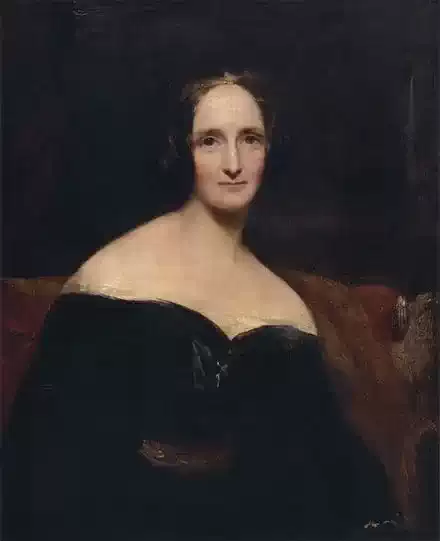
Percy Bysshe Shelley
Mont Blanc
Mont Blanc
(Lines written in the Vale of Chamouni)
The everlasting universe of things
Flows through the mind, and rolls its rapid waves,
Now dark - now glittering - now reflecting gloom -
Now lending splendor, where from secret springs
The source of human thought its tribute brings
Of waters, - with a sound but half its own,
Such as a feeble brook will oft assume
In the wild woods, amon the mountains lone,
Where waterfalls around it leap for ever,
Where woods and winds contend, and a vast river
Over its rocks ceaselessly bursts and raves.
Thus thou, Ravine of Arve - dark, deep Ravine-
Thou many-colored, many voiced vale,
Over whose pines, and crags, and caverns sail
Fast cloud-shadows and sunbeams: awful scene,
Where Power in likeness of the Arve comes down
From the ice-gulfs that gird his secret throne,
Bursting through these dark mountains like the flame
Of lightning through the tempest; -thou dost lie,
Thy giant brood of pines around thee clinging,
Children of elder time, in whose devotion
The chainless winds still come and ever came
To drink their odors, and their mighty swinging
To hear - an old and solemn harmony;
Thine earthly rainbows stretched across the sweep
Of the ethereal waterfall, whose veil
Robes some unsculptured image; the strange sleep
Which when the voices of the desert fail
Wraps all in its own deep eternity;-
Thy caverns echoing to the Arve's commotion,
A loud, lone sound no other sound can tame;
Thou art pervaded with that ceaseless motion,
Thou art the path of that unresting sound-
Dizzy Ravine! and when I gaze on thee
I seem as in a trance sublime and strange
To muse on my own separate fantasy,
My own, my human mind, which passively
Now renders and receives fast influencings,
Holding an unremitting interchange
With the clear universe of things around;
One legion of wild thoughts, whose wandering wings
Now float above thy darkness, and now rest
Where that or thou art no unbidden guest,
In the still cave of the witch Poesy,
Seeking among the shadows that pass by
Ghosts of all things that are, some shade of thee,
Some phantom, some faint image; till the breast
From which they fled recalls them, thou art there!
Some say that gleams of a remoter world
Visit the soul in sleep,-that death is slumber,
And that its shapes the busy thoughts outnumber
Of those who wake and live. -I look on high;
Has some unknown omnipotence unfurled
The veil of life and death? or do I lie
In dream, and does the mightier world of sleep
Spread far and round and inaccessibly
Its circles? For the very spirit fails,
Driven like a homeless cloud from steep to steep
That vanishes amon the viewless gales!
Far, far above, piercing the infinite sky,
Mont Blanc appears,-still snowy and serene-
Its subject mountains their unearthly forms
Pile around it, ice and rock; broad vales between
Of frozen floods, unfathomable deeps,
Blue as the overhanging heaven, that spread
And wind among the accumulated steeps;
A desert peopled by the storms alone,
Save when the eagle brings some hunter's bone,
And the wolf tracks her there - how hideously
Its shapes are heaped around! rude, bare, and high,
Ghastly, and scarred, and riven. -Is this the scene
Where the old Earthquake-demon taught her young
Ruin? Were these their toys? or did a sea
Of fire envelop once this silent snow?
None can reply - all seems eternal now.
The wilderness has a mysterious tongue
Which teaches awful doubt, or faith so mild,
So solemn, so serene, that man may be,
But for such faith, with nature reconciled;
Thou hast a voice, great Mountain, to repeal
Large codes of fraud and woe; not understood
By all, but which the wise, and great, and good
Interpret, or make felt, or deeply feel.
The fields, the lakes, the forests, and the streams,
Ocean, and all the living things that dwell
Within the daedal earth; lightning, and rain,
Earthquake, and fiery flood, and hurricane,
The torpor of the year when feeble dreams
Visit the hidden buds, or dreamless sleep
Holds every future leaf and flower; -the bound
With which from that detested trance they leap;
The works and ways of man, their death and birth,
And that of him, and all that his may be;
All things that move and breathe with toil and sound
Are born and die; revolve, subside, and swell.
Power dwells apart in its tranquility,
Remote, serene, and inaccessible:
And this, the naked countenance of earth,
On which I gaze, even these primeval mountains
Teach the adverting mind. The glaciers creep
Like snakes that watch their prey, from their far fountains,
Slow rolling on; there, many a precipice,
Frost and the Sun in scorn of mortal power
Have piled: dome, pyramid, and pinnacle,
A city of death, distinct with many a tower
And wall impregnable of beaming ice.
Yet not a city, but a flood of ruin
Is there, that from the boundaries of the sky
Rolls its perpetual stream; vast pines are strewing
Its destined path, or in the mangled soil
Branchless and shattered stand; the rocks, drawn down
From yon remotest waste, have overthrown
The limits of the dead and living world,
Never to be reclaimed. The dwelling-place
Of insects, beasts, and birds, becomes its spoil
Their food and their retreat for ever gone,
So much of life and joy is lost. The race
Of man flies far in dread; his work and dwelling
Vanish, like smoke before the tempest's stream,
And their place is not known. Below, vast caves
Shine in the rushing torrents' restless gleam,
Which from those secret chasms in tumult welling
Meet in the vale, and one majestic River,
The breath and blood of distant lands , for ever
Rolls its loud waters to the ocean-waves,
Breathes its swift vapors to the circling air.
Mont Blanc yet gleams on high:-the power is there,
The still and solemn power of many sights,
And many sounds, and much of life and death.
In the calm darkness of the moonless nights,
In the lone glare of day, the snows descend
Upon that mountain; none beholds them there,
Nor when the flakes burn in the sinking sun,
Or the star-beams dart through them:-Winds contend
Silently there, and heap the snow with breath
Rapid and strong, but silently! Its home
The voiceless lightning in these solitudes
Keeps innocently, and like vapor broods
Over the snow. The secret Strength of things
Which governs thought, and to the infinite dome
Of Heaven is as a law, inhabits thee!
And what were thou, and earth, and stars, and sea,
If to the human mind's imaginings
Silence and solitude were vacancy?
(Lines written in the Vale of Chamouni)
The everlasting universe of things
Flows through the mind, and rolls its rapid waves,
Now dark - now glittering - now reflecting gloom -
Now lending splendor, where from secret springs
The source of human thought its tribute brings
Of waters, - with a sound but half its own,
Such as a feeble brook will oft assume
In the wild woods, amon the mountains lone,
Where waterfalls around it leap for ever,
Where woods and winds contend, and a vast river
Over its rocks ceaselessly bursts and raves.
Thus thou, Ravine of Arve - dark, deep Ravine-
Thou many-colored, many voiced vale,
Over whose pines, and crags, and caverns sail
Fast cloud-shadows and sunbeams: awful scene,
Where Power in likeness of the Arve comes down
From the ice-gulfs that gird his secret throne,
Bursting through these dark mountains like the flame
Of lightning through the tempest; -thou dost lie,
Thy giant brood of pines around thee clinging,
Children of elder time, in whose devotion
The chainless winds still come and ever came
To drink their odors, and their mighty swinging
To hear - an old and solemn harmony;
Thine earthly rainbows stretched across the sweep
Of the ethereal waterfall, whose veil
Robes some unsculptured image; the strange sleep
Which when the voices of the desert fail
Wraps all in its own deep eternity;-
Thy caverns echoing to the Arve's commotion,
A loud, lone sound no other sound can tame;
Thou art pervaded with that ceaseless motion,
Thou art the path of that unresting sound-
Dizzy Ravine! and when I gaze on thee
I seem as in a trance sublime and strange
To muse on my own separate fantasy,
My own, my human mind, which passively
Now renders and receives fast influencings,
Holding an unremitting interchange
With the clear universe of things around;
One legion of wild thoughts, whose wandering wings
Now float above thy darkness, and now rest
Where that or thou art no unbidden guest,
In the still cave of the witch Poesy,
Seeking among the shadows that pass by
Ghosts of all things that are, some shade of thee,
Some phantom, some faint image; till the breast
From which they fled recalls them, thou art there!
Some say that gleams of a remoter world
Visit the soul in sleep,-that death is slumber,
And that its shapes the busy thoughts outnumber
Of those who wake and live. -I look on high;
Has some unknown omnipotence unfurled
The veil of life and death? or do I lie
In dream, and does the mightier world of sleep
Spread far and round and inaccessibly
Its circles? For the very spirit fails,
Driven like a homeless cloud from steep to steep
That vanishes amon the viewless gales!
Far, far above, piercing the infinite sky,
Mont Blanc appears,-still snowy and serene-
Its subject mountains their unearthly forms
Pile around it, ice and rock; broad vales between
Of frozen floods, unfathomable deeps,
Blue as the overhanging heaven, that spread
And wind among the accumulated steeps;
A desert peopled by the storms alone,
Save when the eagle brings some hunter's bone,
And the wolf tracks her there - how hideously
Its shapes are heaped around! rude, bare, and high,
Ghastly, and scarred, and riven. -Is this the scene
Where the old Earthquake-demon taught her young
Ruin? Were these their toys? or did a sea
Of fire envelop once this silent snow?
None can reply - all seems eternal now.
The wilderness has a mysterious tongue
Which teaches awful doubt, or faith so mild,
So solemn, so serene, that man may be,
But for such faith, with nature reconciled;
Thou hast a voice, great Mountain, to repeal
Large codes of fraud and woe; not understood
By all, but which the wise, and great, and good
Interpret, or make felt, or deeply feel.
The fields, the lakes, the forests, and the streams,
Ocean, and all the living things that dwell
Within the daedal earth; lightning, and rain,
Earthquake, and fiery flood, and hurricane,
The torpor of the year when feeble dreams
Visit the hidden buds, or dreamless sleep
Holds every future leaf and flower; -the bound
With which from that detested trance they leap;
The works and ways of man, their death and birth,
And that of him, and all that his may be;
All things that move and breathe with toil and sound
Are born and die; revolve, subside, and swell.
Power dwells apart in its tranquility,
Remote, serene, and inaccessible:
And this, the naked countenance of earth,
On which I gaze, even these primeval mountains
Teach the adverting mind. The glaciers creep
Like snakes that watch their prey, from their far fountains,
Slow rolling on; there, many a precipice,
Frost and the Sun in scorn of mortal power
Have piled: dome, pyramid, and pinnacle,
A city of death, distinct with many a tower
And wall impregnable of beaming ice.
Yet not a city, but a flood of ruin
Is there, that from the boundaries of the sky
Rolls its perpetual stream; vast pines are strewing
Its destined path, or in the mangled soil
Branchless and shattered stand; the rocks, drawn down
From yon remotest waste, have overthrown
The limits of the dead and living world,
Never to be reclaimed. The dwelling-place
Of insects, beasts, and birds, becomes its spoil
Their food and their retreat for ever gone,
So much of life and joy is lost. The race
Of man flies far in dread; his work and dwelling
Vanish, like smoke before the tempest's stream,
And their place is not known. Below, vast caves
Shine in the rushing torrents' restless gleam,
Which from those secret chasms in tumult welling
Meet in the vale, and one majestic River,
The breath and blood of distant lands , for ever
Rolls its loud waters to the ocean-waves,
Breathes its swift vapors to the circling air.
Mont Blanc yet gleams on high:-the power is there,
The still and solemn power of many sights,
And many sounds, and much of life and death.
In the calm darkness of the moonless nights,
In the lone glare of day, the snows descend
Upon that mountain; none beholds them there,
Nor when the flakes burn in the sinking sun,
Or the star-beams dart through them:-Winds contend
Silently there, and heap the snow with breath
Rapid and strong, but silently! Its home
The voiceless lightning in these solitudes
Keeps innocently, and like vapor broods
Over the snow. The secret Strength of things
Which governs thought, and to the infinite dome
Of Heaven is as a law, inhabits thee!
And what were thou, and earth, and stars, and sea,
If to the human mind's imaginings
Silence and solitude were vacancy?
621
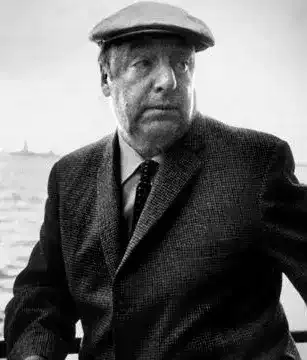
Pablo Neruda
The Tree Is Here, Still, In Pure Stone
The Tree Is Here, Still, In Pure Stone
The tree is here, still, in pure stone,
in deep evidence, in solid beauty,
layered, through a hundred million years.
Agate, cornelian, gemstone
transmuted the timber and sap
until damp corruptions
fissured the giant's trunk
fusing a parallel being:
the living leaves
unmade themselves
and when the pillar was overthrown
fire in the forest, blaze of the dust-cloud,
celestial ashes mantled it round,
until time, and the lava, created
this gift, of translucent stone.
The tree is here, still, in pure stone,
in deep evidence, in solid beauty,
layered, through a hundred million years.
Agate, cornelian, gemstone
transmuted the timber and sap
until damp corruptions
fissured the giant's trunk
fusing a parallel being:
the living leaves
unmade themselves
and when the pillar was overthrown
fire in the forest, blaze of the dust-cloud,
celestial ashes mantled it round,
until time, and the lava, created
this gift, of translucent stone.
536
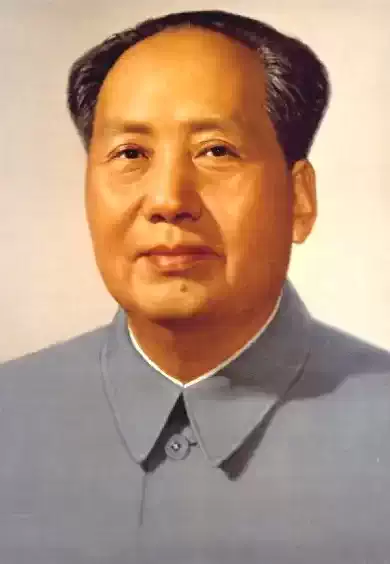
Mao Tsé-Tung
Three Short Poems
Three Short Poems
Mountains!
I whip my swift horse, glued to my saddle.
I turn my head startled,
The sky is three foot three above me!
Mountains!
Like great waves surging in a crashing sea,
Like a thousand stallions
In full gallop in the heat of battle.
Mountains!
Piercing the blue of heaven, your barbs unblunted!
The skies would fall
But for your strength supporting.
Mountains!
I whip my swift horse, glued to my saddle.
I turn my head startled,
The sky is three foot three above me!
Mountains!
Like great waves surging in a crashing sea,
Like a thousand stallions
In full gallop in the heat of battle.
Mountains!
Piercing the blue of heaven, your barbs unblunted!
The skies would fall
But for your strength supporting.
310
Mao Tsé-Tung
The Fairy Cave Inscription on a Picture Taken by Comrade Li Chin
The Fairy Cave Inscription on a Picture Taken by Comrade Li Chin
Amid the growing shades of dusk stand sturdy pines,
Riotous clouds sweep past, swift and tranquil.
Nature has excelled herself in the Fairy Cave,
On perilous peaks dwells beauty in her infinite variety.
Amid the growing shades of dusk stand sturdy pines,
Riotous clouds sweep past, swift and tranquil.
Nature has excelled herself in the Fairy Cave,
On perilous peaks dwells beauty in her infinite variety.
176
Mao Tsé-Tung
Ascent of Lushan
Ascent of Lushan
Perching as after flight, the mountain towers over the Yangtze;
I have overleapt four hundred twists to its green crest.
Cold-eyed I survey the world beyond the seas;
A hot wind spatters raindrops on the sky-brooded waters.
Clouds cluster over the nine streams, the yellow crane floating,
And billows roll on to the eastern coast, white foam flying.
Who knows whither Prefect Tao Yuan-ming is gone
Now that he can till fields in the Land of Peach Blossoms?
Perching as after flight, the mountain towers over the Yangtze;
I have overleapt four hundred twists to its green crest.
Cold-eyed I survey the world beyond the seas;
A hot wind spatters raindrops on the sky-brooded waters.
Clouds cluster over the nine streams, the yellow crane floating,
And billows roll on to the eastern coast, white foam flying.
Who knows whither Prefect Tao Yuan-ming is gone
Now that he can till fields in the Land of Peach Blossoms?
221

Joyce Kilmer
Trees
Trees
I think that I shall never see
A poem as lovely as a tree.
A tree whose hungry mouth is prest
Against the earth's sweet flowing breast;
A tree that looks at God all day,
And lifts her leafy arms to pray;
A tree that may in Summer wear
A nest of robins in her hair;
Upon whose bosom snow has lain;
Who intimately lives with rain.
Poems are made by fools like me,
But only God can make a tree.
I think that I shall never see
A poem as lovely as a tree.
A tree whose hungry mouth is prest
Against the earth's sweet flowing breast;
A tree that looks at God all day,
And lifts her leafy arms to pray;
A tree that may in Summer wear
A nest of robins in her hair;
Upon whose bosom snow has lain;
Who intimately lives with rain.
Poems are made by fools like me,
But only God can make a tree.
189
John Keats
Endymion: A Poetic Romance (Excerpt)
Endymion: A Poetic Romance (Excerpt)
BOOK I
A thing of beauty is a joy for ever:
Its loveliness increases; it will never
Pass into nothingness; but still will keep
A bower quiet for us, and a sleep
Full of sweet dreams, and health, and quiet breathing.
Therefore, on every morrow, are we wreathing
A flowery band to bind us to the earth,
Spite of despondence, of the inhuman dearth
Of noble natures, of the gloomy days,
Of all the unhealthy and o'er-darkened ways
Made for our searching: yes, in spite of all,
Some shape of beauty moves away the pall
From our dark spirits. Such the sun, the moon,
Trees old and young, sprouting a shady boon
For simple sheep; and such are daffodils
With the green world they live in; and clear rills
That for themselves a cooling covert make
'Gainst the hot season; the mid forest brake,
Rich with a sprinkling of fair musk-rose blooms:
And such too is the grandeur of the dooms
We have imagined for the mighty dead;
All lovely tales that we have heard or read:
An endless fountain of immortal drink,
Pouring unto us from the heaven's brink.
Nor do we merely feel these essences
For one short hour; no, even as the trees
That whisper round a temple become soon
Dear as the temple's self, so does the moon,
The passion poesy, glories infinite,
Haunt us till they become a cheering light
Unto our souls, and bound to us so fast,
That, whether there be shine, or gloom o'ercast;
They always must be with us, or we die.
Therefore, 'tis with full happiness that I
Will trace the story of Endymion.
The very music of the name has gone
Into my being, and each pleasant scene
Is growing fresh before me as the green
Of our own valleys: so I will begin
Now while I cannot hear the city's din;
Now while the early budders are just new,
And run in mazes of the youngest hue
About old forests; while the willow trails
Its delicate amber; and the dairy pails
Bring home increase of milk. And, as the year
Grows lush in juicy stalks, I'll smoothly steer
My little boat, for many quiet hours,
With streams that deepen freshly into bowers.
Many and many a verse I hope to write,
Before the daisies, vermeil rimm'd and white,
Hide in deep herbage; and ere yet the bees
Hum about globes of clover and sweet peas,
I must be near the middle of my story.
O may no wintry season, bare and hoary,
See it half finish'd: but let Autumn bold,
With universal tinge of sober gold,
Be all about me when I make an end.
And now, at once adventuresome, I send
My herald thought into a wilderness:
There let its trumpet blow, and quickly dress
My uncertain path with green, that I may speed
Easily onward, thorough flowers and weed....
BOOK I
A thing of beauty is a joy for ever:
Its loveliness increases; it will never
Pass into nothingness; but still will keep
A bower quiet for us, and a sleep
Full of sweet dreams, and health, and quiet breathing.
Therefore, on every morrow, are we wreathing
A flowery band to bind us to the earth,
Spite of despondence, of the inhuman dearth
Of noble natures, of the gloomy days,
Of all the unhealthy and o'er-darkened ways
Made for our searching: yes, in spite of all,
Some shape of beauty moves away the pall
From our dark spirits. Such the sun, the moon,
Trees old and young, sprouting a shady boon
For simple sheep; and such are daffodils
With the green world they live in; and clear rills
That for themselves a cooling covert make
'Gainst the hot season; the mid forest brake,
Rich with a sprinkling of fair musk-rose blooms:
And such too is the grandeur of the dooms
We have imagined for the mighty dead;
All lovely tales that we have heard or read:
An endless fountain of immortal drink,
Pouring unto us from the heaven's brink.
Nor do we merely feel these essences
For one short hour; no, even as the trees
That whisper round a temple become soon
Dear as the temple's self, so does the moon,
The passion poesy, glories infinite,
Haunt us till they become a cheering light
Unto our souls, and bound to us so fast,
That, whether there be shine, or gloom o'ercast;
They always must be with us, or we die.
Therefore, 'tis with full happiness that I
Will trace the story of Endymion.
The very music of the name has gone
Into my being, and each pleasant scene
Is growing fresh before me as the green
Of our own valleys: so I will begin
Now while I cannot hear the city's din;
Now while the early budders are just new,
And run in mazes of the youngest hue
About old forests; while the willow trails
Its delicate amber; and the dairy pails
Bring home increase of milk. And, as the year
Grows lush in juicy stalks, I'll smoothly steer
My little boat, for many quiet hours,
With streams that deepen freshly into bowers.
Many and many a verse I hope to write,
Before the daisies, vermeil rimm'd and white,
Hide in deep herbage; and ere yet the bees
Hum about globes of clover and sweet peas,
I must be near the middle of my story.
O may no wintry season, bare and hoary,
See it half finish'd: but let Autumn bold,
With universal tinge of sober gold,
Be all about me when I make an end.
And now, at once adventuresome, I send
My herald thought into a wilderness:
There let its trumpet blow, and quickly dress
My uncertain path with green, that I may speed
Easily onward, thorough flowers and weed....
599
John Greenleaf Whittier
The Wood Giant
The Wood Giant
From Alton Bay to Sandwich Dome,
From Mad to Saco river,
For patriarchs of the primal wood
We sought with vain endeavor.
And then we said: 'The giants old
Are lost beyond retrieval;
This pygmy growth the axe has spared
Is not the wood primeval.
'Look where we will o'er vale and hill,
How idle are our searches
For broad-girthed maples, wide-limbed oaks,
Centennial pines and birches.
'Their tortured limbs the axe and saw
Have changed to beams and trestles;
They rest in walls, they float on seas,
They rot in sunken vessels.
'This shorn and wasted mountain land
Of underbrush and boulder,-Who
thinks to see its full-grown tree
Must live a century older.'
At last to us a woodland path,
To open sunset leading,
Revealed the Anakim of pines
Our wildest wish exceeding.
Alone, the level sun before;
Below, the lake's green islands;
Beyond, in misty distance dim,
The rugged Northern Highlands.
Dark Titan on his Sunset Hill
Of time and change defiant
How dwarfed the common woodland seemed,
Before the old-time giant!
What marvel that, in simpler days
Of the world's early childhood,
Men crowned with garlands, gifts, and praise
Such monarchs of the wild-wood?
That Tyrian maids with flower and song
Danced through the hill grove's spaces,
And hoary-bearded Druids found
In woods their holy places?
With somewhat of that Pagan awe
With Christian reverence blending,
We saw our pine-tree's mighty arms
Above our heads extending.
We heard his needles' mystic rune,
Now rising, and now dying,
As erst Dodona's priestess heard
The oak leaves prophesying.
Was it the half-unconscious moan
Of one apart and mateless,
The weariness of unshared power,
The loneliness of greatness?
O dawns and sunsets, lend to him
Your beauty and your wonder!
Blithe sparrow, sing thy summer song
His solemn shadow under!
Play lightly on his slender keys,
O wind of summer, waking
For hills like these the sound of seas
On far-off beaches breaking,
And let the eagle and the crow
Find shelter in his branches,
When winds shake down his winter snow
In silver avalanches.
The brave are braver for their cheer,
The strongest need assurance,
The sigh of longing makes not less
The lesson of endurance.
From Alton Bay to Sandwich Dome,
From Mad to Saco river,
For patriarchs of the primal wood
We sought with vain endeavor.
And then we said: 'The giants old
Are lost beyond retrieval;
This pygmy growth the axe has spared
Is not the wood primeval.
'Look where we will o'er vale and hill,
How idle are our searches
For broad-girthed maples, wide-limbed oaks,
Centennial pines and birches.
'Their tortured limbs the axe and saw
Have changed to beams and trestles;
They rest in walls, they float on seas,
They rot in sunken vessels.
'This shorn and wasted mountain land
Of underbrush and boulder,-Who
thinks to see its full-grown tree
Must live a century older.'
At last to us a woodland path,
To open sunset leading,
Revealed the Anakim of pines
Our wildest wish exceeding.
Alone, the level sun before;
Below, the lake's green islands;
Beyond, in misty distance dim,
The rugged Northern Highlands.
Dark Titan on his Sunset Hill
Of time and change defiant
How dwarfed the common woodland seemed,
Before the old-time giant!
What marvel that, in simpler days
Of the world's early childhood,
Men crowned with garlands, gifts, and praise
Such monarchs of the wild-wood?
That Tyrian maids with flower and song
Danced through the hill grove's spaces,
And hoary-bearded Druids found
In woods their holy places?
With somewhat of that Pagan awe
With Christian reverence blending,
We saw our pine-tree's mighty arms
Above our heads extending.
We heard his needles' mystic rune,
Now rising, and now dying,
As erst Dodona's priestess heard
The oak leaves prophesying.
Was it the half-unconscious moan
Of one apart and mateless,
The weariness of unshared power,
The loneliness of greatness?
O dawns and sunsets, lend to him
Your beauty and your wonder!
Blithe sparrow, sing thy summer song
His solemn shadow under!
Play lightly on his slender keys,
O wind of summer, waking
For hills like these the sound of seas
On far-off beaches breaking,
And let the eagle and the crow
Find shelter in his branches,
When winds shake down his winter snow
In silver avalanches.
The brave are braver for their cheer,
The strongest need assurance,
The sigh of longing makes not less
The lesson of endurance.
292
John Greenleaf Whittier
Mogg Megone - Part II.
Mogg Megone - Part II.
'Tis morning over Norridgewock, On
tree and wigwam, wave and rock.
Bathed in the autumnal sunshine, stirred
At intervals by breeze and bird,
And wearing all the hues which glow
In heaven's own pure and perfect bow,
That glorious picture of the air,
Which summer's light-robed angel forms
On the dark ground of fading storms,
With pencil dipped in sunbeams there, And,
stretching out, on either hand,
O'er all that wide and unshorn land,
Till, weary of its gorgeousness,
The aching and the dazzled eye
Rests, gladdened, on the calm blue sky, Slumbers
the mighty wilderness!
The oak, upon the windy hill,
Its dark green burthen upward heaves The
hemlock broods above its rill,
Its cone-like foliage darker still,
Against the birch's graceful stem,
And the rough walnut-bough receives
The sun upon its crowded leaves,
Each colored like a topaz gem;
And the tall maple wears with them
The coronal, which autumn gives,
The brief, bright sign of ruin near,
The hectic of a dying year!
The hermit priest, who lingers now
On the Bald Mountain's shrubless brow,
The gray and thunder-smitten pile
Which marks afar the Desert Isle,
While gazing on the scene below,
May half forget the dreams of home,
That nightly with his slumbers come, The
tranquil skies of sunny France,
The peasant's harvest song and dance,
The vines around the hillsides wreathing
The soft airs midst their clusters breathing,
The wings which dipped, the stars which shone
Within thy bosom, blue Garonne!
And round the Abbey's shadowed wall,
At morning spring and even-fall,
Sweet voices in the still air singing, The
chant of many a holy hymn, The
solemn bell of vespers ringing, And
hallowed torchlight falling dim
On pictured saint and seraphim!
For here beneath him lies unrolled,
Bathed deep in morning's flood of gold,
A vision gorgeous as the dream
Of the beautified may seem,
When, as his Church's legends say,
Borne upward in ecstatic bliss,
The rapt enthusiast soars away
Unto a brighter world than this:
A mortal's glimpse beyond the pale, A
moment's lifting of the veil!
Far eastward o'er the lovely bay,
Penobscot's clustered wigwams lay;
And gently from that Indian town
The verdant hillside slopes adown,
To where the sparkling waters play
Upon the yellow sands below;
And shooting round the winding shores
Of narrow capes, and isles which lie
Slumbering to ocean's lullaby, With
birchen boat and glancing oars,
The red men to their fishing go;
While from their planting ground is borne
The treasure of the golden corn,
By laughing girls, whose dark eyes glow
Wild through the locks which o'er them flow.
The wrinkled squaw, whose toil is done,
Sits on her bear-skin in the sun,
Watching the huskers, with a smile
For each full ear which swells the pile;
And the old chief, who nevermore
May bend the bow or pull the oar,
Smokes gravely in his wigwam door,
Or slowly shapes, with axe of stone,
The arrow-head from flint and bone.
Beneath the westward turning eye
A thousand wooded islands lie, Gems
of the waters! - with each hue
Of brightness set in ocean's blue.
Each bears aloft its tuft of trees
Touched by the pencil of the frost,
And, with the motion of each breeze,
A moment seen, - a moment lost, Changing
and blent, confused and tossed,
The brighter with the darker crossed,
Their thousand tints of beauty glow
Down in the restless waves below,
And tremble in the sunny skies,
As if, from waving bough to bough,
Flitted the birds of paradise.
There sleep Placentia's group, - and there
Pere Breteaux marks the hour of prayer;
And there, beneath the sea-worn cliff,
On which the Father's hut is seen,
The Indian stays his rocking skiff,
And peers the hemlock-boughs between,
Half trembling, as he seeks to look
Upon the Jesuit's Cross and Book.
There, gloomily against the sky
The Dark Isles rear their summits high;
And Desert Rock, abrupt and bare,
Lifts its gray turrets in the air, Seen
from afar, like some stronghold
Built by the ocean kings of old;
And, faint as smoke-wreath white and thin,
Swells in the north vast Katahdin:
And, wandering from its marshy feet,
The broad Penobscot comes to meet
And mingle with his own bright bay.
Slow sweep his dark and gathering floods,
Arched over by the ancient woods,
Which Time, in those dim solitudes,
Wielding the dull axe of Decay,
Alone hath ever shorn away.
Not thus, within the woods which hide
The beauty of thy azure tide,
And with their falling timbers block
Thy broken currents, Kennebec!
Gazes the white man on the wreck
Of the down-trodden Norridgewock, In
one lone village hemmed at length,
In battle shorn of half their strength,
Turned, like the panther in his lair,
With his fast-flowing life-blood wet,
For one last struggle of despair,
Wounded and faint, but tameless yet,
Unreaped, upon the planting lands,
The scant, neglected harvest stands:
No shout is there, - no dance, - no song:
The aspect of the very child
Scowls with a meaning sad and wild
Of bitterness and wrong.
The almost infant Norridgewock
Essays to lift the tomahawk;
And plucks his father's knife away,
To mimic, in his frightful play,
The scalping of an English foe:
Wreathes on his lip a horrid smile,
Burns, like a snake's, his small eye, while
Some bough or sapling meets his blow.
The fisher, as he drops his line,
Starts, when he sees the hazels quiver
Along the margin of the river,
Looks up and down the rippling tide,
And grasps the firelock at his side.
For Bomazeen from Tacconock
Has sent his runners to Norridgewock,
With tidings that Moulton and Harmon of York
Far up the river have come:
They have left their boats, - they have entered the wood,
And filled the depths of the solitude
With the sound of the ranger's drum.
On the brow of a hill, which slopes to meet
The flowing river, and bathe its feet, The
bare-washed rock, and the drooping grass,
And the creeping vine, as the waters pass, A
rude and unshapely chapel stands,
Built up in that wild by unskilled hands,
Yet the traveller knows it a place of prayer,
For the holy sign of the cross is there:
And should he chance at that place to be,
Of a Sabbath morn, or some hallowed day,
When prayers are made and masses are said,
Some for the living and some for the dead,
Well might that traveller start to see
The tall dark forms, that take their way
From the birch canoe, on the river-shore,
And the forest paths, to that chapel door;
And marvel to mark the naked knees
And the dusky foreheads bending there,
While, in coarse white vesture, over these
In blessing or in prayer,
Stretching abroad his thin pale hands,
Like a shrouded ghost, the Jesuit stands.
Two forms are now in that chapel dim,
The Jesuit, silent and sad and pale,
Anxiously heeding some fearful tale,
Which a stranger is telling him.
That stranger's garb is soiled and torn,
And wet with dew and loosely worn;
Her fair neglected hair falls down
O'er cheeks with wind and sunshine brown;
Yet still, in that disordered face,
The Jesuit's cautious eye can trace
Those elements of former grace
Which, half effaced, seem scarcely less,
Even now, than perfect loveliness.
With drooping head, and voice so low
That scarce it meets the Jesuit's ears, While
through her clasped fingers flow,
From the heart's fountain, hot and slow,
Her penitential tears, She
tells the story of the woe
And evil of her years.
'O father, bear with me; my heart
Is sick and death-like, and my brain
Seems girdled with a fiery chain,
Whose scorching links will never part,
And never cool again.
Bear with me while I speak, - but turn
Away that gentle eye, the while, The
fires of guilt more fiercely burn
Beneath its holy smile;
For half I fancy I can see
My mother's sainted look in thee.
'My dear lost mother! sad and pale,
Mournfully sinking day by day,
And with a hold on life as frail
As frosted leaves, that, thin and gray,
Hang feebly on their parent spray,
And tremble in the gale;
Yet watching o'er my childishness
With patient fondness, - not the less
For all the agony which kept
Her blue eye wakeful, while I slept;
And checking every tear and groan
That haply might have waked my own,
And bearing still, without offence,
My idle words, and petulance;
Reproving with a tear, - and, while
The tooth of pain was keenly preying
Upon her very heart, repaying
My brief repentance with a smile.
'O, in her meek, forgiving eye
There was a brightness not of mirth,
A light whose clear intensity
Was borrowed not of earth.
Along her cheek a deepening red
Told where the feverish hectic fed;
And yet, each fatal token gave
To the mild beauty of her face
A newer and a dearer grace,
Unwarning of the grave.
'Twas like the hue which Autumn gives
To yonder changed and dying leaves,
Breathed over by his frosty breath;
Scarce can the gazer feel that this
Is but the spoiler's treacherous kiss,
The mocking-smile of Death!
'Sweet were the tales she used to tell
When summer's eve was dear to us,
And, fading from the darkening dell,
The glory of the sunset fell
On wooded Agamenticus, When,
sitting by our cottage wall,
The murmur of the Saco's fall,
And the south-wind's expiring sighs,
Came, softly blending, on my ear,
With the low tones I loved to hear:
Tales of the pure, - the good, - the wise, The
holy men and maids of old,
In the all-sacred pages told; Of
Rachel, stooped at Haran's fountains,
Amid her father's thirsty flock,
Beautiful to her kinsman seeming
As the bright angels of his dreaming,
On Padan-aran's holy rock;
Of gentle Ruth, - and her who kept
Her awful vigil on the mountains,
By Israel's virgin daughters wept;
Of Miriam, with her maidens, singing
The song for grateful Israel meet,
While every crimson wave was bringing
The spoils of Egypt at her feet;
Of her, - Samaria's humble daughter,
Who paused to hear, beside her well,
Lessons of love and truth, which fell
Softly as Shiloh's flowing water;
And saw, beneath his pilgrim guise,
The Promised One, so long foretold
By holy seer and bard of old,
Revealed before her wondering eyes!
'Slowly she faded. Day by day
Her step grew weaker in our hall,
And fainter, at each even-fall,
He sad voice died away.
Yet on her thin, pale, lip, the while,
Sat Resignation's holy smile:
And even my father checked his tread,
And hushed his voice, beside her bed:
Beneath the calm and sad rebuke
Of her meek eye's imploring look,
The scowl of hate his brow forsook,
And in his stern and gloomy eye,
At times, a few unwonted tears
Wet the dark lashes, which for years
Hatred and pride had kept so dry.
'Calm as a child to slumber soothed,
As if an angel's hand had smoothed
The still, white features into rest,
Silent and cold, without a breath
To stir the drapery on her breast,
Pain, with its keen and poisoned fang,
The horror of the mortal pang,
The suffering look her brow had worn,
The fear, the strife, the anguish gone, She
slept at last in death!
'O, tell me, father,
can
the dead
Walk on the earth, and look on us,
And lay upon the living's head
Their blessing or their curse?
For, O, last night she stood by me,
As I lay beneath the woodland tree!'
The Jesuit crosses himself in awe, '
Jesu! what was it my daughter saw?'
'
She
came to me last night.
The dried leaves did not feel her tread;
She stood by me in the wan moonlight,
In the white robes of the dead!
Pale, and very mournfully
She bent her light form over me.
I heard no sound, I felt no breath
Breathe o'er me from that face of death:
Its blue eyes rested on my own,
Rayless and cold as eyes of stone;
Yet, in their fixed, unchanging gaze,
Something, which spoke of early days, A
sadness in their quiet glare,
As if love's smile were frozen there, Came
o'er me with an icy thrill;
O God! I feel its presence still!'
The Jesuit makes the holy sign, '
How passed the vision, daughter mine?'
'All dimly in the wan moonshine,
As a wreath of mist will twist and twine
And scatter, and melt into the light, So
scattering, - melting on my sight,
The pale, cold vision passed;
But those sad eyes were fixed on mine
Mournfully to the last.'
'God help thee, daughter, tell me why
That spirit passed before thine eye!'
'Father, I know not, save it be
That deeds of mine have summoned her
From the unbreathing sepulchre,
To leave her last rebuke with me.
Ah, woe for me! my mother died
Just at the moment when I stood
Close on the verge of womanhood,
A child in everything beside;
And when my wild heart needed most
Her gentle counsels, they were lost.
'My father lived a stormy life,
Of frequent change and daily strife;
And - God forgive him! - left his child
To feel, like him, a freedom wild;
To love the red man's dwelling-place.
The birch boat on his shaded floods,
The wild excitement of the chase
Sweeping the ancient woods,
The camp-fire, blazing on the shore
Of the still lakes, the clear stream where
The idle fisher sets his wear,
Or angles in the shade, far more
Than that restraining awe I felt
Beneath my gentle mother's care,
When nightly at her knee I knelt,
With childhood's simple prayer.
'There came a change. The wild, glad mood
Of unchecked freedom passed.
Amid the ancient solitude
Of unshorn grass and waving wood,
And waters glancing bright and fast,
A softened voice was in my ear,
Sweet as those lulling sounds and fine
The hunter lifts his head to hear,
Now far and faint, now full and near The
mumur of the wind-swept pine.
A manly form was ever nigh,
A bold, free hunter, with an eye
Whose dark, keen glance had power to wake
Both fear and love, - to awe and charm
'Twas as the wizard rattlesnake,
Whose evil glances lure to harm Whose
cold and small and glittering eye,
And brilliant coil, and changing dye,
Draw, step by step, the gazer near,
With drooping wing and cry of fear,
Yet powerless all to turn away,
A conscious, but a willing prey!
'Fear, doubt, thought, life itself, erelong
Merged in one feeling deep and strong.
Faded the world which I had known,
A poor vain shadow, cold and waste;
In the warm present bliss alone
Seemed I of actual life to taste.
Fond longings dimly understood,
The glow of passion's quickening blood,
And cherished fantasies which press
The young lip with a dream's caress, The
heart's forecast and prophecy
Took form and life before my eye,
Seen in the glance which met my own,
Heard in the soft and pleading tone,
Felt in the arms around me cast,
And warm heart-pulses beating fast.
Ah! scarcely yet to God above
With deeper trust, with stronger love,
Has prayerful saint his meek heart lent,
Or cloistered nun at twilight bent,
Than I, before a human shrine,
With heart, and soul, and mind, and form,
Knelt madly to a fellow-worm.
'Full soon, upon that dream of sin,
An awful light came bursting in.
The shrine was cold at which I knelt,
The idol of that shrine was gone;
A humbled thing of shame and guilt,
Outcast, and spurned and lone,
Wrapt in the shadows of my crime,
With withering heart and burning brain,
And tears that fell like fiery rain,
I passed a fearful time.
'There came a voice - it checked the tear In
heart and soul it wrought a change; My
father's voice was in my ear;
It whispered of revenge!
A new and fiercer feeling swept
All lingering tenderness away;
And tiger passions, which had slept
In childhood's better day,
Unknown, unfelt, arose at length
In all their own demoniac strength.
'A youthful warrior of the wild,
By words deceived, by smiles beguiled,
Of crime the cheated instrument,
Upon our fatal errands went.
Through camp and town and wilderness
He tracked his victim; and, at last,
Just when the tide of hate had passed,
And milder thoughts came warm and fast,
Exulting, at my feet he cast
The bloody token of success.
'O God! with what an awful power
I saw the buried past uprise,
And gather, in a single hour,
Its ghost-like memories!
And then I felt - alas! too late That
underneath the mask of hate,
That shame and guilt and wrong had thrown
O'er feelings which they might not own,
The heart's wild love had known no change;
And still that deep and hidden love,
With its first fondness, wept above
The victim of its own revenge!
There lay the fearful scalp, and there
The blood was on its pale brown hair!
I thought not of the victim's scorn,
I thought not of his baleful guile,
My deadly wrong, my outcast name,
The characters of sin and shame
On heart and forehead drawn;
I only saw that victim's smile, The
still, green places where we met, The
moonlit branches, dewy wet;
I only felt, I only heard
The greeting and the parting word, The
smile, - the embrace, - the tone which made
An Eden of the forest shade.
'And oh, with what a loathing eye,
With what a deadly hate, and deep,
I saw that Indian murderer lie
Before me, in his drunken sleep!
What though for me the deed was done
And words of mine had sped him on!
Yet when he murmured, as he slept,
The horrors of that deed of blood,
The tide of utter madness swept
O'er brain and bosom, like a flood.
And, father, with this hand of mine -'
'Ha! what didst thou?' the Jesuit cries,
Shuddering, as smitten with sudden pain,
And shading, with one thin hand, his eyes,
With the other he makes the holy sign.
'- I smote him as I would a worm; With
heart as steeled, with nerves as firm:
He never woke again!'
'Woman of sin and blood and shame,
Speak, - I would know that victim's name.'
'Father,' she gasped, 'a chieftain, known
As Saco's Sachem, - Mogg Megone!'
Pale priest! What proud and lofty dreams,
What keen desires, what cherished schemes,
What hopes, that time may not recall,
Are darkened by that chieftain's fall!
Was he not pledged, by cross and vow,
To lift the hatchet of his sire,
And, round his own, the Church's foe,
To light the avenging fire?
Who now the Tarrantine shall wake.
For thine and for the Church's sake?
Who summon to the scene
Of conquest and unsparing strife,
And vengeance dearer than his life,
The fiery-souled Castine?
Three backward steps the Jesuit takes, His
long, thin frame as ague shakes;
And loathing hate is in his eye,
As from his lips these words of fear
Fall hoarsely on the maiden's ear, '
The soul that sinneth shall surely die!'
She stands, as stands the stricken deer,
Checked midway in the fearful chase,
When bursts, upon his eye and ear,
The gaunt, gray robber, baying near,
Between him and his hiding-place;
While still behind, with yell and blow,
Sweeps, like a storm, the coming foe.
'Save me, O holy man!' - her cry
Fills all the void, as if a tongue,
Unseen, from rib and rafter hung,
Thrilling with mortal agony;
Her hands are clasping the Jesuit's knee,
And her eye looks fearfully into his own; '
Off, woman of sin! - nay, touch not me
With those fingers of blood; - begone!'
With a gesture of horror, he spurns the form
That writhes at his feet like a trodden worm.
Ever thus the spirit must,
Guilty in the sight of Heaven,
With a keener woe be riven,
For its weak and sinful trust
In the strength of human dust
And its anguish thrill afresh
For each vain reliance given
To the failing arm of flesh.
'Tis morning over Norridgewock, On
tree and wigwam, wave and rock.
Bathed in the autumnal sunshine, stirred
At intervals by breeze and bird,
And wearing all the hues which glow
In heaven's own pure and perfect bow,
That glorious picture of the air,
Which summer's light-robed angel forms
On the dark ground of fading storms,
With pencil dipped in sunbeams there, And,
stretching out, on either hand,
O'er all that wide and unshorn land,
Till, weary of its gorgeousness,
The aching and the dazzled eye
Rests, gladdened, on the calm blue sky, Slumbers
the mighty wilderness!
The oak, upon the windy hill,
Its dark green burthen upward heaves The
hemlock broods above its rill,
Its cone-like foliage darker still,
Against the birch's graceful stem,
And the rough walnut-bough receives
The sun upon its crowded leaves,
Each colored like a topaz gem;
And the tall maple wears with them
The coronal, which autumn gives,
The brief, bright sign of ruin near,
The hectic of a dying year!
The hermit priest, who lingers now
On the Bald Mountain's shrubless brow,
The gray and thunder-smitten pile
Which marks afar the Desert Isle,
While gazing on the scene below,
May half forget the dreams of home,
That nightly with his slumbers come, The
tranquil skies of sunny France,
The peasant's harvest song and dance,
The vines around the hillsides wreathing
The soft airs midst their clusters breathing,
The wings which dipped, the stars which shone
Within thy bosom, blue Garonne!
And round the Abbey's shadowed wall,
At morning spring and even-fall,
Sweet voices in the still air singing, The
chant of many a holy hymn, The
solemn bell of vespers ringing, And
hallowed torchlight falling dim
On pictured saint and seraphim!
For here beneath him lies unrolled,
Bathed deep in morning's flood of gold,
A vision gorgeous as the dream
Of the beautified may seem,
When, as his Church's legends say,
Borne upward in ecstatic bliss,
The rapt enthusiast soars away
Unto a brighter world than this:
A mortal's glimpse beyond the pale, A
moment's lifting of the veil!
Far eastward o'er the lovely bay,
Penobscot's clustered wigwams lay;
And gently from that Indian town
The verdant hillside slopes adown,
To where the sparkling waters play
Upon the yellow sands below;
And shooting round the winding shores
Of narrow capes, and isles which lie
Slumbering to ocean's lullaby, With
birchen boat and glancing oars,
The red men to their fishing go;
While from their planting ground is borne
The treasure of the golden corn,
By laughing girls, whose dark eyes glow
Wild through the locks which o'er them flow.
The wrinkled squaw, whose toil is done,
Sits on her bear-skin in the sun,
Watching the huskers, with a smile
For each full ear which swells the pile;
And the old chief, who nevermore
May bend the bow or pull the oar,
Smokes gravely in his wigwam door,
Or slowly shapes, with axe of stone,
The arrow-head from flint and bone.
Beneath the westward turning eye
A thousand wooded islands lie, Gems
of the waters! - with each hue
Of brightness set in ocean's blue.
Each bears aloft its tuft of trees
Touched by the pencil of the frost,
And, with the motion of each breeze,
A moment seen, - a moment lost, Changing
and blent, confused and tossed,
The brighter with the darker crossed,
Their thousand tints of beauty glow
Down in the restless waves below,
And tremble in the sunny skies,
As if, from waving bough to bough,
Flitted the birds of paradise.
There sleep Placentia's group, - and there
Pere Breteaux marks the hour of prayer;
And there, beneath the sea-worn cliff,
On which the Father's hut is seen,
The Indian stays his rocking skiff,
And peers the hemlock-boughs between,
Half trembling, as he seeks to look
Upon the Jesuit's Cross and Book.
There, gloomily against the sky
The Dark Isles rear their summits high;
And Desert Rock, abrupt and bare,
Lifts its gray turrets in the air, Seen
from afar, like some stronghold
Built by the ocean kings of old;
And, faint as smoke-wreath white and thin,
Swells in the north vast Katahdin:
And, wandering from its marshy feet,
The broad Penobscot comes to meet
And mingle with his own bright bay.
Slow sweep his dark and gathering floods,
Arched over by the ancient woods,
Which Time, in those dim solitudes,
Wielding the dull axe of Decay,
Alone hath ever shorn away.
Not thus, within the woods which hide
The beauty of thy azure tide,
And with their falling timbers block
Thy broken currents, Kennebec!
Gazes the white man on the wreck
Of the down-trodden Norridgewock, In
one lone village hemmed at length,
In battle shorn of half their strength,
Turned, like the panther in his lair,
With his fast-flowing life-blood wet,
For one last struggle of despair,
Wounded and faint, but tameless yet,
Unreaped, upon the planting lands,
The scant, neglected harvest stands:
No shout is there, - no dance, - no song:
The aspect of the very child
Scowls with a meaning sad and wild
Of bitterness and wrong.
The almost infant Norridgewock
Essays to lift the tomahawk;
And plucks his father's knife away,
To mimic, in his frightful play,
The scalping of an English foe:
Wreathes on his lip a horrid smile,
Burns, like a snake's, his small eye, while
Some bough or sapling meets his blow.
The fisher, as he drops his line,
Starts, when he sees the hazels quiver
Along the margin of the river,
Looks up and down the rippling tide,
And grasps the firelock at his side.
For Bomazeen from Tacconock
Has sent his runners to Norridgewock,
With tidings that Moulton and Harmon of York
Far up the river have come:
They have left their boats, - they have entered the wood,
And filled the depths of the solitude
With the sound of the ranger's drum.
On the brow of a hill, which slopes to meet
The flowing river, and bathe its feet, The
bare-washed rock, and the drooping grass,
And the creeping vine, as the waters pass, A
rude and unshapely chapel stands,
Built up in that wild by unskilled hands,
Yet the traveller knows it a place of prayer,
For the holy sign of the cross is there:
And should he chance at that place to be,
Of a Sabbath morn, or some hallowed day,
When prayers are made and masses are said,
Some for the living and some for the dead,
Well might that traveller start to see
The tall dark forms, that take their way
From the birch canoe, on the river-shore,
And the forest paths, to that chapel door;
And marvel to mark the naked knees
And the dusky foreheads bending there,
While, in coarse white vesture, over these
In blessing or in prayer,
Stretching abroad his thin pale hands,
Like a shrouded ghost, the Jesuit stands.
Two forms are now in that chapel dim,
The Jesuit, silent and sad and pale,
Anxiously heeding some fearful tale,
Which a stranger is telling him.
That stranger's garb is soiled and torn,
And wet with dew and loosely worn;
Her fair neglected hair falls down
O'er cheeks with wind and sunshine brown;
Yet still, in that disordered face,
The Jesuit's cautious eye can trace
Those elements of former grace
Which, half effaced, seem scarcely less,
Even now, than perfect loveliness.
With drooping head, and voice so low
That scarce it meets the Jesuit's ears, While
through her clasped fingers flow,
From the heart's fountain, hot and slow,
Her penitential tears, She
tells the story of the woe
And evil of her years.
'O father, bear with me; my heart
Is sick and death-like, and my brain
Seems girdled with a fiery chain,
Whose scorching links will never part,
And never cool again.
Bear with me while I speak, - but turn
Away that gentle eye, the while, The
fires of guilt more fiercely burn
Beneath its holy smile;
For half I fancy I can see
My mother's sainted look in thee.
'My dear lost mother! sad and pale,
Mournfully sinking day by day,
And with a hold on life as frail
As frosted leaves, that, thin and gray,
Hang feebly on their parent spray,
And tremble in the gale;
Yet watching o'er my childishness
With patient fondness, - not the less
For all the agony which kept
Her blue eye wakeful, while I slept;
And checking every tear and groan
That haply might have waked my own,
And bearing still, without offence,
My idle words, and petulance;
Reproving with a tear, - and, while
The tooth of pain was keenly preying
Upon her very heart, repaying
My brief repentance with a smile.
'O, in her meek, forgiving eye
There was a brightness not of mirth,
A light whose clear intensity
Was borrowed not of earth.
Along her cheek a deepening red
Told where the feverish hectic fed;
And yet, each fatal token gave
To the mild beauty of her face
A newer and a dearer grace,
Unwarning of the grave.
'Twas like the hue which Autumn gives
To yonder changed and dying leaves,
Breathed over by his frosty breath;
Scarce can the gazer feel that this
Is but the spoiler's treacherous kiss,
The mocking-smile of Death!
'Sweet were the tales she used to tell
When summer's eve was dear to us,
And, fading from the darkening dell,
The glory of the sunset fell
On wooded Agamenticus, When,
sitting by our cottage wall,
The murmur of the Saco's fall,
And the south-wind's expiring sighs,
Came, softly blending, on my ear,
With the low tones I loved to hear:
Tales of the pure, - the good, - the wise, The
holy men and maids of old,
In the all-sacred pages told; Of
Rachel, stooped at Haran's fountains,
Amid her father's thirsty flock,
Beautiful to her kinsman seeming
As the bright angels of his dreaming,
On Padan-aran's holy rock;
Of gentle Ruth, - and her who kept
Her awful vigil on the mountains,
By Israel's virgin daughters wept;
Of Miriam, with her maidens, singing
The song for grateful Israel meet,
While every crimson wave was bringing
The spoils of Egypt at her feet;
Of her, - Samaria's humble daughter,
Who paused to hear, beside her well,
Lessons of love and truth, which fell
Softly as Shiloh's flowing water;
And saw, beneath his pilgrim guise,
The Promised One, so long foretold
By holy seer and bard of old,
Revealed before her wondering eyes!
'Slowly she faded. Day by day
Her step grew weaker in our hall,
And fainter, at each even-fall,
He sad voice died away.
Yet on her thin, pale, lip, the while,
Sat Resignation's holy smile:
And even my father checked his tread,
And hushed his voice, beside her bed:
Beneath the calm and sad rebuke
Of her meek eye's imploring look,
The scowl of hate his brow forsook,
And in his stern and gloomy eye,
At times, a few unwonted tears
Wet the dark lashes, which for years
Hatred and pride had kept so dry.
'Calm as a child to slumber soothed,
As if an angel's hand had smoothed
The still, white features into rest,
Silent and cold, without a breath
To stir the drapery on her breast,
Pain, with its keen and poisoned fang,
The horror of the mortal pang,
The suffering look her brow had worn,
The fear, the strife, the anguish gone, She
slept at last in death!
'O, tell me, father,
can
the dead
Walk on the earth, and look on us,
And lay upon the living's head
Their blessing or their curse?
For, O, last night she stood by me,
As I lay beneath the woodland tree!'
The Jesuit crosses himself in awe, '
Jesu! what was it my daughter saw?'
'
She
came to me last night.
The dried leaves did not feel her tread;
She stood by me in the wan moonlight,
In the white robes of the dead!
Pale, and very mournfully
She bent her light form over me.
I heard no sound, I felt no breath
Breathe o'er me from that face of death:
Its blue eyes rested on my own,
Rayless and cold as eyes of stone;
Yet, in their fixed, unchanging gaze,
Something, which spoke of early days, A
sadness in their quiet glare,
As if love's smile were frozen there, Came
o'er me with an icy thrill;
O God! I feel its presence still!'
The Jesuit makes the holy sign, '
How passed the vision, daughter mine?'
'All dimly in the wan moonshine,
As a wreath of mist will twist and twine
And scatter, and melt into the light, So
scattering, - melting on my sight,
The pale, cold vision passed;
But those sad eyes were fixed on mine
Mournfully to the last.'
'God help thee, daughter, tell me why
That spirit passed before thine eye!'
'Father, I know not, save it be
That deeds of mine have summoned her
From the unbreathing sepulchre,
To leave her last rebuke with me.
Ah, woe for me! my mother died
Just at the moment when I stood
Close on the verge of womanhood,
A child in everything beside;
And when my wild heart needed most
Her gentle counsels, they were lost.
'My father lived a stormy life,
Of frequent change and daily strife;
And - God forgive him! - left his child
To feel, like him, a freedom wild;
To love the red man's dwelling-place.
The birch boat on his shaded floods,
The wild excitement of the chase
Sweeping the ancient woods,
The camp-fire, blazing on the shore
Of the still lakes, the clear stream where
The idle fisher sets his wear,
Or angles in the shade, far more
Than that restraining awe I felt
Beneath my gentle mother's care,
When nightly at her knee I knelt,
With childhood's simple prayer.
'There came a change. The wild, glad mood
Of unchecked freedom passed.
Amid the ancient solitude
Of unshorn grass and waving wood,
And waters glancing bright and fast,
A softened voice was in my ear,
Sweet as those lulling sounds and fine
The hunter lifts his head to hear,
Now far and faint, now full and near The
mumur of the wind-swept pine.
A manly form was ever nigh,
A bold, free hunter, with an eye
Whose dark, keen glance had power to wake
Both fear and love, - to awe and charm
'Twas as the wizard rattlesnake,
Whose evil glances lure to harm Whose
cold and small and glittering eye,
And brilliant coil, and changing dye,
Draw, step by step, the gazer near,
With drooping wing and cry of fear,
Yet powerless all to turn away,
A conscious, but a willing prey!
'Fear, doubt, thought, life itself, erelong
Merged in one feeling deep and strong.
Faded the world which I had known,
A poor vain shadow, cold and waste;
In the warm present bliss alone
Seemed I of actual life to taste.
Fond longings dimly understood,
The glow of passion's quickening blood,
And cherished fantasies which press
The young lip with a dream's caress, The
heart's forecast and prophecy
Took form and life before my eye,
Seen in the glance which met my own,
Heard in the soft and pleading tone,
Felt in the arms around me cast,
And warm heart-pulses beating fast.
Ah! scarcely yet to God above
With deeper trust, with stronger love,
Has prayerful saint his meek heart lent,
Or cloistered nun at twilight bent,
Than I, before a human shrine,
With heart, and soul, and mind, and form,
Knelt madly to a fellow-worm.
'Full soon, upon that dream of sin,
An awful light came bursting in.
The shrine was cold at which I knelt,
The idol of that shrine was gone;
A humbled thing of shame and guilt,
Outcast, and spurned and lone,
Wrapt in the shadows of my crime,
With withering heart and burning brain,
And tears that fell like fiery rain,
I passed a fearful time.
'There came a voice - it checked the tear In
heart and soul it wrought a change; My
father's voice was in my ear;
It whispered of revenge!
A new and fiercer feeling swept
All lingering tenderness away;
And tiger passions, which had slept
In childhood's better day,
Unknown, unfelt, arose at length
In all their own demoniac strength.
'A youthful warrior of the wild,
By words deceived, by smiles beguiled,
Of crime the cheated instrument,
Upon our fatal errands went.
Through camp and town and wilderness
He tracked his victim; and, at last,
Just when the tide of hate had passed,
And milder thoughts came warm and fast,
Exulting, at my feet he cast
The bloody token of success.
'O God! with what an awful power
I saw the buried past uprise,
And gather, in a single hour,
Its ghost-like memories!
And then I felt - alas! too late That
underneath the mask of hate,
That shame and guilt and wrong had thrown
O'er feelings which they might not own,
The heart's wild love had known no change;
And still that deep and hidden love,
With its first fondness, wept above
The victim of its own revenge!
There lay the fearful scalp, and there
The blood was on its pale brown hair!
I thought not of the victim's scorn,
I thought not of his baleful guile,
My deadly wrong, my outcast name,
The characters of sin and shame
On heart and forehead drawn;
I only saw that victim's smile, The
still, green places where we met, The
moonlit branches, dewy wet;
I only felt, I only heard
The greeting and the parting word, The
smile, - the embrace, - the tone which made
An Eden of the forest shade.
'And oh, with what a loathing eye,
With what a deadly hate, and deep,
I saw that Indian murderer lie
Before me, in his drunken sleep!
What though for me the deed was done
And words of mine had sped him on!
Yet when he murmured, as he slept,
The horrors of that deed of blood,
The tide of utter madness swept
O'er brain and bosom, like a flood.
And, father, with this hand of mine -'
'Ha! what didst thou?' the Jesuit cries,
Shuddering, as smitten with sudden pain,
And shading, with one thin hand, his eyes,
With the other he makes the holy sign.
'- I smote him as I would a worm; With
heart as steeled, with nerves as firm:
He never woke again!'
'Woman of sin and blood and shame,
Speak, - I would know that victim's name.'
'Father,' she gasped, 'a chieftain, known
As Saco's Sachem, - Mogg Megone!'
Pale priest! What proud and lofty dreams,
What keen desires, what cherished schemes,
What hopes, that time may not recall,
Are darkened by that chieftain's fall!
Was he not pledged, by cross and vow,
To lift the hatchet of his sire,
And, round his own, the Church's foe,
To light the avenging fire?
Who now the Tarrantine shall wake.
For thine and for the Church's sake?
Who summon to the scene
Of conquest and unsparing strife,
And vengeance dearer than his life,
The fiery-souled Castine?
Three backward steps the Jesuit takes, His
long, thin frame as ague shakes;
And loathing hate is in his eye,
As from his lips these words of fear
Fall hoarsely on the maiden's ear, '
The soul that sinneth shall surely die!'
She stands, as stands the stricken deer,
Checked midway in the fearful chase,
When bursts, upon his eye and ear,
The gaunt, gray robber, baying near,
Between him and his hiding-place;
While still behind, with yell and blow,
Sweeps, like a storm, the coming foe.
'Save me, O holy man!' - her cry
Fills all the void, as if a tongue,
Unseen, from rib and rafter hung,
Thrilling with mortal agony;
Her hands are clasping the Jesuit's knee,
And her eye looks fearfully into his own; '
Off, woman of sin! - nay, touch not me
With those fingers of blood; - begone!'
With a gesture of horror, he spurns the form
That writhes at his feet like a trodden worm.
Ever thus the spirit must,
Guilty in the sight of Heaven,
With a keener woe be riven,
For its weak and sinful trust
In the strength of human dust
And its anguish thrill afresh
For each vain reliance given
To the failing arm of flesh.
314
John Greenleaf Whittier
Funeral Tree of the Sokokis
Funeral Tree of the Sokokis
Around Sebago's lonely lake
There lingers not a breeze to break
The mirror which its waters make.
The solemn pines along its shore,
The firs which hang its gray rocks o'er,
Are painted on its glassy floor.
The sun looks o'er, with hazy eye,
The snowy mountain-tops which lie
Piled coldly up against the sky.
Dazzling and white! save where the bleak,
Wild winds have bared some splintering peak,
Or snow-slide left its dusky streak.
Yet green are Saco's banks below,
And belts of spruce and cedar show,
Dark fringing round those cones of snow.
The earth hath felt the breath of spring,
Though yet on her deliverer's wing
The lingering frosts of winter cling.
Fresh grasses fringe the meadow-brooks,
And mildly from its sunny nooks
The blue eye of the violet looks.
And odors from the springing grass,
The sweet birch and the sassafras,
Upon the scarce-felt breezes pass.
Her tokens of renewing care
Hath Nature scattered everywhere,
In bud and flower, and warmer air.
But in their hour of bitterness,
What reek the broken Sokokis,
Beside their slaughtered chief, of this?
The turf's red stain is yet undried,
Scarce have the death-shot echoes died
Along Sebago's wooded side;
And silent now the hunters stand,
Grouped darkly, where a swell of land
Slopes upward from the lake's white sand.
Fire and the axe have swept it bare,
Save one lone beech, unclosing there
Its light leaves in the vernal air.
With grave, cold looks, all sternly mute,
They break the damp turf at its foot,
And bare its coiled and twisted root.
They heave the stubborn trunk aside,
The firm roots from the earth divide,-The
rent beneath yawns dark and wide.
And there the fallen chief is laid,
In tasselled garb of skins arrayed,
And girded with his wampum-braid.
The silver cross he loved is pressed
Beneath the heavy arms, which rest
Upon his scarred and naked breast.
'T is done: the roots are backward sent,
The beechen-tree stands up unbent,
The Indian's fitting monument!
When of that sleeper's broken race
Their green and pleasant dwelling-place,
Which knew them once, retains no trace;
Oh, long may sunset's light be shed
As now upon that beech's head,
A green memorial of the dead!
There shall his fitting requiem be,
In northern winds, that, cold and free,
Howl nightly in that funeral tree.
To their wild wail the waves which break
Forever round that lonely lake
A solemn undertone shall make!
And who shall deem the spot unblest,
Where Nature's younger children rest,
Lulled on their sorrowing mother's breast?
Deem ye that mother loveth less
These bronzed forms of the wilderness
She foldeth in her long caress?
As sweet o'er them her wild-flowers blow,
As if with fairer hair and brow
The blue-eyed Saxon slept below.
What though the places of their rest
No priestly knee hath ever pressed,-No
funeral rite nor prayer hath blessed?
What though the bigot's ban be there,
And thoughts of wailing and despair,
And cursing in the place of prayer.
Yet Heaven hath angels watching round
The Indian's lowliest forest-mound,-And
they have made it holy ground.
There ceases man's frail judgment; all
His powerless bolts of cursing fall
Unheeded on that grassy pall.
O peeled and hunted and reviled,
Sleep on, dark tenant of the wild!
Great Nature owns her simple child!
And Nature's God, to whom alone
The secret of the heart is known,-The
hidden language traced thereon;
Who from its many cumberings
Of form and creed, and outward things,
To light the naked spirit brings;
Not with our partial eye shall scan,
Not with our pride and scorn shall ban,
The spirit of our brother man!
Around Sebago's lonely lake
There lingers not a breeze to break
The mirror which its waters make.
The solemn pines along its shore,
The firs which hang its gray rocks o'er,
Are painted on its glassy floor.
The sun looks o'er, with hazy eye,
The snowy mountain-tops which lie
Piled coldly up against the sky.
Dazzling and white! save where the bleak,
Wild winds have bared some splintering peak,
Or snow-slide left its dusky streak.
Yet green are Saco's banks below,
And belts of spruce and cedar show,
Dark fringing round those cones of snow.
The earth hath felt the breath of spring,
Though yet on her deliverer's wing
The lingering frosts of winter cling.
Fresh grasses fringe the meadow-brooks,
And mildly from its sunny nooks
The blue eye of the violet looks.
And odors from the springing grass,
The sweet birch and the sassafras,
Upon the scarce-felt breezes pass.
Her tokens of renewing care
Hath Nature scattered everywhere,
In bud and flower, and warmer air.
But in their hour of bitterness,
What reek the broken Sokokis,
Beside their slaughtered chief, of this?
The turf's red stain is yet undried,
Scarce have the death-shot echoes died
Along Sebago's wooded side;
And silent now the hunters stand,
Grouped darkly, where a swell of land
Slopes upward from the lake's white sand.
Fire and the axe have swept it bare,
Save one lone beech, unclosing there
Its light leaves in the vernal air.
With grave, cold looks, all sternly mute,
They break the damp turf at its foot,
And bare its coiled and twisted root.
They heave the stubborn trunk aside,
The firm roots from the earth divide,-The
rent beneath yawns dark and wide.
And there the fallen chief is laid,
In tasselled garb of skins arrayed,
And girded with his wampum-braid.
The silver cross he loved is pressed
Beneath the heavy arms, which rest
Upon his scarred and naked breast.
'T is done: the roots are backward sent,
The beechen-tree stands up unbent,
The Indian's fitting monument!
When of that sleeper's broken race
Their green and pleasant dwelling-place,
Which knew them once, retains no trace;
Oh, long may sunset's light be shed
As now upon that beech's head,
A green memorial of the dead!
There shall his fitting requiem be,
In northern winds, that, cold and free,
Howl nightly in that funeral tree.
To their wild wail the waves which break
Forever round that lonely lake
A solemn undertone shall make!
And who shall deem the spot unblest,
Where Nature's younger children rest,
Lulled on their sorrowing mother's breast?
Deem ye that mother loveth less
These bronzed forms of the wilderness
She foldeth in her long caress?
As sweet o'er them her wild-flowers blow,
As if with fairer hair and brow
The blue-eyed Saxon slept below.
What though the places of their rest
No priestly knee hath ever pressed,-No
funeral rite nor prayer hath blessed?
What though the bigot's ban be there,
And thoughts of wailing and despair,
And cursing in the place of prayer.
Yet Heaven hath angels watching round
The Indian's lowliest forest-mound,-And
they have made it holy ground.
There ceases man's frail judgment; all
His powerless bolts of cursing fall
Unheeded on that grassy pall.
O peeled and hunted and reviled,
Sleep on, dark tenant of the wild!
Great Nature owns her simple child!
And Nature's God, to whom alone
The secret of the heart is known,-The
hidden language traced thereon;
Who from its many cumberings
Of form and creed, and outward things,
To light the naked spirit brings;
Not with our partial eye shall scan,
Not with our pride and scorn shall ban,
The spirit of our brother man!
271
John Greenleaf Whittier
A Summer Pilgrimage
A Summer Pilgrimage
To kneel before some saintly shrine,
To breathe the health of airs divine,
Or bathe where sacred rivers flow,
The cowled and turbaned pilgrims go.
I too, a palmer, take, as they
With staff and scallop-shell, my way
To feel, from burdening cares and ills,
The strong uplifting of the hills.
The years are many since, at first,
For dreamed-of wonders all athirst,
I saw on Winnipesaukee fall
The shadow of the mountain wall.
Ah! where are they who sailed with me
The beautiful island-studded sea?
And am I he whose keen surprise
Flashed out from such unclouded eyes?
Still, when the sun of summer burns,
My longing for the hills returns;
And northward, leaving at my back
The warm vale of the Merrimac,
I go to meet the winds of morn,
Blown down the hill-gaps, mountain-born,
Breathe scent of pines, and satisfy
The hunger of a lowland eye.
Again I see the day decline
Along a ridged horizon line;
Touching the hill-tops, as a nun
Her beaded rosary, sinks the sun.
One lake lies golden, which shall soon
Be silver in the rising moon;
And one, the crimson of the skies
And mountain purple multiplies.
With the untroubled quiet blends
The distance-softened voice of friends;
The girl's light laugh no discord brings
To the low song the pine-tree sings;
And, not unwelcome, comes the hail
Of boyhood from his nearing sail.
The human presence breaks no spell,
And sunset still is miracle!
Calm as the hour, methinks I feel
A sense of worship o'er me steal;
Not that of satyr-charming Pan,
No cult of Nature shaming man,
Not Beauty's self, but that which lives
And shines through all the veils it weaves,-Soul
of the mountain, lake, and wood,
Their witness to the Eternal Good!
And if, by fond illusion, here
The earth to heaven seems drawing near,
And yon outlying range invites
To other and serener heights,
Scarce hid behind its topmost swell,
The shining Mounts Delectable
A dream may hint of truth no less
Than the sharp light of wakefulness.
As through her vale of incense smoke.
Of old the spell-rapt priestess spoke,
More than her heathen oracle,
May not this trance of sunset tell
That Nature's forms of loveliness
Their heavenly archetypes confess,
Fashioned like Israel's ark alone
From patterns in the Mount made known?
A holier beauty overbroods
These fair and faint similitudes;
Yet not unblest is he who sees
Shadows of God's realities,
And knows beyond this masquerade
Of shape and color, light and shade,
And dawn and set, and wax and wane,
Eternal verities remain.
O gems of sapphire, granite set!
O hills that charmed horizons fret
I know how fair your morns can break,
In rosy light on isle and lake;
How over wooded slopes can run
The noonday play of cloud and sun,
And evening droop her oriflamme
Of gold and red in still Asquam.
The summer moons may round again,
And careless feet these hills profane;
These sunsets waste on vacant eyes
The lavish splendor of the skies;
Fashion and folly, misplaced here,
Sigh for their natural atmosphere,
And travelled pride the outlook scorn
Of lesser heights than Matterhorn.
But let me dream that hill and sky
Of unseen beauty prophesy;
And in these tinted lakes behold
The trailing of the raiment fold
Of that which, still eluding gaze,
Allures to upward-tending ways,
Whose footprints make, wherever found,
Our common earth a holy ground.
To kneel before some saintly shrine,
To breathe the health of airs divine,
Or bathe where sacred rivers flow,
The cowled and turbaned pilgrims go.
I too, a palmer, take, as they
With staff and scallop-shell, my way
To feel, from burdening cares and ills,
The strong uplifting of the hills.
The years are many since, at first,
For dreamed-of wonders all athirst,
I saw on Winnipesaukee fall
The shadow of the mountain wall.
Ah! where are they who sailed with me
The beautiful island-studded sea?
And am I he whose keen surprise
Flashed out from such unclouded eyes?
Still, when the sun of summer burns,
My longing for the hills returns;
And northward, leaving at my back
The warm vale of the Merrimac,
I go to meet the winds of morn,
Blown down the hill-gaps, mountain-born,
Breathe scent of pines, and satisfy
The hunger of a lowland eye.
Again I see the day decline
Along a ridged horizon line;
Touching the hill-tops, as a nun
Her beaded rosary, sinks the sun.
One lake lies golden, which shall soon
Be silver in the rising moon;
And one, the crimson of the skies
And mountain purple multiplies.
With the untroubled quiet blends
The distance-softened voice of friends;
The girl's light laugh no discord brings
To the low song the pine-tree sings;
And, not unwelcome, comes the hail
Of boyhood from his nearing sail.
The human presence breaks no spell,
And sunset still is miracle!
Calm as the hour, methinks I feel
A sense of worship o'er me steal;
Not that of satyr-charming Pan,
No cult of Nature shaming man,
Not Beauty's self, but that which lives
And shines through all the veils it weaves,-Soul
of the mountain, lake, and wood,
Their witness to the Eternal Good!
And if, by fond illusion, here
The earth to heaven seems drawing near,
And yon outlying range invites
To other and serener heights,
Scarce hid behind its topmost swell,
The shining Mounts Delectable
A dream may hint of truth no less
Than the sharp light of wakefulness.
As through her vale of incense smoke.
Of old the spell-rapt priestess spoke,
More than her heathen oracle,
May not this trance of sunset tell
That Nature's forms of loveliness
Their heavenly archetypes confess,
Fashioned like Israel's ark alone
From patterns in the Mount made known?
A holier beauty overbroods
These fair and faint similitudes;
Yet not unblest is he who sees
Shadows of God's realities,
And knows beyond this masquerade
Of shape and color, light and shade,
And dawn and set, and wax and wane,
Eternal verities remain.
O gems of sapphire, granite set!
O hills that charmed horizons fret
I know how fair your morns can break,
In rosy light on isle and lake;
How over wooded slopes can run
The noonday play of cloud and sun,
And evening droop her oriflamme
Of gold and red in still Asquam.
The summer moons may round again,
And careless feet these hills profane;
These sunsets waste on vacant eyes
The lavish splendor of the skies;
Fashion and folly, misplaced here,
Sigh for their natural atmosphere,
And travelled pride the outlook scorn
Of lesser heights than Matterhorn.
But let me dream that hill and sky
Of unseen beauty prophesy;
And in these tinted lakes behold
The trailing of the raiment fold
Of that which, still eluding gaze,
Allures to upward-tending ways,
Whose footprints make, wherever found,
Our common earth a holy ground.
296
John Clare
Wood Rides
Wood Rides
Who hath not felt the influence that so calms
The weary mind in summers sultry hours
When wandering thickest woods beneath the arms
Of ancient oaks and brushing nameless flowers
That verge the little ride who hath not made
A minutes waste of time and sat him down
Upon a pleasant swell to gaze awhile
On crowding ferns bluebells and hazel leaves
And showers of lady smocks so called by toil
When boys sprote gathering sit on stulps and weave
Garlands while barkmen pill the fallen tree
-Then mid the green variety to start
Who hath (not) met that mood from turmoil free
And felt a placid joy refreshed at heart
Who hath not felt the influence that so calms
The weary mind in summers sultry hours
When wandering thickest woods beneath the arms
Of ancient oaks and brushing nameless flowers
That verge the little ride who hath not made
A minutes waste of time and sat him down
Upon a pleasant swell to gaze awhile
On crowding ferns bluebells and hazel leaves
And showers of lady smocks so called by toil
When boys sprote gathering sit on stulps and weave
Garlands while barkmen pill the fallen tree
-Then mid the green variety to start
Who hath (not) met that mood from turmoil free
And felt a placid joy refreshed at heart
397
John Clare
The Shepherd's Tree
The Shepherd's Tree
Huge elm, with rifted trunk all notched and scarred,
Like to a warrior's destiny! I love
To stretch me often on thy shadowed sward,
And hear the laugh of summer leaves above;
Or on thy buttressed roots to sit, and lean
In careless attitude, and there reflect
On times and deeds and darings that have been -
Old castaways, now swallowed in neglect, -
While thou art towering in thy strength of heart,
Stirring the soul to vain imaginings
In which life's sordid being hath no part.
The wind of that eternal ditty sings,
Humming of future things, that burn the mind
To leave some fragment of itself behind.
Huge elm, with rifted trunk all notched and scarred,
Like to a warrior's destiny! I love
To stretch me often on thy shadowed sward,
And hear the laugh of summer leaves above;
Or on thy buttressed roots to sit, and lean
In careless attitude, and there reflect
On times and deeds and darings that have been -
Old castaways, now swallowed in neglect, -
While thou art towering in thy strength of heart,
Stirring the soul to vain imaginings
In which life's sordid being hath no part.
The wind of that eternal ditty sings,
Humming of future things, that burn the mind
To leave some fragment of itself behind.
367
John Clare
The Shepherds Calendar - July
The Shepherds Calendar - July
Daughter of pastoral smells and sights
And sultry days and dewy nights
July resumes her yearly place
Wi her milking maiden face
Ruddy and tand yet sweet to view
When everywhere's a vale of dew
And raps it round her looks that smiles
A lovly rest to daily toils
Wi last months closing scenes and dins
Her sultry beaming birth begins
Hay makers still in grounds appear
And some are thinning nearly clear
Save oddly lingering shocks about
Which the tithman counteth out
Sticking their green boughs where they go
The parsons yearly claims to know
Which farmers view wi grudging eye
And grumbling drive their waggons bye
In hedge bound close and meadow plains
Stript groups of busy bustling swains
From all her hants wi noises rude
Drives to the wood lands solitude
That seeks a spot unmarkd wi paths
Far from the close and meadow swaths
Wi smutty song and story gay
They cart the witherd smelling hay
Boys loading on the waggon stand
And men below wi sturdy hand
Heave up the shocks on lathy prong
While horse boys lead the team along
And maidens drag the rake behind
Wi light dress shaping to the wind
And trembling locks of curly hair
And snow white bosoms nearly bare
That charms ones sight amid the hay
Like lingering blossoms of the may
From clowns rude jokes they often turn
And oft their cheeks wi blushes burn
From talk which to escape a sneer
They oft affect as not to hear
Some in the nooks about the ground
Pile up the stacks swelld bellying round
The milking cattles winter fare
That in the snow are fodderd there
Warm spots wi black thorn thickets lind
And trees to brake the northern wind
While masters oft the sultry hours
Will urge their speed and talk of showers
When boy from home trotts to the stack
Wi dinner upon dobbins back
And bottles to the saddle tyd
Or ballancd upon either side
A horse thats past his toiling day
Yet still a favorite in his way
That trotts on errands up and down
The fields and too and fro from town
Long ere his presence comes in sight
Boys listen wi heart felt delight
And know his footsteps down the road
Hastening wi the dinner load
Then they seek in close or meadows
High hedgerows wi grey willow shadows
To hide beneath from sultry noon
And rest them at their dinner boon
Where helping shepherd for the lass
Will seek a hillock on the grass
The thickset hedge or stack beside
Where teazing pismires ne'er abide
And when tis found down drops the maid
Proud wi the kind attention paid
And still the swain wi notice due
Waits on her all the dinner through
And fills her horn which she tho dry
In shoyness often pushes bye
While he will urge wi many a smile
It as a strength to help her toil
And in her hand will oft contrive
From out his pocket pulld to slive
Stole fruit when no one turns his eve
To wet her mouth when shes adry
Offerd when she refuses ale
Noons sultry labour to regale
Teazd wi the countless multitude
Of flyes that every where intrude
While boys wi boughs will often try
To beat them from them as they lye
Who find their labour all in vain
And soon as scard they swarm again
Thus while each swain and boy and lass
Sit at their dinner on the grass
The teams wi gears thrown on their backs
Stand pulling at the shocks or racks
Switching their tails and turning round
To knap the gadflys teazing wound
While dob that brought the dinners load
Too tricky to be turnd abroad
Needing the scuttle shook wi grain
To coax him to be caught again
Is to a tree at tether tyd
Ready for boy to mount and ride
Nipping the grass about his pound
And stamping battering hooves around
Soon as each ground is clear of hay
The shepherd whoops his flocks away
From fallow fields to plentys scenes
Shining as smooth as bowling greens
But scard wi clipping tides alarms
They bleat about the close in swarms
And hide neath hedges in the cool
Still panting tho wi out their whool
Markd wi the tard brands lasting dye
And make a restless hue and cry
Answering the lambs that call again
And for their old dams seek in vain
Running mid the stranger throng
And ever meeting wi the wrong
Fiegn wi some old yoe to abide
Who smells and tosses them aside
And some as if they know its face
Will meet a lamb wi mended pace
But proving hopes indulgd in vain
They turn around and blair again
Till weand from memory half forgot
They spread and feed and notice not
Save now and then to lambs shrill crys
Odd yoes in hoarser tone replys
Still may be seen the mowing swain
On balks between the fields of grain
Who often stops his thirst to ease
To pick the juicy pods of pease
And oft as chances bring to pass
Stoops oer his scythe stuck in the grass
To seek the brimming honey comb
Which bees so long were toiling home
And rifld from so many flowers
And carried thro so many hours
He tears their small hives mossy ball
Where the brown labourers hurded all
Who gather homward one by one
And see their nest and honey gone
Humming around his rushing toil
Their mellancholly wrongs awhile
Then oer the sweltering swaths they stray
And hum disconsolate away
And oft neath hedges cooler screen
Where meadow sorrel lingers green
Calld 'sour grass' by the knowing clown
The mower gladly chews it down
And slakes his thirst the best he may
When singing brooks are far away
And his hoopd bottle woeful tale
Is emptied of its cheering ale
That lulld him in unconsious sleep
At dinners hour beneath a heap
Of grass or bush or edding shock
Till startld by the country clock
That told the hours his toil had lost
Who coud but spare an hour at most
And wearing past the setting sun
He stays to get his labour done
The gipsey down the meadow brook
Wi long pole and reaping hook
Tyd at its end amid the streams
That glitters wi the hot sunbeams
Reachs and cuts the bulrush down
And hawks them round each neighboring town
Packd at his back or tyd in loads
On asses down the dusty roads
He jogs and shouts from door to door
His well known note of calling oer
Offering to huswives cheap repairs
Mending their broken bottomd chairs
Wi step half walk half dance, and eye
Ready to smile on passers bye
Wi load well suiting weather warm
Tuckd carlessly beneath his arm
Or peeping coat and side between
In woolen bag of faded green
Half conseald and half displayd
A purpose tell tale to his trade
The gipsey fiddler jogs away
To village feast and holiday
Scraping in public house to trye
What beer his music will supply
From clowns who happy wi the din
Dance their hand naild hilos thin
Along the roads in passing crowds
Followd by dust like smoaking clouds
Scotch droves of beast a little breed
In swelterd weary mood proceed
A patient race from scottish hills
To fatten by our pasture rills
Lean wi the wants of mountain soil
But short and stout for travels toil
Wi cockd up horns and curling crown
And dewlap bosom hanging down
Followd by slowly pacing swains
Wild to our rushy flats and plains
At whom the shepherds dog will rise
And shake himself and in supprise
Draw back and waffle in affright
Barking the traveller out of sight
And mowers oer their scythes will bear
Upon their uncooth dress to stare
And shepherds as they trample bye
Leaves oer their hooks a wondering eye
To witness men so oddly clad
In petticoats of banded plad
Wi blankets oer their shoulders slung
To camp at night the fields among
When they for rest on commons stop
And blue cap like a stocking top
Cockt oer their faces summer brown
Wi scarlet tazzeles on the crown
Rude patterns of the thistle flower
Untrickd and open to the shower
And honest faces fresh and free
That breath of mountain liberty
The pindar on the sabbath day
Soon as the darkness waxes grey
Before one sun beam oer the ground
Spindles its light and shadow round
Goes round the fields at early morn
To see what stock are in the corn
To see what chances sheep may win
Thro gaps the gipsey pilfers thin
Or if theyve forcd a restless way
By rubbing at a loosend tray
Or nuzling colt that trys to catch
A gate at night left off the latch
By traveller seeking home in haste
Or the clown by fareys chas'd
That listning while he makes a stand
Opens each gate wi fearful hand
And dreads a minute to remain
To put it on the latch again
And cows who often wi their horns
Toss from the gaps the stuffing thorns
These like a fox upon the watch
He in the morning trycs to catch
And drives them to the pound for pay
Carless about the sabbath day
Soon as the morning wakens red
The shepherd startles from his bed
And rocks afield his moving pace
While folded sheep will know his face
Rising as he appears in sight
To shake their coats as in delight
His shadow stalking stride for stride
Stretches a jiant by his side
Long as a tree without a top
And oft it urges him to stop
Both in his journey and his song
And wonders why it seems so long
And bye and bye as morning dies
Shrinks to an unbrichd boy in size
Then as the evening gathers blue
Grows to a jiants length anew
Puzzld the more he stops to pause
His wisdom vainly seeks the cause
Again his journey he pursues
Lengthening his track along the dews
And his dog that turnd to pick
From his sides the sucking tick
Insects that on cattle creep
And bites the labourer laid asleep
Pricks up his ears to see twas gone
Ana shakes his hide and hastens on
And the while the shepherd stayd
Trailing a track the hare had made
Bolts thro the creeping hedge again
And hurring follows wi the swain
The singing shouting herding boys
Follows again their wild employs
And ere the sun puts half his head
From out his crimson pillowd bed
And bawls behind his cows again
That one by one lobs down the lane
Wi wild weeds in his hat anew
The summer sorts of every hue
And twigs of leaves that please his eye
To his old haunts he hallows bye
Wi dog that loiters bv his side
Or trotts before wi nimble stridc
That waits till bid to bark and run
And panteth from the dreaded sun
And oft amid the sunny day
Will join a partner in his play
And in his antic tricks and glee
Will prove as fond of sport as he
And by the flag pool summer warm
He'll watch the motions of his arm
That holds a stick or stone to throw
In the sun gilded flood below
And head oer ears he danses in
Nor fears to wet his curly skin
The boys field cudgel to restore
And brings it in his mouth ashore
And eager as for crust or bone
He'll run to catch the pelted stone
Till wearied out he shakes his hide
And drops his tail and sneaks aside
Unheeding whistles shouts and calls
To take a rest where thickly falls
The rush clumps shadows there he lyes
Licking his skin and catching flyes
Or picking tween his stretching feet
The bone he had not time to eat
Before when wi the teazing boy
He was so throngd wi plays employ
Noon gathers wi its blistering breath
Around and day dyes still as death
The breeze is stopt the lazy bough
Hath not a leaf that dances now
The totter grass upon the hill
And spiders threads is hanging still
The feathers dropt from morehens wings
Upon the waters surface clings
As stedfast and as heavy seem
As stones beneath them in the stream
Hawkweed and groundsels fairey downs
Unruffld keep their seeding crowns
And in the oven heated air
Not one light thing is floating there
Save that to the earnest eye
The restless heat swims twittering bye
The swine run restless down the street
Anxious some pond or ditch to meet
From days hot swoonings to retire
Wallowing in the weeds and mire
The linnets seek the twiggs that lye
Close to the brook and brig stones drye
At top and sit and dip their bills
Till they have drunk their little fills
Then flurt their wings and wet their feathers
To cool them in the blazing weathers
Dashing the water oer their heads
Then high them to some cooling sheds
Where dark wood glooms about the plain
To pick their feathers smooth again
The young quick's branches seem as dead
And scorch from yellow into red
Ere autumn hath its pencil taen
Their shades in different hues to stain
Following behind the crawling ploughs
Whiping oft their sweating brows
The boys lead horses yokd in pairs
To jumping harrows linkd that tears
And teazes the hard clods to dust
Placing for showers in hopes their trust
The farmer follows sprinkling round
Wi turnip seed the panting ground
Providing food for beast and sheep
When winters snows are falling deep
Oft proving hopes and wishes vain
While clouds disperse that promisd rain
When soon as ere the turnip creeps
From out the crust burnt soil and peeps
Upon the farmers watching eye
Tis eaten by the jumping flye
And eager neath the midday sun
Soon as each plough teams toil is done
Scarse waiting till the gears are taen
From off their backs by boy and swain
From hayfilld racks they turn away
Nor in the stable care to stay
Hurr[y]ing to the trough to drink
Or from the yard ponds muddy brink
Rush in and wi long winded soak
Drink till theyre almost fit to choak
And from the horsbees teazing din
Thrust deep their burning noses in
Almost above their greedy eyes
To cool their mouths and shun the flyes
Deaf to the noise the geese will make
That grudge the worthy share they take
Boys now neath green lanes meeting bough
Each noons half holiday from plough
Take out their hungry teams till night
That nipp the grass wi eager bite
Wi long tails switching never still
They lounge neath trees when eat their fill
And stamp and switch till closing day
Brushing the teazing flyes away
Endless labour all in vain
That start in crowds to turn again
When the sun is sinking down
And dyes more deep the shadows brown
And gradual into slumber glooms
How sweet the village evening comes
To weary hinds from toil releasd
And panting sheep and torturd beast
The shepherd long wi heat opprest
Betakes him to his cottage rest
And his tird dog that plods along
Wi panting breath and lolling tongue
Runs eager as the brook appears
And dashes in head over ears
Startling reed sparrow broods to fiye
That in the reed woods slumberd nigh
And water rotts in haste to hide
Nibbling the sedges close beside
Lapping while he floats about
To quench his thirst then drabbles out
And shakes his coat and like the swain
Is happy night is come again
The beast that to the pond did creep
And rushd in water belly deep
The gad flyes threatning hums to shun
And horse bee darting in the sun
Lashing their tails the while they stood
And sprinkling thick their sides wi mud
Snuff the cool air now day is gone
And linger slow and idly on
To the pebbly fore to drink
And drop and rest upon its brink
Ruminating on their beds
Calm as the sky above their heads
The horse whose mouth is seldom still
Is up and cropping at his will
The moisting grass unteazd and free
In summer eves serenity
Uncheckt by flyes he grazes on
Right happy that the day is gone
Ne'er leaving off to turn around
His stooping head to knap the wound
And tail that switchd his sides all day
Is quiet now the suns away
The cowboys as their herd plod on
Before them homward one by one
Grows happy as their toil grows short
And full of fancys restless sport
Oft starts along wi sinking day
Acting proud their soldier play
Wi peeld bark sash around each waist
And rush caps oer each beaver placd
Stuck wi a headaches red cockade
And wooden swords and sticks displayd
For flags-thus march the evening troop
While soon one strikes a whistle up
And others wi their dinner tins
The evenings falling quiet dins
Patting wi hollow sounding tums
And imitating pipes and drums
Calling their cows that plod before
Their army marching from the moor
And thus they act till met the town
Carless of laughs from passing clown
Even their dogs too tird for play
Loiter on their evening way
Oft rolling on the damping grass
Or stopping wi the milking lass
Waiting a chance the ways conseal
A mouth full from her pails to steal
Dropping down to pick a bone
The hedger from his wallets thrown
Or found upon some greensward platt
Where hayfolks at their dinner sat
Sweet the cows breath down the lane
Steaming the fragrance of the plain
As home they rock and bawling wait
Till boys run to unloose the gate
And from their milksheds all adry
Turn to the pump wi anxious eye
Where shoud the maids wi boys repair
To fill the dashing bucket there
They hurry spite of threatning clown
And kick the milkers bucket down
And horses oft wi eager stoop
Will bend adown to steal a sup
Watching a moments chance to win
And dip their eager noses in
As by they pass or set it down
To rest or chatter to a clown
And knats wi their small slender noise
Bother too the troubld boys
And teaze the cows that while she chides
Will kick and turn to lick their sides
And like so many hanting sprites
Will bite and weal the maid anights
Who dreams of love and sleeps so sound
As ne'er to feel each little wound
Till waken by the morning sun
She wonders at the injury done
Thinking in fears simplicity
That faireys dreaded mistery
On her white bosom in the dark
Had been and left each blisterd mark
The fox begins his stunt odd bark
Down in its dew bed drops the lark
And on the heath amid the gorse
The night hawk stints the feeding horse
That pricks his ear wi startling eye
And snorts to hear its trembling crye
The owlet leaves his ivy tree
Into its hive slow sails the bee
The mower seeks his cloaths and hides
His scythe home bent wi weary strides
And oer his shoulder swings his bag
Bearing in hand his empty cag
Hay makers on their homward way
Into the fields will often stray
Among the grain when no one sees
Nestle and fill their laps wi peas
Sheep scard wi tweenlight doubting eye
Leap the path and canter bye
Nipping wi moment stoops the plain
And turning quick to gaze again
Till silence upon eve awaits
And milkmaids cease to clap the gates
And homward to the town are gone
Wi whispering sweethearts chatting on
And shepherds homward tracks are past
And dogs rude barks are still at last
Then down they drop as suits their wills
Or nips the thyme on pismire hills
Where nought is seen but timid hares
That nights sweet welcome gladly shares
And shadows stooping as they stoop
Beside them when the moon gets up
Reviving wi the ruddy moon
The nightingale resumes his tune
What time the horsboy drives away
His loose teams from the toils of day
To crop the closes dewy blade
Where the hay stacks fencd and made
Or on the commons bushy plain
To rest till the sun comes again
Whistling and bawling loud and long
The burthen of some drawling song
That grows more loud as eve grows late
Yet when he opes the clapping gate
He cant help turning in his joys
To look if his fear damping noise
Has raisd a mischief in the wind
And wakd a ghost to stalk behind
And when hes turnd them safe aground
And hookd the chain the gate around
Wi quicker speed he homward sings
And leaves them in the mushroom rings
Wi the dewdrunk dancing elves
To eat or rest as suits themselves
And as he hastes from labour done
An owlets whoop een makes him run
And bats shill flickerings bobbing near
Turns his heart blood cold wi fear
And when at home wi partner ralph
He hugs himself to think hes safe
And tells his tale while others smile
Of all he thought and feard the while
The black house bee hath ceasd to sing
And white nosd one wi out a sting
That boys will catch devoid of dread
Are in their little holes abed
And martins neath the mossey eves
Oft startld at the sparrow thieves
That in their house will often peep
Breaking their little weary sleep
And oft succeed when left alone
In making their clay huts their own
Where the cock sparrow on the scout
Watches and keeps the owner out
The geese have left the home close moats
And at the yard gate clean their coats
Or neath their feathers tuck their heads
Asleep till driven to their sheds
The pigeon droves in whisking flight
Hurrying to their coats ere night
In coveys round the village meet
And in the dove coat holes retreat
Nor more about the wheaten grounds
The bird boys bell and clapper sounds
Retiring wi the setting sun
His toil and shout and song is done
The shrill bat wi its flitting mate
Starts thro the church vaults iron grate
Deaths daily visitors and all
He meets save slanting suns that fall
At eve as if they lovd to shed
Their daily memory oer the dead
Hodge neath the climbing elms that drop
Their branches oer a dove coat top
Hath milkd his cows and taken in
On yokes the reeking pales or tin
And been across the straw to chain
The hen roost wicket safe again
And done his yard rounds hunting eggs
And taen his hat from off the peggs
To scamper to the circling cross
To have a game at pitch and toss
And day boy hath his supper got
Of milk before twas hardly hot
Eager from toil to get away
And join the boys at taw to play
Neath black smiths cinder litterd shed
Till the hour to go to bed
Old gossips on the greensward bench
Sit where the hombound milking wench
Will set her buckets down to rest
And be awhile their evening guest
To whom their box is held while she
Takes the smallest nips that be
That soon as snift begins to teaze
And makes her turn away to sneeze
While old dames say the sign is plain
That she will dream about her swain
And toss the cloaths from off her bed
And cautions her of roguish ned
Holding their hands agen their hips
To laugh as up she starts and trip
In quickend speed along the town
Bidding good night to passing clown
From the black smiths shop the swain
Jogs wi ploughshares laid again
And drops them by the stable shed
Where gears on pegs hang over head
Ready for driving boys to take
On fore horse when their toils awake
The kitchen wench wi face red hot
As blazing fire neath supper pot
Hath cleand her pails and pansions all
And set them leaning by the wall
And twirld her whool mop clean again
And hung it on the pales to drain
Now by the maids requesting smile
The shepherd mounts the wood stack pile
Reard high against the orchard pales
And cause of thorns she oft bewails
Prickd hands and holes in sunday gown
He throws the smoothest faggot down
And hawls it in at her desire
Ready for the kitching fire
Beneath the elderns village shade
Oer her well curb leans the maid
To draw the brimming bucket up
While passing boy to beg a sup
Will stop his roll or rocking cart
And the maidens gentle heart
Gives ready leave-the eager clown
Throws off his hat and stoops adown
Soaking his fill then hastens on
To catch his team already gone
Eager from toil to get release
And in the hay field feed at peace
The weary thresher leaves his barn
And emptys from his shoes the corn
That gatherd in them thro the day
And homward bends his weary way
The gardener he is sprinkling showers
From watering pans on drooping flowers
And set away his hoe and spade
While goody neath the cottage shade
Sits wi a baskett tween her knees
Ready for supper shelling peas
And cobler chatting in the town
Hath put his window shutter down
And the knowing parish clerk
Feign to do his jobs ere dark
ilath timd the church clock to the sun
And wound it up for night and done
And turud the hugh kev in the door
Chatting his evening story oer
Up the street the servant maid
Runs wi her errands long delayd
And ere the door she enters in
She stops to right a loosend pin
And smooth wi hasty fingers down
The crumpling creases in her gown
Which Rogers oggles rudly made
For may games forfeit never paid
And seizd a kiss against her will
While playing quoits upon the hill
Wi other shepherds laughing nigh
That made her shoy and hurry bye
The blacksmiths gangling toil is oer
And shut his hot shops branded door
Folding up his arms to start
And take at ease his evening quart
And farmer giles his business done
Wi face a very setting sun
Jogging home on dobbins back
From helping at the clover stack
The horse knows well nor trys to pass
The door where for his custom glass
He nightly from the saddle jumps
To slake his thirst or cheer the dumps
Leaving old dob his breath to catch
Wi bridle hanging at the latch
The shepherd too will often spare
A sixpence to be merry there
While the dog that trackd his feet
Adown the dusty printed street
Lies as one weary loath to roam
Agen the door to wait him home
While the taylors long day thirst
Is still unquenchd tho fit to burst
Whose been at truants merry play
From sheers and bodkin all the day
Still soaks the tankard reeling ripe
And scarce can stoop to light his pipe
The labourer sitting by his door
Happy that the day is oer
Is stooping downwards to unloose
His leathern baffles or his shoes
Making ready for his rest
Quickly to be the pillows guest
While on mothers lap wi in
The childern each their prayers begin
That taen from play are loath to go
And looking round repeating slow
Each prayer they stammer in delay
To gain from bed a longer stay
Goody hath set her spinning bye
Deafend by her chattering pye
That calls her up wi hungry rage
To put his supper in the cage
That done she sought a neighbours door
A minutes time to gossip oer
And neath her apron now tis night
Huddles for home, her candle light
Hid from the wind-to burn an hour
As clouds wi threatend thunder lower
The mastiff from his kennel free
Is now unchaind at liberty
In readiness to put to rout
The thieves that night may bring about
Thus evening deepning to a close
Leaves toil and nature to repose
Daughter of pastoral smells and sights
And sultry days and dewy nights
July resumes her yearly place
Wi her milking maiden face
Ruddy and tand yet sweet to view
When everywhere's a vale of dew
And raps it round her looks that smiles
A lovly rest to daily toils
Wi last months closing scenes and dins
Her sultry beaming birth begins
Hay makers still in grounds appear
And some are thinning nearly clear
Save oddly lingering shocks about
Which the tithman counteth out
Sticking their green boughs where they go
The parsons yearly claims to know
Which farmers view wi grudging eye
And grumbling drive their waggons bye
In hedge bound close and meadow plains
Stript groups of busy bustling swains
From all her hants wi noises rude
Drives to the wood lands solitude
That seeks a spot unmarkd wi paths
Far from the close and meadow swaths
Wi smutty song and story gay
They cart the witherd smelling hay
Boys loading on the waggon stand
And men below wi sturdy hand
Heave up the shocks on lathy prong
While horse boys lead the team along
And maidens drag the rake behind
Wi light dress shaping to the wind
And trembling locks of curly hair
And snow white bosoms nearly bare
That charms ones sight amid the hay
Like lingering blossoms of the may
From clowns rude jokes they often turn
And oft their cheeks wi blushes burn
From talk which to escape a sneer
They oft affect as not to hear
Some in the nooks about the ground
Pile up the stacks swelld bellying round
The milking cattles winter fare
That in the snow are fodderd there
Warm spots wi black thorn thickets lind
And trees to brake the northern wind
While masters oft the sultry hours
Will urge their speed and talk of showers
When boy from home trotts to the stack
Wi dinner upon dobbins back
And bottles to the saddle tyd
Or ballancd upon either side
A horse thats past his toiling day
Yet still a favorite in his way
That trotts on errands up and down
The fields and too and fro from town
Long ere his presence comes in sight
Boys listen wi heart felt delight
And know his footsteps down the road
Hastening wi the dinner load
Then they seek in close or meadows
High hedgerows wi grey willow shadows
To hide beneath from sultry noon
And rest them at their dinner boon
Where helping shepherd for the lass
Will seek a hillock on the grass
The thickset hedge or stack beside
Where teazing pismires ne'er abide
And when tis found down drops the maid
Proud wi the kind attention paid
And still the swain wi notice due
Waits on her all the dinner through
And fills her horn which she tho dry
In shoyness often pushes bye
While he will urge wi many a smile
It as a strength to help her toil
And in her hand will oft contrive
From out his pocket pulld to slive
Stole fruit when no one turns his eve
To wet her mouth when shes adry
Offerd when she refuses ale
Noons sultry labour to regale
Teazd wi the countless multitude
Of flyes that every where intrude
While boys wi boughs will often try
To beat them from them as they lye
Who find their labour all in vain
And soon as scard they swarm again
Thus while each swain and boy and lass
Sit at their dinner on the grass
The teams wi gears thrown on their backs
Stand pulling at the shocks or racks
Switching their tails and turning round
To knap the gadflys teazing wound
While dob that brought the dinners load
Too tricky to be turnd abroad
Needing the scuttle shook wi grain
To coax him to be caught again
Is to a tree at tether tyd
Ready for boy to mount and ride
Nipping the grass about his pound
And stamping battering hooves around
Soon as each ground is clear of hay
The shepherd whoops his flocks away
From fallow fields to plentys scenes
Shining as smooth as bowling greens
But scard wi clipping tides alarms
They bleat about the close in swarms
And hide neath hedges in the cool
Still panting tho wi out their whool
Markd wi the tard brands lasting dye
And make a restless hue and cry
Answering the lambs that call again
And for their old dams seek in vain
Running mid the stranger throng
And ever meeting wi the wrong
Fiegn wi some old yoe to abide
Who smells and tosses them aside
And some as if they know its face
Will meet a lamb wi mended pace
But proving hopes indulgd in vain
They turn around and blair again
Till weand from memory half forgot
They spread and feed and notice not
Save now and then to lambs shrill crys
Odd yoes in hoarser tone replys
Still may be seen the mowing swain
On balks between the fields of grain
Who often stops his thirst to ease
To pick the juicy pods of pease
And oft as chances bring to pass
Stoops oer his scythe stuck in the grass
To seek the brimming honey comb
Which bees so long were toiling home
And rifld from so many flowers
And carried thro so many hours
He tears their small hives mossy ball
Where the brown labourers hurded all
Who gather homward one by one
And see their nest and honey gone
Humming around his rushing toil
Their mellancholly wrongs awhile
Then oer the sweltering swaths they stray
And hum disconsolate away
And oft neath hedges cooler screen
Where meadow sorrel lingers green
Calld 'sour grass' by the knowing clown
The mower gladly chews it down
And slakes his thirst the best he may
When singing brooks are far away
And his hoopd bottle woeful tale
Is emptied of its cheering ale
That lulld him in unconsious sleep
At dinners hour beneath a heap
Of grass or bush or edding shock
Till startld by the country clock
That told the hours his toil had lost
Who coud but spare an hour at most
And wearing past the setting sun
He stays to get his labour done
The gipsey down the meadow brook
Wi long pole and reaping hook
Tyd at its end amid the streams
That glitters wi the hot sunbeams
Reachs and cuts the bulrush down
And hawks them round each neighboring town
Packd at his back or tyd in loads
On asses down the dusty roads
He jogs and shouts from door to door
His well known note of calling oer
Offering to huswives cheap repairs
Mending their broken bottomd chairs
Wi step half walk half dance, and eye
Ready to smile on passers bye
Wi load well suiting weather warm
Tuckd carlessly beneath his arm
Or peeping coat and side between
In woolen bag of faded green
Half conseald and half displayd
A purpose tell tale to his trade
The gipsey fiddler jogs away
To village feast and holiday
Scraping in public house to trye
What beer his music will supply
From clowns who happy wi the din
Dance their hand naild hilos thin
Along the roads in passing crowds
Followd by dust like smoaking clouds
Scotch droves of beast a little breed
In swelterd weary mood proceed
A patient race from scottish hills
To fatten by our pasture rills
Lean wi the wants of mountain soil
But short and stout for travels toil
Wi cockd up horns and curling crown
And dewlap bosom hanging down
Followd by slowly pacing swains
Wild to our rushy flats and plains
At whom the shepherds dog will rise
And shake himself and in supprise
Draw back and waffle in affright
Barking the traveller out of sight
And mowers oer their scythes will bear
Upon their uncooth dress to stare
And shepherds as they trample bye
Leaves oer their hooks a wondering eye
To witness men so oddly clad
In petticoats of banded plad
Wi blankets oer their shoulders slung
To camp at night the fields among
When they for rest on commons stop
And blue cap like a stocking top
Cockt oer their faces summer brown
Wi scarlet tazzeles on the crown
Rude patterns of the thistle flower
Untrickd and open to the shower
And honest faces fresh and free
That breath of mountain liberty
The pindar on the sabbath day
Soon as the darkness waxes grey
Before one sun beam oer the ground
Spindles its light and shadow round
Goes round the fields at early morn
To see what stock are in the corn
To see what chances sheep may win
Thro gaps the gipsey pilfers thin
Or if theyve forcd a restless way
By rubbing at a loosend tray
Or nuzling colt that trys to catch
A gate at night left off the latch
By traveller seeking home in haste
Or the clown by fareys chas'd
That listning while he makes a stand
Opens each gate wi fearful hand
And dreads a minute to remain
To put it on the latch again
And cows who often wi their horns
Toss from the gaps the stuffing thorns
These like a fox upon the watch
He in the morning trycs to catch
And drives them to the pound for pay
Carless about the sabbath day
Soon as the morning wakens red
The shepherd startles from his bed
And rocks afield his moving pace
While folded sheep will know his face
Rising as he appears in sight
To shake their coats as in delight
His shadow stalking stride for stride
Stretches a jiant by his side
Long as a tree without a top
And oft it urges him to stop
Both in his journey and his song
And wonders why it seems so long
And bye and bye as morning dies
Shrinks to an unbrichd boy in size
Then as the evening gathers blue
Grows to a jiants length anew
Puzzld the more he stops to pause
His wisdom vainly seeks the cause
Again his journey he pursues
Lengthening his track along the dews
And his dog that turnd to pick
From his sides the sucking tick
Insects that on cattle creep
And bites the labourer laid asleep
Pricks up his ears to see twas gone
Ana shakes his hide and hastens on
And the while the shepherd stayd
Trailing a track the hare had made
Bolts thro the creeping hedge again
And hurring follows wi the swain
The singing shouting herding boys
Follows again their wild employs
And ere the sun puts half his head
From out his crimson pillowd bed
And bawls behind his cows again
That one by one lobs down the lane
Wi wild weeds in his hat anew
The summer sorts of every hue
And twigs of leaves that please his eye
To his old haunts he hallows bye
Wi dog that loiters bv his side
Or trotts before wi nimble stridc
That waits till bid to bark and run
And panteth from the dreaded sun
And oft amid the sunny day
Will join a partner in his play
And in his antic tricks and glee
Will prove as fond of sport as he
And by the flag pool summer warm
He'll watch the motions of his arm
That holds a stick or stone to throw
In the sun gilded flood below
And head oer ears he danses in
Nor fears to wet his curly skin
The boys field cudgel to restore
And brings it in his mouth ashore
And eager as for crust or bone
He'll run to catch the pelted stone
Till wearied out he shakes his hide
And drops his tail and sneaks aside
Unheeding whistles shouts and calls
To take a rest where thickly falls
The rush clumps shadows there he lyes
Licking his skin and catching flyes
Or picking tween his stretching feet
The bone he had not time to eat
Before when wi the teazing boy
He was so throngd wi plays employ
Noon gathers wi its blistering breath
Around and day dyes still as death
The breeze is stopt the lazy bough
Hath not a leaf that dances now
The totter grass upon the hill
And spiders threads is hanging still
The feathers dropt from morehens wings
Upon the waters surface clings
As stedfast and as heavy seem
As stones beneath them in the stream
Hawkweed and groundsels fairey downs
Unruffld keep their seeding crowns
And in the oven heated air
Not one light thing is floating there
Save that to the earnest eye
The restless heat swims twittering bye
The swine run restless down the street
Anxious some pond or ditch to meet
From days hot swoonings to retire
Wallowing in the weeds and mire
The linnets seek the twiggs that lye
Close to the brook and brig stones drye
At top and sit and dip their bills
Till they have drunk their little fills
Then flurt their wings and wet their feathers
To cool them in the blazing weathers
Dashing the water oer their heads
Then high them to some cooling sheds
Where dark wood glooms about the plain
To pick their feathers smooth again
The young quick's branches seem as dead
And scorch from yellow into red
Ere autumn hath its pencil taen
Their shades in different hues to stain
Following behind the crawling ploughs
Whiping oft their sweating brows
The boys lead horses yokd in pairs
To jumping harrows linkd that tears
And teazes the hard clods to dust
Placing for showers in hopes their trust
The farmer follows sprinkling round
Wi turnip seed the panting ground
Providing food for beast and sheep
When winters snows are falling deep
Oft proving hopes and wishes vain
While clouds disperse that promisd rain
When soon as ere the turnip creeps
From out the crust burnt soil and peeps
Upon the farmers watching eye
Tis eaten by the jumping flye
And eager neath the midday sun
Soon as each plough teams toil is done
Scarse waiting till the gears are taen
From off their backs by boy and swain
From hayfilld racks they turn away
Nor in the stable care to stay
Hurr[y]ing to the trough to drink
Or from the yard ponds muddy brink
Rush in and wi long winded soak
Drink till theyre almost fit to choak
And from the horsbees teazing din
Thrust deep their burning noses in
Almost above their greedy eyes
To cool their mouths and shun the flyes
Deaf to the noise the geese will make
That grudge the worthy share they take
Boys now neath green lanes meeting bough
Each noons half holiday from plough
Take out their hungry teams till night
That nipp the grass wi eager bite
Wi long tails switching never still
They lounge neath trees when eat their fill
And stamp and switch till closing day
Brushing the teazing flyes away
Endless labour all in vain
That start in crowds to turn again
When the sun is sinking down
And dyes more deep the shadows brown
And gradual into slumber glooms
How sweet the village evening comes
To weary hinds from toil releasd
And panting sheep and torturd beast
The shepherd long wi heat opprest
Betakes him to his cottage rest
And his tird dog that plods along
Wi panting breath and lolling tongue
Runs eager as the brook appears
And dashes in head over ears
Startling reed sparrow broods to fiye
That in the reed woods slumberd nigh
And water rotts in haste to hide
Nibbling the sedges close beside
Lapping while he floats about
To quench his thirst then drabbles out
And shakes his coat and like the swain
Is happy night is come again
The beast that to the pond did creep
And rushd in water belly deep
The gad flyes threatning hums to shun
And horse bee darting in the sun
Lashing their tails the while they stood
And sprinkling thick their sides wi mud
Snuff the cool air now day is gone
And linger slow and idly on
To the pebbly fore to drink
And drop and rest upon its brink
Ruminating on their beds
Calm as the sky above their heads
The horse whose mouth is seldom still
Is up and cropping at his will
The moisting grass unteazd and free
In summer eves serenity
Uncheckt by flyes he grazes on
Right happy that the day is gone
Ne'er leaving off to turn around
His stooping head to knap the wound
And tail that switchd his sides all day
Is quiet now the suns away
The cowboys as their herd plod on
Before them homward one by one
Grows happy as their toil grows short
And full of fancys restless sport
Oft starts along wi sinking day
Acting proud their soldier play
Wi peeld bark sash around each waist
And rush caps oer each beaver placd
Stuck wi a headaches red cockade
And wooden swords and sticks displayd
For flags-thus march the evening troop
While soon one strikes a whistle up
And others wi their dinner tins
The evenings falling quiet dins
Patting wi hollow sounding tums
And imitating pipes and drums
Calling their cows that plod before
Their army marching from the moor
And thus they act till met the town
Carless of laughs from passing clown
Even their dogs too tird for play
Loiter on their evening way
Oft rolling on the damping grass
Or stopping wi the milking lass
Waiting a chance the ways conseal
A mouth full from her pails to steal
Dropping down to pick a bone
The hedger from his wallets thrown
Or found upon some greensward platt
Where hayfolks at their dinner sat
Sweet the cows breath down the lane
Steaming the fragrance of the plain
As home they rock and bawling wait
Till boys run to unloose the gate
And from their milksheds all adry
Turn to the pump wi anxious eye
Where shoud the maids wi boys repair
To fill the dashing bucket there
They hurry spite of threatning clown
And kick the milkers bucket down
And horses oft wi eager stoop
Will bend adown to steal a sup
Watching a moments chance to win
And dip their eager noses in
As by they pass or set it down
To rest or chatter to a clown
And knats wi their small slender noise
Bother too the troubld boys
And teaze the cows that while she chides
Will kick and turn to lick their sides
And like so many hanting sprites
Will bite and weal the maid anights
Who dreams of love and sleeps so sound
As ne'er to feel each little wound
Till waken by the morning sun
She wonders at the injury done
Thinking in fears simplicity
That faireys dreaded mistery
On her white bosom in the dark
Had been and left each blisterd mark
The fox begins his stunt odd bark
Down in its dew bed drops the lark
And on the heath amid the gorse
The night hawk stints the feeding horse
That pricks his ear wi startling eye
And snorts to hear its trembling crye
The owlet leaves his ivy tree
Into its hive slow sails the bee
The mower seeks his cloaths and hides
His scythe home bent wi weary strides
And oer his shoulder swings his bag
Bearing in hand his empty cag
Hay makers on their homward way
Into the fields will often stray
Among the grain when no one sees
Nestle and fill their laps wi peas
Sheep scard wi tweenlight doubting eye
Leap the path and canter bye
Nipping wi moment stoops the plain
And turning quick to gaze again
Till silence upon eve awaits
And milkmaids cease to clap the gates
And homward to the town are gone
Wi whispering sweethearts chatting on
And shepherds homward tracks are past
And dogs rude barks are still at last
Then down they drop as suits their wills
Or nips the thyme on pismire hills
Where nought is seen but timid hares
That nights sweet welcome gladly shares
And shadows stooping as they stoop
Beside them when the moon gets up
Reviving wi the ruddy moon
The nightingale resumes his tune
What time the horsboy drives away
His loose teams from the toils of day
To crop the closes dewy blade
Where the hay stacks fencd and made
Or on the commons bushy plain
To rest till the sun comes again
Whistling and bawling loud and long
The burthen of some drawling song
That grows more loud as eve grows late
Yet when he opes the clapping gate
He cant help turning in his joys
To look if his fear damping noise
Has raisd a mischief in the wind
And wakd a ghost to stalk behind
And when hes turnd them safe aground
And hookd the chain the gate around
Wi quicker speed he homward sings
And leaves them in the mushroom rings
Wi the dewdrunk dancing elves
To eat or rest as suits themselves
And as he hastes from labour done
An owlets whoop een makes him run
And bats shill flickerings bobbing near
Turns his heart blood cold wi fear
And when at home wi partner ralph
He hugs himself to think hes safe
And tells his tale while others smile
Of all he thought and feard the while
The black house bee hath ceasd to sing
And white nosd one wi out a sting
That boys will catch devoid of dread
Are in their little holes abed
And martins neath the mossey eves
Oft startld at the sparrow thieves
That in their house will often peep
Breaking their little weary sleep
And oft succeed when left alone
In making their clay huts their own
Where the cock sparrow on the scout
Watches and keeps the owner out
The geese have left the home close moats
And at the yard gate clean their coats
Or neath their feathers tuck their heads
Asleep till driven to their sheds
The pigeon droves in whisking flight
Hurrying to their coats ere night
In coveys round the village meet
And in the dove coat holes retreat
Nor more about the wheaten grounds
The bird boys bell and clapper sounds
Retiring wi the setting sun
His toil and shout and song is done
The shrill bat wi its flitting mate
Starts thro the church vaults iron grate
Deaths daily visitors and all
He meets save slanting suns that fall
At eve as if they lovd to shed
Their daily memory oer the dead
Hodge neath the climbing elms that drop
Their branches oer a dove coat top
Hath milkd his cows and taken in
On yokes the reeking pales or tin
And been across the straw to chain
The hen roost wicket safe again
And done his yard rounds hunting eggs
And taen his hat from off the peggs
To scamper to the circling cross
To have a game at pitch and toss
And day boy hath his supper got
Of milk before twas hardly hot
Eager from toil to get away
And join the boys at taw to play
Neath black smiths cinder litterd shed
Till the hour to go to bed
Old gossips on the greensward bench
Sit where the hombound milking wench
Will set her buckets down to rest
And be awhile their evening guest
To whom their box is held while she
Takes the smallest nips that be
That soon as snift begins to teaze
And makes her turn away to sneeze
While old dames say the sign is plain
That she will dream about her swain
And toss the cloaths from off her bed
And cautions her of roguish ned
Holding their hands agen their hips
To laugh as up she starts and trip
In quickend speed along the town
Bidding good night to passing clown
From the black smiths shop the swain
Jogs wi ploughshares laid again
And drops them by the stable shed
Where gears on pegs hang over head
Ready for driving boys to take
On fore horse when their toils awake
The kitchen wench wi face red hot
As blazing fire neath supper pot
Hath cleand her pails and pansions all
And set them leaning by the wall
And twirld her whool mop clean again
And hung it on the pales to drain
Now by the maids requesting smile
The shepherd mounts the wood stack pile
Reard high against the orchard pales
And cause of thorns she oft bewails
Prickd hands and holes in sunday gown
He throws the smoothest faggot down
And hawls it in at her desire
Ready for the kitching fire
Beneath the elderns village shade
Oer her well curb leans the maid
To draw the brimming bucket up
While passing boy to beg a sup
Will stop his roll or rocking cart
And the maidens gentle heart
Gives ready leave-the eager clown
Throws off his hat and stoops adown
Soaking his fill then hastens on
To catch his team already gone
Eager from toil to get release
And in the hay field feed at peace
The weary thresher leaves his barn
And emptys from his shoes the corn
That gatherd in them thro the day
And homward bends his weary way
The gardener he is sprinkling showers
From watering pans on drooping flowers
And set away his hoe and spade
While goody neath the cottage shade
Sits wi a baskett tween her knees
Ready for supper shelling peas
And cobler chatting in the town
Hath put his window shutter down
And the knowing parish clerk
Feign to do his jobs ere dark
ilath timd the church clock to the sun
And wound it up for night and done
And turud the hugh kev in the door
Chatting his evening story oer
Up the street the servant maid
Runs wi her errands long delayd
And ere the door she enters in
She stops to right a loosend pin
And smooth wi hasty fingers down
The crumpling creases in her gown
Which Rogers oggles rudly made
For may games forfeit never paid
And seizd a kiss against her will
While playing quoits upon the hill
Wi other shepherds laughing nigh
That made her shoy and hurry bye
The blacksmiths gangling toil is oer
And shut his hot shops branded door
Folding up his arms to start
And take at ease his evening quart
And farmer giles his business done
Wi face a very setting sun
Jogging home on dobbins back
From helping at the clover stack
The horse knows well nor trys to pass
The door where for his custom glass
He nightly from the saddle jumps
To slake his thirst or cheer the dumps
Leaving old dob his breath to catch
Wi bridle hanging at the latch
The shepherd too will often spare
A sixpence to be merry there
While the dog that trackd his feet
Adown the dusty printed street
Lies as one weary loath to roam
Agen the door to wait him home
While the taylors long day thirst
Is still unquenchd tho fit to burst
Whose been at truants merry play
From sheers and bodkin all the day
Still soaks the tankard reeling ripe
And scarce can stoop to light his pipe
The labourer sitting by his door
Happy that the day is oer
Is stooping downwards to unloose
His leathern baffles or his shoes
Making ready for his rest
Quickly to be the pillows guest
While on mothers lap wi in
The childern each their prayers begin
That taen from play are loath to go
And looking round repeating slow
Each prayer they stammer in delay
To gain from bed a longer stay
Goody hath set her spinning bye
Deafend by her chattering pye
That calls her up wi hungry rage
To put his supper in the cage
That done she sought a neighbours door
A minutes time to gossip oer
And neath her apron now tis night
Huddles for home, her candle light
Hid from the wind-to burn an hour
As clouds wi threatend thunder lower
The mastiff from his kennel free
Is now unchaind at liberty
In readiness to put to rout
The thieves that night may bring about
Thus evening deepning to a close
Leaves toil and nature to repose
363
John Clare
The Fallen Elm
The Fallen Elm
Old elm that murmured in our chimney top
The sweetest anthem autumn ever made
And into mellow whispering calms would drop
When showers fell on thy many coloured shade
And when dark tempests mimic thunder made -
While darkness came as it would strangle light
With the black tempest of a winter night
That rocked thee like a cradle in thy root -
How did I love to hear the winds upbraid
Thy strength without - while all within was mute.
It seasoned comfort to our hearts' desire,
We felt that kind protection like a friend
And edged our chairs up closer to the fire,
Enjoying comfort that was never penned.
Old favourite tree, thou'st seen time's changes lower,
Though change till now did never injure thee;
For time beheld thee as her sacred dower
And nature claimed thee her domestic tree.
Storms came and shook thee many a weary hour,
Yet stedfast to thy home thy roots have been;
Summers of thirst parched round thy homely bower
Till earth grew iron - still thy leaves were green.
The children sought thee in thy summer shade
And made their playhouse rings of stick and stone;
The mavis sang and felt himself alone
While in thy leaves his early nest was made,
And I did feel his happiness mine own,
Nought heeding that our friendship was betrayed,
Friend not inanimate - though stocks and stones
There are, and many formed of flesh and bones.
Thou owned a language by which hearts are stirred
Deeper than by a feeling clothed in word,
And speakest now what's known of every tongue,
Language of pity and the force of wrong.
What cant assumes, what hypocrites will dare,
Speaks home to truth and shows it what they are.
I see a picture which thy fate displays
And learn a lesson from thy destiny;
Self-interest saw thee stand in freedom's ways -
So thy old shadow must a tyrant be.
Thou'st heard the knave, abusing those in power,
Bawl freedom loud and then oppress the free;
Thou'st sheltered hypocrites in many a shower,
That when in power would never shelter thee.
Thou'st heard the knave supply his canting powers
With wrong's illusions when he wanted friends;
That bawled for shelter when he lived in showers
And when clouds vanished made thy shade amends -
With axe at root he felled thee to the ground
And barked of freedom - O I hate the sound
Time hears its visions speak, - and age sublime
Hath made thee a disciple unto time.
-It grows the cant term of enslaving tools
To wrong another by the name of right;
Thus came enclosure - ruin was its guide,
But freedom's cottage soon was thrust aside
And workhouse prisons raised upon the site.
Een nature's dwellings far away from men,
The common heath, became the spoiler's prey;
The rabbit had not where to make his den
And labour's only cow was drove away.
No matter - wrong was right and right was wrong,
And freedom's bawl was sanction to the song.
-Such was thy ruin, music-making elm;
The right of freedom was to injure thine:
As thou wert served, so would they overwhelm
In freedom's name the little that is mine.
And there are knaves that brawl for better laws
And cant of tyranny in stronger power
Who glut their vile unsatiated maws
And freedom's birthright from the weak devour.
Old elm that murmured in our chimney top
The sweetest anthem autumn ever made
And into mellow whispering calms would drop
When showers fell on thy many coloured shade
And when dark tempests mimic thunder made -
While darkness came as it would strangle light
With the black tempest of a winter night
That rocked thee like a cradle in thy root -
How did I love to hear the winds upbraid
Thy strength without - while all within was mute.
It seasoned comfort to our hearts' desire,
We felt that kind protection like a friend
And edged our chairs up closer to the fire,
Enjoying comfort that was never penned.
Old favourite tree, thou'st seen time's changes lower,
Though change till now did never injure thee;
For time beheld thee as her sacred dower
And nature claimed thee her domestic tree.
Storms came and shook thee many a weary hour,
Yet stedfast to thy home thy roots have been;
Summers of thirst parched round thy homely bower
Till earth grew iron - still thy leaves were green.
The children sought thee in thy summer shade
And made their playhouse rings of stick and stone;
The mavis sang and felt himself alone
While in thy leaves his early nest was made,
And I did feel his happiness mine own,
Nought heeding that our friendship was betrayed,
Friend not inanimate - though stocks and stones
There are, and many formed of flesh and bones.
Thou owned a language by which hearts are stirred
Deeper than by a feeling clothed in word,
And speakest now what's known of every tongue,
Language of pity and the force of wrong.
What cant assumes, what hypocrites will dare,
Speaks home to truth and shows it what they are.
I see a picture which thy fate displays
And learn a lesson from thy destiny;
Self-interest saw thee stand in freedom's ways -
So thy old shadow must a tyrant be.
Thou'st heard the knave, abusing those in power,
Bawl freedom loud and then oppress the free;
Thou'st sheltered hypocrites in many a shower,
That when in power would never shelter thee.
Thou'st heard the knave supply his canting powers
With wrong's illusions when he wanted friends;
That bawled for shelter when he lived in showers
And when clouds vanished made thy shade amends -
With axe at root he felled thee to the ground
And barked of freedom - O I hate the sound
Time hears its visions speak, - and age sublime
Hath made thee a disciple unto time.
-It grows the cant term of enslaving tools
To wrong another by the name of right;
Thus came enclosure - ruin was its guide,
But freedom's cottage soon was thrust aside
And workhouse prisons raised upon the site.
Een nature's dwellings far away from men,
The common heath, became the spoiler's prey;
The rabbit had not where to make his den
And labour's only cow was drove away.
No matter - wrong was right and right was wrong,
And freedom's bawl was sanction to the song.
-Such was thy ruin, music-making elm;
The right of freedom was to injure thine:
As thou wert served, so would they overwhelm
In freedom's name the little that is mine.
And there are knaves that brawl for better laws
And cant of tyranny in stronger power
Who glut their vile unsatiated maws
And freedom's birthright from the weak devour.
406
John Clare
Stonepit
Stonepit
The passing traveller with wonder sees
A deep and ancient stonepit full of trees;
So deep and very deep the place has been,
The church might stand within and not be seen.
The passing stranger oft with wonder stops
And thinks he een could walk upon their tops,
And often stoops to see the busy crow,
And stands above and sees the eggs below;
And while the wild horse gives its head a toss,
The squirrel dances up and runs across.
The boy that stands and kills the black nosed bee
Dares down as soon as magpies' nests are found,
And wonders when he climbs the highest tree
To find it reaches scarce above the ground.
The passing traveller with wonder sees
A deep and ancient stonepit full of trees;
So deep and very deep the place has been,
The church might stand within and not be seen.
The passing stranger oft with wonder stops
And thinks he een could walk upon their tops,
And often stoops to see the busy crow,
And stands above and sees the eggs below;
And while the wild horse gives its head a toss,
The squirrel dances up and runs across.
The boy that stands and kills the black nosed bee
Dares down as soon as magpies' nests are found,
And wonders when he climbs the highest tree
To find it reaches scarce above the ground.
435
John Clare
In Hilly-Wood
In Hilly-Wood
How sweet to be thus nestling deep in boughs,
Upon an ashen stoven pillowing me;
Faintly are heard the ploughmen at their ploughs,
But not an eye can find its way to see.
The sunbeams scarce molest me with a smile,
So thick the leafy armies gather round;
And where they do, the breeze blows cool the while,
Their leafy shadows dancing on the ground.
Full many a flower, too, wishing to be seen,
Perks up its head the hiding grass between.-
In mid-wood silence, thus, how sweet to be;
Where all the noises, that on peace intrude,
Come from the chittering cricket, bird, and bee,
Whose songs have charms to sweeten solitude.
How sweet to be thus nestling deep in boughs,
Upon an ashen stoven pillowing me;
Faintly are heard the ploughmen at their ploughs,
But not an eye can find its way to see.
The sunbeams scarce molest me with a smile,
So thick the leafy armies gather round;
And where they do, the breeze blows cool the while,
Their leafy shadows dancing on the ground.
Full many a flower, too, wishing to be seen,
Perks up its head the hiding grass between.-
In mid-wood silence, thus, how sweet to be;
Where all the noises, that on peace intrude,
Come from the chittering cricket, bird, and bee,
Whose songs have charms to sweeten solitude.
379
Johann Wolfgang von Goethe
The Metamorphosis Of Plants
The Metamorphosis Of Plants
THOU art confused, my beloved, at, seeing the thousandfold union
Shown in this flowery troop, over the garden dispers'd;
any a name dost thou hear assign'd; one after another
Falls on thy list'ning ear, with a barbarian sound.
None resembleth another, yet all their forms have a likeness;
Therefore, a mystical law is by the chorus proclaim'd;
Yes, a sacred enigma! Oh, dearest friend, could I only
Happily teach thee the word, which may the mystery solve!
Closely observe how the plant, by little and little progressing,
Step by step guided on, changeth to blossom and fruit!
First from the seed it unravels itself, as soon as the silent
Fruit-bearing womb of the earth kindly allows Its escape,
And to the charms of the light, the holy, the ever-in-motion,
Trusteth the delicate leaves, feebly beginning to shoot.
Simply slumber'd the force in the seed; a germ of the future,
Peacefully lock'd in itself, 'neath the integument lay,
Leaf and root, and bud, still void of colour, and shapeless;
Thus doth the kernel, while dry, cover that motionless life.
Upward then strives it to swell, in gentle moisture confiding,
And, from the night where it dwelt, straightway ascendeth to light.
Yet still simple remaineth its figure, when first it appeareth;
And 'tis a token like this, points out the child 'mid the plants.
Soon a shoot, succeeding it, riseth on high, and reneweth,
Piling-up node upon node, ever the primitive form;
Yet not ever alike: for the following leaf, as thou seest,
Ever produceth itself, fashioned in manifold ways.
Longer, more indented, in points and in parts more divided,
Which. all-deform'd until now, slept in the organ below,
So at length it attaineth the noble and destined perfection,
Which, in full many a tribe, fills thee with wondering awe.
Many ribb'd and tooth'd, on a surface juicy and swelling,
Free and unending the shoot seemeth in fullness to be;
Yet here Nature restraineth, with powerful hands, the formation,
And to a perfecter end, guideth with softness its growth,
Less abundantly yielding the sap, contracting the vessels,
So that the figure ere long gentler effects doth disclose.
Soon and in silence is check'd the growth of the vigorous branches,
And the rib of the stalk fuller becometh in form.
Leafless, however, and quick the tenderer stem then up-springeth,
And a miraculous sight doth the observer enchant.
Ranged in a circle, in numbers that now are small, and now countless,
Gather the smaller-sized leaves, close by the side of their like.
Round the axis compress'd the sheltering calyx unfoldeth,
And, as the perfectest type, brilliant-hued coronals forms.
Thus doth Nature bloom, in glory still nobler and fuller,
Showing, in order arranged, member on member uprear'd.
Wonderment fresh dost thou feel, as soon as the stem rears the flower
Over the scaffolding frail of the alternating leaves.
But this glory is only the new creation's foreteller,
Yes, the leaf with its hues feeleth the hand all divine,
And on a sudden contracteth itself; the tenderest figures
Twofold as yet, hasten on, destined to blend into one.
Lovingly now the beauteous pairs are standing together,
Gather'd in countless array, there where the altar is raised.
Hymen hovereth o'er them, and scents delicious and mighty
Stream forth their fragrance so sweet, all things enliv'ning around.
Presently, parcell'd out, unnumber'd germs are seen swelling,
Sweetly conceald in the womb, where is made perfect the fruit.
Here doth Nature close the ring of her forces eternal;
Yet doth a new one, at once, cling to the one gone before,
So that the chain be prolonged for ever through all generations,
And that the whole may have life, e'en as enjoy'd by each part.
Now, my beloved one, turn thy gaze on the many-hued thousands
Which, confusing no more, gladden the mind as they wave.
Every plant unto thee proclaimeth the laws everlasting,
Every flowered speaks louder and louder to thee;
But if thou here canst decipher the mystic words of the goddess,
Everywhere will they be seen, e'en though the features are changed.
Creeping insects may linger, the eager butterfly hasten,-
Plastic and forming, may man change e'en the figure decreed!
Oh, then, bethink thee, as well, how out of the germ of acquaintance,
Kindly intercourse sprang, slowly unfolding its leaves;
Soon how friendship with might unveil'd itself in our bosoms,
And how Amor, at length, brought forth blossom and fruit
Think of the manifold ways wherein Nature hath lent to our feelings,
Silently giving them birth, either the first or the last!
Yes, and rejoice in the present day! For love that is holy
Seeketh the noblest of fruits,--that where the thoughts are the same,
Where the opinions agree,--that the pair may, in rapt contemplation,
Lovingly blend into one,--find the more excellent world.
THOU art confused, my beloved, at, seeing the thousandfold union
Shown in this flowery troop, over the garden dispers'd;
any a name dost thou hear assign'd; one after another
Falls on thy list'ning ear, with a barbarian sound.
None resembleth another, yet all their forms have a likeness;
Therefore, a mystical law is by the chorus proclaim'd;
Yes, a sacred enigma! Oh, dearest friend, could I only
Happily teach thee the word, which may the mystery solve!
Closely observe how the plant, by little and little progressing,
Step by step guided on, changeth to blossom and fruit!
First from the seed it unravels itself, as soon as the silent
Fruit-bearing womb of the earth kindly allows Its escape,
And to the charms of the light, the holy, the ever-in-motion,
Trusteth the delicate leaves, feebly beginning to shoot.
Simply slumber'd the force in the seed; a germ of the future,
Peacefully lock'd in itself, 'neath the integument lay,
Leaf and root, and bud, still void of colour, and shapeless;
Thus doth the kernel, while dry, cover that motionless life.
Upward then strives it to swell, in gentle moisture confiding,
And, from the night where it dwelt, straightway ascendeth to light.
Yet still simple remaineth its figure, when first it appeareth;
And 'tis a token like this, points out the child 'mid the plants.
Soon a shoot, succeeding it, riseth on high, and reneweth,
Piling-up node upon node, ever the primitive form;
Yet not ever alike: for the following leaf, as thou seest,
Ever produceth itself, fashioned in manifold ways.
Longer, more indented, in points and in parts more divided,
Which. all-deform'd until now, slept in the organ below,
So at length it attaineth the noble and destined perfection,
Which, in full many a tribe, fills thee with wondering awe.
Many ribb'd and tooth'd, on a surface juicy and swelling,
Free and unending the shoot seemeth in fullness to be;
Yet here Nature restraineth, with powerful hands, the formation,
And to a perfecter end, guideth with softness its growth,
Less abundantly yielding the sap, contracting the vessels,
So that the figure ere long gentler effects doth disclose.
Soon and in silence is check'd the growth of the vigorous branches,
And the rib of the stalk fuller becometh in form.
Leafless, however, and quick the tenderer stem then up-springeth,
And a miraculous sight doth the observer enchant.
Ranged in a circle, in numbers that now are small, and now countless,
Gather the smaller-sized leaves, close by the side of their like.
Round the axis compress'd the sheltering calyx unfoldeth,
And, as the perfectest type, brilliant-hued coronals forms.
Thus doth Nature bloom, in glory still nobler and fuller,
Showing, in order arranged, member on member uprear'd.
Wonderment fresh dost thou feel, as soon as the stem rears the flower
Over the scaffolding frail of the alternating leaves.
But this glory is only the new creation's foreteller,
Yes, the leaf with its hues feeleth the hand all divine,
And on a sudden contracteth itself; the tenderest figures
Twofold as yet, hasten on, destined to blend into one.
Lovingly now the beauteous pairs are standing together,
Gather'd in countless array, there where the altar is raised.
Hymen hovereth o'er them, and scents delicious and mighty
Stream forth their fragrance so sweet, all things enliv'ning around.
Presently, parcell'd out, unnumber'd germs are seen swelling,
Sweetly conceald in the womb, where is made perfect the fruit.
Here doth Nature close the ring of her forces eternal;
Yet doth a new one, at once, cling to the one gone before,
So that the chain be prolonged for ever through all generations,
And that the whole may have life, e'en as enjoy'd by each part.
Now, my beloved one, turn thy gaze on the many-hued thousands
Which, confusing no more, gladden the mind as they wave.
Every plant unto thee proclaimeth the laws everlasting,
Every flowered speaks louder and louder to thee;
But if thou here canst decipher the mystic words of the goddess,
Everywhere will they be seen, e'en though the features are changed.
Creeping insects may linger, the eager butterfly hasten,-
Plastic and forming, may man change e'en the figure decreed!
Oh, then, bethink thee, as well, how out of the germ of acquaintance,
Kindly intercourse sprang, slowly unfolding its leaves;
Soon how friendship with might unveil'd itself in our bosoms,
And how Amor, at length, brought forth blossom and fruit
Think of the manifold ways wherein Nature hath lent to our feelings,
Silently giving them birth, either the first or the last!
Yes, and rejoice in the present day! For love that is holy
Seeketh the noblest of fruits,--that where the thoughts are the same,
Where the opinions agree,--that the pair may, in rapt contemplation,
Lovingly blend into one,--find the more excellent world.
421

Jack Kerouac
Trees
Trees
But a tree has
a long suffering shapeIs
spread in half
by 2 limbed fate
Rises from gray rain
pavements
To traffic in the bleak
brown air
Of cities radar television
nameless dumb &numb mis connicumb
Throwing twigs the
color of ink To white souled
heaven, with
A reality of its own uses
But a tree has
a long suffering shapeIs
spread in half
by 2 limbed fate
Rises from gray rain
pavements
To traffic in the bleak
brown air
Of cities radar television
nameless dumb &numb mis connicumb
Throwing twigs the
color of ink To white souled
heaven, with
A reality of its own uses
371

Horácio
BkIII:XXII To Diana
BkIII:XXII To Diana
Virgin protectress of the mountain and the grove,
who, called on three times, hears young girls, labouring
through childbirth, and rescues them from dying, O
triple formed goddess,
may it be yours, this pine-tree above my farm,
so that I may, happily, through passing years,
offer it the blood of a boar, that’s trying
its first sidelong thrusts.
Virgin protectress of the mountain and the grove,
who, called on three times, hears young girls, labouring
through childbirth, and rescues them from dying, O
triple formed goddess,
may it be yours, this pine-tree above my farm,
so that I may, happily, through passing years,
offer it the blood of a boar, that’s trying
its first sidelong thrusts.
232
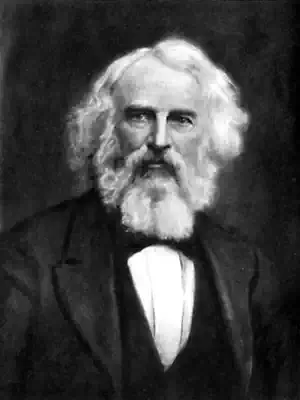
Henry Wadsworth Longfellow
Voices Of The Night : Prelude
Voices Of The Night : Prelude
Pleasant it was, when woods were green,
And winds were soft and low,
To lie amid some sylvan scene,
Where, the long drooping boughs between
Shadows dark and sunlight sheen
Alternate come and go;
Or where the denser grove receives
No sunlight from above
But the dark foliage interweaves
In one unbroken roof of leaves,
Underneath whose sloping eaves
The shadows hardly move.
Beneath some patriarchal tree
I lay upon the ground;
His hoary arms uplifted he,
And all the broad leaves over me
Clapped their little hands in glee,
With one continuous sound;--
A slumberous sound,--a sound that brings
The feelings of a dream,--
As of innumerable wings,
As, when a bell no longer swings,
Faint the hollow murmur rings
O'er meadow, lake, and stream.
And dreams of that which cannot die,
Bright visins, came to me,
As lapped in thought I used to lie,
And gaze into the summer sky,
Where the sailing clouds went by,
Like ships upon the sea;
Dreams that the soul of youth engage
Ere Fancy has been quelled;
Old legends of the monkish page.
Traditions of the saint and sage,
Tales that have the rime of age,
And chronicles of Eld.
And, loving still these quaint old themes,
Even in the city's throng
I feel the freshness of the streams,
That, crossed by shades and sunny gleams,
Water the green land of dreams,
The holy land of song.
Therefore, at Pentecost, which brings
The Spring, clothed like a bride,
When nestling buds unfold their wings,
And bishop's-caps have golden rings,
Musing upon many things,
I sought the woodlands wide.
The green trees whispered low and mild,
It was a sound of joy!
They were my playmates when a child
And rocked me in their arms so wild!
Still they looked at me and smiled
As if I were a boy;
And ever whispered, mild and low,
'Come, be a child once more!'
And waved their long arms to and fro,
And beckoned solemnly and slow;
O, I could not choose but go
Into the woodlands hoar;
Into the blithe and breathing air,
Into the solemn wood.
Solemn and silent everywhere!
Nature with folded hands seemed there,
Kneeling at her evening prayer!
Like one in prayer I stood.
Before me rose an avenue
Of tall and sombrous pines;
Abroad their fan-like branches grew,
And, where the sunshine darted throught
Spread a vapor soft and blue,
In long and sloping lines.
And, falling on my weary brain,
Like a fast-falling shower,
The dreams of youth came back again,
Low lispings of the summer rain,
Dropping on the ripened grain,
As once upon the flower.
Visions of childhood! Stay, O stay!
Ye were so sweet and wild!
And distant voices seemed to say,
'It cannot be! They pass away!
Other themes demand thy lay;
Thou art no more a child!
'The land of Song within thee lies,
Watered by living springs;
The lids of Fancy's sleepless eyes
Are gates unto that Paradise;
Holy thoughts, like stars, arise,
Its clouds are angels' wings.
'Learn, that henceforth thy song shall be
Not mountains capped with snow,
Nor forests sounding like the sea,
Nor rivers flowing ceaselessly,
Where the woodlands bend to see
The bending heavens below.
'There is a forest where the din
Of iron branches sounds!
A mighty river roara between,
And whosoever looks therein,
Sees the heavens all black with sin,--
Sees not ita depths, nor bounds.
'Athwart the swinging branches cast,
Soft rays of sunshine pour;
Then comes the fearful wintry blast;
Our hopes, like withered leaves, fall fast;
Pallid lips say, 'It is past!
We can return no more!'
'Look, then, into thine heart, and write!
Yes, into Life's deep stream!
All forms of sorrow and delight,
All solemn Voices of the Night,
That can soothe thee, or affright,--
Be these henceforth thy theme.'
Pleasant it was, when woods were green,
And winds were soft and low,
To lie amid some sylvan scene,
Where, the long drooping boughs between
Shadows dark and sunlight sheen
Alternate come and go;
Or where the denser grove receives
No sunlight from above
But the dark foliage interweaves
In one unbroken roof of leaves,
Underneath whose sloping eaves
The shadows hardly move.
Beneath some patriarchal tree
I lay upon the ground;
His hoary arms uplifted he,
And all the broad leaves over me
Clapped their little hands in glee,
With one continuous sound;--
A slumberous sound,--a sound that brings
The feelings of a dream,--
As of innumerable wings,
As, when a bell no longer swings,
Faint the hollow murmur rings
O'er meadow, lake, and stream.
And dreams of that which cannot die,
Bright visins, came to me,
As lapped in thought I used to lie,
And gaze into the summer sky,
Where the sailing clouds went by,
Like ships upon the sea;
Dreams that the soul of youth engage
Ere Fancy has been quelled;
Old legends of the monkish page.
Traditions of the saint and sage,
Tales that have the rime of age,
And chronicles of Eld.
And, loving still these quaint old themes,
Even in the city's throng
I feel the freshness of the streams,
That, crossed by shades and sunny gleams,
Water the green land of dreams,
The holy land of song.
Therefore, at Pentecost, which brings
The Spring, clothed like a bride,
When nestling buds unfold their wings,
And bishop's-caps have golden rings,
Musing upon many things,
I sought the woodlands wide.
The green trees whispered low and mild,
It was a sound of joy!
They were my playmates when a child
And rocked me in their arms so wild!
Still they looked at me and smiled
As if I were a boy;
And ever whispered, mild and low,
'Come, be a child once more!'
And waved their long arms to and fro,
And beckoned solemnly and slow;
O, I could not choose but go
Into the woodlands hoar;
Into the blithe and breathing air,
Into the solemn wood.
Solemn and silent everywhere!
Nature with folded hands seemed there,
Kneeling at her evening prayer!
Like one in prayer I stood.
Before me rose an avenue
Of tall and sombrous pines;
Abroad their fan-like branches grew,
And, where the sunshine darted throught
Spread a vapor soft and blue,
In long and sloping lines.
And, falling on my weary brain,
Like a fast-falling shower,
The dreams of youth came back again,
Low lispings of the summer rain,
Dropping on the ripened grain,
As once upon the flower.
Visions of childhood! Stay, O stay!
Ye were so sweet and wild!
And distant voices seemed to say,
'It cannot be! They pass away!
Other themes demand thy lay;
Thou art no more a child!
'The land of Song within thee lies,
Watered by living springs;
The lids of Fancy's sleepless eyes
Are gates unto that Paradise;
Holy thoughts, like stars, arise,
Its clouds are angels' wings.
'Learn, that henceforth thy song shall be
Not mountains capped with snow,
Nor forests sounding like the sea,
Nor rivers flowing ceaselessly,
Where the woodlands bend to see
The bending heavens below.
'There is a forest where the din
Of iron branches sounds!
A mighty river roara between,
And whosoever looks therein,
Sees the heavens all black with sin,--
Sees not ita depths, nor bounds.
'Athwart the swinging branches cast,
Soft rays of sunshine pour;
Then comes the fearful wintry blast;
Our hopes, like withered leaves, fall fast;
Pallid lips say, 'It is past!
We can return no more!'
'Look, then, into thine heart, and write!
Yes, into Life's deep stream!
All forms of sorrow and delight,
All solemn Voices of the Night,
That can soothe thee, or affright,--
Be these henceforth thy theme.'
315
Henry Wadsworth Longfellow
The Terrestrial Paradise. (From Dante. Purgatorio, XXVIII.)
The Terrestrial Paradise. (From Dante. Purgatorio, XXVIII.)
Longing already to search in and round
The heavenly forest, dense and living-green,
Which tempered to the eyes the newborn day,
Withouten more delay I left the bank,
Crossing the level country slowly, slowly,
Over the soil, that everywhere breathed fragrance.
A gently-breathing air, that no mutation
Had in itself, smote me upon the forehead,
No heavier blow, than of a pleasant breeze,
Whereat the tremulous branches readily
Did all of them bow downward towards that side
Where its first shadow casts the Holy Mountain;
Yet not from their upright direction bent
So that the little birds upon their tops
Should cease the practice of their tuneful art;
But with full-throated joy, the hours of prime
Singing received they in the midst of foliage
That made monotonous burden to their rhymes,
Even as from branch to branch it gathering swells,
Through the pine forests on the shore of Chiassi,
When Aeolus unlooses the Sirocco.
Already my slow steps had led me on
Into the ancient wood so far, that I
Could see no more the place where I had entered.
And lo! my further course cut off a river,
Which, tow'rds the left hand, with its little waves,
Bent down the grass, that on its margin sprang.
All waters that on earth most limpid are,
Would seem to have within themselves some mixture,
Compared with that, which nothing doth conceal,
Although it moves on with a brown, brown current,
Under the shade perpetual, that never
Ray of the sun lets in, nor of the moon.
Longing already to search in and round
The heavenly forest, dense and living-green,
Which tempered to the eyes the newborn day,
Withouten more delay I left the bank,
Crossing the level country slowly, slowly,
Over the soil, that everywhere breathed fragrance.
A gently-breathing air, that no mutation
Had in itself, smote me upon the forehead,
No heavier blow, than of a pleasant breeze,
Whereat the tremulous branches readily
Did all of them bow downward towards that side
Where its first shadow casts the Holy Mountain;
Yet not from their upright direction bent
So that the little birds upon their tops
Should cease the practice of their tuneful art;
But with full-throated joy, the hours of prime
Singing received they in the midst of foliage
That made monotonous burden to their rhymes,
Even as from branch to branch it gathering swells,
Through the pine forests on the shore of Chiassi,
When Aeolus unlooses the Sirocco.
Already my slow steps had led me on
Into the ancient wood so far, that I
Could see no more the place where I had entered.
And lo! my further course cut off a river,
Which, tow'rds the left hand, with its little waves,
Bent down the grass, that on its margin sprang.
All waters that on earth most limpid are,
Would seem to have within themselves some mixture,
Compared with that, which nothing doth conceal,
Although it moves on with a brown, brown current,
Under the shade perpetual, that never
Ray of the sun lets in, nor of the moon.
305
Henry Wadsworth Longfellow
The Song Of Hiawatha VII: Hiawatha's Sailing
The Song Of Hiawatha VII: Hiawatha's Sailing
'Give me of your bark, O Birch-tree!
Of your yellow bark, O Birch-tree!
Growing by the rushing river,
Tall and stately in the valley!
I a light canoe will build me,
Build a swift Cheemaun for sailing,
That shall float on the river,
Like a yellow leaf in Autumn,
Like a yellow water-lily!
'Lay aside your cloak, O Birch-tree!
Lay aside your white-skin wrapper,
For the Summer-time is coming,
And the sun is warm in heaven,
And you need no white-skin wrapper!'
Thus aloud cried Hiawatha
In the solitary forest,
By the rushing Taquamenaw,
When the birds were singing gayly,
In the Moon of Leaves were singing,
And the sun, from sleep awaking,
Started up and said, 'Behold me!
Gheezis, the great Sun, behold me!'
And the tree with all its branches
Rustled in the breeze of morning,
Saying, with a sigh of patience,
'Take my cloak, O Hiawatha!'
With his knife the tree he girdled;
Just beneath its lowest branches,
Just above the roots, he cut it,
Till the sap came oozing outward;
Down the trunk, from top to bottom,
Sheer he cleft the bark asunder,
With a wooden wedge he raised it,
Stripped it from the trunk unbroken.
'Give me of your boughs, O Cedar!
Of your strong and pliant branches,
My canoe to make more steady,
Make more strong and firm beneath me!'
Through the summit of the Cedar
Went a sound, a cry of horror,
Went a murmur of resistance;
But it whispered, bending downward,
'Take my boughs, O Hiawatha!'
Down he hewed the boughs of cedar,
Shaped them straightway to a frame-work,
Like two bows he formed and shaped them,
Like two bended bows together.
'Give me of your roots, O Tamarack!
Of your fibrous roots, O Larch-tree!
My canoe to bind together,
So to bind the ends together
That the water may not enter,
That the river may not wet me!'
And the Larch, with all its fibres,
Shivered in the air of morning,
Touched his forehead with its tassels,
Slid, with one long sigh of sorrow.
'Take them all, O Hiawatha!'
From the earth he tore the fibres,
Tore the tough roots of the Larch-tree,
Closely sewed the hark together,
Bound it closely to the frame-work.
'Give me of your balm, O Fir-tree!
Of your balsam and your resin,
So to close the seams together
That the water may not enter,
That the river may not wet me!'
And the Fir-tree, tall and sombre,
Sobbed through all its robes of darkness,
Rattled like a shore with pebbles,
Answered wailing, answered weeping,
'Take my balm, O Hiawatha!'
And he took the tears of balsam,
Took the resin of the Fir-tree,
Smeared therewith each seam and fissure,
Made each crevice safe from water.
'Give me of your quills, O Hedgehog!
All your quills, O Kagh, the Hedgehog!
I will make a necklace of them,
Make a girdle for my beauty,
And two stars to deck her bosom!'
From a hollow tree the Hedgehog
With his sleepy eyes looked at him,
Shot his shining quills, like arrows,
Saying with a drowsy murmur,
Through the tangle of his whiskers,
'Take my quills, O Hiawatha!'
From the ground the quills he gathered,
All the little shining arrows,
Stained them red and blue and yellow,
With the juice of roots and berries;
Into his canoe he wrought them,
Round its waist a shining girdle,
Round its bows a gleaming necklace,
On its breast two stars resplendent.
Thus the Birch Canoe was builded
In the valley, by the river,
In the bosom of the forest;
And the forest's life was in it,
All its mystery and its magic,
All the lightness of the birch-tree,
All the toughness of the cedar,
All the larch's supple sinews;
And it floated on the river
Like a yellow leaf in Autumn,
Like a yellow water-lily.
Paddles none had Hiawatha,
Paddles none he had or needed,
For his thoughts as paddles served him,
And his wishes served to guide him;
Swift or slow at will he glided,
Veered to right or left at pleasure.
Then he called aloud to Kwasind,
To his friend, the strong man, Kwasind,
Saying, 'Help me clear this river
Of its sunken logs and sand-bars.'
Straight into the river Kwasind
Plunged as if he were an otter,
Dived as if he were a beaver,
Stood up to his waist in water,
To his arm-pits in the river,
Swam and scouted in the river,
Tugged at sunken logs and branches,
With his hands he scooped the sand-bars,
With his feet the ooze and tangle.
And thus sailed my Hiawatha
Down the rushing Taquamenaw,
Sailed through all its bends and windings,
Sailed through all its deeps and shallows,
While his friend, the strong man, Kwasind,
Swam the deeps, the shallows waded.
Up and down the river went they,
In and out among its islands,
Cleared its bed of root and sand-bar,
Dragged the dead trees from its channel,
Made its passage safe and certain,
Made a pathway for the people,
From its springs among the mountains,
To the waters of Pauwating,
To the bay of Taquamenaw.
'Give me of your bark, O Birch-tree!
Of your yellow bark, O Birch-tree!
Growing by the rushing river,
Tall and stately in the valley!
I a light canoe will build me,
Build a swift Cheemaun for sailing,
That shall float on the river,
Like a yellow leaf in Autumn,
Like a yellow water-lily!
'Lay aside your cloak, O Birch-tree!
Lay aside your white-skin wrapper,
For the Summer-time is coming,
And the sun is warm in heaven,
And you need no white-skin wrapper!'
Thus aloud cried Hiawatha
In the solitary forest,
By the rushing Taquamenaw,
When the birds were singing gayly,
In the Moon of Leaves were singing,
And the sun, from sleep awaking,
Started up and said, 'Behold me!
Gheezis, the great Sun, behold me!'
And the tree with all its branches
Rustled in the breeze of morning,
Saying, with a sigh of patience,
'Take my cloak, O Hiawatha!'
With his knife the tree he girdled;
Just beneath its lowest branches,
Just above the roots, he cut it,
Till the sap came oozing outward;
Down the trunk, from top to bottom,
Sheer he cleft the bark asunder,
With a wooden wedge he raised it,
Stripped it from the trunk unbroken.
'Give me of your boughs, O Cedar!
Of your strong and pliant branches,
My canoe to make more steady,
Make more strong and firm beneath me!'
Through the summit of the Cedar
Went a sound, a cry of horror,
Went a murmur of resistance;
But it whispered, bending downward,
'Take my boughs, O Hiawatha!'
Down he hewed the boughs of cedar,
Shaped them straightway to a frame-work,
Like two bows he formed and shaped them,
Like two bended bows together.
'Give me of your roots, O Tamarack!
Of your fibrous roots, O Larch-tree!
My canoe to bind together,
So to bind the ends together
That the water may not enter,
That the river may not wet me!'
And the Larch, with all its fibres,
Shivered in the air of morning,
Touched his forehead with its tassels,
Slid, with one long sigh of sorrow.
'Take them all, O Hiawatha!'
From the earth he tore the fibres,
Tore the tough roots of the Larch-tree,
Closely sewed the hark together,
Bound it closely to the frame-work.
'Give me of your balm, O Fir-tree!
Of your balsam and your resin,
So to close the seams together
That the water may not enter,
That the river may not wet me!'
And the Fir-tree, tall and sombre,
Sobbed through all its robes of darkness,
Rattled like a shore with pebbles,
Answered wailing, answered weeping,
'Take my balm, O Hiawatha!'
And he took the tears of balsam,
Took the resin of the Fir-tree,
Smeared therewith each seam and fissure,
Made each crevice safe from water.
'Give me of your quills, O Hedgehog!
All your quills, O Kagh, the Hedgehog!
I will make a necklace of them,
Make a girdle for my beauty,
And two stars to deck her bosom!'
From a hollow tree the Hedgehog
With his sleepy eyes looked at him,
Shot his shining quills, like arrows,
Saying with a drowsy murmur,
Through the tangle of his whiskers,
'Take my quills, O Hiawatha!'
From the ground the quills he gathered,
All the little shining arrows,
Stained them red and blue and yellow,
With the juice of roots and berries;
Into his canoe he wrought them,
Round its waist a shining girdle,
Round its bows a gleaming necklace,
On its breast two stars resplendent.
Thus the Birch Canoe was builded
In the valley, by the river,
In the bosom of the forest;
And the forest's life was in it,
All its mystery and its magic,
All the lightness of the birch-tree,
All the toughness of the cedar,
All the larch's supple sinews;
And it floated on the river
Like a yellow leaf in Autumn,
Like a yellow water-lily.
Paddles none had Hiawatha,
Paddles none he had or needed,
For his thoughts as paddles served him,
And his wishes served to guide him;
Swift or slow at will he glided,
Veered to right or left at pleasure.
Then he called aloud to Kwasind,
To his friend, the strong man, Kwasind,
Saying, 'Help me clear this river
Of its sunken logs and sand-bars.'
Straight into the river Kwasind
Plunged as if he were an otter,
Dived as if he were a beaver,
Stood up to his waist in water,
To his arm-pits in the river,
Swam and scouted in the river,
Tugged at sunken logs and branches,
With his hands he scooped the sand-bars,
With his feet the ooze and tangle.
And thus sailed my Hiawatha
Down the rushing Taquamenaw,
Sailed through all its bends and windings,
Sailed through all its deeps and shallows,
While his friend, the strong man, Kwasind,
Swam the deeps, the shallows waded.
Up and down the river went they,
In and out among its islands,
Cleared its bed of root and sand-bar,
Dragged the dead trees from its channel,
Made its passage safe and certain,
Made a pathway for the people,
From its springs among the mountains,
To the waters of Pauwating,
To the bay of Taquamenaw.
313