

Poems in this theme
Art
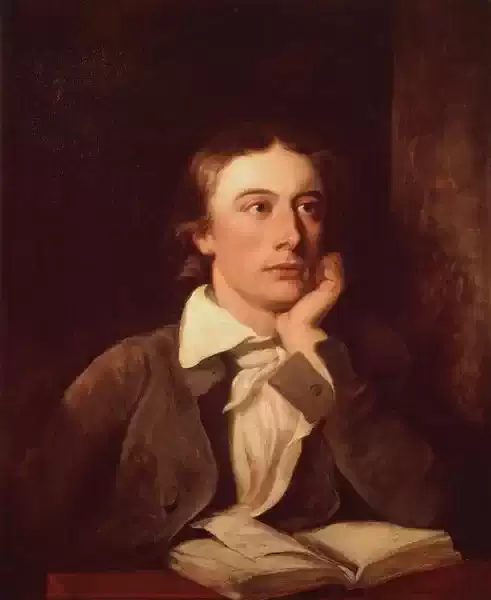
John Keats
Fragment of an Ode to Maia
Fragment of an Ode to Maia
MOTHER of Hermes! and still youthful Maia!
May I sing to thee
As thou wast hymned on the shores of Baiae?
Or may I woo thee
In earlier Sicilian? or thy smiles
Seek as they once were sought, in Grecian isles,
By bards who died content on pleasant sward,
Leaving great verse unto a little clan?
O give me their old vigour! and unheard
Save of the quiet primrose, and the span
Of heaven, and few ears,
Rounded by thee, my song should die away
Content as theirs,
Rich in the simple worship of a day.
MOTHER of Hermes! and still youthful Maia!
May I sing to thee
As thou wast hymned on the shores of Baiae?
Or may I woo thee
In earlier Sicilian? or thy smiles
Seek as they once were sought, in Grecian isles,
By bards who died content on pleasant sward,
Leaving great verse unto a little clan?
O give me their old vigour! and unheard
Save of the quiet primrose, and the span
Of heaven, and few ears,
Rounded by thee, my song should die away
Content as theirs,
Rich in the simple worship of a day.
384
John Keats
Epistle To My Brother George
Epistle To My Brother George
Full many a dreary hour have I past,
My brain bewildered, and my mind o'ercast
With heaviness; in seasons when I've thought
No spherey strains by me could e'er be caught
From the blue dome, though I to dimness gaze
On the far depth where sheeted lightning plays;
Or, on the wavy grass outstretched supinely,
Pry 'mong the stars, to strive to think divinely:
That I should never hear Apollo's song,
Though feathery clouds were floating all along
The purple west, and, two bright streaks between,
The golden lyre itself were dimly seen:
That the still murmur of the honey bee
Would never teach a rural song to me:
That the bright glance from beauty's eyelids slanting
Would never make a lay of mine enchanting,
Or warm my breast with ardour to unfold
Some tale of love and arms in time of old.
But there are times, when those that love the bay,
Fly from all sorrowing far, far away;
A sudden glow comes on them, nought they see
In water, earth, or air, but poesy.
It has been said, dear George, and true I hold it,
(For knightly Spenser to Libertas told it,)
That when a Poet is in such a trance,
In air her sees white coursers paw, and prance,
Bestridden of gay knights, in gay apparel,
Who at each other tilt in playful quarrel,
And what we, ignorantly, sheet-lightning call,
Is the swift opening of their wide portal,
When the bright warder blows his trumpet clear,
Whose tones reach nought on earth but Poet's ear.
When these enchanted portals open wide,
And through the light the horsemen swiftly glide,
The Poet's eye can reach those golden halls,
And view the glory of their festivals:
Their ladies fair, that in the distance seem
Fit for the silv'ring of a seraph's dream;
Their rich brimmed goblets, that incessant run
Like the bright spots that move about the sun;
And, when upheld, the wine from each bright jar
Pours with the lustre of a falling star.
Yet further off, are dimly seen their bowers,
Of which, no mortal eye can reach the flowers;
And 'tis right just, for well Apollo knows
'Twould make the Poet quarrel with the rose.
All that's revealed from that far seat of blisses
Is the clear fountains' interchanging kisses,
As gracefully descending, light and thin,
Like silver streaks across a dolphin's fin,
When he upswimmeth from the coral caves,
And sports with half his tail above the waves.
These wonders strange he sees, and many more,
Whose head is pregnant with poetic lore.
Should he upon an evening ramble fare
With forehead to the soothing breezes bare,
Would he nought see but the dark, silent blue
With all its diamonds trembling through and through?
Or the coy moon, when in the waviness
Of whitest clouds she does her beauty dress,
And staidly paces higher up, and higher,
Like a sweet nun in holy-day attire?
Ah, yes! much more would start into his sight-
The revelries and mysteries of night:
And should I ever see them, I will tell you
Such tales as needs must with amazement spell you.
These are the living pleasures of the bard:
But richer far posterity's reward.
What does he murmur with his latest breath,
While his proud eye looks though the film of death?
"What though I leave this dull and earthly mould,
Yet shall my spirit lofty converse hold
With after times.-The patriot shall feel
My stern alarum, and unsheath his steel;
Or, in the senate thunder out my numbers
To startle princes from their easy slumbers.
The sage will mingle with each moral theme
My happy thoughts sententious; he will teem
With lofty periods when my verses fire him,
And then I'll stoop from heaven to inspire him.
Lays have I left of such a dear delight
That maids will sing them on their bridal night.
Gay villagers, upon a morn of May,
When they have tired their gentle limbs with play
And formed a snowy circle on the grass,
And placed in midst of all that lovely lass
Who chosen is their queen,-with her fine head
Crowned with flowers purple, white, and red:
For there the lily, and the musk-rose, sighing,
Are emblems true of hapless lovers dying:
Between her breasts, that never yet felt trouble,
A bunch of violets full blown, and double,
Serenely sleep:-she from a casket takes
A little book,-and then a joy awakes
About each youthful heart,-with stifled cries,
And rubbing of white hands, and sparkling eyes:
For she's to read a tale of hopes, and fears;
One that I fostered in my youthful years:
The pearls, that on each glist'ning circlet sleep,
Must ever and anon with silent creep,
Lured by the innocent dimples. To sweet rest
Shall the dear babe, upon its mother's breast,
Be lulled with songs of mine. Fair world, adieu!
Thy dales, and hills, are fading from my view:
Swiftly I mount, upon wide spreading pinions,
Far from the narrow bound of thy dominions.
Full joy I feel, while thus I cleave the air,
That my soft verse will charm thy daughters fair,
And warm thy sons!" Ah, my dear friend and brother,
Could I, at once, my mad ambition smother,
For tasting joys like these, sure I should be
Happier, and dearer to society.
At times, 'tis true, I've felt relief from pain
When some bright thought has darted through my brain:
Through all that day I've felt a greater pleasure
Than if I'd brought to light a hidden treasure.
As to my sonnets, though none else should heed them,
I feel delighted, still, that you should read them.
Of late, too, I have had much calm enjoyment,
Stretched on the grass at my best loved employment
Of scribbling lines for you. These things I thought
While, in my face, the freshest breeze I caught.
E'en now I'm pillowed on a bed of flowers
That crowns a lofty clift, which proudly towers
Above the ocean-waves, The stalks, and blades,
Chequer my tablet with their quivering shades.
On one side is a field of drooping oats,
Through which the poppies show their scarlet coats;
So pert and useless, that they bring to mind
The scarlet coats that pester human-kind.
And on the other side, outspread, is seen
Ocean's blue mantle streaked with purple, and green.
Now 'tis I see a canvassed ship, and now
Mark the bright silver curling round her prow.
I see the lark dowm-dropping to his nest,
And the broad winged sea-gull never at rest;
For when no more he spreads his feathers free,
His breast is dancing on the restless sea.
Now I direct my eyes into the west,
Which at this moment is in sunbeams drest:
Why westward turn? 'Twas but to say adieu!
'Twas but to kiss my hand, dear George, to you!
Full many a dreary hour have I past,
My brain bewildered, and my mind o'ercast
With heaviness; in seasons when I've thought
No spherey strains by me could e'er be caught
From the blue dome, though I to dimness gaze
On the far depth where sheeted lightning plays;
Or, on the wavy grass outstretched supinely,
Pry 'mong the stars, to strive to think divinely:
That I should never hear Apollo's song,
Though feathery clouds were floating all along
The purple west, and, two bright streaks between,
The golden lyre itself were dimly seen:
That the still murmur of the honey bee
Would never teach a rural song to me:
That the bright glance from beauty's eyelids slanting
Would never make a lay of mine enchanting,
Or warm my breast with ardour to unfold
Some tale of love and arms in time of old.
But there are times, when those that love the bay,
Fly from all sorrowing far, far away;
A sudden glow comes on them, nought they see
In water, earth, or air, but poesy.
It has been said, dear George, and true I hold it,
(For knightly Spenser to Libertas told it,)
That when a Poet is in such a trance,
In air her sees white coursers paw, and prance,
Bestridden of gay knights, in gay apparel,
Who at each other tilt in playful quarrel,
And what we, ignorantly, sheet-lightning call,
Is the swift opening of their wide portal,
When the bright warder blows his trumpet clear,
Whose tones reach nought on earth but Poet's ear.
When these enchanted portals open wide,
And through the light the horsemen swiftly glide,
The Poet's eye can reach those golden halls,
And view the glory of their festivals:
Their ladies fair, that in the distance seem
Fit for the silv'ring of a seraph's dream;
Their rich brimmed goblets, that incessant run
Like the bright spots that move about the sun;
And, when upheld, the wine from each bright jar
Pours with the lustre of a falling star.
Yet further off, are dimly seen their bowers,
Of which, no mortal eye can reach the flowers;
And 'tis right just, for well Apollo knows
'Twould make the Poet quarrel with the rose.
All that's revealed from that far seat of blisses
Is the clear fountains' interchanging kisses,
As gracefully descending, light and thin,
Like silver streaks across a dolphin's fin,
When he upswimmeth from the coral caves,
And sports with half his tail above the waves.
These wonders strange he sees, and many more,
Whose head is pregnant with poetic lore.
Should he upon an evening ramble fare
With forehead to the soothing breezes bare,
Would he nought see but the dark, silent blue
With all its diamonds trembling through and through?
Or the coy moon, when in the waviness
Of whitest clouds she does her beauty dress,
And staidly paces higher up, and higher,
Like a sweet nun in holy-day attire?
Ah, yes! much more would start into his sight-
The revelries and mysteries of night:
And should I ever see them, I will tell you
Such tales as needs must with amazement spell you.
These are the living pleasures of the bard:
But richer far posterity's reward.
What does he murmur with his latest breath,
While his proud eye looks though the film of death?
"What though I leave this dull and earthly mould,
Yet shall my spirit lofty converse hold
With after times.-The patriot shall feel
My stern alarum, and unsheath his steel;
Or, in the senate thunder out my numbers
To startle princes from their easy slumbers.
The sage will mingle with each moral theme
My happy thoughts sententious; he will teem
With lofty periods when my verses fire him,
And then I'll stoop from heaven to inspire him.
Lays have I left of such a dear delight
That maids will sing them on their bridal night.
Gay villagers, upon a morn of May,
When they have tired their gentle limbs with play
And formed a snowy circle on the grass,
And placed in midst of all that lovely lass
Who chosen is their queen,-with her fine head
Crowned with flowers purple, white, and red:
For there the lily, and the musk-rose, sighing,
Are emblems true of hapless lovers dying:
Between her breasts, that never yet felt trouble,
A bunch of violets full blown, and double,
Serenely sleep:-she from a casket takes
A little book,-and then a joy awakes
About each youthful heart,-with stifled cries,
And rubbing of white hands, and sparkling eyes:
For she's to read a tale of hopes, and fears;
One that I fostered in my youthful years:
The pearls, that on each glist'ning circlet sleep,
Must ever and anon with silent creep,
Lured by the innocent dimples. To sweet rest
Shall the dear babe, upon its mother's breast,
Be lulled with songs of mine. Fair world, adieu!
Thy dales, and hills, are fading from my view:
Swiftly I mount, upon wide spreading pinions,
Far from the narrow bound of thy dominions.
Full joy I feel, while thus I cleave the air,
That my soft verse will charm thy daughters fair,
And warm thy sons!" Ah, my dear friend and brother,
Could I, at once, my mad ambition smother,
For tasting joys like these, sure I should be
Happier, and dearer to society.
At times, 'tis true, I've felt relief from pain
When some bright thought has darted through my brain:
Through all that day I've felt a greater pleasure
Than if I'd brought to light a hidden treasure.
As to my sonnets, though none else should heed them,
I feel delighted, still, that you should read them.
Of late, too, I have had much calm enjoyment,
Stretched on the grass at my best loved employment
Of scribbling lines for you. These things I thought
While, in my face, the freshest breeze I caught.
E'en now I'm pillowed on a bed of flowers
That crowns a lofty clift, which proudly towers
Above the ocean-waves, The stalks, and blades,
Chequer my tablet with their quivering shades.
On one side is a field of drooping oats,
Through which the poppies show their scarlet coats;
So pert and useless, that they bring to mind
The scarlet coats that pester human-kind.
And on the other side, outspread, is seen
Ocean's blue mantle streaked with purple, and green.
Now 'tis I see a canvassed ship, and now
Mark the bright silver curling round her prow.
I see the lark dowm-dropping to his nest,
And the broad winged sea-gull never at rest;
For when no more he spreads his feathers free,
His breast is dancing on the restless sea.
Now I direct my eyes into the west,
Which at this moment is in sunbeams drest:
Why westward turn? 'Twas but to say adieu!
'Twas but to kiss my hand, dear George, to you!
601
John Keats
Bards of Passion and of Mirth, written on the Blank Page before Beaumont and
Bards of Passion and of Mirth, written on the Blank Page before Beaumont and
Fletcher's Tragi-Comedy 'The Fair Maid of the Inn'
BARDS of Passion and of Mirth,
Ye have left your souls on earth!
Have ye souls in heaven too,
Doubled-lived in regions new?
Yes, and those of heaven commune
With the spheres of sun and moon;
With the noise of fountains wondrous,
And the parle of voices thund'rous;
With the whisper of heaven's trees
And one another, in soft ease
Seated on Elysian lawns
Browsed by none but Dian's fawns;
Underneath large blue-bells tented,
Where the daisies are rose-scented,
And the rose herself has got
Perfume which on earth is not;
Where the nightingale doth sing
Not a senseless, tranced thing,
But divine melodious truth;
Philosophic numbers smooth;
Tales and golden histories
Of heaven and its mysteries.
Thus ye live on high, and then
On the earth ye live again;
And the souls ye left behind you
Teach us, here, the way to find you,
Where your other souls are joying,
Never slumber'd, never cloying.
Here, your earth-born souls still speak
To mortals, of their little week;
Of their sorrows and delights;
Of their passions and their spites;
Of their glory and their shame;
What doth strengthen and what maim.
Thus ye teach us, every day,
Wisdom, though fled far away.
Bards of Passion and of Mirth,
Ye have left your souls on earth!
Ye have souls in heaven too,
Double-lived in regions new!
Fletcher's Tragi-Comedy 'The Fair Maid of the Inn'
BARDS of Passion and of Mirth,
Ye have left your souls on earth!
Have ye souls in heaven too,
Doubled-lived in regions new?
Yes, and those of heaven commune
With the spheres of sun and moon;
With the noise of fountains wondrous,
And the parle of voices thund'rous;
With the whisper of heaven's trees
And one another, in soft ease
Seated on Elysian lawns
Browsed by none but Dian's fawns;
Underneath large blue-bells tented,
Where the daisies are rose-scented,
And the rose herself has got
Perfume which on earth is not;
Where the nightingale doth sing
Not a senseless, tranced thing,
But divine melodious truth;
Philosophic numbers smooth;
Tales and golden histories
Of heaven and its mysteries.
Thus ye live on high, and then
On the earth ye live again;
And the souls ye left behind you
Teach us, here, the way to find you,
Where your other souls are joying,
Never slumber'd, never cloying.
Here, your earth-born souls still speak
To mortals, of their little week;
Of their sorrows and delights;
Of their passions and their spites;
Of their glory and their shame;
What doth strengthen and what maim.
Thus ye teach us, every day,
Wisdom, though fled far away.
Bards of Passion and of Mirth,
Ye have left your souls on earth!
Ye have souls in heaven too,
Double-lived in regions new!
444
John Keats
A Draught Of Sunshine
A Draught Of Sunshine
Hence Burgundy, Claret, and Port,
Away with old Hock and madeira,
Too earthly ye are for my sport;
There's a beverage brighter and clearer.
Instead of a piriful rummer,
My wine overbrims a whole summer;
My bowl is the sky,
And I drink at my eye,
Till I feel in the brain
A Delphian pain -
Then follow, my Caius! then follow:
On the green of the hill
We will drink our fill
Of golden sunshine,
Till our brains intertwine
With the glory and grace of Apollo!
God of the Meridian,
And of the East and West,
To thee my soul is flown,
And my body is earthward press'd. -
It is an awful mission,
A terrible division;
And leaves a gulph austere
To be fill'd with worldly fear.
Aye, when the soul is fled
To high above our head,
Affrighted do we gaze
After its airy maze,
As doth a mother wild,
When her young infant child
Is in an eagle's claws -
And is not this the cause
Of madness? - God of Song,
Thou bearest me along
Through sights I scarce can bear:
O let me, let me share
With the hot lyre and thee,
The staid Philosophy.
Temper my lonely hours,
And let me see thy bowers
More unalarm'd!
Hence Burgundy, Claret, and Port,
Away with old Hock and madeira,
Too earthly ye are for my sport;
There's a beverage brighter and clearer.
Instead of a piriful rummer,
My wine overbrims a whole summer;
My bowl is the sky,
And I drink at my eye,
Till I feel in the brain
A Delphian pain -
Then follow, my Caius! then follow:
On the green of the hill
We will drink our fill
Of golden sunshine,
Till our brains intertwine
With the glory and grace of Apollo!
God of the Meridian,
And of the East and West,
To thee my soul is flown,
And my body is earthward press'd. -
It is an awful mission,
A terrible division;
And leaves a gulph austere
To be fill'd with worldly fear.
Aye, when the soul is fled
To high above our head,
Affrighted do we gaze
After its airy maze,
As doth a mother wild,
When her young infant child
Is in an eagle's claws -
And is not this the cause
Of madness? - God of Song,
Thou bearest me along
Through sights I scarce can bear:
O let me, let me share
With the hot lyre and thee,
The staid Philosophy.
Temper my lonely hours,
And let me see thy bowers
More unalarm'd!
435
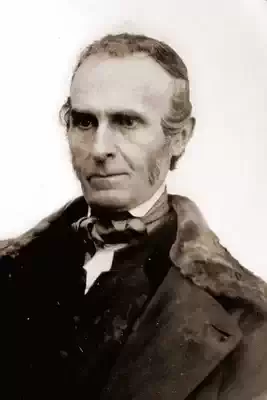
John Greenleaf Whittier
Wordsworth
Wordsworth
WRITTEN ON A BLANK LEAF OF HIS MEMOIRS.
Dear friends, who read the world aright,
And in its common forms discern
A beauty and a harmony
The many never learn!
Kindred in soul of him who found
In simple flower and leaf and stone
The impulse of the sweetest lays
Our Saxon tongue has known,-
Accept this record of a life
As sweet and pure, as calm and good,
As a long day of blandest June
In green field and in wood.
How welcome to our ears, long pained
By strife of sect and party noise,
The brook-like murmur of his song
Of nature's simple joys!
The violet' by its mossy stone,
The primrose by the river's brim,
And chance-sown daffodil, have found
Immortal life through him.
The sunrise on his breezy lake,
The rosy tints his sunset brought,
World-seen, are gladdening all the vales
And mountain-peaks of thought.
Art builds on sand; the works of pride
And human passion change and fall;
But that which shares the life of God
With Him surviveth all.
WRITTEN ON A BLANK LEAF OF HIS MEMOIRS.
Dear friends, who read the world aright,
And in its common forms discern
A beauty and a harmony
The many never learn!
Kindred in soul of him who found
In simple flower and leaf and stone
The impulse of the sweetest lays
Our Saxon tongue has known,-
Accept this record of a life
As sweet and pure, as calm and good,
As a long day of blandest June
In green field and in wood.
How welcome to our ears, long pained
By strife of sect and party noise,
The brook-like murmur of his song
Of nature's simple joys!
The violet' by its mossy stone,
The primrose by the river's brim,
And chance-sown daffodil, have found
Immortal life through him.
The sunrise on his breezy lake,
The rosy tints his sunset brought,
World-seen, are gladdening all the vales
And mountain-peaks of thought.
Art builds on sand; the works of pride
And human passion change and fall;
But that which shares the life of God
With Him surviveth all.
396
John Greenleaf Whittier
Raphael
Raphael
I shall not soon forget that sight
The glow of Autumn's westering day,
A hazy warmth, a dreamy light,
On Raphael's picture lay.
It was a simple print I saw,
The fair face of a musing boy;
Yet, while I gazed, a sense of awe
Seemed blending with my joy.
A simple print,--the graceful flow
Of boyhood's soft and wavy hair,
And fresh young lip and cheek, and brow
Unmarked and clear, were there.
Yet through its sweet and calm repose
I saw the inward spirit shine;
It was as if before me rose
The white veil of a shrine.
As if, as Gothland's sage has told,
The hidden life, the man within,
Dissevered from its frame and mould,
By mortal eye were seen.
Was it the lifting of that eye,
The waving of that pictured hand?
Loose as a cloud-wreath on the sky,
I saw the walls expand.
The narrow room had vanished,--space,
Broad, luminous, remained alone,
Through which all hues and shapes of grace
And beauty looked or shone.
Around the mighty master came
The marvels which his pencil wrought,
Those miracles of power whose fame
Is wide as human thought.
There drooped thy more than mortal face,
O Mother, beautiful and mild
Enfolding in one dear embrace
Thy Saviour and thy Child!
The rapt brow of the Desert John;
The awful glory of that day
When all the Father's brightness shone
Through manhood's veil of clay.
And, midst gray prophet forms, and wild
Dark visions of the days of old,
How sweetly woman's beauty smiled
Through locks of brown and gold!
There Fornarina's fair young face
Once more upon her lover shone,
Whose model of an angel's grace
He borrowed from her own.
Slow passed that vision from my view,
But not the lesson which it taught;
The soft, calm shadows which it threw
Still rested on my thought:
The truth, that painter, bard, and sage,
Even in Earth's cold and changeful clime,
Plant for their deathless heritage
The fruits and flowers of time.
We shape ourselves the joy or fear
Of which the coming life is made,
And fill our Future's atmosphere
With sunshine or with shade.
The tissue of the Life to be
We weave with colors all our own,
And in the field of Destiny
We reap as we have sown.
Still shall the soul around it call
The shadows which it gathered here,
And, painted on the eternal wall,
The Past shall reappear.
Think ye the notes of holy song
On Milton's tuneful ear have died?
Think ye that Raphael's angel throng
Has vanished from his side?
Oh no!--We live our life again;
Or warmly touched, or coldly dim,
The pictures of the Past remain,--Man's
works shall follow him!
I shall not soon forget that sight
The glow of Autumn's westering day,
A hazy warmth, a dreamy light,
On Raphael's picture lay.
It was a simple print I saw,
The fair face of a musing boy;
Yet, while I gazed, a sense of awe
Seemed blending with my joy.
A simple print,--the graceful flow
Of boyhood's soft and wavy hair,
And fresh young lip and cheek, and brow
Unmarked and clear, were there.
Yet through its sweet and calm repose
I saw the inward spirit shine;
It was as if before me rose
The white veil of a shrine.
As if, as Gothland's sage has told,
The hidden life, the man within,
Dissevered from its frame and mould,
By mortal eye were seen.
Was it the lifting of that eye,
The waving of that pictured hand?
Loose as a cloud-wreath on the sky,
I saw the walls expand.
The narrow room had vanished,--space,
Broad, luminous, remained alone,
Through which all hues and shapes of grace
And beauty looked or shone.
Around the mighty master came
The marvels which his pencil wrought,
Those miracles of power whose fame
Is wide as human thought.
There drooped thy more than mortal face,
O Mother, beautiful and mild
Enfolding in one dear embrace
Thy Saviour and thy Child!
The rapt brow of the Desert John;
The awful glory of that day
When all the Father's brightness shone
Through manhood's veil of clay.
And, midst gray prophet forms, and wild
Dark visions of the days of old,
How sweetly woman's beauty smiled
Through locks of brown and gold!
There Fornarina's fair young face
Once more upon her lover shone,
Whose model of an angel's grace
He borrowed from her own.
Slow passed that vision from my view,
But not the lesson which it taught;
The soft, calm shadows which it threw
Still rested on my thought:
The truth, that painter, bard, and sage,
Even in Earth's cold and changeful clime,
Plant for their deathless heritage
The fruits and flowers of time.
We shape ourselves the joy or fear
Of which the coming life is made,
And fill our Future's atmosphere
With sunshine or with shade.
The tissue of the Life to be
We weave with colors all our own,
And in the field of Destiny
We reap as we have sown.
Still shall the soul around it call
The shadows which it gathered here,
And, painted on the eternal wall,
The Past shall reappear.
Think ye the notes of holy song
On Milton's tuneful ear have died?
Think ye that Raphael's angel throng
Has vanished from his side?
Oh no!--We live our life again;
Or warmly touched, or coldly dim,
The pictures of the Past remain,--Man's
works shall follow him!
215
John Greenleaf Whittier
Lydia H. Sigourney
Lydia H. Sigourney
She sang alone, ere womanhood had known
The gift of song which fills the air to-day
Tender and sweet, a music all her own
May fitly linger where she knelt to pray.
She sang alone, ere womanhood had known
The gift of song which fills the air to-day
Tender and sweet, a music all her own
May fitly linger where she knelt to pray.
273
John Greenleaf Whittier
Fitz-Greene Halleck
Fitz-Greene Halleck
AT THE UNVEILING OF HIS STATUE.
Among their graven shapes to whom
Thy civic wreaths belong,
O city of his love, make room
For one whose gift was song.
Not his the soldier's sword to wield,
Nor his the helm of state,
Nor glory of the stricken field,
Nor triumph of debate.
In common ways, with common men,
He served his race and time
As well as if his clerkly pen
Had never danced to rhyme.
If, in the thronged and noisy mart,
The Muses found their son,
Could any say his tuneful art
A duty left undone?
He toiled and sang; and year by year
Men found their homes more sweet,
And through a tenderer atmosphere
Looked down the brick-walled street.
The Greek's wild onset gall Street knew;
The Red King walked Broadway;
And Alnwick Castle's roses blew
From Palisades to Bay.
Fair City by the Sea! upraise
His veil with reverent hands;
And mingle with thy own the praise
And pride of other lands.
Let Greece his fiery lyric breathe
Above her hero-urns;
And Scotland, with her holly, wreathe
The flower he culled for Burns.
Oh, stately stand thy palace walls,
Thy tall ships ride the seas;
To-day thy poet's name recalls
A prouder thought than these.
Not less thy pulse of trade shall beat,
Nor less thy tall fleets swim,
That shaded square and dusty street
Are classic ground through him.
Alive, he loved, like all who sing,
The echoes of his song;
Too late the tardy meed we bring,
The praise delayed so long.
Too late, alas! Of all who knew
The living man, to-day
Before his unveiled face, how few
Make bare their locks of gray!
Our lips of praise must soon be dumb,
Our grateful eyes be dim;
O brothers of the days to come,
Take tender charge of him!
New hands the wires of song may sweep,
New voices challenge fame;
But let no moss of years o'ercreep
The lines of Halleck's name.
AT THE UNVEILING OF HIS STATUE.
Among their graven shapes to whom
Thy civic wreaths belong,
O city of his love, make room
For one whose gift was song.
Not his the soldier's sword to wield,
Nor his the helm of state,
Nor glory of the stricken field,
Nor triumph of debate.
In common ways, with common men,
He served his race and time
As well as if his clerkly pen
Had never danced to rhyme.
If, in the thronged and noisy mart,
The Muses found their son,
Could any say his tuneful art
A duty left undone?
He toiled and sang; and year by year
Men found their homes more sweet,
And through a tenderer atmosphere
Looked down the brick-walled street.
The Greek's wild onset gall Street knew;
The Red King walked Broadway;
And Alnwick Castle's roses blew
From Palisades to Bay.
Fair City by the Sea! upraise
His veil with reverent hands;
And mingle with thy own the praise
And pride of other lands.
Let Greece his fiery lyric breathe
Above her hero-urns;
And Scotland, with her holly, wreathe
The flower he culled for Burns.
Oh, stately stand thy palace walls,
Thy tall ships ride the seas;
To-day thy poet's name recalls
A prouder thought than these.
Not less thy pulse of trade shall beat,
Nor less thy tall fleets swim,
That shaded square and dusty street
Are classic ground through him.
Alive, he loved, like all who sing,
The echoes of his song;
Too late the tardy meed we bring,
The praise delayed so long.
Too late, alas! Of all who knew
The living man, to-day
Before his unveiled face, how few
Make bare their locks of gray!
Our lips of praise must soon be dumb,
Our grateful eyes be dim;
O brothers of the days to come,
Take tender charge of him!
New hands the wires of song may sweep,
New voices challenge fame;
But let no moss of years o'ercreep
The lines of Halleck's name.
329
John Greenleaf Whittier
Dedication - Songs of Labor
Dedication - Songs of Labor
I WOULD the gift I offer here
Might graces from thy favor take,
And, seen through Friendship's atmosphere,
On softened lines and coloring, wear
The unaccustomed light of beauty, for thy sake.
Few leaves of Fancy's spring remain:
But what I have I give to thee,
The o'er-sunned bloom of summer's plain,
And paler flowers, the latter rain
Calls from the westering slope of life's autumnal lea.
Above the fallen groves of green,
Where youth's enchanted forest stood,
Dry root and mossëd trunk between,
A sober after-growth is seen,
As springs the pine where falls the gay-leafed maple wood!
Yet birds will sing, and breezes play
Their leaf-harps in the sombre tree;
And through the bleak and wintry day
It keeps its steady green alway, —
So, even my after-thoughts may have a charm for thee.
Art's perfect forms no moral need,
And beauty is its own excuse;
But for the dull and flowerless weed
Some healing virtue still must plead,
And the rough ore must find its honors in its use.
So haply these, my simple lays
Of homely toil, may serve to show
The orchard bloom and tasselled maize
That skirt and gladden duty's ways,
The unsung beauty hid life's common things below.
Haply from them the toiler, bent
Above his forge or plough, may gain,
A manlier spirit of content,
And feel that life is wisest spent
Where the strong working hand makes strong the working brain.
The doom which to the guilty pair
Without the walls of Eden came,
Transforming sinless ease to care
And rugged toil, no more shall bear
The burden of old crime, or mark of primal shame.
A blessing now, a curse no more;
Since He, whose name we breathe with awe,
The coarse mechanic vesture wore,
A poor man toiling with the poor,
In labor, as in prayer, fulfilling the same law.
I WOULD the gift I offer here
Might graces from thy favor take,
And, seen through Friendship's atmosphere,
On softened lines and coloring, wear
The unaccustomed light of beauty, for thy sake.
Few leaves of Fancy's spring remain:
But what I have I give to thee,
The o'er-sunned bloom of summer's plain,
And paler flowers, the latter rain
Calls from the westering slope of life's autumnal lea.
Above the fallen groves of green,
Where youth's enchanted forest stood,
Dry root and mossëd trunk between,
A sober after-growth is seen,
As springs the pine where falls the gay-leafed maple wood!
Yet birds will sing, and breezes play
Their leaf-harps in the sombre tree;
And through the bleak and wintry day
It keeps its steady green alway, —
So, even my after-thoughts may have a charm for thee.
Art's perfect forms no moral need,
And beauty is its own excuse;
But for the dull and flowerless weed
Some healing virtue still must plead,
And the rough ore must find its honors in its use.
So haply these, my simple lays
Of homely toil, may serve to show
The orchard bloom and tasselled maize
That skirt and gladden duty's ways,
The unsung beauty hid life's common things below.
Haply from them the toiler, bent
Above his forge or plough, may gain,
A manlier spirit of content,
And feel that life is wisest spent
Where the strong working hand makes strong the working brain.
The doom which to the guilty pair
Without the walls of Eden came,
Transforming sinless ease to care
And rugged toil, no more shall bear
The burden of old crime, or mark of primal shame.
A blessing now, a curse no more;
Since He, whose name we breathe with awe,
The coarse mechanic vesture wore,
A poor man toiling with the poor,
In labor, as in prayer, fulfilling the same law.
250
John Greenleaf Whittier
An Artist Of The Beautiful
An Artist Of The Beautiful
GEORGE FULLER
Haunted of Beauty, like the marvellous youth
Who sang Saint Agnes' Eve! How passing fair
Her shapes took color in thy homestead air!
How on thy canvas even her dreams were truth!
Magician! who from commonest elements
Called up divine ideals, clothed upon
By mystic lights soft blending into one
Womanly grace and child-like innocence.
Teacher I thy lesson was not given in vain.
Beauty is goodness; ugliness is sin;
Art's place is sacred: nothing foul therein
May crawl or tread with bestial feet profane.
If rightly choosing is the painter's test,
Thy choice, O master, ever was the best.
GEORGE FULLER
Haunted of Beauty, like the marvellous youth
Who sang Saint Agnes' Eve! How passing fair
Her shapes took color in thy homestead air!
How on thy canvas even her dreams were truth!
Magician! who from commonest elements
Called up divine ideals, clothed upon
By mystic lights soft blending into one
Womanly grace and child-like innocence.
Teacher I thy lesson was not given in vain.
Beauty is goodness; ugliness is sin;
Art's place is sacred: nothing foul therein
May crawl or tread with bestial feet profane.
If rightly choosing is the painter's test,
Thy choice, O master, ever was the best.
369

John Donne
Satire II
Satire II
Sir; though (I thanke God for it) I do hate
Perfectly all this towne, yet there's one state
In all ill things so excellently best,
That hate, towards them, breeds pitty towards the rest.
Though Poetry indeed be such a sinne
As I thinke that brings dearths, and Spaniards in,
Though like the Pestilence and old fashion'd love,
Ridlingly it catch men; and doth remove
Never, till it be sterv'd out; yet their state
Is poore, disarm'd, like Papists, not worth hate.
One,(like a wretch, which at Barre judg'd as dead,
Yet prompts him which stands next, and cannot reade,
And saves his life)gives ideot actors meanes
(Starving himselfe)to live by'his labor'd sceanes;
As in some Organ, Puppits dance above
And bellows pant below, which them do move.
One would move Love by rimes; but witchcrafts charms
Bring not now their old feares, nor their old harmes:
Rammes, and slings now are seely battery,
Pistolets are the best Artillerie.
And they who write to Lords, rewards to get,
Are they not like singers at doores for meat?
And they who write, because all write, have still
That excuse for writing, and for writing ill.
But hee is worst, who (beggarly) doth chaw
Others wits fruits, and in his ravenous maw
Rankly digested, doth those things out-spue,
As his owne things; 'and they are his owne, 'tis true,
For if one eate my meate, though it be knowne
The meate was mine, th'excrement is his owne.
But these do mee no harme, nor they which use
To out-doe Dildoes, and out-usure Jewes;
To'out-drinke the sea, to'out-sweare the Letanie;
Who with sinnes all kindes as familiar bee
As Confessors; and for whose sinfull sake
Schoolemen new tenements in hell must make:
Whose strange sinnes, Canonists could hardly tell
In which Commandements large receit they dwell.
But these punish themselves; the insolence
Of Coscus onely breeds my just offence,
Whom time (which rots all, and makes botches poxe,
And plodding on, must make a calfe an oxe)
Hath made a Lawyer, which was (alas) of late
But a scarce Poet; jollier of this state,
Then are new benefic'd ministers, he throwes
Like nets, or lime-twigs, wheresoere he goes,
His title'of Barrister, on every wench,
And wooes in language of the Pleas, and Bench:
'A motion, Lady.' 'Speake Coscus.' 'I'have beene
In love, ever since tricesimo' of the Queene,
Continuall claimes I'have made, injunctions got
To stay my rivals suit, that hee should not
Proceed.' 'Spare mee.' 'In Hillary terme I went,
You said, If I returne next size in Lent,
I should be in remitter of your grace;
In th'interim my letters should take place
Of affidavits--': words, words, which would teare
The tender labyrinth of a soft maids eare,
More, more, then ten Sclavonians scolding, more
Then when winds in our ruin'd Abbeyes rore.
When sicke with Poetrie,'and possest with muse
Thou wast, and mad, I hop'd; but men which chuse
Law practise for meere gaine, bold soule, repute
Worse then imbrothel'd strumpets prostitute.
Now like an owlelike watchman, hee must walke
His hand still at a bill, now he must talke
Idly, like prisoners, which whole months will sweare
That onely suretiship hath brought them there,
And to'every suitor lye in every thing,
Like a Kings favorite, yea like a King;
Like a wedge in a blocke, wring to the barre,
Bearing like Asses, and more shameless farre
Then carted whores, lye, to the grave Judge; for
Bastardy'abounds not in Kings titles, nor
Symonie'and Sodomy in Churchmens lives,
As these things do in him; by these he thrives.
Shortly ('as the sea) hee'will compasse all our land;
From Scots, to Wight; from Mount, to Dover strand.
And spying heires melting with luxurie,
Satan will not joy at their sinnes, as hee.
For as a thrifty wench scrapes kitching-stuffe,
And barrelling the droppings, and the snuffe,
Of wasting candles, which in thirty yeare
(Relique-like kept) perchance buyes wedding geare;
Peecemeale he gets lands, and spends as much time
Wringing each Acre, as men pulling prime.
In parchments then, large as his fields, hee drawes
Assurances, bigge, as gloss'd civill lawes,
So huge, that men (in our times forwardnesse)
Are Fathers of the Church for writing lesse.
These hee writes not; nor for these written payes,
Therefore spares no length; as in those first dayes
When Luther was profest, he did desire
Short Pater nosters, saying as a Fryer
Each day his beads, but having left those lawes,
Addes to Christs prayer, the Power and glory clause.
But when he sells or changes land, he'impaires
His writings, and (unwatch'd) leaves out, ses heires,
As slily'as any Commenter goes by
Hard words, or sense; or in Divinity
As controverters, in vouch'd texts, leave out
Shrewd words, which might against them cleare the doubt.
Where are those spred woods which cloth'd heretofore
Those bought lands? not built, not burnt within dore.
Where's th'old landlords troops, and almes? In great hals
Carthusian fasts, and fulsome Bachanalls
Equally'I hate; meanes blesse; in rich mens homes
I bid kill some beasts, but no Hecatombs,
None starve, none surfet so; But (Oh) we'allow
Good workes as good, but out of fashion now,
Like old rich wardrops; but my words none drawes
Within the vast reach of th'huge statute lawes.
Sir; though (I thanke God for it) I do hate
Perfectly all this towne, yet there's one state
In all ill things so excellently best,
That hate, towards them, breeds pitty towards the rest.
Though Poetry indeed be such a sinne
As I thinke that brings dearths, and Spaniards in,
Though like the Pestilence and old fashion'd love,
Ridlingly it catch men; and doth remove
Never, till it be sterv'd out; yet their state
Is poore, disarm'd, like Papists, not worth hate.
One,(like a wretch, which at Barre judg'd as dead,
Yet prompts him which stands next, and cannot reade,
And saves his life)gives ideot actors meanes
(Starving himselfe)to live by'his labor'd sceanes;
As in some Organ, Puppits dance above
And bellows pant below, which them do move.
One would move Love by rimes; but witchcrafts charms
Bring not now their old feares, nor their old harmes:
Rammes, and slings now are seely battery,
Pistolets are the best Artillerie.
And they who write to Lords, rewards to get,
Are they not like singers at doores for meat?
And they who write, because all write, have still
That excuse for writing, and for writing ill.
But hee is worst, who (beggarly) doth chaw
Others wits fruits, and in his ravenous maw
Rankly digested, doth those things out-spue,
As his owne things; 'and they are his owne, 'tis true,
For if one eate my meate, though it be knowne
The meate was mine, th'excrement is his owne.
But these do mee no harme, nor they which use
To out-doe Dildoes, and out-usure Jewes;
To'out-drinke the sea, to'out-sweare the Letanie;
Who with sinnes all kindes as familiar bee
As Confessors; and for whose sinfull sake
Schoolemen new tenements in hell must make:
Whose strange sinnes, Canonists could hardly tell
In which Commandements large receit they dwell.
But these punish themselves; the insolence
Of Coscus onely breeds my just offence,
Whom time (which rots all, and makes botches poxe,
And plodding on, must make a calfe an oxe)
Hath made a Lawyer, which was (alas) of late
But a scarce Poet; jollier of this state,
Then are new benefic'd ministers, he throwes
Like nets, or lime-twigs, wheresoere he goes,
His title'of Barrister, on every wench,
And wooes in language of the Pleas, and Bench:
'A motion, Lady.' 'Speake Coscus.' 'I'have beene
In love, ever since tricesimo' of the Queene,
Continuall claimes I'have made, injunctions got
To stay my rivals suit, that hee should not
Proceed.' 'Spare mee.' 'In Hillary terme I went,
You said, If I returne next size in Lent,
I should be in remitter of your grace;
In th'interim my letters should take place
Of affidavits--': words, words, which would teare
The tender labyrinth of a soft maids eare,
More, more, then ten Sclavonians scolding, more
Then when winds in our ruin'd Abbeyes rore.
When sicke with Poetrie,'and possest with muse
Thou wast, and mad, I hop'd; but men which chuse
Law practise for meere gaine, bold soule, repute
Worse then imbrothel'd strumpets prostitute.
Now like an owlelike watchman, hee must walke
His hand still at a bill, now he must talke
Idly, like prisoners, which whole months will sweare
That onely suretiship hath brought them there,
And to'every suitor lye in every thing,
Like a Kings favorite, yea like a King;
Like a wedge in a blocke, wring to the barre,
Bearing like Asses, and more shameless farre
Then carted whores, lye, to the grave Judge; for
Bastardy'abounds not in Kings titles, nor
Symonie'and Sodomy in Churchmens lives,
As these things do in him; by these he thrives.
Shortly ('as the sea) hee'will compasse all our land;
From Scots, to Wight; from Mount, to Dover strand.
And spying heires melting with luxurie,
Satan will not joy at their sinnes, as hee.
For as a thrifty wench scrapes kitching-stuffe,
And barrelling the droppings, and the snuffe,
Of wasting candles, which in thirty yeare
(Relique-like kept) perchance buyes wedding geare;
Peecemeale he gets lands, and spends as much time
Wringing each Acre, as men pulling prime.
In parchments then, large as his fields, hee drawes
Assurances, bigge, as gloss'd civill lawes,
So huge, that men (in our times forwardnesse)
Are Fathers of the Church for writing lesse.
These hee writes not; nor for these written payes,
Therefore spares no length; as in those first dayes
When Luther was profest, he did desire
Short Pater nosters, saying as a Fryer
Each day his beads, but having left those lawes,
Addes to Christs prayer, the Power and glory clause.
But when he sells or changes land, he'impaires
His writings, and (unwatch'd) leaves out, ses heires,
As slily'as any Commenter goes by
Hard words, or sense; or in Divinity
As controverters, in vouch'd texts, leave out
Shrewd words, which might against them cleare the doubt.
Where are those spred woods which cloth'd heretofore
Those bought lands? not built, not burnt within dore.
Where's th'old landlords troops, and almes? In great hals
Carthusian fasts, and fulsome Bachanalls
Equally'I hate; meanes blesse; in rich mens homes
I bid kill some beasts, but no Hecatombs,
None starve, none surfet so; But (Oh) we'allow
Good workes as good, but out of fashion now,
Like old rich wardrops; but my words none drawes
Within the vast reach of th'huge statute lawes.
322
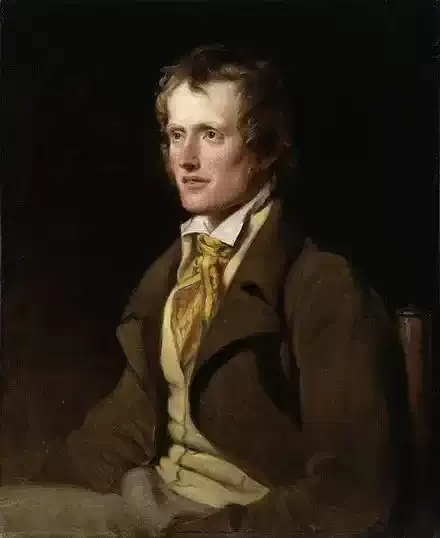
John Clare
To John Milton
To John Milton
_'From his honoured friend, William Davenant'_
Poet of mighty power, I fain
Would court the muse that honoured thee,
And, like Elisha's spirit, gain
A part of thy intensity;
And share the mantle which she flung
Around thee, when thy lyre was strung.
Though faction's scorn at first did shun
With coldness thy inspired song,
Though clouds of malice passed thy sun,
They could not hide it long;
Its brightness soon exhaled away
Dank night, and gained eternal day.
The critics' wrath did darkly frown
Upon thy muse's mighty lay;
But blasts that break the blossom down
Do only stir the bay;
And thine shall flourish, green and long,
With the eternity of song.
Thy genius saw, in quiet mood,
Gilt fashion's follies pass thee by,
And, like the monarch of the wood,
Towered oer it to the sky,
Where thou couldst sing of other spheres,
And feel the fame of future years.
Though bitter sneers and stinging scorns
Did throng the muse's dangerous way,
Thy powers were past such little thorns,
They gave thee no dismay;
The scoffer's insult passed thee by,
Thou smild'st and mad'st him no reply.
Envy will gnaw its heart away
To see thy genius gather root;
And as its flowers their sweets display
Scorn's malice shall be mute;
Hornets that summer warmed to fly,
Shall at the death of summer die.
Though friendly praise hath but its hour.
And little praise with thee hath been;
The bay may lose its summer flower,
But still its leaves are green;
And thine, whose buds are on the shoot,
Shall only fade to change to fruit.
Fame lives not in the breath of words,
In public praises' hue and cry;
The music of these summer birds
Is silent in a winter sky,
When thine shall live and flourish on,
Oer wrecks where crowds of fames are gone.
The ivy shuns the city wall,
When busy clamorous crowds intrude,
And climbs the desolated hall
In silent solitude;
The time-worn arch, the fallen dome,
Are roots for its eternal home.
The bard his glory neer receives
Where summer's common flowers are seen,
But winter finds it when she leaves
The laurel only green;
And time from that eternal tree,
Shall weave a wreath to honour thee;
A sunny wreath for poets meet,
From Helicon's immortal soil,
Where sacred Time with pilgrim feet
Walks forth to worship, not to spoil,
A wreath which Fame creates and bears,
And deathless genius only heirs.
Nought but thy ashes shall expire;
Thy genius, at thy obsequies,
Shall kindle up its living fire
And light the muse's skies;
Ay, it shall rise, and shine, and be
A sun in song's posterity.
_'From his honoured friend, William Davenant'_
Poet of mighty power, I fain
Would court the muse that honoured thee,
And, like Elisha's spirit, gain
A part of thy intensity;
And share the mantle which she flung
Around thee, when thy lyre was strung.
Though faction's scorn at first did shun
With coldness thy inspired song,
Though clouds of malice passed thy sun,
They could not hide it long;
Its brightness soon exhaled away
Dank night, and gained eternal day.
The critics' wrath did darkly frown
Upon thy muse's mighty lay;
But blasts that break the blossom down
Do only stir the bay;
And thine shall flourish, green and long,
With the eternity of song.
Thy genius saw, in quiet mood,
Gilt fashion's follies pass thee by,
And, like the monarch of the wood,
Towered oer it to the sky,
Where thou couldst sing of other spheres,
And feel the fame of future years.
Though bitter sneers and stinging scorns
Did throng the muse's dangerous way,
Thy powers were past such little thorns,
They gave thee no dismay;
The scoffer's insult passed thee by,
Thou smild'st and mad'st him no reply.
Envy will gnaw its heart away
To see thy genius gather root;
And as its flowers their sweets display
Scorn's malice shall be mute;
Hornets that summer warmed to fly,
Shall at the death of summer die.
Though friendly praise hath but its hour.
And little praise with thee hath been;
The bay may lose its summer flower,
But still its leaves are green;
And thine, whose buds are on the shoot,
Shall only fade to change to fruit.
Fame lives not in the breath of words,
In public praises' hue and cry;
The music of these summer birds
Is silent in a winter sky,
When thine shall live and flourish on,
Oer wrecks where crowds of fames are gone.
The ivy shuns the city wall,
When busy clamorous crowds intrude,
And climbs the desolated hall
In silent solitude;
The time-worn arch, the fallen dome,
Are roots for its eternal home.
The bard his glory neer receives
Where summer's common flowers are seen,
But winter finds it when she leaves
The laurel only green;
And time from that eternal tree,
Shall weave a wreath to honour thee;
A sunny wreath for poets meet,
From Helicon's immortal soil,
Where sacred Time with pilgrim feet
Walks forth to worship, not to spoil,
A wreath which Fame creates and bears,
And deathless genius only heirs.
Nought but thy ashes shall expire;
Thy genius, at thy obsequies,
Shall kindle up its living fire
And light the muse's skies;
Ay, it shall rise, and shine, and be
A sun in song's posterity.
344
John Clare
Idle Fame
Idle Fame
I would not wish the burning blaze
Of fame around a restless world,
The thunder and the storm of praise
In crowded tumults heard and hurled.
I would not be a flower to stand
The stare of every passer-bye;
But in some nook of fairyland,
Seen in the praise of beauty's eye.
I would not wish the burning blaze
Of fame around a restless world,
The thunder and the storm of praise
In crowded tumults heard and hurled.
I would not be a flower to stand
The stare of every passer-bye;
But in some nook of fairyland,
Seen in the praise of beauty's eye.
341
John Clare
Decay
Decay
O Poesy is on the wane,
For Fancy's visions all unfitting;
I hardly know her face again,
Nature herself seems on the flitting.
The fields grow old and common things,
The grass, the sky, the winds a-blowing;
And spots, where still a beauty clings,
Are sighing 'going! all a-going!'
O Poesy is on the wane,
I hardly know her face again.
The bank with brambles overspread,
And little molehills round about it,
Was more to me than laurel shades,
With paths of gravel finely clouted;
And streaking here and streaking there,
Through shaven grass and many a border,
With rutty lanes had no compare,
And heaths were in a richer order.
But Poesy is on the wane,
I hardly know her face again.
I sat beside the pasture stream,
When Beauty's self was sitting by,
The fields did more than Eden seem
Nor could I tell the reason why.
I often drank when not adry
To pledge her health in draughts divine;
Smiles made it nectar from the sky,
Love turned een water into wine.
O Poesy is on the wane,
I cannot find her face again.
The sun those mornings used to find,
Its clouds were other-country mountains,
And heaven looked downward on the mind,
Like groves, and rocks, and mottled fountains.
Those heavens are gone, the mountains grey
Turned mist--the sun, a homeless ranger,
Pursues alone his naked way,
Unnoticed like a very stranger.
O Poesy is on the wane,
Nor love nor joy is mine again.
Love's sun went down without a frown,
For very joy it used to grieve us;
I often think the West is gone,
Ah, cruel Time, to undeceive us.
The stream it is a common stream,
Where we on Sundays used to ramble,
The sky hangs oer a broken dream,
The bramble's dwindled to a bramble!
O Poesy is on the wane,
I cannot find her haunts again.
Mere withered stalks and fading trees,
And pastures spread with hills and rushes,
Are all my fading vision sees;
Gone, gone are rapture's flooding gushes!
When mushrooms they were fairy bowers,
Their marble pillars overswelling,
And Danger paused to pluck the flowers
That in their swarthy rings were dwelling.
Yes, Poesy is on the wane,
Nor joy nor fear is mine again.
Aye, Poesy hath passed away,
And Fancy's visions undeceive us;
The night hath ta'en the place of day,
And why should passing shadows grieve us?
I thought the flowers upon the hills
Were flowers from Adam's open gardens;
But I have had my summer thrills,
And I have had my heart's rewardings.
So Poesy is on the wane,
I hardly know her face again.
And Friendship it hath burned away,
Like to a very ember cooling,
A make-believe on April day
That sent the simple heart a-fooling;
Mere jesting in an earnest way,
Deceiving on and still deceiving;
And Hope is but a fancy-play,
And Joy the art of true believing;
For Poesy is on the wane,
O could I feel her faith again!
O Poesy is on the wane,
For Fancy's visions all unfitting;
I hardly know her face again,
Nature herself seems on the flitting.
The fields grow old and common things,
The grass, the sky, the winds a-blowing;
And spots, where still a beauty clings,
Are sighing 'going! all a-going!'
O Poesy is on the wane,
I hardly know her face again.
The bank with brambles overspread,
And little molehills round about it,
Was more to me than laurel shades,
With paths of gravel finely clouted;
And streaking here and streaking there,
Through shaven grass and many a border,
With rutty lanes had no compare,
And heaths were in a richer order.
But Poesy is on the wane,
I hardly know her face again.
I sat beside the pasture stream,
When Beauty's self was sitting by,
The fields did more than Eden seem
Nor could I tell the reason why.
I often drank when not adry
To pledge her health in draughts divine;
Smiles made it nectar from the sky,
Love turned een water into wine.
O Poesy is on the wane,
I cannot find her face again.
The sun those mornings used to find,
Its clouds were other-country mountains,
And heaven looked downward on the mind,
Like groves, and rocks, and mottled fountains.
Those heavens are gone, the mountains grey
Turned mist--the sun, a homeless ranger,
Pursues alone his naked way,
Unnoticed like a very stranger.
O Poesy is on the wane,
Nor love nor joy is mine again.
Love's sun went down without a frown,
For very joy it used to grieve us;
I often think the West is gone,
Ah, cruel Time, to undeceive us.
The stream it is a common stream,
Where we on Sundays used to ramble,
The sky hangs oer a broken dream,
The bramble's dwindled to a bramble!
O Poesy is on the wane,
I cannot find her haunts again.
Mere withered stalks and fading trees,
And pastures spread with hills and rushes,
Are all my fading vision sees;
Gone, gone are rapture's flooding gushes!
When mushrooms they were fairy bowers,
Their marble pillars overswelling,
And Danger paused to pluck the flowers
That in their swarthy rings were dwelling.
Yes, Poesy is on the wane,
Nor joy nor fear is mine again.
Aye, Poesy hath passed away,
And Fancy's visions undeceive us;
The night hath ta'en the place of day,
And why should passing shadows grieve us?
I thought the flowers upon the hills
Were flowers from Adam's open gardens;
But I have had my summer thrills,
And I have had my heart's rewardings.
So Poesy is on the wane,
I hardly know her face again.
And Friendship it hath burned away,
Like to a very ember cooling,
A make-believe on April day
That sent the simple heart a-fooling;
Mere jesting in an earnest way,
Deceiving on and still deceiving;
And Hope is but a fancy-play,
And Joy the art of true believing;
For Poesy is on the wane,
O could I feel her faith again!
443
John Clare
A vision
A vision
I lost the love of heaven above,
I spurned the lust of earth below,
I felt the sweets of fancied love
And hell itself my only foe.
I lost earth's joys but felt the glow
Of heaven's flame abound in me
Till loveliness and I did grow
The bard of immortality.
I loved but woman fell away
I hid me from her faded fame,
I snatched the sun's eternal ray
And wrote till earth was but a name
In every language upon earth,
On every shore, o'er every sea,
I give my name immortal birth
And kept my spirit with the free.
I lost the love of heaven above,
I spurned the lust of earth below,
I felt the sweets of fancied love
And hell itself my only foe.
I lost earth's joys but felt the glow
Of heaven's flame abound in me
Till loveliness and I did grow
The bard of immortality.
I loved but woman fell away
I hid me from her faded fame,
I snatched the sun's eternal ray
And wrote till earth was but a name
In every language upon earth,
On every shore, o'er every sea,
I give my name immortal birth
And kept my spirit with the free.
483
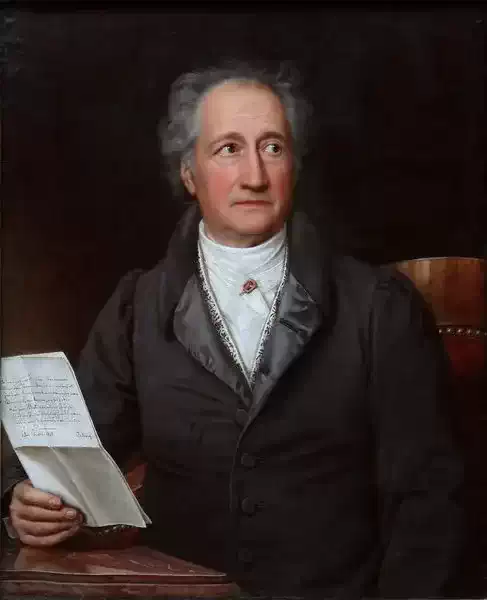
Johann Wolfgang von Goethe
Venetian Epigrams I
Venetian Epigrams I
Sarcophagi, urns, were all covered with lifelike scenes,
fauns dancing with girls from a Bacchanalian choir,
paired-off, goat-footed creatures puffing their cheeks,
forcing ear-splitting notes from the blaring horns.
Cymbals and drumbeats, the marble is seen and is heard.
How delightful the fruit in the beaks of fluttering birds!
No startling noise can scare them, or scare away love,
Amor, whose torch waves more gladly in this happy throng.
So fullness overcomes death, and the ashes within
seem still, in their silent house, to feel love’s delight.
So may the Poet’s sarcophagus be adorned,
with this book the writer has filled with the beauty of life.
Sarcophagi, urns, were all covered with lifelike scenes,
fauns dancing with girls from a Bacchanalian choir,
paired-off, goat-footed creatures puffing their cheeks,
forcing ear-splitting notes from the blaring horns.
Cymbals and drumbeats, the marble is seen and is heard.
How delightful the fruit in the beaks of fluttering birds!
No startling noise can scare them, or scare away love,
Amor, whose torch waves more gladly in this happy throng.
So fullness overcomes death, and the ashes within
seem still, in their silent house, to feel love’s delight.
So may the Poet’s sarcophagus be adorned,
with this book the writer has filled with the beauty of life.
409
Johann Wolfgang von Goethe
The Muse's Mirror
The Muse's Mirror
EARLY one day, the Muse, when eagerly bent on adornment,
Follow'd a swift-running streamlet, the quietest nook by it seeking.
Quickly and noisily flowing, the changeful surface distorted
Ever her moving form; the goddess departed in anger.
Yet the stream call'd mockingly after her, saying: "What, truly!
Wilt thou not view, then, the truth, in my mirror so clearly depicted?"
But she already was far away, on the brink of the ocean,
In her figure rejoicing, and duly arranging her garland.
EARLY one day, the Muse, when eagerly bent on adornment,
Follow'd a swift-running streamlet, the quietest nook by it seeking.
Quickly and noisily flowing, the changeful surface distorted
Ever her moving form; the goddess departed in anger.
Yet the stream call'd mockingly after her, saying: "What, truly!
Wilt thou not view, then, the truth, in my mirror so clearly depicted?"
But she already was far away, on the brink of the ocean,
In her figure rejoicing, and duly arranging her garland.
350
Johann Wolfgang von Goethe
The Magic Net
The Magic Net
Do I see a contest yonder?
See I miracles or pastimes?
Beauteous urchins, five in number,
'Gainst five sisters fair contending,--
Measured is the time they're beating--
At a bright enchantress' bidding.
Glitt'ring spears by some are wielded,
Threads are others nimbly twining,
So that in their snares, the weapons
One would think, must needs be captured,
Soon, in truth, the spears are prison'd;
Yet they, in the gentle war-dance,
One by one escape their fetters
In the row of loops so tender,
That make haste to seize a free one
Soon as they release a captive.
So with contests, strivings, triumphs,
Flying now, and now returning,
Is an artful net soon woven,
In its whiteness like the snow-flakes,
That, from light amid the darkness,
Draw their streaky lines so varied,
As e'en colours scarce can draw them.
Who shall now receive that garment
Far beyond all others wish'd-for?
Whom our much-loved mistress favour
As her own acknowledged servant?
I am blest by kindly Fortune's
Tokens true, in silence pray'd for!
And I feel myself held captive,
To her service now devoted.
Yet, e'en while I, thus enraptured,
Thus adorn'd, am proudly wand'ring,
See! yon wantons are entwining,
Void of strife, with secret ardour,
Other nets, each fine and finer,
Threads of twilight interweaving,
Moonbeams sweet, night-violets' balsam.
Ere the net is noticed by us,
Is a happier one imprison'd,
Whom we, one and all, together
Greet with envy and with blessings.
Do I see a contest yonder?
See I miracles or pastimes?
Beauteous urchins, five in number,
'Gainst five sisters fair contending,--
Measured is the time they're beating--
At a bright enchantress' bidding.
Glitt'ring spears by some are wielded,
Threads are others nimbly twining,
So that in their snares, the weapons
One would think, must needs be captured,
Soon, in truth, the spears are prison'd;
Yet they, in the gentle war-dance,
One by one escape their fetters
In the row of loops so tender,
That make haste to seize a free one
Soon as they release a captive.
So with contests, strivings, triumphs,
Flying now, and now returning,
Is an artful net soon woven,
In its whiteness like the snow-flakes,
That, from light amid the darkness,
Draw their streaky lines so varied,
As e'en colours scarce can draw them.
Who shall now receive that garment
Far beyond all others wish'd-for?
Whom our much-loved mistress favour
As her own acknowledged servant?
I am blest by kindly Fortune's
Tokens true, in silence pray'd for!
And I feel myself held captive,
To her service now devoted.
Yet, e'en while I, thus enraptured,
Thus adorn'd, am proudly wand'ring,
See! yon wantons are entwining,
Void of strife, with secret ardour,
Other nets, each fine and finer,
Threads of twilight interweaving,
Moonbeams sweet, night-violets' balsam.
Ere the net is noticed by us,
Is a happier one imprison'd,
Whom we, one and all, together
Greet with envy and with blessings.
369
Johann Wolfgang von Goethe
The Drops Of Nectar
The Drops Of Nectar
WHEN Minerva, to give pleasure
To Prometheus, her well-loved one,
Brought a brimming bowl of nectar
From the glorious realms of heaven
As a blessing for his creatures,
And to pour into their bosoms
Impulses for arts ennobling,
She with rapid footstep hasten'd,
Fearing Jupiter might see her,
And the golden goblet trembled,
And there fell a few drops from it
On the verdant plain beneath her.
Then the busy bees flew thither
Straightway, eagerly to drink them,
And the butterfly came quickly
That he, too, might find a drop there;
Even the misshapen spider
Thither crawl'd and suck'd with vigour.
To a happy end they tasted,
They, and other gentle insects!
For with mortals now divide they
Art - that noblest gift of all.
WHEN Minerva, to give pleasure
To Prometheus, her well-loved one,
Brought a brimming bowl of nectar
From the glorious realms of heaven
As a blessing for his creatures,
And to pour into their bosoms
Impulses for arts ennobling,
She with rapid footstep hasten'd,
Fearing Jupiter might see her,
And the golden goblet trembled,
And there fell a few drops from it
On the verdant plain beneath her.
Then the busy bees flew thither
Straightway, eagerly to drink them,
And the butterfly came quickly
That he, too, might find a drop there;
Even the misshapen spider
Thither crawl'd and suck'd with vigour.
To a happy end they tasted,
They, and other gentle insects!
For with mortals now divide they
Art - that noblest gift of all.
401
Johann Wolfgang von Goethe
The Consecrated Spot
The Consecrated Spot
WHEN in the dance of the Nymphs, in the moonlight so holy assembled,
Mingle the Graces, down from Olympus in secret descending,
Here doth the minstrel hide, and list to their numbers enthralling,
Here doth he watch their silent dances' mysterious measure.
All that is glorious in Heaven, and all that the earth in her beauty
Ever hath brought into life, the dreamer awake sees before him;
All he repeats to the Muses, and lest the gods should be anger'd,
How to tell of secrets discreetly, the Muses instruct him.
WHEN in the dance of the Nymphs, in the moonlight so holy assembled,
Mingle the Graces, down from Olympus in secret descending,
Here doth the minstrel hide, and list to their numbers enthralling,
Here doth he watch their silent dances' mysterious measure.
All that is glorious in Heaven, and all that the earth in her beauty
Ever hath brought into life, the dreamer awake sees before him;
All he repeats to the Muses, and lest the gods should be anger'd,
How to tell of secrets discreetly, the Muses instruct him.
332
Johann Wolfgang von Goethe
Songs
Songs
SONGS are like painted window-panes!
In darkness wrapp'd the church remains,
If from the market-place we view it;
Thus sees the ignoramus through it.
No wonder that he deems it tame,--
And all his life 'twill be the same.
But let us now inside repair,
And greet the holy Chapel there!
At once the whole seems clear and bright,
Each ornament is bathed in light,
And fraught with meaning to the sight.
God's children! thus your fortune prize,
Be edified, and feast your eyes!
SONGS are like painted window-panes!
In darkness wrapp'd the church remains,
If from the market-place we view it;
Thus sees the ignoramus through it.
No wonder that he deems it tame,--
And all his life 'twill be the same.
But let us now inside repair,
And greet the holy Chapel there!
At once the whole seems clear and bright,
Each ornament is bathed in light,
And fraught with meaning to the sight.
God's children! thus your fortune prize,
Be edified, and feast your eyes!
443
Johann Wolfgang von Goethe
Phoebus And Hermes
Phoebus And Hermes
DELOS' stately ruler, and Maia's son, the adroit one,
Warmly were striving, for both sought the great prize to obtain.
Hermes the lyre demanded, the lyre was claim'd by Apollo,
Yet were the hearts of the foes fruitlessly nourish'd by hope.
For on a sudden Ares burst in, with fury decisive,
Dashing in twain the gold toy, brandishing wildly his sword.
Hermes, malicious one, laughed beyond measure; yet deep-seated sorrow
Seized upon Phoebus's heart, seized on the heart of each Muse.
DELOS' stately ruler, and Maia's son, the adroit one,
Warmly were striving, for both sought the great prize to obtain.
Hermes the lyre demanded, the lyre was claim'd by Apollo,
Yet were the hearts of the foes fruitlessly nourish'd by hope.
For on a sudden Ares burst in, with fury decisive,
Dashing in twain the gold toy, brandishing wildly his sword.
Hermes, malicious one, laughed beyond measure; yet deep-seated sorrow
Seized upon Phoebus's heart, seized on the heart of each Muse.
369
Johann Wolfgang von Goethe
Poetry
Poetry
GOD to his untaught children sent
Law, order, knowledge, art, from high,
And ev'ry heav'nly favour lent,
The world's hard lot to qualify.
They knew not how they should behave,
For all from Heav'n stark-naked came;
But Poetry their garments gave,
And then not one had cause for shame.
GOD to his untaught children sent
Law, order, knowledge, art, from high,
And ev'ry heav'nly favour lent,
The world's hard lot to qualify.
They knew not how they should behave,
For all from Heav'n stark-naked came;
But Poetry their garments gave,
And then not one had cause for shame.
348
Johann Wolfgang von Goethe
Minstrel's Book - Song And Structure
Minstrel's Book - Song And Structure
LET the Greek his plastic clay
Mould in human fashion,
While his own creation may
Wake his glowing passion;
But it is our joy to court
Great Euphrates' torrent,
Here and there at will to sport
In the Wat'ry current.
Quench'd I thus my spirit's flame,
Songs had soon resounded;
Water drawn by bards whose fame
Pure is, may be rounded.
LET the Greek his plastic clay
Mould in human fashion,
While his own creation may
Wake his glowing passion;
But it is our joy to court
Great Euphrates' torrent,
Here and there at will to sport
In the Wat'ry current.
Quench'd I thus my spirit's flame,
Songs had soon resounded;
Water drawn by bards whose fame
Pure is, may be rounded.
283