

Poems in this theme
Art

Carl Sandburg
Last Answers
Last Answers
I wrote a poem on the mist
And a woman asked me what I meant by it.
I had thought till then only of the beauty of the mist,
how pearl and gray of it mix and reel,
And change the drab shanties with lighted lamps at evening
into points of mystery quivering with color.
I answered:
The whole world was mist once long ago and some day
it will all go back to mist,
Our skulls and lungs are more water than bone and tissue
And all poets love dust and mist because all the last answers
Go running back to dust and mist.
I wrote a poem on the mist
And a woman asked me what I meant by it.
I had thought till then only of the beauty of the mist,
how pearl and gray of it mix and reel,
And change the drab shanties with lighted lamps at evening
into points of mystery quivering with color.
I answered:
The whole world was mist once long ago and some day
it will all go back to mist,
Our skulls and lungs are more water than bone and tissue
And all poets love dust and mist because all the last answers
Go running back to dust and mist.
283
Carl Sandburg
In a Back Alley
In a Back Alley
Remembrance for a great man is this.
The newsies are pitching pennies.
And on the copper disk is the man’s face.
Dead lover of boys, what do you ask for now?
Remembrance for a great man is this.
The newsies are pitching pennies.
And on the copper disk is the man’s face.
Dead lover of boys, what do you ask for now?
398
Carl Sandburg
Fire Pages
Fire Pages
I will read ashes for you, if you ask me.
I will look on the fire and tell you from the gray lashes
And out of the red and black tongues and stripes,
I will tell how fire comes
And how fire runs far as the sea.
I will read ashes for you, if you ask me.
I will look on the fire and tell you from the gray lashes
And out of the red and black tongues and stripes,
I will tell how fire comes
And how fire runs far as the sea.
332
Carl Sandburg
Crucible
Crucible
Hot gold runs a winding stream on the inside of a green bowl.
Yellow trickles in a fan figure, scatters a line of skirmishes, spreads a chorus
of dancing girls, performs blazing ochre evolutions, gathers the whole show into
one stream, forgets the past and rolls on.
The sea-mist green of the bowl's bottom is a dark throat of sky crossed by
quarreling forks of umber and ochre and yellow changing faces.
Hot gold runs a winding stream on the inside of a green bowl.
Yellow trickles in a fan figure, scatters a line of skirmishes, spreads a chorus
of dancing girls, performs blazing ochre evolutions, gathers the whole show into
one stream, forgets the past and rolls on.
The sea-mist green of the bowl's bottom is a dark throat of sky crossed by
quarreling forks of umber and ochre and yellow changing faces.
290
Carl Sandburg
Bronzes
Bronzes
I
The bronze General Grant riding a bronze horse in Lincoln
Park
Shrivels in the sun by day when the motor cars whirr
by in long processions going somewhere to keep appointment
for dinner and matineés and buying and
selling
Though in the dusk and nightfall when high waves are
piling
On the slabs of the promenade along the lake shore near
by
I have seen the general dare the combers come closer
And make to ride his bronze horse out into the hoofs
and guns of the storm.
II
I cross Lincoln Park on a winter night when the snow
is falling.
Lincoln in bronze stands among the white lines of snow,
his bronze forehead meeting soft echoes of the newsies
crying forty thousand men are dead along the
Yser, his bronze ears listening to the mumbled roar
of the city at his bronze feet.
A lithe Indian on a bronze pony, Shakespeare seated with
long legs in bronze, Garibaldi in a bronze cape, they
hold places in the cold, lonely snow to-night on their
pedestals and so they will hold them past midnight
and into the dawn.
I
The bronze General Grant riding a bronze horse in Lincoln
Park
Shrivels in the sun by day when the motor cars whirr
by in long processions going somewhere to keep appointment
for dinner and matineés and buying and
selling
Though in the dusk and nightfall when high waves are
piling
On the slabs of the promenade along the lake shore near
by
I have seen the general dare the combers come closer
And make to ride his bronze horse out into the hoofs
and guns of the storm.
II
I cross Lincoln Park on a winter night when the snow
is falling.
Lincoln in bronze stands among the white lines of snow,
his bronze forehead meeting soft echoes of the newsies
crying forty thousand men are dead along the
Yser, his bronze ears listening to the mumbled roar
of the city at his bronze feet.
A lithe Indian on a bronze pony, Shakespeare seated with
long legs in bronze, Garibaldi in a bronze cape, they
hold places in the cold, lonely snow to-night on their
pedestals and so they will hold them past midnight
and into the dawn.
378
Carl Sandburg
An Electric Sign Goes Dark
An Electric Sign Goes Dark
Poland, France, Judea ran in her veins,
Singing to Paris for bread, singing to Gotham in a fizz at the pop of a bottle’s cork.
“Won’t you come and play wiz me” she sang … and “I just can’t make my eyes
behave.”
“Higgeldy-Piggeldy,” “Papa’s Wife,” “Follow Me” were plays.
Did she wash her feet in a tub of milk? Was a strand of pearls sneaked from her trunk?
The newspapers asked.
Cigarettes, tulips, pacing horses, took her name.
Twenty years old … thirty … forty …
Forty-five and the doctors fathom nothing, the doctors quarrel, the doctors use silver
tubes feeding twenty-four quarts of blood into the veins, the respects of a prize-fighter,
a cab driver.
And a little mouth moans: It is easy to die when they are dying so many grand deaths
in France.
A voice, a shape, gone.
A baby bundle from Warsaw … legs, torso, head … on a hotel bed at The Savoy.
The white chiselings of flesh that flung themselves in somersaults, straddles, for
packed houses:
A memory, a stage and footlights out, an electric sign on Broadway dark.
She belonged to somebody, nobody.
No one man owned her, no ten nor a thousand.
She belonged to many thousand men, lovers of the white chiseling of arms and
shoulders, the ivory of a laugh, the bells of song.
Railroad brakemen taking trains across Nebraska prairies, lumbermen jaunting in pine
and tamarack of the Northwest, stock ranchers in the middle west, mayors of southern
cities
Say to their pals and wives now: I see by the papers Anna Held is dead.
Poland, France, Judea ran in her veins,
Singing to Paris for bread, singing to Gotham in a fizz at the pop of a bottle’s cork.
“Won’t you come and play wiz me” she sang … and “I just can’t make my eyes
behave.”
“Higgeldy-Piggeldy,” “Papa’s Wife,” “Follow Me” were plays.
Did she wash her feet in a tub of milk? Was a strand of pearls sneaked from her trunk?
The newspapers asked.
Cigarettes, tulips, pacing horses, took her name.
Twenty years old … thirty … forty …
Forty-five and the doctors fathom nothing, the doctors quarrel, the doctors use silver
tubes feeding twenty-four quarts of blood into the veins, the respects of a prize-fighter,
a cab driver.
And a little mouth moans: It is easy to die when they are dying so many grand deaths
in France.
A voice, a shape, gone.
A baby bundle from Warsaw … legs, torso, head … on a hotel bed at The Savoy.
The white chiselings of flesh that flung themselves in somersaults, straddles, for
packed houses:
A memory, a stage and footlights out, an electric sign on Broadway dark.
She belonged to somebody, nobody.
No one man owned her, no ten nor a thousand.
She belonged to many thousand men, lovers of the white chiseling of arms and
shoulders, the ivory of a laugh, the bells of song.
Railroad brakemen taking trains across Nebraska prairies, lumbermen jaunting in pine
and tamarack of the Northwest, stock ranchers in the middle west, mayors of southern
cities
Say to their pals and wives now: I see by the papers Anna Held is dead.
356
Carl Sandburg
Adelaide Crapsey
Adelaide Crapsey
Among the bumble-bees in red-top hay, a freckled field of brown-eyed Susans dripping
yellow leaves in July,
I read your heart in a book.
And your mouth of blue pansy—I know somewhere I have seen it rain-shattered.
And I have seen a woman with her head flung between her naked knees, and her head
held there listening to the sea, the great naked sea shouldering a load of salt.
And the blue pansy mouth sang to the sea:
Mother of God, I’m so little a thing,
Let me sing longer,
Only a little longer.
And the sea shouldered its salt in long gray combers hauling new shapes on the beach
sand.
Among the bumble-bees in red-top hay, a freckled field of brown-eyed Susans dripping
yellow leaves in July,
I read your heart in a book.
And your mouth of blue pansy—I know somewhere I have seen it rain-shattered.
And I have seen a woman with her head flung between her naked knees, and her head
held there listening to the sea, the great naked sea shouldering a load of salt.
And the blue pansy mouth sang to the sea:
Mother of God, I’m so little a thing,
Let me sing longer,
Only a little longer.
And the sea shouldered its salt in long gray combers hauling new shapes on the beach
sand.
352
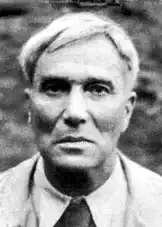
Boris Pasternak
Wet Paint
Wet Paint
'Look out! Wet paint.' My soul was blind,
I have to pay the price,
All marked with stains of calves and cheeks
And hands and lips and eyes.
I loved you more than luck or grief
Because with you in sight
The old and yellowed world became
As white as painters' white.
I swear my friend, my gloom-it will
One day still whiter gleam,
Than lampshades, than a bandaged brow,
Than a delirious dream.
~~~~~~~~~~~
Не трогать
'Не трогать,
свежевыкрk
2;шен', &#
1044;уша не
береглась,
И память - в
пятнах икр
и щек,
И рук, и губ, и
глаз.
Я больше
всех удач и
бед
За то тебя
любил,
Что
пожелтелыl
1; белый свет
С тобой &#
1073;елей
белил.
И мгла моя,
мой друг,
божусь,
Он станет
как-нибудь
Белей, чем
бред, чем
абажур,
Чем белый
бинт на лбу!
'Look out! Wet paint.' My soul was blind,
I have to pay the price,
All marked with stains of calves and cheeks
And hands and lips and eyes.
I loved you more than luck or grief
Because with you in sight
The old and yellowed world became
As white as painters' white.
I swear my friend, my gloom-it will
One day still whiter gleam,
Than lampshades, than a bandaged brow,
Than a delirious dream.
~~~~~~~~~~~
Не трогать
'Не трогать,
свежевыкрk
2;шен', &#
1044;уша не
береглась,
И память - в
пятнах икр
и щек,
И рук, и губ, и
глаз.
Я больше
всех удач и
бед
За то тебя
любил,
Что
пожелтелыl
1; белый свет
С тобой &#
1073;елей
белил.
И мгла моя,
мой друг,
божусь,
Он станет
как-нибудь
Белей, чем
бред, чем
абажур,
Чем белый
бинт на лбу!
464
Boris Pasternak
Oh terrible, beloved! A poet's loving
Oh terrible, beloved! A poet's loving
Oh terrible, beloved! A poet's loving
Is a restless god's passionate rage,
And chaos out into the world comes creeping,
As in the ancient fossil age.
His eyes weep him mist by the ton,
Enveloped in tears he is mammoth-like,
Out of fashion. He knows it must not be done.
Ages have passed-he does not know why.
He sees wedding parties all around,
Drunken unions celebrated unaware,
Common frogspawn found in every pond
Ritually adorned as precious caviare.
Like some Watteau pearl, how cleverly
A snuffbox embraces all life's matter,
And vengeance is wreaked on him, probably
Because, where they distort and flatter,
Where simpering comfort lies and fawns,
Where they rub idle shoulders, crawl like drones,
He will raise your sister from the ground,
Use her like a bacchante from the Grecian urns,
And pour into his kiss the Andes' melting,
And morning in the steppe, under the sway
Of dusted stars, as night's pallid bleating
Bustles about the village on its way.
And the botanical vestry's dense blackness,
And all the ravine's age-old breath,
Waft over the ennui of the stuffed mattress,
And the forest's ancient chaos spurts forth
Oh terrible, beloved! A poet's loving
Is a restless god's passionate rage,
And chaos out into the world comes creeping,
As in the ancient fossil age.
His eyes weep him mist by the ton,
Enveloped in tears he is mammoth-like,
Out of fashion. He knows it must not be done.
Ages have passed-he does not know why.
He sees wedding parties all around,
Drunken unions celebrated unaware,
Common frogspawn found in every pond
Ritually adorned as precious caviare.
Like some Watteau pearl, how cleverly
A snuffbox embraces all life's matter,
And vengeance is wreaked on him, probably
Because, where they distort and flatter,
Where simpering comfort lies and fawns,
Where they rub idle shoulders, crawl like drones,
He will raise your sister from the ground,
Use her like a bacchante from the Grecian urns,
And pour into his kiss the Andes' melting,
And morning in the steppe, under the sway
Of dusted stars, as night's pallid bleating
Bustles about the village on its way.
And the botanical vestry's dense blackness,
And all the ravine's age-old breath,
Waft over the ennui of the stuffed mattress,
And the forest's ancient chaos spurts forth
458
Boris Pasternak
In everything I seek to grasp...
In everything I seek to grasp...
In everything I seek to grasp
The fundamental:
The daily choice, the daily task,
The sentimental.
To plumb the essence of the past,
The first foundations,
The crux, the roots, the inmost hearts,
The explanations.
And, puzzling out the weave of fate,
Events observer,
To live, feel, love and meditate
And to discover.
Oh, if my skill did but suffice
After a fashion,
In eight lines I'd anatomize
The parts of passion.
I'd write of sins, forbidden fruit,
Of chance-seized shadows;
Of hasty flight and hot pursuit,
Of palms, of elbows.
Define its laws and origin
In terms judicial,
Repeat the names it glories in,
And the initials.
I'd sinews strain my verse to shape
Like a trim garden:
The limes should blossom down the nape,
A double cordon.
My verse should breathe the fresh-clipped hedge,
Roses and meadows
And mint and new-mown hay and sedge,
The thunder's bellows.
As Chopin once in his etudes
Miraculously conjured
Parks, groves, graves and solitudes-
A living wonder.
The moment of achievement caught
Twixt sport and torment…
A singing bowstring shuddering taut,
A stubborn bow bent.
In everything I seek to grasp
The fundamental:
The daily choice, the daily task,
The sentimental.
To plumb the essence of the past,
The first foundations,
The crux, the roots, the inmost hearts,
The explanations.
And, puzzling out the weave of fate,
Events observer,
To live, feel, love and meditate
And to discover.
Oh, if my skill did but suffice
After a fashion,
In eight lines I'd anatomize
The parts of passion.
I'd write of sins, forbidden fruit,
Of chance-seized shadows;
Of hasty flight and hot pursuit,
Of palms, of elbows.
Define its laws and origin
In terms judicial,
Repeat the names it glories in,
And the initials.
I'd sinews strain my verse to shape
Like a trim garden:
The limes should blossom down the nape,
A double cordon.
My verse should breathe the fresh-clipped hedge,
Roses and meadows
And mint and new-mown hay and sedge,
The thunder's bellows.
As Chopin once in his etudes
Miraculously conjured
Parks, groves, graves and solitudes-
A living wonder.
The moment of achievement caught
Twixt sport and torment…
A singing bowstring shuddering taut,
A stubborn bow bent.
538
Boris Pasternak
Imitators
Imitators
A boat came in; the cliff was baked;
The noisy boat-chain fell and clanked on
The sand-an iron rattle-snake,
A rattling rust among the plankton.
And two got out; and from the cliff
I felt like calling down, 'Forgive me,
But would you kindly throw yourselves
Apart or else into the river?
Your miming is without a fault-
Of course the seeker finds the fancied-
But stop this playing with the boat!
Your model on the cliff resents it.'
A boat came in; the cliff was baked;
The noisy boat-chain fell and clanked on
The sand-an iron rattle-snake,
A rattling rust among the plankton.
And two got out; and from the cliff
I felt like calling down, 'Forgive me,
But would you kindly throw yourselves
Apart or else into the river?
Your miming is without a fault-
Of course the seeker finds the fancied-
But stop this playing with the boat!
Your model on the cliff resents it.'
527
Boris Pasternak
Humble home. But rum, and charcoal...
Humble home. But rum, and charcoal...
Humble home. But rum, and charcoal
Grog of sketches on the wall,
And the cell becomes a mansion,
And the garret is a hall.
No more waves of housecoats: questions,
Even footsteps disappear;
Glassy mica fills the latticed
Work-encompassed vault of air.
Voice, commanding as a levy,
Does not leave a thing immune,
Smelting, fusing… In his gullet
Flows the tin of molten spoons.
What is fame for him, and glory,
Name, position in the world,
When the sudden breath of fusion
Blends his words into the Word?
He will burn for it his chattels,
Friendship, reason, daily round.
On his desk-a glass, unfinished,
World forgotten, clock unwound.
Clustered stanzas change like seething
Wax at fortune-telling times.
He will bless the sleeping children
With the steam of molten rhymes.
Humble home. But rum, and charcoal
Grog of sketches on the wall,
And the cell becomes a mansion,
And the garret is a hall.
No more waves of housecoats: questions,
Even footsteps disappear;
Glassy mica fills the latticed
Work-encompassed vault of air.
Voice, commanding as a levy,
Does not leave a thing immune,
Smelting, fusing… In his gullet
Flows the tin of molten spoons.
What is fame for him, and glory,
Name, position in the world,
When the sudden breath of fusion
Blends his words into the Word?
He will burn for it his chattels,
Friendship, reason, daily round.
On his desk-a glass, unfinished,
World forgotten, clock unwound.
Clustered stanzas change like seething
Wax at fortune-telling times.
He will bless the sleeping children
With the steam of molten rhymes.
569
Boris Pasternak
Definition of Creative Art
Definition of Creative Art
With shirt wide open at the collar,
Maned as Beethoven's bust, it stands;
Our conscience, dreams, the night and love,
Are as chessmen covered by its hands.
And one black king upon the board:
In sadness and in rage, forthright
It brings the day of doom.-Against
The pawn it brings the mounted knight.
In gardens where from icy spheres
The stars lean tender, linger near,
Tristan still sings, like a nightingale
On Isolde's vine, with trembling fear.
The gardens, ponds, and fences, made pure
By burning tears, and the whole great span,
Creation-are only burst of passion
Hoarded in the hearts of men.
With shirt wide open at the collar,
Maned as Beethoven's bust, it stands;
Our conscience, dreams, the night and love,
Are as chessmen covered by its hands.
And one black king upon the board:
In sadness and in rage, forthright
It brings the day of doom.-Against
The pawn it brings the mounted knight.
In gardens where from icy spheres
The stars lean tender, linger near,
Tristan still sings, like a nightingale
On Isolde's vine, with trembling fear.
The gardens, ponds, and fences, made pure
By burning tears, and the whole great span,
Creation-are only burst of passion
Hoarded in the hearts of men.
535
Boris Pasternak
Craft
Craft
When, having finished, I shall move my armchair,
The page will gasp, awakened from the strain.
Delirious, she is half asleep at present,
Obedient to suspense and to the rain.
The heaviness of burnt-out ships has numbed her,
Prostrated, weighted down her senseless form;
You cannot dupe this one by false pretences-
It is the poet who will keep her warm.
I told her at an hour (its secret shudder
Vouchsafed by fancy) when the winter will
Light up green screeching ice, fed up with waiting
Behind an office worker's window sill,
And clocks in banks and other public places,
While drinking in the snow and outside's dark,
Will suddenly jump up and strike-their faces
Crossed by the clockhands at the 'seven' mark-
At such a deep, at such a fateful hour,
I made the page wake up and take her chance,
To put on hood and scarf, and venture out to
Descendants, strangers, shaking off her trance.
When, having finished, I shall move my armchair,
The page will gasp, awakened from the strain.
Delirious, she is half asleep at present,
Obedient to suspense and to the rain.
The heaviness of burnt-out ships has numbed her,
Prostrated, weighted down her senseless form;
You cannot dupe this one by false pretences-
It is the poet who will keep her warm.
I told her at an hour (its secret shudder
Vouchsafed by fancy) when the winter will
Light up green screeching ice, fed up with waiting
Behind an office worker's window sill,
And clocks in banks and other public places,
While drinking in the snow and outside's dark,
Will suddenly jump up and strike-their faces
Crossed by the clockhands at the 'seven' mark-
At such a deep, at such a fateful hour,
I made the page wake up and take her chance,
To put on hood and scarf, and venture out to
Descendants, strangers, shaking off her trance.
537
Boris Pasternak
A Walts With a Tear in It
A Walts With a Tear in It
Ah, how I love it in these first few days,
Fresh from the forest and out of the snow,
Awkwardness obvious still in every bough,
When every silver thread lazily sways
And every cone begins slowly to glow
In candlelight—and the white sheet below
Hides its sore stump from our eyes.
It will not bat an eye if you heap gold
And jewels on it-this shyest of fays
In blue enamel and tinfoil enfolded
Creeps in your heart of hearts—and there it stays.
Ah, how I love it all in these first days,
All golden finery and silver shades!
All in the making-stars, flags, lanterns, flares,
There are no chocolates yet in bonbonnieres.
Even the candles are no candles—they
Look more like dull sticks of makeup by day.
This is an actress still lighting stage fright
In the tumult of her benefit night.
Ah, how I love her on this opening day,
Flushed in the coulisses before the play!
Apples to appletrees, and kicks to firtrees.
Only not this one—no kicks for the beauty.
She has a different purpose and duty.
She's the select one, receiver of favours.
Her evening party will go on forever.
Others may fear proverb s-this one does not.
Her fate is only a few firtrees' lot.
Golden and fiery, she will soar high,
Like an old prophet ascending the sky.
Ah, how I love it all in these first days,
When all the world chats and fusses and plays!
Ah, how I love it in these first few days,
Fresh from the forest and out of the snow,
Awkwardness obvious still in every bough,
When every silver thread lazily sways
And every cone begins slowly to glow
In candlelight—and the white sheet below
Hides its sore stump from our eyes.
It will not bat an eye if you heap gold
And jewels on it-this shyest of fays
In blue enamel and tinfoil enfolded
Creeps in your heart of hearts—and there it stays.
Ah, how I love it all in these first days,
All golden finery and silver shades!
All in the making-stars, flags, lanterns, flares,
There are no chocolates yet in bonbonnieres.
Even the candles are no candles—they
Look more like dull sticks of makeup by day.
This is an actress still lighting stage fright
In the tumult of her benefit night.
Ah, how I love her on this opening day,
Flushed in the coulisses before the play!
Apples to appletrees, and kicks to firtrees.
Only not this one—no kicks for the beauty.
She has a different purpose and duty.
She's the select one, receiver of favours.
Her evening party will go on forever.
Others may fear proverb s-this one does not.
Her fate is only a few firtrees' lot.
Golden and fiery, she will soar high,
Like an old prophet ascending the sky.
Ah, how I love it all in these first days,
When all the world chats and fusses and plays!
488
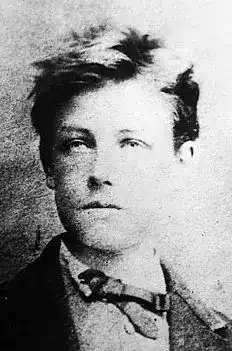
Arthur Rimbaud
What One Says To The Poet On The Subject Of Flowers
What One Says To The Poet On The Subject Of Flowers
I
Thus, ever, towards the azure night
Where there quivers a topaz sea,
Will function in your evening light
The Lilies, those clysters of ecstasy!
In our own age of sago, as they must,
Since all the Plants are workers first,
The Lilies will drink a blue disgust,
From your religious Prose, not verse!
– The Lily of Monsieur de Kerdrel
The sonnet of eighteen thirty, the plant,
That Lily, they bestow on ‘The Minstrel’
With the carnation and the amaranth!
Lilies! Lilies! You see never a one!
Yet in your Verses, like the Sinners’
Sleeves, those of soft-footed women,
Always those white flowers shiver!
Always, Dear, when you take a bathe,
Your Shirt with yellow armpits rots
Swells to the breeze of rising day,
Above the soiled forget-me-nots!
Love, only, through your nets
Smuggles Lilies – O unequal!
And the Woodland Violets,
The dark Nymphs’ sugary spittle!...
II
O Poets, if you could but own
To the red on the laurel’s firm stem
To the Roses, the Roses, blown,
With a thousand octaves swollen!
If BANVILLE could make them snow,
Blood-stained, whirling in gyrations,
Blacking the eye of that stranger so,
Who sees wicked interpretations!
In your forests, by your paths,
O so placid photographers!
Like the stoppers on carafes,
The Flora’s more or less diverse!
Always the vegetables, French,
Absurd, consumptive, up for a fight,
Bellies of basset hounds they drench,
Peacefully passed in evening light;
Always, after fearful drawings
Of blue Lotus or that Sunflower,
Pink prints, subjects befitting
Girls in communion’s sweet hour!
The Asoka Ode agrees with the
Loretto window stanza; showers
Of bright butterflies, heavy, flutter,
Dunging on the daisy flowers.
Old verdures, old braided ribbons!
O vegetable biscuit bakes!
Fantastic flowers of old Salons!
– For cockchafers, not rattlesnakes,
Those vegetable dolls in tears
Grandville would have mislaid
In the margin, sucking colours
From spiteful stars with eye-shades!
Yes, the drooling of your flutes
Produces precious sugar!
– Heaps of fried eggs in old boots,
Lily, Lilac, Rose, Asoka!...
III
O white Hunter, running through,
Stocking-less, the Panic field,
Shouldn’t you, couldn’t you
Acquire a little botany?
You’d have succeed, I’m afraid,
To russet Crickets, Spanish Fly,
Rio golds to Rhine blue, Norway
To Florida, in the blink of an eye:
But, Dear, art cannot, for us,
– It’s true – permit, it’s wrong,
To the astounding Eucalyptus,
Boa-Constrictors, hexameter-long;
There…! As if Mahogany
Served, even in our Guiana,
Only the Capuchin monkey
To ride the mad weight of liana!
– In short, a single Flower: is it,
Lily or Rosemary, live or dead,
Worth a spot of sea-gull’s shit,
Worth a candle drip, I said?
– And I mean what I say, mind!
Even you, squatting there, in one
Of those bamboo-huts – blind
Shut, behind brown Persian curtain –
You’d scrawl about things floral
Worthy of some wild Oise department!...
– Poet, yet that’s a rationale
No less laughable than it’s arrogant!
IV
Speak, not of pampas in the spring,
Black with terrible rebellions,
But of tobacco, cotton growing!
Speak of exotic harvest seasons!
Speak, white brow that Phoebus tanned,
Of how many dollars Pedro
Velasquez of Havana earned;
En-shit the Bay of Sorrento
Where in thousands rest the Swans;
Let your stanzas undertake
The draining of the mangrove swamps,
Filled with hydras, water-snakes!
Your quatrains plunge in blood-wet groves
Return, bringing Humanity
Diverse offerings, sugars, cloves,
Lozenges and rubber-trees!
Let us know if the yellowness
Of snowy Peaks, near the Tropic,
Is prolific insect’s nests
Or lichens microscopic!
Seek, O Hunter, our wish what’s more,
Diverse fragrant madders,
That, for our Army, Nature
Might cause to bloom in trousers!
Seek, beside the slumbering Glades,
Flowers that look like muzzles, oh,
Out of which drip gold pomades,
On the dark hide of the buffalo!
Seek wild fields, where in the Blue
Trembles the silver of pubescence,
Calyxes of fiery eggs that brew
Steeped in burning oily essence!
Seek the Thistle’s cotton-bin,
Whose downy wool ten asses
With ember eyes toil to spin!
Seek flowers which are chassis!
Yes, seek at the heart of black seams
Nigh-on stone-like flowers – marvels! –
That near their hard pale ovaries
Bear soft gemmiferous tonsils!
Serve us, O Crammer, as you can,
On a fine vermilion platter
Stews of syrupy Lilies, plan
To corrode our German silver!
V
Many will sing of Love sublime,
The thief of sombre Indulgence:
Not Renan, nor Murr the cat, I’m
Sure, know Thyrsi, blue, immense!
You’ll quicken, in our torpors,
Hysterias, through your fragrances;
Exalt us towards candours
Purer than Marys’ whitenesses…
Colonist! Trader! Medium!
Your Rhyme, pink, white, will be
A welling ray of sodium,
A well-tapped dripping rubber-tree!
From your dark Poems – Juggler!
Let dioptric white, green, red,
Burst out like strange flowers,
Electric butterflies instead!
See! It’s the Century of hell!
Telegraph poles will honour
– A lyre, where steel songs swell,
Your magnificent shoulder!
Rhyme us above all a version
On the ills of potato blight!
– And to aid the composition
Of Poems of mysterious light
To be read from Tréguier
To Paramaribo, don’t forget
To buy Tomes by Monsieur Figuier,
– Illustrated – from Monsieur Hachette!
I
Thus, ever, towards the azure night
Where there quivers a topaz sea,
Will function in your evening light
The Lilies, those clysters of ecstasy!
In our own age of sago, as they must,
Since all the Plants are workers first,
The Lilies will drink a blue disgust,
From your religious Prose, not verse!
– The Lily of Monsieur de Kerdrel
The sonnet of eighteen thirty, the plant,
That Lily, they bestow on ‘The Minstrel’
With the carnation and the amaranth!
Lilies! Lilies! You see never a one!
Yet in your Verses, like the Sinners’
Sleeves, those of soft-footed women,
Always those white flowers shiver!
Always, Dear, when you take a bathe,
Your Shirt with yellow armpits rots
Swells to the breeze of rising day,
Above the soiled forget-me-nots!
Love, only, through your nets
Smuggles Lilies – O unequal!
And the Woodland Violets,
The dark Nymphs’ sugary spittle!...
II
O Poets, if you could but own
To the red on the laurel’s firm stem
To the Roses, the Roses, blown,
With a thousand octaves swollen!
If BANVILLE could make them snow,
Blood-stained, whirling in gyrations,
Blacking the eye of that stranger so,
Who sees wicked interpretations!
In your forests, by your paths,
O so placid photographers!
Like the stoppers on carafes,
The Flora’s more or less diverse!
Always the vegetables, French,
Absurd, consumptive, up for a fight,
Bellies of basset hounds they drench,
Peacefully passed in evening light;
Always, after fearful drawings
Of blue Lotus or that Sunflower,
Pink prints, subjects befitting
Girls in communion’s sweet hour!
The Asoka Ode agrees with the
Loretto window stanza; showers
Of bright butterflies, heavy, flutter,
Dunging on the daisy flowers.
Old verdures, old braided ribbons!
O vegetable biscuit bakes!
Fantastic flowers of old Salons!
– For cockchafers, not rattlesnakes,
Those vegetable dolls in tears
Grandville would have mislaid
In the margin, sucking colours
From spiteful stars with eye-shades!
Yes, the drooling of your flutes
Produces precious sugar!
– Heaps of fried eggs in old boots,
Lily, Lilac, Rose, Asoka!...
III
O white Hunter, running through,
Stocking-less, the Panic field,
Shouldn’t you, couldn’t you
Acquire a little botany?
You’d have succeed, I’m afraid,
To russet Crickets, Spanish Fly,
Rio golds to Rhine blue, Norway
To Florida, in the blink of an eye:
But, Dear, art cannot, for us,
– It’s true – permit, it’s wrong,
To the astounding Eucalyptus,
Boa-Constrictors, hexameter-long;
There…! As if Mahogany
Served, even in our Guiana,
Only the Capuchin monkey
To ride the mad weight of liana!
– In short, a single Flower: is it,
Lily or Rosemary, live or dead,
Worth a spot of sea-gull’s shit,
Worth a candle drip, I said?
– And I mean what I say, mind!
Even you, squatting there, in one
Of those bamboo-huts – blind
Shut, behind brown Persian curtain –
You’d scrawl about things floral
Worthy of some wild Oise department!...
– Poet, yet that’s a rationale
No less laughable than it’s arrogant!
IV
Speak, not of pampas in the spring,
Black with terrible rebellions,
But of tobacco, cotton growing!
Speak of exotic harvest seasons!
Speak, white brow that Phoebus tanned,
Of how many dollars Pedro
Velasquez of Havana earned;
En-shit the Bay of Sorrento
Where in thousands rest the Swans;
Let your stanzas undertake
The draining of the mangrove swamps,
Filled with hydras, water-snakes!
Your quatrains plunge in blood-wet groves
Return, bringing Humanity
Diverse offerings, sugars, cloves,
Lozenges and rubber-trees!
Let us know if the yellowness
Of snowy Peaks, near the Tropic,
Is prolific insect’s nests
Or lichens microscopic!
Seek, O Hunter, our wish what’s more,
Diverse fragrant madders,
That, for our Army, Nature
Might cause to bloom in trousers!
Seek, beside the slumbering Glades,
Flowers that look like muzzles, oh,
Out of which drip gold pomades,
On the dark hide of the buffalo!
Seek wild fields, where in the Blue
Trembles the silver of pubescence,
Calyxes of fiery eggs that brew
Steeped in burning oily essence!
Seek the Thistle’s cotton-bin,
Whose downy wool ten asses
With ember eyes toil to spin!
Seek flowers which are chassis!
Yes, seek at the heart of black seams
Nigh-on stone-like flowers – marvels! –
That near their hard pale ovaries
Bear soft gemmiferous tonsils!
Serve us, O Crammer, as you can,
On a fine vermilion platter
Stews of syrupy Lilies, plan
To corrode our German silver!
V
Many will sing of Love sublime,
The thief of sombre Indulgence:
Not Renan, nor Murr the cat, I’m
Sure, know Thyrsi, blue, immense!
You’ll quicken, in our torpors,
Hysterias, through your fragrances;
Exalt us towards candours
Purer than Marys’ whitenesses…
Colonist! Trader! Medium!
Your Rhyme, pink, white, will be
A welling ray of sodium,
A well-tapped dripping rubber-tree!
From your dark Poems – Juggler!
Let dioptric white, green, red,
Burst out like strange flowers,
Electric butterflies instead!
See! It’s the Century of hell!
Telegraph poles will honour
– A lyre, where steel songs swell,
Your magnificent shoulder!
Rhyme us above all a version
On the ills of potato blight!
– And to aid the composition
Of Poems of mysterious light
To be read from Tréguier
To Paramaribo, don’t forget
To buy Tomes by Monsieur Figuier,
– Illustrated – from Monsieur Hachette!
659
Arthur Rimbaud
The Bridges
The Bridges
Skies the gray of crystal.
A strange design of bridges,
some straight, some arched,
others descending at oblique angles to the first;
and these figures recurring
in other lighted circuits of the canal,
but all so long and light that the banks,
laden with domes, sink and shrink.
A few of these bridges
are still covered with hovels,
others support polls,
signals, frail parapets.
Minor chords cross
each other and disappear;
ropes rise from the shore.
One can make out a red coat,
possibly other costumes
and musical instruments.
Are these popular tunes,
snatches of seigniorial concerts,
remnants of public hymns?
The water is gray and blue,
wide as an arm of the sea.
A white ray falling from high
in the sky destroys this comedy.
Skies the gray of crystal.
A strange design of bridges,
some straight, some arched,
others descending at oblique angles to the first;
and these figures recurring
in other lighted circuits of the canal,
but all so long and light that the banks,
laden with domes, sink and shrink.
A few of these bridges
are still covered with hovels,
others support polls,
signals, frail parapets.
Minor chords cross
each other and disappear;
ropes rise from the shore.
One can make out a red coat,
possibly other costumes
and musical instruments.
Are these popular tunes,
snatches of seigniorial concerts,
remnants of public hymns?
The water is gray and blue,
wide as an arm of the sea.
A white ray falling from high
in the sky destroys this comedy.
542
Arthur Rimbaud
Stages (Scenes)
Stages (Scenes)
Ancient Comedy pursues its harmonies and divides its Idylls:
Raised platforms along the boulevards.
A long wooden pier the length of a rocky field in which
the barbarous crowd moves about under the denuded trees.
In corridors of black gauze, following the promenades
with their lanterns and their leaves.
Birds of the mysteries swoop down onto a masonry pontoon,
swayed by the sheltered archipelago of spectators' boats.
Operatic scenes with accompaniment of flute and drum
look down from slanting recesses contrived below
the ceilings around modern club rooms and halls of ancient Orient.
The fairy spectacle maneuvers at the top of an amphitheater
crowned with thickets,-- or moves and modulates for the Boeotians
in the shade of waving forest trees, on the edge of the cultivated fields.
The opera-comique is divided on a stage at the line of intersection
of ten partitions set up between the gallery and the footlights.
Ancient Comedy pursues its harmonies and divides its Idylls:
Raised platforms along the boulevards.
A long wooden pier the length of a rocky field in which
the barbarous crowd moves about under the denuded trees.
In corridors of black gauze, following the promenades
with their lanterns and their leaves.
Birds of the mysteries swoop down onto a masonry pontoon,
swayed by the sheltered archipelago of spectators' boats.
Operatic scenes with accompaniment of flute and drum
look down from slanting recesses contrived below
the ceilings around modern club rooms and halls of ancient Orient.
The fairy spectacle maneuvers at the top of an amphitheater
crowned with thickets,-- or moves and modulates for the Boeotians
in the shade of waving forest trees, on the edge of the cultivated fields.
The opera-comique is divided on a stage at the line of intersection
of ten partitions set up between the gallery and the footlights.
660

Anonymous
A Sonnet Upon The Pitiful Burning Of The Globe Playhouse In
A Sonnet Upon The Pitiful Burning Of The Globe Playhouse In
Now sit thee down, Melpomene,
Wrapp'd in a sea-coal robe,
And tell the doleful tragedy
That late was play'd at Globe;
For no man that can sing and say
But was scar'd on St. Peter's Day.
Oh sorrow, pitiful sorrow, and yet all this is true.
All you that please to understand,
Come listen to my story,
To see Death with his raking brand
'Mongst such an auditory;
Regarding neither Cardinal's might,
Nor yet the rugged face of Henry the Eight.
Oh sorrow, pitiful sorrow, and yet all this is true.
This fearful fire began above,
A wonder strange and true,
And to the stage-house did remove,
As round as tailor's clew;
And burnt down both beam and snag,
And did not spare the silken flag.
Oh sorrow, pitiful sorrow, and yet all this is true.
Out run the knights, out run the lords,
And there was great ado;
Some lost their hats and some their swords,
Then out run Burbage too;
The reprobates, though drunk on Monday,
Prayed for the fool and Henry Condye.
Oh sorrow, pitiful sorrow, and yet all this is true.
The periwigs and drum-heads fry,
Like to a butter firkin;
A woeful burning did betide
To many a good buff jerkin.
Then with swoll'n eyes, like drunken Flemings,
Distressed stood old stuttering Hemings.
Oh sorrow, pitiful sorrow, and yet all this is true.
...
Be warned, you stage strutters all,
Lest you again be catched,
And such a burning do befall
As to them whose house was thatched;
Forbear your whoring, breeding biles,
And lay up that expense for tiles.
Oh sorrow, pitiful sorrow, and yet all this is true.
Go draw you a petition,
And do you not abhor it,
And get, with low submission,
A license to beg for it
In churches, sans churchwardens' checks,
In Surrey and in Middlesex.
Oh sorrow, pitiful sorrow, and yet all this is true.
Now sit thee down, Melpomene,
Wrapp'd in a sea-coal robe,
And tell the doleful tragedy
That late was play'd at Globe;
For no man that can sing and say
But was scar'd on St. Peter's Day.
Oh sorrow, pitiful sorrow, and yet all this is true.
All you that please to understand,
Come listen to my story,
To see Death with his raking brand
'Mongst such an auditory;
Regarding neither Cardinal's might,
Nor yet the rugged face of Henry the Eight.
Oh sorrow, pitiful sorrow, and yet all this is true.
This fearful fire began above,
A wonder strange and true,
And to the stage-house did remove,
As round as tailor's clew;
And burnt down both beam and snag,
And did not spare the silken flag.
Oh sorrow, pitiful sorrow, and yet all this is true.
Out run the knights, out run the lords,
And there was great ado;
Some lost their hats and some their swords,
Then out run Burbage too;
The reprobates, though drunk on Monday,
Prayed for the fool and Henry Condye.
Oh sorrow, pitiful sorrow, and yet all this is true.
The periwigs and drum-heads fry,
Like to a butter firkin;
A woeful burning did betide
To many a good buff jerkin.
Then with swoll'n eyes, like drunken Flemings,
Distressed stood old stuttering Hemings.
Oh sorrow, pitiful sorrow, and yet all this is true.
...
Be warned, you stage strutters all,
Lest you again be catched,
And such a burning do befall
As to them whose house was thatched;
Forbear your whoring, breeding biles,
And lay up that expense for tiles.
Oh sorrow, pitiful sorrow, and yet all this is true.
Go draw you a petition,
And do you not abhor it,
And get, with low submission,
A license to beg for it
In churches, sans churchwardens' checks,
In Surrey and in Middlesex.
Oh sorrow, pitiful sorrow, and yet all this is true.
194
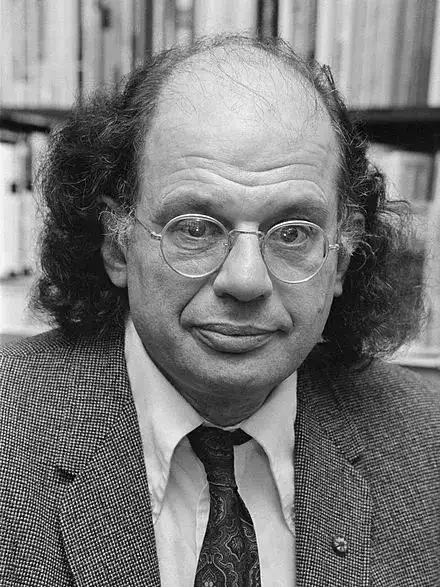
Allen Ginsberg
In Back of the Real
In Back of the Real
railroad yard in San Jose
I wandered desolate
in front of a tank factory
and sat on a bench
near the switchman's shack.
A flower lay on the hay on
the asphalt highway
--the dread hay flower
I thought--It had a
brittle black stem and
corolla of yellowish dirty
spikes like Jesus' inchlong
crown, and a soiled
dry center cotton tuft
like a used shaving brush
that's been lying under
the garage for a year.
Yellow, yellow flower, and
flower of industry,
tough spiky ugly flower,
flower nonetheless,
with the form of the great yellow
Rose in your brain!
This is the flower of the World.
railroad yard in San Jose
I wandered desolate
in front of a tank factory
and sat on a bench
near the switchman's shack.
A flower lay on the hay on
the asphalt highway
--the dread hay flower
I thought--It had a
brittle black stem and
corolla of yellowish dirty
spikes like Jesus' inchlong
crown, and a soiled
dry center cotton tuft
like a used shaving brush
that's been lying under
the garage for a year.
Yellow, yellow flower, and
flower of industry,
tough spiky ugly flower,
flower nonetheless,
with the form of the great yellow
Rose in your brain!
This is the flower of the World.
562
Allen Ginsberg
Feb. 29, 1958
Feb. 29, 1958
Last nite I dreamed of T.S. Eliot
welcoming me to the land of dream
Sofas couches fog in England
Tea in his digs Chelsea rainbows
curtains on his windows, fog seeping in
the chimney but a nice warm house
and an incredibly sweet hooknosed
Eliot he loved me, put me up,
gave me a couch to sleep on,
conversed kindly, took me serious
asked my opinion on Mayakovsky
I read him Corso Creeley Kerouac
advised Burroughs Olson Huncke
the bearded lady in the Zoo, the
intelligent puma in Mexico City
6 chorus boys from Zanzibar
who chanted in wornout polygot
Swahili, and the rippling rythyms
of Ma Rainey and Vachel Lindsay.
On the Isle of the Queen
we had a long evening's conversation
Then he tucked me in my long
red underwear under a silken
blanket by the fire on the sofa
gave me English Hottie
and went off sadly to his bed,
Saying ah Ginsberg I am glad
to have met a fine young man like you.
At last, I woke ashamed of myself.
Is he that good and kind? Am I that great?
What's my motive dreaming his
manna? What English Department
would that impress? What failure
to be perfect prophet's made up here?
I dream of my kindness to T.S. Eliot
wanting to be a historical poet
and share in his finance of Imageryoverambitious
dream of eccentric boy.
God forbid my evil dreams come true.
Last nite I dreamed of Allen Ginsberg.
T.S. Eliot would've been ashamed of me.
Last nite I dreamed of T.S. Eliot
welcoming me to the land of dream
Sofas couches fog in England
Tea in his digs Chelsea rainbows
curtains on his windows, fog seeping in
the chimney but a nice warm house
and an incredibly sweet hooknosed
Eliot he loved me, put me up,
gave me a couch to sleep on,
conversed kindly, took me serious
asked my opinion on Mayakovsky
I read him Corso Creeley Kerouac
advised Burroughs Olson Huncke
the bearded lady in the Zoo, the
intelligent puma in Mexico City
6 chorus boys from Zanzibar
who chanted in wornout polygot
Swahili, and the rippling rythyms
of Ma Rainey and Vachel Lindsay.
On the Isle of the Queen
we had a long evening's conversation
Then he tucked me in my long
red underwear under a silken
blanket by the fire on the sofa
gave me English Hottie
and went off sadly to his bed,
Saying ah Ginsberg I am glad
to have met a fine young man like you.
At last, I woke ashamed of myself.
Is he that good and kind? Am I that great?
What's my motive dreaming his
manna? What English Department
would that impress? What failure
to be perfect prophet's made up here?
I dream of my kindness to T.S. Eliot
wanting to be a historical poet
and share in his finance of Imageryoverambitious
dream of eccentric boy.
God forbid my evil dreams come true.
Last nite I dreamed of Allen Ginsberg.
T.S. Eliot would've been ashamed of me.
729
Allen Ginsberg
Cosmopolitan Greetings
Cosmopolitan Greetings
Stand up against governments, against God.
Stay irresponsible.
Say only what we know & imagine.
Absolutes are Coercion.
Change is absolute.
Ordinary mind includes eternal perceptions.
Observe what’s vivid.
Notice what you notice.
Catch yourself thinking.
Vividness is self-selecting.
If we don’t show anyone, we’re free to write anything.
Remember the future.
Freedom costs little in the U.S.
Asvise only myself.
Don’t drink yourself to death.
Two molecules clanking us against each other require an observer to become
scientific data.
The measuring instrument determines the appearance of the phenomenal
world (after Einstein).
The universe is subjective..
Walt Whitman celebrated Person.
We are observer, measuring instrument, eye, subject, Person.
Universe is Person.
Inside skull is vast as outside skull.
What’s in between thoughts?
Mind is outer space.
What do we say to ourselves in bed at night, making no sound?
“First thought, best thought.”
Mind is shapely, Art is shapely.
Maximum information, minimum number of syllables.
Syntax condensed, sound is solid.
Intense fragments of spoken idiom, best.
Move with rhythm, roll with vowels.
Consonants around vowels make sense.
Savour vowels, appreciate consonants.
Subject is known by what she sees.
Others can measure their vision by what we see.
Candour ends paranoia.
Stand up against governments, against God.
Stay irresponsible.
Say only what we know & imagine.
Absolutes are Coercion.
Change is absolute.
Ordinary mind includes eternal perceptions.
Observe what’s vivid.
Notice what you notice.
Catch yourself thinking.
Vividness is self-selecting.
If we don’t show anyone, we’re free to write anything.
Remember the future.
Freedom costs little in the U.S.
Asvise only myself.
Don’t drink yourself to death.
Two molecules clanking us against each other require an observer to become
scientific data.
The measuring instrument determines the appearance of the phenomenal
world (after Einstein).
The universe is subjective..
Walt Whitman celebrated Person.
We are observer, measuring instrument, eye, subject, Person.
Universe is Person.
Inside skull is vast as outside skull.
What’s in between thoughts?
Mind is outer space.
What do we say to ourselves in bed at night, making no sound?
“First thought, best thought.”
Mind is shapely, Art is shapely.
Maximum information, minimum number of syllables.
Syntax condensed, sound is solid.
Intense fragments of spoken idiom, best.
Move with rhythm, roll with vowels.
Consonants around vowels make sense.
Savour vowels, appreciate consonants.
Subject is known by what she sees.
Others can measure their vision by what we see.
Candour ends paranoia.
586
Allen Ginsberg
Cezanne's Ports
Cezanne's Ports
In the foreground we see time and life
swept in a race
toward the left hand side of the picture
where shore meets shore.
But that meeting place
isn't represented;
it doesn't occur on the canvas.
For the other side of the bay
is Heaven and Eternity,
with a bleak white haze over its mountains.
And the immense water of L'Estaque is a go-between
for minute rowboats.
In the foreground we see time and life
swept in a race
toward the left hand side of the picture
where shore meets shore.
But that meeting place
isn't represented;
it doesn't occur on the canvas.
For the other side of the bay
is Heaven and Eternity,
with a bleak white haze over its mountains.
And the immense water of L'Estaque is a go-between
for minute rowboats.
532
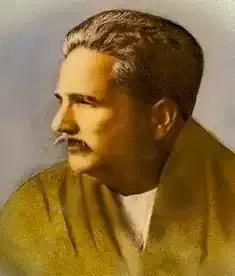
Muhammad Iqbal
Mirza Ghalib
Mirza Ghalib
Through you the secret was revealed to the human intellect
That innumerable enigmas are solved by human intellect
You were the complete soul, literary assembly was your body
You adorned as well as remained veiled from the assembly
Your eye is longing to witness that veiled Beauty
Which is veiled in everything as the pathos of life
The assemblage of existence is rich with your harp
As mountain's silence by the brook's melodious harp
The garden of your imagination bestows glory on the universe
From the field of your thought worlds grow like meadows
Life is concealed in the humor of your verse
Picture's lips move with your command of language
Speech is very proud of the elegance of your miraculous lips
Thurayyah is astonished at your style's elegance
Beloved of literature itself loves your style
Delhi's bud is mocking at the rose of Shiraz
Ah! You are resting in the midst of Delhi's ruins
Your counterpart is resting in the Weimar's garden
Matching you in literary elegance is not possible
Till maturity of thought and imagination are combined
Ah! What has befallen the land of India!
Ah! The inspirer of the super-critical eye!
The lock of Urdu's hair still craves for combing
This candle still craves for moth's heart-felt pathos
O Jahanabad! O cradle of learning and art
Your entire super-structure is a silent lament
The sun and the moon are asleep in every speck of your dust
Though innumerable other gems are also hidden in your dust
Does another world-famous person like him also lie buried in you?
Does another gem like him also lie concealed in you?
Through you the secret was revealed to the human intellect
That innumerable enigmas are solved by human intellect
You were the complete soul, literary assembly was your body
You adorned as well as remained veiled from the assembly
Your eye is longing to witness that veiled Beauty
Which is veiled in everything as the pathos of life
The assemblage of existence is rich with your harp
As mountain's silence by the brook's melodious harp
The garden of your imagination bestows glory on the universe
From the field of your thought worlds grow like meadows
Life is concealed in the humor of your verse
Picture's lips move with your command of language
Speech is very proud of the elegance of your miraculous lips
Thurayyah is astonished at your style's elegance
Beloved of literature itself loves your style
Delhi's bud is mocking at the rose of Shiraz
Ah! You are resting in the midst of Delhi's ruins
Your counterpart is resting in the Weimar's garden
Matching you in literary elegance is not possible
Till maturity of thought and imagination are combined
Ah! What has befallen the land of India!
Ah! The inspirer of the super-critical eye!
The lock of Urdu's hair still craves for combing
This candle still craves for moth's heart-felt pathos
O Jahanabad! O cradle of learning and art
Your entire super-structure is a silent lament
The sun and the moon are asleep in every speck of your dust
Though innumerable other gems are also hidden in your dust
Does another world-famous person like him also lie buried in you?
Does another gem like him also lie concealed in you?
251