

Poems in this theme
Regret and Guilt
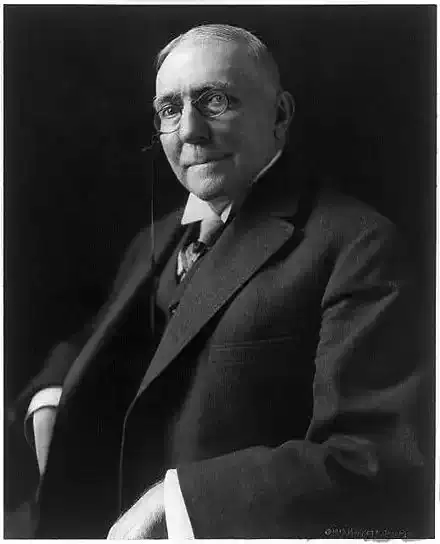
James Whitcomb Riley
The Old Guitar
The Old Guitar
Neglected now is the old guitar
And moldering into decay;
Fretted with many a rift and scar
That the dull dust hides away,
While the spider spins a silver star
In its silent lips to-day.
The keys hold only nerveless strings--
The sinews of brave old airs
Are pulseless now; and the scarf that clings
So closely here declares
A sad regret in its ravelings
And the faded hue it wears.
But the old guitar, with a lenient grace,
Has cherished a smile for me;
And its features hint of a fairer face
That comes with a memory
Of a flower-and-perfume-haunted place
And a moonlit balcony.
Music sweeter than words confess,
Or the minstrel's powers invent,
Thrilled here once at the light caress
Of the fairy hands that lent
This excuse for the kiss I press
On the dear old instrument.
The rose of pearl with the jeweled stem
Still blooms; and the tiny sets
In the circle all are here; the gem
In the keys, and the silver frets;
But the dainty fingers that danced o'er them--
Alas for the heart's regrets!--
Alas for the loosened strings to-day,
And the wounds of rift and scar
On a worn old heart, with its roundelay
Enthralled with a stronger bar
That Fate weaves on, through a dull decay
Like that of the old guitar!
Neglected now is the old guitar
And moldering into decay;
Fretted with many a rift and scar
That the dull dust hides away,
While the spider spins a silver star
In its silent lips to-day.
The keys hold only nerveless strings--
The sinews of brave old airs
Are pulseless now; and the scarf that clings
So closely here declares
A sad regret in its ravelings
And the faded hue it wears.
But the old guitar, with a lenient grace,
Has cherished a smile for me;
And its features hint of a fairer face
That comes with a memory
Of a flower-and-perfume-haunted place
And a moonlit balcony.
Music sweeter than words confess,
Or the minstrel's powers invent,
Thrilled here once at the light caress
Of the fairy hands that lent
This excuse for the kiss I press
On the dear old instrument.
The rose of pearl with the jeweled stem
Still blooms; and the tiny sets
In the circle all are here; the gem
In the keys, and the silver frets;
But the dainty fingers that danced o'er them--
Alas for the heart's regrets!--
Alas for the loosened strings to-day,
And the wounds of rift and scar
On a worn old heart, with its roundelay
Enthralled with a stronger bar
That Fate weaves on, through a dull decay
Like that of the old guitar!
316
James Whitcomb Riley
The Lost Kiss
The Lost Kiss
I put by the half-written poem,
While the pen, idly trailed in my hand,
Writes on--, 'Had I words to complete it,
Who'd read it, or who'd understand?'
But the little bare feet on the stairway,
And the faint, smothered laugh in the hall,
And the eerie-low lisp on the silence,
Cry up to me over it all.
So I gather it up-- where was broken
The tear-faded thread of my theme,
Telling how, as one night I sat writing,
A fairy broke in on my dream,
A little inquisitive fairy--
My own little girl, with the gold
Of the sun in her hair, and the dewy
Blue eyes of the fairies of old.
'Twas the dear little girl that I scolded-'
For was it a moment like this,'
I said, 'when she knew I was busy,
To come romping in for a kiss--?
Come rowdying up from her mother,
And clamoring there at my knee
For 'One 'ittle kiss for my dolly,
And one 'ittle uzzer for me!'
God pity, the heart that repelled her,
And the cold hand that turned her away,
And take, from the lips that denied her,
This answerless prayer of to-day!
Take Lord, from my mem'ry forever
That pitiful sob of despair,
And the patter and trip of the little bare feet,
And the one piercing cry on the stair!
I put by the half-written poem,
While the pen, idly trailed in my hand
Writes on--, 'Had I words to complete it
Who'd read it, or who'd understand?'
But the little bare feet on the stairway,
And the faint, smothered laugh in the hall,
And the eerie-low lisp on the silence,
Cry up to me over it all.
I put by the half-written poem,
While the pen, idly trailed in my hand,
Writes on--, 'Had I words to complete it,
Who'd read it, or who'd understand?'
But the little bare feet on the stairway,
And the faint, smothered laugh in the hall,
And the eerie-low lisp on the silence,
Cry up to me over it all.
So I gather it up-- where was broken
The tear-faded thread of my theme,
Telling how, as one night I sat writing,
A fairy broke in on my dream,
A little inquisitive fairy--
My own little girl, with the gold
Of the sun in her hair, and the dewy
Blue eyes of the fairies of old.
'Twas the dear little girl that I scolded-'
For was it a moment like this,'
I said, 'when she knew I was busy,
To come romping in for a kiss--?
Come rowdying up from her mother,
And clamoring there at my knee
For 'One 'ittle kiss for my dolly,
And one 'ittle uzzer for me!'
God pity, the heart that repelled her,
And the cold hand that turned her away,
And take, from the lips that denied her,
This answerless prayer of to-day!
Take Lord, from my mem'ry forever
That pitiful sob of despair,
And the patter and trip of the little bare feet,
And the one piercing cry on the stair!
I put by the half-written poem,
While the pen, idly trailed in my hand
Writes on--, 'Had I words to complete it
Who'd read it, or who'd understand?'
But the little bare feet on the stairway,
And the faint, smothered laugh in the hall,
And the eerie-low lisp on the silence,
Cry up to me over it all.
289
James Whitcomb Riley
Philiper Flash
Philiper Flash
Young Philiper Flash was a promising lad,
His intentions were good--but oh, how sad
For a person to think
How the veriest pink
And bloom of perfection may turn out bad.
Old Flash himself was a moral man,
And prided himself on a moral plan,
Of a maxim as old
As the calf of gold,
Of making that boy do what he was told.
And such a good mother had Philiper Flash;
Her voice was as soft as the creamy plash
Of the milky wave
With its musical lave
That gushed through the holes of her patent churn-dash;--
And the excellent woman loved Philiper so,
She could cry sometimes when he stumped his toe,--
And she stroked his hair
With such motherly care
When the dear little angel learned to swear.
Old Flash himself would sometimes say
That his wife had 'such a ridiculous way,-She'd,
humor that child
Till he'd soon be sp'iled,
And then there'd be the devil to pay!'
And the excellent wife, with a martyr's look,
Would tell old Flash himself 'he took
No notice at all
Of the bright-eyed doll
Unless when he spanked him for getting a fall!'
Young Philiper Flash, as time passed by,
Grew into 'a boy with a roguish eye':
He could smoke a cigar,
And seemed by far
The most promising youth.--'He's powerful sly,
Old Flash himself once told a friend,
'Every copper he gets he's sure to spend--
And,' said he, 'don't you know
If he keeps on so
What a crop of wild oats the boy will grow!'
But his dear good mother knew Philiper's ways
So--well, she managed the money to raise;
And old Flash himself
Was 'laid on the shelf,'
(In the manner of speaking we have nowadays).
For 'gracious knows, her darling child,
If he went without money he'd soon grow wild.'
So Philiper Flash
With a regular dash
'Swung on to the reins,' and went 'slingin' the cash.'
As old Flash himself, in his office one day,
Was shaving notes in a barberous way,
At the hour of four
Death entered the door
And shaved the note on his life, they say.
And he had for his grave a magnificent tomb,
Though the venturous finger that pointed 'Gone Home,'
Looked white and cold
From being so bold,
As it feared that a popular lie was told.
Young Philiper Flash was a man of style
When he first began unpacking the pile
Of the dollars and dimes
Whose jingling chimes
Had clinked to the tune of his father's smile;
And he strewed his wealth with such lavish hand,
His rakish ways were the talk of the land,
And gossipers wise
Sat winking their eyes
(A certain foreboding of fresh surprise).
A 'fast young man' was Philiper Flash,
And wore 'loud clothes' and a weak mustache,
And 'done the Park,'
For an 'afternoon lark,'
With a very fast horse of 'remarkable dash.'
And Philiper handled a billiard-cue
About as well as the best he knew,
And used to say
'He could make it pay
By playing two or three games a day.'
And Philiper Flash was his mother's joy,
He seemed to her the magic alloy
That made her glad,
When her heart was sad,
With the thought that 'she lived for her darling boy.'
His dear good mother wasn't aware
How her darling boy relished a 'tare.'--
She said 'one night
He gave her a fright
By coming home late and ACTING tight.'
Young Philiper Flash, on a winterish day,
Was published a bankrupt, so they say--
And as far as I know
I suppose it was so,
For matters went on in a singular way;
His excellent mother, I think I was told,
Died from exposure and want and cold;
And Philiper Flash,
With a horrible slash,
Whacked his jugular open and went to smash.
Young Philiper Flash was a promising lad,
His intentions were good--but oh, how sad
For a person to think
How the veriest pink
And bloom of perfection may turn out bad.
Old Flash himself was a moral man,
And prided himself on a moral plan,
Of a maxim as old
As the calf of gold,
Of making that boy do what he was told.
And such a good mother had Philiper Flash;
Her voice was as soft as the creamy plash
Of the milky wave
With its musical lave
That gushed through the holes of her patent churn-dash;--
And the excellent woman loved Philiper so,
She could cry sometimes when he stumped his toe,--
And she stroked his hair
With such motherly care
When the dear little angel learned to swear.
Old Flash himself would sometimes say
That his wife had 'such a ridiculous way,-She'd,
humor that child
Till he'd soon be sp'iled,
And then there'd be the devil to pay!'
And the excellent wife, with a martyr's look,
Would tell old Flash himself 'he took
No notice at all
Of the bright-eyed doll
Unless when he spanked him for getting a fall!'
Young Philiper Flash, as time passed by,
Grew into 'a boy with a roguish eye':
He could smoke a cigar,
And seemed by far
The most promising youth.--'He's powerful sly,
Old Flash himself once told a friend,
'Every copper he gets he's sure to spend--
And,' said he, 'don't you know
If he keeps on so
What a crop of wild oats the boy will grow!'
But his dear good mother knew Philiper's ways
So--well, she managed the money to raise;
And old Flash himself
Was 'laid on the shelf,'
(In the manner of speaking we have nowadays).
For 'gracious knows, her darling child,
If he went without money he'd soon grow wild.'
So Philiper Flash
With a regular dash
'Swung on to the reins,' and went 'slingin' the cash.'
As old Flash himself, in his office one day,
Was shaving notes in a barberous way,
At the hour of four
Death entered the door
And shaved the note on his life, they say.
And he had for his grave a magnificent tomb,
Though the venturous finger that pointed 'Gone Home,'
Looked white and cold
From being so bold,
As it feared that a popular lie was told.
Young Philiper Flash was a man of style
When he first began unpacking the pile
Of the dollars and dimes
Whose jingling chimes
Had clinked to the tune of his father's smile;
And he strewed his wealth with such lavish hand,
His rakish ways were the talk of the land,
And gossipers wise
Sat winking their eyes
(A certain foreboding of fresh surprise).
A 'fast young man' was Philiper Flash,
And wore 'loud clothes' and a weak mustache,
And 'done the Park,'
For an 'afternoon lark,'
With a very fast horse of 'remarkable dash.'
And Philiper handled a billiard-cue
About as well as the best he knew,
And used to say
'He could make it pay
By playing two or three games a day.'
And Philiper Flash was his mother's joy,
He seemed to her the magic alloy
That made her glad,
When her heart was sad,
With the thought that 'she lived for her darling boy.'
His dear good mother wasn't aware
How her darling boy relished a 'tare.'--
She said 'one night
He gave her a fright
By coming home late and ACTING tight.'
Young Philiper Flash, on a winterish day,
Was published a bankrupt, so they say--
And as far as I know
I suppose it was so,
For matters went on in a singular way;
His excellent mother, I think I was told,
Died from exposure and want and cold;
And Philiper Flash,
With a horrible slash,
Whacked his jugular open and went to smash.
280
James Whitcomb Riley
Johnson's Boy
Johnson's Boy
The world is turned ag'in' me,
And people says, 'They guess
That nothin' else is in me
But pure maliciousness!'
I git the blame for doin'
What other chaps destroy,
And I'm a-goin' to ruin
Because I'm 'Johnson's boy.'
THAT ain't my name--I'd ruther
They'd call me IKE or PAT--
But they've forgot the other--
And so have _I_, for that!
I reckon it's as handy,
When Nibsy breaks his toy,
Or some one steals his candy,
To say 'twas 'JOHNSON'S BOY!'
You can't git any water
At the pump, and find the spout
So durn chuck-full o' mortar
That you have to bore it out;
You tackle any scholar
In Wisdom's wise employ,
And I'll bet you half a dollar
He'll say it's 'Johnson's boy!'
Folks don't know how I suffer
In my uncomplainin' way--
They think I'm gittin' tougher
And tougher every day.
Last Sunday night, when Flinder
Was a-shoutin' out for joy,
And some one shook the winder,
He prayed for 'Johnson's boy.'
I'm tired of bein' follered
By farmers every day,
And then o' bein' collared
For coaxin' hounds away;
Hounds always plays me double-It's
a trick they all enjoy--
To git me into trouble,
Because I'm 'Johnson's boy.'
But if I git to Heaven,
I hope the Lord'll see
SOME boy has been perfect,
And lay it on to me;
I'll swell the song sonorous,
And clap my wings for joy,
And sail off on the chorus-
'Hurrah for 'Johnson's boy!''
The world is turned ag'in' me,
And people says, 'They guess
That nothin' else is in me
But pure maliciousness!'
I git the blame for doin'
What other chaps destroy,
And I'm a-goin' to ruin
Because I'm 'Johnson's boy.'
THAT ain't my name--I'd ruther
They'd call me IKE or PAT--
But they've forgot the other--
And so have _I_, for that!
I reckon it's as handy,
When Nibsy breaks his toy,
Or some one steals his candy,
To say 'twas 'JOHNSON'S BOY!'
You can't git any water
At the pump, and find the spout
So durn chuck-full o' mortar
That you have to bore it out;
You tackle any scholar
In Wisdom's wise employ,
And I'll bet you half a dollar
He'll say it's 'Johnson's boy!'
Folks don't know how I suffer
In my uncomplainin' way--
They think I'm gittin' tougher
And tougher every day.
Last Sunday night, when Flinder
Was a-shoutin' out for joy,
And some one shook the winder,
He prayed for 'Johnson's boy.'
I'm tired of bein' follered
By farmers every day,
And then o' bein' collared
For coaxin' hounds away;
Hounds always plays me double-It's
a trick they all enjoy--
To git me into trouble,
Because I'm 'Johnson's boy.'
But if I git to Heaven,
I hope the Lord'll see
SOME boy has been perfect,
And lay it on to me;
I'll swell the song sonorous,
And clap my wings for joy,
And sail off on the chorus-
'Hurrah for 'Johnson's boy!''
292
James Whitcomb Riley
George Mullen's Confession
George Mullen's Confession
For the sake of guilty conscience, and the heart that ticks the
time
Of the clockworks of my nature, I desire to say that I'm
A weak and sinful creature, as regards my daily walk
The last five years and better. It ain't worth while to talk-
I've been too mean to tell it! I've been so hard, you see,
And full of pride, and--onry--now there's the word for me--
Just onry--and to show you, I'll give my history
With vital points in question, and I think you'll all agree.
I was always stiff and stubborn since I could recollect,
And had an awful temper, and never would reflect;
And always into trouble--I remember once at school
The teacher tried to flog me, and I reversed that rule.
O I was bad I tell you! And it's a funny move
That a fellow wild as I was could ever fall in love;
And it's a funny notion that an animal like me,
Under a girl's weak fingers was as tame as tame could be!
But it's so, and sets me thinking of the easy way she had
Of cooling down my temper--though I'd be fighting mad.
'My Lion Queen' I called her--when a spell of mine occurred
She'd come in a den of feelings and quell them with a word.
I'll tell you how she loved me--and what her people thought:
When I asked to marry Annie they said 'they reckoned not--
That I cut too many didoes and monkey-shines to suit
Their idea of a son-in-law, and I could go, to boot!'
I tell you that thing riled me! Why, I felt my face turn white,
And my teeth shut like a steel trap, and the fingers of my right
Hand pained me with their pressure--all the rest's a mystery
Till I heard my Annie saying--'I'm going, too, you see.'
We were coming through the gateway, and she wavered for a spell
When she heard her mother crying and her raving father yell
That she wa'n't no child of his'n--like an actor in a play
We saw at Independence, coming through the other day.
Well! that's the way we started. And for days and weeks and
months
And even years we journeyed on, regretting never once
Of starting out together upon the path of life--
Akind o' sort o' husband, but a mighty loving wife,--
And the cutest little baby--little Grace--I see her now
A-standin' on the pig-pen as her mother milked the cow--
And I can hear her shouting--as I stood unloading straw,-'
I'm ain't as big as papa, but I'm biggerest'n ma.'
Now folks that never married don't seem to understand
That a little baby's language is the sweetest ever planned--
Why, I tell you it's pure music, and I'll just go on to say
That I sometimes have a notion that the angels talk that way!
There's a chapter in this story I'd be happy to destroy;
I could burn it up before you with a mighty sight of joy;
But I'll go ahead and give it--not in detail, no, my friend,
For it takes five years of reading before you find the end.
My Annie's folks relented--at least, in some degree;
They sent one time for Annie, but they didn't send for me.
The old man wrote the message with a heart as hot and dry
As a furnace--'Annie Mullen, come and see your mother die.'
I saw the slur intended--why I fancied I could see
The old man shoot the insult like a poison dart at me;
And in that heat of passion I swore an inward oath
That if Annie pleased her father she could never please us both.
I watched her--dark and sullen--as she hurried on her shawl;
I watched her--calm and cruel, though I saw her tear-drops fall;
I watched her--cold and heartless, though I heard her moaning,
call
For mercy from high Heaven--and I smiled throughout it all.
Why even when she kissed me, and her tears were on my brow,
As she murmured, 'George, forgive me--I must go to mother now!'
Such hate there was within me that I answered not at all,
But calm, and cold and cruel, I smiled throughout it all.
But a shadow in the doorway caught my eye, and then the face
Full of innocence and sunshine of little baby Grace.
And I snatched her up and kissed her, and I softened through and
through
For a minute when she told me 'I must kiss her muvver too.'
I remember, at the starting, how I tried to freeze again
As I watched them slowly driving down the little crooked lane--
When Annie shouted something that ended in a cry,
And how I tried to whistle and it fizzled in a sigh.
I remember running after, with a glimmer in my sight--
Pretending I'd discovered that the traces wasn't right;
And the last that I remember, as they disappeared from view,
Was little Grace a-calling, 'I see papa! Howdy-do!'
And left alone to ponder, I again took up my hate
For the old man who would chuckle that I was desolate;
And I mouthed my wrongs in mutters till my pride called up the
pain
His last insult had given me--until I smiled again
Till the wild beast in my nature was raging in the den--
With no one now to quell it, and I wrote a letter then
Full of hissing things, and heated with so hot a heat of hate
That my pen flashed out black lightning at a most terrific rate.
I wrote that 'she had wronged me when she went away from me--
Though to see her dying mother 'twas her father's victory,
And a woman that could waver when her husband's pride was rent
Was no longer worthy of it.' And I shut the house and went.
To tell of my long exile would be of little good--
Though I couldn't half-way tell it, and I wouldn't if I could!
I could tell of California--of a wild and vicious life;
Of trackless plains, and mountains, and the Indian's
scalping-knife.
I could tell of gloomy forests howling wild with threats of
death;
I could tell of fiery deserts that have scorched me with their
breath;
I could tell of wretched outcasts by the hundreds, great and
small,
And could claim the nasty honor of the greatest of them all.
I could tell of toil and hardship; and of sickness and disease,
And hollow-eyed starvation, but I tell you, friend, that these
Are trifles in comparison with what a fellow feels
With that bloodhound, Remorsefulness, forever at his heels.
I remember--worn and weary of the long, long years of care,
When the frost of time was making early harvest of my hair--
I remember, wrecked and hopeless of a rest beneath the sky,
My resolve to quit the country, and to seek the East, and die.
I remember my long journey, like a dull, oppressive dream,
Across the empty prairies till I caught the distant gleam
Of a city in the beauty of its broad and shining stream
On whose bosom, flocked together, float the mighty swans of
steam.
I remember drifting with them till I found myself again
In the rush and roar and rattle of the engine and the train;
And when from my surroundings something spoke of child and wife,
It seemed the train was rumbling through a tunnel in my life.
Then I remember something--like a sudden burst of light--
That don't exactly tell it, but I couldn't tell it right--
A something clinging to me with its arms around my neck--
A little girl, for instance--or an angel, I expect--
For she kissed me, cried and called me 'her dear papa,' and I
felt
My heart was pure virgin gold, and just about to melt--
And so it did--it melted in a mist of gleaming rain
When she took my hand and whispered, 'My mama's on the train.'
There's some things I can dwell on, and get off pretty well,
But the balance of this story I know I couldn't tell;
So I ain't going to try it, for to tell the reason why-I'm
so chicken-hearted lately I'd be certain 'most to cry.
For the sake of guilty conscience, and the heart that ticks the
time
Of the clockworks of my nature, I desire to say that I'm
A weak and sinful creature, as regards my daily walk
The last five years and better. It ain't worth while to talk-
I've been too mean to tell it! I've been so hard, you see,
And full of pride, and--onry--now there's the word for me--
Just onry--and to show you, I'll give my history
With vital points in question, and I think you'll all agree.
I was always stiff and stubborn since I could recollect,
And had an awful temper, and never would reflect;
And always into trouble--I remember once at school
The teacher tried to flog me, and I reversed that rule.
O I was bad I tell you! And it's a funny move
That a fellow wild as I was could ever fall in love;
And it's a funny notion that an animal like me,
Under a girl's weak fingers was as tame as tame could be!
But it's so, and sets me thinking of the easy way she had
Of cooling down my temper--though I'd be fighting mad.
'My Lion Queen' I called her--when a spell of mine occurred
She'd come in a den of feelings and quell them with a word.
I'll tell you how she loved me--and what her people thought:
When I asked to marry Annie they said 'they reckoned not--
That I cut too many didoes and monkey-shines to suit
Their idea of a son-in-law, and I could go, to boot!'
I tell you that thing riled me! Why, I felt my face turn white,
And my teeth shut like a steel trap, and the fingers of my right
Hand pained me with their pressure--all the rest's a mystery
Till I heard my Annie saying--'I'm going, too, you see.'
We were coming through the gateway, and she wavered for a spell
When she heard her mother crying and her raving father yell
That she wa'n't no child of his'n--like an actor in a play
We saw at Independence, coming through the other day.
Well! that's the way we started. And for days and weeks and
months
And even years we journeyed on, regretting never once
Of starting out together upon the path of life--
Akind o' sort o' husband, but a mighty loving wife,--
And the cutest little baby--little Grace--I see her now
A-standin' on the pig-pen as her mother milked the cow--
And I can hear her shouting--as I stood unloading straw,-'
I'm ain't as big as papa, but I'm biggerest'n ma.'
Now folks that never married don't seem to understand
That a little baby's language is the sweetest ever planned--
Why, I tell you it's pure music, and I'll just go on to say
That I sometimes have a notion that the angels talk that way!
There's a chapter in this story I'd be happy to destroy;
I could burn it up before you with a mighty sight of joy;
But I'll go ahead and give it--not in detail, no, my friend,
For it takes five years of reading before you find the end.
My Annie's folks relented--at least, in some degree;
They sent one time for Annie, but they didn't send for me.
The old man wrote the message with a heart as hot and dry
As a furnace--'Annie Mullen, come and see your mother die.'
I saw the slur intended--why I fancied I could see
The old man shoot the insult like a poison dart at me;
And in that heat of passion I swore an inward oath
That if Annie pleased her father she could never please us both.
I watched her--dark and sullen--as she hurried on her shawl;
I watched her--calm and cruel, though I saw her tear-drops fall;
I watched her--cold and heartless, though I heard her moaning,
call
For mercy from high Heaven--and I smiled throughout it all.
Why even when she kissed me, and her tears were on my brow,
As she murmured, 'George, forgive me--I must go to mother now!'
Such hate there was within me that I answered not at all,
But calm, and cold and cruel, I smiled throughout it all.
But a shadow in the doorway caught my eye, and then the face
Full of innocence and sunshine of little baby Grace.
And I snatched her up and kissed her, and I softened through and
through
For a minute when she told me 'I must kiss her muvver too.'
I remember, at the starting, how I tried to freeze again
As I watched them slowly driving down the little crooked lane--
When Annie shouted something that ended in a cry,
And how I tried to whistle and it fizzled in a sigh.
I remember running after, with a glimmer in my sight--
Pretending I'd discovered that the traces wasn't right;
And the last that I remember, as they disappeared from view,
Was little Grace a-calling, 'I see papa! Howdy-do!'
And left alone to ponder, I again took up my hate
For the old man who would chuckle that I was desolate;
And I mouthed my wrongs in mutters till my pride called up the
pain
His last insult had given me--until I smiled again
Till the wild beast in my nature was raging in the den--
With no one now to quell it, and I wrote a letter then
Full of hissing things, and heated with so hot a heat of hate
That my pen flashed out black lightning at a most terrific rate.
I wrote that 'she had wronged me when she went away from me--
Though to see her dying mother 'twas her father's victory,
And a woman that could waver when her husband's pride was rent
Was no longer worthy of it.' And I shut the house and went.
To tell of my long exile would be of little good--
Though I couldn't half-way tell it, and I wouldn't if I could!
I could tell of California--of a wild and vicious life;
Of trackless plains, and mountains, and the Indian's
scalping-knife.
I could tell of gloomy forests howling wild with threats of
death;
I could tell of fiery deserts that have scorched me with their
breath;
I could tell of wretched outcasts by the hundreds, great and
small,
And could claim the nasty honor of the greatest of them all.
I could tell of toil and hardship; and of sickness and disease,
And hollow-eyed starvation, but I tell you, friend, that these
Are trifles in comparison with what a fellow feels
With that bloodhound, Remorsefulness, forever at his heels.
I remember--worn and weary of the long, long years of care,
When the frost of time was making early harvest of my hair--
I remember, wrecked and hopeless of a rest beneath the sky,
My resolve to quit the country, and to seek the East, and die.
I remember my long journey, like a dull, oppressive dream,
Across the empty prairies till I caught the distant gleam
Of a city in the beauty of its broad and shining stream
On whose bosom, flocked together, float the mighty swans of
steam.
I remember drifting with them till I found myself again
In the rush and roar and rattle of the engine and the train;
And when from my surroundings something spoke of child and wife,
It seemed the train was rumbling through a tunnel in my life.
Then I remember something--like a sudden burst of light--
That don't exactly tell it, but I couldn't tell it right--
A something clinging to me with its arms around my neck--
A little girl, for instance--or an angel, I expect--
For she kissed me, cried and called me 'her dear papa,' and I
felt
My heart was pure virgin gold, and just about to melt--
And so it did--it melted in a mist of gleaming rain
When she took my hand and whispered, 'My mama's on the train.'
There's some things I can dwell on, and get off pretty well,
But the balance of this story I know I couldn't tell;
So I ain't going to try it, for to tell the reason why-I'm
so chicken-hearted lately I'd be certain 'most to cry.
324
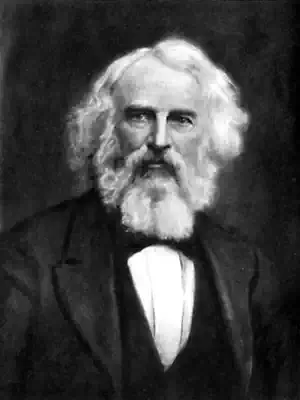
Henry Wadsworth Longfellow
The Norman Baron
The Norman Baron
et plus profonde, ou l'interet et l'avarice parlent moins haut
que la raison, dans les instants de chagrin domestique, de
maladie, et de peril de mort, les nobles se repentirent de
posseder des serfs, comme d'une chose peu agreable a Dieu, qui
avait cree tous les hommes a son image.--THIERRY, Conquete de
l'Angleterre.
In his chamber, weak and dying,
Was the Norman baron lying;
Loud, without, the tempest thundered
And the castle-turret shook,
In this fight was Death the gainer,
Spite of vassal and retainer,
And the lands his sires had plundered,
Written in the Doomsday Book.
By his bed a monk was seated,
Who in humble voice repeated
Many a prayer and pater-noster,
From the missal on his knee;
And, amid the tempest pealing,
Sounds of bells came faintly stealing,
Bells, that from the neighboring kloster
Rang for the Nativity.
In the hall, the serf and vassal
Held, that night their Christmas wassail;
Many a carol, old and saintly,
Sang the minstrels and the waits;
And so loud these Saxon gleemen
Sang to slaves the songs of freemen,
That the storm was heard but faintly,
Knocking at the castle-gates.
Till at length the lays they chanted
Reached the chamber terror-haunted,
Where the monk, with accents holy,
Whispered at the baron's ear.
Tears upon his eyelids glistened,
As he paused awhile and listened,
And the dying baron slowly
Turned his weary head to hear.
"Wassail for the kingly stranger
Born and cradled in a manger!
King, like David, priest, like Aaron,
Christ is born to set us free!"
And the lightning showed the sainted
Figures on the casement painted,
And exclaimed the shuddering baron,
"Miserere, Domine!"
In that hour of deep contrition
He beheld, with clearer vision,
Through all outward show and fashion,
Justice, the Avenger, rise.
All the pomp of earth had vanished,
Falsehood and deceit were banished,
Reason spake more loud than passion,
And the truth wore no disguise.
Every vassal of his banner,
Every serf born to his manor,
All those wronged and wretched creatures,
By his hand were freed again.
And, as on the sacred missal
He recorded their dismissal,
Death relaxed his iron features,
And the monk replied, "Amen!"
Many centuries have been numbered
Since in death the baron slumbered
By the convent's sculptured portal,
Mingling with the common dust:
But the good deed, through the ages
Living in historic pages,
Brighter grows and gleams immortal,
Unconsumed by moth or rust.
et plus profonde, ou l'interet et l'avarice parlent moins haut
que la raison, dans les instants de chagrin domestique, de
maladie, et de peril de mort, les nobles se repentirent de
posseder des serfs, comme d'une chose peu agreable a Dieu, qui
avait cree tous les hommes a son image.--THIERRY, Conquete de
l'Angleterre.
In his chamber, weak and dying,
Was the Norman baron lying;
Loud, without, the tempest thundered
And the castle-turret shook,
In this fight was Death the gainer,
Spite of vassal and retainer,
And the lands his sires had plundered,
Written in the Doomsday Book.
By his bed a monk was seated,
Who in humble voice repeated
Many a prayer and pater-noster,
From the missal on his knee;
And, amid the tempest pealing,
Sounds of bells came faintly stealing,
Bells, that from the neighboring kloster
Rang for the Nativity.
In the hall, the serf and vassal
Held, that night their Christmas wassail;
Many a carol, old and saintly,
Sang the minstrels and the waits;
And so loud these Saxon gleemen
Sang to slaves the songs of freemen,
That the storm was heard but faintly,
Knocking at the castle-gates.
Till at length the lays they chanted
Reached the chamber terror-haunted,
Where the monk, with accents holy,
Whispered at the baron's ear.
Tears upon his eyelids glistened,
As he paused awhile and listened,
And the dying baron slowly
Turned his weary head to hear.
"Wassail for the kingly stranger
Born and cradled in a manger!
King, like David, priest, like Aaron,
Christ is born to set us free!"
And the lightning showed the sainted
Figures on the casement painted,
And exclaimed the shuddering baron,
"Miserere, Domine!"
In that hour of deep contrition
He beheld, with clearer vision,
Through all outward show and fashion,
Justice, the Avenger, rise.
All the pomp of earth had vanished,
Falsehood and deceit were banished,
Reason spake more loud than passion,
And the truth wore no disguise.
Every vassal of his banner,
Every serf born to his manor,
All those wronged and wretched creatures,
By his hand were freed again.
And, as on the sacred missal
He recorded their dismissal,
Death relaxed his iron features,
And the monk replied, "Amen!"
Many centuries have been numbered
Since in death the baron slumbered
By the convent's sculptured portal,
Mingling with the common dust:
But the good deed, through the ages
Living in historic pages,
Brighter grows and gleams immortal,
Unconsumed by moth or rust.
391
Henry Wadsworth Longfellow
Tales Of A Wayside Inn : Part 3. The Sicilian's Tale; The Monk of
Tales Of A Wayside Inn : Part 3. The Sicilian's Tale; The Monk of
Casal-Maggiore
Once on a time, some centuries ago,
In the hot sunshine two Franciscan friars
Wended their weary way, with footsteps slow
Back to their convent, whose white walls and spires
Gleamed on the hillside like a patch of snow;
Covered with dust they were, and torn by briers,
And bore like sumpter-mules upon their backs
The badge of poverty, their beggar's sacks.
The first was Brother Anthony, a spare
And silent man, with pallid cheeks and thin,
Much given to vigils, penance, fasting, prayer,
Solemn and gray, and worn with discipline,
As if his body but white ashes were,
Heaped on the living coals that glowed within;
A simple monk, like many of his day,
Whose instinct was to listen and obey.
A different man was Brother Timothy,
Of larger mould and of a coarser paste;
A rubicund and stalwart monk was he,
Broad in the shoulders, broader in the waist,
Who often filled the dull refectory
With noise by which the convent was disgraced,
But to the mass-book gave but little heed,
By reason he had never learned to read.
Now, as they passed the outskirts of a wood,
They saw, with mingled pleasure and surprise,
Fast tethered to a tree an ass, that stood
Lazily winking his large, limpid eyes.
The farmer Gilbert of that neighborhood
His owner was, who, looking for supplies
Of fagots, deeper in the wood had strayed,
Leaving his beast to ponder in the shade.
As soon as Brother Timothy espied
The patient animal, he said: 'Good-lack!
Thus for our needs doth Providence provide;
We'll lay our wallets on the creature's back.'
This being done, he leisurely untied
From head and neck the halter of the jack,
And put it round his own, and to the tree
Stood tethered fast as if the ass were he.
And, bursting forth into a merry laugh,
He cried to Brother Anthony: 'Away!
And drive the ass before you with your staff;
And when you reach the convent you may say
You left me at a farm, half tired and half
Ill with a fever, for a night and day,
And that the farmer lent this ass to bear
Our wallets, that are heavy with good fare.'
Now Brother Anthony, who knew the pranks
Of Brother Timothy, would not persuade
Or reason with him on his quirks and cranks,
But, being obedient, silently obeyed;
And, smiting with his staff the ass's flanks,
Drove him before him over hill and glade,
Safe with his provend to the convent gate,
Leaving poor Brother Timothy to his fate.
Then Gilbert, laden with fagots for his fire,
Forth issued from the wood, and stood aghast
To see the ponderous body of the friar
Standing where he had left his donkey last.
Trembling he stood, and dared not venture nigher,
But stared, and gaped, and crossed himself full fast;
For, being credulous and of little wit,
He thought it was some demon from the pit.
While speechless and bewildered thus he gazed,
And dropped his load of fagots on the ground,
Quoth Brother Timothy: 'Be not amazed
That where you left a donkey should be found
A poor Franciscan friar, half-starved and crazed,
Standing demure and with a halter bound;
But set me free, and hear the piteous story
Of Brother Timothy of Casal-Maggiore.
'I am a sinful man, although you see
I wear the consecrated cowl and cape;
You never owned an ass, but you owned me,
Changed and transformed from my own natural shape
All for the deadly sin of gluttony,
From which I could not otherwise escape,
Than by this penance, dieting on grass,
And being worked and beaten as an ass.
'Think of the ignominy I endured;
Think of the miserable life I led,
The toil and blows to which I was inured,
My wretched lodging in a windy shed,
My scanty fare so grudgingly procured,
The damp and musty straw that formed my bed!
But, having done this penance for my sins,
My life as man and monk again begins.'
The simple Gilbert, hearing words like these,
Was conscience-stricken, and fell down apace
Before the friar upon his bended knees,
And with a suppliant voice implored his grace;
And the good monk, now very much at ease,
Granted him pardon with a smiling face,
Nor could refuse to be that night his guest,
It being late, and he in need of rest.
Upon a hillside, where the olive thrives,
With figures painted on its white-washed walls,
The cottage stood; and near the humming hives
Made murmurs as of far-off waterfalls;
A place where those who love secluded lives
Might live content, and, free from noise and brawls,
Like Claudian's Old Man of Verona here
Measure by fruits the slow-revolving year.
And, coming to this cottage of content
They found his children, and the buxom wench
His wife, Dame Cicely, and his father, bent
With years and labor, seated on a bench,
Repeating over some obscure event
In the old wars of Milanese and French;
All welcomed the Franciscan, with a sense
Of sacred awe and humble reverence.
When Gilbert told them what had come to pass,
How beyond question, cavil, or surmise,
Good Brother Timothy had been their ass,
You should have seen the wonder in their eyes;
You should have heard them cry, 'Alas! alas!
Have heard their lamentations and their sighs!
For all believed the story, and began
To see a saint in this afflicted man.
Forthwith there was prepared a grand repast,
To satisfy the craving of the friar
After so rigid and prolonged a fast;
The bustling housewife stirred the kitchen fire;
Then her two barn-yard fowls, her best and last,
Were put to death, at her express desire,
And served up with a salad in a bowl,
And flasks of country wine to crown the whole.
It would not be believed should I repeat
How hungry Brother Timothy appeared;
It was a pleasure but to see him eat,
His white teeth flashing through his russet beard,
His face aglow and flushed with wine and meat,
His roguish eyes that rolled and laughed and leered!
Lord! how he drank the blood-red country wine
As if the village vintage were divine!
And all the while he talked without surcease,
And told his merry tales with jovial glee
That never flagged, but rather did increase,
And laughed aloud as if insane were he,
And wagged his red beard, matted like a fleece,
And cast such glances at Dame Cicely
That Gilbert now grew angry with his guest,
And thus in words his rising wrath expressed.
'Good father,' said he, 'easily we see
How needful in some persons, and how right,
Mortification of the flesh may be.
The indulgence you have given it to-night,
After long penance, clearly proves to me
Your strength against temptation is but slight,
And shows the dreadful peril you are in
Of a relapse into your deadly sin.
'To-morrow morning, with the rising sun,
Go back unto your convent, nor refrain
From fasting and from scourging, for you run
Great danger to become an ass again,
Since monkish flesh and asinine are one;
Therefore be wise, nor longer here remain,
Unless you wish the scourge should be applied
By other hands, that will not spare your hide.'
When this the monk had heard, his color fled
And then returned, like lightning in the air,
Till he was all one blush from foot to head,
And even the bald spot in his russet hair
Turned from its usual pallor to bright red!
The old man was asleep upon his chair.
Then all retired, and sank into the deep
And helpless imbecility of sleep.
They slept until the dawn of day drew near,
Till the cock should have crowed, but did not crow,
For they had slain the shining chanticleer
And eaten him for supper, as you know.
The monk was up betimes and of good cheer,
And, having breakfasted, made haste to go,
As if he heard the distant matin bell,
And had but little time to say farewell.
Fresh was the morning as the breath of kine;
Odors of herbs commingled with the sweet
Balsamic exhalations of the pine;
A haze was in the air presaging heat;
Uprose the sun above the Apennine,
And all the misty valleys at its feet
Were full of the delirious song of birds,
Voices of men, and bells, and low of herds.
All this to Brother Timothy was naught;
He did not care for scenery, nor here
His busy fancy found the thing it sought;
But when he saw the convent walls appear,
And smoke from kitchen chimneys upward caught
And whirled aloft into the atmosphere,
He quickened his slow footsteps, like a beast
That scents the stable a league off at least.
And as he entered through the convent gate
He saw there in the court the ass, who stood
Twirling his ears about, and seemed to wait,
Just as he found him waiting in the wood;
And told the Prior that, to alleviate
The daily labors of the brotherhood,
The owner, being a man of means and thrift,
Bestowed him on the convent as a gift.
And thereupon the Prior for many days
Revolved this serious matter in his mind,
And turned it over many different ways,
Hoping that some safe issue he might find;
But stood in fear of what the world would say,
If he accepted presents of this kind,
Employing beasts of burden for the packs,
That lazy monks should carry on their backs.
Then, to avoid all scandal of the sort,
And stop the mouth of cavil, he decreed
That he would cut the tedious matter short,
And sell the ass with all convenient speed,
Thus saving the expense of his support,
And hoarding something for a time of need.
So he despatched him to the neighboring Fair,
And freed himself from cumber and from care.
It happened now by chance, as some might say,
Others perhaps would call it destiny,
Gilbert was at the Fair; and heard a bray,
And nearer came, and saw that it was he,
And whispered in his ear, 'Ah, lackaday!
Good father, the rebellious flesh, I see,
Has changed you back into an ass again,
And all my admonitions were in vain.'
The ass, who felt this breathing in his ear,
Did not turn round to look, but shook his head,
As if he were not pleased these words to hear,
And contradicted all that had been said.
And this made Gilbert cry in voice more clear,
'I know you well; your hair is russet-red;
Do not deny it; for you are the same
Franciscan friar, and Timothy by name.'
The ass, though now the secret had come out,
Was obstinate, and shook his head again;
Until a crowd was gathered round about
To hear this dialogue between the twain;
And raised their voices in a noisy shout
When Gilbert tried to make the matter plain,
And flouted him and mocked him all day long
With laughter and with jibes and scraps of song.
'If this be Brother Timothy,' they cried,
'Buy him, and feed him on the tenderest grass;
Thou canst not do too much for one so tried
As to be twice transformed into an ass.'
So simple Gilbert bought him, and untied
His halter, and o'er mountain and morass
He led him homeward, talking as he went
Of good behavior and a mind content.
The children saw them coming, and advanced,
Shouting with joy, and hung about his neck,--
Not Gilbert's, but the ass's,--round him danced,
And wove green garlands where-withal to deck
His sacred person; for again it chanced
Their childish feelings, without rein or check,
Could not discriminate in any way
A donkey from a friar of Orders Gray.
'O Brother Timothy,' the children said,
'You have come back to us just as before;
We were afraid, and thought that you were dead,
And we should never see you any more.'
And then they kissed the white star on his head,
That like a birth-mark or a badge he wore,
And patted him upon the neck and face,
And said a thousand things with childish grace.
Thenceforward and forever he was known
As Brother Timothy, and led always
A life of luxury, till he had grown
Ungrateful being stuffed with corn and hay,
And very vicious. Then in angry tone,
Rousing himself, poor Gilbert said one day
'When simple kindness is misunderstood
A little flagellation may do good.'
His many vices need not here be told;
Among them was a habit that he had
Of flinging up his heels at young and old,
Breaking his halter, running off like mad
O'er pasture-lands and meadow, wood and wold,
And other misdemeanors quite as bad;
But worst of all was breaking from his shed
At night, and ravaging the cabbage-bed.
So Brother Timothy went back once more
To his old life of labor and distress;
Was beaten worse than he had been before.
And now, instead of comfort and caress,
Came labors manifold and trials sore;
And as his toils increased his food grew less,
Until at last the great consoler, Death,
Ended his many sufferings with his breath.
Great was the lamentation when he died;
And mainly that he died impenitent;
Dame Cicely bewailed, the children cried,
The old man still remembered the event
In the French war, and Gilbert magnified
His many virtues, as he came and went,
And said: 'Heaven pardon Brother Timothy,
And keep us from the sin of gluttony.'
Casal-Maggiore
Once on a time, some centuries ago,
In the hot sunshine two Franciscan friars
Wended their weary way, with footsteps slow
Back to their convent, whose white walls and spires
Gleamed on the hillside like a patch of snow;
Covered with dust they were, and torn by briers,
And bore like sumpter-mules upon their backs
The badge of poverty, their beggar's sacks.
The first was Brother Anthony, a spare
And silent man, with pallid cheeks and thin,
Much given to vigils, penance, fasting, prayer,
Solemn and gray, and worn with discipline,
As if his body but white ashes were,
Heaped on the living coals that glowed within;
A simple monk, like many of his day,
Whose instinct was to listen and obey.
A different man was Brother Timothy,
Of larger mould and of a coarser paste;
A rubicund and stalwart monk was he,
Broad in the shoulders, broader in the waist,
Who often filled the dull refectory
With noise by which the convent was disgraced,
But to the mass-book gave but little heed,
By reason he had never learned to read.
Now, as they passed the outskirts of a wood,
They saw, with mingled pleasure and surprise,
Fast tethered to a tree an ass, that stood
Lazily winking his large, limpid eyes.
The farmer Gilbert of that neighborhood
His owner was, who, looking for supplies
Of fagots, deeper in the wood had strayed,
Leaving his beast to ponder in the shade.
As soon as Brother Timothy espied
The patient animal, he said: 'Good-lack!
Thus for our needs doth Providence provide;
We'll lay our wallets on the creature's back.'
This being done, he leisurely untied
From head and neck the halter of the jack,
And put it round his own, and to the tree
Stood tethered fast as if the ass were he.
And, bursting forth into a merry laugh,
He cried to Brother Anthony: 'Away!
And drive the ass before you with your staff;
And when you reach the convent you may say
You left me at a farm, half tired and half
Ill with a fever, for a night and day,
And that the farmer lent this ass to bear
Our wallets, that are heavy with good fare.'
Now Brother Anthony, who knew the pranks
Of Brother Timothy, would not persuade
Or reason with him on his quirks and cranks,
But, being obedient, silently obeyed;
And, smiting with his staff the ass's flanks,
Drove him before him over hill and glade,
Safe with his provend to the convent gate,
Leaving poor Brother Timothy to his fate.
Then Gilbert, laden with fagots for his fire,
Forth issued from the wood, and stood aghast
To see the ponderous body of the friar
Standing where he had left his donkey last.
Trembling he stood, and dared not venture nigher,
But stared, and gaped, and crossed himself full fast;
For, being credulous and of little wit,
He thought it was some demon from the pit.
While speechless and bewildered thus he gazed,
And dropped his load of fagots on the ground,
Quoth Brother Timothy: 'Be not amazed
That where you left a donkey should be found
A poor Franciscan friar, half-starved and crazed,
Standing demure and with a halter bound;
But set me free, and hear the piteous story
Of Brother Timothy of Casal-Maggiore.
'I am a sinful man, although you see
I wear the consecrated cowl and cape;
You never owned an ass, but you owned me,
Changed and transformed from my own natural shape
All for the deadly sin of gluttony,
From which I could not otherwise escape,
Than by this penance, dieting on grass,
And being worked and beaten as an ass.
'Think of the ignominy I endured;
Think of the miserable life I led,
The toil and blows to which I was inured,
My wretched lodging in a windy shed,
My scanty fare so grudgingly procured,
The damp and musty straw that formed my bed!
But, having done this penance for my sins,
My life as man and monk again begins.'
The simple Gilbert, hearing words like these,
Was conscience-stricken, and fell down apace
Before the friar upon his bended knees,
And with a suppliant voice implored his grace;
And the good monk, now very much at ease,
Granted him pardon with a smiling face,
Nor could refuse to be that night his guest,
It being late, and he in need of rest.
Upon a hillside, where the olive thrives,
With figures painted on its white-washed walls,
The cottage stood; and near the humming hives
Made murmurs as of far-off waterfalls;
A place where those who love secluded lives
Might live content, and, free from noise and brawls,
Like Claudian's Old Man of Verona here
Measure by fruits the slow-revolving year.
And, coming to this cottage of content
They found his children, and the buxom wench
His wife, Dame Cicely, and his father, bent
With years and labor, seated on a bench,
Repeating over some obscure event
In the old wars of Milanese and French;
All welcomed the Franciscan, with a sense
Of sacred awe and humble reverence.
When Gilbert told them what had come to pass,
How beyond question, cavil, or surmise,
Good Brother Timothy had been their ass,
You should have seen the wonder in their eyes;
You should have heard them cry, 'Alas! alas!
Have heard their lamentations and their sighs!
For all believed the story, and began
To see a saint in this afflicted man.
Forthwith there was prepared a grand repast,
To satisfy the craving of the friar
After so rigid and prolonged a fast;
The bustling housewife stirred the kitchen fire;
Then her two barn-yard fowls, her best and last,
Were put to death, at her express desire,
And served up with a salad in a bowl,
And flasks of country wine to crown the whole.
It would not be believed should I repeat
How hungry Brother Timothy appeared;
It was a pleasure but to see him eat,
His white teeth flashing through his russet beard,
His face aglow and flushed with wine and meat,
His roguish eyes that rolled and laughed and leered!
Lord! how he drank the blood-red country wine
As if the village vintage were divine!
And all the while he talked without surcease,
And told his merry tales with jovial glee
That never flagged, but rather did increase,
And laughed aloud as if insane were he,
And wagged his red beard, matted like a fleece,
And cast such glances at Dame Cicely
That Gilbert now grew angry with his guest,
And thus in words his rising wrath expressed.
'Good father,' said he, 'easily we see
How needful in some persons, and how right,
Mortification of the flesh may be.
The indulgence you have given it to-night,
After long penance, clearly proves to me
Your strength against temptation is but slight,
And shows the dreadful peril you are in
Of a relapse into your deadly sin.
'To-morrow morning, with the rising sun,
Go back unto your convent, nor refrain
From fasting and from scourging, for you run
Great danger to become an ass again,
Since monkish flesh and asinine are one;
Therefore be wise, nor longer here remain,
Unless you wish the scourge should be applied
By other hands, that will not spare your hide.'
When this the monk had heard, his color fled
And then returned, like lightning in the air,
Till he was all one blush from foot to head,
And even the bald spot in his russet hair
Turned from its usual pallor to bright red!
The old man was asleep upon his chair.
Then all retired, and sank into the deep
And helpless imbecility of sleep.
They slept until the dawn of day drew near,
Till the cock should have crowed, but did not crow,
For they had slain the shining chanticleer
And eaten him for supper, as you know.
The monk was up betimes and of good cheer,
And, having breakfasted, made haste to go,
As if he heard the distant matin bell,
And had but little time to say farewell.
Fresh was the morning as the breath of kine;
Odors of herbs commingled with the sweet
Balsamic exhalations of the pine;
A haze was in the air presaging heat;
Uprose the sun above the Apennine,
And all the misty valleys at its feet
Were full of the delirious song of birds,
Voices of men, and bells, and low of herds.
All this to Brother Timothy was naught;
He did not care for scenery, nor here
His busy fancy found the thing it sought;
But when he saw the convent walls appear,
And smoke from kitchen chimneys upward caught
And whirled aloft into the atmosphere,
He quickened his slow footsteps, like a beast
That scents the stable a league off at least.
And as he entered through the convent gate
He saw there in the court the ass, who stood
Twirling his ears about, and seemed to wait,
Just as he found him waiting in the wood;
And told the Prior that, to alleviate
The daily labors of the brotherhood,
The owner, being a man of means and thrift,
Bestowed him on the convent as a gift.
And thereupon the Prior for many days
Revolved this serious matter in his mind,
And turned it over many different ways,
Hoping that some safe issue he might find;
But stood in fear of what the world would say,
If he accepted presents of this kind,
Employing beasts of burden for the packs,
That lazy monks should carry on their backs.
Then, to avoid all scandal of the sort,
And stop the mouth of cavil, he decreed
That he would cut the tedious matter short,
And sell the ass with all convenient speed,
Thus saving the expense of his support,
And hoarding something for a time of need.
So he despatched him to the neighboring Fair,
And freed himself from cumber and from care.
It happened now by chance, as some might say,
Others perhaps would call it destiny,
Gilbert was at the Fair; and heard a bray,
And nearer came, and saw that it was he,
And whispered in his ear, 'Ah, lackaday!
Good father, the rebellious flesh, I see,
Has changed you back into an ass again,
And all my admonitions were in vain.'
The ass, who felt this breathing in his ear,
Did not turn round to look, but shook his head,
As if he were not pleased these words to hear,
And contradicted all that had been said.
And this made Gilbert cry in voice more clear,
'I know you well; your hair is russet-red;
Do not deny it; for you are the same
Franciscan friar, and Timothy by name.'
The ass, though now the secret had come out,
Was obstinate, and shook his head again;
Until a crowd was gathered round about
To hear this dialogue between the twain;
And raised their voices in a noisy shout
When Gilbert tried to make the matter plain,
And flouted him and mocked him all day long
With laughter and with jibes and scraps of song.
'If this be Brother Timothy,' they cried,
'Buy him, and feed him on the tenderest grass;
Thou canst not do too much for one so tried
As to be twice transformed into an ass.'
So simple Gilbert bought him, and untied
His halter, and o'er mountain and morass
He led him homeward, talking as he went
Of good behavior and a mind content.
The children saw them coming, and advanced,
Shouting with joy, and hung about his neck,--
Not Gilbert's, but the ass's,--round him danced,
And wove green garlands where-withal to deck
His sacred person; for again it chanced
Their childish feelings, without rein or check,
Could not discriminate in any way
A donkey from a friar of Orders Gray.
'O Brother Timothy,' the children said,
'You have come back to us just as before;
We were afraid, and thought that you were dead,
And we should never see you any more.'
And then they kissed the white star on his head,
That like a birth-mark or a badge he wore,
And patted him upon the neck and face,
And said a thousand things with childish grace.
Thenceforward and forever he was known
As Brother Timothy, and led always
A life of luxury, till he had grown
Ungrateful being stuffed with corn and hay,
And very vicious. Then in angry tone,
Rousing himself, poor Gilbert said one day
'When simple kindness is misunderstood
A little flagellation may do good.'
His many vices need not here be told;
Among them was a habit that he had
Of flinging up his heels at young and old,
Breaking his halter, running off like mad
O'er pasture-lands and meadow, wood and wold,
And other misdemeanors quite as bad;
But worst of all was breaking from his shed
At night, and ravaging the cabbage-bed.
So Brother Timothy went back once more
To his old life of labor and distress;
Was beaten worse than he had been before.
And now, instead of comfort and caress,
Came labors manifold and trials sore;
And as his toils increased his food grew less,
Until at last the great consoler, Death,
Ended his many sufferings with his breath.
Great was the lamentation when he died;
And mainly that he died impenitent;
Dame Cicely bewailed, the children cried,
The old man still remembered the event
In the French war, and Gilbert magnified
His many virtues, as he came and went,
And said: 'Heaven pardon Brother Timothy,
And keep us from the sin of gluttony.'
256
Henry Wadsworth Longfellow
Tales Of A Wayside Inn : Part 3. The Musician's Tale; The Mother's Ghost
Tales Of A Wayside Inn : Part 3. The Musician's Tale; The Mother's Ghost
Svend Dyring he rideth adown the glade;
I myself was young!
There he hath wooed him so winsome a maid;
Fair words gladden so many a heart.
Together were they for seven years,
And together children six were theirs.
Then came Death abroad through the land,
And blighted the beautiful lily-wand.
Svend Dyring he rideth adown the glade,
And again hath he wooed him another maid,
He hath wooed him a maid and brought home a bride,
But she was bitter and full of pride.
When she came driving into the yard,
There stood the six children weeping so hard.
There stood the small children with sorrowful heart;
From before her feet she thrust them apart.
She gave to them neither ale nor bread;
'Ye shall suffer hunger and hate,' she said.
She took from them their quilts of blue,
And said: 'Ye shall lie on the straw we strew.'
She took from them the great waxlight;
'Now ye shall lie in the dark at night.'
In the evening late they cried with cold;
The mother heard it under the mould.
The woman heard it the earth below:
'To my little children I must go.'
She standeth before the Lord of all:
'And may I go to my children small?'
She prayed him so long, and would not cease,
Until he bade her depart in peace.
'At cock-crow thou shalt return again;
Longer thou shalt not there remain!'
She girded up her sorrowful bones,
And rifted the walls and the marble stones.
As through the village she flitted by,
The watch-dogs howled aloud to the sky.
When she came to the castle gate,
There stood her eldest daughter in wait.
'Why standest thou here, dear daughter mine?
How fares it with brothers and sisters thine?'
'Never art thou mother of mine,
For my mother was both fair and fine.
'My mother was white, with cheeks of red,
But thou art pale, and like to the dead.'
'How should I be fair and fine?
I have been dead; pale cheeks are mine.
'How should I be white and red,
So long, so long have I been dead?'
When she came in at the chamber door,
There stood the small children weeping sore.
One she braided, another she brushed,
The third she lifted, the fourth she hushed.
The fifth she took on her lap and pressed,
As if she would suckle it at her breast.
Then to her eldest daughter said she,
'Do thou bid Svend Dyring come hither to me.'
Into the chamber when he came
She spake to him in anger and shame.
'I left behind me both ale and bread;
My children hunger and are not fed.
'I left behind me quilts of blue;
My children lie on the straw ye strew.
'I left behind me the great waxlight;
My children lie in the dark at night.
'If I come again unto your hall,
As cruel a fate shall you befall!
'Now crows the cock with feathers red;
Back to the earth must all the dead.
'Now crows the cock with feathers swart;
The gates of heaven fly wide apart.
'Now crows the cock with feathers white;
I can abide no longer to-night.'
Whenever they heard the watch-dogs wail,
They gave the children bread and ale.
Whenever they heard the watch-dogs bay,
They feared lest the dead were on their way.
Whenever they heard the watch-dogs bark;
I myself was young!
They feared the dead out there in the dark.
Fair words gladden so many a heart.
Svend Dyring he rideth adown the glade;
I myself was young!
There he hath wooed him so winsome a maid;
Fair words gladden so many a heart.
Together were they for seven years,
And together children six were theirs.
Then came Death abroad through the land,
And blighted the beautiful lily-wand.
Svend Dyring he rideth adown the glade,
And again hath he wooed him another maid,
He hath wooed him a maid and brought home a bride,
But she was bitter and full of pride.
When she came driving into the yard,
There stood the six children weeping so hard.
There stood the small children with sorrowful heart;
From before her feet she thrust them apart.
She gave to them neither ale nor bread;
'Ye shall suffer hunger and hate,' she said.
She took from them their quilts of blue,
And said: 'Ye shall lie on the straw we strew.'
She took from them the great waxlight;
'Now ye shall lie in the dark at night.'
In the evening late they cried with cold;
The mother heard it under the mould.
The woman heard it the earth below:
'To my little children I must go.'
She standeth before the Lord of all:
'And may I go to my children small?'
She prayed him so long, and would not cease,
Until he bade her depart in peace.
'At cock-crow thou shalt return again;
Longer thou shalt not there remain!'
She girded up her sorrowful bones,
And rifted the walls and the marble stones.
As through the village she flitted by,
The watch-dogs howled aloud to the sky.
When she came to the castle gate,
There stood her eldest daughter in wait.
'Why standest thou here, dear daughter mine?
How fares it with brothers and sisters thine?'
'Never art thou mother of mine,
For my mother was both fair and fine.
'My mother was white, with cheeks of red,
But thou art pale, and like to the dead.'
'How should I be fair and fine?
I have been dead; pale cheeks are mine.
'How should I be white and red,
So long, so long have I been dead?'
When she came in at the chamber door,
There stood the small children weeping sore.
One she braided, another she brushed,
The third she lifted, the fourth she hushed.
The fifth she took on her lap and pressed,
As if she would suckle it at her breast.
Then to her eldest daughter said she,
'Do thou bid Svend Dyring come hither to me.'
Into the chamber when he came
She spake to him in anger and shame.
'I left behind me both ale and bread;
My children hunger and are not fed.
'I left behind me quilts of blue;
My children lie on the straw ye strew.
'I left behind me the great waxlight;
My children lie in the dark at night.
'If I come again unto your hall,
As cruel a fate shall you befall!
'Now crows the cock with feathers red;
Back to the earth must all the dead.
'Now crows the cock with feathers swart;
The gates of heaven fly wide apart.
'Now crows the cock with feathers white;
I can abide no longer to-night.'
Whenever they heard the watch-dogs wail,
They gave the children bread and ale.
Whenever they heard the watch-dogs bay,
They feared lest the dead were on their way.
Whenever they heard the watch-dogs bark;
I myself was young!
They feared the dead out there in the dark.
Fair words gladden so many a heart.
278
Henry Wadsworth Longfellow
Remorse. (From August Von Platen)
Remorse. (From August Von Platen)
How I started up in the night, in the night,
Drawn on without rest or reprieval!
The streets, with their watchmen, were lost to my sight,
As I wandered so light
In the night, in the night,
Through the gate with the arch mediaeval.
The mill-brook rushed from the rocky height,
I leaned o'er the bridge in my yearning;
Deep under me watched I the waves in their flight,
As they glided so light
In the night, in the night,
Yet backward not one was returning.
O'erhead were revolving, so countless and bright,
The stars in melodious existence;
And with them the moon, more serenely bedight;--
They sparkled so light
In the night, in the night,
Through the magical, measureless distance.
And upward I gazed in the night, in the night,
And again on the waves in their fleeting;
Ah woe! thou hast wasted thy days in delight,
Now silence thou light,
In the night, in the night,
The remorse in thy heart that is beating.
How I started up in the night, in the night,
Drawn on without rest or reprieval!
The streets, with their watchmen, were lost to my sight,
As I wandered so light
In the night, in the night,
Through the gate with the arch mediaeval.
The mill-brook rushed from the rocky height,
I leaned o'er the bridge in my yearning;
Deep under me watched I the waves in their flight,
As they glided so light
In the night, in the night,
Yet backward not one was returning.
O'erhead were revolving, so countless and bright,
The stars in melodious existence;
And with them the moon, more serenely bedight;--
They sparkled so light
In the night, in the night,
Through the magical, measureless distance.
And upward I gazed in the night, in the night,
And again on the waves in their fleeting;
Ah woe! thou hast wasted thy days in delight,
Now silence thou light,
In the night, in the night,
The remorse in thy heart that is beating.
331
Henry Wadsworth Longfellow
Old Age. (Sonnet IV.)
Old Age. (Sonnet IV.)
The course of my long life hath reached at last,
In fragile bark o'er a tempestuous sea,
The common harbor, where must rendered be
Account of all the actions of the past.
The impassioned phantasy, that, vague and vast,
Made art an idol and a king to me,
Was an illusion, and but vanity
Were the desires that lured me and harassed.
The dreams of love, that were so sweet of yore,
What are they now, when two deaths may be mine,--
One sure, and one forecasting its alarms?
Painting and sculpture satisfy no more
The soul now turning to the Love Divine,
That oped, to embrace us, on the cross its arms.
The course of my long life hath reached at last,
In fragile bark o'er a tempestuous sea,
The common harbor, where must rendered be
Account of all the actions of the past.
The impassioned phantasy, that, vague and vast,
Made art an idol and a king to me,
Was an illusion, and but vanity
Were the desires that lured me and harassed.
The dreams of love, that were so sweet of yore,
What are they now, when two deaths may be mine,--
One sure, and one forecasting its alarms?
Painting and sculpture satisfy no more
The soul now turning to the Love Divine,
That oped, to embrace us, on the cross its arms.
429
Henry Van Dyke
Without Disguise
Without Disguise
If I have erred in showing all my heart,
And lost your favour by a lack of pride;
If standing like a beggar at your side
With naked feet, I have forgot the art
Of those who bargain well in passion's mart,
And win the thing they want by what they hide;
Be mine the fault as mine the hope denied,
Be mine the lover's and the loser's part.
The sin, if sin it was, I do repent,
And take the penance on myself alone;
Yet after I have borne the punishment,
I shall not fear to stand before the throne
Of Love with open heart, and make this plea:
"At least I have not lied to her nor Thee!"
If I have erred in showing all my heart,
And lost your favour by a lack of pride;
If standing like a beggar at your side
With naked feet, I have forgot the art
Of those who bargain well in passion's mart,
And win the thing they want by what they hide;
Be mine the fault as mine the hope denied,
Be mine the lover's and the loser's part.
The sin, if sin it was, I do repent,
And take the penance on myself alone;
Yet after I have borne the punishment,
I shall not fear to stand before the throne
Of Love with open heart, and make this plea:
"At least I have not lied to her nor Thee!"
336

Henry Lawson
To My Friends
To My Friends
These are songs of the Friends I neglected—
And the Foes, too, in part;
These are songs that were mostly rejected—
And songs from my heart.
Yours truly.
These are songs of the Friends I neglected—
And the Foes, too, in part;
These are songs that were mostly rejected—
And songs from my heart.
Yours truly.
196
Henry Lawson
The Squatter, Three Cornstalks, and the Well
The Squatter, Three Cornstalks, and the Well
There was a Squatter in the land—
So runs the truthful tale I tell—
There also were three cornstalks, and
There also was the Squatter’s Well.
Singing (slowly): “Sin and sorrer, sin and sor-rer, sin and sor-r-r-rer.”
The Squatter he was full of pluck,
The Cornstalks they were full of sin,
The well it was half full of muck
That many rains had drifted in.
Singing (with increased feeling): “Sin, &c.”
The Squatter hired the Cornstalks Three
To cleanse the well of mud and clay;
And so they started willing-lee
At five-and-twenty bob a day.
Singing (apprehensively): “Sin, &c.”
At five-and-twenty bob the lot—
That’s eight-and-four the day would bring
To each; and so they thought they’d got
A rather soft and easy thing.
Singing (sadly): “Sin, &c.”
The Cornstalks cleaned the well within
A day or two, or thereabout—
And then they worked an awful sin—
A scheme to make the job last out.
Singing (reproachfully): “Sin and sorrer, &c.”
For when the well was cleaned out quite
Of all its logs and muck and clay
They tipped a drayload down at night
And worked to haul it up next day.
Singing (dismally): “Sin, &c.”
But first the eldest, christened Hodge,
He greased the dray-wheel axles, so
The super wouldn’t smell the dodge
And couldn’t let the Squatter know.
Singing (hopelessly): “Sin and sorrer, &c.”
The stuff they surfaced out each day
With some surprise the Squatter saw.
He never dreamt the sand and clay
Was three miles off the night before.
Singing (mournfully): “Sin and sorrer, &c.”
But he got something in his eye;
It wasn’t green, that’s very plain.
He said the well was rather dry,
And they could fill it up again.
Singing (mournfully and dismally): “Sin and sorrer, &c.”
The Cornstalks went to work next day
In hope, of course, of extra tin—
The Squatter watched, and, sad to say,
The mullock wouldn’t all go in.
Singing (with great pathos): “Sin and sorrer, &c.”
And though the Cornstalks twigged the ruse
Whereby the boss had done ’em brown,
They argued that the clay was loose,
And wanted time to settle down.
Singing (hopelessly): “Sin and sorrer, &c.”
The boss began to rave and tear,
And yelled with a most awful frown,
“I will not settle up, I swear,
Till that there clay is settled down!”
Singing (hopefully): “Sin, &c.”
“Before my cheques yer’Il pocket, boys,
Yer’ll put a mountain in a well”—
The Cornstalks didn’t make a noise,
They only murmured sadly—!
Singing (triumphantly): “Sin and sorrer, &c.”
MORAL:
There is a moral to my rhyme—
A moral to the dirge I sing—
That when you do go in for crime
You mustn’t overdoo the thing.
Singing (more dismally than ever): “Sin and sorrer, s-i-n and sor-r-r-r-rer!”
There was a Squatter in the land—
So runs the truthful tale I tell—
There also were three cornstalks, and
There also was the Squatter’s Well.
Singing (slowly): “Sin and sorrer, sin and sor-rer, sin and sor-r-r-rer.”
The Squatter he was full of pluck,
The Cornstalks they were full of sin,
The well it was half full of muck
That many rains had drifted in.
Singing (with increased feeling): “Sin, &c.”
The Squatter hired the Cornstalks Three
To cleanse the well of mud and clay;
And so they started willing-lee
At five-and-twenty bob a day.
Singing (apprehensively): “Sin, &c.”
At five-and-twenty bob the lot—
That’s eight-and-four the day would bring
To each; and so they thought they’d got
A rather soft and easy thing.
Singing (sadly): “Sin, &c.”
The Cornstalks cleaned the well within
A day or two, or thereabout—
And then they worked an awful sin—
A scheme to make the job last out.
Singing (reproachfully): “Sin and sorrer, &c.”
For when the well was cleaned out quite
Of all its logs and muck and clay
They tipped a drayload down at night
And worked to haul it up next day.
Singing (dismally): “Sin, &c.”
But first the eldest, christened Hodge,
He greased the dray-wheel axles, so
The super wouldn’t smell the dodge
And couldn’t let the Squatter know.
Singing (hopelessly): “Sin and sorrer, &c.”
The stuff they surfaced out each day
With some surprise the Squatter saw.
He never dreamt the sand and clay
Was three miles off the night before.
Singing (mournfully): “Sin and sorrer, &c.”
But he got something in his eye;
It wasn’t green, that’s very plain.
He said the well was rather dry,
And they could fill it up again.
Singing (mournfully and dismally): “Sin and sorrer, &c.”
The Cornstalks went to work next day
In hope, of course, of extra tin—
The Squatter watched, and, sad to say,
The mullock wouldn’t all go in.
Singing (with great pathos): “Sin and sorrer, &c.”
And though the Cornstalks twigged the ruse
Whereby the boss had done ’em brown,
They argued that the clay was loose,
And wanted time to settle down.
Singing (hopelessly): “Sin and sorrer, &c.”
The boss began to rave and tear,
And yelled with a most awful frown,
“I will not settle up, I swear,
Till that there clay is settled down!”
Singing (hopefully): “Sin, &c.”
“Before my cheques yer’Il pocket, boys,
Yer’ll put a mountain in a well”—
The Cornstalks didn’t make a noise,
They only murmured sadly—!
Singing (triumphantly): “Sin and sorrer, &c.”
MORAL:
There is a moral to my rhyme—
A moral to the dirge I sing—
That when you do go in for crime
You mustn’t overdoo the thing.
Singing (more dismally than ever): “Sin and sorrer, s-i-n and sor-r-r-r-rer!”
197
Henry Lawson
The Song of a Prison
The Song of a Prison
Now this is the song of a prison—a song of a gaol or jug—
A ballad of quod or of chokey, the ultimate home of the mug.
The yard where the Foolish are drafted; Hell’s school where the harmless are taught;
For the big beast never is captured and the great thief never is caught.
A song of the trollop’s victim, and the dealer in doubtful eggs,
And a song of the man who was ruined by the lie with a thousand legs.
A song of suspected persons and rouge-and-vagabond pals,
And of persons beyond suspicion—the habitual criminals.
’Tis a song of the weary warders, whom prisoners call “the screws”—
A class of men who I fancy would cleave to the “Evening News.”
They look after their treasures sadly. By the screw of their keys they are known,
And they screw them many times daily before they draw their own.
It is written on paper pilfered from the prison printery,
With a stolen stump of a pencil that a felon smuggled for me.
And he’d have got twenty-four hours in the cells if he had been caught,
With bread to eat and water to drink and plenty of food for thought.
And I paid in chews of tobacco from one who is in for life;
But he is a decent fellow—he only murdered his wife.
(He is cherub-like, jolly, good-natured, and frank as the skies above,
And his Christian name is Joseph, and his other, ye gods! is Love!)
The Governor knows, and the Deputy, and all of the warders know,
Once a week, and on Sunday, we sit in a sinful row,
And bargain for chews of tobacco under the cover of prayer—
And the harmless Anglican chaplain is the only innocent there.
Staircase and doors of iron, no sign of a plank or brick,
Ceilings and floors of sandstone, and the cell walls two feet thick;
Cell like a large-sized coffin, or a small-sized tomb, and white,
And it strikes a chill to the backbone on the warmest summer night.
For fifteen hours they leave you to brood in the gloom and cold
On the cheats that you should have cheated, and the lies that you should have told;
On the money that would release you, you lent to many a friend,
And the many a generous action you suffered for in the end.
Grey daylight follows softly the heartless electric light
That printed the bars of the window on the wall of the cell all night
The darkness has vanished “hushing” when there is nothing to hush—
And I think of the old grey daylight on the teamster’s camp in the bush.
I think of the low bark homestead, the yard and the sinister bail,
And the shed in a hole in the gully—a pigsty compared with gaol;
The drought and the rows and the nagging; the hill where a flat grave is—
The gaol of my boyhood as dreadful and barren and grey as this.
We rise at six when the bell rings, and roll up our blankets neat,
Then we pace the cell till seven, brain-dulled, and with leaden feet.
Bolts clank, and the iron doors open, light floods from an iron-barred arch—
And we start with a start galvanic at the passionless, “Left—Quick march!”
Down the crooked and winding staircase in the great wrong-angular well,
Like the crooked stairs that of late years we have stumbled down to Hell;
We empty the tubs and muster, with the prison slouch and tread,
And we take to the cells our breakfast of hominy and of bread.
The church in its squat round tower, with Christ in His thorny wreath—
The reception house is below it, so the gates of Hell are beneath,
Where sinners are clad and numbered, when hope for a while has
And above us the gilded rooster that crowed when Peter lied.
What avail is the prayer of the abbess? Or the raving of Cock-eyed Liz?
The holy hermit in his cell, or the Holy Terror in his?
Brothers and sisters of Heaven, seen through the bars in a wall,
As we see the uncaught sinners—and God have mercy on all.
Now this is the song of a prison—a song of a gaol or jug—
A ballad of quod or of chokey, the ultimate home of the mug.
The yard where the Foolish are drafted; Hell’s school where the harmless are taught;
For the big beast never is captured and the great thief never is caught.
A song of the trollop’s victim, and the dealer in doubtful eggs,
And a song of the man who was ruined by the lie with a thousand legs.
A song of suspected persons and rouge-and-vagabond pals,
And of persons beyond suspicion—the habitual criminals.
’Tis a song of the weary warders, whom prisoners call “the screws”—
A class of men who I fancy would cleave to the “Evening News.”
They look after their treasures sadly. By the screw of their keys they are known,
And they screw them many times daily before they draw their own.
It is written on paper pilfered from the prison printery,
With a stolen stump of a pencil that a felon smuggled for me.
And he’d have got twenty-four hours in the cells if he had been caught,
With bread to eat and water to drink and plenty of food for thought.
And I paid in chews of tobacco from one who is in for life;
But he is a decent fellow—he only murdered his wife.
(He is cherub-like, jolly, good-natured, and frank as the skies above,
And his Christian name is Joseph, and his other, ye gods! is Love!)
The Governor knows, and the Deputy, and all of the warders know,
Once a week, and on Sunday, we sit in a sinful row,
And bargain for chews of tobacco under the cover of prayer—
And the harmless Anglican chaplain is the only innocent there.
Staircase and doors of iron, no sign of a plank or brick,
Ceilings and floors of sandstone, and the cell walls two feet thick;
Cell like a large-sized coffin, or a small-sized tomb, and white,
And it strikes a chill to the backbone on the warmest summer night.
For fifteen hours they leave you to brood in the gloom and cold
On the cheats that you should have cheated, and the lies that you should have told;
On the money that would release you, you lent to many a friend,
And the many a generous action you suffered for in the end.
Grey daylight follows softly the heartless electric light
That printed the bars of the window on the wall of the cell all night
The darkness has vanished “hushing” when there is nothing to hush—
And I think of the old grey daylight on the teamster’s camp in the bush.
I think of the low bark homestead, the yard and the sinister bail,
And the shed in a hole in the gully—a pigsty compared with gaol;
The drought and the rows and the nagging; the hill where a flat grave is—
The gaol of my boyhood as dreadful and barren and grey as this.
We rise at six when the bell rings, and roll up our blankets neat,
Then we pace the cell till seven, brain-dulled, and with leaden feet.
Bolts clank, and the iron doors open, light floods from an iron-barred arch—
And we start with a start galvanic at the passionless, “Left—Quick march!”
Down the crooked and winding staircase in the great wrong-angular well,
Like the crooked stairs that of late years we have stumbled down to Hell;
We empty the tubs and muster, with the prison slouch and tread,
And we take to the cells our breakfast of hominy and of bread.
The church in its squat round tower, with Christ in His thorny wreath—
The reception house is below it, so the gates of Hell are beneath,
Where sinners are clad and numbered, when hope for a while has
And above us the gilded rooster that crowed when Peter lied.
What avail is the prayer of the abbess? Or the raving of Cock-eyed Liz?
The holy hermit in his cell, or the Holy Terror in his?
Brothers and sisters of Heaven, seen through the bars in a wall,
As we see the uncaught sinners—and God have mercy on all.
237
Henry Lawson
The Separation
The Separation
We knew too little of the world,
And you and I were good—
’Twas paltry things that wrecked our lives
As well I knew they would.
The people said our love was dead,
But how were they to know?
Ah! had we loved each other less
We’d not have quarrelled so.
We knew too little of the world,
And you and I were kind,
We listened to what others said
And both of us were blind.
The people said ’twas selfishness,
But how were they to know?
Ah! had we both more selfish been
We’d not have parted so.
But still when all seems lost on earth
Then heaven sets a sign—
Kneel down beside your lonely bed,
And I will kneel by mine,
And let us pray for happy days—
Like those of long ago.
Ah! had we knelt together then
We’d not have parted so.
We knew too little of the world,
And you and I were good—
’Twas paltry things that wrecked our lives
As well I knew they would.
The people said our love was dead,
But how were they to know?
Ah! had we loved each other less
We’d not have quarrelled so.
We knew too little of the world,
And you and I were kind,
We listened to what others said
And both of us were blind.
The people said ’twas selfishness,
But how were they to know?
Ah! had we both more selfish been
We’d not have parted so.
But still when all seems lost on earth
Then heaven sets a sign—
Kneel down beside your lonely bed,
And I will kneel by mine,
And let us pray for happy days—
Like those of long ago.
Ah! had we knelt together then
We’d not have parted so.
248
Henry Lawson
The Pink Carnation
The Pink Carnation
I may walk until I’m fainting, I may write until I’m blinded,
I might drink until my back teeth are afloat,
But I can’t forget my ruin and the happy days behind it,
When I wore a pink carnation in my coat.
Oh, I thought that time could conquer, and I thought my heart would harden,
But it sends a sudden lump into my throat,
When I think of what I have been, and the cottage and the garden,
When I wore a pink carnation in my coat.
God forgive you, girl, and bless you! Let no line of mine distress you –
I am sorry for the bitter lines I wrote;
But remember, and think kindly, for we met and married blindly,
When I wore a pink carnation in my coat.
I may walk until I’m fainting, I may write until I’m blinded,
I might drink until my back teeth are afloat,
But I can’t forget my ruin and the happy days behind it,
When I wore a pink carnation in my coat.
Oh, I thought that time could conquer, and I thought my heart would harden,
But it sends a sudden lump into my throat,
When I think of what I have been, and the cottage and the garden,
When I wore a pink carnation in my coat.
God forgive you, girl, and bless you! Let no line of mine distress you –
I am sorry for the bitter lines I wrote;
But remember, and think kindly, for we met and married blindly,
When I wore a pink carnation in my coat.
222
Henry Lawson
The Drunkard's Vision
The Drunkard's Vision
A public parlour in the slums,
The haunt of vice and villainy,
Where things are said unfit to hear,
And things are done unfit to see;
’Mid ribald jest and reckless song,
That mock at all that’s pure and right,
The drunkard drinks the whole day long,
And raves through half the dreadful night.
And in the morning now he sits,
With staring eyes and trembling limb;
The harbour in the sunlight laughs,
But morning is as night to him.
And, staring blankly at the wall,
He sees the tragedy complete—
He sees the man he used to be
Go striding proudly up the street.
He turns the corner with a swing,
And, at the vine-framed cottage gate,
The father sees, with laughing eyes,
His little son and daughter wait:
They race to meet him as he comes—
And—Oh! this memory is worst—
Her dimpled arms go round his neck,
She pants, ‘I dot my daddy first!’
He sees his bright-eyed little wife;
He sees the cottage neat and clean—
He sees the wrecking of his life
And all the things that might have been!
And, sunk in hopeless, black despair,
That drink no more has power to drown,
Upon the beer-stained table there
The drunkard’s ruined head goes down.
But even I, a fearful wreck,
Have drifted long before the storm:
I know, when all seems lost on earth,
How hard it can be to reform.
I, too, have sinned, and we have both
Drunk to the dregs the bitter cup—
Give me your hand, Oh brother mine,
And even I might help you up.
A public parlour in the slums,
The haunt of vice and villainy,
Where things are said unfit to hear,
And things are done unfit to see;
’Mid ribald jest and reckless song,
That mock at all that’s pure and right,
The drunkard drinks the whole day long,
And raves through half the dreadful night.
And in the morning now he sits,
With staring eyes and trembling limb;
The harbour in the sunlight laughs,
But morning is as night to him.
And, staring blankly at the wall,
He sees the tragedy complete—
He sees the man he used to be
Go striding proudly up the street.
He turns the corner with a swing,
And, at the vine-framed cottage gate,
The father sees, with laughing eyes,
His little son and daughter wait:
They race to meet him as he comes—
And—Oh! this memory is worst—
Her dimpled arms go round his neck,
She pants, ‘I dot my daddy first!’
He sees his bright-eyed little wife;
He sees the cottage neat and clean—
He sees the wrecking of his life
And all the things that might have been!
And, sunk in hopeless, black despair,
That drink no more has power to drown,
Upon the beer-stained table there
The drunkard’s ruined head goes down.
But even I, a fearful wreck,
Have drifted long before the storm:
I know, when all seems lost on earth,
How hard it can be to reform.
I, too, have sinned, and we have both
Drunk to the dregs the bitter cup—
Give me your hand, Oh brother mine,
And even I might help you up.
214
Henry Lawson
The Day Before I Die
The Day Before I Die
There's such a lot of work to do, for such a troubled head!
I’m scribbling this against a book, with foolscap round, in bed.
It strikes me that I’ll scribble much in this way by and by,
And write my last lines so perchance the day before I die.
There’s lots of things to come and go, and I, in careless rhyme,
And drink and love (it wastes the most) have wasted lots of time.
There’s so much good work to be done it makes me sure that I
Will be the sorriest for my death, the day before I die.
But, lift me dear, for I am tired, and let me taste the wine—
And lay your cheek a little while on this lined cheek of mine.
I want to say I love you so—your patient love is why
I’ll have such little time, you know, the day before I die.
There's such a lot of work to do, for such a troubled head!
I’m scribbling this against a book, with foolscap round, in bed.
It strikes me that I’ll scribble much in this way by and by,
And write my last lines so perchance the day before I die.
There’s lots of things to come and go, and I, in careless rhyme,
And drink and love (it wastes the most) have wasted lots of time.
There’s so much good work to be done it makes me sure that I
Will be the sorriest for my death, the day before I die.
But, lift me dear, for I am tired, and let me taste the wine—
And lay your cheek a little while on this lined cheek of mine.
I want to say I love you so—your patient love is why
I’ll have such little time, you know, the day before I die.
297
Henry Lawson
The Cross-Roads
The Cross-Roads
Once more I write a line to you,
While darker shadows fall;
Dear friends of mine who have been true,
And steadfast through it all.
If I have written bitter rhymes,
With many lines that halt,
And if I have been false at times
It was not all my fault.
To Heaven’s decree I would not bow,
And I sank very low—
The bitter things are written now,
And we must let them go.
But I feel softened as I write;
The better spirit springs,
And I am very sad to-night
Because of many things.
The friendships that I have abused,
The trust I did betray,
The talents that I have misused,
The gifts I threw away.
The things that did me little good,
And—well my cheeks might burn—
The kindly letters that I should
Have answered by return.
But you might deem them answered now,
And answered from my heart;
And injured friends will understand
’Tis I who feel the smart.
But I have done with barren strife
And dark imaginings,
And in my future work and life
Will seek the better things.
Once more I write a line to you,
While darker shadows fall;
Dear friends of mine who have been true,
And steadfast through it all.
If I have written bitter rhymes,
With many lines that halt,
And if I have been false at times
It was not all my fault.
To Heaven’s decree I would not bow,
And I sank very low—
The bitter things are written now,
And we must let them go.
But I feel softened as I write;
The better spirit springs,
And I am very sad to-night
Because of many things.
The friendships that I have abused,
The trust I did betray,
The talents that I have misused,
The gifts I threw away.
The things that did me little good,
And—well my cheeks might burn—
The kindly letters that I should
Have answered by return.
But you might deem them answered now,
And answered from my heart;
And injured friends will understand
’Tis I who feel the smart.
But I have done with barren strife
And dark imaginings,
And in my future work and life
Will seek the better things.
263
Henry Lawson
The Cab Lamps
The Cab Lamps
The crescent moon and clock tower are fair above the wall
Across the smothered lanes of ’Loo, the stifled vice and all,
And in the shadow yonder—like cats that wait for scraps—
The crowding cabs seem waiting—for you and me, perhaps.
The cab lamps are watching as they watched for you and me,
The cab lamps are a-watching and they watch unblinkingly.
The sea breeze in Macleay Street and star-angels over all,
But the slinking cabs of darkness keep their watch beside the wall.
Oh! the years we slipped like months—and the months like a day—
When our cabs slid from the stand—touched the kerb and sped away—
Oh! the cloak on girlish shoulders—Oh! the theatres and light!
And the private rooms and supper that were all in a night!
Oh! the rickshaw in Colombo! And the flat that no one knew,
Where the cab lamps watched Haymarket—London cabs for me and you.
Oh! the gay run “Home” by Paris when the world was ours to play
And the wild run back by Frisco that seems all in a day.
Oh! the cab lamps and rose curtains, when the lie called love seemed true,
While an honest wife and husband suffered by the lanes of ’Loo.
Oh! the health and strength and beauty and the money with its power—
And those two good lives we ruined that was all in an hour.
But the night policeman’s coming with a sharp suspicious eye,
And he’d shift us “quick and lively” to the sweet by and by.
So we’ll seek our frowsy bedroom, if the old hag lets us through—
Where our folks died broken-hearted in the cruel lanes of ’Loo.
The cab lamps are watching as they watched across the sea,
The cab lamps are watching, and they watch for you and me.
For you and me they waited, when the thing called love seemed true,
But the bull’s-eye of our midnight must not flash on me—and you.
The crescent moon and clock tower are fair above the wall
Across the smothered lanes of ’Loo, the stifled vice and all,
And in the shadow yonder—like cats that wait for scraps—
The crowding cabs seem waiting—for you and me, perhaps.
The cab lamps are watching as they watched for you and me,
The cab lamps are a-watching and they watch unblinkingly.
The sea breeze in Macleay Street and star-angels over all,
But the slinking cabs of darkness keep their watch beside the wall.
Oh! the years we slipped like months—and the months like a day—
When our cabs slid from the stand—touched the kerb and sped away—
Oh! the cloak on girlish shoulders—Oh! the theatres and light!
And the private rooms and supper that were all in a night!
Oh! the rickshaw in Colombo! And the flat that no one knew,
Where the cab lamps watched Haymarket—London cabs for me and you.
Oh! the gay run “Home” by Paris when the world was ours to play
And the wild run back by Frisco that seems all in a day.
Oh! the cab lamps and rose curtains, when the lie called love seemed true,
While an honest wife and husband suffered by the lanes of ’Loo.
Oh! the health and strength and beauty and the money with its power—
And those two good lives we ruined that was all in an hour.
But the night policeman’s coming with a sharp suspicious eye,
And he’d shift us “quick and lively” to the sweet by and by.
So we’ll seek our frowsy bedroom, if the old hag lets us through—
Where our folks died broken-hearted in the cruel lanes of ’Loo.
The cab lamps are watching as they watched across the sea,
The cab lamps are watching, and they watch for you and me.
For you and me they waited, when the thing called love seemed true,
But the bull’s-eye of our midnight must not flash on me—and you.
280
Henry Lawson
The Ballad of the Elder Son
The Ballad of the Elder Son
A son of elder sons I am,
Whose boyhood days were cramped and scant,
Through ages of domestic sham
And family lies and family cant.
Come, elder brothers mine, and bring
Dull loads of care that you have won,
And gather round me while I sing
The ballad of the elder son.
’Twas Christ who spake in parables—
To picture man was his intent;
A simple tale He simply tells,
And He Himself makes no comment.
A morbid sympathy is felt
For prodigals—the selfish ones—
The crooked world has ever dealt
Unjustly by the elder sons.
The elder son on barren soil,
Where life is crude and lands are new,
Must share the father’s hardest toil,
And share the father’s troubles too.
With no child-thoughts to meet his own
His childhood is a lonely one:
The youth his father might have known
Is seldom for the eldest son.
It seems so strange, but fate is grim,
And Heaven’s ways are hard to track,
Though ten young scamps come after him
The rod falls heaviest on his back.
And, well I’ll say it might be caused
By a half-sense of injustice done—
That vague resentment parents feel
So oft towards the eldest son.
He, too, must bear the father’s name,
He loves his younger brother, too,
And feels the younger brother’s shame
As keenly as his parents do.
The mother’s prayers, the father’s curse,
The sister’s tears have all been done—
We seldom see in prose or verse
The prayers of the elder son.
But let me to the parable
With eyes on facts but fancy free;
And don’t belie me if I tell
The story as it seems to me—
For, mind, I do not mean to sneer
(I was religious when a child),
I wouldn’t be surprised to hear
That Christ himself had sometimes smiled.
A certain squatter had two sons
Up Canaan way some years ago.
The graft was hard on those old runs,
And it was hot and life was slow.
The younger brother coolly claimed
The portion that he hadn’t earned,
And sought the ‘life’ for which untamed
And high young spirits always yearned.
A year or so he knocked about,
And spent his cheques on girls and wine,
And, getting stony in the drought,
He took a job at herding swine,
And though he is a hog that swigs
And fools with girls till all is blue—
’Twas rather rough to shepherd pigs
And have to eat their tucker too.
“When he came to himself,” he said
(I take my Bible from the shelf:
There’s nothing like a feed of husks
To bring a young man to himself.
And when you’re done with wine and girls—
Right here a moral seems to shine—
And are hard up, you’ll find no pearls
Are cast by friends before your swine)—
When he came to himself, he said—
He reckoned pretty shrewdly, too—
‘The rousers in my father’s shed
‘Have got more grub than they can chew;
‘I’ve been a fool, but such is fate—
‘I guess I’ll talk the guv’nor round:
‘“I’ve acted cronk,” I’ll tell him straight;
‘(He’s had his time too, I’ll be bound).
‘I’ll tell him straight I’ve had my fling,
‘I’ll tell him “I’ve been on the beer,
‘“But put me on at anything,
‘“I’ll graft with any bounder here.”’
He rolled his swag and struck for home—
He was by this time pretty slim
And, when the old man saw him come—
Well, you know how he welcomed him.
They’ve brought the best robe in the house,
The ring, and killed the fatted calf,
And now they hold a grand carouse,
And eat and drink and dance and laugh:
And from the field the elder son—
Whose character is not admired—
Comes plodding home when work is done,
And very hot and very tired.
He asked the meaning of the sound
Of such unwonted revelry,
They said his brother had been ‘found’
(He’d found himself it seemed to me);
’Twas natural in the elder son
To take the thing a little hard
And brood on what was past and done
While standing outside in the yard.
Now he was hungry and knocked out
And would, if they had let him be,
Have rested and cooled down, no doubt,
And hugged his brother after tea,
And welcomed him and hugged his dad
And filled the wine cup to the brim—
But, just when he was feeling bad
The old man came and tackled him.
He well might say with bitter tears
While music swelled and flowed the wine—
‘Lo, I have served thee many years
‘Nor caused thee one grey hair of thine.
‘Whate’er thou bad’st me do I did
‘And for my brother made amends;
‘Thou never gavest me a kid
‘That I might make merry with my friends.’
(He was no honest clod and glum
Who could not trespass, sing nor dance—
He could be merry with a chum,
It seemed, if he had half a chance;
Perhaps, if further light we seek,
He knew—and herein lay the sting—
His brother would clear out next week
And promptly pop the robe and ring).
The father said, ‘The wandering one,
‘The lost is found, this son of mine,
‘But thou art always with me, son—
‘Thou knowest all I have is thine.’
(It seemed the best robe and the ring,
The love and fatted calf were not;
But this was just a little thing
The old man in his joy forgot.)
The father’s blindness in the house,
The mother’s fond and foolish way
Have caused no end of ancient rows
Right back to Cain and Abel’s day.
The world will blame the eldest born—
But—well, when all is said and done,
No coat has ever yet been worn
That had no colour more than one.
Oh! if I had the power to teach—
The strength for which my spirit craves—
The cant of parents I would preach
Who slave and make their children slaves.
For greed of gain, and that alone
Their youth they steal, their hearts they break
And then, the wretched misers moan—
‘We did it for our children’s sake.’
‘And all I have’—the paltry bribe
That he might slave contented yet
While envied by his selfish tribe
The birthright he might never get:
The worked-out farm and endless graft,
The mortgaged home, the barren run—
The heavy, hopeless overdraft—
The portion of the elder son.
He keeps his parents when they’re old,
He keeps a sister in distress,
His wife must work and care for them
And bear with all their pettishness.
The mother’s moan is ever heard,
And, whining for the worthless one,
She seldom has a kindly word
To say about her eldest son.
’Tis he, in spite of sneer and jibe,
Who stands the friend when others fail:
He bears the burdens of his tribe
And keeps his brother out of jail.
He lends the quid and pays the fine,
And for the family pride he smarts—
For reasons I cannot divine
They hate him in their heart of hearts.
A satire on this world of sin—
Where parents seldom understand—
That night the angels gathered in
The firstborn of that ancient land.
Perhaps they thought, in those old camps,
While suffering for the blow that fell,
They might have better spared the scamps
And Josephs that they loved so well.
Sometimes the Eldest takes the track
When things at home have got too bad—
He comes not crawling, canting back
To seek the blind side of his dad.
He always finds a knife and fork
And meat between on which to dine,
And, though he sometimes deals in pork,
You’ll never catch him herding swine.
The happy home, the overdraft,
His birthright and his prospects gay,
And likewise his share of the graft,
He leaves the rest to grab. And they—
Who’d always do the thing by halves,
If anything for him was done—
Would kill a score of fatted calves
To welcome home the eldest son.
A son of elder sons I am,
Whose boyhood days were cramped and scant,
Through ages of domestic sham
And family lies and family cant.
Come, elder brothers mine, and bring
Dull loads of care that you have won,
And gather round me while I sing
The ballad of the elder son.
’Twas Christ who spake in parables—
To picture man was his intent;
A simple tale He simply tells,
And He Himself makes no comment.
A morbid sympathy is felt
For prodigals—the selfish ones—
The crooked world has ever dealt
Unjustly by the elder sons.
The elder son on barren soil,
Where life is crude and lands are new,
Must share the father’s hardest toil,
And share the father’s troubles too.
With no child-thoughts to meet his own
His childhood is a lonely one:
The youth his father might have known
Is seldom for the eldest son.
It seems so strange, but fate is grim,
And Heaven’s ways are hard to track,
Though ten young scamps come after him
The rod falls heaviest on his back.
And, well I’ll say it might be caused
By a half-sense of injustice done—
That vague resentment parents feel
So oft towards the eldest son.
He, too, must bear the father’s name,
He loves his younger brother, too,
And feels the younger brother’s shame
As keenly as his parents do.
The mother’s prayers, the father’s curse,
The sister’s tears have all been done—
We seldom see in prose or verse
The prayers of the elder son.
But let me to the parable
With eyes on facts but fancy free;
And don’t belie me if I tell
The story as it seems to me—
For, mind, I do not mean to sneer
(I was religious when a child),
I wouldn’t be surprised to hear
That Christ himself had sometimes smiled.
A certain squatter had two sons
Up Canaan way some years ago.
The graft was hard on those old runs,
And it was hot and life was slow.
The younger brother coolly claimed
The portion that he hadn’t earned,
And sought the ‘life’ for which untamed
And high young spirits always yearned.
A year or so he knocked about,
And spent his cheques on girls and wine,
And, getting stony in the drought,
He took a job at herding swine,
And though he is a hog that swigs
And fools with girls till all is blue—
’Twas rather rough to shepherd pigs
And have to eat their tucker too.
“When he came to himself,” he said
(I take my Bible from the shelf:
There’s nothing like a feed of husks
To bring a young man to himself.
And when you’re done with wine and girls—
Right here a moral seems to shine—
And are hard up, you’ll find no pearls
Are cast by friends before your swine)—
When he came to himself, he said—
He reckoned pretty shrewdly, too—
‘The rousers in my father’s shed
‘Have got more grub than they can chew;
‘I’ve been a fool, but such is fate—
‘I guess I’ll talk the guv’nor round:
‘“I’ve acted cronk,” I’ll tell him straight;
‘(He’s had his time too, I’ll be bound).
‘I’ll tell him straight I’ve had my fling,
‘I’ll tell him “I’ve been on the beer,
‘“But put me on at anything,
‘“I’ll graft with any bounder here.”’
He rolled his swag and struck for home—
He was by this time pretty slim
And, when the old man saw him come—
Well, you know how he welcomed him.
They’ve brought the best robe in the house,
The ring, and killed the fatted calf,
And now they hold a grand carouse,
And eat and drink and dance and laugh:
And from the field the elder son—
Whose character is not admired—
Comes plodding home when work is done,
And very hot and very tired.
He asked the meaning of the sound
Of such unwonted revelry,
They said his brother had been ‘found’
(He’d found himself it seemed to me);
’Twas natural in the elder son
To take the thing a little hard
And brood on what was past and done
While standing outside in the yard.
Now he was hungry and knocked out
And would, if they had let him be,
Have rested and cooled down, no doubt,
And hugged his brother after tea,
And welcomed him and hugged his dad
And filled the wine cup to the brim—
But, just when he was feeling bad
The old man came and tackled him.
He well might say with bitter tears
While music swelled and flowed the wine—
‘Lo, I have served thee many years
‘Nor caused thee one grey hair of thine.
‘Whate’er thou bad’st me do I did
‘And for my brother made amends;
‘Thou never gavest me a kid
‘That I might make merry with my friends.’
(He was no honest clod and glum
Who could not trespass, sing nor dance—
He could be merry with a chum,
It seemed, if he had half a chance;
Perhaps, if further light we seek,
He knew—and herein lay the sting—
His brother would clear out next week
And promptly pop the robe and ring).
The father said, ‘The wandering one,
‘The lost is found, this son of mine,
‘But thou art always with me, son—
‘Thou knowest all I have is thine.’
(It seemed the best robe and the ring,
The love and fatted calf were not;
But this was just a little thing
The old man in his joy forgot.)
The father’s blindness in the house,
The mother’s fond and foolish way
Have caused no end of ancient rows
Right back to Cain and Abel’s day.
The world will blame the eldest born—
But—well, when all is said and done,
No coat has ever yet been worn
That had no colour more than one.
Oh! if I had the power to teach—
The strength for which my spirit craves—
The cant of parents I would preach
Who slave and make their children slaves.
For greed of gain, and that alone
Their youth they steal, their hearts they break
And then, the wretched misers moan—
‘We did it for our children’s sake.’
‘And all I have’—the paltry bribe
That he might slave contented yet
While envied by his selfish tribe
The birthright he might never get:
The worked-out farm and endless graft,
The mortgaged home, the barren run—
The heavy, hopeless overdraft—
The portion of the elder son.
He keeps his parents when they’re old,
He keeps a sister in distress,
His wife must work and care for them
And bear with all their pettishness.
The mother’s moan is ever heard,
And, whining for the worthless one,
She seldom has a kindly word
To say about her eldest son.
’Tis he, in spite of sneer and jibe,
Who stands the friend when others fail:
He bears the burdens of his tribe
And keeps his brother out of jail.
He lends the quid and pays the fine,
And for the family pride he smarts—
For reasons I cannot divine
They hate him in their heart of hearts.
A satire on this world of sin—
Where parents seldom understand—
That night the angels gathered in
The firstborn of that ancient land.
Perhaps they thought, in those old camps,
While suffering for the blow that fell,
They might have better spared the scamps
And Josephs that they loved so well.
Sometimes the Eldest takes the track
When things at home have got too bad—
He comes not crawling, canting back
To seek the blind side of his dad.
He always finds a knife and fork
And meat between on which to dine,
And, though he sometimes deals in pork,
You’ll never catch him herding swine.
The happy home, the overdraft,
His birthright and his prospects gay,
And likewise his share of the graft,
He leaves the rest to grab. And they—
Who’d always do the thing by halves,
If anything for him was done—
Would kill a score of fatted calves
To welcome home the eldest son.
234
Henry Lawson
The Ballad of the Black-Sheep
The Ballad of the Black-Sheep
A black-sheep, from England, who worked on the run –
Riding where the stockmen ride –
He sat by the hut when the day’s work was done –
Lone huts where the black sheep bide.
“I’m tired of my life!” to his lone self said he,
“My girl and my country are both done with me!”
“I’m tired of my life!” to the wide scrubs said he –
“My girl and my country are long done with me!”
He took from a packet a portrait and curl –
Such things as the exiles keep –
And sadly he gazed at the face of the girl –
Lost girl of a lost black-sheep.
“I’ll go where there’s fighting and die there!” said he;
“My girl and my country are well rid of me.
“I’ll go where there’s fighting and die there,” said he;
“For heart-break and country that’s well rid of me!”
He rode with a thousand, he rode with the best –
Riding as bushmen ride –
Who’d ridden alone on the wastes of the West –
Wide wastes where the drought-fiends bide,
They rode as they’d ride to an up-country ball,
And the laugh of the black-sheep was lightest of all!
The road was a shambles, the hill was a hell –
Red rosed where the reckless ride –
And he with the foremost lay torn by a shell –
(Die hard where your father died!)
“the death of a rebel!” he laughed as he groaned –
“for the land that adoptee – the land that disowned!”
the death of a black-sheep! – they laugh as they groan –
for the lands that adopt and the lands that disown!
A black-sheep, from England, who worked on the run –
Riding where the stockmen ride –
He sat by the hut when the day’s work was done –
Lone huts where the black sheep bide.
“I’m tired of my life!” to his lone self said he,
“My girl and my country are both done with me!”
“I’m tired of my life!” to the wide scrubs said he –
“My girl and my country are long done with me!”
He took from a packet a portrait and curl –
Such things as the exiles keep –
And sadly he gazed at the face of the girl –
Lost girl of a lost black-sheep.
“I’ll go where there’s fighting and die there!” said he;
“My girl and my country are well rid of me.
“I’ll go where there’s fighting and die there,” said he;
“For heart-break and country that’s well rid of me!”
He rode with a thousand, he rode with the best –
Riding as bushmen ride –
Who’d ridden alone on the wastes of the West –
Wide wastes where the drought-fiends bide,
They rode as they’d ride to an up-country ball,
And the laugh of the black-sheep was lightest of all!
The road was a shambles, the hill was a hell –
Red rosed where the reckless ride –
And he with the foremost lay torn by a shell –
(Die hard where your father died!)
“the death of a rebel!” he laughed as he groaned –
“for the land that adoptee – the land that disowned!”
the death of a black-sheep! – they laugh as they groan –
for the lands that adopt and the lands that disown!
264
Henry Lawson
Outback
Outback
The old year went, and the new returned, in the withering weeks of drought,
The cheque was spent that the shearer earned,
and the sheds were all cut out;
The publican's words were short and few,
and the publican's looks were black --
And the time had come, as the shearer knew, to carry his swag Out Back.
For time means tucker, and tramp you must,
where the scrubs and plains are wide,
With seldom a track that a man can trust, or a mountain peak to guide;
All day long in the dust and heat -- when summer is on the track -With
stinted stomachs and blistered feet,
they carry their swags Out Back.
He tramped away from the shanty there, when the days were long and hot,
With never a soul to know or care if he died on the track or not.
The poor of the city have friends in woe, no matter how much they lack,
But only God and the swagmen know how a poor man fares Out Back.
He begged his way on the parched Paroo and the Warrego tracks once more,
And lived like a dog, as the swagmen do, till the Western stations shore;
But men were many, and sheds were full, for work in the town was slack --
The traveller never got hands in wool,
though he tramped for a year Out Back.
In stifling noons when his back was wrung
by its load, and the air seemed dead,
And the water warmed in the bag that hung to his aching arm like lead,
Or in times of flood, when plains were seas,
and the scrubs were cold and black,
He ploughed in mud to his trembling knees, and paid for his sins Out Back.
He blamed himself in the year `Too Late' -
in the heaviest hours of life -'
Twas little he dreamed that a shearing-mate had care of his home and wife;
There are times when wrongs from your kindred come,
and treacherous tongues attack --
When a man is better away from home, and dead to the world, Out Back.
And dirty and careless and old he wore, as his lamp of hope grew dim;
He tramped for years till the swag he bore seemed part of himself to him.
As a bullock drags in the sandy ruts, he followed the dreary track,
With never a thought but to reach the huts when the sun went down Out Back.
It chanced one day, when the north wind blew
in his face like a furnace-breath,
He left the track for a tank he knew -- 'twas a short-cut to his death;
For the bed of the tank was hard and dry, and crossed with many a crack,
And, oh! it's a terrible thing to die of thirst in the scrub Out Back.
A drover came, but the fringe of law was eastward many a mile;
He never reported the thing he saw, for it was not worth his while.
The tanks are full and the grass is high in the mulga off the track,
Where the bleaching bones of a white man lie
by his mouldering swag Out Back.
For time means tucker, and tramp they must,
where the plains and scrubs are wide,
With seldom a track that a man can trust, or a mountain peak to guide;
All day long in the flies and heat the men of the outside track
With stinted stomachs and blistered feet
must carry their swags Out Back.
The old year went, and the new returned, in the withering weeks of drought,
The cheque was spent that the shearer earned,
and the sheds were all cut out;
The publican's words were short and few,
and the publican's looks were black --
And the time had come, as the shearer knew, to carry his swag Out Back.
For time means tucker, and tramp you must,
where the scrubs and plains are wide,
With seldom a track that a man can trust, or a mountain peak to guide;
All day long in the dust and heat -- when summer is on the track -With
stinted stomachs and blistered feet,
they carry their swags Out Back.
He tramped away from the shanty there, when the days were long and hot,
With never a soul to know or care if he died on the track or not.
The poor of the city have friends in woe, no matter how much they lack,
But only God and the swagmen know how a poor man fares Out Back.
He begged his way on the parched Paroo and the Warrego tracks once more,
And lived like a dog, as the swagmen do, till the Western stations shore;
But men were many, and sheds were full, for work in the town was slack --
The traveller never got hands in wool,
though he tramped for a year Out Back.
In stifling noons when his back was wrung
by its load, and the air seemed dead,
And the water warmed in the bag that hung to his aching arm like lead,
Or in times of flood, when plains were seas,
and the scrubs were cold and black,
He ploughed in mud to his trembling knees, and paid for his sins Out Back.
He blamed himself in the year `Too Late' -
in the heaviest hours of life -'
Twas little he dreamed that a shearing-mate had care of his home and wife;
There are times when wrongs from your kindred come,
and treacherous tongues attack --
When a man is better away from home, and dead to the world, Out Back.
And dirty and careless and old he wore, as his lamp of hope grew dim;
He tramped for years till the swag he bore seemed part of himself to him.
As a bullock drags in the sandy ruts, he followed the dreary track,
With never a thought but to reach the huts when the sun went down Out Back.
It chanced one day, when the north wind blew
in his face like a furnace-breath,
He left the track for a tank he knew -- 'twas a short-cut to his death;
For the bed of the tank was hard and dry, and crossed with many a crack,
And, oh! it's a terrible thing to die of thirst in the scrub Out Back.
A drover came, but the fringe of law was eastward many a mile;
He never reported the thing he saw, for it was not worth his while.
The tanks are full and the grass is high in the mulga off the track,
Where the bleaching bones of a white man lie
by his mouldering swag Out Back.
For time means tucker, and tramp they must,
where the plains and scrubs are wide,
With seldom a track that a man can trust, or a mountain peak to guide;
All day long in the flies and heat the men of the outside track
With stinted stomachs and blistered feet
must carry their swags Out Back.
278
Henry Lawson
Out Back
Out Back
The old year went, and the new returned, in the withering weeks of drought,
The cheque was spent that the shearer earned,
and the sheds were all cut out;
The publican's words were short and few,
and the publican's looks were black --
And the time had come, as the shearer knew, to carry his swag Out Back.
For time means tucker, and tramp you must,
where the scrubs and plains are wide,
With seldom a track that a man can trust, or a mountain peak to guide;
All day long in the dust and heat -- when summer is on the track -With
stinted stomachs and blistered feet,
they carry their swags Out Back.
He tramped away from the shanty there, when the days were long and hot,
With never a soul to know or care if he died on the track or not.
The poor of the city have friends in woe, no matter how much they lack,
But only God and the swagmen know how a poor man fares Out Back.
He begged his way on the parched Paroo and the Warrego tracks once more,
And lived like a dog, as the swagmen do, till the Western stations shore;
But men were many, and sheds were full, for work in the town was slack --
The traveller never got hands in wool,
though he tramped for a year Out Back.
In stifling noons when his back was wrung
by its load, and the air seemed dead,
And the water warmed in the bag that hung to his aching arm like lead,
Or in times of flood, when plains were seas,
and the scrubs were cold and black,
He ploughed in mud to his trembling knees, and paid for his sins Out Back.
He blamed himself in the year `Too Late' -
in the heaviest hours of life -'
Twas little he dreamed that a shearing-mate had care of his home and wife;
There are times when wrongs from your kindred come,
and treacherous tongues attack --
When a man is better away from home, and dead to the world, Out Back.
And dirty and careless and old he wore, as his lamp of hope grew dim;
He tramped for years till the swag he bore seemed part of himself to him.
As a bullock drags in the sandy ruts, he followed the dreary track,
With never a thought but to reach the huts when the sun went down Out Back.
It chanced one day, when the north wind blew
in his face like a furnace-breath,
He left the track for a tank he knew -- 'twas a short-cut to his death;
For the bed of the tank was hard and dry, and crossed with many a crack,
And, oh! it's a terrible thing to die of thirst in the scrub Out Back.
A drover came, but the fringe of law was eastward many a mile;
He never reported the thing he saw, for it was not worth his while.
The tanks are full and the grass is high in the mulga off the track,
Where the bleaching bones of a white man lie
by his mouldering swag Out Back.
For time means tucker, and tramp they must,
where the plains and scrubs are wide,
With seldom a track that a man can trust, or a mountain peak to guide;
All day long in the flies and heat the men of the outside track
With stinted stomachs and blistered feet
must carry their swags Out Back.
The old year went, and the new returned, in the withering weeks of drought,
The cheque was spent that the shearer earned,
and the sheds were all cut out;
The publican's words were short and few,
and the publican's looks were black --
And the time had come, as the shearer knew, to carry his swag Out Back.
For time means tucker, and tramp you must,
where the scrubs and plains are wide,
With seldom a track that a man can trust, or a mountain peak to guide;
All day long in the dust and heat -- when summer is on the track -With
stinted stomachs and blistered feet,
they carry their swags Out Back.
He tramped away from the shanty there, when the days were long and hot,
With never a soul to know or care if he died on the track or not.
The poor of the city have friends in woe, no matter how much they lack,
But only God and the swagmen know how a poor man fares Out Back.
He begged his way on the parched Paroo and the Warrego tracks once more,
And lived like a dog, as the swagmen do, till the Western stations shore;
But men were many, and sheds were full, for work in the town was slack --
The traveller never got hands in wool,
though he tramped for a year Out Back.
In stifling noons when his back was wrung
by its load, and the air seemed dead,
And the water warmed in the bag that hung to his aching arm like lead,
Or in times of flood, when plains were seas,
and the scrubs were cold and black,
He ploughed in mud to his trembling knees, and paid for his sins Out Back.
He blamed himself in the year `Too Late' -
in the heaviest hours of life -'
Twas little he dreamed that a shearing-mate had care of his home and wife;
There are times when wrongs from your kindred come,
and treacherous tongues attack --
When a man is better away from home, and dead to the world, Out Back.
And dirty and careless and old he wore, as his lamp of hope grew dim;
He tramped for years till the swag he bore seemed part of himself to him.
As a bullock drags in the sandy ruts, he followed the dreary track,
With never a thought but to reach the huts when the sun went down Out Back.
It chanced one day, when the north wind blew
in his face like a furnace-breath,
He left the track for a tank he knew -- 'twas a short-cut to his death;
For the bed of the tank was hard and dry, and crossed with many a crack,
And, oh! it's a terrible thing to die of thirst in the scrub Out Back.
A drover came, but the fringe of law was eastward many a mile;
He never reported the thing he saw, for it was not worth his while.
The tanks are full and the grass is high in the mulga off the track,
Where the bleaching bones of a white man lie
by his mouldering swag Out Back.
For time means tucker, and tramp they must,
where the plains and scrubs are wide,
With seldom a track that a man can trust, or a mountain peak to guide;
All day long in the flies and heat the men of the outside track
With stinted stomachs and blistered feet
must carry their swags Out Back.
236