

Poems in this theme
Regret and Guilt

Ogden Nash
Portrait of the Artist as a Prematurely Old Man
Portrait of the Artist as a Prematurely Old Man
It is common knowledge to every schoolboy and even every Bachelor of Arts,
That all sin is divided into two parts.
One kind of sin is called a sin of commission, and that is very important,
And it is what you are doing when you are doing something you ortant,
And the other kind of sin is just the opposite and is called a sin of omission
and is equally bad in the eyes of all right-thinking people, from
Billy Sunday to Buddha,
And it consists of not having done something you shuddha.
I might as well give you my opinion of these two kinds of sin as long as,
in a way, against each other we are pitting them,
And that is, don't bother your head about the sins of commission because
however sinful, they must at least be fun or else you wouldn't be
committing them.
It is the sin of omission, the second kind of sin,
That lays eggs under your skin.
The way you really get painfully bitten
Is by the insurance you haven't taken out and the checks you haven't added up
the stubs of and the appointments you haven't kept and the bills you
haven't paid and the letters you haven't written.
Also, about sins of omission there is one particularly painful lack of beauty,
Namely, it isn't as though it had been a riotous red-letter day or night every
time you neglected to do your duty;
You didn't get a wicked forbidden thrill
Every time you let a policy lapse or forget to pay a bill;
You didn't slap the lads in the tavern on the back and loudly cry Whee,
Let's all fail to write just one more letter before we go home, and this round
of unwritten letters is on me.
No, you never get any fun
Out of things you haven't done,
But they are the things that I do not like to be amid,
Because the suitable things you didn't do give you a lot more trouble than the
unsuitable things you did.
The moral is that it is probably better not to sin at all, but if some kind of
sin you must be pursuing,
Well, remember to do it by doing rather than by not doing.
It is common knowledge to every schoolboy and even every Bachelor of Arts,
That all sin is divided into two parts.
One kind of sin is called a sin of commission, and that is very important,
And it is what you are doing when you are doing something you ortant,
And the other kind of sin is just the opposite and is called a sin of omission
and is equally bad in the eyes of all right-thinking people, from
Billy Sunday to Buddha,
And it consists of not having done something you shuddha.
I might as well give you my opinion of these two kinds of sin as long as,
in a way, against each other we are pitting them,
And that is, don't bother your head about the sins of commission because
however sinful, they must at least be fun or else you wouldn't be
committing them.
It is the sin of omission, the second kind of sin,
That lays eggs under your skin.
The way you really get painfully bitten
Is by the insurance you haven't taken out and the checks you haven't added up
the stubs of and the appointments you haven't kept and the bills you
haven't paid and the letters you haven't written.
Also, about sins of omission there is one particularly painful lack of beauty,
Namely, it isn't as though it had been a riotous red-letter day or night every
time you neglected to do your duty;
You didn't get a wicked forbidden thrill
Every time you let a policy lapse or forget to pay a bill;
You didn't slap the lads in the tavern on the back and loudly cry Whee,
Let's all fail to write just one more letter before we go home, and this round
of unwritten letters is on me.
No, you never get any fun
Out of things you haven't done,
But they are the things that I do not like to be amid,
Because the suitable things you didn't do give you a lot more trouble than the
unsuitable things you did.
The moral is that it is probably better not to sin at all, but if some kind of
sin you must be pursuing,
Well, remember to do it by doing rather than by not doing.
216
Ogden Nash
Grandpa Is Ashamed
Grandpa Is Ashamed
A child need not be very clever
To learn that "Later, dear" means "Never."
A child need not be very clever
To learn that "Later, dear" means "Never."
210

Kazi Nazrul Islam
The Curse
The Curse
When I shall be no more
You will suffer, I promise,
Cursed, friendless and alone.
Then you will ask the evening star about me,
And with my picture engrave, fin your heart
Will roam through forests and seas
And around hills and dales,
Weeping many a desolate tear.
Then you will realise, my dear,
Then you will search for me desperately
Far and near.
When your soul will tremble
At some one's familiar touch,
And your heart will gladden
Imagining my presence by your bed,
You will suddenly wake up with a start
From your sleep,
And discover with a freezing heart
That it was nothing but an empty dream.
With eager arms spread
You will advance to embrace,
But there will be no trace of me.
Instead, you will meet
An emptiness, dull and dreary.
In anguish you will close your eyes,
Then my darling will you realise.
Trying to sing
You will find your voice choked with tears.
And, all around, people will whisper
About the song, taught by that stranger,
And then you will remember me,
And the fond caresses I bestowed on you.
Thinking of those nights
Your hard and glittering eyes
Will overflow with brimming tears
Then will you regret your past deceptions,
Then will you realise the pang of separation.
When your garden will grow fragrant
With daisies, jasmine and ivy bowers
You will suddenly think of my grave
Covered with snow-white flowers,
And your fingers, busy in making a garland
Will suddenly grow1hesitant and numb.
Your smiling face will turn pale and wan,
And tears will swim in your eyes,
Then, my dear, will you realise.
Autumn wind will come again,
And the lovely dewy nights will reappear
All, all will remain
Save this traveller, bound for the eternal night.
Friends will gather by your side.
And the love will take you in his arms,
But suddenly his touch
Will bring to your mind
The touch of another one.
Turning the joyous moment poisonous and bitter.
That is my cruse for you, sweetheart dear.
Winter nights will come again
But I will return no more.
Yet you will remember the time
When resting your head on my loving arm
You quietly slept, with only contempt in your heart.
The memory of those days
Will make your bed one of singing thorns,
I forecast.
The tide will come in the river again.
Again the boat will float en a pleasure cruise
With gay and loving company.
And yet, the memory of other voyages,
Of a boat speeding by the dark coast,
And of me sitting close beside
Will haunt you like a ghost relentlessly.
Then will Your tears mingle with your sighs,
Then you will realise..
When Your friend will be imprisoned like me
You will shed bitter tears,
When he will treat You negligently
Your happiness will lie in ruins
Then will You find Your days
Cheerless, dreary and lying.
Then will you realise, how very wrong
You were about me.
The rises will blossom again
Again the stars will shine,
And the pale moon reign in the sky:
Season will follow season in regular order,.
But for you
There will be no pleasure.
You will only cry and bewail your lost treasure.
The storm will come,
All tornado will appear,
All ties will break asunder.
And your tiny cottage will tremble in fear.
Then you will remember him
Who will not be by your side.
And you will hanker for his caresses, my dear.
At that hour will you realise.
At that hour will you regret your profuse lies.
The wound in my bosom
That once hurt you so..
Would perhaps appear sweet to. you now.
Tired and weary and forlorn at last
You might now seek it yourself,
And then shall I reappear.
And who knows
You will probably throw yourself
In my arms in a pleasant swoon
And worship me in humility.
Then will you know, my dear,
Then will the final truth be simple and clear.
[Translation: Kabir Chowdhury]
When I shall be no more
You will suffer, I promise,
Cursed, friendless and alone.
Then you will ask the evening star about me,
And with my picture engrave, fin your heart
Will roam through forests and seas
And around hills and dales,
Weeping many a desolate tear.
Then you will realise, my dear,
Then you will search for me desperately
Far and near.
When your soul will tremble
At some one's familiar touch,
And your heart will gladden
Imagining my presence by your bed,
You will suddenly wake up with a start
From your sleep,
And discover with a freezing heart
That it was nothing but an empty dream.
With eager arms spread
You will advance to embrace,
But there will be no trace of me.
Instead, you will meet
An emptiness, dull and dreary.
In anguish you will close your eyes,
Then my darling will you realise.
Trying to sing
You will find your voice choked with tears.
And, all around, people will whisper
About the song, taught by that stranger,
And then you will remember me,
And the fond caresses I bestowed on you.
Thinking of those nights
Your hard and glittering eyes
Will overflow with brimming tears
Then will you regret your past deceptions,
Then will you realise the pang of separation.
When your garden will grow fragrant
With daisies, jasmine and ivy bowers
You will suddenly think of my grave
Covered with snow-white flowers,
And your fingers, busy in making a garland
Will suddenly grow1hesitant and numb.
Your smiling face will turn pale and wan,
And tears will swim in your eyes,
Then, my dear, will you realise.
Autumn wind will come again,
And the lovely dewy nights will reappear
All, all will remain
Save this traveller, bound for the eternal night.
Friends will gather by your side.
And the love will take you in his arms,
But suddenly his touch
Will bring to your mind
The touch of another one.
Turning the joyous moment poisonous and bitter.
That is my cruse for you, sweetheart dear.
Winter nights will come again
But I will return no more.
Yet you will remember the time
When resting your head on my loving arm
You quietly slept, with only contempt in your heart.
The memory of those days
Will make your bed one of singing thorns,
I forecast.
The tide will come in the river again.
Again the boat will float en a pleasure cruise
With gay and loving company.
And yet, the memory of other voyages,
Of a boat speeding by the dark coast,
And of me sitting close beside
Will haunt you like a ghost relentlessly.
Then will Your tears mingle with your sighs,
Then you will realise..
When Your friend will be imprisoned like me
You will shed bitter tears,
When he will treat You negligently
Your happiness will lie in ruins
Then will You find Your days
Cheerless, dreary and lying.
Then will you realise, how very wrong
You were about me.
The rises will blossom again
Again the stars will shine,
And the pale moon reign in the sky:
Season will follow season in regular order,.
But for you
There will be no pleasure.
You will only cry and bewail your lost treasure.
The storm will come,
All tornado will appear,
All ties will break asunder.
And your tiny cottage will tremble in fear.
Then you will remember him
Who will not be by your side.
And you will hanker for his caresses, my dear.
At that hour will you realise.
At that hour will you regret your profuse lies.
The wound in my bosom
That once hurt you so..
Would perhaps appear sweet to. you now.
Tired and weary and forlorn at last
You might now seek it yourself,
And then shall I reappear.
And who knows
You will probably throw yourself
In my arms in a pleasant swoon
And worship me in humility.
Then will you know, my dear,
Then will the final truth be simple and clear.
[Translation: Kabir Chowdhury]
685

Jonathan Swift
Phillis, Or, the Progress of Love
Phillis, Or, the Progress of Love
Desponding Phillis was endu'd
With ev'ry Talent of a Prude,
She trembled when a Man drew near;
Salute her, and she turn'd her Ear:
If o'er against her you were plac't
She durst not look above your Wa[i]st;
She'd rather take you to her Bed
Than let you see her dress her Head;
In Church you heard her thro' the Crowd
Repeat the Absolution loud;
In Church, secure behind her Fan
She durst behold that Monster, Man:
There practic'd how to place her Head,
And bit her Lips to make them red:
Or on the Matt devoutly kneeling
Would lift her Eyes up to the Ceeling,
And heave her Bosom unaware
For neighb'ring Beaux to see it bare.
At length a lucky Lover came,
And found Admittance to the Dame.
Suppose all Partys now agreed,
The Writings drawn, the Lawyer fee'd,
The Vicar and the Ring bespoke:
Guess how could such a Match be broke.
See then what Mortals place their Bliss in!
Next morn betimes the Bride was missing,
The Mother scream'd, the Father chid,
Where can this idle Wench be hid?
No news of Phil. The Bridegroom came,
And thought his Bride had sculk't for shame,
Because her Father us'd to say
The Girl had such a Bashfull way.
Now John the Butler must be sent
To learn the Road that Phillis went;
The Groom was wisht to saddle Crop,
For John must neither light nor stop;
But find her where so'er she fled,
And bring her back, alive or dead.
See here again the Dev'l to do;
For truly John was missing too:
The Horse and Pillion both were gone
Phillis, it seems, was fled with John.
Old Madam who went up to find
What Papers Phil had left behind,
A Letter on the Toylet sees
To my much honor'd Father; These:
('Tis always done, Romances tell us,
When Daughters run away with Fellows)
Fill'd with the choicest common-places,
By others us'd in the like Cases.
That, long ago a Fortune-teller
Exactly said what now befell her,
And in a Glass had made her see
A serving-Man of low Degree:
It was her Fate; must be forgiven;
For Marriages were made in Heaven:
His Pardon begg'd, but to be plain,
She'd do't if 'twere to do again.
Thank God, 'twas neither Shame nor Sin,
For John was come of honest Kin:
Love never thinks of Rich and Poor,
She'd beg with John from Door to Door:
Forgive her, if it be a Crime,
She'll never do't another Time,
She ne'r before in all her Life
Once disobey'd him, Maid nor Wife.
One Argument she summ'd up all in,
The Thing was done and past recalling:
And therefore hop'd she should recover
His Favor, when his Passion's over.
She valued not what others thought her;
And was--His most obedient Daughter.
Fair Maidens all attend the Muse
Who now the wandring Pair pursues:
Away they rose in homely Sort
Their Journy long, their Money Short;
The loving Couple well bemir'd,
The Horse and both the Riders tir'd:
Their Vittells bad, their Lodging worse,
Phil cry'd, and John began to curse;
Phil wish't, that she had strained a Limb
When first she ventur'd out with him.
John wish't, that he had broke a Leg
When first for her he quitted Peg.
But what Adventures more befell 'em
The Muse hath now no time to tell 'em.
How Jonny wheadled, threatned, fawnd,
Till Phillis all her Trinkets pawn'd:
How oft she broke her marriage Vows
In kindness to maintain her Spouse;
Till Swains unwholsome spoyled the Trade,
For now the Surgeon must be paid;
To whom those Perquisites are gone
In Christian Justice due to John.
When Food and Rayment now grew scarce
Fate put a Period to the Farce;
And with exact Poetic Justice:
For John is Landlord, Phillis Hostess;
They keep at Stains the old blue Boar,
Are Cat and Dog, and Rogue and Whore.
Desponding Phillis was endu'd
With ev'ry Talent of a Prude,
She trembled when a Man drew near;
Salute her, and she turn'd her Ear:
If o'er against her you were plac't
She durst not look above your Wa[i]st;
She'd rather take you to her Bed
Than let you see her dress her Head;
In Church you heard her thro' the Crowd
Repeat the Absolution loud;
In Church, secure behind her Fan
She durst behold that Monster, Man:
There practic'd how to place her Head,
And bit her Lips to make them red:
Or on the Matt devoutly kneeling
Would lift her Eyes up to the Ceeling,
And heave her Bosom unaware
For neighb'ring Beaux to see it bare.
At length a lucky Lover came,
And found Admittance to the Dame.
Suppose all Partys now agreed,
The Writings drawn, the Lawyer fee'd,
The Vicar and the Ring bespoke:
Guess how could such a Match be broke.
See then what Mortals place their Bliss in!
Next morn betimes the Bride was missing,
The Mother scream'd, the Father chid,
Where can this idle Wench be hid?
No news of Phil. The Bridegroom came,
And thought his Bride had sculk't for shame,
Because her Father us'd to say
The Girl had such a Bashfull way.
Now John the Butler must be sent
To learn the Road that Phillis went;
The Groom was wisht to saddle Crop,
For John must neither light nor stop;
But find her where so'er she fled,
And bring her back, alive or dead.
See here again the Dev'l to do;
For truly John was missing too:
The Horse and Pillion both were gone
Phillis, it seems, was fled with John.
Old Madam who went up to find
What Papers Phil had left behind,
A Letter on the Toylet sees
To my much honor'd Father; These:
('Tis always done, Romances tell us,
When Daughters run away with Fellows)
Fill'd with the choicest common-places,
By others us'd in the like Cases.
That, long ago a Fortune-teller
Exactly said what now befell her,
And in a Glass had made her see
A serving-Man of low Degree:
It was her Fate; must be forgiven;
For Marriages were made in Heaven:
His Pardon begg'd, but to be plain,
She'd do't if 'twere to do again.
Thank God, 'twas neither Shame nor Sin,
For John was come of honest Kin:
Love never thinks of Rich and Poor,
She'd beg with John from Door to Door:
Forgive her, if it be a Crime,
She'll never do't another Time,
She ne'r before in all her Life
Once disobey'd him, Maid nor Wife.
One Argument she summ'd up all in,
The Thing was done and past recalling:
And therefore hop'd she should recover
His Favor, when his Passion's over.
She valued not what others thought her;
And was--His most obedient Daughter.
Fair Maidens all attend the Muse
Who now the wandring Pair pursues:
Away they rose in homely Sort
Their Journy long, their Money Short;
The loving Couple well bemir'd,
The Horse and both the Riders tir'd:
Their Vittells bad, their Lodging worse,
Phil cry'd, and John began to curse;
Phil wish't, that she had strained a Limb
When first she ventur'd out with him.
John wish't, that he had broke a Leg
When first for her he quitted Peg.
But what Adventures more befell 'em
The Muse hath now no time to tell 'em.
How Jonny wheadled, threatned, fawnd,
Till Phillis all her Trinkets pawn'd:
How oft she broke her marriage Vows
In kindness to maintain her Spouse;
Till Swains unwholsome spoyled the Trade,
For now the Surgeon must be paid;
To whom those Perquisites are gone
In Christian Justice due to John.
When Food and Rayment now grew scarce
Fate put a Period to the Farce;
And with exact Poetic Justice:
For John is Landlord, Phillis Hostess;
They keep at Stains the old blue Boar,
Are Cat and Dog, and Rogue and Whore.
194
Jonathan Swift
Mrs Frances Haris's Petition
Mrs Frances Haris's Petition
To their Excellencies the Lords Justices of Ireland,
The humble petition of Frances Harris,
Who must starve and die a maid if it miscarries;
Humble sheweth, that I went to warm myself in Lady Betty's chamber, because I
was cold;
And I had in a purse seven pounds, four shillings, and sixpence, (besides
farthings) in money and gold;
So because I had been buying things for my lady last night,
I was resolved to tell my money, to see if it was right.
Now, you must know, because my trunk has a very bad lock,
Therefore all the money I have, which, God knows, is a very small stock,
I keep in my pocket, tied about my middle, next my smock.
So when I went to put up my purse, as God would have it, my smock was unripped,
And instead of putting it into my pocket, down it slipped;
Then the bell rung, and I went down to put my lady to bed;
And, God knows, I thought my money was as safe as my maidenhead.
So, when I came up again, I found my pocket feel very light;
But when I searched, and missed my purse, Lord! I thought I should have sunk
outright.
'Lord! madam,' says Mary, 'how d'ye do?' -'Indeed,' says I, 'never worse:
But pray, Mary, can you tell what I have done with my purse?'
'Lord help me!' says Mary, 'I never stirred out of this place!'
'Nay,' said I, 'I had it in Lady Betty's chamber, that's a plain case.'
So Mary got me to bed, and covered me up warm:
However, she stole away my garters, that I might do myself no harm.
So I tumbled and tossed all night, as you may very well think,
But hardly ever set my eyes together, or slept a wink.
So I was a-dreamed, methought, that I went and searched the folks round,
And in a corner of Mrs Duke's box, tied in a rag, the money was found.
So next morning we told Whittle, and he fell a swearing:
Then my dame Wadgar came, and she, you know, is thick of hearing.
'Dame,' says I, as loud as I could bawl, 'do you know what a loss I have had?'
'Nay,' says she, 'my Lord Colway's folks are all very sad:
For my Lord Dromedary comes a Tuesday without fail.'
'Pugh!' said I, 'but that's not the business that I ail.'
Says Cary, says he, 'I have been a servant this five and twenty years come
spring,
And in all the places I lived I never heard of such a thing.'
'Yes,' says the steward, 'I remember when I was at my Lord Shrewsbury's,
Such a thing as this happened, just about the time of gooseberries.'
So I went to the party suspected, and I found her full of grief:
(Now, you must know, of all things in the world I hate a thief:)
However, I was resolved to bring the discourse slily about:
'Mrs Duke,' said I, 'here's an ugly accident has happened out:
'Tis not that I value the money three skips of a louse:
But the thing I stand upon is the credit of the house.
'Tis true, seven pounds, four shillings, and sixpence makes a great hole in my
wages:
Besides, as they say, service is no inheritance in these ages.
Now, Mrs Duke, you know, and everybody understands,
That though 'tis hard to judge, yet money can't go without hands.'
'The devil take me!' said she, (blessing herself,) 'if ever I saw't!'
So she roared like a bedlam, as though I had called her all to naught.
So, you know, what could I say to her any more?
I e'en left her, and came away as wise as I was before.
Well; but then they would have had me gone to the cunning man:
'No,' said I, ''tis the same thing, the CHAPLAIN will be here anon.'
So the Chaplain came in. Now the servants say he is my sweetheart,
Because he's always in my chamber, and I always take his part.
So, as the devil would have it, before I was aware, out I blundered,
'Parson,' said I, 'can you cast a nativity, when a body's plundered?'
(Now you must know, he hates to be called Parson, like the devil!)
'Truly,' says he, 'Mrs Nab, it might become you to be more civil;
If your money be gone, as a learned Divine says, d'ye see,
You are no text for my handling; so take that from me:
I was never taken for a Conjurer before, I'd have you to know.'
'Lord!' said I, 'don't be angry, I am sure I never thought you so;
You know I honour the cloth; I design to be a Parson's wife;
I never took one in your coat for a conjurer in all my life.'
With that he twisted his girdle at me like a rope, as who should say,
`Now you may go hang yourself for me!' and so went away.
Well: I thought I should have swooned. 'Lord!' said I, 'what shall I do?
I have lost my money, and shall lose my true love too!'
Then my lord called me: 'Harry,' said my lord, 'don't cry;
I'll give you something toward thy loss: 'And,' says my lady, 'so will I.'
Oh! but, said I, what if, after all, the Chaplain won't come to?
For that, he said (an't please your Excellencies), I must petition you.
The premisses tenderly considered, I desire your Excellencies' protection,
And that I may have a share in next Sunday's collection;
And, over and above, that I may have your Excellencies' letter,
With an order for the Chaplain aforesaid, or, instead of him, a better:
And then your poor petitioner, both night and day,
Or the Chaplain (for 'tis his trade,) as in duty bound, shall ever pray.
To their Excellencies the Lords Justices of Ireland,
The humble petition of Frances Harris,
Who must starve and die a maid if it miscarries;
Humble sheweth, that I went to warm myself in Lady Betty's chamber, because I
was cold;
And I had in a purse seven pounds, four shillings, and sixpence, (besides
farthings) in money and gold;
So because I had been buying things for my lady last night,
I was resolved to tell my money, to see if it was right.
Now, you must know, because my trunk has a very bad lock,
Therefore all the money I have, which, God knows, is a very small stock,
I keep in my pocket, tied about my middle, next my smock.
So when I went to put up my purse, as God would have it, my smock was unripped,
And instead of putting it into my pocket, down it slipped;
Then the bell rung, and I went down to put my lady to bed;
And, God knows, I thought my money was as safe as my maidenhead.
So, when I came up again, I found my pocket feel very light;
But when I searched, and missed my purse, Lord! I thought I should have sunk
outright.
'Lord! madam,' says Mary, 'how d'ye do?' -'Indeed,' says I, 'never worse:
But pray, Mary, can you tell what I have done with my purse?'
'Lord help me!' says Mary, 'I never stirred out of this place!'
'Nay,' said I, 'I had it in Lady Betty's chamber, that's a plain case.'
So Mary got me to bed, and covered me up warm:
However, she stole away my garters, that I might do myself no harm.
So I tumbled and tossed all night, as you may very well think,
But hardly ever set my eyes together, or slept a wink.
So I was a-dreamed, methought, that I went and searched the folks round,
And in a corner of Mrs Duke's box, tied in a rag, the money was found.
So next morning we told Whittle, and he fell a swearing:
Then my dame Wadgar came, and she, you know, is thick of hearing.
'Dame,' says I, as loud as I could bawl, 'do you know what a loss I have had?'
'Nay,' says she, 'my Lord Colway's folks are all very sad:
For my Lord Dromedary comes a Tuesday without fail.'
'Pugh!' said I, 'but that's not the business that I ail.'
Says Cary, says he, 'I have been a servant this five and twenty years come
spring,
And in all the places I lived I never heard of such a thing.'
'Yes,' says the steward, 'I remember when I was at my Lord Shrewsbury's,
Such a thing as this happened, just about the time of gooseberries.'
So I went to the party suspected, and I found her full of grief:
(Now, you must know, of all things in the world I hate a thief:)
However, I was resolved to bring the discourse slily about:
'Mrs Duke,' said I, 'here's an ugly accident has happened out:
'Tis not that I value the money three skips of a louse:
But the thing I stand upon is the credit of the house.
'Tis true, seven pounds, four shillings, and sixpence makes a great hole in my
wages:
Besides, as they say, service is no inheritance in these ages.
Now, Mrs Duke, you know, and everybody understands,
That though 'tis hard to judge, yet money can't go without hands.'
'The devil take me!' said she, (blessing herself,) 'if ever I saw't!'
So she roared like a bedlam, as though I had called her all to naught.
So, you know, what could I say to her any more?
I e'en left her, and came away as wise as I was before.
Well; but then they would have had me gone to the cunning man:
'No,' said I, ''tis the same thing, the CHAPLAIN will be here anon.'
So the Chaplain came in. Now the servants say he is my sweetheart,
Because he's always in my chamber, and I always take his part.
So, as the devil would have it, before I was aware, out I blundered,
'Parson,' said I, 'can you cast a nativity, when a body's plundered?'
(Now you must know, he hates to be called Parson, like the devil!)
'Truly,' says he, 'Mrs Nab, it might become you to be more civil;
If your money be gone, as a learned Divine says, d'ye see,
You are no text for my handling; so take that from me:
I was never taken for a Conjurer before, I'd have you to know.'
'Lord!' said I, 'don't be angry, I am sure I never thought you so;
You know I honour the cloth; I design to be a Parson's wife;
I never took one in your coat for a conjurer in all my life.'
With that he twisted his girdle at me like a rope, as who should say,
`Now you may go hang yourself for me!' and so went away.
Well: I thought I should have swooned. 'Lord!' said I, 'what shall I do?
I have lost my money, and shall lose my true love too!'
Then my lord called me: 'Harry,' said my lord, 'don't cry;
I'll give you something toward thy loss: 'And,' says my lady, 'so will I.'
Oh! but, said I, what if, after all, the Chaplain won't come to?
For that, he said (an't please your Excellencies), I must petition you.
The premisses tenderly considered, I desire your Excellencies' protection,
And that I may have a share in next Sunday's collection;
And, over and above, that I may have your Excellencies' letter,
With an order for the Chaplain aforesaid, or, instead of him, a better:
And then your poor petitioner, both night and day,
Or the Chaplain (for 'tis his trade,) as in duty bound, shall ever pray.
257
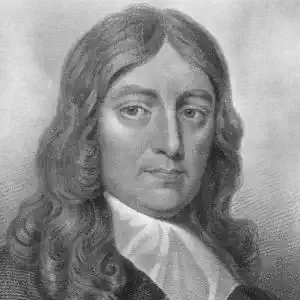
John Milton
Paradise Lost: Book 04
Paradise Lost: Book 04
O, for that warning voice, which he, who saw
The Apocalypse, heard cry in Heaven aloud,
Then when the Dragon, put to second rout,
Came furious down to be revenged on men,
Woe to the inhabitants on earth! that now,
While time was, our first parents had been warned
The coming of their secret foe, and 'scaped,
Haply so 'scaped his mortal snare: For now
Satan, now first inflamed with rage, came down,
The tempter ere the accuser of mankind,
To wreak on innocent frail Man his loss
Of that first battle, and his flight to Hell:
Yet, not rejoicing in his speed, though bold
Far off and fearless, nor with cause to boast,
Begins his dire attempt; which nigh the birth
Now rolling boils in his tumultuous breast,
And like a devilish engine back recoils
Upon himself; horrour and doubt distract
His troubled thoughts, and from the bottom stir
The Hell within him; for within him Hell
He brings, and round about him, nor from Hell
One step, no more than from himself, can fly
By change of place: Now conscience wakes despair,
That slumbered; wakes the bitter memory
Of what he was, what is, and what must be
Worse; of worse deeds worse sufferings must ensue.
Sometimes towards Eden, which now in his view
Lay pleasant, his grieved look he fixes sad;
Sometimes towards Heaven, and the full-blazing sun,
Which now sat high in his meridian tower:
Then, much revolving, thus in sighs began.
O thou, that, with surpassing glory crowned,
Lookest from thy sole dominion like the God
Of this new world; at whose sight all the stars
Hide their diminished heads; to thee I call,
But with no friendly voice, and add thy name,
Of Sun! to tell thee how I hate thy beams,
That bring to my remembrance from what state
I fell, how glorious once above thy sphere;
Till pride and worse ambition threw me down
Warring in Heaven against Heaven's matchless King:
Ah, wherefore! he deserved no such return
From me, whom he created what I was
In that bright eminence, and with his good
Upbraided none; nor was his service hard.
What could be less than to afford him praise,
The easiest recompence, and pay him thanks,
How due! yet all his good proved ill in me,
And wrought but malice; lifted up so high
I sdeined subjection, and thought one step higher
Would set me highest, and in a moment quit
The debt immense of endless gratitude,
So burdensome still paying, still to owe,
Forgetful what from him I still received,
And understood not that a grateful mind
By owing owes not, but still pays, at once
Indebted and discharged; what burden then
O, had his powerful destiny ordained
Me some inferiour Angel, I had stood
Then happy; no unbounded hope had raised
Ambition! Yet why not some other Power
As great might have aspired, and me, though mean,
Drawn to his part; but other Powers as great
Fell not, but stand unshaken, from within
Or from without, to all temptations armed.
Hadst thou the same free will and power to stand?
Thou hadst: whom hast thou then or what to accuse,
But Heaven's free love dealt equally to all?
Be then his love accursed, since love or hate,
To me alike, it deals eternal woe.
Nay, cursed be thou; since against his thy will
Chose freely what it now so justly rues.
Me miserable! which way shall I fly
Infinite wrath, and infinite despair?
Which way I fly is Hell; myself am Hell;
And, in the lowest deep, a lower deep
Still threatening to devour me opens wide,
To which the Hell I suffer seems a Heaven.
O, then, at last relent: Is there no place
Left for repentance, none for pardon left?
None left but by submission; and that word
Disdain forbids me, and my dread of shame
Among the Spirits beneath, whom I seduced
With other promises and other vaunts
Than to submit, boasting I could subdue
The Omnipotent. Ay me! they little know
How dearly I abide that boast so vain,
Under what torments inwardly I groan,
While they adore me on the throne of Hell.
With diadem and scepter high advanced,
The lower still I fall, only supreme
In misery: Such joy ambition finds.
But say I could repent, and could obtain,
By act of grace, my former state; how soon
Would highth recall high thoughts, how soon unsay
What feigned submission swore? Ease would recant
Vows made in pain, as violent and void.
For never can true reconcilement grow,
Where wounds of deadly hate have pierced so deep:
Which would but lead me to a worse relapse
And heavier fall: so should I purchase dear
Short intermission bought with double smart.
This knows my Punisher; therefore as far
From granting he, as I from begging, peace;
All hope excluded thus, behold, in stead
Mankind created, and for him this world.
So farewell, hope; and with hope farewell, fear;
Farewell, remorse! all good to me is lost;
Evil, be thou my good; by thee at least
Divided empire with Heaven's King I hold,
By thee, and more than half perhaps will reign;
As Man ere long, and this new world, shall know.
Thus while he spake, each passion dimmed his face
Thrice changed with pale, ire, envy, and despair;
Which marred his borrowed visage, and betrayed
Him counterfeit, if any eye beheld.
For heavenly minds from such distempers foul
Are ever clear. Whereof he soon aware,
Each perturbation smoothed with outward calm,
Artificer of fraud; and was the first
That practised falsehood under saintly show,
Deep malice to conceal, couched with revenge:
Yet not enough had practised to deceive
Uriel once warned; whose eye pursued him down
The way he went, and on the Assyrian mount
Saw him disfigured, more than could befall
Spirit of happy sort; his gestures fierce
He marked and mad demeanour, then alone,
As he supposed, all unobserved, unseen.
So on he fares, and to the border comes
Of Eden, where delicious Paradise,
Now nearer, crowns with her enclosure green,
As with a rural mound, the champaign head
Of a steep wilderness, whose hairy sides
Access denied; and overhead upgrew
Insuperable height of loftiest shade,
Cedar, and pine, and fir, and branching palm,
A sylvan scene, and, as the ranks ascend,
Shade above shade, a woody theatre
Of stateliest view. Yet higher than their tops
The verdurous wall of Paradise upsprung;
Which to our general sire gave prospect large
Into his nether empire neighbouring round.
And higher than that wall a circling row
Of goodliest trees, loaden with fairest fruit,
Blossoms and fruits at once of golden hue,
Appeared, with gay enamelled colours mixed:
On which the sun more glad impressed his beams
Than in fair evening cloud, or humid bow,
When God hath showered the earth; so lovely seemed
That landskip: And of pure now purer air
Meets his approach, and to the heart inspires
Vernal delight and joy, able to drive
All sadness but despair: Now gentle gales,
Fanning their odoriferous wings, dispense
Native perfumes, and whisper whence they stole
Those balmy spoils. As when to them who fail
Beyond the Cape of Hope, and now are past
Mozambick, off at sea north-east winds blow
Sabean odours from the spicy shore
Of Araby the blest; with such delay
Well pleased they slack their course, and many a league
Cheered with the grateful smell old Ocean smiles:
So entertained those odorous sweets the Fiend,
Who came their bane; though with them better pleased
Than Asmodeus with the fishy fume
That drove him, though enamoured, from the spouse
Of Tobit's son, and with a vengeance sent
From Media post to Egypt, there fast bound.
Now to the ascent of that steep savage hill
Satan had journeyed on, pensive and slow;
But further way found none, so thick entwined,
As one continued brake, the undergrowth
Of shrubs and tangling bushes had perplexed
All path of man or beast that passed that way.
One gate there only was, and that looked east
On the other side: which when the arch-felon saw,
Due entrance he disdained; and, in contempt,
At one flight bound high over-leaped all bound
Of hill or highest wall, and sheer within
Lights on his feet. As when a prowling wolf,
Whom hunger drives to seek new haunt for prey,
Watching where shepherds pen their flocks at eve
In hurdled cotes amid the field secure,
Leaps o'er the fence with ease into the fold:
Or as a thief, bent to unhoard the cash
Of some rich burgher, whose substantial doors,
Cross-barred and bolted fast, fear no assault,
In at the window climbs, or o'er the tiles:
So clomb this first grand thief into God's fold;
So since into his church lewd hirelings climb.
Thence up he flew, and on the tree of life,
The middle tree and highest there that grew,
Sat like a cormorant; yet not true life
Thereby regained, but sat devising death
To them who lived; nor on the virtue thought
Of that life-giving plant, but only used
For prospect, what well used had been the pledge
Of immortality. So little knows
Any, but God alone, to value right
The good before him, but perverts best things
To worst abuse, or to their meanest use.
Beneath him with new wonder now he views,
To all delight of human sense exposed,
In narrow room, Nature's whole wealth, yea more,
A Heaven on Earth: For blissful Paradise
Of God the garden was, by him in the east
Of Eden planted; Eden stretched her line
From Auran eastward to the royal towers
Of great Seleucia, built by Grecian kings,
Of where the sons of Eden long before
Dwelt in Telassar: In this pleasant soil
His far more pleasant garden God ordained;
Out of the fertile ground he caused to grow
All trees of noblest kind for sight, smell, taste;
And all amid them stood the tree of life,
High eminent, blooming ambrosial fruit
Of vegetable gold; and next to life,
Our death, the tree of knowledge, grew fast by,
Knowledge of good bought dear by knowing ill.
Southward through Eden went a river large,
Nor changed his course, but through the shaggy hill
Passed underneath ingulfed; for God had thrown
That mountain as his garden-mould high raised
Upon the rapid current, which, through veins
Of porous earth with kindly thirst up-drawn,
Rose a fresh fountain, and with many a rill
Watered the garden; thence united fell
Down the steep glade, and met the nether flood,
Which from his darksome passage now appears,
And now, divided into four main streams,
Runs diverse, wandering many a famous realm
And country, whereof here needs no account;
But rather to tell how, if Art could tell,
How from that sapphire fount the crisped brooks,
Rolling on orient pearl and sands of gold,
With mazy errour under pendant shades
Ran nectar, visiting each plant, and fed
Flowers worthy of Paradise, which not nice Art
In beds and curious knots, but Nature boon
Poured forth profuse on hill, and dale, and plain,
Both where the morning sun first warmly smote
The open field, and where the unpierced shade
Imbrowned the noontide bowers: Thus was this place
A happy rural seat of various view;
Groves whose rich trees wept odorous gums and balm,
Others whose fruit, burnished with golden rind,
Hung amiable, Hesperian fables true,
If true, here only, and of delicious taste:
Betwixt them lawns, or level downs, and flocks
Grazing the tender herb, were interposed,
Or palmy hillock; or the flowery lap
Of some irriguous valley spread her store,
Flowers of all hue, and without thorn the rose:
Another side, umbrageous grots and caves
Of cool recess, o'er which the mantling vine
Lays forth her purple grape, and gently creeps
Luxuriant; mean while murmuring waters fall
Down the slope hills, dispersed, or in a lake,
That to the fringed bank with myrtle crowned
Her crystal mirrour holds, unite their streams.
The birds their quire apply; airs, vernal airs,
Breathing the smell of field and grove, attune
The trembling leaves, while universal Pan,
Knit with the Graces and the Hours in dance,
Led on the eternal Spring. Not that fair field
Of Enna, where Proserpine gathering flowers,
Herself a fairer flower by gloomy Dis
Was gathered, which cost Ceres all that pain
To seek her through the world; nor that sweet grove
Of Daphne by Orontes, and the inspired
Castalian spring, might with this Paradise
Of Eden strive; nor that Nyseian isle
Girt with the river Triton, where old Cham,
Whom Gentiles Ammon call and Libyan Jove,
Hid Amalthea, and her florid son
Young Bacchus, from his stepdame Rhea's eye;
Nor where Abassin kings their issue guard,
Mount Amara, though this by some supposed
True Paradise under the Ethiop line
By Nilus' head, enclosed with shining rock,
A whole day's journey high, but wide remote
From this Assyrian garden, where the Fiend
Saw, undelighted, all delight, all kind
Of living creatures, new to sight, and strange
Two of far nobler shape, erect and tall,
Godlike erect, with native honour clad
In naked majesty seemed lords of all:
And worthy seemed; for in their looks divine
The image of their glorious Maker shone,
Truth, wisdom, sanctitude severe and pure,
(Severe, but in true filial freedom placed,)
Whence true authority in men; though both
Not equal, as their sex not equal seemed;
For contemplation he and valour formed;
For softness she and sweet attractive grace;
He for God only, she for God in him:
His fair large front and eye sublime declared
Absolute rule; and hyacinthine locks
Round from his parted forelock manly hung
Clustering, but not beneath his shoulders broad:
She, as a veil, down to the slender waist
Her unadorned golden tresses wore
Dishevelled, but in wanton ringlets waved
As the vine curls her tendrils, which implied
Subjection, but required with gentle sway,
And by her yielded, by him best received,
Yielded with coy submission, modest pride,
And sweet, reluctant, amorous delay.
Nor those mysterious parts were then concealed;
Then was not guilty shame, dishonest shame
Of nature's works, honour dishonourable,
Sin-bred, how have ye troubled all mankind
With shows instead, mere shows of seeming pure,
And banished from man's life his happiest life,
Simplicity and spotless innocence!
So passed they naked on, nor shunned the sight
Of God or Angel; for they thought no ill:
So hand in hand they passed, the loveliest pair,
That ever since in love's embraces met;
Adam the goodliest man of men since born
His sons, the fairest of her daughters Eve.
Under a tuft of shade that on a green
Stood whispering soft, by a fresh fountain side
They sat them down; and, after no more toil
Of their sweet gardening labour than sufficed
To recommend cool Zephyr, and made ease
More easy, wholesome thirst and appetite
More grateful, to their supper-fruits they fell,
Nectarine fruits which the compliant boughs
Yielded them, side-long as they sat recline
On the soft downy bank damasked with flowers:
The savoury pulp they chew, and in the rind,
Still as they thirsted, scoop the brimming stream;
Nor gentle purpose, nor endearing smiles
Wanted, nor youthful dalliance, as beseems
Fair couple, linked in happy nuptial league,
Alone as they. About them frisking played
All beasts of the earth, since wild, and of all chase
In wood or wilderness, forest or den;
Sporting the lion ramped, and in his paw
Dandled the kid; bears, tigers, ounces, pards,
Gambolled before them; the unwieldy elephant,
To make them mirth, used all his might, and wreathed
His?kithetmroboscis; close the serpent sly,
Insinuating, wove with Gordian twine
His braided train, and of his fatal guile
Gave proof unheeded; others on the grass
Couched, and now filled with pasture gazing sat,
Or bedward ruminating; for the sun,
Declined, was hasting now with prone career
To the ocean isles, and in the ascending scale
Of Heaven the stars that usher evening rose:
When Satan still in gaze, as first he stood,
Scarce thus at length failed speech recovered sad.
O Hell! what do mine eyes with grief behold!
Into our room of bliss thus high advanced
Creatures of other mould, earth-born perhaps,
Not Spirits, yet to heavenly Spirits bright
Little inferiour; whom my thoughts pursue
With wonder, and could love, so lively shines
In them divine resemblance, and such grace
The hand that formed them on their shape hath poured.
Ah! gentle pair, ye little think how nigh
Your change approaches, when all these delights
Will vanish, and deliver ye to woe;
More woe, the more your taste is now of joy;
Happy, but for so happy ill secured
Long to continue, and this high seat your Heaven
Ill fenced for Heaven to keep out such a foe
As now is entered; yet no purposed foe
To you, whom I could pity thus forlorn,
Though I unpitied: League with you I seek,
And mutual amity, so strait, so close,
That I with you must dwell, or you with me
Henceforth; my dwelling haply may not please,
Like this fair Paradise, your sense; yet such
Accept your Maker's work; he gave it me,
Which I as freely give: Hell shall unfold,
To entertain you two, her widest gates,
And send forth all her kings; there will be room,
Not like these narrow limits, to receive
Your numerous offspring; if no better place,
Thank him who puts me loth to this revenge
On you who wrong me not for him who wronged.
And should I at your harmless innocence
Melt, as I do, yet publick reason just,
Honour and empire with revenge enlarged,
By conquering this new world, compels me now
To do what else, though damned, I should abhor.
So spake the Fiend, and with necessity,
The tyrant's plea, excused his devilish deeds.
Then from his lofty stand on that high tree
Down he alights among the sportful herd
Of those four-footed kinds, himself now one,
Now other, as their shape served best his end
Nearer to view his prey, and, unespied,
To mark what of their state he more might learn,
By word or action marked. About them round
A lion now he stalks with fiery glare;
Then as a tiger, who by chance hath spied
In some purlieu two gentle fawns at play,
Straight couches close, then, rising, changes oft
His couchant watch, as one who chose his ground,
Whence rushing, he might surest seize them both,
Griped in each paw: when, Adam first of men
To first of women Eve thus moving speech,
Turned him, all ear to hear new utterance flow.
Sole partner, and sole part, of all these joys,
Dearer thyself than all; needs must the Power
That made us, and for us this ample world,
Be infinitely good, and of his good
As liberal and free as infinite;
That raised us from the dust, and placed us here
In all this happiness, who at his hand
Have nothing merited, nor can perform
Aught whereof he hath need; he who requires
From us no other service than to keep
This one, this easy charge, of all the trees
In Paradise that bear delicious fruit
So various, not to taste that only tree
Of knowledge, planted by the tree of life;
So near grows death to life, whate'er death is,
Some dreadful thing no doubt; for well thou knowest
God hath pronounced it death to taste that tree,
The only sign of our obedience left,
Among so many signs of power and rule
Conferred upon us, and dominion given
Over all other creatures that possess
Earth, air, and sea. Then let us not think hard
One easy prohibition, who enjoy
Free leave so large to all things else, and choice
Unlimited of manifold delights:
But let us ever praise him, and extol
His bounty, following our delightful task,
To prune these growing plants, and tend these flowers,
Which were it toilsome, yet with thee were sweet.
To whom thus Eve replied. O thou for whom
And from whom I was formed, flesh of thy flesh,
And without whom am to no end, my guide
And head! what thou hast said is just and right.
For we to him indeed all praises owe,
And daily thanks; I chiefly, who enjoy
So far the happier lot, enjoying thee
Pre-eminent by so much odds, while thou
Like consort to thyself canst no where find.
That day I oft remember, when from sleep
I first awaked, and found myself reposed
Under a shade on flowers, much wondering where
And what I was, whence thither brought, and how.
Not distant far from thence a murmuring sound
Of waters issued from a cave, and spread
Into a liquid plain, then stood unmoved
Pure as the expanse of Heaven; I thither went
With unexperienced thought, and laid me down
On the green bank, to look into the clear
Smooth lake, that to me seemed another sky.
As I bent down to look, just opposite
A shape within the watery gleam appeared,
Bending to look on me: I started back,
It started back; but pleased I soon returned,
Pleased it returned as soon with answering looks
Of sympathy and love: There I had fixed
Mine eyes till now, and pined with vain desire,
Had not a voice thus warned me; 'What thou seest,
'What there thou seest, fair Creature, is thyself;
'With thee it came and goes: but follow me,
'And I will bring thee where no shadow stays
'Thy coming, and thy soft embraces, he
'Whose image thou art; him thou shalt enjoy
'Inseparably thine, to him shalt bear
'Multitudes like thyself, and thence be called
'Mother of human race.' What could I do,
But follow straight, invisibly thus led?
Till I espied thee, fair indeed and tall,
Under a platane; yet methought less fair,
Less winning soft, less amiably mild,
Than that smooth watery image: Back I turned;
Thou following cryedst aloud, 'Return, fair Eve;
'Whom flyest thou? whom thou flyest, of him thou art,
'His flesh, his bone; to give thee being I lent
'Out of my side to thee, nearest my heart,
'Substantial life, to have thee by my side
'Henceforth an individual solace dear;
'Part of my soul I seek thee, and thee claim
'My other half:' With that thy gentle hand
Seised mine: I yielded;and from that time see
How beauty is excelled by manly grace,
And wisdom, which alone is truly fair.
So spake our general mother, and with eyes
Of conjugal attraction unreproved,
And meek surrender, half-embracing leaned
On our first father; half her swelling breast
Naked met his, under the flowing gold
Of her loose tresses hid: he in delight
Both of her beauty, and submissive charms,
Smiled with superiour love, as Jupiter
On Juno smiles, when he impregns the clouds
That shed Mayflowers; and pressed her matron lip
With kisses pure: Aside the Devil turned
For envy; yet with jealous leer malign
Eyed them askance, and to himself thus plained.
Sight hateful, sight tormenting! thus these two,
Imparadised in one another's arms,
The happier Eden, shall enjoy their fill
Of bliss on bliss; while I to Hell am thrust,
Where neither joy nor love, but fierce desire,
Among our other torments not the least,
Still unfulfilled with pain of longing pines.
Yet let me not forget what I have gained
From their own mouths: All is not theirs, it seems;
One fatal tree there stands, of knowledge called,
Forbidden them to taste: Knowledge forbidden
Suspicious, reasonless. Why should their Lord
Envy them that? Can it be sin to know?
Can it be death? And do they only stand
By ignorance? Is that their happy state,
The proof of their obedience and their faith?
O fair foundation laid whereon to build
Their ruin! hence I will excite their minds
With more desire to know, and to reject
Envious commands, invented with design
To keep them low, whom knowledge might exalt
Equal with Gods: aspiring to be such,
They taste and die: What likelier can ensue
But first with narrow search I must walk round
This garden, and no corner leave unspied;
A chance but chance may lead where I may meet
Some wandering Spirit of Heaven by fountain side,
Or in thick shade retired, from him to draw
What further would be learned. Live while ye may,
Yet happy pair; enjoy, till I return,
Short pleasures, for long woes are to succeed!
So saying, his proud step he scornful turned,
But with sly circumspection, and began
Through wood, through waste, o'er hill, o'er dale, his roam
Mean while in utmost longitude, where Heaven
With earth and ocean meets, the setting sun
Slowly descended, and with right aspect
Against the eastern gate of Paradise
Levelled his evening rays: It was a rock
Of alabaster, piled up to the clouds,
Conspicuous far, winding with one ascent
Accessible from earth, one entrance high;
The rest was craggy cliff, that overhung
Still as it rose, impossible to climb.
Betwixt these rocky pillars Gabriel sat,
Chief of the angelick guards, awaiting night;
About him exercised heroick games
The unarmed youth of Heaven, but nigh at hand
Celestial armoury, shields, helms, and spears,
Hung high with diamond flaming, and with gold.
Thither came Uriel, gliding through the even
On a sun-beam, swift as a shooting star
In autumn thwarts the night, when vapours fired
Impress the air, and shows the mariner
From what point of his compass to beware
Impetuous winds: He thus began in haste.
Gabriel, to thee thy course by lot hath given
Charge and strict watch, that to this happy place
No evil thing approach or enter in.
This day at highth of noon came to my sphere
A Spirit, zealous, as he seemed, to know
More of the Almighty's works, and chiefly Man,
God's latest image: I described his way
Bent all on speed, and marked his aery gait;
But in the mount that lies from Eden north,
Where he first lighted, soon discerned his looks
Alien from Heaven, with passions foul obscured:
Mine eye pursued him still, but under shade
Lost sight of him: One of the banished crew,
I fear, hath ventured from the deep, to raise
New troubles; him thy care must be to find.
To whom the winged warriour thus returned.
Uriel, no wonder if thy perfect sight,
Amid the sun's bright circle where thou sitst,
See far and wide: In at this gate none pass
The vigilance here placed, but such as come
Well known from Heaven; and since meridian hour
No creature thence: If Spirit of other sort,
So minded, have o'er-leaped these earthly bounds
On purpose, hard thou knowest it to exclude
Spiritual substance with corporeal bar.
But if within the circuit of these walks,
In whatsoever shape he lurk, of whom
Thou tellest, by morrow dawning I shall know.
So promised he; and Uriel to his charge
Returned on that bright beam, whose point now raised
Bore him slope downward to the sun now fallen
Beneath the Azores; whether the prime orb,
Incredible how swift, had thither rolled
Diurnal, or this less volubil earth,
By shorter flight to the east, had left him there
Arraying with reflected purple and gold
The clouds that on his western throne attend.
Now came still Evening on, and Twilight gray
Had in her sober livery all things clad;
Silence accompanied; for beast and bird,
They to their grassy couch, these to their nests
Were slunk, all but the wakeful nightingale;
She all night long her amorous descant sung;
Silence was pleased: Now glowed the firmament
With living sapphires: Hesperus, that led
The starry host, rode brightest, till the moon,
Rising in clouded majesty, at length
Apparent queen unveiled her peerless light,
And o'er the dark her silver mantle threw.
When Adam thus to Eve. Fair Consort, the hour
Of night, and all things now retired to rest,
Mind us of like repose; since God hath set
Labour and rest, as day and night, to men
Successive; and the timely dew of sleep,
Now falling with soft slumbrous weight, inclines
Our eye-lids: Other creatures all day long
Rove idle, unemployed, and less need rest;
Man hath his daily work of body or mind
Appointed, which declares his dignity,
And the regard of Heaven on all his ways;
While other animals unactive range,
And of their doings God takes no account.
To-morrow, ere fresh morning streak the east
With first approach of light, we must be risen,
And at our pleasant labour, to reform
Yon flowery arbours, yonder alleys green,
Our walk at noon, with branches overgrown,
That mock our scant manuring, and require
More hands than ours to lop their wanton growth:
Those blossoms also, and those dropping gums,
That lie bestrown, unsightly and unsmooth,
Ask riddance, if we mean to tread with ease;
Mean while, as Nature wills, night bids us rest.
To whom thus Eve, with perfect beauty adorned
My Author and Disposer, what thou bidst
Unargued I obey: So God ordains;
God is thy law, thou mine: To know no more
Is woman's happiest knowledge, and her praise.
With thee conversing I forget all time;
All seasons, and their change, all please alike.
Sweet is the breath of Morn, her rising sweet,
With charm of earliest birds: pleasant the sun,
When first on this delightful land he spreads
His orient beams, on herb, tree, fruit, and flower,
Glistering with dew; fragrant the fertile earth
After soft showers; and sweet the coming on
Of grateful Evening mild; then silent Night,
With this her solemn bird, and this fair moon,
And these the gems of Heaven, her starry train:
But neither breath of Morn, when she ascends
With charm of earliest birds; nor rising sun
On this delightful land; nor herb, fruit, flower,
Glistering with dew; nor fragrance after showers;
Nor grateful Evening mild; nor silent Night,
With this her solemn bird, nor walk by moon,
Or glittering star-light, without thee is sweet.
But wherefore all night long shine these? for whom
This glorious sight, when sleep hath shut all eyes?
To whom our general ancestor replied.
Daughter of God and Man, accomplished Eve,
These have their course to finish round the earth,
By morrow evening, and from land to land
In order, though to nations yet unborn,
Ministring light prepared, they set and rise;
Lest total Darkness should by night regain
Her old possession, and extinguish life
In Nature and all things; which these soft fires
Not only enlighten, but with kindly heat
Of various influence foment and warm,
Temper or nourish, or in part shed down
Their stellar virtue on all kinds that grow
On earth, made hereby apter to receive
Perfection from the sun's more potent ray.
These then, though unbeheld in deep of night,
Shine not in vain; nor think, though men were none,
That Heaven would want spectators, God want praise:
Millions of spiritual creatures walk the earth
Unseen, both when we wake, and when we sleep:
All these with ceaseless praise his works behold
Both day and night: How often from the steep
Of echoing hill or thicket have we heard
Celestial voices to the midnight air,
Sole, or responsive each to others note,
Singing their great Creator? oft in bands
While they keep watch, or nightly rounding walk,
With heavenly touch of instrumental sounds
In full harmonick number joined, their songs
Divide the night, and lift our thoughts to Heaven.
Thus talking, hand in hand alone they passed
On to their blissful bower: it was a place
Chosen by the sovran Planter, when he framed
All things to Man's delightful use; the roof
Of thickest covert was inwoven shade
Laurel and myrtle, and what higher grew
Of firm and fragrant leaf; on either side
Acanthus, and each odorous bushy shrub,
Fenced up the verdant wall; each beauteous flower,
Iris all hues, roses, and jessamin,
Reared high their flourished heads between, and wrought
Mosaick; underfoot the violet,
Crocus, and hyacinth, with rich inlay
Broidered the ground, more coloured than with stone
Of costliest emblem: Other creature here,
Bird, beast, insect, or worm, durst enter none,
Such was their awe of Man. In shadier bower
More sacred and sequestered, though but feigned,
Pan or Sylvanus never slept, nor Nymph
Nor Faunus haunted. Here, in close recess,
With flowers, garlands, and sweet-smelling herbs,
Espoused Eve decked first her nuptial bed;
And heavenly quires the hymenaean sung,
What day the genial Angel to our sire
Brought her in naked beauty more adorned,
More lovely, than Pandora, whom the Gods
Endowed with all their gifts, and O! too like
In sad event, when to the unwiser son
Of Japhet brought by Hermes, she ensnared
Mankind with her fair looks, to be avenged
On him who had stole Jove's authentick fire.
Thus, at their shady lodge arrived, both stood,
Both turned, and under open sky adored
The God that made both sky, air, earth, and heaven,
Which they beheld, the moon's resplendent globe,
And starry pole: Thou also madest the night,
Maker Omnipotent, and thou the day,
Which we, in our appointed work employed,
Have finished, happy in our mutual help
And mutual love, the crown of all our bliss
Ordained by thee; and this delicious place
For us too large, where thy abundance wants
Partakers, and uncropt falls to the ground.
But thou hast promised from us two a race
To fill the earth, who shall with us extol
Thy goodness infinite, both when we wake,
And when we seek, as now, thy gift of sleep.
This said unanimous, and other rites
Observing none, but adoration pure
Which God likes best, into their inmost bower
Handed they went; and, eased the putting off
These troublesome disguises which we wear,
Straight side by side were laid; nor turned, I ween,
Adam from his fair spouse, nor Eve the rites
Mysterious of connubial love refused:
Whatever hypocrites austerely talk
Of purity, and place, and innocence,
Defaming as impure what God declares
Pure, and commands to some, leaves free to all.
Our Maker bids encrease; who bids abstain
But our Destroyer, foe to God and Man?
Hail, wedded Love, mysterious law, true source
Of human offspring, sole propriety
In Paradise of all things common else!
By thee adulterous Lust was driven from men
Among the bestial herds to range; by thee
Founded in reason, loyal, just, and pure,
Relations dear, and all the charities
Of father, son, and brother, first were known.
Far be it, that I should write thee sin or blame,
Or think thee unbefitting holiest place,
Perpetual fountain of domestick sweets,
Whose bed is undefiled and chaste pronounced,
Present, or past, as saints and patriarchs used.
Here Love his golden shafts employs, here lights
His constant lamp, and waves his purple wings,
Reigns here and revels; not in the bought smile
Of harlots, loveless, joyless, unendeared,
Casual fruition; nor in court-amours,
Mixed dance, or wanton mask, or midnight ball,
Or serenate, which the starved lover sings
To his proud fair, best quitted with disdain.
These, lulled by nightingales, embracing slept,
And on their naked limbs the flowery roof
Showered roses, which the morn repaired. Sleep on,
Blest pair; and O!yet happiest, if ye seek
No happier state, and know to know no more.
Now had night measured with her shadowy cone
Half way up hill this vast sublunar vault,
And from their ivory port the Cherubim,
Forth issuing at the accustomed hour, stood armed
To their night watches in warlike parade;
When Gabriel to his next in power thus spake.
Uzziel, half these draw off, and coast the south
With strictest watch; these other wheel the north;
Our circuit meets full west. As flame they part,
Half wheeling to the shield, half to the spear.
From these, two strong and subtle Spirits he called
That near him stood, and gave them thus in charge.
Ithuriel and Zephon, with winged speed
Search through this garden, leave unsearched no nook;
But chiefly where those two fair creatures lodge,
Now laid perhaps asleep, secure of harm.
This evening from the sun's decline arrived,
Who tells of some infernal Spirit seen
Hitherward bent (who could have thought?) escaped
The bars of Hell, on errand bad no doubt:
Such, where ye find, seise fast, and hither bring.
So saying, on he led his radiant files,
Dazzling the moon; these to the bower direct
In search of whom they sought: Him there they found
Squat like a toad, close at the ear of Eve,
Assaying by his devilish art to reach
The organs of her fancy, and with them forge
Illusions, as he list, phantasms and dreams;
Or if, inspiring venom, he might taint
The animal spirits, that from pure blood arise
Like gentle breaths from rivers pure, thence raise
At least distempered, discontented thoughts,
Vain hopes, vain aims, inordinate desires,
Blown up with high conceits ingendering pride.
Him thus intent Ithuriel with his spear
Touched lightly; for no falshood can endure
Touch of celestial temper, but returns
Of force to its own likeness: Up he starts
Discovered and surprised. As when a spark
Lights on a heap of nitrous powder, laid
Fit for the tun some magazine to store
Against a rumoured war, the smutty grain,
With sudden blaze diffused, inflames the air;
So started up in his own shape the Fiend.
Back stept those two fair Angels, half amazed
So sudden to behold the grisly king;
Yet thus, unmoved with fear, accost him soon.
Which of those rebel Spirits adjudged to Hell
Comest thou, escaped thy prison? and, transformed,
Why sat'st thou like an enemy in wait,
Here watching at the head of these that sleep?
Know ye not then said Satan, filled with scorn,
Know ye not me? ye knew me once no mate
For you, there sitting where ye durst not soar:
Not to know me argues yourselves unknown,
The lowest of your throng; or, if ye know,
Why ask ye, and superfluous begin
Your message, like to end as much in vain?
To whom thus Zephon, answering scorn with scorn.
Think not, revolted Spirit, thy shape the same,
Or undiminished brightness to be known,
As when thou stoodest in Heaven upright and pure;
That glory then, when thou no more wast good,
Departed from thee; and thou resemblest now
Thy sin and place of doom obscure and foul.
But come, for thou, be sure, shalt give account
To him who sent us, whose charge is to keep
This place inviolable, and these from harm.
So spake the Cherub; and his grave rebuke,
Severe in youthful beauty, added grace
Invincible: Abashed the Devil stood,
And felt how awful goodness is, and saw
Virtue in her shape how lovely; saw, and pined
His loss; but chiefly to find here observed
His lustre visibly impaired; yet seemed
Undaunted. If I must contend, said he,
Best with the best, the sender, not the sent,
Or all at once; more glory will be won,
Or less be lost. Thy fear, said Zephon bold,
Will save us trial what the least can do
Single against thee wicked, and thence weak.
The Fiend replied not, overcome with rage;
But, like a proud steed reined, went haughty on,
Champing his iron curb: To strive or fly
He held it vain; awe from above had quelled
His heart, not else dismayed. Now drew they nigh
The western point, where those half-rounding guards
Just met, and closing stood in squadron joined,
A waiting next command. To whom their Chief,
Gabriel, from the front thus called aloud.
O friends! I hear the tread of nimble feet
Hasting this way, and now by glimpse discern
Ithuriel and Zephon through the shade;
And with them comes a third of regal port,
But faded splendour wan; who by his gait
And fierce demeanour seems the Prince of Hell,
Not likely to part hence without contest;
Stand firm, for in his look defiance lours.
He scarce had ended, when those two approached,
And brief related whom they brought, where found,
How busied, in what form and posture couched.
To whom with stern regard thus Gabriel spake.
Why hast thou, Satan, broke the bounds prescribed
To thy transgressions, and disturbed the charge
Of others, who approve not to transgress
By thy example, but have power and right
To question thy bold entrance on this place;
Employed, it seems, to violate sleep, and those
Whose dwelling God hath planted here in bliss!
To whom thus Satan with contemptuous brow.
Gabriel? thou hadst in Heaven the esteem of wise,
And such I held thee; but this question asked
Puts me in doubt. Lives there who loves his pain!
Who would not, finding way, break loose from Hell,
Though thither doomed! Thou wouldst thyself, no doubt
And boldly venture to whatever place
Farthest from pain, where thou mightst hope to change
Torment with ease, and soonest recompense
Dole with delight, which in this place I sought;
To thee no reason, who knowest only good,
But evil hast not tried: and wilt object
His will who bounds us! Let him surer bar
His iron gates, if he intends our stay
In that dark durance: Thus much what was asked.
The rest is true, they found me where they say;
But that implies not violence or harm.
Thus he in scorn. The warlike Angel moved,
Disdainfully half smiling, thus replied.
O loss of one in Heaven to judge of wise
Since Satan fell, whom folly overthrew,
And now returns him from his prison 'scaped,
Gravely in doubt whether to hold them wise
Or not, who ask what boldness brought him hither
Unlicensed from his bounds in Hell prescribed;
So wise he judges it to fly from pain
However, and to 'scape his punishment!
So judge thou still, presumptuous! till the wrath,
Which thou incurrest by flying, meet thy flight
Sevenfold, and scourge that wisdom back to Hell,
Which taught thee yet no better, that no pain
Can equal anger infinite provoked.
But wherefore thou alone? wherefore with thee
Came not all hell broke loose? or thou than they
Less hardy to endure? Courageous Chief!
The first in flight from pain! hadst thou alleged
To thy deserted host this cause of flight,
Thou surely hadst not come sole fugitive.
To which the Fiend thus answered, frowning stern.
Not that I less endure, or shrink from pain,
Insulting Angel! well thou knowest I stood
Thy fiercest, when in battle to thy aid
The blasting vollied thunder made all speed,
And seconded thy else not dreaded spear.
But still thy words at random, as before,
Argue thy inexperience what behoves
From hard assays and ill successes past
A faithful leader, not to hazard all
Through ways of danger by himself untried:
I, therefore, I alone first undertook
To wing the desolate abyss, and spy
This new created world, whereof in Hell
Fame is not silent, here in hope to find
Better abode, and my afflicted Powers
To settle here on earth, or in mid air;
Though for possession put to try once more
What thou and thy gay legions dare against;
Whose easier business were to serve their Lord
High up in Heaven, with songs to hymn his throne,
And practised distances to cringe, not fight,
To whom the warriour Angel soon replied.
To say and straight unsay, pretending first
Wise to fly pain, professing next the spy,
Argues no leader but a liear traced,
Satan, and couldst thou faithful add? O name,
O sacred name of faithfulness profaned!
Faithful to whom? to thy rebellious crew?
Army of Fiends, fit body to fit head.
Was this your discipline and faith engaged,
Your military obedience, to dissolve
Allegiance to the acknowledged Power supreme?
And thou, sly hypocrite, who now wouldst seem
Patron of liberty, who more than thou
Once fawned, and cringed, and servily adored
Heaven's awful Monarch? wherefore, but in hope
To dispossess him, and thyself to reign?
But mark what I arreed thee now, Avant;
Fly neither whence thou fledst! If from this hour
Within these hallowed limits thou appear,
Back to the infernal pit I drag thee chained,
And seal thee so, as henceforth not to scorn
The facile gates of Hell too slightly barred.
So threatened he; but Satan to no threats
Gave heed, but waxing more in rage replied.
Then when I am thy captive talk of chains,
Proud limitary Cherub! but ere then
Far heavier load thyself expect to feel
From my prevailing arm, though Heaven's King
Ride on thy wings, and thou with thy compeers,
Us'd to the yoke, drawest his triumphant wheels
In progress through the road of Heaven star-paved.
While thus he spake, the angelick squadron bright
Turned fiery red, sharpening in mooned horns
Their phalanx, and began to hem him round
With ported spears, as thick as when a field
Of Ceres ripe for harvest waving bends
Her bearded grove of ears, which way the wind
Sways them; the careful plowman doubting stands,
Left on the threshing floor his hopeless sheaves
Prove chaff. On the other side, Satan, alarmed,
Collecting all his might, dilated stood,
Like Teneriff or Atlas, unremoved:
His stature reached the sky, and on his crest
Sat Horrour plumed; nor wanted in his grasp
What seemed both spear and shield: Now dreadful deeds
Might have ensued, nor only Paradise
In this commotion, but the starry cope
Of Heaven perhaps, or all the elements
At least had gone to wrack, disturbed and torn
With violence of this conflict, had not soon
The Eternal, to prevent such horrid fray,
Hung forth in Heaven his golden scales, yet seen
Betwixt Astrea and the Scorpion sign,
Wherein all things created first he weighed,
The pendulous round earth with balanced air
In counterpoise, now ponders all events,
Battles and realms: In these he put two weights,
The sequel each of parting and of fight:
The latter quick up flew, and kicked the beam,
Which Gabriel spying, thus bespake the Fiend.
Satan, I know thy strength, and thou knowest mine;
Neither our own, but given: What folly then
To boast what arms can do? since thine no more
Than Heaven permits, nor mine, though doubled now
To trample thee as mire: For proof look up,
And read thy lot in yon celestial sign;
Where thou art weighed, and shown how light, how weak,
If thou resist. The Fiend looked up, and knew
His mounted scale aloft: Nor more;but fled
Murmuring, and with him fled the shades of night.
O, for that warning voice, which he, who saw
The Apocalypse, heard cry in Heaven aloud,
Then when the Dragon, put to second rout,
Came furious down to be revenged on men,
Woe to the inhabitants on earth! that now,
While time was, our first parents had been warned
The coming of their secret foe, and 'scaped,
Haply so 'scaped his mortal snare: For now
Satan, now first inflamed with rage, came down,
The tempter ere the accuser of mankind,
To wreak on innocent frail Man his loss
Of that first battle, and his flight to Hell:
Yet, not rejoicing in his speed, though bold
Far off and fearless, nor with cause to boast,
Begins his dire attempt; which nigh the birth
Now rolling boils in his tumultuous breast,
And like a devilish engine back recoils
Upon himself; horrour and doubt distract
His troubled thoughts, and from the bottom stir
The Hell within him; for within him Hell
He brings, and round about him, nor from Hell
One step, no more than from himself, can fly
By change of place: Now conscience wakes despair,
That slumbered; wakes the bitter memory
Of what he was, what is, and what must be
Worse; of worse deeds worse sufferings must ensue.
Sometimes towards Eden, which now in his view
Lay pleasant, his grieved look he fixes sad;
Sometimes towards Heaven, and the full-blazing sun,
Which now sat high in his meridian tower:
Then, much revolving, thus in sighs began.
O thou, that, with surpassing glory crowned,
Lookest from thy sole dominion like the God
Of this new world; at whose sight all the stars
Hide their diminished heads; to thee I call,
But with no friendly voice, and add thy name,
Of Sun! to tell thee how I hate thy beams,
That bring to my remembrance from what state
I fell, how glorious once above thy sphere;
Till pride and worse ambition threw me down
Warring in Heaven against Heaven's matchless King:
Ah, wherefore! he deserved no such return
From me, whom he created what I was
In that bright eminence, and with his good
Upbraided none; nor was his service hard.
What could be less than to afford him praise,
The easiest recompence, and pay him thanks,
How due! yet all his good proved ill in me,
And wrought but malice; lifted up so high
I sdeined subjection, and thought one step higher
Would set me highest, and in a moment quit
The debt immense of endless gratitude,
So burdensome still paying, still to owe,
Forgetful what from him I still received,
And understood not that a grateful mind
By owing owes not, but still pays, at once
Indebted and discharged; what burden then
O, had his powerful destiny ordained
Me some inferiour Angel, I had stood
Then happy; no unbounded hope had raised
Ambition! Yet why not some other Power
As great might have aspired, and me, though mean,
Drawn to his part; but other Powers as great
Fell not, but stand unshaken, from within
Or from without, to all temptations armed.
Hadst thou the same free will and power to stand?
Thou hadst: whom hast thou then or what to accuse,
But Heaven's free love dealt equally to all?
Be then his love accursed, since love or hate,
To me alike, it deals eternal woe.
Nay, cursed be thou; since against his thy will
Chose freely what it now so justly rues.
Me miserable! which way shall I fly
Infinite wrath, and infinite despair?
Which way I fly is Hell; myself am Hell;
And, in the lowest deep, a lower deep
Still threatening to devour me opens wide,
To which the Hell I suffer seems a Heaven.
O, then, at last relent: Is there no place
Left for repentance, none for pardon left?
None left but by submission; and that word
Disdain forbids me, and my dread of shame
Among the Spirits beneath, whom I seduced
With other promises and other vaunts
Than to submit, boasting I could subdue
The Omnipotent. Ay me! they little know
How dearly I abide that boast so vain,
Under what torments inwardly I groan,
While they adore me on the throne of Hell.
With diadem and scepter high advanced,
The lower still I fall, only supreme
In misery: Such joy ambition finds.
But say I could repent, and could obtain,
By act of grace, my former state; how soon
Would highth recall high thoughts, how soon unsay
What feigned submission swore? Ease would recant
Vows made in pain, as violent and void.
For never can true reconcilement grow,
Where wounds of deadly hate have pierced so deep:
Which would but lead me to a worse relapse
And heavier fall: so should I purchase dear
Short intermission bought with double smart.
This knows my Punisher; therefore as far
From granting he, as I from begging, peace;
All hope excluded thus, behold, in stead
Mankind created, and for him this world.
So farewell, hope; and with hope farewell, fear;
Farewell, remorse! all good to me is lost;
Evil, be thou my good; by thee at least
Divided empire with Heaven's King I hold,
By thee, and more than half perhaps will reign;
As Man ere long, and this new world, shall know.
Thus while he spake, each passion dimmed his face
Thrice changed with pale, ire, envy, and despair;
Which marred his borrowed visage, and betrayed
Him counterfeit, if any eye beheld.
For heavenly minds from such distempers foul
Are ever clear. Whereof he soon aware,
Each perturbation smoothed with outward calm,
Artificer of fraud; and was the first
That practised falsehood under saintly show,
Deep malice to conceal, couched with revenge:
Yet not enough had practised to deceive
Uriel once warned; whose eye pursued him down
The way he went, and on the Assyrian mount
Saw him disfigured, more than could befall
Spirit of happy sort; his gestures fierce
He marked and mad demeanour, then alone,
As he supposed, all unobserved, unseen.
So on he fares, and to the border comes
Of Eden, where delicious Paradise,
Now nearer, crowns with her enclosure green,
As with a rural mound, the champaign head
Of a steep wilderness, whose hairy sides
Access denied; and overhead upgrew
Insuperable height of loftiest shade,
Cedar, and pine, and fir, and branching palm,
A sylvan scene, and, as the ranks ascend,
Shade above shade, a woody theatre
Of stateliest view. Yet higher than their tops
The verdurous wall of Paradise upsprung;
Which to our general sire gave prospect large
Into his nether empire neighbouring round.
And higher than that wall a circling row
Of goodliest trees, loaden with fairest fruit,
Blossoms and fruits at once of golden hue,
Appeared, with gay enamelled colours mixed:
On which the sun more glad impressed his beams
Than in fair evening cloud, or humid bow,
When God hath showered the earth; so lovely seemed
That landskip: And of pure now purer air
Meets his approach, and to the heart inspires
Vernal delight and joy, able to drive
All sadness but despair: Now gentle gales,
Fanning their odoriferous wings, dispense
Native perfumes, and whisper whence they stole
Those balmy spoils. As when to them who fail
Beyond the Cape of Hope, and now are past
Mozambick, off at sea north-east winds blow
Sabean odours from the spicy shore
Of Araby the blest; with such delay
Well pleased they slack their course, and many a league
Cheered with the grateful smell old Ocean smiles:
So entertained those odorous sweets the Fiend,
Who came their bane; though with them better pleased
Than Asmodeus with the fishy fume
That drove him, though enamoured, from the spouse
Of Tobit's son, and with a vengeance sent
From Media post to Egypt, there fast bound.
Now to the ascent of that steep savage hill
Satan had journeyed on, pensive and slow;
But further way found none, so thick entwined,
As one continued brake, the undergrowth
Of shrubs and tangling bushes had perplexed
All path of man or beast that passed that way.
One gate there only was, and that looked east
On the other side: which when the arch-felon saw,
Due entrance he disdained; and, in contempt,
At one flight bound high over-leaped all bound
Of hill or highest wall, and sheer within
Lights on his feet. As when a prowling wolf,
Whom hunger drives to seek new haunt for prey,
Watching where shepherds pen their flocks at eve
In hurdled cotes amid the field secure,
Leaps o'er the fence with ease into the fold:
Or as a thief, bent to unhoard the cash
Of some rich burgher, whose substantial doors,
Cross-barred and bolted fast, fear no assault,
In at the window climbs, or o'er the tiles:
So clomb this first grand thief into God's fold;
So since into his church lewd hirelings climb.
Thence up he flew, and on the tree of life,
The middle tree and highest there that grew,
Sat like a cormorant; yet not true life
Thereby regained, but sat devising death
To them who lived; nor on the virtue thought
Of that life-giving plant, but only used
For prospect, what well used had been the pledge
Of immortality. So little knows
Any, but God alone, to value right
The good before him, but perverts best things
To worst abuse, or to their meanest use.
Beneath him with new wonder now he views,
To all delight of human sense exposed,
In narrow room, Nature's whole wealth, yea more,
A Heaven on Earth: For blissful Paradise
Of God the garden was, by him in the east
Of Eden planted; Eden stretched her line
From Auran eastward to the royal towers
Of great Seleucia, built by Grecian kings,
Of where the sons of Eden long before
Dwelt in Telassar: In this pleasant soil
His far more pleasant garden God ordained;
Out of the fertile ground he caused to grow
All trees of noblest kind for sight, smell, taste;
And all amid them stood the tree of life,
High eminent, blooming ambrosial fruit
Of vegetable gold; and next to life,
Our death, the tree of knowledge, grew fast by,
Knowledge of good bought dear by knowing ill.
Southward through Eden went a river large,
Nor changed his course, but through the shaggy hill
Passed underneath ingulfed; for God had thrown
That mountain as his garden-mould high raised
Upon the rapid current, which, through veins
Of porous earth with kindly thirst up-drawn,
Rose a fresh fountain, and with many a rill
Watered the garden; thence united fell
Down the steep glade, and met the nether flood,
Which from his darksome passage now appears,
And now, divided into four main streams,
Runs diverse, wandering many a famous realm
And country, whereof here needs no account;
But rather to tell how, if Art could tell,
How from that sapphire fount the crisped brooks,
Rolling on orient pearl and sands of gold,
With mazy errour under pendant shades
Ran nectar, visiting each plant, and fed
Flowers worthy of Paradise, which not nice Art
In beds and curious knots, but Nature boon
Poured forth profuse on hill, and dale, and plain,
Both where the morning sun first warmly smote
The open field, and where the unpierced shade
Imbrowned the noontide bowers: Thus was this place
A happy rural seat of various view;
Groves whose rich trees wept odorous gums and balm,
Others whose fruit, burnished with golden rind,
Hung amiable, Hesperian fables true,
If true, here only, and of delicious taste:
Betwixt them lawns, or level downs, and flocks
Grazing the tender herb, were interposed,
Or palmy hillock; or the flowery lap
Of some irriguous valley spread her store,
Flowers of all hue, and without thorn the rose:
Another side, umbrageous grots and caves
Of cool recess, o'er which the mantling vine
Lays forth her purple grape, and gently creeps
Luxuriant; mean while murmuring waters fall
Down the slope hills, dispersed, or in a lake,
That to the fringed bank with myrtle crowned
Her crystal mirrour holds, unite their streams.
The birds their quire apply; airs, vernal airs,
Breathing the smell of field and grove, attune
The trembling leaves, while universal Pan,
Knit with the Graces and the Hours in dance,
Led on the eternal Spring. Not that fair field
Of Enna, where Proserpine gathering flowers,
Herself a fairer flower by gloomy Dis
Was gathered, which cost Ceres all that pain
To seek her through the world; nor that sweet grove
Of Daphne by Orontes, and the inspired
Castalian spring, might with this Paradise
Of Eden strive; nor that Nyseian isle
Girt with the river Triton, where old Cham,
Whom Gentiles Ammon call and Libyan Jove,
Hid Amalthea, and her florid son
Young Bacchus, from his stepdame Rhea's eye;
Nor where Abassin kings their issue guard,
Mount Amara, though this by some supposed
True Paradise under the Ethiop line
By Nilus' head, enclosed with shining rock,
A whole day's journey high, but wide remote
From this Assyrian garden, where the Fiend
Saw, undelighted, all delight, all kind
Of living creatures, new to sight, and strange
Two of far nobler shape, erect and tall,
Godlike erect, with native honour clad
In naked majesty seemed lords of all:
And worthy seemed; for in their looks divine
The image of their glorious Maker shone,
Truth, wisdom, sanctitude severe and pure,
(Severe, but in true filial freedom placed,)
Whence true authority in men; though both
Not equal, as their sex not equal seemed;
For contemplation he and valour formed;
For softness she and sweet attractive grace;
He for God only, she for God in him:
His fair large front and eye sublime declared
Absolute rule; and hyacinthine locks
Round from his parted forelock manly hung
Clustering, but not beneath his shoulders broad:
She, as a veil, down to the slender waist
Her unadorned golden tresses wore
Dishevelled, but in wanton ringlets waved
As the vine curls her tendrils, which implied
Subjection, but required with gentle sway,
And by her yielded, by him best received,
Yielded with coy submission, modest pride,
And sweet, reluctant, amorous delay.
Nor those mysterious parts were then concealed;
Then was not guilty shame, dishonest shame
Of nature's works, honour dishonourable,
Sin-bred, how have ye troubled all mankind
With shows instead, mere shows of seeming pure,
And banished from man's life his happiest life,
Simplicity and spotless innocence!
So passed they naked on, nor shunned the sight
Of God or Angel; for they thought no ill:
So hand in hand they passed, the loveliest pair,
That ever since in love's embraces met;
Adam the goodliest man of men since born
His sons, the fairest of her daughters Eve.
Under a tuft of shade that on a green
Stood whispering soft, by a fresh fountain side
They sat them down; and, after no more toil
Of their sweet gardening labour than sufficed
To recommend cool Zephyr, and made ease
More easy, wholesome thirst and appetite
More grateful, to their supper-fruits they fell,
Nectarine fruits which the compliant boughs
Yielded them, side-long as they sat recline
On the soft downy bank damasked with flowers:
The savoury pulp they chew, and in the rind,
Still as they thirsted, scoop the brimming stream;
Nor gentle purpose, nor endearing smiles
Wanted, nor youthful dalliance, as beseems
Fair couple, linked in happy nuptial league,
Alone as they. About them frisking played
All beasts of the earth, since wild, and of all chase
In wood or wilderness, forest or den;
Sporting the lion ramped, and in his paw
Dandled the kid; bears, tigers, ounces, pards,
Gambolled before them; the unwieldy elephant,
To make them mirth, used all his might, and wreathed
His?kithetmroboscis; close the serpent sly,
Insinuating, wove with Gordian twine
His braided train, and of his fatal guile
Gave proof unheeded; others on the grass
Couched, and now filled with pasture gazing sat,
Or bedward ruminating; for the sun,
Declined, was hasting now with prone career
To the ocean isles, and in the ascending scale
Of Heaven the stars that usher evening rose:
When Satan still in gaze, as first he stood,
Scarce thus at length failed speech recovered sad.
O Hell! what do mine eyes with grief behold!
Into our room of bliss thus high advanced
Creatures of other mould, earth-born perhaps,
Not Spirits, yet to heavenly Spirits bright
Little inferiour; whom my thoughts pursue
With wonder, and could love, so lively shines
In them divine resemblance, and such grace
The hand that formed them on their shape hath poured.
Ah! gentle pair, ye little think how nigh
Your change approaches, when all these delights
Will vanish, and deliver ye to woe;
More woe, the more your taste is now of joy;
Happy, but for so happy ill secured
Long to continue, and this high seat your Heaven
Ill fenced for Heaven to keep out such a foe
As now is entered; yet no purposed foe
To you, whom I could pity thus forlorn,
Though I unpitied: League with you I seek,
And mutual amity, so strait, so close,
That I with you must dwell, or you with me
Henceforth; my dwelling haply may not please,
Like this fair Paradise, your sense; yet such
Accept your Maker's work; he gave it me,
Which I as freely give: Hell shall unfold,
To entertain you two, her widest gates,
And send forth all her kings; there will be room,
Not like these narrow limits, to receive
Your numerous offspring; if no better place,
Thank him who puts me loth to this revenge
On you who wrong me not for him who wronged.
And should I at your harmless innocence
Melt, as I do, yet publick reason just,
Honour and empire with revenge enlarged,
By conquering this new world, compels me now
To do what else, though damned, I should abhor.
So spake the Fiend, and with necessity,
The tyrant's plea, excused his devilish deeds.
Then from his lofty stand on that high tree
Down he alights among the sportful herd
Of those four-footed kinds, himself now one,
Now other, as their shape served best his end
Nearer to view his prey, and, unespied,
To mark what of their state he more might learn,
By word or action marked. About them round
A lion now he stalks with fiery glare;
Then as a tiger, who by chance hath spied
In some purlieu two gentle fawns at play,
Straight couches close, then, rising, changes oft
His couchant watch, as one who chose his ground,
Whence rushing, he might surest seize them both,
Griped in each paw: when, Adam first of men
To first of women Eve thus moving speech,
Turned him, all ear to hear new utterance flow.
Sole partner, and sole part, of all these joys,
Dearer thyself than all; needs must the Power
That made us, and for us this ample world,
Be infinitely good, and of his good
As liberal and free as infinite;
That raised us from the dust, and placed us here
In all this happiness, who at his hand
Have nothing merited, nor can perform
Aught whereof he hath need; he who requires
From us no other service than to keep
This one, this easy charge, of all the trees
In Paradise that bear delicious fruit
So various, not to taste that only tree
Of knowledge, planted by the tree of life;
So near grows death to life, whate'er death is,
Some dreadful thing no doubt; for well thou knowest
God hath pronounced it death to taste that tree,
The only sign of our obedience left,
Among so many signs of power and rule
Conferred upon us, and dominion given
Over all other creatures that possess
Earth, air, and sea. Then let us not think hard
One easy prohibition, who enjoy
Free leave so large to all things else, and choice
Unlimited of manifold delights:
But let us ever praise him, and extol
His bounty, following our delightful task,
To prune these growing plants, and tend these flowers,
Which were it toilsome, yet with thee were sweet.
To whom thus Eve replied. O thou for whom
And from whom I was formed, flesh of thy flesh,
And without whom am to no end, my guide
And head! what thou hast said is just and right.
For we to him indeed all praises owe,
And daily thanks; I chiefly, who enjoy
So far the happier lot, enjoying thee
Pre-eminent by so much odds, while thou
Like consort to thyself canst no where find.
That day I oft remember, when from sleep
I first awaked, and found myself reposed
Under a shade on flowers, much wondering where
And what I was, whence thither brought, and how.
Not distant far from thence a murmuring sound
Of waters issued from a cave, and spread
Into a liquid plain, then stood unmoved
Pure as the expanse of Heaven; I thither went
With unexperienced thought, and laid me down
On the green bank, to look into the clear
Smooth lake, that to me seemed another sky.
As I bent down to look, just opposite
A shape within the watery gleam appeared,
Bending to look on me: I started back,
It started back; but pleased I soon returned,
Pleased it returned as soon with answering looks
Of sympathy and love: There I had fixed
Mine eyes till now, and pined with vain desire,
Had not a voice thus warned me; 'What thou seest,
'What there thou seest, fair Creature, is thyself;
'With thee it came and goes: but follow me,
'And I will bring thee where no shadow stays
'Thy coming, and thy soft embraces, he
'Whose image thou art; him thou shalt enjoy
'Inseparably thine, to him shalt bear
'Multitudes like thyself, and thence be called
'Mother of human race.' What could I do,
But follow straight, invisibly thus led?
Till I espied thee, fair indeed and tall,
Under a platane; yet methought less fair,
Less winning soft, less amiably mild,
Than that smooth watery image: Back I turned;
Thou following cryedst aloud, 'Return, fair Eve;
'Whom flyest thou? whom thou flyest, of him thou art,
'His flesh, his bone; to give thee being I lent
'Out of my side to thee, nearest my heart,
'Substantial life, to have thee by my side
'Henceforth an individual solace dear;
'Part of my soul I seek thee, and thee claim
'My other half:' With that thy gentle hand
Seised mine: I yielded;and from that time see
How beauty is excelled by manly grace,
And wisdom, which alone is truly fair.
So spake our general mother, and with eyes
Of conjugal attraction unreproved,
And meek surrender, half-embracing leaned
On our first father; half her swelling breast
Naked met his, under the flowing gold
Of her loose tresses hid: he in delight
Both of her beauty, and submissive charms,
Smiled with superiour love, as Jupiter
On Juno smiles, when he impregns the clouds
That shed Mayflowers; and pressed her matron lip
With kisses pure: Aside the Devil turned
For envy; yet with jealous leer malign
Eyed them askance, and to himself thus plained.
Sight hateful, sight tormenting! thus these two,
Imparadised in one another's arms,
The happier Eden, shall enjoy their fill
Of bliss on bliss; while I to Hell am thrust,
Where neither joy nor love, but fierce desire,
Among our other torments not the least,
Still unfulfilled with pain of longing pines.
Yet let me not forget what I have gained
From their own mouths: All is not theirs, it seems;
One fatal tree there stands, of knowledge called,
Forbidden them to taste: Knowledge forbidden
Suspicious, reasonless. Why should their Lord
Envy them that? Can it be sin to know?
Can it be death? And do they only stand
By ignorance? Is that their happy state,
The proof of their obedience and their faith?
O fair foundation laid whereon to build
Their ruin! hence I will excite their minds
With more desire to know, and to reject
Envious commands, invented with design
To keep them low, whom knowledge might exalt
Equal with Gods: aspiring to be such,
They taste and die: What likelier can ensue
But first with narrow search I must walk round
This garden, and no corner leave unspied;
A chance but chance may lead where I may meet
Some wandering Spirit of Heaven by fountain side,
Or in thick shade retired, from him to draw
What further would be learned. Live while ye may,
Yet happy pair; enjoy, till I return,
Short pleasures, for long woes are to succeed!
So saying, his proud step he scornful turned,
But with sly circumspection, and began
Through wood, through waste, o'er hill, o'er dale, his roam
Mean while in utmost longitude, where Heaven
With earth and ocean meets, the setting sun
Slowly descended, and with right aspect
Against the eastern gate of Paradise
Levelled his evening rays: It was a rock
Of alabaster, piled up to the clouds,
Conspicuous far, winding with one ascent
Accessible from earth, one entrance high;
The rest was craggy cliff, that overhung
Still as it rose, impossible to climb.
Betwixt these rocky pillars Gabriel sat,
Chief of the angelick guards, awaiting night;
About him exercised heroick games
The unarmed youth of Heaven, but nigh at hand
Celestial armoury, shields, helms, and spears,
Hung high with diamond flaming, and with gold.
Thither came Uriel, gliding through the even
On a sun-beam, swift as a shooting star
In autumn thwarts the night, when vapours fired
Impress the air, and shows the mariner
From what point of his compass to beware
Impetuous winds: He thus began in haste.
Gabriel, to thee thy course by lot hath given
Charge and strict watch, that to this happy place
No evil thing approach or enter in.
This day at highth of noon came to my sphere
A Spirit, zealous, as he seemed, to know
More of the Almighty's works, and chiefly Man,
God's latest image: I described his way
Bent all on speed, and marked his aery gait;
But in the mount that lies from Eden north,
Where he first lighted, soon discerned his looks
Alien from Heaven, with passions foul obscured:
Mine eye pursued him still, but under shade
Lost sight of him: One of the banished crew,
I fear, hath ventured from the deep, to raise
New troubles; him thy care must be to find.
To whom the winged warriour thus returned.
Uriel, no wonder if thy perfect sight,
Amid the sun's bright circle where thou sitst,
See far and wide: In at this gate none pass
The vigilance here placed, but such as come
Well known from Heaven; and since meridian hour
No creature thence: If Spirit of other sort,
So minded, have o'er-leaped these earthly bounds
On purpose, hard thou knowest it to exclude
Spiritual substance with corporeal bar.
But if within the circuit of these walks,
In whatsoever shape he lurk, of whom
Thou tellest, by morrow dawning I shall know.
So promised he; and Uriel to his charge
Returned on that bright beam, whose point now raised
Bore him slope downward to the sun now fallen
Beneath the Azores; whether the prime orb,
Incredible how swift, had thither rolled
Diurnal, or this less volubil earth,
By shorter flight to the east, had left him there
Arraying with reflected purple and gold
The clouds that on his western throne attend.
Now came still Evening on, and Twilight gray
Had in her sober livery all things clad;
Silence accompanied; for beast and bird,
They to their grassy couch, these to their nests
Were slunk, all but the wakeful nightingale;
She all night long her amorous descant sung;
Silence was pleased: Now glowed the firmament
With living sapphires: Hesperus, that led
The starry host, rode brightest, till the moon,
Rising in clouded majesty, at length
Apparent queen unveiled her peerless light,
And o'er the dark her silver mantle threw.
When Adam thus to Eve. Fair Consort, the hour
Of night, and all things now retired to rest,
Mind us of like repose; since God hath set
Labour and rest, as day and night, to men
Successive; and the timely dew of sleep,
Now falling with soft slumbrous weight, inclines
Our eye-lids: Other creatures all day long
Rove idle, unemployed, and less need rest;
Man hath his daily work of body or mind
Appointed, which declares his dignity,
And the regard of Heaven on all his ways;
While other animals unactive range,
And of their doings God takes no account.
To-morrow, ere fresh morning streak the east
With first approach of light, we must be risen,
And at our pleasant labour, to reform
Yon flowery arbours, yonder alleys green,
Our walk at noon, with branches overgrown,
That mock our scant manuring, and require
More hands than ours to lop their wanton growth:
Those blossoms also, and those dropping gums,
That lie bestrown, unsightly and unsmooth,
Ask riddance, if we mean to tread with ease;
Mean while, as Nature wills, night bids us rest.
To whom thus Eve, with perfect beauty adorned
My Author and Disposer, what thou bidst
Unargued I obey: So God ordains;
God is thy law, thou mine: To know no more
Is woman's happiest knowledge, and her praise.
With thee conversing I forget all time;
All seasons, and their change, all please alike.
Sweet is the breath of Morn, her rising sweet,
With charm of earliest birds: pleasant the sun,
When first on this delightful land he spreads
His orient beams, on herb, tree, fruit, and flower,
Glistering with dew; fragrant the fertile earth
After soft showers; and sweet the coming on
Of grateful Evening mild; then silent Night,
With this her solemn bird, and this fair moon,
And these the gems of Heaven, her starry train:
But neither breath of Morn, when she ascends
With charm of earliest birds; nor rising sun
On this delightful land; nor herb, fruit, flower,
Glistering with dew; nor fragrance after showers;
Nor grateful Evening mild; nor silent Night,
With this her solemn bird, nor walk by moon,
Or glittering star-light, without thee is sweet.
But wherefore all night long shine these? for whom
This glorious sight, when sleep hath shut all eyes?
To whom our general ancestor replied.
Daughter of God and Man, accomplished Eve,
These have their course to finish round the earth,
By morrow evening, and from land to land
In order, though to nations yet unborn,
Ministring light prepared, they set and rise;
Lest total Darkness should by night regain
Her old possession, and extinguish life
In Nature and all things; which these soft fires
Not only enlighten, but with kindly heat
Of various influence foment and warm,
Temper or nourish, or in part shed down
Their stellar virtue on all kinds that grow
On earth, made hereby apter to receive
Perfection from the sun's more potent ray.
These then, though unbeheld in deep of night,
Shine not in vain; nor think, though men were none,
That Heaven would want spectators, God want praise:
Millions of spiritual creatures walk the earth
Unseen, both when we wake, and when we sleep:
All these with ceaseless praise his works behold
Both day and night: How often from the steep
Of echoing hill or thicket have we heard
Celestial voices to the midnight air,
Sole, or responsive each to others note,
Singing their great Creator? oft in bands
While they keep watch, or nightly rounding walk,
With heavenly touch of instrumental sounds
In full harmonick number joined, their songs
Divide the night, and lift our thoughts to Heaven.
Thus talking, hand in hand alone they passed
On to their blissful bower: it was a place
Chosen by the sovran Planter, when he framed
All things to Man's delightful use; the roof
Of thickest covert was inwoven shade
Laurel and myrtle, and what higher grew
Of firm and fragrant leaf; on either side
Acanthus, and each odorous bushy shrub,
Fenced up the verdant wall; each beauteous flower,
Iris all hues, roses, and jessamin,
Reared high their flourished heads between, and wrought
Mosaick; underfoot the violet,
Crocus, and hyacinth, with rich inlay
Broidered the ground, more coloured than with stone
Of costliest emblem: Other creature here,
Bird, beast, insect, or worm, durst enter none,
Such was their awe of Man. In shadier bower
More sacred and sequestered, though but feigned,
Pan or Sylvanus never slept, nor Nymph
Nor Faunus haunted. Here, in close recess,
With flowers, garlands, and sweet-smelling herbs,
Espoused Eve decked first her nuptial bed;
And heavenly quires the hymenaean sung,
What day the genial Angel to our sire
Brought her in naked beauty more adorned,
More lovely, than Pandora, whom the Gods
Endowed with all their gifts, and O! too like
In sad event, when to the unwiser son
Of Japhet brought by Hermes, she ensnared
Mankind with her fair looks, to be avenged
On him who had stole Jove's authentick fire.
Thus, at their shady lodge arrived, both stood,
Both turned, and under open sky adored
The God that made both sky, air, earth, and heaven,
Which they beheld, the moon's resplendent globe,
And starry pole: Thou also madest the night,
Maker Omnipotent, and thou the day,
Which we, in our appointed work employed,
Have finished, happy in our mutual help
And mutual love, the crown of all our bliss
Ordained by thee; and this delicious place
For us too large, where thy abundance wants
Partakers, and uncropt falls to the ground.
But thou hast promised from us two a race
To fill the earth, who shall with us extol
Thy goodness infinite, both when we wake,
And when we seek, as now, thy gift of sleep.
This said unanimous, and other rites
Observing none, but adoration pure
Which God likes best, into their inmost bower
Handed they went; and, eased the putting off
These troublesome disguises which we wear,
Straight side by side were laid; nor turned, I ween,
Adam from his fair spouse, nor Eve the rites
Mysterious of connubial love refused:
Whatever hypocrites austerely talk
Of purity, and place, and innocence,
Defaming as impure what God declares
Pure, and commands to some, leaves free to all.
Our Maker bids encrease; who bids abstain
But our Destroyer, foe to God and Man?
Hail, wedded Love, mysterious law, true source
Of human offspring, sole propriety
In Paradise of all things common else!
By thee adulterous Lust was driven from men
Among the bestial herds to range; by thee
Founded in reason, loyal, just, and pure,
Relations dear, and all the charities
Of father, son, and brother, first were known.
Far be it, that I should write thee sin or blame,
Or think thee unbefitting holiest place,
Perpetual fountain of domestick sweets,
Whose bed is undefiled and chaste pronounced,
Present, or past, as saints and patriarchs used.
Here Love his golden shafts employs, here lights
His constant lamp, and waves his purple wings,
Reigns here and revels; not in the bought smile
Of harlots, loveless, joyless, unendeared,
Casual fruition; nor in court-amours,
Mixed dance, or wanton mask, or midnight ball,
Or serenate, which the starved lover sings
To his proud fair, best quitted with disdain.
These, lulled by nightingales, embracing slept,
And on their naked limbs the flowery roof
Showered roses, which the morn repaired. Sleep on,
Blest pair; and O!yet happiest, if ye seek
No happier state, and know to know no more.
Now had night measured with her shadowy cone
Half way up hill this vast sublunar vault,
And from their ivory port the Cherubim,
Forth issuing at the accustomed hour, stood armed
To their night watches in warlike parade;
When Gabriel to his next in power thus spake.
Uzziel, half these draw off, and coast the south
With strictest watch; these other wheel the north;
Our circuit meets full west. As flame they part,
Half wheeling to the shield, half to the spear.
From these, two strong and subtle Spirits he called
That near him stood, and gave them thus in charge.
Ithuriel and Zephon, with winged speed
Search through this garden, leave unsearched no nook;
But chiefly where those two fair creatures lodge,
Now laid perhaps asleep, secure of harm.
This evening from the sun's decline arrived,
Who tells of some infernal Spirit seen
Hitherward bent (who could have thought?) escaped
The bars of Hell, on errand bad no doubt:
Such, where ye find, seise fast, and hither bring.
So saying, on he led his radiant files,
Dazzling the moon; these to the bower direct
In search of whom they sought: Him there they found
Squat like a toad, close at the ear of Eve,
Assaying by his devilish art to reach
The organs of her fancy, and with them forge
Illusions, as he list, phantasms and dreams;
Or if, inspiring venom, he might taint
The animal spirits, that from pure blood arise
Like gentle breaths from rivers pure, thence raise
At least distempered, discontented thoughts,
Vain hopes, vain aims, inordinate desires,
Blown up with high conceits ingendering pride.
Him thus intent Ithuriel with his spear
Touched lightly; for no falshood can endure
Touch of celestial temper, but returns
Of force to its own likeness: Up he starts
Discovered and surprised. As when a spark
Lights on a heap of nitrous powder, laid
Fit for the tun some magazine to store
Against a rumoured war, the smutty grain,
With sudden blaze diffused, inflames the air;
So started up in his own shape the Fiend.
Back stept those two fair Angels, half amazed
So sudden to behold the grisly king;
Yet thus, unmoved with fear, accost him soon.
Which of those rebel Spirits adjudged to Hell
Comest thou, escaped thy prison? and, transformed,
Why sat'st thou like an enemy in wait,
Here watching at the head of these that sleep?
Know ye not then said Satan, filled with scorn,
Know ye not me? ye knew me once no mate
For you, there sitting where ye durst not soar:
Not to know me argues yourselves unknown,
The lowest of your throng; or, if ye know,
Why ask ye, and superfluous begin
Your message, like to end as much in vain?
To whom thus Zephon, answering scorn with scorn.
Think not, revolted Spirit, thy shape the same,
Or undiminished brightness to be known,
As when thou stoodest in Heaven upright and pure;
That glory then, when thou no more wast good,
Departed from thee; and thou resemblest now
Thy sin and place of doom obscure and foul.
But come, for thou, be sure, shalt give account
To him who sent us, whose charge is to keep
This place inviolable, and these from harm.
So spake the Cherub; and his grave rebuke,
Severe in youthful beauty, added grace
Invincible: Abashed the Devil stood,
And felt how awful goodness is, and saw
Virtue in her shape how lovely; saw, and pined
His loss; but chiefly to find here observed
His lustre visibly impaired; yet seemed
Undaunted. If I must contend, said he,
Best with the best, the sender, not the sent,
Or all at once; more glory will be won,
Or less be lost. Thy fear, said Zephon bold,
Will save us trial what the least can do
Single against thee wicked, and thence weak.
The Fiend replied not, overcome with rage;
But, like a proud steed reined, went haughty on,
Champing his iron curb: To strive or fly
He held it vain; awe from above had quelled
His heart, not else dismayed. Now drew they nigh
The western point, where those half-rounding guards
Just met, and closing stood in squadron joined,
A waiting next command. To whom their Chief,
Gabriel, from the front thus called aloud.
O friends! I hear the tread of nimble feet
Hasting this way, and now by glimpse discern
Ithuriel and Zephon through the shade;
And with them comes a third of regal port,
But faded splendour wan; who by his gait
And fierce demeanour seems the Prince of Hell,
Not likely to part hence without contest;
Stand firm, for in his look defiance lours.
He scarce had ended, when those two approached,
And brief related whom they brought, where found,
How busied, in what form and posture couched.
To whom with stern regard thus Gabriel spake.
Why hast thou, Satan, broke the bounds prescribed
To thy transgressions, and disturbed the charge
Of others, who approve not to transgress
By thy example, but have power and right
To question thy bold entrance on this place;
Employed, it seems, to violate sleep, and those
Whose dwelling God hath planted here in bliss!
To whom thus Satan with contemptuous brow.
Gabriel? thou hadst in Heaven the esteem of wise,
And such I held thee; but this question asked
Puts me in doubt. Lives there who loves his pain!
Who would not, finding way, break loose from Hell,
Though thither doomed! Thou wouldst thyself, no doubt
And boldly venture to whatever place
Farthest from pain, where thou mightst hope to change
Torment with ease, and soonest recompense
Dole with delight, which in this place I sought;
To thee no reason, who knowest only good,
But evil hast not tried: and wilt object
His will who bounds us! Let him surer bar
His iron gates, if he intends our stay
In that dark durance: Thus much what was asked.
The rest is true, they found me where they say;
But that implies not violence or harm.
Thus he in scorn. The warlike Angel moved,
Disdainfully half smiling, thus replied.
O loss of one in Heaven to judge of wise
Since Satan fell, whom folly overthrew,
And now returns him from his prison 'scaped,
Gravely in doubt whether to hold them wise
Or not, who ask what boldness brought him hither
Unlicensed from his bounds in Hell prescribed;
So wise he judges it to fly from pain
However, and to 'scape his punishment!
So judge thou still, presumptuous! till the wrath,
Which thou incurrest by flying, meet thy flight
Sevenfold, and scourge that wisdom back to Hell,
Which taught thee yet no better, that no pain
Can equal anger infinite provoked.
But wherefore thou alone? wherefore with thee
Came not all hell broke loose? or thou than they
Less hardy to endure? Courageous Chief!
The first in flight from pain! hadst thou alleged
To thy deserted host this cause of flight,
Thou surely hadst not come sole fugitive.
To which the Fiend thus answered, frowning stern.
Not that I less endure, or shrink from pain,
Insulting Angel! well thou knowest I stood
Thy fiercest, when in battle to thy aid
The blasting vollied thunder made all speed,
And seconded thy else not dreaded spear.
But still thy words at random, as before,
Argue thy inexperience what behoves
From hard assays and ill successes past
A faithful leader, not to hazard all
Through ways of danger by himself untried:
I, therefore, I alone first undertook
To wing the desolate abyss, and spy
This new created world, whereof in Hell
Fame is not silent, here in hope to find
Better abode, and my afflicted Powers
To settle here on earth, or in mid air;
Though for possession put to try once more
What thou and thy gay legions dare against;
Whose easier business were to serve their Lord
High up in Heaven, with songs to hymn his throne,
And practised distances to cringe, not fight,
To whom the warriour Angel soon replied.
To say and straight unsay, pretending first
Wise to fly pain, professing next the spy,
Argues no leader but a liear traced,
Satan, and couldst thou faithful add? O name,
O sacred name of faithfulness profaned!
Faithful to whom? to thy rebellious crew?
Army of Fiends, fit body to fit head.
Was this your discipline and faith engaged,
Your military obedience, to dissolve
Allegiance to the acknowledged Power supreme?
And thou, sly hypocrite, who now wouldst seem
Patron of liberty, who more than thou
Once fawned, and cringed, and servily adored
Heaven's awful Monarch? wherefore, but in hope
To dispossess him, and thyself to reign?
But mark what I arreed thee now, Avant;
Fly neither whence thou fledst! If from this hour
Within these hallowed limits thou appear,
Back to the infernal pit I drag thee chained,
And seal thee so, as henceforth not to scorn
The facile gates of Hell too slightly barred.
So threatened he; but Satan to no threats
Gave heed, but waxing more in rage replied.
Then when I am thy captive talk of chains,
Proud limitary Cherub! but ere then
Far heavier load thyself expect to feel
From my prevailing arm, though Heaven's King
Ride on thy wings, and thou with thy compeers,
Us'd to the yoke, drawest his triumphant wheels
In progress through the road of Heaven star-paved.
While thus he spake, the angelick squadron bright
Turned fiery red, sharpening in mooned horns
Their phalanx, and began to hem him round
With ported spears, as thick as when a field
Of Ceres ripe for harvest waving bends
Her bearded grove of ears, which way the wind
Sways them; the careful plowman doubting stands,
Left on the threshing floor his hopeless sheaves
Prove chaff. On the other side, Satan, alarmed,
Collecting all his might, dilated stood,
Like Teneriff or Atlas, unremoved:
His stature reached the sky, and on his crest
Sat Horrour plumed; nor wanted in his grasp
What seemed both spear and shield: Now dreadful deeds
Might have ensued, nor only Paradise
In this commotion, but the starry cope
Of Heaven perhaps, or all the elements
At least had gone to wrack, disturbed and torn
With violence of this conflict, had not soon
The Eternal, to prevent such horrid fray,
Hung forth in Heaven his golden scales, yet seen
Betwixt Astrea and the Scorpion sign,
Wherein all things created first he weighed,
The pendulous round earth with balanced air
In counterpoise, now ponders all events,
Battles and realms: In these he put two weights,
The sequel each of parting and of fight:
The latter quick up flew, and kicked the beam,
Which Gabriel spying, thus bespake the Fiend.
Satan, I know thy strength, and thou knowest mine;
Neither our own, but given: What folly then
To boast what arms can do? since thine no more
Than Heaven permits, nor mine, though doubled now
To trample thee as mire: For proof look up,
And read thy lot in yon celestial sign;
Where thou art weighed, and shown how light, how weak,
If thou resist. The Fiend looked up, and knew
His mounted scale aloft: Nor more;but fled
Murmuring, and with him fled the shades of night.
675
John Greenleaf Whittier
The Haschish
The Haschish
Of all that Orient lands can vaunt
Of marvels with our own competing,
The strangest is the Haschish plant,
And what will follow on its eating.
What pictures to the taster rise,
Of Dervish or of Almeh dances!
Of Eblis, or of Paradise,
Set all aglow with Houri glances!
The poppy visions of Cathay,
The heavy beer-trance of the Suabian;
The wizard lights and demon play
Of nights Walpurgis and Arabian!
The Mollah and the Christian dog
Change place in mad metempsychosis;
The Muezzin climbs the synagogue,
The Rabbi shakes his beard at Moses!
The Arab by his desert well
Sits choosing from some Caliph's daughters,
And hears his single camel's bell
Sound welcome to his regal quarters.
The Koran's reader makes complaint
Of Shitan dancing on and off it;
The robber offers alms, the saint
Drinks Tokay and blasphemes the Prophet.
Such scenes that Eastern plant awakes;
But we have one ordained to beat it,
The Haschish of the West, which makes
Or fools or knaves of all who eat it.
The preacher eats, and straight appears
His Bible in a new translation;
Its angels negro overseers,
And Heaven itself a snug plantation!
The man of peace, about whose dreams
The sweet millennial angels cluster,
Tastes the mad weed, and plots and schemes,
A raving Cuban filibuster!
The noisiest Democrat, with ease,
It turns to Slavery's parish beadle;
The shrewdest statesman eats and sees
Due southward point the polar needle.
The Judge partakes, and sits erelong
Upon his bench a railing blackguard;
Decides off-hand that right is wrong,
And reads the ten commandments backward.
O potent plant! so rare a taste
Has never Turk or Gentoo gotten;
The hempen Haschish of the East
Is powerless to our Western Cotton!
Of all that Orient lands can vaunt
Of marvels with our own competing,
The strangest is the Haschish plant,
And what will follow on its eating.
What pictures to the taster rise,
Of Dervish or of Almeh dances!
Of Eblis, or of Paradise,
Set all aglow with Houri glances!
The poppy visions of Cathay,
The heavy beer-trance of the Suabian;
The wizard lights and demon play
Of nights Walpurgis and Arabian!
The Mollah and the Christian dog
Change place in mad metempsychosis;
The Muezzin climbs the synagogue,
The Rabbi shakes his beard at Moses!
The Arab by his desert well
Sits choosing from some Caliph's daughters,
And hears his single camel's bell
Sound welcome to his regal quarters.
The Koran's reader makes complaint
Of Shitan dancing on and off it;
The robber offers alms, the saint
Drinks Tokay and blasphemes the Prophet.
Such scenes that Eastern plant awakes;
But we have one ordained to beat it,
The Haschish of the West, which makes
Or fools or knaves of all who eat it.
The preacher eats, and straight appears
His Bible in a new translation;
Its angels negro overseers,
And Heaven itself a snug plantation!
The man of peace, about whose dreams
The sweet millennial angels cluster,
Tastes the mad weed, and plots and schemes,
A raving Cuban filibuster!
The noisiest Democrat, with ease,
It turns to Slavery's parish beadle;
The shrewdest statesman eats and sees
Due southward point the polar needle.
The Judge partakes, and sits erelong
Upon his bench a railing blackguard;
Decides off-hand that right is wrong,
And reads the ten commandments backward.
O potent plant! so rare a taste
Has never Turk or Gentoo gotten;
The hempen Haschish of the East
Is powerless to our Western Cotton!
304
John Greenleaf Whittier
Requital
Requital
As Islam's Prophet, when his last day drew
Nigh to its close, besought all men to say
Whom he had wronged, to whom he then should pay
A debt forgotten, or for pardon sue,
And, through the silence of his weeping friends,
A strange voice cried: 'Thou owest me a debt,'
'Allah be praised!' he answered. 'Even yet
He gives me power to make to thee amends.
O friend! I thank thee for thy timely word.'
So runs the tale. Its lesson all may heed,
For all have sinned in thought, or word, or deed,
Or, like the Prophet, through neglect have erred.
All need forgiveness, all have debts to pay
Ere the night cometh, while it still is day.
As Islam's Prophet, when his last day drew
Nigh to its close, besought all men to say
Whom he had wronged, to whom he then should pay
A debt forgotten, or for pardon sue,
And, through the silence of his weeping friends,
A strange voice cried: 'Thou owest me a debt,'
'Allah be praised!' he answered. 'Even yet
He gives me power to make to thee amends.
O friend! I thank thee for thy timely word.'
So runs the tale. Its lesson all may heed,
For all have sinned in thought, or word, or deed,
Or, like the Prophet, through neglect have erred.
All need forgiveness, all have debts to pay
Ere the night cometh, while it still is day.
323
John Donne
Satire IV
Satire IV
Well; I may now receive, and die. My sin
Indeed is great, but yet I have been in
A purgatory, such as fear'd hell is
A recreation and scant map of this.
My mind, neither with pride's itch, nor yet hath been
Poison'd with love to see, or to be seen.
I had no suit there, nor new suit to show,
Yet went to court; but as Glaze which did go
To'a mass in jest, catch'd, was fain to disburse
The hundred marks, which is the statute's curse,
Before he 'scap'd; so'it pleas'd my destiny
(Guilty of my sin of going) to think me
As prone to all ill, and of good as forget{-}
Full, as proud, as lustful, and as much in debt,
As vain, as witless, and as false as they
Which dwell in court, for once going that way.
Therefore I suffered this; towards me did run
A thing more strange, than on Nile's slime the sun
E'er bred, or all which into Noah's ark came;
A thing which would have pos'd Adam to name;
Stranger than seven antiquaries' studies,
Than Afric's monsters, Guiana's rarities;
Stranger than strangers; one, who for a Dane,
In the Danes' massacre had sure been slain,
If he had liv'd then; and without help dies,
When next the 'prentices 'gainst strangers rise;
One, whom the watch, at noon, lets scarce go by;
One, to whom the examining justice sure would cry,
"Sir, by your priesthood, tell me what you are."
His clothes were strange, though coarse; and black, though bare;
Sleeveless his jerkin was, and it had been
Velvet, but 'twas now (so much ground was seen)
Become tufftaffaty; and our children shall
See it plain rash awhile, then nought at all.
This thing hath travell'd, and, saith, speaks all tongues,
And only knoweth what to all states belongs.
Made of th' accents and best phrase of all these,
He speaks one language. If strange meats displease,
Art can deceive, or hunger force my taste,
But pedants' motley tongue, soldiers' bombast,
Mountebanks' drug-tongue, nor the terms of law
Are strong enough preparatives, to draw
Me to bear this; yet I must be content
With his tongue, in his tongue, call'd compliment;
In which he can win widows, and pay scores,
Make men speak treason, cozen subtlest whores,
Out-flatter favourites, or outlie either
Jovius, or Surius, or both together.
He names me, and comes to me; I whisper, "God!
How have I sinn'd, that Thy wrath's furious rod,
This fellow, chooseth me?" He saith, "Sir,
I love your judgment; whom do you prefer,
For the best linguist?" And I seelily
Said, that I thought Calepine's dictionary.
"Nay, but of men, most sweet Sir?" Beza then,
Some Jesuits, and two reverend men
Of our two Academies, I named. There
He stopp'd me, and said; "Nay, your apostles were
Good pretty linguists, and so Panurge was;
Yet a poor gentleman all these may pass
By travel." Then, as if he would have sold
His tongue, he prais'd it, and such wonders told,
That I was fain to say, "If you'had liv'd, sir,
Time enough to have been interpreter
To Babel's bricklayers, sure the tower had stood."
He adds, "If of court life you knew the good,
You would leave loneness." I said, "Not alone
My loneness is; but Spartan's fashion,
To teach by painting drunkards, doth not last
Now; Aretine's pictures have made few chaste;
No more can princes' courts, though there be few
Better pictures of vice, teach me virtue."
He, like to a high-stretch'd lute-string, squeak'd, "O sir,
'Tis sweet to talk of kings." "At Westminster,"
Said I, "the man that keeps the abbey tombs,
And for his price doth with whoever comes
Of all our Harrys and our Edwards talk,
From king to king, and all their kin can walk.
Your ears shall hear nought, but kings; your eyes meet
Kings only; the way to it is King street."
He smack'd and cried, "He's base, mechanic, coarse,
So are all your Englishmen in their discourse.
Are not your Frenchmen neat?" "Mine? As you see,
I have but one Frenchman, look--he follows me."
"Certes they are neatly cloth'd. I of this mind am,
Your only wearing is your grogaram."
"Not so, sir, I have more." Under this pitch
He would not fly; I chaff'd him; but as itch
Scratch'd into smart, and as blunt iron ground
Into an edge, hurts worse; so I (fool) found
Crossing hurt me. To fit my sullenness,
He to another key his style doth dress,
And asks, "What news?" I tell him of new plays.
He takes my hand, and as a still which stays
A sembrief, 'twixt each drop, he niggardly,
As loth to enrich me, so tells many a lie,
More than ten Holinsheds, or Halls, or Stows,
Of trivial household trash, he knows. He knows
When the Queen frown'd, or smil'd, and he knows what
A subtle statesman may gather of that;
He knows who loves; whom; and who by poison
Hastes to an office's reversion;
He knows who'hath sold his land, and now doth beg
A licence, old iron, boots, shoes, and egg{-}
Shells to transport; shortly boys shall not play
At span-counter, or blow-point, but shall pay
Toll to some courtier; and wiser than all us,
He knows what lady is not painted. Thus
He with home meats tries me. I belch, spew, spit,
Look pale and sickly, like a patient, yet
He thrusts on more; and as if he'd undertook
To say Gallo-Belgicus without book,
Speaks of all states, and deeds, that have been since
The Spaniards came, to the loss of Amiens.
Like a big wife, at sight of loathed meat,
Ready to travail, so I sigh and sweat
To hear this Macaron talk. In vain; for yet,
Either my humour, or his own to fit,
He, like a privileg'd spy, whom nothing can
Discredit, libels now 'gainst each great man.
He names a price for every office paid;
He saith, our wars thrive ill, because delay'd;
That offices are entail'd, and that there are
Perpetuities of them, lasting as far
As the last day; and that great officers
Do with the pirates share, and Dunkirkers.
...
Toughly and stubbornly I bear this cross; but the' hour
Of mercy now was come; he tries to bring
Me to pay a fine to 'scape his torturing,
And says, "Sir, can you spare me"--I said, "Willingly";
"Nay, sir, can you spare me a crown"? Thankfully I
Gave it, as ransom; but as fiddlers, still,
Though they be paid to be gone, yet needs will
Thrust one more jig upon you; so did he
With his long complimental thanks vex me.
But he is gone, thanks to his needy want,
And the prerogative of my crown; scant
His thanks were ended, when I (which did see
All the court fill'd with more strange things than he)
Ran from thence with such, or more haste than one
Who fears more actions doth make from prison.
Well; I may now receive, and die. My sin
Indeed is great, but yet I have been in
A purgatory, such as fear'd hell is
A recreation and scant map of this.
My mind, neither with pride's itch, nor yet hath been
Poison'd with love to see, or to be seen.
I had no suit there, nor new suit to show,
Yet went to court; but as Glaze which did go
To'a mass in jest, catch'd, was fain to disburse
The hundred marks, which is the statute's curse,
Before he 'scap'd; so'it pleas'd my destiny
(Guilty of my sin of going) to think me
As prone to all ill, and of good as forget{-}
Full, as proud, as lustful, and as much in debt,
As vain, as witless, and as false as they
Which dwell in court, for once going that way.
Therefore I suffered this; towards me did run
A thing more strange, than on Nile's slime the sun
E'er bred, or all which into Noah's ark came;
A thing which would have pos'd Adam to name;
Stranger than seven antiquaries' studies,
Than Afric's monsters, Guiana's rarities;
Stranger than strangers; one, who for a Dane,
In the Danes' massacre had sure been slain,
If he had liv'd then; and without help dies,
When next the 'prentices 'gainst strangers rise;
One, whom the watch, at noon, lets scarce go by;
One, to whom the examining justice sure would cry,
"Sir, by your priesthood, tell me what you are."
His clothes were strange, though coarse; and black, though bare;
Sleeveless his jerkin was, and it had been
Velvet, but 'twas now (so much ground was seen)
Become tufftaffaty; and our children shall
See it plain rash awhile, then nought at all.
This thing hath travell'd, and, saith, speaks all tongues,
And only knoweth what to all states belongs.
Made of th' accents and best phrase of all these,
He speaks one language. If strange meats displease,
Art can deceive, or hunger force my taste,
But pedants' motley tongue, soldiers' bombast,
Mountebanks' drug-tongue, nor the terms of law
Are strong enough preparatives, to draw
Me to bear this; yet I must be content
With his tongue, in his tongue, call'd compliment;
In which he can win widows, and pay scores,
Make men speak treason, cozen subtlest whores,
Out-flatter favourites, or outlie either
Jovius, or Surius, or both together.
He names me, and comes to me; I whisper, "God!
How have I sinn'd, that Thy wrath's furious rod,
This fellow, chooseth me?" He saith, "Sir,
I love your judgment; whom do you prefer,
For the best linguist?" And I seelily
Said, that I thought Calepine's dictionary.
"Nay, but of men, most sweet Sir?" Beza then,
Some Jesuits, and two reverend men
Of our two Academies, I named. There
He stopp'd me, and said; "Nay, your apostles were
Good pretty linguists, and so Panurge was;
Yet a poor gentleman all these may pass
By travel." Then, as if he would have sold
His tongue, he prais'd it, and such wonders told,
That I was fain to say, "If you'had liv'd, sir,
Time enough to have been interpreter
To Babel's bricklayers, sure the tower had stood."
He adds, "If of court life you knew the good,
You would leave loneness." I said, "Not alone
My loneness is; but Spartan's fashion,
To teach by painting drunkards, doth not last
Now; Aretine's pictures have made few chaste;
No more can princes' courts, though there be few
Better pictures of vice, teach me virtue."
He, like to a high-stretch'd lute-string, squeak'd, "O sir,
'Tis sweet to talk of kings." "At Westminster,"
Said I, "the man that keeps the abbey tombs,
And for his price doth with whoever comes
Of all our Harrys and our Edwards talk,
From king to king, and all their kin can walk.
Your ears shall hear nought, but kings; your eyes meet
Kings only; the way to it is King street."
He smack'd and cried, "He's base, mechanic, coarse,
So are all your Englishmen in their discourse.
Are not your Frenchmen neat?" "Mine? As you see,
I have but one Frenchman, look--he follows me."
"Certes they are neatly cloth'd. I of this mind am,
Your only wearing is your grogaram."
"Not so, sir, I have more." Under this pitch
He would not fly; I chaff'd him; but as itch
Scratch'd into smart, and as blunt iron ground
Into an edge, hurts worse; so I (fool) found
Crossing hurt me. To fit my sullenness,
He to another key his style doth dress,
And asks, "What news?" I tell him of new plays.
He takes my hand, and as a still which stays
A sembrief, 'twixt each drop, he niggardly,
As loth to enrich me, so tells many a lie,
More than ten Holinsheds, or Halls, or Stows,
Of trivial household trash, he knows. He knows
When the Queen frown'd, or smil'd, and he knows what
A subtle statesman may gather of that;
He knows who loves; whom; and who by poison
Hastes to an office's reversion;
He knows who'hath sold his land, and now doth beg
A licence, old iron, boots, shoes, and egg{-}
Shells to transport; shortly boys shall not play
At span-counter, or blow-point, but shall pay
Toll to some courtier; and wiser than all us,
He knows what lady is not painted. Thus
He with home meats tries me. I belch, spew, spit,
Look pale and sickly, like a patient, yet
He thrusts on more; and as if he'd undertook
To say Gallo-Belgicus without book,
Speaks of all states, and deeds, that have been since
The Spaniards came, to the loss of Amiens.
Like a big wife, at sight of loathed meat,
Ready to travail, so I sigh and sweat
To hear this Macaron talk. In vain; for yet,
Either my humour, or his own to fit,
He, like a privileg'd spy, whom nothing can
Discredit, libels now 'gainst each great man.
He names a price for every office paid;
He saith, our wars thrive ill, because delay'd;
That offices are entail'd, and that there are
Perpetuities of them, lasting as far
As the last day; and that great officers
Do with the pirates share, and Dunkirkers.
...
Toughly and stubbornly I bear this cross; but the' hour
Of mercy now was come; he tries to bring
Me to pay a fine to 'scape his torturing,
And says, "Sir, can you spare me"--I said, "Willingly";
"Nay, sir, can you spare me a crown"? Thankfully I
Gave it, as ransom; but as fiddlers, still,
Though they be paid to be gone, yet needs will
Thrust one more jig upon you; so did he
With his long complimental thanks vex me.
But he is gone, thanks to his needy want,
And the prerogative of my crown; scant
His thanks were ended, when I (which did see
All the court fill'd with more strange things than he)
Ran from thence with such, or more haste than one
Who fears more actions doth make from prison.
359
John Donne
Oh my blacke Soule! now thou art summoned
Oh my blacke Soule! now thou art summoned
Oh my black Soule! Now thou art summoned
By sicknesse, deaths herald, and champion;
Thou art like a pilgrim, which abroad hath done
Treason, and durst not turne to whence hee is fled,
Or like a thiefe, which till deaths doome be read,
Wisheth himselfe deliverd from prison;
But damn'd and hal'd to execution,
Wisheth that sill he might be imprisioned;
Yet grace, if thou repent, thou canst not lacke;
But who shall give thee that grace to beginne?
Oh make thy selfe with holy mourning blacke;
And red with blushing, as thou art with sinne;
Or wash thee in Christ's blood, which hath this might
That being red, it dyes red soules to white.
Oh my black Soule! Now thou art summoned
By sicknesse, deaths herald, and champion;
Thou art like a pilgrim, which abroad hath done
Treason, and durst not turne to whence hee is fled,
Or like a thiefe, which till deaths doome be read,
Wisheth himselfe deliverd from prison;
But damn'd and hal'd to execution,
Wisheth that sill he might be imprisioned;
Yet grace, if thou repent, thou canst not lacke;
But who shall give thee that grace to beginne?
Oh make thy selfe with holy mourning blacke;
And red with blushing, as thou art with sinne;
Or wash thee in Christ's blood, which hath this might
That being red, it dyes red soules to white.
312
John Donne
Holy Sonnet VII: At The Round Earth's Imagined Corners Blow
Holy Sonnet VII: At The Round Earth's Imagined Corners Blow
At the round earth's imagined corners blow
Your trumpets, angels, and arise, arise
From death, you numberless infinities
Of souls, and to your scattered bodies go,
All whom the flood did, and fire shall, overthrow,
All whom war, dearth, age, agues, tyrannies,
Despair, law, chance, hath slain, and you whose eyes
Shall behold God, and never taste death's woe.
But let them sleep, Lord, and me mourn a space,
For, if above all these my sins abound,
'Tis late to ask abundance of Thy grace,
When we are there. Here on this lowly ground
Teach me how to repent; for that's as good
As if Thou'dst sealed my pardon, with Thy blood.
At the round earth's imagined corners blow
Your trumpets, angels, and arise, arise
From death, you numberless infinities
Of souls, and to your scattered bodies go,
All whom the flood did, and fire shall, overthrow,
All whom war, dearth, age, agues, tyrannies,
Despair, law, chance, hath slain, and you whose eyes
Shall behold God, and never taste death's woe.
But let them sleep, Lord, and me mourn a space,
For, if above all these my sins abound,
'Tis late to ask abundance of Thy grace,
When we are there. Here on this lowly ground
Teach me how to repent; for that's as good
As if Thou'dst sealed my pardon, with Thy blood.
295
John Donne
Holy Sonnet VI: This Is My Playes Last Scene
Holy Sonnet VI: This Is My Playes Last Scene
This is my playes last scene, here heavens appoint
My pilgrimages last mile; and my race
Idly, yet quickly runne, hath this last pace,
My spans last inch, my minutes latest point,
And gluttonous death, will instantly unjoynt
My body, and soule, and I shall sleepe a space,
But my'ever-waking part shall see that face,
Whose feare already shakes my every joynt;
Then, as my soule, to'heaven her first seate, takes flight,
And earth-borne body, in the earth shall dwell,
So, fall my sinnes, that all may have their right,
To where they're bred, and would presse me, to hell.
Impute me righteous, thus purg'd of evill,
For thus I leave the world, the flesh, the devill.
This is my playes last scene, here heavens appoint
My pilgrimages last mile; and my race
Idly, yet quickly runne, hath this last pace,
My spans last inch, my minutes latest point,
And gluttonous death, will instantly unjoynt
My body, and soule, and I shall sleepe a space,
But my'ever-waking part shall see that face,
Whose feare already shakes my every joynt;
Then, as my soule, to'heaven her first seate, takes flight,
And earth-borne body, in the earth shall dwell,
So, fall my sinnes, that all may have their right,
To where they're bred, and would presse me, to hell.
Impute me righteous, thus purg'd of evill,
For thus I leave the world, the flesh, the devill.
324
John Donne
Holy Sonnet IV: Oh my black soul!
Holy Sonnet IV: Oh my black soul!
Oh my black soul! now art thou summoned
By sickness, death's herald, and champion;
Thou art like a pilgrim, which abroad hath done
Treason, and durst not turn to whence he is fled;
Or like a thief, which till death's doom be read,
Wisheth himself delivered from prison,
But damned and haled to execution,
Wisheth that still he might be imprisoned.
Yet grace, if thou repent, thou canst not lack;
But who shall give thee that grace to begin?
Oh make thy self with holy mourning black,
And red with blushing, as thou art with sin;
Or wash thee in Christ's blood, which hath this might
That being red, it dyes red souls to white.
Oh my black soul! now art thou summoned
By sickness, death's herald, and champion;
Thou art like a pilgrim, which abroad hath done
Treason, and durst not turn to whence he is fled;
Or like a thief, which till death's doom be read,
Wisheth himself delivered from prison,
But damned and haled to execution,
Wisheth that still he might be imprisoned.
Yet grace, if thou repent, thou canst not lack;
But who shall give thee that grace to begin?
Oh make thy self with holy mourning black,
And red with blushing, as thou art with sin;
Or wash thee in Christ's blood, which hath this might
That being red, it dyes red souls to white.
295
John Donne
Holy Sonnet V: I Am a Little World
Holy Sonnet V: I Am a Little World
I am a little world made cunningly
Of Elements, and an Angelike spright,
But black sinne hath betraid to endlesse night
My worlds both parts, and (oh) both parts must die.
You which beyond that heaven which was most high
Have found new sphears, and of new lands can write,
Powre new seas in mine eyes, that so I might
Drowne my world with my weeping earnestly,
Or wash it if it must be drown'd no more;
But oh it must be burnt! alas the fire
Of lust and envie have burnt it heretofore,
And made it fouler; Let their flames retire,
And burne me o Lord, with a fiery zeale
Of thee and thy house, which doth in eating heale.
I am a little world made cunningly
Of Elements, and an Angelike spright,
But black sinne hath betraid to endlesse night
My worlds both parts, and (oh) both parts must die.
You which beyond that heaven which was most high
Have found new sphears, and of new lands can write,
Powre new seas in mine eyes, that so I might
Drowne my world with my weeping earnestly,
Or wash it if it must be drown'd no more;
But oh it must be burnt! alas the fire
Of lust and envie have burnt it heretofore,
And made it fouler; Let their flames retire,
And burne me o Lord, with a fiery zeale
Of thee and thy house, which doth in eating heale.
352
John Donne
Good Friday, 1613. Riding Westward
Good Friday, 1613. Riding Westward
Let mans Soule be a Spheare, and then, in this,
The intelligence that moves, devotion is
And as the other Spheares, by being growne
Subject to forraigne motions, lose their owne
And being by others hurried every day,
Scarce in a yeare their natural! forme obey:
Pleasure or businesse, so, our Soules admit
For their first mover, and are whirld by it.
Hence is's, that I am carryed towards the West
This day, when my Soules forme bends toward the East.
There I should see a Sunne, by rising set,
And by that setting endlesse day beget;
But that Christ on this Crosse, did rise and fall,
Sinne had eternally benighted all.
Yet dare ['almost be glad, I do not see
That spectacle of too much weight for meet
Who sees Gods face, that is selfe life, must dye;
What a death were it then to see God dye?
It made his owne Lieutenant Nature shrinke,
It made his footstoole crack, and the Sunne winke.
Could I behold those hands which span the Poles,
And tune all spheares at once, peirc'd with those holes?
Could I behold that endlesse height which is
Zenith to us, and to'our Antipodes,
Humbled below us? or that blood which is
The seat of all our Soules, if not of his,
Make curt of dust, or that flesh which was worne
By God, for his apparel!, rag'd, and tome?
If on these things I durst not looke, durst I
Upon his miserable mother cast mine eye,
Who was Gods partner here, and furnish'd thus
Halfe of that Sacrifice, which ransom'd us?
Though these things, as I ride, be from mine eye,
They'are present yet unto my memory,
For that looks towards them; and thou look'st towards mee,
O Saviour, as thou hang'st upon the tree;
I turne my backe to thee, but to receive
Corrections, till thy mercies bid thee leave.
O thinke mee worth shine anger, punish mee,
Burne off my rusts, and my deformity,
Restore shine Image, so much, by thy grace,
That thou may'st know mee, and I'll turne my face.
Let mans Soule be a Spheare, and then, in this,
The intelligence that moves, devotion is
And as the other Spheares, by being growne
Subject to forraigne motions, lose their owne
And being by others hurried every day,
Scarce in a yeare their natural! forme obey:
Pleasure or businesse, so, our Soules admit
For their first mover, and are whirld by it.
Hence is's, that I am carryed towards the West
This day, when my Soules forme bends toward the East.
There I should see a Sunne, by rising set,
And by that setting endlesse day beget;
But that Christ on this Crosse, did rise and fall,
Sinne had eternally benighted all.
Yet dare ['almost be glad, I do not see
That spectacle of too much weight for meet
Who sees Gods face, that is selfe life, must dye;
What a death were it then to see God dye?
It made his owne Lieutenant Nature shrinke,
It made his footstoole crack, and the Sunne winke.
Could I behold those hands which span the Poles,
And tune all spheares at once, peirc'd with those holes?
Could I behold that endlesse height which is
Zenith to us, and to'our Antipodes,
Humbled below us? or that blood which is
The seat of all our Soules, if not of his,
Make curt of dust, or that flesh which was worne
By God, for his apparel!, rag'd, and tome?
If on these things I durst not looke, durst I
Upon his miserable mother cast mine eye,
Who was Gods partner here, and furnish'd thus
Halfe of that Sacrifice, which ransom'd us?
Though these things, as I ride, be from mine eye,
They'are present yet unto my memory,
For that looks towards them; and thou look'st towards mee,
O Saviour, as thou hang'st upon the tree;
I turne my backe to thee, but to receive
Corrections, till thy mercies bid thee leave.
O thinke mee worth shine anger, punish mee,
Burne off my rusts, and my deformity,
Restore shine Image, so much, by thy grace,
That thou may'st know mee, and I'll turne my face.
284
John Donne
Elegy I: Jealousy
Elegy I: Jealousy
Fond woman, which wouldst have thy husband die,
And yet complain'st of his great jealousy;
If swol'n with poison, he lay in his last bed,
His body with a sere-bark covered,
Drawing his breath, as thick and short, as can
The nimblest crocheting musician,
Ready with loathsome vomiting to spew
His soul out of one hell, into a new,
Made deaf with his poor kindred's howling cries,
Begging with few feigned tears, great legacies,
Thou wouldst not weep, but jolly and frolic be,
As a slave, which tomorrow should be free;
Yet weep'st thou, when thou seest him hungerly
Swallow his own death, hearts-bane jealousy.
O give him many thanks, he's courteous,
That in suspecting kindly warneth us
Wee must not, as we used, flout openly,
In scoffing riddles, his deformity;
Nor at his board together being sat,
With words, nor touch, scarce looks adulterate;
Nor when he swol'n, and pampered with great fare
Sits down, and snorts, caged in his basket chair,
Must we usurp his own bed any more,
Nor kiss and play in his house, as before.
Now I see many dangers; for that is
His realm, his castle, and his diocese.
But if, as envious men, which would revile
Their Prince, or coin his gold, themselves exile
Into another country, and do it there,
We play in another house, what should we fear?
There we will scorn his houshold policies,
His seely plots, and pensionary spies,
As the inhabitants of Thames' right side
Do London's Mayor; or Germans, the Pope's pride.
Fond woman, which wouldst have thy husband die,
And yet complain'st of his great jealousy;
If swol'n with poison, he lay in his last bed,
His body with a sere-bark covered,
Drawing his breath, as thick and short, as can
The nimblest crocheting musician,
Ready with loathsome vomiting to spew
His soul out of one hell, into a new,
Made deaf with his poor kindred's howling cries,
Begging with few feigned tears, great legacies,
Thou wouldst not weep, but jolly and frolic be,
As a slave, which tomorrow should be free;
Yet weep'st thou, when thou seest him hungerly
Swallow his own death, hearts-bane jealousy.
O give him many thanks, he's courteous,
That in suspecting kindly warneth us
Wee must not, as we used, flout openly,
In scoffing riddles, his deformity;
Nor at his board together being sat,
With words, nor touch, scarce looks adulterate;
Nor when he swol'n, and pampered with great fare
Sits down, and snorts, caged in his basket chair,
Must we usurp his own bed any more,
Nor kiss and play in his house, as before.
Now I see many dangers; for that is
His realm, his castle, and his diocese.
But if, as envious men, which would revile
Their Prince, or coin his gold, themselves exile
Into another country, and do it there,
We play in another house, what should we fear?
There we will scorn his houshold policies,
His seely plots, and pensionary spies,
As the inhabitants of Thames' right side
Do London's Mayor; or Germans, the Pope's pride.
307
John Donne
A Self Accuser
A Self Accuser
Your mistress, that you follow whores, still taxeth
you ;
'Tis strange that she should thus confess it, though 't be true.
Your mistress, that you follow whores, still taxeth
you ;
'Tis strange that she should thus confess it, though 't be true.
300
John Donne
A Jet Ring Sent
A Jet Ring Sent
Thou art not so black as my heart,
Nor half so brittle as her heart, thou art ;
What would'st thou say ? shall both our properties by thee be spoke,
—Nothing more endless, nothing sooner broke?
Marriage rings are not of this stuff ;
Oh, why should ought less precious, or less tough
Figure our loves ? except in thy name thou have bid it say,
'—I'm cheap, and nought but fashion ; fling me away.'
Yet stay with me since thou art come,
Circle this finger's top, which didst her thumb ;
Be justly proud, and gladly safe, that thou dost dwell with me ;
She that, O ! broke her faith, would soon break thee.
Thou art not so black as my heart,
Nor half so brittle as her heart, thou art ;
What would'st thou say ? shall both our properties by thee be spoke,
—Nothing more endless, nothing sooner broke?
Marriage rings are not of this stuff ;
Oh, why should ought less precious, or less tough
Figure our loves ? except in thy name thou have bid it say,
'—I'm cheap, and nought but fashion ; fling me away.'
Yet stay with me since thou art come,
Circle this finger's top, which didst her thumb ;
Be justly proud, and gladly safe, that thou dost dwell with me ;
She that, O ! broke her faith, would soon break thee.
329
Johann Wolfgang von Goethe
The Pariah - Legend
The Pariah - Legend
WATER-FETCHING goes the noble
Brahmin's wife, so pure and lovely;
He is honour'd, void of blemish.
And of justice rigid, stern.
Daily from the sacred river
Brings she back refreshments precious;--
But where is the pail and pitcher?
She of neither stands in need.
For with pure heart, hands unsullied,
She the water lifts, and rolls it
To a wondrous ball of crystal
This she bears with gladsome bosom,
Modestly, with graceful motion,
To her husband in the house.
She to-day at dawn of morning
Praying comes to Ganges' waters,
Bends her o'er the glassy surface--
Sudden, in the waves reflected,
Flying swiftly far above her,
From the highest heavens descending,
She discerns the beauteous form
Of a youth divine, created
By the God's primeval wisdom
In his own eternal breast.
When she sees him, straightway feels she
Wondrous, new, confused sensations
In her inmost, deepest being;
Fain she'd linger o'er the vision,
Then repels it,--it returneth,--
And, perplex'd, she bends her flood-wards
With uncertain hands to draw it;
But, alas, she draws no more!
For the water's sacred billows
Seem to fly, to hasten from her;
She but sees the fearful chasm
Of a whirlpool black disclosed.
Arms drop down, and footsteps stumble,
Can this be the pathway homewards?
Shall she fly, or shall she tarry?
Can she think, when thought and counsel,
When assistance all are lost?
So before her spouse appears she--
On her looks he--look is judgment--
Proudly on the sword he seizes,
To the hill of death he drags her,
Where delinquents' blood pays forfeit.
What resistance could she offer?
What excuses could she proffer,
Guilty, knowing not her guilt?
And with bloody sword returns he,
Musing, to his silent dwelling,
When his son before him stands:
"Whose this blood? Oh, father! father!"
"The delinquent woman's!"--"Never!
For upon the sword it dries not,
Like the blood of the delinquent;
Fresh it flows, as from the wound.
Mother! mother! hither hasten!
Unjust never was my father,
Tell me what he now hath done."-"
Silence! silence! hers the blood is!"
"Whose, my father?"--"Silence! Silence!"
"What! oh what! my mother's blood!
What her crime? What did she? Answer!
Now, the sword! the sword now hold I;
Thou thy wife perchance might'st slaughter,
But my mother might'st not slay!
Through the flames the wife is able
Her beloved spouse to follow,
And his dear and only mother
Through the sword her faithful son."
"Stay! oh stay!" exclaim'd the father:
"Yet 'tis time, so hasten, hasten!
Join the head upon the body,
With the sword then touch the figure,
And, alive she'll follow thee."
Hastening, he, with breathless wonder,
Sees the bodies of two women
Lying crosswise, and their heads too;
Oh, what horror! which to choose!
Then his mother's head he seizes,--
Does not kiss it, deadly pale 'tis,--
On the nearest headless body
Puts it quickly, and then blesses
With the sword the pious work.
Then the giant form uprises,--
From the dear lips of his mother,
Lips all god-like--changeless--blissful,
Sound these words with horror fraught:
"Son, oh son! what overhast'ning!
Yonder is thy mother's body,
Near it lies the impious head
Of the woman who hath fallen
Victim to the judgment-sword!
To her body I am grafted
By thy hand for endless ages;
Wise in counsel, wild in action,
I shall be amongst the gods.
E'en the heav'nly boy's own image,
Though in eye and brow so lovely,
Sinking downwards to the bosom
Mad and raging lust will stir.
"'Twill return again for ever,
Ever rising, ever sinking,
Now obscured, and now transfigur'd,--
So great Brama hath ordain'd.
He 'twas sent the beauteous pinions,
Radiant face and slender members
Of the only God-begotten,
That I might be proved and tempted;
For from high descends temptation,
When the gods ordain it so.
And so I, the Brahmin woman,
With my head in Heaven reclining,
Must experience, as a Pariah,
The debasing power of earth.
Son, I send thee to thy father!
Comfort him! Let no sad penance,
Weak delay, or thought of merit,
Hold thee in the desert fast
Wander on through ev'ry nation,
Roam abroad throughout all ages,
And proclaim to e'en the meanest,
That great Brama hears his cry!
"None is in his eyes the meanest--
He whose limbs are lame and palsied,
He whose soul is wildly riven,
Worn with sorrow, hopeless, helpless,
Be he Brahmin, be he Pariah,
If tow'rd heaven he turns his gaze,
Will perceive, will learn to know it:
Thousand eyes are glowing yonder,
Thousand ears are calmly list'ning,
From which nought below is hid.
"If I to his throne soar upward,
If he sees my fearful figure
By his might transform'd to horror,
He for ever will lament it,--
May it to your good be found!
And I now will kindly warn him,
And I now will madly tell him
Whatsoe'er my mind conceiveth,
What within my bosom heaveth.
But my thoughts, my inmost feelings--
Those a secret shall remain."
WATER-FETCHING goes the noble
Brahmin's wife, so pure and lovely;
He is honour'd, void of blemish.
And of justice rigid, stern.
Daily from the sacred river
Brings she back refreshments precious;--
But where is the pail and pitcher?
She of neither stands in need.
For with pure heart, hands unsullied,
She the water lifts, and rolls it
To a wondrous ball of crystal
This she bears with gladsome bosom,
Modestly, with graceful motion,
To her husband in the house.
She to-day at dawn of morning
Praying comes to Ganges' waters,
Bends her o'er the glassy surface--
Sudden, in the waves reflected,
Flying swiftly far above her,
From the highest heavens descending,
She discerns the beauteous form
Of a youth divine, created
By the God's primeval wisdom
In his own eternal breast.
When she sees him, straightway feels she
Wondrous, new, confused sensations
In her inmost, deepest being;
Fain she'd linger o'er the vision,
Then repels it,--it returneth,--
And, perplex'd, she bends her flood-wards
With uncertain hands to draw it;
But, alas, she draws no more!
For the water's sacred billows
Seem to fly, to hasten from her;
She but sees the fearful chasm
Of a whirlpool black disclosed.
Arms drop down, and footsteps stumble,
Can this be the pathway homewards?
Shall she fly, or shall she tarry?
Can she think, when thought and counsel,
When assistance all are lost?
So before her spouse appears she--
On her looks he--look is judgment--
Proudly on the sword he seizes,
To the hill of death he drags her,
Where delinquents' blood pays forfeit.
What resistance could she offer?
What excuses could she proffer,
Guilty, knowing not her guilt?
And with bloody sword returns he,
Musing, to his silent dwelling,
When his son before him stands:
"Whose this blood? Oh, father! father!"
"The delinquent woman's!"--"Never!
For upon the sword it dries not,
Like the blood of the delinquent;
Fresh it flows, as from the wound.
Mother! mother! hither hasten!
Unjust never was my father,
Tell me what he now hath done."-"
Silence! silence! hers the blood is!"
"Whose, my father?"--"Silence! Silence!"
"What! oh what! my mother's blood!
What her crime? What did she? Answer!
Now, the sword! the sword now hold I;
Thou thy wife perchance might'st slaughter,
But my mother might'st not slay!
Through the flames the wife is able
Her beloved spouse to follow,
And his dear and only mother
Through the sword her faithful son."
"Stay! oh stay!" exclaim'd the father:
"Yet 'tis time, so hasten, hasten!
Join the head upon the body,
With the sword then touch the figure,
And, alive she'll follow thee."
Hastening, he, with breathless wonder,
Sees the bodies of two women
Lying crosswise, and their heads too;
Oh, what horror! which to choose!
Then his mother's head he seizes,--
Does not kiss it, deadly pale 'tis,--
On the nearest headless body
Puts it quickly, and then blesses
With the sword the pious work.
Then the giant form uprises,--
From the dear lips of his mother,
Lips all god-like--changeless--blissful,
Sound these words with horror fraught:
"Son, oh son! what overhast'ning!
Yonder is thy mother's body,
Near it lies the impious head
Of the woman who hath fallen
Victim to the judgment-sword!
To her body I am grafted
By thy hand for endless ages;
Wise in counsel, wild in action,
I shall be amongst the gods.
E'en the heav'nly boy's own image,
Though in eye and brow so lovely,
Sinking downwards to the bosom
Mad and raging lust will stir.
"'Twill return again for ever,
Ever rising, ever sinking,
Now obscured, and now transfigur'd,--
So great Brama hath ordain'd.
He 'twas sent the beauteous pinions,
Radiant face and slender members
Of the only God-begotten,
That I might be proved and tempted;
For from high descends temptation,
When the gods ordain it so.
And so I, the Brahmin woman,
With my head in Heaven reclining,
Must experience, as a Pariah,
The debasing power of earth.
Son, I send thee to thy father!
Comfort him! Let no sad penance,
Weak delay, or thought of merit,
Hold thee in the desert fast
Wander on through ev'ry nation,
Roam abroad throughout all ages,
And proclaim to e'en the meanest,
That great Brama hears his cry!
"None is in his eyes the meanest--
He whose limbs are lame and palsied,
He whose soul is wildly riven,
Worn with sorrow, hopeless, helpless,
Be he Brahmin, be he Pariah,
If tow'rd heaven he turns his gaze,
Will perceive, will learn to know it:
Thousand eyes are glowing yonder,
Thousand ears are calmly list'ning,
From which nought below is hid.
"If I to his throne soar upward,
If he sees my fearful figure
By his might transform'd to horror,
He for ever will lament it,--
May it to your good be found!
And I now will kindly warn him,
And I now will madly tell him
Whatsoe'er my mind conceiveth,
What within my bosom heaveth.
But my thoughts, my inmost feelings--
Those a secret shall remain."
408
Johann Wolfgang von Goethe
The King Of Thule
The King Of Thule
IN Thule lived a monarch,
Still faithful to the grave,
To whom his dying mistress
A golden goblet gave.
Beyond all price he deem'd it,
He quaff'd it at each feast;
And, when he drain'd that goblet,
His tears to flow ne'er ceas'd.
And when he felt death near him,
His cities o'er he told,
And to his heir left all things,
But not that cup of gold.
A regal banquet held he
In his ancestral ball,
In yonder sea-wash'd castle,
'Mongst his great nobles all.
There stood the aged reveller,
And drank his last life's-glow,--
Then hurl'd the holy goblet
Into the flood below.
He saw it falling, filling,
And sinking 'neath the main,
His eyes then closed for ever,
He never drank again.
IN Thule lived a monarch,
Still faithful to the grave,
To whom his dying mistress
A golden goblet gave.
Beyond all price he deem'd it,
He quaff'd it at each feast;
And, when he drain'd that goblet,
His tears to flow ne'er ceas'd.
And when he felt death near him,
His cities o'er he told,
And to his heir left all things,
But not that cup of gold.
A regal banquet held he
In his ancestral ball,
In yonder sea-wash'd castle,
'Mongst his great nobles all.
There stood the aged reveller,
And drank his last life's-glow,--
Then hurl'd the holy goblet
Into the flood below.
He saw it falling, filling,
And sinking 'neath the main,
His eyes then closed for ever,
He never drank again.
361
Johann Wolfgang von Goethe
The Dilettante And The Critic
The Dilettante And The Critic
A BOY a pigeon once possess'd,
In gay and brilliant plumage dress'd;
He loved it well, and in boyish sport
Its food to take from his mouth he taught,
And in his pigeon he took such pride,
That his joy to others he needs must confide.
An aged fox near the place chanc'd to dwell,
Talkative, clever, and learned as well;
The boy his society used to prize,
Hearing with pleasure his wonders and lies.
"My friend the fox my pigeon must see
He ran, and stretch'd 'mongst the bushes lay he
"Look, fox, at my pigeon, my pigeon so fair!
His equal I'm sure thou hast look'd upon ne'er!"
"Let's see!"--The boy gave it.--"'Tis really not bad;
And yet, it is far from complete, I must add.
The feathers, for, instance, how short! 'Tis absurd!"
So he set to work straightway to pluck the poor bird.
The boy screamed.--"Thou must now stronger pinions supply,
Or else 'twill be ugly, unable to fly."--
Soon 'twas stripp'd--oh, the villain!--and torn all to pieces.
The boy was heart-broken,--and so my tale ceases.
He who sees in the boy shadow'd forth his own case,
Should be on his guard 'gainst the fox's whole race.
A BOY a pigeon once possess'd,
In gay and brilliant plumage dress'd;
He loved it well, and in boyish sport
Its food to take from his mouth he taught,
And in his pigeon he took such pride,
That his joy to others he needs must confide.
An aged fox near the place chanc'd to dwell,
Talkative, clever, and learned as well;
The boy his society used to prize,
Hearing with pleasure his wonders and lies.
"My friend the fox my pigeon must see
He ran, and stretch'd 'mongst the bushes lay he
"Look, fox, at my pigeon, my pigeon so fair!
His equal I'm sure thou hast look'd upon ne'er!"
"Let's see!"--The boy gave it.--"'Tis really not bad;
And yet, it is far from complete, I must add.
The feathers, for, instance, how short! 'Tis absurd!"
So he set to work straightway to pluck the poor bird.
The boy screamed.--"Thou must now stronger pinions supply,
Or else 'twill be ugly, unable to fly."--
Soon 'twas stripp'd--oh, the villain!--and torn all to pieces.
The boy was heart-broken,--and so my tale ceases.
He who sees in the boy shadow'd forth his own case,
Should be on his guard 'gainst the fox's whole race.
380
Johann Wolfgang von Goethe
Phoebus And Hermes
Phoebus And Hermes
DELOS' stately ruler, and Maia's son, the adroit one,
Warmly were striving, for both sought the great prize to obtain.
Hermes the lyre demanded, the lyre was claim'd by Apollo,
Yet were the hearts of the foes fruitlessly nourish'd by hope.
For on a sudden Ares burst in, with fury decisive,
Dashing in twain the gold toy, brandishing wildly his sword.
Hermes, malicious one, laughed beyond measure; yet deep-seated sorrow
Seized upon Phoebus's heart, seized on the heart of each Muse.
DELOS' stately ruler, and Maia's son, the adroit one,
Warmly were striving, for both sought the great prize to obtain.
Hermes the lyre demanded, the lyre was claim'd by Apollo,
Yet were the hearts of the foes fruitlessly nourish'd by hope.
For on a sudden Ares burst in, with fury decisive,
Dashing in twain the gold toy, brandishing wildly his sword.
Hermes, malicious one, laughed beyond measure; yet deep-seated sorrow
Seized upon Phoebus's heart, seized on the heart of each Muse.
369
Johann Wolfgang von Goethe
Death-Lament Of The Noble Wife Of Asan Aga
Death-Lament Of The Noble Wife Of Asan Aga
WHAT is yonder white thing in the forest?
Is it snow, or can it swans perchance be?
Were it snow, ere this it had been melted,
Were it swans, they all away had hastend.
Snow, in truth, it is not, swans it is not,
'Tis the shining tents of Asan Aga.
He within is lying, sorely wounded;
To him come his mother and his sister;
Bashfully his wife delays to come there.
When the torment of his wounds had lessen'd,
To his faithful wife he sent this message:
"At my court no longer dare to tarry,
At my court, or e'en amongst my people."
When the woman heard this cruel message,
Mute and full of sorrow stood that true one.
At the doors she hears the feet of horses,
And bethinks that Asan comes--her husband,
To the tower she springs, to leap thence headlong,
Her two darling daughters follow sadly,
And whilst weeping bitter tears, exclaim they:
These are not our father Asan's horses;
'Tis thy brother Pintorowich coming!"
So the wife of Asan turns to meet him,
Clasps her arms in anguish round her brother:
"See thy sister's sad disgrace, oh brother!
How I'm banish'd--mother of five children!"
Silently her brother from his wallet,
Wrapp'd in deep red-silk, and ready written,
Draweth forth the letter of divorcement,
To return home to her mother's dwelling,
Free to be another's wife thenceforward.
When the woman saw that mournful letter,
Fervently she kiss'd her two sons' foreheads,
And her two girls' cheeks with fervour kiss'd she,
But she from the suckling in the cradle
Could not tear herself, so deep her sorrow!
So she's torn thence by her fiery brother,
On his nimble steed he lifts her quickly,
And so hastens, with the heart-sad woman,
Straightway tow'rd his father's lofty dwelling.
Short the time was--seven days had pass'd not,--
Yet enough 'twas; many mighty princes
Sought the woman in her widow's-mourning.
Sought the woman,--as their wife they sought her.
And the mightiest was Imoski's Cadi,
And the woman weeping begg'd her brother:
By thy life, my brother, I entreat thee,
Let me not another's wife be ever,
Lest my heart be broken at the image
Of my poor, my dearly-cherish'd children!"
To her prayer her brother would not hearken,
Fix'd to wed her to Imoski's Cadi.
Yet the good one ceaselessly implored him:
"Send, at least a letter, oh, my brother,
With this message to Imoski's Cadi:
'The young widow sends thee friendly greeting;
Earnestly she prays thee, through this letter,
That, when thou com'st hither, with thy Suatians,
A long veil thou'lt bring me, 'neath whose shadow
I may hide, when near the house of Asan,
And not see my dearly cherish'd orphans.'"
Scarcely had the Cadi read this letter,
Than he gather'd all his Suatians round him,
And then tow'rd the bride his course directed,
And the veil she ask'd for, took he with him.
Happily they reach'd the princess' dwelling,
From the dwelling happily they led her.
But when they approach'd the house of Asan,
Lo! the children saw from high their mother,
And they shouted: "To thy halls return thou!
Eat thy supper with thy darling children!"
Mournfully the wife of Asan heard it,
Tow'rd the Suatian prince then turn'd she, saying:
"Let, I pray, the Suatians and the horses
At the loved ones' door a short time tarry,
That I may give presents to my children."
And before the loved ones' door they tarried,
And she presents gave to her poor children,
To the boys gave gold-embroider'd buskins,
To the girls gave long and costly dresses,
To the suckling, helpless in the cradle,
Gave a garment, to be worn hereafter.
This aside saw Father Asan Aga,--
Sadly cried he to his darling children:
"Hither come, ye dear unhappy infants,
For your mother's breast is turn'd to iron,
Lock'd for ever, closed to all compassion!"
When the wife of Asan heard him speak thus,
On the ground, all pale and trembling, fell she,
And her spirit fled her sorrowing bosom,
When she saw her children flying from her.
WHAT is yonder white thing in the forest?
Is it snow, or can it swans perchance be?
Were it snow, ere this it had been melted,
Were it swans, they all away had hastend.
Snow, in truth, it is not, swans it is not,
'Tis the shining tents of Asan Aga.
He within is lying, sorely wounded;
To him come his mother and his sister;
Bashfully his wife delays to come there.
When the torment of his wounds had lessen'd,
To his faithful wife he sent this message:
"At my court no longer dare to tarry,
At my court, or e'en amongst my people."
When the woman heard this cruel message,
Mute and full of sorrow stood that true one.
At the doors she hears the feet of horses,
And bethinks that Asan comes--her husband,
To the tower she springs, to leap thence headlong,
Her two darling daughters follow sadly,
And whilst weeping bitter tears, exclaim they:
These are not our father Asan's horses;
'Tis thy brother Pintorowich coming!"
So the wife of Asan turns to meet him,
Clasps her arms in anguish round her brother:
"See thy sister's sad disgrace, oh brother!
How I'm banish'd--mother of five children!"
Silently her brother from his wallet,
Wrapp'd in deep red-silk, and ready written,
Draweth forth the letter of divorcement,
To return home to her mother's dwelling,
Free to be another's wife thenceforward.
When the woman saw that mournful letter,
Fervently she kiss'd her two sons' foreheads,
And her two girls' cheeks with fervour kiss'd she,
But she from the suckling in the cradle
Could not tear herself, so deep her sorrow!
So she's torn thence by her fiery brother,
On his nimble steed he lifts her quickly,
And so hastens, with the heart-sad woman,
Straightway tow'rd his father's lofty dwelling.
Short the time was--seven days had pass'd not,--
Yet enough 'twas; many mighty princes
Sought the woman in her widow's-mourning.
Sought the woman,--as their wife they sought her.
And the mightiest was Imoski's Cadi,
And the woman weeping begg'd her brother:
By thy life, my brother, I entreat thee,
Let me not another's wife be ever,
Lest my heart be broken at the image
Of my poor, my dearly-cherish'd children!"
To her prayer her brother would not hearken,
Fix'd to wed her to Imoski's Cadi.
Yet the good one ceaselessly implored him:
"Send, at least a letter, oh, my brother,
With this message to Imoski's Cadi:
'The young widow sends thee friendly greeting;
Earnestly she prays thee, through this letter,
That, when thou com'st hither, with thy Suatians,
A long veil thou'lt bring me, 'neath whose shadow
I may hide, when near the house of Asan,
And not see my dearly cherish'd orphans.'"
Scarcely had the Cadi read this letter,
Than he gather'd all his Suatians round him,
And then tow'rd the bride his course directed,
And the veil she ask'd for, took he with him.
Happily they reach'd the princess' dwelling,
From the dwelling happily they led her.
But when they approach'd the house of Asan,
Lo! the children saw from high their mother,
And they shouted: "To thy halls return thou!
Eat thy supper with thy darling children!"
Mournfully the wife of Asan heard it,
Tow'rd the Suatian prince then turn'd she, saying:
"Let, I pray, the Suatians and the horses
At the loved ones' door a short time tarry,
That I may give presents to my children."
And before the loved ones' door they tarried,
And she presents gave to her poor children,
To the boys gave gold-embroider'd buskins,
To the girls gave long and costly dresses,
To the suckling, helpless in the cradle,
Gave a garment, to be worn hereafter.
This aside saw Father Asan Aga,--
Sadly cried he to his darling children:
"Hither come, ye dear unhappy infants,
For your mother's breast is turn'd to iron,
Lock'd for ever, closed to all compassion!"
When the wife of Asan heard him speak thus,
On the ground, all pale and trembling, fell she,
And her spirit fled her sorrowing bosom,
When she saw her children flying from her.
378
James Whitcomb Riley
The Watches Of The Night
The Watches Of The Night
O the waiting in the watches of the night!
In the darkness, desolation, and contrition and affright;
The awful hush that holds us shut away from all delight:
The ever weary memory that ever weary goes
Recounting ever over every aching loss it knows--
The ever weary eyelids gasping ever for repose--
In the dreary, weary watches of the night!
Dark--stifling dark--the watches of the night!
With tingling nerves at tension, how the blackness flashes white
With spectral visitations smitten past the inner sight!--
What shuddering sense of wrongs we've wrought
that may not be redressed--
Of tears we did not brush away--of lips we left unpressed,
And hands that we let fall, with all their loyalty unguessed!
Ah! the empty, empty watches of the night!
What solace in the watches of the night?--
What frailest staff of hope to stay--what faintest shaft of light?
Do we _dream_ and dare _believe_ it, that by never weight of right
Of our own poor weak deservings, we shall win the dawn at last--
Our famished souls find freedom from this penance for the past,
In a faith that leaps and lightens from the gloom
that flees aghast--
Shall we survive the watches of the night?
One leads us through the watches of the night--
By the ceaseless intercession of our loved ones lost to sight
He is with us through all trials, in His mercy and His might;--
With our mothers there about Him, all our sorrow disappears,
Till the silence of our sobbing is the prayer the Master hears,
And His hand is laid upon us with the tenderness of tears
In the waning of the watches of the night.
O the waiting in the watches of the night!
In the darkness, desolation, and contrition and affright;
The awful hush that holds us shut away from all delight:
The ever weary memory that ever weary goes
Recounting ever over every aching loss it knows--
The ever weary eyelids gasping ever for repose--
In the dreary, weary watches of the night!
Dark--stifling dark--the watches of the night!
With tingling nerves at tension, how the blackness flashes white
With spectral visitations smitten past the inner sight!--
What shuddering sense of wrongs we've wrought
that may not be redressed--
Of tears we did not brush away--of lips we left unpressed,
And hands that we let fall, with all their loyalty unguessed!
Ah! the empty, empty watches of the night!
What solace in the watches of the night?--
What frailest staff of hope to stay--what faintest shaft of light?
Do we _dream_ and dare _believe_ it, that by never weight of right
Of our own poor weak deservings, we shall win the dawn at last--
Our famished souls find freedom from this penance for the past,
In a faith that leaps and lightens from the gloom
that flees aghast--
Shall we survive the watches of the night?
One leads us through the watches of the night--
By the ceaseless intercession of our loved ones lost to sight
He is with us through all trials, in His mercy and His might;--
With our mothers there about Him, all our sorrow disappears,
Till the silence of our sobbing is the prayer the Master hears,
And His hand is laid upon us with the tenderness of tears
In the waning of the watches of the night.
308