

Poems
Regret and Guilt
Poems in this topic
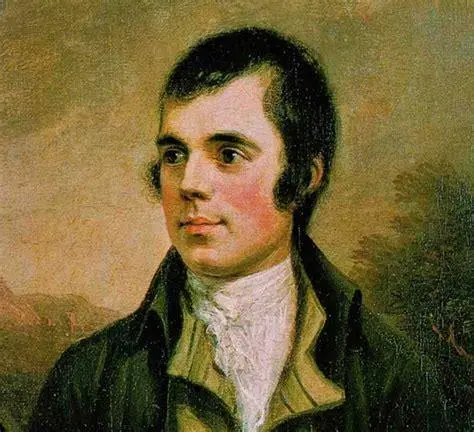
Robert Burns
To a Mouse, on Turning Up Her Nest With the Plough
To a Mouse, on Turning Up Her Nest With the Plough
Wee, sleeket, cowrin, tim'rous beastie,
Oh, what a panic's in thy breastie!
Thou need na start awa sae hasty
Wi' bickerin brattle!
I wad be laith to rin an' chase thee
Wi' murd'ring pattle!
I'm truly sorry man's dominion
Has broken Nature's social union,
An' justifies that ill opinion
Which makes thee startle
At me, thy poor earth-born companion,
An' fellow-mortal!
I doubt na, whyles, but thou may thieve:
What then? poor beastie, thou maun live!
A daimen icker in a thrave
'S a sma' request;
I'll get a blessin wi' the lave,
An' never miss 't!
Thy wee bit housie, too, in ruin!
Its silly wa's the win's are strewin!
An' naething, now, to big a new ane,
O' foggage green!
An' bleak December's winds ensuin
Baith snell an' keen!
Thou saw the fields laid bare an' wast,
An' weary winter comin fast,
An' cozie here beneath the blast
Thou thought to dwell,
Till crash! the cruel coulter past
Out thro' thy cell.
That wee bit heap o' leaves an' stibble
Has cost thee monie a weary nibble!
Now thou's turn'd out for a' thy trouble,
But house or hald,
To thole the winter's sleety dribble
An' cranreuch cauld!
But, Mousie, thou art no thy lane
In proving foresight may be vain:
The best laid schemes o' mice an' men
Gang aft agley,
An' lea'e us nought but grief an' pain
For promis'd joy.
Still thou art blest, compar'd wi' me!
The present only toucheth thee:
But, och! I backward cast my e'e
On prospects drear!
An' forward, tho' I canna see,
I guess an' fear!
Wee, sleeket, cowrin, tim'rous beastie,
Oh, what a panic's in thy breastie!
Thou need na start awa sae hasty
Wi' bickerin brattle!
I wad be laith to rin an' chase thee
Wi' murd'ring pattle!
I'm truly sorry man's dominion
Has broken Nature's social union,
An' justifies that ill opinion
Which makes thee startle
At me, thy poor earth-born companion,
An' fellow-mortal!
I doubt na, whyles, but thou may thieve:
What then? poor beastie, thou maun live!
A daimen icker in a thrave
'S a sma' request;
I'll get a blessin wi' the lave,
An' never miss 't!
Thy wee bit housie, too, in ruin!
Its silly wa's the win's are strewin!
An' naething, now, to big a new ane,
O' foggage green!
An' bleak December's winds ensuin
Baith snell an' keen!
Thou saw the fields laid bare an' wast,
An' weary winter comin fast,
An' cozie here beneath the blast
Thou thought to dwell,
Till crash! the cruel coulter past
Out thro' thy cell.
That wee bit heap o' leaves an' stibble
Has cost thee monie a weary nibble!
Now thou's turn'd out for a' thy trouble,
But house or hald,
To thole the winter's sleety dribble
An' cranreuch cauld!
But, Mousie, thou art no thy lane
In proving foresight may be vain:
The best laid schemes o' mice an' men
Gang aft agley,
An' lea'e us nought but grief an' pain
For promis'd joy.
Still thou art blest, compar'd wi' me!
The present only toucheth thee:
But, och! I backward cast my e'e
On prospects drear!
An' forward, tho' I canna see,
I guess an' fear!
269
Robert Burns
Poor Mailie's Elegy
Poor Mailie's Elegy
Lament in rhyme, lament in prose,
Wi' saut tears tricklin down your nose;
Our bardie's fate is at a close,
Past a' remead!
The last, sad cape-stane o' his woes;
Poor Mailie's dead!
It's no the loss o' warl's gear,
That could sae bitter draw the tear,
Or mak our bardie, dowie, wear
The mourning weed:
He's lost a friend an' neebor dear
In Mailie dead.
Thro' a' the town she trotted by him;
A lang half-mile she could descry him;
Wi kindly bleat, when she did spy him,
She ran wi' speed:
A friend mair faithfu' ne'er cam nigh him,
Than Mailie dead.
I wat she was a sheep o' sense,
An' could behave hersel' wi' mense:
I'll say't, she never brak a fence,
Thro' thievish greed.
Our bardie, lanely, keeps the spence
Sin' Mailie's dead.
Or, if he wanders up the howe,
Her livin image in her yowe
Comes bleating till him, owre the knowe,
For bits o' bread;
An' down the briny pearls rowe
For Mailie dead.
She was nae get o' moorland tips,
Wi' tauted ket, an' hairy hips;
For her forbears were brought in ships,
Frae 'yont the Tweed.
A bonier fleesh ne'er cross'd the clips
Than Mailie's dead.
Wae worth the man wha first did shape
That vile, wanchancie thing - a raip!
It maks guid fellows girn an' gape,
Wi' chokin dread;
An' Robin's bonnet wave wi' crape
For Mailie dead.
O, a' ye bards on bonie Doon!
An' wha on Ayr your chanters tune!
Come, join the melancholious croon
O' Robin's reed!
His heart will never get aboon -
His Mailie's dead!
Lament in rhyme, lament in prose,
Wi' saut tears tricklin down your nose;
Our bardie's fate is at a close,
Past a' remead!
The last, sad cape-stane o' his woes;
Poor Mailie's dead!
It's no the loss o' warl's gear,
That could sae bitter draw the tear,
Or mak our bardie, dowie, wear
The mourning weed:
He's lost a friend an' neebor dear
In Mailie dead.
Thro' a' the town she trotted by him;
A lang half-mile she could descry him;
Wi kindly bleat, when she did spy him,
She ran wi' speed:
A friend mair faithfu' ne'er cam nigh him,
Than Mailie dead.
I wat she was a sheep o' sense,
An' could behave hersel' wi' mense:
I'll say't, she never brak a fence,
Thro' thievish greed.
Our bardie, lanely, keeps the spence
Sin' Mailie's dead.
Or, if he wanders up the howe,
Her livin image in her yowe
Comes bleating till him, owre the knowe,
For bits o' bread;
An' down the briny pearls rowe
For Mailie dead.
She was nae get o' moorland tips,
Wi' tauted ket, an' hairy hips;
For her forbears were brought in ships,
Frae 'yont the Tweed.
A bonier fleesh ne'er cross'd the clips
Than Mailie's dead.
Wae worth the man wha first did shape
That vile, wanchancie thing - a raip!
It maks guid fellows girn an' gape,
Wi' chokin dread;
An' Robin's bonnet wave wi' crape
For Mailie dead.
O, a' ye bards on bonie Doon!
An' wha on Ayr your chanters tune!
Come, join the melancholious croon
O' Robin's reed!
His heart will never get aboon -
His Mailie's dead!
226
Robert Burns
O Tibbie, I Hae Seen The Day
O Tibbie, I Hae Seen The Day
Tune - "Invercauld's Reel, or Strathspey."
Choir. - O Tibbie, I hae seen the day,
Ye wadna been sae shy;
For laik o' gear ye lightly me,
But, trowth, I care na by.
Yestreen I met you on the moor,
Ye spak na, but gaed by like stour;
Ye geck at me because I'm poor,
But fient a hair care I.
O Tibbie, I hae seen the day, &c.
When coming hame on Sunday last,
Upon the road as I cam past,
Ye snufft and ga'e your head a cast-
But trowth I care't na by.
O Tibbie, I hae seen the day, &c.
I doubt na, lass, but ye may think,
Because ye hae the name o' clink,
That ye can please me at a wink,
Whene'er ye like to try.
O Tibbie, I hae seen the day, &c.
But sorrow tak' him that's sae mean,
Altho' his pouch o' coin were clean,
Wha follows ony saucy quean,
That looks sae proud and high.
O Tibbie, I hae seen the day, &c.
Altho' a lad were e'er sae smart,
If that he want the yellow dirt,
Ye'll cast your head anither airt,
And answer him fu' dry.
O Tibbie, I hae seen the day, &c.
But, if he hae the name o' gear,
Ye'll fasten to him like a brier,
Tho' hardly he, for sense or lear,
Be better than the kye.
O Tibbie, I hae seen the day, &c.
But, Tibbie, lass, tak' my advice:
Your daddie's gear maks you sae nice;
The deil a ane wad speir your price,
Were ye as poor as I.
O Tibbie, I hae seen the day, &c.
There lives a lass beside yon park,
I'd rather hae her in her sark,
Than you wi' a' your thousand mark;
That gars you look sae high.
O Tibbie, I hae seen the day, &c.
Tune - "Invercauld's Reel, or Strathspey."
Choir. - O Tibbie, I hae seen the day,
Ye wadna been sae shy;
For laik o' gear ye lightly me,
But, trowth, I care na by.
Yestreen I met you on the moor,
Ye spak na, but gaed by like stour;
Ye geck at me because I'm poor,
But fient a hair care I.
O Tibbie, I hae seen the day, &c.
When coming hame on Sunday last,
Upon the road as I cam past,
Ye snufft and ga'e your head a cast-
But trowth I care't na by.
O Tibbie, I hae seen the day, &c.
I doubt na, lass, but ye may think,
Because ye hae the name o' clink,
That ye can please me at a wink,
Whene'er ye like to try.
O Tibbie, I hae seen the day, &c.
But sorrow tak' him that's sae mean,
Altho' his pouch o' coin were clean,
Wha follows ony saucy quean,
That looks sae proud and high.
O Tibbie, I hae seen the day, &c.
Altho' a lad were e'er sae smart,
If that he want the yellow dirt,
Ye'll cast your head anither airt,
And answer him fu' dry.
O Tibbie, I hae seen the day, &c.
But, if he hae the name o' gear,
Ye'll fasten to him like a brier,
Tho' hardly he, for sense or lear,
Be better than the kye.
O Tibbie, I hae seen the day, &c.
But, Tibbie, lass, tak' my advice:
Your daddie's gear maks you sae nice;
The deil a ane wad speir your price,
Were ye as poor as I.
O Tibbie, I hae seen the day, &c.
There lives a lass beside yon park,
I'd rather hae her in her sark,
Than you wi' a' your thousand mark;
That gars you look sae high.
O Tibbie, I hae seen the day, &c.
217
Robert Burns
Lament of Mary, Queen of Scots, On the Approach of Spring
Lament of Mary, Queen of Scots, On the Approach of Spring
Now Nature hangs her mantle green
On every blooming tree,
And spreads her sheets o' daises white
Out o'er the grassy lea
Now Pheebus cheers the crystal streams,
And glads the azure skies;
But nought can glad the weary wight
That fast in durance lies.
Now laverocks wake the merry morn
Aloft on dewy wing;
The merle, in his noontide bow'r,
Makes woodland echoes ring;
The mavis wild ai' mony a note,
Sings drowsy day to reast
In love and freedom they rejoice,
Wi' care nor thrall opprest.
Now blooms the lily by the bank,
The primrose down the brae;
The hawthorn's budding in the glen,
And milk-white is the slae:
The meanest hind in fair Scotland
May rove their sweets amang;
But I, the Queen of a' Scotland,
Maun lie in prison strang.
I was the Queen o' bonie France,
Where happy I hae been;
Fu' lightly raise I in the morn,
As blythe lay down at e'en:
And I'm the sov'reign of Scotland,
And mony a traitor there;
Yet here I lie in foreign bands,
And never-ending care.
But as for thee, thou false woman,
My sister and my fae,
Grim Vengeance yet shall whet a sword
That thro' thy soul shall gae;
The weeping blood in woman's breast
Was never known to thee;
Nor th' balm that draps on wounds of woe
Frae woman's pitying e'e.
My son! my son! may kinder stars
Upon thy fortune shine;
And may those pleasures gild thy reign,
That ne'er wad blink on mine!
God keep thee frae my mother's faes,
Or turn their hearts to thee:
And where thou meet'st thy mother's friend,
Remember him for me!
O! soon, to me, may Summer suns
Nae mair light up the morn!
Nae mair to me the Autumn winds
Wave o'er the yellow corn?
And, in the narrow house of death,
Let Winter round me rave;
And the next flow'rs that deck the Spring,
Bloom on my peaceful grave!
Now Nature hangs her mantle green
On every blooming tree,
And spreads her sheets o' daises white
Out o'er the grassy lea
Now Pheebus cheers the crystal streams,
And glads the azure skies;
But nought can glad the weary wight
That fast in durance lies.
Now laverocks wake the merry morn
Aloft on dewy wing;
The merle, in his noontide bow'r,
Makes woodland echoes ring;
The mavis wild ai' mony a note,
Sings drowsy day to reast
In love and freedom they rejoice,
Wi' care nor thrall opprest.
Now blooms the lily by the bank,
The primrose down the brae;
The hawthorn's budding in the glen,
And milk-white is the slae:
The meanest hind in fair Scotland
May rove their sweets amang;
But I, the Queen of a' Scotland,
Maun lie in prison strang.
I was the Queen o' bonie France,
Where happy I hae been;
Fu' lightly raise I in the morn,
As blythe lay down at e'en:
And I'm the sov'reign of Scotland,
And mony a traitor there;
Yet here I lie in foreign bands,
And never-ending care.
But as for thee, thou false woman,
My sister and my fae,
Grim Vengeance yet shall whet a sword
That thro' thy soul shall gae;
The weeping blood in woman's breast
Was never known to thee;
Nor th' balm that draps on wounds of woe
Frae woman's pitying e'e.
My son! my son! may kinder stars
Upon thy fortune shine;
And may those pleasures gild thy reign,
That ne'er wad blink on mine!
God keep thee frae my mother's faes,
Or turn their hearts to thee:
And where thou meet'st thy mother's friend,
Remember him for me!
O! soon, to me, may Summer suns
Nae mair light up the morn!
Nae mair to me the Autumn winds
Wave o'er the yellow corn?
And, in the narrow house of death,
Let Winter round me rave;
And the next flow'rs that deck the Spring,
Bloom on my peaceful grave!
214
Robert Burns
In The Character Of A Ruined Farmer
In The Character Of A Ruined Farmer
Tune - "Go from my window, Love, do."
The sun he is sunk in the west,
All creatures retired to rest,
While here I sit, all sore beset,
With sorrow, grief, and woe:
And it's O, fickle Fortune, O!
The prosperous man is asleep,
Nor hears how the whirlwinds sweep;
But Misery and I must watch
The surly tempest blow:
And it's O, fickle Fortune, O!
There lies the dear partner of my breast;
Her cares for a moment at rest:
Must I see thee, my youthful pride,
Thus brought so very low!
And it's O, fickle Fortune, O!
There lie my sweet babies in her arms;
No anxious fear their little hearts alarms;
But for their sake my heart does ache,
With many a bitter throe:
And it's O, fickle Fortune, O!
I once was by Fortune carest:
I once could relieve the distrest:
Now life's poor support, hardly earn'd
My fate will scarce bestow:
And it's O, fickle Fortune, O!
No comfort, no comfort I have!
How welcome to me were the grave!
But then my wife and children dear-
O, wither would they go!
And it's O, fickle Fortune, O!
O whither, O whither shall I turn!
All friendless, forsaken, forlorn!
For, in this world, Rest or Peace
I never more shall know!
And it's O, fickle Fortune, O!
Tune - "Go from my window, Love, do."
The sun he is sunk in the west,
All creatures retired to rest,
While here I sit, all sore beset,
With sorrow, grief, and woe:
And it's O, fickle Fortune, O!
The prosperous man is asleep,
Nor hears how the whirlwinds sweep;
But Misery and I must watch
The surly tempest blow:
And it's O, fickle Fortune, O!
There lies the dear partner of my breast;
Her cares for a moment at rest:
Must I see thee, my youthful pride,
Thus brought so very low!
And it's O, fickle Fortune, O!
There lie my sweet babies in her arms;
No anxious fear their little hearts alarms;
But for their sake my heart does ache,
With many a bitter throe:
And it's O, fickle Fortune, O!
I once was by Fortune carest:
I once could relieve the distrest:
Now life's poor support, hardly earn'd
My fate will scarce bestow:
And it's O, fickle Fortune, O!
No comfort, no comfort I have!
How welcome to me were the grave!
But then my wife and children dear-
O, wither would they go!
And it's O, fickle Fortune, O!
O whither, O whither shall I turn!
All friendless, forsaken, forlorn!
For, in this world, Rest or Peace
I never more shall know!
And it's O, fickle Fortune, O!
264
Robert Burns
Holy Willie's Prayer
Holy Willie's Prayer
'And send the godly in a pet to pray.' - Pope
O Thou, that in the heavens does dwell,
Wha, as it pleases best Thysel',
Sends ane to heaven an' ten to hell,
A' for Thy glory,
And no for onie guid or ill
They've done afore Thee!
I bless and praise Thy matchless might,
When thousands Thou hast left in night,
That I am here afore Thy sight,
For gifts an' grace
A burning and a shining light
To a' this place.
What was I, or my generation,
That I should get sic exaltation,
I wha deserv'd most just damnation
For broken laws,
Sax thousand years ere my creation,
Thro' Adam's cause.
When from my mither's womb I fell,
Thou might hae plung'd me deep in hell,
To gnash my gooms, and weep and wail,
In burnin lakes,
Where daned devils roar and yell,
Chain'd to their stakes.
Yet I am here a chosen sample,
To show thy grace is great and ample;
I'm here a pillar o' Thy temple,
Strong as a rock,
A guide, a buckler, and example,
To a' Thy flock.
O Lord, Thou kens what zeal I bear,
When drinkers drink, an' swearers swear,
An' sining here, an' dancin there,
Wi great and sma';
For I am keepit by Thy fear
Free frae them a'.
But yet, O Lord! confess I must,
At times I'm fash'd wi' fleshly lust:
An' sometimes, too, in warldly trust,
Vile self gets in;
But Thou remembers we are dust,
Defil'd wi' sin.
O Lord! yestreen, Thou kens, wi' Meg -
Thy pardon I sincerely beg;
O! may't ne'er be a livin plague
To my dishonour,
An' I'll ne'er lift a lawless leg
Again upon her.
Besides, I farther maun allow,
Wi' Leezie's lass, three times I trow -
But Lord, that Friday I was fou,
When I cam near her;
Or else, Thou kens, Thy servant true
Wad never steer her.
Maybe Thou lets this fleshly thorn
Buffet Thy servant e'en and morn,
Lest he owre proud and high shou'd turn,
That he's sae gifted:
If sae, Thy han' maun e'en be borne,
Until Thou lift it.
Lord, mind Gaw'n Hamilton's deserts;
He drinks, an' swears, an' plays at cartes,
Yet has sae mony takin arts,
Wi' great and sma',
Frae God's ain priest the people's hearts
He steals awa.
An' when we chasten'd him therefor,
Thou kens how he bred sic a splore,
An' set the warld in a roar
O' laughing at us; -
Curse Thou his basket and his store,
Kail an' potatoes.
Lord, hear my earnest cry and pray'r,
Against that Presbyt'ry o' Ayr;
Thy strong right hand, Lord make it bare
Upo' their heads;
Lord visit them, an' dinna spare,
For their misdeeds.
O Lord, my God! that glib-tongu'd Aiken,
My vera heart and flesh are quakin,
To think how we stood sweatin, shakin,
An' p-'d wi' dread,
While he, wi' hingin lip an' snakin,
Held up his head.
Lord, in Thy day o' vengeance try him,
Lord, visit them wha did employ him,
And pass not in Thy mercy by them,
Nor hear them their pray'r,
But for Thy people's sake destroy them,
An' dinna spare.
But, Lord, remember me an' mine
Wi' mercies temporal and divine,
That I for grace an' gear may shine,
Excell'd by nane,
And a' the glory shall be thine,
Amen, Amen!
'And send the godly in a pet to pray.' - Pope
O Thou, that in the heavens does dwell,
Wha, as it pleases best Thysel',
Sends ane to heaven an' ten to hell,
A' for Thy glory,
And no for onie guid or ill
They've done afore Thee!
I bless and praise Thy matchless might,
When thousands Thou hast left in night,
That I am here afore Thy sight,
For gifts an' grace
A burning and a shining light
To a' this place.
What was I, or my generation,
That I should get sic exaltation,
I wha deserv'd most just damnation
For broken laws,
Sax thousand years ere my creation,
Thro' Adam's cause.
When from my mither's womb I fell,
Thou might hae plung'd me deep in hell,
To gnash my gooms, and weep and wail,
In burnin lakes,
Where daned devils roar and yell,
Chain'd to their stakes.
Yet I am here a chosen sample,
To show thy grace is great and ample;
I'm here a pillar o' Thy temple,
Strong as a rock,
A guide, a buckler, and example,
To a' Thy flock.
O Lord, Thou kens what zeal I bear,
When drinkers drink, an' swearers swear,
An' sining here, an' dancin there,
Wi great and sma';
For I am keepit by Thy fear
Free frae them a'.
But yet, O Lord! confess I must,
At times I'm fash'd wi' fleshly lust:
An' sometimes, too, in warldly trust,
Vile self gets in;
But Thou remembers we are dust,
Defil'd wi' sin.
O Lord! yestreen, Thou kens, wi' Meg -
Thy pardon I sincerely beg;
O! may't ne'er be a livin plague
To my dishonour,
An' I'll ne'er lift a lawless leg
Again upon her.
Besides, I farther maun allow,
Wi' Leezie's lass, three times I trow -
But Lord, that Friday I was fou,
When I cam near her;
Or else, Thou kens, Thy servant true
Wad never steer her.
Maybe Thou lets this fleshly thorn
Buffet Thy servant e'en and morn,
Lest he owre proud and high shou'd turn,
That he's sae gifted:
If sae, Thy han' maun e'en be borne,
Until Thou lift it.
Lord, mind Gaw'n Hamilton's deserts;
He drinks, an' swears, an' plays at cartes,
Yet has sae mony takin arts,
Wi' great and sma',
Frae God's ain priest the people's hearts
He steals awa.
An' when we chasten'd him therefor,
Thou kens how he bred sic a splore,
An' set the warld in a roar
O' laughing at us; -
Curse Thou his basket and his store,
Kail an' potatoes.
Lord, hear my earnest cry and pray'r,
Against that Presbyt'ry o' Ayr;
Thy strong right hand, Lord make it bare
Upo' their heads;
Lord visit them, an' dinna spare,
For their misdeeds.
O Lord, my God! that glib-tongu'd Aiken,
My vera heart and flesh are quakin,
To think how we stood sweatin, shakin,
An' p-'d wi' dread,
While he, wi' hingin lip an' snakin,
Held up his head.
Lord, in Thy day o' vengeance try him,
Lord, visit them wha did employ him,
And pass not in Thy mercy by them,
Nor hear them their pray'r,
But for Thy people's sake destroy them,
An' dinna spare.
But, Lord, remember me an' mine
Wi' mercies temporal and divine,
That I for grace an' gear may shine,
Excell'd by nane,
And a' the glory shall be thine,
Amen, Amen!
541
Robert Burns
Fareweel To A'Our Scottish Fame
Fareweel To A'Our Scottish Fame
Fareweel to a' our Scottish fame,
Fareweel our ancient glory;
Fareweel ev'n to the Scottish name,
Sae famed in martial story!
Now Sark rins over Solway sands,
And Tweed rins to the ocean,
To mark where England's province stands—
Such a parcel of rogues in a nation!
What force or guile could not subdue
Thro' many warlike ages,
Is wrought now by a coward few,
For hireling traitor's wages.
The English steel we could disdain,
Secure in valour's station;
But English gold has been our bane—
Such a parcel of rogues in a nation!
O, would or I had seen the day
That treason thus could sell us,
My auld grey head had lien in clay
Wi' Bruce and loyal Wallace!
But pith and power, till my last hour,
I'll mak this declaration:
We're bought and sold for English gold—
Such a parcel of rogues in a nation!
Fareweel to a' our Scottish fame,
Fareweel our ancient glory;
Fareweel ev'n to the Scottish name,
Sae famed in martial story!
Now Sark rins over Solway sands,
And Tweed rins to the ocean,
To mark where England's province stands—
Such a parcel of rogues in a nation!
What force or guile could not subdue
Thro' many warlike ages,
Is wrought now by a coward few,
For hireling traitor's wages.
The English steel we could disdain,
Secure in valour's station;
But English gold has been our bane—
Such a parcel of rogues in a nation!
O, would or I had seen the day
That treason thus could sell us,
My auld grey head had lien in clay
Wi' Bruce and loyal Wallace!
But pith and power, till my last hour,
I'll mak this declaration:
We're bought and sold for English gold—
Such a parcel of rogues in a nation!
250
Robert Burns
Despondency -- An Ode
Despondency -- An Ode
Oppress'd with grief, oppress'd with care,
A burden more than I can bear,
I set me down and sigh:
O life! thou art a galling load,
Along a rough, a weary road,
To wretches such as I!
Dim backward as I cast my view,
What sick'ning scenes appear!
What sorrows yet may pierce me thro',
Too justly I may fear!
Still caring, despairing,
Must be my bitter doom;
My woes here shall close ne'er
But with the closing tomb!
Happy, ye sons of busy life,
Who, equal to the bustling strife,
No other view regard!
Ev'n when the wished end's denied,
Yet while the busy means are plied,
They bring their own reward:
Whilst I, a hope-abandon'd wight,
Unfitted with an aim,
Meet ev'ry sad returning night,
And joyless morn the same;
You, bustling, and justling,
Forget each grief and pain;
I, listless, yet restless,
Find every prospect vain.
How blest the Solitary's lot,
Who, all-forgetting, all-forgot,
Within his humble cell,
The cavern wild with tangling roots,
Sits o'er his newly-gather'd fruits,
Beside his crystal well!
Or, haply, to his ev'ning thought,
By unfrequented stream,
The ways of men are distant brought,
A faint collected dream:
While praising, and raising
His thoughts to heav'n on high,
As wand'ring, meand'ring,
He views the solemn sky.
Than I, no lonely hermit plac'd
Where never human footstep trac'd,
Less fit to play the part;
The lucky moment to improve,
And just to stop, and just to move,
With self-respecting art:
But ah! those pleasures, loves, and joys,
Which I too keenly taste,
The Solitary can despise,
Can want, and yet be blest!
He needs not, he heeds not,
Or human love or hate,
Whilst I here must cry here,
At perfidy ingrate!
Oh! enviable, early days,
When dancing thoughtless pleasure's maze,
To care, to guilt unknown!
How ill exchang'd for riper times,
To feel the follies, or the crimes
Of others, or my own !
Ye tiny elves that guiltless sport
Like linnets in the bush,
Ye little know the ills ye court,
When manhood is your wish!
The losses, the crosses,
That active man engage
The fears all, the tears all,
Of dim-declining age!
Oppress'd with grief, oppress'd with care,
A burden more than I can bear,
I set me down and sigh:
O life! thou art a galling load,
Along a rough, a weary road,
To wretches such as I!
Dim backward as I cast my view,
What sick'ning scenes appear!
What sorrows yet may pierce me thro',
Too justly I may fear!
Still caring, despairing,
Must be my bitter doom;
My woes here shall close ne'er
But with the closing tomb!
Happy, ye sons of busy life,
Who, equal to the bustling strife,
No other view regard!
Ev'n when the wished end's denied,
Yet while the busy means are plied,
They bring their own reward:
Whilst I, a hope-abandon'd wight,
Unfitted with an aim,
Meet ev'ry sad returning night,
And joyless morn the same;
You, bustling, and justling,
Forget each grief and pain;
I, listless, yet restless,
Find every prospect vain.
How blest the Solitary's lot,
Who, all-forgetting, all-forgot,
Within his humble cell,
The cavern wild with tangling roots,
Sits o'er his newly-gather'd fruits,
Beside his crystal well!
Or, haply, to his ev'ning thought,
By unfrequented stream,
The ways of men are distant brought,
A faint collected dream:
While praising, and raising
His thoughts to heav'n on high,
As wand'ring, meand'ring,
He views the solemn sky.
Than I, no lonely hermit plac'd
Where never human footstep trac'd,
Less fit to play the part;
The lucky moment to improve,
And just to stop, and just to move,
With self-respecting art:
But ah! those pleasures, loves, and joys,
Which I too keenly taste,
The Solitary can despise,
Can want, and yet be blest!
He needs not, he heeds not,
Or human love or hate,
Whilst I here must cry here,
At perfidy ingrate!
Oh! enviable, early days,
When dancing thoughtless pleasure's maze,
To care, to guilt unknown!
How ill exchang'd for riper times,
To feel the follies, or the crimes
Of others, or my own !
Ye tiny elves that guiltless sport
Like linnets in the bush,
Ye little know the ills ye court,
When manhood is your wish!
The losses, the crosses,
That active man engage
The fears all, the tears all,
Of dim-declining age!
243
Robert Burns
A Bard's Epitaph
A Bard's Epitaph
Is there a whim-inspired fool,
Owre fast for thought, owre hot for rule,
Owre blate to seek, owre proud to snool,
Let him draw near;
And owre this grassy heap sing dool,
And drap a tear.
Is there a bard of rustic song,
Who, noteless, steals the crowds among,
That weekly this area throng,
O, pass not by!
But, with a frater-feeling strong,
Here, heave a sigh.
Is there a man, whose judgment clear
Can others teach the course to steer,
Yet runs, himself, life's mad career,
Wild as the wave,
Here pause-and, thro' the starting tear,
Survey this grave.
The poor inhabitant below
Was quick to learn the wise to know,
And keenly felt the friendly glow,
And softer flame;
But thoughtless follies laid him low,
And stain'd his name!
Reader, attend! whether thy soul
Soars fancy's flights beyond the pole,
Or darkling grubs this earthly hole,
In low pursuit:
Know, prudent, cautious, self-control
Is wisdom's root.
Is there a whim-inspired fool,
Owre fast for thought, owre hot for rule,
Owre blate to seek, owre proud to snool,
Let him draw near;
And owre this grassy heap sing dool,
And drap a tear.
Is there a bard of rustic song,
Who, noteless, steals the crowds among,
That weekly this area throng,
O, pass not by!
But, with a frater-feeling strong,
Here, heave a sigh.
Is there a man, whose judgment clear
Can others teach the course to steer,
Yet runs, himself, life's mad career,
Wild as the wave,
Here pause-and, thro' the starting tear,
Survey this grave.
The poor inhabitant below
Was quick to learn the wise to know,
And keenly felt the friendly glow,
And softer flame;
But thoughtless follies laid him low,
And stain'd his name!
Reader, attend! whether thy soul
Soars fancy's flights beyond the pole,
Or darkling grubs this earthly hole,
In low pursuit:
Know, prudent, cautious, self-control
Is wisdom's root.
500
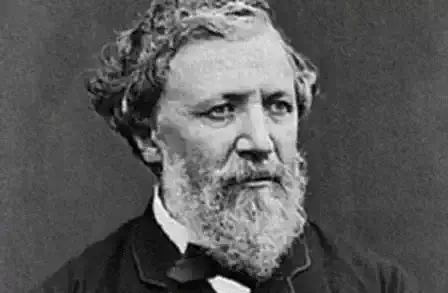
Robert Browning
To Edward Fitzgerald
To Edward Fitzgerald
I chanced upon a new book yesterday;
I opened it, and, where my finger lay
'Twixt page and uncut page, these words I read -
Some six or seven at most - and learned thereby
That you, Fitzgerald, whom by ear and eye
She never knew, "thanked God my wife was dead."
Aye, dead! and were yourself alive, good Fitz,
How to return you thanks would task my wits.
Kicking you seems the common lot of curs -
While more appropriate greeting lends you grace,
Surely to spit there glorifies your face -
Spitting from lips once sanctified by hers.
I chanced upon a new book yesterday;
I opened it, and, where my finger lay
'Twixt page and uncut page, these words I read -
Some six or seven at most - and learned thereby
That you, Fitzgerald, whom by ear and eye
She never knew, "thanked God my wife was dead."
Aye, dead! and were yourself alive, good Fitz,
How to return you thanks would task my wits.
Kicking you seems the common lot of curs -
While more appropriate greeting lends you grace,
Surely to spit there glorifies your face -
Spitting from lips once sanctified by hers.
347
Robert Browning
The Patriot
The Patriot
AN OLD STORY.
I.
It was roses, roses, all the way,
With myrtle mixed in my path like mad:
The house-roofs seemed to heave and sway,
The church-spires flamed, such flags they had,
A year ago on this very day.
II.
The air broke into a mist with bells,
The old walls rocked with the crowd and cries.
Had I said, ``Good folk, mere noise repels---
But give me your sun from yonder skies!''
They had answered, ``And afterward, what else?''
III.
Alack, it was I who leaped at the sun
To give it my loving friends to keep!
Nought man could do, have I left undone:
And you see my harvest, what I reap
This very day, now a year is run.
IV.
There's nobody on the house-tops now---
Just a palsied few at the windows set;
For the best of the sight is, all allow,
At the Shambles' Gate---or, better yet,
By the very scaffold's foot, I trow.
V.
I go in the rain, and, more than needs,
A rope cuts both my wrists behind;
And I think, by the feel, my forehead bleeds,
For they fling, whoever has a mind,
Stones at me for my year's misdeeds.
VI.
Thus I entered, and thus I go!
In triumphs, people have dropped down dead.
``Paid by the world, what dost thou owe
``Me?''---God might question; now instead,
'Tis God shall repay: I am safer so.
AN OLD STORY.
I.
It was roses, roses, all the way,
With myrtle mixed in my path like mad:
The house-roofs seemed to heave and sway,
The church-spires flamed, such flags they had,
A year ago on this very day.
II.
The air broke into a mist with bells,
The old walls rocked with the crowd and cries.
Had I said, ``Good folk, mere noise repels---
But give me your sun from yonder skies!''
They had answered, ``And afterward, what else?''
III.
Alack, it was I who leaped at the sun
To give it my loving friends to keep!
Nought man could do, have I left undone:
And you see my harvest, what I reap
This very day, now a year is run.
IV.
There's nobody on the house-tops now---
Just a palsied few at the windows set;
For the best of the sight is, all allow,
At the Shambles' Gate---or, better yet,
By the very scaffold's foot, I trow.
V.
I go in the rain, and, more than needs,
A rope cuts both my wrists behind;
And I think, by the feel, my forehead bleeds,
For they fling, whoever has a mind,
Stones at me for my year's misdeeds.
VI.
Thus I entered, and thus I go!
In triumphs, people have dropped down dead.
``Paid by the world, what dost thou owe
``Me?''---God might question; now instead,
'Tis God shall repay: I am safer so.
795
Robert Browning
The Bishop Orders His Tomb At Saint Praxed's Church
The Bishop Orders His Tomb At Saint Praxed's Church
Vanity, saith the preacher, vanity!
Draw round my bed: is Anselm keeping back?
Nephews -- sons mine -- ah God, I know not! Well --
She, men would have to be your mother once,
Old Gandolf envied me, so fair she was!
What's done is done, and she is dead beside,
Dead long ago, and I am Bishop since,
And as she died so must we die ourselves,
And thence ye may perceive the world's a dream.
Life, how and what is it? As here I lie
In this state-chamber, dying by degrees,
Hours and long hours in the dead night, I ask
"Do I live, am I dead?" Peace, peace seems all.
Saint Praxed's ever was the church for peace;
And so, about this tomb of mine. I fought
With tooth and nail to save my niche, ye know:
-- Old Gandolf cozened me, despite my care;
Shrewd was that snatch from out the corner South
He graced his carrion with, God curse the same!
Yet still my niche is not so cramped but thence
One sees the pulpit o' the epistle-side,
And somewhat of the choir, those silent seats,
And up into the very dome where live
The angels, and a sunbeam's sure to lurk:
And I shall fill my slab of basalt there,
And 'neath my tabernacle take my rest,
With those nine columns round me, two and two,
The odd one at my feet where Anselm stands:
Peach-blossom marble all, the rare, the ripe
As fresh poured red wine of a mighty pulse
-- Old Gandolf with his paltry onion-stone,
Put me where I may look at him! True peach,
Rosy and flawless: how I earned the prize!
Draw close: that conflagration of my church
-- What then? So much was saved if aught were missed!
My sons, ye would not be my death? Go dig
The white-grape vineyard where the oil-press stood,
Drop water gently till the surface sink,
And if ye find -- Ah God, I know not, I! --
Bedded in store of rotten fig-leaves soft,
And corded up in a tight olive-frail,
Some lump, ah God, of lapis lazuli,
Big as a Jew's head cut off at the nape,
Blue as a vein o'er the Madonna's breast
Sons, all have I bequeathed you, villas, all,
That brave Frascati villa with its bath,
So, let the blue lump poise between my knees,
Like God the Father's globe on both his hands
Ye worship in the Jesu Church so gay,
For Gandolf shall not choose but see and burst!
Swift as a weaver's shuttle fleet our years:
Man goeth to the grave, and where is he?
Did I say basalt for my slab, sons? Black --
'Twas ever antique-black I meant! How else
Shall ye contrast my frieze to come beneath?
The bas-relief in bronze ye promised me.
Those Pans and Nymphs ye wot of, and perchance
Some tripod, thyrsus, with a vase or so,
The Saviour at his sermon on the mount,
Saint Praxed in a glory, and one Pan
Ready to twitch the Nymph's last garment off,
And Moses with the tables -- but I know
Ye mark me not! What do they whisper thee,
Child of my bowels, Anselm? Ah, ye hope
To revel down my villas while I gasp
Bricked o'er with beggar's mouldy travertine
Which Gandolf from his tomb-top chuckles at!
Nay, boys, ye love me -- all of jasper, then!
'Tis jasper ye stand pledged to, lest I grieve.
My bath must needs be left behind, alas!
One block, pure green as a pistachio-nut,
There's plenty jasper somewhere in the world --
And have I not Saint Praxed's ear to pray
Horses for ye, and brown Greek manuscripts,
And mistresses with great smooth marbly limbs?
-- That's if ye carve my epitaph aright,
Choice Latin, picked phrase, Tully's every word,
No gaudy ware like Gandolf's second line --
Tully, my masters? Ulpian serves his need!
And then how I shall lie through centuries,
And hear the blessed mutter of the mass,
And see God made and eaten all day long,
And feel the steady candle-flame, and taste
Good strong thick stupefying incense-smoke!
For as I lie here, hours of the dead night,
Dying in state and by such slow degrees,
I fold my arms as if they clasped a crook,
And stretch my feet forth straight as stone can point,
And let the bedclothes, for a mortcloth, drop
Into great laps and folds of sculptor's work:
And as yon tapers dwindle, and strange thoughts
Grow, with a certain humming in my ears,
About the life before I lived this life,
And this life too, popes, cardinals and priests,
Saint Praxed at his sermon on the mount,
Your tall pale mother with her talking eyes,
And new-found agate urns as fresh as day,
And marble's language, Latin pure, discreet,
-- Aha, ELUCESCEBAT quoth our friend?
No Tully, said I, Ulpian at the best!
Evil and brief hath been my pilgrimage.
All lapis, all, sons! Else I give the Pope
My villas! Will ye ever eat my heart?
Ever your eyes were as a lizard's quick,
They glitter like your mother's for my soul,
Or ye would heighten my impoverished frieze,
Piece out its starved design, and fill my vase
With grapes, and add a visor and a Term,
And to the tripod ye would tie a lynx
That in his struggle throws the thyrsus down,
To comfort me on my entablature
Whereon I am to lie till I must ask
"Do I live, am I dead?" There, leave me, there!
For ye have stabbed me with ingratitude
To death -- ye wish it -- God, ye wish it! Stone --
Gritstone, a crumble! Clammy squares which sweat
As if the corpse they keep were oozing through --
And no more lapis to delight the world!
Well, go! I bless ye. Fewer tapers there,
But in a row: and, going, turn your backs
-- Ay, like departing altar-ministrants,
And leave me in my church, the church for peace,
That I may watch at leisure if he leers --
Old Gandolf -- at me, from his onion-stone,
As still he envied me, so fair she was!
Vanity, saith the preacher, vanity!
Draw round my bed: is Anselm keeping back?
Nephews -- sons mine -- ah God, I know not! Well --
She, men would have to be your mother once,
Old Gandolf envied me, so fair she was!
What's done is done, and she is dead beside,
Dead long ago, and I am Bishop since,
And as she died so must we die ourselves,
And thence ye may perceive the world's a dream.
Life, how and what is it? As here I lie
In this state-chamber, dying by degrees,
Hours and long hours in the dead night, I ask
"Do I live, am I dead?" Peace, peace seems all.
Saint Praxed's ever was the church for peace;
And so, about this tomb of mine. I fought
With tooth and nail to save my niche, ye know:
-- Old Gandolf cozened me, despite my care;
Shrewd was that snatch from out the corner South
He graced his carrion with, God curse the same!
Yet still my niche is not so cramped but thence
One sees the pulpit o' the epistle-side,
And somewhat of the choir, those silent seats,
And up into the very dome where live
The angels, and a sunbeam's sure to lurk:
And I shall fill my slab of basalt there,
And 'neath my tabernacle take my rest,
With those nine columns round me, two and two,
The odd one at my feet where Anselm stands:
Peach-blossom marble all, the rare, the ripe
As fresh poured red wine of a mighty pulse
-- Old Gandolf with his paltry onion-stone,
Put me where I may look at him! True peach,
Rosy and flawless: how I earned the prize!
Draw close: that conflagration of my church
-- What then? So much was saved if aught were missed!
My sons, ye would not be my death? Go dig
The white-grape vineyard where the oil-press stood,
Drop water gently till the surface sink,
And if ye find -- Ah God, I know not, I! --
Bedded in store of rotten fig-leaves soft,
And corded up in a tight olive-frail,
Some lump, ah God, of lapis lazuli,
Big as a Jew's head cut off at the nape,
Blue as a vein o'er the Madonna's breast
Sons, all have I bequeathed you, villas, all,
That brave Frascati villa with its bath,
So, let the blue lump poise between my knees,
Like God the Father's globe on both his hands
Ye worship in the Jesu Church so gay,
For Gandolf shall not choose but see and burst!
Swift as a weaver's shuttle fleet our years:
Man goeth to the grave, and where is he?
Did I say basalt for my slab, sons? Black --
'Twas ever antique-black I meant! How else
Shall ye contrast my frieze to come beneath?
The bas-relief in bronze ye promised me.
Those Pans and Nymphs ye wot of, and perchance
Some tripod, thyrsus, with a vase or so,
The Saviour at his sermon on the mount,
Saint Praxed in a glory, and one Pan
Ready to twitch the Nymph's last garment off,
And Moses with the tables -- but I know
Ye mark me not! What do they whisper thee,
Child of my bowels, Anselm? Ah, ye hope
To revel down my villas while I gasp
Bricked o'er with beggar's mouldy travertine
Which Gandolf from his tomb-top chuckles at!
Nay, boys, ye love me -- all of jasper, then!
'Tis jasper ye stand pledged to, lest I grieve.
My bath must needs be left behind, alas!
One block, pure green as a pistachio-nut,
There's plenty jasper somewhere in the world --
And have I not Saint Praxed's ear to pray
Horses for ye, and brown Greek manuscripts,
And mistresses with great smooth marbly limbs?
-- That's if ye carve my epitaph aright,
Choice Latin, picked phrase, Tully's every word,
No gaudy ware like Gandolf's second line --
Tully, my masters? Ulpian serves his need!
And then how I shall lie through centuries,
And hear the blessed mutter of the mass,
And see God made and eaten all day long,
And feel the steady candle-flame, and taste
Good strong thick stupefying incense-smoke!
For as I lie here, hours of the dead night,
Dying in state and by such slow degrees,
I fold my arms as if they clasped a crook,
And stretch my feet forth straight as stone can point,
And let the bedclothes, for a mortcloth, drop
Into great laps and folds of sculptor's work:
And as yon tapers dwindle, and strange thoughts
Grow, with a certain humming in my ears,
About the life before I lived this life,
And this life too, popes, cardinals and priests,
Saint Praxed at his sermon on the mount,
Your tall pale mother with her talking eyes,
And new-found agate urns as fresh as day,
And marble's language, Latin pure, discreet,
-- Aha, ELUCESCEBAT quoth our friend?
No Tully, said I, Ulpian at the best!
Evil and brief hath been my pilgrimage.
All lapis, all, sons! Else I give the Pope
My villas! Will ye ever eat my heart?
Ever your eyes were as a lizard's quick,
They glitter like your mother's for my soul,
Or ye would heighten my impoverished frieze,
Piece out its starved design, and fill my vase
With grapes, and add a visor and a Term,
And to the tripod ye would tie a lynx
That in his struggle throws the thyrsus down,
To comfort me on my entablature
Whereon I am to lie till I must ask
"Do I live, am I dead?" There, leave me, there!
For ye have stabbed me with ingratitude
To death -- ye wish it -- God, ye wish it! Stone --
Gritstone, a crumble! Clammy squares which sweat
As if the corpse they keep were oozing through --
And no more lapis to delight the world!
Well, go! I bless ye. Fewer tapers there,
But in a row: and, going, turn your backs
-- Ay, like departing altar-ministrants,
And leave me in my church, the church for peace,
That I may watch at leisure if he leers --
Old Gandolf -- at me, from his onion-stone,
As still he envied me, so fair she was!
434
Robert Browning
After
After
Take the cloak from his face, and at first
Let the corpse do its worst!
How he lies in his rights of a man!
Death has done all death can.
And, absorbed in the new life he leads,
He recks not, he heeds
Nor his wrong nor my vengeance; both strike
On his senses alike,
And are lost in the solemn and strange
Surprise of the change.
Ha, what avails death to erase
His offence, my disgrace?
I would we were boys as of old
In the field, by the fold:
His outrage, God's patience, man's scorn
Were so easily borne!
I stand here now, he lies in his place:
Cover the face!
Take the cloak from his face, and at first
Let the corpse do its worst!
How he lies in his rights of a man!
Death has done all death can.
And, absorbed in the new life he leads,
He recks not, he heeds
Nor his wrong nor my vengeance; both strike
On his senses alike,
And are lost in the solemn and strange
Surprise of the change.
Ha, what avails death to erase
His offence, my disgrace?
I would we were boys as of old
In the field, by the fold:
His outrage, God's patience, man's scorn
Were so easily borne!
I stand here now, he lies in his place:
Cover the face!
332
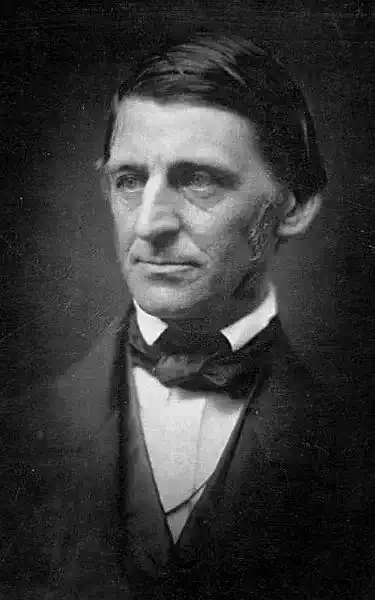
Ralph Waldo Emerson
Grace
Grace
How much, preventing God! how much I owe
To the defenses thou hast round me set:
Example, custom, fear, occasional slow,
These scorned bondmen were my parapet.
I dare not peep over this parapet
To gauge with glance the roaring gulf beelow,
The depths of sin to which I had descended,
Had not these me against myself defended.
How much, preventing God! how much I owe
To the defenses thou hast round me set:
Example, custom, fear, occasional slow,
These scorned bondmen were my parapet.
I dare not peep over this parapet
To gauge with glance the roaring gulf beelow,
The depths of sin to which I had descended,
Had not these me against myself defended.
381
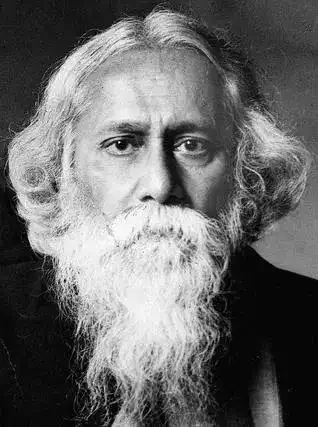
Rabindranath Tagore
Prisoner
Prisoner
`Prisoner, tell me, who was it that bound you?'
`It was my master,' said the prisoner.
`I thought I could outdo everybody in the world in wealth and power,
and I amassed in my own treasure-house the money due to my king.
When sleep overcame me I lay upon the bed that was for my lord,
and on waking up I found I was a prisoner in my own treasure-house.'
`Prisoner, tell me, who was it that wrought this unbreakable chain?'
`It was I,' said the prisoner, `who forged this chain very carefully.
I thought my invincible power would hold the world captive
leaving me in a freedom undisturbed.
Thus night and day I worked at the chain
with huge fires and cruel hard strokes.
When at last the work was done
and the links were complete and unbreakable,
I found that it held me in its grip.'
`Prisoner, tell me, who was it that bound you?'
`It was my master,' said the prisoner.
`I thought I could outdo everybody in the world in wealth and power,
and I amassed in my own treasure-house the money due to my king.
When sleep overcame me I lay upon the bed that was for my lord,
and on waking up I found I was a prisoner in my own treasure-house.'
`Prisoner, tell me, who was it that wrought this unbreakable chain?'
`It was I,' said the prisoner, `who forged this chain very carefully.
I thought my invincible power would hold the world captive
leaving me in a freedom undisturbed.
Thus night and day I worked at the chain
with huge fires and cruel hard strokes.
When at last the work was done
and the links were complete and unbreakable,
I found that it held me in its grip.'
587
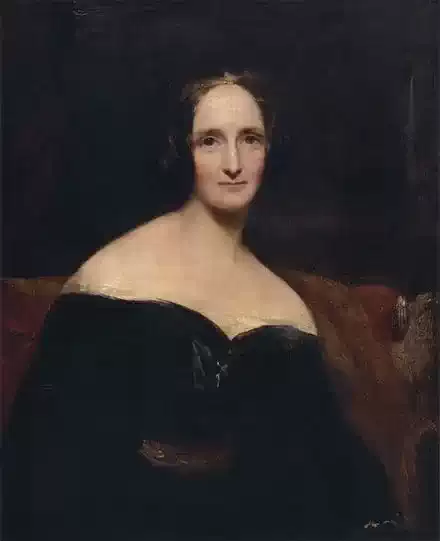
Percy Bysshe Shelley
Time Long Past
Time Long Past
Like the ghost of a dear friend dead
Is Time long past.
A tone which is now forever fled,
A hope which is now forever past,
A love so sweet it could not last,
Was Time long past.
There were sweet dreams in the night
Of Time long past:
And, was it sadness or delight,
Each day a shadow onward cast
Which made us wish it yet might last--
That Time long past.
There is regret, almost remorse,
For Time long past.
'Tis like a child's belovèd corse
A father watches, till at last
Beauty is like remembrance, cast
From Time long past.
Like the ghost of a dear friend dead
Is Time long past.
A tone which is now forever fled,
A hope which is now forever past,
A love so sweet it could not last,
Was Time long past.
There were sweet dreams in the night
Of Time long past:
And, was it sadness or delight,
Each day a shadow onward cast
Which made us wish it yet might last--
That Time long past.
There is regret, almost remorse,
For Time long past.
'Tis like a child's belovèd corse
A father watches, till at last
Beauty is like remembrance, cast
From Time long past.
383
Percy Bysshe Shelley
One sung of thee who left the tale untold
One sung of thee who left the tale untold
One sung of thee who left the tale untold,
Like the false dawns which perish in the bursting;
Like empty cups of wrought and daedal gold,
Which mock the lips with air, when they are thirsting.
One sung of thee who left the tale untold,
Like the false dawns which perish in the bursting;
Like empty cups of wrought and daedal gold,
Which mock the lips with air, when they are thirsting.
409

Paul Laurence Dunbar
Distinction
Distinction
"I am but clay," the sinner plead,
Who fed each vain desire.
"Not only clay," another said,
"But worse, for thou art mire."
"I am but clay," the sinner plead,
Who fed each vain desire.
"Not only clay," another said,
"But worse, for thou art mire."
371
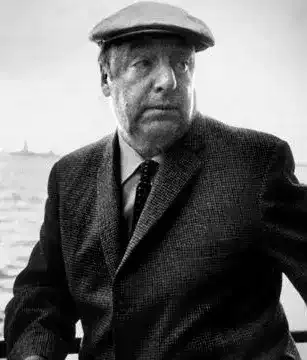
Pablo Neruda
Tell Me, Is The Rose Naked?
Tell Me, Is The Rose Naked?
Tell me, is the rose naked
Or is that her only dress?
Why do trees conceal
The splendor of their roots?
Who hears the regrets
Of the thieving automobile?
Is there anything in the world sadder
Than a train standing in the rain?
Tell me, is the rose naked
Or is that her only dress?
Why do trees conceal
The splendor of their roots?
Who hears the regrets
Of the thieving automobile?
Is there anything in the world sadder
Than a train standing in the rain?
504
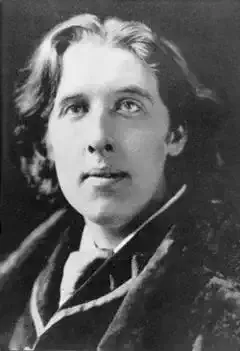
Oscar Wilde
The New Remorse
The New Remorse
The sin was mine; I did not understand.
So now is music prisoned in her cave,
Save where some ebbing desultory wave
Frets with its restless whirls this meagre strand.
And in the withered hollow of this land
Hath Summer dug herself so deep a grave,
That hardly can the leaden willow crave
One silver blossom from keen Winter's hand.
But who is this who cometh by the shore?
(Nay, love, look up and wonder!) Who is this
Who cometh in dyed garments from the South?
It is thy new-found Lord, and he shall kiss
The yet unravished roses of thy mouth,
And I shall weep and worship, as before.
The sin was mine; I did not understand.
So now is music prisoned in her cave,
Save where some ebbing desultory wave
Frets with its restless whirls this meagre strand.
And in the withered hollow of this land
Hath Summer dug herself so deep a grave,
That hardly can the leaden willow crave
One silver blossom from keen Winter's hand.
But who is this who cometh by the shore?
(Nay, love, look up and wonder!) Who is this
Who cometh in dyed garments from the South?
It is thy new-found Lord, and he shall kiss
The yet unravished roses of thy mouth,
And I shall weep and worship, as before.
205
Oscar Wilde
Taedium Vitae
Taedium Vitae
To stab my youth with desperate knives, to wear
This paltry age's gaudy livery,
To let each base hand filch my treasury,
To mesh my soul within a woman's hair,
And be mere Fortune's lackeyed groom, - I swear
I love it not! these things are less to me
Than the thin foam that frets upon the sea,
Less than the thistledown of summer air
Which hath no seed: better to stand aloof
Far from these slanderous fools who mock my life
Knowing me not, better the lowliest roof
Fit for the meanest hind to sojourn in,
Than to go back to that hoarse cave of strife
Where my white soul first kissed the mouth of sin.
To stab my youth with desperate knives, to wear
This paltry age's gaudy livery,
To let each base hand filch my treasury,
To mesh my soul within a woman's hair,
And be mere Fortune's lackeyed groom, - I swear
I love it not! these things are less to me
Than the thin foam that frets upon the sea,
Less than the thistledown of summer air
Which hath no seed: better to stand aloof
Far from these slanderous fools who mock my life
Knowing me not, better the lowliest roof
Fit for the meanest hind to sojourn in,
Than to go back to that hoarse cave of strife
Where my white soul first kissed the mouth of sin.
314
Oscar Wilde
Quia Multum Amavi
Quia Multum Amavi
DEAR Heart I think the young impassioned priest
When first he takes from out the hidden shrine
His God imprisoned in the Eucharist,
And eats the bread, and drinks the dreadful wine,
Feels not such awful wonder as I felt
When first my smitten eyes beat full on thee,
And all night long before thy feet I knelt
Till thou wert wearied of Idolatry.
Ah! had'st thou liked me less and loved me more,
Through all those summer days of joy and rain,
I had not now been sorrow's heritor,
Or stood a lackey in the House of Pain.
Yet, though remorse, youth's white-faced seneschal
Tread on my heels with all his retinue,
I am most glad I loved thee--think of all
The suns that go to make one speedwell blue!
DEAR Heart I think the young impassioned priest
When first he takes from out the hidden shrine
His God imprisoned in the Eucharist,
And eats the bread, and drinks the dreadful wine,
Feels not such awful wonder as I felt
When first my smitten eyes beat full on thee,
And all night long before thy feet I knelt
Till thou wert wearied of Idolatry.
Ah! had'st thou liked me less and loved me more,
Through all those summer days of joy and rain,
I had not now been sorrow's heritor,
Or stood a lackey in the House of Pain.
Yet, though remorse, youth's white-faced seneschal
Tread on my heels with all his retinue,
I am most glad I loved thee--think of all
The suns that go to make one speedwell blue!
226
Oscar Wilde
Hellas
Hellas
To drift with every passion till my soul
Is a stringed lute on which all winds can play,
Is it for this that I have given away
Mine ancient wisdom, and austere control?-
Methinks my life is a twice-written scroll
Scrawled over on some boyish holiday
With idle songs for pipe and virelay
Which do but mar the secret of the whole.
Surely that was a time I might have trod
The sunlit heights, and from life's dissonance
Struck one clear chord to reach the ears of God;
is that time dead? lo! with a little rod
I did but touch the honey of romance-
And must I lose a soul's inheritance?
To drift with every passion till my soul
Is a stringed lute on which all winds can play,
Is it for this that I have given away
Mine ancient wisdom, and austere control?-
Methinks my life is a twice-written scroll
Scrawled over on some boyish holiday
With idle songs for pipe and virelay
Which do but mar the secret of the whole.
Surely that was a time I might have trod
The sunlit heights, and from life's dissonance
Struck one clear chord to reach the ears of God;
is that time dead? lo! with a little rod
I did but touch the honey of romance-
And must I lose a soul's inheritance?
433

Ogden Nash
The Sunset Years of Samuel Shy
The Sunset Years of Samuel Shy
Master I may be,
But not of my fate.
Now come the kisses, too many too late.
Tell me, O Parcae,
For fain would I know,
Where were these kisses three decades ago?
Girls there were plenty,
Mint julep girls, beer girls,
Gay younger married and headstrong career girls,
The girls of my friends
And the wives of my friends,
Some smugly settled and some at loose ends,
Sad girls, serene girls,
Girls breathless and turbulent,
Debs cosmopolitan, matrons suburbulent,
All of them amiable,
All of them cordial,
Innocent rousers of instincts primordial,
But even though health and wealth
Hadn't yet missed me,
None of them,
Not even Jenny,
Once kissed me.
These very same girls
Who with me have grown older
Now freely relax with a head on my shoulder,
And now come the kisses,
A flood in full spate,
The meaningless kisses, too many too late.
They kiss me hello,
They kiss me goodbye,
Should I offer a light, there's a kiss for reply.
They kiss me at weddings,
They kiss me at wakes,
The drop of a hat is less than it takes.
They kiss me at cocktails,
They kiss me at bridge,
It's all automatic, like slapping a midge.
The sound of their kisses
Is loud in my ears
Like the locusts that swarm every seventeen years.
I'm arthritic, dyspeptic,
Potentially ulcery,
And weary of kisses by custom compulsory.
Should my dear ones commit me
As senile demential,
It's from kisses perfunctory, inconsequential.
Answer, O Parcae,
For fain would I know,
Where were these kisses three decades ago?
Master I may be,
But not of my fate.
Now come the kisses, too many too late.
Tell me, O Parcae,
For fain would I know,
Where were these kisses three decades ago?
Girls there were plenty,
Mint julep girls, beer girls,
Gay younger married and headstrong career girls,
The girls of my friends
And the wives of my friends,
Some smugly settled and some at loose ends,
Sad girls, serene girls,
Girls breathless and turbulent,
Debs cosmopolitan, matrons suburbulent,
All of them amiable,
All of them cordial,
Innocent rousers of instincts primordial,
But even though health and wealth
Hadn't yet missed me,
None of them,
Not even Jenny,
Once kissed me.
These very same girls
Who with me have grown older
Now freely relax with a head on my shoulder,
And now come the kisses,
A flood in full spate,
The meaningless kisses, too many too late.
They kiss me hello,
They kiss me goodbye,
Should I offer a light, there's a kiss for reply.
They kiss me at weddings,
They kiss me at wakes,
The drop of a hat is less than it takes.
They kiss me at cocktails,
They kiss me at bridge,
It's all automatic, like slapping a midge.
The sound of their kisses
Is loud in my ears
Like the locusts that swarm every seventeen years.
I'm arthritic, dyspeptic,
Potentially ulcery,
And weary of kisses by custom compulsory.
Should my dear ones commit me
As senile demential,
It's from kisses perfunctory, inconsequential.
Answer, O Parcae,
For fain would I know,
Where were these kisses three decades ago?
250