

Poems in this theme
Regret and Guilt
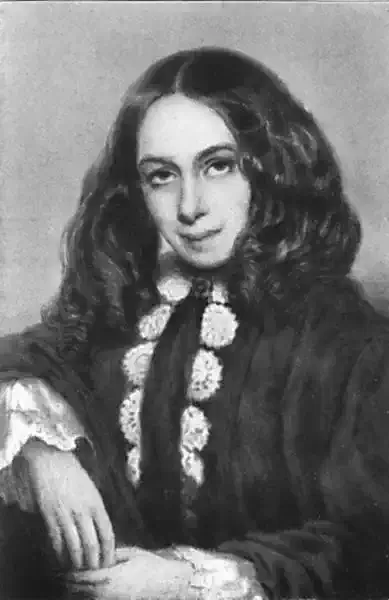
Elizabeth Barrett Browning
Sonnet 32 - The first time that the sun rose on thine oath
Sonnet 32 - The first time that the sun rose on thine oath
XXXII
The first time that the sun rose on thine oath
To love me, I looked forward to the moon
To slacken all those bonds which seemed too soon
And quickly tied to make a lasting troth.
Quick-loving hearts, I thought, may quickly loathe;
And, looking on myself, I seemed not one
For such man's love!-more like an out-of-tune
Worn viol, a good singer would be wroth
To spoil his song with, and which, snatched in haste,
Is laid down at the first ill-sounding note.
I did not wrong myself so, but I placed
A wrong on thee. For perfect strains may float
'Neath master-hands, from instruments defaced,-
And great souls, at one stroke, may do and doat.
XXXII
The first time that the sun rose on thine oath
To love me, I looked forward to the moon
To slacken all those bonds which seemed too soon
And quickly tied to make a lasting troth.
Quick-loving hearts, I thought, may quickly loathe;
And, looking on myself, I seemed not one
For such man's love!-more like an out-of-tune
Worn viol, a good singer would be wroth
To spoil his song with, and which, snatched in haste,
Is laid down at the first ill-sounding note.
I did not wrong myself so, but I placed
A wrong on thee. For perfect strains may float
'Neath master-hands, from instruments defaced,-
And great souls, at one stroke, may do and doat.
411
Elizabeth Barrett Browning
Pain In Pleasure
Pain In Pleasure
A THOUGHT ay like a flower upon mine heart,
And drew around it other thoughts like bees
For multitude and thirst of sweetnesses;
Whereat rejoicing, I desired the art
Of the Greek whistler, who to wharf and mart
Could lure those insect swarms from orange-trees
That I might hive with me such thoughts and please
My soul so, always. foolish counterpart
Of a weak man's vain wishes ! While I spoke,
The thought I called a flower grew nettle-rough
The thoughts, called bees, stung me to festering:
Oh, entertain (cried Reason as she woke)
Your best and gladdest thoughts but long enough,
And they will all prove sad enough to sting !
A THOUGHT ay like a flower upon mine heart,
And drew around it other thoughts like bees
For multitude and thirst of sweetnesses;
Whereat rejoicing, I desired the art
Of the Greek whistler, who to wharf and mart
Could lure those insect swarms from orange-trees
That I might hive with me such thoughts and please
My soul so, always. foolish counterpart
Of a weak man's vain wishes ! While I spoke,
The thought I called a flower grew nettle-rough
The thoughts, called bees, stung me to festering:
Oh, entertain (cried Reason as she woke)
Your best and gladdest thoughts but long enough,
And they will all prove sad enough to sting !
493
Elizabeth Barrett Browning
Irreparableness
Irreparableness
I HAVE been in the meadows all the day
And gathered there the nosegay that you see
Singing within myself as bird or bee
When such do field-work on a morn of May.
But, now I look upon my flowers, decay
Has met them in my hands more fatally
Because more warmly clasped,--and sobs are free
To come instead of songs. What do you say,
Sweet counsellors, dear friends ? that I should go
Back straightway to the fields and gather more ?
Another, sooth, may do it, but not I !
My heart is very tired, my strength is low,
My hands are full of blossoms plucked before,
Held dead within them till myself shall die.
I HAVE been in the meadows all the day
And gathered there the nosegay that you see
Singing within myself as bird or bee
When such do field-work on a morn of May.
But, now I look upon my flowers, decay
Has met them in my hands more fatally
Because more warmly clasped,--and sobs are free
To come instead of songs. What do you say,
Sweet counsellors, dear friends ? that I should go
Back straightway to the fields and gather more ?
Another, sooth, may do it, but not I !
My heart is very tired, my strength is low,
My hands are full of blossoms plucked before,
Held dead within them till myself shall die.
390
Elizabeth Barrett Browning
IX
IX
Can it be right to give what I can give ?
To let thee sit beneath the fall of tears
As salt as mine, and hear the sighing years
Re-sighing on my lips renunciative
Through those infrequent smiles which fail to live
For all thy adjurations ? O my fears,
That this can scarce be right ! We are not peers,
So to be lovers; and I own, and grieve,
That givers of such gifts as mine are, must
Be counted with the ungenerous. Out, alas !
I will not soil thy purple with my dust,
Nor breathe my poison on thy Venice-glass,
Nor give thee any love--which were unjust.
Beloved, I only love thee ! let it pass.
Can it be right to give what I can give ?
To let thee sit beneath the fall of tears
As salt as mine, and hear the sighing years
Re-sighing on my lips renunciative
Through those infrequent smiles which fail to live
For all thy adjurations ? O my fears,
That this can scarce be right ! We are not peers,
So to be lovers; and I own, and grieve,
That givers of such gifts as mine are, must
Be counted with the ungenerous. Out, alas !
I will not soil thy purple with my dust,
Nor breathe my poison on thy Venice-glass,
Nor give thee any love--which were unjust.
Beloved, I only love thee ! let it pass.
473

Edward Lear
Limerick: There was an Old Man of Bohemia
Limerick: There was an Old Man of Bohemia
There was an Old Man of Bohemia,
Whose daughter was christened Euphemia,
Till one day, to his grief,
She married a thief,
Which grieved that Old Man of Bohemia.
There was an Old Man of Bohemia,
Whose daughter was christened Euphemia,
Till one day, to his grief,
She married a thief,
Which grieved that Old Man of Bohemia.
199
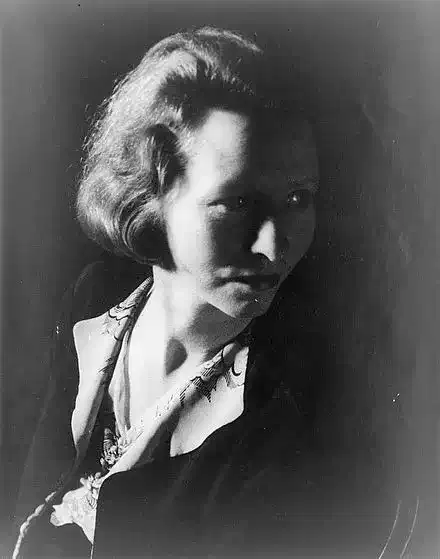
Edna St. Vincent Millay
The Penitent
The Penitent
I had a little Sorrow,
Born of a little Sin,
I found a room all damp with gloom
And shut us all within;
And, "Little Sorrow, weep," said I,
"And, Little Sin, pray God to die,
And I upon the floor will lie
And think how bad I've been!"
Alas for pious planning—
It mattered not a whit!
As far as gloom went in that room,
The lamp might have been lit!
My little Sorrow would not weep,
My little Sin would go to sleep—
To save my soul I could not keep
My graceless mind on it!
So I got up in anger,
And took a book I had,
And put a ribbon on my hair
To please a passing lad,
And, "One thing there's no getting by—
I've been a wicked girl," said I:
"But if I can't be sorry, why,
I might as well be glad!"
I had a little Sorrow,
Born of a little Sin,
I found a room all damp with gloom
And shut us all within;
And, "Little Sorrow, weep," said I,
"And, Little Sin, pray God to die,
And I upon the floor will lie
And think how bad I've been!"
Alas for pious planning—
It mattered not a whit!
As far as gloom went in that room,
The lamp might have been lit!
My little Sorrow would not weep,
My little Sin would go to sleep—
To save my soul I could not keep
My graceless mind on it!
So I got up in anger,
And took a book I had,
And put a ribbon on my hair
To please a passing lad,
And, "One thing there's no getting by—
I've been a wicked girl," said I:
"But if I can't be sorry, why,
I might as well be glad!"
378
Edna St. Vincent Millay
The Plaid Dress
The Plaid Dress
Strong sun, that bleach
The curtains of my room, can you not render
Colourless this dress I wear?—
This violent plaid
Of purple angers and red shames; the yellow stripe
Of thin but valid treacheries; the flashy green of kind deeds done
Through indolence high judgments given here in haste;
The recurring checker of the serious breach of taste?
No more uncoloured than unmade,
I fear, can be this garment that I may not doff;
Confession does not strip it off,
To send me homeward eased and bare;
All through the formal, unoffending evening, under the clean
Bright hair,
Lining the subtle gown. . .it is not seen,
But it is there.
Strong sun, that bleach
The curtains of my room, can you not render
Colourless this dress I wear?—
This violent plaid
Of purple angers and red shames; the yellow stripe
Of thin but valid treacheries; the flashy green of kind deeds done
Through indolence high judgments given here in haste;
The recurring checker of the serious breach of taste?
No more uncoloured than unmade,
I fear, can be this garment that I may not doff;
Confession does not strip it off,
To send me homeward eased and bare;
All through the formal, unoffending evening, under the clean
Bright hair,
Lining the subtle gown. . .it is not seen,
But it is there.
352
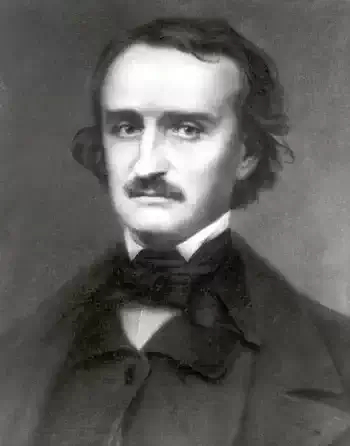
Edgar Allan Poe
To M--
To M--
O! I care not that my earthly lot
Hath little of Earth in it,
That years of love have been forgot
In the fever of a minute:
I heed not that the desolate
Are happier, sweet, than I,
But that you meddle with my fate
Who am a passer by.
It is not that my founts of bliss
Are gushing- strange! with tearsOr
that the thrill of a single kiss
Hath palsied many years
'Tis not that the flowers of twenty springs
Which have wither'd as they rose
Lie dead on my heart-strings
With the weight of an age of snows.
Not that the grass- O! may it thrive!
On my grave is growing or grownBut
that, while I am dead yet alive
I cannot be, lady, alone.
O! I care not that my earthly lot
Hath little of Earth in it,
That years of love have been forgot
In the fever of a minute:
I heed not that the desolate
Are happier, sweet, than I,
But that you meddle with my fate
Who am a passer by.
It is not that my founts of bliss
Are gushing- strange! with tearsOr
that the thrill of a single kiss
Hath palsied many years
'Tis not that the flowers of twenty springs
Which have wither'd as they rose
Lie dead on my heart-strings
With the weight of an age of snows.
Not that the grass- O! may it thrive!
On my grave is growing or grownBut
that, while I am dead yet alive
I cannot be, lady, alone.
304
Dorothy Parker
They Part
They Part
And if, my friend, you'd have it end,
There's naught to hear or tell.
But need you try to black my eye
In wishing me farewell.
Though I admit an edged wit
In woe is warranted,
May I be frank? . . . Such words as "-"
Are better left unsaid.
There's rosemary for you and me;
But is it usual, dear,
To hire a man, and fill a van
By way of souvenir?
And if, my friend, you'd have it end,
There's naught to hear or tell.
But need you try to black my eye
In wishing me farewell.
Though I admit an edged wit
In woe is warranted,
May I be frank? . . . Such words as "-"
Are better left unsaid.
There's rosemary for you and me;
But is it usual, dear,
To hire a man, and fill a van
By way of souvenir?
279
Dorothy Parker
A Portrait
A Portrait
Because my love is quick to come and go-
A little here, and then a little there-
What use are any words of mine to swear
My heart is stubborn, and my spirit slow
Of weathering the drip and drive of woe?
What is my oath, when you have but to bare
My little, easy loves; and I can dare
Only to shrug, and answer, "They are so"?
You do not know how heavy a heart it is
That hangs about my neck- a clumsy stone
Cut with a birth, a death, a bridal-day.
Each time I love, I find it still my own,
Who take it, now to that lad, now to this,
Seeking to give the wretched thing away.
Because my love is quick to come and go-
A little here, and then a little there-
What use are any words of mine to swear
My heart is stubborn, and my spirit slow
Of weathering the drip and drive of woe?
What is my oath, when you have but to bare
My little, easy loves; and I can dare
Only to shrug, and answer, "They are so"?
You do not know how heavy a heart it is
That hangs about my neck- a clumsy stone
Cut with a birth, a death, a bridal-day.
Each time I love, I find it still my own,
Who take it, now to that lad, now to this,
Seeking to give the wretched thing away.
384

D.H. Lawrence
The Punisher
The Punisher
I have fetched the tears up out of the little wells,
Scooped them up with small, iron words,
Dripping over the runnels.
The harsh, cold wind of my words drove on, and still
I watched the tears on the guilty cheek of the boys
Glitter and spill.
Cringing Pity, and Love, white-handed, came
Hovering about the Judgment which stood in my eyes,
Whirling a flame.
. . . . . . .
The tears are dry, and the cheeks’ young fruits are fresh
With laughter, and clear the exonerated eyes, since pain
Beat through the flesh.
The Angel of Judgment has departed again to the Nearness.
Desolate I am as a church whose lights are put out.
And night enters in drearness.
The fire rose up in the bush and blazed apace,
The thorn-leaves crackled and twisted and sweated in anguish;
Then God left the place.
Like a flower that the frost has hugged and let go, my head
Is heavy, and my heart beats slowly, laboriously,
My strength is shed.
I have fetched the tears up out of the little wells,
Scooped them up with small, iron words,
Dripping over the runnels.
The harsh, cold wind of my words drove on, and still
I watched the tears on the guilty cheek of the boys
Glitter and spill.
Cringing Pity, and Love, white-handed, came
Hovering about the Judgment which stood in my eyes,
Whirling a flame.
. . . . . . .
The tears are dry, and the cheeks’ young fruits are fresh
With laughter, and clear the exonerated eyes, since pain
Beat through the flesh.
The Angel of Judgment has departed again to the Nearness.
Desolate I am as a church whose lights are put out.
And night enters in drearness.
The fire rose up in the bush and blazed apace,
The thorn-leaves crackled and twisted and sweated in anguish;
Then God left the place.
Like a flower that the frost has hugged and let go, my head
Is heavy, and my heart beats slowly, laboriously,
My strength is shed.
265

Christina Rossetti
The Prince's Progress (excerpt)
The Prince's Progress (excerpt)
"Too late for love, too late for joy,
Too late, too late!
You loitered on the road too long,
You trifled at the gate:
The enchanted dove upon her branch
Died without a mate.
The enchanted princess in her tower
Slept, died, behind the grate;
Her heart was starving all this while
You made it wait.
"Ten years ago, five years ago,
One year ago,
Even then you had arrived in time,
Though somewhat slow;
Then you had known her living face
Which now you cannot know:
The frozen fountain would have leaped,
The buds gone on to blow,
The warm south wind would have awaked
To melt the snow.
"Is she fair now as she lies?
Once she was fair;
Meet queen for any kingly king,
With gold-dust on her hair.
Now these are poppies in her locks,
White poppies she must wear;
Must wear a veil to shroud her face
And the want graven there:
Or is the hunger fed at length,
Cast off the care?
"We never saw her with a smile
Or with a frown;
Her bed seemed never soft to her,
Though tossed of down;
She little heeded what she wore,
Kirtle, or wreath, or gown;
We think her white brows often ached
Beneath her crown,
Till silvery hairs showed in her locks
That used to be so brown.
"We never heard her speak in haste;
Her tones were sweet,
And modulated just so much
As it was meet:
Her heart sat silent through the noise
And concourse of the street.
There was no hurry in her hands,
No hurry in her feet;
There was no bliss drew nigh to her,
That she might run to greet.
"You should have wept her yesterday,
Wasting upon her bed:
But wherefore should you weep to-day
That she is dead?
Lo we who love weep not to-day,
But crown her royal head.
Let be these poppies that we strew,
Your roses are too red:
Let be these poppies, not for you
Cut down and spread."
"Too late for love, too late for joy,
Too late, too late!
You loitered on the road too long,
You trifled at the gate:
The enchanted dove upon her branch
Died without a mate.
The enchanted princess in her tower
Slept, died, behind the grate;
Her heart was starving all this while
You made it wait.
"Ten years ago, five years ago,
One year ago,
Even then you had arrived in time,
Though somewhat slow;
Then you had known her living face
Which now you cannot know:
The frozen fountain would have leaped,
The buds gone on to blow,
The warm south wind would have awaked
To melt the snow.
"Is she fair now as she lies?
Once she was fair;
Meet queen for any kingly king,
With gold-dust on her hair.
Now these are poppies in her locks,
White poppies she must wear;
Must wear a veil to shroud her face
And the want graven there:
Or is the hunger fed at length,
Cast off the care?
"We never saw her with a smile
Or with a frown;
Her bed seemed never soft to her,
Though tossed of down;
She little heeded what she wore,
Kirtle, or wreath, or gown;
We think her white brows often ached
Beneath her crown,
Till silvery hairs showed in her locks
That used to be so brown.
"We never heard her speak in haste;
Her tones were sweet,
And modulated just so much
As it was meet:
Her heart sat silent through the noise
And concourse of the street.
There was no hurry in her hands,
No hurry in her feet;
There was no bliss drew nigh to her,
That she might run to greet.
"You should have wept her yesterday,
Wasting upon her bed:
But wherefore should you weep to-day
That she is dead?
Lo we who love weep not to-day,
But crown her royal head.
Let be these poppies that we strew,
Your roses are too red:
Let be these poppies, not for you
Cut down and spread."
157
Christina Rossetti
The Convent Threshold
The Convent Threshold
There's blood between us, love, my love,
There's father's blood, there's brother's blood,
And blood's a bar I cannot pass.
I choose the stairs that mount above,
Stair after golden sky-ward stair,
To city and to sea of glass.
My lily feet are soiled with mud,
With scarlet mud which tells a tale
Of hope that was, of guilt that was,
Of love that shall not yet avail;
Alas, my heart, if I could bare
My heart, this selfsame stain is there:
I seek the sea of glass and fire
To wash the spot, to burn the snare;
Lo, stairs are meant to lift us higher--
Mount with me, mount the kindled stair.
Your eyes look earthward, mine look up.
I see the far-off city grand,
Beyond the hills a watered land,
Beyond the gulf a gleaming strand
Of mansions where the righteous sup;
Who sleep at ease among their trees,
Or wake to sing a cadenced hymn
With Cherubim and Seraphim;
They bore the Cross, they drained the cup,
Racked, roasted, crushed, wrenched limb from limb,
They the offscouring of the world.
The heaven of starry heavens unfurled,
The sun before their face is dim.
You looking earthward, what see you?
Milk-white, wine-flushed among the vines,
Up and down leaping, to and fro,
Most glad, most full, made strong with wines,
Blooming as peaches pearled with dew,
Their golden windy hair afloat,
Love-music warbling in their throat,
Young men and women come and go.
You linger, yet the time is short:
Flee for your life, gird up your strength
To flee; the shadows stretched at length
Show that day wanes, that night draws nigh;
Flee to the mountain, tarry not.
Is this a time for smile and sigh,
For songs among the secret trees
Where sudden blue birds nest and sport?
The time is short and yet you stay:
To-day, while it is called to-day,
Kneel, wrestle, knock, do violence, pray;
To-day is short, to-morrow nigh:
Why will you die? why will you die?
You sinned with me a pleasant sin:
Repent with me, for I repent.
Woe's me the lore I must unlearn!
Woe's me that easy way we went,
So rugged when I would return!
How long until my sleep begin
How long shall stretch these nights and days?
Surely, clean Angels cry, she prays;
She laves her soul with tedious tears:
How long must stretch these years and years?
I turn from you my cheeks and eyes,
My hair which you shall see no more--
Alas for joy that went before,
For joy that dies, for love that dies.
Only my lips still turn to you,
My livid lips that cry, Repent.
O weary life, O weary Lent,
O weary time whose stars are few.
How shall I rest in Paradise,
Or sit on steps of heaven alone
If Saints and Angels spoke of love
Should I not answer from my throne:
Have pity upon me, ye my friends,
For I have heard the sound thereof:
Should I not turn with yearning eyes,
Turn earthwards with a pitiful pang?
Oh save me from a pang in heaven.
By all the gifts we took and gave,
Repent, repent, and be forgiven:
This life is long, but yet it ends;
Repent and purge your soul and save:
No gladder song the morning stars
Upon their birthday morning sang
Than Angels sing when one repents.
I tell you what I dreamed last night:
A spirit with transfigured face
Fire-footed clomb an infinite space.
I heard his hundred pinions clang,
Heaven-bells rejoicing rang and rang,
Heaven-air was thrilled with subtle scents,
Worlds spun upon their rushing cars.
He mounted, shrieking, "Give me light!"
Still light was poured on him, more light;
Angels, Archangels he outstripped,
Exulting in exceeding might,
And trod the skirts of Cherubim.
Still "Give me light," he shrieked; and dipped
His thirsty face, and drank a sea,
Athirst with thirst it could not slake.
I saw him, drunk with knowledge, take
From aching brows the aureole crown--
His locks writhe like a cloven snake--
He left his throne to grovel down
And lick the dust of Seraphs' feet;
For what is knowledge duly weighed?
Knowledge is strong, but love is sweet;
Yea, all the progress he had made
Was but to learn that all is small
Save love, for love is all in all.
I tell you what I dreamed last night:
It was not dark, it was not light,
Cold dews had drenched my plenteous hair
Through clay; you came to seek me there.
And "Do you dream of me?" you said.
My heart was dust that used to leap
To you; I answered half asleep:
"My pillow is damp, my sheets are red,
There's a leaden tester to my bed;
Find you a warmer playfellow,
A warmer pillow for your head,
A kinder love to love than mine."
You wrung your hands, while I, like lead,
Crushed downwards through the sodden earth;
You smote your hands but not in mirth,
And reeled but were not drunk with wine.
For all night long I dreamed of you;
I woke and prayed against my will,
Then slept to dream of you again.
At length I rose and knelt and prayed.
I cannot write the words I said,
My words were slow, my tears were few;
But through the dark my silence spoke
Like thunder. When this morning broke,
My face was pinched, my hair was grey,
And frozen blood was on the sill
Where stifling in my struggle I lay.
If now you saw me you would say:
Where is the face I used to love?
And I would answer: Gone before;
It tarries veiled in paradise.
When once the morning star shall rise,
When earth with shadow flees away
And we stand safe within the door,
Then you shall lift the veil thereof.
Look up, rise up: for far above
Our palms are grown, our place is set;
There we shall meet as once we met,
And love with old familiar love.
There's blood between us, love, my love,
There's father's blood, there's brother's blood,
And blood's a bar I cannot pass.
I choose the stairs that mount above,
Stair after golden sky-ward stair,
To city and to sea of glass.
My lily feet are soiled with mud,
With scarlet mud which tells a tale
Of hope that was, of guilt that was,
Of love that shall not yet avail;
Alas, my heart, if I could bare
My heart, this selfsame stain is there:
I seek the sea of glass and fire
To wash the spot, to burn the snare;
Lo, stairs are meant to lift us higher--
Mount with me, mount the kindled stair.
Your eyes look earthward, mine look up.
I see the far-off city grand,
Beyond the hills a watered land,
Beyond the gulf a gleaming strand
Of mansions where the righteous sup;
Who sleep at ease among their trees,
Or wake to sing a cadenced hymn
With Cherubim and Seraphim;
They bore the Cross, they drained the cup,
Racked, roasted, crushed, wrenched limb from limb,
They the offscouring of the world.
The heaven of starry heavens unfurled,
The sun before their face is dim.
You looking earthward, what see you?
Milk-white, wine-flushed among the vines,
Up and down leaping, to and fro,
Most glad, most full, made strong with wines,
Blooming as peaches pearled with dew,
Their golden windy hair afloat,
Love-music warbling in their throat,
Young men and women come and go.
You linger, yet the time is short:
Flee for your life, gird up your strength
To flee; the shadows stretched at length
Show that day wanes, that night draws nigh;
Flee to the mountain, tarry not.
Is this a time for smile and sigh,
For songs among the secret trees
Where sudden blue birds nest and sport?
The time is short and yet you stay:
To-day, while it is called to-day,
Kneel, wrestle, knock, do violence, pray;
To-day is short, to-morrow nigh:
Why will you die? why will you die?
You sinned with me a pleasant sin:
Repent with me, for I repent.
Woe's me the lore I must unlearn!
Woe's me that easy way we went,
So rugged when I would return!
How long until my sleep begin
How long shall stretch these nights and days?
Surely, clean Angels cry, she prays;
She laves her soul with tedious tears:
How long must stretch these years and years?
I turn from you my cheeks and eyes,
My hair which you shall see no more--
Alas for joy that went before,
For joy that dies, for love that dies.
Only my lips still turn to you,
My livid lips that cry, Repent.
O weary life, O weary Lent,
O weary time whose stars are few.
How shall I rest in Paradise,
Or sit on steps of heaven alone
If Saints and Angels spoke of love
Should I not answer from my throne:
Have pity upon me, ye my friends,
For I have heard the sound thereof:
Should I not turn with yearning eyes,
Turn earthwards with a pitiful pang?
Oh save me from a pang in heaven.
By all the gifts we took and gave,
Repent, repent, and be forgiven:
This life is long, but yet it ends;
Repent and purge your soul and save:
No gladder song the morning stars
Upon their birthday morning sang
Than Angels sing when one repents.
I tell you what I dreamed last night:
A spirit with transfigured face
Fire-footed clomb an infinite space.
I heard his hundred pinions clang,
Heaven-bells rejoicing rang and rang,
Heaven-air was thrilled with subtle scents,
Worlds spun upon their rushing cars.
He mounted, shrieking, "Give me light!"
Still light was poured on him, more light;
Angels, Archangels he outstripped,
Exulting in exceeding might,
And trod the skirts of Cherubim.
Still "Give me light," he shrieked; and dipped
His thirsty face, and drank a sea,
Athirst with thirst it could not slake.
I saw him, drunk with knowledge, take
From aching brows the aureole crown--
His locks writhe like a cloven snake--
He left his throne to grovel down
And lick the dust of Seraphs' feet;
For what is knowledge duly weighed?
Knowledge is strong, but love is sweet;
Yea, all the progress he had made
Was but to learn that all is small
Save love, for love is all in all.
I tell you what I dreamed last night:
It was not dark, it was not light,
Cold dews had drenched my plenteous hair
Through clay; you came to seek me there.
And "Do you dream of me?" you said.
My heart was dust that used to leap
To you; I answered half asleep:
"My pillow is damp, my sheets are red,
There's a leaden tester to my bed;
Find you a warmer playfellow,
A warmer pillow for your head,
A kinder love to love than mine."
You wrung your hands, while I, like lead,
Crushed downwards through the sodden earth;
You smote your hands but not in mirth,
And reeled but were not drunk with wine.
For all night long I dreamed of you;
I woke and prayed against my will,
Then slept to dream of you again.
At length I rose and knelt and prayed.
I cannot write the words I said,
My words were slow, my tears were few;
But through the dark my silence spoke
Like thunder. When this morning broke,
My face was pinched, my hair was grey,
And frozen blood was on the sill
Where stifling in my struggle I lay.
If now you saw me you would say:
Where is the face I used to love?
And I would answer: Gone before;
It tarries veiled in paradise.
When once the morning star shall rise,
When earth with shadow flees away
And we stand safe within the door,
Then you shall lift the veil thereof.
Look up, rise up: for far above
Our palms are grown, our place is set;
There we shall meet as once we met,
And love with old familiar love.
231
Christina Rossetti
Symbols
Symbols
I watched a rosebud very long
Brought on by dew and sun and shower,
Waiting to see the perfect flower:
Then, when I thought it should be strong,
It opened at the matin hour
And fell at evensong.
I watched a nest from day to day,
A green nest full of pleasant shade,
Wherein three speckled eggs were laid:
But when they should have hatched in May,
The two old birds had grown afraid
Or tired, and flew away.
Then in my wrath I broke the bough
That I had tended so with care,
Hoping its scent should fill the air;
I crushed the eggs, not heeding how
Their ancient promise had been fair:
I would have vengeance now.
But the dead branch spoke from the sod,
And the eggs answered me again:
Because we failed dost thou complain?
Is thy wrath just? And what if God,
Who waiteth for thy fruits in vain,
Should also take the rod?
I watched a rosebud very long
Brought on by dew and sun and shower,
Waiting to see the perfect flower:
Then, when I thought it should be strong,
It opened at the matin hour
And fell at evensong.
I watched a nest from day to day,
A green nest full of pleasant shade,
Wherein three speckled eggs were laid:
But when they should have hatched in May,
The two old birds had grown afraid
Or tired, and flew away.
Then in my wrath I broke the bough
That I had tended so with care,
Hoping its scent should fill the air;
I crushed the eggs, not heeding how
Their ancient promise had been fair:
I would have vengeance now.
But the dead branch spoke from the sod,
And the eggs answered me again:
Because we failed dost thou complain?
Is thy wrath just? And what if God,
Who waiteth for thy fruits in vain,
Should also take the rod?
219
Christina Rossetti
Cousin Kate
Cousin Kate
I was a cottage maiden
Hardened by sun and air
Contented with my cottage mates,
Not mindful I was fair.
Why did a great lord find me out,
And praise my flaxen hair?
Why did a great lord find me out,
To fill my heart with care?
He lured me to his palace home Woe's
me for joy thereof-
To lead a shameless shameful life,
His plaything and his love.
He wore me like a silken knot,
He changed me like a glove;
So now I moan, an unclean thing,
Who might have been a dove.
O Lady kate, my cousin Kate,
You grew more fair than I:
He saw you at your father's gate,
Chose you, and cast me by.
He watched your steps along the lane,
Your work among the rye;
He lifted you from mean estate
To sit with him on high.
Because you were so good and pure
He bound you with his ring:
The neighbors call you good and pure,
Call me an outcast thing.
Even so I sit and howl in dust,
You sit in gold and sing:
Now which of us has tenderer heart?
You had the stronger wing.
O cousin Kate, my love was true,
Your love was writ in sand:
If he had fooled not me but you,
If you stood where I stand,
He'd not have won me with his love
Nor bought me with his land;
I would have spit into his face
And not have taken his hand.
Yet I've a gift you have not got,
And seem not like to get:
For all your clothes and wedding-ring
I've little doubt you fret.
My fair-haired son, my shame, my pride,
Cling closer, closer yet:
Your father would give his lands for one
To wear his coronet.
I was a cottage maiden
Hardened by sun and air
Contented with my cottage mates,
Not mindful I was fair.
Why did a great lord find me out,
And praise my flaxen hair?
Why did a great lord find me out,
To fill my heart with care?
He lured me to his palace home Woe's
me for joy thereof-
To lead a shameless shameful life,
His plaything and his love.
He wore me like a silken knot,
He changed me like a glove;
So now I moan, an unclean thing,
Who might have been a dove.
O Lady kate, my cousin Kate,
You grew more fair than I:
He saw you at your father's gate,
Chose you, and cast me by.
He watched your steps along the lane,
Your work among the rye;
He lifted you from mean estate
To sit with him on high.
Because you were so good and pure
He bound you with his ring:
The neighbors call you good and pure,
Call me an outcast thing.
Even so I sit and howl in dust,
You sit in gold and sing:
Now which of us has tenderer heart?
You had the stronger wing.
O cousin Kate, my love was true,
Your love was writ in sand:
If he had fooled not me but you,
If you stood where I stand,
He'd not have won me with his love
Nor bought me with his land;
I would have spit into his face
And not have taken his hand.
Yet I've a gift you have not got,
And seem not like to get:
For all your clothes and wedding-ring
I've little doubt you fret.
My fair-haired son, my shame, my pride,
Cling closer, closer yet:
Your father would give his lands for one
To wear his coronet.
226
Christina Rossetti
By The Waters Of Babylon
By The Waters Of Babylon
Here where I dwell I waste to skin and bone;
The curse is come upon me, and I waste
In penal torment powerless to atone.
The curse is come on me, which makes no haste
And doth not tarry, crushing both the proud
Hard man and him the sinner double-faced.
Look not upon me, for my soul is bowed
Within me, as my body in this mire;
My soul crawls dumb-struck, sore-bested and cowed.
As Sodom and Gomorrah scourged by fire,
As Jericho before God's trumpet-peal,
So we the elect ones perish in His ire.
Vainly we gird on sackcloth, vainly kneel
With famished faces toward Jerusalem:
His heart is shut against us not to feel,
His ears against our cry He shutteth them,
His hand He shorteneth that He will not save,
His law is loud against us to condemn:
And we, as unclean bodies in the grave
Inheriting corruption and the dark,
Are outcast from His presence which we crave.
Our Mercy hath departed from His Ark,
Our Glory hath departed from His rest,
Our Shield hath left us naked as a mark
Unto all pitiless eyes made manifest.
Our very Father hath forsaken us,
Our God hath cast us from Him: we oppressed
Unto our foes are even marvellous,
A hissing and a butt for pointing hands,
Whilst God Almighty hunts and grinds us thus;
For He hath scattered us in alien lands,
Our priests, our princes, our anointed king,
And bound us hand and foot with brazen bands.
Here while I sit my painful heart takes wing
Home to the home-land I must see no more,
Where milk and honey flow, where waters spring
And fail not, where I dwelt in days of yore
Under my fig-tree and my fruitful vine,
There where my parents dwelt at ease before:
Now strangers press the olives that are mine,
Reap all the corners of my harvest-field,
And make their fat hearts wanton with my wine;
To them my trees, to them my garden yield
Their sweets and spices and their tender green,
O'er them in noontide heat outspread their shield.
Yet these are they whose fathers had not been
Housed with my dogs, whom hip and thigh we smote
And with their blood washed their pollutions clean,
Purging the land which spewed them from its throat;
Their daughters took we for a pleasant prey,
Choice tender ones on whom the fathers doat.
Now they in turn have led our own away;
Our daughters and our sisters and our wives
Sore weeping as they weep who curse the day,
To live, remote from help, dishonoured lives,
Soothing their drunken masters with a song,
Or dancing in their golden tinkling gyves:
Accurst if they remember through the long
Estrangement of their exile, twice accursed
If they forget and join the accursed throng.
How doth my heart that is so wrung not burst
When I remember that my way was plain,
And that God's candle lit me at the first,
Whilst now I grope in darkness, grope in vain,
Desiring but to find Him Who is lost,
To find Him once again, but once again.
His wrath came on us to the uttermost,
His covenanted and most righteous wrath:
Yet this is He of Whom we made our boast,
Who lit the Fiery Pillar in our path,
Who swept the Red Sea dry before our feet,
Who in His jealousy smote kings, and hath
Sworn once to David: One shall fill thy seat
Born of thy body, as the sun and moon
'Stablished for aye in sovereignty complete.
O Lord, remember David, and that soon.
The Glory hath departed, Ichabod!
Yet now, before our sun grow dark at noon,
Before we come to nought beneath Thy rod,
Before we go down quick into the pit,
Remember us for good, O God, our God:—
Thy Name will I remember, praising it,
Though Thou forget me, though Thou hide Thy face,
And blot me from the Book which Thou hast writ;
Thy Name will I remember in my praise
And call to mind Thy faithfulness of old,
Though as a weaver Thou cut off my days,
And end me as a tale ends that is told.
Here where I dwell I waste to skin and bone;
The curse is come upon me, and I waste
In penal torment powerless to atone.
The curse is come on me, which makes no haste
And doth not tarry, crushing both the proud
Hard man and him the sinner double-faced.
Look not upon me, for my soul is bowed
Within me, as my body in this mire;
My soul crawls dumb-struck, sore-bested and cowed.
As Sodom and Gomorrah scourged by fire,
As Jericho before God's trumpet-peal,
So we the elect ones perish in His ire.
Vainly we gird on sackcloth, vainly kneel
With famished faces toward Jerusalem:
His heart is shut against us not to feel,
His ears against our cry He shutteth them,
His hand He shorteneth that He will not save,
His law is loud against us to condemn:
And we, as unclean bodies in the grave
Inheriting corruption and the dark,
Are outcast from His presence which we crave.
Our Mercy hath departed from His Ark,
Our Glory hath departed from His rest,
Our Shield hath left us naked as a mark
Unto all pitiless eyes made manifest.
Our very Father hath forsaken us,
Our God hath cast us from Him: we oppressed
Unto our foes are even marvellous,
A hissing and a butt for pointing hands,
Whilst God Almighty hunts and grinds us thus;
For He hath scattered us in alien lands,
Our priests, our princes, our anointed king,
And bound us hand and foot with brazen bands.
Here while I sit my painful heart takes wing
Home to the home-land I must see no more,
Where milk and honey flow, where waters spring
And fail not, where I dwelt in days of yore
Under my fig-tree and my fruitful vine,
There where my parents dwelt at ease before:
Now strangers press the olives that are mine,
Reap all the corners of my harvest-field,
And make their fat hearts wanton with my wine;
To them my trees, to them my garden yield
Their sweets and spices and their tender green,
O'er them in noontide heat outspread their shield.
Yet these are they whose fathers had not been
Housed with my dogs, whom hip and thigh we smote
And with their blood washed their pollutions clean,
Purging the land which spewed them from its throat;
Their daughters took we for a pleasant prey,
Choice tender ones on whom the fathers doat.
Now they in turn have led our own away;
Our daughters and our sisters and our wives
Sore weeping as they weep who curse the day,
To live, remote from help, dishonoured lives,
Soothing their drunken masters with a song,
Or dancing in their golden tinkling gyves:
Accurst if they remember through the long
Estrangement of their exile, twice accursed
If they forget and join the accursed throng.
How doth my heart that is so wrung not burst
When I remember that my way was plain,
And that God's candle lit me at the first,
Whilst now I grope in darkness, grope in vain,
Desiring but to find Him Who is lost,
To find Him once again, but once again.
His wrath came on us to the uttermost,
His covenanted and most righteous wrath:
Yet this is He of Whom we made our boast,
Who lit the Fiery Pillar in our path,
Who swept the Red Sea dry before our feet,
Who in His jealousy smote kings, and hath
Sworn once to David: One shall fill thy seat
Born of thy body, as the sun and moon
'Stablished for aye in sovereignty complete.
O Lord, remember David, and that soon.
The Glory hath departed, Ichabod!
Yet now, before our sun grow dark at noon,
Before we come to nought beneath Thy rod,
Before we go down quick into the pit,
Remember us for good, O God, our God:—
Thy Name will I remember, praising it,
Though Thou forget me, though Thou hide Thy face,
And blot me from the Book which Thou hast writ;
Thy Name will I remember in my praise
And call to mind Thy faithfulness of old,
Though as a weaver Thou cut off my days,
And end me as a tale ends that is told.
209
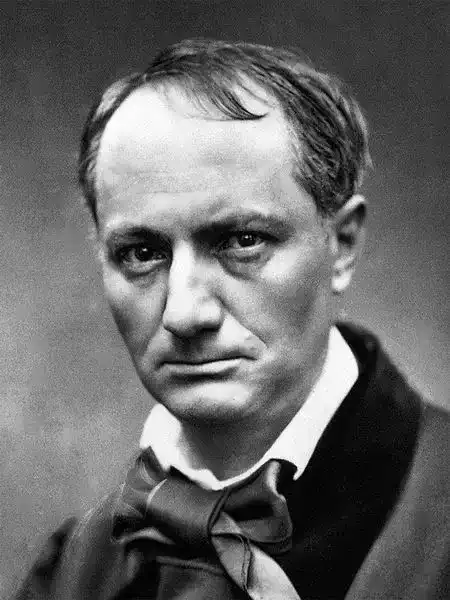
Charles Baudelaire
Au Lecteur
Au Lecteur
La sottise, l'erreur, le péché, la lésine,
Occupent nos esprits et travaillent nos corps,
Et nous alimentons nos aimables remords,
Comme les mendiants nourrissent leur vermine.
La sottise, l'erreur, le péché, la lésine,
Occupent nos esprits et travaillent nos corps,
Et nous alimentons nos aimables remords,
Comme les mendiants nourrissent leur vermine.
647
Boris Pasternak
Mary Magdalene I
Mary Magdalene I
As soon as night descends, we meet.
Remorse my memories releases.
The demons of the past compete,
And draw and tear my heart to pieces,
Sin, vice and madness and deceit,
When I was slave of men's caprices
And when my dwelling was the street.
The deathly silence is not far;
A few more moments only matter,
Which the Inevitable bar.
But at the edge, before they scatter,
In front of Thee my life I shatter,
As though an alabaster jar.
O what might not have been my fate
By now, my Teacher and my Saviour,
Did not eternity await
Me at the table, as a late
New victim of my past behaviour!
But what can sin now mean to me,
And death, and hell, and sulphur burning,
When, like a graft onto a tree,
I have-for everyone to see-
Grown into being part of Thee
In my immeasurable yearning?
When pressed against my knees I place
Thy precious feet, and weep, despairing,
Perhaps I'm learning to embrace
The cross's rough four-sided face;
And, fainting, all my being sways
Towards Thee, Thy burial preparing.
As soon as night descends, we meet.
Remorse my memories releases.
The demons of the past compete,
And draw and tear my heart to pieces,
Sin, vice and madness and deceit,
When I was slave of men's caprices
And when my dwelling was the street.
The deathly silence is not far;
A few more moments only matter,
Which the Inevitable bar.
But at the edge, before they scatter,
In front of Thee my life I shatter,
As though an alabaster jar.
O what might not have been my fate
By now, my Teacher and my Saviour,
Did not eternity await
Me at the table, as a late
New victim of my past behaviour!
But what can sin now mean to me,
And death, and hell, and sulphur burning,
When, like a graft onto a tree,
I have-for everyone to see-
Grown into being part of Thee
In my immeasurable yearning?
When pressed against my knees I place
Thy precious feet, and weep, despairing,
Perhaps I'm learning to embrace
The cross's rough four-sided face;
And, fainting, all my being sways
Towards Thee, Thy burial preparing.
528
Boris Pasternak
After the Interval
After the Interval
About three months ago, when first
Upon our open, unprotected
And freezing garden snowstorms burst
In sudden fury, I reflected
That I would shut myself away
And in seclusion write a section
Of winter poems, day by day,
To supplement my spring collection.
But nonsense piled up mountain-high,
Like snow-drifts hindering and stifling
And half the winter had gone by,
Against all hopes, in petty trifling.
I understood, alas, too late
Why winter-while the snow was falling,
Piercing the darkness with its flakes-
From outside at my house was calling;
And while with numb white-frozen lips
It whispered, urging me to hurry,
I sharpened pencils, played with clips,
Made feeble jokes and did not worry.
While at my desk I dawdled on
By lamp-light on an early morning,
The winter had appeared and gone-
A wasted and unheeded warning.
About three months ago, when first
Upon our open, unprotected
And freezing garden snowstorms burst
In sudden fury, I reflected
That I would shut myself away
And in seclusion write a section
Of winter poems, day by day,
To supplement my spring collection.
But nonsense piled up mountain-high,
Like snow-drifts hindering and stifling
And half the winter had gone by,
Against all hopes, in petty trifling.
I understood, alas, too late
Why winter-while the snow was falling,
Piercing the darkness with its flakes-
From outside at my house was calling;
And while with numb white-frozen lips
It whispered, urging me to hurry,
I sharpened pencils, played with clips,
Made feeble jokes and did not worry.
While at my desk I dawdled on
By lamp-light on an early morning,
The winter had appeared and gone-
A wasted and unheeded warning.
593
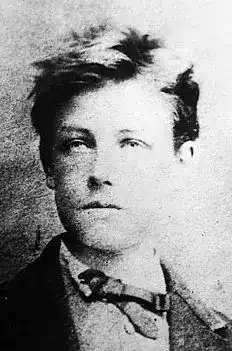
Arthur Rimbaud
Tartufe's Punishment
Tartufe's Punishment
Raking, raking, his amorous thoughts
underneath his chaste robe of black,
happy, his hand gloved,
one day as he went along, fearsomely sweet,
yellow, dribbling piety from his toothless mouth,
One day as he went along,
'Let us Pray', - a Wicked One seized him
roughly by his saintly ear and
snapped frightful words at him,
tearing off the chaste robe of black
wrapped about his moist skin.
Punishment! - His clothes were unbuttoned;
and, the long chaplet of pardoned
sins being told in his heart,
St Tartufe was so pale!..
So he confessed and prayed, with a death rattle!
The man contented himself with carrying off
his clerical bands… - Faugh!
Tartufe was naked from his top to his toe!
Raking, raking, his amorous thoughts
underneath his chaste robe of black,
happy, his hand gloved,
one day as he went along, fearsomely sweet,
yellow, dribbling piety from his toothless mouth,
One day as he went along,
'Let us Pray', - a Wicked One seized him
roughly by his saintly ear and
snapped frightful words at him,
tearing off the chaste robe of black
wrapped about his moist skin.
Punishment! - His clothes were unbuttoned;
and, the long chaplet of pardoned
sins being told in his heart,
St Tartufe was so pale!..
So he confessed and prayed, with a death rattle!
The man contented himself with carrying off
his clerical bands… - Faugh!
Tartufe was naked from his top to his toe!
649
Arthur Rimbaud
Song Of The Highest Tower
Song Of The Highest Tower
Idle youth
Enslaved to everything,
By being too sensitive
I have wasted my life.
Ah ! Let the time come
When hearts are enamoured.
I said to myself : let be,
And let no one see you :
Do without the promise
Of higher joys.
Let nothing delay you,
Majestic retirement.
I have endured so long
That I have forgotten everything ;
Fear and suffering
Have flown to the skies.
And morbid thirst
Darkens my veins.
Thus the meadow
Given over to oblivion,
Grown up, and flowering
With frankincense and tares
To the wild buzzing
Of a hundred filthy flies.
Oh ! the thousand bereavements
Of the poor soul
Which possesses only the image
Of Our Lady ! Can one pray
To the Virgin Mary ?
Idle youth
Enslaved by everything,
By being too sensitive
I have wasted my life.
Ah ! Let the time come
When hearts are enamoured !
Idle youth
Enslaved to everything,
By being too sensitive
I have wasted my life.
Ah ! Let the time come
When hearts are enamoured.
I said to myself : let be,
And let no one see you :
Do without the promise
Of higher joys.
Let nothing delay you,
Majestic retirement.
I have endured so long
That I have forgotten everything ;
Fear and suffering
Have flown to the skies.
And morbid thirst
Darkens my veins.
Thus the meadow
Given over to oblivion,
Grown up, and flowering
With frankincense and tares
To the wild buzzing
Of a hundred filthy flies.
Oh ! the thousand bereavements
Of the poor soul
Which possesses only the image
Of Our Lady ! Can one pray
To the Virgin Mary ?
Idle youth
Enslaved by everything,
By being too sensitive
I have wasted my life.
Ah ! Let the time come
When hearts are enamoured !
773

Anonymous
The Time When I First Fell In Love
The Time When I First Fell In Love
The time when first I fell in love,
Which now I must lament;
The year wherein I lost such time
To compass my content.
The day wherein I saw too late
The follies of a lover;
The hour wherein I found such loss
As care cannot recover.
And last, the minute of mishap,
Which makes me thus to plain
The doleful fruits of lover's suits,
Which labour lose in vain:
Doth make me solemnly protest,
As I with pain do prove,
There is no time, year, day, nor hour,
Nor minute, good to love.
The time when first I fell in love,
Which now I must lament;
The year wherein I lost such time
To compass my content.
The day wherein I saw too late
The follies of a lover;
The hour wherein I found such loss
As care cannot recover.
And last, the minute of mishap,
Which makes me thus to plain
The doleful fruits of lover's suits,
Which labour lose in vain:
Doth make me solemnly protest,
As I with pain do prove,
There is no time, year, day, nor hour,
Nor minute, good to love.
273
Anonymous
The Dowie Houms of Yarrow
The Dowie Houms of Yarrow
LATE at een, drinkin' the wine,
And ere they paid the lawin',
They set a combat them between,
To fight it in the dawin'.
'O stay at hame, my noble lord!
O stay at hame, my marrow!
My cruel brother will you betray,
On the dowie houms o' Yarrow.'
'O fare ye weel, my lady gay!
O fare ye weel, my Sarah!
For I maun gae, tho' I ne'er return
Frae the dowie banks o' Yarrow.'
She kiss'd his cheek, she kamed his hair,
As she had done before, O;
She belted on his noble brand,
An' he 's awa to Yarrow.
O he 's gane up yon high, high hill--
I wat he gaed wi' sorrow--
An' in a den spied nine arm'd men,
I' the dowie houms o' Yarrow.
'O are ye come to drink the wine,
As ye hae doon before, O?
Or are ye come to wield the brand,
On the dowie banks o' Yarrow?'
'I am no come to drink the wine,
As I hae don before, O,
But I am come to wield the brand,
On the dowie houms o' Yarrow.'
Four he hurt, an' five he slew,
On the dowie houms o' Yarrow,
Till that stubborn knight came him behind,
An' ran his body thorrow.
'Gae hame, gae hame, good brother John,
An' tell your sister Sarah
To come an' lift her noble lord,
Who 's sleepin' sound on Yarrow.'
'Yestreen I dream'd a dolefu' dream;
I ken'd there wad be sorrow;
I dream'd I pu'd the heather green,
On the dowie banks o' Yarrow.'
She gaed up yon high, high hill--
I wat she gaed wi' sorrow--
An' in a den spied nine dead men,
On the dowie houms o' Yarrow.
She kiss'd his cheek, she kamed his hair,
As oft she did before, O;
She drank the red blood frae him ran,
On the dowie houms o' Yarrow.
'O haud your tongue, my douchter dear,
For what needs a' this sorrow?
I'll wed you on a better lord
Than him you lost on Yarrow.'
'O haud your tongue, my father dear,
An' dinna grieve your Sarah;
A better lord was never born
Than him I lost on Yarrow.
'Tak hame your ousen, tak hame your kye,
For they hae bred our sorrow;
I wiss that they had a' gane mad
When they cam first to Yarrow.'
LATE at een, drinkin' the wine,
And ere they paid the lawin',
They set a combat them between,
To fight it in the dawin'.
'O stay at hame, my noble lord!
O stay at hame, my marrow!
My cruel brother will you betray,
On the dowie houms o' Yarrow.'
'O fare ye weel, my lady gay!
O fare ye weel, my Sarah!
For I maun gae, tho' I ne'er return
Frae the dowie banks o' Yarrow.'
She kiss'd his cheek, she kamed his hair,
As she had done before, O;
She belted on his noble brand,
An' he 's awa to Yarrow.
O he 's gane up yon high, high hill--
I wat he gaed wi' sorrow--
An' in a den spied nine arm'd men,
I' the dowie houms o' Yarrow.
'O are ye come to drink the wine,
As ye hae doon before, O?
Or are ye come to wield the brand,
On the dowie banks o' Yarrow?'
'I am no come to drink the wine,
As I hae don before, O,
But I am come to wield the brand,
On the dowie houms o' Yarrow.'
Four he hurt, an' five he slew,
On the dowie houms o' Yarrow,
Till that stubborn knight came him behind,
An' ran his body thorrow.
'Gae hame, gae hame, good brother John,
An' tell your sister Sarah
To come an' lift her noble lord,
Who 's sleepin' sound on Yarrow.'
'Yestreen I dream'd a dolefu' dream;
I ken'd there wad be sorrow;
I dream'd I pu'd the heather green,
On the dowie banks o' Yarrow.'
She gaed up yon high, high hill--
I wat she gaed wi' sorrow--
An' in a den spied nine dead men,
On the dowie houms o' Yarrow.
She kiss'd his cheek, she kamed his hair,
As oft she did before, O;
She drank the red blood frae him ran,
On the dowie houms o' Yarrow.
'O haud your tongue, my douchter dear,
For what needs a' this sorrow?
I'll wed you on a better lord
Than him you lost on Yarrow.'
'O haud your tongue, my father dear,
An' dinna grieve your Sarah;
A better lord was never born
Than him I lost on Yarrow.
'Tak hame your ousen, tak hame your kye,
For they hae bred our sorrow;
I wiss that they had a' gane mad
When they cam first to Yarrow.'
210
Anonymous
Edward, Edward
Edward, Edward
'WHY does your brand sae drop wi' blude,
Edward, Edward?
Why does your brand sae drop wi' blude,
And why sae sad gang ye, O?'
'O I hae kill'd my hawk sae gude,
Mither, mither;
O I hae kill'd my hawk sae gude,
And I had nae mair but he, O.'
'Your hawk's blude was never sae red,
Edward, Edward;
Your hawk's blude was never sae red,
My dear son, I tell thee, O.'
'O I hae kill'd my red-roan steed,
Mither, mither;
O I hae kill'd my red-roan steed,
That erst was sae fair and free, O.'
'Your steed was auld, and ye hae got mair,
Edward, Edward;
Your steed was auld, and ye hae got mair;
Some other dule ye dree, O.'
'O I hae kill'd my father dear,
Mither, mither;
O I hae kill'd my father dear,
Alas, and wae is me, O!'
'And whatten penance will ye dree for that,
Edward, Edward?
Whatten penance will ye dree for that?
My dear son, now tell me, O.'
'I'll set my feet in yonder boat,
Mither, mither;
I'll set my feet in yonder boat,
And I'll fare over the sea, O.'
'And what will ye do wi' your tow'rs and your ha',
Edward, Edward?
And what will ye do wi' your tow'rs and your ha',
That were sae fair to see, O?'
'I'll let them stand till they doun fa',
Mither, mither;
I'll let them stand till they doun fa',
For here never mair maun I be, O.'
'And what will ye leave to your bairns and your wife,
Edward, Edward?
And what will ye leave to your bairns and your wife,
When ye gang owre the sea, O?'
'The warld's room: let them beg through life,
Mither, mither;
The warld's room: let them beg through life;
For them never mair will I see, O.'
'And what will ye leave to your ain mither dear,
Edward, Edward?
And what will ye leave to your ain mither dear,
My dear son, now tell me, O?'
'The curse of hell frae me sall ye bear,
Mither, mither;
The curse of hell frae me sall ye bear:
Sic counsels ye gave to me, O!'
'WHY does your brand sae drop wi' blude,
Edward, Edward?
Why does your brand sae drop wi' blude,
And why sae sad gang ye, O?'
'O I hae kill'd my hawk sae gude,
Mither, mither;
O I hae kill'd my hawk sae gude,
And I had nae mair but he, O.'
'Your hawk's blude was never sae red,
Edward, Edward;
Your hawk's blude was never sae red,
My dear son, I tell thee, O.'
'O I hae kill'd my red-roan steed,
Mither, mither;
O I hae kill'd my red-roan steed,
That erst was sae fair and free, O.'
'Your steed was auld, and ye hae got mair,
Edward, Edward;
Your steed was auld, and ye hae got mair;
Some other dule ye dree, O.'
'O I hae kill'd my father dear,
Mither, mither;
O I hae kill'd my father dear,
Alas, and wae is me, O!'
'And whatten penance will ye dree for that,
Edward, Edward?
Whatten penance will ye dree for that?
My dear son, now tell me, O.'
'I'll set my feet in yonder boat,
Mither, mither;
I'll set my feet in yonder boat,
And I'll fare over the sea, O.'
'And what will ye do wi' your tow'rs and your ha',
Edward, Edward?
And what will ye do wi' your tow'rs and your ha',
That were sae fair to see, O?'
'I'll let them stand till they doun fa',
Mither, mither;
I'll let them stand till they doun fa',
For here never mair maun I be, O.'
'And what will ye leave to your bairns and your wife,
Edward, Edward?
And what will ye leave to your bairns and your wife,
When ye gang owre the sea, O?'
'The warld's room: let them beg through life,
Mither, mither;
The warld's room: let them beg through life;
For them never mair will I see, O.'
'And what will ye leave to your ain mither dear,
Edward, Edward?
And what will ye leave to your ain mither dear,
My dear son, now tell me, O?'
'The curse of hell frae me sall ye bear,
Mither, mither;
The curse of hell frae me sall ye bear:
Sic counsels ye gave to me, O!'
289