

Poems in this theme
Humor e Ironia
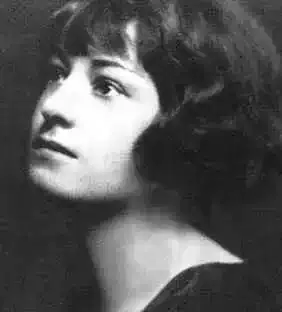
Dorothy Parker
Oscar Wilde
Oscar Wilde
If, with the literate, I am
Impelled to try an epigram,
I never seek to take the credit;
We all assume that Oscar said it.
If, with the literate, I am
Impelled to try an epigram,
I never seek to take the credit;
We all assume that Oscar said it.
291
Dorothy Parker
Observation
Observation
If I don't drive around the park,
I'm pretty sure to make my mark.
If I'm in bed each night by ten,
I may get back my looks again,
If I abstain from fun and such,
I'll probably amount to much,
But I shall stay the way I am,
Because I do not give a damn.
If I don't drive around the park,
I'm pretty sure to make my mark.
If I'm in bed each night by ten,
I may get back my looks again,
If I abstain from fun and such,
I'll probably amount to much,
But I shall stay the way I am,
Because I do not give a damn.
257
Dorothy Parker
News Item
News Item
Men seldom make passes
At girls who wear glasses.
Men seldom make passes
At girls who wear glasses.
367

D.H. Lawrence
Week-Night Service
Week-Night Service
The five old bells
Are hurrying and eagerly calling,
Imploring, protesting
They know, but clamorously falling
Into gabbling incoherence, never resting,
Like spattering showers from a bursten sky-rocket dropping
In splashes of sound, endlessly, never stopping.
The silver moon
That somebody has spun so high
To settle the question, yes or no, has caught
In the net of the night’s balloon,
And sits with a smooth bland smile up there in the sky
Smiling at naught,
Unless the winking star that keeps her company
Makes little jests at the bells’ insanity,
As if he knew aught!
The patient Night
Sits indifferent, hugged in her rags,
She neither knows nor cares
Why the old church sobs and brags;
The light distresses her eyes, and tears
Her old blue cloak, as she crouches and covers her face,
Smiling, perhaps, if we knew it, at the bells’ loud clattering disgrace.
The wise old trees
Drop their leaves with a faint, sharp hiss of contempt,
While a car at the end of the street goes by with a laugh;
As by degrees
The poor bells cease, and the Night is exempt,
And the stars can chaff
The ironic moon at their ease, while the dim old church
Is peopled with shadows and sounds and ghosts that lurch
In its cenotaph.
The five old bells
Are hurrying and eagerly calling,
Imploring, protesting
They know, but clamorously falling
Into gabbling incoherence, never resting,
Like spattering showers from a bursten sky-rocket dropping
In splashes of sound, endlessly, never stopping.
The silver moon
That somebody has spun so high
To settle the question, yes or no, has caught
In the net of the night’s balloon,
And sits with a smooth bland smile up there in the sky
Smiling at naught,
Unless the winking star that keeps her company
Makes little jests at the bells’ insanity,
As if he knew aught!
The patient Night
Sits indifferent, hugged in her rags,
She neither knows nor cares
Why the old church sobs and brags;
The light distresses her eyes, and tears
Her old blue cloak, as she crouches and covers her face,
Smiling, perhaps, if we knew it, at the bells’ loud clattering disgrace.
The wise old trees
Drop their leaves with a faint, sharp hiss of contempt,
While a car at the end of the street goes by with a laugh;
As by degrees
The poor bells cease, and the Night is exempt,
And the stars can chaff
The ironic moon at their ease, while the dim old church
Is peopled with shadows and sounds and ghosts that lurch
In its cenotaph.
238
D.H. Lawrence
Intimates
Intimates
Don't you care for my love? she said bitterly.
I handed her the mirror, and said:
Please address these questions to the proper person!
Please make all requests to head-quarters!
In all matters of emotional importance
please approach the supreme authority direct! -
So I handed her the mirror.
And she would have broken it over my head,
but she caught sight of her own reflection
and that held her spellbound for two seconds
while I fled.
Don't you care for my love? she said bitterly.
I handed her the mirror, and said:
Please address these questions to the proper person!
Please make all requests to head-quarters!
In all matters of emotional importance
please approach the supreme authority direct! -
So I handed her the mirror.
And she would have broken it over my head,
but she caught sight of her own reflection
and that held her spellbound for two seconds
while I fled.
178

Christina Rossetti
If A Mouse Could Fly
If A Mouse Could Fly
If a mouse could fly,
Or if a crow could swim,
Or if a sprat could walk and talk,
I’d like to be like him.
If a mouse could fly,
He might fly away;
Or if a crow could swim,
It might turn him grey;
Or if a sprat could walk and talk,
What would he find to say?
If a mouse could fly,
Or if a crow could swim,
Or if a sprat could walk and talk,
I’d like to be like him.
If a mouse could fly,
He might fly away;
Or if a crow could swim,
It might turn him grey;
Or if a sprat could walk and talk,
What would he find to say?
194
Christina Rossetti
A House Of Cards
A House Of Cards
A house of cards
Is neat and small:
Shake the table,
It must fall.
Find the Court cards
One by one;
Raise it, roof it, -
Now it's done: -
Shake the table!
That's the fun.
A house of cards
Is neat and small:
Shake the table,
It must fall.
Find the Court cards
One by one;
Raise it, roof it, -
Now it's done: -
Shake the table!
That's the fun.
214
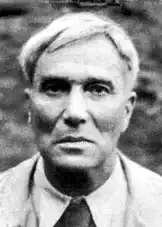
Boris Pasternak
Imitators
Imitators
A boat came in; the cliff was baked;
The noisy boat-chain fell and clanked on
The sand-an iron rattle-snake,
A rattling rust among the plankton.
And two got out; and from the cliff
I felt like calling down, 'Forgive me,
But would you kindly throw yourselves
Apart or else into the river?
Your miming is without a fault-
Of course the seeker finds the fancied-
But stop this playing with the boat!
Your model on the cliff resents it.'
A boat came in; the cliff was baked;
The noisy boat-chain fell and clanked on
The sand-an iron rattle-snake,
A rattling rust among the plankton.
And two got out; and from the cliff
I felt like calling down, 'Forgive me,
But would you kindly throw yourselves
Apart or else into the river?
Your miming is without a fault-
Of course the seeker finds the fancied-
But stop this playing with the boat!
Your model on the cliff resents it.'
527
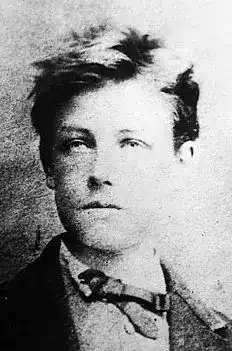
Arthur Rimbaud
The Famous Victory Of Saarbrucken
The Famous Victory Of Saarbrucken
At centre, the Emperor, blue-yellow, in apotheosis,
Gallops off, ramrod straight, on his fine gee-gee,
Very happy – since everything he sees is rosy,
Fierce as Zeus, and as gentle as a Daddy is:
The brave Infantrymen taking a nap, in vain,
Under the gilded drums and scarlet cannon,
Rise politely. One puts his tunic back on,
And, turns to the Chief, stunned by the big name!
On the right, another, leaning on his rifle butt,
Feeling the hair rise at the back of his neck,
Shouts: ‘Vive L’Empereur!!” – his neighbour’s mute…
A shako rises, like a black sun…– In the midst
The last, a simpleton in red and blue, lying on his gut
Gets up, and, – showing his arse – asks: “On what?”
At centre, the Emperor, blue-yellow, in apotheosis,
Gallops off, ramrod straight, on his fine gee-gee,
Very happy – since everything he sees is rosy,
Fierce as Zeus, and as gentle as a Daddy is:
The brave Infantrymen taking a nap, in vain,
Under the gilded drums and scarlet cannon,
Rise politely. One puts his tunic back on,
And, turns to the Chief, stunned by the big name!
On the right, another, leaning on his rifle butt,
Feeling the hair rise at the back of his neck,
Shouts: ‘Vive L’Empereur!!” – his neighbour’s mute…
A shako rises, like a black sun…– In the midst
The last, a simpleton in red and blue, lying on his gut
Gets up, and, – showing his arse – asks: “On what?”
602

Anonymous
If All the World Were Paper
If All the World Were Paper
"If all the world were paper
And all the sea were ink,
If all the trees were bread and cheese
What would we do for drink?
If all the world were sand O,
Oh then what should we lack O,
if as they say there were no clay
How should we take Tobacco?
If all our vessels ran-a,
If none but had a crack-a,
If Spanish apes ate all the grapes
How should we do for sack-a?
If all the world were men
And men lived all in trenches,
And there were none but we alone,
How should we do for wenches?
If friars had no bald pates
Nor nuns had no dark cloisters,
If all the seas were beans and peas
How should we do for oysters?
If there had been no projects
Nor none that did great wrongs,
If fiddlers shall turn players all
How should we do for songs?
If all things were eternal
And nothing their end bringing,
If this should be, then how should we
Here make an end of singing?
"If all the world were paper
And all the sea were ink,
If all the trees were bread and cheese
What would we do for drink?
If all the world were sand O,
Oh then what should we lack O,
if as they say there were no clay
How should we take Tobacco?
If all our vessels ran-a,
If none but had a crack-a,
If Spanish apes ate all the grapes
How should we do for sack-a?
If all the world were men
And men lived all in trenches,
And there were none but we alone,
How should we do for wenches?
If friars had no bald pates
Nor nuns had no dark cloisters,
If all the seas were beans and peas
How should we do for oysters?
If there had been no projects
Nor none that did great wrongs,
If fiddlers shall turn players all
How should we do for songs?
If all things were eternal
And nothing their end bringing,
If this should be, then how should we
Here make an end of singing?
234
Anonymous
Godfrey Gordon
Godfrey Gordon
Godfrey Gordon Gustuvus Gore
The boy who'd never shut the door
His Father would Plead and mother implore
Godfrey Gordon Please Shut the door.
Godfrey Gordon Gustuvus Gore
The boy who'd never shut the door
His Father would Plead and mother implore
Godfrey Gordon Please Shut the door.
230

Anne Brontë
Fragment
Fragment
Yes I will take a cheerful tone
And feign to share their heartless glee,
But I would rather weep alone
Than laugh amid their revelry.
Yes I will take a cheerful tone
And feign to share their heartless glee,
But I would rather weep alone
Than laugh amid their revelry.
77
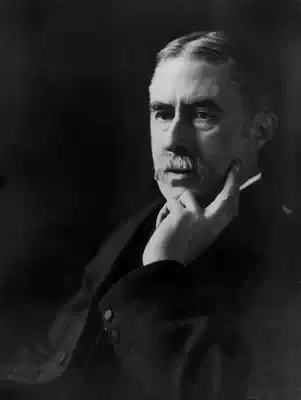
Alfred Edward Housman
Think No More, Lad
Think No More, Lad
Think no more, lad; laugh, be jolly:
Why should men make haste to die?
Empty heads and tongues a-talking
Make the rough road easy walking,
And the feather pate of folly
Bears the falling sky.
Oh, 'tis jesting, dancing, drinking
Spins the heavy world around.
If young hearts were not so clever,
Oh, they would be young for ever:
Think no more; 'tis only thinking
Lays lads underground.
Think no more, lad; laugh, be jolly:
Why should men make haste to die?
Empty heads and tongues a-talking
Make the rough road easy walking,
And the feather pate of folly
Bears the falling sky.
Oh, 'tis jesting, dancing, drinking
Spins the heavy world around.
If young hearts were not so clever,
Oh, they would be young for ever:
Think no more; 'tis only thinking
Lays lads underground.
474
Alfred Edward Housman
Oh Who Is That Young Sinner
Oh Who Is That Young Sinner
Oh who is that young sinner with the handcuffs on his wrists?
And what has he been after that they groan and shake their fists?
And wherefore is he wearing such a conscience-stricken air?
Oh they're taking him to prison for the color of his hair.
'Tis a shame to human nature, such a head of hair as his;
In the good old time 'twas hanging for the color that it is;
Though hanging isn't bad enough and flaying would be fair
For the nameless and abominable color of his hair.
Oh a deal of pains he's taken and a pretty price he's paid
To hide his poll or dye it of a mentionable shade;
But they've pulled the beggar's hat off for the world to see and stare,
And they're taking him to justice for the color of his hair.
Now 'tis oakum for his fingers and the treadmill for his feet,
And the quarry-gang on Portland in the cold and in the heat,
And between his spells of labor in the time he has to spare
He can curse the God that made him for the color of his hair.
Oh who is that young sinner with the handcuffs on his wrists?
And what has he been after that they groan and shake their fists?
And wherefore is he wearing such a conscience-stricken air?
Oh they're taking him to prison for the color of his hair.
'Tis a shame to human nature, such a head of hair as his;
In the good old time 'twas hanging for the color that it is;
Though hanging isn't bad enough and flaying would be fair
For the nameless and abominable color of his hair.
Oh a deal of pains he's taken and a pretty price he's paid
To hide his poll or dye it of a mentionable shade;
But they've pulled the beggar's hat off for the world to see and stare,
And they're taking him to justice for the color of his hair.
Now 'tis oakum for his fingers and the treadmill for his feet,
And the quarry-gang on Portland in the cold and in the heat,
And between his spells of labor in the time he has to spare
He can curse the God that made him for the color of his hair.
456
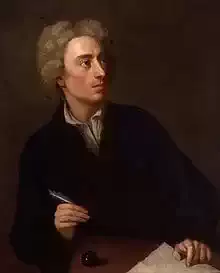
Alexander Pope
The Dunciad: Book II.
The Dunciad: Book II.
High on a gorgeous seat, that far out-shone
Henley's gilt tub, or Flecknoe's Irish throne,
Or that where on her Curlls the public pours,
All-bounteous, fragrant grains and golden showers,
Great Cibber sate: the proud Parnassian sneer,
The conscious simper, and the jealous leer,
Mix on his look: all eyes direct their rays
On him, and crowds turn coxcombs as they gaze.
His peers shine round him with reflected grace,
New edge their dulness, and new bronze their face.
So from the sun's broad beam, in shallow urns
Heaven's twinkling sparks draw light, and point their horns.
Not with more glee, by hands Pontific crown'd,
With scarlet hats wide-waving circled round,
Rome in her Capitol saw Querno sit,
Throned on seven hills, the Antichrist of wit.
And now the queen, to glad her sons, proclaims
By herald hawkers, high heroic games.
They summon all her race: an endless band
Pours forth, and leaves unpeopled half the land.
A motley mixture! in long wigs, in bags,
In silks, in crapes, in garters, and in rags,
From drawing-rooms, from colleges, from garrets,
On horse, on foot, in hacks, and gilded chariots:
All who true dunces in her cause appear'd,
And all who knew those dunces to reward.
Amid that area wide they took their stand,
Where the tall maypole once o'er-looked the Strand,
But now (so Anne and piety ordain)
A church collects the saints of Drury Lane.
With authors, stationers obey'd the call,
(The field of glory is a field for all).
Glory and gain the industrious tribe provoke;
And gentle Dulness ever loves a joke.
A poet's form she placed before their eyes,
And bade the nimblest racer seize the prize;
No meagre, muse-rid mope, adust and thin,
In a dun night-gown of his own loose skin;
But such a bulk as no twelve bards could raise,
Twelve starveling bards of these degenerate days.
All as a partridge plump, full-fed, and fair,
She form'd this image of well-bodied air;
With pert flat eyes she window'd well its head;
A brain of feathers, and a heart of lead;
And empty words she gave, and sounding strain,
But senseless, lifeless! idol void and vain!
Never was dash'd out, at one lucky hit,
A fool, so just a copy of a wit;
So like, that critics said, and courtiers swore,
A wit it was, and call'd the phantom More.
All gaze with ardour: some a poet's name,
Others a sword-knot and laced suit inflame.
But lofty Lintot in the circle rose:
'This prize is mine; who tempt it are my foes;
With me began this genius, and shall end.'
He spoke: and who with Lintot shall contend?
Fear held them mute. Alone, untaught to fear,
Stood dauntless Curll: 'Behold that rival here!
The race by vigour, not by vaunts is won;
So take the hindmost Hell.' He said, and run.
Swift as a bard the bailiff leaves behind,
He left huge Lintot, and out-stripp'd the wind.
As when a dab-chick waddles through the copse
On feet and wings, and flies, and wades, and hops:
So labouring on, with shoulders, hands, and head,
Wide as a wind-mill all his figure spread,
With arms expanded Bernard rows his state,
And left-legg'd Jacob seems to emulate.
Full in the middle way there stood a lake,
Which Curll's Corinna chanced that morn to make:
(Such was her wont, at early dawn to drop
Her evening cates before his neighbour's shop,)
Here fortuned Curll to slide; loud shout the band,
And Bernard! Bernard! rings through all the Strand.
Obscene with filth the miscreant lies bewray'd,
Fallen in the plash his wickedness had laid:
Then first (if poets aught of truth declare)
The caitiff vaticide conceived a prayer:
'Hear, Jove! whose name my bards and I adore,
As much at least as any god's, or more;
And him and his if more devotion warms,
Down with the Bible, up with the Pope's arms.'
A place there is, betwixt earth, air, and seas,
Where, from Ambrosia, Jove retires for ease.
There in his seat two spacious vents appear,
On this he sits, to that he leans his ear,
And hears the various vows of fond mankind;
Some beg an eastern, some a western wind:
All vain petitions, mounting to the sky,
With reams abundant this abode supply;
Amused he reads, and then returns the bills
Sign'd with that ichor which from gods distils.
In office here fair Cloacina stands,
And ministers to Jove with purest hands.
Forth from the heap she pick'd her votary's prayer,
And placed it next him, a distinction rare!
Oft had the goddess heard her servant's call,
From her black grottos near the Temple-wall,
Listening delighted to the jest unclean
Of link-boys vile, and watermen obscene;
Where as he fish'd her nether realms for wit,
She oft had favour'd him, and favours yet.
Renew'd by ordure's sympathetic force,
As oil'd with magic juices for the course,
Vigorous he rises; from the effluvia strong
Imbibes new life, and scours and stinks along;
Repasses Lintot, vindicates the race,
Nor heeds the brown dishonours of his face.
And now the victor stretch'd his eager hand
Where the tall Nothing stood, or seem'd to stand;
A shapeless shade, it melted from his sight,
Like forms in clouds, or visions of the night.
To seize his papers, Curll, was next thy care;
His papers light, fly diverse, toss'd in air;
Songs, sonnets, epigrams the winds uplift,
And whisk them back to Evans, Young, and Swift.
The embroider'd suit at least he deem'd his prey,
That suit an unpaid tailor snatch'd away.
No rag, no scrap, of all the beau, or wit,
That once so flutter'd, and that once so writ.
Heaven rings with laughter: of the laughter vain,
Dulness, good queen, repeats the jest again.
Three wicked imps, of her own Grub Street choir,
She deck'd like Congreve, Addison, and Prior;
Mears, Warner, Wilkins run: delusive thought!
Breval, Bond, Bezaleel, the varlets caught.
Curll stretches after Gay, but Gay is gone,
He grasps an empty Joseph for a John:
So Proteus, hunted in a nobler shape,
Became, when seized, a puppy, or an ape.
To him the goddess: 'Son! thy grief lay down,
And turn this whole illusion on the town:
As the sage dame, experienced in her trade,
By names of toasts retails each batter'd jade;
(Whence hapless Monsieur much complains at Paris
Of wrongs from duchesses and Lady Maries
Be thine, my stationer! this magic gift;
Cook shall be Prior, and Concanen, Swift:
So shall each hostile name become our own,
And we too boast our Garth and Addison.'
With that she gave him (piteous of his case,
Yet smiling at his rueful length of face)
A shaggy tapestry, worthy to be spread
On Codrus' old, or Dunton's modern bed;
Instructive work! whose wry-mouth'd portraiture
Display'd the fates her confessors endure.
Earless on high, stood unabash'd Defoe,
And Tutchin flagrant from the scourge below.
There Ridpath, Roper, cudgell'd might ye view,
The very worsted still look'd black and blue.
Himself among the storied chiefs he spies,
As, from the blanket, high in air he flies,
And oh! (he cried) what street, what lane but knows
Our purgings, pumpings, blanketings, and blows?
In every loom our labours shall be seen,
And the fresh vomit run for ever green!
See in the circle next, Eliza placed,
Two babes of love close clinging to her waist;
Fair as before her works she stands confess'd,
In flowers and pearls by bounteous Kirkall dress'd.
The goddess then: 'Who best can send on high
The salient spout, far-streaming to the sky;
His be yon Juno of majestic size,
With cow-like udders, and with ox-like eyes.
This China Jordan let the chief o'ercome
Replenish, not ingloriously, at home.'
Osborne and Curll accept the glorious strife,
(Though this his son dissuades, and that his wife
One on his manly confidence relies,
One on his vigour and superior size.
First Osborne lean'd against his letter'd post;
It rose, and labour'd to a curve at most.
So Jove's bright bow displays its watery round
(Sure sign, that no spectator shall be drown'd),
A second effort brought but new disgrace,
The wild meander wash'd the artist's face:
Thus the small jet, which hasty hands unlock,
Spurts in the gardener's eyes who turns the cock.
Not so from shameless Curll; impetuous spread
The stream, and smoking flourish'd o'er his head.
So (famed like thee for turbulence and horns)
Eridanus his humble fountain scorns;
Through half the heavens he pours the exalted urn;
His rapid waters in their passage burn.
Swift as it mounts, all follow with their eyes:
Still happy impudence obtains the prize.
Thou triumph'st, victor of the high-wrought day,
And the pleased dame, soft-smiling, lead'st away.
Osborne, through perfect modesty o'ercome,
Crown'd with the Jordan, walks contented home.
But now for authors nobler palms remain;
Room for my lord! three jockeys in his train;
Six huntsmen with a shout precede his chair:
He grins, and looks broad nonsense with a stare.
His honour's meaning Dulness thus express'd,
'He wins this patron, who can tickle best.'
He chinks his purse, and takes his seat of state:
With ready quills the dedicators wait;
Now at his head the dext'rous task commence,
And, instant, fancy feels the imputed sense;
Now gentle touches wanton o'er his face,
He struts Adonis, and affects grimace:
Rolli the feather to his ear conveys,
Then his nice taste directs our operas:
Bentley his mouth with classic flattery opes,
And the puff'd orator bursts out in tropes.
But Welsted most the poet's healing balm
Strives to extract from his soft, giving palm;
Unlucky Welsted! thy unfeeling master,
The more thou ticklest, gripes his fist the faster.
While thus each hand promotes the pleasing pain,
And quick sensations skip from vein to vein;
A youth unknown to Phoebus, in despair,
Puts his last refuge all in Heaven and prayer.
What force have pious vows! The Queen of Love
Her sister sends, her votaress, from above.
As taught by Venus, Paris learn'd the art
To touch Achilles' only tender part;
Secure, through her, the noble prize to carry,
He marches off, his Grace's secretary.
'Now turn to different sports (the goddess cries),
And learn, my sons, the wondrous power of noise.
To move, to raise, to ravish every heart,
With Shakspeare's nature, or with Jonson's art,
Let others aim: 'tis yours to shake the soul
With thunder rumbling from the mustard bowl,
With horns and trumpets now to madness swell,
Now sink in sorrows with a tolling bell;
Such happy arts attention can command,
When fancy flags, and sense is at a stand.
Improve we these. Three cat-calls be the bribe
Of him whose chattering shames the monkey tribe:
And his this drum whose hoarse heroic bass
Drowns the loud clarion of the braying ass.'
Now thousand tongues are heard in one loud din:
The monkey-mimics rush discordant in;
'Twas chattering, grinning, mouthing, jabbering all,
And noise and Norton, brangling and Breval,
Dennis and dissonance, and captious art,
And snip-snap short, and interruption smart,
And demonstration thin, and theses thick,
And major, minor, and conclusion quick.
'Hold' (cried the queen) 'a cat-call each shall win;
Equal your merits! equal is your din!
But that this well-disputed game may end,
Sound forth, nay brayers, and the welkin rend.'
As when the long-ear'd milky mothers wait
At some sick miser's triple-bolted gate,
For their defrauded, absent foals they make
A moan so loud, that all the guild awake;
Sore sighs Sir Gilbert, starting at the bray,
From dreams of millions, and three groats to pay.
So swells each windpipe; ass intones to ass,
Harmonic twang! of leather, horn, and brass;
Such as from labouring lungs the enthusiast blows,
High sound, attemper'd to the vocal nose,
Or such as bellow from the deep divine;
There, Webster! peal'd thy voice, and, Whitfield! thine.
But far o'er all, sonorous Blackmore's strain;
Walls, steeples, skies, bray back to him again.
In Tottenham fields, the brethren, with amaze,
Prick all their ears up, and forget to graze;
'Long Chancery Lane retentive rolls the sound,
And courts to courts return it round and round;
Thames wafts it thence to Rufus' roaring hall,
And Hungerford re-echoes bawl for bawl.
All hail him victor in both gifts of song,
Who sings so loudly, and who sings so long.
This labour past, by Bridewell all descend,
(As morning prayer, and flagellation end)
To where Fleet-ditch with disemboguing streams
Rolls the large tribute of dead dogs to Thames,
The king of dikes! than whom no sluice of mud
With deeper sable blots the silver flood.
'Here strip, my children! here at once leap in,
Here prove who best can dash through thick and thin,
And who the most in love of dirt excel,
Or dark dexterity of groping well.
Who flings most filth, and wide pollutes around
The stream, be his the weekly journals bound;
A pig of lead to him who dives the best;
A peck of coals a-piece shall glad the rest.'
In naked majesty Oldmixon stands,
And, Milo-like, surveys his arms and hands;
Then sighing, thus, 'And am I now threescore?
Ah why, ye gods! should two and two make four?'
He said, and climb'd a stranded lighter's height,
Shot to the black abyss, and plunged downright.
The senior's judgment all the crowd admire,
Who but to sink the deeper, rose the higher.
Next Smedley dived; slow circles dimpled o'er
The quaking mud, that closed, and oped no more.
All look, all sigh, and call on Smedley lost;
'Smedley!' in vain, resounds through all the coast.
Then Hill essay'd; scarce vanish'd out of sight,
He buoys up instant, and returns to light:
He bears no token of the sable streams,
And mounts far off among the swans of Thames.
True to the bottom, see Concanen creep,
A cold, long-winded, native of the deep:
If perseverance gain the diver's prize,
Not everlasting Blackmore this denies:
No noise, no stir, no motion can'st thou make,
The unconscious stream sleeps o'er thee like a lake.
Next plunged a feeble, but a desperate pack,
With each a sickly brother at his back:
Sons of a day! just buoyant on the flood,
Then number'd with the puppies in the mud.
Ask ye their names? I could as soon disclose
The names of these blind puppies as of those.
Fast by, like Niobe (her children gone)
Sits Mother Osborne, stupified to stone!
And monumental brass this record bears,
'These are,-ah no! these were, the gazetteers!'
Not so bold Arnall; with a weight of skull,
Furious he dives, precipitately dull.
Whirlpools and storms his circling arm invest,
With all the might of gravitation bless'd.
No crab more active in the dirty dance,
Downward to climb, and backward to advance.
He brings up half the bottom on his head,
And loudly claims the journals and the lead.
The plunging Prelate, and his ponderous Grace,
With holy envy gave one layman place.
When, lo! a burst of thunder shook the flood,
Slow rose a form, in majesty of mud:
Shaking the horrors of his sable brows,
And each ferocious feature grim with ooze.
Greater he looks, and more than mortal stares:
Then thus the wonders of the deep declares.
First he relates, how sinking to the chin,
Smit with his mien, the mud-nymphs suck'd him in:
How young Lutetia, softer than the down,
Nigrina black, and Merdamante brown,
Vied for his love in jetty bowers below,
As Hylas fair was ravish'd long ago.
Then sung, how, shown him by the nut-brown maids;
A branch of Styx here rises from the shades,
That, tinctured as it runs with Lethe's streams,
And wafting vapours from the land of dreams,
(As under seas Alpheus' secret sluice
Bears Pisa's offerings to his Arethuse,)
Pours into Thames: and hence the mingled wave
Intoxicates the pert, and lulls the grave:
Here brisker vapours o'er the Temple creep,
There, all from Paul's to Aldgate drink and sleep.
Thence to the banks where reverend bards repose,
They led him soft; each reverend bard arose;
And Milbourn chief, deputed by the rest,
Gave him the cassock, surcingle, and vest.
'Receive (he said) these robes which once were mine,
Dulness is sacred in a sound divine.'
He ceased, and spread the robe; the crowd confess
The reverend Flamen in his lengthen'd dress.
Around him wide a sable army stand,
A low-born, cell-bred, selfish, servile band,
Prompt or to guard or stab, to saint or damn,
Heaven's Swiss, who fight for any god, or man.
Through Lud's famed gates, along the well-known Fleet
Rolls the black troop, and overshades the street,
Till showers of sermons, characters, essays,
In circling fleeces whiten all the ways:
So clouds replenish'd from some bog below,
Mount in dark volumes, and descend in snow.
Here stopp'd the goddess; and in pomp proclaims
A gentler exercise to close the games.
'Ye critics! in whose heads, as equal scales,
I weigh what author's heaviness prevails,
Which most conduce to soothe the soul in slumbers,
My Henley's periods, or my Blackmore's numbers,
Attend the trial we propose to make:
If there be man, who o'er such works can wake,
Sleep's all-subduing charms who dares defy,
And boasts Ulysses' ear with Argus' eye;
To him we grant our amplest powers to sit
Judge of all present, past, and future wit;
To cavil, censure, dictate, right or wrong,
Full and eternal privilege of tongue.'
Three college Sophs, and three pert Templars came,
The same their talents, and their tastes the same;
Each prompt to query, answer, and debate,
And smit with love of poesy and prate.
The ponderous books two gentle readers bring;
The heroes sit, the vulgar form a ring.
The clamorous crowd is hush'd with mugs of mum,
Till all, tuned equal, send a general hum.
Then mount the clerks, and in one lazy tone
Through the long, heavy, painful page drawl on;
Soft creeping, words on words, the sense compose,
At every line they stretch, they yawn, they doze.
As to soft gales top-heavy pines bow low
Their heads, and lift them as they cease to blow,
Thus oft they rear, and oft the head decline,
As breathe, or pause, by fits, the airs divine;
And now to this side, now to that they nod,
As verse or prose infuse the drowsy god.
Thrice Budgell aim'd to speak, but thrice suppress'd
By potent Arthur, knock'd his chin and breast.
Toland and Tindal, prompt at priests to jeer,
Yet silent bow'd to Christ's no kingdom here.
Who sate the nearest, by the words o'ercome,
Slept first; the distant nodded to the hum.
Then down are roll'd the books; stretch'd o'er 'em lies
Each gentle clerk, and, muttering, seals his eyes,
As what a Dutchman plumps into the lakes,
One circle first, and then a second makes;
What Dulness dropp'd among her sons impress'd
Like motion from one circle to the rest;
So from the midmost the nutation spreads
Round and more round, o'er all the sea of heads.
At last Centlivre felt her voice to fail,
Motteux himself unfinished left his tale,
Boyer the state, and Law the stage gave o'er,
Morgan and Mandeville could prate no more;
Norton, from Daniel and Ostroea sprung,
Bless'd with his father's front and mother's tongue,
Hung silent down his never-blushing head;
And all was hush'd, as Polly's self lay dead.
Thus the soft gifts of sleep conclude the day,
And stretch'd on bulks, as usual, poets lay.
Why should I sing what bards the nightly Muse
Did slumbering visit, and convey to stews;
Who prouder march'd, with magistrates in state,
To some famed round-house, ever open gate!
How Henley lay inspired beside a sink,
And to mere mortals seem'd a priest in drink;
While others, timely, to the neighbouring Fleet
(Haunt of the Muses!) made their safe retreat?
High on a gorgeous seat, that far out-shone
Henley's gilt tub, or Flecknoe's Irish throne,
Or that where on her Curlls the public pours,
All-bounteous, fragrant grains and golden showers,
Great Cibber sate: the proud Parnassian sneer,
The conscious simper, and the jealous leer,
Mix on his look: all eyes direct their rays
On him, and crowds turn coxcombs as they gaze.
His peers shine round him with reflected grace,
New edge their dulness, and new bronze their face.
So from the sun's broad beam, in shallow urns
Heaven's twinkling sparks draw light, and point their horns.
Not with more glee, by hands Pontific crown'd,
With scarlet hats wide-waving circled round,
Rome in her Capitol saw Querno sit,
Throned on seven hills, the Antichrist of wit.
And now the queen, to glad her sons, proclaims
By herald hawkers, high heroic games.
They summon all her race: an endless band
Pours forth, and leaves unpeopled half the land.
A motley mixture! in long wigs, in bags,
In silks, in crapes, in garters, and in rags,
From drawing-rooms, from colleges, from garrets,
On horse, on foot, in hacks, and gilded chariots:
All who true dunces in her cause appear'd,
And all who knew those dunces to reward.
Amid that area wide they took their stand,
Where the tall maypole once o'er-looked the Strand,
But now (so Anne and piety ordain)
A church collects the saints of Drury Lane.
With authors, stationers obey'd the call,
(The field of glory is a field for all).
Glory and gain the industrious tribe provoke;
And gentle Dulness ever loves a joke.
A poet's form she placed before their eyes,
And bade the nimblest racer seize the prize;
No meagre, muse-rid mope, adust and thin,
In a dun night-gown of his own loose skin;
But such a bulk as no twelve bards could raise,
Twelve starveling bards of these degenerate days.
All as a partridge plump, full-fed, and fair,
She form'd this image of well-bodied air;
With pert flat eyes she window'd well its head;
A brain of feathers, and a heart of lead;
And empty words she gave, and sounding strain,
But senseless, lifeless! idol void and vain!
Never was dash'd out, at one lucky hit,
A fool, so just a copy of a wit;
So like, that critics said, and courtiers swore,
A wit it was, and call'd the phantom More.
All gaze with ardour: some a poet's name,
Others a sword-knot and laced suit inflame.
But lofty Lintot in the circle rose:
'This prize is mine; who tempt it are my foes;
With me began this genius, and shall end.'
He spoke: and who with Lintot shall contend?
Fear held them mute. Alone, untaught to fear,
Stood dauntless Curll: 'Behold that rival here!
The race by vigour, not by vaunts is won;
So take the hindmost Hell.' He said, and run.
Swift as a bard the bailiff leaves behind,
He left huge Lintot, and out-stripp'd the wind.
As when a dab-chick waddles through the copse
On feet and wings, and flies, and wades, and hops:
So labouring on, with shoulders, hands, and head,
Wide as a wind-mill all his figure spread,
With arms expanded Bernard rows his state,
And left-legg'd Jacob seems to emulate.
Full in the middle way there stood a lake,
Which Curll's Corinna chanced that morn to make:
(Such was her wont, at early dawn to drop
Her evening cates before his neighbour's shop,)
Here fortuned Curll to slide; loud shout the band,
And Bernard! Bernard! rings through all the Strand.
Obscene with filth the miscreant lies bewray'd,
Fallen in the plash his wickedness had laid:
Then first (if poets aught of truth declare)
The caitiff vaticide conceived a prayer:
'Hear, Jove! whose name my bards and I adore,
As much at least as any god's, or more;
And him and his if more devotion warms,
Down with the Bible, up with the Pope's arms.'
A place there is, betwixt earth, air, and seas,
Where, from Ambrosia, Jove retires for ease.
There in his seat two spacious vents appear,
On this he sits, to that he leans his ear,
And hears the various vows of fond mankind;
Some beg an eastern, some a western wind:
All vain petitions, mounting to the sky,
With reams abundant this abode supply;
Amused he reads, and then returns the bills
Sign'd with that ichor which from gods distils.
In office here fair Cloacina stands,
And ministers to Jove with purest hands.
Forth from the heap she pick'd her votary's prayer,
And placed it next him, a distinction rare!
Oft had the goddess heard her servant's call,
From her black grottos near the Temple-wall,
Listening delighted to the jest unclean
Of link-boys vile, and watermen obscene;
Where as he fish'd her nether realms for wit,
She oft had favour'd him, and favours yet.
Renew'd by ordure's sympathetic force,
As oil'd with magic juices for the course,
Vigorous he rises; from the effluvia strong
Imbibes new life, and scours and stinks along;
Repasses Lintot, vindicates the race,
Nor heeds the brown dishonours of his face.
And now the victor stretch'd his eager hand
Where the tall Nothing stood, or seem'd to stand;
A shapeless shade, it melted from his sight,
Like forms in clouds, or visions of the night.
To seize his papers, Curll, was next thy care;
His papers light, fly diverse, toss'd in air;
Songs, sonnets, epigrams the winds uplift,
And whisk them back to Evans, Young, and Swift.
The embroider'd suit at least he deem'd his prey,
That suit an unpaid tailor snatch'd away.
No rag, no scrap, of all the beau, or wit,
That once so flutter'd, and that once so writ.
Heaven rings with laughter: of the laughter vain,
Dulness, good queen, repeats the jest again.
Three wicked imps, of her own Grub Street choir,
She deck'd like Congreve, Addison, and Prior;
Mears, Warner, Wilkins run: delusive thought!
Breval, Bond, Bezaleel, the varlets caught.
Curll stretches after Gay, but Gay is gone,
He grasps an empty Joseph for a John:
So Proteus, hunted in a nobler shape,
Became, when seized, a puppy, or an ape.
To him the goddess: 'Son! thy grief lay down,
And turn this whole illusion on the town:
As the sage dame, experienced in her trade,
By names of toasts retails each batter'd jade;
(Whence hapless Monsieur much complains at Paris
Of wrongs from duchesses and Lady Maries
Be thine, my stationer! this magic gift;
Cook shall be Prior, and Concanen, Swift:
So shall each hostile name become our own,
And we too boast our Garth and Addison.'
With that she gave him (piteous of his case,
Yet smiling at his rueful length of face)
A shaggy tapestry, worthy to be spread
On Codrus' old, or Dunton's modern bed;
Instructive work! whose wry-mouth'd portraiture
Display'd the fates her confessors endure.
Earless on high, stood unabash'd Defoe,
And Tutchin flagrant from the scourge below.
There Ridpath, Roper, cudgell'd might ye view,
The very worsted still look'd black and blue.
Himself among the storied chiefs he spies,
As, from the blanket, high in air he flies,
And oh! (he cried) what street, what lane but knows
Our purgings, pumpings, blanketings, and blows?
In every loom our labours shall be seen,
And the fresh vomit run for ever green!
See in the circle next, Eliza placed,
Two babes of love close clinging to her waist;
Fair as before her works she stands confess'd,
In flowers and pearls by bounteous Kirkall dress'd.
The goddess then: 'Who best can send on high
The salient spout, far-streaming to the sky;
His be yon Juno of majestic size,
With cow-like udders, and with ox-like eyes.
This China Jordan let the chief o'ercome
Replenish, not ingloriously, at home.'
Osborne and Curll accept the glorious strife,
(Though this his son dissuades, and that his wife
One on his manly confidence relies,
One on his vigour and superior size.
First Osborne lean'd against his letter'd post;
It rose, and labour'd to a curve at most.
So Jove's bright bow displays its watery round
(Sure sign, that no spectator shall be drown'd),
A second effort brought but new disgrace,
The wild meander wash'd the artist's face:
Thus the small jet, which hasty hands unlock,
Spurts in the gardener's eyes who turns the cock.
Not so from shameless Curll; impetuous spread
The stream, and smoking flourish'd o'er his head.
So (famed like thee for turbulence and horns)
Eridanus his humble fountain scorns;
Through half the heavens he pours the exalted urn;
His rapid waters in their passage burn.
Swift as it mounts, all follow with their eyes:
Still happy impudence obtains the prize.
Thou triumph'st, victor of the high-wrought day,
And the pleased dame, soft-smiling, lead'st away.
Osborne, through perfect modesty o'ercome,
Crown'd with the Jordan, walks contented home.
But now for authors nobler palms remain;
Room for my lord! three jockeys in his train;
Six huntsmen with a shout precede his chair:
He grins, and looks broad nonsense with a stare.
His honour's meaning Dulness thus express'd,
'He wins this patron, who can tickle best.'
He chinks his purse, and takes his seat of state:
With ready quills the dedicators wait;
Now at his head the dext'rous task commence,
And, instant, fancy feels the imputed sense;
Now gentle touches wanton o'er his face,
He struts Adonis, and affects grimace:
Rolli the feather to his ear conveys,
Then his nice taste directs our operas:
Bentley his mouth with classic flattery opes,
And the puff'd orator bursts out in tropes.
But Welsted most the poet's healing balm
Strives to extract from his soft, giving palm;
Unlucky Welsted! thy unfeeling master,
The more thou ticklest, gripes his fist the faster.
While thus each hand promotes the pleasing pain,
And quick sensations skip from vein to vein;
A youth unknown to Phoebus, in despair,
Puts his last refuge all in Heaven and prayer.
What force have pious vows! The Queen of Love
Her sister sends, her votaress, from above.
As taught by Venus, Paris learn'd the art
To touch Achilles' only tender part;
Secure, through her, the noble prize to carry,
He marches off, his Grace's secretary.
'Now turn to different sports (the goddess cries),
And learn, my sons, the wondrous power of noise.
To move, to raise, to ravish every heart,
With Shakspeare's nature, or with Jonson's art,
Let others aim: 'tis yours to shake the soul
With thunder rumbling from the mustard bowl,
With horns and trumpets now to madness swell,
Now sink in sorrows with a tolling bell;
Such happy arts attention can command,
When fancy flags, and sense is at a stand.
Improve we these. Three cat-calls be the bribe
Of him whose chattering shames the monkey tribe:
And his this drum whose hoarse heroic bass
Drowns the loud clarion of the braying ass.'
Now thousand tongues are heard in one loud din:
The monkey-mimics rush discordant in;
'Twas chattering, grinning, mouthing, jabbering all,
And noise and Norton, brangling and Breval,
Dennis and dissonance, and captious art,
And snip-snap short, and interruption smart,
And demonstration thin, and theses thick,
And major, minor, and conclusion quick.
'Hold' (cried the queen) 'a cat-call each shall win;
Equal your merits! equal is your din!
But that this well-disputed game may end,
Sound forth, nay brayers, and the welkin rend.'
As when the long-ear'd milky mothers wait
At some sick miser's triple-bolted gate,
For their defrauded, absent foals they make
A moan so loud, that all the guild awake;
Sore sighs Sir Gilbert, starting at the bray,
From dreams of millions, and three groats to pay.
So swells each windpipe; ass intones to ass,
Harmonic twang! of leather, horn, and brass;
Such as from labouring lungs the enthusiast blows,
High sound, attemper'd to the vocal nose,
Or such as bellow from the deep divine;
There, Webster! peal'd thy voice, and, Whitfield! thine.
But far o'er all, sonorous Blackmore's strain;
Walls, steeples, skies, bray back to him again.
In Tottenham fields, the brethren, with amaze,
Prick all their ears up, and forget to graze;
'Long Chancery Lane retentive rolls the sound,
And courts to courts return it round and round;
Thames wafts it thence to Rufus' roaring hall,
And Hungerford re-echoes bawl for bawl.
All hail him victor in both gifts of song,
Who sings so loudly, and who sings so long.
This labour past, by Bridewell all descend,
(As morning prayer, and flagellation end)
To where Fleet-ditch with disemboguing streams
Rolls the large tribute of dead dogs to Thames,
The king of dikes! than whom no sluice of mud
With deeper sable blots the silver flood.
'Here strip, my children! here at once leap in,
Here prove who best can dash through thick and thin,
And who the most in love of dirt excel,
Or dark dexterity of groping well.
Who flings most filth, and wide pollutes around
The stream, be his the weekly journals bound;
A pig of lead to him who dives the best;
A peck of coals a-piece shall glad the rest.'
In naked majesty Oldmixon stands,
And, Milo-like, surveys his arms and hands;
Then sighing, thus, 'And am I now threescore?
Ah why, ye gods! should two and two make four?'
He said, and climb'd a stranded lighter's height,
Shot to the black abyss, and plunged downright.
The senior's judgment all the crowd admire,
Who but to sink the deeper, rose the higher.
Next Smedley dived; slow circles dimpled o'er
The quaking mud, that closed, and oped no more.
All look, all sigh, and call on Smedley lost;
'Smedley!' in vain, resounds through all the coast.
Then Hill essay'd; scarce vanish'd out of sight,
He buoys up instant, and returns to light:
He bears no token of the sable streams,
And mounts far off among the swans of Thames.
True to the bottom, see Concanen creep,
A cold, long-winded, native of the deep:
If perseverance gain the diver's prize,
Not everlasting Blackmore this denies:
No noise, no stir, no motion can'st thou make,
The unconscious stream sleeps o'er thee like a lake.
Next plunged a feeble, but a desperate pack,
With each a sickly brother at his back:
Sons of a day! just buoyant on the flood,
Then number'd with the puppies in the mud.
Ask ye their names? I could as soon disclose
The names of these blind puppies as of those.
Fast by, like Niobe (her children gone)
Sits Mother Osborne, stupified to stone!
And monumental brass this record bears,
'These are,-ah no! these were, the gazetteers!'
Not so bold Arnall; with a weight of skull,
Furious he dives, precipitately dull.
Whirlpools and storms his circling arm invest,
With all the might of gravitation bless'd.
No crab more active in the dirty dance,
Downward to climb, and backward to advance.
He brings up half the bottom on his head,
And loudly claims the journals and the lead.
The plunging Prelate, and his ponderous Grace,
With holy envy gave one layman place.
When, lo! a burst of thunder shook the flood,
Slow rose a form, in majesty of mud:
Shaking the horrors of his sable brows,
And each ferocious feature grim with ooze.
Greater he looks, and more than mortal stares:
Then thus the wonders of the deep declares.
First he relates, how sinking to the chin,
Smit with his mien, the mud-nymphs suck'd him in:
How young Lutetia, softer than the down,
Nigrina black, and Merdamante brown,
Vied for his love in jetty bowers below,
As Hylas fair was ravish'd long ago.
Then sung, how, shown him by the nut-brown maids;
A branch of Styx here rises from the shades,
That, tinctured as it runs with Lethe's streams,
And wafting vapours from the land of dreams,
(As under seas Alpheus' secret sluice
Bears Pisa's offerings to his Arethuse,)
Pours into Thames: and hence the mingled wave
Intoxicates the pert, and lulls the grave:
Here brisker vapours o'er the Temple creep,
There, all from Paul's to Aldgate drink and sleep.
Thence to the banks where reverend bards repose,
They led him soft; each reverend bard arose;
And Milbourn chief, deputed by the rest,
Gave him the cassock, surcingle, and vest.
'Receive (he said) these robes which once were mine,
Dulness is sacred in a sound divine.'
He ceased, and spread the robe; the crowd confess
The reverend Flamen in his lengthen'd dress.
Around him wide a sable army stand,
A low-born, cell-bred, selfish, servile band,
Prompt or to guard or stab, to saint or damn,
Heaven's Swiss, who fight for any god, or man.
Through Lud's famed gates, along the well-known Fleet
Rolls the black troop, and overshades the street,
Till showers of sermons, characters, essays,
In circling fleeces whiten all the ways:
So clouds replenish'd from some bog below,
Mount in dark volumes, and descend in snow.
Here stopp'd the goddess; and in pomp proclaims
A gentler exercise to close the games.
'Ye critics! in whose heads, as equal scales,
I weigh what author's heaviness prevails,
Which most conduce to soothe the soul in slumbers,
My Henley's periods, or my Blackmore's numbers,
Attend the trial we propose to make:
If there be man, who o'er such works can wake,
Sleep's all-subduing charms who dares defy,
And boasts Ulysses' ear with Argus' eye;
To him we grant our amplest powers to sit
Judge of all present, past, and future wit;
To cavil, censure, dictate, right or wrong,
Full and eternal privilege of tongue.'
Three college Sophs, and three pert Templars came,
The same their talents, and their tastes the same;
Each prompt to query, answer, and debate,
And smit with love of poesy and prate.
The ponderous books two gentle readers bring;
The heroes sit, the vulgar form a ring.
The clamorous crowd is hush'd with mugs of mum,
Till all, tuned equal, send a general hum.
Then mount the clerks, and in one lazy tone
Through the long, heavy, painful page drawl on;
Soft creeping, words on words, the sense compose,
At every line they stretch, they yawn, they doze.
As to soft gales top-heavy pines bow low
Their heads, and lift them as they cease to blow,
Thus oft they rear, and oft the head decline,
As breathe, or pause, by fits, the airs divine;
And now to this side, now to that they nod,
As verse or prose infuse the drowsy god.
Thrice Budgell aim'd to speak, but thrice suppress'd
By potent Arthur, knock'd his chin and breast.
Toland and Tindal, prompt at priests to jeer,
Yet silent bow'd to Christ's no kingdom here.
Who sate the nearest, by the words o'ercome,
Slept first; the distant nodded to the hum.
Then down are roll'd the books; stretch'd o'er 'em lies
Each gentle clerk, and, muttering, seals his eyes,
As what a Dutchman plumps into the lakes,
One circle first, and then a second makes;
What Dulness dropp'd among her sons impress'd
Like motion from one circle to the rest;
So from the midmost the nutation spreads
Round and more round, o'er all the sea of heads.
At last Centlivre felt her voice to fail,
Motteux himself unfinished left his tale,
Boyer the state, and Law the stage gave o'er,
Morgan and Mandeville could prate no more;
Norton, from Daniel and Ostroea sprung,
Bless'd with his father's front and mother's tongue,
Hung silent down his never-blushing head;
And all was hush'd, as Polly's self lay dead.
Thus the soft gifts of sleep conclude the day,
And stretch'd on bulks, as usual, poets lay.
Why should I sing what bards the nightly Muse
Did slumbering visit, and convey to stews;
Who prouder march'd, with magistrates in state,
To some famed round-house, ever open gate!
How Henley lay inspired beside a sink,
And to mere mortals seem'd a priest in drink;
While others, timely, to the neighbouring Fleet
(Haunt of the Muses!) made their safe retreat?
397
Alexander Pope
The Challenge: A Court Ballad
The Challenge: A Court Ballad
I.
To one fair lady out of Court,
And two fair ladies in,
Who think the Turk and Pope a sport,
And wit and love no sin!
Come, these soft lines, with nothing stiff in,
To Bellenden, Lepell, and Griffin.
With a fa, la, la.
II.
What passes in the dark third row,
And what behind the scene,
Couches and crippled chairs I know,
And garrets hung with green;
I know the swing of sinful hack,
Where many damsels cry alack.
With a fa, la, la.
III.
Then why to Courts should I repair,
Where's such ado with Townsend?
To hear each mortal stamp and swear,
And every speech with 'Zounds' end;
To hear them rail at honest Sunderland,
And rashly blame the realm of Blunderland.
With a fa, la, la.
IV.
Alas! like Schutz I cannot pun,
Like Grafton court the Germans;
Tell Pickenbourg how slim she's grown,
Like Meadows run to sermons;
To court ambitious men may roam,
But I and Marlbro' stay at home.
With a fa, la, la.
V.
In truth, by what I can discern,
Of courtiers, 'twixt you three,
Some wit you have, and more may learn
From Court, than Gay or Me:
Perhaps, in time, you'll leave high diet,
To sup with us on milk and quiet.
With a fa, la, la.
VI.
At Leicester Fields, a house full nigh,
With door all painted green,
(A Milliner, I mean);
There may you meet us three to three,
For Gay can well make two of Me.
With a fa, la, la.
VII.
But should you catch the prudish itch,
And each become a coward,
Bring sometimes with you lady Rich,
And sometimes mistress Howard;
For virgins, to keep chaste, must go
Abroad with such as are not so.
With a fa, la, la.
VIII.
And thus, fair maids, my ballad ends;
God send the king safe landing;
And make all honest ladies friends
To armies that are standing;
Preserve the limits of those nations,
And take off ladies' limitations.
With a fa, la, la.
I.
To one fair lady out of Court,
And two fair ladies in,
Who think the Turk and Pope a sport,
And wit and love no sin!
Come, these soft lines, with nothing stiff in,
To Bellenden, Lepell, and Griffin.
With a fa, la, la.
II.
What passes in the dark third row,
And what behind the scene,
Couches and crippled chairs I know,
And garrets hung with green;
I know the swing of sinful hack,
Where many damsels cry alack.
With a fa, la, la.
III.
Then why to Courts should I repair,
Where's such ado with Townsend?
To hear each mortal stamp and swear,
And every speech with 'Zounds' end;
To hear them rail at honest Sunderland,
And rashly blame the realm of Blunderland.
With a fa, la, la.
IV.
Alas! like Schutz I cannot pun,
Like Grafton court the Germans;
Tell Pickenbourg how slim she's grown,
Like Meadows run to sermons;
To court ambitious men may roam,
But I and Marlbro' stay at home.
With a fa, la, la.
V.
In truth, by what I can discern,
Of courtiers, 'twixt you three,
Some wit you have, and more may learn
From Court, than Gay or Me:
Perhaps, in time, you'll leave high diet,
To sup with us on milk and quiet.
With a fa, la, la.
VI.
At Leicester Fields, a house full nigh,
With door all painted green,
(A Milliner, I mean);
There may you meet us three to three,
For Gay can well make two of Me.
With a fa, la, la.
VII.
But should you catch the prudish itch,
And each become a coward,
Bring sometimes with you lady Rich,
And sometimes mistress Howard;
For virgins, to keep chaste, must go
Abroad with such as are not so.
With a fa, la, la.
VIII.
And thus, fair maids, my ballad ends;
God send the king safe landing;
And make all honest ladies friends
To armies that are standing;
Preserve the limits of those nations,
And take off ladies' limitations.
With a fa, la, la.
331
Alexander Pope
On the Countess of Burlington Cutting Paper
On the Countess of Burlington Cutting Paper
Pallas grew vapourish once, and odd,
She would not do the least right thing,
Either for goddess, or for god,
Nor work, nor play, nor paint, nor sing.
Jove frown'd, and, 'Use,' he cried, 'those eyes
So skilful, and those hands so taper;
Do something exquisite and wise -'
She bow'd, obey'd him, - and cut paper.
This vexing him who gave her birth,
Thought by all heaven a burning shame;
What does she next, but bids, on earth,
Her Burlington do just the same.
Pallas, you give yourself strange airs;
But sure you'll find it hard to spoil
The sense and taste of one that bears
The name of Saville and of Boyle.
Alas! one bad example shown;
How quickly all the sex pursue!
See, madam, see the arts o'erthrown,
Between John Overton and you!
Pallas grew vapourish once, and odd,
She would not do the least right thing,
Either for goddess, or for god,
Nor work, nor play, nor paint, nor sing.
Jove frown'd, and, 'Use,' he cried, 'those eyes
So skilful, and those hands so taper;
Do something exquisite and wise -'
She bow'd, obey'd him, - and cut paper.
This vexing him who gave her birth,
Thought by all heaven a burning shame;
What does she next, but bids, on earth,
Her Burlington do just the same.
Pallas, you give yourself strange airs;
But sure you'll find it hard to spoil
The sense and taste of one that bears
The name of Saville and of Boyle.
Alas! one bad example shown;
How quickly all the sex pursue!
See, madam, see the arts o'erthrown,
Between John Overton and you!
320
Previous
Page 9