

Poems in this theme
Money and Wealth

Henry Lawson
I'd Back Again the World
I'd Back Again the World
She's not like an empress,
And crowned with raven hair,
She is not “pert an’ bonny,”
Nor “winsome, wee, an’ fair.”
But when a man’s in trouble,
And darkest shadows fall,
She’s just a little woman
I’d back against them all.
I’d back against them all,
When friends on rocks are hurled—
Oh, she’s the little woman
I’d back against the world.
She has her little temper
(As all the world can know)
When things are running smoothly,
She sometimes lets it go;
But when the sea is stormy,
And clouds are like a pall,
Oh, she’s the little woman
I’d back against them all.
I’d back against the world,
When darkest shadows fall—
Oh, she’s the little woman
I’d back against them all.
She’s had to stand at business
Till she was fit to drop;
She has to count the pennies
When she goes to the shop.
She has no land or terrace,
Nor money in the bank,
And, save what’s in her ownself,
No influence nor rank.
No influence nor rank
While darker shadows fall—
Oh, she’s a little woman
I’d back against them all.
It will not last for ever,
As old time goes his rounds,
Where now she counts the pennies
She yet shall count the pounds.
And those who laugh to see her,
Or pass her unawares,
Shall stand beside her motor car,
And bow her up the stairs.
And bow her up the stairs,
When foes on rocks are hurled—
For she’s the little woman
I’ll back against the world.
Or may I slave in prisons,
In mental misery,
And no one write a letter,
And no one visit me!
And may I rot with paupers,
A ditch without a stone,
My work be never quoted,
And my grave be never known.
My work be never quoted,
When friends on rocks are hurled—
Ah! she’s a little woman
I’d back against the world.
She's not like an empress,
And crowned with raven hair,
She is not “pert an’ bonny,”
Nor “winsome, wee, an’ fair.”
But when a man’s in trouble,
And darkest shadows fall,
She’s just a little woman
I’d back against them all.
I’d back against them all,
When friends on rocks are hurled—
Oh, she’s the little woman
I’d back against the world.
She has her little temper
(As all the world can know)
When things are running smoothly,
She sometimes lets it go;
But when the sea is stormy,
And clouds are like a pall,
Oh, she’s the little woman
I’d back against them all.
I’d back against the world,
When darkest shadows fall—
Oh, she’s the little woman
I’d back against them all.
She’s had to stand at business
Till she was fit to drop;
She has to count the pennies
When she goes to the shop.
She has no land or terrace,
Nor money in the bank,
And, save what’s in her ownself,
No influence nor rank.
No influence nor rank
While darker shadows fall—
Oh, she’s a little woman
I’d back against them all.
It will not last for ever,
As old time goes his rounds,
Where now she counts the pennies
She yet shall count the pounds.
And those who laugh to see her,
Or pass her unawares,
Shall stand beside her motor car,
And bow her up the stairs.
And bow her up the stairs,
When foes on rocks are hurled—
For she’s the little woman
I’ll back against the world.
Or may I slave in prisons,
In mental misery,
And no one write a letter,
And no one visit me!
And may I rot with paupers,
A ditch without a stone,
My work be never quoted,
And my grave be never known.
My work be never quoted,
When friends on rocks are hurled—
Ah! she’s a little woman
I’d back against the world.
240
Henry Lawson
Everyone's Friend
Everyone's Friend
“Nobody's enemy save his own”—
(What shall it be in the end?)—
Still by the nick-name he is known—
“Everyone’s Friend.”
“Nobody’s Enemy” stands alone
While he has money to lend,
“Nobody’s Enemy” holds his own,
“Everyone’s Friend”
“Nobody’s Enemy” down and out—
Game to the end—
And he mostly dies with no one about—
“Everyone’s Friend.”
“Nobody's enemy save his own”—
(What shall it be in the end?)—
Still by the nick-name he is known—
“Everyone’s Friend.”
“Nobody’s Enemy” stands alone
While he has money to lend,
“Nobody’s Enemy” holds his own,
“Everyone’s Friend”
“Nobody’s Enemy” down and out—
Game to the end—
And he mostly dies with no one about—
“Everyone’s Friend.”
256
Henry Lawson
Eureka
Eureka
Roll up, Eureka's heroes, on that grand Old Rush afar,
For Lalor's gone to join you in the big camp where you are;
Roll up and give him welcome such as only diggers can,
For well he battled for the rights of miner and of Man.
In that bright golden country that lies beyond our sight,
The record of his honest life shall be his Miner's Right;
But many a bearded mouth shall twitch, and many a tear be shed,
And many a grey old digger sigh to hear that Lalor's dead.
Yet wipe your eyes, old fossickers, o'er worked-out fields that roam,
You need not weep at parting from a digger going home.
Now from the strange wild seasons past, the days of golden strife,
Now from the Roaring Fifties comes a scene from Lalor's life:
All gleaming white amid the shafts o'er gully, hill and flat
Again I see the tents that form the camp at Ballarat.
I hear the shovels and the picks, and all the air is rife
With the rattle of the cradles and the sounds of digger-life;
The clatter of the windlass-boles, as spinning round they go,
And then the signal to his mate, the digger's cry, "Below!"
From many a busy pointing-forge the sound of labour swells,
The tinkling of the anvils is as clear as silver bells.
I hear the broken English from the mouth of many a one
From every state and nation that is known beneath the sun;
The homely tongue of Scotland and the brogue of Ireland blend
With the dialects of England, right from Berwick to Lands End;
And to the busy concourse here the States have sent a part,
The land of gulches that has been immortalised by Harte;
The land where long from mining-camps the blue smoke upward curled;
The land that gave the "Partner" true and "Mliss" unto the world;
The men from all the nations in the New World and the Old,
All side by side, like brethren here, are delving after gold.
But suddenly the warning cries are heard on every side
As closing in around the field, a ring of troopers ride,
Unlicensed diggers are the game--their class and want are sins,
And so with all its shameful scenes, the digger hunt begins.
The men are seized who are too poor the heavy tax to pay,
Chained man to man as convicts were, and dragged in gangs away.
Though in the eyes of many a man the menace scarce was hid,
The diggers' blood was slow to boil, but scalded when it did.
But now another match is lit that soon must fire the charge
"Roll up! Roll up!" the poignant cry awakes the evening air,
And angry faces surge like waves around the speakers there.
"What are our sins that we should be an outlawed class?" they say,
"Shall we stand by while mates are seized and dragged like lags away?
Shall insult be on insult heaped? Shall we let these things go?"
And with a roar of voices comes the diggers' answer--"No!"
The day has vanished from the scene, but not the air of night
Can cool the blood that, ebbing back, leaves brows in anger white.
Lo, from the roof of Bentley's Inn the flames are leaping high;
They write "Revenge!" in letters red across the smoke-dimmed sky.
"To arms! To arms!" the cry is out; "To arms and play your part;
For every pike upon a pole will find a tyrant's heart!"
Now Lalor comes to take the lead, the spirit does not lag,
And down the rough, wild diggers kneel beneath the Diggers' Flag;
Then, rising to their feet, they swear, while rugged hearts beat high,
To stand beside their leader and to conquer or to die!
Around Eureka's stockade now the shades of night close fast,
Three hundred sleep beside their arms, and thirty sleep their last.
About the streets of Melbourne town the sound of bells is borne
That call the citizens to prayer that fateful Sabbath morn;
But there upon Eureka's hill, a hundred miles away,
The diggers' forms lie white and still above the blood-stained clay.
The bells that toll the diggers' death might also ring a knell
For those few gallant soldiers, dead, who did their duty well.
The sight of murdered heroes is to hero-hearts a goad,
A thousand men are up in arms upon the Creswick road,
And wildest rumours in the air are flying up and down,
'Tis said the men of Ballarat will march on Melbourne town.
But not in vain those diggers died. Their comrades may rejoice,
For o'er the voice of tyranny is heard the people's voice;
It says: "Reform your rotten law, the diggers' wrongs make right,
Or else with them, our brothers now, we'll gather to the fight."
'Twas of such stuff the men were made who saw our nation born,
And such as Lalor were the men who led the vanguard on;
And like such men may we be found, with leaders such as they,
In the roll-up of Australians on our darkest, grandest day!
Roll up, Eureka's heroes, on that grand Old Rush afar,
For Lalor's gone to join you in the big camp where you are;
Roll up and give him welcome such as only diggers can,
For well he battled for the rights of miner and of Man.
In that bright golden country that lies beyond our sight,
The record of his honest life shall be his Miner's Right;
But many a bearded mouth shall twitch, and many a tear be shed,
And many a grey old digger sigh to hear that Lalor's dead.
Yet wipe your eyes, old fossickers, o'er worked-out fields that roam,
You need not weep at parting from a digger going home.
Now from the strange wild seasons past, the days of golden strife,
Now from the Roaring Fifties comes a scene from Lalor's life:
All gleaming white amid the shafts o'er gully, hill and flat
Again I see the tents that form the camp at Ballarat.
I hear the shovels and the picks, and all the air is rife
With the rattle of the cradles and the sounds of digger-life;
The clatter of the windlass-boles, as spinning round they go,
And then the signal to his mate, the digger's cry, "Below!"
From many a busy pointing-forge the sound of labour swells,
The tinkling of the anvils is as clear as silver bells.
I hear the broken English from the mouth of many a one
From every state and nation that is known beneath the sun;
The homely tongue of Scotland and the brogue of Ireland blend
With the dialects of England, right from Berwick to Lands End;
And to the busy concourse here the States have sent a part,
The land of gulches that has been immortalised by Harte;
The land where long from mining-camps the blue smoke upward curled;
The land that gave the "Partner" true and "Mliss" unto the world;
The men from all the nations in the New World and the Old,
All side by side, like brethren here, are delving after gold.
But suddenly the warning cries are heard on every side
As closing in around the field, a ring of troopers ride,
Unlicensed diggers are the game--their class and want are sins,
And so with all its shameful scenes, the digger hunt begins.
The men are seized who are too poor the heavy tax to pay,
Chained man to man as convicts were, and dragged in gangs away.
Though in the eyes of many a man the menace scarce was hid,
The diggers' blood was slow to boil, but scalded when it did.
But now another match is lit that soon must fire the charge
"Roll up! Roll up!" the poignant cry awakes the evening air,
And angry faces surge like waves around the speakers there.
"What are our sins that we should be an outlawed class?" they say,
"Shall we stand by while mates are seized and dragged like lags away?
Shall insult be on insult heaped? Shall we let these things go?"
And with a roar of voices comes the diggers' answer--"No!"
The day has vanished from the scene, but not the air of night
Can cool the blood that, ebbing back, leaves brows in anger white.
Lo, from the roof of Bentley's Inn the flames are leaping high;
They write "Revenge!" in letters red across the smoke-dimmed sky.
"To arms! To arms!" the cry is out; "To arms and play your part;
For every pike upon a pole will find a tyrant's heart!"
Now Lalor comes to take the lead, the spirit does not lag,
And down the rough, wild diggers kneel beneath the Diggers' Flag;
Then, rising to their feet, they swear, while rugged hearts beat high,
To stand beside their leader and to conquer or to die!
Around Eureka's stockade now the shades of night close fast,
Three hundred sleep beside their arms, and thirty sleep their last.
About the streets of Melbourne town the sound of bells is borne
That call the citizens to prayer that fateful Sabbath morn;
But there upon Eureka's hill, a hundred miles away,
The diggers' forms lie white and still above the blood-stained clay.
The bells that toll the diggers' death might also ring a knell
For those few gallant soldiers, dead, who did their duty well.
The sight of murdered heroes is to hero-hearts a goad,
A thousand men are up in arms upon the Creswick road,
And wildest rumours in the air are flying up and down,
'Tis said the men of Ballarat will march on Melbourne town.
But not in vain those diggers died. Their comrades may rejoice,
For o'er the voice of tyranny is heard the people's voice;
It says: "Reform your rotten law, the diggers' wrongs make right,
Or else with them, our brothers now, we'll gather to the fight."
'Twas of such stuff the men were made who saw our nation born,
And such as Lalor were the men who led the vanguard on;
And like such men may we be found, with leaders such as they,
In the roll-up of Australians on our darkest, grandest day!
225
Henry Lawson
Coomera
Coomera
THERE’S a pretty little story with a touch of moonlit glory
Comes from Beenleigh on the Logan, but we don’t know if it’s true;
For we scarcely dare to credit ev’rything they say who edit
Those unhappy country papers ’twixt the ocean and Barcoo.
’Twas the man who owned the wherry at the first Coomera ferry
Who was sitting cold and lonely while he counted out his tin;
When the cloudy curtain lifting let the moonlight on a drifting
Boat, that floated down the river with a pallid form therein.
And they say that Sergeant Carey (with the man who ran the ferry),
Started down to save the body from the cruel heartless sea,
And in spite of wind and water, soon they reached the barque and caught her;
And they tied the boat behind them while they wondered “who was he?”
O the moon shone bright as ever as they towed him up the river,
And they found within the pocket that was nearest to his breast—
Just an antidote for sorrow, that would tide him o’er the morrow—
(Flask of Brandy); but we’d better draw the curtain o’er the rest.
Yet, in case the point’s too finely drawn (we know we joke divinely),
And the reader fails to see it with a magnifying glass,
We will say the man who floated, while the moonlight o’er him gloated,
Was not dead and gone to heaven—he was only drunk, alas!THERE’S a pretty little
story with a touch of moonlit glory
Comes from Beenleigh on the Logan, but we don’t know if it’s true;
For we scarcely dare to credit ev’rything they say who edit
Those unhappy country papers ’twixt the ocean and Barcoo.
’Twas the man who owned the wherry at the first Coomera ferry
Who was sitting cold and lonely while he counted out his tin;
When the cloudy curtain lifting let the moonlight on a drifting
Boat, that floated down the river with a pallid form therein.
And they say that Sergeant Carey (with the man who ran the ferry),
Started down to save the body from the cruel heartless sea,
And in spite of wind and water, soon they reached the barque and caught her;
And they tied the boat behind them while they wondered “who was he?”
O the moon shone bright as ever as they towed him up the river,
And they found within the pocket that was nearest to his breast—
Just an antidote for sorrow, that would tide him o’er the morrow—
(Flask of Brandy); but we’d better draw the curtain o’er the rest.
Yet, in case the point’s too finely drawn (we know we joke divinely),
And the reader fails to see it with a magnifying glass,
We will say the man who floated, while the moonlight o’er him gloated,
Was not dead and gone to heaven—he was only drunk, alas!
For we scarcely dare to credit ev’rything they say who edit
Those unhappy country papers ’twixt the ocean and Barcoo.
’Twas the man who owned the wherry at the first Coomera ferry
Who was sitting cold and lonely while he counted out his tin;
When the cloudy curtain lifting let the moonlight on a drifting
Boat, that floated down the river with a pallid form therein.
And they say that Sergeant Carey (with the man who ran the ferry),
Started down to save the body from the cruel heartless sea,
And in spite of wind and water, soon they reached the barque and caught her;
And they tied the boat behind them while they wondered “who was he?”
O the moon shone bright as ever as they towed him up the river,
And they found within the pocket that was nearest to his breast—
Just an antidote for sorrow, that would tide him o’er the morrow—
(Flask of Brandy); but we’d better draw the curtain o’er the rest.
Yet, in case the point’s too finely drawn (we know we joke divinely),
And the reader fails to see it with a magnifying glass,
We will say the man who floated, while the moonlight o’er him gloated,
Was not dead and gone to heaven—he was only drunk, alas!
THERE’S a pretty little story with a touch of moonlit glory
Comes from Beenleigh on the Logan, but we don’t know if it’s true;
For we scarcely dare to credit ev’rything they say who edit
Those unhappy country papers ’twixt the ocean and Barcoo.
’Twas the man who owned the wherry at the first Coomera ferry
Who was sitting cold and lonely while he counted out his tin;
When the cloudy curtain lifting let the moonlight on a drifting
Boat, that floated down the river with a pallid form therein.
And they say that Sergeant Carey (with the man who ran the ferry),
Started down to save the body from the cruel heartless sea,
And in spite of wind and water, soon they reached the barque and caught her;
And they tied the boat behind them while they wondered “who was he?”
O the moon shone bright as ever as they towed him up the river,
And they found within the pocket that was nearest to his breast—
Just an antidote for sorrow, that would tide him o’er the morrow—
(Flask of Brandy); but we’d better draw the curtain o’er the rest.
Yet, in case the point’s too finely drawn (we know we joke divinely),
And the reader fails to see it with a magnifying glass,
We will say the man who floated, while the moonlight o’er him gloated,
Was not dead and gone to heaven—he was only drunk, alas!THERE’S a pretty little
story with a touch of moonlit glory
Comes from Beenleigh on the Logan, but we don’t know if it’s true;
For we scarcely dare to credit ev’rything they say who edit
Those unhappy country papers ’twixt the ocean and Barcoo.
’Twas the man who owned the wherry at the first Coomera ferry
Who was sitting cold and lonely while he counted out his tin;
When the cloudy curtain lifting let the moonlight on a drifting
Boat, that floated down the river with a pallid form therein.
And they say that Sergeant Carey (with the man who ran the ferry),
Started down to save the body from the cruel heartless sea,
And in spite of wind and water, soon they reached the barque and caught her;
And they tied the boat behind them while they wondered “who was he?”
O the moon shone bright as ever as they towed him up the river,
And they found within the pocket that was nearest to his breast—
Just an antidote for sorrow, that would tide him o’er the morrow—
(Flask of Brandy); but we’d better draw the curtain o’er the rest.
Yet, in case the point’s too finely drawn (we know we joke divinely),
And the reader fails to see it with a magnifying glass,
We will say the man who floated, while the moonlight o’er him gloated,
Was not dead and gone to heaven—he was only drunk, alas!
For we scarcely dare to credit ev’rything they say who edit
Those unhappy country papers ’twixt the ocean and Barcoo.
’Twas the man who owned the wherry at the first Coomera ferry
Who was sitting cold and lonely while he counted out his tin;
When the cloudy curtain lifting let the moonlight on a drifting
Boat, that floated down the river with a pallid form therein.
And they say that Sergeant Carey (with the man who ran the ferry),
Started down to save the body from the cruel heartless sea,
And in spite of wind and water, soon they reached the barque and caught her;
And they tied the boat behind them while they wondered “who was he?”
O the moon shone bright as ever as they towed him up the river,
And they found within the pocket that was nearest to his breast—
Just an antidote for sorrow, that would tide him o’er the morrow—
(Flask of Brandy); but we’d better draw the curtain o’er the rest.
Yet, in case the point’s too finely drawn (we know we joke divinely),
And the reader fails to see it with a magnifying glass,
We will say the man who floated, while the moonlight o’er him gloated,
Was not dead and gone to heaven—he was only drunk, alas!
239
Henry Lawson
Cherry- Tree Inn
Cherry- Tree Inn
The rafters are open to sun, moon, and star,
Thistles and nettles grow high in the bar --
The chimneys are crumbling, the log fires are dead,
And green mosses spring from the hearthstone instead.
The voices are silent, the bustle and din,
For the railroad hath ruined the Cherry-tree Inn.
Save the glimmer of stars, or the moon's pallid streams,
And the sounds of the 'possums that camp on the beams,
The bar-room is dark and the stable is still,
For the coach comes no more over Cherry-tree Hill.
No riders push on through the darkness to win
The rest and the comfort of Cherry-tree Inn.
I drift from my theme, for my memory strays
To the carrying, digging, and bushranging days --
Far back to the seasons that I love the best,
When a stream of wild diggers rushed into the west,
But the `rushes' grew feeble, and sluggish, and thin,
Till scarcely a swagman passed Cherry-tree Inn.
Do you think, my old mate (if it's thinking you be),
Of the days when you tramped to the goldfields with me?
Do you think of the day of our thirty-mile tramp,
When never a fire could we light on the camp,
And, weary and footsore and drenched to the skin,
We tramped through the darkness to Cherry-tree Inn?
Then I had a sweetheart and you had a wife,
And Johnny was more to his mother than life;
But we solemnly swore, ere that evening was done,
That we'd never return till our fortunes were won.
Next morning to harvests of folly and sin
We tramped o'er the ranges from Cherry-tree Inn.
. . . . .
The years have gone over with many a change,
And there comes an old swagman from over the range,
And faint 'neath the weight of his rain-sodden load,
He suddenly thinks of the inn by the road.
He tramps through the darkness the shelter to win,
And reaches the ruins of Cherry-tree Inn.
The rafters are open to sun, moon, and star,
Thistles and nettles grow high in the bar --
The chimneys are crumbling, the log fires are dead,
And green mosses spring from the hearthstone instead.
The voices are silent, the bustle and din,
For the railroad hath ruined the Cherry-tree Inn.
Save the glimmer of stars, or the moon's pallid streams,
And the sounds of the 'possums that camp on the beams,
The bar-room is dark and the stable is still,
For the coach comes no more over Cherry-tree Hill.
No riders push on through the darkness to win
The rest and the comfort of Cherry-tree Inn.
I drift from my theme, for my memory strays
To the carrying, digging, and bushranging days --
Far back to the seasons that I love the best,
When a stream of wild diggers rushed into the west,
But the `rushes' grew feeble, and sluggish, and thin,
Till scarcely a swagman passed Cherry-tree Inn.
Do you think, my old mate (if it's thinking you be),
Of the days when you tramped to the goldfields with me?
Do you think of the day of our thirty-mile tramp,
When never a fire could we light on the camp,
And, weary and footsore and drenched to the skin,
We tramped through the darkness to Cherry-tree Inn?
Then I had a sweetheart and you had a wife,
And Johnny was more to his mother than life;
But we solemnly swore, ere that evening was done,
That we'd never return till our fortunes were won.
Next morning to harvests of folly and sin
We tramped o'er the ranges from Cherry-tree Inn.
. . . . .
The years have gone over with many a change,
And there comes an old swagman from over the range,
And faint 'neath the weight of his rain-sodden load,
He suddenly thinks of the inn by the road.
He tramps through the darkness the shelter to win,
And reaches the ruins of Cherry-tree Inn.
364
Henry Lawson
As far as your Rifles Cover
As far as your Rifles Cover
Do you think, you slaves of a thousand years to poverty, wealth and pride,
You can crush the spirit that has been free in a land that's new and wide?
When you've scattered the last of the farmer bands, and the war for a while is over,
You will hold the land – ay, you'll hold the land – the land that your rifles cover.
Till your gold has levelled each mountain range where a wounded man can hide,
Till your gold has lighted the moonless night on the plains where the rebels ride;
Till the future is proved, and the past is bribed from the son of the land's dead lover –
You may hold the land – you may hold the land just as far as your rifles cover.
Do you think, you slaves of a thousand years to poverty, wealth and pride,
You can crush the spirit that has been free in a land that's new and wide?
When you've scattered the last of the farmer bands, and the war for a while is over,
You will hold the land – ay, you'll hold the land – the land that your rifles cover.
Till your gold has levelled each mountain range where a wounded man can hide,
Till your gold has lighted the moonless night on the plains where the rebels ride;
Till the future is proved, and the past is bribed from the son of the land's dead lover –
You may hold the land – you may hold the land just as far as your rifles cover.
254
Henry Lawson
As Ireland Wore the Green
As Ireland Wore the Green
BY RIGHT of birth in southern land I send my warning forth.
I see my country ruined by the wrongs that damned the North.
And shall I stand with fireless eyes and still and silent mouth
While Mammon builds his Londons on the fair fields of the South?
CHORUS:
O must we hide our colour
In fear of Mammon’s spleen?
Or shall we wear the bonnie blue
As Ireland wore the green?
As Ireland wore the green, my friends!
As Ireland wore the green!
Aye, we will wear our colour still,
As Ireland wore the green!
I see the shade of poverty fall on each sunny scene.
And slums and alley-ways extend where fields were evergreen.
There is a law that stamps the flower of freedom as it springs;
And this upon a soil that’s trod by prouder feet than kings’.
And must I hide my colour
In fear of Mammon’s spleen?
Or shall I wear the bonnie blue
As Ireland wore the green?
As Ireland wore the green, my friends!
As Ireland swore the green!
Aye, I will wear my colour yet,
As Ireland wore the green!
Out there beyond the lonely range our fathers toiled for years
’Neath all the hardships that beset true-hearted pioneers;
And our brave mothers journeyed there to do the work of men
On those great awful plains that were unfit for women then.
Then must we hide our colour
In fear of Mammon’s spleen?
Or shall we wear the bonnie blue
As Ireland swore the green?
As Ireland wore the green, my friends!
As Ireland wore the green!
Aye, we shall wear our colour still,
As Ireland wore the green!
O shall the fields our fathers won be yielded to the few
Who never touched the axe or spade, and hardships never knew?
Shall lordly robbers rule the land and build their mansions high,
And ladies flaunt their jewelled plumes where our brave mothers lie?
O must we hide our colour
In fear of Mammnon’s spleen?
Or shall the wear the bonnie blue
As Ireland wore the green?
As Ireland wore the green, my friends!
As Ireland wore the green!
Aye, the will wear our colour yet,
As Ireland wore the green!
What though our stalwart fathers came from every land on earth,
We will be loyal to the land that gives our children birth.
We’ll show our banner to the sun—the Southern Cross displayed—
And join our strength together for the home our fathers made.
Let cowards hide their colour
For fear of Mammon’s spleen!
But I will wear my bonnie blue
As Ireland swore the green!
As Ireland swore the green, my friends!
As Ireland wore the green!
Aye, I will wear my colour still,
As Ireland swore the green!
We’ll light the lamp of hope above the alley and the slum,
And teach the poor and drill them for the war that is to come.
We’ll send our songs recruiting far beneath the western sky,
And wake the towns and let them know the day of deeds is nigh.
And the twill wear our colour
In spite of Mammon’s spleen!
O the will wear the bonnie blue
As Ireland wore the green!
As Ireland wore the green, my friends!
As Ireland wore the green!
Aye, the will wear our colour yet,
As Ireland wore the green!
BY RIGHT of birth in southern land I send my warning forth.
I see my country ruined by the wrongs that damned the North.
And shall I stand with fireless eyes and still and silent mouth
While Mammon builds his Londons on the fair fields of the South?
CHORUS:
O must we hide our colour
In fear of Mammon’s spleen?
Or shall we wear the bonnie blue
As Ireland wore the green?
As Ireland wore the green, my friends!
As Ireland wore the green!
Aye, we will wear our colour still,
As Ireland wore the green!
I see the shade of poverty fall on each sunny scene.
And slums and alley-ways extend where fields were evergreen.
There is a law that stamps the flower of freedom as it springs;
And this upon a soil that’s trod by prouder feet than kings’.
And must I hide my colour
In fear of Mammon’s spleen?
Or shall I wear the bonnie blue
As Ireland wore the green?
As Ireland wore the green, my friends!
As Ireland swore the green!
Aye, I will wear my colour yet,
As Ireland wore the green!
Out there beyond the lonely range our fathers toiled for years
’Neath all the hardships that beset true-hearted pioneers;
And our brave mothers journeyed there to do the work of men
On those great awful plains that were unfit for women then.
Then must we hide our colour
In fear of Mammon’s spleen?
Or shall we wear the bonnie blue
As Ireland swore the green?
As Ireland wore the green, my friends!
As Ireland wore the green!
Aye, we shall wear our colour still,
As Ireland wore the green!
O shall the fields our fathers won be yielded to the few
Who never touched the axe or spade, and hardships never knew?
Shall lordly robbers rule the land and build their mansions high,
And ladies flaunt their jewelled plumes where our brave mothers lie?
O must we hide our colour
In fear of Mammnon’s spleen?
Or shall the wear the bonnie blue
As Ireland wore the green?
As Ireland wore the green, my friends!
As Ireland wore the green!
Aye, the will wear our colour yet,
As Ireland wore the green!
What though our stalwart fathers came from every land on earth,
We will be loyal to the land that gives our children birth.
We’ll show our banner to the sun—the Southern Cross displayed—
And join our strength together for the home our fathers made.
Let cowards hide their colour
For fear of Mammon’s spleen!
But I will wear my bonnie blue
As Ireland swore the green!
As Ireland swore the green, my friends!
As Ireland wore the green!
Aye, I will wear my colour still,
As Ireland swore the green!
We’ll light the lamp of hope above the alley and the slum,
And teach the poor and drill them for the war that is to come.
We’ll send our songs recruiting far beneath the western sky,
And wake the towns and let them know the day of deeds is nigh.
And the twill wear our colour
In spite of Mammon’s spleen!
O the will wear the bonnie blue
As Ireland wore the green!
As Ireland wore the green, my friends!
As Ireland wore the green!
Aye, the will wear our colour yet,
As Ireland wore the green!
241
Henry Lawson
A Bush Girl
A Bush Girl
She's milking in the rain and dark,
As did her mother in the past.
The wretched shed of poles and bark,
Rent by the wind, is leaking fast.
She sees the “home-roof” black and low,
Where, balefully, the hut-fire gleams—
And, like her mother, long ago,
She has her dreams; she has her dreams.
The daybreak haunts the dreary scene,
The brooding ridge, the blue-grey bush,
The “yard” where all her years have been,
Is ankle-deep in dung and slush;
She shivers as the hour drags on,
Her threadbare dress of sackcloth seems—
But, like her mother, years agone,
She has her dreams; she has her dreams.
The sullen “breakfast” where they cut
The blackened “junk.” The lowering face,
As though a crime were in the hut,
As though a curse was on the place;
The muttered question and reply,
The tread that shakes the rotting beams,
The nagging mother, thin and dry—
God help the girl! She has her dreams.
Then for “th’ separator” start,
Most wretched hour in all her life,
With “horse” and harness, dress and cart,
No Chinaman would give his “wife”;
Her heart is sick for light and love,
Her face is often fair and sweet,
And her intelligence above
The minds of all she’s like to meet.
She reads, by slush-lamp light, may be,
When she has dragged her dreary round,
And dreams of cities by the sea
(Where butter’s up, so much the pound),
Of different men from those she knows,
Of shining tides and broad, bright streams;
Of theatres and city shows,
And her release! She has her dreams.
Could I gain her a little rest,
A little light, if but for one,
I think that it would be the best
Of any good I may have done.
But, after all, the paths we go
Are not so glorious as they seem,
And—if t’will help her heart to know—
I’ve had my dream. ’Twas but a dream.
She's milking in the rain and dark,
As did her mother in the past.
The wretched shed of poles and bark,
Rent by the wind, is leaking fast.
She sees the “home-roof” black and low,
Where, balefully, the hut-fire gleams—
And, like her mother, long ago,
She has her dreams; she has her dreams.
The daybreak haunts the dreary scene,
The brooding ridge, the blue-grey bush,
The “yard” where all her years have been,
Is ankle-deep in dung and slush;
She shivers as the hour drags on,
Her threadbare dress of sackcloth seems—
But, like her mother, years agone,
She has her dreams; she has her dreams.
The sullen “breakfast” where they cut
The blackened “junk.” The lowering face,
As though a crime were in the hut,
As though a curse was on the place;
The muttered question and reply,
The tread that shakes the rotting beams,
The nagging mother, thin and dry—
God help the girl! She has her dreams.
Then for “th’ separator” start,
Most wretched hour in all her life,
With “horse” and harness, dress and cart,
No Chinaman would give his “wife”;
Her heart is sick for light and love,
Her face is often fair and sweet,
And her intelligence above
The minds of all she’s like to meet.
She reads, by slush-lamp light, may be,
When she has dragged her dreary round,
And dreams of cities by the sea
(Where butter’s up, so much the pound),
Of different men from those she knows,
Of shining tides and broad, bright streams;
Of theatres and city shows,
And her release! She has her dreams.
Could I gain her a little rest,
A little light, if but for one,
I think that it would be the best
Of any good I may have done.
But, after all, the paths we go
Are not so glorious as they seem,
And—if t’will help her heart to know—
I’ve had my dream. ’Twas but a dream.
257
Henry Lawson
For there's a swellin' in my heart -- a tightness in my throat --
For there's a swellin' in my heart -- a tightness in my throat --
We are for'ard when there's trouble! We are for'ard when there's graft!
But the men who never battle always seem to travel aft;
With their dressin'-cases, aft,
With their swell pyjamas, aft --
Yes! the idle and the careless, they have ease an' comfort, aft.
I feel so low an' wretched, as I mooch about the deck,
That I'm ripe for jumpin' over -- an' I wish there was a wreck!
We are driven to New Zealand to be shot out over there --
Scarce a shillin' in our pockets, nor a decent rag to wear,
With the everlastin' worry lest we don't get into graft --
There is little left to land for if you cannot travel aft;
No anxiety abaft,
They have stuff to land with, aft --
Oh, there's little left to land for if you cannot travel aft;
But it's grand at sea this mornin', an' Creation almost speaks,
Sailin' past the Bay of Islands with its pinnacles an' peaks,
With the sunny haze all round us an' the white-caps on the blue,
An' the orphan rocks an' breakers -- Oh, it's glorious sailin' through!
To the south a distant steamer, to the west a coastin' craft,
An' we see the beauty for'ard, better than if we were aft;
Spite of op'ra-glasses, aft;
But, ah well, they're brothers aft --
Nature seems to draw us closer -- bring us nearer fore-'n'-aft.
What's the use of bein' bitter? What's the use of gettin' mad?
What's the use of bein' narrer just because yer luck is bad?
What's the blessed use of frettin' like a child that wants the moon?
There is broken hearts an' trouble in the gilded first saloon!
We are used to bein' shabby -- we have got no overdraft --
We can laugh at troubles for'ard that they couldn't laugh at aft;
Spite o' pride an' tone abaft
(Keepin' up appearance, aft)
There's anxiety an' worry in the breezy cabins aft.
But the curse o' class distinctions from our shoulders shall be hurled,
An' the influence of woman revolutionize the world;
There'll be higher education for the toilin' starvin' clown,
An' the rich an' educated shall be educated down;
An' we all will meet amidships on this stout old earthly craft,
An' there won't be any friction 'twixt the classes fore-'n'-aft.
We'll be brothers, fore-'n'-aft!
Yes, an' sisters, fore-'n'-aft!
When the people work together, and there ain't no fore-'n'-aft.
We are for'ard when there's trouble! We are for'ard when there's graft!
But the men who never battle always seem to travel aft;
With their dressin'-cases, aft,
With their swell pyjamas, aft --
Yes! the idle and the careless, they have ease an' comfort, aft.
I feel so low an' wretched, as I mooch about the deck,
That I'm ripe for jumpin' over -- an' I wish there was a wreck!
We are driven to New Zealand to be shot out over there --
Scarce a shillin' in our pockets, nor a decent rag to wear,
With the everlastin' worry lest we don't get into graft --
There is little left to land for if you cannot travel aft;
No anxiety abaft,
They have stuff to land with, aft --
Oh, there's little left to land for if you cannot travel aft;
But it's grand at sea this mornin', an' Creation almost speaks,
Sailin' past the Bay of Islands with its pinnacles an' peaks,
With the sunny haze all round us an' the white-caps on the blue,
An' the orphan rocks an' breakers -- Oh, it's glorious sailin' through!
To the south a distant steamer, to the west a coastin' craft,
An' we see the beauty for'ard, better than if we were aft;
Spite of op'ra-glasses, aft;
But, ah well, they're brothers aft --
Nature seems to draw us closer -- bring us nearer fore-'n'-aft.
What's the use of bein' bitter? What's the use of gettin' mad?
What's the use of bein' narrer just because yer luck is bad?
What's the blessed use of frettin' like a child that wants the moon?
There is broken hearts an' trouble in the gilded first saloon!
We are used to bein' shabby -- we have got no overdraft --
We can laugh at troubles for'ard that they couldn't laugh at aft;
Spite o' pride an' tone abaft
(Keepin' up appearance, aft)
There's anxiety an' worry in the breezy cabins aft.
But the curse o' class distinctions from our shoulders shall be hurled,
An' the influence of woman revolutionize the world;
There'll be higher education for the toilin' starvin' clown,
An' the rich an' educated shall be educated down;
An' we all will meet amidships on this stout old earthly craft,
An' there won't be any friction 'twixt the classes fore-'n'-aft.
We'll be brothers, fore-'n'-aft!
Yes, an' sisters, fore-'n'-aft!
When the people work together, and there ain't no fore-'n'-aft.
179

Gwendolyn Brooks
The Lovers of the Poor
The Lovers of the Poor
arrive. The Ladies from the Ladies' Betterment League
Arrive in the afternoon, the late light slanting
In diluted gold bars across the boulevard brag
Of proud, seamed faces with mercy and murder hinting
Here, there, interrupting, all deep and debonair,
The pink paint on the innocence of fear;
Walk in a gingerly manner up the hall.
Cutting with knives served by their softest care,
Served by their love, so barbarously fair.
Whose mothers taught: You'd better not be cruel!
You had better not throw stones upon the wrens!
Herein they kiss and coddle and assault
Anew and dearly in the innocence
With which they baffle nature. Who are full,
Sleek, tender-clad, fit, fiftyish, a-glow, all
Sweetly abortive, hinting at fat fruit,
Judge it high time that fiftyish fingers felt
Beneath the lovelier planes of enterprise.
To resurrect. To moisten with milky chill.
To be a random hitching-post or plush.
To be, for wet eyes, random and handy hem.
Their guild is giving money to the poor.
The worthy poor. The very very worthy
And beautiful poor. Perhaps just not too swarthy?
perhaps just not too dirty nor too dim
Nor--passionate. In truth, what they could wish
Is--something less than derelict or dull.
Not staunch enough to stab, though, gaze for gaze!
God shield them sharply from the beggar-bold!
The noxious needy ones whose battle's bald
Nonetheless for being voiceless, hits one down.
But it's all so bad! and entirely too much for them.
The stench; the urine, cabbage, and dead beans,
Dead porridges of assorted dusty grains,
The old smoke, heavy diapers, and, they're told,
Something called chitterlings. The darkness. Drawn
Darkness, or dirty light. The soil that stirs.
The soil that looks the soil of centuries.
And for that matter the general oldness. Old
Wood. Old marble. Old tile. Old old old.
Not homekind Oldness! Not Lake Forest, Glencoe.
Nothing is sturdy, nothing is majestic,
There is no quiet drama, no rubbed glaze, no
Unkillable infirmity of such
A tasteful turn as lately they have left,
Glencoe, Lake Forest, and to which their cars
Must presently restore them. When they're done
With dullards and distortions of this fistic
Patience of the poor and put-upon.
They've never seen such a make-do-ness as
Newspaper rugs before! In this, this 'flat,'
Their hostess is gathering up the oozed, the rich
Rugs of the morning (tattered! the bespattered. . . .)
Readies to spread clean rugs for afternoon.
Here is a scene for you. The Ladies look,
In horror, behind a substantial citizeness
Whose trains clank out across her swollen heart.
Who, arms akimbo, almost fills a door.
All tumbling children, quilts dragged to the floor
And tortured thereover, potato peelings, soft-
Eyed kitten, hunched-up, haggard, to-be-hurt.
Their League is allotting largesse to the Lost.
But to put their clean, their pretty money, to put
Their money collected from delicate rose-fingers
Tipped with their hundred flawless rose-nails seems...
They own Spode, Lowestoft, candelabra,
Mantels, and hostess gowns, and sunburst clocks,
Turtle soup, Chippendale, red satin 'hangings,'
Aubussons and Hattie Carnegie. They Winter
In Palm Beach; cross the Water in June; attend,
When suitable, the nice Art Institute;
Buy the right books in the best bindings; saunter
On Michigan, Easter mornings, in sun or wind.
Oh Squalor! This sick four-story hulk, this fibre
With fissures everywhere! Why, what are bringings
Of loathe-love largesse? What shall peril hungers
So old old, what shall flatter the desolate?
Tin can, blocked fire escape and chitterling
And swaggering seeking youth and the puzzled wreckage
Of the middle passage, and urine and stale shames
And, again, the porridges of the underslung
And children children children. Heavens! That
Was a rat, surely, off there, in the shadows? Long
And long-tailed? Gray? The Ladies from the Ladies'
Betterment League agree it will be better
To achieve the outer air that rights and steadies,
To hie to a house that does not holler, to ring
Bells elsetime, better presently to cater
To no more Possibilities, to get
Away. Perhaps the money can be posted.
Perhaps they two may choose another Slum!
Some serious sooty half-unhappy home!--
Where loathe-love likelier may be invested.
Keeping their scented bodies in the center
Of the hall as they walk down the hysterical hall,
They allow their lovely skirts to graze no wall,
Are off at what they manage of a canter,
And, resuming all the clues of what they were,
Try to avoid inhaling the laden air.
arrive. The Ladies from the Ladies' Betterment League
Arrive in the afternoon, the late light slanting
In diluted gold bars across the boulevard brag
Of proud, seamed faces with mercy and murder hinting
Here, there, interrupting, all deep and debonair,
The pink paint on the innocence of fear;
Walk in a gingerly manner up the hall.
Cutting with knives served by their softest care,
Served by their love, so barbarously fair.
Whose mothers taught: You'd better not be cruel!
You had better not throw stones upon the wrens!
Herein they kiss and coddle and assault
Anew and dearly in the innocence
With which they baffle nature. Who are full,
Sleek, tender-clad, fit, fiftyish, a-glow, all
Sweetly abortive, hinting at fat fruit,
Judge it high time that fiftyish fingers felt
Beneath the lovelier planes of enterprise.
To resurrect. To moisten with milky chill.
To be a random hitching-post or plush.
To be, for wet eyes, random and handy hem.
Their guild is giving money to the poor.
The worthy poor. The very very worthy
And beautiful poor. Perhaps just not too swarthy?
perhaps just not too dirty nor too dim
Nor--passionate. In truth, what they could wish
Is--something less than derelict or dull.
Not staunch enough to stab, though, gaze for gaze!
God shield them sharply from the beggar-bold!
The noxious needy ones whose battle's bald
Nonetheless for being voiceless, hits one down.
But it's all so bad! and entirely too much for them.
The stench; the urine, cabbage, and dead beans,
Dead porridges of assorted dusty grains,
The old smoke, heavy diapers, and, they're told,
Something called chitterlings. The darkness. Drawn
Darkness, or dirty light. The soil that stirs.
The soil that looks the soil of centuries.
And for that matter the general oldness. Old
Wood. Old marble. Old tile. Old old old.
Not homekind Oldness! Not Lake Forest, Glencoe.
Nothing is sturdy, nothing is majestic,
There is no quiet drama, no rubbed glaze, no
Unkillable infirmity of such
A tasteful turn as lately they have left,
Glencoe, Lake Forest, and to which their cars
Must presently restore them. When they're done
With dullards and distortions of this fistic
Patience of the poor and put-upon.
They've never seen such a make-do-ness as
Newspaper rugs before! In this, this 'flat,'
Their hostess is gathering up the oozed, the rich
Rugs of the morning (tattered! the bespattered. . . .)
Readies to spread clean rugs for afternoon.
Here is a scene for you. The Ladies look,
In horror, behind a substantial citizeness
Whose trains clank out across her swollen heart.
Who, arms akimbo, almost fills a door.
All tumbling children, quilts dragged to the floor
And tortured thereover, potato peelings, soft-
Eyed kitten, hunched-up, haggard, to-be-hurt.
Their League is allotting largesse to the Lost.
But to put their clean, their pretty money, to put
Their money collected from delicate rose-fingers
Tipped with their hundred flawless rose-nails seems...
They own Spode, Lowestoft, candelabra,
Mantels, and hostess gowns, and sunburst clocks,
Turtle soup, Chippendale, red satin 'hangings,'
Aubussons and Hattie Carnegie. They Winter
In Palm Beach; cross the Water in June; attend,
When suitable, the nice Art Institute;
Buy the right books in the best bindings; saunter
On Michigan, Easter mornings, in sun or wind.
Oh Squalor! This sick four-story hulk, this fibre
With fissures everywhere! Why, what are bringings
Of loathe-love largesse? What shall peril hungers
So old old, what shall flatter the desolate?
Tin can, blocked fire escape and chitterling
And swaggering seeking youth and the puzzled wreckage
Of the middle passage, and urine and stale shames
And, again, the porridges of the underslung
And children children children. Heavens! That
Was a rat, surely, off there, in the shadows? Long
And long-tailed? Gray? The Ladies from the Ladies'
Betterment League agree it will be better
To achieve the outer air that rights and steadies,
To hie to a house that does not holler, to ring
Bells elsetime, better presently to cater
To no more Possibilities, to get
Away. Perhaps the money can be posted.
Perhaps they two may choose another Slum!
Some serious sooty half-unhappy home!--
Where loathe-love likelier may be invested.
Keeping their scented bodies in the center
Of the hall as they walk down the hysterical hall,
They allow their lovely skirts to graze no wall,
Are off at what they manage of a canter,
And, resuming all the clues of what they were,
Try to avoid inhaling the laden air.
249
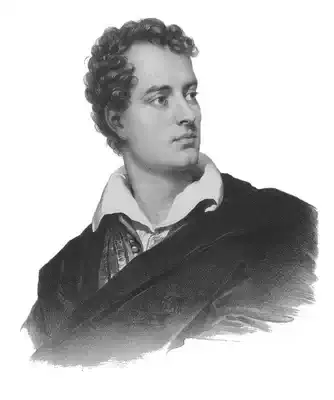
Lord Byron
Thoughts Suggested By A College Examination
Thoughts Suggested By A College Examination
High in the midst, surrounded by his peers,
MAGNUS his ample front sublime up rears:
Placed on his chair of state, he seems a god.
While Sophs and Freshmen tremble at his nod.
As all around sit wrapt in speechless gloom,
His voice in thunder shakes the sounding dome;
Denouncing dire reproach to luckless fools,
Unskill'd to plod in mathematic rules.
Happy the youth in Euclid's axiorn tried,
Though littie versed in any art beside;
Who, scarcely skill'd an English line tc pen,
Scans Attic metres with a critic's ken.
What, though he knows not how his fathers bled,
When civil discord piled the fields with dead,
When Edward bade his conquering bands advance
Or Henry trampled on the crest of France.
Though marvelling at the name of Magna Charta,
Yet well he recollects the laws of Sparta;
Can tell what edicts sage Lycurgus made,
While Blackstone's on the shelf neglected laid;
Of Grecian dramas vaunts the deathless fame,
Of Avon's bard remembering scarce the name.
Such is the youth whose scientific pate
Classhonours,
medals, fellowships, await
Or even, perhaps, the declamation prize
If to such glorious height he lifts his eyes.
But lo! no common orator can hope
The envied silver cup within his scope.
Not that our heads much eloquence require,
Th' ATHENIAN'S glowing style, or Tully's fire.
A manner clear or warm is useless, since
We do not try by speaking to convince.
Be other orators of pleasing proud,We
speak to please ourselves, not move the crowd:
Our gravity prefers the muttering tone,
A proper mixture of the squeak and groan:
No borrow'd grace of action must he seen;
The slightest motion would displease the Dean;
Whilst everv staring graduate would prate
Against what he could never imitate.
The man who hopes t' obtain the promised cup
Must in one posture stand, and ne'er look up;
Nor stop, but rattle over every word No
matter what, so it can not be heard.
Thus let him hurry on, nor think to rest:
Who speaks the fastest's sure to speak the best;
Who utters most within the shortest space
May safely hope to win the wordy race.
The sons of science these, who, thus repaid,
Linger in ease in Granta's sluggish shade;
Where on Cam's sedgy banks supine they lie,
Unknown, unhonour'd live, unweptfor
die:
Dull as the pictures which adorn their halls,
They think all learning fix'd within their walls:
In manners rude, in foolish forms precise,
All modern arts affecting to despise;
Yet prizing Bentley's, Brunck's, or Porson's note,
More than the verse on which the critic wrote:
Vain as their honours, heavy as their ale,
Sad as their wit, and tedious as their tale;
To friendship dead, though not untaught to feel
When Self and Church demand a bigot zeal.
With eager haste they court the lord of power,
Whether 'tis Pitt or Petty rules the hour;
To him, with suppliant smiles, they bend the head,
While distant mitres to their eyes are spread.
But should a storm o'erwhelm him with disgrace,
They'd fly to seek the next who fill'd his place.
Such are the men who learning's treasures guard!
Such is their practice, such is their reward!
This much, at least, we may presume to say The
premium can't exceed the price they pay.
High in the midst, surrounded by his peers,
MAGNUS his ample front sublime up rears:
Placed on his chair of state, he seems a god.
While Sophs and Freshmen tremble at his nod.
As all around sit wrapt in speechless gloom,
His voice in thunder shakes the sounding dome;
Denouncing dire reproach to luckless fools,
Unskill'd to plod in mathematic rules.
Happy the youth in Euclid's axiorn tried,
Though littie versed in any art beside;
Who, scarcely skill'd an English line tc pen,
Scans Attic metres with a critic's ken.
What, though he knows not how his fathers bled,
When civil discord piled the fields with dead,
When Edward bade his conquering bands advance
Or Henry trampled on the crest of France.
Though marvelling at the name of Magna Charta,
Yet well he recollects the laws of Sparta;
Can tell what edicts sage Lycurgus made,
While Blackstone's on the shelf neglected laid;
Of Grecian dramas vaunts the deathless fame,
Of Avon's bard remembering scarce the name.
Such is the youth whose scientific pate
Classhonours,
medals, fellowships, await
Or even, perhaps, the declamation prize
If to such glorious height he lifts his eyes.
But lo! no common orator can hope
The envied silver cup within his scope.
Not that our heads much eloquence require,
Th' ATHENIAN'S glowing style, or Tully's fire.
A manner clear or warm is useless, since
We do not try by speaking to convince.
Be other orators of pleasing proud,We
speak to please ourselves, not move the crowd:
Our gravity prefers the muttering tone,
A proper mixture of the squeak and groan:
No borrow'd grace of action must he seen;
The slightest motion would displease the Dean;
Whilst everv staring graduate would prate
Against what he could never imitate.
The man who hopes t' obtain the promised cup
Must in one posture stand, and ne'er look up;
Nor stop, but rattle over every word No
matter what, so it can not be heard.
Thus let him hurry on, nor think to rest:
Who speaks the fastest's sure to speak the best;
Who utters most within the shortest space
May safely hope to win the wordy race.
The sons of science these, who, thus repaid,
Linger in ease in Granta's sluggish shade;
Where on Cam's sedgy banks supine they lie,
Unknown, unhonour'd live, unweptfor
die:
Dull as the pictures which adorn their halls,
They think all learning fix'd within their walls:
In manners rude, in foolish forms precise,
All modern arts affecting to despise;
Yet prizing Bentley's, Brunck's, or Porson's note,
More than the verse on which the critic wrote:
Vain as their honours, heavy as their ale,
Sad as their wit, and tedious as their tale;
To friendship dead, though not untaught to feel
When Self and Church demand a bigot zeal.
With eager haste they court the lord of power,
Whether 'tis Pitt or Petty rules the hour;
To him, with suppliant smiles, they bend the head,
While distant mitres to their eyes are spread.
But should a storm o'erwhelm him with disgrace,
They'd fly to seek the next who fill'd his place.
Such are the men who learning's treasures guard!
Such is their practice, such is their reward!
This much, at least, we may presume to say The
premium can't exceed the price they pay.
389
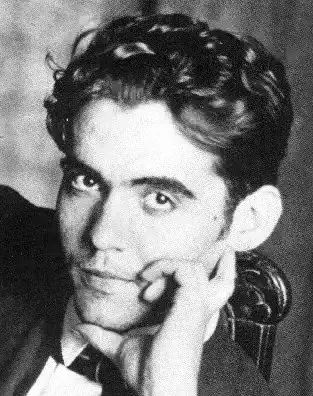
Federico García Lorca
Balada Amarilla IV
Balada Amarilla IV
Sobre el cielo
de las margaritas ando.
Yo imagino esta tarde
que soy santo.
Me pusieron la luna
en las manos.
Yo la puse otra vez
en los espacios
y el Señor me premió
con la rosa y el halo.
Sobre el cielo
de las margaritas ando.
Y ahora voy
por este campo
a librar a las niñas
de galanes malos
y dar monedas de oro
a todos los muchachos.
Sobre el cielo
de las margaritas ando.
Sobre el cielo
de las margaritas ando.
Yo imagino esta tarde
que soy santo.
Me pusieron la luna
en las manos.
Yo la puse otra vez
en los espacios
y el Señor me premió
con la rosa y el halo.
Sobre el cielo
de las margaritas ando.
Y ahora voy
por este campo
a librar a las niñas
de galanes malos
y dar monedas de oro
a todos los muchachos.
Sobre el cielo
de las margaritas ando.
562

Ezra Pound
Women Before A Shop
Women Before A Shop
The gew-gaws of false amber and false turquoise attract them.
'Like to like nature': these agglutinous yellows!
The gew-gaws of false amber and false turquoise attract them.
'Like to like nature': these agglutinous yellows!
568
Ezra Pound
To Dives
To Dives
Who am I to condemn you, O Dives,
I who am as much embittered
With poverty
As you are with useless riches ?
Who am I to condemn you, O Dives,
I who am as much embittered
With poverty
As you are with useless riches ?
560
Ezra Pound
Safe And Sound
Safe And Sound
My name is Nunty Cormorant
And my finance is sound,
I lend you Englishmen hot air
At one and three the pound.
I lend you Englishmen hot air
And I get all the beef
While you stalwart sheep of freedom
Are on the poor relief.
Wot oh! my buxom hearties,
What ain't got work no more
And don't know what bug is a-bitin'
To keep your feelin's sore,
There is blokes in automobiles
And their necks sunk into fur
That keep on gettin' usury
To make 'em cosier.
I read these fellers puts it
Most tidily away
And then lends out their printed slips
To keep the wolf away
From the vaults and combination
Safes in Thread and Needle street.
I wouldn't 'ave the needle
If I had more grub to eat.
Oh the needle is your portion,
My sufferin' fellow men,
Till the King shall take the notion
To own his coin again.
My name is Nunty Cormorant
And my finance is sound,
I lend you Englishmen hot air
At one and three the pound.
I lend you Englishmen hot air
And I get all the beef
While you stalwart sheep of freedom
Are on the poor relief.
Wot oh! my buxom hearties,
What ain't got work no more
And don't know what bug is a-bitin'
To keep your feelin's sore,
There is blokes in automobiles
And their necks sunk into fur
That keep on gettin' usury
To make 'em cosier.
I read these fellers puts it
Most tidily away
And then lends out their printed slips
To keep the wolf away
From the vaults and combination
Safes in Thread and Needle street.
I wouldn't 'ave the needle
If I had more grub to eat.
Oh the needle is your portion,
My sufferin' fellow men,
Till the King shall take the notion
To own his coin again.
461
Ezra Pound
Mr. Nixon
Mr. Nixon
In the cream gilded cabin of his steam yacht
Mr. Nixon advised me kindly, to advance with fewer
Dangers of delay. 'Consider
Carefully the reviewer.
'I was as poor as you are;
'When I began I got, of course,
'Advance on royalties, fifty at first,' said Mr. Nixon,
'Follow me, and take a column,
'Even if you have to work free.
'Butter reviewers. From fifty to three hundred
'I rose in eighteen months;
'The hardest nut I had to crack
'Was Dr. Dundas.
'I never mentioned a man but with the view
'Of selling my own works.
'The tip's a good one, as for literature
'It gives no man a sinecure.
'And no one knows, at sight, a masterpiece.
'And give up verse, my boy,
'There's nothing in it.'
Likewise a friend of Bloughram's once advised me:
Don't kick against the pricks,
Accept opinion. The 'Nineties' tried your game
And died, there's nothing in it.
X
Beneath the sagging roof
The stylist has taken shelter,
Unpaid, uncelebrated,
At last from the world's welter
Nature receives him;
With a placid and uneducated mistress
He exercises his talents
And the soil meets his distress.
The haven from sophistications and contentions
Leaks through its thatch;
He offers succulent cooking;
The door has a creaking latch.
XI
Conservatrix of Milésien'
Habits of mind and feeling,
Possibly. But in Ealing
With the most bank-clerkly of Englishmen ?
No, 'Milésian' is an exaggeration.
No instinct has survived in her
Older than those her grandmother
Told her would fit her station.
XII
‘Daphne with her thighs in bark
Stretches toward me her leafy hands,'
Subjectively. In the stuffed-satin drawing-room
I await The Lady Valentine's commands,
Knowing my coat has never been
Of precisely the fashion
To stimulate, in her,
A durable passion;
Doubtful, somewhat, of the value
Of well-gowned approbation
Of literary effort,
But never of The Lady Valentine's vocation:
Poetry, her border of ideas,
The edge, uncertain, but a means of blending
With other strata
Where the lower and higher have ending;
A hook to catch the Lady Jane's attention,
A modulation toward the theatre,
Also, in the case of revolution,
A possible friend and comforter.
Conduct, on the other hand, the soul
‘Which the highest cultures have nourished'
To Fleet St. where
Dr. Johnson flourished;
Beside this thoroughfare
The sale of half-hose has
Long since superseded the cultivation
Of Pierian roses.
In the cream gilded cabin of his steam yacht
Mr. Nixon advised me kindly, to advance with fewer
Dangers of delay. 'Consider
Carefully the reviewer.
'I was as poor as you are;
'When I began I got, of course,
'Advance on royalties, fifty at first,' said Mr. Nixon,
'Follow me, and take a column,
'Even if you have to work free.
'Butter reviewers. From fifty to three hundred
'I rose in eighteen months;
'The hardest nut I had to crack
'Was Dr. Dundas.
'I never mentioned a man but with the view
'Of selling my own works.
'The tip's a good one, as for literature
'It gives no man a sinecure.
'And no one knows, at sight, a masterpiece.
'And give up verse, my boy,
'There's nothing in it.'
Likewise a friend of Bloughram's once advised me:
Don't kick against the pricks,
Accept opinion. The 'Nineties' tried your game
And died, there's nothing in it.
X
Beneath the sagging roof
The stylist has taken shelter,
Unpaid, uncelebrated,
At last from the world's welter
Nature receives him;
With a placid and uneducated mistress
He exercises his talents
And the soil meets his distress.
The haven from sophistications and contentions
Leaks through its thatch;
He offers succulent cooking;
The door has a creaking latch.
XI
Conservatrix of Milésien'
Habits of mind and feeling,
Possibly. But in Ealing
With the most bank-clerkly of Englishmen ?
No, 'Milésian' is an exaggeration.
No instinct has survived in her
Older than those her grandmother
Told her would fit her station.
XII
‘Daphne with her thighs in bark
Stretches toward me her leafy hands,'
Subjectively. In the stuffed-satin drawing-room
I await The Lady Valentine's commands,
Knowing my coat has never been
Of precisely the fashion
To stimulate, in her,
A durable passion;
Doubtful, somewhat, of the value
Of well-gowned approbation
Of literary effort,
But never of The Lady Valentine's vocation:
Poetry, her border of ideas,
The edge, uncertain, but a means of blending
With other strata
Where the lower and higher have ending;
A hook to catch the Lady Jane's attention,
A modulation toward the theatre,
Also, in the case of revolution,
A possible friend and comforter.
Conduct, on the other hand, the soul
‘Which the highest cultures have nourished'
To Fleet St. where
Dr. Johnson flourished;
Beside this thoroughfare
The sale of half-hose has
Long since superseded the cultivation
Of Pierian roses.
508
Ezra Pound
Further Instructions
Further Instructions
Come, my songs, let us express our baser passions.
Let us express our envy for the man with a steady job and no worry about the future.
You are very idle, my songs,
I fear you will come to a bad end.
You stand about the streets, You loiter at the corners and bus-stops,
You do next to nothing at all.
You do not even express our inner nobilitys,
You will come to a very bad end.
And I? I have gone half-cracked.
I have talked to you so much that I almost see you about me,
Insolent little beasts! Shameless! Devoid of clothing!
But you, newest song of the lot,
You are not old enough to have done much mischief.
I will get you a green coat out of China
With dragons worked upon it.
I will get you the scarlet silk trousers
From the statue of the infant Christ at Santa Maria Novella;
Lest they say we are lacking in taste,
Or that there is no caste in this family.
Come, my songs, let us express our baser passions.
Let us express our envy for the man with a steady job and no worry about the future.
You are very idle, my songs,
I fear you will come to a bad end.
You stand about the streets, You loiter at the corners and bus-stops,
You do next to nothing at all.
You do not even express our inner nobilitys,
You will come to a very bad end.
And I? I have gone half-cracked.
I have talked to you so much that I almost see you about me,
Insolent little beasts! Shameless! Devoid of clothing!
But you, newest song of the lot,
You are not old enough to have done much mischief.
I will get you a green coat out of China
With dragons worked upon it.
I will get you the scarlet silk trousers
From the statue of the infant Christ at Santa Maria Novella;
Lest they say we are lacking in taste,
Or that there is no caste in this family.
438
Ezra Pound
Ezra on the Strike
Ezra on the Strike
Wal, Thanksgivin' do be comin' round.
With the price of turkeys on the bound,
And coal, by gum! Thet were just found,
Is surely gettin' cheaper.
The winds will soon begin to howl,
And winter, in its yearly growl,
Across the medders begin to prowl,
And Jack Frost gettin' deeper.
By shucks! It seems to me,
That you I orter be
Thankful, that our Ted could see
A way to operate it.
I sez to Mandy, sure, sez I,
I'll bet thet air patch o' rye
Thet he'll squash 'em by-and-by,
And he did, by cricket!
No use talkin', he's the man -
One of the best thet ever ran,
Fer didn't I turn Republican
One o' the fust?
I 'lowed as how he'd beat the rest,
But old Si Perkins, he hemmed and guessed,
And sed as how it wuzn't best
To meddle with the trust.
Wal, Thanksgivin' do be comin' round.
With the price of turkeys on the bound,
And coal, by gum! Thet were just found,
Is surely gettin' cheaper.
The winds will soon begin to howl,
And winter, in its yearly growl,
Across the medders begin to prowl,
And Jack Frost gettin' deeper.
By shucks! It seems to me,
That you I orter be
Thankful, that our Ted could see
A way to operate it.
I sez to Mandy, sure, sez I,
I'll bet thet air patch o' rye
Thet he'll squash 'em by-and-by,
And he did, by cricket!
No use talkin', he's the man -
One of the best thet ever ran,
Fer didn't I turn Republican
One o' the fust?
I 'lowed as how he'd beat the rest,
But old Si Perkins, he hemmed and guessed,
And sed as how it wuzn't best
To meddle with the trust.
447
Ezra Pound
Alf’s Twelfth Bit
Alf’s Twelfth Bit
BALLAD FOR THE TIMES' SPECIAL SILVER NUMBER
Sez the Times a silver lining
Is what has set us pining,
Montague, Montague!
In the season sad and weary
When our minds are very bleary,
Montague, Montague!
There is Sir Hen. Deterding
His phrases interlarding,
Montague, Montague!
With the this and that and what
For putting silver on the spot,
Montague, Montague!
Just drop it in the slot
And it will surely boil the pot,
Montague, Montague!
Gold, of course, is solid too,
But some silver set to stew
Might do, too. Montague!
With a lively wood-pulp ‘ad’.
To cheer the bad and sad,
Montague, Montague!
BALLAD FOR THE TIMES' SPECIAL SILVER NUMBER
Sez the Times a silver lining
Is what has set us pining,
Montague, Montague!
In the season sad and weary
When our minds are very bleary,
Montague, Montague!
There is Sir Hen. Deterding
His phrases interlarding,
Montague, Montague!
With the this and that and what
For putting silver on the spot,
Montague, Montague!
Just drop it in the slot
And it will surely boil the pot,
Montague, Montague!
Gold, of course, is solid too,
But some silver set to stew
Might do, too. Montague!
With a lively wood-pulp ‘ad’.
To cheer the bad and sad,
Montague, Montague!
472
Ezra Pound
Alf’s Seventh Bit
Alf’s Seventh Bit
Did I 'ear it 'arf in a doze:
The Co-ops was a goin' somewhere,
Did I 'ear it while pickin' 'ops;
How they better start takin' care,
That the papers were gettin' together
And the larger stores were likewise
Considering something that would, as you
Might say, be a surprise
To the Co-ops, a echo or somethin'?
They tell me that branded goods
Don't get a discount like Mr. Selfridge
Of 25 per cent, on their ads., and the woods
Is where the Co-ops are goin' to,
And that Oxford Street site
Is not suited to co-operation
A sort of'Arab's dream in the night.
''We have plenty, so let it be.'
The example of these consumers in co-operation
Might cause thought and be therefore
A peril to Selfridge and the nation.
Did I 'ear it 'arf in a doze:
The Co-ops was a goin' somewhere,
Did I 'ear it while pickin' 'ops;
How they better start takin' care,
That the papers were gettin' together
And the larger stores were likewise
Considering something that would, as you
Might say, be a surprise
To the Co-ops, a echo or somethin'?
They tell me that branded goods
Don't get a discount like Mr. Selfridge
Of 25 per cent, on their ads., and the woods
Is where the Co-ops are goin' to,
And that Oxford Street site
Is not suited to co-operation
A sort of'Arab's dream in the night.
''We have plenty, so let it be.'
The example of these consumers in co-operation
Might cause thought and be therefore
A peril to Selfridge and the nation.
459
Ezra Pound
Alf’s Tenth Bit
Alf’s Tenth Bit
WIND
Scarce and thin, scarce and thin
The government's excuse,
Never at all will they do
Aught of the slightest use.
Over the dying half-wits blow,
Over the empty-headed, and the slow
Marchers, not getting forwarder,
While Ramsay MacDonald sleeps, sleeps.
Fester and rot, fester and rot,
And angle and tergiversate
One thing among all things you will not
Do, that is: think, before it's too late.
Election will not come very soon,
And those born with a silver spoon,
Will keep it a little longer,
Until the mind of the old nation gets a little stronger.
WIND
Scarce and thin, scarce and thin
The government's excuse,
Never at all will they do
Aught of the slightest use.
Over the dying half-wits blow,
Over the empty-headed, and the slow
Marchers, not getting forwarder,
While Ramsay MacDonald sleeps, sleeps.
Fester and rot, fester and rot,
And angle and tergiversate
One thing among all things you will not
Do, that is: think, before it's too late.
Election will not come very soon,
And those born with a silver spoon,
Will keep it a little longer,
Until the mind of the old nation gets a little stronger.
453
Ezra Pound
Alf’s Ninth Bit
Alf’s Ninth Bit
Listen, my children, and you shall hear
The midnight activities of Whats-his Name,
Scarcely a general now known to fame
Can tell you of that famous day and year.
When feeble Mr. Asquith, getting old,
The destinies of England were almost sold
To a Welsh shifter with an ogling eye,
And Whats-his-name attained nobility.
The Dashing Rupert of the pulping trade,
Rough from the virgin forests inviolate,
Thus rose in Albion, and tickled the State
And where he once set foot, right there he stayed.
Old 'Erb was doting, so the rumour ran,
Ahd Rupert ran the rumour round in wheels,
And David's harp let out heart-rending squeals:
'Find us a harpist ! ! DAVID is the man!!'
Dave was the man to sell the shot and shell,
And Basil was the Greek that rode around
On sea and land, with all convenience found
To sell, to sell, to sell, that's it, to SELL
Destroyers, bombs and spitting mitrailleuses.
He used to lunch with Balfour in those days
And if the papers seldom sang his praise,
The simple Britons never knew he was,
Until a narsty German told them so.
Listen, my children, and you shall hear
Of things that happened very long ago,
And scarcely heed one word of what you hear.
Bury it all, bury it all well deep,
And let the blighters start it all over again.
They'll trick you again and again, as you sleep;
But you shall know that these were the men,
Listen, my children, and you shall hear
The midnight activities of Whats-his Name,
Scarcely a general now known to fame
Can tell you of that famous day and year.
When feeble Mr. Asquith, getting old,
The destinies of England were almost sold
To a Welsh shifter with an ogling eye,
And Whats-his-name attained nobility.
The Dashing Rupert of the pulping trade,
Rough from the virgin forests inviolate,
Thus rose in Albion, and tickled the State
And where he once set foot, right there he stayed.
Old 'Erb was doting, so the rumour ran,
Ahd Rupert ran the rumour round in wheels,
And David's harp let out heart-rending squeals:
'Find us a harpist ! ! DAVID is the man!!'
Dave was the man to sell the shot and shell,
And Basil was the Greek that rode around
On sea and land, with all convenience found
To sell, to sell, to sell, that's it, to SELL
Destroyers, bombs and spitting mitrailleuses.
He used to lunch with Balfour in those days
And if the papers seldom sang his praise,
The simple Britons never knew he was,
Until a narsty German told them so.
Listen, my children, and you shall hear
Of things that happened very long ago,
And scarcely heed one word of what you hear.
Bury it all, bury it all well deep,
And let the blighters start it all over again.
They'll trick you again and again, as you sleep;
But you shall know that these were the men,
413
Ezra Pound
Alf’s Fifth Bit
Alf’s Fifth Bit
The pomps of butchery, financial power,
Told 'em to die in war, and then to save,
Then cut their saving to the half or lower;
When will this system lie down in its grave?
The pomps of Fleet St., festering year on year,
Hid truth and lied, and lied and hid the facts.
The pimps of Whitehall ever more in fear,
Hid health statistics, dodged the Labour Acts.
All drew their pay, and as the pay grew less,
The money rotten and more rotten yet,
Hid more statistics, more feared to confess
C.3, C.4, 'twere better to forget
How many weak of mind, how much tuberculosis
Filled the back alleys and the back to back houses.
'The medical report this week discloses . . .'
'Time for that question!' Front Bench interposes.
Time for that question? and the time is NOW.
Who ate the profits, and who locked 'em in
The unsafe safe, wherein all rots, and no man can say how
What was the nation's, now by Norman's kin
Is one day blown up large, the next, ducked in?
The pomps of butchery, financial power,
Told 'em to die in war, and then to save,
Then cut their saving to the half or lower;
When will this system lie down in its grave?
The pomps of Fleet St., festering year on year,
Hid truth and lied, and lied and hid the facts.
The pimps of Whitehall ever more in fear,
Hid health statistics, dodged the Labour Acts.
All drew their pay, and as the pay grew less,
The money rotten and more rotten yet,
Hid more statistics, more feared to confess
C.3, C.4, 'twere better to forget
How many weak of mind, how much tuberculosis
Filled the back alleys and the back to back houses.
'The medical report this week discloses . . .'
'Time for that question!' Front Bench interposes.
Time for that question? and the time is NOW.
Who ate the profits, and who locked 'em in
The unsafe safe, wherein all rots, and no man can say how
What was the nation's, now by Norman's kin
Is one day blown up large, the next, ducked in?
422
Ezra Pound
A Song Of The Degrees
A Song Of The Degrees
I
Rest me with Chinese colours,
For I think the glass is evil.
II
The wind moves above the wheat-
With a silver crashing,
A thin war of metal.
I have known the golden disc,
I have seen it melting above me.
I have known the stone-bright place,
The hall of clear colours.
III
O glass subtly evil, O confusion of colours !
O light bound and bent in, soul of the captive,
Why am I warned? Why am I sent away?
Why is your glitter full of curious mistrust?
O glass subtle and cunning, O powdery gold!
O filaments of amber, two-faced iridescence!
I
Rest me with Chinese colours,
For I think the glass is evil.
II
The wind moves above the wheat-
With a silver crashing,
A thin war of metal.
I have known the golden disc,
I have seen it melting above me.
I have known the stone-bright place,
The hall of clear colours.
III
O glass subtly evil, O confusion of colours !
O light bound and bent in, soul of the captive,
Why am I warned? Why am I sent away?
Why is your glitter full of curious mistrust?
O glass subtle and cunning, O powdery gold!
O filaments of amber, two-faced iridescence!
568