

Poems in this theme
Money and Wealth
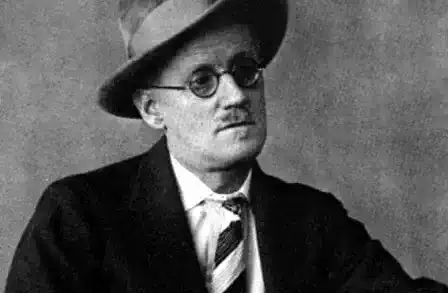
James Joyce
A Memory of the Players in a Mirror at Midnight
A Memory of the Players in a Mirror at Midnight
They mouth love's language. Gnash
The thirteen teeth
Your lean jaws grin with. Lash
Your itch and quailing, nude greed of the flesh.
Love's breath in you is stale, worded or sung,
As sour as cat's breath,
Harsh of tongue.
This grey that stares
Lies not, stark skin and bone.
Leave greasy lips their kissing. None
Will choose her what you see to mouth upon.
Dire hunger holds his hour.
Pluck forth your heart, saltblood, a fruit of tears.
Pluck and devour!
They mouth love's language. Gnash
The thirteen teeth
Your lean jaws grin with. Lash
Your itch and quailing, nude greed of the flesh.
Love's breath in you is stale, worded or sung,
As sour as cat's breath,
Harsh of tongue.
This grey that stares
Lies not, stark skin and bone.
Leave greasy lips their kissing. None
Will choose her what you see to mouth upon.
Dire hunger holds his hour.
Pluck forth your heart, saltblood, a fruit of tears.
Pluck and devour!
249
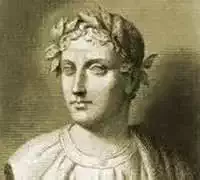
Horácio
BkIII:XXIV Destructive Wealth
BkIII:XXIV Destructive Wealth
Though you’re richer than the untouched
riches of Araby, than wealthy India,
and you fill the land, and inshore
waters, with your deposits of builders’ rubble:
if dread Necessity fixes
her adamantine nails in your highest rooftops,
you’ll not free your spirit from fear,
nor free your very being from the noose of death.
Better to live like Scythians
in the Steppes, whose wagons haul their movable homes,
that’s custom, or the fierce Getae,
whose unallocated acres produce their fruits,
their harvests of rye, in common,
where cultivation’s not decided for more than
a year, and when one turn is done,
it’s carried on by other hands, as a duty.
There, as their own, the unselfish
women raise those children who have lost their mothers:
and the richly dowered wife never
rules her husband, or believes in shining lovers.
Their greatest dowry’s their parents’
virtue, and their own chastity, which is careful
of another’s husband, in pure
loyalty, sin is wrong and death’s its penalty.
O whoever would end impious
killing, and civil disorder, and would desire
to have ‘City Father’ inscribed
on their statues, let them be braver, and rein in
unbridled licence, and win fame
among posterity: since we, alas, for shame,
filled with envy, hate chaste virtue,
and only seek it when it’s hidden from our eyes.
What use are sad lamentations,
if crime is never suppressed by its punishment?
What use are all these empty laws
without the behaviour that should accompany them?
if neither those parts of the Earth
enclosed by heat, nor those far confines of the North,
snow frozen solid on the ground,
deter the trader, if cunning sailors conquer
the stormy seas, if poverty,
is considered a great disgrace, and directs us
to do and to bear everything,
and abandon the arduous paths of virtue?
Let’s send our jewels, our precious
stones, our destructive gold, to the Capitol, while
the crowd applauds, and raises its strident clamour,
or ship them to the nearest sea,
as causes of our deepest ills,
if we truly repent of all our wickedness.
Let the source of our perverted
greed be lost, and then let our inadequate minds
be trained in more serious things.
The inexperienced noble youth is unskilled
at staying in the saddle, he
fears to hunt, and he’s much better at playing games,
whether you order him to fool
with a Greek hoop, or you prefer forbidden dice,
while his father’s perjured trust cheats
his partner and his friends, hurrying to amass
money for his unworthy heir.
While it’s true that in this way his ill-gotten gains
increase, yet there’s always something
lacking in a fortune forever incomplete.
Though you’re richer than the untouched
riches of Araby, than wealthy India,
and you fill the land, and inshore
waters, with your deposits of builders’ rubble:
if dread Necessity fixes
her adamantine nails in your highest rooftops,
you’ll not free your spirit from fear,
nor free your very being from the noose of death.
Better to live like Scythians
in the Steppes, whose wagons haul their movable homes,
that’s custom, or the fierce Getae,
whose unallocated acres produce their fruits,
their harvests of rye, in common,
where cultivation’s not decided for more than
a year, and when one turn is done,
it’s carried on by other hands, as a duty.
There, as their own, the unselfish
women raise those children who have lost their mothers:
and the richly dowered wife never
rules her husband, or believes in shining lovers.
Their greatest dowry’s their parents’
virtue, and their own chastity, which is careful
of another’s husband, in pure
loyalty, sin is wrong and death’s its penalty.
O whoever would end impious
killing, and civil disorder, and would desire
to have ‘City Father’ inscribed
on their statues, let them be braver, and rein in
unbridled licence, and win fame
among posterity: since we, alas, for shame,
filled with envy, hate chaste virtue,
and only seek it when it’s hidden from our eyes.
What use are sad lamentations,
if crime is never suppressed by its punishment?
What use are all these empty laws
without the behaviour that should accompany them?
if neither those parts of the Earth
enclosed by heat, nor those far confines of the North,
snow frozen solid on the ground,
deter the trader, if cunning sailors conquer
the stormy seas, if poverty,
is considered a great disgrace, and directs us
to do and to bear everything,
and abandon the arduous paths of virtue?
Let’s send our jewels, our precious
stones, our destructive gold, to the Capitol, while
the crowd applauds, and raises its strident clamour,
or ship them to the nearest sea,
as causes of our deepest ills,
if we truly repent of all our wickedness.
Let the source of our perverted
greed be lost, and then let our inadequate minds
be trained in more serious things.
The inexperienced noble youth is unskilled
at staying in the saddle, he
fears to hunt, and he’s much better at playing games,
whether you order him to fool
with a Greek hoop, or you prefer forbidden dice,
while his father’s perjured trust cheats
his partner and his friends, hurrying to amass
money for his unworthy heir.
While it’s true that in this way his ill-gotten gains
increase, yet there’s always something
lacking in a fortune forever incomplete.
246
Horácio
BkII:XV Excess
BkII:XV Excess
Not long now and our princely buildings will leave
few acres under the plough, ornamental
waters appearing everywhere, spread
wider than the Lucrine Lake is, plane trees,
without vines, will drive out the elms: and violet
beds, and myrtles, and all the wealth of perfumes
will scatter their scent through olive groves
that gave their crops for a former owner.
Then thick laurel branches will shut out the sun’s
raging. It wasn’t the case under Romulus,
or long-haired Cato, it wasn’t the rule,
that our ancient predecessors ordained.
Private property was modest in their day,
the common lands vast: no private citizen
had a portico, measuring tens
of feet, laid out facing the shady north,
nor did the laws allow ordinary turf
to be scorned for altars, ordering cities
and the gods’ temples, to be adorned,
at public expense, with rarest marbles.
Not long now and our princely buildings will leave
few acres under the plough, ornamental
waters appearing everywhere, spread
wider than the Lucrine Lake is, plane trees,
without vines, will drive out the elms: and violet
beds, and myrtles, and all the wealth of perfumes
will scatter their scent through olive groves
that gave their crops for a former owner.
Then thick laurel branches will shut out the sun’s
raging. It wasn’t the case under Romulus,
or long-haired Cato, it wasn’t the rule,
that our ancient predecessors ordained.
Private property was modest in their day,
the common lands vast: no private citizen
had a portico, measuring tens
of feet, laid out facing the shady north,
nor did the laws allow ordinary turf
to be scorned for altars, ordering cities
and the gods’ temples, to be adorned,
at public expense, with rarest marbles.
236
Horácio
BkII:II Money
BkII:II Money
Crispus, silver concealed in the greedy earth
has no colour, and you are an enemy
to all such metal unless, indeed, it gleams
from sensible use.
Proculeius will be famous in distant
ages for his generous feelings towards
his brothers: enduring fame will carry him
on its tireless wings.
You may rule a wider kingdom by taming
a greedy spirit, than by joining Spain
to far-off Libya, while Carthaginians
on both sides, serve one.
A fatal dropsy grows worse with indulgence,
the patient can’t rid himself of thirst unless
his veins are free of illness, and his pale flesh
of watery languor.
Though Phraates is back on the Armenian
throne, Virtue, differing from the rabble, excludes
him from the blessed, and instructs the people
not to misuse words,
instead conferring power, and security
of rule, and lasting laurels, on him alone
who can pass by enormous piles of treasure
without looking back.
Crispus, silver concealed in the greedy earth
has no colour, and you are an enemy
to all such metal unless, indeed, it gleams
from sensible use.
Proculeius will be famous in distant
ages for his generous feelings towards
his brothers: enduring fame will carry him
on its tireless wings.
You may rule a wider kingdom by taming
a greedy spirit, than by joining Spain
to far-off Libya, while Carthaginians
on both sides, serve one.
A fatal dropsy grows worse with indulgence,
the patient can’t rid himself of thirst unless
his veins are free of illness, and his pale flesh
of watery languor.
Though Phraates is back on the Armenian
throne, Virtue, differing from the rabble, excludes
him from the blessed, and instructs the people
not to misuse words,
instead conferring power, and security
of rule, and lasting laurels, on him alone
who can pass by enormous piles of treasure
without looking back.
250
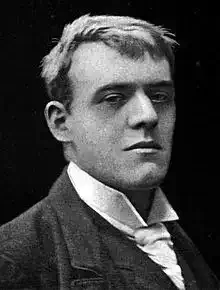
Hilaire Belloc
The Loser
The Loser
He lost his money first of all
And losing that is half the story-
And later on he tried a fall
With fate, in things less transitory
He lost his heart-and found it dead(
His one and only true discovery),
And after that he lost his head,
And lost his chances of recovery.
He lost his honour bit by bit
Until the thing was out of question.
He worried so at losing it,
He lost his sleep and his digestion.
He lost his temper- and for good-
The remnants of his reputation,
His taste in wine, his choice of food,
And then, in rapid culmination,
His certitudes, his sense of truth,
His memory, his self control,
The love that graced his early youth,
And lastly his immortal soul.
He lost his money first of all
And losing that is half the story-
And later on he tried a fall
With fate, in things less transitory
He lost his heart-and found it dead(
His one and only true discovery),
And after that he lost his head,
And lost his chances of recovery.
He lost his honour bit by bit
Until the thing was out of question.
He worried so at losing it,
He lost his sleep and his digestion.
He lost his temper- and for good-
The remnants of his reputation,
His taste in wine, his choice of food,
And then, in rapid culmination,
His certitudes, his sense of truth,
His memory, his self control,
The love that graced his early youth,
And lastly his immortal soul.
461
Hilaire Belloc
On Vital Statistics
On Vital Statistics
Ill fares the land to hast'ning ills a prey (1)
Where wealth accumulates and men decay.'
But how much more unfortunate are those
Where wealth declines and population grows!
(1)This line is execrable; and I note it.
I quote it as the faulty poet wrote it.
Ill fares the land to hast'ning ills a prey (1)
Where wealth accumulates and men decay.'
But how much more unfortunate are those
Where wealth declines and population grows!
(1)This line is execrable; and I note it.
I quote it as the faulty poet wrote it.
335
Hilaire Belloc
Fatigue
Fatigue
I'm tired of Love: I'm still more tired of Rhyme.
But Money gives me pleasure all the time.
I'm tired of Love: I'm still more tired of Rhyme.
But Money gives me pleasure all the time.
480
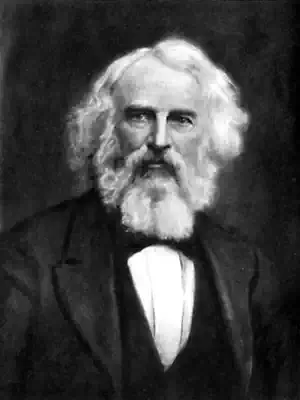
Henry Wadsworth Longfellow
The Leap Of Roushan Beg. (Birds Of Passage. Flight The Fifth)
The Leap Of Roushan Beg. (Birds Of Passage. Flight The Fifth)
Mounted on Kyrat strong and fleet,
His chestnut steed with four white feet,
Roushan Beg, called Kurroglou,
Son of the road and bandit chief,
Seeking refuge and relief,
Up the mountain pathway flew.
Such was Kyrat's wondrous speed,
Never yet could any steed
Reach the dust-cloud in his course.
More than maiden, more than wife,
More than gold and next to life
Roushan the Robber loved his horse.
In the land that lies beyond
Erzeroum and Trebizond,
Garden-girt his fortress stood;
Plundered khan, or caravan
Journeying north from Koordistan,
Gave him wealth and wine and food.
Seven hundred and fourscore
Men at arms his livery wore,
Did his bidding night and day;
Now, through regions all unknown,
He was wandering, lost, alone,
Seeking without guide his way.
Suddenly the pathway ends,
Sheer the precipice descends,
Loud the torrent roars unseen;
Thirty feet from side to side
Yawns the chasm; on air must ride
He who crosses this ravine.
Following close in his pursuit,
At the precipice's foot,
Reyhan the Arab of Orfah
Halted with his hundred men,
Shouting upward from the glen,
'La Illáh illa Alláh!'
Gently Roushan Beg caressed
Kyrat's forehead, neck, and breast;
Kissed him upon both his eyes,
Sang to him in his wild way,
As upon the topmost spray
Sings a bird before it flies.
'O my Kyrat, O my steed,
Round and slender as a reed,
Carry me this peril through!
Satin housings shall be thine,
Shoes of gold, O Kyrat mine,
O thou soul of Kurroglou!
'Soft thy skin as silken skein,
Soft as woman's hair thy mane,
Tender are thine eyes and true;
All thy hoofs like ivory shine,
Polished bright; O, life of mine,
Leap, and rescue Kurroglou!'
Kyrat, then, the strong and fleet,
Drew together his four white feet,
Paused a moment on the verge,
Measured with his eye the space,
And into the air's embrace
Leaped as leaps the ocean surge.
As the ocean surge o'er sand
Bears a swimmer safe to land,
Kyrat safe his rider bore;
Rattling down the deep abyss
Fragments of the precipice
Rolled like pebbles on a shore.
Roushan's tasselled cap of red
Trembled not upon his head,
Careless sat he and upright;
Neither hand nor bridle shook,
Nor his head he turned to look,
As he galloped out of sight.
Flash of harness in the air,
Seen a moment like the glare
Of a sword drawn from its sheath;
Thus the phantom horseman passed,
And the shadow that he cast
Leaped the cataract underneath.
Reyhan the Arab held his breath
While this vision of life and death
Passed above him. 'Allahu!'
Cried he. 'In all Koordistan
Lives there not so brave a man
As this Robber Kurroglou!'
Mounted on Kyrat strong and fleet,
His chestnut steed with four white feet,
Roushan Beg, called Kurroglou,
Son of the road and bandit chief,
Seeking refuge and relief,
Up the mountain pathway flew.
Such was Kyrat's wondrous speed,
Never yet could any steed
Reach the dust-cloud in his course.
More than maiden, more than wife,
More than gold and next to life
Roushan the Robber loved his horse.
In the land that lies beyond
Erzeroum and Trebizond,
Garden-girt his fortress stood;
Plundered khan, or caravan
Journeying north from Koordistan,
Gave him wealth and wine and food.
Seven hundred and fourscore
Men at arms his livery wore,
Did his bidding night and day;
Now, through regions all unknown,
He was wandering, lost, alone,
Seeking without guide his way.
Suddenly the pathway ends,
Sheer the precipice descends,
Loud the torrent roars unseen;
Thirty feet from side to side
Yawns the chasm; on air must ride
He who crosses this ravine.
Following close in his pursuit,
At the precipice's foot,
Reyhan the Arab of Orfah
Halted with his hundred men,
Shouting upward from the glen,
'La Illáh illa Alláh!'
Gently Roushan Beg caressed
Kyrat's forehead, neck, and breast;
Kissed him upon both his eyes,
Sang to him in his wild way,
As upon the topmost spray
Sings a bird before it flies.
'O my Kyrat, O my steed,
Round and slender as a reed,
Carry me this peril through!
Satin housings shall be thine,
Shoes of gold, O Kyrat mine,
O thou soul of Kurroglou!
'Soft thy skin as silken skein,
Soft as woman's hair thy mane,
Tender are thine eyes and true;
All thy hoofs like ivory shine,
Polished bright; O, life of mine,
Leap, and rescue Kurroglou!'
Kyrat, then, the strong and fleet,
Drew together his four white feet,
Paused a moment on the verge,
Measured with his eye the space,
And into the air's embrace
Leaped as leaps the ocean surge.
As the ocean surge o'er sand
Bears a swimmer safe to land,
Kyrat safe his rider bore;
Rattling down the deep abyss
Fragments of the precipice
Rolled like pebbles on a shore.
Roushan's tasselled cap of red
Trembled not upon his head,
Careless sat he and upright;
Neither hand nor bridle shook,
Nor his head he turned to look,
As he galloped out of sight.
Flash of harness in the air,
Seen a moment like the glare
Of a sword drawn from its sheath;
Thus the phantom horseman passed,
And the shadow that he cast
Leaped the cataract underneath.
Reyhan the Arab held his breath
While this vision of life and death
Passed above him. 'Allahu!'
Cried he. 'In all Koordistan
Lives there not so brave a man
As this Robber Kurroglou!'
507
Henry Wadsworth Longfellow
Hiawatha And The Pearl-Feather
Hiawatha And The Pearl-Feather
On the shores of Gitche Gumee,
Of the shining Big-Sea-Water,
Stood Nokomis, the old woman,
Pointing with her finger westward,
O'er the water pointing westward,
To the purple clouds of sunset.
Fiercely the red sun descending
Burned his way along the heavens,
Set the sky on fire behind him,
As war-parties, when retreating,
Burn the prairies on their war-trail;
And the moon, the Night-sun, eastward,
Suddenly starting from his ambush,
Followed fast those bloody footprints,
Followed in that fiery war-trail,
With its glare upon his features.
And Nokomis, the old woman,
Pointing with her finger westward,
Spake these words to Hiawatha:
"Yonder dwells the great Pearl-Feather,
Megissogwon, the Magician,
Manito of Wealth and Wampum,
Guarded by his fiery serpents,
Guarded by the black pitch-water.
You can see his fiery serpents,
The Kenabeek, the great serpents,
Coiling, playing in the water;
You can see the black pitch-water
Stretching far away beyond them,
To the purple clouds of sunset!
"He it was who slew my father,
By his wicked wiles and cunning,
When he from the moon descended,
When he came on earth to seek me.
He, the mightiest of Magicians,
Sends the fever from the marshes,
Sends the pestilential vapors,
Sends the poisonous exhalations,
Sends the white fog from the fen-lands,
Sends disease and death among us!
"Take your bow, O Hiawatha,
Take your arrows, jasper-headed,
Take your war-club, Puggawaugun,
And your mittens, Minjekahwun,
And your birch-canoe for sailing,
And the oil of Mishe-Nahma,
So to smear its sides, that swiftly
You may pass the black pitch-water;
Slay this merciless magician,
Save the people from the fever
That he breathes across the fen-lands,
And avenge my father's murder!"
Straightway then my Hiawatha
Armed himself with all his war-gear,
Launched his birch-canoe for sailing;
With his palm its sides he patted,
Said with glee, "Cheemaun, my darling,
O my Birch-canoe! leap forward,
Where you see the fiery serpents,
Where you see the black pitch-water!"
Forward leaped Cheemaun exulting,
And the noble Hiawatha
Sang his war-song wild and woful,
And above him the war-eagle,
The Keneu, the great war-eagle,
Master of all fowls with feathers,
Screamed and hurtled through the heavens.
Soon he reached the fiery serpents,
The Kenabeek, the great serpents,
Lying huge upon the water,
Sparkling, rippling in the water,
Lying coiled across the passage,
With their blazing crests uplifted,
Breathing fiery fogs and vapors,
So that none could pass beyond them.
But the fearless Hiawatha
Cried aloud, and spake in this wise,
"Let me pass my way, Kenabeek,
Let me go upon my journey!"
And they answered, hissing fiercely,
With their fiery breath made answer:
"Back, go back! O Shaugodaya!
Back to old Nokomis, Faint-heart!"
Then the angry Hiawatha
Raised his mighty bow of ash-tree,
Seized his arrows, jasper-headed,
Shot them fast among the serpents;
Every twanging of the bow-string
Was a war-cry and a death-cry,
Every whizzing of an arrow
Was a death-song of Kenabeek.
Weltering in the bloody water,
Dead lay all the fiery serpents,
And among them Hiawatha
Harmless sailed, and cried exulting:
"Onward, O Cheemaun, my darling!
Onward to the black pitch-water!"
Then he took the oil of Nahma,
And the bows and sides anointed,
Smeared them well with oil, that swiftly
He might pass the black pitch-water.
All night long he sailed upon it,
Sailed upon that sluggish water,
Covered with its mould of ages,
Black with rotting water-rushes,
Rank with flags and leaves of lilies,
Stagnant, lifeless, dreary, dismal,
Lighted by the shimmering moonlight,
And by will-o'-the-wisps illumined,
Fires by ghosts of dead men kindled,
In their weary night-encampments.
All the air was white with moonlight,
All the water black with shadow,
And around him the Suggema,
The mosquito, sang his war-song,
And the fire-flies, Wah-wah-taysee,
Waved their torches to mislead him;
And the bull-frog, the Dahinda,
Thrust his head into the moonlight,
Fixed his yellow eyes upon him,
Sobbed and sank beneath the surface;
And anon a thousand whistles,
Answered over all the fen-lands,
And the heron, the Shuh-shuh-gah,
Far off on the reedy margin,
Heralded the hero's coming.
Westward thus fared Hiawatha,
Toward the realm of Megissogwon,
Toward the land of the Pearl-Feather,
Till the level moon stared at him
In his face stared pale and haggard,
Till the sun was hot behind him,
Till it burned upon his shoulders,
And before him on the upland
He could see the Shining Wigwam
Of the Manito of Wampum,
Of the mightiest of Magicians.
Then once more Cheemaun he patted,
To his birch-canoe said, "Onward!"
And it stirred in all its fibres,
And with one great bound of triumph
Leaped across the water-lilies,
Leaped through tangled flags and rushes,
And upon the beach beyond them
Dry-shod landed Hiawatha.
Straight he took his bow of ash-tree,
On the sand one end he rested,
With his knee he pressed the middle,
Stretched the faithful bow-string tighter,
Took an arrow, jasperheaded,
Shot it at the Shining Wigwam,
Sent it singing as a herald,
As a bearer of his message,
Of his challenge loud and lofty:
"Come forth from your lodge, Pearl-Feather!
Hiawatha waits your coming!"
Straightway from the Shining Wigwam
Came the mighty Megissogwon,
Tall of stature, broad of shoulder,
Dark and terrible in aspect,
Clad from head to foot in wampum,
Armed with all his warlike weapons,
Painted like the sky of morning,
Streaked with crimson, blue, and yellow,
Crested with great eagle-feathers,
Streaming upward, streaming outward.
"Well I know you, Hiawatha!"
Cried he in a voice of thunder,
In a tone of loud derision.
"Hasten back, O Shaugodaya!
Hasten back among the women,
Back to old Nokomis, Faint-heart!
I will slay you as you stand there,
As of old I slew her father!"
But my Hiawatha answered,
Nothing daunted, fearing nothing:
"Big words do not smite like war-clubs,
Boastful breath is not a bow-string,
Taunts are not so sharp as arrows,
Deeds are better things than words are,
Actions mightier than boastings!"
Then began the greatest battle
That the sun had ever looked on,
That the war-birds ever witnessed.
All a Summer's day it lasted,
From the sunrise to the sunset;
For the shafts of Hiawatha
Harmless hit the shirt of wampum,
Harmless fell the blows he dealt it
With his mittens, Minjekahwun,
Harmless fell the heavy war-club;
It could dash the rocks asunder,
But it could not break the meshes
Of that magic shirt of wampum.
Till at sunset Hiawatha,
Leaning on his bow of ash-tree,
Wounded, weary, and desponding,
With his mighty war-club broken,
With his mittens torn and tattered,
And three useless arrows only,
Paused to rest beneath a pine-tree,
From whose branches trailed the mosses,
And whose trunk was coated over
With the Dead-man's Moccasin-leather,
With the fungus white and yellow.
Suddenly from the boughs above him
Sang the Mama, the woodpecker:
"Aim your arrows, Hiawatha,
At the head of Megissogwon,
Strike the tuft of hair upon it,
At their roots the long black tresses;
There alone can he be wounded!"
Winged with feathers, tipped with jasper,
Swift flew Hiawatha's arrow,
Just as Megissogwon, stooping,
Raised a heavy stone to throw it.
Full upon the crown it struck him,
At the roots of his long tresses,
And he reeled and staggered forward,
Plunging like a wounded bison,
Yes, like Pezhekee, the bison,
When the snow is on the prairie.
Swifter flew the second arrow,
In the pathway of the other,
Piercing deeper than the other,
Wounding sorer than the other;
And the knees of Megissogwon
Shook like windy reeds beneath him,
Bent and trembled like the rushes.
But the third and latest arrow
Swiftest flew, and wounded sorest,
And the mighty Megissogwon
Saw the fiery eyes of Pauguk,
Saw the eyes of Death glare at him,
Heard his voice call in the darkness;
At the feet of Hiawatha
Lifeless lay the great Pearl-Feather,
Lay the mightiest of Magicians.
Then the grateful Hiawatha
Called the Mama, the woodpecker,
From his perch among the branches
Of the melancholy pine-tree,
And, in honor of his service,
Stained with blood the tuft of feathers
On the little head of Mama;
Even to this day he wears it,
Wears the tuft of crimson feathers,
As a symbol of his service.
Then he stripped the shirt of wampum
From the back of Megissogwon,
As a trophy of the battle,
As a signal of his conquest.
On the shore he left the body,
Half on land and half in water,
In the sand his feet were buried,
And his face was in the water.
And above him, wheeled and clamored
The Keneu, the great war-eagle,
Sailing round in narrower circles,
Hovering nearer, nearer, nearer.
From the wigwam Hiawatha
Bore the wealth of Megissogwon,
All his wealth of skins and wampum,
Furs of bison and of beaver,
Furs of sable and of ermine,
Wampum belts and strings and pouches,
Quivers wrought with beads of wampum,
Filled with arrows, silver-headed.
Homeward then he sailed exulting,
Homeward through the black pitch-water,
Homeward through the weltering serpents,
With the trophies of the battle,
With a shout and song of triumph.
On the shore stood old Nokomis,
On the shore stood Chibiabos,
And the very strong man, Kwasind,
Waiting for the hero's coming,
Listening to his songs of triumph.
And the people of the village
Welcomed him with songs and dances,
Made a joyous feast, and shouted:
'Honor be to Hiawatha!
He has slain the great Pearl-Feather,
Slain the mightiest of Magicians,
Him, who sent the fiery fever,
Sent the white fog from the fen-lands,
Sent disease and death among us!"
Ever dear to Hiawatha
Was the memory of Mama!
And in token of his friendship,
As a mark of his remembrance,
He adorned and decked his pipe-stem
With the crimson tuft of feathers,
With the blood-red crest of Mama.
But the wealth of Megissogwon,
All the trophies of the battle,
He divided with his people,
Shared it equally among them.
On the shores of Gitche Gumee,
Of the shining Big-Sea-Water,
Stood Nokomis, the old woman,
Pointing with her finger westward,
O'er the water pointing westward,
To the purple clouds of sunset.
Fiercely the red sun descending
Burned his way along the heavens,
Set the sky on fire behind him,
As war-parties, when retreating,
Burn the prairies on their war-trail;
And the moon, the Night-sun, eastward,
Suddenly starting from his ambush,
Followed fast those bloody footprints,
Followed in that fiery war-trail,
With its glare upon his features.
And Nokomis, the old woman,
Pointing with her finger westward,
Spake these words to Hiawatha:
"Yonder dwells the great Pearl-Feather,
Megissogwon, the Magician,
Manito of Wealth and Wampum,
Guarded by his fiery serpents,
Guarded by the black pitch-water.
You can see his fiery serpents,
The Kenabeek, the great serpents,
Coiling, playing in the water;
You can see the black pitch-water
Stretching far away beyond them,
To the purple clouds of sunset!
"He it was who slew my father,
By his wicked wiles and cunning,
When he from the moon descended,
When he came on earth to seek me.
He, the mightiest of Magicians,
Sends the fever from the marshes,
Sends the pestilential vapors,
Sends the poisonous exhalations,
Sends the white fog from the fen-lands,
Sends disease and death among us!
"Take your bow, O Hiawatha,
Take your arrows, jasper-headed,
Take your war-club, Puggawaugun,
And your mittens, Minjekahwun,
And your birch-canoe for sailing,
And the oil of Mishe-Nahma,
So to smear its sides, that swiftly
You may pass the black pitch-water;
Slay this merciless magician,
Save the people from the fever
That he breathes across the fen-lands,
And avenge my father's murder!"
Straightway then my Hiawatha
Armed himself with all his war-gear,
Launched his birch-canoe for sailing;
With his palm its sides he patted,
Said with glee, "Cheemaun, my darling,
O my Birch-canoe! leap forward,
Where you see the fiery serpents,
Where you see the black pitch-water!"
Forward leaped Cheemaun exulting,
And the noble Hiawatha
Sang his war-song wild and woful,
And above him the war-eagle,
The Keneu, the great war-eagle,
Master of all fowls with feathers,
Screamed and hurtled through the heavens.
Soon he reached the fiery serpents,
The Kenabeek, the great serpents,
Lying huge upon the water,
Sparkling, rippling in the water,
Lying coiled across the passage,
With their blazing crests uplifted,
Breathing fiery fogs and vapors,
So that none could pass beyond them.
But the fearless Hiawatha
Cried aloud, and spake in this wise,
"Let me pass my way, Kenabeek,
Let me go upon my journey!"
And they answered, hissing fiercely,
With their fiery breath made answer:
"Back, go back! O Shaugodaya!
Back to old Nokomis, Faint-heart!"
Then the angry Hiawatha
Raised his mighty bow of ash-tree,
Seized his arrows, jasper-headed,
Shot them fast among the serpents;
Every twanging of the bow-string
Was a war-cry and a death-cry,
Every whizzing of an arrow
Was a death-song of Kenabeek.
Weltering in the bloody water,
Dead lay all the fiery serpents,
And among them Hiawatha
Harmless sailed, and cried exulting:
"Onward, O Cheemaun, my darling!
Onward to the black pitch-water!"
Then he took the oil of Nahma,
And the bows and sides anointed,
Smeared them well with oil, that swiftly
He might pass the black pitch-water.
All night long he sailed upon it,
Sailed upon that sluggish water,
Covered with its mould of ages,
Black with rotting water-rushes,
Rank with flags and leaves of lilies,
Stagnant, lifeless, dreary, dismal,
Lighted by the shimmering moonlight,
And by will-o'-the-wisps illumined,
Fires by ghosts of dead men kindled,
In their weary night-encampments.
All the air was white with moonlight,
All the water black with shadow,
And around him the Suggema,
The mosquito, sang his war-song,
And the fire-flies, Wah-wah-taysee,
Waved their torches to mislead him;
And the bull-frog, the Dahinda,
Thrust his head into the moonlight,
Fixed his yellow eyes upon him,
Sobbed and sank beneath the surface;
And anon a thousand whistles,
Answered over all the fen-lands,
And the heron, the Shuh-shuh-gah,
Far off on the reedy margin,
Heralded the hero's coming.
Westward thus fared Hiawatha,
Toward the realm of Megissogwon,
Toward the land of the Pearl-Feather,
Till the level moon stared at him
In his face stared pale and haggard,
Till the sun was hot behind him,
Till it burned upon his shoulders,
And before him on the upland
He could see the Shining Wigwam
Of the Manito of Wampum,
Of the mightiest of Magicians.
Then once more Cheemaun he patted,
To his birch-canoe said, "Onward!"
And it stirred in all its fibres,
And with one great bound of triumph
Leaped across the water-lilies,
Leaped through tangled flags and rushes,
And upon the beach beyond them
Dry-shod landed Hiawatha.
Straight he took his bow of ash-tree,
On the sand one end he rested,
With his knee he pressed the middle,
Stretched the faithful bow-string tighter,
Took an arrow, jasperheaded,
Shot it at the Shining Wigwam,
Sent it singing as a herald,
As a bearer of his message,
Of his challenge loud and lofty:
"Come forth from your lodge, Pearl-Feather!
Hiawatha waits your coming!"
Straightway from the Shining Wigwam
Came the mighty Megissogwon,
Tall of stature, broad of shoulder,
Dark and terrible in aspect,
Clad from head to foot in wampum,
Armed with all his warlike weapons,
Painted like the sky of morning,
Streaked with crimson, blue, and yellow,
Crested with great eagle-feathers,
Streaming upward, streaming outward.
"Well I know you, Hiawatha!"
Cried he in a voice of thunder,
In a tone of loud derision.
"Hasten back, O Shaugodaya!
Hasten back among the women,
Back to old Nokomis, Faint-heart!
I will slay you as you stand there,
As of old I slew her father!"
But my Hiawatha answered,
Nothing daunted, fearing nothing:
"Big words do not smite like war-clubs,
Boastful breath is not a bow-string,
Taunts are not so sharp as arrows,
Deeds are better things than words are,
Actions mightier than boastings!"
Then began the greatest battle
That the sun had ever looked on,
That the war-birds ever witnessed.
All a Summer's day it lasted,
From the sunrise to the sunset;
For the shafts of Hiawatha
Harmless hit the shirt of wampum,
Harmless fell the blows he dealt it
With his mittens, Minjekahwun,
Harmless fell the heavy war-club;
It could dash the rocks asunder,
But it could not break the meshes
Of that magic shirt of wampum.
Till at sunset Hiawatha,
Leaning on his bow of ash-tree,
Wounded, weary, and desponding,
With his mighty war-club broken,
With his mittens torn and tattered,
And three useless arrows only,
Paused to rest beneath a pine-tree,
From whose branches trailed the mosses,
And whose trunk was coated over
With the Dead-man's Moccasin-leather,
With the fungus white and yellow.
Suddenly from the boughs above him
Sang the Mama, the woodpecker:
"Aim your arrows, Hiawatha,
At the head of Megissogwon,
Strike the tuft of hair upon it,
At their roots the long black tresses;
There alone can he be wounded!"
Winged with feathers, tipped with jasper,
Swift flew Hiawatha's arrow,
Just as Megissogwon, stooping,
Raised a heavy stone to throw it.
Full upon the crown it struck him,
At the roots of his long tresses,
And he reeled and staggered forward,
Plunging like a wounded bison,
Yes, like Pezhekee, the bison,
When the snow is on the prairie.
Swifter flew the second arrow,
In the pathway of the other,
Piercing deeper than the other,
Wounding sorer than the other;
And the knees of Megissogwon
Shook like windy reeds beneath him,
Bent and trembled like the rushes.
But the third and latest arrow
Swiftest flew, and wounded sorest,
And the mighty Megissogwon
Saw the fiery eyes of Pauguk,
Saw the eyes of Death glare at him,
Heard his voice call in the darkness;
At the feet of Hiawatha
Lifeless lay the great Pearl-Feather,
Lay the mightiest of Magicians.
Then the grateful Hiawatha
Called the Mama, the woodpecker,
From his perch among the branches
Of the melancholy pine-tree,
And, in honor of his service,
Stained with blood the tuft of feathers
On the little head of Mama;
Even to this day he wears it,
Wears the tuft of crimson feathers,
As a symbol of his service.
Then he stripped the shirt of wampum
From the back of Megissogwon,
As a trophy of the battle,
As a signal of his conquest.
On the shore he left the body,
Half on land and half in water,
In the sand his feet were buried,
And his face was in the water.
And above him, wheeled and clamored
The Keneu, the great war-eagle,
Sailing round in narrower circles,
Hovering nearer, nearer, nearer.
From the wigwam Hiawatha
Bore the wealth of Megissogwon,
All his wealth of skins and wampum,
Furs of bison and of beaver,
Furs of sable and of ermine,
Wampum belts and strings and pouches,
Quivers wrought with beads of wampum,
Filled with arrows, silver-headed.
Homeward then he sailed exulting,
Homeward through the black pitch-water,
Homeward through the weltering serpents,
With the trophies of the battle,
With a shout and song of triumph.
On the shore stood old Nokomis,
On the shore stood Chibiabos,
And the very strong man, Kwasind,
Waiting for the hero's coming,
Listening to his songs of triumph.
And the people of the village
Welcomed him with songs and dances,
Made a joyous feast, and shouted:
'Honor be to Hiawatha!
He has slain the great Pearl-Feather,
Slain the mightiest of Magicians,
Him, who sent the fiery fever,
Sent the white fog from the fen-lands,
Sent disease and death among us!"
Ever dear to Hiawatha
Was the memory of Mama!
And in token of his friendship,
As a mark of his remembrance,
He adorned and decked his pipe-stem
With the crimson tuft of feathers,
With the blood-red crest of Mama.
But the wealth of Megissogwon,
All the trophies of the battle,
He divided with his people,
Shared it equally among them.
404
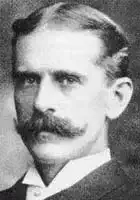
Henry Van Dyke
The Proud Lady
The Proud Lady
When Stiivoren town was in its prime
And queened the Zuyder Zee,
Its ships went out to every clime
With costly merchantry.
A lady dwelt in that rich town,
The fairest in all the land;
She walked abroad in a velvet gown,
With many rings on her hand.
Her hair was bright as the beaten gold,
Her lips as coral red,
Her roving eyes were blue and bold,
And her heart with pride was fed.
For she was proud of her father's ships,
As she watched them gayly pass;
And pride looked out of her eyes and lips
When she saw herself in the glass.
"Now come," she said to the captains ten,
Who were ready to put to sea,
"Ye are all my men and my father's men,
And what will ye do for me?"
"Go north and south, go east and west,
And get me gifts," she said.
"And he who bringeth me home the best,
With that man will I wed."
So they all fared forth, and sought with care
In many a famous mart,
For satins and silks and jewels rare,
To win that lady's heart.
She looked at them all with never a thought,
And careless put them by;
"I am not fain of the things ye brought,
Enough of these have I."
The last that came was the head of the fleet,
His name was Jan Borel;
He bent his knee at the lady's feet,--
In truth he loved her well.
"I've brought thee home the best i' the world,
A shipful of Danzig corn!"
She stared at him long; her red lips curled,
Her blue eyes filled with scorn.
"Now out on thee, thou feckless kerl,
A loon thou art," she said.
"Am I a starving beggar girl?
Shall I ever lack for bread?"
"Go empty all thy sacks of grain
Into the nearest sea,
And never show thy face again
To make a mock of me."
Then Jan Borel, he hoisted sail,
And out to sea he bore;
He passed the Helder in a gale
And came again no more.
But the grains of corn went drifting down
Like devil-scattered seed,
To sow the harbor of the town
With a wicked growth of weed.
The roots were thick and the silt and sand
Were gathered day by day,
Till not a furlong out from land
A shoal had barred the way.
Then Stavoren town saw evil years,
No ships could out or in,
The boats lay rotting at the piers,
And the mouldy grain in the bin.
The grass-grown streets were all forlorn,
The town in ruin stood,
The lady's velvet gown was torn,
Her rings were sold for food.
Her father had perished long ago,
But the lady held her pride,
She walked with a scornful step and slow,
Till at last in her rags she died.
Yet still on the crumbling piers of the town,
When the midnight moon shines free,
woman walks in a velvet gown
And scatters corn in the sea.
When Stiivoren town was in its prime
And queened the Zuyder Zee,
Its ships went out to every clime
With costly merchantry.
A lady dwelt in that rich town,
The fairest in all the land;
She walked abroad in a velvet gown,
With many rings on her hand.
Her hair was bright as the beaten gold,
Her lips as coral red,
Her roving eyes were blue and bold,
And her heart with pride was fed.
For she was proud of her father's ships,
As she watched them gayly pass;
And pride looked out of her eyes and lips
When she saw herself in the glass.
"Now come," she said to the captains ten,
Who were ready to put to sea,
"Ye are all my men and my father's men,
And what will ye do for me?"
"Go north and south, go east and west,
And get me gifts," she said.
"And he who bringeth me home the best,
With that man will I wed."
So they all fared forth, and sought with care
In many a famous mart,
For satins and silks and jewels rare,
To win that lady's heart.
She looked at them all with never a thought,
And careless put them by;
"I am not fain of the things ye brought,
Enough of these have I."
The last that came was the head of the fleet,
His name was Jan Borel;
He bent his knee at the lady's feet,--
In truth he loved her well.
"I've brought thee home the best i' the world,
A shipful of Danzig corn!"
She stared at him long; her red lips curled,
Her blue eyes filled with scorn.
"Now out on thee, thou feckless kerl,
A loon thou art," she said.
"Am I a starving beggar girl?
Shall I ever lack for bread?"
"Go empty all thy sacks of grain
Into the nearest sea,
And never show thy face again
To make a mock of me."
Then Jan Borel, he hoisted sail,
And out to sea he bore;
He passed the Helder in a gale
And came again no more.
But the grains of corn went drifting down
Like devil-scattered seed,
To sow the harbor of the town
With a wicked growth of weed.
The roots were thick and the silt and sand
Were gathered day by day,
Till not a furlong out from land
A shoal had barred the way.
Then Stavoren town saw evil years,
No ships could out or in,
The boats lay rotting at the piers,
And the mouldy grain in the bin.
The grass-grown streets were all forlorn,
The town in ruin stood,
The lady's velvet gown was torn,
Her rings were sold for food.
Her father had perished long ago,
But the lady held her pride,
She walked with a scornful step and slow,
Till at last in her rags she died.
Yet still on the crumbling piers of the town,
When the midnight moon shines free,
woman walks in a velvet gown
And scatters corn in the sea.
318
Henry Van Dyke
The Glory of Ships
The Glory of Ships
The glory of ships is an old, old song,
since the days when the sea-rovers ran
In their open boats through the roaring surf,
and the spread of the world began;
The glory of ships is a light on the sea,
and a star in the story of man.
When Homer sang of the galleys of Greece
that conquered the Trojan shore,
And Solomon lauded the barks of Tyre that
brought great wealth to his door,
'Twas little they knew, those ancient men,
what would come of the sail and the oar.
The Greek ships rescued the West from the East,
when they harried the Persians home;
And the Roman ships were the wings of strength
that bore up the empire, Rome;
And the ships of Spain found a wide new world,
far over the fields of foam.
Then the tribes of courage at last saw clear
that the ocean was not a bound,
But a broad highway, and a challenge to seek
for treasure as yet unfound;
So the fearless ships fared forth to the search,
in joy that the globe was round.
Their hulls were heightened, their sails spread out,
they grew with the growth of their quest;
They opened the secret doors of the East,
and the golden gates of the West;
And many a city of high renown
was proud of a ship on its crest.
The fleets of England and Holland and France
were at strife with each other and Spain;
And battle and storm sent a myriad ships
to sleep in the depths of the main;
But the seafaring spirit could never be drowned,
and it filled up the fleets again.
They greatened and grew, with the aid of steam,
to a wonderful, vast array,
That carries the thoughts and the traffic of men
into every harbor and bay;
And now in the world-wide work of the ships
'tis England that leads the way.
O well for the leading that follows the law
of a common right on the sea!
But ill for the leader who tries to hold
what belongs to mankind in fee!
The way of the ships is an open way,
and the ocean must ever be free!
Remember, O first of the maritime folk,
how the rise of your greatness began.
It will live if you safeguard the round-the-world road
from the shame of a selfish ban;
For the glory of ships is a light on the sea,
and a star in the story of man!
The glory of ships is an old, old song,
since the days when the sea-rovers ran
In their open boats through the roaring surf,
and the spread of the world began;
The glory of ships is a light on the sea,
and a star in the story of man.
When Homer sang of the galleys of Greece
that conquered the Trojan shore,
And Solomon lauded the barks of Tyre that
brought great wealth to his door,
'Twas little they knew, those ancient men,
what would come of the sail and the oar.
The Greek ships rescued the West from the East,
when they harried the Persians home;
And the Roman ships were the wings of strength
that bore up the empire, Rome;
And the ships of Spain found a wide new world,
far over the fields of foam.
Then the tribes of courage at last saw clear
that the ocean was not a bound,
But a broad highway, and a challenge to seek
for treasure as yet unfound;
So the fearless ships fared forth to the search,
in joy that the globe was round.
Their hulls were heightened, their sails spread out,
they grew with the growth of their quest;
They opened the secret doors of the East,
and the golden gates of the West;
And many a city of high renown
was proud of a ship on its crest.
The fleets of England and Holland and France
were at strife with each other and Spain;
And battle and storm sent a myriad ships
to sleep in the depths of the main;
But the seafaring spirit could never be drowned,
and it filled up the fleets again.
They greatened and grew, with the aid of steam,
to a wonderful, vast array,
That carries the thoughts and the traffic of men
into every harbor and bay;
And now in the world-wide work of the ships
'tis England that leads the way.
O well for the leading that follows the law
of a common right on the sea!
But ill for the leader who tries to hold
what belongs to mankind in fee!
The way of the ships is an open way,
and the ocean must ever be free!
Remember, O first of the maritime folk,
how the rise of your greatness began.
It will live if you safeguard the round-the-world road
from the shame of a selfish ban;
For the glory of ships is a light on the sea,
and a star in the story of man!
360

Henry Lawson
Who’ll Wear the Beaten Colours?
Who’ll Wear the Beaten Colours?
Who’ll wear the beaten colours—and cheer the beaten men?
Who’ll wear the beaten colours, till our time comes again?
Where sullen crowds are densest, and fickle as the sea,
Who’ll wear the beaten colours, and wear them home with me?
We closed the bars and gambling dens and voted straight and clean,
Our women walked while motor cars were whirling round the scene,
The Potts Point Vote was one for Greed and Ease and Luxury
With all to hold, and coward gold, and beaten folk are we.
Who’ll wear the beaten colours, with hands and pockets clean?
(I wore the beaten colours since I was seventeen)
I wore them up, and wore them down, Outback and across the sea—
Who’ll wear the beaten colours, and wear them home with me?
We wore them back from Ladysmith to where the peace was signed,
And wore them through the London streets where Jingoes howled behind.
We wore them to the Queen’s Hall, while England yelled “Pro-Boers!”
And sat them over victory while London banged the doors.1
We wore them from Port Arthur round till all sunk in the sea—
(Who’ll wear the white man’s colours, and wear them home with me?)
I’ve worn them through with gentlemen, with work-slaves and alone—
Who’ll wear the beaten colours, boys, and wear them on his own?
There’s one would look with startled eyes and shrink while I caressed,
Came I not with the colours of the conquered on my breast.
And twenty thousand Bushmen would stand with hands behind
And scorn in all their faces for the coward of his kind.
Who’ll wear the beaten colours and raise the voice they drowned—
It may be when we march again, they’ll bear some other sound—
Who’ll pin the beaten colours on and drive the beaten pen—
It may be other steel and ink when we march out again.
Who’ll wear the beaten colours—and cheer the beaten men?
Who’ll wear the beaten colours, till our time comes again?
Where sullen crowds are densest, and fickle as the sea,
Who’ll wear the beaten colours, and wear them home with me?
We closed the bars and gambling dens and voted straight and clean,
Our women walked while motor cars were whirling round the scene,
The Potts Point Vote was one for Greed and Ease and Luxury
With all to hold, and coward gold, and beaten folk are we.
Who’ll wear the beaten colours, with hands and pockets clean?
(I wore the beaten colours since I was seventeen)
I wore them up, and wore them down, Outback and across the sea—
Who’ll wear the beaten colours, and wear them home with me?
We wore them back from Ladysmith to where the peace was signed,
And wore them through the London streets where Jingoes howled behind.
We wore them to the Queen’s Hall, while England yelled “Pro-Boers!”
And sat them over victory while London banged the doors.1
We wore them from Port Arthur round till all sunk in the sea—
(Who’ll wear the white man’s colours, and wear them home with me?)
I’ve worn them through with gentlemen, with work-slaves and alone—
Who’ll wear the beaten colours, boys, and wear them on his own?
There’s one would look with startled eyes and shrink while I caressed,
Came I not with the colours of the conquered on my breast.
And twenty thousand Bushmen would stand with hands behind
And scorn in all their faces for the coward of his kind.
Who’ll wear the beaten colours and raise the voice they drowned—
It may be when we march again, they’ll bear some other sound—
Who’ll pin the beaten colours on and drive the beaten pen—
It may be other steel and ink when we march out again.
167
Henry Lawson
When The Duke of Clarence Died
When The Duke of Clarence Died
Let us sing in tear-choked numbers how the Duke of Clarence went,
Just to make a royal sorrow rather more pre-eminent.
Ladies sighed and sobbed and drivelled—toadies spoke with bated breath,
And the banners floating half-mast made a mockery of death,
And they said Australia sorrowed for the Prince’s death—they lied!
She had done with kings and princes ere the Duke of Clarence died.
What’s a death in lofty places? What’s a noble birth?—say I—
To the poor who die in hundreds, as a man should never die?
Can they shed a tear, or sorrow for a royal dunce’s fate?
No! for royalty has taught them how to sing the songs of hate;
O’er the sounds of grief in Europe, and the lands across the tide
Rose the growl of revolution, when the Duke of Clarence died.
We—it matters not how lonely our o’er-burdened lives are spent—
Claim in common with a Clarence, straight from Adam our descent!
Even the man they call a “bastard” has a lineage to himself,
Though he traces not his fathers through the sordid line of Guelph,
And, perhaps in some foul garret in his misery and pride,
One of Nature’s Kings was dying when the Duke of Clarence died.
Ah! the workgirl’s bloodless fingers, in the plundered human hive,
Sew the banners of rebellion, while the kings and princes thrive;
In the cold of northern winter—in the south in dust and heat—
Weary workmen preach sedition at the corners of the street.
They pre-eminent in sorrow! ’tis pre-eminence in cheek;
We shall hear what care and pain is when the slums begin to speak;
Hundreds starved to pay the shadow of a crown upon his head!
Yellow gold (at last impotent) fought with death beside his bed.
And, perhaps, a Prince of Nature sat despairing by the side
Of a noble mother STARVING when the Duke of Clarence died.
Ignoble living—splendid dead! behold the pomp of royal woe!
Lo, the funeral! battle-hero never yet was buried so.
Who and what was he? What has he done to benefit mankind?
Has he nought to show Saint Peter save a royal race behind?
Who is worthy? Who is noble? God! shall gold alone decide?
Better men like dogs were buried ere the Duke of Clarence died.
Thrones of earth and earthly rulers soon shall all be swept aside,
And ’twere better for his comfort that the Duke of Clarence died.
Let us sing in tear-choked numbers how the Duke of Clarence went,
Just to make a royal sorrow rather more pre-eminent.
Ladies sighed and sobbed and drivelled—toadies spoke with bated breath,
And the banners floating half-mast made a mockery of death,
And they said Australia sorrowed for the Prince’s death—they lied!
She had done with kings and princes ere the Duke of Clarence died.
What’s a death in lofty places? What’s a noble birth?—say I—
To the poor who die in hundreds, as a man should never die?
Can they shed a tear, or sorrow for a royal dunce’s fate?
No! for royalty has taught them how to sing the songs of hate;
O’er the sounds of grief in Europe, and the lands across the tide
Rose the growl of revolution, when the Duke of Clarence died.
We—it matters not how lonely our o’er-burdened lives are spent—
Claim in common with a Clarence, straight from Adam our descent!
Even the man they call a “bastard” has a lineage to himself,
Though he traces not his fathers through the sordid line of Guelph,
And, perhaps in some foul garret in his misery and pride,
One of Nature’s Kings was dying when the Duke of Clarence died.
Ah! the workgirl’s bloodless fingers, in the plundered human hive,
Sew the banners of rebellion, while the kings and princes thrive;
In the cold of northern winter—in the south in dust and heat—
Weary workmen preach sedition at the corners of the street.
They pre-eminent in sorrow! ’tis pre-eminence in cheek;
We shall hear what care and pain is when the slums begin to speak;
Hundreds starved to pay the shadow of a crown upon his head!
Yellow gold (at last impotent) fought with death beside his bed.
And, perhaps, a Prince of Nature sat despairing by the side
Of a noble mother STARVING when the Duke of Clarence died.
Ignoble living—splendid dead! behold the pomp of royal woe!
Lo, the funeral! battle-hero never yet was buried so.
Who and what was he? What has he done to benefit mankind?
Has he nought to show Saint Peter save a royal race behind?
Who is worthy? Who is noble? God! shall gold alone decide?
Better men like dogs were buried ere the Duke of Clarence died.
Thrones of earth and earthly rulers soon shall all be swept aside,
And ’twere better for his comfort that the Duke of Clarence died.
236
Henry Lawson
Victory
Victory
The schools marched in procession in happiness and pride,
The city bands before them, the soldiers marched beside;
Oh, starched white frocks and sashes and suits that high schools wear,
The boy scout and the boy lout and all the rest were there,
And all flags save Australia's flag waved high in sun and air!
The Girls' High School, and Grammar School and colleges of stone
Flew all flags from their walls and towers – all flags except our own!
And down here in the alleys where Premiers never come,
Nor candidate, nor delegate, nor sound of fife and drum,
They packed them on the lorries, seared children of the slum.
Each face seemed soiled and faded, though scrubbed with household soap,
And older than a mother-face, but with less sign of hope:
The knowledge of things evil, of drunken wreck and hag,
Of sordid sounds and voices, the everlasting "nag" –
Oh, men without a battle-song! Oh, men without a flag!
They breed a nation's strength behind each shabby little door,
Where rent-collectors knock for aye, and Christ shall knock no more;
The sounds that hurt the mother's heart affright the children there –
Alarm-clocks on an empty tin, the tin tray on a chair;
For weary folk are hard to wake in hot and heavy air.
They sang in Pride's Procession that Mammon might endure –
Oh, wistful singing faces, the children of the poor!
Oh, hideous fiends of commerce! Oh, ghouls of business strife!
I wait the coming of the things to wake the land to life;
The flag without a cross or bar, the drum without a fife!
The schools marched in procession in happiness and pride,
The city bands before them, the soldiers marched beside;
Oh, starched white frocks and sashes and suits that high schools wear,
The boy scout and the boy lout and all the rest were there,
And all flags save Australia's flag waved high in sun and air!
The Girls' High School, and Grammar School and colleges of stone
Flew all flags from their walls and towers – all flags except our own!
And down here in the alleys where Premiers never come,
Nor candidate, nor delegate, nor sound of fife and drum,
They packed them on the lorries, seared children of the slum.
Each face seemed soiled and faded, though scrubbed with household soap,
And older than a mother-face, but with less sign of hope:
The knowledge of things evil, of drunken wreck and hag,
Of sordid sounds and voices, the everlasting "nag" –
Oh, men without a battle-song! Oh, men without a flag!
They breed a nation's strength behind each shabby little door,
Where rent-collectors knock for aye, and Christ shall knock no more;
The sounds that hurt the mother's heart affright the children there –
Alarm-clocks on an empty tin, the tin tray on a chair;
For weary folk are hard to wake in hot and heavy air.
They sang in Pride's Procession that Mammon might endure –
Oh, wistful singing faces, the children of the poor!
Oh, hideous fiends of commerce! Oh, ghouls of business strife!
I wait the coming of the things to wake the land to life;
The flag without a cross or bar, the drum without a fife!
314
Henry Lawson
Untitled
Untitled
When his heart is growing bitter and his hair is growing grey,
And he hears the debt-collector knocking several times a day,
And the shrill voice of the Missus, blame, reiterate, accuse—
Then the poet who was famous feels inclined to damn the muse— .....
When he hears a sudden rapping—rapping at his chamber door,
Then he knows it's no good trying to write poems any more,
Then he bursts from out his chamber and he grabs his battered hat,
And he cadges Two Bob somewhere and gets beered up on his pat.
When his heart is growing bitter and his hair is growing grey,
And he hears the debt-collector knocking several times a day,
And the shrill voice of the Missus, blame, reiterate, accuse—
Then the poet who was famous feels inclined to damn the muse— .....
When he hears a sudden rapping—rapping at his chamber door,
Then he knows it's no good trying to write poems any more,
Then he bursts from out his chamber and he grabs his battered hat,
And he cadges Two Bob somewhere and gets beered up on his pat.
257
Henry Lawson
To-Morrow
To-Morrow
When you’re suffering hard for your sins, old man,
When you wake to trouble and sleep ill—
Oh, this is the clack of the middle class,
‘Win back the respect of the people!’
You are weak, you’re a fool, or a drunken brute
When you’re deep in trouble and sorrow;
But walk down the street in a decent suit,
And their hats will be off to-morrow! Old Chap—
And their hats will be off to-morrow!
They cant and they cackle—‘Redeem the Past!’
Who never had past worth redeeming:
Your soul seems dead, but you’ll find at last
That somewhere your soul lay dreaming.
You may stagger down-hill in a beer-stained coat,
You may loaf, you may cadge and borrow—
But walk down the street with a ten-pound note
And their hats will be off to-morrow! Old Man—
Yes, their hats will be off to-morrow!
But stick to it, man! for your old self’s sake,
Though to brood on the past is human;
Hold up for the sake of the mate who was true,
And the sake of the Other Woman.
And as for the rest, you may take off your hat
And banish all signs of sorrow;
You may take their hands, but in spite of that,
Can they win your respect to-morrow? Old Man—
Can they win your respect to-morrow?
When you’re suffering hard for your sins, old man,
When you wake to trouble and sleep ill—
Oh, this is the clack of the middle class,
‘Win back the respect of the people!’
You are weak, you’re a fool, or a drunken brute
When you’re deep in trouble and sorrow;
But walk down the street in a decent suit,
And their hats will be off to-morrow! Old Chap—
And their hats will be off to-morrow!
They cant and they cackle—‘Redeem the Past!’
Who never had past worth redeeming:
Your soul seems dead, but you’ll find at last
That somewhere your soul lay dreaming.
You may stagger down-hill in a beer-stained coat,
You may loaf, you may cadge and borrow—
But walk down the street with a ten-pound note
And their hats will be off to-morrow! Old Man—
Yes, their hats will be off to-morrow!
But stick to it, man! for your old self’s sake,
Though to brood on the past is human;
Hold up for the sake of the mate who was true,
And the sake of the Other Woman.
And as for the rest, you may take off your hat
And banish all signs of sorrow;
You may take their hands, but in spite of that,
Can they win your respect to-morrow? Old Man—
Can they win your respect to-morrow?
244
Henry Lawson
The Pavement Stones :A Song of the Unemployed
The Pavement Stones :A Song of the Unemployed
WHEN first I came to town, resolved
To fight my way alone,
No prouder foot than mine e’er trod
Upon the pavement stone;
But I am one in thousands,
And why should I repine?
The pavement stones have broken springs
In stronger feet than mine.
I brought to aid me all the hope
And energy of youth;
And in my heart I felt the strength
Of plain bucolic truth:
The independence nourished
Amid the hills and trees—
But, ah! the city hath a cure
For qualities like these.
I wonder oft how e’er I made
The efforts that I made,
For after three long weary years
I taught myself a trade.
And two more years and I was free
With strength and hope elate,
For “he that hath a trade,” they say,
“Hath also an estate.”
I tramped the streets and looked for work
And begged for work in vain,
Until I recked not, though I ne’er
Might touch my tools again.
I tramped the streets despairing;
My cheeks grew white and thin;
I felt the pavement wearing through
The leather, sock, and skin.
The bitter war goes on between
The idlers and the drones,
Until the hearts of men grow cold
And hard as pavement stones;
But I am one amid the crowd,
Then why should I repine?
The pavement stones have broken springs
In stronger feet than mine.
WHEN first I came to town, resolved
To fight my way alone,
No prouder foot than mine e’er trod
Upon the pavement stone;
But I am one in thousands,
And why should I repine?
The pavement stones have broken springs
In stronger feet than mine.
I brought to aid me all the hope
And energy of youth;
And in my heart I felt the strength
Of plain bucolic truth:
The independence nourished
Amid the hills and trees—
But, ah! the city hath a cure
For qualities like these.
I wonder oft how e’er I made
The efforts that I made,
For after three long weary years
I taught myself a trade.
And two more years and I was free
With strength and hope elate,
For “he that hath a trade,” they say,
“Hath also an estate.”
I tramped the streets and looked for work
And begged for work in vain,
Until I recked not, though I ne’er
Might touch my tools again.
I tramped the streets despairing;
My cheeks grew white and thin;
I felt the pavement wearing through
The leather, sock, and skin.
The bitter war goes on between
The idlers and the drones,
Until the hearts of men grow cold
And hard as pavement stones;
But I am one amid the crowd,
Then why should I repine?
The pavement stones have broken springs
In stronger feet than mine.
234
Henry Lawson
The Old Stockman's Lament
The Old Stockman's Lament
Wrap me up in me stockwhip and blanket,
And bury me deep down below,
Where this piffle and sham won’t disgust me,
In the land where the coolibahs grow;
For I’ve stayed with some well-to-do people,
And I’ve dined with some middle-class folk;
And I’ve sorrowed by clock-tower and steeple
Till my heart for the Commonwealth’s broke.
They have flown in another direction,
Who used to clack-clack by the hour
Of “this awful Freetrade and Protection,”
Of our dear darling member “in power,”
And the Higher Religion for Dossers,
And the Need of an Object for Drunks—
Now they’re all of them Red or Blue Crossers,
With their tails sticking out of their trunks.
There are citified Martins in dozens—
The Darling Point Martins the pick—
Who used to be horrified cousins
Of a Martin we knew as “Mad Mick.”
He is hanging out somewhere where French is;
But they heard he’d enlisted—somehow,
And ’twould paralyse Mick in the trenches
To know how he’s glorified now.
You remember the George Henry Crosses?
They’ve packed up twelve trunks in despair.
He’s the boss of the back-station bosses,
And Ernie’s the son and the heir.
He has never put hands on a wether,
Nor heard a pithed store-bullock grunt;
So they’re taking the mailboat to England
To see Ernie safe to the Front.
And each of the war-going parsons
Costs many a heart-breaking tear—
Like that caddish young cub of old Carson’s,
All found and four hundred a year.
He feels not a word that he preaches,
But he will not be criticised there,
Where, out where the flying shell screeches,
Poor Tommy must fight, sweat and swear.
“Our relatives, too” (hang the Censor!)
Each girl has a tear on her cheek.
Cousin Roger has gone as dispenser
(Expenses and three pounds a week.
More risky than list’ning to sermons,
As some of our fellows will find,
Is a fierce fortnight’s fight with the Germans
In front—and with Roger behind.)
And the Girls, they are writing like blazes,
And Auntie is moaning like hell;
And I wish I was under the daisies—
Or the bluegum would do just as well.
So I want to be wropped in me blanket,
And buried down—deep down—below;
Where this cant and this cackle won’t reach me—
In the land where the coolibahs grow.
Wrap me up in me stockwhip and blanket,
And bury me deep down below,
Where this piffle and sham won’t disgust me,
In the land where the coolibahs grow;
For I’ve stayed with some well-to-do people,
And I’ve dined with some middle-class folk;
And I’ve sorrowed by clock-tower and steeple
Till my heart for the Commonwealth’s broke.
They have flown in another direction,
Who used to clack-clack by the hour
Of “this awful Freetrade and Protection,”
Of our dear darling member “in power,”
And the Higher Religion for Dossers,
And the Need of an Object for Drunks—
Now they’re all of them Red or Blue Crossers,
With their tails sticking out of their trunks.
There are citified Martins in dozens—
The Darling Point Martins the pick—
Who used to be horrified cousins
Of a Martin we knew as “Mad Mick.”
He is hanging out somewhere where French is;
But they heard he’d enlisted—somehow,
And ’twould paralyse Mick in the trenches
To know how he’s glorified now.
You remember the George Henry Crosses?
They’ve packed up twelve trunks in despair.
He’s the boss of the back-station bosses,
And Ernie’s the son and the heir.
He has never put hands on a wether,
Nor heard a pithed store-bullock grunt;
So they’re taking the mailboat to England
To see Ernie safe to the Front.
And each of the war-going parsons
Costs many a heart-breaking tear—
Like that caddish young cub of old Carson’s,
All found and four hundred a year.
He feels not a word that he preaches,
But he will not be criticised there,
Where, out where the flying shell screeches,
Poor Tommy must fight, sweat and swear.
“Our relatives, too” (hang the Censor!)
Each girl has a tear on her cheek.
Cousin Roger has gone as dispenser
(Expenses and three pounds a week.
More risky than list’ning to sermons,
As some of our fellows will find,
Is a fierce fortnight’s fight with the Germans
In front—and with Roger behind.)
And the Girls, they are writing like blazes,
And Auntie is moaning like hell;
And I wish I was under the daisies—
Or the bluegum would do just as well.
So I want to be wropped in me blanket,
And buried down—deep down—below;
Where this cant and this cackle won’t reach me—
In the land where the coolibahs grow.
241
Henry Lawson
The Men Who Made Australia
The Men Who Made Australia
There'll be royal times in Sydney for the Cuff and Collar Push,
There’ll be lots of dreary drivel and clap-trap
From the men who own Australia, but who never knew the Bush,
And who could not point their runs out on the map.
Oh, the daily Press will grovel as it never did before,
There’ll be many flags of welcome in the air,
And the Civil Service poet, he shall write odes by the score—
But the men who made the land will not be there.
You shall meet the awful Lady of the latest Birthday Knight—
(She is trying to be English, don’t-cher-know?)
You shall hear the empty mouthing of the champion blatherskite,
You shall hear the boss of local drapers blow.
There’ll be ‘majahs’ from the counter, tailors’ dummies from the fleet,
And to represent Australia here to-day,
There’s the today with his card-case and his cab in Downing-street;
But the men who made Australia—where are they?
Call across the blazing sand wastes of the Never-Never Land!
There are some who will not answer yet awhile,
Some whose bones rot in the mulga or lie bleaching on the sand,
Died of thirst to win the land another mile.
Thrown from horses, ripped by cattle, lost on deserts; and the weak,
Mad through loneliness or drink (no matter which),
Drowned in floods or dead of fever by the sluggish slimy creek—
These are men who died to make the Wool-Kings rich.
Call across the scrubby ridges where they clear the barren soil,
And the gaunt Bush-women share the work of men—
Toil and loneliness for ever—hardship, loneliness and toil—
Where the brave drought-ruined farmer starts again!
Call across the boundless sheep-runs of a country cursed for sheep—
Call across the awful scrublands west of Bourke!
But they have no time to listen—they have scarcely time to sleep—
For the men who conquer deserts have to work.
Dragged behind the crawling sheep-flock on the hot and dusty plain,
They must make a cheque to feed the wife and kids—
Riding night-watch round the cattle in the pelting, freezing rain,
While world-weariness is pressing down the lids.
And away on far out-stations, seldom touched by Heaven’s breath,
In a loneliness that smothers love and hate—
Where they never take white women—there they live the living death
With a half-caste or a black-gin for a mate.
They must toil to save the gaunt stock in the blazing months of drought,
When the stinging, blinding blight is in men’s eyes—
On the wretched, burnt selections, on the big runs further out
Where the sand-storm rises lurid to the skies.
Not to profit when the grass is waving waist-high after rain,
And the mighty clip of wool comes rolling in—
For the Wool-King goes to Paris with his family again
And the gold that souls are sacrificed to win.
There are carriages in waiting for the swells from over-sea,
There are banquets in the latest London style,
While the men who made Australia live on damper, junk and tea—
But the quiet voices whisper, ‘Wait a while!’
For the sons of all Australia, they were born to conquer fate—
And, where charity and friendship are sincere,
Where a sinner is a brother and a stranger is a mate,
There the future of a nation’s written clear.
Aye, the cities claim the triumphs of a land they do not know,
But all empty is the day they celebrate!
For the men who made Australia federated long ago,
And the men to rule Australia—they can wait.
Though the bed may be the rough bunk or the gum leaves or the sand,
And the roof for half the year may be the sky—
There are men amongst the Bushmen who were born to save the land!
And they’ll take their places sternly by-and-by.
There’s a whisper on the desert though the sunset breeze hath died
In the scrubs, though not a breath to stir a bough,
There’s a murmur, not of waters, down the Lachlan River side,
’Tis the spirit of Australia waking now!
There’s the weird hymn of the drought-night on the western water-shed,
Where the beds of unlocked rivers crack and parch;
’Tis the dead that we have buried, and our great unburied dead,
Who are calling now on living men to march!
Round the camp fire of the fencers by the furthest panel west,
In the men’s hut by the muddy billabong,
On the Great North-Western Stock-routes where the drovers never rest,
They are sorting out the right things from the wrong.
In the shearers’ hut the slush lamp shows a haggard, stern-faced man
Preaching war against the Wool-King to his mates;
And wherever go the billy, water-bag and frying-pan,
They are drafting future histories of states!
There'll be royal times in Sydney for the Cuff and Collar Push,
There’ll be lots of dreary drivel and clap-trap
From the men who own Australia, but who never knew the Bush,
And who could not point their runs out on the map.
Oh, the daily Press will grovel as it never did before,
There’ll be many flags of welcome in the air,
And the Civil Service poet, he shall write odes by the score—
But the men who made the land will not be there.
You shall meet the awful Lady of the latest Birthday Knight—
(She is trying to be English, don’t-cher-know?)
You shall hear the empty mouthing of the champion blatherskite,
You shall hear the boss of local drapers blow.
There’ll be ‘majahs’ from the counter, tailors’ dummies from the fleet,
And to represent Australia here to-day,
There’s the today with his card-case and his cab in Downing-street;
But the men who made Australia—where are they?
Call across the blazing sand wastes of the Never-Never Land!
There are some who will not answer yet awhile,
Some whose bones rot in the mulga or lie bleaching on the sand,
Died of thirst to win the land another mile.
Thrown from horses, ripped by cattle, lost on deserts; and the weak,
Mad through loneliness or drink (no matter which),
Drowned in floods or dead of fever by the sluggish slimy creek—
These are men who died to make the Wool-Kings rich.
Call across the scrubby ridges where they clear the barren soil,
And the gaunt Bush-women share the work of men—
Toil and loneliness for ever—hardship, loneliness and toil—
Where the brave drought-ruined farmer starts again!
Call across the boundless sheep-runs of a country cursed for sheep—
Call across the awful scrublands west of Bourke!
But they have no time to listen—they have scarcely time to sleep—
For the men who conquer deserts have to work.
Dragged behind the crawling sheep-flock on the hot and dusty plain,
They must make a cheque to feed the wife and kids—
Riding night-watch round the cattle in the pelting, freezing rain,
While world-weariness is pressing down the lids.
And away on far out-stations, seldom touched by Heaven’s breath,
In a loneliness that smothers love and hate—
Where they never take white women—there they live the living death
With a half-caste or a black-gin for a mate.
They must toil to save the gaunt stock in the blazing months of drought,
When the stinging, blinding blight is in men’s eyes—
On the wretched, burnt selections, on the big runs further out
Where the sand-storm rises lurid to the skies.
Not to profit when the grass is waving waist-high after rain,
And the mighty clip of wool comes rolling in—
For the Wool-King goes to Paris with his family again
And the gold that souls are sacrificed to win.
There are carriages in waiting for the swells from over-sea,
There are banquets in the latest London style,
While the men who made Australia live on damper, junk and tea—
But the quiet voices whisper, ‘Wait a while!’
For the sons of all Australia, they were born to conquer fate—
And, where charity and friendship are sincere,
Where a sinner is a brother and a stranger is a mate,
There the future of a nation’s written clear.
Aye, the cities claim the triumphs of a land they do not know,
But all empty is the day they celebrate!
For the men who made Australia federated long ago,
And the men to rule Australia—they can wait.
Though the bed may be the rough bunk or the gum leaves or the sand,
And the roof for half the year may be the sky—
There are men amongst the Bushmen who were born to save the land!
And they’ll take their places sternly by-and-by.
There’s a whisper on the desert though the sunset breeze hath died
In the scrubs, though not a breath to stir a bough,
There’s a murmur, not of waters, down the Lachlan River side,
’Tis the spirit of Australia waking now!
There’s the weird hymn of the drought-night on the western water-shed,
Where the beds of unlocked rivers crack and parch;
’Tis the dead that we have buried, and our great unburied dead,
Who are calling now on living men to march!
Round the camp fire of the fencers by the furthest panel west,
In the men’s hut by the muddy billabong,
On the Great North-Western Stock-routes where the drovers never rest,
They are sorting out the right things from the wrong.
In the shearers’ hut the slush lamp shows a haggard, stern-faced man
Preaching war against the Wool-King to his mates;
And wherever go the billy, water-bag and frying-pan,
They are drafting future histories of states!
227
Henry Lawson
The Legend of Mammon Castle
The Legend of Mammon Castle
IN THE days that will be olden after many years are gone,
Ere the world emerged from darkness floating out into the dawn,
On a mountain rising steeply from the depth of marsh and wood
Raised in scorn above the lowlands Mammon Castle proudly stood—
Mammon Castle, built of marble that was cut and reared with pain
By the poor and starving wretches who were serfs on that domain—
All the jewel-studded windows shone at sunset like a fire,
And a diamond was flashing from the needle of the spire.
Now the nobles held the castle by a title that was old,
And they drank from crystal goblets and they ate from plates of gold;
The coffers of the castle they were plenished by the thralls,
And many were the revels that were held in Mammon’s halls.
And the plunder from the toilers more than paid for silks and wine,
So the flower-beds were bordered with the jewels of the mine,
All the serfs were taught to worship both the lady and the lord,
And the nobles taught their children to be wiser far than God.
But a vassal preached sedition and in a gloomy hour
Came the wild and haggard vassals to the gate of Mammon Tower;
They asked for food and shelter and were answered by a blow,
And, rising in their anger, soon they laid the castle low.
The jewels of the castle went to buy the people bread,
And according to his labour was the toiler clothed and fed.
And with the wood and marble—my dreaming tells me so—
Many little homes were builded in the valleys down below.
IN THE days that will be olden after many years are gone,
Ere the world emerged from darkness floating out into the dawn,
On a mountain rising steeply from the depth of marsh and wood
Raised in scorn above the lowlands Mammon Castle proudly stood—
Mammon Castle, built of marble that was cut and reared with pain
By the poor and starving wretches who were serfs on that domain—
All the jewel-studded windows shone at sunset like a fire,
And a diamond was flashing from the needle of the spire.
Now the nobles held the castle by a title that was old,
And they drank from crystal goblets and they ate from plates of gold;
The coffers of the castle they were plenished by the thralls,
And many were the revels that were held in Mammon’s halls.
And the plunder from the toilers more than paid for silks and wine,
So the flower-beds were bordered with the jewels of the mine,
All the serfs were taught to worship both the lady and the lord,
And the nobles taught their children to be wiser far than God.
But a vassal preached sedition and in a gloomy hour
Came the wild and haggard vassals to the gate of Mammon Tower;
They asked for food and shelter and were answered by a blow,
And, rising in their anger, soon they laid the castle low.
The jewels of the castle went to buy the people bread,
And according to his labour was the toiler clothed and fed.
And with the wood and marble—my dreaming tells me so—
Many little homes were builded in the valleys down below.
208
Henry Lawson
The Bursting of the Boom
The Bursting of the Boom
The shipping-office clerks are ‘short,’ the manager is gruff—
‘They cannot make reductions,’ and ‘the fares are low enough.’
They ship us West with cattle, and we go like cattle too;
And fight like dogs three times a day for what we get to chew. . . .
We’ll have the pick of empty bunks and lots of stretching room,
And go for next to nothing at the Bursting of the Boom.
So wait till the Boom bursts!—we’ll all get a show:
Then when the Boom bursts is our time to go.
We’ll meet ’em coming back in shoals, with looks of deepest gloom,
But we’re the sort that battle through at the Bursting of the Boom.
The captain’s easy-going when Fremantle comes in sight;
He can’t say when you’ll get ashore—perhaps tomorrow night;
Your coins are few, the charges high; you must not linger here—
You’ll get your boxes from the hold when she’s ‘longside the pier.’
The launch will foul the gangway, and the trembling bulwarks loom
Above a fleet of harbour craft—at the Bursting of the Boom.
So wait till the Boom bursts!—we’ll all get a show;
He’ll ‘take you for a bob, sir,’ and where you want to go.
He’ll ‘take the big portmanteau, sir, if he might so presume’—
You needn’t hump your luggage at the Bursting of the Boom.
It’s loafers—Customs-loafers—and you pay and pay again;
They hinder you and cheat you from the gangway to the train;
The pubs and restaurants are full—they haven’t room for more;
They charge us each three shillings for a shakedown on the floor;
But, ‘Show this gentleman upstairs—the first front parlour room.
‘We’ll see about your luggage, sir’—at the Bursting of the Boom.
So wait till the Boom bursts!—we’ll all get a show;
And wait till the Boom bursts, and swear mighty low.
‘We mostly charge a pound a week. How do you like the room?’
And ‘Show this gentleman the bath’—at the Bursting of the Boom.
I go down to the timber-yard (I cannot face the rent)
To get some strips of oregon to frame my hessian tent;
To buy some scraps of lumber for a table or a shelf:
The boss comes up and says I might just look round for myself ;
The foreman grunts and turns away as silent as the tomb—
The boss himself will wait on me at the Bursting of the Boom.
So wait till the Boom bursts!—we’ll all get a load.
‘You had better take those scraps, sir, they’re only in the road.’
‘Now, where the hell’s the carter?’ you’ll hear the foreman fume;
And, ‘Take that timber round at once!’ at the Bursting of the Boom.
Each one-a-penny grocer, in his box of board and tin,
Will think it condescending to consent to take you in;
And not content with twice as much as what is just and right,
They charge and cheat you doubly, for the Boom is at its height.
It’s‘Take it now or leave it now;’ ‘your money or your room;’
But ‘Who’s attending Mr. Brown?’ at the Bursting of the Boom.
So wait till the Boom bursts!—and take what you can get,
‘There’s not the slightest hurry, and your bill ain’t ready yet.’
They’ll call and get your orders until the crack o’ doom,
And send them round directly, at the Bursting of the Boom.
No Country and no Brotherhood—such things are dead and cold;
A camp from all the lands or none, all mad for love of gold ;
Where T’othersider number one makes slave of number two,
And the vilest women of the world the vilest ways pursue;
And men go out and slave and bake and die in agony
In western hells that God forgot, where never man should be.
I feel a prophet in my heart that speaks the one word ‘Doom!’
And aye you’ll hear the Devil laugh at the Bursting of the Boom.
The shipping-office clerks are ‘short,’ the manager is gruff—
‘They cannot make reductions,’ and ‘the fares are low enough.’
They ship us West with cattle, and we go like cattle too;
And fight like dogs three times a day for what we get to chew. . . .
We’ll have the pick of empty bunks and lots of stretching room,
And go for next to nothing at the Bursting of the Boom.
So wait till the Boom bursts!—we’ll all get a show:
Then when the Boom bursts is our time to go.
We’ll meet ’em coming back in shoals, with looks of deepest gloom,
But we’re the sort that battle through at the Bursting of the Boom.
The captain’s easy-going when Fremantle comes in sight;
He can’t say when you’ll get ashore—perhaps tomorrow night;
Your coins are few, the charges high; you must not linger here—
You’ll get your boxes from the hold when she’s ‘longside the pier.’
The launch will foul the gangway, and the trembling bulwarks loom
Above a fleet of harbour craft—at the Bursting of the Boom.
So wait till the Boom bursts!—we’ll all get a show;
He’ll ‘take you for a bob, sir,’ and where you want to go.
He’ll ‘take the big portmanteau, sir, if he might so presume’—
You needn’t hump your luggage at the Bursting of the Boom.
It’s loafers—Customs-loafers—and you pay and pay again;
They hinder you and cheat you from the gangway to the train;
The pubs and restaurants are full—they haven’t room for more;
They charge us each three shillings for a shakedown on the floor;
But, ‘Show this gentleman upstairs—the first front parlour room.
‘We’ll see about your luggage, sir’—at the Bursting of the Boom.
So wait till the Boom bursts!—we’ll all get a show;
And wait till the Boom bursts, and swear mighty low.
‘We mostly charge a pound a week. How do you like the room?’
And ‘Show this gentleman the bath’—at the Bursting of the Boom.
I go down to the timber-yard (I cannot face the rent)
To get some strips of oregon to frame my hessian tent;
To buy some scraps of lumber for a table or a shelf:
The boss comes up and says I might just look round for myself ;
The foreman grunts and turns away as silent as the tomb—
The boss himself will wait on me at the Bursting of the Boom.
So wait till the Boom bursts!—we’ll all get a load.
‘You had better take those scraps, sir, they’re only in the road.’
‘Now, where the hell’s the carter?’ you’ll hear the foreman fume;
And, ‘Take that timber round at once!’ at the Bursting of the Boom.
Each one-a-penny grocer, in his box of board and tin,
Will think it condescending to consent to take you in;
And not content with twice as much as what is just and right,
They charge and cheat you doubly, for the Boom is at its height.
It’s‘Take it now or leave it now;’ ‘your money or your room;’
But ‘Who’s attending Mr. Brown?’ at the Bursting of the Boom.
So wait till the Boom bursts!—and take what you can get,
‘There’s not the slightest hurry, and your bill ain’t ready yet.’
They’ll call and get your orders until the crack o’ doom,
And send them round directly, at the Bursting of the Boom.
No Country and no Brotherhood—such things are dead and cold;
A camp from all the lands or none, all mad for love of gold ;
Where T’othersider number one makes slave of number two,
And the vilest women of the world the vilest ways pursue;
And men go out and slave and bake and die in agony
In western hells that God forgot, where never man should be.
I feel a prophet in my heart that speaks the one word ‘Doom!’
And aye you’ll hear the Devil laugh at the Bursting of the Boom.
263
Henry Lawson
Middleton's Rouseabout
Middleton's Rouseabout
Tall and freckled and sandy,
Face of a country lout;
This was the picture of Andy,
Middleton's Rouseabout.
Type of a coming nation,
In the land of cattle and sheep,
Worked on Middleton's station,
`Pound a week and his keep.'
On Middleton's wide dominions
Plied the stockwhip and shears;
Hadn't any opinions,
Hadn't any `idears'.
Swiftly the years went over,
Liquor and drought prevailed;
Middleton went as a drover,
After his station had failed.
Type of a careless nation,
Men who are soon played out,
Middleton was: -- and his station
Was bought by the Rouseabout.
Flourishing beard and sandy,
Tall and robust and stout;
This is the picture of Andy,
Middleton's Rouseabout.
Now on his own dominions
Works with his overseers;
Hasn't any opinions,
Hasn't any `idears'.
Tall and freckled and sandy,
Face of a country lout;
This was the picture of Andy,
Middleton's Rouseabout.
Type of a coming nation,
In the land of cattle and sheep,
Worked on Middleton's station,
`Pound a week and his keep.'
On Middleton's wide dominions
Plied the stockwhip and shears;
Hadn't any opinions,
Hadn't any `idears'.
Swiftly the years went over,
Liquor and drought prevailed;
Middleton went as a drover,
After his station had failed.
Type of a careless nation,
Men who are soon played out,
Middleton was: -- and his station
Was bought by the Rouseabout.
Flourishing beard and sandy,
Tall and robust and stout;
This is the picture of Andy,
Middleton's Rouseabout.
Now on his own dominions
Works with his overseers;
Hasn't any opinions,
Hasn't any `idears'.
284
Henry Lawson
Let’s Be Fools To-Night
Let’s Be Fools To-Night
We, three men of commerce,
Striving wealth to raise,
See but little promise
In the coming days;
Though our hearts are brittle,
Hardened near to stone,
We can think a little
Of the seasons flown.
Lily days and rose days:
Youthful days so bright;
We were fools in those days,
Let’s be fools to-night.
We, three men of commerce,
Men of business we,
Gave but little promise
Of what we would be
When we wandered urchins—
Foes of law and rule—
Fearing only birchings
And the village school.
Lily days and rose days,
Boyhood’s days so bright;
We were fools in those days,
Let’s be fools to-night.
We, three men of commerce,
Men of business we,
Gave but little promise
Of ability
When we lived in riot;
Never drew the line,
Hating peace and quiet,
Loving maids and wine.
Days when money goes—days
When men’s hearts are right;
We were fools in those days,
Let’s be fools to-night.
We must wear to-morrow
All our worldly marks,
Calm looks for our sorrow,
Stern looks for our clerks,
Who, from trouble shrinking,
Tasting earthly joys,
Hate us, little thinking
Ever we were boys.
Days when kindness flows—days
When men’s hearts are white;
We’ve been wise since those days,
Let’s be fools to-night.
We, three men of commerce,
Striving wealth to raise,
See but little promise
In the coming days;
Though our hearts are brittle,
Hardened near to stone,
We can think a little
Of the seasons flown.
Lily days and rose days:
Youthful days so bright;
We were fools in those days,
Let’s be fools to-night.
We, three men of commerce,
Men of business we,
Gave but little promise
Of what we would be
When we wandered urchins—
Foes of law and rule—
Fearing only birchings
And the village school.
Lily days and rose days,
Boyhood’s days so bright;
We were fools in those days,
Let’s be fools to-night.
We, three men of commerce,
Men of business we,
Gave but little promise
Of ability
When we lived in riot;
Never drew the line,
Hating peace and quiet,
Loving maids and wine.
Days when money goes—days
When men’s hearts are right;
We were fools in those days,
Let’s be fools to-night.
We must wear to-morrow
All our worldly marks,
Calm looks for our sorrow,
Stern looks for our clerks,
Who, from trouble shrinking,
Tasting earthly joys,
Hate us, little thinking
Ever we were boys.
Days when kindness flows—days
When men’s hearts are white;
We’ve been wise since those days,
Let’s be fools to-night.
224
Henry Lawson
In the Storm that is to come
In the Storm that is to come
By our place in the midst of the furthest seas we were fated to stand alone -
When the nations fly at each other's throats let Australia look to her own;
Let her spend her gold on the barren west, let her keep her men at home;
For the South must look to the South for strength in the storm that is to come.
Now who shall gallop from cape to cape, and who shall defend our shores -
The crowd that stand on the kerb agape and glares at the cricket scores?
And who will hold the invader back when the shells tear up the ground -
The weeds that yelp by the cycling track while a nigger scorches round?
There may be many to man the forts in the big towns beside the sea -
But the East will call to the West for scouts in the storm that is to be:
The West cries out to the East in drought, but the coastal towns are dumb;
And the East must look to the West for food in the war that is to come.
The rain comes down on the Western land and the rivers run to waste,
When the city folk rush for the special tram in their childless, senseless haste,
And never a pile of a lock we drive - but a few mean tanks we scratch -
For the fate of a nation is nought compared with the turn of a cricket match!
There's a gutter of mud where there spread a flood from the land-long western creeks,
There is dust and drought on the plains far out where the water lay for weeks,
There's a pitiful dam where a dyke should stretch and a tank where a lake should be,
And the rain goes down through the silt and sand and the floods waste into the seas.
We'll fight for Britain or for Japan, we will fling the land's wealth out;
While every penny and every man should be used to fight the drought.
God helps the nation that helps itself, and the water brings the rain,
And a deadlier foe than the world could send is loose on the western plain.
I saw a vision in days gone by and would dream that dream again
Of the days when the Darling shall not back her billabongs up in vain.
There were reservoirs and grand canals where the Dry Country had been,
And a glorious network of aqueducts, and the fields were always green.
I have seen so long in the land I love what the land I love might be,
Where the Darling rises from Queensland rains and the floods run into the sea.
And it is our fate that we'll wake to late to the truth that we were blind,
With a foreign foe at our harbour gate and a blazing drought behind!
By our place in the midst of the furthest seas we were fated to stand alone -
When the nations fly at each other's throats let Australia look to her own;
Let her spend her gold on the barren west, let her keep her men at home;
For the South must look to the South for strength in the storm that is to come.
Now who shall gallop from cape to cape, and who shall defend our shores -
The crowd that stand on the kerb agape and glares at the cricket scores?
And who will hold the invader back when the shells tear up the ground -
The weeds that yelp by the cycling track while a nigger scorches round?
There may be many to man the forts in the big towns beside the sea -
But the East will call to the West for scouts in the storm that is to be:
The West cries out to the East in drought, but the coastal towns are dumb;
And the East must look to the West for food in the war that is to come.
The rain comes down on the Western land and the rivers run to waste,
When the city folk rush for the special tram in their childless, senseless haste,
And never a pile of a lock we drive - but a few mean tanks we scratch -
For the fate of a nation is nought compared with the turn of a cricket match!
There's a gutter of mud where there spread a flood from the land-long western creeks,
There is dust and drought on the plains far out where the water lay for weeks,
There's a pitiful dam where a dyke should stretch and a tank where a lake should be,
And the rain goes down through the silt and sand and the floods waste into the seas.
We'll fight for Britain or for Japan, we will fling the land's wealth out;
While every penny and every man should be used to fight the drought.
God helps the nation that helps itself, and the water brings the rain,
And a deadlier foe than the world could send is loose on the western plain.
I saw a vision in days gone by and would dream that dream again
Of the days when the Darling shall not back her billabongs up in vain.
There were reservoirs and grand canals where the Dry Country had been,
And a glorious network of aqueducts, and the fields were always green.
I have seen so long in the land I love what the land I love might be,
Where the Darling rises from Queensland rains and the floods run into the sea.
And it is our fate that we'll wake to late to the truth that we were blind,
With a foreign foe at our harbour gate and a blazing drought behind!
222