

Poems in this theme
Money and Wealth
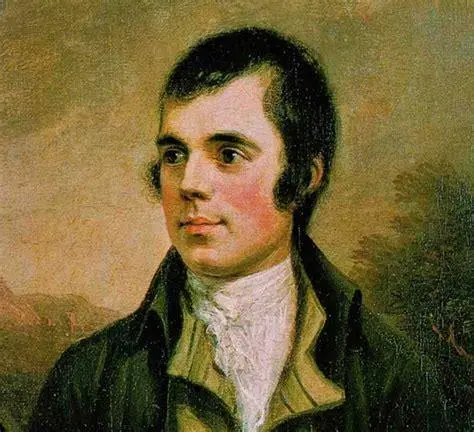
Robert Burns
Tarbolton Lasses, The
Tarbolton Lasses, The
If ye gae up to yon hill-tap,
Ye'll there see bonie Peggy;
She kens her father is a laird,
And she forsooth's a leddy.
There Sophy tight, a lassie bright,
Besides a handsome fortune:
Wha canna win her in a night,
Has little art in courtin'.
Gae down by Faile, and taste the ale,
And tak a look o' Mysie;
She's dour and din, a deil within,
But aiblins she may please ye.
If she be shy, her sister try,
Ye'll maybe fancy Jenny;
If ye'll dispense wi' want o' sense-
She kens hersel she's bonie.
As ye gae up by yon hillside,
Speir in for bonie Bessy;
She'll gie ye a beck, and bid ye light,
And handsomely address ye.
There's few sae bonie, nane sae guid,
In a' King George' dominion;
If ye should doubt the truth o' this-
It's Bessy's ain opinion!
If ye gae up to yon hill-tap,
Ye'll there see bonie Peggy;
She kens her father is a laird,
And she forsooth's a leddy.
There Sophy tight, a lassie bright,
Besides a handsome fortune:
Wha canna win her in a night,
Has little art in courtin'.
Gae down by Faile, and taste the ale,
And tak a look o' Mysie;
She's dour and din, a deil within,
But aiblins she may please ye.
If she be shy, her sister try,
Ye'll maybe fancy Jenny;
If ye'll dispense wi' want o' sense-
She kens hersel she's bonie.
As ye gae up by yon hillside,
Speir in for bonie Bessy;
She'll gie ye a beck, and bid ye light,
And handsomely address ye.
There's few sae bonie, nane sae guid,
In a' King George' dominion;
If ye should doubt the truth o' this-
It's Bessy's ain opinion!
267
Robert Burns
Scotch Drink
Scotch Drink
Let other poets raise a fracas
Bout vines, and wines, an drucken Bacchus,
An crabbit names an stories wrack us,
An grate our lug:
I sing the juice Scotch bear can mak us,
In glass or Jug.
O thou, my Muse! guid auld Scotch drink!
Whether thro' wimplin worms thou jink,
Or, richly brown, ream owre the brink,
In glorious faem
Inspire me, till I lisp an wink,
To sing thy name!
Let husky wheat the haughs adorn,
An aits set up their awnie horn,
An Pease and beans, at e'en or morn,
Perfume the plain:
Leeze me on thee, John Barleycorn,
Thou king o' grain!
On thee aft Scotland chows her cood,
In souple scones, the wale o' food!
Or tumbling in the boiling flood
Wi' kail an beef;
But when thou pours thy strong heart's blood
There thou shines chief.
Food fills the wame, an keeps us livin;
Tho life's a gift no worth receivin
When heavy-dragg'd wi pine an grievin;
But oil'd by thee
The wheels o' life gae down-hill, scrievin,
Wi' rattlin glee.
Thou clears the head o' doited Lear,
Thou cheers the heart o' drooping Care;
Thou strings the nerves o' Labour sair,
At 's weary toil;
Thou ev'n brightens dark Despair
Wi' gloomy smile.
Aft, clad in massy siller weed,
Wi gentles thou erscts thy head;
Yet humbly kind in time o' need,
The poor man's wine:
His wee drap parritch, or his bread,
Thou kitchens fine.
Thou art the life o' public haunts;
But thee, what were our fairs and rants?
Ev'n godly meetings o' the saunts,
By thee inspir'd,
When, gaping, they besiege the tents,
Are doubly fir'd.
That merry night we get the corn in,
O sweetly, then, thou reams the horn
Or reekin on a New-Year mornin
In cog or bicker,
An just a wee drap sp'ritual burn in,
An gusty sucker!
When Vulcan gies his bellows breath,
An ploughmen gather wi their graith,
O rare! to see thee fizz an freath
I' th' lugget caup!
Then Burnewin comes on like death
At every chaup.
Nae mercy, then, for airn or steel:
The brawnie, bainie, ploughman chiel,
Brings hard owrehip, wi sturdy wheel,
The strong forehammer,
Till block an studdie ring an reel,
Wi dinsome clamour.
When skirlin' weanies see the light,
Thou maks the gossips clatter bright,
How fumblin coofs their dearies slight;
Wae worth the name!
Nae howdie gets a social night,
Or plack frae them.
When neebors anger at a plea,
An just as wud as wud can be,
How easy can the barley-brie
Cement the quarrel!
It's aye the cheapest lawyer's fee,
To taste the barrel.
Alake! that e'er my Muse has reason,
To wyte her countrymen wi' treason!
But monie daily weet their weason
Wi' liquors nice,
An hardly, in a winter season,
E'er spier her price.
Wae worth that brandy, burnin trash!
Fell source o' monie a pain an brash!
Twins monie a poor, doylt, drucken hash
O' half his days;
An sends, beside, auld Scotland's cash
To her warst faes.
Ye Scots, wha wish auld Scotland well!
Ye chief, to you my tale I tell,
Poor, plackless devils like mysel!
It sets you ill
Wi' bitter, dearthfu' wines to mell,
Or foreign gill.
May gravels round his blather wrench,
An gouts torment him, inch by inch,
Wha twists his gruntle wi' a glunch
O' sour disdain
Out owre a glass o' whisky-punch
Wi honest men!
O Whisky! soul o' plays an pranks!
Accept a Bardie's gratefu thanks!
When wanting thee, what tuneless cranks
Are my poor verses!
Thou comes---they rattle i' their ranks,
At ither's arses!
Thee, Ferintosh! O sadly lost!
Scotland lament frae coast to coast!
Now colic grips, an barkin hoast
May kill us a';
For loyal Eorbes' charter'd boast
Is taen awa!
They curst horse-leeches o' th' Excise,
Wha mak the whisky stells their prize!
Haud up thy han', Deil! ance, twice, thrice!
There, seize the blinkers!
An bake them up in brunstane pies
For poor damn'd drinkers.
Fortune! if thou'll but gie me still
Hale breeks, a scone, an whisky gill,
An rowth o' rhyme to rave at will,
Tak a' the rest,
An deal't about as thy blind skill
Directs thee best.
Let other poets raise a fracas
Bout vines, and wines, an drucken Bacchus,
An crabbit names an stories wrack us,
An grate our lug:
I sing the juice Scotch bear can mak us,
In glass or Jug.
O thou, my Muse! guid auld Scotch drink!
Whether thro' wimplin worms thou jink,
Or, richly brown, ream owre the brink,
In glorious faem
Inspire me, till I lisp an wink,
To sing thy name!
Let husky wheat the haughs adorn,
An aits set up their awnie horn,
An Pease and beans, at e'en or morn,
Perfume the plain:
Leeze me on thee, John Barleycorn,
Thou king o' grain!
On thee aft Scotland chows her cood,
In souple scones, the wale o' food!
Or tumbling in the boiling flood
Wi' kail an beef;
But when thou pours thy strong heart's blood
There thou shines chief.
Food fills the wame, an keeps us livin;
Tho life's a gift no worth receivin
When heavy-dragg'd wi pine an grievin;
But oil'd by thee
The wheels o' life gae down-hill, scrievin,
Wi' rattlin glee.
Thou clears the head o' doited Lear,
Thou cheers the heart o' drooping Care;
Thou strings the nerves o' Labour sair,
At 's weary toil;
Thou ev'n brightens dark Despair
Wi' gloomy smile.
Aft, clad in massy siller weed,
Wi gentles thou erscts thy head;
Yet humbly kind in time o' need,
The poor man's wine:
His wee drap parritch, or his bread,
Thou kitchens fine.
Thou art the life o' public haunts;
But thee, what were our fairs and rants?
Ev'n godly meetings o' the saunts,
By thee inspir'd,
When, gaping, they besiege the tents,
Are doubly fir'd.
That merry night we get the corn in,
O sweetly, then, thou reams the horn
Or reekin on a New-Year mornin
In cog or bicker,
An just a wee drap sp'ritual burn in,
An gusty sucker!
When Vulcan gies his bellows breath,
An ploughmen gather wi their graith,
O rare! to see thee fizz an freath
I' th' lugget caup!
Then Burnewin comes on like death
At every chaup.
Nae mercy, then, for airn or steel:
The brawnie, bainie, ploughman chiel,
Brings hard owrehip, wi sturdy wheel,
The strong forehammer,
Till block an studdie ring an reel,
Wi dinsome clamour.
When skirlin' weanies see the light,
Thou maks the gossips clatter bright,
How fumblin coofs their dearies slight;
Wae worth the name!
Nae howdie gets a social night,
Or plack frae them.
When neebors anger at a plea,
An just as wud as wud can be,
How easy can the barley-brie
Cement the quarrel!
It's aye the cheapest lawyer's fee,
To taste the barrel.
Alake! that e'er my Muse has reason,
To wyte her countrymen wi' treason!
But monie daily weet their weason
Wi' liquors nice,
An hardly, in a winter season,
E'er spier her price.
Wae worth that brandy, burnin trash!
Fell source o' monie a pain an brash!
Twins monie a poor, doylt, drucken hash
O' half his days;
An sends, beside, auld Scotland's cash
To her warst faes.
Ye Scots, wha wish auld Scotland well!
Ye chief, to you my tale I tell,
Poor, plackless devils like mysel!
It sets you ill
Wi' bitter, dearthfu' wines to mell,
Or foreign gill.
May gravels round his blather wrench,
An gouts torment him, inch by inch,
Wha twists his gruntle wi' a glunch
O' sour disdain
Out owre a glass o' whisky-punch
Wi honest men!
O Whisky! soul o' plays an pranks!
Accept a Bardie's gratefu thanks!
When wanting thee, what tuneless cranks
Are my poor verses!
Thou comes---they rattle i' their ranks,
At ither's arses!
Thee, Ferintosh! O sadly lost!
Scotland lament frae coast to coast!
Now colic grips, an barkin hoast
May kill us a';
For loyal Eorbes' charter'd boast
Is taen awa!
They curst horse-leeches o' th' Excise,
Wha mak the whisky stells their prize!
Haud up thy han', Deil! ance, twice, thrice!
There, seize the blinkers!
An bake them up in brunstane pies
For poor damn'd drinkers.
Fortune! if thou'll but gie me still
Hale breeks, a scone, an whisky gill,
An rowth o' rhyme to rave at will,
Tak a' the rest,
An deal't about as thy blind skill
Directs thee best.
274
Robert Burns
O Tibbie, I Hae Seen The Day
O Tibbie, I Hae Seen The Day
Tune - "Invercauld's Reel, or Strathspey."
Choir. - O Tibbie, I hae seen the day,
Ye wadna been sae shy;
For laik o' gear ye lightly me,
But, trowth, I care na by.
Yestreen I met you on the moor,
Ye spak na, but gaed by like stour;
Ye geck at me because I'm poor,
But fient a hair care I.
O Tibbie, I hae seen the day, &c.
When coming hame on Sunday last,
Upon the road as I cam past,
Ye snufft and ga'e your head a cast-
But trowth I care't na by.
O Tibbie, I hae seen the day, &c.
I doubt na, lass, but ye may think,
Because ye hae the name o' clink,
That ye can please me at a wink,
Whene'er ye like to try.
O Tibbie, I hae seen the day, &c.
But sorrow tak' him that's sae mean,
Altho' his pouch o' coin were clean,
Wha follows ony saucy quean,
That looks sae proud and high.
O Tibbie, I hae seen the day, &c.
Altho' a lad were e'er sae smart,
If that he want the yellow dirt,
Ye'll cast your head anither airt,
And answer him fu' dry.
O Tibbie, I hae seen the day, &c.
But, if he hae the name o' gear,
Ye'll fasten to him like a brier,
Tho' hardly he, for sense or lear,
Be better than the kye.
O Tibbie, I hae seen the day, &c.
But, Tibbie, lass, tak' my advice:
Your daddie's gear maks you sae nice;
The deil a ane wad speir your price,
Were ye as poor as I.
O Tibbie, I hae seen the day, &c.
There lives a lass beside yon park,
I'd rather hae her in her sark,
Than you wi' a' your thousand mark;
That gars you look sae high.
O Tibbie, I hae seen the day, &c.
Tune - "Invercauld's Reel, or Strathspey."
Choir. - O Tibbie, I hae seen the day,
Ye wadna been sae shy;
For laik o' gear ye lightly me,
But, trowth, I care na by.
Yestreen I met you on the moor,
Ye spak na, but gaed by like stour;
Ye geck at me because I'm poor,
But fient a hair care I.
O Tibbie, I hae seen the day, &c.
When coming hame on Sunday last,
Upon the road as I cam past,
Ye snufft and ga'e your head a cast-
But trowth I care't na by.
O Tibbie, I hae seen the day, &c.
I doubt na, lass, but ye may think,
Because ye hae the name o' clink,
That ye can please me at a wink,
Whene'er ye like to try.
O Tibbie, I hae seen the day, &c.
But sorrow tak' him that's sae mean,
Altho' his pouch o' coin were clean,
Wha follows ony saucy quean,
That looks sae proud and high.
O Tibbie, I hae seen the day, &c.
Altho' a lad were e'er sae smart,
If that he want the yellow dirt,
Ye'll cast your head anither airt,
And answer him fu' dry.
O Tibbie, I hae seen the day, &c.
But, if he hae the name o' gear,
Ye'll fasten to him like a brier,
Tho' hardly he, for sense or lear,
Be better than the kye.
O Tibbie, I hae seen the day, &c.
But, Tibbie, lass, tak' my advice:
Your daddie's gear maks you sae nice;
The deil a ane wad speir your price,
Were ye as poor as I.
O Tibbie, I hae seen the day, &c.
There lives a lass beside yon park,
I'd rather hae her in her sark,
Than you wi' a' your thousand mark;
That gars you look sae high.
O Tibbie, I hae seen the day, &c.
217
Robert Burns
In The Character Of A Ruined Farmer
In The Character Of A Ruined Farmer
Tune - "Go from my window, Love, do."
The sun he is sunk in the west,
All creatures retired to rest,
While here I sit, all sore beset,
With sorrow, grief, and woe:
And it's O, fickle Fortune, O!
The prosperous man is asleep,
Nor hears how the whirlwinds sweep;
But Misery and I must watch
The surly tempest blow:
And it's O, fickle Fortune, O!
There lies the dear partner of my breast;
Her cares for a moment at rest:
Must I see thee, my youthful pride,
Thus brought so very low!
And it's O, fickle Fortune, O!
There lie my sweet babies in her arms;
No anxious fear their little hearts alarms;
But for their sake my heart does ache,
With many a bitter throe:
And it's O, fickle Fortune, O!
I once was by Fortune carest:
I once could relieve the distrest:
Now life's poor support, hardly earn'd
My fate will scarce bestow:
And it's O, fickle Fortune, O!
No comfort, no comfort I have!
How welcome to me were the grave!
But then my wife and children dear-
O, wither would they go!
And it's O, fickle Fortune, O!
O whither, O whither shall I turn!
All friendless, forsaken, forlorn!
For, in this world, Rest or Peace
I never more shall know!
And it's O, fickle Fortune, O!
Tune - "Go from my window, Love, do."
The sun he is sunk in the west,
All creatures retired to rest,
While here I sit, all sore beset,
With sorrow, grief, and woe:
And it's O, fickle Fortune, O!
The prosperous man is asleep,
Nor hears how the whirlwinds sweep;
But Misery and I must watch
The surly tempest blow:
And it's O, fickle Fortune, O!
There lies the dear partner of my breast;
Her cares for a moment at rest:
Must I see thee, my youthful pride,
Thus brought so very low!
And it's O, fickle Fortune, O!
There lie my sweet babies in her arms;
No anxious fear their little hearts alarms;
But for their sake my heart does ache,
With many a bitter throe:
And it's O, fickle Fortune, O!
I once was by Fortune carest:
I once could relieve the distrest:
Now life's poor support, hardly earn'd
My fate will scarce bestow:
And it's O, fickle Fortune, O!
No comfort, no comfort I have!
How welcome to me were the grave!
But then my wife and children dear-
O, wither would they go!
And it's O, fickle Fortune, O!
O whither, O whither shall I turn!
All friendless, forsaken, forlorn!
For, in this world, Rest or Peace
I never more shall know!
And it's O, fickle Fortune, O!
264
Robert Burns
Here's A Health To Them That's Awa
Here's A Health To Them That's Awa
Here's a health to them that's awa,
Here's a health to them that's awa
And wha winna wish guid luck to our cause,
May never guid luck be their fa'!
It's guid to be merry and wise,
It's guid to be honest and true,
It's guid to support Caledonia's cause
And bide by the buff and the blue.
Here's a health to them that's awa,
Here's a health to them that's awa!
Here's a health to Charlie, the chief o' the clan,
Altho that his band be sma'!
May Liberty meet wi success,
May Prudence protect her frae evil!
May tyrants and Tyranny tine i' the mist
And wander their way to the Devil!
Here's a health to them that's awa,
Here's a health to them that's awa;
Here's a health to Tammie, the Norlan' laddie,
That lives at the lug o' the Law!
Here's freedom to thern that wad read,
Here's freedom to them that would write!
There's nane ever fear'd that the truth should be heard,
But they whom the truth would indite!
Here's a health to them that's awa,
An here's to them that's awa!
Here's to Maitland and Wycombe! let wha does na like 'em
Be built in a hole in the wa'!
Here's timmer that's red at the heart,
Here's fruit that is sound at the core,
And may he that wad turn the buff and blue coat
Be turn'd to the back o' the door!
Here's a health to them that's awa,
Here's a health to them that's awa,
Here's Chieftain M'Leod, a chieftain worth gowd,
Tho' bred amang mountains o' snaw!
Here's friends on baith sides o' the Firth,
And friends on baith sides o' the Tweed,
And wha wad betray old Albion's right,
May they never eat of her bread!
Here's a health to them that's awa,
Here's a health to them that's awa
And wha winna wish guid luck to our cause,
May never guid luck be their fa'!
It's guid to be merry and wise,
It's guid to be honest and true,
It's guid to support Caledonia's cause
And bide by the buff and the blue.
Here's a health to them that's awa,
Here's a health to them that's awa!
Here's a health to Charlie, the chief o' the clan,
Altho that his band be sma'!
May Liberty meet wi success,
May Prudence protect her frae evil!
May tyrants and Tyranny tine i' the mist
And wander their way to the Devil!
Here's a health to them that's awa,
Here's a health to them that's awa;
Here's a health to Tammie, the Norlan' laddie,
That lives at the lug o' the Law!
Here's freedom to thern that wad read,
Here's freedom to them that would write!
There's nane ever fear'd that the truth should be heard,
But they whom the truth would indite!
Here's a health to them that's awa,
An here's to them that's awa!
Here's to Maitland and Wycombe! let wha does na like 'em
Be built in a hole in the wa'!
Here's timmer that's red at the heart,
Here's fruit that is sound at the core,
And may he that wad turn the buff and blue coat
Be turn'd to the back o' the door!
Here's a health to them that's awa,
Here's a health to them that's awa,
Here's Chieftain M'Leod, a chieftain worth gowd,
Tho' bred amang mountains o' snaw!
Here's friends on baith sides o' the Firth,
And friends on baith sides o' the Tweed,
And wha wad betray old Albion's right,
May they never eat of her bread!
226
Robert Burns
Green Grow The Rashes
Green Grow The Rashes
Green grow the rashes, O!
Green grow the rashes, O!
The sweetest hours that e'er I spend,
Are spent amang the lasses, O!
There's nought but care on every han'
In every hour that passes, O;
What signifies the life o' man,
An 'twere na for the lasses, O?
The warl'ly race may riches chase,
An' riches still may fly them, O;
An' though at last they catch them fast,
Their hearts can ne'er enjoy them, O.
But gi'e me a canny hour at e'en,
My arms about my dearie, O,
An' warl'ly cares an' warl'ly men
May a' gae tapsalteerie, O!
For you sae douce, ye sneer at this,
Ye're nought but senseless asses, O;
The wisest man the warl' e'er saw,
He dearly loved the lasses, O.
Auld Nature swears the lovely dears
Her noblest work she classes, O;
Her 'prentice han' she tried on man,
An' then she made the lasses, O.
Green grow the rashes, O!
Green grow the rashes, O!
The sweetest hours that e'er I spend,
Are spent amang the lasses, O!
There's nought but care on every han'
In every hour that passes, O;
What signifies the life o' man,
An 'twere na for the lasses, O?
The warl'ly race may riches chase,
An' riches still may fly them, O;
An' though at last they catch them fast,
Their hearts can ne'er enjoy them, O.
But gi'e me a canny hour at e'en,
My arms about my dearie, O,
An' warl'ly cares an' warl'ly men
May a' gae tapsalteerie, O!
For you sae douce, ye sneer at this,
Ye're nought but senseless asses, O;
The wisest man the warl' e'er saw,
He dearly loved the lasses, O.
Auld Nature swears the lovely dears
Her noblest work she classes, O;
Her 'prentice han' she tried on man,
An' then she made the lasses, O.
258
Robert Burns
For a' That and a' That
For a' That and a' That
Is there, for honest poverty,
That hings his head, an' a' that?
The coward slave, we pass him by,
We dare be poor for a' that!
For a' that, an' a' that,
Our toils obscure, an' a' that;
The rank is but the guinea's stamp;
The man's the gowd for a' that,
What tho' on hamely fare we dine,
Wear hoddin-gray, an' a' that;
Gie fools their silks, and knaves their wine,
A man's a man for a' that.
For a' that, an' a' that,
Their tinsel show an' a' that;
The honest man, tho' e'er sae poor,
Is king o' men for a' that.
Ye see yon birkie, ca'd a lord
Wha struts, an' stares, an' a' that;
Tho' hundreds worship at his word,
He's but a coof for a' that:
For a' that, an' a' that,
His riband, star, an' a' that,
The man o' independent mind,
He looks and laughs at a' that.
A prince can mak a belted knight,
A marquis, duke, an' a' that;
But an honest man's aboon his might,
Guid faith he mauna fa' that!
For a' that, an' a' that,
Their dignities, an' a' that,
The pith o' sense, an' pride o' worth,
Are higher rank than a' that.
Then let us pray that come it may,
As come it will for a' that,
That sense and worth, o'er a' the earth,
May bear the gree, an' a' that.
For a' that, an' a' that,
It's coming yet, for a' that,
That man to man, the warld o'er,
Shall brothers be for a' that.
Is there, for honest poverty,
That hings his head, an' a' that?
The coward slave, we pass him by,
We dare be poor for a' that!
For a' that, an' a' that,
Our toils obscure, an' a' that;
The rank is but the guinea's stamp;
The man's the gowd for a' that,
What tho' on hamely fare we dine,
Wear hoddin-gray, an' a' that;
Gie fools their silks, and knaves their wine,
A man's a man for a' that.
For a' that, an' a' that,
Their tinsel show an' a' that;
The honest man, tho' e'er sae poor,
Is king o' men for a' that.
Ye see yon birkie, ca'd a lord
Wha struts, an' stares, an' a' that;
Tho' hundreds worship at his word,
He's but a coof for a' that:
For a' that, an' a' that,
His riband, star, an' a' that,
The man o' independent mind,
He looks and laughs at a' that.
A prince can mak a belted knight,
A marquis, duke, an' a' that;
But an honest man's aboon his might,
Guid faith he mauna fa' that!
For a' that, an' a' that,
Their dignities, an' a' that,
The pith o' sense, an' pride o' worth,
Are higher rank than a' that.
Then let us pray that come it may,
As come it will for a' that,
That sense and worth, o'er a' the earth,
May bear the gree, an' a' that.
For a' that, an' a' that,
It's coming yet, for a' that,
That man to man, the warld o'er,
Shall brothers be for a' that.
221
Robert Burns
Fareweel To A'Our Scottish Fame
Fareweel To A'Our Scottish Fame
Fareweel to a' our Scottish fame,
Fareweel our ancient glory;
Fareweel ev'n to the Scottish name,
Sae famed in martial story!
Now Sark rins over Solway sands,
And Tweed rins to the ocean,
To mark where England's province stands—
Such a parcel of rogues in a nation!
What force or guile could not subdue
Thro' many warlike ages,
Is wrought now by a coward few,
For hireling traitor's wages.
The English steel we could disdain,
Secure in valour's station;
But English gold has been our bane—
Such a parcel of rogues in a nation!
O, would or I had seen the day
That treason thus could sell us,
My auld grey head had lien in clay
Wi' Bruce and loyal Wallace!
But pith and power, till my last hour,
I'll mak this declaration:
We're bought and sold for English gold—
Such a parcel of rogues in a nation!
Fareweel to a' our Scottish fame,
Fareweel our ancient glory;
Fareweel ev'n to the Scottish name,
Sae famed in martial story!
Now Sark rins over Solway sands,
And Tweed rins to the ocean,
To mark where England's province stands—
Such a parcel of rogues in a nation!
What force or guile could not subdue
Thro' many warlike ages,
Is wrought now by a coward few,
For hireling traitor's wages.
The English steel we could disdain,
Secure in valour's station;
But English gold has been our bane—
Such a parcel of rogues in a nation!
O, would or I had seen the day
That treason thus could sell us,
My auld grey head had lien in clay
Wi' Bruce and loyal Wallace!
But pith and power, till my last hour,
I'll mak this declaration:
We're bought and sold for English gold—
Such a parcel of rogues in a nation!
251
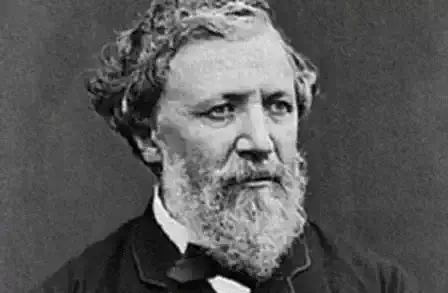
Robert Browning
Up At A Villa--- Down In The City
Up At A Villa--- Down In The City
AS DISTINGUISHED BY AN ITALIAN PERSON OF QUALITY.)
I.
Had I but plenty of money, money enough and to spare,
The house for me, no doubt, were a house in the city-square;
Ah, such a life, such a life, as one leads at the window there!
II.
Something to see, by Bacchus, something to hear, at least!
There, the whole day long, one's life is a perfect feast;
While up at a villa one lives, I maintain it, no more than a beast.
III.
Well now, look at our villa! stuck like the horn of a bull
Just on a mountain-edge as bare as the creature's skull,
Save a mere shag of a bush with hardly a leaf to pull!
---I scratch my own, sometimes, to see if the hair's turned wool.
IV.
But the city, oh the city---the square with the houses! Why?
They are stone-faced, white as a curd, there's something to take the eye!
Houses in four straight lines, not a single front awry;
You watch who crosses and gossips, who saunters, who hurries by;
Green blinds, as a matter of course, to draw when the sun gets high;
And the shops with fanciful signs which are painted properly.
V.
What of a villa? Though winter be over in March by rights,
'Tis May perhaps ere the snow shall have withered well off the heights:
You've the brown ploughed land before, where the oxen steam and wheeze,
And the hills over-smoked behind by the faint grey olive-trees.
VI.
Is it better in May, I ask you? You've summer all at once;
In a day he leaps complete with a few strong April suns.
'Mid the sharp short emerald wheat, scarce risen three fingers well,
The wild tulip, at end of its tube, blows out its great red bell
Like a thin clear bubble of blood, for the children to pick and sell.
VII.
Is it ever hot in the square? There's a fountain to spout and splash!
In the shade it sings and springs; in the shine such foam-bows flash
On the horses with curling fish-tails, that prance and paddle and pash
Round the lady atop in her conch---fifty gazers do not abash,
Though all that she wears is some weeds round her waist in a sort of sash.
VIII.
All the year at the villa, nothing to see though you linger,
Except yon cypress that points like a death's lean lifted forefinger.
Some think fireflies pretty, when they mix i' the corn and mingle,
Or thrid the stinking hemp till the stalks of it seem a-tingle.
Late August or early September, the stunning cicala is shrill,
And the bees keep their tiresome whine round the resinous firs on the hill.
Enough of the seasons,---I spare you the months of the fever and chill.
IX.
Ere you open your eyes in the city, the blessed church-bells begin:
No sooner the bells leave off than the diligence rattles in:
You get the pick of the news, and it costs you never a pin.
By-and-by there's the travelling doctor gives pills, lets blood, draws teeth;
Or the Pulcinello-trumpet breaks up the market beneath.
At the post-office such a scene-picture---the new play, piping hot!
And a notice how, only this morning, three liberal thieves were shot.
Above it, behold the Archbishop's most fatherly of rebukes,
And beneath, with his crown and his lion, some little new law of the Duke's!
Or a sonnet with flowery marge, to the Reverend Don So-and-so
Who is Dante, Boccaccio, Petrarca, Saint Jerome and Cicero,
``And moreover,'' (the sonnet goes rhyming,) ``the skirts of Saint Paul has reached,
``Having preached us those six Lent-lectures more unctuous than ever he preached.''
Noon strikes,---here sweeps the procession! our Lady borne smiling and smart
With a pink gauze gown all spangles, and seven swords stuck in her heart!
_Bang-whang-whang_ goes the drum, _tootle-to-tootle_ the fife;
No keeping one's haunches still: it's the greatest pleasure in life.
X.
But bless you, it's dear---it's dear! fowls, wine, at double the rate.
They have clapped a new tax upon salt, and what oil pays passing the gate
It's a horror to think of. And so, the villa for me, not the city!
Beggars can scarcely be choosers: but still---ah, the pity, the pity!
Look, two and two go the priests, then the monks with cowls and sandals,
And the penitents dressed in white shirts, a-holding the yellow candles;
One' he carries a flag up straight, and another a cross with handles,
And the Duke's guard brings up the rear, for the better prevention of scandals:
_Bang-whang-whang_ goes the drum, _tootle-te-tootle_ the fife.
Oh, a day in the city-square, there is no such pleasure in life!
AS DISTINGUISHED BY AN ITALIAN PERSON OF QUALITY.)
I.
Had I but plenty of money, money enough and to spare,
The house for me, no doubt, were a house in the city-square;
Ah, such a life, such a life, as one leads at the window there!
II.
Something to see, by Bacchus, something to hear, at least!
There, the whole day long, one's life is a perfect feast;
While up at a villa one lives, I maintain it, no more than a beast.
III.
Well now, look at our villa! stuck like the horn of a bull
Just on a mountain-edge as bare as the creature's skull,
Save a mere shag of a bush with hardly a leaf to pull!
---I scratch my own, sometimes, to see if the hair's turned wool.
IV.
But the city, oh the city---the square with the houses! Why?
They are stone-faced, white as a curd, there's something to take the eye!
Houses in four straight lines, not a single front awry;
You watch who crosses and gossips, who saunters, who hurries by;
Green blinds, as a matter of course, to draw when the sun gets high;
And the shops with fanciful signs which are painted properly.
V.
What of a villa? Though winter be over in March by rights,
'Tis May perhaps ere the snow shall have withered well off the heights:
You've the brown ploughed land before, where the oxen steam and wheeze,
And the hills over-smoked behind by the faint grey olive-trees.
VI.
Is it better in May, I ask you? You've summer all at once;
In a day he leaps complete with a few strong April suns.
'Mid the sharp short emerald wheat, scarce risen three fingers well,
The wild tulip, at end of its tube, blows out its great red bell
Like a thin clear bubble of blood, for the children to pick and sell.
VII.
Is it ever hot in the square? There's a fountain to spout and splash!
In the shade it sings and springs; in the shine such foam-bows flash
On the horses with curling fish-tails, that prance and paddle and pash
Round the lady atop in her conch---fifty gazers do not abash,
Though all that she wears is some weeds round her waist in a sort of sash.
VIII.
All the year at the villa, nothing to see though you linger,
Except yon cypress that points like a death's lean lifted forefinger.
Some think fireflies pretty, when they mix i' the corn and mingle,
Or thrid the stinking hemp till the stalks of it seem a-tingle.
Late August or early September, the stunning cicala is shrill,
And the bees keep their tiresome whine round the resinous firs on the hill.
Enough of the seasons,---I spare you the months of the fever and chill.
IX.
Ere you open your eyes in the city, the blessed church-bells begin:
No sooner the bells leave off than the diligence rattles in:
You get the pick of the news, and it costs you never a pin.
By-and-by there's the travelling doctor gives pills, lets blood, draws teeth;
Or the Pulcinello-trumpet breaks up the market beneath.
At the post-office such a scene-picture---the new play, piping hot!
And a notice how, only this morning, three liberal thieves were shot.
Above it, behold the Archbishop's most fatherly of rebukes,
And beneath, with his crown and his lion, some little new law of the Duke's!
Or a sonnet with flowery marge, to the Reverend Don So-and-so
Who is Dante, Boccaccio, Petrarca, Saint Jerome and Cicero,
``And moreover,'' (the sonnet goes rhyming,) ``the skirts of Saint Paul has reached,
``Having preached us those six Lent-lectures more unctuous than ever he preached.''
Noon strikes,---here sweeps the procession! our Lady borne smiling and smart
With a pink gauze gown all spangles, and seven swords stuck in her heart!
_Bang-whang-whang_ goes the drum, _tootle-to-tootle_ the fife;
No keeping one's haunches still: it's the greatest pleasure in life.
X.
But bless you, it's dear---it's dear! fowls, wine, at double the rate.
They have clapped a new tax upon salt, and what oil pays passing the gate
It's a horror to think of. And so, the villa for me, not the city!
Beggars can scarcely be choosers: but still---ah, the pity, the pity!
Look, two and two go the priests, then the monks with cowls and sandals,
And the penitents dressed in white shirts, a-holding the yellow candles;
One' he carries a flag up straight, and another a cross with handles,
And the Duke's guard brings up the rear, for the better prevention of scandals:
_Bang-whang-whang_ goes the drum, _tootle-te-tootle_ the fife.
Oh, a day in the city-square, there is no such pleasure in life!
284
Robert Browning
Up at a Villa--Down in the City
Up at a Villa--Down in the City
Had I but plenty of money, money enough and to spare,
The house for me, no doubt, were a house in the city-square;
Ah, such a life, such a life, as one leads at the window there!
Something to see, by Bacchus, something to hear, at least!
There, the whole day long, one's life is a perfect feast;
While up at a villa one lives, I maintain it, no more than a beast.
Well now, look at our villa! stuck like the horn of a bull
Just on a mountain-edge as bare as the creature's skull,
Save a mere shag of a bush with hardly a leaf to pull!
--I scratch my own, sometimes, to see if the hair's turned wool.
But the city, oh the city--the square with the houses! Why?
They are stone-faced, white as a curd, there's something to take the eye!
Houses in four straight lines, not a single front awry;
You watch who crosses and gossips, who saunters, who hurries by;
Green blinds, as a matter of course, to draw when the sun gets high;
And the shops with fanciful signs which are painted properly.
What of a villa? Though winter be over in March by rights,
'Tis May perhaps ere the snow shall have withered well off the heights:
You've the brown ploughed land before, where the oxen steam and wheeze,
And the hills over-smoked behind by the faint gray olive-trees.
Is it better in May, I ask you? You've summer all at once;
In a day he leaps complete with a few strong April suns.
'Mid the sharp short emerald wheat, scarce risen three fingers well,
The wild tulip, at end of its tube, blows out its great red bell
Like a thin clear bubble of blood, for the children to pick and sell.
Is it ever hot in the square? There's a fountain to spout and splash!
In the shade it sings and springs: in the shine such foambows flash
On the horses with curling fish-tails, that prance and paddle and pash
Round the lady atop in her conch--fifty gazers do not abash,
Though all that she wears is some weeds round her waist in a sort of sash.
All the year long at the villa, nothing to see though you linger,
Except yon cypress that points like death's lean lifted forefinger.
Some think fireflies pretty, when they mix in the corn and mingle,
Or thrid the stinking hemp till the stalks of it seem a-tingle.
Late August or early September, the stunning cicala is shrill,
And the bees keep their tiresome whine round the resinous firs on the hill.
Enough of the seasons,--I spare you the months of the fever and chill.
Ere you open your eyes in the city, the blessed church-bells begin:
No sooner the bells leave off than the diligence rattles in:
You get the pick of the news, and it costs you never a pin.
By and by there's the travelling doctor gives pills, lets blood, draws teeth;
Or the Pulcinello-trumpet breaks up the market beneath.
At the post-office such a scene-picture--the new play, piping hot!
And a notice how, only this morning, three liberal thieves were shot.
Above it, behold the Archbishop's most fatherly of rebukes,
And beneath, with his crown and his lion, some little new law of the Duke's!
Or a sonnet with flowery marge, to the Reverend Don So-and so,
Who is Dante, Boccaccio, Petrarca, Saint Jerome and Cicero,
"And moreover," (the sonnet goes rhyming,) "the skirts of Saint Paul has reached,
Having preached us those six Lent-lectures more unctuous than ever he preached."
Noon strikes,--here sweeps the procession! our Lady borne smiling and smart
With a pink gauze gown all spangles, and seven swords stuck in her heart!
Bang-whang-whang goes the drum, tootle-te-tootle the fife.
No keeping one's haunches still: it's the greatest pleasure in life.
But bless you, it's dear--it's dear! fowls, wine, at double the rate.
They have clapped a new tax upon salt, and what oil pays passing the gate
It's a horror to think of. And so, the villa for me, not the city!
Beggars can scarcely be choosers: but still--ah, the pity, the pity!
Look, two and two go the priests, then the monks with cowls and sandals,
And the penitents dressed in white shirts a-holding the yellow candles;
One, he carries a flag up straight, and another a cross with handles.
And the Duke's guard brings up the rear, for the better prevention of scandals:
Bang-whang-whang goes the drum, tootle-te-tootle the fife;
Oh, a day in the city-square, there is no such pleasure in life!
Had I but plenty of money, money enough and to spare,
The house for me, no doubt, were a house in the city-square;
Ah, such a life, such a life, as one leads at the window there!
Something to see, by Bacchus, something to hear, at least!
There, the whole day long, one's life is a perfect feast;
While up at a villa one lives, I maintain it, no more than a beast.
Well now, look at our villa! stuck like the horn of a bull
Just on a mountain-edge as bare as the creature's skull,
Save a mere shag of a bush with hardly a leaf to pull!
--I scratch my own, sometimes, to see if the hair's turned wool.
But the city, oh the city--the square with the houses! Why?
They are stone-faced, white as a curd, there's something to take the eye!
Houses in four straight lines, not a single front awry;
You watch who crosses and gossips, who saunters, who hurries by;
Green blinds, as a matter of course, to draw when the sun gets high;
And the shops with fanciful signs which are painted properly.
What of a villa? Though winter be over in March by rights,
'Tis May perhaps ere the snow shall have withered well off the heights:
You've the brown ploughed land before, where the oxen steam and wheeze,
And the hills over-smoked behind by the faint gray olive-trees.
Is it better in May, I ask you? You've summer all at once;
In a day he leaps complete with a few strong April suns.
'Mid the sharp short emerald wheat, scarce risen three fingers well,
The wild tulip, at end of its tube, blows out its great red bell
Like a thin clear bubble of blood, for the children to pick and sell.
Is it ever hot in the square? There's a fountain to spout and splash!
In the shade it sings and springs: in the shine such foambows flash
On the horses with curling fish-tails, that prance and paddle and pash
Round the lady atop in her conch--fifty gazers do not abash,
Though all that she wears is some weeds round her waist in a sort of sash.
All the year long at the villa, nothing to see though you linger,
Except yon cypress that points like death's lean lifted forefinger.
Some think fireflies pretty, when they mix in the corn and mingle,
Or thrid the stinking hemp till the stalks of it seem a-tingle.
Late August or early September, the stunning cicala is shrill,
And the bees keep their tiresome whine round the resinous firs on the hill.
Enough of the seasons,--I spare you the months of the fever and chill.
Ere you open your eyes in the city, the blessed church-bells begin:
No sooner the bells leave off than the diligence rattles in:
You get the pick of the news, and it costs you never a pin.
By and by there's the travelling doctor gives pills, lets blood, draws teeth;
Or the Pulcinello-trumpet breaks up the market beneath.
At the post-office such a scene-picture--the new play, piping hot!
And a notice how, only this morning, three liberal thieves were shot.
Above it, behold the Archbishop's most fatherly of rebukes,
And beneath, with his crown and his lion, some little new law of the Duke's!
Or a sonnet with flowery marge, to the Reverend Don So-and so,
Who is Dante, Boccaccio, Petrarca, Saint Jerome and Cicero,
"And moreover," (the sonnet goes rhyming,) "the skirts of Saint Paul has reached,
Having preached us those six Lent-lectures more unctuous than ever he preached."
Noon strikes,--here sweeps the procession! our Lady borne smiling and smart
With a pink gauze gown all spangles, and seven swords stuck in her heart!
Bang-whang-whang goes the drum, tootle-te-tootle the fife.
No keeping one's haunches still: it's the greatest pleasure in life.
But bless you, it's dear--it's dear! fowls, wine, at double the rate.
They have clapped a new tax upon salt, and what oil pays passing the gate
It's a horror to think of. And so, the villa for me, not the city!
Beggars can scarcely be choosers: but still--ah, the pity, the pity!
Look, two and two go the priests, then the monks with cowls and sandals,
And the penitents dressed in white shirts a-holding the yellow candles;
One, he carries a flag up straight, and another a cross with handles.
And the Duke's guard brings up the rear, for the better prevention of scandals:
Bang-whang-whang goes the drum, tootle-te-tootle the fife;
Oh, a day in the city-square, there is no such pleasure in life!
265
Robert Browning
The Lost Leader
The Lost Leader
I.
Just for a handful of silver he left us,
Just for a riband to stick in his coat---
Found the one gift of which fortune bereft us,
Lost all the others she lets us devote;
They, with the gold to give, doled him out silver,
So much was theirs who so little allowed:
How all our copper had gone for his service!
Rags---were they purple, his heart had been proud!
We that had loved him so, followed him, honoured him,
Lived in his mild and magnificent eye,
Learned his great language, caught his clear accents,
Made him our pattern to live and to die!
Shakespeare was of us, Milton was for us,
Burns, Shelley, were with us,---they watch from their graves!
He alone breaks from the van and the free-men,
---He alone sinks to the rear and the slaves!
II.
We shall march prospering,---not thro' his presence;
Songs may inspirit us,---not from his lyre;
Deeds will be done,---while he boasts his quiescence,
Still bidding crouch whom the rest bade aspire:
Blot out his name, then, record one lost soul more,
One task more declined, one more foot-path untrod,
One more devils'-triumph and sorrow for angels,
One wrong more to man, one more insult to God!
Life's night begins: let him never come back to us!
There would be doubt, hesitation and pain,
Forced praise on our part---the glimmer of twilight,
Never glad confident morning again!
Best fight on well, for we taught him---strike gallantly,
Menace our heart ere we master his own;
Then let him receive the new knowledge and wait us,
Pardoned in heaven, the first by the throne!
I.
Just for a handful of silver he left us,
Just for a riband to stick in his coat---
Found the one gift of which fortune bereft us,
Lost all the others she lets us devote;
They, with the gold to give, doled him out silver,
So much was theirs who so little allowed:
How all our copper had gone for his service!
Rags---were they purple, his heart had been proud!
We that had loved him so, followed him, honoured him,
Lived in his mild and magnificent eye,
Learned his great language, caught his clear accents,
Made him our pattern to live and to die!
Shakespeare was of us, Milton was for us,
Burns, Shelley, were with us,---they watch from their graves!
He alone breaks from the van and the free-men,
---He alone sinks to the rear and the slaves!
II.
We shall march prospering,---not thro' his presence;
Songs may inspirit us,---not from his lyre;
Deeds will be done,---while he boasts his quiescence,
Still bidding crouch whom the rest bade aspire:
Blot out his name, then, record one lost soul more,
One task more declined, one more foot-path untrod,
One more devils'-triumph and sorrow for angels,
One wrong more to man, one more insult to God!
Life's night begins: let him never come back to us!
There would be doubt, hesitation and pain,
Forced praise on our part---the glimmer of twilight,
Never glad confident morning again!
Best fight on well, for we taught him---strike gallantly,
Menace our heart ere we master his own;
Then let him receive the new knowledge and wait us,
Pardoned in heaven, the first by the throne!
554
Robert Browning
The Bishop Orders His Tomb At Saint Praxed's Church
The Bishop Orders His Tomb At Saint Praxed's Church
Vanity, saith the preacher, vanity!
Draw round my bed: is Anselm keeping back?
Nephews -- sons mine -- ah God, I know not! Well --
She, men would have to be your mother once,
Old Gandolf envied me, so fair she was!
What's done is done, and she is dead beside,
Dead long ago, and I am Bishop since,
And as she died so must we die ourselves,
And thence ye may perceive the world's a dream.
Life, how and what is it? As here I lie
In this state-chamber, dying by degrees,
Hours and long hours in the dead night, I ask
"Do I live, am I dead?" Peace, peace seems all.
Saint Praxed's ever was the church for peace;
And so, about this tomb of mine. I fought
With tooth and nail to save my niche, ye know:
-- Old Gandolf cozened me, despite my care;
Shrewd was that snatch from out the corner South
He graced his carrion with, God curse the same!
Yet still my niche is not so cramped but thence
One sees the pulpit o' the epistle-side,
And somewhat of the choir, those silent seats,
And up into the very dome where live
The angels, and a sunbeam's sure to lurk:
And I shall fill my slab of basalt there,
And 'neath my tabernacle take my rest,
With those nine columns round me, two and two,
The odd one at my feet where Anselm stands:
Peach-blossom marble all, the rare, the ripe
As fresh poured red wine of a mighty pulse
-- Old Gandolf with his paltry onion-stone,
Put me where I may look at him! True peach,
Rosy and flawless: how I earned the prize!
Draw close: that conflagration of my church
-- What then? So much was saved if aught were missed!
My sons, ye would not be my death? Go dig
The white-grape vineyard where the oil-press stood,
Drop water gently till the surface sink,
And if ye find -- Ah God, I know not, I! --
Bedded in store of rotten fig-leaves soft,
And corded up in a tight olive-frail,
Some lump, ah God, of lapis lazuli,
Big as a Jew's head cut off at the nape,
Blue as a vein o'er the Madonna's breast
Sons, all have I bequeathed you, villas, all,
That brave Frascati villa with its bath,
So, let the blue lump poise between my knees,
Like God the Father's globe on both his hands
Ye worship in the Jesu Church so gay,
For Gandolf shall not choose but see and burst!
Swift as a weaver's shuttle fleet our years:
Man goeth to the grave, and where is he?
Did I say basalt for my slab, sons? Black --
'Twas ever antique-black I meant! How else
Shall ye contrast my frieze to come beneath?
The bas-relief in bronze ye promised me.
Those Pans and Nymphs ye wot of, and perchance
Some tripod, thyrsus, with a vase or so,
The Saviour at his sermon on the mount,
Saint Praxed in a glory, and one Pan
Ready to twitch the Nymph's last garment off,
And Moses with the tables -- but I know
Ye mark me not! What do they whisper thee,
Child of my bowels, Anselm? Ah, ye hope
To revel down my villas while I gasp
Bricked o'er with beggar's mouldy travertine
Which Gandolf from his tomb-top chuckles at!
Nay, boys, ye love me -- all of jasper, then!
'Tis jasper ye stand pledged to, lest I grieve.
My bath must needs be left behind, alas!
One block, pure green as a pistachio-nut,
There's plenty jasper somewhere in the world --
And have I not Saint Praxed's ear to pray
Horses for ye, and brown Greek manuscripts,
And mistresses with great smooth marbly limbs?
-- That's if ye carve my epitaph aright,
Choice Latin, picked phrase, Tully's every word,
No gaudy ware like Gandolf's second line --
Tully, my masters? Ulpian serves his need!
And then how I shall lie through centuries,
And hear the blessed mutter of the mass,
And see God made and eaten all day long,
And feel the steady candle-flame, and taste
Good strong thick stupefying incense-smoke!
For as I lie here, hours of the dead night,
Dying in state and by such slow degrees,
I fold my arms as if they clasped a crook,
And stretch my feet forth straight as stone can point,
And let the bedclothes, for a mortcloth, drop
Into great laps and folds of sculptor's work:
And as yon tapers dwindle, and strange thoughts
Grow, with a certain humming in my ears,
About the life before I lived this life,
And this life too, popes, cardinals and priests,
Saint Praxed at his sermon on the mount,
Your tall pale mother with her talking eyes,
And new-found agate urns as fresh as day,
And marble's language, Latin pure, discreet,
-- Aha, ELUCESCEBAT quoth our friend?
No Tully, said I, Ulpian at the best!
Evil and brief hath been my pilgrimage.
All lapis, all, sons! Else I give the Pope
My villas! Will ye ever eat my heart?
Ever your eyes were as a lizard's quick,
They glitter like your mother's for my soul,
Or ye would heighten my impoverished frieze,
Piece out its starved design, and fill my vase
With grapes, and add a visor and a Term,
And to the tripod ye would tie a lynx
That in his struggle throws the thyrsus down,
To comfort me on my entablature
Whereon I am to lie till I must ask
"Do I live, am I dead?" There, leave me, there!
For ye have stabbed me with ingratitude
To death -- ye wish it -- God, ye wish it! Stone --
Gritstone, a crumble! Clammy squares which sweat
As if the corpse they keep were oozing through --
And no more lapis to delight the world!
Well, go! I bless ye. Fewer tapers there,
But in a row: and, going, turn your backs
-- Ay, like departing altar-ministrants,
And leave me in my church, the church for peace,
That I may watch at leisure if he leers --
Old Gandolf -- at me, from his onion-stone,
As still he envied me, so fair she was!
Vanity, saith the preacher, vanity!
Draw round my bed: is Anselm keeping back?
Nephews -- sons mine -- ah God, I know not! Well --
She, men would have to be your mother once,
Old Gandolf envied me, so fair she was!
What's done is done, and she is dead beside,
Dead long ago, and I am Bishop since,
And as she died so must we die ourselves,
And thence ye may perceive the world's a dream.
Life, how and what is it? As here I lie
In this state-chamber, dying by degrees,
Hours and long hours in the dead night, I ask
"Do I live, am I dead?" Peace, peace seems all.
Saint Praxed's ever was the church for peace;
And so, about this tomb of mine. I fought
With tooth and nail to save my niche, ye know:
-- Old Gandolf cozened me, despite my care;
Shrewd was that snatch from out the corner South
He graced his carrion with, God curse the same!
Yet still my niche is not so cramped but thence
One sees the pulpit o' the epistle-side,
And somewhat of the choir, those silent seats,
And up into the very dome where live
The angels, and a sunbeam's sure to lurk:
And I shall fill my slab of basalt there,
And 'neath my tabernacle take my rest,
With those nine columns round me, two and two,
The odd one at my feet where Anselm stands:
Peach-blossom marble all, the rare, the ripe
As fresh poured red wine of a mighty pulse
-- Old Gandolf with his paltry onion-stone,
Put me where I may look at him! True peach,
Rosy and flawless: how I earned the prize!
Draw close: that conflagration of my church
-- What then? So much was saved if aught were missed!
My sons, ye would not be my death? Go dig
The white-grape vineyard where the oil-press stood,
Drop water gently till the surface sink,
And if ye find -- Ah God, I know not, I! --
Bedded in store of rotten fig-leaves soft,
And corded up in a tight olive-frail,
Some lump, ah God, of lapis lazuli,
Big as a Jew's head cut off at the nape,
Blue as a vein o'er the Madonna's breast
Sons, all have I bequeathed you, villas, all,
That brave Frascati villa with its bath,
So, let the blue lump poise between my knees,
Like God the Father's globe on both his hands
Ye worship in the Jesu Church so gay,
For Gandolf shall not choose but see and burst!
Swift as a weaver's shuttle fleet our years:
Man goeth to the grave, and where is he?
Did I say basalt for my slab, sons? Black --
'Twas ever antique-black I meant! How else
Shall ye contrast my frieze to come beneath?
The bas-relief in bronze ye promised me.
Those Pans and Nymphs ye wot of, and perchance
Some tripod, thyrsus, with a vase or so,
The Saviour at his sermon on the mount,
Saint Praxed in a glory, and one Pan
Ready to twitch the Nymph's last garment off,
And Moses with the tables -- but I know
Ye mark me not! What do they whisper thee,
Child of my bowels, Anselm? Ah, ye hope
To revel down my villas while I gasp
Bricked o'er with beggar's mouldy travertine
Which Gandolf from his tomb-top chuckles at!
Nay, boys, ye love me -- all of jasper, then!
'Tis jasper ye stand pledged to, lest I grieve.
My bath must needs be left behind, alas!
One block, pure green as a pistachio-nut,
There's plenty jasper somewhere in the world --
And have I not Saint Praxed's ear to pray
Horses for ye, and brown Greek manuscripts,
And mistresses with great smooth marbly limbs?
-- That's if ye carve my epitaph aright,
Choice Latin, picked phrase, Tully's every word,
No gaudy ware like Gandolf's second line --
Tully, my masters? Ulpian serves his need!
And then how I shall lie through centuries,
And hear the blessed mutter of the mass,
And see God made and eaten all day long,
And feel the steady candle-flame, and taste
Good strong thick stupefying incense-smoke!
For as I lie here, hours of the dead night,
Dying in state and by such slow degrees,
I fold my arms as if they clasped a crook,
And stretch my feet forth straight as stone can point,
And let the bedclothes, for a mortcloth, drop
Into great laps and folds of sculptor's work:
And as yon tapers dwindle, and strange thoughts
Grow, with a certain humming in my ears,
About the life before I lived this life,
And this life too, popes, cardinals and priests,
Saint Praxed at his sermon on the mount,
Your tall pale mother with her talking eyes,
And new-found agate urns as fresh as day,
And marble's language, Latin pure, discreet,
-- Aha, ELUCESCEBAT quoth our friend?
No Tully, said I, Ulpian at the best!
Evil and brief hath been my pilgrimage.
All lapis, all, sons! Else I give the Pope
My villas! Will ye ever eat my heart?
Ever your eyes were as a lizard's quick,
They glitter like your mother's for my soul,
Or ye would heighten my impoverished frieze,
Piece out its starved design, and fill my vase
With grapes, and add a visor and a Term,
And to the tripod ye would tie a lynx
That in his struggle throws the thyrsus down,
To comfort me on my entablature
Whereon I am to lie till I must ask
"Do I live, am I dead?" There, leave me, there!
For ye have stabbed me with ingratitude
To death -- ye wish it -- God, ye wish it! Stone --
Gritstone, a crumble! Clammy squares which sweat
As if the corpse they keep were oozing through --
And no more lapis to delight the world!
Well, go! I bless ye. Fewer tapers there,
But in a row: and, going, turn your backs
-- Ay, like departing altar-ministrants,
And leave me in my church, the church for peace,
That I may watch at leisure if he leers --
Old Gandolf -- at me, from his onion-stone,
As still he envied me, so fair she was!
434
Robert Browning
Popularity
Popularity
I.
Stand still, true poet that you are!
I know you; let me try and draw you.
Some night you'll fail us: when afar
You rise, remember one man saw you,
Knew you, and named a star!
II.
My star, God's glow-worm! Why extend
That loving hand of his which leads you
Yet locks you safe from end to end
Of this dark world, unless he needs you,
just saves your light to spend?
III.
His clenched hand shall unclose at last,
I know, and let out all the beauty:
My poet holds the future fast,
Accepts the coming ages' duty,
Their present for this past.
IV.
That day, the earth's feast-master's brow
Shall clear, to God the chalice raising;
``Others give best at first, but thou
``Forever set'st our table praising,
``Keep'st the good wine till now!''
V.
Meantime, I'll draw you as you stand,
With few or none to watch and wonder:
I'll say---a fisher, on the sand
By Tyre the old, with ocean-plunder,
A netful, brought to land.
VI.
Who has not heard how Tyrian shells
Enclosed the blue, that dye of dyes
Whereof one drop worked miracles,
And coloured like Astarte's<*> eyes
Raw silk the merchant sells?
VII.
And each bystander of them all
Could criticize, and quote tradition
How depths of blue sublimed some pall
---To get which, pricked a king's ambition
Worth sceptre, crown and ball.
VIII.
Yet there's the dye, in that rough mesh,
The sea has only just o'erwhispered!
Live whelks, each lip's beard dripping fresh,
As if they still the water's lisp heard
Through foam the rock-weeds thresh.
IX.
Enough to furnish Solomon
Such hangings for his cedar-house,
That, when gold-robed he took the throne
In that abyss of blue, the Spouse
Might swear his presence shone
X.
Most like the centre-spike of gold
Which burns deep in the blue-bell's womb,
What time, with ardours manifold,
The bee goes singing to her groom,
Drunken and overbold.
XI.
Mere conchs! not fit for warp or woof!
Till cunning come to pound and squeeze
And clarify,---refine to proof
The liquor filtered by degrees,
While the world stands aloof.
XII.
And there's the extract, flasked and fine,
And priced and saleable at last!
And Hobbs, Nobbs, Stokes and Nokes combine
To paint the future from the past,
Put blue into their line.
XIII.
Hobbs hints blue,---Straight he turtle eats:
Nobbs prints blue,---claret crowns his cup:
Nokes outdares Stokes in azure feats,---
Both gorge. Who fished the murex<*> up?
What porridge had John Keats?
* The Syrian Venus.
* Molluscs from which the famous Tyrian
* purple dye was obtained.
I.
Stand still, true poet that you are!
I know you; let me try and draw you.
Some night you'll fail us: when afar
You rise, remember one man saw you,
Knew you, and named a star!
II.
My star, God's glow-worm! Why extend
That loving hand of his which leads you
Yet locks you safe from end to end
Of this dark world, unless he needs you,
just saves your light to spend?
III.
His clenched hand shall unclose at last,
I know, and let out all the beauty:
My poet holds the future fast,
Accepts the coming ages' duty,
Their present for this past.
IV.
That day, the earth's feast-master's brow
Shall clear, to God the chalice raising;
``Others give best at first, but thou
``Forever set'st our table praising,
``Keep'st the good wine till now!''
V.
Meantime, I'll draw you as you stand,
With few or none to watch and wonder:
I'll say---a fisher, on the sand
By Tyre the old, with ocean-plunder,
A netful, brought to land.
VI.
Who has not heard how Tyrian shells
Enclosed the blue, that dye of dyes
Whereof one drop worked miracles,
And coloured like Astarte's<*> eyes
Raw silk the merchant sells?
VII.
And each bystander of them all
Could criticize, and quote tradition
How depths of blue sublimed some pall
---To get which, pricked a king's ambition
Worth sceptre, crown and ball.
VIII.
Yet there's the dye, in that rough mesh,
The sea has only just o'erwhispered!
Live whelks, each lip's beard dripping fresh,
As if they still the water's lisp heard
Through foam the rock-weeds thresh.
IX.
Enough to furnish Solomon
Such hangings for his cedar-house,
That, when gold-robed he took the throne
In that abyss of blue, the Spouse
Might swear his presence shone
X.
Most like the centre-spike of gold
Which burns deep in the blue-bell's womb,
What time, with ardours manifold,
The bee goes singing to her groom,
Drunken and overbold.
XI.
Mere conchs! not fit for warp or woof!
Till cunning come to pound and squeeze
And clarify,---refine to proof
The liquor filtered by degrees,
While the world stands aloof.
XII.
And there's the extract, flasked and fine,
And priced and saleable at last!
And Hobbs, Nobbs, Stokes and Nokes combine
To paint the future from the past,
Put blue into their line.
XIII.
Hobbs hints blue,---Straight he turtle eats:
Nobbs prints blue,---claret crowns his cup:
Nokes outdares Stokes in azure feats,---
Both gorge. Who fished the murex<*> up?
What porridge had John Keats?
* The Syrian Venus.
* Molluscs from which the famous Tyrian
* purple dye was obtained.
342
Robert Browning
Love Among The Ruins
Love Among The Ruins
I.
Where the quiet-coloured end of evening smiles,
Miles and miles
On the solitary pastures where our sheep
Half-asleep
Tinkle homeward thro' the twilight, stray or stop
As they crop---
Was the site once of a city great and gay,
(So they say)
Of our country's very capital, its prince
Ages since
Held his court in, gathered councils, wielding far
Peace or war.
II.
Now,---the country does not even boast a tree,
As you see,
To distinguish slopes of verdure, certain rills
From the hills
Intersect and give a name to, (else they run
Into one)
Where the domed and daring palace shot its spires
Up like fires
O'er the hundred-gated circuit of a wall
Bounding all,
Made of marble, men might march on nor be pressed,
Twelve abreast.
III.
And such plenty and perfection, see, of grass
Never was!
Such a carpet as, this summer-time, o'erspreads
And embeds
Every vestige of the city, guessed alone,
Stock or stone---
Where a multitude of men breathed joy and woe
Long ago;
Lust of glory pricked their hearts up, dread of shame
Struck them tame;
And that glory and that shame alike, the gold
Bought and sold.
IV.
Now,---the single little turret that remains
On the plains,
By the caper overrooted, by the gourd
Overscored,
While the patching houseleek's head of blossom winks
Through the chinks---
Marks the basement whence a tower in ancient time
Sprang sublime,
And a burning ring, all round, the chariots traced
As they raced,
And the monarch and his minions and his dames
Viewed the games.
V.
And I know, while thus the quiet-coloured eve
Smiles to leave
To their folding, all our many-tinkling fleece
In such peace,
And the slopes and rills in undistinguished grey
Melt away---
That a girl with eager eyes and yellow hair
Waits me there
In the turret whence the charioteers caught soul
For the goal,
When the king looked, where she looks now, breathless, dumb
Till I come.
VI.
But he looked upon the city, every side,
Far and wide,
All the mountains topped with temples, all the glades'
Colonnades,
All the causeys, bridges, aqueducts,---and then,
All the men!
When I do come, she will speak not, she will stand,
Either hand
On my shoulder, give her eyes the first embrace
Of my face,
Ere we rush, ere we extinguish sight and speech
Each on each.
VII.
In one year they sent a million fighters forth
South and North,
And they built their gods a brazen pillar high
As the sky,
Yet reserved a thousand chariots in full force---
Gold, of course.
Oh heart! oh blood that freezes, blood that burns!
Earth's returns
For whole centuries of folly, noise and sin!
Shut them in,
With their triumphs and their glories and the rest!
Love is best.
I.
Where the quiet-coloured end of evening smiles,
Miles and miles
On the solitary pastures where our sheep
Half-asleep
Tinkle homeward thro' the twilight, stray or stop
As they crop---
Was the site once of a city great and gay,
(So they say)
Of our country's very capital, its prince
Ages since
Held his court in, gathered councils, wielding far
Peace or war.
II.
Now,---the country does not even boast a tree,
As you see,
To distinguish slopes of verdure, certain rills
From the hills
Intersect and give a name to, (else they run
Into one)
Where the domed and daring palace shot its spires
Up like fires
O'er the hundred-gated circuit of a wall
Bounding all,
Made of marble, men might march on nor be pressed,
Twelve abreast.
III.
And such plenty and perfection, see, of grass
Never was!
Such a carpet as, this summer-time, o'erspreads
And embeds
Every vestige of the city, guessed alone,
Stock or stone---
Where a multitude of men breathed joy and woe
Long ago;
Lust of glory pricked their hearts up, dread of shame
Struck them tame;
And that glory and that shame alike, the gold
Bought and sold.
IV.
Now,---the single little turret that remains
On the plains,
By the caper overrooted, by the gourd
Overscored,
While the patching houseleek's head of blossom winks
Through the chinks---
Marks the basement whence a tower in ancient time
Sprang sublime,
And a burning ring, all round, the chariots traced
As they raced,
And the monarch and his minions and his dames
Viewed the games.
V.
And I know, while thus the quiet-coloured eve
Smiles to leave
To their folding, all our many-tinkling fleece
In such peace,
And the slopes and rills in undistinguished grey
Melt away---
That a girl with eager eyes and yellow hair
Waits me there
In the turret whence the charioteers caught soul
For the goal,
When the king looked, where she looks now, breathless, dumb
Till I come.
VI.
But he looked upon the city, every side,
Far and wide,
All the mountains topped with temples, all the glades'
Colonnades,
All the causeys, bridges, aqueducts,---and then,
All the men!
When I do come, she will speak not, she will stand,
Either hand
On my shoulder, give her eyes the first embrace
Of my face,
Ere we rush, ere we extinguish sight and speech
Each on each.
VII.
In one year they sent a million fighters forth
South and North,
And they built their gods a brazen pillar high
As the sky,
Yet reserved a thousand chariots in full force---
Gold, of course.
Oh heart! oh blood that freezes, blood that burns!
Earth's returns
For whole centuries of folly, noise and sin!
Shut them in,
With their triumphs and their glories and the rest!
Love is best.
530
Robert Browning
Andrea del Sarto
Andrea del Sarto
But do not let us quarrel any more,
No, my Lucrezia; bear with me for once:
Sit down and all shall happen as you wish.
You turn your face, but does it bring your heart?
I'll work then for your friend's friend, never fear,
Treat his own subject after his own way,
Fix his own time, accept too his own price,
And shut the money into this small hand
When next it takes mine. Will it? tenderly?
Oh, I'll content him,--but to-morrow, Love!
I often am much wearier than you think,
This evening more than usual, and it seems
As if--forgive now--should you let me sit
Here by the window with your hand in mine
And look a half-hour forth on Fiesole,
Both of one mind, as married people use,
Quietly, quietly the evening through,
I might get up to-morrow to my work
Cheerful and fresh as ever. Let us try.
To-morrow, how you shall be glad for this!
Your soft hand is a woman of itself,
And mine the man's bared breast she curls inside.
Don't count the time lost, neither; you must serve
For each of the five pictures we require:
It saves a model. So! keep looking so--
My serpentining beauty, rounds on rounds!
--How could you ever prick those perfect ears,
Even to put the pearl there! oh, so sweet--
My face, my moon, my everybody's moon,
Which everybody looks on and calls his,
And, I suppose, is looked on by in turn,
While she looks--no one's: very dear, no less.
You smile? why, there's my picture ready made,
There's what we painters call our harmony!
A common greyness silvers everything,--
All in a twilight, you and I alike
--You, at the point of your first pride in me
(That's gone you know),--but I, at every point;
My youth, my hope, my art, being all toned down
To yonder sober pleasant Fiesole.
There's the bell clinking from the chapel-top;
That length of convent-wall across the way
Holds the trees safer, huddled more inside;
The last monk leaves the garden; days decrease,
And autumn grows, autumn in everything.
Eh? the whole seems to fall into a shape
As if I saw alike my work and self
And all that I was born to be and do,
A twilight-piece. Love, we are in God's hand.
How strange now, looks the life he makes us lead;
So free we seem, so fettered fast we are!
I feel he laid the fetter: let it lie!
This chamber for example--turn your head--
All that's behind us! You don't understand
Nor care to understand about my art,
But you can hear at least when people speak:
And that cartoon, the second from the door
--It is the thing, Love! so such things should be--
Behold Madonna!--I am bold to say.
I can do with my pencil what I know,
What I see, what at bottom of my heart
I wish for, if I ever wish so deep--
Do easily, too--when I say, perfectly,
I do not boast, perhaps: yourself are judge,
Who listened to the Legate's talk last week,
And just as much they used to say in France.
At any rate 'tis easy, all of it!
No sketches first, no studies, that's long past:
I do what many dream of, all their lives,
--Dream? strive to do, and agonize to do,
And fail in doing. I could count twenty such
On twice your fingers, and not leave this town,
Who strive--you don't know how the others strive
To paint a little thing like that you smeared
Carelessly passing with your robes afloat,--
Yet do much less, so much less, Someone says,
(I know his name, no matter)--so much less!
Well, less is more, Lucrezia: I am judged.
There burns a truer light of God in them,
In their vexed beating stuffed and stopped-up brain,
Heart, or whate'er else, than goes on to prompt
This low-pulsed forthright craftsman's hand of mine.
Their works drop groundward, but themselves, I know,
Reach many a time a heaven that's shut to me,
Enter and take their place there sure enough,
Though they come back and cannot tell the world.
My works are nearer heaven, but I sit here.
The sudden blood of these men! at a word--
Praise them, it boils, or blame them, it boils too.
I, painting from myself and to myself,
Know what I do, am unmoved by men's blame
Or their praise either. Somebody remarks
Morello's outline there is wrongly traced,
His hue mistaken; what of that? or else,
Rightly traced and well ordered; what of that?
Speak as they please, what does the mountain care?
Ah, but a man's reach should exceed his grasp,
Or what's a heaven for? All is silver-grey,
Placid and perfect with my art: the worse!
I know both what I want and what might gain,
And yet how profitless to know, to sigh
"Had I been two, another and myself,
"Our head would have o'erlooked the world!" No doubt.
Yonder's a work now, of that famous youth
The Urbinate who died five years ago.
('Tis copied, George Vasari sent it me.)
Well, I can fancy how he did it all,
Pouring his soul, with kings and popes to see,
Reaching, that heaven might so replenish him,
Above and through his art--for it gives way;
That arm is wrongly put--and there again--
A fault to pardon in the drawing's lines,
Its body, so to speak: its soul is right,
He means right--that, a child may understand.
Still, what an arm! and I could alter it:
But all the play, the insight and the stretch--
(Out of me, out of me! And wherefore out?
Had you enjoined them on me, given me soul,
We might have risen to Rafael, I and you!
Nay, Love, you did give all I asked, I think--
More than I merit, yes, by many times.
But had you--oh, with the same perfect brow,
And perfect eyes, and more than perfect mouth,
And the low voice my soul hears, as a bird
The fowler's pipe, and follows to the snare --
Had you, with these the same, but brought a mind!
Some women do so. Had the mouth there urged
"God and the glory! never care for gain.
"The present by the future, what is that?
"Live for fame, side by side with Agnolo!
"Rafael is waiting: up to God, all three!"
I might have done it for you. So it seems:
Perhaps not. All is as God over-rules.
Beside, incentives come from the soul's self;
The rest avail not. Why do I need you?
What wife had Rafael, or has Agnolo?
In this world, who can do a thing, will not;
And who would do it, cannot, I perceive:
Yet the will's somewhat--somewhat, too, the power--
And thus we half-men struggle. At the end,
God, I conclude, compensates, punishes.
'Tis safer for me, if the award be strict,
That I am something underrated here,
Poor this long while, despised, to speak the truth.
I dared not, do you know, leave home all day,
For fear of chancing on the Paris lords.
The best is when they pass and look aside;
But they speak sometimes; I must bear it all.
Well may they speak! That Francis, that first time,
And that long festal year at Fontainebleau!
I surely then could sometimes leave the ground,
Put on the glory, Rafael's daily wear,
In that humane great monarch's golden look,--
One finger in his beard or twisted curl
Over his mouth's good mark that made the smile,
One arm about my shoulder, round my neck,
The jingle of his gold chain in my ear,
I painting proudly with his breath on me,
All his court round him, seeing with his eyes,
Such frank French eyes, and such a fire of souls
Profuse, my hand kept plying by those hearts,--
And, best of all, this, this, this face beyond,
This in the background, waiting on my work,
To crown the issue with a last reward!
A good time, was it not, my kingly days?
And had you not grown restless... but I know--
'Tis done and past: 'twas right, my instinct said:
Too live the life grew, golden and not grey,
And I'm the weak-eyed bat no sun should tempt
Out of the grange whose four walls make his world.
How could it end in any other way?
You called me, and I came home to your heart.
The triumph was--to reach and stay there; since
I reached it ere the triumph, what is lost?
Let my hands frame your face in your hair's gold,
You beautiful Lucrezia that are mine!
"Rafael did this, Andrea painted that;
"The Roman's is the better when you pray,
"But still the other's Virgin was his wife--"
Men will excuse me. I am glad to judge
Both pictures in your presence; clearer grows
My better fortune, I resolve to think.
For, do you know, Lucrezia, as God lives,
Said one day Agnolo, his very self,
To Rafael . . . I have known it all these years . . .
(When the young man was flaming out his thoughts
Upon a palace-wall for Rome to see,
Too lifted up in heart because of it)
"Friend, there's a certain sorry little scrub
"Goes up and down our Florence, none cares how,
"Who, were he set to plan and execute
"As you are, pricked on by your popes and kings,
"Would bring the sweat into that brow of yours!"
To Rafael's!--And indeed the arm is wrong.
I hardly dare . . . yet, only you to see,
Give the chalk here--quick, thus, the line should go!
Ay, but the soul! he's Rafael! rub it out!
Still, all I care for, if he spoke the truth,
(What he? why, who but Michel Agnolo?
Do you forget already words like those?)
If really there was such a chance, so lost,--
Is, whether you're--not grateful--but more pleased.
Well, let me think so. And you smile indeed!
This hour has been an hour! Another smile?
If you would sit thus by me every night
I should work better, do you comprehend?
I mean that I should earn more, give you more.
See, it is settled dusk now; there's a star;
Morello's gone, the watch-lights show the wall,
The cue-owls speak the name we call them by.
Come from the window, love,--come in, at last,
Inside the melancholy little house
We built to be so gay with. God is just.
King Francis may forgive me: oft at nights
When I look up from painting, eyes tired out,
The walls become illumined, brick from brick
Distinct, instead of mortar, fierce bright gold,
That gold of his I did cement them with!
Let us but love each other. Must you go?
That Cousin here again? he waits outside?
Must see you--you, and not with me? Those loans?
More gaming debts to pay? you smiled for that?
Well, let smiles buy me! have you more to spend?
While hand and eye and something of a heart
Are left me, work's my ware, and what's it worth?
I'll pay my fancy. Only let me sit
The grey remainder of the evening out,
Idle, you call it, and muse perfectly
How I could paint, were I but back in France,
One picture, just one more--the Virgin's face,
Not yours this time! I want you at my side
To hear them--that is, Michel Agnolo--
Judge all I do and tell you of its worth.
Will you? To-morrow, satisfy your friend.
I take the subjects for his corridor,
Finish the portrait out of hand--there, there,
And throw him in another thing or two
If he demurs; the whole should prove enough
To pay for this same Cousin's freak. Beside,
What's better and what's all I care about,
Get you the thirteen scudi for the ruff!
Love, does that please you? Ah, but what does he,
The Cousin! what does he to please you more?
I am grown peaceful as old age to-night.
I regret little, I would change still less.
Since there my past life lies, why alter it?
The very wrong to Francis!--it is true
I took his coin, was tempted and complied,
And built this house and sinned, and all is said.
My father and my mother died of want.
Well, had I riches of my own? you see
How one gets rich! Let each one bear his lot.
They were born poor, lived poor, and poor they died:
And I have laboured somewhat in my time
And not been paid profusely. Some good son
Paint my two hundred pictures--let him try!
No doubt, there's something strikes a balance. Yes,
You loved me quite enough. it seems to-night.
This must suffice me here. What would one have?
In heaven, perhaps, new chances, one more chance--
Four great walls in the New Jerusalem,
Meted on each side by the angel's reed,
For Leonard, Rafael, Agnolo and me
To cover--the three first without a wife,
While I have mine! So--still they overcome
Because there's still Lucrezia,--as I choose.
Again the Cousin's whistle! Go, my Love.
But do not let us quarrel any more,
No, my Lucrezia; bear with me for once:
Sit down and all shall happen as you wish.
You turn your face, but does it bring your heart?
I'll work then for your friend's friend, never fear,
Treat his own subject after his own way,
Fix his own time, accept too his own price,
And shut the money into this small hand
When next it takes mine. Will it? tenderly?
Oh, I'll content him,--but to-morrow, Love!
I often am much wearier than you think,
This evening more than usual, and it seems
As if--forgive now--should you let me sit
Here by the window with your hand in mine
And look a half-hour forth on Fiesole,
Both of one mind, as married people use,
Quietly, quietly the evening through,
I might get up to-morrow to my work
Cheerful and fresh as ever. Let us try.
To-morrow, how you shall be glad for this!
Your soft hand is a woman of itself,
And mine the man's bared breast she curls inside.
Don't count the time lost, neither; you must serve
For each of the five pictures we require:
It saves a model. So! keep looking so--
My serpentining beauty, rounds on rounds!
--How could you ever prick those perfect ears,
Even to put the pearl there! oh, so sweet--
My face, my moon, my everybody's moon,
Which everybody looks on and calls his,
And, I suppose, is looked on by in turn,
While she looks--no one's: very dear, no less.
You smile? why, there's my picture ready made,
There's what we painters call our harmony!
A common greyness silvers everything,--
All in a twilight, you and I alike
--You, at the point of your first pride in me
(That's gone you know),--but I, at every point;
My youth, my hope, my art, being all toned down
To yonder sober pleasant Fiesole.
There's the bell clinking from the chapel-top;
That length of convent-wall across the way
Holds the trees safer, huddled more inside;
The last monk leaves the garden; days decrease,
And autumn grows, autumn in everything.
Eh? the whole seems to fall into a shape
As if I saw alike my work and self
And all that I was born to be and do,
A twilight-piece. Love, we are in God's hand.
How strange now, looks the life he makes us lead;
So free we seem, so fettered fast we are!
I feel he laid the fetter: let it lie!
This chamber for example--turn your head--
All that's behind us! You don't understand
Nor care to understand about my art,
But you can hear at least when people speak:
And that cartoon, the second from the door
--It is the thing, Love! so such things should be--
Behold Madonna!--I am bold to say.
I can do with my pencil what I know,
What I see, what at bottom of my heart
I wish for, if I ever wish so deep--
Do easily, too--when I say, perfectly,
I do not boast, perhaps: yourself are judge,
Who listened to the Legate's talk last week,
And just as much they used to say in France.
At any rate 'tis easy, all of it!
No sketches first, no studies, that's long past:
I do what many dream of, all their lives,
--Dream? strive to do, and agonize to do,
And fail in doing. I could count twenty such
On twice your fingers, and not leave this town,
Who strive--you don't know how the others strive
To paint a little thing like that you smeared
Carelessly passing with your robes afloat,--
Yet do much less, so much less, Someone says,
(I know his name, no matter)--so much less!
Well, less is more, Lucrezia: I am judged.
There burns a truer light of God in them,
In their vexed beating stuffed and stopped-up brain,
Heart, or whate'er else, than goes on to prompt
This low-pulsed forthright craftsman's hand of mine.
Their works drop groundward, but themselves, I know,
Reach many a time a heaven that's shut to me,
Enter and take their place there sure enough,
Though they come back and cannot tell the world.
My works are nearer heaven, but I sit here.
The sudden blood of these men! at a word--
Praise them, it boils, or blame them, it boils too.
I, painting from myself and to myself,
Know what I do, am unmoved by men's blame
Or their praise either. Somebody remarks
Morello's outline there is wrongly traced,
His hue mistaken; what of that? or else,
Rightly traced and well ordered; what of that?
Speak as they please, what does the mountain care?
Ah, but a man's reach should exceed his grasp,
Or what's a heaven for? All is silver-grey,
Placid and perfect with my art: the worse!
I know both what I want and what might gain,
And yet how profitless to know, to sigh
"Had I been two, another and myself,
"Our head would have o'erlooked the world!" No doubt.
Yonder's a work now, of that famous youth
The Urbinate who died five years ago.
('Tis copied, George Vasari sent it me.)
Well, I can fancy how he did it all,
Pouring his soul, with kings and popes to see,
Reaching, that heaven might so replenish him,
Above and through his art--for it gives way;
That arm is wrongly put--and there again--
A fault to pardon in the drawing's lines,
Its body, so to speak: its soul is right,
He means right--that, a child may understand.
Still, what an arm! and I could alter it:
But all the play, the insight and the stretch--
(Out of me, out of me! And wherefore out?
Had you enjoined them on me, given me soul,
We might have risen to Rafael, I and you!
Nay, Love, you did give all I asked, I think--
More than I merit, yes, by many times.
But had you--oh, with the same perfect brow,
And perfect eyes, and more than perfect mouth,
And the low voice my soul hears, as a bird
The fowler's pipe, and follows to the snare --
Had you, with these the same, but brought a mind!
Some women do so. Had the mouth there urged
"God and the glory! never care for gain.
"The present by the future, what is that?
"Live for fame, side by side with Agnolo!
"Rafael is waiting: up to God, all three!"
I might have done it for you. So it seems:
Perhaps not. All is as God over-rules.
Beside, incentives come from the soul's self;
The rest avail not. Why do I need you?
What wife had Rafael, or has Agnolo?
In this world, who can do a thing, will not;
And who would do it, cannot, I perceive:
Yet the will's somewhat--somewhat, too, the power--
And thus we half-men struggle. At the end,
God, I conclude, compensates, punishes.
'Tis safer for me, if the award be strict,
That I am something underrated here,
Poor this long while, despised, to speak the truth.
I dared not, do you know, leave home all day,
For fear of chancing on the Paris lords.
The best is when they pass and look aside;
But they speak sometimes; I must bear it all.
Well may they speak! That Francis, that first time,
And that long festal year at Fontainebleau!
I surely then could sometimes leave the ground,
Put on the glory, Rafael's daily wear,
In that humane great monarch's golden look,--
One finger in his beard or twisted curl
Over his mouth's good mark that made the smile,
One arm about my shoulder, round my neck,
The jingle of his gold chain in my ear,
I painting proudly with his breath on me,
All his court round him, seeing with his eyes,
Such frank French eyes, and such a fire of souls
Profuse, my hand kept plying by those hearts,--
And, best of all, this, this, this face beyond,
This in the background, waiting on my work,
To crown the issue with a last reward!
A good time, was it not, my kingly days?
And had you not grown restless... but I know--
'Tis done and past: 'twas right, my instinct said:
Too live the life grew, golden and not grey,
And I'm the weak-eyed bat no sun should tempt
Out of the grange whose four walls make his world.
How could it end in any other way?
You called me, and I came home to your heart.
The triumph was--to reach and stay there; since
I reached it ere the triumph, what is lost?
Let my hands frame your face in your hair's gold,
You beautiful Lucrezia that are mine!
"Rafael did this, Andrea painted that;
"The Roman's is the better when you pray,
"But still the other's Virgin was his wife--"
Men will excuse me. I am glad to judge
Both pictures in your presence; clearer grows
My better fortune, I resolve to think.
For, do you know, Lucrezia, as God lives,
Said one day Agnolo, his very self,
To Rafael . . . I have known it all these years . . .
(When the young man was flaming out his thoughts
Upon a palace-wall for Rome to see,
Too lifted up in heart because of it)
"Friend, there's a certain sorry little scrub
"Goes up and down our Florence, none cares how,
"Who, were he set to plan and execute
"As you are, pricked on by your popes and kings,
"Would bring the sweat into that brow of yours!"
To Rafael's!--And indeed the arm is wrong.
I hardly dare . . . yet, only you to see,
Give the chalk here--quick, thus, the line should go!
Ay, but the soul! he's Rafael! rub it out!
Still, all I care for, if he spoke the truth,
(What he? why, who but Michel Agnolo?
Do you forget already words like those?)
If really there was such a chance, so lost,--
Is, whether you're--not grateful--but more pleased.
Well, let me think so. And you smile indeed!
This hour has been an hour! Another smile?
If you would sit thus by me every night
I should work better, do you comprehend?
I mean that I should earn more, give you more.
See, it is settled dusk now; there's a star;
Morello's gone, the watch-lights show the wall,
The cue-owls speak the name we call them by.
Come from the window, love,--come in, at last,
Inside the melancholy little house
We built to be so gay with. God is just.
King Francis may forgive me: oft at nights
When I look up from painting, eyes tired out,
The walls become illumined, brick from brick
Distinct, instead of mortar, fierce bright gold,
That gold of his I did cement them with!
Let us but love each other. Must you go?
That Cousin here again? he waits outside?
Must see you--you, and not with me? Those loans?
More gaming debts to pay? you smiled for that?
Well, let smiles buy me! have you more to spend?
While hand and eye and something of a heart
Are left me, work's my ware, and what's it worth?
I'll pay my fancy. Only let me sit
The grey remainder of the evening out,
Idle, you call it, and muse perfectly
How I could paint, were I but back in France,
One picture, just one more--the Virgin's face,
Not yours this time! I want you at my side
To hear them--that is, Michel Agnolo--
Judge all I do and tell you of its worth.
Will you? To-morrow, satisfy your friend.
I take the subjects for his corridor,
Finish the portrait out of hand--there, there,
And throw him in another thing or two
If he demurs; the whole should prove enough
To pay for this same Cousin's freak. Beside,
What's better and what's all I care about,
Get you the thirteen scudi for the ruff!
Love, does that please you? Ah, but what does he,
The Cousin! what does he to please you more?
I am grown peaceful as old age to-night.
I regret little, I would change still less.
Since there my past life lies, why alter it?
The very wrong to Francis!--it is true
I took his coin, was tempted and complied,
And built this house and sinned, and all is said.
My father and my mother died of want.
Well, had I riches of my own? you see
How one gets rich! Let each one bear his lot.
They were born poor, lived poor, and poor they died:
And I have laboured somewhat in my time
And not been paid profusely. Some good son
Paint my two hundred pictures--let him try!
No doubt, there's something strikes a balance. Yes,
You loved me quite enough. it seems to-night.
This must suffice me here. What would one have?
In heaven, perhaps, new chances, one more chance--
Four great walls in the New Jerusalem,
Meted on each side by the angel's reed,
For Leonard, Rafael, Agnolo and me
To cover--the three first without a wife,
While I have mine! So--still they overcome
Because there's still Lucrezia,--as I choose.
Again the Cousin's whistle! Go, my Love.
444
Robert Browning
A Pretty Woman
A Pretty Woman
I.
That fawn-skin-dappled hair of hers,
And the blue eye
Dear and dewy,
And that infantine fresh air of hers!
II.
To think men cannot take you, Sweet,
And enfold you,
Ay, and hold you,
And so keep you what they make you, Sweet!
III
You like us for a glance, you know---
For a word's sake
Or a sword's sake,
All's the same, whate'er the chance, you know.
IV.
And in turn we make you ours, we say---
You and youth too,
Eyes and mouth too,
All the face composed of flowers, we say.
V.
All's our own, to make the most of, Sweet---
Sing and say for,
Watch and pray for,
Keep a secret or go boast of, Sweet!
VI.
But for loving, why, you would not, Sweet,
Though we prayed you,
Paid you, brayed you
in a mortar---for you could not, Sweet!
VII.
So, we leave the sweet face fondly there:
Be its beauty
Its sole duty!
Let all hope of grace beyond, lie there!
VIII.
And while the face lies quiet there,
Who shall wonder
That I ponder
A conclusion? I will try it there.
IX.
As,---why must one, for the love foregone,
Scout mere liking?
Thunder-striking
Earth,---the heaven, we looked above for, gone!
X.
Why, with beauty, needs there money be,
Love with liking?
Crush the fly-king
In his gauze, because no honey-bee?
XI.
May not liking be so simple-sweet,
If love grew there
'Twould undo there
All that breaks the cheek to dimples sweet?
XII.
Is the creature too imperfect,
Would you mend it
And so end it?
Since not all addition perfects aye!
XIII.
Or is it of its kind, perhaps,
Just perfection---
Whence, rejection
Of a grace not to its mind, perhaps?
XIV.
Shall we burn up, tread that face at once
Into tinder,
And so hinder
Sparks from kindling all the place at once?
XV.
Or else kiss away one's soul on her?
Your love-fancies!
---A sick man sees
Truer, when his hot eyes roll on her!
XVI.
Thus the craftsman thinks to grace the rose,---
Plucks a mould-flower
For his gold flower,
Uses fine things that efface the rose:
XVII.
Rosy rubies make its cup more rose,
Precious metals
Ape the petals,---
Last, some old king locks it up, morose!
XVIII.
Then how grace a rose? I know a way!
Leave it, rather.
Must you gather?
Smell, kiss, wear it---at last, throw away!
I.
That fawn-skin-dappled hair of hers,
And the blue eye
Dear and dewy,
And that infantine fresh air of hers!
II.
To think men cannot take you, Sweet,
And enfold you,
Ay, and hold you,
And so keep you what they make you, Sweet!
III
You like us for a glance, you know---
For a word's sake
Or a sword's sake,
All's the same, whate'er the chance, you know.
IV.
And in turn we make you ours, we say---
You and youth too,
Eyes and mouth too,
All the face composed of flowers, we say.
V.
All's our own, to make the most of, Sweet---
Sing and say for,
Watch and pray for,
Keep a secret or go boast of, Sweet!
VI.
But for loving, why, you would not, Sweet,
Though we prayed you,
Paid you, brayed you
in a mortar---for you could not, Sweet!
VII.
So, we leave the sweet face fondly there:
Be its beauty
Its sole duty!
Let all hope of grace beyond, lie there!
VIII.
And while the face lies quiet there,
Who shall wonder
That I ponder
A conclusion? I will try it there.
IX.
As,---why must one, for the love foregone,
Scout mere liking?
Thunder-striking
Earth,---the heaven, we looked above for, gone!
X.
Why, with beauty, needs there money be,
Love with liking?
Crush the fly-king
In his gauze, because no honey-bee?
XI.
May not liking be so simple-sweet,
If love grew there
'Twould undo there
All that breaks the cheek to dimples sweet?
XII.
Is the creature too imperfect,
Would you mend it
And so end it?
Since not all addition perfects aye!
XIII.
Or is it of its kind, perhaps,
Just perfection---
Whence, rejection
Of a grace not to its mind, perhaps?
XIV.
Shall we burn up, tread that face at once
Into tinder,
And so hinder
Sparks from kindling all the place at once?
XV.
Or else kiss away one's soul on her?
Your love-fancies!
---A sick man sees
Truer, when his hot eyes roll on her!
XVI.
Thus the craftsman thinks to grace the rose,---
Plucks a mould-flower
For his gold flower,
Uses fine things that efface the rose:
XVII.
Rosy rubies make its cup more rose,
Precious metals
Ape the petals,---
Last, some old king locks it up, morose!
XVIII.
Then how grace a rose? I know a way!
Leave it, rather.
Must you gather?
Smell, kiss, wear it---at last, throw away!
401
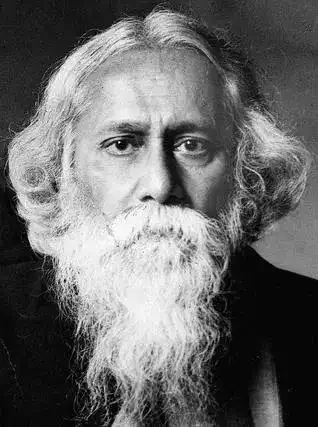
Rabindranath Tagore
The Last Bargain
The Last Bargain
"Come and hire me," I cried, while in the morning I was walking on the stone-paved
road.
Sword in hand, the King came in his chariot.
He held my hand and said, "I will hire you with my power."
But his power counted for nought, and he went away in his chariot.
In the heat of the midday the houses stood with shut doors.
I wandered along the crooked lane.
An old man came out with his bag of gold.
He pondered and said, "I will hire you with my money."
He weighed his coins one by one, but I turned away.
It was evening. The garden hedge was all aflower.
The fair maid came out and said, "I will hire you with a smile."
Her smile paled and melted into tears, and she went back alone into the dark.
The sun glistened on the sand, and the sea waves broke waywardly.
A child sat playing with shells.
He raised his head and seemed to know me, and said, "I hire you with nothing."
From thenceforward that bargain struck in child's play made me a free man.
"Come and hire me," I cried, while in the morning I was walking on the stone-paved
road.
Sword in hand, the King came in his chariot.
He held my hand and said, "I will hire you with my power."
But his power counted for nought, and he went away in his chariot.
In the heat of the midday the houses stood with shut doors.
I wandered along the crooked lane.
An old man came out with his bag of gold.
He pondered and said, "I will hire you with my money."
He weighed his coins one by one, but I turned away.
It was evening. The garden hedge was all aflower.
The fair maid came out and said, "I will hire you with a smile."
Her smile paled and melted into tears, and she went back alone into the dark.
The sun glistened on the sand, and the sea waves broke waywardly.
A child sat playing with shells.
He raised his head and seemed to know me, and said, "I hire you with nothing."
From thenceforward that bargain struck in child's play made me a free man.
794
Rabindranath Tagore
Prisoner
Prisoner
`Prisoner, tell me, who was it that bound you?'
`It was my master,' said the prisoner.
`I thought I could outdo everybody in the world in wealth and power,
and I amassed in my own treasure-house the money due to my king.
When sleep overcame me I lay upon the bed that was for my lord,
and on waking up I found I was a prisoner in my own treasure-house.'
`Prisoner, tell me, who was it that wrought this unbreakable chain?'
`It was I,' said the prisoner, `who forged this chain very carefully.
I thought my invincible power would hold the world captive
leaving me in a freedom undisturbed.
Thus night and day I worked at the chain
with huge fires and cruel hard strokes.
When at last the work was done
and the links were complete and unbreakable,
I found that it held me in its grip.'
`Prisoner, tell me, who was it that bound you?'
`It was my master,' said the prisoner.
`I thought I could outdo everybody in the world in wealth and power,
and I amassed in my own treasure-house the money due to my king.
When sleep overcame me I lay upon the bed that was for my lord,
and on waking up I found I was a prisoner in my own treasure-house.'
`Prisoner, tell me, who was it that wrought this unbreakable chain?'
`It was I,' said the prisoner, `who forged this chain very carefully.
I thought my invincible power would hold the world captive
leaving me in a freedom undisturbed.
Thus night and day I worked at the chain
with huge fires and cruel hard strokes.
When at last the work was done
and the links were complete and unbreakable,
I found that it held me in its grip.'
587
Rabindranath Tagore
Playthings
Playthings
Child, how happy you are sitting in the dust, playing with a broken twig all the
morning.
I smile at your play with that little bit of a broken twig.
I am busy with my accounts, adding up figures by the hour.
Perhaps you glance at me and think, "What a stupid game to spoil your morning
with!"
Child, I have forgotten the art of being absorbed in sticks and mud-pies.
I seek out costly playthings, and gather lumps of gold and silver.
With whatever you find you create your glad games, I spend both my time and my
strength over things I never can obtain.
In my frail canoe I struggle to cross the sea of desire, and forget that I too am
playing a game.
Child, how happy you are sitting in the dust, playing with a broken twig all the
morning.
I smile at your play with that little bit of a broken twig.
I am busy with my accounts, adding up figures by the hour.
Perhaps you glance at me and think, "What a stupid game to spoil your morning
with!"
Child, I have forgotten the art of being absorbed in sticks and mud-pies.
I seek out costly playthings, and gather lumps of gold and silver.
With whatever you find you create your glad games, I spend both my time and my
strength over things I never can obtain.
In my frail canoe I struggle to cross the sea of desire, and forget that I too am
playing a game.
640
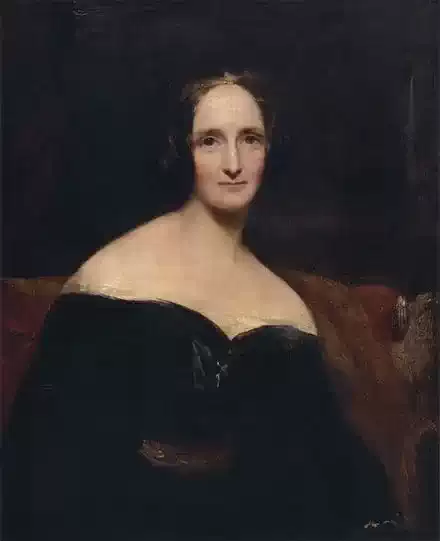
Percy Bysshe Shelley
To The Men Of England
To The Men Of England
Men of England, wherefore plough
For the lords who lay ye low?
Wherefore weave with toil and care
The rich robes your tyrants wear?
Wherefore feed and clothe and save,
From the cradle to the grave,
Those ungrateful drones who would
Drain your sweat -- nay, drink your blood?
Wherefore, Bees of England, forge
Many a weapon, chain, and scourge,
That these stingless drones may spoil
The forced produce of your toil?
Have ye leisure, comfort, calm,
Shelter, food, love's gentle balm?
Or what is it ye buy so dear
With your pain and with your fear?
The seed ye sow another reaps;
The wealth ye find another keeps;
The robes ye weave another wears;
The arms ye forge another bears.
Sow seed, -- but let no tyrant reap;
Find wealth, -- let no imposter heap;
Weave robes, -- let not the idle wear;
Forge arms, in your defence to bear.
Shrink to your cellars, holes, and cells;
In halls ye deck another dwells.
Why shake the chains ye wrought? Ye see
The steel ye tempered glance on ye.
With plough and spade and hoe and loom,
Trace your grave, and build your tomb,
And weave your winding-sheet, till fair
England be your sepulchre!
Men of England, wherefore plough
For the lords who lay ye low?
Wherefore weave with toil and care
The rich robes your tyrants wear?
Wherefore feed and clothe and save,
From the cradle to the grave,
Those ungrateful drones who would
Drain your sweat -- nay, drink your blood?
Wherefore, Bees of England, forge
Many a weapon, chain, and scourge,
That these stingless drones may spoil
The forced produce of your toil?
Have ye leisure, comfort, calm,
Shelter, food, love's gentle balm?
Or what is it ye buy so dear
With your pain and with your fear?
The seed ye sow another reaps;
The wealth ye find another keeps;
The robes ye weave another wears;
The arms ye forge another bears.
Sow seed, -- but let no tyrant reap;
Find wealth, -- let no imposter heap;
Weave robes, -- let not the idle wear;
Forge arms, in your defence to bear.
Shrink to your cellars, holes, and cells;
In halls ye deck another dwells.
Why shake the chains ye wrought? Ye see
The steel ye tempered glance on ye.
With plough and spade and hoe and loom,
Trace your grave, and build your tomb,
And weave your winding-sheet, till fair
England be your sepulchre!
418

Paul Laurence Dunbar
Common Things
Common Things
I like to hear of wealth and gold,
And El Doradoes in their glory;
I like for silks and satins bold
To sweep and rustle through a story.
The nightingale is sweet of song;
The rare exotic smells divinely;
And knightly men who stride along,
The role heroic carry finely.
But then, upon the other hand,
Our minds have got a way of running
To things that aren't quite so grand,
Which, maybe, we are best in shunning.
For some of us still like to see
The poor man in his dwelling narrow,
The hollyhock, the bumblebee,
The meadow lark, and chirping sparrow.
We like the man who soars and sings
With high and lofty inspiration;
But he who sings of common things
Shall always share our admiration.
I like to hear of wealth and gold,
And El Doradoes in their glory;
I like for silks and satins bold
To sweep and rustle through a story.
The nightingale is sweet of song;
The rare exotic smells divinely;
And knightly men who stride along,
The role heroic carry finely.
But then, upon the other hand,
Our minds have got a way of running
To things that aren't quite so grand,
Which, maybe, we are best in shunning.
For some of us still like to see
The poor man in his dwelling narrow,
The hollyhock, the bumblebee,
The meadow lark, and chirping sparrow.
We like the man who soars and sings
With high and lofty inspiration;
But he who sings of common things
Shall always share our admiration.
513
Oscar Wilde
Canzonet
Canzonet
I have no store
Of gryphon-guarded gold;
Now, as before,
Bare is the shepherd's fold.
Rubies nor pearls
Have I to gem thy throat;
Yet woodland girls
Have loved the shepherd's note.
Then pluck a reed
And bid me sing to thee,
For I would feed
Thine ears with melody,
Who art more fair
Than fairest fleur-de-lys,
More sweet and rare
Than sweetest ambergris.
What dost thou fear?
Young Hyacinth is slain,
Pan is not here,
And will not come again.
No horned Faun
Treads down the yellow leas,
No God at dawn
Steals through the olive trees.
Hylas is dead,
Nor will he e'er divine
Those little red
Rose-petalled lips of thine.
On the high hill
No ivory dryads play,
Silver and still
Sinks the sad autumn day.
I have no store
Of gryphon-guarded gold;
Now, as before,
Bare is the shepherd's fold.
Rubies nor pearls
Have I to gem thy throat;
Yet woodland girls
Have loved the shepherd's note.
Then pluck a reed
And bid me sing to thee,
For I would feed
Thine ears with melody,
Who art more fair
Than fairest fleur-de-lys,
More sweet and rare
Than sweetest ambergris.
What dost thou fear?
Young Hyacinth is slain,
Pan is not here,
And will not come again.
No horned Faun
Treads down the yellow leas,
No God at dawn
Steals through the olive trees.
Hylas is dead,
Nor will he e'er divine
Those little red
Rose-petalled lips of thine.
On the high hill
No ivory dryads play,
Silver and still
Sinks the sad autumn day.
229

Ogden Nash
One From One Leaves Two
One From One Leaves Two
Higgledy piggledy, my black hen,
She lays eggs for gentlemen.
Gentlemen come every day
To count what my black hen doth lay.
If perchance she lays too many,
They fine my hen a pretty penny;
If perchance she fails to lay,
The gentlemen a bonus pay.
Mumbledy pumbledy, my red cow,
She’s cooperating now.
At first she didn’t understand
That milk production must be planned;
She didn’t understand at first
She either had to plan or burst,
But now the government reports
She’s giving pints instead of quarts.
Fiddle de dee, my next-door neighbors,
They are giggling at their labors.
First they plant the tiny seed,
Then they water, then they weed,
Then they hoe and prune and lop,
They they raise a record crop,
Then they laugh their sides asunder,
And plow the whole caboodle under.
Abracadabra, thus we learn
The more you create, the less you earn.
The less you earn, the more you’re given,
The less you lead, the more you’re driven,
The more destroyed, the more they feed,
The more you pay, the more they need,
The more you earn, the less you keep,
And now I lay me down to sleep.
I pray the Lord my soul to take
If the tax-collector hasn’t got it before I wake.
Higgledy piggledy, my black hen,
She lays eggs for gentlemen.
Gentlemen come every day
To count what my black hen doth lay.
If perchance she lays too many,
They fine my hen a pretty penny;
If perchance she fails to lay,
The gentlemen a bonus pay.
Mumbledy pumbledy, my red cow,
She’s cooperating now.
At first she didn’t understand
That milk production must be planned;
She didn’t understand at first
She either had to plan or burst,
But now the government reports
She’s giving pints instead of quarts.
Fiddle de dee, my next-door neighbors,
They are giggling at their labors.
First they plant the tiny seed,
Then they water, then they weed,
Then they hoe and prune and lop,
They they raise a record crop,
Then they laugh their sides asunder,
And plow the whole caboodle under.
Abracadabra, thus we learn
The more you create, the less you earn.
The less you earn, the more you’re given,
The less you lead, the more you’re driven,
The more destroyed, the more they feed,
The more you pay, the more they need,
The more you earn, the less you keep,
And now I lay me down to sleep.
I pray the Lord my soul to take
If the tax-collector hasn’t got it before I wake.
252
Ogden Nash
Lines Indited With All The Depravity Of Poverty
Lines Indited With All The Depravity Of Poverty
One way to be very happy is to be very rich
For then you can buy orchids by the quire and bacon by the flitch.
And yet at the same time People don't mind if you only tip them a dime,
Because it's very funny
But somehow if you're rich enough you can get away with spending
water like money
While if you're not rich you can spend in one evening your salary for
the year
And everybody will just stand around and jeer.
If you are rich you don't have to think twice about buying a judge or a
horse,
Or a lower instead of an upper, or a new suit, or a divorce,
And you never have to say When,
And you can sleep every morning until nine or ten,
All of which
Explains why I should like very, very much to be very, very rich.
One way to be very happy is to be very rich
For then you can buy orchids by the quire and bacon by the flitch.
And yet at the same time People don't mind if you only tip them a dime,
Because it's very funny
But somehow if you're rich enough you can get away with spending
water like money
While if you're not rich you can spend in one evening your salary for
the year
And everybody will just stand around and jeer.
If you are rich you don't have to think twice about buying a judge or a
horse,
Or a lower instead of an upper, or a new suit, or a divorce,
And you never have to say When,
And you can sleep every morning until nine or ten,
All of which
Explains why I should like very, very much to be very, very rich.
269