

Poems in this theme
Ethics and Morality
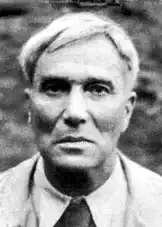
Boris Pasternak
Here will be echoes in the mountains...
Here will be echoes in the mountains...
Here will be echoes in the mountains,
The distant landslides' rumbling boom,
The rocks, the dwellings in the village,
The sorry little inn, the gloom
Of something black beyond the Terek,
Clouds moving heavily. Up there
The day was breaking very slowly;
It dawned, but light was nowhere near.
One sensed the heaviness of darkness
For miles ahead around Kazbek
Wound on the heights: though some were trying
To throw the halter from their neck.
As if cemented in an oven,
In the strange substance of a dream,
A pot of poisoned food, the region
Of Daghestan there slowly steamed.
Its towering peaks towards us rolling,
All black from top to foot, it strained
To meet our car, if not with clashing
Of daggers, then with pouring rain.
The mountains were preparing trouble.
The handsome giants, fierce and black,
Each one more evil than the other
Were closing down upon our track.
Here will be echoes in the mountains,
The distant landslides' rumbling boom,
The rocks, the dwellings in the village,
The sorry little inn, the gloom
Of something black beyond the Terek,
Clouds moving heavily. Up there
The day was breaking very slowly;
It dawned, but light was nowhere near.
One sensed the heaviness of darkness
For miles ahead around Kazbek
Wound on the heights: though some were trying
To throw the halter from their neck.
As if cemented in an oven,
In the strange substance of a dream,
A pot of poisoned food, the region
Of Daghestan there slowly steamed.
Its towering peaks towards us rolling,
All black from top to foot, it strained
To meet our car, if not with clashing
Of daggers, then with pouring rain.
The mountains were preparing trouble.
The handsome giants, fierce and black,
Each one more evil than the other
Were closing down upon our track.
463
Boris Pasternak
Fairy Tale
Fairy Tale
Once, in times forgotten,
In a fairy place,
Through the steppe, a rider
Made his way apace.
While he sped to battle,
Nearing from the dim
Distance, a dark forest
Rose ahead of him.
Something kept repeating,
Seemed his heart to graze:
Tighten up the saddle,
Fear the watering-place.
But he did not listen.
Heeding but his will,
At full speed he bounded
Up the wooded hill;
Rode into a valley,
Turning from the mound,
Galloped through a meadow,
Skirted higher ground;
Reached a gloomy hollow,
Found a trail to trace
Down the woodland pathway
To the watering-place.
Deaf to voice of warning,
And without remorse,
Down the slope, the rider
Led his thirsty horse.
Where the stream grew shallow,
Winding through the glen,
Eerie flames lit up the
Entrance to a den.
Through thick clouds of crimson
Smoke above the spring,
An uncanny calling
Made the forest ring.
And the rider started,
And with peering eye
Urged his horse in answer
To the haunting cry.
Then he saw the dragon,
And he gripped his lance;
And his horse stood breathless
Fearing to advance.
Thrice around a maiden
Was the serpent wound;
Fire-breathing nostrils
Cast a glare around.
And the dragon's body
Moved his scaly neck,
At her shoulder snaking
Whiplike forth and back.
By that country's custom
Was a young and fair
Captive brought as ransom
To the dragon's lair.
This then was the tribute
That the people owed
To the worm-protection
For a poor abode.
Now the dragon hugged his
Victim in alarm,
And the coils grew tighter
Round her throat and arm.
Skyward looked the horseman
With imploring glance,
And for the impending
Fight he couched his lance.
Tightly closing eyelids.
Heights and cloudy spheres.
Rivers. Waters. Boulders.
Centuries and years.
Helmetless, the wounded
Lies, his life at stake.
With his hooves the charger
Tramples down the snake.
On the sand, together-
Dragon, steed, and lance;
In a swoon the rider,
The maiden-in a trance.
Blue the sky; soft breezes
Tender noon caress.
Who is she? A lady?
Peasant girl? Princess?
Now in joyous wonder
Cannot cease to weep;
Now again abandoned
To unending sleep.
Now, his strength returning,
Opens up his eyes;
Now anew the wounded
Limp and listless lies.
But their hearts are beating.
Waves surge up, die down;
Carry them, and waken,
And in slumber drown.
Tightly closing eyelids.
Heights and cloudy spheres.
Rivers. Waters. Boulders.
Centuries and years.
Once, in times forgotten,
In a fairy place,
Through the steppe, a rider
Made his way apace.
While he sped to battle,
Nearing from the dim
Distance, a dark forest
Rose ahead of him.
Something kept repeating,
Seemed his heart to graze:
Tighten up the saddle,
Fear the watering-place.
But he did not listen.
Heeding but his will,
At full speed he bounded
Up the wooded hill;
Rode into a valley,
Turning from the mound,
Galloped through a meadow,
Skirted higher ground;
Reached a gloomy hollow,
Found a trail to trace
Down the woodland pathway
To the watering-place.
Deaf to voice of warning,
And without remorse,
Down the slope, the rider
Led his thirsty horse.
Where the stream grew shallow,
Winding through the glen,
Eerie flames lit up the
Entrance to a den.
Through thick clouds of crimson
Smoke above the spring,
An uncanny calling
Made the forest ring.
And the rider started,
And with peering eye
Urged his horse in answer
To the haunting cry.
Then he saw the dragon,
And he gripped his lance;
And his horse stood breathless
Fearing to advance.
Thrice around a maiden
Was the serpent wound;
Fire-breathing nostrils
Cast a glare around.
And the dragon's body
Moved his scaly neck,
At her shoulder snaking
Whiplike forth and back.
By that country's custom
Was a young and fair
Captive brought as ransom
To the dragon's lair.
This then was the tribute
That the people owed
To the worm-protection
For a poor abode.
Now the dragon hugged his
Victim in alarm,
And the coils grew tighter
Round her throat and arm.
Skyward looked the horseman
With imploring glance,
And for the impending
Fight he couched his lance.
Tightly closing eyelids.
Heights and cloudy spheres.
Rivers. Waters. Boulders.
Centuries and years.
Helmetless, the wounded
Lies, his life at stake.
With his hooves the charger
Tramples down the snake.
On the sand, together-
Dragon, steed, and lance;
In a swoon the rider,
The maiden-in a trance.
Blue the sky; soft breezes
Tender noon caress.
Who is she? A lady?
Peasant girl? Princess?
Now in joyous wonder
Cannot cease to weep;
Now again abandoned
To unending sleep.
Now, his strength returning,
Opens up his eyes;
Now anew the wounded
Limp and listless lies.
But their hearts are beating.
Waves surge up, die down;
Carry them, and waken,
And in slumber drown.
Tightly closing eyelids.
Heights and cloudy spheres.
Rivers. Waters. Boulders.
Centuries and years.
570
Boris Pasternak
Do not fret, do not cry, do not tax...
Do not fret, do not cry, do not tax...
Do not fret, do not cry, do not tax
Your last strength, and your heart do not torture.
You're alive, you're inside me, intact,
As a buttress, a friend, an adventure.
I've no fear of standing exposed
As a fraud in my faith in the future.
It's not life, not a union of souls
We are breaking off, but a hoax mutual.
From straw mattresses' sick wretchedness
To the fresh air of wide open spaces!
It's my brother and hand. It's addressed
Like a letter, to you, crisp and bracing.
Like an envelope, tear it across,
With Horizon begin correspondence,
Give your speech the sheer Alpian force,
Overcome the sick sense of forlornness.
O'er the bowl of Bavarian lakes
With the marrow of osseous mountains
You will know I was not a glib fake
And of sugared assurances spouter.
Fare ye well and God bless you! Our bond
And our honour aren't tamely domestic.
Like a sprout in the sunlight, unbend,
And then things will assume a new aspect.
Do not fret, do not cry, do not tax
Your last strength, and your heart do not torture.
You're alive, you're inside me, intact,
As a buttress, a friend, an adventure.
I've no fear of standing exposed
As a fraud in my faith in the future.
It's not life, not a union of souls
We are breaking off, but a hoax mutual.
From straw mattresses' sick wretchedness
To the fresh air of wide open spaces!
It's my brother and hand. It's addressed
Like a letter, to you, crisp and bracing.
Like an envelope, tear it across,
With Horizon begin correspondence,
Give your speech the sheer Alpian force,
Overcome the sick sense of forlornness.
O'er the bowl of Bavarian lakes
With the marrow of osseous mountains
You will know I was not a glib fake
And of sugared assurances spouter.
Fare ye well and God bless you! Our bond
And our honour aren't tamely domestic.
Like a sprout in the sunlight, unbend,
And then things will assume a new aspect.
522
Boris Pasternak
Change
Change
I used to glorify the poor,
Not simply lofty views expressing:
Their lives alone, I felt, were true,
Devoid of pomp and window-dressing.
No stranger to the manor house,
Its finery and lordly tenor,
I was a friend of down-and-outs,
And shunned the idly sponging manner.
For choosing friendship in the ranks
Of working people, though no rebel,
I had the honour to be stamped
As also one among the rabble.
The state of basements, unadorned,
Of attics with no frills or curtains
Was tangible without pretence
And full of substance, weighty, certain.
And I went bad when rot defaced
Our time, and life became infested,
When grief was censured as disgrace
And all played optimists and yes-men.
My faith in those who seemed my friends
Was broken and our ties were sundered.
I, too, lost Man, the Human, since
He had been lost by all and sundry.
I used to glorify the poor,
Not simply lofty views expressing:
Their lives alone, I felt, were true,
Devoid of pomp and window-dressing.
No stranger to the manor house,
Its finery and lordly tenor,
I was a friend of down-and-outs,
And shunned the idly sponging manner.
For choosing friendship in the ranks
Of working people, though no rebel,
I had the honour to be stamped
As also one among the rabble.
The state of basements, unadorned,
Of attics with no frills or curtains
Was tangible without pretence
And full of substance, weighty, certain.
And I went bad when rot defaced
Our time, and life became infested,
When grief was censured as disgrace
And all played optimists and yes-men.
My faith in those who seemed my friends
Was broken and our ties were sundered.
I, too, lost Man, the Human, since
He had been lost by all and sundry.
603
Boris Pasternak
Craft
Craft
When, having finished, I shall move my armchair,
The page will gasp, awakened from the strain.
Delirious, she is half asleep at present,
Obedient to suspense and to the rain.
The heaviness of burnt-out ships has numbed her,
Prostrated, weighted down her senseless form;
You cannot dupe this one by false pretences-
It is the poet who will keep her warm.
I told her at an hour (its secret shudder
Vouchsafed by fancy) when the winter will
Light up green screeching ice, fed up with waiting
Behind an office worker's window sill,
And clocks in banks and other public places,
While drinking in the snow and outside's dark,
Will suddenly jump up and strike-their faces
Crossed by the clockhands at the 'seven' mark-
At such a deep, at such a fateful hour,
I made the page wake up and take her chance,
To put on hood and scarf, and venture out to
Descendants, strangers, shaking off her trance.
When, having finished, I shall move my armchair,
The page will gasp, awakened from the strain.
Delirious, she is half asleep at present,
Obedient to suspense and to the rain.
The heaviness of burnt-out ships has numbed her,
Prostrated, weighted down her senseless form;
You cannot dupe this one by false pretences-
It is the poet who will keep her warm.
I told her at an hour (its secret shudder
Vouchsafed by fancy) when the winter will
Light up green screeching ice, fed up with waiting
Behind an office worker's window sill,
And clocks in banks and other public places,
While drinking in the snow and outside's dark,
Will suddenly jump up and strike-their faces
Crossed by the clockhands at the 'seven' mark-
At such a deep, at such a fateful hour,
I made the page wake up and take her chance,
To put on hood and scarf, and venture out to
Descendants, strangers, shaking off her trance.
539
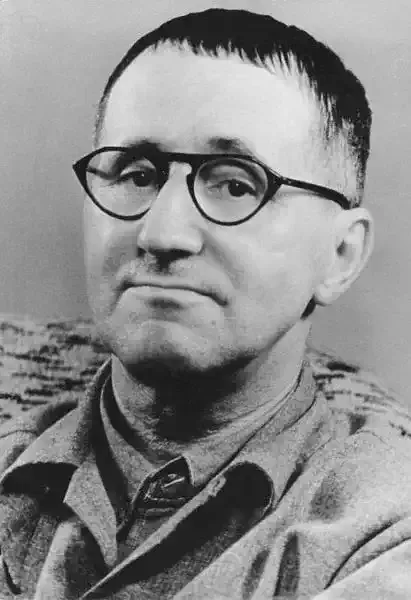
Bertolt Brecht
United Front Song
United Front Song
And because a man is human
He'll want to eat, and thanks a lot
But talk can't take the place of meat
or fill an empty pot.
So left, two, three!
So left, two, three!
Comrade, there's a place for you.
Take your stand in the workers united front
For you are a worker too.
And because a man is human
he won't care for a kick in the face.
He doesn't want slaves under him
Or above him a ruling class.
So left, two, three!
So left, two, three!
Comrade, there's a place for you.
Take your stand in the workers united front
For you are a worker too.
And because a worker's a worker
No one else will bring him liberty.
It's nobody's work but the worker' own
To set the worker free.
So left, two, three!
So left, two, three!
Comrade, there's a place for you.
Take your stand in the workers united front
For you are a worker too.
And because a man is human
He'll want to eat, and thanks a lot
But talk can't take the place of meat
or fill an empty pot.
So left, two, three!
So left, two, three!
Comrade, there's a place for you.
Take your stand in the workers united front
For you are a worker too.
And because a man is human
he won't care for a kick in the face.
He doesn't want slaves under him
Or above him a ruling class.
So left, two, three!
So left, two, three!
Comrade, there's a place for you.
Take your stand in the workers united front
For you are a worker too.
And because a worker's a worker
No one else will bring him liberty.
It's nobody's work but the worker' own
To set the worker free.
So left, two, three!
So left, two, three!
Comrade, there's a place for you.
Take your stand in the workers united front
For you are a worker too.
722
Bertolt Brecht
To the Students of the Workers' and Peasants' Faculty
To the Students of the Workers' and Peasants' Faculty
So there you sit. And how much blood was shed
That you might sit there. Do such stories bore you?
Well, don't forget that others sat before you
who later sat on people. Keep your head!
Your science will be valueless, you'll find
And learning will be sterile, if inviting
Unless you pledge your intellect to fighting
Against all enemies of all mankind.
Never forget that men like you got hurt
That you might sit here, not the other lot.
And now don't shut your eyes, and don't desert
But learn to learn, and try to learn for what.
So there you sit. And how much blood was shed
That you might sit there. Do such stories bore you?
Well, don't forget that others sat before you
who later sat on people. Keep your head!
Your science will be valueless, you'll find
And learning will be sterile, if inviting
Unless you pledge your intellect to fighting
Against all enemies of all mankind.
Never forget that men like you got hurt
That you might sit here, not the other lot.
And now don't shut your eyes, and don't desert
But learn to learn, and try to learn for what.
665
Bertolt Brecht
The Solution
The Solution
After the uprising of the 17th June
The Secretary of the Writers Union
Had leaflets distributed in the Stalinallee
Stating that the people
Had forfeited the confidence of the government
And could win it back only
By redoubled efforts. Would it not be easier
In that case for the government
To dissolve the people
And elect another?
After the uprising of the 17th June
The Secretary of the Writers Union
Had leaflets distributed in the Stalinallee
Stating that the people
Had forfeited the confidence of the government
And could win it back only
By redoubled efforts. Would it not be easier
In that case for the government
To dissolve the people
And elect another?
542
Bertolt Brecht
Solidarity Song
Solidarity Song
Peoples of the world, together
Join to serve the common cause!
So it feeds us all for ever
See to it that it's now yours.
Forward, without forgetting
Where our strength can be seen now to be!
When starving or when eating
Forward, not forgetting
Our solidarity!
Black or white or brown or yellow
Leave your old disputes behind.
Once start talking with your fellow
Men, you'll soon be of one mind.
Forward, without forgetting
Where our strength can be seen now to be!
When starving or when eating
Forward, not forgetting
Our solidarity!
If we want to make this certain
We'll need you and your support.
It's yourselves you'll be deserting
if you rat your own sort.
Forward, without forgetting
Where our strength can be seen now to be!
When starving or when eating
Forward, not forgetting
Our solidarity!
All the gang of those who rule us
Hope our quarrels never stop
Helping them to split and fool us
So they can remain on top.
Forward, without forgetting
Where our strength can be seen now to be!
When starving or when eating
Forward, not forgetting
Our solidarity!
Workers of the world, uniting
Thats the way to lose your chains.
Mighty regiments now are fighting
That no tyrrany remains!
Forward, without forgetting
Till the concrete question is hurled
When starving or when eating:
Whose tomorrow is tomorrow?
And whose world is the world?
Peoples of the world, together
Join to serve the common cause!
So it feeds us all for ever
See to it that it's now yours.
Forward, without forgetting
Where our strength can be seen now to be!
When starving or when eating
Forward, not forgetting
Our solidarity!
Black or white or brown or yellow
Leave your old disputes behind.
Once start talking with your fellow
Men, you'll soon be of one mind.
Forward, without forgetting
Where our strength can be seen now to be!
When starving or when eating
Forward, not forgetting
Our solidarity!
If we want to make this certain
We'll need you and your support.
It's yourselves you'll be deserting
if you rat your own sort.
Forward, without forgetting
Where our strength can be seen now to be!
When starving or when eating
Forward, not forgetting
Our solidarity!
All the gang of those who rule us
Hope our quarrels never stop
Helping them to split and fool us
So they can remain on top.
Forward, without forgetting
Where our strength can be seen now to be!
When starving or when eating
Forward, not forgetting
Our solidarity!
Workers of the world, uniting
Thats the way to lose your chains.
Mighty regiments now are fighting
That no tyrrany remains!
Forward, without forgetting
Till the concrete question is hurled
When starving or when eating:
Whose tomorrow is tomorrow?
And whose world is the world?
878
Bertolt Brecht
Not What Was Meant
Not What Was Meant
When the Academy of Arts demanded freedom
Of artistic expression from narrow-minded bureaucrats
There was a howl and a clamour in its immediate vicinity
But roaring above everything
Came a deafening thunder of applause
From beyond the Sector boundary.
Freedom! it roared. Freedom for the artists!
Freedom all round! Freedom for all!
Freedom for the exploiters! Freedom for the warmongers!
Freedom for the Ruhr cartels! Freedom for Hitler's generals!
Softly, my dear fellows...
The Judas kiss for the artists follows
Hard on the Judas kiss for the workers.
The arsonist with his bottle of petrol
Sneaks up grinning to
The Academy of Arts.
But it was not to embrace him, just
To knock the bottle out of his dirty hand that
We asked for elbow room.
Even the narrowest minds
In which peace is harboured
Are more welcome to the arts than the art lover
Who is also a lover of the art of war.
When the Academy of Arts demanded freedom
Of artistic expression from narrow-minded bureaucrats
There was a howl and a clamour in its immediate vicinity
But roaring above everything
Came a deafening thunder of applause
From beyond the Sector boundary.
Freedom! it roared. Freedom for the artists!
Freedom all round! Freedom for all!
Freedom for the exploiters! Freedom for the warmongers!
Freedom for the Ruhr cartels! Freedom for Hitler's generals!
Softly, my dear fellows...
The Judas kiss for the artists follows
Hard on the Judas kiss for the workers.
The arsonist with his bottle of petrol
Sneaks up grinning to
The Academy of Arts.
But it was not to embrace him, just
To knock the bottle out of his dirty hand that
We asked for elbow room.
Even the narrowest minds
In which peace is harboured
Are more welcome to the arts than the art lover
Who is also a lover of the art of war.
577
Bertolt Brecht
A Worker Reads History
A Worker Reads History
Who built the seven gates of Thebes?
The books are filled with names of kings.
Was it the kings who hauled the craggy blocks of stone?
And Babylon, so many times destroyed.
Who built the city up each time? In which of Lima's houses,
That city glittering with gold, lived those who built it?
In the evening when the Chinese wall was finished
Where did the masons go? Imperial Rome
Is full of arcs of triumph. Who reared them up? Over whom
Did the Caesars triumph? Byzantium lives in song.
Were all her dwellings palaces? And even in Atlantis of the legend
The night the seas rushed in,
The drowning men still bellowed for their slaves.
Young Alexander conquered India.
He alone?
Caesar beat the Gauls.
Was there not even a cook in his army?
Phillip of Spain wept as his fleet
was sunk and destroyed. Were there no other tears?
Frederick the Greek triumphed in the Seven Years War.
Who triumphed with him?
Each page a victory
At whose expense the victory ball?
Every ten years a great man,
Who paid the piper?
So many particulars.
So many questions.
Who built the seven gates of Thebes?
The books are filled with names of kings.
Was it the kings who hauled the craggy blocks of stone?
And Babylon, so many times destroyed.
Who built the city up each time? In which of Lima's houses,
That city glittering with gold, lived those who built it?
In the evening when the Chinese wall was finished
Where did the masons go? Imperial Rome
Is full of arcs of triumph. Who reared them up? Over whom
Did the Caesars triumph? Byzantium lives in song.
Were all her dwellings palaces? And even in Atlantis of the legend
The night the seas rushed in,
The drowning men still bellowed for their slaves.
Young Alexander conquered India.
He alone?
Caesar beat the Gauls.
Was there not even a cook in his army?
Phillip of Spain wept as his fleet
was sunk and destroyed. Were there no other tears?
Frederick the Greek triumphed in the Seven Years War.
Who triumphed with him?
Each page a victory
At whose expense the victory ball?
Every ten years a great man,
Who paid the piper?
So many particulars.
So many questions.
1,710
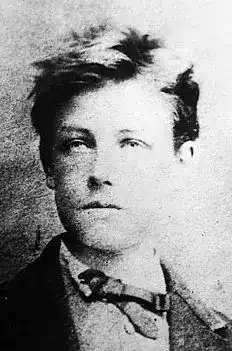
Arthur Rimbaud
Working People
Working People
O that warm February morning!
The untimely south came
to stir up our absurd paupers' memories,
our young distress.
Henrika had on a brown
and white checked cotton skirt
which must have been worn in the last century,
a bonnet with ribbons and a silk scarf.
It was much sadder than any mourning.
We were taking a stroll in the suburbs.
The weather was overcast
and that wind from the south
excited all the evil odors of the desolate
garden and the dried fields.
It did not seem to weary my wife as it did me.
In a puddle left by the rains of the preceding month,
on a fairly high path,
she called my attention to some very little fishes.
The city with its smoke and its factory noises
followed us far out along the roads.
O other world, habituation
blessed by sky and shade!
The south brought black miserable memories
of my childhood, my summer despairs,
the horrible quantity of strength
and of knowledge that fate has always kept from me.
No! we will not spend the summer
in this avaricious country
where we shall never be anything
but affianced orphans.
I want this hardened arm
to stop dragging _a cherished image._
O that warm February morning!
The untimely south came
to stir up our absurd paupers' memories,
our young distress.
Henrika had on a brown
and white checked cotton skirt
which must have been worn in the last century,
a bonnet with ribbons and a silk scarf.
It was much sadder than any mourning.
We were taking a stroll in the suburbs.
The weather was overcast
and that wind from the south
excited all the evil odors of the desolate
garden and the dried fields.
It did not seem to weary my wife as it did me.
In a puddle left by the rains of the preceding month,
on a fairly high path,
she called my attention to some very little fishes.
The city with its smoke and its factory noises
followed us far out along the roads.
O other world, habituation
blessed by sky and shade!
The south brought black miserable memories
of my childhood, my summer despairs,
the horrible quantity of strength
and of knowledge that fate has always kept from me.
No! we will not spend the summer
in this avaricious country
where we shall never be anything
but affianced orphans.
I want this hardened arm
to stop dragging _a cherished image._
526
Arthur Rimbaud
Tartufe's Punishment
Tartufe's Punishment
Raking, raking, his amorous thoughts
underneath his chaste robe of black,
happy, his hand gloved,
one day as he went along, fearsomely sweet,
yellow, dribbling piety from his toothless mouth,
One day as he went along,
'Let us Pray', - a Wicked One seized him
roughly by his saintly ear and
snapped frightful words at him,
tearing off the chaste robe of black
wrapped about his moist skin.
Punishment! - His clothes were unbuttoned;
and, the long chaplet of pardoned
sins being told in his heart,
St Tartufe was so pale!..
So he confessed and prayed, with a death rattle!
The man contented himself with carrying off
his clerical bands… - Faugh!
Tartufe was naked from his top to his toe!
Raking, raking, his amorous thoughts
underneath his chaste robe of black,
happy, his hand gloved,
one day as he went along, fearsomely sweet,
yellow, dribbling piety from his toothless mouth,
One day as he went along,
'Let us Pray', - a Wicked One seized him
roughly by his saintly ear and
snapped frightful words at him,
tearing off the chaste robe of black
wrapped about his moist skin.
Punishment! - His clothes were unbuttoned;
and, the long chaplet of pardoned
sins being told in his heart,
St Tartufe was so pale!..
So he confessed and prayed, with a death rattle!
The man contented himself with carrying off
his clerical bands… - Faugh!
Tartufe was naked from his top to his toe!
651
Arthur Rimbaud
Shame
Shame
So long as the blade has not
Cut off that brain,
That white, green and fatty parcel,
Whose steam is never fresh,
Ah ! He, should cut off his
Nose, his lips, his ears,
His belly ! And abandon
But no, truly, I believe that so long as
The blade to his head,
And the stone to his side,
And the flame to his guts
Have not done execution, the tiresome
Child, the so stupid animal,
Must never for an instant cease
To cheat and betray
And like a Rocky Mountain cat ;
To make all places stink !
But still when he dies,
O my God !
May there rise up some prayer !
So long as the blade has not
Cut off that brain,
That white, green and fatty parcel,
Whose steam is never fresh,
Ah ! He, should cut off his
Nose, his lips, his ears,
His belly ! And abandon
But no, truly, I believe that so long as
The blade to his head,
And the stone to his side,
And the flame to his guts
Have not done execution, the tiresome
Child, the so stupid animal,
Must never for an instant cease
To cheat and betray
And like a Rocky Mountain cat ;
To make all places stink !
But still when he dies,
O my God !
May there rise up some prayer !
643
Arthur Rimbaud
People In Church
People In Church
Penned between oaken pews,
in corners of the church which their breath stinkingly warms,
all their eyes on the chancel dripping with gold,
and the choir with its twenty pairs of jaws bawling pious hymns;
Sniffing the odour of wax if it were the odour of bread,
happy, ad humbled like beaten dogs,
the Poor offer up to God, the Lord and Master,
their ridiculous stubborn oremuses.
For the women it is very pleasant to wear the benches smooth;
after the six black days on which God has made them suffer.
They nurse, swaddled in strange-looking shawls,
creatures like children who weep as if they would die.
Their unwashed breasts hanging out, these eaters of soup,
with a prayer in their eyes, but never praying,
watch a group of hoydens wickedly
showing off with hats all out of shape.
Outside is the cold, and hunger - and a man on the booze.
All right. There's another hour to go; afterwards, nameless ills! -
Meanwhile all around an assortment of old
dewlapped women whimpers, snuffles, and whispers:
These are distracted persons and the epileptics from whom,
yesterday, you turned away at street crossings;
there too are the blind who are led by a dog into courtyards,
poring their noses into old-fashioned missals. -
And all of them, dribbling a stupid groveling faith,
recite their unending complaint to Jesus who is dreaming up there,
yellow from the livid stained glass window,
far above thin rascals and wicked potbellies,
far from the smell of meat and mouldy fabric,
and the exhausted somber farce of repulsive gestures and
as the prayer flowers in choice expressions,
and the mysteries take on more emphatic tones, from the aisles,
where the sun is dying, trite folds of silk and green smiles,
the ladies of the better quarters of the town - oh Jesus! the
sufferers from complaints of the liver,
make their long yellow fingers kiss the holy water in the stoups.
Penned between oaken pews,
in corners of the church which their breath stinkingly warms,
all their eyes on the chancel dripping with gold,
and the choir with its twenty pairs of jaws bawling pious hymns;
Sniffing the odour of wax if it were the odour of bread,
happy, ad humbled like beaten dogs,
the Poor offer up to God, the Lord and Master,
their ridiculous stubborn oremuses.
For the women it is very pleasant to wear the benches smooth;
after the six black days on which God has made them suffer.
They nurse, swaddled in strange-looking shawls,
creatures like children who weep as if they would die.
Their unwashed breasts hanging out, these eaters of soup,
with a prayer in their eyes, but never praying,
watch a group of hoydens wickedly
showing off with hats all out of shape.
Outside is the cold, and hunger - and a man on the booze.
All right. There's another hour to go; afterwards, nameless ills! -
Meanwhile all around an assortment of old
dewlapped women whimpers, snuffles, and whispers:
These are distracted persons and the epileptics from whom,
yesterday, you turned away at street crossings;
there too are the blind who are led by a dog into courtyards,
poring their noses into old-fashioned missals. -
And all of them, dribbling a stupid groveling faith,
recite their unending complaint to Jesus who is dreaming up there,
yellow from the livid stained glass window,
far above thin rascals and wicked potbellies,
far from the smell of meat and mouldy fabric,
and the exhausted somber farce of repulsive gestures and
as the prayer flowers in choice expressions,
and the mysteries take on more emphatic tones, from the aisles,
where the sun is dying, trite folds of silk and green smiles,
the ladies of the better quarters of the town - oh Jesus! the
sufferers from complaints of the liver,
make their long yellow fingers kiss the holy water in the stoups.
608
Arthur Rimbaud
LINES, an excerpt from
LINES, an excerpt from
When the world comes down to this one dark wood
Before our four astonished eyes...
To a beach for two faithful children...
To a house of music, for our clear accord...
I will find you.
Let there be no one here below but one old man,
Beautiful and calm, surrounded with 'unimagined luxury'...
I will be at your feet.
Let me penetrate all of your memories...
Let me be that woman who can bind you hand and foot...
I will strangle you.
When we are very strong - who can hold us back?
And very gay - how can ridicule harm us?
When we are very bad - what can they do to us?
Dress yourself up,
And dance,
And laugh.
I could never throw Love out the window.
(translated by Paul Schmidt)
When the world comes down to this one dark wood
Before our four astonished eyes...
To a beach for two faithful children...
To a house of music, for our clear accord...
I will find you.
Let there be no one here below but one old man,
Beautiful and calm, surrounded with 'unimagined luxury'...
I will be at your feet.
Let me penetrate all of your memories...
Let me be that woman who can bind you hand and foot...
I will strangle you.
When we are very strong - who can hold us back?
And very gay - how can ridicule harm us?
When we are very bad - what can they do to us?
Dress yourself up,
And dance,
And laugh.
I could never throw Love out the window.
(translated by Paul Schmidt)
551
Arthur Rimbaud
Jeanne-Marie's Hands
Jeanne-Marie's Hands
Jeanne-Marie has strong hands; dark hands tanned by the summer,
pale hands like dead hands. Are they the hands of Donna Juana?
Did they get their dusky cream colour
sailing on pools of sensual pleasure?
Have they dipped into moons, in ponds of serenity?
Have they drunk heat from barbarous skies, calm upon enchanting knees?
Have they rolled cigars, or traded in diamonds?
Have they tossed golden flowers at the glowing feet of Madonnas?
It is the black blood of belladonnas that blazes and sleeps in their palms.
Hands which drive the diptera with which
the auroral bluenesses buzz, towards the nectars?
Hands which measure out poisons?
Oh what Dream has stiffened them in pandiculations?
Some extraordinary dream of the Asias, of Khenghavars or Zions?
These hands have neither sold oranges
nor become sunburnt at the feet of the gods:
these hands have never washed the napkins of heavy babies without eyes.
These are not the hands of a tart,
nor of working women with round foreheads burnt
by a sun which is drunk with the smell of tar,
in woods that sink of factories.
These are benders of backbones; hands that never work harm;
more inevitable than machines, stronger than carthorses!
Stirring like furnaces, shaking off all their chills of fear,
their flesh sings Marseillaises, and never Eleisons!
They could grasp your necks, O evil women;
they could pulverize your hands, noblewomen;
your infamous hands full of white and of carmine.
The splendour of these hands of love turns the heads of the lambs!
On their spicy fingers the great sun sets a ruby!
A dark stain of the common people makes then brown
like the nipples of the women of yesterday,
but it is the backs of these Hands which every
proud Rebel desires to kiss! Marvelous,
they have paled in the great sunshine full of love of the cause
on the bronze casing of machine-guns throughout insurgent Paris!
Ah, sometimes, O blessed Hands, at your wrists,
Hands where our never-sobered lips tremble,
cries out a chain of bright links!
And there's a strange and sudden
Start in our beings when,
sometimes, they try, angelic Hands,
to make your sunburn fade away
by making your fingers bleed!
Jeanne-Marie has strong hands; dark hands tanned by the summer,
pale hands like dead hands. Are they the hands of Donna Juana?
Did they get their dusky cream colour
sailing on pools of sensual pleasure?
Have they dipped into moons, in ponds of serenity?
Have they drunk heat from barbarous skies, calm upon enchanting knees?
Have they rolled cigars, or traded in diamonds?
Have they tossed golden flowers at the glowing feet of Madonnas?
It is the black blood of belladonnas that blazes and sleeps in their palms.
Hands which drive the diptera with which
the auroral bluenesses buzz, towards the nectars?
Hands which measure out poisons?
Oh what Dream has stiffened them in pandiculations?
Some extraordinary dream of the Asias, of Khenghavars or Zions?
These hands have neither sold oranges
nor become sunburnt at the feet of the gods:
these hands have never washed the napkins of heavy babies without eyes.
These are not the hands of a tart,
nor of working women with round foreheads burnt
by a sun which is drunk with the smell of tar,
in woods that sink of factories.
These are benders of backbones; hands that never work harm;
more inevitable than machines, stronger than carthorses!
Stirring like furnaces, shaking off all their chills of fear,
their flesh sings Marseillaises, and never Eleisons!
They could grasp your necks, O evil women;
they could pulverize your hands, noblewomen;
your infamous hands full of white and of carmine.
The splendour of these hands of love turns the heads of the lambs!
On their spicy fingers the great sun sets a ruby!
A dark stain of the common people makes then brown
like the nipples of the women of yesterday,
but it is the backs of these Hands which every
proud Rebel desires to kiss! Marvelous,
they have paled in the great sunshine full of love of the cause
on the bronze casing of machine-guns throughout insurgent Paris!
Ah, sometimes, O blessed Hands, at your wrists,
Hands where our never-sobered lips tremble,
cries out a chain of bright links!
And there's a strange and sudden
Start in our beings when,
sometimes, they try, angelic Hands,
to make your sunburn fade away
by making your fingers bleed!
553
Arthur Rimbaud
Le Forgeron (The Blacksmith)
Le Forgeron (The Blacksmith)
Le bras sur un marteau gigantesque, effrayant
D'ivresse et de grandeur, le front large, riant
Comme un clairon d'airain, avec toute sa bouche,
Et prenant ce gros-là dans son regard farouche,
Le Forgeron parlait à Louis Seize, un jour
Que le Peuple était là, se tordant tout autour,
Et sur les lambris d'or traînait sa veste sale.
Or le bon roi, debout sur son ventre, était pâle
Pâle comme un vaincu qu'on prend pour le gibet,
Et, soumis comme un chien, jamais ne regimbait,
Car ce maraud de forge aux énormes épaules
Lui disait de vieux mots et des choses si drôles,
Que cela l'empoignait au front, comme cela !
'Donc, Sire, tu sais bien, nous chantions tra la la
Et nous piquions les boeufs vers les sillons des autres :
Le Chanoine au soleil disait ses patenôtres
Sur des chapelets clairs grenés de pièces d'or.
Le Seigneur, à cheval, passait, sonnant du cor,
Et l'un avec la hart, l'autre avec la cravache,
Nous fouaillaient ; Hébétés comme des yeux de vache,
Nos yeux ne pleuraient pas : nous allions ! nous allions !
Et quand nous avions mis le pays en sillons,
Quand nous avions laissé dans cette terre noire
Un peu de notre chair... nous avions un pourboire :
-Nous venions voir flamber nos taudis dans la nuit ;
Nos enfants y faisaient un gâteau fort bien cuit !...
'Oh ! je ne me plains pas. Je te dis mes bêtises :
-C'est entre nous. J'admets que tu me contredises...
Or, n'est-ce pas joyeux de voir, au mois de juin
Dans les granges entrer des voitures de foin
Enormes ? De sentir l'odeur de ce qui pousse,
Des vergers quand il pleut un peu, de l'herbe rousse ?
De voir les champs de blé, les épis pleins de grain,
De penser que cela prépare bien du pain ?...
-Oui, l'on pourrait, plus fort, au fourneau qui s'allume,
Chanter joyeusement en martelant l'enclume,
Si l'on était certain qu'on pourrait prendre un peu,
Étant homme, à la fin !, de ce que donne Dieu !...
-Mais voilà, c'est toujours la même vieille histoire !
'... Oh ! je sais, maintenant ! Moi, je ne peux plus croire,
Quand j'ai deux bonnes mains, mon front et mon marteau,
Qu'un homme vienne là, dague sous le manteau
Et me dise : Maraud, ensemence ma terre ;
Que l'on arrive encor, quand ce serait la guerre,
Me prendre mon garçon comme cela, chez moi !...
-Moi, je serais un homme, et toi tu serais roi,
Tu me dirais : Je veux ! - Tu vois bien, c'est stupide !...
Tu crois que j'aime à voir ta baraque splendide,
Tes officiers dorés, tes mille chenapans,
Tes palsembleu bâtards tournant comme des paons ?
Ils ont rempli ton nid de l'odeur de nos filles,
Et de petits billets pour nous mettre aux Bastilles,
Et nous dirions : C'est bien : les pauvres à genoux !...
Nous dorerions ton Louvre en donnant nos gros sous,
Et tu te soûlerais, tu ferais belle fête,
Et tes Messieurs riraient, les reins sur notre tête !...
'Non ! Ces saletés-là datent de nos papas !
Oh ! Le Peuple n'est plus une putain ! Trois pas,
Et, tous, nous avons mis ta Bastille en poussière !
Cette bête suait du sang à chaque pierre...
Et c'était dégoûtant, la Bastille debout
Avec ses murs lépreux qui nous rappelaient tout
Et, toujours, nous tenaient enfermés dans leur ombre !
-Citoyen ! citoyen ! c'était le passé sombre
Qui croulait, qui râlait, quand nous prîmes la tour !
Nous avions quelque chose au coeur comme l'amour :
Nous avions embrassé nos fils sur nos poitrines,
Et, comme des chevaux, en soufflant des narines,
Nous marchions, nous chantions, et ça nous battait là,
Nous allions au soleil, front haut, comme cela,
Dans Paris accourant devant nos vestes sales !...
Enfin ! Nous nous sentions hommes ! Nous étions pâles,
Sire ; nous étions soûls de terribles espoirs,
Et quand nous fûmes là, devant les donjons noirs,
Agitant nos clairons et nos feuilles de chêne,
Les piques à la main ; nous n'eûmes pas de haine :
-Nous nous sentions si forts ! nous voulions être doux !
'Et depuis ce jour-là, nous sommes comme fous...
Le flot des ouvriers a monté dans la rue
Et ces maudits s'en vont, foule toujours accrue,
Comme des revenants, aux portes des richards !...
Moi, je cours avec eux assommer les mouchards,
Et je vais dans Paris le marteau sur l'épaule,
Farouche, à chaque coin balayant quelque drôle,
Et, si tu me riais au nez, je te tuerais !...
-Puis, tu dois y compter, tu te feras des frais
Avec tes avocats, qui prennent nos requêtes
Pour se les renvoyer comme sur des raquettes,
Et, tout bas, les malins ! Nous traitant de gros sots !
Pour mitonner des lois, ranger des de petits pots
Pleins de menus décrets, de méchantes droguailles,
S'amuser à couper proprement quelques tailles,
Puis se boucher le nez quand nous passons près d'eux,
- Ces chers avocassiers qui nous trouvent crasseux ! -
Pour débiter là-bas des milliers de sornettes
Et ne rien redouter sinon les baïonnettes,
Nous en avons assez, de tous ces cerveaux plats !
Ils embêtent le peuple !... Ah ! ce sont là les plats
Que tu nous sers, bourgeois, quand nous sommes féroces,
Quand nous cassons déjà les sceptres et les crosses !...'
Puis il le prend au bras, arrache le velours
Des rideaux, et lui montre, en bas, les larges cours
Où fourmille, où fourmille, où se lève la foule,
La foule épouvantable avec des bruits de houle,
Hurlant comme une chienne, hurlant comme une mer,
Avec ses bâtons forts et ses piques de fer,
Ses clameurs, ses grands cris de halles et de bouges,
Tas sombre de haillons taché de bonnets rouges !
L'Homme, par la fenêtre ouverte, montre tout
Au Roi pâle, suant qui chancelle debout,
Malade à regarder cela !...
spacespacespacespacespacespacespacespace'C'est la Crapule,
Sire ! ça bave aux murs, ça roule, ça pullule...
-Puisqu'ils ne mangent pas, Sire, ce sont les gueux !
-Je suis un forgeron : ma femme est avec eux :
Folle ! Elle vient chercher du pain aux Tuileries :
-On ne veut pas de nous dans les boulangeries !...
J'ai trois petits ; -Je suis crapule ! - Je connais
Des vieilles qui s'en vont pleurant sous leurs bonnets,
Parce qu'on leur a pris leur garçon ou leur fille :
-C'est la crapule. - Un homme était à la bastille,
D'autres étaient forçats ; c'étaient des citoyens
Honnêtes ; Libérés, ils sont comme des chiens ;
On les insulte ! Alors, ils ont là quelque chose
Qui leur fait mal, allez ! C'est terrible, et c'est cause
Que, se sentant brisés, que, se sentant damnés,
Ils viennent maintenant hurler sous votre nez !...
-Crapules : - Là-dedans sont des filles, infâmes
Parce que -, sachant bien que c'est faible, les femmes,
Messeigneurs de la cour, que ça veut toujours bien, -
Vous leur avez sali leur âme, comme rien !
Vos belles, aujourd'hui, sont là : - C'est la Crapule...
'Oh ! tous les Malheureux, tout ceux dont le dos brûle
Sous le soleil féroce, et qui vont, et qui vont,
Et dans ce travail-là sentent crever leur front,
Chapeau bas, mes bourgeois ! Oh ! ceux-là sont les hommes !
-Nous sommes Ouvriers ! Sire, Ouvriers ! - nous sommes
Pour les grands temps nouveaux où l'on voudra savoir,
Où l'homme forgera du matin jusqu'au soir,
Où, lentement vainqueur, il chassera les choses
Poursuivant les grands buts, cherchant les grandes causes,
Et montera sur Tout comme sur un cheval !
Oh ! nous sommes contents, nous aurons bien du mal !
-Tout ce qu'on ne sait pas, c'est peut-être terrible.
Nous pendrons nos marteaux, nous passerons au crible
Tout ce que nous savons, puis, Frères, en avant !...
-Nous faisons quelquefois ce grand rêve émouvant
De vivre simplement, ardemment, sans rien dire
De mauvais, travaillant sous l'auguste sourire
D'une femme qu'on aime avec un noble amour !
Et l'on travaillerait fièrement tout le jour,
Ecoutant le devoir comme un clairon qui sonne :
Et l'on se trouverait fort heureux, et personne,
Oh ! personne ! surtout, ne vous ferait plier !...
On aurait un fusil au-dessus du foyer....
'Oh ! mais ! l'air est tout plein d'une odeur de bataille !
Que te disais-je donc ? Je suis de la canaille !'
Translation by A. S. Kline
His hand on a gigantic hammer, terrifying
In size and drunkenness, vast-browed, laughing
Like a bronze trumpet, his whole mouth displayed,
Devouring the fat man, now, with his wild gaze,
The Blacksmith spoke with Louis, with the king,
The People there, all around him, cavorting,
Trailing their dirty coats down gilded panels.
But the dear king, belly upright, was pallid,
Pale as the victim led to the guillotine,
Submissive like a dog, cowed by the scene,
Since that wide-shouldered forge-black soul
Spoke of things past and other things so droll,
He had him by the short hairs, just like that!
‘Now, Sir, you know how we’d sing tra-la-la,
And drive the ox down other people’s furrows:
The Canon spun paternosters in the shadows
On rosaries bright with golden coins adorned,
Some Lord, astride, passed blowing on his horn,
One with the noose, another with whip-blows
Lashed us on. – Dazed like the eyes of cows,
Our eyes no longer wept; on and on we went,
And when we’d ploughed a whole continent,
When we had left behind in that black soil
A little of our own flesh…to reward our toil:
They’d set alight our hovels in the night;
Our little ones made burnt cakes alright.
…Oh, I’m not complaining! All my follies,
They’re between us. I’ll let you contradict.
But, isn’t it fine to see, in the month of June,
The enormous hay-wains entering the barns?
To smell the odour of burgeoning things,
The orchards in fine rain, the oats reddening?
To see wheat, wheat, ears filled with grain,
To think it promises us good bread again?...
Oh! You’d go to the forge, be more cheerful,
Sing and hammer joyfully at the anvil,
If you were sure to gain a little in the end –
Being, in fact, a man – of what God intends!
– But there it is, always the same old story!...
But now I know! I don’t credit it any more,
Owning two strong hands, a head, a hammer,
That a man in a cloak, wearing a dagger
Can say: go and sow my land, there, fellow;
Or that another, if maybe war should follow,
Can take my son like that, from where I’m living!
– Suppose I were a man, and you a king,
You’d say: I will it!... – What stupidity.
You think your splendid barn pleases me,
Your gilded servants, your thousand rogues,
Your fancy bastards, peacocks in a row:
Filling your nest with our daughters’ odour,
Warrants to the Bastille for us, moreover
That we should say: fine: make the poor poorer!
We’ll give you our last sous to gild the Louvre!
While you get drunk and enjoy the feast,
– And they all laugh, riding our backs beneath!
No. Those puerilities were our fathers!
The People is no one’s whore now, three steps further
And then, we razed your Bastille to the ground.
That monster sweated blood from every mound,
Was an abomination, that Bastille standing,
With leprous walls its every story yielding,
And, we forever held fast in its shadow!
– Citizen! That was the past, its sorrow,
That broke, and died, when we stormed the tower!
We had something in our hearts like true ardour.
We had clutched our children to our breast.
And like chargers, snorting at the contest,
We went, proud and strong, beating here inside…
We marched in the sun – like this – heads high
Into Paris! They greeted us in our ragged clothes.
At last! We felt ourselves Men! We were sallow,
Sire, drunk, and pallid with terrifying hopes:
And there, in front of those black prison slopes,
Waving our bugles and our sprigs of oak,
Pikes in our fists; did we feel hatred, no!
– We felt such strength we wanted to be gentle! ...
And since that day, we have proved elementals!
A mass of workers sprang up in the street,
And, cursed, are gone, a swelling crowd replete
With ghostly shades, to haunt the rich man’s gate.
I, I run with them, and set informers straight:
I scour Paris, dark-faced, wild, hammer on shoulder,
Sweeping something droll out of every corner,
And, if you smile at me, then I’ll do for you!
– Well, count on it: all this is going to cost you
And your men in black, culling our requests
To bat them about on their racquets all in jest,
And whisper, the rascals, softly: “Oh, what sots!”
To cook up laws, and stick up little pots,
Filled with cute pink decrees, and sugar pills,
Cutting us down to size, to amuse themselves,
Then they hold their noses when we pass by,
– Our kind representatives who hate the sty! –
Fearful of nothing, nothing, but bayonets….
That’s fine. Enough of snuff and lorgnettes!
We’ve had our fill, here, of those dull heads
And bellies of gods. Ah! That’s the bread
You serve us, bourgeoisie, while we rage here,
While we shatter the sceptre and the crozier!...’
He takes his arm, tears back the velvet curtain
And shows the vast courtyards beneath them,
Where the mob swarms, and seethes, where rise,
Out of the frightful mob those storm-filled cries,
Howling as bitches howl, or like the sea,
With their knotted stakes, their pikes of steel,
With the clamour of their market-halls and slums,
A ragged mass of blood-stained caps, and drums:
The Man, through the open window, shows all
To the pale sweating king, reeling, about to fall,
Sick at the sight of it!
‘Those are the Scum, Sire.
Licking the walls, seething, rising higher:
– But then they’ve not eaten, Sire, these beggars!
I’m a blacksmith: my wife, madwoman, is there!
She thinks she’ll get bread at the Tuileries!
– They’ll have none of us in the bakeries.
I’ve three youngsters. I’m scum, too – I know
Old women weeping under their bonnets so
Because they’ve taken a daughter or a son:
One man was in the Bastille – oh, they’re scum –
Another the galleys: both honest citizens.
Freed, they’re treated like dogs, these men:
Insulted! Then, they have something here
That hurts them, see! It’s terrible, it’s clear
They feel broken, feel themselves damned,
There, screaming beneath you where you stand!
Scum. – Down there girls, infamous, shriek,
Because – well, you knew girls were weak –
Gentlemen of the court – gave all you sought –
You’d spit on their souls, as if they were naught!
Now, your pretty ones are there. They’re scum.
Oh, all the Wretched, whose backs, in the fierce sun
Burn, and yet they still work on and on,
Feeling their heads burst with their exertion,
Hats off, you bourgeoisie! Those are Men.
We are the Workers, Sire! Workers! And then
We’re for the great new age, of knowledge, light,
When Man will forge from morning to night,
Pursuing great effects, chasing great causes,
When he will tame things, slowly victorious,
And like a horse, mount the mighty All!
Oh! Splendour of the forges! And no more
Evil, then! – What’s unknown, its terror maybe
We’ll know! – Hammer in hand, let’s sieve freely
All that we know: then, Brothers, we’ll go on!
Sometimes we dream that dream’s vast emotion
Of the simple ardent life, where you revile
All evil, working beneath the august smile,
Of a woman you love with love’s nobility:
And all day long you labour on proudly,
Hearing the clarion call of duty sounding!
And you feel so happy; and nothing, nothing,
Oh, above all, no-one makes you kneel!
Over the fireplace, there, you’d have a rifle…
Oh! But the air is filled with the scent of battle.
What did I say? I too am one of the rascals!
And there are still sharks and informers.
But we are free! With our moments of terror
When we feel we are great, so great! Just now
I was talking of peaceful work, of how…
Look at that sky! – Too small for us, you see,
If we feared the heat, we’d live on our knees!
Look at that sky! – I’ll return to the crowd,
To the vast fearful mob who cry aloud
And roll your cannon through the cobbles’ sty;
– Oh! We will wash them clean when we die!
– And if, against our cries and our vengeance,
The claws of old gilded kings, all over France,
Urge on their regiments in full battle-dress,
Well then, you lot? Shit to those dogs, no less!’
– He shoulders his hammer once more.
The crowd
Feels soul-drunk close to that man, and now
Through the great courtyard, all those rooms,
Where Paris pants and the voices boom,
A shudder shakes the immense populace.
Then, with his broad hand, its grimy grace
Gilded, while the pot-bellied king sweats,
The Blacksmith set his red cap on that head!
Le bras sur un marteau gigantesque, effrayant
D'ivresse et de grandeur, le front large, riant
Comme un clairon d'airain, avec toute sa bouche,
Et prenant ce gros-là dans son regard farouche,
Le Forgeron parlait à Louis Seize, un jour
Que le Peuple était là, se tordant tout autour,
Et sur les lambris d'or traînait sa veste sale.
Or le bon roi, debout sur son ventre, était pâle
Pâle comme un vaincu qu'on prend pour le gibet,
Et, soumis comme un chien, jamais ne regimbait,
Car ce maraud de forge aux énormes épaules
Lui disait de vieux mots et des choses si drôles,
Que cela l'empoignait au front, comme cela !
'Donc, Sire, tu sais bien, nous chantions tra la la
Et nous piquions les boeufs vers les sillons des autres :
Le Chanoine au soleil disait ses patenôtres
Sur des chapelets clairs grenés de pièces d'or.
Le Seigneur, à cheval, passait, sonnant du cor,
Et l'un avec la hart, l'autre avec la cravache,
Nous fouaillaient ; Hébétés comme des yeux de vache,
Nos yeux ne pleuraient pas : nous allions ! nous allions !
Et quand nous avions mis le pays en sillons,
Quand nous avions laissé dans cette terre noire
Un peu de notre chair... nous avions un pourboire :
-Nous venions voir flamber nos taudis dans la nuit ;
Nos enfants y faisaient un gâteau fort bien cuit !...
'Oh ! je ne me plains pas. Je te dis mes bêtises :
-C'est entre nous. J'admets que tu me contredises...
Or, n'est-ce pas joyeux de voir, au mois de juin
Dans les granges entrer des voitures de foin
Enormes ? De sentir l'odeur de ce qui pousse,
Des vergers quand il pleut un peu, de l'herbe rousse ?
De voir les champs de blé, les épis pleins de grain,
De penser que cela prépare bien du pain ?...
-Oui, l'on pourrait, plus fort, au fourneau qui s'allume,
Chanter joyeusement en martelant l'enclume,
Si l'on était certain qu'on pourrait prendre un peu,
Étant homme, à la fin !, de ce que donne Dieu !...
-Mais voilà, c'est toujours la même vieille histoire !
'... Oh ! je sais, maintenant ! Moi, je ne peux plus croire,
Quand j'ai deux bonnes mains, mon front et mon marteau,
Qu'un homme vienne là, dague sous le manteau
Et me dise : Maraud, ensemence ma terre ;
Que l'on arrive encor, quand ce serait la guerre,
Me prendre mon garçon comme cela, chez moi !...
-Moi, je serais un homme, et toi tu serais roi,
Tu me dirais : Je veux ! - Tu vois bien, c'est stupide !...
Tu crois que j'aime à voir ta baraque splendide,
Tes officiers dorés, tes mille chenapans,
Tes palsembleu bâtards tournant comme des paons ?
Ils ont rempli ton nid de l'odeur de nos filles,
Et de petits billets pour nous mettre aux Bastilles,
Et nous dirions : C'est bien : les pauvres à genoux !...
Nous dorerions ton Louvre en donnant nos gros sous,
Et tu te soûlerais, tu ferais belle fête,
Et tes Messieurs riraient, les reins sur notre tête !...
'Non ! Ces saletés-là datent de nos papas !
Oh ! Le Peuple n'est plus une putain ! Trois pas,
Et, tous, nous avons mis ta Bastille en poussière !
Cette bête suait du sang à chaque pierre...
Et c'était dégoûtant, la Bastille debout
Avec ses murs lépreux qui nous rappelaient tout
Et, toujours, nous tenaient enfermés dans leur ombre !
-Citoyen ! citoyen ! c'était le passé sombre
Qui croulait, qui râlait, quand nous prîmes la tour !
Nous avions quelque chose au coeur comme l'amour :
Nous avions embrassé nos fils sur nos poitrines,
Et, comme des chevaux, en soufflant des narines,
Nous marchions, nous chantions, et ça nous battait là,
Nous allions au soleil, front haut, comme cela,
Dans Paris accourant devant nos vestes sales !...
Enfin ! Nous nous sentions hommes ! Nous étions pâles,
Sire ; nous étions soûls de terribles espoirs,
Et quand nous fûmes là, devant les donjons noirs,
Agitant nos clairons et nos feuilles de chêne,
Les piques à la main ; nous n'eûmes pas de haine :
-Nous nous sentions si forts ! nous voulions être doux !
'Et depuis ce jour-là, nous sommes comme fous...
Le flot des ouvriers a monté dans la rue
Et ces maudits s'en vont, foule toujours accrue,
Comme des revenants, aux portes des richards !...
Moi, je cours avec eux assommer les mouchards,
Et je vais dans Paris le marteau sur l'épaule,
Farouche, à chaque coin balayant quelque drôle,
Et, si tu me riais au nez, je te tuerais !...
-Puis, tu dois y compter, tu te feras des frais
Avec tes avocats, qui prennent nos requêtes
Pour se les renvoyer comme sur des raquettes,
Et, tout bas, les malins ! Nous traitant de gros sots !
Pour mitonner des lois, ranger des de petits pots
Pleins de menus décrets, de méchantes droguailles,
S'amuser à couper proprement quelques tailles,
Puis se boucher le nez quand nous passons près d'eux,
- Ces chers avocassiers qui nous trouvent crasseux ! -
Pour débiter là-bas des milliers de sornettes
Et ne rien redouter sinon les baïonnettes,
Nous en avons assez, de tous ces cerveaux plats !
Ils embêtent le peuple !... Ah ! ce sont là les plats
Que tu nous sers, bourgeois, quand nous sommes féroces,
Quand nous cassons déjà les sceptres et les crosses !...'
Puis il le prend au bras, arrache le velours
Des rideaux, et lui montre, en bas, les larges cours
Où fourmille, où fourmille, où se lève la foule,
La foule épouvantable avec des bruits de houle,
Hurlant comme une chienne, hurlant comme une mer,
Avec ses bâtons forts et ses piques de fer,
Ses clameurs, ses grands cris de halles et de bouges,
Tas sombre de haillons taché de bonnets rouges !
L'Homme, par la fenêtre ouverte, montre tout
Au Roi pâle, suant qui chancelle debout,
Malade à regarder cela !...
spacespacespacespacespacespacespacespace'C'est la Crapule,
Sire ! ça bave aux murs, ça roule, ça pullule...
-Puisqu'ils ne mangent pas, Sire, ce sont les gueux !
-Je suis un forgeron : ma femme est avec eux :
Folle ! Elle vient chercher du pain aux Tuileries :
-On ne veut pas de nous dans les boulangeries !...
J'ai trois petits ; -Je suis crapule ! - Je connais
Des vieilles qui s'en vont pleurant sous leurs bonnets,
Parce qu'on leur a pris leur garçon ou leur fille :
-C'est la crapule. - Un homme était à la bastille,
D'autres étaient forçats ; c'étaient des citoyens
Honnêtes ; Libérés, ils sont comme des chiens ;
On les insulte ! Alors, ils ont là quelque chose
Qui leur fait mal, allez ! C'est terrible, et c'est cause
Que, se sentant brisés, que, se sentant damnés,
Ils viennent maintenant hurler sous votre nez !...
-Crapules : - Là-dedans sont des filles, infâmes
Parce que -, sachant bien que c'est faible, les femmes,
Messeigneurs de la cour, que ça veut toujours bien, -
Vous leur avez sali leur âme, comme rien !
Vos belles, aujourd'hui, sont là : - C'est la Crapule...
'Oh ! tous les Malheureux, tout ceux dont le dos brûle
Sous le soleil féroce, et qui vont, et qui vont,
Et dans ce travail-là sentent crever leur front,
Chapeau bas, mes bourgeois ! Oh ! ceux-là sont les hommes !
-Nous sommes Ouvriers ! Sire, Ouvriers ! - nous sommes
Pour les grands temps nouveaux où l'on voudra savoir,
Où l'homme forgera du matin jusqu'au soir,
Où, lentement vainqueur, il chassera les choses
Poursuivant les grands buts, cherchant les grandes causes,
Et montera sur Tout comme sur un cheval !
Oh ! nous sommes contents, nous aurons bien du mal !
-Tout ce qu'on ne sait pas, c'est peut-être terrible.
Nous pendrons nos marteaux, nous passerons au crible
Tout ce que nous savons, puis, Frères, en avant !...
-Nous faisons quelquefois ce grand rêve émouvant
De vivre simplement, ardemment, sans rien dire
De mauvais, travaillant sous l'auguste sourire
D'une femme qu'on aime avec un noble amour !
Et l'on travaillerait fièrement tout le jour,
Ecoutant le devoir comme un clairon qui sonne :
Et l'on se trouverait fort heureux, et personne,
Oh ! personne ! surtout, ne vous ferait plier !...
On aurait un fusil au-dessus du foyer....
'Oh ! mais ! l'air est tout plein d'une odeur de bataille !
Que te disais-je donc ? Je suis de la canaille !'
Translation by A. S. Kline
His hand on a gigantic hammer, terrifying
In size and drunkenness, vast-browed, laughing
Like a bronze trumpet, his whole mouth displayed,
Devouring the fat man, now, with his wild gaze,
The Blacksmith spoke with Louis, with the king,
The People there, all around him, cavorting,
Trailing their dirty coats down gilded panels.
But the dear king, belly upright, was pallid,
Pale as the victim led to the guillotine,
Submissive like a dog, cowed by the scene,
Since that wide-shouldered forge-black soul
Spoke of things past and other things so droll,
He had him by the short hairs, just like that!
‘Now, Sir, you know how we’d sing tra-la-la,
And drive the ox down other people’s furrows:
The Canon spun paternosters in the shadows
On rosaries bright with golden coins adorned,
Some Lord, astride, passed blowing on his horn,
One with the noose, another with whip-blows
Lashed us on. – Dazed like the eyes of cows,
Our eyes no longer wept; on and on we went,
And when we’d ploughed a whole continent,
When we had left behind in that black soil
A little of our own flesh…to reward our toil:
They’d set alight our hovels in the night;
Our little ones made burnt cakes alright.
…Oh, I’m not complaining! All my follies,
They’re between us. I’ll let you contradict.
But, isn’t it fine to see, in the month of June,
The enormous hay-wains entering the barns?
To smell the odour of burgeoning things,
The orchards in fine rain, the oats reddening?
To see wheat, wheat, ears filled with grain,
To think it promises us good bread again?...
Oh! You’d go to the forge, be more cheerful,
Sing and hammer joyfully at the anvil,
If you were sure to gain a little in the end –
Being, in fact, a man – of what God intends!
– But there it is, always the same old story!...
But now I know! I don’t credit it any more,
Owning two strong hands, a head, a hammer,
That a man in a cloak, wearing a dagger
Can say: go and sow my land, there, fellow;
Or that another, if maybe war should follow,
Can take my son like that, from where I’m living!
– Suppose I were a man, and you a king,
You’d say: I will it!... – What stupidity.
You think your splendid barn pleases me,
Your gilded servants, your thousand rogues,
Your fancy bastards, peacocks in a row:
Filling your nest with our daughters’ odour,
Warrants to the Bastille for us, moreover
That we should say: fine: make the poor poorer!
We’ll give you our last sous to gild the Louvre!
While you get drunk and enjoy the feast,
– And they all laugh, riding our backs beneath!
No. Those puerilities were our fathers!
The People is no one’s whore now, three steps further
And then, we razed your Bastille to the ground.
That monster sweated blood from every mound,
Was an abomination, that Bastille standing,
With leprous walls its every story yielding,
And, we forever held fast in its shadow!
– Citizen! That was the past, its sorrow,
That broke, and died, when we stormed the tower!
We had something in our hearts like true ardour.
We had clutched our children to our breast.
And like chargers, snorting at the contest,
We went, proud and strong, beating here inside…
We marched in the sun – like this – heads high
Into Paris! They greeted us in our ragged clothes.
At last! We felt ourselves Men! We were sallow,
Sire, drunk, and pallid with terrifying hopes:
And there, in front of those black prison slopes,
Waving our bugles and our sprigs of oak,
Pikes in our fists; did we feel hatred, no!
– We felt such strength we wanted to be gentle! ...
And since that day, we have proved elementals!
A mass of workers sprang up in the street,
And, cursed, are gone, a swelling crowd replete
With ghostly shades, to haunt the rich man’s gate.
I, I run with them, and set informers straight:
I scour Paris, dark-faced, wild, hammer on shoulder,
Sweeping something droll out of every corner,
And, if you smile at me, then I’ll do for you!
– Well, count on it: all this is going to cost you
And your men in black, culling our requests
To bat them about on their racquets all in jest,
And whisper, the rascals, softly: “Oh, what sots!”
To cook up laws, and stick up little pots,
Filled with cute pink decrees, and sugar pills,
Cutting us down to size, to amuse themselves,
Then they hold their noses when we pass by,
– Our kind representatives who hate the sty! –
Fearful of nothing, nothing, but bayonets….
That’s fine. Enough of snuff and lorgnettes!
We’ve had our fill, here, of those dull heads
And bellies of gods. Ah! That’s the bread
You serve us, bourgeoisie, while we rage here,
While we shatter the sceptre and the crozier!...’
He takes his arm, tears back the velvet curtain
And shows the vast courtyards beneath them,
Where the mob swarms, and seethes, where rise,
Out of the frightful mob those storm-filled cries,
Howling as bitches howl, or like the sea,
With their knotted stakes, their pikes of steel,
With the clamour of their market-halls and slums,
A ragged mass of blood-stained caps, and drums:
The Man, through the open window, shows all
To the pale sweating king, reeling, about to fall,
Sick at the sight of it!
‘Those are the Scum, Sire.
Licking the walls, seething, rising higher:
– But then they’ve not eaten, Sire, these beggars!
I’m a blacksmith: my wife, madwoman, is there!
She thinks she’ll get bread at the Tuileries!
– They’ll have none of us in the bakeries.
I’ve three youngsters. I’m scum, too – I know
Old women weeping under their bonnets so
Because they’ve taken a daughter or a son:
One man was in the Bastille – oh, they’re scum –
Another the galleys: both honest citizens.
Freed, they’re treated like dogs, these men:
Insulted! Then, they have something here
That hurts them, see! It’s terrible, it’s clear
They feel broken, feel themselves damned,
There, screaming beneath you where you stand!
Scum. – Down there girls, infamous, shriek,
Because – well, you knew girls were weak –
Gentlemen of the court – gave all you sought –
You’d spit on their souls, as if they were naught!
Now, your pretty ones are there. They’re scum.
Oh, all the Wretched, whose backs, in the fierce sun
Burn, and yet they still work on and on,
Feeling their heads burst with their exertion,
Hats off, you bourgeoisie! Those are Men.
We are the Workers, Sire! Workers! And then
We’re for the great new age, of knowledge, light,
When Man will forge from morning to night,
Pursuing great effects, chasing great causes,
When he will tame things, slowly victorious,
And like a horse, mount the mighty All!
Oh! Splendour of the forges! And no more
Evil, then! – What’s unknown, its terror maybe
We’ll know! – Hammer in hand, let’s sieve freely
All that we know: then, Brothers, we’ll go on!
Sometimes we dream that dream’s vast emotion
Of the simple ardent life, where you revile
All evil, working beneath the august smile,
Of a woman you love with love’s nobility:
And all day long you labour on proudly,
Hearing the clarion call of duty sounding!
And you feel so happy; and nothing, nothing,
Oh, above all, no-one makes you kneel!
Over the fireplace, there, you’d have a rifle…
Oh! But the air is filled with the scent of battle.
What did I say? I too am one of the rascals!
And there are still sharks and informers.
But we are free! With our moments of terror
When we feel we are great, so great! Just now
I was talking of peaceful work, of how…
Look at that sky! – Too small for us, you see,
If we feared the heat, we’d live on our knees!
Look at that sky! – I’ll return to the crowd,
To the vast fearful mob who cry aloud
And roll your cannon through the cobbles’ sty;
– Oh! We will wash them clean when we die!
– And if, against our cries and our vengeance,
The claws of old gilded kings, all over France,
Urge on their regiments in full battle-dress,
Well then, you lot? Shit to those dogs, no less!’
– He shoulders his hammer once more.
The crowd
Feels soul-drunk close to that man, and now
Through the great courtyard, all those rooms,
Where Paris pants and the voices boom,
A shudder shakes the immense populace.
Then, with his broad hand, its grimy grace
Gilded, while the pot-bellied king sweats,
The Blacksmith set his red cap on that head!
636
Arthur Rimbaud
Drunken Morning
Drunken Morning
Oh, my Beautiful! Oh, my Good!
Hideous fanfare where yet I do not stumble!
Oh, rack of enchantments!
For the first time, hurrah for the unheard-of work,
For the marvelous body! For the first time!
It began with the laughter of children, and there it will end.
This poison will stay in our veins even when, as the fanfares depart,
We return to our former disharmony.
Oh, now, we who are so worthy of these tortures!
Let us re-create ourselves after that superhuman promise
Made to our souls and our bodies at their creation:
That promise, that madness!
Elegance, silence, violence!
They promised to bury in shadows the tree of good and evil,
To banish tyrannical honesty,
So that we might flourish in our very pure love.
It began with a certain disgust, and it ended -
Since we could not immediately seize upon eternity -
It ended in a scattering of perfumes.
Laughter of children, discretion of slaves, austerity of virgins,
Horror of faces and objects here below,
Be sacred in the memory of the evening past.
It began in utter boorishness, and now it ends
In angels of fire and ice.
Little drunken vigil, blessed!
If only for the mask you have left us!
Method, we believe in you! We never forgot that yesterday
You glorified all of our ages.
We have faith in poison.
We will give our lives completely, every day.
FOR THIS IS THE ASSASSIN'S HOUR.
(translated by Paul Schmidt)
Oh, my Beautiful! Oh, my Good!
Hideous fanfare where yet I do not stumble!
Oh, rack of enchantments!
For the first time, hurrah for the unheard-of work,
For the marvelous body! For the first time!
It began with the laughter of children, and there it will end.
This poison will stay in our veins even when, as the fanfares depart,
We return to our former disharmony.
Oh, now, we who are so worthy of these tortures!
Let us re-create ourselves after that superhuman promise
Made to our souls and our bodies at their creation:
That promise, that madness!
Elegance, silence, violence!
They promised to bury in shadows the tree of good and evil,
To banish tyrannical honesty,
So that we might flourish in our very pure love.
It began with a certain disgust, and it ended -
Since we could not immediately seize upon eternity -
It ended in a scattering of perfumes.
Laughter of children, discretion of slaves, austerity of virgins,
Horror of faces and objects here below,
Be sacred in the memory of the evening past.
It began in utter boorishness, and now it ends
In angels of fire and ice.
Little drunken vigil, blessed!
If only for the mask you have left us!
Method, we believe in you! We never forgot that yesterday
You glorified all of our ages.
We have faith in poison.
We will give our lives completely, every day.
FOR THIS IS THE ASSASSIN'S HOUR.
(translated by Paul Schmidt)
543
Arthur Rimbaud
Clearance Sale
Clearance Sale
For what the Jews have not sold,
what neither nobility nor crime have tasted,
what is unknown to monstrous love
and to the infernal probity of the masses!
what neither time nor science need recognize: The Voices restored;
fraternal awakening of all choral and orchestral energies
and their instantaneous application; the opportunity, the only one,
for the release of our senses! For sale Bodies without price,
outside any race, any world, any sex, any lineage! Riches gushing at every step!
Uncontrolled sale of diamonds!
For sale anarchy for the masses;
irrepressible satisfaction for rare connoisseurs;
agonizing death for the faithful and for lovers!
For sale colonization and migrations, sports,
fairylands and incomparable comforts,
and the noise and the movement
and the future they make!
For sale the application of calculations
and the incredible leaps of harmony.
Discoveries and terms never dreamed of,
-- immediate possession.
Wild and infinite flight toward invisible splendors,
toward intangible delights-and
its maddening secrets for every vice
-- and its terrifying gaiety for the mob.
For sale, the bodies, the voices,
the enormous and unquestionable wealth,
that which will never be sold.
Salesmen are not at the end of their stock!
It will be some time before travelers have to turn in their accounts.
For what the Jews have not sold,
what neither nobility nor crime have tasted,
what is unknown to monstrous love
and to the infernal probity of the masses!
what neither time nor science need recognize: The Voices restored;
fraternal awakening of all choral and orchestral energies
and their instantaneous application; the opportunity, the only one,
for the release of our senses! For sale Bodies without price,
outside any race, any world, any sex, any lineage! Riches gushing at every step!
Uncontrolled sale of diamonds!
For sale anarchy for the masses;
irrepressible satisfaction for rare connoisseurs;
agonizing death for the faithful and for lovers!
For sale colonization and migrations, sports,
fairylands and incomparable comforts,
and the noise and the movement
and the future they make!
For sale the application of calculations
and the incredible leaps of harmony.
Discoveries and terms never dreamed of,
-- immediate possession.
Wild and infinite flight toward invisible splendors,
toward intangible delights-and
its maddening secrets for every vice
-- and its terrifying gaiety for the mob.
For sale, the bodies, the voices,
the enormous and unquestionable wealth,
that which will never be sold.
Salesmen are not at the end of their stock!
It will be some time before travelers have to turn in their accounts.
470

Anonymous
The Means to attain Happy Life
The Means to attain Happy Life
MARTIAL, the things that do attain
The happy life be these, I find:--
The richesse left, not got with pain;
The fruitful ground, the quiet mind;
The equal friend; no grudge, no strife;
No charge of rule, nor governance;
Without disease, the healthful life;
The household of continuance;
The mean diet, no delicate fare;
True wisdom join'd with simpleness;
The night discharged of all care,
Where wine the wit may not oppress.
The faithful wife, without debate;
Such sleeps as may beguile the night:
Contented with thine own estate
Ne wish for death, ne fear his might.
MARTIAL, the things that do attain
The happy life be these, I find:--
The richesse left, not got with pain;
The fruitful ground, the quiet mind;
The equal friend; no grudge, no strife;
No charge of rule, nor governance;
Without disease, the healthful life;
The household of continuance;
The mean diet, no delicate fare;
True wisdom join'd with simpleness;
The night discharged of all care,
Where wine the wit may not oppress.
The faithful wife, without debate;
Such sleeps as may beguile the night:
Contented with thine own estate
Ne wish for death, ne fear his might.
243
Anonymous
Soldiers Who Wish to be a Hero
Soldiers Who Wish to be a Hero
Soldiers who wish to be a hero
Are practically zero.
But those who wish to be civilians,
Jesus, they run into millions.
Soldiers who wish to be a hero
Are practically zero.
But those who wish to be civilians,
Jesus, they run into millions.
208
Anonymous
Icarus, Robert Jones's Second Book of Songs and Airs
Icarus, Robert Jones's Second Book of Songs and Airs
LOVE wing'd my Hopes and taught me how to fly
Far from base earth, but not to mount too high:
For true pleasure
Lives in measure,
Which if men forsake,
Blinded they into folly run and grief for pleasure take.
But my vain Hopes, proud of their new-taught flight,
Enamour'd sought to woo the sun's fair light,
Whose rich brightness
Moved their lightness
To aspire so high
That all scorch'd and consumed with fire now drown'd in woe they lie.
And none but Love their woeful hap did rue,
For Love did know that their desires were true;
Though fate frowned,
And now drowned
They in sorrow dwell,
It was the purest light of heav'n for whose fair love they fell.
LOVE wing'd my Hopes and taught me how to fly
Far from base earth, but not to mount too high:
For true pleasure
Lives in measure,
Which if men forsake,
Blinded they into folly run and grief for pleasure take.
But my vain Hopes, proud of their new-taught flight,
Enamour'd sought to woo the sun's fair light,
Whose rich brightness
Moved their lightness
To aspire so high
That all scorch'd and consumed with fire now drown'd in woe they lie.
And none but Love their woeful hap did rue,
For Love did know that their desires were true;
Though fate frowned,
And now drowned
They in sorrow dwell,
It was the purest light of heav'n for whose fair love they fell.
202
Anonymous
Edward, Edward
Edward, Edward
'WHY does your brand sae drop wi' blude,
Edward, Edward?
Why does your brand sae drop wi' blude,
And why sae sad gang ye, O?'
'O I hae kill'd my hawk sae gude,
Mither, mither;
O I hae kill'd my hawk sae gude,
And I had nae mair but he, O.'
'Your hawk's blude was never sae red,
Edward, Edward;
Your hawk's blude was never sae red,
My dear son, I tell thee, O.'
'O I hae kill'd my red-roan steed,
Mither, mither;
O I hae kill'd my red-roan steed,
That erst was sae fair and free, O.'
'Your steed was auld, and ye hae got mair,
Edward, Edward;
Your steed was auld, and ye hae got mair;
Some other dule ye dree, O.'
'O I hae kill'd my father dear,
Mither, mither;
O I hae kill'd my father dear,
Alas, and wae is me, O!'
'And whatten penance will ye dree for that,
Edward, Edward?
Whatten penance will ye dree for that?
My dear son, now tell me, O.'
'I'll set my feet in yonder boat,
Mither, mither;
I'll set my feet in yonder boat,
And I'll fare over the sea, O.'
'And what will ye do wi' your tow'rs and your ha',
Edward, Edward?
And what will ye do wi' your tow'rs and your ha',
That were sae fair to see, O?'
'I'll let them stand till they doun fa',
Mither, mither;
I'll let them stand till they doun fa',
For here never mair maun I be, O.'
'And what will ye leave to your bairns and your wife,
Edward, Edward?
And what will ye leave to your bairns and your wife,
When ye gang owre the sea, O?'
'The warld's room: let them beg through life,
Mither, mither;
The warld's room: let them beg through life;
For them never mair will I see, O.'
'And what will ye leave to your ain mither dear,
Edward, Edward?
And what will ye leave to your ain mither dear,
My dear son, now tell me, O?'
'The curse of hell frae me sall ye bear,
Mither, mither;
The curse of hell frae me sall ye bear:
Sic counsels ye gave to me, O!'
'WHY does your brand sae drop wi' blude,
Edward, Edward?
Why does your brand sae drop wi' blude,
And why sae sad gang ye, O?'
'O I hae kill'd my hawk sae gude,
Mither, mither;
O I hae kill'd my hawk sae gude,
And I had nae mair but he, O.'
'Your hawk's blude was never sae red,
Edward, Edward;
Your hawk's blude was never sae red,
My dear son, I tell thee, O.'
'O I hae kill'd my red-roan steed,
Mither, mither;
O I hae kill'd my red-roan steed,
That erst was sae fair and free, O.'
'Your steed was auld, and ye hae got mair,
Edward, Edward;
Your steed was auld, and ye hae got mair;
Some other dule ye dree, O.'
'O I hae kill'd my father dear,
Mither, mither;
O I hae kill'd my father dear,
Alas, and wae is me, O!'
'And whatten penance will ye dree for that,
Edward, Edward?
Whatten penance will ye dree for that?
My dear son, now tell me, O.'
'I'll set my feet in yonder boat,
Mither, mither;
I'll set my feet in yonder boat,
And I'll fare over the sea, O.'
'And what will ye do wi' your tow'rs and your ha',
Edward, Edward?
And what will ye do wi' your tow'rs and your ha',
That were sae fair to see, O?'
'I'll let them stand till they doun fa',
Mither, mither;
I'll let them stand till they doun fa',
For here never mair maun I be, O.'
'And what will ye leave to your bairns and your wife,
Edward, Edward?
And what will ye leave to your bairns and your wife,
When ye gang owre the sea, O?'
'The warld's room: let them beg through life,
Mither, mither;
The warld's room: let them beg through life;
For them never mair will I see, O.'
'And what will ye leave to your ain mither dear,
Edward, Edward?
And what will ye leave to your ain mither dear,
My dear son, now tell me, O?'
'The curse of hell frae me sall ye bear,
Mither, mither;
The curse of hell frae me sall ye bear:
Sic counsels ye gave to me, O!'
293