

Poems in this theme
Ethics and Morality
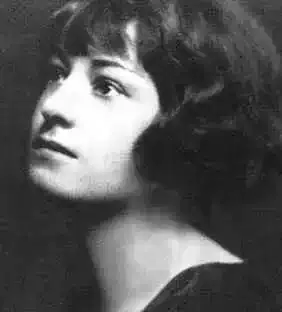
Dorothy Parker
Frustration
Frustration
If I had a shiny gun,
I could have a world of fun
Speeding bullets through the brains
Of the folk who give me pains;
Or had I some poison gas,
I could make the moments pass
Bumping off a number of
People whom I do not love.
But I have no lethal weapon-
Thus does Fate our pleasure step on!
So they still are quick and well
Who should be, by rights, in hell.
If I had a shiny gun,
I could have a world of fun
Speeding bullets through the brains
Of the folk who give me pains;
Or had I some poison gas,
I could make the moments pass
Bumping off a number of
People whom I do not love.
But I have no lethal weapon-
Thus does Fate our pleasure step on!
So they still are quick and well
Who should be, by rights, in hell.
789
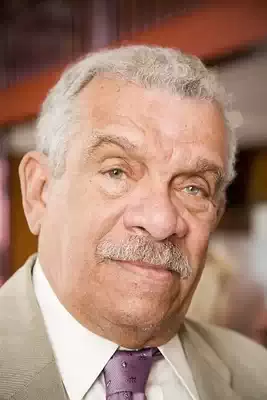
Derek Walcott
Blues
Blues
Those five or six young guys
lunched on the stoop
that oven-hot summer night
whistled me over. Nice
and friendly. So, I stop.
MacDougal or Christopher
Street in chains of light.
A summer festival. Or some
saint's. I wasn't too far from
home, but not too bright
for a nigger, and not too dark.
I figured we were all
one, wop, nigger, jew,
besides, this wasn't Central Park.
I'm coming on too strong? You figure
right! They beat this yellow nigger
black and blue.
Yeah. During all this, scared
on case one used a knife,
I hung my olive-green, just-bought
sports coat on a fire plug.
I did nothing. They fought
each other, really. Life
gives them a few kcks,
that's all. The spades, the spicks.
My face smashed in, my bloddy mug
pouring, my olive-branch jacket saved
from cuts and tears,
I crawled four flights upstairs.
Sprawled in the gutter, I
remember a few watchers waved
loudly, and one kid's mother shouting
like 'Jackie' or 'Terry,'
'now that's enough!'
It's nothing really.
They don't get enough love.
You know they wouldn't kill
you. Just playing rough,
like young Americans will.
Still it taught me somthing
about love. If it's so tough,
forget it.
Those five or six young guys
lunched on the stoop
that oven-hot summer night
whistled me over. Nice
and friendly. So, I stop.
MacDougal or Christopher
Street in chains of light.
A summer festival. Or some
saint's. I wasn't too far from
home, but not too bright
for a nigger, and not too dark.
I figured we were all
one, wop, nigger, jew,
besides, this wasn't Central Park.
I'm coming on too strong? You figure
right! They beat this yellow nigger
black and blue.
Yeah. During all this, scared
on case one used a knife,
I hung my olive-green, just-bought
sports coat on a fire plug.
I did nothing. They fought
each other, really. Life
gives them a few kcks,
that's all. The spades, the spicks.
My face smashed in, my bloddy mug
pouring, my olive-branch jacket saved
from cuts and tears,
I crawled four flights upstairs.
Sprawled in the gutter, I
remember a few watchers waved
loudly, and one kid's mother shouting
like 'Jackie' or 'Terry,'
'now that's enough!'
It's nothing really.
They don't get enough love.
You know they wouldn't kill
you. Just playing rough,
like young Americans will.
Still it taught me somthing
about love. If it's so tough,
forget it.
1,100
Derek Walcott
A Far Cry From Africa
A Far Cry From Africa
A wind is ruffling the tawny pelt
Of Africa, Kikuyu, quick as flies,
Batten upon the bloodstreams of the veldt.
Corpses are scattered through a paradise.
Only the worm, colonel of carrion, cries:
'Waste no compassion on these separate dead!'
Statistics justify and scholars seize
The salients of colonial policy.
What is that to the white child hacked in bed?
To savages, expendable as Jews?
Threshed out by beaters, the long rushes break
In a white dust of ibises whose cries
Have wheeled since civilizations dawn
>From the parched river or beast-teeming plain.
The violence of beast on beast is read
As natural law, but upright man
Seeks his divinity by inflicting pain.
Delirious as these worried beasts, his wars
Dance to the tightened carcass of a drum,
While he calls courage still that native dread
Of the white peace contracted by the dead.
Again brutish necessity wipes its hands
Upon the napkin of a dirty cause, again
A waste of our compassion, as with Spain,
The gorilla wrestles with the superman.
I who am poisoned with the blood of both,
Where shall I turn, divided to the vein?
I who have cursed
The drunken officer of British rule, how choose
Between this Africa and the English tongue I love?
Betray them both, or give back what they give?
How can I face such slaughter and be cool?
How can I turn from Africa and live?
A wind is ruffling the tawny pelt
Of Africa, Kikuyu, quick as flies,
Batten upon the bloodstreams of the veldt.
Corpses are scattered through a paradise.
Only the worm, colonel of carrion, cries:
'Waste no compassion on these separate dead!'
Statistics justify and scholars seize
The salients of colonial policy.
What is that to the white child hacked in bed?
To savages, expendable as Jews?
Threshed out by beaters, the long rushes break
In a white dust of ibises whose cries
Have wheeled since civilizations dawn
>From the parched river or beast-teeming plain.
The violence of beast on beast is read
As natural law, but upright man
Seeks his divinity by inflicting pain.
Delirious as these worried beasts, his wars
Dance to the tightened carcass of a drum,
While he calls courage still that native dread
Of the white peace contracted by the dead.
Again brutish necessity wipes its hands
Upon the napkin of a dirty cause, again
A waste of our compassion, as with Spain,
The gorilla wrestles with the superman.
I who am poisoned with the blood of both,
Where shall I turn, divided to the vein?
I who have cursed
The drunken officer of British rule, how choose
Between this Africa and the English tongue I love?
Betray them both, or give back what they give?
How can I face such slaughter and be cool?
How can I turn from Africa and live?
1,859
Derek Walcott
A City's Death By Fire
A City's Death By Fire
After that hot gospeller has levelled all but the churched sky,
I wrote the tale by tallow of a city's death by fire;
Under a candle's eye, that smoked in tears, I
Wanted to tell, in more than wax, of faiths that were snapped like wire.
All day I walked abroad among the rubbled tales,
Shocked at each wall that stood on the street like a liar;
Loud was the bird-rocked sky, and all the clouds were bales
Torn open by looting, and white, in spite of the fire.
By the smoking sea, where Christ walked, I asked, why
Should a man wax tears, when his wooden world fails?
In town, leaves were paper, but the hills were a flock of faiths;
To a boy who walked all day, each leaf was a green breath
Rebuilding a love I thought was dead as nails,
Blessing the death and the baptism by fire.
After that hot gospeller has levelled all but the churched sky,
I wrote the tale by tallow of a city's death by fire;
Under a candle's eye, that smoked in tears, I
Wanted to tell, in more than wax, of faiths that were snapped like wire.
All day I walked abroad among the rubbled tales,
Shocked at each wall that stood on the street like a liar;
Loud was the bird-rocked sky, and all the clouds were bales
Torn open by looting, and white, in spite of the fire.
By the smoking sea, where Christ walked, I asked, why
Should a man wax tears, when his wooden world fails?
In town, leaves were paper, but the hills were a flock of faiths;
To a boy who walked all day, each leaf was a green breath
Rebuilding a love I thought was dead as nails,
Blessing the death and the baptism by fire.
1,424

D.H. Lawrence
Willy Wet-Leg
Willy Wet-Leg
I can’t stand Willy Wet-Leg,
Can’t stand him at any price.
He’s resigned, and when you hit him
he lets you hit him twice.
I can’t stand Willy Wet-Leg,
Can’t stand him at any price.
He’s resigned, and when you hit him
he lets you hit him twice.
267
D.H. Lawrence
The Punisher
The Punisher
I have fetched the tears up out of the little wells,
Scooped them up with small, iron words,
Dripping over the runnels.
The harsh, cold wind of my words drove on, and still
I watched the tears on the guilty cheek of the boys
Glitter and spill.
Cringing Pity, and Love, white-handed, came
Hovering about the Judgment which stood in my eyes,
Whirling a flame.
. . . . . . .
The tears are dry, and the cheeks’ young fruits are fresh
With laughter, and clear the exonerated eyes, since pain
Beat through the flesh.
The Angel of Judgment has departed again to the Nearness.
Desolate I am as a church whose lights are put out.
And night enters in drearness.
The fire rose up in the bush and blazed apace,
The thorn-leaves crackled and twisted and sweated in anguish;
Then God left the place.
Like a flower that the frost has hugged and let go, my head
Is heavy, and my heart beats slowly, laboriously,
My strength is shed.
I have fetched the tears up out of the little wells,
Scooped them up with small, iron words,
Dripping over the runnels.
The harsh, cold wind of my words drove on, and still
I watched the tears on the guilty cheek of the boys
Glitter and spill.
Cringing Pity, and Love, white-handed, came
Hovering about the Judgment which stood in my eyes,
Whirling a flame.
. . . . . . .
The tears are dry, and the cheeks’ young fruits are fresh
With laughter, and clear the exonerated eyes, since pain
Beat through the flesh.
The Angel of Judgment has departed again to the Nearness.
Desolate I am as a church whose lights are put out.
And night enters in drearness.
The fire rose up in the bush and blazed apace,
The thorn-leaves crackled and twisted and sweated in anguish;
Then God left the place.
Like a flower that the frost has hugged and let go, my head
Is heavy, and my heart beats slowly, laboriously,
My strength is shed.
267
D.H. Lawrence
Snake
Snake
A snake came to my water-trough
On a hot, hot day, and I in pyjamas for the heat,
To drink there.
In the deep, strange-scented shade of the great dark carob-tree
I came down the steps with my pitcher
And must wait, must stand and wait, for there he was at the trough before
me.
He reached down from a fissure in the earth-wall in the gloom
And trailed his yellow-brown slackness soft-bellied down, over the edge of
the stone trough
And rested his throat upon the stone bottom,
And where the water had dripped from the tap, in a small clearness,
He sipped with his straight mouth,
Softly drank through his straight gums, into his slack long body,
Silently.
Someone was before me at my water-trough,
And I, like a second comer, waiting.
He lifted his head from his drinking, as cattle do,
And looked at me vaguely, as drinking cattle do,
And flickered his two-forked tongue from his lips, and mused a moment,
And stooped and drank a little more,
Being earth-brown, earth-golden from the burning bowels of the earth
On the day of Sicilian July, with Etna smoking.
The voice of my education said to me
He must be killed,
For in Sicily the black, black snakes are innocent, the gold are venomous.
And voices in me said, If you were a man
You would take a stick and break him now, and finish him off.
But must I confess how I liked him,
How glad I was he had come like a guest in quiet, to drink at my water-trough
And depart peaceful, pacified, and thankless,
Into the burning bowels of this earth?
Was it cowardice, that I dared not kill him? Was it perversity, that I longed to talk to
him? Was it humility, to feel so honoured?
I felt so honoured.
And yet those voices:
If you were not afraid, you would kill him!
And truly I was afraid, I was most afraid, But even so, honoured still more
That he should seek my hospitality
From out the dark door of the secret earth.
He drank enough
And lifted his head, dreamily, as one who has drunken,
And flickered his tongue like a forked night on the air, so black,
Seeming to lick his lips,
And looked around like a god, unseeing, into the air,
And slowly turned his head,
And slowly, very slowly, as if thrice adream,
Proceeded to draw his slow length curving round
And climb again the broken bank of my wall-face.
And as he put his head into that dreadful hole,
And as he slowly drew up, snake-easing his shoulders, and entered farther,
A sort of horror, a sort of protest against his withdrawing into that horrid black hole,
Deliberately going into the blackness, and slowly drawing himself after,
Overcame me now his back was turned.
I looked round, I put down my pitcher,
I picked up a clumsy log
And threw it at the water-trough with a clatter.
I think it did not hit him,
But suddenly that part of him that was left behind convulsed in undignified haste.
Writhed like lightning, and was gone
Into the black hole, the earth-lipped fissure in the wall-front,
At which, in the intense still noon, I stared with fascination.
And immediately I regretted it.
I thought how paltry, how vulgar, what a mean act!
I despised myself and the voices of my accursed human education.
And I thought of the albatross
And I wished he would come back, my snake.
For he seemed to me again like a king,
Like a king in exile, uncrowned in the underworld,
Now due to be crowned again.
And so, I missed my chance with one of the lords
Of life.
And I have something to expiate:
A pettiness.
A snake came to my water-trough
On a hot, hot day, and I in pyjamas for the heat,
To drink there.
In the deep, strange-scented shade of the great dark carob-tree
I came down the steps with my pitcher
And must wait, must stand and wait, for there he was at the trough before
me.
He reached down from a fissure in the earth-wall in the gloom
And trailed his yellow-brown slackness soft-bellied down, over the edge of
the stone trough
And rested his throat upon the stone bottom,
And where the water had dripped from the tap, in a small clearness,
He sipped with his straight mouth,
Softly drank through his straight gums, into his slack long body,
Silently.
Someone was before me at my water-trough,
And I, like a second comer, waiting.
He lifted his head from his drinking, as cattle do,
And looked at me vaguely, as drinking cattle do,
And flickered his two-forked tongue from his lips, and mused a moment,
And stooped and drank a little more,
Being earth-brown, earth-golden from the burning bowels of the earth
On the day of Sicilian July, with Etna smoking.
The voice of my education said to me
He must be killed,
For in Sicily the black, black snakes are innocent, the gold are venomous.
And voices in me said, If you were a man
You would take a stick and break him now, and finish him off.
But must I confess how I liked him,
How glad I was he had come like a guest in quiet, to drink at my water-trough
And depart peaceful, pacified, and thankless,
Into the burning bowels of this earth?
Was it cowardice, that I dared not kill him? Was it perversity, that I longed to talk to
him? Was it humility, to feel so honoured?
I felt so honoured.
And yet those voices:
If you were not afraid, you would kill him!
And truly I was afraid, I was most afraid, But even so, honoured still more
That he should seek my hospitality
From out the dark door of the secret earth.
He drank enough
And lifted his head, dreamily, as one who has drunken,
And flickered his tongue like a forked night on the air, so black,
Seeming to lick his lips,
And looked around like a god, unseeing, into the air,
And slowly turned his head,
And slowly, very slowly, as if thrice adream,
Proceeded to draw his slow length curving round
And climb again the broken bank of my wall-face.
And as he put his head into that dreadful hole,
And as he slowly drew up, snake-easing his shoulders, and entered farther,
A sort of horror, a sort of protest against his withdrawing into that horrid black hole,
Deliberately going into the blackness, and slowly drawing himself after,
Overcame me now his back was turned.
I looked round, I put down my pitcher,
I picked up a clumsy log
And threw it at the water-trough with a clatter.
I think it did not hit him,
But suddenly that part of him that was left behind convulsed in undignified haste.
Writhed like lightning, and was gone
Into the black hole, the earth-lipped fissure in the wall-front,
At which, in the intense still noon, I stared with fascination.
And immediately I regretted it.
I thought how paltry, how vulgar, what a mean act!
I despised myself and the voices of my accursed human education.
And I thought of the albatross
And I wished he would come back, my snake.
For he seemed to me again like a king,
Like a king in exile, uncrowned in the underworld,
Now due to be crowned again.
And so, I missed my chance with one of the lords
Of life.
And I have something to expiate:
A pettiness.
201
D.H. Lawrence
Search for Truth
Search for Truth
Search for nothing any more, nothing
except truth.
Be very still, and try and get at the truth.
And the first question to ask yourself is:
How great a liar am I?
Search for nothing any more, nothing
except truth.
Be very still, and try and get at the truth.
And the first question to ask yourself is:
How great a liar am I?
163
D.H. Lawrence
How Beastly the Bourgeois Is
How Beastly the Bourgeois Is
How beastly the bourgeois is
especially the male of the species--
Presentable, eminently presentable-shall
I make you a present of him?
Isn't he handsome? Isn't he healthy? Isn't he a fine specimen?
Doesn't he look the fresh clean Englishman, outside?
Isn't it God's own image? tramping his thirty miles a day
after partridges, or a little rubber ball?
wouldn't you like to be like that, well off, and quite the
thing
Oh, but wait!
Let him meet a new emotion, let him be faced with another
man's need,
let him come home to a bit of moral difficulty, let life
face him with a new demand on his understanding
and then watch him go soggy, like a wet meringue.
Watch him turn into a mess, either a fool or a bully.
Just watch the display of him, confronted with a new
demand on his intelligence,
a new life-demand.
How beastly the bourgeois is
especially the male of the species--
Nicely groomed, like a mushroom
standing there so sleek and erect and eyeable-and
like a fungus, living on the remains of a bygone life
sucking his life out of the dead leaves of greater life
than his own.
And even so, he's stale, he's been there too long.
Touch him, and you'll find he's all gone inside
just like an old mushroom, all wormy inside, and hollow
under a smooth skin and an upright appearance.
Full of seething, wormy, hollow feelings
rather nasty--
How beastly the bourgeois is!
Standing in their thousands, these appearances, in damp
England
what a pity they can't all be kicked over
like sickening toadstools, and left to melt back, swiftly
into the soil of England.
How beastly the bourgeois is
especially the male of the species--
Presentable, eminently presentable-shall
I make you a present of him?
Isn't he handsome? Isn't he healthy? Isn't he a fine specimen?
Doesn't he look the fresh clean Englishman, outside?
Isn't it God's own image? tramping his thirty miles a day
after partridges, or a little rubber ball?
wouldn't you like to be like that, well off, and quite the
thing
Oh, but wait!
Let him meet a new emotion, let him be faced with another
man's need,
let him come home to a bit of moral difficulty, let life
face him with a new demand on his understanding
and then watch him go soggy, like a wet meringue.
Watch him turn into a mess, either a fool or a bully.
Just watch the display of him, confronted with a new
demand on his intelligence,
a new life-demand.
How beastly the bourgeois is
especially the male of the species--
Nicely groomed, like a mushroom
standing there so sleek and erect and eyeable-and
like a fungus, living on the remains of a bygone life
sucking his life out of the dead leaves of greater life
than his own.
And even so, he's stale, he's been there too long.
Touch him, and you'll find he's all gone inside
just like an old mushroom, all wormy inside, and hollow
under a smooth skin and an upright appearance.
Full of seething, wormy, hollow feelings
rather nasty--
How beastly the bourgeois is!
Standing in their thousands, these appearances, in damp
England
what a pity they can't all be kicked over
like sickening toadstools, and left to melt back, swiftly
into the soil of England.
179
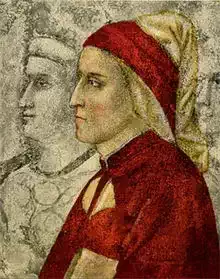
Dante Alighieri
Ulysses' Last Voyage
Ulysses' Last Voyage
I launched her with my small remaining band
and, putting out to sea, we set the main
on that lone ship and said farewell to land.
Far to starboard rose the coast of Spain,
astern was Sardi, Islas at our bow,
and soon we saw Morocco port abeam.
Though I and comrades now were old and slow,
we hauled till nightfall for the narrow sound
where Hercules had shown what not to do,
by setting marks for men to stay behind.
At dawn the starboard lookout made Seville,
and at the straits stood Ceuta t'other hand.
'Brothers,' I shouted, 'who have had the will
to come through danger, and have reached the west!
our time awake is brief from now until
the senses die, and so I say we test
the sun's own motion and do not forego
the worlds beyond, unknown and peopleless.
Think of the roots from which you sprang, and show
that you are human: not unconscious brutes
but made to follow virtue and to know.'
I launched her with my small remaining band
and, putting out to sea, we set the main
on that lone ship and said farewell to land.
Far to starboard rose the coast of Spain,
astern was Sardi, Islas at our bow,
and soon we saw Morocco port abeam.
Though I and comrades now were old and slow,
we hauled till nightfall for the narrow sound
where Hercules had shown what not to do,
by setting marks for men to stay behind.
At dawn the starboard lookout made Seville,
and at the straits stood Ceuta t'other hand.
'Brothers,' I shouted, 'who have had the will
to come through danger, and have reached the west!
our time awake is brief from now until
the senses die, and so I say we test
the sun's own motion and do not forego
the worlds beyond, unknown and peopleless.
Think of the roots from which you sprang, and show
that you are human: not unconscious brutes
but made to follow virtue and to know.'
274
Dante Alighieri
Inferno Canto03
Inferno Canto03
Per me si va ne la città dolente,
per me si va ne l'etterno dolore,
per me si va tra la perduta gente .
THROUGH ME THE WAY INTO THE SUFFERING CITY,
THROUGH ME THE WAY TO THE ETERNAL PAIN,
THROUGH ME THE WAY THAT RUNS AMONG THE LOST.
Giustizia mosse il mio alto fattore:
fecemi la divina podestate,
la somma sapienza e 'l primo amore .
JUSTICE URGED ON MY HIGH ARTIFICER;
MY MAKER WAS DIVINE AUTHORITY,
THE HIGHEST WISDOM, AND THE PRIMAL LOVE.
Dinanzi a me non fuor cose create
se non etterne, e io etterno duro.
Lasciate ogne speranza, voi ch'intrate ".
BEFORE ME NOTHING BUT ETERNAL THINGS
WERE MADE, AND I ENDURE ETERNALLY.
ABANDON EVERY HOPE, WHO ENTER HERE.
Queste parole di colore oscuro
vid'io scritte al sommo d'una porta;
per ch'io: «Maestro, il senso lor m'è duro ».
These words-their aspect was obscure-I read
inscribed above a gateway, and I said:
"Master, their meaning is difficult for me."
Ed elli a me, come persona accorta:
«Qui si convien lasciare ogne sospetto;
ogne viltà convien che qui sia morta .
And he to me, as one who comprehends:
"Here one must leave behind all hesitation;
here every cowardice must meet its death.
Noi siam venuti al loco ov'i' t'ho detto
che tu vedrai le genti dolorose
c'hanno perduto il ben de l'intelletto ».
For we have reached the place of which I spoke,
where you will see the miserable people,
those who have lost the good of the intellect."
E poi che la sua mano a la mia puose
con lieto volto, ond'io mi confortai,
mi mise dentro a le segrete cose .
And when, with gladness in his face, he placed
his hand upon my own, to comfort me,
he drew me in among the hidden things.
Quivi sospiri, pianti e alti guai
risonavan per l'aere sanza stelle,
per ch'io al cominciar ne lagrimai .
Here sighs and lamentations and loud cries
were echoing across the starless air,
so that, as soon as I set out, I wept.
Diverse lingue, orribili favelle,
parole di dolore, accenti d'ira,
voci alte e fioche, e suon di man con elle
Strange utterances, horrible pronouncements,
accents of anger, words of suffering,
and voices shrill and faint, and beating hands
facevano un tumulto, il qual s'aggira
sempre in quell'aura sanza tempo tinta,
come la rena quando turbo spira .
all went to make a tumult that will whirl
forever through that turbid, timeless air,
like sand that eddies when a whirlwind swirls.
E io ch'avea d'error la testa cinta,
dissi: «Maestro, che è quel ch'i' odo?
e che gent'è che par nel duol sì vinta ?».
And I-my head oppressed by horror-said:
"Master, what is it that I hear? Who are
those people so defeated by their pain?"
Ed elli a me: «Questo misero modo
tegnon l'anime triste di coloro
che visser sanza 'nfamia e sanza lodo .
And he to me: "This miserable way
is taken by the sorry souls of those
who lived without disgrace and without praise.
Mischiate sono a quel cattivo coro
de li angeli che non furon ribelli
né fur fedeli a Dio, ma per sé fuoro .
They now commingle with the coward angels,
the company of those who were not rebels
nor faithful to their God, but stood apart.
Caccianli i ciel per non esser men belli,
né lo profondo inferno li riceve,
ch'alcuna gloria i rei avrebber d'elli ».
The heavens, that their beauty not be lessened,
have cast them out, nor will deep Hell receive themeven
the wicked cannot glory in them."
E io: «Maestro, che è tanto greve
a lor, che lamentar li fa sì forte?».
Rispuose: «Dicerolti molto breve .
And I: "What is it, master, that oppresses
these souls, compelling them to wail so loud?"
He answered: "I shall tell you in few words.
Questi non hanno speranza di morte
e la lor cieca vita è tanto bassa,
che 'nvidiosi son d'ogne altra sorte .
Those who are here can place no hope in death,
and their blind life is so abject that they
are envious of every other fate.
Fama di loro il mondo esser non lassa;
misericordia e giustizia li sdegna:
non ragioniam di lor, ma guarda e passa ».
The world will let no fame of theirs endure;
both justice and compassion must disdain them;
let us not talk of them, but look and pass."
E io, che riguardai, vidi una 'nsegna
che girando correva tanto ratta,
che d'ogne posa mi parea indegna ;
And I, looking more closely, saw a banner
that, as it wheeled about, raced on-so quick
that any respite seemed unsuited to it.
e dietro le venìa sì lunga tratta
di gente, ch'i' non averei creduto
che morte tanta n'avesse disfatta .
Behind that banner trailed so long a file
of people-I should never have believed
that death could have unmade so many souls.
Poscia ch'io v'ebbi alcun riconosciuto,
vidi e conobbi l'ombra di colui
che fece per viltade il gran rifiuto .
After I had identified a few,
I saw and recognized the shade of him
who made, through cowardice, the great refusal.
Incontanente intesi e certo fui
che questa era la setta d'i cattivi,
a Dio spiacenti e a' nemici sui .
At once I understood with certainty:
this company contained the cowardly,
hateful to God and to His enemies.
Questi sciaurati, che mai non fur vivi,
erano ignudi e stimolati molto
da mosconi e da vespe ch'eran ivi .
These wretched ones, who never were alive,
went naked and were stung again, again
by horseflies and by wasps that circled them.
Elle rigavan lor di sangue il volto,
che, mischiato di lagrime, a' lor piedi
da fastidiosi vermi era ricolto .
The insects streaked their faces with their blood,
which, mingled with their tears, fell at their feet,
where it was gathered up by sickening worms.
E poi ch'a riguardar oltre mi diedi,
vidi genti a la riva d'un gran fiume;
per ch'io dissi: «Maestro, or mi concedi
And then, looking beyond them, I could see
a crowd along the bank of a great river;
at which I said: "Allow me now to know
ch'i' sappia quali sono, e qual costume
le fa di trapassar parer sì pronte,
com'io discerno per lo fioco lume ».
who are these people-master-and what law
has made them seem so eager for the crossing,
as I can see despite the feeble light."
Ed elli a me: «Le cose ti fier conte
quando noi fermerem li nostri passi
su la trista riviera d'Acheronte ».
And he to me: "When we have stopped along
the melancholy shore of Acheron,
then all these matters will be plain to you."
Allor con li occhi vergognosi e bassi,
temendo no 'l mio dir li fosse grave,
infino al fiume del parlar mi trassi .
At that, with eyes ashamed, downcast, and fearing
that what I said had given him offense,
I did not speak until we reached the river.
Ed ecco verso noi venir per nave
un vecchio, bianco per antico pelo,
gridando: «Guai a voi, anime prave !
And here, advancing toward us, in a boat,
an aged man-his hair was white with yearswas
shouting: "Woe to you, corrupted souls!
Non isperate mai veder lo cielo:
i' vegno per menarvi a l'altra riva
ne le tenebre etterne, in caldo e 'n gelo .
Forget your hope of ever seeing Heaven:
I come to lead you to the other shore,
to the eternal dark, to fire and frost.
E tu che se' costì, anima viva,
pàrtiti da cotesti che son morti».
Ma poi che vide ch'io non mi partiva ,
And you approaching there, you living soul,
keep well away from these-they are the dead."
But when he saw I made no move to go,
disse: «Per altra via, per altri porti
verrai a piaggia, non qui, per passare:
più lieve legno convien che ti porti ».
he said: "Another way and other harborsnot
here-will bring you passage to your shore:
a lighter craft will have to carry you."
E 'l duca lui: «Caron, non ti crucciare:
vuolsi così colà dove si puote
ciò che si vuole, e più non dimandare ».
My guide then: "Charon, don't torment yourself:
our passage has been willed above, where One
can do what He has willed; and ask no more."
Quinci fuor quete le lanose gote
al nocchier de la livida palude,
che 'ntorno a li occhi avea di fiamme rote .
Now silence fell upon the wooly cheeks
of Charon, pilot of the livid marsh,
whose eyes were ringed about with wheels of flame.
Ma quell'anime, ch'eran lasse e nude,
cangiar colore e dibattero i denti,
ratto che 'nteser le parole crude .
But all those spirits, naked and exhausted,
had lost their color, and they gnashed their teeth
as soon as they heard Charon's cruel words;
Bestemmiavano Dio e lor parenti,
l'umana spezie e 'l loco e 'l tempo e 'l seme
di lor semenza e di lor nascimenti .
they execrated God and their own parents
and humankind, and then the place and time
of their conception's seed and of their birth.
Poi si ritrasser tutte quante insieme,
forte piangendo, a la riva malvagia
ch'attende ciascun uom che Dio non teme .
Then they forgathered, huddled in one throng,
weeping aloud along that wretched shore
which waits for all who have no fear of God.
Caron dimonio, con occhi di bragia,
loro accennando, tutte le raccoglie;
batte col remo qualunque s'adagia .
The demon Charon, with his eyes like embers,
by signaling to them, has all embark;
his oar strikes anyone who stretches out.
Come d'autunno si levan le foglie
l'una appresso de l'altra, fin che 'l ramo
vede a la terra tutte le sue spoglie ,
As, in the autumn, leaves detach themselves,
first one and then the other, till the bough
sees all its fallen garments on the ground,
Aen.VI.
similemente il mal seme d'Adamo
gittansi di quel lito ad una ad una,
per cenni come augel per suo richiamo .
similarly, the evil seed of Adam
descended from the shoreline one by one,
when signaled, as a falcon-called-will come.
Così sen vanno su per l'onda bruna,
e avanti che sien di là discese,
anche di qua nuova schiera s'auna .
So do they move across the darkened waters;
even before they reach the farther shore,
new ranks already gather on this bank.
«Figliuol mio», disse 'l maestro cortese,
«quelli che muoion ne l'ira di Dio
tutti convegnon qui d'ogne paese :
"My son," the gracious master said to me,
"those who have died beneath the wrath of God,
all these assemble here from every country;
e pronti sono a trapassar lo rio,
ché la divina giustizia li sprona,
sì che la tema si volve in disio .
and they are eager for the river crossing
because celestial justice spurs them on,
so that their fear is turned into desire.
Quinci non passa mai anima buona;
e però, se Caron di te si lagna,
ben puoi sapere omai che 'l suo dir suona ».
No good soul ever takes its passage here;
therefore, if Charon has complained of you,
by now you can be sure what his words mean."
Finito questo, la buia campagna
tremò sì forte, che de lo spavento
la mente di sudore ancor mi bagna .
And after this was said, the darkened plain
quaked so tremendously-the memory
of terror then, bathes me in sweat again.
La terra lagrimosa diede vento,
che balenò una luce vermiglia
la qual mi vinse ciascun sentimento ;
A whirlwind burst out of the tear-drenched earth,
a wind that crackled with a bloodred light,
a light that overcame all of my senses;
e caddi come l'uom cui sonno piglia.
and like a man whom sleep has seized, I fell.
Per me si va ne la città dolente,
per me si va ne l'etterno dolore,
per me si va tra la perduta gente .
THROUGH ME THE WAY INTO THE SUFFERING CITY,
THROUGH ME THE WAY TO THE ETERNAL PAIN,
THROUGH ME THE WAY THAT RUNS AMONG THE LOST.
Giustizia mosse il mio alto fattore:
fecemi la divina podestate,
la somma sapienza e 'l primo amore .
JUSTICE URGED ON MY HIGH ARTIFICER;
MY MAKER WAS DIVINE AUTHORITY,
THE HIGHEST WISDOM, AND THE PRIMAL LOVE.
Dinanzi a me non fuor cose create
se non etterne, e io etterno duro.
Lasciate ogne speranza, voi ch'intrate ".
BEFORE ME NOTHING BUT ETERNAL THINGS
WERE MADE, AND I ENDURE ETERNALLY.
ABANDON EVERY HOPE, WHO ENTER HERE.
Queste parole di colore oscuro
vid'io scritte al sommo d'una porta;
per ch'io: «Maestro, il senso lor m'è duro ».
These words-their aspect was obscure-I read
inscribed above a gateway, and I said:
"Master, their meaning is difficult for me."
Ed elli a me, come persona accorta:
«Qui si convien lasciare ogne sospetto;
ogne viltà convien che qui sia morta .
And he to me, as one who comprehends:
"Here one must leave behind all hesitation;
here every cowardice must meet its death.
Noi siam venuti al loco ov'i' t'ho detto
che tu vedrai le genti dolorose
c'hanno perduto il ben de l'intelletto ».
For we have reached the place of which I spoke,
where you will see the miserable people,
those who have lost the good of the intellect."
E poi che la sua mano a la mia puose
con lieto volto, ond'io mi confortai,
mi mise dentro a le segrete cose .
And when, with gladness in his face, he placed
his hand upon my own, to comfort me,
he drew me in among the hidden things.
Quivi sospiri, pianti e alti guai
risonavan per l'aere sanza stelle,
per ch'io al cominciar ne lagrimai .
Here sighs and lamentations and loud cries
were echoing across the starless air,
so that, as soon as I set out, I wept.
Diverse lingue, orribili favelle,
parole di dolore, accenti d'ira,
voci alte e fioche, e suon di man con elle
Strange utterances, horrible pronouncements,
accents of anger, words of suffering,
and voices shrill and faint, and beating hands
facevano un tumulto, il qual s'aggira
sempre in quell'aura sanza tempo tinta,
come la rena quando turbo spira .
all went to make a tumult that will whirl
forever through that turbid, timeless air,
like sand that eddies when a whirlwind swirls.
E io ch'avea d'error la testa cinta,
dissi: «Maestro, che è quel ch'i' odo?
e che gent'è che par nel duol sì vinta ?».
And I-my head oppressed by horror-said:
"Master, what is it that I hear? Who are
those people so defeated by their pain?"
Ed elli a me: «Questo misero modo
tegnon l'anime triste di coloro
che visser sanza 'nfamia e sanza lodo .
And he to me: "This miserable way
is taken by the sorry souls of those
who lived without disgrace and without praise.
Mischiate sono a quel cattivo coro
de li angeli che non furon ribelli
né fur fedeli a Dio, ma per sé fuoro .
They now commingle with the coward angels,
the company of those who were not rebels
nor faithful to their God, but stood apart.
Caccianli i ciel per non esser men belli,
né lo profondo inferno li riceve,
ch'alcuna gloria i rei avrebber d'elli ».
The heavens, that their beauty not be lessened,
have cast them out, nor will deep Hell receive themeven
the wicked cannot glory in them."
E io: «Maestro, che è tanto greve
a lor, che lamentar li fa sì forte?».
Rispuose: «Dicerolti molto breve .
And I: "What is it, master, that oppresses
these souls, compelling them to wail so loud?"
He answered: "I shall tell you in few words.
Questi non hanno speranza di morte
e la lor cieca vita è tanto bassa,
che 'nvidiosi son d'ogne altra sorte .
Those who are here can place no hope in death,
and their blind life is so abject that they
are envious of every other fate.
Fama di loro il mondo esser non lassa;
misericordia e giustizia li sdegna:
non ragioniam di lor, ma guarda e passa ».
The world will let no fame of theirs endure;
both justice and compassion must disdain them;
let us not talk of them, but look and pass."
E io, che riguardai, vidi una 'nsegna
che girando correva tanto ratta,
che d'ogne posa mi parea indegna ;
And I, looking more closely, saw a banner
that, as it wheeled about, raced on-so quick
that any respite seemed unsuited to it.
e dietro le venìa sì lunga tratta
di gente, ch'i' non averei creduto
che morte tanta n'avesse disfatta .
Behind that banner trailed so long a file
of people-I should never have believed
that death could have unmade so many souls.
Poscia ch'io v'ebbi alcun riconosciuto,
vidi e conobbi l'ombra di colui
che fece per viltade il gran rifiuto .
After I had identified a few,
I saw and recognized the shade of him
who made, through cowardice, the great refusal.
Incontanente intesi e certo fui
che questa era la setta d'i cattivi,
a Dio spiacenti e a' nemici sui .
At once I understood with certainty:
this company contained the cowardly,
hateful to God and to His enemies.
Questi sciaurati, che mai non fur vivi,
erano ignudi e stimolati molto
da mosconi e da vespe ch'eran ivi .
These wretched ones, who never were alive,
went naked and were stung again, again
by horseflies and by wasps that circled them.
Elle rigavan lor di sangue il volto,
che, mischiato di lagrime, a' lor piedi
da fastidiosi vermi era ricolto .
The insects streaked their faces with their blood,
which, mingled with their tears, fell at their feet,
where it was gathered up by sickening worms.
E poi ch'a riguardar oltre mi diedi,
vidi genti a la riva d'un gran fiume;
per ch'io dissi: «Maestro, or mi concedi
And then, looking beyond them, I could see
a crowd along the bank of a great river;
at which I said: "Allow me now to know
ch'i' sappia quali sono, e qual costume
le fa di trapassar parer sì pronte,
com'io discerno per lo fioco lume ».
who are these people-master-and what law
has made them seem so eager for the crossing,
as I can see despite the feeble light."
Ed elli a me: «Le cose ti fier conte
quando noi fermerem li nostri passi
su la trista riviera d'Acheronte ».
And he to me: "When we have stopped along
the melancholy shore of Acheron,
then all these matters will be plain to you."
Allor con li occhi vergognosi e bassi,
temendo no 'l mio dir li fosse grave,
infino al fiume del parlar mi trassi .
At that, with eyes ashamed, downcast, and fearing
that what I said had given him offense,
I did not speak until we reached the river.
Ed ecco verso noi venir per nave
un vecchio, bianco per antico pelo,
gridando: «Guai a voi, anime prave !
And here, advancing toward us, in a boat,
an aged man-his hair was white with yearswas
shouting: "Woe to you, corrupted souls!
Non isperate mai veder lo cielo:
i' vegno per menarvi a l'altra riva
ne le tenebre etterne, in caldo e 'n gelo .
Forget your hope of ever seeing Heaven:
I come to lead you to the other shore,
to the eternal dark, to fire and frost.
E tu che se' costì, anima viva,
pàrtiti da cotesti che son morti».
Ma poi che vide ch'io non mi partiva ,
And you approaching there, you living soul,
keep well away from these-they are the dead."
But when he saw I made no move to go,
disse: «Per altra via, per altri porti
verrai a piaggia, non qui, per passare:
più lieve legno convien che ti porti ».
he said: "Another way and other harborsnot
here-will bring you passage to your shore:
a lighter craft will have to carry you."
E 'l duca lui: «Caron, non ti crucciare:
vuolsi così colà dove si puote
ciò che si vuole, e più non dimandare ».
My guide then: "Charon, don't torment yourself:
our passage has been willed above, where One
can do what He has willed; and ask no more."
Quinci fuor quete le lanose gote
al nocchier de la livida palude,
che 'ntorno a li occhi avea di fiamme rote .
Now silence fell upon the wooly cheeks
of Charon, pilot of the livid marsh,
whose eyes were ringed about with wheels of flame.
Ma quell'anime, ch'eran lasse e nude,
cangiar colore e dibattero i denti,
ratto che 'nteser le parole crude .
But all those spirits, naked and exhausted,
had lost their color, and they gnashed their teeth
as soon as they heard Charon's cruel words;
Bestemmiavano Dio e lor parenti,
l'umana spezie e 'l loco e 'l tempo e 'l seme
di lor semenza e di lor nascimenti .
they execrated God and their own parents
and humankind, and then the place and time
of their conception's seed and of their birth.
Poi si ritrasser tutte quante insieme,
forte piangendo, a la riva malvagia
ch'attende ciascun uom che Dio non teme .
Then they forgathered, huddled in one throng,
weeping aloud along that wretched shore
which waits for all who have no fear of God.
Caron dimonio, con occhi di bragia,
loro accennando, tutte le raccoglie;
batte col remo qualunque s'adagia .
The demon Charon, with his eyes like embers,
by signaling to them, has all embark;
his oar strikes anyone who stretches out.
Come d'autunno si levan le foglie
l'una appresso de l'altra, fin che 'l ramo
vede a la terra tutte le sue spoglie ,
As, in the autumn, leaves detach themselves,
first one and then the other, till the bough
sees all its fallen garments on the ground,
Aen.VI.
similemente il mal seme d'Adamo
gittansi di quel lito ad una ad una,
per cenni come augel per suo richiamo .
similarly, the evil seed of Adam
descended from the shoreline one by one,
when signaled, as a falcon-called-will come.
Così sen vanno su per l'onda bruna,
e avanti che sien di là discese,
anche di qua nuova schiera s'auna .
So do they move across the darkened waters;
even before they reach the farther shore,
new ranks already gather on this bank.
«Figliuol mio», disse 'l maestro cortese,
«quelli che muoion ne l'ira di Dio
tutti convegnon qui d'ogne paese :
"My son," the gracious master said to me,
"those who have died beneath the wrath of God,
all these assemble here from every country;
e pronti sono a trapassar lo rio,
ché la divina giustizia li sprona,
sì che la tema si volve in disio .
and they are eager for the river crossing
because celestial justice spurs them on,
so that their fear is turned into desire.
Quinci non passa mai anima buona;
e però, se Caron di te si lagna,
ben puoi sapere omai che 'l suo dir suona ».
No good soul ever takes its passage here;
therefore, if Charon has complained of you,
by now you can be sure what his words mean."
Finito questo, la buia campagna
tremò sì forte, che de lo spavento
la mente di sudore ancor mi bagna .
And after this was said, the darkened plain
quaked so tremendously-the memory
of terror then, bathes me in sweat again.
La terra lagrimosa diede vento,
che balenò una luce vermiglia
la qual mi vinse ciascun sentimento ;
A whirlwind burst out of the tear-drenched earth,
a wind that crackled with a bloodred light,
a light that overcame all of my senses;
e caddi come l'uom cui sonno piglia.
and like a man whom sleep has seized, I fell.
240

Claude Mckay
White Houses
White Houses
Your door is shut against my tightened face,
And I am sharp as steel with discontent;
But I possess the courage and the grace
To bear my anger proudly and unbent.
The pavement slabs burn loose beneath my feet,
A chafing savage, down the decent street;
And passion rends my vitals as I pass,
Where boldly shines your shuttered door of glass.
Oh, I must search for wisdom every hour,
Deep in my wrathful bosom sore and raw,
And find in it the superhuman power
To hold me to the letter of your law!
Oh, I must keep my heart inviolate
Against the potent poison of your hate.
Your door is shut against my tightened face,
And I am sharp as steel with discontent;
But I possess the courage and the grace
To bear my anger proudly and unbent.
The pavement slabs burn loose beneath my feet,
A chafing savage, down the decent street;
And passion rends my vitals as I pass,
Where boldly shines your shuttered door of glass.
Oh, I must search for wisdom every hour,
Deep in my wrathful bosom sore and raw,
And find in it the superhuman power
To hold me to the letter of your law!
Oh, I must keep my heart inviolate
Against the potent poison of your hate.
383
Claude Mckay
The White House
The White House
Your door is shut against my tightened face,
And I am sharp as steel with discontent;
But I possess the courage and the grace
To bear my anger proudly and unbent.
The pavement slabs burn loose beneath my feet,
A chafing savage, down the decent street;
And passion rends my vitals as I pass,
Where boldly shines your shuttered door of glass.
Oh, I must search for wisdom every hour,
Deep in my wrathful bosom sore and raw,
And find in it the superhuman power
To hold me to the letter of your law!
Oh, I must keep my heart inviolate
Against the potent poison of your hate.
Your door is shut against my tightened face,
And I am sharp as steel with discontent;
But I possess the courage and the grace
To bear my anger proudly and unbent.
The pavement slabs burn loose beneath my feet,
A chafing savage, down the decent street;
And passion rends my vitals as I pass,
Where boldly shines your shuttered door of glass.
Oh, I must search for wisdom every hour,
Deep in my wrathful bosom sore and raw,
And find in it the superhuman power
To hold me to the letter of your law!
Oh, I must keep my heart inviolate
Against the potent poison of your hate.
419
Claude Mckay
The Lynching
The Lynching
His Spirit in smoke ascended to high heaven.
His father, by the cruelest way of pain,
Had bidden him to his bosom once again;
The awful sin remained still unforgiven.
All night a bright and solitary star
(Perchance the one that ever guided him,
Yet gave him up at last to Fate's wild whim)
Hung pitifully o'er the swinging char.
Day dawned, and soon the mixed crowds came to view
The ghastly body swaying in the sun
The women thronged to look, but never a one
Showed sorrow in her eyes of steely blue;
And little lads, lynchers that were to be,
Danced round the dreadful thing in fiendish glee.
His Spirit in smoke ascended to high heaven.
His father, by the cruelest way of pain,
Had bidden him to his bosom once again;
The awful sin remained still unforgiven.
All night a bright and solitary star
(Perchance the one that ever guided him,
Yet gave him up at last to Fate's wild whim)
Hung pitifully o'er the swinging char.
Day dawned, and soon the mixed crowds came to view
The ghastly body swaying in the sun
The women thronged to look, but never a one
Showed sorrow in her eyes of steely blue;
And little lads, lynchers that were to be,
Danced round the dreadful thing in fiendish glee.
364
Claude Mckay
The Castaways
The Castaways
The vivid grass with visible delight
Springing triumphant from the pregnant earth,
The butterflies, and sparrows in brief flight
Chirping and dancing for the season's birth,
The dandelions and rare daffodils
That touch the deep-stirred heart with hands of gold,
The thrushes sending forth their joyous trills,--
Not these, not these did I at first behold!
But seated on the benches daubed with green,
The castaways of life, a few asleep,
Some withered women desolate and mean,
And over all, life's shadows dark and deep.
Moaning I turned away, for misery
I have the strength to bear but not to see.
The vivid grass with visible delight
Springing triumphant from the pregnant earth,
The butterflies, and sparrows in brief flight
Chirping and dancing for the season's birth,
The dandelions and rare daffodils
That touch the deep-stirred heart with hands of gold,
The thrushes sending forth their joyous trills,--
Not these, not these did I at first behold!
But seated on the benches daubed with green,
The castaways of life, a few asleep,
Some withered women desolate and mean,
And over all, life's shadows dark and deep.
Moaning I turned away, for misery
I have the strength to bear but not to see.
423
Claude Mckay
Rest in Peace
Rest in Peace
No more for you the city's thorny ways,
The ugly corners of the Negro belt;
The miseries and pains of these harsh days
By you will never, never again be felt.
No more, if still you wander, will you meet
With nights of unabating bitterness;
They cannot reach you in your safe retreat,
The city's hate, the city's prejudice!
'Twas sudden--but your menial task is done,
The dawn now breaks on you, the dark is over,
The sea is crossed, the longed-for port is won;
Farewell, oh, fare you well! my friend and lover.
No more for you the city's thorny ways,
The ugly corners of the Negro belt;
The miseries and pains of these harsh days
By you will never, never again be felt.
No more, if still you wander, will you meet
With nights of unabating bitterness;
They cannot reach you in your safe retreat,
The city's hate, the city's prejudice!
'Twas sudden--but your menial task is done,
The dawn now breaks on you, the dark is over,
The sea is crossed, the longed-for port is won;
Farewell, oh, fare you well! my friend and lover.
463
Claude Mckay
In Bondage
In Bondage
I would be wandering in distant fields
Where man, and bird, and beast, lives leisurely,
And the old earth is kind, and ever yields
Her goodly gifts to all her children free;
Where life is fairer, lighter, less demanding,
And boys and girls have time and space for play
Before they come to years of understanding--
Somewhere I would be singing, far away.
For life is greater than the thousand wars
Men wage for it in their insatiate lust,
And will remain like the eternal stars,
When all that shines to-day is drift and dust
But I am bound with you in your mean graves,
O black men, simple slaves of ruthless slaves.
I would be wandering in distant fields
Where man, and bird, and beast, lives leisurely,
And the old earth is kind, and ever yields
Her goodly gifts to all her children free;
Where life is fairer, lighter, less demanding,
And boys and girls have time and space for play
Before they come to years of understanding--
Somewhere I would be singing, far away.
For life is greater than the thousand wars
Men wage for it in their insatiate lust,
And will remain like the eternal stars,
When all that shines to-day is drift and dust
But I am bound with you in your mean graves,
O black men, simple slaves of ruthless slaves.
424

Christina Rossetti
Under The Rose
Under The Rose
'The iniquity of the fathers upon the children.'
Oh the rose of keenest thorn!
One hidden summer morn
Under the rose I was born.
I do not guess his name
Who wrought my Mother's shame,
And gave me life forlorn,
But my Mother, Mother, Mother,
I know her from all other.
My Mother pale and mild,
Fair as ever was seen,
She was but scarce sixteen,
Little more than a child,
When I was born
To work her scorn.
With secret bitter throes,
In a passion of secret woes,
She bore me under the rose.
One who my Mother nursed
Took me from the first:—
'O nurse, let me look upon
This babe that costs so dear;
To-morrow she will be gone:
Other mothers may keep
Their babes awake and asleep,
But I must not keep her here.'—
Whether I know or guess,
I know this not the less.
So I was sent away
That none might spy the truth:
And my childhood waxed to youth
And I left off childish play.
I never cared to play
With the village boys and girls;
And I think they thought me proud,
I found so little to say
And kept so from the crowd:
But I had the longest curls
And I had the largest eyes
And my teeth were small like pearls;
The girls might flout and scout me,
But the boys would hang about me
In sheepish mooning wise.
Our one-street village stood
A long mile from the town,
A mile of windy down
And bleak one-sided wood,
With not a single house.
Our town itself was small,
With just the common shops,
And throve in its small way.
Our neighbouring gentry reared
The good old-fashioned crops,
And made old-fashioned boasts
Of what John Bull would do
If Frenchman Frog appeared,
And drank old-fashioned toasts,
And made old-fashioned bows
To my Lady at the Hall.
My Lady at the Hall
Is grander than they all:
Hers is the oldest name
In all the neighbourhood;
But the race must die with her
Though she's a lofty dame,
For she's unmarried still.
Poor people say she's good
And has an open hand
As any in the land,
And she's the comforter
Of many sick and sad;
My nurse once said to me
That everything she had
Came of my Lady's bounty:
'Though she's greatest in the county
She's humble to the poor,
No beggar seeks her door
But finds help presently.
I pray both night and day
For her, and you must pray:
But she'll never feel distress
If needy folk can bless.'
I was a little maid
When here we came to live
From somewhere by the sea.
Men spoke a foreign tongue
There where we used to be
When I was merry and young,
Too young to feel afraid;
The fisher folk would give
A kind strange word to me,
There by the foreign sea:
I don't know where it was,
But I remember still
Our cottage on a hill,
And fields of flowering grass
On that fair foreign shore.
I liked my old home best,
But this was pleasant too:
So here we made our nest
And here I grew.
And now and then my Lady
In riding past our door
Would nod to Nurse and speak,
Or stoop and pat my cheek;
And I was always ready
To hold the field-gate wide
For my Lady to go through;
My Lady in her veil
So seldom put aside,
My Lady grave and pale.
I often sat to wonder
Who might my parents be,
For I knew of something under
My simple-seeming state.
Nurse never talked to me
Of mother or of father,
But watched me early and late
With kind suspicious cares:
Or not suspicious, rather
Anxious, as if she knew
Some secret I might gather
And smart for unawares.
Thus I grew.
But Nurse waxed old and grey,
Bent and weak with years.
There came a certain day
That she lay upon her bed
Shaking her palsied head,
With words she gasped to say
Which had to stay unsaid.
Then with a jerking hand
Held out so piteously
She gave a ring to me
Of gold wrought curiously,
A ring which she had worn
Since the day I was born,
She once had said to me:
I slipped it on my finger;
Her eyes were keen to linger
On my hand that slipped it on;
Then she sighed one rattling sigh
And stared on with sightless eye:—
The one who loved me was gone.
How long I stayed alone
With the corpse I never knew,
For I fainted dead as stone:
When I came to life once more
I was down upon the floor,
With neighbours making ado
To bring me back to life.
I heard the sexton's wife
Say: 'Up, my lad, and run
To tell it at the Hall;
She was my Lady's nurse,
And done can't be undone.
I'll watch by this poor lamb.
I guess my Lady's purse
Is always open to such:
I'd run up on my crutch
A cripple as I am,'
(For cramps had vexed her much)
'Rather than this dear heart
Lack one to take her part.'
For days day after day
On my weary bed I lay
Wishing the time would pass;
Oh, so wishing that I was
Likely to pass away:
For the one friend whom I knew
Was dead, I knew no other,
Neither father nor mother;
And I, what should I do?
One day the sexton's wife
Said: 'Rouse yourself, my dear:
My Lady has driven down
From the Hall into the town,
And we think she's coming here.
Cheer up, for life is life.'
But I would not look or speak,
Would not cheer up at all.
My tears were like to fall,
So I turned round to the wall
And hid my hollow cheek
Making as if I slept,
As silent as a stone,
And no one knew I wept.
What was my Lady to me,
The grand lady from the Hall?
She might come, or stay away,
I was sick at heart that day:
The whole world seemed to be
Nothing, just nothing to me,
For aught that I could see.
Yet I listened where I lay:
A bustle came below,
A clear voice said: 'I know;
I will see her first alone,
It may be less of a shock
If she's so weak to-day:'—
A light hand turned the lock,
A light step crossed the floor,
One sat beside my bed:
But never a word she said.
For me, my shyness grew
Each moment more and more:
So I said never a word
And neither looked nor stirred;
I think she must have heard
My heart go pit-a-pat:
Thus I lay, my Lady sat,
More than a mortal hour—
(I counted one and two
By the house-clock while I lay):
I seemed to have no power
To think of a thing to say,
Or do what I ought to do,
Or rouse myself to a choice.
At last she said: 'Margaret,
Won't you even look at me?'
A something in her voice
Forced my tears to fall at last,
Forced sobs from me thick and fast;
Something not of the past,
Yet stirring memory;
A something new, and yet
Not new, too sweet to last,
Which I never can forget.
I turned and stared at her:
Her cheek showed hollow-pale;
Her hair like mine was fair,
A wonderful fall of hair
That screened her like a veil;
But her height was statelier,
Her eyes had depth more deep;
I think they must have had
Always a something sad,
Unless they were asleep.
While I stared, my Lady took
My hand in her spare hand
Jewelled and soft and grand,
And looked with a long long look
Of hunger in my face;
As if she tried to trace
Features she ought to know,
And half hoped, half feared, to find.
Whatever was in her mind
She heaved a sigh at last,
And began to talk to me.
'Your nurse was my dear nurse,
And her nursling's dear,' said she:
'I never knew that she was worse
Till her poor life was past'
(Here my Lady's tears dropped fast):
'I might have been with her,
But she had no comforter.
She might have told me much
Which now I shall never know,
Never never shall know.'
She sat by me sobbing so,
And seemed so woe-begone,
That I laid one hand upon
Hers with a timid touch,
Scarce thinking what I did,
Not knowing what to say:
That moment her face was hid
In the pillow close by mine,
Her arm was flung over me,
She hugged me, sobbing so
As if her heart would break,
And kissed me where I lay.
After this she often came
To bring me fruit or wine,
Or sometimes hothouse flowers.
And at nights I lay awake
Often and often thinking
What to do for her sake.
Wet or dry it was the same:
She would come in at all hours,
Set me eating and drinking
And say I must grow strong;
At last the day seemed long
And home seemed scarcely home
If she did not come.
Well, I grew strong again:
In time of primroses,
I went to pluck them in the lane;
In time of nestling birds,
I heard them chirping round the house;
And all the herds
Were out at grass when I grew strong,
And days were waxen long,
And there was work for bees
Among the May-bush boughs,
And I had shot up tall,
And life felt after all
Pleasant, and not so long
When I grew strong.
I was going to the Hall
To be my Lady's maid:
'Her little friend,' she said to me,
'Almost her child,'
She said and smiled
Sighing painfully;
Blushing, with a second flush
As if she blushed to blush.
Friend, servant, child: just this
My standing at the Hall;
The other servants call me 'Miss,'
My Lady calls me 'Margaret,'
With her clear voice musical.
She never chides when I forget
This or that; she never chides.
Except when people come to stay,
(And that's not often) at the Hall,
I sit with her all day
And ride out when she rides.
She sings to me and makes me sing;
Sometimes I read to her,
Sometimes we merely sit and talk.
She noticed once my ring
And made me tell its history:
That evening in our garden walk
She said she should infer
The ring had been my father's first,
Then my mother's, given for me
To the nurse who nursed
My mother in her misery,
That so quite certainly
Some one might know me, who…
Then she was silent, and I too.
I hate when people come:
The women speak and stare
And mean to be so civil.
This one will stroke my hair,
That one will pat my cheek
And praise my Lady's kindness,
Expecting me to speak;
I like the proud ones best
Who sit as struck with blindness,
As if I wasn't there.
But if any gentleman
Is staying at the Hall
(Though few come prying here),
My Lady seems to fear
Some downright dreadful evil,
And makes me keep my room
As closely as she can:
So I hate when people come,
It is so troublesome.
In spite of all her care,
Sometimes to keep alive
I sometimes do contrive
To get out in the grounds
For a whiff of wholesome air,
Under the rose you know:
It's charming to break bounds,
Stolen waters are sweet,
And what's the good of feet
If for days they mustn't go?
Give me a longer tether,
Or I may break from it.
Now I have eyes and ears
And just some little wit:
'Almost my Lady's child;'
I recollect she smiled,
Sighed and blushed together;
Then her story of the ring
Sounds not improbable,
She told it me so well
It seemed the actual thing:—
Oh, keep your counsel close,
But I guess under the rose,
In long past summer weather
When the world was blossoming,
And the rose upon its thorn:
I guess not who he was
Flawed honour like a glass,
And made my life forlorn,
But my Mother, Mother, Mother,
Oh, I know her from all other.
My Lady, you might trust
Your daughter with your fame.
Trust me, I would not shame
Our honourable name,
For I have noble blood
Though I was bred in dust
And brought up in the mud.
I will not press my claim,
Just leave me where you will:
But you might trust your daughter,
For blood is thicker than water
And you're my mother still.
So my Lady holds her own
With condescending grace,
and fills her lofty place
With an untroubled face
As a queen may fill a throne.
While I could hint a tale—
(But then I am her child)—
Would make her quail;
Would set her in the dust,
Lorn with no comforter,
Her glorious hair defiled
And ashes on her cheek:
The decent world would thrust
Its finger out at her,
Not much displeased I think
To make a nine days' stir;
The decent world would sink
Its voice to speak of her.
Now this is what I mean
To do, no more, no less:
Never to speak, or show
Bare sign of what I know.
Let the blot pass unseen;
Yea, let her never guess
I hold the tangled clue
She huddles out of view.
Friend, servant, almost child,
So be it and nothing more
On this side of the grave.
Mother, in Paradise,
You'll see with clearer eyes;
Perhaps in this world even
When you are like to die
And face to face with Heaven
You'll drop for once the lie:
But you must drop the mask, not I.
My Lady promises
Two hundred pounds with me
Whenever I may wed
A man she can approve:
And since besides her bounty
I'm fairest in the county
(For so I've heard it said,
Though I don't vouch for this),
Her promised pounds may move
Some honest man to see
My virtues and my beauties;
Perhaps the rising grazier,
Or temperance publican,
May claim my wifely duties.
Meanwhile I wait their leisure
And grace-bestowing pleasure,
I wait the happy man;
But if I hold my head
And pitch my expectations
Just higher than their level,
They must fall back on patience:
I may not mean to wed,
Yet I'll be civil.
Now sometimes in a dream
My heart goes out of me
To build and scheme,
Till I sob after things that seem
So pleasant in a dream:
A home such as I see
My blessed neighbours live in
With father and with mother,
All proud of one another,
Named by one common name
From baby in the bud
To full-blown workman father;
It's little short of Heaven.
I'd give my gentle blood
To wash my special shame
And drown my private grudge;
I'd toil and moil much rather
The dingiest cottage drudge
Whose mother need not blush,
Than live here like a lady
And see my Mother flush
And hear her voice unsteady
Sometimes, yet never dare
Ask to share her care.
Of course the servants sneer
Behind my back at me;
Of course the village girls,
Who envy me my curls
And gowns and idleness,
Take comfort in a jeer;
Of course the ladies guess
Just so much of my history
As points the emphatic stress
With which they laud my Lady;
The gentlemen who catch
A casual glimpse of me
And turn again to see,
Their valets on the watch
To speak a word with me,
All know and sting me wild;
Till I am almost ready
To wish that I were dead,
No faces more to see,
No more words to be said,
My Mother safe at last
Disburdened of her child,
And the past past.
'All equal before God'—
Our Rector has it so,
And sundry sleepers nod:
It may be so; I know
All are not equal here,
And when the sleepers wake
They make a difference.
'All equal in the grave'—
That shows an obvious sense:
Yet something which I crave
Not death itself brings near;
Now should death half atone
For all my past; or make
The name I bear my own?
I love my dear old Nurse
Who loved me without gains;
I love my mistress even,
Friend, Mother, what you will:
But I could almost curse
My Father for his pains;
And sometimes at my prayer
Kneeling in sight of Heaven
I almost curse him still:
Why did he set his snare
To catch at unaware
My Mother's foolish youth;
Load me with shame that's hers,
And her with something worse,
A lifelong lie for truth?
I think my mind is fixed
On one point and made up:
To accept my lot unmixed;
Never to drug the cup
But drink it by myself.
I'll not be wooed for pelf;
I'll not blot out my shame
With any man's good name;
But nameless as I stand,
My hand is my own hand,
And nameless as I came
I go to the dark land.
'All equal in the grave'—
I bide my time till then:
'All equal before God'—
To-day I feel His rod,
To-morrow He may save:
Amen.
'The iniquity of the fathers upon the children.'
Oh the rose of keenest thorn!
One hidden summer morn
Under the rose I was born.
I do not guess his name
Who wrought my Mother's shame,
And gave me life forlorn,
But my Mother, Mother, Mother,
I know her from all other.
My Mother pale and mild,
Fair as ever was seen,
She was but scarce sixteen,
Little more than a child,
When I was born
To work her scorn.
With secret bitter throes,
In a passion of secret woes,
She bore me under the rose.
One who my Mother nursed
Took me from the first:—
'O nurse, let me look upon
This babe that costs so dear;
To-morrow she will be gone:
Other mothers may keep
Their babes awake and asleep,
But I must not keep her here.'—
Whether I know or guess,
I know this not the less.
So I was sent away
That none might spy the truth:
And my childhood waxed to youth
And I left off childish play.
I never cared to play
With the village boys and girls;
And I think they thought me proud,
I found so little to say
And kept so from the crowd:
But I had the longest curls
And I had the largest eyes
And my teeth were small like pearls;
The girls might flout and scout me,
But the boys would hang about me
In sheepish mooning wise.
Our one-street village stood
A long mile from the town,
A mile of windy down
And bleak one-sided wood,
With not a single house.
Our town itself was small,
With just the common shops,
And throve in its small way.
Our neighbouring gentry reared
The good old-fashioned crops,
And made old-fashioned boasts
Of what John Bull would do
If Frenchman Frog appeared,
And drank old-fashioned toasts,
And made old-fashioned bows
To my Lady at the Hall.
My Lady at the Hall
Is grander than they all:
Hers is the oldest name
In all the neighbourhood;
But the race must die with her
Though she's a lofty dame,
For she's unmarried still.
Poor people say she's good
And has an open hand
As any in the land,
And she's the comforter
Of many sick and sad;
My nurse once said to me
That everything she had
Came of my Lady's bounty:
'Though she's greatest in the county
She's humble to the poor,
No beggar seeks her door
But finds help presently.
I pray both night and day
For her, and you must pray:
But she'll never feel distress
If needy folk can bless.'
I was a little maid
When here we came to live
From somewhere by the sea.
Men spoke a foreign tongue
There where we used to be
When I was merry and young,
Too young to feel afraid;
The fisher folk would give
A kind strange word to me,
There by the foreign sea:
I don't know where it was,
But I remember still
Our cottage on a hill,
And fields of flowering grass
On that fair foreign shore.
I liked my old home best,
But this was pleasant too:
So here we made our nest
And here I grew.
And now and then my Lady
In riding past our door
Would nod to Nurse and speak,
Or stoop and pat my cheek;
And I was always ready
To hold the field-gate wide
For my Lady to go through;
My Lady in her veil
So seldom put aside,
My Lady grave and pale.
I often sat to wonder
Who might my parents be,
For I knew of something under
My simple-seeming state.
Nurse never talked to me
Of mother or of father,
But watched me early and late
With kind suspicious cares:
Or not suspicious, rather
Anxious, as if she knew
Some secret I might gather
And smart for unawares.
Thus I grew.
But Nurse waxed old and grey,
Bent and weak with years.
There came a certain day
That she lay upon her bed
Shaking her palsied head,
With words she gasped to say
Which had to stay unsaid.
Then with a jerking hand
Held out so piteously
She gave a ring to me
Of gold wrought curiously,
A ring which she had worn
Since the day I was born,
She once had said to me:
I slipped it on my finger;
Her eyes were keen to linger
On my hand that slipped it on;
Then she sighed one rattling sigh
And stared on with sightless eye:—
The one who loved me was gone.
How long I stayed alone
With the corpse I never knew,
For I fainted dead as stone:
When I came to life once more
I was down upon the floor,
With neighbours making ado
To bring me back to life.
I heard the sexton's wife
Say: 'Up, my lad, and run
To tell it at the Hall;
She was my Lady's nurse,
And done can't be undone.
I'll watch by this poor lamb.
I guess my Lady's purse
Is always open to such:
I'd run up on my crutch
A cripple as I am,'
(For cramps had vexed her much)
'Rather than this dear heart
Lack one to take her part.'
For days day after day
On my weary bed I lay
Wishing the time would pass;
Oh, so wishing that I was
Likely to pass away:
For the one friend whom I knew
Was dead, I knew no other,
Neither father nor mother;
And I, what should I do?
One day the sexton's wife
Said: 'Rouse yourself, my dear:
My Lady has driven down
From the Hall into the town,
And we think she's coming here.
Cheer up, for life is life.'
But I would not look or speak,
Would not cheer up at all.
My tears were like to fall,
So I turned round to the wall
And hid my hollow cheek
Making as if I slept,
As silent as a stone,
And no one knew I wept.
What was my Lady to me,
The grand lady from the Hall?
She might come, or stay away,
I was sick at heart that day:
The whole world seemed to be
Nothing, just nothing to me,
For aught that I could see.
Yet I listened where I lay:
A bustle came below,
A clear voice said: 'I know;
I will see her first alone,
It may be less of a shock
If she's so weak to-day:'—
A light hand turned the lock,
A light step crossed the floor,
One sat beside my bed:
But never a word she said.
For me, my shyness grew
Each moment more and more:
So I said never a word
And neither looked nor stirred;
I think she must have heard
My heart go pit-a-pat:
Thus I lay, my Lady sat,
More than a mortal hour—
(I counted one and two
By the house-clock while I lay):
I seemed to have no power
To think of a thing to say,
Or do what I ought to do,
Or rouse myself to a choice.
At last she said: 'Margaret,
Won't you even look at me?'
A something in her voice
Forced my tears to fall at last,
Forced sobs from me thick and fast;
Something not of the past,
Yet stirring memory;
A something new, and yet
Not new, too sweet to last,
Which I never can forget.
I turned and stared at her:
Her cheek showed hollow-pale;
Her hair like mine was fair,
A wonderful fall of hair
That screened her like a veil;
But her height was statelier,
Her eyes had depth more deep;
I think they must have had
Always a something sad,
Unless they were asleep.
While I stared, my Lady took
My hand in her spare hand
Jewelled and soft and grand,
And looked with a long long look
Of hunger in my face;
As if she tried to trace
Features she ought to know,
And half hoped, half feared, to find.
Whatever was in her mind
She heaved a sigh at last,
And began to talk to me.
'Your nurse was my dear nurse,
And her nursling's dear,' said she:
'I never knew that she was worse
Till her poor life was past'
(Here my Lady's tears dropped fast):
'I might have been with her,
But she had no comforter.
She might have told me much
Which now I shall never know,
Never never shall know.'
She sat by me sobbing so,
And seemed so woe-begone,
That I laid one hand upon
Hers with a timid touch,
Scarce thinking what I did,
Not knowing what to say:
That moment her face was hid
In the pillow close by mine,
Her arm was flung over me,
She hugged me, sobbing so
As if her heart would break,
And kissed me where I lay.
After this she often came
To bring me fruit or wine,
Or sometimes hothouse flowers.
And at nights I lay awake
Often and often thinking
What to do for her sake.
Wet or dry it was the same:
She would come in at all hours,
Set me eating and drinking
And say I must grow strong;
At last the day seemed long
And home seemed scarcely home
If she did not come.
Well, I grew strong again:
In time of primroses,
I went to pluck them in the lane;
In time of nestling birds,
I heard them chirping round the house;
And all the herds
Were out at grass when I grew strong,
And days were waxen long,
And there was work for bees
Among the May-bush boughs,
And I had shot up tall,
And life felt after all
Pleasant, and not so long
When I grew strong.
I was going to the Hall
To be my Lady's maid:
'Her little friend,' she said to me,
'Almost her child,'
She said and smiled
Sighing painfully;
Blushing, with a second flush
As if she blushed to blush.
Friend, servant, child: just this
My standing at the Hall;
The other servants call me 'Miss,'
My Lady calls me 'Margaret,'
With her clear voice musical.
She never chides when I forget
This or that; she never chides.
Except when people come to stay,
(And that's not often) at the Hall,
I sit with her all day
And ride out when she rides.
She sings to me and makes me sing;
Sometimes I read to her,
Sometimes we merely sit and talk.
She noticed once my ring
And made me tell its history:
That evening in our garden walk
She said she should infer
The ring had been my father's first,
Then my mother's, given for me
To the nurse who nursed
My mother in her misery,
That so quite certainly
Some one might know me, who…
Then she was silent, and I too.
I hate when people come:
The women speak and stare
And mean to be so civil.
This one will stroke my hair,
That one will pat my cheek
And praise my Lady's kindness,
Expecting me to speak;
I like the proud ones best
Who sit as struck with blindness,
As if I wasn't there.
But if any gentleman
Is staying at the Hall
(Though few come prying here),
My Lady seems to fear
Some downright dreadful evil,
And makes me keep my room
As closely as she can:
So I hate when people come,
It is so troublesome.
In spite of all her care,
Sometimes to keep alive
I sometimes do contrive
To get out in the grounds
For a whiff of wholesome air,
Under the rose you know:
It's charming to break bounds,
Stolen waters are sweet,
And what's the good of feet
If for days they mustn't go?
Give me a longer tether,
Or I may break from it.
Now I have eyes and ears
And just some little wit:
'Almost my Lady's child;'
I recollect she smiled,
Sighed and blushed together;
Then her story of the ring
Sounds not improbable,
She told it me so well
It seemed the actual thing:—
Oh, keep your counsel close,
But I guess under the rose,
In long past summer weather
When the world was blossoming,
And the rose upon its thorn:
I guess not who he was
Flawed honour like a glass,
And made my life forlorn,
But my Mother, Mother, Mother,
Oh, I know her from all other.
My Lady, you might trust
Your daughter with your fame.
Trust me, I would not shame
Our honourable name,
For I have noble blood
Though I was bred in dust
And brought up in the mud.
I will not press my claim,
Just leave me where you will:
But you might trust your daughter,
For blood is thicker than water
And you're my mother still.
So my Lady holds her own
With condescending grace,
and fills her lofty place
With an untroubled face
As a queen may fill a throne.
While I could hint a tale—
(But then I am her child)—
Would make her quail;
Would set her in the dust,
Lorn with no comforter,
Her glorious hair defiled
And ashes on her cheek:
The decent world would thrust
Its finger out at her,
Not much displeased I think
To make a nine days' stir;
The decent world would sink
Its voice to speak of her.
Now this is what I mean
To do, no more, no less:
Never to speak, or show
Bare sign of what I know.
Let the blot pass unseen;
Yea, let her never guess
I hold the tangled clue
She huddles out of view.
Friend, servant, almost child,
So be it and nothing more
On this side of the grave.
Mother, in Paradise,
You'll see with clearer eyes;
Perhaps in this world even
When you are like to die
And face to face with Heaven
You'll drop for once the lie:
But you must drop the mask, not I.
My Lady promises
Two hundred pounds with me
Whenever I may wed
A man she can approve:
And since besides her bounty
I'm fairest in the county
(For so I've heard it said,
Though I don't vouch for this),
Her promised pounds may move
Some honest man to see
My virtues and my beauties;
Perhaps the rising grazier,
Or temperance publican,
May claim my wifely duties.
Meanwhile I wait their leisure
And grace-bestowing pleasure,
I wait the happy man;
But if I hold my head
And pitch my expectations
Just higher than their level,
They must fall back on patience:
I may not mean to wed,
Yet I'll be civil.
Now sometimes in a dream
My heart goes out of me
To build and scheme,
Till I sob after things that seem
So pleasant in a dream:
A home such as I see
My blessed neighbours live in
With father and with mother,
All proud of one another,
Named by one common name
From baby in the bud
To full-blown workman father;
It's little short of Heaven.
I'd give my gentle blood
To wash my special shame
And drown my private grudge;
I'd toil and moil much rather
The dingiest cottage drudge
Whose mother need not blush,
Than live here like a lady
And see my Mother flush
And hear her voice unsteady
Sometimes, yet never dare
Ask to share her care.
Of course the servants sneer
Behind my back at me;
Of course the village girls,
Who envy me my curls
And gowns and idleness,
Take comfort in a jeer;
Of course the ladies guess
Just so much of my history
As points the emphatic stress
With which they laud my Lady;
The gentlemen who catch
A casual glimpse of me
And turn again to see,
Their valets on the watch
To speak a word with me,
All know and sting me wild;
Till I am almost ready
To wish that I were dead,
No faces more to see,
No more words to be said,
My Mother safe at last
Disburdened of her child,
And the past past.
'All equal before God'—
Our Rector has it so,
And sundry sleepers nod:
It may be so; I know
All are not equal here,
And when the sleepers wake
They make a difference.
'All equal in the grave'—
That shows an obvious sense:
Yet something which I crave
Not death itself brings near;
Now should death half atone
For all my past; or make
The name I bear my own?
I love my dear old Nurse
Who loved me without gains;
I love my mistress even,
Friend, Mother, what you will:
But I could almost curse
My Father for his pains;
And sometimes at my prayer
Kneeling in sight of Heaven
I almost curse him still:
Why did he set his snare
To catch at unaware
My Mother's foolish youth;
Load me with shame that's hers,
And her with something worse,
A lifelong lie for truth?
I think my mind is fixed
On one point and made up:
To accept my lot unmixed;
Never to drug the cup
But drink it by myself.
I'll not be wooed for pelf;
I'll not blot out my shame
With any man's good name;
But nameless as I stand,
My hand is my own hand,
And nameless as I came
I go to the dark land.
'All equal in the grave'—
I bide my time till then:
'All equal before God'—
To-day I feel His rod,
To-morrow He may save:
Amen.
235
Christina Rossetti
There's Snow On The Fields
There's Snow On The Fields
There's snow on the fields,
And cold in the cottage,
While I sit in the chimney nook
Supping hot pottage.
My clothes are soft and warm,
Fold upon fold,
But I'm so sorry for the poor
Out in the cold.
There's snow on the fields,
And cold in the cottage,
While I sit in the chimney nook
Supping hot pottage.
My clothes are soft and warm,
Fold upon fold,
But I'm so sorry for the poor
Out in the cold.
201
Christina Rossetti
The Rose That Blushes Rosy Red
The Rose That Blushes Rosy Red
The rose that blushes rosy red,
She must hang her head;
The lily that blows spotless white,
She may stand upright.
The rose that blushes rosy red,
She must hang her head;
The lily that blows spotless white,
She may stand upright.
236
Christina Rossetti
The Prince's Progress (excerpt)
The Prince's Progress (excerpt)
"Too late for love, too late for joy,
Too late, too late!
You loitered on the road too long,
You trifled at the gate:
The enchanted dove upon her branch
Died without a mate.
The enchanted princess in her tower
Slept, died, behind the grate;
Her heart was starving all this while
You made it wait.
"Ten years ago, five years ago,
One year ago,
Even then you had arrived in time,
Though somewhat slow;
Then you had known her living face
Which now you cannot know:
The frozen fountain would have leaped,
The buds gone on to blow,
The warm south wind would have awaked
To melt the snow.
"Is she fair now as she lies?
Once she was fair;
Meet queen for any kingly king,
With gold-dust on her hair.
Now these are poppies in her locks,
White poppies she must wear;
Must wear a veil to shroud her face
And the want graven there:
Or is the hunger fed at length,
Cast off the care?
"We never saw her with a smile
Or with a frown;
Her bed seemed never soft to her,
Though tossed of down;
She little heeded what she wore,
Kirtle, or wreath, or gown;
We think her white brows often ached
Beneath her crown,
Till silvery hairs showed in her locks
That used to be so brown.
"We never heard her speak in haste;
Her tones were sweet,
And modulated just so much
As it was meet:
Her heart sat silent through the noise
And concourse of the street.
There was no hurry in her hands,
No hurry in her feet;
There was no bliss drew nigh to her,
That she might run to greet.
"You should have wept her yesterday,
Wasting upon her bed:
But wherefore should you weep to-day
That she is dead?
Lo we who love weep not to-day,
But crown her royal head.
Let be these poppies that we strew,
Your roses are too red:
Let be these poppies, not for you
Cut down and spread."
"Too late for love, too late for joy,
Too late, too late!
You loitered on the road too long,
You trifled at the gate:
The enchanted dove upon her branch
Died without a mate.
The enchanted princess in her tower
Slept, died, behind the grate;
Her heart was starving all this while
You made it wait.
"Ten years ago, five years ago,
One year ago,
Even then you had arrived in time,
Though somewhat slow;
Then you had known her living face
Which now you cannot know:
The frozen fountain would have leaped,
The buds gone on to blow,
The warm south wind would have awaked
To melt the snow.
"Is she fair now as she lies?
Once she was fair;
Meet queen for any kingly king,
With gold-dust on her hair.
Now these are poppies in her locks,
White poppies she must wear;
Must wear a veil to shroud her face
And the want graven there:
Or is the hunger fed at length,
Cast off the care?
"We never saw her with a smile
Or with a frown;
Her bed seemed never soft to her,
Though tossed of down;
She little heeded what she wore,
Kirtle, or wreath, or gown;
We think her white brows often ached
Beneath her crown,
Till silvery hairs showed in her locks
That used to be so brown.
"We never heard her speak in haste;
Her tones were sweet,
And modulated just so much
As it was meet:
Her heart sat silent through the noise
And concourse of the street.
There was no hurry in her hands,
No hurry in her feet;
There was no bliss drew nigh to her,
That she might run to greet.
"You should have wept her yesterday,
Wasting upon her bed:
But wherefore should you weep to-day
That she is dead?
Lo we who love weep not to-day,
But crown her royal head.
Let be these poppies that we strew,
Your roses are too red:
Let be these poppies, not for you
Cut down and spread."
159
Christina Rossetti
The Love Of Christ Which Passeth Kowledge
The Love Of Christ Which Passeth Kowledge
I bore with thee long weary days and nights,
Through many pangs of heart, through many tears;
I bore with thee, thy hardness, coldness, slights,
For three and thirty years.
Who else had dared for thee what I have dared?
I plunged the depth most deep from bliss above;
I not My flesh, I not My spirit spared:
Give thou Me love for love.
For thee I thirsted in the daily drouth,
For thee I trembled in the nightly frost:
Much sweeter thou than honey to My mouth:
Why wilt thou still be lost?
I bore thee on My shoulders and rejoiced:
Men only marked upon My shoulders borne
The branding cross; and shouted hungry-voiced,
Or wagged their heads in scorn.
Thee did nails grave upon My hands, thy name
Did thorns for frontlets stamp between Mine eyes:
I, Holy One, put on thy guilt and shame;
I, God, Priest, Sacrifice.
A thief upon My right hand and My left;
Six hours alone, athirst, in misery:
At length in death one smote My heart and cleft
A hiding-place for thee.
Nailed to the racking cross, than bed of down
More dear, whereon to stretch Myself and sleep:
So did I win a kingdom,—share my crown;
A harvest,—come and reap.
I bore with thee long weary days and nights,
Through many pangs of heart, through many tears;
I bore with thee, thy hardness, coldness, slights,
For three and thirty years.
Who else had dared for thee what I have dared?
I plunged the depth most deep from bliss above;
I not My flesh, I not My spirit spared:
Give thou Me love for love.
For thee I thirsted in the daily drouth,
For thee I trembled in the nightly frost:
Much sweeter thou than honey to My mouth:
Why wilt thou still be lost?
I bore thee on My shoulders and rejoiced:
Men only marked upon My shoulders borne
The branding cross; and shouted hungry-voiced,
Or wagged their heads in scorn.
Thee did nails grave upon My hands, thy name
Did thorns for frontlets stamp between Mine eyes:
I, Holy One, put on thy guilt and shame;
I, God, Priest, Sacrifice.
A thief upon My right hand and My left;
Six hours alone, athirst, in misery:
At length in death one smote My heart and cleft
A hiding-place for thee.
Nailed to the racking cross, than bed of down
More dear, whereon to stretch Myself and sleep:
So did I win a kingdom,—share my crown;
A harvest,—come and reap.
147
Christina Rossetti
The Convent Threshold
The Convent Threshold
There's blood between us, love, my love,
There's father's blood, there's brother's blood,
And blood's a bar I cannot pass.
I choose the stairs that mount above,
Stair after golden sky-ward stair,
To city and to sea of glass.
My lily feet are soiled with mud,
With scarlet mud which tells a tale
Of hope that was, of guilt that was,
Of love that shall not yet avail;
Alas, my heart, if I could bare
My heart, this selfsame stain is there:
I seek the sea of glass and fire
To wash the spot, to burn the snare;
Lo, stairs are meant to lift us higher--
Mount with me, mount the kindled stair.
Your eyes look earthward, mine look up.
I see the far-off city grand,
Beyond the hills a watered land,
Beyond the gulf a gleaming strand
Of mansions where the righteous sup;
Who sleep at ease among their trees,
Or wake to sing a cadenced hymn
With Cherubim and Seraphim;
They bore the Cross, they drained the cup,
Racked, roasted, crushed, wrenched limb from limb,
They the offscouring of the world.
The heaven of starry heavens unfurled,
The sun before their face is dim.
You looking earthward, what see you?
Milk-white, wine-flushed among the vines,
Up and down leaping, to and fro,
Most glad, most full, made strong with wines,
Blooming as peaches pearled with dew,
Their golden windy hair afloat,
Love-music warbling in their throat,
Young men and women come and go.
You linger, yet the time is short:
Flee for your life, gird up your strength
To flee; the shadows stretched at length
Show that day wanes, that night draws nigh;
Flee to the mountain, tarry not.
Is this a time for smile and sigh,
For songs among the secret trees
Where sudden blue birds nest and sport?
The time is short and yet you stay:
To-day, while it is called to-day,
Kneel, wrestle, knock, do violence, pray;
To-day is short, to-morrow nigh:
Why will you die? why will you die?
You sinned with me a pleasant sin:
Repent with me, for I repent.
Woe's me the lore I must unlearn!
Woe's me that easy way we went,
So rugged when I would return!
How long until my sleep begin
How long shall stretch these nights and days?
Surely, clean Angels cry, she prays;
She laves her soul with tedious tears:
How long must stretch these years and years?
I turn from you my cheeks and eyes,
My hair which you shall see no more--
Alas for joy that went before,
For joy that dies, for love that dies.
Only my lips still turn to you,
My livid lips that cry, Repent.
O weary life, O weary Lent,
O weary time whose stars are few.
How shall I rest in Paradise,
Or sit on steps of heaven alone
If Saints and Angels spoke of love
Should I not answer from my throne:
Have pity upon me, ye my friends,
For I have heard the sound thereof:
Should I not turn with yearning eyes,
Turn earthwards with a pitiful pang?
Oh save me from a pang in heaven.
By all the gifts we took and gave,
Repent, repent, and be forgiven:
This life is long, but yet it ends;
Repent and purge your soul and save:
No gladder song the morning stars
Upon their birthday morning sang
Than Angels sing when one repents.
I tell you what I dreamed last night:
A spirit with transfigured face
Fire-footed clomb an infinite space.
I heard his hundred pinions clang,
Heaven-bells rejoicing rang and rang,
Heaven-air was thrilled with subtle scents,
Worlds spun upon their rushing cars.
He mounted, shrieking, "Give me light!"
Still light was poured on him, more light;
Angels, Archangels he outstripped,
Exulting in exceeding might,
And trod the skirts of Cherubim.
Still "Give me light," he shrieked; and dipped
His thirsty face, and drank a sea,
Athirst with thirst it could not slake.
I saw him, drunk with knowledge, take
From aching brows the aureole crown--
His locks writhe like a cloven snake--
He left his throne to grovel down
And lick the dust of Seraphs' feet;
For what is knowledge duly weighed?
Knowledge is strong, but love is sweet;
Yea, all the progress he had made
Was but to learn that all is small
Save love, for love is all in all.
I tell you what I dreamed last night:
It was not dark, it was not light,
Cold dews had drenched my plenteous hair
Through clay; you came to seek me there.
And "Do you dream of me?" you said.
My heart was dust that used to leap
To you; I answered half asleep:
"My pillow is damp, my sheets are red,
There's a leaden tester to my bed;
Find you a warmer playfellow,
A warmer pillow for your head,
A kinder love to love than mine."
You wrung your hands, while I, like lead,
Crushed downwards through the sodden earth;
You smote your hands but not in mirth,
And reeled but were not drunk with wine.
For all night long I dreamed of you;
I woke and prayed against my will,
Then slept to dream of you again.
At length I rose and knelt and prayed.
I cannot write the words I said,
My words were slow, my tears were few;
But through the dark my silence spoke
Like thunder. When this morning broke,
My face was pinched, my hair was grey,
And frozen blood was on the sill
Where stifling in my struggle I lay.
If now you saw me you would say:
Where is the face I used to love?
And I would answer: Gone before;
It tarries veiled in paradise.
When once the morning star shall rise,
When earth with shadow flees away
And we stand safe within the door,
Then you shall lift the veil thereof.
Look up, rise up: for far above
Our palms are grown, our place is set;
There we shall meet as once we met,
And love with old familiar love.
There's blood between us, love, my love,
There's father's blood, there's brother's blood,
And blood's a bar I cannot pass.
I choose the stairs that mount above,
Stair after golden sky-ward stair,
To city and to sea of glass.
My lily feet are soiled with mud,
With scarlet mud which tells a tale
Of hope that was, of guilt that was,
Of love that shall not yet avail;
Alas, my heart, if I could bare
My heart, this selfsame stain is there:
I seek the sea of glass and fire
To wash the spot, to burn the snare;
Lo, stairs are meant to lift us higher--
Mount with me, mount the kindled stair.
Your eyes look earthward, mine look up.
I see the far-off city grand,
Beyond the hills a watered land,
Beyond the gulf a gleaming strand
Of mansions where the righteous sup;
Who sleep at ease among their trees,
Or wake to sing a cadenced hymn
With Cherubim and Seraphim;
They bore the Cross, they drained the cup,
Racked, roasted, crushed, wrenched limb from limb,
They the offscouring of the world.
The heaven of starry heavens unfurled,
The sun before their face is dim.
You looking earthward, what see you?
Milk-white, wine-flushed among the vines,
Up and down leaping, to and fro,
Most glad, most full, made strong with wines,
Blooming as peaches pearled with dew,
Their golden windy hair afloat,
Love-music warbling in their throat,
Young men and women come and go.
You linger, yet the time is short:
Flee for your life, gird up your strength
To flee; the shadows stretched at length
Show that day wanes, that night draws nigh;
Flee to the mountain, tarry not.
Is this a time for smile and sigh,
For songs among the secret trees
Where sudden blue birds nest and sport?
The time is short and yet you stay:
To-day, while it is called to-day,
Kneel, wrestle, knock, do violence, pray;
To-day is short, to-morrow nigh:
Why will you die? why will you die?
You sinned with me a pleasant sin:
Repent with me, for I repent.
Woe's me the lore I must unlearn!
Woe's me that easy way we went,
So rugged when I would return!
How long until my sleep begin
How long shall stretch these nights and days?
Surely, clean Angels cry, she prays;
She laves her soul with tedious tears:
How long must stretch these years and years?
I turn from you my cheeks and eyes,
My hair which you shall see no more--
Alas for joy that went before,
For joy that dies, for love that dies.
Only my lips still turn to you,
My livid lips that cry, Repent.
O weary life, O weary Lent,
O weary time whose stars are few.
How shall I rest in Paradise,
Or sit on steps of heaven alone
If Saints and Angels spoke of love
Should I not answer from my throne:
Have pity upon me, ye my friends,
For I have heard the sound thereof:
Should I not turn with yearning eyes,
Turn earthwards with a pitiful pang?
Oh save me from a pang in heaven.
By all the gifts we took and gave,
Repent, repent, and be forgiven:
This life is long, but yet it ends;
Repent and purge your soul and save:
No gladder song the morning stars
Upon their birthday morning sang
Than Angels sing when one repents.
I tell you what I dreamed last night:
A spirit with transfigured face
Fire-footed clomb an infinite space.
I heard his hundred pinions clang,
Heaven-bells rejoicing rang and rang,
Heaven-air was thrilled with subtle scents,
Worlds spun upon their rushing cars.
He mounted, shrieking, "Give me light!"
Still light was poured on him, more light;
Angels, Archangels he outstripped,
Exulting in exceeding might,
And trod the skirts of Cherubim.
Still "Give me light," he shrieked; and dipped
His thirsty face, and drank a sea,
Athirst with thirst it could not slake.
I saw him, drunk with knowledge, take
From aching brows the aureole crown--
His locks writhe like a cloven snake--
He left his throne to grovel down
And lick the dust of Seraphs' feet;
For what is knowledge duly weighed?
Knowledge is strong, but love is sweet;
Yea, all the progress he had made
Was but to learn that all is small
Save love, for love is all in all.
I tell you what I dreamed last night:
It was not dark, it was not light,
Cold dews had drenched my plenteous hair
Through clay; you came to seek me there.
And "Do you dream of me?" you said.
My heart was dust that used to leap
To you; I answered half asleep:
"My pillow is damp, my sheets are red,
There's a leaden tester to my bed;
Find you a warmer playfellow,
A warmer pillow for your head,
A kinder love to love than mine."
You wrung your hands, while I, like lead,
Crushed downwards through the sodden earth;
You smote your hands but not in mirth,
And reeled but were not drunk with wine.
For all night long I dreamed of you;
I woke and prayed against my will,
Then slept to dream of you again.
At length I rose and knelt and prayed.
I cannot write the words I said,
My words were slow, my tears were few;
But through the dark my silence spoke
Like thunder. When this morning broke,
My face was pinched, my hair was grey,
And frozen blood was on the sill
Where stifling in my struggle I lay.
If now you saw me you would say:
Where is the face I used to love?
And I would answer: Gone before;
It tarries veiled in paradise.
When once the morning star shall rise,
When earth with shadow flees away
And we stand safe within the door,
Then you shall lift the veil thereof.
Look up, rise up: for far above
Our palms are grown, our place is set;
There we shall meet as once we met,
And love with old familiar love.
232
Christina Rossetti
Symbols
Symbols
I watched a rosebud very long
Brought on by dew and sun and shower,
Waiting to see the perfect flower:
Then, when I thought it should be strong,
It opened at the matin hour
And fell at evensong.
I watched a nest from day to day,
A green nest full of pleasant shade,
Wherein three speckled eggs were laid:
But when they should have hatched in May,
The two old birds had grown afraid
Or tired, and flew away.
Then in my wrath I broke the bough
That I had tended so with care,
Hoping its scent should fill the air;
I crushed the eggs, not heeding how
Their ancient promise had been fair:
I would have vengeance now.
But the dead branch spoke from the sod,
And the eggs answered me again:
Because we failed dost thou complain?
Is thy wrath just? And what if God,
Who waiteth for thy fruits in vain,
Should also take the rod?
I watched a rosebud very long
Brought on by dew and sun and shower,
Waiting to see the perfect flower:
Then, when I thought it should be strong,
It opened at the matin hour
And fell at evensong.
I watched a nest from day to day,
A green nest full of pleasant shade,
Wherein three speckled eggs were laid:
But when they should have hatched in May,
The two old birds had grown afraid
Or tired, and flew away.
Then in my wrath I broke the bough
That I had tended so with care,
Hoping its scent should fill the air;
I crushed the eggs, not heeding how
Their ancient promise had been fair:
I would have vengeance now.
But the dead branch spoke from the sod,
And the eggs answered me again:
Because we failed dost thou complain?
Is thy wrath just? And what if God,
Who waiteth for thy fruits in vain,
Should also take the rod?
221