

Poems in this theme
Ethics and Morality
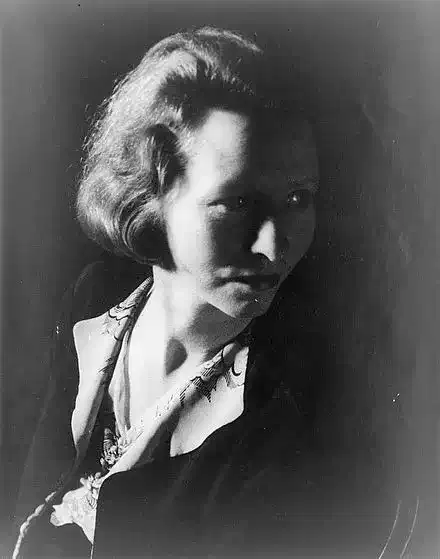
Edna St. Vincent Millay
Two Sonnets In Memory
Two Sonnets In Memory
(Nicola Sacco -- Bartolomeo Vanzetti)
Executed August 23, 1927
I
As men have loved their lovers in times past
And sung their wit, their virtue and their grace,
So have we loved sweet Justice to the last,
That now lies here in an unseemly place.
The child will quit the cradle and grow wise
And stare on beauty till his senses drown;
Yet shall be seen no more by mortal eyes
Such beauty as here walked and here went down.
Like birds that hear the winter crying plain
Her courtiers leave to seek the clement south;
Many have praised her, we alone remain
To break a fist against the lying mouth
Of any man who says this was not so:
Though she be dead now, as indeed we know.
II
Where can the heart be hidden in the ground
And be at peace, and be at peace forever,
Under the world, untroubled by the sound
Of mortal tears, that cease from pouring never?
Well for the heart, by stern compassion harried,
If death be deeper than the churchmen say, --
Gone from this world indeed what's graveward carried,
And laid to rest indeed what's laid away.
Anguish enough while yet the indignant breather
Have blood to spurt upon the oppressor's hand;
Who would eternal be, and hang in ether
A stuffless ghost above his struggling land,
Retching in vain to render up the groan
That is not there, being aching dust's alone?
(Nicola Sacco -- Bartolomeo Vanzetti)
Executed August 23, 1927
I
As men have loved their lovers in times past
And sung their wit, their virtue and their grace,
So have we loved sweet Justice to the last,
That now lies here in an unseemly place.
The child will quit the cradle and grow wise
And stare on beauty till his senses drown;
Yet shall be seen no more by mortal eyes
Such beauty as here walked and here went down.
Like birds that hear the winter crying plain
Her courtiers leave to seek the clement south;
Many have praised her, we alone remain
To break a fist against the lying mouth
Of any man who says this was not so:
Though she be dead now, as indeed we know.
II
Where can the heart be hidden in the ground
And be at peace, and be at peace forever,
Under the world, untroubled by the sound
Of mortal tears, that cease from pouring never?
Well for the heart, by stern compassion harried,
If death be deeper than the churchmen say, --
Gone from this world indeed what's graveward carried,
And laid to rest indeed what's laid away.
Anguish enough while yet the indignant breather
Have blood to spurt upon the oppressor's hand;
Who would eternal be, and hang in ether
A stuffless ghost above his struggling land,
Retching in vain to render up the groan
That is not there, being aching dust's alone?
341
Edna St. Vincent Millay
The True Encounter
The True Encounter
"Wolf!" cried my cunning heart
At every sheep it spied,
And roused the countryside.
"Wolf! Wolf!"—and up would start
Good neighbours, bringing spade
And pitchfork to my aid.
At length my cry was known:
Therein lay my release.
I met the wolf alone
And was devoured in peace.
"Wolf!" cried my cunning heart
At every sheep it spied,
And roused the countryside.
"Wolf! Wolf!"—and up would start
Good neighbours, bringing spade
And pitchfork to my aid.
At length my cry was known:
Therein lay my release.
I met the wolf alone
And was devoured in peace.
472
Edna St. Vincent Millay
The Singing-Woman From The Wood's Edge
The Singing-Woman From The Wood's Edge
What should I be but a prophet and a liar,
Whose mother was a leprechaun, whose father was a friar?
Teethed on a crucifix and cradled under water,
What should I be but the fiend's god-daughter?
And who should be my playmates but the adder and the frog,
That was got beneath a furze-bush and born in a bog?
And what should be my singing, that was christened at an altar,
But Aves and Credos and Psalms out of the Psalter?
You will see such webs on the wet grass, maybe,
As a pixie-mother weaves for her baby,
You will find such flame at the wave's weedy ebb
As flashes in the meshes of a mer-mother's web,
But there comes to birth no common spawn
From the love a a priest for a leprechaun,
And you never have seen and you never will see
Such things as the things that swaddled me!
After all's said and after all's done,
What should I be but a harlot and a nun?
In through the bushes, on any foggy day,
My Da would come a-swishing of the drops away,
With a prayer for my death and a groan for my birth,
A-mumbling of his beads for all that he was worth.
And there'd sit my Ma, with her knees beneath her chin,
A-looking in his face and a-drinking of it in,
And a-marking in the moss some funny little saying
That would mean just the opposite of all that he was praying!
He taught me the holy-talk of Vesper and of Matin,
He heard me my Greek and he heard me my Latin,
He blessed me and crossed me to keep my soul from evil,
And we watched him out of sight, and we conjured up the devil!
Oh, the things I haven't seen and the things I haven't known,
What with hedges and ditches till after I was grown,
And yanked both way by my mother and my father,
With a "Which would you better?" and a " Which would you
rather?"
With him for a sire and her for a dam,
What should I be but just what I am?
What should I be but a prophet and a liar,
Whose mother was a leprechaun, whose father was a friar?
Teethed on a crucifix and cradled under water,
What should I be but the fiend's god-daughter?
And who should be my playmates but the adder and the frog,
That was got beneath a furze-bush and born in a bog?
And what should be my singing, that was christened at an altar,
But Aves and Credos and Psalms out of the Psalter?
You will see such webs on the wet grass, maybe,
As a pixie-mother weaves for her baby,
You will find such flame at the wave's weedy ebb
As flashes in the meshes of a mer-mother's web,
But there comes to birth no common spawn
From the love a a priest for a leprechaun,
And you never have seen and you never will see
Such things as the things that swaddled me!
After all's said and after all's done,
What should I be but a harlot and a nun?
In through the bushes, on any foggy day,
My Da would come a-swishing of the drops away,
With a prayer for my death and a groan for my birth,
A-mumbling of his beads for all that he was worth.
And there'd sit my Ma, with her knees beneath her chin,
A-looking in his face and a-drinking of it in,
And a-marking in the moss some funny little saying
That would mean just the opposite of all that he was praying!
He taught me the holy-talk of Vesper and of Matin,
He heard me my Greek and he heard me my Latin,
He blessed me and crossed me to keep my soul from evil,
And we watched him out of sight, and we conjured up the devil!
Oh, the things I haven't seen and the things I haven't known,
What with hedges and ditches till after I was grown,
And yanked both way by my mother and my father,
With a "Which would you better?" and a " Which would you
rather?"
With him for a sire and her for a dam,
What should I be but just what I am?
351
Edna St. Vincent Millay
The Plaid Dress
The Plaid Dress
Strong sun, that bleach
The curtains of my room, can you not render
Colourless this dress I wear?—
This violent plaid
Of purple angers and red shames; the yellow stripe
Of thin but valid treacheries; the flashy green of kind deeds done
Through indolence high judgments given here in haste;
The recurring checker of the serious breach of taste?
No more uncoloured than unmade,
I fear, can be this garment that I may not doff;
Confession does not strip it off,
To send me homeward eased and bare;
All through the formal, unoffending evening, under the clean
Bright hair,
Lining the subtle gown. . .it is not seen,
But it is there.
Strong sun, that bleach
The curtains of my room, can you not render
Colourless this dress I wear?—
This violent plaid
Of purple angers and red shames; the yellow stripe
Of thin but valid treacheries; the flashy green of kind deeds done
Through indolence high judgments given here in haste;
The recurring checker of the serious breach of taste?
No more uncoloured than unmade,
I fear, can be this garment that I may not doff;
Confession does not strip it off,
To send me homeward eased and bare;
All through the formal, unoffending evening, under the clean
Bright hair,
Lining the subtle gown. . .it is not seen,
But it is there.
353
Edna St. Vincent Millay
The Penitent
The Penitent
I had a little Sorrow,
Born of a little Sin,
I found a room all damp with gloom
And shut us all within;
And, "Little Sorrow, weep," said I,
"And, Little Sin, pray God to die,
And I upon the floor will lie
And think how bad I've been!"
Alas for pious planning—
It mattered not a whit!
As far as gloom went in that room,
The lamp might have been lit!
My little Sorrow would not weep,
My little Sin would go to sleep—
To save my soul I could not keep
My graceless mind on it!
So I got up in anger,
And took a book I had,
And put a ribbon on my hair
To please a passing lad,
And, "One thing there's no getting by—
I've been a wicked girl," said I:
"But if I can't be sorry, why,
I might as well be glad!"
I had a little Sorrow,
Born of a little Sin,
I found a room all damp with gloom
And shut us all within;
And, "Little Sorrow, weep," said I,
"And, Little Sin, pray God to die,
And I upon the floor will lie
And think how bad I've been!"
Alas for pious planning—
It mattered not a whit!
As far as gloom went in that room,
The lamp might have been lit!
My little Sorrow would not weep,
My little Sin would go to sleep—
To save my soul I could not keep
My graceless mind on it!
So I got up in anger,
And took a book I had,
And put a ribbon on my hair
To please a passing lad,
And, "One thing there's no getting by—
I've been a wicked girl," said I:
"But if I can't be sorry, why,
I might as well be glad!"
379
Edna St. Vincent Millay
Oh, Oh, You Will Be Sorry
Oh, Oh, You Will Be Sorry
Oh, oh, you will be sorry for that word!
Give me back my book and take my kiss instead.
Was it my enemy or my friend I heard,
"What a big book for such a little head!"
Come, I will show you now my newest hat,
And you may watch me purse my mouth and prink!
Oh, I shall love you still, and all of that.
I never again shall tell you what I think.
I shall be sweet and crafty, soft and sly;
You will not catch me reading any more:
I shall be called a wife to pattern by;
And some day when you knock and push the door,
Some sane day, not too bright and not too stormy,
I shall be gone, and you may whistle for me.
Oh, oh, you will be sorry for that word!
Give me back my book and take my kiss instead.
Was it my enemy or my friend I heard,
"What a big book for such a little head!"
Come, I will show you now my newest hat,
And you may watch me purse my mouth and prink!
Oh, I shall love you still, and all of that.
I never again shall tell you what I think.
I shall be sweet and crafty, soft and sly;
You will not catch me reading any more:
I shall be called a wife to pattern by;
And some day when you knock and push the door,
Some sane day, not too bright and not too stormy,
I shall be gone, and you may whistle for me.
366
Edna St. Vincent Millay
Not Even My Pride Shall Suffer Much
Not Even My Pride Shall Suffer Much
Not even my pride shall suffer much;
Not even my pride at all, maybe,
If this ill-timed, intemperate clutch
Be loosed by you and not by me,
Will suffer; I have been so true
A vestal to that only pride
Wet wood cannot extinguish, nor
Sand, nor its embers scattered, for,
See all these years, it has not died.
And if indeed, as I dare think,
You cannot push this patient flame,
By any breath your lungs could store,
Even for a moment to the floor
To crawl there, even for a moment crawl,
What can you mix for me to drink
That shall deflect me? What you do
Is either malice, crude defense
Of ego, or indifference:
I know these things as well as you;
You do not dazzle me at all—
Some love, and some simplicity,
Might well have been the death of me—
Not even my pride shall suffer much;
Not even my pride at all, maybe,
If this ill-timed, intemperate clutch
Be loosed by you and not by me,
Will suffer; I have been so true
A vestal to that only pride
Wet wood cannot extinguish, nor
Sand, nor its embers scattered, for,
See all these years, it has not died.
And if indeed, as I dare think,
You cannot push this patient flame,
By any breath your lungs could store,
Even for a moment to the floor
To crawl there, even for a moment crawl,
What can you mix for me to drink
That shall deflect me? What you do
Is either malice, crude defense
Of ego, or indifference:
I know these things as well as you;
You do not dazzle me at all—
Some love, and some simplicity,
Might well have been the death of me—
293
Edna St. Vincent Millay
I Know The Face Of Falsehood And Her Tongue
I Know The Face Of Falsehood And Her Tongue
I know the face of Falsehood and her Tongue
Honeyed with unction, Plausible with guile,
Are dear to men, whom count me not among,
That owe their daily credit to her smile;
Such have been succoured out of great distress
By her contriving, if accounts be true:
Their deference now above the board, I guess,
Dishcharges what beneath the board is due.
As for myself, I'd liefer lack her aid
Than eat her presence; let this building fall:
But let me never lift my latch, afraid
To hear her simpering accents in the hall,
Nor force an entrance past mephitic airs
Of stale patchoulie hanging on my stairs.
I know the face of Falsehood and her Tongue
Honeyed with unction, Plausible with guile,
Are dear to men, whom count me not among,
That owe their daily credit to her smile;
Such have been succoured out of great distress
By her contriving, if accounts be true:
Their deference now above the board, I guess,
Dishcharges what beneath the board is due.
As for myself, I'd liefer lack her aid
Than eat her presence; let this building fall:
But let me never lift my latch, afraid
To hear her simpering accents in the hall,
Nor force an entrance past mephitic airs
Of stale patchoulie hanging on my stairs.
264
Edna St. Vincent Millay
Conscientious Objector
Conscientious Objector
I shall die, but
that is all that I shall do for Death.
I hear him leading his horse out of the stall;
I hear the clatter on the barn-floor.
He is in haste; he has business in Cuba,
business in the Balkans, many calls to make this morning.
But I will not hold the bridle
while he clinches the girth.
And he may mount by himself:
I will not give him a leg up.
Though he flick my shoulders with his whip,
I will not tell him which way the fox ran.
With his hoof on my breast, I will not tell him where
the black boy hides in the swamp.
I shall die, but that is all that I shall do for Death;
I am not on his pay-roll.
I will not tell him the whereabout of my friends
nor of my enemies either.
Though he promise me much,
I will not map him the route to any man's door.
Am I a spy in the land of the living,
that I should deliver men to Death?
Brother, the password and the plans of our city
are safe with me; never through me Shall you be overcome.
I shall die, but
that is all that I shall do for Death.
I hear him leading his horse out of the stall;
I hear the clatter on the barn-floor.
He is in haste; he has business in Cuba,
business in the Balkans, many calls to make this morning.
But I will not hold the bridle
while he clinches the girth.
And he may mount by himself:
I will not give him a leg up.
Though he flick my shoulders with his whip,
I will not tell him which way the fox ran.
With his hoof on my breast, I will not tell him where
the black boy hides in the swamp.
I shall die, but that is all that I shall do for Death;
I am not on his pay-roll.
I will not tell him the whereabout of my friends
nor of my enemies either.
Though he promise me much,
I will not map him the route to any man's door.
Am I a spy in the land of the living,
that I should deliver men to Death?
Brother, the password and the plans of our city
are safe with me; never through me Shall you be overcome.
320
Edna St. Vincent Millay
Bluebeard
Bluebeard
This door you might not open, and you did;
So enter now, and see for what slight thing
You are betrayed... Here is no treasure hid,
No cauldron, no clear crystal mirroring
The sought-for truth, no heads of women slain
For greed like yours, no writhings of distress,
But only what you see... Look yet again—
An empty room, cobwebbed and comfortless.
Yet this alone out of my life I kept
Unto myself, lest any know me quite;
And you did so profane me when you crept
Unto the threshold of this room to-night
That I must never more behold your face.
This now is yours. I seek another place.
This door you might not open, and you did;
So enter now, and see for what slight thing
You are betrayed... Here is no treasure hid,
No cauldron, no clear crystal mirroring
The sought-for truth, no heads of women slain
For greed like yours, no writhings of distress,
But only what you see... Look yet again—
An empty room, cobwebbed and comfortless.
Yet this alone out of my life I kept
Unto myself, lest any know me quite;
And you did so profane me when you crept
Unto the threshold of this room to-night
That I must never more behold your face.
This now is yours. I seek another place.
329
Edna St. Vincent Millay
And do you think that love itself
And do you think that love itself
And do you think that love itself,
Living in such an ugly house,
Can prosper long?
We meet and part;
Our talk is all of heres and nows,
Our conduct likewise; in no act
Is any future, any past;
Under our sly, unspoken pact,
I KNOW with whom I saw you last,
But I say nothing; and you know
At six-fifteen to whom I go—
Can even love be treated so?
I KNOW, but I do not insist,
Having stealth and tact, thought not enough,
What hour your eye is on your wrist.
No wild appeal, no mild rebuff
Deflates the hour, leaves the wine flat—
Yet if YOU drop the picked-up book
To intercept my clockward look—
Tell me, can love go on like that?
Even the bored, insulted heart,
That signed so long and tight a lease,
Can BREAK it CONTRACT, slump in peace.
And do you think that love itself,
Living in such an ugly house,
Can prosper long?
We meet and part;
Our talk is all of heres and nows,
Our conduct likewise; in no act
Is any future, any past;
Under our sly, unspoken pact,
I KNOW with whom I saw you last,
But I say nothing; and you know
At six-fifteen to whom I go—
Can even love be treated so?
I KNOW, but I do not insist,
Having stealth and tact, thought not enough,
What hour your eye is on your wrist.
No wild appeal, no mild rebuff
Deflates the hour, leaves the wine flat—
Yet if YOU drop the picked-up book
To intercept my clockward look—
Tell me, can love go on like that?
Even the bored, insulted heart,
That signed so long and tight a lease,
Can BREAK it CONTRACT, slump in peace.
336
Edna St. Vincent Millay
Apostrophe To Man
Apostrophe To Man
(On reflecting that the world
is ready to go to war again)
Detestable race, continue to expunge yourself, die out.
Breed faster, crowd, encroach, sing hymns, build
bombing airplanes;
Make speeches, unveil statues, issue bonds, parade;
Convert again into explosives the bewildered ammonia
and the distracted cellulose;
Convert again into putrescent matter drawing flies
The hopeful bodies of the young; exhort,
Pray, pull long faces, be earnest,
be all but overcome, be photographed;
Confer, perfect your formulae, commercialize
Bacateria harmful to human tissue,
Put death on the market;
Breed, crowd, encroach,
expand, expunge yourself, die out,
Homo called sapiens.
(On reflecting that the world
is ready to go to war again)
Detestable race, continue to expunge yourself, die out.
Breed faster, crowd, encroach, sing hymns, build
bombing airplanes;
Make speeches, unveil statues, issue bonds, parade;
Convert again into explosives the bewildered ammonia
and the distracted cellulose;
Convert again into putrescent matter drawing flies
The hopeful bodies of the young; exhort,
Pray, pull long faces, be earnest,
be all but overcome, be photographed;
Confer, perfect your formulae, commercialize
Bacateria harmful to human tissue,
Put death on the market;
Breed, crowd, encroach,
expand, expunge yourself, die out,
Homo called sapiens.
412
Edna St. Vincent Millay
And we are done forever
And we are done forever; by and by
I shall forget you, as I said, but now,
If you entreat me with your loveliest lie
I will protest you with my favorite vow.
I would indeed that love were longer-lived,
And vows were not so brittle as they are,
But so it is, and nature has contrived
To struggle on without a break thus far, -
Whether or not we find what we are seeking
Is idle, biologically speaking.
I shall forget you, as I said, but now,
If you entreat me with your loveliest lie
I will protest you with my favorite vow.
I would indeed that love were longer-lived,
And vows were not so brittle as they are,
But so it is, and nature has contrived
To struggle on without a break thus far, -
Whether or not we find what we are seeking
Is idle, biologically speaking.
100
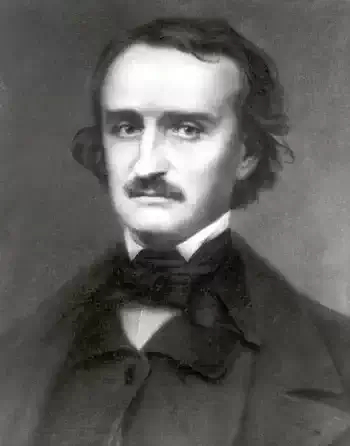
Edgar Allan Poe
To Marie Louise (Shew)
To Marie Louise (Shew)
Of all who hail thy presence as the morning-
Of all to whom thine absence is the night-
The blotting utterly from out high heaven
The sacred sun- of all who, weeping, bless thee
Hourly for hope- for life- ah! above all,
For the resurrection of deep-buried faith
In Truth- in Virtue- in Humanity-
Of all who, on Despair's unhallowed bed
Lying down to die, have suddenly arisen
At thy soft-murmured words, 'Let there be light!'
At the soft-murmured words that were fulfilled
In the seraphic glancing of thine eyes-
Of all who owe thee most- whose gratitude
Nearest resembles worship- oh, remember
The truest- the most fervently devoted,
And think that these weak lines are written by him-
By him who, as he pens them, thrills to think
His spirit is communing with an angel's.
Of all who hail thy presence as the morning-
Of all to whom thine absence is the night-
The blotting utterly from out high heaven
The sacred sun- of all who, weeping, bless thee
Hourly for hope- for life- ah! above all,
For the resurrection of deep-buried faith
In Truth- in Virtue- in Humanity-
Of all who, on Despair's unhallowed bed
Lying down to die, have suddenly arisen
At thy soft-murmured words, 'Let there be light!'
At the soft-murmured words that were fulfilled
In the seraphic glancing of thine eyes-
Of all who owe thee most- whose gratitude
Nearest resembles worship- oh, remember
The truest- the most fervently devoted,
And think that these weak lines are written by him-
By him who, as he pens them, thrills to think
His spirit is communing with an angel's.
350
Edgar Allan Poe
Song
Song
I saw thee on thy bridal dayWhen
a burning blush came o'er thee,
Though happiness around thee lay,
The world all love before thee:
And in thine eye a kindling light
(Whatever it might be)
Was all on Earth my aching sight
Of Loveliness could see.
That blush, perhaps, was maiden shameAs
such it well may passThough
its glow hath raised a fiercer flame
In the breast of him, alas!
Who saw thee on that bridal day,
When that deep blush would come o'er thee,
Though happiness around thee lay;
The world all love before thee.
I saw thee on thy bridal dayWhen
a burning blush came o'er thee,
Though happiness around thee lay,
The world all love before thee:
And in thine eye a kindling light
(Whatever it might be)
Was all on Earth my aching sight
Of Loveliness could see.
That blush, perhaps, was maiden shameAs
such it well may passThough
its glow hath raised a fiercer flame
In the breast of him, alas!
Who saw thee on that bridal day,
When that deep blush would come o'er thee,
Though happiness around thee lay;
The world all love before thee.
249
Edgar Allan Poe
Lenore
Lenore
Ah, broken is the golden bowl! the spirit flown forever!
Let the bell toll!- a saintly soul floats on the Stygian river;
And, Guy de Vere, hast thou no tear?- weep now or nevermore!
See! on yon drear and rigid bier low lies thy love, Lenore!
Come! let the burial rite be read- the funeral song be sung!An
anthem for the queenliest dead that ever died so youngA
dirge for her the doubly dead in that she died so young.
"Wretches! ye loved her for her wealth and hated her for her pride,
And when she fell in feeble health, ye blessed her- that she died!
How shall the ritual, then, be read?- the requiem how be sung
By you- by yours, the evil eye,- by yours, the slanderous tongue
That did to death the innocence that died, and died so young?"
Peccavimus; but rave not thus! and let a Sabbath song
Go up to God so solemnly the dead may feel no wrong.
The sweet Lenore hath "gone before," with Hope, that flew beside,
Leaving thee wild for the dear child that should have been thy
bride.
For her, the fair and debonair, that now so lowly lies,
The life upon her yellow hair but not within her eyes
The life still there, upon her hair- the death upon her eyes.
"Avaunt! avaunt! from fiends below, the indignant ghost is rivenFrom
Hell unto a high estate far up within the HeavenFrom
grief and groan, to a golden throne, beside the King of
Heaven!
Let no bell toll, then,- lest her soul, amid its hallowed mirth,
Should catch the note as it doth float up from the damned Earth!
And I!- to-night my heart is light!- no dirge will I upraise,
But waft the angel on her flight with a Paean of old days!"
Ah, broken is the golden bowl! the spirit flown forever!
Let the bell toll!- a saintly soul floats on the Stygian river;
And, Guy de Vere, hast thou no tear?- weep now or nevermore!
See! on yon drear and rigid bier low lies thy love, Lenore!
Come! let the burial rite be read- the funeral song be sung!An
anthem for the queenliest dead that ever died so youngA
dirge for her the doubly dead in that she died so young.
"Wretches! ye loved her for her wealth and hated her for her pride,
And when she fell in feeble health, ye blessed her- that she died!
How shall the ritual, then, be read?- the requiem how be sung
By you- by yours, the evil eye,- by yours, the slanderous tongue
That did to death the innocence that died, and died so young?"
Peccavimus; but rave not thus! and let a Sabbath song
Go up to God so solemnly the dead may feel no wrong.
The sweet Lenore hath "gone before," with Hope, that flew beside,
Leaving thee wild for the dear child that should have been thy
bride.
For her, the fair and debonair, that now so lowly lies,
The life upon her yellow hair but not within her eyes
The life still there, upon her hair- the death upon her eyes.
"Avaunt! avaunt! from fiends below, the indignant ghost is rivenFrom
Hell unto a high estate far up within the HeavenFrom
grief and groan, to a golden throne, beside the King of
Heaven!
Let no bell toll, then,- lest her soul, amid its hallowed mirth,
Should catch the note as it doth float up from the damned Earth!
And I!- to-night my heart is light!- no dirge will I upraise,
But waft the angel on her flight with a Paean of old days!"
380
Edgar Allan Poe
Hymn to Aristogeiton and Harmodius
Hymn to Aristogeiton and Harmodius
Wreathed in myrtle, my sword I'll conceal
Like those champions devoted and brave,
When they plunged in the tyrant their steel,
And to Athens deliverance gave.
Beloved heroes! your deathless souls roam
In the joy breathing isles of the blest;
Where the mighty of old have their home -
Where Achilles and Diomed rest.
In fresh myrtle my blade I'll entwine,
Like Harmodious, the gallant and good,
When he made at the tutelar shrine
A libation of Tyranny's blood.
Ye deliverers of Athens from shame!
Ye avengers of Liberty's wrongs!
Endless ages shall cherish your fame
Embalmed in their echoing songs!
Wreathed in myrtle, my sword I'll conceal
Like those champions devoted and brave,
When they plunged in the tyrant their steel,
And to Athens deliverance gave.
Beloved heroes! your deathless souls roam
In the joy breathing isles of the blest;
Where the mighty of old have their home -
Where Achilles and Diomed rest.
In fresh myrtle my blade I'll entwine,
Like Harmodious, the gallant and good,
When he made at the tutelar shrine
A libation of Tyranny's blood.
Ye deliverers of Athens from shame!
Ye avengers of Liberty's wrongs!
Endless ages shall cherish your fame
Embalmed in their echoing songs!
264

Edgar Albert Guest
The Lamb Skin
The Lamb Skin
It is not ornamental, the cost is not great,
There are other things far more useful, yet truly I state,
Though of all my possesions, there's none can compare,
With that white leather apron, which all Masons wear.
As a young lad I wondered just what it all meant,
When Dad hustled around, and so much time was spent
On shaving and dressing and looking just right,
Until Mother would say: 'It's the Masons tonight.'
And some winter nights she said: 'What makes you go,
Way up there tonight thru the sleet and the snow?
You see the same things every month of the year.'
Then Dad would reply: 'Yes, I know it, my dear.'
'Forty years I have seen the same things, it is true.
And though they are old, they always seem new,
For the hands that I clasp, and the friends that I greet,
Seem a little bit closer each time that we meet.'
Years later I stood at that very same door,
With good men and true who had entered before,
I knelt at the alter, and there I was taught
That virtue and honor can never be bought.
That the spotless white lambskin all Masons revere,
If worthily worn grows more precious each year,
That service to others brings blessings untold,
That man may be poor tho surrounded by gold.
I learned that true brotherhood flourishes there,
That enmities fade 'neath the compass and square,
That wealth and position are all thrust aside,
As there on the level men meet and abide.
So, honor the lambskin, may it always remain
Forever unblemished, and free from all stain,
And when we are called to the Great Father's love,
May we all take our place in that Lodge up above.
It is not ornamental, the cost is not great,
There are other things far more useful, yet truly I state,
Though of all my possesions, there's none can compare,
With that white leather apron, which all Masons wear.
As a young lad I wondered just what it all meant,
When Dad hustled around, and so much time was spent
On shaving and dressing and looking just right,
Until Mother would say: 'It's the Masons tonight.'
And some winter nights she said: 'What makes you go,
Way up there tonight thru the sleet and the snow?
You see the same things every month of the year.'
Then Dad would reply: 'Yes, I know it, my dear.'
'Forty years I have seen the same things, it is true.
And though they are old, they always seem new,
For the hands that I clasp, and the friends that I greet,
Seem a little bit closer each time that we meet.'
Years later I stood at that very same door,
With good men and true who had entered before,
I knelt at the alter, and there I was taught
That virtue and honor can never be bought.
That the spotless white lambskin all Masons revere,
If worthily worn grows more precious each year,
That service to others brings blessings untold,
That man may be poor tho surrounded by gold.
I learned that true brotherhood flourishes there,
That enmities fade 'neath the compass and square,
That wealth and position are all thrust aside,
As there on the level men meet and abide.
So, honor the lambskin, may it always remain
Forever unblemished, and free from all stain,
And when we are called to the Great Father's love,
May we all take our place in that Lodge up above.
628
Edgar Albert Guest
The Proof Of Worth
Though victory's proof of the skill you possess,
Defeat is the proof of your grit;
A weakling can smile in his days of success,
But at trouble's first sign he will quit.
So the test of the heart and the test of your pluck
Isn't skies that are sunny and fair,
But how do you stand to the blow that is struck
And how do you battle despair?
A fool can seem wise when the pathway is clear
And it's easy to see the way out,
But the test of man's judgment is something to fear,
And what does he do when in doubt?
And the proof of his faith is the courage he shows
When sorrows lie deep in his breast;
It's the way that he suffers the griefs that he knows
That brings out his worst or his best.
The test of a man is how much he will bear
For a cause which he knows to be right,
How long will he stand in the depths of despair,
How much will he suffer and fight?
There are many to serve when the victory's near
And few are the hurts to be borne,
But it calls for a leader of courage to cheer
The men in a battle forlorn.
It's the way you hold out against odds that are great
That proves what your courage is worth,
It's the way that you stand to the bruises of fate
That shows up your stature and girth.
And victory's nothing but proof of your skill,
Veneered with a glory that's thin,
Unless it is proof of unfaltering will,
And unless you have suffered to win.
Defeat is the proof of your grit;
A weakling can smile in his days of success,
But at trouble's first sign he will quit.
So the test of the heart and the test of your pluck
Isn't skies that are sunny and fair,
But how do you stand to the blow that is struck
And how do you battle despair?
A fool can seem wise when the pathway is clear
And it's easy to see the way out,
But the test of man's judgment is something to fear,
And what does he do when in doubt?
And the proof of his faith is the courage he shows
When sorrows lie deep in his breast;
It's the way that he suffers the griefs that he knows
That brings out his worst or his best.
The test of a man is how much he will bear
For a cause which he knows to be right,
How long will he stand in the depths of despair,
How much will he suffer and fight?
There are many to serve when the victory's near
And few are the hurts to be borne,
But it calls for a leader of courage to cheer
The men in a battle forlorn.
It's the way you hold out against odds that are great
That proves what your courage is worth,
It's the way that you stand to the bruises of fate
That shows up your stature and girth.
And victory's nothing but proof of your skill,
Veneered with a glory that's thin,
Unless it is proof of unfaltering will,
And unless you have suffered to win.
9,984
Edgar Albert Guest
Reflection
Reflection
You have given me riches and ease,
You have given me joys through the years,
I have sat in the shade of your trees,
With the song of your birds in my ears.
I have drunk of your bountiful wine
And done as I've chosen to do,
But, oh wonderful country of mine,
'How little have I done for you!
You have given me safe harbor from harm,
Untroubled I've slept through the nights
And have waked to the new morning's charm
And claimed as my own its delights.
I have taken the finest of fine
From your orchards and fields where it grew,
But, oh wonderful country of mine,
How little I've given to you!
You have given me a home and a place
Where in safety my babies may play;
Health blooms on each bright dimpled face
And laughter is theirs every day.
You have guarded from danger the shrine
Where I worship when toiling is through,
But, oh wonderful country of mine,
How little have I done for you!
I have taken your gifts without thought,
I have revelled in joys that you gave,
That I see now with blood had been bought,
The blood of your earlier braves.
I have lived without making one sign
That the source of my riches I knew,
Now, oh wonderful country of mine,
I'm here to do something for you!
You have given me riches and ease,
You have given me joys through the years,
I have sat in the shade of your trees,
With the song of your birds in my ears.
I have drunk of your bountiful wine
And done as I've chosen to do,
But, oh wonderful country of mine,
'How little have I done for you!
You have given me safe harbor from harm,
Untroubled I've slept through the nights
And have waked to the new morning's charm
And claimed as my own its delights.
I have taken the finest of fine
From your orchards and fields where it grew,
But, oh wonderful country of mine,
How little I've given to you!
You have given me a home and a place
Where in safety my babies may play;
Health blooms on each bright dimpled face
And laughter is theirs every day.
You have guarded from danger the shrine
Where I worship when toiling is through,
But, oh wonderful country of mine,
How little have I done for you!
I have taken your gifts without thought,
I have revelled in joys that you gave,
That I see now with blood had been bought,
The blood of your earlier braves.
I have lived without making one sign
That the source of my riches I knew,
Now, oh wonderful country of mine,
I'm here to do something for you!
660
Edgar Albert Guest
Selfishness
Selfishness
Search history, my boy, and see
What petty selfishness has done.
Find if you can one victory
That little minds have ever won.
There is no record there to read
Of men who fought for self alone,
No instance of a single deed
Splendor they may proudly own.
Through all life's story you will find
The miser—with his hoarded gold—
A hermit, dreary and unkind,
An outcast from the human fold.
Men hold him up to view with scorn,
A creature by his wealth enslaved,
A spirit craven and forlorn,
Doomed by the money he has saved.
No man was ever truly great
Who sought to serve himself alone,
Who put himself above the state,
Above the friends about him thrown.
No man was ever truly glad
Who risked his joy on hoarded pelf,
And gave of nothing that he had
Through fear of needing it himself.
For selfishness is wintry cold,
And bitter are its joys at last,
The very charms it tries to hold,
With woes are quickly overcast.
And only he shall gladly live,
And bravely die when God shall call,
Who gathers but that he may give,
And with his fellows shares his all.
Search history, my boy, and see
What petty selfishness has done.
Find if you can one victory
That little minds have ever won.
There is no record there to read
Of men who fought for self alone,
No instance of a single deed
Splendor they may proudly own.
Through all life's story you will find
The miser—with his hoarded gold—
A hermit, dreary and unkind,
An outcast from the human fold.
Men hold him up to view with scorn,
A creature by his wealth enslaved,
A spirit craven and forlorn,
Doomed by the money he has saved.
No man was ever truly great
Who sought to serve himself alone,
Who put himself above the state,
Above the friends about him thrown.
No man was ever truly glad
Who risked his joy on hoarded pelf,
And gave of nothing that he had
Through fear of needing it himself.
For selfishness is wintry cold,
And bitter are its joys at last,
The very charms it tries to hold,
With woes are quickly overcast.
And only he shall gladly live,
And bravely die when God shall call,
Who gathers but that he may give,
And with his fellows shares his all.
845
Edgar Albert Guest
Life's Slacker
Life's Slacker
The saddest sort of death to die
Would be to quit the game called life
And know, beneath the gentle sky,
You'd lived a slacker in the strife.
That nothing men on earth would find
To mark the spot that you had filled;
That you must go and leave behind
No patch of soil your hands had tilled.
I know no greater shame than this:
To feel that yours were empty years;
That after death no man would miss
Your presence in this vale of tears;
That you had breathed the fragrant air
And sat by kindly fires that burn,
And in earth's riches had a share
But gave no labor in return.
Yet some men die this way, nor care:
They enter and they leave life's door
And at the end, their record's bare—
The world's no better than before.
A few false tears are shed, and then,
In busy service, they're forgot.
We have no time to mourn for men
Who lived on earth but served it not.
A man in perfect peace to die
Must leave some mark of toil behind,
Some building towering to the sky,
Some symbol that his heart was kind,
Some roadway where strange feet may tread
That out of gratitude he made;
He cannot bravely look ahead
Unless his debt to life is paid.
The saddest sort of death to die
Would be to quit the game called life
And know, beneath the gentle sky,
You'd lived a slacker in the strife.
That nothing men on earth would find
To mark the spot that you had filled;
That you must go and leave behind
No patch of soil your hands had tilled.
I know no greater shame than this:
To feel that yours were empty years;
That after death no man would miss
Your presence in this vale of tears;
That you had breathed the fragrant air
And sat by kindly fires that burn,
And in earth's riches had a share
But gave no labor in return.
Yet some men die this way, nor care:
They enter and they leave life's door
And at the end, their record's bare—
The world's no better than before.
A few false tears are shed, and then,
In busy service, they're forgot.
We have no time to mourn for men
Who lived on earth but served it not.
A man in perfect peace to die
Must leave some mark of toil behind,
Some building towering to the sky,
Some symbol that his heart was kind,
Some roadway where strange feet may tread
That out of gratitude he made;
He cannot bravely look ahead
Unless his debt to life is paid.
672
Edgar Albert Guest
On Quitting
On Quitting
How much grit do you think you've got?
Can you quit a thing that you like a lot?
You may talk of pluck; it's an easy word,
And where'er you go it is often heard;
But can you tell to a jot or guess
Just how much courage you now possess?
You may stand to trouble and keep your grin,
But have you tackled self-discipline?
Have you ever issued commands to you
To quit the things that you like to do,
And then, when tempted and sorely swayed,
Those rigid orders have you obeyed?
Don't boast of your grit till you've tried it out,
Nor prate to men of your courage stout,
For it's easy enough to retain a grin
In the face of a fight there's a chance to win,
But the sort of grit that is good to own
Is the stuff you need when you're all alone.
How much grit do you think you've got?
Can you turn from joys that you like a lot?
Have you ever tested yourself to know
How far with yourself your will can go?
If you want to know if you have grit,
Just pick out a joy that you like, and quit.
It's bully sport and it's open fight;
It will keep you busy both day and night;
For the toughest kind of a game you'll find
Is to make your body obey your mind.
And you never will know what is meant by grit
Unless there's something you've tried to quit.
How much grit do you think you've got?
Can you quit a thing that you like a lot?
You may talk of pluck; it's an easy word,
And where'er you go it is often heard;
But can you tell to a jot or guess
Just how much courage you now possess?
You may stand to trouble and keep your grin,
But have you tackled self-discipline?
Have you ever issued commands to you
To quit the things that you like to do,
And then, when tempted and sorely swayed,
Those rigid orders have you obeyed?
Don't boast of your grit till you've tried it out,
Nor prate to men of your courage stout,
For it's easy enough to retain a grin
In the face of a fight there's a chance to win,
But the sort of grit that is good to own
Is the stuff you need when you're all alone.
How much grit do you think you've got?
Can you turn from joys that you like a lot?
Have you ever tested yourself to know
How far with yourself your will can go?
If you want to know if you have grit,
Just pick out a joy that you like, and quit.
It's bully sport and it's open fight;
It will keep you busy both day and night;
For the toughest kind of a game you'll find
Is to make your body obey your mind.
And you never will know what is meant by grit
Unless there's something you've tried to quit.
1,117
Edgar Albert Guest
He Who Serves
He Who Serves
He has not served who gathers gold,
Nor has he served, whose life is told
In selfish battles he has won,
Or deeds of skill that he has done;
But he has served who now and then
Has helped along his fellow men.
The world needs many men today;
Red-blooded men along life's way,
With cheerful smiles and helping hands,
And with the faith that understands
The beauty of the simple deed
Which serves another's hour of need.
Strong men to stand beside the weak,
Kind men to hear what others speak;
True men to keep our country's laws
And guard its honor and its cause;
Men who will bravely play life's game
Nor ask rewards of gold and fame.
Teach me to do the best I can
To help and cheer our fellow man;
Teach me to lose my selfish need
And glory in the larger deed
Which smoothes the road, and lights the day
For all who chance to come my way.
He has not served who gathers gold,
Nor has he served, whose life is told
In selfish battles he has won,
Or deeds of skill that he has done;
But he has served who now and then
Has helped along his fellow men.
The world needs many men today;
Red-blooded men along life's way,
With cheerful smiles and helping hands,
And with the faith that understands
The beauty of the simple deed
Which serves another's hour of need.
Strong men to stand beside the weak,
Kind men to hear what others speak;
True men to keep our country's laws
And guard its honor and its cause;
Men who will bravely play life's game
Nor ask rewards of gold and fame.
Teach me to do the best I can
To help and cheer our fellow man;
Teach me to lose my selfish need
And glory in the larger deed
Which smoothes the road, and lights the day
For all who chance to come my way.
693