

Poems in this theme
Ethics and Morality
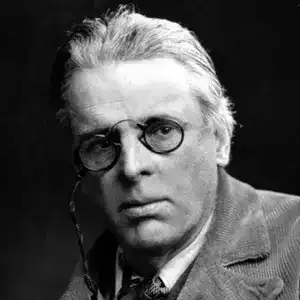
William Butler Yeats
Stream And Sun At Glendalough
Stream And Sun At Glendalough
THROUGH intricate motions ran
Stream and gliding sun
And all my heart seemed gay:
Some stupid thing that I had done
Made my attention stray.
Repentance keeps my heart impure;
But what am I that dare
Fancy that I can
Better conduct myself or have more
Sense than a common man?
What motion of the sun or stream
Or eyelid shot the gleam
That pierced my body through?
What made me live like these that seem
Self-born, born anew?
THROUGH intricate motions ran
Stream and gliding sun
And all my heart seemed gay:
Some stupid thing that I had done
Made my attention stray.
Repentance keeps my heart impure;
But what am I that dare
Fancy that I can
Better conduct myself or have more
Sense than a common man?
What motion of the sun or stream
Or eyelid shot the gleam
That pierced my body through?
What made me live like these that seem
Self-born, born anew?
434
William Butler Yeats
September 1913
September 1913
What need you, being come to sense,
But fumble in a greasy till
And add the halfpence to the pence
And prayer to shivering prayer, until
You have dried the marrow from the bone?
For men were born to pray and save:
Romantic Ireland's dead and gone,
It's with O'Leary in the grave.
Yet they were of a different kind,
The names that stilled your childish play,
They have gone about the world like wind,
But little time had they to pray
For whom the hangman's rope was spun,
And what, God help us, could they save?
Romantic Ireland's dead and gone,
It's with O'Leary in the grave.
Was it for this the wild geese spread
The grey wing upon every tide;
For this that all that blood was shed,
For this Edward Fitzgerald died,
And Robert Emmet and Wolfe Tone,
All that delirium of the brave?
Romantic Ireland's dead and gone,
It's with O'Leary in the grave.
Yet could we turn the years again,
And call those exiles as they were
In all their loneliness and pain,
You'd cry, 'Some woman's yellow hair
Has maddened every mother's son':
They weighed so lightly what they gave.
But let them be, they're dead and gone,
They're with O'Leary in the grave.
What need you, being come to sense,
But fumble in a greasy till
And add the halfpence to the pence
And prayer to shivering prayer, until
You have dried the marrow from the bone?
For men were born to pray and save:
Romantic Ireland's dead and gone,
It's with O'Leary in the grave.
Yet they were of a different kind,
The names that stilled your childish play,
They have gone about the world like wind,
But little time had they to pray
For whom the hangman's rope was spun,
And what, God help us, could they save?
Romantic Ireland's dead and gone,
It's with O'Leary in the grave.
Was it for this the wild geese spread
The grey wing upon every tide;
For this that all that blood was shed,
For this Edward Fitzgerald died,
And Robert Emmet and Wolfe Tone,
All that delirium of the brave?
Romantic Ireland's dead and gone,
It's with O'Leary in the grave.
Yet could we turn the years again,
And call those exiles as they were
In all their loneliness and pain,
You'd cry, 'Some woman's yellow hair
Has maddened every mother's son':
They weighed so lightly what they gave.
But let them be, they're dead and gone,
They're with O'Leary in the grave.
517
William Butler Yeats
Responsibilities - Introduction
Responsibilities - Introduction
Pardon, old fathers, if you still remain
Somewhere in ear-shot for the story's end,
Old Dublin merchant "free of the ten and four"
Or trading out of Galway into Spain;
Old country scholar, Robert Emmet's friend,
A hundred-year-old memory to the poor;
Merchant and scholar who have left me blood
That has not passed through any huckster's loin,
Soldiers that gave, whatever die was cast:
A Butler or an Armstrong that withstood
Beside the brackish waters of the Boyne
James and his Irish when the Dutchman crossed;
Old merchant skipper that leaped overboard
After a ragged hat in Biscay Bay;
You most of all, silent and fierce old man,
Because the daily spectacle that stirred
My fancy, and set my boyish lips to say,
"Only the wasteful virtues earn the sun";
Pardon that for a barren passion's sake,
Although I have come close on forty-nine,
I have no child, I have nothing but a book,
Nothing but that to prove your blood and mine.
Pardon, old fathers, if you still remain
Somewhere in ear-shot for the story's end,
Old Dublin merchant "free of the ten and four"
Or trading out of Galway into Spain;
Old country scholar, Robert Emmet's friend,
A hundred-year-old memory to the poor;
Merchant and scholar who have left me blood
That has not passed through any huckster's loin,
Soldiers that gave, whatever die was cast:
A Butler or an Armstrong that withstood
Beside the brackish waters of the Boyne
James and his Irish when the Dutchman crossed;
Old merchant skipper that leaped overboard
After a ragged hat in Biscay Bay;
You most of all, silent and fierce old man,
Because the daily spectacle that stirred
My fancy, and set my boyish lips to say,
"Only the wasteful virtues earn the sun";
Pardon that for a barren passion's sake,
Although I have come close on forty-nine,
I have no child, I have nothing but a book,
Nothing but that to prove your blood and mine.
322
William Butler Yeats
Remorse For Intemperate Speech
Remorse For Intemperate Speech
I RANTED to the knave and fool,
But outgrew that school,
Would transform the part,
Fit audience found, but cannot rule
My fanatic heart.
I sought my betters: though in each
Fine manners, liberal speech,
Turn hatred into sport,
Nothing said or done can reach
My fanatic heart,
Out of Ireland have we come.
Great hatred, little room,
Maimed us at the start.
I carry from my mother's womb
A fanatic heart.
I RANTED to the knave and fool,
But outgrew that school,
Would transform the part,
Fit audience found, but cannot rule
My fanatic heart.
I sought my betters: though in each
Fine manners, liberal speech,
Turn hatred into sport,
Nothing said or done can reach
My fanatic heart,
Out of Ireland have we come.
Great hatred, little room,
Maimed us at the start.
I carry from my mother's womb
A fanatic heart.
344
William Butler Yeats
On Woman
On Woman
MAY God be praised for woman
That gives up all her mind,
A man may find in no man
A friendship of her kind
That covers all he has brought
As with her flesh and bone,
Nor quarrels with a thought
Because it is not her own.
Though pedantry denies,
It's plain the Bible means
That Solomon grew wise
While talking with his queens.
Yet never could, although
They say he counted grass,
Count all the praises due
When Sheba was his lass,
When she the iron wrought, or
When from the smithy fire
It shuddered in the water:
Harshness of their desire
That made them stretch and yawn,
pleasure that comes with sleep,
Shudder that made them one.
What else He give or keep
God grant me -- no, not here,
For I am not so bold
To hope a thing so dear
Now I am growing old,
But when, if the tale's true,
The Pestle of the moon
That pounds up all anew
Brings me to birth again --
To find what once I had
And know what once I have known,
Until I am driven mad,
Sleep driven from my bed.
By tenderness and care.
pity, an aching head,
Gnashing of teeth, despair;
And all because of some one
perverse creature of chance,
And live like Solomon
That Sheba led a dance.
MAY God be praised for woman
That gives up all her mind,
A man may find in no man
A friendship of her kind
That covers all he has brought
As with her flesh and bone,
Nor quarrels with a thought
Because it is not her own.
Though pedantry denies,
It's plain the Bible means
That Solomon grew wise
While talking with his queens.
Yet never could, although
They say he counted grass,
Count all the praises due
When Sheba was his lass,
When she the iron wrought, or
When from the smithy fire
It shuddered in the water:
Harshness of their desire
That made them stretch and yawn,
pleasure that comes with sleep,
Shudder that made them one.
What else He give or keep
God grant me -- no, not here,
For I am not so bold
To hope a thing so dear
Now I am growing old,
But when, if the tale's true,
The Pestle of the moon
That pounds up all anew
Brings me to birth again --
To find what once I had
And know what once I have known,
Until I am driven mad,
Sleep driven from my bed.
By tenderness and care.
pity, an aching head,
Gnashing of teeth, despair;
And all because of some one
perverse creature of chance,
And live like Solomon
That Sheba led a dance.
398
William Butler Yeats
On Hearing That The Students Of Our New University Have Joined The
On Hearing That The Students Of Our New University Have Joined The
Agitation Against Immoral Literat
Where, where but here have pride and Truth,
That long to give themselves for wage,
To shake their wicked sides at youth
Restraining reckless middle-age?
Agitation Against Immoral Literat
Where, where but here have pride and Truth,
That long to give themselves for wage,
To shake their wicked sides at youth
Restraining reckless middle-age?
386
William Butler Yeats
On A Political Prisoner
On A Political Prisoner
SHE that but little patience knew,
From childhood on, had now so much
A grey gull lost its fear and flew
Down to her cell and there alit,
And there endured her fingers' touch
And from her fingers ate its bit.
Did she in touching that lone wing
Recall the years before her mind
Became a bitter, an abstract thing,
Her thought some popular enmity:
Blind and leader of the blind
Drinking the foul ditch where they lie?
When long ago I saw her ride
Under Ben Bulben to the meet,
The beauty of her country-side
With all youth's lonely wildness stirred,
She seemed to have grown clean and sweet
Like any rock-bred, sea-borne bird:
Sea-borne, or balanced on the air
When first it sprang out of the nest
Upon some lofty rock to stare
Upon the cloudy canopy,
While under its storm-beaten breast
Cried out the hollows of the sea.
SHE that but little patience knew,
From childhood on, had now so much
A grey gull lost its fear and flew
Down to her cell and there alit,
And there endured her fingers' touch
And from her fingers ate its bit.
Did she in touching that lone wing
Recall the years before her mind
Became a bitter, an abstract thing,
Her thought some popular enmity:
Blind and leader of the blind
Drinking the foul ditch where they lie?
When long ago I saw her ride
Under Ben Bulben to the meet,
The beauty of her country-side
With all youth's lonely wildness stirred,
She seemed to have grown clean and sweet
Like any rock-bred, sea-borne bird:
Sea-borne, or balanced on the air
When first it sprang out of the nest
Upon some lofty rock to stare
Upon the cloudy canopy,
While under its storm-beaten breast
Cried out the hollows of the sea.
379
William Butler Yeats
Oil And Blood
Oil And Blood
IN tombs of gold and lapis lazuli
Bodies of holy men and women exude
Miraculous oil, odour of violet.
But under heavy loads of trampled clay
Lie bodies of the vampires full of blood;
Their shrouds are bloody and their lips are wet.
IN tombs of gold and lapis lazuli
Bodies of holy men and women exude
Miraculous oil, odour of violet.
But under heavy loads of trampled clay
Lie bodies of the vampires full of blood;
Their shrouds are bloody and their lips are wet.
285
William Butler Yeats
Meditations In Time Of Civil War
Meditations In Time Of Civil War
I
Ancestral Houses
SURELY among a rich man s flowering lawns,
Amid the rustle of his planted hills,
Life overflows without ambitious pains;
And rains down life until the basin spills,
And mounts more dizzy high the more it rains
As though to choose whatever shape it wills
And never stoop to a mechanical
Or servile shape, at others' beck and call.
Mere dreams, mere dreams! Yet Homer had not Sung
Had he not found it certain beyond dreams
That out of life's own self-delight had sprung
The abounding glittering jet; though now it seems
As if some marvellous empty sea-shell flung
Out of the obscure dark of the rich streams,
And not a fountain, were the symbol which
Shadows the inherited glory of the rich.
Some violent bitter man, some powerful man
Called architect and artist in, that they,
Bitter and violent men, might rear in stone
The sweetness that all longed for night and day,
The gentleness none there had ever known;
But when the master's buried mice can play.
And maybe the great-grandson of that house,
For all its bronze and marble, 's but a mouse.
O what if gardens where the peacock strays
With delicate feet upon old terraces,
Or else all Juno from an urn displays
Before the indifferent garden deities;
O what if levelled lawns and gravelled ways
Where slippered Contemplation finds his ease
And Childhood a delight for every sense,
But take our greatness with our violence?
What if the glory of escutcheoned doors,
And buildings that a haughtier age designed,
The pacing to and fro on polished floors
Amid great chambers and long galleries, lined
With famous portraits of our ancestors;
What if those things the greatest of mankind
Consider most to magnify, or to bless,
But take our greatness with our bitterness?
II
My House
An ancient bridge, and a more ancient tower,
A farmhouse that is sheltered by its wall,
An acre of stony ground,
Where the symbolic rose can break in flower,
Old ragged elms, old thorns innumerable,
The sound of the rain or sound
Of every wind that blows;
The stilted water-hen
Crossing Stream again
Scared by the splashing of a dozen cows;
A winding stair, a chamber arched with stone,
A grey stone fireplace with an open hearth,
A candle and written page.
Il Penseroso's Platonist toiled on
In some like chamber, shadowing forth
How the daemonic rage
Imagined everything.
Benighted travellers
From markets and from fairs
Have seen his midnight candle glimmering.
Two men have founded here. A man-at-arms
Gathered a score of horse and spent his days
In this tumultuous spot,
Where through long wars and sudden night alarms
His dwinding score and he seemed castaways
Forgetting and forgot;
And I, that after me
My bodily heirs may find,
To exalt a lonely mind,
Befitting emblems of adversity.
III
My Table
Two heavy trestles, and a board
Where Sato's gift, a changeless sword,
By pen and paper lies,
That it may moralise
My days out of their aimlessness.
A bit of an embroidered dress
Covers its wooden sheath.
Chaucer had not drawn breath
When it was forged. In Sato's house,
Curved like new moon, moon-luminous
It lay five hundred years.
Yet if no change appears
No moon; only an aching heart
Conceives a changeless work of art.
Our learned men have urged
That when and where 'twas forged
A marvellous accomplishment,
In painting or in pottery, went
From father unto son
And through the centuries ran
And seemed unchanging like the sword.
Soul's beauty being most adored,
Men and their business took
Me soul's unchanging look;
For the most rich inheritor,
Knowing that none could pass Heaven's door,
That loved inferior art,
Had such an aching heart
That he, although a country's talk
For silken clothes and stately walk.
Had waking wits; it seemed
Juno's peacock screamed.
IV
My Descendants
Having inherited a vigorous mind
From my old fathers, I must nourish dreams
And leave a woman and a man behind
As vigorous of mind, and yet it seems
Life scarce can cast a fragrance on the wind,
Scarce spread a glory to the morning beams,
But the torn petals strew the garden plot;
And there's but common greenness after that.
And what if my descendants lose the flower
Through natural declension of the soul,
Through too much business with the passing hour,
Through too much play, or marriage with a fool?
May this laborious stair and this stark tower
Become a roofless min that the owl
May build in the cracked masonry and cry
Her desolation to the desolate sky.
The primum Mobile that fashioned us
Has made the very owls in circles move;
And I, that count myself most prosperous,
Seeing that love and friendship are enough,
For an old neighbour's friendship chose the house
And decked and altered it for a girl's love,
And know whatever flourish and decline
These stones remain their monument and mine.
V
The Road at My Door
An affable Irregular,
A heavily-built Falstaffian man,
Comes cracking jokes of civil war
As though to die by gunshot were
The finest play under the sun.
A brown Lieutenant and his men,
Half dressed in national uniform,
Stand at my door, and I complain
Of the foul weather, hail and rain,
A pear-tree broken by the storm.
I count those feathered balls of soot
The moor-hen guides upon the stream.
To silence the envy in my thought;
And turn towards my chamber, caught
In the cold snows of a dream.
VI
The Stare's Nest by My Window
The bees build in the crevices
Of loosening masonry, and there
The mother birds bring grubs and flies.
My wall is loosening; honey-bees,
Come build in the empty house of the state.
We are closed in, and the key is turned
On our uncertainty; somewhere
A man is killed, or a house burned,
Yet no cleat fact to be discerned:
Come build in he empty house of the stare.
A barricade of stone or of wood;
Some fourteen days of civil war;
Last night they trundled down the road
That dead young soldier in his blood:
Come build in the empty house of the stare.
We had fed the heart on fantasies,
The heart's grown brutal from the fare;
More Substance in our enmities
Than in our love; O honey-bees,
Come build in the empty house of the stare.
VII
I see Phantoms of Hatred and of the Heart's
Fullness and of the Coming Emptiness
I climb to the tower-top and lean upon broken stone,
A mist that is like blown snow is sweeping over all,
Valley, river, and elms, under the light of a moon
That seems unlike itself, that seems unchangeable,
A glittering sword out of the east. A puff of wind
And those white glimmering fragments of the mist sweep by.
Frenzies bewilder, reveries perturb the mind;
Monstrous familiar images swim to the mind's eye.
'Vengeance upon the murderers,' the cry goes up,
'Vengeance for Jacques Molay.' In cloud-pale rags, or in lace,
The rage-driven, rage-tormented, and rage-hungry troop,
Trooper belabouring trooper, biting at arm or at face,
Plunges towards nothing, arms and fingers spreading wide
For the embrace of nothing; and I, my wits astray
Because of all that senseless tumult, all but cried
For vengeance on the murderers of Jacques Molay.
Their legs long, delicate and slender, aquamarine their eyes,
Magical unicorns bear ladies on their backs.
The ladies close their musing eyes. No prophecies,
Remembered out of Babylonian almanacs,
Have closed the ladies' eyes, their minds are but a pool
Where even longing drowns under its own excess;
Nothing but stillness can remain when hearts are full
Of their own sweetness, bodies of their loveliness.
The cloud-pale unicorns, the eyes of aquamarine,
The quivering half-closed eyelids, the rags of cloud or of lace,
Or eyes that rage has brightened, arms it has made lean,
Give place to an indifferent multitude, give place
To brazen hawks. Nor self-delighting reverie,
Nor hate of what's to come, nor pity for what's gone,
Nothing but grip of claw, and the eye's complacency,
The innumerable clanging wings that have put out the moon.
I turn away and shut the door, and on the stair
Wonder how many times I could have proved my worth
In something that all others understand or share;
But O! ambitious heart, had such a proof drawn forth
A company of friends, a conscience set at ease,
It had but made us pine the more. The abstract joy,
The half-read wisdom of daemonic images,
Suffice the ageing man as once the growing boy.
I
Ancestral Houses
SURELY among a rich man s flowering lawns,
Amid the rustle of his planted hills,
Life overflows without ambitious pains;
And rains down life until the basin spills,
And mounts more dizzy high the more it rains
As though to choose whatever shape it wills
And never stoop to a mechanical
Or servile shape, at others' beck and call.
Mere dreams, mere dreams! Yet Homer had not Sung
Had he not found it certain beyond dreams
That out of life's own self-delight had sprung
The abounding glittering jet; though now it seems
As if some marvellous empty sea-shell flung
Out of the obscure dark of the rich streams,
And not a fountain, were the symbol which
Shadows the inherited glory of the rich.
Some violent bitter man, some powerful man
Called architect and artist in, that they,
Bitter and violent men, might rear in stone
The sweetness that all longed for night and day,
The gentleness none there had ever known;
But when the master's buried mice can play.
And maybe the great-grandson of that house,
For all its bronze and marble, 's but a mouse.
O what if gardens where the peacock strays
With delicate feet upon old terraces,
Or else all Juno from an urn displays
Before the indifferent garden deities;
O what if levelled lawns and gravelled ways
Where slippered Contemplation finds his ease
And Childhood a delight for every sense,
But take our greatness with our violence?
What if the glory of escutcheoned doors,
And buildings that a haughtier age designed,
The pacing to and fro on polished floors
Amid great chambers and long galleries, lined
With famous portraits of our ancestors;
What if those things the greatest of mankind
Consider most to magnify, or to bless,
But take our greatness with our bitterness?
II
My House
An ancient bridge, and a more ancient tower,
A farmhouse that is sheltered by its wall,
An acre of stony ground,
Where the symbolic rose can break in flower,
Old ragged elms, old thorns innumerable,
The sound of the rain or sound
Of every wind that blows;
The stilted water-hen
Crossing Stream again
Scared by the splashing of a dozen cows;
A winding stair, a chamber arched with stone,
A grey stone fireplace with an open hearth,
A candle and written page.
Il Penseroso's Platonist toiled on
In some like chamber, shadowing forth
How the daemonic rage
Imagined everything.
Benighted travellers
From markets and from fairs
Have seen his midnight candle glimmering.
Two men have founded here. A man-at-arms
Gathered a score of horse and spent his days
In this tumultuous spot,
Where through long wars and sudden night alarms
His dwinding score and he seemed castaways
Forgetting and forgot;
And I, that after me
My bodily heirs may find,
To exalt a lonely mind,
Befitting emblems of adversity.
III
My Table
Two heavy trestles, and a board
Where Sato's gift, a changeless sword,
By pen and paper lies,
That it may moralise
My days out of their aimlessness.
A bit of an embroidered dress
Covers its wooden sheath.
Chaucer had not drawn breath
When it was forged. In Sato's house,
Curved like new moon, moon-luminous
It lay five hundred years.
Yet if no change appears
No moon; only an aching heart
Conceives a changeless work of art.
Our learned men have urged
That when and where 'twas forged
A marvellous accomplishment,
In painting or in pottery, went
From father unto son
And through the centuries ran
And seemed unchanging like the sword.
Soul's beauty being most adored,
Men and their business took
Me soul's unchanging look;
For the most rich inheritor,
Knowing that none could pass Heaven's door,
That loved inferior art,
Had such an aching heart
That he, although a country's talk
For silken clothes and stately walk.
Had waking wits; it seemed
Juno's peacock screamed.
IV
My Descendants
Having inherited a vigorous mind
From my old fathers, I must nourish dreams
And leave a woman and a man behind
As vigorous of mind, and yet it seems
Life scarce can cast a fragrance on the wind,
Scarce spread a glory to the morning beams,
But the torn petals strew the garden plot;
And there's but common greenness after that.
And what if my descendants lose the flower
Through natural declension of the soul,
Through too much business with the passing hour,
Through too much play, or marriage with a fool?
May this laborious stair and this stark tower
Become a roofless min that the owl
May build in the cracked masonry and cry
Her desolation to the desolate sky.
The primum Mobile that fashioned us
Has made the very owls in circles move;
And I, that count myself most prosperous,
Seeing that love and friendship are enough,
For an old neighbour's friendship chose the house
And decked and altered it for a girl's love,
And know whatever flourish and decline
These stones remain their monument and mine.
V
The Road at My Door
An affable Irregular,
A heavily-built Falstaffian man,
Comes cracking jokes of civil war
As though to die by gunshot were
The finest play under the sun.
A brown Lieutenant and his men,
Half dressed in national uniform,
Stand at my door, and I complain
Of the foul weather, hail and rain,
A pear-tree broken by the storm.
I count those feathered balls of soot
The moor-hen guides upon the stream.
To silence the envy in my thought;
And turn towards my chamber, caught
In the cold snows of a dream.
VI
The Stare's Nest by My Window
The bees build in the crevices
Of loosening masonry, and there
The mother birds bring grubs and flies.
My wall is loosening; honey-bees,
Come build in the empty house of the state.
We are closed in, and the key is turned
On our uncertainty; somewhere
A man is killed, or a house burned,
Yet no cleat fact to be discerned:
Come build in he empty house of the stare.
A barricade of stone or of wood;
Some fourteen days of civil war;
Last night they trundled down the road
That dead young soldier in his blood:
Come build in the empty house of the stare.
We had fed the heart on fantasies,
The heart's grown brutal from the fare;
More Substance in our enmities
Than in our love; O honey-bees,
Come build in the empty house of the stare.
VII
I see Phantoms of Hatred and of the Heart's
Fullness and of the Coming Emptiness
I climb to the tower-top and lean upon broken stone,
A mist that is like blown snow is sweeping over all,
Valley, river, and elms, under the light of a moon
That seems unlike itself, that seems unchangeable,
A glittering sword out of the east. A puff of wind
And those white glimmering fragments of the mist sweep by.
Frenzies bewilder, reveries perturb the mind;
Monstrous familiar images swim to the mind's eye.
'Vengeance upon the murderers,' the cry goes up,
'Vengeance for Jacques Molay.' In cloud-pale rags, or in lace,
The rage-driven, rage-tormented, and rage-hungry troop,
Trooper belabouring trooper, biting at arm or at face,
Plunges towards nothing, arms and fingers spreading wide
For the embrace of nothing; and I, my wits astray
Because of all that senseless tumult, all but cried
For vengeance on the murderers of Jacques Molay.
Their legs long, delicate and slender, aquamarine their eyes,
Magical unicorns bear ladies on their backs.
The ladies close their musing eyes. No prophecies,
Remembered out of Babylonian almanacs,
Have closed the ladies' eyes, their minds are but a pool
Where even longing drowns under its own excess;
Nothing but stillness can remain when hearts are full
Of their own sweetness, bodies of their loveliness.
The cloud-pale unicorns, the eyes of aquamarine,
The quivering half-closed eyelids, the rags of cloud or of lace,
Or eyes that rage has brightened, arms it has made lean,
Give place to an indifferent multitude, give place
To brazen hawks. Nor self-delighting reverie,
Nor hate of what's to come, nor pity for what's gone,
Nothing but grip of claw, and the eye's complacency,
The innumerable clanging wings that have put out the moon.
I turn away and shut the door, and on the stair
Wonder how many times I could have proved my worth
In something that all others understand or share;
But O! ambitious heart, had such a proof drawn forth
A company of friends, a conscience set at ease,
It had but made us pine the more. The abstract joy,
The half-read wisdom of daemonic images,
Suffice the ageing man as once the growing boy.
395
William Butler Yeats
Man And The Echo
Man And The Echo
Man. In a cleft that's christened Alt
Under broken stone I halt
At the bottom of a pit
That broad noon has never lit,
And shout a secret to the stone.
All that I have said and done,
Now that I am old and ill,
Turns into a question till
I lie awake night after night
And never get the answers right.
Did that play of mine send out
Certain men the English shot?
Did words of mine put too great strain
On that woman's reeling brain?
Could my spoken words have checked
That whereby a house lay wrecked?
And all seems evil until I
Sleepless would lie down and die.
Echo. Lie down and die.
Man. That were to shirk
The spiritual intellect's great work,
And shirk it in vain. There is no release
In a bodkin or disease,
Nor can there be work so great
As that which cleans man's dirty slate.
While man can still his body keep
Wine or love drug him to sleep,
Waking he thanks the Lord that he
Has body and its stupidity,
But body gone he sleeps no more,
And till his intellect grows sure
That all's arranged in one clear view,
pursues the thoughts that I pursue,
Then stands in judgment on his soul,
And, all work done, dismisses all
Out of intellect and sight
And sinks at last into the night.
Echo. Into the night.
Man. O Rocky Voice,
Shall we in that great night rejoice?
What do we know but that we face
One another in this place?
But hush, for I have lost the theme,
Its joy or night-seem but a dream;
Up there some hawk or owl has struck,
Dropping out of sky or rock,
A stricken rabbit is crying out,
And its cry distracts my thought.
Man. In a cleft that's christened Alt
Under broken stone I halt
At the bottom of a pit
That broad noon has never lit,
And shout a secret to the stone.
All that I have said and done,
Now that I am old and ill,
Turns into a question till
I lie awake night after night
And never get the answers right.
Did that play of mine send out
Certain men the English shot?
Did words of mine put too great strain
On that woman's reeling brain?
Could my spoken words have checked
That whereby a house lay wrecked?
And all seems evil until I
Sleepless would lie down and die.
Echo. Lie down and die.
Man. That were to shirk
The spiritual intellect's great work,
And shirk it in vain. There is no release
In a bodkin or disease,
Nor can there be work so great
As that which cleans man's dirty slate.
While man can still his body keep
Wine or love drug him to sleep,
Waking he thanks the Lord that he
Has body and its stupidity,
But body gone he sleeps no more,
And till his intellect grows sure
That all's arranged in one clear view,
pursues the thoughts that I pursue,
Then stands in judgment on his soul,
And, all work done, dismisses all
Out of intellect and sight
And sinks at last into the night.
Echo. Into the night.
Man. O Rocky Voice,
Shall we in that great night rejoice?
What do we know but that we face
One another in this place?
But hush, for I have lost the theme,
Its joy or night-seem but a dream;
Up there some hawk or owl has struck,
Dropping out of sky or rock,
A stricken rabbit is crying out,
And its cry distracts my thought.
380
William Butler Yeats
Leda And The Swan
Leda And The Swan
A SUDDEN blow: the great wings beating still
Above the staggering girl, her thighs caressed
By the dark webs, her nape caught in his bill,
He holds her helpless breast upon his breast.
How can those terrified vague fingers push
The feathered glory from her loosening thighs?
And how can body, laid in that white rush,
But feel the strange heart beating where it lies?
A shudder in the loins engenders there
The broken wall, the burning roof and tower
And Agamemnon dead.
Being so caught up,
So mastered by the brute blood of the air,
Did she put on his knowledge with his power
Before the indifferent beak could let her drop?
A SUDDEN blow: the great wings beating still
Above the staggering girl, her thighs caressed
By the dark webs, her nape caught in his bill,
He holds her helpless breast upon his breast.
How can those terrified vague fingers push
The feathered glory from her loosening thighs?
And how can body, laid in that white rush,
But feel the strange heart beating where it lies?
A shudder in the loins engenders there
The broken wall, the burning roof and tower
And Agamemnon dead.
Being so caught up,
So mastered by the brute blood of the air,
Did she put on his knowledge with his power
Before the indifferent beak could let her drop?
505
William Butler Yeats
From The 'Antigone'
From The 'Antigone'
Overcome -- O bitter sweetness,
Inhabitant of the soft cheek of a girl --
The rich man and his affairs,
The fat flocks and the fields' fatness,
Mariners, rough harvesters;
Overcome Gods upon Parnassus;
Overcome the Empyrean; hurl
Heaven and Earth out of their places,
That in the Same calamity
Brother and brother, friend and friend,
Family and family,
City and city may contend,
By that great glory driven wild.
Pray I will and sing I must,
And yet I weep -- Oedipus' child
Descends into the loveless dust.
Overcome -- O bitter sweetness,
Inhabitant of the soft cheek of a girl --
The rich man and his affairs,
The fat flocks and the fields' fatness,
Mariners, rough harvesters;
Overcome Gods upon Parnassus;
Overcome the Empyrean; hurl
Heaven and Earth out of their places,
That in the Same calamity
Brother and brother, friend and friend,
Family and family,
City and city may contend,
By that great glory driven wild.
Pray I will and sing I must,
And yet I weep -- Oedipus' child
Descends into the loveless dust.
270
William Butler Yeats
Easter, 1916
Easter, 1916
I have met them at close of day
Coming with vivid faces
From counter or desk among grey
Eighteenth-century houses.
I have passed with a nod of the head
Or polite meaningless words,
Or have lingered awhile and said
Polite meaningless words,
And thought before I had done
Of a mocking tale or a gibe
To please a companion
Around the fire at the club,
Being certain that they and I
But lived where motley is worn:
All changed, changed utterly:
A terrible beauty is born.
That woman's days were spent
In ignorant good-will,
Her nights in argument
Until her voice grew shrill.
What voice more sweet than hers
When, young and beautiful,
She rode to harriers?
This man had kept a school
And rode our winged horse;
This other his helper and friend
Was coming into his force;
He might have won fame in the end,
So sensitive his nature seemed,
So daring and sweet his thought.
This other man I had dreamed
A drunken, vainglorious lout.
He had done most bitter wrong
To some who are near my heart,
Yet I number him in the song;
He, too, has resigned his part
In the casual comedy;
He, too, has been changed in his turn,
Transformed utterly:
A terrible beauty is born.
Hearts with one purpose alone
Through summer and winter seem
Enchanted to a stone
To trouble the living stream.
The horse that comes from the road.
The rider, the birds that range
From cloud to tumbling cloud,
Minute by minute they change;
A shadow of cloud on the stream
Changes minute by minute;
A horse-hoof slides on the brim,
And a horse plashes within it;
The long-legged moor-hens dive,
And hens to moor-cocks call;
Minute by minute they live:
The stone's in the midst of all.
Too long a sacrifice
Can make a stone of the heart.
O when may it suffice?
That is Heaven's part, our part
To murmur name upon name,
As a mother names her child
When sleep at last has come
On limbs that had run wild.
What is it but nightfall?
No, no, not night but death;
Was it needless death after all?
For England may keep faith
For all that is done and said.
We know their dream; enough
To know they dreamed and are dead;
And what if excess of love
Bewildered them till they died?
I write it out in a verse -
MacDonagh and MacBride
And Connolly and pearse
Now and in time to be,
Wherever green is worn,
Are changed, changed utterly:
A terrible beauty is born.
I have met them at close of day
Coming with vivid faces
From counter or desk among grey
Eighteenth-century houses.
I have passed with a nod of the head
Or polite meaningless words,
Or have lingered awhile and said
Polite meaningless words,
And thought before I had done
Of a mocking tale or a gibe
To please a companion
Around the fire at the club,
Being certain that they and I
But lived where motley is worn:
All changed, changed utterly:
A terrible beauty is born.
That woman's days were spent
In ignorant good-will,
Her nights in argument
Until her voice grew shrill.
What voice more sweet than hers
When, young and beautiful,
She rode to harriers?
This man had kept a school
And rode our winged horse;
This other his helper and friend
Was coming into his force;
He might have won fame in the end,
So sensitive his nature seemed,
So daring and sweet his thought.
This other man I had dreamed
A drunken, vainglorious lout.
He had done most bitter wrong
To some who are near my heart,
Yet I number him in the song;
He, too, has resigned his part
In the casual comedy;
He, too, has been changed in his turn,
Transformed utterly:
A terrible beauty is born.
Hearts with one purpose alone
Through summer and winter seem
Enchanted to a stone
To trouble the living stream.
The horse that comes from the road.
The rider, the birds that range
From cloud to tumbling cloud,
Minute by minute they change;
A shadow of cloud on the stream
Changes minute by minute;
A horse-hoof slides on the brim,
And a horse plashes within it;
The long-legged moor-hens dive,
And hens to moor-cocks call;
Minute by minute they live:
The stone's in the midst of all.
Too long a sacrifice
Can make a stone of the heart.
O when may it suffice?
That is Heaven's part, our part
To murmur name upon name,
As a mother names her child
When sleep at last has come
On limbs that had run wild.
What is it but nightfall?
No, no, not night but death;
Was it needless death after all?
For England may keep faith
For all that is done and said.
We know their dream; enough
To know they dreamed and are dead;
And what if excess of love
Bewildered them till they died?
I write it out in a verse -
MacDonagh and MacBride
And Connolly and pearse
Now and in time to be,
Wherever green is worn,
Are changed, changed utterly:
A terrible beauty is born.
612
William Butler Yeats
Death
Death
NOR dread nor hope attend
A dying animal;
A man awaits his end
Dreading and hoping all;
Many times he died,
Many times rose again.
A great man in his pride
Confronting murderous men
Casts derision upon
Supersession of breath;
He knows death to the bone --
Man has created death.
NOR dread nor hope attend
A dying animal;
A man awaits his end
Dreading and hoping all;
Many times he died,
Many times rose again.
A great man in his pride
Confronting murderous men
Casts derision upon
Supersession of breath;
He knows death to the bone --
Man has created death.
292
William Butler Yeats
Crazy Jane Reproved
Crazy Jane Reproved
I care not what the sailors say:
All those dreadful thunder-stones,
All that storm that blots the day
Can but show that Heaven yawns;
Great Europa played the fool
That changed a lover for a bull.
Fol de rol, fol de rol.
To round that shell's elaborate whorl,
Adorning every secret track
With the delicate mother-of-pearl,
Made the joints of Heaven crack:
So never hang your heart upon
A roaring, ranting journeyman.
Fol de rol, fol de rol.
I care not what the sailors say:
All those dreadful thunder-stones,
All that storm that blots the day
Can but show that Heaven yawns;
Great Europa played the fool
That changed a lover for a bull.
Fol de rol, fol de rol.
To round that shell's elaborate whorl,
Adorning every secret track
With the delicate mother-of-pearl,
Made the joints of Heaven crack:
So never hang your heart upon
A roaring, ranting journeyman.
Fol de rol, fol de rol.
366
William Butler Yeats
Come Gather Round Me, Parnellites
Come Gather Round Me, Parnellites
COME gather round me, Parnellites,
And praise our chosen man;
Stand upright on your legs awhile,
Stand upright while you can,
For soon we lie where he is laid,
And he is underground;
Come fill up all those glasses
And pass the bottle round.
And here's a cogent reason,
And I have many more,
He fought the might of England
And saved the Irish poor,
Whatever good a farmer's got
He brought it all to pass;
And here's another reason,
That parnell loved a lass.
And here's a final reason,
He was of such a kind
Every man that sings a song
Keeps Parnell in his mind.
For Parnell was a proud man,
No prouder trod the ground,
And a proud man's a lovely man,
So pass the bottle round.
The Bishops and the party
That tragic story made,
A husband that had sold hiS wife
And after that betrayed;
But stories that live longest
Are sung above the glass,
And Parnell loved his countrey
And parnell loved his lass.
COME gather round me, Parnellites,
And praise our chosen man;
Stand upright on your legs awhile,
Stand upright while you can,
For soon we lie where he is laid,
And he is underground;
Come fill up all those glasses
And pass the bottle round.
And here's a cogent reason,
And I have many more,
He fought the might of England
And saved the Irish poor,
Whatever good a farmer's got
He brought it all to pass;
And here's another reason,
That parnell loved a lass.
And here's a final reason,
He was of such a kind
Every man that sings a song
Keeps Parnell in his mind.
For Parnell was a proud man,
No prouder trod the ground,
And a proud man's a lovely man,
So pass the bottle round.
The Bishops and the party
That tragic story made,
A husband that had sold hiS wife
And after that betrayed;
But stories that live longest
Are sung above the glass,
And Parnell loved his countrey
And parnell loved his lass.
387
William Butler Yeats
Colonel Martin
Colonel Martin
THE Colonel went out sailing,
He spoke with Turk and Jew,
With Christian and with Infidel,
For all tongues he knew.
'O what's a wifeless man?' said he,
And he came sailing home.
He rose the latch and went upstairS
And found an empty room.
The Colonel went out sailing.
'I kept her much in the country
And she was much alone,
And though she may be there,' he said,
'She may be in the town.
She may be all alone there,
For who can say?' he said.
'I think that I shall find her
In a young man's bed.'
The Colonel went out sailing.
III
The Colonel met a pedlar,
Agreed their clothes to swop,
And bought the grandest jewelry
In a Galway shop,
Instead of thread and needle
put jewelry in the pack,
Bound a thong about his hand,
Hitched it on his back.
The Colonel wcnt out sailing.
The Colonel knocked on the rich man's door,
'I am sorry,' said the maid,
'My mistress cannot see these things,
But she is still abed,
And never have I looked upon
Jewelry so grand.'
'Take all to your mistress,'
And he laid them on her hand.
The Colonel went out sailing.
And he went in and she went on
And both climbed up the stair,
And O he was a clever man,
For he his slippers wore.
And when they came to the top stair
He ran on ahead,
His wife he found and the rich man
In the comfort of a bed.
The Colonel went out sailing.
The Judge at the Assize Court,
When he heard that story told,
Awarded him for damages
Three kegs of gold.
The Colonel said to Tom his man,
'Harness an ass and cart,
Carry the gold about the town,
Throw it in every patt.'
The Colonel went out sailing.
VII
And there at all street-corners
A man with a pistol stood,
And the rich man had paid them well
To shoot the Colonel dead;
But they threw down their pistols
And all men heard them swear
That they could never shoot a man
Did all that for the poor.
The Colonel went out sailing.
VIII
'And did you keep no gold, Tom?
You had three kegs,' said he.
'I never thought of that, Sir.'
'Then want before you die.'
And want he did; for my own grand-dad
Saw the story's end,
And Tom make out a living
From the seaweed on the strand.
The Colonel went out sailing.
THE Colonel went out sailing,
He spoke with Turk and Jew,
With Christian and with Infidel,
For all tongues he knew.
'O what's a wifeless man?' said he,
And he came sailing home.
He rose the latch and went upstairS
And found an empty room.
The Colonel went out sailing.
'I kept her much in the country
And she was much alone,
And though she may be there,' he said,
'She may be in the town.
She may be all alone there,
For who can say?' he said.
'I think that I shall find her
In a young man's bed.'
The Colonel went out sailing.
III
The Colonel met a pedlar,
Agreed their clothes to swop,
And bought the grandest jewelry
In a Galway shop,
Instead of thread and needle
put jewelry in the pack,
Bound a thong about his hand,
Hitched it on his back.
The Colonel wcnt out sailing.
The Colonel knocked on the rich man's door,
'I am sorry,' said the maid,
'My mistress cannot see these things,
But she is still abed,
And never have I looked upon
Jewelry so grand.'
'Take all to your mistress,'
And he laid them on her hand.
The Colonel went out sailing.
And he went in and she went on
And both climbed up the stair,
And O he was a clever man,
For he his slippers wore.
And when they came to the top stair
He ran on ahead,
His wife he found and the rich man
In the comfort of a bed.
The Colonel went out sailing.
The Judge at the Assize Court,
When he heard that story told,
Awarded him for damages
Three kegs of gold.
The Colonel said to Tom his man,
'Harness an ass and cart,
Carry the gold about the town,
Throw it in every patt.'
The Colonel went out sailing.
VII
And there at all street-corners
A man with a pistol stood,
And the rich man had paid them well
To shoot the Colonel dead;
But they threw down their pistols
And all men heard them swear
That they could never shoot a man
Did all that for the poor.
The Colonel went out sailing.
VIII
'And did you keep no gold, Tom?
You had three kegs,' said he.
'I never thought of that, Sir.'
'Then want before you die.'
And want he did; for my own grand-dad
Saw the story's end,
And Tom make out a living
From the seaweed on the strand.
The Colonel went out sailing.
377
William Butler Yeats
Adam's Curse
Adam's Curse
WE sat together at one summer's end,
That beautiful mild woman, your close friend,
And you and I, and talked of poetry.
I said, 'A line will take us hours maybe;
Yet if it does not seem a moment's thought,
Our stitching and unstitching has been naught.
Better go down upon your marrow-bones
And scrub a kitchen pavement, or break stones
Like an old pauper, in all kinds of weather;
For to articulate sweet sounds together
Is to work harder than all these, and yet
Be thought an idler by the noisy set
Of bankers, schoolmasters, and clergymen
The martyrs call the world.'
And thereupon
That beautiful mild woman for whose sake
There's many a one shall find out all heartache
On finding that her voice is sweet and low
Replied, 'To be born woman is to know --
Although they do not talk of it at school --
That we must labour to be beautiful.'
I said, 'It's certain there is no fine thing
Since Adam's fall but needs much labouring.
There have been lovers who thought love should be
So much compounded of high courtesy
That they would sigh and quote with learned looks
precedents out of beautiful old books;
Yet now it seems an idle trade enough.'
We sat grown quiet at the name of love;
We saw the last embers of daylight die,
And in the trembling blue-green of the sky
A moon, worn as if it had been a shell
Washed by time's waters as they rose and fell
About the stars and broke in days and years.
I had a thought for no one's but your ears:
That you were beautiful, and that I strove
To love you in the old high way of love;
That it had all seemed happy, and yet we'd grown
As weary-hearted as that hollow moon.
WE sat together at one summer's end,
That beautiful mild woman, your close friend,
And you and I, and talked of poetry.
I said, 'A line will take us hours maybe;
Yet if it does not seem a moment's thought,
Our stitching and unstitching has been naught.
Better go down upon your marrow-bones
And scrub a kitchen pavement, or break stones
Like an old pauper, in all kinds of weather;
For to articulate sweet sounds together
Is to work harder than all these, and yet
Be thought an idler by the noisy set
Of bankers, schoolmasters, and clergymen
The martyrs call the world.'
And thereupon
That beautiful mild woman for whose sake
There's many a one shall find out all heartache
On finding that her voice is sweet and low
Replied, 'To be born woman is to know --
Although they do not talk of it at school --
That we must labour to be beautiful.'
I said, 'It's certain there is no fine thing
Since Adam's fall but needs much labouring.
There have been lovers who thought love should be
So much compounded of high courtesy
That they would sigh and quote with learned looks
precedents out of beautiful old books;
Yet now it seems an idle trade enough.'
We sat grown quiet at the name of love;
We saw the last embers of daylight die,
And in the trembling blue-green of the sky
A moon, worn as if it had been a shell
Washed by time's waters as they rose and fell
About the stars and broke in days and years.
I had a thought for no one's but your ears:
That you were beautiful, and that I strove
To love you in the old high way of love;
That it had all seemed happy, and yet we'd grown
As weary-hearted as that hollow moon.
404
William Butler Yeats
A Prayer On Going Into My House
A Prayer On Going Into My House
GOD grant a blessing on this tower and cottage
And on my heirs, if all remain unspoiled,
No table or chair or stool not simple enough
For shepherd lads in Galilee; and grant
That I myself for portions of the year
May handle nothing and set eyes on nothing
But what the great and passionate have used
Throughout so many varying centuries
We take it for the norm; yet should I dream
Sinbad the sailor's brought a painted chest,
Or image, from beyond the Loadstone Mountain,
That dream is a norm; and should some limb of the Devil
Destroy the view by cutting down an ash
That shades the road, or setting up a cottage
Planned in a government office, shorten his life,
Manacle his soul upon the Red Sea bottom.
GOD grant a blessing on this tower and cottage
And on my heirs, if all remain unspoiled,
No table or chair or stool not simple enough
For shepherd lads in Galilee; and grant
That I myself for portions of the year
May handle nothing and set eyes on nothing
But what the great and passionate have used
Throughout so many varying centuries
We take it for the norm; yet should I dream
Sinbad the sailor's brought a painted chest,
Or image, from beyond the Loadstone Mountain,
That dream is a norm; and should some limb of the Devil
Destroy the view by cutting down an ash
That shades the road, or setting up a cottage
Planned in a government office, shorten his life,
Manacle his soul upon the Red Sea bottom.
547
William Butler Yeats
A Prayer For My Son
A Prayer For My Son
BID a strong ghost stand at the head
That my Michael may sleep sound,
Nor cry, nor turn in the bed
Till his morning meal come round;
And may departing twilight keep
All dread afar till morning's back.
That his mother may not lack
Her fill of sleep.
Bid the ghost have sword in fist:
Some there are, for I avow
Such devilish things exist,
Who have planned his murder, for they know
Of some most haughty deed or thought
That waits upon his future days,
And would through hatred of the bays
Bring that to nought.
Though You can fashion everything
From nothing every day, and teach
The morning stats to sing,
You have lacked articulate speech
To tell Your simplest want, and known,
Wailing upon a woman's knee,
All of that worst ignominy
Of flesh and bone;
And when through all the town there ran
The servants of Your enemy,
A woman and a man,
Unless the Holy Writings lie,
Hurried through the smooth and rough
And through the fertile and waste,
protecting, till the danger past,
With human love.
BID a strong ghost stand at the head
That my Michael may sleep sound,
Nor cry, nor turn in the bed
Till his morning meal come round;
And may departing twilight keep
All dread afar till morning's back.
That his mother may not lack
Her fill of sleep.
Bid the ghost have sword in fist:
Some there are, for I avow
Such devilish things exist,
Who have planned his murder, for they know
Of some most haughty deed or thought
That waits upon his future days,
And would through hatred of the bays
Bring that to nought.
Though You can fashion everything
From nothing every day, and teach
The morning stats to sing,
You have lacked articulate speech
To tell Your simplest want, and known,
Wailing upon a woman's knee,
All of that worst ignominy
Of flesh and bone;
And when through all the town there ran
The servants of Your enemy,
A woman and a man,
Unless the Holy Writings lie,
Hurried through the smooth and rough
And through the fertile and waste,
protecting, till the danger past,
With human love.
619
William Butler Yeats
A Model For The Laureate
A Model For The Laureate
ON thrones from China to Peru
All sorts of kings have sat
That men and women of all sorts
proclaimed both good and great;
And what's the odds if such as these
For reason of the State
Should keep their lovers waiting,
Keep their lovers waiting?
Some boast of beggar-kings and kings
Of rascals black and white
That rule because a strong right arm
Puts all men in a fright,
And drunk or sober live at ease
Where none gainsay their right,
And keep their lovers waiting,
Keep their lovers waiting.
The Muse is mute when public men
Applaud a modern throne:
Those cheers that can be bought or sold,
That office fools have run,
That waxen seal, that signature.
For things like these what decent man
Would keep his lover waiting,
Keep his lover waiting?
ON thrones from China to Peru
All sorts of kings have sat
That men and women of all sorts
proclaimed both good and great;
And what's the odds if such as these
For reason of the State
Should keep their lovers waiting,
Keep their lovers waiting?
Some boast of beggar-kings and kings
Of rascals black and white
That rule because a strong right arm
Puts all men in a fright,
And drunk or sober live at ease
Where none gainsay their right,
And keep their lovers waiting,
Keep their lovers waiting.
The Muse is mute when public men
Applaud a modern throne:
Those cheers that can be bought or sold,
That office fools have run,
That waxen seal, that signature.
For things like these what decent man
Would keep his lover waiting,
Keep his lover waiting?
375
William Butler Yeats
A Man Young And Old: II. Human Dignity
A Man Young And Old: II. Human Dignity
Like the moon her kindness is,
If kindness I may call
What has no comprehension in't,
But is the same for all
As though my sorrow were a scene
Upon a painted wall.
So like a bit of stone I lie
Under a broken tree.
I could recover if I shrieked
My heart's agony
To passing bird, but I am dumb
From human dignity.
Like the moon her kindness is,
If kindness I may call
What has no comprehension in't,
But is the same for all
As though my sorrow were a scene
Upon a painted wall.
So like a bit of stone I lie
Under a broken tree.
I could recover if I shrieked
My heart's agony
To passing bird, but I am dumb
From human dignity.
329
William Butler Yeats
A Man Young And Old
A Man Young And Old
I
First Love
THOUGH nurtured like the sailing moon
In beauty's murderous brood,
She walked awhile and blushed awhile
And on my pathway stood
Until I thought her body bore
A heart of flesh and blood.
But since I laid a hand thereon
And found a heart of stone
I have attempted many things
And not a thing is done,
For every hand is lunatic
That travels on the moon.
She smiled and that transfigured me
And left me but a lout,
Maundering here, and maundering there,
Emptier of thought
Than the heavenly circuit of its stars
When the moon sails out.
II
Human Dignity
Like the moon her kindness is,
If kindness I may call
What has no comprehension in't,
But is the same for all
As though my sorrow were a scene
Upon a painted wall.
So like a bit of stone I lie
Under a broken tree.
I could recover if I shrieked
My heart's agony
To passing bird, but I am dumb
From human dignity.
III
The Mermaid
A mermaid found a swimming lad,
Picked him for her own,
Pressed her body to his body,
Laughed; and plunging down
Forgot in cruel happiness
That even lovers drown.
IV
The Death of the Hare
I have pointed out the yelling pack,
The hare leap to the wood,
And when I pass a compliment
Rejoice as lover should
At the drooping of an eye,
At the mantling of the blood.
Then' suddenly my heart is wrung
By her distracted air
And I remember wildness lost
And after, swept from there,
Am set down standing in the wood
At the death of the hare.
V
The Empty Cup
A crazy man that found a cup,
When all but dead of thirst,
Hardly dared to wet his mouth
Imagining, moon-accursed,
That another mouthful
And his beating heart would burst.
October last I found it too
But found it dry as bone,
And for that reason am I crazed
And my sleep is gone.
VI
His Memories
We should be hidden from their eyes,
Being but holy shows
And bodies broken like a thorn
Whereon the bleak north blows,
To think of buried Hector
And that none living knows.
The women take so little stock
In what I do or say
They'd sooner leave their cosseting
To hear a jackass bray;
My arms are like the twisted thorn
And yet there beauty lay;
The first of all the tribe lay there
And did such pleasure take --
She who had brought great Hector down
And put all Troy to wreck --
That she cried into this ear,
'Strike me if I shriek.'
VII
The Friends of his Youth
Laughter not time destroyed my voice
And put that crack in it,
And when the moon's pot-bellied
I get a laughing fit,
For that old Madge comes down the lane,
A stone upon her breast,
And a cloak wrapped about the stone,
And she can get no rest
With singing hush and hush-a-bye;
She that has been wild
And barren as a breaking wave
Thinks that the stone's a child.
And Peter that had great affairs
And was a pushing man
Shrieks, 'I am King of the Peacocks,'
And perches on a stone;
And then I laugh till tears run down
And the heart thumps at my side,
Remembering that her shriek was love
And that he shrieks from pride.
VIII
Summer and Spring
We sat under an old thorn-tree
And talked away the night,
Told all that had been said or done
Since first we saw the light,
And when we talked of growing up
Knew that we'd halved a soul
And fell the one in t'other's arms
That we might make it whole;
Then peter had a murdering look,
For it seemed that he and she
Had spoken of their childish days
Under that very tree.
O what a bursting out there was,
And what a blossoming,
When we had all the summer-time
And she had all the spring!
IX
The Secrets of the Old
I have old women's sectets now
That had those of the young;
Madge tells me what I dared not think
When my blood was strong,
And what had drowned a lover once
Sounds like an old song.
Though Margery is stricken dumb
If thrown in Madge's way,
We three make up a solitude;
For none alive to-day
Can know the stories that we know
Or say the things we say:
How such a man pleased women most
Of all that are gone,
How such a pair loved many years
And such a pair but one,
Stories of the bed of straw
Or the bed of down.
X
His Wildness
O bid me mount and sail up there
Amid the cloudy wrack,
For peg and Meg and Paris' love
That had so straight a back,
Are gone away, and some that stay
Have changed their silk for sack.
Were I but there and none to hear
I'd have a peacock cry,
For that is natural to a man
That lives in memory,
Being all alone I'd nurse a stone
And sing it lullaby.
XI
From 'Oedipus at Colonus'
Endure what life God gives and ask no longer span;
Cease to remember the delights of youth, travel-wearied aged man;
Delight becomes death-longing if all longing else be vain.
Even from that delight memory treasures so,
Death, despair, division of families, all entanglements of mankind grow,
As that old wandering beggar and these God-hated children know.
In the long echoing street the laughing dancers throng,
The bride is catried to the bridegroom's chamber
through torchlight and tumultuous song;
I celebrate the silent kiss that ends short life or long.
Never to have lived is best, ancient writers say;
Never to have drawn the breath of life, never to have
looked into the eye of day;
The second best's a gay goodnight and quickly turn away.
I
First Love
THOUGH nurtured like the sailing moon
In beauty's murderous brood,
She walked awhile and blushed awhile
And on my pathway stood
Until I thought her body bore
A heart of flesh and blood.
But since I laid a hand thereon
And found a heart of stone
I have attempted many things
And not a thing is done,
For every hand is lunatic
That travels on the moon.
She smiled and that transfigured me
And left me but a lout,
Maundering here, and maundering there,
Emptier of thought
Than the heavenly circuit of its stars
When the moon sails out.
II
Human Dignity
Like the moon her kindness is,
If kindness I may call
What has no comprehension in't,
But is the same for all
As though my sorrow were a scene
Upon a painted wall.
So like a bit of stone I lie
Under a broken tree.
I could recover if I shrieked
My heart's agony
To passing bird, but I am dumb
From human dignity.
III
The Mermaid
A mermaid found a swimming lad,
Picked him for her own,
Pressed her body to his body,
Laughed; and plunging down
Forgot in cruel happiness
That even lovers drown.
IV
The Death of the Hare
I have pointed out the yelling pack,
The hare leap to the wood,
And when I pass a compliment
Rejoice as lover should
At the drooping of an eye,
At the mantling of the blood.
Then' suddenly my heart is wrung
By her distracted air
And I remember wildness lost
And after, swept from there,
Am set down standing in the wood
At the death of the hare.
V
The Empty Cup
A crazy man that found a cup,
When all but dead of thirst,
Hardly dared to wet his mouth
Imagining, moon-accursed,
That another mouthful
And his beating heart would burst.
October last I found it too
But found it dry as bone,
And for that reason am I crazed
And my sleep is gone.
VI
His Memories
We should be hidden from their eyes,
Being but holy shows
And bodies broken like a thorn
Whereon the bleak north blows,
To think of buried Hector
And that none living knows.
The women take so little stock
In what I do or say
They'd sooner leave their cosseting
To hear a jackass bray;
My arms are like the twisted thorn
And yet there beauty lay;
The first of all the tribe lay there
And did such pleasure take --
She who had brought great Hector down
And put all Troy to wreck --
That she cried into this ear,
'Strike me if I shriek.'
VII
The Friends of his Youth
Laughter not time destroyed my voice
And put that crack in it,
And when the moon's pot-bellied
I get a laughing fit,
For that old Madge comes down the lane,
A stone upon her breast,
And a cloak wrapped about the stone,
And she can get no rest
With singing hush and hush-a-bye;
She that has been wild
And barren as a breaking wave
Thinks that the stone's a child.
And Peter that had great affairs
And was a pushing man
Shrieks, 'I am King of the Peacocks,'
And perches on a stone;
And then I laugh till tears run down
And the heart thumps at my side,
Remembering that her shriek was love
And that he shrieks from pride.
VIII
Summer and Spring
We sat under an old thorn-tree
And talked away the night,
Told all that had been said or done
Since first we saw the light,
And when we talked of growing up
Knew that we'd halved a soul
And fell the one in t'other's arms
That we might make it whole;
Then peter had a murdering look,
For it seemed that he and she
Had spoken of their childish days
Under that very tree.
O what a bursting out there was,
And what a blossoming,
When we had all the summer-time
And she had all the spring!
IX
The Secrets of the Old
I have old women's sectets now
That had those of the young;
Madge tells me what I dared not think
When my blood was strong,
And what had drowned a lover once
Sounds like an old song.
Though Margery is stricken dumb
If thrown in Madge's way,
We three make up a solitude;
For none alive to-day
Can know the stories that we know
Or say the things we say:
How such a man pleased women most
Of all that are gone,
How such a pair loved many years
And such a pair but one,
Stories of the bed of straw
Or the bed of down.
X
His Wildness
O bid me mount and sail up there
Amid the cloudy wrack,
For peg and Meg and Paris' love
That had so straight a back,
Are gone away, and some that stay
Have changed their silk for sack.
Were I but there and none to hear
I'd have a peacock cry,
For that is natural to a man
That lives in memory,
Being all alone I'd nurse a stone
And sing it lullaby.
XI
From 'Oedipus at Colonus'
Endure what life God gives and ask no longer span;
Cease to remember the delights of youth, travel-wearied aged man;
Delight becomes death-longing if all longing else be vain.
Even from that delight memory treasures so,
Death, despair, division of families, all entanglements of mankind grow,
As that old wandering beggar and these God-hated children know.
In the long echoing street the laughing dancers throng,
The bride is catried to the bridegroom's chamber
through torchlight and tumultuous song;
I celebrate the silent kiss that ends short life or long.
Never to have lived is best, ancient writers say;
Never to have drawn the breath of life, never to have
looked into the eye of day;
The second best's a gay goodnight and quickly turn away.
529
William Butler Yeats
A Dialogue Of Self And Soul
A Dialogue Of Self And Soul
i{My Soul} I summon to the winding ancient stair;
Set all your mind upon the steep ascent,
Upon the broken, crumbling battlement,
Upon the breathless starlit air,
'Upon the star that marks the hidden pole;
Fix every wandering thought upon
That quarter where all thought is done:
Who can distinguish darkness from the soul
i{My Self}. The consecretes blade upon my knees
Is Sato's ancient blade, still as it was,
Still razor-keen, still like a looking-glass
Unspotted by the centuries;
That flowering, silken, old embroidery, torn
From some court-lady's dress and round
The wodden scabbard bound and wound
Can, tattered, still protect, faded adorn
i{My Soul.} Why should the imagination of a man
Long past his prime remember things that are
Emblematical of love and war?
Think of ancestral night that can,
If but imagination scorn the earth
And interllect is wandering
To this and that and t'other thing,
Deliver from the crime of death and birth.
i{My self.} Montashigi, third of his family, fashioned it
Five hundred years ago, about it lie
Flowers from I know not what embroidery -Heart's
purple -- and all these I set
For emblems of the day against the tower
Emblematical of the night,
And claim as by a soldier's right
A charter to commit the crime once more.
i{My Soul.} Such fullness in that quarter overflows
And falls into the basin of the mind
That man is stricken deaf and dumb and blind,
For intellect no longer knows
i{Is} from the i{Ought,} or i{knower} from the i{Known -- }
That is to say, ascends to Heaven;
Only the dead can be forgiven;
But when I think of that my tongue's a stone.
i{My Self.} A living man is blind and drinks his drop.
What matter if the ditches are impure?
What matter if I live it all once more?
Endure that toil of growing up;
The ignominy of boyhood; the distress
Of boyhood changing into man;
The unfinished man and his pain
Brought face to face with his own clumsiness;
The finished man among his enemies? --
How in the name of Heaven can he escape
That defiling and disfigured shape
The mirror of malicious eyes
Casts upon his eyes until at last
He thinks that shape must be his shape?
And what's the good of an escape
If honour find him in the wintry blast?
I am content to live it all again
And yet again, if it be life to pitch
Into the frog-spawn of a blind man's ditch,
A blind man battering blind men;
Or into that most fecund ditch of all,
The folly that man does
Or must suffer, if he woos
A proud woman not kindred of his soul.
I am content to follow to its source
Every event in action or in thought;
Measure the lot; forgive myself the lot!
When such as I cast out remorse
So great a sweetness flows into the breast
We must laugh and we must sing,
We are blest by everything,
Everything we look upon is blest.
i{My Soul} I summon to the winding ancient stair;
Set all your mind upon the steep ascent,
Upon the broken, crumbling battlement,
Upon the breathless starlit air,
'Upon the star that marks the hidden pole;
Fix every wandering thought upon
That quarter where all thought is done:
Who can distinguish darkness from the soul
i{My Self}. The consecretes blade upon my knees
Is Sato's ancient blade, still as it was,
Still razor-keen, still like a looking-glass
Unspotted by the centuries;
That flowering, silken, old embroidery, torn
From some court-lady's dress and round
The wodden scabbard bound and wound
Can, tattered, still protect, faded adorn
i{My Soul.} Why should the imagination of a man
Long past his prime remember things that are
Emblematical of love and war?
Think of ancestral night that can,
If but imagination scorn the earth
And interllect is wandering
To this and that and t'other thing,
Deliver from the crime of death and birth.
i{My self.} Montashigi, third of his family, fashioned it
Five hundred years ago, about it lie
Flowers from I know not what embroidery -Heart's
purple -- and all these I set
For emblems of the day against the tower
Emblematical of the night,
And claim as by a soldier's right
A charter to commit the crime once more.
i{My Soul.} Such fullness in that quarter overflows
And falls into the basin of the mind
That man is stricken deaf and dumb and blind,
For intellect no longer knows
i{Is} from the i{Ought,} or i{knower} from the i{Known -- }
That is to say, ascends to Heaven;
Only the dead can be forgiven;
But when I think of that my tongue's a stone.
i{My Self.} A living man is blind and drinks his drop.
What matter if the ditches are impure?
What matter if I live it all once more?
Endure that toil of growing up;
The ignominy of boyhood; the distress
Of boyhood changing into man;
The unfinished man and his pain
Brought face to face with his own clumsiness;
The finished man among his enemies? --
How in the name of Heaven can he escape
That defiling and disfigured shape
The mirror of malicious eyes
Casts upon his eyes until at last
He thinks that shape must be his shape?
And what's the good of an escape
If honour find him in the wintry blast?
I am content to live it all again
And yet again, if it be life to pitch
Into the frog-spawn of a blind man's ditch,
A blind man battering blind men;
Or into that most fecund ditch of all,
The folly that man does
Or must suffer, if he woos
A proud woman not kindred of his soul.
I am content to follow to its source
Every event in action or in thought;
Measure the lot; forgive myself the lot!
When such as I cast out remorse
So great a sweetness flows into the breast
We must laugh and we must sing,
We are blest by everything,
Everything we look upon is blest.
505