

Poems in this theme
Ethics and Morality
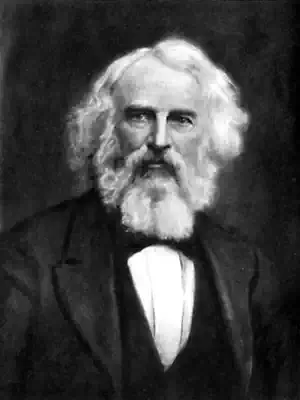
Henry Wadsworth Longfellow
Tales Of A Wayside Inn : Part 1. The Musician's Tale; The Saga of King Olaf
Tales Of A Wayside Inn : Part 1. The Musician's Tale; The Saga of King Olaf
XXII. -- The Nun Of Nidaros
In the convent of Drontheim,
Alone in her chamber
Knelt Astrid the Abbess,
At midnight, adoring,
Beseeching, entreating
The Virgin and Mother.
She heard in the silence
The voice of one speaking,
Without in the darkness,
In gusts of the night-wind,
Now louder, now nearer,
Now lost in the distance.
The voice of a stranger
It seemed as she listened,
Of some one who answered,
Beseeching, imploring,
A cry from afar off
She could not distinguish.
The voice of Saint John,
The beloved disciple,
Who wandered and waited
The Master's appearance,
Alone in the darkness,
Unsheltered and friendless.
'It is accepted
The angry defiance,
The challenge of battle!
It is accepted,
But not with the weapons
Of war that thou wieldest!
'Cross against corselet,
Love against hatred,
Peace-cry for war-cry!
Patience is powerful;
He that o'ercometh
Hath power o'er the nations!
'As torrents in summer,
Half dried in their channels,
Suddenly rise, though the
Sky is still cloudless,
For rain has been falling
Far off at their fountains;
So hearts that are fainting
Grow full to o'erflowing,
And they that behold it
Marvel, and know not
That God at their fountains
Far off has been raining!
'Stronger than steel
Is the sword of the Spirit;
Swifter than arrows
The light of the truth is,
Greater than anger
Is love, and subdueth!
'Thou art a phantom,
A shape of the sea-mist,
A shape of the brumal
Rain, and the darkness
Fearful and formless;
Day dawns and thou art not!
'The dawn is not distant,
Nor is the night starless;
Love is eternal!
God is still God, and
His faith shall not fail us;
Christ is eternal!'
XXII. -- The Nun Of Nidaros
In the convent of Drontheim,
Alone in her chamber
Knelt Astrid the Abbess,
At midnight, adoring,
Beseeching, entreating
The Virgin and Mother.
She heard in the silence
The voice of one speaking,
Without in the darkness,
In gusts of the night-wind,
Now louder, now nearer,
Now lost in the distance.
The voice of a stranger
It seemed as she listened,
Of some one who answered,
Beseeching, imploring,
A cry from afar off
She could not distinguish.
The voice of Saint John,
The beloved disciple,
Who wandered and waited
The Master's appearance,
Alone in the darkness,
Unsheltered and friendless.
'It is accepted
The angry defiance,
The challenge of battle!
It is accepted,
But not with the weapons
Of war that thou wieldest!
'Cross against corselet,
Love against hatred,
Peace-cry for war-cry!
Patience is powerful;
He that o'ercometh
Hath power o'er the nations!
'As torrents in summer,
Half dried in their channels,
Suddenly rise, though the
Sky is still cloudless,
For rain has been falling
Far off at their fountains;
So hearts that are fainting
Grow full to o'erflowing,
And they that behold it
Marvel, and know not
That God at their fountains
Far off has been raining!
'Stronger than steel
Is the sword of the Spirit;
Swifter than arrows
The light of the truth is,
Greater than anger
Is love, and subdueth!
'Thou art a phantom,
A shape of the sea-mist,
A shape of the brumal
Rain, and the darkness
Fearful and formless;
Day dawns and thou art not!
'The dawn is not distant,
Nor is the night starless;
Love is eternal!
God is still God, and
His faith shall not fail us;
Christ is eternal!'
206
Henry Wadsworth Longfellow
Tales Of A Wayside Inn : Part 1. The Musician's Tale; The Saga of King Olaf
Tales Of A Wayside Inn : Part 1. The Musician's Tale; The Saga of King Olaf
XVIII. -- King Olaf And Earl Sigvald
On the gray sea-sands
King Olaf stands,
Northward and seaward
He points with his hands.
With eddy and whirl
The sea-tides curl,
Washing the sandals
Of Sigvald the Earl.
The mariners shout,
The ships swing about,
The yards are all hoisted,
The sails flutter out.
The war-horns are played,
The anchors are weighed,
Like moths in the distance
The sails flit and fade.
The sea is like lead
The harbor lies dead,
As a corse on the sea-shore,
Whose spirit has fled!
On that fatal day,
The histories say,
Seventy vessels
Sailed out of the bay.
But soon scattered wide
O'er the billows they ride,
While Sigvald and Olaf
Sail side by side.
Cried the Earl: 'Follow me!
I your pilot will be,
For I know all the channels
Where flows the deep sea!'
So into the strait
Where his foes lie in wait,
Gallant King Olaf
Sails to his fate!
Then the sea-fog veils
The ships and their sails;
Queen Sigrid the Haughty,
Thy vengeance prevails!
XVIII. -- King Olaf And Earl Sigvald
On the gray sea-sands
King Olaf stands,
Northward and seaward
He points with his hands.
With eddy and whirl
The sea-tides curl,
Washing the sandals
Of Sigvald the Earl.
The mariners shout,
The ships swing about,
The yards are all hoisted,
The sails flutter out.
The war-horns are played,
The anchors are weighed,
Like moths in the distance
The sails flit and fade.
The sea is like lead
The harbor lies dead,
As a corse on the sea-shore,
Whose spirit has fled!
On that fatal day,
The histories say,
Seventy vessels
Sailed out of the bay.
But soon scattered wide
O'er the billows they ride,
While Sigvald and Olaf
Sail side by side.
Cried the Earl: 'Follow me!
I your pilot will be,
For I know all the channels
Where flows the deep sea!'
So into the strait
Where his foes lie in wait,
Gallant King Olaf
Sails to his fate!
Then the sea-fog veils
The ships and their sails;
Queen Sigrid the Haughty,
Thy vengeance prevails!
336
Henry Wadsworth Longfellow
Tales Of A Wayside Inn : Part 1. The Musician's Tale; The Saga of King Olaf
Tales Of A Wayside Inn : Part 1. The Musician's Tale; The Saga of King Olaf
XVI. -- Queen Thuri And The Angelica Stalks
Northward over Drontheim,
Flew the clamorous sea-gulls,
Sang the lark and linnet
From the meadows green;
Weeping in her chamber,
Lonely and unhappy,
Sat the Drottning Thyri,
Sat King Olaf's Queen.
In at all the windows
Streamed the pleasant sunshine,
On the roof above her
Softly cooed the dove;
But the sound she heard not,
Nor the sunshine heeded,
For the thoughts of Thyri
Were not thoughts of love,
Then King Olaf entered,
Beautiful as morning,
Like the sun at Easter
Shone his happy face;
In his hand he carried
Angelicas uprooted,
With delicious fragrance
Filling all the place.
Like a rainy midnight
Sat the Drottning Thyri,
Even the smile of Olaf
Could not cheer her gloom;
Nor the stalks he gave her
With a gracious gesture,
And with words as pleasant
As their own perfume.
In her hands he placed them,
And her jewelled fingers
Through the green leaves glistened
Like the dews of morn;
But she cast them from her,
Haughty and indignant,
On the floor she threw them
With a look of scorn.
'Richer presents,' said she,
'Gave King Harald Gormson
To the Queen, my mother,
Than such worthless weeds;
'When he ravaged Norway,
Laying waste the kingdom,
Seizing scatt and treasure
For her royal needs.
'But thou darest not venture
Through the Sound to Vendland,
My domains to rescue
From King Burislaf;
'Lest King Svend of Denmark,
Forked Beard, my brother,
Scatter all thy vessels
As the wind the chaff.'
Then up sprang King Olaf,
Like a reindeer bounding,
With an oath he answered
Thus the luckless Queen:
'Never yet did Olaf
Fear King Svend of Denmark;
This right hand shall hale him
By his forked chin!'
Then he left the chamber,
Thundering through the doorway,
Loud his steps resounded
Down the outer stair.
Smarting with the insult,
Through the streets of Drontheim
Strode he red and wrathful,
With his stately air.
All his ships he gathered,
Summoned all his forces,
Making his war levy
In the region round;
Down the coast of Norway,
Like a flock of sea-gulls,
Sailed the fleet of Olaf
Through the Danish Sound.
With his own hand fearless,
Steered he the Long Serpent,
Strained the creaking cordage,
Bent each boom and gaff;
Till in Venland landing,
The domains of Thyri
He redeemed and rescued
From King Burislaf.
Then said Olaf, laughing,
'Not ten yoke of oxen
Have the power to draw us
Like a woman's hair!
'Now will I confess it,
Better things are jewels
Than angelica stalks are
For a Queen to wear.'
XVI. -- Queen Thuri And The Angelica Stalks
Northward over Drontheim,
Flew the clamorous sea-gulls,
Sang the lark and linnet
From the meadows green;
Weeping in her chamber,
Lonely and unhappy,
Sat the Drottning Thyri,
Sat King Olaf's Queen.
In at all the windows
Streamed the pleasant sunshine,
On the roof above her
Softly cooed the dove;
But the sound she heard not,
Nor the sunshine heeded,
For the thoughts of Thyri
Were not thoughts of love,
Then King Olaf entered,
Beautiful as morning,
Like the sun at Easter
Shone his happy face;
In his hand he carried
Angelicas uprooted,
With delicious fragrance
Filling all the place.
Like a rainy midnight
Sat the Drottning Thyri,
Even the smile of Olaf
Could not cheer her gloom;
Nor the stalks he gave her
With a gracious gesture,
And with words as pleasant
As their own perfume.
In her hands he placed them,
And her jewelled fingers
Through the green leaves glistened
Like the dews of morn;
But she cast them from her,
Haughty and indignant,
On the floor she threw them
With a look of scorn.
'Richer presents,' said she,
'Gave King Harald Gormson
To the Queen, my mother,
Than such worthless weeds;
'When he ravaged Norway,
Laying waste the kingdom,
Seizing scatt and treasure
For her royal needs.
'But thou darest not venture
Through the Sound to Vendland,
My domains to rescue
From King Burislaf;
'Lest King Svend of Denmark,
Forked Beard, my brother,
Scatter all thy vessels
As the wind the chaff.'
Then up sprang King Olaf,
Like a reindeer bounding,
With an oath he answered
Thus the luckless Queen:
'Never yet did Olaf
Fear King Svend of Denmark;
This right hand shall hale him
By his forked chin!'
Then he left the chamber,
Thundering through the doorway,
Loud his steps resounded
Down the outer stair.
Smarting with the insult,
Through the streets of Drontheim
Strode he red and wrathful,
With his stately air.
All his ships he gathered,
Summoned all his forces,
Making his war levy
In the region round;
Down the coast of Norway,
Like a flock of sea-gulls,
Sailed the fleet of Olaf
Through the Danish Sound.
With his own hand fearless,
Steered he the Long Serpent,
Strained the creaking cordage,
Bent each boom and gaff;
Till in Venland landing,
The domains of Thyri
He redeemed and rescued
From King Burislaf.
Then said Olaf, laughing,
'Not ten yoke of oxen
Have the power to draw us
Like a woman's hair!
'Now will I confess it,
Better things are jewels
Than angelica stalks are
For a Queen to wear.'
354
Henry Wadsworth Longfellow
Tales Of A Wayside Inn : Part 1. The Musician's Tale; The Saga of King Olaf
Tales Of A Wayside Inn : Part 1. The Musician's Tale; The Saga of King Olaf
XIII. -- The Building Of The Long Serpent
Thorberg Skafting, master-builder,
In his ship-yard by the sea,
Whistling, said, 'It would bewilder
Any man but Thorberg Skafting,
Any man but me!'
Near him lay the Dragon stranded,
Built of old by Raud the Strong,
And King Olaf had commanded
He should build another Dragon,
Twice as large and long.
Therefore whistled Thorberg Skafting,
As he sat with half-closed eyes,
And his head turned sideways, drafting
That new vessel for King Olaf
Twice the Dragon's size.
Round him busily hewed and hammered
Mallet huge and heavy axe;
Workmen laughed and sang and clamored;
Whirred the wheels, that into rigging
Spun the shining flax!
All this tumult heard the master,--
It was music to his ear;
Fancy whispered all the faster,
'Men shall hear of Thorberg Skafting
For a hundred year!'
Workmen sweating at the forges
Fashioned iron bolt and bar,
Like a warlock's midnight orgies
Smoked and bubbled the black caldron
With the boiling tar.
Did the warlocks mingle in it,
Thorberg Skafting, any curse?
Could you not be gone a minute
But some mischief must be doing,
Turning bad to worse?
'T was an ill wind that came wafting,
From his homestead words of woe;
To his farm went Thorberg Skafting,
Oft repeating to his workmen,
Build ye thus and so.
After long delays returning
Came the master back by night;
To his ship-yard longing, yearning,
Hurried he, and did not leave it
Till the morning's light.
'Come and see my ship, my darling!?
On the morrow said the King;
'Finished now from keel to carling;
Never yet was seen in Norway
Such a wondrous thing!'
In the ship-yard, idly talking,
At the ship the workmen stared:
Some one, all their labor balking,
Down her sides had cut deep gashes,
Not a plank was spared!
'Death be to the evil-doer!'
With an oath King Olaf spoke;
'But rewards to his pursuer!?
And with wrath his face grew redder
Than his scarlet cloak.
Straight the master-builder, smiling,
Answered thus the angry King:
'Cease blaspheming and reviling,
Olaf, it was Thorberg Skafting
Who has done this thing!'
Then he chipped and smoothed the planking,
Till the King, delighted, swore,
With much lauding and much thanking,
'Handsomer is now my Dragon
Than she was before!'
Seventy ells and four extended
On the grass the vessel's keel;
High above it, gilt and splendid,
Rose the figure-head ferocious
With its crest of steel.
Then they launched her from the tressels,
In the ship-yard by the sea;
She was the grandest of all vessels,
Never ship was built in Norway
Half so fine as she!
The Long Serpent was she christened,
'Mid the roar of cheer on cheer!
They who to the Saga listened
Heard the name of Thorberg Skafting
For a hundred year!
XIII. -- The Building Of The Long Serpent
Thorberg Skafting, master-builder,
In his ship-yard by the sea,
Whistling, said, 'It would bewilder
Any man but Thorberg Skafting,
Any man but me!'
Near him lay the Dragon stranded,
Built of old by Raud the Strong,
And King Olaf had commanded
He should build another Dragon,
Twice as large and long.
Therefore whistled Thorberg Skafting,
As he sat with half-closed eyes,
And his head turned sideways, drafting
That new vessel for King Olaf
Twice the Dragon's size.
Round him busily hewed and hammered
Mallet huge and heavy axe;
Workmen laughed and sang and clamored;
Whirred the wheels, that into rigging
Spun the shining flax!
All this tumult heard the master,--
It was music to his ear;
Fancy whispered all the faster,
'Men shall hear of Thorberg Skafting
For a hundred year!'
Workmen sweating at the forges
Fashioned iron bolt and bar,
Like a warlock's midnight orgies
Smoked and bubbled the black caldron
With the boiling tar.
Did the warlocks mingle in it,
Thorberg Skafting, any curse?
Could you not be gone a minute
But some mischief must be doing,
Turning bad to worse?
'T was an ill wind that came wafting,
From his homestead words of woe;
To his farm went Thorberg Skafting,
Oft repeating to his workmen,
Build ye thus and so.
After long delays returning
Came the master back by night;
To his ship-yard longing, yearning,
Hurried he, and did not leave it
Till the morning's light.
'Come and see my ship, my darling!?
On the morrow said the King;
'Finished now from keel to carling;
Never yet was seen in Norway
Such a wondrous thing!'
In the ship-yard, idly talking,
At the ship the workmen stared:
Some one, all their labor balking,
Down her sides had cut deep gashes,
Not a plank was spared!
'Death be to the evil-doer!'
With an oath King Olaf spoke;
'But rewards to his pursuer!?
And with wrath his face grew redder
Than his scarlet cloak.
Straight the master-builder, smiling,
Answered thus the angry King:
'Cease blaspheming and reviling,
Olaf, it was Thorberg Skafting
Who has done this thing!'
Then he chipped and smoothed the planking,
Till the King, delighted, swore,
With much lauding and much thanking,
'Handsomer is now my Dragon
Than she was before!'
Seventy ells and four extended
On the grass the vessel's keel;
High above it, gilt and splendid,
Rose the figure-head ferocious
With its crest of steel.
Then they launched her from the tressels,
In the ship-yard by the sea;
She was the grandest of all vessels,
Never ship was built in Norway
Half so fine as she!
The Long Serpent was she christened,
'Mid the roar of cheer on cheer!
They who to the Saga listened
Heard the name of Thorberg Skafting
For a hundred year!
338
Henry Wadsworth Longfellow
Tales Of A Wayside Inn : Part 1. The Musician's Tale; The Saga of King Olaf
Tales Of A Wayside Inn : Part 1. The Musician's Tale; The Saga of King Olaf
XIX. -- King Olaf's War-Horns
'Strike the sails!' King Olaf said;
'Never shall men of mine take flight;
Never away from battle I fled,
Never away from my foes!
Let God dispose
Of my life in the fight!'
'Sound the horns!' said Olaf the King;
And suddenly through the drifting brume
The blare of the horns began to ring,
Like the terrible trumpet shock
Of Regnarock,
On the Day of Doom!
Louder and louder the war-horns sang
Over the level floor of the flood;
All the sails came down with a clang,
And there in the mist overhead
The sun hung red
As a drop of blood.
Drifting down on the Danish fleet
Three together the ships were lashed,
So that neither should turn and retreat;
In the midst, but in front of the rest
The burnished crest
Of the Serpent flashed.
King Olaf stood on the quarter-deck,
With bow of ash and arrows of oak,
His gilded shield was without a fleck,
His helmet inlaid with gold,
And in many a fold
Hung his crimson cloak.
On the forecastle Ulf the Red
Watched the lashing of the ships;
'If the Serpent lie so far ahead,
We shall have hard work of it here,'
Said he with a sneer
On his bearded lips.
King Olaf laid an arrow on string,
'Have I a coward on board?' said he.
'Shoot it another way, O King!'
Sullenly answered Ulf,
The old sea-wolf;
'You have need of me!'
In front came Svend, the King of the Danes,
Sweeping down with his fifty rowers;
To the right, the Swedish king with his thanes;
And on board of the Iron Beard
Earl Eric steered
To the left with his oars.
'These soft Danes and Swedes,' said the King,
'At home with their wives had better stay,
Than come within reach of my Serpent's sting:
But where Eric the Norseman leads
Heroic deeds
Will be done to-day!'
Then as together the vessels crashed,
Eric severed the cables of hide,
With which King Olaf's ships were lashed,
And left them to drive and drift
With the currents swift
Of the outward tide.
Louder the war-horns growl and snarl,
Sharper the dragons bite and sting!
Eric the son of Hakon Jarl
A death-drink salt as the sea
Pledges to thee,
Olaf the King!
XIX. -- King Olaf's War-Horns
'Strike the sails!' King Olaf said;
'Never shall men of mine take flight;
Never away from battle I fled,
Never away from my foes!
Let God dispose
Of my life in the fight!'
'Sound the horns!' said Olaf the King;
And suddenly through the drifting brume
The blare of the horns began to ring,
Like the terrible trumpet shock
Of Regnarock,
On the Day of Doom!
Louder and louder the war-horns sang
Over the level floor of the flood;
All the sails came down with a clang,
And there in the mist overhead
The sun hung red
As a drop of blood.
Drifting down on the Danish fleet
Three together the ships were lashed,
So that neither should turn and retreat;
In the midst, but in front of the rest
The burnished crest
Of the Serpent flashed.
King Olaf stood on the quarter-deck,
With bow of ash and arrows of oak,
His gilded shield was without a fleck,
His helmet inlaid with gold,
And in many a fold
Hung his crimson cloak.
On the forecastle Ulf the Red
Watched the lashing of the ships;
'If the Serpent lie so far ahead,
We shall have hard work of it here,'
Said he with a sneer
On his bearded lips.
King Olaf laid an arrow on string,
'Have I a coward on board?' said he.
'Shoot it another way, O King!'
Sullenly answered Ulf,
The old sea-wolf;
'You have need of me!'
In front came Svend, the King of the Danes,
Sweeping down with his fifty rowers;
To the right, the Swedish king with his thanes;
And on board of the Iron Beard
Earl Eric steered
To the left with his oars.
'These soft Danes and Swedes,' said the King,
'At home with their wives had better stay,
Than come within reach of my Serpent's sting:
But where Eric the Norseman leads
Heroic deeds
Will be done to-day!'
Then as together the vessels crashed,
Eric severed the cables of hide,
With which King Olaf's ships were lashed,
And left them to drive and drift
With the currents swift
Of the outward tide.
Louder the war-horns growl and snarl,
Sharper the dragons bite and sting!
Eric the son of Hakon Jarl
A death-drink salt as the sea
Pledges to thee,
Olaf the King!
276
Henry Wadsworth Longfellow
Tales Of A Wayside Inn : Part 1. The Musician's Tale; The Saga of King Olaf
Tales Of A Wayside Inn : Part 1. The Musician's Tale; The Saga of King Olaf
VIII. -- Gudrun
On King Olaf's bridal night
Shines the moon with tender light,
And across the chamber streams
Its tide of dreams.
At the fatal midnight hour,
When all evil things have power,
In the glimmer of the moon
Stands Gudrun.
Close against her heaving breast
Something in her hand is pressed;
Like an icicle, its sheen
Is cold and keen.
On the cairn are fixed her eyes
Where her murdered father lies,
And a voice remote and drear
She seems to hear.
What a bridal night is this!
Cold will be the dagger's kiss;
Laden with the chill of death
Is its breath.
Like the drifting snow she sweeps
To the couch where Olaf sleeps;
Suddenly he wakes and stirs,
His eyes meet hers.
'What is that,' King Olaf said,
'Gleams so bright above my head?
Wherefore standest thou so white
In pale moonlight?'
''T is the bodkin that I wear
When at night I bind my hair;
It woke me falling on the floor;
'T is nothing more.'
'Forests have ears, and fields have eyes;
Often treachery lurking lies
Underneath the fairest hair!
Gudrun beware!'
Ere the earliest peep of morn
Blew King Olaf's bugle-horn;
And forever sundered ride
Bridegroom and bride!
VIII. -- Gudrun
On King Olaf's bridal night
Shines the moon with tender light,
And across the chamber streams
Its tide of dreams.
At the fatal midnight hour,
When all evil things have power,
In the glimmer of the moon
Stands Gudrun.
Close against her heaving breast
Something in her hand is pressed;
Like an icicle, its sheen
Is cold and keen.
On the cairn are fixed her eyes
Where her murdered father lies,
And a voice remote and drear
She seems to hear.
What a bridal night is this!
Cold will be the dagger's kiss;
Laden with the chill of death
Is its breath.
Like the drifting snow she sweeps
To the couch where Olaf sleeps;
Suddenly he wakes and stirs,
His eyes meet hers.
'What is that,' King Olaf said,
'Gleams so bright above my head?
Wherefore standest thou so white
In pale moonlight?'
''T is the bodkin that I wear
When at night I bind my hair;
It woke me falling on the floor;
'T is nothing more.'
'Forests have ears, and fields have eyes;
Often treachery lurking lies
Underneath the fairest hair!
Gudrun beware!'
Ere the earliest peep of morn
Blew King Olaf's bugle-horn;
And forever sundered ride
Bridegroom and bride!
281
Henry Wadsworth Longfellow
Tales Of A Wayside Inn : Part 1. The Musician's Tale; The Saga of King Olaf XI.
Tales Of A Wayside Inn : Part 1. The Musician's Tale; The Saga of King Olaf XI.
-- Bishop Sigurd At Salten Fiord
Loud the anngy wind was wailing
As King Olaf's ships came sailing
Northward out of Drontheim haven
To the mouth of Salten Fiord.
Though the flying sea-spray drenches
Fore and aft the rowers' benches,
Not a single heart is craven
Of the champions there on board.
All without the Fiord was quiet
But within it storm and riot,
Such as on his Viking cruises
Raud the Strong was wont to ride.
And the sea through all its tide-ways
Swept the reeling vessels sideways,
As the leaves are swept through sluices,
When the flood-gates open wide.
''T is the warlock! 't is the demon
Raud!' cried Sigurd to the seamen;
'But the Lord is not affrighted
By the witchcraft of his foes.'
To the ship's bow he ascended,
By his choristers attended,
Round him were the tapers lighted,
And the sacred incense rose.
On the bow stood Bishop Sigurd,
In his robes, as one transfigured,
And the Crucifix he planted
High amid the rain and mist.
Then with holy water sprinkled
All the ship; the mass-bells tinkled.
Loud the monks around him chanted,
Loud he read the Evangelist.
As into the Fiord they darted,
On each side the water parted;
Down a path like silver molten
Steadily rowed King Olaf's ships;
Steadily burned all night the tapers,
And the White Christ through the vapors
Gleamed across the Fiord of Salten,
As through John's Apocalypse,--
Till at last they reached Raud's dwelling
On the little isle of Gelling;
Not a guard was at the doorway,
Not a glimmer of light was seen.
But at anchor, carved and gilded,
Lay the dragon-ship he builded;
'T was the grandest ship in Norway,
With its crest and scales of green.
Up the stairway, softly creeping,
To the loft where Raud was sleeping,
With their fists they burst asunder
Bolt and bar that held the door.
Drunken with sleep and ale they found him,
Dragged him from his bed and bound him,
While he stared with stupid wonder,
At the look and garb they wore.
Then King Olaf said: 'O Sea-King!
Little time have we for speaking,
Choose between the good and evil;
Be baptized, or thou shalt die!?
But in scorn the heathen scoffer
Answered: 'I disdain thine offer;
Neither fear I God nor Devil;
Thee and thy Gospel I defy!'
Then between his jaws distended,
When his frantic struggles ended,
Through King Olaf's horn an adder,
Touched by fire, they forced to glide.
Sharp his tooth was as an arrow,
As he gnawed through bone and marrow;
But without a groan or shudder,
Raud the Strong blaspheming died.
Then baptized they all that region,
Swarthy Lap and fair Norwegian,
Far as swims the salmon, leaping,
Up the streams of Salten Fiord.
In their temples Thor and Odin
Lay in dust and ashes trodden,
As King Olaf, onward sweeping,
Preached the Gospel with his sword.
Then he took the carved and gilded
Dragon-ship that Raud had builded,
And the tiller single-handed,
Grasping, steered into the main.
Southward sailed the sea-gulls o'er him,
Southward sailed the ship that bore him,
Till at Drontheim haven landed
Olaf and his crew again.
-- Bishop Sigurd At Salten Fiord
Loud the anngy wind was wailing
As King Olaf's ships came sailing
Northward out of Drontheim haven
To the mouth of Salten Fiord.
Though the flying sea-spray drenches
Fore and aft the rowers' benches,
Not a single heart is craven
Of the champions there on board.
All without the Fiord was quiet
But within it storm and riot,
Such as on his Viking cruises
Raud the Strong was wont to ride.
And the sea through all its tide-ways
Swept the reeling vessels sideways,
As the leaves are swept through sluices,
When the flood-gates open wide.
''T is the warlock! 't is the demon
Raud!' cried Sigurd to the seamen;
'But the Lord is not affrighted
By the witchcraft of his foes.'
To the ship's bow he ascended,
By his choristers attended,
Round him were the tapers lighted,
And the sacred incense rose.
On the bow stood Bishop Sigurd,
In his robes, as one transfigured,
And the Crucifix he planted
High amid the rain and mist.
Then with holy water sprinkled
All the ship; the mass-bells tinkled.
Loud the monks around him chanted,
Loud he read the Evangelist.
As into the Fiord they darted,
On each side the water parted;
Down a path like silver molten
Steadily rowed King Olaf's ships;
Steadily burned all night the tapers,
And the White Christ through the vapors
Gleamed across the Fiord of Salten,
As through John's Apocalypse,--
Till at last they reached Raud's dwelling
On the little isle of Gelling;
Not a guard was at the doorway,
Not a glimmer of light was seen.
But at anchor, carved and gilded,
Lay the dragon-ship he builded;
'T was the grandest ship in Norway,
With its crest and scales of green.
Up the stairway, softly creeping,
To the loft where Raud was sleeping,
With their fists they burst asunder
Bolt and bar that held the door.
Drunken with sleep and ale they found him,
Dragged him from his bed and bound him,
While he stared with stupid wonder,
At the look and garb they wore.
Then King Olaf said: 'O Sea-King!
Little time have we for speaking,
Choose between the good and evil;
Be baptized, or thou shalt die!?
But in scorn the heathen scoffer
Answered: 'I disdain thine offer;
Neither fear I God nor Devil;
Thee and thy Gospel I defy!'
Then between his jaws distended,
When his frantic struggles ended,
Through King Olaf's horn an adder,
Touched by fire, they forced to glide.
Sharp his tooth was as an arrow,
As he gnawed through bone and marrow;
But without a groan or shudder,
Raud the Strong blaspheming died.
Then baptized they all that region,
Swarthy Lap and fair Norwegian,
Far as swims the salmon, leaping,
Up the streams of Salten Fiord.
In their temples Thor and Odin
Lay in dust and ashes trodden,
As King Olaf, onward sweeping,
Preached the Gospel with his sword.
Then he took the carved and gilded
Dragon-ship that Raud had builded,
And the tiller single-handed,
Grasping, steered into the main.
Southward sailed the sea-gulls o'er him,
Southward sailed the ship that bore him,
Till at Drontheim haven landed
Olaf and his crew again.
254
Henry Wadsworth Longfellow
Tales Of A Wayside Inn : Part 1. The Musician's Tale; The Saga of King Olaf IX.
Tales Of A Wayside Inn : Part 1. The Musician's Tale; The Saga of King Olaf IX.
-- Thangbrand The Priest
Short of stature, large of limb,
Burly face and russet beard,
All the women stared at him,
When in Iceland he appeared.
'Look!' they said,
With nodding head,
'There goes Thangbrand, Olaf's Priest.'
All the prayers he knew by rote,
He could preach like Chrysostome,
From the Fathers he could quote,
He had even been at Rome,
A learned clerk,
A man of mark,
Was this Thangbrand, Olaf's Priest.
He was quarrelsome and loud,
And impatient of control,
Boisterous in the market crowd,
Boisterous at the wassail-bowl,
Everywhere
Would drink and swear,
Swaggering Thangbrand, Olaf's Priest
In his house this malcontent
Could the King no longer bear,
So to Iceland he was sent
To convert the heathen there,
And away
One summer day
Sailed this Thangbrand, Olaf's Priest.
There in Iceland, o'er their books
Pored the people day and night,
But he did not like their looks,
Nor the songs they used to write.
'All this rhyme
Is waste of time!'
Grumbled Thangbrand, Olaf's Priest.
To the alehouse, where he sat
Came the Scalds and Saga-men;
Is it to be wondered at,
That they quarrelled now and then,
When o'er his beer
Began to leer
Drunken Thangbrand, Olaf's Priest?
All the folk in Altafiord
Boasted of their island grand;
Saying in a single word,
'Iceland is the finest land
That the sun
Doth shine upon!'
Loud laughed Thangbrand, Olaf's Priest.
And he answered: 'What's the use
Of this bragging up and down,
When three women and one goose
Make a market in your town!'
Every Scald
Satires drawled
On poor Thangbrand, Olaf's Priest.
Something worse they did than that;
And what vexed him most of all
Was a figure in shovel hat,
Drawn in charcoal on the wall;
With words that go
Sprawling below,
'This is Thangbrand, Olaf's Priest.'
Hardly knowing what he did,
Then he smote them might and main,
Thorvald Veile and Veterlid
Lay there in the alehouse slain.
'To-day we are gold,
To-morrow mould!'
Muttered Thangbrand, Olaf's Priest.
Much in fear of axe and rope,
Back to Norway sailed he then.
'O King Olaf! little hope
Is there of these Iceland men!'
Meekly said,
With bending head,
Pious Thangbrand, Olaf's Priest.
-- Thangbrand The Priest
Short of stature, large of limb,
Burly face and russet beard,
All the women stared at him,
When in Iceland he appeared.
'Look!' they said,
With nodding head,
'There goes Thangbrand, Olaf's Priest.'
All the prayers he knew by rote,
He could preach like Chrysostome,
From the Fathers he could quote,
He had even been at Rome,
A learned clerk,
A man of mark,
Was this Thangbrand, Olaf's Priest.
He was quarrelsome and loud,
And impatient of control,
Boisterous in the market crowd,
Boisterous at the wassail-bowl,
Everywhere
Would drink and swear,
Swaggering Thangbrand, Olaf's Priest
In his house this malcontent
Could the King no longer bear,
So to Iceland he was sent
To convert the heathen there,
And away
One summer day
Sailed this Thangbrand, Olaf's Priest.
There in Iceland, o'er their books
Pored the people day and night,
But he did not like their looks,
Nor the songs they used to write.
'All this rhyme
Is waste of time!'
Grumbled Thangbrand, Olaf's Priest.
To the alehouse, where he sat
Came the Scalds and Saga-men;
Is it to be wondered at,
That they quarrelled now and then,
When o'er his beer
Began to leer
Drunken Thangbrand, Olaf's Priest?
All the folk in Altafiord
Boasted of their island grand;
Saying in a single word,
'Iceland is the finest land
That the sun
Doth shine upon!'
Loud laughed Thangbrand, Olaf's Priest.
And he answered: 'What's the use
Of this bragging up and down,
When three women and one goose
Make a market in your town!'
Every Scald
Satires drawled
On poor Thangbrand, Olaf's Priest.
Something worse they did than that;
And what vexed him most of all
Was a figure in shovel hat,
Drawn in charcoal on the wall;
With words that go
Sprawling below,
'This is Thangbrand, Olaf's Priest.'
Hardly knowing what he did,
Then he smote them might and main,
Thorvald Veile and Veterlid
Lay there in the alehouse slain.
'To-day we are gold,
To-morrow mould!'
Muttered Thangbrand, Olaf's Priest.
Much in fear of axe and rope,
Back to Norway sailed he then.
'O King Olaf! little hope
Is there of these Iceland men!'
Meekly said,
With bending head,
Pious Thangbrand, Olaf's Priest.
325
Henry Wadsworth Longfellow
Tales Of A Wayside Inn : Part 1. The Musician's Tale; The Saga of King Olaf
Tales Of A Wayside Inn : Part 1. The Musician's Tale; The Saga of King Olaf
III. -- Thora Of Rimol
'Thora of Rimol! hide me! hide me!
Danger and shame and death betide me!
For Olaf the King is hunting me down
Through field and forest, through thorp and town!'
Thus cried Jarl Hakon
To Thora, the fairest of women.
?Hakon Jarl! for the love I bear thee
Neither shall shame nor death come near thee!
But the hiding-place wherein thou must lie
Is the cave underneath the swine in the sty.'
Thus to Jarl Hakon
Said Thora, the fairest of women.
So Hakon Jarl and his base thrall Karker
Crouched in the cave, than a dungeon darker,
As Olaf came riding, with men in mail,
Through the forest roads into Orkadale,
Demanding Jarl Hakon
Of Thorn, the fairest of women.
'Rich and honored shall be whoever
The head of Hakon Jarl shall dissever!'
Hakon heard him, and Karker the slave,
Through the breathing-holes of the darksome cave.
Alone in her chamber
Wept Thora, the fairest of women.
Said Karker, the crafty, 'I will not slay thee!
For all the king's gold I will never betray thee!'
'Then why dost thou turn so pale, O churl,
And then again black as the earth?' said the Earl.
More pale and more faithful
Was Thora, the fairest of women.
From a dream in the night the thrall started, saying,
'Round my neck a gold ring King Olaf was laying!'
And Hakon answered, 'Beware of the king!
He will lay round thy neck a blood-red ring.'
At the ring on her finger
Gazed Thora, the fairest of women.
At daybreak slept Hakon, with sorrows encumbered,
But screamed and drew up his feet as he slumbered;
The thrall in the darkness plunged with his knife,
And the Earl awakened no more in this life.
But wakeful and weeping
Sat Thora, the fairest of women.
At Nidarholm the priests are all singing,
Two ghastly heads on the gibbet are swinging;
One is Jarl Hakon's and one is his thrall's,
And the people are shouting from windows and walls;
While alone in her chamber
Swoons Thora, the fairest of women.
III. -- Thora Of Rimol
'Thora of Rimol! hide me! hide me!
Danger and shame and death betide me!
For Olaf the King is hunting me down
Through field and forest, through thorp and town!'
Thus cried Jarl Hakon
To Thora, the fairest of women.
?Hakon Jarl! for the love I bear thee
Neither shall shame nor death come near thee!
But the hiding-place wherein thou must lie
Is the cave underneath the swine in the sty.'
Thus to Jarl Hakon
Said Thora, the fairest of women.
So Hakon Jarl and his base thrall Karker
Crouched in the cave, than a dungeon darker,
As Olaf came riding, with men in mail,
Through the forest roads into Orkadale,
Demanding Jarl Hakon
Of Thorn, the fairest of women.
'Rich and honored shall be whoever
The head of Hakon Jarl shall dissever!'
Hakon heard him, and Karker the slave,
Through the breathing-holes of the darksome cave.
Alone in her chamber
Wept Thora, the fairest of women.
Said Karker, the crafty, 'I will not slay thee!
For all the king's gold I will never betray thee!'
'Then why dost thou turn so pale, O churl,
And then again black as the earth?' said the Earl.
More pale and more faithful
Was Thora, the fairest of women.
From a dream in the night the thrall started, saying,
'Round my neck a gold ring King Olaf was laying!'
And Hakon answered, 'Beware of the king!
He will lay round thy neck a blood-red ring.'
At the ring on her finger
Gazed Thora, the fairest of women.
At daybreak slept Hakon, with sorrows encumbered,
But screamed and drew up his feet as he slumbered;
The thrall in the darkness plunged with his knife,
And the Earl awakened no more in this life.
But wakeful and weeping
Sat Thora, the fairest of women.
At Nidarholm the priests are all singing,
Two ghastly heads on the gibbet are swinging;
One is Jarl Hakon's and one is his thrall's,
And the people are shouting from windows and walls;
While alone in her chamber
Swoons Thora, the fairest of women.
287
Henry Wadsworth Longfellow
Tales Of A Wayside Inn : Part 1. The Musician's Tale; The Saga of King Olaf I.
Tales Of A Wayside Inn : Part 1. The Musician's Tale; The Saga of King Olaf I.
-- The Challenge Of Thor
I am the God Thor,
I am the War God,
I am the Thunderer!
Here in my Northland,
My fastness and fortress,
Reign I forever!
Here amid icebergs
Rule I the nations;
This is my hammer,
Miölner the mighty;
Giants and sorcerers
Cannot withstand it!
These are the gauntlets
Wherewith I wield it,
And hurl it afar off;
This is my girdle;
Whenever I brace it,
Strength is redoubled!
The light thou beholdest
Stream through the heavens,
In flashes of crimson,
Is but my red beard
Blown by the night-wind,
Affrighting the nations!
Jove is my brother;
Mine eyes are the lightning;
The wheels of my chariot
Roll in the thunder,
The blows of my hammer
Ring in the earthquake!
Force rules the world still,
Has ruled it, shall rule it;
Meekness is weakness,
Strength is triumphant,
Over the whole earth
Still is it Thor's-Day!
Thou art a God too,
O Galilean!
And thus single-handed
Unto the combat,
Gauntlet or Gospel,
Here I defy thee!
-- The Challenge Of Thor
I am the God Thor,
I am the War God,
I am the Thunderer!
Here in my Northland,
My fastness and fortress,
Reign I forever!
Here amid icebergs
Rule I the nations;
This is my hammer,
Miölner the mighty;
Giants and sorcerers
Cannot withstand it!
These are the gauntlets
Wherewith I wield it,
And hurl it afar off;
This is my girdle;
Whenever I brace it,
Strength is redoubled!
The light thou beholdest
Stream through the heavens,
In flashes of crimson,
Is but my red beard
Blown by the night-wind,
Affrighting the nations!
Jove is my brother;
Mine eyes are the lightning;
The wheels of my chariot
Roll in the thunder,
The blows of my hammer
Ring in the earthquake!
Force rules the world still,
Has ruled it, shall rule it;
Meekness is weakness,
Strength is triumphant,
Over the whole earth
Still is it Thor's-Day!
Thou art a God too,
O Galilean!
And thus single-handed
Unto the combat,
Gauntlet or Gospel,
Here I defy thee!
273
Henry Wadsworth Longfellow
Tales Of A Wayside Inn : Part 1. Interlude V.
Tales Of A Wayside Inn : Part 1. Interlude V.
A strain of music closed the tale,
A low, monotonous, funeral wail,
That with its cadence, wild and sweet,
Made the long Saga more complete.
'Thank God,' the Theologian said,
'The reign of violence is dead,
Or dying surely from the world;
While Love triumphant reigns instead,
And in a brighter sky o'erhead
His blessed banners are unfurled.
And most of all thank God for this:
The war and waste of clashing creeds
Now end in words, and not in deeds,
And no one suffers loss, or bleeds,
For thoughts that men call heresies.
'I stand without here in the porch,
I hear the bell's melodious din,
I hear the organ peal within,
I hear the prayer, with words that scorch
Like sparks from an inverted torch,
I hear the sermon upon sin,
With threatenings of the last account.
And all, translated in the air,
Reach me but as our dear Lord's Prayer,
And as the Sermon on the Mount.
'Must it be Calvin, and not Christ?
Must it be Athanasian creeds,
Or holy water, books, and beads?
Must struggling souls remain content
With councils and decrees of Trent?
And can it be enough for these
The Christian Church the year embalms
With evergreens and boughs of palms,
And fills the air with litanies?
'I know that yonder Pharisee
Thanks God that he is not like me;
In my humiliation dressed,
I only stand and beat my breast,
And pray for human charity.
'Not to one church alone, but seven,
The voice prophetic spake from heaven;
And unto each the promise came,
Diversified, but still the same;
For him that overcometh are
The new name written on the stone,
The raiment white, the crown, the throne,
And I will give him the Morning Star!
'Ah! to how many Faith has been
No evidence of things unseen,
But a dim shadow, that recasts
The creed of the Phantasiasts,
For whom no Man of Sorrows died,
For whom the Tragedy Divine
Was but a symbol and a sign,
And Christ a phantom crucified!
'For others a diviner creed
Is living in the life they lead.
The passing of their beautiful feet
Blesses the pavement of the street
And all their looks and words repeat
Old Fuller's saying, wise and sweet,
Not as a vulture, but a dove,
The Holy Ghost came from above.
'And this brings back to me a tale
So sad the hearer well may quail,
And question if such things can be;
Yet in the chronicles of Spain
Down the dark pages runs this stain,
And naught can wash them white again,
So fearful is the tragedy.'
A strain of music closed the tale,
A low, monotonous, funeral wail,
That with its cadence, wild and sweet,
Made the long Saga more complete.
'Thank God,' the Theologian said,
'The reign of violence is dead,
Or dying surely from the world;
While Love triumphant reigns instead,
And in a brighter sky o'erhead
His blessed banners are unfurled.
And most of all thank God for this:
The war and waste of clashing creeds
Now end in words, and not in deeds,
And no one suffers loss, or bleeds,
For thoughts that men call heresies.
'I stand without here in the porch,
I hear the bell's melodious din,
I hear the organ peal within,
I hear the prayer, with words that scorch
Like sparks from an inverted torch,
I hear the sermon upon sin,
With threatenings of the last account.
And all, translated in the air,
Reach me but as our dear Lord's Prayer,
And as the Sermon on the Mount.
'Must it be Calvin, and not Christ?
Must it be Athanasian creeds,
Or holy water, books, and beads?
Must struggling souls remain content
With councils and decrees of Trent?
And can it be enough for these
The Christian Church the year embalms
With evergreens and boughs of palms,
And fills the air with litanies?
'I know that yonder Pharisee
Thanks God that he is not like me;
In my humiliation dressed,
I only stand and beat my breast,
And pray for human charity.
'Not to one church alone, but seven,
The voice prophetic spake from heaven;
And unto each the promise came,
Diversified, but still the same;
For him that overcometh are
The new name written on the stone,
The raiment white, the crown, the throne,
And I will give him the Morning Star!
'Ah! to how many Faith has been
No evidence of things unseen,
But a dim shadow, that recasts
The creed of the Phantasiasts,
For whom no Man of Sorrows died,
For whom the Tragedy Divine
Was but a symbol and a sign,
And Christ a phantom crucified!
'For others a diviner creed
Is living in the life they lead.
The passing of their beautiful feet
Blesses the pavement of the street
And all their looks and words repeat
Old Fuller's saying, wise and sweet,
Not as a vulture, but a dove,
The Holy Ghost came from above.
'And this brings back to me a tale
So sad the hearer well may quail,
And question if such things can be;
Yet in the chronicles of Spain
Down the dark pages runs this stain,
And naught can wash them white again,
So fearful is the tragedy.'
283
Henry Wadsworth Longfellow
Sundown
Sundown
The summer sun is sinking low;
Only the tree-tops redden and glow:
Only the weathercock on the spire
Of the neighboring church is a flame of fire;
All is in shadow below.
O beautiful, awful summer day,
What hast thou given, what taken away?
Life and death, and love and hate,
Homes made happy or desolate,
Hearts made sad or gay!
On the road of life one mile-stone more!
In the book of life one leaf turned o'er!
Like a red seal is the setting sun
On the good and the evil men have done,--
Naught can to-day restore!
The summer sun is sinking low;
Only the tree-tops redden and glow:
Only the weathercock on the spire
Of the neighboring church is a flame of fire;
All is in shadow below.
O beautiful, awful summer day,
What hast thou given, what taken away?
Life and death, and love and hate,
Homes made happy or desolate,
Hearts made sad or gay!
On the road of life one mile-stone more!
In the book of life one leaf turned o'er!
Like a red seal is the setting sun
On the good and the evil men have done,--
Naught can to-day restore!
270
Henry Wadsworth Longfellow
Santa Teresa's Bookmark. (From The Spanish Of Santa Teresa)
Santa Teresa's Bookmark. (From The Spanish Of Santa Teresa)
Let nothing disturb thee,
Nothing affright thee
All things are passing;
God never changeth;
Patient endurance
Attaineth to all things;
Who God possesseth
In nothing is wanting;
Alone God sufficeth.
Let nothing disturb thee,
Nothing affright thee
All things are passing;
God never changeth;
Patient endurance
Attaineth to all things;
Who God possesseth
In nothing is wanting;
Alone God sufficeth.
254
Henry Wadsworth Longfellow
Loss And Gain
Loss And Gain
When I compare
What I have lost with what I have gained,
What I have missed with what attained,
Little room do I find for pride.
I am aware
How many days have been idly spent;
How like an arrow the good intent
Has fallen short or been turned aside.
But who shall dare
To measure loss and gain in this wise?
Defeat may be victory in disguise;
The lowest ebb is the turn of the tide.
When I compare
What I have lost with what I have gained,
What I have missed with what attained,
Little room do I find for pride.
I am aware
How many days have been idly spent;
How like an arrow the good intent
Has fallen short or been turned aside.
But who shall dare
To measure loss and gain in this wise?
Defeat may be victory in disguise;
The lowest ebb is the turn of the tide.
433
Henry Wadsworth Longfellow
In The Harbour: Sundown
In The Harbour: Sundown
The summer sun is sinking low;
Only the tree-tops redden and glow:
Only the weathercock on the spire
Of the neighboring church is a flame of fire;
All is in shadow below.
O beautiful, awful summer day,
What hast thou given, what taken away?
Life and death, and love and hate,
Homes made happy or desolate,
Hearts made sad or gay!
On the road of life one mile-stone more!
In the book of life one leaf turned o'er!
Like a red seal is the setting sun
On the good and the evil men have done,--
Naught can to-day restore!
The summer sun is sinking low;
Only the tree-tops redden and glow:
Only the weathercock on the spire
Of the neighboring church is a flame of fire;
All is in shadow below.
O beautiful, awful summer day,
What hast thou given, what taken away?
Life and death, and love and hate,
Homes made happy or desolate,
Hearts made sad or gay!
On the road of life one mile-stone more!
In the book of life one leaf turned o'er!
Like a red seal is the setting sun
On the good and the evil men have done,--
Naught can to-day restore!
295
Henry Wadsworth Longfellow
Hymn For My Brother's Ordination
Hymn For My Brother's Ordination
Christ to the young man said: 'Yet one thing more;
If thou wouldst perfect be,
Sell all thou hast and give it to the poor,
And come and follow me!'
Within this temple Christ again, unseen,
Those sacred words hath said,
And his invisible hands to-day have been
Laid on a young man's head.
And evermore beside him on his way
The unseen Christ shall move,
That he may lean upon his arm and say,
'Dost thou, dear Lord, approve?'
Beside him at the marriage feast shall be,
To make the scene more fair;
Beside him in the dark Gethsemane
Of pain and midnight prayer.
O holy trust! O endless sense of rest!
Like the beloved John
To lay his head upon the Saviour's breast,
And thus to journey on!
Christ to the young man said: 'Yet one thing more;
If thou wouldst perfect be,
Sell all thou hast and give it to the poor,
And come and follow me!'
Within this temple Christ again, unseen,
Those sacred words hath said,
And his invisible hands to-day have been
Laid on a young man's head.
And evermore beside him on his way
The unseen Christ shall move,
That he may lean upon his arm and say,
'Dost thou, dear Lord, approve?'
Beside him at the marriage feast shall be,
To make the scene more fair;
Beside him in the dark Gethsemane
Of pain and midnight prayer.
O holy trust! O endless sense of rest!
Like the beloved John
To lay his head upon the Saviour's breast,
And thus to journey on!
337
Henry Wadsworth Longfellow
Good Part, That Shall Not Be Taken Away, The
Good Part, That Shall Not Be Taken Away, The
She dwells by Great Kenhawa's side,
In valleys green and cool;
And all her hope and all her pride
Are in the village school.
Her soul, like the transparent air
That robes the hills above,
Though not of earth, encircles there
All things with arms of love.
And thus she walks among her girls
With praise and mild rebukes;
Subduing e'en rude village churls
By her angelic looks.
She reads to them at eventide
Of One who came to save;
To cast the captive's chains aside
And liberate the slave.
And oft the blessed time foretells
When all men shall be free;
And musical, as silver bells,
Their falling chains shall be.
And following her beloved Lord,
In decent poverty,
She makes her life one sweet record
And deed of charity.
For she was rich, and gave up all
To break the iron bands
Of those who waited in her hall,
And labored in her lands.
Long since beyond the Southern Sea
Their outbound sails have sped,
While she, in meek humility,
Now earns her daily bread.
It is their prayers, which never cease,
That clothe her with such grace;
Their blessing is the light of peace
That shines upon her face.
She dwells by Great Kenhawa's side,
In valleys green and cool;
And all her hope and all her pride
Are in the village school.
Her soul, like the transparent air
That robes the hills above,
Though not of earth, encircles there
All things with arms of love.
And thus she walks among her girls
With praise and mild rebukes;
Subduing e'en rude village churls
By her angelic looks.
She reads to them at eventide
Of One who came to save;
To cast the captive's chains aside
And liberate the slave.
And oft the blessed time foretells
When all men shall be free;
And musical, as silver bells,
Their falling chains shall be.
And following her beloved Lord,
In decent poverty,
She makes her life one sweet record
And deed of charity.
For she was rich, and gave up all
To break the iron bands
Of those who waited in her hall,
And labored in her lands.
Long since beyond the Southern Sea
Their outbound sails have sped,
While she, in meek humility,
Now earns her daily bread.
It is their prayers, which never cease,
That clothe her with such grace;
Their blessing is the light of peace
That shines upon her face.
339
Henry Wadsworth Longfellow
Frithiof's Temptation. (From The Swedish)
Frithiof's Temptation. (From The Swedish)
Spring is coming, birds are twittering, forests leaf, and smiles the sun,
And the loosened torrents downward, singing, to the ocean run;
Glowing like the cheek of Freya, peeping rosebuds 'gin to ope,
And in human hearts awaken love of life, and joy, and hope.
Now will hunt the ancient monarch, and the queen shall join the sport:
Swarming in its gorgeous splendor, is assembled all the Court;
Bows ring loud, and quivers rattle, stallions paw the ground alway,
And, with hoods upon their eyelids, scream the falcons for their prey.
See, the Queen of the Chase advances! Frithiof, gaze not at the sight!
Like a star upon a spring-cloud sits she on her palfrey white.
Half of Freya, half of Rota, yet more beauteous than these two,
And from her light hat of purple wave aloft the feathers blue.
Gaze not at her eyes' blue heaven, gaze not at her golden hair!
Oh beware! her waist is slender, full her bosom is, beware!
Look not at the rose and lily on her cheek that shifting play,
List not to the voice beloved, whispering like the wind of May.
Now the huntsman's band is ready. Hurrah! over hill and dale!
Horns ring, and the hawks right upward to the hall of Odin sail.
All the dwellers in the forest seek in fear their cavern homes,
But, with spear outstretched before her, after them the Valkyr comes.
. . . . . . . . . .
Then threw Frithiof down his mantle, and upon the greensward spread,
And the ancient king so trustful laid on Frithiof's knee his head,
Slept as calmly as the hero sleepeth, after war's alarm,
On his shield, or as an infant sleeps upon its mother's arm.
As he slumbers, hark! there sings a coal-black bird upon the bough;
'Hasten, Frithiof, slay the old man, end your quarrel at a blow:
Take his queen, for she is thine, and once the bridal kiss she gave,
Now no human eye beholds thee, deep and silent is the grave,'
Frithiof listens; hark! there sings a snow-white bird upon the bough:
'Though no human eye beholds thee, Odin's eye beholds thee now.
Coward! wilt thou murder sleep, and a defenceless old man slay!
Whatsoe'er thou winn'st, thou canst not win a hero's fame this way.'
Thus the two wood-birds did warble: Frithiof took his war-sword good,
With a shudder hurled it from him, far into the gloomy wood.
Coal-black bird flies down to Nastrand, but on light, unfolded wings,
Like the tone of harps, the other, sounding towards the sun, upsprings.
Straight the ancient king awakens. 'Sweet has been my sleep,' he said;
'Pleasantly sleeps one in the shadow, guarded by a brave man's blade.
But where is thy sword, O stranger? Lightning's brother, where is he?
Who thus parts you, who should never from each other parted be?'
'It avails not,' Frithiof answered; 'in the North are other swords:
Sharp, O monarch! is the sword's tongue, and it speaks not peaceful words;
Murky spirits dwell in steel blades, spirits from the Niffelhem;
Slumber is not safe before them, silver locks but anger them.'
Spring is coming, birds are twittering, forests leaf, and smiles the sun,
And the loosened torrents downward, singing, to the ocean run;
Glowing like the cheek of Freya, peeping rosebuds 'gin to ope,
And in human hearts awaken love of life, and joy, and hope.
Now will hunt the ancient monarch, and the queen shall join the sport:
Swarming in its gorgeous splendor, is assembled all the Court;
Bows ring loud, and quivers rattle, stallions paw the ground alway,
And, with hoods upon their eyelids, scream the falcons for their prey.
See, the Queen of the Chase advances! Frithiof, gaze not at the sight!
Like a star upon a spring-cloud sits she on her palfrey white.
Half of Freya, half of Rota, yet more beauteous than these two,
And from her light hat of purple wave aloft the feathers blue.
Gaze not at her eyes' blue heaven, gaze not at her golden hair!
Oh beware! her waist is slender, full her bosom is, beware!
Look not at the rose and lily on her cheek that shifting play,
List not to the voice beloved, whispering like the wind of May.
Now the huntsman's band is ready. Hurrah! over hill and dale!
Horns ring, and the hawks right upward to the hall of Odin sail.
All the dwellers in the forest seek in fear their cavern homes,
But, with spear outstretched before her, after them the Valkyr comes.
. . . . . . . . . .
Then threw Frithiof down his mantle, and upon the greensward spread,
And the ancient king so trustful laid on Frithiof's knee his head,
Slept as calmly as the hero sleepeth, after war's alarm,
On his shield, or as an infant sleeps upon its mother's arm.
As he slumbers, hark! there sings a coal-black bird upon the bough;
'Hasten, Frithiof, slay the old man, end your quarrel at a blow:
Take his queen, for she is thine, and once the bridal kiss she gave,
Now no human eye beholds thee, deep and silent is the grave,'
Frithiof listens; hark! there sings a snow-white bird upon the bough:
'Though no human eye beholds thee, Odin's eye beholds thee now.
Coward! wilt thou murder sleep, and a defenceless old man slay!
Whatsoe'er thou winn'st, thou canst not win a hero's fame this way.'
Thus the two wood-birds did warble: Frithiof took his war-sword good,
With a shudder hurled it from him, far into the gloomy wood.
Coal-black bird flies down to Nastrand, but on light, unfolded wings,
Like the tone of harps, the other, sounding towards the sun, upsprings.
Straight the ancient king awakens. 'Sweet has been my sleep,' he said;
'Pleasantly sleeps one in the shadow, guarded by a brave man's blade.
But where is thy sword, O stranger? Lightning's brother, where is he?
Who thus parts you, who should never from each other parted be?'
'It avails not,' Frithiof answered; 'in the North are other swords:
Sharp, O monarch! is the sword's tongue, and it speaks not peaceful words;
Murky spirits dwell in steel blades, spirits from the Niffelhem;
Slumber is not safe before them, silver locks but anger them.'
277
Henry Wadsworth Longfellow
Friar Lubin. (From The French)
Friar Lubin. (From The French)
To gallop off to town post-haste,
So oft, the times I cannot tell;
To do vile deed, nor feel disgraced,--
Friar Lubin will do it well.
But a sober life to lead,
To honor virtue, and pursue it,
That's a pious, Christian deed,--
Friar Lubin can not do it.
To mingle, with a knowing smile,
The goods of others with his own,
And leave you without cross or pile,
Friar Lubin stands alone.
To say 't is yours is all in vain,
If once he lays his finger to it;
For as to giving back again,
Friar Lubin cannot do it.
With flattering words and gentle tone,
To woo and win some guileless maid,
Cunning pander need you none,--
Friar Lubin knows the trade.
Loud preacheth he sobriety,
But as for water, doth eschew it;
Your dog may drink it,--but not he;
Friar Lubin cannot do it.
ENVOY
When an evil deed 's to do
Friar Lubin is stout and true;
Glimmers a ray of goodness through it,
Friar Lubin cannot do it.
To gallop off to town post-haste,
So oft, the times I cannot tell;
To do vile deed, nor feel disgraced,--
Friar Lubin will do it well.
But a sober life to lead,
To honor virtue, and pursue it,
That's a pious, Christian deed,--
Friar Lubin can not do it.
To mingle, with a knowing smile,
The goods of others with his own,
And leave you without cross or pile,
Friar Lubin stands alone.
To say 't is yours is all in vain,
If once he lays his finger to it;
For as to giving back again,
Friar Lubin cannot do it.
With flattering words and gentle tone,
To woo and win some guileless maid,
Cunning pander need you none,--
Friar Lubin knows the trade.
Loud preacheth he sobriety,
But as for water, doth eschew it;
Your dog may drink it,--but not he;
Friar Lubin cannot do it.
ENVOY
When an evil deed 's to do
Friar Lubin is stout and true;
Glimmers a ray of goodness through it,
Friar Lubin cannot do it.
346
Henry Wadsworth Longfellow
Flower-De-Luce: To-Morrow
Flower-De-Luce: To-Morrow
'Tis late at night, and in the realm of sleep
My little lambs are folded like the flocks;
From room to room I hear the wakeful clocks
Challenge the passing hour, like guards that keep
Their solitary watch on tower and steep;
Far off I hear the crowing of the cocks,
And through the opening door that time unlocks
Feel the fresh breathing of To-morrow creep.
To-morrow! the mysterious, unknown guest,
Who cries to me: 'Remember Barmecide,
And tremble to be happy with the rest.'
And I make answer: 'I am satisfied;
I dare not ask; I know not what is best;
God hath already said what shall betide.'
'Tis late at night, and in the realm of sleep
My little lambs are folded like the flocks;
From room to room I hear the wakeful clocks
Challenge the passing hour, like guards that keep
Their solitary watch on tower and steep;
Far off I hear the crowing of the cocks,
And through the opening door that time unlocks
Feel the fresh breathing of To-morrow creep.
To-morrow! the mysterious, unknown guest,
Who cries to me: 'Remember Barmecide,
And tremble to be happy with the rest.'
And I make answer: 'I am satisfied;
I dare not ask; I know not what is best;
God hath already said what shall betide.'
335
Henry Wadsworth Longfellow
Famine, The
Famine, The
Oh the long and dreary Winter!
Oh the cold and cruel Winter!
Ever thicker, thicker, thicker
Froze the ice on lake and river,
Ever deeper, deeper, deeper
Fell the snow o'er all the landscape,
Fell the covering snow, and drifted
Through the forest, round the village.
Hardly from his buried wigwam
Could the hunter force a passage;
With his mittens and his snow-shoes
Vainly walked he through the forest,
Sought for bird or beast and found none,
Saw no track of deer or rabbit,
In the snow beheld no footprints,
In the ghastly, gleaming forest
Fell, and could not rise from weakness,
Perished there from cold and hunger.
Oh the famine and the fever!
Oh the wasting of the famine!
Oh the blasting of the fever!
Oh the wailing of the children!
Oh the anguish of the women!
All the earth was sick and famished;
Hungry was the air around them,
Hungry was the sky above them,
And the hungry stars in heaven
Like the eyes of wolves glared at them!
Into Hiawatha's wigwam
Came two other guests, as silent
As the ghosts were, and as gloomy,
Waited not to be invited
Did not parley at the doorway
Sat there without word of welcome
In the seat of Laughing Water;
Looked with haggard eyes and hollow
At the face of Laughing Water.
And the foremost said: "Behold me!
I am Famine, Bukadawin!"
And the other said: "Behold me!
I am Fever, Ahkosewin!"
And the lovely Minnehaha
Shuddered as they looked upon her,
Shuddered at the words they uttered,
Lay down on her bed in silence,
Hid her face, but made no answer;
Lay there trembling, freezing, burning
At the looks they cast upon her,
At the fearful words they uttered.
Forth into the empty forest
Rushed the maddened Hiawatha;
In his heart was deadly sorrow,
In his face a stony firmness;
On his brow the sweat of anguish
Started, but it froze and fell not.
Wrapped in furs and armed for hunting,
With his mighty bow of ash-tree,
With his quiver full of arrows,
With his mittens, Minjekahwun,
Into the vast and vacant forest
On his snow-shoes strode he forward.
"Gitche Manito, the Mighty!"
Cried he with his face uplifted
In that bitter hour of anguish,
"Give your children food, O father!
Give us food, or we must perish!
Give me food for Minnehaha,
For my dying Minnehaha!"
Through the far-resounding forest,
Through the forest vast and vacant
Rang that cry of desolation,
But there came no other answer
Than the echo of his crying,
Than the echo of the woodlands,
"Minnehaha! Minnehaha!"
All day long roved Hiawatha
In that melancholy forest,
Through the shadow of whose thickets,
In the pleasant days of Summer,
Of that ne'er forgotten Summer,
He had brought his young wife homeward
From the land of the Dacotahs;
When the birds sang in the thickets,
And the streamlets laughed and glistened,
And the air was full of fragrance,
And the lovely Laughing Water
Said with voice that did not tremble,
"I will follow you, my husband!"
In the wigwam with Nokomis,
With those gloomy guests that watched her,
With the Famine and the Fever,
She was lying, the Beloved,
She, the dying Minnehaha.
"Hark!" she said; "I hear a rushing,
Hear a roaring and a rushing,
Hear the Falls of Minnehaha
Calling to me from a distance!"
"No, my child!" said old Nokomis,
"`T is the night-wind in the pine-trees!"
"Look!" she said; "I see my father
Standing lonely at his doorway,
Beckoning to me from his wigwam
In the land of the Dacotahs!"
"No, my child!" said old Nokomis.
"`T is the smoke, that waves and beckons!"
"Ah!" said she, "the eyes of Pauguk
Glare upon me in the darkness,
I can feel his icy fingers
Clasping mine amid the darkness!
Hiawatha! Hiawatha!"
And the desolate Hiawatha,
Far away amid the forest,
Miles away among the mountains,
Heard that sudden cry of anguish,
Heard the voice of Minnehaha
Calling to him in the darkness,
"Hiawatha! Hiawatha!"
Over snow-fields waste and pathless,
Under snow-encumbered branches,
Homeward hurried Hiawatha,
Empty-handed, heavy-hearted,
Heard Nokomis moaning, wailing:
"Wahonowin! Wahonowin!
Would that I had perished for you,
Would that I were dead as you are!
Wahonowin!. Wahonowin!"
And he rushed into the wigwam,
Saw the old Nokomis slowly
Rocking to and fro and moaning,
Saw his lovely Minnehaha
Lying dead and cold before him,
And his bursting heart within him
Uttered such a cry of anguish,
That the forest moaned and shuddered,
That the very stars in heaven
Shook and trembled with his anguish.
Then he sat down, still and speechless,
On the bed of Minnehaha,
At the feet of Laughing Water,
At those willing feet, that never
More would lightly run to meet him,
Never more would lightly follow.
With both hands his face he covered,
Seven long days and nights he sat there,
As if in a swoon he sat there,
Speechless, motionless, unconscious
Of the daylight or the darkness.
Then they buried Minnehaha;
In the snow a grave they made her
In the forest deep and darksome
Underneath the moaning hemlocks;
Clothed her in her richest garments
Wrapped her in her robes of ermine,
Covered her with snow, like ermine;
Thus they buried Minnehaha.
And at night a fire was lighted,
On her grave four times was kindled,
For her soul upon its journey
To the Islands of the Blessed.
From his doorway Hiawatha
Saw it burning In the forest,
Lighting up the gloomy hemlocks;
From his sleepless bed uprising,
From the bed of Minnehaha,
Stood and watched it at the doorway,
That it might not be extinguished,
Might not leave her in the darkness.
"Farewell!" said he, "Minnehaha!
Farewell, O my Laughing Water!
All my heart is buried with you,
All my thoughts go onward with you!
Come not back again to labor,
Come not back again to suffer,
Where the Famine and the Fever
Wear the heart and waste the body.
Soon my task will be completed,
Soon your footsteps I shall follow
To the Islands of the Blessed,
To the Kingdom of Ponemah,
To the Land of the Hereafter!"
Oh the long and dreary Winter!
Oh the cold and cruel Winter!
Ever thicker, thicker, thicker
Froze the ice on lake and river,
Ever deeper, deeper, deeper
Fell the snow o'er all the landscape,
Fell the covering snow, and drifted
Through the forest, round the village.
Hardly from his buried wigwam
Could the hunter force a passage;
With his mittens and his snow-shoes
Vainly walked he through the forest,
Sought for bird or beast and found none,
Saw no track of deer or rabbit,
In the snow beheld no footprints,
In the ghastly, gleaming forest
Fell, and could not rise from weakness,
Perished there from cold and hunger.
Oh the famine and the fever!
Oh the wasting of the famine!
Oh the blasting of the fever!
Oh the wailing of the children!
Oh the anguish of the women!
All the earth was sick and famished;
Hungry was the air around them,
Hungry was the sky above them,
And the hungry stars in heaven
Like the eyes of wolves glared at them!
Into Hiawatha's wigwam
Came two other guests, as silent
As the ghosts were, and as gloomy,
Waited not to be invited
Did not parley at the doorway
Sat there without word of welcome
In the seat of Laughing Water;
Looked with haggard eyes and hollow
At the face of Laughing Water.
And the foremost said: "Behold me!
I am Famine, Bukadawin!"
And the other said: "Behold me!
I am Fever, Ahkosewin!"
And the lovely Minnehaha
Shuddered as they looked upon her,
Shuddered at the words they uttered,
Lay down on her bed in silence,
Hid her face, but made no answer;
Lay there trembling, freezing, burning
At the looks they cast upon her,
At the fearful words they uttered.
Forth into the empty forest
Rushed the maddened Hiawatha;
In his heart was deadly sorrow,
In his face a stony firmness;
On his brow the sweat of anguish
Started, but it froze and fell not.
Wrapped in furs and armed for hunting,
With his mighty bow of ash-tree,
With his quiver full of arrows,
With his mittens, Minjekahwun,
Into the vast and vacant forest
On his snow-shoes strode he forward.
"Gitche Manito, the Mighty!"
Cried he with his face uplifted
In that bitter hour of anguish,
"Give your children food, O father!
Give us food, or we must perish!
Give me food for Minnehaha,
For my dying Minnehaha!"
Through the far-resounding forest,
Through the forest vast and vacant
Rang that cry of desolation,
But there came no other answer
Than the echo of his crying,
Than the echo of the woodlands,
"Minnehaha! Minnehaha!"
All day long roved Hiawatha
In that melancholy forest,
Through the shadow of whose thickets,
In the pleasant days of Summer,
Of that ne'er forgotten Summer,
He had brought his young wife homeward
From the land of the Dacotahs;
When the birds sang in the thickets,
And the streamlets laughed and glistened,
And the air was full of fragrance,
And the lovely Laughing Water
Said with voice that did not tremble,
"I will follow you, my husband!"
In the wigwam with Nokomis,
With those gloomy guests that watched her,
With the Famine and the Fever,
She was lying, the Beloved,
She, the dying Minnehaha.
"Hark!" she said; "I hear a rushing,
Hear a roaring and a rushing,
Hear the Falls of Minnehaha
Calling to me from a distance!"
"No, my child!" said old Nokomis,
"`T is the night-wind in the pine-trees!"
"Look!" she said; "I see my father
Standing lonely at his doorway,
Beckoning to me from his wigwam
In the land of the Dacotahs!"
"No, my child!" said old Nokomis.
"`T is the smoke, that waves and beckons!"
"Ah!" said she, "the eyes of Pauguk
Glare upon me in the darkness,
I can feel his icy fingers
Clasping mine amid the darkness!
Hiawatha! Hiawatha!"
And the desolate Hiawatha,
Far away amid the forest,
Miles away among the mountains,
Heard that sudden cry of anguish,
Heard the voice of Minnehaha
Calling to him in the darkness,
"Hiawatha! Hiawatha!"
Over snow-fields waste and pathless,
Under snow-encumbered branches,
Homeward hurried Hiawatha,
Empty-handed, heavy-hearted,
Heard Nokomis moaning, wailing:
"Wahonowin! Wahonowin!
Would that I had perished for you,
Would that I were dead as you are!
Wahonowin!. Wahonowin!"
And he rushed into the wigwam,
Saw the old Nokomis slowly
Rocking to and fro and moaning,
Saw his lovely Minnehaha
Lying dead and cold before him,
And his bursting heart within him
Uttered such a cry of anguish,
That the forest moaned and shuddered,
That the very stars in heaven
Shook and trembled with his anguish.
Then he sat down, still and speechless,
On the bed of Minnehaha,
At the feet of Laughing Water,
At those willing feet, that never
More would lightly run to meet him,
Never more would lightly follow.
With both hands his face he covered,
Seven long days and nights he sat there,
As if in a swoon he sat there,
Speechless, motionless, unconscious
Of the daylight or the darkness.
Then they buried Minnehaha;
In the snow a grave they made her
In the forest deep and darksome
Underneath the moaning hemlocks;
Clothed her in her richest garments
Wrapped her in her robes of ermine,
Covered her with snow, like ermine;
Thus they buried Minnehaha.
And at night a fire was lighted,
On her grave four times was kindled,
For her soul upon its journey
To the Islands of the Blessed.
From his doorway Hiawatha
Saw it burning In the forest,
Lighting up the gloomy hemlocks;
From his sleepless bed uprising,
From the bed of Minnehaha,
Stood and watched it at the doorway,
That it might not be extinguished,
Might not leave her in the darkness.
"Farewell!" said he, "Minnehaha!
Farewell, O my Laughing Water!
All my heart is buried with you,
All my thoughts go onward with you!
Come not back again to labor,
Come not back again to suffer,
Where the Famine and the Fever
Wear the heart and waste the body.
Soon my task will be completed,
Soon your footsteps I shall follow
To the Islands of the Blessed,
To the Kingdom of Ponemah,
To the Land of the Hereafter!"
414
Henry Wadsworth Longfellow
Earlier Poems : Hymn Of The Moravian Nuns Of Bethlehem
Earlier Poems : Hymn Of The Moravian Nuns Of Bethlehem
At The Consecration Of Pulaski's Banner.
When the dying flame of day
Through the chancel shot its ray,
Far the glimmering tapers shed
Faint light on the cowléd head;
And the censer burning swung,
Where, before the altar, hung
The crimson banner, that with prayer
Had been consecrated there.
And the nuns' sweet hymn was heard the while,
Sung low, in the dim, mysterious aisle.
'Take thy banner! May it wave
Proudly o'er the good and brave;
When the battle's distant wail
Breaks the sabbath of our vale.
When the clarion's music thrills
To the hearts of these lone hills,
When the spear in conflict shakes,
And the strong lance shivering breaks.
'Take thy banner! and, beneath
The battle-cloud's encircling wreath,
Guard it, till our homes are free!
Guard it! God will prosper thee!
In the dark and trying hour,
In the breaking forth of power,
In the rush of steeds and men,
His right hand will shield thee then.
'Take thy banner! But when night
Closes round the ghastly fight,
If the vanquished warrior bow,
Spare him! By our holy vow,
By our prayers and many tears,
By the mercy that endears,
Spare him! he our love hath shared!
Spare him! as thou wouldst be spared!
'Take thy banner! and if e'er
Thou shouldst press the soldier's bier,
And the muffled drum should beat
To the tread of mournful feet,
Then this crimson flag shall be
Martial cloak and shroud for thee.'
The warrior took that banner proud,
And it was his martial cloak and shroud!
At The Consecration Of Pulaski's Banner.
When the dying flame of day
Through the chancel shot its ray,
Far the glimmering tapers shed
Faint light on the cowléd head;
And the censer burning swung,
Where, before the altar, hung
The crimson banner, that with prayer
Had been consecrated there.
And the nuns' sweet hymn was heard the while,
Sung low, in the dim, mysterious aisle.
'Take thy banner! May it wave
Proudly o'er the good and brave;
When the battle's distant wail
Breaks the sabbath of our vale.
When the clarion's music thrills
To the hearts of these lone hills,
When the spear in conflict shakes,
And the strong lance shivering breaks.
'Take thy banner! and, beneath
The battle-cloud's encircling wreath,
Guard it, till our homes are free!
Guard it! God will prosper thee!
In the dark and trying hour,
In the breaking forth of power,
In the rush of steeds and men,
His right hand will shield thee then.
'Take thy banner! But when night
Closes round the ghastly fight,
If the vanquished warrior bow,
Spare him! By our holy vow,
By our prayers and many tears,
By the mercy that endears,
Spare him! he our love hath shared!
Spare him! as thou wouldst be spared!
'Take thy banner! and if e'er
Thou shouldst press the soldier's bier,
And the muffled drum should beat
To the tread of mournful feet,
Then this crimson flag shall be
Martial cloak and shroud for thee.'
The warrior took that banner proud,
And it was his martial cloak and shroud!
681
Henry Wadsworth Longfellow
Death Of Archbishop Turpin. (From The French)
Death Of Archbishop Turpin. (From The French)
The Archbishop, whom God loved in high degree,
Beheld his wounds all bleeding fresh and free;
And then his cheek more ghastly grew and wan,
And a faint shudder through his members ran.
Upon the battle-field his knee was bent;
Brave Roland saw, and to his succor went,
Straightway his helmet from his brow unlaced,
And tore the shining hauberk from his breast.
Then raising in his arms the man of God,
Gently he laid him on the verdant sod.
Rest, Sire,' he cried,--'for rest thy suffering needs.'
The priest replied, 'Think but of warlike deeds!
The field is ours; well may we boast this strife!
But death steals on,--there is no hope of life;
In paradise, where Almoners live again,
There are our couches spread, there shall we rest from pain.
Sore Roland grieved; nor marvel I, alas!
That thrice he swooned upon the thick green grass.
When he revived, with a loud voice cried he,
'O Heavenly Father! Holy Saint Marie!
Why lingers death to lay me in my grave!
Beloved France! how have the good and brave
Been torn from thee, and left thee weak and poor!'
Then thoughts of Aude, his lady-love, came o'er
His spirit, and he whispered soft and slow,
'My gentle friend!--what parting full of woe!
Never so true a liegeman shalt thou see;-Whate'er
my fate, Christ's benison on thee!
Christ, who did save from realms of woe beneath,
The Hebrew Prophets from the second death.'
Then to the Paladins, whom well he knew,
He went, and one by one unaided drew
To Turpin's side, well skilled in ghostly lore;--
No heart had he to smile, but, weeping sore,
He blessed them in God's name, with faith that He
Would soon vouchsafe to them a glad eternity.
The Archbishop, then, on whom God's benison rest,
Exhausted, bowed his head upon his breast;--
His mouth was full of dust and clotted gore,
And many a wound his swollen visage bore.
Slow beats his heart, his panting bosom heaves,
Death comes apace,--no hope of cure relieves.
Towards heaven he raised his dying hands and prayed
That God, who for our sins was mortal made,
Born of the Virgin, scorned and crucified,
In paradise would place him by His side.
Then Turpin died in service of Charlon,
In battle great and eke great orison;-'
Gainst Pagan host alway strong champion;
God grant to him His holy benison.
The Archbishop, whom God loved in high degree,
Beheld his wounds all bleeding fresh and free;
And then his cheek more ghastly grew and wan,
And a faint shudder through his members ran.
Upon the battle-field his knee was bent;
Brave Roland saw, and to his succor went,
Straightway his helmet from his brow unlaced,
And tore the shining hauberk from his breast.
Then raising in his arms the man of God,
Gently he laid him on the verdant sod.
Rest, Sire,' he cried,--'for rest thy suffering needs.'
The priest replied, 'Think but of warlike deeds!
The field is ours; well may we boast this strife!
But death steals on,--there is no hope of life;
In paradise, where Almoners live again,
There are our couches spread, there shall we rest from pain.
Sore Roland grieved; nor marvel I, alas!
That thrice he swooned upon the thick green grass.
When he revived, with a loud voice cried he,
'O Heavenly Father! Holy Saint Marie!
Why lingers death to lay me in my grave!
Beloved France! how have the good and brave
Been torn from thee, and left thee weak and poor!'
Then thoughts of Aude, his lady-love, came o'er
His spirit, and he whispered soft and slow,
'My gentle friend!--what parting full of woe!
Never so true a liegeman shalt thou see;-Whate'er
my fate, Christ's benison on thee!
Christ, who did save from realms of woe beneath,
The Hebrew Prophets from the second death.'
Then to the Paladins, whom well he knew,
He went, and one by one unaided drew
To Turpin's side, well skilled in ghostly lore;--
No heart had he to smile, but, weeping sore,
He blessed them in God's name, with faith that He
Would soon vouchsafe to them a glad eternity.
The Archbishop, then, on whom God's benison rest,
Exhausted, bowed his head upon his breast;--
His mouth was full of dust and clotted gore,
And many a wound his swollen visage bore.
Slow beats his heart, his panting bosom heaves,
Death comes apace,--no hope of cure relieves.
Towards heaven he raised his dying hands and prayed
That God, who for our sins was mortal made,
Born of the Virgin, scorned and crucified,
In paradise would place him by His side.
Then Turpin died in service of Charlon,
In battle great and eke great orison;-'
Gainst Pagan host alway strong champion;
God grant to him His holy benison.
275
Henry Wadsworth Longfellow
Christmas Bells
Christmas Bells
"I heard the bells on Christmas Day
Their old familiar carols play,
And wild and sweet
The words repeat
Of peace on earth, good-will to men!
And thought how, as the day had come,
The belfries of all Christendom
Had rolled along
The unbroken song
Of peace on earth, good-will to men!
Till, ringing, singing on its way,
The world revolved from night to day,
A voice, a chime
A chant sublime
Of peace on earth, good-will to men!
Then from each black accursed mouth
The cannon thundered in the South,
And with the sound
The carols drowned
Of peace on earth, good-will to men!
It was as if an earthquake rent
The hearth-stones of a continent,
And made forlorn
The households born
Of peace on earth, good-will to men!
And in despair I bowed my head;
"There is no peace on earth," I said;
"For hate is strong,
And mocks the song
Of peace on earth, good-will to men!"
Then pealed the bells more loud and deep:
"God is not dead; nor doth he sleep!
The Wrong shall fail,
The Right prevail,
With peace on earth, good-will to men!"
"I heard the bells on Christmas Day
Their old familiar carols play,
And wild and sweet
The words repeat
Of peace on earth, good-will to men!
And thought how, as the day had come,
The belfries of all Christendom
Had rolled along
The unbroken song
Of peace on earth, good-will to men!
Till, ringing, singing on its way,
The world revolved from night to day,
A voice, a chime
A chant sublime
Of peace on earth, good-will to men!
Then from each black accursed mouth
The cannon thundered in the South,
And with the sound
The carols drowned
Of peace on earth, good-will to men!
It was as if an earthquake rent
The hearth-stones of a continent,
And made forlorn
The households born
Of peace on earth, good-will to men!
And in despair I bowed my head;
"There is no peace on earth," I said;
"For hate is strong,
And mocks the song
Of peace on earth, good-will to men!"
Then pealed the bells more loud and deep:
"God is not dead; nor doth he sleep!
The Wrong shall fail,
The Right prevail,
With peace on earth, good-will to men!"
320