

Poems in this theme
Ethics and Morality
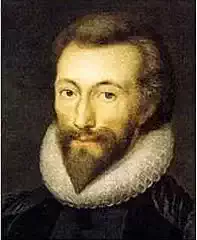
John Donne
Holy Sonnet I: Thou Hast Made Me
Holy Sonnet I: Thou Hast Made Me
Thou hast made me, and shall thy work decay?
Repair me now, for now mine end doth haste;
I run to death, and death meets me as fast,
And all my pleasures are like yesterday.
I dare not move my dim eyes any way,
Despair behind, and death before doth cast
Such terror, and my feeble flesh doth waste
By sin in it, which it towards hell doth weigh.
Only thou art above, and when towards thee
By thy leave I can look, I rise again;
But our old subtle foe so tempteth me
That not one hour myself I can sustain.
Thy grace may wing me to prevent his art,
And thou like adamant draw mine iron heart.
Thou hast made me, and shall thy work decay?
Repair me now, for now mine end doth haste;
I run to death, and death meets me as fast,
And all my pleasures are like yesterday.
I dare not move my dim eyes any way,
Despair behind, and death before doth cast
Such terror, and my feeble flesh doth waste
By sin in it, which it towards hell doth weigh.
Only thou art above, and when towards thee
By thy leave I can look, I rise again;
But our old subtle foe so tempteth me
That not one hour myself I can sustain.
Thy grace may wing me to prevent his art,
And thou like adamant draw mine iron heart.
338
John Donne
Holy Sonnet II: As Due By Many Titles I Resign
Holy Sonnet II: As Due By Many Titles I Resign
As due by many titles I resign
My self to Thee, O God; first I was made
By Thee, and for Thee, and when I was decayed
Thy blood bought that, the which before was Thine;
I am Thy son, made with Thy Self to shine,
Thy servant, whose pains Thou hast still repaid,
Thy sheep, thine image, and, till I betrayed
My self, a temple of Thy Spirit divine;
Why doth the devil then usurp on me?
Why doth he steal, nay ravish that's thy right?
Except thou rise and for thine own work fight,
Oh I shall soon despair, when I do see
That thou lov'st mankind well, yet wilt not choose me,
And Satan hates me, yet is loth to lose me.
As due by many titles I resign
My self to Thee, O God; first I was made
By Thee, and for Thee, and when I was decayed
Thy blood bought that, the which before was Thine;
I am Thy son, made with Thy Self to shine,
Thy servant, whose pains Thou hast still repaid,
Thy sheep, thine image, and, till I betrayed
My self, a temple of Thy Spirit divine;
Why doth the devil then usurp on me?
Why doth he steal, nay ravish that's thy right?
Except thou rise and for thine own work fight,
Oh I shall soon despair, when I do see
That thou lov'st mankind well, yet wilt not choose me,
And Satan hates me, yet is loth to lose me.
322
John Donne
Elegy XIV: Julia
Elegy XIV: Julia
Hark, news, O envy ; thou shalt hear descried
My Julia ; who as yet was ne'er envied.
To vomit gall in slander, swell her veins
With calumny, that hell itself disdains,
Is her continual practice ; does her best,
To tear opinion e'en out of the breast
Of dearest friends, and—which is worse than vile—
Sticks jealousy in wedlock ; her own child
Scapes not the showers of envy. To repeat
The monstrous fashions how, were alive to eat
Deare reputation ; would to God she were
But half so loth to act vice, as to hear
My mild reproof. Lived Mantuan now again
That female Mastix to limn with his pen,
This she Chimera that hath eyes of fire,
Burning with anger—anger feeds desire—
Tongued like the night crow, whose ill boding cries
Give out for nothing but new injuries ;
Her breath like to the juice in Tænarus,
That blasts the springs, though ne'er so prosperous ;
Her hands, I know not how, used more to spill
The food of others than herself to fill ;
But O ! her mind, that Orcus, which includes
Legions of mischiefs, countless multitudes
Of formless curses, projects unmade up,
Abuses yet unfashion'd, thoughts corrupt,
Misshapen cavils, palpable untroths,
Inevitable errors, self-accusing loaths.
These, like those atoms swarming in the sun,
Throng in her bosom for creation.
I blush to give her halfe her due ; yet say,
No poison's half so bad as Julia.
Hark, news, O envy ; thou shalt hear descried
My Julia ; who as yet was ne'er envied.
To vomit gall in slander, swell her veins
With calumny, that hell itself disdains,
Is her continual practice ; does her best,
To tear opinion e'en out of the breast
Of dearest friends, and—which is worse than vile—
Sticks jealousy in wedlock ; her own child
Scapes not the showers of envy. To repeat
The monstrous fashions how, were alive to eat
Deare reputation ; would to God she were
But half so loth to act vice, as to hear
My mild reproof. Lived Mantuan now again
That female Mastix to limn with his pen,
This she Chimera that hath eyes of fire,
Burning with anger—anger feeds desire—
Tongued like the night crow, whose ill boding cries
Give out for nothing but new injuries ;
Her breath like to the juice in Tænarus,
That blasts the springs, though ne'er so prosperous ;
Her hands, I know not how, used more to spill
The food of others than herself to fill ;
But O ! her mind, that Orcus, which includes
Legions of mischiefs, countless multitudes
Of formless curses, projects unmade up,
Abuses yet unfashion'd, thoughts corrupt,
Misshapen cavils, palpable untroths,
Inevitable errors, self-accusing loaths.
These, like those atoms swarming in the sun,
Throng in her bosom for creation.
I blush to give her halfe her due ; yet say,
No poison's half so bad as Julia.
336
John Donne
Elegy XII
Elegy XII
COME Fates ; I fear you not ! All whom I owe
Are paid, but you ; then 'rest me ere I go.
But Chance from you all sovereignty hath got ;
Love woundeth none but those whom Death dares not ;
True if you were, and just in equity,
I should have vanquish'd her, as you did me ;
Else lovers should not brave Death's pains, and live ;
But 'tis a rule, “ Death comes not to relieve.”
Or, pale and wan Death's terrors, are they laid
So deep in lovers, they make Death afraid ?
Or—the least comfort—have I company ?
O'ercame she Fates, Love, Death, as well as me ?
Yes, Fates do silk unto her distaff pay,
For ransom, which tax they on us do lay.
Love gives her youth—which is the reason why
Youths, for her sake, some wither and some die.
Poor Death can nothing give ; yet, for her sake,
Still in her turn, he doth a lover take.
And if Death should prove false, she fears him not ;
Our Muses, to redeem her, she hath got.
That fatal night we last kiss'd, I thus pray'd,
—Or rather, thus despair'd, I should have said—
Kisses, and yet despair ! The forbid tree
Did promise (and deceive) no more than she.
Like lambs, that see their teats, and must eat hay,
A food, whose taste hath made me pine away.
Dives, when thou saw'st bliss, and craved'st to touch
A drop of water, thy great pains were such.
Here grief wants a fresh wit, for mine being spent,
And my sighs weary, groans are all my rent.
Unable longer to endure the pain,
They break like thunder, and do bring down rain.
Thus till dry tear solder my eye, I weep ;
And then, I dream, how you securely sleep,
And in your dreams do laugh at me. I hate,
And pray Love all may ; he pities my state,
But says, I therein no revenge shall find ;
The sun would shine, though all the world were blind.
Yet, to try my hate, Love show'd me your tear ;
And I had died, had not your smile been there.
Your frown undoes me ; your smile is my wealth ;
And as you please to look, I have my health.
Methought, Love pitying me, when he saw this,
Gave me your hands, the backs and palms to kiss.
That cured me not, but to bear pain gave strength ;
And what is lost in force, is took in length.
I call'd on Love again, who fear'd you so,
That his compassion still proved greater woe ;
For, then I dream'd I was in bed with you,
But durst not feel, for fear it should not be true.
This merits not your anger, had it been ;
The queen of chastity was naked seen ;
And in bed not to feel, the pain I took,
Was more than for Actæon not to look ;
And that breast which lay ope, I did not know,
But for the clearness, from a lump of snow ;
Nor that sweet teat which on the top it bore
From the rose-bud which for my sake you wore.
These griefs to issue forth, by verse I prove ;
Or turn their course by travel and new love.
All would not do ; the best at last I tried ;
Unable longer to hold out, I died.
And then I found I lost life, death by flying ;
Who hundreds live, are but so long in dying.
Charon did let me pass ; I'll him requite.
To mark the groves or shades wrongs my delight ;
I'll speak but of those ghosts I found alone,
Those thousand ghosts, whereof myself made one,
All images of thee ; I asked them why ?
The judge told me, all they for thee did die,
And therefore had for their Elysian bliss,
In one another their own loves to kiss.
O here I miss'd not blissh, but being dead ;
For lo ! I dreamt, I dreamt, and waking said,
“ Heaven, if who are in thee there must dwell,
How is't I now was there, and now I fell ?”
COME Fates ; I fear you not ! All whom I owe
Are paid, but you ; then 'rest me ere I go.
But Chance from you all sovereignty hath got ;
Love woundeth none but those whom Death dares not ;
True if you were, and just in equity,
I should have vanquish'd her, as you did me ;
Else lovers should not brave Death's pains, and live ;
But 'tis a rule, “ Death comes not to relieve.”
Or, pale and wan Death's terrors, are they laid
So deep in lovers, they make Death afraid ?
Or—the least comfort—have I company ?
O'ercame she Fates, Love, Death, as well as me ?
Yes, Fates do silk unto her distaff pay,
For ransom, which tax they on us do lay.
Love gives her youth—which is the reason why
Youths, for her sake, some wither and some die.
Poor Death can nothing give ; yet, for her sake,
Still in her turn, he doth a lover take.
And if Death should prove false, she fears him not ;
Our Muses, to redeem her, she hath got.
That fatal night we last kiss'd, I thus pray'd,
—Or rather, thus despair'd, I should have said—
Kisses, and yet despair ! The forbid tree
Did promise (and deceive) no more than she.
Like lambs, that see their teats, and must eat hay,
A food, whose taste hath made me pine away.
Dives, when thou saw'st bliss, and craved'st to touch
A drop of water, thy great pains were such.
Here grief wants a fresh wit, for mine being spent,
And my sighs weary, groans are all my rent.
Unable longer to endure the pain,
They break like thunder, and do bring down rain.
Thus till dry tear solder my eye, I weep ;
And then, I dream, how you securely sleep,
And in your dreams do laugh at me. I hate,
And pray Love all may ; he pities my state,
But says, I therein no revenge shall find ;
The sun would shine, though all the world were blind.
Yet, to try my hate, Love show'd me your tear ;
And I had died, had not your smile been there.
Your frown undoes me ; your smile is my wealth ;
And as you please to look, I have my health.
Methought, Love pitying me, when he saw this,
Gave me your hands, the backs and palms to kiss.
That cured me not, but to bear pain gave strength ;
And what is lost in force, is took in length.
I call'd on Love again, who fear'd you so,
That his compassion still proved greater woe ;
For, then I dream'd I was in bed with you,
But durst not feel, for fear it should not be true.
This merits not your anger, had it been ;
The queen of chastity was naked seen ;
And in bed not to feel, the pain I took,
Was more than for Actæon not to look ;
And that breast which lay ope, I did not know,
But for the clearness, from a lump of snow ;
Nor that sweet teat which on the top it bore
From the rose-bud which for my sake you wore.
These griefs to issue forth, by verse I prove ;
Or turn their course by travel and new love.
All would not do ; the best at last I tried ;
Unable longer to hold out, I died.
And then I found I lost life, death by flying ;
Who hundreds live, are but so long in dying.
Charon did let me pass ; I'll him requite.
To mark the groves or shades wrongs my delight ;
I'll speak but of those ghosts I found alone,
Those thousand ghosts, whereof myself made one,
All images of thee ; I asked them why ?
The judge told me, all they for thee did die,
And therefore had for their Elysian bliss,
In one another their own loves to kiss.
O here I miss'd not blissh, but being dead ;
For lo ! I dreamt, I dreamt, and waking said,
“ Heaven, if who are in thee there must dwell,
How is't I now was there, and now I fell ?”
329
John Donne
Elegy VI
Elegy VI
Oh, let me not serve so, as those men serve
Whom honour's smokes at once fatten and starve;
Poorly enrich't with great men's words or looks;
Nor so write my name in thy loving books
As those idolatrous flatterers, which still
Their Prince's styles, with many realms fulfil
Whence they no tribute have, and where no sway.
Such services I offer as shall pay
Themselves, I hate dead names: Oh then let me
Favourite in Ordinary, or no favourite be.
When my soul was in her own body sheathed,
Nor yet by oaths betrothed, nor kisses breathed
Into my Purgatory, faithless thee,
Thy heart seemed wax, and steel thy constancy:
So, careless flowers strowed on the waters face
The curled whirlpools suck, smack, and embrace,
Yet drown them; so, the taper's beamy eye
Amorously twinkling beckons the giddy fly,
Yet burns his wings; and such the devil is,
Scarce visiting them who are entirely his.
When I behold a stream which, from the spring,
Doth with doubtful melodious murmuring,
Or in a speechless slumber, calmly ride
Her wedded channels' bosom, and then chide
And bend her brows, and swell if any bough
Do but stoop down, or kiss her upmost brow:
Yet, if her often gnawing kisses win
The traiterous bank to gape, and let her in,
She rusheth violently, and doth divorce
Her from her native, and her long-kept course,
And roars, and braves it, and in gallant scorn,
In flattering eddies promising retorn,
She flouts the channel, who thenceforth is dry;
Then say I, That is she, and this am I.
Yet let not thy deep bitterness beget
Careless despair in me, for that will whet
My mind to scorn; and Oh, love dulled with pain
Was ne'er so wise, nor well armed as disdain.
Then with new eyes I shall survey thee, and spy
Death in thy cheeks, and darkness in thine eye.
Though hope bred faith and love: thus taught, I shall,
As nations do from Rome, from thy love fall.
My hate shall outgrow thine, and utterly
I will renounce thy dalliance: and when I
Am the recusant, in that resolute state,
What hurts it me to be excommunicate?
Oh, let me not serve so, as those men serve
Whom honour's smokes at once fatten and starve;
Poorly enrich't with great men's words or looks;
Nor so write my name in thy loving books
As those idolatrous flatterers, which still
Their Prince's styles, with many realms fulfil
Whence they no tribute have, and where no sway.
Such services I offer as shall pay
Themselves, I hate dead names: Oh then let me
Favourite in Ordinary, or no favourite be.
When my soul was in her own body sheathed,
Nor yet by oaths betrothed, nor kisses breathed
Into my Purgatory, faithless thee,
Thy heart seemed wax, and steel thy constancy:
So, careless flowers strowed on the waters face
The curled whirlpools suck, smack, and embrace,
Yet drown them; so, the taper's beamy eye
Amorously twinkling beckons the giddy fly,
Yet burns his wings; and such the devil is,
Scarce visiting them who are entirely his.
When I behold a stream which, from the spring,
Doth with doubtful melodious murmuring,
Or in a speechless slumber, calmly ride
Her wedded channels' bosom, and then chide
And bend her brows, and swell if any bough
Do but stoop down, or kiss her upmost brow:
Yet, if her often gnawing kisses win
The traiterous bank to gape, and let her in,
She rusheth violently, and doth divorce
Her from her native, and her long-kept course,
And roars, and braves it, and in gallant scorn,
In flattering eddies promising retorn,
She flouts the channel, who thenceforth is dry;
Then say I, That is she, and this am I.
Yet let not thy deep bitterness beget
Careless despair in me, for that will whet
My mind to scorn; and Oh, love dulled with pain
Was ne'er so wise, nor well armed as disdain.
Then with new eyes I shall survey thee, and spy
Death in thy cheeks, and darkness in thine eye.
Though hope bred faith and love: thus taught, I shall,
As nations do from Rome, from thy love fall.
My hate shall outgrow thine, and utterly
I will renounce thy dalliance: and when I
Am the recusant, in that resolute state,
What hurts it me to be excommunicate?
298
John Donne
Elegy III: Change
Elegy III: Change
Although thy hand and faith, and good works too,
Have seal'd thy love which nothing should undo,
Yea though thou fall back, that apostasy
Confirm thy love; yet much, much I fear thee.
Women are like the Arts, forc'd unto none,
Open to'all searchers, unpriz'd, if unknown.
If I have caught a bird, and let him fly,
Another fouler using these means, as I,
May catch the same bird; and, as these things be,
Women are made for men, not him, nor me.
Foxes and goats; all beasts change when they please,
Shall women, more hot, wily, wild then these,
Be bound to one man, and did Nature then
Idly make them apter to endure than men?
They are our clogges, not their owne; if a man be
Chain'd to a galley, yet the galley is free;
Who hath a plow-land, casts all his seed corn there,
And yet allows his ground more corn should bear;
Though Danuby into the sea must flow,
The sea receives the Rhene, Volga, and Po.
By nature, which gave it, this liberty
Thou lov'st, but Oh! canst thou love it and me?
Likeness glues love: Then if so thou do,
To make us like and love, must I change too?
More than thy hate, I hate it, rather let me
Allow her change, then change as oft as she,
And so not teach, but force my opinion
To love not any one, nor every one.
To live in one land is captivity,
To run all countries, a wild roguery;
Waters stink soon, if in one place they bide,
And in the vast sea are worse putrified:
But when they kiss one bank, and leaving this
Never look back, but the next bank do kiss,
Then are they purest; Change is the nursery
Of music, joy, life, and eternity.
Although thy hand and faith, and good works too,
Have seal'd thy love which nothing should undo,
Yea though thou fall back, that apostasy
Confirm thy love; yet much, much I fear thee.
Women are like the Arts, forc'd unto none,
Open to'all searchers, unpriz'd, if unknown.
If I have caught a bird, and let him fly,
Another fouler using these means, as I,
May catch the same bird; and, as these things be,
Women are made for men, not him, nor me.
Foxes and goats; all beasts change when they please,
Shall women, more hot, wily, wild then these,
Be bound to one man, and did Nature then
Idly make them apter to endure than men?
They are our clogges, not their owne; if a man be
Chain'd to a galley, yet the galley is free;
Who hath a plow-land, casts all his seed corn there,
And yet allows his ground more corn should bear;
Though Danuby into the sea must flow,
The sea receives the Rhene, Volga, and Po.
By nature, which gave it, this liberty
Thou lov'st, but Oh! canst thou love it and me?
Likeness glues love: Then if so thou do,
To make us like and love, must I change too?
More than thy hate, I hate it, rather let me
Allow her change, then change as oft as she,
And so not teach, but force my opinion
To love not any one, nor every one.
To live in one land is captivity,
To run all countries, a wild roguery;
Waters stink soon, if in one place they bide,
And in the vast sea are worse putrified:
But when they kiss one bank, and leaving this
Never look back, but the next bank do kiss,
Then are they purest; Change is the nursery
Of music, joy, life, and eternity.
367
John Donne
Community
Community
Good we must love, and must hate ill,
For ill is ill, and good good still ;
But there are things indifferent,
Which wee may neither hate, nor love,
But one, and then another prove,
As we shall find our fancy bent.
If then at first wise Nature had
Made women either good or bad,
Then some wee might hate, and some choose ;
But since she did them so create,
That we may neither love, nor hate,
Only this rests, all all may use.
If they were good it would be seen ;
Good is as visible as green,
And to all eyes itself betrays.
If they were bad, they could not last ;
Bad doth itself, and others waste ;
So they deserve nor blame, nor praise.
But they are ours as fruits are ours ;
He that but tastes, he that devours,
And he that leaves all, doth as well ;
Changed loves are but changed sorts of meat ;
And when he hath the kernel eat,
Who doth not fling away the shell?
Good we must love, and must hate ill,
For ill is ill, and good good still ;
But there are things indifferent,
Which wee may neither hate, nor love,
But one, and then another prove,
As we shall find our fancy bent.
If then at first wise Nature had
Made women either good or bad,
Then some wee might hate, and some choose ;
But since she did them so create,
That we may neither love, nor hate,
Only this rests, all all may use.
If they were good it would be seen ;
Good is as visible as green,
And to all eyes itself betrays.
If they were bad, they could not last ;
Bad doth itself, and others waste ;
So they deserve nor blame, nor praise.
But they are ours as fruits are ours ;
He that but tastes, he that devours,
And he that leaves all, doth as well ;
Changed loves are but changed sorts of meat ;
And when he hath the kernel eat,
Who doth not fling away the shell?
318
John Donne
Break of Day
Break of Day
'Tis true, 'tis day; what though it be?
O wilt thou therefore rise from me?
Why should we rise, because 'tis light?
Did we lie down, because 'twas night?
Love which in spite of darkness brought us hither
Should in despite of light keep us together.
Light hath no tongue, but is all eye;
If it could speak as well as spy,
This were the worst that it could say -
That being well, I fain would stay,
And that I loved my heart and honour so,
That I would not from her, that had them, go.
Must business thee from hence remove?
Oh, that's the worst disease of love!
The poor, the foul, the false, love can
Admit, but not the busied man.
He which hath business, and makes love, doth do
Such wrong as when a married man doth woo.
'Tis true, 'tis day; what though it be?
O wilt thou therefore rise from me?
Why should we rise, because 'tis light?
Did we lie down, because 'twas night?
Love which in spite of darkness brought us hither
Should in despite of light keep us together.
Light hath no tongue, but is all eye;
If it could speak as well as spy,
This were the worst that it could say -
That being well, I fain would stay,
And that I loved my heart and honour so,
That I would not from her, that had them, go.
Must business thee from hence remove?
Oh, that's the worst disease of love!
The poor, the foul, the false, love can
Admit, but not the busied man.
He which hath business, and makes love, doth do
Such wrong as when a married man doth woo.
339
John Donne
A Self Accuser
A Self Accuser
Your mistress, that you follow whores, still taxeth
you ;
'Tis strange that she should thus confess it, though 't be true.
Your mistress, that you follow whores, still taxeth
you ;
'Tis strange that she should thus confess it, though 't be true.
300
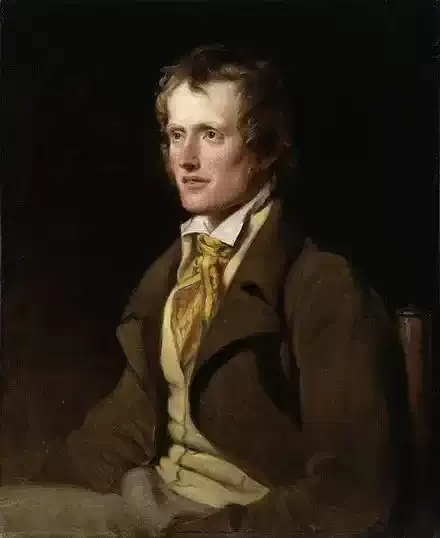
John Clare
The Vanities Of Life
The Vanities Of Life
Vanity of vanities, all is vanity.--_Solomon_
What are life's joys and gains?
What pleasures crowd its ways,
That man should take such pains
To seek them all his days?
Sift this untoward strife
On which thy mind is bent:
See if this chaff of life
Is worth the trouble spent.
Is pride thy heart's desire?
Is power thy climbing aim?
Is love thy folly's fire?
Is wealth thy restless game?
Pride, power, love, wealth, and all
Time's touchstone shall destroy,
And, like base coin, prove all
Vain substitutes for joy.
Dost think that pride exalts
Thyself in other's eyes,
And hides thy folly's faults,
Which reason will despise?
Dost strut, and turn, and stride,
Like walking weathercocks?
The shadow by thy side
Becomes thy ape, and mocks.
Dost think that power's disguise
Can make thee mighty seem?
It may in folly's eyes,
But not in worth's esteem,
When all that thou canst ask,
And all that she can give,
Is but a paltry mask
Which tyrants wear and live.
Go, let thy fancies range
And ramble where they may;
View power in every change,
And what is the display?
--The country magistrate,
The meanest shade in power,
To rulers of the state,
The meteors of an hour.
View all, and mark the end
Of every proud extreme,
Where flattery turns a friend,
And counterfeits esteem;
Where worth is aped in show,
That doth her name purloin,
Like toys of golden glow
That's sold for copper coin.
Ambition's haughty nod
With fancies may deceive,
Nay, tell thee thou'rt a god,
And wilt thou such believe?
Go, bid the seas be dry;
Go, hold earth like a ball,
Or throw thy fancies by,
For God can do it all.
Dost thou possess the dower
Of laws to spare or kill?
Call it not heavenly power
When but a tyrant's will.
Know what a God will do,
And know thyself a fool,
Nor, tyrant-like, pursue
Where He alone should rule.
O put away thy pride,
Or be ashamed of power
That cannot turn aside
The breeze that waves a flower.
Or bid the clouds be still:
Though shadows, they can brave
Thy poor power mocking will:
Then make not man a slave.
Dost think, when wealth is won,
Thy heart has its desire?
Hold ice up to the sun,
And wax before the fire;
Nor triumph oer the reign
Which they so soon resign;
In this world's ways they gain,
Insurance safe as thine.
Dost think life's peace secure
In house and in land?
Go, read the fairy lure
To twist a cord in sand;
Lodge stones upon the sky,
Hold water in a sieve,
Nor give such tales the lie,
And still thine own believe.
Whoso with riches deals,
And thinks peace bought and sold,
Will find them slipping eels,
That slide the firmest hold:
Though sweet as sleep with health
Thy lulling luck may be,
Pride may oerstride thy wealth,
And check prosperity.
Dost think that beauty's power
Life sweetest pleasure gives?
Go, pluck the summer flower,
And see how long it lives:
Behold, the rays glide on
Along the summer plain
Ere thou canst say 'they're gone,'
And measure beauty's reign.
Look on the brightest eye,
Nor teach it to be proud;
View but the clearest sky,
And thou shalt find a cloud;
Nor call each face ye meet
An angel's, cause it's fair,
But look beneath your feet,
And think of what they are.
Who thinks that love doth live
In beauty's tempting show,
Shall find his hopes ungive,
And melt in reason's thaw.
Who thinks that pleasure lies
In every fairy bower,
Shall oft, to his surprise,
Find poison in the flower.
Dost lawless passions grasp?
Judge not thou deal'st in joy:
Its flowers but hide the asp,
Thy revels to destroy.
Who trusts an harlot's smile,
And by her wiles are led,
Plays, with a sword the while
Hung dropping oer his head.
Dost doubt my warning song?
Then doubt the sun gives light,
Doubt truth to teach thee wrong,
And wrong alone as right;
And live as lives the knave,
Intrigue's deceiving guest;
Be tyrant, or be slave,
As suits thy ends the best.
Or pause amid thy toils
For visions won and lost,
And count the fancied spoils,
If eer they quit the cost:
And if they still possess
Thy mind, as worthy things,
Plat straws with bedlam Bess,
And call them diamond rings.
Thy folly's past advice,
Thy heart's already won,
Thy fall's above all price,
So go, and be undone;
For all who thus prefer
The seeming great for small
Shall make wine vinegar,
And sweetest honey gall.
Wouldst heed the truths I sing,
To profit wherewithal,
Clip folly's wanton wing,
And keep her within call.
I've little else to give,
What thou canst easy try;
The lesson how to live
Is but to learn to die.
Vanity of vanities, all is vanity.--_Solomon_
What are life's joys and gains?
What pleasures crowd its ways,
That man should take such pains
To seek them all his days?
Sift this untoward strife
On which thy mind is bent:
See if this chaff of life
Is worth the trouble spent.
Is pride thy heart's desire?
Is power thy climbing aim?
Is love thy folly's fire?
Is wealth thy restless game?
Pride, power, love, wealth, and all
Time's touchstone shall destroy,
And, like base coin, prove all
Vain substitutes for joy.
Dost think that pride exalts
Thyself in other's eyes,
And hides thy folly's faults,
Which reason will despise?
Dost strut, and turn, and stride,
Like walking weathercocks?
The shadow by thy side
Becomes thy ape, and mocks.
Dost think that power's disguise
Can make thee mighty seem?
It may in folly's eyes,
But not in worth's esteem,
When all that thou canst ask,
And all that she can give,
Is but a paltry mask
Which tyrants wear and live.
Go, let thy fancies range
And ramble where they may;
View power in every change,
And what is the display?
--The country magistrate,
The meanest shade in power,
To rulers of the state,
The meteors of an hour.
View all, and mark the end
Of every proud extreme,
Where flattery turns a friend,
And counterfeits esteem;
Where worth is aped in show,
That doth her name purloin,
Like toys of golden glow
That's sold for copper coin.
Ambition's haughty nod
With fancies may deceive,
Nay, tell thee thou'rt a god,
And wilt thou such believe?
Go, bid the seas be dry;
Go, hold earth like a ball,
Or throw thy fancies by,
For God can do it all.
Dost thou possess the dower
Of laws to spare or kill?
Call it not heavenly power
When but a tyrant's will.
Know what a God will do,
And know thyself a fool,
Nor, tyrant-like, pursue
Where He alone should rule.
O put away thy pride,
Or be ashamed of power
That cannot turn aside
The breeze that waves a flower.
Or bid the clouds be still:
Though shadows, they can brave
Thy poor power mocking will:
Then make not man a slave.
Dost think, when wealth is won,
Thy heart has its desire?
Hold ice up to the sun,
And wax before the fire;
Nor triumph oer the reign
Which they so soon resign;
In this world's ways they gain,
Insurance safe as thine.
Dost think life's peace secure
In house and in land?
Go, read the fairy lure
To twist a cord in sand;
Lodge stones upon the sky,
Hold water in a sieve,
Nor give such tales the lie,
And still thine own believe.
Whoso with riches deals,
And thinks peace bought and sold,
Will find them slipping eels,
That slide the firmest hold:
Though sweet as sleep with health
Thy lulling luck may be,
Pride may oerstride thy wealth,
And check prosperity.
Dost think that beauty's power
Life sweetest pleasure gives?
Go, pluck the summer flower,
And see how long it lives:
Behold, the rays glide on
Along the summer plain
Ere thou canst say 'they're gone,'
And measure beauty's reign.
Look on the brightest eye,
Nor teach it to be proud;
View but the clearest sky,
And thou shalt find a cloud;
Nor call each face ye meet
An angel's, cause it's fair,
But look beneath your feet,
And think of what they are.
Who thinks that love doth live
In beauty's tempting show,
Shall find his hopes ungive,
And melt in reason's thaw.
Who thinks that pleasure lies
In every fairy bower,
Shall oft, to his surprise,
Find poison in the flower.
Dost lawless passions grasp?
Judge not thou deal'st in joy:
Its flowers but hide the asp,
Thy revels to destroy.
Who trusts an harlot's smile,
And by her wiles are led,
Plays, with a sword the while
Hung dropping oer his head.
Dost doubt my warning song?
Then doubt the sun gives light,
Doubt truth to teach thee wrong,
And wrong alone as right;
And live as lives the knave,
Intrigue's deceiving guest;
Be tyrant, or be slave,
As suits thy ends the best.
Or pause amid thy toils
For visions won and lost,
And count the fancied spoils,
If eer they quit the cost:
And if they still possess
Thy mind, as worthy things,
Plat straws with bedlam Bess,
And call them diamond rings.
Thy folly's past advice,
Thy heart's already won,
Thy fall's above all price,
So go, and be undone;
For all who thus prefer
The seeming great for small
Shall make wine vinegar,
And sweetest honey gall.
Wouldst heed the truths I sing,
To profit wherewithal,
Clip folly's wanton wing,
And keep her within call.
I've little else to give,
What thou canst easy try;
The lesson how to live
Is but to learn to die.
416
John Clare
The Shepherds Calendar - July
The Shepherds Calendar - July
Daughter of pastoral smells and sights
And sultry days and dewy nights
July resumes her yearly place
Wi her milking maiden face
Ruddy and tand yet sweet to view
When everywhere's a vale of dew
And raps it round her looks that smiles
A lovly rest to daily toils
Wi last months closing scenes and dins
Her sultry beaming birth begins
Hay makers still in grounds appear
And some are thinning nearly clear
Save oddly lingering shocks about
Which the tithman counteth out
Sticking their green boughs where they go
The parsons yearly claims to know
Which farmers view wi grudging eye
And grumbling drive their waggons bye
In hedge bound close and meadow plains
Stript groups of busy bustling swains
From all her hants wi noises rude
Drives to the wood lands solitude
That seeks a spot unmarkd wi paths
Far from the close and meadow swaths
Wi smutty song and story gay
They cart the witherd smelling hay
Boys loading on the waggon stand
And men below wi sturdy hand
Heave up the shocks on lathy prong
While horse boys lead the team along
And maidens drag the rake behind
Wi light dress shaping to the wind
And trembling locks of curly hair
And snow white bosoms nearly bare
That charms ones sight amid the hay
Like lingering blossoms of the may
From clowns rude jokes they often turn
And oft their cheeks wi blushes burn
From talk which to escape a sneer
They oft affect as not to hear
Some in the nooks about the ground
Pile up the stacks swelld bellying round
The milking cattles winter fare
That in the snow are fodderd there
Warm spots wi black thorn thickets lind
And trees to brake the northern wind
While masters oft the sultry hours
Will urge their speed and talk of showers
When boy from home trotts to the stack
Wi dinner upon dobbins back
And bottles to the saddle tyd
Or ballancd upon either side
A horse thats past his toiling day
Yet still a favorite in his way
That trotts on errands up and down
The fields and too and fro from town
Long ere his presence comes in sight
Boys listen wi heart felt delight
And know his footsteps down the road
Hastening wi the dinner load
Then they seek in close or meadows
High hedgerows wi grey willow shadows
To hide beneath from sultry noon
And rest them at their dinner boon
Where helping shepherd for the lass
Will seek a hillock on the grass
The thickset hedge or stack beside
Where teazing pismires ne'er abide
And when tis found down drops the maid
Proud wi the kind attention paid
And still the swain wi notice due
Waits on her all the dinner through
And fills her horn which she tho dry
In shoyness often pushes bye
While he will urge wi many a smile
It as a strength to help her toil
And in her hand will oft contrive
From out his pocket pulld to slive
Stole fruit when no one turns his eve
To wet her mouth when shes adry
Offerd when she refuses ale
Noons sultry labour to regale
Teazd wi the countless multitude
Of flyes that every where intrude
While boys wi boughs will often try
To beat them from them as they lye
Who find their labour all in vain
And soon as scard they swarm again
Thus while each swain and boy and lass
Sit at their dinner on the grass
The teams wi gears thrown on their backs
Stand pulling at the shocks or racks
Switching their tails and turning round
To knap the gadflys teazing wound
While dob that brought the dinners load
Too tricky to be turnd abroad
Needing the scuttle shook wi grain
To coax him to be caught again
Is to a tree at tether tyd
Ready for boy to mount and ride
Nipping the grass about his pound
And stamping battering hooves around
Soon as each ground is clear of hay
The shepherd whoops his flocks away
From fallow fields to plentys scenes
Shining as smooth as bowling greens
But scard wi clipping tides alarms
They bleat about the close in swarms
And hide neath hedges in the cool
Still panting tho wi out their whool
Markd wi the tard brands lasting dye
And make a restless hue and cry
Answering the lambs that call again
And for their old dams seek in vain
Running mid the stranger throng
And ever meeting wi the wrong
Fiegn wi some old yoe to abide
Who smells and tosses them aside
And some as if they know its face
Will meet a lamb wi mended pace
But proving hopes indulgd in vain
They turn around and blair again
Till weand from memory half forgot
They spread and feed and notice not
Save now and then to lambs shrill crys
Odd yoes in hoarser tone replys
Still may be seen the mowing swain
On balks between the fields of grain
Who often stops his thirst to ease
To pick the juicy pods of pease
And oft as chances bring to pass
Stoops oer his scythe stuck in the grass
To seek the brimming honey comb
Which bees so long were toiling home
And rifld from so many flowers
And carried thro so many hours
He tears their small hives mossy ball
Where the brown labourers hurded all
Who gather homward one by one
And see their nest and honey gone
Humming around his rushing toil
Their mellancholly wrongs awhile
Then oer the sweltering swaths they stray
And hum disconsolate away
And oft neath hedges cooler screen
Where meadow sorrel lingers green
Calld 'sour grass' by the knowing clown
The mower gladly chews it down
And slakes his thirst the best he may
When singing brooks are far away
And his hoopd bottle woeful tale
Is emptied of its cheering ale
That lulld him in unconsious sleep
At dinners hour beneath a heap
Of grass or bush or edding shock
Till startld by the country clock
That told the hours his toil had lost
Who coud but spare an hour at most
And wearing past the setting sun
He stays to get his labour done
The gipsey down the meadow brook
Wi long pole and reaping hook
Tyd at its end amid the streams
That glitters wi the hot sunbeams
Reachs and cuts the bulrush down
And hawks them round each neighboring town
Packd at his back or tyd in loads
On asses down the dusty roads
He jogs and shouts from door to door
His well known note of calling oer
Offering to huswives cheap repairs
Mending their broken bottomd chairs
Wi step half walk half dance, and eye
Ready to smile on passers bye
Wi load well suiting weather warm
Tuckd carlessly beneath his arm
Or peeping coat and side between
In woolen bag of faded green
Half conseald and half displayd
A purpose tell tale to his trade
The gipsey fiddler jogs away
To village feast and holiday
Scraping in public house to trye
What beer his music will supply
From clowns who happy wi the din
Dance their hand naild hilos thin
Along the roads in passing crowds
Followd by dust like smoaking clouds
Scotch droves of beast a little breed
In swelterd weary mood proceed
A patient race from scottish hills
To fatten by our pasture rills
Lean wi the wants of mountain soil
But short and stout for travels toil
Wi cockd up horns and curling crown
And dewlap bosom hanging down
Followd by slowly pacing swains
Wild to our rushy flats and plains
At whom the shepherds dog will rise
And shake himself and in supprise
Draw back and waffle in affright
Barking the traveller out of sight
And mowers oer their scythes will bear
Upon their uncooth dress to stare
And shepherds as they trample bye
Leaves oer their hooks a wondering eye
To witness men so oddly clad
In petticoats of banded plad
Wi blankets oer their shoulders slung
To camp at night the fields among
When they for rest on commons stop
And blue cap like a stocking top
Cockt oer their faces summer brown
Wi scarlet tazzeles on the crown
Rude patterns of the thistle flower
Untrickd and open to the shower
And honest faces fresh and free
That breath of mountain liberty
The pindar on the sabbath day
Soon as the darkness waxes grey
Before one sun beam oer the ground
Spindles its light and shadow round
Goes round the fields at early morn
To see what stock are in the corn
To see what chances sheep may win
Thro gaps the gipsey pilfers thin
Or if theyve forcd a restless way
By rubbing at a loosend tray
Or nuzling colt that trys to catch
A gate at night left off the latch
By traveller seeking home in haste
Or the clown by fareys chas'd
That listning while he makes a stand
Opens each gate wi fearful hand
And dreads a minute to remain
To put it on the latch again
And cows who often wi their horns
Toss from the gaps the stuffing thorns
These like a fox upon the watch
He in the morning trycs to catch
And drives them to the pound for pay
Carless about the sabbath day
Soon as the morning wakens red
The shepherd startles from his bed
And rocks afield his moving pace
While folded sheep will know his face
Rising as he appears in sight
To shake their coats as in delight
His shadow stalking stride for stride
Stretches a jiant by his side
Long as a tree without a top
And oft it urges him to stop
Both in his journey and his song
And wonders why it seems so long
And bye and bye as morning dies
Shrinks to an unbrichd boy in size
Then as the evening gathers blue
Grows to a jiants length anew
Puzzld the more he stops to pause
His wisdom vainly seeks the cause
Again his journey he pursues
Lengthening his track along the dews
And his dog that turnd to pick
From his sides the sucking tick
Insects that on cattle creep
And bites the labourer laid asleep
Pricks up his ears to see twas gone
Ana shakes his hide and hastens on
And the while the shepherd stayd
Trailing a track the hare had made
Bolts thro the creeping hedge again
And hurring follows wi the swain
The singing shouting herding boys
Follows again their wild employs
And ere the sun puts half his head
From out his crimson pillowd bed
And bawls behind his cows again
That one by one lobs down the lane
Wi wild weeds in his hat anew
The summer sorts of every hue
And twigs of leaves that please his eye
To his old haunts he hallows bye
Wi dog that loiters bv his side
Or trotts before wi nimble stridc
That waits till bid to bark and run
And panteth from the dreaded sun
And oft amid the sunny day
Will join a partner in his play
And in his antic tricks and glee
Will prove as fond of sport as he
And by the flag pool summer warm
He'll watch the motions of his arm
That holds a stick or stone to throw
In the sun gilded flood below
And head oer ears he danses in
Nor fears to wet his curly skin
The boys field cudgel to restore
And brings it in his mouth ashore
And eager as for crust or bone
He'll run to catch the pelted stone
Till wearied out he shakes his hide
And drops his tail and sneaks aside
Unheeding whistles shouts and calls
To take a rest where thickly falls
The rush clumps shadows there he lyes
Licking his skin and catching flyes
Or picking tween his stretching feet
The bone he had not time to eat
Before when wi the teazing boy
He was so throngd wi plays employ
Noon gathers wi its blistering breath
Around and day dyes still as death
The breeze is stopt the lazy bough
Hath not a leaf that dances now
The totter grass upon the hill
And spiders threads is hanging still
The feathers dropt from morehens wings
Upon the waters surface clings
As stedfast and as heavy seem
As stones beneath them in the stream
Hawkweed and groundsels fairey downs
Unruffld keep their seeding crowns
And in the oven heated air
Not one light thing is floating there
Save that to the earnest eye
The restless heat swims twittering bye
The swine run restless down the street
Anxious some pond or ditch to meet
From days hot swoonings to retire
Wallowing in the weeds and mire
The linnets seek the twiggs that lye
Close to the brook and brig stones drye
At top and sit and dip their bills
Till they have drunk their little fills
Then flurt their wings and wet their feathers
To cool them in the blazing weathers
Dashing the water oer their heads
Then high them to some cooling sheds
Where dark wood glooms about the plain
To pick their feathers smooth again
The young quick's branches seem as dead
And scorch from yellow into red
Ere autumn hath its pencil taen
Their shades in different hues to stain
Following behind the crawling ploughs
Whiping oft their sweating brows
The boys lead horses yokd in pairs
To jumping harrows linkd that tears
And teazes the hard clods to dust
Placing for showers in hopes their trust
The farmer follows sprinkling round
Wi turnip seed the panting ground
Providing food for beast and sheep
When winters snows are falling deep
Oft proving hopes and wishes vain
While clouds disperse that promisd rain
When soon as ere the turnip creeps
From out the crust burnt soil and peeps
Upon the farmers watching eye
Tis eaten by the jumping flye
And eager neath the midday sun
Soon as each plough teams toil is done
Scarse waiting till the gears are taen
From off their backs by boy and swain
From hayfilld racks they turn away
Nor in the stable care to stay
Hurr[y]ing to the trough to drink
Or from the yard ponds muddy brink
Rush in and wi long winded soak
Drink till theyre almost fit to choak
And from the horsbees teazing din
Thrust deep their burning noses in
Almost above their greedy eyes
To cool their mouths and shun the flyes
Deaf to the noise the geese will make
That grudge the worthy share they take
Boys now neath green lanes meeting bough
Each noons half holiday from plough
Take out their hungry teams till night
That nipp the grass wi eager bite
Wi long tails switching never still
They lounge neath trees when eat their fill
And stamp and switch till closing day
Brushing the teazing flyes away
Endless labour all in vain
That start in crowds to turn again
When the sun is sinking down
And dyes more deep the shadows brown
And gradual into slumber glooms
How sweet the village evening comes
To weary hinds from toil releasd
And panting sheep and torturd beast
The shepherd long wi heat opprest
Betakes him to his cottage rest
And his tird dog that plods along
Wi panting breath and lolling tongue
Runs eager as the brook appears
And dashes in head over ears
Startling reed sparrow broods to fiye
That in the reed woods slumberd nigh
And water rotts in haste to hide
Nibbling the sedges close beside
Lapping while he floats about
To quench his thirst then drabbles out
And shakes his coat and like the swain
Is happy night is come again
The beast that to the pond did creep
And rushd in water belly deep
The gad flyes threatning hums to shun
And horse bee darting in the sun
Lashing their tails the while they stood
And sprinkling thick their sides wi mud
Snuff the cool air now day is gone
And linger slow and idly on
To the pebbly fore to drink
And drop and rest upon its brink
Ruminating on their beds
Calm as the sky above their heads
The horse whose mouth is seldom still
Is up and cropping at his will
The moisting grass unteazd and free
In summer eves serenity
Uncheckt by flyes he grazes on
Right happy that the day is gone
Ne'er leaving off to turn around
His stooping head to knap the wound
And tail that switchd his sides all day
Is quiet now the suns away
The cowboys as their herd plod on
Before them homward one by one
Grows happy as their toil grows short
And full of fancys restless sport
Oft starts along wi sinking day
Acting proud their soldier play
Wi peeld bark sash around each waist
And rush caps oer each beaver placd
Stuck wi a headaches red cockade
And wooden swords and sticks displayd
For flags-thus march the evening troop
While soon one strikes a whistle up
And others wi their dinner tins
The evenings falling quiet dins
Patting wi hollow sounding tums
And imitating pipes and drums
Calling their cows that plod before
Their army marching from the moor
And thus they act till met the town
Carless of laughs from passing clown
Even their dogs too tird for play
Loiter on their evening way
Oft rolling on the damping grass
Or stopping wi the milking lass
Waiting a chance the ways conseal
A mouth full from her pails to steal
Dropping down to pick a bone
The hedger from his wallets thrown
Or found upon some greensward platt
Where hayfolks at their dinner sat
Sweet the cows breath down the lane
Steaming the fragrance of the plain
As home they rock and bawling wait
Till boys run to unloose the gate
And from their milksheds all adry
Turn to the pump wi anxious eye
Where shoud the maids wi boys repair
To fill the dashing bucket there
They hurry spite of threatning clown
And kick the milkers bucket down
And horses oft wi eager stoop
Will bend adown to steal a sup
Watching a moments chance to win
And dip their eager noses in
As by they pass or set it down
To rest or chatter to a clown
And knats wi their small slender noise
Bother too the troubld boys
And teaze the cows that while she chides
Will kick and turn to lick their sides
And like so many hanting sprites
Will bite and weal the maid anights
Who dreams of love and sleeps so sound
As ne'er to feel each little wound
Till waken by the morning sun
She wonders at the injury done
Thinking in fears simplicity
That faireys dreaded mistery
On her white bosom in the dark
Had been and left each blisterd mark
The fox begins his stunt odd bark
Down in its dew bed drops the lark
And on the heath amid the gorse
The night hawk stints the feeding horse
That pricks his ear wi startling eye
And snorts to hear its trembling crye
The owlet leaves his ivy tree
Into its hive slow sails the bee
The mower seeks his cloaths and hides
His scythe home bent wi weary strides
And oer his shoulder swings his bag
Bearing in hand his empty cag
Hay makers on their homward way
Into the fields will often stray
Among the grain when no one sees
Nestle and fill their laps wi peas
Sheep scard wi tweenlight doubting eye
Leap the path and canter bye
Nipping wi moment stoops the plain
And turning quick to gaze again
Till silence upon eve awaits
And milkmaids cease to clap the gates
And homward to the town are gone
Wi whispering sweethearts chatting on
And shepherds homward tracks are past
And dogs rude barks are still at last
Then down they drop as suits their wills
Or nips the thyme on pismire hills
Where nought is seen but timid hares
That nights sweet welcome gladly shares
And shadows stooping as they stoop
Beside them when the moon gets up
Reviving wi the ruddy moon
The nightingale resumes his tune
What time the horsboy drives away
His loose teams from the toils of day
To crop the closes dewy blade
Where the hay stacks fencd and made
Or on the commons bushy plain
To rest till the sun comes again
Whistling and bawling loud and long
The burthen of some drawling song
That grows more loud as eve grows late
Yet when he opes the clapping gate
He cant help turning in his joys
To look if his fear damping noise
Has raisd a mischief in the wind
And wakd a ghost to stalk behind
And when hes turnd them safe aground
And hookd the chain the gate around
Wi quicker speed he homward sings
And leaves them in the mushroom rings
Wi the dewdrunk dancing elves
To eat or rest as suits themselves
And as he hastes from labour done
An owlets whoop een makes him run
And bats shill flickerings bobbing near
Turns his heart blood cold wi fear
And when at home wi partner ralph
He hugs himself to think hes safe
And tells his tale while others smile
Of all he thought and feard the while
The black house bee hath ceasd to sing
And white nosd one wi out a sting
That boys will catch devoid of dread
Are in their little holes abed
And martins neath the mossey eves
Oft startld at the sparrow thieves
That in their house will often peep
Breaking their little weary sleep
And oft succeed when left alone
In making their clay huts their own
Where the cock sparrow on the scout
Watches and keeps the owner out
The geese have left the home close moats
And at the yard gate clean their coats
Or neath their feathers tuck their heads
Asleep till driven to their sheds
The pigeon droves in whisking flight
Hurrying to their coats ere night
In coveys round the village meet
And in the dove coat holes retreat
Nor more about the wheaten grounds
The bird boys bell and clapper sounds
Retiring wi the setting sun
His toil and shout and song is done
The shrill bat wi its flitting mate
Starts thro the church vaults iron grate
Deaths daily visitors and all
He meets save slanting suns that fall
At eve as if they lovd to shed
Their daily memory oer the dead
Hodge neath the climbing elms that drop
Their branches oer a dove coat top
Hath milkd his cows and taken in
On yokes the reeking pales or tin
And been across the straw to chain
The hen roost wicket safe again
And done his yard rounds hunting eggs
And taen his hat from off the peggs
To scamper to the circling cross
To have a game at pitch and toss
And day boy hath his supper got
Of milk before twas hardly hot
Eager from toil to get away
And join the boys at taw to play
Neath black smiths cinder litterd shed
Till the hour to go to bed
Old gossips on the greensward bench
Sit where the hombound milking wench
Will set her buckets down to rest
And be awhile their evening guest
To whom their box is held while she
Takes the smallest nips that be
That soon as snift begins to teaze
And makes her turn away to sneeze
While old dames say the sign is plain
That she will dream about her swain
And toss the cloaths from off her bed
And cautions her of roguish ned
Holding their hands agen their hips
To laugh as up she starts and trip
In quickend speed along the town
Bidding good night to passing clown
From the black smiths shop the swain
Jogs wi ploughshares laid again
And drops them by the stable shed
Where gears on pegs hang over head
Ready for driving boys to take
On fore horse when their toils awake
The kitchen wench wi face red hot
As blazing fire neath supper pot
Hath cleand her pails and pansions all
And set them leaning by the wall
And twirld her whool mop clean again
And hung it on the pales to drain
Now by the maids requesting smile
The shepherd mounts the wood stack pile
Reard high against the orchard pales
And cause of thorns she oft bewails
Prickd hands and holes in sunday gown
He throws the smoothest faggot down
And hawls it in at her desire
Ready for the kitching fire
Beneath the elderns village shade
Oer her well curb leans the maid
To draw the brimming bucket up
While passing boy to beg a sup
Will stop his roll or rocking cart
And the maidens gentle heart
Gives ready leave-the eager clown
Throws off his hat and stoops adown
Soaking his fill then hastens on
To catch his team already gone
Eager from toil to get release
And in the hay field feed at peace
The weary thresher leaves his barn
And emptys from his shoes the corn
That gatherd in them thro the day
And homward bends his weary way
The gardener he is sprinkling showers
From watering pans on drooping flowers
And set away his hoe and spade
While goody neath the cottage shade
Sits wi a baskett tween her knees
Ready for supper shelling peas
And cobler chatting in the town
Hath put his window shutter down
And the knowing parish clerk
Feign to do his jobs ere dark
ilath timd the church clock to the sun
And wound it up for night and done
And turud the hugh kev in the door
Chatting his evening story oer
Up the street the servant maid
Runs wi her errands long delayd
And ere the door she enters in
She stops to right a loosend pin
And smooth wi hasty fingers down
The crumpling creases in her gown
Which Rogers oggles rudly made
For may games forfeit never paid
And seizd a kiss against her will
While playing quoits upon the hill
Wi other shepherds laughing nigh
That made her shoy and hurry bye
The blacksmiths gangling toil is oer
And shut his hot shops branded door
Folding up his arms to start
And take at ease his evening quart
And farmer giles his business done
Wi face a very setting sun
Jogging home on dobbins back
From helping at the clover stack
The horse knows well nor trys to pass
The door where for his custom glass
He nightly from the saddle jumps
To slake his thirst or cheer the dumps
Leaving old dob his breath to catch
Wi bridle hanging at the latch
The shepherd too will often spare
A sixpence to be merry there
While the dog that trackd his feet
Adown the dusty printed street
Lies as one weary loath to roam
Agen the door to wait him home
While the taylors long day thirst
Is still unquenchd tho fit to burst
Whose been at truants merry play
From sheers and bodkin all the day
Still soaks the tankard reeling ripe
And scarce can stoop to light his pipe
The labourer sitting by his door
Happy that the day is oer
Is stooping downwards to unloose
His leathern baffles or his shoes
Making ready for his rest
Quickly to be the pillows guest
While on mothers lap wi in
The childern each their prayers begin
That taen from play are loath to go
And looking round repeating slow
Each prayer they stammer in delay
To gain from bed a longer stay
Goody hath set her spinning bye
Deafend by her chattering pye
That calls her up wi hungry rage
To put his supper in the cage
That done she sought a neighbours door
A minutes time to gossip oer
And neath her apron now tis night
Huddles for home, her candle light
Hid from the wind-to burn an hour
As clouds wi threatend thunder lower
The mastiff from his kennel free
Is now unchaind at liberty
In readiness to put to rout
The thieves that night may bring about
Thus evening deepning to a close
Leaves toil and nature to repose
Daughter of pastoral smells and sights
And sultry days and dewy nights
July resumes her yearly place
Wi her milking maiden face
Ruddy and tand yet sweet to view
When everywhere's a vale of dew
And raps it round her looks that smiles
A lovly rest to daily toils
Wi last months closing scenes and dins
Her sultry beaming birth begins
Hay makers still in grounds appear
And some are thinning nearly clear
Save oddly lingering shocks about
Which the tithman counteth out
Sticking their green boughs where they go
The parsons yearly claims to know
Which farmers view wi grudging eye
And grumbling drive their waggons bye
In hedge bound close and meadow plains
Stript groups of busy bustling swains
From all her hants wi noises rude
Drives to the wood lands solitude
That seeks a spot unmarkd wi paths
Far from the close and meadow swaths
Wi smutty song and story gay
They cart the witherd smelling hay
Boys loading on the waggon stand
And men below wi sturdy hand
Heave up the shocks on lathy prong
While horse boys lead the team along
And maidens drag the rake behind
Wi light dress shaping to the wind
And trembling locks of curly hair
And snow white bosoms nearly bare
That charms ones sight amid the hay
Like lingering blossoms of the may
From clowns rude jokes they often turn
And oft their cheeks wi blushes burn
From talk which to escape a sneer
They oft affect as not to hear
Some in the nooks about the ground
Pile up the stacks swelld bellying round
The milking cattles winter fare
That in the snow are fodderd there
Warm spots wi black thorn thickets lind
And trees to brake the northern wind
While masters oft the sultry hours
Will urge their speed and talk of showers
When boy from home trotts to the stack
Wi dinner upon dobbins back
And bottles to the saddle tyd
Or ballancd upon either side
A horse thats past his toiling day
Yet still a favorite in his way
That trotts on errands up and down
The fields and too and fro from town
Long ere his presence comes in sight
Boys listen wi heart felt delight
And know his footsteps down the road
Hastening wi the dinner load
Then they seek in close or meadows
High hedgerows wi grey willow shadows
To hide beneath from sultry noon
And rest them at their dinner boon
Where helping shepherd for the lass
Will seek a hillock on the grass
The thickset hedge or stack beside
Where teazing pismires ne'er abide
And when tis found down drops the maid
Proud wi the kind attention paid
And still the swain wi notice due
Waits on her all the dinner through
And fills her horn which she tho dry
In shoyness often pushes bye
While he will urge wi many a smile
It as a strength to help her toil
And in her hand will oft contrive
From out his pocket pulld to slive
Stole fruit when no one turns his eve
To wet her mouth when shes adry
Offerd when she refuses ale
Noons sultry labour to regale
Teazd wi the countless multitude
Of flyes that every where intrude
While boys wi boughs will often try
To beat them from them as they lye
Who find their labour all in vain
And soon as scard they swarm again
Thus while each swain and boy and lass
Sit at their dinner on the grass
The teams wi gears thrown on their backs
Stand pulling at the shocks or racks
Switching their tails and turning round
To knap the gadflys teazing wound
While dob that brought the dinners load
Too tricky to be turnd abroad
Needing the scuttle shook wi grain
To coax him to be caught again
Is to a tree at tether tyd
Ready for boy to mount and ride
Nipping the grass about his pound
And stamping battering hooves around
Soon as each ground is clear of hay
The shepherd whoops his flocks away
From fallow fields to plentys scenes
Shining as smooth as bowling greens
But scard wi clipping tides alarms
They bleat about the close in swarms
And hide neath hedges in the cool
Still panting tho wi out their whool
Markd wi the tard brands lasting dye
And make a restless hue and cry
Answering the lambs that call again
And for their old dams seek in vain
Running mid the stranger throng
And ever meeting wi the wrong
Fiegn wi some old yoe to abide
Who smells and tosses them aside
And some as if they know its face
Will meet a lamb wi mended pace
But proving hopes indulgd in vain
They turn around and blair again
Till weand from memory half forgot
They spread and feed and notice not
Save now and then to lambs shrill crys
Odd yoes in hoarser tone replys
Still may be seen the mowing swain
On balks between the fields of grain
Who often stops his thirst to ease
To pick the juicy pods of pease
And oft as chances bring to pass
Stoops oer his scythe stuck in the grass
To seek the brimming honey comb
Which bees so long were toiling home
And rifld from so many flowers
And carried thro so many hours
He tears their small hives mossy ball
Where the brown labourers hurded all
Who gather homward one by one
And see their nest and honey gone
Humming around his rushing toil
Their mellancholly wrongs awhile
Then oer the sweltering swaths they stray
And hum disconsolate away
And oft neath hedges cooler screen
Where meadow sorrel lingers green
Calld 'sour grass' by the knowing clown
The mower gladly chews it down
And slakes his thirst the best he may
When singing brooks are far away
And his hoopd bottle woeful tale
Is emptied of its cheering ale
That lulld him in unconsious sleep
At dinners hour beneath a heap
Of grass or bush or edding shock
Till startld by the country clock
That told the hours his toil had lost
Who coud but spare an hour at most
And wearing past the setting sun
He stays to get his labour done
The gipsey down the meadow brook
Wi long pole and reaping hook
Tyd at its end amid the streams
That glitters wi the hot sunbeams
Reachs and cuts the bulrush down
And hawks them round each neighboring town
Packd at his back or tyd in loads
On asses down the dusty roads
He jogs and shouts from door to door
His well known note of calling oer
Offering to huswives cheap repairs
Mending their broken bottomd chairs
Wi step half walk half dance, and eye
Ready to smile on passers bye
Wi load well suiting weather warm
Tuckd carlessly beneath his arm
Or peeping coat and side between
In woolen bag of faded green
Half conseald and half displayd
A purpose tell tale to his trade
The gipsey fiddler jogs away
To village feast and holiday
Scraping in public house to trye
What beer his music will supply
From clowns who happy wi the din
Dance their hand naild hilos thin
Along the roads in passing crowds
Followd by dust like smoaking clouds
Scotch droves of beast a little breed
In swelterd weary mood proceed
A patient race from scottish hills
To fatten by our pasture rills
Lean wi the wants of mountain soil
But short and stout for travels toil
Wi cockd up horns and curling crown
And dewlap bosom hanging down
Followd by slowly pacing swains
Wild to our rushy flats and plains
At whom the shepherds dog will rise
And shake himself and in supprise
Draw back and waffle in affright
Barking the traveller out of sight
And mowers oer their scythes will bear
Upon their uncooth dress to stare
And shepherds as they trample bye
Leaves oer their hooks a wondering eye
To witness men so oddly clad
In petticoats of banded plad
Wi blankets oer their shoulders slung
To camp at night the fields among
When they for rest on commons stop
And blue cap like a stocking top
Cockt oer their faces summer brown
Wi scarlet tazzeles on the crown
Rude patterns of the thistle flower
Untrickd and open to the shower
And honest faces fresh and free
That breath of mountain liberty
The pindar on the sabbath day
Soon as the darkness waxes grey
Before one sun beam oer the ground
Spindles its light and shadow round
Goes round the fields at early morn
To see what stock are in the corn
To see what chances sheep may win
Thro gaps the gipsey pilfers thin
Or if theyve forcd a restless way
By rubbing at a loosend tray
Or nuzling colt that trys to catch
A gate at night left off the latch
By traveller seeking home in haste
Or the clown by fareys chas'd
That listning while he makes a stand
Opens each gate wi fearful hand
And dreads a minute to remain
To put it on the latch again
And cows who often wi their horns
Toss from the gaps the stuffing thorns
These like a fox upon the watch
He in the morning trycs to catch
And drives them to the pound for pay
Carless about the sabbath day
Soon as the morning wakens red
The shepherd startles from his bed
And rocks afield his moving pace
While folded sheep will know his face
Rising as he appears in sight
To shake their coats as in delight
His shadow stalking stride for stride
Stretches a jiant by his side
Long as a tree without a top
And oft it urges him to stop
Both in his journey and his song
And wonders why it seems so long
And bye and bye as morning dies
Shrinks to an unbrichd boy in size
Then as the evening gathers blue
Grows to a jiants length anew
Puzzld the more he stops to pause
His wisdom vainly seeks the cause
Again his journey he pursues
Lengthening his track along the dews
And his dog that turnd to pick
From his sides the sucking tick
Insects that on cattle creep
And bites the labourer laid asleep
Pricks up his ears to see twas gone
Ana shakes his hide and hastens on
And the while the shepherd stayd
Trailing a track the hare had made
Bolts thro the creeping hedge again
And hurring follows wi the swain
The singing shouting herding boys
Follows again their wild employs
And ere the sun puts half his head
From out his crimson pillowd bed
And bawls behind his cows again
That one by one lobs down the lane
Wi wild weeds in his hat anew
The summer sorts of every hue
And twigs of leaves that please his eye
To his old haunts he hallows bye
Wi dog that loiters bv his side
Or trotts before wi nimble stridc
That waits till bid to bark and run
And panteth from the dreaded sun
And oft amid the sunny day
Will join a partner in his play
And in his antic tricks and glee
Will prove as fond of sport as he
And by the flag pool summer warm
He'll watch the motions of his arm
That holds a stick or stone to throw
In the sun gilded flood below
And head oer ears he danses in
Nor fears to wet his curly skin
The boys field cudgel to restore
And brings it in his mouth ashore
And eager as for crust or bone
He'll run to catch the pelted stone
Till wearied out he shakes his hide
And drops his tail and sneaks aside
Unheeding whistles shouts and calls
To take a rest where thickly falls
The rush clumps shadows there he lyes
Licking his skin and catching flyes
Or picking tween his stretching feet
The bone he had not time to eat
Before when wi the teazing boy
He was so throngd wi plays employ
Noon gathers wi its blistering breath
Around and day dyes still as death
The breeze is stopt the lazy bough
Hath not a leaf that dances now
The totter grass upon the hill
And spiders threads is hanging still
The feathers dropt from morehens wings
Upon the waters surface clings
As stedfast and as heavy seem
As stones beneath them in the stream
Hawkweed and groundsels fairey downs
Unruffld keep their seeding crowns
And in the oven heated air
Not one light thing is floating there
Save that to the earnest eye
The restless heat swims twittering bye
The swine run restless down the street
Anxious some pond or ditch to meet
From days hot swoonings to retire
Wallowing in the weeds and mire
The linnets seek the twiggs that lye
Close to the brook and brig stones drye
At top and sit and dip their bills
Till they have drunk their little fills
Then flurt their wings and wet their feathers
To cool them in the blazing weathers
Dashing the water oer their heads
Then high them to some cooling sheds
Where dark wood glooms about the plain
To pick their feathers smooth again
The young quick's branches seem as dead
And scorch from yellow into red
Ere autumn hath its pencil taen
Their shades in different hues to stain
Following behind the crawling ploughs
Whiping oft their sweating brows
The boys lead horses yokd in pairs
To jumping harrows linkd that tears
And teazes the hard clods to dust
Placing for showers in hopes their trust
The farmer follows sprinkling round
Wi turnip seed the panting ground
Providing food for beast and sheep
When winters snows are falling deep
Oft proving hopes and wishes vain
While clouds disperse that promisd rain
When soon as ere the turnip creeps
From out the crust burnt soil and peeps
Upon the farmers watching eye
Tis eaten by the jumping flye
And eager neath the midday sun
Soon as each plough teams toil is done
Scarse waiting till the gears are taen
From off their backs by boy and swain
From hayfilld racks they turn away
Nor in the stable care to stay
Hurr[y]ing to the trough to drink
Or from the yard ponds muddy brink
Rush in and wi long winded soak
Drink till theyre almost fit to choak
And from the horsbees teazing din
Thrust deep their burning noses in
Almost above their greedy eyes
To cool their mouths and shun the flyes
Deaf to the noise the geese will make
That grudge the worthy share they take
Boys now neath green lanes meeting bough
Each noons half holiday from plough
Take out their hungry teams till night
That nipp the grass wi eager bite
Wi long tails switching never still
They lounge neath trees when eat their fill
And stamp and switch till closing day
Brushing the teazing flyes away
Endless labour all in vain
That start in crowds to turn again
When the sun is sinking down
And dyes more deep the shadows brown
And gradual into slumber glooms
How sweet the village evening comes
To weary hinds from toil releasd
And panting sheep and torturd beast
The shepherd long wi heat opprest
Betakes him to his cottage rest
And his tird dog that plods along
Wi panting breath and lolling tongue
Runs eager as the brook appears
And dashes in head over ears
Startling reed sparrow broods to fiye
That in the reed woods slumberd nigh
And water rotts in haste to hide
Nibbling the sedges close beside
Lapping while he floats about
To quench his thirst then drabbles out
And shakes his coat and like the swain
Is happy night is come again
The beast that to the pond did creep
And rushd in water belly deep
The gad flyes threatning hums to shun
And horse bee darting in the sun
Lashing their tails the while they stood
And sprinkling thick their sides wi mud
Snuff the cool air now day is gone
And linger slow and idly on
To the pebbly fore to drink
And drop and rest upon its brink
Ruminating on their beds
Calm as the sky above their heads
The horse whose mouth is seldom still
Is up and cropping at his will
The moisting grass unteazd and free
In summer eves serenity
Uncheckt by flyes he grazes on
Right happy that the day is gone
Ne'er leaving off to turn around
His stooping head to knap the wound
And tail that switchd his sides all day
Is quiet now the suns away
The cowboys as their herd plod on
Before them homward one by one
Grows happy as their toil grows short
And full of fancys restless sport
Oft starts along wi sinking day
Acting proud their soldier play
Wi peeld bark sash around each waist
And rush caps oer each beaver placd
Stuck wi a headaches red cockade
And wooden swords and sticks displayd
For flags-thus march the evening troop
While soon one strikes a whistle up
And others wi their dinner tins
The evenings falling quiet dins
Patting wi hollow sounding tums
And imitating pipes and drums
Calling their cows that plod before
Their army marching from the moor
And thus they act till met the town
Carless of laughs from passing clown
Even their dogs too tird for play
Loiter on their evening way
Oft rolling on the damping grass
Or stopping wi the milking lass
Waiting a chance the ways conseal
A mouth full from her pails to steal
Dropping down to pick a bone
The hedger from his wallets thrown
Or found upon some greensward platt
Where hayfolks at their dinner sat
Sweet the cows breath down the lane
Steaming the fragrance of the plain
As home they rock and bawling wait
Till boys run to unloose the gate
And from their milksheds all adry
Turn to the pump wi anxious eye
Where shoud the maids wi boys repair
To fill the dashing bucket there
They hurry spite of threatning clown
And kick the milkers bucket down
And horses oft wi eager stoop
Will bend adown to steal a sup
Watching a moments chance to win
And dip their eager noses in
As by they pass or set it down
To rest or chatter to a clown
And knats wi their small slender noise
Bother too the troubld boys
And teaze the cows that while she chides
Will kick and turn to lick their sides
And like so many hanting sprites
Will bite and weal the maid anights
Who dreams of love and sleeps so sound
As ne'er to feel each little wound
Till waken by the morning sun
She wonders at the injury done
Thinking in fears simplicity
That faireys dreaded mistery
On her white bosom in the dark
Had been and left each blisterd mark
The fox begins his stunt odd bark
Down in its dew bed drops the lark
And on the heath amid the gorse
The night hawk stints the feeding horse
That pricks his ear wi startling eye
And snorts to hear its trembling crye
The owlet leaves his ivy tree
Into its hive slow sails the bee
The mower seeks his cloaths and hides
His scythe home bent wi weary strides
And oer his shoulder swings his bag
Bearing in hand his empty cag
Hay makers on their homward way
Into the fields will often stray
Among the grain when no one sees
Nestle and fill their laps wi peas
Sheep scard wi tweenlight doubting eye
Leap the path and canter bye
Nipping wi moment stoops the plain
And turning quick to gaze again
Till silence upon eve awaits
And milkmaids cease to clap the gates
And homward to the town are gone
Wi whispering sweethearts chatting on
And shepherds homward tracks are past
And dogs rude barks are still at last
Then down they drop as suits their wills
Or nips the thyme on pismire hills
Where nought is seen but timid hares
That nights sweet welcome gladly shares
And shadows stooping as they stoop
Beside them when the moon gets up
Reviving wi the ruddy moon
The nightingale resumes his tune
What time the horsboy drives away
His loose teams from the toils of day
To crop the closes dewy blade
Where the hay stacks fencd and made
Or on the commons bushy plain
To rest till the sun comes again
Whistling and bawling loud and long
The burthen of some drawling song
That grows more loud as eve grows late
Yet when he opes the clapping gate
He cant help turning in his joys
To look if his fear damping noise
Has raisd a mischief in the wind
And wakd a ghost to stalk behind
And when hes turnd them safe aground
And hookd the chain the gate around
Wi quicker speed he homward sings
And leaves them in the mushroom rings
Wi the dewdrunk dancing elves
To eat or rest as suits themselves
And as he hastes from labour done
An owlets whoop een makes him run
And bats shill flickerings bobbing near
Turns his heart blood cold wi fear
And when at home wi partner ralph
He hugs himself to think hes safe
And tells his tale while others smile
Of all he thought and feard the while
The black house bee hath ceasd to sing
And white nosd one wi out a sting
That boys will catch devoid of dread
Are in their little holes abed
And martins neath the mossey eves
Oft startld at the sparrow thieves
That in their house will often peep
Breaking their little weary sleep
And oft succeed when left alone
In making their clay huts their own
Where the cock sparrow on the scout
Watches and keeps the owner out
The geese have left the home close moats
And at the yard gate clean their coats
Or neath their feathers tuck their heads
Asleep till driven to their sheds
The pigeon droves in whisking flight
Hurrying to their coats ere night
In coveys round the village meet
And in the dove coat holes retreat
Nor more about the wheaten grounds
The bird boys bell and clapper sounds
Retiring wi the setting sun
His toil and shout and song is done
The shrill bat wi its flitting mate
Starts thro the church vaults iron grate
Deaths daily visitors and all
He meets save slanting suns that fall
At eve as if they lovd to shed
Their daily memory oer the dead
Hodge neath the climbing elms that drop
Their branches oer a dove coat top
Hath milkd his cows and taken in
On yokes the reeking pales or tin
And been across the straw to chain
The hen roost wicket safe again
And done his yard rounds hunting eggs
And taen his hat from off the peggs
To scamper to the circling cross
To have a game at pitch and toss
And day boy hath his supper got
Of milk before twas hardly hot
Eager from toil to get away
And join the boys at taw to play
Neath black smiths cinder litterd shed
Till the hour to go to bed
Old gossips on the greensward bench
Sit where the hombound milking wench
Will set her buckets down to rest
And be awhile their evening guest
To whom their box is held while she
Takes the smallest nips that be
That soon as snift begins to teaze
And makes her turn away to sneeze
While old dames say the sign is plain
That she will dream about her swain
And toss the cloaths from off her bed
And cautions her of roguish ned
Holding their hands agen their hips
To laugh as up she starts and trip
In quickend speed along the town
Bidding good night to passing clown
From the black smiths shop the swain
Jogs wi ploughshares laid again
And drops them by the stable shed
Where gears on pegs hang over head
Ready for driving boys to take
On fore horse when their toils awake
The kitchen wench wi face red hot
As blazing fire neath supper pot
Hath cleand her pails and pansions all
And set them leaning by the wall
And twirld her whool mop clean again
And hung it on the pales to drain
Now by the maids requesting smile
The shepherd mounts the wood stack pile
Reard high against the orchard pales
And cause of thorns she oft bewails
Prickd hands and holes in sunday gown
He throws the smoothest faggot down
And hawls it in at her desire
Ready for the kitching fire
Beneath the elderns village shade
Oer her well curb leans the maid
To draw the brimming bucket up
While passing boy to beg a sup
Will stop his roll or rocking cart
And the maidens gentle heart
Gives ready leave-the eager clown
Throws off his hat and stoops adown
Soaking his fill then hastens on
To catch his team already gone
Eager from toil to get release
And in the hay field feed at peace
The weary thresher leaves his barn
And emptys from his shoes the corn
That gatherd in them thro the day
And homward bends his weary way
The gardener he is sprinkling showers
From watering pans on drooping flowers
And set away his hoe and spade
While goody neath the cottage shade
Sits wi a baskett tween her knees
Ready for supper shelling peas
And cobler chatting in the town
Hath put his window shutter down
And the knowing parish clerk
Feign to do his jobs ere dark
ilath timd the church clock to the sun
And wound it up for night and done
And turud the hugh kev in the door
Chatting his evening story oer
Up the street the servant maid
Runs wi her errands long delayd
And ere the door she enters in
She stops to right a loosend pin
And smooth wi hasty fingers down
The crumpling creases in her gown
Which Rogers oggles rudly made
For may games forfeit never paid
And seizd a kiss against her will
While playing quoits upon the hill
Wi other shepherds laughing nigh
That made her shoy and hurry bye
The blacksmiths gangling toil is oer
And shut his hot shops branded door
Folding up his arms to start
And take at ease his evening quart
And farmer giles his business done
Wi face a very setting sun
Jogging home on dobbins back
From helping at the clover stack
The horse knows well nor trys to pass
The door where for his custom glass
He nightly from the saddle jumps
To slake his thirst or cheer the dumps
Leaving old dob his breath to catch
Wi bridle hanging at the latch
The shepherd too will often spare
A sixpence to be merry there
While the dog that trackd his feet
Adown the dusty printed street
Lies as one weary loath to roam
Agen the door to wait him home
While the taylors long day thirst
Is still unquenchd tho fit to burst
Whose been at truants merry play
From sheers and bodkin all the day
Still soaks the tankard reeling ripe
And scarce can stoop to light his pipe
The labourer sitting by his door
Happy that the day is oer
Is stooping downwards to unloose
His leathern baffles or his shoes
Making ready for his rest
Quickly to be the pillows guest
While on mothers lap wi in
The childern each their prayers begin
That taen from play are loath to go
And looking round repeating slow
Each prayer they stammer in delay
To gain from bed a longer stay
Goody hath set her spinning bye
Deafend by her chattering pye
That calls her up wi hungry rage
To put his supper in the cage
That done she sought a neighbours door
A minutes time to gossip oer
And neath her apron now tis night
Huddles for home, her candle light
Hid from the wind-to burn an hour
As clouds wi threatend thunder lower
The mastiff from his kennel free
Is now unchaind at liberty
In readiness to put to rout
The thieves that night may bring about
Thus evening deepning to a close
Leaves toil and nature to repose
364
John Clare
The Shepherd's Calendar - June
The Shepherd's Calendar - June
Now summer is in flower and natures hum
Is never silent round her sultry bloom
Insects as small as dust are never done
Wi' glittering dance and reeling in the sun
And green wood fly and blossom haunting bee
Are never weary of their melody
Round field hedge now flowers in full glory twine
Large bindweed bells wild hop and streakd woodbine
That lift athirst their slender throated flowers
Agape for dew falls and for honey showers
These round each bush in sweet disorder run
And spread their wild hues to the sultry sun
Where its silk netting lace on twigs and leaves
The mottld spider at eves leisure weaves
That every morning meet the poets eye
Like faireys dew wet dresses hung to dry
The wheat swells into ear and leaves below
The may month wild flowers and their gaudy show
Bright carlock bluecap and corn poppy red
Which in such clouds of colors wid [e] ly spread
That at the sun rise might to fancys eye
Seem to reflect the many colord sky
And leverets seat and lark and partridge nest
It leaves a schoolboys height in snugger rest
And oer the weeders labour overgrows
Who now in merry groups each morning goes
To willow skirted meads wi fork and rake
The scented hay cocks in long rows to make
Where their old visitors in russet brown
The haytime butterflyes dance up and down
And gads that teaze like whasps the timid maid
And drive the herdboys cows to pond and shade
Who when his dogs assistance fails to stop
Is forcd his half made oaten pipes to drop
And start and hallo thro the dancing heat
To keep their gadding tumult from the wheat
Who in their rage will dangers overlook
And leap like hunters oer the pasture brook
Brushing thro blossomd beans in maddening haste
And 'stroying corn they scarce can stop to taste
Labour pursues its toil in weary mood
And feign woud rest wi shadows in the wood
The mowing gangs bend oer the beeded grass
Where oft the gipseys hungry journeying ass
Will turn its wishes from the meadow paths
Listning the rustle of the falling swaths
The ploughman sweats along the fallow vales
And down the suncrackt furrow slowly trails
Oft seeking when athirst the brooks supply
Where brushing eager the brinks bushes bye
For coolest water he oft brakes the rest
Of ring dove brooding oer its idle nest
And there as loath to leave the swaily place
He'll stand to breath and whipe his burning face
The shepherds idle hours are over now
Nor longer leaves him neath the hedgrow bough
On shadow pillowd banks and lolling stile
Wilds looses now their summer friends awhile
Shrill whistles barking dogs and chiding scold
Drive bleating sheep each morn from fallow fold
To wash pits where the willow shadows lean
Dashing them in their fold staind coats to clean
Then turnd on sunning sward to dry agen
They drove them homeward to the clipping pen
In hurdles pent where elm or sycamore
Shut out the sun-or in some threshing floor
There they wi scraps of songs and laugh and tale
Lighten their anual toils while merry ale
Goes round and gladdens old mens hearts to praise
The thread bare customs of old farmers days
Who while the sturting sheep wi trembling fears
Lies neath the snipping of his harmless sheers
Recalls full many a thing by bards unsung
And pride forgot-that reignd when he was young
How the hugh bowl was in the middle set
At breakfast time as clippers yearly met
Filld full of frumity where yearly swum
The streaking sugar and the spotting plumb
Which maids coud never to the table bring
Without one rising from the merry ring
To lend a hand who if twas taen amiss
Woud sell his kindness for a stolen kiss
The large stone pitcher in its homly trim
And clouded pint horn wi its copper rim
Oer which rude healths was drank in spirits high
From the best broach the cellar woud supply
While sung the ancient swains in homly ryhmes
Songs that were pictures of the good old times
When leathern bottles held the beer nut brown
That wakd the sun wi songs and sung him down
Thus will the old man ancient ways bewail
Till toiling sheers gain ground upon the tale
And brakes it off-when from the timid sheep
The fleece is shorn and wi a fearfull leap
He starts-while wi a pressing hand
His sides are printed by the tarry brand
Shaking his naked skin wi wondering joys
And fresh ones are tugd in by sturdy boys
Who when theyre thrown down neath the sheering swain
Will wipe his brow and start his tale again
Tho fashions haughtv frown hath thrown aside
Half the old forms simplicity supplyd
Yet their are some prides winter deigns to spare
Left like green ivy when the trees are bare
And now when sheering of the flocks are done
Some ancient customs mixd wi harmless fun
Crowns the swains merry toils-the timid maid
Pleasd to be praisd and yet of praise affraid
Seeks her best flowers not those of woods and fields
But such as every farmers garden yield
Fine cabbage roses painted like her face
And shining pansys trimmd in golden lace
And tall tuft larkheels featherd thick wi flowers
And woodbines climbing oer the door in bowers
And London tufts of many a mottld hue
And pale pink pea and monkshood darkly blue
And white and purple jiliflowers that stay
Lingering in blossom summer half away
And single blood walls of a lucious smell
Old fashiond flowers which huswives love so well
And columbines stone blue or deep night brown
Their honey-comb-like blossoms hanging down
Each cottage gardens fond adopted child
Tho heaths still claim them where they yet grow wild
Mong their old wild companions summer blooms
Furze brake and mozzling ling and golden broom
Snap dragons gaping like to sleeping clowns
And 'clipping pinks' (which maidens sunday gowns
Full often wear catcht at by tozing chaps)
Pink as the ribbons round their snowy caps
'Bess in her bravery' too of glowing dyes
As deep as sunsets crimson pillowd skyes
And majoram notts sweet briar and ribbon grass
And lavender the choice of every lass
And sprigs of lads love all familiar names
Which every garden thro the village claims
These the maid gathers wi a coy delight
And tyes them up in readiness for night
Giving to every swain tween love and shame
Her 'clipping poseys' as their yearly claim
And turning as he claims the custom kiss
Wi stifld smiles half ankering after bliss
She shrinks away and blushing calls it rude
But turns to smile and hopes to be pursued
While one to whom the seeming hint applied
Follows to claim it and is not denyd
No doubt a lover for within his coat
His nosegay owns each flower of better sort
And when the envious mutter oer their beer
And nodd the secret to his neighbor near
Raising the laugh to make the mutter known
She blushes silent and will not disown
And ale and songs and healths and merry ways
Keeps up a shadow of old farmers days
But the old beachen bowl that once supplyd
Its feast of frumity is thrown aside
And the old freedom that was living then
When masters made them merry wi their men
Whose coat was like his neighbors russet brown
And whose rude speech was vulgar as his clown
Who in the same horn drank the rest among
And joind the chorus while a labourer sung
All this is past-and soon may pass away
The time torn remnant of the holiday
As proud distinction makes a wider space
Between the genteel and the vulgar race
Then must they fade as pride oer custom showers
Its blighting mildew on her feeble flowers
Now summer is in flower and natures hum
Is never silent round her sultry bloom
Insects as small as dust are never done
Wi' glittering dance and reeling in the sun
And green wood fly and blossom haunting bee
Are never weary of their melody
Round field hedge now flowers in full glory twine
Large bindweed bells wild hop and streakd woodbine
That lift athirst their slender throated flowers
Agape for dew falls and for honey showers
These round each bush in sweet disorder run
And spread their wild hues to the sultry sun
Where its silk netting lace on twigs and leaves
The mottld spider at eves leisure weaves
That every morning meet the poets eye
Like faireys dew wet dresses hung to dry
The wheat swells into ear and leaves below
The may month wild flowers and their gaudy show
Bright carlock bluecap and corn poppy red
Which in such clouds of colors wid [e] ly spread
That at the sun rise might to fancys eye
Seem to reflect the many colord sky
And leverets seat and lark and partridge nest
It leaves a schoolboys height in snugger rest
And oer the weeders labour overgrows
Who now in merry groups each morning goes
To willow skirted meads wi fork and rake
The scented hay cocks in long rows to make
Where their old visitors in russet brown
The haytime butterflyes dance up and down
And gads that teaze like whasps the timid maid
And drive the herdboys cows to pond and shade
Who when his dogs assistance fails to stop
Is forcd his half made oaten pipes to drop
And start and hallo thro the dancing heat
To keep their gadding tumult from the wheat
Who in their rage will dangers overlook
And leap like hunters oer the pasture brook
Brushing thro blossomd beans in maddening haste
And 'stroying corn they scarce can stop to taste
Labour pursues its toil in weary mood
And feign woud rest wi shadows in the wood
The mowing gangs bend oer the beeded grass
Where oft the gipseys hungry journeying ass
Will turn its wishes from the meadow paths
Listning the rustle of the falling swaths
The ploughman sweats along the fallow vales
And down the suncrackt furrow slowly trails
Oft seeking when athirst the brooks supply
Where brushing eager the brinks bushes bye
For coolest water he oft brakes the rest
Of ring dove brooding oer its idle nest
And there as loath to leave the swaily place
He'll stand to breath and whipe his burning face
The shepherds idle hours are over now
Nor longer leaves him neath the hedgrow bough
On shadow pillowd banks and lolling stile
Wilds looses now their summer friends awhile
Shrill whistles barking dogs and chiding scold
Drive bleating sheep each morn from fallow fold
To wash pits where the willow shadows lean
Dashing them in their fold staind coats to clean
Then turnd on sunning sward to dry agen
They drove them homeward to the clipping pen
In hurdles pent where elm or sycamore
Shut out the sun-or in some threshing floor
There they wi scraps of songs and laugh and tale
Lighten their anual toils while merry ale
Goes round and gladdens old mens hearts to praise
The thread bare customs of old farmers days
Who while the sturting sheep wi trembling fears
Lies neath the snipping of his harmless sheers
Recalls full many a thing by bards unsung
And pride forgot-that reignd when he was young
How the hugh bowl was in the middle set
At breakfast time as clippers yearly met
Filld full of frumity where yearly swum
The streaking sugar and the spotting plumb
Which maids coud never to the table bring
Without one rising from the merry ring
To lend a hand who if twas taen amiss
Woud sell his kindness for a stolen kiss
The large stone pitcher in its homly trim
And clouded pint horn wi its copper rim
Oer which rude healths was drank in spirits high
From the best broach the cellar woud supply
While sung the ancient swains in homly ryhmes
Songs that were pictures of the good old times
When leathern bottles held the beer nut brown
That wakd the sun wi songs and sung him down
Thus will the old man ancient ways bewail
Till toiling sheers gain ground upon the tale
And brakes it off-when from the timid sheep
The fleece is shorn and wi a fearfull leap
He starts-while wi a pressing hand
His sides are printed by the tarry brand
Shaking his naked skin wi wondering joys
And fresh ones are tugd in by sturdy boys
Who when theyre thrown down neath the sheering swain
Will wipe his brow and start his tale again
Tho fashions haughtv frown hath thrown aside
Half the old forms simplicity supplyd
Yet their are some prides winter deigns to spare
Left like green ivy when the trees are bare
And now when sheering of the flocks are done
Some ancient customs mixd wi harmless fun
Crowns the swains merry toils-the timid maid
Pleasd to be praisd and yet of praise affraid
Seeks her best flowers not those of woods and fields
But such as every farmers garden yield
Fine cabbage roses painted like her face
And shining pansys trimmd in golden lace
And tall tuft larkheels featherd thick wi flowers
And woodbines climbing oer the door in bowers
And London tufts of many a mottld hue
And pale pink pea and monkshood darkly blue
And white and purple jiliflowers that stay
Lingering in blossom summer half away
And single blood walls of a lucious smell
Old fashiond flowers which huswives love so well
And columbines stone blue or deep night brown
Their honey-comb-like blossoms hanging down
Each cottage gardens fond adopted child
Tho heaths still claim them where they yet grow wild
Mong their old wild companions summer blooms
Furze brake and mozzling ling and golden broom
Snap dragons gaping like to sleeping clowns
And 'clipping pinks' (which maidens sunday gowns
Full often wear catcht at by tozing chaps)
Pink as the ribbons round their snowy caps
'Bess in her bravery' too of glowing dyes
As deep as sunsets crimson pillowd skyes
And majoram notts sweet briar and ribbon grass
And lavender the choice of every lass
And sprigs of lads love all familiar names
Which every garden thro the village claims
These the maid gathers wi a coy delight
And tyes them up in readiness for night
Giving to every swain tween love and shame
Her 'clipping poseys' as their yearly claim
And turning as he claims the custom kiss
Wi stifld smiles half ankering after bliss
She shrinks away and blushing calls it rude
But turns to smile and hopes to be pursued
While one to whom the seeming hint applied
Follows to claim it and is not denyd
No doubt a lover for within his coat
His nosegay owns each flower of better sort
And when the envious mutter oer their beer
And nodd the secret to his neighbor near
Raising the laugh to make the mutter known
She blushes silent and will not disown
And ale and songs and healths and merry ways
Keeps up a shadow of old farmers days
But the old beachen bowl that once supplyd
Its feast of frumity is thrown aside
And the old freedom that was living then
When masters made them merry wi their men
Whose coat was like his neighbors russet brown
And whose rude speech was vulgar as his clown
Who in the same horn drank the rest among
And joind the chorus while a labourer sung
All this is past-and soon may pass away
The time torn remnant of the holiday
As proud distinction makes a wider space
Between the genteel and the vulgar race
Then must they fade as pride oer custom showers
Its blighting mildew on her feeble flowers
395
John Clare
The Shepherds Calendar - February - A Thaw
The Shepherds Calendar - February - A Thaw
The snow is gone from cottage tops
The thatch moss glows in brighter green
And eves in quick succession drops
Where grinning ides once hath been
Pit patting Wi a pleasant noise
In tubs set by the cottage door
And ducks and geese wi happy joys
Douse in the yard pond brimming oer
The sun peeps thro the window pane
Which childern mark wi laughing eye
And in the wet street steal again
To tell each other spring is nigh
And as young hope the past recalls
In playing groups will often draw
Building beside the sunny walls
Their spring-play-huts of sticks or straw
And oft in pleasures dreams they hie
Round homsteads by the village side
Scratting the hedgrow mosses bye
Where painted pooty shells abide
Mistaking oft the ivy spray
For leaves that come wi budding spring
And wondering in their search for play
Why birds delay to build and sing
The milkmaid singing leaves her bed
As glad as happy thoughts can be
While magpies chatter oer her head
As jocund in the change as she
Her cows around the closes stray
Nor lingering wait the foddering boy
Tossing the molehills in their play
And staring round in frolic joy
Ploughmen go whistling to their toils
And yoke again the rested plough
And mingling oer the mellow soils
Boys' shouts and whips are noising now
The shepherd now is often seen
By warm banks oer his work to bend
Or oer a gate or stile to lean
Chattering to a passing friend
Odd hive bees fancying winter oer
And dreaming in their combs of spring
Creeps on the slab beside their door
And strokes its legs upon its wing
While wild ones half asleep are humming
Round snowdrop bells a feeble note
And pigions coo of summer coming
Picking their feathers on the cote
The barking dogs by lane and wood
Drive sheep afield from foddering ground
And eccho in her summer mood
Briskly mocks the cheery sound
The flocks as from a prison broke
Shake their wet fleeces in the sun
While following fast a misty smoke
Reeks from the moist grass as they run
Nor more behind his masters heels
The dog creeps oer his winter pace
But cocks his tail and oer the fields
Runs many a wild and random chase
Following in spite of chiding calls
The startld cat wi harmless glee
Scaring her up the weed green walls
Or mossy mottld apple tree
As crows from morning perches flye
He barks and follows them in vain
Een larks will catch his nimble eye
And off he starts and barks again
Wi breathless haste and blinded guess
Oft following where the hare hath gone
Forgetting in his joys excess
His frolic puppy days are done
The gossips saunter in the sun
As at the spring from door to door
Of matters in the village done
And secret newsings mutterd oer
Young girls when they each other meet
Will stand their tales of love to tell
While going on errands down the street
Or fetching water from the well
A calm of pleasure listens round
And almost whispers winter bye
While fancy dreams of summer sounds
And quiet rapture fills the eye
The sun beams on the hedges lye
The south wind murmurs summer soft
And maids hang out white cloaths to dry
Around the eldern skirted croft
Each barns green thatch reeks in the sun
Its mate the happy sparrow calls
And as nest building spring begun
Peeps in the holes about the walls
The wren a sunny side the stack
Wi short tail ever on the strunt
Cockd gadding up above his back
Again for dancing gnats will hunt
The gladdend swine bolt from the sty
And round the yard in freedom run
Or stretching in their slumbers lye
Beside the cottage in the sun
The young horse whinneys to its mate
And sickens from the threshers door
Rubbing the straw yards banded gate
Longing for freedom on the moor
Hens leave their roosts wi cackling calls
To see the barn door free from snow
And cocks flye up the mossy walls
To clap their spangld wings and crow
About the steeples sunny top
The jackdaw flocks resemble spring
And in the stone archd windows pop
Wi summer noise and wanton wing
The small birds think their wants are oer
To see the snow hills fret again
And from the barns chaff litterd door
Betake them to the greening plain
The woodmans robin startles coy
Nor longer at his elbow comes
To peck wi hungers eager joy
Mong mossy stulps the litterd crumbs
Neath hedge and walls that screen the wind
The gnats for play will Hock together
And een poor flyes odd hopes will find
To venture in the mocking weather
From out their hiding holes again
Wi feeble pace they often creep
Along the sun warmd window pane
Like dreaming things that walk in sleep
The mavis thrush wi wild delight
Upon the orchards dripping tree
Mutters to see the day so bright
Spring scraps of young hopes poesy
And oft dame stops her burring wheel
To hear the robins note once more
That tutles while he pecks his meal
From sweet briar hips beside the door
The hedghog from its hollow root
Sees the wood moss clear of snow
And hunts each hedge for fallen fruit
Crab hip and winter bitten sloe
And oft when checkd by sudden fears
As shepherd dog his haunt espies
He rolls up in a ball of spears
And all his barking rage defies
Thus nature of the spring will dream
While south winds thaw but soon again
Frost breaths upon the stiffening stream
And numbs it into ice-the plain
Soon wears its merry garb of white
And icicles that fret at noon
Will eke their icy tails at night
Beneath the chilly stars and moon
Nature soon sickens of her joys
And all is sad and dumb again
Save merry shouts of sliding boys
About the frozen furrowd plain
The foddering boy forgets his song
And silent goes wi folded arms
And croodling shepherds bend along
Crouching to the whizzing storms
The snow is gone from cottage tops
The thatch moss glows in brighter green
And eves in quick succession drops
Where grinning ides once hath been
Pit patting Wi a pleasant noise
In tubs set by the cottage door
And ducks and geese wi happy joys
Douse in the yard pond brimming oer
The sun peeps thro the window pane
Which childern mark wi laughing eye
And in the wet street steal again
To tell each other spring is nigh
And as young hope the past recalls
In playing groups will often draw
Building beside the sunny walls
Their spring-play-huts of sticks or straw
And oft in pleasures dreams they hie
Round homsteads by the village side
Scratting the hedgrow mosses bye
Where painted pooty shells abide
Mistaking oft the ivy spray
For leaves that come wi budding spring
And wondering in their search for play
Why birds delay to build and sing
The milkmaid singing leaves her bed
As glad as happy thoughts can be
While magpies chatter oer her head
As jocund in the change as she
Her cows around the closes stray
Nor lingering wait the foddering boy
Tossing the molehills in their play
And staring round in frolic joy
Ploughmen go whistling to their toils
And yoke again the rested plough
And mingling oer the mellow soils
Boys' shouts and whips are noising now
The shepherd now is often seen
By warm banks oer his work to bend
Or oer a gate or stile to lean
Chattering to a passing friend
Odd hive bees fancying winter oer
And dreaming in their combs of spring
Creeps on the slab beside their door
And strokes its legs upon its wing
While wild ones half asleep are humming
Round snowdrop bells a feeble note
And pigions coo of summer coming
Picking their feathers on the cote
The barking dogs by lane and wood
Drive sheep afield from foddering ground
And eccho in her summer mood
Briskly mocks the cheery sound
The flocks as from a prison broke
Shake their wet fleeces in the sun
While following fast a misty smoke
Reeks from the moist grass as they run
Nor more behind his masters heels
The dog creeps oer his winter pace
But cocks his tail and oer the fields
Runs many a wild and random chase
Following in spite of chiding calls
The startld cat wi harmless glee
Scaring her up the weed green walls
Or mossy mottld apple tree
As crows from morning perches flye
He barks and follows them in vain
Een larks will catch his nimble eye
And off he starts and barks again
Wi breathless haste and blinded guess
Oft following where the hare hath gone
Forgetting in his joys excess
His frolic puppy days are done
The gossips saunter in the sun
As at the spring from door to door
Of matters in the village done
And secret newsings mutterd oer
Young girls when they each other meet
Will stand their tales of love to tell
While going on errands down the street
Or fetching water from the well
A calm of pleasure listens round
And almost whispers winter bye
While fancy dreams of summer sounds
And quiet rapture fills the eye
The sun beams on the hedges lye
The south wind murmurs summer soft
And maids hang out white cloaths to dry
Around the eldern skirted croft
Each barns green thatch reeks in the sun
Its mate the happy sparrow calls
And as nest building spring begun
Peeps in the holes about the walls
The wren a sunny side the stack
Wi short tail ever on the strunt
Cockd gadding up above his back
Again for dancing gnats will hunt
The gladdend swine bolt from the sty
And round the yard in freedom run
Or stretching in their slumbers lye
Beside the cottage in the sun
The young horse whinneys to its mate
And sickens from the threshers door
Rubbing the straw yards banded gate
Longing for freedom on the moor
Hens leave their roosts wi cackling calls
To see the barn door free from snow
And cocks flye up the mossy walls
To clap their spangld wings and crow
About the steeples sunny top
The jackdaw flocks resemble spring
And in the stone archd windows pop
Wi summer noise and wanton wing
The small birds think their wants are oer
To see the snow hills fret again
And from the barns chaff litterd door
Betake them to the greening plain
The woodmans robin startles coy
Nor longer at his elbow comes
To peck wi hungers eager joy
Mong mossy stulps the litterd crumbs
Neath hedge and walls that screen the wind
The gnats for play will Hock together
And een poor flyes odd hopes will find
To venture in the mocking weather
From out their hiding holes again
Wi feeble pace they often creep
Along the sun warmd window pane
Like dreaming things that walk in sleep
The mavis thrush wi wild delight
Upon the orchards dripping tree
Mutters to see the day so bright
Spring scraps of young hopes poesy
And oft dame stops her burring wheel
To hear the robins note once more
That tutles while he pecks his meal
From sweet briar hips beside the door
The hedghog from its hollow root
Sees the wood moss clear of snow
And hunts each hedge for fallen fruit
Crab hip and winter bitten sloe
And oft when checkd by sudden fears
As shepherd dog his haunt espies
He rolls up in a ball of spears
And all his barking rage defies
Thus nature of the spring will dream
While south winds thaw but soon again
Frost breaths upon the stiffening stream
And numbs it into ice-the plain
Soon wears its merry garb of white
And icicles that fret at noon
Will eke their icy tails at night
Beneath the chilly stars and moon
Nature soon sickens of her joys
And all is sad and dumb again
Save merry shouts of sliding boys
About the frozen furrowd plain
The foddering boy forgets his song
And silent goes wi folded arms
And croodling shepherds bend along
Crouching to the whizzing storms
324
John Clare
The Shepherds Calendar - April
The Shepherds Calendar - April
The infant april joins the spring
And views its watery skye
As youngling linnet trys its wing
And fears at first to flye
With timid step she ventures on
And hardly dares to smile
The blossoms open one by one
And sunny hours beguile
But finer days approacheth yet
With scenes more sweet to charm
And suns arrive that rise and set
Bright strangers to a storm
And as the birds with louder song
Each mornings glory cheers
With bolder step she speeds along
And looses all her fears
In wanton gambols like a child
She tends her early toils
And seeks the buds along the wild
That blossom while she smiles
And laughing on with nought to chide
She races with the hours
Or sports by natures lovley side
And fills her lap with flowers
Tho at her birth north cutting gales
Her beautys oft disguise
And hopfull blossoms turning pales
Upon her bosom dies
Yet ere she seeks another place
And ends her reign in this
She leaves us with as fair a face
As ere gave birth to bliss
And fairey month of waking mirth
From whom our joys ensue
Thou early gladder of the earth
Thrice welcom here anew
With thee the bud unfolds to leaves
The grass greens on the lea
And flowers their tender boon recieves
To bloom and smile with thee
The shepherds on thy pasture walks
The first fair cowslip finds
Whose tufted flowers on slender stalks
Keep nodding to the winds
And tho thy thorns withold the may
Their shades the violets bring
Which childern stoop for in their play
As tokens of the spring
The time when daiseys bloom divine
With thy calm hours begun
And crowflowers blazing blooms are thine
Bright childern of the sun
Along thy woodlands shaded nooks
The primrose wanly comes
And shining in thy pebley brooks
The horse bleb gaily blooms
The long lost charm of sparkling dew
Thy gentle birth recieves
And on thy wreathing locks we view
The first infolding leaves
And seeking firstling buds and flowers
The trials of thy skill
Were pastimes of my infant hours
And so they haunt me still
To see thy first broad arum leaves
I lovd them from a child
And where thy woodbines sprouting weaves
I joyd to trace the wild
And jocund as thy lambs at play
I met the wanton wind
With feelings that have passd away
Whose shadows cling behind
Those joys which childhood claims its own
Woud they were kin to men
Those treasures to the world unknown
When known-was witherd then
But hovering round our growing years
To gild cares sable shroud
Their spirit thro the gloom appears
As suns behind a cloud
As thou first met my infant eyes
When thro thy fields I flew
Whose distance where they meet the skyes
Was all the worlds I knew
That warmth of fancys wildest hours
Which made things kin to life
That heard a voice in trees and flowers
Has swoond in reasons strife
Sweet month thy pleasures bids thee be
The fairest child of spring
And every hour that comes with thee
Comes some new joy to bring
The trees still deepen in their bloom
Crass greens the meadow lands
And flowers with every morning come
As dropt by fairey hands
The field and gardens lovley hours
Begin and end with thee
For whats so sweet as peeping flowers
And bursting buds to see
What time the dews unsullied drops
In burnishd gold distills
On crocus flowers unclosing tops
And drooping daffodills
Each day with added glorys come
And as they leave the night
Put on the roseys lovley bloom
And blushes with delight
And suns that wait their welcome birth
With earlier haste pursue
Their journeys to this lower earth
To free their steps from dew
To see thee come all hearts rejoice
And warms with feelings strong
With thee all nature finds a voice
And hums a waking song
The lover views thy welcome hours
And thinks of summer come
And takes the maid thy early flowers
To tempt her steps from home
Along each hedge and sprouting bush
The singing birds are blest
And linnet green and speckld thrush
Prepare their mossy nest
On the warm bed thy plain supplys
The young lambs find repose
And mid thy green hills basking lies
Like spots of lingering snows
Young things of tender life again
Enjoys thy sunny hours
And gosslings waddle ocr the plain
As yellow as its flowers
Or swim the pond in wild delight
To catch the water flye
Where hissing geese in ceasless spite
Make childern scamper bye
Again the fairey tribes pursue
Their pleasures on the plain
And brightend with the morning dew
Black circles shine again
And on its superstitious ground
Where flowers seem loath to dwell
The toadstools fuzzy balls abound
And mushrooms yearly swell
The seasons beautys all are thine
That visit with the year
Beautys that poets think divine
And all delight to hear
Thy latter days a pleasure brings
That gladden every heart
Pleasures that come like lovley things
But like to shades depart
Thy opend leaves and ripend buds
The cuckoo makes his choice
And shepherds in thy greening woods
First hears the cheering voice
And to thy ripend blooming bowers
The nightingale belongs
And singing to thy parting hours
Keeps night awake with songs
With thee the swallow dares to come
And primes his sutty wings
And urgd to seek their yearly home
Thy suns the Martin brings
And lovley month be leisure mine
Thy yearly mate to be
Tho may day scenes may brighter shine
Their birth belongs to thee
I waked me with thy rising sun
And thy first glorys viewd
And as thy welcome hours begun
Their sunny steps pursued
And now thy sun is on the set
Like to a lovley eve
I view thy parting with regret
And linger loath to leave
Thou lovley april fare thee well
Thou early child of spring
Tho born where storms too often dwell
Thy parents news to bring
Yet what thy parting youth supplys
No other months excell
Thou first for flowers and sunny skyes
Sweet april fare thee well.
The infant april joins the spring
And views its watery skye
As youngling linnet trys its wing
And fears at first to flye
With timid step she ventures on
And hardly dares to smile
The blossoms open one by one
And sunny hours beguile
But finer days approacheth yet
With scenes more sweet to charm
And suns arrive that rise and set
Bright strangers to a storm
And as the birds with louder song
Each mornings glory cheers
With bolder step she speeds along
And looses all her fears
In wanton gambols like a child
She tends her early toils
And seeks the buds along the wild
That blossom while she smiles
And laughing on with nought to chide
She races with the hours
Or sports by natures lovley side
And fills her lap with flowers
Tho at her birth north cutting gales
Her beautys oft disguise
And hopfull blossoms turning pales
Upon her bosom dies
Yet ere she seeks another place
And ends her reign in this
She leaves us with as fair a face
As ere gave birth to bliss
And fairey month of waking mirth
From whom our joys ensue
Thou early gladder of the earth
Thrice welcom here anew
With thee the bud unfolds to leaves
The grass greens on the lea
And flowers their tender boon recieves
To bloom and smile with thee
The shepherds on thy pasture walks
The first fair cowslip finds
Whose tufted flowers on slender stalks
Keep nodding to the winds
And tho thy thorns withold the may
Their shades the violets bring
Which childern stoop for in their play
As tokens of the spring
The time when daiseys bloom divine
With thy calm hours begun
And crowflowers blazing blooms are thine
Bright childern of the sun
Along thy woodlands shaded nooks
The primrose wanly comes
And shining in thy pebley brooks
The horse bleb gaily blooms
The long lost charm of sparkling dew
Thy gentle birth recieves
And on thy wreathing locks we view
The first infolding leaves
And seeking firstling buds and flowers
The trials of thy skill
Were pastimes of my infant hours
And so they haunt me still
To see thy first broad arum leaves
I lovd them from a child
And where thy woodbines sprouting weaves
I joyd to trace the wild
And jocund as thy lambs at play
I met the wanton wind
With feelings that have passd away
Whose shadows cling behind
Those joys which childhood claims its own
Woud they were kin to men
Those treasures to the world unknown
When known-was witherd then
But hovering round our growing years
To gild cares sable shroud
Their spirit thro the gloom appears
As suns behind a cloud
As thou first met my infant eyes
When thro thy fields I flew
Whose distance where they meet the skyes
Was all the worlds I knew
That warmth of fancys wildest hours
Which made things kin to life
That heard a voice in trees and flowers
Has swoond in reasons strife
Sweet month thy pleasures bids thee be
The fairest child of spring
And every hour that comes with thee
Comes some new joy to bring
The trees still deepen in their bloom
Crass greens the meadow lands
And flowers with every morning come
As dropt by fairey hands
The field and gardens lovley hours
Begin and end with thee
For whats so sweet as peeping flowers
And bursting buds to see
What time the dews unsullied drops
In burnishd gold distills
On crocus flowers unclosing tops
And drooping daffodills
Each day with added glorys come
And as they leave the night
Put on the roseys lovley bloom
And blushes with delight
And suns that wait their welcome birth
With earlier haste pursue
Their journeys to this lower earth
To free their steps from dew
To see thee come all hearts rejoice
And warms with feelings strong
With thee all nature finds a voice
And hums a waking song
The lover views thy welcome hours
And thinks of summer come
And takes the maid thy early flowers
To tempt her steps from home
Along each hedge and sprouting bush
The singing birds are blest
And linnet green and speckld thrush
Prepare their mossy nest
On the warm bed thy plain supplys
The young lambs find repose
And mid thy green hills basking lies
Like spots of lingering snows
Young things of tender life again
Enjoys thy sunny hours
And gosslings waddle ocr the plain
As yellow as its flowers
Or swim the pond in wild delight
To catch the water flye
Where hissing geese in ceasless spite
Make childern scamper bye
Again the fairey tribes pursue
Their pleasures on the plain
And brightend with the morning dew
Black circles shine again
And on its superstitious ground
Where flowers seem loath to dwell
The toadstools fuzzy balls abound
And mushrooms yearly swell
The seasons beautys all are thine
That visit with the year
Beautys that poets think divine
And all delight to hear
Thy latter days a pleasure brings
That gladden every heart
Pleasures that come like lovley things
But like to shades depart
Thy opend leaves and ripend buds
The cuckoo makes his choice
And shepherds in thy greening woods
First hears the cheering voice
And to thy ripend blooming bowers
The nightingale belongs
And singing to thy parting hours
Keeps night awake with songs
With thee the swallow dares to come
And primes his sutty wings
And urgd to seek their yearly home
Thy suns the Martin brings
And lovley month be leisure mine
Thy yearly mate to be
Tho may day scenes may brighter shine
Their birth belongs to thee
I waked me with thy rising sun
And thy first glorys viewd
And as thy welcome hours begun
Their sunny steps pursued
And now thy sun is on the set
Like to a lovley eve
I view thy parting with regret
And linger loath to leave
Thou lovley april fare thee well
Thou early child of spring
Tho born where storms too often dwell
Thy parents news to bring
Yet what thy parting youth supplys
No other months excell
Thou first for flowers and sunny skyes
Sweet april fare thee well.
402
John Clare
The Peasant Poet
The Peasant Poet
He loved the brook's soft sound,
The swallow swimming by.
He loved the daisy-covered ground,
The cloud-bedappled sky.
To him the dismal storm appeared
The very voice of God;
And when the evening rack was reared
Stood Moses with his rod.
And everything his eyes surveyed,
The insects in the brake,
Were creatures God Almighty made,
He loved them for His sake--
A silent man in life's affairs,
A thinker from a boy,
A peasant in his daily cares,
A poet in his joy.
He loved the brook's soft sound,
The swallow swimming by.
He loved the daisy-covered ground,
The cloud-bedappled sky.
To him the dismal storm appeared
The very voice of God;
And when the evening rack was reared
Stood Moses with his rod.
And everything his eyes surveyed,
The insects in the brake,
Were creatures God Almighty made,
He loved them for His sake--
A silent man in life's affairs,
A thinker from a boy,
A peasant in his daily cares,
A poet in his joy.
440
John Clare
The Sailor-Boy
The Sailor-Boy
Tis three years and a quarter since I left my own fireside
To go aboard a ship through love, and plough the ocean wide.
I crossed my native fields, where the scarlet poppies grew,
And the groundlark left his nest like a neighbour which I knew.
The pigeons from the dove cote cooed over the old lane,
The crow flocks from the oakwood went flopping oer the grain;
Like lots of dear old neighbours whom I shall see no more
They greeted me that morning I left the English shore.
The sun was just a-rising above the heath of furze,
And the shadows grow to giants; that bright ball never stirs:
There the shepherds lay with their dogs by their side,
And they started up and barked as my shadow they espied.
A maid of early morning twirled her mop upon the moor;
I wished her my farewell before she closed the door.
My friends I left behind me for other places new,
Crows and pigeons all were strangers as oer my head they flew.
Trees and bushes were all strangers, the hedges and the lanes,
The steeples and the houses and broad untrodden plains.
I passed the pretty milkmaid with her red and rosy face;
I knew not where I met her, I was strange to the place.
At last I saw the ocean, a pleasing sight to me:
I stood upon the shore of a mighty glorious sea.
The waves in easy motion went rolling on their way,
English colours were a-flying where the British squadron lay.
I left my honest parents, the church clock and the village;
I left the lads and lasses, the labour and the tillage;
To plough the briny ocean, which soon became my joy--
I sat and sang among the shrouds, a lonely sailor-boy.
Tis three years and a quarter since I left my own fireside
To go aboard a ship through love, and plough the ocean wide.
I crossed my native fields, where the scarlet poppies grew,
And the groundlark left his nest like a neighbour which I knew.
The pigeons from the dove cote cooed over the old lane,
The crow flocks from the oakwood went flopping oer the grain;
Like lots of dear old neighbours whom I shall see no more
They greeted me that morning I left the English shore.
The sun was just a-rising above the heath of furze,
And the shadows grow to giants; that bright ball never stirs:
There the shepherds lay with their dogs by their side,
And they started up and barked as my shadow they espied.
A maid of early morning twirled her mop upon the moor;
I wished her my farewell before she closed the door.
My friends I left behind me for other places new,
Crows and pigeons all were strangers as oer my head they flew.
Trees and bushes were all strangers, the hedges and the lanes,
The steeples and the houses and broad untrodden plains.
I passed the pretty milkmaid with her red and rosy face;
I knew not where I met her, I was strange to the place.
At last I saw the ocean, a pleasing sight to me:
I stood upon the shore of a mighty glorious sea.
The waves in easy motion went rolling on their way,
English colours were a-flying where the British squadron lay.
I left my honest parents, the church clock and the village;
I left the lads and lasses, the labour and the tillage;
To plough the briny ocean, which soon became my joy--
I sat and sang among the shrouds, a lonely sailor-boy.
443
John Clare
The Old Cottagers
The Old Cottagers
The little cottage stood alone, the pride
Of solitude surrounded every side.
Bean fields in blossom almost reached the wall;
A garden with its hawthorn hedge was all
The space between.--Green light did pass
Through one small window, where a looking-glass
Placed in the parlour, richly there revealed
A spacious landscape and a blooming field.
The pasture cows that herded on the moor
Printed their footsteps to the very door,
Where little summer flowers with seasons blow
And scarcely gave the eldern leave to grow.
The cuckoo that one listens far away
Sung in the orchard trees for half the day;
And where the robin lives, the village guest,
In the old weedy hedge the leafy nest
Of the coy nightingale was yearly found,
Safe from all eyes as in the loneliest ground;
And little chats that in bean stalks will lie
A nest with cobwebs there will build, and fly
Upon the kidney bean that twines and towers
Up little poles in wreaths of scarlet flowers.
There a lone couple lived, secluded there
From all the world considers joy or care,
Lived to themselves, a long lone journey trod,
And through their Bible talked aloud to God;
While one small close and cow their wants maintained,
But little needing, and but little gained.
Their neighbour's name was peace, with her they went,
With tottering age, and dignified content,
Through a rich length of years and quiet days,
And filled the neighbouring village with their praise.
The little cottage stood alone, the pride
Of solitude surrounded every side.
Bean fields in blossom almost reached the wall;
A garden with its hawthorn hedge was all
The space between.--Green light did pass
Through one small window, where a looking-glass
Placed in the parlour, richly there revealed
A spacious landscape and a blooming field.
The pasture cows that herded on the moor
Printed their footsteps to the very door,
Where little summer flowers with seasons blow
And scarcely gave the eldern leave to grow.
The cuckoo that one listens far away
Sung in the orchard trees for half the day;
And where the robin lives, the village guest,
In the old weedy hedge the leafy nest
Of the coy nightingale was yearly found,
Safe from all eyes as in the loneliest ground;
And little chats that in bean stalks will lie
A nest with cobwebs there will build, and fly
Upon the kidney bean that twines and towers
Up little poles in wreaths of scarlet flowers.
There a lone couple lived, secluded there
From all the world considers joy or care,
Lived to themselves, a long lone journey trod,
And through their Bible talked aloud to God;
While one small close and cow their wants maintained,
But little needing, and but little gained.
Their neighbour's name was peace, with her they went,
With tottering age, and dignified content,
Through a rich length of years and quiet days,
And filled the neighbouring village with their praise.
360
John Clare
The Mores
The Mores
Far spread the moorey ground a level scene
Bespread with rush and one eternal green
That never felt the rage of blundering plough
Though centurys wreathed spring's blossoms on its brow
Still meeting plains that stretched them far away
In uncheckt shadows of green brown, and grey
Unbounded freedom ruled the wandering scene
Nor fence of ownership crept in between
To hide the prospect of the following eye
Its only bondage was the circling sky
One mighty flat undwarfed by bush and tree
Spread its faint shadow of immensity
And lost itself, which seemed to eke its bounds
In the blue mist the horizon's edge surrounds
Now this sweet vision of my boyish hours
Free as spring clouds and wild as summer flowers
Is faded all - a hope that blossomed free,
And hath been once, no more shall ever be
Inclosure came and trampled on the grave
Of labour's rights and left the poor a slave
And memory's pride ere want to wealth did bow
Is both the shadow and the substance now
The sheep and cows were free to range as then
Where change might prompt nor felt the bonds of men
Cows went and came, with evening morn and night,
To the wild pasture as their common right
And sheep, unfolded with the rising sun
Heard the swains shout and felt their freedom won
Tracked the red fallow field and heath and plain
Then met the brook and drank and roamed again
The brook that dribbled on as clear as glass
Beneath the roots they hid among the grass
While the glad shepherd traced their tracks along
Free as the lark and happy as her song
But now all's fled and flats of many a dye
That seemed to lengthen with the following eye
Moors, loosing from the sight, far, smooth, and blea
Where swopt the plover in its pleasure free
Are vanished now with commons wild and gay
As poet's visions of life's early day
Mulberry-bushes where the boy would run
To fill his hands with fruit are grubbed and done
And hedgrow-briars - flower-lovers overjoyed
Came and got flower-pots - these are all destroyed
And sky-bound mores in mangled garbs are left
Like mighty giants of their limbs bereft
Fence now meets fence in owners' little bounds
Of field and meadow large as garden grounds
In little parcels little minds to please
With men and flocks imprisoned ill at ease
Each little path that led its pleasant way
As sweet as morning leading night astray
Where little flowers bloomed round a varied host
That travel felt delighted to be lost
Nor grudged the steps that he had ta-en as vain
When right roads traced his journeys and again -
Nay, on a broken tree he'd sit awhile
To see the mores and fields and meadows smile
Sometimes with cowslaps smothered - then all white
With daiseys - then the summer's splendid sight
Of cornfields crimson o'er the headache bloomd
Like splendid armys for the battle plumed
He gazed upon them with wild fancy's eye
As fallen landscapes from an evening sky
These paths are stopt - the rude philistine's thrall
Is laid upon them and destroyed them all
Each little tyrant with his little sign
Shows where man claims earth glows no more divine
But paths to freedom and to childhood dear
A board sticks up to notice 'no road here'
And on the tree with ivy overhung
The hated sign by vulgar taste is hung
As tho' the very birds should learn to know
When they go there they must no further go
Thus, with the poor, scared freedom bade goodbye
And much they feel it in the smothered sigh
And birds and trees and flowers without a name
All sighed when lawless law's enclosure came
And dreams of plunder in such rebel schemes
Have found too truly that they were but dreams.
Far spread the moorey ground a level scene
Bespread with rush and one eternal green
That never felt the rage of blundering plough
Though centurys wreathed spring's blossoms on its brow
Still meeting plains that stretched them far away
In uncheckt shadows of green brown, and grey
Unbounded freedom ruled the wandering scene
Nor fence of ownership crept in between
To hide the prospect of the following eye
Its only bondage was the circling sky
One mighty flat undwarfed by bush and tree
Spread its faint shadow of immensity
And lost itself, which seemed to eke its bounds
In the blue mist the horizon's edge surrounds
Now this sweet vision of my boyish hours
Free as spring clouds and wild as summer flowers
Is faded all - a hope that blossomed free,
And hath been once, no more shall ever be
Inclosure came and trampled on the grave
Of labour's rights and left the poor a slave
And memory's pride ere want to wealth did bow
Is both the shadow and the substance now
The sheep and cows were free to range as then
Where change might prompt nor felt the bonds of men
Cows went and came, with evening morn and night,
To the wild pasture as their common right
And sheep, unfolded with the rising sun
Heard the swains shout and felt their freedom won
Tracked the red fallow field and heath and plain
Then met the brook and drank and roamed again
The brook that dribbled on as clear as glass
Beneath the roots they hid among the grass
While the glad shepherd traced their tracks along
Free as the lark and happy as her song
But now all's fled and flats of many a dye
That seemed to lengthen with the following eye
Moors, loosing from the sight, far, smooth, and blea
Where swopt the plover in its pleasure free
Are vanished now with commons wild and gay
As poet's visions of life's early day
Mulberry-bushes where the boy would run
To fill his hands with fruit are grubbed and done
And hedgrow-briars - flower-lovers overjoyed
Came and got flower-pots - these are all destroyed
And sky-bound mores in mangled garbs are left
Like mighty giants of their limbs bereft
Fence now meets fence in owners' little bounds
Of field and meadow large as garden grounds
In little parcels little minds to please
With men and flocks imprisoned ill at ease
Each little path that led its pleasant way
As sweet as morning leading night astray
Where little flowers bloomed round a varied host
That travel felt delighted to be lost
Nor grudged the steps that he had ta-en as vain
When right roads traced his journeys and again -
Nay, on a broken tree he'd sit awhile
To see the mores and fields and meadows smile
Sometimes with cowslaps smothered - then all white
With daiseys - then the summer's splendid sight
Of cornfields crimson o'er the headache bloomd
Like splendid armys for the battle plumed
He gazed upon them with wild fancy's eye
As fallen landscapes from an evening sky
These paths are stopt - the rude philistine's thrall
Is laid upon them and destroyed them all
Each little tyrant with his little sign
Shows where man claims earth glows no more divine
But paths to freedom and to childhood dear
A board sticks up to notice 'no road here'
And on the tree with ivy overhung
The hated sign by vulgar taste is hung
As tho' the very birds should learn to know
When they go there they must no further go
Thus, with the poor, scared freedom bade goodbye
And much they feel it in the smothered sigh
And birds and trees and flowers without a name
All sighed when lawless law's enclosure came
And dreams of plunder in such rebel schemes
Have found too truly that they were but dreams.
430
John Clare
The Maid Of Ocram, Or, Lord Gregory
The Maid Of Ocram, Or, Lord Gregory
Gay was the Maid of Ocram
As lady eer might be
Ere she did venture past a maid
To love Lord Gregory.
Fair was the Maid of Ocram
And shining like the sun
Ere her bower key was turned on two
Where bride bed lay for none.
And late at night she sought her love--
The snow slept on her skin--
Get up, she cried, thou false young man,
And let thy true love in.
And fain would he have loosed the key
All for his true love's sake,
But Lord Gregory then was fast asleep,
His mother wide awake.
And up she threw the window sash,
And out her head put she:
And who is that which knocks so late
And taunts so loud to me?
It is the Maid of Ocram,
Your own heart's next akin;
For so you've sworn, Lord Gregory,
To come and let me in.
O pause not thus, you know me well,
Haste down my way to win.
The wind disturbs my yellow locks,
The snow sleeps on my skin.--
If you be the Maid of Ocram,
As much I doubt you be,
Then tell me of three tokens
That passed with you and me.--
O talk not now of tokens
Which you do wish to break;
Chilled are those lips you've kissed so warm,
And all too numbed to speak.
You know when in my father's bower
You left your cloak for mine,
Though yours was nought but silver twist
And mine the golden twine.--
If you're the lass of Ocram,
As I take you not to be,
The second token you must tell
Which past with you and me.--
O know you not, O know you not
Twas in my father's park,
You led me out a mile too far
And courted in the dark?
When you did change your ring for mine
My yielding heart to win,
Though mine was of the beaten gold
Yours but of burnished tin,
Though mine was all true love without,
Yours but false love within?
O ask me no more tokens
For fast the snow doth fall.
Tis sad to strive and speak in vain,
You mean to break them all.--
If you are the Maid of Ocram,
As I take you not to be,
You must mention the third token
That passed with you and me.--
Twas when you stole my maidenhead;
That grieves me worst of all.--
Begone, you lying creature, then
This instant from my hall,
Or you and your vile baby
Shall in the deep sea fall;
For I have none on earth as yet
That may me father call.--
O must none close my dying feet,
And must none close my hands,
And may none bind my yellow locks
As death for all demands?
You need not use no force at all,
Your hard heart breaks the vow;
You've had your wish against my will
And you shall have it now.
And must none close my dying feet,
And must none close my hands,
And will none do the last kind deeds
That death for all demands?--
Your sister, she may close your feet,
Your brother close your hands,
Your mother, she may wrap your waist
In death's fit wedding bands;
Your father, he may tie your locks
And lay you in the sands.--
My sister, she will weep in vain,
My brother ride and run,
My mother, she will break her heart;
And ere the rising sun
My father will be looking out-
But find me they will none.
I go to lay my woes to rest,
None shall know where I'm gone.
God must be friend and father both,
Lord Gregory will be none.--
Lord Gregory started up from sleep
And thought he heard a voice
That screamed full dreadful in his ear,
And once and twice and thrice.
Lord Gregory to his mother called:
O mother dear, said he,
I've dreamt the Maid of Ocram
Was floating on the sea.
Lie still, my son, the mother said,
Tis but a little space
And half an hour has scarcely passed
Since she did pass this place.--
O cruel, cruel mother,
When she did pass so nigh
How could you let me sleep so sound
Or let her wander bye?
Now if she's lost my heart must break-I'll
seek her till I die.
He sought her east, he sought her west,
He sought through park and plain;
He sought her where she might have been
But found her not again.
I cannot curse thee, mother,
Though thine's the blame, said he
I cannot curse thee, mother,
Though thou'st done worse to me.
Yet do I curse thy pride that aye
So tauntingly aspires;
For my love was a gay knight's heir,
And my father was a squire's.
And I will sell my park and hall;
And if ye wed again
Ye shall not wed for titles twice
That made ye once so vain.
So if ye will wed, wed for love,
As I was fain to do;
Ye've gave to me a broken heart,
And I'll give nought to you.
Your pride has wronged your own heart's blood;
For she was mine by grace,
And now my lady love is gone
None else shall take her place.
I'll sell my park and sell my hall
And sink my titles too.
Your pride's done wrong enough as now
To leave it more to do.
She owneth none that owned them all
And would have graced them well;
None else shall take the right she missed
Nor in my bosom dwell.--
And then he took and burnt his will
Before his mother's face,
And tore his patents all in two,
While tears fell down apace--
But in his mother's haughty look
Ye nought but frowns might trace.
And then he sat him down to grieve,
But could not sit for pain.
And then he laid him on the bed
And ne'er got up again.
Gay was the Maid of Ocram
As lady eer might be
Ere she did venture past a maid
To love Lord Gregory.
Fair was the Maid of Ocram
And shining like the sun
Ere her bower key was turned on two
Where bride bed lay for none.
And late at night she sought her love--
The snow slept on her skin--
Get up, she cried, thou false young man,
And let thy true love in.
And fain would he have loosed the key
All for his true love's sake,
But Lord Gregory then was fast asleep,
His mother wide awake.
And up she threw the window sash,
And out her head put she:
And who is that which knocks so late
And taunts so loud to me?
It is the Maid of Ocram,
Your own heart's next akin;
For so you've sworn, Lord Gregory,
To come and let me in.
O pause not thus, you know me well,
Haste down my way to win.
The wind disturbs my yellow locks,
The snow sleeps on my skin.--
If you be the Maid of Ocram,
As much I doubt you be,
Then tell me of three tokens
That passed with you and me.--
O talk not now of tokens
Which you do wish to break;
Chilled are those lips you've kissed so warm,
And all too numbed to speak.
You know when in my father's bower
You left your cloak for mine,
Though yours was nought but silver twist
And mine the golden twine.--
If you're the lass of Ocram,
As I take you not to be,
The second token you must tell
Which past with you and me.--
O know you not, O know you not
Twas in my father's park,
You led me out a mile too far
And courted in the dark?
When you did change your ring for mine
My yielding heart to win,
Though mine was of the beaten gold
Yours but of burnished tin,
Though mine was all true love without,
Yours but false love within?
O ask me no more tokens
For fast the snow doth fall.
Tis sad to strive and speak in vain,
You mean to break them all.--
If you are the Maid of Ocram,
As I take you not to be,
You must mention the third token
That passed with you and me.--
Twas when you stole my maidenhead;
That grieves me worst of all.--
Begone, you lying creature, then
This instant from my hall,
Or you and your vile baby
Shall in the deep sea fall;
For I have none on earth as yet
That may me father call.--
O must none close my dying feet,
And must none close my hands,
And may none bind my yellow locks
As death for all demands?
You need not use no force at all,
Your hard heart breaks the vow;
You've had your wish against my will
And you shall have it now.
And must none close my dying feet,
And must none close my hands,
And will none do the last kind deeds
That death for all demands?--
Your sister, she may close your feet,
Your brother close your hands,
Your mother, she may wrap your waist
In death's fit wedding bands;
Your father, he may tie your locks
And lay you in the sands.--
My sister, she will weep in vain,
My brother ride and run,
My mother, she will break her heart;
And ere the rising sun
My father will be looking out-
But find me they will none.
I go to lay my woes to rest,
None shall know where I'm gone.
God must be friend and father both,
Lord Gregory will be none.--
Lord Gregory started up from sleep
And thought he heard a voice
That screamed full dreadful in his ear,
And once and twice and thrice.
Lord Gregory to his mother called:
O mother dear, said he,
I've dreamt the Maid of Ocram
Was floating on the sea.
Lie still, my son, the mother said,
Tis but a little space
And half an hour has scarcely passed
Since she did pass this place.--
O cruel, cruel mother,
When she did pass so nigh
How could you let me sleep so sound
Or let her wander bye?
Now if she's lost my heart must break-I'll
seek her till I die.
He sought her east, he sought her west,
He sought through park and plain;
He sought her where she might have been
But found her not again.
I cannot curse thee, mother,
Though thine's the blame, said he
I cannot curse thee, mother,
Though thou'st done worse to me.
Yet do I curse thy pride that aye
So tauntingly aspires;
For my love was a gay knight's heir,
And my father was a squire's.
And I will sell my park and hall;
And if ye wed again
Ye shall not wed for titles twice
That made ye once so vain.
So if ye will wed, wed for love,
As I was fain to do;
Ye've gave to me a broken heart,
And I'll give nought to you.
Your pride has wronged your own heart's blood;
For she was mine by grace,
And now my lady love is gone
None else shall take her place.
I'll sell my park and sell my hall
And sink my titles too.
Your pride's done wrong enough as now
To leave it more to do.
She owneth none that owned them all
And would have graced them well;
None else shall take the right she missed
Nor in my bosom dwell.--
And then he took and burnt his will
Before his mother's face,
And tore his patents all in two,
While tears fell down apace--
But in his mother's haughty look
Ye nought but frowns might trace.
And then he sat him down to grieve,
But could not sit for pain.
And then he laid him on the bed
And ne'er got up again.
414
John Clare
The Lout
The Lout
For Sunday's play he never makes excuse,
But plays at taw, and buys his Spanish juice.
Hard as his toil, and ever slow to speak,
Yet he gives maidens many a burning cheek;
For none can pass him but his witless grace
Of bawdry brings the blushes in her face.
As vulgar as the dirt he treads upon
He calls his cows or drives his horses on;
He knows the lamest cow and strokes her side
And often tries to mount her back and ride,
And takes her tail at night in idle play,
And makes her drag him homeward all the way.
He knows of nothing but the football match,
And where hens lay, and when the duck will hatch.
For Sunday's play he never makes excuse,
But plays at taw, and buys his Spanish juice.
Hard as his toil, and ever slow to speak,
Yet he gives maidens many a burning cheek;
For none can pass him but his witless grace
Of bawdry brings the blushes in her face.
As vulgar as the dirt he treads upon
He calls his cows or drives his horses on;
He knows the lamest cow and strokes her side
And often tries to mount her back and ride,
And takes her tail at night in idle play,
And makes her drag him homeward all the way.
He knows of nothing but the football match,
And where hens lay, and when the duck will hatch.
398
John Clare
The Gipsy's Camp
The Gipsy's Camp
How oft on Sundays, when I'd time to tramp,
My rambles led me to a gipsy's camp,
Where the real effigy of midnight hags,
With tawny smoked flesh and tattered rags,
Uncouth-brimmed hat, and weather-beaten cloak,
Neath the wild shelter of a knotty oak,
Along the greensward uniformly pricks
Her pliant bending hazel's arching sticks:
While round-topt bush, or briar-entangled hedge,
Where flag-leaves spring beneath, or ramping sedge,
Keeps off the bothering bustle of the wind,
And give the best retreat she hopes to find.
How oft I've bent me oer her fire and smoke,
To hear her gibberish tale so quaintly spoke,
While the old Sybil forged her boding clack,
Twin imps the meanwhile bawling at her back;
Oft on my hand her magic coin's been struck,
And hoping chink, she talked of morts of luck:
And still, as boyish hopes did first agree,
Mingled with fears to drop the fortune's fee,
I never failed to gain the honours sought,
And Squire and Lord were purchased with a groat.
But as man's unbelieving taste came round,
She furious stampt her shoeless foot aground,
Wiped bye her soot-black hair with clenching fist,
While through her yellow teeth the spittle hist,
Swearing by all her lucky powers of fate,
Which like as footboys on her actions wait,
That fortune's scale should to my sorrow turn,
And I one day the rash neglect should mourn;
That good to bad should change, and I should be
Lost to this world and all eternity;
That poor as Job I should remain unblest:-(
Alas, for fourpence how my die is cast!)
Of not a hoarded farthing be possesst,
And when all's done, be shoved to hell at last!
How oft on Sundays, when I'd time to tramp,
My rambles led me to a gipsy's camp,
Where the real effigy of midnight hags,
With tawny smoked flesh and tattered rags,
Uncouth-brimmed hat, and weather-beaten cloak,
Neath the wild shelter of a knotty oak,
Along the greensward uniformly pricks
Her pliant bending hazel's arching sticks:
While round-topt bush, or briar-entangled hedge,
Where flag-leaves spring beneath, or ramping sedge,
Keeps off the bothering bustle of the wind,
And give the best retreat she hopes to find.
How oft I've bent me oer her fire and smoke,
To hear her gibberish tale so quaintly spoke,
While the old Sybil forged her boding clack,
Twin imps the meanwhile bawling at her back;
Oft on my hand her magic coin's been struck,
And hoping chink, she talked of morts of luck:
And still, as boyish hopes did first agree,
Mingled with fears to drop the fortune's fee,
I never failed to gain the honours sought,
And Squire and Lord were purchased with a groat.
But as man's unbelieving taste came round,
She furious stampt her shoeless foot aground,
Wiped bye her soot-black hair with clenching fist,
While through her yellow teeth the spittle hist,
Swearing by all her lucky powers of fate,
Which like as footboys on her actions wait,
That fortune's scale should to my sorrow turn,
And I one day the rash neglect should mourn;
That good to bad should change, and I should be
Lost to this world and all eternity;
That poor as Job I should remain unblest:-(
Alas, for fourpence how my die is cast!)
Of not a hoarded farthing be possesst,
And when all's done, be shoved to hell at last!
457
John Clare
The Fallen Elm
The Fallen Elm
Old elm that murmured in our chimney top
The sweetest anthem autumn ever made
And into mellow whispering calms would drop
When showers fell on thy many coloured shade
And when dark tempests mimic thunder made -
While darkness came as it would strangle light
With the black tempest of a winter night
That rocked thee like a cradle in thy root -
How did I love to hear the winds upbraid
Thy strength without - while all within was mute.
It seasoned comfort to our hearts' desire,
We felt that kind protection like a friend
And edged our chairs up closer to the fire,
Enjoying comfort that was never penned.
Old favourite tree, thou'st seen time's changes lower,
Though change till now did never injure thee;
For time beheld thee as her sacred dower
And nature claimed thee her domestic tree.
Storms came and shook thee many a weary hour,
Yet stedfast to thy home thy roots have been;
Summers of thirst parched round thy homely bower
Till earth grew iron - still thy leaves were green.
The children sought thee in thy summer shade
And made their playhouse rings of stick and stone;
The mavis sang and felt himself alone
While in thy leaves his early nest was made,
And I did feel his happiness mine own,
Nought heeding that our friendship was betrayed,
Friend not inanimate - though stocks and stones
There are, and many formed of flesh and bones.
Thou owned a language by which hearts are stirred
Deeper than by a feeling clothed in word,
And speakest now what's known of every tongue,
Language of pity and the force of wrong.
What cant assumes, what hypocrites will dare,
Speaks home to truth and shows it what they are.
I see a picture which thy fate displays
And learn a lesson from thy destiny;
Self-interest saw thee stand in freedom's ways -
So thy old shadow must a tyrant be.
Thou'st heard the knave, abusing those in power,
Bawl freedom loud and then oppress the free;
Thou'st sheltered hypocrites in many a shower,
That when in power would never shelter thee.
Thou'st heard the knave supply his canting powers
With wrong's illusions when he wanted friends;
That bawled for shelter when he lived in showers
And when clouds vanished made thy shade amends -
With axe at root he felled thee to the ground
And barked of freedom - O I hate the sound
Time hears its visions speak, - and age sublime
Hath made thee a disciple unto time.
-It grows the cant term of enslaving tools
To wrong another by the name of right;
Thus came enclosure - ruin was its guide,
But freedom's cottage soon was thrust aside
And workhouse prisons raised upon the site.
Een nature's dwellings far away from men,
The common heath, became the spoiler's prey;
The rabbit had not where to make his den
And labour's only cow was drove away.
No matter - wrong was right and right was wrong,
And freedom's bawl was sanction to the song.
-Such was thy ruin, music-making elm;
The right of freedom was to injure thine:
As thou wert served, so would they overwhelm
In freedom's name the little that is mine.
And there are knaves that brawl for better laws
And cant of tyranny in stronger power
Who glut their vile unsatiated maws
And freedom's birthright from the weak devour.
Old elm that murmured in our chimney top
The sweetest anthem autumn ever made
And into mellow whispering calms would drop
When showers fell on thy many coloured shade
And when dark tempests mimic thunder made -
While darkness came as it would strangle light
With the black tempest of a winter night
That rocked thee like a cradle in thy root -
How did I love to hear the winds upbraid
Thy strength without - while all within was mute.
It seasoned comfort to our hearts' desire,
We felt that kind protection like a friend
And edged our chairs up closer to the fire,
Enjoying comfort that was never penned.
Old favourite tree, thou'st seen time's changes lower,
Though change till now did never injure thee;
For time beheld thee as her sacred dower
And nature claimed thee her domestic tree.
Storms came and shook thee many a weary hour,
Yet stedfast to thy home thy roots have been;
Summers of thirst parched round thy homely bower
Till earth grew iron - still thy leaves were green.
The children sought thee in thy summer shade
And made their playhouse rings of stick and stone;
The mavis sang and felt himself alone
While in thy leaves his early nest was made,
And I did feel his happiness mine own,
Nought heeding that our friendship was betrayed,
Friend not inanimate - though stocks and stones
There are, and many formed of flesh and bones.
Thou owned a language by which hearts are stirred
Deeper than by a feeling clothed in word,
And speakest now what's known of every tongue,
Language of pity and the force of wrong.
What cant assumes, what hypocrites will dare,
Speaks home to truth and shows it what they are.
I see a picture which thy fate displays
And learn a lesson from thy destiny;
Self-interest saw thee stand in freedom's ways -
So thy old shadow must a tyrant be.
Thou'st heard the knave, abusing those in power,
Bawl freedom loud and then oppress the free;
Thou'st sheltered hypocrites in many a shower,
That when in power would never shelter thee.
Thou'st heard the knave supply his canting powers
With wrong's illusions when he wanted friends;
That bawled for shelter when he lived in showers
And when clouds vanished made thy shade amends -
With axe at root he felled thee to the ground
And barked of freedom - O I hate the sound
Time hears its visions speak, - and age sublime
Hath made thee a disciple unto time.
-It grows the cant term of enslaving tools
To wrong another by the name of right;
Thus came enclosure - ruin was its guide,
But freedom's cottage soon was thrust aside
And workhouse prisons raised upon the site.
Een nature's dwellings far away from men,
The common heath, became the spoiler's prey;
The rabbit had not where to make his den
And labour's only cow was drove away.
No matter - wrong was right and right was wrong,
And freedom's bawl was sanction to the song.
-Such was thy ruin, music-making elm;
The right of freedom was to injure thine:
As thou wert served, so would they overwhelm
In freedom's name the little that is mine.
And there are knaves that brawl for better laws
And cant of tyranny in stronger power
Who glut their vile unsatiated maws
And freedom's birthright from the weak devour.
407
John Clare
Scandal
Scandal
She hastens out and scarcely pins her clothes
To hear the news and tell the news she knows;
She talks of sluts, marks each unmended gown,
Her self the dirtiest slut in all the town.
She stands with eager haste at slander's tale,
And drinks the news as drunkards drink their ale.
Excuse is ready at the biggest lie--
She only heard it and it passes bye.
The very cat looks up and knows her face
And hastens to the chair to get the place;
When once set down she never goes away,
Till tales are done and talk has nought to say.
She goes from house to house the village oer,
Her slander bothers everybody's door.
She hastens out and scarcely pins her clothes
To hear the news and tell the news she knows;
She talks of sluts, marks each unmended gown,
Her self the dirtiest slut in all the town.
She stands with eager haste at slander's tale,
And drinks the news as drunkards drink their ale.
Excuse is ready at the biggest lie--
She only heard it and it passes bye.
The very cat looks up and knows her face
And hastens to the chair to get the place;
When once set down she never goes away,
Till tales are done and talk has nought to say.
She goes from house to house the village oer,
Her slander bothers everybody's door.
346
John Clare
From The Parish: A Satire
From The Parish: A Satire
I
In politics and politicians' lies
The modern farmer waxes wondrous wise;
Opinionates with wisdom all compact,
And een could tell a nation how to act;
Throws light on darkness with excessive skill,
Knows who acts well and whose designs are ill,
Proves half the members nought but bribery's tools,
And calls the past a dull dark age of fools.
As wise as Solomon they read the news,
Not with their blind forefathers' simple views,
Who read of wars, and wished that wars would cease,
And blessed the King, and wished his country peace;
Who marked the weight of each fat sheep and ox,
The price of grain and rise and fall of stocks;
Who thought it learning how to buy and sell,
And him a wise man who could manage well.
No, not with such old-fashioned, idle views
Do these newsmongers traffic with the news.
They read of politics and not of grain,
And speechify and comment and explain,
And know so much of Parliament and state
You'd think they're members when you heard them prate;
And know so little of their farms the while
They can but urge a wiser man to smile.
II
A thing all consequence here takes the lead,
Reigning knight-errant oer this dirty breed--
A bailiff he, and who so great to brag
Of law and all its terrors as Bumtagg;
Fawning a puppy at his master's side
And frowning like a wolf on all beside;
Who fattens best where sorrow worst appears
And feeds on sad misfortune's bitterest tears?
Such is Bumtagg the bailiff to a hair,
The worshipper and demon of despair,
Who waits and hopes and wishes for success
At every nod and signal of distress,
Happy at heart, when storms begin to boil,
To seek the shipwreck and to share the spoil.
Brave is this Bumtagg, match him if you can;
For there's none like him living--save his man.
As every animal assists his kind
Just so are these in blood and business joined;
Yet both in different colours hide their art,
And each as suits his ends transacts his part.
One keeps the heart-bred villain full in sight,
The other cants and acts the hypocrite,
Smoothing the deed where law sharks set their gin
Like a coy dog to draw misfortune in.
But both will chuckle oer their prisoners' sighs
And are as blest as spiders over flies.
Such is Bumtagg, whose history I resign,
As other knaves wait room to stink and shine;
And, as the meanest knave a dog can brag,
Such is the lurcher that assists Bumtagg.
I
In politics and politicians' lies
The modern farmer waxes wondrous wise;
Opinionates with wisdom all compact,
And een could tell a nation how to act;
Throws light on darkness with excessive skill,
Knows who acts well and whose designs are ill,
Proves half the members nought but bribery's tools,
And calls the past a dull dark age of fools.
As wise as Solomon they read the news,
Not with their blind forefathers' simple views,
Who read of wars, and wished that wars would cease,
And blessed the King, and wished his country peace;
Who marked the weight of each fat sheep and ox,
The price of grain and rise and fall of stocks;
Who thought it learning how to buy and sell,
And him a wise man who could manage well.
No, not with such old-fashioned, idle views
Do these newsmongers traffic with the news.
They read of politics and not of grain,
And speechify and comment and explain,
And know so much of Parliament and state
You'd think they're members when you heard them prate;
And know so little of their farms the while
They can but urge a wiser man to smile.
II
A thing all consequence here takes the lead,
Reigning knight-errant oer this dirty breed--
A bailiff he, and who so great to brag
Of law and all its terrors as Bumtagg;
Fawning a puppy at his master's side
And frowning like a wolf on all beside;
Who fattens best where sorrow worst appears
And feeds on sad misfortune's bitterest tears?
Such is Bumtagg the bailiff to a hair,
The worshipper and demon of despair,
Who waits and hopes and wishes for success
At every nod and signal of distress,
Happy at heart, when storms begin to boil,
To seek the shipwreck and to share the spoil.
Brave is this Bumtagg, match him if you can;
For there's none like him living--save his man.
As every animal assists his kind
Just so are these in blood and business joined;
Yet both in different colours hide their art,
And each as suits his ends transacts his part.
One keeps the heart-bred villain full in sight,
The other cants and acts the hypocrite,
Smoothing the deed where law sharks set their gin
Like a coy dog to draw misfortune in.
But both will chuckle oer their prisoners' sighs
And are as blest as spiders over flies.
Such is Bumtagg, whose history I resign,
As other knaves wait room to stink and shine;
And, as the meanest knave a dog can brag,
Such is the lurcher that assists Bumtagg.
350