

Poems
Ethics and Morality
Poems in this topic

William Shakespeare
Sonnet 131: Thou art as tyrannous, so as thou art
Sonnet 131: Thou art as tyrannous, so as thou art
Thou art as tyrannous, so as thou art,
As those whose beauties proudly make them cruel;
For well thou know'st to my dear doting heart
Thou art the fairest and most precious jewel.
Yet, in good faith, some say that thee behold
Thy face hath not the power to make love groan;
To say they err I dare not be so bold,
Although I swear it to myself alone.
And to be sure that is not false I swear,
A thousand groans but thinking on thy face,
One on another's neck do witness bear
Thy black is fairest in my judgment's place.
In nothing art thou black save in thy deeds,
And thence this slander, as I think, proceeds.
Thou art as tyrannous, so as thou art,
As those whose beauties proudly make them cruel;
For well thou know'st to my dear doting heart
Thou art the fairest and most precious jewel.
Yet, in good faith, some say that thee behold
Thy face hath not the power to make love groan;
To say they err I dare not be so bold,
Although I swear it to myself alone.
And to be sure that is not false I swear,
A thousand groans but thinking on thy face,
One on another's neck do witness bear
Thy black is fairest in my judgment's place.
In nothing art thou black save in thy deeds,
And thence this slander, as I think, proceeds.
387
William Shakespeare
Sonnet 13: O, that you were your self! But, love, you are
Sonnet 13: O, that you were your self! But, love, you are
O, that you were your self! But, love, you are
No longer yours than you yourself here live.
Against this coming end you should prepare,
And your sweet semblance to some other give.
So should that beauty which you hold in lease
Find no determination; then you were
Yourself again after yourself's decease,
When your sweet issue your sweet form should bear.
Who lets so fair a house fall to decay,
Which husbandry in honour might uphold
Against the stormy gusts of winter's day
And barren rage of death's eternal cold?
O, none but unthrifts! Dear my love, you know,
You had a father; let your son say so.
O, that you were your self! But, love, you are
No longer yours than you yourself here live.
Against this coming end you should prepare,
And your sweet semblance to some other give.
So should that beauty which you hold in lease
Find no determination; then you were
Yourself again after yourself's decease,
When your sweet issue your sweet form should bear.
Who lets so fair a house fall to decay,
Which husbandry in honour might uphold
Against the stormy gusts of winter's day
And barren rage of death's eternal cold?
O, none but unthrifts! Dear my love, you know,
You had a father; let your son say so.
287
William Shakespeare
Sonnet 121:Tis better to be vile than vile esteemed
Sonnet 121:Tis better to be vile than vile esteemed
'Tis better to be vile than vile esteemed,
When not to be receives reproach of being;
And the just pleasure lost, which is so deemed
Not by our feeling, but by others' seeing:
For why should others' false adulterate eyes
Give salutation to my sportive blood?
Or on my frailties why are frailer spies,
Which in their wills count bad what I think good?
No, I am that I am, and they that level
At my abuses reckon up their own:
I may be straight though they themselves be bevel;
By their rank thoughts, my deeds must not be shown;
Unless this general evil they maintain,
All men are bad and in their badness reign.
'Tis better to be vile than vile esteemed,
When not to be receives reproach of being;
And the just pleasure lost, which is so deemed
Not by our feeling, but by others' seeing:
For why should others' false adulterate eyes
Give salutation to my sportive blood?
Or on my frailties why are frailer spies,
Which in their wills count bad what I think good?
No, I am that I am, and they that level
At my abuses reckon up their own:
I may be straight though they themselves be bevel;
By their rank thoughts, my deeds must not be shown;
Unless this general evil they maintain,
All men are bad and in their badness reign.
300
William Shakespeare
Sonnet 118: Like as to make our appetite more keen
Sonnet 118: Like as to make our appetite more keen
Like as to make our appetite more keen
With eager compounds we our palate urge,
As to prevent our maladies unseen,
We sicken to shun sickness when we purge.
Even so being full of your ne'er-cloying sweetness,
To bitter sauces did I frame my feeding;
And, sick of welfare, found a kind of meetness
To be diseased ere that there was true needing.
Thus policy in love t' anticipate
The ills that were not, grew to faults assured,
And brought to medicine a healthful state
Which, rank of goodness, would by ill be cured.
But thence I learn and find the lesson true:
Drugs poison him that so fell sick of you.
Like as to make our appetite more keen
With eager compounds we our palate urge,
As to prevent our maladies unseen,
We sicken to shun sickness when we purge.
Even so being full of your ne'er-cloying sweetness,
To bitter sauces did I frame my feeding;
And, sick of welfare, found a kind of meetness
To be diseased ere that there was true needing.
Thus policy in love t' anticipate
The ills that were not, grew to faults assured,
And brought to medicine a healthful state
Which, rank of goodness, would by ill be cured.
But thence I learn and find the lesson true:
Drugs poison him that so fell sick of you.
455
William Shakespeare
Sonnet 12: When I do count the clock that tells the time
Sonnet 12: When I do count the clock that tells the time
When I do count the clock that tells the time,
And see the brave day sunk in hideous night;
When I behold the violet past prime,
And sable curls all silvered o'er with white;
When lofty trees I see barren of leaves
Which erst from heat did canopy the herd,
And summer's green all girded up in sheaves
Borne on the bier with white and bristly beard,
Then of thy beauty do I question make
That thou among the wastes of time must go,
Since sweets and beauties do themselves forsake
And die as fast as they see others grow;
And nothing 'gainst Time's scythe can make defence
Save breed, to brave him when he takes thee hence.
When I do count the clock that tells the time,
And see the brave day sunk in hideous night;
When I behold the violet past prime,
And sable curls all silvered o'er with white;
When lofty trees I see barren of leaves
Which erst from heat did canopy the herd,
And summer's green all girded up in sheaves
Borne on the bier with white and bristly beard,
Then of thy beauty do I question make
That thou among the wastes of time must go,
Since sweets and beauties do themselves forsake
And die as fast as they see others grow;
And nothing 'gainst Time's scythe can make defence
Save breed, to brave him when he takes thee hence.
374
William Shakespeare
Sonnet 11: As fast as thou shalt wane, so fast thou grow'st
Sonnet 11: As fast as thou shalt wane, so fast thou grow'st
As fast as thou shalt wane, so fast thou grow'st
In one of thine, from that which thou departest,
And that fresh blood which youngly thou bestow'st,
Thou mayst call thine when thou from youth convertest.
Herein lives wisdom, beauty, and increase;
Without this folly, age, and cold decay,
If all were minded so, the times should cease,
And threescore year would make the world away.
Let those whom Nature hath not made for store,
Harsh, featureless, and rude, barrenly perish;
Look whom she best endowed, she gave the more,
Which bounteous gift thou shouldst in bounty cherish.
She carved thee for her seal, and meant thereby,
Thou shouldst print more, not let that copy die.
As fast as thou shalt wane, so fast thou grow'st
In one of thine, from that which thou departest,
And that fresh blood which youngly thou bestow'st,
Thou mayst call thine when thou from youth convertest.
Herein lives wisdom, beauty, and increase;
Without this folly, age, and cold decay,
If all were minded so, the times should cease,
And threescore year would make the world away.
Let those whom Nature hath not made for store,
Harsh, featureless, and rude, barrenly perish;
Look whom she best endowed, she gave the more,
Which bounteous gift thou shouldst in bounty cherish.
She carved thee for her seal, and meant thereby,
Thou shouldst print more, not let that copy die.
295
William Shakespeare
Sonnet 111: O, for my sake do you with Fortune chide
Sonnet 111: O, for my sake do you with Fortune chide
O, for my sake do you with Fortune chide,
The guilty goddess of my harmful deeds,
That did not better for my life provide
Than public means which public manners breeds.
Thence comes it that my name receives a brand,
And almost thence my nature is subdued
To what it works in, like the dyer's hand.
Pity me then, and wish I were renewed,
Whilst like a willing patient I will drink
Potions of eisel 'gainst my strong infection;
No bitterness that I will bitter think,
Nor double penance to correct correction.
Pity me then, dear friend, and I assure ye
Even that your pity is enough to cure me.
O, for my sake do you with Fortune chide,
The guilty goddess of my harmful deeds,
That did not better for my life provide
Than public means which public manners breeds.
Thence comes it that my name receives a brand,
And almost thence my nature is subdued
To what it works in, like the dyer's hand.
Pity me then, and wish I were renewed,
Whilst like a willing patient I will drink
Potions of eisel 'gainst my strong infection;
No bitterness that I will bitter think,
Nor double penance to correct correction.
Pity me then, dear friend, and I assure ye
Even that your pity is enough to cure me.
240
William Shakespeare
Sonnet 10: For shame, deny that thou bear'st love to any
Sonnet 10: For shame, deny that thou bear'st love to any
For shame, deny that thou bear'st love to any
Who for thy self art so unprovident.
Grant, if thou wilt, thou art beloved of many,
But that thou none lov'st is most evident;
For thou art so possessed with murd'rous hate,
That 'gainst thy self thou stick'st not to conspire,
Seeking that beauteous roof to ruinate
Which to repair should be thy chief desire.
O, change thy thought, that I may change my mind!
Shall hate be fairer lodged than gentle love?
Be as thy presence is gracious and kind,
Or to thy self at least kind-hearted prove,
Make thee another self, for love of me,
That beauty still may live in thine or thee.
For shame, deny that thou bear'st love to any
Who for thy self art so unprovident.
Grant, if thou wilt, thou art beloved of many,
But that thou none lov'st is most evident;
For thou art so possessed with murd'rous hate,
That 'gainst thy self thou stick'st not to conspire,
Seeking that beauteous roof to ruinate
Which to repair should be thy chief desire.
O, change thy thought, that I may change my mind!
Shall hate be fairer lodged than gentle love?
Be as thy presence is gracious and kind,
Or to thy self at least kind-hearted prove,
Make thee another self, for love of me,
That beauty still may live in thine or thee.
332
William Shakespeare
Sonnet 1:
Sonnet 1:
From fairest creatures we desire increase,
That thereby beauty's rose might never die,
But as the riper should by time decease,
His tender heir might bear his memory:
But thou, contracted to thine own bright eyes,
Feed'st thy light'st flame with self-substantial fuel,
Making a famine where abundance lies,
Thyself thy foe, to thy sweet self too cruel.
Thou that art now the world's fresh ornament
And only herald to the gaudy spring,
Within thine own bud buriest thy content
And, tender churl, makest waste in niggarding.
Pity the world, or else this glutton be,
To eat the world's due, by the grave and thee.
From fairest creatures we desire increase,
That thereby beauty's rose might never die,
But as the riper should by time decease,
His tender heir might bear his memory:
But thou, contracted to thine own bright eyes,
Feed'st thy light'st flame with self-substantial fuel,
Making a famine where abundance lies,
Thyself thy foe, to thy sweet self too cruel.
Thou that art now the world's fresh ornament
And only herald to the gaudy spring,
Within thine own bud buriest thy content
And, tender churl, makest waste in niggarding.
Pity the world, or else this glutton be,
To eat the world's due, by the grave and thee.
309
William Shakespeare
Now, my co-mates and brothers in exile
Now, my co-mates and brothers in exile
Now, my co-mates and brothers in exile,
Hath not old customs make this life more sweet
Than that of painted pomp? Are not these woods
More free from peril than the envious court!
Here feel we not the penalty of Adam,
The seasons difference; as the icy fang
And churlish chiding of the winters wind,
Which when it bites and blows upon my body,
Even till I shrink with cold, I smile and say
This is no flattery; these are counsellors
That feelingly persuade me what I am.
Sweet are the uses of adversity;
Which, like the toad, ugly and venomous,
Wears yet a precious jewel in his head;
And this our life, exempt from public haunt,
Finds tongues in trees, books in the running brooks,
Sermons in stones, and good in everything.
I would not change it.
Now, my co-mates and brothers in exile,
Hath not old customs make this life more sweet
Than that of painted pomp? Are not these woods
More free from peril than the envious court!
Here feel we not the penalty of Adam,
The seasons difference; as the icy fang
And churlish chiding of the winters wind,
Which when it bites and blows upon my body,
Even till I shrink with cold, I smile and say
This is no flattery; these are counsellors
That feelingly persuade me what I am.
Sweet are the uses of adversity;
Which, like the toad, ugly and venomous,
Wears yet a precious jewel in his head;
And this our life, exempt from public haunt,
Finds tongues in trees, books in the running brooks,
Sermons in stones, and good in everything.
I would not change it.
306
William Shakespeare
Not from the stars do I my judgment pluck (Sonnet 14)
Not from the stars do I my judgment pluck (Sonnet 14)
Not from the stars do I my judgment pluck,
And yet methinks I have astronomy;
But not to tell of good or evil luck,
Of plagues, of dearths, or seasons' quality;
Nor can I fortune to brief minutes tell,
Pointing to each his thunder, rain, and wind,
Or say with princes if it shall go well
By oft predict that I in heaven find.
But from thine eyes my knowledge I derive,
And, constant stars, in them I read such art
As truth and beauty shall together thrive
If from thyself to store thou wouldst convert:
Or else of thee this I prognosticate,
Thy end is truth's and beauty's doom and date.
Not from the stars do I my judgment pluck,
And yet methinks I have astronomy;
But not to tell of good or evil luck,
Of plagues, of dearths, or seasons' quality;
Nor can I fortune to brief minutes tell,
Pointing to each his thunder, rain, and wind,
Or say with princes if it shall go well
By oft predict that I in heaven find.
But from thine eyes my knowledge I derive,
And, constant stars, in them I read such art
As truth and beauty shall together thrive
If from thyself to store thou wouldst convert:
Or else of thee this I prognosticate,
Thy end is truth's and beauty's doom and date.
333
William Shakespeare
Blow, Blow, Thou Winter Wind
Blow, Blow, Thou Winter Wind
Blow, blow, thou winter wind
Thou art not so unkind
As man's ingratitude;
Thy tooth is not so keen,
Because thou art not seen,
Although thy breath be rude.
Heigh-ho! sing, heigh-ho! unto the green holly:
Most freindship if feigning, most loving mere folly:
Then heigh-ho, the holly!
This life is most jolly.
Freeze, freeze thou bitter sky,
That does not bite so nigh
As benefits forgot:
Though thou the waters warp,
Thy sting is not so sharp
As a friend remembered not.
Heigh-ho! sing, heigh-ho! unto the green holly:
Most friendship is feigning, most loving mere folly:
Then heigh-ho, the holly!
This life is most jolly.
Blow, blow, thou winter wind
Thou art not so unkind
As man's ingratitude;
Thy tooth is not so keen,
Because thou art not seen,
Although thy breath be rude.
Heigh-ho! sing, heigh-ho! unto the green holly:
Most freindship if feigning, most loving mere folly:
Then heigh-ho, the holly!
This life is most jolly.
Freeze, freeze thou bitter sky,
That does not bite so nigh
As benefits forgot:
Though thou the waters warp,
Thy sting is not so sharp
As a friend remembered not.
Heigh-ho! sing, heigh-ho! unto the green holly:
Most friendship is feigning, most loving mere folly:
Then heigh-ho, the holly!
This life is most jolly.
330

William Ernest Henley
There's a Regret
There's a Regret
There's a regret
So grinding, so immitigably sad,
Remorse thereby feels tolerant, even glad. ...
Do you not know it yet?
For deeds undone
Rnakle and snarl and hunger for their due,
Till there seems naught so despicable as you
In all the grin o' the sun.
Like an old shoe
The sea spurns and the land abhors, you lie
About the beach of Time, till by and by
Death, that derides you too --
Death, as he goes
His ragman's round, espies you, where you stray,
With half-an-eye, and kicks you out of his way
And then -- and then, who knows
But the kind Grave
Turns on you, and you feel the convict Worm,
In that black bridewell working out his term,
Hanker and grope and crave?
"Poor fool that might --
That might, yet would not, dared not, let this be,
Think of it, here and thus made over to me
In the implacable night!"
And writhing, fain
And like a triumphing lover, he shall take,
His fill where no high memory lives to make
His obscene victory vain.
There's a regret
So grinding, so immitigably sad,
Remorse thereby feels tolerant, even glad. ...
Do you not know it yet?
For deeds undone
Rnakle and snarl and hunger for their due,
Till there seems naught so despicable as you
In all the grin o' the sun.
Like an old shoe
The sea spurns and the land abhors, you lie
About the beach of Time, till by and by
Death, that derides you too --
Death, as he goes
His ragman's round, espies you, where you stray,
With half-an-eye, and kicks you out of his way
And then -- and then, who knows
But the kind Grave
Turns on you, and you feel the convict Worm,
In that black bridewell working out his term,
Hanker and grope and crave?
"Poor fool that might --
That might, yet would not, dared not, let this be,
Think of it, here and thus made over to me
In the implacable night!"
And writhing, fain
And like a triumphing lover, he shall take,
His fill where no high memory lives to make
His obscene victory vain.
193
William Ernest Henley
O Gather Me the Rose
O Gather Me the Rose
O gather me the rose, the rose,
While yet in flower we find it,
For summer smiles, but summer goes,
And winter waits behind it.
For with the dream foregone, foregone,
The deed foreborn forever,
The worm Regret will canker on,
And time will turn him never.
So were it well to love, my love,
And cheat of any laughter
The fate beneath us, and above,
The dark before and after.
The myrtle and the rose, the rose,
The sunshine and the swallow,
The dream that comes, the wish that goes
The memories that follow!
O gather me the rose, the rose,
While yet in flower we find it,
For summer smiles, but summer goes,
And winter waits behind it.
For with the dream foregone, foregone,
The deed foreborn forever,
The worm Regret will canker on,
And time will turn him never.
So were it well to love, my love,
And cheat of any laughter
The fate beneath us, and above,
The dark before and after.
The myrtle and the rose, the rose,
The sunshine and the swallow,
The dream that comes, the wish that goes
The memories that follow!
148
William Ernest Henley
Madam Life's a Piece in Bloom
Madam Life's a Piece in Bloom
Madam Life's a piece in bloom
Death goes dogging everywhere:
She's the tenant of the room,
He's the ruffian on the stair.
You shall see her as a friend,
You shall bilk him once or twice;
But he'll trap you in the end,
And he'll stick you for her price.
With his kneebones at your chest,
And his knuckles in your throat,
You would reason -- plead -- protest!
Clutching at her petticoat;
But she's heard it all before,
Well she knows you've had your fun,
Gingerly she gains the door,
And your little job is done.
Madam Life's a piece in bloom
Death goes dogging everywhere:
She's the tenant of the room,
He's the ruffian on the stair.
You shall see her as a friend,
You shall bilk him once or twice;
But he'll trap you in the end,
And he'll stick you for her price.
With his kneebones at your chest,
And his knuckles in your throat,
You would reason -- plead -- protest!
Clutching at her petticoat;
But she's heard it all before,
Well she knows you've had your fun,
Gingerly she gains the door,
And your little job is done.
189
William Ernest Henley
Croquis
Croquis
The beach was crowded. Pausing now and then,
He groped and fiddled doggedly along,
His worn face glaring on the thoughtless throng
The stony peevishness of sightless men.
He seemed scarce older than his clothes. Again,
Grotesquing thinly many an old sweet song,
So cracked his fiddle, his hand so frail and wrong,
You hardly could distinguish one in ten.
He stopped at last, and sat him on the sand,
And, grasping wearily his bread-winner,
Staring dim towards the blue immensity,
Then leaned his head upon his poor old hand.
He may have slept: he did not speak nor stir:
His gesture spoke a vast despondency.
The beach was crowded. Pausing now and then,
He groped and fiddled doggedly along,
His worn face glaring on the thoughtless throng
The stony peevishness of sightless men.
He seemed scarce older than his clothes. Again,
Grotesquing thinly many an old sweet song,
So cracked his fiddle, his hand so frail and wrong,
You hardly could distinguish one in ten.
He stopped at last, and sat him on the sand,
And, grasping wearily his bread-winner,
Staring dim towards the blue immensity,
Then leaned his head upon his poor old hand.
He may have slept: he did not speak nor stir:
His gesture spoke a vast despondency.
158
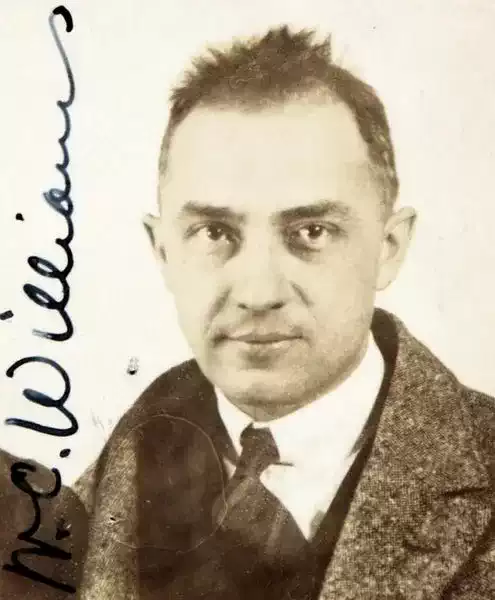
William Carlos Williams
Tract
Tract
I will teach you my townspeople
how to perform a funeral
for you have it over a troop
of artistsunless
one should scour the worldyou
have the ground sense necessary.
See! the hearse leads.
I begin with a design for a hearse.
For Christ's sake not blacknor
white either - and not polished!
Let it be whethered - like a farm wagon -
with gilt wheels (this could be
applied fresh at small expense)
or no wheels at all:
a rough dray to drag over the ground.
Knock the glass out!
My God - glass, my townspeople!
For what purpose? Is it for the dead
to look out or for us to see
the flowers or the lack of them -
or what?
To keep the rain and snow from him?
He will have a heavier rain soon:
pebbles and dirt and what not.
Let there be no glass -
and no upholstery, phew!
and no little brass rollers
and small easy wheels on the bottom -
my townspeople, what are you thinking of?
A rough plain hearse then
with gilt wheels and no top at all.
On this the coffin lies
by its own weight.
No wreathes pleaseespecially
no hot house flowers.
Some common memento is better,
something he prized and is known by:
his old clothes - a few books perhaps -
God knows what! You realize
how we are about these things
my townspeople -
something will be found - anything
even flowers if he had come to that.
So much for the hearse.
For heaven's sake though see to the driver!
Take off the silk hat! In fact
that's no place at all for him -
up there unceremoniously
dragging our friend out to his own dignity!
Bring him down - bring him down!
Low and inconspicuous! I'd not have him ride
on the wagon at all - damn him! -
the undertaker's understrapper!
Let him hold the reins
and walk at the side
and inconspicuously too!
Then briefly as to yourselves:
Walk behind - as they do in France,
seventh class, or if you ride
Hell take curtains! Go with some show
of inconvenience; sit openly -
to the weather as to grief.
Or do you think you can shut grief in?
What - from us? We who have perhaps
nothing to lose? Share with us
share with us - it will be money
in your pockets.
Go now
I think you are ready.
I will teach you my townspeople
how to perform a funeral
for you have it over a troop
of artistsunless
one should scour the worldyou
have the ground sense necessary.
See! the hearse leads.
I begin with a design for a hearse.
For Christ's sake not blacknor
white either - and not polished!
Let it be whethered - like a farm wagon -
with gilt wheels (this could be
applied fresh at small expense)
or no wheels at all:
a rough dray to drag over the ground.
Knock the glass out!
My God - glass, my townspeople!
For what purpose? Is it for the dead
to look out or for us to see
the flowers or the lack of them -
or what?
To keep the rain and snow from him?
He will have a heavier rain soon:
pebbles and dirt and what not.
Let there be no glass -
and no upholstery, phew!
and no little brass rollers
and small easy wheels on the bottom -
my townspeople, what are you thinking of?
A rough plain hearse then
with gilt wheels and no top at all.
On this the coffin lies
by its own weight.
No wreathes pleaseespecially
no hot house flowers.
Some common memento is better,
something he prized and is known by:
his old clothes - a few books perhaps -
God knows what! You realize
how we are about these things
my townspeople -
something will be found - anything
even flowers if he had come to that.
So much for the hearse.
For heaven's sake though see to the driver!
Take off the silk hat! In fact
that's no place at all for him -
up there unceremoniously
dragging our friend out to his own dignity!
Bring him down - bring him down!
Low and inconspicuous! I'd not have him ride
on the wagon at all - damn him! -
the undertaker's understrapper!
Let him hold the reins
and walk at the side
and inconspicuously too!
Then briefly as to yourselves:
Walk behind - as they do in France,
seventh class, or if you ride
Hell take curtains! Go with some show
of inconvenience; sit openly -
to the weather as to grief.
Or do you think you can shut grief in?
What - from us? We who have perhaps
nothing to lose? Share with us
share with us - it will be money
in your pockets.
Go now
I think you are ready.
448
William Carlos Williams
The Poor
The Poor
By constantly tormenting them
with reminders of the lice in
their children's hair, the
School Physician first
brought their hatred down on him.
But by this familiarity
they grew used to him, and so,
at last,
took him for their friend and adviser.
By constantly tormenting them
with reminders of the lice in
their children's hair, the
School Physician first
brought their hatred down on him.
But by this familiarity
they grew used to him, and so,
at last,
took him for their friend and adviser.
448
William Carlos Williams
The Last Words of My English Grandmother
The Last Words of My English Grandmother
There were some dirty plates
and a glass of milk
beside her on a small table
near the rank, disheveled bed--
Wrinkled and nearly blind
she lay and snored
rousing with anger in her tones
to cry for food,
Gimme something to eat--
They're starving me--
I'm all right--I won't go
to the hospital.No, no, no
Give me something to eat!
Let me take you
to the hospital, I said
and after you are well
you can do as you please.
She smiled, Yes
you do what you please first
then I can do what I please--
Oh, oh, oh! she cried
as the ambulance men lifted
her to the stretcher--
Is this what you call
making me comfortable?
By now her mind was clear--
Oh you think you're smart
you young people,
she said, but I'll tell you
you don't know anything.
Then we started.
On the way
we passed a long row
of elms. She looked at them
awhile out of
the ambulance window and said,
What are all those
fuzzy looking things out there?
Trees?Well, I'm tired
of them and rolled her head away.
There were some dirty plates
and a glass of milk
beside her on a small table
near the rank, disheveled bed--
Wrinkled and nearly blind
she lay and snored
rousing with anger in her tones
to cry for food,
Gimme something to eat--
They're starving me--
I'm all right--I won't go
to the hospital.No, no, no
Give me something to eat!
Let me take you
to the hospital, I said
and after you are well
you can do as you please.
She smiled, Yes
you do what you please first
then I can do what I please--
Oh, oh, oh! she cried
as the ambulance men lifted
her to the stretcher--
Is this what you call
making me comfortable?
By now her mind was clear--
Oh you think you're smart
you young people,
she said, but I'll tell you
you don't know anything.
Then we started.
On the way
we passed a long row
of elms. She looked at them
awhile out of
the ambulance window and said,
What are all those
fuzzy looking things out there?
Trees?Well, I'm tired
of them and rolled her head away.
679
William Carlos Williams
Libertad! Igualdad! Fraternidad!
"Libertad! Igualdad! Fraternidad!"
You sullen pig of a man
you force me into the mud
with your stinking ash-cart!
Brother!
--if we were rich
we'd stick our chests out
and hold our heads high!
It is dreams that have destroyed us.
There is no more pride
in horses or in rein holding.
We sit hunched together brooding
our fate.
Well--
all things turn bitter in the end
whether you choose the right or
the left way
and--
dreams are not a bad thing.
You sullen pig of a man
you force me into the mud
with your stinking ash-cart!
Brother!
--if we were rich
we'd stick our chests out
and hold our heads high!
It is dreams that have destroyed us.
There is no more pride
in horses or in rein holding.
We sit hunched together brooding
our fate.
Well--
all things turn bitter in the end
whether you choose the right or
the left way
and--
dreams are not a bad thing.
442
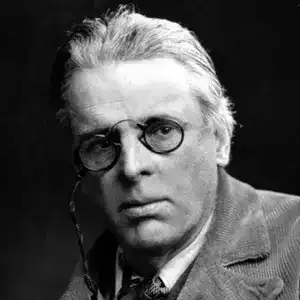
William Butler Yeats
Wisdom
Wisdom
THE true faith discovered was
When painted panel, statuary.
Glass-mosaic, window-glass,
Amended what was told awry
By some peasant gospeller;
Swept the Sawdust from the floor
Of that working-carpenter.
Miracle had its playtime where
In damask clothed and on a seat
Chryselephantine, cedar-boarded,
His majestic Mother sat
Stitching at a purple hoarded
That He might be nobly breeched
In starry towers of Babylon
Noah's freshet never reached.
King Abundance got Him on
Innocence; and Wisdom He.
That cognomen sounded best
Considering what wild infancy
Drove horror from His Mother's breast.
THE true faith discovered was
When painted panel, statuary.
Glass-mosaic, window-glass,
Amended what was told awry
By some peasant gospeller;
Swept the Sawdust from the floor
Of that working-carpenter.
Miracle had its playtime where
In damask clothed and on a seat
Chryselephantine, cedar-boarded,
His majestic Mother sat
Stitching at a purple hoarded
That He might be nobly breeched
In starry towers of Babylon
Noah's freshet never reached.
King Abundance got Him on
Innocence; and Wisdom He.
That cognomen sounded best
Considering what wild infancy
Drove horror from His Mother's breast.
431
William Butler Yeats
Words For Music Perhaps
Words For Music Perhaps
I - CRAZY JANE AND THE BISHOP
BRING me to the blasted oak
That I, midnight upon the stroke,
(All find safety in the tomb.)
May call down curses on his head
Because of my dear Jack that's dead.
Coxcomb was the least he said:
The solid man and the coxcomb.
Nor was he Bishop when his ban
Banished Jack the Journeyman,
(All find safety in the tomb.)
Nor so much as parish priest,
Yet he, an old book in his fist,
Cried that we lived like beast and beast:
The solid man and the coxcomb.
The Bishop has a skin, God knows,
Wrinkled like the foot of a goose,
(All find safety in the tomb.)
Nor can he hide in holy black
The heron's hunch upon his back,
But a birch-tree stood my Jack:
The solid man and the coxcomb.
Jack had my virginity,
And bids me to the oak, for he
(all find safety in the tomb.)
Wanders out into the night
And there is shelter under it,
But should that other come, I spit:
The solid man and the coxcomb.
II - CRAZY JANE REPROVED
I CARE not what the sailors say:
All those dreadful thunder-stones,
All that storm that blots the day
Can but show that Heaven yawns;
Great Europa played the fool
That changed a lover for a bull.
Fol de rol, fol de rol.
To round that shell's elaborate whorl,
Adorning every secret track
With the delicate mother-of-pearl,
Made the joints of Heaven crack:
So never hang your heart upon
A roaring, ranting journeyman.
Fol de rol, fol de rol.
III - CRAZY JANE ON THE DAY OF JUDGMENT
'LOVE is all
Unsatisfied
That cannot take the whole
Body and soul';
And that is what Jane said.
'Take the sour
If you take me
I can scoff and lour
And scold for an hour.'
'That's certainly the case,' said he.
'Naked I lay,
The grass my bed;
Naked and hidden away,
That black day';
And that is what Jane said.
'What can be shown?
What true love be?
All could be known or shown
If Time were but gone.'
'That's certainly the case,' said he.
IV - CRAZY JANE AND JACK THE JOURNEYMAN
I KNOW, although when looks meet
I tremble to the bone,
The more I leave the door unlatched
The sooner love is gone,
For love is but a skein unwound
Between the dark and dawn.
A lonely ghost the ghost is
That to God shall come;
I -- love's skein upon the ground,
My body in the tomb --
Shall leap into the light lost
In my mother's womb.
But were I left to lie alone
In an empty bed,
The skein so bound us ghost to ghost
When he turned his head
passing on the road that night,
Mine must walk when dead.
V - CRAZY JANE ON GOD
THAT lover of a night
Came when he would,
Went in the dawning light
Whether I would or no;
Men come, men go;
All things remain in God.
Banners choke the sky;
Men-at-arms tread;
Armoured horses neigh
In the narrow pass:
All things remain in God.
Before their eyes a house
That from childhood stood
Uninhabited, ruinous,
Suddenly lit up
From door to top:
All things remain in God.
I had wild Jack for a lover;
Though like a road
That men pass over
My body makes no moan
But sings on:
All things remain in God.
VI - CRAZY JANE TALKS WITH THE BISHOP
I MET the Bishop on the road
And much said he and I.
'Those breasts are flat and fallen now,
Those veins must soon be dry;
Live in a heavenly mansion,
Not in some foul sty.'
'Fair and foul are near of kin,
And fair needs foul,' I cried.
'My friends are gone, but that's a truth
Nor grave nor bed denied,
Learned in bodily lowliness
And in the heart's pride.
'A woman can be proud and stiff
When on love intent;
But Love has pitched his mansion in
The place of excrement;
For nothing can be sole or whole
That has not been rent.'
VII - CRAZY JANE GROWN OLD LOOKS AT THE DANCERS
I FOUND that ivory image there
Dancing with her chosen youth,
But when he wound her coal-black hair
As though to strangle her, no scream
Or bodily movement did I dare,
Eyes under eyelids did so gleam;
Love is like the lion's tooth.
When She, and though some said she played
I said that she had danced heart's truth,
Drew a knife to strike him dead,
I could but leave him to his fate;
For no matter what is said
They had all that had their hate;
Love is like the lion's tooth.
Did he die or did she die?
Seemed to die or died they both?
God be with the times when I
Cared not a thraneen for what chanced
So that I had the limbs to try
Such a dance as there was danced --
Love is like the lion's tooth.
VIII - GIRL'S SONG
I WENT out alone
To sing a song or two,
My fancy on a man,
And you know who.
Another came in sight
That on a stick relied
To hold himself upright;
I sat and cried.
And that was all my song --
When everything is told,
Saw I an old man young
Or young man old?
IX - YOUNG MAN'S SONG
'SHE will change,' I cried.
'Into a withered crone.'
The heart in my side,
That so still had lain,
In noble rage replied
And beat upon the bone:
'Uplift those eyes and throw
Those glances unafraid:
She would as bravely show
Did all the fabric fade;
No withered crone I saw
Before the world was made.'
Abashed by that report,
For the heart cannot lie,
I knelt in the dirt.
And all shall bend the knee
To my offended heart
Until it pardon me.
X - HER ANXIETY
EARTH in beauty dressed
Awaits returning spring.
All true love must die,
Alter at the best
Into some lesser thing.
Prove that I lie.
Such body lovers have,
Such exacting breath,
That they touch or sigh.
Every touch they give,
Love is nearer death.
Prove that I lie.
XI - HIS CONFIDENCE
UNDYING love to buy
I wrote upon
The corners of this eye
All wrongs done.
What payment were enough
For undying love?
I broke my heart in two
So hard I struck.
What matter? for I know
That out of rock,
Out of a desolate source,
Love leaps upon its course.
XII - LOVE'S LONELINESS
OLD fathers, great-grandfathers,
Rise as kindred should.
If ever lover's loneliness
Came where you stood,
Pray that Heaven protect us
That protect your blood.
The mountain throws a shadow,
Thin is the moon's horn;
What did we remember
Under the ragged thorn?
Dread has followed longing,
And our hearts are torn.
XIII - HER DREAM
I DREAMED as in my bed I lay,
All night's fathomless wisdom come,
That I had shorn my locks away
And laid them on Love's lettered tomb:
But something bore them out of sight
In a great tumult of the air,
And after nailed upon the night
Berenice's burning hair.
XIV - HIS BARGAIN
WHO talks of Plato's spindle;
What set it whirling round?
Eternity may dwindle,
Time is unwound,
Dan and Jerry Lout
Change their loves about.
However they may take it,
Before the thread began
I made, and may not break it
When the last thread has run,
A bargain with that hair
And all the windings there.
XV - THREE THINGS
'O CRUEL Death, give three things back,'
Sang a bone upon the shore;
'A child found all a child can lack,
Whether of pleasure or of rest,
Upon the abundance of my breast':
A bone wave-whitened and dried in the wind.
'Three dear things that women know,'
Sang a bhone upon the shore;
'A man if I but held him so
When my body was alive
Found all the pleasure that life gave':
A bone wave-whitened and dried in the wind.
'The third thing that I think of yet,'
Sang a bone upon the shore,
'Is that morning when I met
Face to face my rightful man
And did after stretch and yawn':
A bone wave-whitened and dried in the wind.
XVI - LULLABY
BELOVED, may your sleep be sound
That have found it where you fed.
What were all the world's alarms
To mighty paris when he found
Sleep upon a golden bed
That first dawn in Helen's arms?
Sleep, beloved, such a sleep
As did that wild Tristram know
When, the potion's work being done,
Roe could run or doe could leap
Under oak and beechen bough,
Roe could leap or doe could run;
Such a sleep and sound as fell
Upon Eurotas' grassy bank
When the holy bird, that there
Accomplished his predestined will,
From the limbs of Leda sank
But not from her protecting care.
XVII - AFTER LONG SILENCE
SPEECH after long silence; it is right,
All other lovers being estranged or dead,
Unfriendly lamplight hid under its shade,
The curtains drawn upon unfriendly night,
That we descant and yet again descant
Upon the supreme theme of Art and Song:
Bodily decrepitude is wisdom; young
We loved each other and were ignorant.
XVIII - MAD AS THE MIST AND SNOW
BOLT and bar the shutter,
For the foul winds blow:
Our minds are at their best this night,
And I seem to know
That everything outside us is
Mad as the mist and snow.
Horace there by Homer stands,
Plato stands below,
And here is Tully's open page.
How many years ago
Were you and I unlettered lads
Mad as the mist and snow?
You ask what makes me sigh, old friend,
What makes me shudder so?
I shudder and I sigh to think
That even Cicero
And many-minded Homer were
Mad as the mist and snow.
XIX - THOSE DANCING DAYS ARE GONE
COME, let me sing into your ear;
Those dancing days are gone,
All that silk and satin gear;
Crouch upon a stone,
Wrapping that foul body up
In as foul a rag:
I carry the sun in a golden cup.
The moon in a silver bag.
Curse as you may I sing it through;
What matter if the knave
That the most could pleasure you,
The children that he gave,
Are somewhere sleeping like a top
Under a marble flag?
I carry the sun in a golden cup.
The moon in a silver bag.
I thought it out this very day.
Noon upon the clock,
A man may put pretence away
Who leans upon a stick,
May sing, and sing until he drop,
Whether to maid or hag:
I carry the sun in a golden cup,
The moon in a silver bag.
XX - 'I AM OF IRELAND'
AM of Ireland,
And the Holy Land of Ireland,
And time runs on,' cried she.
'Come out of charity,
Come dance with me in Ireland.'
One man, one man alone
In that outlandish gear,
One solitary man
Of all that rambled there
Had turned his stately head.
That is a long way off,
And time runs on,' he said,
'And the night grows rough.'
I am of Ireland,
And the Holy Land of Ireland,
And time runs on,' cried she.
'Come out of charity
And dance with me in Ireland.'
The fiddlers are all thumbs,
Or the fiddle-string accursed,
The drums and the kettledrums
And the trumpets all are burst,
And the trombone,' cried he,
'The trumpet and trombone,'
And cocked a malicious eye,
'But time runs on, runs on.'
I am of Ireland,
And the Holy Land of Ireland,
And time runs on,' cried she.
'Come out of charity
And dance with me in Ireland.'
XXI - THE DANCER AT CRUACHAN AND CRO-PATRICK
I, PROCLAIMING that there is
Among birds or beasts or men
One that is perfect or at peace.
Danced on Cruachan's windy plain,
Upon Cro-patrick sang aloud;
All that could run or leap or swim
Whether in wood, water or cloud,
Acclaiming, proclaiming, declaiming Him.
XXII - TOM THE LUNATIC
SANG old Tom the lunatic
That sleeps under the canopy:
'What change has put my thoughts astray
And eyes that had s-o keen a sight?
What has turned to smoking wick
Nature's pure unchanging light?
'Huddon and Duddon and Daniel O'Leary.
Holy Joe, the beggar-man,
Wenching, drinking, still remain
Or sing a penance on the road;
Something made these eyeballs weary
That blinked and saw them in a shroud.
'Whatever stands in field or flood,
Bird, beast, fish or man,
Mare or stallion, cock or hen,
Stands in God's unchanging eye
In all the vigour of its blood;
In that faith I live or die.'
XXIII - TOM AT CRUACHAN
ON Cruachan's plain slept he
That must sing in a rhyme
What most could shake his soul:
'The stallion Eternit
Mounted the mare of Time,
'Gat the foal of the world.'
XXIV - OLD TOM AGAIN
THINGS out of perfection sail,
And all their swelling canvas wear,
Nor shall the self-begotten fail
Though fantastic men suppose
Building-yard and stormy shore,
Winding-sheet and swaddling -- clothes.
XXV - THE DELPHIC ORACLE UPON PLOTINUS
BEHOLD that great Plotinus swim,
Buffeted by such seas;
Bland Rhadamanthus beckons him,
But the Golden Race looks dim,
Salt blood blocks his eyes.
Scattered on the level grass
Or winding through the grove
plato there and Minos pass,
There stately Pythagoras
And all the choir of Love.
I - CRAZY JANE AND THE BISHOP
BRING me to the blasted oak
That I, midnight upon the stroke,
(All find safety in the tomb.)
May call down curses on his head
Because of my dear Jack that's dead.
Coxcomb was the least he said:
The solid man and the coxcomb.
Nor was he Bishop when his ban
Banished Jack the Journeyman,
(All find safety in the tomb.)
Nor so much as parish priest,
Yet he, an old book in his fist,
Cried that we lived like beast and beast:
The solid man and the coxcomb.
The Bishop has a skin, God knows,
Wrinkled like the foot of a goose,
(All find safety in the tomb.)
Nor can he hide in holy black
The heron's hunch upon his back,
But a birch-tree stood my Jack:
The solid man and the coxcomb.
Jack had my virginity,
And bids me to the oak, for he
(all find safety in the tomb.)
Wanders out into the night
And there is shelter under it,
But should that other come, I spit:
The solid man and the coxcomb.
II - CRAZY JANE REPROVED
I CARE not what the sailors say:
All those dreadful thunder-stones,
All that storm that blots the day
Can but show that Heaven yawns;
Great Europa played the fool
That changed a lover for a bull.
Fol de rol, fol de rol.
To round that shell's elaborate whorl,
Adorning every secret track
With the delicate mother-of-pearl,
Made the joints of Heaven crack:
So never hang your heart upon
A roaring, ranting journeyman.
Fol de rol, fol de rol.
III - CRAZY JANE ON THE DAY OF JUDGMENT
'LOVE is all
Unsatisfied
That cannot take the whole
Body and soul';
And that is what Jane said.
'Take the sour
If you take me
I can scoff and lour
And scold for an hour.'
'That's certainly the case,' said he.
'Naked I lay,
The grass my bed;
Naked and hidden away,
That black day';
And that is what Jane said.
'What can be shown?
What true love be?
All could be known or shown
If Time were but gone.'
'That's certainly the case,' said he.
IV - CRAZY JANE AND JACK THE JOURNEYMAN
I KNOW, although when looks meet
I tremble to the bone,
The more I leave the door unlatched
The sooner love is gone,
For love is but a skein unwound
Between the dark and dawn.
A lonely ghost the ghost is
That to God shall come;
I -- love's skein upon the ground,
My body in the tomb --
Shall leap into the light lost
In my mother's womb.
But were I left to lie alone
In an empty bed,
The skein so bound us ghost to ghost
When he turned his head
passing on the road that night,
Mine must walk when dead.
V - CRAZY JANE ON GOD
THAT lover of a night
Came when he would,
Went in the dawning light
Whether I would or no;
Men come, men go;
All things remain in God.
Banners choke the sky;
Men-at-arms tread;
Armoured horses neigh
In the narrow pass:
All things remain in God.
Before their eyes a house
That from childhood stood
Uninhabited, ruinous,
Suddenly lit up
From door to top:
All things remain in God.
I had wild Jack for a lover;
Though like a road
That men pass over
My body makes no moan
But sings on:
All things remain in God.
VI - CRAZY JANE TALKS WITH THE BISHOP
I MET the Bishop on the road
And much said he and I.
'Those breasts are flat and fallen now,
Those veins must soon be dry;
Live in a heavenly mansion,
Not in some foul sty.'
'Fair and foul are near of kin,
And fair needs foul,' I cried.
'My friends are gone, but that's a truth
Nor grave nor bed denied,
Learned in bodily lowliness
And in the heart's pride.
'A woman can be proud and stiff
When on love intent;
But Love has pitched his mansion in
The place of excrement;
For nothing can be sole or whole
That has not been rent.'
VII - CRAZY JANE GROWN OLD LOOKS AT THE DANCERS
I FOUND that ivory image there
Dancing with her chosen youth,
But when he wound her coal-black hair
As though to strangle her, no scream
Or bodily movement did I dare,
Eyes under eyelids did so gleam;
Love is like the lion's tooth.
When She, and though some said she played
I said that she had danced heart's truth,
Drew a knife to strike him dead,
I could but leave him to his fate;
For no matter what is said
They had all that had their hate;
Love is like the lion's tooth.
Did he die or did she die?
Seemed to die or died they both?
God be with the times when I
Cared not a thraneen for what chanced
So that I had the limbs to try
Such a dance as there was danced --
Love is like the lion's tooth.
VIII - GIRL'S SONG
I WENT out alone
To sing a song or two,
My fancy on a man,
And you know who.
Another came in sight
That on a stick relied
To hold himself upright;
I sat and cried.
And that was all my song --
When everything is told,
Saw I an old man young
Or young man old?
IX - YOUNG MAN'S SONG
'SHE will change,' I cried.
'Into a withered crone.'
The heart in my side,
That so still had lain,
In noble rage replied
And beat upon the bone:
'Uplift those eyes and throw
Those glances unafraid:
She would as bravely show
Did all the fabric fade;
No withered crone I saw
Before the world was made.'
Abashed by that report,
For the heart cannot lie,
I knelt in the dirt.
And all shall bend the knee
To my offended heart
Until it pardon me.
X - HER ANXIETY
EARTH in beauty dressed
Awaits returning spring.
All true love must die,
Alter at the best
Into some lesser thing.
Prove that I lie.
Such body lovers have,
Such exacting breath,
That they touch or sigh.
Every touch they give,
Love is nearer death.
Prove that I lie.
XI - HIS CONFIDENCE
UNDYING love to buy
I wrote upon
The corners of this eye
All wrongs done.
What payment were enough
For undying love?
I broke my heart in two
So hard I struck.
What matter? for I know
That out of rock,
Out of a desolate source,
Love leaps upon its course.
XII - LOVE'S LONELINESS
OLD fathers, great-grandfathers,
Rise as kindred should.
If ever lover's loneliness
Came where you stood,
Pray that Heaven protect us
That protect your blood.
The mountain throws a shadow,
Thin is the moon's horn;
What did we remember
Under the ragged thorn?
Dread has followed longing,
And our hearts are torn.
XIII - HER DREAM
I DREAMED as in my bed I lay,
All night's fathomless wisdom come,
That I had shorn my locks away
And laid them on Love's lettered tomb:
But something bore them out of sight
In a great tumult of the air,
And after nailed upon the night
Berenice's burning hair.
XIV - HIS BARGAIN
WHO talks of Plato's spindle;
What set it whirling round?
Eternity may dwindle,
Time is unwound,
Dan and Jerry Lout
Change their loves about.
However they may take it,
Before the thread began
I made, and may not break it
When the last thread has run,
A bargain with that hair
And all the windings there.
XV - THREE THINGS
'O CRUEL Death, give three things back,'
Sang a bone upon the shore;
'A child found all a child can lack,
Whether of pleasure or of rest,
Upon the abundance of my breast':
A bone wave-whitened and dried in the wind.
'Three dear things that women know,'
Sang a bhone upon the shore;
'A man if I but held him so
When my body was alive
Found all the pleasure that life gave':
A bone wave-whitened and dried in the wind.
'The third thing that I think of yet,'
Sang a bone upon the shore,
'Is that morning when I met
Face to face my rightful man
And did after stretch and yawn':
A bone wave-whitened and dried in the wind.
XVI - LULLABY
BELOVED, may your sleep be sound
That have found it where you fed.
What were all the world's alarms
To mighty paris when he found
Sleep upon a golden bed
That first dawn in Helen's arms?
Sleep, beloved, such a sleep
As did that wild Tristram know
When, the potion's work being done,
Roe could run or doe could leap
Under oak and beechen bough,
Roe could leap or doe could run;
Such a sleep and sound as fell
Upon Eurotas' grassy bank
When the holy bird, that there
Accomplished his predestined will,
From the limbs of Leda sank
But not from her protecting care.
XVII - AFTER LONG SILENCE
SPEECH after long silence; it is right,
All other lovers being estranged or dead,
Unfriendly lamplight hid under its shade,
The curtains drawn upon unfriendly night,
That we descant and yet again descant
Upon the supreme theme of Art and Song:
Bodily decrepitude is wisdom; young
We loved each other and were ignorant.
XVIII - MAD AS THE MIST AND SNOW
BOLT and bar the shutter,
For the foul winds blow:
Our minds are at their best this night,
And I seem to know
That everything outside us is
Mad as the mist and snow.
Horace there by Homer stands,
Plato stands below,
And here is Tully's open page.
How many years ago
Were you and I unlettered lads
Mad as the mist and snow?
You ask what makes me sigh, old friend,
What makes me shudder so?
I shudder and I sigh to think
That even Cicero
And many-minded Homer were
Mad as the mist and snow.
XIX - THOSE DANCING DAYS ARE GONE
COME, let me sing into your ear;
Those dancing days are gone,
All that silk and satin gear;
Crouch upon a stone,
Wrapping that foul body up
In as foul a rag:
I carry the sun in a golden cup.
The moon in a silver bag.
Curse as you may I sing it through;
What matter if the knave
That the most could pleasure you,
The children that he gave,
Are somewhere sleeping like a top
Under a marble flag?
I carry the sun in a golden cup.
The moon in a silver bag.
I thought it out this very day.
Noon upon the clock,
A man may put pretence away
Who leans upon a stick,
May sing, and sing until he drop,
Whether to maid or hag:
I carry the sun in a golden cup,
The moon in a silver bag.
XX - 'I AM OF IRELAND'
AM of Ireland,
And the Holy Land of Ireland,
And time runs on,' cried she.
'Come out of charity,
Come dance with me in Ireland.'
One man, one man alone
In that outlandish gear,
One solitary man
Of all that rambled there
Had turned his stately head.
That is a long way off,
And time runs on,' he said,
'And the night grows rough.'
I am of Ireland,
And the Holy Land of Ireland,
And time runs on,' cried she.
'Come out of charity
And dance with me in Ireland.'
The fiddlers are all thumbs,
Or the fiddle-string accursed,
The drums and the kettledrums
And the trumpets all are burst,
And the trombone,' cried he,
'The trumpet and trombone,'
And cocked a malicious eye,
'But time runs on, runs on.'
I am of Ireland,
And the Holy Land of Ireland,
And time runs on,' cried she.
'Come out of charity
And dance with me in Ireland.'
XXI - THE DANCER AT CRUACHAN AND CRO-PATRICK
I, PROCLAIMING that there is
Among birds or beasts or men
One that is perfect or at peace.
Danced on Cruachan's windy plain,
Upon Cro-patrick sang aloud;
All that could run or leap or swim
Whether in wood, water or cloud,
Acclaiming, proclaiming, declaiming Him.
XXII - TOM THE LUNATIC
SANG old Tom the lunatic
That sleeps under the canopy:
'What change has put my thoughts astray
And eyes that had s-o keen a sight?
What has turned to smoking wick
Nature's pure unchanging light?
'Huddon and Duddon and Daniel O'Leary.
Holy Joe, the beggar-man,
Wenching, drinking, still remain
Or sing a penance on the road;
Something made these eyeballs weary
That blinked and saw them in a shroud.
'Whatever stands in field or flood,
Bird, beast, fish or man,
Mare or stallion, cock or hen,
Stands in God's unchanging eye
In all the vigour of its blood;
In that faith I live or die.'
XXIII - TOM AT CRUACHAN
ON Cruachan's plain slept he
That must sing in a rhyme
What most could shake his soul:
'The stallion Eternit
Mounted the mare of Time,
'Gat the foal of the world.'
XXIV - OLD TOM AGAIN
THINGS out of perfection sail,
And all their swelling canvas wear,
Nor shall the self-begotten fail
Though fantastic men suppose
Building-yard and stormy shore,
Winding-sheet and swaddling -- clothes.
XXV - THE DELPHIC ORACLE UPON PLOTINUS
BEHOLD that great Plotinus swim,
Buffeted by such seas;
Bland Rhadamanthus beckons him,
But the Golden Race looks dim,
Salt blood blocks his eyes.
Scattered on the level grass
Or winding through the grove
plato there and Minos pass,
There stately Pythagoras
And all the choir of Love.
331
William Butler Yeats
Veronica's Napkin
Veronica's Napkin
THE Heavenly Circuit; Berenice's Hair;
Tent-pole of Eden; the tent's drapery;
Symbolical glory of thc earth and air!
The Father and His angelic hierarchy
That made the magnitude and glory there
Stood in the circuit of a needle's eye.
Some found a different pole, and where it stood
A pattern on a napkin dipped in blood.
THE Heavenly Circuit; Berenice's Hair;
Tent-pole of Eden; the tent's drapery;
Symbolical glory of thc earth and air!
The Father and His angelic hierarchy
That made the magnitude and glory there
Stood in the circuit of a needle's eye.
Some found a different pole, and where it stood
A pattern on a napkin dipped in blood.
313
William Butler Yeats
What Was Lost
What Was Lost
I SING what was lost and dread what was won,
I walk in a battle fought over again,
My king a lost king, and lost soldiers my men;
Feet to the Rising and Setting may run,
They always beat on the same small stone.
I SING what was lost and dread what was won,
I walk in a battle fought over again,
My king a lost king, and lost soldiers my men;
Feet to the Rising and Setting may run,
They always beat on the same small stone.
310