

Poems in this theme
Ethics and Morality
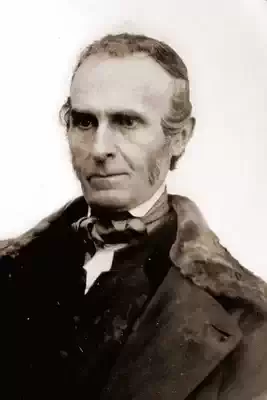
John Greenleaf Whittier
The King's Missive
The King's Missive
UNDER the great hill sloping bare
To cove and meadow and Common lot,
In his council chamber and oaken chair,
Sat the worshipful Governor Endicott.
A grave, strong man, who knew no peer
In the pilgrim land, where he ruled in fear
Of God, not man, and for good or ill
Held his trust with an iron will.
He had shorn with his sword the cross from out
The flag, and cloven the May-pole down,
Harried the heathen round about,
And whipped the Quakers from town to town.
Earnest and honest, a man at need
To burn like a torch for his own harsh creed,
He kept with the flaming brand of his zeal
The gate of the holy common weal.
His brow was clouded, his eye was stern,
With a look of mingled sorrow and wrath;
'Woe's me!' he murmured: 'at every turn
The pestilent Quakers are in my path!
Some we have scourged, and banished some,
Some hanged, more doomed, and still they come,
Fast as the tide of yon bay sets in,
Sowing their heresy's seed of sin.
'Did we count on this? Did we leave behind
The graves of our kin, the comfort and ease
Of our English hearths and homes, to find
Troublers of Israel such as these?
Shall I spare? Shall I pity them? God forbid!
I will do as the prophet to Agag did
They come to poison the wells of the Word,
I will hew them in pieces before the Lord!'
The door swung open, and Rawson the clerk
Entered, and whispered under breath,
'There waits below for the hangman's work
A fellow banished on pain of death-Shattuck,
of Salem, unhealed of the whip,
Brought over in Master Goldsmith's ship
At anchor here in a Christian port,
With freight of the devil and all his sort!'
Twice and thrice on the chamber floor
Striding fiercely from wall to wall,
'The Lord do so to me and more,'
The Governor cried, 'if I hang not all!
Bring hither the Quaker.' Calm, sedate,
With the look of a man at ease with fate,
Into that presence grim and dread
Came Samuel Shattuck, with hat on head.
'Off with the knave's hat!' An angry hand
Smote down the offence; but the wearer said,
With a quiet smile, 'By the king's command
I bear his message and stand in his stead.'
In the Governor's hand a missive he laid
With the royal arms on its seal displayed,
And the proud man spake as he gazed thereat,
Uncovering, 'Give Mr. Shattuck his hat.'
He turned to the Quaker, bowing low,-'
The king commandeth your friends' release;
Doubt not he shall be obeyed, although
To his subjects' sorrow and sin's increase.
What he here enjoineth, John Endicott,
His loyal servant, questioneth not.
You are free! God grant the spirit you own
May take you from us to parts unknown.'
So the door of the jail was open cast,
And, like Daniel, out of the lion's den
Tender youth and girlhood passed,
With age-bowed women and gray-locked men.
And the voice of one appointed to die
Was lifted in praise and thanks on high,
And the little maid from New Netherlands
Kissed, in her joy, the doomed man's hands.
And one, whose call was to minister
To the souls in prison, beside him went,
An ancient woman, bearing with her
The linen shroud for his burial meant.
For she, not counting her own life dear,
In the strength of a love that cast out fear,
Had watched and served where her brethren died,
Like those who waited the cross beside.
One moment they paused on their way to look
On the martyr graves by the Common side,
And much scourged Wharton of Salem took
His burden of prophecy up and cried
'Rest, souls of the valiant! Not in vain
Have ye borne the Master's cross of pain;
Ye have fought the fight, ye are victors crowned,
With a fourfold chain ye have Satan bound!'
The autumn haze lay soft and still
On wood and meadow and upland farms;
On the brow of Snow Hill the great windmill
Slowly and lazily swung its arms;
Broad in the sunshine stretched away,
With its capes and islands, the turquoise bay;
And over water and dusk of pines
Blue hills lifted their faint outlines.
The topaz leaves of the walnut glowed,
The sumach added its crimson fleck,
And double in air and water showed
The tinted maples along the Neck;
Through frost flower clusters of pale star-mist,
And gentian fringes of amethyst,
And royal plumes of golden-rod,
The grazing cattle on Centry trod.
But as they who see not, the Quakers saw
The world about them; they only thought
With deep thanksgiving and pious awe
On the great deliverance God had wrought.
Through lane and alley the gazing town
Noisily followed them up and down;
Some with scoffing and brutal jeer,
Some with pity and words of cheer.
One brave voice rose above the din.
Upsall, gray with his length of days,
Cried from the door of his Red Lion Inn
'Men of Boston, give God the praise
No more shall innocent blood call down
The bolts of wrath on your guilty town.
The freedom of worship, dear to you,
Is dear to all, and to all is due.
'I see the vision of days to come,
When your beautiful City of the Bay
Shall be Christian liberty's chosen home,
And none shall his neighbor's rights gainsay.
The varying notes of worship shall blend
And as one great prayer to God ascend,
And hands of mutual charity raise
Walls of salvation and gates of praise.'
So passed the Quakers through Boston town,
Whose painful ministers sighed to see
The walls of their sheep-fold falling down,
And wolves of heresy prowling free.
But the years went on, and brought no wrong;
With milder counsels the State grew strong,
As outward Letter and inward Light
Kept the balance of truth aright.
The Puritan spirit perishing not,
To Concord's yeomen the signal sent,
And spake in the voice of the cannon-shot
That severed the chains of a continent.
With its gentler mission of peace and good-will
The thought of the Quaker is living still,
And the freedom of soul he prophesied
Is gospel and law where the martyrs died.
UNDER the great hill sloping bare
To cove and meadow and Common lot,
In his council chamber and oaken chair,
Sat the worshipful Governor Endicott.
A grave, strong man, who knew no peer
In the pilgrim land, where he ruled in fear
Of God, not man, and for good or ill
Held his trust with an iron will.
He had shorn with his sword the cross from out
The flag, and cloven the May-pole down,
Harried the heathen round about,
And whipped the Quakers from town to town.
Earnest and honest, a man at need
To burn like a torch for his own harsh creed,
He kept with the flaming brand of his zeal
The gate of the holy common weal.
His brow was clouded, his eye was stern,
With a look of mingled sorrow and wrath;
'Woe's me!' he murmured: 'at every turn
The pestilent Quakers are in my path!
Some we have scourged, and banished some,
Some hanged, more doomed, and still they come,
Fast as the tide of yon bay sets in,
Sowing their heresy's seed of sin.
'Did we count on this? Did we leave behind
The graves of our kin, the comfort and ease
Of our English hearths and homes, to find
Troublers of Israel such as these?
Shall I spare? Shall I pity them? God forbid!
I will do as the prophet to Agag did
They come to poison the wells of the Word,
I will hew them in pieces before the Lord!'
The door swung open, and Rawson the clerk
Entered, and whispered under breath,
'There waits below for the hangman's work
A fellow banished on pain of death-Shattuck,
of Salem, unhealed of the whip,
Brought over in Master Goldsmith's ship
At anchor here in a Christian port,
With freight of the devil and all his sort!'
Twice and thrice on the chamber floor
Striding fiercely from wall to wall,
'The Lord do so to me and more,'
The Governor cried, 'if I hang not all!
Bring hither the Quaker.' Calm, sedate,
With the look of a man at ease with fate,
Into that presence grim and dread
Came Samuel Shattuck, with hat on head.
'Off with the knave's hat!' An angry hand
Smote down the offence; but the wearer said,
With a quiet smile, 'By the king's command
I bear his message and stand in his stead.'
In the Governor's hand a missive he laid
With the royal arms on its seal displayed,
And the proud man spake as he gazed thereat,
Uncovering, 'Give Mr. Shattuck his hat.'
He turned to the Quaker, bowing low,-'
The king commandeth your friends' release;
Doubt not he shall be obeyed, although
To his subjects' sorrow and sin's increase.
What he here enjoineth, John Endicott,
His loyal servant, questioneth not.
You are free! God grant the spirit you own
May take you from us to parts unknown.'
So the door of the jail was open cast,
And, like Daniel, out of the lion's den
Tender youth and girlhood passed,
With age-bowed women and gray-locked men.
And the voice of one appointed to die
Was lifted in praise and thanks on high,
And the little maid from New Netherlands
Kissed, in her joy, the doomed man's hands.
And one, whose call was to minister
To the souls in prison, beside him went,
An ancient woman, bearing with her
The linen shroud for his burial meant.
For she, not counting her own life dear,
In the strength of a love that cast out fear,
Had watched and served where her brethren died,
Like those who waited the cross beside.
One moment they paused on their way to look
On the martyr graves by the Common side,
And much scourged Wharton of Salem took
His burden of prophecy up and cried
'Rest, souls of the valiant! Not in vain
Have ye borne the Master's cross of pain;
Ye have fought the fight, ye are victors crowned,
With a fourfold chain ye have Satan bound!'
The autumn haze lay soft and still
On wood and meadow and upland farms;
On the brow of Snow Hill the great windmill
Slowly and lazily swung its arms;
Broad in the sunshine stretched away,
With its capes and islands, the turquoise bay;
And over water and dusk of pines
Blue hills lifted their faint outlines.
The topaz leaves of the walnut glowed,
The sumach added its crimson fleck,
And double in air and water showed
The tinted maples along the Neck;
Through frost flower clusters of pale star-mist,
And gentian fringes of amethyst,
And royal plumes of golden-rod,
The grazing cattle on Centry trod.
But as they who see not, the Quakers saw
The world about them; they only thought
With deep thanksgiving and pious awe
On the great deliverance God had wrought.
Through lane and alley the gazing town
Noisily followed them up and down;
Some with scoffing and brutal jeer,
Some with pity and words of cheer.
One brave voice rose above the din.
Upsall, gray with his length of days,
Cried from the door of his Red Lion Inn
'Men of Boston, give God the praise
No more shall innocent blood call down
The bolts of wrath on your guilty town.
The freedom of worship, dear to you,
Is dear to all, and to all is due.
'I see the vision of days to come,
When your beautiful City of the Bay
Shall be Christian liberty's chosen home,
And none shall his neighbor's rights gainsay.
The varying notes of worship shall blend
And as one great prayer to God ascend,
And hands of mutual charity raise
Walls of salvation and gates of praise.'
So passed the Quakers through Boston town,
Whose painful ministers sighed to see
The walls of their sheep-fold falling down,
And wolves of heresy prowling free.
But the years went on, and brought no wrong;
With milder counsels the State grew strong,
As outward Letter and inward Light
Kept the balance of truth aright.
The Puritan spirit perishing not,
To Concord's yeomen the signal sent,
And spake in the voice of the cannon-shot
That severed the chains of a continent.
With its gentler mission of peace and good-will
The thought of the Quaker is living still,
And the freedom of soul he prophesied
Is gospel and law where the martyrs died.
266
John Greenleaf Whittier
The Inward Judge
The Inward Judge
From Institutes of Manu.
The soul itself its awful witness is.
Say not in evil doing, 'No one sees,'
And so offend the conscious One within,
Whose ear can hear the silences of sin.
Ere they find voice, whose eyes unsleeping see
The secret motions of iniquity.
Nor in thy folly say, 'I am alone.'
For, seated in thy heart, as on a throne,
The ancient Judge and Witness liveth still,
To note thy act and thought; and as thy ill
Or good goes from thee, far beyond thy reach,
The solemn Doomsman's seal is set on each.
From Institutes of Manu.
The soul itself its awful witness is.
Say not in evil doing, 'No one sees,'
And so offend the conscious One within,
Whose ear can hear the silences of sin.
Ere they find voice, whose eyes unsleeping see
The secret motions of iniquity.
Nor in thy folly say, 'I am alone.'
For, seated in thy heart, as on a throne,
The ancient Judge and Witness liveth still,
To note thy act and thought; and as thy ill
Or good goes from thee, far beyond thy reach,
The solemn Doomsman's seal is set on each.
389
John Greenleaf Whittier
The Homestead
The Homestead
AGAINST the wooded hills it stands,
Ghost of a dead home, staring through
Its broken lights on wasted lands
Where old-time harvests grew.
Unploughed, unsown, by scythe unshorn,
The poor, forsaken farm-fields lie,
Once rich and rife with golden corn
And pale green breadths of rye.
Of healthful herb and flower bereft,
The garden plot no housewife keeps;
Through weeds and tangle only left,
The snake, its tenant, creeps.
A lilac spray, still blossom-clad,
Sways slow before the empty rooms;
Beside the roofless porch a sad
Pathetic red rose blooms.
His track, in mould and dust of drouth,
On floor and hearth the squirrel leaves,
And in the fireless chimney's mouth
His web the spider weaves.
The leaning barn, about to fall,
Resounds no more on husking eves;
No cattle low in yard or stall,
No thresher beats his sheaves.
So sad, so drear! It seems almost
Some haunting Presence makes its sign;
That down yon shadowy lane some ghost
Might drive his spectral kine!
O home so desolate and lorn!
Did all thy memories die with thee?
Were any wed, were any born,
Beneath this low roof-tree?
Whose axe the wall of forest broke,
And let the waiting sunshine through?
What goodwife sent the earliest smoke
Up the great chimney flue?
Did rustic lovers hither come?
Did maidens, swaying back and forth
In rhythmic grace, at wheel and loom,
Make light their toil with mirth?
Did child feet patter on the stair?
Did boyhood frolic in the snow?
Did gray age, in her elbow chair,
Knit, rocking to and fro?
The murmuring brook, the sighing breeze,
The pine's slow whisper, cannot tell;
Low mounds beneath the hemlock-trees
Keep the home secrets well.
Cease, mother-land, to fondly boast
Of sons far off who strive and thrive,
Forgetful that each swarming host
Must leave an emptier hive.
O wanderers from ancestral soil,
Leave noisome mill and chaffering store:
Gird up your loins for sturdier toil,
And build the home once more!
Come back to bayberry-scented slopes,
And fragrant fern, and ground-nut vine;
Breathe airs blown over holt and copse
Sweet with black birch and pine.
What matter if the gains are small
That life's essential wants supply?
Your homestead's title gives you all
That idle wealth can buy.
All that the many-dollared crave,
The brick-walled slaves of 'Change and mart,
Lawns, trees, fresh air, and flowers, you have,
More dear for lack of art.
Your own sole masters, freedom-willed,
With none to bid you go or stay,
Till the old fields your fathers tilled,
As manly men as they!
With skill that spares your toiling hands,
And chemic aid that science brings,
Reclaim the waste and outworn lands,
And reign thereon as kings
AGAINST the wooded hills it stands,
Ghost of a dead home, staring through
Its broken lights on wasted lands
Where old-time harvests grew.
Unploughed, unsown, by scythe unshorn,
The poor, forsaken farm-fields lie,
Once rich and rife with golden corn
And pale green breadths of rye.
Of healthful herb and flower bereft,
The garden plot no housewife keeps;
Through weeds and tangle only left,
The snake, its tenant, creeps.
A lilac spray, still blossom-clad,
Sways slow before the empty rooms;
Beside the roofless porch a sad
Pathetic red rose blooms.
His track, in mould and dust of drouth,
On floor and hearth the squirrel leaves,
And in the fireless chimney's mouth
His web the spider weaves.
The leaning barn, about to fall,
Resounds no more on husking eves;
No cattle low in yard or stall,
No thresher beats his sheaves.
So sad, so drear! It seems almost
Some haunting Presence makes its sign;
That down yon shadowy lane some ghost
Might drive his spectral kine!
O home so desolate and lorn!
Did all thy memories die with thee?
Were any wed, were any born,
Beneath this low roof-tree?
Whose axe the wall of forest broke,
And let the waiting sunshine through?
What goodwife sent the earliest smoke
Up the great chimney flue?
Did rustic lovers hither come?
Did maidens, swaying back and forth
In rhythmic grace, at wheel and loom,
Make light their toil with mirth?
Did child feet patter on the stair?
Did boyhood frolic in the snow?
Did gray age, in her elbow chair,
Knit, rocking to and fro?
The murmuring brook, the sighing breeze,
The pine's slow whisper, cannot tell;
Low mounds beneath the hemlock-trees
Keep the home secrets well.
Cease, mother-land, to fondly boast
Of sons far off who strive and thrive,
Forgetful that each swarming host
Must leave an emptier hive.
O wanderers from ancestral soil,
Leave noisome mill and chaffering store:
Gird up your loins for sturdier toil,
And build the home once more!
Come back to bayberry-scented slopes,
And fragrant fern, and ground-nut vine;
Breathe airs blown over holt and copse
Sweet with black birch and pine.
What matter if the gains are small
That life's essential wants supply?
Your homestead's title gives you all
That idle wealth can buy.
All that the many-dollared crave,
The brick-walled slaves of 'Change and mart,
Lawns, trees, fresh air, and flowers, you have,
More dear for lack of art.
Your own sole masters, freedom-willed,
With none to bid you go or stay,
Till the old fields your fathers tilled,
As manly men as they!
With skill that spares your toiling hands,
And chemic aid that science brings,
Reclaim the waste and outworn lands,
And reign thereon as kings
221
John Greenleaf Whittier
The Golden Wedding Of Longwood
The Golden Wedding Of Longwood
With fifty years between you and your well-kept wedding vow,
The Golden Age, old friends of mine, is not a fable now.
And, sweet as has life's vintage been through all your pleasant past,
Still, as at Cana's marriage-feast, the best wine is the last!
Again before me, with your names, fair Chester's landscape comes,
Its meadows, woods, and ample barns, and quaint, stone-builded homes.
The smooth-shorn vales, the wheaten slopes, the boscage green and soft,
Of which their poet sings so well from towered Cedarcroft.
And lo! from all the country-side come neighbors, kith and kin;
From city, hamlet, farm-house old, the wedding guests come in.
And they who, without scrip or purse, mob-hunted, travel-worn,
In Freedom's age of martyrs came, as victors now return.
Older and slower, yet the same, files in the long array,
And hearts are light and eyes are glad, though heads are badger-gray.
The fire-tried men of Thirty-eight who saw with me the fall,
Midst roaring flames and shouting mob, of Pennsylvania Hall;
And they of Lancaster who turned the cheeks of tyrants pale,
Singing of freedom through the grates of Moyamensing jail!
And haply with them, all unseen, old comrades, gone before,
Pass, silently as shadows pass, within your open door,-
The eagle face of Lindley Coates, brave Garrett's daring zeal,
Christian grace of Pennock, the steadfast heart of Neal.
Ah me! beyond all power to name, the worthies tried and true,
Grave men, fair women, youth and maid, pass by in hushed review.
Of varying faiths, a common cause fused all their hearts in one.
God give them now, whate'er their names, the peace of duty done!
How gladly would I tread again the old-remembered places,
Sit down beside your hearth once more and look in the dear old faces!
And thank you for the lessons your fifty years are teaching,
For honest lives that louder speak than half our noisy preaching;
For your steady faith and courage in that dark and evil time,
When the Golden Rule was treason, and to feed the hungry, crime;
For the poor slave's house of refuge when the hounds were on his track,
And saint and sinner, church and state, joined hands to send him back.
Blessings upon you!--What you did for each sad, suffering one,
So homeless, faint, and naked, unto our Lord was done!
Fair fall on Kennett's pleasant vales and Longwood's bowery ways
The mellow sunset of your lives, friends of my early days.
May many more of quiet years be added to your sum,
And, late at last, in tenderest love, the beckoning angel come.
Dear hearts are here, dear hearts are there, alike below, above;
Our friends are now in either world, and love is sure of love.
With fifty years between you and your well-kept wedding vow,
The Golden Age, old friends of mine, is not a fable now.
And, sweet as has life's vintage been through all your pleasant past,
Still, as at Cana's marriage-feast, the best wine is the last!
Again before me, with your names, fair Chester's landscape comes,
Its meadows, woods, and ample barns, and quaint, stone-builded homes.
The smooth-shorn vales, the wheaten slopes, the boscage green and soft,
Of which their poet sings so well from towered Cedarcroft.
And lo! from all the country-side come neighbors, kith and kin;
From city, hamlet, farm-house old, the wedding guests come in.
And they who, without scrip or purse, mob-hunted, travel-worn,
In Freedom's age of martyrs came, as victors now return.
Older and slower, yet the same, files in the long array,
And hearts are light and eyes are glad, though heads are badger-gray.
The fire-tried men of Thirty-eight who saw with me the fall,
Midst roaring flames and shouting mob, of Pennsylvania Hall;
And they of Lancaster who turned the cheeks of tyrants pale,
Singing of freedom through the grates of Moyamensing jail!
And haply with them, all unseen, old comrades, gone before,
Pass, silently as shadows pass, within your open door,-
The eagle face of Lindley Coates, brave Garrett's daring zeal,
Christian grace of Pennock, the steadfast heart of Neal.
Ah me! beyond all power to name, the worthies tried and true,
Grave men, fair women, youth and maid, pass by in hushed review.
Of varying faiths, a common cause fused all their hearts in one.
God give them now, whate'er their names, the peace of duty done!
How gladly would I tread again the old-remembered places,
Sit down beside your hearth once more and look in the dear old faces!
And thank you for the lessons your fifty years are teaching,
For honest lives that louder speak than half our noisy preaching;
For your steady faith and courage in that dark and evil time,
When the Golden Rule was treason, and to feed the hungry, crime;
For the poor slave's house of refuge when the hounds were on his track,
And saint and sinner, church and state, joined hands to send him back.
Blessings upon you!--What you did for each sad, suffering one,
So homeless, faint, and naked, unto our Lord was done!
Fair fall on Kennett's pleasant vales and Longwood's bowery ways
The mellow sunset of your lives, friends of my early days.
May many more of quiet years be added to your sum,
And, late at last, in tenderest love, the beckoning angel come.
Dear hearts are here, dear hearts are there, alike below, above;
Our friends are now in either world, and love is sure of love.
285
John Greenleaf Whittier
The Freed Islands
The Freed Islands
A FEW brief years have passed away
Since Britain drove her million slaves
Beneath the tropic's fiery ray:
God willed their freedom; and to-day
Life blooms above those island graves!
He spoke! across the Carib Sea,
We heard the clash of breaking chains,
And felt the heart-throb of the free,
The first, strong pulse of liberty
Which thrilled along the bondman's veins.
Though long delayed, and far, and slow,
The Briton's triumph shall be ours:
Wears slavery here a prouder brow
Than that which twelve short years ago
Scowled darkly from her island bowers?
Mighty alike for good or ill
With mother-land, we fully share
The Saxon strength, the nerve of steel,
The tireless energy of will,
The power to do, the pride to dare.
What she has done can we not do?
Our hour and men are both at hand;
The blast which Freedom's angel blew
O'er her green islands, echoes through
Each valley of our forest land.
Hear it, old Europe! we have sworn
The death of slavery. When it falls,
Look to your vassals in their turn,
Your poor dumb millions, crushed and worn,
Your prisons and your palace walls!
O kingly mockers! scoffing show
What deeds in Freedom's name we do;
Yet know that every taunt ye throw
Across the waters, goads our slow
Progression towards the right and true.
Not always shall your outraged poor,
Appalled by democratic crime,
Grind as their fathers ground before;
The hour which sees our prison door
Swing wide shall be their triumph time.
On then, my brothers! every blow
Ye deal is felt the wide earth through;
Whatever here uplifts the low
Or humbles Freedom's hateful foe,
Blesses the Old World through the New.
Take heart! The promised hour draws near;
I hear the downward beat of wings,
And Freedom's trumpet sounding clear:
'Joy to the people! woe and fear
To new-world tyrants, old-world kings!'
A FEW brief years have passed away
Since Britain drove her million slaves
Beneath the tropic's fiery ray:
God willed their freedom; and to-day
Life blooms above those island graves!
He spoke! across the Carib Sea,
We heard the clash of breaking chains,
And felt the heart-throb of the free,
The first, strong pulse of liberty
Which thrilled along the bondman's veins.
Though long delayed, and far, and slow,
The Briton's triumph shall be ours:
Wears slavery here a prouder brow
Than that which twelve short years ago
Scowled darkly from her island bowers?
Mighty alike for good or ill
With mother-land, we fully share
The Saxon strength, the nerve of steel,
The tireless energy of will,
The power to do, the pride to dare.
What she has done can we not do?
Our hour and men are both at hand;
The blast which Freedom's angel blew
O'er her green islands, echoes through
Each valley of our forest land.
Hear it, old Europe! we have sworn
The death of slavery. When it falls,
Look to your vassals in their turn,
Your poor dumb millions, crushed and worn,
Your prisons and your palace walls!
O kingly mockers! scoffing show
What deeds in Freedom's name we do;
Yet know that every taunt ye throw
Across the waters, goads our slow
Progression towards the right and true.
Not always shall your outraged poor,
Appalled by democratic crime,
Grind as their fathers ground before;
The hour which sees our prison door
Swing wide shall be their triumph time.
On then, my brothers! every blow
Ye deal is felt the wide earth through;
Whatever here uplifts the low
Or humbles Freedom's hateful foe,
Blesses the Old World through the New.
Take heart! The promised hour draws near;
I hear the downward beat of wings,
And Freedom's trumpet sounding clear:
'Joy to the people! woe and fear
To new-world tyrants, old-world kings!'
324
John Greenleaf Whittier
The Farewell
The Farewell
Of A Virginia Slave Mother To Her Daughters Sold Into Southern Bondage
Gone, gone, -- sold and gone
To the rice-swamp dank and lone.
Where the slave-whip ceaseless swings
Where the noisome insect stings
Where the fever demon strews
Poison with the falling dews
Where the sickly sunbeams glare
Through the hot and misty air;
Gone, gone, -- sold and gone,
To the rice-swamp dank and lone,
From Virginia's hills and waters;
Woe is me, my stolen daughters!
Gone, gone, -- sold and gone
To the rice-swamp dank and lone
There no mother's eye is near them,
There no mother's ear can hear them;
Never, when the torturing lash
Seams their back with many a gash
Shall a mother's kindness bless them
Or a mother's arms caress them.
Gone, gone, -- sold and gone,
To the rice-swamp dank and lone,
From Virginia's hills and waters;
Woe is me, my stolen daughters!
Gone, gone, -- sold and gone,
To the rice-swamp dank and lone,
Oh, when weary, sad, and slow,
From the fields at night they go
Faint with toil, and racked with pain
To their cheerless homes again,
There no brother's voice shall greet them
There no father's welcome meet them.
Gone, gone, -- sold and gone,
To the rice-swamp dank and lone,
From Virginia's hills and waters;
Woe is me, my stolen daughters!
Gone, gone, -- sold and gone,
To the rice-swamp dank and lone
From the tree whose shadow lay
On their childhood's place of play;
From the cool sprmg where they drank;
Rock, and hill, and rivulet bank;
From the solemn house of prayer,
And the holy counsels there;
Gone, gone, -- sold and gone,
To the rice-swamp dank and lone,
From Virginia's hills and waters;
Woe is me, my stolen daughters!
Gone, gone, -- sold and gone,
To the rice-swamp dank and lone;
Toiling through the weary day,
And at night the spoiler's prey.
Oh, that they had earlier died,
Sleeping calmly, side by side,
Where the tyrant's power is o'er
And the fetter galls no more!
Gone, gone, -- sold and gone,
To the rice-swamp dank and lone;
From Virginia's hills and waters
Woe is me, my stolen daughters!
Gone, gone, -- sold and gone,
To the rice-swamp dank and lone;
By the holy love He beareth;
By the bruised reed He spareth;
Oh, may He, to whom alone
All their cruel wrongs are known,
Still their hope and refuge prove,
With a more than mother's love.
Gone, gone, -- sold and gone,
To the rice-swamp dank and lone,
From Virginia's hills and waters;
Woe is me, my stolen daughters!
Of A Virginia Slave Mother To Her Daughters Sold Into Southern Bondage
Gone, gone, -- sold and gone
To the rice-swamp dank and lone.
Where the slave-whip ceaseless swings
Where the noisome insect stings
Where the fever demon strews
Poison with the falling dews
Where the sickly sunbeams glare
Through the hot and misty air;
Gone, gone, -- sold and gone,
To the rice-swamp dank and lone,
From Virginia's hills and waters;
Woe is me, my stolen daughters!
Gone, gone, -- sold and gone
To the rice-swamp dank and lone
There no mother's eye is near them,
There no mother's ear can hear them;
Never, when the torturing lash
Seams their back with many a gash
Shall a mother's kindness bless them
Or a mother's arms caress them.
Gone, gone, -- sold and gone,
To the rice-swamp dank and lone,
From Virginia's hills and waters;
Woe is me, my stolen daughters!
Gone, gone, -- sold and gone,
To the rice-swamp dank and lone,
Oh, when weary, sad, and slow,
From the fields at night they go
Faint with toil, and racked with pain
To their cheerless homes again,
There no brother's voice shall greet them
There no father's welcome meet them.
Gone, gone, -- sold and gone,
To the rice-swamp dank and lone,
From Virginia's hills and waters;
Woe is me, my stolen daughters!
Gone, gone, -- sold and gone,
To the rice-swamp dank and lone
From the tree whose shadow lay
On their childhood's place of play;
From the cool sprmg where they drank;
Rock, and hill, and rivulet bank;
From the solemn house of prayer,
And the holy counsels there;
Gone, gone, -- sold and gone,
To the rice-swamp dank and lone,
From Virginia's hills and waters;
Woe is me, my stolen daughters!
Gone, gone, -- sold and gone,
To the rice-swamp dank and lone;
Toiling through the weary day,
And at night the spoiler's prey.
Oh, that they had earlier died,
Sleeping calmly, side by side,
Where the tyrant's power is o'er
And the fetter galls no more!
Gone, gone, -- sold and gone,
To the rice-swamp dank and lone;
From Virginia's hills and waters
Woe is me, my stolen daughters!
Gone, gone, -- sold and gone,
To the rice-swamp dank and lone;
By the holy love He beareth;
By the bruised reed He spareth;
Oh, may He, to whom alone
All their cruel wrongs are known,
Still their hope and refuge prove,
With a more than mother's love.
Gone, gone, -- sold and gone,
To the rice-swamp dank and lone,
From Virginia's hills and waters;
Woe is me, my stolen daughters!
389
John Greenleaf Whittier
The Female Martyr
The Female Martyr
'BRING out your dead!' The midnight street
Heard and gave back the hoarse, low call;
Harsh fell the tread of hasty feet,
Glanced through the dark the coarse white sheet,
Her coffin and her pall.
'What--only one!' the brutal hack-man said,
As, with an oath, he spurned away the dead.
How sunk the inmost hearts of all,
As rolled that dead-cart slowly by,
With creaking wheel and harsh hoof-fall!
The dying turned him to the wall,
To hear it and to die!
Onward it rolled; while oft its driver stayed,
And hoarsely clamored, 'Ho! bring out your dead.'
It paused beside the burial-place;
'Toss in your load!' and it was done.
With quick hand and averted face,
Hastily to the grave's embrace
They cast them, one by one,
Stranger and friend, the evil and the just,
Together trodden in the churchyard dust.
And thou, young martyr! thou wast there;
No white-robed sisters round thee trod,
Nor holy hymn, nor funeral prayer
Rose through the damp and noisome air,
Giving thee to thy God;
Nor flower, nor cross, nor hallowed taper gave
Grace to the dead, and beauty to the grave!
Yet, gentle sufferer! there shall be,
In every heart of kindly feeling,
A rite as holy paid to thee
As if beneath the convent-tree
Thy sisterhood were kneeling,
At vesper hours, like sorrowing angels, keeping
Their tearful watch around thy place of sleeping.
For thou wast one in whom the light
Of Heaven's own love was kindled well;
Enduring with a martyr's might,
Through weary day and wakeful night,
Far more than words may tell
Gentle, and meek, and lowly, and unknown,
Thy mercies measured by thy God alone!
Where manly hearts were failing, where
The throngful street grew foul with death,
O high-souled martyr! thou wast there,
Inhaling, from the loathsome air,
Poison with every breath.
Yet shrinking not from offices of dread
For the wrung dying, and the unconscious dead.
And, where the sickly taper shed
Its light through vapors, damp, confined,
Hushed as a seraph's fell thy tread,
A new Electra by the bed
Of suffering human-kind!
Pointing the spirit, in its dark dismay,
To that pure hope which fadeth not away.
Innocent teacher of the high
And holy mysteries of Heaven!
How turned to thee each glazing eye,
In mute and awful sympathy,
As thy low prayers were given;
And the o'er-hovering Spoiler wore, the while,
An angel's features, a deliverer's smile!
A blessed task! and worthy one
Who, turning from the world, as thou,
Before life's pathway had begun
To leave its spring-time flower and sun,
Had sealed her early vow;
Giving to God her beauty and her youth,
Her pure affections and her guileless truth.
Earth may not claim thee. Nothing here
Could be for thee a meet reward;
Thine is a treasure far more dear
Eye hath not seen it, nor the ear
Of living mortal heard
The joys prepared, the promised bliss above,
The holy presence of Eternal Love!
Sleep on in peace. The earth has not
A nobler name than thine shall be.
The deeds by martial manhood wrought,
The lofty energies of thought,
The fire of poesy,
These have but frail and fading honors; thine
Shall Time unto Eternity consign.
Yea, and when thrones shall crumble down,
And human pride and grandeur fall,
The herald's line of long renown,
The mitre and the kingly crown,-Perishing
glories all!
The pure devotion of thy generous heart
Shall live in Heaven, of which it was a part.
'BRING out your dead!' The midnight street
Heard and gave back the hoarse, low call;
Harsh fell the tread of hasty feet,
Glanced through the dark the coarse white sheet,
Her coffin and her pall.
'What--only one!' the brutal hack-man said,
As, with an oath, he spurned away the dead.
How sunk the inmost hearts of all,
As rolled that dead-cart slowly by,
With creaking wheel and harsh hoof-fall!
The dying turned him to the wall,
To hear it and to die!
Onward it rolled; while oft its driver stayed,
And hoarsely clamored, 'Ho! bring out your dead.'
It paused beside the burial-place;
'Toss in your load!' and it was done.
With quick hand and averted face,
Hastily to the grave's embrace
They cast them, one by one,
Stranger and friend, the evil and the just,
Together trodden in the churchyard dust.
And thou, young martyr! thou wast there;
No white-robed sisters round thee trod,
Nor holy hymn, nor funeral prayer
Rose through the damp and noisome air,
Giving thee to thy God;
Nor flower, nor cross, nor hallowed taper gave
Grace to the dead, and beauty to the grave!
Yet, gentle sufferer! there shall be,
In every heart of kindly feeling,
A rite as holy paid to thee
As if beneath the convent-tree
Thy sisterhood were kneeling,
At vesper hours, like sorrowing angels, keeping
Their tearful watch around thy place of sleeping.
For thou wast one in whom the light
Of Heaven's own love was kindled well;
Enduring with a martyr's might,
Through weary day and wakeful night,
Far more than words may tell
Gentle, and meek, and lowly, and unknown,
Thy mercies measured by thy God alone!
Where manly hearts were failing, where
The throngful street grew foul with death,
O high-souled martyr! thou wast there,
Inhaling, from the loathsome air,
Poison with every breath.
Yet shrinking not from offices of dread
For the wrung dying, and the unconscious dead.
And, where the sickly taper shed
Its light through vapors, damp, confined,
Hushed as a seraph's fell thy tread,
A new Electra by the bed
Of suffering human-kind!
Pointing the spirit, in its dark dismay,
To that pure hope which fadeth not away.
Innocent teacher of the high
And holy mysteries of Heaven!
How turned to thee each glazing eye,
In mute and awful sympathy,
As thy low prayers were given;
And the o'er-hovering Spoiler wore, the while,
An angel's features, a deliverer's smile!
A blessed task! and worthy one
Who, turning from the world, as thou,
Before life's pathway had begun
To leave its spring-time flower and sun,
Had sealed her early vow;
Giving to God her beauty and her youth,
Her pure affections and her guileless truth.
Earth may not claim thee. Nothing here
Could be for thee a meet reward;
Thine is a treasure far more dear
Eye hath not seen it, nor the ear
Of living mortal heard
The joys prepared, the promised bliss above,
The holy presence of Eternal Love!
Sleep on in peace. The earth has not
A nobler name than thine shall be.
The deeds by martial manhood wrought,
The lofty energies of thought,
The fire of poesy,
These have but frail and fading honors; thine
Shall Time unto Eternity consign.
Yea, and when thrones shall crumble down,
And human pride and grandeur fall,
The herald's line of long renown,
The mitre and the kingly crown,-Perishing
glories all!
The pure devotion of thy generous heart
Shall live in Heaven, of which it was a part.
246
John Greenleaf Whittier
The Eternal Goodness
The Eternal Goodness
O Friends! with whom my feet have trod
The quiet aisles of prayer,
Glad witness to your zeal for God
And love of man I bear.
I trace your lines of argument;
Your logic linked and strong
I weigh as one who dreads dissent,
And fears a doubt as wrong.
But still my human hands are weak
To hold your iron creeds:
Against the words ye bid me speak
My heart within me pleads.
Who fathoms the Eternal Thought?
Who talks of scheme and plan?
The Lord is God! He needeth not
The poor device of man.
I walk with bare, hushed feet the ground
Ye tread with boldness shod;
I dare not fix with mete and bound
The love and power of God.
Ye praise His justice; even such
His pitying love I deem:
Ye seek a king; I fain would touch
The robe that hath no seam.
Ye see the curse which overbroods
A world of pain and loss;
I hear our Lord's beatitudes
And prayer upon the cross.
More than your schoolmen teach, within
Myself, alas! I know:
Too dark ye cannot paint the sin,
Too small the merit show.
I bow my forehead to the dust,
I veil mine eyes for shame,
And urge, in trembling self-distrust,
A prayer without a claim.
I see the wrong that round me lies,
I feel the guilt within;
I hear, with groan and travail-cries,
The world confess its sin.
Yet, in the maddening maze of things,
And tossed by storm and flood,
To one fixed trust my spirit clings;
I know that God is good!
Not mine to look where cherubim
And seraphs may not see,
But nothing can be good in Him
Which evil is in me.
The wrong that pains my soul below
I dare not throne above,
I know not of His hate, - I know
His goodness and His love.
I dimly guess from blessings known
Of greater out of sight,
And, with the chastened Psalmist, own
His judgments too are right.
I long for household voices gone.
For vanished smiles I long,
But God hath led my dear ones on,
And He can do no wrong.
I know not what the future hath
Of marvel or surprise,
Assured alone that life and death
His mercy underlies.
And if my heart and flesh are weak
To bear an untried pain,
The bruised reed He will not break,
But strengthen and sustain.
No offering of my own I have,
Nor works my faith to prove;
I can but give the gifts He gave,
And plead His love for love.
And so beside the Silent Sea
I wait the muffled oar;
No harm from Him can come to me
On ocean or on shore.
I know not where His islands lift
Their fronded palms in air;
I only know I cannot drift
Beyond His love and care.
O brothers! if my faith is vain,
If hopes like these betray,
Pray for me that my feet may gain
The sure and safer way.
And Thou, O Lord! by whom are seen
Thy creatures as they be,
Forgive me if too close I lean
My human heart on Thee!
O Friends! with whom my feet have trod
The quiet aisles of prayer,
Glad witness to your zeal for God
And love of man I bear.
I trace your lines of argument;
Your logic linked and strong
I weigh as one who dreads dissent,
And fears a doubt as wrong.
But still my human hands are weak
To hold your iron creeds:
Against the words ye bid me speak
My heart within me pleads.
Who fathoms the Eternal Thought?
Who talks of scheme and plan?
The Lord is God! He needeth not
The poor device of man.
I walk with bare, hushed feet the ground
Ye tread with boldness shod;
I dare not fix with mete and bound
The love and power of God.
Ye praise His justice; even such
His pitying love I deem:
Ye seek a king; I fain would touch
The robe that hath no seam.
Ye see the curse which overbroods
A world of pain and loss;
I hear our Lord's beatitudes
And prayer upon the cross.
More than your schoolmen teach, within
Myself, alas! I know:
Too dark ye cannot paint the sin,
Too small the merit show.
I bow my forehead to the dust,
I veil mine eyes for shame,
And urge, in trembling self-distrust,
A prayer without a claim.
I see the wrong that round me lies,
I feel the guilt within;
I hear, with groan and travail-cries,
The world confess its sin.
Yet, in the maddening maze of things,
And tossed by storm and flood,
To one fixed trust my spirit clings;
I know that God is good!
Not mine to look where cherubim
And seraphs may not see,
But nothing can be good in Him
Which evil is in me.
The wrong that pains my soul below
I dare not throne above,
I know not of His hate, - I know
His goodness and His love.
I dimly guess from blessings known
Of greater out of sight,
And, with the chastened Psalmist, own
His judgments too are right.
I long for household voices gone.
For vanished smiles I long,
But God hath led my dear ones on,
And He can do no wrong.
I know not what the future hath
Of marvel or surprise,
Assured alone that life and death
His mercy underlies.
And if my heart and flesh are weak
To bear an untried pain,
The bruised reed He will not break,
But strengthen and sustain.
No offering of my own I have,
Nor works my faith to prove;
I can but give the gifts He gave,
And plead His love for love.
And so beside the Silent Sea
I wait the muffled oar;
No harm from Him can come to me
On ocean or on shore.
I know not where His islands lift
Their fronded palms in air;
I only know I cannot drift
Beyond His love and care.
O brothers! if my faith is vain,
If hopes like these betray,
Pray for me that my feet may gain
The sure and safer way.
And Thou, O Lord! by whom are seen
Thy creatures as they be,
Forgive me if too close I lean
My human heart on Thee!
338
John Greenleaf Whittier
The Exiles. 1660
The Exiles. 1660
The goodman sat beside his door
One sultry afternoon,
With his young wife singing at his side
An old and goodly tune.
A glimmer of heat was in the air,The
dark green woods were still;
And the skirts of a heavy thunder-cloud
Hung over the western hill.
Black, thick, and vast arose that cloud
Above the wilderness,
As some dark world from upper air
Were stooping over this.
At times the solemn thunder pealed,
And all was still again,
Save a low murmur in the air
Of coming wind and rain.
Just as the first big rain-drop fell,
A weary stranger came,
And stood before the farmer's door,
With travel soiled and lame.
Sad seemed he, yet sustaining hope
Was in his quiet glance,
And peace, like autumn's moonlight, clothed
His tranquil countenance,
A look, like that his Master wore
In Pilate's council-hall:
It told of wrongs, but of a love
Meekly forgiving all.
'Friend! wilt thou give me shelter here?'
The stranger meekly said;
And, leaning on his oaken staff,
The goodman's features read.
'My life is hunted,-evil men
Are following in my track;
The traces of the torturer's whip
Are on my aged back;
'And much, I fear, 't will peril thee
Within thy doors to take
A hunted seeker of the Truth,
Oppressed for conscience' sake.'
Oh, kindly spoke the goodman's wife,
'Come in, old man!' quoth she,
'We will not leave thee to the storm,
Whoever thou mayst be.'
Then came the aged wanderer in,
And silent sat him down;
While all within grew dark as night
Beneath the storm-cloud's frown.
But while the sudden lightning's blaze
Filled every cottage nook,
And with the jarring thunder-roll
The loosened casements shook,
A heavy tramp of horses' feet
Came sounding up the lane,
And half a score of horse, or more,
Came plunging through the rain.
'Now, Goodman Macy, ope thy door,We
would not be house-breakers;
A rueful deed thou'st done this day,
In harboring banished Quakers.'
Out looked the cautious goodman then,
With much of fear and awe,
For there, with broad wig drenched with rain
The parish priest he saw.
Open thy door, thou wicked man,
And let thy pastor in,
And give God thanks, if forty stripes
Repay thy deadly sin.'
'What seek ye?' quoth the goodman;
'The stranger is my guest;
He is worn with toil and grievous wrong,Pray
let the old man rest.'
'Now, out upon thee, canting knave!'
And strong hands shook the door.
'Believe me, Macy,' quoth the priest,
'Thou 'lt rue thy conduct sore.'
Then kindled Macy's eye of fire
'No priest who walks the earth,
Shall pluck away the stranger-guest
Made welcome to my hearth.'
Down from his cottage wall he caught
The matchlock, hotly tried
At Preston-pans and Marston-moor,
By fiery Ireton's side;
Where Puritan, and Cavalier,
With shout and psalm contended;
And Rupert's oath, and Cromwell's prayer,
With battle-thunder blended.
Up rose the ancient stranger then
'My spirit is not free
To bring the wrath and violence
Of evil men on thee;
'And for thyself, I pray forbear,
Bethink thee of thy Lord,
Who healed again the smitten ear,
And sheathed His follower's sword.
'I go, as to the slaughter led.
Friends of the poor, farewell!'
Beneath his hand the oaken door
Back on its hinges fell.
'Come forth, old graybeard, yea and nay,'
The reckless scoffers cried,
As to a horseman's saddle-bow
The old man's arms were tied.
And of his bondage hard and long
In Boston's crowded jail,
Where suffering woman's prayer was heard,
With sickening childhood's wail,
It suits not with our tale to tell;
Those scenes have passed away;
Let the dim shadows of the past
Brood o'er that evil day.
'Ho, sheriff!' quoth the ardent priest,
'Take Goodman Macy too;
The sin of this day's heresy
His back or purse shall rue.'
'Now, goodwife, haste thee!' Macy cried.
She caught his manly arm;
Behind, the parson urged pursuit,
With outcry and alarm.
Ho! speed the Macys, neck or naught,The
river-course was near;
The plashing on its pebbled shore
Was music to their ear.
A gray rock, tasselled o'er with birch,
Above the waters hung,
And at its base, with every wave,
A small light wherry swung.
A leap-they gain the boat-and there
The goodman wields his oar;
'Ill luck betide them all,' he cried,
'The laggards on the shore.'
Down through the crashing underwood,
The burly sheriff came:'
Stand, Goodman Macy, yield thyself;
Yield in the King's own name.'
'Now out upon thy hangman's face!'
Bold Macy answered then,'
Whip women, on the village green,
But meddle not with men.'
The priest came panting to the shore,
His grave cocked hat was gone;
Behind him, like some owl's nest, hung
His wig upon a thorn.
'Come back,-come back!' the parson cried,
'The church's curse beware.'
'Curse, an' thou wilt,' said Macy, 'but
Thy blessing prithee spare.'
'Vile scoffer!' cried the baffled priest,
'Thou 'lt yet the gallows see.'
'Who's born to be hanged will not be drowned,'
Quoth Macy, merrily;
'And so, sir sheriff and priest, good-by!'
He bent him to his oar,
And the small boat glided quietly
From the twain upon the shore.
Now in the west, the heavy clouds
Scattered and fell asunder,
While feebler came the rush of rain,
And fainter growled the thunder.
And through the broken clouds, the sun
Looked out serene and warm,
Painting its holy symbol-light
Upon the passing storm.
Oh, beautiful! that rainbow span,
O'er dim Crane-neck was bended;
One bright foot touched the eastern hills,
And one with ocean blended.
By green Pentucket's southern'slope
The small boat glided fast;
The watchers of the Block-house saw
The strangers as they passed.
That night a stalwart garrison
Sat shaking in their shoes,
To hear the dip of Indian oars,
The glide of birch canoes.
The fisher-wives of SalisburyThe
men were all awayLooked
out to see the stranger oar
Upon their waters play.
Deer-Island's rocks and fir-trees threw
Their sunset-shadows o'er them,
And Newbury's spire and weathercock
Peered o'er the pines before them.
Around the Black Rocks, on their left,
The marsh lay broad and green;
And on their right, with dwarf shrubs crowned,
Plum Island's hills were seen.
With skilful hand and wary eye
The harbor-bar was crossed;
A plaything of the restless wave,
The boat on ocean tossed.
The glory of the sunset heaven
On land and water lay;
On the steep hills of Agawam,
On cape, and bluff, and bay.
They passed the gray rocks of Cape Ann,
And Gloucester's harbor-bar;
The watch-fire of the garrison
Shone like a setting star.
How brightly broke the morning
On Massachusetts Bay!
Blue wave, and bright green island,
Rejoicing in the day.
On passed the bark in safety
Round isle and headland steep;
No tempest broke above them,
No fog-cloud veiled the deep.
Far round the bleak and stormy Cape
The venturous Macy passed,
And on Nantucket's naked isle
Drew up his boat at last.
And how, in log-built cabin,
They braved the rough sea-weather;
And there, in peace and quietness,
Went down life's vale together;
How others drew around them,
And how their fishing sped,
Until to every wind of heaven
Nantucket's sails were spread;
How pale Want alternated
With Plenty's golden smile;
Behold, is it not written
In the annals of the isle?
And yet that isle remaineth
A refuge of the free,
As when true-hearted Macy
Beheld it from the sea.
Free as the winds that winnow
Her shrubless hills of sand,
Free as the waves that batter
Along her yielding land.
Than hers, at duty's summons,
No loftier spirit stirs,
Nor falls o'er human suffering
A readier tear then hers.
God bless the sea-beat island!
And grant forevermore,
That charity and freedom dwell
As now upon her shore!
The goodman sat beside his door
One sultry afternoon,
With his young wife singing at his side
An old and goodly tune.
A glimmer of heat was in the air,The
dark green woods were still;
And the skirts of a heavy thunder-cloud
Hung over the western hill.
Black, thick, and vast arose that cloud
Above the wilderness,
As some dark world from upper air
Were stooping over this.
At times the solemn thunder pealed,
And all was still again,
Save a low murmur in the air
Of coming wind and rain.
Just as the first big rain-drop fell,
A weary stranger came,
And stood before the farmer's door,
With travel soiled and lame.
Sad seemed he, yet sustaining hope
Was in his quiet glance,
And peace, like autumn's moonlight, clothed
His tranquil countenance,
A look, like that his Master wore
In Pilate's council-hall:
It told of wrongs, but of a love
Meekly forgiving all.
'Friend! wilt thou give me shelter here?'
The stranger meekly said;
And, leaning on his oaken staff,
The goodman's features read.
'My life is hunted,-evil men
Are following in my track;
The traces of the torturer's whip
Are on my aged back;
'And much, I fear, 't will peril thee
Within thy doors to take
A hunted seeker of the Truth,
Oppressed for conscience' sake.'
Oh, kindly spoke the goodman's wife,
'Come in, old man!' quoth she,
'We will not leave thee to the storm,
Whoever thou mayst be.'
Then came the aged wanderer in,
And silent sat him down;
While all within grew dark as night
Beneath the storm-cloud's frown.
But while the sudden lightning's blaze
Filled every cottage nook,
And with the jarring thunder-roll
The loosened casements shook,
A heavy tramp of horses' feet
Came sounding up the lane,
And half a score of horse, or more,
Came plunging through the rain.
'Now, Goodman Macy, ope thy door,We
would not be house-breakers;
A rueful deed thou'st done this day,
In harboring banished Quakers.'
Out looked the cautious goodman then,
With much of fear and awe,
For there, with broad wig drenched with rain
The parish priest he saw.
Open thy door, thou wicked man,
And let thy pastor in,
And give God thanks, if forty stripes
Repay thy deadly sin.'
'What seek ye?' quoth the goodman;
'The stranger is my guest;
He is worn with toil and grievous wrong,Pray
let the old man rest.'
'Now, out upon thee, canting knave!'
And strong hands shook the door.
'Believe me, Macy,' quoth the priest,
'Thou 'lt rue thy conduct sore.'
Then kindled Macy's eye of fire
'No priest who walks the earth,
Shall pluck away the stranger-guest
Made welcome to my hearth.'
Down from his cottage wall he caught
The matchlock, hotly tried
At Preston-pans and Marston-moor,
By fiery Ireton's side;
Where Puritan, and Cavalier,
With shout and psalm contended;
And Rupert's oath, and Cromwell's prayer,
With battle-thunder blended.
Up rose the ancient stranger then
'My spirit is not free
To bring the wrath and violence
Of evil men on thee;
'And for thyself, I pray forbear,
Bethink thee of thy Lord,
Who healed again the smitten ear,
And sheathed His follower's sword.
'I go, as to the slaughter led.
Friends of the poor, farewell!'
Beneath his hand the oaken door
Back on its hinges fell.
'Come forth, old graybeard, yea and nay,'
The reckless scoffers cried,
As to a horseman's saddle-bow
The old man's arms were tied.
And of his bondage hard and long
In Boston's crowded jail,
Where suffering woman's prayer was heard,
With sickening childhood's wail,
It suits not with our tale to tell;
Those scenes have passed away;
Let the dim shadows of the past
Brood o'er that evil day.
'Ho, sheriff!' quoth the ardent priest,
'Take Goodman Macy too;
The sin of this day's heresy
His back or purse shall rue.'
'Now, goodwife, haste thee!' Macy cried.
She caught his manly arm;
Behind, the parson urged pursuit,
With outcry and alarm.
Ho! speed the Macys, neck or naught,The
river-course was near;
The plashing on its pebbled shore
Was music to their ear.
A gray rock, tasselled o'er with birch,
Above the waters hung,
And at its base, with every wave,
A small light wherry swung.
A leap-they gain the boat-and there
The goodman wields his oar;
'Ill luck betide them all,' he cried,
'The laggards on the shore.'
Down through the crashing underwood,
The burly sheriff came:'
Stand, Goodman Macy, yield thyself;
Yield in the King's own name.'
'Now out upon thy hangman's face!'
Bold Macy answered then,'
Whip women, on the village green,
But meddle not with men.'
The priest came panting to the shore,
His grave cocked hat was gone;
Behind him, like some owl's nest, hung
His wig upon a thorn.
'Come back,-come back!' the parson cried,
'The church's curse beware.'
'Curse, an' thou wilt,' said Macy, 'but
Thy blessing prithee spare.'
'Vile scoffer!' cried the baffled priest,
'Thou 'lt yet the gallows see.'
'Who's born to be hanged will not be drowned,'
Quoth Macy, merrily;
'And so, sir sheriff and priest, good-by!'
He bent him to his oar,
And the small boat glided quietly
From the twain upon the shore.
Now in the west, the heavy clouds
Scattered and fell asunder,
While feebler came the rush of rain,
And fainter growled the thunder.
And through the broken clouds, the sun
Looked out serene and warm,
Painting its holy symbol-light
Upon the passing storm.
Oh, beautiful! that rainbow span,
O'er dim Crane-neck was bended;
One bright foot touched the eastern hills,
And one with ocean blended.
By green Pentucket's southern'slope
The small boat glided fast;
The watchers of the Block-house saw
The strangers as they passed.
That night a stalwart garrison
Sat shaking in their shoes,
To hear the dip of Indian oars,
The glide of birch canoes.
The fisher-wives of SalisburyThe
men were all awayLooked
out to see the stranger oar
Upon their waters play.
Deer-Island's rocks and fir-trees threw
Their sunset-shadows o'er them,
And Newbury's spire and weathercock
Peered o'er the pines before them.
Around the Black Rocks, on their left,
The marsh lay broad and green;
And on their right, with dwarf shrubs crowned,
Plum Island's hills were seen.
With skilful hand and wary eye
The harbor-bar was crossed;
A plaything of the restless wave,
The boat on ocean tossed.
The glory of the sunset heaven
On land and water lay;
On the steep hills of Agawam,
On cape, and bluff, and bay.
They passed the gray rocks of Cape Ann,
And Gloucester's harbor-bar;
The watch-fire of the garrison
Shone like a setting star.
How brightly broke the morning
On Massachusetts Bay!
Blue wave, and bright green island,
Rejoicing in the day.
On passed the bark in safety
Round isle and headland steep;
No tempest broke above them,
No fog-cloud veiled the deep.
Far round the bleak and stormy Cape
The venturous Macy passed,
And on Nantucket's naked isle
Drew up his boat at last.
And how, in log-built cabin,
They braved the rough sea-weather;
And there, in peace and quietness,
Went down life's vale together;
How others drew around them,
And how their fishing sped,
Until to every wind of heaven
Nantucket's sails were spread;
How pale Want alternated
With Plenty's golden smile;
Behold, is it not written
In the annals of the isle?
And yet that isle remaineth
A refuge of the free,
As when true-hearted Macy
Beheld it from the sea.
Free as the winds that winnow
Her shrubless hills of sand,
Free as the waves that batter
Along her yielding land.
Than hers, at duty's summons,
No loftier spirit stirs,
Nor falls o'er human suffering
A readier tear then hers.
God bless the sea-beat island!
And grant forevermore,
That charity and freedom dwell
As now upon her shore!
294
John Greenleaf Whittier
The Disenthralled
The Disenthralled
HE had bowed down to drunkenness,
An abject worshipper:
The pride of manhood's pulse had grown
Too faint and cold to stir;
And he had given his spirit up
To the unblessëd thrall,
And bowing to the poison cup,
He gloried in his fall!
There came a change —the cloud rolled off,
And light fell on his brain —
And like the passing of a dream
That cometh not again,
The shadow of the spirit fled.
He saw the gulf before,
He shuddered at the waste behind,
And was a man once more.
He shook the serpent folds away,
That gathered round his heart,
As shakes the swaying forest-oak
Its poison vine apart;
He stood erect; returning pride
Grew terrible within,
And conscience sat in judgment, on
His most familiar sin.
The light of Intellect again
Along his pathway shone;
And Reason like a monarch sat
Upon his olden throne.
The honored and the wise once more
Within his presence came;
And lingered oft on lovely lips
His once forbidden name.
There may be glory in the might,
That treadeth nations down;
Wreaths for the crimson conqueror,
Pride for the kingly crown;
But nobler is that triumph hour,
The disenthralled shall find,
When evil passion boweth down,
Unto the Godlike mind!
HE had bowed down to drunkenness,
An abject worshipper:
The pride of manhood's pulse had grown
Too faint and cold to stir;
And he had given his spirit up
To the unblessëd thrall,
And bowing to the poison cup,
He gloried in his fall!
There came a change —the cloud rolled off,
And light fell on his brain —
And like the passing of a dream
That cometh not again,
The shadow of the spirit fled.
He saw the gulf before,
He shuddered at the waste behind,
And was a man once more.
He shook the serpent folds away,
That gathered round his heart,
As shakes the swaying forest-oak
Its poison vine apart;
He stood erect; returning pride
Grew terrible within,
And conscience sat in judgment, on
His most familiar sin.
The light of Intellect again
Along his pathway shone;
And Reason like a monarch sat
Upon his olden throne.
The honored and the wise once more
Within his presence came;
And lingered oft on lovely lips
His once forbidden name.
There may be glory in the might,
That treadeth nations down;
Wreaths for the crimson conqueror,
Pride for the kingly crown;
But nobler is that triumph hour,
The disenthralled shall find,
When evil passion boweth down,
Unto the Godlike mind!
316
John Greenleaf Whittier
The Christian Slave
The Christian Slave
A CHRISTIAN! going, gone!
Who bids for God's own image? for his grace,
Which that poor victim of the market-place
Hath in her suffering won?
My God! can such things be?
Hast Thou not said that whatsoe'er is done
Unto Thy weakest and Thy humblest one
Is even done to Thee?
In that sad victim, then,
Child of Thy pitying love, I see Thee stand;
Once more the jest-word of a mocking band,
Bound, sold, and scourged again!
A Christian up for sale!
Wet with her blood your whips, o'ertask her frame,
Make her life loathsome with your wrong and shame, Her patience shall not fail!
A heathen hand might deal
Back on your heads the gathered wrong of years:
But her low, broken prayer and nightly tears,
Ye neither heed nor feel.
Con well thy lesson o'er,
Thou prudent teacher, tell the toiling slave
No dangerous tale of Him who came to save
The outcast and the poor.
But wisely shut the ray
Of God's free Gospel from her simple heart,
And to her darkened mind alone impart
One stern command, Obey!3
So shalt thou deftly raise
The market price of human flesh; and while
On thee, their pampered guest, the planters smile,
Thy church shall praise.
Grave, reverend men shall tell
From Northern pulpits how thy work was blest,
While in that vile South Sodom first and best,
Thy poor disciples. sell.
Oh, shame! the Moslem thrall,
Who, with his master, to the Prophet kneels,
While turning to the sacred Kebla feels
His fetters break and fall.
Cheers for the turbaned Bey
Of robber-peopled Tunis! he hath torn
The dark slave-dungeons open, and hath borne
Their inmates into day:
But our poor slave in vain.
Turns to the Christian shrine his aching eyes;
Its rites will only swell his market price,
And rivet on his chain.
God of all right! how long
Shall priestly robbers at Thine altar stand,
Lifting in prayer to Thee, the bloody hand
And haughty brow of wrong?
Oh, from the fields of cane,
From the low rice-swamp, from the trader's cell;
From the black slave-ship's foul and loathsome hell,
And coffle's weary chain;
Hoarse, horrible, and strong,
Rises to Heaven that agonizing cry,
Filling the arches of the hollow sky,
How long, O God, how long?
A CHRISTIAN! going, gone!
Who bids for God's own image? for his grace,
Which that poor victim of the market-place
Hath in her suffering won?
My God! can such things be?
Hast Thou not said that whatsoe'er is done
Unto Thy weakest and Thy humblest one
Is even done to Thee?
In that sad victim, then,
Child of Thy pitying love, I see Thee stand;
Once more the jest-word of a mocking band,
Bound, sold, and scourged again!
A Christian up for sale!
Wet with her blood your whips, o'ertask her frame,
Make her life loathsome with your wrong and shame, Her patience shall not fail!
A heathen hand might deal
Back on your heads the gathered wrong of years:
But her low, broken prayer and nightly tears,
Ye neither heed nor feel.
Con well thy lesson o'er,
Thou prudent teacher, tell the toiling slave
No dangerous tale of Him who came to save
The outcast and the poor.
But wisely shut the ray
Of God's free Gospel from her simple heart,
And to her darkened mind alone impart
One stern command, Obey!3
So shalt thou deftly raise
The market price of human flesh; and while
On thee, their pampered guest, the planters smile,
Thy church shall praise.
Grave, reverend men shall tell
From Northern pulpits how thy work was blest,
While in that vile South Sodom first and best,
Thy poor disciples. sell.
Oh, shame! the Moslem thrall,
Who, with his master, to the Prophet kneels,
While turning to the sacred Kebla feels
His fetters break and fall.
Cheers for the turbaned Bey
Of robber-peopled Tunis! he hath torn
The dark slave-dungeons open, and hath borne
Their inmates into day:
But our poor slave in vain.
Turns to the Christian shrine his aching eyes;
Its rites will only swell his market price,
And rivet on his chain.
God of all right! how long
Shall priestly robbers at Thine altar stand,
Lifting in prayer to Thee, the bloody hand
And haughty brow of wrong?
Oh, from the fields of cane,
From the low rice-swamp, from the trader's cell;
From the black slave-ship's foul and loathsome hell,
And coffle's weary chain;
Hoarse, horrible, and strong,
Rises to Heaven that agonizing cry,
Filling the arches of the hollow sky,
How long, O God, how long?
299
John Greenleaf Whittier
The Branded Hand
The Branded Hand
WELCOME home again, brave seaman! with thy thoughtful brow and gray,
And the old heroic spirit of our earlier, better day;
With that front of calm endurance, on whose steady nerve in vain
Pressed the iron of the prison, smote the fiery shafts of pain!
Is the tyrant's brand upon thee? Did the brutal cravens aim
To make God's truth thy falsehood, His holiest work thy shame?
When, all blood-quenched, from the torture the iron was withdrawn,
How laughed their evil angel the baffled fools to scorn!
They change to wrong the duty which God hath written out
On the great heart of humanity, too legible for doubt!
They, the loathsome moral lepers, blotched from footsole up to crown,
Give to shame what God hath given unto honor and renown!
Why, that brand is highest honor! than its traces never yet
Upon old armorial hatchments was a prouder blazon set;
And thy unborn generations, as they tread our rocky strand,
Shall tell with pride the story of their father's branded hand!
As the Templar home was welcome, bearing back from Syrian wars
The scars of Arab lances and of Paynim scimitars,
The pallor of the prison, and the shackle's crimson span,
So we meet thee, so we greet thee, truest friend of God and man.
He suffered for the ransom of the dear Redeemer's grave,
Thou for His living presence in the bound and bleeding slave;
He for a soil no longer by the feet of angels trod,
Thou for the true Shechinah, the present home of God!
For, while the jurist, sitting with the slave-whip o'er him swung,
From the tortured truths of freedom the lie of slavery wrung,
And the solemn priest to Moloch, on each God-deserted shrine,
Broke the bondman's heart for bread, poured the bondman's blood for wine;
While the multitude in blindness to a far-off Saviour knelt
And spurned, the while, the temple where a present Saviour dwelt;
Thou beheld'st Him in the task-field, in the prison shadows dim,
And thy mercy to the bondman, it was mercy unto Him!
In thy lone and long night-watches, sky above and wave below,
Thou didst learn a higher wisdom than the babbling schoolmen know;
God's stars and silence taught thee, as His angels only can,
That the one sole sacred thing beneath the cope of heaven is Man!
That he who treads profanely on the scrolls of law and creed,
In the depth of God's great goodness may find mercy in his need;
But woe to him who crushes the soul with chain and rod,
And herds with lower natures the awful form of God!.
Then lift that manly right-hand, bold ploughman of the wave!
Its branded palm shall prophesy, 'Salvation to the Slave!'
Hold up its fire-wrought language, that whoso reads may feel
His heart swell strong within him, his sinews change to steel.
Hold it up before our sunshine, up against our Northern air;
Ho! men of Massachusetts, for the love of God, look there!
Take it henceforth for your standard, like the Bruce's heart of yore,
In the dark strife closing round ye, let that hand be seen before!
And the masters of the slave-land shall tremble at that sign,
When it points its finger Southward along the Puritan line
Can the craft of State avail them? Can a Christless church withstand,
In the van of Freedom's onset, the coming of that hand?
WELCOME home again, brave seaman! with thy thoughtful brow and gray,
And the old heroic spirit of our earlier, better day;
With that front of calm endurance, on whose steady nerve in vain
Pressed the iron of the prison, smote the fiery shafts of pain!
Is the tyrant's brand upon thee? Did the brutal cravens aim
To make God's truth thy falsehood, His holiest work thy shame?
When, all blood-quenched, from the torture the iron was withdrawn,
How laughed their evil angel the baffled fools to scorn!
They change to wrong the duty which God hath written out
On the great heart of humanity, too legible for doubt!
They, the loathsome moral lepers, blotched from footsole up to crown,
Give to shame what God hath given unto honor and renown!
Why, that brand is highest honor! than its traces never yet
Upon old armorial hatchments was a prouder blazon set;
And thy unborn generations, as they tread our rocky strand,
Shall tell with pride the story of their father's branded hand!
As the Templar home was welcome, bearing back from Syrian wars
The scars of Arab lances and of Paynim scimitars,
The pallor of the prison, and the shackle's crimson span,
So we meet thee, so we greet thee, truest friend of God and man.
He suffered for the ransom of the dear Redeemer's grave,
Thou for His living presence in the bound and bleeding slave;
He for a soil no longer by the feet of angels trod,
Thou for the true Shechinah, the present home of God!
For, while the jurist, sitting with the slave-whip o'er him swung,
From the tortured truths of freedom the lie of slavery wrung,
And the solemn priest to Moloch, on each God-deserted shrine,
Broke the bondman's heart for bread, poured the bondman's blood for wine;
While the multitude in blindness to a far-off Saviour knelt
And spurned, the while, the temple where a present Saviour dwelt;
Thou beheld'st Him in the task-field, in the prison shadows dim,
And thy mercy to the bondman, it was mercy unto Him!
In thy lone and long night-watches, sky above and wave below,
Thou didst learn a higher wisdom than the babbling schoolmen know;
God's stars and silence taught thee, as His angels only can,
That the one sole sacred thing beneath the cope of heaven is Man!
That he who treads profanely on the scrolls of law and creed,
In the depth of God's great goodness may find mercy in his need;
But woe to him who crushes the soul with chain and rod,
And herds with lower natures the awful form of God!.
Then lift that manly right-hand, bold ploughman of the wave!
Its branded palm shall prophesy, 'Salvation to the Slave!'
Hold up its fire-wrought language, that whoso reads may feel
His heart swell strong within him, his sinews change to steel.
Hold it up before our sunshine, up against our Northern air;
Ho! men of Massachusetts, for the love of God, look there!
Take it henceforth for your standard, like the Bruce's heart of yore,
In the dark strife closing round ye, let that hand be seen before!
And the masters of the slave-land shall tremble at that sign,
When it points its finger Southward along the Puritan line
Can the craft of State avail them? Can a Christless church withstand,
In the van of Freedom's onset, the coming of that hand?
197
John Greenleaf Whittier
Stanzas for the Times
Stanzas for the Times
Is this the land our fathers loved,
The freedom which they toiled to win?
Is this the soil whereon they moved?
Are these the graves they slumber in?
Are we the sons by whom are borne
The mantles which the dead have worn?
And shall we crouch above these graves,
With craven soul and fettered lip?
Yoke in with marked and branded slaves,
And tremble at the driver's whip?
Bend to the earth our pliant knees,
And speak but as our masters please?
Shall outraged Nature cease to feel?
Shall Mercy's tears no longer flow?
Shall ruffian threats of cord and steel,
The dungeon's gloom, the assassin's blow,
Turn back the spirit roused to save
The Truth, our Country, and the slave?
Of human skulls that shrine was made,
Round which the priests of Mexico
Before their loathsome idol prayed;
Is Freedom's altar fashioned so?
And must we yield to Freedom's God,
As offering meet, the negro's blood?
Shall tongue be mute, when deeds are wrought
Which well might shame extremest hell?
Shall freemem lock the indignant thought?
Shall Pity's bosom cease to swell?
Shall Honor bleed?- shall Truth succumb?
Shall pen, and press, and soul be dumb?
No; by each spot of haunted ground,
Where Freedom weeps her children's fall;
By Plymouth's rock, and Bunker's mound;
By Griswold's stained and shattered wall;
By Warren's ghost, by Langdon's shade;
By all the memories of our dead!
By their enlarging souls, which burst
The bands and fetters round them set;
By the free Pilgrim spirit nursed
Within our inmost bosoms, yet,
By all above, around, below,
Be ours the indignant answer,- No!
No; guided by our country's laws,
For truth, and right, and suffering man,
Be ours to strive in Freedom's cause,
As Christians may, as freemen can!
Still pouring on unwilling ears
That truth oppression only fears.
What! shall we guard our neighbor still,
While woman shrieks beneath his rod,
And while he trampels down at will
The image of a common God?
Shall watch and ward be round him set,
Of Northern nerve and bayonet?
And shall we know and share with him
The danger and the growing shame?
And see our Freedom's light grow dim,
Which should have filled the world with flame?
And, writhing, feel, where'er we turn,
A world's reproach around us burn?
Is't not enough that this is borne?
And asks our haughty neighbor more?
Must fetters which his slaves have worn
Clank round the Yankee farmer's door?
Must he be told, beside his plough,
What he must speak, and when, and how?
Must he be told his freedom stands
On Slavery's dark foundations strong;
On breaking hearts and fettered hands,
On robbery, and crime, and wrong?
That all his fathers taught is vain,That
Freedom's emblem is the chain?
Its life, its soul, from slavery drawn!
False, foul, profane! Go, teach as well
Of holy Truth from Falsehood born!
Of Heaven refreshed by airs from Hell!
Of Virtue in the arms of Vice!
Of Demons planting Paradise!
Rail on, then, brethren of the South,
Ye shall not hear the truth the less;
No seal is on the Yankee's mouth,
No fetter on the Yankee's press!
From our Green Mountains to the sea,
One voice shall thunder, We are free!
Is this the land our fathers loved,
The freedom which they toiled to win?
Is this the soil whereon they moved?
Are these the graves they slumber in?
Are we the sons by whom are borne
The mantles which the dead have worn?
And shall we crouch above these graves,
With craven soul and fettered lip?
Yoke in with marked and branded slaves,
And tremble at the driver's whip?
Bend to the earth our pliant knees,
And speak but as our masters please?
Shall outraged Nature cease to feel?
Shall Mercy's tears no longer flow?
Shall ruffian threats of cord and steel,
The dungeon's gloom, the assassin's blow,
Turn back the spirit roused to save
The Truth, our Country, and the slave?
Of human skulls that shrine was made,
Round which the priests of Mexico
Before their loathsome idol prayed;
Is Freedom's altar fashioned so?
And must we yield to Freedom's God,
As offering meet, the negro's blood?
Shall tongue be mute, when deeds are wrought
Which well might shame extremest hell?
Shall freemem lock the indignant thought?
Shall Pity's bosom cease to swell?
Shall Honor bleed?- shall Truth succumb?
Shall pen, and press, and soul be dumb?
No; by each spot of haunted ground,
Where Freedom weeps her children's fall;
By Plymouth's rock, and Bunker's mound;
By Griswold's stained and shattered wall;
By Warren's ghost, by Langdon's shade;
By all the memories of our dead!
By their enlarging souls, which burst
The bands and fetters round them set;
By the free Pilgrim spirit nursed
Within our inmost bosoms, yet,
By all above, around, below,
Be ours the indignant answer,- No!
No; guided by our country's laws,
For truth, and right, and suffering man,
Be ours to strive in Freedom's cause,
As Christians may, as freemen can!
Still pouring on unwilling ears
That truth oppression only fears.
What! shall we guard our neighbor still,
While woman shrieks beneath his rod,
And while he trampels down at will
The image of a common God?
Shall watch and ward be round him set,
Of Northern nerve and bayonet?
And shall we know and share with him
The danger and the growing shame?
And see our Freedom's light grow dim,
Which should have filled the world with flame?
And, writhing, feel, where'er we turn,
A world's reproach around us burn?
Is't not enough that this is borne?
And asks our haughty neighbor more?
Must fetters which his slaves have worn
Clank round the Yankee farmer's door?
Must he be told, beside his plough,
What he must speak, and when, and how?
Must he be told his freedom stands
On Slavery's dark foundations strong;
On breaking hearts and fettered hands,
On robbery, and crime, and wrong?
That all his fathers taught is vain,That
Freedom's emblem is the chain?
Its life, its soul, from slavery drawn!
False, foul, profane! Go, teach as well
Of holy Truth from Falsehood born!
Of Heaven refreshed by airs from Hell!
Of Virtue in the arms of Vice!
Of Demons planting Paradise!
Rail on, then, brethren of the South,
Ye shall not hear the truth the less;
No seal is on the Yankee's mouth,
No fetter on the Yankee's press!
From our Green Mountains to the sea,
One voice shall thunder, We are free!
324
John Greenleaf Whittier
Song Of The Negro Boatman
Song Of The Negro Boatman
Oh, praise an' tanks! De Lord he come
To set de people free;
An' massa tink it day ob doom,
An' we ob jubilee.
De Lord dat heap de Red Sea waves
He jus' as 'trong as den;
He say de word: we las' night slaves;
To-day, de Lord's freemen.
De yam will grow, de cotton blow,
We'll hab de rice an' corn;
Oh nebber you fear, if nebber you hear
De driver blow his horn!
Ole massa on he trabbels gone;
He leaf de land behind:
De Lord's breff blow him furder on,
Like corn-shuck in de wind.
We own de hoe, we own de plough,
We own de hands dat hold;
We sell de pig, we sell de cow,
But nebber chile be sold.
De yam will grow, de cotton blow,
We'll hab de rice an' corn;
Oh nebber you fear, if nebber you hear
De driver blow his horn!
We pray de Lord: he gib us signs
Dat some clay we be free;
De norf-wind tell it to de pines,
De wild-duck to de sea;
We tink it when de church-bell ring,
We dream it in de dream;
De rice-bird mean it when he sing,
De eagle when he scream.
De yam will grow, de cotton blow,
We'll hab de rice an' corn:
Oh nebber you fear, if nebber you hear
De driver blow his horn!
We know de promise nebber fail,
An' nebber lie de word;
So like de 'postles in de jail,
We waited for de Lord
An' now he open ebery door,
An' trow away de key;
He tink we lub him so before,
We lub him better free.
De yam will grow, de cotton blow,
He'll gib de rice an' corn;
Oh nebber you fear, if nebber you hear
De driver blow his horn!
So sing our dusky gondoliers;
And with a secret pain,
And smiles that seem akin to tears,
We hear the wild refrain.
We dare not share the negro's trust,
Nor yet his hope deny;
We only know that God is just,
And every wrong shall die.
Rude seems the song; each swarthy face,
Flame-lighted, ruder still:
We start to think that hapless race
Must shape our good or ill;
That laws of changeless justice bind
Oppressor with oppressed;
And, close as sin and suffering joined,
We march to Fate abreast.
Sing on, poor hearts! your chant shall be
Our sign of blight or bloom,
The Vala-song of Liberty,
Or death-rune of our doom!
Oh, praise an' tanks! De Lord he come
To set de people free;
An' massa tink it day ob doom,
An' we ob jubilee.
De Lord dat heap de Red Sea waves
He jus' as 'trong as den;
He say de word: we las' night slaves;
To-day, de Lord's freemen.
De yam will grow, de cotton blow,
We'll hab de rice an' corn;
Oh nebber you fear, if nebber you hear
De driver blow his horn!
Ole massa on he trabbels gone;
He leaf de land behind:
De Lord's breff blow him furder on,
Like corn-shuck in de wind.
We own de hoe, we own de plough,
We own de hands dat hold;
We sell de pig, we sell de cow,
But nebber chile be sold.
De yam will grow, de cotton blow,
We'll hab de rice an' corn;
Oh nebber you fear, if nebber you hear
De driver blow his horn!
We pray de Lord: he gib us signs
Dat some clay we be free;
De norf-wind tell it to de pines,
De wild-duck to de sea;
We tink it when de church-bell ring,
We dream it in de dream;
De rice-bird mean it when he sing,
De eagle when he scream.
De yam will grow, de cotton blow,
We'll hab de rice an' corn:
Oh nebber you fear, if nebber you hear
De driver blow his horn!
We know de promise nebber fail,
An' nebber lie de word;
So like de 'postles in de jail,
We waited for de Lord
An' now he open ebery door,
An' trow away de key;
He tink we lub him so before,
We lub him better free.
De yam will grow, de cotton blow,
He'll gib de rice an' corn;
Oh nebber you fear, if nebber you hear
De driver blow his horn!
So sing our dusky gondoliers;
And with a secret pain,
And smiles that seem akin to tears,
We hear the wild refrain.
We dare not share the negro's trust,
Nor yet his hope deny;
We only know that God is just,
And every wrong shall die.
Rude seems the song; each swarthy face,
Flame-lighted, ruder still:
We start to think that hapless race
Must shape our good or ill;
That laws of changeless justice bind
Oppressor with oppressed;
And, close as sin and suffering joined,
We march to Fate abreast.
Sing on, poor hearts! your chant shall be
Our sign of blight or bloom,
The Vala-song of Liberty,
Or death-rune of our doom!
312
John Greenleaf Whittier
Seed-Time And Harvest
Seed-Time And Harvest
As o'er his furrowed fields which lie
Beneath a coldly dropping sky,
Yet chill with winter's melted snow,
The husbandman goes forth to sow,
Thus, Freedom, on the bitter blast
The ventures of thy seed we cast,
And trust to warmer sun and rain
To swell the germs and fill the grain.
Who calls thy glorious service hard?
Who deems it not its own reward?
Who, for its trials, counts it less
A cause of praise and thankfulness?
It may not be our lot to wield
The sickle in the ripened field;
Nor ours to hear, on summer eves,
The reaper's song among the sheaves.
Yet where our duty's task is wrought
In unison with God's great thought,
The near and future blend in one,
And whatsoe'er is willed, is done!
And ours the grateful service whence
Comes day by day the recompense;
The hope, the trust, the purpose stayed,
The fountain and the noonday shade.
And were this life the utmost span,
The only end and aim of man,
Better the toil of fields like these
Than waking dream and slothful ease.
But life, though falling like our grain,
Like that revives and springs again;
And, early called, how blest are they
Who wait in heaven their harvest-day!
As o'er his furrowed fields which lie
Beneath a coldly dropping sky,
Yet chill with winter's melted snow,
The husbandman goes forth to sow,
Thus, Freedom, on the bitter blast
The ventures of thy seed we cast,
And trust to warmer sun and rain
To swell the germs and fill the grain.
Who calls thy glorious service hard?
Who deems it not its own reward?
Who, for its trials, counts it less
A cause of praise and thankfulness?
It may not be our lot to wield
The sickle in the ripened field;
Nor ours to hear, on summer eves,
The reaper's song among the sheaves.
Yet where our duty's task is wrought
In unison with God's great thought,
The near and future blend in one,
And whatsoe'er is willed, is done!
And ours the grateful service whence
Comes day by day the recompense;
The hope, the trust, the purpose stayed,
The fountain and the noonday shade.
And were this life the utmost span,
The only end and aim of man,
Better the toil of fields like these
Than waking dream and slothful ease.
But life, though falling like our grain,
Like that revives and springs again;
And, early called, how blest are they
Who wait in heaven their harvest-day!
297
John Greenleaf Whittier
Ritner
Ritner
THANK God for the token! one lip is still free,
One spirit untrammelled, unbending one knee!
Like the oak of the mountain, deep-rooted and firm,
Erect, when the multitude bends to the storm;
When traitors to Freedom, and Honor, and God,
Are bowed at an Idol polluted with blood;
When the recreant North has forgotten her trust,
And the lip of her honor is low in the dust, —
Thank God, that one arm from the shackle has broken!
Thank God, that one man as a freeman has spoken!
O'er thy crags, Alleghany, a blast has been blown!
Down thy tide, Susquehanna, the murmur has gone!
To the land of the South, of the charter and chain,
Of Liberty sweetened with Slavery's pain;
Where the cant of Democracy dwells on the lips
Of the forgers of fetters, and wielders of whips!
Where 'chivalric' honor means really no more
Than scourging of women, and robbing the poor!
Where the Moloch of Slavery sitteth on high,
And the words which he utters, are — Worship, or die!
Right onward, oh, speed it! Wherever the blood
Of the wronged and the guiltless is crying to God;
Wherever a slave in his fetters is pining;
Wherever the lash of the driver is twining;
Wherever from kindred, torn rudely apart,
Comes the sorrowful wail of the broken of heart;
Wherever the shackles of tyranny bind,
In silence and darkness, the God-given mind;
There, God speed it onward! its truth will be felt,
The bonds shall be loosened, the iron shall melt!
And oh, will the land where the free soul of Penn
Still lingers and breathes over mountain and glen;
Will the land where a Benezet's spirit went forth
To the peeled and the meted, and outcast of Earth;
Where the words of the Charter of Liberty first
From the soul of the sage and the patriot burst;
Where first for the wronged and the weak of their kind,
The Christian and statesman their efforts combined;
Will that land of the free and the good wear a chain?
Will the call to the rescue of Freedom be vain?
No, Ritner! her 'Friends' at thy warning shall stand
Erect for the truth, like their ancestral band;
Forgetting the feuds and the strife of past time,
Counting coldness injustice, and silence a crime;
Turning back from the cavil of creeds, to unite
Once again for the poor in defence of the Right;
Breasting calmly, but firmly, the full tide of Wrong,
Overwhelmed, but not borne on its surges along;
Unappalled by the danger, the shame, and the pain,
And counting each trial for Truth as their gain!
And that bold-hearted yeomanry, honest and true,
Who, haters of fraud, give to labor its due;
Whose fathers, of old, sang in concert with thine,
On the banks of Swetara, the songs of the Rhine, —
The German-born pilgrims, who first dared to brave
The scorn of the proud in the cause of the slave;
Will the sons of such men yield the lords of the South
One brow for the brand, for the padlock one mouth?
They cater to tyrants? They rivet the chain,
Which their fathers smote off, on the negro again?
No, never! one voice, like the sound in the cloud,
When the roar of the storm waxes loud and more loud,
Wherever the foot of the freeman hath pressed
From the Delaware's marge to the Lake of the West,
On the South-going breezes shall deepen and grow
Till the land it sweeps over shall tremble below!
The voice of a people, uprisen, awake,
Pennsylvania's watchword, with Freedom at stake,
Thrilling up from each valley, flung down from each height,
'Our Country and Liberty! God for the Right!'
THANK God for the token! one lip is still free,
One spirit untrammelled, unbending one knee!
Like the oak of the mountain, deep-rooted and firm,
Erect, when the multitude bends to the storm;
When traitors to Freedom, and Honor, and God,
Are bowed at an Idol polluted with blood;
When the recreant North has forgotten her trust,
And the lip of her honor is low in the dust, —
Thank God, that one arm from the shackle has broken!
Thank God, that one man as a freeman has spoken!
O'er thy crags, Alleghany, a blast has been blown!
Down thy tide, Susquehanna, the murmur has gone!
To the land of the South, of the charter and chain,
Of Liberty sweetened with Slavery's pain;
Where the cant of Democracy dwells on the lips
Of the forgers of fetters, and wielders of whips!
Where 'chivalric' honor means really no more
Than scourging of women, and robbing the poor!
Where the Moloch of Slavery sitteth on high,
And the words which he utters, are — Worship, or die!
Right onward, oh, speed it! Wherever the blood
Of the wronged and the guiltless is crying to God;
Wherever a slave in his fetters is pining;
Wherever the lash of the driver is twining;
Wherever from kindred, torn rudely apart,
Comes the sorrowful wail of the broken of heart;
Wherever the shackles of tyranny bind,
In silence and darkness, the God-given mind;
There, God speed it onward! its truth will be felt,
The bonds shall be loosened, the iron shall melt!
And oh, will the land where the free soul of Penn
Still lingers and breathes over mountain and glen;
Will the land where a Benezet's spirit went forth
To the peeled and the meted, and outcast of Earth;
Where the words of the Charter of Liberty first
From the soul of the sage and the patriot burst;
Where first for the wronged and the weak of their kind,
The Christian and statesman their efforts combined;
Will that land of the free and the good wear a chain?
Will the call to the rescue of Freedom be vain?
No, Ritner! her 'Friends' at thy warning shall stand
Erect for the truth, like their ancestral band;
Forgetting the feuds and the strife of past time,
Counting coldness injustice, and silence a crime;
Turning back from the cavil of creeds, to unite
Once again for the poor in defence of the Right;
Breasting calmly, but firmly, the full tide of Wrong,
Overwhelmed, but not borne on its surges along;
Unappalled by the danger, the shame, and the pain,
And counting each trial for Truth as their gain!
And that bold-hearted yeomanry, honest and true,
Who, haters of fraud, give to labor its due;
Whose fathers, of old, sang in concert with thine,
On the banks of Swetara, the songs of the Rhine, —
The German-born pilgrims, who first dared to brave
The scorn of the proud in the cause of the slave;
Will the sons of such men yield the lords of the South
One brow for the brand, for the padlock one mouth?
They cater to tyrants? They rivet the chain,
Which their fathers smote off, on the negro again?
No, never! one voice, like the sound in the cloud,
When the roar of the storm waxes loud and more loud,
Wherever the foot of the freeman hath pressed
From the Delaware's marge to the Lake of the West,
On the South-going breezes shall deepen and grow
Till the land it sweeps over shall tremble below!
The voice of a people, uprisen, awake,
Pennsylvania's watchword, with Freedom at stake,
Thrilling up from each valley, flung down from each height,
'Our Country and Liberty! God for the Right!'
348
John Greenleaf Whittier
Requital
Requital
As Islam's Prophet, when his last day drew
Nigh to its close, besought all men to say
Whom he had wronged, to whom he then should pay
A debt forgotten, or for pardon sue,
And, through the silence of his weeping friends,
A strange voice cried: 'Thou owest me a debt,'
'Allah be praised!' he answered. 'Even yet
He gives me power to make to thee amends.
O friend! I thank thee for thy timely word.'
So runs the tale. Its lesson all may heed,
For all have sinned in thought, or word, or deed,
Or, like the Prophet, through neglect have erred.
All need forgiveness, all have debts to pay
Ere the night cometh, while it still is day.
As Islam's Prophet, when his last day drew
Nigh to its close, besought all men to say
Whom he had wronged, to whom he then should pay
A debt forgotten, or for pardon sue,
And, through the silence of his weeping friends,
A strange voice cried: 'Thou owest me a debt,'
'Allah be praised!' he answered. 'Even yet
He gives me power to make to thee amends.
O friend! I thank thee for thy timely word.'
So runs the tale. Its lesson all may heed,
For all have sinned in thought, or word, or deed,
Or, like the Prophet, through neglect have erred.
All need forgiveness, all have debts to pay
Ere the night cometh, while it still is day.
324
John Greenleaf Whittier
Randolph Of Roanoke
Randolph Of Roanoke
O Mother Earth! upon thy lap
Thy weary ones receiving,
And o'er them, silent as a dream,
Thy grassy mantle weaving,
Fold softly in thy long embrace
That heart so worn and broken,
And cool its pulse of fire beneath
Thy shadows old and oaken.
Shut out from him the bitter word
And serpent hiss of scorning;
Nor let the storms of yesterday
Disturb his quiet morning.
Breathe over him forgetfulness
Of all save deeds of kindness,
And, save to smiles of grateful eyes,
Press down his lids in blindness.
There, where with living ear and eye
He heard Potomac's flowing,
And, through his tall ancestral trees,
Saw autumn's sunset glowing,
He sleeps, still looking to the west,
Beneath the dark wood shadow,
As if he still would see the sun
Sink down on wave and meadow.
Bard, Sage, and Tribune! in himself
All moods of mind contrasting, The
tenderest wail of human woe,
The scorn like lightning blasting;
The pathos which from rival eyes
Unwilling tears could summon,
The stinging taunt, the fiery burst
Of hatred scarcely human!
Mirth, sparkling like a diamond shower,
From lips of life-long sadness;
Clear picturings of majestic thought
Upon a ground of madness;
And over all Romance and Song
A classic beauty throwing,
And laurelled Clio at his side
Her storied pages showing.
All parties feared him: each in turn
Beheld its schemes disjointed,
As right or left his fatal glance
And spectral finger pointed.
Sworn foe of Cant, he smote it down
With trenchant wit unsparing,
And, mocking, rent with ruthless hand
The robe Pretence was wearing.
Too honest or too proud to feign
A love he never cherished,
Beyond Virginia's border line
His patriotism perished.
While others hailed in distant skies
Our eagle's dusky pinion,
He only saw the mountain bird
Stoop o'er his Old Dominion!
Still through each change of fortune strange
Racked nerve, and brain all burning,
His loving faith in Mother-land
Knew never shade of turning;
By Britain's lakes, by Neva's tide,
Whatever sky was o'er him,
He heard her rivers' rushing sound,
Her blue peaks rose before him.
He held his slaves, yet made withal
No false and vain pretences,
Nor paid a lying priest to seek
For Scriptural defences.
His harshest words of proud rebuke,
His bitterest taunt and scorning,
Fell fire-like on the Northern brow
That bent to him in fawning.
He held his slaves; yet kept the while
His reverence for the Human;
In the dark vassals of his will
He saw but Man and Woman!
No hunter of God's outraged poor
His Roanoke valley entered;
No trader in the souls of men
Across his threshold ventured.
And when the old and wearied man
Lay down for his last sleeping,
And at his side, a slave no more,
His brother-man stood weeping,
His latest thought, his latest breath,
To Freedom's duty giving,
With failing tongue and trembling hand
The dying blest the living.
Oh, never bore his ancient State
A truer son or braver!
None trampling with a calmer scorn
On foreign hate or favor.
He knew her faults, yet never stooped
His proud and manly feeling
To poor excuses of the wrong
Or meanness of concealing.
But none beheld with clearer eye
The plague-spot o'er her spreading
None heard more sure the steps of Doom
Along her future treading.
For her as for himself he spake,
When, his gaunt frame upbracing,
He traced with dying hand 'Remorse!'
And perished in the tracing.
As from the grave where Henry sleeps,
From Vernon's weeping willow,
And from the grassy pall which hides
The Sage of Monticello,
So from the leaf-strewn burial-stone
Of Randolph's lowly dwelling,
Virginia! o'er thy land of slaves
A warning voice is swelling!
And hark! from thy deserted fields
Are sadder warnings spoken,
From quenched hearths, where thy exiled sons
Their household gods have broken.
The curse is on thee, - wolves for men,
And briers for corn-sheaves giving!
Oh, more than all thy dead renown
Were now one hero living!
O Mother Earth! upon thy lap
Thy weary ones receiving,
And o'er them, silent as a dream,
Thy grassy mantle weaving,
Fold softly in thy long embrace
That heart so worn and broken,
And cool its pulse of fire beneath
Thy shadows old and oaken.
Shut out from him the bitter word
And serpent hiss of scorning;
Nor let the storms of yesterday
Disturb his quiet morning.
Breathe over him forgetfulness
Of all save deeds of kindness,
And, save to smiles of grateful eyes,
Press down his lids in blindness.
There, where with living ear and eye
He heard Potomac's flowing,
And, through his tall ancestral trees,
Saw autumn's sunset glowing,
He sleeps, still looking to the west,
Beneath the dark wood shadow,
As if he still would see the sun
Sink down on wave and meadow.
Bard, Sage, and Tribune! in himself
All moods of mind contrasting, The
tenderest wail of human woe,
The scorn like lightning blasting;
The pathos which from rival eyes
Unwilling tears could summon,
The stinging taunt, the fiery burst
Of hatred scarcely human!
Mirth, sparkling like a diamond shower,
From lips of life-long sadness;
Clear picturings of majestic thought
Upon a ground of madness;
And over all Romance and Song
A classic beauty throwing,
And laurelled Clio at his side
Her storied pages showing.
All parties feared him: each in turn
Beheld its schemes disjointed,
As right or left his fatal glance
And spectral finger pointed.
Sworn foe of Cant, he smote it down
With trenchant wit unsparing,
And, mocking, rent with ruthless hand
The robe Pretence was wearing.
Too honest or too proud to feign
A love he never cherished,
Beyond Virginia's border line
His patriotism perished.
While others hailed in distant skies
Our eagle's dusky pinion,
He only saw the mountain bird
Stoop o'er his Old Dominion!
Still through each change of fortune strange
Racked nerve, and brain all burning,
His loving faith in Mother-land
Knew never shade of turning;
By Britain's lakes, by Neva's tide,
Whatever sky was o'er him,
He heard her rivers' rushing sound,
Her blue peaks rose before him.
He held his slaves, yet made withal
No false and vain pretences,
Nor paid a lying priest to seek
For Scriptural defences.
His harshest words of proud rebuke,
His bitterest taunt and scorning,
Fell fire-like on the Northern brow
That bent to him in fawning.
He held his slaves; yet kept the while
His reverence for the Human;
In the dark vassals of his will
He saw but Man and Woman!
No hunter of God's outraged poor
His Roanoke valley entered;
No trader in the souls of men
Across his threshold ventured.
And when the old and wearied man
Lay down for his last sleeping,
And at his side, a slave no more,
His brother-man stood weeping,
His latest thought, his latest breath,
To Freedom's duty giving,
With failing tongue and trembling hand
The dying blest the living.
Oh, never bore his ancient State
A truer son or braver!
None trampling with a calmer scorn
On foreign hate or favor.
He knew her faults, yet never stooped
His proud and manly feeling
To poor excuses of the wrong
Or meanness of concealing.
But none beheld with clearer eye
The plague-spot o'er her spreading
None heard more sure the steps of Doom
Along her future treading.
For her as for himself he spake,
When, his gaunt frame upbracing,
He traced with dying hand 'Remorse!'
And perished in the tracing.
As from the grave where Henry sleeps,
From Vernon's weeping willow,
And from the grassy pall which hides
The Sage of Monticello,
So from the leaf-strewn burial-stone
Of Randolph's lowly dwelling,
Virginia! o'er thy land of slaves
A warning voice is swelling!
And hark! from thy deserted fields
Are sadder warnings spoken,
From quenched hearths, where thy exiled sons
Their household gods have broken.
The curse is on thee, - wolves for men,
And briers for corn-sheaves giving!
Oh, more than all thy dead renown
Were now one hero living!
286
John Greenleaf Whittier
Proem
Proem
I LOVE the old melodious lays
Which softly melt the ages through,
The songs of Spenser’s golden days,
Arcadian Sidney’s silvery phrase,
Sprinkling our noon of time with freshest morning dew.
Yet, vainly in my quiet hours
To breathe their marvellous notes I try;
I feel them, as the leaves and flowers
In silence feel the dewy showers,
And drink with glad, still lips the blessing of the sky.
The rigor of a frozen clime,
The harshness of an untaught ear,
The jarring words of one whose rhyme
Beat often Labor’s hurried time,
Or Duty’s rugged march through storm and strife, are here.
Of mystic beauty, dreamy grace,
No rounded art the lack supplies;
Unskilled the subtle lines to trace,
Or softer shades of Nature’s face,
I view her common forms with unanointed eyes.
Nor mine the seer-like power to show
The secrets of the heart and mind;
To drop the plummet-line below
Our common world of joy and woe,
A more intense despair or brighter hope to find.
Yet here at least an earnest sense
Of human right and weal is shown;
A hate of tyranny intense,
And hearty in its vehemence,
As if my brother’s pain and sorrow were my own.
O Freedom! if to me belong
Nor mighty Milton’s gift divine,
Nor Marvell’s wit and graceful song,
Still with a love as deep and strong
As theirs, I lay, like them, my best gifts on thy shrine!
I LOVE the old melodious lays
Which softly melt the ages through,
The songs of Spenser’s golden days,
Arcadian Sidney’s silvery phrase,
Sprinkling our noon of time with freshest morning dew.
Yet, vainly in my quiet hours
To breathe their marvellous notes I try;
I feel them, as the leaves and flowers
In silence feel the dewy showers,
And drink with glad, still lips the blessing of the sky.
The rigor of a frozen clime,
The harshness of an untaught ear,
The jarring words of one whose rhyme
Beat often Labor’s hurried time,
Or Duty’s rugged march through storm and strife, are here.
Of mystic beauty, dreamy grace,
No rounded art the lack supplies;
Unskilled the subtle lines to trace,
Or softer shades of Nature’s face,
I view her common forms with unanointed eyes.
Nor mine the seer-like power to show
The secrets of the heart and mind;
To drop the plummet-line below
Our common world of joy and woe,
A more intense despair or brighter hope to find.
Yet here at least an earnest sense
Of human right and weal is shown;
A hate of tyranny intense,
And hearty in its vehemence,
As if my brother’s pain and sorrow were my own.
O Freedom! if to me belong
Nor mighty Milton’s gift divine,
Nor Marvell’s wit and graceful song,
Still with a love as deep and strong
As theirs, I lay, like them, my best gifts on thy shrine!
288
John Greenleaf Whittier
Our River
Our River
FOR A SUMMER FESTIVAL AT 'THE LAURELS' ON THE MERRIMAC.
Once more on yonder laurelled height
The summer flowers have budded;
Once more with summer's golden light
The vales of home are flooded;
And once more, by the grace of Him
Of every good the Giver,
We sing upon its wooded rim
The praises of our river,
Its pines above, its waves below,
The west-wind down it blowing,
As fair as when the young Brissot
Beheld it seaward flowing,-And
bore its memory o'er the deep,
To soothe a martyr's sadness,
And fresco, hi his troubled sleep,
His prison-walls with gladness.
We know the world is rich with streams
Renowned in song and story,
Whose music murmurs through our dreams
Of human love and glory
We know that Arno's banks are fair,
And Rhine has castled shadows,
And, poet-tuned, the Doon and Ayr
Go singing down their meadows.
But while, unpictured and unsung
By painter or by poet,
Our river waits the tuneful tongue
And cunning hand to show it,-We
only know the fond skies lean
Above it, warm with blessing,
And the sweet soul of our Undine
Awakes to our caressing.
No fickle sun-god holds the flocks
That graze its shores in keeping;
No icy kiss of Dian mocks
The youth beside it sleeping
Our Christian river loveth most
The beautiful and human;
The heathen streams of Naiads boast,
But ours of man and woman.
The miner in his cabin hears
The ripple we are hearing;
It whispers soft to homesick ears
Around the settler's clearing
In Sacramento's vales of corn,
Or Santee's bloom of cotton,
Our river by its valley-born
Was never yet forgotten.
The drum rolls loud, the bugle fills
The summer air with clangor;
The war-storm shakes the solid hills
Beneath its tread of anger;
Young eyes that last year smiled in ours
Now point the rifle's barrel,
And hands then stained with fruits and flowers
Bear redder stains of quarrel.
But blue skies smile, and flowers bloom on,
And rivers still keep flowing,
The dear God still his rain and sun
On good and ill bestowing.
His pine-trees whisper, 'Trust and wait!'
His flowers are prophesying
That all we dread of change or fate
His live is underlying.
And thou, O Mountain-born!--no more
We ask the wise Allotter
Than for the firmness of thy shore,
The calmness of thy water,
The cheerful lights that overlay,
Thy rugged slopes with beauty,
To match our spirits to our day
And make a joy of duty.
FOR A SUMMER FESTIVAL AT 'THE LAURELS' ON THE MERRIMAC.
Once more on yonder laurelled height
The summer flowers have budded;
Once more with summer's golden light
The vales of home are flooded;
And once more, by the grace of Him
Of every good the Giver,
We sing upon its wooded rim
The praises of our river,
Its pines above, its waves below,
The west-wind down it blowing,
As fair as when the young Brissot
Beheld it seaward flowing,-And
bore its memory o'er the deep,
To soothe a martyr's sadness,
And fresco, hi his troubled sleep,
His prison-walls with gladness.
We know the world is rich with streams
Renowned in song and story,
Whose music murmurs through our dreams
Of human love and glory
We know that Arno's banks are fair,
And Rhine has castled shadows,
And, poet-tuned, the Doon and Ayr
Go singing down their meadows.
But while, unpictured and unsung
By painter or by poet,
Our river waits the tuneful tongue
And cunning hand to show it,-We
only know the fond skies lean
Above it, warm with blessing,
And the sweet soul of our Undine
Awakes to our caressing.
No fickle sun-god holds the flocks
That graze its shores in keeping;
No icy kiss of Dian mocks
The youth beside it sleeping
Our Christian river loveth most
The beautiful and human;
The heathen streams of Naiads boast,
But ours of man and woman.
The miner in his cabin hears
The ripple we are hearing;
It whispers soft to homesick ears
Around the settler's clearing
In Sacramento's vales of corn,
Or Santee's bloom of cotton,
Our river by its valley-born
Was never yet forgotten.
The drum rolls loud, the bugle fills
The summer air with clangor;
The war-storm shakes the solid hills
Beneath its tread of anger;
Young eyes that last year smiled in ours
Now point the rifle's barrel,
And hands then stained with fruits and flowers
Bear redder stains of quarrel.
But blue skies smile, and flowers bloom on,
And rivers still keep flowing,
The dear God still his rain and sun
On good and ill bestowing.
His pine-trees whisper, 'Trust and wait!'
His flowers are prophesying
That all we dread of change or fate
His live is underlying.
And thou, O Mountain-born!--no more
We ask the wise Allotter
Than for the firmness of thy shore,
The calmness of thy water,
The cheerful lights that overlay,
Thy rugged slopes with beauty,
To match our spirits to our day
And make a joy of duty.
271
John Greenleaf Whittier
Our Country
Our Country
WE give thy natal day to hope,
O Country of our love and prayer!
Thy way is down no fatal slope,
But up to freer sun and air.
Tried as by furnace-fires, and yet
By God's grace only stronger made,
In future tasks before thee set
Thou shalt not lack the old-time aid.
The fathers sleep, but men remain
As wise, as true, and brave as they;
Why count the loss and not the gain?
The best is that we have to-day.
Whate'er of folly, shame, or crime,
Withhin thy mighty bounds transpires,
With speed defying space and time
Comes to us on the accusing wires;
While of thy wealth of noble deeds,
Thy homes of peace, thy votes unsold,
The love that pleads for human needs,
The wrong redressed, but half is told!
We read each felon's chronicle,
His acts, his words, his gallows-mood;
We know the single sinner well
And not the nine and ninety good.
Yet if, on daily scandals fed,
We seem at times to doubt thy worth,
We know thee still, when all is said,
The best and dearest spot on earth.
From the warm Mexic Gulf, or where
Belted with flowers Los Angeles
Basks in the semi-tropic air,
To where Katahdin's cedar trees
Are dwarfed and bent by Northern winds,
Thy plenty's horn is yearly filled;
Alone, the rounding century finds
Thy liberal soil by free hands tilled.
A refuge for the wronged and poor,
Thy generous heart has borne the blame
That, with them, through thy open door,
The old world's evil outcasts came.
But, with thy just and equal rule,
And labor's need and breadth of lands,
Free press and rostrum, church and school,
Thy sure, if slow, transforming hands
Shall mould even them to thy design,
Making a blessing of the ban;
And Freedom's chemistry combine
The alien elements of man.
The power that broke their prison bar
And set the dusky millions free,
And welded in the flame of war
The Union fast to Liberty,
Shall if not deal with other ills,
Redress the red man's grievance, break
The Circean cup which shames and kills
And Labor full requital make?
Alone to such as fitly bear
Thy civic honors bid them fall?
And call thy daughters forth to share
The rights and duties pledged to all?
Give every child his right of school,
Merge private greed in public good,
And spare a treasury overfull
The tax upon a poor man's food?
No lack was in thy primal stock,
No weakling founders builded here;
Thine were the men of Plymouth Rock,
The Huguenot and Cavalier;
And they whose firm endurance gained
The freedom of the souls of men,
Whose hands, unstained with blood, maintained
The swordless commonwealth of Penn.
And thine shall be the power of all
To do the work which duty bids,
And make the people's council hall
As lasting as the Pyramids!
Well have thy later years made good
Thy brave-said word a century back,
The pledge of human brotherhood,
The equal claim of white and black.
That word still echoes round the world,
And all who hear it turn to thee,
And read upon thy flag unfurled
The prophecies of destiny.
Thy great world-lesson all shall learn,
The nations in thy school shall sit,
Earth's farthest mountain-tops shall burn
With watch-fires from thy own uplit.
Great without seeking to be great
By fraud or conquest, rich in gold,
But richer in the large estate
Of virtue which thy children hold,
With peace that comes of purity
And strength to simple justice due,
So runs our loyal dream of thee;
God of our fathers! make it true.
O Land of lands! to thee we give
Our prayers, our hopes, our service free;
For thee thy sons shall nobly live,
And at thy need shall die for thee!
WE give thy natal day to hope,
O Country of our love and prayer!
Thy way is down no fatal slope,
But up to freer sun and air.
Tried as by furnace-fires, and yet
By God's grace only stronger made,
In future tasks before thee set
Thou shalt not lack the old-time aid.
The fathers sleep, but men remain
As wise, as true, and brave as they;
Why count the loss and not the gain?
The best is that we have to-day.
Whate'er of folly, shame, or crime,
Withhin thy mighty bounds transpires,
With speed defying space and time
Comes to us on the accusing wires;
While of thy wealth of noble deeds,
Thy homes of peace, thy votes unsold,
The love that pleads for human needs,
The wrong redressed, but half is told!
We read each felon's chronicle,
His acts, his words, his gallows-mood;
We know the single sinner well
And not the nine and ninety good.
Yet if, on daily scandals fed,
We seem at times to doubt thy worth,
We know thee still, when all is said,
The best and dearest spot on earth.
From the warm Mexic Gulf, or where
Belted with flowers Los Angeles
Basks in the semi-tropic air,
To where Katahdin's cedar trees
Are dwarfed and bent by Northern winds,
Thy plenty's horn is yearly filled;
Alone, the rounding century finds
Thy liberal soil by free hands tilled.
A refuge for the wronged and poor,
Thy generous heart has borne the blame
That, with them, through thy open door,
The old world's evil outcasts came.
But, with thy just and equal rule,
And labor's need and breadth of lands,
Free press and rostrum, church and school,
Thy sure, if slow, transforming hands
Shall mould even them to thy design,
Making a blessing of the ban;
And Freedom's chemistry combine
The alien elements of man.
The power that broke their prison bar
And set the dusky millions free,
And welded in the flame of war
The Union fast to Liberty,
Shall if not deal with other ills,
Redress the red man's grievance, break
The Circean cup which shames and kills
And Labor full requital make?
Alone to such as fitly bear
Thy civic honors bid them fall?
And call thy daughters forth to share
The rights and duties pledged to all?
Give every child his right of school,
Merge private greed in public good,
And spare a treasury overfull
The tax upon a poor man's food?
No lack was in thy primal stock,
No weakling founders builded here;
Thine were the men of Plymouth Rock,
The Huguenot and Cavalier;
And they whose firm endurance gained
The freedom of the souls of men,
Whose hands, unstained with blood, maintained
The swordless commonwealth of Penn.
And thine shall be the power of all
To do the work which duty bids,
And make the people's council hall
As lasting as the Pyramids!
Well have thy later years made good
Thy brave-said word a century back,
The pledge of human brotherhood,
The equal claim of white and black.
That word still echoes round the world,
And all who hear it turn to thee,
And read upon thy flag unfurled
The prophecies of destiny.
Thy great world-lesson all shall learn,
The nations in thy school shall sit,
Earth's farthest mountain-tops shall burn
With watch-fires from thy own uplit.
Great without seeking to be great
By fraud or conquest, rich in gold,
But richer in the large estate
Of virtue which thy children hold,
With peace that comes of purity
And strength to simple justice due,
So runs our loyal dream of thee;
God of our fathers! make it true.
O Land of lands! to thee we give
Our prayers, our hopes, our service free;
For thee thy sons shall nobly live,
And at thy need shall die for thee!
279
John Greenleaf Whittier
One Of The Signers
One Of The Signers
O storied vale of Merrimac
Rejoice through all thy shade and shine,
And from his century's sleep call back
A brave and honored son of thine.
Unveil his effigy between
The living and the dead to-day;
The fathers of the Old Thirteen
Shall witness bear as spirits may.
Unseen, unheard, his gray compeers
The shades of Lee and Jefferson,
Wise Franklin reverend with his years
And Carroll, lord of Carrollton!
Be thine henceforth a pride of place
Beyond thy namesake's over-sea,
Where scarce a stone is left to trace
The Holy House of Amesbury.
A prouder memory lingers round
The birthplace of thy true man here
Than that which haunts the refuge found
By Arthur's mythic Guinevere.
The plain deal table where he sat
And signed a nation's title-deed
Is dearer now to fame than that
Which bore the scroll of Runnymede.
Long as, on Freedom's natal morn,
Shall ring the Independence bells,
Give to thy dwellers yet unborn
The lesson which his image tells.
For in that hour of Destiny,
Which tried the men of bravest stock,
He knew the end alone must be
A free land or a traitor's block.
Among those picked and chosen men
Than his, who here first drew his breath,
No firmer fingers held the pen
Which wrote for liberty or death.
Not for their hearths and homes alone,
But for the world their work was done;
On all the winds their thought has flown
Through all the circuit of the sun.
We trace its flight by broken chains,
By songs of grateful Labor still;
To-day, in all her holy fanes,
It rings the bells of freed Brazil.
O hills that watched his boyhood's home,
O earth and air that nursed him, give,
In this memorial semblance, room
To him who shall its bronze outlive!
And thou, O Land he loved, rejoice
That in the countless years to come,
Whenever Freedom needs a voice,
These sculptured lips shall not be dumb!
O storied vale of Merrimac
Rejoice through all thy shade and shine,
And from his century's sleep call back
A brave and honored son of thine.
Unveil his effigy between
The living and the dead to-day;
The fathers of the Old Thirteen
Shall witness bear as spirits may.
Unseen, unheard, his gray compeers
The shades of Lee and Jefferson,
Wise Franklin reverend with his years
And Carroll, lord of Carrollton!
Be thine henceforth a pride of place
Beyond thy namesake's over-sea,
Where scarce a stone is left to trace
The Holy House of Amesbury.
A prouder memory lingers round
The birthplace of thy true man here
Than that which haunts the refuge found
By Arthur's mythic Guinevere.
The plain deal table where he sat
And signed a nation's title-deed
Is dearer now to fame than that
Which bore the scroll of Runnymede.
Long as, on Freedom's natal morn,
Shall ring the Independence bells,
Give to thy dwellers yet unborn
The lesson which his image tells.
For in that hour of Destiny,
Which tried the men of bravest stock,
He knew the end alone must be
A free land or a traitor's block.
Among those picked and chosen men
Than his, who here first drew his breath,
No firmer fingers held the pen
Which wrote for liberty or death.
Not for their hearths and homes alone,
But for the world their work was done;
On all the winds their thought has flown
Through all the circuit of the sun.
We trace its flight by broken chains,
By songs of grateful Labor still;
To-day, in all her holy fanes,
It rings the bells of freed Brazil.
O hills that watched his boyhood's home,
O earth and air that nursed him, give,
In this memorial semblance, room
To him who shall its bronze outlive!
And thou, O Land he loved, rejoice
That in the countless years to come,
Whenever Freedom needs a voice,
These sculptured lips shall not be dumb!
319
John Greenleaf Whittier
Official Piety
Official Piety
A PIOUS magistrate! sound his praise throughout
The wondering churches. Who shall henceforth doubt
That the long-wished millennium draweth nigh?
Sin in high places has become devout,
Tithes mint, goes painful-faced, and prays its lie
Straight up to Heaven, and calls it piety!
The pirate, watching from his bloody deck
The weltering galleon, heavy with the gold
Of Acapulco, holding death in check
While prayers are said, brows crossed, and beads are told;
The robber, kneeling where the wayside cross
On dark Abruzzo tells of life's dread loss
From his own carbine, glancing still abroad
For some new victim, offering thanks to God!
Rome, listening at her altars to the cry
Of midnight Murder, while her hounds of hell
Scour France, from baptized cannon and holy bell
And thousand-throated priesthood, loud and high,
Pealing Te Deums to the shuddering sky,
'Thanks to the Lord, who giveth victory!'
What prove these, but that crime was ne'er so black
As ghostly cheer and pious thanks to lack?
Satan is modest. At Heaven's door he lays
His evil offspring, and, in Scriptural phrase
And saintly posture, gives to God the praise
And honor of the monstrous progeny.
What marvel, then, in our own time to see
His old devices, smoothly acted o'er, —
Official piety, locking fast the door
Of Hope against three million souls of men, —
Brothers, God's children, Christ's redeemed, — and then,
With uprolled eyeballs and on bended knee,
Whining a prayer for help to hide the key!
A PIOUS magistrate! sound his praise throughout
The wondering churches. Who shall henceforth doubt
That the long-wished millennium draweth nigh?
Sin in high places has become devout,
Tithes mint, goes painful-faced, and prays its lie
Straight up to Heaven, and calls it piety!
The pirate, watching from his bloody deck
The weltering galleon, heavy with the gold
Of Acapulco, holding death in check
While prayers are said, brows crossed, and beads are told;
The robber, kneeling where the wayside cross
On dark Abruzzo tells of life's dread loss
From his own carbine, glancing still abroad
For some new victim, offering thanks to God!
Rome, listening at her altars to the cry
Of midnight Murder, while her hounds of hell
Scour France, from baptized cannon and holy bell
And thousand-throated priesthood, loud and high,
Pealing Te Deums to the shuddering sky,
'Thanks to the Lord, who giveth victory!'
What prove these, but that crime was ne'er so black
As ghostly cheer and pious thanks to lack?
Satan is modest. At Heaven's door he lays
His evil offspring, and, in Scriptural phrase
And saintly posture, gives to God the praise
And honor of the monstrous progeny.
What marvel, then, in our own time to see
His old devices, smoothly acted o'er, —
Official piety, locking fast the door
Of Hope against three million souls of men, —
Brothers, God's children, Christ's redeemed, — and then,
With uprolled eyeballs and on bended knee,
Whining a prayer for help to hide the key!
287
John Greenleaf Whittier
On Receiving An Eagle's Quill From Lake Superior
On Receiving An Eagle's Quill From Lake Superior
All day the darkness and the cold
Upon my heart have lain,
Like shadows on the winter sky,
Like frost upon the pane;
But now my torpid fancy wakes,
And, on thy Eagle's plume,
Rides forth, like Sindbad on his bird,
Or witch upon her broom!
Below me roar the rocking pines,
Before me spreads the lake
Whose long and solemn-sounding waves
Against the sunset break.
I hear the wild Rice-Eater thresh
The grain he has not sown;
I see, with flashing scythe of fire,
The prairie harvest mown!
I hear the far-off voyager's horn;
I see the Yankee's trail,-His
foot on every mountain-pass,
On every stream his sail.
By forest, lake, and waterfall,
I see his pedler show;
The mighty mingling with the mean,
The lofty with the low.
He's whittling by St. Mary's Falls,
Upon his loaded wain;
He's measuring o'er the Pictured Rocks,
With eager eyes of gain.
I hear the mattock in the mine,
The axe-stroke in the dell,
The clamor from the Indian lodge,
The Jesuit chapel bell!
I see the swarthy trappers come
From Mississippi's springs;
And war-chiefs with their painted brows,
And crests of eagle wings.
Behind the scared squaw's birch canoe,
The steamer smokes and raves;
And city lots are staked for sale
Above old Indian graves.
I hear the tread of pioneers
Of nations yet to be;
The first low wash of waves, where soon
Shall roll a human sea.
The rudiments of empire here
Are plastic yet and warm;
The chaos of a mighty world
Is rounding into form!
Each rude and jostling fragment soon
Its fitting place shall find,-The
raw material of a State,
Its muscle and its mind!
And, westering still, the star which leads
The New World in its train
Has tipped with fire the icy spears
Of many a mountain chain.
The snowy cones of Oregon
Are kindling on its way;
And California's golden sands
Gleam brighter in its ray!
Then blessings on thy eagle quill,
As, wandering far and wide,
I thank thee for this twilight dream
And Fancy's airy ride!
Yet, welcomer than regal plumes,
Which Western trappers find,
Thy free and pleasant thoughts, chance sown,
Like feathers on the wind.
Thy symbol be the mountain-bird,
Whose glistening quill I hold;
Thy home the ample air of hope,
And memory's sunset gold!
In thee, let joy with duty join,
And strength unite with love,
The eagle's pinions folding round
The warm heart of the dove!
So, when in darkness sleeps the vale
Where still the blind bird clings
The sunshine of the upper sky
Shall glitter on thy wings!
All day the darkness and the cold
Upon my heart have lain,
Like shadows on the winter sky,
Like frost upon the pane;
But now my torpid fancy wakes,
And, on thy Eagle's plume,
Rides forth, like Sindbad on his bird,
Or witch upon her broom!
Below me roar the rocking pines,
Before me spreads the lake
Whose long and solemn-sounding waves
Against the sunset break.
I hear the wild Rice-Eater thresh
The grain he has not sown;
I see, with flashing scythe of fire,
The prairie harvest mown!
I hear the far-off voyager's horn;
I see the Yankee's trail,-His
foot on every mountain-pass,
On every stream his sail.
By forest, lake, and waterfall,
I see his pedler show;
The mighty mingling with the mean,
The lofty with the low.
He's whittling by St. Mary's Falls,
Upon his loaded wain;
He's measuring o'er the Pictured Rocks,
With eager eyes of gain.
I hear the mattock in the mine,
The axe-stroke in the dell,
The clamor from the Indian lodge,
The Jesuit chapel bell!
I see the swarthy trappers come
From Mississippi's springs;
And war-chiefs with their painted brows,
And crests of eagle wings.
Behind the scared squaw's birch canoe,
The steamer smokes and raves;
And city lots are staked for sale
Above old Indian graves.
I hear the tread of pioneers
Of nations yet to be;
The first low wash of waves, where soon
Shall roll a human sea.
The rudiments of empire here
Are plastic yet and warm;
The chaos of a mighty world
Is rounding into form!
Each rude and jostling fragment soon
Its fitting place shall find,-The
raw material of a State,
Its muscle and its mind!
And, westering still, the star which leads
The New World in its train
Has tipped with fire the icy spears
Of many a mountain chain.
The snowy cones of Oregon
Are kindling on its way;
And California's golden sands
Gleam brighter in its ray!
Then blessings on thy eagle quill,
As, wandering far and wide,
I thank thee for this twilight dream
And Fancy's airy ride!
Yet, welcomer than regal plumes,
Which Western trappers find,
Thy free and pleasant thoughts, chance sown,
Like feathers on the wind.
Thy symbol be the mountain-bird,
Whose glistening quill I hold;
Thy home the ample air of hope,
And memory's sunset gold!
In thee, let joy with duty join,
And strength unite with love,
The eagle's pinions folding round
The warm heart of the dove!
So, when in darkness sleeps the vale
Where still the blind bird clings
The sunshine of the upper sky
Shall glitter on thy wings!
316