

Poems in this theme
Ethics and Morality
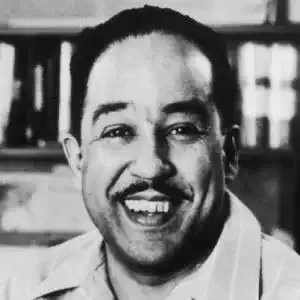
Langston Hughes
The Negro Mother
The Negro Mother
Children, I come back today
To tell you a story of the long dark way
That I had to climb, that I had to know
In order that the race might live and grow.
Look at my face -- dark as the night --
Yet shining like the sun with love's true light.
I am the dark girl who crossed the red sea
Carrying in my body the seed of the free.
I am the woman who worked in the field
Bringing the cotton and the corn to yield.
I am the one who labored as a slave,
Beaten and mistreated for the work that I gave --
Children sold away from me, I'm husband sold, too.
No safety , no love, no respect was I due.
Three hundred years in the deepest South:
But God put a song and a prayer in my mouth .
God put a dream like steel in my soul.
Now, through my children, I'm reaching the goal.
Now, through my children, young and free,
I realized the blessing deed to me.
I couldn't read then. I couldn't write.
I had nothing, back there in the night.
Sometimes, the valley was filled with tears,
But I kept trudging on through the lonely years.
Sometimes, the road was hot with the sun,
But I had to keep on till my work was done:
I had to keep on! No stopping for me --
I was the seed of the coming Free.
I nourished the dream that nothing could smother
Deep in my breast -- the Negro mother.
I had only hope then , but now through you,
Dark ones of today, my dreams must come true:
All you dark children in the world out there,
Remember my sweat, my pain, my despair.
Remember my years, heavy with sorrow --
And make of those years a torch for tomorrow.
Make of my pass a road to the light
Out of the darkness, the ignorance, the night.
Lift high my banner out of the dust.
Stand like free men supporting my trust.
Believe in the right, let none push you back.
Remember the whip and the slaver's track.
Remember how the strong in struggle and strife
Still bar you the way, and deny you life --
But march ever forward, breaking down bars.
Look ever upward at the sun and the stars.
Oh, my dark children, may my dreams and my prayers
Impel you forever up the great stairs --
For I will be with you till no white brother
Dares keep down the children of the Negro Mother.
Children, I come back today
To tell you a story of the long dark way
That I had to climb, that I had to know
In order that the race might live and grow.
Look at my face -- dark as the night --
Yet shining like the sun with love's true light.
I am the dark girl who crossed the red sea
Carrying in my body the seed of the free.
I am the woman who worked in the field
Bringing the cotton and the corn to yield.
I am the one who labored as a slave,
Beaten and mistreated for the work that I gave --
Children sold away from me, I'm husband sold, too.
No safety , no love, no respect was I due.
Three hundred years in the deepest South:
But God put a song and a prayer in my mouth .
God put a dream like steel in my soul.
Now, through my children, I'm reaching the goal.
Now, through my children, young and free,
I realized the blessing deed to me.
I couldn't read then. I couldn't write.
I had nothing, back there in the night.
Sometimes, the valley was filled with tears,
But I kept trudging on through the lonely years.
Sometimes, the road was hot with the sun,
But I had to keep on till my work was done:
I had to keep on! No stopping for me --
I was the seed of the coming Free.
I nourished the dream that nothing could smother
Deep in my breast -- the Negro mother.
I had only hope then , but now through you,
Dark ones of today, my dreams must come true:
All you dark children in the world out there,
Remember my sweat, my pain, my despair.
Remember my years, heavy with sorrow --
And make of those years a torch for tomorrow.
Make of my pass a road to the light
Out of the darkness, the ignorance, the night.
Lift high my banner out of the dust.
Stand like free men supporting my trust.
Believe in the right, let none push you back.
Remember the whip and the slaver's track.
Remember how the strong in struggle and strife
Still bar you the way, and deny you life --
But march ever forward, breaking down bars.
Look ever upward at the sun and the stars.
Oh, my dark children, may my dreams and my prayers
Impel you forever up the great stairs --
For I will be with you till no white brother
Dares keep down the children of the Negro Mother.
601
Langston Hughes
Snake
Snake
He glides so swiftly
Back into the grass-
Gives me the courtesy of road
To let me pass,
That I am half ashamed
To seek a stone
To kill him.
He glides so swiftly
Back into the grass-
Gives me the courtesy of road
To let me pass,
That I am half ashamed
To seek a stone
To kill him.
383
Langston Hughes
Let America be America Again
Let America be America Again
Let America be America again.
Let it be the dream it used to be.
Let it be the pioneer on the plain
Seeking a home where he himself is free.
(America never was America to me.)
Let America be the dream the dreamers dreamed--
Let it be that great strong land of love
Where never kings connive nor tyrants scheme
That any man be crushed by one above.
(It never was America to me.)
O, let my land be a land where Liberty
Is crowned with no false patriotic wreath,
But opportunity is real, and life is free,
Equality is in the air we breathe.
(There's never been equality for me,
Nor freedom in this "homeland of the free.")
Say, who are you that mumbles in the dark?
And who are you that draws your veil across the stars?
I am the poor white, fooled and pushed apart,
I am the Negro bearing slavery's scars.
I am the red man driven from the land,
I am the immigrant clutching the hope I seek--
And finding only the same old stupid plan
Of dog eat dog, of mighty crush the weak.
I am the young man, full of strength and hope,
Tangled in that ancient endless chain
Of profit, power, gain, of grab the land!
Of grab the gold! Of grab the ways of satisfying need!
Of work the men! Of take the pay!
Of owning everything for one's own greed!
I am the farmer, bondsman to the soil.
I am the worker sold to the machine.
I am the Negro, servant to you all.
I am the people, humble, hungry, mean--
Hungry yet today despite the dream.
Beaten yet today--O, Pioneers!
I am the man who never got ahead,
The poorest worker bartered through the years.
Yet I'm the one who dreamt our basic dream
In the Old World while still a serf of kings,
Who dreamt a dream so strong, so brave, so true,
That even yet its mighty daring sings
In every brick and stone, in every furrow turned
That's made America the land it has become.
O, I'm the man who sailed those early seas
In search of what I meant to be my home--
For I'm the one who left dark Ireland's shore,
And Poland's plain, and England's grassy lea,
And torn from Black Africa's strand I came
To build a "homeland of the free."
The free?
Who said the free? Not me?
Surely not me? The millions on relief today?
The millions shot down when we strike?
The millions who have nothing for our pay?
For all the dreams we've dreamed
And all the songs we've sung
And all the hopes we've held
And all the flags we've hung,
The millions who have nothing for our pay--
Except the dream that's almost dead today.
O, let America be America again--
The land that never has been yet--
And yet must be--the land where every man is free.
The land that's mine--the poor man's, Indian's, Negro's, ME--
Who made America,
Whose sweat and blood, whose faith and pain,
Whose hand at the foundry, whose plow in the rain,
Must bring back our mighty dream again.
Sure, call me any ugly name you choose--
The steel of freedom does not stain.
From those who live like leeches on the people's lives,
We must take back our land again,
America!
O, yes,
I say it plain,
America never was America to me,
And yet I swear this oath--
America will be!
Out of the rack and ruin of our gangster death,
The rape and rot of graft, and stealth, and lies,
We, the people, must redeem
The land, the mines, the plants, the rivers.
The mountains and the endless plain--
All, all the stretch of these great green states--
And make America again!
Let America be America again.
Let it be the dream it used to be.
Let it be the pioneer on the plain
Seeking a home where he himself is free.
(America never was America to me.)
Let America be the dream the dreamers dreamed--
Let it be that great strong land of love
Where never kings connive nor tyrants scheme
That any man be crushed by one above.
(It never was America to me.)
O, let my land be a land where Liberty
Is crowned with no false patriotic wreath,
But opportunity is real, and life is free,
Equality is in the air we breathe.
(There's never been equality for me,
Nor freedom in this "homeland of the free.")
Say, who are you that mumbles in the dark?
And who are you that draws your veil across the stars?
I am the poor white, fooled and pushed apart,
I am the Negro bearing slavery's scars.
I am the red man driven from the land,
I am the immigrant clutching the hope I seek--
And finding only the same old stupid plan
Of dog eat dog, of mighty crush the weak.
I am the young man, full of strength and hope,
Tangled in that ancient endless chain
Of profit, power, gain, of grab the land!
Of grab the gold! Of grab the ways of satisfying need!
Of work the men! Of take the pay!
Of owning everything for one's own greed!
I am the farmer, bondsman to the soil.
I am the worker sold to the machine.
I am the Negro, servant to you all.
I am the people, humble, hungry, mean--
Hungry yet today despite the dream.
Beaten yet today--O, Pioneers!
I am the man who never got ahead,
The poorest worker bartered through the years.
Yet I'm the one who dreamt our basic dream
In the Old World while still a serf of kings,
Who dreamt a dream so strong, so brave, so true,
That even yet its mighty daring sings
In every brick and stone, in every furrow turned
That's made America the land it has become.
O, I'm the man who sailed those early seas
In search of what I meant to be my home--
For I'm the one who left dark Ireland's shore,
And Poland's plain, and England's grassy lea,
And torn from Black Africa's strand I came
To build a "homeland of the free."
The free?
Who said the free? Not me?
Surely not me? The millions on relief today?
The millions shot down when we strike?
The millions who have nothing for our pay?
For all the dreams we've dreamed
And all the songs we've sung
And all the hopes we've held
And all the flags we've hung,
The millions who have nothing for our pay--
Except the dream that's almost dead today.
O, let America be America again--
The land that never has been yet--
And yet must be--the land where every man is free.
The land that's mine--the poor man's, Indian's, Negro's, ME--
Who made America,
Whose sweat and blood, whose faith and pain,
Whose hand at the foundry, whose plow in the rain,
Must bring back our mighty dream again.
Sure, call me any ugly name you choose--
The steel of freedom does not stain.
From those who live like leeches on the people's lives,
We must take back our land again,
America!
O, yes,
I say it plain,
America never was America to me,
And yet I swear this oath--
America will be!
Out of the rack and ruin of our gangster death,
The rape and rot of graft, and stealth, and lies,
We, the people, must redeem
The land, the mines, the plants, the rivers.
The mountains and the endless plain--
All, all the stretch of these great green states--
And make America again!
683
Langston Hughes
I Dream A World
I Dream A World
I dream a world where man
No other man will scorn,
Where love will bless the earth
And peace its paths adorn
I dream a world where all
Will know sweet freedom's way,
Where greed no longer saps the soul
Nor avarice blights our day.
A world I dream where black or white,
Whatever race you be,
Will share the bounties of the earth
And every man is free,
Where wretchedness will hang its head
And joy, like a pearl,
Attends the needs of all mankind-
Of such I dream, my world!
I dream a world where man
No other man will scorn,
Where love will bless the earth
And peace its paths adorn
I dream a world where all
Will know sweet freedom's way,
Where greed no longer saps the soul
Nor avarice blights our day.
A world I dream where black or white,
Whatever race you be,
Will share the bounties of the earth
And every man is free,
Where wretchedness will hang its head
And joy, like a pearl,
Attends the needs of all mankind-
Of such I dream, my world!
648
Langston Hughes
Gods
Gods
The ivory gods,
And the ebony gods,
And the gods of diamond and jade,
Sit silently on their temple shelves
While the people
Are afraid.
Yet the ivory gods,
And the ebony gods,
And the gods of diamond-jade,
Are only silly puppet gods
That the people themselves
Have made.
The ivory gods,
And the ebony gods,
And the gods of diamond and jade,
Sit silently on their temple shelves
While the people
Are afraid.
Yet the ivory gods,
And the ebony gods,
And the gods of diamond-jade,
Are only silly puppet gods
That the people themselves
Have made.
449
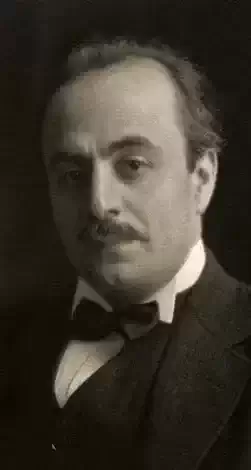
Khalil Gibran
Two Infants II
Two Infants II
A prince stood on the balcony of his palace addressing a great multitude summoned for
the occasion and said, "Let me offer you and this whole fortunate country my
congratulations upon the birth of a new prince who will carry the name of my noble
family, and of whom you will be justly proud. He is the new bearer of a great and
illustrious ancestry, and upon him depends the brilliant future of this realm. Sing and
be merry!" The voices of the throngs, full of joy and thankfulness, flooded the sky with
exhilarating song, welcoming the new tyrant who would affix the yoke of oppression to
their necks by ruling the weak with bitter authority, and exploiting their bodies and
killing their souls. For that destiny, the people were singing and drinking ecstatically to
the heady of the new Emir.
Another child entered life and that kingdom at the same time. While the crowds were
glorifying the strong and belittling themselves by singing praise to a potential despot,
and while the angels of heaven were weeping over the people's weakness and
servitude, a sick woman was thinking. She lived in an old, deserted hovel and, lying in
her hard bed beside her newly born infant wrapped with ragged swaddles, was starving
to death. She was a penurious and miserable young wife neglected by humanity; her
husband had fallen into the trap of death set by the prince's oppression, leaving a
solitary woman to whom God had sent, that night, a tiny companion to prevent her
from working and sustaining life.
As the mass dispersed and silence was restored to the vicinity, the wretched woman
placed the infant on her lap and looked into his face and wept as if she were to baptize
him with tears. And with a hunger weakened voice she spoke to the child saying, "Why
have you left the spiritual world and come to share with me the bitterness of earthly
life? Why have you deserted the angels and the spacious firmament and come to this
miserable land of humans, filled with agony, oppression, and heartlessness? I have
nothing to give you except tears; will you be nourished on tears instead of milk? I have
no silk clothes to put on you; will my naked, shivering arms give you warmth? The little
animals graze in the pasture and return safely to their shed; and the small birds pick
the seeds and sleep placidly between the branches. But you, my beloved, have naught
save a loving but destitute mother."
Then she took the infant to her withered breast and clasped her arms around him as if
wanting to join the two bodies in one, as before. She lifted her burning eyes slowly
toward heaven and cried, "God! Have mercy on my unfortunate countrymen!"
At that moment the clouds floated from the face of the moon, whose beams penetrated
the transom of that poor home and fell upon two corpses.
A prince stood on the balcony of his palace addressing a great multitude summoned for
the occasion and said, "Let me offer you and this whole fortunate country my
congratulations upon the birth of a new prince who will carry the name of my noble
family, and of whom you will be justly proud. He is the new bearer of a great and
illustrious ancestry, and upon him depends the brilliant future of this realm. Sing and
be merry!" The voices of the throngs, full of joy and thankfulness, flooded the sky with
exhilarating song, welcoming the new tyrant who would affix the yoke of oppression to
their necks by ruling the weak with bitter authority, and exploiting their bodies and
killing their souls. For that destiny, the people were singing and drinking ecstatically to
the heady of the new Emir.
Another child entered life and that kingdom at the same time. While the crowds were
glorifying the strong and belittling themselves by singing praise to a potential despot,
and while the angels of heaven were weeping over the people's weakness and
servitude, a sick woman was thinking. She lived in an old, deserted hovel and, lying in
her hard bed beside her newly born infant wrapped with ragged swaddles, was starving
to death. She was a penurious and miserable young wife neglected by humanity; her
husband had fallen into the trap of death set by the prince's oppression, leaving a
solitary woman to whom God had sent, that night, a tiny companion to prevent her
from working and sustaining life.
As the mass dispersed and silence was restored to the vicinity, the wretched woman
placed the infant on her lap and looked into his face and wept as if she were to baptize
him with tears. And with a hunger weakened voice she spoke to the child saying, "Why
have you left the spiritual world and come to share with me the bitterness of earthly
life? Why have you deserted the angels and the spacious firmament and come to this
miserable land of humans, filled with agony, oppression, and heartlessness? I have
nothing to give you except tears; will you be nourished on tears instead of milk? I have
no silk clothes to put on you; will my naked, shivering arms give you warmth? The little
animals graze in the pasture and return safely to their shed; and the small birds pick
the seeds and sleep placidly between the branches. But you, my beloved, have naught
save a loving but destitute mother."
Then she took the infant to her withered breast and clasped her arms around him as if
wanting to join the two bodies in one, as before. She lifted her burning eyes slowly
toward heaven and cried, "God! Have mercy on my unfortunate countrymen!"
At that moment the clouds floated from the face of the moon, whose beams penetrated
the transom of that poor home and fell upon two corpses.
287
Khalil Gibran
The Playground of Life XIX
The Playground of Life XIX
One hour devoted to the pursuit of Beauty
And Love is worth a full century of glory
Given by the frightened weak to the strong.
From that hour comes man's Truth; and
During that century Truth sleeps between
The restless arms of disturbing dreams.
In that hour the soul sees for herself
The Natural Law, and for that century she
Imprisons herself behind the law of man;
And she is shackled with irons of oppression.
That hour was the inspiration of the Songs
Of Solomon, an that century was the blind
Power which destroyed the temple of Baalbek.
That hour was the birth of the Sermon on the
Mount, and that century wrecked the castles of
Palmyra and the Tower of Babylon.
That hour was the Hegira of Mohammed and that
Century forgot Allah, Golgotha, and Sinai.
One hour devoted to mourning and lamenting the
Stolen equality of the weak is nobler than a
Century filled with greed and usurpation.
It is at that hour when the heart is
Purified by flaming sorrow and
Illuminated by the torch of Love.
And in that century, desires for Truth
Are buried in the bosom of the earth.
That hour is the root which must flourish.
That hour of meditation, the hour of
Prayer, and the hour of a new era of good.
And that century is a life of Nero spent
On self-investment taken solely from
Earthly substance.
This is life.
Portrayed on the stage for ages;
Recorded earthly for centuries;
Lived in strangeness for years;
Sung as a hymn for days;
Exalted but for an hour, but the
Hour is treasured by Eternity as a jewel.
One hour devoted to the pursuit of Beauty
And Love is worth a full century of glory
Given by the frightened weak to the strong.
From that hour comes man's Truth; and
During that century Truth sleeps between
The restless arms of disturbing dreams.
In that hour the soul sees for herself
The Natural Law, and for that century she
Imprisons herself behind the law of man;
And she is shackled with irons of oppression.
That hour was the inspiration of the Songs
Of Solomon, an that century was the blind
Power which destroyed the temple of Baalbek.
That hour was the birth of the Sermon on the
Mount, and that century wrecked the castles of
Palmyra and the Tower of Babylon.
That hour was the Hegira of Mohammed and that
Century forgot Allah, Golgotha, and Sinai.
One hour devoted to mourning and lamenting the
Stolen equality of the weak is nobler than a
Century filled with greed and usurpation.
It is at that hour when the heart is
Purified by flaming sorrow and
Illuminated by the torch of Love.
And in that century, desires for Truth
Are buried in the bosom of the earth.
That hour is the root which must flourish.
That hour of meditation, the hour of
Prayer, and the hour of a new era of good.
And that century is a life of Nero spent
On self-investment taken solely from
Earthly substance.
This is life.
Portrayed on the stage for ages;
Recorded earthly for centuries;
Lived in strangeness for years;
Sung as a hymn for days;
Exalted but for an hour, but the
Hour is treasured by Eternity as a jewel.
340
Khalil Gibran
The Widow and Her Son XXI
The Widow and Her Son XXI
Night fell over North Lebanon and snow was covering the villages surrounded by the
Kadeesha Valley, giving the fields and prairies the appearance of a great sheet of
parchment upon which the furious Nature was recording her many deeds. Men came
home from the streets while silence engulfed the night.
In a lone house near those villages lived a woman who sat by her fireside spinning
wool, and at her side was her only child, staring now at the fire and then at his mother.
A terrible roar of thunder shook the house and the little boy shook with fright. He threw
his arms about his mother, seeking protection from Nature in her affection. She took
him to her bosom and kissed him; then she say him on her lap and said, "Do not fear,
my son, for Nature is but comparing her great power to man's weakness. There is a
Supreme Being beyond the falling snow and the heavy clouds and the blowing wind,
and He knows the needs of the earth, for He made it; and He looks upon the weak with
merciful eyes.
"Be brave, my boy. Nature smiles in Spring and laughs in Summer and yawns in
Autumn, but now she is weeping; and with her tears she waters life, hidden under the
earth.
"Sleep, my dear child; your father is viewing us from Eternity. The snow and thunder
bring us closer to him at this time.
"Sleep, my beloved, for this white blanket which makes us cold, keeps the seeds warm,
and these war-like things will produce beautiful flowers when Nisan comes.
"Thus, my child, man cannot reap love until after sad and revealing separation, and
bitter patience, and desperate hardship. Sleep, my little boy; sweet dreams will find
your soul who is unafraid of the terrible darkness of night and the biting frost."
The little boy looked upon his mother with sleep-laden eyes and said, "Mother, my eyes
are heavy, but I cannot go to bed without saying my prayer."
The woman looked at his angelic face, her vision blurred by misted eyes, and said,
"Repeat with me, my boy - 'God, have mercy on the poor and protect them from the
winter; warm their thin-clad bodies with Thy merciful hands; look upon the orphans
who are sleeping in wretched houses, suffering from hunger and cold. Hear, oh Lord,
the call of widows who are helpless and shivering with fear for their young. Open, oh
Lord, the hearts of all humans, that they may see the misery of the weak. Have mercy
upon the sufferers who knock on doors, and lead the wayfarers into warm places.
Watch, oh Lord, over the little birds and protect the trees and fields from the anger of
the storm; for Thou art merciful and full of love.'"
As Slumber captured the boy's spirit, his mother placed him in the bed and kissed his
eyes with quivering lips. Then she went back and sat by the hearth, spinning the wool
to make him raiment.
Night fell over North Lebanon and snow was covering the villages surrounded by the
Kadeesha Valley, giving the fields and prairies the appearance of a great sheet of
parchment upon which the furious Nature was recording her many deeds. Men came
home from the streets while silence engulfed the night.
In a lone house near those villages lived a woman who sat by her fireside spinning
wool, and at her side was her only child, staring now at the fire and then at his mother.
A terrible roar of thunder shook the house and the little boy shook with fright. He threw
his arms about his mother, seeking protection from Nature in her affection. She took
him to her bosom and kissed him; then she say him on her lap and said, "Do not fear,
my son, for Nature is but comparing her great power to man's weakness. There is a
Supreme Being beyond the falling snow and the heavy clouds and the blowing wind,
and He knows the needs of the earth, for He made it; and He looks upon the weak with
merciful eyes.
"Be brave, my boy. Nature smiles in Spring and laughs in Summer and yawns in
Autumn, but now she is weeping; and with her tears she waters life, hidden under the
earth.
"Sleep, my dear child; your father is viewing us from Eternity. The snow and thunder
bring us closer to him at this time.
"Sleep, my beloved, for this white blanket which makes us cold, keeps the seeds warm,
and these war-like things will produce beautiful flowers when Nisan comes.
"Thus, my child, man cannot reap love until after sad and revealing separation, and
bitter patience, and desperate hardship. Sleep, my little boy; sweet dreams will find
your soul who is unafraid of the terrible darkness of night and the biting frost."
The little boy looked upon his mother with sleep-laden eyes and said, "Mother, my eyes
are heavy, but I cannot go to bed without saying my prayer."
The woman looked at his angelic face, her vision blurred by misted eyes, and said,
"Repeat with me, my boy - 'God, have mercy on the poor and protect them from the
winter; warm their thin-clad bodies with Thy merciful hands; look upon the orphans
who are sleeping in wretched houses, suffering from hunger and cold. Hear, oh Lord,
the call of widows who are helpless and shivering with fear for their young. Open, oh
Lord, the hearts of all humans, that they may see the misery of the weak. Have mercy
upon the sufferers who knock on doors, and lead the wayfarers into warm places.
Watch, oh Lord, over the little birds and protect the trees and fields from the anger of
the storm; for Thou art merciful and full of love.'"
As Slumber captured the boy's spirit, his mother placed him in the bed and kissed his
eyes with quivering lips. Then she went back and sat by the hearth, spinning the wool
to make him raiment.
335
Khalil Gibran
The Creation I
The Creation I
The God separated a spirit from Himself and fashioned it into Beauty. He showered
upon her all the blessings of gracefulness and kindness. He gave her the cup of
happiness and said, "Drink not from this cup unless you forget the past and the future,
for happiness is naught but the moment." And He also gave her a cup of sorrow and
said, "Drink from this cup and you will understand the meaning of the fleeting instants
of the joy of life, for sorrow ever abounds."
And the God bestowed upon her a love that would desert he forever upon her first sigh
of earthly satisfaction, and a sweetness that would vanish with her first awareness of
flattery.
And He gave her wisdom from heaven to lead to the all-righteous path, and placed in
the depth of her heart and eye that sees the unseen, and created in he an affection
and goodness toward all things. He dressed her with raiment of hopes spun by the
angels of heaven from the sinews of the rainbow. And He cloaked her in the shadow of
confusion, which is the dawn of life and light.
Then the God took consuming fire from the furnace of anger, and searing wind from
the desert of ignorance, and sharp- cutting sands from the shore of selfishness, and
coarse earth from under the feet of ages, and combined them all and fashioned Man.
He gave to Man a blind power that rages and drives him into a madness which
extinguishes only before gratification of desire, and placed life in him which is the
specter of death.
And the god laughed and cried. He felt an overwhelming love and pity for Man, and
sheltered him beneath His guidance.
The God separated a spirit from Himself and fashioned it into Beauty. He showered
upon her all the blessings of gracefulness and kindness. He gave her the cup of
happiness and said, "Drink not from this cup unless you forget the past and the future,
for happiness is naught but the moment." And He also gave her a cup of sorrow and
said, "Drink from this cup and you will understand the meaning of the fleeting instants
of the joy of life, for sorrow ever abounds."
And the God bestowed upon her a love that would desert he forever upon her first sigh
of earthly satisfaction, and a sweetness that would vanish with her first awareness of
flattery.
And He gave her wisdom from heaven to lead to the all-righteous path, and placed in
the depth of her heart and eye that sees the unseen, and created in he an affection
and goodness toward all things. He dressed her with raiment of hopes spun by the
angels of heaven from the sinews of the rainbow. And He cloaked her in the shadow of
confusion, which is the dawn of life and light.
Then the God took consuming fire from the furnace of anger, and searing wind from
the desert of ignorance, and sharp- cutting sands from the shore of selfishness, and
coarse earth from under the feet of ages, and combined them all and fashioned Man.
He gave to Man a blind power that rages and drives him into a madness which
extinguishes only before gratification of desire, and placed life in him which is the
specter of death.
And the god laughed and cried. He felt an overwhelming love and pity for Man, and
sheltered him beneath His guidance.
392
Khalil Gibran
Laws XIII
Laws XIII
Then a lawyer said, "But what of our Laws, master?"
And he answered:
You delight in laying down laws,
Yet you delight more in breaking them.
Like children playing by the ocean who build sand-towers with constancy and then
destroy them with laughter.
But while you build your sand-towers the ocean brings more sand to the shore,
And when you destroy them, the ocean laughs with you.
Verily the ocean laughs always with the innocent.
But what of those to whom life is not an ocean, and man-made laws are not
sand-towers,
But to whom life is a rock, and the law a chisel with which they would carve it in their
own likeness?
What of the cripple who hates dancers?
What of the ox who loves his yoke and deems the elk and deer of the forest stray and
vagrant things?
What of the old serpent who cannot shed his skin, and calls all others naked and
shameless?
And of him who comes early to the wedding-feast, and when over-fed and tired goes
his way saying that all feasts are violation and all feasters law-breakers?
What shall I say of these save that they too stand in the sunlight, but with their backs
to the sun?
They see only their shadows, and their shadows are their laws.
And what is the sun to them but a caster of shadows?
And what is it to acknowledge the laws but to stoop down and trace their shadows
upon the earth?
But you who walk facing the sun, what images drawn on the earth can hold you?
You who travel with the wind, what weathervane shall direct your course?
What man's law shall bind you if you break your yoke but upon no man's prison door?
What laws shall you fear if you dance but stumble against no man's iron chains?
And who is he that shall bring you to judgment if you tear off your garment yet leave it
in no man's path?
People of Orphalese, you can muffle the drum, and you can loosen the strings of the
lyre, but who shall command the skylark not to sing?
Then a lawyer said, "But what of our Laws, master?"
And he answered:
You delight in laying down laws,
Yet you delight more in breaking them.
Like children playing by the ocean who build sand-towers with constancy and then
destroy them with laughter.
But while you build your sand-towers the ocean brings more sand to the shore,
And when you destroy them, the ocean laughs with you.
Verily the ocean laughs always with the innocent.
But what of those to whom life is not an ocean, and man-made laws are not
sand-towers,
But to whom life is a rock, and the law a chisel with which they would carve it in their
own likeness?
What of the cripple who hates dancers?
What of the ox who loves his yoke and deems the elk and deer of the forest stray and
vagrant things?
What of the old serpent who cannot shed his skin, and calls all others naked and
shameless?
And of him who comes early to the wedding-feast, and when over-fed and tired goes
his way saying that all feasts are violation and all feasters law-breakers?
What shall I say of these save that they too stand in the sunlight, but with their backs
to the sun?
They see only their shadows, and their shadows are their laws.
And what is the sun to them but a caster of shadows?
And what is it to acknowledge the laws but to stoop down and trace their shadows
upon the earth?
But you who walk facing the sun, what images drawn on the earth can hold you?
You who travel with the wind, what weathervane shall direct your course?
What man's law shall bind you if you break your yoke but upon no man's prison door?
What laws shall you fear if you dance but stumble against no man's iron chains?
And who is he that shall bring you to judgment if you tear off your garment yet leave it
in no man's path?
People of Orphalese, you can muffle the drum, and you can loosen the strings of the
lyre, but who shall command the skylark not to sing?
356
Khalil Gibran
Good and Evil XXII
Good and Evil XXII
And one of the elders of the city said, "Speak to us of Good and Evil."
And he answered:
Of the good in you I can speak, but not of the evil.
For what is evil but good tortured by its own hunger and thirst?
Verily when good is hungry it seeks food even in dark caves, and when it thirsts, it
drinks even of dead waters.
You are good when you are one with yourself.
Yet when you are not one with yourself you are not evil.
For a divided house is not a den of thieves; it is only a divided house.
And a ship without rudder may wander aimlessly among perilous isles yet sink not to
the bottom.
You are good when you strive to give of yourself.
Yet you are not evil when you seek gain for yourself.
For when you strive for gain you are but a root that clings to the earth and sucks at her
breast.
Surely the fruit cannot say to the root, "Be like me, ripe and full and ever giving of
your abundance."
For to the fruit giving is a need, as receiving is a need to the root.
You are good when you are fully awake in your speech,
Yet you are not evil when you sleep while your tongue staggers without purpose.
And even stumbling speech may strengthen a weak tongue.
You are good when you walk to your goal firmly and with bold steps.
Yet you are not evil when you go thither limping.
Even those who limp go not backward.
But you who are strong and swift, see that you do not limp before the lame, deeming it
kindness.
You are good in countless ways, and you are not evil when you are not good,
You are only loitering and sluggard.
Pity that the stags cannot teach swiftness to the turtles.
In your longing for your giant self lies your goodness: and that longing is in all of you.
But in some of you that longing is a torrent rushing with might to the sea, carrying the
secrets of the hillsides and the songs of the forest.
And in others it is a flat stream that loses itself in angles and bends and lingers before
it reaches the shore.
But let not him who longs much say to him who longs little, "Wherefore are you slow
and halting?"
For the truly good ask not the naked, "Where is your garment?" nor the houseless,
"What has befallen your house?"
And one of the elders of the city said, "Speak to us of Good and Evil."
And he answered:
Of the good in you I can speak, but not of the evil.
For what is evil but good tortured by its own hunger and thirst?
Verily when good is hungry it seeks food even in dark caves, and when it thirsts, it
drinks even of dead waters.
You are good when you are one with yourself.
Yet when you are not one with yourself you are not evil.
For a divided house is not a den of thieves; it is only a divided house.
And a ship without rudder may wander aimlessly among perilous isles yet sink not to
the bottom.
You are good when you strive to give of yourself.
Yet you are not evil when you seek gain for yourself.
For when you strive for gain you are but a root that clings to the earth and sucks at her
breast.
Surely the fruit cannot say to the root, "Be like me, ripe and full and ever giving of
your abundance."
For to the fruit giving is a need, as receiving is a need to the root.
You are good when you are fully awake in your speech,
Yet you are not evil when you sleep while your tongue staggers without purpose.
And even stumbling speech may strengthen a weak tongue.
You are good when you walk to your goal firmly and with bold steps.
Yet you are not evil when you go thither limping.
Even those who limp go not backward.
But you who are strong and swift, see that you do not limp before the lame, deeming it
kindness.
You are good in countless ways, and you are not evil when you are not good,
You are only loitering and sluggard.
Pity that the stags cannot teach swiftness to the turtles.
In your longing for your giant self lies your goodness: and that longing is in all of you.
But in some of you that longing is a torrent rushing with might to the sea, carrying the
secrets of the hillsides and the songs of the forest.
And in others it is a flat stream that loses itself in angles and bends and lingers before
it reaches the shore.
But let not him who longs much say to him who longs little, "Wherefore are you slow
and halting?"
For the truly good ask not the naked, "Where is your garment?" nor the houseless,
"What has befallen your house?"
317
Khalil Gibran
Eating and Drinking chapter VI
Eating and Drinking chapter VI
Then an old man, a keeper of an inn, said, "Speak to us of Eating and Drinking."
And he said:
Would that you could live on the fragrance of the earth, and like an air plant be
sustained by the light.
But since you must kill to eat, and rob the young of its mother's milk to quench your
thirst, let it then be an act of worship,
And let your board stand an altar on which the pure and the innocent of forest and
plain are sacrificed for that which is purer and still more innocent in many.
When you kill a beast say to him in your heart,
"By the same power that slays you, I to am slain; and I too shall be consumed. For the
law that delivered you into my hand shall deliver me into a mightier hand.
Your blood and my blood is naught but the sap that feeds the tree of heaven."
And when you crush an apple with your teeth, say to it in your heart,
"Your seeds shall live in my body,
And the buds of your tomorrow shall blossom in my heart,
And your fragrance shall be my breath,
And together we shall rejoice through all the seasons."
And in the autumn, when you gather the grapes of your vineyard for the winepress,
say in you heart,
"I too am a vineyard, and my fruit shall be gathered for the winepress,
And like new wine I shall be kept in eternal vessels."
And in winter, when you draw the wine, let there be in your heart a song for each cup;
And let there be in the song a remembrance for the autumn days, and for the vineyard,
and for the winepress.
Then an old man, a keeper of an inn, said, "Speak to us of Eating and Drinking."
And he said:
Would that you could live on the fragrance of the earth, and like an air plant be
sustained by the light.
But since you must kill to eat, and rob the young of its mother's milk to quench your
thirst, let it then be an act of worship,
And let your board stand an altar on which the pure and the innocent of forest and
plain are sacrificed for that which is purer and still more innocent in many.
When you kill a beast say to him in your heart,
"By the same power that slays you, I to am slain; and I too shall be consumed. For the
law that delivered you into my hand shall deliver me into a mightier hand.
Your blood and my blood is naught but the sap that feeds the tree of heaven."
And when you crush an apple with your teeth, say to it in your heart,
"Your seeds shall live in my body,
And the buds of your tomorrow shall blossom in my heart,
And your fragrance shall be my breath,
And together we shall rejoice through all the seasons."
And in the autumn, when you gather the grapes of your vineyard for the winepress,
say in you heart,
"I too am a vineyard, and my fruit shall be gathered for the winepress,
And like new wine I shall be kept in eternal vessels."
And in winter, when you draw the wine, let there be in your heart a song for each cup;
And let there be in the song a remembrance for the autumn days, and for the vineyard,
and for the winepress.
324
Khalil Gibran
Crime and Punishment chapter XII
Crime and Punishment chapter XII
Then one of the judges of the city stood forth and said, "Speak to us of Crime and
Punishment."
And he answered saying:
It is when your spirit goes wandering upon the wind,
That you, alone and unguarded, commit a wrong unto others and therefore unto
yourself.
And for that wrong committed must you knock and wait a while unheeded at the gate
of the blessed.
Like the ocean is your god-self;
It remains for ever undefiled.
And like the ether it lifts but the winged.
Even like the sun is your god-self;
It knows not the ways of the mole nor seeks it the holes of the serpent.
But your god-self does not dwell alone in your being.
Much in you is still man, and much in you is not yet man,
But a shapeless pigmy that walks asleep in the mist searching for its own awakening.
And of the man in you would I now speak.
For it is he and not your god-self nor the pigmy in the mist, that knows crime and the
punishment of crime.
Oftentimes have I heard you speak of one who commits a wrong as though he were
not one of you, but a stranger unto you and an intruder upon your world.
But I say that even as the holy and the righteous cannot rise beyond the highest which
is in each one of you,
So the wicked and the weak cannot fall lower than the lowest which is in you also.
And as a single leaf turns not yellow but with the silent knowledge of the whole tree,
So the wrong-doer cannot do wrong without the hidden will of you all.
Like a procession you walk together towards your god-self.
You are the way and the wayfarers.
And when one of you falls down he falls for those behind him, a caution against the
stumbling stone.
Ay, and he falls for those ahead of him, who though faster and surer of foot, yet
removed not the stumbling stone.
And this also, though the word lie heavy upon your hearts:
The murdered is not unaccountable for his own murder,
And the robbed is not blameless in being robbed.
The righteous is not innocent of the deeds of the wicked,
And the white-handed is not clean in the doings of the felon.
Yea, the guilty is oftentimes the victim of the injured,
And still more often the condemned is the burden-bearer for the guiltless and
unblamed.
You cannot separate the just from the unjust and the good from the wicked;
For they stand together before the face of the sun even as the black thread and the
white are woven together.
And when the black thread breaks, the weaver shall look into the whole cloth, and he
shall examine the loom also.
If any of you would bring judgment the unfaithful wife,
Let him also weight the heart of her husband in scales, and measure his soul with
measurements.
And let him who would lash the offender look unto the spirit of the offended.
And if any of you would punish in the name of righteousness and lay the ax unto the
evil tree, let him see to its roots;
And verily he will find the roots of the good and the bad, the fruitful and the fruitless,
all entwined together in the silent heart of the earth.
And you judges who would be just,
What judgment pronounce you upon him who though honest in the flesh yet is a thief
in spirit?
What penalty lay you upon him who slays in the flesh yet is himself slain in the spirit?
And how prosecute you him who in action is a deceiver and an oppressor,
Yet who also is aggrieved and outraged?
And how shall you punish those whose remorse is already greater than their misdeeds?
Is not remorse the justice which is administered by that very law which you would fain
serve?
Yet you cannot lay remorse upon the innocent nor lift it from the heart of the guilty.
Unbidden shall it call in the night, that men may wake and gaze upon themselves.
And you who would understand justice, how shall you unless you look upon all deeds in
the fullness of light?
Only then shall you know that the erect and the fallen are but one man standing in
twilight between the night of his pigmy-self and the day of his god-self,
And that the corner-stone of the temple is not higher than the lowest stone in its
foundation.
Then one of the judges of the city stood forth and said, "Speak to us of Crime and
Punishment."
And he answered saying:
It is when your spirit goes wandering upon the wind,
That you, alone and unguarded, commit a wrong unto others and therefore unto
yourself.
And for that wrong committed must you knock and wait a while unheeded at the gate
of the blessed.
Like the ocean is your god-self;
It remains for ever undefiled.
And like the ether it lifts but the winged.
Even like the sun is your god-self;
It knows not the ways of the mole nor seeks it the holes of the serpent.
But your god-self does not dwell alone in your being.
Much in you is still man, and much in you is not yet man,
But a shapeless pigmy that walks asleep in the mist searching for its own awakening.
And of the man in you would I now speak.
For it is he and not your god-self nor the pigmy in the mist, that knows crime and the
punishment of crime.
Oftentimes have I heard you speak of one who commits a wrong as though he were
not one of you, but a stranger unto you and an intruder upon your world.
But I say that even as the holy and the righteous cannot rise beyond the highest which
is in each one of you,
So the wicked and the weak cannot fall lower than the lowest which is in you also.
And as a single leaf turns not yellow but with the silent knowledge of the whole tree,
So the wrong-doer cannot do wrong without the hidden will of you all.
Like a procession you walk together towards your god-self.
You are the way and the wayfarers.
And when one of you falls down he falls for those behind him, a caution against the
stumbling stone.
Ay, and he falls for those ahead of him, who though faster and surer of foot, yet
removed not the stumbling stone.
And this also, though the word lie heavy upon your hearts:
The murdered is not unaccountable for his own murder,
And the robbed is not blameless in being robbed.
The righteous is not innocent of the deeds of the wicked,
And the white-handed is not clean in the doings of the felon.
Yea, the guilty is oftentimes the victim of the injured,
And still more often the condemned is the burden-bearer for the guiltless and
unblamed.
You cannot separate the just from the unjust and the good from the wicked;
For they stand together before the face of the sun even as the black thread and the
white are woven together.
And when the black thread breaks, the weaver shall look into the whole cloth, and he
shall examine the loom also.
If any of you would bring judgment the unfaithful wife,
Let him also weight the heart of her husband in scales, and measure his soul with
measurements.
And let him who would lash the offender look unto the spirit of the offended.
And if any of you would punish in the name of righteousness and lay the ax unto the
evil tree, let him see to its roots;
And verily he will find the roots of the good and the bad, the fruitful and the fruitless,
all entwined together in the silent heart of the earth.
And you judges who would be just,
What judgment pronounce you upon him who though honest in the flesh yet is a thief
in spirit?
What penalty lay you upon him who slays in the flesh yet is himself slain in the spirit?
And how prosecute you him who in action is a deceiver and an oppressor,
Yet who also is aggrieved and outraged?
And how shall you punish those whose remorse is already greater than their misdeeds?
Is not remorse the justice which is administered by that very law which you would fain
serve?
Yet you cannot lay remorse upon the innocent nor lift it from the heart of the guilty.
Unbidden shall it call in the night, that men may wake and gaze upon themselves.
And you who would understand justice, how shall you unless you look upon all deeds in
the fullness of light?
Only then shall you know that the erect and the fallen are but one man standing in
twilight between the night of his pigmy-self and the day of his god-self,
And that the corner-stone of the temple is not higher than the lowest stone in its
foundation.
301
Khalil Gibran
Buying and Selling chapter XI
Buying and Selling chapter XI
And a merchant said, "Speak to us of Buying and Selling."
And he answered and said:
To you the earth yields her fruit, and you shall not want if you but know how to fill your
hands.
It is in exchanging the gifts of the earth that you shall find abundance and be satisfied.
Yet unless the exchange be in love and kindly justice, it will but lead some to greed
and others to hunger.
When in the market place you toilers of the sea and fields and vineyards meet the
weavers and the potters and the gatherers of spices, -
Invoke then the master spirit of the earth, to come into your midst and sanctify the
scales and the reckoning that weighs value against value.
And suffer not the barren-handed to take part in your transactions, who would sell
their words for your labour.
To such men you should say,
"Come with us to the field, or go with our brothers to the sea and cast your net;
For the land and the sea shall be bountiful to you even as to us."
And if there come the singers and the dancers and the flute players, - buy of their gifts
also.
For they too are gatherers of fruit and frankincense, and that which they bring, though
fashioned of dreams, is raiment and food for your soul.
And before you leave the marketplace, see that no one has gone his way with empty
hands.
For the master spirit of the earth shall not sleep peacefully upon the wind till the needs
of the least of you are satisfied.
And a merchant said, "Speak to us of Buying and Selling."
And he answered and said:
To you the earth yields her fruit, and you shall not want if you but know how to fill your
hands.
It is in exchanging the gifts of the earth that you shall find abundance and be satisfied.
Yet unless the exchange be in love and kindly justice, it will but lead some to greed
and others to hunger.
When in the market place you toilers of the sea and fields and vineyards meet the
weavers and the potters and the gatherers of spices, -
Invoke then the master spirit of the earth, to come into your midst and sanctify the
scales and the reckoning that weighs value against value.
And suffer not the barren-handed to take part in your transactions, who would sell
their words for your labour.
To such men you should say,
"Come with us to the field, or go with our brothers to the sea and cast your net;
For the land and the sea shall be bountiful to you even as to us."
And if there come the singers and the dancers and the flute players, - buy of their gifts
also.
For they too are gatherers of fruit and frankincense, and that which they bring, though
fashioned of dreams, is raiment and food for your soul.
And before you leave the marketplace, see that no one has gone his way with empty
hands.
For the master spirit of the earth shall not sleep peacefully upon the wind till the needs
of the least of you are satisfied.
302
Khalil Gibran
A Poet's Death is His Life IV
A Poet's Death is His Life IV
The dark wings of night enfolded the city upon which Nature had spread a pure white
garment of snow; and men deserted the streets for their houses in search of warmth,
while the north wind probed in contemplation of laying waste the gardens. There in the
suburb stood an old hut heavily laden with snow and on the verge of falling. In a dark
recess of that hovel was a poor bed in which a dying youth was lying, staring at the
dim light of his oil lamp, made to flicker by the entering winds. He a man in the spring
of life who foresaw fully that the peaceful hour of freeing himself from the clutches of
life was fast nearing. He was awaiting Death's visit gratefully, and upon his pale face
appeared the dawn of hope; and on his lops a sorrowful smile; and in his eyes
forgiveness.
He was poet perishing from hunger in the city of living rich. He was placed in the
earthly world to enliven the heart of man with his beautiful and profound sayings. He
as noble soul, sent by the Goddess of Understanding to soothe and make gentle the
human spirit. But alas! He gladly bade the cold earth farewell without receiving a smile
from its strange occupants.
He was breathing his last and had no one at his bedside save the oil lamp, his only
companion, and some parchments upon which he had inscribed his heart's feeling. As
he salvaged the remnants of his withering strength he lifted his hands heavenward; he
moved his eyes hopelessly, as if wanting to penetrate the ceiling in order to see the
stars from behind the veil clouds.
And he said, "Come, oh beautiful Death; my soul is longing for you. Come close to me
and unfasten the irons life, for I am weary of dragging them. Come, oh sweet Death,
and deliver me from my neighbors who looked upon me as a stranger because I
interpret to them the language of the angels. Hurry, oh peaceful Death, and carry me
from these multitudes who left me in the dark corner of oblivion because I do not bleed
the weak as they do. Come, oh gentle Death, and enfold me under your white wings,
for my fellowmen are not in want of me. Embrace me, oh Death, full of love and
mercy; let your lips touch my lips which never tasted a mother's kiss, not touched a
sister's cheeks, not caresses a sweetheart's fingertips. Come and take me, by beloved
Death."
Then, at the bedside of the dying poet appeared an angel who possessed a
supernatural and divine beauty, holding in her hand a wreath of lilies. She embraced
him and closed his eyes so he could see no more, except with the eye of his spirit. She
impressed a deep and long and gently withdrawn kiss that left and eternal smile of
fulfillment upon his lips. Then the hovel became empty and nothing was lest save
parchments and papers which the poet had strewn with bitter futility.
Hundreds of years later, when the people of the city arose from the diseases slumber
of ignorance and saw the dawn of knowledge, they erected a monument in the most
beautiful garden of the city and celebrated a feast every year in honor of that poet,
whose writings had freed them. Oh, how cruel is man's ignorance!
The dark wings of night enfolded the city upon which Nature had spread a pure white
garment of snow; and men deserted the streets for their houses in search of warmth,
while the north wind probed in contemplation of laying waste the gardens. There in the
suburb stood an old hut heavily laden with snow and on the verge of falling. In a dark
recess of that hovel was a poor bed in which a dying youth was lying, staring at the
dim light of his oil lamp, made to flicker by the entering winds. He a man in the spring
of life who foresaw fully that the peaceful hour of freeing himself from the clutches of
life was fast nearing. He was awaiting Death's visit gratefully, and upon his pale face
appeared the dawn of hope; and on his lops a sorrowful smile; and in his eyes
forgiveness.
He was poet perishing from hunger in the city of living rich. He was placed in the
earthly world to enliven the heart of man with his beautiful and profound sayings. He
as noble soul, sent by the Goddess of Understanding to soothe and make gentle the
human spirit. But alas! He gladly bade the cold earth farewell without receiving a smile
from its strange occupants.
He was breathing his last and had no one at his bedside save the oil lamp, his only
companion, and some parchments upon which he had inscribed his heart's feeling. As
he salvaged the remnants of his withering strength he lifted his hands heavenward; he
moved his eyes hopelessly, as if wanting to penetrate the ceiling in order to see the
stars from behind the veil clouds.
And he said, "Come, oh beautiful Death; my soul is longing for you. Come close to me
and unfasten the irons life, for I am weary of dragging them. Come, oh sweet Death,
and deliver me from my neighbors who looked upon me as a stranger because I
interpret to them the language of the angels. Hurry, oh peaceful Death, and carry me
from these multitudes who left me in the dark corner of oblivion because I do not bleed
the weak as they do. Come, oh gentle Death, and enfold me under your white wings,
for my fellowmen are not in want of me. Embrace me, oh Death, full of love and
mercy; let your lips touch my lips which never tasted a mother's kiss, not touched a
sister's cheeks, not caresses a sweetheart's fingertips. Come and take me, by beloved
Death."
Then, at the bedside of the dying poet appeared an angel who possessed a
supernatural and divine beauty, holding in her hand a wreath of lilies. She embraced
him and closed his eyes so he could see no more, except with the eye of his spirit. She
impressed a deep and long and gently withdrawn kiss that left and eternal smile of
fulfillment upon his lips. Then the hovel became empty and nothing was lest save
parchments and papers which the poet had strewn with bitter futility.
Hundreds of years later, when the people of the city arose from the diseases slumber
of ignorance and saw the dawn of knowledge, they erected a monument in the most
beautiful garden of the city and celebrated a feast every year in honor of that poet,
whose writings had freed them. Oh, how cruel is man's ignorance!
339

Kazi Nazrul Islam
We are the People Who Once Sacrificed Their Lives
We are the People Who Once Sacrificed Their Lives
We are the people who once sacrificed their lives
for truth and righteousness.
We brought to this earth equality and fraternity,
We bound her in a bond of friendliness and unity.
From underneath the fiery desert sand
we brought forth cool soothing waters
and quenched the thirst of the sin-ridden universe
We are the people who broke down the walls
that had put the poor below
and the rich above.
We preached the doctrine of equality and love.
Not for the Muslims alone had Islam come.
One who owed allegiance to Allah
and sought truth above all things
was indeed a true Muslim.
We belong to the same people
who once wiped out the difference
between the prince and the pauper.
To us all men are free and equal.
We were the first to liberate the female,
we gave her equal rights with the male.
We demolished the false barriers
that men had built to keep men apart.
We removed the veil
from the face of the night,
and brought to the world the light
of hope and happiness.
[Original: Dharmer pathe shahid jahara; Translation: Kabir Chowdhury]
We are the people who once sacrificed their lives
for truth and righteousness.
We brought to this earth equality and fraternity,
We bound her in a bond of friendliness and unity.
From underneath the fiery desert sand
we brought forth cool soothing waters
and quenched the thirst of the sin-ridden universe
We are the people who broke down the walls
that had put the poor below
and the rich above.
We preached the doctrine of equality and love.
Not for the Muslims alone had Islam come.
One who owed allegiance to Allah
and sought truth above all things
was indeed a true Muslim.
We belong to the same people
who once wiped out the difference
between the prince and the pauper.
To us all men are free and equal.
We were the first to liberate the female,
we gave her equal rights with the male.
We demolished the false barriers
that men had built to keep men apart.
We removed the veil
from the face of the night,
and brought to the world the light
of hope and happiness.
[Original: Dharmer pathe shahid jahara; Translation: Kabir Chowdhury]
557
Kazi Nazrul Islam
The Resurgence (Islamic Lyric)
The Resurgence (Islamic Lyric)
There sounds the drum!
There on the ruined tower, dark and blank,
Flutters the once-mighty flag.
Raise your head, mussalmans,
Gird your loins and advance
The call of the New Age has come.
With the Kalma on your lips
And the sabre swinging against your hips,
With the fiery enthusiasm of Islam ill your
Shake off your lethargy and start.
With the love of Allah in your soul
Answer the call and take up your role.
There is nothing for you to dread.
You have that glorious amulet,
The Holy Quran, tied round your neck.
A pity that you overslept
And missed the Fazr prayer.
Neither did you awaken
When the Zohr did beckon.
And the Asr prayer you whiled away
In idleness and play.
The call for the Mughrib has also sounded.
You must hurry now to the Esha prayer.
Some room is still available there,
We are not really
Creatures of pomp and luxury.
Our Calipha once ru.led over half the universe
Dressed in clothes no better than beggers.
Once we only desired death
In the cause of our faith,
But now such a people as our's
Are numbed in a drunken stupor
While outside there rages a violent storm.
We had nothing but a dry piece of bread,
But we had a mighty faith and none did we dread,
A noble spirit of sacrifice we possessed.
And we moved from place to place without sleep or rest,
Always as victors great.
Let us bring back to our life
That faith and spirit of sacrifice:
Let the cry of Allah-o-Akbar
Resound in the lips of all.
Let the world tremble again
At the sound of that clarion call.
[Translation: Kabir Chowdhury]
There sounds the drum!
There on the ruined tower, dark and blank,
Flutters the once-mighty flag.
Raise your head, mussalmans,
Gird your loins and advance
The call of the New Age has come.
With the Kalma on your lips
And the sabre swinging against your hips,
With the fiery enthusiasm of Islam ill your
Shake off your lethargy and start.
With the love of Allah in your soul
Answer the call and take up your role.
There is nothing for you to dread.
You have that glorious amulet,
The Holy Quran, tied round your neck.
A pity that you overslept
And missed the Fazr prayer.
Neither did you awaken
When the Zohr did beckon.
And the Asr prayer you whiled away
In idleness and play.
The call for the Mughrib has also sounded.
You must hurry now to the Esha prayer.
Some room is still available there,
We are not really
Creatures of pomp and luxury.
Our Calipha once ru.led over half the universe
Dressed in clothes no better than beggers.
Once we only desired death
In the cause of our faith,
But now such a people as our's
Are numbed in a drunken stupor
While outside there rages a violent storm.
We had nothing but a dry piece of bread,
But we had a mighty faith and none did we dread,
A noble spirit of sacrifice we possessed.
And we moved from place to place without sleep or rest,
Always as victors great.
Let us bring back to our life
That faith and spirit of sacrifice:
Let the cry of Allah-o-Akbar
Resound in the lips of all.
Let the world tremble again
At the sound of that clarion call.
[Translation: Kabir Chowdhury]
593
Kazi Nazrul Islam
The Muslims No Longer Rise
The Muslims No Longer Rise
The Muslims no longer rise
With the same old fervour of faith,
With which they conquered the world apace
Burnt and bleak is the bower of birds
whose chirpings changed the fate of worlds,
And during the days of revolt
The Obedience to Allah brought!
No more is Siddiq's Sincerity!
No more is Umar's Sacrifice!
No more is Bilal's Faith!
No more is Ali's Zulfiqar! N
No more are Martyrs now
For Allah's Cause, to fight with vow
Our arms no longer strong!
Khalid, Musa and Tarik are gone!
Gone is the peacock's Throne!
To-day the beggars play the ruling role !
Islam only in the books,
And the Muslims in the graves.
[Original in Bangla: Jage na she loye ar; Kazi Nazrul Islam
Translation: Mizanur Rahman]
The Muslims no longer rise
With the same old fervour of faith,
With which they conquered the world apace
Burnt and bleak is the bower of birds
whose chirpings changed the fate of worlds,
And during the days of revolt
The Obedience to Allah brought!
No more is Siddiq's Sincerity!
No more is Umar's Sacrifice!
No more is Bilal's Faith!
No more is Ali's Zulfiqar! N
No more are Martyrs now
For Allah's Cause, to fight with vow
Our arms no longer strong!
Khalid, Musa and Tarik are gone!
Gone is the peacock's Throne!
To-day the beggars play the ruling role !
Islam only in the books,
And the Muslims in the graves.
[Original in Bangla: Jage na she loye ar; Kazi Nazrul Islam
Translation: Mizanur Rahman]
493
Kazi Nazrul Islam
Struggle
Struggle
You lived for so long,
Now once put your life on the line;
The same hands you use for only prayers,
With weapons let once those shine.
Tearing off the crescent from sky,
Decorate your flag that is crimson red;
Let the seniles live longer
You offer your precious life, go ahead.
[Original: Shadhona (Bengali) ,
Translation: Mohammad Omar Farooq]
You lived for so long,
Now once put your life on the line;
The same hands you use for only prayers,
With weapons let once those shine.
Tearing off the crescent from sky,
Decorate your flag that is crimson red;
Let the seniles live longer
You offer your precious life, go ahead.
[Original: Shadhona (Bengali) ,
Translation: Mohammad Omar Farooq]
478
Kazi Nazrul Islam
Song of the Student
Song of the Student
We are the power, we are the strength,
We the band of students.
The stormy wind makes obeisance tonus
And clouds and airships bow
Before us, the students class.
We can move in the darkness of the night
Needing no guiding light.
We walk with bare feet
Ever ready to dangers meet.
We move like a terrific flood
Making the stony earth scarlet with our blood.
Throughout the ages
Our blood has wet this soil.
We are not afraid of work or toil,
We the student class.
We hold the reins of the horse
Of the great King Deat.
Our lifeless corpse
Will write the history of our fights.
In the country of laughter, whenever needed,
We bring tears, bitter and cold.
We the students, mighty bold.
When everybody gives wise counsel
We are the people who err.
When the cautious one builds embankments
We sit still and do not stir.
We are the dare-devil youth
Who care for none,
We make our path slippery with blood,
We the student class.
The light of knowledge shines in our eyes,
And in our hearts burn boble ideas.
On our lips dwell no lies,
Which only proclaim
Effortlessly and with ease
The call of all times,
That has survived through war and peace,
And we have made the white lilies
Purple with our blood,
We the students; who move like a mighty flood.
In these terrible days of revolution
We are eager to march ahead and fight,
So that light may burst out
Ending the eternal darkness of the night.
In us seeks the twentieth century
Her emancipation.
With our tears of glory
The mother-earth clothes herself
In resignation.
There is no fear of death for us,
The mighty student class.
We dream of a joyous future, gay and bright,
Built on hope and love,
The milky-way in the sky
Shows us our path, straight and wide.
Let the dream of millions come true and right,
Let them see the splendid sight
Through the eyes of us.
The student class.
Translation: Kabir Chowdhury
We are the power, we are the strength,
We the band of students.
The stormy wind makes obeisance tonus
And clouds and airships bow
Before us, the students class.
We can move in the darkness of the night
Needing no guiding light.
We walk with bare feet
Ever ready to dangers meet.
We move like a terrific flood
Making the stony earth scarlet with our blood.
Throughout the ages
Our blood has wet this soil.
We are not afraid of work or toil,
We the student class.
We hold the reins of the horse
Of the great King Deat.
Our lifeless corpse
Will write the history of our fights.
In the country of laughter, whenever needed,
We bring tears, bitter and cold.
We the students, mighty bold.
When everybody gives wise counsel
We are the people who err.
When the cautious one builds embankments
We sit still and do not stir.
We are the dare-devil youth
Who care for none,
We make our path slippery with blood,
We the student class.
The light of knowledge shines in our eyes,
And in our hearts burn boble ideas.
On our lips dwell no lies,
Which only proclaim
Effortlessly and with ease
The call of all times,
That has survived through war and peace,
And we have made the white lilies
Purple with our blood,
We the students; who move like a mighty flood.
In these terrible days of revolution
We are eager to march ahead and fight,
So that light may burst out
Ending the eternal darkness of the night.
In us seeks the twentieth century
Her emancipation.
With our tears of glory
The mother-earth clothes herself
In resignation.
There is no fear of death for us,
The mighty student class.
We dream of a joyous future, gay and bright,
Built on hope and love,
The milky-way in the sky
Shows us our path, straight and wide.
Let the dream of millions come true and right,
Let them see the splendid sight
Through the eyes of us.
The student class.
Translation: Kabir Chowdhury
673
Kazi Nazrul Islam
Send from Heaven Again
Send from Heaven Again
Send again, Hazrat! from Heaven
The message of justice and toleration!
I can no longer see this hateful hitting
between man and man!
Tell, them Hazrat! tell them all
Who pretend to follow thy divine call,
To love all men as the creatures of God!
And to regard all as the creation of God!
The virtue of Justice and Toleration,
Which was yours and which has made
Half the world to believe in you -
That virtue we have not learnt to value!
The slaves and dupes that we are,
The Queen and Hadith we merely hear!
Despised in the world we are
By disrespecting your commands clear!
The suffering humanity we hate,
But we say: We submit to God Compassionate!
[Translation: Mizanur Rahman]
Send again, Hazrat! from Heaven
The message of justice and toleration!
I can no longer see this hateful hitting
between man and man!
Tell, them Hazrat! tell them all
Who pretend to follow thy divine call,
To love all men as the creatures of God!
And to regard all as the creation of God!
The virtue of Justice and Toleration,
Which was yours and which has made
Half the world to believe in you -
That virtue we have not learnt to value!
The slaves and dupes that we are,
The Queen and Hadith we merely hear!
Despised in the world we are
By disrespecting your commands clear!
The suffering humanity we hate,
But we say: We submit to God Compassionate!
[Translation: Mizanur Rahman]
540
Kazi Nazrul Islam
Save Me From All Pettiness
Save Me From All Pettiness
Save me from all smallness
O my Lord, the Graciousness!
Teach me, O Lord, no sin is worse
than the sin of pettiness.
Even if I am a sinner over hundred births,
even if for eons I sojourn in hell,
Even then, I know Lord, there is forgiveness from you.
But is there forgiveness for pettiness? My Lord, Pray tell!
Please, my Lord, in my heart
don't constrict the space.
Friends, foes or strangers alike
Let my heart be able to embrace.
Let me not speak ill of others, nor harbor envy;
At others' joy, let be lustrous my soul,
Let me weep for that wretched-hapless
whose heart is like a wormhole!
[Original: Bengali, Translator: Dr. Mohammad Omar Farooq ]
Save me from all smallness
O my Lord, the Graciousness!
Teach me, O Lord, no sin is worse
than the sin of pettiness.
Even if I am a sinner over hundred births,
even if for eons I sojourn in hell,
Even then, I know Lord, there is forgiveness from you.
But is there forgiveness for pettiness? My Lord, Pray tell!
Please, my Lord, in my heart
don't constrict the space.
Friends, foes or strangers alike
Let my heart be able to embrace.
Let me not speak ill of others, nor harbor envy;
At others' joy, let be lustrous my soul,
Let me weep for that wretched-hapless
whose heart is like a wormhole!
[Original: Bengali, Translator: Dr. Mohammad Omar Farooq ]
512
Kazi Nazrul Islam
Robbers and Dacoits
Robbers and Dacoits
Who calls you a dacoit, friend,
Who calls you a robber?
All around dacoits reign today,
And thieves prosper.
Who is judging the robbers and the dacoits?
Who is the lord of justice?
Ask him, friend, who is not a dacoit today,
Who is not a robber chief.
My lord, raise your mace of justice and punish
Those wealthy and the rich who thrived
Robbing the humble poor and the deprive.
Today the greater the robber, the bigger the thief
and the cleverer the cheat
The more honourable, the more distinguished
and the more dignified his seat
In the assembly of nations.
All around
Bricks red with the blood of the subjects
Go to raise the king's palaces
And the factories of the gangster-rich flourish
Rendering thousands homeless.
The cunning devils start mills
Where men are ground to pieces,
Where from hungry millions emerge,
Sucked dry like sugarcane,
Bereft of their juices.
Squeezing out the life blood of millions of men
The mill owners amass vast wealth in their hidden den.
The money lenders grow rich
Robbing the helpless,
And the Zamindars on joy rides go
Rendering the weak homeless.
The greedy merchants in this earth
Have built a house of prostitution of wealth
There the vice Saki dances and drinks
The gold demon's health.
Losing health, food, life, hope, language and all
Bankrupt man is heading to a terrible fall.
There is no way of escape
The gold-hungry monsters have dug
Deep invincible moats all around,
The world today is a prison sound
With cruel gangsters working as sentinel.
Thieves are friends here
Cheats are comrades dear.
Who calls you a dacoit, dear friend?
Who calls you a robber?
You may have stolen money or goods,
But you have not dug a dagger
In some one's tender-heart.
You may be thieves all right
But not inhuman like the so-called great
You can turn Valmikis yet
When true men you meet
You who are the Ratnakars.
[Original: Chor-Dakaat; Translation: Kabir Chowdhury]
Who calls you a dacoit, friend,
Who calls you a robber?
All around dacoits reign today,
And thieves prosper.
Who is judging the robbers and the dacoits?
Who is the lord of justice?
Ask him, friend, who is not a dacoit today,
Who is not a robber chief.
My lord, raise your mace of justice and punish
Those wealthy and the rich who thrived
Robbing the humble poor and the deprive.
Today the greater the robber, the bigger the thief
and the cleverer the cheat
The more honourable, the more distinguished
and the more dignified his seat
In the assembly of nations.
All around
Bricks red with the blood of the subjects
Go to raise the king's palaces
And the factories of the gangster-rich flourish
Rendering thousands homeless.
The cunning devils start mills
Where men are ground to pieces,
Where from hungry millions emerge,
Sucked dry like sugarcane,
Bereft of their juices.
Squeezing out the life blood of millions of men
The mill owners amass vast wealth in their hidden den.
The money lenders grow rich
Robbing the helpless,
And the Zamindars on joy rides go
Rendering the weak homeless.
The greedy merchants in this earth
Have built a house of prostitution of wealth
There the vice Saki dances and drinks
The gold demon's health.
Losing health, food, life, hope, language and all
Bankrupt man is heading to a terrible fall.
There is no way of escape
The gold-hungry monsters have dug
Deep invincible moats all around,
The world today is a prison sound
With cruel gangsters working as sentinel.
Thieves are friends here
Cheats are comrades dear.
Who calls you a dacoit, dear friend?
Who calls you a robber?
You may have stolen money or goods,
But you have not dug a dagger
In some one's tender-heart.
You may be thieves all right
But not inhuman like the so-called great
You can turn Valmikis yet
When true men you meet
You who are the Ratnakars.
[Original: Chor-Dakaat; Translation: Kabir Chowdhury]
588
Kazi Nazrul Islam
Resurrection
Resurrection
Wake up
You captives of hunger, arise.
You harassed, down-trodden masses,
Spell thunder at the oppressors -
The stirred voices of the sufferers cry.
A new world reborn is soon to dawn.
These fetters of ancient scriptures
Wrought this utter ruin;
Come, let us break in,
Shattering the devil's dungeon.
Wake up,
Ye, hapless masses, arise,
So that no 'one beneath
The feet of others lies.
On a new foundation
A young world shall dawn.
Listen, you tyrant!
Listen, you rich!
Though destitute,
Through the war,
Our rights
We shall recover
With the unity of sufferers
All the world over.
[Translation: Syed Mujibul Huq]
Wake up
You captives of hunger, arise.
You harassed, down-trodden masses,
Spell thunder at the oppressors -
The stirred voices of the sufferers cry.
A new world reborn is soon to dawn.
These fetters of ancient scriptures
Wrought this utter ruin;
Come, let us break in,
Shattering the devil's dungeon.
Wake up,
Ye, hapless masses, arise,
So that no 'one beneath
The feet of others lies.
On a new foundation
A young world shall dawn.
Listen, you tyrant!
Listen, you rich!
Though destitute,
Through the war,
Our rights
We shall recover
With the unity of sufferers
All the world over.
[Translation: Syed Mujibul Huq]
442