

Poems in this theme
Ethics and Morality
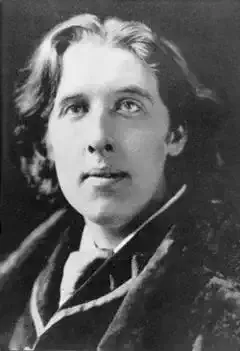
Oscar Wilde
Ballade De Marguerite
Ballade De Marguerite
(NORMANDE.)
I AM weary of lying within the chase
When the knights are meeting in market-place.
Nay, go not thou to the red-roofed town
Lest the hooves of the war-horse tread thee down.
But I would not go where the Squires ride,
I would only walk by my Lady's side.
Alack! and alack! thou art over bold,
A Forester's son may not eat off gold.
Will she love me the less that my Father is seen,
Each Martinmas day in a doublet green?
Perchance she is sewing at tapestrie,
Spindle and loom are not meet for thee.
Ah, if she is working the arras bright
I might ravel the threads by the fire-light.
Perchance she is hunting of the deer,
How could you follow o'er hill and meer?
Ah, if she is riding with the court,
I might run beside her and wind the morte.
Perchance she is kneeling in S. Denys,
(On her soul may our Lady have gramercy!)
Ah, if she is praying in lone chapelle,
I might swing the censer and ring the bell.
Come in my son, for you look sae pale,
The father shall fill thee a stoup of ale.
But who are these knights in bright array?
Is it a pageant the rich folks play?
'Tis the King of England from over sea,
Who has come unto visit our fair countrie.
But why does the curfew toll sae low
And why do the mourners walk a-row?
O 'tis Hugh of Amiens my sister's son
Who is lying stark, for his day is done.
Nay, nay, for I see white lilies clear,
It is no strong man who lies on the bier.
O 'tis old Dame Jeannette that kept the hall,
I knew she would die at the autumn fall.
Dame Jeannette had not that gold-brown hair,
Old Jeannette was not a maiden fair.
O 'tis none of our kith and none of our kin,
(Her soul may our Lady assoil from sin!)
But I hear the boy's voice chaunting sweet,
'Elle est morte, la Marguerite.'
Come in my son and lie on the bed,
And let the dead folk bury their dead.
O mother, you know I loved her true:
O mother, hath one grave room for two?
(NORMANDE.)
I AM weary of lying within the chase
When the knights are meeting in market-place.
Nay, go not thou to the red-roofed town
Lest the hooves of the war-horse tread thee down.
But I would not go where the Squires ride,
I would only walk by my Lady's side.
Alack! and alack! thou art over bold,
A Forester's son may not eat off gold.
Will she love me the less that my Father is seen,
Each Martinmas day in a doublet green?
Perchance she is sewing at tapestrie,
Spindle and loom are not meet for thee.
Ah, if she is working the arras bright
I might ravel the threads by the fire-light.
Perchance she is hunting of the deer,
How could you follow o'er hill and meer?
Ah, if she is riding with the court,
I might run beside her and wind the morte.
Perchance she is kneeling in S. Denys,
(On her soul may our Lady have gramercy!)
Ah, if she is praying in lone chapelle,
I might swing the censer and ring the bell.
Come in my son, for you look sae pale,
The father shall fill thee a stoup of ale.
But who are these knights in bright array?
Is it a pageant the rich folks play?
'Tis the King of England from over sea,
Who has come unto visit our fair countrie.
But why does the curfew toll sae low
And why do the mourners walk a-row?
O 'tis Hugh of Amiens my sister's son
Who is lying stark, for his day is done.
Nay, nay, for I see white lilies clear,
It is no strong man who lies on the bier.
O 'tis old Dame Jeannette that kept the hall,
I knew she would die at the autumn fall.
Dame Jeannette had not that gold-brown hair,
Old Jeannette was not a maiden fair.
O 'tis none of our kith and none of our kin,
(Her soul may our Lady assoil from sin!)
But I hear the boy's voice chaunting sweet,
'Elle est morte, la Marguerite.'
Come in my son and lie on the bed,
And let the dead folk bury their dead.
O mother, you know I loved her true:
O mother, hath one grave room for two?
297
Oscar Wilde
At Verona
At Verona
HOW steep the stairs within Kings' houses are
For exile-wearied feet as mine to tread,
And O how salt and bitter is the bread
Which falls from this Hound's table,--better far
That I had died in the red ways of war,
Or that the gate of Florence bare my head,
Than to live thus, by all things comraded
Which seek the essence of my soul to mar.
'Curse God and die: what better hope than this?
He hath forgotten thee in all the bliss
Of his gold city, and eternal day'--
Nay peace: behind my prison's blinded bars
I do possess what none can take away,
My love, and all the glory of the stars.
HOW steep the stairs within Kings' houses are
For exile-wearied feet as mine to tread,
And O how salt and bitter is the bread
Which falls from this Hound's table,--better far
That I had died in the red ways of war,
Or that the gate of Florence bare my head,
Than to live thus, by all things comraded
Which seek the essence of my soul to mar.
'Curse God and die: what better hope than this?
He hath forgotten thee in all the bliss
Of his gold city, and eternal day'--
Nay peace: behind my prison's blinded bars
I do possess what none can take away,
My love, and all the glory of the stars.
248

Ogden Nash
The Cuckoo
The Cuckoo
Cuckoos lead Bohemian lives,
They fail as husbands and as wives,
Therefore they cynically disparage
Everybody else's marriage.
Cuckoos lead Bohemian lives,
They fail as husbands and as wives,
Therefore they cynically disparage
Everybody else's marriage.
207
Ogden Nash
The Boy Who Laughed At Santa Claus
The Boy Who Laughed At Santa Claus
In Baltimore there lived a boy.
He wasn't anybody's joy.
Although his name was Jabez Dawes,
His character was full of flaws. In school he never led his classes,
He hid old ladies' reading glasses,
His mouth was open when he chewed,
And elbows to the table glued.
He stole the milk of hungry kittens,
And walked through doors marked NO ADMITTANCE.
He said he acted thus because
There wasn't any Santa Claus.
In Baltimore there lived a boy.
He wasn't anybody's joy.
Although his name was Jabez Dawes,
His character was full of flaws. In school he never led his classes,
He hid old ladies' reading glasses,
His mouth was open when he chewed,
And elbows to the table glued.
He stole the milk of hungry kittens,
And walked through doors marked NO ADMITTANCE.
He said he acted thus because
There wasn't any Santa Claus.
254
Ogden Nash
Song To Be Sung by the Father of Infant Female Children
Song To Be Sung by the Father of Infant Female Children
My heart leaps up when I behold
A rainbow in the sky;
Contrariwise, my blood runs cold
When little boys go by.
For little boys as little boys,
No special hate I carry,
But now and then they grow to men,
And when they do, they marry.
No matter how they tarry,
Eventually they marry.
And, swine among the pearls,
They marry little girls.
Oh, somewhere, somewhere, an infant plays,
With parents who feed and clothe him.
Their lips are sticky with pride and praise,
But I have begun to loathe him.
Yes, I loathe with loathing shameless
This child who to me is nameless.
This bachelor child in his carriage
Gives never a thought to marriage,
But a person can hardly say knife
Before he will hunt him a wife.
I never see an infant (male),
A-sleeping in the sun,
Without I turn a trifle pale
And think is he the one?
Oh, first he'll want to crop his curls,
And then he'll want a pony,
And then he'll think of pretty girls,
And holy matrimony.
A cat without a mouse
Is he without a spouse.
Oh, somewhere he bubbles bubbles of milk,
And quietly sucks his thumbs.
His cheeks are roses painted on silk,
And his teeth are tucked in his gums.
But alas the teeth will begin to grow,
And the bubbles will cease to bubble;
Given a score of years or so,
The roses will turn to stubble.
He'll sell a bond, or he'll write a book,
And his eyes will get that acquisitive look,
And raging and ravenous for the kill,
He'll boldly ask for the hand of Jill.
This infant whose middle
Is diapered still
Will want to marry My daughter Jill.
Oh sweet be his slumber and moist his middle!
My dreams, I fear, are infanticiddle.
A fig for embryo Lohengrins!
I'll open all his safety pins,
I'll pepper his powder, and salt his bottle,
And give him readings from Aristotle.
Sand for his spinach I'll gladly bring,
And Tabasco sauce for his teething ring.
Then perhaps he'll struggle though fire and water
To marry somebody else's daughter.
My heart leaps up when I behold
A rainbow in the sky;
Contrariwise, my blood runs cold
When little boys go by.
For little boys as little boys,
No special hate I carry,
But now and then they grow to men,
And when they do, they marry.
No matter how they tarry,
Eventually they marry.
And, swine among the pearls,
They marry little girls.
Oh, somewhere, somewhere, an infant plays,
With parents who feed and clothe him.
Their lips are sticky with pride and praise,
But I have begun to loathe him.
Yes, I loathe with loathing shameless
This child who to me is nameless.
This bachelor child in his carriage
Gives never a thought to marriage,
But a person can hardly say knife
Before he will hunt him a wife.
I never see an infant (male),
A-sleeping in the sun,
Without I turn a trifle pale
And think is he the one?
Oh, first he'll want to crop his curls,
And then he'll want a pony,
And then he'll think of pretty girls,
And holy matrimony.
A cat without a mouse
Is he without a spouse.
Oh, somewhere he bubbles bubbles of milk,
And quietly sucks his thumbs.
His cheeks are roses painted on silk,
And his teeth are tucked in his gums.
But alas the teeth will begin to grow,
And the bubbles will cease to bubble;
Given a score of years or so,
The roses will turn to stubble.
He'll sell a bond, or he'll write a book,
And his eyes will get that acquisitive look,
And raging and ravenous for the kill,
He'll boldly ask for the hand of Jill.
This infant whose middle
Is diapered still
Will want to marry My daughter Jill.
Oh sweet be his slumber and moist his middle!
My dreams, I fear, are infanticiddle.
A fig for embryo Lohengrins!
I'll open all his safety pins,
I'll pepper his powder, and salt his bottle,
And give him readings from Aristotle.
Sand for his spinach I'll gladly bring,
And Tabasco sauce for his teething ring.
Then perhaps he'll struggle though fire and water
To marry somebody else's daughter.
198
Ogden Nash
Reflection On The Fallibility Of Nemesis
Reflection On The Fallibility Of Nemesis
He who is ridden by a conscience
Worries about a lot of nonscience;
He without benefit of scruples
His fun and income soon quadruples.
He who is ridden by a conscience
Worries about a lot of nonscience;
He without benefit of scruples
His fun and income soon quadruples.
229
Ogden Nash
Portrait of the Artist as a Prematurely Old Man
Portrait of the Artist as a Prematurely Old Man
It is common knowledge to every schoolboy and even every Bachelor of Arts,
That all sin is divided into two parts.
One kind of sin is called a sin of commission, and that is very important,
And it is what you are doing when you are doing something you ortant,
And the other kind of sin is just the opposite and is called a sin of omission
and is equally bad in the eyes of all right-thinking people, from
Billy Sunday to Buddha,
And it consists of not having done something you shuddha.
I might as well give you my opinion of these two kinds of sin as long as,
in a way, against each other we are pitting them,
And that is, don't bother your head about the sins of commission because
however sinful, they must at least be fun or else you wouldn't be
committing them.
It is the sin of omission, the second kind of sin,
That lays eggs under your skin.
The way you really get painfully bitten
Is by the insurance you haven't taken out and the checks you haven't added up
the stubs of and the appointments you haven't kept and the bills you
haven't paid and the letters you haven't written.
Also, about sins of omission there is one particularly painful lack of beauty,
Namely, it isn't as though it had been a riotous red-letter day or night every
time you neglected to do your duty;
You didn't get a wicked forbidden thrill
Every time you let a policy lapse or forget to pay a bill;
You didn't slap the lads in the tavern on the back and loudly cry Whee,
Let's all fail to write just one more letter before we go home, and this round
of unwritten letters is on me.
No, you never get any fun
Out of things you haven't done,
But they are the things that I do not like to be amid,
Because the suitable things you didn't do give you a lot more trouble than the
unsuitable things you did.
The moral is that it is probably better not to sin at all, but if some kind of
sin you must be pursuing,
Well, remember to do it by doing rather than by not doing.
It is common knowledge to every schoolboy and even every Bachelor of Arts,
That all sin is divided into two parts.
One kind of sin is called a sin of commission, and that is very important,
And it is what you are doing when you are doing something you ortant,
And the other kind of sin is just the opposite and is called a sin of omission
and is equally bad in the eyes of all right-thinking people, from
Billy Sunday to Buddha,
And it consists of not having done something you shuddha.
I might as well give you my opinion of these two kinds of sin as long as,
in a way, against each other we are pitting them,
And that is, don't bother your head about the sins of commission because
however sinful, they must at least be fun or else you wouldn't be
committing them.
It is the sin of omission, the second kind of sin,
That lays eggs under your skin.
The way you really get painfully bitten
Is by the insurance you haven't taken out and the checks you haven't added up
the stubs of and the appointments you haven't kept and the bills you
haven't paid and the letters you haven't written.
Also, about sins of omission there is one particularly painful lack of beauty,
Namely, it isn't as though it had been a riotous red-letter day or night every
time you neglected to do your duty;
You didn't get a wicked forbidden thrill
Every time you let a policy lapse or forget to pay a bill;
You didn't slap the lads in the tavern on the back and loudly cry Whee,
Let's all fail to write just one more letter before we go home, and this round
of unwritten letters is on me.
No, you never get any fun
Out of things you haven't done,
But they are the things that I do not like to be amid,
Because the suitable things you didn't do give you a lot more trouble than the
unsuitable things you did.
The moral is that it is probably better not to sin at all, but if some kind of
sin you must be pursuing,
Well, remember to do it by doing rather than by not doing.
216
Ogden Nash
One From One Leaves Two
One From One Leaves Two
Higgledy piggledy, my black hen,
She lays eggs for gentlemen.
Gentlemen come every day
To count what my black hen doth lay.
If perchance she lays too many,
They fine my hen a pretty penny;
If perchance she fails to lay,
The gentlemen a bonus pay.
Mumbledy pumbledy, my red cow,
She’s cooperating now.
At first she didn’t understand
That milk production must be planned;
She didn’t understand at first
She either had to plan or burst,
But now the government reports
She’s giving pints instead of quarts.
Fiddle de dee, my next-door neighbors,
They are giggling at their labors.
First they plant the tiny seed,
Then they water, then they weed,
Then they hoe and prune and lop,
They they raise a record crop,
Then they laugh their sides asunder,
And plow the whole caboodle under.
Abracadabra, thus we learn
The more you create, the less you earn.
The less you earn, the more you’re given,
The less you lead, the more you’re driven,
The more destroyed, the more they feed,
The more you pay, the more they need,
The more you earn, the less you keep,
And now I lay me down to sleep.
I pray the Lord my soul to take
If the tax-collector hasn’t got it before I wake.
Higgledy piggledy, my black hen,
She lays eggs for gentlemen.
Gentlemen come every day
To count what my black hen doth lay.
If perchance she lays too many,
They fine my hen a pretty penny;
If perchance she fails to lay,
The gentlemen a bonus pay.
Mumbledy pumbledy, my red cow,
She’s cooperating now.
At first she didn’t understand
That milk production must be planned;
She didn’t understand at first
She either had to plan or burst,
But now the government reports
She’s giving pints instead of quarts.
Fiddle de dee, my next-door neighbors,
They are giggling at their labors.
First they plant the tiny seed,
Then they water, then they weed,
Then they hoe and prune and lop,
They they raise a record crop,
Then they laugh their sides asunder,
And plow the whole caboodle under.
Abracadabra, thus we learn
The more you create, the less you earn.
The less you earn, the more you’re given,
The less you lead, the more you’re driven,
The more destroyed, the more they feed,
The more you pay, the more they need,
The more you earn, the less you keep,
And now I lay me down to sleep.
I pray the Lord my soul to take
If the tax-collector hasn’t got it before I wake.
253
Ogden Nash
I Do, I Will, I Have
I Do, I Will, I Have
How wise I am to have instructed the butler
to instruct the first footman to instruct the second
footman to instruct the doorman to order my carriage;
I am about to volunteer a definition of marriage.
Just as I know that there are two Hagens, Walter and Copen,
I know that marriage is a legal and religious alliance entered
into by a man who can't sleep with the window shut and a
woman who can't sleep with the window open.
Moreover, just as I am unsure of the difference between
flora and fauna and flotsam and jetsam,
I am quite sure that marriage is the alliance of two people
one of whom never remembers birthdays and the other
never forgetsam,
And he refuses to believe there is a leak in the water pipe or
the gas pipe and she is convinced she is about to asphyxiate
or drown,
And she says Quick get up and get my hairbrushes off the
windowsill, it's raining in, and he replies Oh they're all right,
it's only raining straight down.
That is why marriage is so much more interesting than divorce,
Because it's the only known example of the happy meeting of
the immovable object and the irresistible force.
So I hope husbands and wives will continue to debate and
combat over everything debatable and combatable,
Because I believe a little incompatibility is the spice of life,
particularly if he has income and she is pattable.
How wise I am to have instructed the butler
to instruct the first footman to instruct the second
footman to instruct the doorman to order my carriage;
I am about to volunteer a definition of marriage.
Just as I know that there are two Hagens, Walter and Copen,
I know that marriage is a legal and religious alliance entered
into by a man who can't sleep with the window shut and a
woman who can't sleep with the window open.
Moreover, just as I am unsure of the difference between
flora and fauna and flotsam and jetsam,
I am quite sure that marriage is the alliance of two people
one of whom never remembers birthdays and the other
never forgetsam,
And he refuses to believe there is a leak in the water pipe or
the gas pipe and she is convinced she is about to asphyxiate
or drown,
And she says Quick get up and get my hairbrushes off the
windowsill, it's raining in, and he replies Oh they're all right,
it's only raining straight down.
That is why marriage is so much more interesting than divorce,
Because it's the only known example of the happy meeting of
the immovable object and the irresistible force.
So I hope husbands and wives will continue to debate and
combat over everything debatable and combatable,
Because I believe a little incompatibility is the spice of life,
particularly if he has income and she is pattable.
225
Ogden Nash
A Word to Husbands
A Word to Husbands
To keep your marriage brimming
With love in the loving cup,
Whenever you’re wrong, admit it;
Whenever you’re right, shut up.
To keep your marriage brimming
With love in the loving cup,
Whenever you’re wrong, admit it;
Whenever you’re right, shut up.
188

Nazim Hikmet
Some Advice To Those Who Will Serve Time In Prison
Some Advice To Those Who Will Serve Time In Prison
If instead of being hanged by the neck
you're thrown inside
for not giving up hope
in the world, your country, your people,
if you do ten or fifteen years
apart from the time you have left,
you won't say,
"Better I had swung from the end of a rope
like a flag" --
You'll put your foot down and live.
It may not be a pleasure exactly,
but it's your solemn duty
to live one more day
to spite the enemy.
Part of you may live alone inside,
like a tone at the bottom of a well.
But the other part
must be so caught up
in the flurry of the world
that you shiver there inside
when outside, at forty days' distance, a leaf moves.
To wait for letters inside,
to sing sad songs,
or to lie awake all night staring at the ceiling
is sweet but dangerous.
Look at your face from shave to shave,
forget your age,
watch out for lice
and for spring nights,
and always remember
to eat every last piece of bread--
also, don't forget to laugh heartily.
And who knows,
the woman you love may stop loving you.
Don't say it's no big thing:
it's like the snapping of a green branch
to the man inside.
To think of roses and gardens inside is bad,
to think of seas and mountains is good.
Read and write without rest,
and I also advise weaving
and making mirrors.
I mean, it's not that you can't pass
ten or fifteen years inside
and more --
you can,
as long as the jewel
on the left side of your chest doesn't lose it's luster!
May
Trans. by Randy Blasing and Mutlu Konuk ()
If instead of being hanged by the neck
you're thrown inside
for not giving up hope
in the world, your country, your people,
if you do ten or fifteen years
apart from the time you have left,
you won't say,
"Better I had swung from the end of a rope
like a flag" --
You'll put your foot down and live.
It may not be a pleasure exactly,
but it's your solemn duty
to live one more day
to spite the enemy.
Part of you may live alone inside,
like a tone at the bottom of a well.
But the other part
must be so caught up
in the flurry of the world
that you shiver there inside
when outside, at forty days' distance, a leaf moves.
To wait for letters inside,
to sing sad songs,
or to lie awake all night staring at the ceiling
is sweet but dangerous.
Look at your face from shave to shave,
forget your age,
watch out for lice
and for spring nights,
and always remember
to eat every last piece of bread--
also, don't forget to laugh heartily.
And who knows,
the woman you love may stop loving you.
Don't say it's no big thing:
it's like the snapping of a green branch
to the man inside.
To think of roses and gardens inside is bad,
to think of seas and mountains is good.
Read and write without rest,
and I also advise weaving
and making mirrors.
I mean, it's not that you can't pass
ten or fifteen years inside
and more --
you can,
as long as the jewel
on the left side of your chest doesn't lose it's luster!
May
Trans. by Randy Blasing and Mutlu Konuk ()
347
Nazim Hikmet
On Living
On Living
I
Living is no laughing matter:
you must live with great seriousness
like a squirrel, for example--
I mean without looking for something beyond and above living,
I mean living must be your whole occupation.
Living is no laughing matter:
you must take it seriously,
so much so and to such a degree
that, for example, your hands tied behind your back,
your back to the wall,
or else in a laboratory
in your white coat and safety glasses,
you can die for people--
even for people whose faces you've never seen,
even though you know living
is the most real, the most beautiful thing.
I mean, you must take living so seriously
that even at seventy, for example, you'll plant olive trees--
and not for your children, either,
but because although you fear death you don't believe it,
because living, I mean, weighs heavier.
II
Let's say you're seriously ill, need surgery--
which is to say we might not get
from the white table.
Even though it's impossible not to feel sad
about going a little too soon,
we'll still laugh at the jokes being told,
we'll look out the window to see it's raining,
or still wait anxiously
for the latest newscast ...
Let's say we're at the front--
for something worth fighting for, say.
There, in the first offensive, on that very day,
we might fall on our face, dead.
We'll know this with a curious anger,
but we'll still worry ourselves to death
about the outcome of the war, which could last years.
Let's say we're in prison
and close to fifty,
and we have eighteen more years, say,
before the iron doors will open.
We'll still live with the outside,
with its people and animals, struggle and wind--
I mean with the outside beyond the walls.
I mean, however and wherever we are,
we must live as if we will never die.
III
This earth will grow cold,
a star among stars
and one of the smallest,
a gilded mote on blue velvet--
I mean this, our great earth.
This earth will grow cold one day,
not like a block of ice
or a dead cloud even
but like an empty walnut it will roll along
in pitch-black space ...
You must grieve for this right now
--you have to feel this sorrow now--
for the world must be loved this much
if you're going to say "I lived" ...
Trans. by Randy Blasing and Mutlu Konuk ()
I
Living is no laughing matter:
you must live with great seriousness
like a squirrel, for example--
I mean without looking for something beyond and above living,
I mean living must be your whole occupation.
Living is no laughing matter:
you must take it seriously,
so much so and to such a degree
that, for example, your hands tied behind your back,
your back to the wall,
or else in a laboratory
in your white coat and safety glasses,
you can die for people--
even for people whose faces you've never seen,
even though you know living
is the most real, the most beautiful thing.
I mean, you must take living so seriously
that even at seventy, for example, you'll plant olive trees--
and not for your children, either,
but because although you fear death you don't believe it,
because living, I mean, weighs heavier.
II
Let's say you're seriously ill, need surgery--
which is to say we might not get
from the white table.
Even though it's impossible not to feel sad
about going a little too soon,
we'll still laugh at the jokes being told,
we'll look out the window to see it's raining,
or still wait anxiously
for the latest newscast ...
Let's say we're at the front--
for something worth fighting for, say.
There, in the first offensive, on that very day,
we might fall on our face, dead.
We'll know this with a curious anger,
but we'll still worry ourselves to death
about the outcome of the war, which could last years.
Let's say we're in prison
and close to fifty,
and we have eighteen more years, say,
before the iron doors will open.
We'll still live with the outside,
with its people and animals, struggle and wind--
I mean with the outside beyond the walls.
I mean, however and wherever we are,
we must live as if we will never die.
III
This earth will grow cold,
a star among stars
and one of the smallest,
a gilded mote on blue velvet--
I mean this, our great earth.
This earth will grow cold one day,
not like a block of ice
or a dead cloud even
but like an empty walnut it will roll along
in pitch-black space ...
You must grieve for this right now
--you have to feel this sorrow now--
for the world must be loved this much
if you're going to say "I lived" ...
Trans. by Randy Blasing and Mutlu Konuk ()
385
Nazim Hikmet
Last Will And Testament
Last Will And Testament
Comrades, if I don't live to see the day
-- I mean,if I die before freedom comes --
take me away
and bury me in a village cemetery in Anatolia.
The worker Osman whom Hassan Bey ordered shot
can lie on one side of me, and on the other side
the martyr Aysha, who gave birth in the rye
and died inside of forty days.
Tractors and songs can pass below the cemetery --
in the dawn light, new people, the smell of burnt gasoline,
fields held in common, water in canals,
no drought or fear of the police.
Of course, we won't hear those songs:
the dead lie stretched out underground
and rot like black branches,
deaf, dumb, and blind under the earth.
But, I sang those songs
before they were written,
I smelled the burnt gasoline
before the blueprints for the tractors were drawn.
As for my neighbors,
the worker Osman and the martyr Aysha,
they felt the great longing while alive,
maybe without even knowing it.
Comrades, if I die before that day, I mean
-- and it's looking more and more likely --
bury me in a village cemetery in Anatolia,
and if there's one handy,
a plane tree could stand at my head,
I wouldn't need a stone or anything.
Moscow, Barviha Hospital
Trans. by Randy Blasing and Mutlu Konuk ()
Comrades, if I don't live to see the day
-- I mean,if I die before freedom comes --
take me away
and bury me in a village cemetery in Anatolia.
The worker Osman whom Hassan Bey ordered shot
can lie on one side of me, and on the other side
the martyr Aysha, who gave birth in the rye
and died inside of forty days.
Tractors and songs can pass below the cemetery --
in the dawn light, new people, the smell of burnt gasoline,
fields held in common, water in canals,
no drought or fear of the police.
Of course, we won't hear those songs:
the dead lie stretched out underground
and rot like black branches,
deaf, dumb, and blind under the earth.
But, I sang those songs
before they were written,
I smelled the burnt gasoline
before the blueprints for the tractors were drawn.
As for my neighbors,
the worker Osman and the martyr Aysha,
they felt the great longing while alive,
maybe without even knowing it.
Comrades, if I die before that day, I mean
-- and it's looking more and more likely --
bury me in a village cemetery in Anatolia,
and if there's one handy,
a plane tree could stand at my head,
I wouldn't need a stone or anything.
Moscow, Barviha Hospital
Trans. by Randy Blasing and Mutlu Konuk ()
327
Nazim Hikmet
Don Quixote
Don Quixote
The knight of immortal youth
at the age of fifty found his mind in his heart
and on July morning went out to capture
the right, the beautiful, the just.
Facing him a world of silly and arrogant giants,
he on his sad but brave Rocinante.
I know what it means to be longing for something,
but if your heart weighs only a pound and sixteen ounces,
there's no sense, my Don, in fighting these senseless windmills.
But you are right, of course, Dulcinea is your woman,
the most beautiful in the world;
I'm sure you'll shout this fact
at the face of street-traders;
but they'll pull you down from your horse
and beat you up.
But you, the unbeatable knight of our curse,
will continue to glow behind the heavy iron visor
and Dulcinea will become even more beautiful.
Translated by Taner Baybars
The knight of immortal youth
at the age of fifty found his mind in his heart
and on July morning went out to capture
the right, the beautiful, the just.
Facing him a world of silly and arrogant giants,
he on his sad but brave Rocinante.
I know what it means to be longing for something,
but if your heart weighs only a pound and sixteen ounces,
there's no sense, my Don, in fighting these senseless windmills.
But you are right, of course, Dulcinea is your woman,
the most beautiful in the world;
I'm sure you'll shout this fact
at the face of street-traders;
but they'll pull you down from your horse
and beat you up.
But you, the unbeatable knight of our curse,
will continue to glow behind the heavy iron visor
and Dulcinea will become even more beautiful.
Translated by Taner Baybars
340
Nazim Hikmet
A Sad State Of Freedom
A Sad State Of Freedom
You waste the attention of your eyes,
the glittering labour of your hands,
and knead the dough enough for dozens of loaves
of which you'll taste not a morsel;
you are free to slave for others--
you are free to make the rich richer.
The moment you're born
they plant around you
mills that grind lies
lies to last you a lifetime.
You keep thinking in your great freedom
a finger on your temple
free to have a free conscience.
Your head bent as if half-cut from the nape,
your arms long, hanging,
your saunter about in your great freedom:
you're free
with the freedom of being unemployed.
You love your country
as the nearest, most precious thing to you.
But one day, for example,
they may endorse it over to America,
and you, too, with your great freedom--
you have the freedom to become an air-base.
You may proclaim that one must live
not as a tool, a number or a link
but as a human being--
then at once they handcuff your wrists.
You are free to be arrested, imprisoned
and even hanged.
There's neither an iron, wooden
nor a tulle curtain
in your life;
there's no need to choose freedom:
you are free.
But this kind of freedom
is a sad affair under the stars.
Translated by Taner Baybars
You waste the attention of your eyes,
the glittering labour of your hands,
and knead the dough enough for dozens of loaves
of which you'll taste not a morsel;
you are free to slave for others--
you are free to make the rich richer.
The moment you're born
they plant around you
mills that grind lies
lies to last you a lifetime.
You keep thinking in your great freedom
a finger on your temple
free to have a free conscience.
Your head bent as if half-cut from the nape,
your arms long, hanging,
your saunter about in your great freedom:
you're free
with the freedom of being unemployed.
You love your country
as the nearest, most precious thing to you.
But one day, for example,
they may endorse it over to America,
and you, too, with your great freedom--
you have the freedom to become an air-base.
You may proclaim that one must live
not as a tool, a number or a link
but as a human being--
then at once they handcuff your wrists.
You are free to be arrested, imprisoned
and even hanged.
There's neither an iron, wooden
nor a tulle curtain
in your life;
there's no need to choose freedom:
you are free.
But this kind of freedom
is a sad affair under the stars.
Translated by Taner Baybars
368
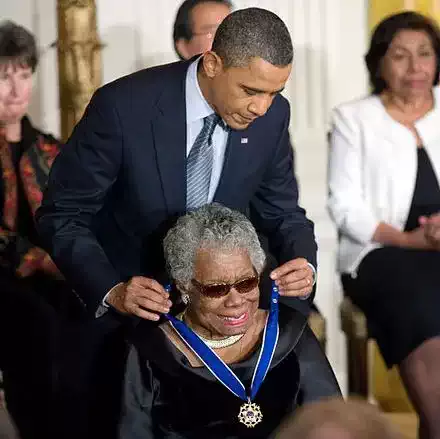
Maya Angelou
These are not the only wonders of the world
These are not the only wonders of the world
When we come to it
We, this people, on this minuscule and kithless globe
Who reach daily for the bomb, the blade and the dagger
Yet who petition in the dark for tokens of peace
We, this people on this mote of matter
In whose mouths abide cankerous words
Which challenge our very existence
Yet out of those same mouths
Come songs of such exquisite sweetness
That the heart falters in its labor
And the body is quieted into awe
We, this people, on this small and drifting planet
Whose hands can strike with such abandon
That in a twinkling, life is sapped from the living
Yet those same hands can touch with such healing, irresistible tenderness
That the haughty neck is happy to bow
And the proud back is glad to bend
Out of such chaos, of such contradiction
We learn that we are neither devils nor divines
When we come to it
We, this people, on this wayward, floating body
Created on this earth, of this earth
Have the power to fashion for this earth
A climate where every man and every woman
Can live freely without sanctimonious piety
Without crippling fear
When we come to it
We must confess that we are the possible
We are the miraculous, the true wonder of this world
That is when, and only when
We come to it.
When we come to it
We, this people, on this minuscule and kithless globe
Who reach daily for the bomb, the blade and the dagger
Yet who petition in the dark for tokens of peace
We, this people on this mote of matter
In whose mouths abide cankerous words
Which challenge our very existence
Yet out of those same mouths
Come songs of such exquisite sweetness
That the heart falters in its labor
And the body is quieted into awe
We, this people, on this small and drifting planet
Whose hands can strike with such abandon
That in a twinkling, life is sapped from the living
Yet those same hands can touch with such healing, irresistible tenderness
That the haughty neck is happy to bow
And the proud back is glad to bend
Out of such chaos, of such contradiction
We learn that we are neither devils nor divines
When we come to it
We, this people, on this wayward, floating body
Created on this earth, of this earth
Have the power to fashion for this earth
A climate where every man and every woman
Can live freely without sanctimonious piety
Without crippling fear
When we come to it
We must confess that we are the possible
We are the miraculous, the true wonder of this world
That is when, and only when
We come to it.
149
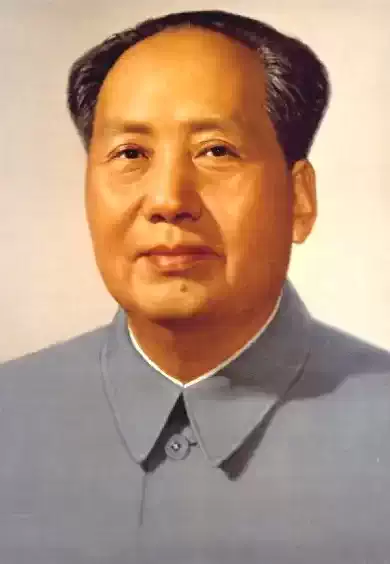
Mao Tsé-Tung
Winter clouds
Winter clouds
Winter clouds snow-laden, cotton fluff flying,
None or few the unfallen flowers.
Chill waves sweep through steep skies,
Yet earth's gentle breath grows warm.
Only heroes can quell tigers and leopards
And wild bears never daunt the brave.
Plum blossoms welcome the whirling snow;
Small wonder flies freeze and perish.
Winter clouds snow-laden, cotton fluff flying,
None or few the unfallen flowers.
Chill waves sweep through steep skies,
Yet earth's gentle breath grows warm.
Only heroes can quell tigers and leopards
And wild bears never daunt the brave.
Plum blossoms welcome the whirling snow;
Small wonder flies freeze and perish.
215
Mao Tsé-Tung
Snow
Snow
North country scene:
A hundred leagues locked in ice,
A thousand leagues of whirling snow.
Both sides of the Great Wall
One single white immensity.
The Yellow River's swift current
Is stilled from end to end.
The mountains dance like silver snakes
And the highlands* charge like wax-hued elephants,
Vying with heaven in stature.
On a fine day, the land,
Clad in white, adorned in red,
Grows more enchanting.
This land so rich in beauty
Has made countless heroes bow in homage.
But alas! Chin Shih-huang and Han Wu-ti
Were lacking in literary grace,
And Tang Tai-tsung and Sung Tai-tsu
Had little poetry in their souls;
And Genghis Khan,
Proud Son of Heaven for a day,
Knew only shooting eagles, bow outstretched
All are past and gone!
For truly great men
Look to this age alone.
North country scene:
A hundred leagues locked in ice,
A thousand leagues of whirling snow.
Both sides of the Great Wall
One single white immensity.
The Yellow River's swift current
Is stilled from end to end.
The mountains dance like silver snakes
And the highlands* charge like wax-hued elephants,
Vying with heaven in stature.
On a fine day, the land,
Clad in white, adorned in red,
Grows more enchanting.
This land so rich in beauty
Has made countless heroes bow in homage.
But alas! Chin Shih-huang and Han Wu-ti
Were lacking in literary grace,
And Tang Tai-tsung and Sung Tai-tsu
Had little poetry in their souls;
And Genghis Khan,
Proud Son of Heaven for a day,
Knew only shooting eagles, bow outstretched
All are past and gone!
For truly great men
Look to this age alone.
457
Lewis Carroll
Phantasmagoria CANTO VI ( Dyscomfyture )
Phantasmagoria CANTO VI ( Dyscomfyture )
As one who strives a hill to climb,
Who never climbed before:
Who finds it, in a little time,
Grow every moment less sublime,
And votes the thing a bore:
Yet, having once begun to try,
Dares not desert his quest,
But, climbing, ever keeps his eye
On one small hut against the sky
Wherein he hopes to rest:
Who climbs till nerve and force are spent,
With many a puff and pant:
Who still, as rises the ascent,
In language grows more violent,
Although in breath more scant:
Who, climbing, gains at length the place
That crowns the upward track.
And, entering with unsteady pace,
Receives a buffet in the face
That lands him on his back:
And feels himself, like one in sleep,
Glide swiftly down again,
A helpless weight, from steep to steep,
Till, with a headlong giddy sweep,
He drops upon the plain
So I, that had resolved to bring
Conviction to a ghost,
And found it quite a different thing
From any human arguing,
Yet dared not quit my post
But, keeping still the end in view
To which I hoped to come,
I strove to prove the matter true
By putting everything I knew
Into an axiom:
Commencing every single phrase
With 'therefore' or 'because,'
I blindly reeled, a hundred ways,
About the syllogistic maze,
Unconscious where I was.
Quoth he "That's regular claptrap:
Don't bluster any more.
Now DO be cool and take a nap!
Such a ridiculous old chap
Was never seen before!
"You're like a man I used to meet,
Who got one day so furious
In arguing, the simple heat
Scorched both his slippers off his feet!"
I said "THAT'S VERY CURIOUS!"
"Well, it IS curious, I agree,
And sounds perhaps like fibs:
But still it's true as true can be As
sure as your name's Tibbs," said he.
I said "My name's NOT Tibbs."
"NOT Tibbs!" he cried his
tone became
A shade or two less hearty "
Why, no," said I. "My proper name
Is Tibbets "
"Tibbets?" "Aye, the same."
"Why, then YOU'RE NOT THE PARTY!"
With that he struck the board a blow
That shivered half the glasses.
"Why couldn't you have told me so
Three quarters of an hour ago,
You prince of all the asses?
"To walk four miles through mud and rain,
To spend the night in smoking,
And then to find that it's in vain And
I've to do it all again It's
really TOO provoking!
"Don't talk!" he cried, as I began
To mutter some excuse.
"Who can have patience with a man
That's got no more discretion than
An idiotic goose?
"To keep me waiting here, instead
Of telling me at once
That this was not the house!" he said.
"There, that'll do be
off to bed!
Don't gape like that, you dunce!"
"It's very fine to throw the blame
On ME in such a fashion!
Why didn't you enquire my name
The very minute that you came?"
I answered in a passion.
"Of course it worries you a bit
To come so far on foot
But how was I to blame for it?"
"Well, well!" said he. "I must admit
That isn't badly put.
"And certainly you've given me
The best of wine and victual Excuse
my violence," said he,
"But accidents like this, you see,
They put one out a little.
"'Twas MY fault after all, I find Shake
hands, old Turniptop!"
The name was hardly to my mind,
But, as no doubt he meant it kind,
I let the matter drop.
"Goodnight,
old Turniptop,
goodnight!
When I am gone, perhaps
They'll send you some inferior Sprite,
Who'll keep you in a constant fright
And spoil your soundest naps.
"Tell him you'll stand no sort of trick;
Then, if he leers and chuckles,
You just be handy with a stick
(Mind that it's pretty hard and thick)
And rap him on the knuckles!
"Then carelessly remark 'Old coon!
Perhaps you're not aware
That, if you don't behave, you'll soon
Be chuckling to another tune And
so you'd best take care!'
"That's the right way to cure a Sprite
Of such like goingson
But
gracious me! It's getting light!
Goodnight,
old Turniptop,
goodnight!"
A nod, and he was gone.
As one who strives a hill to climb,
Who never climbed before:
Who finds it, in a little time,
Grow every moment less sublime,
And votes the thing a bore:
Yet, having once begun to try,
Dares not desert his quest,
But, climbing, ever keeps his eye
On one small hut against the sky
Wherein he hopes to rest:
Who climbs till nerve and force are spent,
With many a puff and pant:
Who still, as rises the ascent,
In language grows more violent,
Although in breath more scant:
Who, climbing, gains at length the place
That crowns the upward track.
And, entering with unsteady pace,
Receives a buffet in the face
That lands him on his back:
And feels himself, like one in sleep,
Glide swiftly down again,
A helpless weight, from steep to steep,
Till, with a headlong giddy sweep,
He drops upon the plain
So I, that had resolved to bring
Conviction to a ghost,
And found it quite a different thing
From any human arguing,
Yet dared not quit my post
But, keeping still the end in view
To which I hoped to come,
I strove to prove the matter true
By putting everything I knew
Into an axiom:
Commencing every single phrase
With 'therefore' or 'because,'
I blindly reeled, a hundred ways,
About the syllogistic maze,
Unconscious where I was.
Quoth he "That's regular claptrap:
Don't bluster any more.
Now DO be cool and take a nap!
Such a ridiculous old chap
Was never seen before!
"You're like a man I used to meet,
Who got one day so furious
In arguing, the simple heat
Scorched both his slippers off his feet!"
I said "THAT'S VERY CURIOUS!"
"Well, it IS curious, I agree,
And sounds perhaps like fibs:
But still it's true as true can be As
sure as your name's Tibbs," said he.
I said "My name's NOT Tibbs."
"NOT Tibbs!" he cried his
tone became
A shade or two less hearty "
Why, no," said I. "My proper name
Is Tibbets "
"Tibbets?" "Aye, the same."
"Why, then YOU'RE NOT THE PARTY!"
With that he struck the board a blow
That shivered half the glasses.
"Why couldn't you have told me so
Three quarters of an hour ago,
You prince of all the asses?
"To walk four miles through mud and rain,
To spend the night in smoking,
And then to find that it's in vain And
I've to do it all again It's
really TOO provoking!
"Don't talk!" he cried, as I began
To mutter some excuse.
"Who can have patience with a man
That's got no more discretion than
An idiotic goose?
"To keep me waiting here, instead
Of telling me at once
That this was not the house!" he said.
"There, that'll do be
off to bed!
Don't gape like that, you dunce!"
"It's very fine to throw the blame
On ME in such a fashion!
Why didn't you enquire my name
The very minute that you came?"
I answered in a passion.
"Of course it worries you a bit
To come so far on foot
But how was I to blame for it?"
"Well, well!" said he. "I must admit
That isn't badly put.
"And certainly you've given me
The best of wine and victual Excuse
my violence," said he,
"But accidents like this, you see,
They put one out a little.
"'Twas MY fault after all, I find Shake
hands, old Turniptop!"
The name was hardly to my mind,
But, as no doubt he meant it kind,
I let the matter drop.
"Goodnight,
old Turniptop,
goodnight!
When I am gone, perhaps
They'll send you some inferior Sprite,
Who'll keep you in a constant fright
And spoil your soundest naps.
"Tell him you'll stand no sort of trick;
Then, if he leers and chuckles,
You just be handy with a stick
(Mind that it's pretty hard and thick)
And rap him on the knuckles!
"Then carelessly remark 'Old coon!
Perhaps you're not aware
That, if you don't behave, you'll soon
Be chuckling to another tune And
so you'd best take care!'
"That's the right way to cure a Sprite
Of such like goingson
But
gracious me! It's getting light!
Goodnight,
old Turniptop,
goodnight!"
A nod, and he was gone.
146
Lewis Carroll
Phantasmagoria CANTO II ( Hys Fyve Rules )
Phantasmagoria CANTO II ( Hys Fyve Rules )
"MY First but
don't suppose," he said,
"I'm setting you a riddle Is
if
your Victim be in bed,
Don't touch the curtains at his head,
But take them in the middle,
"And wave them slowly in and out,
While drawing them asunder;
And in a minute's time, no doubt,
He'll raise his head and look about
With eyes of wrath and wonder.
"And here you must on no pretence
Make the first observation.
Wait for the Victim to commence:
No Ghost of any common sense
Begins a conversation.
"If he should say 'HOW CAME YOU HERE?'
(The way that YOU began, Sir,)
In such a case your course is clear '
ON THE BAT'S BACK, MY LITTLE DEAR!'
Is the appropriate answer.
"If after this he says no more,
You'd best perhaps curtail your
Exertions go
and shake the door,
And then, if he begins to snore,
You'll know the thing's a failure.
"By day, if he should be alone At
home or on a walk You
merely give a hollow groan,
To indicate the kind of tone
In which you mean to talk.
"But if you find him with his friends,
The thing is rather harder.
In such a case success depends
On picking up some candleends,
Or butter, in the larder.
"With this you make a kind of slide
(It answers best with suet),
On which you must contrive to glide,
And swing yourself from side to side One
soon learns how to do it.
"The Second tells us what is right
In ceremonious calls:'
FIRST BURN A BLUE OR CRIMSON LIGHT'
(A thing I quite forgot tonight),
'THEN SCRATCH THE DOOR OR WALLS.'"
I said "You'll visit HERE no more,
If you attempt the Guy.
I'll have no bonfires on MY floor And,
as for scratching at the door,
I'd like to see you try!"
"The Third was written to protect
The interests of the Victim,
And tells us, as I recollect,
TO TREAT HIM WITH A GRAVE RESPECT,
AND NOT TO CONTRADICT HIM."
"That's plain," said I, "as Tare and Tret,
To any comprehension:
I only wish SOME Ghosts I've met
Would not so CONSTANTLY forget
The maxim that you mention!"
"Perhaps," he said, "YOU first transgressed
The laws of hospitality:
All Ghosts instinctively detest
The Man that fails to treat his guest
With proper cordiality.
"If you address a Ghost as 'Thing!'
Or strike him with a hatchet,
He is permitted by the King
To drop all FORMAL parleying And
then you're SURE to catch it!
"The Fourth prohibits trespassing
Where other Ghosts are quartered:
And those convicted of the thing
(Unless when pardoned by the King)
Must instantly be slaughtered.
"That simply means 'be cut up small':
Ghosts soon unite anew.
The process scarcely hurts at all Not
more than when YOU're what you call
'Cut up' by a Review.
"The Fifth is one you may prefer
That I should quote entire:THE
KING MUST BE ADDRESSED AS 'SIR.'
THIS, FROM A SIMPLE COURTIER,
IS ALL THE LAWS REQUIRE:
"BUT, SHOULD YOU WISH TO DO THE THING
WITH OUTANDOUT
POLITENESS,
ACCOST HIM AS 'MY GOBLIN KING!
AND ALWAYS USE, IN ANSWERING,
THE PHRASE 'YOUR ROYAL WHITENESS!'
"I'm getting rather hoarse, I fear,
After so much reciting :
So, if you don't object, my dear,
We'll try a glass of bitter beer I
think it looks inviting."
"MY First but
don't suppose," he said,
"I'm setting you a riddle Is
if
your Victim be in bed,
Don't touch the curtains at his head,
But take them in the middle,
"And wave them slowly in and out,
While drawing them asunder;
And in a minute's time, no doubt,
He'll raise his head and look about
With eyes of wrath and wonder.
"And here you must on no pretence
Make the first observation.
Wait for the Victim to commence:
No Ghost of any common sense
Begins a conversation.
"If he should say 'HOW CAME YOU HERE?'
(The way that YOU began, Sir,)
In such a case your course is clear '
ON THE BAT'S BACK, MY LITTLE DEAR!'
Is the appropriate answer.
"If after this he says no more,
You'd best perhaps curtail your
Exertions go
and shake the door,
And then, if he begins to snore,
You'll know the thing's a failure.
"By day, if he should be alone At
home or on a walk You
merely give a hollow groan,
To indicate the kind of tone
In which you mean to talk.
"But if you find him with his friends,
The thing is rather harder.
In such a case success depends
On picking up some candleends,
Or butter, in the larder.
"With this you make a kind of slide
(It answers best with suet),
On which you must contrive to glide,
And swing yourself from side to side One
soon learns how to do it.
"The Second tells us what is right
In ceremonious calls:'
FIRST BURN A BLUE OR CRIMSON LIGHT'
(A thing I quite forgot tonight),
'THEN SCRATCH THE DOOR OR WALLS.'"
I said "You'll visit HERE no more,
If you attempt the Guy.
I'll have no bonfires on MY floor And,
as for scratching at the door,
I'd like to see you try!"
"The Third was written to protect
The interests of the Victim,
And tells us, as I recollect,
TO TREAT HIM WITH A GRAVE RESPECT,
AND NOT TO CONTRADICT HIM."
"That's plain," said I, "as Tare and Tret,
To any comprehension:
I only wish SOME Ghosts I've met
Would not so CONSTANTLY forget
The maxim that you mention!"
"Perhaps," he said, "YOU first transgressed
The laws of hospitality:
All Ghosts instinctively detest
The Man that fails to treat his guest
With proper cordiality.
"If you address a Ghost as 'Thing!'
Or strike him with a hatchet,
He is permitted by the King
To drop all FORMAL parleying And
then you're SURE to catch it!
"The Fourth prohibits trespassing
Where other Ghosts are quartered:
And those convicted of the thing
(Unless when pardoned by the King)
Must instantly be slaughtered.
"That simply means 'be cut up small':
Ghosts soon unite anew.
The process scarcely hurts at all Not
more than when YOU're what you call
'Cut up' by a Review.
"The Fifth is one you may prefer
That I should quote entire:THE
KING MUST BE ADDRESSED AS 'SIR.'
THIS, FROM A SIMPLE COURTIER,
IS ALL THE LAWS REQUIRE:
"BUT, SHOULD YOU WISH TO DO THE THING
WITH OUTANDOUT
POLITENESS,
ACCOST HIM AS 'MY GOBLIN KING!
AND ALWAYS USE, IN ANSWERING,
THE PHRASE 'YOUR ROYAL WHITENESS!'
"I'm getting rather hoarse, I fear,
After so much reciting :
So, if you don't object, my dear,
We'll try a glass of bitter beer I
think it looks inviting."
191
Lewis Carroll
Fit the Sixth ( Hunting of the Snark )
Fit the Sixth ( Hunting of the Snark )
The Barrister's Dream
They sought it with thimbles, they sought it with care;
They pursued it with forks and hope;
They threatened its life with a railwayshare;
They charmed it with smiles and soap.
But the Barrister, weary of proving in vain
That the Beaver's lacemaking
was wrong,
Fell asleep, and in dreams saw the creature quite plain
That his fancy had dwelt on so long.
He dreamed that he stood in a shadowy Court,
Where the Snark, with a glass in its eye,
Dressed in gown, bands, and wig, was defending a pig
On the charge of deserting its sty.
The Witnesses proved, without error or flaw,
That the sty was deserted when found:
And the Judge kept explaining the state of the law
In a soft undercurrent
of sound.
The indictment had never been clearly expressed,
And it seemed that the Snark had begun,
And had spoken three hours, before any one guessed
What the pig was supposed to have done.
The Jury had each formed a different view
(Long before the indictment was read),
And they all spoke at once, so that none of them knew
One word that the others had said.
"You must know"
said the Judge: but the Snark exclaimed "Fudge!"
That statute is obsolete quite!
Let me tell you, my friends, the whole question depends
On an ancient manorial right.
"In the matter of Treason the pig would appear
To have aided, but scarcely abetted:
While the charge of Insolvency fails, it is clear,
If you grant the plea 'never indebted'.
"The fact of Desertion I will not dispute:
But its guilt, as I trust, is removed
(So far as relates to the costs of this suit)
By the Alibi which has been proved.
"My poor client's fate now depends on your votes."
Here the speaker sat down in his place,
And directed the Judge to refer to his notes
And briefly to sum up the case.
But the Judge said he never had summed up before;
So the Snark undertook it instead,
And summed it so well that it came to far more
Than the Witnesses ever had said!
When the verdict was called for, the Jury declined,
As the word was so puzzling to spell;
But they ventured to hope that the Snark wouldn't mind
Undertaking that duty as well.
So the Snark found the verdict, although, as it owned,
It was spent with the toils of the day:
When it said the word "GUILTY!" the Jury all groaned
And some of them fainted away.
Then the Snark pronounced sentence, the Judge being quite
Too nervous to utter a word:
When it rose to its feet, there was silence like night,
And the fall of a pin might be heard.
"Transportation for life" was the sentence it gave,
"And then to be fined forty pound."
The Jury all cheered, though the Judge said he feared
That the phrase was not legally sound.
But their wild exultation was suddenly checked
When the jailer informed them, with tears,
Such a sentence would not have the slightest effect,
As the pig had been dead for some years.
The Judge left the Court, looking deeply disgusted
But the Snark, though a little aghast,
As the lawyer to whom the defence was intrusted,
Went bellowing on to the last.
Thus the Barrister dreamed, while the bellowing seemed
To grow every moment more clear:
Till he woke to the knell of a furious bell,
Which the Bellman rang close at his ear.
The Barrister's Dream
They sought it with thimbles, they sought it with care;
They pursued it with forks and hope;
They threatened its life with a railwayshare;
They charmed it with smiles and soap.
But the Barrister, weary of proving in vain
That the Beaver's lacemaking
was wrong,
Fell asleep, and in dreams saw the creature quite plain
That his fancy had dwelt on so long.
He dreamed that he stood in a shadowy Court,
Where the Snark, with a glass in its eye,
Dressed in gown, bands, and wig, was defending a pig
On the charge of deserting its sty.
The Witnesses proved, without error or flaw,
That the sty was deserted when found:
And the Judge kept explaining the state of the law
In a soft undercurrent
of sound.
The indictment had never been clearly expressed,
And it seemed that the Snark had begun,
And had spoken three hours, before any one guessed
What the pig was supposed to have done.
The Jury had each formed a different view
(Long before the indictment was read),
And they all spoke at once, so that none of them knew
One word that the others had said.
"You must know"
said the Judge: but the Snark exclaimed "Fudge!"
That statute is obsolete quite!
Let me tell you, my friends, the whole question depends
On an ancient manorial right.
"In the matter of Treason the pig would appear
To have aided, but scarcely abetted:
While the charge of Insolvency fails, it is clear,
If you grant the plea 'never indebted'.
"The fact of Desertion I will not dispute:
But its guilt, as I trust, is removed
(So far as relates to the costs of this suit)
By the Alibi which has been proved.
"My poor client's fate now depends on your votes."
Here the speaker sat down in his place,
And directed the Judge to refer to his notes
And briefly to sum up the case.
But the Judge said he never had summed up before;
So the Snark undertook it instead,
And summed it so well that it came to far more
Than the Witnesses ever had said!
When the verdict was called for, the Jury declined,
As the word was so puzzling to spell;
But they ventured to hope that the Snark wouldn't mind
Undertaking that duty as well.
So the Snark found the verdict, although, as it owned,
It was spent with the toils of the day:
When it said the word "GUILTY!" the Jury all groaned
And some of them fainted away.
Then the Snark pronounced sentence, the Judge being quite
Too nervous to utter a word:
When it rose to its feet, there was silence like night,
And the fall of a pin might be heard.
"Transportation for life" was the sentence it gave,
"And then to be fined forty pound."
The Jury all cheered, though the Judge said he feared
That the phrase was not legally sound.
But their wild exultation was suddenly checked
When the jailer informed them, with tears,
Such a sentence would not have the slightest effect,
As the pig had been dead for some years.
The Judge left the Court, looking deeply disgusted
But the Snark, though a little aghast,
As the lawyer to whom the defence was intrusted,
Went bellowing on to the last.
Thus the Barrister dreamed, while the bellowing seemed
To grow every moment more clear:
Till he woke to the knell of a furious bell,
Which the Bellman rang close at his ear.
193
Lewis Carroll
Fame's Penny-Trumpet
Fame's Penny-Trumpet
Blow, blow your trumpets till they crack,
Ye little men of little souls!
And bid them huddle at your back Goldsucking
leeches, shoals on shoals!
Fill all the air with hungry wails "
Reward us, ere we think or write!
Without your Gold mere Knowledge fails
To sate the swinish appetite!"
And, where great Plato paced serene,
Or Newton paused with wistful eye,
Rush to the chace with hoofs unclean
And Babelclamour
of the sty
Be yours the pay: be theirs the praise:
We will not rob them of their due,
Nor vex the ghosts of other days
By naming them along with you.
They sought and found undying fame:
They toiled not for reward nor thanks:
Their cheeks are hot with honest shame
For you, the modern mountebanks!
Who preach of Justice plead
with tears
That Love and Mercy should abound While
marking with complacent ears
The moaning of some tortured hound:
Who prate of Wisdom nay,
forbear,
Lest Wisdom turn on you in wrath,
Trampling, with heel that will not spare,
The vermin that beset her path!
Go, throng each other's drawingrooms,
Ye idols of a petty clique:
Strut your brief hour in borrowed plumes,
And make your pennytrumpets
squeak.
Deck your dull talk with pilfered shreds
Of learning from a nobler time,
And oil each other's little heads
With mutual Flattery's golden slime:
And when the topmost height ye gain,
And stand in Glory's ether clear,
And grasp the prize of all your pain So
many hundred pounds a year
Then let Fame's banner be unfurled!
Sing Paeans for a victory won!
Ye tapers, that would light the world,
And cast a shadow on the Sun
Who still shall pour His rays sublime,
One crystal flood, from East to West,
When YE have burned your little time
And feebly flickered into rest!
Blow, blow your trumpets till they crack,
Ye little men of little souls!
And bid them huddle at your back Goldsucking
leeches, shoals on shoals!
Fill all the air with hungry wails "
Reward us, ere we think or write!
Without your Gold mere Knowledge fails
To sate the swinish appetite!"
And, where great Plato paced serene,
Or Newton paused with wistful eye,
Rush to the chace with hoofs unclean
And Babelclamour
of the sty
Be yours the pay: be theirs the praise:
We will not rob them of their due,
Nor vex the ghosts of other days
By naming them along with you.
They sought and found undying fame:
They toiled not for reward nor thanks:
Their cheeks are hot with honest shame
For you, the modern mountebanks!
Who preach of Justice plead
with tears
That Love and Mercy should abound While
marking with complacent ears
The moaning of some tortured hound:
Who prate of Wisdom nay,
forbear,
Lest Wisdom turn on you in wrath,
Trampling, with heel that will not spare,
The vermin that beset her path!
Go, throng each other's drawingrooms,
Ye idols of a petty clique:
Strut your brief hour in borrowed plumes,
And make your pennytrumpets
squeak.
Deck your dull talk with pilfered shreds
Of learning from a nobler time,
And oil each other's little heads
With mutual Flattery's golden slime:
And when the topmost height ye gain,
And stand in Glory's ether clear,
And grasp the prize of all your pain So
many hundred pounds a year
Then let Fame's banner be unfurled!
Sing Paeans for a victory won!
Ye tapers, that would light the world,
And cast a shadow on the Sun
Who still shall pour His rays sublime,
One crystal flood, from East to West,
When YE have burned your little time
And feebly flickered into rest!
212
Lewis Carroll
Echoes
Echoes
Lady Clara Vere de Vere
Was eight years old, she said:
Every ringlet, lightly shaken, ran itself in golden thread.
She took her little porringer:
Of me she shall not win renown:
For the baseness of its nature shall have strength to drag her
down.
"Sisters and brothers, little Maid?
There stands the Inspector at thy door:
Like a dog, he hunts for boys who know not two and two are four."
"Kind words are more than coronets,"
She said, and wondering looked at me:
"It is the dead unhappy night, and I must hurry home to tea."
Lady Clara Vere de Vere
Was eight years old, she said:
Every ringlet, lightly shaken, ran itself in golden thread.
She took her little porringer:
Of me she shall not win renown:
For the baseness of its nature shall have strength to drag her
down.
"Sisters and brothers, little Maid?
There stands the Inspector at thy door:
Like a dog, he hunts for boys who know not two and two are four."
"Kind words are more than coronets,"
She said, and wondering looked at me:
"It is the dead unhappy night, and I must hurry home to tea."
209
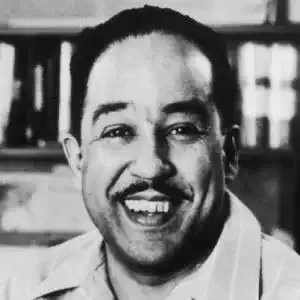
Langston Hughes
Wisdom and War
Wisdom and War
We do not care-
That much is clear.
Not enough
Of us care
Anywhere.
We are not wise-
For that reason,
Mankind dies.
To think
Is much against
The will.
Better-
And easier-
To kill.
We do not care-
That much is clear.
Not enough
Of us care
Anywhere.
We are not wise-
For that reason,
Mankind dies.
To think
Is much against
The will.
Better-
And easier-
To kill.
330