

Poems in this theme
Ethics and Morality
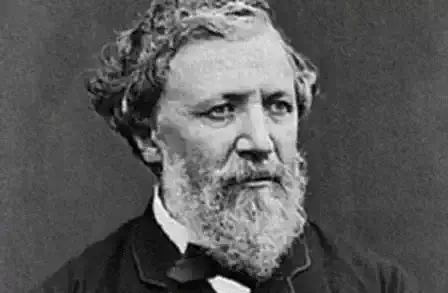
Robert Browning
Fra Lippo Lippi
Fra Lippo Lippi
I am poor brother Lippo, by your leave!
You need not clap your torches to my face.
Zooks, what's to blame? you think you see a monk!
What, 'tis past midnight, and you go the rounds,
And here you catch me at an alley's end
Where sportive ladies leave their doors ajar?
The Carmine's my cloister: hunt it up,
Do,--harry out, if you must show your zeal,
Whatever rat, there, haps on his wrong hole,
And nip each softling of a wee white mouse,
Weke, weke, that's crept to keep him company!
Aha, you know your betters! Then, you'll take
Your hand away that's fiddling on my throat,
And please to know me likewise. Who am I?
Why, one, sir, who is lodging with a friend
Three streets off--he's a certain . . . how d'ye call?
Master--a ...Cosimo of the Medici,
I' the house that caps the corner. Boh! you were best!
Remember and tell me, the day you're hanged,
How you affected such a gullet's-gripe!
But you, sir, it concerns you that your knaves
Pick up a manner nor discredit you:
Zooks, are we pilchards, that they sweep the streets
And count fair price what comes into their net?
He's Judas to a tittle, that man is!
Just such a face! Why, sir, you make amends.
Lord, I'm not angry! Bid your hang-dogs go
Drink out this quarter-florin to the health
Of the munificent House that harbours me
(And many more beside, lads! more beside!)
And all's come square again. I'd like his face--
His, elbowing on his comrade in the door
With the pike and lantern,--for the slave that holds
John Baptist's head a-dangle by the hair
With one hand ("Look you, now," as who should say)
And his weapon in the other, yet unwiped!
It's not your chance to have a bit of chalk,
A wood-coal or the like? or you should see!
Yes, I'm the painter, since you style me so.
What, brother Lippo's doings, up and down,
You know them and they take you? like enough!
I saw the proper twinkle in your eye--
'Tell you, I liked your looks at very first.
Let's sit and set things straight now, hip to haunch.
Here's spring come, and the nights one makes up bands
To roam the town and sing out carnival,
And I've been three weeks shut within my mew,
A-painting for the great man, saints and saints
And saints again. I could not paint all night--
Ouf! I leaned out of window for fresh air.
There came a hurry of feet and little feet,
A sweep of lute strings, laughs, and whifts of song, --
Flower o' the broom,
Take away love, and our earth is a tomb!
Flower o' the quince,
I let Lisa go, and what good in life since?
Flower o' the thyme--and so on. Round they went.
Scarce had they turned the corner when a titter
Like the skipping of rabbits by moonlight,--three slim shapes,
And a face that looked up . . . zooks, sir, flesh and blood,
That's all I'm made of! Into shreds it went,
Curtain and counterpane and coverlet,
All the bed-furniture--a dozen knots,
There was a ladder! Down I let myself,
Hands and feet, scrambling somehow, and so dropped,
And after them. I came up with the fun
Hard by Saint Laurence, hail fellow, well met,--
Flower o' the rose,
If I've been merry, what matter who knows?
And so as I was stealing back again
To get to bed and have a bit of sleep
Ere I rise up to-morrow and go work
On Jerome knocking at his poor old breast
With his great round stone to subdue the flesh,
You snap me of the sudden. Ah, I see!
Though your eye twinkles still, you shake your head--
Mine's shaved--a monk, you say--the sting 's in that!
If Master Cosimo announced himself,
Mum's the word naturally; but a monk!
Come, what am I a beast for? tell us, now!
I was a baby when my mother died
And father died and left me in the street.
I starved there, God knows how, a year or two
On fig-skins, melon-parings, rinds and shucks,
Refuse and rubbish. One fine frosty day,
My stomach being empty as your hat,
The wind doubled me up and down I went.
Old Aunt Lapaccia trussed me with one hand,
(Its fellow was a stinger as I knew)
And so along the wall, over the bridge,
By the straight cut to the convent. Six words there,
While I stood munching my first bread that month:
"So, boy, you're minded," quoth the good fat father
Wiping his own mouth, 'twas refection-time,--
"To quit this very miserable world?
Will you renounce" . . . "the mouthful of bread?" thought I;
By no means! Brief, they made a monk of me;
I did renounce the world, its pride and greed,
Palace, farm, villa, shop, and banking-house,
Trash, such as these poor devils of Medici
Have given their hearts to--all at eight years old.
Well, sir, I found in time, you may be sure,
'T#was not for nothing--the good bellyful,
The warm serge and the rope that goes all round,
And day-long blessed idleness beside!
"Let's see what the urchin's fit for"--that came next.
Not overmuch their way, I must confess.
Such a to-do! They tried me with their books:
Lord, they'd have taught me Latin in pure waste!
Flower o' the clove.
All the Latin I construe is, "amo" I love!
But, mind you, when a boy starves in the streets
Eight years together, as my fortune was,
Watching folk's faces to know who will fling
The bit of half-stripped grape-bunch he desires,
And who will curse or kick him for his pains,--
Which gentleman processional and fine,
Holding a candle to the Sacrament,
Will wink and let him lift a plate and catch
The droppings of the wax to sell again,
Or holla for the Eight and have him whipped,--
How say I?--nay, which dog bites, which lets drop
His bone from the heap of offal in the street,--
Why, soul and sense of him grow sharp alike,
He learns the look of things, and none the less
For admonition from the hunger-pinch.
I had a store of such remarks, be sure,
Which, after I found leisure, turned to use.
I drew men's faces on my copy-books,
Scrawled them within the antiphonary's marge,
Joined legs and arms to the long music-notes,
Found eyes and nose and chin for A's and B's,
And made a string of pictures of the world
Betwixt the ins and outs of verb and noun,
On the wall, the bench, the door. The monks looked black.
"Nay," quoth the Prior, "turn him out, d'ye say?
In no wise. Lose a crow and catch a lark.
What if at last we get our man of parts,
We Carmelites, like those Camaldolese
And Preaching Friars, to do our church up fine
And put the front on it that ought to be!"
And hereupon he bade me daub away.
Thank you! my head being crammed, the walls a blank,
Never was such prompt disemburdening.
First, every sort of monk, the black and white,
I drew them, fat and lean: then, folk at church,
From good old gossips waiting to confess
Their cribs of barrel-droppings, candle-ends,--
To the breathless fellow at the altar-foot,
Fresh from his murder, safe and sitting there
With the little children round him in a row
Of admiration, half for his beard and half
For that white anger of his victim's son
Shaking a fist at him with one fierce arm,
Signing himself with the other because of Christ
(Whose sad face on the cross sees only this
After the passion of a thousand years)
Till some poor girl, her apron o'er her head,
(Which the intense eyes looked through) came at eve
On tiptoe, said a word, dropped in a loaf,
Her pair of earrings and a bunch of flowers
(The brute took growling), prayed, and so was gone.
I painted all, then cried " `T#is ask and have;
Choose, for more's ready!"--laid the ladder flat,
And showed my covered bit of cloister-wall.
The monks closed in a circle and praised loud
Till checked, taught what to see and not to see,
Being simple bodies,--"That's the very man!
Look at the boy who stoops to pat the dog!
That woman's like the Prior's niece who comes
To care about his asthma: it's the life!''
But there my triumph's straw-fire flared and funked;
Their betters took their turn to see and say:
The Prior and the learned pulled a face
And stopped all that in no time. "How? what's here?
Quite from the mark of painting, bless us all!
Faces, arms, legs, and bodies like the true
As much as pea and pea! it's devil's-game!
Your business is not to catch men with show,
With homage to the perishable clay,
But lift them over it, ignore it all,
Make them forget there's such a thing as flesh.
Your business is to paint the souls of men--
Man's soul, and it's a fire, smoke . . . no, it's not . . .
It's vapour done up like a new-born babe--
(In that shape when you die it leaves your mouth)
It's . . . well, what matters talking, it's the soul!
Give us no more of body than shows soul!
Here's Giotto, with his Saint a-praising God,
That sets us praising--why not stop with him?
Why put all thoughts of praise out of our head
With wonder at lines, colours, and what not?
Paint the soul, never mind the legs and arms!
Rub all out, try at it a second time.
Oh, that white smallish female with the breasts,
She's just my niece . . . Herodias, I would say,--
Who went and danced and got men's heads cut off!
Have it all out!" Now, is this sense, I ask?
A fine way to paint soul, by painting body
So ill, the eye can't stop there, must go further
And can't fare worse! Thus, yellow does for white
When what you put for yellow's simply black,
And any sort of meaning looks intense
When all beside itself means and looks nought.
Why can't a painter lift each foot in turn,
Left foot and right foot, go a double step,
Make his flesh liker and his soul more like,
Both in their order? Take the prettiest face,
The Prior's niece . . . patron-saint--is it so pretty
You can't discover if it means hope, fear,
Sorrow or joy? won't beauty go with these?
Suppose I've made her eyes all right and blue,
Can't I take breath and try to add life's flash,
And then add soul and heighten them three-fold?
Or say there's beauty with no soul at all--
(I never saw it--put the case the same--)
If you get simple beauty and nought else,
You get about the best thing God invents:
That's somewhat: and you'll find the soul you have missed,
Within yourself, when you return him thanks.
"Rub all out!" Well, well, there's my life, in short,
And so the thing has gone on ever since.
I'm grown a man no doubt, I've broken bounds:
You should not take a fellow eight years old
And make him swear to never kiss the girls.
I'm my own master, paint now as I please--
Having a friend, you see, in the Corner-house!
Lord, it's fast holding by the rings in front--
Those great rings serve more purposes than just
To plant a flag in, or tie up a horse!
And yet the old schooling sticks, the old grave eyes
Are peeping o'er my shoulder as I work,
The heads shake still--"It's art's decline, my son!
You're not of the true painters, great and old;
Brother Angelico's the man, you'll find;
Brother Lorenzo stands his single peer:
Fag on at flesh, you'll never make the third!"
Flower o' the pine,
You keep your mistr ... manners, and I'll stick to mine!
I'm not the third, then: bless us, they must know!
Don't you think they're the likeliest to know,
They with their Latin? So, I swallow my rage,
Clench my teeth, suck my lips in tight, and paint
To please them--sometimes do and sometimes don't;
For, doing most, there's pretty sure to come
A turn, some warm eve finds me at my saints--
A laugh, a cry, the business of the world--
(Flower o' the peach
Death for us all, and his own life for each!)
And my whole soul revolves, the cup runs over,
The world and life's too big to pass for a dream,
And I do these wild things in sheer despite,
And play the fooleries you catch me at,
In pure rage! The old mill-horse, out at grass
After hard years, throws up his stiff heels so,
Although the miller does not preach to him
The only good of grass is to make chaff.
What would men have? Do they like grass or no--
May they or mayn't they? all I want's the thing
Settled for ever one way. As it is,
You tell too many lies and hurt yourself:
You don't like what you only like too much,
You do like what, if given you at your word,
You find abundantly detestable.
For me, I think I speak as I was taught;
I always see the garden and God there
A-making man's wife: and, my lesson learned,
The value and significance of flesh,
I can't unlearn ten minutes afterwards.
You understand me: I'm a beast, I know.
But see, now--why, I see as certainly
As that the morning-star's about to shine,
What will hap some day. We've a youngster here
Comes to our convent, studies what I do,
Slouches and stares and lets no atom drop:
His name is Guidi--he'll not mind the monks--
They call him Hulking Tom, he lets them talk--
He picks my practice up--he'll paint apace.
I hope so--though I never live so long,
I know what's sure to follow. You be judge!
You speak no Latin more than I, belike;
However, you're my man, you've seen the world
--The beauty and the wonder and the power,
The shapes of things, their colours, lights and shades,
Changes, surprises,--and God made it all!
--For what? Do you feel thankful, ay or no,
For this fair town's face, yonder river's line,
The mountain round it and the sky above,
Much more the figures of man, woman, child,
These are the frame to? What's it all about?
To be passed over, despised? or dwelt upon,
Wondered at? oh, this last of course!--you say.
But why not do as well as say,--paint these
Just as they are, careless what comes of it?
God's works--paint any one, and count it crime
To let a truth slip. Don't object, "His works
Are here already; nature is complete:
Suppose you reproduce her--(which you can't)
There's no advantage! you must beat her, then."
For, don't you mark? we're made so that we love
First when we see them painted, things we have passed
Perhaps a hundred times nor cared to see;
And so they are better, painted--better to us,
Which is the same thing. Art was given for that;
God uses us to help each other so,
Lending our minds out. Have you noticed, now,
Your cullion's hanging face? A bit of chalk,
And trust me but you should, though! How much more,
If I drew higher things with the same truth!
That were to take the Prior's pulpit-place,
Interpret God to all of you! Oh, oh,
It makes me mad to see what men shall do
And we in our graves! This world's no blot for us,
Nor blank; it means intensely, and means good:
To find its meaning is my meat and drink.
"Ay, but you don't so instigate to prayer!"
Strikes in the Prior: "when your meaning's plain
It does not say to folk--remember matins,
Or, mind you fast next Friday!" Why, for this
What need of art at all? A skull and bones,
Two bits of stick nailed crosswise, or, what's best,
A bell to chime the hour with, does as well.
I painted a Saint Laurence six months since
At Prato, splashed the fresco in fine style:
"How looks my painting, now the scaffold's down?"
I ask a brother: "Hugely," he returns--
"Already not one phiz of your three slaves
Who turn the Deacon off his toasted side,
But's scratched and prodded to our heart's content,
The pious people have so eased their own
With coming to say prayers there in a rage:
We get on fast to see the bricks beneath.
Expect another job this time next year,
For pity and religion grow i' the crowd--
Your painting serves its purpose!" Hang the fools!
--That is--you'll not mistake an idle word
Spoke in a huff by a poor monk, God wot,
Tasting the air this spicy night which turns
The unaccustomed head like Chianti wine!
Oh, the church knows! don't misreport me, now!
It's natural a poor monk out of bounds
Should have his apt word to excuse himself:
And hearken how I plot to make amends.
I have bethought me: I shall paint a piece
... There's for you! Give me six months, then go, see
Something in Sant' Ambrogio's! Bless the nuns!
They want a cast o' my office. I shall paint
God in the midst, Madonna and her babe,
Ringed by a bowery, flowery angel-brood,
Lilies and vestments and white faces, sweet
As puff on puff of grated orris-root
When ladies crowd to Church at midsummer.
And then i' the front, of course a saint or two--
Saint John' because he saves the Florentines,
Saint Ambrose, who puts down in black and white
The convent's friends and gives them a long day,
And Job, I must have him there past mistake,
The man of Uz (and Us without the z,
Painters who need his patience). Well, all these
Secured at their devotion, up shall come
Out of a corner when you least expect,
As one by a dark stair into a great light,
Music and talking, who but Lippo! I!--
Mazed, motionless, and moonstruck--I'm the man!
Back I shrink--what is this I see and hear?
I, caught up with my monk's-things by mistake,
My old serge gown and rope that goes all round,
I, in this presence, this pure company!
Where's a hole, where's a corner for escape?
Then steps a sweet angelic slip of a thing
Forward, puts out a soft palm--"Not so fast!"
--Addresses the celestial presence, "nay--
He made you and devised you, after all,
Though he's none of you! Could Saint John there draw--
His camel-hair make up a painting brush?
We come to brother Lippo for all that,
Iste perfecit opus! So, all smile--
I shuffle sideways with my blushing face
Under the cover of a hundred wings
Thrown like a spread of kirtles when you're gay
And play hot cockles, all the doors being shut,
Till, wholly unexpected, in there pops
The hothead husband! Thus I scuttle off
To some safe bench behind, not letting go
The palm of her, the little lily thing
That spoke the good word for me in the nick,
Like the Prior's niece . . . Saint Lucy, I would say.
And so all's saved for me, and for the church
A pretty picture gained. Go, six months hence!
Your hand, sir, and good-bye: no lights, no lights!
The street's hushed, and I know my own way back,
Don't fear me! There's the grey beginning. Zooks!
I am poor brother Lippo, by your leave!
You need not clap your torches to my face.
Zooks, what's to blame? you think you see a monk!
What, 'tis past midnight, and you go the rounds,
And here you catch me at an alley's end
Where sportive ladies leave their doors ajar?
The Carmine's my cloister: hunt it up,
Do,--harry out, if you must show your zeal,
Whatever rat, there, haps on his wrong hole,
And nip each softling of a wee white mouse,
Weke, weke, that's crept to keep him company!
Aha, you know your betters! Then, you'll take
Your hand away that's fiddling on my throat,
And please to know me likewise. Who am I?
Why, one, sir, who is lodging with a friend
Three streets off--he's a certain . . . how d'ye call?
Master--a ...Cosimo of the Medici,
I' the house that caps the corner. Boh! you were best!
Remember and tell me, the day you're hanged,
How you affected such a gullet's-gripe!
But you, sir, it concerns you that your knaves
Pick up a manner nor discredit you:
Zooks, are we pilchards, that they sweep the streets
And count fair price what comes into their net?
He's Judas to a tittle, that man is!
Just such a face! Why, sir, you make amends.
Lord, I'm not angry! Bid your hang-dogs go
Drink out this quarter-florin to the health
Of the munificent House that harbours me
(And many more beside, lads! more beside!)
And all's come square again. I'd like his face--
His, elbowing on his comrade in the door
With the pike and lantern,--for the slave that holds
John Baptist's head a-dangle by the hair
With one hand ("Look you, now," as who should say)
And his weapon in the other, yet unwiped!
It's not your chance to have a bit of chalk,
A wood-coal or the like? or you should see!
Yes, I'm the painter, since you style me so.
What, brother Lippo's doings, up and down,
You know them and they take you? like enough!
I saw the proper twinkle in your eye--
'Tell you, I liked your looks at very first.
Let's sit and set things straight now, hip to haunch.
Here's spring come, and the nights one makes up bands
To roam the town and sing out carnival,
And I've been three weeks shut within my mew,
A-painting for the great man, saints and saints
And saints again. I could not paint all night--
Ouf! I leaned out of window for fresh air.
There came a hurry of feet and little feet,
A sweep of lute strings, laughs, and whifts of song, --
Flower o' the broom,
Take away love, and our earth is a tomb!
Flower o' the quince,
I let Lisa go, and what good in life since?
Flower o' the thyme--and so on. Round they went.
Scarce had they turned the corner when a titter
Like the skipping of rabbits by moonlight,--three slim shapes,
And a face that looked up . . . zooks, sir, flesh and blood,
That's all I'm made of! Into shreds it went,
Curtain and counterpane and coverlet,
All the bed-furniture--a dozen knots,
There was a ladder! Down I let myself,
Hands and feet, scrambling somehow, and so dropped,
And after them. I came up with the fun
Hard by Saint Laurence, hail fellow, well met,--
Flower o' the rose,
If I've been merry, what matter who knows?
And so as I was stealing back again
To get to bed and have a bit of sleep
Ere I rise up to-morrow and go work
On Jerome knocking at his poor old breast
With his great round stone to subdue the flesh,
You snap me of the sudden. Ah, I see!
Though your eye twinkles still, you shake your head--
Mine's shaved--a monk, you say--the sting 's in that!
If Master Cosimo announced himself,
Mum's the word naturally; but a monk!
Come, what am I a beast for? tell us, now!
I was a baby when my mother died
And father died and left me in the street.
I starved there, God knows how, a year or two
On fig-skins, melon-parings, rinds and shucks,
Refuse and rubbish. One fine frosty day,
My stomach being empty as your hat,
The wind doubled me up and down I went.
Old Aunt Lapaccia trussed me with one hand,
(Its fellow was a stinger as I knew)
And so along the wall, over the bridge,
By the straight cut to the convent. Six words there,
While I stood munching my first bread that month:
"So, boy, you're minded," quoth the good fat father
Wiping his own mouth, 'twas refection-time,--
"To quit this very miserable world?
Will you renounce" . . . "the mouthful of bread?" thought I;
By no means! Brief, they made a monk of me;
I did renounce the world, its pride and greed,
Palace, farm, villa, shop, and banking-house,
Trash, such as these poor devils of Medici
Have given their hearts to--all at eight years old.
Well, sir, I found in time, you may be sure,
'T#was not for nothing--the good bellyful,
The warm serge and the rope that goes all round,
And day-long blessed idleness beside!
"Let's see what the urchin's fit for"--that came next.
Not overmuch their way, I must confess.
Such a to-do! They tried me with their books:
Lord, they'd have taught me Latin in pure waste!
Flower o' the clove.
All the Latin I construe is, "amo" I love!
But, mind you, when a boy starves in the streets
Eight years together, as my fortune was,
Watching folk's faces to know who will fling
The bit of half-stripped grape-bunch he desires,
And who will curse or kick him for his pains,--
Which gentleman processional and fine,
Holding a candle to the Sacrament,
Will wink and let him lift a plate and catch
The droppings of the wax to sell again,
Or holla for the Eight and have him whipped,--
How say I?--nay, which dog bites, which lets drop
His bone from the heap of offal in the street,--
Why, soul and sense of him grow sharp alike,
He learns the look of things, and none the less
For admonition from the hunger-pinch.
I had a store of such remarks, be sure,
Which, after I found leisure, turned to use.
I drew men's faces on my copy-books,
Scrawled them within the antiphonary's marge,
Joined legs and arms to the long music-notes,
Found eyes and nose and chin for A's and B's,
And made a string of pictures of the world
Betwixt the ins and outs of verb and noun,
On the wall, the bench, the door. The monks looked black.
"Nay," quoth the Prior, "turn him out, d'ye say?
In no wise. Lose a crow and catch a lark.
What if at last we get our man of parts,
We Carmelites, like those Camaldolese
And Preaching Friars, to do our church up fine
And put the front on it that ought to be!"
And hereupon he bade me daub away.
Thank you! my head being crammed, the walls a blank,
Never was such prompt disemburdening.
First, every sort of monk, the black and white,
I drew them, fat and lean: then, folk at church,
From good old gossips waiting to confess
Their cribs of barrel-droppings, candle-ends,--
To the breathless fellow at the altar-foot,
Fresh from his murder, safe and sitting there
With the little children round him in a row
Of admiration, half for his beard and half
For that white anger of his victim's son
Shaking a fist at him with one fierce arm,
Signing himself with the other because of Christ
(Whose sad face on the cross sees only this
After the passion of a thousand years)
Till some poor girl, her apron o'er her head,
(Which the intense eyes looked through) came at eve
On tiptoe, said a word, dropped in a loaf,
Her pair of earrings and a bunch of flowers
(The brute took growling), prayed, and so was gone.
I painted all, then cried " `T#is ask and have;
Choose, for more's ready!"--laid the ladder flat,
And showed my covered bit of cloister-wall.
The monks closed in a circle and praised loud
Till checked, taught what to see and not to see,
Being simple bodies,--"That's the very man!
Look at the boy who stoops to pat the dog!
That woman's like the Prior's niece who comes
To care about his asthma: it's the life!''
But there my triumph's straw-fire flared and funked;
Their betters took their turn to see and say:
The Prior and the learned pulled a face
And stopped all that in no time. "How? what's here?
Quite from the mark of painting, bless us all!
Faces, arms, legs, and bodies like the true
As much as pea and pea! it's devil's-game!
Your business is not to catch men with show,
With homage to the perishable clay,
But lift them over it, ignore it all,
Make them forget there's such a thing as flesh.
Your business is to paint the souls of men--
Man's soul, and it's a fire, smoke . . . no, it's not . . .
It's vapour done up like a new-born babe--
(In that shape when you die it leaves your mouth)
It's . . . well, what matters talking, it's the soul!
Give us no more of body than shows soul!
Here's Giotto, with his Saint a-praising God,
That sets us praising--why not stop with him?
Why put all thoughts of praise out of our head
With wonder at lines, colours, and what not?
Paint the soul, never mind the legs and arms!
Rub all out, try at it a second time.
Oh, that white smallish female with the breasts,
She's just my niece . . . Herodias, I would say,--
Who went and danced and got men's heads cut off!
Have it all out!" Now, is this sense, I ask?
A fine way to paint soul, by painting body
So ill, the eye can't stop there, must go further
And can't fare worse! Thus, yellow does for white
When what you put for yellow's simply black,
And any sort of meaning looks intense
When all beside itself means and looks nought.
Why can't a painter lift each foot in turn,
Left foot and right foot, go a double step,
Make his flesh liker and his soul more like,
Both in their order? Take the prettiest face,
The Prior's niece . . . patron-saint--is it so pretty
You can't discover if it means hope, fear,
Sorrow or joy? won't beauty go with these?
Suppose I've made her eyes all right and blue,
Can't I take breath and try to add life's flash,
And then add soul and heighten them three-fold?
Or say there's beauty with no soul at all--
(I never saw it--put the case the same--)
If you get simple beauty and nought else,
You get about the best thing God invents:
That's somewhat: and you'll find the soul you have missed,
Within yourself, when you return him thanks.
"Rub all out!" Well, well, there's my life, in short,
And so the thing has gone on ever since.
I'm grown a man no doubt, I've broken bounds:
You should not take a fellow eight years old
And make him swear to never kiss the girls.
I'm my own master, paint now as I please--
Having a friend, you see, in the Corner-house!
Lord, it's fast holding by the rings in front--
Those great rings serve more purposes than just
To plant a flag in, or tie up a horse!
And yet the old schooling sticks, the old grave eyes
Are peeping o'er my shoulder as I work,
The heads shake still--"It's art's decline, my son!
You're not of the true painters, great and old;
Brother Angelico's the man, you'll find;
Brother Lorenzo stands his single peer:
Fag on at flesh, you'll never make the third!"
Flower o' the pine,
You keep your mistr ... manners, and I'll stick to mine!
I'm not the third, then: bless us, they must know!
Don't you think they're the likeliest to know,
They with their Latin? So, I swallow my rage,
Clench my teeth, suck my lips in tight, and paint
To please them--sometimes do and sometimes don't;
For, doing most, there's pretty sure to come
A turn, some warm eve finds me at my saints--
A laugh, a cry, the business of the world--
(Flower o' the peach
Death for us all, and his own life for each!)
And my whole soul revolves, the cup runs over,
The world and life's too big to pass for a dream,
And I do these wild things in sheer despite,
And play the fooleries you catch me at,
In pure rage! The old mill-horse, out at grass
After hard years, throws up his stiff heels so,
Although the miller does not preach to him
The only good of grass is to make chaff.
What would men have? Do they like grass or no--
May they or mayn't they? all I want's the thing
Settled for ever one way. As it is,
You tell too many lies and hurt yourself:
You don't like what you only like too much,
You do like what, if given you at your word,
You find abundantly detestable.
For me, I think I speak as I was taught;
I always see the garden and God there
A-making man's wife: and, my lesson learned,
The value and significance of flesh,
I can't unlearn ten minutes afterwards.
You understand me: I'm a beast, I know.
But see, now--why, I see as certainly
As that the morning-star's about to shine,
What will hap some day. We've a youngster here
Comes to our convent, studies what I do,
Slouches and stares and lets no atom drop:
His name is Guidi--he'll not mind the monks--
They call him Hulking Tom, he lets them talk--
He picks my practice up--he'll paint apace.
I hope so--though I never live so long,
I know what's sure to follow. You be judge!
You speak no Latin more than I, belike;
However, you're my man, you've seen the world
--The beauty and the wonder and the power,
The shapes of things, their colours, lights and shades,
Changes, surprises,--and God made it all!
--For what? Do you feel thankful, ay or no,
For this fair town's face, yonder river's line,
The mountain round it and the sky above,
Much more the figures of man, woman, child,
These are the frame to? What's it all about?
To be passed over, despised? or dwelt upon,
Wondered at? oh, this last of course!--you say.
But why not do as well as say,--paint these
Just as they are, careless what comes of it?
God's works--paint any one, and count it crime
To let a truth slip. Don't object, "His works
Are here already; nature is complete:
Suppose you reproduce her--(which you can't)
There's no advantage! you must beat her, then."
For, don't you mark? we're made so that we love
First when we see them painted, things we have passed
Perhaps a hundred times nor cared to see;
And so they are better, painted--better to us,
Which is the same thing. Art was given for that;
God uses us to help each other so,
Lending our minds out. Have you noticed, now,
Your cullion's hanging face? A bit of chalk,
And trust me but you should, though! How much more,
If I drew higher things with the same truth!
That were to take the Prior's pulpit-place,
Interpret God to all of you! Oh, oh,
It makes me mad to see what men shall do
And we in our graves! This world's no blot for us,
Nor blank; it means intensely, and means good:
To find its meaning is my meat and drink.
"Ay, but you don't so instigate to prayer!"
Strikes in the Prior: "when your meaning's plain
It does not say to folk--remember matins,
Or, mind you fast next Friday!" Why, for this
What need of art at all? A skull and bones,
Two bits of stick nailed crosswise, or, what's best,
A bell to chime the hour with, does as well.
I painted a Saint Laurence six months since
At Prato, splashed the fresco in fine style:
"How looks my painting, now the scaffold's down?"
I ask a brother: "Hugely," he returns--
"Already not one phiz of your three slaves
Who turn the Deacon off his toasted side,
But's scratched and prodded to our heart's content,
The pious people have so eased their own
With coming to say prayers there in a rage:
We get on fast to see the bricks beneath.
Expect another job this time next year,
For pity and religion grow i' the crowd--
Your painting serves its purpose!" Hang the fools!
--That is--you'll not mistake an idle word
Spoke in a huff by a poor monk, God wot,
Tasting the air this spicy night which turns
The unaccustomed head like Chianti wine!
Oh, the church knows! don't misreport me, now!
It's natural a poor monk out of bounds
Should have his apt word to excuse himself:
And hearken how I plot to make amends.
I have bethought me: I shall paint a piece
... There's for you! Give me six months, then go, see
Something in Sant' Ambrogio's! Bless the nuns!
They want a cast o' my office. I shall paint
God in the midst, Madonna and her babe,
Ringed by a bowery, flowery angel-brood,
Lilies and vestments and white faces, sweet
As puff on puff of grated orris-root
When ladies crowd to Church at midsummer.
And then i' the front, of course a saint or two--
Saint John' because he saves the Florentines,
Saint Ambrose, who puts down in black and white
The convent's friends and gives them a long day,
And Job, I must have him there past mistake,
The man of Uz (and Us without the z,
Painters who need his patience). Well, all these
Secured at their devotion, up shall come
Out of a corner when you least expect,
As one by a dark stair into a great light,
Music and talking, who but Lippo! I!--
Mazed, motionless, and moonstruck--I'm the man!
Back I shrink--what is this I see and hear?
I, caught up with my monk's-things by mistake,
My old serge gown and rope that goes all round,
I, in this presence, this pure company!
Where's a hole, where's a corner for escape?
Then steps a sweet angelic slip of a thing
Forward, puts out a soft palm--"Not so fast!"
--Addresses the celestial presence, "nay--
He made you and devised you, after all,
Though he's none of you! Could Saint John there draw--
His camel-hair make up a painting brush?
We come to brother Lippo for all that,
Iste perfecit opus! So, all smile--
I shuffle sideways with my blushing face
Under the cover of a hundred wings
Thrown like a spread of kirtles when you're gay
And play hot cockles, all the doors being shut,
Till, wholly unexpected, in there pops
The hothead husband! Thus I scuttle off
To some safe bench behind, not letting go
The palm of her, the little lily thing
That spoke the good word for me in the nick,
Like the Prior's niece . . . Saint Lucy, I would say.
And so all's saved for me, and for the church
A pretty picture gained. Go, six months hence!
Your hand, sir, and good-bye: no lights, no lights!
The street's hushed, and I know my own way back,
Don't fear me! There's the grey beginning. Zooks!
491
Robert Browning
Epilogue
Epilogue
At the midnight in the silence of the sleep-time,
When you set your fancies free,
Will they pass to where--by death, fools think, imprisoned--
Low he lies who once so loved you, whom you loved so,
--Pity me?
Oh to love so, be so loved, yet so mistaken!
What had I on earth to do
With the slothful, with the mawkish, the unmanly?
Like the aimless, helpless, hopeless, did I drivel
--Being--who?
One who never turned his back but marched breast forward,
Never doubted clouds would break,
Never dreamed, though right were worsted, wrong would triumph,
Held we fall to rise, are baffled to fight better,
Sleep to wake.
No, at noonday in the bustle of man's work-time
Greet the unseen with a cheer!
Bid him forward, breast and back as either should be,
"Strive and thrive!" cry "Speed,--fight on, fare ever
There as here!"
At the midnight in the silence of the sleep-time,
When you set your fancies free,
Will they pass to where--by death, fools think, imprisoned--
Low he lies who once so loved you, whom you loved so,
--Pity me?
Oh to love so, be so loved, yet so mistaken!
What had I on earth to do
With the slothful, with the mawkish, the unmanly?
Like the aimless, helpless, hopeless, did I drivel
--Being--who?
One who never turned his back but marched breast forward,
Never doubted clouds would break,
Never dreamed, though right were worsted, wrong would triumph,
Held we fall to rise, are baffled to fight better,
Sleep to wake.
No, at noonday in the bustle of man's work-time
Greet the unseen with a cheer!
Bid him forward, breast and back as either should be,
"Strive and thrive!" cry "Speed,--fight on, fare ever
There as here!"
298
Robert Browning
Count Gismond--Aix in Provence
Count Gismond--Aix in Provence
Christ God who savest man, save most
Of men Count Gismond who saved me!
Count Gauthier, when he chose his post,
Chose time and place and company
To suit it; when he struck at length
My honour, 't was with all his strength.
And doubtlessly, ere he could draw
All points to one, he must have schemed!
That miserable morning saw
Few half so happy as I seemed,
While being dressed in queen's array
To give our tourney prize away.
I thought they loved me, did me grace
To please themselves; 't was all their deed;
God makes, or fair or foul, our face;
If showing mine so caused to bleed
My cousins' hearts, they should have dropped
A word, and straight the play had stopped.
They, too, so beauteous! Each a queen
By virtue of her brow and breast;
Not needing to be crowned, I mean,
As I do. E'en when I was dressed,
Had either of them spoke, instead
Of glancing sideways with still head!
But no: they let me laugh, and sing
My birthday song quite through, adjust
The last rose in my garland, fling
A last look on the mirror, trust
My arms to each an arm of theirs,
And so descend the castle-stairs-
And come out on the morning troop
Of merry friends who kissed my cheek,
And called me queen, and made me stoop
Under the canopy-(a streak
That pierced it, of the outside sun,
Powdered with gold its gloom's soft dun)-
And they could let me take my state
And foolish throne amid applause
Of all come there to celebrate
My queen's-day-Oh I think the cause
Of much was, they forgot no crowd
Makes up for parents in their shroud!
However that be, all eyes were bent
Upon me, when my cousins cast
Theirs down; 't was time I should present
The victor's crown, but ... there, 't will last
No long time ... the old mist again
Blinds me as then it did. How vain!
See! Gismond's at the gate, in talk
With his two boys: I can proceed.
Well, at that moment, who should stalk
Forth boldly-to my face, indeed-
But Gauthier? and he thundered "Stay!"
And all stayed. "Bring no crowns, I say!
"Bring torches! Wind the penance-sheet
"About her! Let her shun the chaste,
"Or lay herself before their feet!
"Shall she, whose body I embraced
"A night long, queen it in the day?
"For honour's sake no crowns, I say!"
I? What I answered? As I live,
I never fancied such a thing
As answer possible to give.
What says the body when they spring
Some monstrous torture-engine's whole
Strength on it? No more says the soul.
Till out strode Gismond; then I knew
That I was saved. I never met
His face before, but, at first view,
I felt quite sure that God had set
Himself to Satan; would who spend
A minute's mistrust on the end?
He strode to Gauthier, in his throat
Gave him the lie, then struck his mouth
With one back-handed blow that wrote
In blood men's verdict there. North, South,
East, West, I looked. The lie was dead,
And damned, and truth stood up instead.
This glads me most, that I enjoyed
The heart o' the joy, with my content
In watching Gismond unalloyed
By any doubt of the event:
God took that on him-I was bid
Watch Gismond for my part: I did.
Did I not watch him while he let
His armourer just brace his greaves,
Rivet his hauberk, on the fret
The while! His foot ... my memory leaves
No least stamp out nor how anon
He pulled his ringing gauntlets on.
And e'en before the trumpet's sound
Was finished, prone lay the false knight,
Prone as his lie, upon the ground:
Gismond flew at him, used no sleight
O' the sword, but open-breasted drove,
Cleaving till out the truth he clove.
Which done, he dragged him to my feet
And said, "Here die, but end thy breath
"In full confession, lest thou fleet
"From my first, to God's second death!
"Say, hast thou lied? "And, "I have lied
"To God and her,"he said, and died.
Then Gismond, kneeling to me, asked
-What safe my heart holds, though no word
Could I repeat now, if I tasked
My powers for ever, to a third
Dear even as you are. Pass the rest
Until I sank upon his breast.
Over my head his arm he flung
Against the world; and scarce I felt
His sword (that dripped by me and swung)
A little shifted in its belt:
For he began to say the while
How South our home lay many a mile.
So, 'mid the shouting multitude
We two walked forth to never more
Return. My cousins have pursued
Their life, untroubled as before
I vexed them. Gauthier's dwelling-place
God lighten! May his soul find grace!
Our elder boy has got the clear
Great brow, tho' when his brother's black
Full eye shows scorn, it ... Gismond here?
And have you brought my tercel back?
I was just telling Adela
How many birds it struck since May.
Christ God who savest man, save most
Of men Count Gismond who saved me!
Count Gauthier, when he chose his post,
Chose time and place and company
To suit it; when he struck at length
My honour, 't was with all his strength.
And doubtlessly, ere he could draw
All points to one, he must have schemed!
That miserable morning saw
Few half so happy as I seemed,
While being dressed in queen's array
To give our tourney prize away.
I thought they loved me, did me grace
To please themselves; 't was all their deed;
God makes, or fair or foul, our face;
If showing mine so caused to bleed
My cousins' hearts, they should have dropped
A word, and straight the play had stopped.
They, too, so beauteous! Each a queen
By virtue of her brow and breast;
Not needing to be crowned, I mean,
As I do. E'en when I was dressed,
Had either of them spoke, instead
Of glancing sideways with still head!
But no: they let me laugh, and sing
My birthday song quite through, adjust
The last rose in my garland, fling
A last look on the mirror, trust
My arms to each an arm of theirs,
And so descend the castle-stairs-
And come out on the morning troop
Of merry friends who kissed my cheek,
And called me queen, and made me stoop
Under the canopy-(a streak
That pierced it, of the outside sun,
Powdered with gold its gloom's soft dun)-
And they could let me take my state
And foolish throne amid applause
Of all come there to celebrate
My queen's-day-Oh I think the cause
Of much was, they forgot no crowd
Makes up for parents in their shroud!
However that be, all eyes were bent
Upon me, when my cousins cast
Theirs down; 't was time I should present
The victor's crown, but ... there, 't will last
No long time ... the old mist again
Blinds me as then it did. How vain!
See! Gismond's at the gate, in talk
With his two boys: I can proceed.
Well, at that moment, who should stalk
Forth boldly-to my face, indeed-
But Gauthier? and he thundered "Stay!"
And all stayed. "Bring no crowns, I say!
"Bring torches! Wind the penance-sheet
"About her! Let her shun the chaste,
"Or lay herself before their feet!
"Shall she, whose body I embraced
"A night long, queen it in the day?
"For honour's sake no crowns, I say!"
I? What I answered? As I live,
I never fancied such a thing
As answer possible to give.
What says the body when they spring
Some monstrous torture-engine's whole
Strength on it? No more says the soul.
Till out strode Gismond; then I knew
That I was saved. I never met
His face before, but, at first view,
I felt quite sure that God had set
Himself to Satan; would who spend
A minute's mistrust on the end?
He strode to Gauthier, in his throat
Gave him the lie, then struck his mouth
With one back-handed blow that wrote
In blood men's verdict there. North, South,
East, West, I looked. The lie was dead,
And damned, and truth stood up instead.
This glads me most, that I enjoyed
The heart o' the joy, with my content
In watching Gismond unalloyed
By any doubt of the event:
God took that on him-I was bid
Watch Gismond for my part: I did.
Did I not watch him while he let
His armourer just brace his greaves,
Rivet his hauberk, on the fret
The while! His foot ... my memory leaves
No least stamp out nor how anon
He pulled his ringing gauntlets on.
And e'en before the trumpet's sound
Was finished, prone lay the false knight,
Prone as his lie, upon the ground:
Gismond flew at him, used no sleight
O' the sword, but open-breasted drove,
Cleaving till out the truth he clove.
Which done, he dragged him to my feet
And said, "Here die, but end thy breath
"In full confession, lest thou fleet
"From my first, to God's second death!
"Say, hast thou lied? "And, "I have lied
"To God and her,"he said, and died.
Then Gismond, kneeling to me, asked
-What safe my heart holds, though no word
Could I repeat now, if I tasked
My powers for ever, to a third
Dear even as you are. Pass the rest
Until I sank upon his breast.
Over my head his arm he flung
Against the world; and scarce I felt
His sword (that dripped by me and swung)
A little shifted in its belt:
For he began to say the while
How South our home lay many a mile.
So, 'mid the shouting multitude
We two walked forth to never more
Return. My cousins have pursued
Their life, untroubled as before
I vexed them. Gauthier's dwelling-place
God lighten! May his soul find grace!
Our elder boy has got the clear
Great brow, tho' when his brother's black
Full eye shows scorn, it ... Gismond here?
And have you brought my tercel back?
I was just telling Adela
How many birds it struck since May.
355
Robert Browning
Confessional, The
Confessional, The
[SPAIN.]
I.
It is a lie---their Priests, their Pope,
Their Saints, their ... all they fear or hope
Are lies, and lies---there! through my door
And ceiling, there! and walls and floor,
There, lies, they lie---shall still be hurled
Till spite of them I reach the world!
II.
You think Priests just and holy men!
Before they put me in this den
I was a human creature too,
With flesh and blood like one of you,
A girl that laughed in beauty's pride
Like lilies in your world outside.
III.
I had a lover---shame avaunt!
This poor wrenched body, grim and gaunt,
Was kissed all over till it burned,
By lips the truest, love e'er turned
His heart's own tint: one night they kissed
My soul out in a burning mist.
IV.
So, next day when the accustomed train
Of things grew round my sense again,
``That is a sin,'' I said: and slow
With downcast eyes to church I go,
And pass to the confession-chair,
And tell the old mild father there.
V.
But when I falter Beltran's name,
``Ha?'' quoth the father; ``much I blame
``The sin; yet wherefore idly grieve?
``Despair not---strenuously retrieve!
``Nay, I will turn this love of thine
``To lawful love, almost divine;
VI.
``For he is young, and led astray,
``This Beltran, and he schemes, men say,
``To change the laws of church and state
``So, thine shall be an angel's fate,
``Who, ere the thunder breaks, should roll
``Its cloud away and save his soul.
VII.
``For, when he lies upon thy breast,
``Thou mayst demand and be possessed
``Of all his plans, and next day steal
``To me, and all those plans reveal,
``That I and every priest, to purge
``His soul, may fast and use the scourge.''
VIII.
That father's beard was long and white,
With love and truth his brow seemed bright;
I went back, all on fire with joy,
And, that same evening, bade the boy
Tell me, as lovers should, heart-free,
Something to prove his love of me.
IX.
He told me what he would not tell
For hope of heaven or fear of hell;
And I lay listening in such pride!
And, soon as he had left my side,
Tripped to the church by morning-light
To save his soul in his despite.
X.
I told the father all his schemes,
Who were his comrades, what their dreams;
``And now make haste,'' I said, ``to pray
``The one spot from his soul away;
``To-night he comes, but not the same
``Will look!'' At night he never came.
XI.
Nor next night: on the after-morn,
I went forth with a strength new-born.
The church was empty; something drew
My steps into the street; I knew
It led me to the market-place:
Where, lo, on high, the father's face!
XII.
That horrible black scaffold dressed,
That stapled block ... God sink the rest!
That head strapped back, that blinding vest,
Those knotted hands and naked breast,
Till near one busy hangman pressed,
And, on the neck these arms caressed ...
XIII.
No part in aught they hope or fear!
No heaven with them, no hell!---and here,
No earth, not so much space as pens
My body in their worst of dens
But shall bear God and man my cry,
Lies---lies, again---and still, they lie!
[SPAIN.]
I.
It is a lie---their Priests, their Pope,
Their Saints, their ... all they fear or hope
Are lies, and lies---there! through my door
And ceiling, there! and walls and floor,
There, lies, they lie---shall still be hurled
Till spite of them I reach the world!
II.
You think Priests just and holy men!
Before they put me in this den
I was a human creature too,
With flesh and blood like one of you,
A girl that laughed in beauty's pride
Like lilies in your world outside.
III.
I had a lover---shame avaunt!
This poor wrenched body, grim and gaunt,
Was kissed all over till it burned,
By lips the truest, love e'er turned
His heart's own tint: one night they kissed
My soul out in a burning mist.
IV.
So, next day when the accustomed train
Of things grew round my sense again,
``That is a sin,'' I said: and slow
With downcast eyes to church I go,
And pass to the confession-chair,
And tell the old mild father there.
V.
But when I falter Beltran's name,
``Ha?'' quoth the father; ``much I blame
``The sin; yet wherefore idly grieve?
``Despair not---strenuously retrieve!
``Nay, I will turn this love of thine
``To lawful love, almost divine;
VI.
``For he is young, and led astray,
``This Beltran, and he schemes, men say,
``To change the laws of church and state
``So, thine shall be an angel's fate,
``Who, ere the thunder breaks, should roll
``Its cloud away and save his soul.
VII.
``For, when he lies upon thy breast,
``Thou mayst demand and be possessed
``Of all his plans, and next day steal
``To me, and all those plans reveal,
``That I and every priest, to purge
``His soul, may fast and use the scourge.''
VIII.
That father's beard was long and white,
With love and truth his brow seemed bright;
I went back, all on fire with joy,
And, that same evening, bade the boy
Tell me, as lovers should, heart-free,
Something to prove his love of me.
IX.
He told me what he would not tell
For hope of heaven or fear of hell;
And I lay listening in such pride!
And, soon as he had left my side,
Tripped to the church by morning-light
To save his soul in his despite.
X.
I told the father all his schemes,
Who were his comrades, what their dreams;
``And now make haste,'' I said, ``to pray
``The one spot from his soul away;
``To-night he comes, but not the same
``Will look!'' At night he never came.
XI.
Nor next night: on the after-morn,
I went forth with a strength new-born.
The church was empty; something drew
My steps into the street; I knew
It led me to the market-place:
Where, lo, on high, the father's face!
XII.
That horrible black scaffold dressed,
That stapled block ... God sink the rest!
That head strapped back, that blinding vest,
Those knotted hands and naked breast,
Till near one busy hangman pressed,
And, on the neck these arms caressed ...
XIII.
No part in aught they hope or fear!
No heaven with them, no hell!---and here,
No earth, not so much space as pens
My body in their worst of dens
But shall bear God and man my cry,
Lies---lies, again---and still, they lie!
495
Robert Browning
Andrea del Sarto
Andrea del Sarto
But do not let us quarrel any more,
No, my Lucrezia; bear with me for once:
Sit down and all shall happen as you wish.
You turn your face, but does it bring your heart?
I'll work then for your friend's friend, never fear,
Treat his own subject after his own way,
Fix his own time, accept too his own price,
And shut the money into this small hand
When next it takes mine. Will it? tenderly?
Oh, I'll content him,--but to-morrow, Love!
I often am much wearier than you think,
This evening more than usual, and it seems
As if--forgive now--should you let me sit
Here by the window with your hand in mine
And look a half-hour forth on Fiesole,
Both of one mind, as married people use,
Quietly, quietly the evening through,
I might get up to-morrow to my work
Cheerful and fresh as ever. Let us try.
To-morrow, how you shall be glad for this!
Your soft hand is a woman of itself,
And mine the man's bared breast she curls inside.
Don't count the time lost, neither; you must serve
For each of the five pictures we require:
It saves a model. So! keep looking so--
My serpentining beauty, rounds on rounds!
--How could you ever prick those perfect ears,
Even to put the pearl there! oh, so sweet--
My face, my moon, my everybody's moon,
Which everybody looks on and calls his,
And, I suppose, is looked on by in turn,
While she looks--no one's: very dear, no less.
You smile? why, there's my picture ready made,
There's what we painters call our harmony!
A common greyness silvers everything,--
All in a twilight, you and I alike
--You, at the point of your first pride in me
(That's gone you know),--but I, at every point;
My youth, my hope, my art, being all toned down
To yonder sober pleasant Fiesole.
There's the bell clinking from the chapel-top;
That length of convent-wall across the way
Holds the trees safer, huddled more inside;
The last monk leaves the garden; days decrease,
And autumn grows, autumn in everything.
Eh? the whole seems to fall into a shape
As if I saw alike my work and self
And all that I was born to be and do,
A twilight-piece. Love, we are in God's hand.
How strange now, looks the life he makes us lead;
So free we seem, so fettered fast we are!
I feel he laid the fetter: let it lie!
This chamber for example--turn your head--
All that's behind us! You don't understand
Nor care to understand about my art,
But you can hear at least when people speak:
And that cartoon, the second from the door
--It is the thing, Love! so such things should be--
Behold Madonna!--I am bold to say.
I can do with my pencil what I know,
What I see, what at bottom of my heart
I wish for, if I ever wish so deep--
Do easily, too--when I say, perfectly,
I do not boast, perhaps: yourself are judge,
Who listened to the Legate's talk last week,
And just as much they used to say in France.
At any rate 'tis easy, all of it!
No sketches first, no studies, that's long past:
I do what many dream of, all their lives,
--Dream? strive to do, and agonize to do,
And fail in doing. I could count twenty such
On twice your fingers, and not leave this town,
Who strive--you don't know how the others strive
To paint a little thing like that you smeared
Carelessly passing with your robes afloat,--
Yet do much less, so much less, Someone says,
(I know his name, no matter)--so much less!
Well, less is more, Lucrezia: I am judged.
There burns a truer light of God in them,
In their vexed beating stuffed and stopped-up brain,
Heart, or whate'er else, than goes on to prompt
This low-pulsed forthright craftsman's hand of mine.
Their works drop groundward, but themselves, I know,
Reach many a time a heaven that's shut to me,
Enter and take their place there sure enough,
Though they come back and cannot tell the world.
My works are nearer heaven, but I sit here.
The sudden blood of these men! at a word--
Praise them, it boils, or blame them, it boils too.
I, painting from myself and to myself,
Know what I do, am unmoved by men's blame
Or their praise either. Somebody remarks
Morello's outline there is wrongly traced,
His hue mistaken; what of that? or else,
Rightly traced and well ordered; what of that?
Speak as they please, what does the mountain care?
Ah, but a man's reach should exceed his grasp,
Or what's a heaven for? All is silver-grey,
Placid and perfect with my art: the worse!
I know both what I want and what might gain,
And yet how profitless to know, to sigh
"Had I been two, another and myself,
"Our head would have o'erlooked the world!" No doubt.
Yonder's a work now, of that famous youth
The Urbinate who died five years ago.
('Tis copied, George Vasari sent it me.)
Well, I can fancy how he did it all,
Pouring his soul, with kings and popes to see,
Reaching, that heaven might so replenish him,
Above and through his art--for it gives way;
That arm is wrongly put--and there again--
A fault to pardon in the drawing's lines,
Its body, so to speak: its soul is right,
He means right--that, a child may understand.
Still, what an arm! and I could alter it:
But all the play, the insight and the stretch--
(Out of me, out of me! And wherefore out?
Had you enjoined them on me, given me soul,
We might have risen to Rafael, I and you!
Nay, Love, you did give all I asked, I think--
More than I merit, yes, by many times.
But had you--oh, with the same perfect brow,
And perfect eyes, and more than perfect mouth,
And the low voice my soul hears, as a bird
The fowler's pipe, and follows to the snare --
Had you, with these the same, but brought a mind!
Some women do so. Had the mouth there urged
"God and the glory! never care for gain.
"The present by the future, what is that?
"Live for fame, side by side with Agnolo!
"Rafael is waiting: up to God, all three!"
I might have done it for you. So it seems:
Perhaps not. All is as God over-rules.
Beside, incentives come from the soul's self;
The rest avail not. Why do I need you?
What wife had Rafael, or has Agnolo?
In this world, who can do a thing, will not;
And who would do it, cannot, I perceive:
Yet the will's somewhat--somewhat, too, the power--
And thus we half-men struggle. At the end,
God, I conclude, compensates, punishes.
'Tis safer for me, if the award be strict,
That I am something underrated here,
Poor this long while, despised, to speak the truth.
I dared not, do you know, leave home all day,
For fear of chancing on the Paris lords.
The best is when they pass and look aside;
But they speak sometimes; I must bear it all.
Well may they speak! That Francis, that first time,
And that long festal year at Fontainebleau!
I surely then could sometimes leave the ground,
Put on the glory, Rafael's daily wear,
In that humane great monarch's golden look,--
One finger in his beard or twisted curl
Over his mouth's good mark that made the smile,
One arm about my shoulder, round my neck,
The jingle of his gold chain in my ear,
I painting proudly with his breath on me,
All his court round him, seeing with his eyes,
Such frank French eyes, and such a fire of souls
Profuse, my hand kept plying by those hearts,--
And, best of all, this, this, this face beyond,
This in the background, waiting on my work,
To crown the issue with a last reward!
A good time, was it not, my kingly days?
And had you not grown restless... but I know--
'Tis done and past: 'twas right, my instinct said:
Too live the life grew, golden and not grey,
And I'm the weak-eyed bat no sun should tempt
Out of the grange whose four walls make his world.
How could it end in any other way?
You called me, and I came home to your heart.
The triumph was--to reach and stay there; since
I reached it ere the triumph, what is lost?
Let my hands frame your face in your hair's gold,
You beautiful Lucrezia that are mine!
"Rafael did this, Andrea painted that;
"The Roman's is the better when you pray,
"But still the other's Virgin was his wife--"
Men will excuse me. I am glad to judge
Both pictures in your presence; clearer grows
My better fortune, I resolve to think.
For, do you know, Lucrezia, as God lives,
Said one day Agnolo, his very self,
To Rafael . . . I have known it all these years . . .
(When the young man was flaming out his thoughts
Upon a palace-wall for Rome to see,
Too lifted up in heart because of it)
"Friend, there's a certain sorry little scrub
"Goes up and down our Florence, none cares how,
"Who, were he set to plan and execute
"As you are, pricked on by your popes and kings,
"Would bring the sweat into that brow of yours!"
To Rafael's!--And indeed the arm is wrong.
I hardly dare . . . yet, only you to see,
Give the chalk here--quick, thus, the line should go!
Ay, but the soul! he's Rafael! rub it out!
Still, all I care for, if he spoke the truth,
(What he? why, who but Michel Agnolo?
Do you forget already words like those?)
If really there was such a chance, so lost,--
Is, whether you're--not grateful--but more pleased.
Well, let me think so. And you smile indeed!
This hour has been an hour! Another smile?
If you would sit thus by me every night
I should work better, do you comprehend?
I mean that I should earn more, give you more.
See, it is settled dusk now; there's a star;
Morello's gone, the watch-lights show the wall,
The cue-owls speak the name we call them by.
Come from the window, love,--come in, at last,
Inside the melancholy little house
We built to be so gay with. God is just.
King Francis may forgive me: oft at nights
When I look up from painting, eyes tired out,
The walls become illumined, brick from brick
Distinct, instead of mortar, fierce bright gold,
That gold of his I did cement them with!
Let us but love each other. Must you go?
That Cousin here again? he waits outside?
Must see you--you, and not with me? Those loans?
More gaming debts to pay? you smiled for that?
Well, let smiles buy me! have you more to spend?
While hand and eye and something of a heart
Are left me, work's my ware, and what's it worth?
I'll pay my fancy. Only let me sit
The grey remainder of the evening out,
Idle, you call it, and muse perfectly
How I could paint, were I but back in France,
One picture, just one more--the Virgin's face,
Not yours this time! I want you at my side
To hear them--that is, Michel Agnolo--
Judge all I do and tell you of its worth.
Will you? To-morrow, satisfy your friend.
I take the subjects for his corridor,
Finish the portrait out of hand--there, there,
And throw him in another thing or two
If he demurs; the whole should prove enough
To pay for this same Cousin's freak. Beside,
What's better and what's all I care about,
Get you the thirteen scudi for the ruff!
Love, does that please you? Ah, but what does he,
The Cousin! what does he to please you more?
I am grown peaceful as old age to-night.
I regret little, I would change still less.
Since there my past life lies, why alter it?
The very wrong to Francis!--it is true
I took his coin, was tempted and complied,
And built this house and sinned, and all is said.
My father and my mother died of want.
Well, had I riches of my own? you see
How one gets rich! Let each one bear his lot.
They were born poor, lived poor, and poor they died:
And I have laboured somewhat in my time
And not been paid profusely. Some good son
Paint my two hundred pictures--let him try!
No doubt, there's something strikes a balance. Yes,
You loved me quite enough. it seems to-night.
This must suffice me here. What would one have?
In heaven, perhaps, new chances, one more chance--
Four great walls in the New Jerusalem,
Meted on each side by the angel's reed,
For Leonard, Rafael, Agnolo and me
To cover--the three first without a wife,
While I have mine! So--still they overcome
Because there's still Lucrezia,--as I choose.
Again the Cousin's whistle! Go, my Love.
But do not let us quarrel any more,
No, my Lucrezia; bear with me for once:
Sit down and all shall happen as you wish.
You turn your face, but does it bring your heart?
I'll work then for your friend's friend, never fear,
Treat his own subject after his own way,
Fix his own time, accept too his own price,
And shut the money into this small hand
When next it takes mine. Will it? tenderly?
Oh, I'll content him,--but to-morrow, Love!
I often am much wearier than you think,
This evening more than usual, and it seems
As if--forgive now--should you let me sit
Here by the window with your hand in mine
And look a half-hour forth on Fiesole,
Both of one mind, as married people use,
Quietly, quietly the evening through,
I might get up to-morrow to my work
Cheerful and fresh as ever. Let us try.
To-morrow, how you shall be glad for this!
Your soft hand is a woman of itself,
And mine the man's bared breast she curls inside.
Don't count the time lost, neither; you must serve
For each of the five pictures we require:
It saves a model. So! keep looking so--
My serpentining beauty, rounds on rounds!
--How could you ever prick those perfect ears,
Even to put the pearl there! oh, so sweet--
My face, my moon, my everybody's moon,
Which everybody looks on and calls his,
And, I suppose, is looked on by in turn,
While she looks--no one's: very dear, no less.
You smile? why, there's my picture ready made,
There's what we painters call our harmony!
A common greyness silvers everything,--
All in a twilight, you and I alike
--You, at the point of your first pride in me
(That's gone you know),--but I, at every point;
My youth, my hope, my art, being all toned down
To yonder sober pleasant Fiesole.
There's the bell clinking from the chapel-top;
That length of convent-wall across the way
Holds the trees safer, huddled more inside;
The last monk leaves the garden; days decrease,
And autumn grows, autumn in everything.
Eh? the whole seems to fall into a shape
As if I saw alike my work and self
And all that I was born to be and do,
A twilight-piece. Love, we are in God's hand.
How strange now, looks the life he makes us lead;
So free we seem, so fettered fast we are!
I feel he laid the fetter: let it lie!
This chamber for example--turn your head--
All that's behind us! You don't understand
Nor care to understand about my art,
But you can hear at least when people speak:
And that cartoon, the second from the door
--It is the thing, Love! so such things should be--
Behold Madonna!--I am bold to say.
I can do with my pencil what I know,
What I see, what at bottom of my heart
I wish for, if I ever wish so deep--
Do easily, too--when I say, perfectly,
I do not boast, perhaps: yourself are judge,
Who listened to the Legate's talk last week,
And just as much they used to say in France.
At any rate 'tis easy, all of it!
No sketches first, no studies, that's long past:
I do what many dream of, all their lives,
--Dream? strive to do, and agonize to do,
And fail in doing. I could count twenty such
On twice your fingers, and not leave this town,
Who strive--you don't know how the others strive
To paint a little thing like that you smeared
Carelessly passing with your robes afloat,--
Yet do much less, so much less, Someone says,
(I know his name, no matter)--so much less!
Well, less is more, Lucrezia: I am judged.
There burns a truer light of God in them,
In their vexed beating stuffed and stopped-up brain,
Heart, or whate'er else, than goes on to prompt
This low-pulsed forthright craftsman's hand of mine.
Their works drop groundward, but themselves, I know,
Reach many a time a heaven that's shut to me,
Enter and take their place there sure enough,
Though they come back and cannot tell the world.
My works are nearer heaven, but I sit here.
The sudden blood of these men! at a word--
Praise them, it boils, or blame them, it boils too.
I, painting from myself and to myself,
Know what I do, am unmoved by men's blame
Or their praise either. Somebody remarks
Morello's outline there is wrongly traced,
His hue mistaken; what of that? or else,
Rightly traced and well ordered; what of that?
Speak as they please, what does the mountain care?
Ah, but a man's reach should exceed his grasp,
Or what's a heaven for? All is silver-grey,
Placid and perfect with my art: the worse!
I know both what I want and what might gain,
And yet how profitless to know, to sigh
"Had I been two, another and myself,
"Our head would have o'erlooked the world!" No doubt.
Yonder's a work now, of that famous youth
The Urbinate who died five years ago.
('Tis copied, George Vasari sent it me.)
Well, I can fancy how he did it all,
Pouring his soul, with kings and popes to see,
Reaching, that heaven might so replenish him,
Above and through his art--for it gives way;
That arm is wrongly put--and there again--
A fault to pardon in the drawing's lines,
Its body, so to speak: its soul is right,
He means right--that, a child may understand.
Still, what an arm! and I could alter it:
But all the play, the insight and the stretch--
(Out of me, out of me! And wherefore out?
Had you enjoined them on me, given me soul,
We might have risen to Rafael, I and you!
Nay, Love, you did give all I asked, I think--
More than I merit, yes, by many times.
But had you--oh, with the same perfect brow,
And perfect eyes, and more than perfect mouth,
And the low voice my soul hears, as a bird
The fowler's pipe, and follows to the snare --
Had you, with these the same, but brought a mind!
Some women do so. Had the mouth there urged
"God and the glory! never care for gain.
"The present by the future, what is that?
"Live for fame, side by side with Agnolo!
"Rafael is waiting: up to God, all three!"
I might have done it for you. So it seems:
Perhaps not. All is as God over-rules.
Beside, incentives come from the soul's self;
The rest avail not. Why do I need you?
What wife had Rafael, or has Agnolo?
In this world, who can do a thing, will not;
And who would do it, cannot, I perceive:
Yet the will's somewhat--somewhat, too, the power--
And thus we half-men struggle. At the end,
God, I conclude, compensates, punishes.
'Tis safer for me, if the award be strict,
That I am something underrated here,
Poor this long while, despised, to speak the truth.
I dared not, do you know, leave home all day,
For fear of chancing on the Paris lords.
The best is when they pass and look aside;
But they speak sometimes; I must bear it all.
Well may they speak! That Francis, that first time,
And that long festal year at Fontainebleau!
I surely then could sometimes leave the ground,
Put on the glory, Rafael's daily wear,
In that humane great monarch's golden look,--
One finger in his beard or twisted curl
Over his mouth's good mark that made the smile,
One arm about my shoulder, round my neck,
The jingle of his gold chain in my ear,
I painting proudly with his breath on me,
All his court round him, seeing with his eyes,
Such frank French eyes, and such a fire of souls
Profuse, my hand kept plying by those hearts,--
And, best of all, this, this, this face beyond,
This in the background, waiting on my work,
To crown the issue with a last reward!
A good time, was it not, my kingly days?
And had you not grown restless... but I know--
'Tis done and past: 'twas right, my instinct said:
Too live the life grew, golden and not grey,
And I'm the weak-eyed bat no sun should tempt
Out of the grange whose four walls make his world.
How could it end in any other way?
You called me, and I came home to your heart.
The triumph was--to reach and stay there; since
I reached it ere the triumph, what is lost?
Let my hands frame your face in your hair's gold,
You beautiful Lucrezia that are mine!
"Rafael did this, Andrea painted that;
"The Roman's is the better when you pray,
"But still the other's Virgin was his wife--"
Men will excuse me. I am glad to judge
Both pictures in your presence; clearer grows
My better fortune, I resolve to think.
For, do you know, Lucrezia, as God lives,
Said one day Agnolo, his very self,
To Rafael . . . I have known it all these years . . .
(When the young man was flaming out his thoughts
Upon a palace-wall for Rome to see,
Too lifted up in heart because of it)
"Friend, there's a certain sorry little scrub
"Goes up and down our Florence, none cares how,
"Who, were he set to plan and execute
"As you are, pricked on by your popes and kings,
"Would bring the sweat into that brow of yours!"
To Rafael's!--And indeed the arm is wrong.
I hardly dare . . . yet, only you to see,
Give the chalk here--quick, thus, the line should go!
Ay, but the soul! he's Rafael! rub it out!
Still, all I care for, if he spoke the truth,
(What he? why, who but Michel Agnolo?
Do you forget already words like those?)
If really there was such a chance, so lost,--
Is, whether you're--not grateful--but more pleased.
Well, let me think so. And you smile indeed!
This hour has been an hour! Another smile?
If you would sit thus by me every night
I should work better, do you comprehend?
I mean that I should earn more, give you more.
See, it is settled dusk now; there's a star;
Morello's gone, the watch-lights show the wall,
The cue-owls speak the name we call them by.
Come from the window, love,--come in, at last,
Inside the melancholy little house
We built to be so gay with. God is just.
King Francis may forgive me: oft at nights
When I look up from painting, eyes tired out,
The walls become illumined, brick from brick
Distinct, instead of mortar, fierce bright gold,
That gold of his I did cement them with!
Let us but love each other. Must you go?
That Cousin here again? he waits outside?
Must see you--you, and not with me? Those loans?
More gaming debts to pay? you smiled for that?
Well, let smiles buy me! have you more to spend?
While hand and eye and something of a heart
Are left me, work's my ware, and what's it worth?
I'll pay my fancy. Only let me sit
The grey remainder of the evening out,
Idle, you call it, and muse perfectly
How I could paint, were I but back in France,
One picture, just one more--the Virgin's face,
Not yours this time! I want you at my side
To hear them--that is, Michel Agnolo--
Judge all I do and tell you of its worth.
Will you? To-morrow, satisfy your friend.
I take the subjects for his corridor,
Finish the portrait out of hand--there, there,
And throw him in another thing or two
If he demurs; the whole should prove enough
To pay for this same Cousin's freak. Beside,
What's better and what's all I care about,
Get you the thirteen scudi for the ruff!
Love, does that please you? Ah, but what does he,
The Cousin! what does he to please you more?
I am grown peaceful as old age to-night.
I regret little, I would change still less.
Since there my past life lies, why alter it?
The very wrong to Francis!--it is true
I took his coin, was tempted and complied,
And built this house and sinned, and all is said.
My father and my mother died of want.
Well, had I riches of my own? you see
How one gets rich! Let each one bear his lot.
They were born poor, lived poor, and poor they died:
And I have laboured somewhat in my time
And not been paid profusely. Some good son
Paint my two hundred pictures--let him try!
No doubt, there's something strikes a balance. Yes,
You loved me quite enough. it seems to-night.
This must suffice me here. What would one have?
In heaven, perhaps, new chances, one more chance--
Four great walls in the New Jerusalem,
Meted on each side by the angel's reed,
For Leonard, Rafael, Agnolo and me
To cover--the three first without a wife,
While I have mine! So--still they overcome
Because there's still Lucrezia,--as I choose.
Again the Cousin's whistle! Go, my Love.
445
Robert Browning
Among the Rocks
Among the Rocks
Oh, good gigantic smile o' the brown old earth,
This autumn morning! How he sets his bones
To bask i' the sun, and thrusts out knees and feet
For the ripple to run over in its mirth;
Listening the while, where on the heap of stones
The white breast of the sea-lark twitters sweet.
That is the doctrine, simple, ancient, true;
Such is life's trial, as old earth smiles and knows.
If you loved only what were worth your love,
Love were clear gain, and wholly well for you:
Make the low nature better by your throes!
Give earth yourself, go up for gain above!
Oh, good gigantic smile o' the brown old earth,
This autumn morning! How he sets his bones
To bask i' the sun, and thrusts out knees and feet
For the ripple to run over in its mirth;
Listening the while, where on the heap of stones
The white breast of the sea-lark twitters sweet.
That is the doctrine, simple, ancient, true;
Such is life's trial, as old earth smiles and knows.
If you loved only what were worth your love,
Love were clear gain, and wholly well for you:
Make the low nature better by your throes!
Give earth yourself, go up for gain above!
294
Robert Browning
After
After
Take the cloak from his face, and at first
Let the corpse do its worst!
How he lies in his rights of a man!
Death has done all death can.
And, absorbed in the new life he leads,
He recks not, he heeds
Nor his wrong nor my vengeance; both strike
On his senses alike,
And are lost in the solemn and strange
Surprise of the change.
Ha, what avails death to erase
His offence, my disgrace?
I would we were boys as of old
In the field, by the fold:
His outrage, God's patience, man's scorn
Were so easily borne!
I stand here now, he lies in his place:
Cover the face!
Take the cloak from his face, and at first
Let the corpse do its worst!
How he lies in his rights of a man!
Death has done all death can.
And, absorbed in the new life he leads,
He recks not, he heeds
Nor his wrong nor my vengeance; both strike
On his senses alike,
And are lost in the solemn and strange
Surprise of the change.
Ha, what avails death to erase
His offence, my disgrace?
I would we were boys as of old
In the field, by the fold:
His outrage, God's patience, man's scorn
Were so easily borne!
I stand here now, he lies in his place:
Cover the face!
333
Robert Browning
A Pretty Woman
A Pretty Woman
I.
That fawn-skin-dappled hair of hers,
And the blue eye
Dear and dewy,
And that infantine fresh air of hers!
II.
To think men cannot take you, Sweet,
And enfold you,
Ay, and hold you,
And so keep you what they make you, Sweet!
III
You like us for a glance, you know---
For a word's sake
Or a sword's sake,
All's the same, whate'er the chance, you know.
IV.
And in turn we make you ours, we say---
You and youth too,
Eyes and mouth too,
All the face composed of flowers, we say.
V.
All's our own, to make the most of, Sweet---
Sing and say for,
Watch and pray for,
Keep a secret or go boast of, Sweet!
VI.
But for loving, why, you would not, Sweet,
Though we prayed you,
Paid you, brayed you
in a mortar---for you could not, Sweet!
VII.
So, we leave the sweet face fondly there:
Be its beauty
Its sole duty!
Let all hope of grace beyond, lie there!
VIII.
And while the face lies quiet there,
Who shall wonder
That I ponder
A conclusion? I will try it there.
IX.
As,---why must one, for the love foregone,
Scout mere liking?
Thunder-striking
Earth,---the heaven, we looked above for, gone!
X.
Why, with beauty, needs there money be,
Love with liking?
Crush the fly-king
In his gauze, because no honey-bee?
XI.
May not liking be so simple-sweet,
If love grew there
'Twould undo there
All that breaks the cheek to dimples sweet?
XII.
Is the creature too imperfect,
Would you mend it
And so end it?
Since not all addition perfects aye!
XIII.
Or is it of its kind, perhaps,
Just perfection---
Whence, rejection
Of a grace not to its mind, perhaps?
XIV.
Shall we burn up, tread that face at once
Into tinder,
And so hinder
Sparks from kindling all the place at once?
XV.
Or else kiss away one's soul on her?
Your love-fancies!
---A sick man sees
Truer, when his hot eyes roll on her!
XVI.
Thus the craftsman thinks to grace the rose,---
Plucks a mould-flower
For his gold flower,
Uses fine things that efface the rose:
XVII.
Rosy rubies make its cup more rose,
Precious metals
Ape the petals,---
Last, some old king locks it up, morose!
XVIII.
Then how grace a rose? I know a way!
Leave it, rather.
Must you gather?
Smell, kiss, wear it---at last, throw away!
I.
That fawn-skin-dappled hair of hers,
And the blue eye
Dear and dewy,
And that infantine fresh air of hers!
II.
To think men cannot take you, Sweet,
And enfold you,
Ay, and hold you,
And so keep you what they make you, Sweet!
III
You like us for a glance, you know---
For a word's sake
Or a sword's sake,
All's the same, whate'er the chance, you know.
IV.
And in turn we make you ours, we say---
You and youth too,
Eyes and mouth too,
All the face composed of flowers, we say.
V.
All's our own, to make the most of, Sweet---
Sing and say for,
Watch and pray for,
Keep a secret or go boast of, Sweet!
VI.
But for loving, why, you would not, Sweet,
Though we prayed you,
Paid you, brayed you
in a mortar---for you could not, Sweet!
VII.
So, we leave the sweet face fondly there:
Be its beauty
Its sole duty!
Let all hope of grace beyond, lie there!
VIII.
And while the face lies quiet there,
Who shall wonder
That I ponder
A conclusion? I will try it there.
IX.
As,---why must one, for the love foregone,
Scout mere liking?
Thunder-striking
Earth,---the heaven, we looked above for, gone!
X.
Why, with beauty, needs there money be,
Love with liking?
Crush the fly-king
In his gauze, because no honey-bee?
XI.
May not liking be so simple-sweet,
If love grew there
'Twould undo there
All that breaks the cheek to dimples sweet?
XII.
Is the creature too imperfect,
Would you mend it
And so end it?
Since not all addition perfects aye!
XIII.
Or is it of its kind, perhaps,
Just perfection---
Whence, rejection
Of a grace not to its mind, perhaps?
XIV.
Shall we burn up, tread that face at once
Into tinder,
And so hinder
Sparks from kindling all the place at once?
XV.
Or else kiss away one's soul on her?
Your love-fancies!
---A sick man sees
Truer, when his hot eyes roll on her!
XVI.
Thus the craftsman thinks to grace the rose,---
Plucks a mould-flower
For his gold flower,
Uses fine things that efface the rose:
XVII.
Rosy rubies make its cup more rose,
Precious metals
Ape the petals,---
Last, some old king locks it up, morose!
XVIII.
Then how grace a rose? I know a way!
Leave it, rather.
Must you gather?
Smell, kiss, wear it---at last, throw away!
402
Robert Browning
A Grammarian's Funeral
A Grammarian's Funeral
SHORTLY AFTER THE REVIVAL OF
LEARNING IN EUROPE.
Let us begin and carry up this corpse,
Singing together.
Leave we the common crofts, the vulgar thorpes
Each in its tether
Sleeping safe on the bosom of the plain,
Cared-for till cock-crow:
Look out if yonder be not day again
Rimming the rock-row!
That's the appropriate country; there, man's thought,
Rarer, intenser,
Self-gathered for an outbreak, as it ought,
Chafes in the censer.
Leave we the unlettered plain its herd and crop;
Seek we sepulture
On a tall mountain, citied to the top,
Crowded with culture!
All the peaks soar, but one the rest excels;
Clouds overcome it;
No! yonder sparkle is the citadel's
Circling its summit.
Thither our path lies; wind we up the heights:
Wait ye the warning?
Our low life was the level's and the night's;
He's for the morning.
Step to a tune, square chests, erect each head,
'Ware the beholders!
This is our master, famous calm and dead,
Borne on our shoulders.
Sleep, crop and herd! sleep, darkling thorpe and croft,
Safe from the weather!
He, whom we convoy to his grave aloft,
Singing together,
He was a man born with thy face and throat,
Lyric Apollo!
Long he lived nameless: how should spring take note
Winter would follow?
Till lo, the little touch, and youth was gone!
Cramped and diminished,
Moaned he, ``New measures, other feet anon!
``My dance is finished?''
No, that's the world's way: (keep the mountain-side,
Make for the city!)
He knew the signal, and stepped on with pride
Over men's pity;
Left play for work, and grappled with the world
Bent on escaping:
``What's in the scroll,'' quoth he, ``thou keepest furled?
``Show me their shaping,
``Theirs who most studied man, the bard and sage,---
``Give!''---So, he gowned him,
Straight got by heart that hook to its last page:
Learned, we found him.
Yea, but we found him bald too, eyes like lead,
Accents uncertain:
``Time to taste life,'' another would have said,
``Up with the curtain!''
This man said rather, ``Actual life comes next?
``Patience a moment!
``Grant I have mastered learning's crabbed text,
``Still there's the comment.
``Let me know all! Prate not of most or least,
``Painful or easy!
``Even to the crumbs I'd fain eat up the feast,
``Ay, nor feel queasy.''
Oh, such a life as he resolved to live,
When he had learned it,
When he had gathered all books had to give!
Sooner, he spurned it.
Image the whole, then execute the parts---
Fancy the fabric
Quite, ere you build, ere steel strike fire from quartz,
Ere mortar dab brick!
(Here's the town-gate reached: there's the market-place
Gaping before us.)
Yea, this in him was the peculiar grace
(Hearten our chorus!)
That before living he'd learn how to live---
No end to learning:
Earn the means first---God surely will contrive
Use for our earning.
Others mistrust and say, ``But time escapes:
``Live now or never!''
He said, ``What's time? Leave Now for dogs and apes!
``Man has Forever.''
Back to his book then: deeper drooped his head
_Calculus_ racked him:
Leaden before, his eyes grew dross of lead:
_Tussis_ attacked him.
``Now, master, take a little rest!''---not he!
(Caution redoubled,
Step two abreast, the way winds narrowly!)
Not a whit troubled
Back to his studies, fresher than at first,
Fierce as a dragon
He (soul-hydroptic with a sacred thirst)
Sucked at the flagon.
Oh, if we draw a circle premature,
Heedless of far gain,
Greedy for quick returns of profit, sure
Bad is our bargain!
Was it not great? did not he throw on God,
(He loves the burthen)---
God's task to make the heavenly period
Perfect the earthen?
Did not he magnify the mind, show clear
Just what it all meant?
He would not discount life, as fools do here,
Paid by instalment.
He ventured neck or nothing---heaven's success
Found, or earth's failure:
``Wilt thou trust death or not?'' He answered ``Yes:
``Hence with life's pale lure!''
That low man seeks a little thing to do,
Sees it and does it:
This high man, with a great thing to pursue,
Dies ere he knows it.
That low man goes on adding nine to one,
His hundred's soon hit:
This high man, aiming at a million,
Misses an unit.
That, has the world here---should he need the next,
Let the world mind him!
This, throws himself on God, and unperplexed
Seeking shall find him.
So, with the throttling hands of death at strife,
Ground he at grammar;
Still, thro' the rattle, parts of speech were rife:
While he could stammer
He settled _Hoti's_ business---let it be!---
Properly based _Oun_---
Gave us the doctrine of the enclitic _De_,
Dead from the waist down.
Well, here's the platform, here's the proper place:
Hail to your purlieus,
All ye highfliers of the feathered race,
Swallows and curlews!
Here's the top-peak; the multitude below
Live, for they can, there:
This man decided not to Live but Know---
Bury this man there?
Here---here's his place, where meteors shoot, clouds form,
Lightnings are loosened,
Stars come and go! Let joy break with the storm,
Peace let the dew send!
Lofty designs must close in like effects
Loftily lying,
Leave him---still loftier than the world suspects,
Living and dying.
SHORTLY AFTER THE REVIVAL OF
LEARNING IN EUROPE.
Let us begin and carry up this corpse,
Singing together.
Leave we the common crofts, the vulgar thorpes
Each in its tether
Sleeping safe on the bosom of the plain,
Cared-for till cock-crow:
Look out if yonder be not day again
Rimming the rock-row!
That's the appropriate country; there, man's thought,
Rarer, intenser,
Self-gathered for an outbreak, as it ought,
Chafes in the censer.
Leave we the unlettered plain its herd and crop;
Seek we sepulture
On a tall mountain, citied to the top,
Crowded with culture!
All the peaks soar, but one the rest excels;
Clouds overcome it;
No! yonder sparkle is the citadel's
Circling its summit.
Thither our path lies; wind we up the heights:
Wait ye the warning?
Our low life was the level's and the night's;
He's for the morning.
Step to a tune, square chests, erect each head,
'Ware the beholders!
This is our master, famous calm and dead,
Borne on our shoulders.
Sleep, crop and herd! sleep, darkling thorpe and croft,
Safe from the weather!
He, whom we convoy to his grave aloft,
Singing together,
He was a man born with thy face and throat,
Lyric Apollo!
Long he lived nameless: how should spring take note
Winter would follow?
Till lo, the little touch, and youth was gone!
Cramped and diminished,
Moaned he, ``New measures, other feet anon!
``My dance is finished?''
No, that's the world's way: (keep the mountain-side,
Make for the city!)
He knew the signal, and stepped on with pride
Over men's pity;
Left play for work, and grappled with the world
Bent on escaping:
``What's in the scroll,'' quoth he, ``thou keepest furled?
``Show me their shaping,
``Theirs who most studied man, the bard and sage,---
``Give!''---So, he gowned him,
Straight got by heart that hook to its last page:
Learned, we found him.
Yea, but we found him bald too, eyes like lead,
Accents uncertain:
``Time to taste life,'' another would have said,
``Up with the curtain!''
This man said rather, ``Actual life comes next?
``Patience a moment!
``Grant I have mastered learning's crabbed text,
``Still there's the comment.
``Let me know all! Prate not of most or least,
``Painful or easy!
``Even to the crumbs I'd fain eat up the feast,
``Ay, nor feel queasy.''
Oh, such a life as he resolved to live,
When he had learned it,
When he had gathered all books had to give!
Sooner, he spurned it.
Image the whole, then execute the parts---
Fancy the fabric
Quite, ere you build, ere steel strike fire from quartz,
Ere mortar dab brick!
(Here's the town-gate reached: there's the market-place
Gaping before us.)
Yea, this in him was the peculiar grace
(Hearten our chorus!)
That before living he'd learn how to live---
No end to learning:
Earn the means first---God surely will contrive
Use for our earning.
Others mistrust and say, ``But time escapes:
``Live now or never!''
He said, ``What's time? Leave Now for dogs and apes!
``Man has Forever.''
Back to his book then: deeper drooped his head
_Calculus_ racked him:
Leaden before, his eyes grew dross of lead:
_Tussis_ attacked him.
``Now, master, take a little rest!''---not he!
(Caution redoubled,
Step two abreast, the way winds narrowly!)
Not a whit troubled
Back to his studies, fresher than at first,
Fierce as a dragon
He (soul-hydroptic with a sacred thirst)
Sucked at the flagon.
Oh, if we draw a circle premature,
Heedless of far gain,
Greedy for quick returns of profit, sure
Bad is our bargain!
Was it not great? did not he throw on God,
(He loves the burthen)---
God's task to make the heavenly period
Perfect the earthen?
Did not he magnify the mind, show clear
Just what it all meant?
He would not discount life, as fools do here,
Paid by instalment.
He ventured neck or nothing---heaven's success
Found, or earth's failure:
``Wilt thou trust death or not?'' He answered ``Yes:
``Hence with life's pale lure!''
That low man seeks a little thing to do,
Sees it and does it:
This high man, with a great thing to pursue,
Dies ere he knows it.
That low man goes on adding nine to one,
His hundred's soon hit:
This high man, aiming at a million,
Misses an unit.
That, has the world here---should he need the next,
Let the world mind him!
This, throws himself on God, and unperplexed
Seeking shall find him.
So, with the throttling hands of death at strife,
Ground he at grammar;
Still, thro' the rattle, parts of speech were rife:
While he could stammer
He settled _Hoti's_ business---let it be!---
Properly based _Oun_---
Gave us the doctrine of the enclitic _De_,
Dead from the waist down.
Well, here's the platform, here's the proper place:
Hail to your purlieus,
All ye highfliers of the feathered race,
Swallows and curlews!
Here's the top-peak; the multitude below
Live, for they can, there:
This man decided not to Live but Know---
Bury this man there?
Here---here's his place, where meteors shoot, clouds form,
Lightnings are loosened,
Stars come and go! Let joy break with the storm,
Peace let the dew send!
Lofty designs must close in like effects
Loftily lying,
Leave him---still loftier than the world suspects,
Living and dying.
599
Robert Browning
A Light Woman
A Light Woman
I.
So far as our story approaches the end,
Which do you pity the most of us three?---
My friend, or the mistress of my friend
With her wanton eyes, or me?
II.
My friend was already too good to lose,
And seemed in the way of improvement yet,
When she crossed his path with her hunting-noose
And over him drew her net.
III.
When I saw him tangled in her toils,
A shame, said I, if she adds just him
To her nine-and-ninety other spoils,
The hundredth for a whim!
IV.
And before my friend be wholly hers,
How easy to prove to him, I said,
An eagle's the game her pride prefers,
Though she snaps at a wren instead!
V.
So, I gave her eyes my own eyes to take,
My hand sought hers as in earnest need,
And round she turned for my noble sake,
And gave me herself indeed.
VI.
The eagle am I, with my fame in the world,
The wren is he, with his maiden face.
---You look away and your lip is curled?
Patience, a moment's space!
VII.
For see, my friend goes shaling and white;
He eyes me as the basilisk:
I have turned, it appears, his day to night,
Eclipsing his sun's disk.
VIII.
And I did it, he thinks, as a very thief:
``Though I love her---that, he comprehends---
``One should master one's passions, (love, in chief)
``And be loyal to one's friends!''
IX.
And she,---she lies in my hand as tame
As a pear late basking over a wall;
Just a touch to try and off it came;
'Tis mine,---can I let it fall?
X.
With no mind to eat it, that's the worst!
Were it thrown in the road, would the case assist?
'Twas quenching a dozen blue-flies' thirst
When I gave its stalk a twist.
XI.
And I,---what I seem to my friend, you see:
What I soon shall seem to his love, you guess:
What I seem to myself, do you ask of me?
No hero, I confess.
XII.
'Tis an awkward thing to play with souls,
And matter enough to save one's own:
Yet think of my friend, and the burning coals
He played with for bits of stone!
XIII.
One likes to show the truth for the truth;
That the woman was light is very true:
But suppose she says,---Never mind that youth!
What wrong have I done to you?
XIV.
Well, any how, here the story stays,
So far at least as I understand;
And, Robert Browning, you writer of plays,
Here's a subject made to your hand!
I.
So far as our story approaches the end,
Which do you pity the most of us three?---
My friend, or the mistress of my friend
With her wanton eyes, or me?
II.
My friend was already too good to lose,
And seemed in the way of improvement yet,
When she crossed his path with her hunting-noose
And over him drew her net.
III.
When I saw him tangled in her toils,
A shame, said I, if she adds just him
To her nine-and-ninety other spoils,
The hundredth for a whim!
IV.
And before my friend be wholly hers,
How easy to prove to him, I said,
An eagle's the game her pride prefers,
Though she snaps at a wren instead!
V.
So, I gave her eyes my own eyes to take,
My hand sought hers as in earnest need,
And round she turned for my noble sake,
And gave me herself indeed.
VI.
The eagle am I, with my fame in the world,
The wren is he, with his maiden face.
---You look away and your lip is curled?
Patience, a moment's space!
VII.
For see, my friend goes shaling and white;
He eyes me as the basilisk:
I have turned, it appears, his day to night,
Eclipsing his sun's disk.
VIII.
And I did it, he thinks, as a very thief:
``Though I love her---that, he comprehends---
``One should master one's passions, (love, in chief)
``And be loyal to one's friends!''
IX.
And she,---she lies in my hand as tame
As a pear late basking over a wall;
Just a touch to try and off it came;
'Tis mine,---can I let it fall?
X.
With no mind to eat it, that's the worst!
Were it thrown in the road, would the case assist?
'Twas quenching a dozen blue-flies' thirst
When I gave its stalk a twist.
XI.
And I,---what I seem to my friend, you see:
What I soon shall seem to his love, you guess:
What I seem to myself, do you ask of me?
No hero, I confess.
XII.
'Tis an awkward thing to play with souls,
And matter enough to save one's own:
Yet think of my friend, and the burning coals
He played with for bits of stone!
XIII.
One likes to show the truth for the truth;
That the woman was light is very true:
But suppose she says,---Never mind that youth!
What wrong have I done to you?
XIV.
Well, any how, here the story stays,
So far at least as I understand;
And, Robert Browning, you writer of plays,
Here's a subject made to your hand!
472
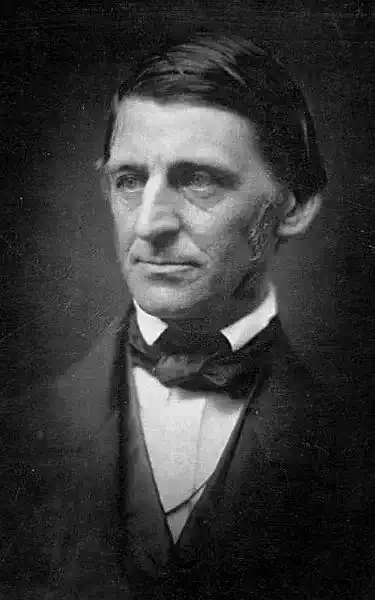
Ralph Waldo Emerson
The Park
The Park
The prosperous and beautiful
To me seem not to wear
The yoke of conscience masterful,
Which galls me everywhere.
I cannot shake off the god;
On my neck he makes his seat;
I look at my face in the glass,
My eyes his eye-balls meet.
Enchanters! enchantresses!
Your gold makes you seem wise:
The morning mist within your grounds
More proudly rolls, more softly lies.
Yet spake yon purple mountain,
Yet said yon ancient wood,
That night or day, that love or crime
Lead all souls to the Good.
The prosperous and beautiful
To me seem not to wear
The yoke of conscience masterful,
Which galls me everywhere.
I cannot shake off the god;
On my neck he makes his seat;
I look at my face in the glass,
My eyes his eye-balls meet.
Enchanters! enchantresses!
Your gold makes you seem wise:
The morning mist within your grounds
More proudly rolls, more softly lies.
Yet spake yon purple mountain,
Yet said yon ancient wood,
That night or day, that love or crime
Lead all souls to the Good.
358
Ralph Waldo Emerson
Ode To William H. Channing
Ode To William H. Channing
Though loth to grieve
The evil time's sole patriot,
I cannot leave
My buried thought
For the priest's cant,
Or statesman's rant.
If I refuse
My study for their politique,
Which at the best is trick,
The angry muse
Puts confusion in my brain.
But who is he that prates
Of the culture of mankind,
Of better arts and life?
Go, blind worm, go,
Behold the famous States
Harrying Mexico
With rifle and with knife.
Or who, with accent bolder,
Dare praise the freedom-loving mountaineer,
I found by thee, O rushing Contoocook!
And in thy valleys, Agiochook!
The jackals of the negro-holder.
The God who made New Hampshire
Taunted the lofty land
With little men.
Small bat and wren
House in the oak.
If earth fire cleave
The upheaved land, and bury the folk,
The southern crocodile would grieve.
Virtue palters, right is hence,
Freedom praised but hid;
Funeral eloquence
Rattles the coffin-lid.
What boots thy zeal,
O glowing friend,
That would indignant rend
The northland from the south?
Wherefore? To what good end?
Boston Bay and Bunker Hill
Would serve things still:
Things are of the snake.
The horseman serves the horse,
The neat-herd serves the neat,
The merchant serves the purse,
The eater serves his meat;
'Tis the day of the chattel,
Web to weave, and corn to grind,
Things are in the saddle,
And ride mankind.
There are two laws discrete
Not reconciled,
Law for man, and law for thing;
The last builds town and fleet,
But it runs wild,
And doth the man unking.
'Tis fit the forest fall,
The steep be graded,
The mountain tunnelled,
The land shaded,
The orchard planted,
The globe tilled,
The prairie planted,
The steamer built.
Live for friendship, live for love,
For truth's and harmony's behoof;
The state may follow how it can,
As Olympus follows Jove.
Yet do not I implore
The wrinkled shopman to my sounding woods,
Nor bid the unwilling senator
Ask votes of thrushes in the solitudes.
Every one to his chosen work.
Foolish hands may mix and mar,
Wise and sure the issues are.
Round they roll, till dark is light,
Sex to sex, and even to odd;
The over-God,
Who marries Right to Might,
Who peoples, unpeoples,
He who exterminates
Races by stronger races,
Black by white faces,
Knows to bring honey
Out of the lion,
Grafts gentlest scion
On Pirate and Turk.
The Cossack eats Poland,
Like stolen fruit;
Her last noble is ruined,
Her last poet mute;
Straight into double band
The victors divide,
Half for freedom strike and stand,
The astonished muse finds thousands at her side.
Though loth to grieve
The evil time's sole patriot,
I cannot leave
My buried thought
For the priest's cant,
Or statesman's rant.
If I refuse
My study for their politique,
Which at the best is trick,
The angry muse
Puts confusion in my brain.
But who is he that prates
Of the culture of mankind,
Of better arts and life?
Go, blind worm, go,
Behold the famous States
Harrying Mexico
With rifle and with knife.
Or who, with accent bolder,
Dare praise the freedom-loving mountaineer,
I found by thee, O rushing Contoocook!
And in thy valleys, Agiochook!
The jackals of the negro-holder.
The God who made New Hampshire
Taunted the lofty land
With little men.
Small bat and wren
House in the oak.
If earth fire cleave
The upheaved land, and bury the folk,
The southern crocodile would grieve.
Virtue palters, right is hence,
Freedom praised but hid;
Funeral eloquence
Rattles the coffin-lid.
What boots thy zeal,
O glowing friend,
That would indignant rend
The northland from the south?
Wherefore? To what good end?
Boston Bay and Bunker Hill
Would serve things still:
Things are of the snake.
The horseman serves the horse,
The neat-herd serves the neat,
The merchant serves the purse,
The eater serves his meat;
'Tis the day of the chattel,
Web to weave, and corn to grind,
Things are in the saddle,
And ride mankind.
There are two laws discrete
Not reconciled,
Law for man, and law for thing;
The last builds town and fleet,
But it runs wild,
And doth the man unking.
'Tis fit the forest fall,
The steep be graded,
The mountain tunnelled,
The land shaded,
The orchard planted,
The globe tilled,
The prairie planted,
The steamer built.
Live for friendship, live for love,
For truth's and harmony's behoof;
The state may follow how it can,
As Olympus follows Jove.
Yet do not I implore
The wrinkled shopman to my sounding woods,
Nor bid the unwilling senator
Ask votes of thrushes in the solitudes.
Every one to his chosen work.
Foolish hands may mix and mar,
Wise and sure the issues are.
Round they roll, till dark is light,
Sex to sex, and even to odd;
The over-God,
Who marries Right to Might,
Who peoples, unpeoples,
He who exterminates
Races by stronger races,
Black by white faces,
Knows to bring honey
Out of the lion,
Grafts gentlest scion
On Pirate and Turk.
The Cossack eats Poland,
Like stolen fruit;
Her last noble is ruined,
Her last poet mute;
Straight into double band
The victors divide,
Half for freedom strike and stand,
The astonished muse finds thousands at her side.
331
Ralph Waldo Emerson
Ode
Ode
Inscribed to W.H. Channing
Though loath to grieve
The evil time's sole patriot,
I cannot leave
My honeyed thought
For the priest's cant,
Or statesman's rant.
If I refuse
My study for their politic,
Which at the best is trick,
The angry Muse
Puts confusion in my brain.
But who is he that prates
Of the culture of mankind,
Of better arts and life?
Go, blindworm, go,
Behold the famous States
Harrying Mexico
With rifle and with knife!
Or who, with accent bolder
Dare praise the freedom-loving mountaineer?
I found by thee, O rushing Contoocook!
And in thy valleys, Agiochook!
The jackals of the Negro-holder.
The God who made New Hampshire
Taunted the lofty land
With little men;--
Small bat and wren
House in the oak:--
If earth-fire cleave
The upheaved land, and bury the folk,
The southern crocodile would grieve.
Virtue palters; Right is hence;
Freedom praised, but hid;
Funeral eloquence
Rattles the coffin lid.
What boots thy zeal,
O glowing friend,
That would indignant rend
The northland from the south?
Wherefore? to what good end?
Boston Bay and Bunker Hill
Would serve things still;--
Things are of the snake.
The horseman serves the horse
The neatherd serves the neat,
The merchant serves the purse,
The eater serves his meat;
'Tis the day of the chattel,
Web to weave, and corn to grind;
Things are in the saddle,
And ride mankind.
There are two laws discrete,
Not reconciled,--
Law for man, and law for thing;
The last builds town and fleet,
But it runs wild,
And doth the man unking.
'Tis fit the forest fall,
The steep be graded,
The mountain tunneled,
The sand shaded,
The orchard planted,
The glebe tilled,
The prairie granted
The steamer built.
Let man serve law for man;
Live for friendship, live for love,
For truth's and harmony's behoof;
The state may follow how it can,
As Olympus follows Jove.
Yet do not I implore
The wrinkled shopman to my sounding woods,
Nor did the unwilling senator
Ask votes of thrushes in the solitudes.
Everyone to his chosen work--
Foolish hands may mix and mar;
Wise and sure the issues are.
Round they roll till dark is light,
Sex to sex, and even to odd;--
The overgod
Who marries Right to Might,
Who peoples, unpeoples,--
He who exterminates
Races by stronger races,
Black by white faces,--
Knows to bring honey
Out of the lion;
Grafts gentlest scion
On pirate and Turk.
The Cossack eats Poland,
Like stolen fruit;
Her last noble is ruined,
Her last poet mute;
Straight, into double band
The victors divide;
Half for freedom strike and stand;--
The astonished Muse finds thousands at her side.
Inscribed to W.H. Channing
Though loath to grieve
The evil time's sole patriot,
I cannot leave
My honeyed thought
For the priest's cant,
Or statesman's rant.
If I refuse
My study for their politic,
Which at the best is trick,
The angry Muse
Puts confusion in my brain.
But who is he that prates
Of the culture of mankind,
Of better arts and life?
Go, blindworm, go,
Behold the famous States
Harrying Mexico
With rifle and with knife!
Or who, with accent bolder
Dare praise the freedom-loving mountaineer?
I found by thee, O rushing Contoocook!
And in thy valleys, Agiochook!
The jackals of the Negro-holder.
The God who made New Hampshire
Taunted the lofty land
With little men;--
Small bat and wren
House in the oak:--
If earth-fire cleave
The upheaved land, and bury the folk,
The southern crocodile would grieve.
Virtue palters; Right is hence;
Freedom praised, but hid;
Funeral eloquence
Rattles the coffin lid.
What boots thy zeal,
O glowing friend,
That would indignant rend
The northland from the south?
Wherefore? to what good end?
Boston Bay and Bunker Hill
Would serve things still;--
Things are of the snake.
The horseman serves the horse
The neatherd serves the neat,
The merchant serves the purse,
The eater serves his meat;
'Tis the day of the chattel,
Web to weave, and corn to grind;
Things are in the saddle,
And ride mankind.
There are two laws discrete,
Not reconciled,--
Law for man, and law for thing;
The last builds town and fleet,
But it runs wild,
And doth the man unking.
'Tis fit the forest fall,
The steep be graded,
The mountain tunneled,
The sand shaded,
The orchard planted,
The glebe tilled,
The prairie granted
The steamer built.
Let man serve law for man;
Live for friendship, live for love,
For truth's and harmony's behoof;
The state may follow how it can,
As Olympus follows Jove.
Yet do not I implore
The wrinkled shopman to my sounding woods,
Nor did the unwilling senator
Ask votes of thrushes in the solitudes.
Everyone to his chosen work--
Foolish hands may mix and mar;
Wise and sure the issues are.
Round they roll till dark is light,
Sex to sex, and even to odd;--
The overgod
Who marries Right to Might,
Who peoples, unpeoples,--
He who exterminates
Races by stronger races,
Black by white faces,--
Knows to bring honey
Out of the lion;
Grafts gentlest scion
On pirate and Turk.
The Cossack eats Poland,
Like stolen fruit;
Her last noble is ruined,
Her last poet mute;
Straight, into double band
The victors divide;
Half for freedom strike and stand;--
The astonished Muse finds thousands at her side.
382
Ralph Waldo Emerson
Grace
Grace
How much, preventing God! how much I owe
To the defenses thou hast round me set:
Example, custom, fear, occasional slow,
These scorned bondmen were my parapet.
I dare not peep over this parapet
To gauge with glance the roaring gulf beelow,
The depths of sin to which I had descended,
Had not these me against myself defended.
How much, preventing God! how much I owe
To the defenses thou hast round me set:
Example, custom, fear, occasional slow,
These scorned bondmen were my parapet.
I dare not peep over this parapet
To gauge with glance the roaring gulf beelow,
The depths of sin to which I had descended,
Had not these me against myself defended.
382
Ralph Waldo Emerson
Forebearance
Forebearance
Hast thou named all the birds without a gun;
Loved the wood-rose, and left it on its stalk;
At rich men's tables eaten bread and pulse;
Unarmed, faced danger with a heart of trust;
And loved so well a high behavior
In man or maid, that thou from speech refrained,
Nobility more nobly to repay?—
O be my friend, and teach me to be thine!
Hast thou named all the birds without a gun;
Loved the wood-rose, and left it on its stalk;
At rich men's tables eaten bread and pulse;
Unarmed, faced danger with a heart of trust;
And loved so well a high behavior
In man or maid, that thou from speech refrained,
Nobility more nobly to repay?—
O be my friend, and teach me to be thine!
294
Ralph Waldo Emerson
You have tried famine: no more try it;
You have tried famine: no more try it;
Ply us now with a full diet;
Teach your pupils now with plenty,
For one sun supply us twenty:
I have thought it thoroughly over,
State of hermit, state of lover;
We must have society,
We cannot spare variety.
Hear you, then, celestial fellows!
Fits not to be over zealous;
Steads not to work on the clean jump,
Nor wine nor brains perpetual pump;
Men and gods are too extense,—
Could you slacken and condense?
Your rank overgrowths reduce,
Till your kinds abound with juice;
Earth crowded cries, "Too many men,"—
My counsel is, Kill nine in ten,
And bestow the shares of all
On the remnant decimal.
Add their nine lives to this cat;
Stuff their nine brains in his hat;
Make his frame and forces square
With the labors he must dare;
Thatch his flesh, and even his years
With the marble which he rears;
There growing slowly old at ease,
No faster than his planted trees,
He may, by warrant of his age,
In schemes of broader scope engage:
So shall ye have a man of the sphere,
Fit to grace the solar year.
Ply us now with a full diet;
Teach your pupils now with plenty,
For one sun supply us twenty:
I have thought it thoroughly over,
State of hermit, state of lover;
We must have society,
We cannot spare variety.
Hear you, then, celestial fellows!
Fits not to be over zealous;
Steads not to work on the clean jump,
Nor wine nor brains perpetual pump;
Men and gods are too extense,—
Could you slacken and condense?
Your rank overgrowths reduce,
Till your kinds abound with juice;
Earth crowded cries, "Too many men,"—
My counsel is, Kill nine in ten,
And bestow the shares of all
On the remnant decimal.
Add their nine lives to this cat;
Stuff their nine brains in his hat;
Make his frame and forces square
With the labors he must dare;
Thatch his flesh, and even his years
With the marble which he rears;
There growing slowly old at ease,
No faster than his planted trees,
He may, by warrant of his age,
In schemes of broader scope engage:
So shall ye have a man of the sphere,
Fit to grace the solar year.
316
Ralph Waldo Emerson
Astræ
Astræ
Himself it was who wrote
His rank, and quartered his own coat.
There is no king nor sovereign state
That can fix a hero's rate;
Each to all is venerable,
Cap-a-pie invulnerable,
Until he write, where all eyes rest,
Slave or master on his breast.
I saw men go up and down
In the country and the town,
With this prayer upon their neck,
"Judgment and a judge we seek."
Not to monarchs they repair,
Nor to learned jurist's chair,
But they hurry to their peers,
To their kinsfolk and their dears,
Louder than with speech they pray,
What am I? companion; say.
And the friend not hesitates
To assign just place and mates,
Answers not in word or letter,
Yet is understood the better;—
Is to his friend a looking-glass,
Reflects his figure that doth pass.
Every wayfarer he meets
What himself declared, repeats;
What himself confessed, records;
Sentences him in his words,
The form is his own corporal form,
And his thought the penal worm.
Yet shine for ever virgin minds,
Loved by stars and purest winds,
Which, o'er passion throned sedate,
Have not hazarded their state,
Disconcert the searching spy,
Rendering to a curious eye
The durance of a granite ledge
To those who gaze from the sea's edge.
It is there for benefit,
It is there for purging light,
There for purifying storms,
And its depths reflect all forms;
It cannot parley with the mean,
Pure by impure is not seen.
For there's no sequestered grot,
Lone mountain tam, or isle forgot,
But justice journeying in the sphere
Daily stoops to harbor there.
Himself it was who wrote
His rank, and quartered his own coat.
There is no king nor sovereign state
That can fix a hero's rate;
Each to all is venerable,
Cap-a-pie invulnerable,
Until he write, where all eyes rest,
Slave or master on his breast.
I saw men go up and down
In the country and the town,
With this prayer upon their neck,
"Judgment and a judge we seek."
Not to monarchs they repair,
Nor to learned jurist's chair,
But they hurry to their peers,
To their kinsfolk and their dears,
Louder than with speech they pray,
What am I? companion; say.
And the friend not hesitates
To assign just place and mates,
Answers not in word or letter,
Yet is understood the better;—
Is to his friend a looking-glass,
Reflects his figure that doth pass.
Every wayfarer he meets
What himself declared, repeats;
What himself confessed, records;
Sentences him in his words,
The form is his own corporal form,
And his thought the penal worm.
Yet shine for ever virgin minds,
Loved by stars and purest winds,
Which, o'er passion throned sedate,
Have not hazarded their state,
Disconcert the searching spy,
Rendering to a curious eye
The durance of a granite ledge
To those who gaze from the sea's edge.
It is there for benefit,
It is there for purging light,
There for purifying storms,
And its depths reflect all forms;
It cannot parley with the mean,
Pure by impure is not seen.
For there's no sequestered grot,
Lone mountain tam, or isle forgot,
But justice journeying in the sphere
Daily stoops to harbor there.
340
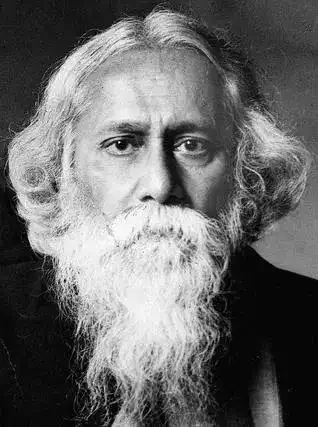
Rabindranath Tagore
When Day Is Done
When Day Is Done
If the day is done,
if birds sing no more,
if the wind has flagged tired,
then draw the veil of darkness thick upon me,
even as thou hast wrapt the earth with the coverlet of sleep
and tenderly closed the petals of the drooping lotus at dusk.
From the traveler,
whose sack of provisions is empty before the voyage is ended,
whose garment is torn and dust-laden,
whose strength is exhausted,
remove shame and poverty,
and renew his life like a flower under the cover of thy kindly night.
If the day is done,
if birds sing no more,
if the wind has flagged tired,
then draw the veil of darkness thick upon me,
even as thou hast wrapt the earth with the coverlet of sleep
and tenderly closed the petals of the drooping lotus at dusk.
From the traveler,
whose sack of provisions is empty before the voyage is ended,
whose garment is torn and dust-laden,
whose strength is exhausted,
remove shame and poverty,
and renew his life like a flower under the cover of thy kindly night.
633
Rabindranath Tagore
Vocation
Vocation
When the gong sounds ten in the morning and I walk to school by our
lane.
Every day I meet the hawker crying, "Bangles, crystal
bangles!"
There is nothing to hurry him on, there is no road he must
take, no place he must go to, no time when he must come home.
I wish I were a hawker, spending my day in the road, crying,
"Bangles, crystal bangles!"
When at four in the afternoon I come back from the school,
I can see through the gate of that house the gardener digging
the ground.
He does what he likes with his spade, he soils his clothes
with dust, nobody takes him to task if he gets baked in the sun or
gets wet.
I wish I were a gardener digging away at the garden with
nobody to stop me from digging.
Just as it gets dark in the evening and my mother sends me to
bed,
I can see through my open window the watchman walking up and
down.
The lane is dark and lonely, and the street-lamp stands like
a giant with one red eye in its head.
The watchman swings his lantern and walks with his shadow at
his side, and never once goes to bed in his life.
I wish I were a watchman walking the streets all night,
chasing the shadows with my lantern.
When the gong sounds ten in the morning and I walk to school by our
lane.
Every day I meet the hawker crying, "Bangles, crystal
bangles!"
There is nothing to hurry him on, there is no road he must
take, no place he must go to, no time when he must come home.
I wish I were a hawker, spending my day in the road, crying,
"Bangles, crystal bangles!"
When at four in the afternoon I come back from the school,
I can see through the gate of that house the gardener digging
the ground.
He does what he likes with his spade, he soils his clothes
with dust, nobody takes him to task if he gets baked in the sun or
gets wet.
I wish I were a gardener digging away at the garden with
nobody to stop me from digging.
Just as it gets dark in the evening and my mother sends me to
bed,
I can see through my open window the watchman walking up and
down.
The lane is dark and lonely, and the street-lamp stands like
a giant with one red eye in its head.
The watchman swings his lantern and walks with his shadow at
his side, and never once goes to bed in his life.
I wish I were a watchman walking the streets all night,
chasing the shadows with my lantern.
607
Rabindranath Tagore
Untimely Leave
Untimely Leave
No more noisy, loud words from me---such is my master's will.
Henceforth I deal in whispers.
The speech of my heart will be carried on in murmurings of a song.
Men hasten to the King's market. All the buyers and sellers are there.
But I have my untimely leave in the middle of the day, in the thick of work.
Let then the flowers come out in my garden, though it is not their time;
and let the midday bees strike up their lazy hum.
Full many an hour have I spent in the strife of the good and the evil,
but now it is the pleasure of my playmate of the empty days to draw my heart on to
him;
and I know not why is this sudden call to what useless inconsequence!
No more noisy, loud words from me---such is my master's will.
Henceforth I deal in whispers.
The speech of my heart will be carried on in murmurings of a song.
Men hasten to the King's market. All the buyers and sellers are there.
But I have my untimely leave in the middle of the day, in the thick of work.
Let then the flowers come out in my garden, though it is not their time;
and let the midday bees strike up their lazy hum.
Full many an hour have I spent in the strife of the good and the evil,
but now it is the pleasure of my playmate of the empty days to draw my heart on to
him;
and I know not why is this sudden call to what useless inconsequence!
483
Rabindranath Tagore
The Hero
The Hero
Mother, let us imagine we are travelling, and passing through a
strange and dangerous country.
You are riding in a palanquin and I am trotting by you on a
red horse.
It is evening and the sun goes down. The waste of Joradighi
lies wan and grey before us. The land is desolate and barren.
You are frightened and thinking-"I know not where we have come
to."
I say to you, "Mother, do not be afraid."
The meadow is prickly with spiky grass, and through it runs
a narrow broken path.
There are no cattle to be seen in the wide field; they have
gone to their village stalls.
It grows dark and dim on the land and sky, and we cannot tell
where we are going.
Suddenly you call me and ask me in a whisper, "What light is
that near the bank?"
Just then there bursts out a fearful yell, and figures come
running towards us.
You sit crouched in your palanquin and repeat the names of the
gods in prayer.
The bearers, shaking in terror, hide themselves in the thorny
bush.
I shout to you, "Don't be afraid, mother. I am here."
With long sticks in their hands and hair all wild about their
heads, they come nearer and nearer.
I shout, "Have a care, you villains! One step more and you are
dead men."
They give another terrible yell and rush forward.
You clutch my hand and say, "Dear boy, for heaven's sake, keep
away from them."
I say, "Mother, just you watch me."
Then I spur my horse for a wild gallop, and my sword and
buckler clash against each other.
The fight becomes so fearful, mother, that it would give you
a cold shudder could you see it from your palanquin.
Many of them fly, and a great number are cut to pieces.
I know you are thinking, sitting all by yourself, that your
boy must be dead by this time.
But I come to you all stained with blood, and say,"Mother, the
fight is over now."
You come out and kiss me, pressing me to your heart, and you
say to yourself,
"I don't know what I should do if I hadn't my boy to escort
me."
A thousand useless things happen day after day, and why
couldn't such a thing come true by chance?
It would be like a story in a book.
My brother would say, "Is it possible? I always thought he was
so delicate!"
Our village people would all say in amazement, "Was it not
lucky that the boy was with his mother?"
Mother, let us imagine we are travelling, and passing through a
strange and dangerous country.
You are riding in a palanquin and I am trotting by you on a
red horse.
It is evening and the sun goes down. The waste of Joradighi
lies wan and grey before us. The land is desolate and barren.
You are frightened and thinking-"I know not where we have come
to."
I say to you, "Mother, do not be afraid."
The meadow is prickly with spiky grass, and through it runs
a narrow broken path.
There are no cattle to be seen in the wide field; they have
gone to their village stalls.
It grows dark and dim on the land and sky, and we cannot tell
where we are going.
Suddenly you call me and ask me in a whisper, "What light is
that near the bank?"
Just then there bursts out a fearful yell, and figures come
running towards us.
You sit crouched in your palanquin and repeat the names of the
gods in prayer.
The bearers, shaking in terror, hide themselves in the thorny
bush.
I shout to you, "Don't be afraid, mother. I am here."
With long sticks in their hands and hair all wild about their
heads, they come nearer and nearer.
I shout, "Have a care, you villains! One step more and you are
dead men."
They give another terrible yell and rush forward.
You clutch my hand and say, "Dear boy, for heaven's sake, keep
away from them."
I say, "Mother, just you watch me."
Then I spur my horse for a wild gallop, and my sword and
buckler clash against each other.
The fight becomes so fearful, mother, that it would give you
a cold shudder could you see it from your palanquin.
Many of them fly, and a great number are cut to pieces.
I know you are thinking, sitting all by yourself, that your
boy must be dead by this time.
But I come to you all stained with blood, and say,"Mother, the
fight is over now."
You come out and kiss me, pressing me to your heart, and you
say to yourself,
"I don't know what I should do if I hadn't my boy to escort
me."
A thousand useless things happen day after day, and why
couldn't such a thing come true by chance?
It would be like a story in a book.
My brother would say, "Is it possible? I always thought he was
so delicate!"
Our village people would all say in amazement, "Was it not
lucky that the boy was with his mother?"
525
Rabindranath Tagore
The Gardener XLII: O Mad, Superbly Drunk
The Gardener XLII: O Mad, Superbly Drunk
O mad, superbly drunk;
If you kick open your doors and
play the fool in public;
If you empty your bag in a night,
and snap your fingers at prudence;
If you walk in curious paths and
play with useless things;
Reck not rhyme or reason;
If unfurling your sails before the
storm you snap the rudder in two,
Then I will follow you, comrade,
and be drunken and go to the dogs.
I have wasted my days and nights
in the company of steady wise neighbours.
Much knowing has turned my hair
grey, and much watching has made
my sight dim.
For years I have gathered and
heaped up scraps and fragments of
things:
Crush them and dance upon them,
and scatter them all to the winds.
For I know 'tis the height of wisdom
to be drunken and go the dogs.
Let all crooked scruples vanish,
let me hopelessly lose my way.
Let a gust of wild giddiness come
and sweep me away from my anchors.
The world is peopled with worthies,
and workers, useful and clever.
There are men who are easily first,
and men who come decently after.
Let them be happy and prosper,
and let me be foolishly futile.
For I know 'tis the end of all works
to be drunken and go to the dogs.
I swear to surrender this moment
all claims to the ranks of the decent.
I let go my pride of learning and
judgment of right and of wrong.
I'll shatter memory's vessel, scattering
the last drop of tears.
With the foam of the berry-red
wine I will bathe and brighten my
laughter.
The badge of the civil and staid
I'll tear into shreds for the nonce.
I'll take the holy vow to be worthless,
to be drunken and go to the dogs.
O mad, superbly drunk;
If you kick open your doors and
play the fool in public;
If you empty your bag in a night,
and snap your fingers at prudence;
If you walk in curious paths and
play with useless things;
Reck not rhyme or reason;
If unfurling your sails before the
storm you snap the rudder in two,
Then I will follow you, comrade,
and be drunken and go to the dogs.
I have wasted my days and nights
in the company of steady wise neighbours.
Much knowing has turned my hair
grey, and much watching has made
my sight dim.
For years I have gathered and
heaped up scraps and fragments of
things:
Crush them and dance upon them,
and scatter them all to the winds.
For I know 'tis the height of wisdom
to be drunken and go the dogs.
Let all crooked scruples vanish,
let me hopelessly lose my way.
Let a gust of wild giddiness come
and sweep me away from my anchors.
The world is peopled with worthies,
and workers, useful and clever.
There are men who are easily first,
and men who come decently after.
Let them be happy and prosper,
and let me be foolishly futile.
For I know 'tis the end of all works
to be drunken and go to the dogs.
I swear to surrender this moment
all claims to the ranks of the decent.
I let go my pride of learning and
judgment of right and of wrong.
I'll shatter memory's vessel, scattering
the last drop of tears.
With the foam of the berry-red
wine I will bathe and brighten my
laughter.
The badge of the civil and staid
I'll tear into shreds for the nonce.
I'll take the holy vow to be worthless,
to be drunken and go to the dogs.
567
Rabindranath Tagore
The Gardener LXXVI: The Fair Was On
The Gardener LXXVI: The Fair Was On
The fair was on before the temple.
It had rained from the early morning
and the day came to its end.
Brighter than all the gladness of
the crowd was the bright smile of
a girl who bought for a farthing a
whistle of palm leaf.
The shrill joy of that whistle floated
above all laughter and noise.
An endless throng of people came
and jostled together. The road was
muddy, the river in flood, the field
under water in ceaseless rain.
Greater than all the troubles of
the crowd was a little boy's trouble-he
had not a farthing to buy a painted
stick.
His wistful eyes gazing at the shop
made this whole meeting of men so
pitiful.
The fair was on before the temple.
It had rained from the early morning
and the day came to its end.
Brighter than all the gladness of
the crowd was the bright smile of
a girl who bought for a farthing a
whistle of palm leaf.
The shrill joy of that whistle floated
above all laughter and noise.
An endless throng of people came
and jostled together. The road was
muddy, the river in flood, the field
under water in ceaseless rain.
Greater than all the troubles of
the crowd was a little boy's trouble-he
had not a farthing to buy a painted
stick.
His wistful eyes gazing at the shop
made this whole meeting of men so
pitiful.
495
Rabindranath Tagore
The Gardener IV: Ah Me
The Gardener IV: Ah Me
Ah me, why did they build my
house by the road to the market
town?
They moor their laden boats near
my trees.
They come and go and wander at
their will.
I sit and watch them; my time
wears on.
Turn them away I cannot. And
thus my days pass by.
Night and day their steps sound
by my door.
Vainly I cry, "I do not know
you."
Some of them are known to my
fingers, some to my nostrils, the
blood in my veins seems to know
them, and some are known to my
dreams.
Turn them away I cannot. I call
them and say, "Come to my house
whoever chooses. Yes, come."
In the morning the bell rings in the
temple.
They come with their baskets in
their hands.
Their feet are rosy red. The early
light of dawn is on their faces.
Turn them away I cannot. I call
them and I say, "Come to my garden
to gather flowers. Come hither."
In the mid-day the gong sounds
at the palace gate.
I know not why they leave their
work and linger near my hedge.
The flowers in their hair are pale
and faded; the notes are languid in
their flutes.
Turn them away I cannot. I call
them and say, "The shade is cool
under my trees. Come, friends."
At night the crickets chirp in the
woods.
Who is it that comes slowly to my
door and gently knocks?
I vaguely see the face, not a word
is spoken, the stillness of the sky is
all around.
Turn away my silent guest I
cannot. I look at the face through the
dark, and hours of dreams pass by.
Ah me, why did they build my
house by the road to the market
town?
They moor their laden boats near
my trees.
They come and go and wander at
their will.
I sit and watch them; my time
wears on.
Turn them away I cannot. And
thus my days pass by.
Night and day their steps sound
by my door.
Vainly I cry, "I do not know
you."
Some of them are known to my
fingers, some to my nostrils, the
blood in my veins seems to know
them, and some are known to my
dreams.
Turn them away I cannot. I call
them and say, "Come to my house
whoever chooses. Yes, come."
In the morning the bell rings in the
temple.
They come with their baskets in
their hands.
Their feet are rosy red. The early
light of dawn is on their faces.
Turn them away I cannot. I call
them and I say, "Come to my garden
to gather flowers. Come hither."
In the mid-day the gong sounds
at the palace gate.
I know not why they leave their
work and linger near my hedge.
The flowers in their hair are pale
and faded; the notes are languid in
their flutes.
Turn them away I cannot. I call
them and say, "The shade is cool
under my trees. Come, friends."
At night the crickets chirp in the
woods.
Who is it that comes slowly to my
door and gently knocks?
I vaguely see the face, not a word
is spoken, the stillness of the sky is
all around.
Turn away my silent guest I
cannot. I look at the face through the
dark, and hours of dreams pass by.
485