

Poems
Ethics and Morality
Poems in this topic
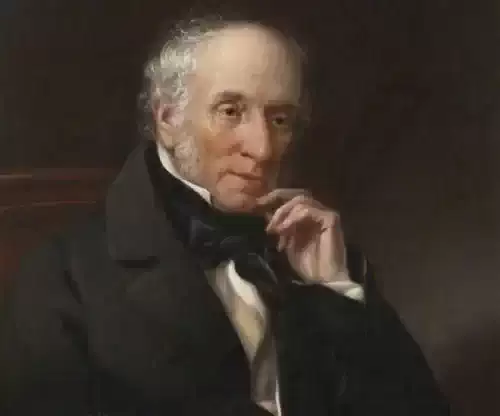
William Wordsworth
England ii
England ii
MILTON! thou shouldst be living at this hour:
England hath need of thee: she is a fen
Of stagnant waters: altar, sword, and pen,
Fireside, the heroic wealth of hall and bower,
Have forfeited their ancient English dower
Of inward happiness. We are selfish men;
O raise us up, return to us again,
And give us manners, virtue, freedom, power!
Thy soul was like a Star, and dwelt apart;
Thou hadst a voice whose sound was like the sea:
Pure as the naked heavens, majestic, free,
So didst thou travel on life's common way,
In cheerful godliness; and yet thy heart
The lowliest duties on herself did lay.
MILTON! thou shouldst be living at this hour:
England hath need of thee: she is a fen
Of stagnant waters: altar, sword, and pen,
Fireside, the heroic wealth of hall and bower,
Have forfeited their ancient English dower
Of inward happiness. We are selfish men;
O raise us up, return to us again,
And give us manners, virtue, freedom, power!
Thy soul was like a Star, and dwelt apart;
Thou hadst a voice whose sound was like the sea:
Pure as the naked heavens, majestic, free,
So didst thou travel on life's common way,
In cheerful godliness; and yet thy heart
The lowliest duties on herself did lay.
232
William Wordsworth
England iv
England iv
IT is not to be thought of that the flood
Of British freedom, which, to the open sea
Of the world's praise, from dark antiquity
Hath flow'd, 'with pomp of waters, unwithstood,'
Roused though it be full often to a mood
Which spurns the check of salutary bands,--
That this most famous stream in bogs and sands
Should perish; and to evil and to good
Be lost for ever. In our halls is hung
Armoury of the invincible Knights of old:
We must be free or die, who speak the tongue
That Shakespeare spake; the faith and morals hold
Which Milton held.--In everything we are sprung
Of Earth's first blood, have titles manifold.
IT is not to be thought of that the flood
Of British freedom, which, to the open sea
Of the world's praise, from dark antiquity
Hath flow'd, 'with pomp of waters, unwithstood,'
Roused though it be full often to a mood
Which spurns the check of salutary bands,--
That this most famous stream in bogs and sands
Should perish; and to evil and to good
Be lost for ever. In our halls is hung
Armoury of the invincible Knights of old:
We must be free or die, who speak the tongue
That Shakespeare spake; the faith and morals hold
Which Milton held.--In everything we are sprung
Of Earth's first blood, have titles manifold.
213
William Wordsworth
Character of the Happy Warrior
Character of the Happy Warrior
. Who is the happy Warrior? Who is he
That every man in arms should wish to be?
--It is the generous Spirit, who, when brought
Among the tasks of real life, hath wrought
Upon the plan that pleased his boyish thought:
Whose high endeavours are an inward light
That makes the path before him always bright;
Who, with a natural instinct to discern
What knowledge can perform, is diligent to learn;
Abides by this resolve, and stops not there,
But makes his moral being his prime care;
Who, doomed to go in company with Pain,
And Fear, and Bloodshed, miserable train!
Turns his necessity to glorious gain;
In face of these doth exercise a power
Which is our human nature's highest dower:
Controls them and subdues, transmutes, bereaves
Of their bad influence, and their good receives:
By objects, which might force the soul to abate
Her feeling, rendered more compassionate;
Is placable--because occasions rise
So often that demand such sacrifice;
More skilful in self-knowledge, even more pure,
As tempted more; more able to endure,
As more exposed to suffering and distress;
Thence, also, more alive to tenderness.
--'Tis he whose law is reason; who depends
Upon that law as on the best of friends;
Whence, in a state where men are tempted still
To evil for a guard against worse ill,
And what in quality or act is best
Doth seldom on a right foundation rest,
He labours good on good to fix, and owes
To virtue every triumph that he knows:
--Who, if he rise to station of command,
Rises by open means; and there will stand
On honourable terms, or else retire,
And in himself possess his own desire;
Who comprehends his trust, and to the same
Keeps faithful with a singleness of aim;
And therefore does not stoop, nor lie in wait
For wealth, or honours, or for worldly state;
Whom they must follow; on whose head must fall,
Like showers of manna, if they come at all:
Whose powers shed round him in the common strife,
Or mild concerns of ordinary life,
A constant influence, a peculiar grace;
But who, if he be called upon to face
Some awful moment to which Heaven has joined
Great issues, good or bad for human kind,
Is happy as a Lover; and attired
With sudden brightness, like a Man inspired;
And, through the heat of conflict, keeps the law
In calmness made, and sees what he foresaw;
Or if an unexpected call succeed,
Come when it will, is equal to the need:
--He who, though thus endued as with a sense
And faculty for storm and turbulence,
Is yet a Soul whose master-bias leans
To homefelt pleasures and to gentle scenes;
Sweet images! which, wheresoe'er he be,
Are at his heart; and such fidelity
It is his darling passion to approve;
More brave for this, that he hath much to love:--
'Tis, finally, the Man, who, lifted high,
Conspicuous object in a Nation's eye,
Or left unthought-of in obscurity,--
Who, with a toward or untoward lot,
Prosperous or adverse, to his wish or not--
Plays, in the many games of life, that one
Where what he most doth value must be won:
Whom neither shape or danger can dismay,
Nor thought of tender happiness betray;
Who, not content that former worth stand fast,
Looks forward, persevering to the last,
From well to better, daily self-surpast:
Who, whether praise of him must walk the earth
For ever, and to noble deeds give birth,
Or he must fall, to sleep without his fame,
And leave a dead unprofitable name--
Finds comfort in himself and in his cause;
And, while the mortal mist is gathering, draws
His breath in confidence of Heaven's applause:
This is the happy Warrior; this is he
That every man in arms should wish to be.
. Who is the happy Warrior? Who is he
That every man in arms should wish to be?
--It is the generous Spirit, who, when brought
Among the tasks of real life, hath wrought
Upon the plan that pleased his boyish thought:
Whose high endeavours are an inward light
That makes the path before him always bright;
Who, with a natural instinct to discern
What knowledge can perform, is diligent to learn;
Abides by this resolve, and stops not there,
But makes his moral being his prime care;
Who, doomed to go in company with Pain,
And Fear, and Bloodshed, miserable train!
Turns his necessity to glorious gain;
In face of these doth exercise a power
Which is our human nature's highest dower:
Controls them and subdues, transmutes, bereaves
Of their bad influence, and their good receives:
By objects, which might force the soul to abate
Her feeling, rendered more compassionate;
Is placable--because occasions rise
So often that demand such sacrifice;
More skilful in self-knowledge, even more pure,
As tempted more; more able to endure,
As more exposed to suffering and distress;
Thence, also, more alive to tenderness.
--'Tis he whose law is reason; who depends
Upon that law as on the best of friends;
Whence, in a state where men are tempted still
To evil for a guard against worse ill,
And what in quality or act is best
Doth seldom on a right foundation rest,
He labours good on good to fix, and owes
To virtue every triumph that he knows:
--Who, if he rise to station of command,
Rises by open means; and there will stand
On honourable terms, or else retire,
And in himself possess his own desire;
Who comprehends his trust, and to the same
Keeps faithful with a singleness of aim;
And therefore does not stoop, nor lie in wait
For wealth, or honours, or for worldly state;
Whom they must follow; on whose head must fall,
Like showers of manna, if they come at all:
Whose powers shed round him in the common strife,
Or mild concerns of ordinary life,
A constant influence, a peculiar grace;
But who, if he be called upon to face
Some awful moment to which Heaven has joined
Great issues, good or bad for human kind,
Is happy as a Lover; and attired
With sudden brightness, like a Man inspired;
And, through the heat of conflict, keeps the law
In calmness made, and sees what he foresaw;
Or if an unexpected call succeed,
Come when it will, is equal to the need:
--He who, though thus endued as with a sense
And faculty for storm and turbulence,
Is yet a Soul whose master-bias leans
To homefelt pleasures and to gentle scenes;
Sweet images! which, wheresoe'er he be,
Are at his heart; and such fidelity
It is his darling passion to approve;
More brave for this, that he hath much to love:--
'Tis, finally, the Man, who, lifted high,
Conspicuous object in a Nation's eye,
Or left unthought-of in obscurity,--
Who, with a toward or untoward lot,
Prosperous or adverse, to his wish or not--
Plays, in the many games of life, that one
Where what he most doth value must be won:
Whom neither shape or danger can dismay,
Nor thought of tender happiness betray;
Who, not content that former worth stand fast,
Looks forward, persevering to the last,
From well to better, daily self-surpast:
Who, whether praise of him must walk the earth
For ever, and to noble deeds give birth,
Or he must fall, to sleep without his fame,
And leave a dead unprofitable name--
Finds comfort in himself and in his cause;
And, while the mortal mist is gathering, draws
His breath in confidence of Heaven's applause:
This is the happy Warrior; this is he
That every man in arms should wish to be.
500
William Wordsworth
Andrew Jones
Andrew Jones
I hate that Andrew Jones; he'll breed
His children up to waste and pillage.
I wish the press-gang or the drum
With its tantara sound would come,
And sweep him from the village!
I said not this, because he loves
Through the long day to swear and tipple;
But for the poor dear sake of one
To whom a foul deed he had done,
A friendless man, a travelling cripple!
For this poor crawling helpless wretch,
Some horseman who was passing by,
A penny on the ground had thrown;
But the poor cripple was alone
And could not stoop--no help was nigh.
Inch-thick the dust lay on the ground
For it had long been droughty weather;
So with his staff the cripple wrought
Among the dust till he had brought
The half-pennies together.
It chanced that Andrew passed that way
Just at the time; and there he found
The cripple in the mid-day heat
Standing alone, and at his feet
He saw the penny on the ground.
He stopped and took the penny up:
And when the cripple nearer drew,
Quoth Andrew, "Under half-a-crown,
What a man finds is all his own,
And so, my Friend, good-day to you."
And 'hence' I said, that Andrew's boys
Will all be trained to waste and pillage;
And wished the press-gang, or the drum
With its tantara sound, would come
And sweep him from the village.
I hate that Andrew Jones; he'll breed
His children up to waste and pillage.
I wish the press-gang or the drum
With its tantara sound would come,
And sweep him from the village!
I said not this, because he loves
Through the long day to swear and tipple;
But for the poor dear sake of one
To whom a foul deed he had done,
A friendless man, a travelling cripple!
For this poor crawling helpless wretch,
Some horseman who was passing by,
A penny on the ground had thrown;
But the poor cripple was alone
And could not stoop--no help was nigh.
Inch-thick the dust lay on the ground
For it had long been droughty weather;
So with his staff the cripple wrought
Among the dust till he had brought
The half-pennies together.
It chanced that Andrew passed that way
Just at the time; and there he found
The cripple in the mid-day heat
Standing alone, and at his feet
He saw the penny on the ground.
He stopped and took the penny up:
And when the cripple nearer drew,
Quoth Andrew, "Under half-a-crown,
What a man finds is all his own,
And so, my Friend, good-day to you."
And 'hence' I said, that Andrew's boys
Will all be trained to waste and pillage;
And wished the press-gang, or the drum
With its tantara sound, would come
And sweep him from the village.
212
William Wordsworth
A Poet! He Hath Put his Heart to School
A Poet! He Hath Put his Heart to School
. A poet!--He hath put his heart to school,
Nor dares to move unpropped upon the staff
Which art hath lodged within his hand--must laugh
By precept only, and shed tears by rule.
Thy Art be Nature; the live current quaff,
And let the groveller sip his stagnant pool,
In fear that else, when Critics grave and cool
Have killed him, Scorn should write his epitaph.
How does the Meadow-flower its bloom unfold?
Because the lovely little flower is free
Down to its root, and, in that freedom, bold;
And so the grandeur of the Forest-tree
Comes not by casting in a formal mould,
But from its own divine vitality.
. A poet!--He hath put his heart to school,
Nor dares to move unpropped upon the staff
Which art hath lodged within his hand--must laugh
By precept only, and shed tears by rule.
Thy Art be Nature; the live current quaff,
And let the groveller sip his stagnant pool,
In fear that else, when Critics grave and cool
Have killed him, Scorn should write his epitaph.
How does the Meadow-flower its bloom unfold?
Because the lovely little flower is free
Down to its root, and, in that freedom, bold;
And so the grandeur of the Forest-tree
Comes not by casting in a formal mould,
But from its own divine vitality.
200
William Wordsworth
Is ample, and some little might be stored
Is ample, and some little might be stored
Wherewith to cheer him in the winter time."
Thus talking of that Peasant, we approached
Close to the spot where with his rod and line
He stood alone; whereat he turned his head
To greet us--and we saw a Mam worn down
By sickness, gaunt and lean, with sunken cheeks
And wasted limbs, his legs so long and lean
That for my single self I looked at them,
Forgetful of the body they sustained.--
Too weak to labour in the harvest field,
The Man was using his best skill to gain
A pittance from the dead unfeeling lake
That knew not of his wants. I will not say
What thoughts immediately were ours, nor how
The happy idleness of that sweet morn,
With all its lovely images, was changed
To serious musing and to self-reproach.
Nor did we fail to see within ourselves
What need there is to be reserved in speech,
And temper all our thoughts with charity.
--Therefore, unwilling to forget that day,
My Friend, Myself, and She who then received
The same admonishment, have called the place
By a memorial name, uncouth indeed
As e'er by mariner was given to bay
Or foreland, on a new-discovered coast;
And POINT RASH-JUDGMENT is the name it bears.
Wherewith to cheer him in the winter time."
Thus talking of that Peasant, we approached
Close to the spot where with his rod and line
He stood alone; whereat he turned his head
To greet us--and we saw a Mam worn down
By sickness, gaunt and lean, with sunken cheeks
And wasted limbs, his legs so long and lean
That for my single self I looked at them,
Forgetful of the body they sustained.--
Too weak to labour in the harvest field,
The Man was using his best skill to gain
A pittance from the dead unfeeling lake
That knew not of his wants. I will not say
What thoughts immediately were ours, nor how
The happy idleness of that sweet morn,
With all its lovely images, was changed
To serious musing and to self-reproach.
Nor did we fail to see within ourselves
What need there is to be reserved in speech,
And temper all our thoughts with charity.
--Therefore, unwilling to forget that day,
My Friend, Myself, and She who then received
The same admonishment, have called the place
By a memorial name, uncouth indeed
As e'er by mariner was given to bay
Or foreland, on a new-discovered coast;
And POINT RASH-JUDGMENT is the name it bears.
209

William Shakespeare
The Procreation Sonnets (1 - 17)
The Procreation Sonnets (1 - 17)
I
From fairest creatures we desire increase,
That thereby beauty's rose might never die,
But as the riper should by time decease,
His tender heir might bear his memory:
But thou contracted to thine own bright eyes,
Feed'st thy light's flame with self-substantial fuel,
Making a famine where abundance lies,
Thy self thy foe, to thy sweet self too cruel:
Thou that art now the world's fresh ornament,
And only herald to the gaudy spring,
Within thine own bud buriest thy content,
And, tender churl, mak'st waste in niggarding:
Pity the world, or else this glutton be,
To eat the world's due, by the grave and thee.
II
When forty winters shall besiege thy brow,
And dig deep trenches in thy beauty's field,
Thy youth's proud livery so gazed on now,
Will be a totter'd weed of small worth held:
Then being asked, where all thy beauty lies,
Where all the treasure of thy lusty days;
To say, within thine own deep sunken eyes,
Were an all-eating shame, and thriftless praise.
How much more praise deserv'd thy beauty's use,
If thou couldst answer 'This fair child of mine
Shall sum my count, and make my old excuse,'
Proving his beauty by succession thine!
This were to be new made when thou art old,
And see thy blood warm when thou feel'st it cold.
III
Look in thy glass and tell the face thou viewest
Now is the time that face should form another;
Whose fresh repair if now thou not renewest,
Thou dost beguile the world, unbless some mother.
For where is she so fair whose unear'd womb
Disdains the tillage of thy husbandry?
Or who is he so fond will be the tomb
Of his self-love, to stop posterity?
Thou art thy mother's glass and she in thee
Calls back the lovely April of her prime;
So thou through windows of thine age shalt see,
Despite of wrinkles this thy golden time.
But if thou live, remember'd not to be,
Die single and thine image dies with thee.
IV
Unthrifty loveliness, why dost thou spend
Upon thy self thy beauty's legacy?
Nature's bequest gives nothing, but doth lend,
And being frank she lends to those are free:
Then, beauteous niggard, why dost thou abuse
The bounteous largess given thee to give?
Profitless usurer, why dost thou use
So great a sum of sums, yet canst not live?
For having traffic with thy self alone,
Thou of thy self thy sweet self dost deceive:
Then how when nature calls thee to be gone,
What acceptable audit canst thou leave?
Thy unused beauty must be tombed with thee,
Which, used, lives th' executor to be.
V
Those hours, that with gentle work did frame
The lovely gaze where every eye doth dwell,
Will play the tyrants to the very same
And that unfair which fairly doth excel;
For never-resting time leads summer on
To hideous winter, and confounds him there;
Sap checked with frost, and lusty leaves quite gone,
Beauty o'er-snowed and bareness every where:
Then were not summer's distillation left,
A liquid prisoner pent in walls of glass,
Beauty's effect with beauty were bereft,
Nor it, nor no remembrance what it was:
But flowers distill'd, though they with winter meet,
Leese but their show; their substance still lives sweet.
VI
Then let not winter's ragged hand deface,
In thee thy summer, ere thou be distilled:
Make sweet some vial; treasure thou some place
With beauty's treasure ere it be self-killed.
That use is not forbidden usury,
Which happies those that pay the willing loan;
That's for thy self to breed another thee,
Or ten times happier, be it ten for one;
Ten times thy self were happier than thou art,
If ten of thine ten times refigured thee:
Then what could death do if thou shouldst depart,
Leaving thee living in posterity?
Be not self-willed, for thou art much too fair
To be death's conquest and make worms thine heir.
VII
Lo! in the orient when the gracious light
Lifts up his burning head, each under eye
Doth homage to his new-appearing sight,
Serving with looks his sacred majesty;
And having climbed the steep-up heavenly hill,
Resembling strong youth in his middle age,
Yet mortal looks adore his beauty still,
Attending on his golden pilgrimage:
But when from highmost pitch, with weary car,
Like feeble age, he reeleth from the day,
The eyes, 'fore duteous, now converted are
From his low tract, and look another way:
So thou, thyself outgoing in thy noon
Unlooked on diest unless thou get a son.
VIII
Music to hear, why hear'st thou music sadly?
Sweets with sweets war not, joy delights in joy:
Why lov'st thou that which thou receiv'st not gladly,
Or else receiv'st with pleasure thine annoy?
If the true concord of well-tuned sounds,
By unions married, do offend thine ear,
They do but sweetly chide thee, who confounds
In singleness the parts that thou shouldst bear.
Mark how one string, sweet husband to another,
Strikes each in each by mutual ordering;
Resembling sire and child and happy mother,
Who, all in one, one pleasing note do sing:
Whose speechless song being many, seeming one,
Sings this to thee: 'Thou single wilt prove none.'
IX
Is it for fear to wet a widow's eye,
That thou consum'st thy self in single life?
Ah! if thou issueless shalt hap to die,
The world will wail thee like a makeless wife;
The world will be thy widow and still weep
That thou no form of thee hast left behind,
When every private widow well may keep
By children's eyes, her husband's shape in mind:
Look what an unthrift in the world doth spend
Shifts but his place, for still the world enjoys it;
But beauty's waste hath in the world an end,
And kept unused the user so destroys it.
No love toward others in that bosom sits
That on himself such murd'rous shame commits.
X
For shame deny that thou bear'st love to any,
Who for thy self art so unprovident.
Grant, if thou wilt, thou art beloved of many,
But that thou none lov'st is most evident:
For thou art so possessed with murderous hate,
That 'gainst thy self thou stick'st not to conspire,
Seeking that beauteous roof to ruinate
Which to repair should be thy chief desire.
O! change thy thought, that I may change my mind:
Shall hate be fairer lodged than gentle love?
Be, as thy presence is, gracious and kind,
Or to thyself at least kind-hearted prove:
Make thee another self for love of me,
That beauty still may live in thine or thee.
XI
As fast as thou shalt wane, so fast thou grow'st
In one of thine, from that which thou departest;
And that fresh blood which youngly thou bestow'st,
Thou mayst call thine when thou from youth convertest.
Herein lives wisdom, beauty, and increase;
Without this folly, age, and cold decay:
If all were minded so, the times should cease
And threescore year would make the world away.
Let those whom nature hath not made for store,
Harsh, featureless, and rude, barrenly perish:
Look whom she best endow'd, she gave the more;
Which bounteous gift thou shouldst in bounty cherish:
She carv'd thee for her seal, and meant thereby,
Thou shouldst print more, not let that copy die.
XII
When I do count the clock that tells the time,
And see the brave day sunk in hideous night;
When I behold the violet past prime,
And sable curls, all silvered o'er with white;
When lofty trees I see barren of leaves,
Which erst from heat did canopy the herd,
And summer's green all girded up in sheaves,
Borne on the bier with white and bristly beard,
Then of thy beauty do I question make,
That thou among the wastes of time must go,
Since sweets and beauties do themselves forsake
And die as fast as they see others grow;
And nothing 'gainst Time's scythe can make defence
Save breed, to brave him when he takes thee hence.
XIII
O! that you were your self; but, love, you are
No longer yours, than you your self here live:
Against this coming end you should prepare,
And your sweet semblance to some other give:
So should that beauty which you hold in lease
Find no determination; then you were
Yourself again, after yourself's decease,
When your sweet issue your sweet form should bear.
Who lets so fair a house fall to decay,
Which husbandry in honour might uphold,
Against the stormy gusts of winter's day
And barren rage of death's eternal cold?
O! none but unthrifts. Dear my love, you know,
You had a father: let your son say so.
XIV
Not from the stars do I my judgement pluck;
And yet methinks I have Astronomy,
But not to tell of good or evil luck,
Of plagues, of dearths, or seasons' quality;
Nor can I fortune to brief minutes tell,
Pointing to each his thunder, rain and wind,
Or say with princes if it shall go well
By oft predict that I in heaven find:
But from thine eyes my knowledge I derive,
And, constant stars, in them I read such art
As truth and beauty shall together thrive,
If from thyself, to store thou wouldst convert;
Or else of thee this I prognosticate:
Thy end is truth's and beauty's doom and date.
XV
When I consider every thing that grows
Holds in perfection but a little moment,
That this huge stage presenteth nought but shows
Whereon the stars in secret influence comment;
When I perceive that men as plants increase,
Cheered and checked even by the self-same sky,
Vaunt in their youthful sap, at height decrease,
And wear their brave state out of memory;
Then the conceit of this inconstant stay
Sets you most rich in youth before my sight,
Where wasteful Time debateth with decay
To change your day of youth to sullied night,
And all in war with Time for love of you,
As he takes from you, I engraft you new.
XVI
But wherefore do not you a mightier way
Make war upon this bloody tyrant, Time?
And fortify your self in your decay
With means more blessed than my barren rhyme?
Now stand you on the top of happy hours,
And many maiden gardens, yet unset,
With virtuous wish would bear you living flowers,
Much liker than your painted counterfeit:
So should the lines of life that life repair,
Which this, Time's pencil, or my pupil pen,
Neither in inward worth nor outward fair,
Can make you live your self in eyes of men.
To give away yourself, keeps yourself still,
And you must live, drawn by your own sweet skill.
XVII
Who will believe my verse in time to come,
If it were fill'd with your most high deserts?
Though yet heaven knows it is but as a tomb
Which hides your life, and shows not half your parts.
If I could write the beauty of your eyes,
And in fresh numbers number all your graces,
The age to come would say 'This poet lies;
Such heavenly touches ne'er touch'd earthly faces.'
So should my papers, yellow'd with their age,
Be scorn'd, like old men of less truth than tongue,
And your true rights be term'd a poet's rage
And stretched metre of an antique song:
But were some child of yours alive that time,
You should live twice, in it, and in my rhyme.
I
From fairest creatures we desire increase,
That thereby beauty's rose might never die,
But as the riper should by time decease,
His tender heir might bear his memory:
But thou contracted to thine own bright eyes,
Feed'st thy light's flame with self-substantial fuel,
Making a famine where abundance lies,
Thy self thy foe, to thy sweet self too cruel:
Thou that art now the world's fresh ornament,
And only herald to the gaudy spring,
Within thine own bud buriest thy content,
And, tender churl, mak'st waste in niggarding:
Pity the world, or else this glutton be,
To eat the world's due, by the grave and thee.
II
When forty winters shall besiege thy brow,
And dig deep trenches in thy beauty's field,
Thy youth's proud livery so gazed on now,
Will be a totter'd weed of small worth held:
Then being asked, where all thy beauty lies,
Where all the treasure of thy lusty days;
To say, within thine own deep sunken eyes,
Were an all-eating shame, and thriftless praise.
How much more praise deserv'd thy beauty's use,
If thou couldst answer 'This fair child of mine
Shall sum my count, and make my old excuse,'
Proving his beauty by succession thine!
This were to be new made when thou art old,
And see thy blood warm when thou feel'st it cold.
III
Look in thy glass and tell the face thou viewest
Now is the time that face should form another;
Whose fresh repair if now thou not renewest,
Thou dost beguile the world, unbless some mother.
For where is she so fair whose unear'd womb
Disdains the tillage of thy husbandry?
Or who is he so fond will be the tomb
Of his self-love, to stop posterity?
Thou art thy mother's glass and she in thee
Calls back the lovely April of her prime;
So thou through windows of thine age shalt see,
Despite of wrinkles this thy golden time.
But if thou live, remember'd not to be,
Die single and thine image dies with thee.
IV
Unthrifty loveliness, why dost thou spend
Upon thy self thy beauty's legacy?
Nature's bequest gives nothing, but doth lend,
And being frank she lends to those are free:
Then, beauteous niggard, why dost thou abuse
The bounteous largess given thee to give?
Profitless usurer, why dost thou use
So great a sum of sums, yet canst not live?
For having traffic with thy self alone,
Thou of thy self thy sweet self dost deceive:
Then how when nature calls thee to be gone,
What acceptable audit canst thou leave?
Thy unused beauty must be tombed with thee,
Which, used, lives th' executor to be.
V
Those hours, that with gentle work did frame
The lovely gaze where every eye doth dwell,
Will play the tyrants to the very same
And that unfair which fairly doth excel;
For never-resting time leads summer on
To hideous winter, and confounds him there;
Sap checked with frost, and lusty leaves quite gone,
Beauty o'er-snowed and bareness every where:
Then were not summer's distillation left,
A liquid prisoner pent in walls of glass,
Beauty's effect with beauty were bereft,
Nor it, nor no remembrance what it was:
But flowers distill'd, though they with winter meet,
Leese but their show; their substance still lives sweet.
VI
Then let not winter's ragged hand deface,
In thee thy summer, ere thou be distilled:
Make sweet some vial; treasure thou some place
With beauty's treasure ere it be self-killed.
That use is not forbidden usury,
Which happies those that pay the willing loan;
That's for thy self to breed another thee,
Or ten times happier, be it ten for one;
Ten times thy self were happier than thou art,
If ten of thine ten times refigured thee:
Then what could death do if thou shouldst depart,
Leaving thee living in posterity?
Be not self-willed, for thou art much too fair
To be death's conquest and make worms thine heir.
VII
Lo! in the orient when the gracious light
Lifts up his burning head, each under eye
Doth homage to his new-appearing sight,
Serving with looks his sacred majesty;
And having climbed the steep-up heavenly hill,
Resembling strong youth in his middle age,
Yet mortal looks adore his beauty still,
Attending on his golden pilgrimage:
But when from highmost pitch, with weary car,
Like feeble age, he reeleth from the day,
The eyes, 'fore duteous, now converted are
From his low tract, and look another way:
So thou, thyself outgoing in thy noon
Unlooked on diest unless thou get a son.
VIII
Music to hear, why hear'st thou music sadly?
Sweets with sweets war not, joy delights in joy:
Why lov'st thou that which thou receiv'st not gladly,
Or else receiv'st with pleasure thine annoy?
If the true concord of well-tuned sounds,
By unions married, do offend thine ear,
They do but sweetly chide thee, who confounds
In singleness the parts that thou shouldst bear.
Mark how one string, sweet husband to another,
Strikes each in each by mutual ordering;
Resembling sire and child and happy mother,
Who, all in one, one pleasing note do sing:
Whose speechless song being many, seeming one,
Sings this to thee: 'Thou single wilt prove none.'
IX
Is it for fear to wet a widow's eye,
That thou consum'st thy self in single life?
Ah! if thou issueless shalt hap to die,
The world will wail thee like a makeless wife;
The world will be thy widow and still weep
That thou no form of thee hast left behind,
When every private widow well may keep
By children's eyes, her husband's shape in mind:
Look what an unthrift in the world doth spend
Shifts but his place, for still the world enjoys it;
But beauty's waste hath in the world an end,
And kept unused the user so destroys it.
No love toward others in that bosom sits
That on himself such murd'rous shame commits.
X
For shame deny that thou bear'st love to any,
Who for thy self art so unprovident.
Grant, if thou wilt, thou art beloved of many,
But that thou none lov'st is most evident:
For thou art so possessed with murderous hate,
That 'gainst thy self thou stick'st not to conspire,
Seeking that beauteous roof to ruinate
Which to repair should be thy chief desire.
O! change thy thought, that I may change my mind:
Shall hate be fairer lodged than gentle love?
Be, as thy presence is, gracious and kind,
Or to thyself at least kind-hearted prove:
Make thee another self for love of me,
That beauty still may live in thine or thee.
XI
As fast as thou shalt wane, so fast thou grow'st
In one of thine, from that which thou departest;
And that fresh blood which youngly thou bestow'st,
Thou mayst call thine when thou from youth convertest.
Herein lives wisdom, beauty, and increase;
Without this folly, age, and cold decay:
If all were minded so, the times should cease
And threescore year would make the world away.
Let those whom nature hath not made for store,
Harsh, featureless, and rude, barrenly perish:
Look whom she best endow'd, she gave the more;
Which bounteous gift thou shouldst in bounty cherish:
She carv'd thee for her seal, and meant thereby,
Thou shouldst print more, not let that copy die.
XII
When I do count the clock that tells the time,
And see the brave day sunk in hideous night;
When I behold the violet past prime,
And sable curls, all silvered o'er with white;
When lofty trees I see barren of leaves,
Which erst from heat did canopy the herd,
And summer's green all girded up in sheaves,
Borne on the bier with white and bristly beard,
Then of thy beauty do I question make,
That thou among the wastes of time must go,
Since sweets and beauties do themselves forsake
And die as fast as they see others grow;
And nothing 'gainst Time's scythe can make defence
Save breed, to brave him when he takes thee hence.
XIII
O! that you were your self; but, love, you are
No longer yours, than you your self here live:
Against this coming end you should prepare,
And your sweet semblance to some other give:
So should that beauty which you hold in lease
Find no determination; then you were
Yourself again, after yourself's decease,
When your sweet issue your sweet form should bear.
Who lets so fair a house fall to decay,
Which husbandry in honour might uphold,
Against the stormy gusts of winter's day
And barren rage of death's eternal cold?
O! none but unthrifts. Dear my love, you know,
You had a father: let your son say so.
XIV
Not from the stars do I my judgement pluck;
And yet methinks I have Astronomy,
But not to tell of good or evil luck,
Of plagues, of dearths, or seasons' quality;
Nor can I fortune to brief minutes tell,
Pointing to each his thunder, rain and wind,
Or say with princes if it shall go well
By oft predict that I in heaven find:
But from thine eyes my knowledge I derive,
And, constant stars, in them I read such art
As truth and beauty shall together thrive,
If from thyself, to store thou wouldst convert;
Or else of thee this I prognosticate:
Thy end is truth's and beauty's doom and date.
XV
When I consider every thing that grows
Holds in perfection but a little moment,
That this huge stage presenteth nought but shows
Whereon the stars in secret influence comment;
When I perceive that men as plants increase,
Cheered and checked even by the self-same sky,
Vaunt in their youthful sap, at height decrease,
And wear their brave state out of memory;
Then the conceit of this inconstant stay
Sets you most rich in youth before my sight,
Where wasteful Time debateth with decay
To change your day of youth to sullied night,
And all in war with Time for love of you,
As he takes from you, I engraft you new.
XVI
But wherefore do not you a mightier way
Make war upon this bloody tyrant, Time?
And fortify your self in your decay
With means more blessed than my barren rhyme?
Now stand you on the top of happy hours,
And many maiden gardens, yet unset,
With virtuous wish would bear you living flowers,
Much liker than your painted counterfeit:
So should the lines of life that life repair,
Which this, Time's pencil, or my pupil pen,
Neither in inward worth nor outward fair,
Can make you live your self in eyes of men.
To give away yourself, keeps yourself still,
And you must live, drawn by your own sweet skill.
XVII
Who will believe my verse in time to come,
If it were fill'd with your most high deserts?
Though yet heaven knows it is but as a tomb
Which hides your life, and shows not half your parts.
If I could write the beauty of your eyes,
And in fresh numbers number all your graces,
The age to come would say 'This poet lies;
Such heavenly touches ne'er touch'd earthly faces.'
So should my papers, yellow'd with their age,
Be scorn'd, like old men of less truth than tongue,
And your true rights be term'd a poet's rage
And stretched metre of an antique song:
But were some child of yours alive that time,
You should live twice, in it, and in my rhyme.
286
William Shakespeare
St. Crispin’s Day Speech: from Henry V
St. Crispin’s Day Speech: from Henry V
WESTMORELAND. O that we now had here
But one ten thousand of those men in England
That do no work to-day!
KING. What’s he that wishes so?
My cousin Westmoreland? No, my fair cousin;
If we are mark’d to die, we are enow
To do our country loss; and if to live,
The fewer men, the greater share of honour.
God’s will! I pray thee, wish not one man more.
By Jove, I am not covetous for gold,
Nor care I who doth feed upon my cost;
It yearns me not if men my garments wear;
Such outward things dwell not in my desires.
But if it be a sin to covet honour,
I am the most offending soul alive.
No, faith, my coz, wish not a man from England.
God’s peace! I would not lose so great an honour
As one man more methinks would share from me
For the best hope I have. O, do not wish one more!
Rather proclaim it, Westmoreland, through my host,
That he which hath no stomach to this fight,
Let him depart; his passport shall be made,
And crowns for convoy put into his purse;
We would not die in that man’s company
That fears his fellowship to die with us.
This day is call’d the feast of Crispian.
He that outlives this day, and comes safe home,
Will stand a tip-toe when this day is nam’d,
And rouse him at the name of Crispian.
He that shall live this day, and see old age,
Will yearly on the vigil feast his neighbours,
And say “To-morrow is Saint Crispian.”
Then will he strip his sleeve and show his scars,
And say “These wounds I had on Crispian’s day.”
Old men forget; yet all shall be forgot,
But he’ll remember, with advantages,
What feats he did that day. Then shall our names,
Familiar in his mouth as household words-
Harry the King, Bedford and Exeter,
Warwick and Talbot, Salisbury and Gloucester-
Be in their flowing cups freshly rememb’red.
This story shall the good man teach his son;
And Crispin Crispian shall ne’er go by,
From this day to the ending of the world,
But we in it shall be remembered-
We few, we happy few, we band of brothers;
For he to-day that sheds his blood with me
Shall be my brother; be he ne’er so vile,
This day shall gentle his condition;
And gentlemen in England now-a-bed
Shall think themselves accurs’d they were not here,
And hold their manhoods cheap whiles any speaks
That fought with us upon Saint Crispin’s day.
WESTMORELAND. O that we now had here
But one ten thousand of those men in England
That do no work to-day!
KING. What’s he that wishes so?
My cousin Westmoreland? No, my fair cousin;
If we are mark’d to die, we are enow
To do our country loss; and if to live,
The fewer men, the greater share of honour.
God’s will! I pray thee, wish not one man more.
By Jove, I am not covetous for gold,
Nor care I who doth feed upon my cost;
It yearns me not if men my garments wear;
Such outward things dwell not in my desires.
But if it be a sin to covet honour,
I am the most offending soul alive.
No, faith, my coz, wish not a man from England.
God’s peace! I would not lose so great an honour
As one man more methinks would share from me
For the best hope I have. O, do not wish one more!
Rather proclaim it, Westmoreland, through my host,
That he which hath no stomach to this fight,
Let him depart; his passport shall be made,
And crowns for convoy put into his purse;
We would not die in that man’s company
That fears his fellowship to die with us.
This day is call’d the feast of Crispian.
He that outlives this day, and comes safe home,
Will stand a tip-toe when this day is nam’d,
And rouse him at the name of Crispian.
He that shall live this day, and see old age,
Will yearly on the vigil feast his neighbours,
And say “To-morrow is Saint Crispian.”
Then will he strip his sleeve and show his scars,
And say “These wounds I had on Crispian’s day.”
Old men forget; yet all shall be forgot,
But he’ll remember, with advantages,
What feats he did that day. Then shall our names,
Familiar in his mouth as household words-
Harry the King, Bedford and Exeter,
Warwick and Talbot, Salisbury and Gloucester-
Be in their flowing cups freshly rememb’red.
This story shall the good man teach his son;
And Crispin Crispian shall ne’er go by,
From this day to the ending of the world,
But we in it shall be remembered-
We few, we happy few, we band of brothers;
For he to-day that sheds his blood with me
Shall be my brother; be he ne’er so vile,
This day shall gentle his condition;
And gentlemen in England now-a-bed
Shall think themselves accurs’d they were not here,
And hold their manhoods cheap whiles any speaks
That fought with us upon Saint Crispin’s day.
333
William Shakespeare
Sonnets xix
Sonnets xix
TH' expense of Spirit in a waste of shame
Is lust in action; and till action, lust
Is perjured, murderous, bloody, full of blame,
Savage, extreme, rude, cruel, not to trust;
Enjoy'd no sooner but despised straight;
Past reason hunted; and, no sooner had,
Past reason hated, as a swallow'd bait
On purpose laid to make the taker mad:
Mad in pursuit, and in possession so;
Had, having, and in quest to have, extreme;
A bliss in proof, and proved, a very woe;
Before, a joy proposed; behind, a dream.
All this the world well knows; yet none knows well
To shun the heaven that leads men to this hell.
TH' expense of Spirit in a waste of shame
Is lust in action; and till action, lust
Is perjured, murderous, bloody, full of blame,
Savage, extreme, rude, cruel, not to trust;
Enjoy'd no sooner but despised straight;
Past reason hunted; and, no sooner had,
Past reason hated, as a swallow'd bait
On purpose laid to make the taker mad:
Mad in pursuit, and in possession so;
Had, having, and in quest to have, extreme;
A bliss in proof, and proved, a very woe;
Before, a joy proposed; behind, a dream.
All this the world well knows; yet none knows well
To shun the heaven that leads men to this hell.
318
William Shakespeare
Sonnets xi
Sonnets xi
THEY that have power to hurt and will do none,
That do not do the thing they most do show,
Who, moving others, are themselves as stone,
Unmoved, cold, and to temptation slow--
They rightly do inherit heaven's graces,
And husband nature's riches from expense;
They are the Lords and owners of their faces,
Others, but stewards of their excellence.
The summer's flower is to the summer sweet,
Though to itself it only live and die;
But if that flower with base infection meet,
The basest weed outbraves his dignity:
For sweetest things turn sourest by their deeds;
Lilies that fester smell far worse than weeds.
THEY that have power to hurt and will do none,
That do not do the thing they most do show,
Who, moving others, are themselves as stone,
Unmoved, cold, and to temptation slow--
They rightly do inherit heaven's graces,
And husband nature's riches from expense;
They are the Lords and owners of their faces,
Others, but stewards of their excellence.
The summer's flower is to the summer sweet,
Though to itself it only live and die;
But if that flower with base infection meet,
The basest weed outbraves his dignity:
For sweetest things turn sourest by their deeds;
Lilies that fester smell far worse than weeds.
365
William Shakespeare
Sonnets CXXIX: Th' expense of spirit in a waste of shame
Sonnets CXXIX: Th' expense of spirit in a waste of shame
Th' expense of spirit in a waste of shame
Is lust in action; and till action, lust
Is perjur'd, murd'rous, bloody, full of blame,
Savage, extreme, rude, cruel, not to trust;
Enjoy'd no sooner but despised straight;
Past reason hunted; and, no sooner had,
Past reason hated, as a swallow'd bait,
On purpose laid to make the taker mad:
Mad in pursuit, and in possession so;
Had, having, and in quest to have, extreme;
A bliss in proof, and prov'd, a very woe;
Before, a joy propos'd; behind, a dream.
All this the world well knows; yet none knows well
To shun the heaven that leads men to this hell.
Th' expense of spirit in a waste of shame
Is lust in action; and till action, lust
Is perjur'd, murd'rous, bloody, full of blame,
Savage, extreme, rude, cruel, not to trust;
Enjoy'd no sooner but despised straight;
Past reason hunted; and, no sooner had,
Past reason hated, as a swallow'd bait,
On purpose laid to make the taker mad:
Mad in pursuit, and in possession so;
Had, having, and in quest to have, extreme;
A bliss in proof, and prov'd, a very woe;
Before, a joy propos'd; behind, a dream.
All this the world well knows; yet none knows well
To shun the heaven that leads men to this hell.
290
William Shakespeare
Sonnet XXI
Sonnet XXI
So is it not with me as with that Muse
Stirr'd by a painted beauty to his verse,
Who heaven itself for ornament doth use
And every fair with his fair doth rehearse
Making a couplement of proud compare,
With sun and moon, with earth and sea's rich gems,
With April's first-born flowers, and all things rare
That heaven's air in this huge rondure hems.
O' let me, true in love, but truly write,
And then believe me, my love is as fair
As any mother's child, though not so bright
As those gold candles fix'd in heaven's air:
Let them say more than like of hearsay well;
I will not praise that purpose not to sell.
So is it not with me as with that Muse
Stirr'd by a painted beauty to his verse,
Who heaven itself for ornament doth use
And every fair with his fair doth rehearse
Making a couplement of proud compare,
With sun and moon, with earth and sea's rich gems,
With April's first-born flowers, and all things rare
That heaven's air in this huge rondure hems.
O' let me, true in love, but truly write,
And then believe me, my love is as fair
As any mother's child, though not so bright
As those gold candles fix'd in heaven's air:
Let them say more than like of hearsay well;
I will not praise that purpose not to sell.
352
William Shakespeare
Sonnet XLIX
Sonnet XLIX
Against that time, if ever that time come,
When I shall see thee frown on my defects,
When as thy love hath cast his utmost sum,
Call'd to that audit by advised respects;
Against that time when thou shalt strangely pass
And scarcely greet me with that sun thine eye,
When love, converted from the thing it was,
Shall reasons find of settled gravity,-Against
that time do I ensconce me here
Within the knowledge of mine own desert,
And this my hand against myself uprear,
To guard the lawful reasons on thy part:
To leave poor me thou hast the strength of laws,
Since why to love I can allege no cause.
Against that time, if ever that time come,
When I shall see thee frown on my defects,
When as thy love hath cast his utmost sum,
Call'd to that audit by advised respects;
Against that time when thou shalt strangely pass
And scarcely greet me with that sun thine eye,
When love, converted from the thing it was,
Shall reasons find of settled gravity,-Against
that time do I ensconce me here
Within the knowledge of mine own desert,
And this my hand against myself uprear,
To guard the lawful reasons on thy part:
To leave poor me thou hast the strength of laws,
Since why to love I can allege no cause.
318
William Shakespeare
Sonnet XLI
Sonnet XLI
Those petty wrongs that liberty commits,
When I am sometime absent from thy heart,
Thy beauty and thy years full well befits,
For still temptation follows where thou art.
Gentle thou art and therefore to be won,
Beauteous thou art, therefore to be assailed;
And when a woman woos, what woman's son
Will sourly leave her till she have prevailed?
Ay me! but yet thou mightest my seat forbear,
And chide try beauty and thy straying youth,
Who lead thee in their riot even there
Where thou art forced to break a twofold truth,
Hers by thy beauty tempting her to thee,
Thine, by thy beauty being false to me.
Those petty wrongs that liberty commits,
When I am sometime absent from thy heart,
Thy beauty and thy years full well befits,
For still temptation follows where thou art.
Gentle thou art and therefore to be won,
Beauteous thou art, therefore to be assailed;
And when a woman woos, what woman's son
Will sourly leave her till she have prevailed?
Ay me! but yet thou mightest my seat forbear,
And chide try beauty and thy straying youth,
Who lead thee in their riot even there
Where thou art forced to break a twofold truth,
Hers by thy beauty tempting her to thee,
Thine, by thy beauty being false to me.
362
William Shakespeare
Sonnet XIII
Sonnet XIII
O, that you were yourself! but, love, you are
No longer yours than you yourself here live:
Against this coming end you should prepare,
And your sweet semblance to some other give.
So should that beauty which you hold in lease
Find no determination: then you were
Yourself again after yourself's decease,
When your sweet issue your sweet form should bear.
Who lets so fair a house fall to decay,
Which husbandry in honour might uphold
Against the stormy gusts of winter's day
And barren rage of death's eternal cold?
O, none but unthrifts! Dear my love, you know
You had a father: let your son say so.
O, that you were yourself! but, love, you are
No longer yours than you yourself here live:
Against this coming end you should prepare,
And your sweet semblance to some other give.
So should that beauty which you hold in lease
Find no determination: then you were
Yourself again after yourself's decease,
When your sweet issue your sweet form should bear.
Who lets so fair a house fall to decay,
Which husbandry in honour might uphold
Against the stormy gusts of winter's day
And barren rage of death's eternal cold?
O, none but unthrifts! Dear my love, you know
You had a father: let your son say so.
313
William Shakespeare
Sonnet XI
Sonnet XI
As fast as thou shalt wane, so fast thou growest
In one of thine, from that which thou departest;
And that fresh blood which youngly thou bestowest
Thou mayst call thine when thou from youth convertest.
Herein lives wisdom, beauty and increase:
Without this, folly, age and cold decay:
If all were minded so, the times should cease
And threescore year would make the world away.
Let those whom Nature hath not made for store,
Harsh featureless and rude, barrenly perish:
Look, whom she best endow'd she gave the more;
Which bounteous gift thou shouldst in bounty cherish:
She carved thee for her seal, and meant thereby
Thou shouldst print more, not let that copy die.
As fast as thou shalt wane, so fast thou growest
In one of thine, from that which thou departest;
And that fresh blood which youngly thou bestowest
Thou mayst call thine when thou from youth convertest.
Herein lives wisdom, beauty and increase:
Without this, folly, age and cold decay:
If all were minded so, the times should cease
And threescore year would make the world away.
Let those whom Nature hath not made for store,
Harsh featureless and rude, barrenly perish:
Look, whom she best endow'd she gave the more;
Which bounteous gift thou shouldst in bounty cherish:
She carved thee for her seal, and meant thereby
Thou shouldst print more, not let that copy die.
240
William Shakespeare
Sonnet XCIV: They That Have Power to Hurt and Will Do None
Sonnet XCIV: They That Have Power to Hurt and Will Do None
They that have power to hurt and will do none,
That do not do the thing they most do show,
Who, moving others, are themselves as stone,
Unmoved, cold, and to temptation slow:
They rightly do inherit heaven's graces
And husband nature's riches from expense;
They are the lords and owners of their faces,
Others but stewards of their excellence.
The summer's flower is to the summer sweet
Though to itself it only live and die,
But if that flower with base infection meet,
The basest weed outbraves his dignity:
For sweetest things turn sourest by their deeds;
Lilies that fester smell far worse than weeds.
They that have power to hurt and will do none,
That do not do the thing they most do show,
Who, moving others, are themselves as stone,
Unmoved, cold, and to temptation slow:
They rightly do inherit heaven's graces
And husband nature's riches from expense;
They are the lords and owners of their faces,
Others but stewards of their excellence.
The summer's flower is to the summer sweet
Though to itself it only live and die,
But if that flower with base infection meet,
The basest weed outbraves his dignity:
For sweetest things turn sourest by their deeds;
Lilies that fester smell far worse than weeds.
243
William Shakespeare
Sonnet XCV
Sonnet XCV
How sweet and lovely dost thou make the shame
Which, like a canker in the fragrant rose,
Doth spot the beauty of thy budding name!
O, in what sweets dost thou thy sins enclose!
That tongue that tells the story of thy days,
Making lascivious comments on thy sport,
Cannot dispraise but in a kind of praise;
Naming thy name blesses an ill report.
O, what a mansion have those vices got
Which for their habitation chose out thee,
Where beauty's veil doth cover every blot,
And all things turn to fair that eyes can see!
Take heed, dear heart, of this large privilege;
The hardest knife ill-used doth lose his edge.
How sweet and lovely dost thou make the shame
Which, like a canker in the fragrant rose,
Doth spot the beauty of thy budding name!
O, in what sweets dost thou thy sins enclose!
That tongue that tells the story of thy days,
Making lascivious comments on thy sport,
Cannot dispraise but in a kind of praise;
Naming thy name blesses an ill report.
O, what a mansion have those vices got
Which for their habitation chose out thee,
Where beauty's veil doth cover every blot,
And all things turn to fair that eyes can see!
Take heed, dear heart, of this large privilege;
The hardest knife ill-used doth lose his edge.
375
William Shakespeare
Sonnet VI
Sonnet VI
Then let not winter's ragged hand deface
In thee thy summer, ere thou be distill'd:
Make sweet some vial; treasure thou some place
With beauty's treasure, ere it be self-kill'd.
That use is not forbidden usury,
Which happies those that pay the willing loan;
That's for thyself to breed another thee,
Or ten times happier, be it ten for one;
Ten times thyself were happier than thou art,
If ten of thine ten times refigured thee:
Then what could death do, if thou shouldst depart,
Leaving thee living in posterity?
Be not self-will'd, for thou art much too fair
To be death's conquest and make worms thine heir.
Then let not winter's ragged hand deface
In thee thy summer, ere thou be distill'd:
Make sweet some vial; treasure thou some place
With beauty's treasure, ere it be self-kill'd.
That use is not forbidden usury,
Which happies those that pay the willing loan;
That's for thyself to breed another thee,
Or ten times happier, be it ten for one;
Ten times thyself were happier than thou art,
If ten of thine ten times refigured thee:
Then what could death do, if thou shouldst depart,
Leaving thee living in posterity?
Be not self-will'd, for thou art much too fair
To be death's conquest and make worms thine heir.
241
William Shakespeare
Sonnet LXVI
Sonnet LXVI
Tired with all these, for restful death I cry,
As, to behold desert a beggar born,
And needy nothing trimm'd in jollity,
And purest faith unhappily forsworn,
And guilded honour shamefully misplaced,
And maiden virtue rudely strumpeted,
And right perfection wrongfully disgraced,
And strength by limping sway disabled,
And art made tongue-tied by authority,
And folly doctor-like controlling skill,
And simple truth miscall'd simplicity,
And captive good attending captain ill:
Tired with all these, from these would I be gone,
Save that, to die, I leave my love alone.
Tired with all these, for restful death I cry,
As, to behold desert a beggar born,
And needy nothing trimm'd in jollity,
And purest faith unhappily forsworn,
And guilded honour shamefully misplaced,
And maiden virtue rudely strumpeted,
And right perfection wrongfully disgraced,
And strength by limping sway disabled,
And art made tongue-tied by authority,
And folly doctor-like controlling skill,
And simple truth miscall'd simplicity,
And captive good attending captain ill:
Tired with all these, from these would I be gone,
Save that, to die, I leave my love alone.
278
William Shakespeare
Sonnet LXIX
Sonnet LXIX
Those parts of thee that the world's eye doth view
Want nothing that the thought of hearts can mend;
All tongues, the voice of souls, give thee that due,
Uttering bare truth, even so as foes commend.
Thy outward thus with outward praise is crown'd;
But those same tongues that give thee so thine own
In other accents do this praise confound
By seeing farther than the eye hath shown.
They look into the beauty of thy mind,
And that, in guess, they measure by thy deeds;
Then, churls, their thoughts, although their eyes were kind,
To thy fair flower add the rank smell of weeds:
But why thy odour matcheth not thy show,
The solve is this, that thou dost common grow.
Those parts of thee that the world's eye doth view
Want nothing that the thought of hearts can mend;
All tongues, the voice of souls, give thee that due,
Uttering bare truth, even so as foes commend.
Thy outward thus with outward praise is crown'd;
But those same tongues that give thee so thine own
In other accents do this praise confound
By seeing farther than the eye hath shown.
They look into the beauty of thy mind,
And that, in guess, they measure by thy deeds;
Then, churls, their thoughts, although their eyes were kind,
To thy fair flower add the rank smell of weeds:
But why thy odour matcheth not thy show,
The solve is this, that thou dost common grow.
297
William Shakespeare
Sonnet LVIII
Sonnet LVIII
That god forbid that made me first your slave,
I should in thought control your times of pleasure,
Or at your hand the account of hours to crave,
Being your vassal, bound to stay your leisure!
O, let me suffer, being at your beck,
The imprison'd absence of your liberty;
And patience, tame to sufferance, bide each cheque,
Without accusing you of injury.
Be where you list, your charter is so strong
That you yourself may privilege your time
To what you will; to you it doth belong
Yourself to pardon of self-doing crime.
I am to wait, though waiting so be hell;
Not blame your pleasure, be it ill or well.
That god forbid that made me first your slave,
I should in thought control your times of pleasure,
Or at your hand the account of hours to crave,
Being your vassal, bound to stay your leisure!
O, let me suffer, being at your beck,
The imprison'd absence of your liberty;
And patience, tame to sufferance, bide each cheque,
Without accusing you of injury.
Be where you list, your charter is so strong
That you yourself may privilege your time
To what you will; to you it doth belong
Yourself to pardon of self-doing crime.
I am to wait, though waiting so be hell;
Not blame your pleasure, be it ill or well.
366
William Shakespeare
Sonnet CXXXVIII
Sonnet CXXXVIII
When my love swears that she is made of truth
I do believe her, though I know she lies,
That she might think me some untutor'd youth,
Unlearned in the world's false subtleties.
Thus vainly thinking that she thinks me young,
Although she knows my days are past the best,
Simply I credit her false speaking tongue:
On both sides thus is simple truth suppress'd.
But wherefore says she not she is unjust?
And wherefore say not I that I am old?
O, love's best habit is in seeming trust,
And age in love loves not to have years told:
Therefore I lie with her and she with me,
And in our faults by lies we flatter'd be.
When my love swears that she is made of truth
I do believe her, though I know she lies,
That she might think me some untutor'd youth,
Unlearned in the world's false subtleties.
Thus vainly thinking that she thinks me young,
Although she knows my days are past the best,
Simply I credit her false speaking tongue:
On both sides thus is simple truth suppress'd.
But wherefore says she not she is unjust?
And wherefore say not I that I am old?
O, love's best habit is in seeming trust,
And age in love loves not to have years told:
Therefore I lie with her and she with me,
And in our faults by lies we flatter'd be.
292
William Shakespeare
Sonnet CXXXI
Sonnet CXXXI
Thou art as tyrannous, so as thou art,
As those whose beauties proudly make them cruel;
For well thou know'st to my dear doting heart
Thou art the fairest and most precious jewel.
Yet, in good faith, some say that thee behold
Thy face hath not the power to make love groan:
To say they err I dare not be so bold,
Although I swear it to myself alone.
And, to be sure that is not false I swear,
A thousand groans, but thinking on thy face,
One on another's neck, do witness bear
Thy black is fairest in my judgment's place.
In nothing art thou black save in thy deeds,
And thence this slander, as I think, proceeds.
Thou art as tyrannous, so as thou art,
As those whose beauties proudly make them cruel;
For well thou know'st to my dear doting heart
Thou art the fairest and most precious jewel.
Yet, in good faith, some say that thee behold
Thy face hath not the power to make love groan:
To say they err I dare not be so bold,
Although I swear it to myself alone.
And, to be sure that is not false I swear,
A thousand groans, but thinking on thy face,
One on another's neck, do witness bear
Thy black is fairest in my judgment's place.
In nothing art thou black save in thy deeds,
And thence this slander, as I think, proceeds.
235